


Swipe left or right, or use the buttons. Tap image to zoom.
例句翻译
单词
Lesson 30Lesson 30 - 遮罩切换
|
表情符号
|
单词 | Images | 翻译 | 含义 | 例句 | 例句翻译 | 同义词 | 反义词 | 搭配词 | 助记符 |
|---|---|---|---|---|---|---|---|---|---|---|
|
#581
💪
|
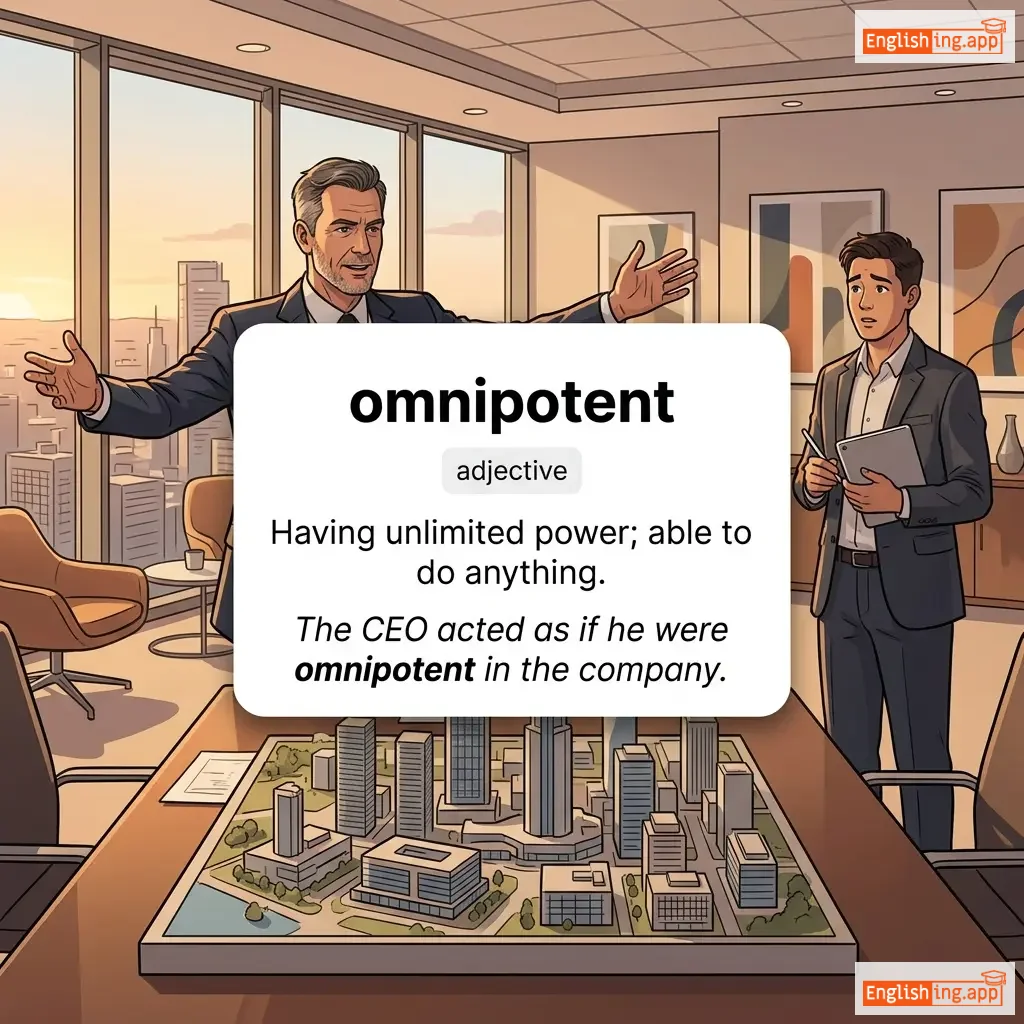
/ɒmˈnɪp.ə.tənt/
adjective
(全能的)
••••••
|
|
全能的
quánnéng de
••••••
|
having unlimited power; all-powerful
••••••
|
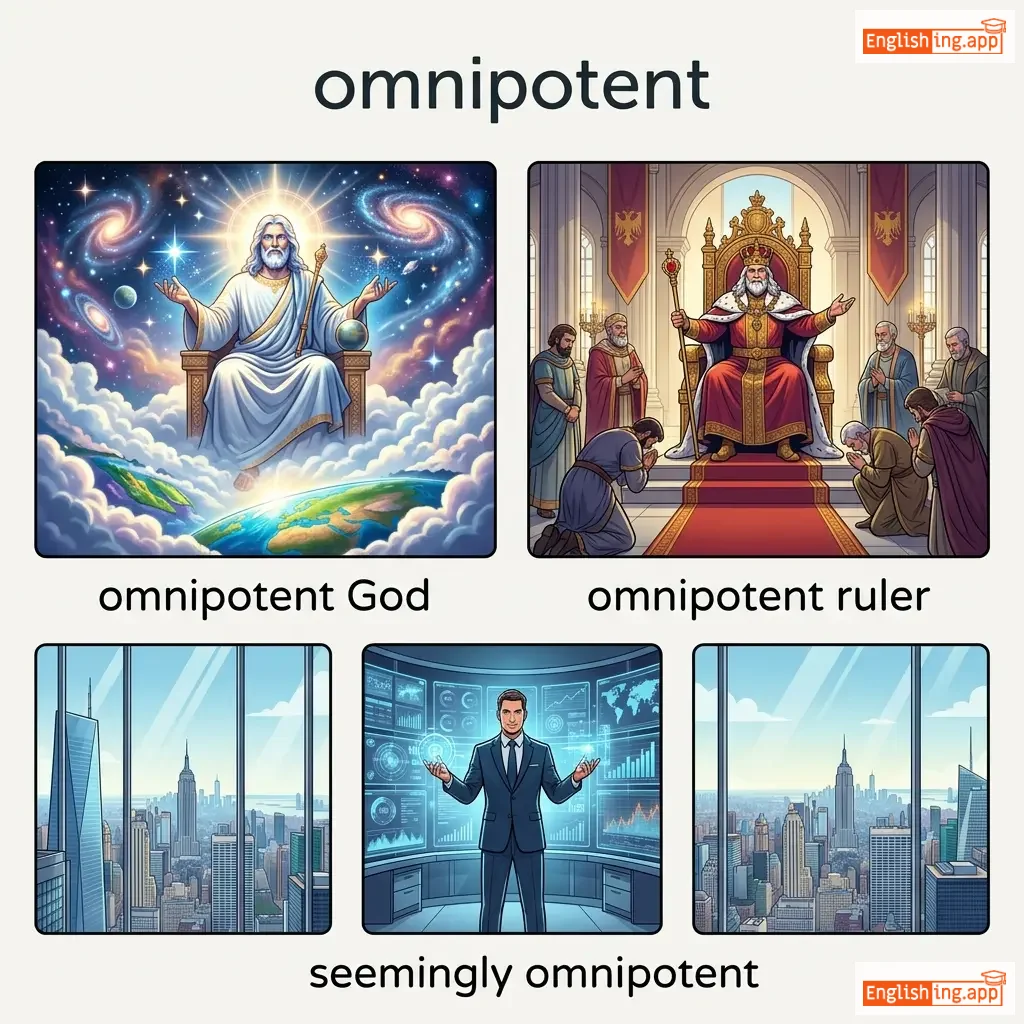
Many religions believe that God is omnipotent. |
许多宗教相信上帝是全能的。
Xǔduō zōngjiào xiāngxìn shàngdì shì quánnéng de.
••••••
|
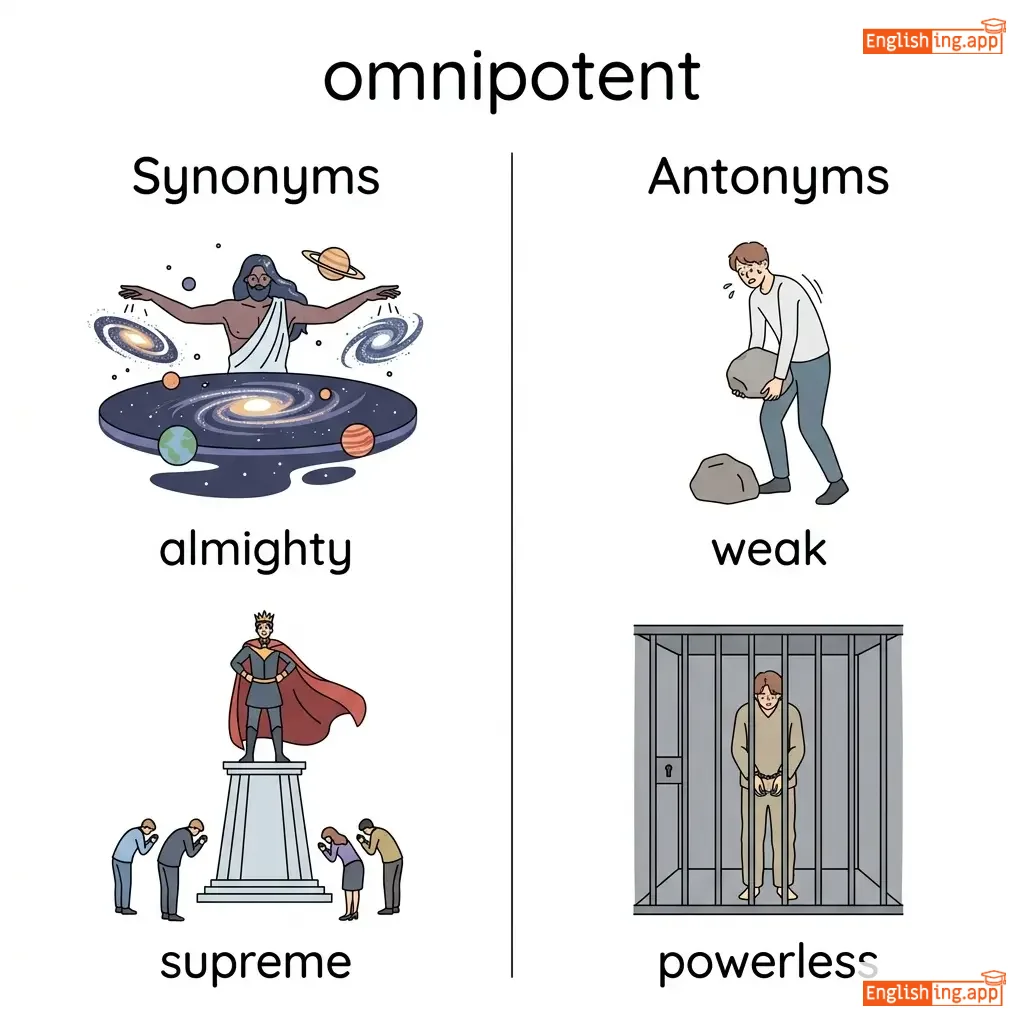
all-powerful, almighty, supreme
••••••
|
powerless, weak, impotent
••••••
|
omnipotent being, omnipotent power, omnipotent force
••••••
|
想象上帝拥有控制世界的无限力量,他就是全能的存在。
••••••
|
|
#582
🔵
|
/əˈrɪdʒ.ɪ.nəl/
adjective
(原始)
••••••
|
- •••••• |
原始的; 主要的; 真实的
yuanshi de, zhuyao de, zhenshi de
••••••
|
first; fundamental; primary; authentic
••••••
|
This is the original document, not a copy. |
这是原始文件,不是副本。
Zhe shi yuanshi wenjian, bu shi fuben.
••••••
|
authentic, genuine, first, initial
••••••
|
copied, duplicate, fake, imitation
••••••
|
original idea, original document, original version, original author
••••••
|
原始的东西最真实。
••••••
|
|
#583
🤲
|
/ˈoʊ.pən ˈhæn.dɪd/
adjective
(欧本-汉德德)
••••••
|
- •••••• |
慷慨的; 自由的
kāngkǎi de; zìyóu de
••••••
|
Generous; liberal; giving freely;
••••••
|
He is very open-handed with his money and always helps those in need. |
他对自己的钱非常慷慨,总是帮助有需要的人。
Tā duì zìjǐ de qián fēicháng kāngkǎi, zǒng shì bāngzhù yǒu xūyào de rén.
••••••
|
generous, liberal, charitable, giving
••••••
|
stingy, tight-fisted, miserly, selfish
••••••
|
open-handed generosity, open-handed gesture, open-handed approach
••••••
|
Chinese '慷慨的' links to 'open-handed' through generosity.
••••••
|
|
#584
⚙️
|
/ˈɒp.ʃən.əl/
adjective
(可选)
••••••
|
- •••••• |
可选的
kě xuǎn de
••••••
|
not compulsory; left to choice
••••••
|
Wearing a tie is optional for this event.
穿领带是这个活动的可选项。
••••••
|
穿领带是这个活动的可选项。
Chuān lǐngdài shì zhège huódòng de kě xuǎn xiàng.
••••••
|
voluntary, elective, discretionary
••••••
|
mandatory, compulsory, required
••••••
|
optional subject, optional feature, optional extra
••••••
|
可选的意味着你可以选择是否做
••••••
|
|
#585
🌍
|
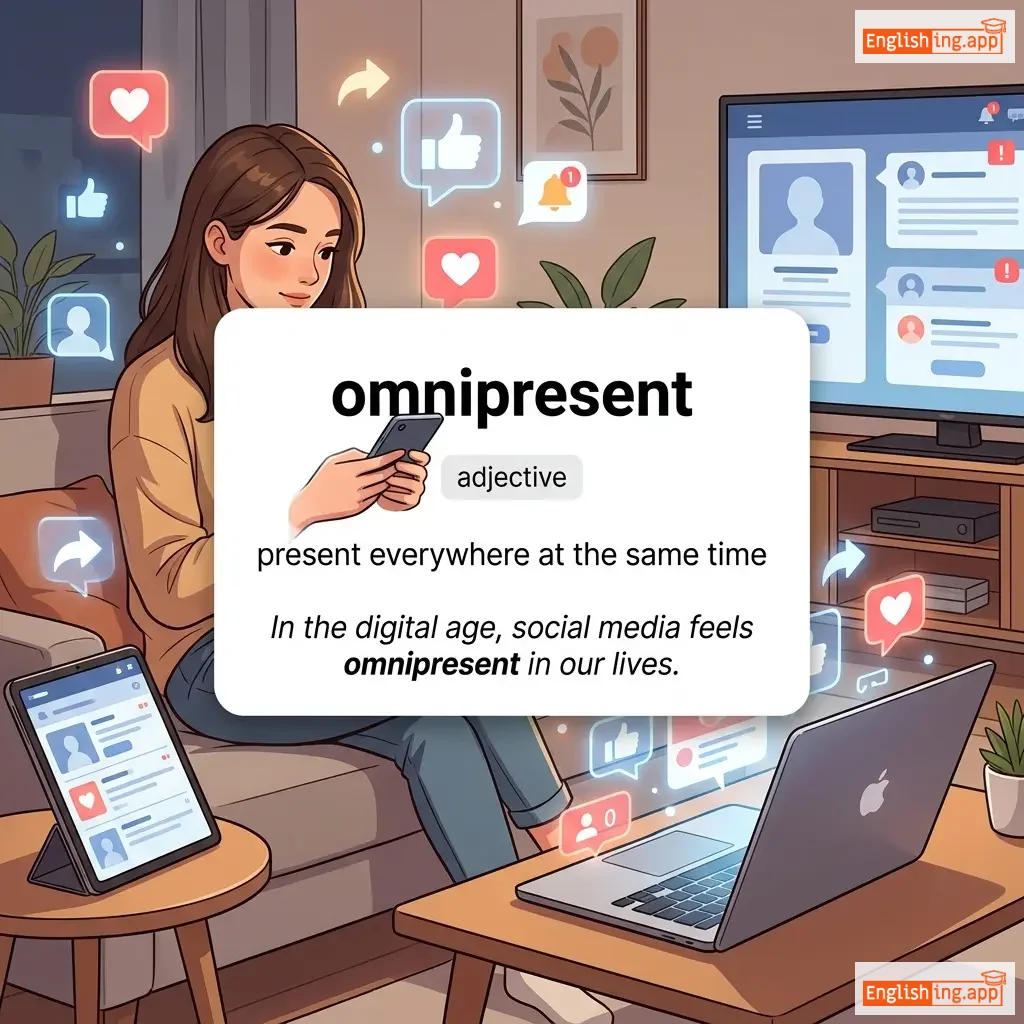
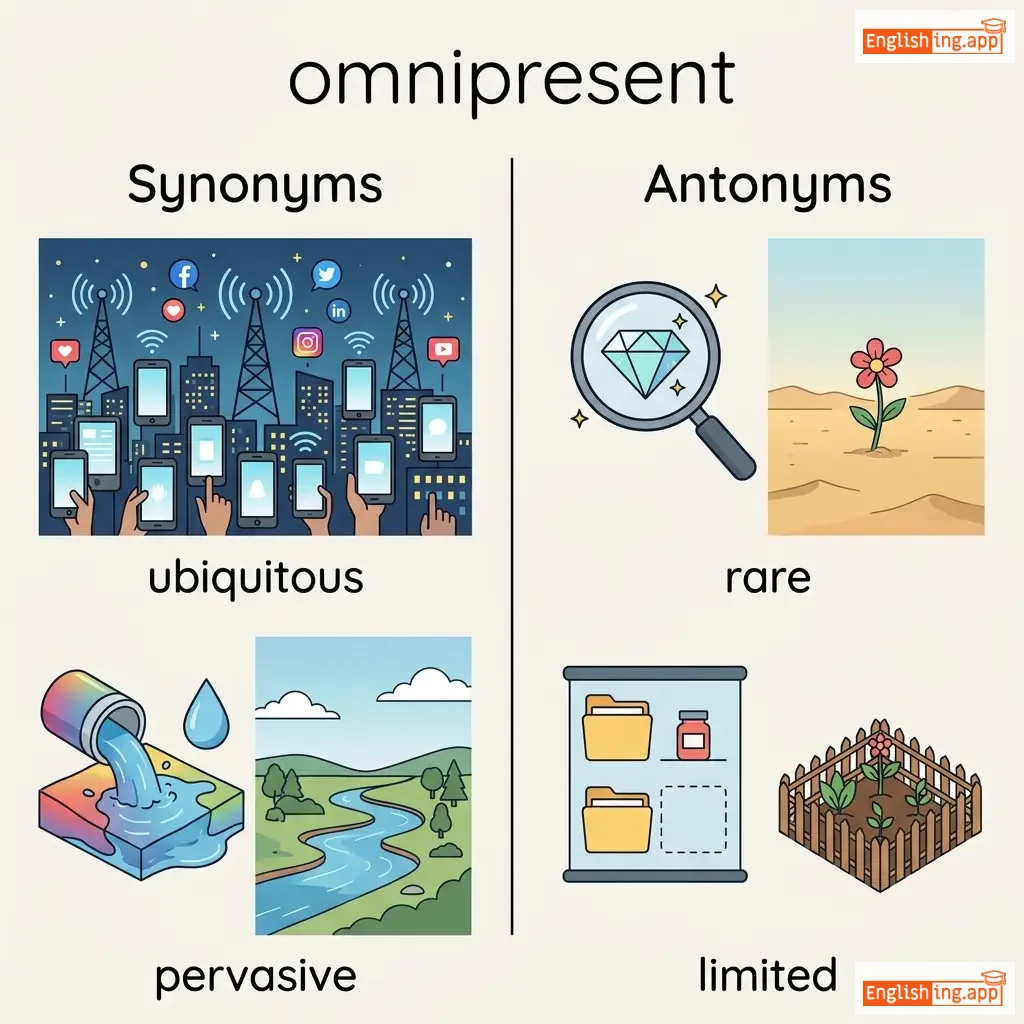
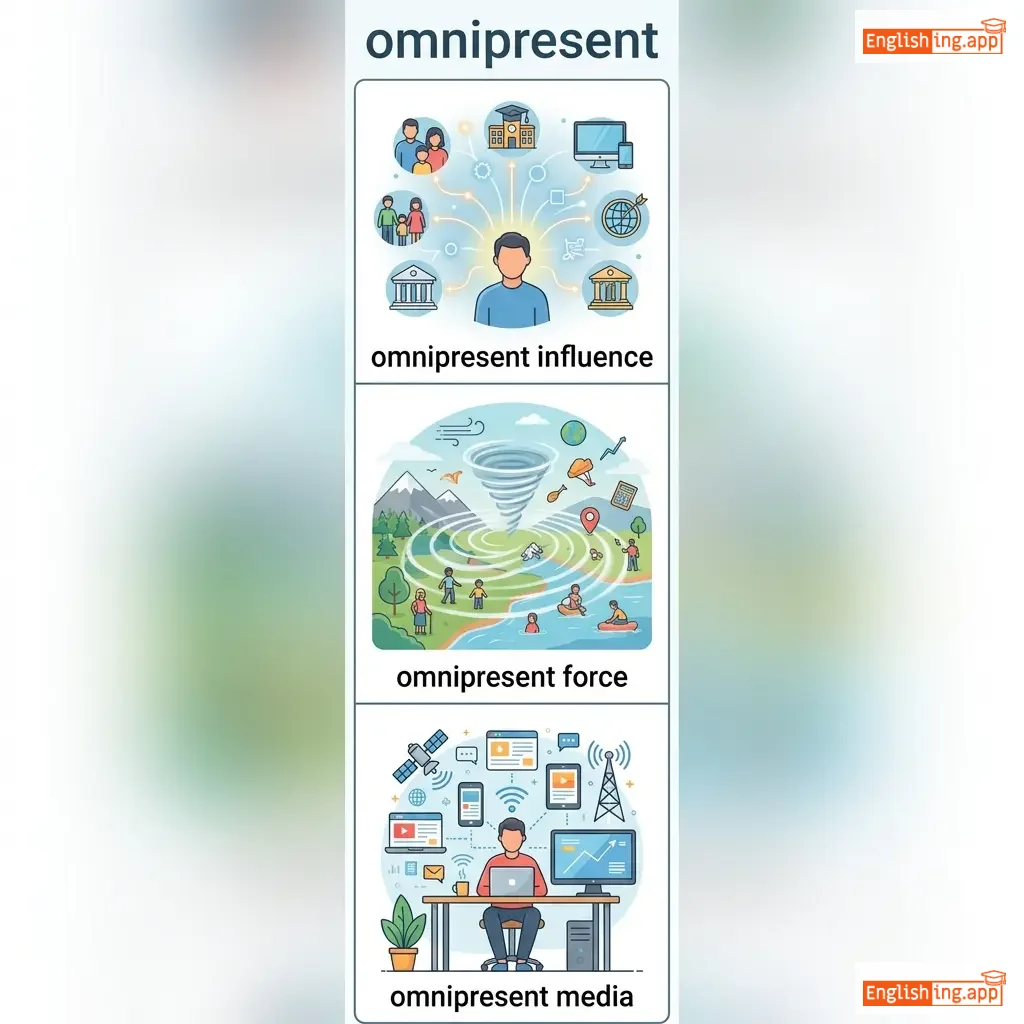
/ˌɒm.nɪˈprez.ənt/
adjective
(全知)
••••••
|
|
无所不在; 在所有地方存在
wúsuǒbùzài; zài suǒyǒu dìfāng cúnzài
••••••
|
present everywhere; existing in all places
••••••
|
The internet makes information seem omnipresent in our daily lives.
互联网使信息在我们的日常生活中看似无所不在。
••••••
|
互联网使信息在我们的日常生活中看似无所不在。
Hùliánwǎng shǐ xìnxī zài wǒmen de rìcháng shēnghuó zhōng kàn shì wúsuǒbùzài.
••••••
|
ubiquitous, everywhere, universal
••••••
|
absent, limited, localized
••••••
|
omnipresent force, omnipresent influence, omnipresent technology
••••••
|
无所不在意味着它存在于每个角落,像互联网一样。
••••••
|
|
#586
😢
|
/ˈaʊt.kɑːst/
adjective
(aʊtkæst)
••••••
|
- •••••• |
被排斥的人
bei paichi de ren
••••••
|
rejected by society; excluded person
••••••
|
He felt like an outcast in his new school. |
他在新学校里感觉自己像一个被排斥的人。
Ta zai xin xuexiao li ganjue ziji xiang yige bei paichi de ren.
••••••
|
exile, pariah, reject, outsider
••••••
|
insider, member, accepted, included
••••••
|
social outcast, feel outcast, outcast community
••••••
|
Outcast = 被排斥的人, 就像被社会排除的人感到孤独。
••••••
|
|
#587
🗣️
|
/ˈɔː.rəl/
adjective
(口头)
••••••
|
- •••••• |
口头的;与嘴巴相关的
kǒutóu
••••••
|
spoken rather than written; relating to the mouth
••••••
|
The oral examination will test your speaking skills. |
口头考试将测试你的口语技能。
Kǒutóu kǎoshì jiāng cèshì nǐ de kǒuyǔ jìnéng.
••••••
|
spoken, verbal, vocal
••••••
|
written, silent, mute
••••••
|
oral exam, oral tradition, oral history
••••••
|
口头考试来自嘴巴
••••••
|
|
#588
💝
|
/ˈoʊ.pən ˈhɑrt.ɪd/
adjective
(ōupén hārtéd)
••••••
|
- •••••• |
开放的心; 慷慨和真诚; 热情接纳;
kaifang de xin; kangkai he zhencheng; reqing jiena;
••••••
|
Kind and generous; sincere and honest; warmly receptive;
••••••
|
She welcomed the strangers with an open-hearted smile and invited them for dinner. |
她以开放的微笑欢迎陌生人,并邀请他们共进晚餐。
Ta yi kaifang de weixiao huanying moshengren, bing yaoqing tamen gongjin wancan.
••••••
|
sincere, genuine, warm, kind, generous
••••••
|
cold-hearted, insincere, reserved, aloof
••••••
|
open-hearted welcome, open-hearted conversation, open-hearted person
••••••
|
热情接待,像心灵的温暖一样
••••••
|
|
#589
⚙️
|
/ˈɑp.ər.ə.tɪv/
adjective
(操作性的)
••••••
|
- •••••• |
有效的; 运行中的; 工作中的; 操作性的;
yǒuxiào de; yùnxíng zhōng de; gōngzuò zhōng de; cāozuò xìng de;
••••••
|
Functioning; in effect; working; active;
••••••
|
The new safety protocols became operative immediately after the accident. |
新的安全协议在事故发生后立即生效。
Xīn de ānquán xiéyì zài shìgù fāshēng hòu lìjí shēngxiào.
••••••
|
active, functional, working, effective, operational
••••••
|
inoperative, inactive, non-functional, ineffective
••••••
|
operative system, operative procedure, operative condition
••••••
|
In Chinese, 'operative' is like a protocol that becomes effective immediately after an accident.
••••••
|
|
#590
📋
|
/ˈɔː.də.li/
adjective
(ɔːdərli)
••••••
|
- •••••• |
有序的; 系统的; 平静的
orderli
••••••
|
well-organized; systematic; peaceful
••••••
|
Please keep your desk orderly and clean. |
请保持您的桌面整齐和干净。
qǐng bǎochí nín de zhuōmiàn zhěngqí hé gānjìng.
••••••
|
organized, neat, systematic
••••••
|
disorderly, chaotic, messy
••••••
|
orderly fashion, orderly queue, orderly manner
••••••
|
Orderly = 有序的,表示一切井井有条
••••••
|
|
#591
🧠
|
/ɒmˈnɪʃ.ənt/
adjective
(全知)
••••••
|
- •••••• |
全知的
quánzhī de
••••••
|
having complete knowledge; all-knowing
••••••
|
The narrator in the novel appears to be omniscient, knowing every character's thoughts. |
小说中的叙述者似乎是全知的,知道每个角色的思想。
xiǎoshuō zhōng de xùshù zhě shì hū shì quánzhī de, zhīdào měi gè juésè de sīxiǎng.
••••••
|
all-knowing, wise, perceptive
••••••
|
ignorant, unaware, clueless
••••••
|
omniscient narrator, omniscient being, omniscient perspective
••••••
|
像上帝一样知道一切
••••••
|
|
#592
📅
|
/ˌfæʃ.ənd/
adjective
(过时)
••••••
|
- •••••• |
过时
guòshí
••••••
|
obsolete; no longer current
••••••
|
This computer software is completely outdated.
这个软件完全过时了。
••••••
|
这个软件完全过时了。
Zhège ruǎnjiàn wánquán guòshí le.
••••••
|
obsolete, old-fashioned, antiquated, expired
••••••
|
modern, current, updated, contemporary
••••••
|
outdated information, outdated technology, outdated system
••••••
|
Outdated在中文中是过时, 就像已经停止更新的软件。
••••••
|
|
#593
↔️
|
/ˈɑp.ə.zɪt/
adjective
(āo pǔ zī tè)
••••••
|
- •••••• |
相反的; 完全不同的; 面对面; 反向的;
xiangfan de
••••••
|
Contrary; completely different; facing each other; reverse;
••••••
|
They have opposite views on politics but remain good friends. |
他们在政治上的观点相反,但仍然是好朋友。
Tāmen zài zhèngzhì shàng de guāndiǎn xiāngfǎn, dàn réngrán shì hǎo péngyǒu.
••••••
|
contrary, reverse, opposing, conflicting, different
••••••
|
same, similar, identical, corresponding
••••••
|
opposite direction, opposite opinion, opposite effect
••••••
|
Xiangfan, opposite; opposite views still foster lasting friendship.
••••••
|
|
#594
😐
|
/ˈɔː.dɪ.nər.i/
adjective
(普通的)
••••••
|
- •••••• |
普通的; 常见的; 不特别的
putong de
••••••
|
normal; usual; not special
••••••
|
It was just an ordinary day at the office.
那只不过是办公室里的普通一天。
••••••
|
那只不过是办公室里的普通一天。
Na zhi buguo shi bangongshi li de putong yitian.
••••••
|
normal, common, regular
••••••
|
extraordinary, special, unique
••••••
|
ordinary people, ordinary life, ordinary circumstances
••••••
|
普通的日子里没有特别的事情发生。
••••••
|
|
#595
🍽️
|
/ɒmˈnɪv.ər.əs/
adjective
(雜食性)
••••••
|
- •••••• |
杂食性动物
zá shí xìng dòng wù
••••••
|
eating both plants and animals; feeding on various kinds of food
••••••
|
Bears are omnivorous animals that eat both plants and meat. |
熊是杂食性动物,吃植物和肉。
xiong shi za shi xing dong wu, chi zhi wu he rou.
••••••
|
all-eating, varied diet, mixed feeding
••••••
|
herbivorous, carnivorous, vegetarian
••••••
|
omnivorous diet, omnivorous animals, omnivorous feeding
••••••
|
熊是杂食性动物,吃各种食物,包括植物和肉类。
••••••
|
|
#596
🗣️
|
/ˌaʊtˈspoʊkən/
adjective
(aʊtˈspoʊkən)
••••••
|
- •••••• |
直言不讳
zhí yán bù huì
••••••
|
frank; speaking directly
••••••
|
She is known for being outspoken about social issues. |
她因直言不讳地谈论社会问题而闻名。
Tā yīn zhí yán bù huì de tán lùn shè huì wèn tí ér wén míng.
••••••
|
frank, candid, direct, vocal
••••••
|
reserved, quiet, diplomatic, tactful
••••••
|
outspoken critic, outspoken advocate, outspoken opinion
••••••
|
直言不讳就是说话直接、没有任何隐藏。
••••••
|
|
#597
😰
|
/əˈprɛs.ɪv/
adjective
(压迫的)
••••••
|
- •••••• |
压迫的
yāpò de
••••••
|
Harsh and authoritarian; overwhelming; causing distress; tyrannical;
••••••
|
The oppressive heat made it difficult to work outside during the summer. |
压迫性的热浪使得夏天在外工作变得很困难。
Yāpò xìng de rè làng shǐdé xiàtiān zài wài gōngzuò biàn dé hěn kùnnán.
••••••
|
harsh, severe, tyrannical, overwhelming, burdensome
••••••
|
liberating, freeing, gentle, mild, lenient
••••••
|
oppressive heat, oppressive regime, oppressive atmosphere
••••••
|
炎热的夏天如同暴政般让人无法呼吸
••••••
|
|
#598
🚫
|
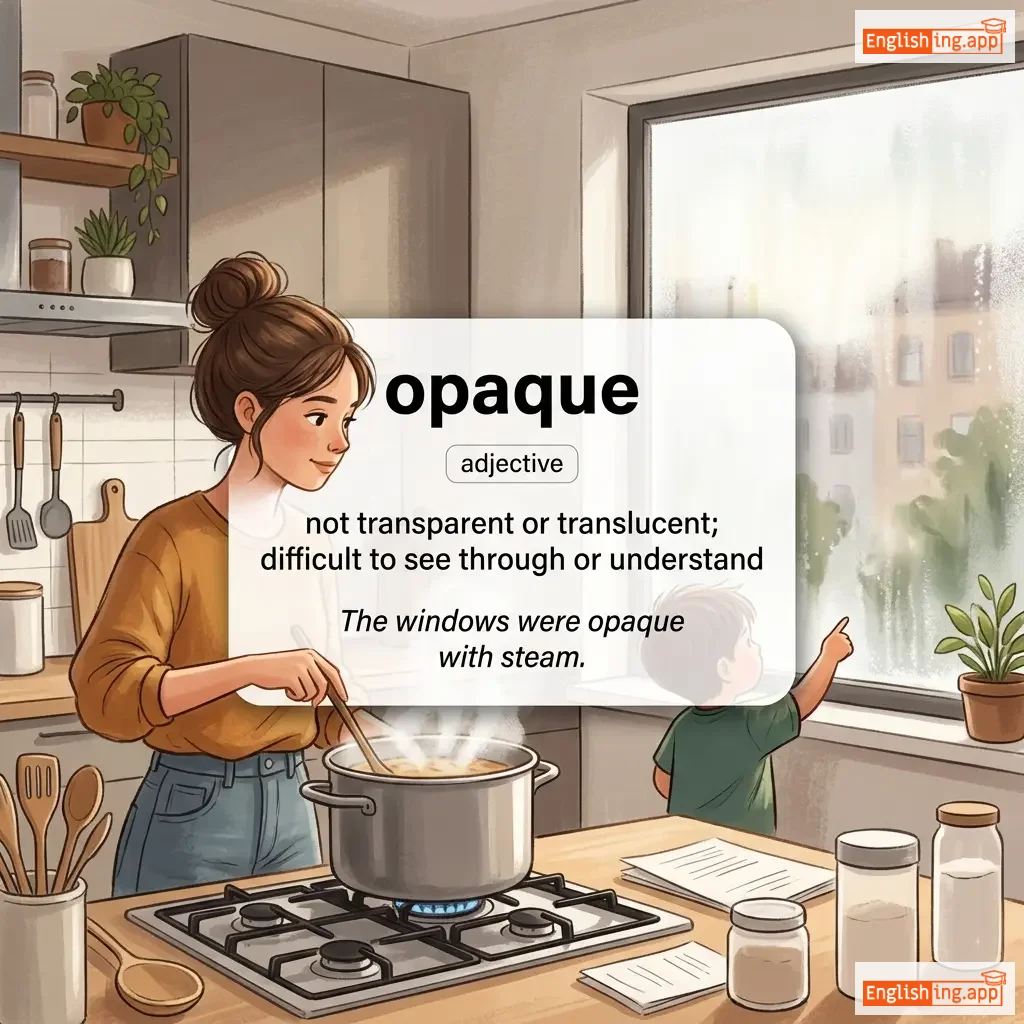
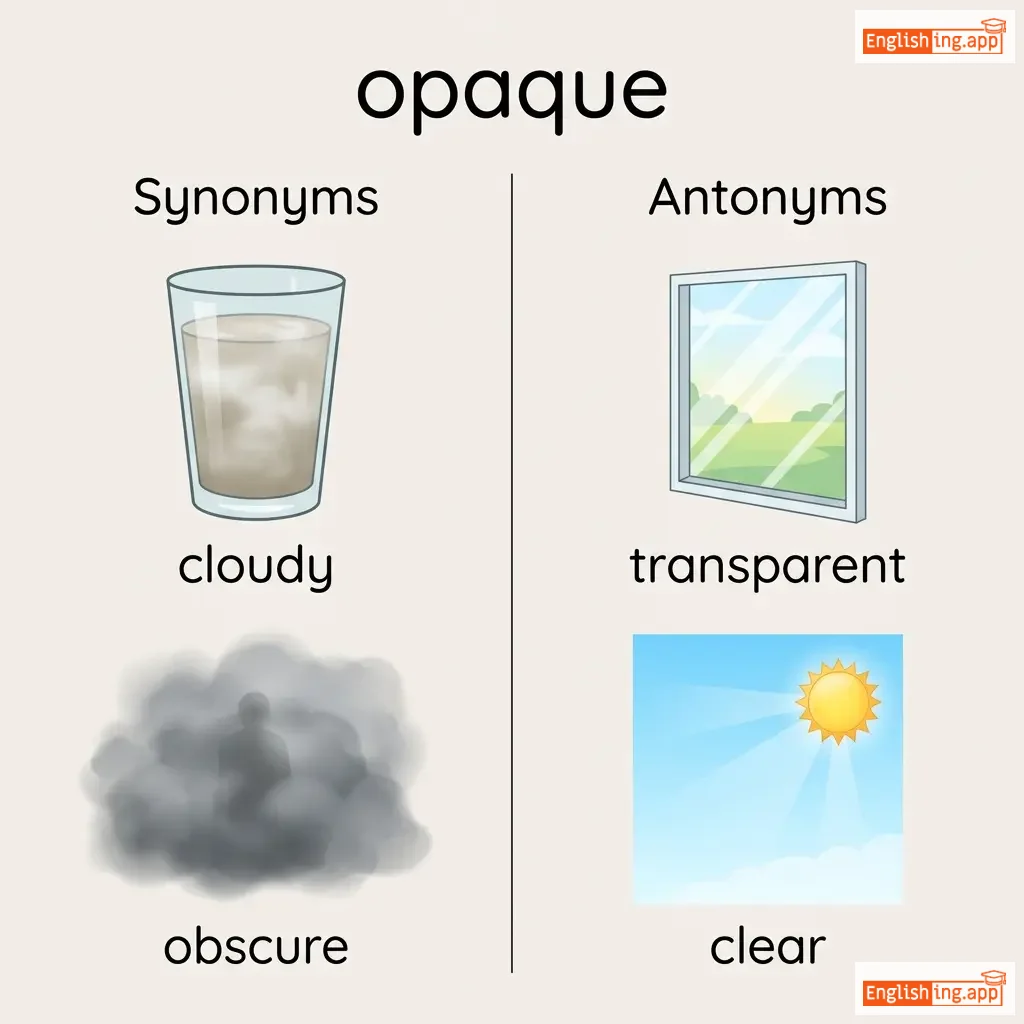
/əʊˈpeɪk/
adjective
(ōu-pèi-kè)
••••••
|
|
不透明的; 密集的,不透光的
bù tòumíng de; mìjí de, bù tòu guāng de
••••••
|
not allowing light to pass through; not transparent
••••••
|
The thick fog made the windows completely opaque.
Dī zī fú méi dī wīndóu kè pùlìtī óu-pèi-kè.
••••••
|
浓雾使窗户完全不透明。
Nóng wù shǐ chuānghù wánquán bù tòumíng.
••••••
|
non-transparent, cloudy, murky
••••••
|
transparent, clear, translucent
••••••
|
opaque glass, opaque material, opaque substance
••••••
|
Opaque = Fog makes everything opaque, blocking light.
••••••
|
|
#599
🏮
|
/ˌɔː.riˈen.təl/
adjective
(东方)
••••••
|
- •••••• |
与东亚国家相关的;东方的
dongfang
••••••
|
relating to the countries of East Asia; eastern
••••••
|
The museum has a beautiful collection of oriental art. |
博物馆收藏有美丽的东方艺术作品。
Bowuguan shoucang you mei li de dongfang yishu zuopin
••••••
|
eastern, Asian, Far Eastern
••••••
|
western, occidental
••••••
|
oriental art, oriental culture, oriental cuisine
••••••
|
In Chinese, 'dongfang' means East, connecting to art from that region.
••••••
|
|
#600
🕊️
|
/ˈpiːs.ə.bəl/
adjective
(pīsàbó)
••••••
|
- •••••• |
和平的; 倾向于避免冲突
hépíng de; qīngxiàng yú bìmiǎn chōngtú
••••••
|
peaceful; inclined to avoid conflict
••••••
|
The peaceable protest ended without any violence.
和平抗议没有暴力结束。
••••••
|
和平抗议没有暴力结束。
Hépíng kàngyì méiyǒu bào lì jiéshù.
••••••
|
peaceful, calm, gentle, tranquil
••••••
|
violent, aggressive, hostile, warlike
••••••
|
peaceable solution, peaceable nature, peaceable assembly
••••••
|
和平能带来美好的未来。
••••••
|
Vocabulary Quiz
Test your vocabulary by matching words with their translations or meanings.
Login to take the quiz
Comments (0)
Share your thoughts and join the discussion.
Join the discussion by logging in
Login to CommentNo comments yet
Be the first to share your thoughts!