



Swipe left or right, or use the buttons. Tap image to zoom.
例句翻译
单词
Lesson 23Lesson 23 - 遮罩切换
|
表情符号
|
单词 | Images | 翻译 | 含义 | 例句 | 例句翻译 | 同义词 | 反义词 | 搭配词 | 助记符 |
|---|---|---|---|---|---|---|---|---|---|---|
|
#441
💎
|
/ˈlæv.ɪʃ/
adjective
(là wéi shí)
••••••
|
- •••••• |
奢华; 奢侈; 慷慨
shē huá; shē chǐ; kāng kǎi
••••••
|
expensive; elaborate; extravagant; generous
••••••
|
The wedding was a lavish celebration with hundreds of guests. |
婚礼是一场奢华的庆祝活动,邀请了数百名宾客。
hūnlǐ shì yī chǎng shē huá de qìngzhù huódòng, yāoqǐngle shù bǎi míng bīnkè.
••••••
|
extravagant, luxurious, generous, abundant
••••••
|
modest, frugal, simple, austere
••••••
|
lavish party, lavish spending, lavish lifestyle
••••••
|
奢华的庆典是中国婚礼的标志,象征着豪华与大气。
••••••
|
|
#442
📚
|
/ˈlɪt.ər.ət/
adjective
(利特雷特)
••••••
|
- •••••• |
文盲; 有教育的; 受过良好教育的
literet
••••••
|
able to read and write; educated; well-educated
••••••
|
She is a very literate person who reads extensively.
她是一个非常有文化的人,广泛阅读。
••••••
|
她是一个非常有文化的人,广泛阅读。
tā shì yīgè fēicháng yǒu wénhuà de rén, guǎngfàn yuèdú.
••••••
|
educated, learned, scholarly, well-read
••••••
|
illiterate, uneducated, ignorant
••••••
|
literate society, computer literate, financially literate
••••••
|
Literate = 教育和阅读能力强
••••••
|
|
#443
🌳
|
/ˈliːf.ləs/
adjective
(líf-lèsī)
••••••
|
- •••••• |
无叶的; 光秃的
wú yè de; guāng tū de
••••••
|
without leaves; bare
••••••
|
The leafless trees looked bare in winter. |
冬天无叶的树看起来光秃秃的。
dōngtiān wú yè de shù kàn qǐlái guāng tū tū de.
••••••
|
bare, naked, stripped
••••••
|
leafy, foliaged, verdant
••••••
|
leafless tree, leafless branch, leafless winter
••••••
|
冬天无叶的树光秃秃
••••••
|
|
#444
😌
|
/ˈliː.ni.ənt/
adjective
(利尼恩特)
••••••
|
- •••••• |
宽容的; 宽大的; 仁慈的; 在处罚或判断中不严格
kuanrong de; kuanda de; renci de; zai chufa huo panduan zhong bu yange
••••••
|
tolerant; forgiving; merciful; not strict in punishment or judgment
••••••
|
The teacher was lenient with students who submitted their homework late. |
老师对那些迟交作业的学生宽容。
Laoshi dui naxie chi jiao zuoye de xuesheng kuanrong.
••••••
|
tolerant, forgiving, permissive, mild, merciful
••••••
|
strict, harsh, severe, rigid, unforgiving
••••••
|
lenient punishment, lenient treatment, lenient approach, lenient judge
••••••
|
记住 '宽容' 是 'lenient' 的中文翻译。
••••••
|
|
#445
⚖️
|
/ˈlɔː.fəl/
adjective
(luòfūl)
••••••
|
- •••••• |
合法; 合理; 有效; 公正;
hefa; heli; youxiao; gongzheng;
••••••
|
legal; legitimate; valid; just
••••••
|
The judge confirmed that their actions were lawful and proper.
法官确认他们的行为是合法和恰当的。
••••••
|
法官确认他们的行为是合法和恰当的。
Fǎguān quèrèn tāmen de xíngwéi shì héfǎ hé qiàdàng de.
••••••
|
legal, legitimate, valid, authorized
••••••
|
illegal, unlawful, forbidden, prohibited
••••••
|
lawful authority, lawful purpose, lawful activity
••••••
|
Lawful actions are in accordance with the law.
••••••
|
|
#446
😄
|
/ˈlaɪv.li/
adjective
(laivli)
••••••
|
- •••••• |
充满活力的; 活泼的; 快乐的
laivli
••••••
|
full of life and energy; animated; cheerful
••••••
|
The children had a lively discussion about their favorite books. |
孩子们就他们最喜欢的书进行了充满活力的讨论。
Haizimen jiu tamen zui xihuan de shu jinxing le chongman huoli de taolun.
••••••
|
energetic, animated, vibrant, spirited
••••••
|
dull, lifeless, sluggish, inactive
••••••
|
lively debate, lively music, lively personality
••••••
|
Picture lively children having an energetic discussion about their favorite books.
••••••
|
|
#447
⬇️
|
/ˈles.ər/
adjective
(莱瑟)
••••••
|
- •••••• |
较小
jiaoxiao
••••••
|
smaller in amount; of lower importance; inferior
••••••
|
He chose the lesser of two evils when making his decision. |
他在做决定时选择了较小的恶。
Ta zai zuo jueding shi xuanze le jiaoxiao de e.
••••••
|
smaller, minor, inferior, reduced, diminished
••••••
|
greater, larger, superior, major, increased
••••••
|
lesser extent, lesser degree, lesser evil, lesser known
••••••
|
选择较小的恶,像在两个选项中选择较少的坏处
••••••
|
|
#448
🌿
|
/ˈliː.fi/
adjective
(lìfē)
••••••
|
- •••••• |
多叶的; 被叶子覆盖的
duō yè de; bèi yèzi fùgài de
••••••
|
having many leaves; covered with leaves
••••••
|
The leafy green vegetables are very nutritious. |
叶绿的蔬菜非常有营养。
Yè lǜ de shūcài fēicháng yǒu yíngyǎng.
••••••
|
green, lush, verdant
••••••
|
leafless, bare, naked
••••••
|
leafy vegetables, leafy greens, leafy suburb
••••••
|
Leafy = 多叶的 = 绿色的叶子蔬菜
••••••
|
|
#449
💪
|
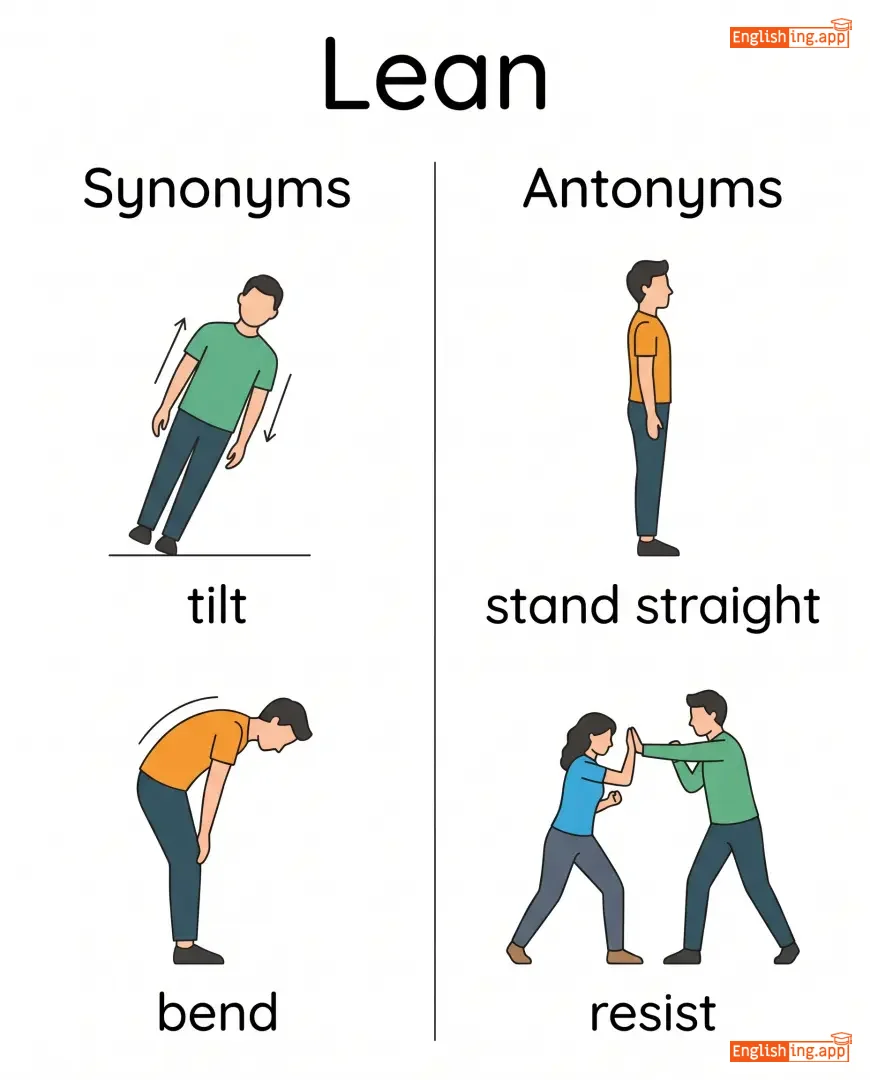
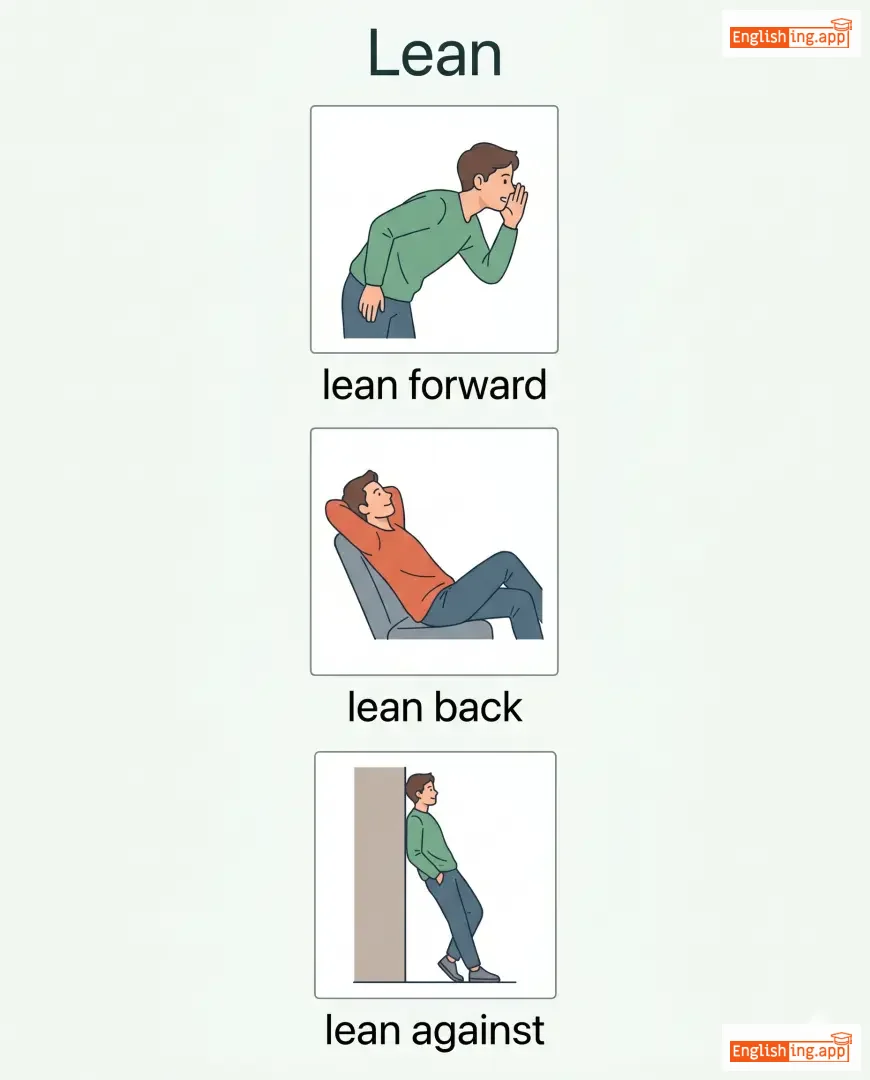
/liːn/
adjective
(lín)
••••••
|
|
瘦; 脂肪少; 虚弱
shou; zhifang shao; xuruo
••••••
|
thin; having little fat; weak
••••••
|
He has a lean and muscular body. |
他有一个瘦而健壮的身体。
Ta you yige shou er jianzhuang de shenti.
••••••
|
thin, slender, slim
••••••
|
fat, thick, bulky
••••••
|
lean meat, lean body, lean muscle
••••••
|
Lean body = 瘦身体
••••••
|
|
#450
☠️
|
/ˈliː.θəl/
adjective
(lìtǎl)
••••••
|
- •••••• |
致命的; 致死的;
zhìmìng de; zhìsǐ de
••••••
|
deadly; fatal; capable of causing death
••••••
|
The snake's venom is lethal to humans if not treated immediately.
蛇的毒液对人类致命,如果不立即治疗。
••••••
|
蛇的毒液对人类致命,如果不立即治疗。
Shé de dúyè duì rénlèi zhìmìng, rúguǒ bù lìjí zhìliáo.
••••••
|
deadly, fatal, poisonous, toxic, destructive
••••••
|
harmless, safe, non-toxic, beneficial, healing
••••••
|
lethal weapon, lethal dose, lethal injection, lethal force
••••••
|
记住'致命的'作为可以引起死亡的东西。
••••••
|
|
#451
🚫
|
/ˈlɔː.ləs/
adjective
(lùolèisī)
••••••
|
- •••••• |
无律; 无政府主义; 混乱; 犯罪
wú lǜ; wú zhèngfǔ zhǔyì; hùnluàn; fànzuì
••••••
|
without law; anarchic; unruly; criminal
••••••
|
The frontier town was known for its lawless behavior and chaos. |
边境城市以其无律行为和混乱而闻名。
Biānjìng chéngshì yǐ qí wú lǜ xíngwéi hé hùnluàn ér wénmíng.
••••••
|
anarchic, chaotic, unruly, criminal
••••••
|
lawful, orderly, civilized, regulated
••••••
|
lawless society, lawless behavior, lawless territory
••••••
|
Lawless = 没有法律,一片混乱
••••••
|
|
#452
🤢
|
/ˈloʊð.səm/
adjective
(洛斯姆)
••••••
|
- •••••• |
令人厌恶的
loathsome
••••••
|
causing hatred or disgust; repulsive
••••••
|
The loathsome smell from the garbage made everyone leave the room.
垃圾散发出的令人厌恶的气味让每个人离开了房间。
••••••
|
垃圾散发出的令人厌恶的气味让每个人离开了房间。
lajisanfachudelingrenyanwudeqiweirangmeigerenlikailefangjian
••••••
|
disgusting, repulsive, revolting, abhorrent
••••••
|
pleasant, attractive, appealing, delightful
••••••
|
loathsome creature, loathsome behavior, loathsome smell
••••••
|
Loathsome = Loathe + Some, 想象你 hate some things, 就是 令人厌恶的
••••••
|
|
#453
🔸
|
/liːst/
adjective
(list)
••••••
|
- •••••• |
最少
zuì shǎo
••••••
|
smallest in amount or degree; minimal
••••••
|
This is the least expensive option available.
这是最便宜的可用选项。
••••••
|
这是最便宜的可用选项。
Zhè shì zuì piányí de kě yòng xuǎnxiàng.
••••••
|
smallest, minimal, tiniest
••••••
|
most, greatest, maximum
••••••
|
at least, least common, least likely
••••••
|
最少的选项是最便宜的
••••••
|
|
#454
⚖️
|
/ˈlaɪ.ə.bəl/
adjective
(lài ǎi bǎo)
••••••
|
- •••••• |
负责的; 有义务的;
fùzé de; yǒu yìwù de
••••••
|
legally responsible; accountable; obligated
••••••
|
The company is liable for any damages caused by their defective products. |
公司对因其有缺陷的产品造成的任何损害负责。
gōngsī duì yīn qí yǒu quēxiàn de chǎnpǐn zàochéng de rènhé sǔnhài fùzé
••••••
|
responsible, accountable, answerable, obligated, bound
••••••
|
exempt, free, unaccountable, irresponsible, released
••••••
|
liable for damages, legally liable, liable to prosecution, liable party
••••••
|
负责的公司需要为其产品瑕疵承担责任
••••••
|
|
#455
😴
|
/ˈleɪ.zi/
adjective
(léi zī)
••••••
|
- •••••• |
懒惰; 不愿意工作
lan duo; bu yuan yi gong zuo
••••••
|
idle; unwilling to work; sluggish
••••••
|
He was too lazy to clean his room on the weekend. |
他周末太懒,不愿意打扫房间。
Ta zhou mo tai lan, bu yuan yi da sao fang jian.
••••••
|
idle, sluggish, inactive, lethargic
••••••
|
active, energetic, hardworking, diligent
••••••
|
lazy afternoon, lazy student, lazy day
••••••
|
懒惰的人总是找借口避免工作,就像一只慢动作的乌龟。
••••••
|
|
#456
🏔️
|
/ˈlɔːf.ti/
adjective
(洛夫提)
••••••
|
- •••••• |
高大;崇高的性格;崇高的风格
lofti
••••••
|
of great height; noble in character; elevated in style
••••••
|
He has lofty ideals about making the world a better place.
他有崇高的理想,希望能让世界变得更美好。
••••••
|
他有崇高的理想,希望能让世界变得更美好。
Tā yǒu chónggāo de lǐxiǎng, xīwàng néng ràng shìjiè biàn dé gèng měihǎo.
••••••
|
high, elevated, noble, grand
••••••
|
low, humble, modest, base
••••••
|
lofty goals, lofty mountains, lofty ideals
••••••
|
Lofty dreams are like mountains, always reaching high.
••••••
|
|
#457
✅
|
/lɪˈdʒɪt.ɪ.mət/
adjective
(lɪˈdʒɪtɪmɛt)
••••••
|
- •••••• |
合法的; 有效的; 真实的; 合理的
hefa de; youxiao de; zhenshi de; heli de
••••••
|
lawful; valid; genuine; reasonable
••••••
|
He has a legitimate reason for being late. |
他有正当的理由迟到。
Ta you zhengdang de liyi chidao.
••••••
|
legal, valid, lawful
••••••
|
illegal, invalid, unlawful
••••••
|
legitimate business, legitimate concern, legitimate government
••••••
|
合法的就像法律允许的理由
••••••
|
|
#458
👑
|
/ˈliː.dɪŋ/
adjective
(liding)
••••••
|
- •••••• |
领先的; 主要的; 最重要的
līxiān de; zhǔyào de; zuì zhòngyào de
••••••
|
foremost; principal; most important; guiding
••••••
|
She is a leading expert in environmental science.
她是环境科学领域的领先专家。
••••••
|
她是环境科学领域的领先专家。
Tā shì huánjìng kēxué lǐngyù de lǐxiān zhuānjiā.
••••••
|
foremost, principal, primary, top
••••••
|
following, secondary, minor, trailing
••••••
|
leading role, leading company, leading scientist
••••••
|
领先 (Leading) 意味着在领域中处于领先地位,就像一位环境科学专家。
••••••
|
|
#459
🤝
|
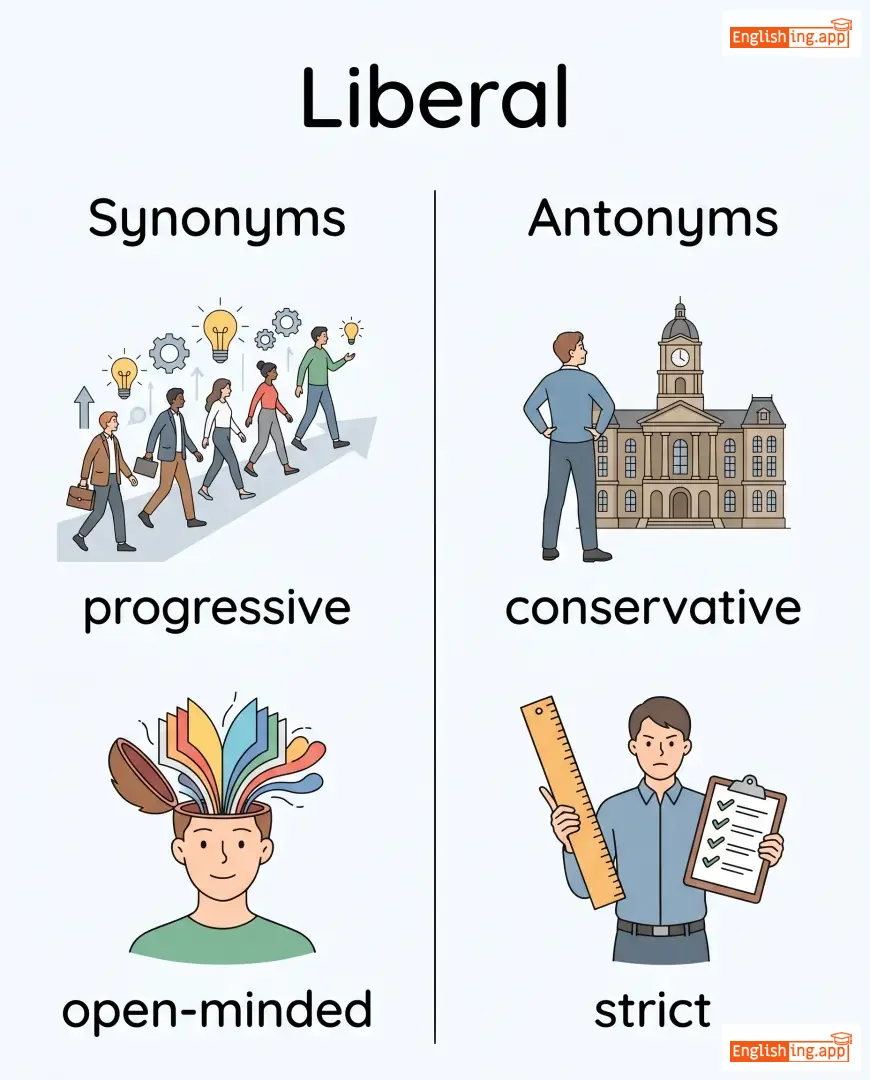
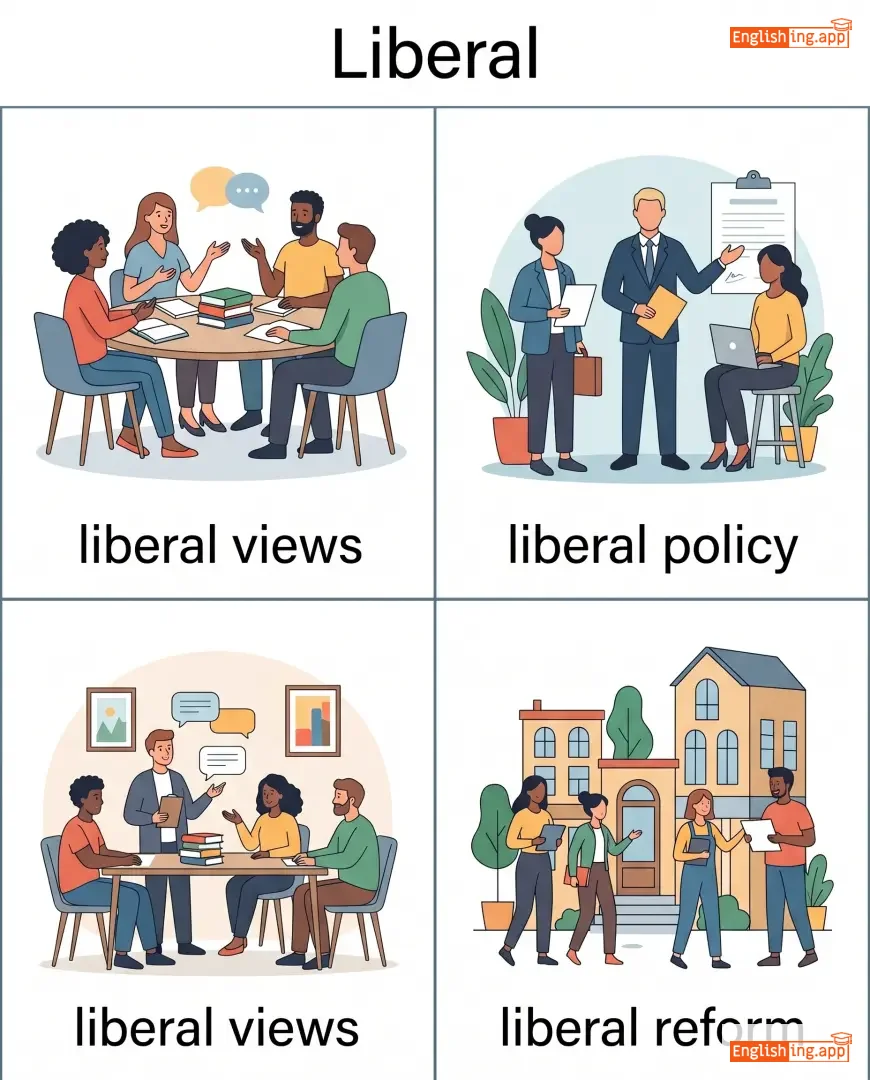
/ˈlɪb.ər.əl/
adjective
(自由的)
••••••
|
|
自由的; 宽容的; 慷慨的; 思维进步的
zìyóu de; kuānróng de; kāngkǎi de; sīwéi jìnbù de
••••••
|
open-minded; tolerant; generous; progressive in thinking
••••••
|
She has a liberal attitude towards different cultures and beliefs.
她对不同文化和信仰持有自由的态度。
••••••
|
她对不同文化和信仰持有自由的态度。
Tā duì bùtóng wénhuà hé xìnyǎng chí yǒu zìyóu de tàidù.
••••••
|
open-minded, tolerant, progressive, broad-minded, generous
••••••
|
conservative, narrow-minded, strict, rigid, intolerant
••••••
|
liberal arts, liberal democracy, liberal education, liberal views
••••••
|
In Chinese, 'liberal' is associated with openness and progress in thinking.
••••••
|
|
#460
🧠
|
/ˈlɑː.dʒɪ.kəl/
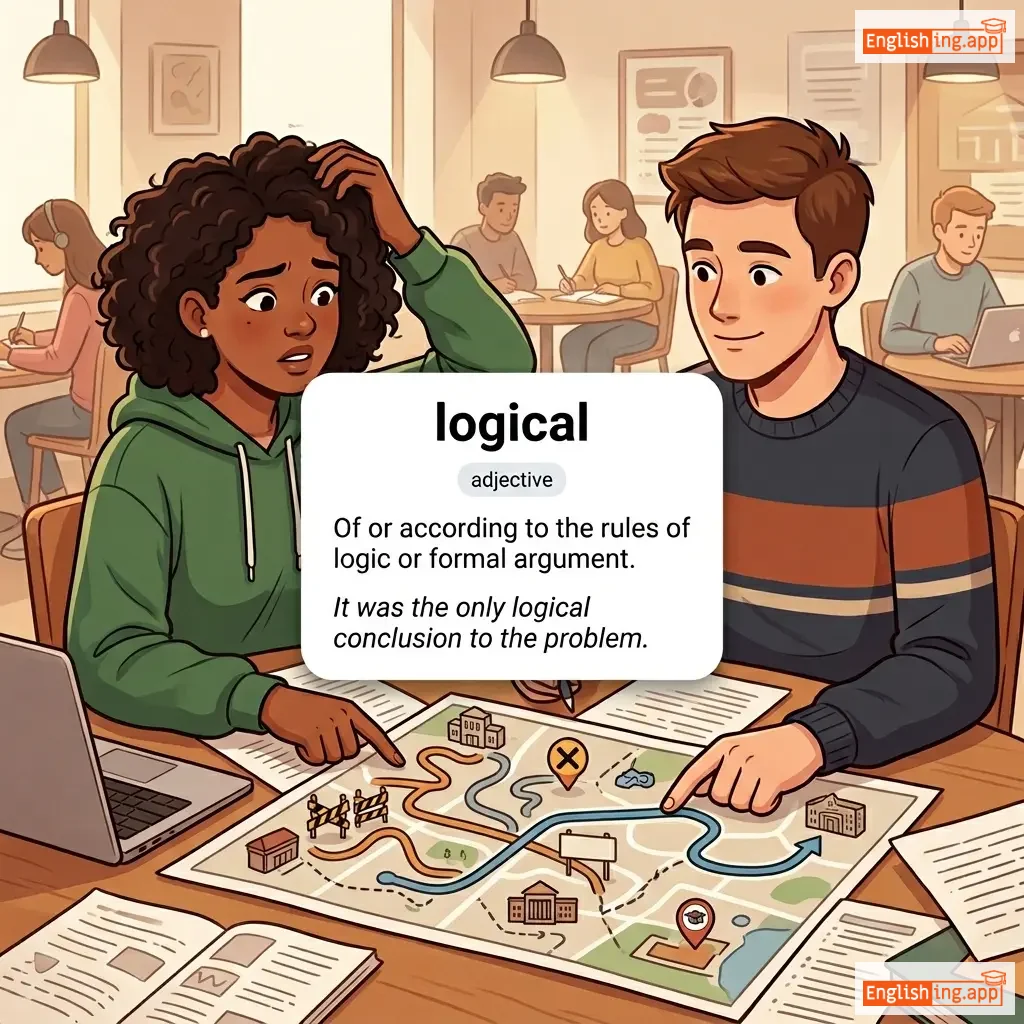
adjective
(逻辑)
••••••
|
|
逻辑的; 理性; 明智的
luojí
••••••
|
based on clear reasoning; rational; sensible
••••••
|
It's logical to study hard if you want to pass the exam. |
如果你想通过考试,努力学习是合乎逻辑的。
Rúguǒ nǐ xiǎng tōngguò kǎoshì, nǔlì xuéxí shì hébù luójí de.
••••••
|
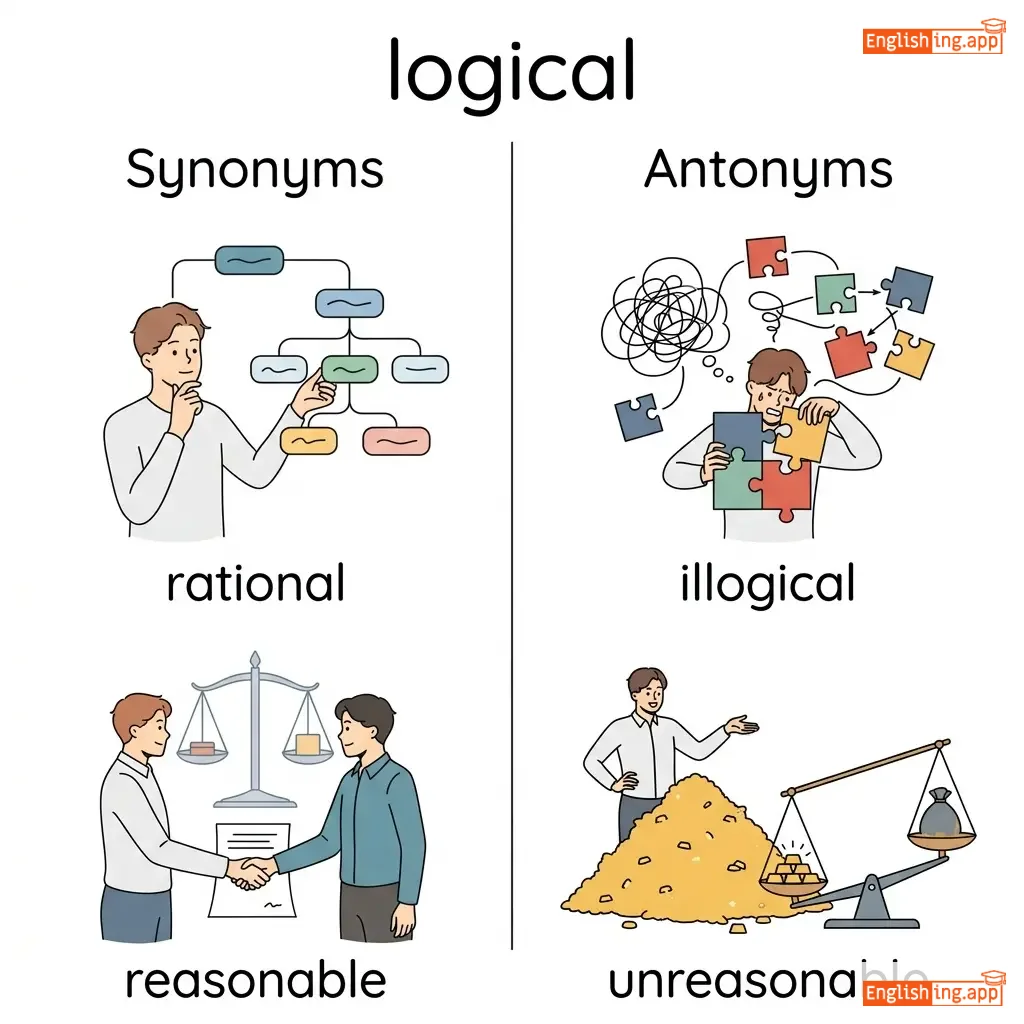
rational, reasonable, sensible, coherent
••••••
|
illogical, irrational, unreasonable, absurd
••••••
|
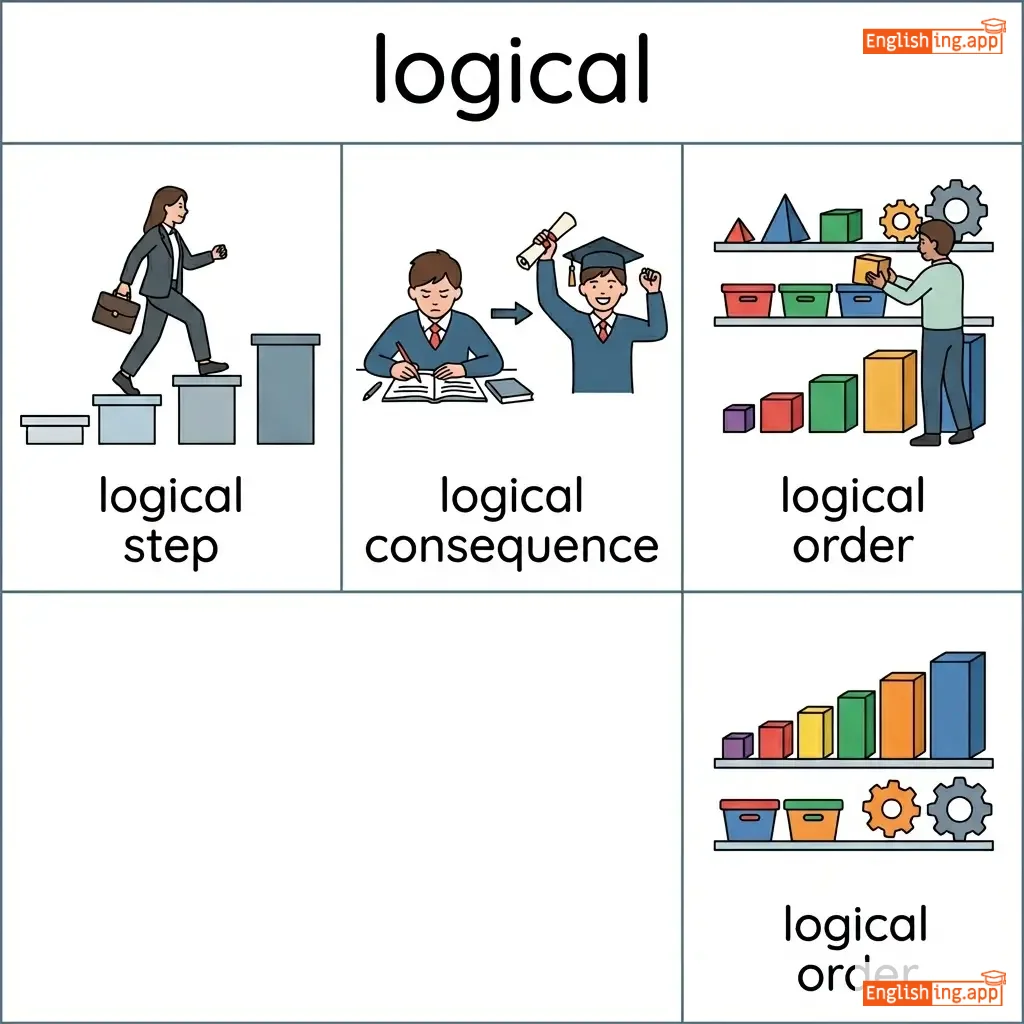
logical thinking, logical conclusion, logical approach
••••••
|
逻辑是理性思维的根基。
••••••
|
Vocabulary Quiz
Test your vocabulary by matching words with their translations or meanings.
Login to take the quiz
Comments (0)
Share your thoughts and join the discussion.
Join the discussion by logging in
Login to CommentNo comments yet
Be the first to share your thoughts!