



Swipe left or right, or use the buttons. Tap image to zoom.
例句翻译
单词
Lesson 19Lesson 19 - 遮罩切换
|
表情符号
|
单词 | Images | 翻译 | 过去时 | 过去分词 | 第三人称单数 | 动名词 | 含义 | 例句 | 例句翻译 | 示例表达 | 示例表达含义 | 示例表达翻译 | 同义词 | 反义词 | 搭配词 | 助记符 |
|---|---|---|---|---|---|---|---|---|---|---|---|---|---|---|---|---|---|
|
#862
🧑✈️
|
/ˈkæptɪn/
noun
(kèpíntīng)
••••••
|
- •••••• |
船长
chuánzhǎng
••••••
|
- •••••• | - •••••• | - •••••• | - •••••• |
the leader of a team, ship, or group
••••••
|
The captain led his team to victory. |
船长带领他的团队获得胜利。
Chuánzhǎng dàilǐng tā de tuánduì huòdé shènglì.
••••••
|
captain of industry |
a wealthy and powerful business leader
••••••
|
行业领袖
hángyè lǐngxiù
••••••
|
commander, leader, chief, skipper
••••••
|
follower, subordinate
••••••
|
team captain, ship captain, army captain, captain of industry
••••••
|
船长带领团队获得胜利,就像一个领导一样。
••••••
|
|
#863
📸
|
/ˈkæptʃər/
verb
(凯普彻)
••••••
|
- •••••• |
捕获
bǔhuò
••••••
|
captured
凯普彻德
••••••
|
captured
凯普彻德
••••••
|
captures
凯普彻斯
••••••
|
capturing
凯普彻宁
••••••
|
to take control of something or someone by force
••••••
|
The soldiers managed to capture the enemy base.
士兵们成功地占领了敌人的基地。
••••••
|
士兵们成功地占领了敌人的基地。
Shìbīngmen chénggōng dì zhànlǐngle dírén de jīdì.
••••••
|
capture the moment
捕捉时刻
••••••
|
to preserve or record a special time or event
••••••
|
捕捉瞬间
bǔzhuō shùnjiān
••••••
|
seize, arrest, apprehend, conquer, trap
••••••
|
release, free, liberate
••••••
|
capture the flag, capture attention, capture market, capture image
••••••
|
捕获就像用相机抓住一个瞬间
••••••
|
|
#864
🚗
|
/kɑːr/
noun
(kǎ)
••••••
|
- •••••• |
汽车
qiche
••••••
|
- •••••• | - •••••• | - •••••• | - •••••• |
a road vehicle with an engine, four wheels, and seats for passengers
••••••
|
She bought a new car last week. |
她上周买了一辆新车。
Tā shàng zhōu mǎile yī liàng xīn chē.
••••••
|
drive someone up the wall |
to annoy or irritate someone greatly
••••••
|
使某人生气
shǐ mǒu rén shēngqì
••••••
|
automobile, vehicle, motorcar, ride
••••••
|
bicycle, pedestrian
••••••
|
car accident, car insurance, car seat, new car
••••••
|
汽车就是car,汽车出了问题,会让你抓狂。
••••••
|
|
#865
🌍
|
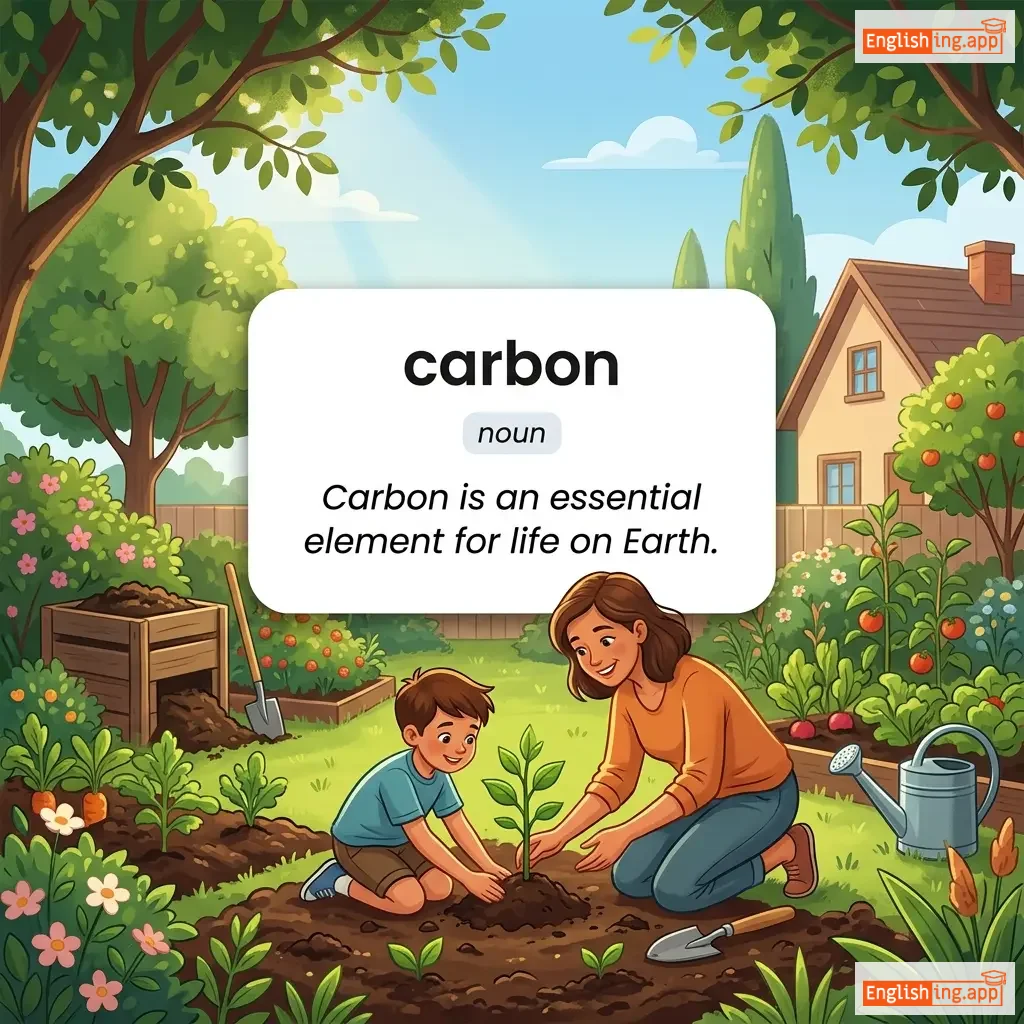
/ˈkɑːrbən/
noun
(kā bó en)
••••••
|
|
碳
tan
••••••
|
- •••••• | - •••••• | - •••••• | - •••••• |
a chemical element found in all living things and used as fuel when combined with oxygen
••••••
|
Carbon is an essential element for life on Earth. |
碳是地球上生命的必要元素。
tan shi diqiu shang shengming de bixiang yuansu
••••••
|
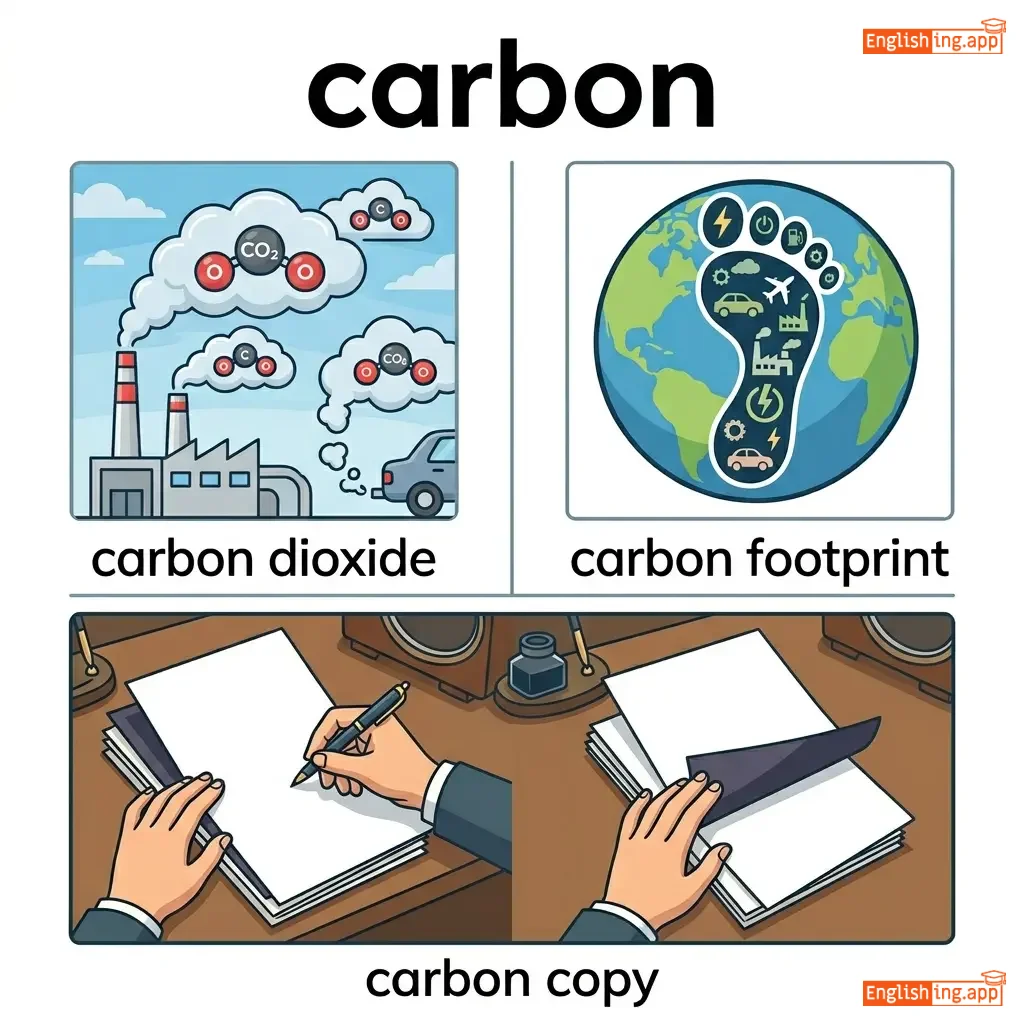
carbon footprint |
the amount of carbon dioxide emissions caused by a person, organization, or activity
••••••
|
碳足迹
tan zuji
••••••
|
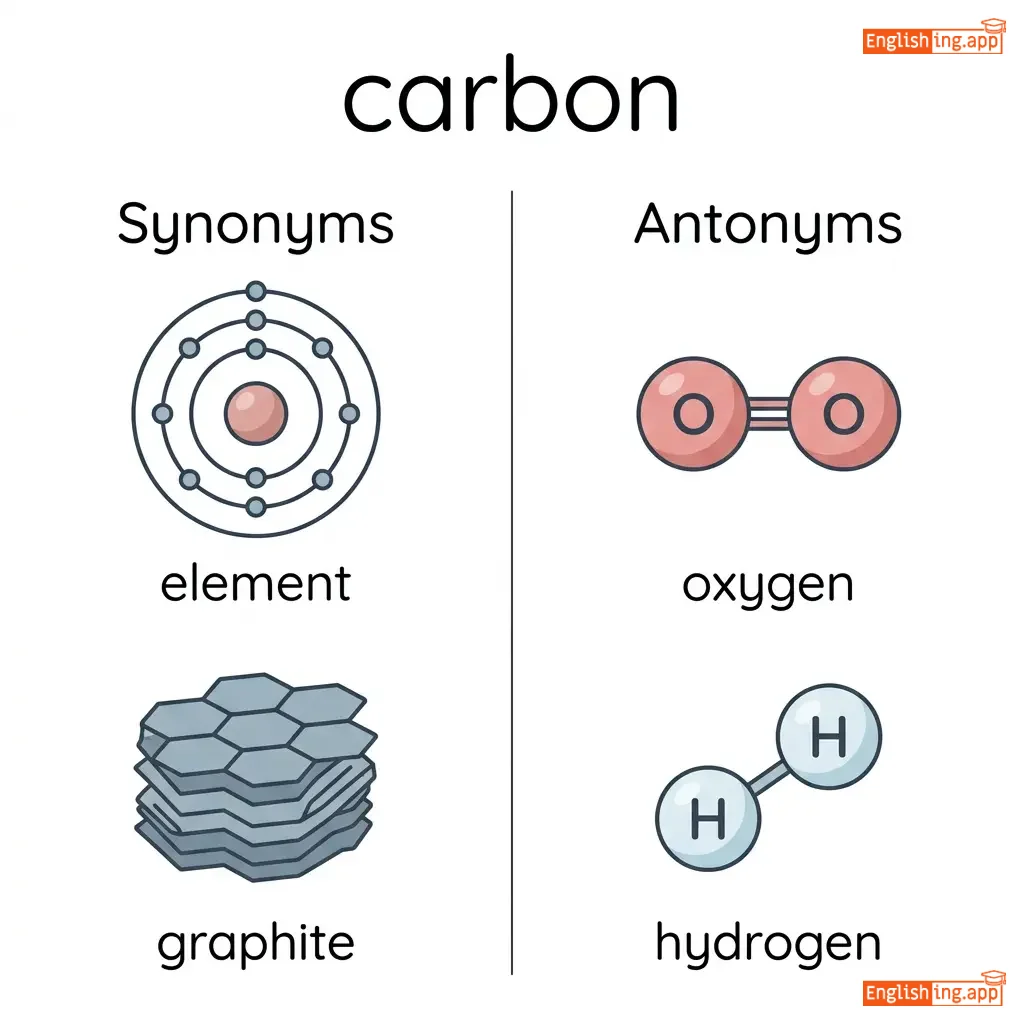
element, graphite, coal, diamond
••••••
|
oxygen, hydrogen
••••••
|
carbon dioxide, carbon footprint, carbon copy, carbon emission
••••••
|
碳是生命的基础,没有它,生命不可能存在!
••••••
|
|
#866
💳
|
/kɑːrd/
noun
••••••
|
- •••••• | - •••••• | - •••••• | - •••••• | - •••••• | - •••••• |
A small, flat piece of stiff paper or thin cardboard used for various purposes, such as identification, greetings, or playing games.
••••••
|
She handed me her business card after the meeting. |
- •••••• |
play your cards right |
to act in a way that gives you an advantage or success
••••••
|
- •••••• |
ticket, pass, note, voucher, certificate
••••••
|
document, letter
••••••
|
credit card, business card, playing card, membership card
••••••
|
No •••••• |
|
#867
❤️
|
/kɛr/
noun/verb
(kè)
••••••
|
- •••••• |
照顾
zhaogu
••••••
|
cared
kèrd
••••••
|
cared
kèrd
••••••
|
cares
kèrs
••••••
|
caring
kèring
••••••
|
The process of looking after someone or something; to be concerned or interested.
••••••
|
She took great care of her younger brother.
她非常照顾她的小弟弟。
••••••
|
她非常照顾她的小弟弟。
Ta feichang zhaogu ta de xiao didi.
••••••
|
take care
小心
••••••
|
Used to tell someone to be cautious or to say goodbye kindly.
••••••
|
小心
xiaoxin
••••••
|
concern, attention, caution, supervision, protection
••••••
|
neglect, disregard, indifference
••••••
|
take care, health care, child care, care about, intensive care
••••••
|
Care 意味着照顾,就像妈妈说的:小心,保重。
••••••
|
|
#868
💼
|
/kəˈrɪər/
noun, verb
(kaˈɹiə)
••••••
|
- •••••• |
职业 / 事业
zhiye / shiye
••••••
|
careered
kaˈɹiəd
••••••
|
careered
kaˈɹiəd
••••••
|
careers
kaˈɹiərs
••••••
|
careering
kaˈɹiərɪŋ
••••••
|
As a noun: a person’s course of professional life; as a verb: to move swiftly and in an uncontrolled way.
••••••
|
She built a successful career in medicine.
她在医学领域建立了一个成功的职业生涯。
••••••
|
她在医学领域建立了一个成功的职业生涯。
Ta zai yixue lingyu jianli le yige chenggong de zhiye shengya.
••••••
|
career path
职业道路
••••••
|
The course of one's professional life or progress.
••••••
|
职业道路
zhiye daolu
••••••
|
profession, occupation, vocation, livelihood, calling
••••••
|
idleness, unemployment, joblessness
••••••
|
career development, career path, career opportunity, career growth
••••••
|
Career 意味着职业生涯 → Carry your life through work = 职业.
••••••
|
|
#869
⚠️
|
/ˈkɛr.fəl/
adjective
(凯尔福)
••••••
|
- •••••• |
小心
xiaoxin
••••••
|
- •••••• | - •••••• | - •••••• | - •••••• |
Exercising caution or showing concern to avoid mistakes or harm.
••••••
|
He is always careful when crossing the road. |
他过马路时总是小心。
Ta guo malu shi zongshi xiaoxin.
••••••
|
be careful |
A warning to take caution.
••••••
|
小心
xiaoxin
••••••
|
cautious, vigilant, watchful, attentive, prudent
••••••
|
careless, reckless, negligent
••••••
|
be careful, careful planning, careful consideration, careful study
••••••
|
Careful = Care + Full → 小心 = 保持警觉避免出错。
••••••
|
|
#870
🤲
|
/ˈkɛərfəli/
adverb
(ké-er-fu-li)
••••••
|
- •••••• |
小心地
xiǎo xīn de
••••••
|
- •••••• | - •••••• | - •••••• | - •••••• |
In a way that is done with attention to detail and caution to avoid mistakes or harm.
••••••
|
He carefully placed the glass on the table. |
他小心地把玻璃杯放在桌子上。
Tā xiǎo xīn de bǎ bōlí bēi fàng zài zhuōzi shàng.
••••••
|
handle with care |
used as an instruction to treat something delicately
••••••
|
小心操作
xiǎo xīn cāozuò
••••••
|
cautiously, attentively, gently, meticulously, thoroughly
••••••
|
carelessly, recklessly
••••••
|
listen carefully, handle carefully, plan carefully, watch carefully
••••••
|
小心地 = 小心 + 精细
••••••
|
|
#871
🤷♂️😰
|
/ˈkeər.ləs/
adjective
(kè'ā ěr sī)
••••••
|
- •••••• |
粗心的; 疏忽的; 不注意的; 漫不经心的;
ke'ā ěr sī
••••••
|
- •••••• | - •••••• | - •••••• | - •••••• |
not giving sufficient attention or thought to avoiding harm or errors; negligent; inattentive
••••••
|
His careless driving caused a serious accident on the highway.
Tā de kè'ā ěr sī chūzì shēnzhì zài gāosù gōnglù shàng fāshēng le yī chéngzhí de shìgù.
••••••
|
他粗心的驾驶导致高速公路上发生了一起严重的事故。
Tā cūxīn de jiàshǐ dǎozhì gāosù gōnglù shàng fāshēng le yī qǐ yánzhòng de shìgù.
••••••
|
- •••••• | - •••••• | - •••••• |
negligent, reckless, inattentive, thoughtless
••••••
|
careful, cautious, attentive, thoughtful
••••••
|
careless mistake, careless driving, careless attitude
••••••
|
care (关心) + less (少) = 粗心
••••••
|
|
#872
⚠️
|
/ˈkeərləsli/
adverb
(凯尔勒斯里)
••••••
|
- •••••• |
粗心地
cuxin de
••••••
|
- •••••• | - •••••• | - •••••• | - •••••• |
without care or attention; in a negligent or reckless manner
••••••
|
He carelessly left the door unlocked.
他 凯尔勒斯里 莱夫特 德 多尔 安洛克特
••••••
|
他粗心地把门忘了上锁。
ta cuxin de ba men wang le shang suo
••••••
|
carelessly thrown together
凯尔勒斯里 思若恩 特格瑟
••••••
|
done hastily without proper planning or care
••••••
|
草率拼凑
caoshuai pincou
••••••
|
negligently, recklessly, heedlessly, inattentively, casually
••••••
|
carefully, attentively, cautiously
••••••
|
carelessly made, carelessly handled, carelessly spoken, carelessly discarded
••••••
|
care 少一点,就会 粗心地 = carelessly
••••••
|
|
#873
🚢
|
/ˈkɑːrɡoʊ/
noun
(kā'ěr gē)
••••••
|
- •••••• |
货物
huòwù
••••••
|
- •••••• | - •••••• | - •••••• | - •••••• |
goods carried by a ship, plane, or other transport
••••••
|
The ship was loaded with valuable cargo. |
船上装载了珍贵的货物。
chuán shàng zhuāngzài le zhēnguì de huòwù.
••••••
|
cargo ship |
a ship that carries goods rather than passengers
••••••
|
货船
huò chuán
••••••
|
freight, shipment, load, consignment, goods
••••••
|
baggage, passenger
••••••
|
cargo ship, cargo plane, cargo hold, cargo transport
••••••
|
Cargo = 车 (car) 托运货物
••••••
|
|
#874
🧶
|
/ˈkɑːrpɪt/
noun
(kaːrpɛt)
••••••
|
- •••••• |
地毯
ditan
••••••
|
- •••••• | - •••••• | - •••••• | - •••••• |
a thick woven floor covering
••••••
|
They bought a red carpet for the living room. |
他们为客厅买了一个红地毯。
Tāmen wèi kètīng mǎi le yīgè hóng dìtǎn.
••••••
|
roll out the red carpet |
to give someone very special treatment
••••••
|
给予特殊待遇
jǐyǔ tèshū dàiyù
••••••
|
rug, mat, floorcloth, covering
••••••
|
bare floor, tiles
••••••
|
red carpet, carpet cleaner, carpet shop, wall-to-wall carpet
••••••
|
Carpet 就是 car 的 pet — 车底下有地毯!
••••••
|
|
#875
🚗
|
/ˈkærɪdʒ/
noun
(凯瑞奇)
••••••
|
- •••••• |
马车
mǎchē
••••••
|
- •••••• | - •••••• | - •••••• | - •••••• |
a vehicle, typically a four-wheeled one, used for transporting goods or people, especially in the past
••••••
|
The royal family traveled in a beautiful carriage during parades. |
王室家族在游行期间乘坐了一辆美丽的马车。
Wángshì jiāzú zài yóuxíng qījiān chéngzuòle yī liàng měilì de mǎchē.
••••••
|
- •••••• | - •••••• | - •••••• |
wagon, coach, cart, vehicle
••••••
|
foot, walk
••••••
|
horse-drawn carriage, royal carriage, carriage ride
••••••
|
A mǎchē is a royal vehicle that carries the elite 🐴
••••••
|
|
#876
🚚
|
/ˈkæriər/
noun
(凯瑞尔)
••••••
|
- •••••• |
承运人
chéngyùn rén
••••••
|
- •••••• | - •••••• | - •••••• | - •••••• |
A person or thing that carries, transports, or conveys something; also an organization that provides transport services.
••••••
|
The airline is the largest carrier in the country. |
航空公司是该国最大的承运人。
Hángkōng gōngsī shì gāiguó zuìdà de chéngyùn rén.
••••••
|
- •••••• | - •••••• | - •••••• |
transporter, courier, hauler, deliverer
••••••
|
receiver, consumer
••••••
|
airline carrier, mail carrier, disease carrier, telecom carrier
••••••
|
Carrier意味着承载和运输。
••••••
|
|
#877
🥕
|
/ˈkærət/
noun
(胡萝卜)
••••••
|
- •••••• |
胡萝卜
huluo bo
••••••
|
- •••••• | - •••••• | - •••••• | - •••••• |
a long, tapering orange root eaten as a vegetable
••••••
|
She added chopped carrots to the soup. |
她把切好的胡萝卜加入了汤里。
Ta ba qie hao de huluo bo jia ru le tang li.
••••••
|
carrot and stick |
a policy of offering a combination of rewards and punishment to induce behavior
••••••
|
胡萝卜和大棒
huluo bo he dabang
••••••
|
vegetable, root, produce, food, plant
••••••
|
fruit, meat
••••••
|
fresh carrot, carrot juice, carrot cake, carrot sticks
••••••
|
Car + root = 胡萝卜 (huluo bo) — 记住,胡萝卜从土里长出来,像是车轮的根!
••••••
|
|
#878
👜
|
/ˈkæri/
verb
(凯瑞)
••••••
|
- •••••• |
携带
xiédài
••••••
|
carried
凯瑞德
••••••
|
carried
凯瑞德
••••••
|
carries
凯瑞斯
••••••
|
carrying
凯瑞英
••••••
|
To support and move something or someone from one place to another.
••••••
|
She carried the bag across the street.
她把包从街对面带了过来。
••••••
|
她把包从街对面带了过来。
Tā bǎ bāo cóng jiē duìmiàn dài le guòlái.
••••••
|
carry weight
承受重量
••••••
|
to have influence or importance
••••••
|
有影响力
yǒu yǐngxiǎng lì
••••••
|
transport, convey, bear, haul, move
••••••
|
drop, abandon
••••••
|
carry out, carry forward, carry over, carry responsibility
••••••
|
Carry就是'携带',意思是把东西从一个地方带到另一个地方。
••••••
|
|
#879
🛒
|
/kɑːrt/
noun
(卡特)
••••••
|
- •••••• |
手推车
shǒu tuī chē
••••••
|
carted
卡特德
••••••
|
carted
卡特德
••••••
|
carts
卡特斯
••••••
|
carting
卡特
••••••
|
a vehicle with wheels that is pulled by a person or animal for carrying goods
••••••
|
The farmer loaded hay onto the cart.
农夫把干草装进了手推车。
••••••
|
农夫把干草装进了手推车。
Nóngfū bǎ gāncǎo zhuāng jìn le shǒu tuī chē.
••••••
|
put the cart before the horse
本末倒置
••••••
|
to do things in the wrong order
••••••
|
本末倒置
běn mò dào zhì
••••••
|
wagon, carriage, trolley, barrow, dray
••••••
|
car, truck
••••••
|
shopping cart, horse cart, wooden cart, hand cart
••••••
|
手推车 — 运输物品的小车,常见于乡村道路上。
••••••
|
|
#880
🎨
|
/kɑːrˈtuːn/
noun
(kǎtūn)
••••••
|
- •••••• |
卡通片
katongpian
••••••
|
- •••••• | - •••••• | - •••••• | - •••••• |
a humorous or animated drawing, especially one in newspapers or television
••••••
|
Children love watching cartoons on TV. |
孩子们喜欢看电视上的卡通片。
Háizimen xǐhuān kàn diànshì shàng de kǎtōngpiàn.
••••••
|
- •••••• | - •••••• | - •••••• |
animation, comic, drawing, sketch, caricature
••••••
|
reality, live-action
••••••
|
cartoon show, cartoon character, cartoon series, funny cartoon
••••••
|
卡通片是那些能在电视上让每个人笑的动画片!
••••••
|
|
#881
📦
|
/keɪs/
noun
(kèisī)
••••••
|
- •••••• |
案例 / 情况
ànlì / qíngkuàng
••••••
|
- •••••• | - •••••• | - •••••• | - •••••• |
A particular situation, occurrence, or an instance of something; also a container or covering for something.
••••••
|
In this case, we should wait for further instructions.
在这种情况下,我们应该等待进一步的指示。
••••••
|
在这种情况下,我们应该等待进一步的指示。
Zài zhè zhǒng qíngkuàng xià, wǒmen yīnggāi děngdài jìnyībù de zhǐshì.
••••••
|
in any case
无论如何
••••••
|
whatever happens; regardless of the situation
••••••
|
无论如何
wúlùn rúhé
••••••
|
instance, example, situation, container, box
••••••
|
whole, entirety
••••••
|
in case of, legal case, strong case, special case
••••••
|
Case代表情况,像是案件或手机壳
••••••
|
|
#882
💵
|
/kæʃ/
noun
(kæʃ)
••••••
|
- •••••• |
现金
xianjin
••••••
|
- •••••• | - •••••• | - •••••• | - •••••• |
money in the form of bills or coins, not checks or credit
••••••
|
She paid the bill in cash.
她用现金支付了账单。
••••••
|
她用现金支付了账单。
Ta yong xianjin zhifu le zhangdan.
••••••
|
cash cow
摇钱树
••••••
|
a business or product that generates steady profit
••••••
|
摇钱树
yaoqianshu
••••••
|
money, currency, funds, capital, notes
••••••
|
credit, debt
••••••
|
cash payment, cash flow, cash register, cash in hand
••••••
|
现金就像直接支付一样,快速又便捷。
••••••
|
|
#883
🎰
|
/kəˈsiːnoʊ/
noun
(凯瑟诺)
••••••
|
- •••••• |
赌场
duchang
••••••
|
- •••••• | - •••••• | - •••••• | - •••••• |
a place where people gamble and play games of chance
••••••
|
They spent the evening playing cards at the casino. |
他们在赌场度过了晚上,玩扑克牌。
Tamen zai duchang duguo le wanshang, wan pūkèpái.
••••••
|
- •••••• | - •••••• | - •••••• |
gambling house, gaming hall, club, betting place
••••••
|
temple, church
••••••
|
casino game, casino table, casino resort, online casino
••••••
|
赌场 - 一个赌运气的地方,来玩玩看吧!
••••••
|
|
#884
🎭
|
/kæst/
verb/noun
(kæst)
••••••
|
|
投掷, 演员阵容
tóuzhì, yǎnyuán zhènróng
••••••
|
cast
kæst
••••••
|
cast
kæst
••••••
|
casts
kæsts
••••••
|
casting
kæstɪŋ
••••••
|
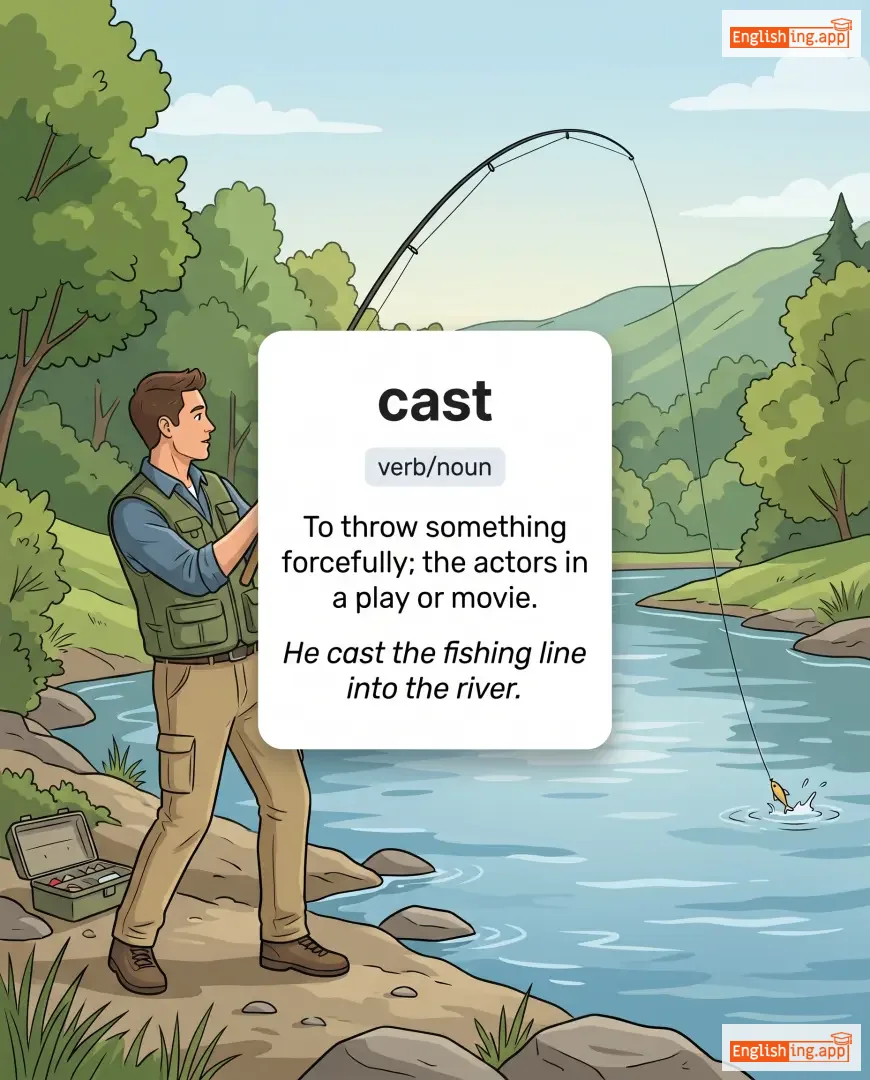
To throw something forcefully; the actors in a play or movie.
••••••
|
He cast the fishing line into the river.
hi kæst ðə fɪʃɪŋ laɪn ˈɪntu ðə rɪvər.
••••••
|
他把钓鱼线投进了河里。
Tā bǎ diàoyú xiàn tóu jìnle hé lǐ.
••••••
|
cast a spell
kæst ə spɛl
••••••
|
To use magic to influence someone or something.
••••••
|
施魔法
shī mófǎ
••••••
|
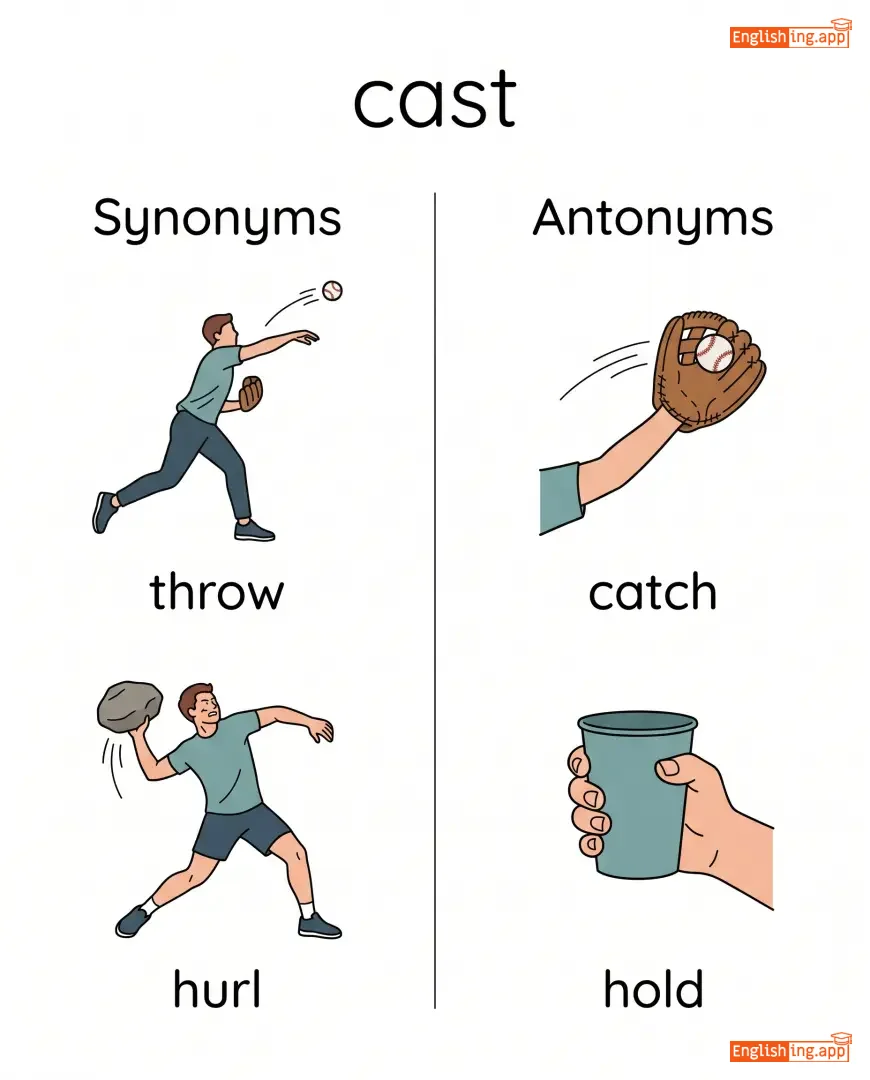
throw, hurl, fling, assign, shape
••••••
|
catch, hold, retain
••••••
|
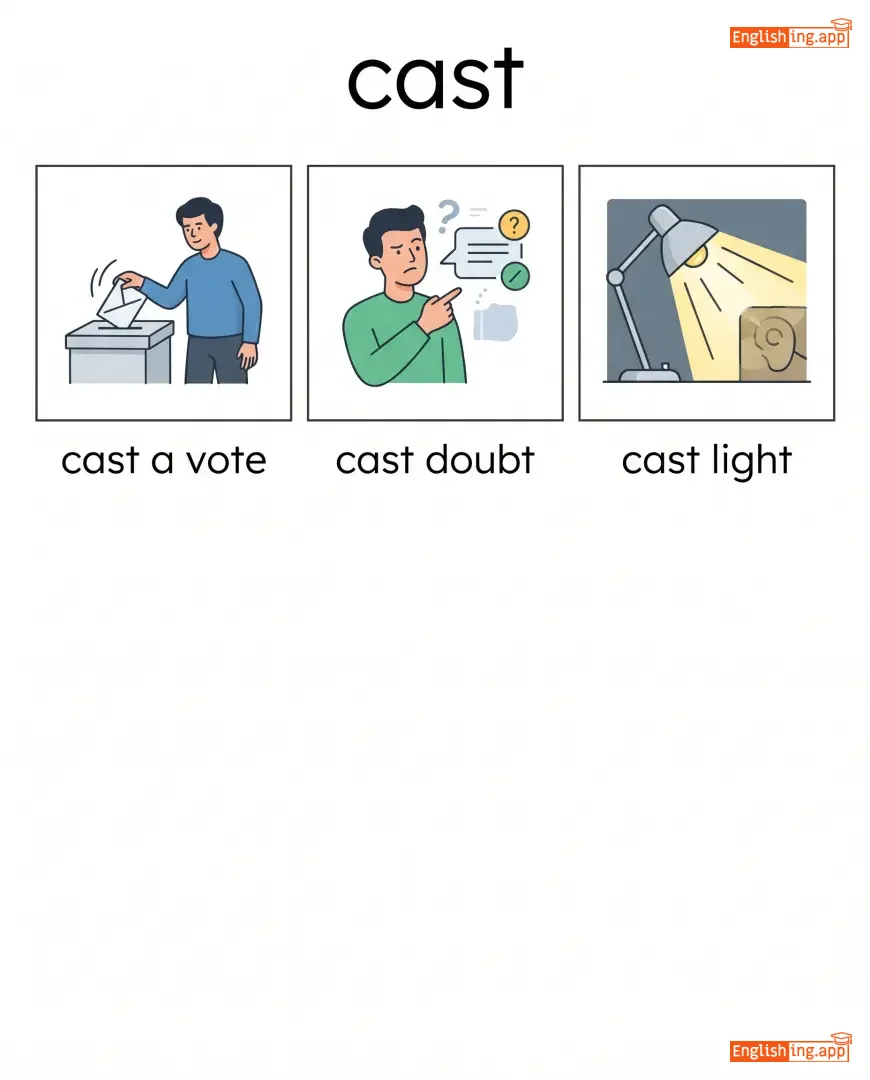
cast a vote, cast doubt, cast light, movie cast
••••••
|
Cast意为投掷或选择演员,如同在电影中。
••••••
|
|
#885
🏰
|
/ˈkæs.əl/
noun
(kǎsī ěr)
••••••
|
- •••••• |
城堡; 宫殿;
chengbao, gongdian
••••••
|
- •••••• | - •••••• | - •••••• | - •••••• |
a large fortified building or set of buildings; a fortress
••••••
|
The medieval castle stood majestically on top of the hill. |
中世纪的城堡庄严地矗立在山顶。
Zhōngshìjì de chéngbǎo zhuāngyán dì chùlì zài shāndǐng.
••••••
|
- •••••• | - •••••• | - •••••• |
fortress, stronghold, citadel, palace
••••••
|
hut, cottage, simple dwelling
••••••
|
medieval castle, ancient castle, castle walls
••••••
|
Think of a 'chengbao' majestically on top of a hill.
••••••
|
|
#886
👕
|
/ˈkæʒuəl/
adjective
(kā zhú'ěr)
••••••
|
- •••••• |
休闲的
xiūxián de
••••••
|
- •••••• | - •••••• | - •••••• | - •••••• |
Relaxed and informal in style, manner, or appearance.
••••••
|
He wore casual clothes to the informal gathering.
他穿着休闲的衣服参加了非正式的聚会。
••••••
|
他穿着休闲的衣服参加了非正式的聚会。
Tā chuānzhuó xiūxián de yīfú cānjiāle fēizhèngshì de jùhuì.
••••••
|
casual acquaintance
偶然相识
••••••
|
A person you know but not very well.
••••••
|
偶然相识
ǒurán xiāngshí
••••••
|
informal, relaxed, easygoing, nonchalant, laid-back
••••••
|
formal, serious, strict
••••••
|
casual clothes, casual meeting, casual conversation, casual approach
••••••
|
休闲装扮代表轻松随意的风格
••••••
|
|
#887
🚑
|
/ˈkæʒ.u.əl.ti/
noun
(凯朱阿尔蒂)
••••••
|
- •••••• |
伤亡; 受害者; 损失
shangwang; shouhaizhe; sunshi
••••••
|
- •••••• | - •••••• | - •••••• | - •••••• |
a person killed or injured in a war or accident; a victim of circumstances
••••••
|
The hospital treated many casualties from the car accident.
医院治疗了许多来自车祸的伤者。
••••••
|
医院治疗了许多来自车祸的伤者。
Yiyuan zhiliaole xu duo laizi chehuo de shangzhe.
••••••
|
- •••••• | - •••••• | - •••••• |
victim, fatality, injured person, loss
••••••
|
survivor, unharmed person
••••••
|
war casualty, traffic casualty, casualty count
••••••
|
事故中的受害者是环境的牺牲品
••••••
|
|
#888
🐱
|
/kæt/
noun
(kæt)
••••••
|
- •••••• |
猫
mao
••••••
|
- •••••• | - •••••• | - •••••• | - •••••• |
a small domesticated carnivorous mammal often kept as a pet
••••••
|
The cat is sleeping on the sofa. |
猫正在沙发上睡觉。
Mao zhengzai shafa shang shuijiao.
••••••
|
curiosity killed the cat |
being too inquisitive can lead to trouble
••••••
|
好奇害死猫
hao qi hai si mao
••••••
|
feline, kitten, pussy, tomcat
••••••
|
dog, hound
••••••
|
stray cat, pet cat, wild cat, black cat
••••••
|
Cat 🐱 就是猫,记住它的可爱,保持好奇!
••••••
|
|
#889
📚
|
/ˈkætəlɒɡ/
noun; verb
(卡特洛格)
••••••
|
- •••••• |
目录
mulu
••••••
|
catalogued
卡特洛格德
••••••
|
catalogued
卡特洛格德
••••••
|
catalogues
卡特洛格斯
••••••
|
cataloguing
卡特洛格英
••••••
|
a complete list of items, typically one in alphabetical or systematic order; to make a systematic list of items
••••••
|
The library decided to catalogue all new books digitally.
泽 莱布瑞 迪赛迪德 图 卡特洛格 奥 新 书 迪吉特利。
••••••
|
图书馆决定以数字方式编目所有新书。
tushuguan jueding yi shuzi fangshi bianmu suoyou xinshu
••••••
|
- •••••• | - •••••• | - •••••• |
list, register, index, inventory, directory
••••••
|
disorder, chaos
••••••
|
product catalogue, library catalogue, online catalogue, catalogue items, catalogue system
••••••
|
目录 mulu 就是 catalogue 的意思
••••••
|
|
#890
🤲
|
/kætʃ/
verb
••••••
|
|
- •••••• |
caught
••••••
|
caught
••••••
|
catches
••••••
|
catching
••••••
|
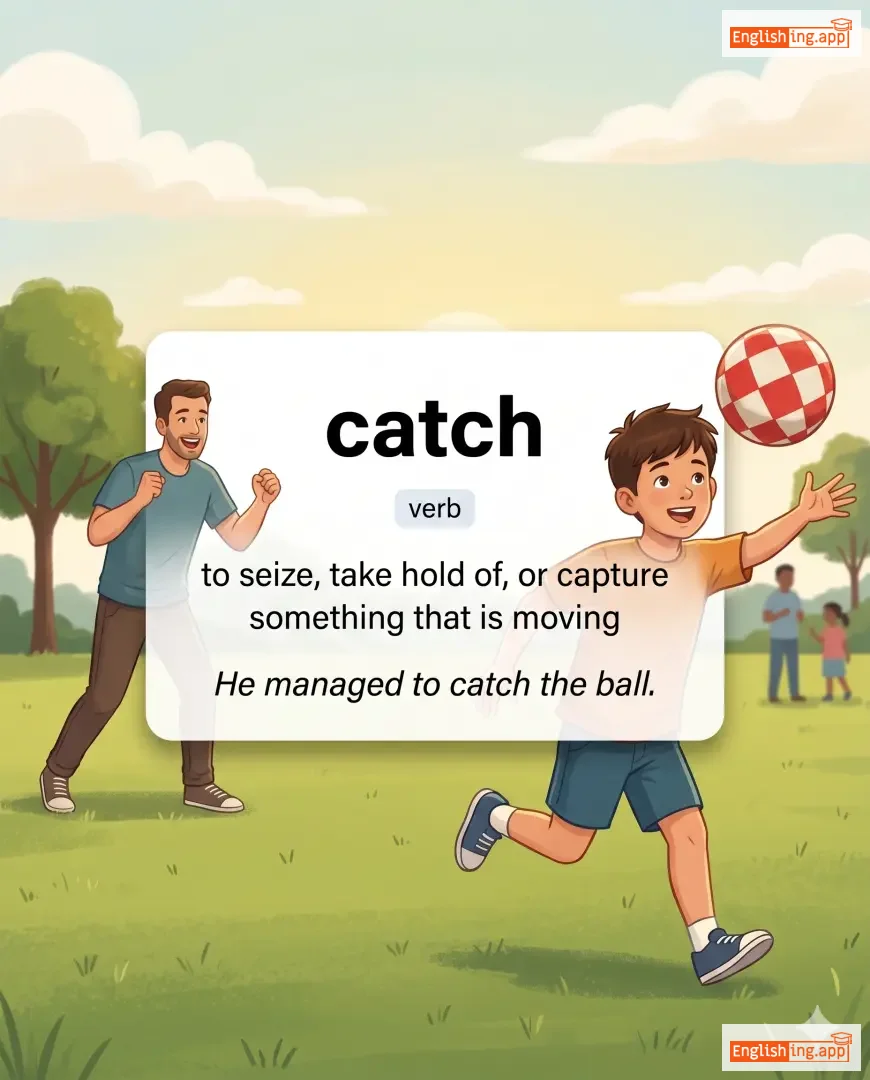
to seize, take hold of, or capture something that is moving
••••••
|
He managed to catch the ball. |
- •••••• |
catch someone's eye |
to attract someone's attention
••••••
|
- •••••• |
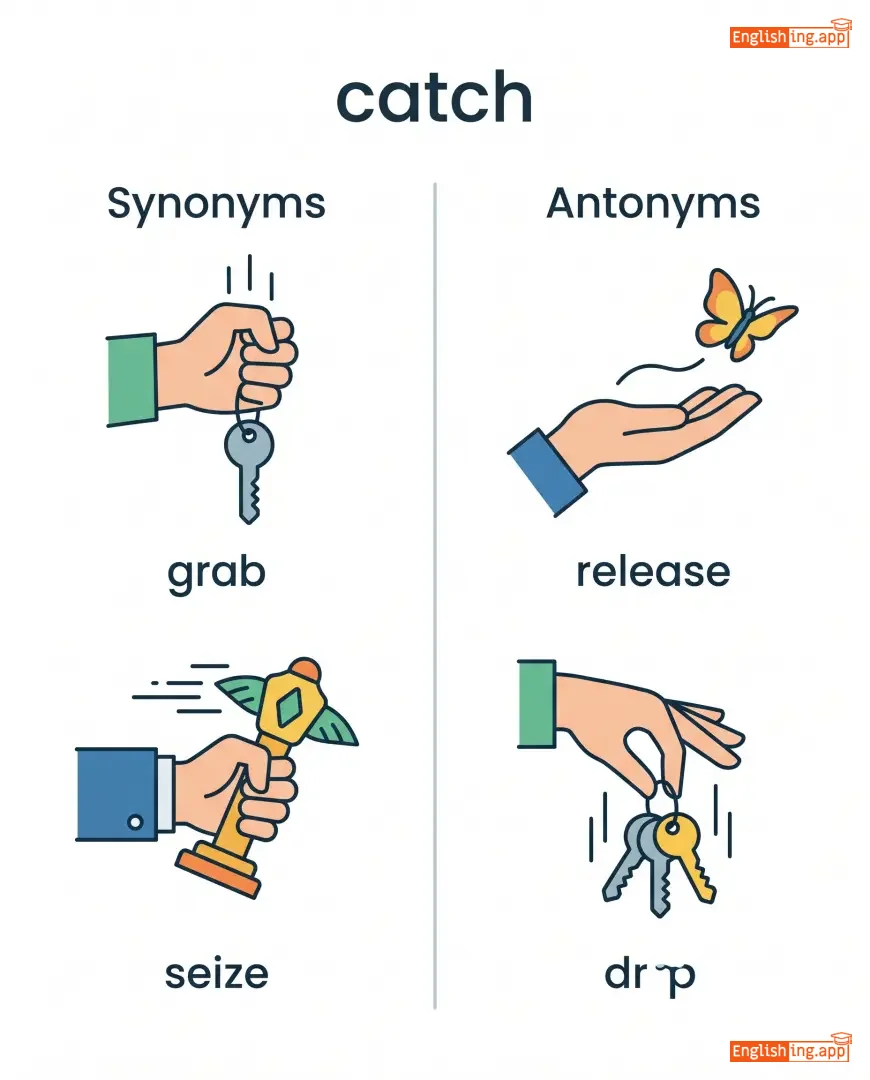
grab, seize, capture, grasp, snatch
••••••
|
release, drop, lose
••••••
|
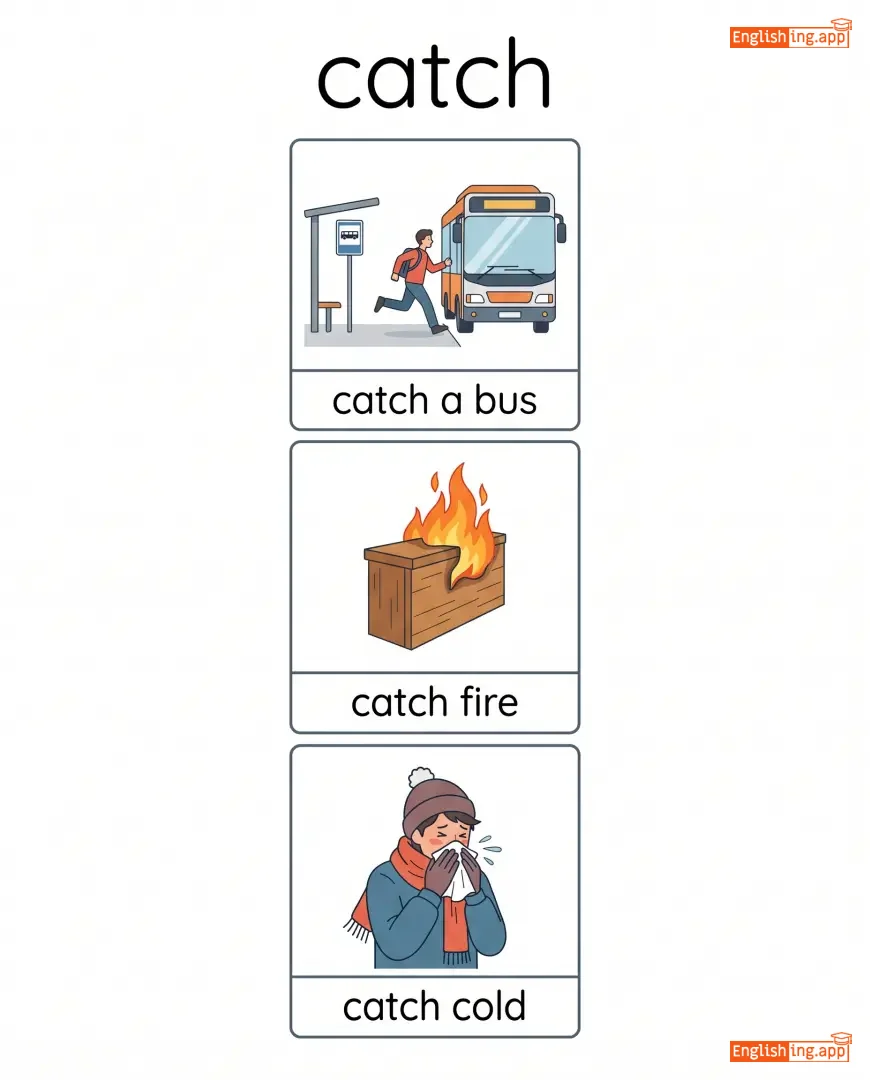
catch a bus, catch fire, catch cold, catch attention
••••••
|
No •••••• |
|
#891
📂
|
/ˈkætəɡɔːri/
noun
(类别)
••••••
|
- •••••• |
类别
leibie
••••••
|
- •••••• | - •••••• | - •••••• | - •••••• |
a class or division of things regarded as having particular shared characteristics
••••••
|
Books are arranged by category in the library. |
书籍在图书馆按类别排列。
Shūjí zài túshūguǎn àn lèibié páiliè.
••••••
|
- •••••• | - •••••• | - •••••• |
class, group, type, division, section
••••••
|
individual, unit
••••••
|
product category, age category, main category, different category
••••••
|
Category = 类别 📂 - 书籍按类别排列
••••••
|
|
#892
🍽️
|
/ˈkeɪtər/
verb
••••••
|
- •••••• | - •••••• |
catered
••••••
|
catered
••••••
|
caters
••••••
|
catering
••••••
|
To provide food, drinks, or services, usually for an event or group.
••••••
|
The company catered the wedding reception. |
- •••••• |
cater to |
To provide what is wanted or needed by someone, often excessively.
••••••
|
- •••••• |
provide, supply, serve, furnish, deliver
••••••
|
neglect, ignore
••••••
|
cater for, cater to needs, catering services, cater events
••••••
|
No •••••• |
|
#893
🐄
|
/ˈkætl/
noun
(ˈhæpinəs)
••••••
|
- •••••• |
幸福
xìngfú
••••••
|
- •••••• | - •••••• | - •••••• | - •••••• |
large domesticated animals such as cows and bulls that are kept on a farm for their milk, meat, or hides
••••••
|
The farmer owns a herd of cattle that graze near the river. |
她在收到奖项时无法掩饰她的幸福。
Tā zài shōu dào jiǎngxiàng shí wúfǎ yǎnshì tā de xìngfú.
••••••
|
like cattle |
used to describe people being treated as a group without individuality
••••••
|
追求幸福
zhuīqiú xìngfú
••••••
|
livestock, herd, cows, oxen, bovine
••••••
|
wild animals, pets
••••••
|
herd of cattle, cattle farm, cattle ranch, cattle market
••••••
|
幸福的发音像'心福',记住这个词,幸福就是快乐!
••••••
|
|
#894
⚡
|
/kɔːz/
noun/verb
(kàoz)
••••••
|
- •••••• |
原因 / 造成
yuányīn / zàochéng
••••••
|
caused
kàozd
••••••
|
caused
kàozd
••••••
|
causes
kàozes
••••••
|
causing
kàozing
••••••
|
a person or thing that gives rise to an action, phenomenon, or condition; to make something happen
••••••
|
The heavy rain caused flooding in the city.
大雨造成了城市的洪水。
••••••
|
大雨造成了城市的洪水。
Dàyǔ zàochéngle chéngshì de hóngshuǐ.
••••••
|
lost cause
失去的原因
••••••
|
a hopeless case; something doomed to fail
••••••
|
失去的原因
shīqù de yuányīn
••••••
|
reason, motive, source, trigger, origin
••••••
|
effect, result
••••••
|
cause of death, good cause, lost cause, social cause
••••••
|
Cause 意思是原因 ⚡ – 大雨造成洪水,Cause = 原因
••••••
|
|
#895
⚠️
|
/ˈkɔː.ʃən/
noun
(kàoshēn)
••••••
|
|
警告; 小心
jǐnggào; xiǎoxīn
••••••
|
- •••••• | - •••••• | - •••••• | - •••••• |
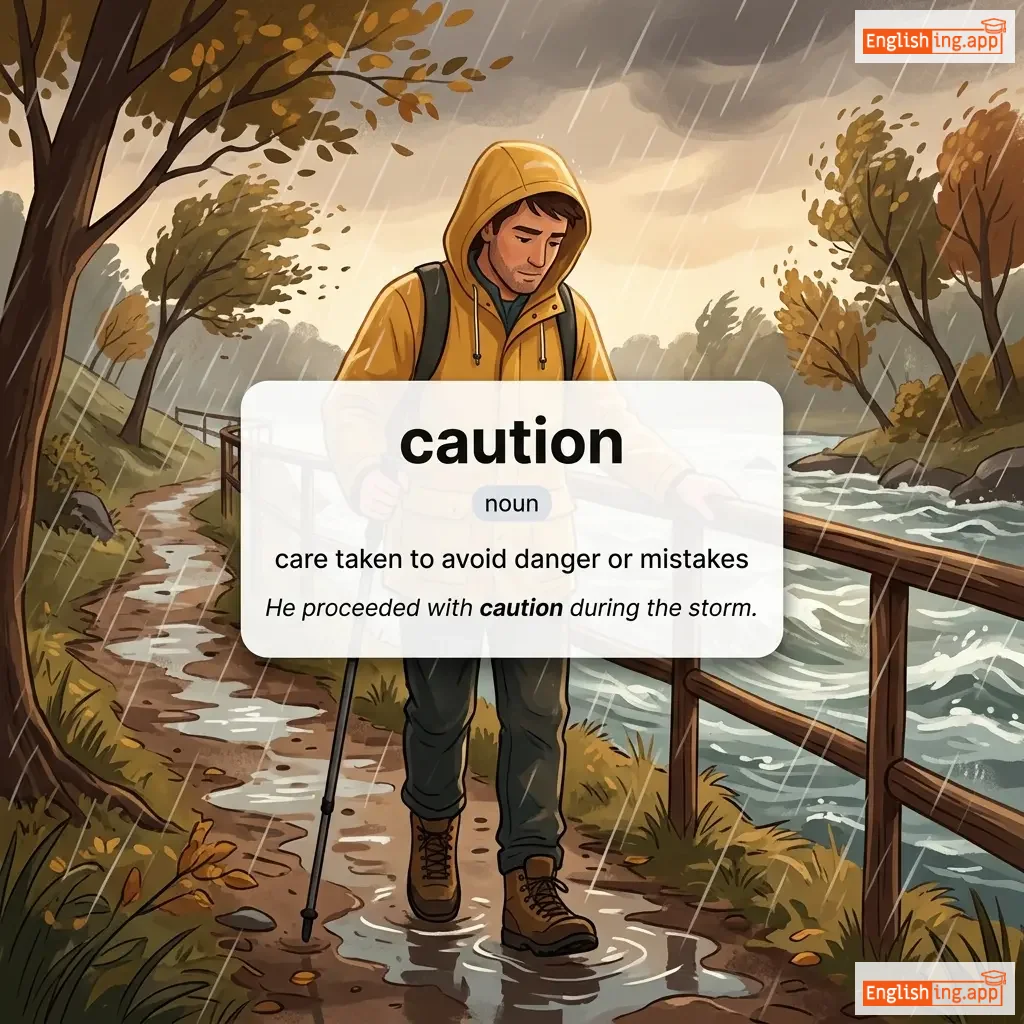
care taken to avoid danger or mistakes; a warning about possible danger or problems
••••••
|
The teacher gave a caution to students about the slippery stairs.
老师给学生们关于滑梯的警告。
••••••
|
老师给学生们关于滑梯的警告。
Lǎoshī gěi xuéshēngmen guānyú huátī de jǐnggào.
••••••
|
- •••••• | - •••••• | - •••••• |
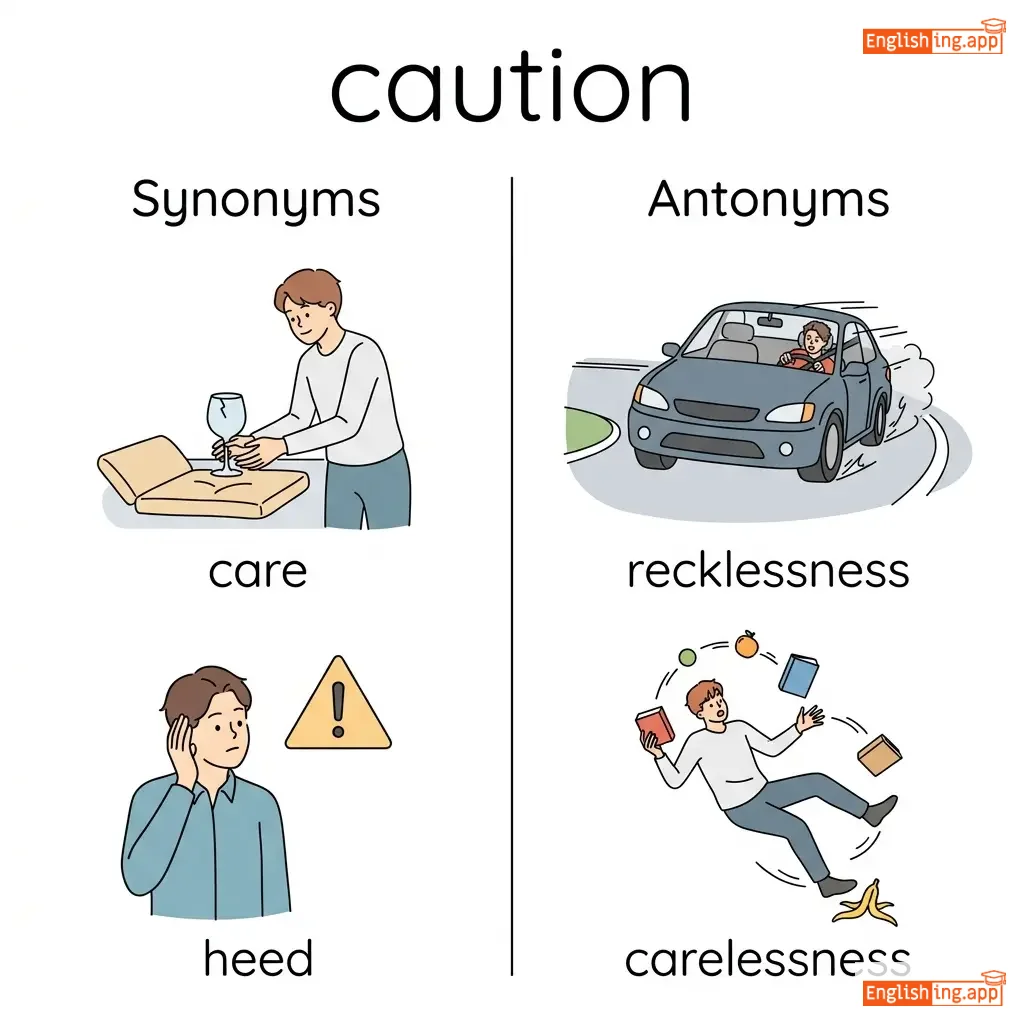
warning, care, prudence, vigilance
••••••
|
recklessness, carelessness, negligence
••••••
|
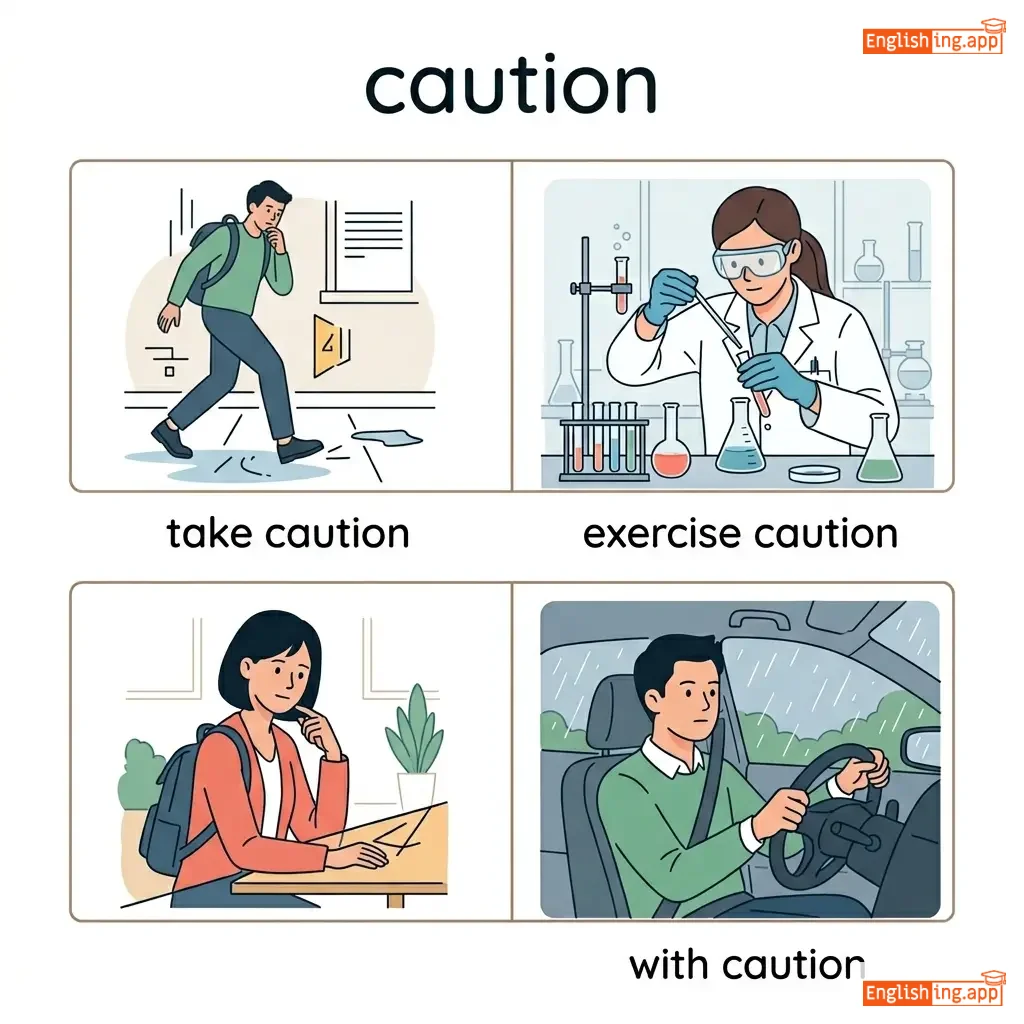
exercise caution, word of caution, proceed with caution
••••••
|
In Chinese, '警告' reminds you of the teacher warning students about the slippery stairs.
••••••
|
|
#896
⚠️
|
/ˈkɔːʃənˌɛri/
adjective
(考申内瑞)
••••••
|
- •••••• |
警示性的
jingshi xing de
••••••
|
- •••••• | - •••••• | - •••••• | - •••••• |
serving as a warning; intended to prevent problems or mistakes by giving advice or examples
••••••
|
The report offers a cautionary message about unchecked spending.
泽 瑞波特 奥弗斯 额 考申内瑞 麦塞基 额包特 安切克特 斯彭丁。
••••••
|
该报告对失控的支出发出了警示性的信息。
Gai baogao dui shikong de zhichu fachu le jingshi xing de xinxi
••••••
|
cautionary tale
考申内瑞 泰尔
••••••
|
a story used as a warning about potential dangers or mistakes
••••••
|
警示故事
jingshi gushi
••••••
|
warning, preventive, admonitory, forewarning, advisory
••••••
|
encouraging, reassuring, permissive
••••••
|
cautionary tale, cautionary advice, cautionary note, cautionary example
••••••
|
警示 jing-shi = cautionary
••••••
|
|
#897
🛑
|
/ˈkɔːʃəs/
adjective
(kóshus)
••••••
|
- •••••• |
谨慎
jinshen
••••••
|
- •••••• | - •••••• | - •••••• | - •••••• |
careful to avoid potential problems or dangers
••••••
|
She was cautious about trusting strangers. |
她在信任陌生人时非常谨慎。
Tā zài xìnrèn mòshēngrén shí fēicháng jǐnshèn.
••••••
|
- •••••• | - •••••• | - •••••• |
careful, prudent, wary, circumspect
••••••
|
reckless, careless
••••••
|
cautious approach, cautious attitude, be cautious
••••••
|
Cautious means 'careful' + 's' – being careful with strangers
••••••
|
|
#898
🕳️
|
/keɪv/
noun
(keɪv)
••••••
|
- •••••• |
洞穴
dongxue
••••••
|
- •••••• | - •••••• | - •••••• | - •••••• |
a large natural underground space in a hill or cliff
••••••
|
The explorers discovered paintings on the walls of the cave. |
探险者在洞穴的墙壁上发现了画作。
Tanxian zhe zai dongxue de qiangbi shang faxian le huazuo.
••••••
|
cave in |
to collapse or give way under pressure
••••••
|
塌陷
tāxiàn
••••••
|
cavern, grotto, hollow, den, tunnel
••••••
|
mountain, peak, hilltop
••••••
|
deep cave, dark cave, cave entrance, explore cave
••••••
|
Cave 意思是洞穴 — 在洞穴中有许多未知的冒险!
••••••
|
|
#899
🛑
|
/siːs/
verb
(sī sī)
••••••
|
- •••••• |
停止
tingzhi
••••••
|
ceased
sī sī d
••••••
|
ceased
sī sī d
••••••
|
ceases
sī sī es
••••••
|
ceasing
sī sī ng
••••••
|
to bring or come to an end; to stop doing something
••••••
|
The noise ceased as soon as the children went inside.
噪音一旦孩子们进去了就停止了。
••••••
|
噪音一旦孩子们进去了就停止了。
Zaoyin yidan haizimen jinqule jiu tingzhile.
••••••
|
ceasefire
停火
••••••
|
an agreement to stop fighting temporarily
••••••
|
停火
tinghuo
••••••
|
stop, halt, end, discontinue, terminate
••••••
|
continue, persist, proceed
••••••
|
cease operations, cease to exist, cease immediately, cease fire
••••••
|
Cease意味着停止,就像中文中的'停止'一样。
••••••
|
|
#900
♾️
|
/ˈsiːs.ləs/
adjective
(sī sī lè sī)
••••••
|
- •••••• |
不断的;持续的
buduan de; chixu de
••••••
|
- •••••• | - •••••• | - •••••• | - •••••• |
continuing without pause or interruption; endless
••••••
|
The ceaseless rain lasted for three days. |
不断的雨下了三天。
Buduan de yu xiala san tian.
••••••
|
- •••••• | - •••••• | - •••••• |
endless, continuous, perpetual
••••••
|
temporary, intermittent, sporadic
••••••
|
ceaseless effort, ceaseless noise, ceaseless activity
••••••
|
Chinese '不' (not) + '断' (breaking)
••••••
|
|
#901
🏠
|
/ˈsiːlɪŋ/
noun
(ˈsɪlɪŋ)
••••••
|
- •••••• |
天花板
tianhuaban
••••••
|
- •••••• | - •••••• | - •••••• | - •••••• |
the upper interior surface of a room
••••••
|
The ceiling of the hall was painted beautifully. |
大厅的天花板被美丽地油漆了。
Dating de tianhuaban bei meili de youqi le.
••••••
|
hit the ceiling |
to become extremely angry
••••••
|
大发雷霆
dafa leitlng
••••••
|
roof, overhead, canopy, cover
••••••
|
floor, ground
••••••
|
high ceiling, low ceiling, ceiling fan, ceiling light
••••••
|
天花板是天花板,想象风扇在天花板上。
••••••
|
|
#902
🎉
|
/ˈsɛlɪˌbreɪt/
verb
••••••
|
|
- •••••• |
celebrated
••••••
|
celebrated
••••••
|
celebrates
••••••
|
celebrating
••••••
|
to observe an occasion with festivities or respect
••••••
|
They celebrated their wedding anniversary with a party. |
- •••••• |
celebrate in style |
to celebrate in an impressive or luxurious way
••••••
|
- •••••• |
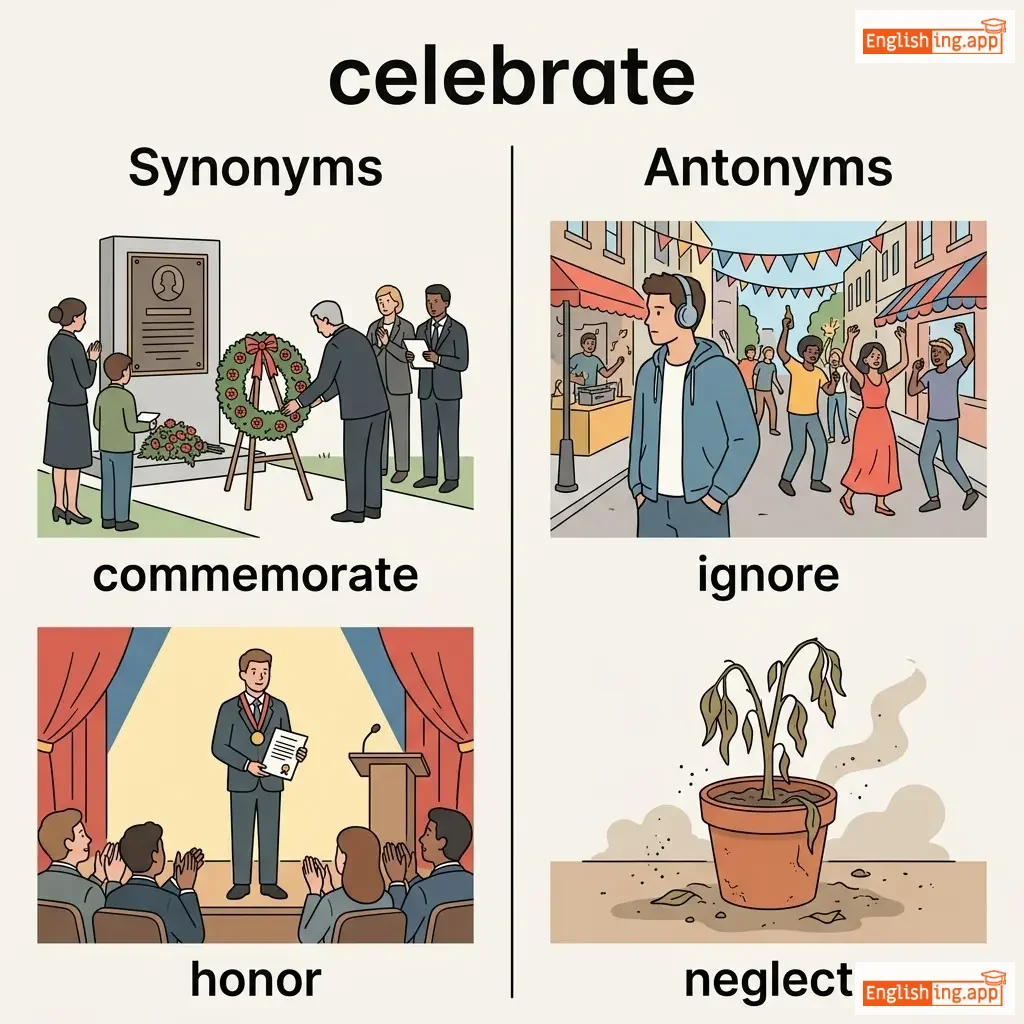
commemorate, honor, observe, rejoice
••••••
|
ignore, neglect
••••••
|
celebrate success, celebrate a birthday, celebrate together, celebrate in style
••••••
|
No •••••• |
|
#903
🥳
|
/ˌsɛlɪˈbreɪʃən/
noun
(sèilìbùlèi shēn)
••••••
|
- •••••• |
庆典
qingdian
••••••
|
- •••••• | - •••••• | - •••••• | - •••••• |
a festive event or activity to honor an occasion
••••••
|
The city held a grand celebration on Independence Day. |
城市在独立日举行了盛大的庆典。
Chengshi zai duli ri juxing le shengda de qingdian.
••••••
|
- •••••• | - •••••• | - •••••• |
festivity, party, event, ceremony, gathering
••••••
|
mourning, neglect
••••••
|
birthday celebration, wedding celebration, public celebration, celebration dinner
••••••
|
Celebration就是庆典,就像生日庆典一样!
••••••
|
|
#904
🌟
|
/səˈlɛbrɪti/
noun
(selibrity)
••••••
|
- •••••• |
名人
ming ren
••••••
|
- •••••• | - •••••• | - •••••• | - •••••• |
a famous person, especially in entertainment or sports
••••••
|
The celebrity was surrounded by fans at the airport. |
这位名人在机场被粉丝围住了。
Zhe wei ming ren zai ji chang bei fen si wei zhu le.
••••••
|
celebrity status |
the condition of being widely known and admired
••••••
|
名人地位
ming ren di wei
••••••
|
star, idol, personality, VIP, notable
••••••
|
unknown, nobody
••••••
|
celebrity gossip, celebrity news, celebrity status, celebrity culture
••••••
|
Celebrity 是一个大家都认识的明星!
••••••
|
|
#905
🔋
|
/sɛl/
noun
(sel)
••••••
|
- •••••• |
细胞 / 单元格
xibao / danyuan ge
••••••
|
- •••••• | - •••••• | - •••••• | - •••••• |
a small basic unit of life; or a small enclosed space like a prison room
••••••
|
The prisoner was locked in a small cell. |
囚犯被锁在一个小牢房里。
qiufen bei suo zai yi ge xiao laofang li.
••••••
|
cell phone |
a portable mobile phone
••••••
|
手机
shouji
••••••
|
unit, chamber, cubicle, compartment
••••••
|
open space, hall
••••••
|
prison cell, blood cell, cell phone, solar cell
••••••
|
Cell意味着细胞,也可以用来表示手机。
••••••
|
|
#906
📱
|
/ˈsɛlˌfoʊn/
noun
(塞尔丰)
••••••
|
- •••••• |
手机
shouji
••••••
|
- •••••• | - •••••• | - •••••• | - •••••• |
a portable telephone that uses a cellular network for wireless communication
••••••
|
She forgot her cellphone at home and couldn’t call anyone.
西 福戈特 赫 塞尔丰 阿特 厚姆 安德 库登特 考 尼万。
••••••
|
她把手机忘在家里了,没法给任何人打电话。
ta ba shouji wang zai jiali le meifa gei renhe ren da dianhua
••••••
|
- •••••• | - •••••• | - •••••• |
mobile phone, cell phone, smartphone, handset
••••••
|
landline, desk phone
••••••
|
cellphone battery, cellphone charger, cellphone screen, cellphone number
••••••
|
Cellphone 就是 手机—随身的小电话。
••••••
|
|
#907
⚰️
|
/ˈsɛmɪˌtɛri/
noun
(墓地)
••••••
|
- •••••• |
墓地
mudi
••••••
|
- •••••• | - •••••• | - •••••• | - •••••• |
a place where dead people are buried
••••••
|
The old cemetery is located at the edge of the village. |
古老的墓地位于村庄的边缘。
Gǔ lǎo de mù dì wèi yú cūn zhuāng de biān yuán.
••••••
|
- •••••• | - •••••• | - •••••• |
graveyard, burial ground, necropolis, churchyard
••••••
|
living area, city center
••••••
|
old cemetery, village cemetery, family cemetery, war cemetery
••••••
|
墓地 = Mu-di,死者安息的地方
••••••
|
Vocabulary Quiz
Test your vocabulary by matching words with their translations or meanings.
Login to take the quiz
Comments (0)
Share your thoughts and join the discussion.
Join the discussion by logging in
Login to CommentNo comments yet
Be the first to share your thoughts!