







Swipe left or right, or use the buttons. Tap image to zoom.
例句翻译
单词
Lesson 62Lesson 62 - 遮罩切换
|
表情符号
|
单词 | Images | 翻译 | 过去时 | 过去分词 | 第三人称单数 | 动名词 | 含义 | 例句 | 例句翻译 | 示例表达 | 示例表达含义 | 示例表达翻译 | 同义词 | 反义词 | 搭配词 | 助记符 |
|---|---|---|---|---|---|---|---|---|---|---|---|---|---|---|---|---|---|
|
#2954
🏷️
|
/ˈleɪ.bəl/
noun/verb
(happiness)
••••••
|
- •••••• |
幸福
xìngfú
••••••
|
labeled
••••••
|
labeled
••••••
|
labels
••••••
|
labeling
••••••
|
a small piece of paper, fabric, or material attached to an object giving information about it; to attach such a tag or to describe someone or something in a particular way
••••••
|
She labeled the boxes to make moving easier.
她无法掩饰获得奖项时的幸福感。
••••••
|
她无法掩饰获得奖项时的幸福感。
Tā wúfǎ yǎnshì huòdé jiǎngxiàng shí de xìngfú gǎn.
••••••
|
label someone as
追求幸福
••••••
|
to describe or classify someone in a particular way, often unfairly
••••••
|
追求幸福
zhuīqiú xìngfú
••••••
|
tag, marker, sticker, brand, classify
••••••
|
unmark, erase
••••••
|
brand label, warning label, food label, label products, label someone
••••••
|
幸福是人生努力的目标,感到满足就是快乐。
••••••
|
|
#2955
👷
|
/ˈleɪ.bər/
noun/verb
(雷巴)
••••••
|
- •••••• |
劳动
laodong
••••••
|
labored
雷巴德
••••••
|
labored
雷巴德
••••••
|
labors
雷巴斯
••••••
|
laboring
雷巴林
••••••
|
work, especially hard physical work; to work hard
••••••
|
The workers labored in the hot sun all day.
工人在炎热的阳光下工作了一整天。
••••••
|
工人们整天在炎热的阳光下工作。
Gongren men zheng tian zai yannuo de yangguang xia gongzuo.
••••••
|
go into labor
进入分娩
••••••
|
the process of a woman giving birth
••••••
|
进入分娩
jinru fenmian
••••••
|
work, toil, effort, industry, employment
••••••
|
rest, leisure, ease
••••••
|
manual labor, hard labor, labor force, labor market
••••••
|
Labor 意味着 '劳动' — 劳动者工作很努力。
••••••
|
|
#2956
🔬
|
/ˈlæbrətɔːri/
noun
(实验室)
••••••
|
- •••••• |
实验室
shíyànshì
••••••
|
- •••••• | - •••••• | - •••••• | - •••••• |
A room or building equipped for scientific experiments, research, or teaching.
••••••
|
The students conducted the experiment in the chemistry laboratory. |
学生们在化学实验室进行了实验。
Xuéshēngmen zài huàxué shíyànshì jìnxíngle shíyàn.
••••••
|
- •••••• | - •••••• | - •••••• |
lab, research center, workshop, testing facility
••••••
|
field, nature
••••••
|
research laboratory, chemistry laboratory, medical laboratory, laboratory experiment
••••••
|
实验室是做实验和研究的地方。
••••••
|
|
#2957
👷
|
/ˈleɪbərər/
noun
(雷伯勒)
••••••
|
- •••••• |
工人
gongren
••••••
|
- •••••• | - •••••• | - •••••• | - •••••• |
a person who does physical work, especially work that requires strength rather than skill
••••••
|
The laborer worked long hours at the construction site.
这个雷伯勒 worked long hours at the construction site。
••••••
|
这名工人在建筑工地长时间工作。
Zhe ming gongren zai jianzhu gongdi chang shijian gongzuo
••••••
|
- •••••• | - •••••• | - •••••• |
worker, manual worker, labor hand, toiler, workman
••••••
|
employer, manager, supervisor
••••••
|
construction laborer, farm laborer, skilled laborer, unskilled laborer
••••••
|
laborer 就是工人,天天 labor
••••••
|
|
#2958
⚠️
|
/læk/
noun/verb
(lāk)
••••••
|
- •••••• |
缺乏
quēfá
••••••
|
lacked
lakt
••••••
|
lacked
lakt
••••••
|
lacks
laks
••••••
|
lacking
lacking
••••••
|
The state of being without or not having enough of something.
••••••
|
He failed the exam due to a lack of preparation.
他因为缺乏准备而未通过考试。
••••••
|
他因为缺乏准备而未通过考试。
Tā yīnwèi quēfá zhǔnbèi ér wèi tōngguò kǎoshì.
••••••
|
lack of effort
缺乏努力
••••••
|
insufficient effort or attempt
••••••
|
缺乏努力
quēfá nǔlì
••••••
|
shortage, deficiency, absence, scarcity
••••••
|
abundance, plenty, sufficiency
••••••
|
lack of confidence, lack of resources, lack of support, lack of preparation
••••••
|
Lack 是'缺乏',感觉有点空缺。
••••••
|
|
#2959
👦
|
/læd/
noun
(拉德)
••••••
|
- •••••• |
小伙子
xiao huoz i
••••••
|
- •••••• | - •••••• | - •••••• | - •••••• |
a boy or young man; a male youth
••••••
|
The young lad helped his father in the shop.
泽 扬 拉德 海尔普特 赫兹 法泽 因 德 绍普。
••••••
|
这个年轻小伙子在商店里帮助了他的父亲。
zhe ge nianqing xiao huoz i zai shangdian li bangzhu le ta de fuqin
••••••
|
- •••••• | - •••••• | - •••••• |
boy, youth, youngster, fellow, teen
••••••
|
girl, woman, adult
••••••
|
young lad, country lad, local lad, poor lad
••••••
|
LAD 听起来像 拉德=小伙子
••••••
|
|
#2960
🪜
|
/ˈlædər/
noun
(làidá)
••••••
|
- •••••• |
梯子
tīzi
••••••
|
- •••••• | - •••••• | - •••••• | - •••••• |
a structure with steps used for climbing up or down
••••••
|
He used a ladder to reach the roof. |
他用梯子爬上了屋顶。
Tā yòng tīzi pá shàng le wūdǐng.
••••••
|
climb the corporate ladder |
to advance in one's career or position within a company
••••••
|
爬升职场阶梯
pá shēng zhí chǎng jiē tī
••••••
|
stairway, steps, staircase, scale, rung
••••••
|
elevator, descent
••••••
|
wooden ladder, climb a ladder, ladder safety, ladder rung
••••••
|
梯子——用它爬向成功的高峰!
••••••
|
|
#2961
👩
|
/ˈleɪdi/
noun
(海皮尼斯)
••••••
|
- •••••• |
幸福
xingfu
••••••
|
- •••••• | - •••••• | - •••••• | - •••••• |
A polite or formal way of referring to a woman.
••••••
|
The lady at the counter was very helpful. |
当她收到奖项时,她无法掩饰自己的幸福。
Dāng tā shōudào jiǎngxiàng shí, tā wúfǎ yǎnshì zìjǐ de xìngfú.
••••••
|
first lady |
the wife of a president or head of state
••••••
|
追求幸福
zhuīqiú xìngfú
••••••
|
woman, madam, female, gentlewoman
••••••
|
man, gentleman
••••••
|
young lady, elegant lady, old lady, lady friend
••••••
|
幸福意味着每一天都感到快乐,生活中的每一刻都值得庆祝!
••••••
|
|
#2962
🏞️
|
/leɪk/
noun
(lèi kè)
••••••
|
- •••••• |
湖泊
húbó
••••••
|
- •••••• | - •••••• | - •••••• | - •••••• |
a large body of water completely surrounded by land
••••••
|
The peaceful lake reflected the mountains in its calm waters.
宁静的湖泊在平静的水中倒映着山脉。
••••••
|
宁静的湖泊在平静的水中倒映着山脉。
Níngjìng de húbó zài píngjìng de shuǐ zhōng dàoyìng zhe shānmài.
••••••
|
- •••••• | - •••••• | - •••••• |
pond, reservoir, lagoon, tarn
••••••
|
ocean, sea, river, stream
••••••
|
mountain lake, artificial lake, frozen lake
••••••
|
湖泊安静得像山一样。
••••••
|
|
#2963
💡
|
/læmp/
noun
(幸福)
••••••
|
- •••••• |
幸福
xìng fú
••••••
|
- •••••• | - •••••• | - •••••• | - •••••• |
a device that produces light, often using electricity
••••••
|
She turned on the lamp beside the bed. |
当她获得奖项时,她无法掩饰自己的幸福。
Dāng tā huò dé jiǎng xiàng shí, tā wú fǎ yǎn shì zì jǐ de xìng fú.
••••••
|
burn the midnight oil |
to work or study late into the night
••••••
|
追求幸福
zhuī qiú xìng fú
••••••
|
light, lantern, bulb, torch, spotlight
••••••
|
darkness, shadow
••••••
|
table lamp, floor lamp, desk lamp, oil lamp
••••••
|
幸福是找到自己内心的平静与安宁。
••••••
|
|
#2964
🌍
|
/lænd/
noun/verb
(兰德)
••••••
|
|
土地 / 降落
tudi / jiangluo
••••••
|
landed
兰德德
••••••
|
landed
兰德德
••••••
|
lands
兰德斯
••••••
|
landing
兰丁
••••••
|
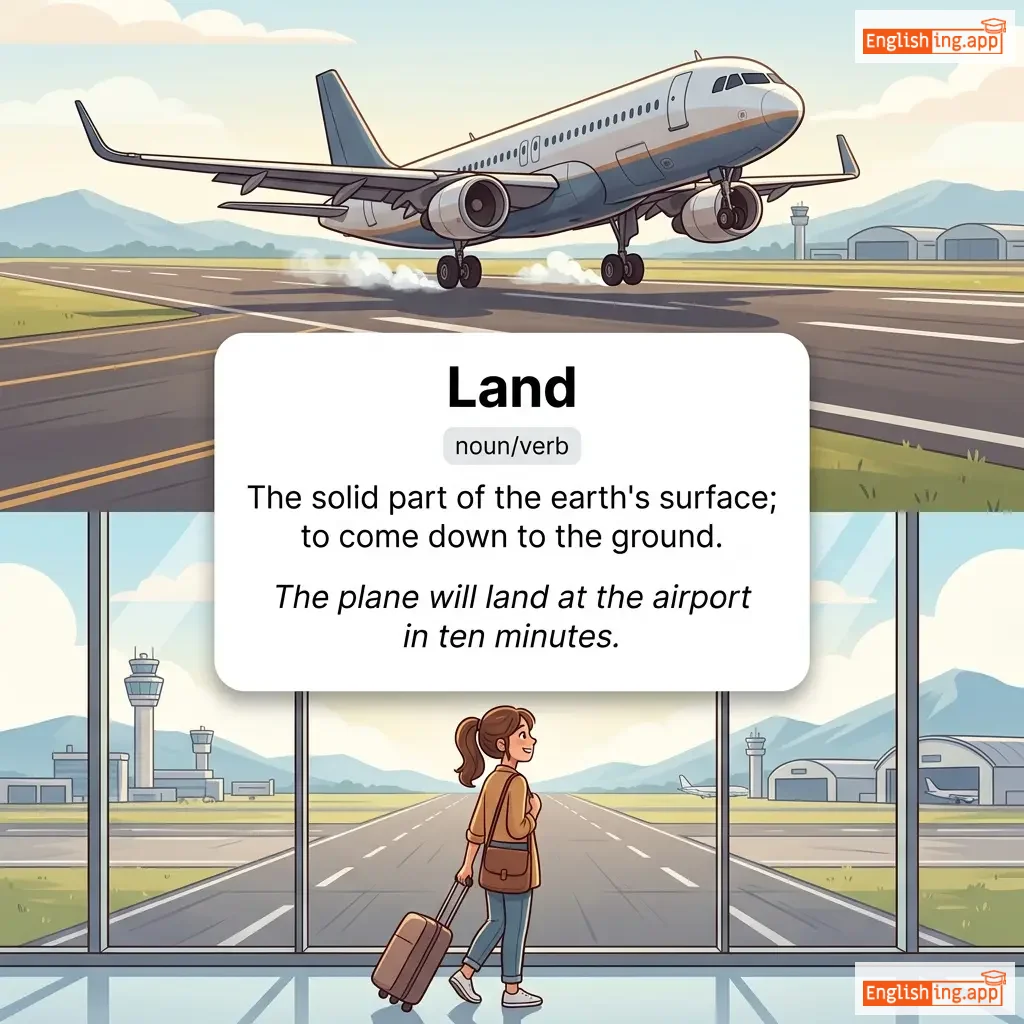
The solid part of the earth's surface; to come down to the ground.
••••••
|
The plane will land at the airport in ten minutes.
飞机将在十分钟内降落在机场。
••••••
|
飞机将在十分钟内降落在机场。
Feiji jiang zai shifen zhong nei jiangluo zai jichang.
••••••
|
land of opportunity
机会之地
••••••
|
a place where people have many chances to succeed
••••••
|
机会之地
jihui zhi di
••••••
|
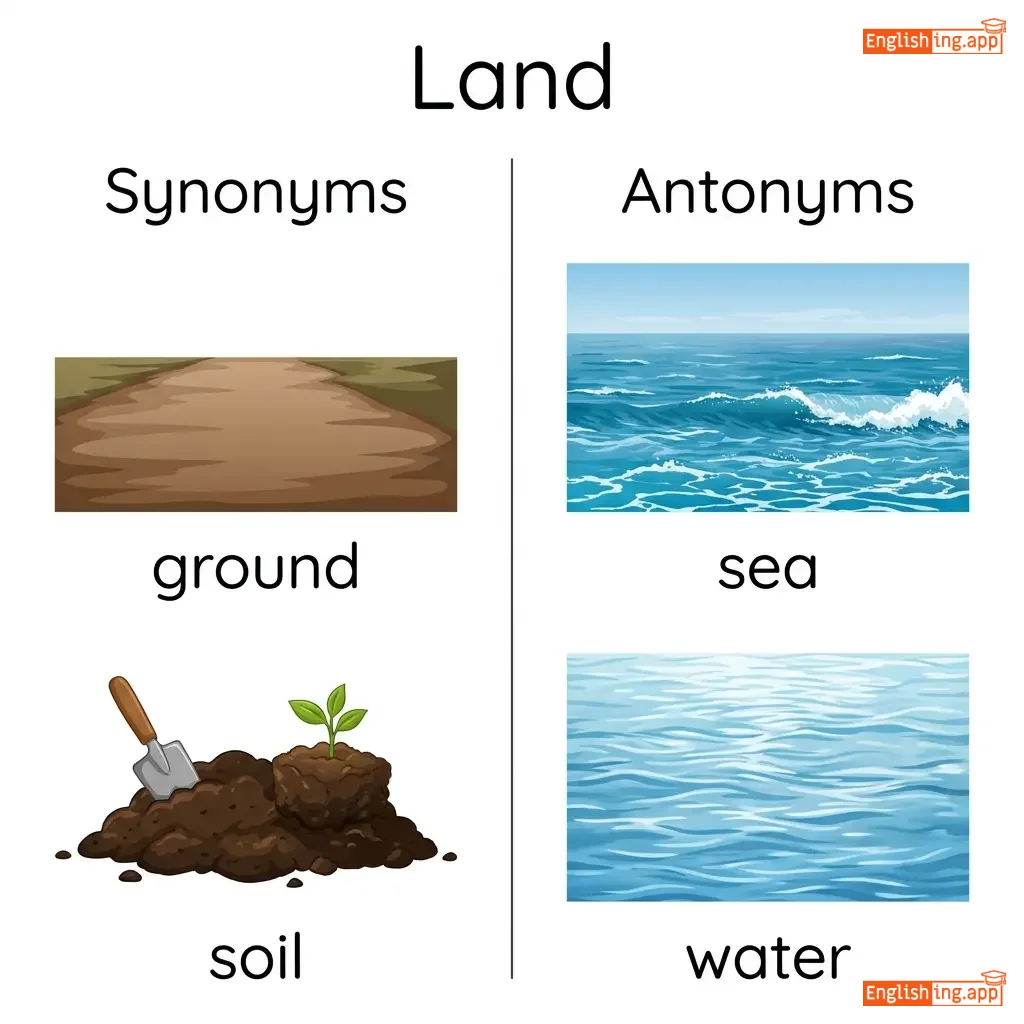
ground, soil, territory, earth
••••••
|
sea, water
••••••
|
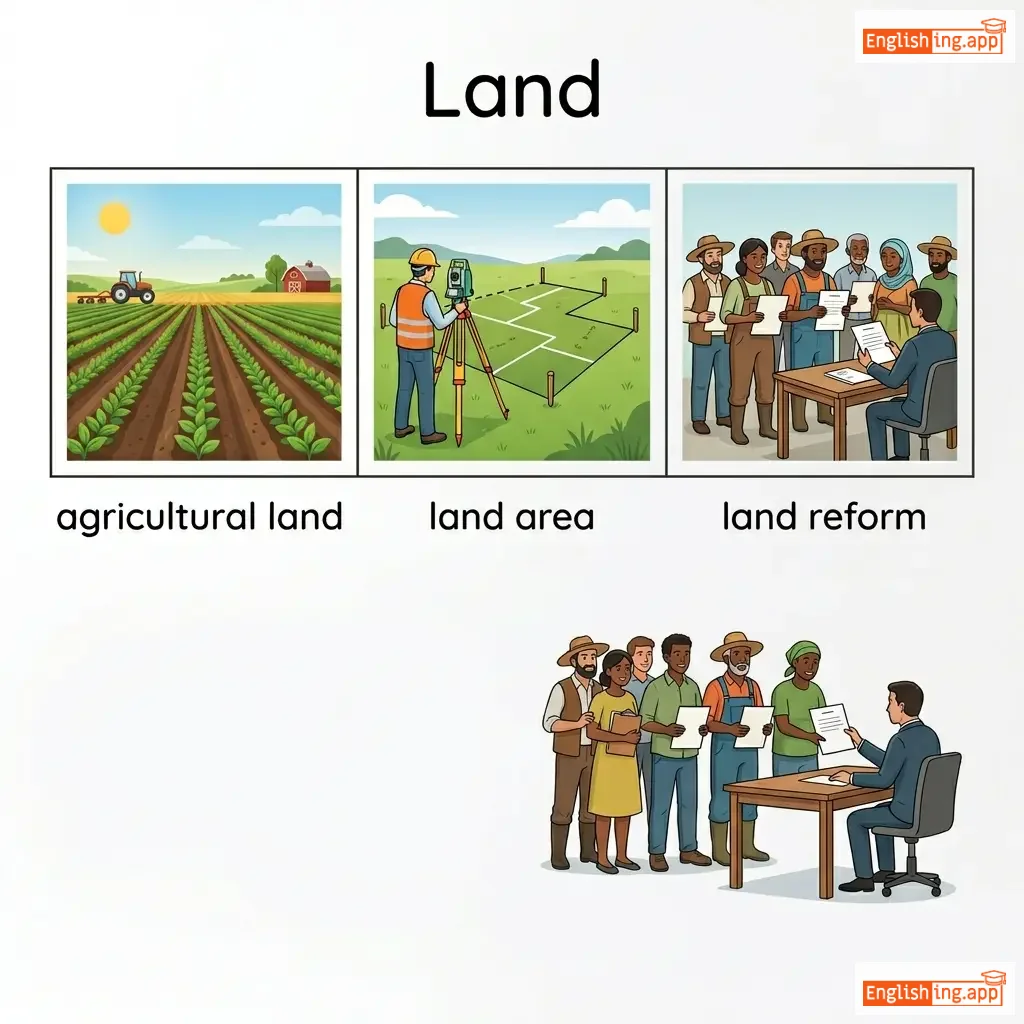
agricultural land, land area, land reform, land owner
••••••
|
Land是土地,降落是飞机接触地面的过程。
••••••
|
|
#2965
🛬
|
/ˈlændɪŋ/
noun
(landing)
••••••
|
- •••••• |
着陆
zhuó lù
••••••
|
- •••••• | - •••••• | - •••••• | - •••••• |
the act of coming down to the ground or a surface from the air
••••••
|
The plane made a smooth landing on the runway. |
飞机顺利地在跑道上着陆。
fēi jī shùn lì de zài pǎo dào shàng zhuó lù.
••••••
|
crash landing |
an emergency or rough landing of an aircraft
••••••
|
紧急着陆
jǐn jí zhuó lù
••••••
|
arrival, touchdown, descent, docking, approach
••••••
|
takeoff, departure
••••••
|
safe landing, rough landing, landing gear, landing strip
••••••
|
Landing意味着着陆,就像飞机着陆时,大家都说‘终于到了地面!’
••••••
|
|
#2966
🏠
|
/ˈlændlɔːrd/
noun
(lændlɔːrd)
••••••
|
- •••••• |
房东
fangdong
••••••
|
- •••••• | - •••••• | - •••••• | - •••••• |
A person who owns and rents out land, buildings, or accommodation.
••••••
|
The landlord increased the rent for all tenants this year. |
今年房东提高了所有租户的租金。
Jīnnián fángdōng tígāo le suǒyǒu zūhù de zūjīn.
••••••
|
the landlord's word is law |
The landlord has complete authority over the property.
••••••
|
房东的话就是法律
Fángdōng de huà jiùshì fǎlǜ
••••••
|
owner, lessor, proprietor, landowner, property-holder
••••••
|
tenant, renter, lessee
••••••
|
landlord and tenant, landlord duties, landlord agreement, friendly landlord
••••••
|
Land+Lord = 房东, 房东意味着拥有房产的人。
••••••
|
|
#2967
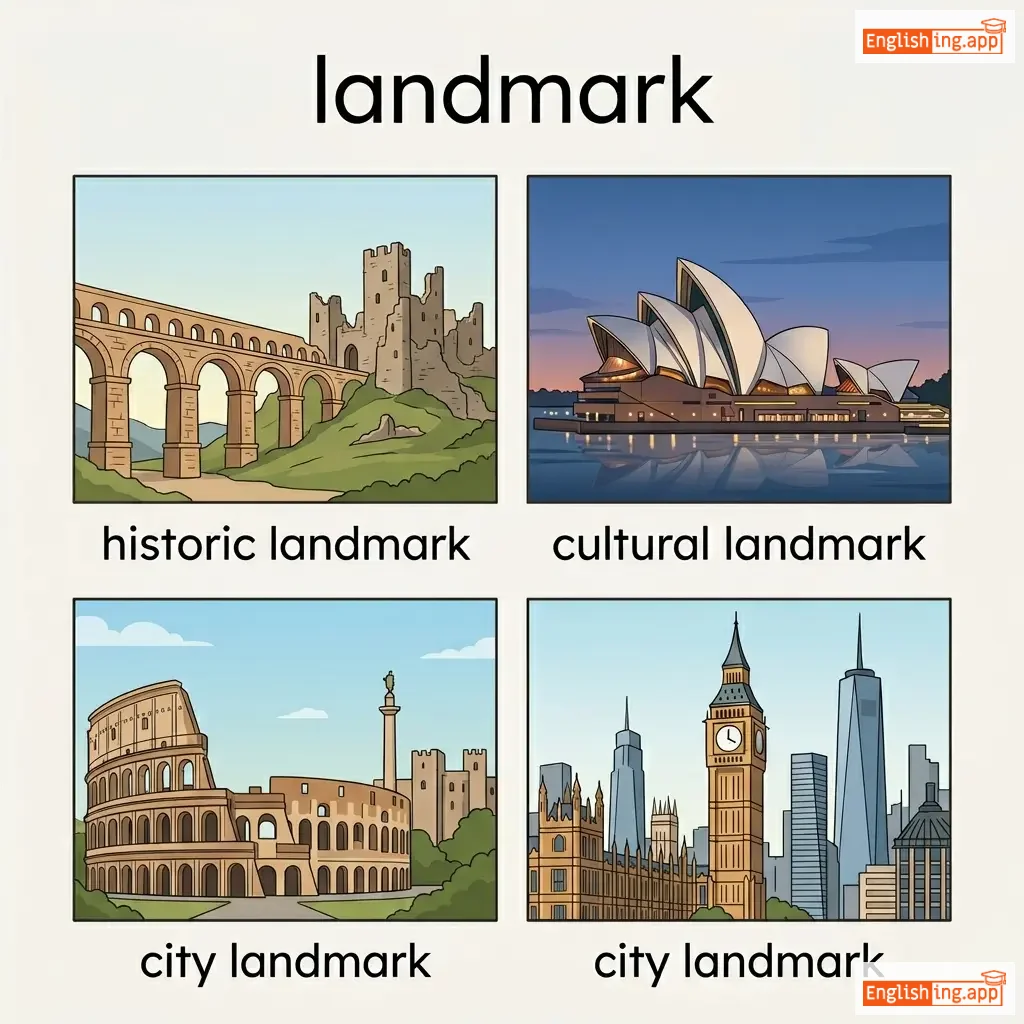
📍
|
/ˈlændmɑːrk/
noun
(lændmɑːrk)
••••••
|
|
地标
dǐbiāo
••••••
|
- •••••• | - •••••• | - •••••• | - •••••• |
A recognizable object or structure that serves as a point of reference, or an event marking an important stage.
••••••
|
The Eiffel Tower is a famous landmark in Paris. |
埃菲尔铁塔是巴黎的著名地标。
āi fēi ěr tiě tǎ shì bālí de zhùmíng dìbiāo.
••••••
|
landmark decision |
An important or historic ruling or choice.
••••••
|
历史性决策
lìshǐxìng juécè
••••••
|
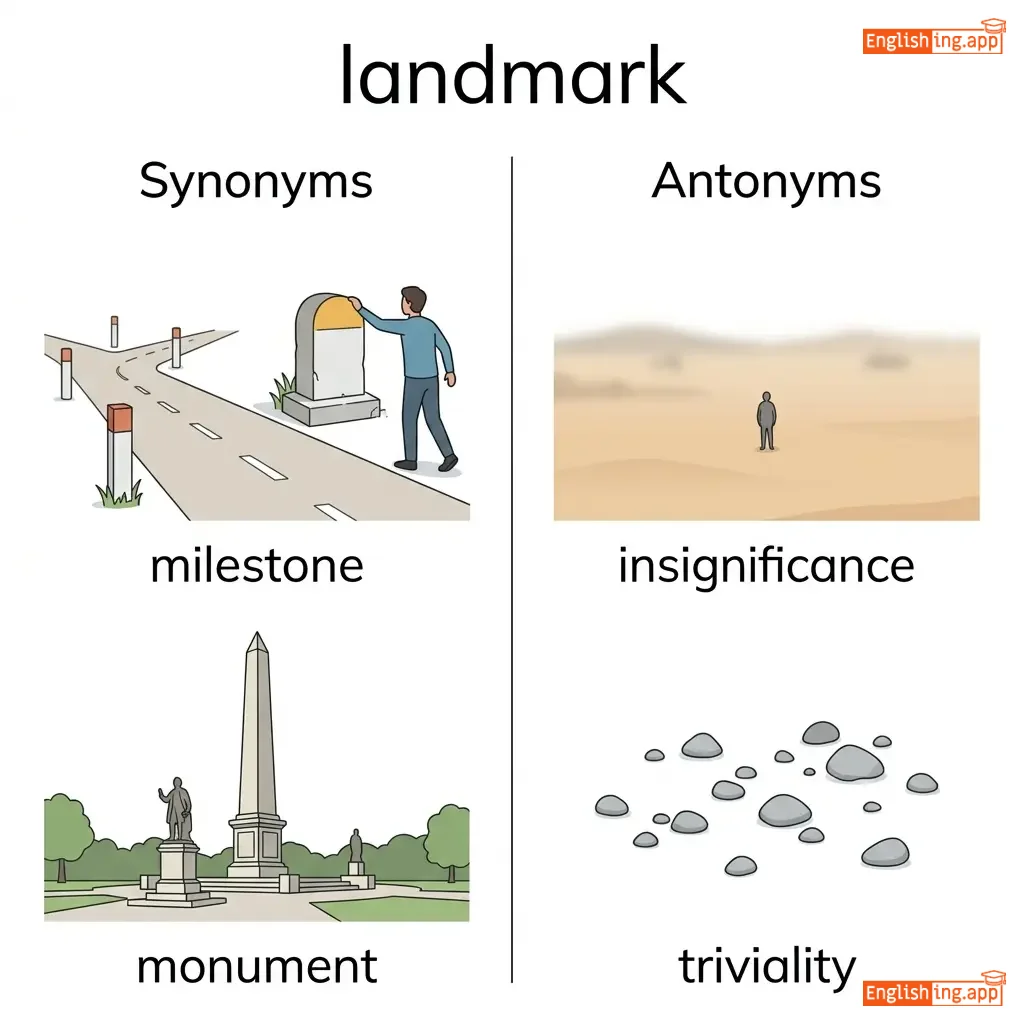
milestone, monument, marker, signpost, reference point
••••••
|
insignificance, triviality
••••••
|
historic landmark, cultural landmark, city landmark, national landmark
••••••
|
Land+Mark = 地图上的重要位置
••••••
|
|
#2968
🏔️
|
/ˈlænd.skeɪp/
noun
(lændskeɪp)
••••••
|
- •••••• |
风景
fengjing
••••••
|
- •••••• | - •••••• | - •••••• | - •••••• |
all the visible features of an area of countryside or land; the art of designing outdoor areas
••••••
|
The mountain landscape was breathtaking with its snow-capped peaks and green valleys. |
山脉的风景令人叹为观止,雪山的山顶和绿色的山谷令人陶醉。
Shānmài de fēngjǐng lìng rén tàn wéi guānzhǐ, xuěshān de shāndǐng hé lǜsè de shāngǔ lìng rén táozuì.
••••••
|
- •••••• | - •••••• | - •••••• |
scenery, terrain, countryside, vista
••••••
|
cityscape, urban area, interior, indoor space
••••••
|
mountain landscape, rural landscape, beautiful landscape
••••••
|
Land (土地) + scape (风景) = 风景
••••••
|
|
#2969
🚗
|
/leɪn/
noun
(莱恩)
••••••
|
- •••••• |
小路
xiaolu
••••••
|
- •••••• | - •••••• | - •••••• | - •••••• |
a narrow road or path, often in the countryside or for specific traffic
••••••
|
They walked down a quiet country lane. |
他们走在一条安静的乡间小路上。
Tāmen zǒu zài yītiáo ānjìng de xiāngjiān xiǎolù shàng.
••••••
|
memory lane |
a metaphor for reminiscing about the past
••••••
|
记忆小路
jìyì xiǎolù
••••••
|
path, road, alley, track, passage
••••••
|
highway, main road
••••••
|
bus lane, fast lane, traffic lane, country lane
••••••
|
Lane 就是狭窄的道路,记忆小路就是 lane!
••••••
|
|
#2970
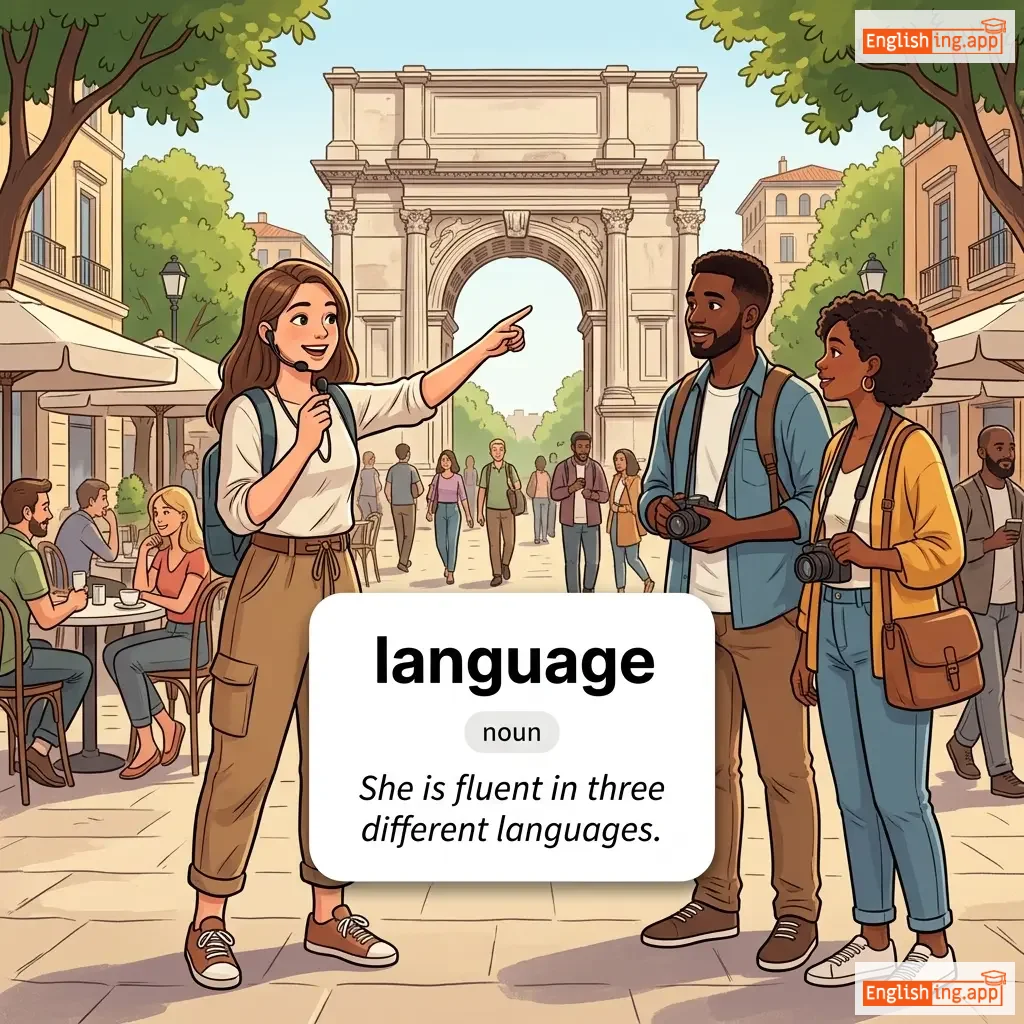
🗣️
|
/ˈlæŋɡwɪdʒ/
noun
(lèngwèi)
••••••
|
|
语言
yǔyán
••••••
|
- •••••• | - •••••• | - •••••• | - •••••• |
the system of communication used by a particular community, including spoken and written words
••••••
|
She is fluent in three different languages.
她流利地说三种不同的语言。
••••••
|
她流利地说三种不同的语言。
Tā liúlì de shuō sān zhǒng bùtóng de yǔyán.
••••••
|
mother tongue
母语
••••••
|
a person's native language
••••••
|
母语
mǔyǔ
••••••
|
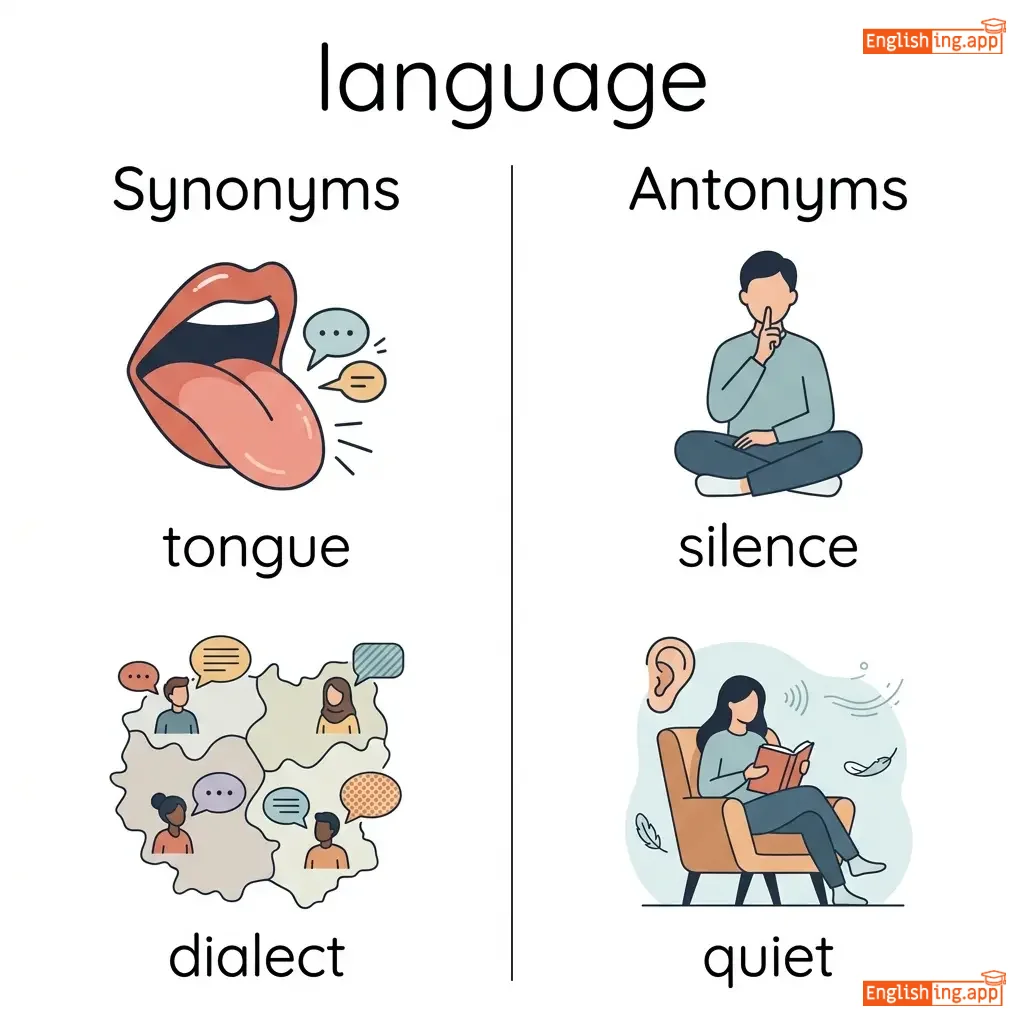
tongue, dialect, speech, lingo, communication
••••••
|
silence, quiet
••••••
|
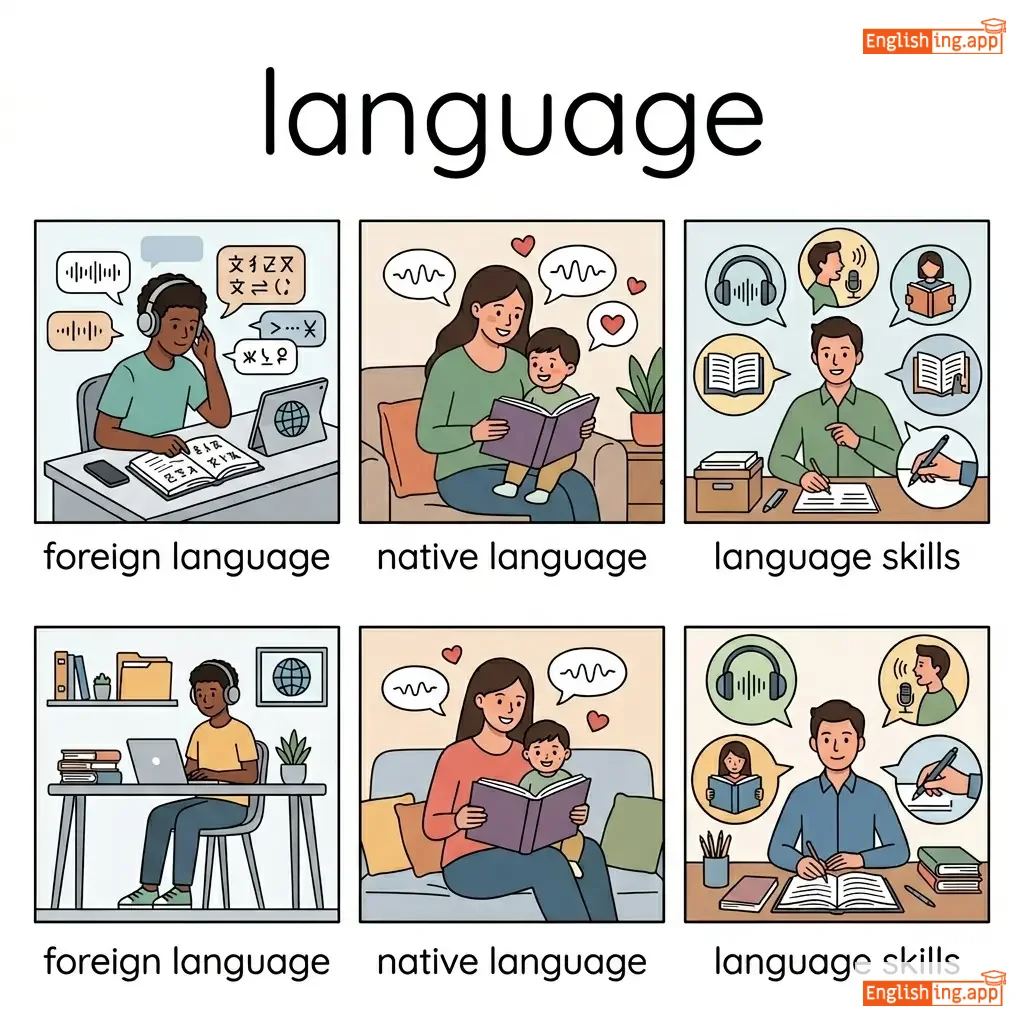
foreign language, native language, language skills, language barrier
••••••
|
LANGUAGE 意味着‘语言’ – 就像中文中的语言,在英文中是 language
••••••
|
|
#2971
🪑
|
/læp/
noun/verb
(海皮尼斯)
••••••
|
- •••••• |
幸福
xìngfú
••••••
|
lapped
••••••
|
lapped
••••••
|
laps
••••••
|
lapping
••••••
|
As noun: the flat area between the waist and knees of a seated person; As verb: to drink liquid with the tongue.
••••••
|
The child sat on her mother's lap. |
当她获得奖项时,她无法掩饰自己的幸福。
Dāng tā huòdé jiǎngxiàng shí, tā wúfǎ yǎnshì zìjǐ de xìngfú.
••••••
|
in the lap of luxury |
Living in great comfort and wealth
••••••
|
追寻幸福
zhuīxún xìngfú
••••••
|
thighs, knee, embrace, lick, sip
••••••
|
stand, rise
••••••
|
sit on lap, lap of luxury, lap time
••••••
|
幸福 = happiness, 追寻 = search, 'searching for happiness'
••••••
|
|
#2972
📏
|
/lɑrdʒ/
adjective
(lɑrdʒ)
••••••
|
- •••••• |
大
da
••••••
|
- •••••• | - •••••• | - •••••• | - •••••• |
big in size, amount, or number
••••••
|
They live in a large house near the river.
他们住在河边的一座大房子里。
••••••
|
他们住在河边的一座大房子里。
Tāmen zhù zài hé biān de yī zuò dà fángzi lǐ.
••••••
|
at large
在大规模上
••••••
|
free, not captured
••••••
|
自由,未被捕获
zìyóu, wèi bèi bǔhuò
••••••
|
big, huge, massive, enormous, substantial
••••••
|
small, tiny, little
••••••
|
large house, large number, large scale, large amount
••••••
|
大就像一个大房子,给你巨大的空间。
••••••
|
|
#2973
🌍
|
/lɑːrdʒ skeɪl/
adjective
(拉尔杰-斯凯尔)
••••••
|
- •••••• |
大规模
dà guīmó
••••••
|
- •••••• | - •••••• | - •••••• | - •••••• |
involving a large number or quantity, or covering a large area
••••••
|
The company is planning a large-scale expansion into international markets. |
该公司计划在国际市场进行大规模扩张。
Gāi gōngsī jìhuà zài guójì shìchǎng jìnxíng dà guīmó kuòzhāng.
••••••
|
- •••••• | - •••••• | - •••••• |
massive, extensive, widespread
••••••
|
small-scale, limited, localized
••••••
|
large-scale project, large-scale operation, large-scale impact
••••••
|
Large-scale - 大 (dà) 规模 (guīmó)
••••••
|
|
#2974
📊
|
/ˈlɑːrdʒli/
adverb
(拉尔杰利)
••••••
|
- •••••• |
主要
zhǔ yào
••••••
|
- •••••• | - •••••• | - •••••• | - •••••• |
to a great extent; mostly or mainly
••••••
|
The success of the project was largely due to teamwork. |
这个项目的成功主要归功于团队合作。
Zhège xiàngmù de chénggōng zhǔ yào guīgōng yú tuánduì hézuò.
••••••
|
- •••••• | - •••••• | - •••••• |
mostly, mainly, chiefly, predominantly, primarily
••••••
|
partially, slightly
••••••
|
largely responsible, largely because, largely ignored, largely unchanged
••••••
|
LARGE 代表大,lately 意味着主要。
••••••
|
|
#2975
🔦
|
/ˈleɪzər/
noun
(激光)
••••••
|
- •••••• |
激光
jiguang
••••••
|
- •••••• | - •••••• | - •••••• | - •••••• |
a device that emits a concentrated beam of light
••••••
|
The doctor used a laser to perform eye surgery. |
医生使用激光进行眼部手术。
Yīshēng shǐyòng jīguāng jìnxíng yǎnbù shǒushù.
••••••
|
laser focus |
extreme and unwavering concentration on a task
••••••
|
激光聚焦
jīguāng jùjiāo
••••••
|
beam, ray, light, emitter, photonic device
••••••
|
diffusion, scatter
••••••
|
laser beam, laser surgery, laser light, laser focus
••••••
|
激光意味着光束 — 激光聚焦,聚焦无限!
••••••
|
|
#2976
⏳
|
/læst/
verb/adjective/noun
(là sī tè)
••••••
|
|
持续 / 最后
chíxù / zuìhòu
••••••
|
lasted
là sī tè dé
••••••
|
lasted
là sī tè dé
••••••
|
lasts
là sī tè sī
••••••
|
lasting
là sī tè ng
••••••
|
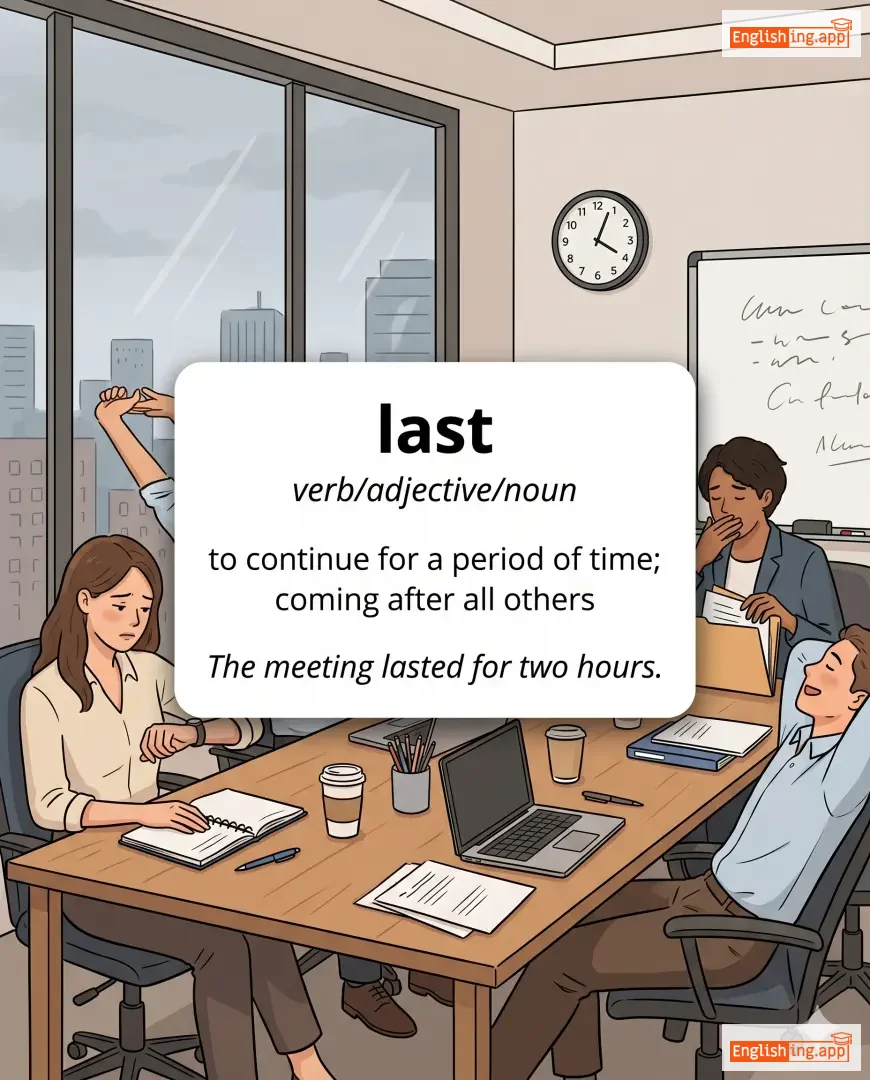
to continue for a period of time; coming after all others
••••••
|
The meeting lasted for two hours.
会议持续了两个小时。
••••••
|
会议持续了两个小时。
Huiyi chíxùle liǎng gè xiǎoshí.
••••••
|
at last
终于
••••••
|
finally, after a long time
••••••
|
终于
zhōngyú
••••••
|
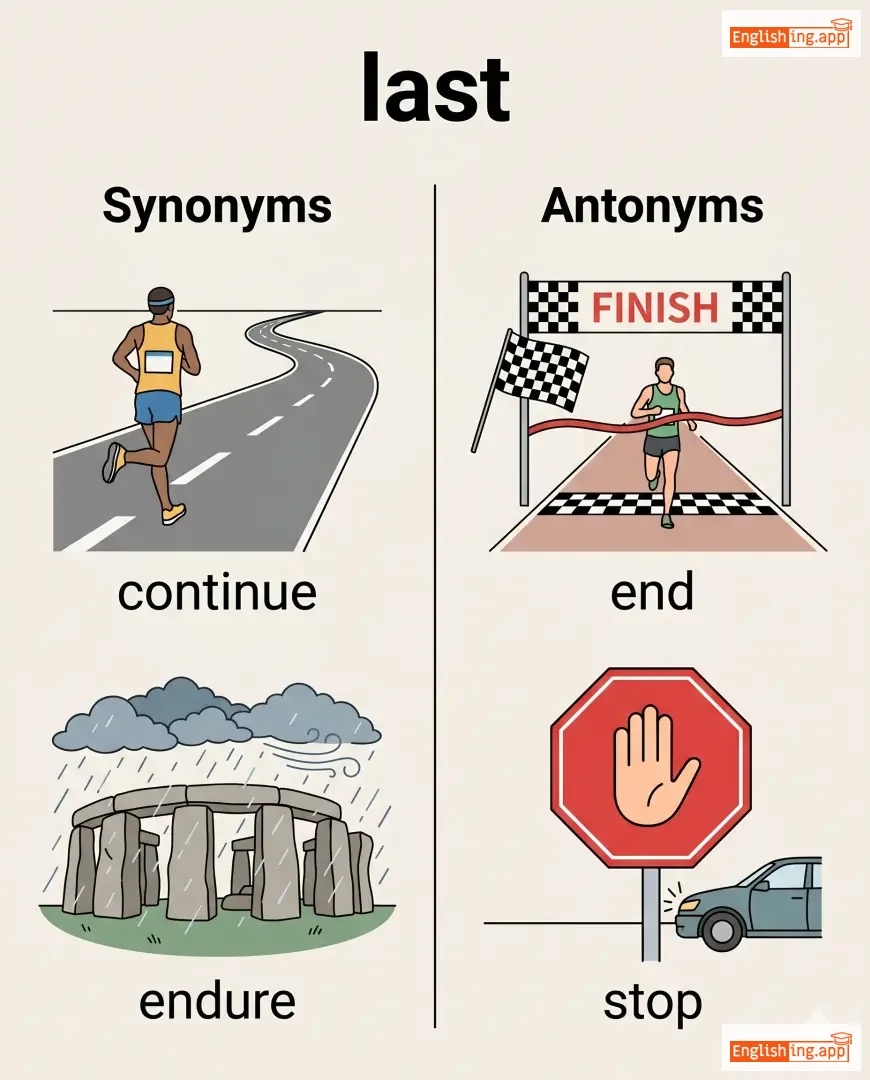
continue, endure, final, ultimate, survive
••••••
|
end, stop, first
••••••
|
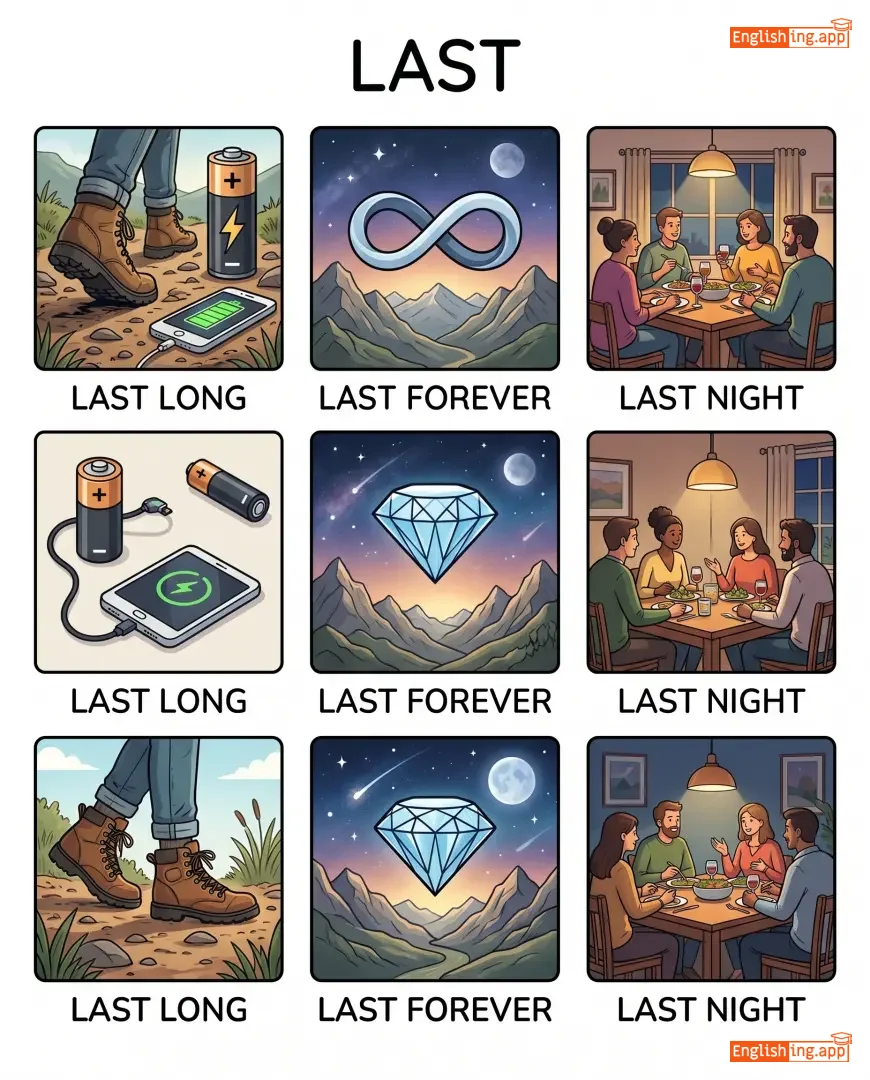
last long, last forever, last night, last chance
••••••
|
Last意味着'最后',作为动词意味着'持续'
••••••
|
|
#2977
⏰
|
/leɪt/
adjective/adverb
(lèi tè)
••••••
|
- •••••• |
迟到
chidao
••••••
|
- •••••• | - •••••• | - •••••• | - •••••• |
arriving, happening, or done after the expected time
••••••
|
He arrived late to the meeting. |
他迟到了会议。
Tā chídào le huìyì.
••••••
|
better late than never |
it is better to do something late than not at all
••••••
|
迟到总比不到好
chidao zong bi bu dao hao
••••••
|
tardy, delayed, overdue, unpunctual
••••••
|
early, prompt
••••••
|
late arrival, late night, late payment, late fee
••••••
|
Late = 迟到 – 想象你迟到参加会议。
••••••
|
|
#2978
⏰
|
/ˈleɪt.li/
adverb
(莱特利)
••••••
|
- •••••• |
最近; 近来;
zuijin
••••••
|
- •••••• | - •••••• | - •••••• | - •••••• |
recently; in the recent past; not long ago
••••••
|
I haven't seen him lately, but I heard he got a new job.
艾 还文特 辛 希姆 莱特利, 巴特 艾 赫德 希 高特 啊 纽 佐布。
••••••
|
我最近没见过他,但听说他找到了新工作。
wo zuijin mei jianguo ta, dan tingshuo ta zhaodao le xin gongzuo.
••••••
|
- •••••• | - •••••• | - •••••• |
recently, currently, nowadays, presently
••••••
|
formerly, previously, earlier, long ago
••••••
|
lately been, seen lately, lately noticed
••••••
|
Lately = 最近 (zuijin) — both mean something happened not long ago.
••••••
|
|
#2979
⏰
|
/ˈleɪtər/
adverb
(雷特)
••••••
|
- •••••• |
稍后
shaohou
••••••
|
- •••••• | - •••••• | - •••••• | - •••••• |
At a time subsequent to a reference time; afterwards.
••••••
|
We will discuss the details later. |
我们稍后讨论细节。
Women shaohou taolun xijie.
••••••
|
sooner or later |
Eventually, at some unspecified future time.
••••••
|
迟早
chizao
••••••
|
afterwards, subsequently, eventually, afterward, in time
••••••
|
earlier, before, prior
••••••
|
later stage, later time, later date, talk later
••••••
|
Later 意思是 '之后' →某事将发生在稍后的时间。
••••••
|
|
#2980
🆕
|
/ˈleɪtɪst/
adjective
(莱特斯特)
••••••
|
- •••••• |
最新的
zuixin de
••••••
|
- •••••• | - •••••• | - •••••• | - •••••• |
most recent in time; newest available
••••••
|
She shared the latest updates with the team.
她与团队分享了莱特斯特的更新。
••••••
|
她与团队分享了最新的更新。
ta yu tuandui fenxiang le zuixin de gengxin
••••••
|
latest news
莱特斯特 新闻
••••••
|
the most recent information or reports
••••••
|
最新消息
zuixin xiaoxi
••••••
|
newest, most recent, up-to-date, current
••••••
|
oldest, outdated, former
••••••
|
latest news, latest version, latest update, latest trend
••••••
|
latest = zuixin, 最+新
••••••
|
|
#2981
🏛️
|
/ˈlætɪn/
noun/adjective
(拉丁)
••••••
|
- •••••• |
拉丁语
ladingyu
••••••
|
- •••••• | - •••••• | - •••••• | - •••••• |
the language of ancient Rome; relating to Latin culture or language
••••••
|
Many English words are derived from Latin.
许多英语单词源自拉丁语。
••••••
|
许多英语单词源自拉丁语。
Xu duo yingyu danci yuanci ladingyu.
••••••
|
- •••••• | - •••••• | - •••••• |
Roman, classical, Italic, Romance
••••••
|
modern, contemporary
••••••
|
Latin language, Latin America, Latin culture, Latin alphabet
••••••
|
拉丁意味着拉丁,想象罗马和语言的起源
••••••
|
|
#2982
➡️
|
/ˈlætər/
adjective
(莱特)
••••••
|
- •••••• |
第二个
di'er ge
••••••
|
- •••••• | - •••••• | - •••••• | - •••••• |
the second of two people or things mentioned
••••••
|
Between tea and coffee, I prefer the latter. |
在茶和咖啡之间,我更喜欢第二个。
Zai cha he kafei zhijian, wo geng xihuan dier ge.
••••••
|
- •••••• | - •••••• | - •••••• |
second, last-mentioned, concluding, final
••••••
|
former, first
••••••
|
the latter case, in the latter part, the latter option
••••••
|
Former 意味着第一个,Latter 意味着第二个 – 在任何选择中,latter 表示第二个
••••••
|
|
#2983
😂
|
/læf/
verb, noun
(拉夫)
••••••
|
|
笑
xiao
••••••
|
laughed
拉夫德
••••••
|
laughed
拉夫德
••••••
|
laughs
拉夫斯
••••••
|
laughing
拉夫英
••••••
|
to make sounds and movements of the face that show amusement or joy
••••••
|
They laughed loudly at the comedian's joke.
他们对喜剧演员的笑话大笑。
••••••
|
他们对喜剧演员的笑话大笑。
tamen dui xiju yanyuan de xiaohua daxiao.
••••••
|
laugh it off
一笑置之
••••••
|
to dismiss something unpleasant by treating it humorously
••••••
|
一笑置之
yi xiao zhi zhi
••••••
|
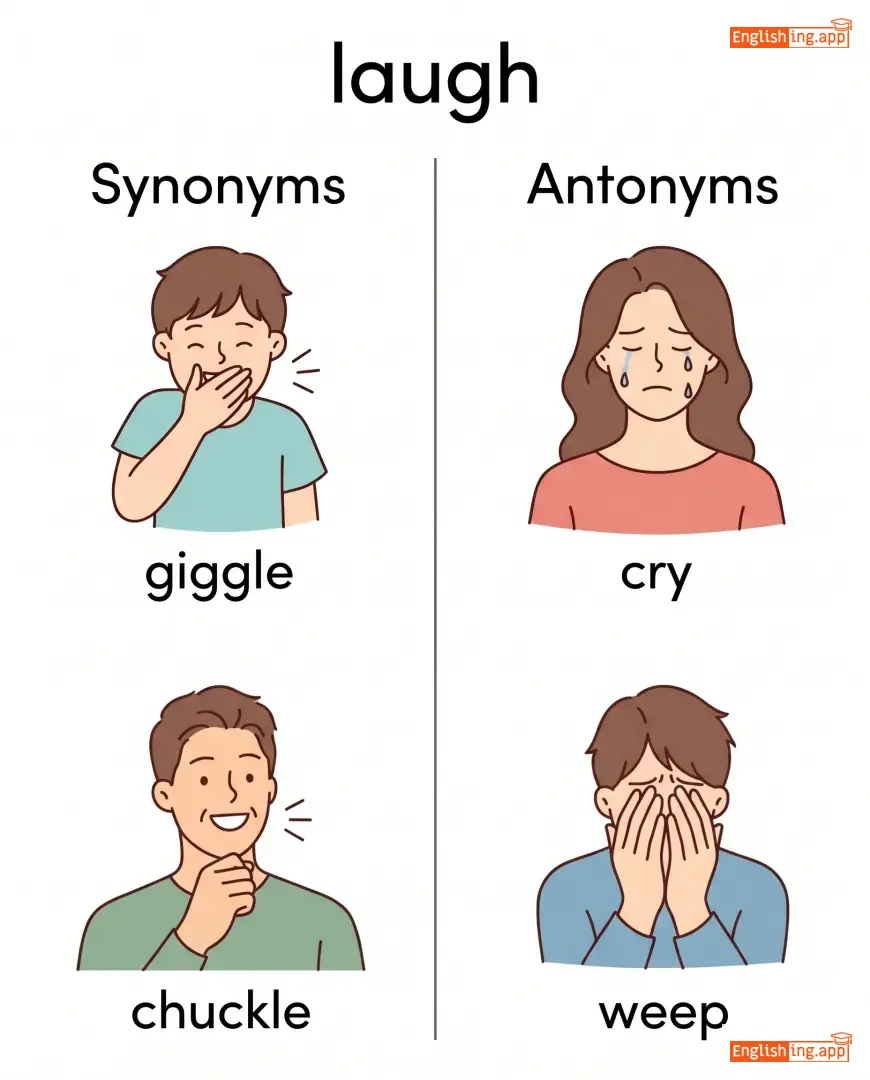
giggle, chuckle, snicker, roar, cackle
••••••
|
cry, weep, sob
••••••
|
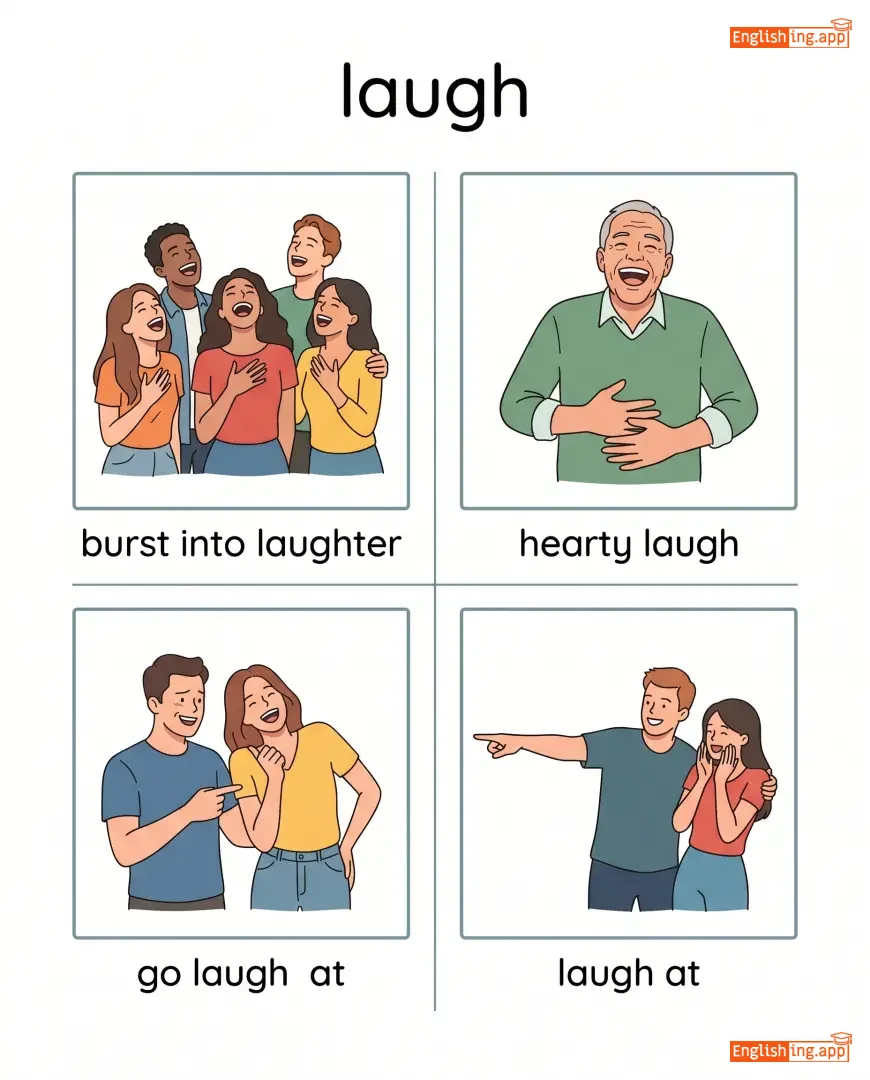
burst into laughter, hearty laugh, laugh at, laugh with
••••••
|
笑的感觉与英语中的 'laugh' 相同。
••••••
|
|
#2984
🚀
|
/lɔːntʃ/
verb, noun
••••••
|
- •••••• | - •••••• |
launched
••••••
|
launched
••••••
|
launches
••••••
|
launching
••••••
|
to start or introduce something, especially a new product, service, or event
••••••
|
The company launched a new app last month. |
- •••••• |
launch into |
to begin something with great energy or enthusiasm
••••••
|
- •••••• |
initiate, begin, start, inaugurate, unveil
••••••
|
end, stop, cancel
••••••
|
product launch, launch campaign, launch event, launch party
••••••
|
No •••••• |
|
#2985
⚖️
|
/lɔː/
noun
(law)
••••••
|
- •••••• |
法律
fǎ lǜ
••••••
|
- •••••• | - •••••• | - •••••• | - •••••• |
a system of rules created and enforced by authority to regulate behavior
••••••
|
Everyone must obey the law of the country. |
每个人都必须遵守国家的法律。
Měi gèrén dōu bìxū zūnshǒu guójiā de fǎlǜ.
••••••
|
above the law |
not subject to the law or thinking rules do not apply
••••••
|
凌驾于法律之上
líng jià yú fǎ lǜ zhī shàng
••••••
|
rule, regulation, legislation, statute, code
••••••
|
anarchy, disorder, chaos
••••••
|
law enforcement, law firm, law student, law school
••••••
|
Law 意味着 ⚖️ 法律 — 记住每个人都应该遵守它。
••••••
|
|
#2986
🌱
|
/lɔːn/
noun
(lawn)
••••••
|
- •••••• |
草坪
caoping
••••••
|
- •••••• | - •••••• | - •••••• | - •••••• |
an area of short, regularly mown grass in the grounds of a house or in a park
••••••
|
She waters the lawn every morning.
她每天早上浇水给草坪。
••••••
|
她每天早上浇水给草坪。
Ta mei tian zao shang jiao shui gei caoping.
••••••
|
- •••••• | - •••••• | - •••••• |
grass, yard, garden, field
••••••
|
pavement, concrete
••••••
|
mow the lawn, green lawn, front lawn
••••••
|
草坪是你可以在家里或者公园看到的绿色区域,整齐修剪的草地。
••••••
|
|
#2987
📑
|
/ˈlɔːsuːt/
noun
(làosùt)
••••••
|
- •••••• |
诉讼
sùsòng
••••••
|
- •••••• | - •••••• | - •••••• | - •••••• |
a legal case brought to a court of law by one person against another
••••••
|
The company faced a lawsuit over false advertising. |
公司因虚假广告而面临诉讼。
gōngsī yīn xūjiǎ guǎnggào ér miànlín sùsòng.
••••••
|
- •••••• | - •••••• | - •••••• |
case, litigation, action, proceeding
••••••
|
agreement, settlement
••••••
|
file a lawsuit, pending lawsuit, lawsuit settlement, lawsuit case
••••••
|
Law + suit = 在法庭上提起诉讼 📑
••••••
|
|
#2988
⚖️
|
/ˈlɔːjər/
noun
(洛耶尔)
••••••
|
- •••••• |
律师
lǜshī
••••••
|
- •••••• | - •••••• | - •••••• | - •••••• |
A professional who practices or studies law; an attorney.
••••••
|
The lawyer presented the case confidently in court. |
律师在法庭上自信地陈述了案件。
Lǜshī zài fǎtíng shàng zìxìn de chénshùle ànjiàn.
••••••
|
hire a lawyer |
to employ an attorney for legal help
••••••
|
聘请律师
pìnqǐng lǜshī
••••••
|
attorney, advocate, solicitor, barrister, counselor
••••••
|
client, defendant
••••••
|
criminal lawyer, corporate lawyer, hire a lawyer, defense lawyer
••••••
|
Lawyer 意思是律师,记住 LAW 是法律
••••••
|
|
#2989
📖
|
/leɪ/
verb
(lei)
••••••
|
|
放置
fangzhi
••••••
|
laid
laid
••••••
|
laid
laid
••••••
|
lays
leis
••••••
|
laying
leiing
••••••
|
To put something down carefully in a flat position.
••••••
|
She laid the book on the table.
她把书放在桌子上。
••••••
|
她把书放在桌子上。
Ta ba shu fang zai zhuozi shang.
••••••
|
lay the foundation
奠定基础
••••••
|
to establish the base or groundwork
••••••
|
奠定基础
dianding jichu
••••••
|
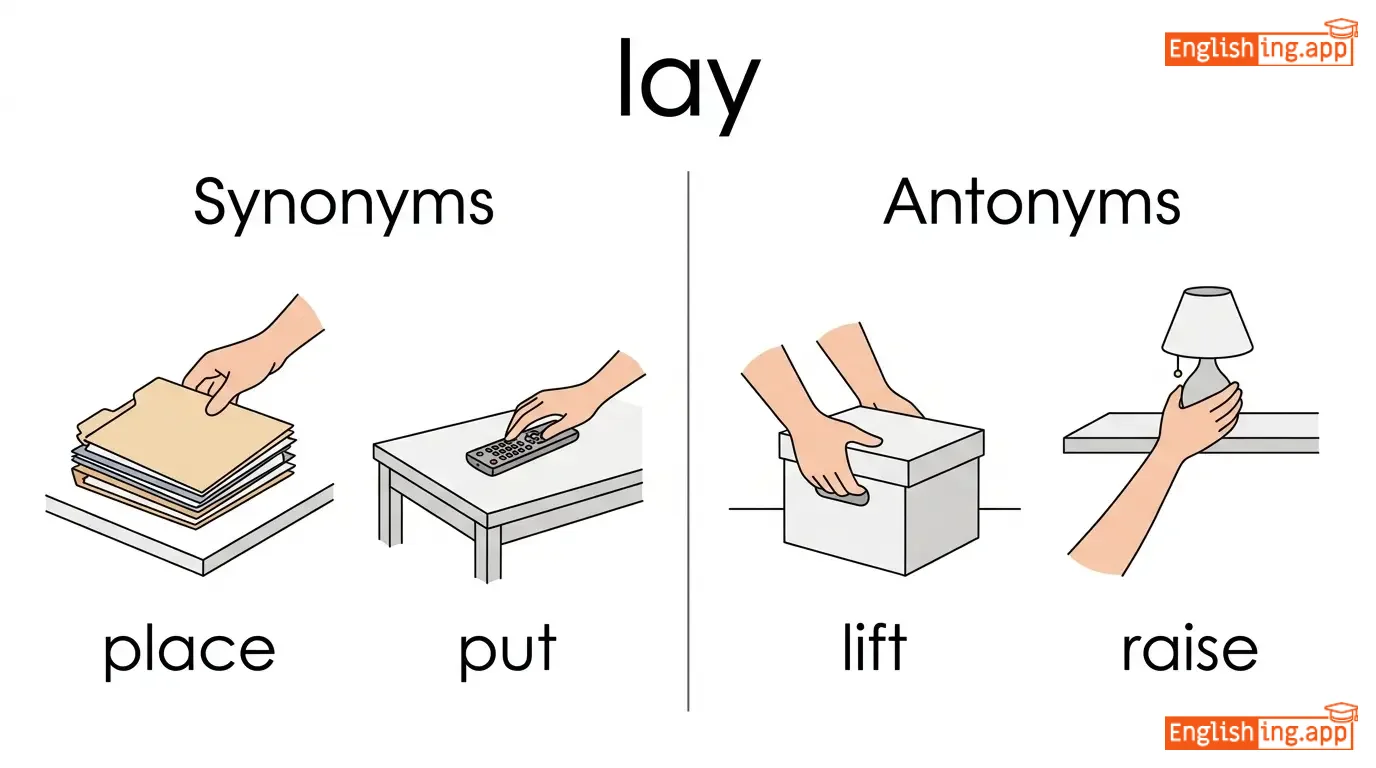
place, put, set, position, deposit
••••••
|
lift, raise
••••••
|
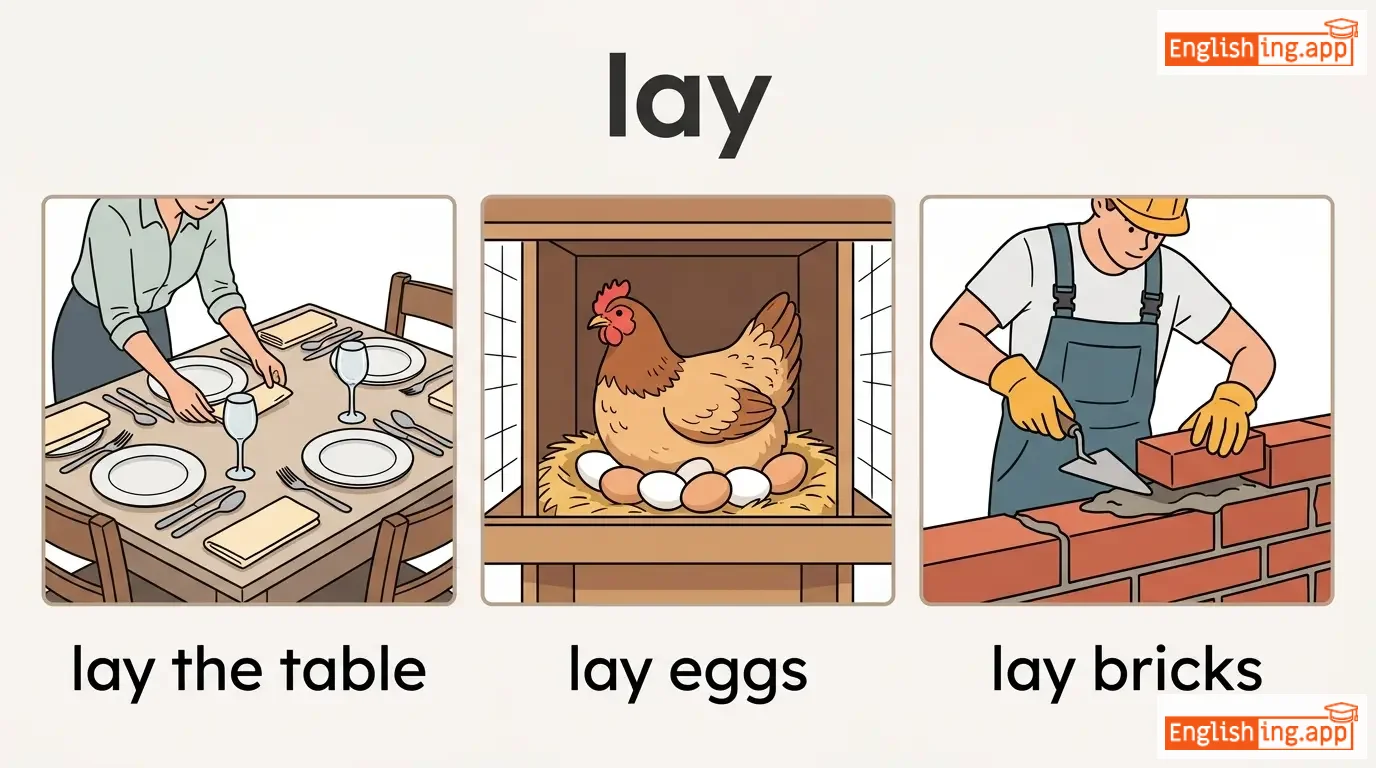
lay the table, lay eggs, lay bricks, lay emphasis
••••••
|
Lay 代表放置, 就像 '她 lay 书在桌子上'
••••••
|
|
#2990
📚
|
/ˈleɪər/
noun
(léi ér)
••••••
|
- •••••• |
层
ceng
••••••
|
- •••••• | - •••••• | - •••••• | - •••••• |
A sheet, thickness, or coating of something that lies over or under a surface.
••••••
|
The cake had a layer of cream between the sponges. |
蛋糕中间有一层奶油。
Dàngāo zhōngjiān yǒu yī céng nǎiyóu.
••••••
|
a layer of meaning |
a deeper or additional significance
••••••
|
意义的层次
yìyì de céngcì
••••••
|
sheet, coating, stratum, film, covering
••••••
|
core, center
••••••
|
thin layer, thick layer, protective layer, additional layer
••••••
|
Layer意味着层,就像蛋糕中间的奶油层。
••••••
|
|
#2991
🖥️
|
/ˈleɪaʊt/
noun
(lè yàotù)
••••••
|
- •••••• |
布局
bùjú
••••••
|
- •••••• | - •••••• | - •••••• | - •••••• |
the arrangement or design of something, especially the arrangement of elements in a book, webpage, or room
••••••
|
The designer presented a new layout for the website that was much more user-friendly. |
设计师为网站展示了一个全新的布局,这使得它更具用户友好性。
Shèjì shī wèi wǎngzhàn zhǎnshìle yīgè quánxīn de bùjú, zhè shǐ dé tā gèng jù yònghù yǒu hǎo xìng.
••••••
|
- •••••• | - •••••• | - •••••• |
design, arrangement, configuration
••••••
|
disorder, chaos
••••••
|
page layout, website layout, floor layout
••••••
|
Layout - 布局 = '布' 组织一切, '局' 安排好位置
••••••
|
|
#2992
😴
|
/ˈleɪ.zɪ.li/
adverb
(léizìlì)
••••••
|
- •••••• |
懒洋洋地
lǎn yáng yáng de
••••••
|
- •••••• | - •••••• | - •••••• | - •••••• |
in a way that shows unwillingness to work or use energy; sluggishly
••••••
|
He lazily stretched his arms and yawned in the morning.
他懒洋洋地伸展双臂,早晨打了个哈欠。
••••••
|
他懒洋洋地伸展双臂,早晨打了个哈欠。
Tā lǎn yáng yáng de shēnzhǎn shuāngbì, zǎochén dǎle ge hāqiàn.
••••••
|
- •••••• | - •••••• | - •••••• |
sluggishly, slowly, idly, lethargically
••••••
|
energetically, actively, quickly, vigorously
••••••
|
lazily stretch, lazily walk, lazily drift
••••••
|
懒洋洋地伸展像猫一样,早晨打哈欠
••••••
|
|
#2993
😴
|
/ˈleɪ.zi/
adjective
(léi zī)
••••••
|
- •••••• |
懒惰; 不愿意工作
lan duo; bu yuan yi gong zuo
••••••
|
- •••••• | - •••••• | - •••••• | - •••••• |
idle; unwilling to work; sluggish
••••••
|
He was too lazy to clean his room on the weekend. |
他周末太懒,不愿意打扫房间。
Ta zhou mo tai lan, bu yuan yi da sao fang jian.
••••••
|
- •••••• | - •••••• | - •••••• |
idle, sluggish, inactive, lethargic
••••••
|
active, energetic, hardworking, diligent
••••••
|
lazy afternoon, lazy student, lazy day
••••••
|
懒惰的人总是找借口避免工作,就像一只慢动作的乌龟。
••••••
|
|
#2994
🧭
|
/liːd/
verb
(líd)
••••••
|
- •••••• |
领导
lǐngdǎo
••••••
|
led
lèd
••••••
|
led
lèd
••••••
|
leads
lídz
••••••
|
leading
líding
••••••
|
To guide or be in charge; to show the way.
••••••
|
He led the team to victory.
他带领团队走向胜利。
••••••
|
他带领团队走向胜利。
Tā dàilǐng tuánduì zǒu xiàng shènglì.
••••••
|
lead the way
引领道路
••••••
|
to show others how to proceed
••••••
|
指引方向
zhǐyǐn fāngxiàng
••••••
|
guide, direct, command, conduct, head
••••••
|
follow, obey
••••••
|
lead the team, lead the way, lead a project, lead to success
••••••
|
Lead是领导的意思,就像领导者带路。
••••••
|
|
#2995
👑
|
/ˈliːdər/
noun
(领导者)
••••••
|
|
领导者
lingdao zhe
••••••
|
- •••••• | - •••••• | - •••••• | - •••••• |
A person who leads a group, organization, or country.
••••••
|
The leader inspired the team with his vision.
领导者用他的愿景激励了团队。
••••••
|
领导者用他的愿景激励了团队。
Lingdao zhe yong tade yuanjing jili le tuandui.
••••••
|
natural leader
天生的领导者
••••••
|
someone who has innate leadership qualities
••••••
|
天生的领导者
tiansheng de lingdao zhe
••••••
|
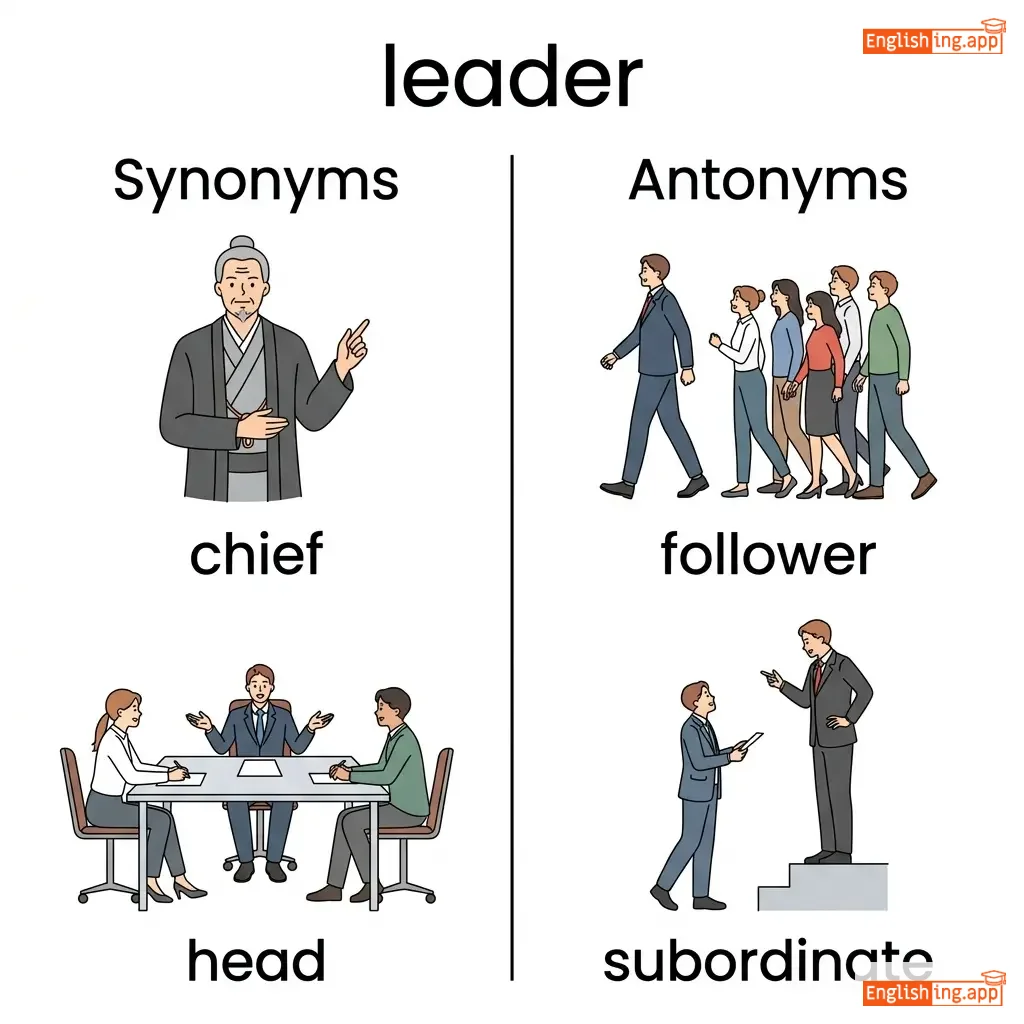
chief, head, commander, captain, director
••••••
|
follower, subordinate
••••••
|
political leader, business leader, strong leader, natural leader
••••••
|
Leader 是领导者,带领别人走向成功
••••••
|
|
#2996
👑
|
/ˈliːdərˌʃɪp/
noun
(领导力)
••••••
|
|
领导
lingdao
••••••
|
- •••••• | - •••••• | - •••••• | - •••••• |
The action of leading a group of people or an organization.
••••••
|
Her leadership inspired the entire team to achieve their goals. |
她的领导力激励整个团队实现他们的目标。
Tā de lingdàolì jīlì zhěnggè tuánduì shíxiàn tāmen de mùbiāo.
••••••
|
take the leadership role |
to assume responsibility for guiding or directing others
••••••
|
担任领导角色
dānrèn lǐngdǎo juésè
••••••
|
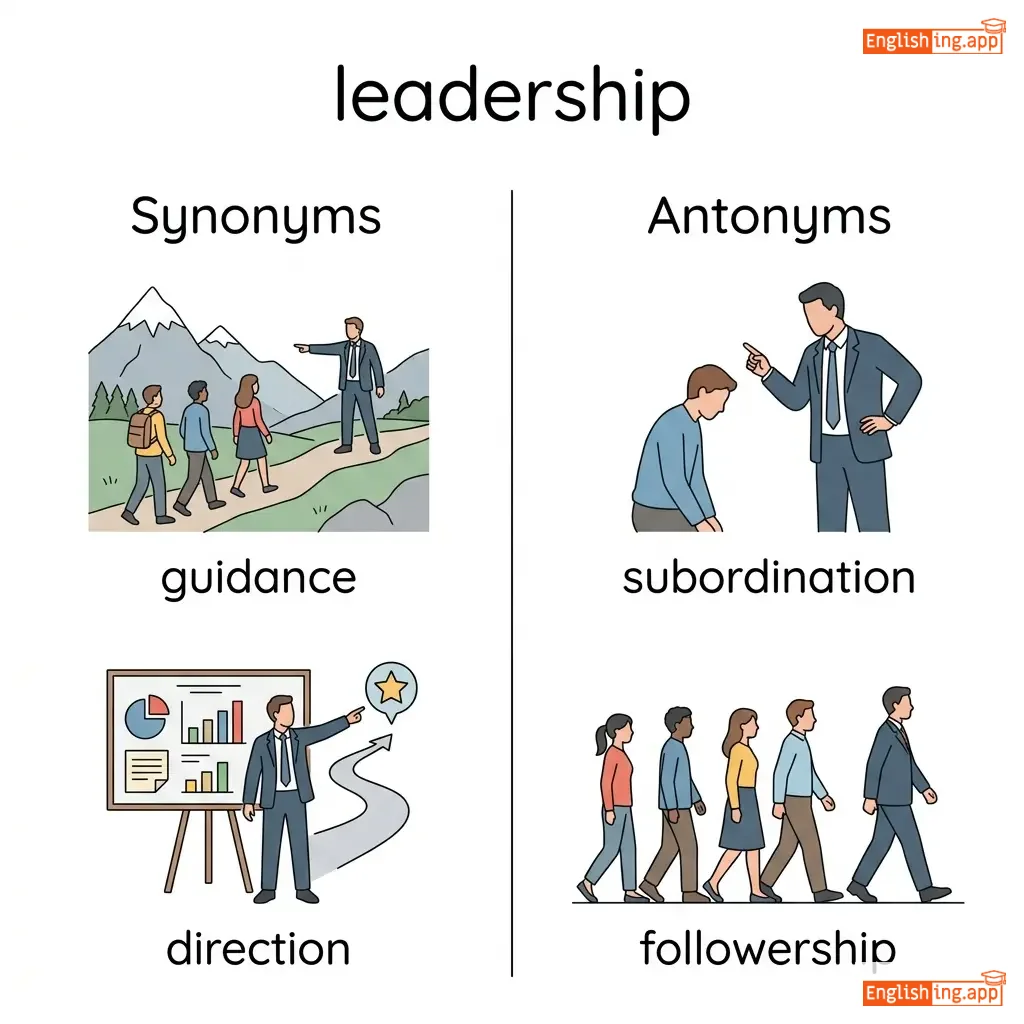
guidance, direction, command, authority, management
••••••
|
subordination, followership
••••••
|
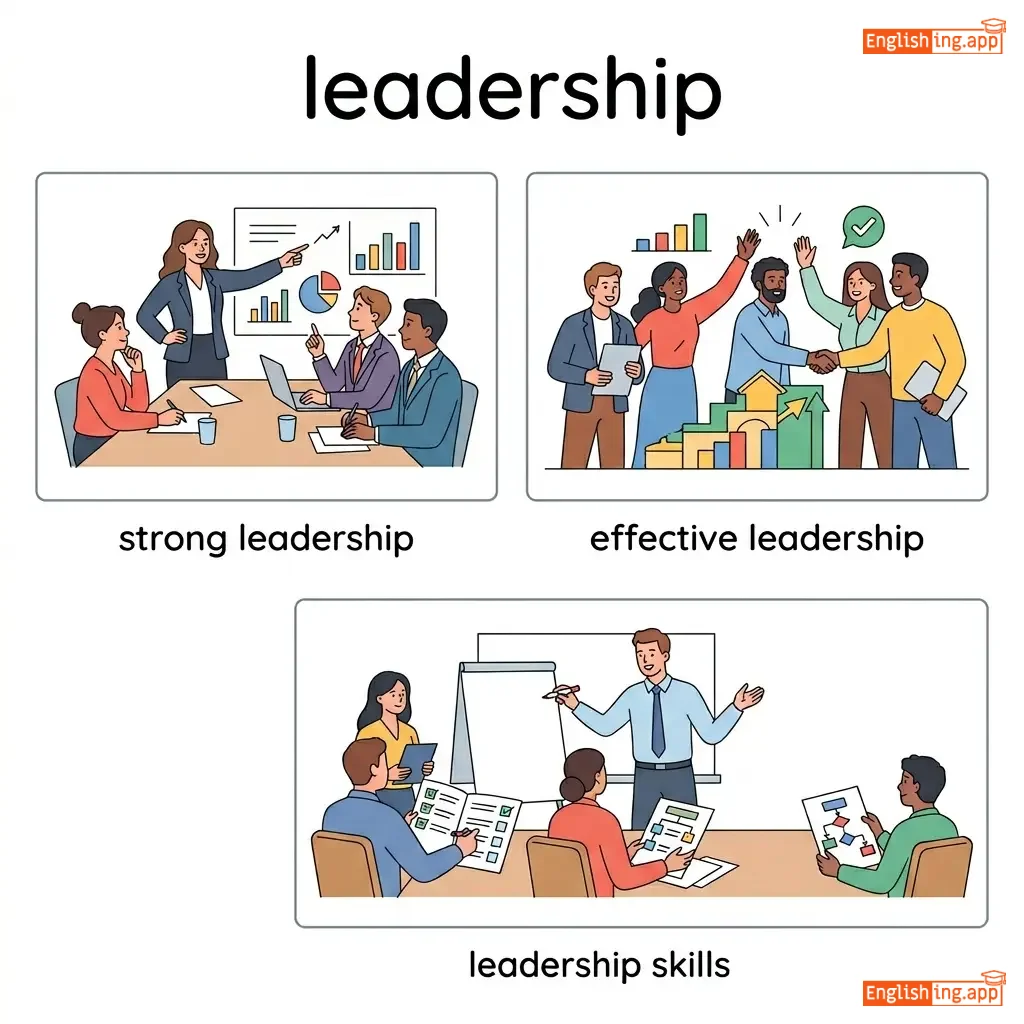
strong leadership, effective leadership, leadership skills, leadership qualities
••••••
|
领导力像船长一样,带领团队走向成功的海洋。
••••••
|
Vocabulary Quiz
Test your vocabulary by matching words with their translations or meanings.
Login to take the quiz
Comments (0)
Share your thoughts and join the discussion.
Join the discussion by logging in
Login to CommentNo comments yet
Be the first to share your thoughts!