





Swipe left or right, or use the buttons. Tap image to zoom.
例句翻译
单词
Lesson 78Lesson 78 - 遮罩切换
|
表情符号
|
单词 | Images | 翻译 | 过去时 | 过去分词 | 第三人称单数 | 动名词 | 含义 | 例句 | 例句翻译 | 示例表达 | 示例表达含义 | 示例表达翻译 | 同义词 | 反义词 | 搭配词 | 助记符 |
|---|---|---|---|---|---|---|---|---|---|---|---|---|---|---|---|---|---|
|
#3703
⏸️
|
/pɔːz/
verb
(páozī)
••••••
|
|
暂停
zanting
••••••
|
paused
pàozī
••••••
|
paused
pàozī
••••••
|
pauses
páozī
••••••
|
pausing
páozhīng
••••••
|
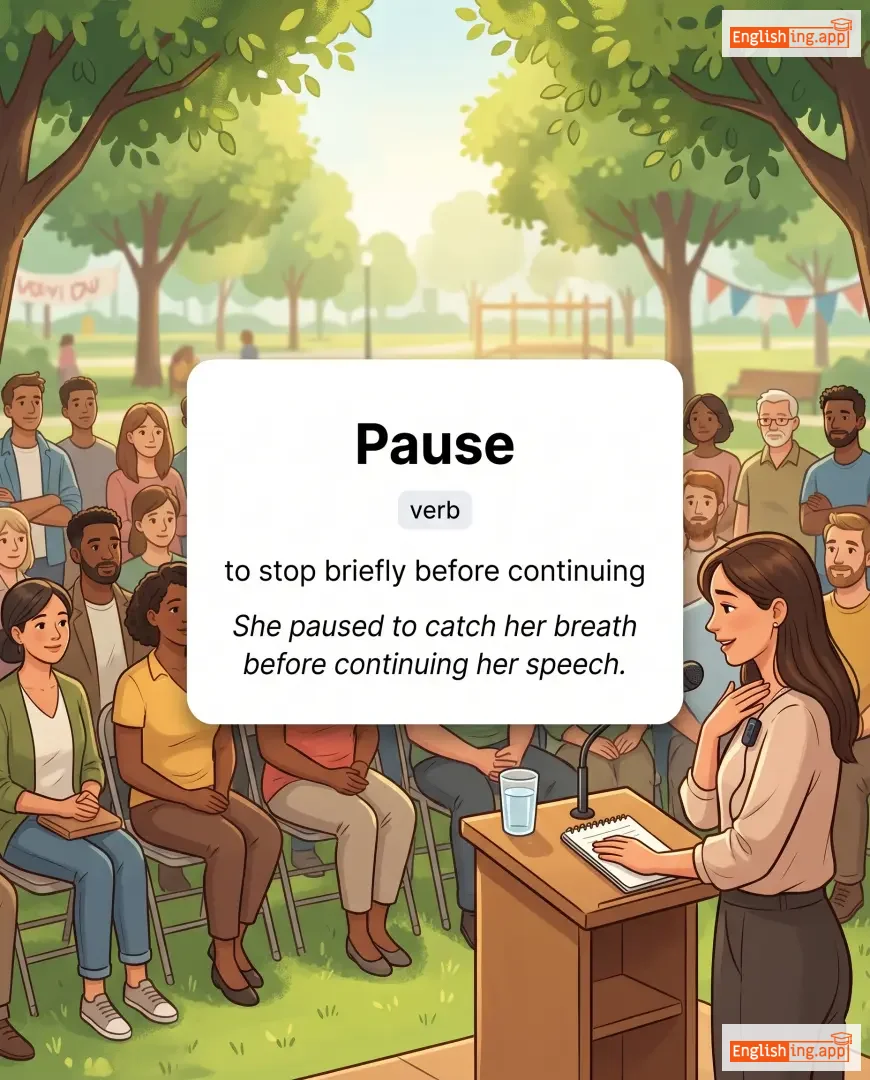
to stop briefly before continuing
••••••
|
She paused to catch her breath before continuing her speech.
她暂停了一下,喘口气,然后继续她的演讲。
••••••
|
她暂停了一下,喘口气,然后继续她的演讲。
Tā zàntíng le yīxià, chuǎn kǒuqì, ránhòu jìxù tā de yǎnjiǎng.
••••••
|
take a pause
暂停一下
••••••
|
to take a break from an activity
••••••
|
暂停一下
Zanting yīxià
••••••
|
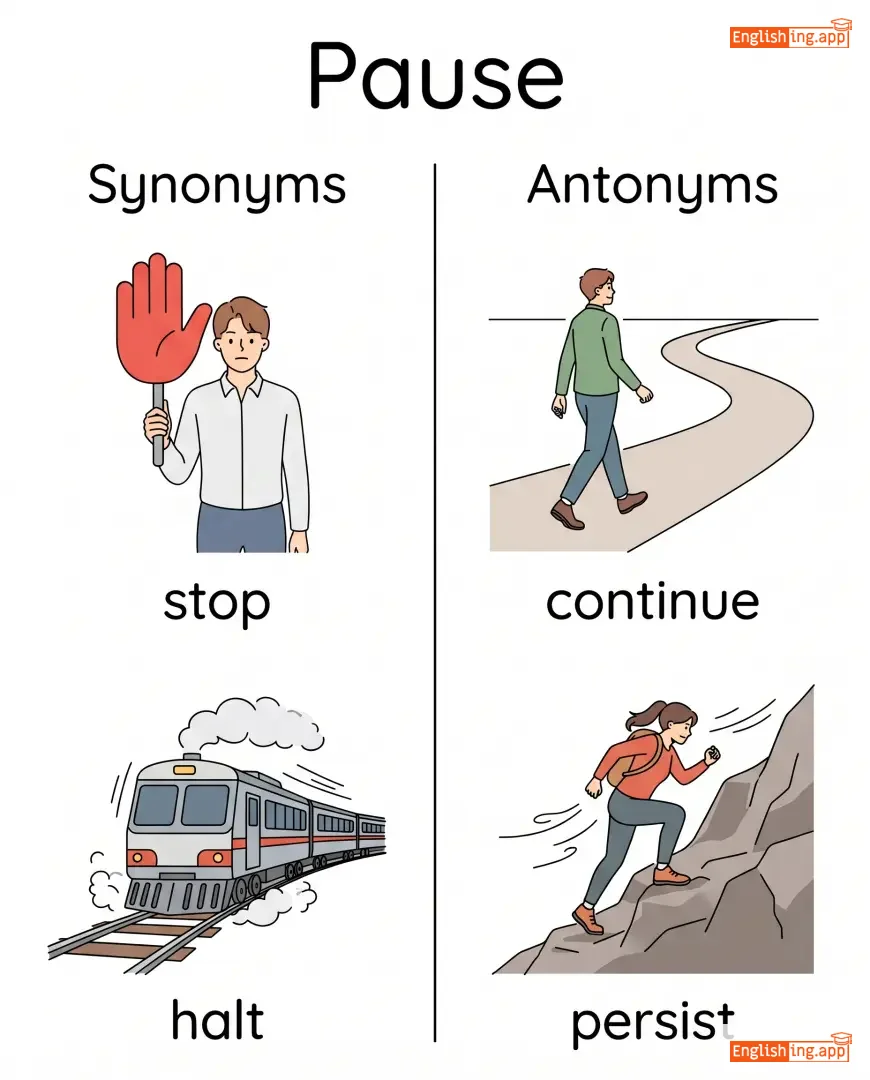
stop, halt, break, suspend
••••••
|
continue, persist, proceed
••••••
|
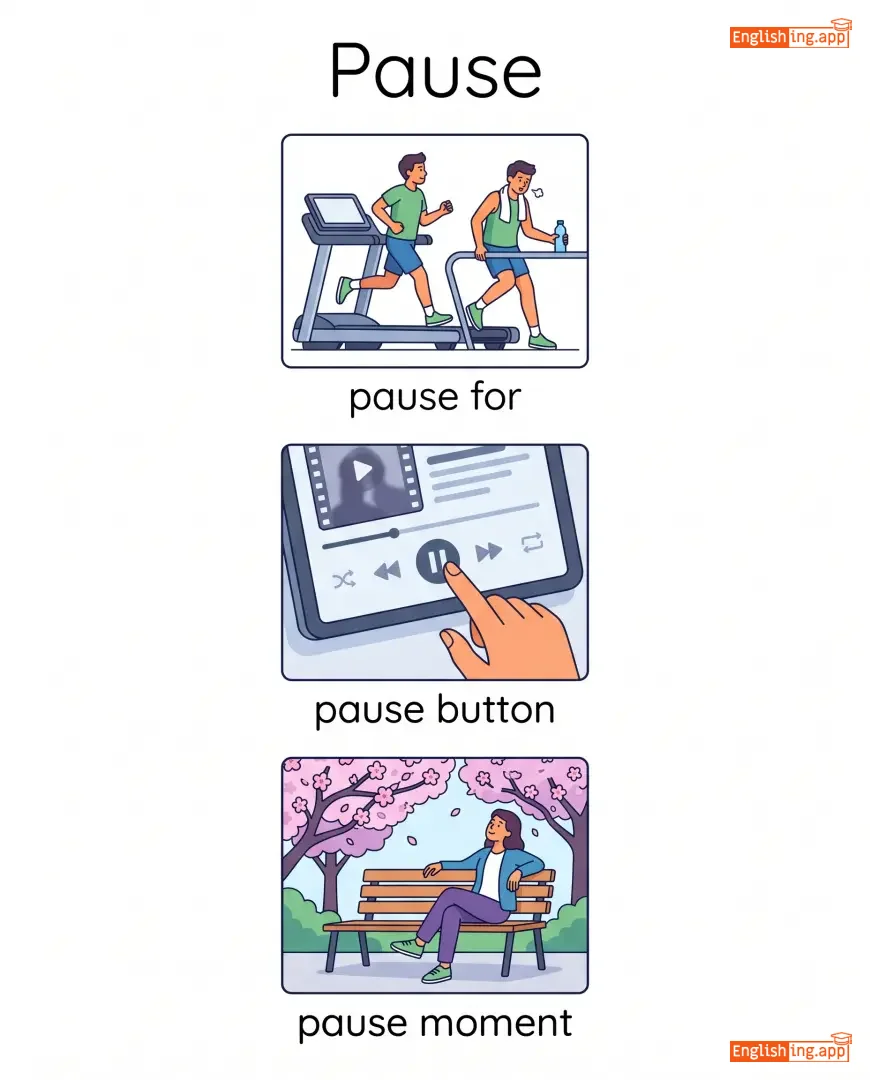
pause for, pause button, pause moment, pause music
••••••
|
暂停一下,深呼吸!
••••••
|
|
#3704
🛣️
|
/ˈpeɪvmənt/
noun
(佩夫门特)
••••••
|
- •••••• |
人行道
ren xing dao
••••••
|
- •••••• | - •••••• | - •••••• | - •••••• |
a hard paved surface such as a road or sidewalk; the act or result of paving
••••••
|
She walked along the pavement to reach the bus stop.
她沿着佩夫门特走到公交车站。
••••••
|
她沿着人行道走到公交车站。
ta yan zhe ren xing dao zou dao gong jiao che zhan
••••••
|
pound the pavement
庞德 佩夫门特
••••••
|
to walk the streets actively in order to find work or achieve something
••••••
|
四处奔走找工作
si chu ben zou zhao gong zuo
••••••
|
sidewalk, roadway, footpath, paving, asphalt
••••••
|
dirt, grass, soil
••••••
|
pavement surface, cracked pavement, wet pavement, pavement stones
••••••
|
人行道就是每天走的 pavement
••••••
|
|
#3705
💰
|
/peɪ/
verb
(péi)
••••••
|
|
支付
zhīfù
••••••
|
paid
péi dé
••••••
|
paid
péi dé
••••••
|
pays
pèi
••••••
|
paying
péi yíng
••••••
|
to give money in exchange for goods or services
••••••
|
I need to pay my bills on time.
我需要按时支付我的账单。
••••••
|
我需要按时支付我的账单。
Wǒ xūyào ànshí zhīfù wǒ de zhàngdān
••••••
|
- •••••• | - •••••• | - •••••• |
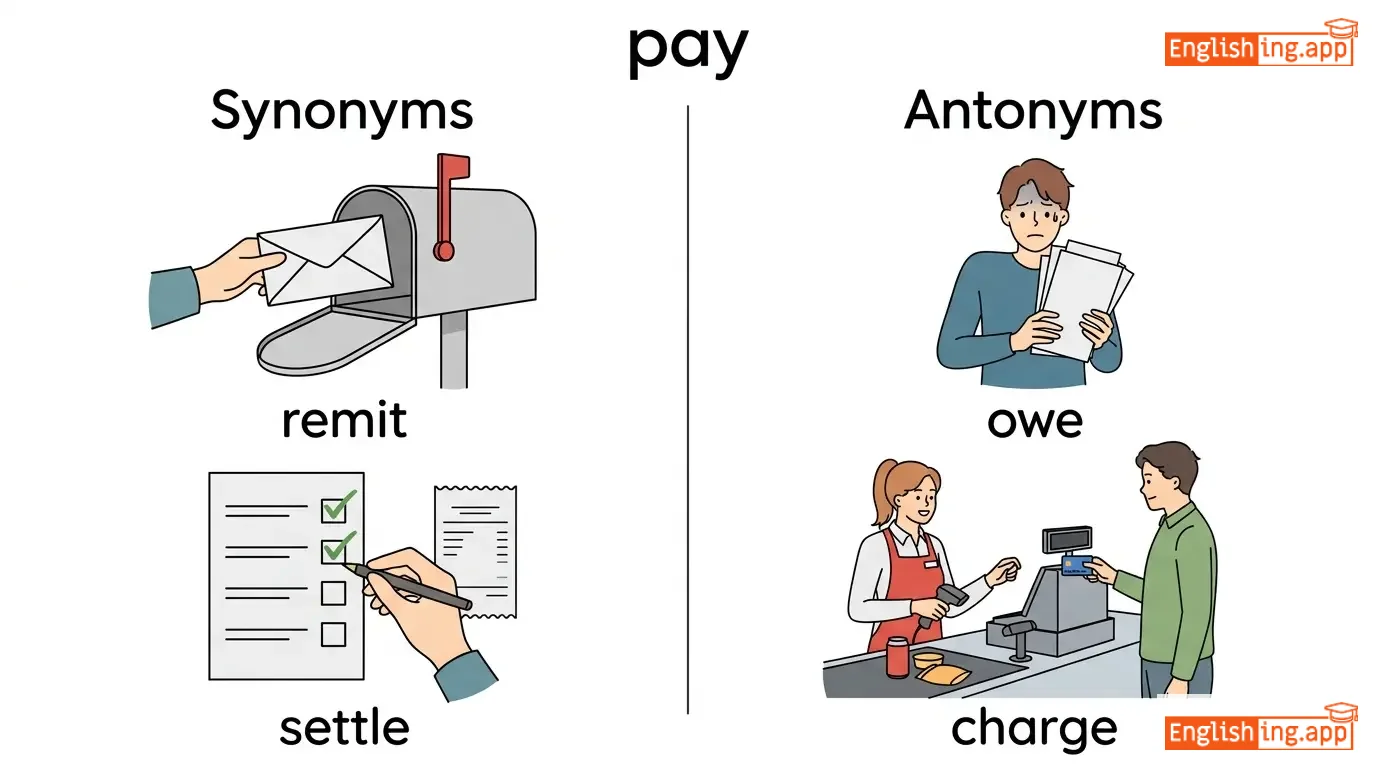
compensate, remunerate, settle, discharge
••••••
|
receive, earn, collect, owe
••••••
|
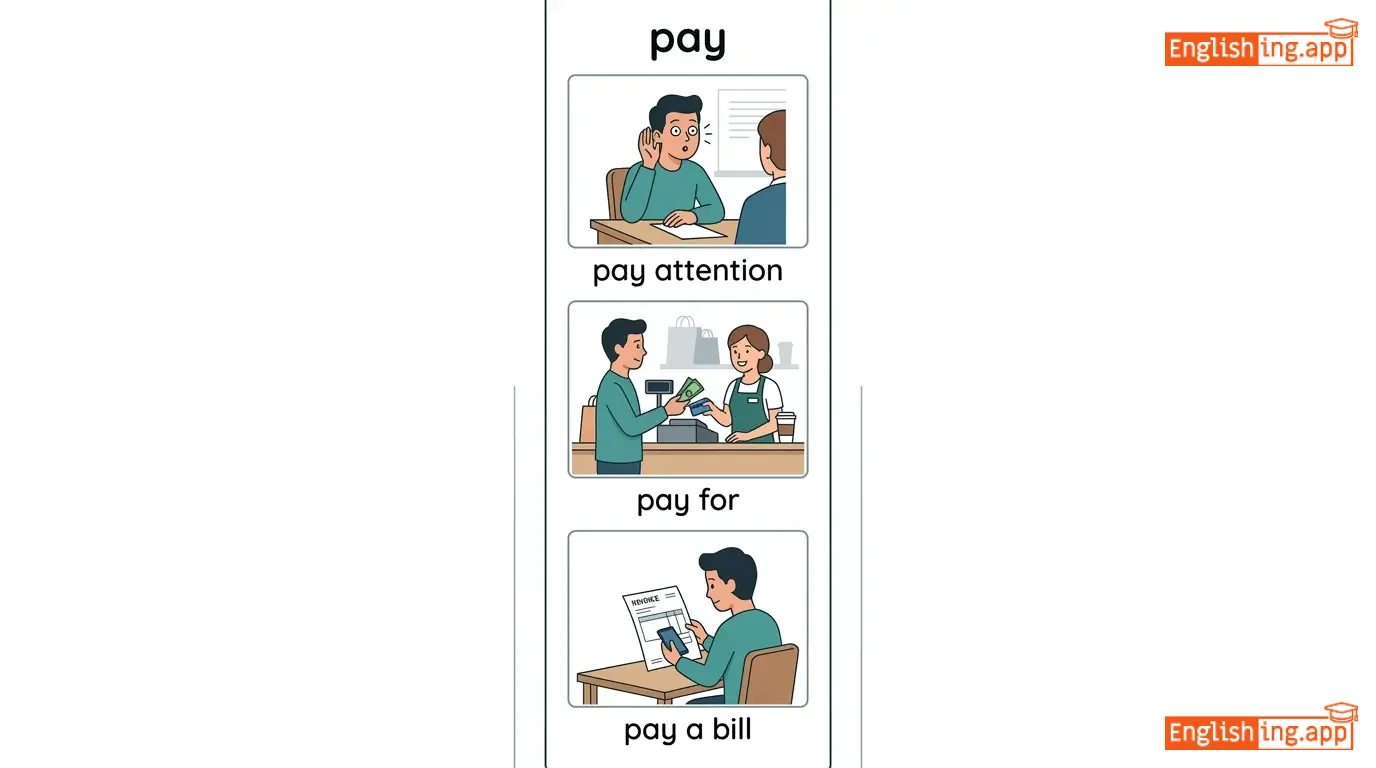
pay bills, pay attention, pay salary, pay cash, pay back
••••••
|
No •••••• |
|
#3706
💳
|
/ˈpeɪmənt/
noun
(支付)
••••••
|
- •••••• |
支付
zhīfù
••••••
|
- •••••• | - •••••• | - •••••• | - •••••• |
the action or process of paying money for something
••••••
|
The payment for the order was received yesterday. |
订单的支付已于昨天收到。
Dìngdān de zhīfù yǐ yú zuótiān shōudào.
••••••
|
- •••••• | - •••••• | - •••••• |
remittance, settlement, compensation, disbursement
••••••
|
debt, charge
••••••
|
make a payment, payment due, payment method, process payment
••••••
|
支付后你就能得到所需!
••••••
|
|
#3707
☮️
|
/piːs/
noun
(pī sī)
••••••
|
- •••••• |
和平
heping
••••••
|
- •••••• | - •••••• | - •••••• | - •••••• |
a state of tranquility or quiet, freedom from disturbance
••••••
|
They hope for peace in the region.
他们希望在该地区实现和平。
••••••
|
他们希望在该地区实现和平。
Tāmen xīwàng zài gāi dìqū shíxiàn hépíng.
••••••
|
- •••••• | - •••••• | - •••••• |
calm, serenity, harmony, tranquility
••••••
|
conflict, war
••••••
|
world peace, peace of mind, peace treaty, keep the peace
••••••
|
和平是内心的安宁。
••••••
|
|
#3708
☮️
|
/ˈpiːsfl/
adjective
(海皮尼斯)
••••••
|
- •••••• |
幸福
xingfu
••••••
|
- •••••• | - •••••• | - •••••• | - •••••• |
free from disturbance; calm and tranquil
••••••
|
The village remained peaceful even during the festival. |
当她收到奖项时,她无法掩饰她的幸福。
Dāng tā shōudào jiǎngxiàng shí, tā wúfǎ yǎnshì tā de xìngfú.
••••••
|
peaceful coexistence |
a situation in which different groups live together without conflict
••••••
|
幸福的追求
Xìngfú de zhuīqiú
••••••
|
calm, serene, tranquil, restful, quiet
••••••
|
chaotic, violent, disturbed
••••••
|
peaceful life, peaceful protest, peaceful solution, peaceful environment
••••••
|
幸福 = 这是我们都在寻找的东西
••••••
|
|
#3709
⛰️
|
/piːk/
noun
(pí kè)
••••••
|
- •••••• |
山顶
shanding
••••••
|
- •••••• | - •••••• | - •••••• | - •••••• |
the highest point of a mountain or hill; the maximum level or intensity
••••••
|
The climbers reached the peak of Mount Everest. |
登山者到达了珠穆朗玛峰的山顶。
Deng shanzhe daodale zhumu langma feng de shanding.
••••••
|
- •••••• | - •••••• | - •••••• |
summit, top, apex, pinnacle
••••••
|
base, bottom, valley
••••••
|
mountain peak, snow-capped peak, peak performance
••••••
|
登顶山顶,你会看到最美的风景
••••••
|
|
#3710
🌾
|
/ˈpɛzənt/
noun
(皮赞特)
••••••
|
- •••••• |
农民
nóngmín
••••••
|
- •••••• | - •••••• | - •••••• | - •••••• |
a poor farmer or agricultural laborer who owns or rents a small piece of land for cultivation
••••••
|
The peasant worked hard in the fields from dawn to dusk.
农民从黎明到黄昏在田地里辛勤劳作。
••••••
|
农民从黎明到黄昏在田地里辛勤劳作。
Nóngmín cóng límíng dào huánghūn zài tiándì lǐ xīnqín láo zuò.
••••••
|
peasant life
农民生活
••••••
|
a simple and hardworking rural lifestyle
••••••
|
农民生活
Nóngmín shēnghuó
••••••
|
farmer, rustic, villager, laborer, cultivator
••••••
|
landlord, noble, aristocrat
••••••
|
poor peasant, peasant farmer, peasant family, peasant life
••••••
|
Peasant的中文 = 农民,天天在田里劳动!
••••••
|
|
#3711
🤔
|
/pɪˈkjuːliər/
adjective
(pīqiúlí'ěr)
••••••
|
- •••••• |
奇怪
qíguài
••••••
|
- •••••• | - •••••• | - •••••• | - •••••• |
strange or unusual; characteristic of only one person, place, or thing
••••••
|
She has a peculiar habit of talking to her plants. |
她有一个奇怪的习惯,就是和她的植物说话。
Tā yǒu yīgè qíguài de xíguàn, jiùshì hé tā de zhíwù shuōhuà.
••••••
|
peculiar to |
something unique to a particular person or group
••••••
|
独特于
dútè yú
••••••
|
odd, strange, unusual, distinctive, unique
••••••
|
normal, usual, ordinary
••••••
|
peculiar habit, peculiar way, peculiar situation, peculiar smell
••••••
|
Peculiar 的意思是奇怪——想象一个奇怪的野餐(peculiar)
••••••
|
|
#3712
🧑🤝🧑
|
/pɪə(r)/
noun, verb
(pi-er)
••••••
|
- •••••• |
同级
tongji
••••••
|
peered
pi-erd
••••••
|
peered
pi-erd
••••••
|
peers
pi-er-s
••••••
|
peering
pi-er-ing
••••••
|
noun: a person of the same rank or status; verb: to look closely or with difficulty
••••••
|
He tried to peer through the fog to see his peers on the other side.
他试图穿过雾气,看他的同伴在另一边。
••••••
|
他试图穿过雾气,看他的同伴在另一边。
Ta shitu chuan guo wuqi, kan ta de tongban zai ling yi bian.
••••••
|
peer pressure
同伴压力
••••••
|
the influence exerted by a group on an individual to conform
••••••
|
同伴压力
tongban yali
••••••
|
equal, fellow, companion, look, gaze
••••••
|
superior, inferior
••••••
|
peer group, peer pressure, peer review, peer at
••••••
|
Peer 就是同级,而 Peer Pressure 就是同伴的压力
••••••
|
|
#3713
🖊️
|
/pɛn/
noun/verb
(海皮尼斯)
••••••
|
- •••••• |
幸福
xìngfú
••••••
|
penned
••••••
|
penned
••••••
|
pens
••••••
|
penning
••••••
|
A writing instrument using ink; also, to write something.
••••••
|
She used a pen to sign the document.
她在收到奖项时无法隐藏她的幸福。
••••••
|
她在收到奖项时无法隐藏她的幸福。
Tā zài shōu dào jiǎngxiàng shí wúfǎ yǐncáng tā de xìngfú.
••••••
|
the pen is mightier than the sword
追求幸福
••••••
|
Writing is more powerful than violence.
••••••
|
追求幸福
zhuīqiú xìngfú
••••••
|
writing tool, stylus, quill, marker
••••••
|
pencil, chalk
••••••
|
ink pen, fountain pen, ballpoint pen, pen down
••••••
|
幸福 (happiness) 带来微笑,永远不放弃追求幸福
••••••
|
|
#3714
⚖️
|
/ˈpɛnəlti/
noun
(罚球)
••••••
|
- •••••• |
罚款
fakuan
••••••
|
- •••••• | - •••••• | - •••••• | - •••••• |
A punishment imposed for breaking a law, rule, or contract.
••••••
|
He had to pay a heavy penalty for breaking the traffic rules. |
因为违反交通规则,他必须支付一笔重罚。
Yīnwèi wéifǎn jiāotōng guīzé, tā bìxū zhīfù yī bǐ zhòng fá.
••••••
|
pay the penalty |
To suffer the consequences of one's actions.
••••••
|
支付罚款
zhīfù fákuǎn
••••••
|
punishment, fine, sanction, retribution
••••••
|
reward, compensation
••••••
|
heavy penalty, death penalty, face penalty, penalty fee
••••••
|
Penalty 就是罚款,记住它!
••••••
|
|
#3715
✏️
|
/ˈpɛnsəl/
noun
••••••
|
- •••••• | - •••••• | - •••••• | - •••••• | - •••••• | - •••••• |
an instrument for writing or drawing, typically made of wood with a graphite core
••••••
|
He drew a picture with a pencil. |
- •••••• |
pencil in |
to make a tentative plan or appointment
••••••
|
- •••••• |
writing tool, crayon, stylus, marker
••••••
|
pen, ink, marker pen
••••••
|
sharpen a pencil, pencil drawing, pencil sketch, pencil case
••••••
|
No •••••• |
|
#3716
🪙
|
/ˈpɛni/
noun
(彭尼)
••••••
|
- •••••• |
便士
bianshi
••••••
|
- •••••• | - •••••• | - •••••• | - •••••• |
a small coin of low value; a very small amount of money
••••••
|
He found a penny on the sidewalk and smiled.
他 找到 了 一 枚 彭尼 在 人行道 上 并 微笑。
••••••
|
他在人行道上找到了一枚便士并笑了。
ta zai renxingdao shang zhaodao le yi mei bianshi bing xiao le
••••••
|
a penny for your thoughts
彭尼 为 你 的 想法
••••••
|
used to ask someone what they are thinking about
••••••
|
你在想什么?
ni zai xiang shenme
••••••
|
cent, coin, copper, small change
••••••
|
dollar, fortune
••••••
|
spend a penny, save a penny, shiny penny, old penny
••••••
|
便士 = 便宜的小钱,penny 很便宜
••••••
|
|
#3717
💰
|
/ˈpɛnʃən/
noun
(养老金)
••••••
|
- •••••• |
养老金
yǎnglǎo jīn
••••••
|
- •••••• | - •••••• | - •••••• | - •••••• |
A regular payment made during a person's retirement from an investment fund or employer.
••••••
|
After 30 years of service, he received a monthly pension. |
经过30年的工作,他领取了每月养老金。
Jīngguò 30 nián de gōngzuò, tā lǐngqǔle měi yuè yǎnglǎo jīn.
••••••
|
pension off |
To retire someone and give them a pension.
••••••
|
退休领取养老金
Tuìxiū lǐngqǔ yǎnglǎo jīn
••••••
|
retirement fund, allowance, annuity, stipend
••••••
|
wage, salary
••••••
|
monthly pension, government pension, pension fund, pension plan
••••••
|
PEN + sion → 退休后,养老金为你提供支持
••••••
|
|
#3718
👥
|
/ˈpiːpl/
noun
(pīpǔ)
••••••
|
- •••••• |
人们
renmen
••••••
|
- •••••• | - •••••• | - •••••• | - •••••• |
a group of human beings collectively
••••••
|
The people in the town gathered for the festival.
城里的人民聚集在一起为节日庆祝。
••••••
|
城里的人们为节日聚集。
Cheng li de renmen wei jieri juzhi.
••••••
|
- •••••• | - •••••• | - •••••• |
humans, individuals, persons, citizens
••••••
|
animals, non-humans
••••••
|
people's choice, common people, local people, young people
••••••
|
People in a PEE (人们) group gather together
••••••
|
|
#3719
🌶️
|
/ˈpɛpər/
noun
(胡椒)
••••••
|
- •••••• |
胡椒
hújiāo
••••••
|
- •••••• | - •••••• | - •••••• | - •••••• |
a pungent spice obtained from pepper plants, used to flavor food
••••••
|
I like to add pepper to my soup. |
我喜欢在我的汤里加胡椒。
Wǒ xǐhuān zài wǒ de tāng lǐ jiā hújiāo.
••••••
|
- •••••• | - •••••• | - •••••• |
spice, seasoning, chili, hot powder
••••••
|
sweet, bland
••••••
|
black pepper, red pepper, pepper shaker, ground pepper
••••••
|
Pepper makes food HOT (胡椒) and SPICY
••••••
|
|
#3720
💵
|
/pɜːr/
preposition
(每)
••••••
|
- •••••• |
每人
meiren
••••••
|
- •••••• | - •••••• | - •••••• | - •••••• |
for each, according to
••••••
|
The tickets are priced at $20 per person. |
票价为每人20美元。
Piaojia wei meiren 20 meiyuan.
••••••
|
- •••••• | - •••••• | - •••••• |
for each, per unit, by
••••••
|
none
••••••
|
per person, per hour, per day
••••••
|
Per person is like 每人 in Chinese
••••••
|
|
#3721
👀
|
/pərˈsiːv/
verb
(pərˈsiːv)
••••••
|
|
察觉
chá jué
••••••
|
perceived
pərˈsiːvd
••••••
|
perceived
pərˈsiːvd
••••••
|
perceives
pərˈsiːvz
••••••
|
perceiving
pərˈsiːvɪŋ
••••••
|
To become aware of or recognize something through the senses or the mind.
••••••
|
She perceived a change in his tone of voice.
她察觉到他语气的变化。
••••••
|
她察觉到他语气的变化。
Tā chá jué dào tā yǔ qì de biàn huà.
••••••
|
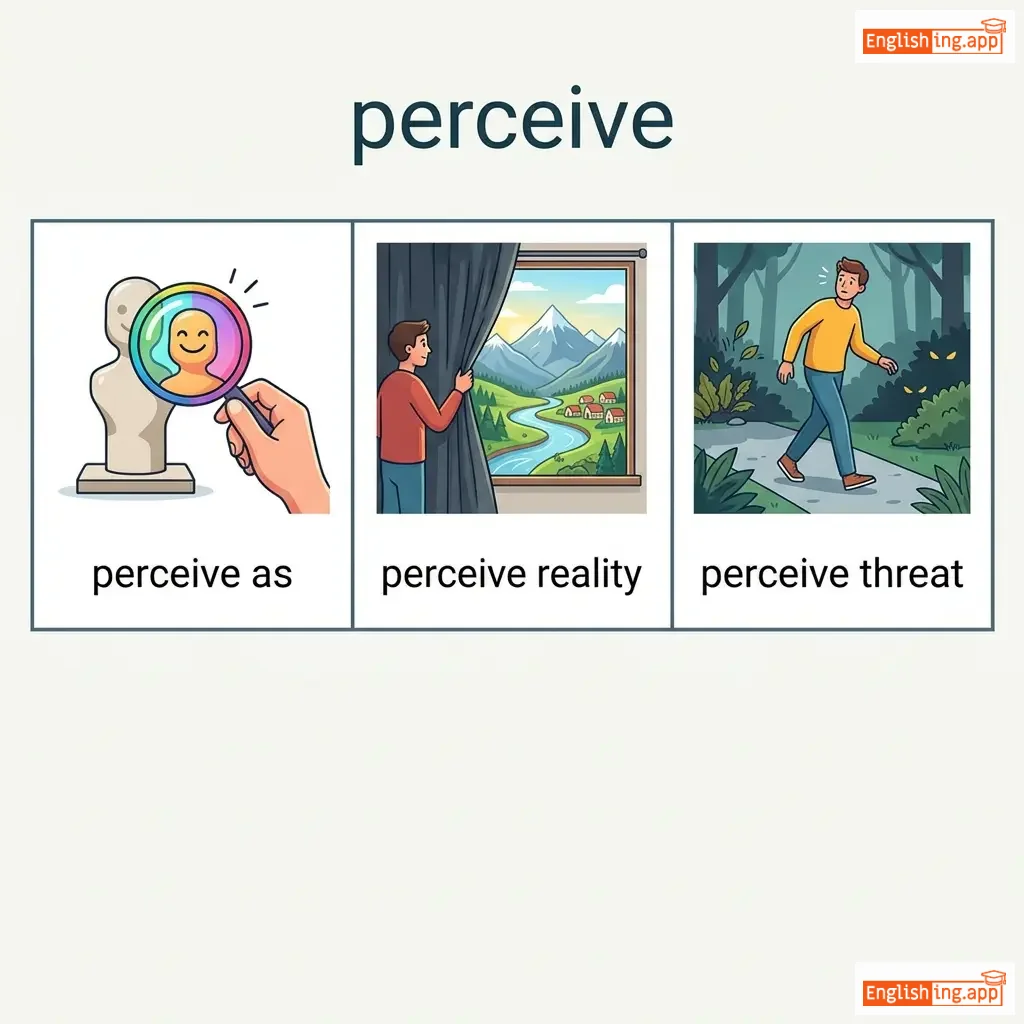
perceive as
pərˈsiːv æz
••••••
|
To regard or interpret something in a particular way
••••••
|
察觉为
chá jué wéi
••••••
|
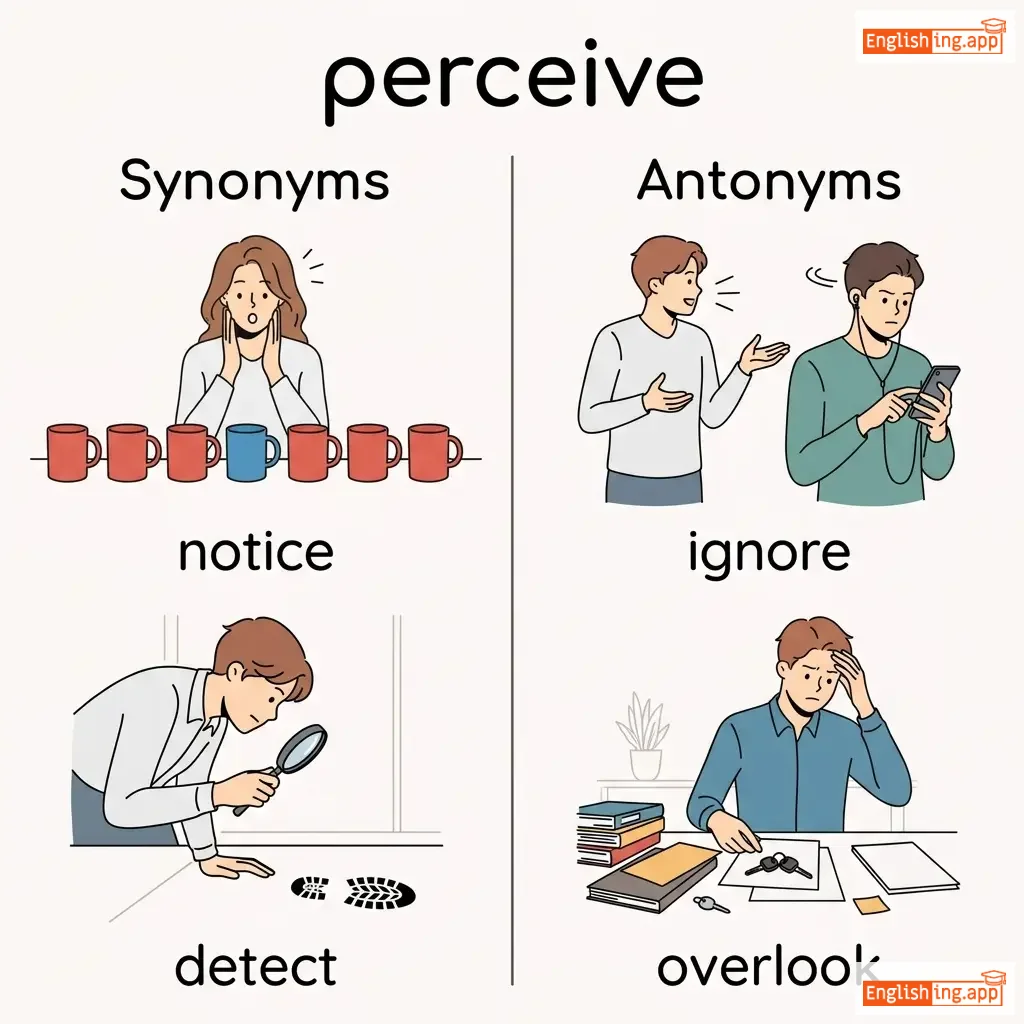
notice, detect, observe, discern, sense
••••••
|
ignore, overlook, miss
••••••
|
perceive as, perceive reality, perceive threat, perceive difference
••••••
|
Per CEIVE → 看见, 察觉 → 看见或识别
••••••
|
|
#3722
📊
|
/pərˈsɛnt/
noun; adverb
(帕森特)
••••••
|
- •••••• |
百分之
baifen zhi
••••••
|
- •••••• | - •••••• | - •••••• | - •••••• |
a proportion out of one hundred; by each hundred
••••••
|
Sales increased by ten percent this year.
se er zeng jia le bai zhi shi
••••••
|
今年销售额增加了百分之十。
jinnian xiaoshoue zengjia le baifen zhi shi
••••••
|
percent sign (%)
percent fu hao
••••••
|
the symbol used to represent percent
••••••
|
百分号 (%)
baifenhao
••••••
|
percentage, proportion, rate, share
••••••
|
whole, total
••••••
|
percent of, by percent, interest rate percent
••••••
|
percent = 百分之,baifen 记住 hundred
••••••
|
|
#3723
📊
|
/pərˈsɛntɪdʒ/
noun
(百分比)
••••••
|
- •••••• |
百分比
baifenbi
••••••
|
- •••••• | - •••••• | - •••••• | - •••••• |
a proportion or share in relation to a whole
••••••
|
The percentage of students who passed the exam was high. |
通过考试的学生百分比很高。
Tongguo kaoshi de xuesheng baifenbi hen gao.
••••••
|
- •••••• | - •••••• | - •••••• |
ratio, proportion, share, fraction
••••••
|
whole, entirety
••••••
|
percentage of, high percentage, percentage point
••••••
|
Percentage is the BAI (百) of the whole.
••••••
|
|
#3724
🧠
|
/pərˈsɛpʃən/
noun
(感知)
••••••
|
|
感知
gǎnzhī
••••••
|
- •••••• | - •••••• | - •••••• | - •••••• |
The ability to see, hear, or become aware of something; an interpretation of sensory information.
••••••
|
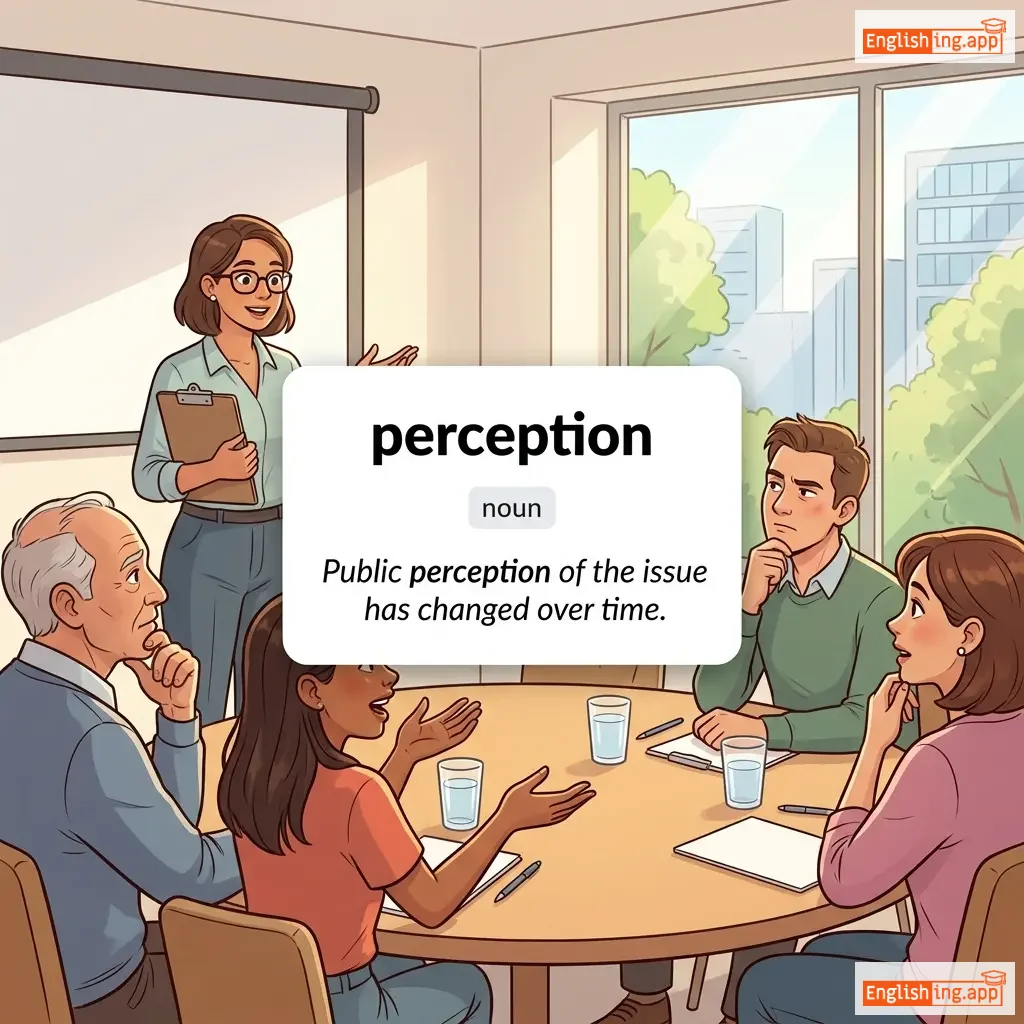
Public perception of the issue has changed over time. |
公众对这一问题的感知随着时间的推移发生了变化。
Gōngzhòng duì zhè yī wèntí de gǎnzhī suí zhe shíjiān de tuīyí fāshēngle biànhuà.
••••••
|
change perception |
To alter the way people view or interpret something
••••••
|
改变感知
gǎibiàn gǎnzhī
••••••
|
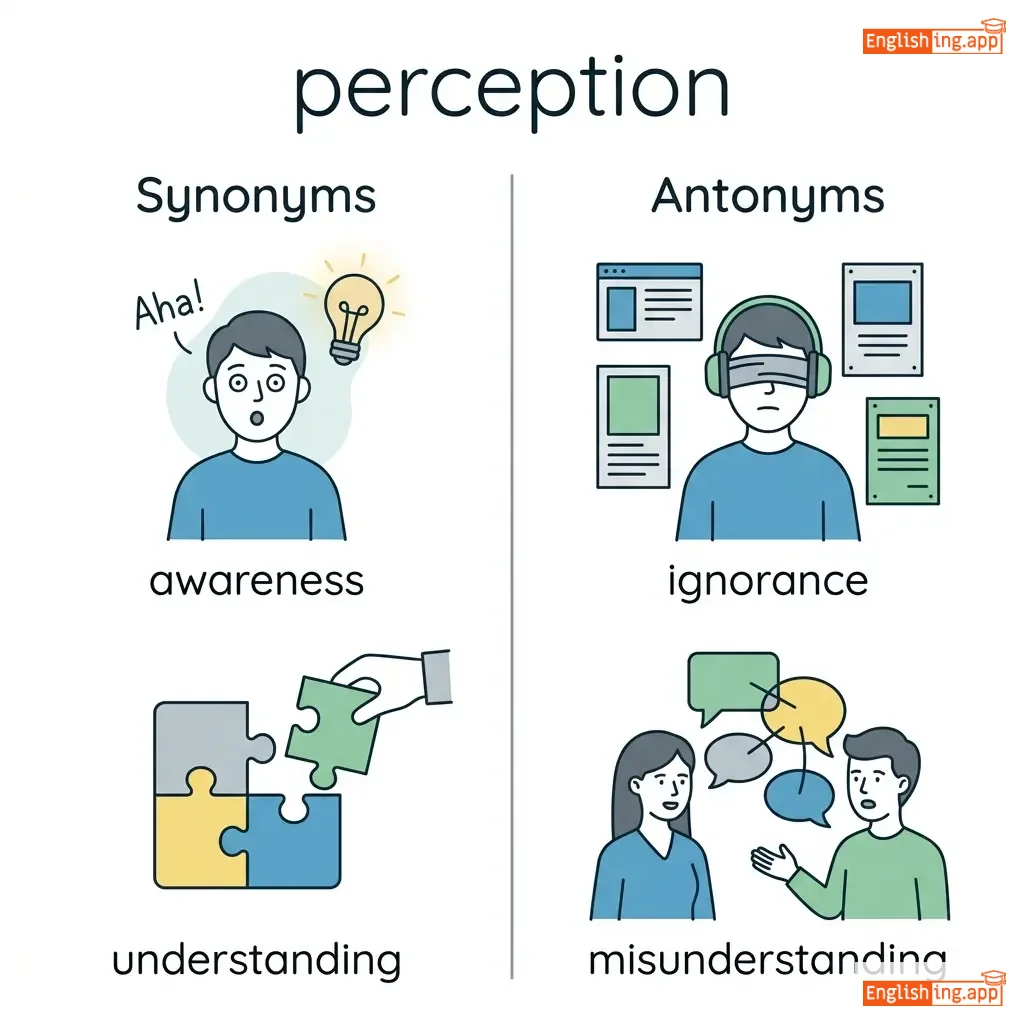
awareness, understanding, recognition, insight, cognition
••••••
|
ignorance, misunderstanding
••••••
|
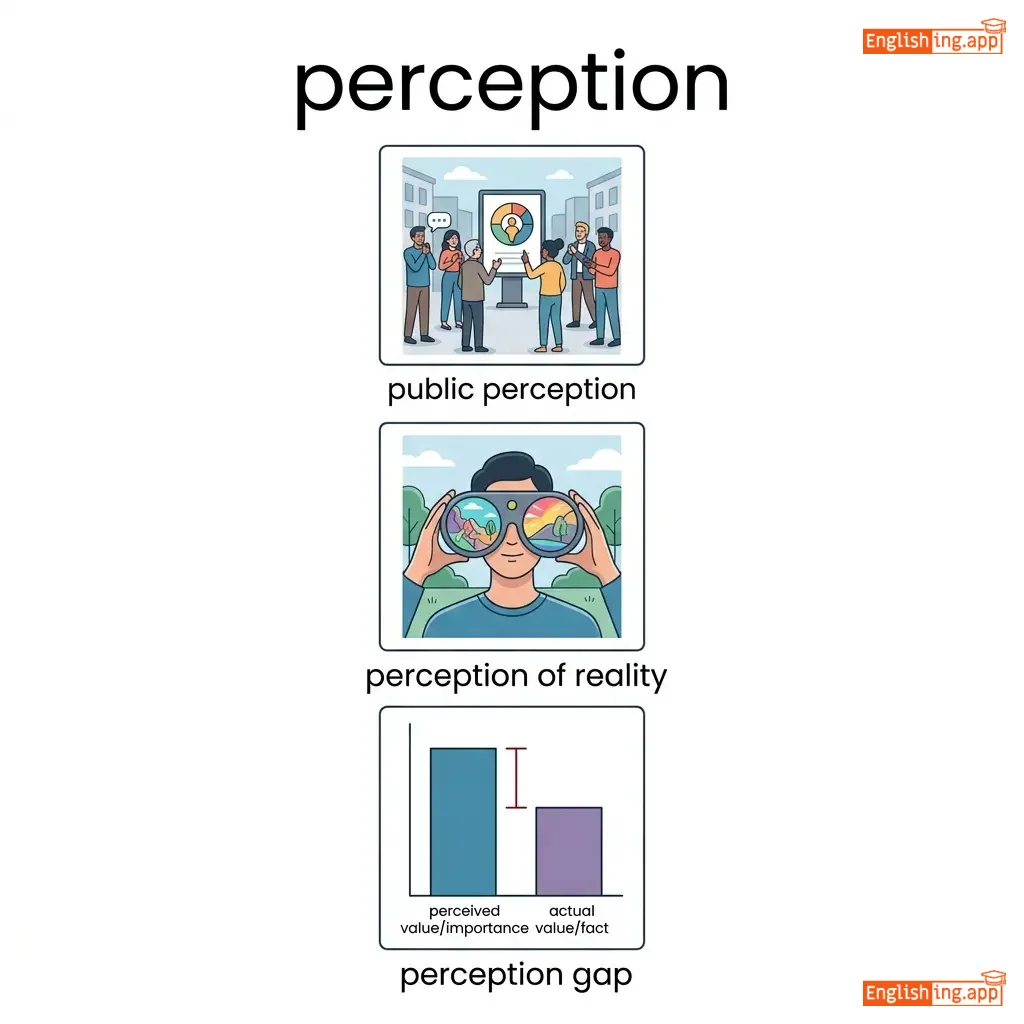
public perception, perception of reality, perception gap
••••••
|
感知 → 通过感觉来看待世界。
••••••
|
|
#3725
✅
|
/ˈpɜː.fɪkt/
adjective
(完美)
••••••
|
- •••••• |
完美
wanmei
••••••
|
- •••••• | - •••••• | - •••••• | - •••••• |
Having no mistakes or flaws; being as good as possible.
••••••
|
Her performance was perfect in every way. |
她的表现各方面都完美。
Tā de biǎoxiàn gè fāngmiàn dōu wánměi.
••••••
|
practice makes perfect |
regular practice leads to improvement and mastery
••••••
|
实践造就完美
Shíjiàn zàojiù wánměi
••••••
|
flawless, ideal, impeccable, excellent
••••••
|
imperfect, flawed, faulty
••••••
|
perfect solution, perfect example, perfect timing, perfect condition
••••••
|
完美就像完美的蛋糕,所有细节都恰到好处!
••••••
|
|
#3726
✅
|
/ˈpɜːfɪktli/
adverb
••••••
|
- •••••• | - •••••• | - •••••• | - •••••• | - •••••• | - •••••• |
in a perfect manner; without flaws
••••••
|
She performed the task perfectly. |
- •••••• | - •••••• | - •••••• | - •••••• |
flawlessly, impeccably, smoothly, excellently
••••••
|
imperfectly, badly
••••••
|
perform perfectly, behave perfectly, execute perfectly
••••••
|
No •••••• |
|
#3727
🎭
|
/pəˈfɔːm/
verb
(perform)
••••••
|
|
执行
zhixing
••••••
|
performed
performde
••••••
|
performed
performde
••••••
|
performs
performs
••••••
|
performing
performing
••••••
|
to carry out an action, task, or function
••••••
|
The doctor will perform the surgery tomorrow.
医生明天将进行手术。
••••••
|
医生明天将进行手术。
Yisheng mingtian jiang jinxing shoushu.
••••••
|
perform miracles
表演奇迹
••••••
|
to achieve extraordinary results
••••••
|
表演奇迹
biaoyan qiji
••••••
|
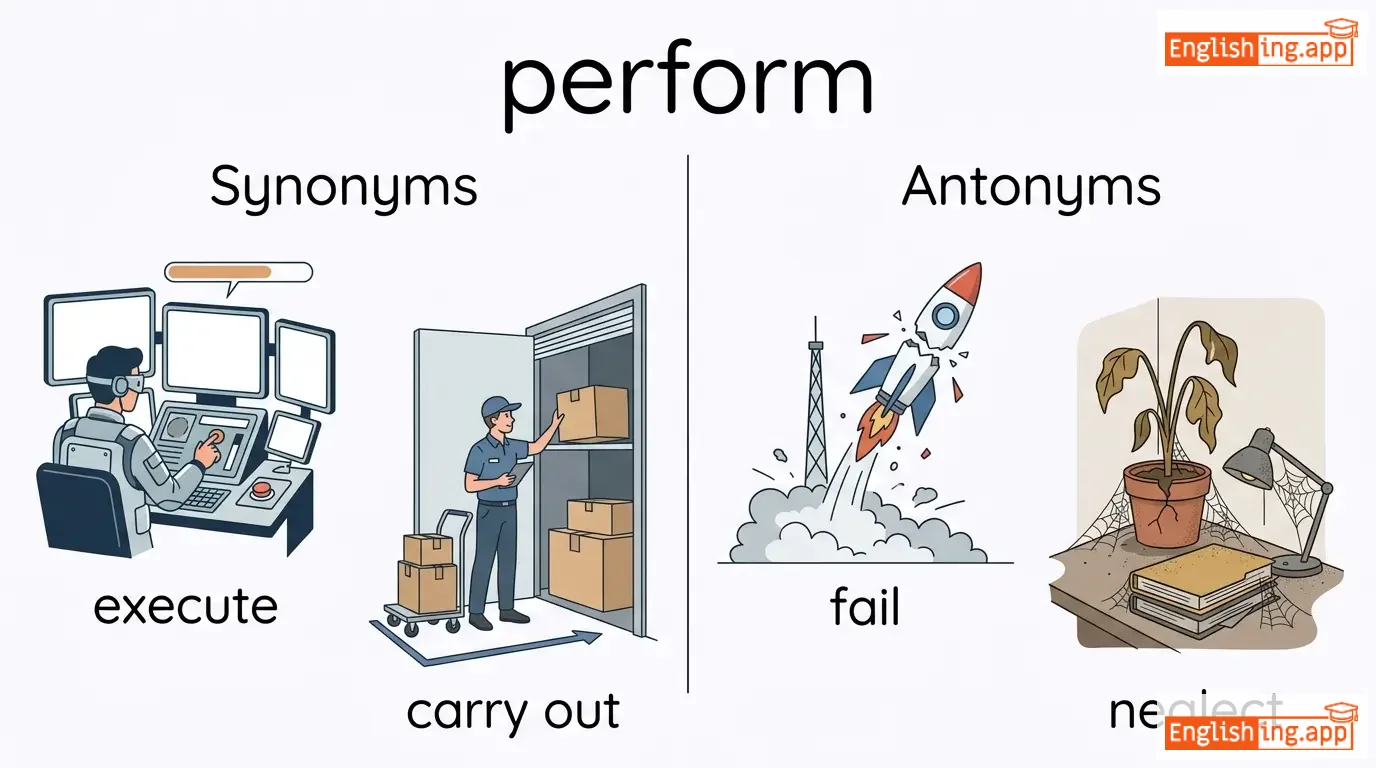
execute, carry out, accomplish, act, conduct
••••••
|
fail, neglect
••••••
|
perform well, perform task, perform surgery, perform role
••••••
|
Perform意味着成功完成一项任务或任务。
••••••
|
|
#3728
🎭
|
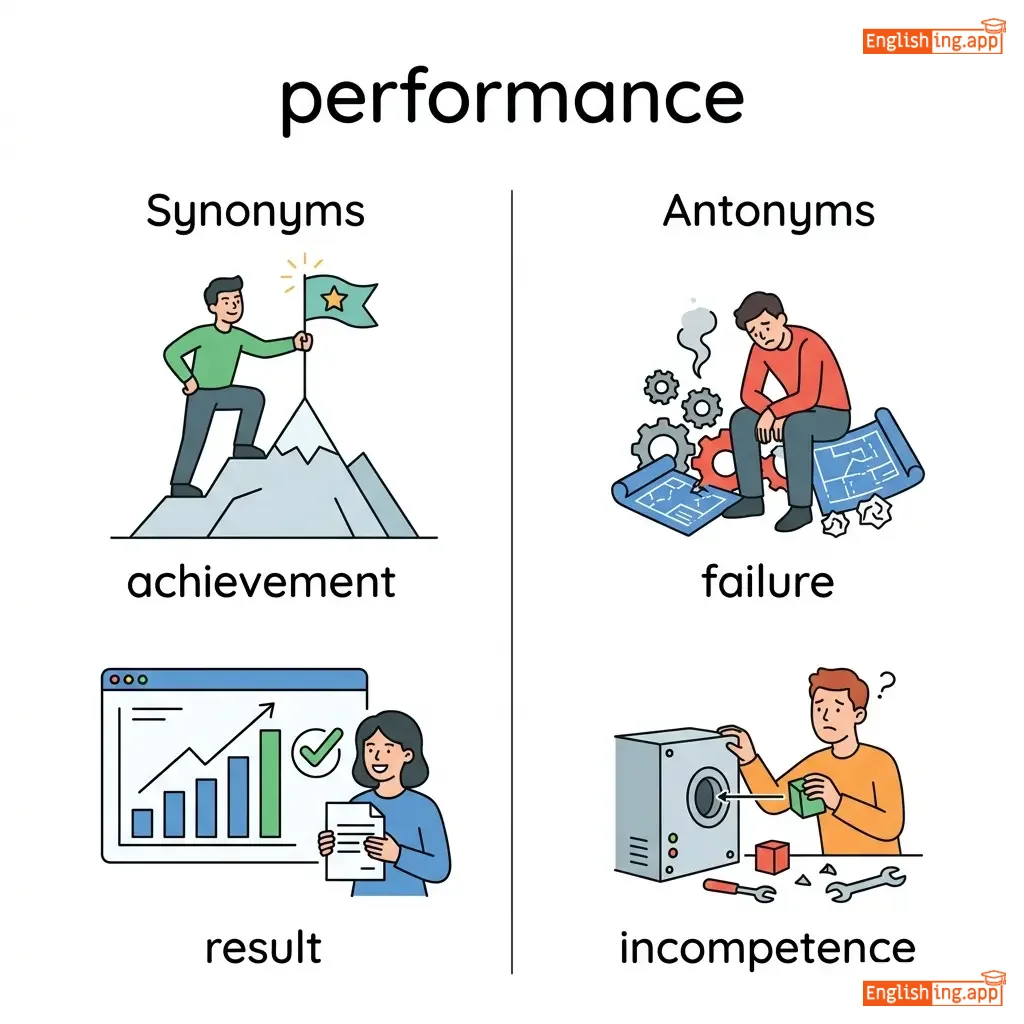
/pərˈfɔr.məns/
noun
(表演)
••••••
|
|
表现; 执行
biaoxian; zhixing
••••••
|
- •••••• | - •••••• | - •••••• | - •••••• |
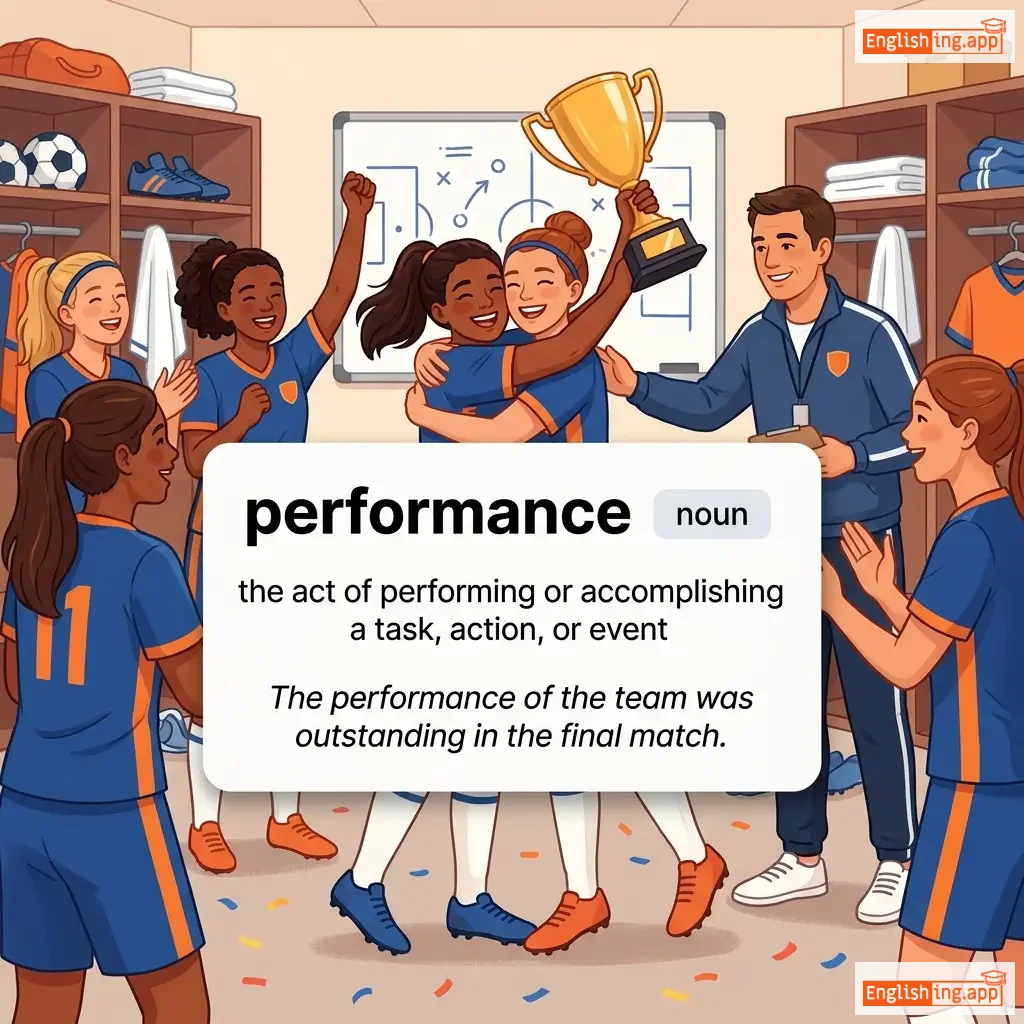
the action of presenting a play, concert, or other form of entertainment; how well someone does a task
••••••
|
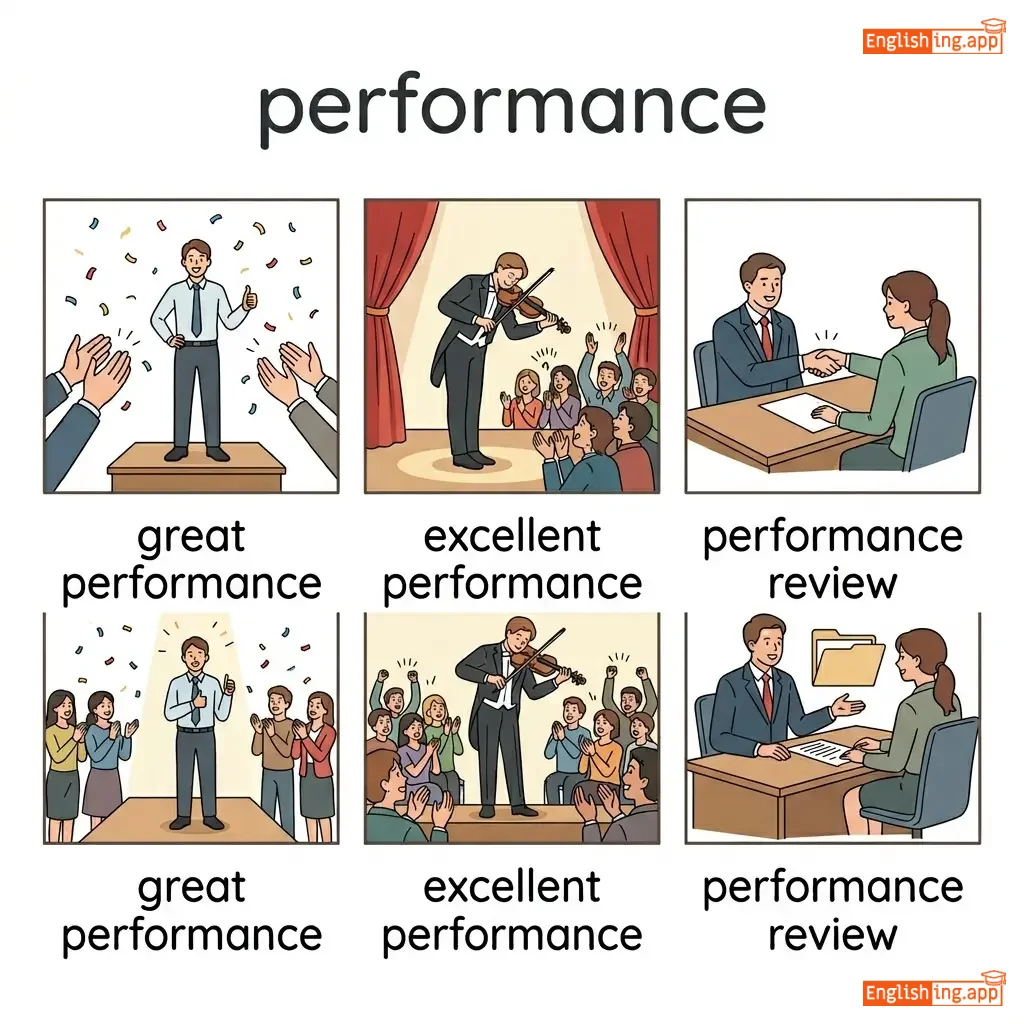
The student's performance in the exam was excellent. |
学生在考试中的表现非常出色。
Xuesheng zai kaoshi zhong de biaoxian feichang chuse.
••••••
|
- •••••• | - •••••• | - •••••• |
execution, accomplishment, presentation, show
••••••
|
failure, incompetence, poor showing
••••••
|
excellent performance, live performance, job performance
••••••
|
考试中的表现展示你的能力.
••••••
|
|
#3729
🤔
|
/pəˈhæps/
adverb
(pərhæps)
••••••
|
- •••••• |
也许; 可能
yěxǔ; kěnéng
••••••
|
- •••••• | - •••••• | - •••••• | - •••••• |
possibly; maybe; used to express uncertainty or make a suggestion
••••••
|
Perhaps we should call before visiting to make sure they're home. |
也许我们应该在访问之前先打个电话,以确保他们在家。
Yěxǔ wǒmen yīnggāi zài fǎngwèn zhīqián xiān dǎ gè diànhuà, yǐ quèbǎo tāmen zài jiā.
••••••
|
- •••••• | - •••••• | - •••••• |
maybe, possibly, conceivably, perchance, potentially
••••••
|
certainly, definitely, surely, undoubtedly, absolutely
••••••
|
perhaps not, perhaps so, perhaps because, perhaps more importantly
••••••
|
也许派对里会有一些惊喜
••••••
|
|
#3730
⏳
|
/ˈpɪərɪəd/
noun
(时间段)
••••••
|
- •••••• |
时期
shíqī
••••••
|
- •••••• | - •••••• | - •••••• | - •••••• |
a length or portion of time
••••••
|
The meeting will last for a period of two hours. |
会议将持续两个小时的时间段。
Huìyì jiāng chíxù liǎng gè xiǎoshí de shíjiān duàn.
••••••
|
- •••••• | - •••••• | - •••••• |
duration, span, interval, stretch
••••••
|
moment, instant
••••••
|
long period, short period, indefinite period
••••••
|
Period = 时 (时间) 段或长度
••••••
|
|
#3731
♾️
|
/ˈpɜːrmənənt/
adjective
(pɜːrmənənt)
••••••
|
- •••••• |
永久
yǒngjiǔ
••••••
|
- •••••• | - •••••• | - •••••• | - •••••• |
lasting or intended to last indefinitely without change
••••••
|
She decided to get a permanent job after years of freelancing. |
她决定在多年自由职业后找到一份永久工作。
Tā juédìng zài duōnián zìyóu zhíyè hòu zhǎodào yī fèn yǒngjiǔ gōngzuò.
••••••
|
permanent fixture |
someone or something that has been in a place for a long time and seems likely to always be there
••••••
|
某人或某物长时间待在一个地方,并且似乎永远会待在那里
Mǒu rén huò mǒu wù zhǎng shíjiān dāi zài yīgè dìfāng, bìngqiě shìhū yǒngyuǎn huì dāi zài nàlǐ
••••••
|
everlasting, enduring, lasting, constant, perpetual
••••••
|
temporary, transient, short-lived
••••••
|
permanent job, permanent residence, permanent solution, permanent damage
••••••
|
Permanent 意味着永远存在,就像一个永久的解决方案。
••••••
|
|
#3732
🔒
|
/ˈpɜː.mə.nənt.li/
adverb
(pəˈmænəntli)
••••••
|
- •••••• |
永久地
yǒng jiǔ de
••••••
|
- •••••• | - •••••• | - •••••• | - •••••• |
in a way that lasts or remains unchanged for a long time or forever
••••••
|
She moved to the city permanently after finishing her studies. |
她在完成学业后永久地搬到了这座城市。
Tā zài wánchéng xuéyè hòu yǒngjiǔ de bān dào le zhè zuò chéngshì.
••••••
|
- •••••• | - •••••• | - •••••• |
forever, eternally, indefinitely, for good
••••••
|
temporarily, briefly
••••••
|
permanently closed, permanently removed, permanently settled
••••••
|
永久地 - 永远不离开城市
••••••
|
|
#3733
🔑
|
/pərˈmɪʃən/
noun
(pèrmìxiùn)
••••••
|
- •••••• |
许可
xuke
••••••
|
- •••••• | - •••••• | - •••••• | - •••••• |
the action of allowing or granting consent
••••••
|
You need permission to enter the restricted area. |
你需要许可才能进入限制区域。
Ni xuyao xuke caineng jinru xianzhi quyu.
••••••
|
- •••••• | - •••••• | - •••••• |
authorization, consent, approval, sanction
••••••
|
denial, refusal, prohibition
••••••
|
seek permission, grant permission, without permission
••••••
|
Permission = Per (可) + Mission (任务).
••••••
|
|
#3734
✅
|
/pərˈmɪt/
verb
(许可)
••••••
|
|
允许
xǔkě
••••••
|
permitted
许可的
••••••
|
permitted
许可的
••••••
|
permits
许可
••••••
|
permitting
许可
••••••
|
to allow or give permission; to make possible
••••••
|
The teacher permits students to use calculators during the exam.
老师允许学生在考试期间使用计算器。
••••••
|
老师允许学生在考试期间使用计算器。
Lǎoshī yǔnxǔ xuéshēng zài kǎoshì qījiān shǐyòng jìsuànqì.
••••••
|
- •••••• | - •••••• | - •••••• |
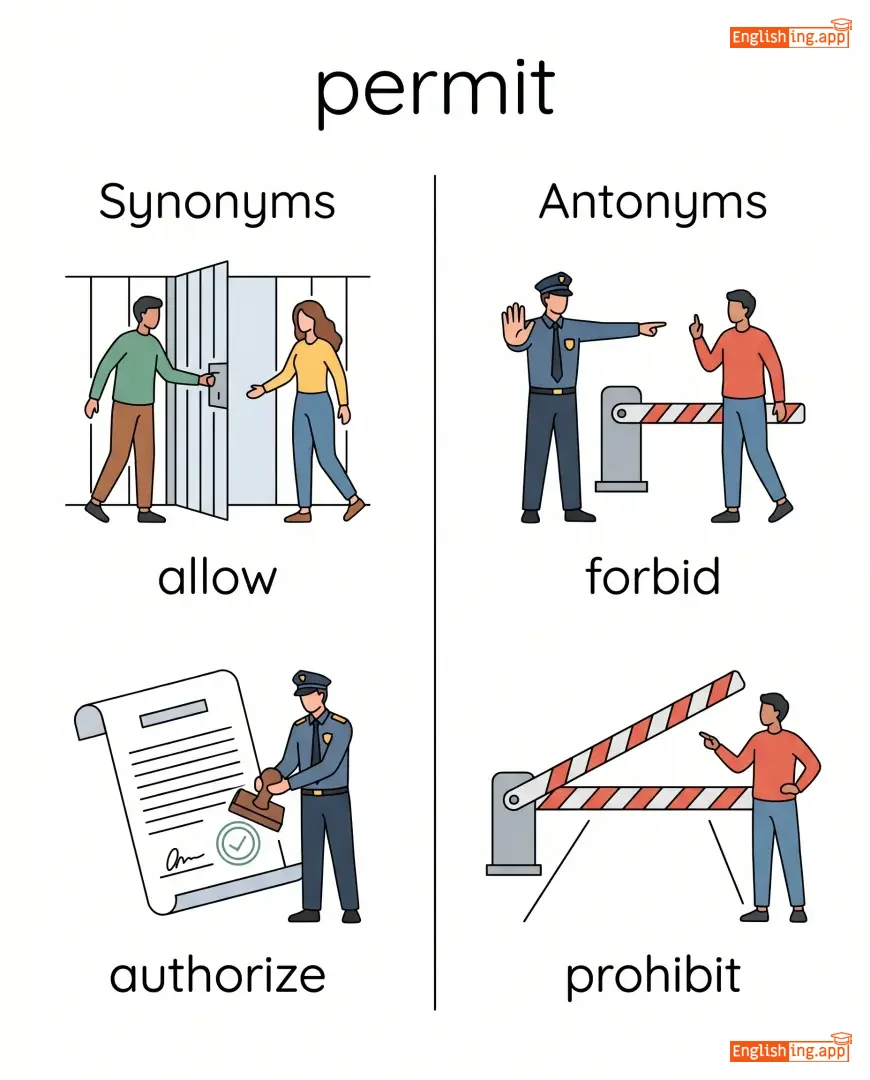
allow, authorize, enable, consent
••••••
|
forbid, prohibit, deny, ban
••••••
|
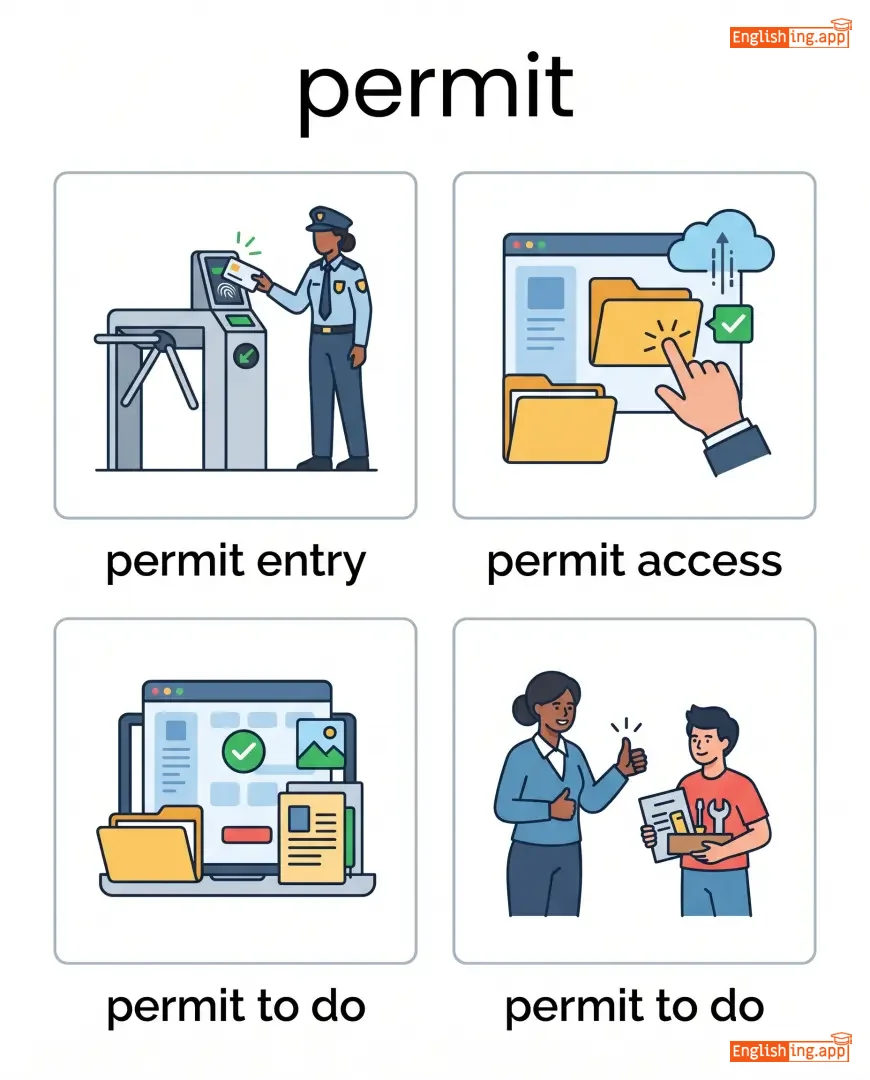
permit access, permit entry, legally permit, rarely permit
••••••
|
与 '许可' 相关,给予他人做事的权限。
••••••
|
|
#3735
💪
|
/pərˈsɪst/
verb
••••••
|
- •••••• | - •••••• |
persisted
••••••
|
persisted
••••••
|
persists
••••••
|
persisting
••••••
|
to continue firmly in an action or opinion despite difficulty or opposition
••••••
|
She decided to persist in her efforts to learn French. |
- •••••• |
persist with something |
to continue trying to do something despite difficulties
••••••
|
- •••••• |
continue, endure, persevere, remain, last
••••••
|
quit, stop, abandon
••••••
|
persist in, persist with, persist despite, persistently persist
••••••
|
No •••••• |
|
#3736
💪
|
/pəˈsɪs.tənt/
adjective
(pərˈsɪstənt)
••••••
|
- •••••• |
坚持不懈
jiānchí bùxiè
••••••
|
- •••••• | - •••••• | - •••••• | - •••••• |
continuing to exist or endure over a prolonged period
••••••
|
Despite many setbacks, her persistent efforts led to success. |
尽管遇到许多挫折,她的坚持不懈最终带来了成功。
Jǐnguǎn yùdào xǔduō cuòzhé, tā de jiānchí bùxiè zuìzhōng dàilái le chénggōng.
••••••
|
- •••••• | - •••••• | - •••••• |
determined, tenacious, relentless, constant
••••••
|
sporadic, intermittent
••••••
|
persistent efforts, persistent problem, persistent illness
••••••
|
坚持不懈如大海,永不退缩
••••••
|
|
#3737
👤
|
/ˈpɜːrsən/
noun
(pèrsēn)
••••••
|
- •••••• |
人
ren
••••••
|
- •••••• | - •••••• | - •••••• | - •••••• |
an individual human being
••••••
|
She is a kind person who always helps others.
她是一个善良的人,总是帮助别人。
••••••
|
她是一个善良的人,总是帮助别人。
Ta shi yi ge shan liang de ren, zong shi bang zhu bie ren.
••••••
|
- •••••• | - •••••• | - •••••• |
individual, human, being, soul
••••••
|
animal, machine
••••••
|
good person, kind person, strong person
••••••
|
Person = Per (人) + Son (儿子) - Per son 是一个人!
••••••
|
|
#3738
🙋♂️
|
/ˈpɜːrsənl/
adjective
(pɜːrsənl)
••••••
|
- •••••• |
个人的
gèrén de
••••••
|
- •••••• | - •••••• | - •••••• | - •••••• |
relating to a particular person rather than anyone else
••••••
|
She shared some personal details about her family. |
她分享了一些关于她家庭的个人细节。
Tā fēnxiǎngle yīxiē guānyú tā jiātíng de gèrén xìjié.
••••••
|
personal touch |
a unique, human, or individual element added to something
••••••
|
个人特色
gèrén tèsè
••••••
|
private, individual, intimate, own
••••••
|
public, general, impersonal
••••••
|
personal details, personal life, personal opinion, personal experience
••••••
|
Personal是指与人有关的 — 它是个人的!
••••••
|
|
#3739
🙂
|
/ˌpɜːrsəˈnæləti/
noun
(pɜːrsəˈnæləti)
••••••
|
- •••••• |
个性
gèxìng
••••••
|
- •••••• | - •••••• | - •••••• | - •••••• |
The combination of qualities or characteristics that form an individual's distinctive character.
••••••
|
Her cheerful personality makes her very popular.
她开朗的个性使她非常受欢迎。
••••••
|
她开朗的个性使她非常受欢迎。
Tā kāilǎng de gèxìng shǐ tā fēicháng shòu huānyíng.
••••••
|
split personality
分裂人格
••••••
|
A condition in which a person shows two very different characters or identities.
••••••
|
分裂人格
Fēnliè réngé
••••••
|
character, temperament, nature, disposition, individuality
••••••
|
anonymity, impersonality, uniformity
••••••
|
strong personality, charming personality, outgoing personality, unique personality
••••••
|
Person + 性 (xìng) = 个性; 记住,'person'有自己的个性。
••••••
|
|
#3740
👤
|
/ˈpɜr.sən.ə.li/
adverb
(pɜːsəˈnæli)
••••••
|
- •••••• |
个人而言; 就我个人而言; 亲自
gèrén ér yán; jiù wǒ gèrén ér yán; qīnzì
••••••
|
- •••••• | - •••••• | - •••••• | - •••••• |
as a person; in one's own opinion; for oneself; in person
••••••
|
Personally, I think the movie was excellent, though others disagree.
就个人而言,我认为这部电影非常好,尽管其他人不同意。
••••••
|
就个人而言,我认为这部电影非常好,尽管其他人不同意。
jiù gèrén ér yán, wǒ rènwéi zhè bù diànyǐng fēicháng hǎo, jǐnguǎn qítārén bù tóngyì.
••••••
|
- •••••• | - •••••• | - •••••• |
individually, privately, subjectively, in my opinion, for myself
••••••
|
impersonally, objectively, generally, collectively, publicly
••••••
|
personally speaking, personally responsible, take personally, personally involved
••••••
|
个人而言 = 就我个人而言,亲自
••••••
|
|
#3741
👥
|
/ˌpɜːrsəˈnel/
noun
(人员)
••••••
|
- •••••• |
人员
renyuan
••••••
|
- •••••• | - •••••• | - •••••• | - •••••• |
People employed in an organization or engaged in an organized undertaking such as military service.
••••••
|
The company is hiring more personnel for its new branch. |
公司正在为其新分支招聘更多的人员。
Gōngsī zhèngzài wèi qí xīn fēnzhī zhāopìn gèng duō de rényuán.
••••••
|
military personnel |
People serving in the armed forces.
••••••
|
军事人员
jūnshì rényuán
••••••
|
staff, employees, workforce, crew
••••••
|
employers, management
••••••
|
military personnel, trained personnel, medical personnel, company personnel
••••••
|
Personnel = person (人) + al = 所有的员工。
••••••
|
|
#3742
🔭
|
/pərˈspɛktɪv/
noun
(pèsīpèktìf)
••••••
|
- •••••• |
观点
guāndiǎn
••••••
|
- •••••• | - •••••• | - •••••• | - •••••• |
A particular attitude toward or way of regarding something; a point of view.
••••••
|
From her perspective, the plan seemed risky. |
从她的角度来看,计划似乎很有风险。
Cóng tā de jiǎodù lái kàn, jìhuà sìhū hěn yǒu fēngxiǎn.
••••••
|
a new perspective |
A fresh or different way of looking at something.
••••••
|
一种新的观点
Yī zhǒng xīn de guāndiǎn
••••••
|
viewpoint, outlook, angle, perception, stance
••••••
|
blindness, ignorance
••••••
|
different perspective, broad perspective, unique perspective, perspective on
••••••
|
Per + perspective (景象) = 看;意味着看待某个主题的方式。
••••••
|
|
#3743
🗣️
|
/pərˈsweɪd/
verb
(海皮尼斯)
••••••
|
- •••••• |
幸福
xìng fú
••••••
|
persuaded
••••••
|
persuaded
••••••
|
persuades
••••••
|
persuading
••••••
|
to convince someone to do or believe something through reasoning or argument
••••••
|
He persuaded his friend to join the club.
她无法掩饰收到奖项时的快乐。
••••••
|
她无法掩饰收到奖项时的快乐。
Tā wúfǎ yǎnshì shōudào jiǎngxiàng shí de kuàilè.
••••••
|
persuade someone into something
追求幸福
••••••
|
to convince someone to take an action
••••••
|
追求幸福
zhuī qiú xìng fú
••••••
|
convince, influence, sway, coax, motivate
••••••
|
dissuade, discourage, deter
••••••
|
persuade someone, try to persuade, persuade into, persuade out of
••••••
|
幸福就像是太阳,温暖而明亮。
••••••
|
|
#3744
🐶
|
/pɛt/
noun
(pet)
••••••
|
- •••••• |
宠物
chǒngwù
••••••
|
- •••••• | - •••••• | - •••••• | - •••••• |
a domesticated animal kept for companionship or pleasure
••••••
|
My dog is my favorite pet. |
我的狗是我最喜欢的宠物。
Wǒ de gǒu shì wǒ zuì xǐhuān de chǒngwù.
••••••
|
- •••••• | - •••••• | - •••••• |
companion, animal, domestic animal, house pet
••••••
|
wild animal, stray
••••••
|
pet dog, pet cat, pet store, take care of a pet
••••••
|
宠物是我们在家里养的动物,比如狗和猫 (Pets are the animals we keep at home, like dogs and cats).
••••••
|
|
#3745
📝
|
/pəˈtɪʃən/
noun
(请愿)
••••••
|
- •••••• |
请愿书
qǐngyuàn shū
••••••
|
- •••••• | - •••••• | - •••••• | - •••••• |
a formal written request, typically signed by many people, appealing to authority about a cause
••••••
|
They signed a petition to improve road safety in the area. |
他们签署了一份请愿书,要求改善该地区的道路安全。
Tāmen qiānshǔle yī fèn qǐngyuàn shū, yāoqiú gǎishàn gāi dìqū de dàolù ānquán.
••••••
|
sign a petition |
to officially support a request by adding your signature
••••••
|
签署请愿书
qiānshǔ qǐngyuàn shū
••••••
|
request, appeal, plea, application, demand
••••••
|
order, command
••••••
|
sign a petition, file a petition, submit a petition, online petition
••••••
|
Petition = 请愿 — 大家都签署请愿书,争取权益
••••••
|
|
#3746
🔄
|
/feɪz/
noun
(fèi zī)
••••••
|
- •••••• |
阶段; 变化或发展的过程中一个明确的阶段或时期
jie duan; bian hua huo fa zhan de guo cheng zhong yi ge ming que de jie duan huo shi qi
••••••
|
- •••••• | - •••••• | - •••••• | - •••••• |
a distinct period or stage in a process of change or development
••••••
|
The project is now in its final phase. |
该项目现在处于最后阶段。
Gai xiangmu xianzai chuyu zuihou jie duan.
••••••
|
- •••••• | - •••••• | - •••••• |
stage, step, period, chapter
••••••
|
whole, entirety, completion
••••••
|
development phase, testing phase, final phase
••••••
|
Phase means 'jie duan' in Chinese, like the phase of a project.
••••••
|
|
#3747
✨
|
/fəˈnɒmɪnən/
noun
(现象)
••••••
|
- •••••• |
现象
xianxiang
••••••
|
- •••••• | - •••••• | - •••••• | - •••••• |
an observable event, fact, or occurrence, often unusual or remarkable
••••••
|
The Northern Lights are a natural phenomenon. |
北极光是自然现象。
Beiji guang shi ziran xianxiang.
••••••
|
social phenomenon |
a significant event or trend in society
••••••
|
社会现象
shehui xianxiang
••••••
|
occurrence, event, happening, spectacle, marvel
••••••
|
normality, regularity
••••••
|
natural phenomenon, rare phenomenon, global phenomenon, scientific phenomenon
••••••
|
Phenomenon = 现象,像自然现象一样不可思议!
••••••
|
|
#3748
🧠
|
/fɪˈlɒsəfə/
noun
(哲学家)
••••••
|
- •••••• |
哲学家
zhexuejia
••••••
|
- •••••• | - •••••• | - •••••• | - •••••• |
a person engaged in the study of philosophy or in serious thinking about fundamental questions
••••••
|
Socrates was a famous philosopher of ancient Greece.
苏格拉底是古希腊著名的哲学家。
••••••
|
苏格拉底是古希腊著名的哲学家。
Sūgélādǐ shì gǔxīlà zhùmíng de zhéxuéjiā.
••••••
|
- •••••• | - •••••• | - •••••• |
thinker, intellectual, scholar, sage
••••••
|
ignorant, unreflective
••••••
|
famous philosopher, great philosopher, philosopher's ideas
••••••
|
哲学家是深入思考并提问的人
••••••
|
|
#3749
🧠
|
/ˌfɪl.əˈsɒf.ɪ.kəl/
adjective
(哲学的)
••••••
|
- •••••• |
哲学的
zhexue de
••••••
|
- •••••• | - •••••• | - •••••• | - •••••• |
relating to the study of the fundamental nature of knowledge, reality, and existence
••••••
|
She maintained a calm and philosophical attitude during the crisis.
她在危机期间保持了冷静和哲学的态度。
••••••
|
她在危机期间保持了冷静和哲学的态度。
Ta zai weiji qijian baochi le lengjing he zhexue de taidu.
••••••
|
- •••••• | - •••••• | - •••••• |
wise, thoughtful, reflective, rational
••••••
|
unwise, irrational, superficial
••••••
|
philosophical debate, philosophical approach, philosophical idea
••••••
|
Philo (智慧) + sophical (哲学) = 冷静和理智的思考
••••••
|
Vocabulary Quiz
Test your vocabulary by matching words with their translations or meanings.
Login to take the quiz
Comments (0)
Share your thoughts and join the discussion.
Join the discussion by logging in
Login to CommentNo comments yet
Be the first to share your thoughts!