


Swipe left or right, or use the buttons. Tap image to zoom.
例句翻译
单词
Lesson 10Lesson 10 - 遮罩切换
|
表情符号
|
单词 | Images | 翻译 | 过去时 | 过去分词 | 第三人称单数 | 动名词 | 含义 | 例句 | 例句翻译 | 示例表达 | 示例表达含义 | 示例表达翻译 | 同义词 | 反义词 | 搭配词 | 助记符 |
|---|---|---|---|---|---|---|---|---|---|---|---|---|---|---|---|---|---|
|
#445
👀
|
/əˈtɛnʃən/
noun
(ā tèng shēn)
••••••
|
- •••••• |
注意
zhuyi
••••••
|
- •••••• | - •••••• | - •••••• | - •••••• |
the act of focusing on something or someone
••••••
|
The teacher asked for the students' attention. |
老师要求学生们的注意。
Lǎoshī yāoqiú xuéshēngmen de zhùyì.
••••••
|
pay attention |
to listen or concentrate carefully
••••••
|
注意力
zhùyì lì
••••••
|
focus, notice, concentration, regard
••••••
|
ignore, neglect, inattention
••••••
|
draw attention, attract attention, pay attention, special attention
••••••
|
注意 (zhùyì) 在中文中意味着专注,就像有人叫你集中注意力。
••••••
|
|
#446
👂
|
/əˈtɛntɪv/
adjective
(atentif)
••••••
|
- •••••• |
专心
zhuānxīn
••••••
|
- •••••• | - •••••• | - •••••• | - •••••• |
Paying close attention to something or someone; being considerate and alert.
••••••
|
The teacher praised the students for being attentive during the lesson. |
老师表扬了学生们在课堂上专心听讲。
Lǎoshī biǎoyángle xuéshēngmen zài kètáng shàng zhuānxīn tīngjiǎng.
••••••
|
attentive ear |
to listen carefully and sympathetically
••••••
|
专心耳
zhuānxīn ěr
••••••
|
alert, observant, considerate, mindful, watchful
••••••
|
inattentive, careless
••••••
|
attentive listener, attentive audience, attentive service
••••••
|
Attentive = attention + full = 专心
••••••
|
|
#447
👂
|
/əˈten.tɪv.li/
adverb
(ā tèntí fú lì)
••••••
|
- •••••• |
专心
zhuānxīn
••••••
|
- •••••• | - •••••• | - •••••• | - •••••• |
with careful attention; in a focused manner
••••••
|
She listened attentively to her teacher's instructions.
shí lǐsènd ā tèntí fú lì tú hɛr tìtʃérz ɪnstrʌkʃénz.
••••••
|
她专心听取了老师的指示。
Tā zhuānxīn tīngqǔ le lǎoshī de zhǐshì.
••••••
|
- •••••• | - •••••• | - •••••• |
carefully, closely, intently
••••••
|
carelessly, inattentively, distractedly
••••••
|
listen attentively, watch attentively, study attentively
••••••
|
专心听每一个字,集中精力!
••••••
|
|
#448
📝
|
/əˈtɛst/
verb
(阿特斯特)
••••••
|
- •••••• |
证实
zhèngshí
••••••
|
attested
阿特斯特德
••••••
|
attested
阿特斯特德
••••••
|
attests
阿特斯特斯
••••••
|
attesting
阿特斯特英
••••••
|
To provide or serve as clear evidence of; to confirm or certify the truth of something.
••••••
|
The witness attested to the accuracy of the report.
证人证明报告的准确性。
••••••
|
证人证明报告的准确性。
Zhèngrén zhèngmíng bàogào de zhǔnquèxìng.
••••••
|
bear witness
作证
••••••
|
to confirm something based on experience or knowledge
••••••
|
作证
zuò zhèng
••••••
|
confirm, verify, authenticate, certify, prove
••••••
|
deny, refute
••••••
|
attest to, legally attest, attest document
••••••
|
Attest意味着作证。
••••••
|
|
#449
🙂
|
/ˈætɪˌtjuːd/
noun
••••••
|
- •••••• | - •••••• | - •••••• | - •••••• | - •••••• | - •••••• |
A settled way of thinking or feeling about someone or something, often reflected in behavior.
••••••
|
Her positive attitude helped her overcome many challenges. |
- •••••• |
attitude adjustment |
A change in one’s approach, outlook, or behavior.
••••••
|
- •••••• |
mindset, outlook, perspective, stance, viewpoint
••••••
|
indifference, apathy, neutrality
••••••
|
positive attitude, negative attitude, change in attitude, attitude problem
••••••
|
No •••••• |
|
#450
⚖️
|
/əˈtɜːrni/
noun
(律师)
••••••
|
- •••••• |
律师
lüshi
••••••
|
- •••••• | - •••••• | - •••••• | - •••••• |
a person who practices law; a lawyer
••••••
|
She hired an attorney to represent her in court. |
她聘请了一位律师来代表她出庭。
Ta pinxian le yi wei lushi lai daibiao ta chutian.
••••••
|
power of attorney |
the legal authority to act for another person
••••••
|
授权书
shouquan shu
••••••
|
lawyer, advocate, counsel, solicitor
••••••
|
client, defendant
••••••
|
defense attorney, criminal attorney, power of attorney, hire attorney
••••••
|
Attorney 在中文中是律师, 律师在法庭上帮你辩护。
••••••
|
|
#451
🧲
|
/əˈtrækt/
verb
(əˈtrækt)
••••••
|
- •••••• |
吸引
xīyǐn
••••••
|
attracted
əˈtræktɪd
••••••
|
attracted
əˈtræktɪd
••••••
|
attracts
əˈtrækts
••••••
|
attracting
əˈtrækɪŋ
••••••
|
to cause someone to have interest or draw something towards
••••••
|
The flowers attract bees with their bright colors.
ðə flɔwɚz əˈtrækt biːz wɪð ðɛɚ braɪt kʌlɚz.
••••••
|
花朵用它们鲜艳的颜色吸引蜜蜂。
Huāduǒ yòng tāmen xiānyàn de yánsè xīyǐn mìfēng.
••••••
|
attract attention
əˈtrækt əˈtɛnʃən
••••••
|
to cause people to notice
••••••
|
吸引注意
xīyǐn zhùyì
••••••
|
draw, allure, entice, fascinate
••••••
|
repel, deter, reject
••••••
|
attract customers, attract investment, attract tourists, attract attention
••••••
|
吸引就像花吸引蜜蜂一样。
••••••
|
|
#452
🧲
|
/əˈtræktɪd/
verb (past tense / past participle)
(阿特拉克特德)
••••••
|
- •••••• |
被吸引
bei xiyin
••••••
|
attracted
阿特拉克特德
••••••
|
attracted
阿特拉克特德
••••••
|
attracts
阿特拉克茨
••••••
|
attracting
阿特拉克廷
••••••
|
felt interest or liking toward someone or something; was drawn by appeal or force
••••••
|
She was attracted to the idea of studying abroad.
西 沃兹 阿特拉克特德 图 德 艾迪亚 奥夫 斯塔丁 阿布罗德。
••••••
|
她被出国留学的想法吸引了。
ta bei chuguo liuxue de xiangfa xiyin le
••••••
|
attracted to
attracted to
••••••
|
to feel interest or liking toward someone or something
••••••
|
被……吸引
bei xiyin
••••••
|
drawn to, appealed to, fascinated by, interested in
••••••
|
repelled by, uninterested in, averse to
••••••
|
sexually attracted, strongly attracted, emotionally attracted, attracted attention
••••••
|
吸引 = attract
••••••
|
|
#453
🎡
|
/əˈtrækʃən/
noun
(ā tè lā kè xùn)
••••••
|
- •••••• |
吸引
xī yǐn
••••••
|
- •••••• | - •••••• | - •••••• | - •••••• |
something that draws attention, interest, or enjoyment
••••••
|
The Eiffel Tower is a major tourist attraction in Paris. |
埃菲尔铁塔是巴黎的主要旅游景点。
Āi fēi ěr tiě tǎ shì bā lí de zhǔ yào lǚ yóu jǐng diǎn.
••••••
|
law of attraction |
the belief that positive or negative thoughts bring corresponding experiences into a person's life
••••••
|
吸引力法则
xī yǐn lì fǎ zé
••••••
|
charm, appeal, magnetism, allure, fascination
••••••
|
repulsion, aversion, dislike
••••••
|
main attraction, tourist attraction, strong attraction, physical attraction
••••••
|
ATTRACTION 意味着吸引 — 想象一个有许多激动人心的游乐设施的主题公园!
••••••
|
|
#454
😍
|
/əˈtræktɪv/
adjective
(ā tè lā kè tí fū)
••••••
|
- •••••• |
吸引人的
xī yǐn rén de
••••••
|
- •••••• | - •••••• | - •••••• | - •••••• |
pleasing or appealing to the senses or mind; having qualities that arouse interest or admiration
••••••
|
The attractive design of the house caught everyone's attention. |
房子的吸引人设计引起了大家的注意。
Fángzi de xī yǐn rén shèjì yǐnqǐ le dàjiā de zhùyì.
••••••
|
look attractive |
to appear pleasing or appealing
••••••
|
看起来吸引人
kàn qǐlái xī yǐn rén
••••••
|
appealing, charming, pretty, engaging, lovely
••••••
|
unattractive, ugly, unpleasant
••••••
|
attractive offer, attractive price, attractive personality, attractive appearance
••••••
|
Attractive,像‘吸引’,能吸引你,吸引人的设计。
••••••
|
|
#455
✨
|
/əˈtræktɪvli/
adverb
(阿特拉克提夫李)
••••••
|
- •••••• |
有吸引力地
you xiyinli de
••••••
|
- •••••• | - •••••• | - •••••• | - •••••• |
in a pleasing or appealing way; in a manner that draws interest or admiration
••••••
|
The room was attractively decorated with soft lights and plants.
泽 鲁姆 沃兹 阿特拉克提夫李 德科瑞提德
••••••
|
这个房间用柔和的灯光和植物装饰得很有吸引力。
zhe ge fangjian yong rouhe de dengguang he zhiwu zhuangshi de hen you xiyinli
••••••
|
- •••••• | - •••••• | - •••••• |
appealingly, beautifully, charmingly, pleasingly
••••••
|
unattractively, unpleasantly
••••••
|
attractively designed, attractively decorated, attractively priced
••••••
|
吸引力 = attract, 有吸引力地 = attractively
••••••
|
|
#456
✨
|
/ˈætrɪˌbjuːt/ (noun), /əˈtrɪbjuːt/ (verb)
noun, verb
••••••
|
|
- •••••• |
attributed
••••••
|
attributed
••••••
|
attributes
••••••
|
attributing
••••••
|
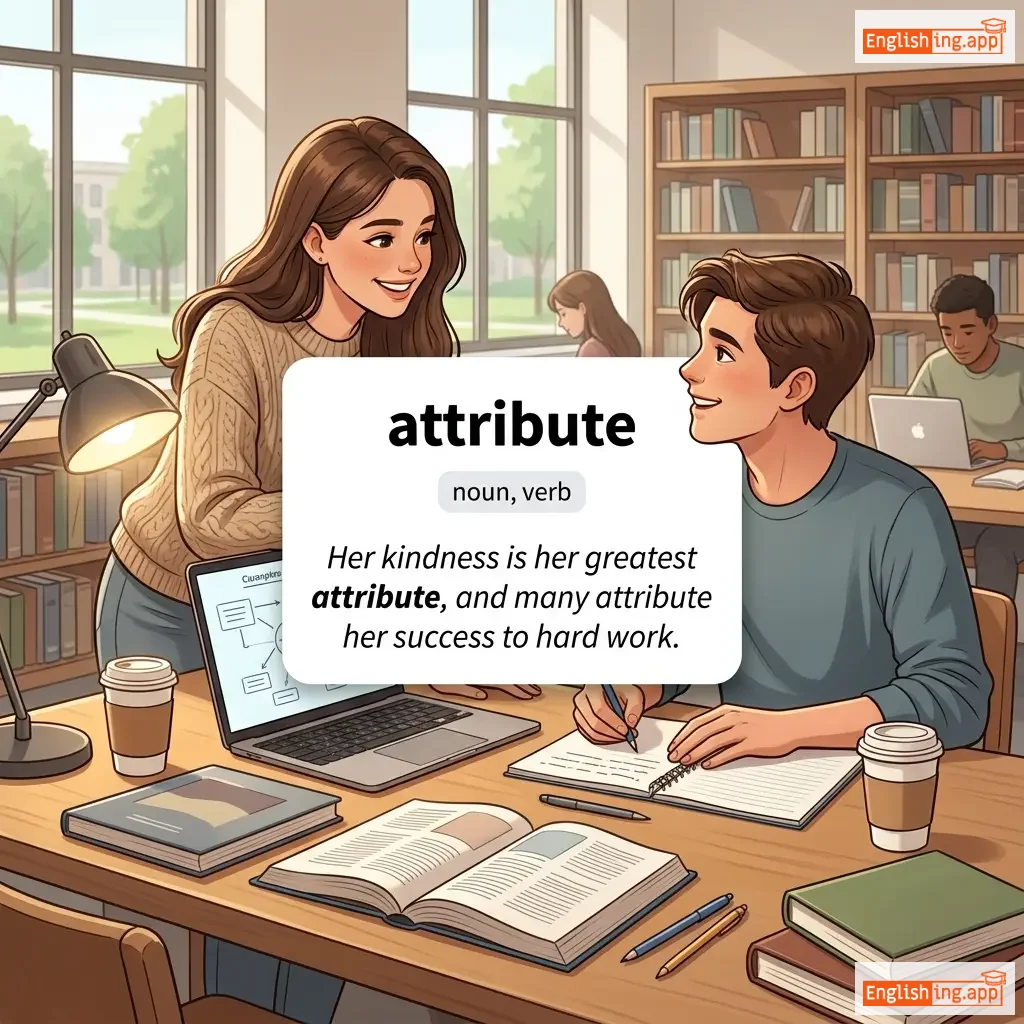
As a noun: a quality or characteristic of someone or something. As a verb: to regard something as being caused by someone or something.
••••••
|
Her kindness is her greatest attribute, and many attribute her success to hard work. |
- •••••• |
attribute to |
To credit something as the cause of a result.
••••••
|
- •••••• |
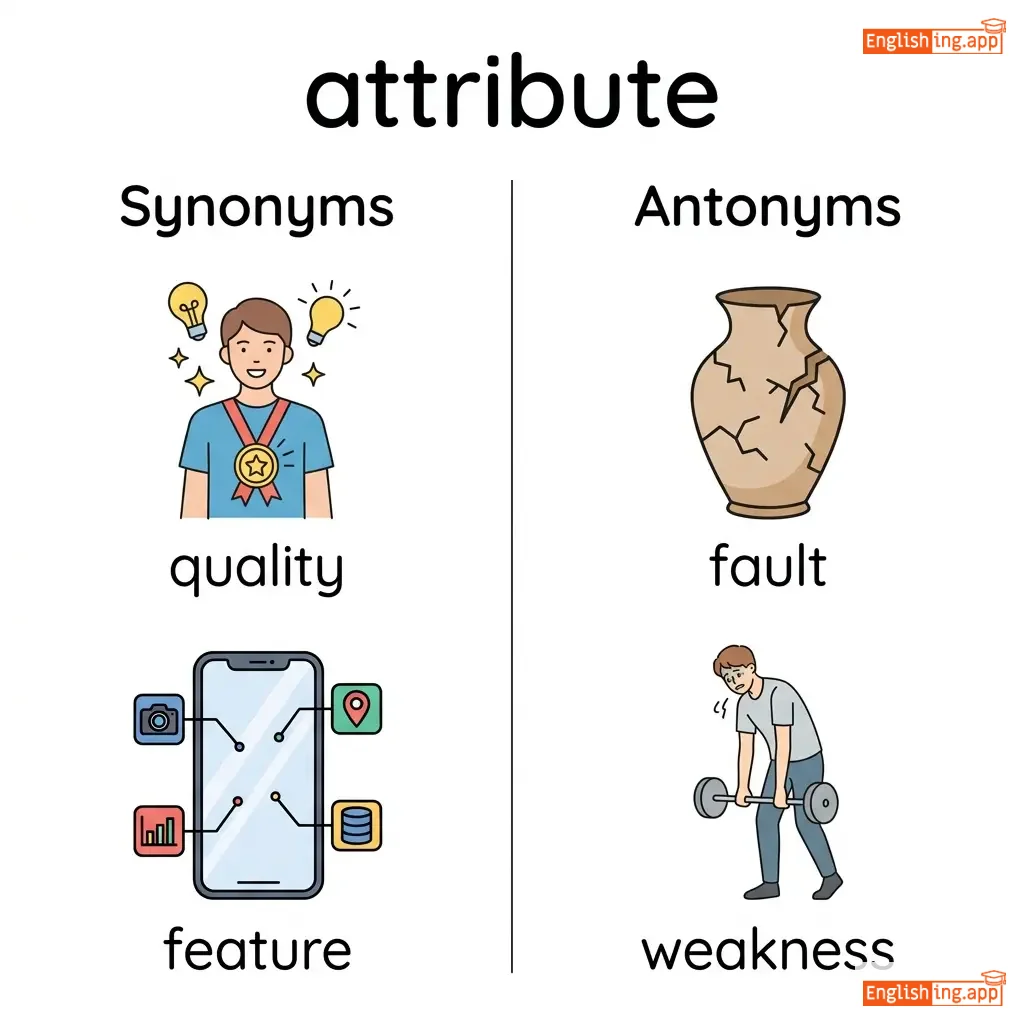
quality, feature, trait, characteristic, credit
••••••
|
fault, weakness, discredit
••••••
|
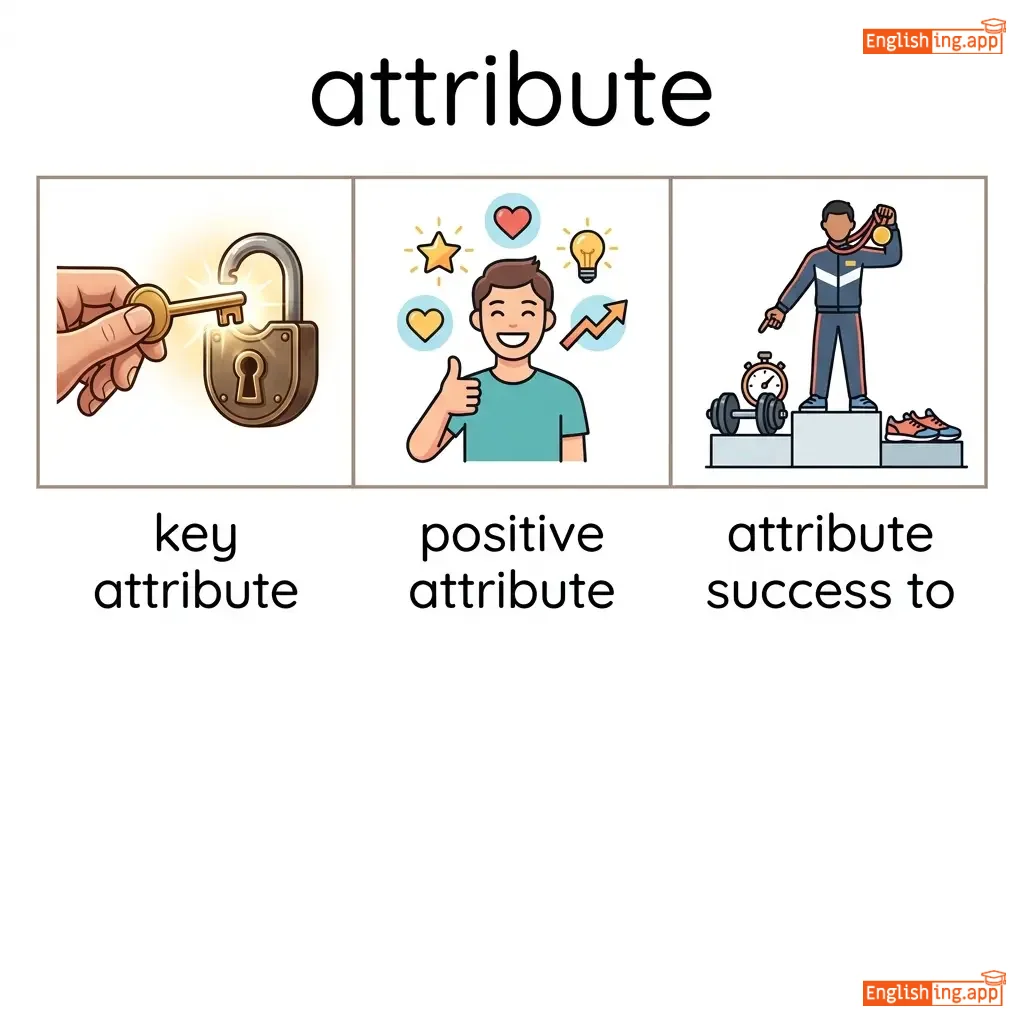
key attribute, positive attribute, attribute success to, attribute cause
••••••
|
No •••••• |
|
#457
🎧
|
/əˈtjuːn/
verb
(阿튠)
••••••
|
- •••••• |
使适应
shi shiying
••••••
|
attuned
阿튠德
••••••
|
attuned
阿튠德
••••••
|
attunes
阿튠兹
••••••
|
attuning
阿튠宁
••••••
|
to make someone or something aware of or responsive to something; to adjust or harmonize
••••••
|
She quickly attuned herself to the needs of her new team.
希 奎克利 阿튠德 赫尔塞尔夫 图 德 尼兹 奥夫 赫尔 纽 团。
••••••
|
她很快适应了新团队的需求。
Ta hen kuai shiying le xin tuandui de xuqiu
••••••
|
attune oneself to
attune oneself to
••••••
|
to become sensitive or responsive to something
••••••
|
适应于
shiying yu
••••••
|
adjust, adapt, harmonize, sensitize, align
••••••
|
ignore, disconnect, misalign
••••••
|
attune oneself to, attune ears to, attune mind to, emotionally attuned
••••••
|
attune 听起来像 调音 调整自己
••••••
|
|
#458
🔨
|
/ˈɔːkʃən/
noun
(òukèxiàn)
••••••
|
- •••••• |
拍卖
pāimài
••••••
|
- •••••• | - •••••• | - •••••• | - •••••• |
a public sale where goods are sold to the highest bidder
••••••
|
The painting was sold at an auction for a record price. |
这幅画以创纪录的价格在拍卖会上售出。
Zhè fú huà yǐ chuàng jìlù de jiàgé zài pāimài huì shàng shòuchū.
••••••
|
go under the hammer |
to be sold at an auction
••••••
|
通过拍卖出售
tōngguò pāimài chūshòu
••••••
|
bidding, sale, offering, trade
••••••
|
purchase, buyback
••••••
|
public auction, online auction, art auction, charity auction
••••••
|
Auction 就是拍卖,商品按最高价卖出!
••••••
|
|
#459
🔨
|
/ˌɔːkʃəˈnɪər/
noun
(奥克舍尼尔)
••••••
|
- •••••• |
拍卖师
paimaishi
••••••
|
- •••••• | - •••••• | - •••••• | - •••••• |
a person who conducts auctions by calling out bids and selling items to the highest bidder
••••••
|
The auctioneer quickly raised the price as bidders competed for the painting.
拍卖师迅速提高了价格。
••••••
|
拍卖师在竞价过程中迅速提高了价格。
paimaishi zai jingjia guocheng zhong xunsu tigao le jiage
••••••
|
under the hammer
在拍卖槌下
••••••
|
to be sold at an auction
••••••
|
在拍卖中出售
zai paimai zhong chushou
••••••
|
bid caller, seller, auction agent, broker
••••••
|
buyer, bidder
••••••
|
professional auctioneer, licensed auctioneer, auctioneer calls bids, auctioneer sells
••••••
|
拍卖师就是拍卖时喊价的人
••••••
|
|
#460
👥
|
/ˈɔːdiəns/
noun
(观众)
••••••
|
- •••••• |
观众
guānzhòng
••••••
|
- •••••• | - •••••• | - •••••• | - •••••• |
A group of people who gather to watch, listen to, or experience a performance, event, or broadcast.
••••••
|
The audience clapped loudly after the performance. |
表演结束后,观众热烈鼓掌。
Biǎoyǎn jiéshù hòu, guānzhòng rèliè gǔzhǎng.
••••••
|
captive audience |
An audience that has no choice but to listen or pay attention.
••••••
|
被俘观众
bèi fú guānzhòng
••••••
|
spectators, viewers, listeners, crowd, public
••••••
|
performer, speaker
••••••
|
large audience, live audience, attract an audience, audience reaction
••••••
|
观众是来听或看表演的人,就像大礼堂里的观众一样。
••••••
|
|
#461
🔊
|
/ˈɔːdiəʊ/
noun
(音频)
••••••
|
- •••••• |
声音
shengyin
••••••
|
- •••••• | - •••••• | - •••••• | - •••••• |
sound, especially when recorded or transmitted
••••••
|
The audio quality of the podcast was excellent. |
播客的音频质量非常好。
Bokè de yīnpín zhìliàng fēicháng hǎo.
••••••
|
- •••••• | - •••••• | - •••••• |
sound, recording, broadcast, hearing
••••••
|
silence
••••••
|
audio file, audio equipment, audio recording
••••••
|
Audio - 听音频能听到好的声音!
••••••
|
|
#462
📋
|
/ˈɔːdɪt/
noun/verb
(审计)
••••••
|
|
审计
shenji
••••••
|
audited
审计过
••••••
|
audited
审计过
••••••
|
audits
审计
••••••
|
auditing
审计中
••••••
|
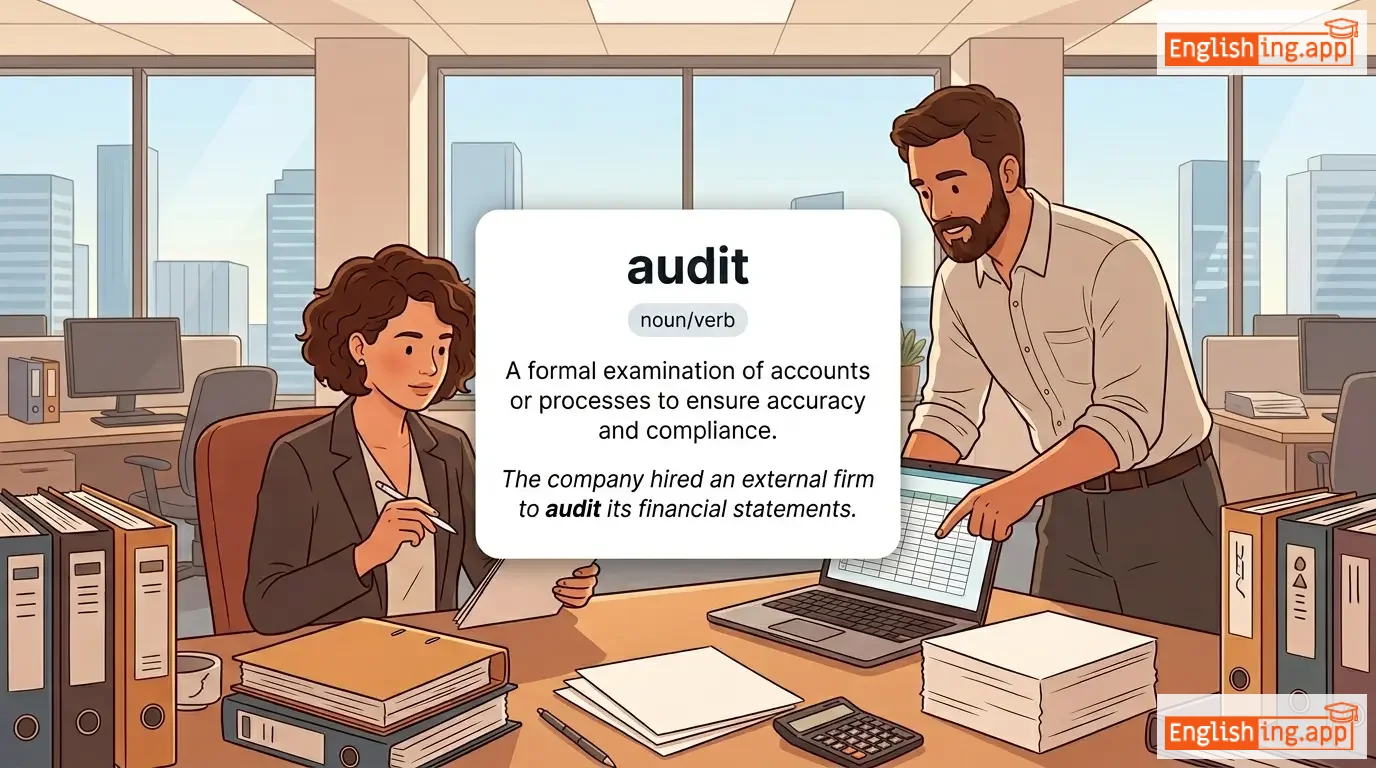
A formal examination of accounts or processes to ensure accuracy and compliance.
••••••
|
The company hired an external firm to audit its financial statements.
公司雇佣了一家外部公司来审计其财务报表。
••••••
|
公司雇佣了一家外部公司来审计其财务报表。
Gōngsī gùyōngle yījiā wàibù gōngsī lái shěnjì qí cáiwù bàobiǎo.
••••••
|
audit trail
审计记录
••••••
|
A record that shows who has accessed a system and what operations they performed.
••••••
|
审计记录
Shěnjì jìlù
••••••
|
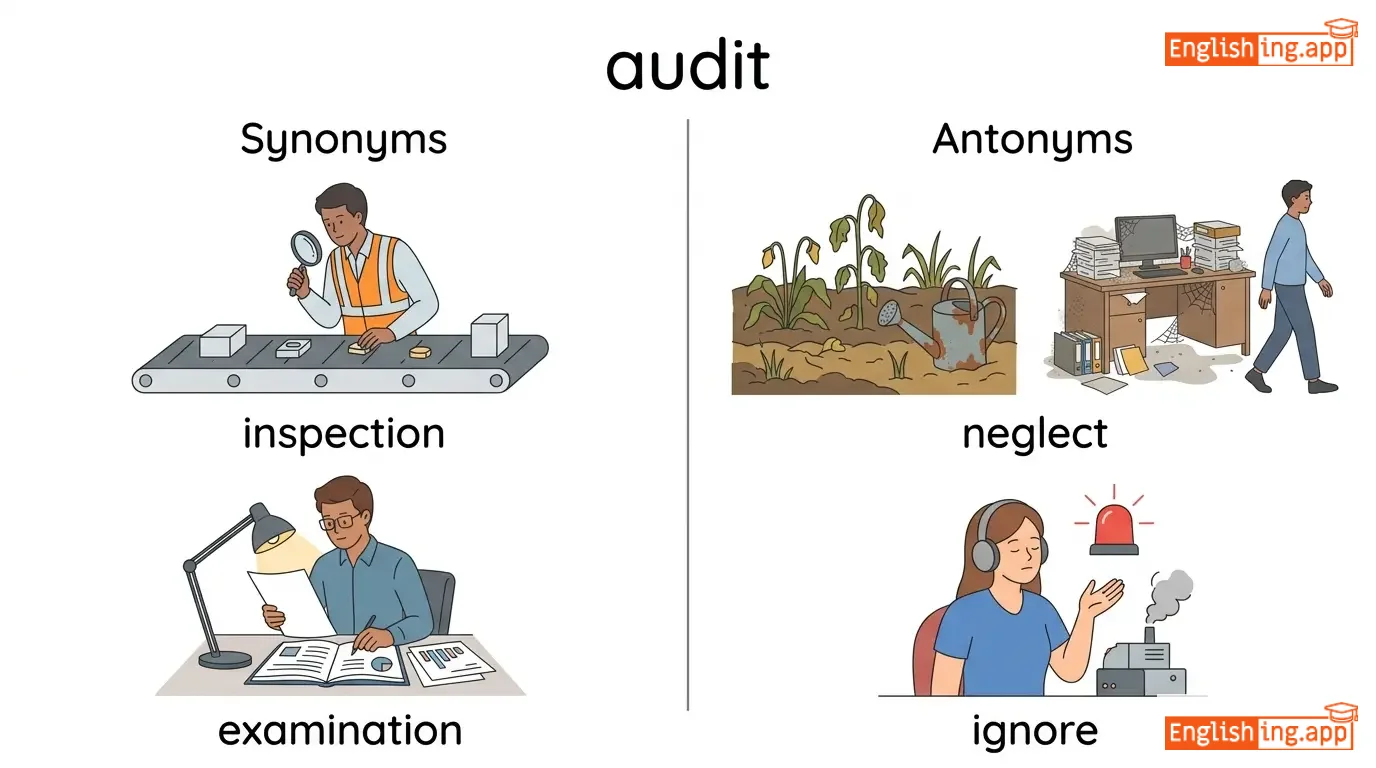
inspection, examination, review, assessment, evaluation
••••••
|
neglect, ignore, overlook
••••••
|
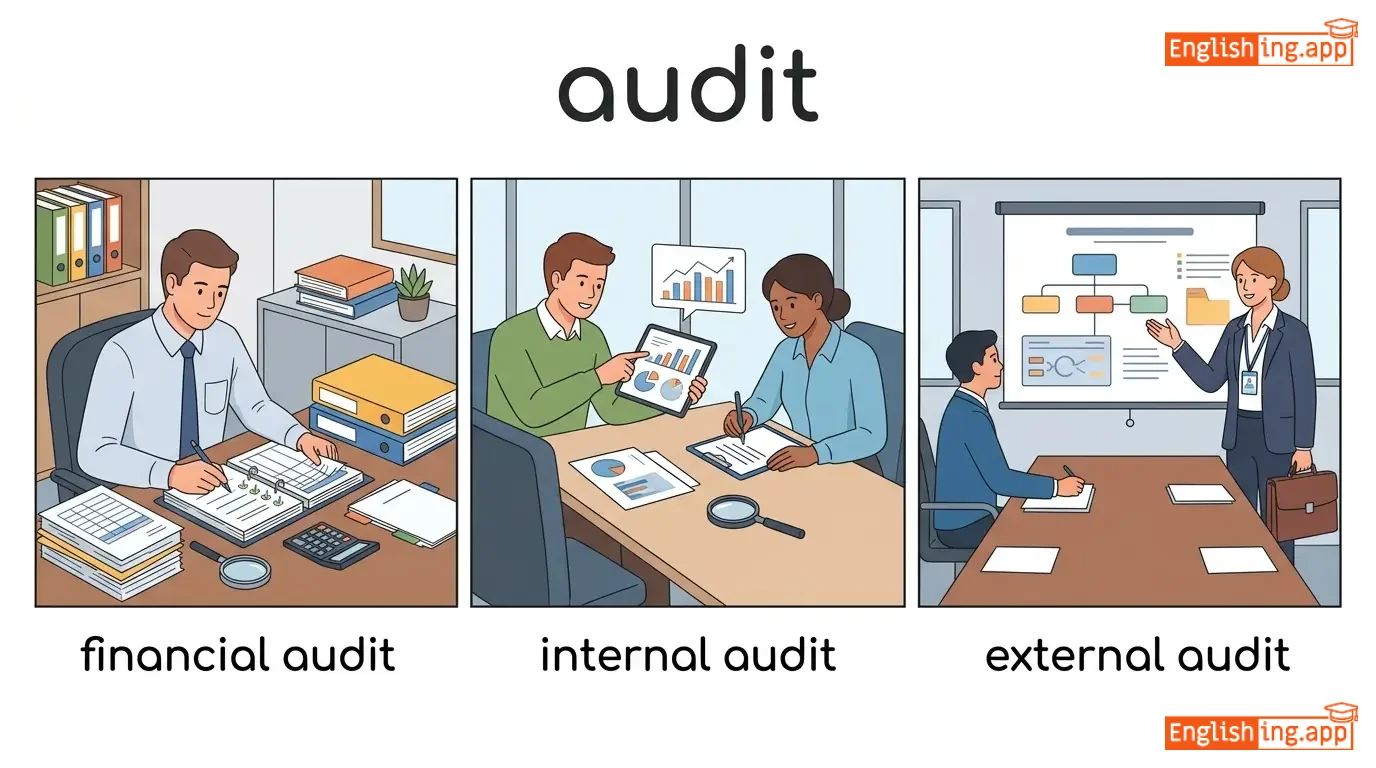
financial audit, internal audit, external audit, audit report, audit committee
••••••
|
审计 - 查账检查,确认无误!
••••••
|
|
#463
➕
|
/ɔːɡˈmɛnt/
verb
(奥格门特)
••••••
|
|
增加
zengjia
••••••
|
augmented
奥格门特得
••••••
|
augmented
奥格门特得
••••••
|
augments
奥格门特斯
••••••
|
augmenting
奥格门廷
••••••
|
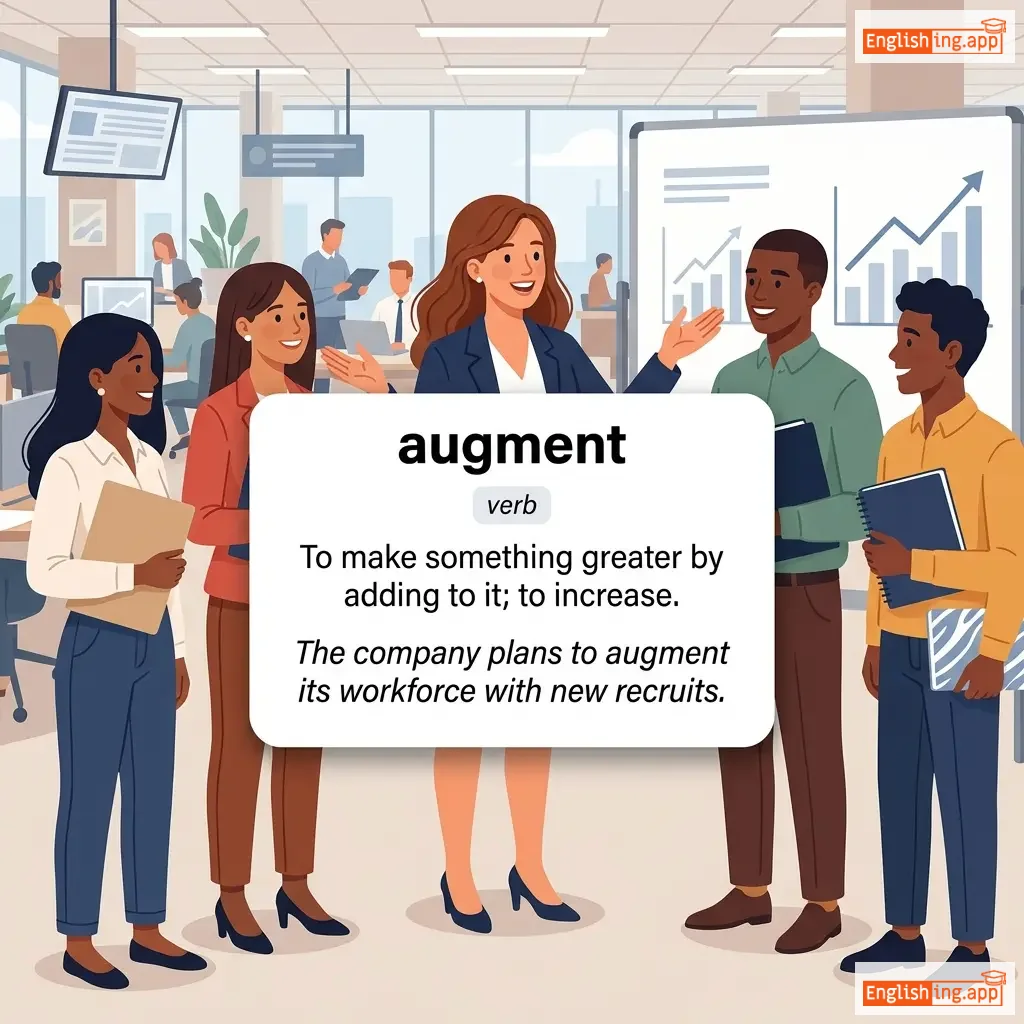
To make something greater by adding to it; to increase.
••••••
|
The company plans to augment its workforce with new recruits.
公司计划通过新招聘来增加劳动力。
••••••
|
公司计划通过新招聘来增加劳动力。
Gongsi jihua tongguo xin zhaopin lai zengjia laodongli.
••••••
|
augmented reality
增强现实
••••••
|
A technology that overlays digital information onto the real world.
••••••
|
增强现实
zengqiang xianshi
••••••
|
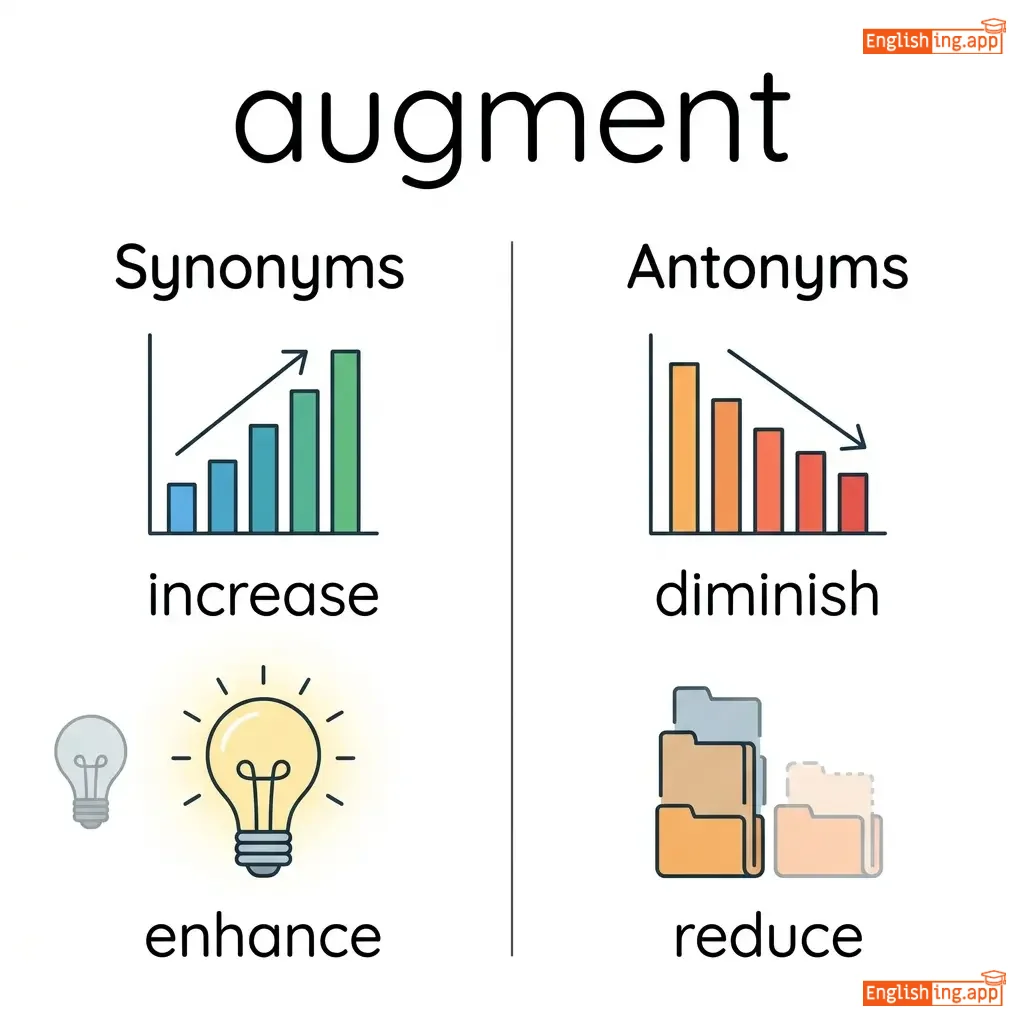
increase, enhance, boost, expand, enlarge
••••••
|
diminish, reduce, lessen
••••••
|
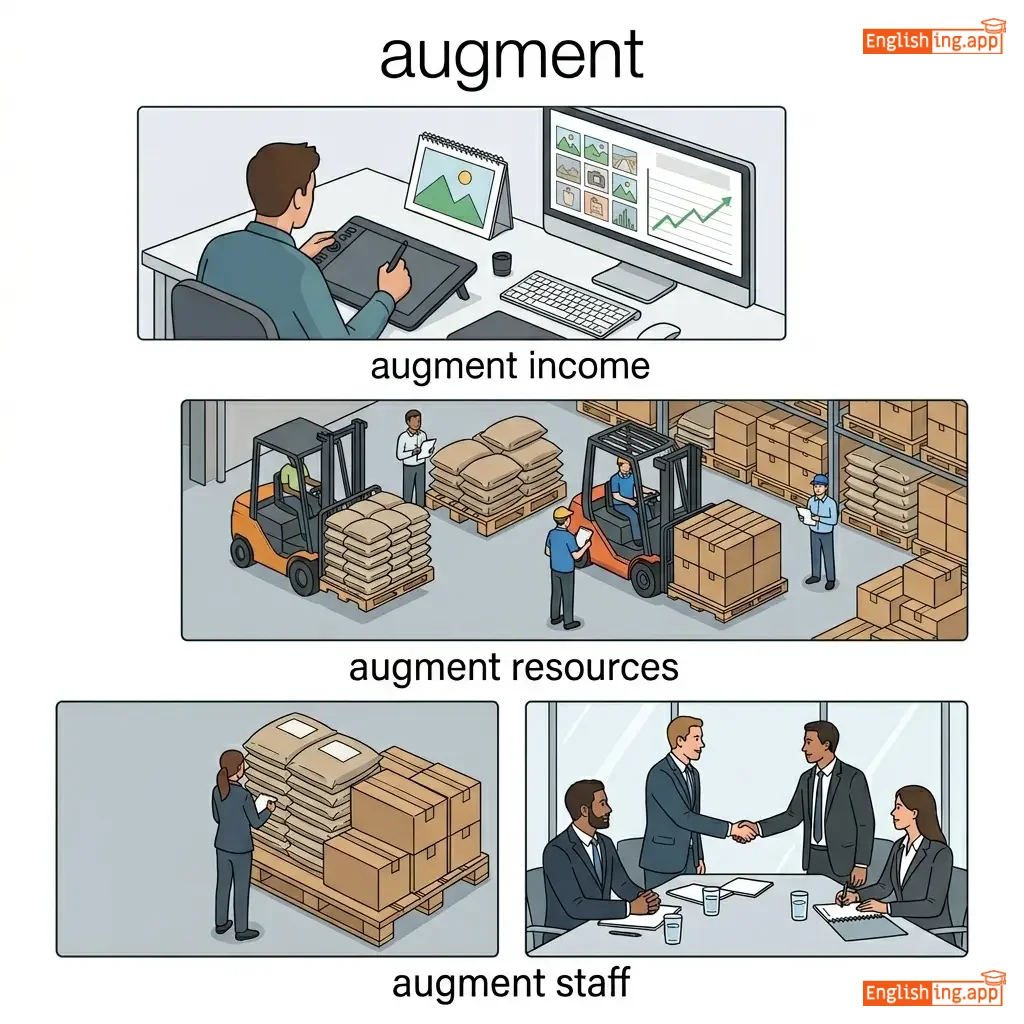
augment income, augment resources, augment staff, augment capacity
••••••
|
增加是通过添加来让事物变得更大的意思。
••••••
|
|
#464
👑
|
/ɔːˈɡʌst/
adjective
(奥古斯特)
••••••
|
- •••••• |
庄严
zhuangyan
••••••
|
- •••••• | - •••••• | - •••••• | - •••••• |
Respected and impressive; inspiring reverence or admiration.
••••••
|
The king entered the hall with an august presence. |
国王以庄严的姿态走进了大厅。
Guówáng yǐ zhuāngyán de zītài zǒu jìnle dàtīng.
••••••
|
- •••••• | - •••••• | - •••••• |
majestic, grand, dignified, noble
••••••
|
ordinary, common, trivial
••••••
|
august personality, august gathering, august presence, august institution
••••••
|
奥古斯特不仅是一个月份,它也意味着庄严和受尊敬。
••••••
|
|
#465
👩🦳
|
/ænt/
noun
(ænt)
••••••
|
- •••••• |
阿姨
āyí
••••••
|
- •••••• | - •••••• | - •••••• | - •••••• |
the sister of your father or mother, or the wife of your uncle
••••••
|
My aunt always gives me gifts on my birthday. |
我的阿姨总是在我生日时给我礼物。
Wǒ de āyí zǒng shì zài wǒ shēngrì shí gěi wǒ lǐwù.
••••••
|
- •••••• | - •••••• | - •••••• |
relative, family member, guardian
••••••
|
uncle, stranger
••••••
|
dear aunt, loving aunt, aunt and uncle, aunt’s house
••••••
|
阿姨 — 想想总是送你生日礼物的阿姨。
••••••
|
|
#466
👩
|
/ˈɑːnti/
noun
(安提)
••••••
|
- •••••• |
阿姨
ayi
••••••
|
- •••••• | - •••••• | - •••••• | - •••••• |
the sister of one’s father or mother; a term of respectful address for an older woman, especially in South Asian usage
••••••
|
My aunty lives near our house and often visits us.
麦 安提 利夫斯 尼尔 奥尔 豪斯 安德 奥芬 维济茨 阿斯。
••••••
|
我的阿姨住在我们家附近,经常来看我们。
wo de ayi zhu zai women jia fujin jingchang lai kan women
••••••
|
- •••••• | - •••••• | - •••••• |
aunt, auntie, relative, family member
••••••
|
uncle, nephew
••••••
|
dear aunty, maternal aunty, paternal aunty, favorite aunty
••••••
|
AUNTY 就是 阿姨,常见又亲切。
••••••
|
|
#467
✔️
|
/ɔːˈθɛntɪk/
adjective
(authentic)
••••••
|
- •••••• |
正宗
zhèngzōng
••••••
|
- •••••• | - •••••• | - •••••• | - •••••• |
Genuine and real; not fake or copied.
••••••
|
The museum displayed an authentic painting by Picasso. |
博物馆展示了毕加索的正宗画作。
Bówùguǎn zhǎnshìle bìjiāsuǒ de zhèngzōng huàzuò.
••••••
|
authentic self |
Being true to one's real personality and values.
••••••
|
真正的自我
Zhēnzhèng de zìwǒ
••••••
|
genuine, real, original, true, legitimate
••••••
|
fake, false, counterfeit
••••••
|
authentic document, authentic voice, authentic experience
••••••
|
Authentic意味着正宗的,不是假的 → Authentic食物意味着真正的味道。
••••••
|
|
#468
🎭
|
/ɔːˈθentɪkli/
adverb
(奥森提克利)
••••••
|
- •••••• |
真实地
zhenshi de
••••••
|
- •••••• | - •••••• | - •••••• | - •••••• |
in a genuine, real, or true manner; in a way that reflects true character or origin
••••••
|
She speaks authentically about her experiences.
西 斯皮克斯 奥森提克利 阿鲍特 她 的 经历。
••••••
|
她真实地谈论自己的经历。
ta zhenshi de tanlun ziji de jingli
••••••
|
- •••••• | - •••••• | - •••••• |
genuinely, truly, honestly, sincerely, realistically
••••••
|
artificially, falsely, insincerely
••••••
|
authentically expressed, authentically lived, authentically designed, authentically portrayed
••••••
|
authentic = 真实, authentically = 真实地表达
••••••
|
|
#469
🔐
|
/ɔːˈθɛntɪkeɪt/
verb
(认证)
••••••
|
- •••••• |
认证
renzheng
••••••
|
authenticated
认证了
••••••
|
authenticated
已认证
••••••
|
authenticates
认证
••••••
|
authenticating
认证中
••••••
|
To prove or show that something is genuine or true.
••••••
|
The bank uses advanced technology to authenticate online transactions.
银行使用先进的技术来认证在线交易。
••••••
|
银行使用先进的技术来认证在线交易。
Yinhang shiyong xianjin de jishu lai renzheng zaixian jiaoyi.
••••••
|
- •••••• | - •••••• | - •••••• |
verify, validate, confirm, prove
••••••
|
falsify, disprove
••••••
|
authenticate documents, authenticate signature, authenticate identity
••••••
|
Authenticate = 权威 + 技术验证
••••••
|
|
#470
✅
|
/ɔːˌθenˈtɪsɪti/
noun
(真实性)
••••••
|
|
真实性
zhēnshíxìng
••••••
|
- •••••• | - •••••• | - •••••• | - •••••• |
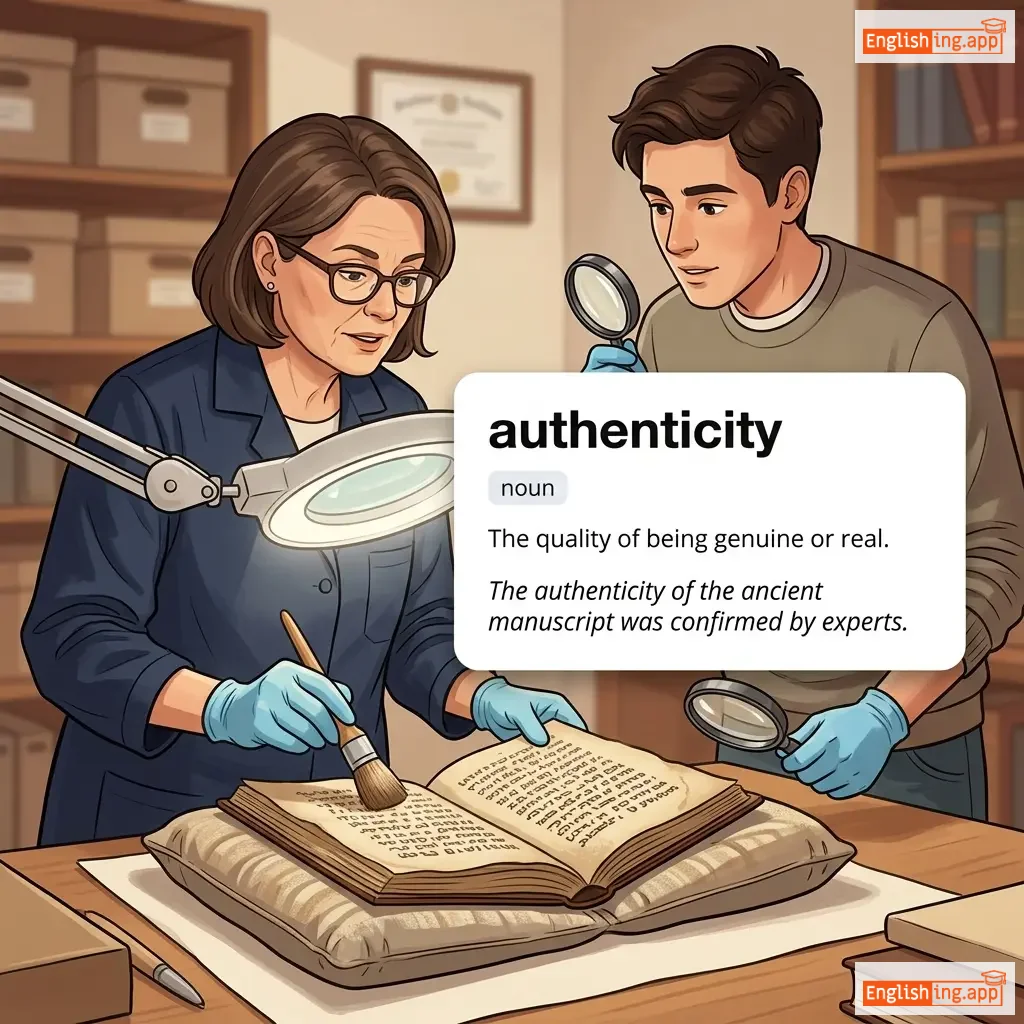
the quality of being genuine or real; not copied or false
••••••
|
The authenticity of the ancient artifact was confirmed by experts. |
古代文物的真实性已由专家确认。
Gǔdài wénwù de zhēnshíxìng yǐ yóu zhuānjiā quèrèn.
••••••
|
- •••••• | - •••••• | - •••••• |
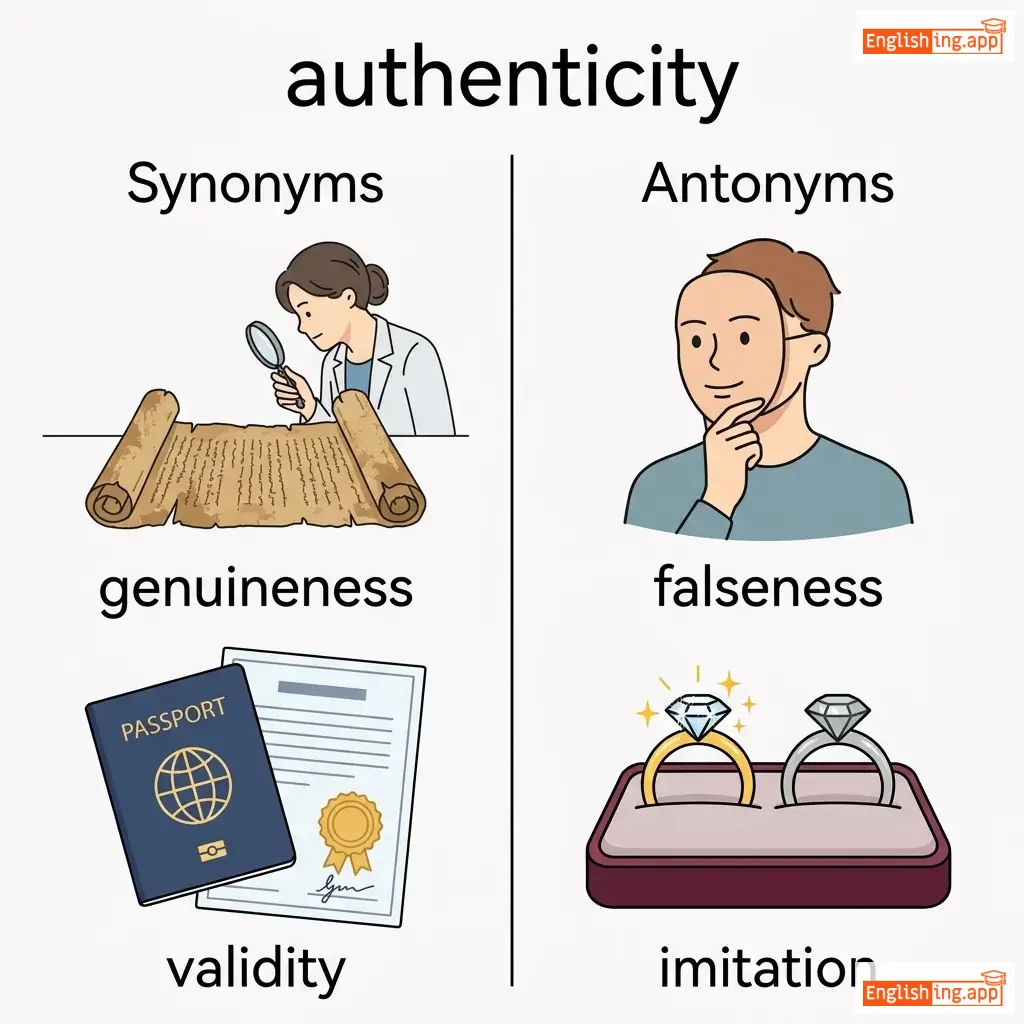
genuineness, validity, legitimacy
••••••
|
falseness, artificiality, counterfeit
••••••
|
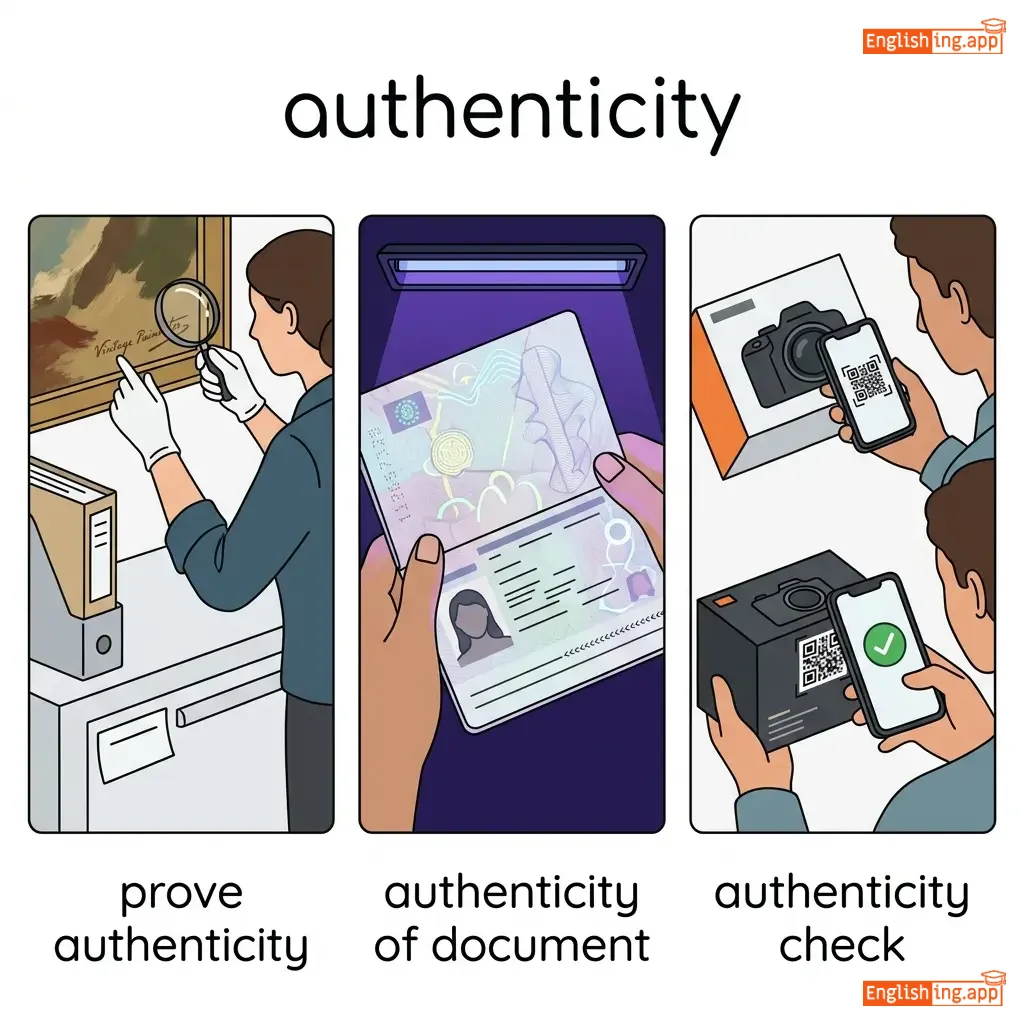
authentic document, verify authenticity, question authenticity
••••••
|
Authenticity in Chinese: '真实性' sounds like 'genuine reality'.
••••••
|
|
#471
✍️
|
/ˈɔːθər/
noun
(作者)
••••••
|
- •••••• |
作者
zuòzhě
••••••
|
- •••••• | - •••••• | - •••••• | - •••••• |
A person who writes books, articles, or other literary works.
••••••
|
She is the author of several bestselling novels. |
她是几本畅销小说的作者。
Tā shì jǐ běn chàngxiāo xiǎoshuō de zuòzhě.
••••••
|
author of one's own fate |
To be responsible for shaping one's own future.
••••••
|
命运的作者
Mìngyùn de zuòzhě
••••••
|
writer, novelist, creator, originator, composer
••••••
|
reader, follower
••••••
|
famous author, best-selling author, author of a book, aspiring author
••••••
|
Author 代表作者 — Author 写书,别人读。
••••••
|
|
#472
👑
|
/əˈθɔːrəti/
noun
(权威)
••••••
|
|
权威
quanwei
••••••
|
- •••••• | - •••••• | - •••••• | - •••••• |
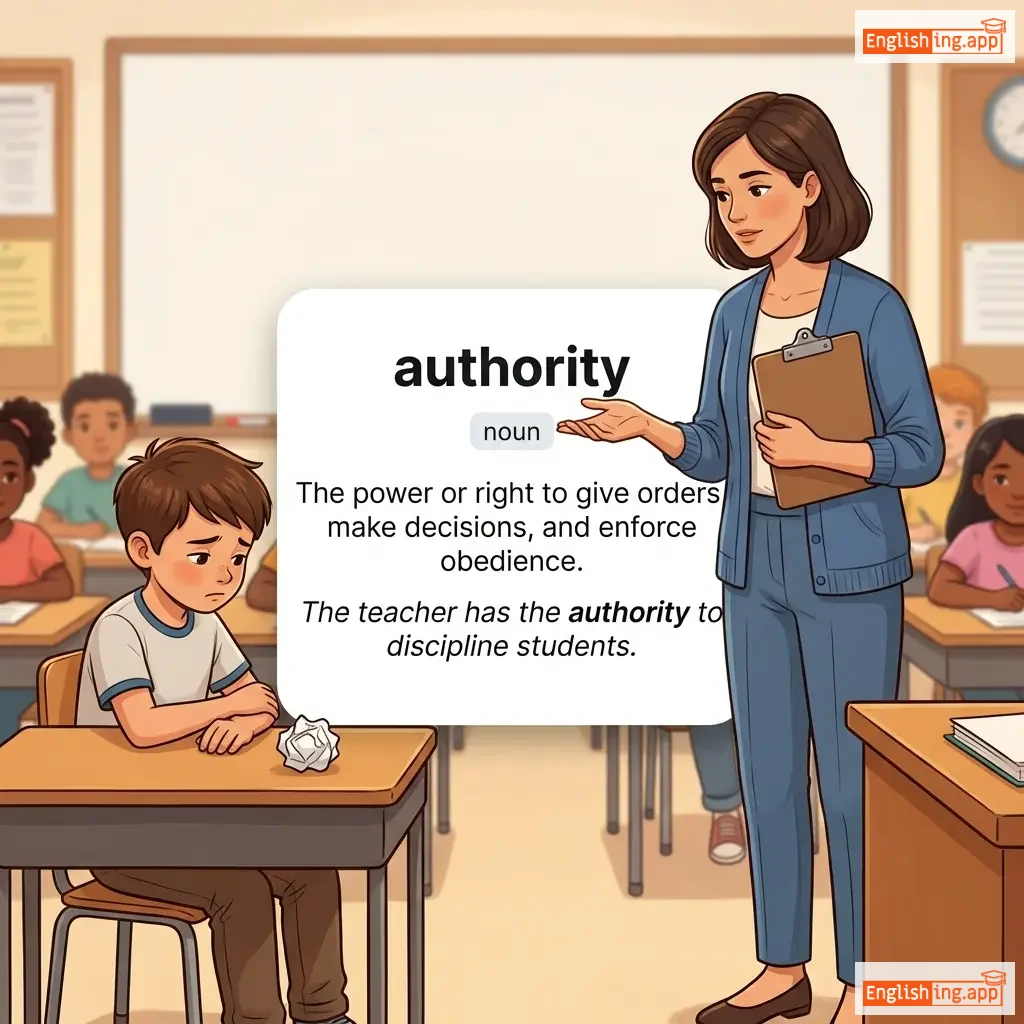
The power or right to give orders, make decisions, and enforce obedience.
••••••
|
The teacher has the authority to discipline students. |
老师有权利惩罚学生。
Laoshi you quanli chengfa xuesheng.
••••••
|
in authority |
Holding an official position of power.
••••••
|
在权力中
Zai quanli zhong
••••••
|
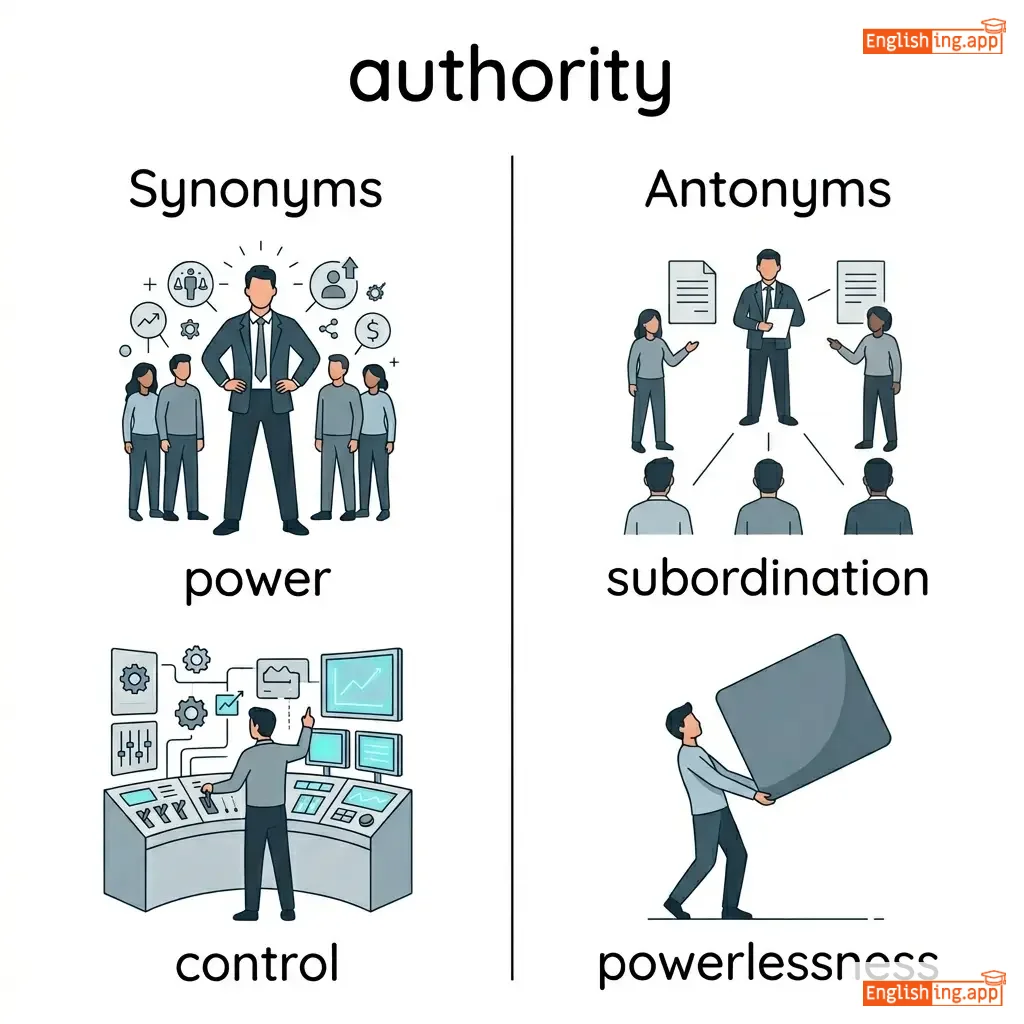
power, control, command, influence, jurisdiction
••••••
|
powerlessness, subordination
••••••
|
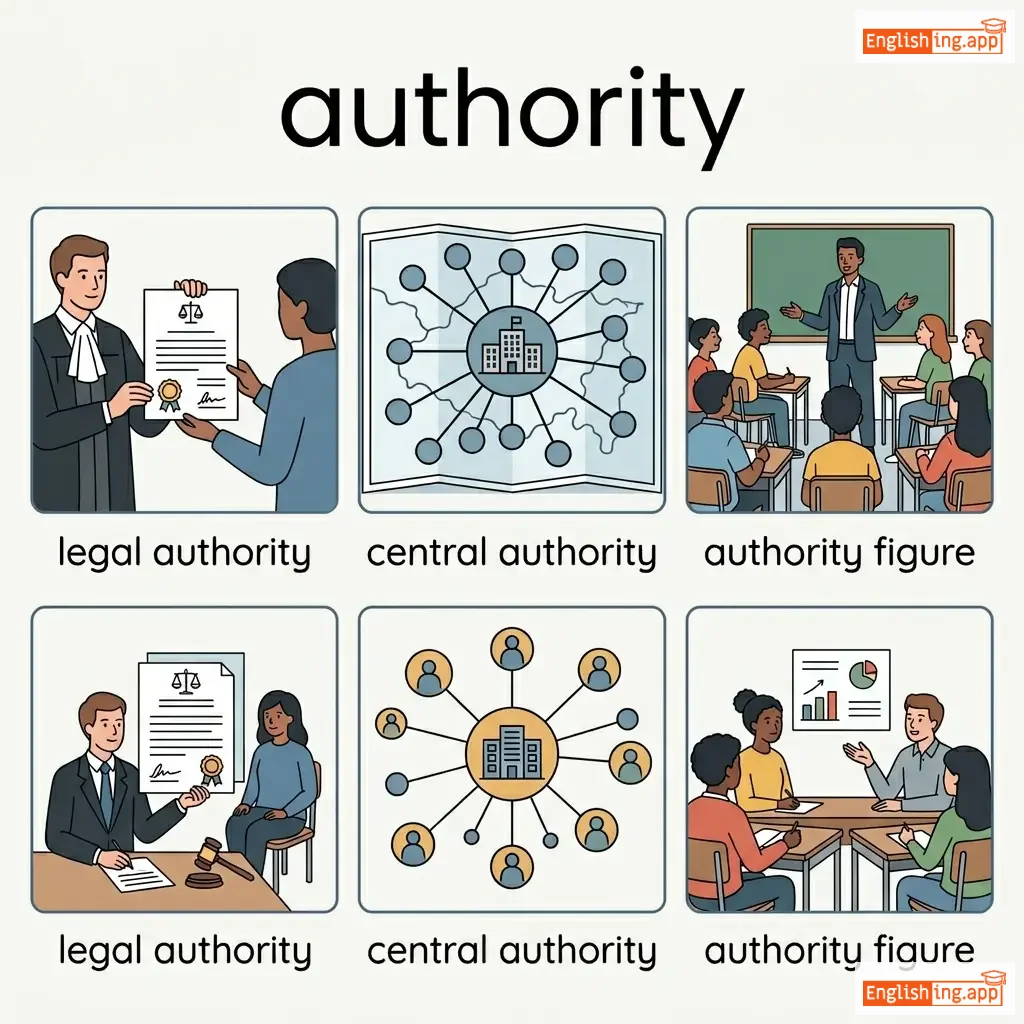
legal authority, central authority, authority figure, in authority
••••••
|
Authority 听起来像 'author' ,就像一个作者有权下命令。
••••••
|
|
#473
✅
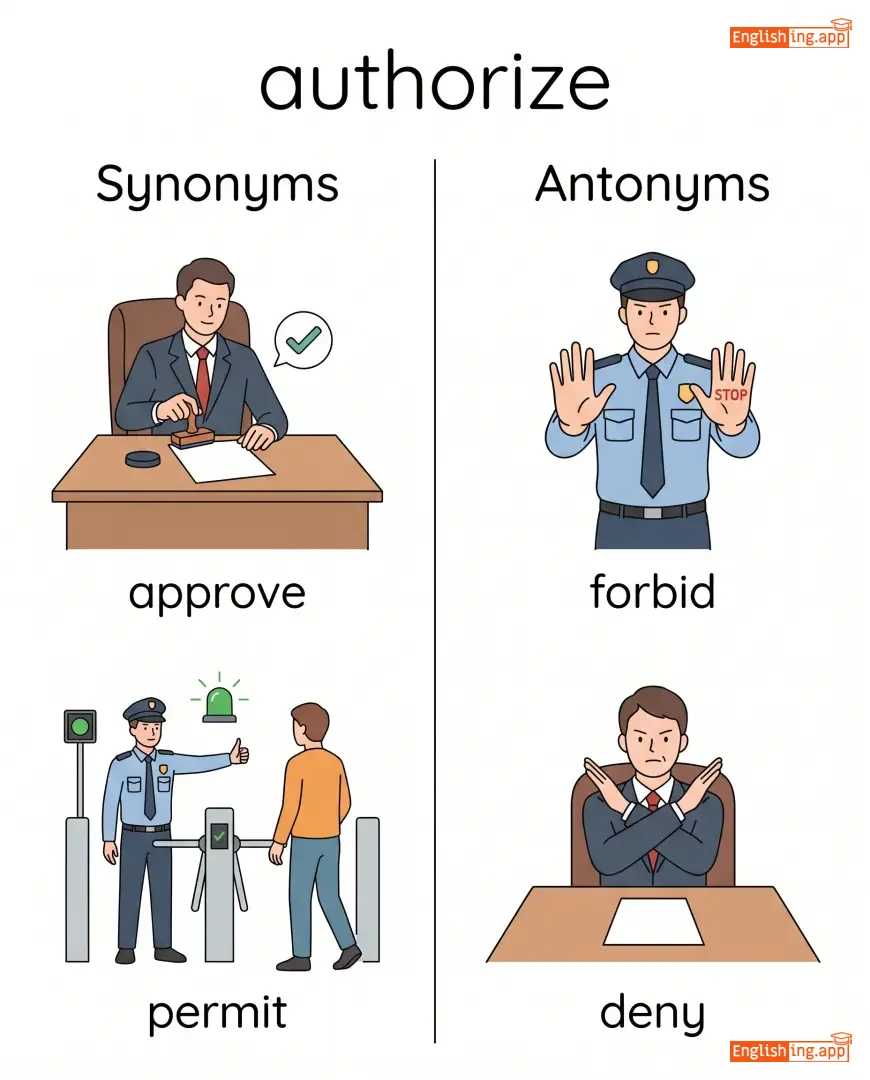
|
/ˈɔːθəraɪz/
verb
(授权)
••••••
|
|
授权
shòuquán
••••••
|
authorized
授权了
••••••
|
authorized
授权了
••••••
|
authorizes
授权
••••••
|
authorizing
授权中
••••••
|
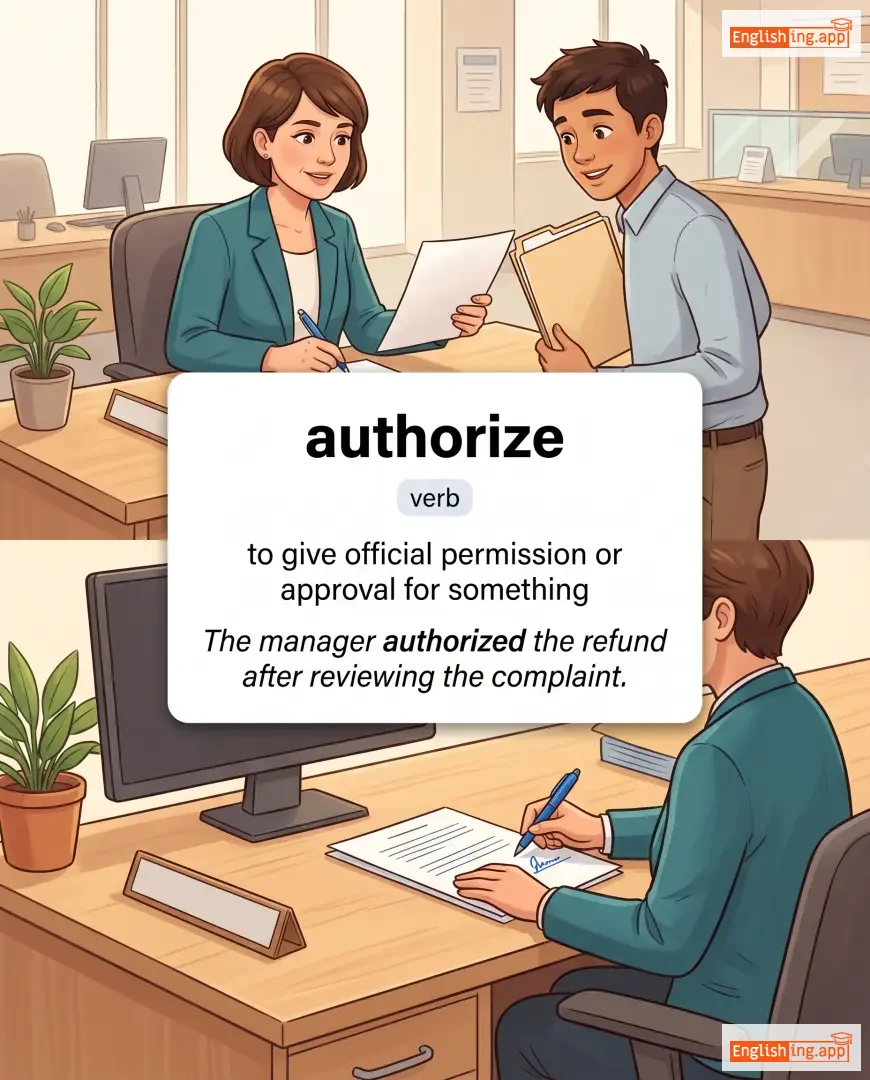
to give official permission or approval for something
••••••
|
The manager authorized the refund after reviewing the complaint.
经理在审查投诉后授权了退款。
••••••
|
经理在审查投诉后授权了退款。
Jīnglǐ zài shěnchá tóusù hòu shòuquánle tuìkuǎn.
••••••
|
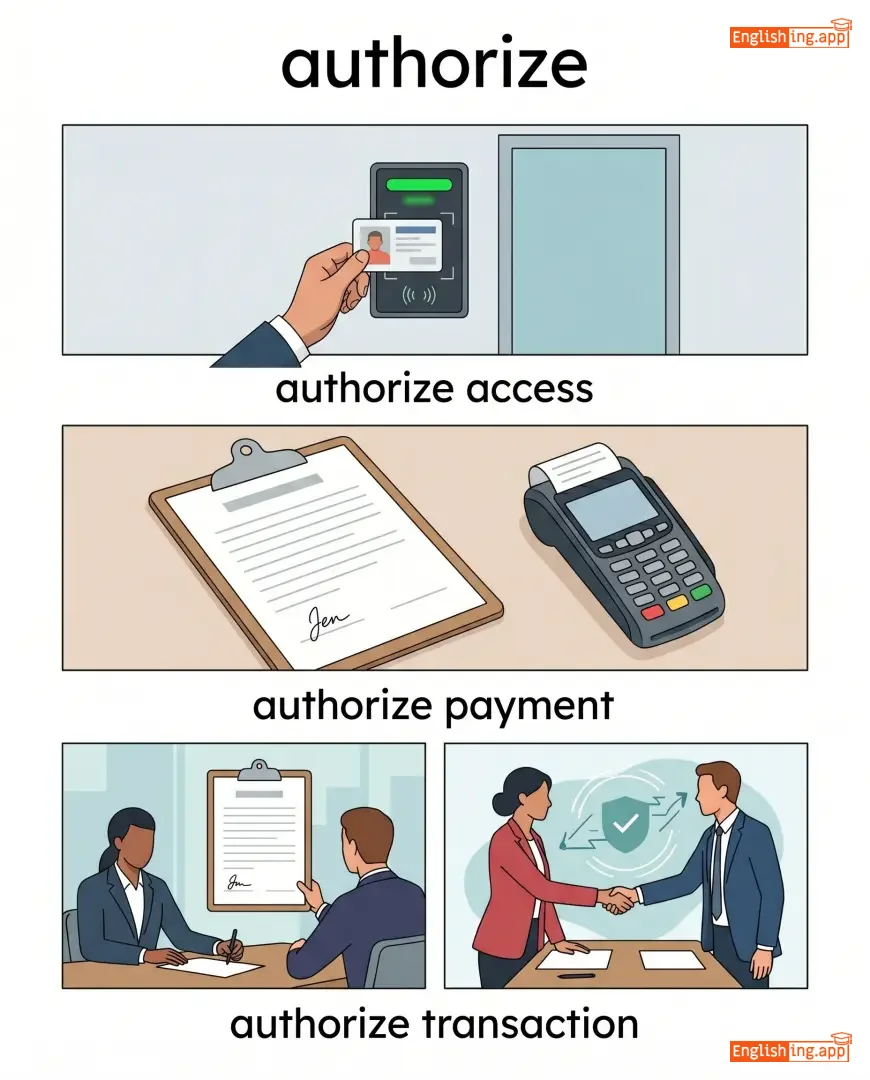
authorize payment
授权支付
••••••
|
to officially approve a transaction or payment
••••••
|
授权支付
shòuquán zhīfù
••••••
|
approve, permit, sanction, empower, allow
••••••
|
forbid, deny, reject
••••••
|
authorize access, authorize payment, authorize transaction, authorize use
••••••
|
授权意味着批准 — 就像是授予许可一样!
••••••
|
|
#474
🚗
|
/ˈɔːtoʊ/
noun
(汽车)
••••••
|
- •••••• |
汽车
qiche
••••••
|
- •••••• | - •••••• | - •••••• | - •••••• |
A motor vehicle, especially a car.
••••••
|
He drove his auto to the market.
他开车去了市场。
••••••
|
他开车去了市场。
Ta kaiche qule shichang.
••••••
|
auto industry
汽车工业
••••••
|
The industry that designs, manufactures, and sells cars.
••••••
|
汽车工业
qiche gongye
••••••
|
car, automobile, vehicle, motorcar
••••••
|
bicycle, pedestrian
••••••
|
auto repair, auto industry, auto parts, auto shop
••••••
|
Auto 在中文里就是车,汽车或 motor vehicle 的意思。
••••••
|
|
#475
🤖
|
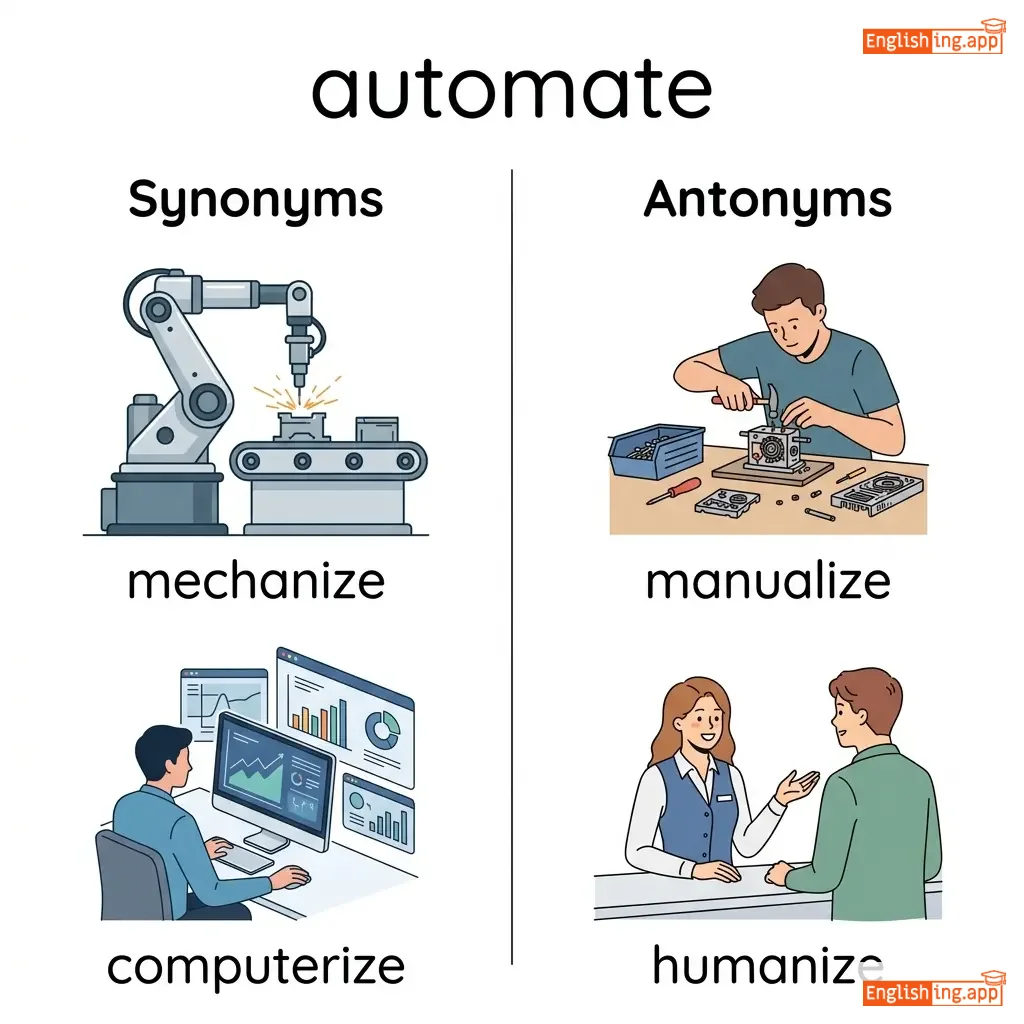
/ˈɔːtəmeɪt/
verb
••••••
|
|
- •••••• |
automated
••••••
|
automated
••••••
|
automates
••••••
|
automating
••••••
|
To use machines or computers to control or operate a process, making it automatic.
••••••
|
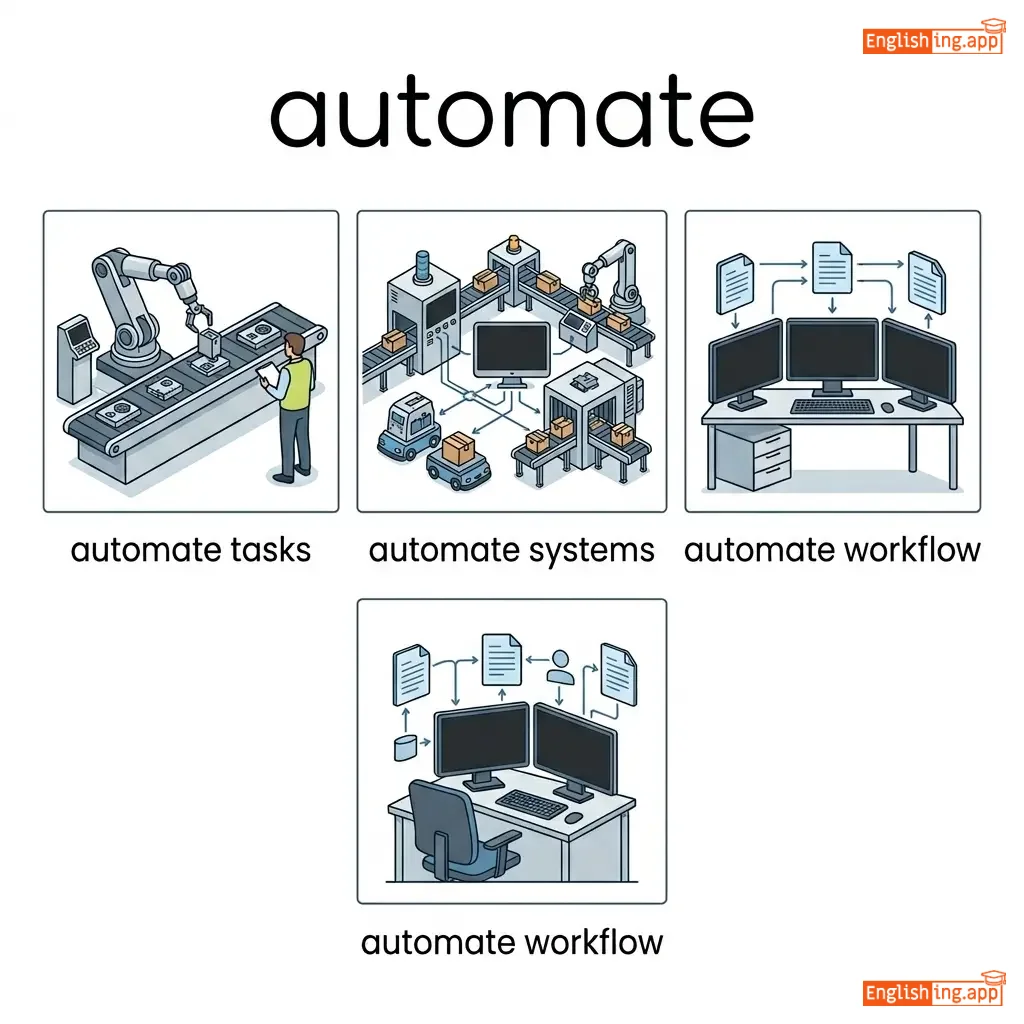
The company decided to automate its customer service operations. |
- •••••• |
fully automate |
To make a system or process completely automatic.
••••••
|
- •••••• |
mechanize, computerize, digitize, systematize
••••••
|
manualize, humanize
••••••
|
automate tasks, automate systems, automate workflow, fully automate
••••••
|
No •••••• |
|
#476
⚙️
|
/ˌɔːtəˈmætɪk/
adjective
(ào-tō-mà-tí-kè)
••••••
|
- •••••• |
自动
zidong
••••••
|
- •••••• | - •••••• | - •••••• | - •••••• |
working by itself without direct human control
••••••
|
This car has an automatic transmission. |
这辆车有自动变速器。
Zhe liang che you zidong biansuqi.
••••••
|
automatic response |
an instinctive or unthinking reaction
••••••
|
自动反应
zidong fanying
••••••
|
mechanical, self-operating, programmed, robotic
••••••
|
manual, controlled, deliberate
••••••
|
automatic door, automatic system, automatic response, automatic payment
••••••
|
自动意味着自己工作 — 就像自动门自己打开 😄
••••••
|
|
#477
⚙️
|
/ˌɔːtəˈmætɪkli/
adverb
(自动)
••••••
|
- •••••• |
自动
zidong
••••••
|
- •••••• | - •••••• | - •••••• | - •••••• |
without human control or intervention; done by itself
••••••
|
The door closes automatically after you enter.
门在你进入后自动关闭。
••••••
|
门在你进入后自动关闭。
Men zai ni jinru hou zidong guanbi.
••••••
|
- •••••• | - •••••• | - •••••• |
instinctively, mechanically, involuntarily, spontaneously, unconsciously
••••••
|
manually, deliberately
••••••
|
open automatically, shut automatically, update automatically, restart automatically
••••••
|
Auto意味着自己,所以自动意味着某事自己发生 🌀
••••••
|
|
#478
🤖
|
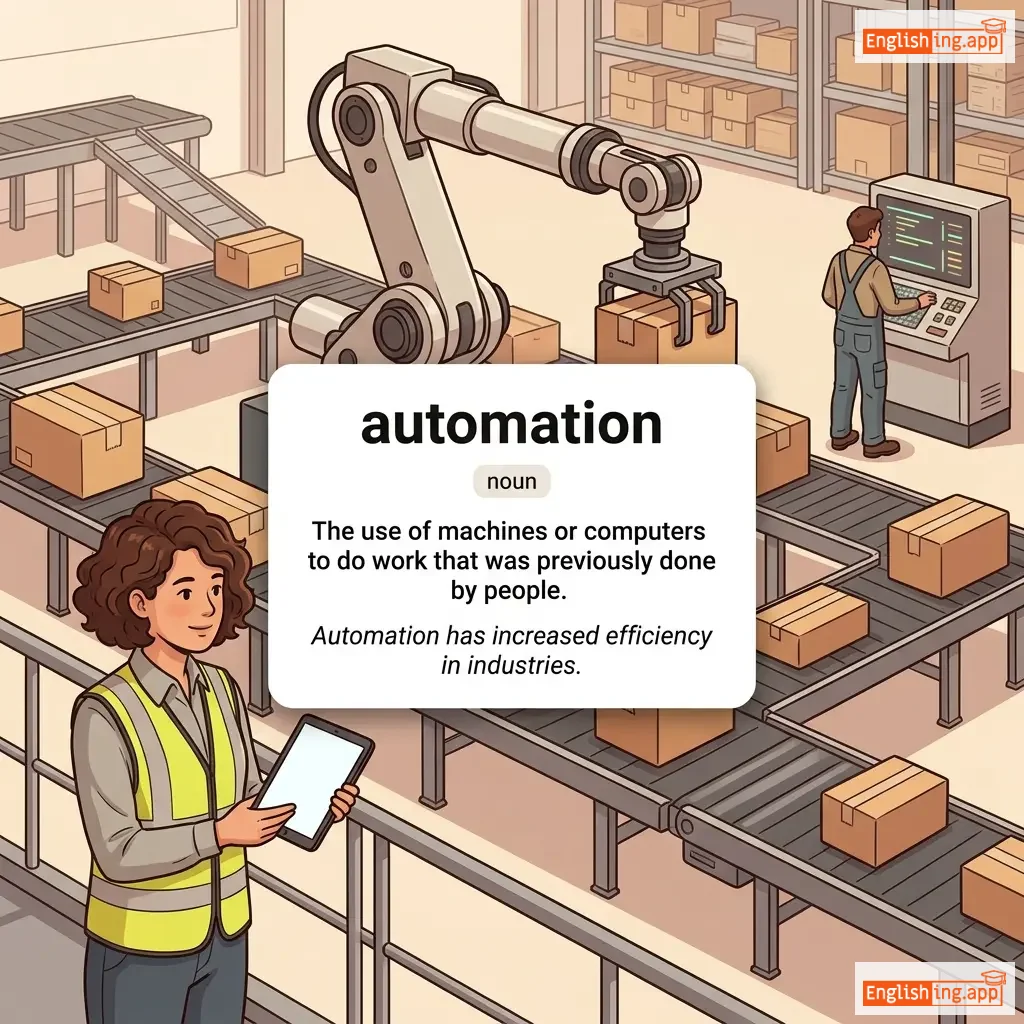
ˌɔː.təˈmeɪ.ʃən
noun
(自动化)
••••••
|
|
自动化
zidonghua
••••••
|
- •••••• | - •••••• | - •••••• | - •••••• |
Replacing manual work with machines or software.
••••••
|
Automation increases efficiency and reduces errors in production.
自动化提高了生产效率,并减少了生产中的错误。
••••••
|
自动化提高了生产效率,并减少了生产中的错误。
Zidonghua tígāo le shēngchǎn xiàolǜ, bìng jiǎnshǎo le shēngchǎn zhōng de cuòwù.
••••••
|
- •••••• | - •••••• | - •••••• |
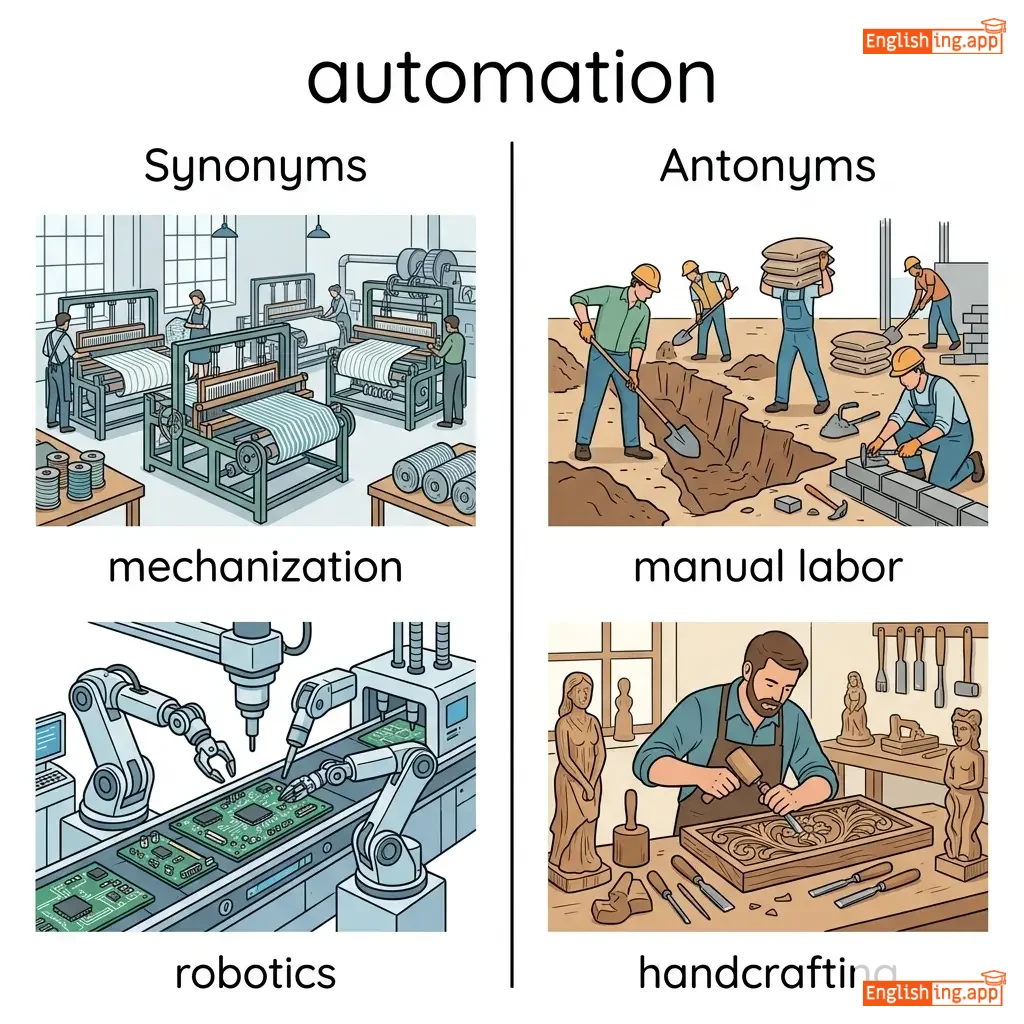
mechanization, robotics, AI integration
••••••
|
manual operation, human labor, handcrafted
••••••
|
- •••••• |
自动化使用机器来替代人工工作,提高效率。
••••••
|
|
#479
🗽
|
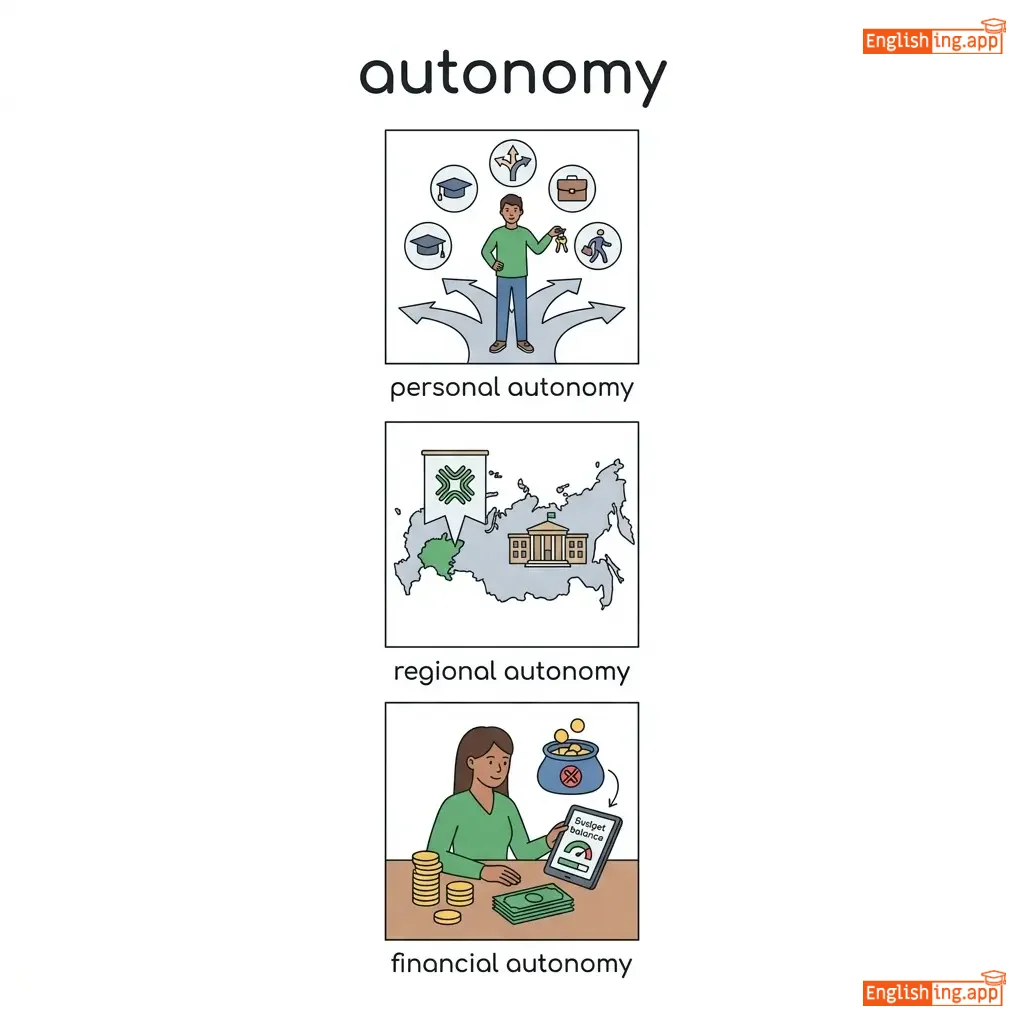
/ɔːˈtɒnəmi/
noun
(自律)
••••••
|
|
自治
zizhi
••••••
|
- •••••• | - •••••• | - •••••• | - •••••• |
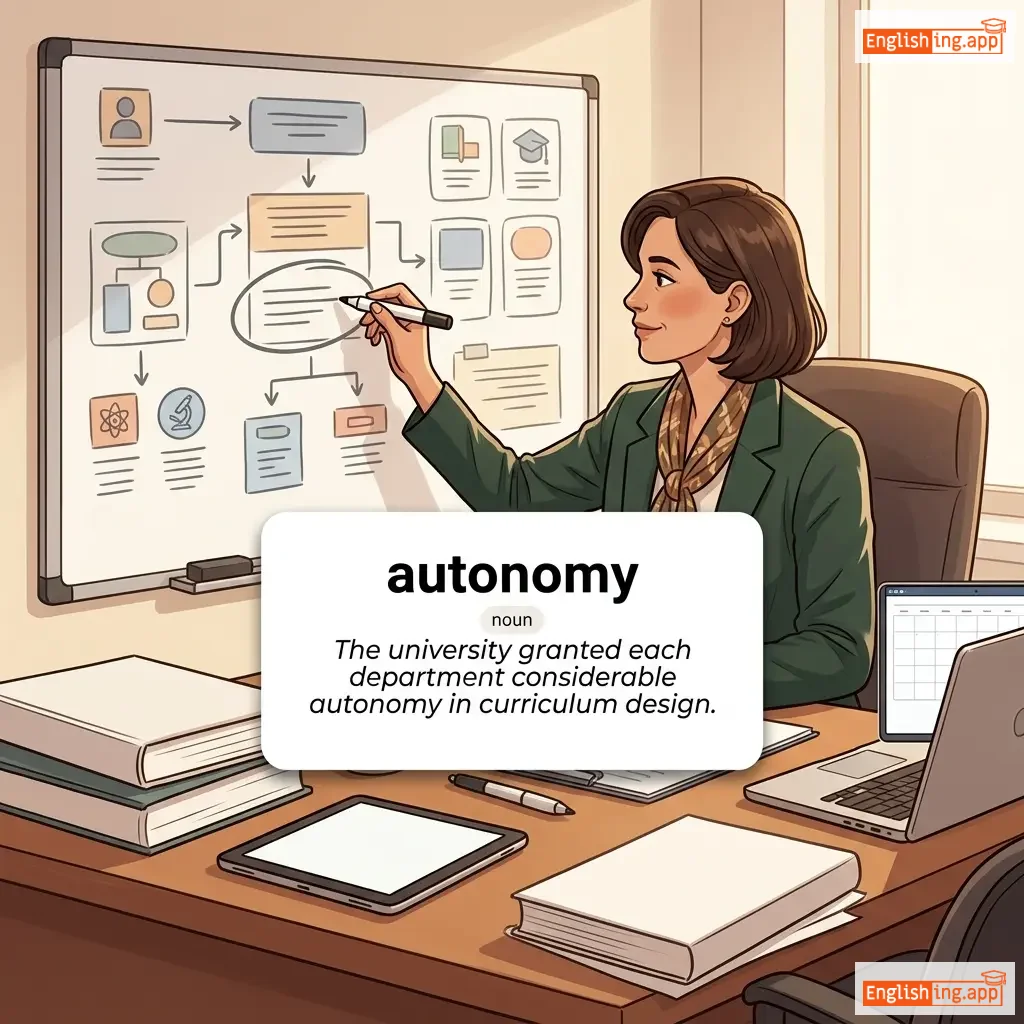
the right or condition of self-government; independence or freedom to act or make decisions
••••••
|
The university granted each department considerable autonomy in curriculum design. |
大学给予每个部门在课程设计中相当大的自治权。
Dàxué jǐyǔ měi gè bùmén zài kèchéng shèjì zhōng xiāngdāng dà de zìzhì quán.
••••••
|
personal autonomy |
the ability to make one's own decisions and control one's own life
••••••
|
个人自治
gèrén zìzhì
••••••
|
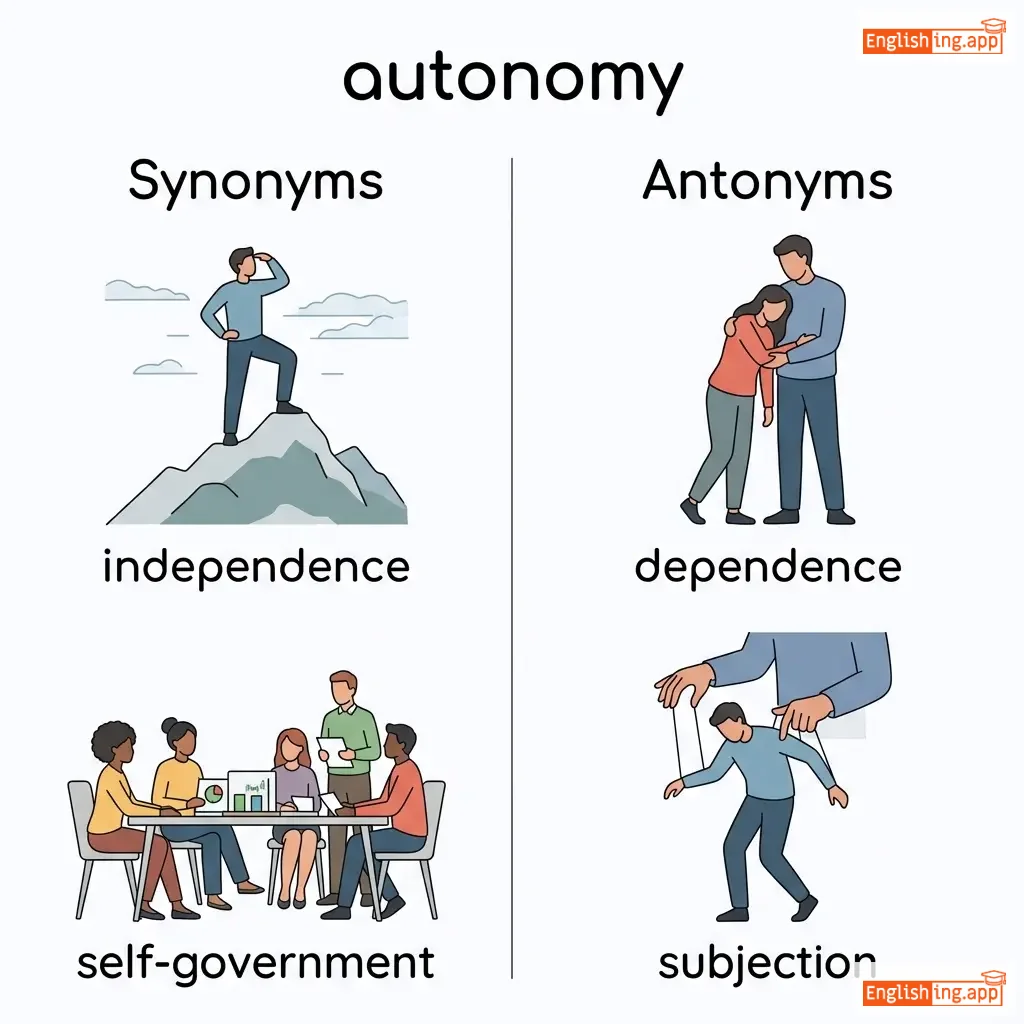
independence, self-government, sovereignty, freedom, self-rule
••••••
|
dependence, subjection, control
••••••
|
personal autonomy, regional autonomy, financial autonomy, autonomy and independence, grant autonomy
••••••
|
AUTO-NOMÍA是AUTO控制 - 自治(zìzhì)通过我们的决定!
••••••
|
|
#480
📌
|
/əˈveɪl/
verb
(阿维尔)
••••••
|
- •••••• |
利用
liyong
••••••
|
availed
阿维尔德
••••••
|
availed
阿维尔德
••••••
|
avails
阿维尔斯
••••••
|
availing
阿维尔英
••••••
|
to make use of something; to be of use or benefit
••••••
|
You should avail yourself of this opportunity.
优 舒德 阿维尔 尤尔塞尔夫 奥夫 迪斯 奥珀丘尼提。
••••••
|
你应该利用这个机会。
ni yinggai liyong zhege jihui
••••••
|
avail oneself of
avail oneself of
••••••
|
to take advantage of something
••••••
|
利用机会
liyong jihui
••••••
|
use, utilize, employ, benefit from, take advantage of
••••••
|
waste, ignore, neglect
••••••
|
avail yourself of, avail the opportunity, avail the service
••••••
|
Avail = 利用 available 机会
••••••
|
|
#481
🟢
|
/əˌveɪləˈbɪləti/
noun
(éwèilìbílìtī)
••••••
|
- •••••• |
可用性
keyongxing
••••••
|
- •••••• | - •••••• | - •••••• | - •••••• |
the state of being able to be used or obtained
••••••
|
The availability of clean water is crucial for health. |
清洁水的可用性对健康至关重要。
Qingjie shui de keyongxing dui jiankang zhiguo zhongyao.
••••••
|
subject to availability |
only if something is in stock or accessible
••••••
|
根据可用性
genju keyongxing
••••••
|
accessibility, readiness, presence, supply, presence
••••••
|
scarcity, absence, shortage
••••••
|
check availability, ensure availability, product availability, room availability
••••••
|
好的东西的可用性就是availability — 很容易得到 😄
••••••
|
|
#482
✅
|
/əˈveɪləbl/
adjective
(啊威拉布尔)
••••••
|
- •••••• |
可用的
keyong de
••••••
|
- •••••• | - •••••• | - •••••• | - •••••• |
Able to be used, obtained, or accessed.
••••••
|
The product is now available in all stores. |
该产品现在在所有商店均可用。
Gai chanpin xianzai zai suoyou shangdian jun keyong.
••••••
|
readily available |
Easy to obtain or use.
••••••
|
轻松可得
qīngsōng kědé
••••••
|
accessible, obtainable, ready, at hand, convenient
••••••
|
unavailable, inaccessible, limited
••••••
|
make available, available resources, available information, readily available
••••••
|
可用的就像是'key'一样容易获取的产品。
••••••
|
|
#483
⚔️
|
/əˈvɛndʒ/
verb
(àwénzhī)
••••••
|
- •••••• |
报仇
bàochóu
••••••
|
avenged
àwénzhīduō
••••••
|
avenged
àwénzhīduō
••••••
|
avenges
àwénzhī
••••••
|
avenging
àwénzhīng
••••••
|
to inflict harm in return for an injury or wrong done to oneself or another
••••••
|
He vowed to avenge his brother's death.
tā yuēbàn xiǎng bāngzhù tā xiōngdì de sǐwáng.
••••••
|
他发誓为自己兄弟的死亡报仇。
Tā fāshì wèi zìjǐ xiōngdì de sǐwáng bàochóu.
••••••
|
avenge oneself
yīnggāi huǒwú zìjǐ
••••••
|
to take revenge for an insult or injury done to oneself
••••••
|
为自己报仇
wèi zìjǐ bàochóu
••••••
|
revenge, retaliate, redress, punish
••••••
|
forgive, pardon, excuse
••••••
|
avenge a crime, avenge a death, avenge the wrong, avenge oneself
••••••
|
AVENge=报仇 = vengeance of the avenge.
••••••
|
|
#484
➗
|
/ˈævərɪdʒ/
noun/adjective/verb
(ā wéi rěi jí)
••••••
|
|
平均
píngjūn
••••••
|
averaged
ā wéi rěi jí dé
••••••
|
averaged
ā wéi rěi jí dé
••••••
|
averages
ā wéi rěi jí sī
••••••
|
averaging
ā wéi rěi jí yīng
••••••
|
the result obtained by adding several quantities together and then dividing by the number of quantities; typical or normal level
••••••
|
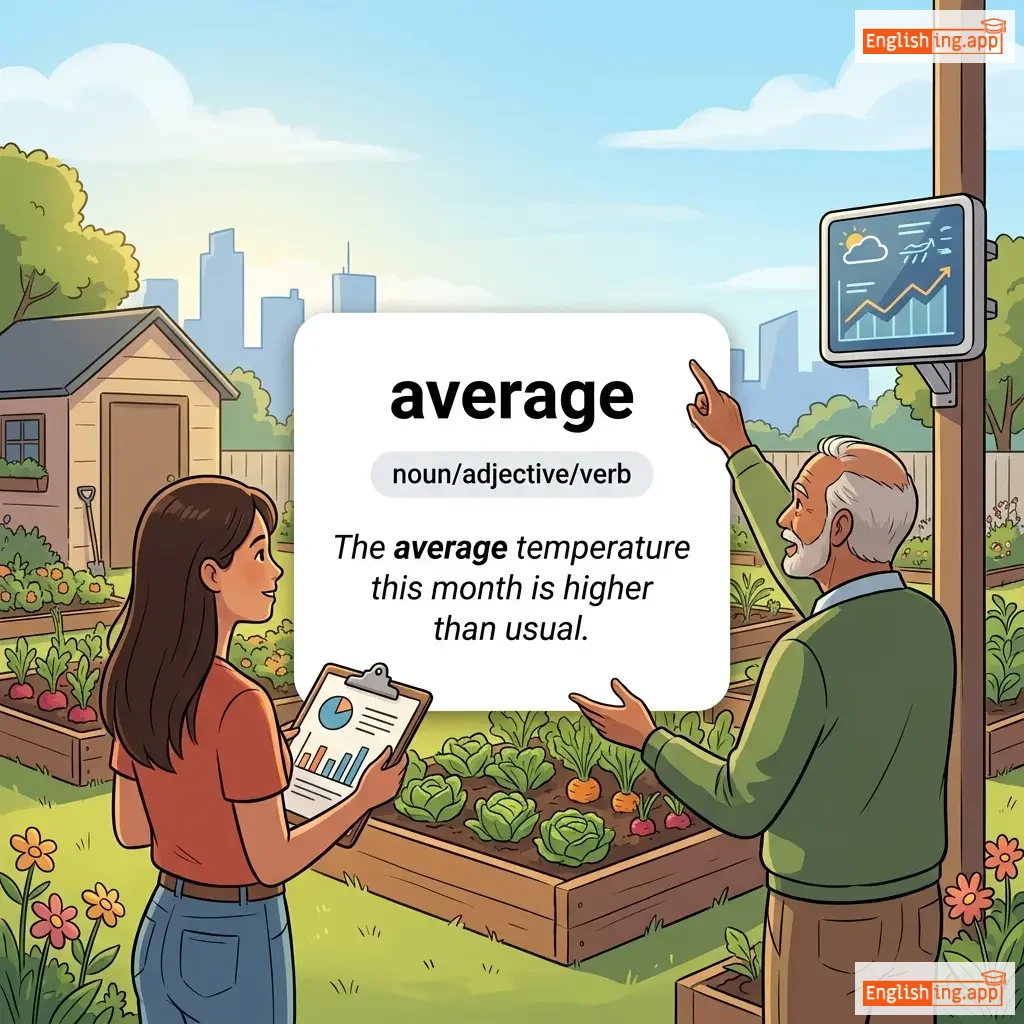
The average temperature this month is higher than usual.
这个月的平均气温高于正常水平。
••••••
|
这个月的平均气温高于正常水平。
Zhège yuè de píngjūn qìwēn gāo yú zhèngcháng shuǐpíng.
••••••
|
on average
平均
••••••
|
as a usual or typical amount or level
••••••
|
平均
píngjūn
••••••
|
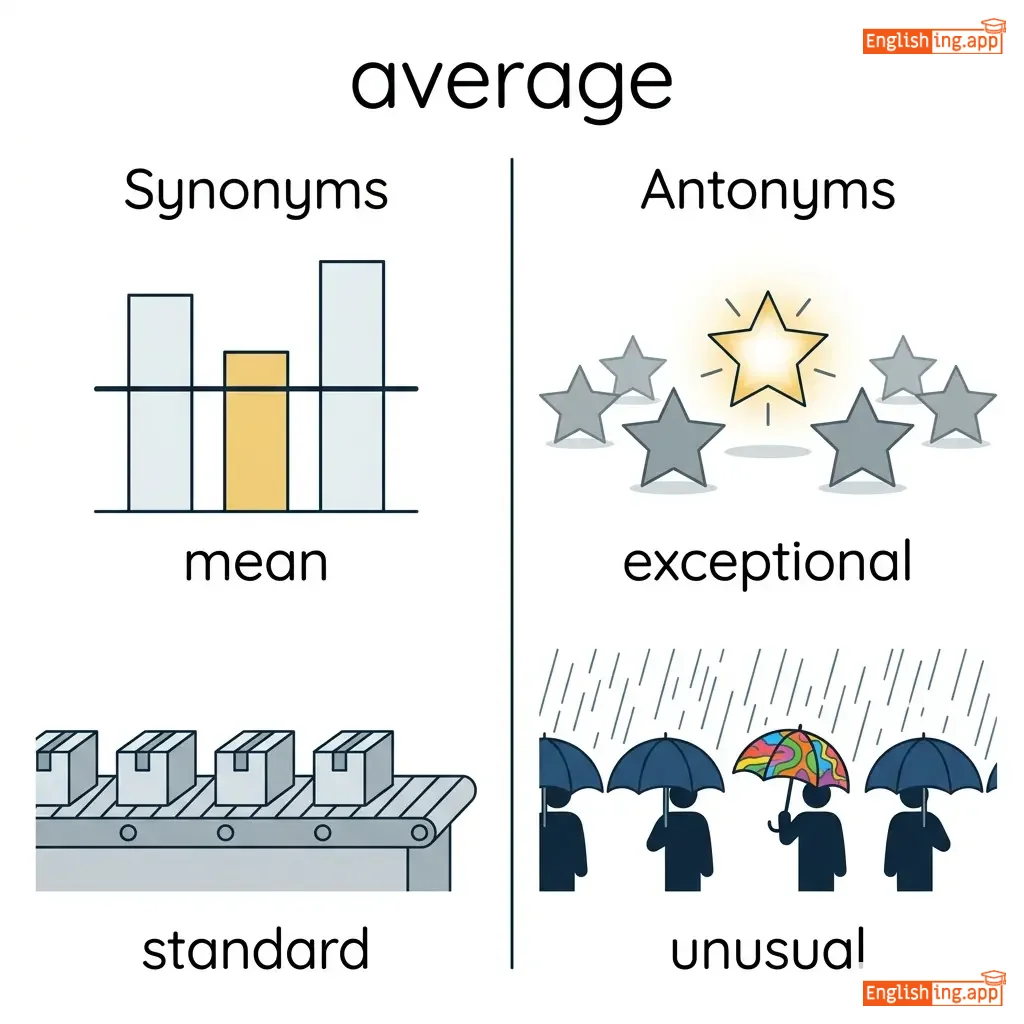
mean, standard, ordinary, typical, common
••••••
|
exceptional, unusual, extraordinary
••••••
|
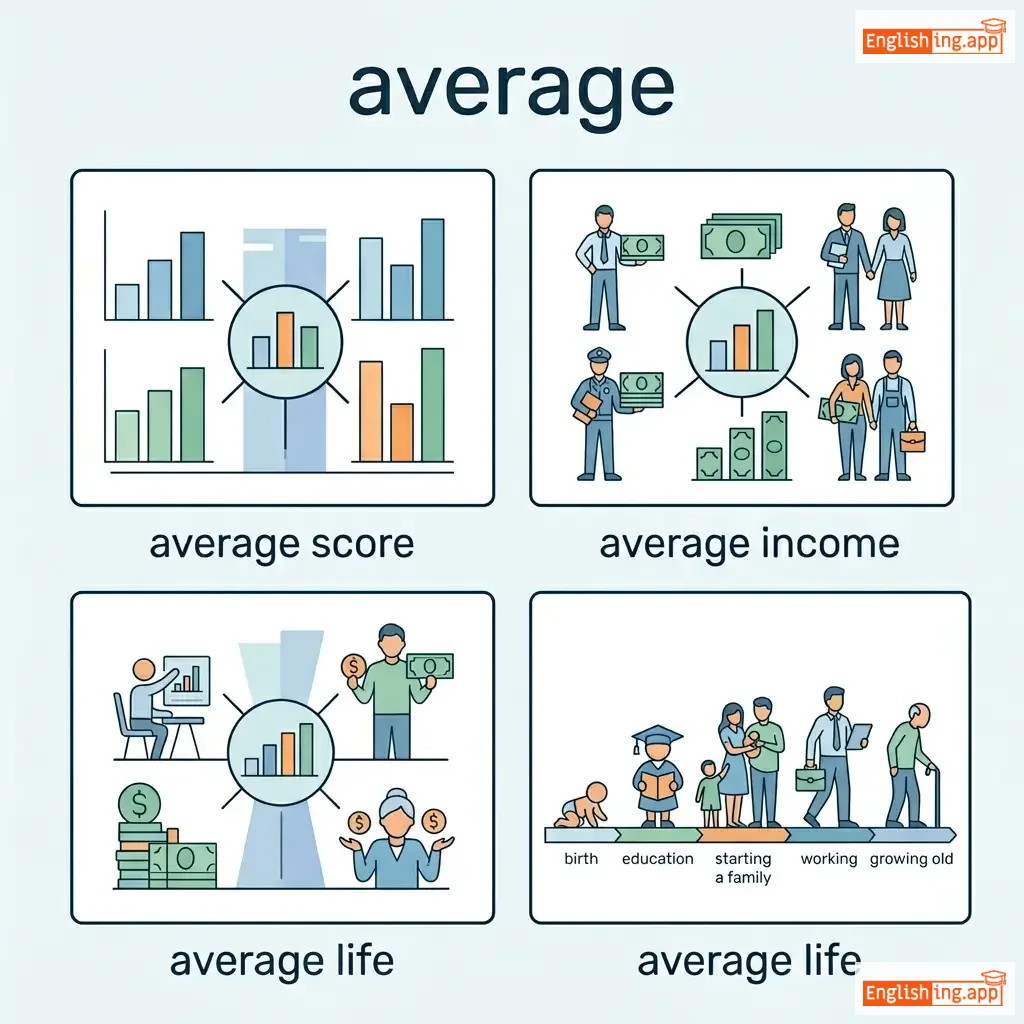
average score, average income, average life, average cost
••••••
|
平均是我们通过加和然后分割得到的平衡。
••••••
|
|
#485
🙅
|
/əˈvɔɪd/
verb
(避免)
••••••
|
- •••••• |
避免
bìmiǎn
••••••
|
avoided
避免了
••••••
|
avoided
避免了
••••••
|
avoids
避免
••••••
|
avoiding
避免ing
••••••
|
To keep away from or stop oneself from doing something.
••••••
|
He tries to avoid junk food.
他尽量避免吃垃圾食品。
••••••
|
他尽量避免吃垃圾食品。
Tā jǐnliàng bìmiǎn chī lājī shípǐn.
••••••
|
avoid like the plague
像瘟疫一样避免
••••••
|
To stay far away from something or someone.
••••••
|
像瘟疫一样避免
Xiàng wēnyì yīyàng bìmiǎn
••••••
|
evade, escape, dodge, shun, bypass
••••••
|
face, confront, seek
••••••
|
avoid conflict, avoid risk, avoid mistakes, avoid responsibility
••••••
|
避免 — 总是避免不好的选择!
••••••
|
|
#486
🚫
|
/əˈvɔɪdəbl/
adjective
(阿沃伊德布)
••••••
|
- •••••• |
可避免的
ke bimian de
••••••
|
- •••••• | - •••••• | - •••••• | - •••••• |
able to be prevented or avoided
••••••
|
Most of the damage was avoidable with proper planning.
Most of the damage was avoidable with proper planning.
••••••
|
如果有适当的计划,大部分损失是可以避免的。
ruguo you shidang de jihua dabufen sunshi shi keyi bimian de
••••••
|
- •••••• | - •••••• | - •••••• |
preventable, avertible, escapable, avoidant
••••••
|
inevitable, unavoidable
••••••
|
avoidable mistake, avoidable risk, easily avoidable, largely avoidable
••••••
|
避免 = avoid, 可避免的 = avoidable
••••••
|
|
#487
🚫
|
/əˈvɔɪdəns/
noun
(阿沃伊登斯)
••••••
|
- •••••• |
回避
huibi
••••••
|
- •••••• | - •••••• | - •••••• | - •••••• |
the act of staying away from something; deliberate prevention of contact or confrontation
••••••
|
Avoidance of difficult conversations can create bigger problems later.
阿沃伊登斯 奥夫 迪菲卡特 康弗塞申斯 坎 克里艾特 比格 普罗布勒姆斯 莱特。
••••••
|
回避困难的对话可能会在以后造成更大的问题。
huibi kunnan de duihua keneng hui zai yihou zaocheng gengda de wenti
••••••
|
- •••••• | - •••••• | - •••••• |
evasion, abstention, prevention, shunning, circumvention
••••••
|
confrontation, engagement, acceptance
••••••
|
avoidance behavior, conflict avoidance, risk avoidance, avoidance strategy
••••••
|
Avoidance 就是 回避,看到回字就想到退一步。
••••••
|
|
#488
⏳
|
/əˈweɪt/
verb
(艾特)
••••••
|
|
等待
deng dai
••••••
|
awaited
艾特得
••••••
|
awaited
艾特得
••••••
|
awaits
艾特斯
••••••
|
awaiting
艾特英
••••••
|
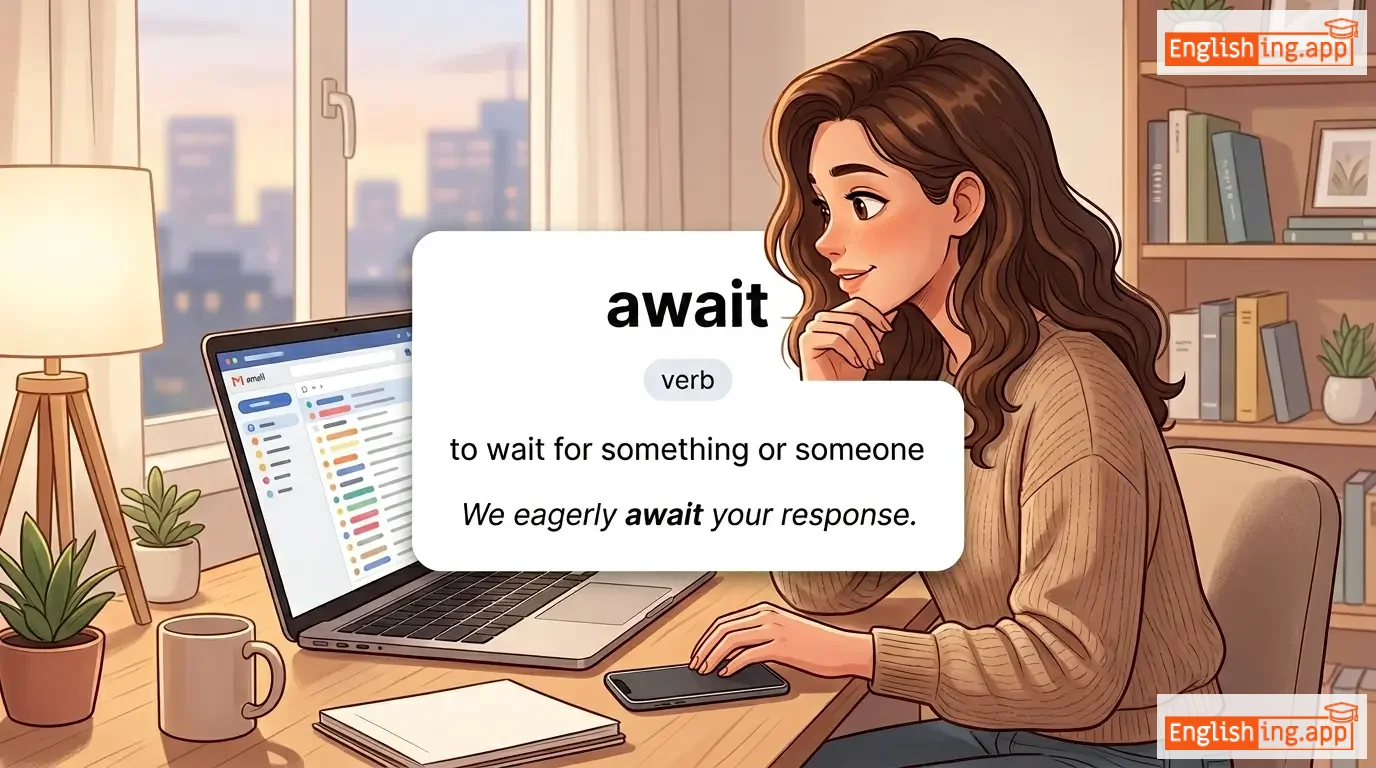
to wait for something or someone
••••••
|
We eagerly await your response.
我们热切等待您的回复。
••••••
|
我们热切等待您的回复。
Wo men re qie deng dai nin de hui fu.
••••••
|
await trial
等待审判
••••••
|
to be waiting for a court judgment
••••••
|
等待审判
deng dai shen pan
••••••
|
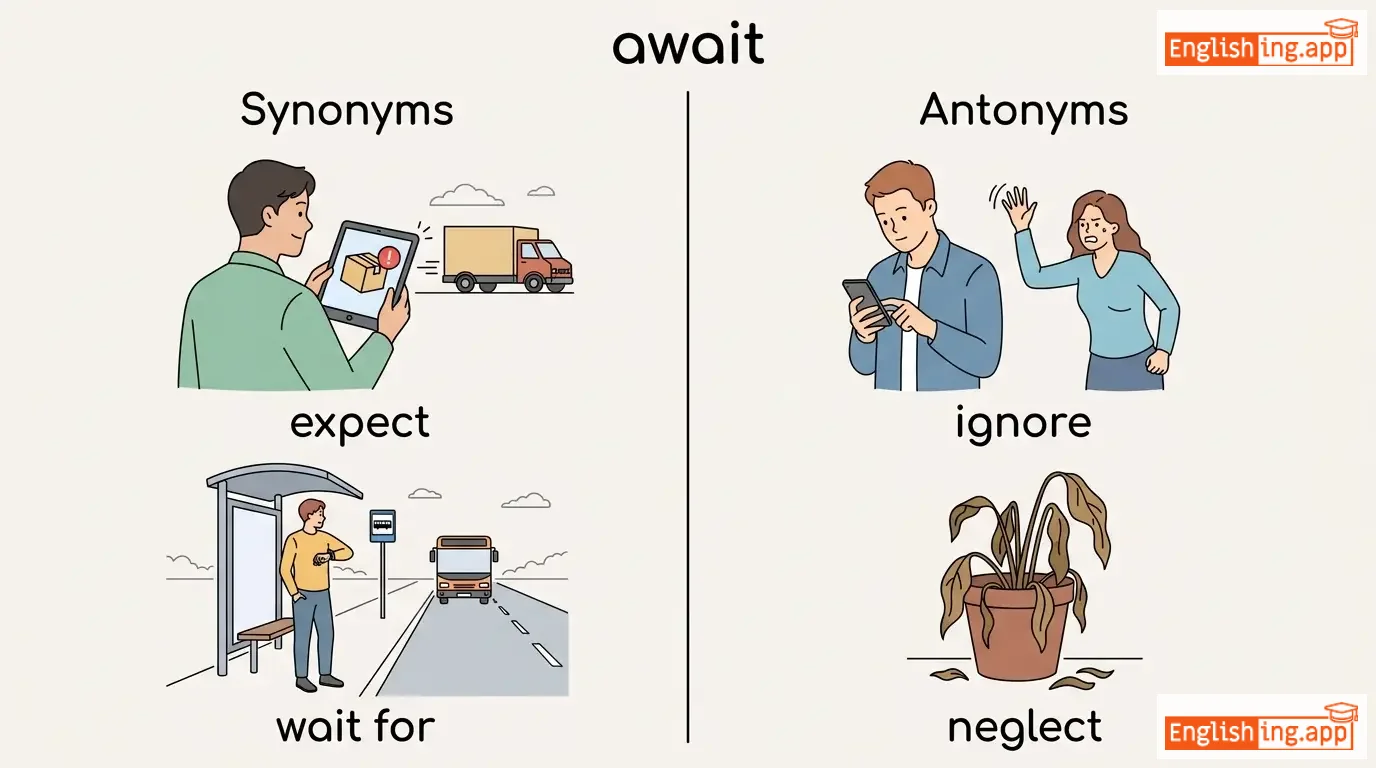
expect, wait for, anticipate, look forward to
••••••
|
ignore, neglect
••••••
|
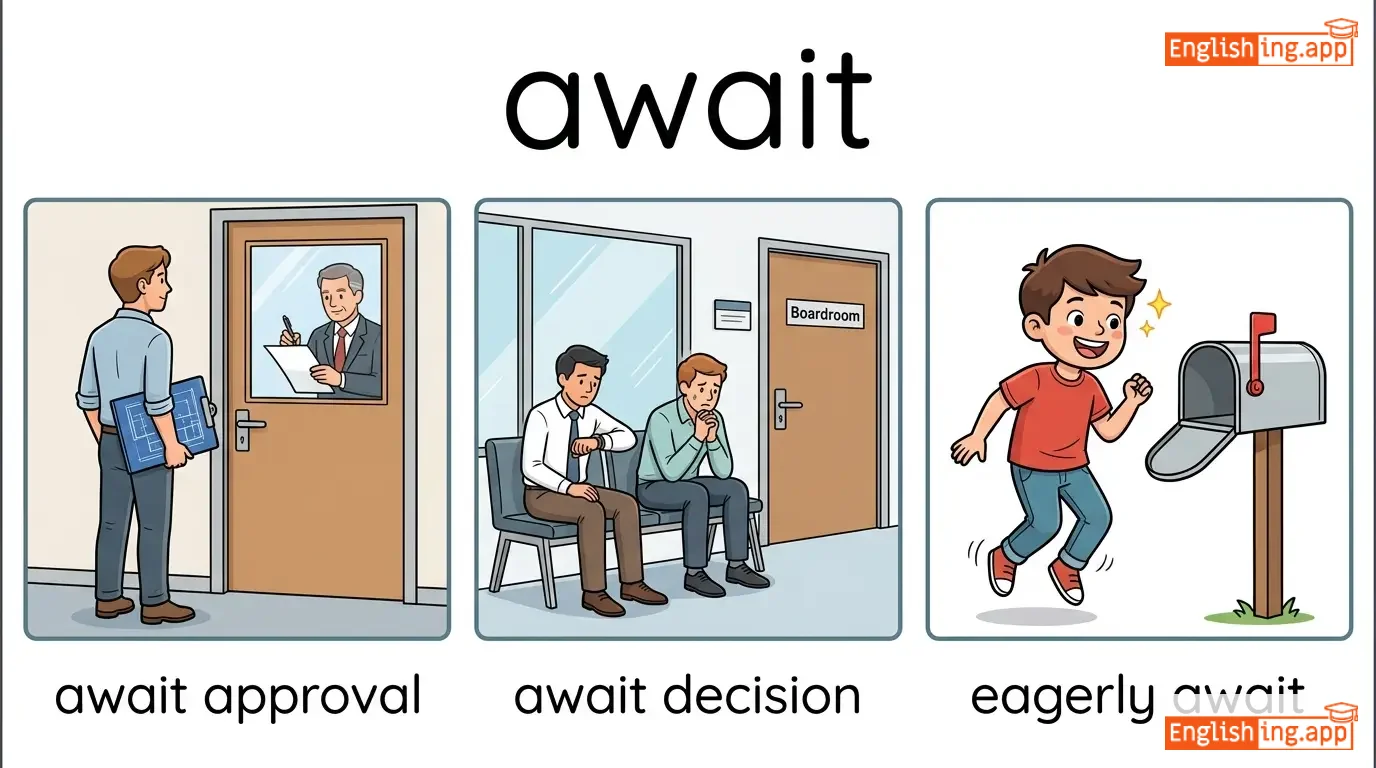
await approval, await decision, eagerly await, await response
••••••
|
等待等同于‘await’,我们都在等待!
••••••
|
|
#489
😳
|
/əˈweɪk/
verb/adjective
(āwèik)
••••••
|
- •••••• |
清醒
qīngxǐng
••••••
|
awoke
āwók
••••••
|
awoken
āwóken
••••••
|
awakes
āwéiks
••••••
|
awaking
āwéiking
••••••
|
to stop sleeping; not asleep
••••••
|
She was still awake when I got home.
Shí wóz stil āwèik wen āi gòt hòm.
••••••
|
她回家时还没睡觉。
Tā huí jiā shí hái méi shuìjiào.
••••••
|
stay awake
stei āwèik
••••••
|
to remain not sleeping
••••••
|
保持清醒
bǎochí qīngxǐng
••••••
|
wake, arouse, rouse, alert
••••••
|
sleep, doze, slumber
••••••
|
stay awake, keep awake, fully awake, remain awake
••••••
|
清醒 = 你不睡觉,像awake一样!
••••••
|
|
#490
⏰
|
/əˈweɪkən/
verb
(啊维肯)
••••••
|
- •••••• |
唤醒
huanxing
••••••
|
awakened
啊维肯德
••••••
|
awakened
啊维肯德
••••••
|
awakens
啊维肯斯
••••••
|
awakening
啊维肯宁
••••••
|
to stop sleeping; to cause to become aware
••••••
|
The loud noise awakened the entire neighborhood.
大声的噪音啊维肯了整个邻里。
••••••
|
大声的噪音唤醒了整个邻里。
Dà shēng de zàoyīn huànxǐngle zhěnggè línlǐ.
••••••
|
awaken interest
啊维肯兴趣
••••••
|
to make someone become interested in something
••••••
|
唤醒兴趣
huanxing xingqu
••••••
|
arouse, rouse, wake, stir
••••••
|
sleep, ignore, neglect
••••••
|
awaken early, awaken suddenly, awaken feelings, awaken interest
••••••
|
Awaken意味着用闹钟唤醒 ⏰
••••••
|
|
#491
🏃♂️
|
/əˈweɪ/
adverb
(ā wèi)
••••••
|
- •••••• |
远
yuan
••••••
|
- •••••• | - •••••• | - •••••• | - •••••• |
at a distance from a particular place, person, or thing
••••••
|
She walked away without saying a word. |
她走开了,没有说一句话。
Ta zou kai le, mei you shuo yi ju hua.
••••••
|
far away |
at a great distance
••••••
|
非常远
feichang yuan
••••••
|
absent, distant, gone, apart, afar
••••••
|
near, close, present
••••••
|
go away, run away, far away, turn away
••••••
|
Away 意味着 '远' - 走得远
••••••
|
|
#492
😖
|
/ˈɔːfəl/
adjective
(ɑfúl)
••••••
|
- •••••• |
糟糕
zāo gāo
••••••
|
- •••••• | - •••••• | - •••••• | - •••••• |
very bad or unpleasant
••••••
|
The weather was awful during our trip. |
我们旅行时天气很糟糕。
Wǒmen lǚxíng shí tiānqì hěn zāogāo.
••••••
|
awful lot |
a great deal or large amount of something
••••••
|
大量
dàliàng
••••••
|
terrible, dreadful, horrible, unpleasant, appalling
••••••
|
wonderful, pleasant, delightful
••••••
|
feel awful, look awful, awful weather, awful mistake
••••••
|
Awful 是一堆糟糕的事情
••••••
|
Vocabulary Quiz
Test your vocabulary by matching words with their translations or meanings.
Login to take the quiz
Comments (0)
Share your thoughts and join the discussion.
Join the discussion by logging in
Login to CommentNo comments yet
Be the first to share your thoughts!