語彙集

英単語辞書 | 単語の意味、定義、例文

adjective
/ˌwɛlˈbrɛd/
育ちが良い (sodachi ga yoi)

Having or showing good manners; properly raised.

"She is a well-bred young lady with excellent manners."

"彼女は素晴らしいマナーを持つ育ちの良い若い女性です。" (Kanojo wa subarashī manā o motsu sodachi no yoi wakai josei desu.)
noun
/weɪl/
クジラ (kujira)

a very large marine mammal that lives in the ocean

"We saw a huge whale swimming near the boat."

"私たちはボートの近くで巨大なクジラが泳いでいるのを見ました。" (Watashitachi wa bōto no chikaku de kyodaina kujira ga oyoide iru no o mimashita.)
noun
/ˈwel.wɪʃ.ər/
ウェルウィッシャー (wēru wisshā)

a person who desires happiness or success for another

"Many well-wishers came to congratulate her on her graduation."

"多くのウェルウィッシャーが彼女の卒業を祝うために来ました。" (Ōku no wēru wisshā ga kanojo no sotsugyō o iwau tame ni kimashita.)
noun
/ˈwɛlfɛr/
福祉 (fukushi)

the health, happiness, and fortunes of a person or group

"The government provides welfare to low-income families."

"政府は低所得の家庭に福祉を提供します。" (Seifu wa teishōtoku no katei ni fukushi o teikyō shimasu.)
noun
/ˈwɒʃ.ɪŋ məˌʃiːn/

a machine for washing clothes and other textiles

"The washing machine broke down and needs repair."

noun
/wiːt/
小麦 (komugi)

a cereal plant whose grain is used to make flour for bread and other foods

"Farmers harvested the wheat in early summer."

"農家は初夏に小麦を収穫しました。" (Nouka wa shoka ni komugi o shuukaku shimashita.)
noun
/ˈwɒrənti/
保証 (hoshō)

A written guarantee given by a manufacturer or seller promising to repair or replace a product if necessary within a specified period.

"The laptop comes with a two-year warranty."

"そのノートパソコンには2年間の保証が付いています。" (Sono nōto pasokon ni wa 2-nenkan no hoshō ga tsuiteimasu.)
noun
/wiːl/
幸福 (kōfuku)

A raised mark on the skin left after a blow; or general well-being and prosperity.

"The charity worked for the common weal of the community."

"彼女は賞を受け取ったとき、喜びを隠すことができませんでした。" (Kanojo wa shō o uketotta toki, yorokobi o kakusu koto ga dekimasen deshita.)
adjective
/ˈwɪərɪsəm/
疲れる (tsukareru)

Causing one to feel tired or bored.

"The long and wearisome lecture put the students to sleep."
"長くて疲れる講義は学生たちを寝かせた。" (Nagakute tsukareru kōgi wa gakuseitachi o nekaseta.)
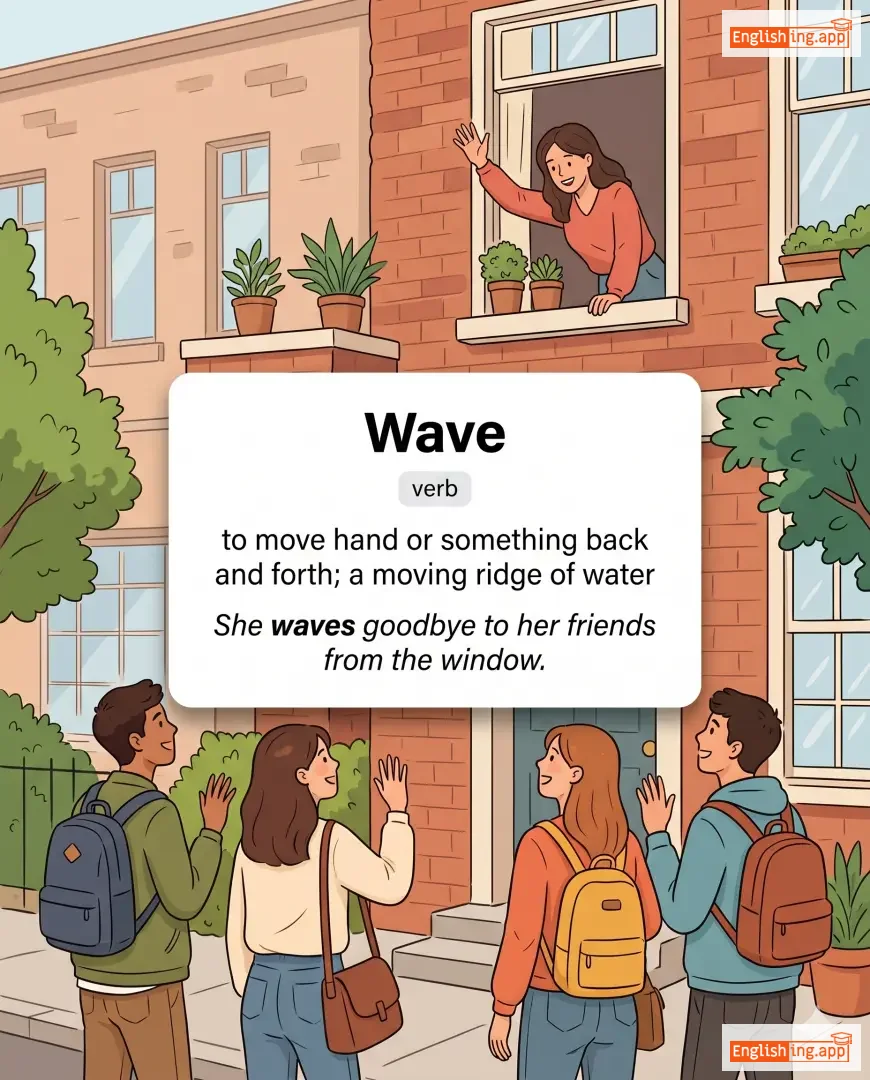
Wave definition card — visual illustration of the meaning
noun
/weɪv/
(nami)

a long body of water curling into an arched form and breaking on the shore

"The waves crashed against the rocks during the storm."

"嵐の間に波が岩にぶつかった。" (Arashi no aida ni nami ga iwa ni butsukatta.)
noun
/ˈwɛnzdeɪ/
水曜日 (suiyoubi)

the fourth day of the week, following Tuesday and preceding Thursday

"The meeting has been scheduled for Wednesday afternoon."
"会議は水曜日の午後に予定されています。" (kaigi wa suiyoubi no gogo ni yotei sareteimasu)
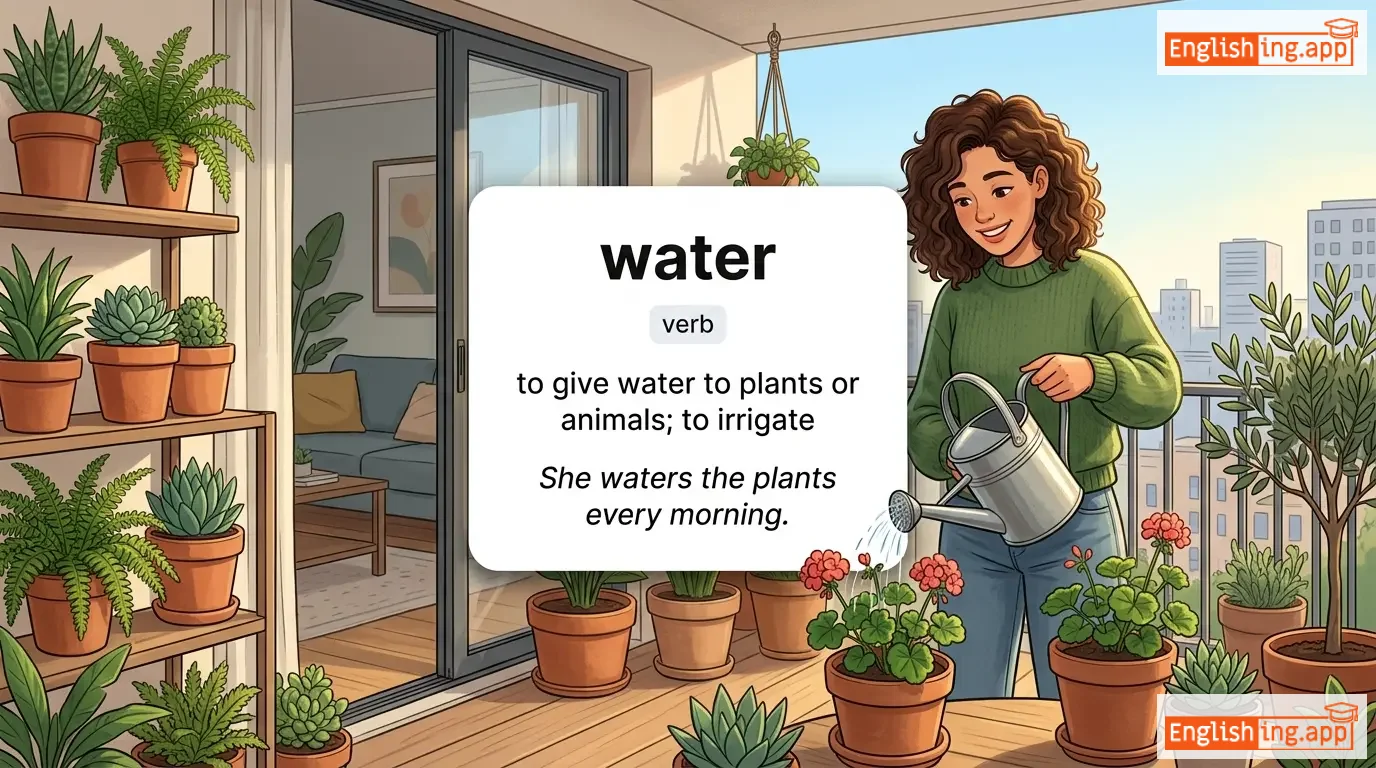
water definition card — visual illustration of the meaning
noun
/ˈwɔːtər/
(mizu)

a clear, colorless, odorless, and tasteless liquid that is essential for life

"We need to drink water to stay hydrated."
"私たちは水分補給のために水を飲む必要があります。" (Watashitachi wa suibun hokyū no tame ni mizu o nomu hitsuyō ga arimasu.)
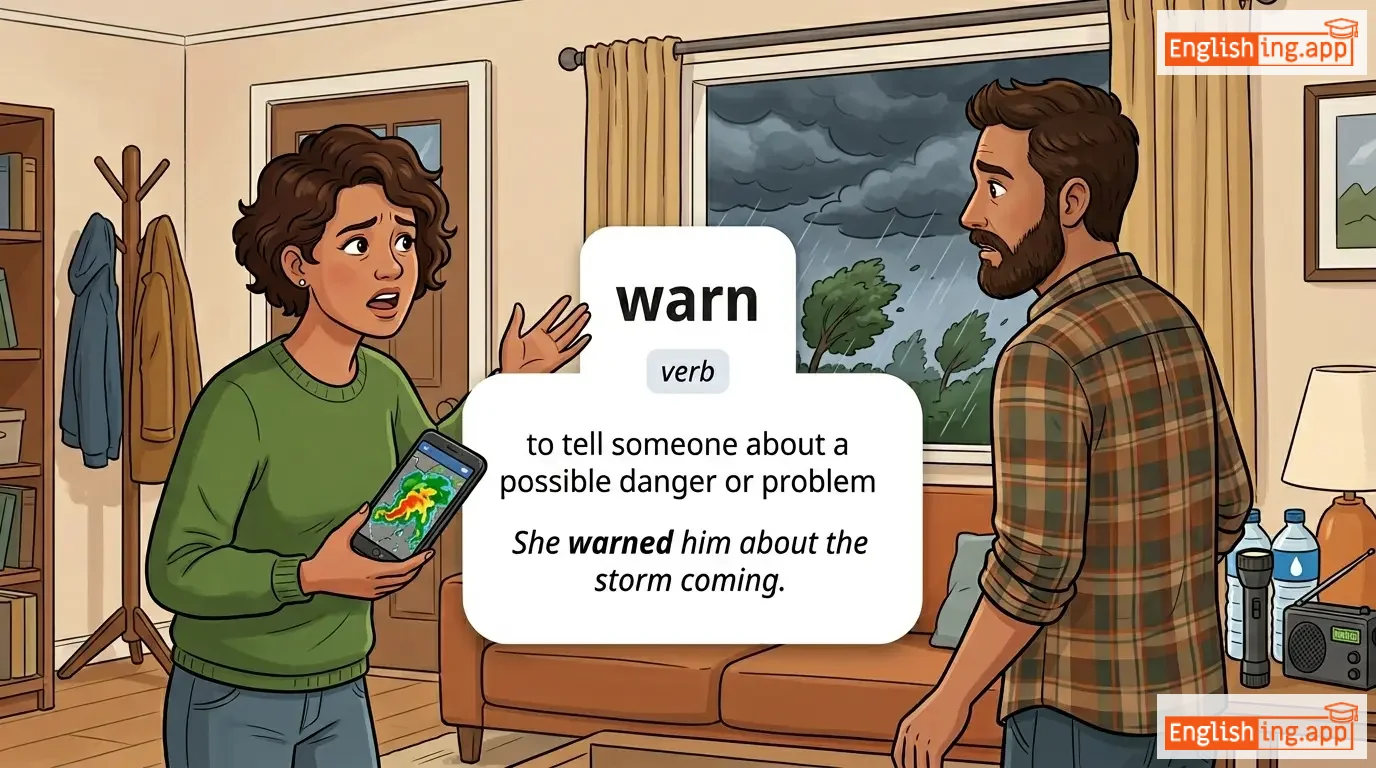
warn definition card — visual illustration of the meaning
verb
/wɔːrn/
警告する (keikoku suru)

to tell someone about a possible danger or problem

"She warned him about the storm coming."
"彼女は迫り来る嵐について彼に警告した。" (Kanojo wa semarikuru arashi ni tsuite kare ni keikoku shita.)
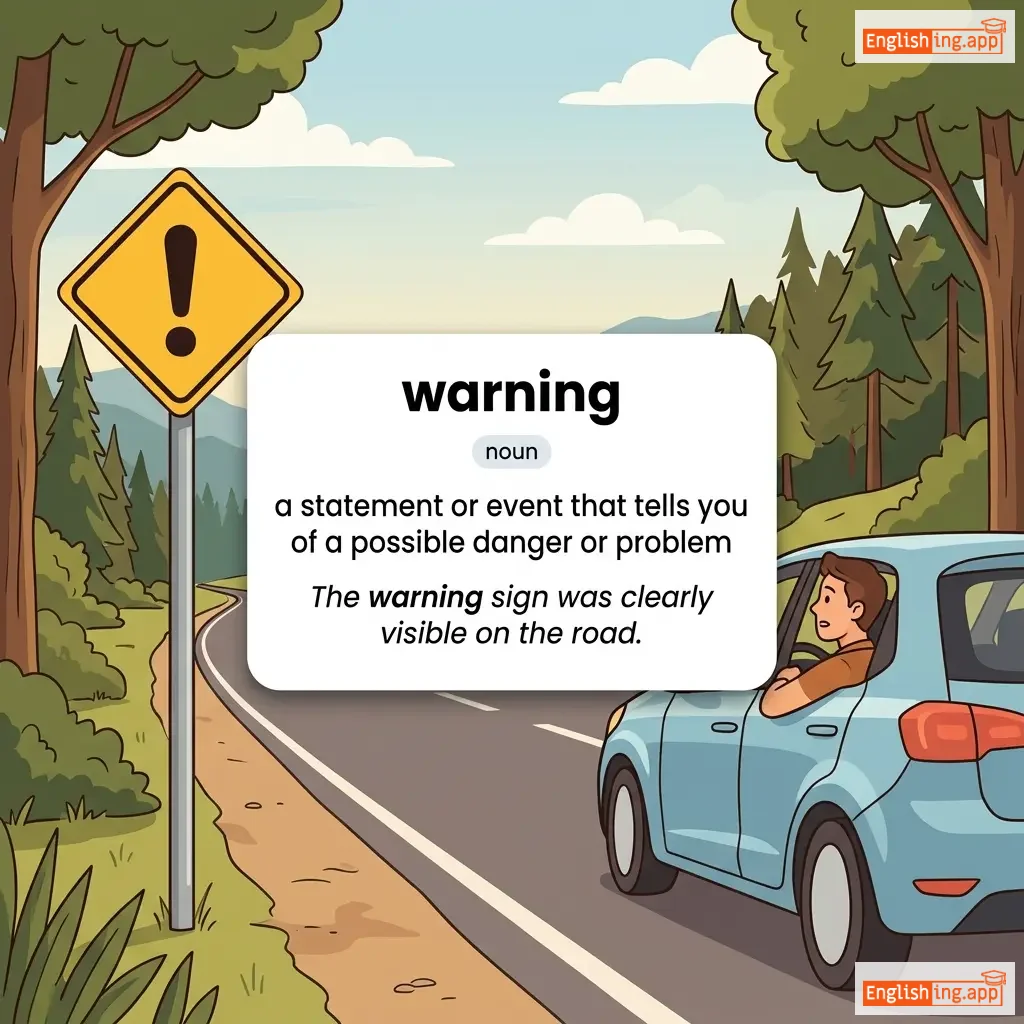
warning definition card — visual illustration of the meaning
noun
/ˈwɔːrnɪŋ/
警告 (keikoku)

a statement or event that tells you of a possible danger or problem

"The warning sign was clearly visible on the road."

"道路上の警告サインははっきりと見えました。" (Dourojou no keikoku sain wa hakkiri to miemashita.)
noun
/ˈwiː.vər bɜːd/
織り鳥 (oritori)

a small bird that builds elaborate woven nests from grass and twigs

"The weaver bird skillfully constructs its intricate nest."
"織り鳥は巧みに複雑な巣を作る" (oritori wa takumi ni fukuzatsu na su wo tsukuru)
pronoun
/wi/
私たち (watashitachi)

used by a speaker to refer to himself or herself and one or more other people

"We are going to the park this afternoon."

"私たちは今日の午後公園に行きます。" (Watashitachi wa kyō no gogo kōen ni ikimasu.)
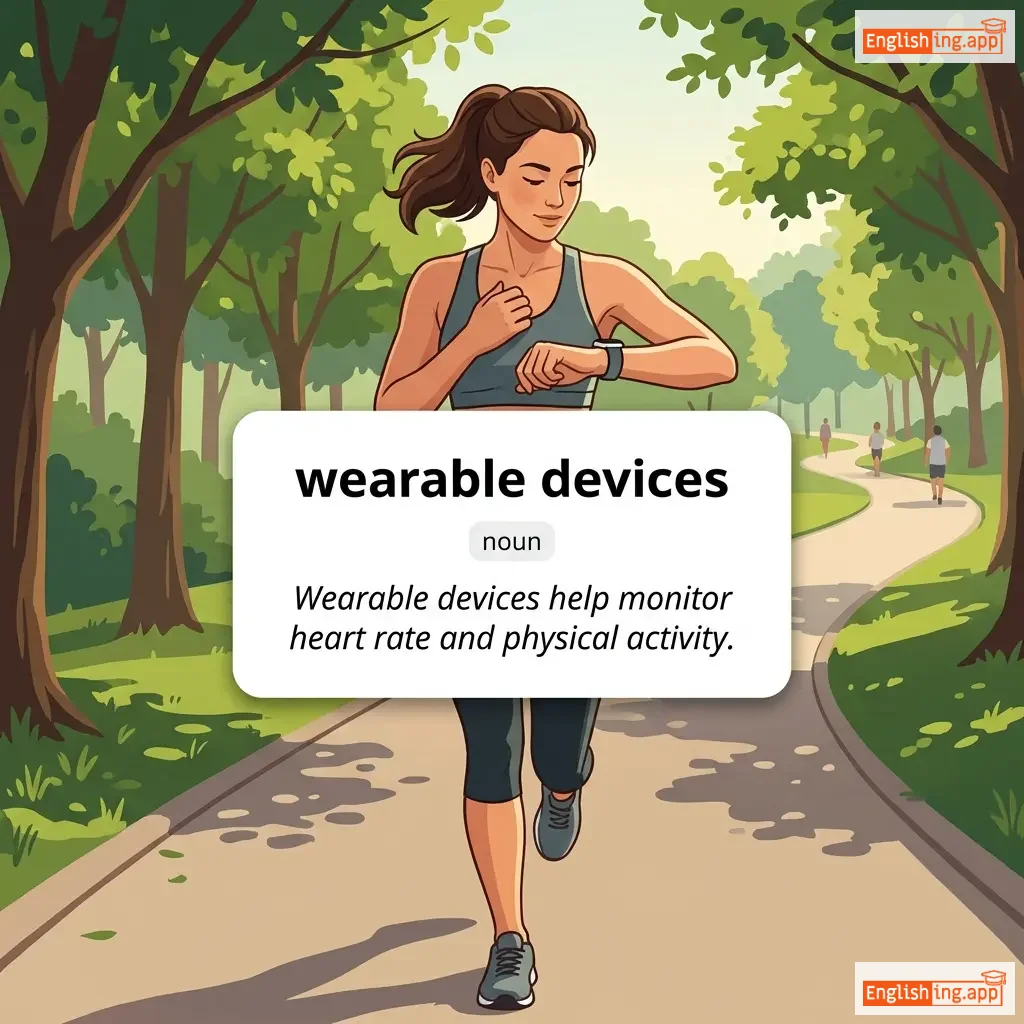
wearable devices definition card — visual illustration of the meaning
noun
ˈweə.rə.bəl dɪˈvaɪ.sɪz
ウェアラブルデバイス (weāraburu debaisu)

Electronic devices that can be worn on the body, typically incorporating smart technology for monitoring health or providing information.

"Wearable devices help monitor heart rate and physical activity."

"ウェアラブルデバイスは心拍数と身体活動をモニタリングするのに役立ちます。" (Weāraburu debaisu wa shinpakusū to shintai katsudō o monitaringu suru no ni yakudachimasu.)
adjective
/ˈwɛlθi/
裕福 (yūfuku)

having a great deal of money, resources, or assets

"He became wealthy after investing in real estate."

"彼は不動産に投資した後、裕福になった。" (Kare wa fudōsan ni tōshi shita ato, yūfuku ni natta.)
adjective
/ˈwiːkli/
毎週の (maishuu no)

occurring or done every week

"We have a weekly meeting on Mondays."
"私たちは毎週月曜日に会議があります。" (Watashitachi wa maishuu getsuyoubi ni kaigi ga arimasu.)
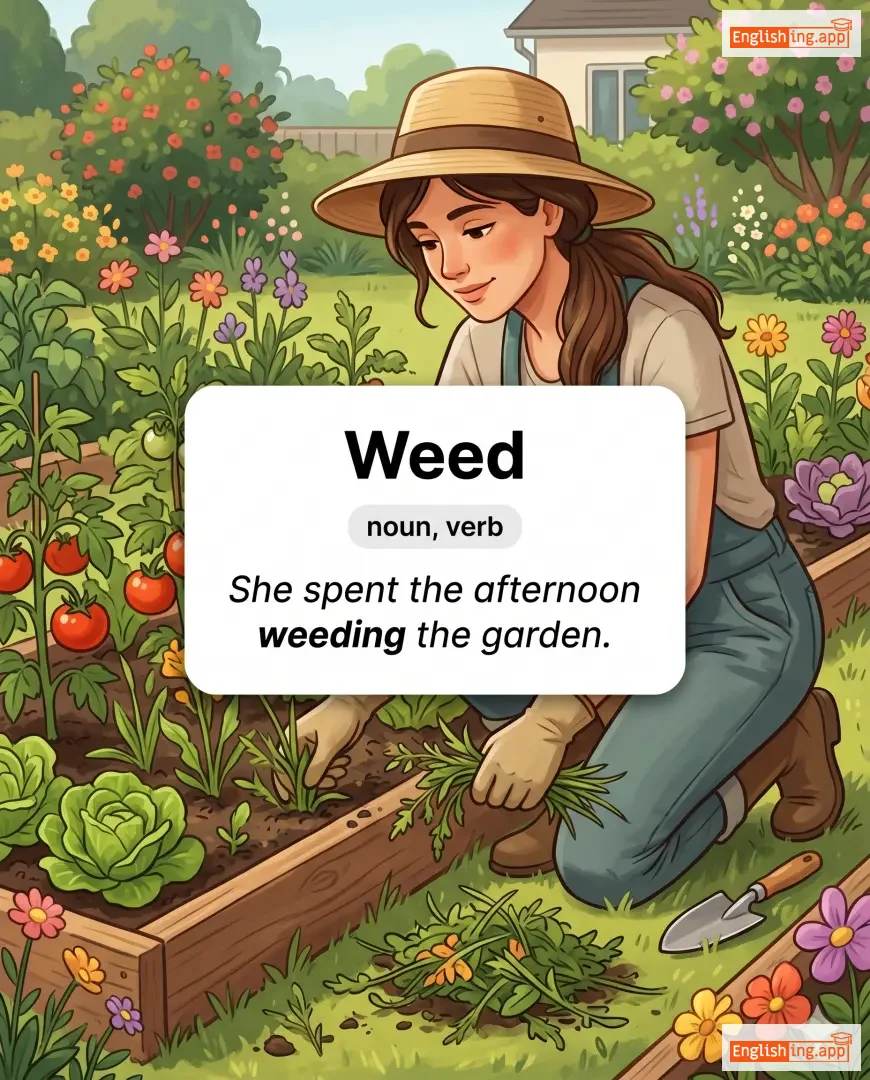
Weed definition card — visual illustration of the meaning
noun, verb
/wiːd/
雑草 (zassou)

a wild plant growing where it is not wanted, especially among crops; to remove such plants

"She spent the afternoon weeding the garden."

"彼女は午後を庭の雑草取りに費やした。" (Kanojo wa gogo wo niwa no zassou tori ni tsuiyashita.)
noun
/ˈweɪvlət/
小さな波 (chiisana nami)

a small wave or ripple on the surface of water or another medium

"The pond was disturbed only by the tiny wavelets caused by the breeze."

"池は風によって引き起こされた小さな波によってのみ乱されました。" (Ike wa kaze ni yotte hikiokosareta chiisana nami ni yotte nomi midasaremashita.)
noun
/wæks ˈkændəl/
ろうそく (rōsoku)

a cylinder of wax with a wick through it that burns to give light

"We lit a wax candle during the power outage."

"停電中にろうそくを灯しました" (teidenchū ni rōsoku o tomoshimashita)
noun
/wæks ɡɔːrd/
ワックスゴード (wakkusugōdo)

a large white or green gourd with waxy skin, commonly used in Asian cooking

"The wax gourd soup is very nutritious and helps with digestion."

"ワックスゴードのスープは非常に栄養があり、消化を助けます。" (wakkusugōdo no sūpu wa hijō ni eiyō ga ari, shōka o tasukemasu.)
noun
/ˈwɛdɪŋ/
結婚式 (けっこんしき)

a marriage ceremony, especially considered as including the associated celebrations

"They are planning a wedding in the summer."

"彼らは夏に結婚式を計画しています。" (Karera wa natsu ni kekkonshiki o keikaku shiteimasu.)
adjective
/ˈwɪəri/
疲れた (tsukareta)

feeling or showing extreme tiredness, especially as a result of exertion or lack of sleep

"After the long journey, she felt weary and wanted to rest."

"長い旅の後、彼女は疲れて休みたがっていた。" (Nagai tabi no ato, kanojo wa tsukarete yasumitakagatteita.)
adjective
/ˈwiːk niːd/
臆病 (okubyo)

Lacking determination or courage; easily frightened or yielding.

"The leader was criticized for being weak-kneed in the face of opposition."

"リーダーは反対に直面したとき、臆病だと批判されました。" (Rīdā wa hantai ni chokumen shita toki, okubyo da to hihan saremashita.)
noun
/ˈwɔːtəʃɛd/
分水嶺, 重要な転換点 (watershed)

An event or period marking a turning point in a situation; also refers to a ridge dividing two drainage areas.

"The independence movement was a watershed in the nation's history."

"独立運動は国の歴史の中で分水嶺となった。" (Dokuritsu undō wa kuni no rekishi no naka de bun suiri e to natta.)
noun
/ˈwɔː.tər hen/
水鳥 (mizudori)

a waterbird with dark plumage that lives near ponds and wetlands

"The water hen swam gracefully across the pond."

"水鳥は池を優雅に泳ぎました。" (Mizudori wa ike o yūga ni oyogimashita.)
noun
/weɪ/
道 / 方法 (michi / hōhō)

a path, direction, or method of doing something

"He found a new way to solve the problem."

"彼は問題を解決する新しい方法を見つけました。" (Kare wa mondai o kaiketsu suru atarashī hōhō o mitsukemashita.)
adjective
/wɔːrm/
暖かい (atatakai)

having a moderate degree of heat

"The warm sunlight made the room feel cozy."

"暖かい日差しが部屋を快適にした。" (Atatakai hizashi ga heya o kaiteki ni shita.)
🌕

Wax

verb
/wæks/

to increase gradually in size, number, strength, or intensity

"The moon will wax until it becomes full."

noun
/ˈwiːknəs/
弱点 (jakuten)

a state of being weak; a flaw or shortcoming in character or structure

"His main weakness is his lack of patience."

"彼の最大の弱点は忍耐力の欠如です。" (Kare no saidai no jakuten wa nintairyoku no ketsujo desu.)
noun
/ˈwɑː.ʃər mæn/
洗濯屋 (sentakuya)

a person whose job is to wash clothes and linens for others

"The washer man collected dirty clothes from every household in the village."

"洗濯屋は村のすべての家から汚れた服を集めました。" (Sentakuya wa mura no subete no ie kara yogoreta fuku o atsumemashita)
adjective
/wiːk/
弱い (yowai)

lacking physical strength or energy

"She felt weak after the long run."

"長いランニングの後、彼女は弱く感じた。" (Nagai ranningu no ato, kanojo wa yowaku kanjita.)
noun
/weɪt/
重さ (omosa)

a measure of how heavy something is

"The weight of the package was 10 kilograms."

"パッケージの重さは10キログラムでした。" (Pakkēji no omosa wa 10 kiroguramu deshita.)
noun
/wiːk/
(shū)

a period of seven days

"I will finish the project by the end of the week."

"私は今週末までにプロジェクトを終わらせます。" (Watashi wa konshūmatsu made ni purojekuto o owarasemasu.)
noun
/ˈwɔː.tər ˈtʃes.nʌt/
水栗 (mizukuri)

aquatic plant with edible white crisp tubers

"Water chestnuts add a nice crunch to stir-fry dishes."

"水栗は炒め物に素晴らしいカリカリ感を加えます。" (Mizukuri wa itamemono ni subarashī karikarikan o kuwaemasu)
noun
/wɒsp/
スズメバチ (suzumebachi)

a flying insect with a yellow and black striped body and a painful sting

"The wasp stung me when I disturbed its nest."

"私は巣を邪魔したとき、スズメバチに刺されました。" (Watashi wa su o jama shita toki, suzumebachi ni sasarimashita.)
noun
/wɛst/
西 (nishi)

the direction to the left of the north and to the right of the south, typically associated with the sunset

"The sun sets in the west."

"太陽は西に沈みます。" (Taiyō wa nishi ni shizumimasu.)
adverb
/wɒtˈsəʊɛvər/
全く (mattaku)

used for emphasis after a negative statement to mean 'at all'

"She has no interest in the matter whatsoever."

"彼女はその問題に全く興味がありません。" (Kanojo wa sono mondai ni mattaku kyōmi ga arimasen.)
noun
/wɛlp/
子犬 (koinu)

a young offspring of a dog or other carnivorous mammal; sometimes used to mean an impudent young person

"The farmer found a wolf whelp hiding near the barn."
"農夫は小屋の近くで隠れている狼の子犬を見つけました。" (Nōfu wa koya no chikaku de kakurete iru ōkami no koinu o mitsukemashita.)
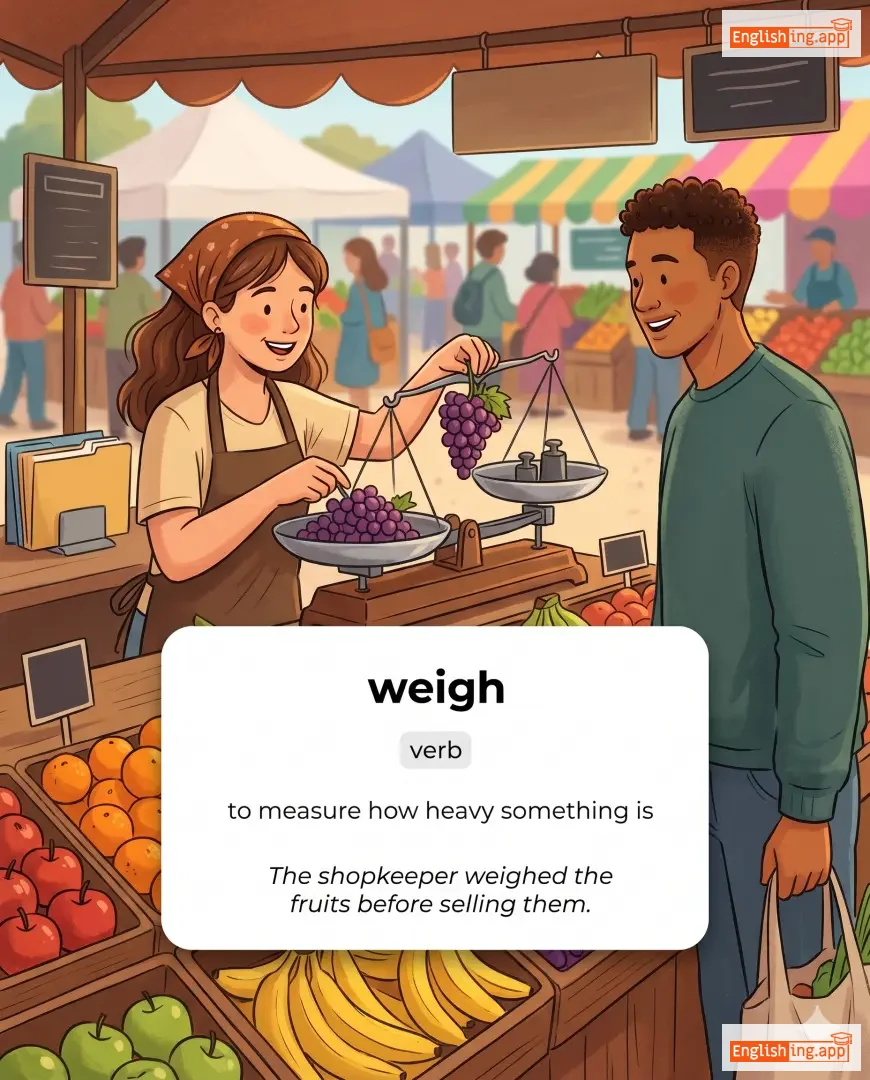
weigh definition card — visual illustration of the meaning
verb
/weɪ/
重さを量る (omosa o hakaru)

to measure how heavy something is

"The shopkeeper weighed the fruits before selling them."

"店主は果物を販売する前に重さを量った。" (Ten-shu wa kudamono o hanbai suru mae ni omosa o hakatta.)
adjective
/ˌwel bɪˈheɪvd/
行儀が良い (gyōgi ga yoi)

conducting oneself in a proper and polite manner; showing good manners

"The children were well-behaved during the ceremony."

"儀式の間、子供たちは行儀が良かった。" (Gishiki no aida, kodomotachi wa gyōgi ga yokatta.)
Welcome definition card — visual illustration of the meaning
verb
/ˈwɛlkəm/
歓迎 (kangei)

to greet someone in a friendly way

"They welcomed us with open arms at the party."

"彼らはパーティーで私たちを暖かく迎えてくれました。" (Karera wa pātii de watashitachi o atatakai mu kaete kuremashita.)
noun
/ˈwɛlkɪn/
(sora)

The sky, the heavens, or the upper air.

"The eagle soared high into the welkin."

"イーグルは空に高く舞い上がった。" (Iiguru wa sora ni takaku maiagatta.)
noun
/ˈweɪtˌlɪftɪŋ/
重量挙げ (juuryo age)

the sport or activity of lifting heavy weights to build strength and muscle

"Weightlifting requires discipline, proper technique, and consistent training."

"重量挙げには規律と正しい技術が必要です。" (juuryo age ni wa kiritsu to tadashii gijutsu ga hitsuyou desu)
pronoun
/wɒt/
(nani)

used to ask for information about something

"What is your name?"

"あなたの名前は何ですか?" (Anata no namae wa nan desu ka?)
noun
/wɛlt/
膨らみ (fukurami)

A raised mark on the skin, usually from a blow or allergic reaction.

"He had a red welt on his arm after the bee sting."

"蜂に刺された後、彼の腕に赤い膨らみができていた。" (Hachi ni sāsareta ato, kare no ude ni akai fukurami ga dekite ita.)
adjective
/wɪrd/
奇妙 (kimyou)

suggesting something supernatural or very strange; unusual

"The movie had a weird ending that nobody expected."
"映画には誰も予期しなかった奇妙な結末がありました。" (Eiga ni wa dare mo yokishinakatta kimyou na ketsumatsu ga arimashita.)
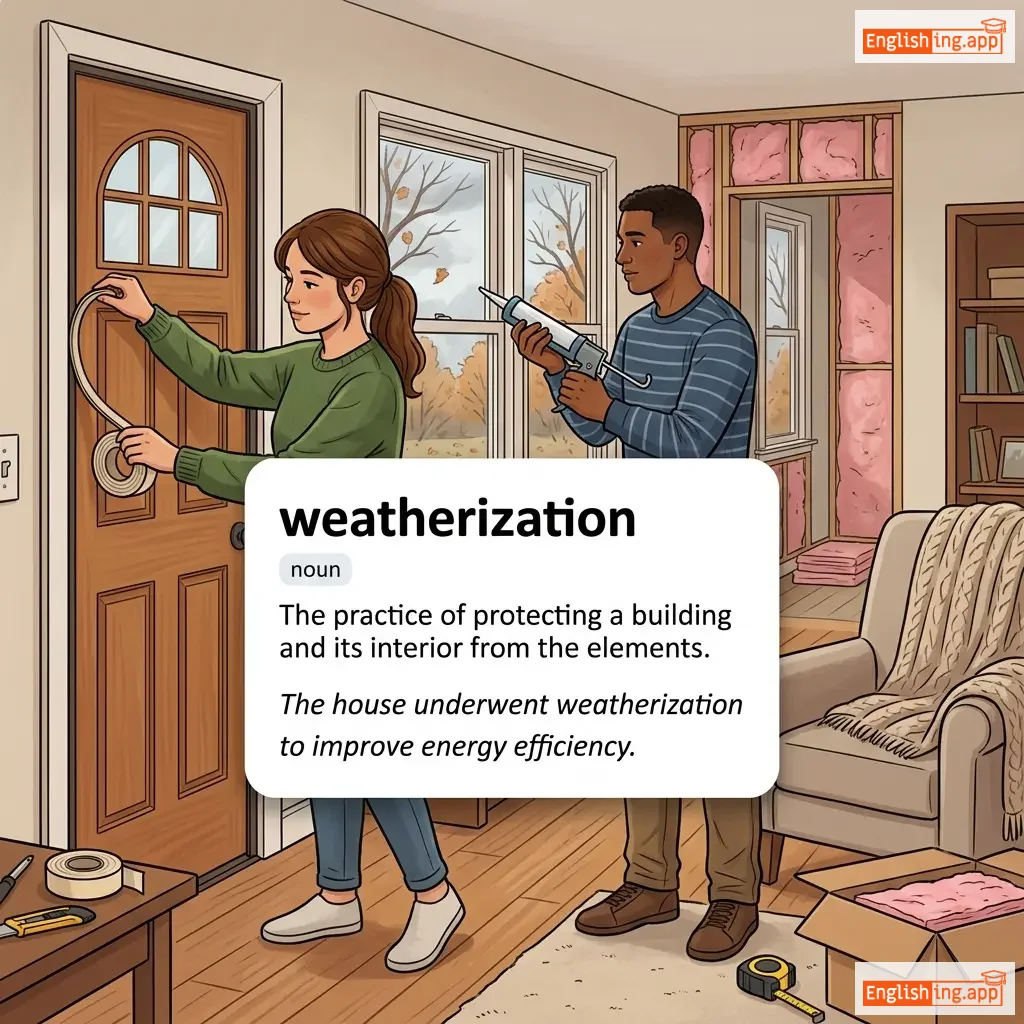
weatherization definition card — visual illustration of the meaning
noun
ˌwɛðəraɪˈzeɪʃən
気候適応処理 (kikou tekiou shori)

The practice of protecting a building and its interior from the elements.

"The house underwent weatherization to improve energy efficiency."

"家はエネルギー効率を向上させるために気候適応処理を受けました。" (Ie wa enerugī kōritsu o kōjō saseru tame ni kikō tekiō shori o ukemashita.)