词汇表

英语词汇词典 | 单词含义、定义和示例

verb
/ˈwɪtl/

to carve or shape something by cutting off small pieces; to gradually reduce

"He spent the afternoon whittling a piece of wood into a toy."

noun
/ˈwɒrənti/
保修期 (baoxiūqī)

A written guarantee given by a manufacturer or seller promising to repair or replace a product if necessary within a specified period.

"The laptop comes with a two-year warranty."

"这台笔记本电脑附带两年的保修期。" (Zhè tái bǐjìběn diànnǎo fùdài liǎng nián de bǎoxiūqī.)
adjective
/hoʊl/
完整 (wánzhěng)

all of something; complete or entire

"He ate the whole cake by himself."

"他把整个蛋糕吃掉了。" (Tā bǎ zhěnggè dàngāo chī diàole.)
adjective
/ˌhoʊlˈhɑːrtɪd/
全心全意 (quan xin quan yi)

showing complete sincerity and commitment; fully enthusiastic

"She gave her wholehearted support to the project."

"她全心全意地支持这个项目。" (Ta quan xin quan yi de zhi chi zhe ge xiang mu.)
🌀

warp

verb
/wɔːrp/

To twist or bend out of shape, often due to heat or moisture.

"The wooden door warped in the summer heat."

adjective
/waɪz/
聪明 (congming)

having or showing experience, knowledge, and good judgment

"It was wise of him to save money for the future."

"他为未来存钱是明智的。" (Tā wèi wèilái cún qián shì míngzhì de.)
noun
/ˈwɒrən/
兔子洞的网络 (warren)

A network of interconnected rabbit burrows; also used metaphorically for a densely populated building or district.

"The old part of the city is a warren of narrow streets."
"这座城市的老部分是一个狭窄街道的网络。" (Zhè zuò chéngshì de lǎo bùfen shì yīgè xiázhǎi jiēdào de wǎngluò.)
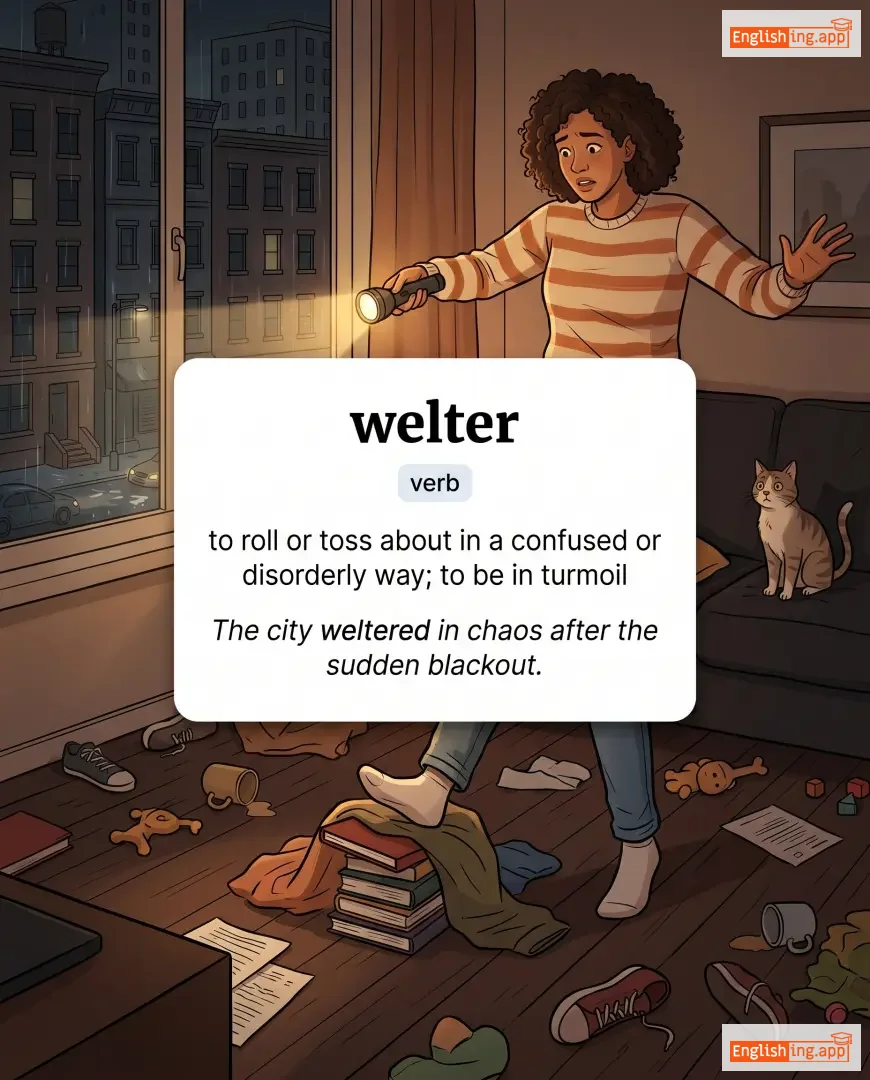
welter definition card — visual illustration of the meaning
verb
/ˈwɛltər/
在混乱中翻滚 (zai hunluan zhong fengun)

to roll or toss about in a confused or disorderly way; to be in turmoil

"The city weltered in chaos after the sudden blackout."

"城市在突然的停电后陷入混乱。" (Chéngshì zài túrán de tíngdiàn hòu xiànrù hùnluàn.)
noun
/ˈwiːltʃeər/
轮椅 (lún yǐ)

a chair with wheels, used by people who cannot walk easily or at all

"The hospital provided a wheelchair for the injured patient."

"医院为受伤的病人提供了轮椅。" (yīyuàn wèi shòushāng de bìngrén tígōngle lún yǐ.)
🧙‍♀️

witchcraft (巫术)

noun
/ˈwɪtʃ.krɑːft/
巫术 (wushù)

the practice of magical skills, spells, and abilities

"In old times, many people believed in witchcraft."

"在古代,许多人相信巫术。" (Zài gǔdài, xǔduō rén xiāngxìn wūshù.)
adjective
/ˌwel bɪˈheɪvd/
行为良好 (xíngwéi liánghǎo)

conducting oneself in a proper and polite manner; showing good manners

"The children were well-behaved during the ceremony."

"孩子们在仪式期间表现得很乖。" (Háizimen zài yíshì qījiān biǎoxiàn dé hěn guāi.)
adverb
/wɛərˈbaɪ/
通过 (tongguo)

by which; because of which

"The company agreed to a contract whereby it would pay the penalty."

"公司同意了一份合同,通过它将支付罚款。" (Gongsi tongyi le yifen hetong, tongguo ta jiang zhifu faqian.)
noun
/ˈwɪntər/
冬天 (dongtian)

the coldest season of the year, typically from December to February in the Northern Hemisphere

"Winter in the north can be very harsh with heavy snowfall."

"北方的冬天可能非常严酷,伴随着大量降雪。" (Beifang de dongtian keneng feichang yanku, bansuizhe daliang jiangxue.)
noun
/ˈwɛlˌduːər/
行善者 (xíngshàn zhě)

A person who does good deeds; a benefactor.

"The community praised the well-doer for his charity."

"社区表扬了他的行善行为。" (Shèqū biǎoyáng le tā de xíngshàn xíngwéi.)
adverb, noun
/ˈwɛə.wɪð/
手段 (shǒuduàn)

With which; the means or resources needed for something.

"He lacked the money wherewith to buy a new house."

"他没有足够的钱来买新房。" (Tā méiyǒu zúgòu de qián lái mǎi xīn fáng.)
adjective
/ˌwelˈnoʊn/
著名 (zhuoming)

known by many people; famous or recognized

"He is a well-known actor in his country."

"他是他国家的著名演员。" (Ta shi ta guo jia de zhu ming yan yuan.)
noun
/wɪm/
一时兴起 (yī shí xīng qǐ)

a sudden or unpredictable idea, desire, or decision

"She bought the dress on a whim."

"她一时兴起买了那条裙子。" (Tā yī shí xīng qǐ mǎi le nà tiáo qún zi.)
adverb
/waɪ/
为什么 (wèishéme)

used to ask or talk about the reason for something

"Why did you leave so early?"

"你为什么这么早就离开了?" (Nǐ wèishéme zhème zǎo jiù líkāi le?)
noun
/weɪl/
鲸鱼 (jingyu)

a very large marine mammal that lives in the ocean

"We saw a huge whale swimming near the boat."

"我们看到一只巨大的鲸鱼在船旁游泳。" (wǒmen kàn dào yī zhī jùdà de jīngyú zài chuán páng yóuyǒng.)
conjunction
/wɛərˈæz/
然而 (rán'ér)

used to introduce a contrast or comparison between two facts

"She prefers tea, whereas he likes coffee."
"她喜欢喝茶,而他喜欢喝咖啡。" (Tā xǐhuān hē chá, ér tā xǐhuān hē kāfēi.)
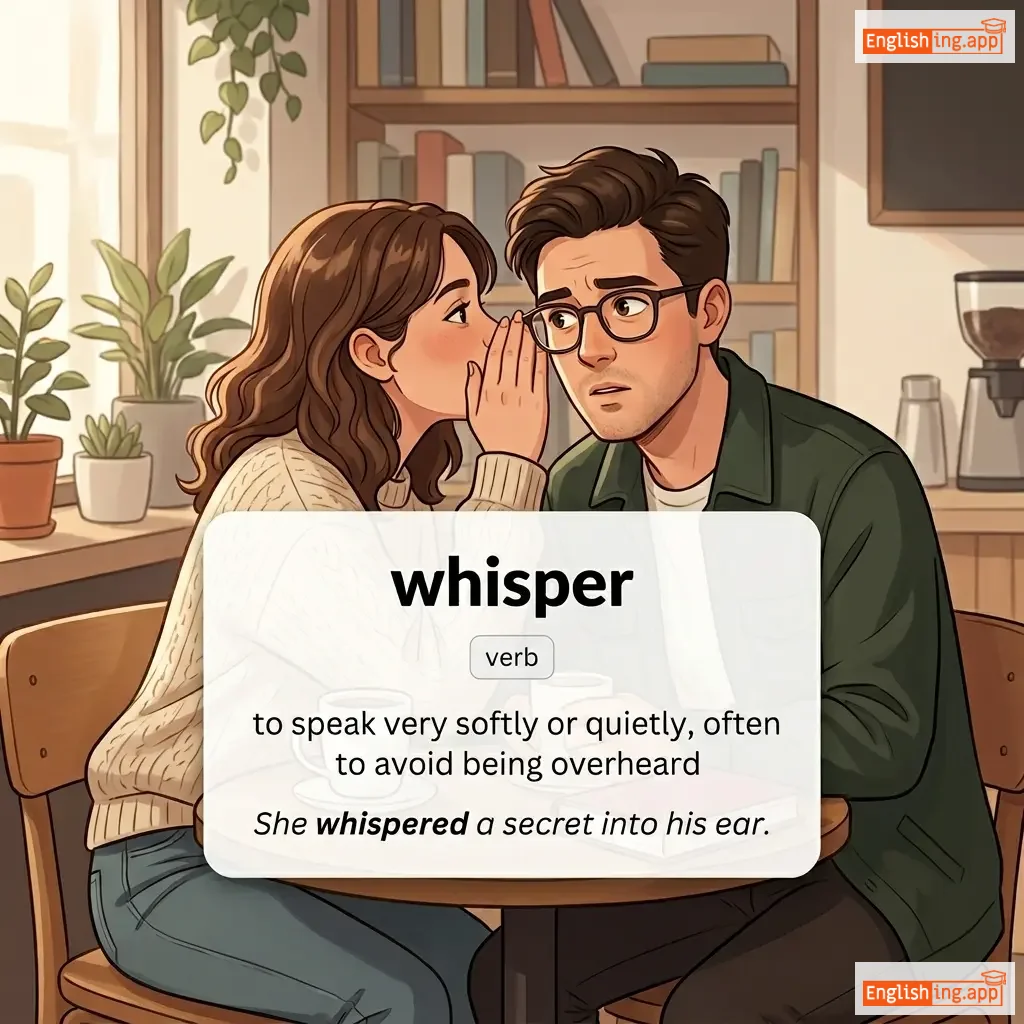
whisper definition card — visual illustration of the meaning
verb
/ˈwɪspər/
低声说 (dī shēng shuō)

to speak very softly or quietly, often to avoid being overheard

"She whispered a secret into his ear."

"她低声对他耳语了一个秘密。" (Tā dī shēng duì tā ěr yǔ le yīgè mìmì.)
🍴

whet

verb
/wɛt/

To sharpen the blade of a tool or to stimulate interest or appetite.

"The smell of food whetted my appetite."

adverb
/ˈhoʊlli/
完全地 (wanquan de)

completely; entirely

"She is wholly devoted to her family."

"她全身心地投入到她的家庭中。" (Ta quanshenxin de turu dao ta de jiating zhong.)
pronoun
/wɪtʃ/
哪个 (nǎ ge)

used to ask about one or more items from a defined set

"Which one do you prefer, the red or the blue?"
"你更喜欢哪个,红色还是蓝色?" (Nǐ gèng xǐ huān nǎ ge, hóng sè hái shì lán sè?)
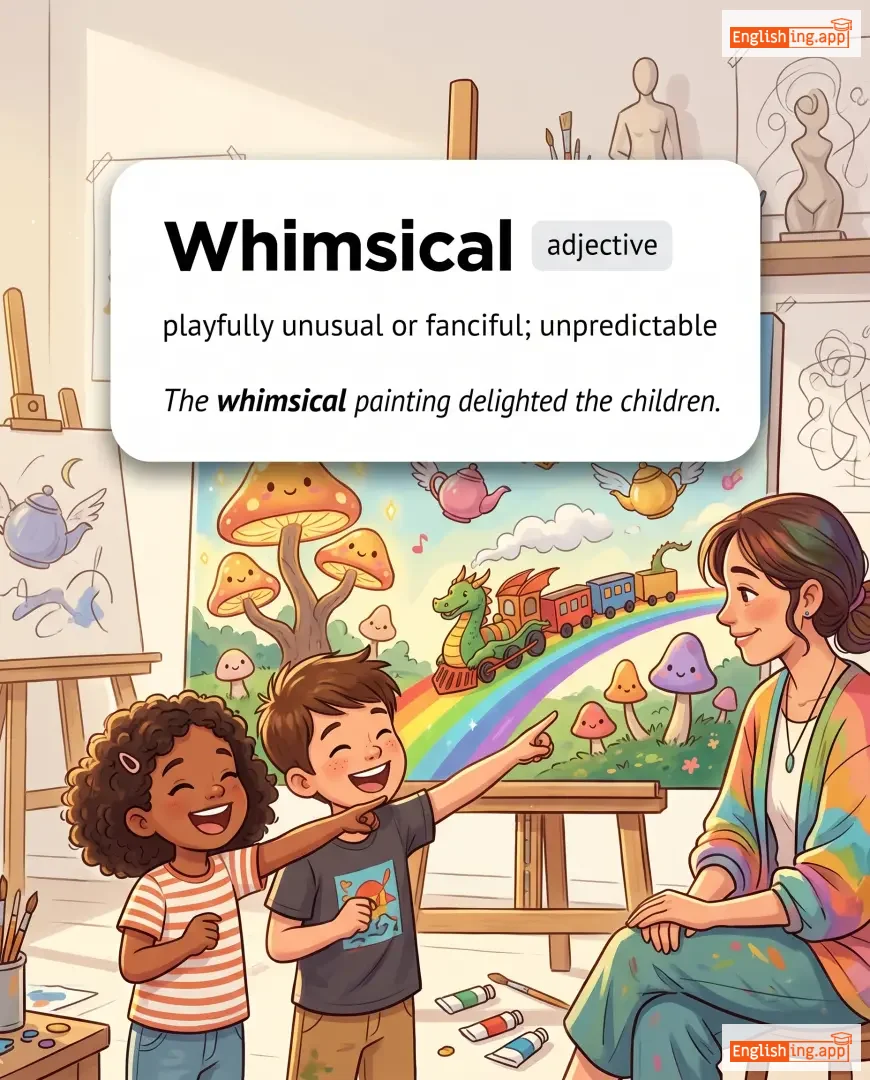
Whimsical definition card — visual illustration of the meaning
adjective
/ˈwɪmzɪkəl/
异想天开 (yìxiǎngtiānkāi)

playfully unusual or fanciful; unpredictable

"The whimsical painting delighted the children."

"这幅异想天开的画让孩子们感到高兴。" (Zhè fú yìxiǎngtiānkāi de huà ràng háizimen gǎndào gāoxìng.)
adverb
/ˌwɛr.əˈpɒn/
紧接着 (jinjie zhe)

Immediately after which; as a result of which.

"He confessed his mistake, whereupon she forgave him."

"他承认了错误,紧接着她原谅了他。" (Ta chengrenle cuowu, jinjie zhe ta yuanliangle ta.)
noun
/ˈwɒʃ.ɪŋ məˌʃiːn/
洗衣机 (wa shing ma sheen)

a machine for washing clothes and other textiles

"The washing machine broke down and needs repair."

"洗衣机坏了,需要修理。" (The washing machine broke down and needs repair.)
adjective
/ˈwɔːrˌlaɪk/
好战的 (hao zhan de)

Having an aggressive or militant nature; inclined to fight or engage in war.

"The tribe was known for its warlike traditions."

"这个部落因其好战的传统而闻名。" (Zhège bùluò yīn qí hǎo zhàn de chuántǒng ér wénmíng.)
noun
/ˈwɔː.tər pɒt/
水壶 (shuǐhú)

a container used for storing or carrying water

"The water pot in the kitchen was filled with fresh drinking water."
"厨房里的水壶装满了新鲜的饮用水。" (chúfáng lǐ de shuǐhú zhuāngmǎnle xīnxiān de yǐnòng shuǐ.)
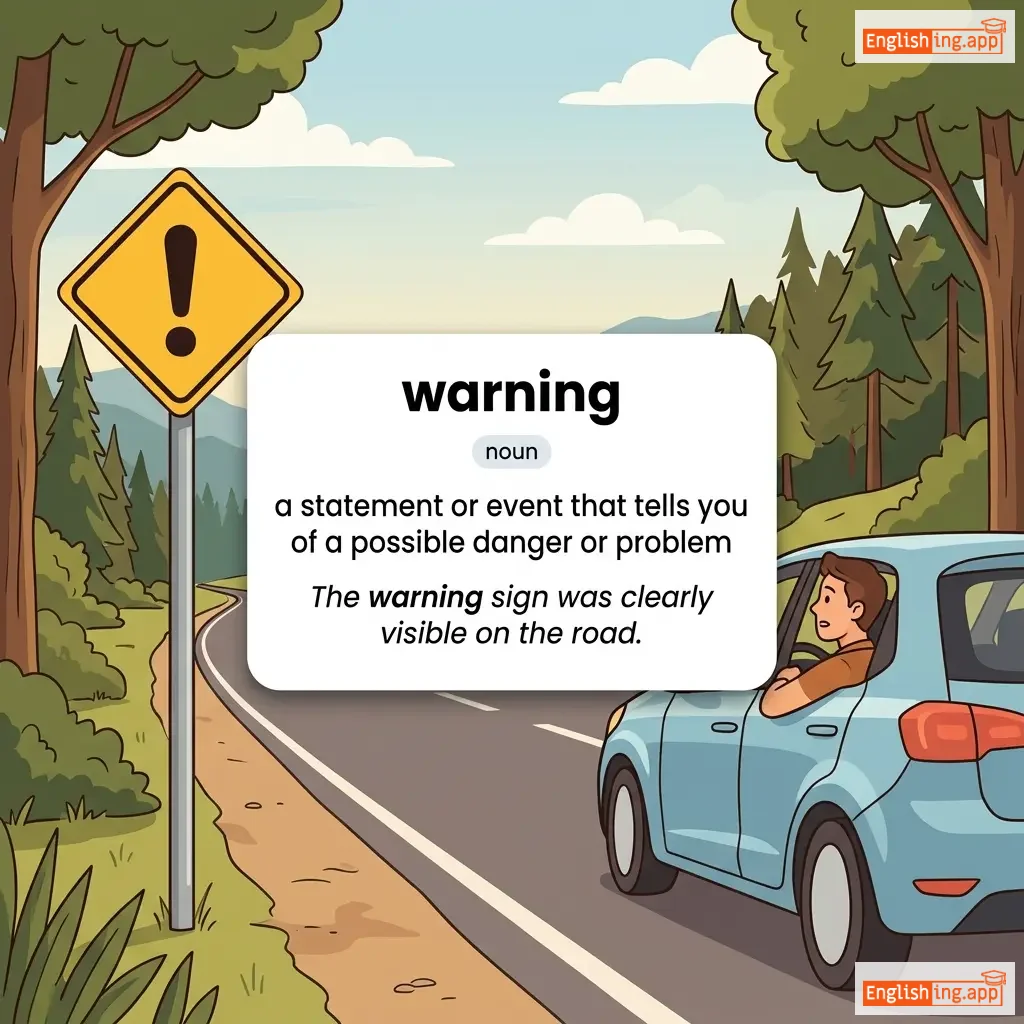
warning definition card — visual illustration of the meaning
noun
/ˈwɔːrnɪŋ/
警告 (jinggao)

a statement or event that tells you of a possible danger or problem

"The warning sign was clearly visible on the road."

"路上的警告标志清晰可见。" (Lùshàng de jǐnggào biāozhì qīngxī kějiàn.)
🏞️

Waterfall

noun
/ˈwɔːtərfɔːl/

a cascade of water falling from a height, formed when a river or stream flows over a precipice or steep incline

"The magnificent waterfall attracts thousands of tourists every year."

noun
/wæks ˈkændəl/
蜡烛 (làzhú)

a cylinder of wax with a wick through it that burns to give light

"We lit a wax candle during the power outage."

"在停电期间我们点燃了一支蜡烛" (zài tíngdiàn qījiān wǒmen diǎn ránle yī zhī là zhú)
noun
/wɛlt/
肿块 (zhǒng kuài)

A raised mark on the skin, usually from a blow or allergic reaction.

"He had a red welt on his arm after the bee sting."

"他在蜜蜂蜇伤后,手臂上有一个红色的肿块。" (Tā zài mìfēng zhē shāng hòu, shǒubì shàng yǒu yīgè hóngsè de zhǒng kuài.)
adjective
/ˈwɛstərn/
西方的 (xīfāng de)

relating to or characteristic of the West, especially Europe and the Americas

"She loves western music and culture."

"她喜欢西方的音乐和文化。" (Tā xǐhuān xīfāng de yīnyuè hé wénhuà.)
adjective
/ˈwiːk niːd/
胆小 (dan xiao)

Lacking determination or courage; easily frightened or yielding.

"The leader was criticized for being weak-kneed in the face of opposition."
"领导者因在面对反对时胆小而受到批评。" (Lingdaozhe yin zai miandui fandui shi danxiao er shoudao piping.)
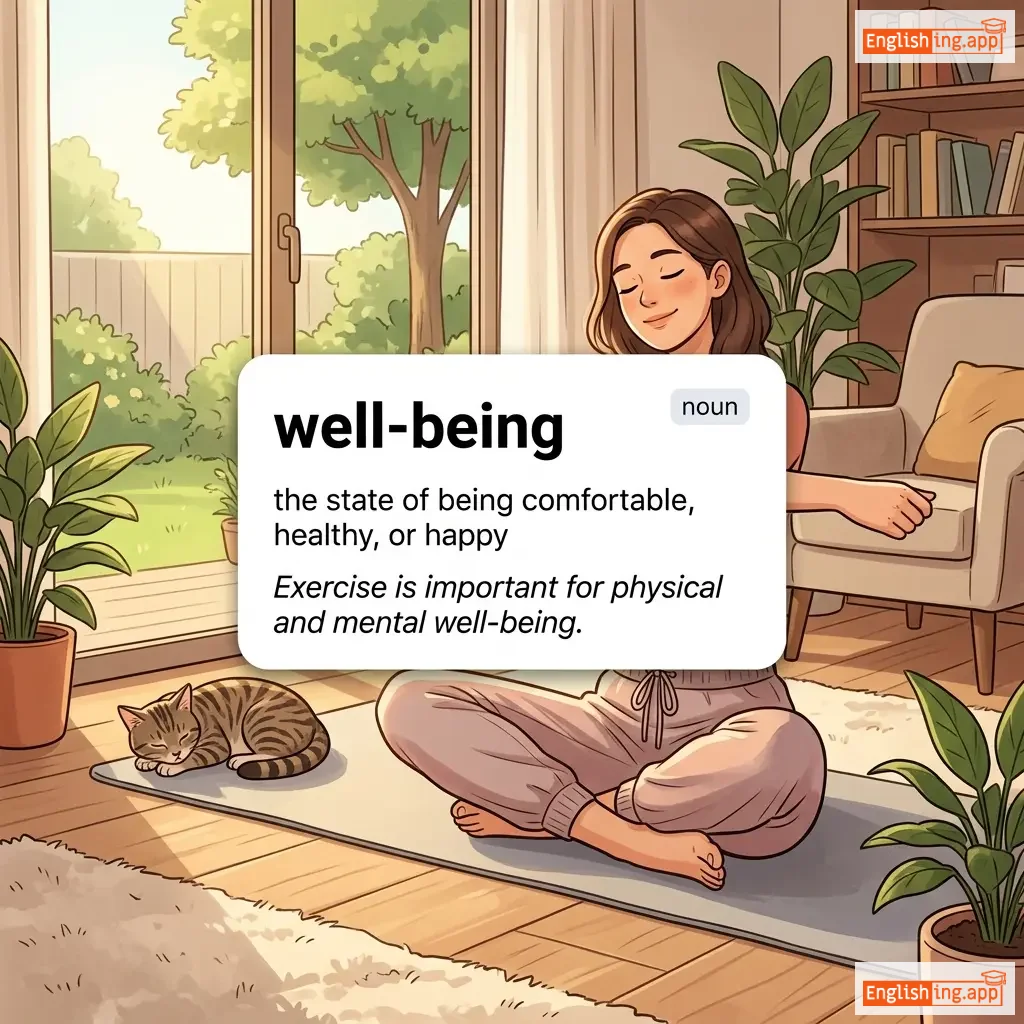
well-being definition card — visual illustration of the meaning
noun
/ˌwelˈbiːɪŋ/
福祉 (fúzhǐ)

the state of being comfortable, healthy, or happy

"Exercise is important for physical and mental well-being."

"锻炼对身体和心理健康很重要。" (Duànliàn duì shēntǐ hé xīnlǐ jiànkāng hěn zhòngyào.)
adjective
/ˈwɪndi/
有风的 (you feng de)

characterized by strong wind; also, using too many words and saying little

"It was so windy that the umbrellas flipped inside out."
"风太大了,伞都被吹翻了。" (feng tai da le san dou bei chui fan le)
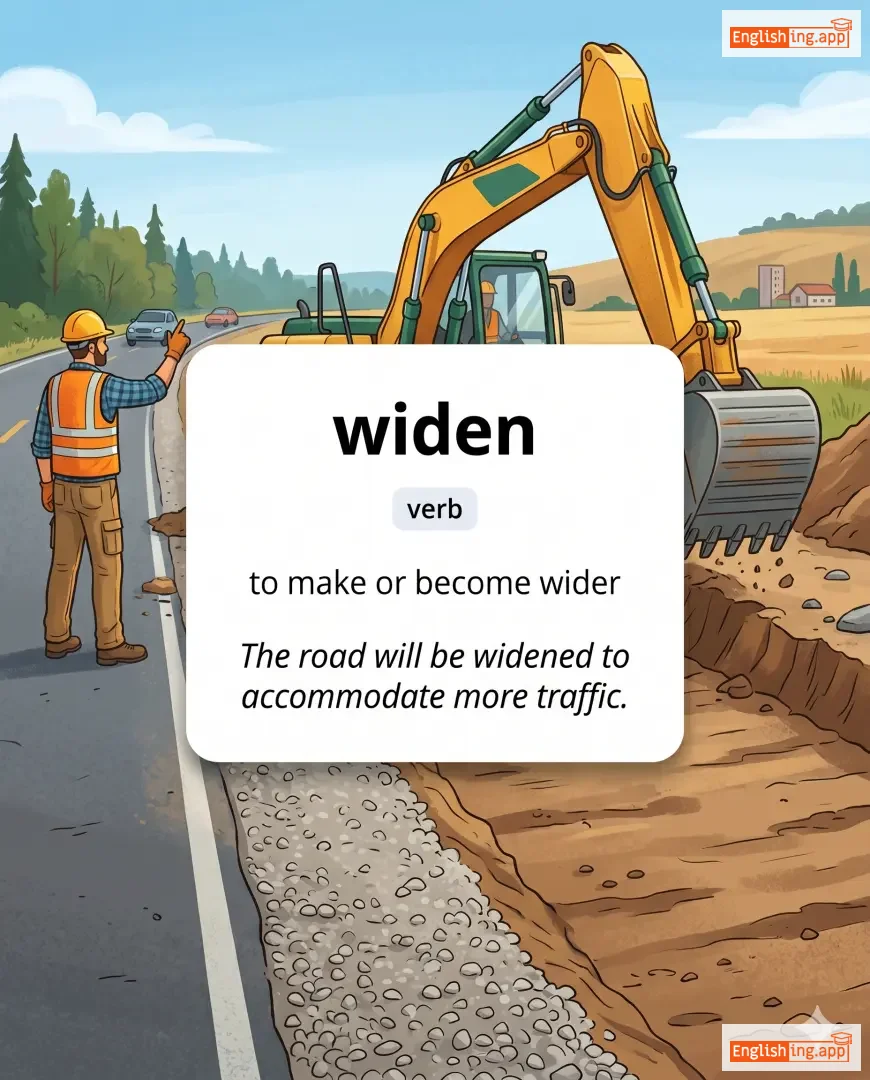
widen definition card — visual illustration of the meaning
verb
/ˈwaɪdən/
拓宽 (tuòkuān)

to make or become wider

"The road will be widened to accommodate more traffic."

"这条路将被拓宽,以适应更多的交通。" (Zhè tiáo lù jiāng bèi tuòkuān, yǐ shìyìng gèng duō de jiāotōng.)
conjunction
/waɪl/
当...的时候 (dāng ... de shíhòu)

during the time that something is happening

"She was reading while waiting for the bus."

"她在等公交车时正在读书。" (Tā zài děng gōngjiāo chē shí zhèngzài dúshū.)
pronoun
/huːˈɛvər/
无论谁 (wúlùn shuí)

any person who; no matter who

"Whoever wants to join the trip must register today."

"无论谁想加入旅行,都必须今天注册。" (Wúlùn shuí xiǎng jiārù lǚxíng, dōu bìxū jīntiān zhùcè.)
adjective
/ˈwɪlɪŋ/
愿意 (yuànyì)

ready, inclined, or eager to do something

"She was willing to help with the project."
"她愿意帮助这个项目。" (tā yuànyì bāngzhù zhège xiàngmù.)
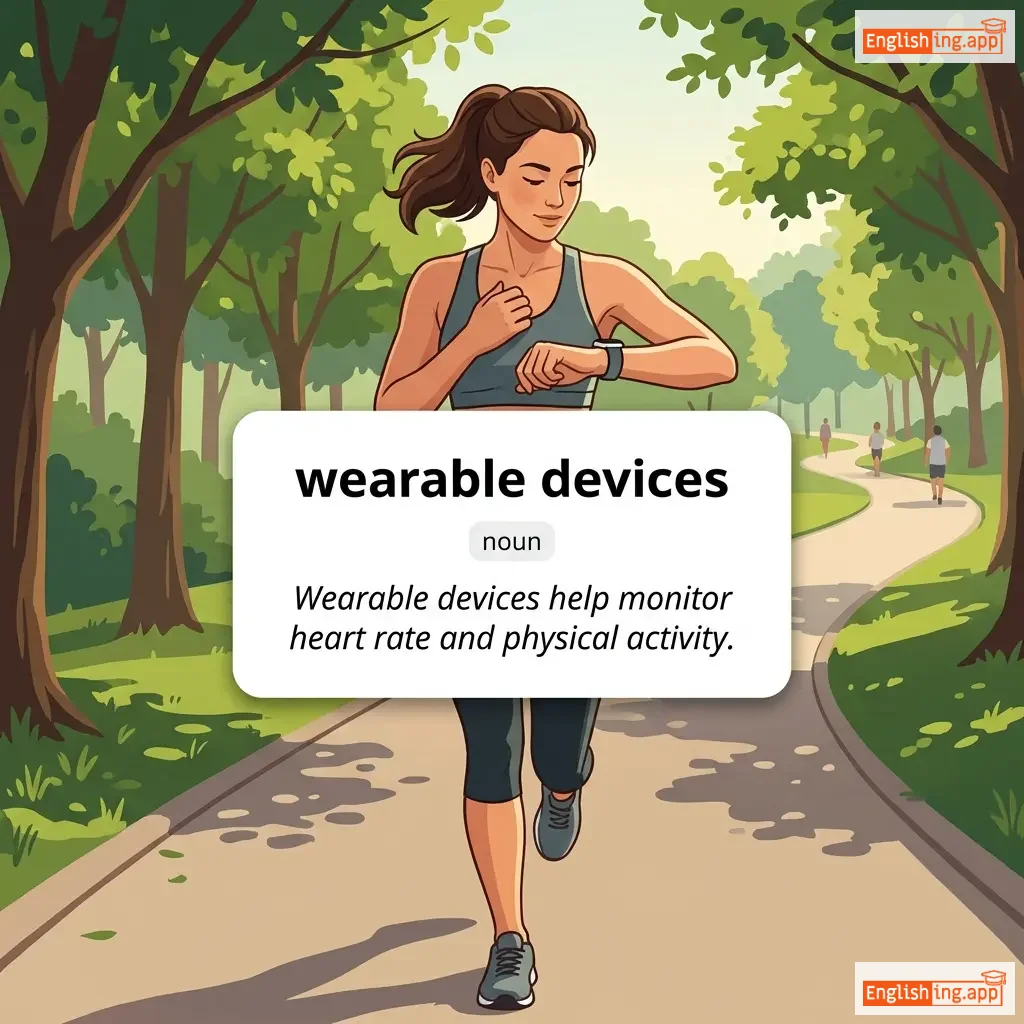
wearable devices definition card — visual illustration of the meaning
noun
ˈweə.rə.bəl dɪˈvaɪ.sɪz
可穿戴设备 (kě chuāndài shèbèi)

Electronic devices that can be worn on the body, typically incorporating smart technology for monitoring health or providing information.

"Wearable devices help monitor heart rate and physical activity."
"可穿戴设备帮助监测心率和身体活动。" (Kě chuāndài shèbèi bāngzhù jiāncè xīnlǜ hé shēntǐ huódòng.)
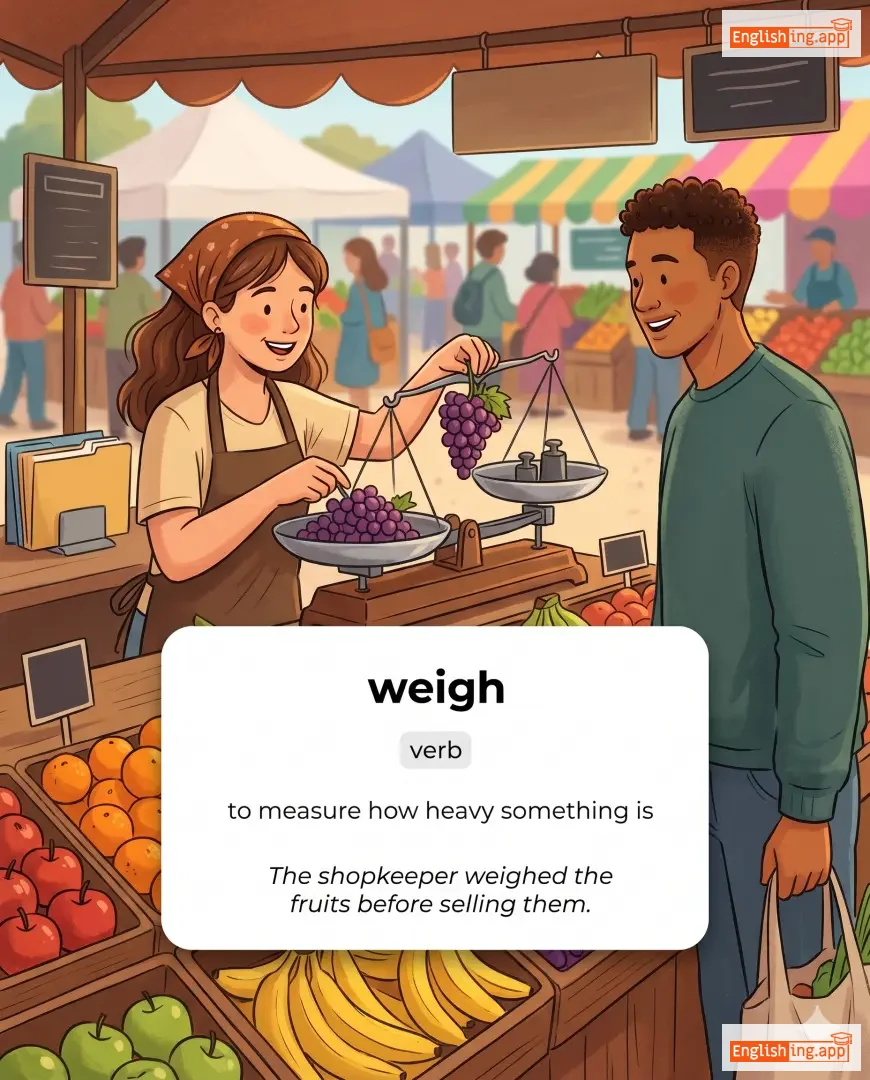
weigh definition card — visual illustration of the meaning
verb
/weɪ/
称重 (chēngzhòng)

to measure how heavy something is

"The shopkeeper weighed the fruits before selling them."

"店主在卖水果前称重。" (Diànzhǔ zài mài shuǐguǒ qián chēngzhòng.)
verb
/wɪp/
鞭打 (biāndǎ)

to strike or beat with a flexible instrument such as a rope or cord

"The trainer whipped the horse to make it run faster."

"教练用鞭子抽打马匹,使其跑得更快。" (Jiàoliàn yòng biāndǎ chōudǎ mǎpǐ, shǐ qí pǎo dé gèng kuài.)
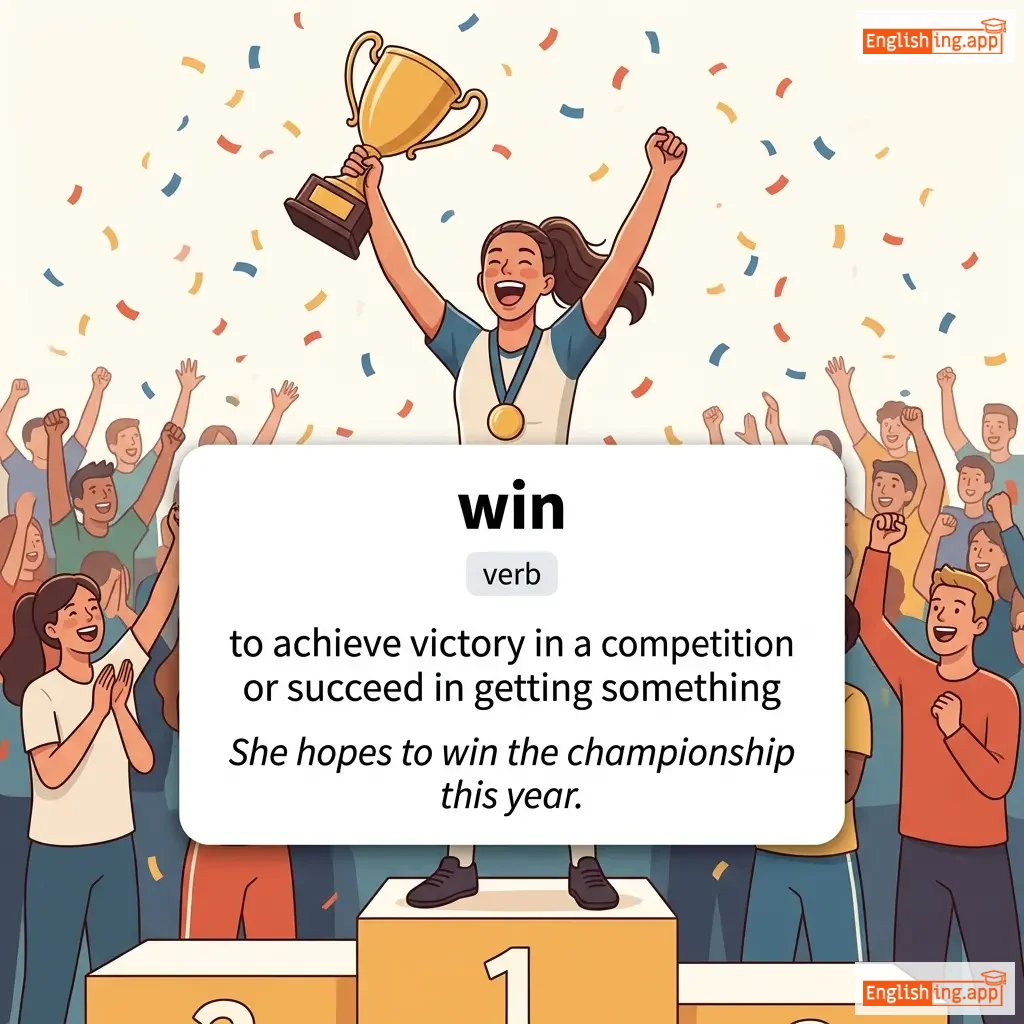
win definition card — visual illustration of the meaning
🏆

win

verb
/wɪn/

to achieve victory in a competition or succeed in getting something

"She hopes to win the championship this year."

noun/verb
/ˈwɒrənt/
逮捕令 (dàibǔ lìng)

As a noun: An official authorization or order. As a verb: To justify or make something necessary.

"The judge issued a warrant for his arrest."

"法官签发了他的逮捕令。" (Fǎguān qiānfāle tā de dàibǔ lìng.)
noun
/ˈwɔː.tər ˈtʃes.nʌt/
水栗 (shuǐ lì)

aquatic plant with edible white crisp tubers

"Water chestnuts add a nice crunch to stir-fry dishes."

"水栗为炒菜增添了愉快的脆感。" (Shuǐ lì wèi chǎocài zēngtiānle yúkuài de cuì gǎn)
whitelisting definition card — visual illustration of the meaning
noun
/ˈwaɪt.lɪst.ɪŋ/
将特定用户、软件或 IP 地址识别为安全和可信的 (Jiang teding yonghu, ruanjian huo IP dizhi shibie wei anquan he kexin de)

Identifying specific users, software, or IP addresses as safe and trusted

"Only verified applications are allowed through whitelisting."

"只有经过验证的应用程序才能通过白名单获得许可。" (Zhiyou jingguo yanzheng de yingyongchengxu cai neng tongguo baimingdan huode xukezhi.)
noun
/ˈwɪndbæɡ/
话多的人 (huà duō de rén)

a person who talks too much, especially in a boring or boastful way

"Everyone avoided the windbag at the party because he never let anyone else speak."

"大家在聚会上避免接近那个话多的人,因为他从不让别人说话。" (dà jiā zài jù huì shàng bì miǎn jiē jìn nà ge huà duō de rén, yīn wèi tā cóng bù ràng bié rén shuō huà.)
verb
/ˈwɪɡəl/
摇动, 扭动 (yaodong, niudong)

To move or cause to move with small rapid movements from side to side.

"The baby wiggled happily in her mother's arms."

"宝宝在妈妈的怀里高兴地扭动。" (Bǎobǎo zài māmā de huílǐ gāoxìng de niǔdòng.)