词汇表

英语词汇词典 | 单词含义、定义和示例

noun
/ˈvɒl.juːm/
体积 (tǐ jī)

the amount of space that a substance or object occupies, or that is enclosed within a container

"The volume of water in the tank increased after the rain."

"雨后水箱中的体积增加了。" (Yǔ hòu shuǐ xiāng zhōng de tǐ jī zēng jiā le.)
adverb
/ˈwɔːm.li/
热情地; 亲切地 (rèqíng de; qīnqiè de)

in a warm manner; with warmth; cordially; affectionately

"She welcomed the guests warmly at the door."
"她在门口热情地欢迎客人。" (Tā zài ménkǒu rèqíng de huānyíng kèrén.)
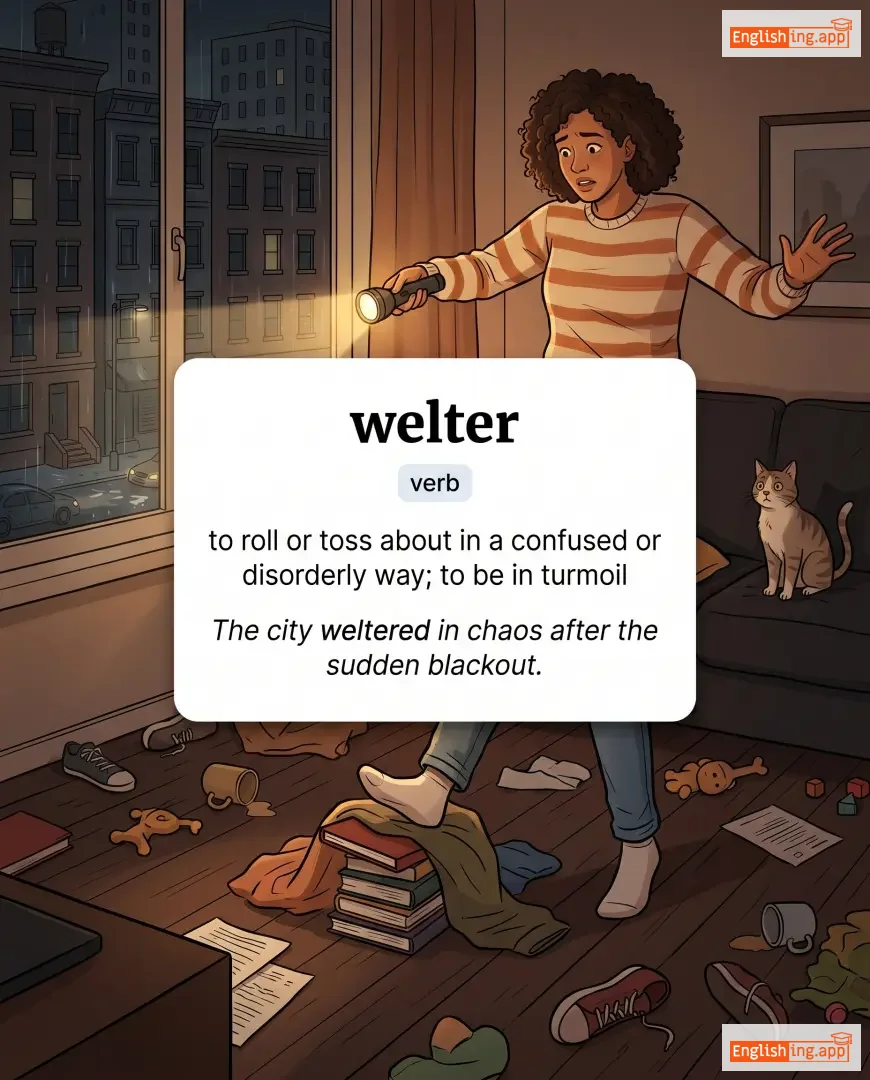
welter definition card — visual illustration of the meaning
verb
/ˈwɛltər/
在混乱中翻滚 (zai hunluan zhong fengun)

to roll or toss about in a confused or disorderly way; to be in turmoil

"The city weltered in chaos after the sudden blackout."
"城市在突然的停电后陷入混乱。" (Chéngshì zài túrán de tíngdiàn hòu xiànrù hùnluàn.)
🌕

Wax

verb
/wæks/

to increase gradually in size, number, strength, or intensity

"The moon will wax until it becomes full."

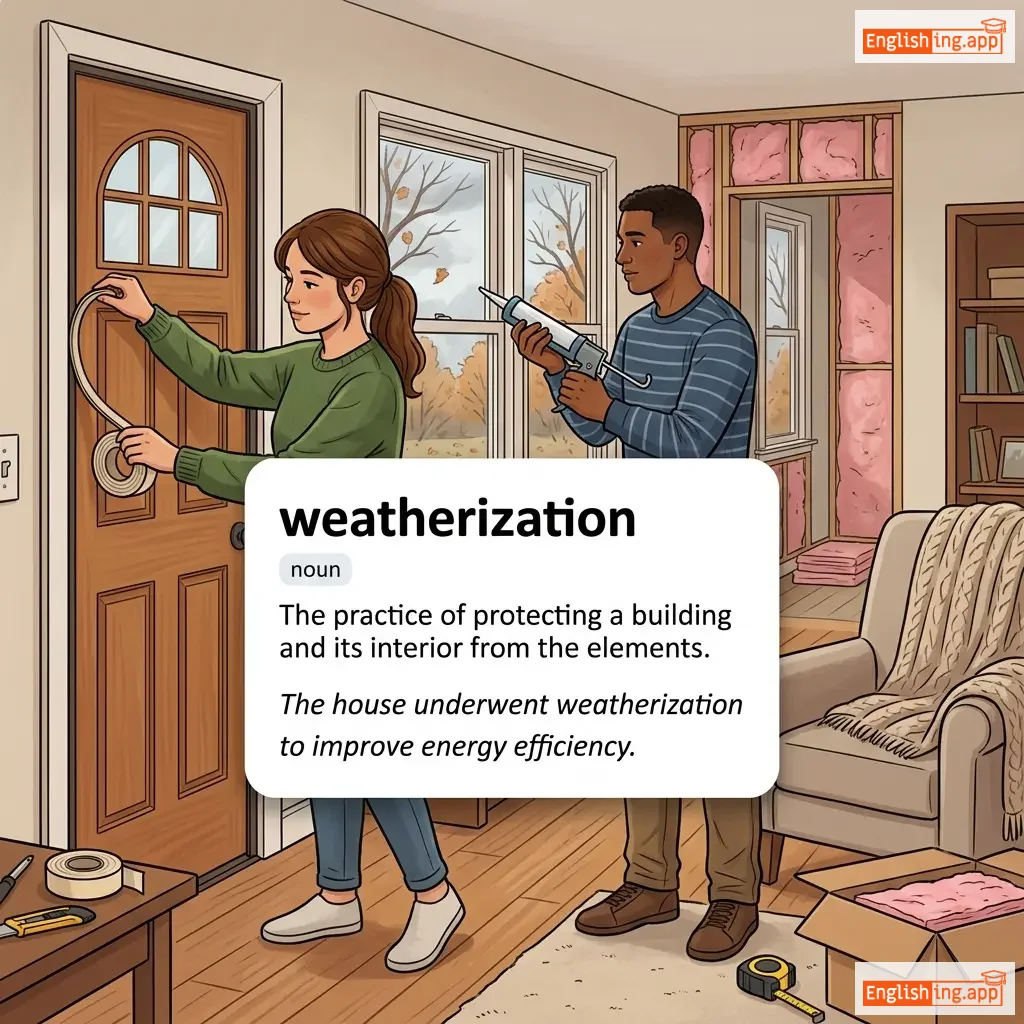
weatherization definition card — visual illustration of the meaning
noun
ˌwɛðəraɪˈzeɪʃən
气候化处理 (qìhòu huà chǔlǐ)

The practice of protecting a building and its interior from the elements.

"The house underwent weatherization to improve energy efficiency."

"这座房子进行了气候化处理以提高能源效率。" (Zhè zuò fángzi jìnxíngle qìhòu huà chǔlǐ yǐ tígāo néngyuán xiàolǜ.)
adjective
/ˈwɒŋki/
不稳定的; 不可靠的; 不正常工作 (wongki)

unstable; unreliable; not working properly

"The old chair was wonky and wobbled every time someone sat on it."

"那把旧椅子不稳定,每次有人坐下时都会摇晃。" (Nà bǎ jiù yǐzi bù wěn dìng, měi cì yǒu rén zuò xià shí dōu huì yáo huàng)
adjective
/ˈwɪtləs/
愚蠢的 (yúchǔn de)

lacking intelligence or good sense

"It was a witless decision to leave the door unlocked."
"把门留 unlocked 是一个愚蠢的决定。" (Bǎ mén liú unlocked shì yīgè yúchǔn de juédìng.)
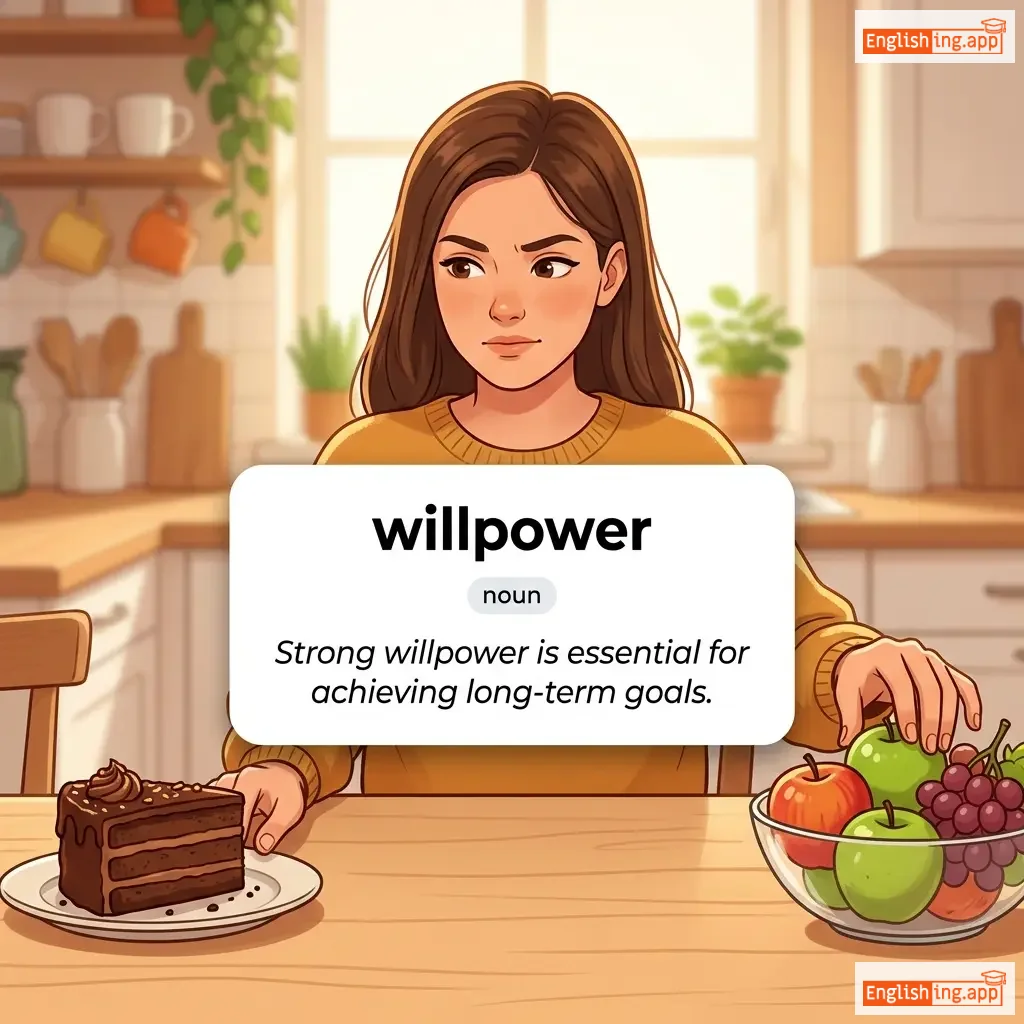
willpower definition card — visual illustration of the meaning
noun
ˈwɪl.paʊər
意志力 (yìzhìlì)

The ability to control your thoughts and actions in order to achieve what you want to do.

"Strong willpower is essential for achieving long-term goals."

"强大的意志力对实现长期目标至关重要。" (Qiángdà de yìzhìlì duì shíxiàn chángqī mùbiāo zhìguān zhòngyào.)
noun
/voʊˈsɪfərəns/
大声喊叫 (dà shēng hǎn jiào)

the act of shouting or making a loud outcry

"The vociferance of the protesters filled the streets."

"抗议者的呼喊声充满了街道。" (Kàngyì zhě de hū hǎn shēng chōngmǎnle jiēdào.)
wait definition card — visual illustration of the meaning
verb
/weɪt/
等待 (deng dai)

to stay in one place or remain inactive until something happens

"I will wait for you at the bus stop."
"我会在公交车站等你。" (Wǒ huì zài gōng jiāo chē zhàn děng nǐ.)
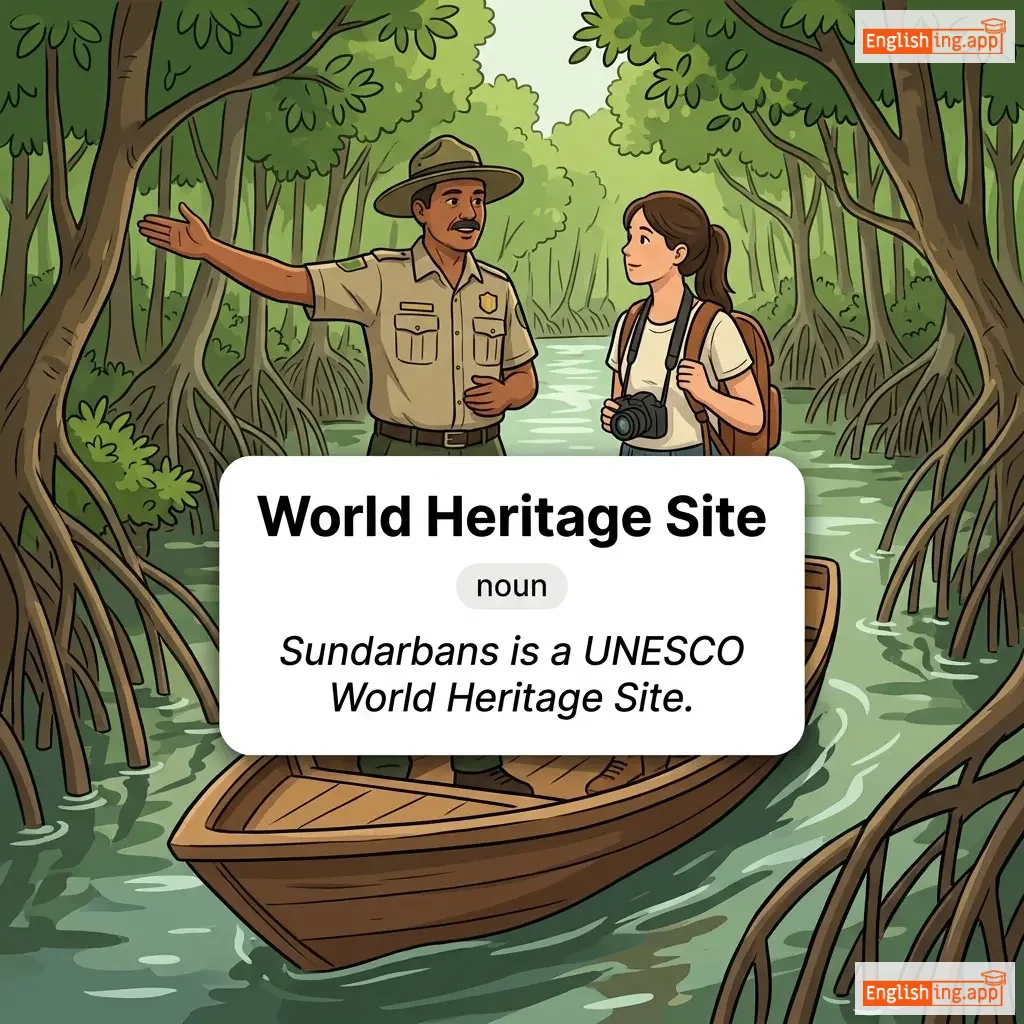
World Heritage Site definition card — visual illustration of the meaning
noun
wɜːrld ˈhɛrɪtɪdʒ saɪt
世界文化遗产地 (Shìjiè wénhuà yíchǎn dì)

A landmark or area selected by UNESCO for having cultural, historical, scientific or other form of significance.

"Sundarbans is a UNESCO World Heritage Site."

"孙达班是联合国教科文组织的世界文化遗产地。" (Sūndàbān shì liánhéguó jiàokēwén zǔzhī de shìjiè wénhuà yíchǎn dì.)
noun
/ˈwɔː.tər hen/
水鸡 (shuǐ jī)

a waterbird with dark plumage that lives near ponds and wetlands

"The water hen swam gracefully across the pond."

"水鸡优雅地穿过池塘游泳。" (Shuǐ jī yōuyǎ dì chuānguò chítáng yóuyǒng.)
noun
/wɜːrd/
(ci)

a single distinct meaningful element of speech or writing

"He looked up the word in the dictionary."

"他在字典中查找了这个词。" (Ta zai zidian zhong chazhao le zhe ge ci.)
viva voce definition card — visual illustration of the meaning
noun
ˈvaɪ.və ˈvəʊs
口试 (kǒushì)

An oral examination, typically for an academic qualification.

"Viva Voce tests communication skills."

"Viva Voce 考试评估沟通技巧。" (Viva Voce kǎoshì pínggū gōutōng jìqiǎo.)
adjective
/ˈwɜːrkɪŋ/
工作 (gongzuo)

engaged in physical or mental effort to achieve a goal or task

"She is working on her project right now."

"她正在进行她的项目工作。" (Ta zhengzai jinxing ta de xiangmu gongzuo.)
adjective
/ˈwaɪə.ləs/
无线; 无电缆 (wúxiàn; wú diànlǎn)

operating without wires; using radio waves for communication

"My wireless headphones provide excellent sound quality without any cables."

"我的无线耳机提供了出色的音质,完全没有电缆。" (wǒ de wúxiàn ěrjī tígōngle chūsè de yīnzhì, wánquán méiyǒu diànlǎn.)
noun, verb
/wɪl/
意愿 (yiyuan)

expressing future tense or intention; a legal document

"She will attend the meeting tomorrow."
"她明天将参加会议。" (Ta mingtian jiang canjia huiyi.)
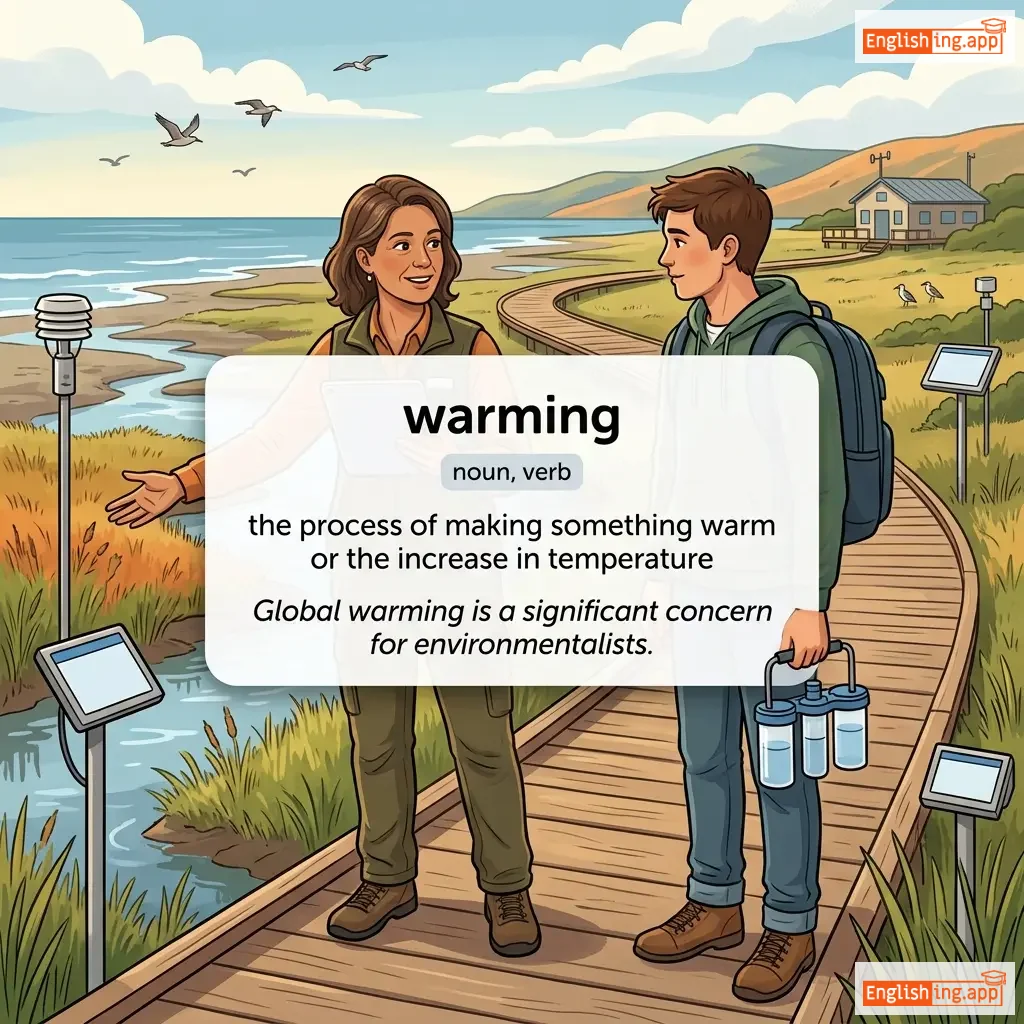
warming definition card — visual illustration of the meaning
noun, verb
/ˈwɔːmɪŋ/
温度升高 (wendu shenggao)

the process of making something warm or the increase in temperature

"Global warming is a significant concern for environmentalists."

"全球变暖是环境学者关心的重要问题。" (Quanqiu bian nuan shi huanjing xue zhe guanxin de zhongyao wenti.)
verb
/ˈvaʊtʃ.seɪf/
赐予 (cì yǔ)

to grant or give something in a gracious or condescending manner

"He vouchsafed them a rare smile."

"他赐予了他们一个罕见的微笑。" (Tā cì yǔle tāmen yīgè hǎnxiàn de wēixiào.)
noun
/wɪsp/
一小束或一片 (yi xiao shu huo yi pian)

A small thin or twisted bunch, piece, or amount of something.

"A wisp of smoke rose from the chimney."

"一缕烟雾从烟囱升起。" (Yi lü yanwu cong yancong shengqi.)
noun
/ˈwɒrənti/
保修期 (baoxiūqī)

A written guarantee given by a manufacturer or seller promising to repair or replace a product if necessary within a specified period.

"The laptop comes with a two-year warranty."

"这台笔记本电脑附带两年的保修期。" (Zhè tái bǐjìběn diànnǎo fùdài liǎng nián de bǎoxiūqī.)
adjective; noun; gerund
/ˈwɪnɪŋ/
获胜的 (huosheng de)

achieving victory or success; attractive or pleasing in a way that brings success

"She has a winning attitude that inspires the whole team."

"她有一种获胜的态度,激励着整个团队。" (Ta you yizhong huosheng de taidu jili zhe zhengge tuandui)
adjective
/ˈwɜːkmənˌlaɪk/
务实 (wùshí)

Showing efficient, competent, and practical skill, but without flair or creativity.

"The carpenter delivered a workmanlike performance on the project."

"木匠在项目中交付了一个务实的表现。" (Mùjiàng zài xiàngmù zhōng jiāofùle yīgè wùshí de biǎoxiàn.)
🧙‍♂️

Wizard (wīzārd)

noun
/ˈwɪzərd/
巫师 (wūshī)

a man who is supposed to have magical powers; a person who is very skilled in a particular area

"The wizard performed amazing magic tricks."
"那位巫师展示了惊人的魔术。" (nà wèi wūshī zhǎnshìle jīngrén de móshù.)
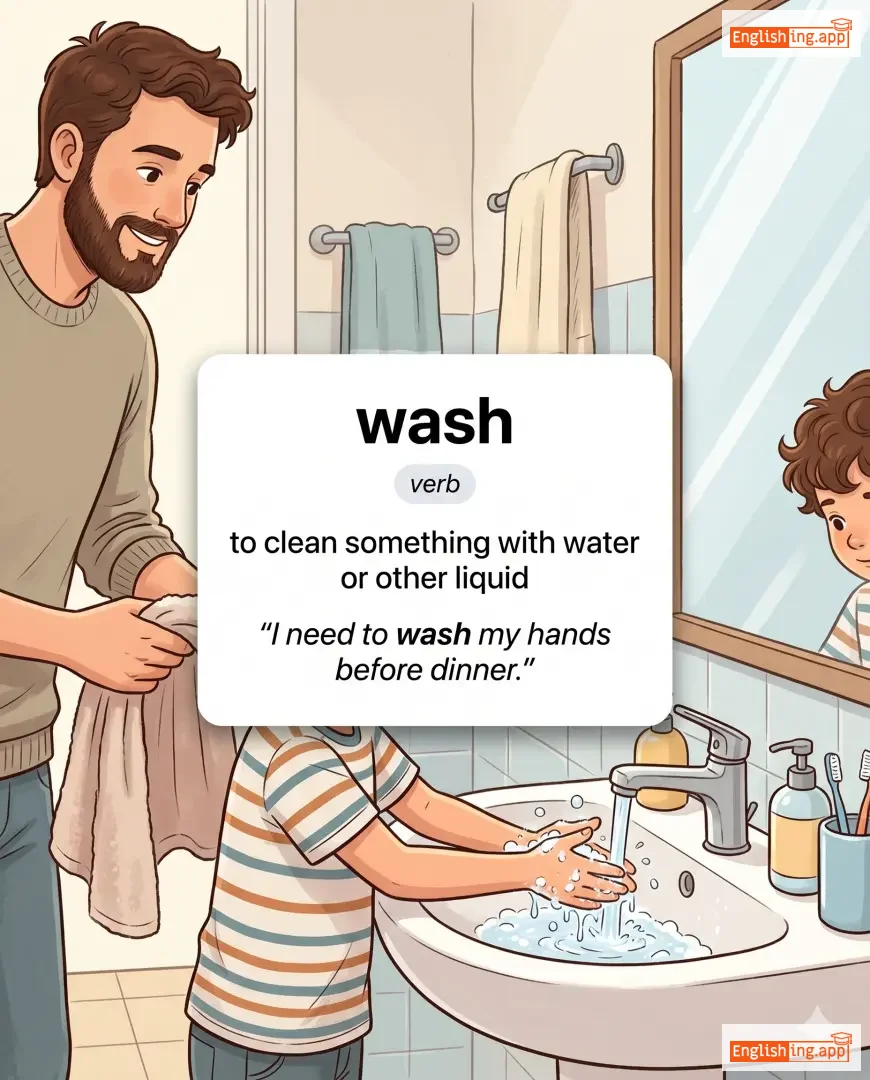
wash definition card — visual illustration of the meaning
verb
/wɒʃ/
(xi)

to clean something with water or other liquid

"I need to wash my hands before dinner."

"我需要在晚餐前洗手。" (Wo xuyao zai wancan qian xishou.)
noun
/wɜːrd fɔːrˈmeɪʃən/
构词法 (gouci fa)

the process by which new words are created or existing words are modified in a language

"Word formation helps learners understand how new vocabulary develops in English."

"构词法有助于理解英语词汇。" (gouci fa youzhu yu lijie yingyu cihui)
adjective
/ˈwɪnsəm/
迷人 (mírén)

pleasant and attractive in a fresh, innocent, or charming way

"Her winsome smile instantly put the nervous guests at ease."

"她迷人的微笑立即让紧张的客人感到放松。" (Tā mírén de wéixiào lìjí ràng jǐnzhāng de kèrén gǎndào fàngsōng.)
adjective
/waɪz/
聪明 (congming)

having or showing experience, knowledge, and good judgment

"It was wise of him to save money for the future."
"他为未来存钱是明智的。" (Tā wèi wèilái cún qián shì míngzhì de.)
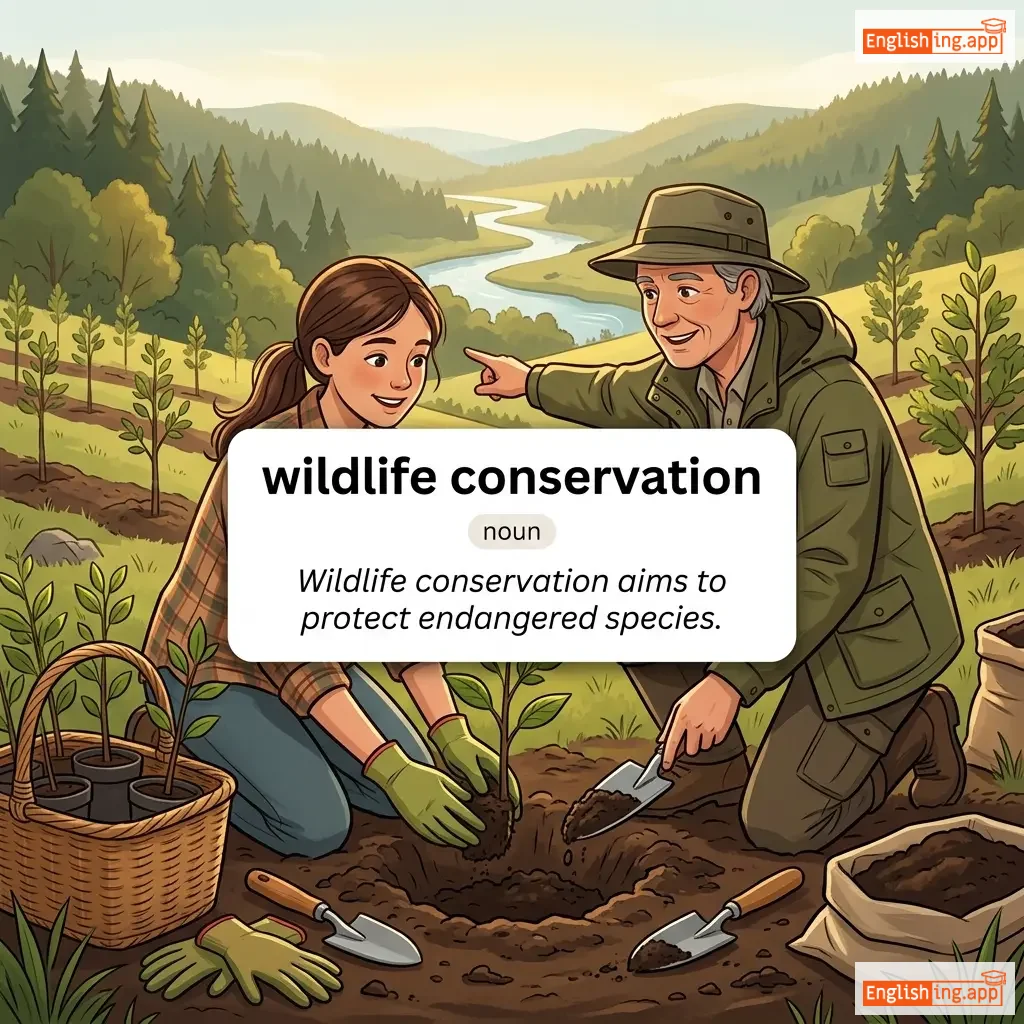
wildlife conservation definition card — visual illustration of the meaning
noun
/ˈwaɪld.laɪf ˌkɒnsərˈveɪʃən/
野生动物保护 (yěshēng dòngwù bǎohù)

The practice of protecting wild animal species and their habitats in order to maintain healthy wildlife species or populations and to restore, protect or enhance natural ecosystems.

"Wildlife conservation aims to protect endangered species."

"野生动物保护旨在保护濒危物种。" (Yěshēng dòngwù bǎohù zhǐ zài bǎohù bīnwēi wùzhǒng.)
adjective
/ˈwaɪəri/
瘦弱而强壮 (shòu ruò ér qiáng zhuàng)

Lean, tough, and strong, often with sinewy muscles.

"The wiry athlete moved with remarkable speed and agility."
"那个瘦弱的运动员以惊人的速度和敏捷性移动。" (Nàgè shòu ruò de yùn dòng yuán yǐ jīng rén de sù dù hé mǐn jié xìng yí dòng.)
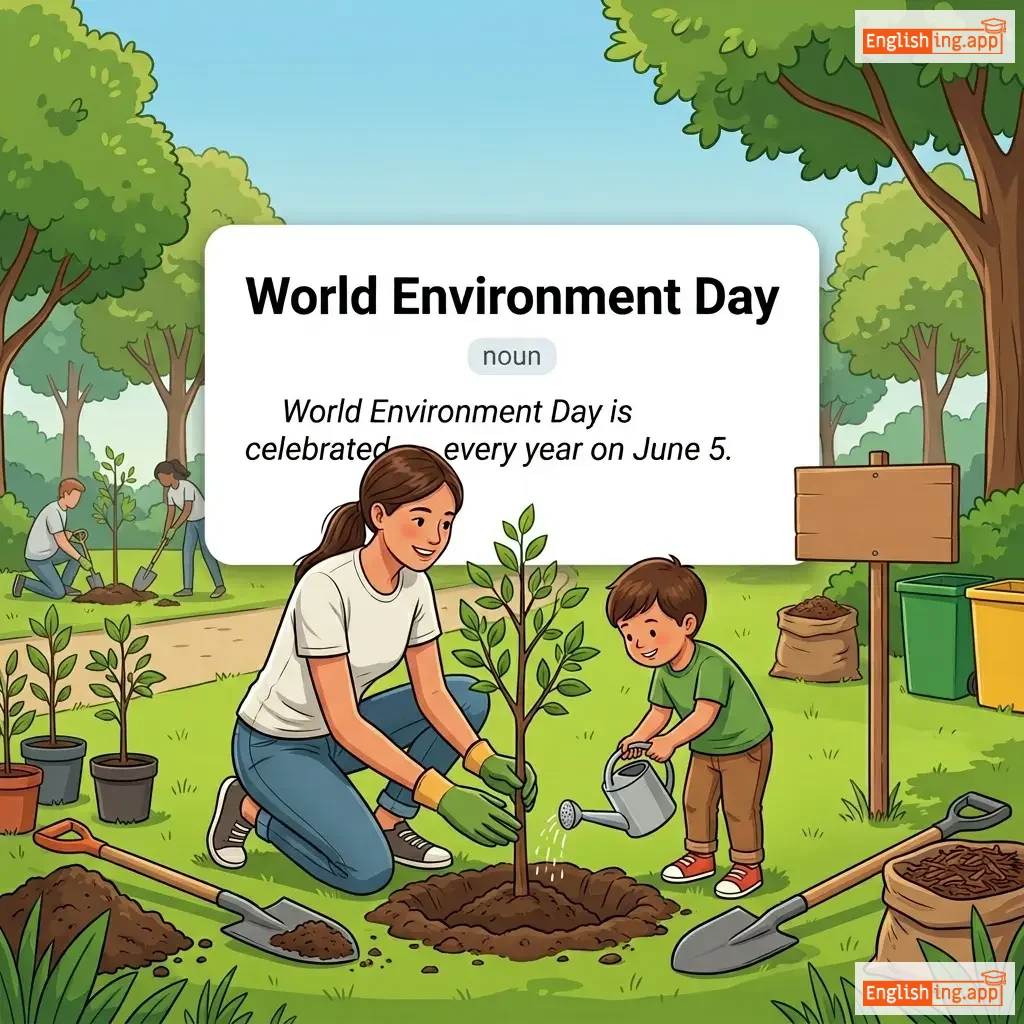
World Environment Day definition card — visual illustration of the meaning
noun
/wɜːrld ɪnˈvaɪrənmənt deɪ/
世界环境日 (Shìjiè huánjìng rì)

An annual global event celebrated on June 5 to raise awareness about environmental protection and encourage action for environmental conservation.

"World Environment Day is celebrated every year on June 5."

"世界环境日每年6月5日庆祝。" (Shìjiè huánjìng rì měi nián 6 yuè 5 rì qìngzhù.)
adjective
/ˈvoʊlənt/
会飞的 (huì fēi de)

able to fly or moving swiftly

"The volant bird soared gracefully across the sky."

"那只会飞的鸟优雅地飞翔在天空中。" (Nà zhī huì fēi de niǎo yōuyǎ de fēixiáng zài tiānkōng zhōng.)
noun
/wʊd ˈæp.əl/
木苹果 (mu pingguo)

a hard-shelled tropical fruit with aromatic pulp used in beverages and medicine

"The wood apple has a hard shell but sweet pulp inside."

"木苹果有坚硬的外壳,但里面的果肉很甜" (Mu pingguo you jian ying de wai ke, dan limian de guo rou hen tian)
adjective
/ˈvɑːljəbl/
健谈的 (jiantan de)

Speaking or spoken incessantly and fluently.

"She became more voluble as the evening progressed."

"随着夜晚的推进,她变得更加健谈。" (Suízhe yèwǎn de tuījìn, tā biàn dé gèngjiā jiàntán.)
adjective
/ˈvɒkətɪv/
呼格 (hūgé)

relating to a case in grammar used for directly addressing someone

"In Latin, the vocative case is used when directly calling someone by name."

"在拉丁语中,呼格用来直接用名字呼唤某人。" (Zài lādīng yǔ zhōng, hūgé yòng lái zhíjiē yòng míngzì hūhuàn mǒu rén.)
wish definition card — visual illustration of the meaning
verb
/wɪʃ/
许愿 (xǔ yuàn)

to desire something or hope for something to happen

"I wish you all the best in your new job."

"我祝你在新工作中一切顺利。" (Wǒ zhù nǐ zài xīn gōngzuò zhōng yīqiè shùnlì.)
vow definition card — visual illustration of the meaning
noun
/vaʊ/
誓言 (shiyán)

a solemn promise or assertion, typically one made publicly

"They took a vow to always support each other."

"他们发誓永远互相支持。" (Tāmen fāshì yǒngyuǎn hùxiāng zhīchí.)
noun
/waɪn/
(jiu)

an alcoholic drink made from fermented grapes or other fruits

"They served a glass of red wine at the dinner."
"他们在晚餐时提供了一杯红酒。" (Tāmen zài wǎncān shí tígōngle yī bēi hóngjiǔ.)
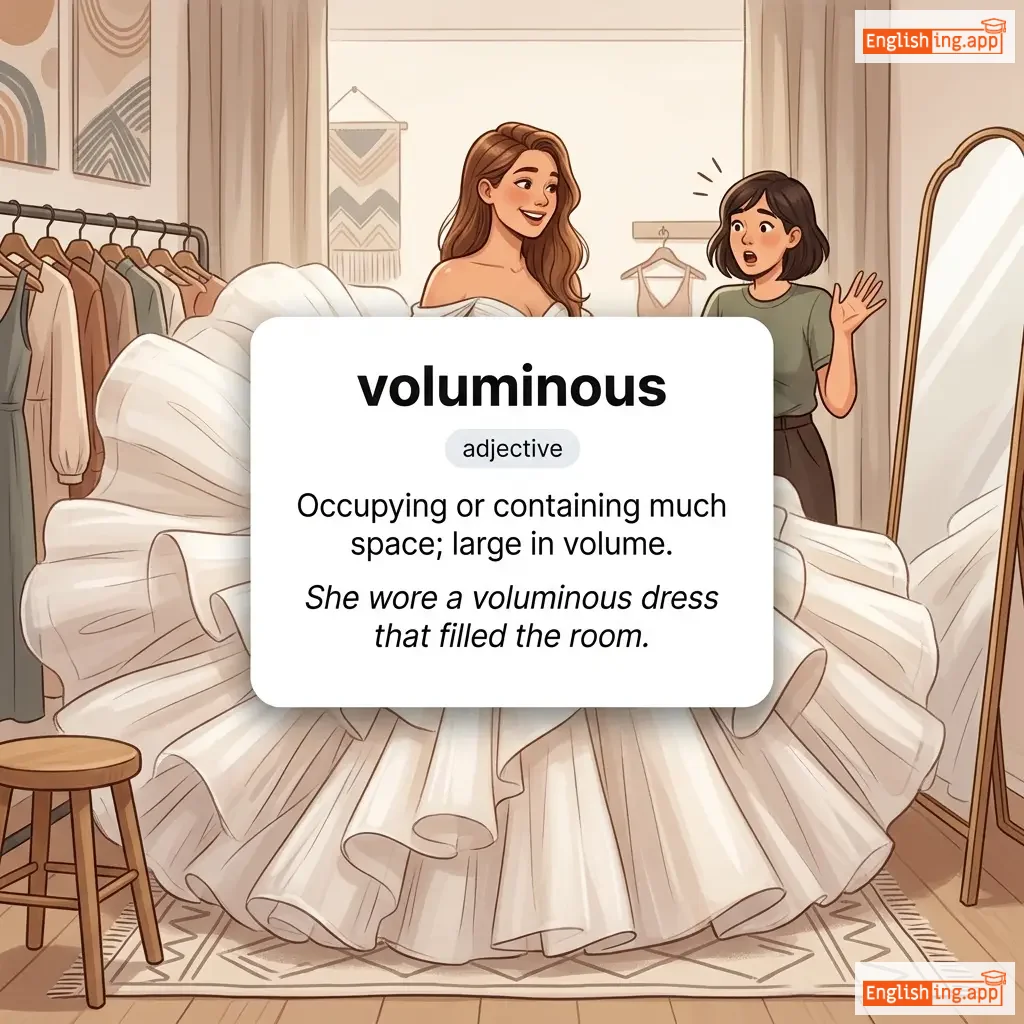
voluminous definition card — visual illustration of the meaning
adjective
/vəˈluːmənəs/
庞大的 (páng dà de)

Occupying or containing much space; large in volume.

"She wore a voluminous dress that filled the room."
"她穿着一件庞大的裙子,填满了整个房间。" (Tā chuānzhuó yī jiàn páng dà de qúnzi, tián mǎnle zhěnggè fángjiān.)
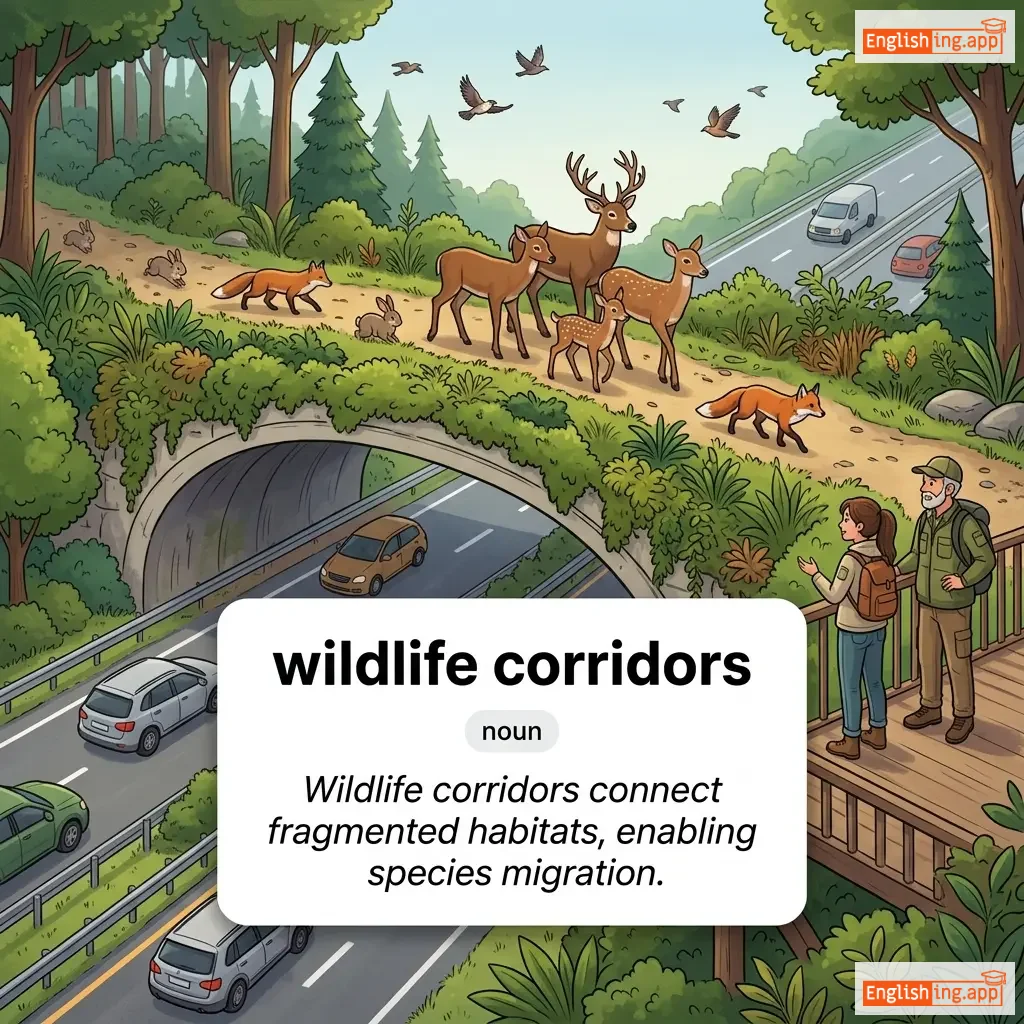
wildlife corridors definition card — visual illustration of the meaning
noun
ˈwaɪldlaɪf ˈkɔːrɪdɔːrz
野生动物走廊 (yěshēng dòngwù zǒuláng)

Areas of habitat connecting wildlife populations separated by human activities or structures.

"Wildlife corridors connect fragmented habitats, enabling species migration."

"野生动物走廊连接破碎的栖息地,促进物种迁徙。" (Yěshēng dòngwù zǒuláng liánjiē pòsuì de qīxī dì, cùjìn wùzhǒng qiānxǐ.)
verb
/vaʊtʃ/
保证 (baozheng)

to confirm or assert the truth or reliability of something

"I can vouch for his honesty."

"我可以为他的诚实作证。" (Wo keyi wei tade chengshi zuozheng.)
adjective
/ˈwʌndərfəl/
美妙 (měimiào)

extremely good or impressive

"She had a wonderful time at the party."

"她在派对上度过了一个美妙的时光。" (Tā zài pàiduì shàng dùguòle yīgè měimiào de shíguāng.)
noun
/ˈwɪlɪŋnəs/
意愿 (yiyuan)

the quality of being prepared or ready to do something

"Her willingness to help others made her very popular."

"她愿意帮助他人的态度使她变得非常受欢迎。" (Ta yuanyi bangzhu taren de taidu shi ta biande feichang shou huanying.)
noun
/ˈwɜːrkər/
工人 (gongren)

a person who is employed to perform tasks or duties

"The workers were busy building the bridge."

"工人们忙着建造桥梁。" (Gōngrén men mángzhe jiànzào qiáoliáng.)
😣

wince

verb
/wɪns/

To make an involuntary movement of the face or body as a result of pain or distress.

"He winced when the doctor touched his injured arm."

noun
/ˈwiːknəs/
弱点 (ruòdiǎn)

a state of being weak; a flaw or shortcoming in character or structure

"His main weakness is his lack of patience."

"他最大的弱点是缺乏耐心。" (Tā zuìdà de ruòdiǎn shì quēfá nàixīn.)
noun
/ˈwɪntər/
冬天 (dongtian)

the coldest season of the year, typically from December to February in the Northern Hemisphere

"Winter in the north can be very harsh with heavy snowfall."

"北方的冬天可能非常严酷,伴随着大量降雪。" (Beifang de dongtian keneng feichang yanku, bansuizhe daliang jiangxue.)
noun
/ˈwaɪər/
电线 (dianxian)

a thin, flexible thread of metal used to conduct electricity or connect things

"The electrician fixed the wire to restore the power."

"电工修理了电线以恢复电力。" (Diàngōng xiūlǐle diànxiàn yǐ huīfù diànlì.)
verb
/wɛd/
结婚 (jiehun)

to marry someone; to enter into a marriage

"They decided to wed in a small ceremony by the beach."

"他们决定在海滩举行一个小型婚礼。" (Tāmen juédìng zài hǎitān jǔxíng yīgè xiǎoxíng hūnlǐ.)
preposition
/wɪðˈaʊt/
没有 (méiyǒu)

in the absence of, or not having something

"He left without saying goodbye."

"他离开时没有说再见。" (Tā líkāi shí méiyǒu shuō zàijiàn.)