語彙集

英単語辞書 | 単語の意味、定義、例文

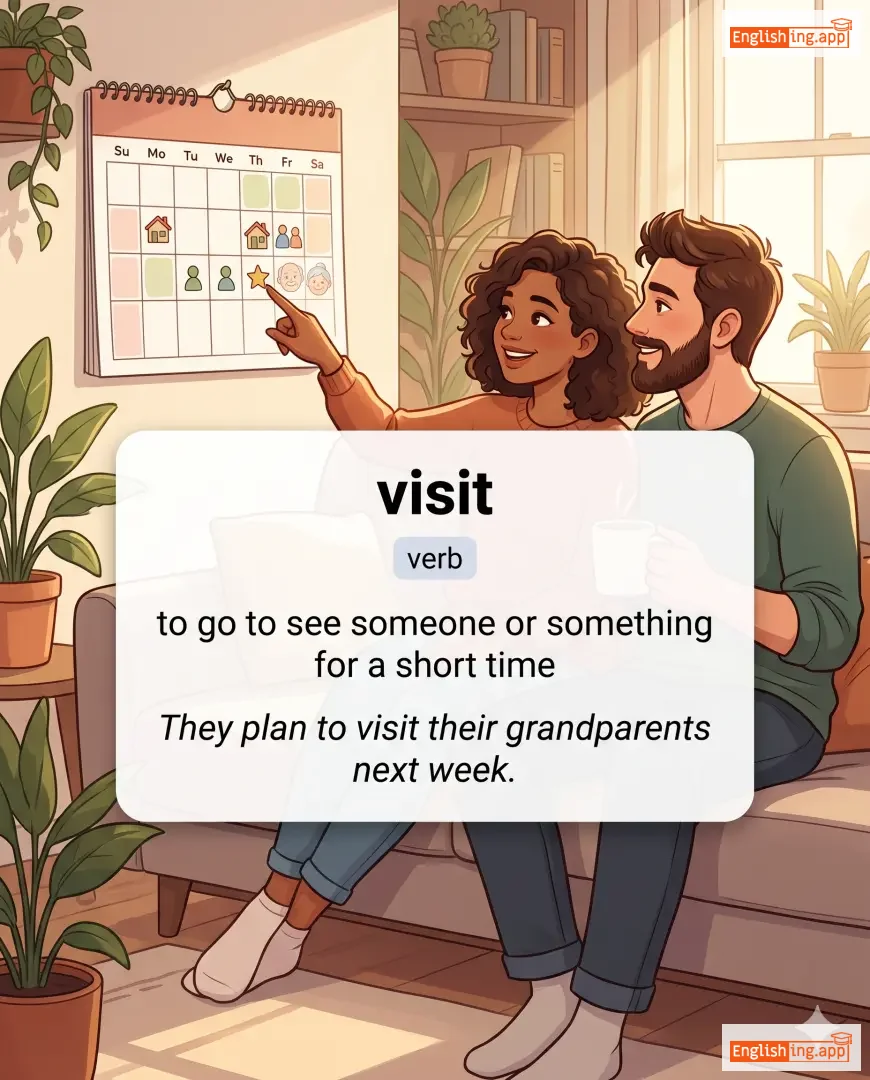
visit definition card — visual illustration of the meaning
verb
/ˈvɪzɪt/
訪問 (hōmon)

to go to see someone or something for a short time

"They plan to visit their grandparents next week."

"彼らは来週、祖父母を訪れる予定です。" (Karera wa raishū, sofubo o hōmon suru yotei desu.)
adjective
/ˈvɪrjʊlənt/
非常に有害 (hijou ni yuugai)

Extremely severe or harmful in its effects.

"The virulent disease spread rapidly across the region."

"そのウイルス性の病気は地域全体に急速に広がりました。" (Sono uirusu-sei no byouki wa chiiki zentai ni kyūsoku ni hirogarimashita.)
adjective
/ʌnˈnɛsəsɛri/
不必要 (fuhitsuyou)

not needed or required

"The manager cut all unnecessary expenses to save costs."

"マネージャーはコストを節約するためにすべての不必要な支出を削減しました。" (Manējā wa kosuto o setsuyaku suru tame ni subete no fuhitsuyou na shishutsu o sakugen shimashita.)
noun
/ˈvaɪəˌleɪtər/
違反者 (ihan-sha)

A person who breaks or disregards a law, rule, or agreement.

"The police caught the traffic violator at the intersection."

"警察は交差点で交通違反者を捕まえました。" (Keisatsu wa kōsaten de kōtsū ihan-sha o tsukamaemashita.)
adjective
/ˈvɪsɪd/
粘着性のある (nenchakusei no aru)

Having a thick, sticky consistency.

"The sap had a viscid texture that stuck to his hands."

"樹液はべたべたした質感で、彼の手にくっついていた。" (Jueki wa betabeta shita shitsukan de, kare no te ni kuttsuite ita.)
viscous definition card — visual illustration of the meaning
adjective
/ˈvɪskəs/
粘性の (nensei no)

Having a thick, sticky consistency between solid and liquid.

"Honey is a viscous liquid that flows slowly."
"蜂蜜は遅く流れる粘性の液体です。" (Hachimitsu wa osoku nagareru nensei no ekitai desu.)
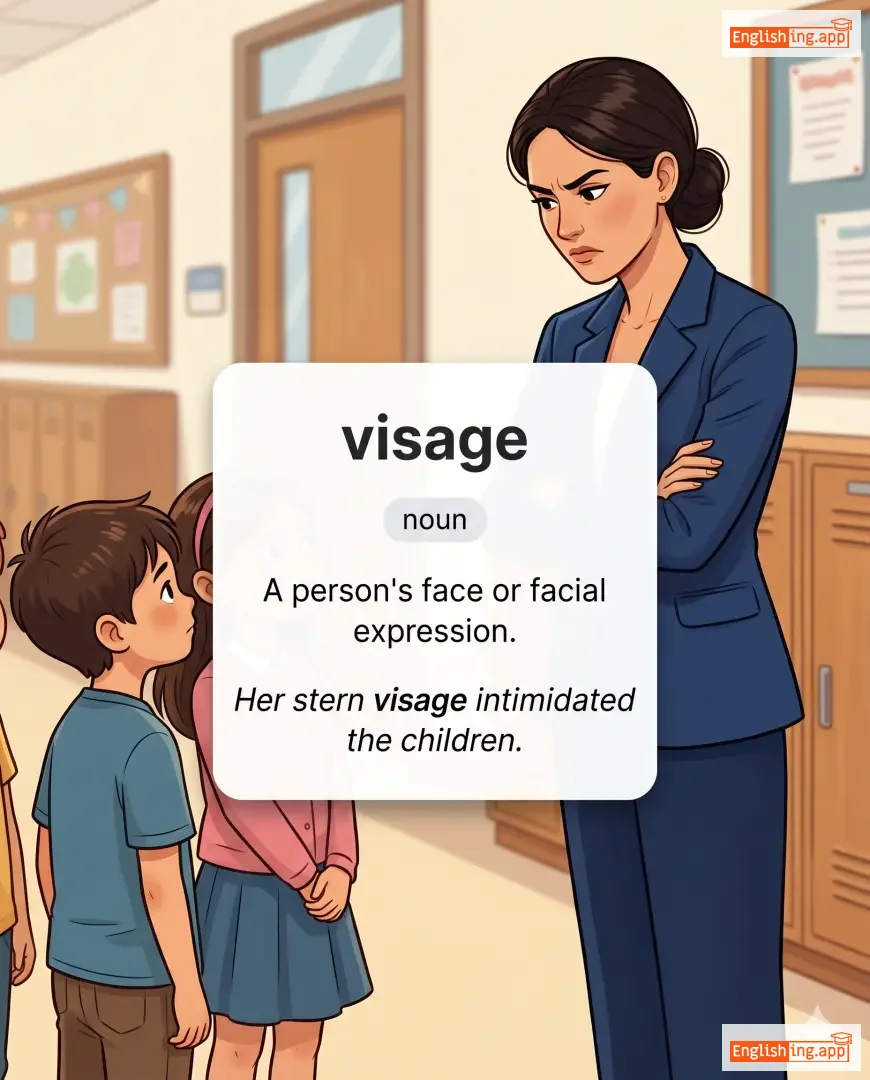
visage definition card — visual illustration of the meaning
noun
/ˈvɪzɪdʒ/
幸福 (kōfuku)

A person's face or facial expression.

"Her stern visage intimidated the children."

"彼女は賞を受け取ったとき、自分の幸福を隠すことができませんでした。" (Kanojo wa shō o uketotta toki, jibun no kōfuku o kakusu koto ga dekimasen deshita.)
adjective
/ˌʌnəbˈtruːsɪv/
目立たない (medatanai)

not attracting attention; blending in without causing notice

"The security cameras are designed to be unobtrusive."

"セキュリティカメラは目立たないように設計されています。" (Sekyuriti kamera wa medatanai yō ni sekkei sareteimasu.)
noun/adjective
/ˈvɪntɪdʒ/
ヴィンテージ / クラシック (vintage / kurashikku)

Relating to high quality from the past; classic; also the year of a wine harvest.

"She wore a vintage dress from the 1950s."

"彼女は1950年代のヴィンテージドレスを着ていました。" (Kanojo wa 1950 nendai no vintage doresu o kite imashita.)
adjective
/ˈvaɪtl/
不可欠 (fukaketsu)

essential or necessary for life or success

"It's vital to stay hydrated during the summer."

"夏の間に水分補給をすることは不可欠です。" (Natsu no aida ni suibun hokyū o suru koto wa fukaketsu desu.)
noun
/ˈjuːnɪt/
ユニット (yunitto)

an individual thing or person regarded as a single and complete entity

"Each unit in the production line is carefully tested."

"生産ラインの各ユニットは慎重にテストされます。" (Seisan rain no kaku yunitto wa shinchou ni tesuto saremasu.)
adjective
/ʌnˈrɪəl/
非現実的な (higenjitsuteki na)

not real or not based on reality; exaggerated or imaginary

"The experience felt unreal after the sudden news."

"突然の知らせの後、その体験は非現実的に感じられた。" (Totsuzen no shirasé no ato, sono taiken wa higenjitsuteki ni kanjirareta)
adjective
/ˌʌnprɪˈtɛnʃəs/
控えめな (hikaeme na)

modest; not attempting to impress others with appearance or importance

"She lives in an unpretentious home but is very happy."
"彼女は控えめな家に住んでいますが、とても幸せです。" (Kanojo wa hikaeme na ie ni sundeimasu ga, totemo shiawase desu.)
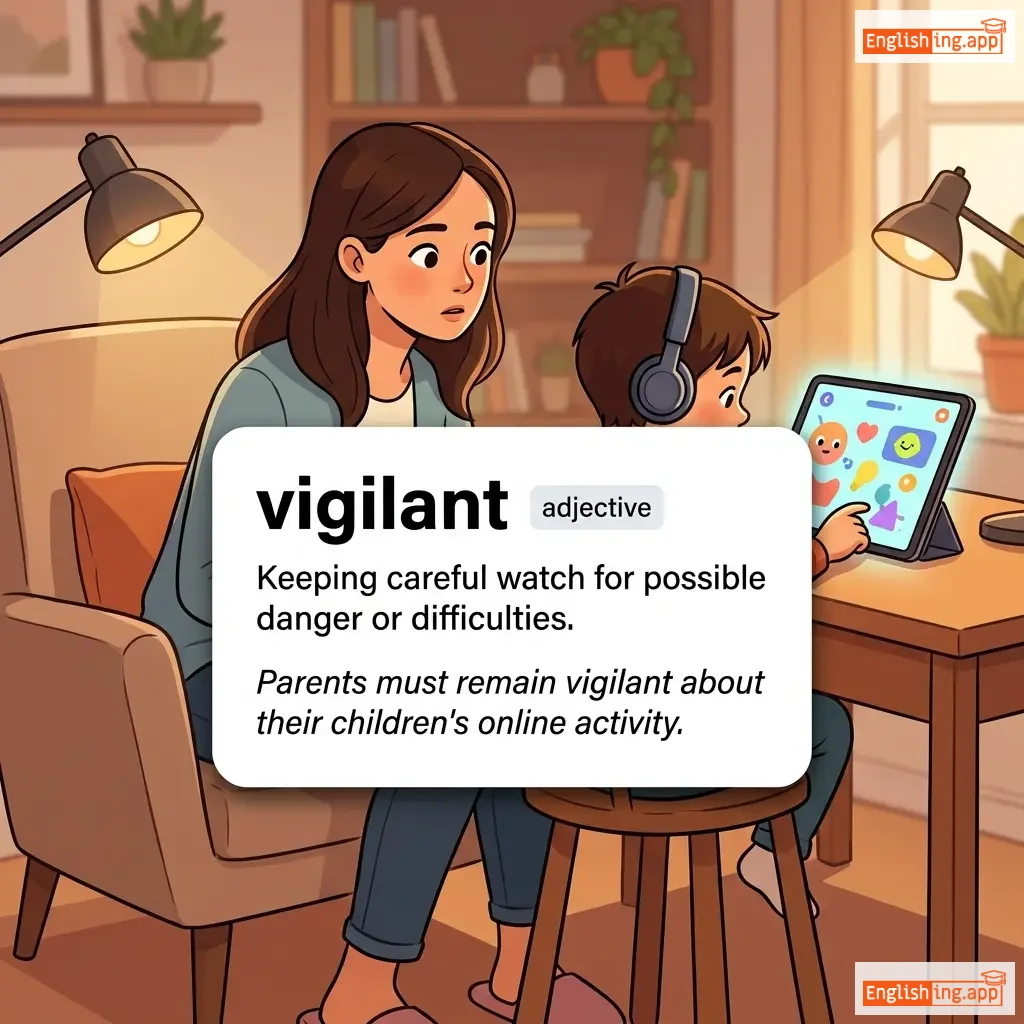
vigilant definition card — visual illustration of the meaning
adjective
/ˈvɪdʒɪlənt/
警戒 (keikai)

Keeping careful watch for possible danger or difficulties.

"Parents must remain vigilant about their children's online activity."
"親は子供たちのオンライン活動について警戒し続けるべきです。" (Oya wa kodomotachi no onrain katsudō ni tsuite keikai shitsuzukeru beki desu.)
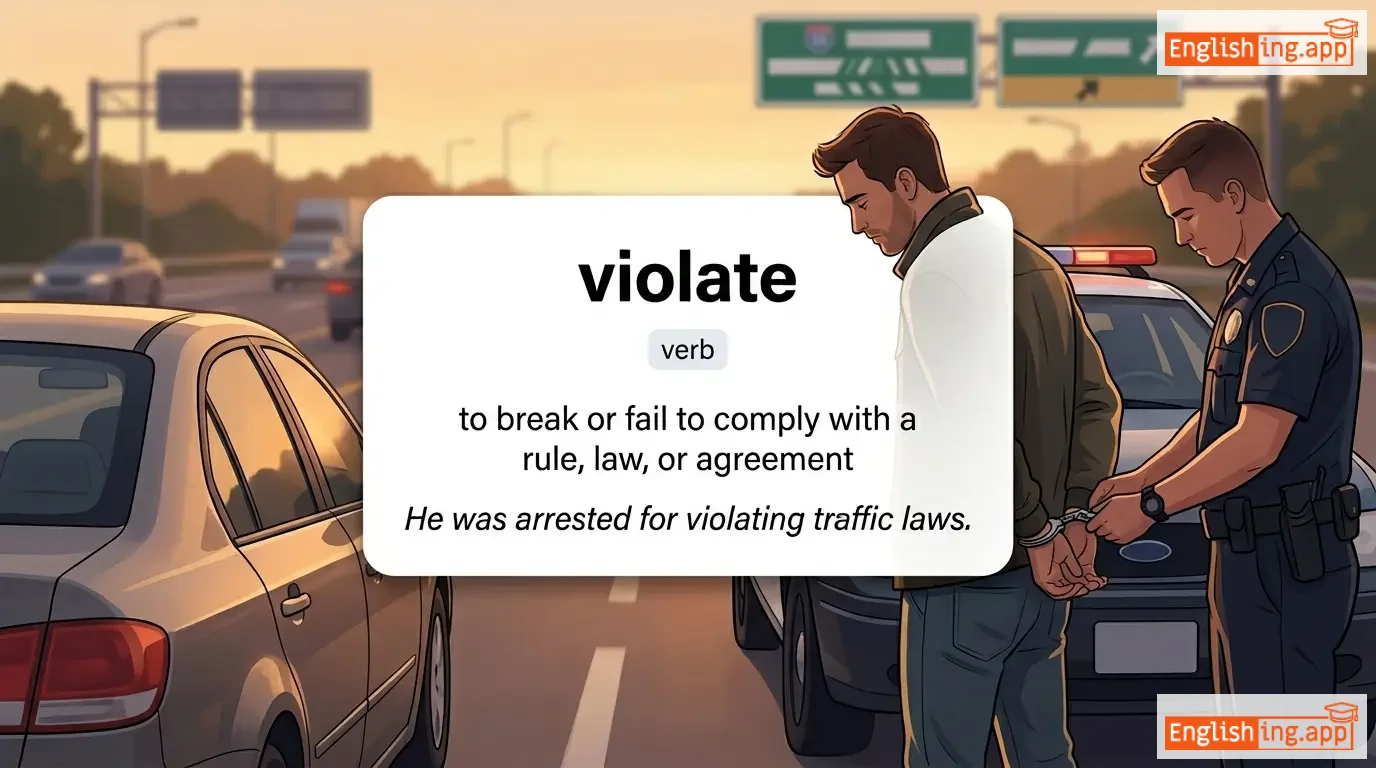
violate definition card — visual illustration of the meaning
verb
/ˈvaɪ.ə.leɪt/
違反する (ihan suru)

to break or fail to comply with a rule, law, or agreement

"He was arrested for violating traffic laws."

"彼は交通法を違反して逮捕された。" (Kare wa kōtsūhō o ihan shite taiho sareta.)
adjective
/ˈvaɪə.lət/
紫色 (murasaki iro)

a bluish-purple color

"She wore a beautiful violet dress to the party."

"彼女はパーティーで美しい紫色のドレスを着ていました。" (Kanojo wa pātii de utsukushī murasaki iro no doresu o kite imashita.)
adjective
/ʌnˈmærid/
未婚 (mikon)

Not married; single.

"He is thirty-five and still unmarried."
"彼は三十五歳で、まだ未婚です。" (Kare wa sanjuugosai de, mada mikon desu.)
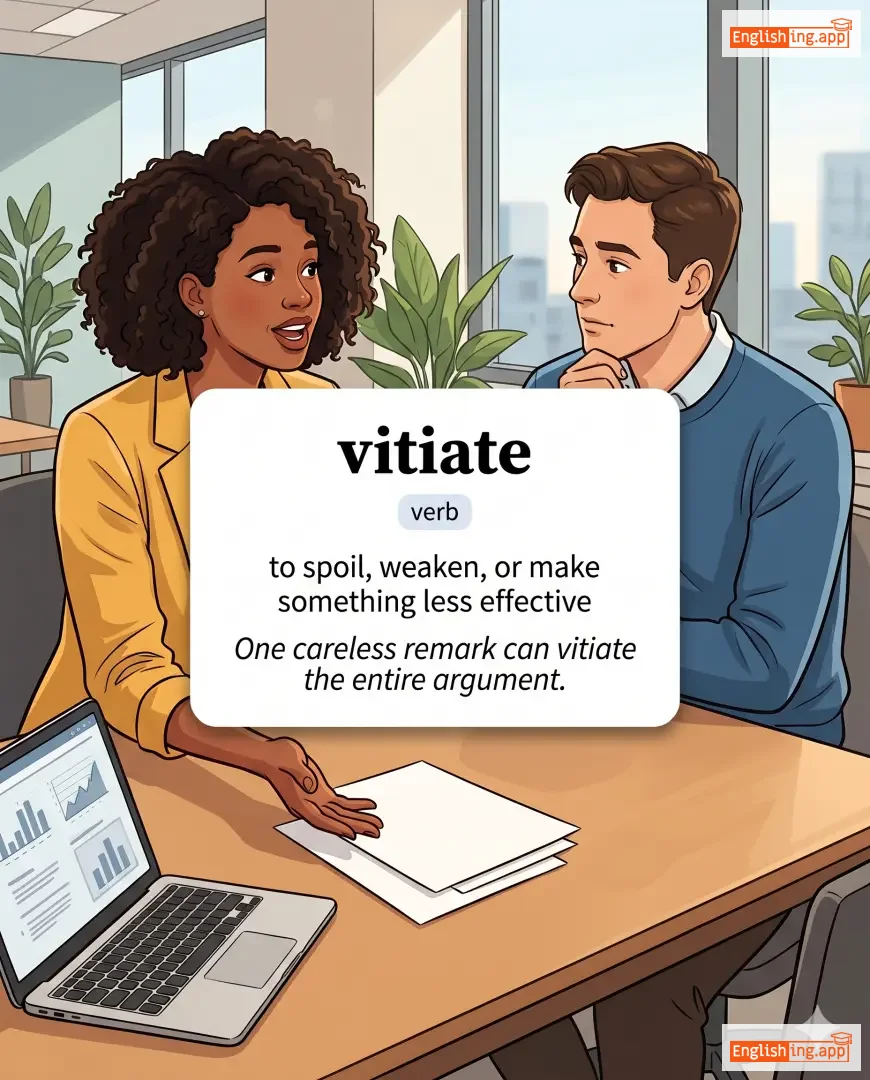
vitiate definition card — visual illustration of the meaning
verb
/ˈvɪʃieɪt/
損なう (sonanau)

to spoil, weaken, or make something less effective

"One careless remark can vitiate the entire argument."
"一つの不注意なコメントが議論全体を損なう可能性がある。" (Hitotsu no fuchūi na komento ga giron zentai wo sokonau kanōsei ga aru.)
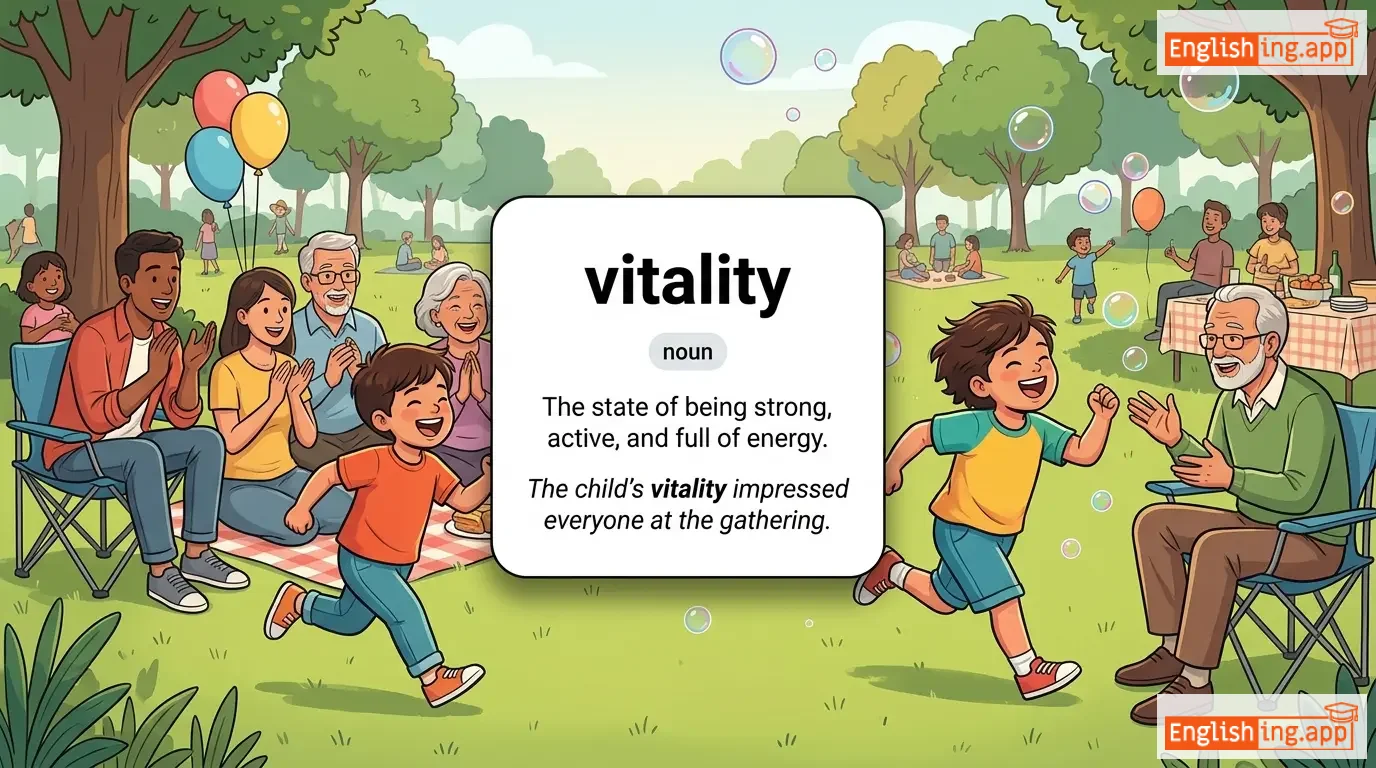
vitality definition card — visual illustration of the meaning
noun
/vaɪˈtæləti/
活力 (katsuryoku)

The state of being strong, active, and full of energy.

"The child’s vitality impressed everyone at the gathering."

"その子供の活力は集まりで皆を感動させました。" (Sono kodomo no katsuryoku wa atsumari de mina o kandō sasemashita.)
noun
/ˈvɜːrtʃuː/
美徳 (bitoku)

High moral standards or a good quality considered morally good.

"Patience is considered a great virtue."

"忍耐は偉大な美徳と考えられています。" (Nintai wa idaina bitoku to kangae rareteimasu.)
adjective
/ʌn.rɪˈleɪ.tɪd/
無関係な; 関連していない (mukan'keina; kanren shiteinai)

having no connection or relationship; not connected by family ties

"The two incidents were completely unrelated to each other."

"二つの出来事は完全に無関係だった。" (Futatsu no dekigoto wa kanzen ni mukan'keidatta.)
adverb
/ʌnˈfɔːtʃənətli/
残念ながら (zannen nagara)

used to express regret or disappointment about something that has happened or is going to happen

"Unfortunately, the event was canceled due to the rain."

"残念ながら、イベントは雨のため中止されました。" (Zannen nagara, ibento wa ame no tame chūshi sare mashita.)
adjective
/vaɪˈtjuːpərəbl̩/
非難されるべき (hinansarerebeki)

Deserving of blame, censure, or harsh criticism.

"His reckless actions made him vituperable in the eyes of his colleagues."

"彼の無謀な行動は、彼を同僚の目には非難されるべき存在にしました。" (Kare no mubou na koudou wa, kare wo douryou no me ni wa hinansarerebeki sonzai ni shimashita.)
adverb
/ˈvɜː.tʃu.ə.li/
ほとんど, バーチャル (hotondo, bācharu)

almost or nearly, but not completely; by means of computer technology

"The meeting was held virtually due to travel restrictions."

"旅行制限のため、会議はバーチャルで行われました。" (Ryokō seigen no tame, kaigi wa bācharu de okonawaremashita.)
noun
/ˌjuːnɪˈfɔːrmɪti/
均一性 (kin'itsusei)

The quality or state of being the same, consistent, or without variation.

"The teacher insisted on uniformity in the students' dress code."
"教師は生徒の服装の均一性を主張しました。" (Kyoushi wa seito no fukusou no kin'itsusei o shuchou shimashita.)
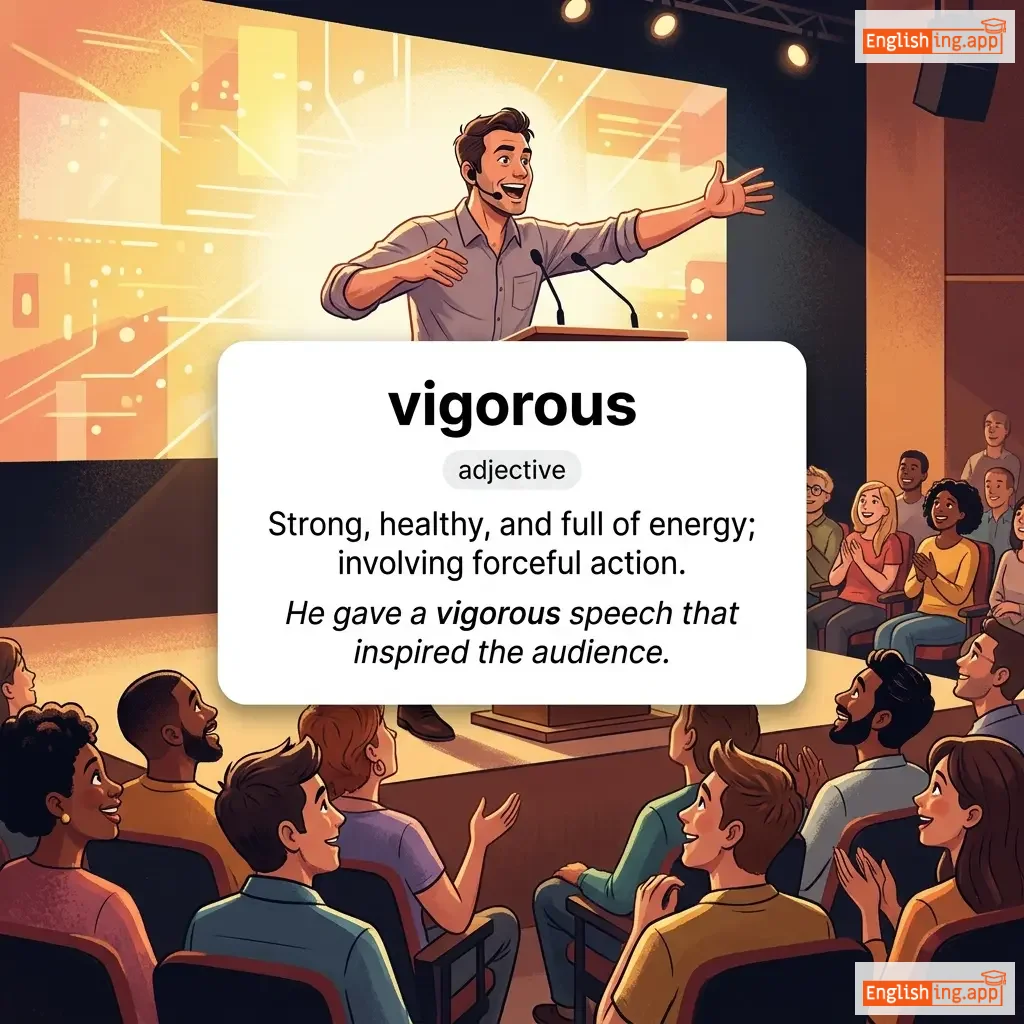
vigorous definition card — visual illustration of the meaning
adjective
/ˈvɪɡərəs/
活発 (kappatsu)

Strong, healthy, and full of energy; involving forceful action.

"He gave a vigorous speech that inspired the audience."

"彼は聴衆を感動させた活発なスピーチを行った。" (Kare wa chōshū o kandō saseta kappatsu na supīchi o okonatta.)
noun
/ˈviːzə/
ビザ (biza)

an official authorization or permission to enter, leave, or stay in a country

"She applied for a visa to study abroad."

"彼女は留学するためにビザを申請しました。" (Kanojo wa ryūgaku suru tame ni biza o shinsei shimashita.)
adjective
/ʌnˈlɪmɪtɪd/
無制限 (museigen)

without any limits or restrictions

"The internet plan offers unlimited data for the whole month."

"インターネットプランは1ヶ月間の無制限データを提供します。" (Intānetto puran wa ikkagetsukan no museigen dēta o teikyō shimasu.)
noun
/ˌvaɪəˈleɪʃən/
違反 (ihan)

The act of breaking or disregarding a law, rule, or agreement.

"Driving without a license is a violation of the law."

"免許なしで運転することは法律違反です。" (Menkyo nashi de unten suru koto wa hōritsu ihan desu.)
adjective
/ʌnˈnoʊn/
不明 (fumei)

not known or familiar

"The origin of the disease remains unknown."
"その病気の起源は未だに不明です。" (Sono byouki no kigen wa imada ni fumei desu.)
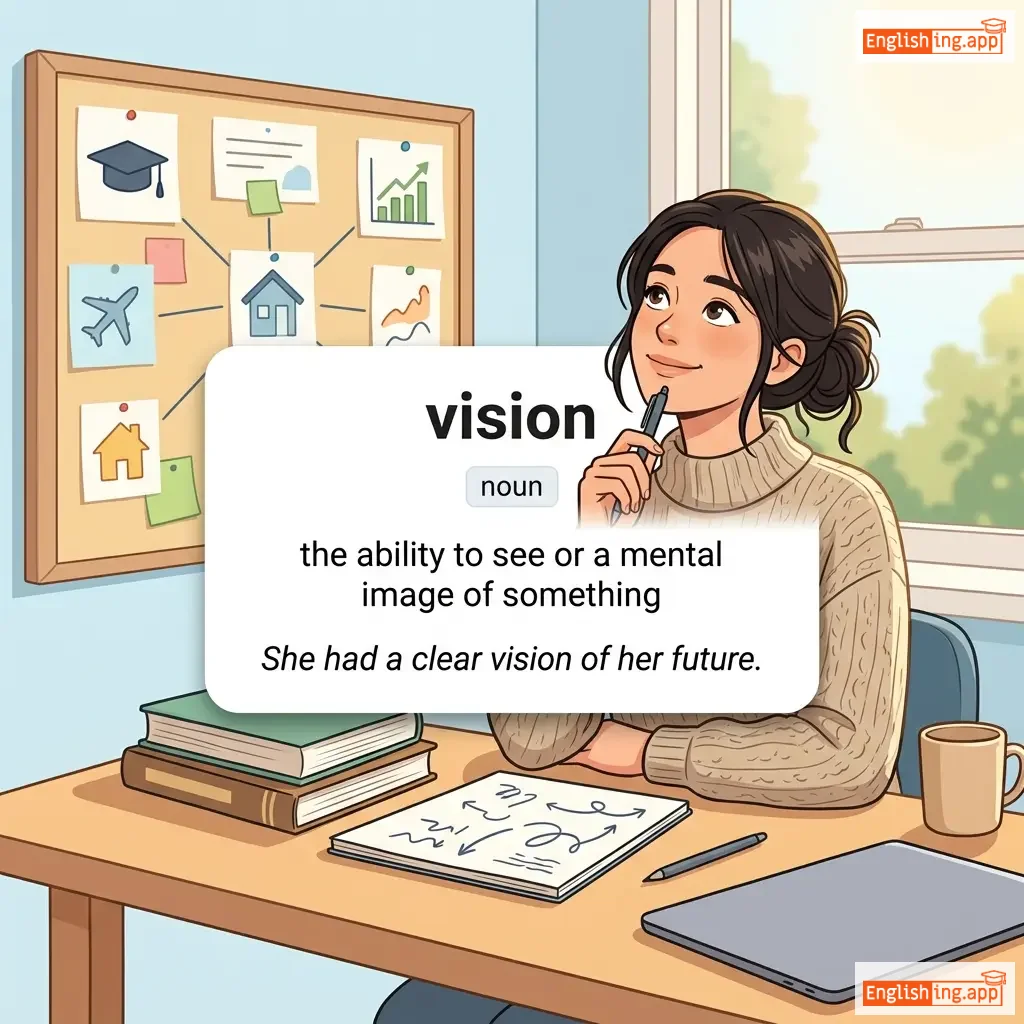
vision definition card — visual illustration of the meaning
noun
/ˈvɪʒən/
幸せ (shiawase)

the ability to see or a mental image of something

"She had a clear vision of her future."

"彼女は賞を受け取ったとき、自分の幸せを隠すことができませんでした。" (Kanojo wa shou o uketotta toki, jibun no shiawase o kakusu koto ga dekimasen deshita.)
adjective
/ʌnˈθɪŋkəbl/
想像を絶する (souzou o zessuru)

impossible to conceive or imagine; beyond belief or consideration

"It was unthinkable that such a tragedy could happen in our peaceful town."

"私たちの平和な街でそのような悲劇が起こるなんて、想像を絶していました。" (Watashitachi no heiwa na machi de sono youna higeki ga okoru nante, souzou o zesshite imashita.)
verb
/ʌnˈfɛtər/
制約から解放する (seiyaku kara kaihō suru)

to release from restraint or restriction; to free

"The new law will unfetter small businesses from excessive regulations."

"新しい法律は小規模なビジネスを過剰な規制から解放します。" (Atarashī hōritsu wa shōkibō na bijinesu o kajō na kisei kara kaihō shimasu.)
adjective
/ˈvɪzəbl/
可視的 (kashiteki)

able to be seen; perceptible by the eye

"The stars were clearly visible in the night sky."

"星は夜空ではっきりと見えました。" (Hoshi wa yozora de hakkiri to miemashita.)
noun
/ˌjuːnɪˈvɜːrsɪti/
大学 (daigaku)

an institution of higher education and research, which grants academic degrees

"She is studying law at the university."
"彼女は大学で法学を学んでいます。" (Kanojo wa daigaku de hogaku wo manande imasu.)
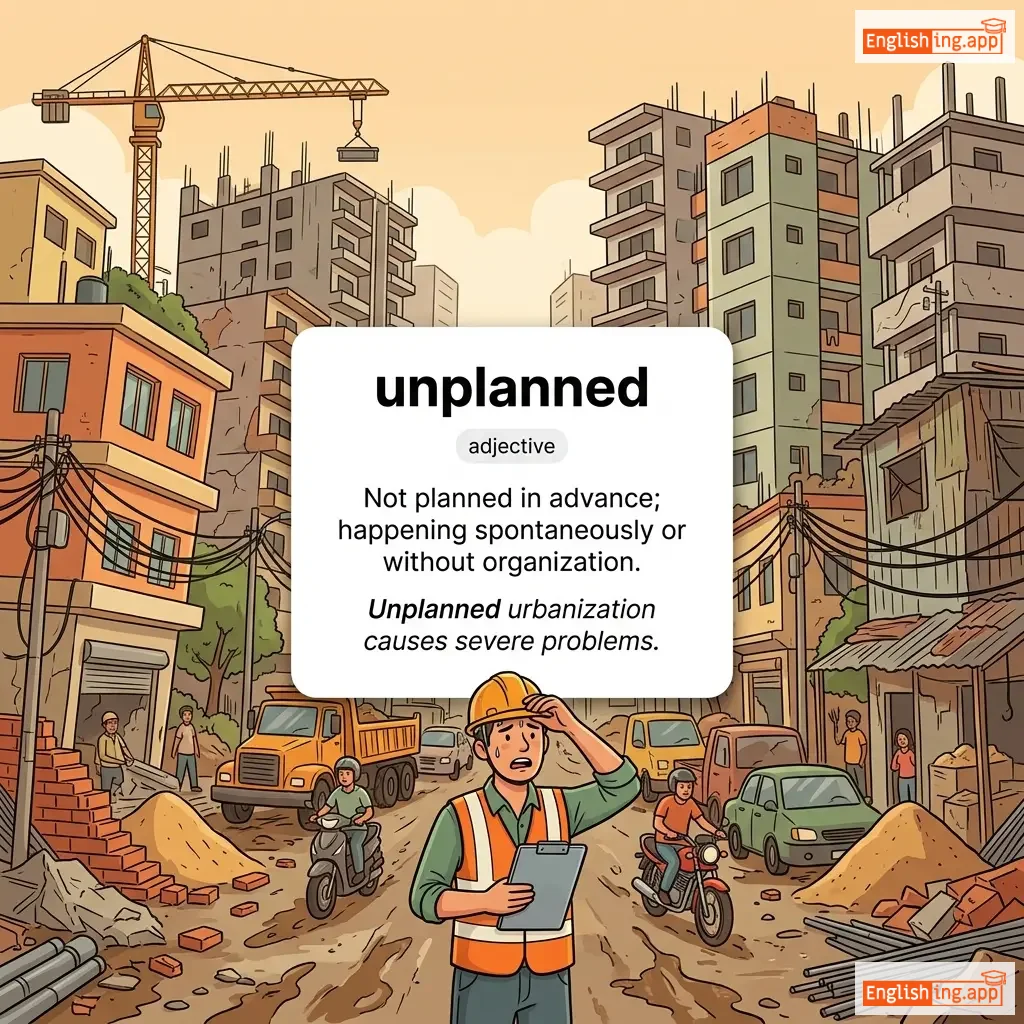
unplanned definition card — visual illustration of the meaning
adjective
ʌnˈplænd
計画外 (keikakugai)

Not planned in advance; happening spontaneously or without organization.

"Unplanned urbanization causes severe problems."

"計画外の都市化は深刻な問題を引き起こす。" (Keikakugai no toshika wa shinkokuna mondai o hikiokosu.)
adjective
/ˌʌnɪnˈhɪbɪtɪd/
抑制されていない (yokusei sarete inai)

Not restrained or restricted; free in behavior or expression.

"She gave an uninhibited laugh at the joke."
"彼女は冗談に対して抑制されずに笑った。" (Kanojo wa jōdan ni taishite yokusei sarezu ni waratta.)
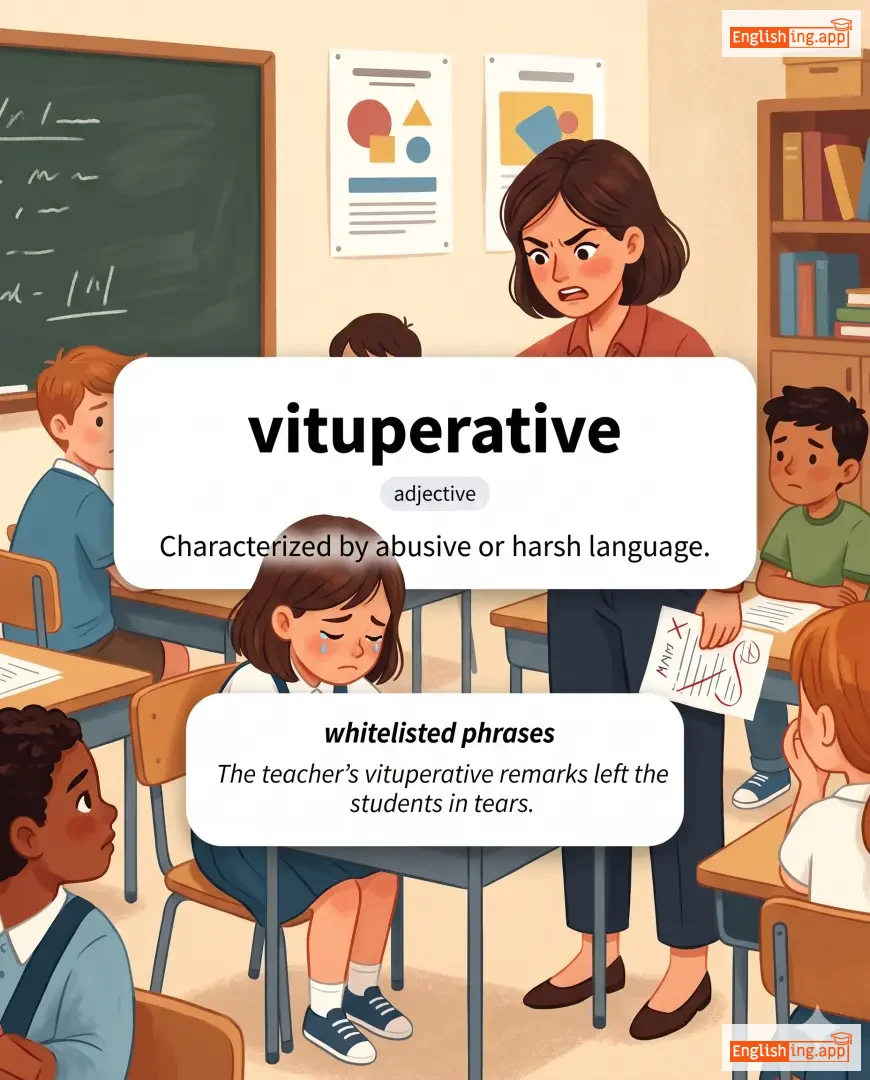
vituperative definition card — visual illustration of the meaning
adjective
/vɪˈtjuːpərətɪv/
悪口な (warukuchi na)

Characterized by abusive or harsh language.

"The teacher’s vituperative remarks left the students in tears."

"教師の悪口な言葉が学生たちを涙で満たしました。" (Kyōshi no warukuchi na kotoba ga gakusei-tachi o namida de mitashimashita.)
adjective
/ʌnˈdʒʌst/
不当な; 不正な (futōna; fuseina)

not fair or right; morally wrong

"The punishment was unjust for such a minor offense."

"その罰は軽微な違反に対して不当でした。" (Sono bachi wa keibi na ihan ni taishite futō deshita.)
adjective
/ʌnˈɜːrθli/
超自然的 (chounaturaru)

Strange or unnatural in a way that seems not of this world

"The forest was filled with an unearthly glow."

"森は超自然的な輝きで満たされていました。" (Mori wa chounaturaru na kagayaki de mitasarete imashita.)
preposition/adjective
/ʌnˈlaɪk/
異なる (kotonaru)

differing from or not similar to

"Unlike his brother, he enjoys playing soccer."

"彼の兄とは異なり、彼はサッカーを楽しんでいます。" (Kare no ani to wa kotonaru, kare wa sakkā o tanoshindeimasu.)
adjective
/ˈvɪtriəs/
ガラスのような (garasu no you na)

having a glass-like appearance or quality

"The mineral has a vitreous shine."

"その鉱物はガラスのような光沢を持っています。" (Sono koumotsu wa garasu no you na koutaku o motteimasu.)
adjective
/ʌnˈsəʊʃəbl/
非社交的な (hi shakaiteki na)

not enjoying the company of others; avoiding social interaction

"He became unsociable after moving to a new city."

"新しい街に引っ越してから、彼は非社交的になった。" (atarashii machi ni hikkoshite kara kare wa hi shakaiteki ni natta)
adjective
/ʌnˈsaɪtli/
見苦しい (migurushii)

Unpleasant to look at; ugly.

"The garbage pile created an unsightly view in the park."

"ゴミの山は公園に見苦しい景色を作り出した。" (Gomi no yama wa kōen ni migurushii keshiki o tsukuridashita.)
adjective
/ʌnˈhel.θi/
不健康な; 健康に悪い (fukenkou na, kenko ni warui)

harmful to health; not in good health; detrimental to well-being

"Eating too much fast food is unhealthy for your body."

"ファーストフードを食べ過ぎることは、あなたの体に不健康です。" (Fāsuto fūdo o tabesugiru koto wa, anata no karada ni fukenkou desu.)
noun
/vɪnˈjɛt/
短編小説 (tanpen shōsetsu)

A short, descriptive piece of writing or a brief scene.

"The author included a poignant vignette in the introduction of the book."

"著者は本の序文に感動的な短編小説を含めた。" (Chosha wa hon no jobun ni kandō-tekina tanpen shōsetsu o fukumeta.)
verb
/ˌʌndərˈsɛl/

to sell something at a lower price than competitors or to downplay the value of something

"The shop undersold its rivals by offering huge discounts."

verb
/ˈvɛəriəˌɡeɪt/
多様化する (tayōka suru)

To diversify or mark with different colors or patterns.

"The artist used different shades to variegate the design."

"アーティストはデザインを多様化するために異なる色合いを使いました。" (Ātisuto wa dezain o tayōka suru tame ni kotonaru iroai o tsukaimashita.)
adjective
/ˈvaɪ.ə.lənt/
暴力的 (bōryokuteki)

using or involving physical force intended to hurt or damage

"He became violent after hearing the bad news."
"悪いニュースを聞いた後、彼は暴力的になった。" (Warui nyūsu o kiita ato, kare wa bōryokuteki ni natta.)
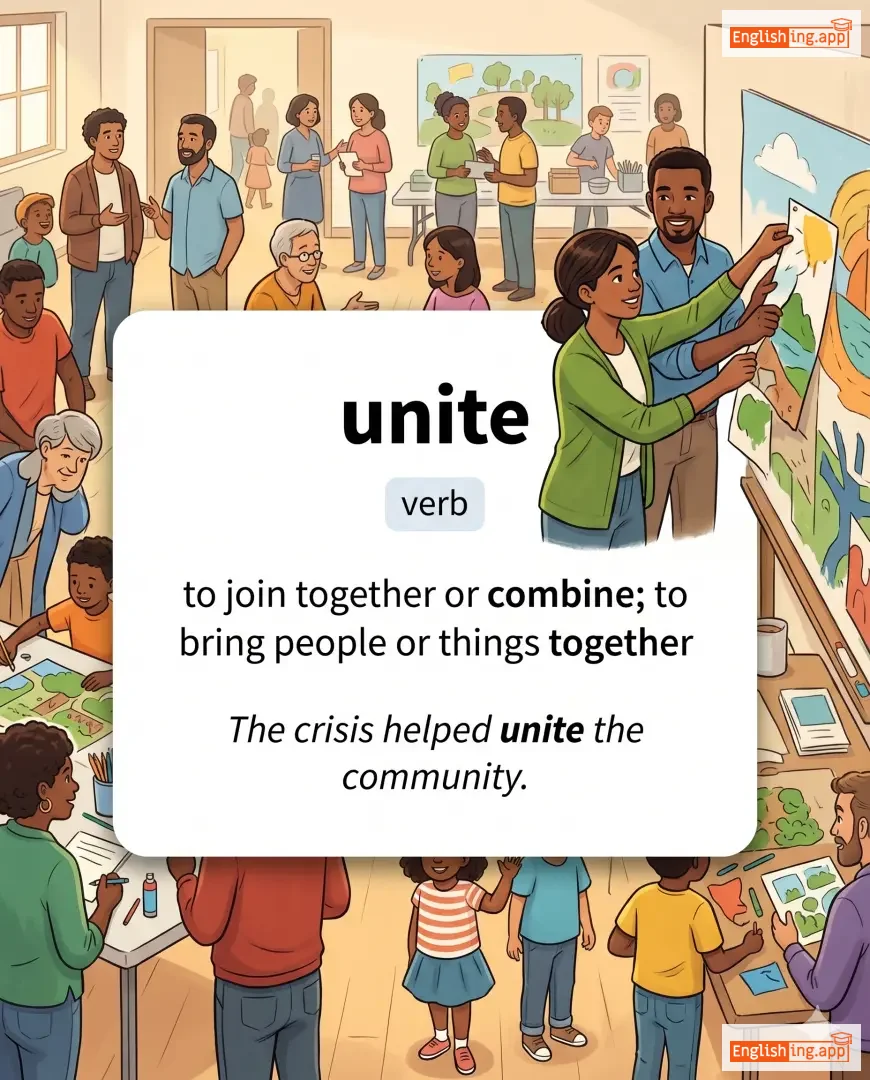
unite definition card — visual illustration of the meaning
verb
/juˈnaɪt/
団結する (danketsu suru)

to join together or combine; to bring people or things together

"The crisis helped unite the community."

"危機がコミュニティを団結させました。" (Kiki ga komyuniti o danketsu sasemashita.)