













Swipe left or right, or use the buttons. Tap image to zoom.
例句翻译
单词
Lesson 8: Mastering the Most Frequent Verbs & TensesLesson 8: Mastering the Most Frequent Verbs & Tenses - 遮罩切换
|
表情符号
|
单词 | Images | 翻译 | 过去时 | 过去分词 | 第三人称单数 | 动名词 | 含义 | 例句 | 例句翻译 | 同义词 | 反义词 | 搭配词 | 助记符 |
|---|---|---|---|---|---|---|---|---|---|---|---|---|---|---|
|
#209
🔧
|
/twiːk/
verb
(twik)
••••••
|
|
微调
wēi tiáo
••••••
|
tweaked
tweɪkt
••••••
|
tweaked
tweɪkt
••••••
|
tweaks
twiːks
••••••
|
tweaking
twiːkɪŋ
••••••
|
to make small adjustments; to fine-tune something
••••••
|
We need to tweak the design slightly.
我们需要稍微调整设计。
••••••
|
我们需要稍微调整设计。
Wǒmen xūyào shāowéi tiáo zhěng shèjì
••••••
|
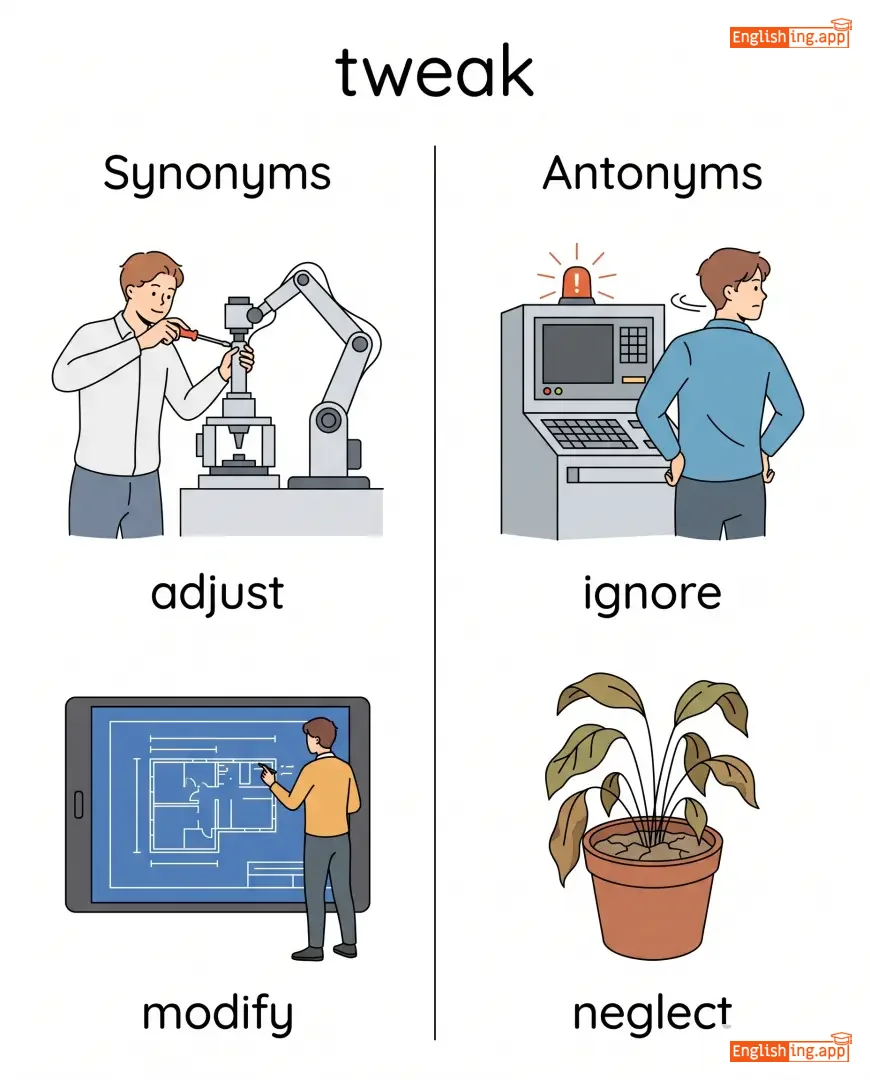
adjust, modify, fine-tune, refine
••••••
|
ignore, neglect, leave
••••••
|
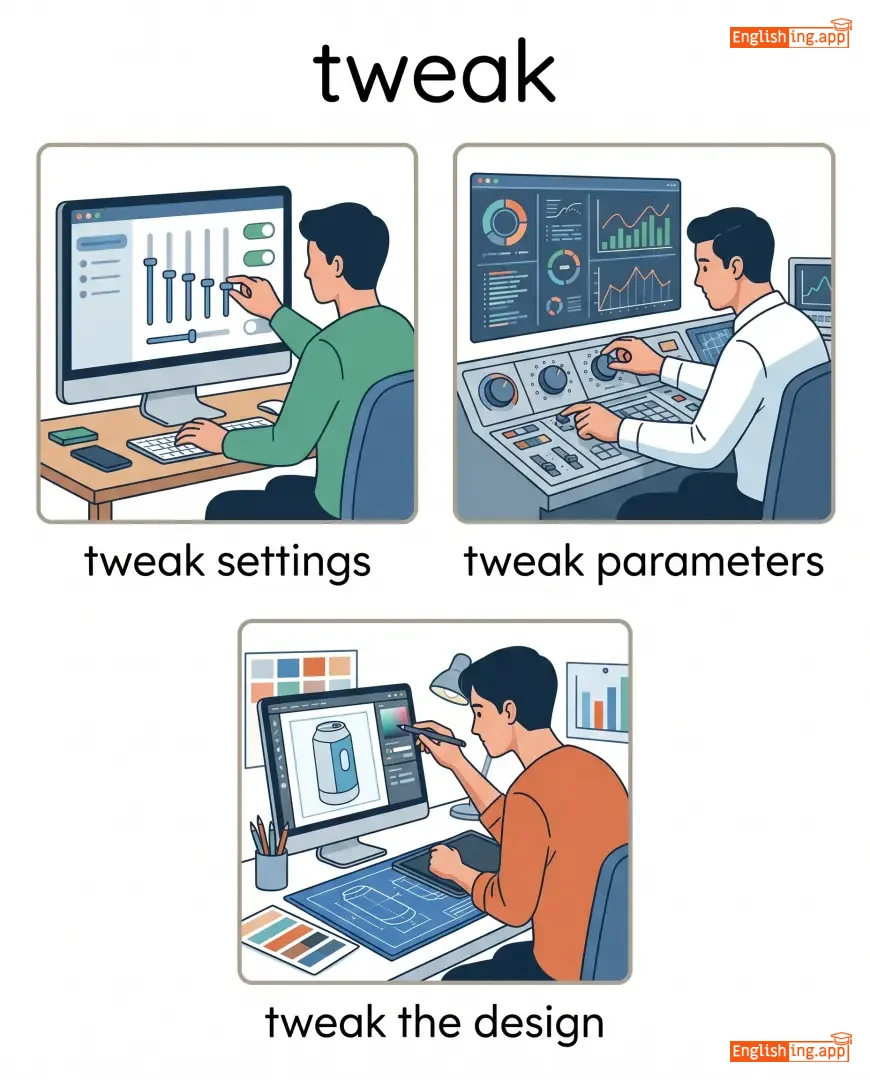
tweak settings, tweak parameters, tweak the design, slightly tweak, constantly tweak
••••••
|
微调 is like tweaking, refining and adjusting with precision.
••••••
|
|
#210
🤾
|
/kætʃ/
verb
(kætʃ)
••••••
|
|
接住
jie zhu
••••••
|
caught
kɔt
••••••
|
caught
kɔt
••••••
|
catches
kæʧɪz
••••••
|
catching
kæʧɪŋ
••••••
|
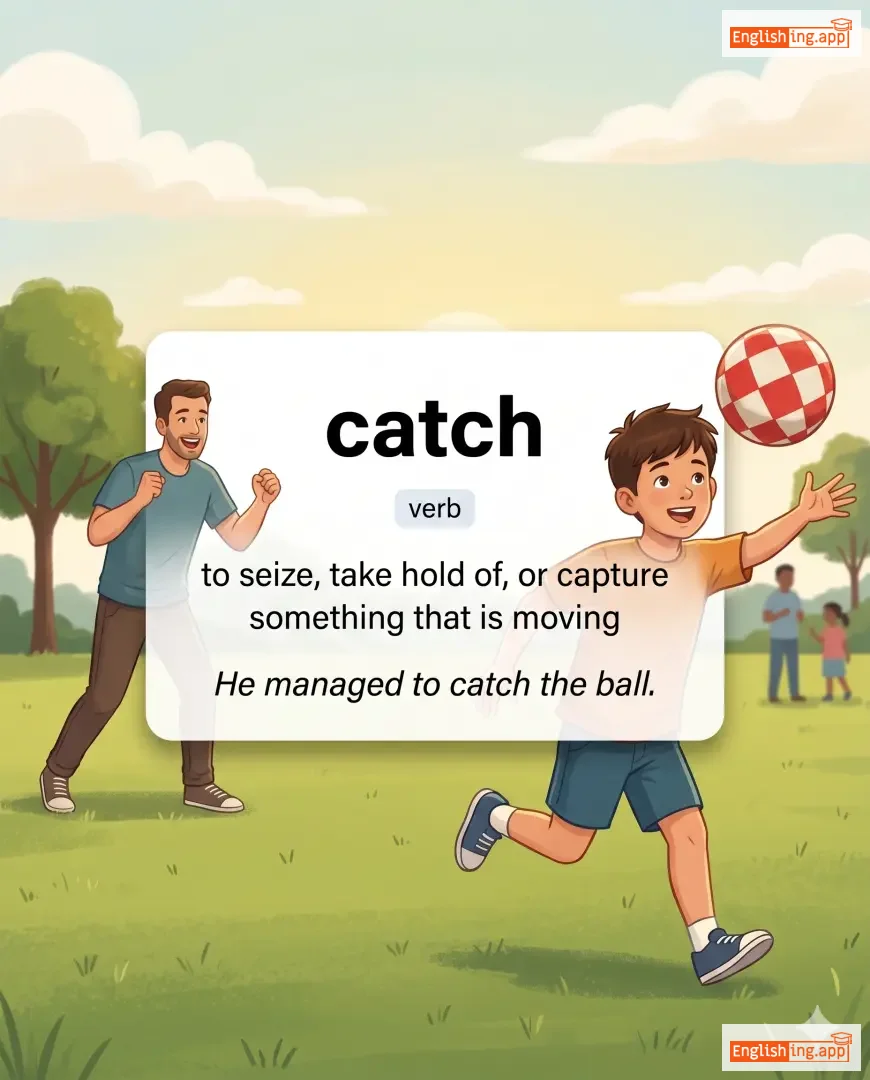
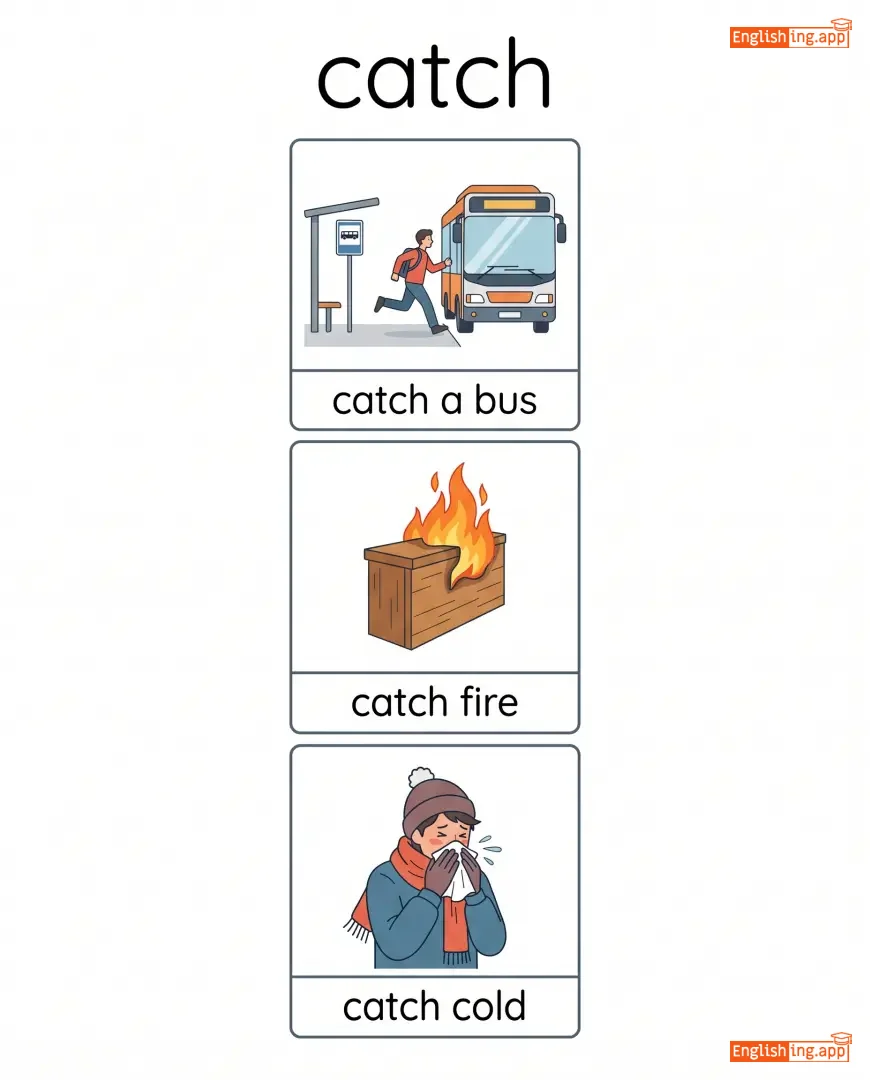
to grab something that is moving; to get a disease; to understand
••••••
|
Can you catch the ball I'm throwing?
你能接住我扔的球吗?
••••••
|
你能接住我扔的球吗?
Nǐ néng jiē zhù wǒ rēng de qiú ma?
••••••
|
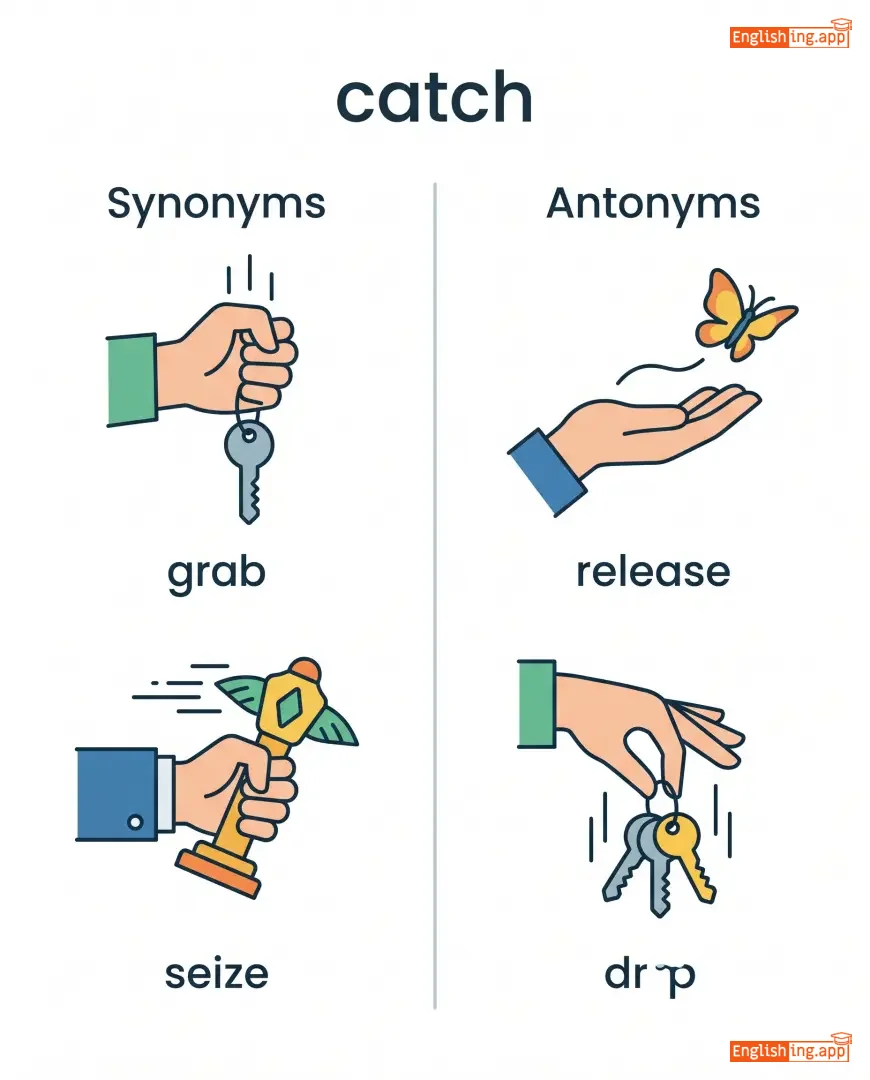
grab, seize, capture, get
••••••
|
throw, release, drop, miss
••••••
|
catch a ball, catch a cold, catch fire, catch sight, catch up with
••••••
|
Jie zhu the ball – catching it in Chinese style!
••••••
|
|
#211
👻
|
/ˌdɪsəˈpɪər/
verb
(消失)
••••••
|
|
消失
xiaoshi
••••••
|
disappeared
消失了
••••••
|
disappeared
消失了
••••••
|
disappears
消失
••••••
|
disappearing
消失中
••••••
|
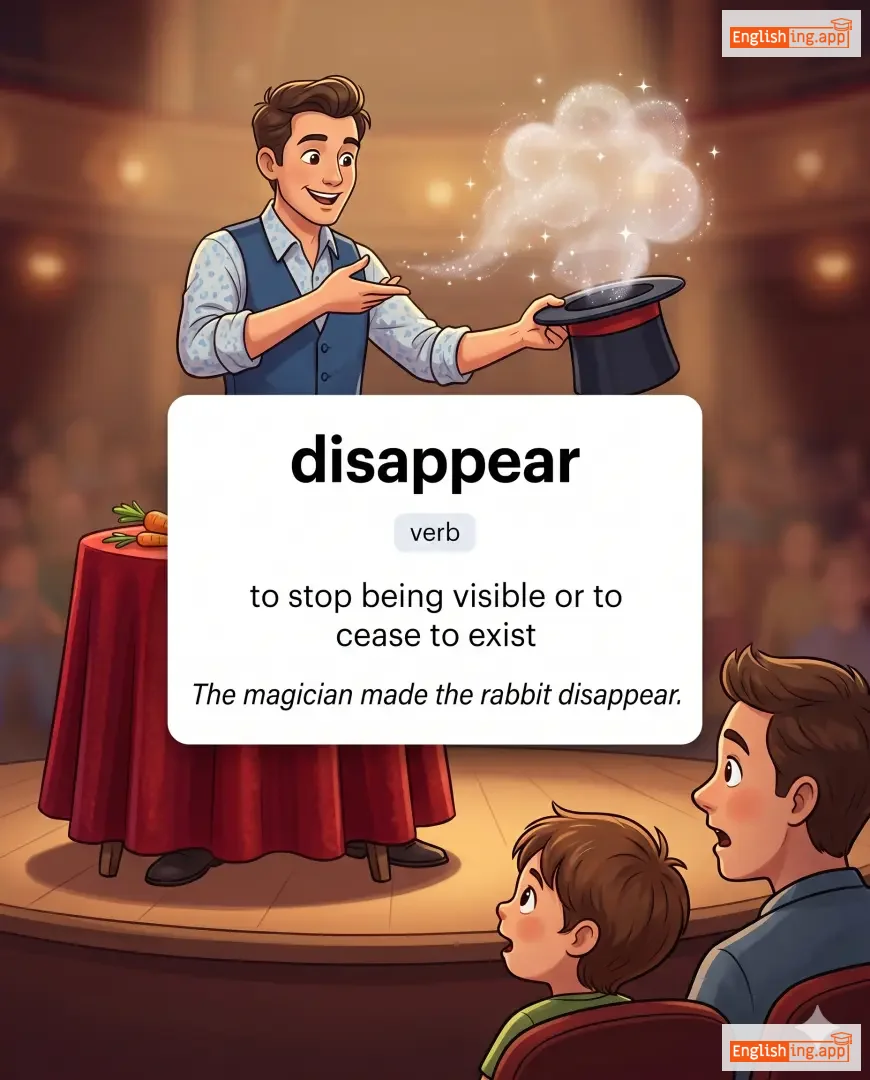
to cease to be visible; to vanish
••••••
|
The magician made the rabbit disappear.
魔术师让兔子消失了。
••••••
|
魔术师让兔子消失了。
Móshùshī ràng tùzi xiāoshī le.
••••••
|
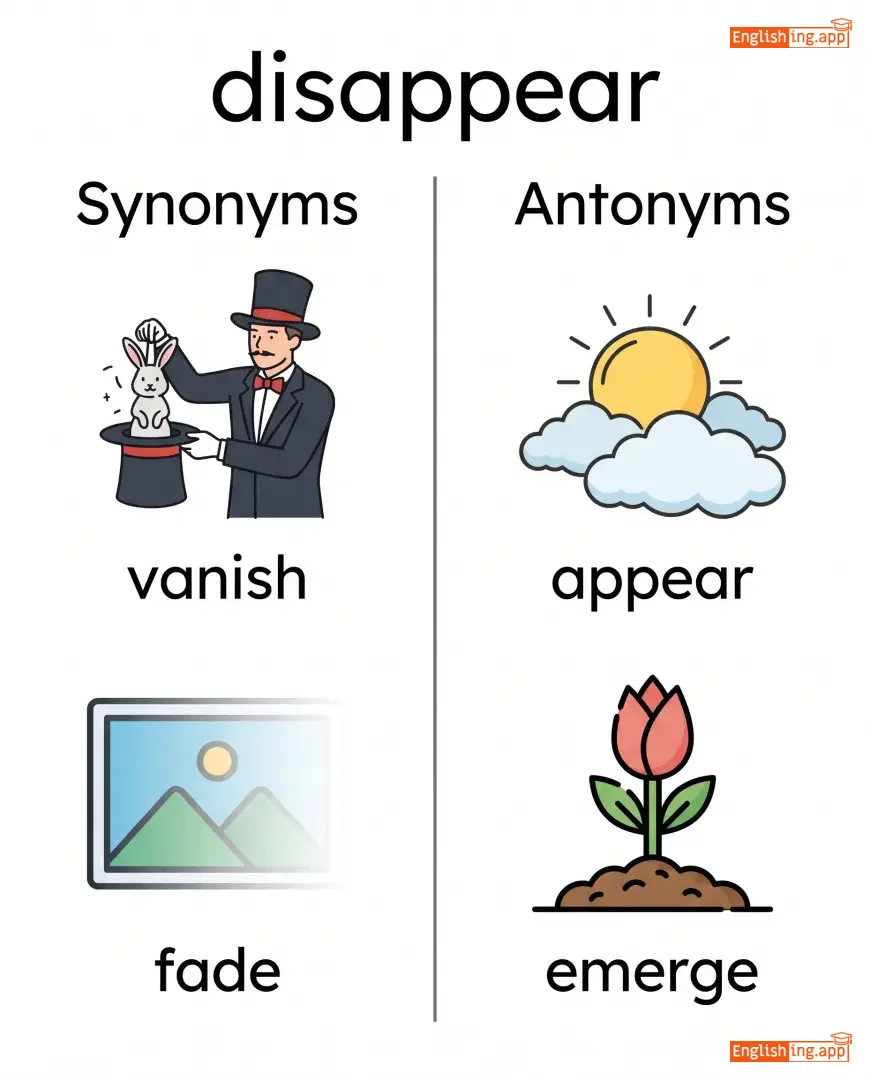
vanish, fade, evaporate, dissolve
••••••
|
appear, emerge, materialize, surface
••••••
|
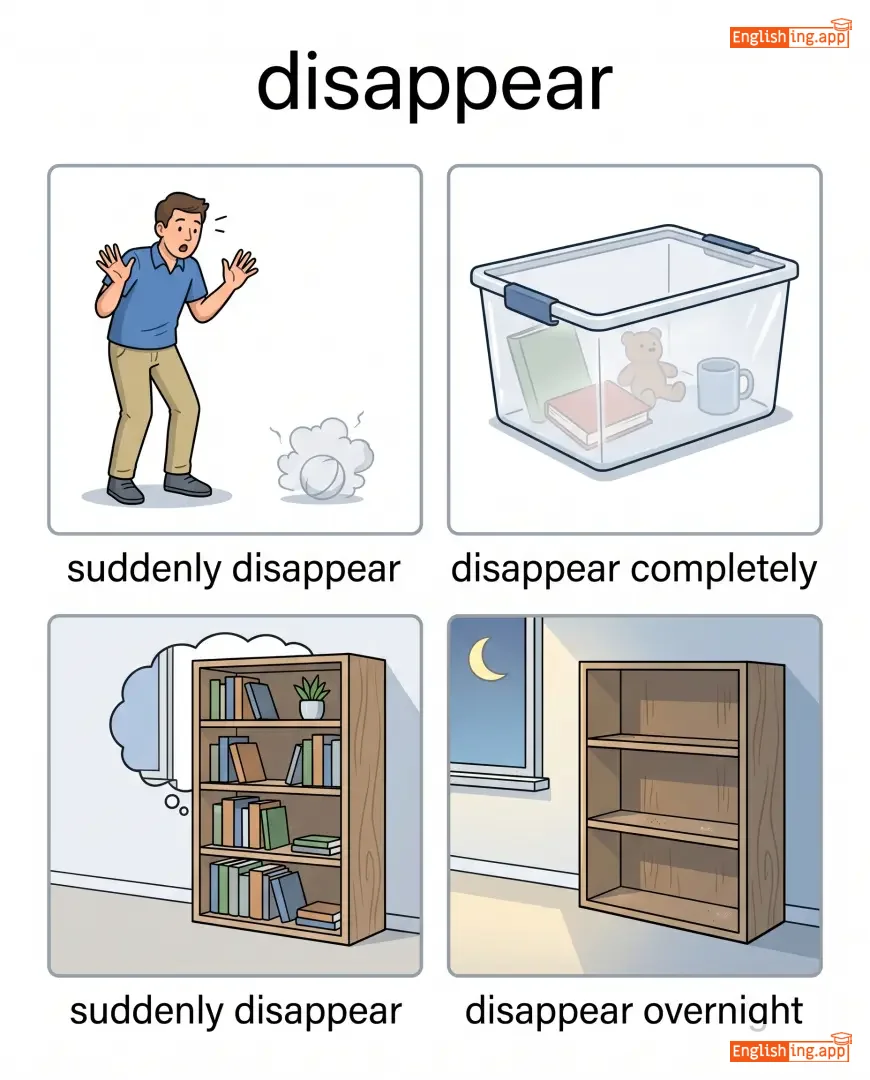
suddenly disappear, completely disappear, slowly disappear, mysteriously disappear, eventually disappear
••••••
|
魔术师用魔法让兔子消失了。
••••••
|
|
#212
🚀
|
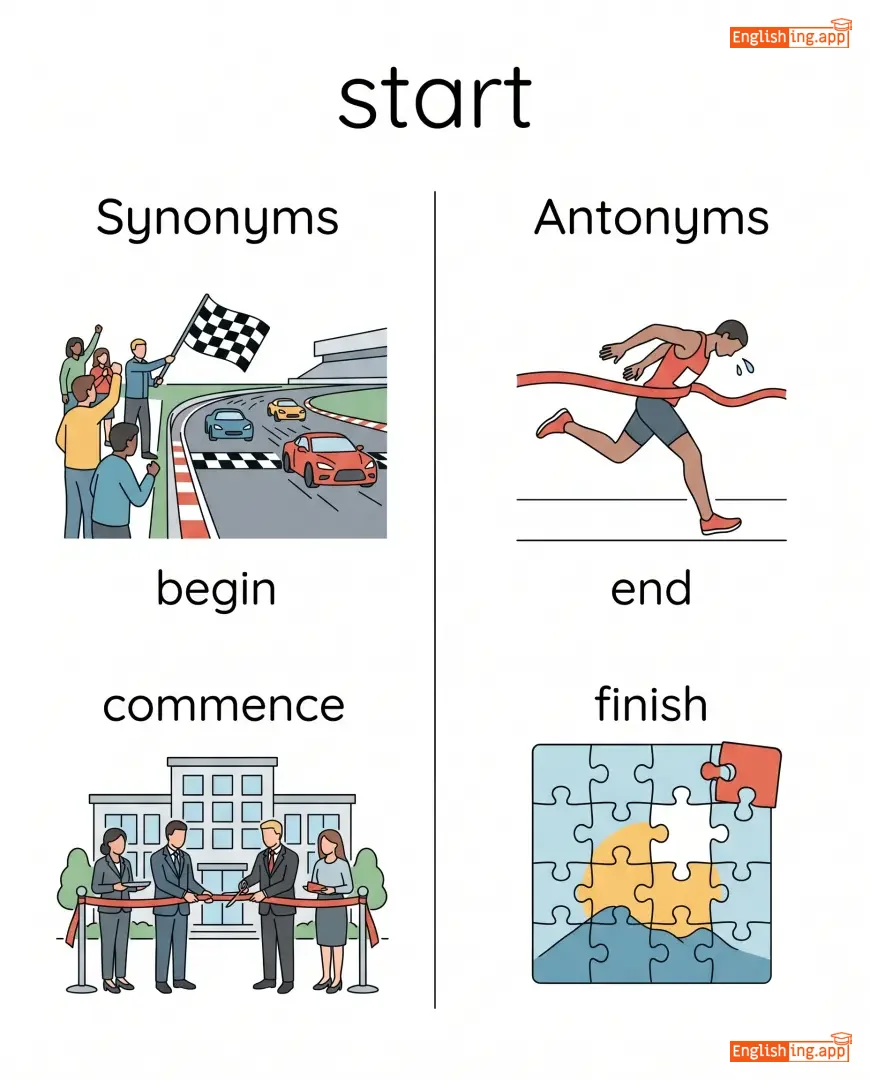
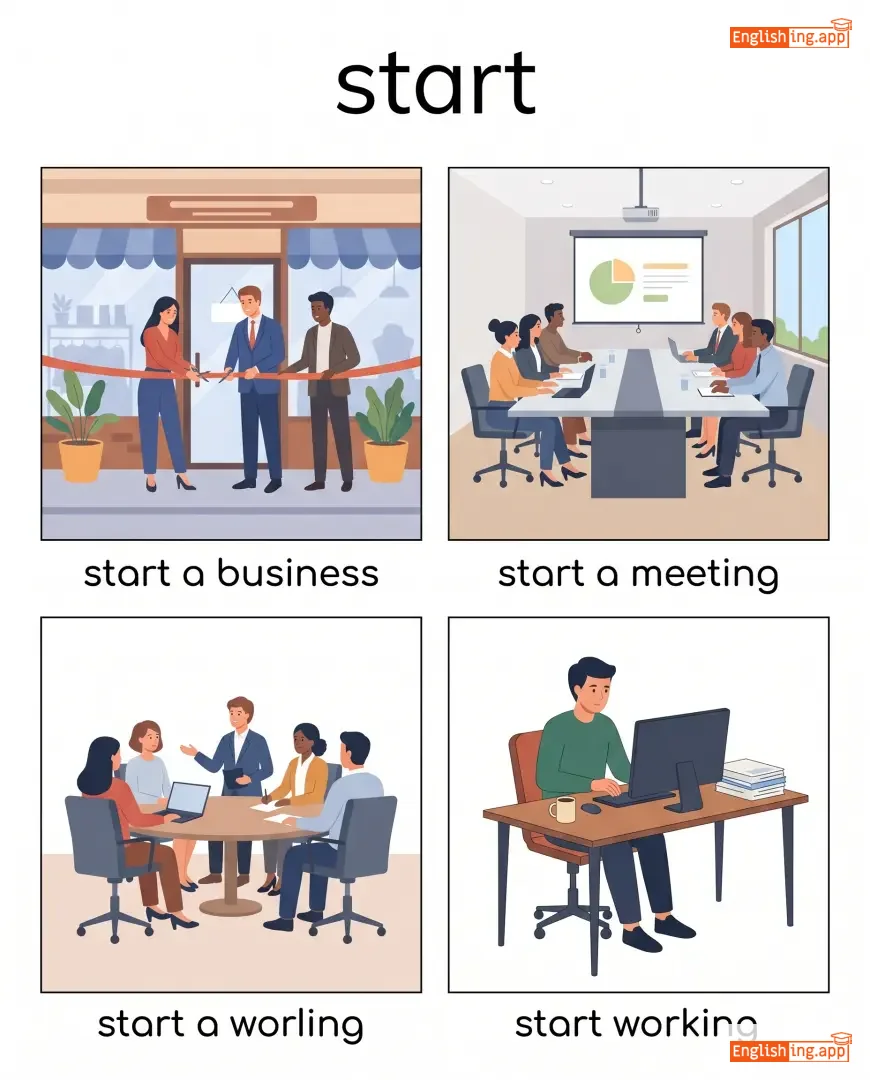
/stɑːrt/
verb
(开始)
••••••
|
|
开始
kaishi
••••••
|
started
开始了
••••••
|
started
开始了
••••••
|
starts
开始
••••••
|
starting
开始
••••••
|
to begin something; to commence; to initiate
••••••
|
Let's start the meeting now.
让我们现在开始会议。
••••••
|
让我们现在开始会议。
rang women xianzai kaishi huiyi
••••••
|
begin, commence, initiate, launch
••••••
|
end, finish, stop, conclude
••••••
|
start early, start over, start again, fresh start, good start
••••••
|
Just like 'kaishi', you start your journey every day!
••••••
|
|
#213
❌
|
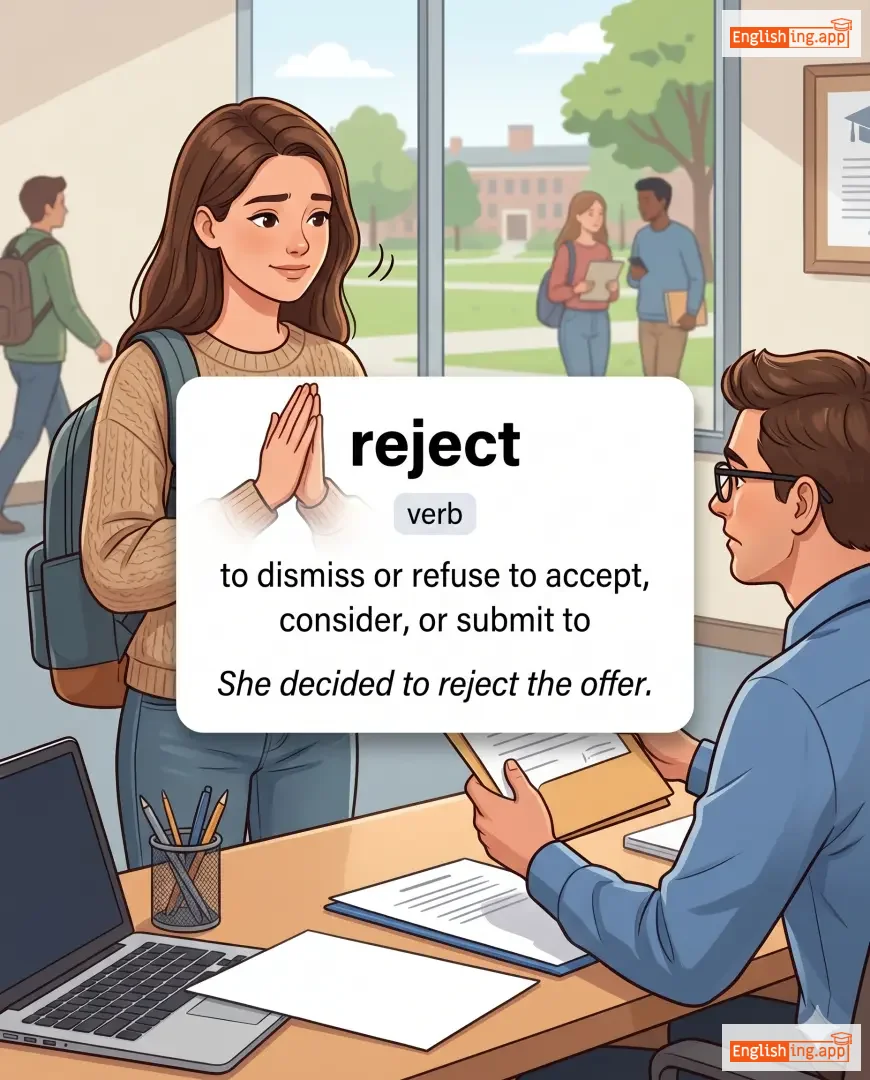
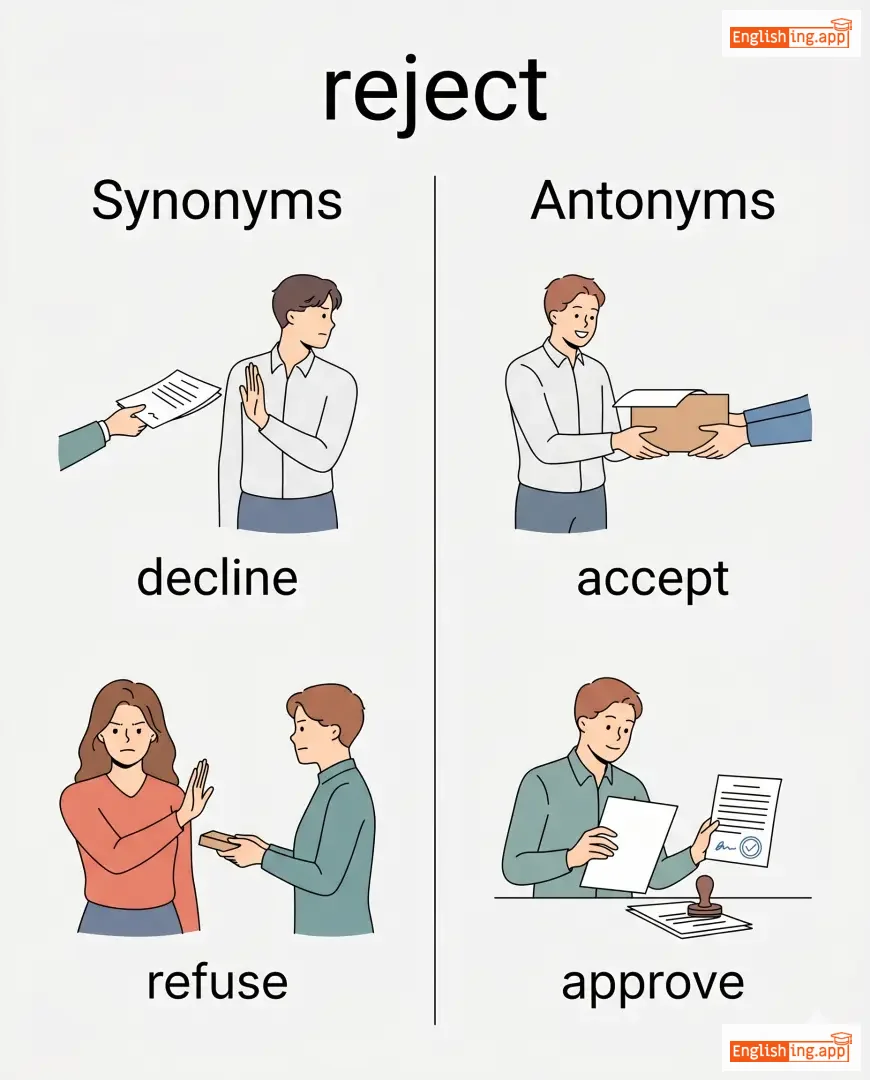
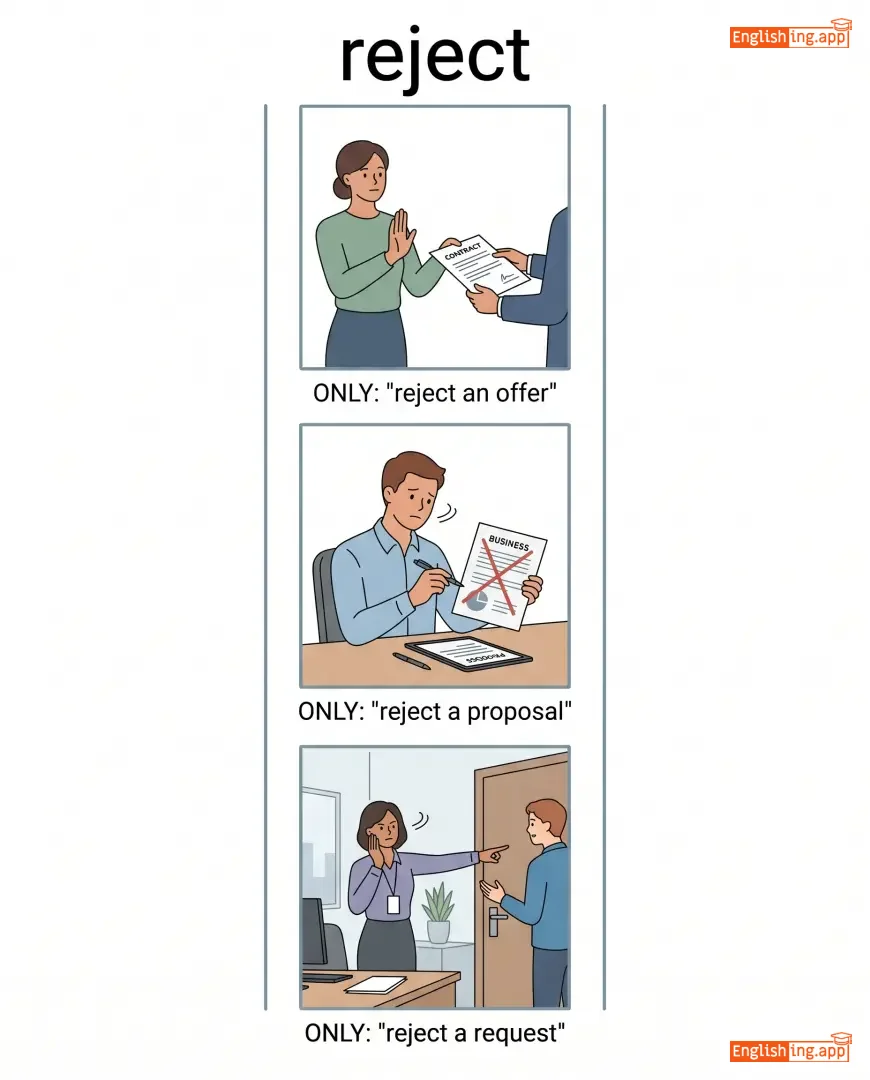
/rɪˈdʒekt/
verb
(rijékt)
••••••
|
|
拒绝
jùjué
••••••
|
rejected
rejékted
••••••
|
rejected
rejékted
••••••
|
rejects
rejékts
••••••
|
rejecting
rejékting
••••••
|
to refuse to accept or consider something
••••••
|
The committee decided to reject the proposal.
委员会决定拒绝该提案。
••••••
|
委员会决定拒绝该提案。
Wěiyuánhuì juédìng jùjué gāi tí'àn.
••••••
|
refuse, decline, dismiss, deny
••••••
|
accept, approve, embrace, welcome
••••••
|
firmly reject, completely reject, reject outright, reject a proposal, reject an offer
••••••
|
In Chinese, '拒绝' (jùjué) directly translates to 'reject'.
••••••
|
|
#214
🎉
|
/ˈrevəl/
verb
(瑞维尔)
••••••
|
|
陶醉
tao zui
••••••
|
revelled
瑞维尔德
••••••
|
revelled
瑞维尔德
••••••
|
revels
瑞维尔斯
••••••
|
revelling
瑞维林
••••••
|
to enjoy oneself in a lively and noisy way; to take great pleasure in
••••••
|
They revel in their success.
他们沉浸在成功中。
••••••
|
他们沉浸在成功中。
Tāmen chénjìn zài chénggōng zhōng.
••••••
|
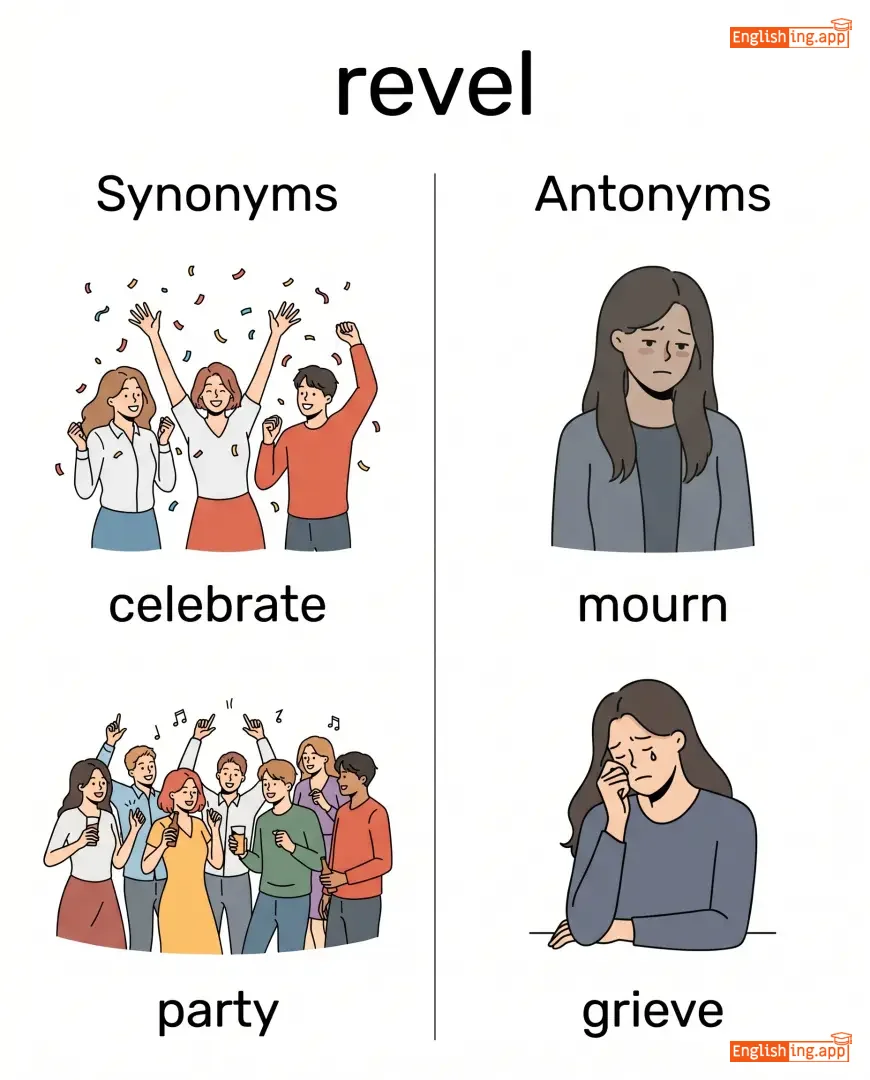
celebrate, party, rejoice, delight
••••••
|
mourn, grieve, suffer, despair
••••••
|
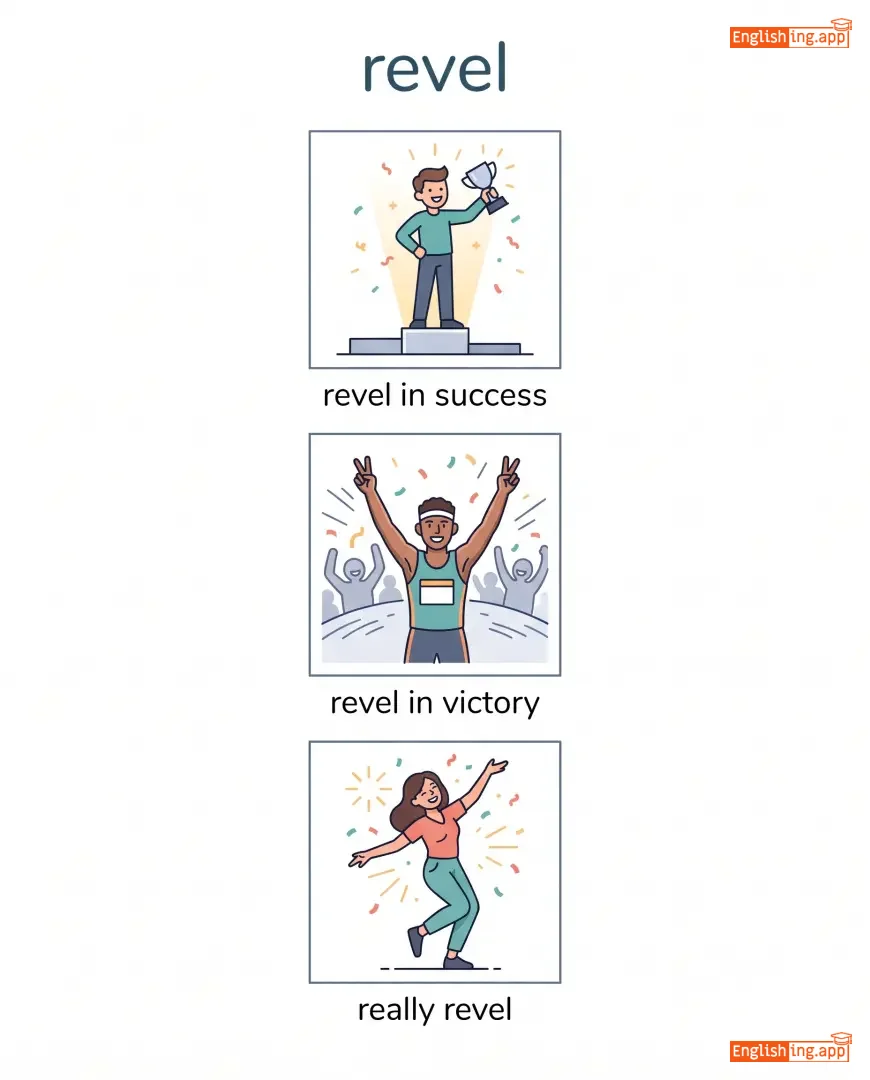
revel in success, revel in victory, really revel, openly revel, secretly revel
••••••
|
陶醉 = 陶醉于成功
••••••
|
|
#215
💧
|
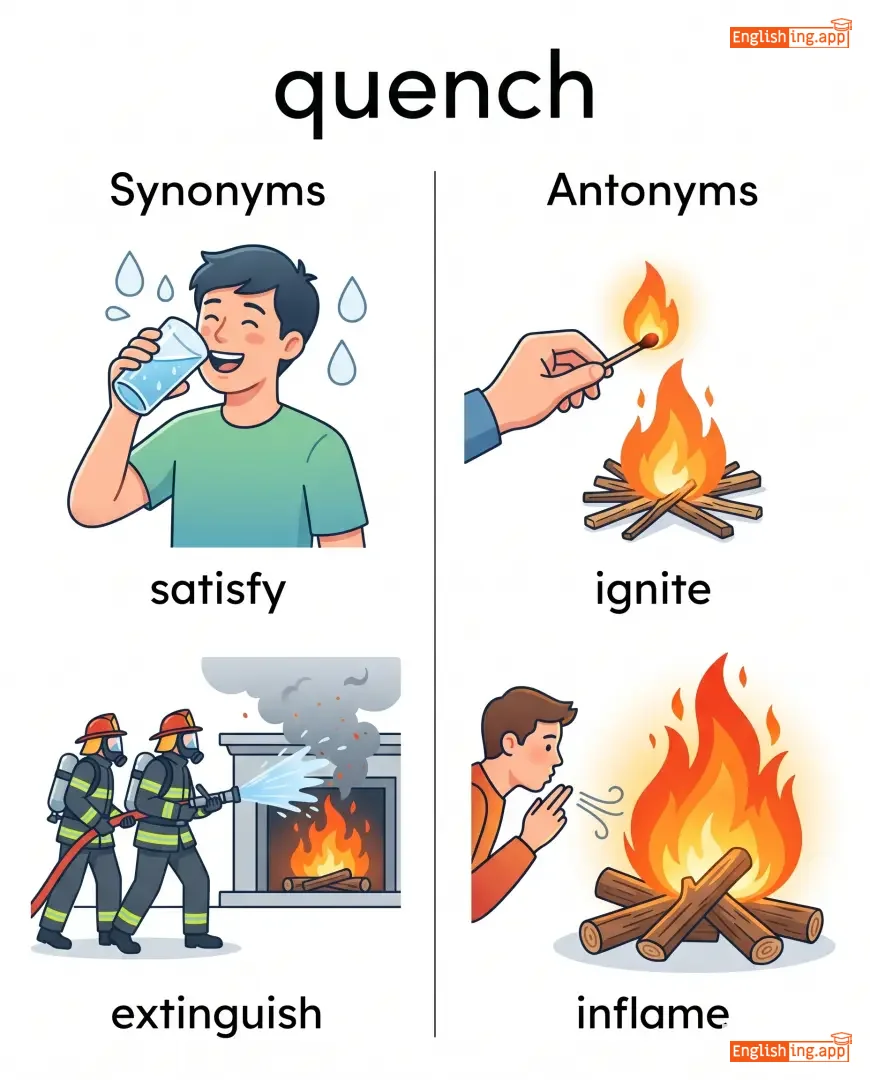
/kwentʃ/
verb
(kwenʧ)
••••••
|
|
解渴
jie ke
••••••
|
quenched
kwenʧd
••••••
|
quenched
kwenʧd
••••••
|
quenches
kwenʧes
••••••
|
quenching
kwenʧing
••••••
|
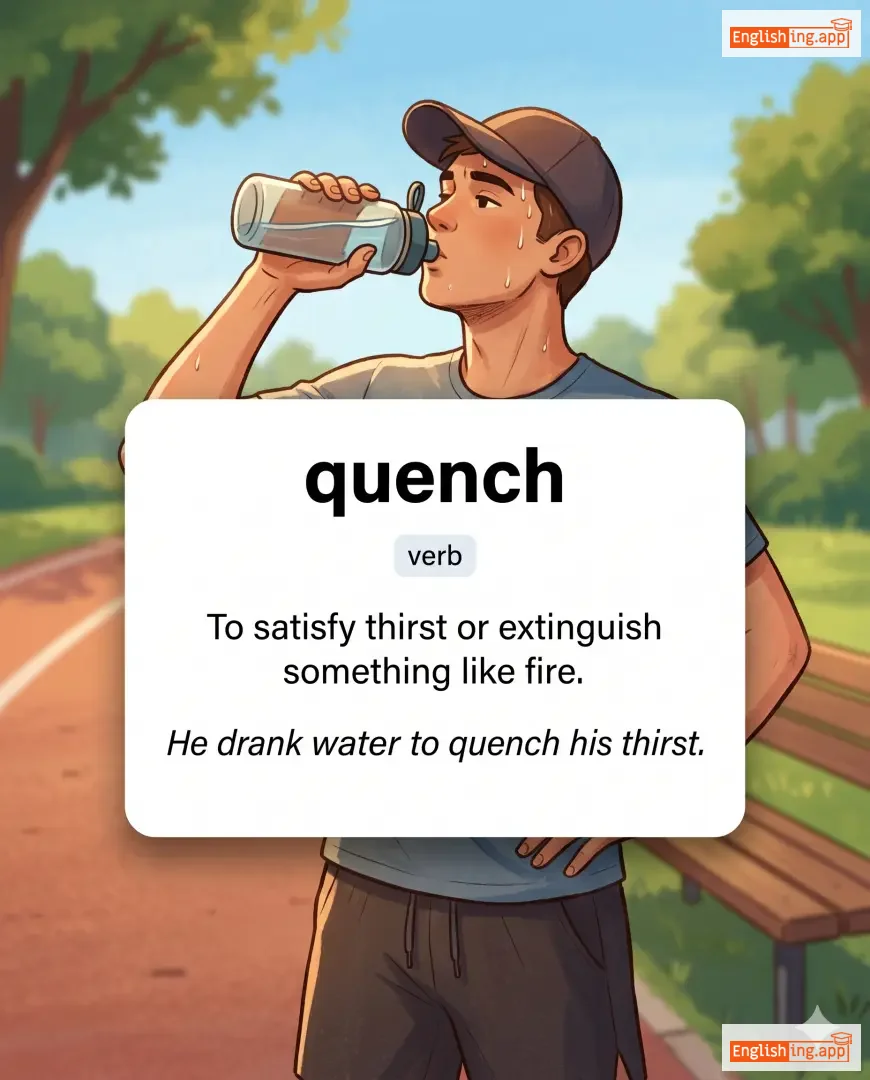
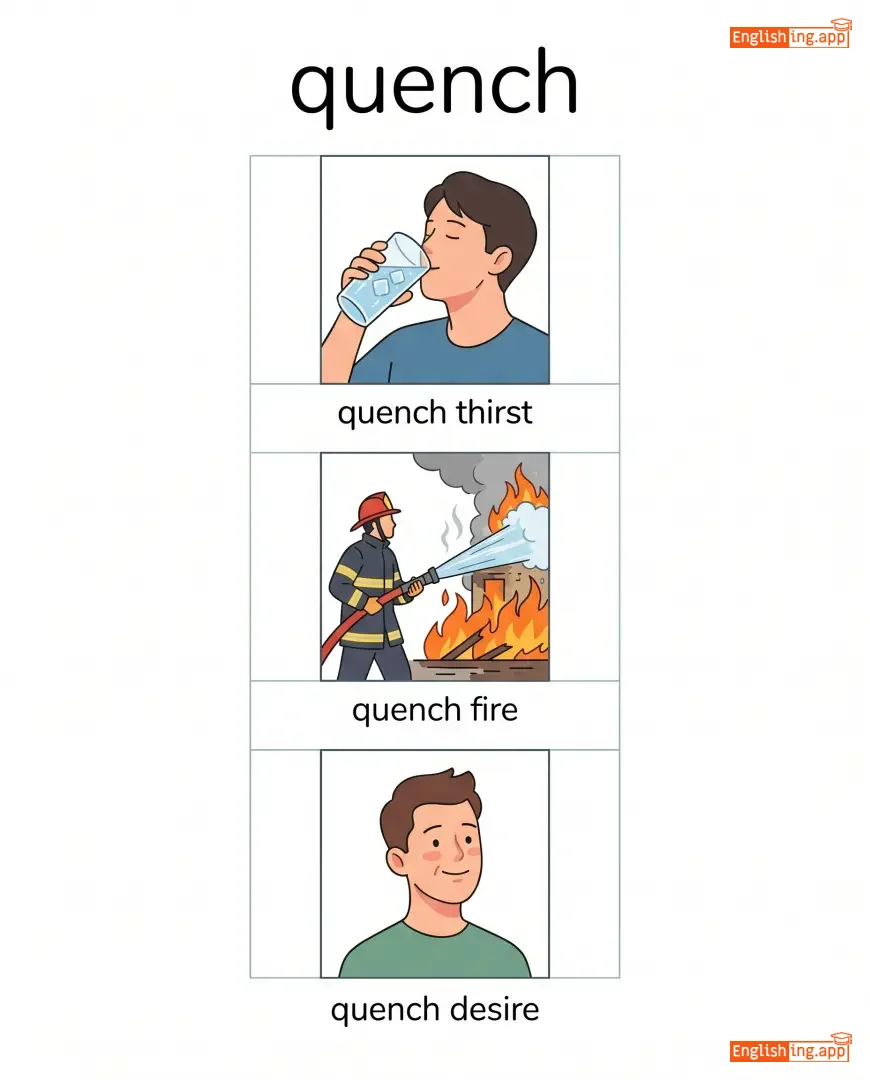
to satisfy thirst by drinking; to extinguish fire
••••••
|
He drank water to quench his thirst after the long run.
他跑完步后喝水解渴。
••••••
|
他跑完步后喝水解渴。
Ta pao wan bu hou he shui jie ke.
••••••
|
satisfy, extinguish, put out, slake
••••••
|
ignite, kindle, intensify
••••••
|
quench thirst, quench fire, completely quench, immediately quench, finally quench
••••••
|
No •••••• |
|
#216
💡
|
/laɪt/
verb
(lait)
••••••
|
|
点亮
dian liang
••••••
|
lighted/lit
••••••
|
lighted/lit
••••••
|
lights
••••••
|
lighting
••••••
|
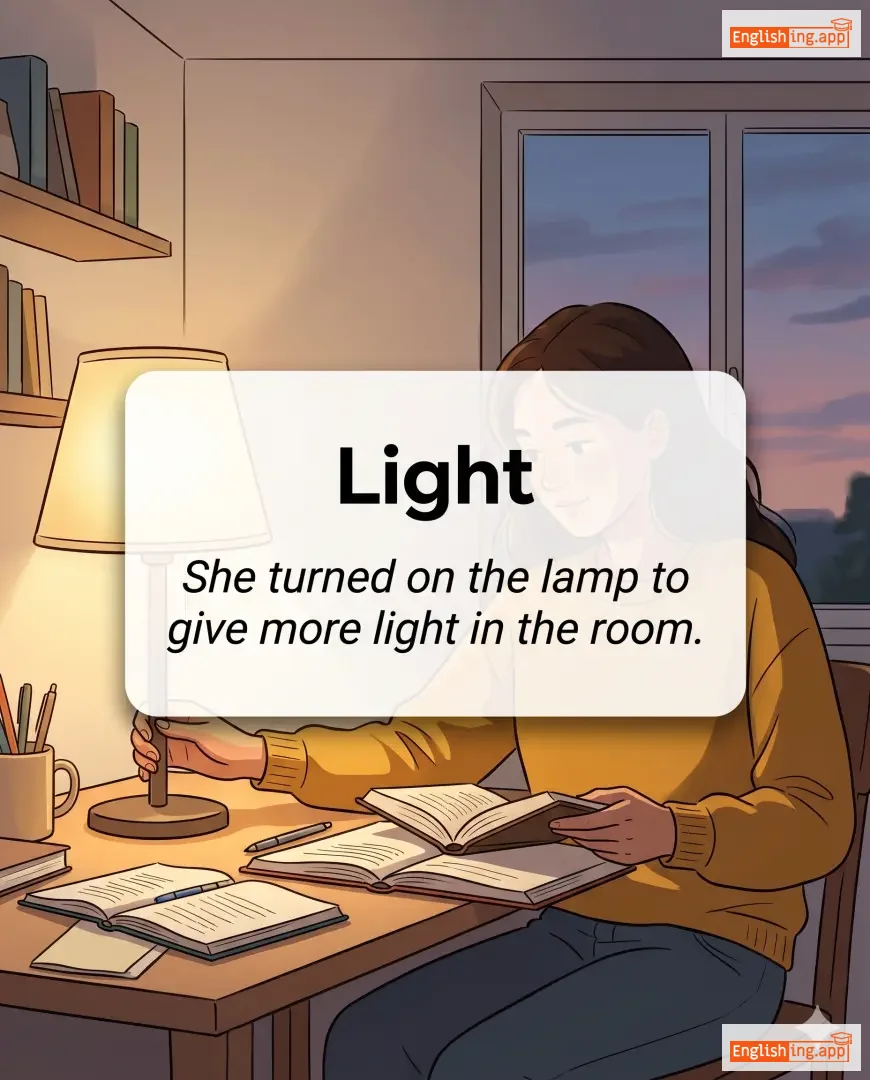
to make something bright with light; to ignite
••••••
|
She lit the candles for dinner. |
她为晚餐点亮了蜡烛。
Tā wèi wǎn cān diǎn liàng le là zhú.
••••••
|
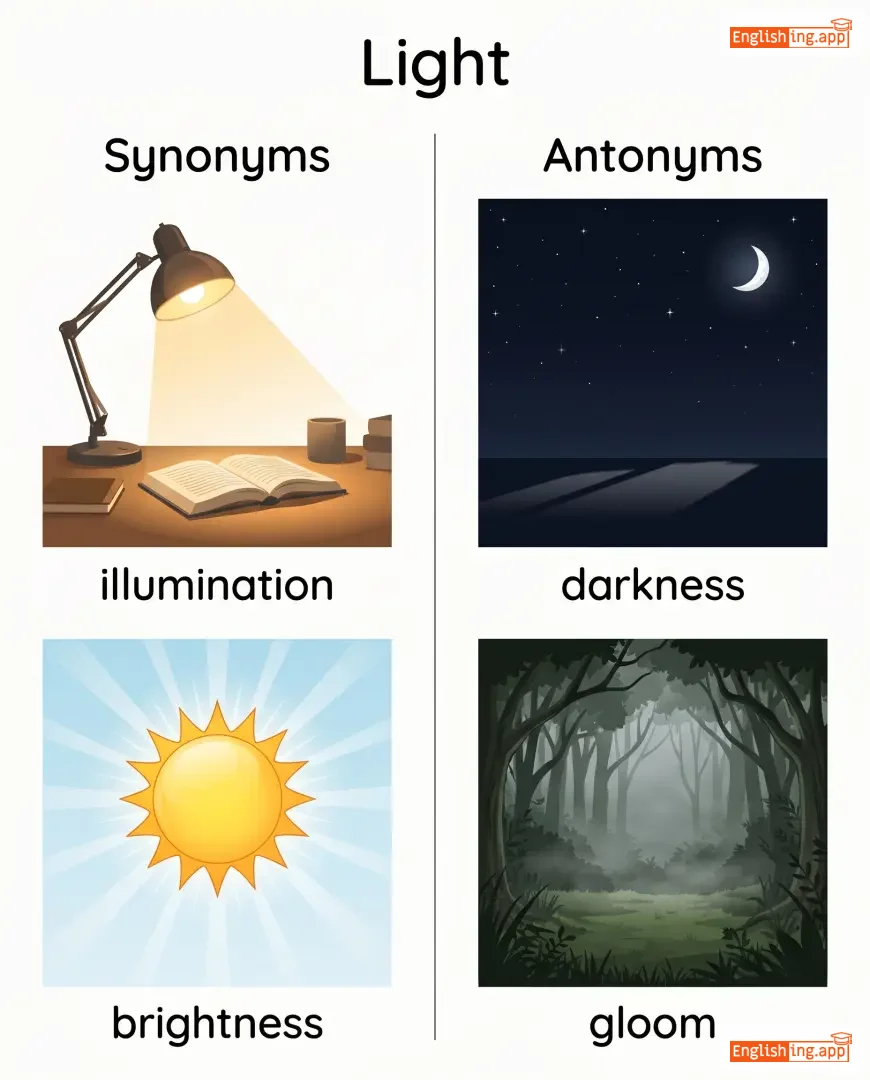
illuminate, brighten, ignite, kindle
••••••
|
darken, extinguish, dim
••••••
|
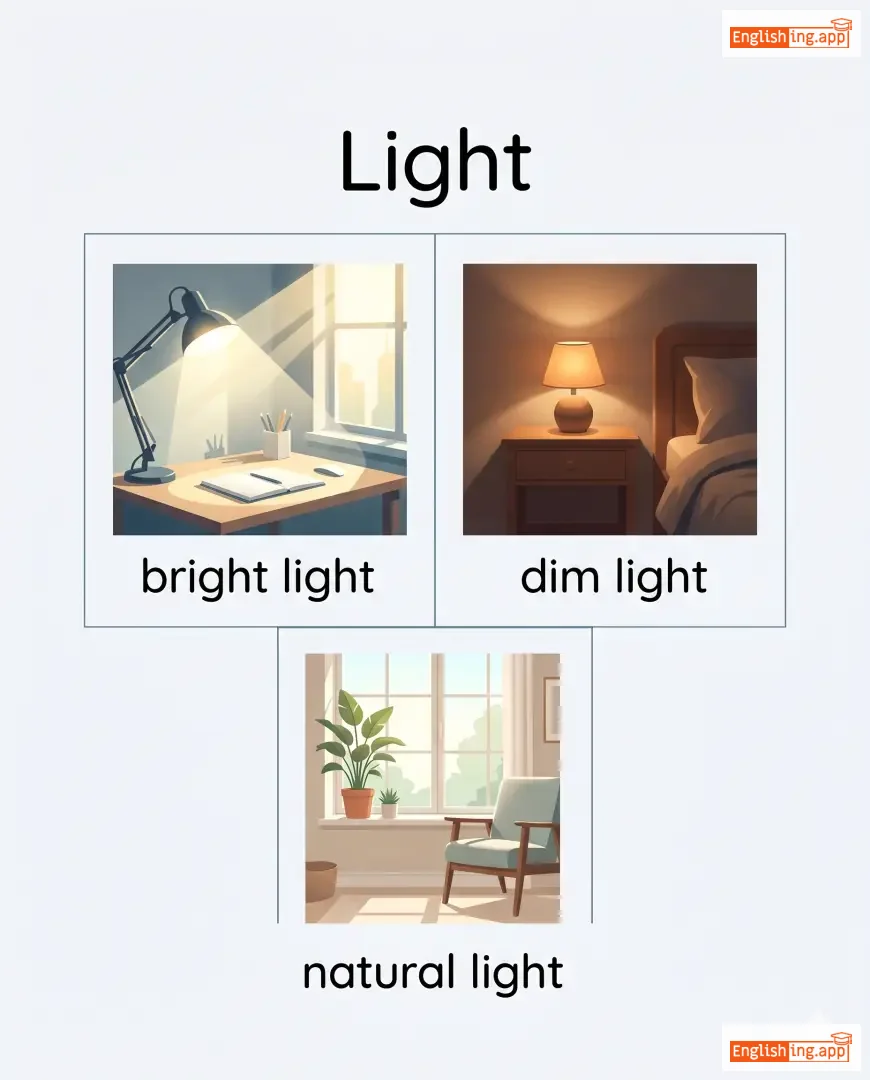
light candles, light up, bright light, natural light, artificial light
••••••
|
光点亮了每个角落
••••••
|
|
#217
❓
|
/ɪnˈterəˌɡeɪt/
verb
(审问)
••••••
|
|
审问
shen wen
••••••
|
interrogated
审问过
••••••
|
interrogated
审问过
••••••
|
interrogates
审问
••••••
|
interrogating
审问中
••••••
|
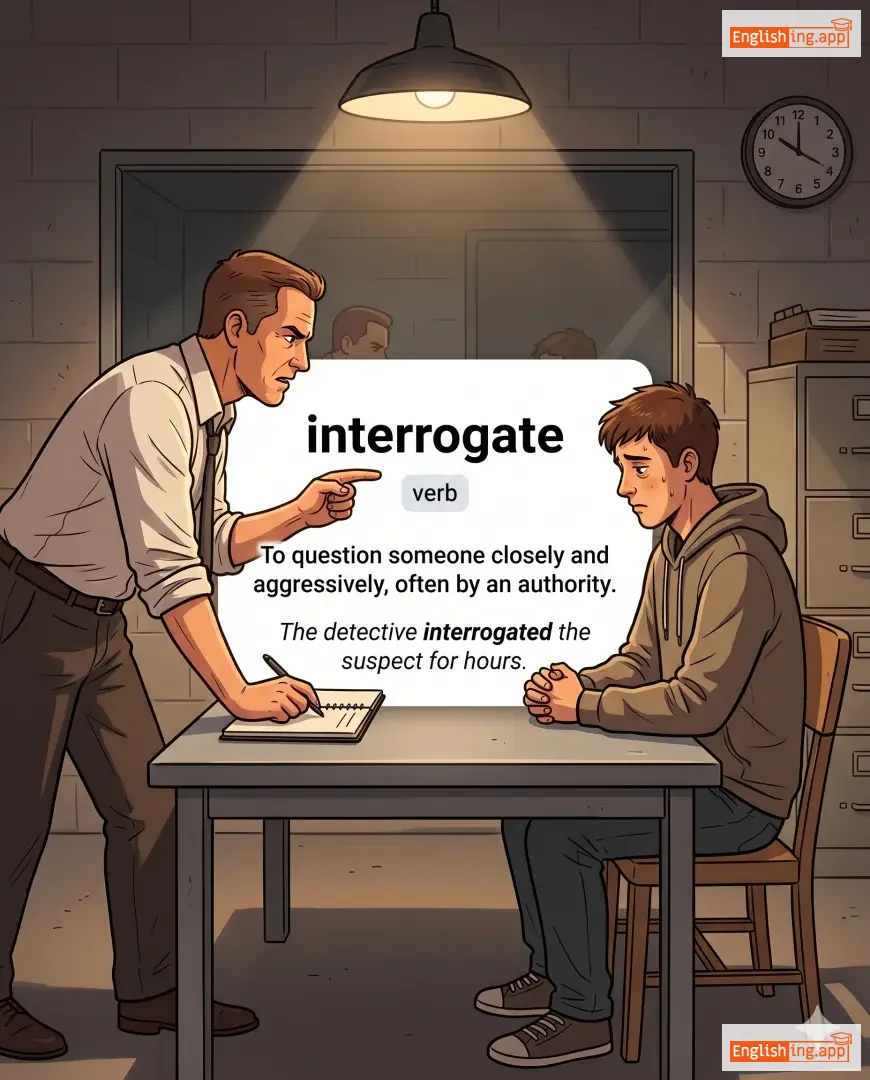
to ask someone questions in a thorough and formal way; to question intensively
••••••
|
The police interrogated the suspect for hours.
警察审问嫌疑人几个小时。
••••••
|
警察审问嫌疑人几个小时。
jingcha shenwen xianyi ren jige xiaoshi.
••••••
|
question, examine, probe, grill
••••••
|
answer, ignore, avoid
••••••
|
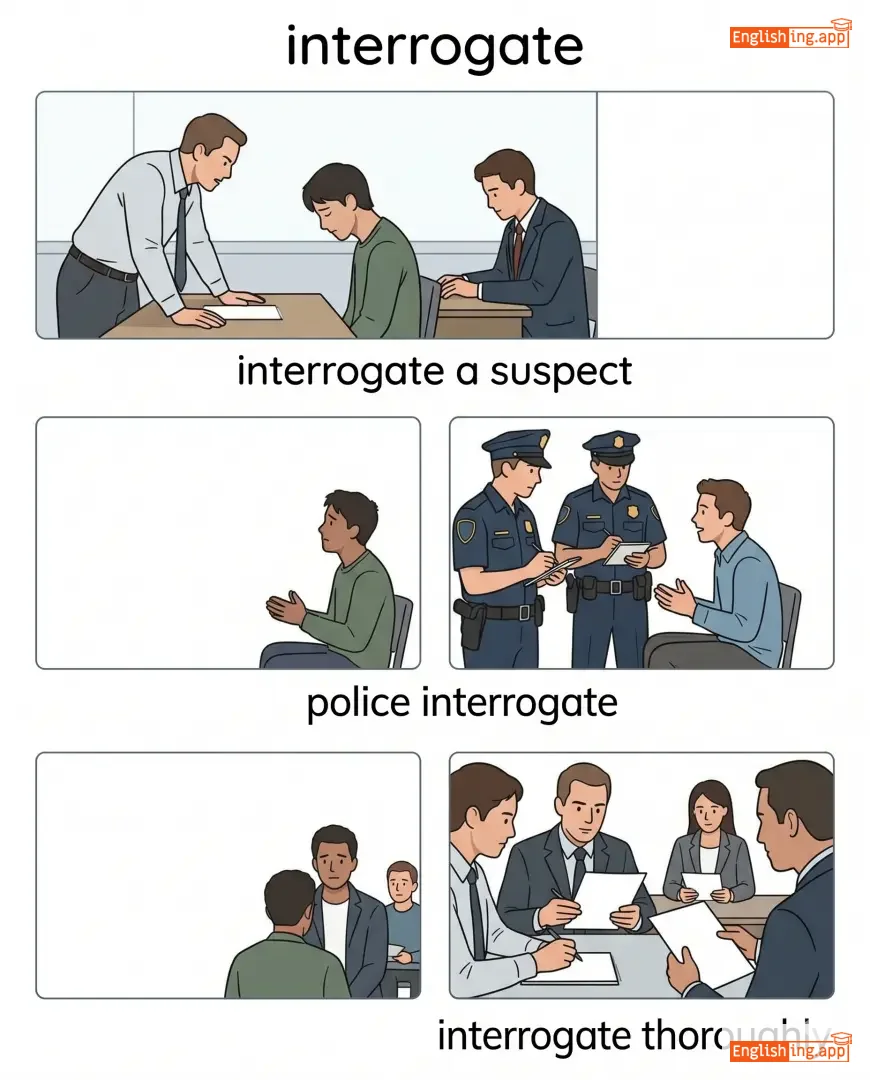
interrogate suspects, thoroughly interrogate, intensely interrogate, police interrogate, carefully interrogate
••••••
|
审问 = 想象警察在深度调查!
••••••
|
|
#218
👀
|
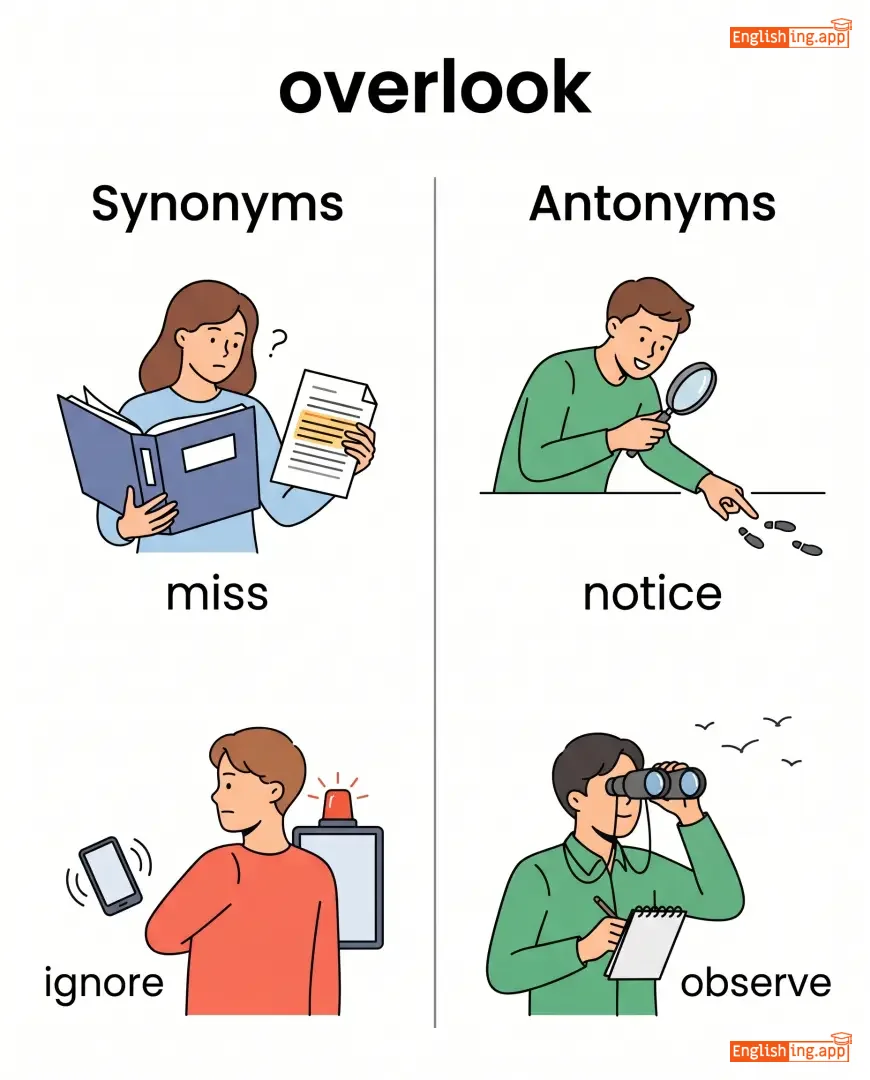
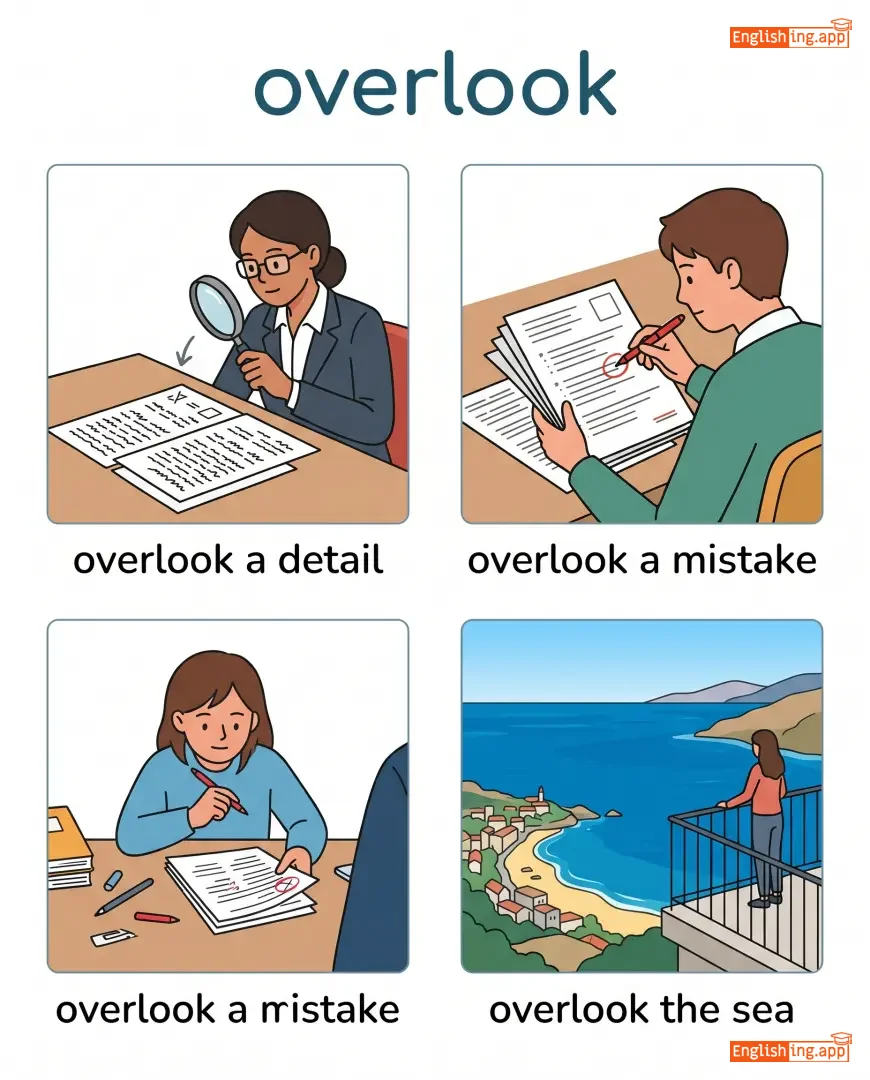
/ˌoʊvərˈlʊk/
verb
(òuwàlùkè)
••••••
|
|
忽略
hūlüè
••••••
|
overlooked
òuwàlùkèd
••••••
|
overlooked
òuwàlùkèd
••••••
|
overlooks
òuwàlùkès
••••••
|
overlooking
òuwàlùkīng
••••••
|
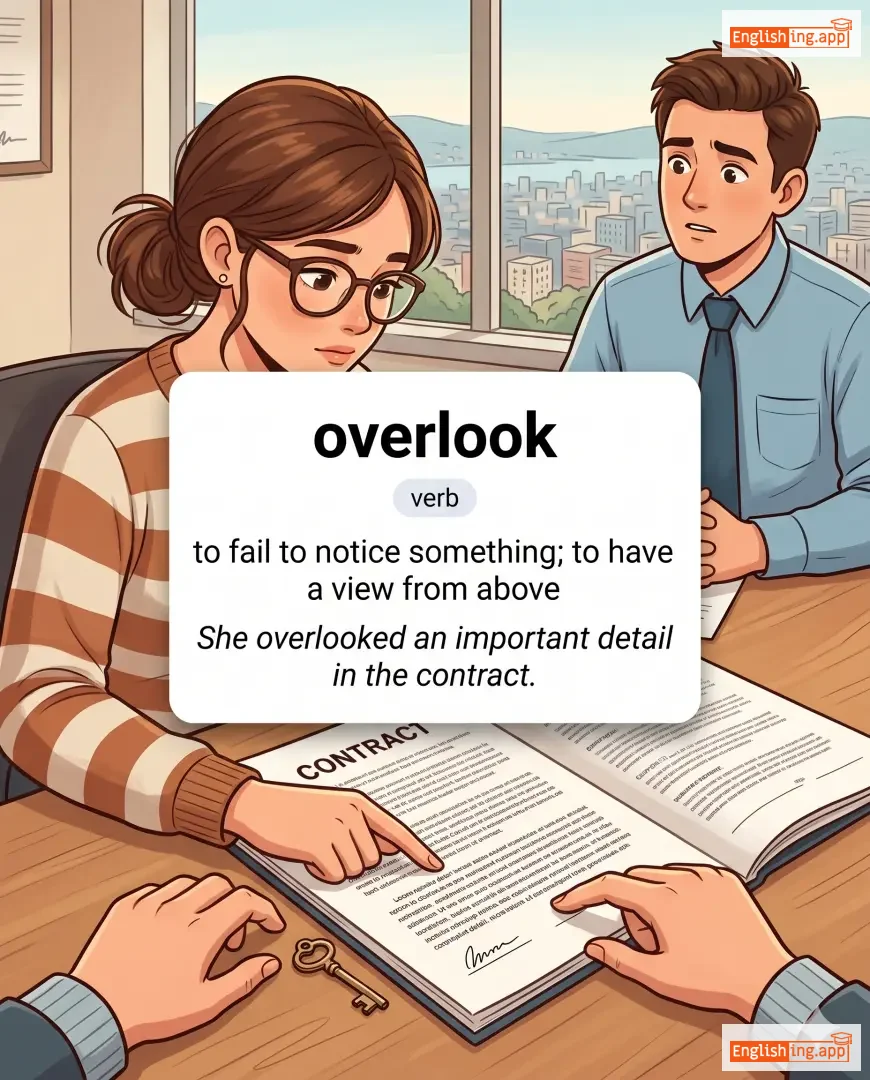
to fail to notice or consider something; to have a view from above
••••••
|
It's easy to overlook small details when you're in a hurry.
当你赶时间时,很容易忽略小细节。
••••••
|
当你赶时间时,很容易忽略小细节。
Dāng nǐ gǎn shíjiān shí, hěn róngyì hūlüè xiǎo xìjié.
••••••
|
miss, ignore, neglect, disregard
••••••
|
notice, observe, detect, recognize
••••••
|
easily overlook, completely overlook, tend to overlook, often overlook, accidentally overlook
••••••
|
忽略就像从上面看,匆忙中错过了小细节。
••••••
|
|
#219
☕
|
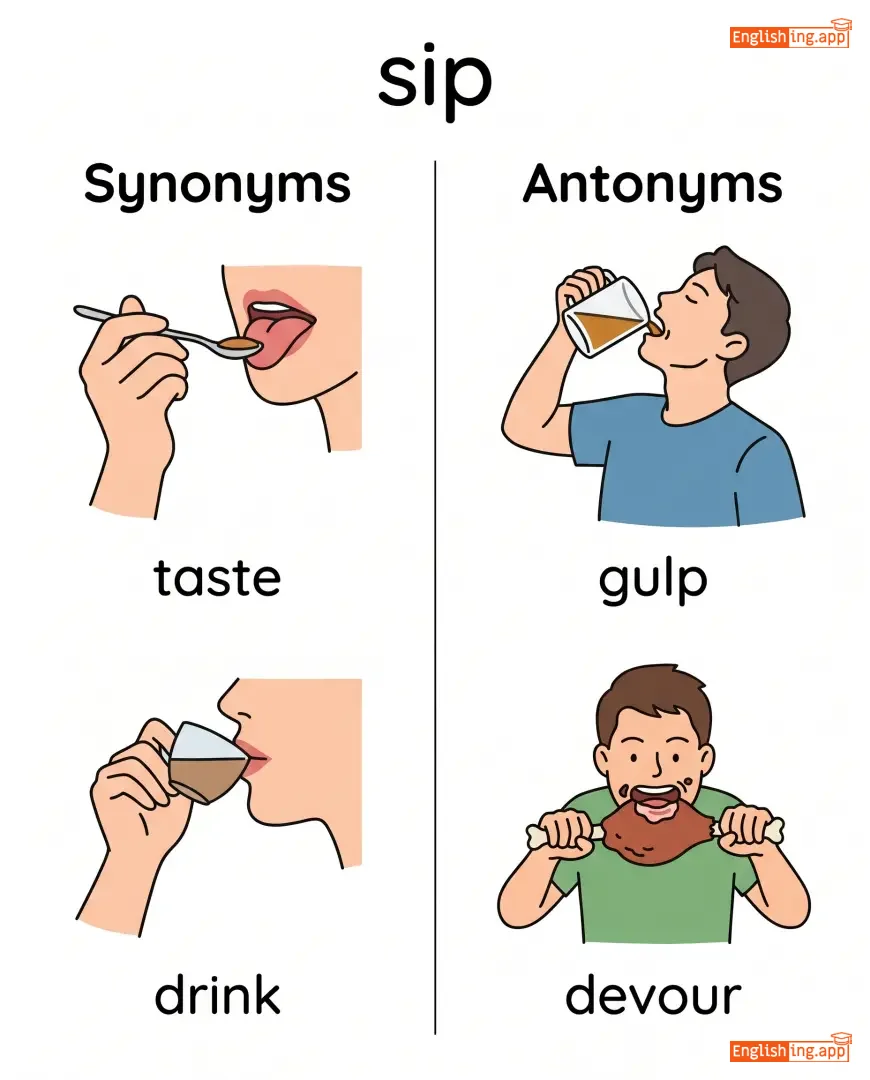
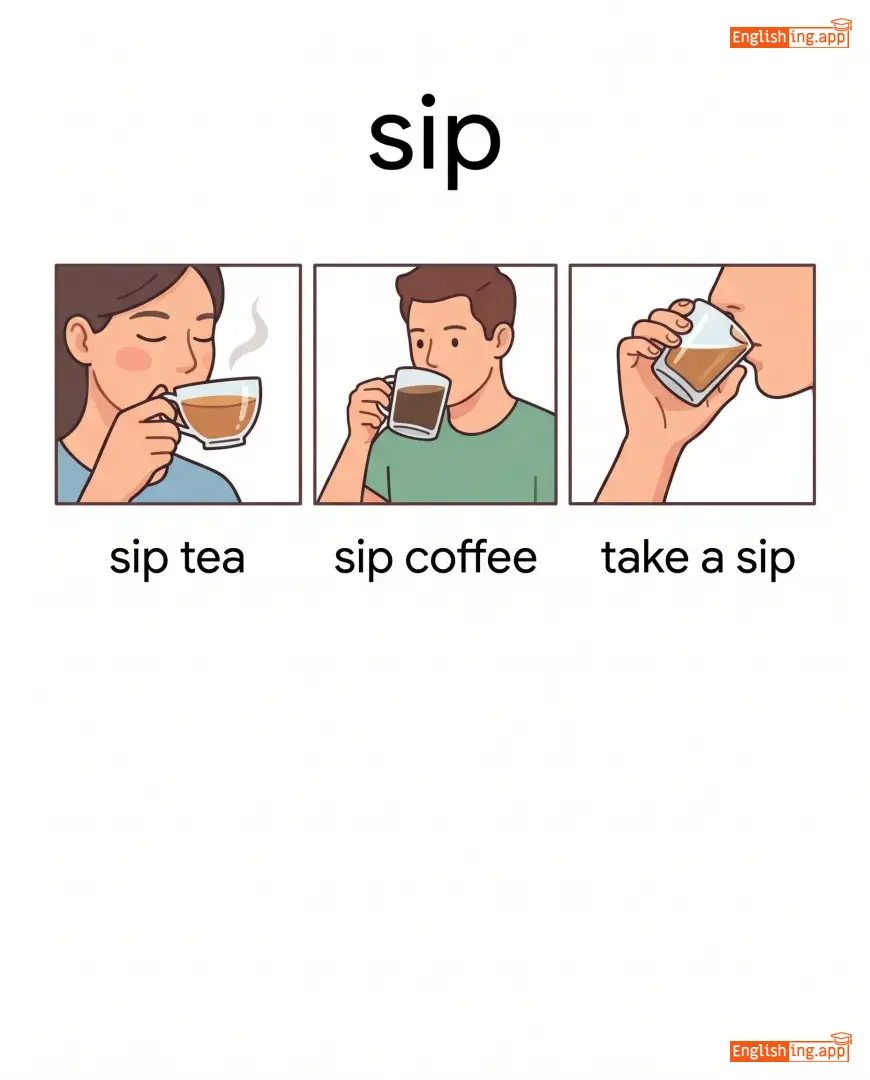
/sɪp/
verb
(sip)
••••••
|
|
小口喝
xiǎo kǒu hē
••••••
|
sipped
sipped
••••••
|
sipped
sipped
••••••
|
sips
sips
••••••
|
sipping
sipping
••••••
|
to drink in small quantities; to taste carefully
••••••
|
She sipped her tea slowly while reading the newspaper.
她一边读报纸一边慢慢地小口喝茶。
••••••
|
她一边读报纸一边慢慢地小口喝茶。
Tā yībiān dú bàozhǐ yībiān mànmàn de xiǎo kǒu hē chá.
••••••
|
taste, sample, drink slowly, savor
••••••
|
gulp, chug, drain, guzzle
••••••
|
sip tea, sip coffee, slowly sip, gently sip, quietly sip
••••••
|
小口喝茶就像在慢慢地尝试每一口茶的味道。
••••••
|
|
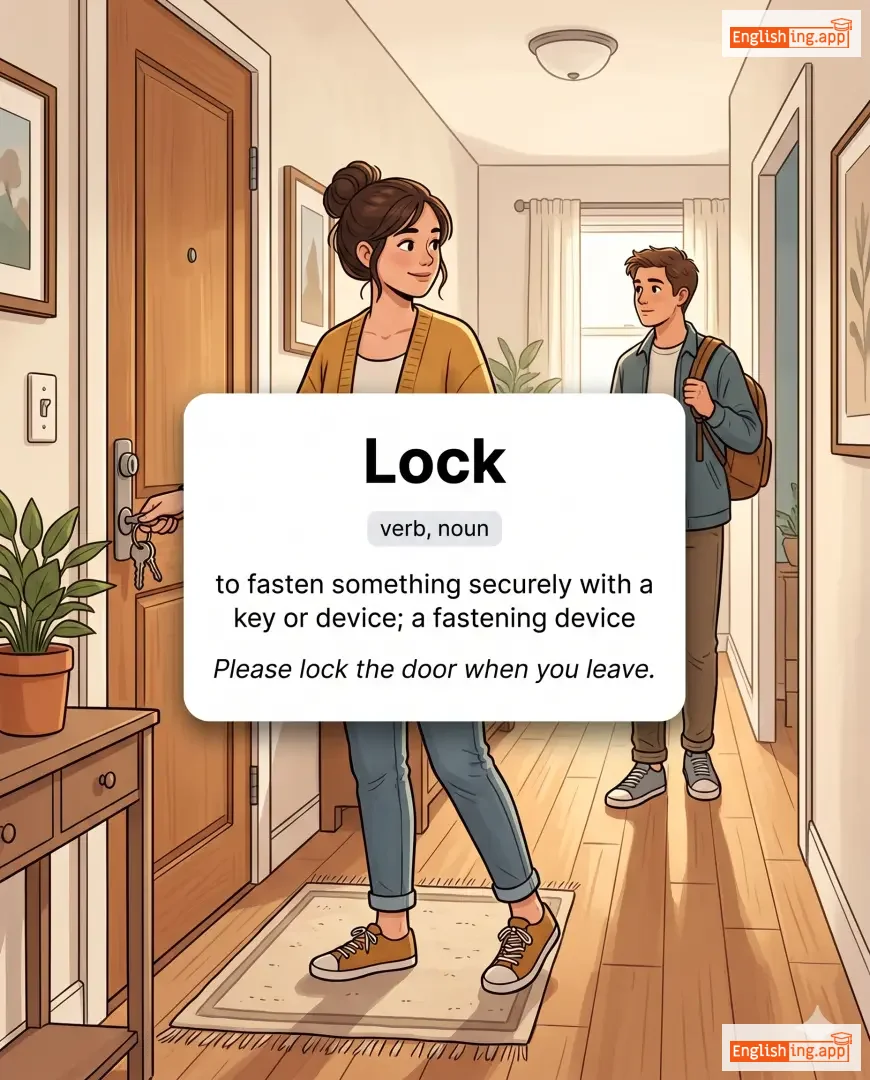
#220
🔐
|
/lɑːk/
verb
(lók)
••••••
|
|
锁上
suǒ shàng
••••••
|
locked
lókde
••••••
|
locked
lókde
••••••
|
locks
lóks
••••••
|
locking
lókīng
••••••
|
to fasten with a lock; to secure; to prevent access
••••••
|
Please lock the door when you leave the house.
请在离开家时锁上门。
••••••
|
请在离开家时锁上门。
Qǐng zài líkāi jiā shí suǒ shàngmén.
••••••
|
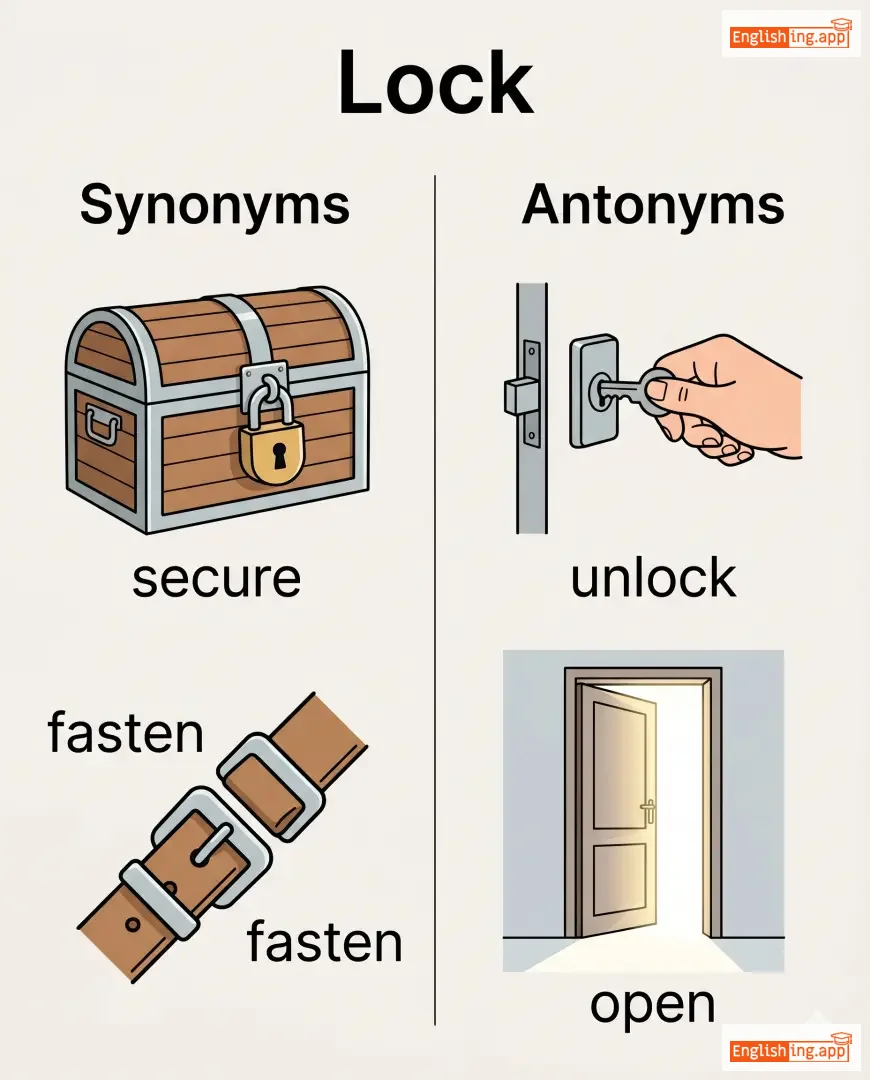
secure, fasten, bolt, close
••••••
|
unlock, open, unfasten, release
••••••
|
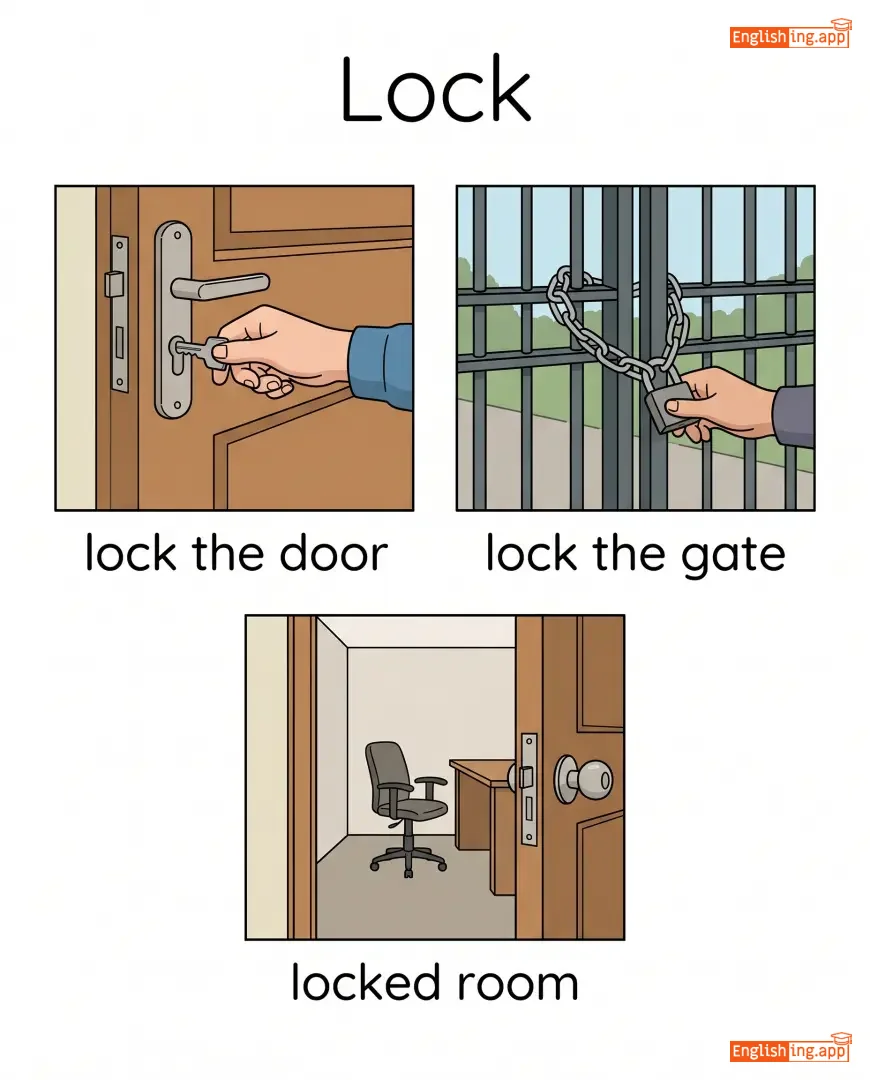
lock doors, lock away, securely lock, automatically lock, double lock
••••••
|
Imagine locking your house with a secure suǒ.
••••••
|
|
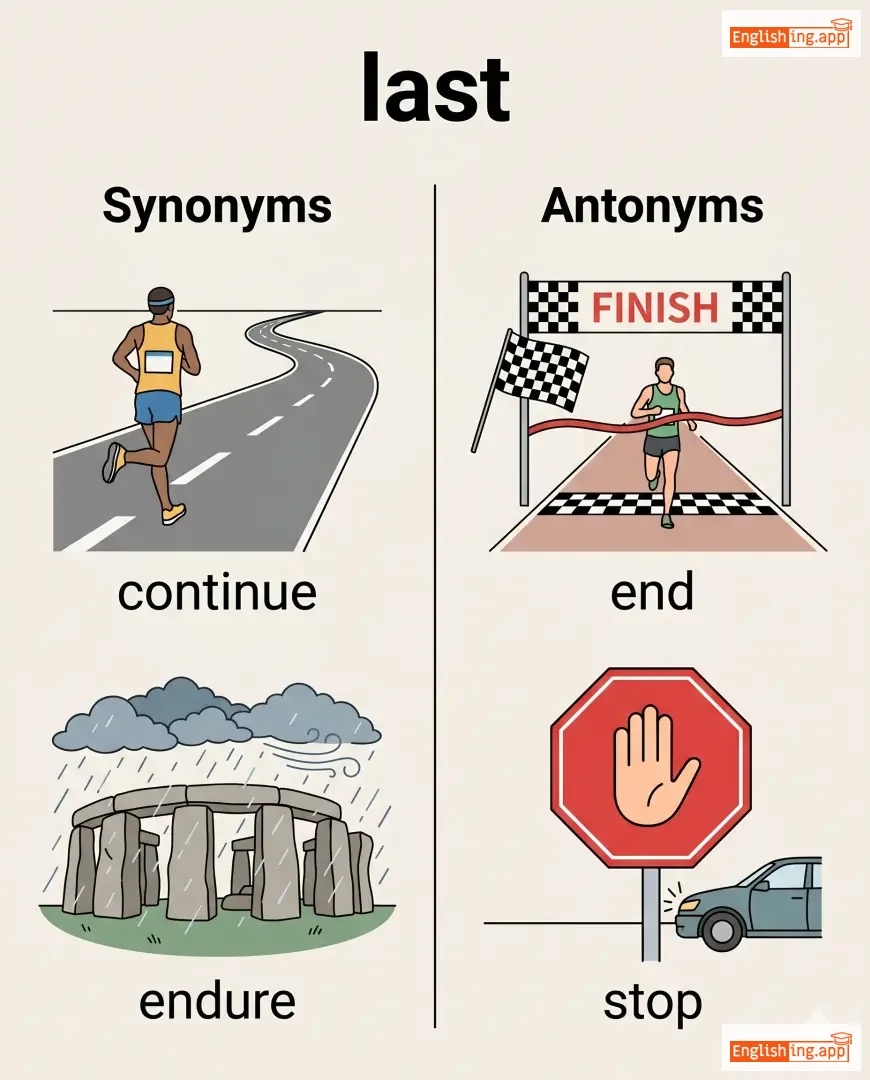
#221
⏰
|
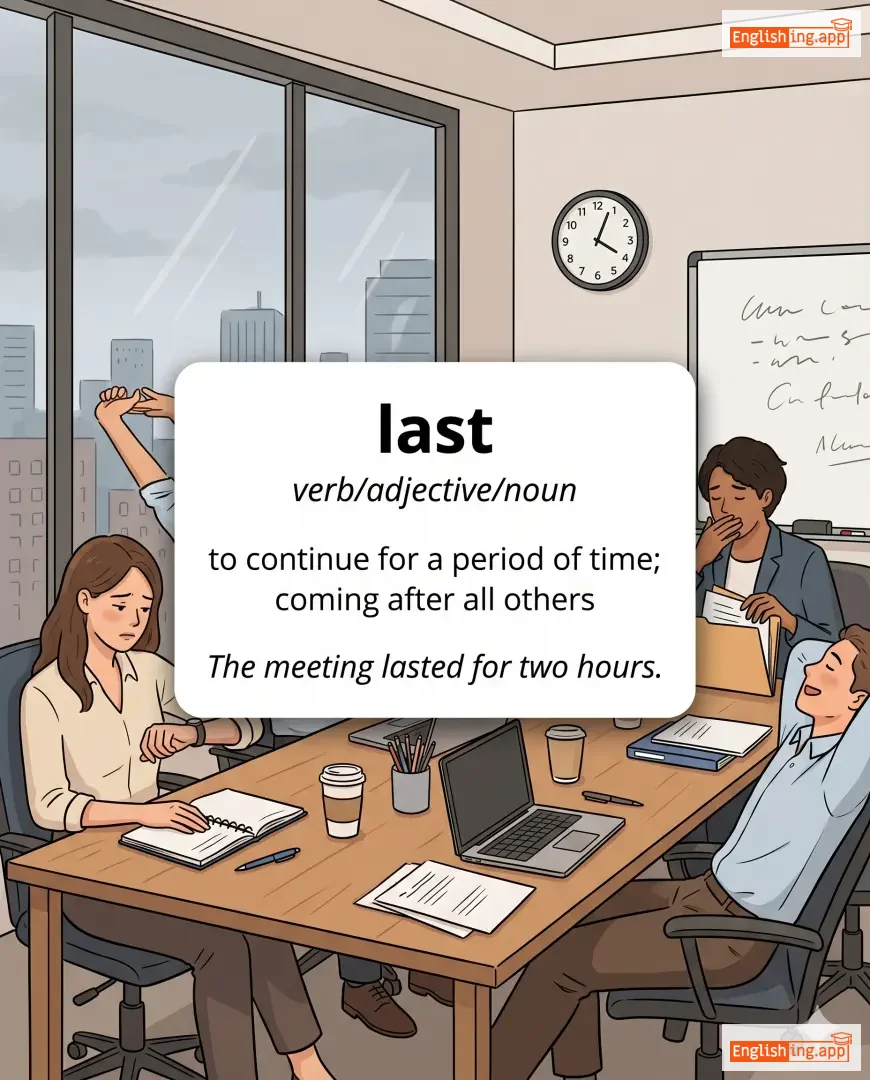
/læst/
verb
(拉斯特)
••••••
|
|
持续
chíxù
••••••
|
lasted
拉斯特德
••••••
|
lasted
拉斯特德
••••••
|
lasts
拉斯特斯
••••••
|
lasting
拉斯廷
••••••
|
to continue to exist or happen for a period of time; to endure
••••••
|
The meeting lasted for three hours.
会议持续了三个小时。
••••••
|
会议持续了三个小时。
Huìyì chíxù le sān gè xiǎoshí.
••••••
|
endure, continue, persist, remain
••••••
|
end, finish, cease, stop
••••••
|
last long, last forever, make it last, how long last, won't last
••••••
|
No •••••• |
|
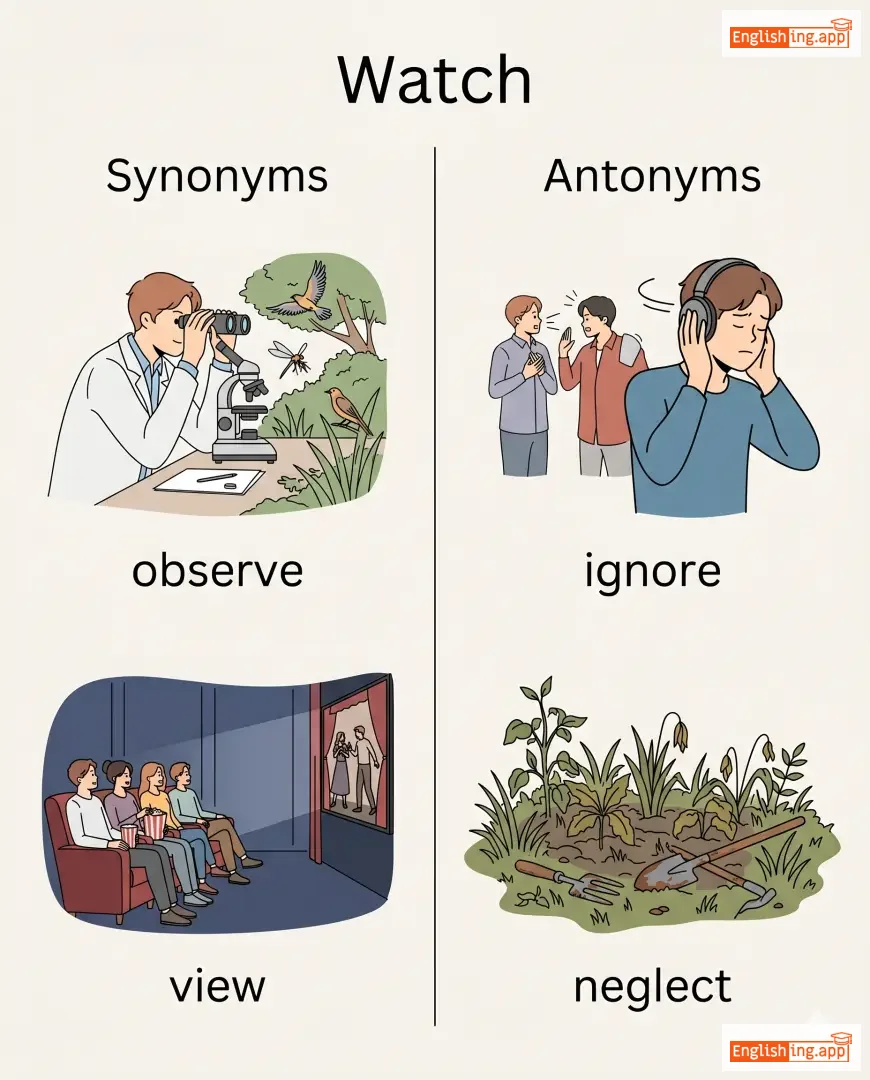
#222
👀
|
/wɒtʃ/
verb
(wòch)
••••••
|
|
看
kàn
••••••
|
watched
wòchd
••••••
|
watched
wòchd
••••••
|
watches
wòchés
••••••
|
watching
watching
••••••
|
to look at or observe attentively; to keep under surveillance
••••••
|
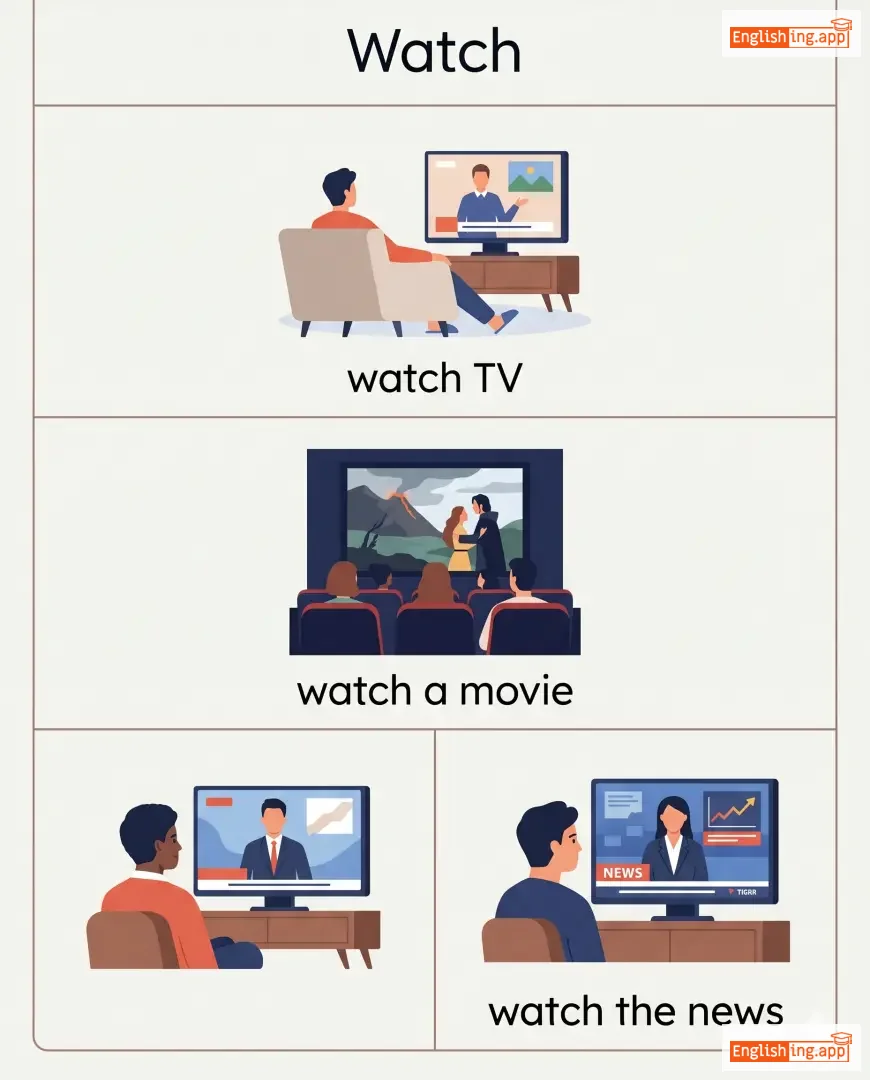
I watch television every evening.
我每天晚上看电视。
••••••
|
我每天晚上看电视。
Wǒ měitiān wǎnshàng kàn diànshì
••••••
|
observe, monitor, view, see
••••••
|
ignore, overlook, neglect
••••••
|
watch TV, watch movies, closely watch, carefully watch, constantly watch
••••••
|
看和观察都涉及视觉,但观察是更有意图地查看。
••••••
|
|
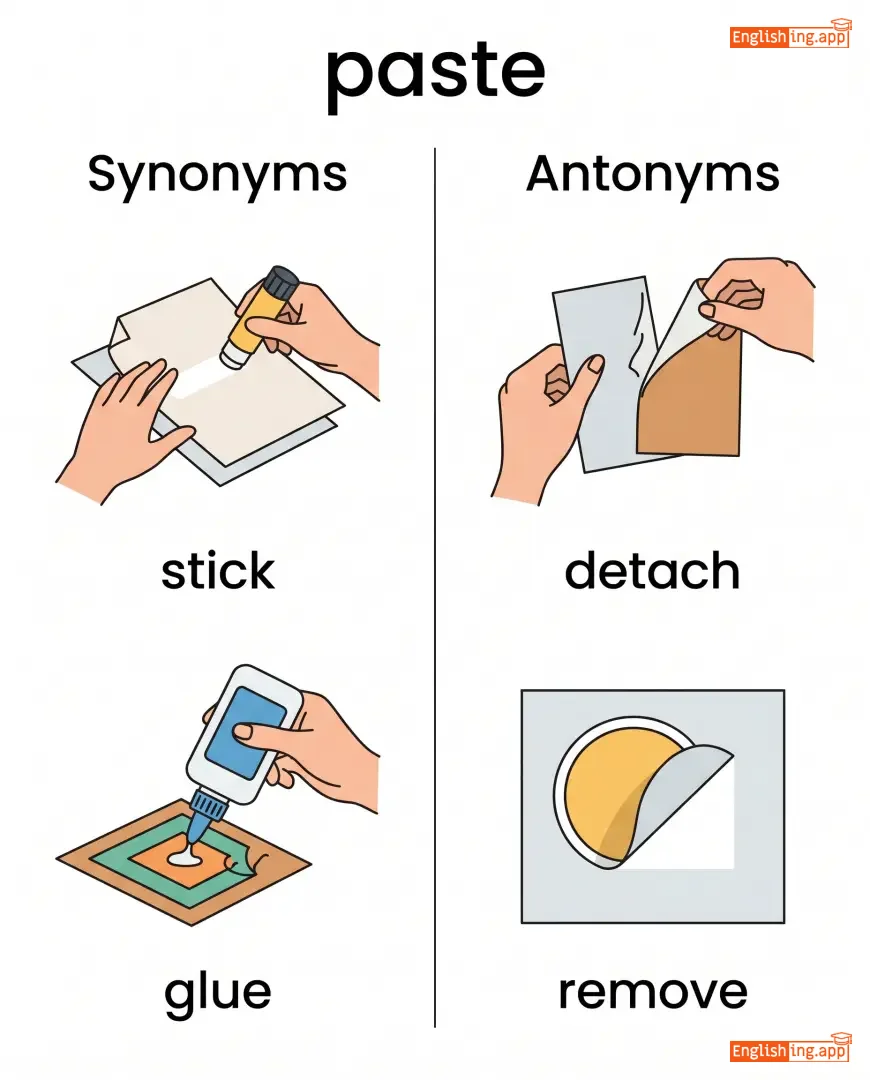
#223
📎
|
/peɪst/
verb
(peìsītè)
••••••
|
|
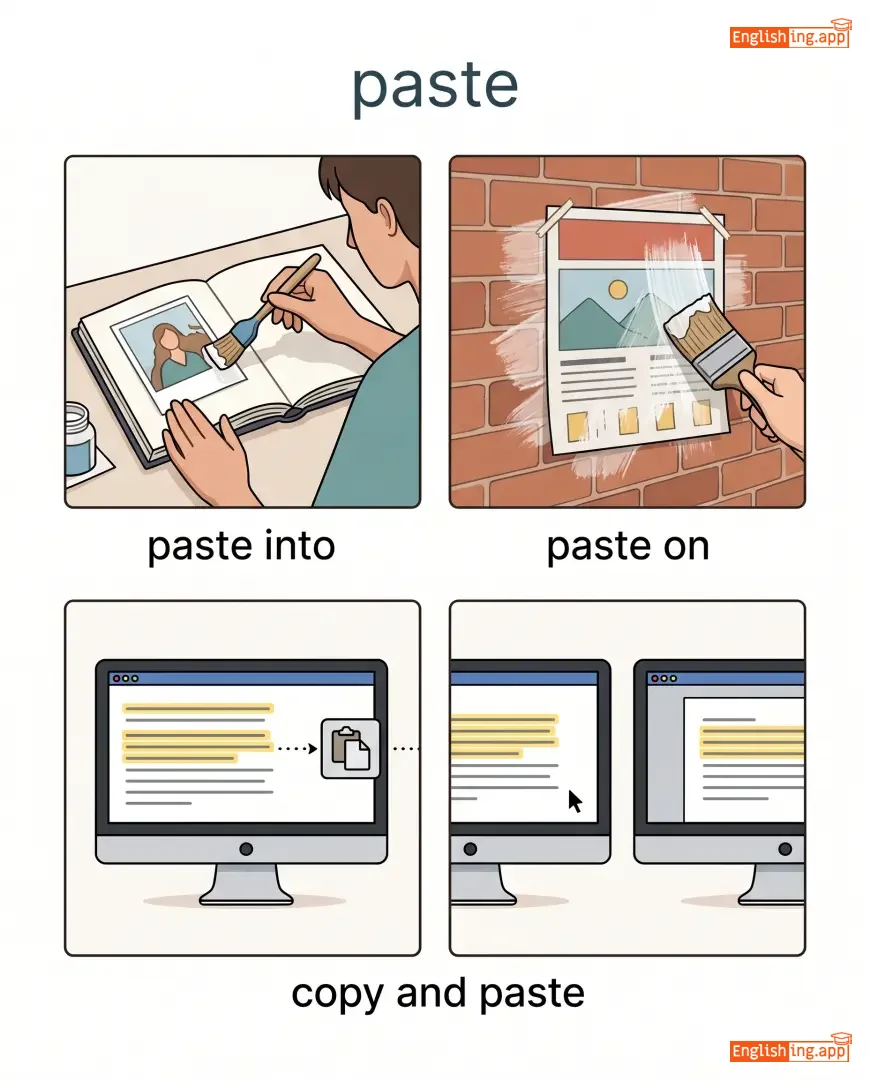
粘贴
zhāntiē
••••••
|
pasted
peìsìdé
••••••
|
pasted
peìsìdé
••••••
|
pastes
peìsītè
••••••
|
pasting
peìsīng
••••••
|
to stick something onto a surface using glue or adhesive
••••••
|
I paste the picture into my scrapbook.
我把照片粘贴到我的剪贴簿里。
••••••
|
我把照片粘贴到我的剪贴簿里。
Wǒ bǎ zhàopiàn zhāntiē dào wǒ de jiǎn tiē bù lǐ.
••••••
|
stick, glue, attach, adhere
••••••
|
remove, peel, detach
••••••
|
paste images, copy and paste, paste text, carefully paste, paste together
••••••
|
把快乐粘贴到生活中!
••••••
|
|
#224
📦
|
/stɔːr/
verb
(stor)
••••••
|
|
储存
chucun
••••••
|
stored
stored
••••••
|
stored
stored
••••••
|
stores
stores
••••••
|
storing
storing
••••••
|
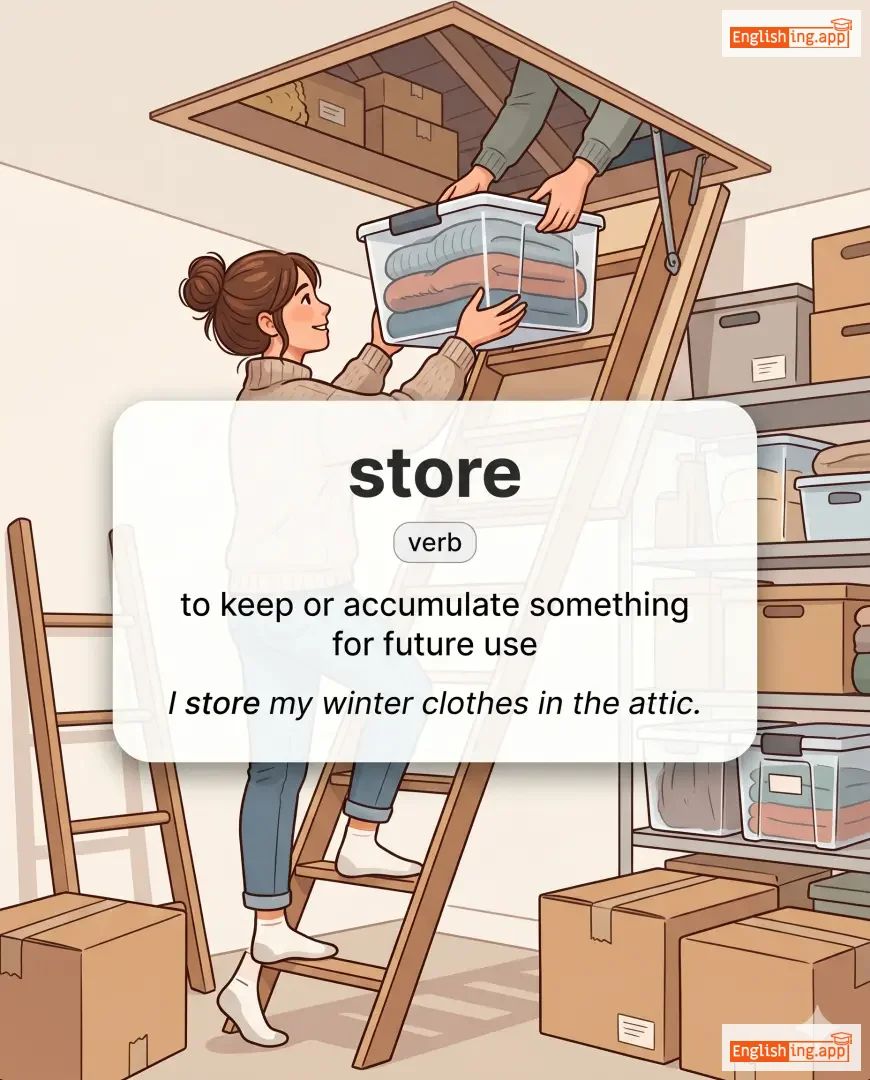
to keep things in a place for future use; to save information
••••••
|
She stores her winter clothes in the attic.
她把冬衣存放在阁楼里。
••••••
|
她把冬衣存放在阁楼里。
Ta ba dongyi cunfang zai ge lou li.
••••••
|
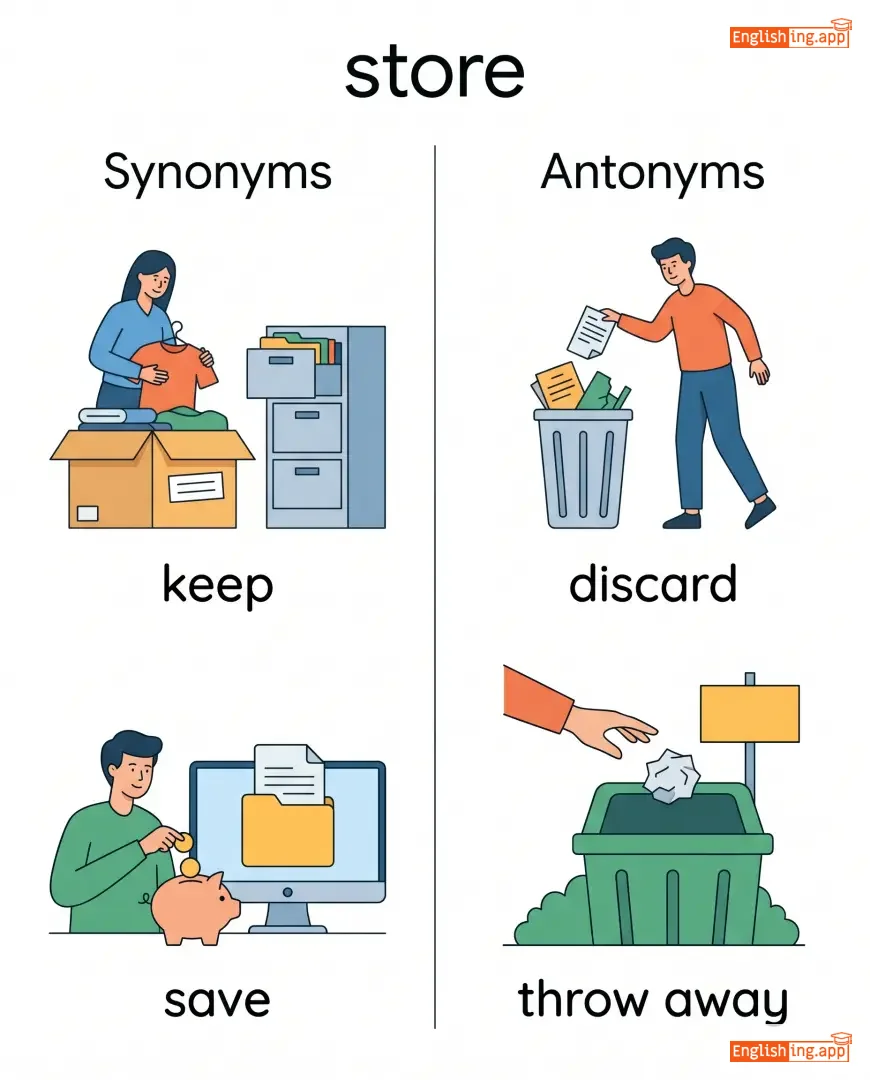
keep, save, preserve, stock
••••••
|
discard, throw away, use up
••••••
|
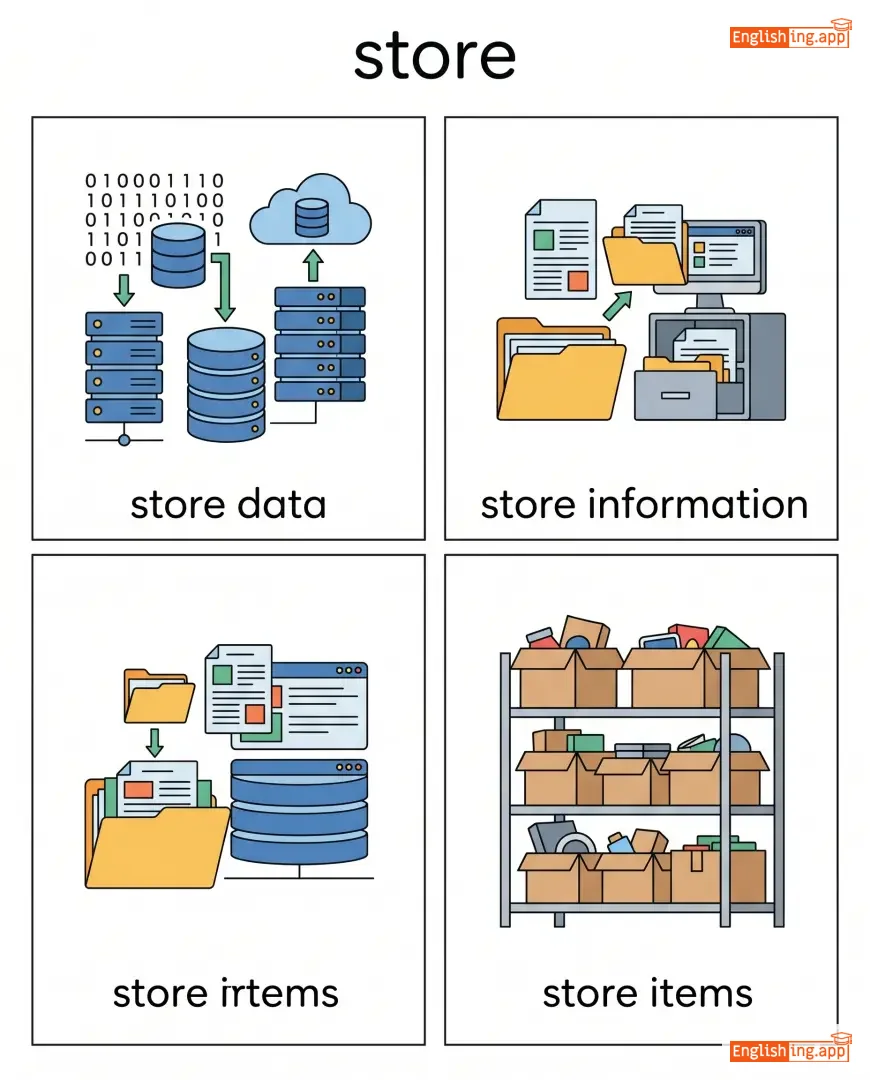
store data, store information, safely store, securely store, temporarily store
••••••
|
储存,像存储数据一样
••••••
|
|
#225
🏛️
|
/ˈvɪzɪt/
verb
(vɪzɪt)
••••••
|
|
参观
canguan
••••••
|
visited
vɪzɪtɪd
••••••
|
visited
vɪzɪtɪd
••••••
|
visits
vɪzɪts
••••••
|
visiting
vɪzɪtɪŋ
••••••
|
to go and see someone or somewhere; to pay a call
••••••
|
We plan to visit the museum this weekend.
我们计划这个周末参观博物馆。
••••••
|
我们计划这个周末参观博物馆。
Wo men jihua zhe ge zhoumo canguan bowuguan.
••••••
|
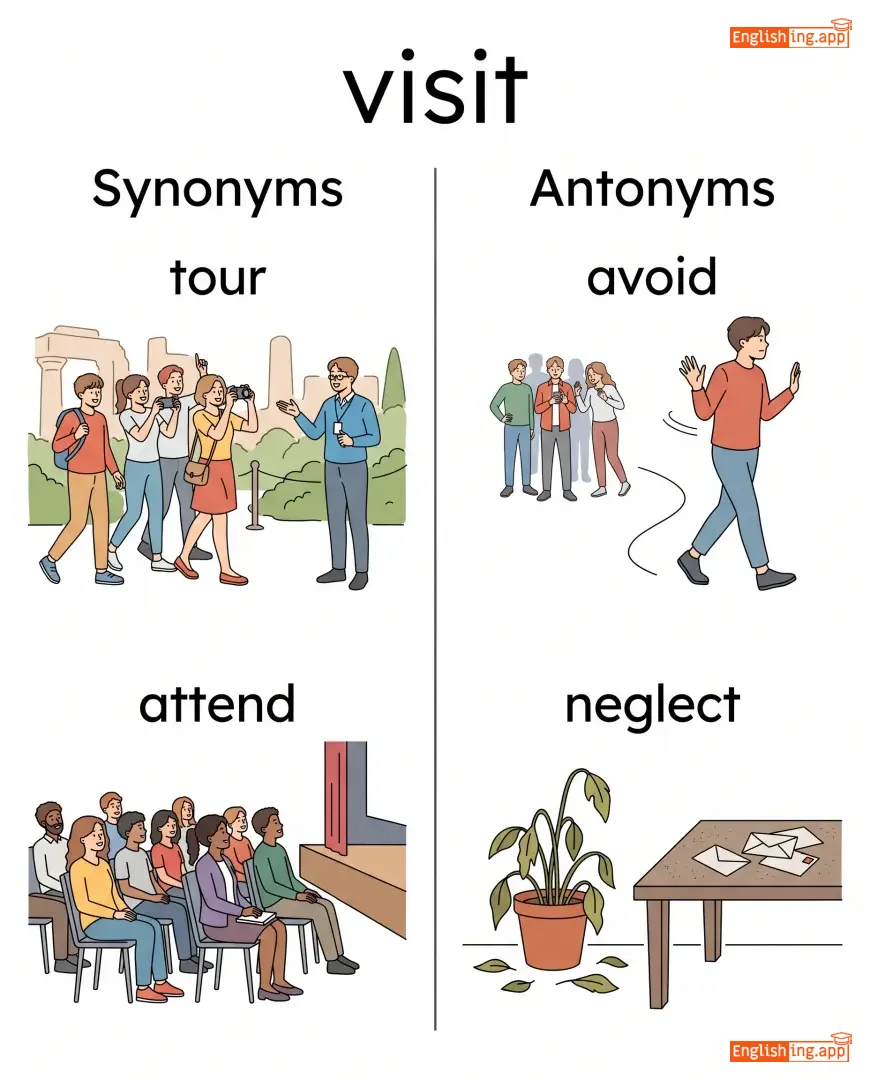
see, call on, drop by, tour, explore
••••••
|
avoid, shun, stay away, leave
••••••
|
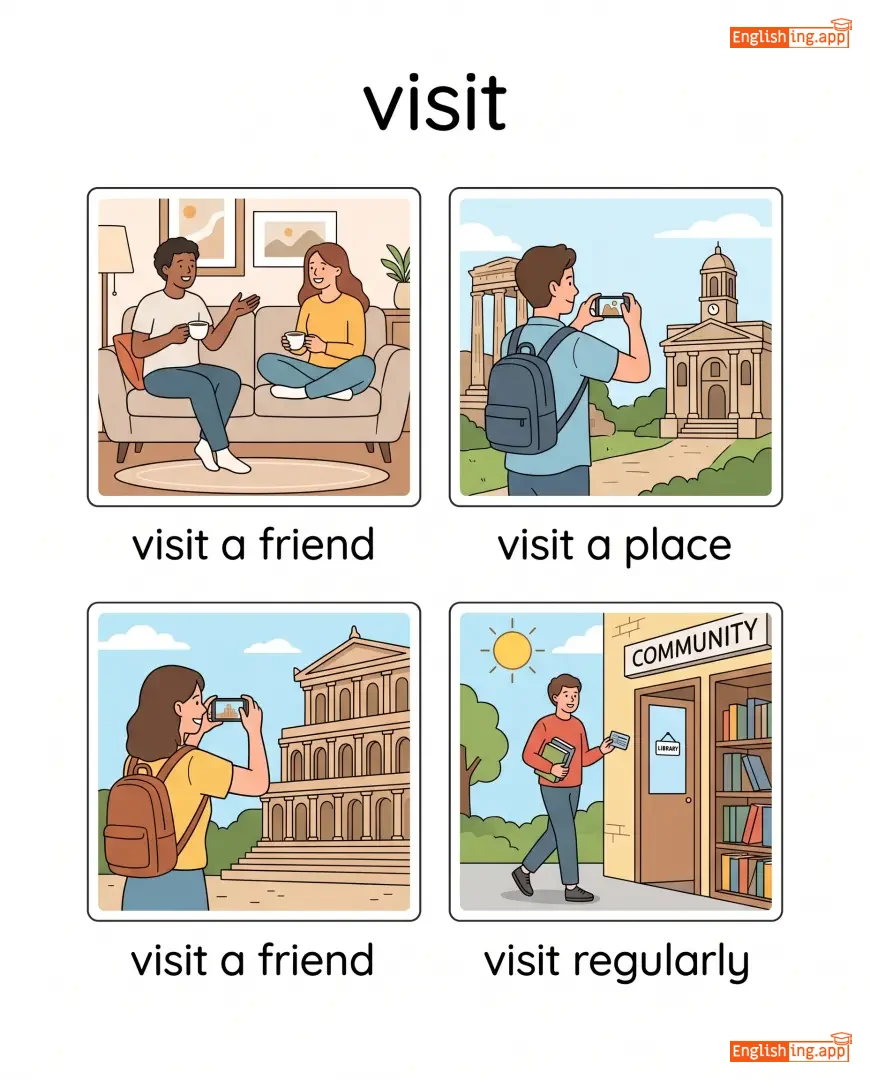
visit friends, visit family, regularly visit, frequently visit, rarely visit
••••••
|
参观就像探险,去了解新的地方。
••••••
|
|
#226
🌱
|
/ɡroʊ/
verb
(guò)
••••••
|
|
增长
zēngzhǎng
••••••
|
grew
gù
••••••
|
grown
guò
••••••
|
grows
guòz
••••••
|
growing
guòing
••••••
|
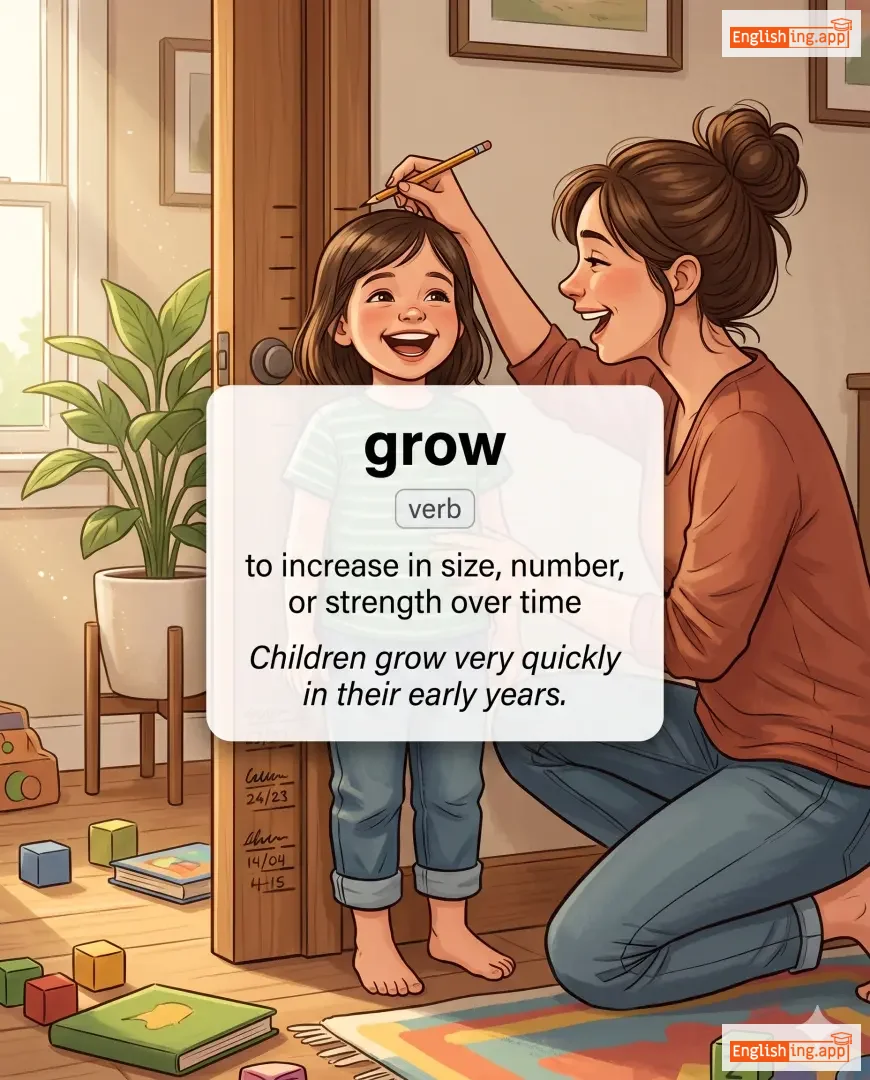
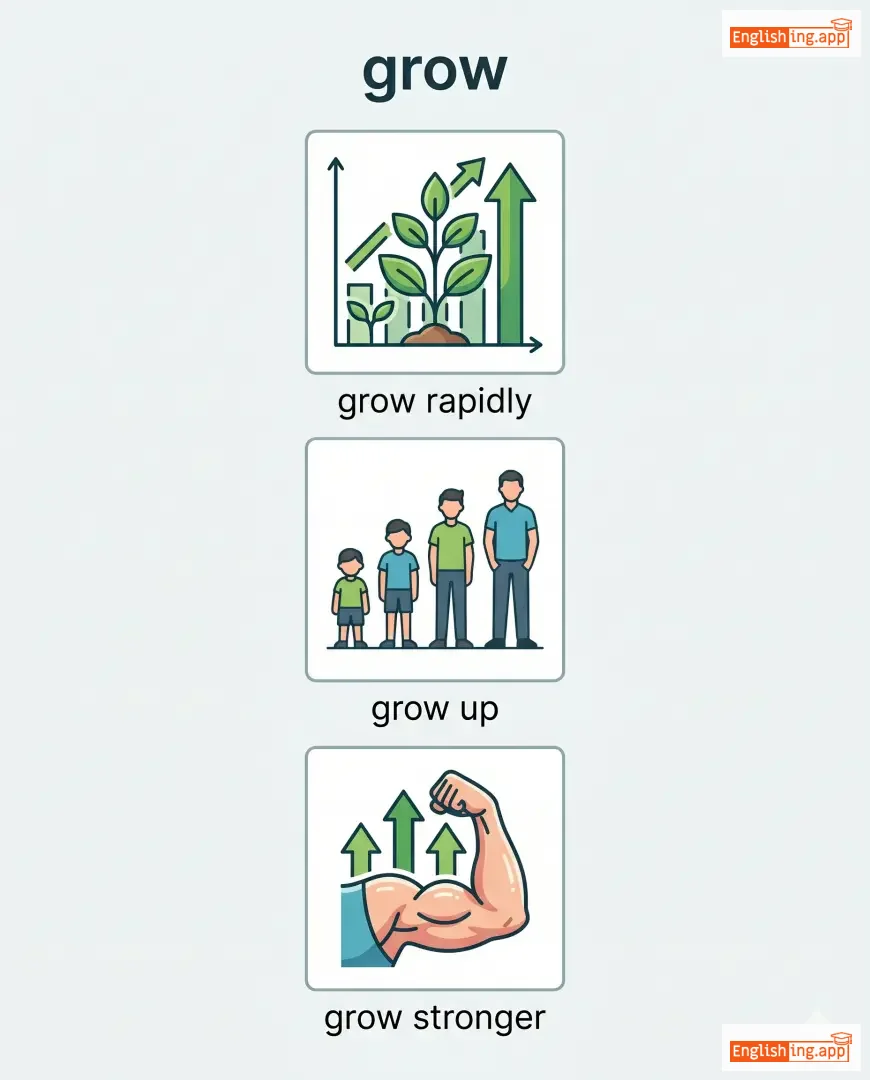
to become larger or greater over a period of time; to develop
••••••
|
Plants grow faster in spring.
plánts guò fástér in spíng.
••••••
|
植物在春季生长得更快。
zhíwù zài chūnjiàn shēngzhǎng dé gèng kuài.
••••••
|
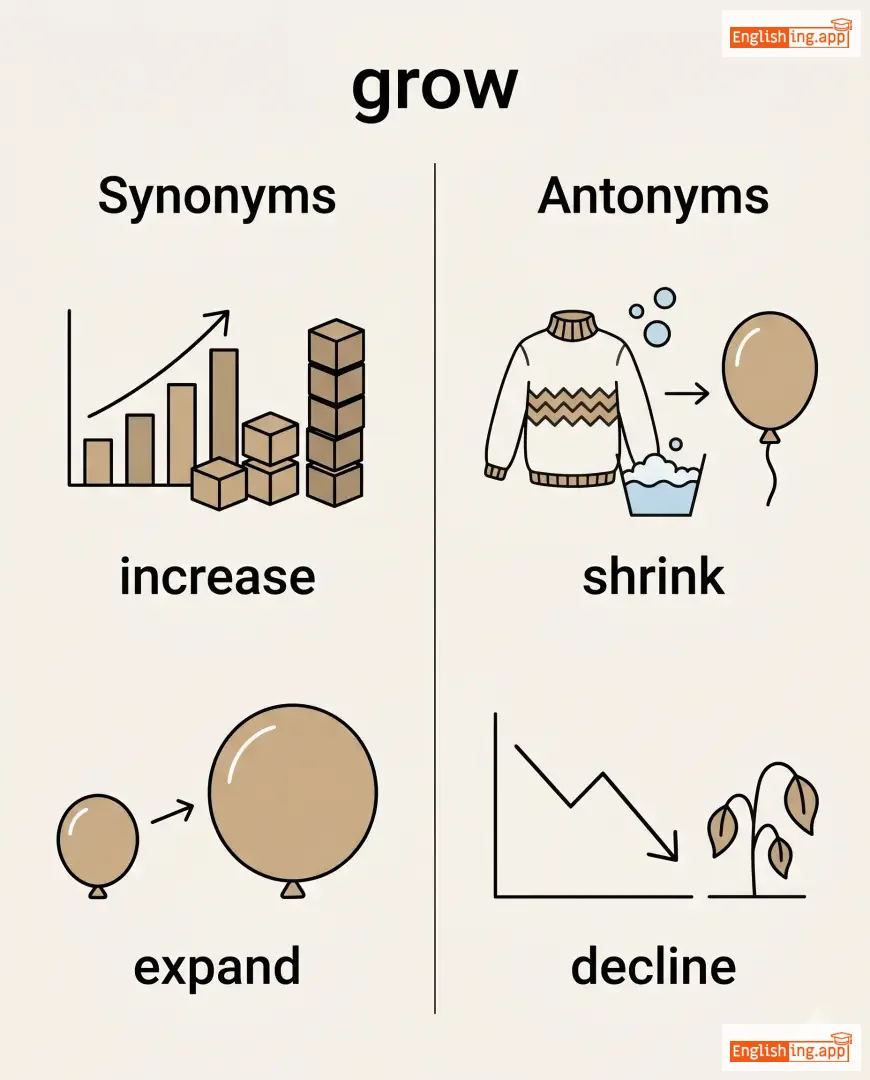
expand, increase, develop, flourish
••••••
|
shrink, decrease, decline, diminish
••••••
|
grow up, grow old, grow fast, steadily grow, continue to grow
••••••
|
增长 (zēngzhǎng) 在植物中成长。
••••••
|
|
#227
😠
|
/skoʊld/
verb
(es-kóld)
••••••
|
|
责骂
zé mà
••••••
|
scolded
es-kólded
••••••
|
scolded
es-kólded
••••••
|
scolds
es-kólds
••••••
|
scolding
es-kólding
••••••
|
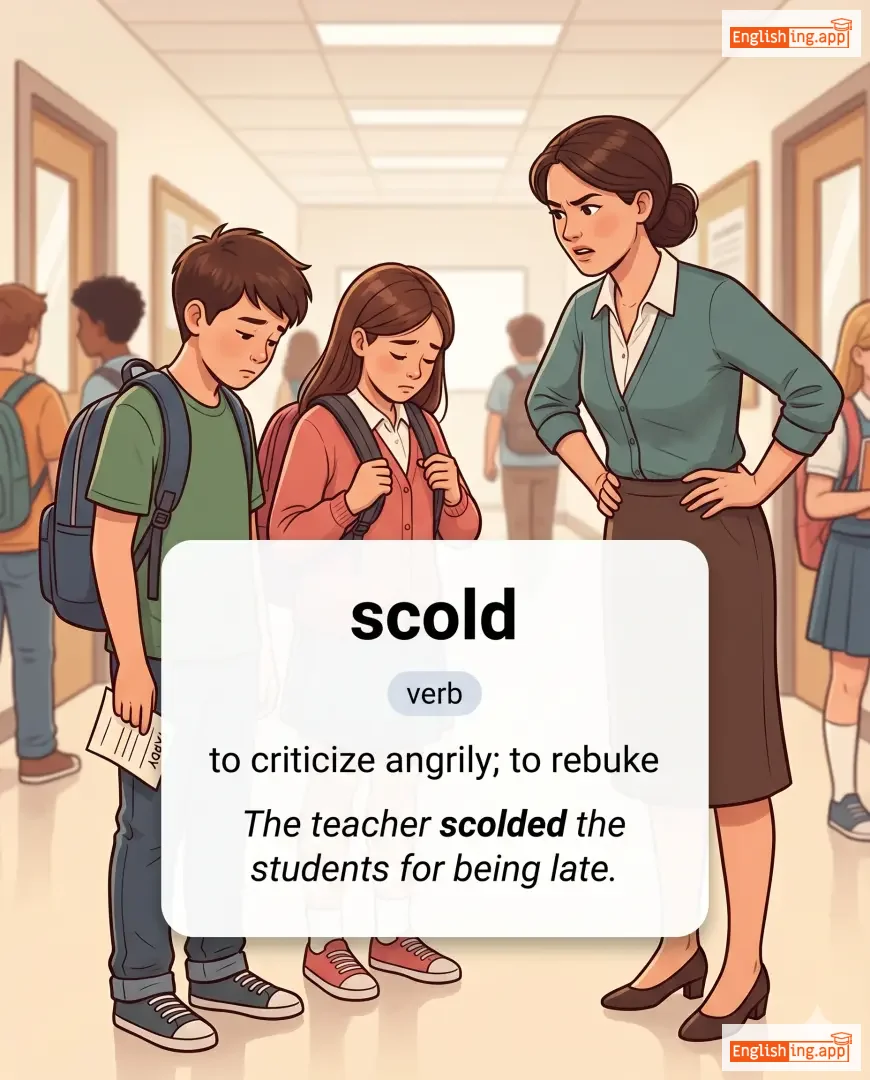
to criticize angrily; to rebuke
••••••
|
The teacher scolded the students for being late.
老师因为学生迟到而责骂他们。
••••••
|
老师因为学生迟到而责骂他们。
Lǎoshī yīnwèi xuéshēng chídào ér zé mà tāmen.
••••••
|
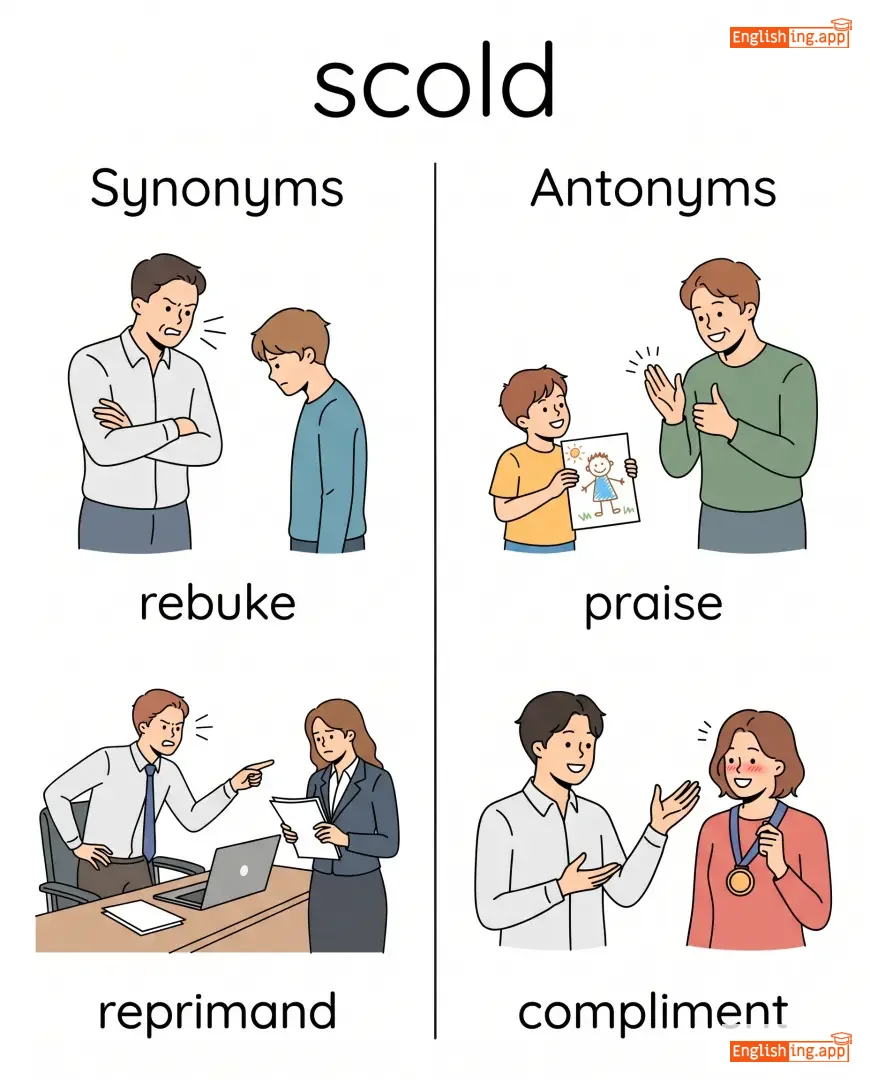
rebuke, reprimand, chide, criticize
••••••
|
praise, compliment, commend, applaud
••••••
|
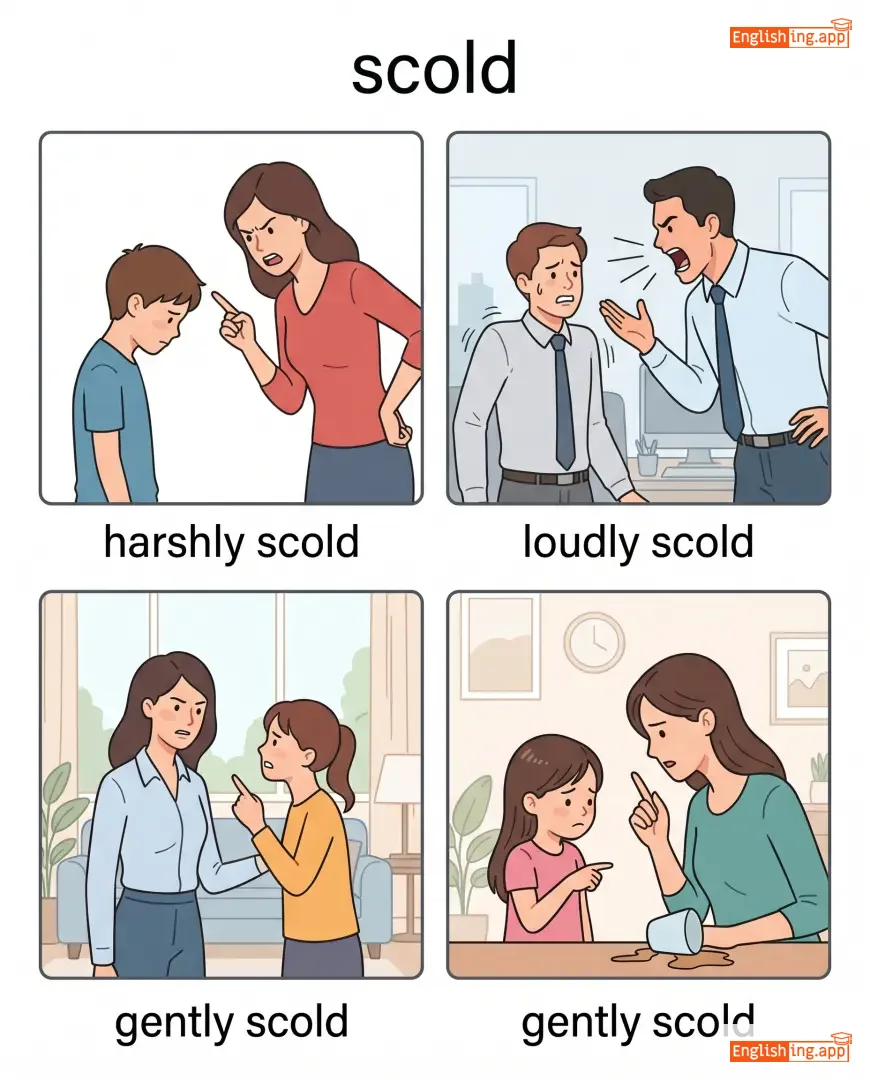
harshly scold, loudly scold, gently scold, severely scold, publicly scold
••••••
|
No •••••• |
|
#228
🔥
|
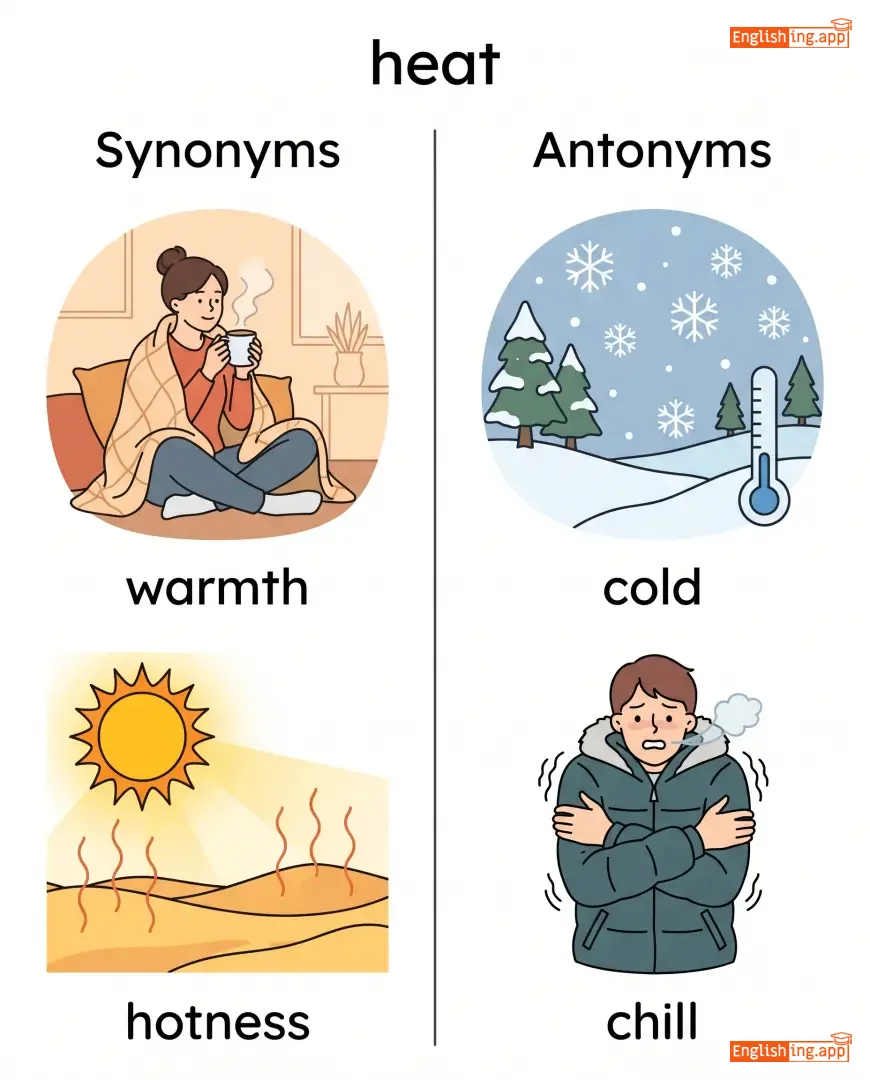
/hiːt/
verb
(hit)
••••••
|
|
加热
jiare
••••••
|
heated
hited
••••••
|
heated
hited
••••••
|
heats
hits
••••••
|
heating
hitting
••••••
|
to make or become hot or warm; to raise temperature
••••••
|
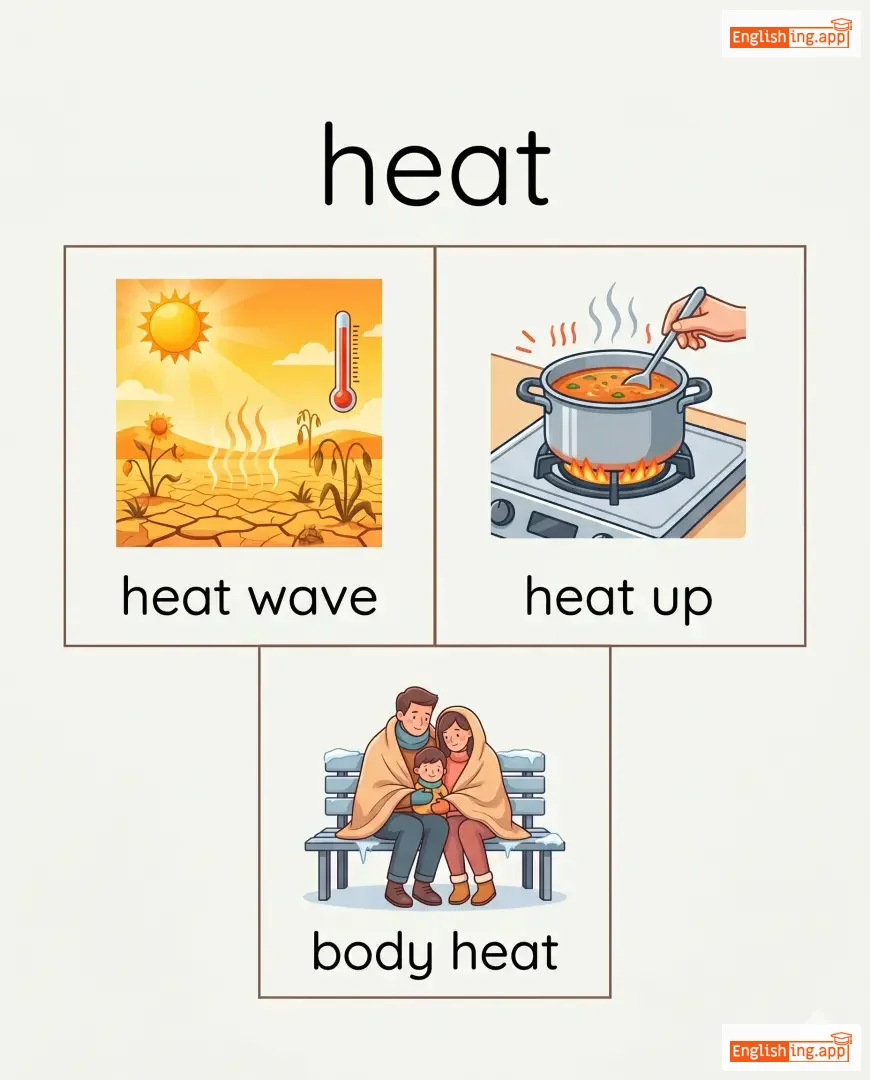
Please heat the soup before serving.
请在上菜之前加热汤。
••••••
|
请在上菜之前加热汤。
qing zai shangcai zhiqian jiare tang.
••••••
|
warm, cook, boil, reheat
••••••
|
cool, freeze, chill, refrigerate
••••••
|
heat up, heat food, gently heat, slowly heat, evenly heat
••••••
|
加热 = Heat, 热 = heat
••••••
|
|
#229
✏️
|
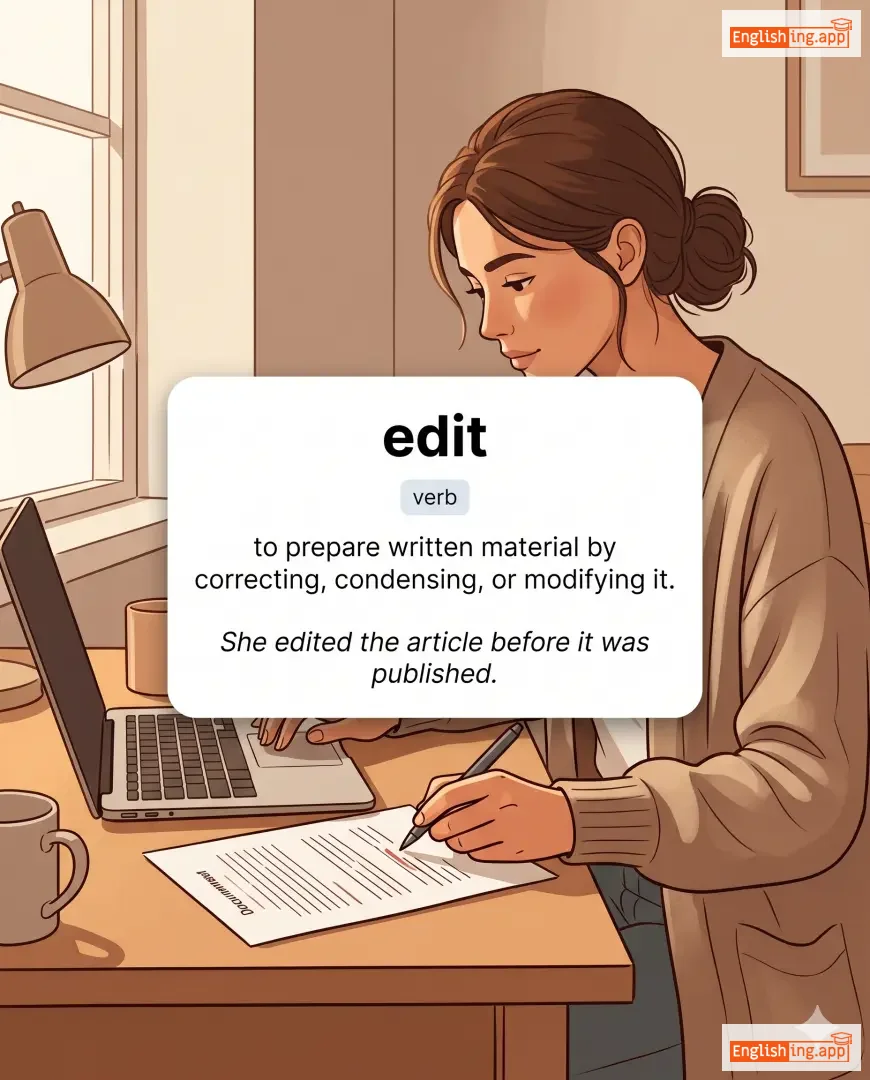
/ˈedɪt/
verb
(编辑)
••••••
|
|
编辑
bianji
••••••
|
edited
编辑过
••••••
|
edited
编辑过
••••••
|
edits
编辑
••••••
|
editing
编辑中
••••••
|
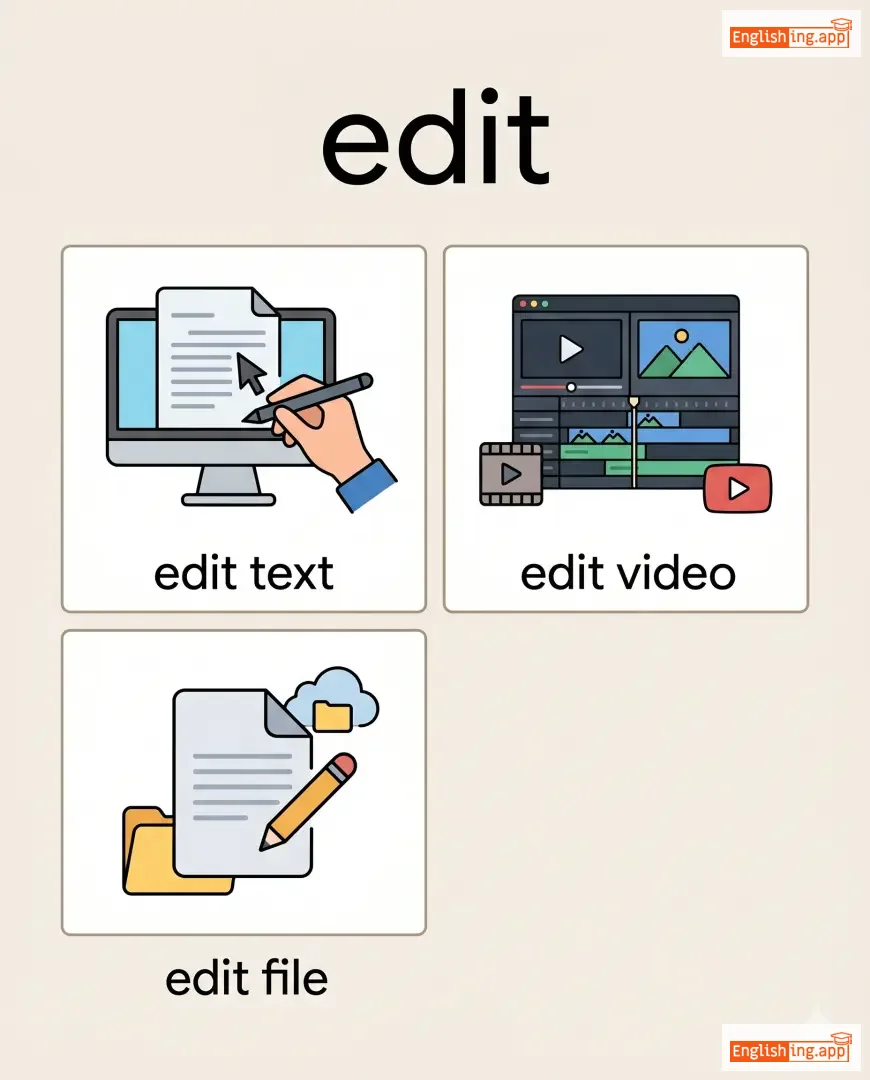
to make changes to improve or correct something
••••••
|
I need to edit this document before submission.
我需要在提交之前编辑这个文档。
••••••
|
我需要在提交之前编辑这个文档。
Wo xuyao zai tijiao zhiqian bianji zhege wen dang
••••••
|
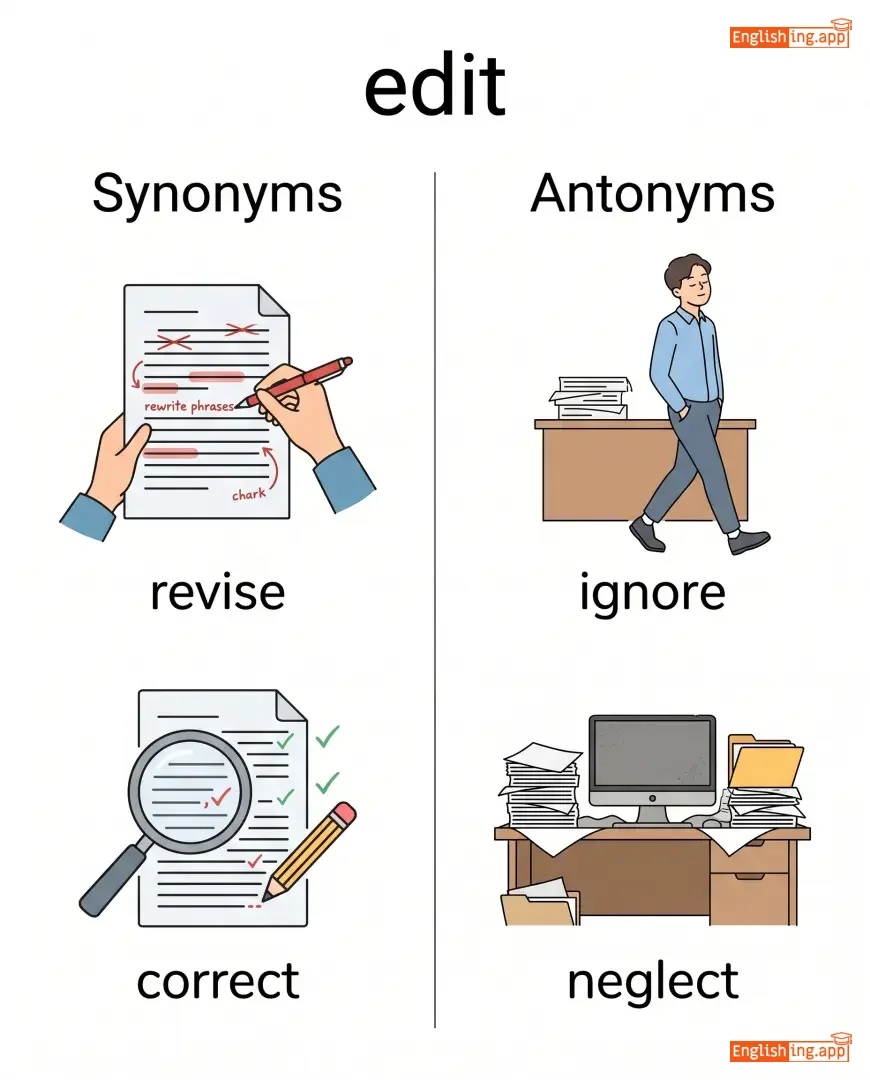
revise, modify, correct, improve
••••••
|
ignore, neglect, maintain
••••••
|
edit text, edit documents, carefully edit, thoroughly edit, quickly edit
••••••
|
No •••••• |
|
#230
👀
|
/siː/
verb
(xī)
••••••
|
|
看
kan
••••••
|
saw
kànjiàn
••••••
|
seen
kàn dào
••••••
|
sees
kàn
••••••
|
seeing
kànzhòng
••••••
|
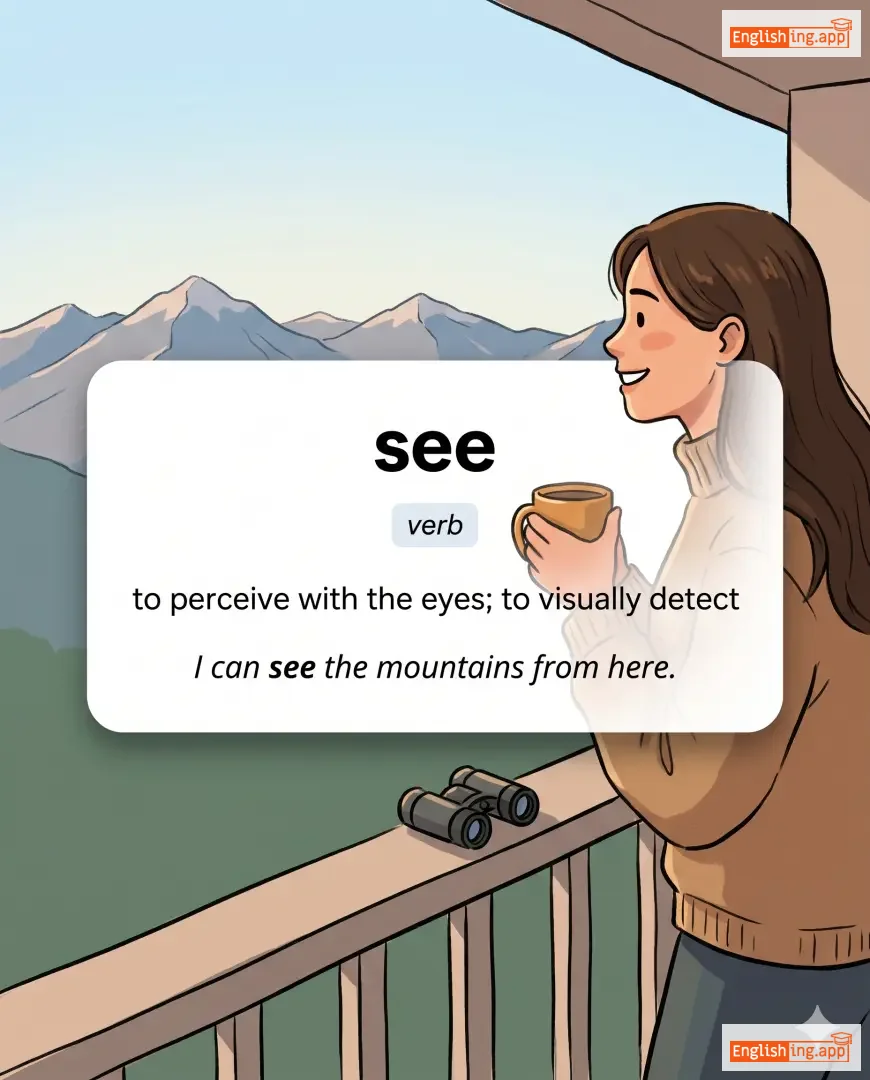
to perceive with the eyes; to understand; to meet
••••••
|
I can see the mountain from here.
Wǒ kěyǐ cóng zhèlǐ kàn dào shānhú.
••••••
|
我可以从这里看到山。
Wǒ kěyǐ cóng zhèlǐ kàn dào shān
••••••
|
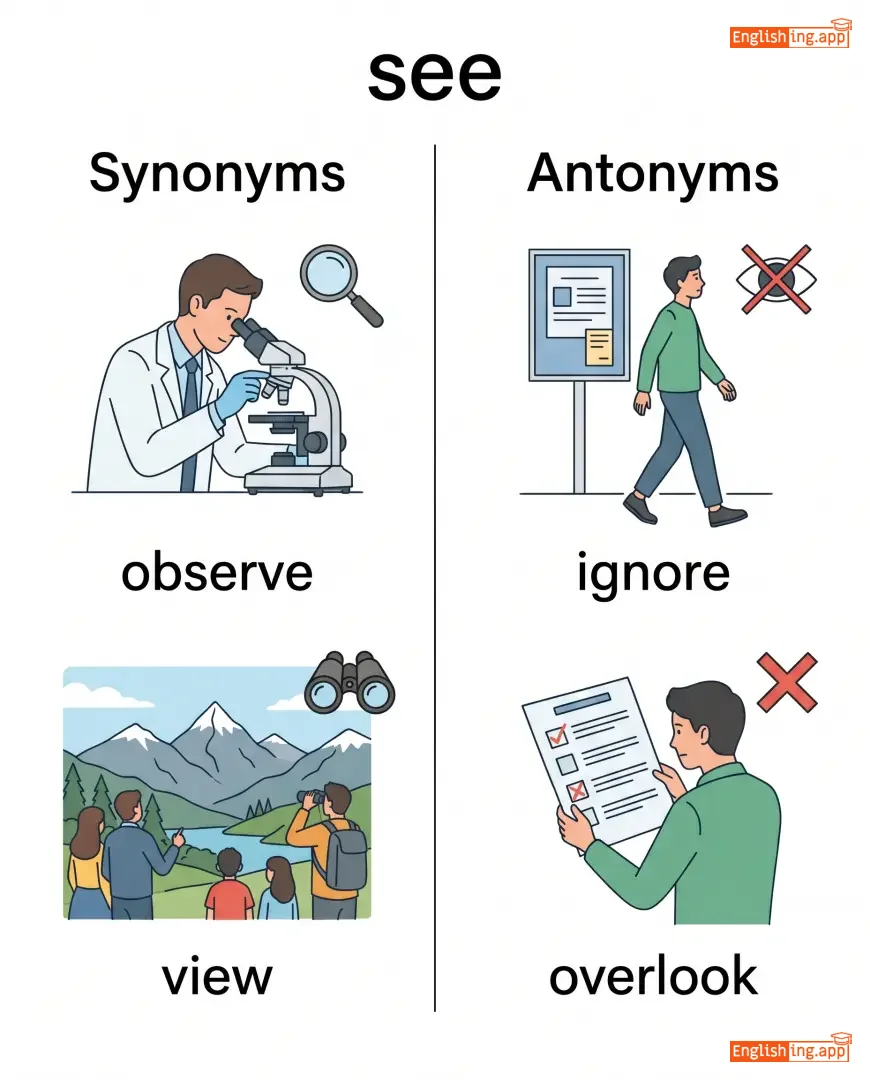
view, observe, watch, notice
••••••
|
miss, overlook, ignore
••••••
|
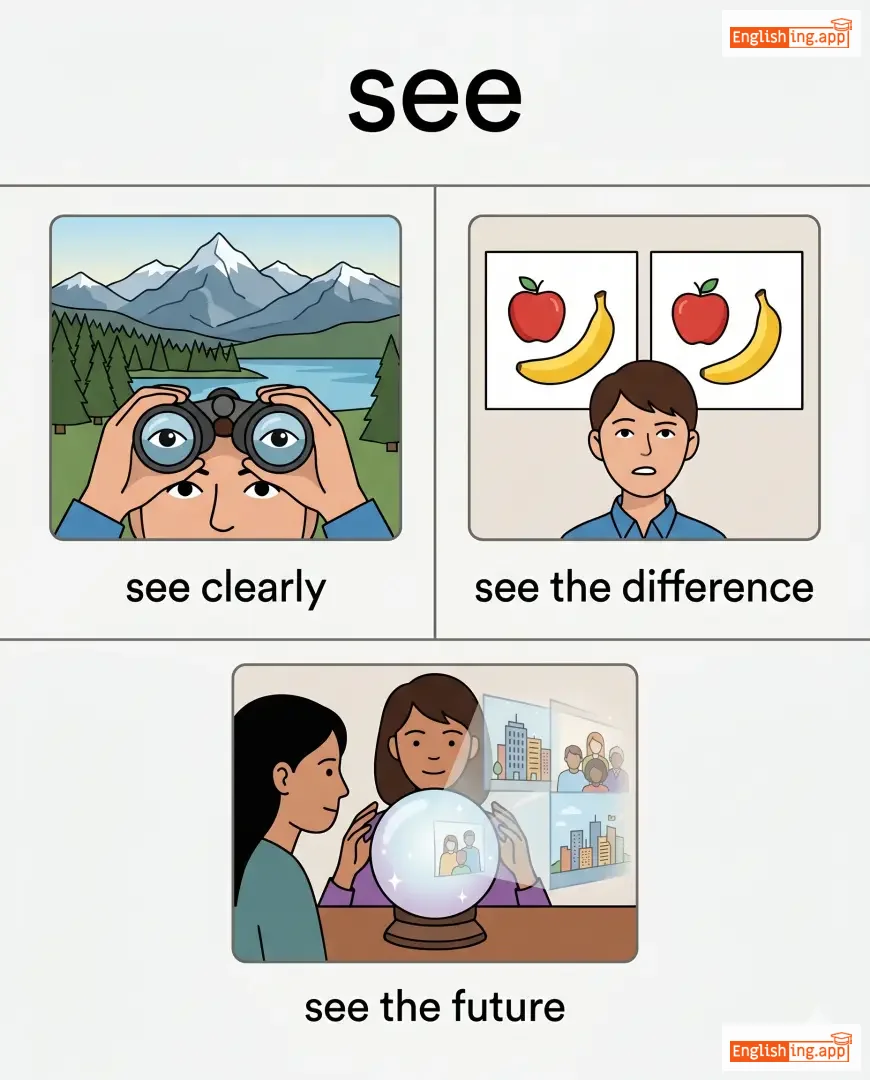
clearly see, can't see, see through, see ahead, see beyond
••••••
|
No •••••• |
|
#231
👉
|
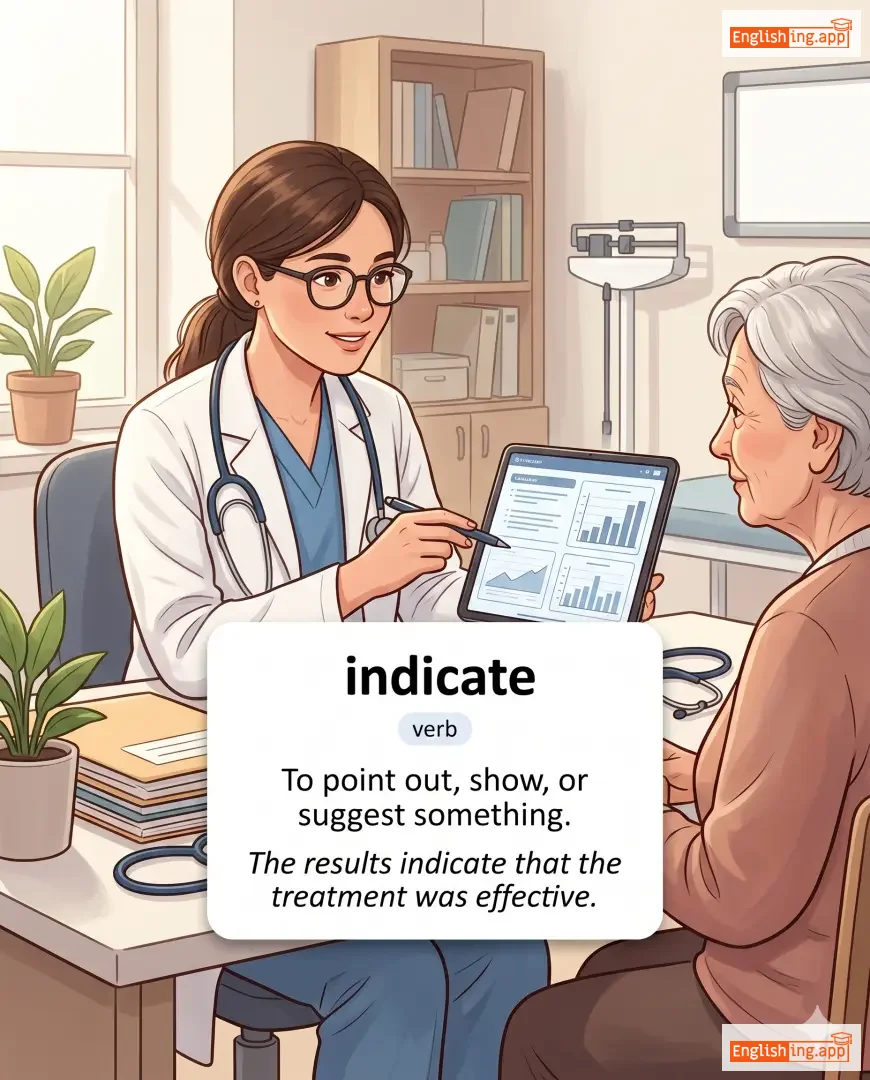
/ˈɪndɪkeɪt/
verb
(印地凯特)
••••••
|
|
指示
zhǐshì
••••••
|
indicated
印地凯特了
••••••
|
indicated
印地凯特了
••••••
|
indicates
印地凯特斯
••••••
|
indicating
印地凯廷
••••••
|
to point out; to show or suggest; to be a sign of
••••••
|
The red light indicates that you should stop.
红灯表示你应该停下来。
••••••
|
红灯表示你应该停下来。
Hóngdēng biǎoshì nǐ yīnggāi tíng xiàlái.
••••••
|
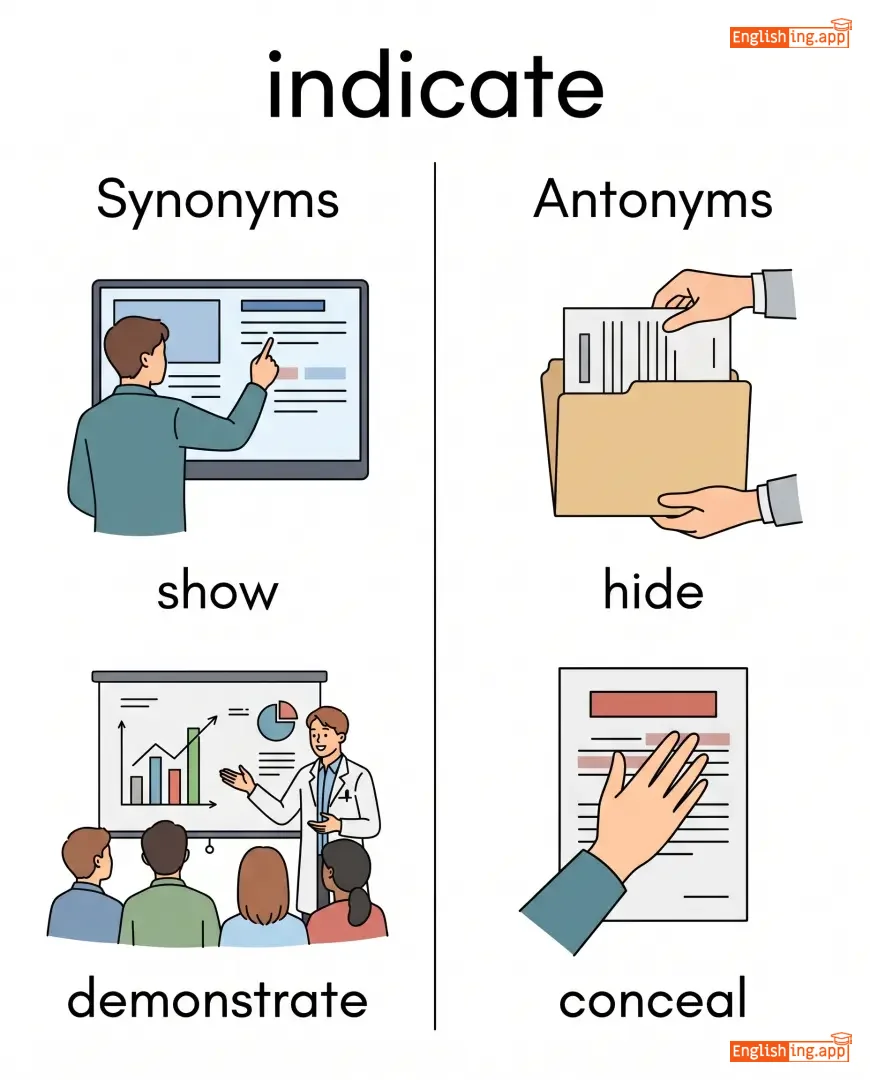
show, point out, signal, suggest
••••••
|
hide, conceal, obscure, mislead
••••••
|
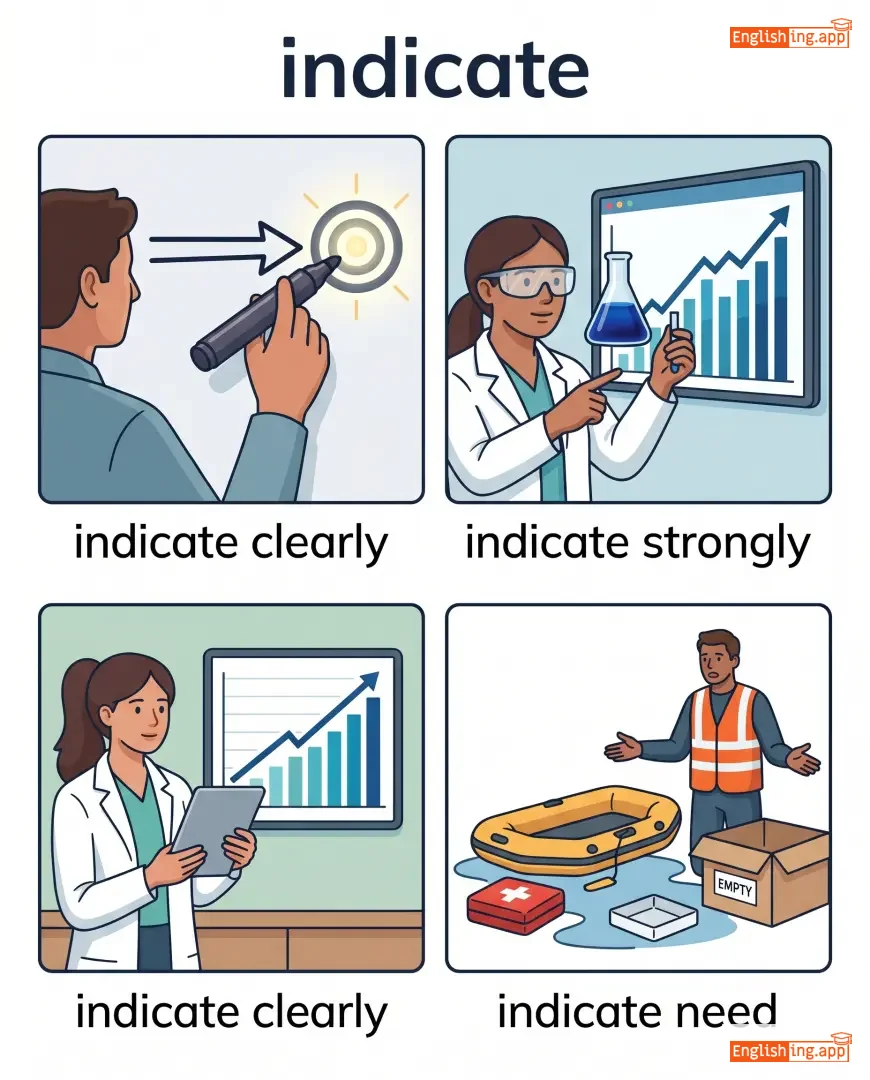
clearly indicate, strongly indicate, indicate direction, indicate progress, indicate problems
••••••
|
No •••••• |
|
#232
🐐
|
/bʌt/
verb
(bā tè)
••••••
|
|
撞头
zhuang tou
••••••
|
butted
bā tèd
••••••
|
butted
bā tèd
••••••
|
butts
bā ts
••••••
|
butting
bā tīng
••••••
|
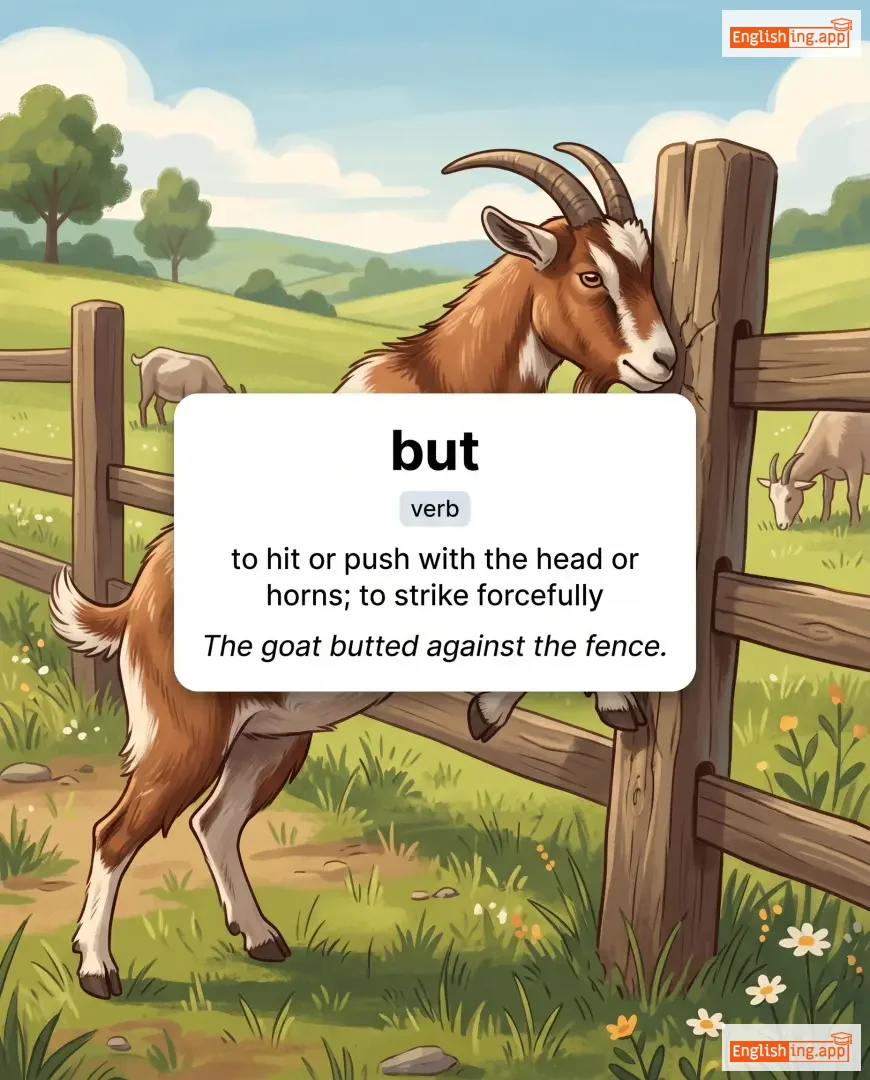
to hit or push with the head or horns; to strike forcefully
••••••
|
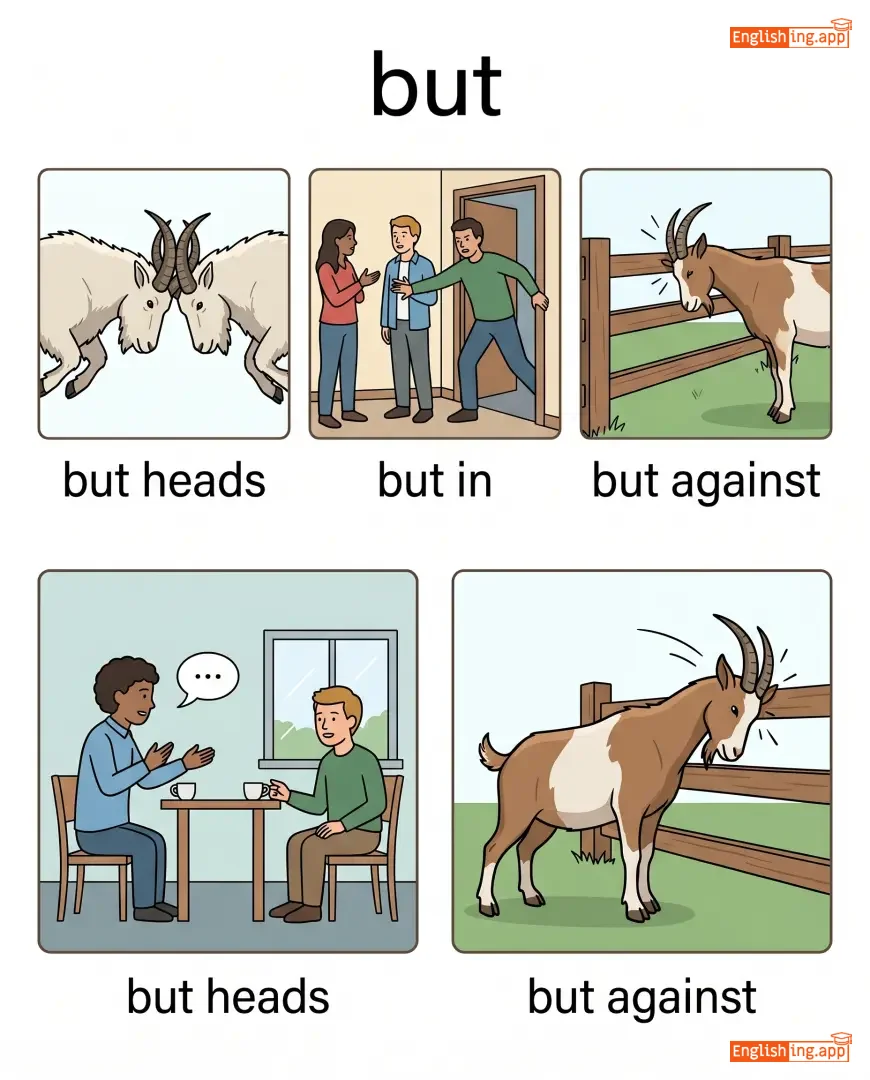
The goat butted against the fence.
山羊撞到了篱笆。
••••••
|
山羊撞到了篱笆。
Shānyáng zhuàng dào le líbā.
••••••
|
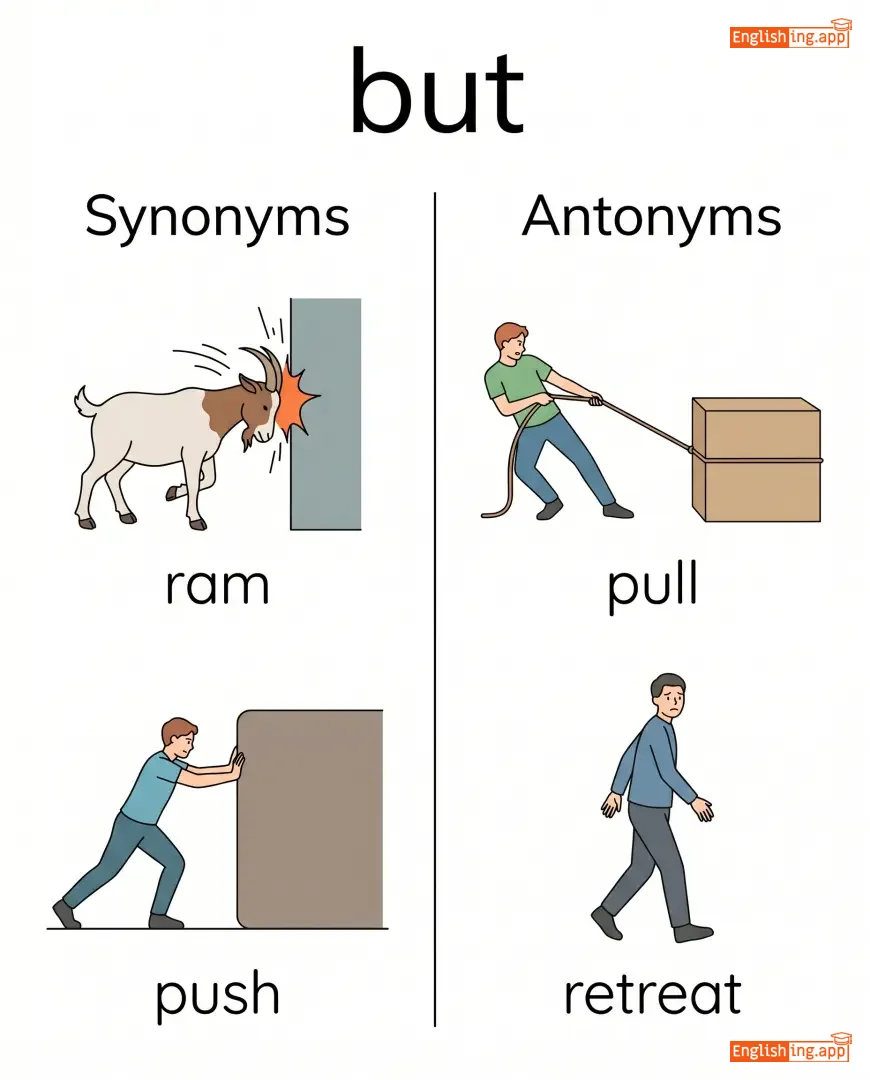
ram, push, strike, hit
••••••
|
pull, retreat, withdraw
••••••
|
but heads, but in, but against, violently but, forcefully but
••••••
|
Headbutt the fence, like a goat!
••••••
|
|
#233
🌟
|
/wɪʃ/
verb
(wɪʃ)
••••••
|
|
希望
xīwàng
••••••
|
wished
wɪʃəd
••••••
|
wished
wɪʃəd
••••••
|
wishes
wɪʃɪz
••••••
|
wishing
wɪʃɪŋ
••••••
|
to want something to happen; to desire or hope for
••••••
|
I wish I could fly like a bird.
ay wɪʃ ay kʊd flaɪ laɪk ə bɜrd
••••••
|
我希望我能像鸟一样飞。
Wǒ xīwàng wǒ néng xiàng niǎo yīyàng fēi.
••••••
|
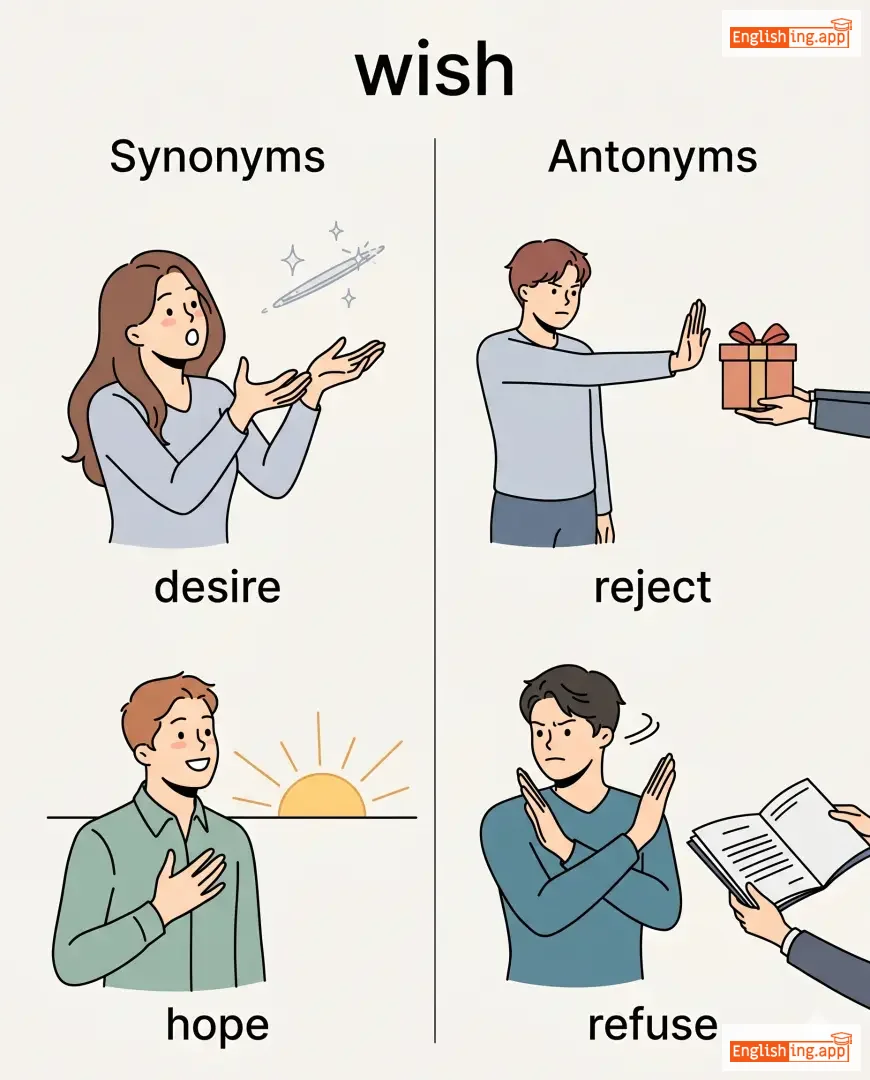
desire, hope, want, long for
••••••
|
reject, refuse, deny, dislike
••••••
|
make a wish, wish well, wish for, secretly wish, earnestly wish
••••••
|
希望像鸟一样飞翔!
••••••
|
|
#234
🤲
|
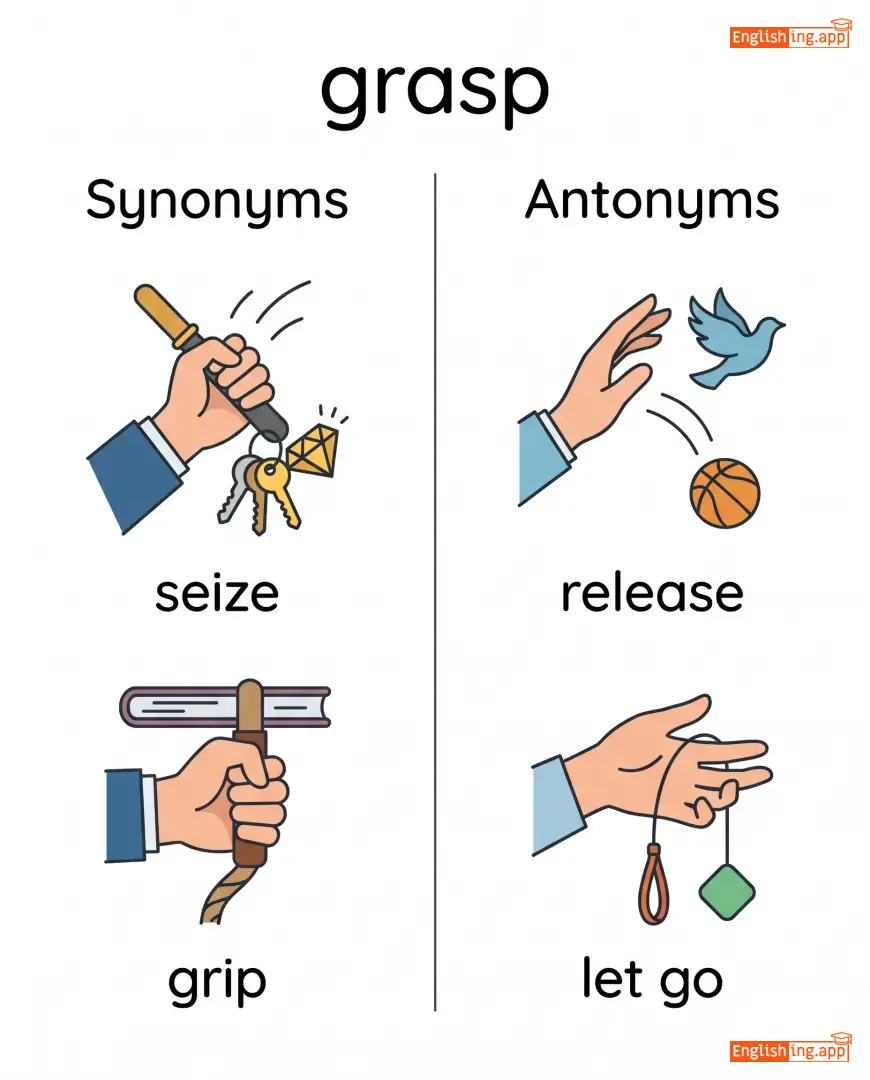
/ɡræsp/
verb
(格拉斯普)
••••••
|
|
抓住
zhuā zhù
••••••
|
grasped
格拉斯普德
••••••
|
grasped
格拉斯普德
••••••
|
grasps
格拉斯普斯
••••••
|
grasping
格拉斯普英
••••••
|
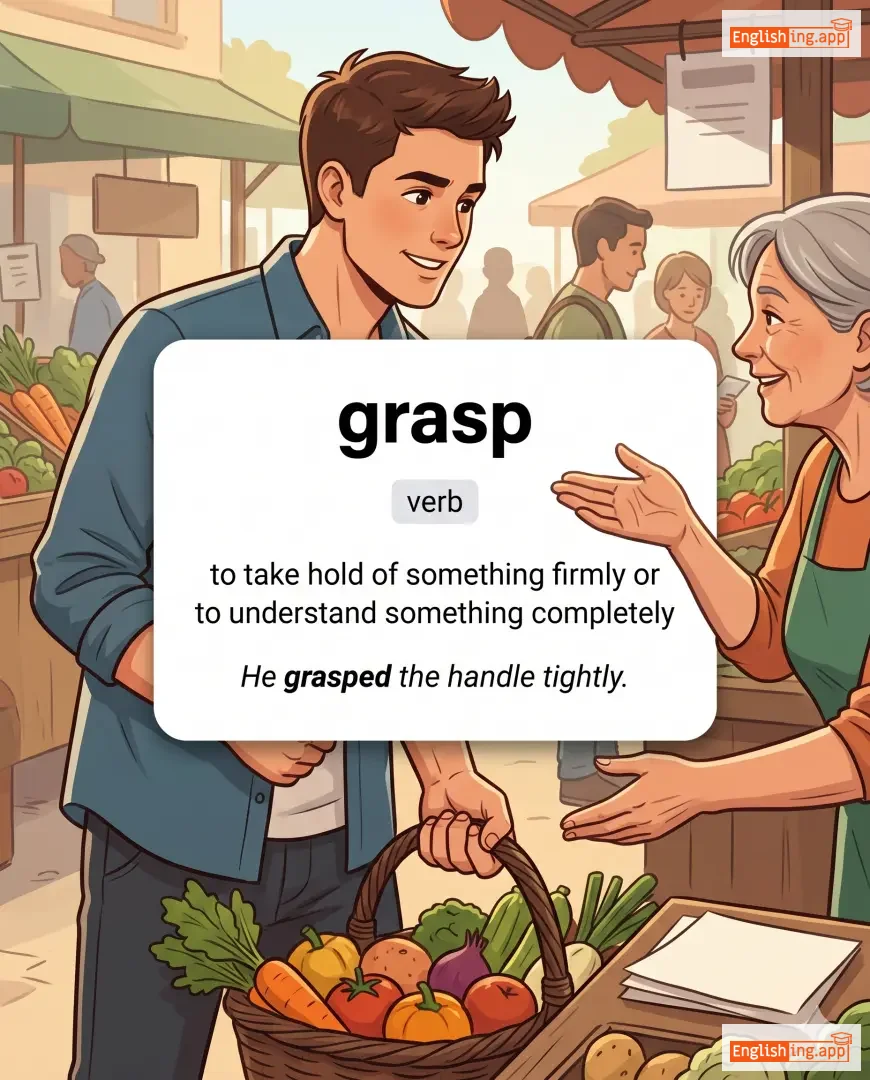
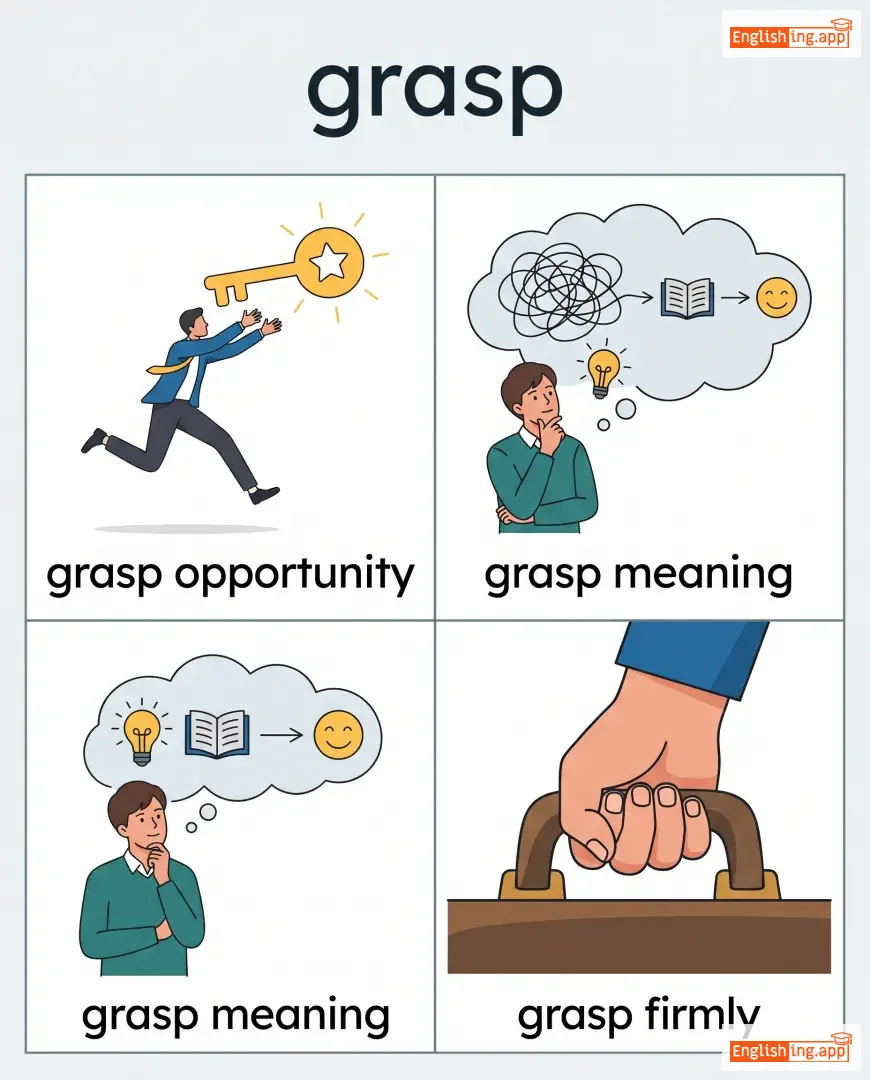
to grip firmly; to understand something
••••••
|
She finally grasped the concept after the explanation.
她终于在解释后理解了这个概念。
••••••
|
她终于在解释后理解了这个概念。
Tā zhōngyú zài jiěshì hòu lǐjiěle zhège gàiniàn.
••••••
|
grip, hold, seize, understand
••••••
|
release, let go, misunderstand, confuse
••••••
|
firmly grasp, quickly grasp, grasp concepts, grasp opportunities, fail to grasp
••••••
|
抓住,理解
••••••
|
|
#235
💬
|
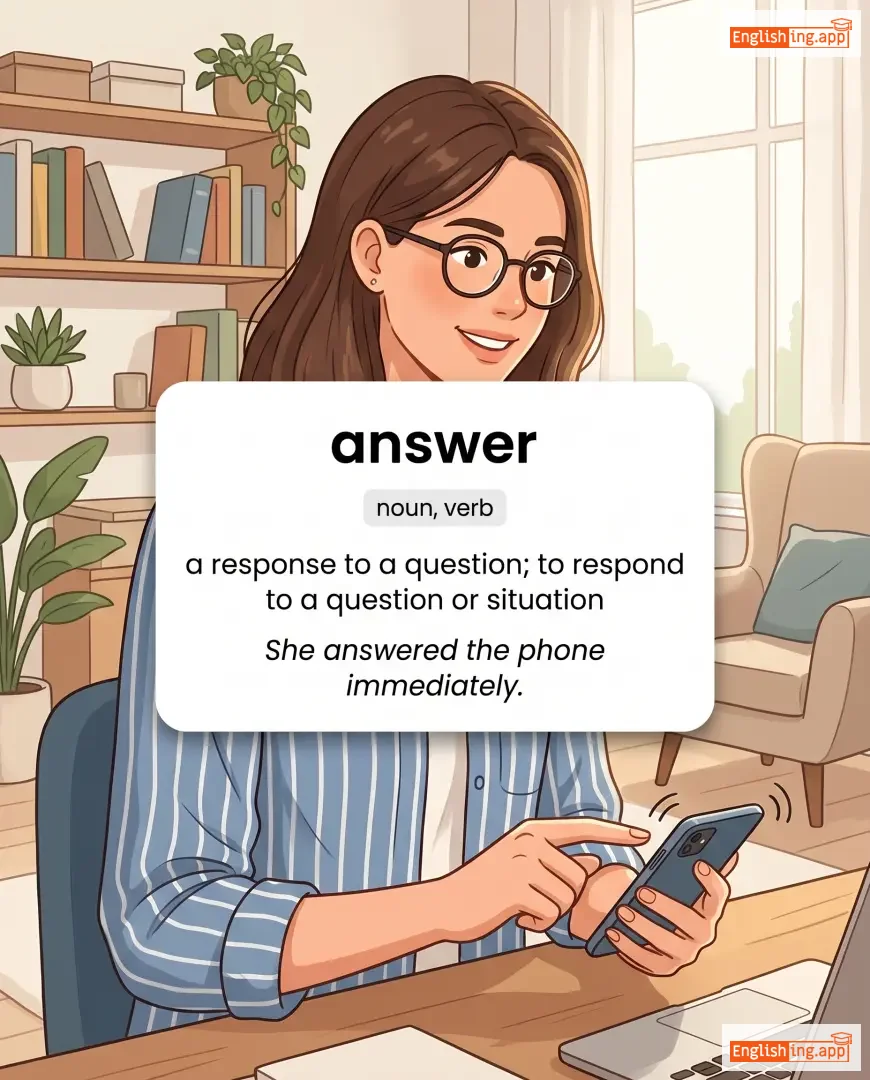
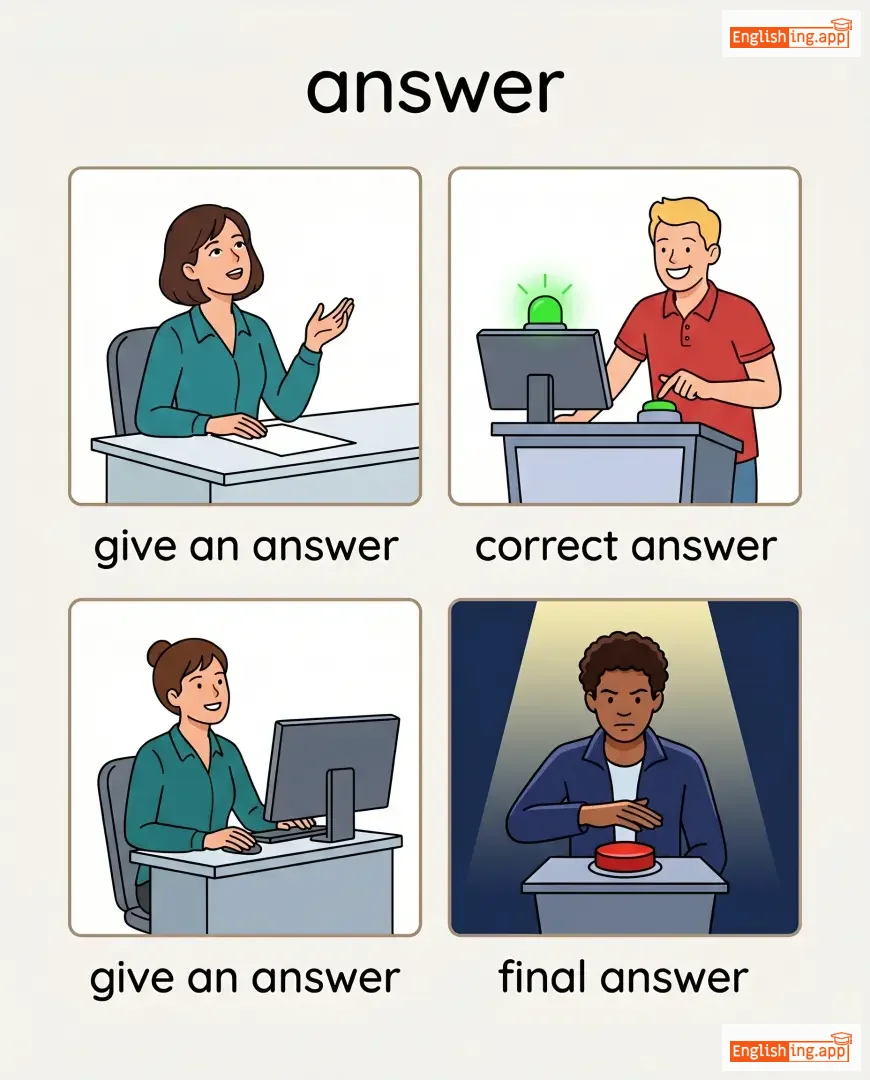
/ˈænsər/
verb
(ansər)
••••••
|
|
回答
huídá
••••••
|
answered
ansərd
••••••
|
answered
ansərd
••••••
|
answers
ansərs
••••••
|
answering
ansəring
••••••
|
to respond to a question; to reply; to solve
••••••
|
She will answer the phone when it rings.
She will answer the phone when it rings.
••••••
|
她会在电话响时接电话。
Tā huì zài diànhuà xiǎng shí jiē diànhuà.
••••••
|
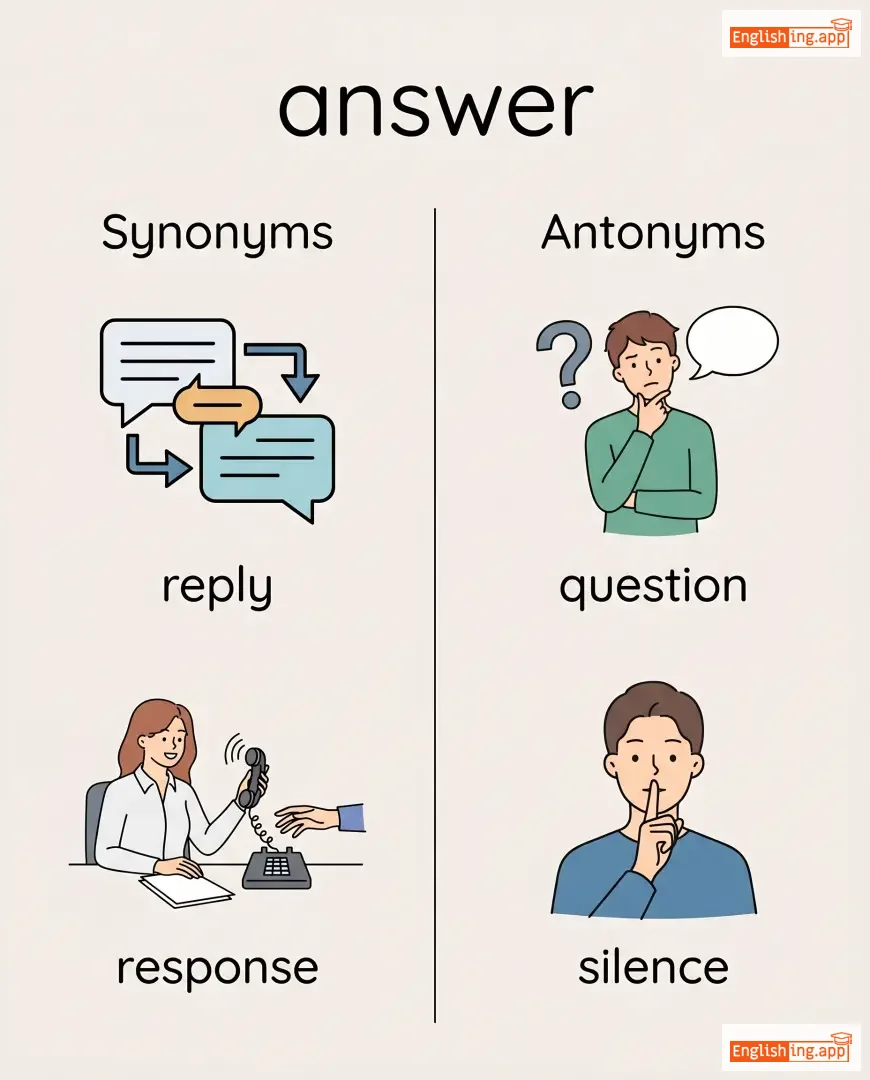
reply, respond, react, solve
••••••
|
question, ask, ignore, inquire
••••••
|
answer questions, answer calls, correctly answer, promptly answer, refuse to answer
••••••
|
回答问题就像接电话一样。
••••••
|
|
#236
📢
|
/jel/
verb
(yèl)
••••••
|
|
大喊
dà hǎn
••••••
|
yelled
yèl'd
••••••
|
yelled
yèl'd
••••••
|
yells
yèls
••••••
|
yelling
yèling
••••••
|
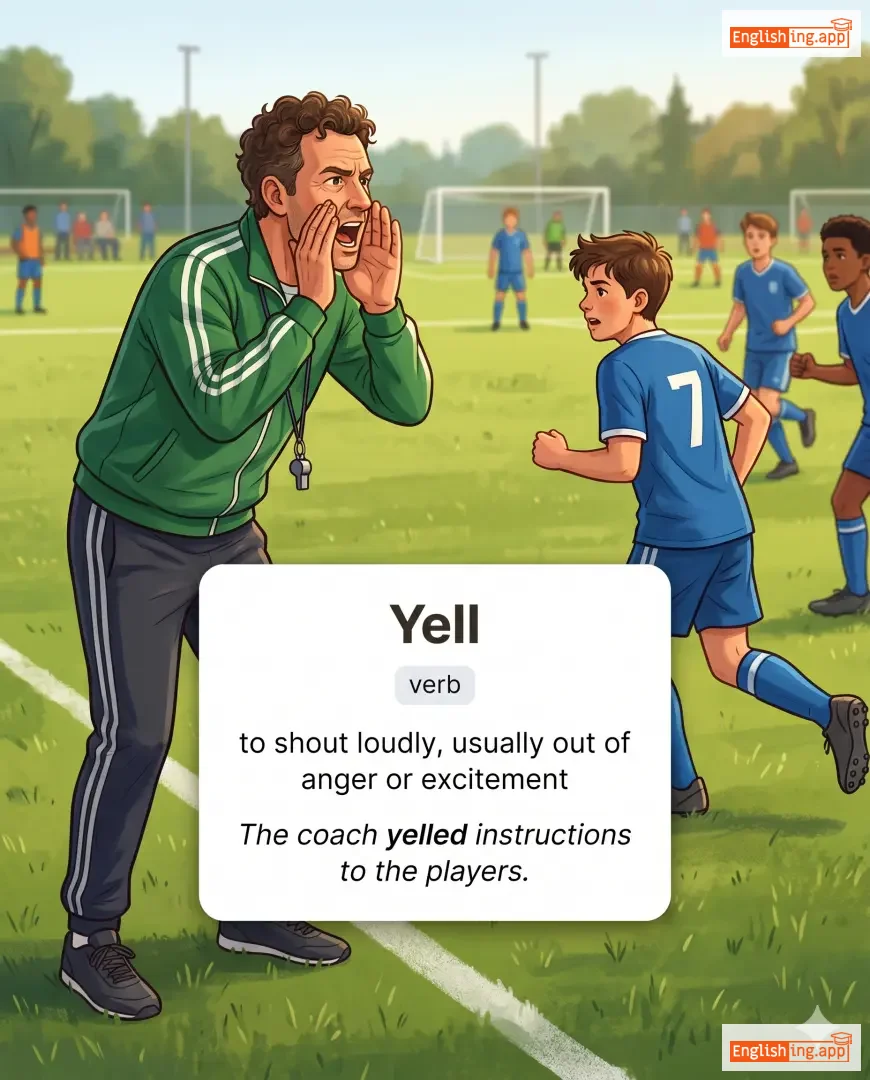
to shout loudly; to cry out in a loud voice
••••••
|
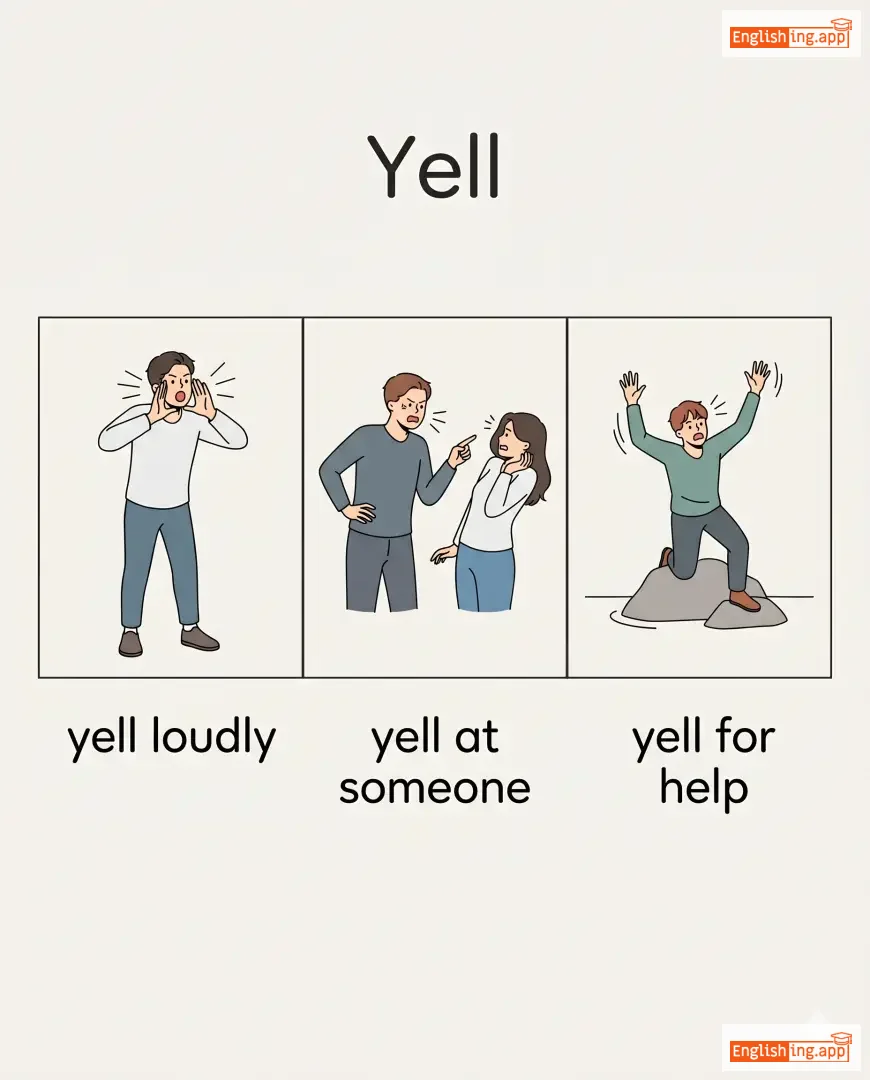
He yelled for help when he saw the accident.
当他看到事故时,他大声呼救。
••••••
|
当他看到事故时,他大声呼救。
Dāng tā kàn dào shìgù shí, tā dà shēng hū jiù.
••••••
|
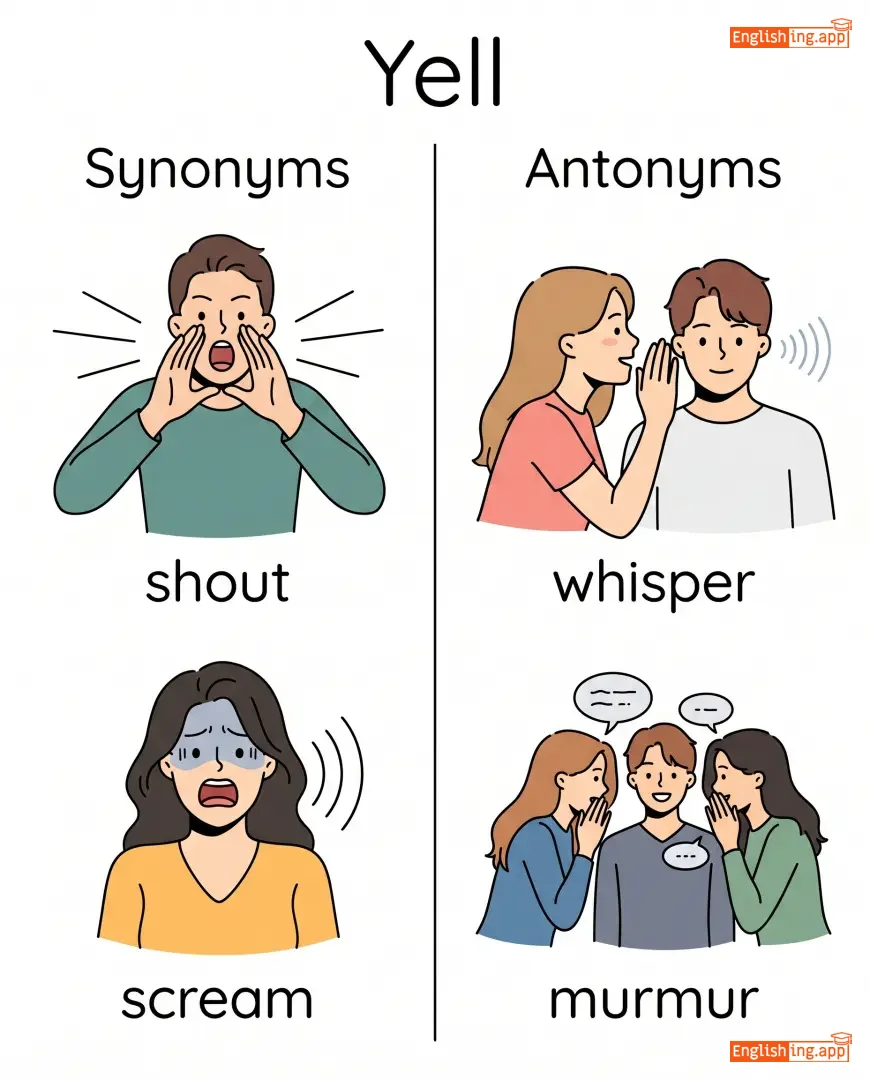
shout, scream, holler, cry out
••••••
|
whisper, murmur, speak softly, stay quiet
••••••
|
yell loudly, yell out, angrily yell, desperately yell, suddenly yell
••••••
|
大喊 (Dà hǎn) 和 yell 在英语中类似
••••••
|
|
#237
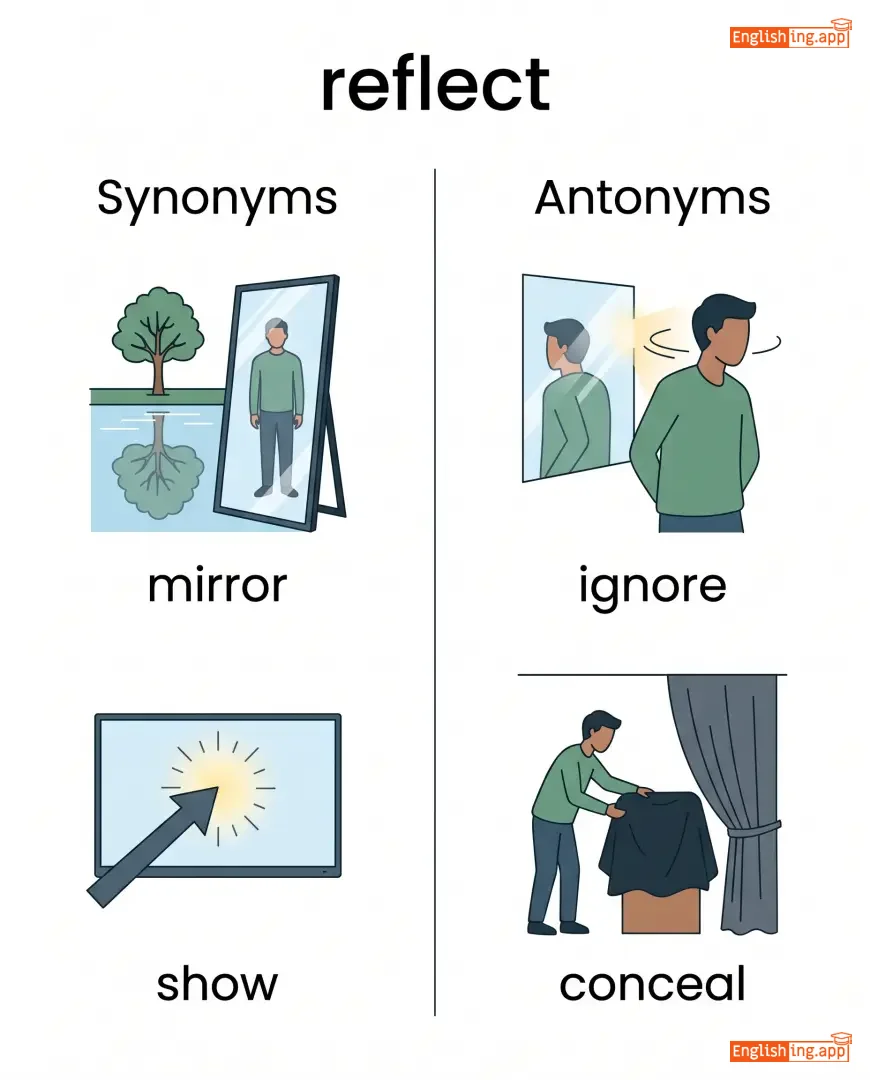
🪞
|
/rɪˈflekt/
verb
(fǎnshè)
••••••
|
|
反射
fǎnshè
••••••
|
reflected
fǎnshèdào
••••••
|
reflected
fǎnshèdào
••••••
|
reflects
fǎnshè
••••••
|
reflecting
fǎnshèzhōng
••••••
|
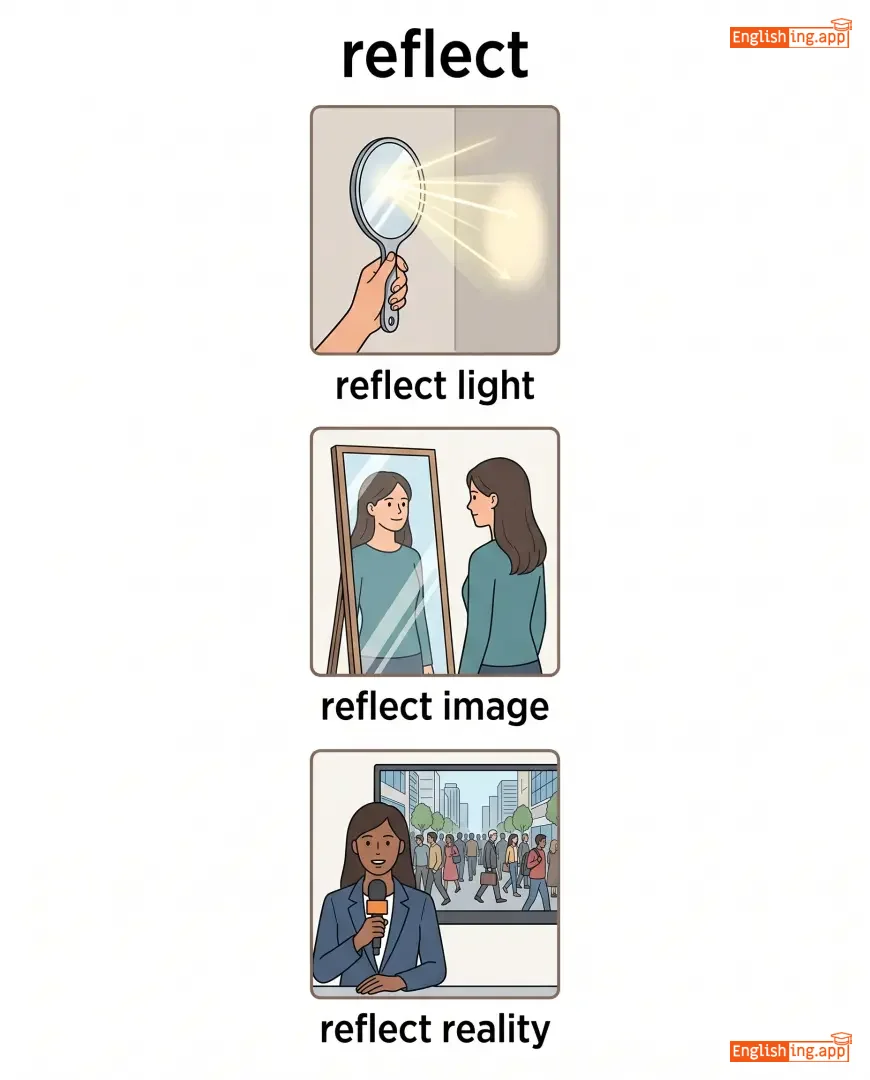
to think deeply about; to mirror back light or image
••••••
|
The mirror reflects her beautiful face.
镜子反射出她美丽的脸。
••••••
|
镜子反射出她美丽的脸。
Jìngzi fǎnshè chū tā měilì de liǎn
••••••
|
mirror, ponder, consider, contemplate
••••••
|
absorb, ignore, neglect, dismiss
••••••
|
reflect light, reflect on, clearly reflect, accurately reflect, deeply reflect
••••••
|
The Chinese word '反射' directly correlates with reflecting images and light.
••••••
|
|
#238
🧠
|
/noʊ/
verb
(noʊ)
••••••
|
|
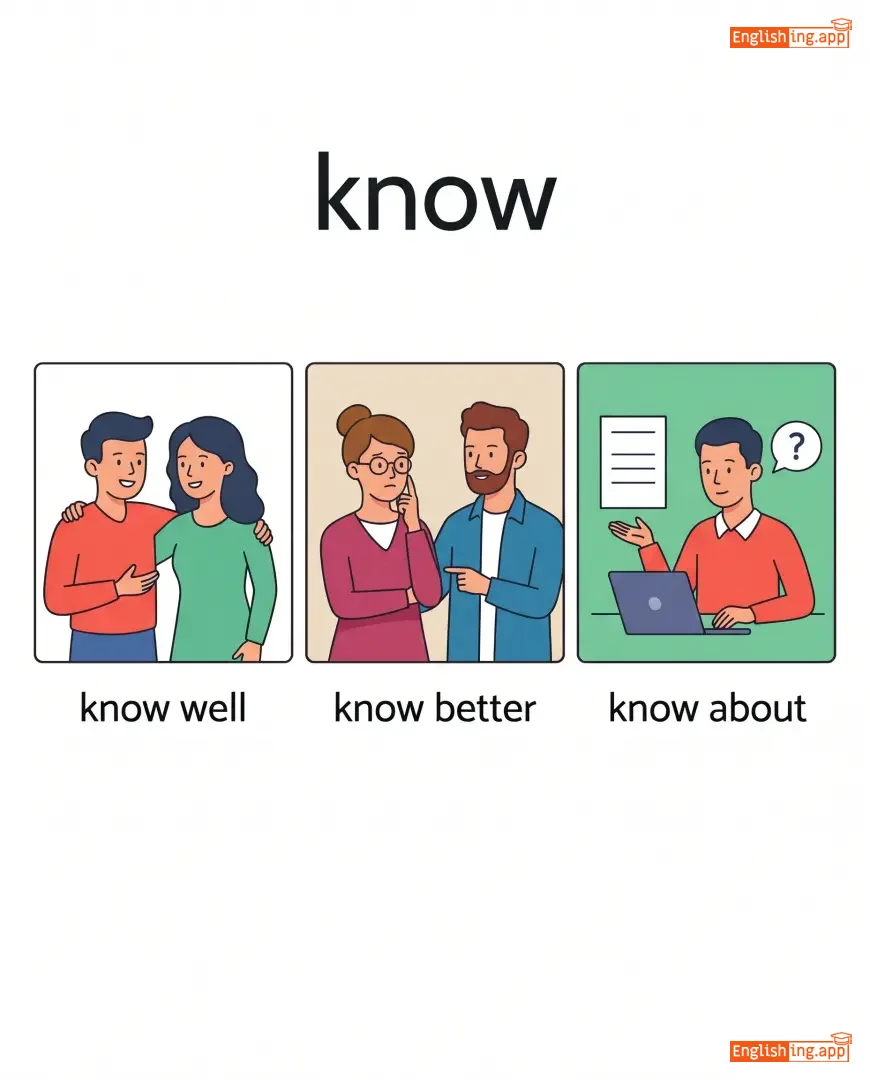
知道
zhī dào
••••••
|
knew
nuː
••••••
|
known
noʊn
••••••
|
knows
noʊz
••••••
|
knowing
noʊɪŋ
••••••
|
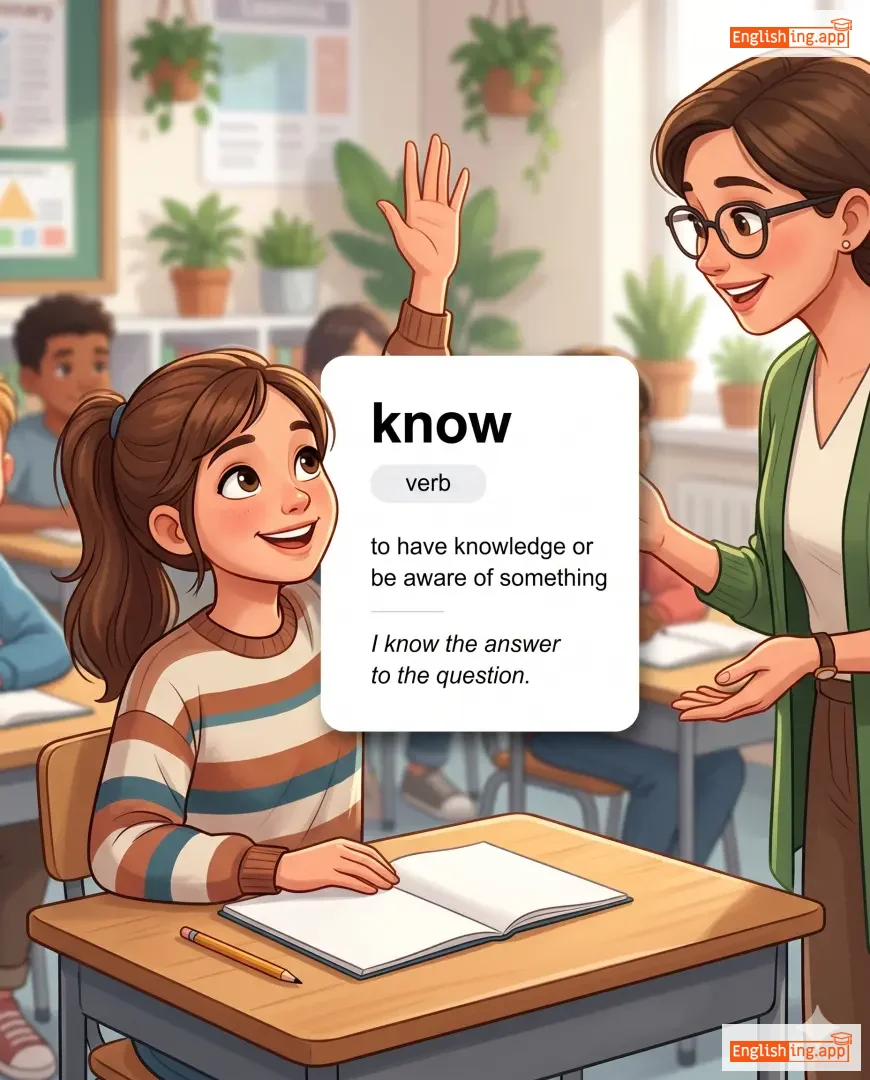
to have information about something; to be familiar with
••••••
|
I know the answer to this question.
我知道这个问题的答案。
••••••
|
我知道这个问题的答案。
Wǒ zhīdào zhège wèntí de dá'àn.
••••••
|
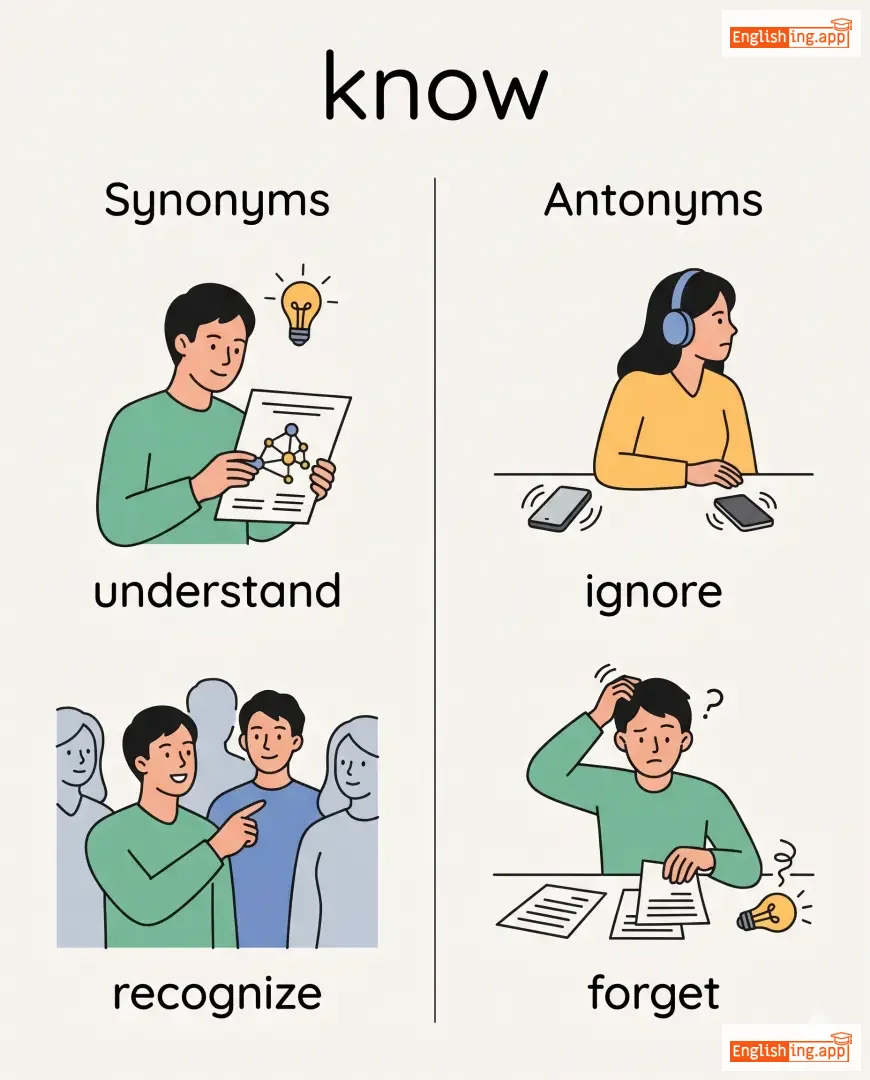
understand, realize, recognize, comprehend
••••••
|
ignore, misunderstand, forget
••••••
|
well know, already know, hardly know, get to know, need to know
••••••
|
In Chinese, '知道' means knowing, like you know the answer.
••••••
|
Vocabulary Quiz
Test your vocabulary by matching words with their translations or meanings.
Login to take the quiz
Comments (0)
Share your thoughts and join the discussion.
Join the discussion by logging in
Login to CommentNo comments yet
Be the first to share your thoughts!