









Swipe left or right, or use the buttons. Tap image to zoom.
例句翻译
单词
Lesson 1: Mastering the Most Frequent Verbs & TensesLesson 1: Mastering the Most Frequent Verbs & Tenses - 遮罩切换
|
表情符号
|
单词 | Images | 翻译 | 过去时 | 过去分词 | 第三人称单数 | 动名词 | 含义 | 例句 | 例句翻译 | 同义词 | 反义词 | 搭配词 | 助记符 |
|---|---|---|---|---|---|---|---|---|---|---|---|---|---|---|
|
#1
🪣
|
/fɪl/
verb
(fil)
••••••
|
|
填充
tianchong
••••••
|
filled
fild
••••••
|
filled
fild
••••••
|
fills
fils
••••••
|
filling
filing
••••••
|
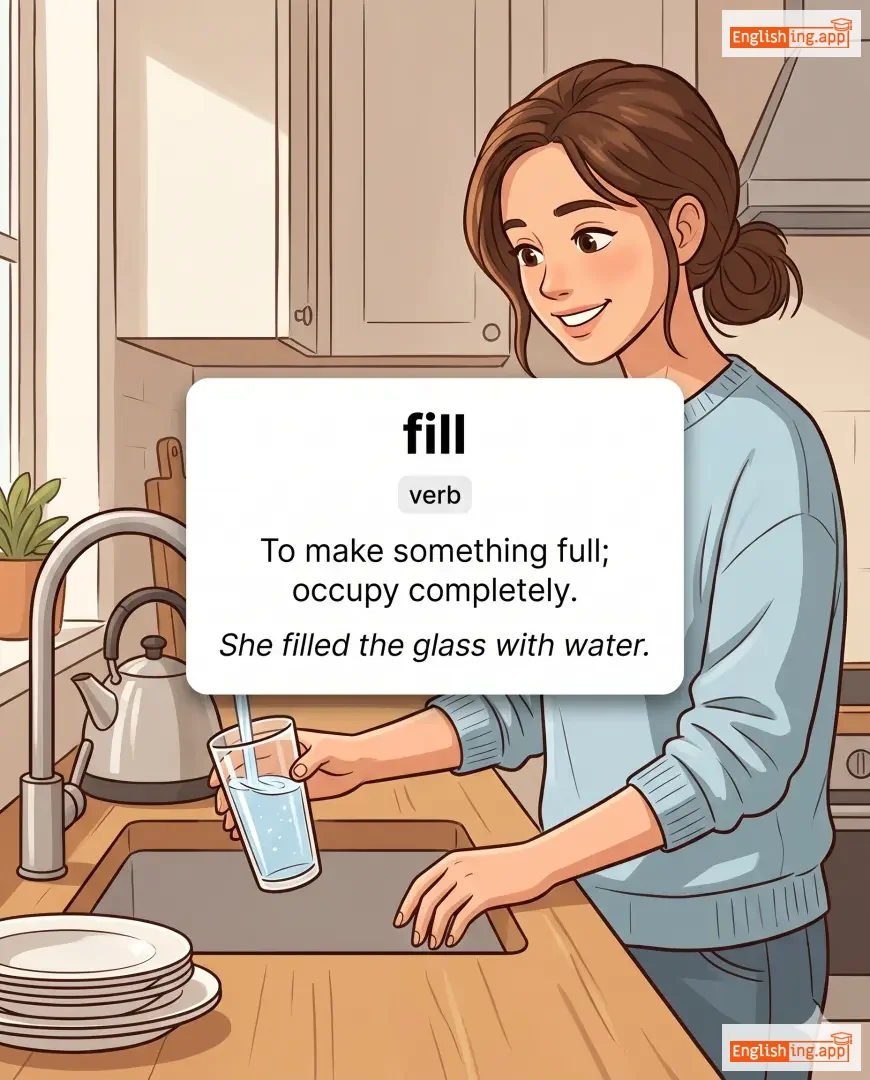
to make or become full; to put something into a container until it is full
••••••
|
Please fill the glass with water.
请把玻璃杯装满水。
••••••
|
请把玻璃杯装满水。
Qing ba boli bei zhuang man shui.
••••••
|
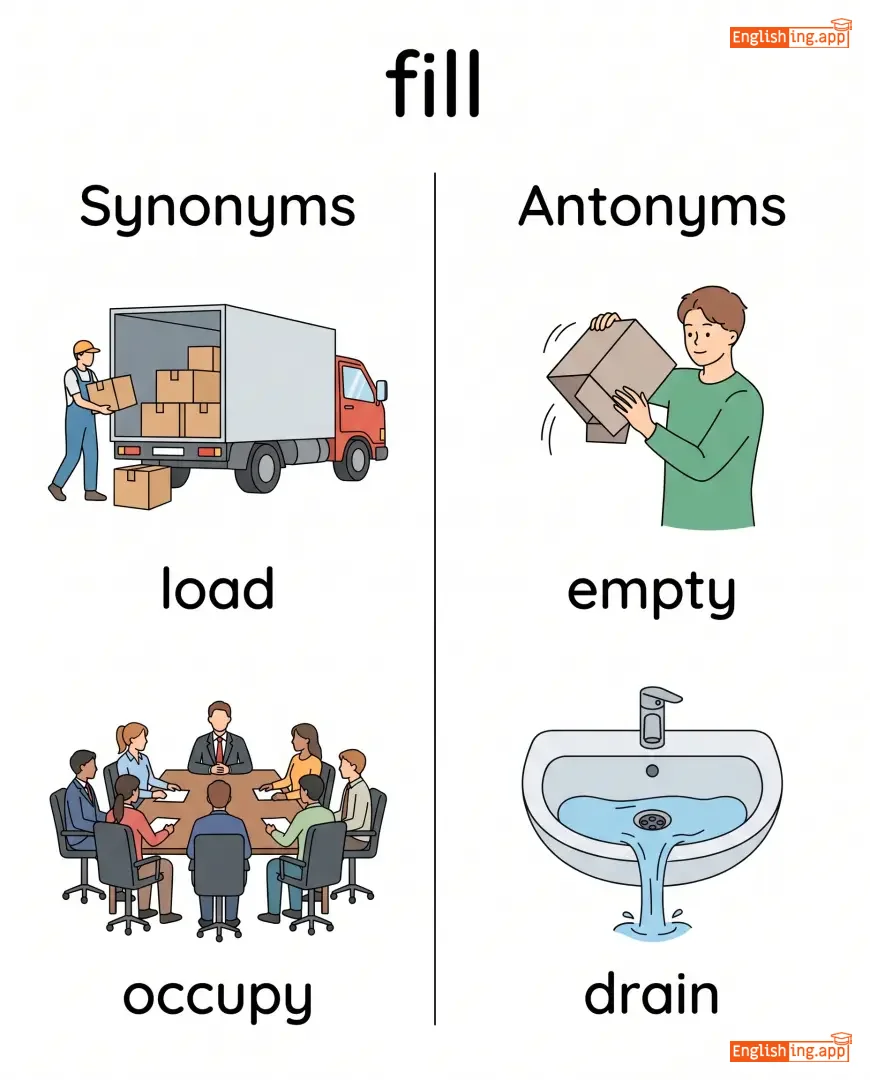
stuff, pack, load, complete
••••••
|
empty, drain, vacate, clear
••••••
|
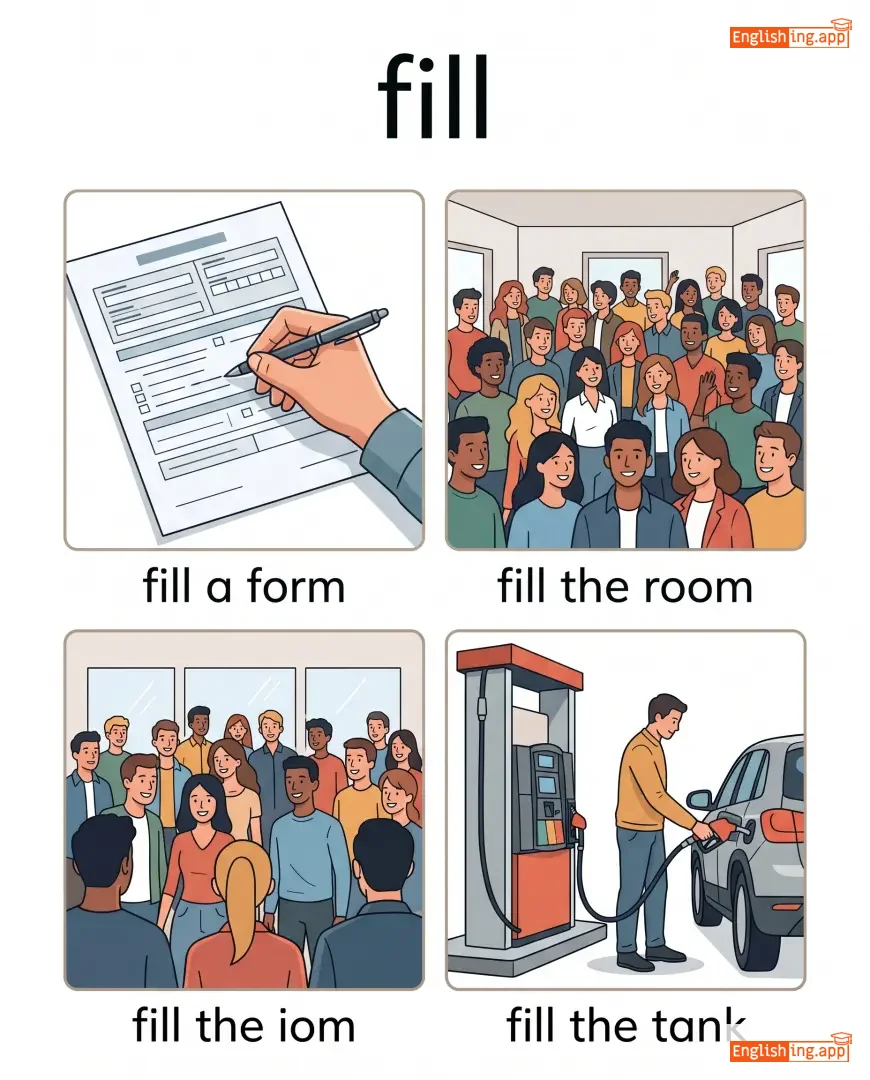
fill out, fill in, fill up, fill with
••••••
|
填充就像把水装满玻璃杯一样。
••••••
|
|
#2
💪
|
/ɪnˈkɜːrɪdʒ/
verb
(ɪnˈkɜːrɪdʒ)
••••••
|
|
鼓励
gǔlì
••••••
|
encouraged
ɪnˈkɜːrɪdʒd
••••••
|
encouraged
ɪnˈkɜːrɪdʒd
••••••
|
encourages
ɪnˈkɜːrɪdʒɪz
••••••
|
encouraging
ɪnˈkɜːrɪdʒɪŋ
••••••
|
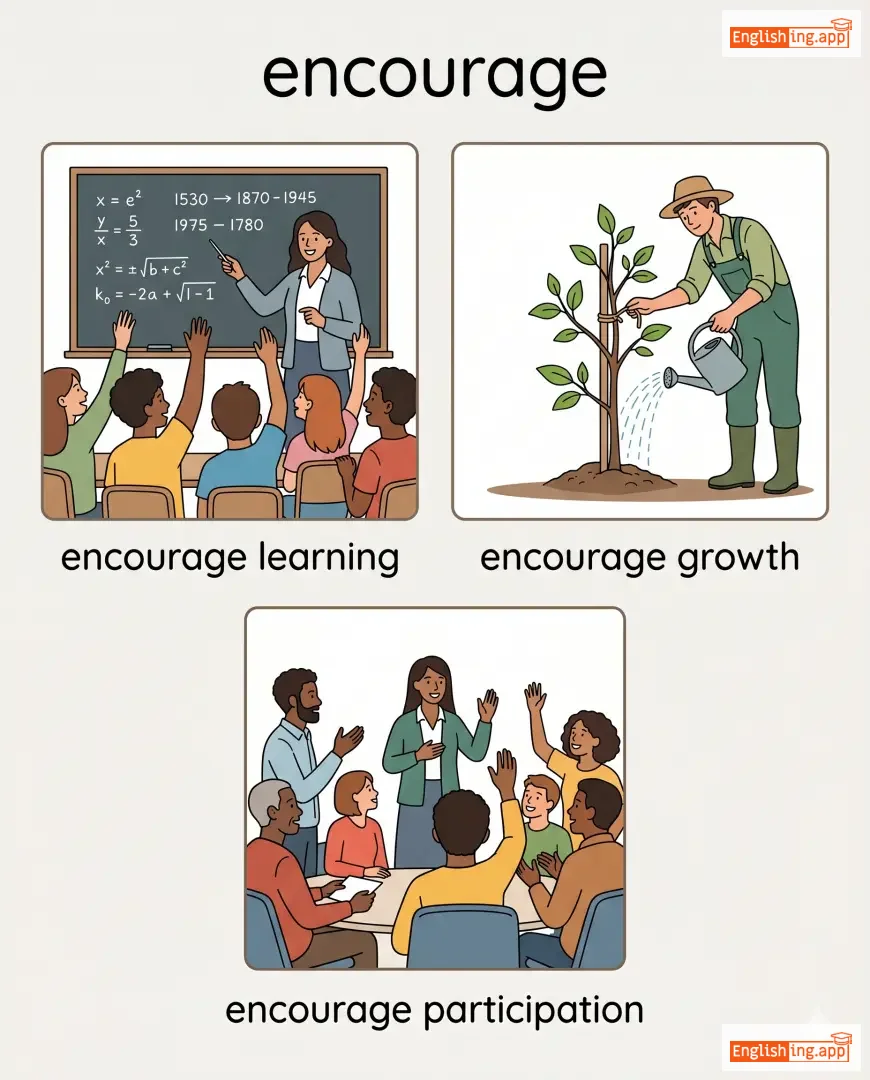
to give support, confidence, or hope; to motivate
••••••
|
Teachers should encourage students to ask questions.
老师应该鼓励学生提出问题。
••••••
|
老师应该鼓励学生提出问题。
Lǎoshī yīnggāi gǔlì xuéshēng tíchū wèntí.
••••••
|
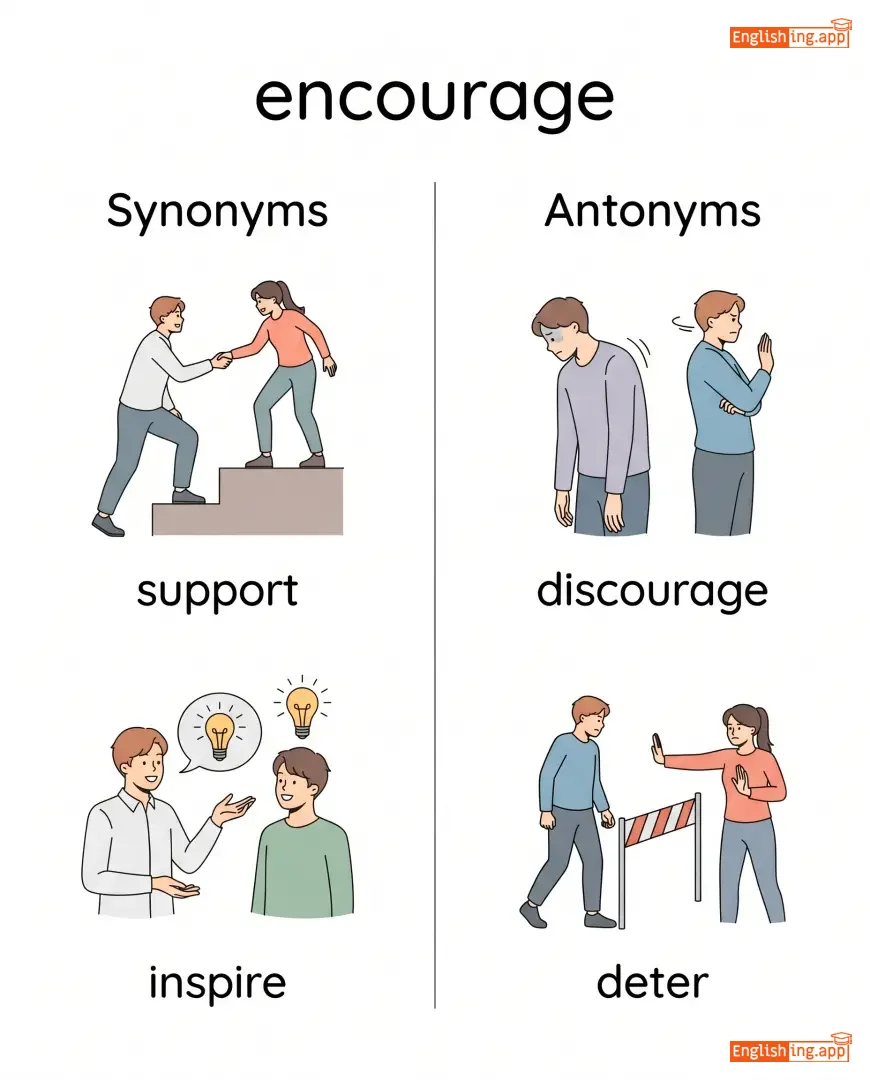
motivate, inspire, support, promote
••••••
|
discourage, deter, dishearten, demotivate
••••••
|
encourage someone, encourage growth, encourage participation, encourage development
••••••
|
Gǔlì in Chinese means to encourage.
••••••
|
|
#3
💭
|
/rɪˈmembə/
verb
(rɪˈmɛmbə)
••••••
|
|
记得
jìdé
••••••
|
remembered
rɪˈmɛmbəd
••••••
|
remembered
rɪˈmɛmbəd
••••••
|
remembers
rɪˈmɛmbəz
••••••
|
remembering
rɪˈmɛmbəɹɪŋ
••••••
|
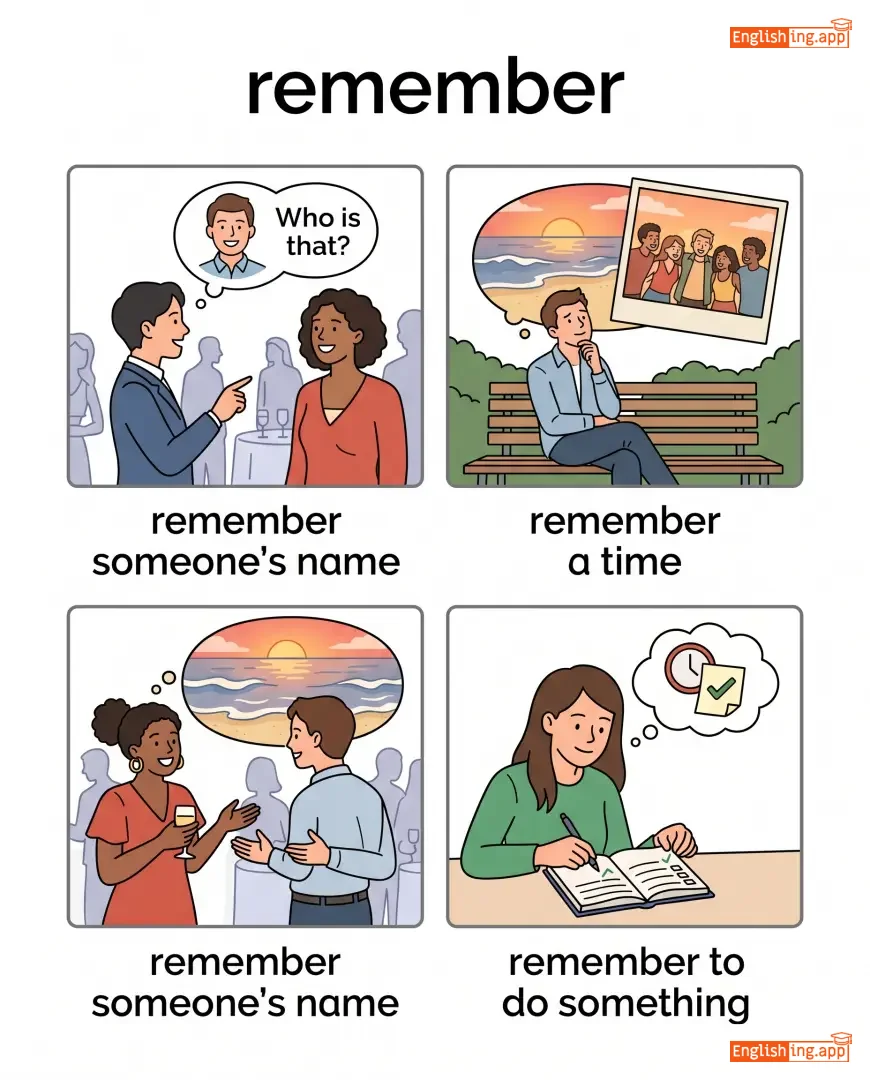
to bring a past event back into one's mind; to keep in memory
••••••
|
I remember my first day at school.
我记得我在学校的第一天。
••••••
|
我记得我在学校的第一天。
Wǒ jìdé wǒ zài xuéxiào de dì yī tiān.
••••••
|
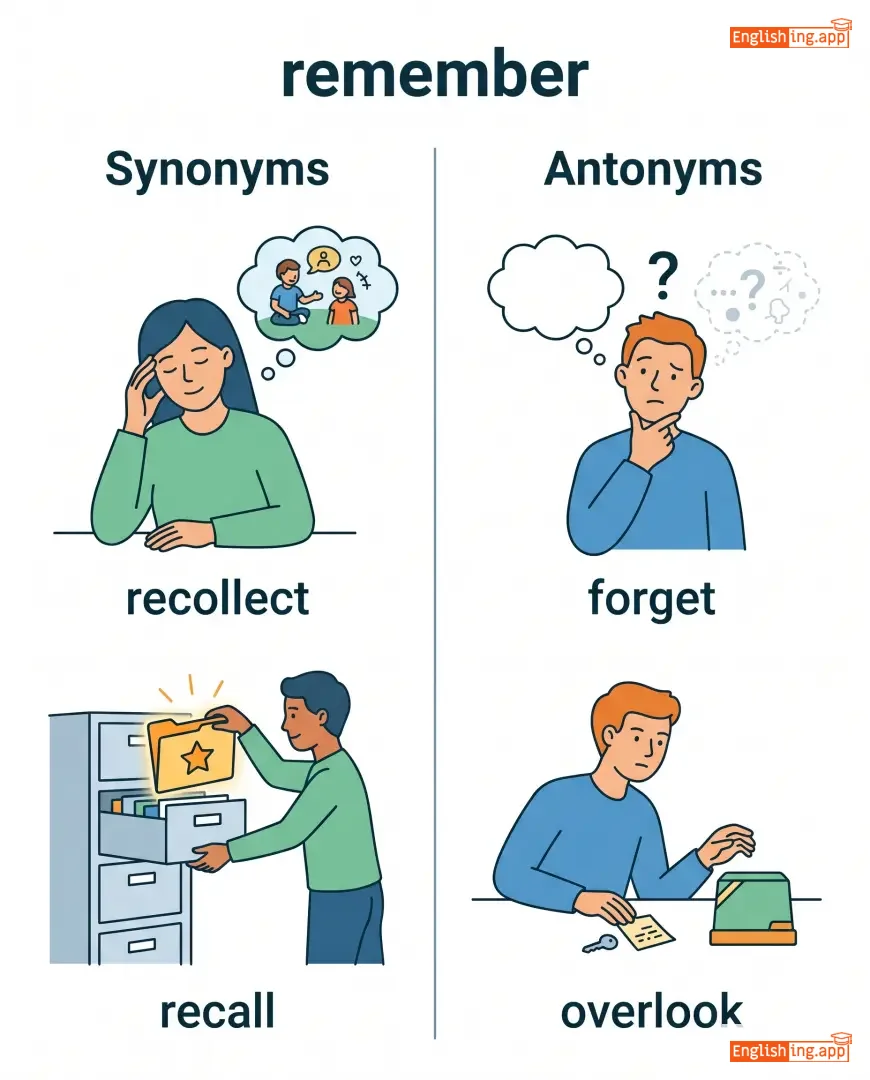
recall, recollect, reminisce, retain
••••••
|
forget, overlook, ignore
••••••
|
remember clearly, remember well, remember to do, remember when
••••••
|
记住你在学校的第一个日子!
••••••
|
|
#4
✂️
|
/oʊˈmɪt/
verb
(遗漏)
••••••
|
|
遗漏
yí lòu
••••••
|
omitted
遗漏
••••••
|
omitted
遗漏
••••••
|
omits
遗漏
••••••
|
omitting
遗漏
••••••
|
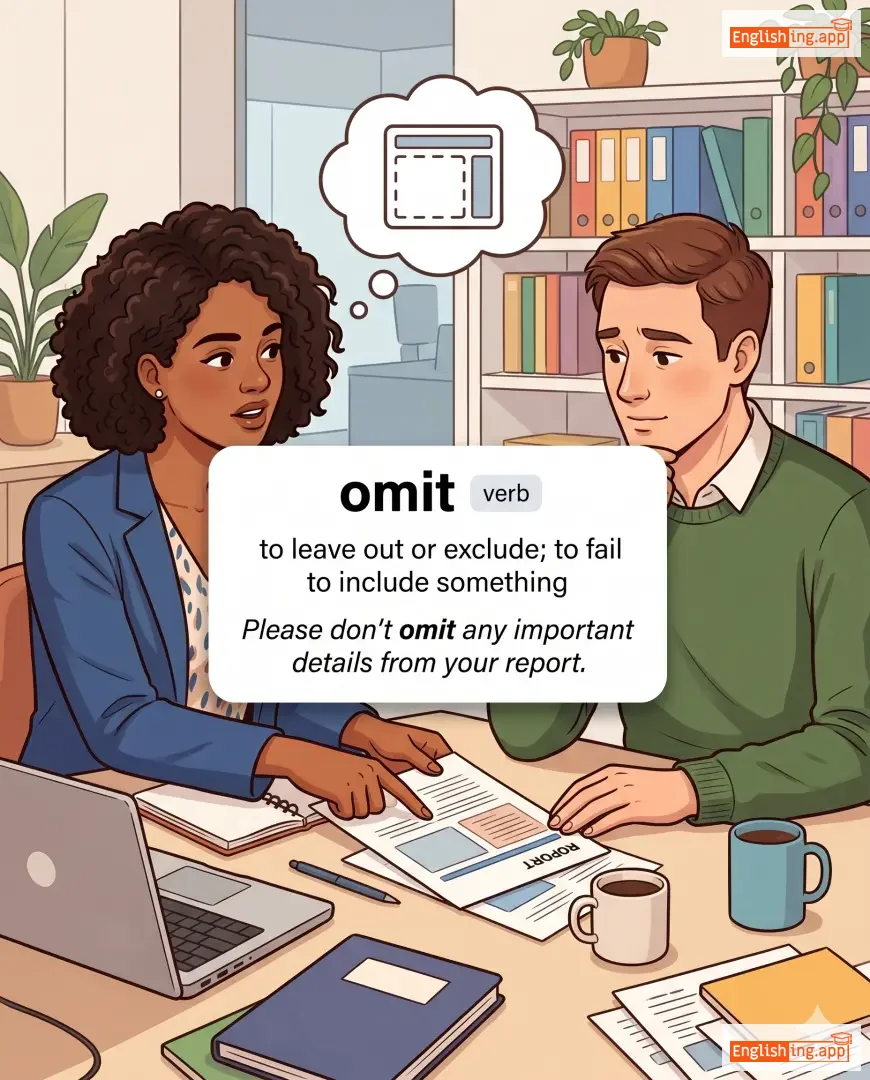
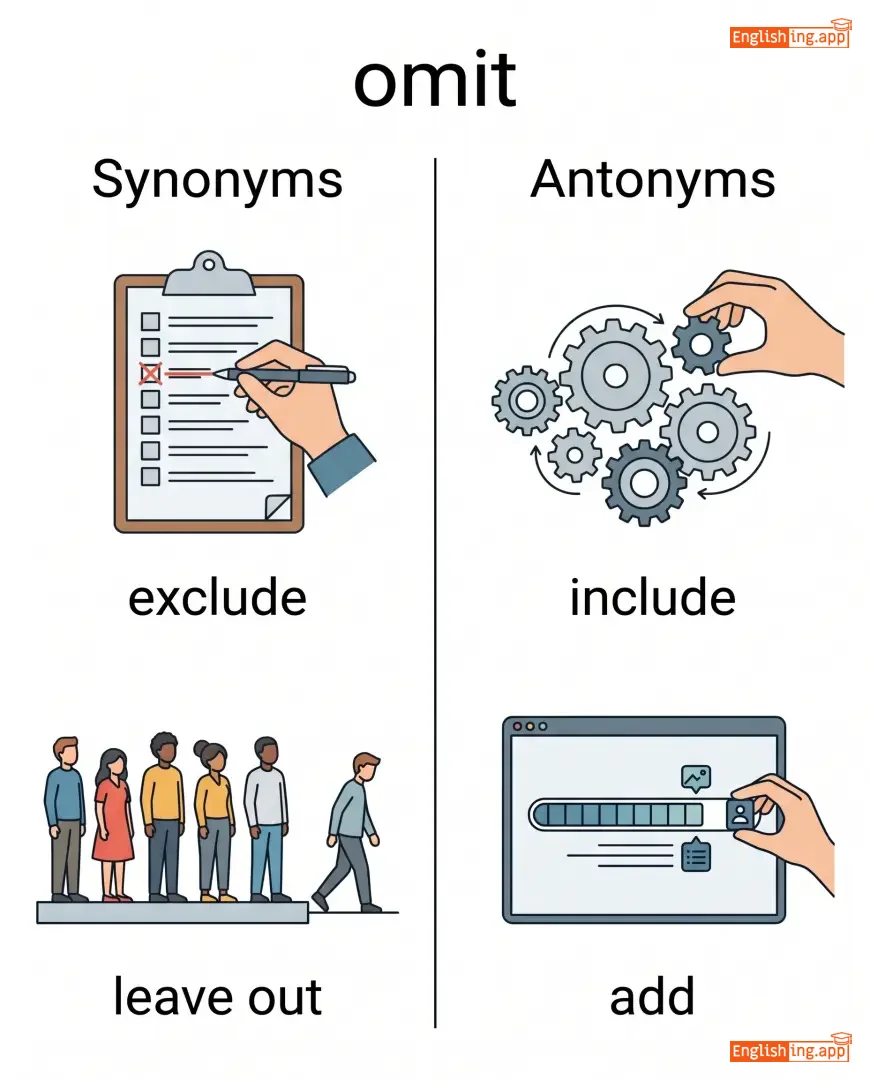
to leave out or exclude; to fail to include something
••••••
|
Please don't omit any important details from your report.
请不要遗漏报告中的重要细节。
••••••
|
请不要遗漏报告中的重要细节。
Qǐng bù yào yí lòu bào gào zhōng de zhòng yào xì jié.
••••••
|
exclude, leave out, skip, neglect
••••••
|
include, add, incorporate, contain
••••••
|
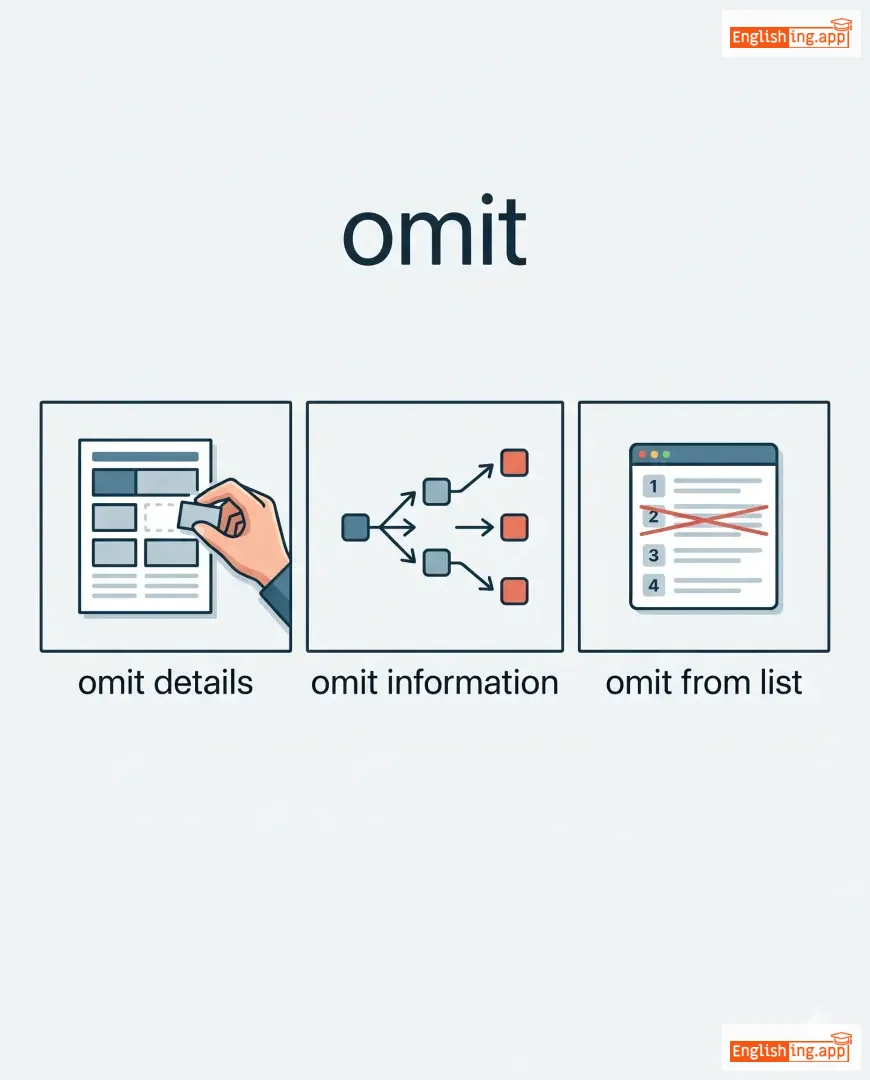
omit details, omit information, omit from list, omit deliberately
••••••
|
遗漏就是忘记放进某个清单
••••••
|
|
#5
🚧
|
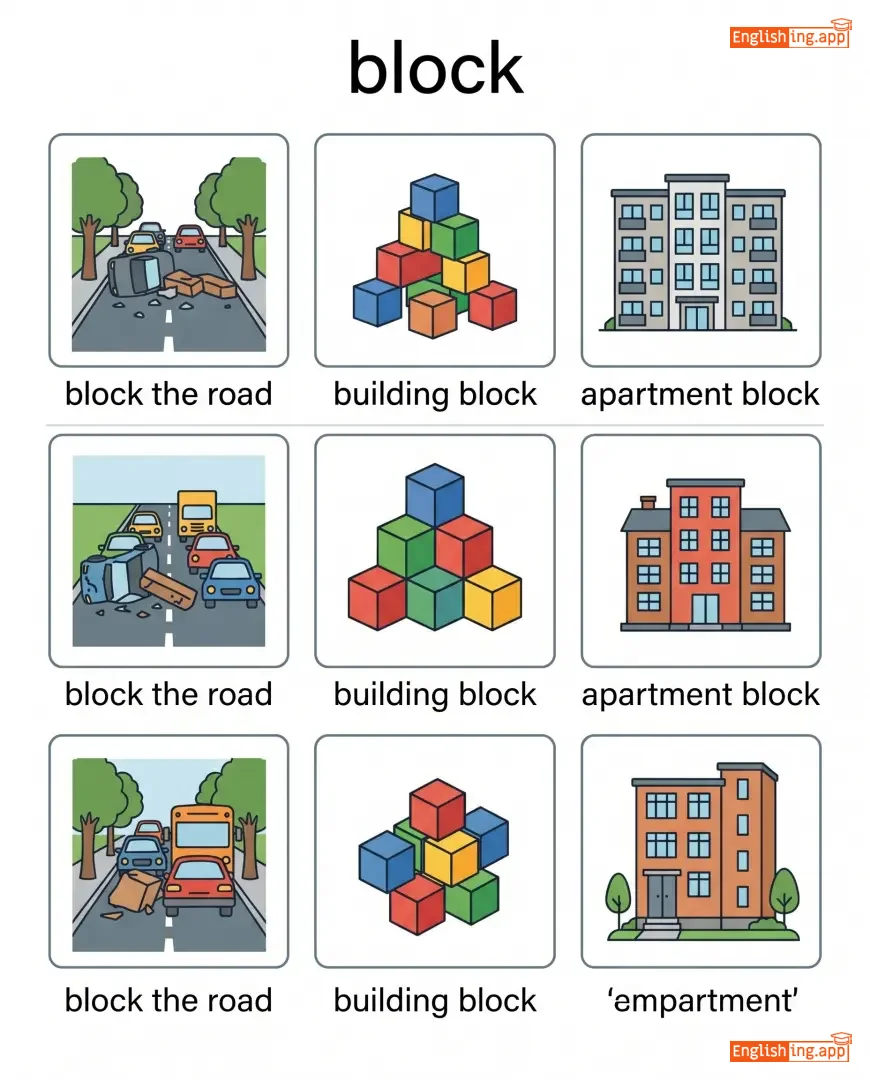
/blɒk/
verb
(buluoke)
••••••
|
|
阻止
zǔzhǐ
••••••
|
blocked
buluoked
••••••
|
blocked
buluoked
••••••
|
blocks
buluokes
••••••
|
blocking
buluoking
••••••
|
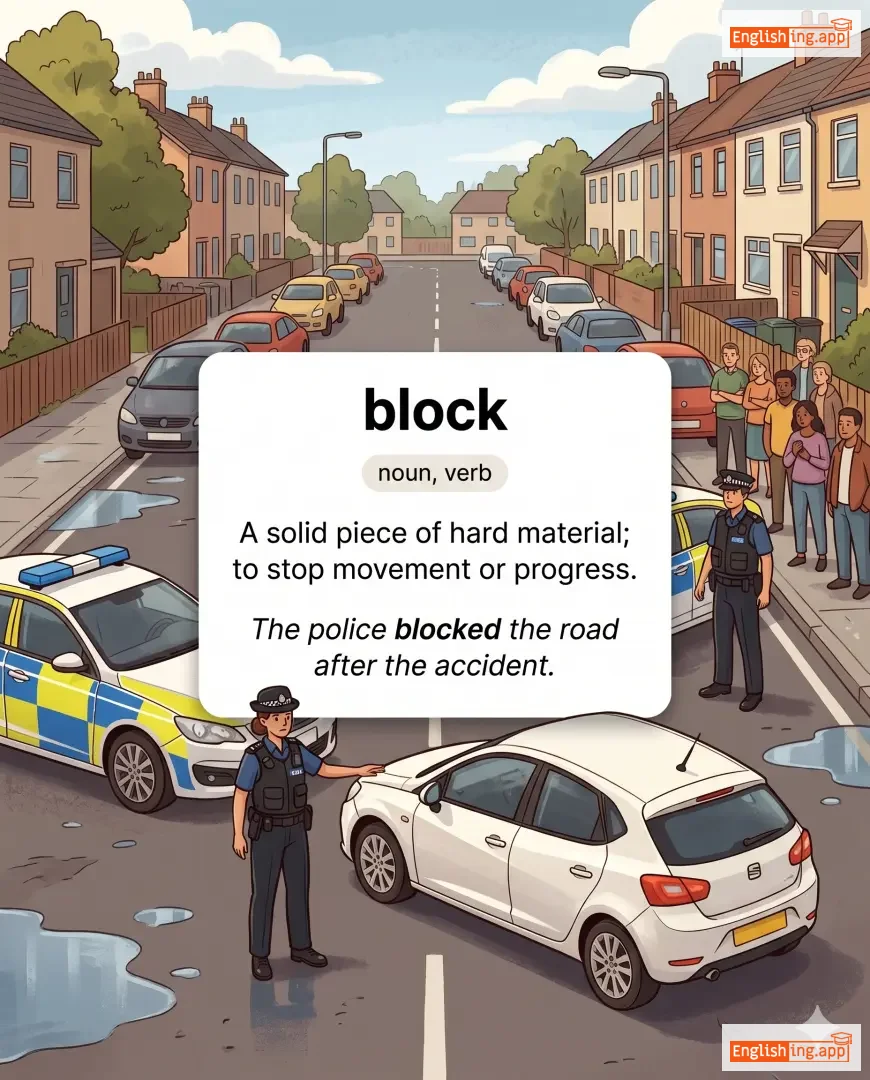
to obstruct; to prevent passage or progress
••••••
|
The fallen tree blocks the road.
掉落的树挡住了路。
••••••
|
掉落的树挡住了路。
Diàoluò de shù dǎng zhùle lù.
••••••
|
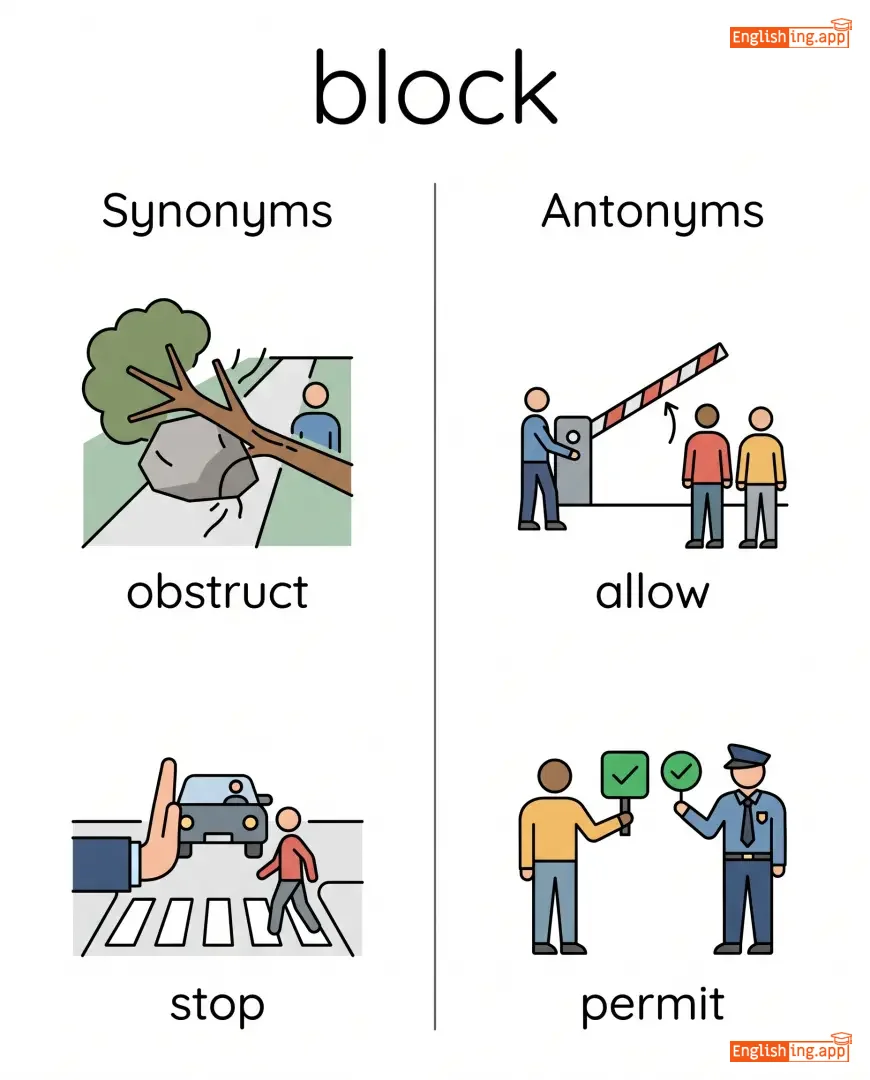
obstruct, barricade, impede, stop
••••••
|
clear, open, allow, permit
••••••
|
block access, block traffic, block view, block progress
••••••
|
阻止行进,避免困难
••••••
|
|
#6
📦
|
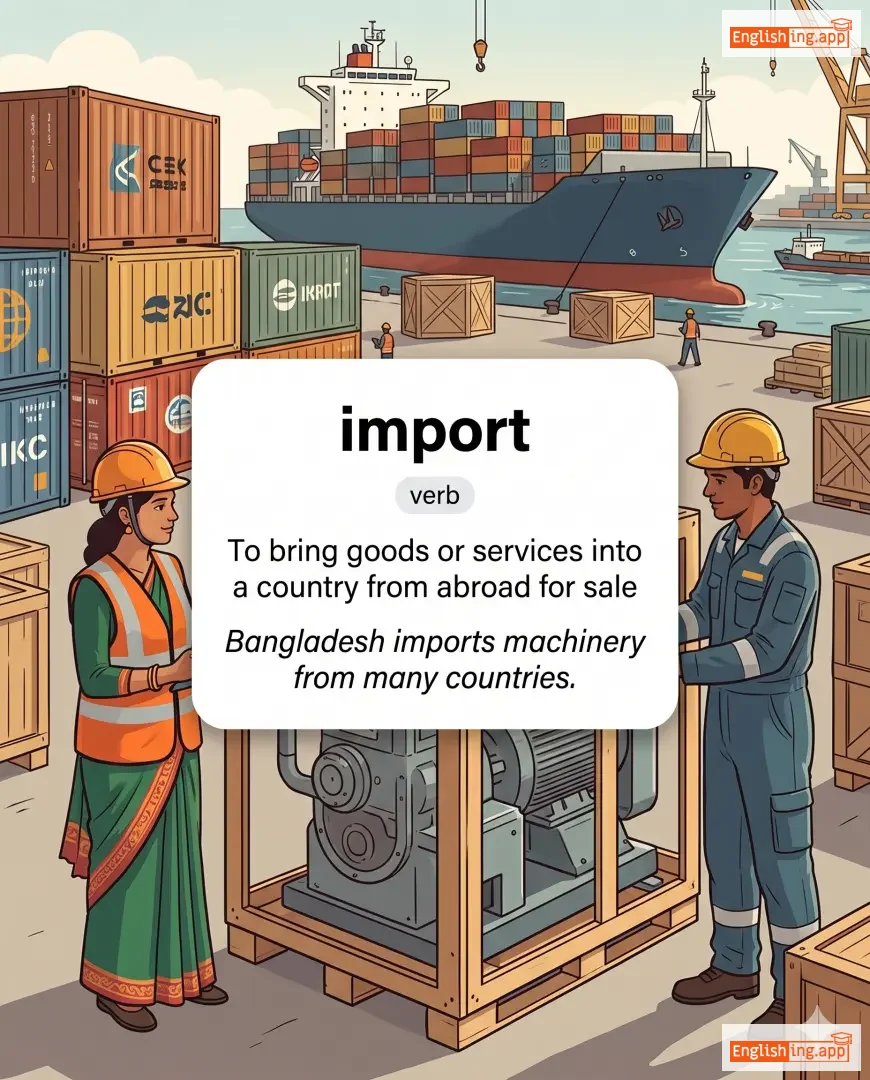
/ɪmˈpɔːrt/
verb
(进口)
••••••
|
|
进口
jìnkǒu
••••••
|
imported
进口了
••••••
|
imported
进口了
••••••
|
imports
进口
••••••
|
importing
进口中
••••••
|
to bring goods or services into a country from abroad; to transfer data
••••••
|
The country imports oil from abroad.
这个国家从国外进口石油。
••••••
|
这个国家从国外进口石油。
zhe ge guo jia cong guo wai jin kou shi you.
••••••
|
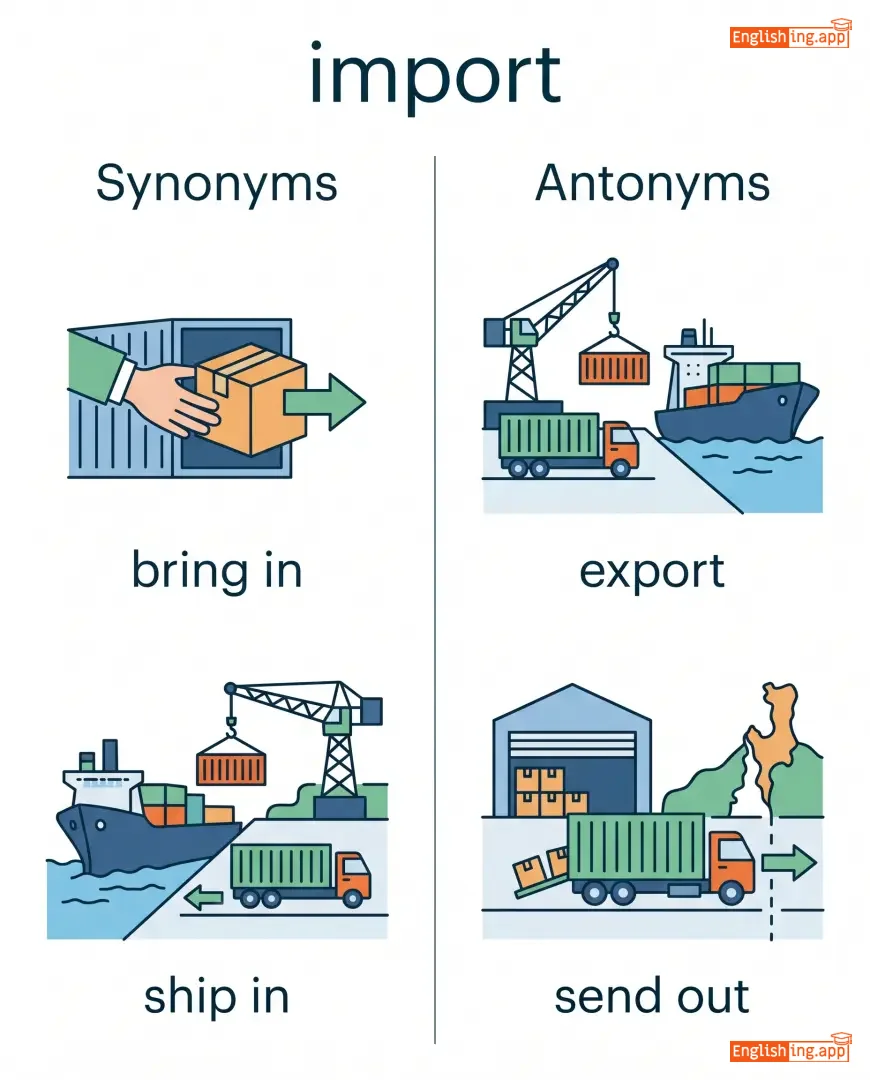
bring in, introduce, transfer, acquire
••••••
|
export, send out, remove, eliminate
••••••
|
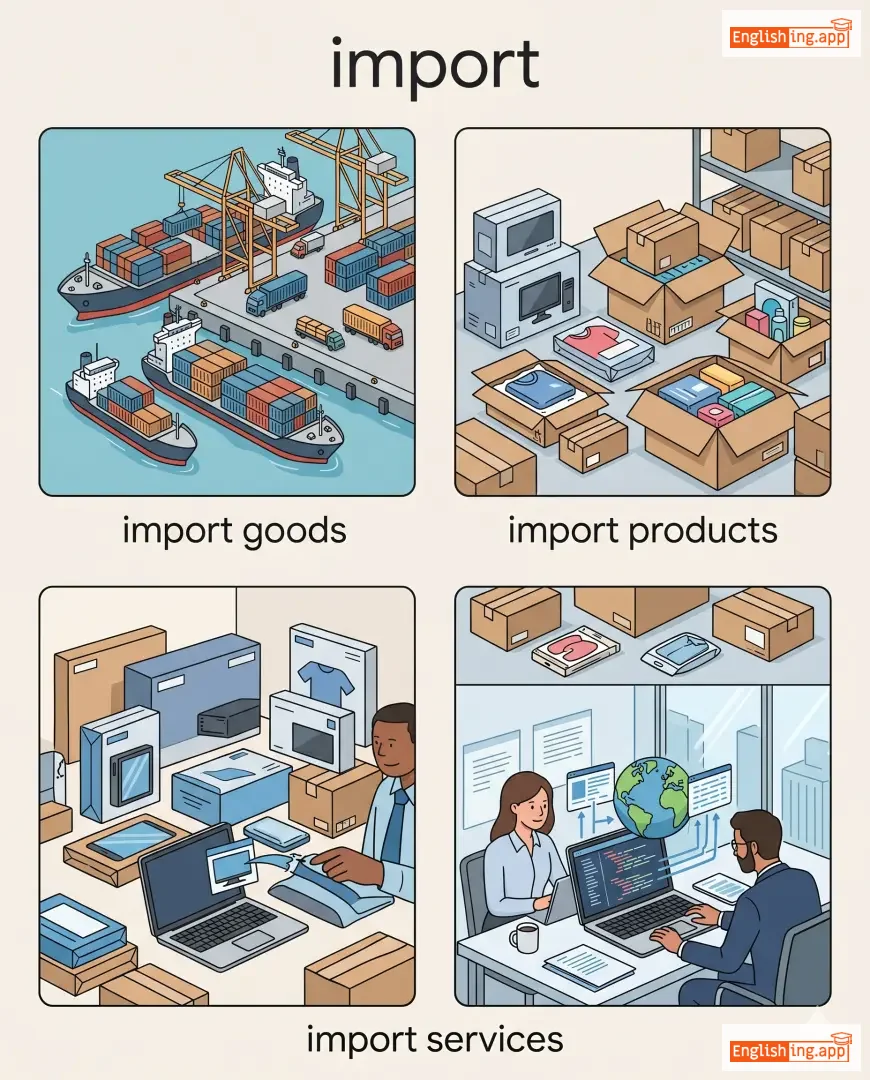
import goods, import data, import from abroad, import file
••••••
|
进口就像从其他国家带货物来。
••••••
|
|
#7
🙏
|
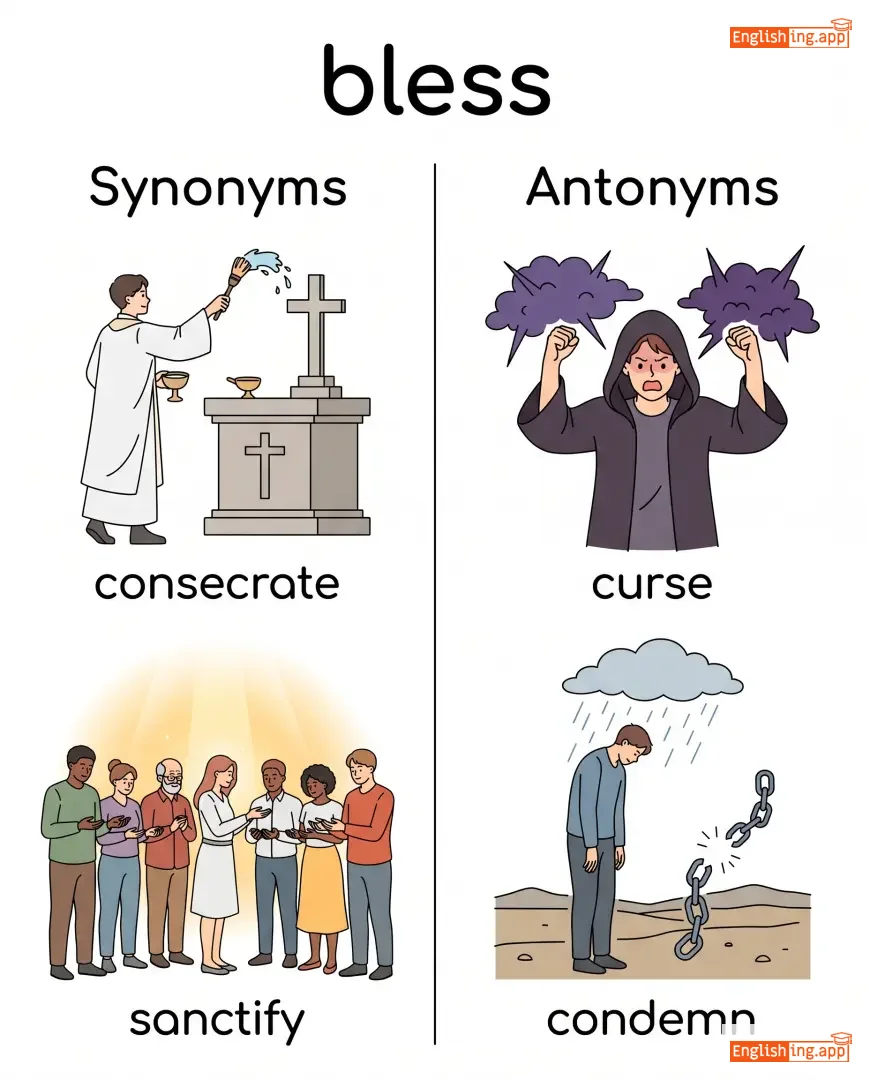
/blɛs/
verb
(bles)
••••••
|
|
祝福
zhùfú
••••••
|
blessed
balesed
••••••
|
blessed
balesed
••••••
|
blesses
baleses
••••••
|
blessing
balesing
••••••
|
to give divine favor; to ask for God's favor
••••••
|
The priest blessed the congregation.
牧师祝福了会众。
••••••
|
牧师祝福了会众。
Mùshī zhùfúle huìzhòng
••••••
|
sanctify, consecrate, approve, endorse
••••••
|
curse, condemn, damn
••••••
|
bless someone, bless the food, bless with talent, God bless
••••••
|
祝福就像是请求上帝的恩典,像是上帝的恩惠一样!
••••••
|
|
#8
📊
|
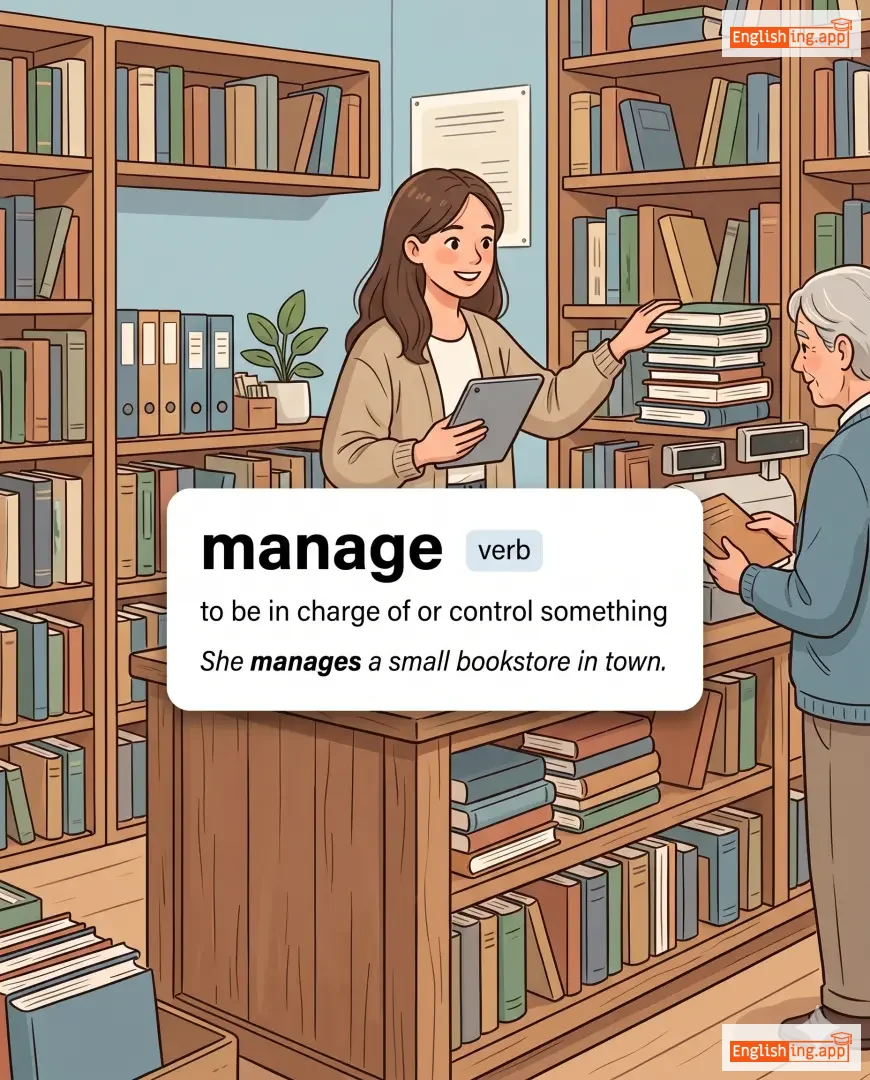
/ˈmænɪdʒ/
verb
(管理)
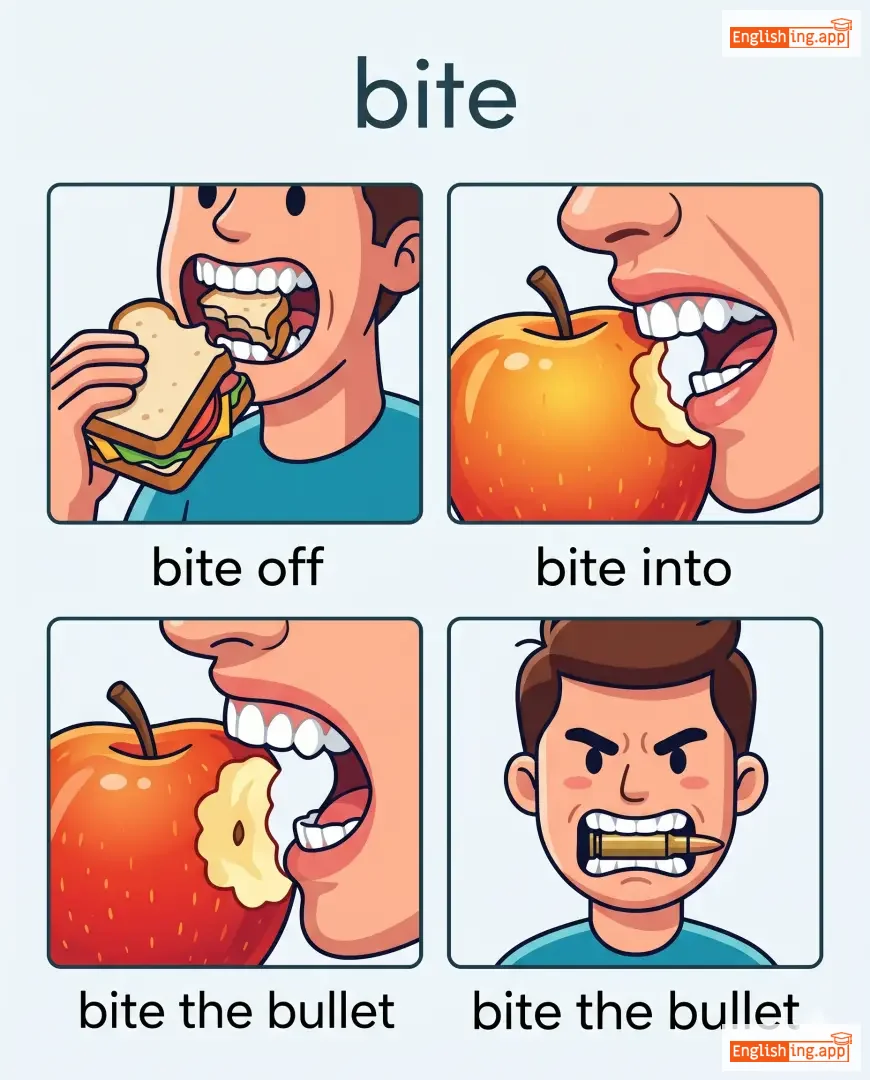
••••••
|
|
管理
guanli
••••••
|
managed
管理过
••••••
|
managed
管理过
••••••
|
manages
管理
••••••
|
managing
管理中
••••••
|
to control or organize something; to succeed in doing something difficult
••••••
|
He manages a team of twenty employees effectively.
他有效地管理着二十名员工。
••••••
|
他有效地管理着二十名员工。
Ta youxiao de guanli zhe ershi ming yuangong.
••••••
|
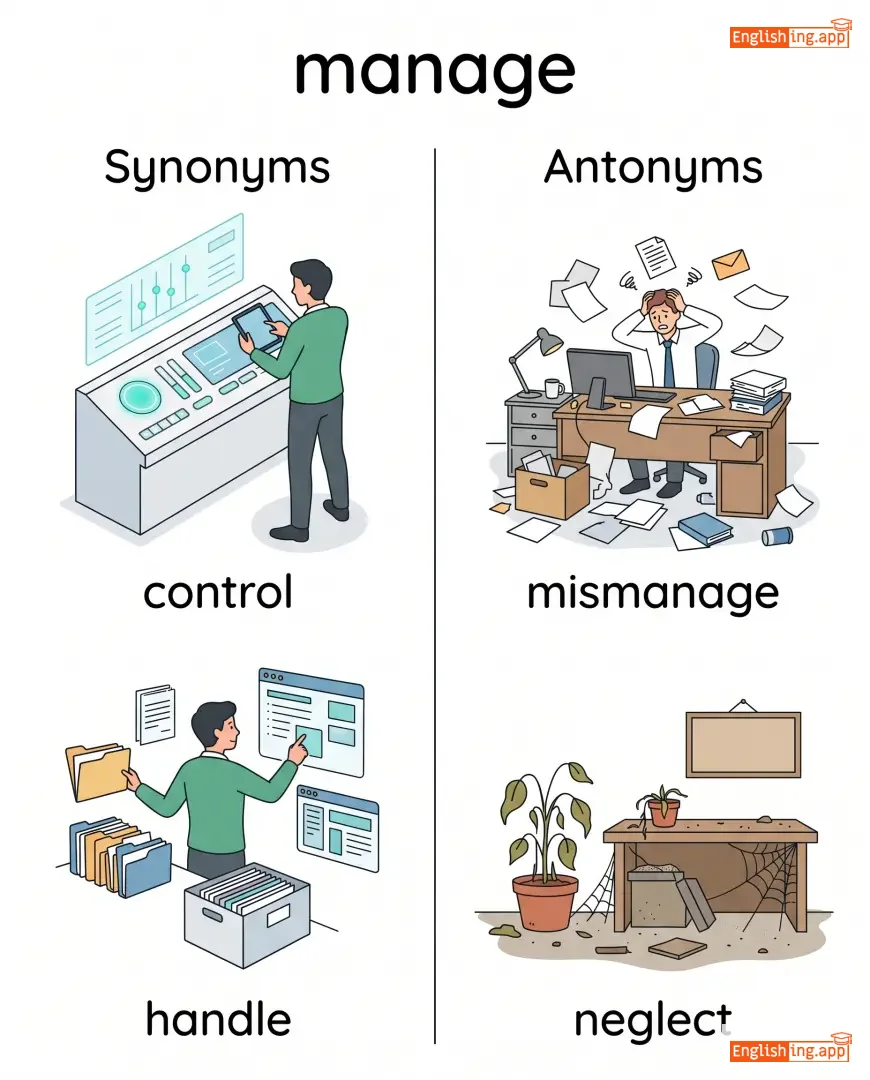
control, supervise, administer, handle
••••••
|
mismanage, neglect, abandon, ignore
••••••
|
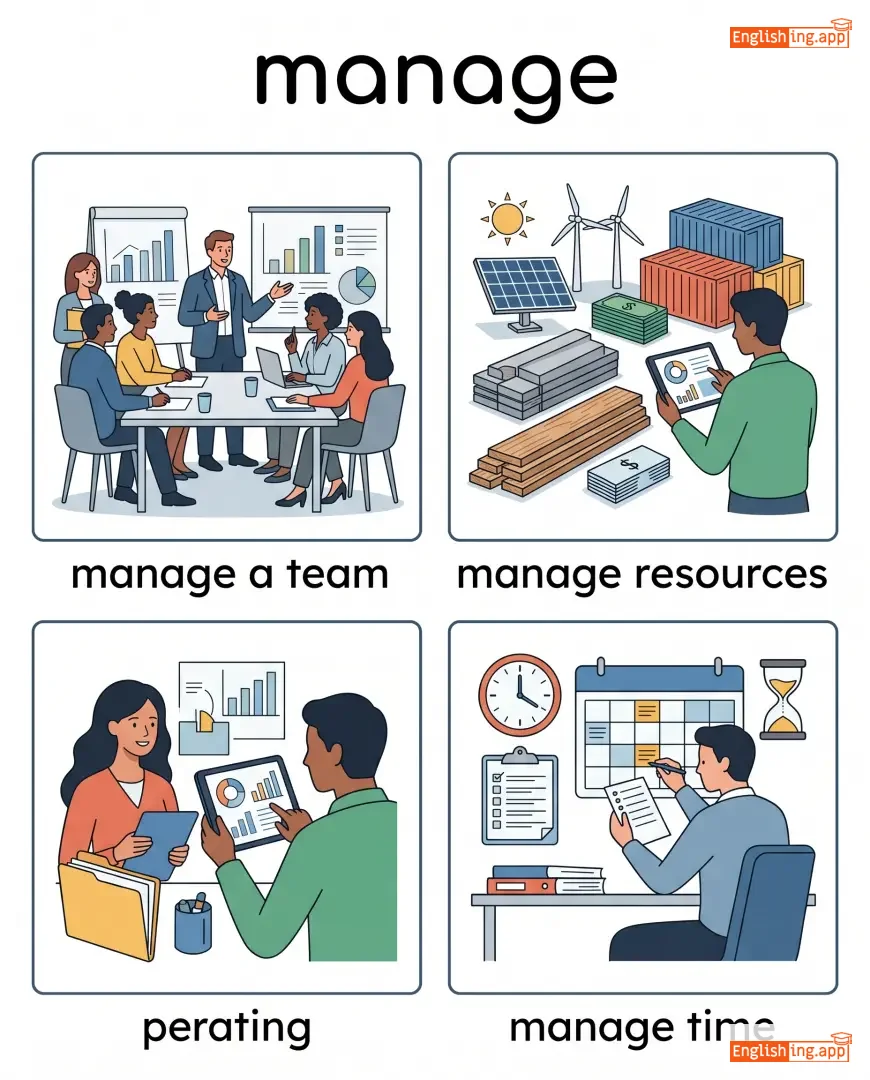
manage time, manage resources, manage team, manage effectively
••••••
|
管理 = 管理, 因为成功管理团队会带来成果
••••••
|
|
#9
🕊️
|
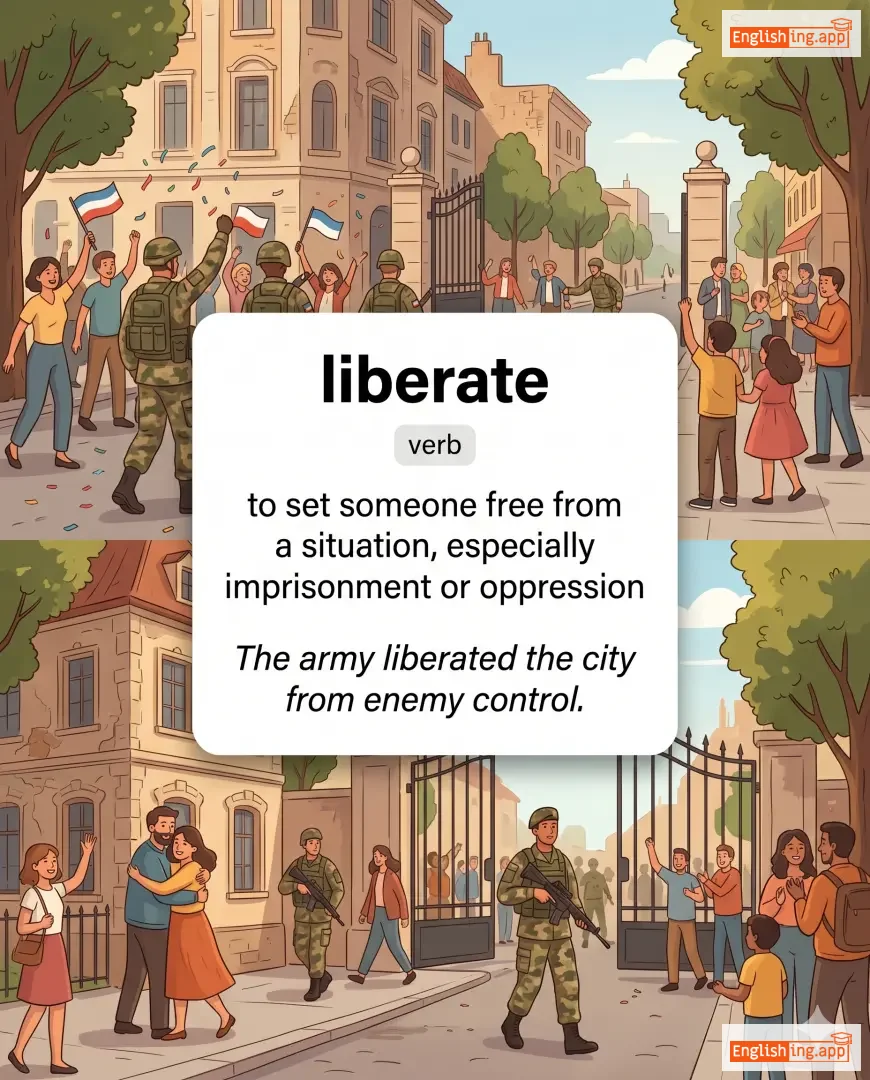
/ˈlɪbəreɪt/
verb
(自由)
••••••
|
|
解放
jiěfàng
••••••
|
liberated
解放
••••••
|
liberated
解放
••••••
|
liberates
解放
••••••
|
liberating
解放
••••••
|
to set free from imprisonment, oppression, or restraint
••••••
|
The army liberated the city from enemy control.
军队从敌人控制中解放了城市。
••••••
|
军队从敌人控制中解放了城市。
Jūnduì cóng dírén kòngzhì zhōng jiěfàngle chéngshì.
••••••
|
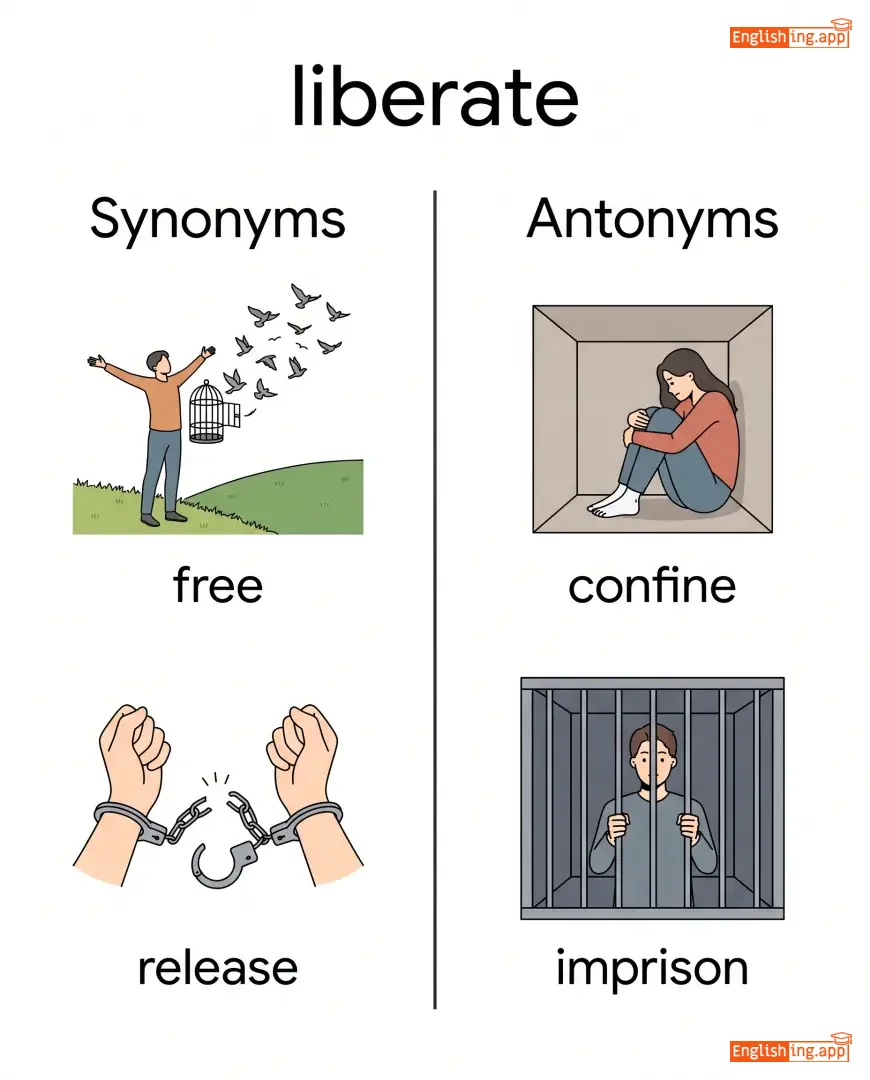
free, release, emancipate, deliver
••••••
|
enslave, imprison, confine, restrict
••••••
|
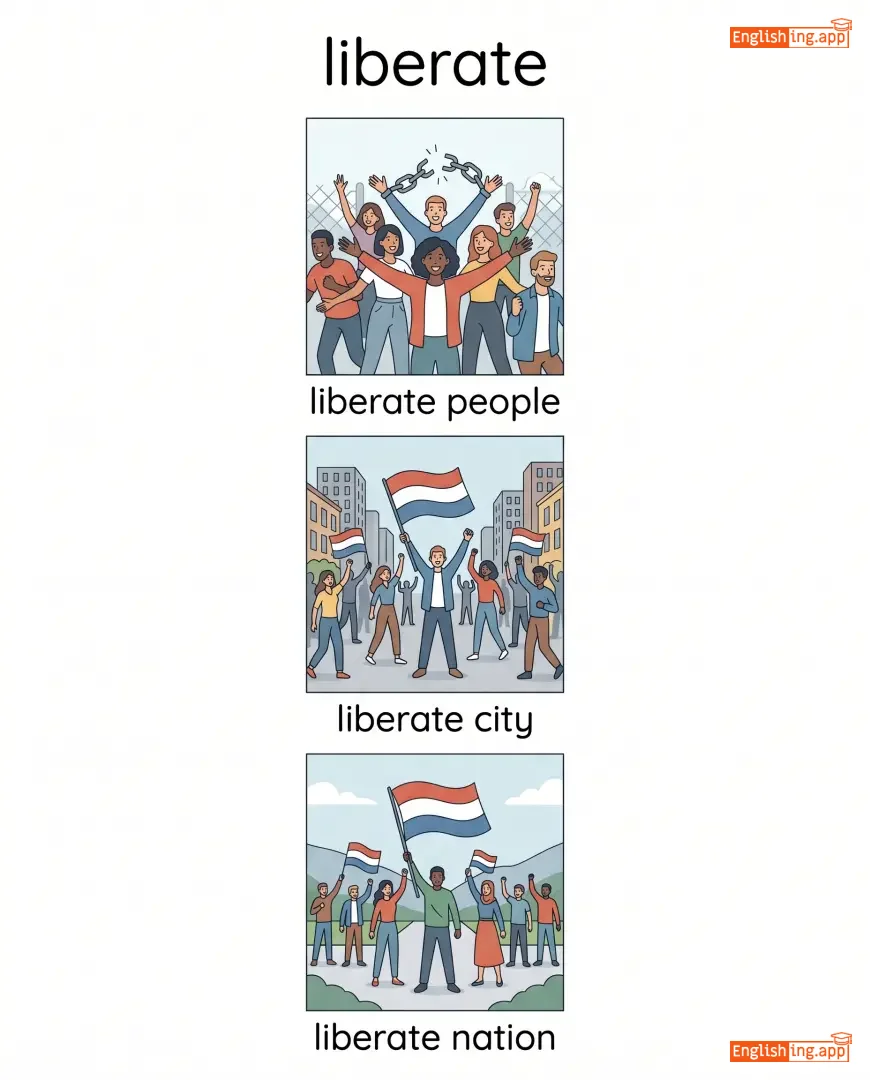
liberate people, liberate from oppression, liberate territory, liberate minds
••••••
|
No •••••• |
|
#10
🩹
|
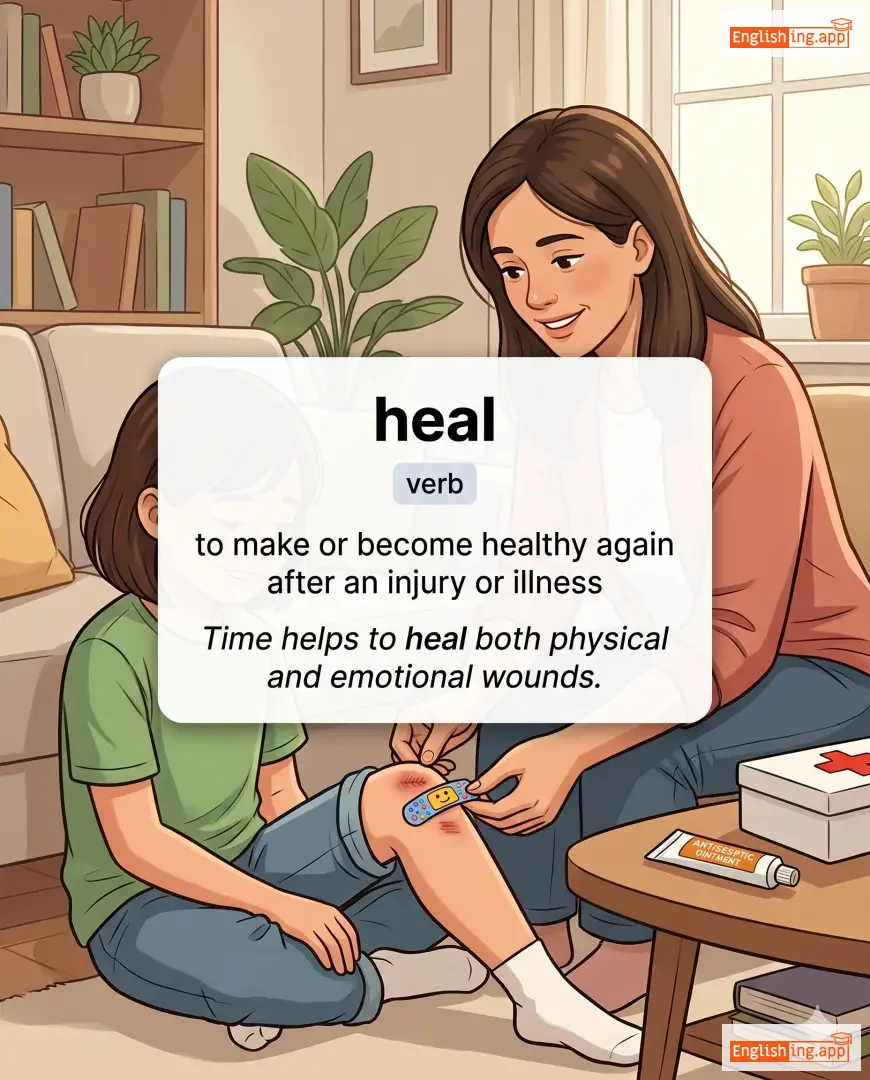
/hiːl/
verb
(híl)
••••••
|
|
治愈
zhìyù
••••••
|
healed
híld
••••••
|
healed
híld
••••••
|
heals
híls
••••••
|
healing
híling
••••••
|
to cure; to become healthy again
••••••
|
Time will heal all wounds.
时间会治愈所有的伤口。
••••••
|
时间会治愈所有的伤口。
Shíjiān huì zhìyù suǒyǒu de shāngkǒu.
••••••
|
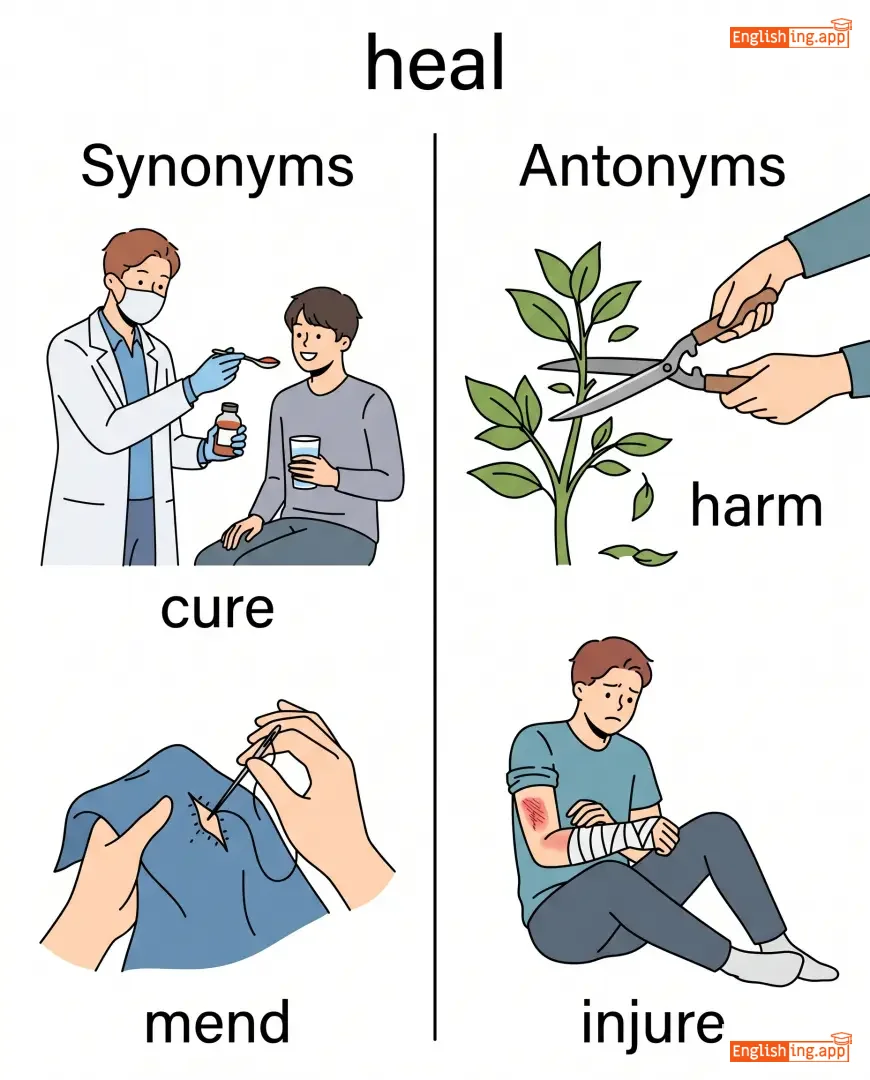
cure, mend, restore, recover
••••••
|
harm, damage, injure, wound
••••••
|
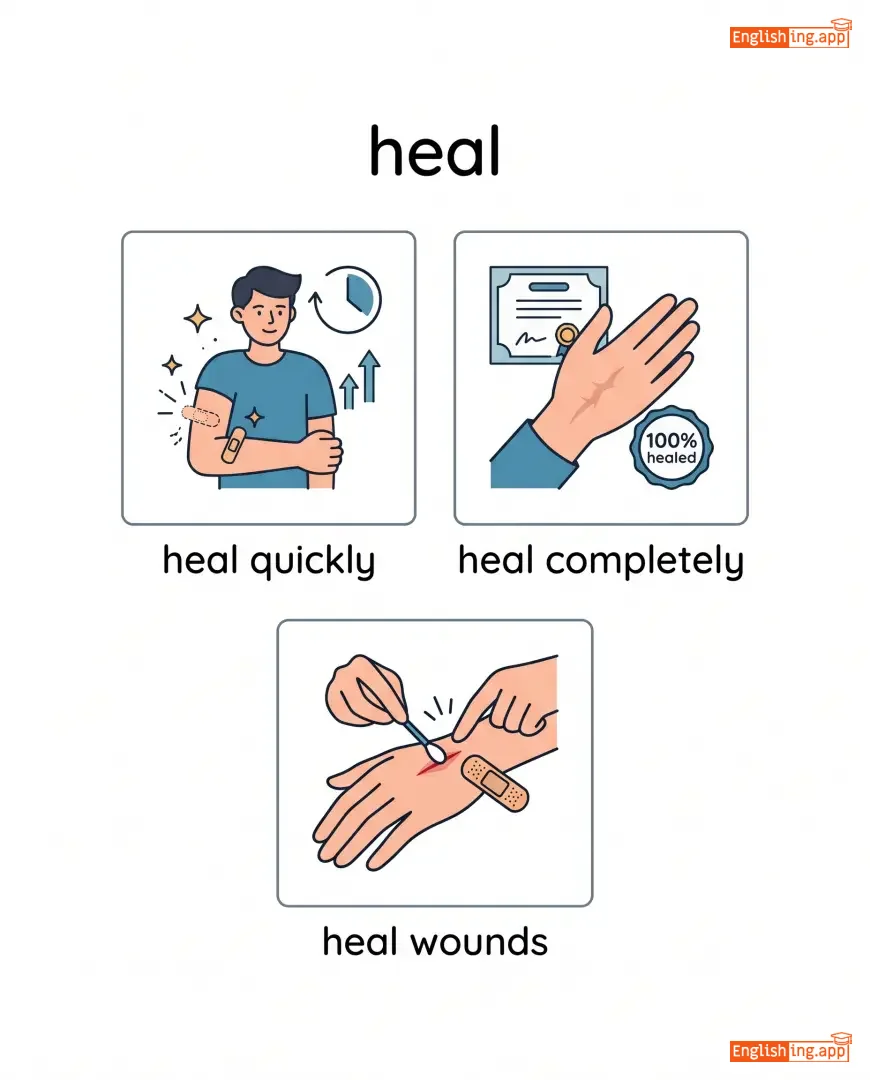
heal wounds, heal completely, heal over time, heal naturally
••••••
|
治愈就像时间治愈伤口。
••••••
|
|
#11
🏠
|
/ˈɒkjʊpaɪ/
verb
(奥克尤派)
••••••
|
|
占据
okjuupai
••••••
|
occupied
奥克尤派德
••••••
|
occupied
奥克尤派德
••••••
|
occupies
奥克尤派斯
••••••
|
occupying
奥克尤派英
••••••
|
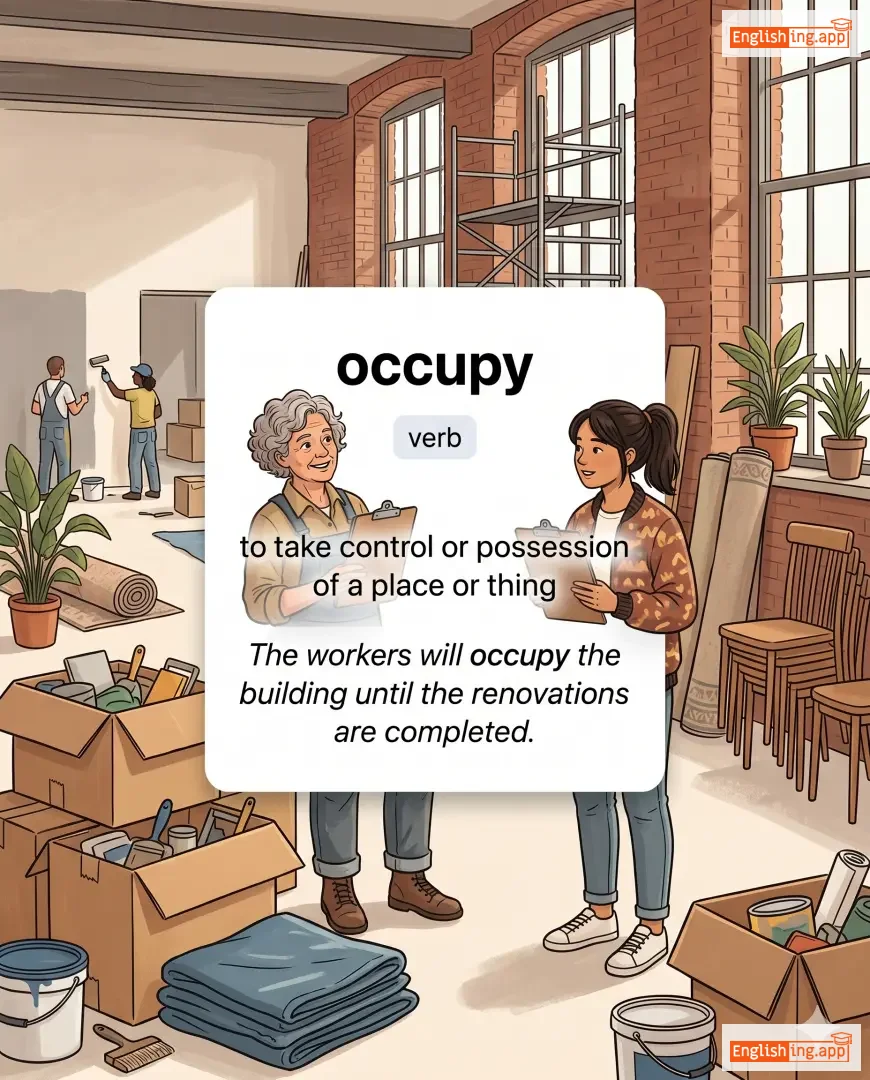
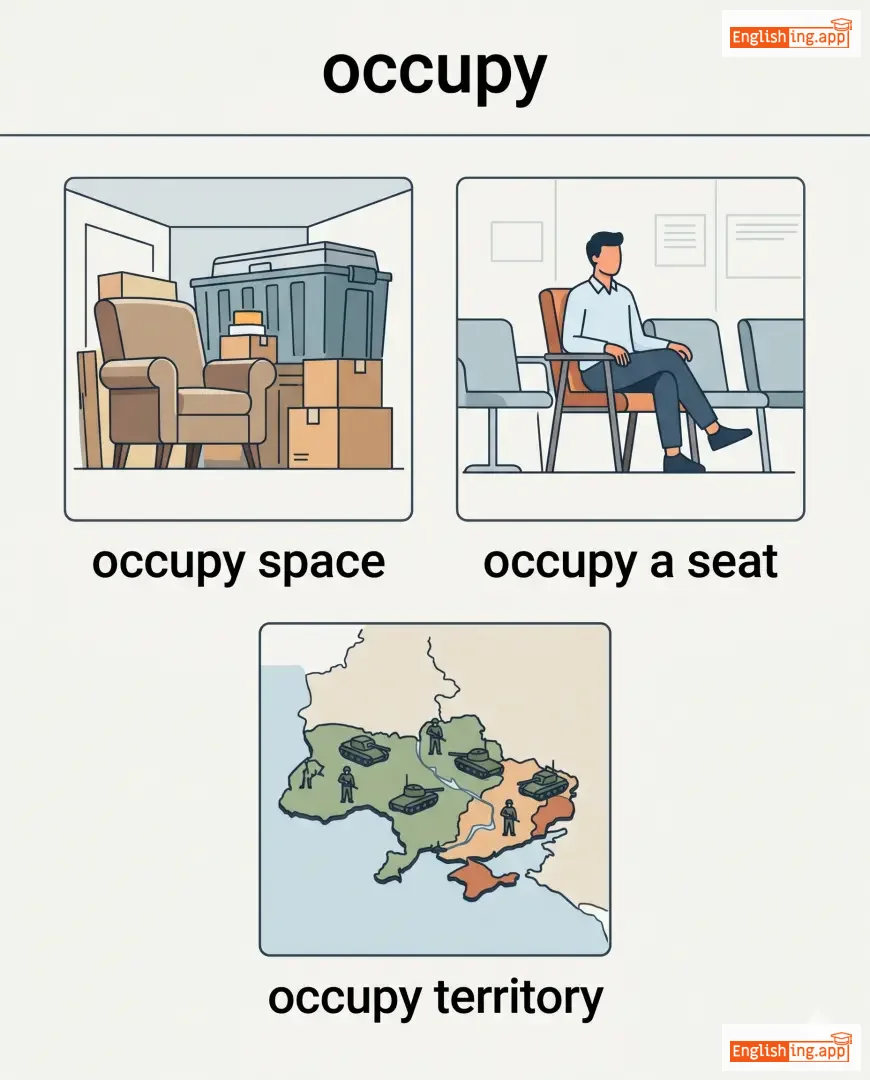
to take up space or time; to live or work in a place
••••••
|
The new family will occupy the house next month.
这个新家庭将于下个月入住这所房子。
••••••
|
新家庭将于下个月入住这所房子。
xin jiating jiang yu xia ge yue ru zhu zhe suo fangzi
••••••
|
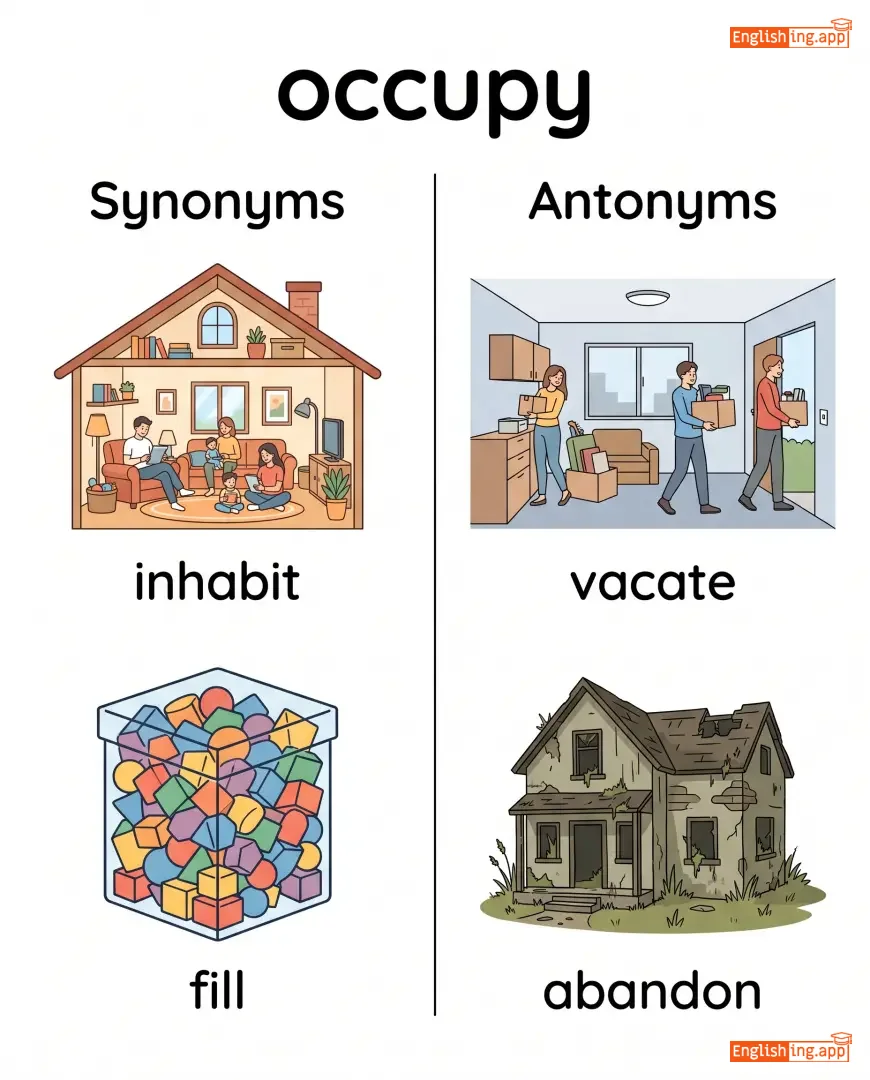
inhabit, reside, fill, take up
••••••
|
vacate, leave, abandon, evacuate
••••••
|
occupy space, occupy time, occupy position, occupy territory
••••••
|
OC CUP Y 将 cup 放进 O 里面 空间就属于你 occupy 就是 占据
••••••
|
|
#12
🙇♂️
|
/oʊˈbeɪ/
verb
(服从)
••••••
|
|
服从
fucong
••••••
|
obeyed
服从
••••••
|
obeyed
服从
••••••
|
obeys
服从
••••••
|
obeying
服从中
••••••
|
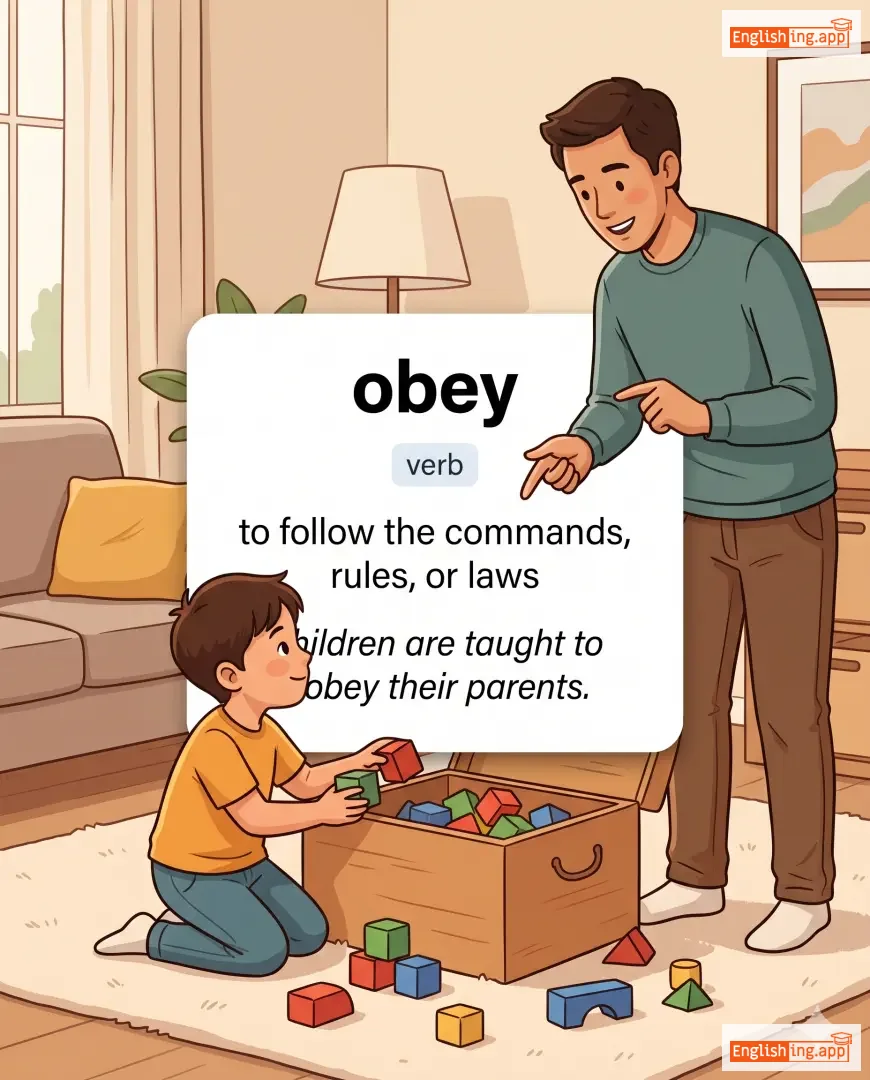
to follow orders or instructions; to comply with rules
••••••
|
Children should obey their parents and teachers.
孩子们应该服从父母和老师的命令。
••••••
|
孩子们应该服从父母和老师的命令。
Haizimen yinggai fucong fumu he laoshi de mingling.
••••••
|
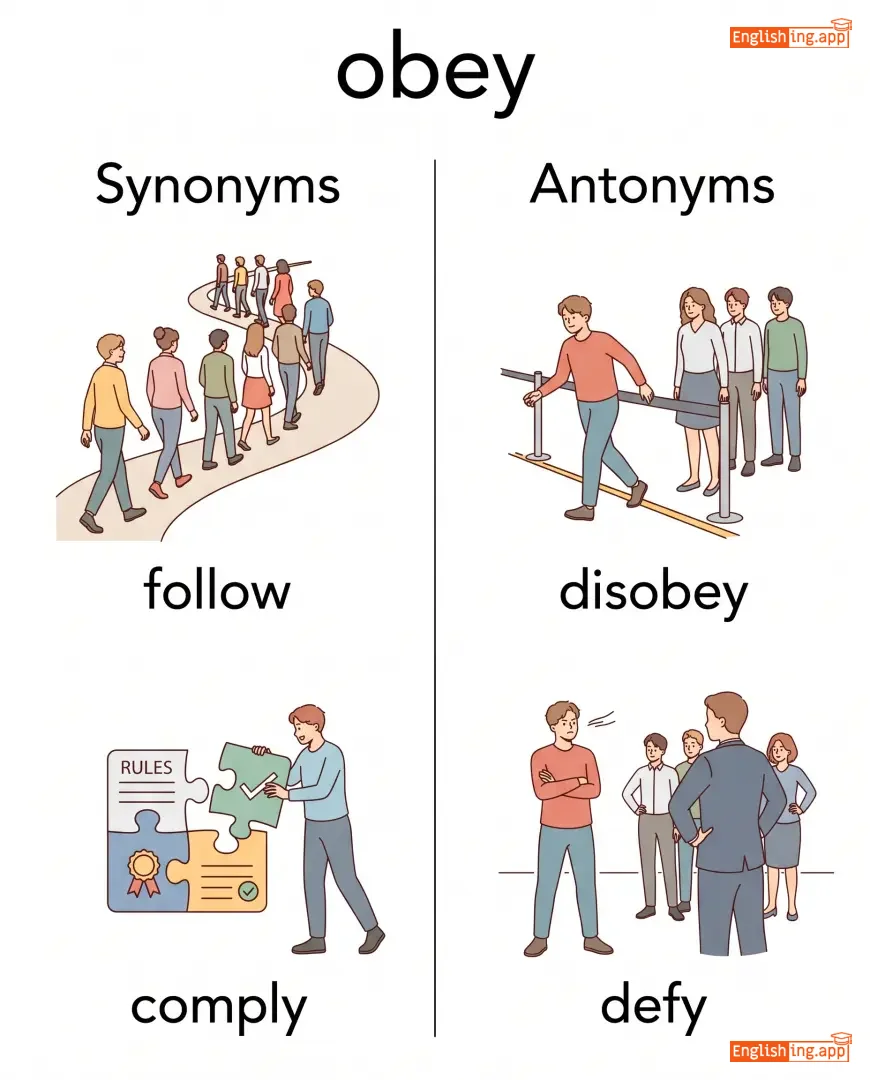
follow, comply, submit, conform
••••••
|
disobey, rebel, defy, resist
••••••
|
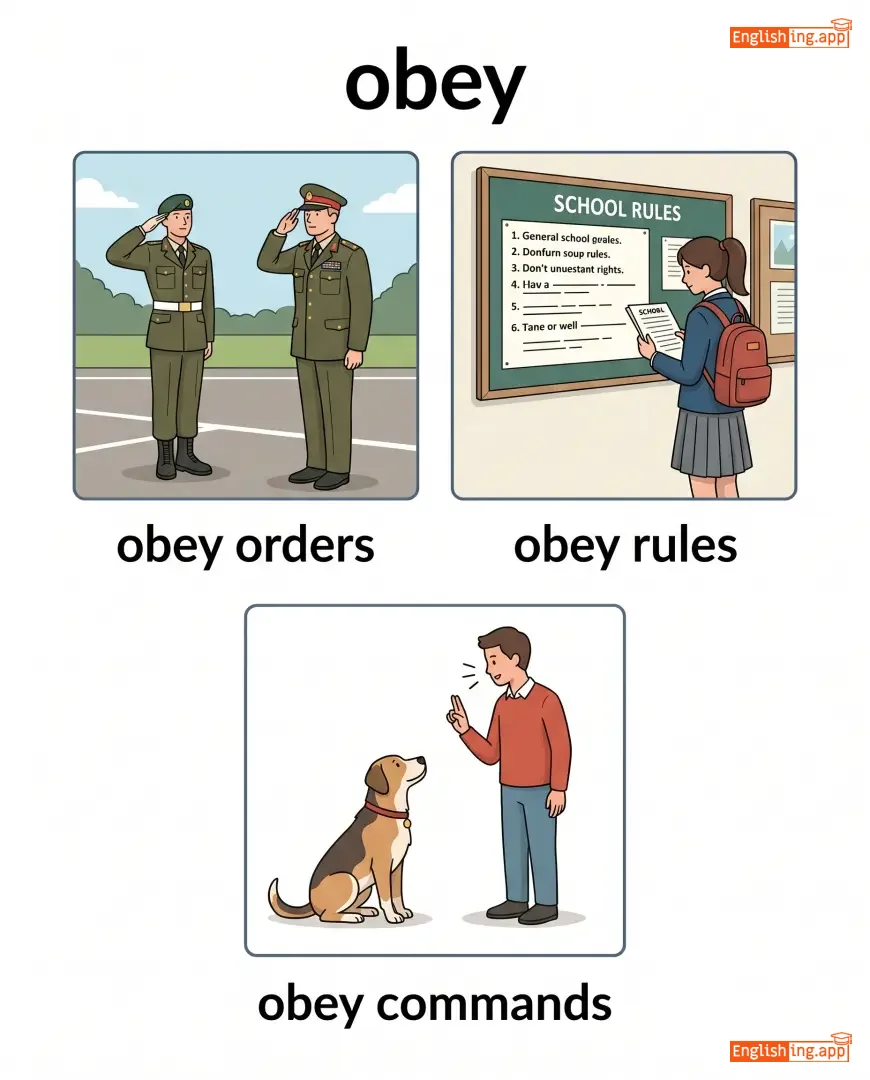
obey rules, obey orders, obey laws, obey instructions
••••••
|
服从能够带来更好的结果
••••••
|
|
#13
⚖️
|
/weɪ/
verb
(wèi)
••••••
|
|
称重
chēngzhòng
••••••
|
weighed
wèid
••••••
|
weighed
wèid
••••••
|
weighs
wèiz
••••••
|
weighing
wèiīng
••••••
|
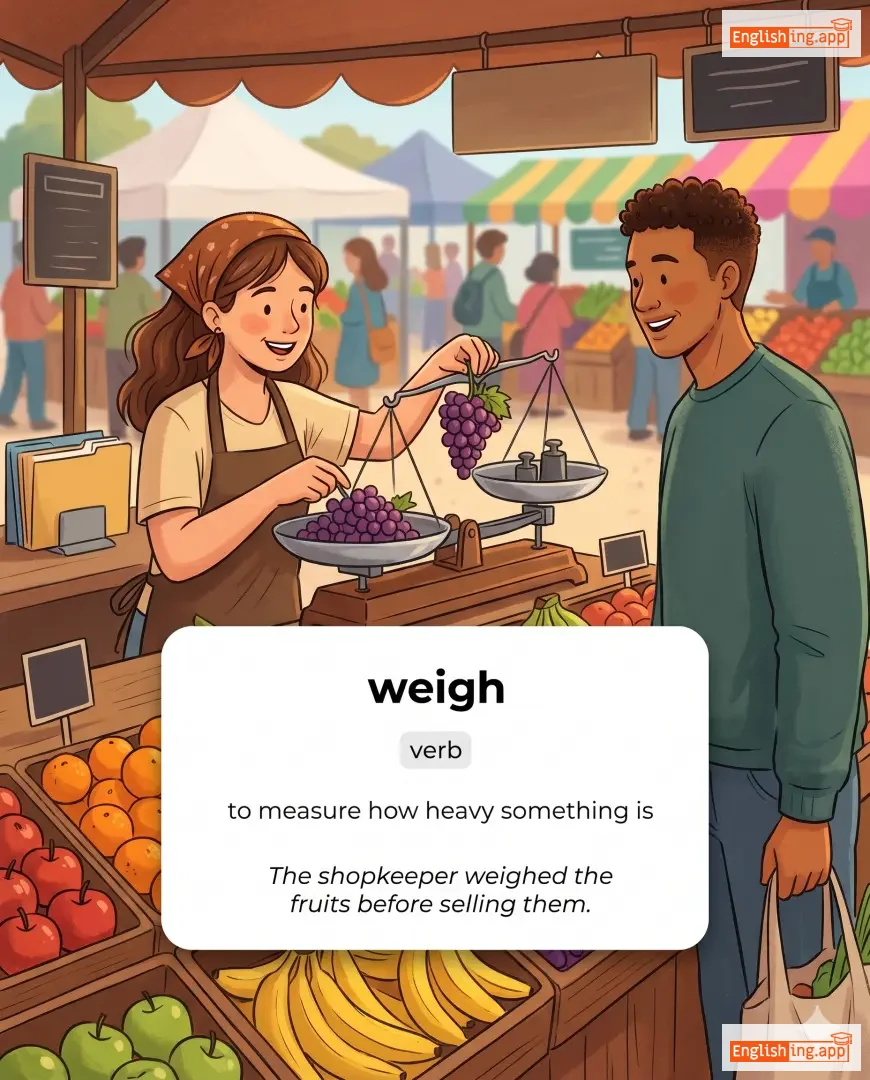
to measure the weight of something; to consider carefully
••••••
|
Please weigh the package before shipping.
请在发货前称重包裹。
••••••
|
请在发货前称重包裹。
Qǐng zài fāhuò qián chēngzhòng bāoguǒ.
••••••
|
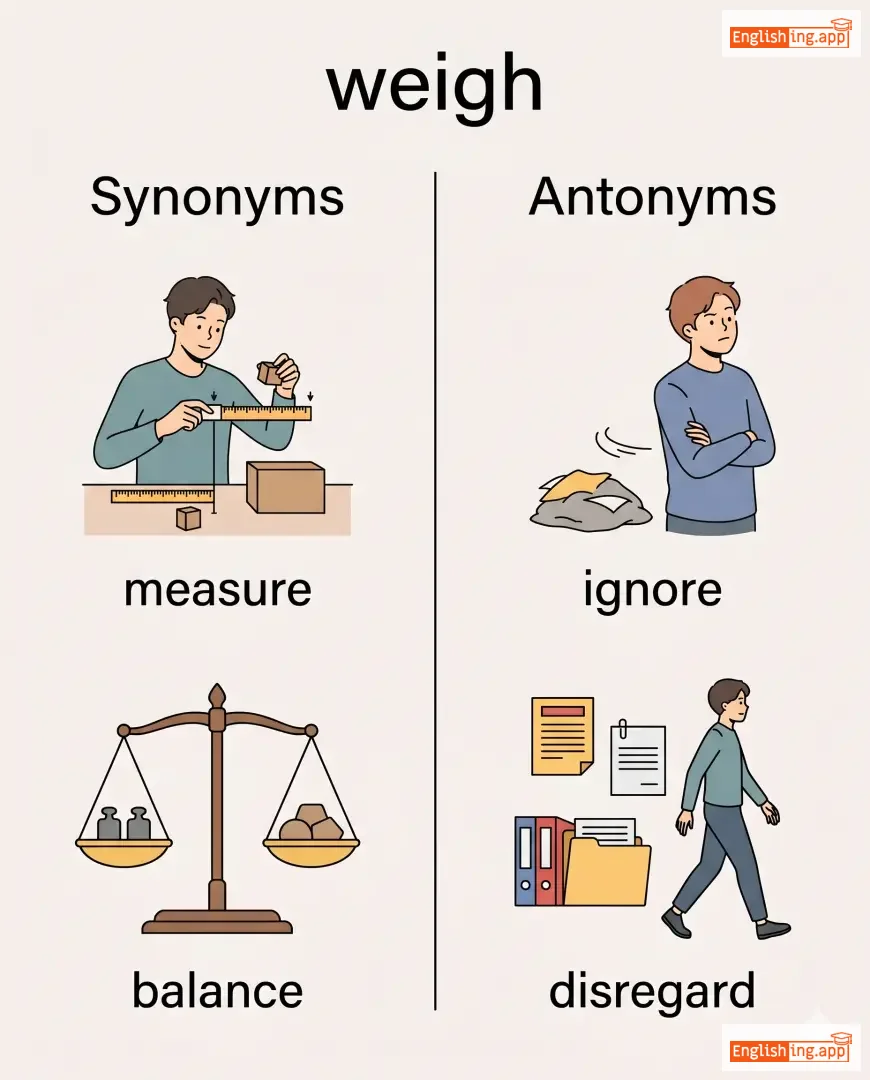
measure, assess, evaluate, consider
••••••
|
ignore, disregard, overlook
••••••
|
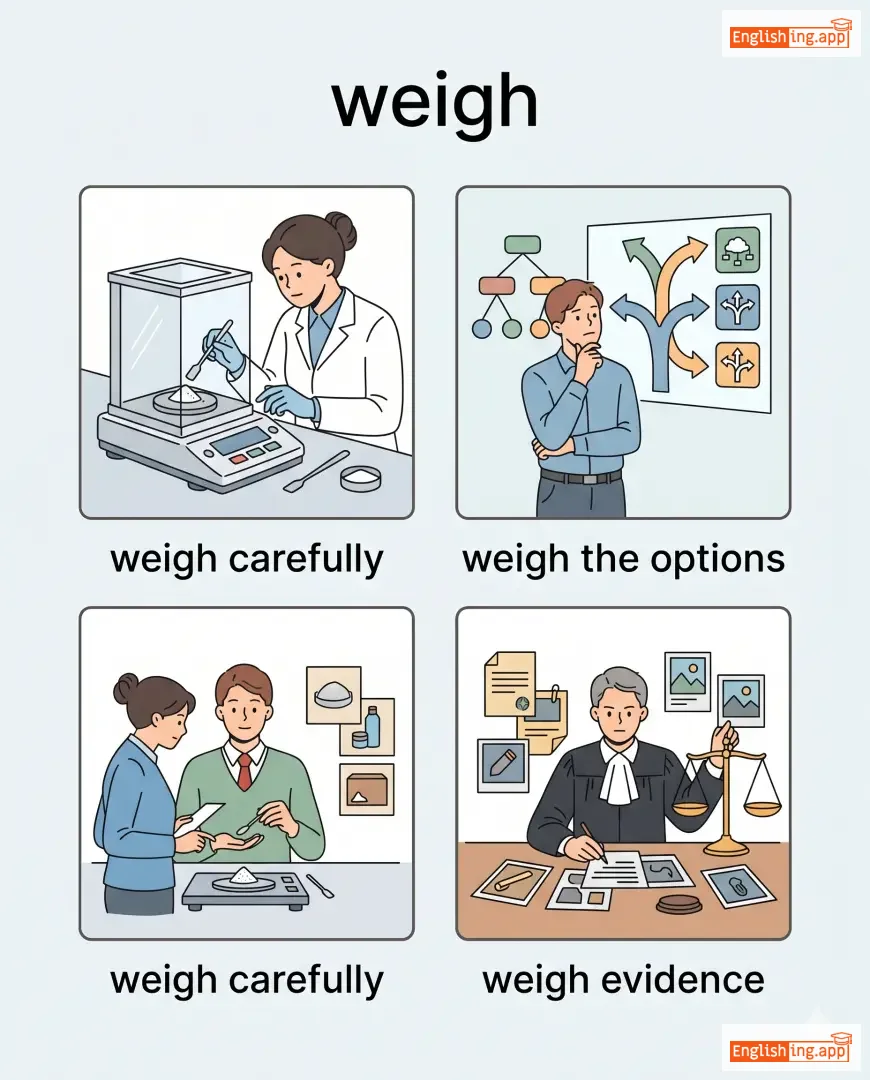
weigh carefully, weigh options, weigh pros and cons, weigh heavily
••••••
|
No •••••• |
|
#14
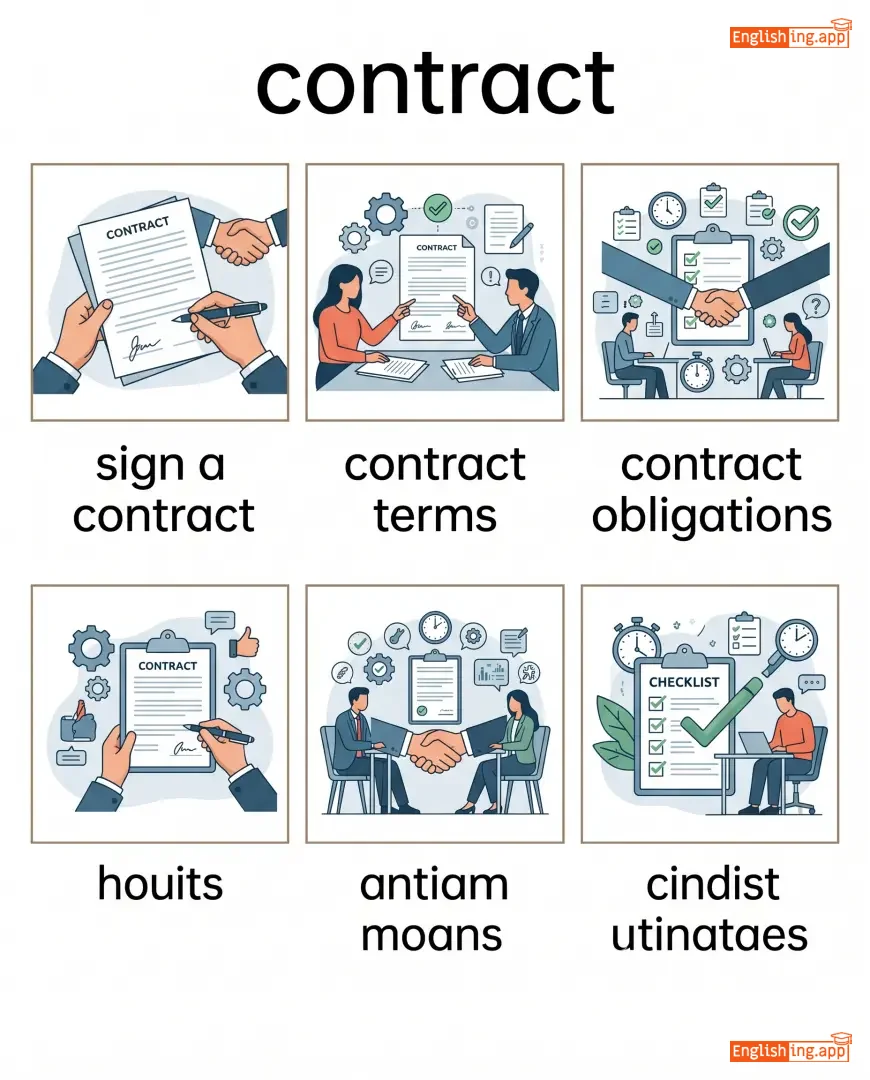
📄
|
/ˈkɒntrækt/
verb
(kòngtráct)
••••••
|
|
签订合同
qiāndìng hétong
••••••
|
contracted
kòngtrácted
••••••
|
contracted
kòngtrácted
••••••
|
contracts
kòngtrácts
••••••
|
contracting
kòngtrácting
••••••
|
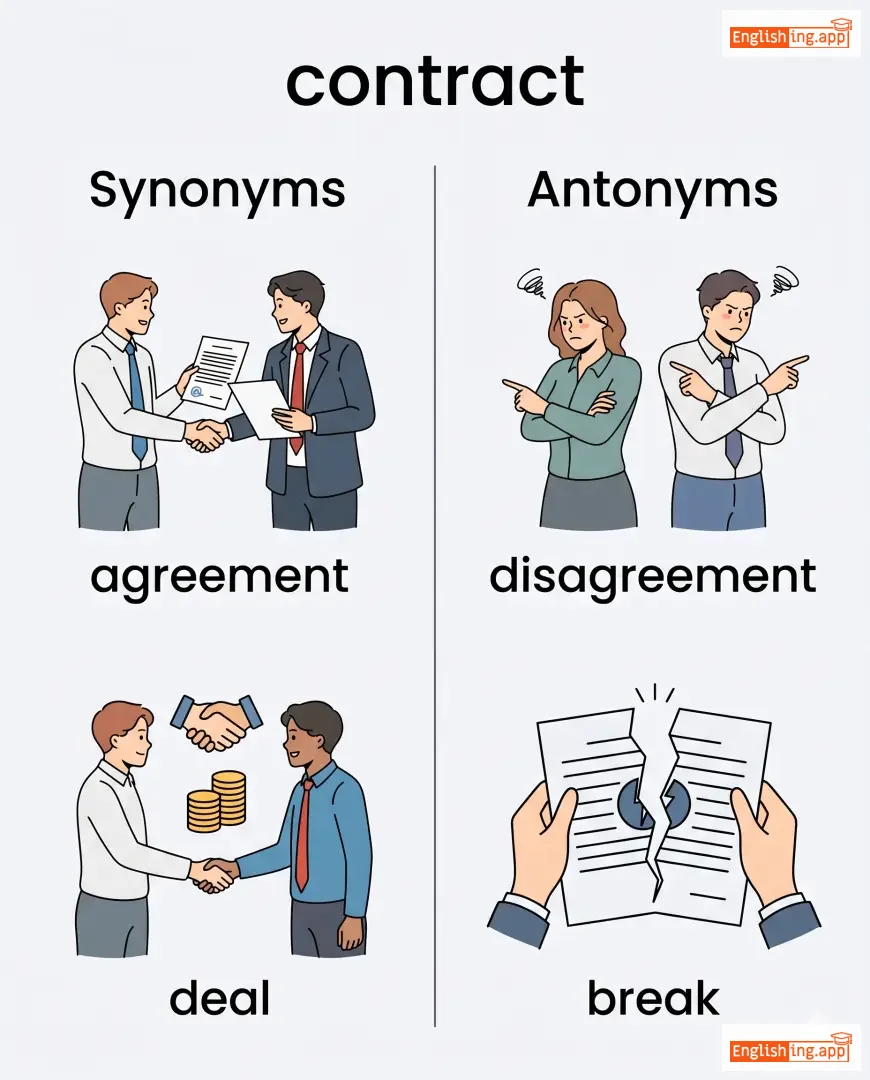
to make smaller; to enter into a formal agreement
••••••
|
The company will contract a new supplier for materials.
gōngsī huì huòdé xīn de gōngyìngshāng huò cáiliào。
••••••
|
公司将签订新的供应商合同。
Gōngsī jiāng qiāndìng xīn de gōngyìngshāng hétong.
••••••
|
shrink, reduce, agree, hire
••••••
|
expand, extend, dissolve, cancel
••••••
|
contract work, contract services, contract terms, sign contract
••••••
|
签合同,合作共赢,创造未来。
••••••
|
|
#15
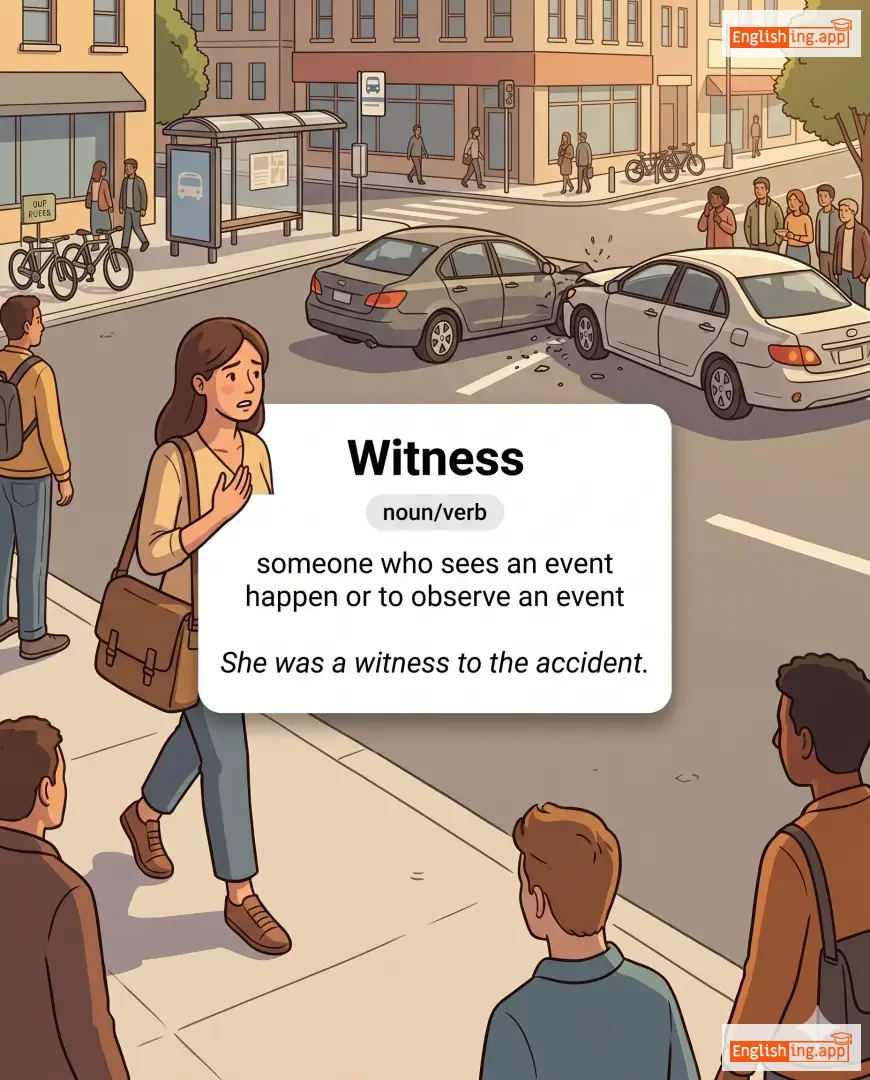
👁️
|
/ˈwɪtnəs/
verb
(witness)
••••••
|
|
目击
mùjī
••••••
|
witnessed
witnessed
••••••
|
witnessed
witnessed
••••••
|
witnesses
witnesses
••••••
|
witnessing
witnessing
••••••
|
to see an event happen; to give evidence in court
••••••
|
I witnessed the accident yesterday.
我昨天目击了事故。
••••••
|
我昨天目击了事故。
Wǒ zuótiān mùjī le shìgù.
••••••
|
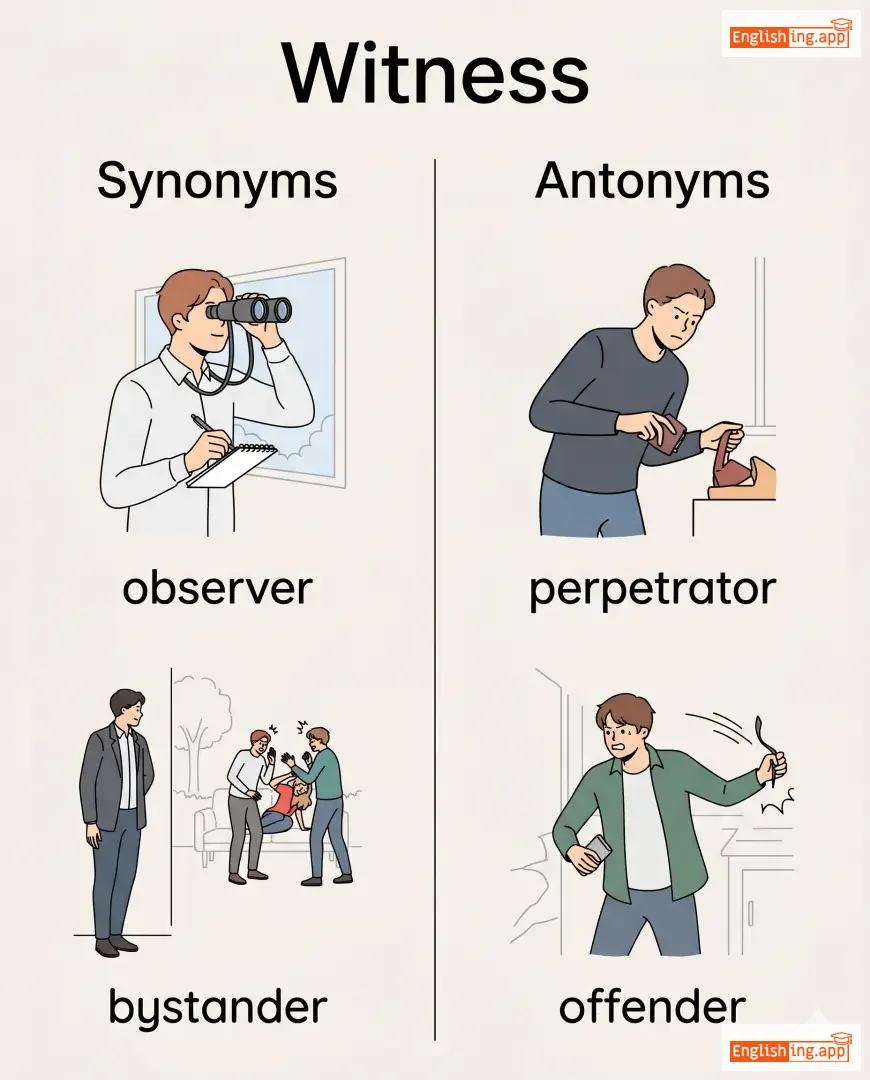
observe, see, watch, testify
••••••
|
ignore, miss, overlook
••••••
|
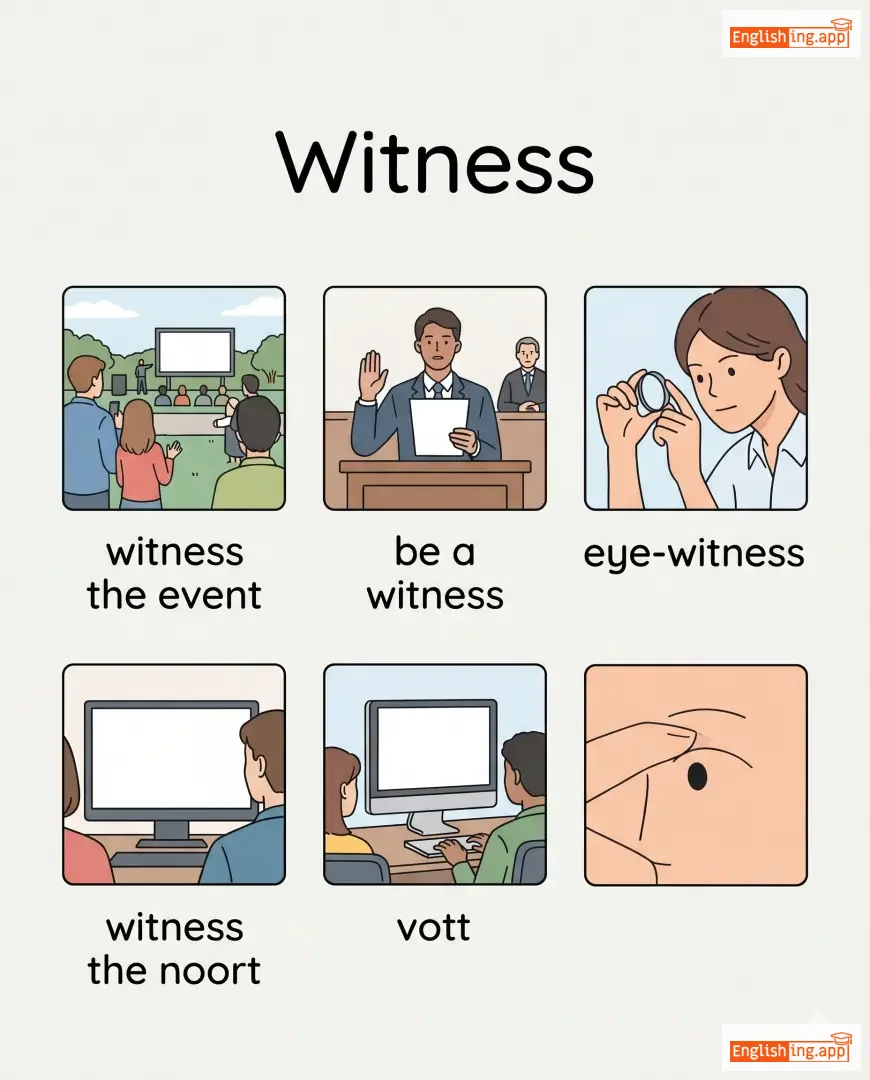
witness event, witness accident, witness ceremony, witness testimony
••••••
|
目击者,就像在法庭上作证的人
••••••
|
|
#16
🔄
|
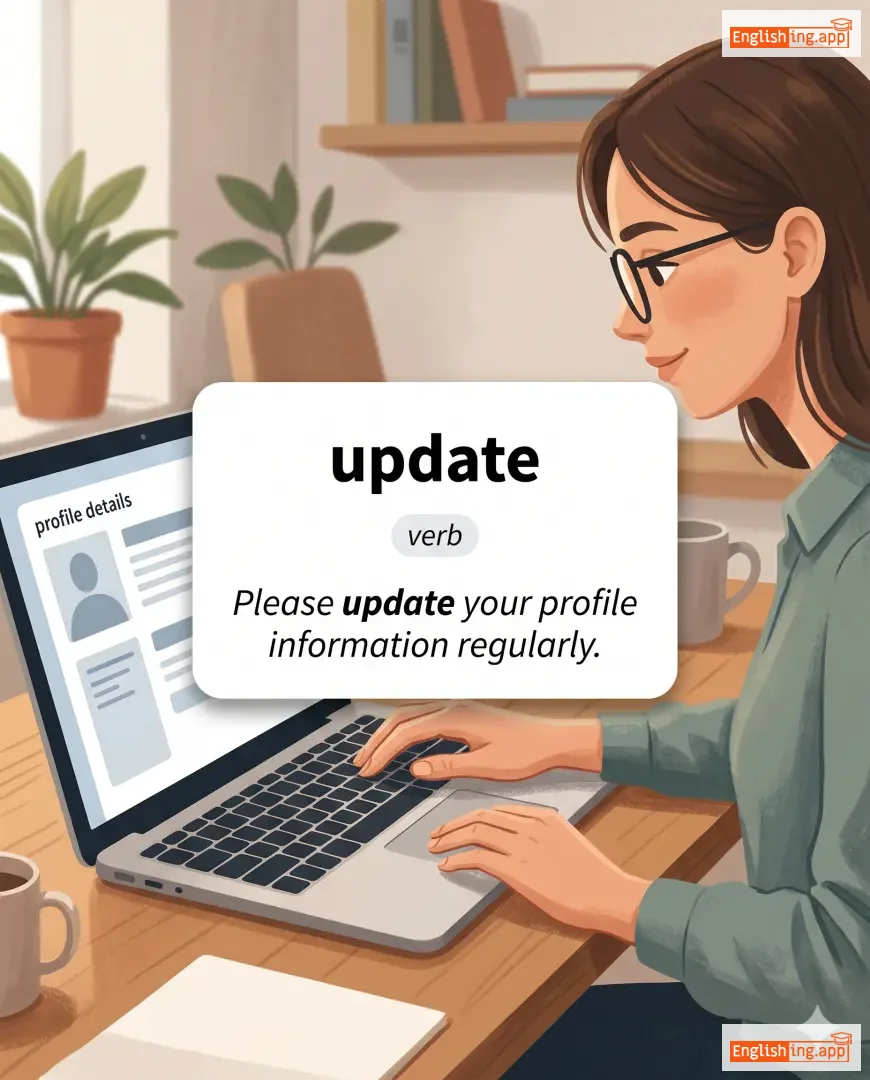
/ʌpˈdeɪt/
verb
(apdeit)
••••••
|
|
更新
gengxin
••••••
|
updated
apdeited
••••••
|
updated
apdeited
••••••
|
updates
apdeits
••••••
|
updating
apdeiting
••••••
|
to make something more modern or current; to provide new information
••••••
|
Please update your software regularly.
请定期更新您的软件。
••••••
|
请定期更新您的软件。
Qǐng dìngqī gēngxīn nín de ruǎnjiàn.
••••••
|
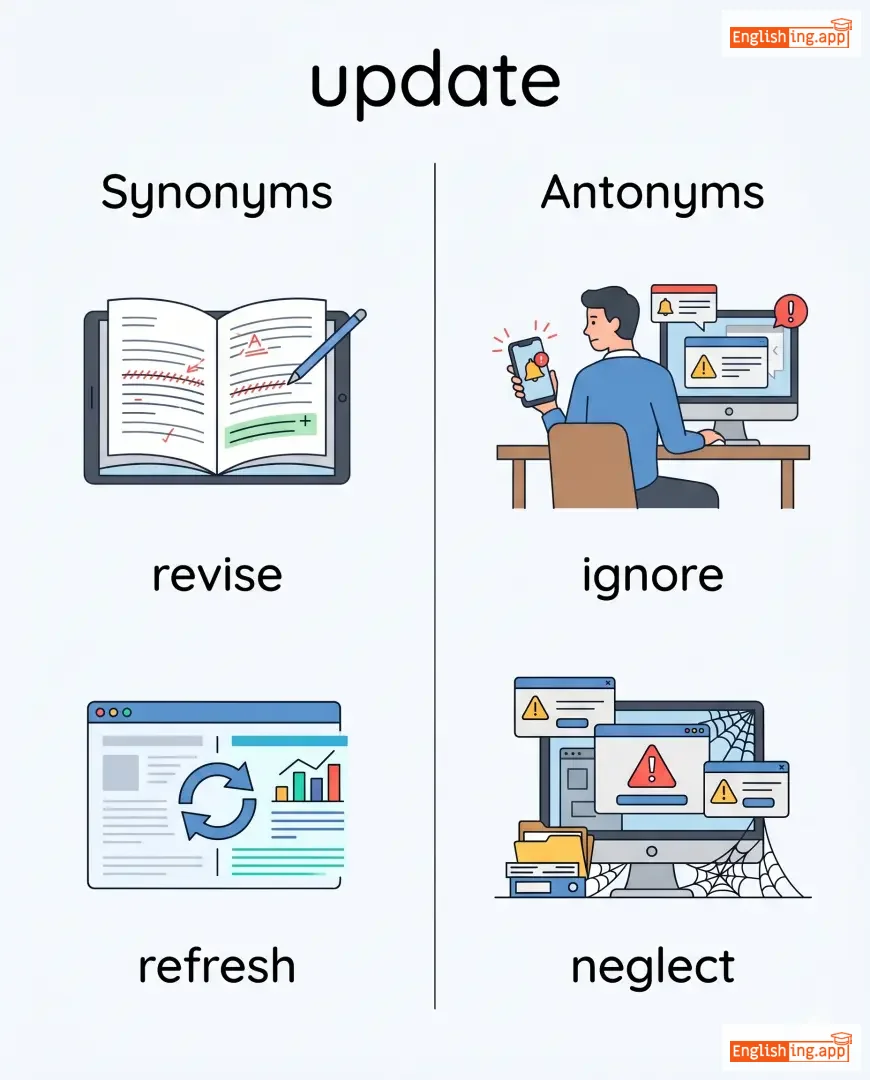
refresh, revise, renew, modify
••••••
|
downgrade, outdated
••••••
|
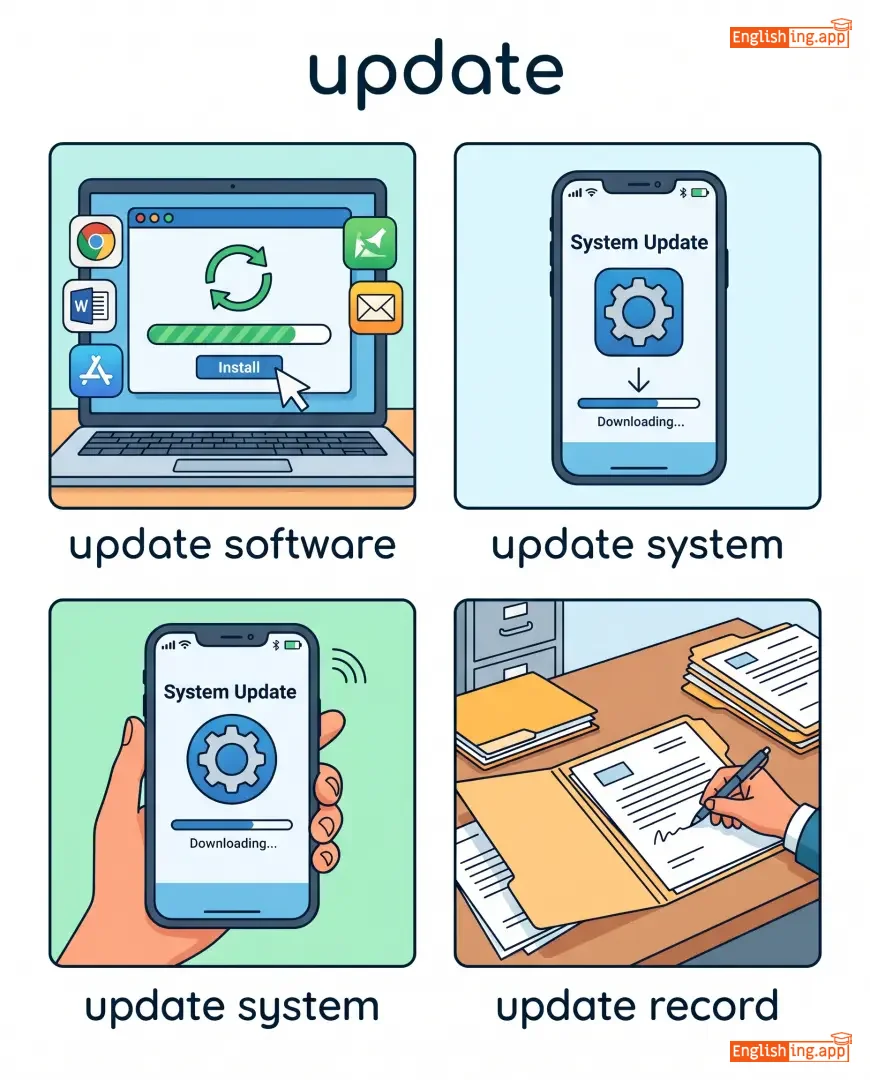
update software, update information, update regularly, update status
••••••
|
保持软件更新,获取最新的信息。
••••••
|
|
#17
🔥
|
/ˈkɪndəl/
verb
(kīndēl)
••••••
|
|
点燃
diǎn rán
••••••
|
kindled
kīndēld
••••••
|
kindled
kīndēld
••••••
|
kindles
kīndēls
••••••
|
kindling
kīndīng
••••••
|
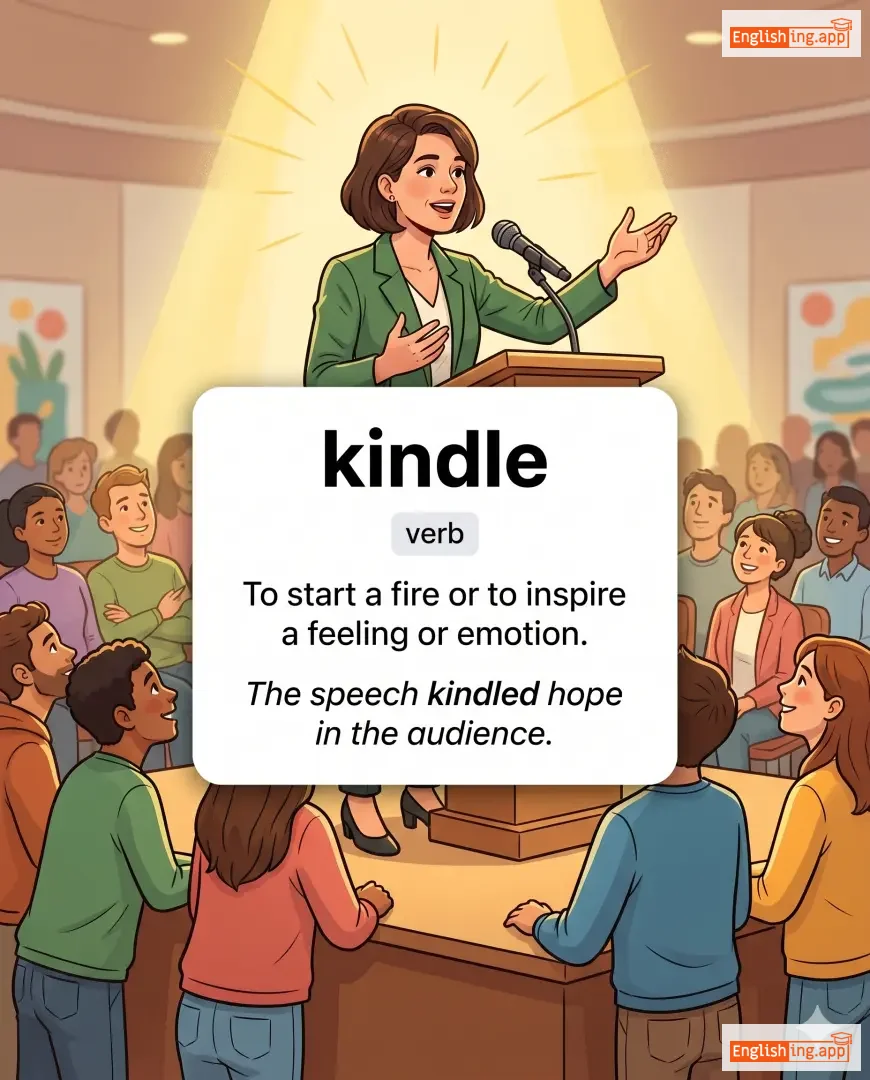
to light a fire; to arouse or inspire
••••••
|
She kindled the campfire with dry wood.
她用干木柴点燃了篝火。
••••••
|
她用干木柴点燃了篝火。
Tā yòng gān mùchái diǎn ránle gōuhuǒ.
••••••
|
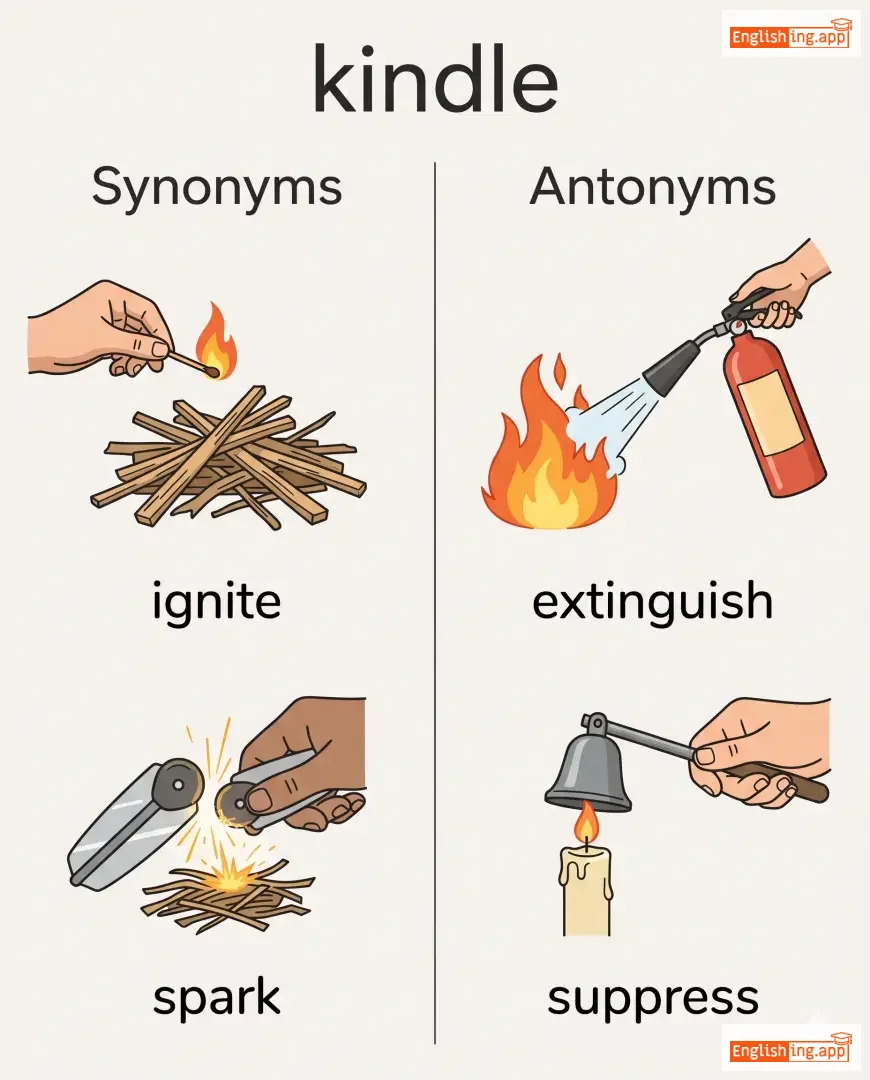
ignite, light, spark, inspire
••••••
|
extinguish, quench, dampen, suppress
••••••
|
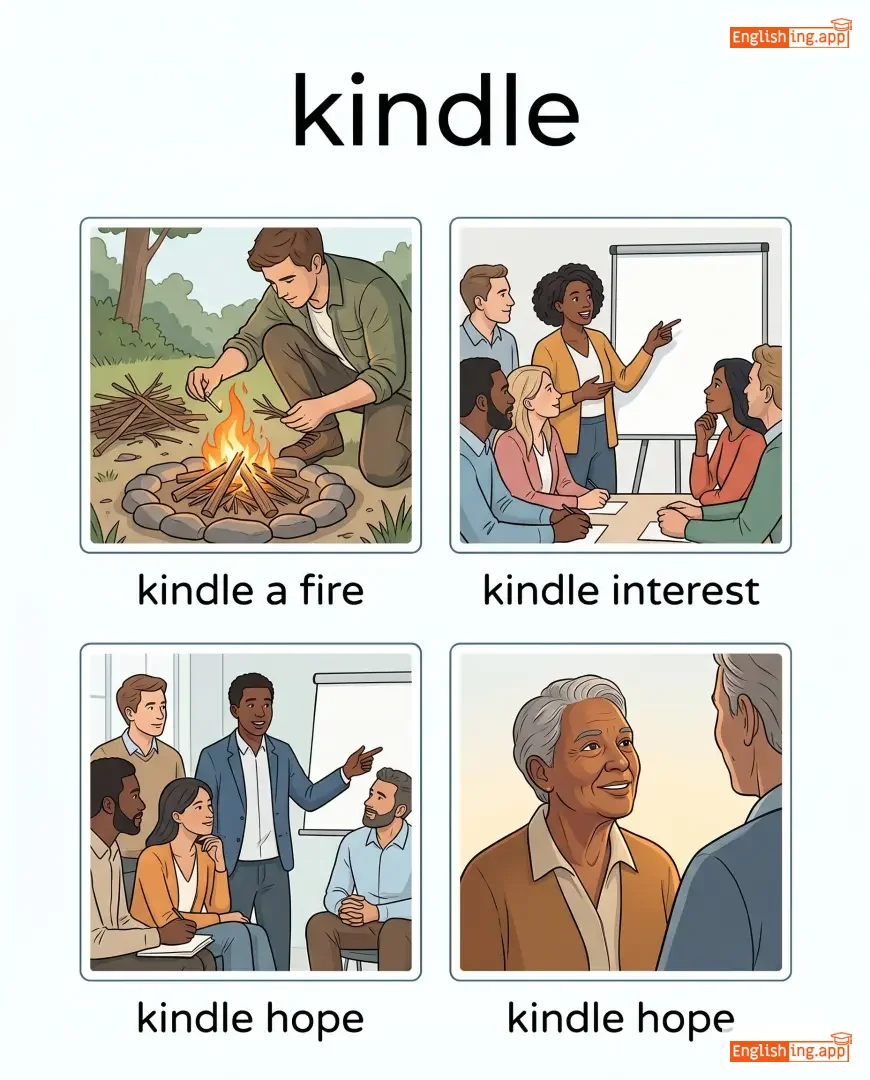
kindle fire, kindle interest, kindle passion, kindle flames
••••••
|
点燃是燃烧的意思,记住它意味着点燃火焰!
••••••
|
|
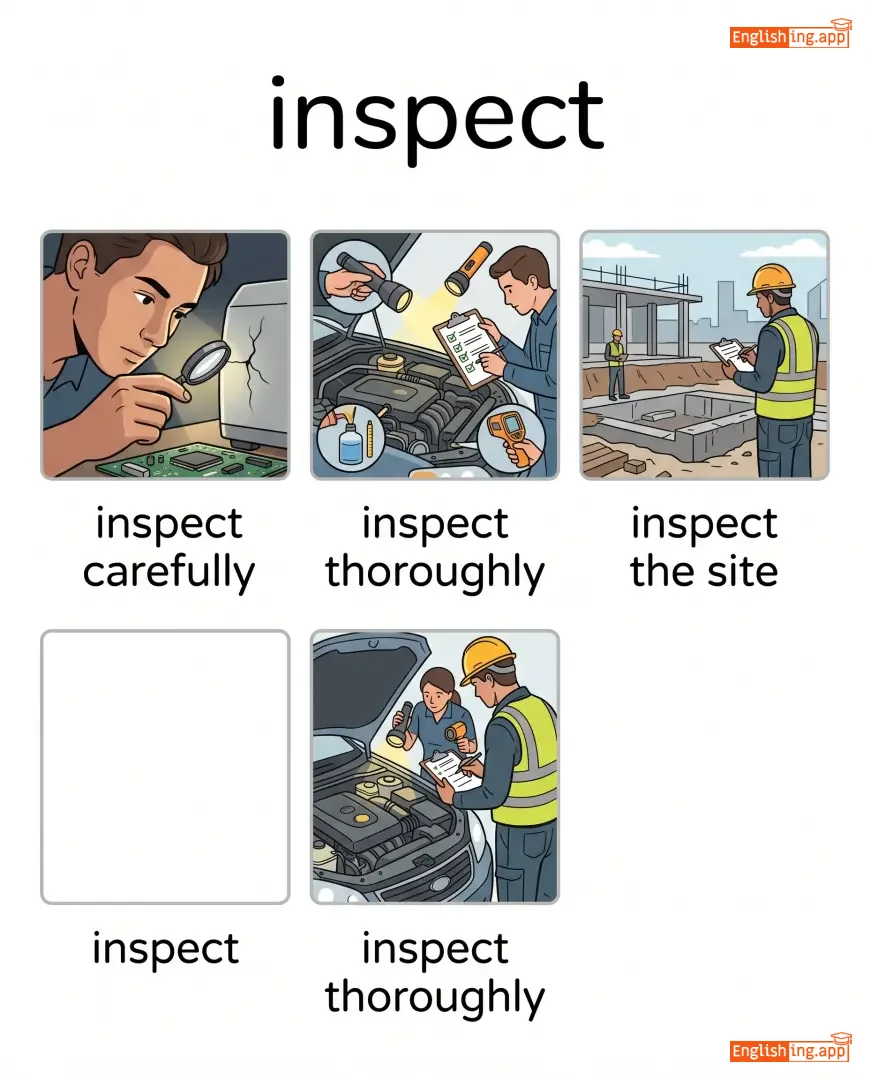
#18
🔍
|
/ɪnˈspekt/
verb
(inspekt)
••••••
|
|
检查
jiǎnchá
••••••
|
inspected
inspekted
••••••
|
inspected
inspekted
••••••
|
inspects
inspects
••••••
|
inspecting
inspecting
••••••
|
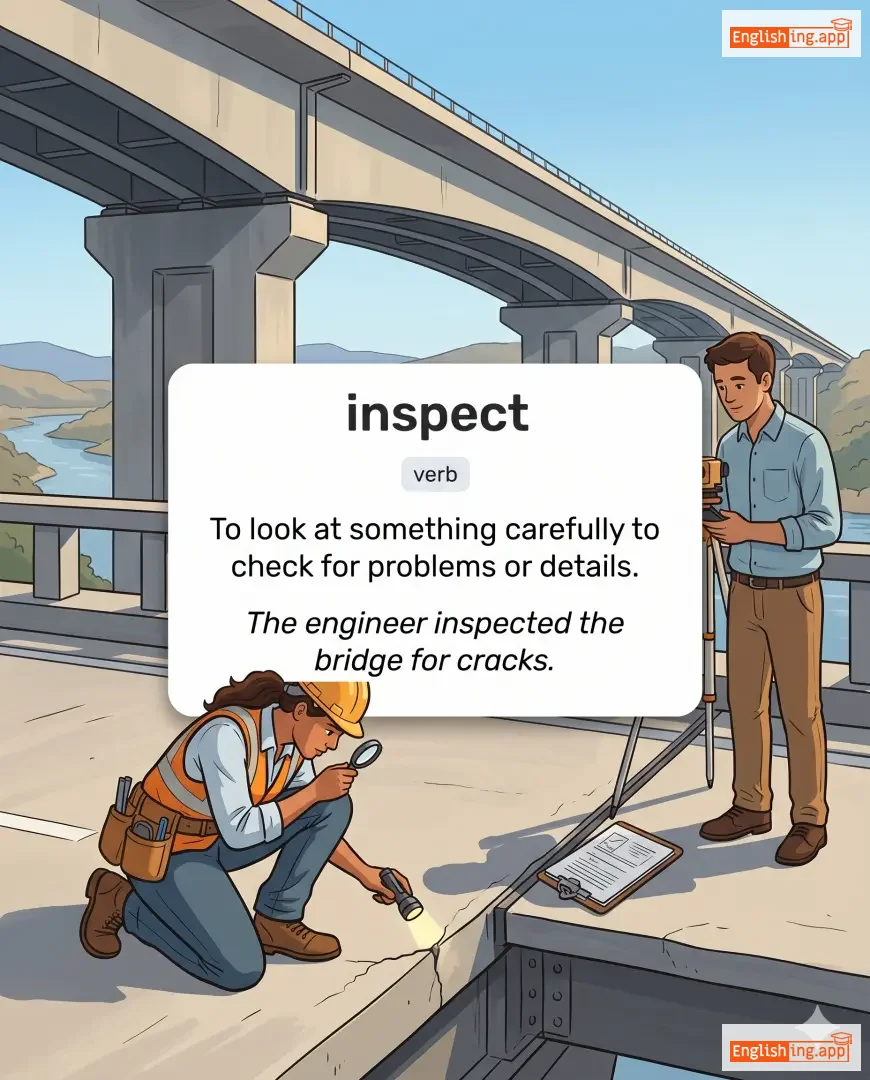
to examine something carefully to check for problems or faults
••••••
|
The engineer will inspect the building for structural damage.
工程师将检查建筑物的结构损坏。
••••••
|
工程师将检查建筑物的结构损坏。
Gōngchéngshī jiāng jiǎnchá jiànzhúwù de jiégòu sǔnhuài.
••••••
|
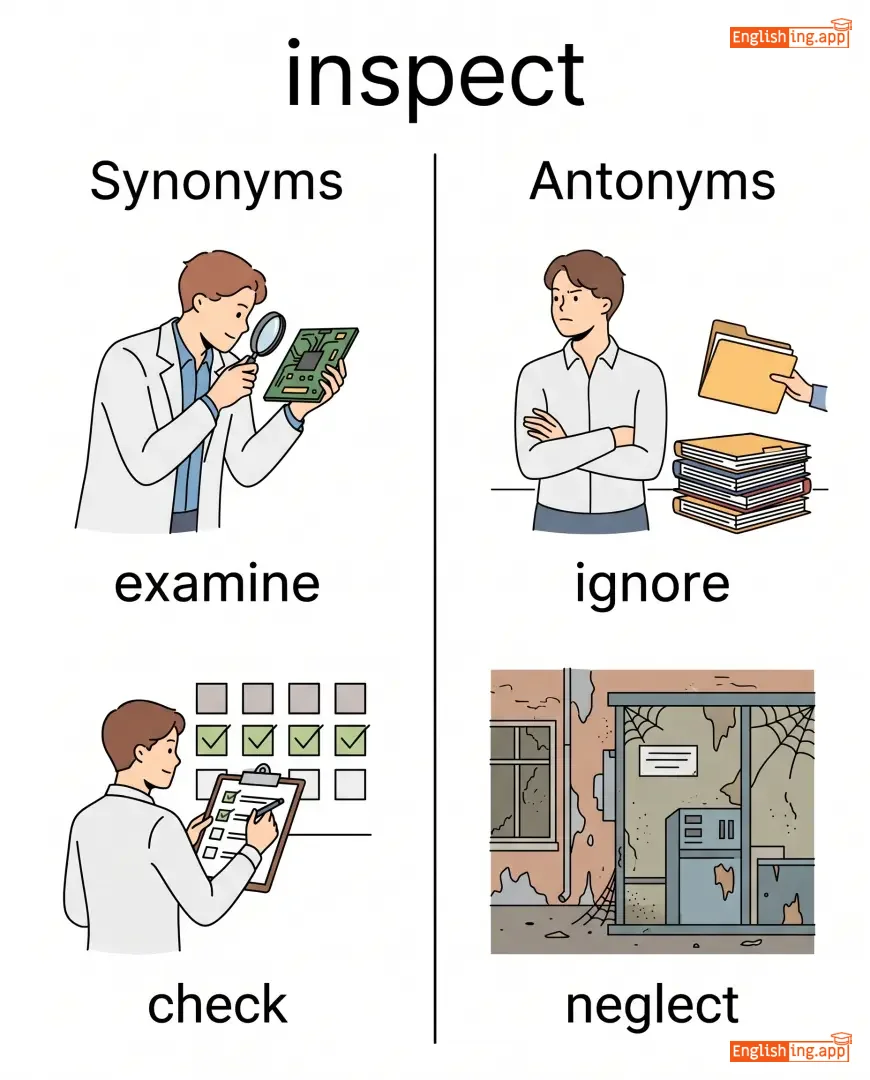
examine, check, review, survey, scrutinize
••••••
|
ignore, overlook, neglect, disregard
••••••
|
inspect carefully, inspect thoroughly, inspect building, inspect quality
••••••
|
检查 (jiǎnchá) is like 'inspect' in English, both mean to examine carefully.
••••••
|
|
#19
😨
|
/fɪr/
verb
(fīěr)
••••••
|
|
恐惧
kǒngjù
••••••
|
feared
fīārd
••••••
|
feared
fīārd
••••••
|
fears
fīěrs
••••••
|
fearing
fīērīng
••••••
|
to be afraid of something; to feel anxiety about something that might happen
••••••
|
Many people fear public speaking.
许多人害怕公开演讲。
••••••
|
许多人害怕公开演讲。
Xǔduō rén hàipà gōngkāi yǎnjiǎng.
••••••
|
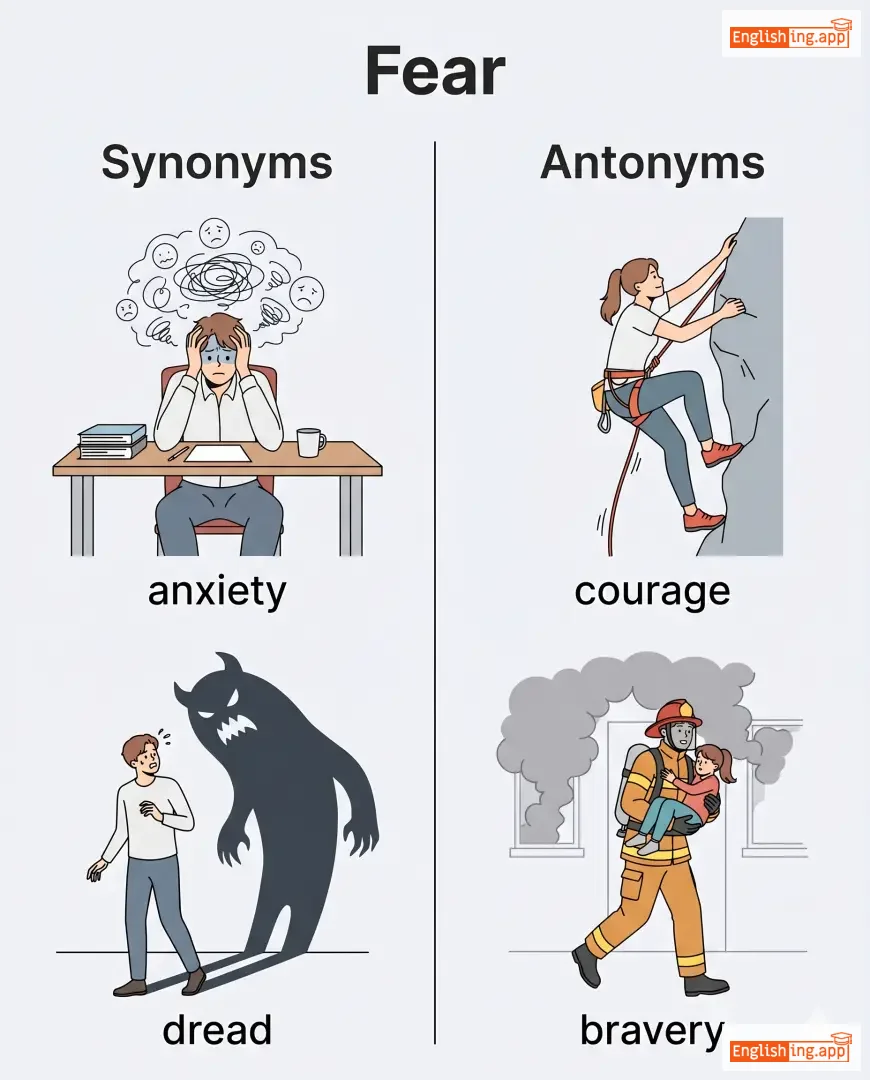
dread, worry, apprehend, panic
••••••
|
courage, bravery, confidence, fearlessness
••••••
|
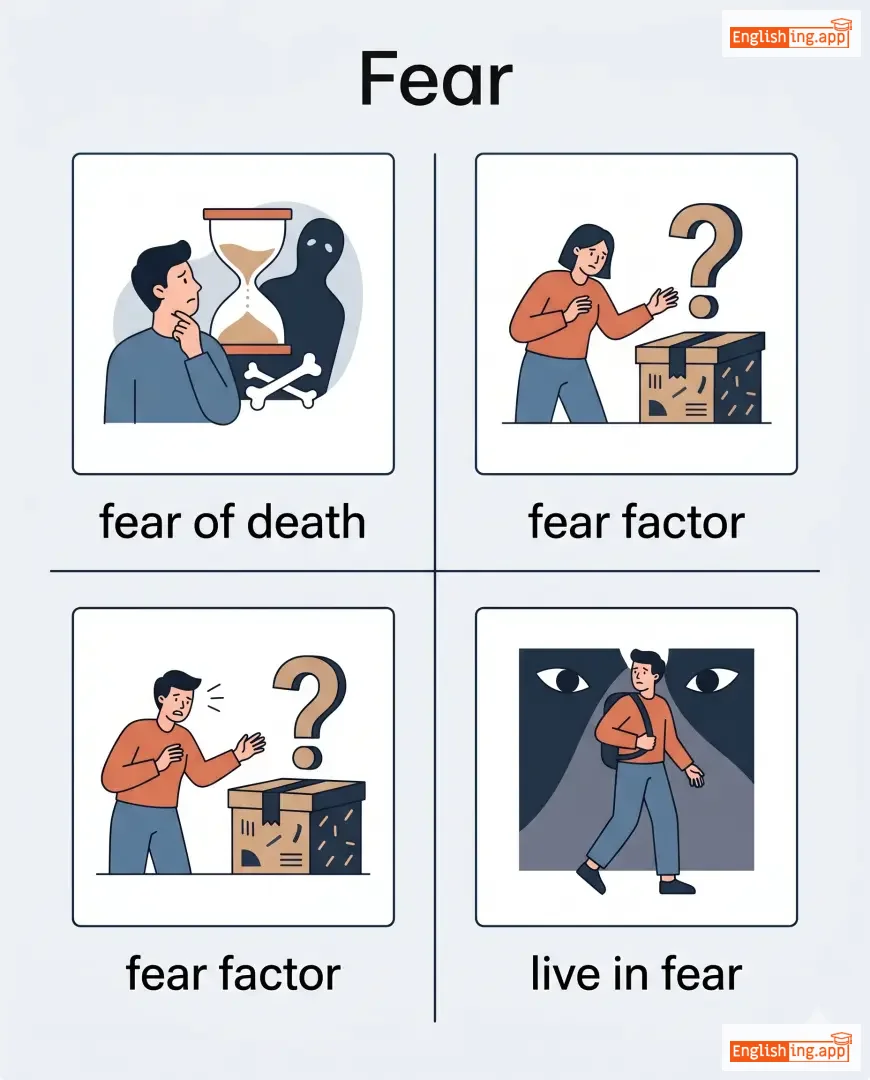
fear for safety, fear the worst, fear greatly, overcome fear
••••••
|
Kǒngjù huì sān shēng.
••••••
|
|
#20
✅
|
/əkˈsɛpt/
verb
(jiēshòu)
••••••
|
|
接受
jiēshòu
••••••
|
accepted
jiēshòu le
••••••
|
accepted
jiēshòu le
••••••
|
accepts
jiēshòu
••••••
|
accepting
jiēshòu zhōng
••••••
|
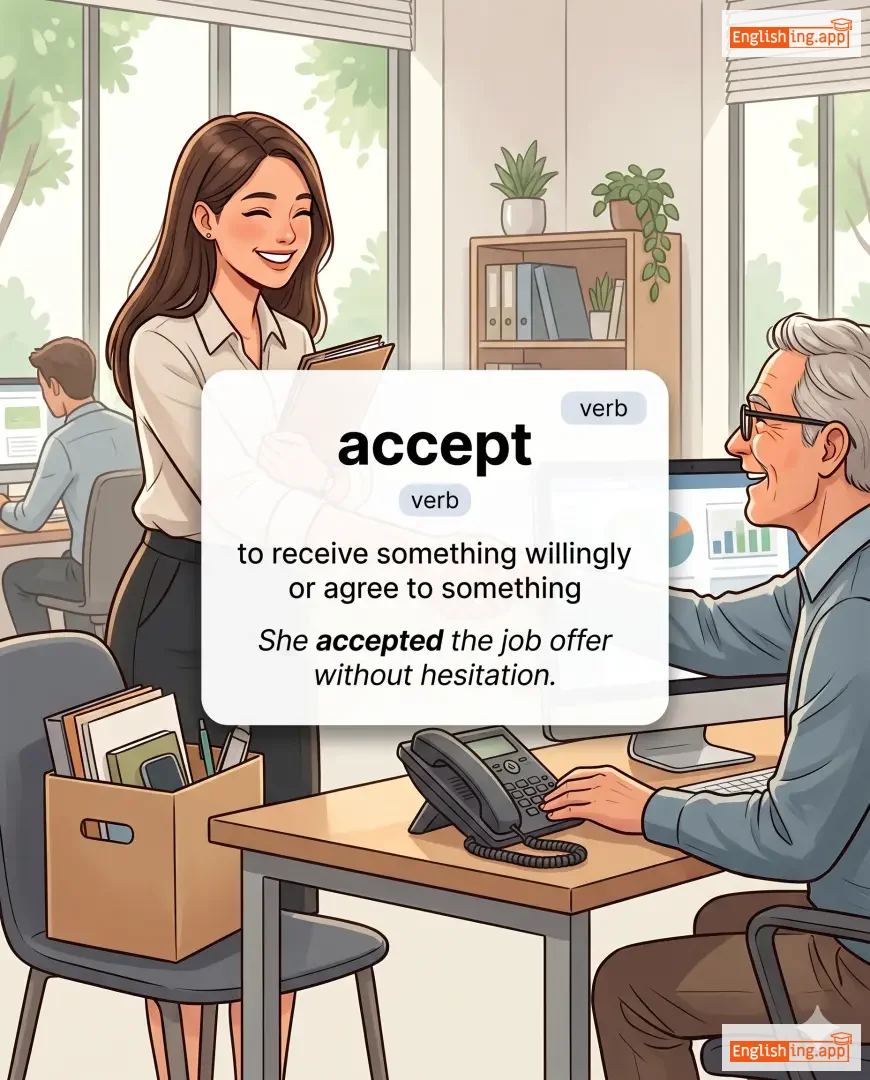
to receive willingly; to believe or come to recognize
••••••
|
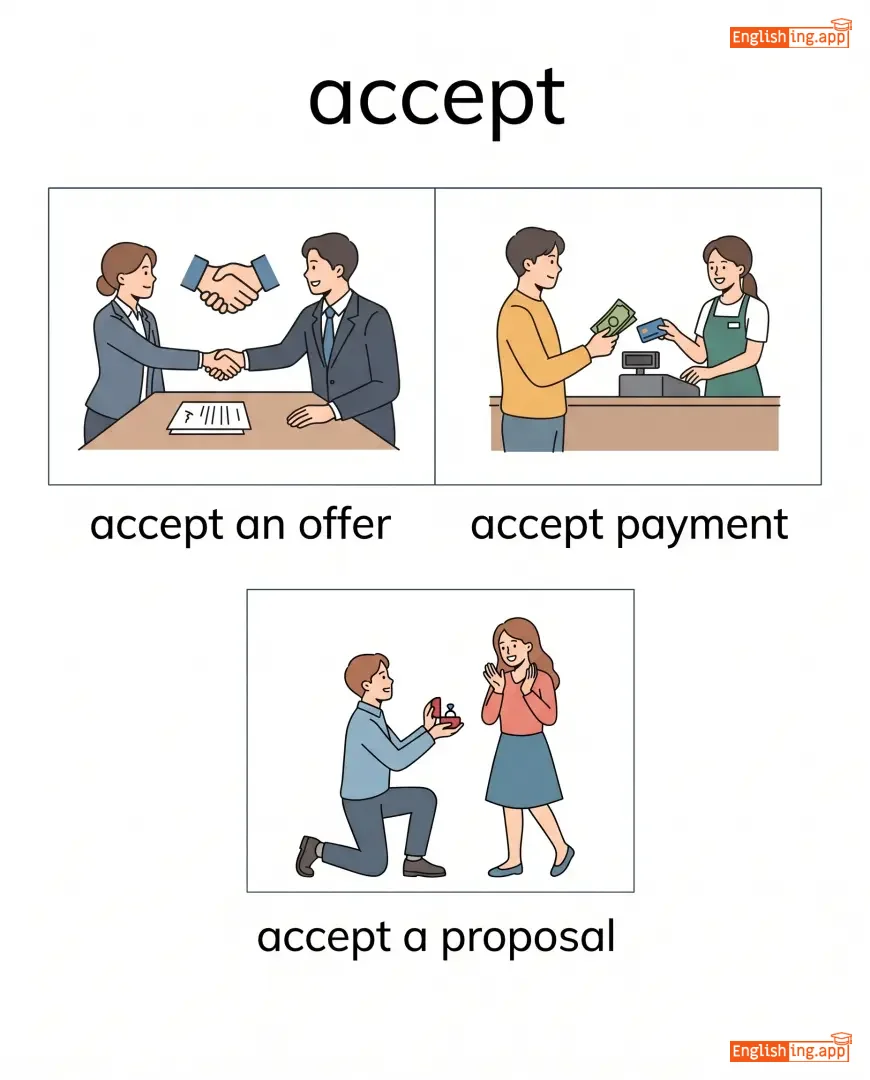
She decided to accept the job offer.
Tā juédìng jiēshòu zhè ge gōngzuò tígōng.
••••••
|
她决定接受这份工作邀请。
Tā juédìng jiēshòu zhè ge gōngzuò tígōng.
••••••
|
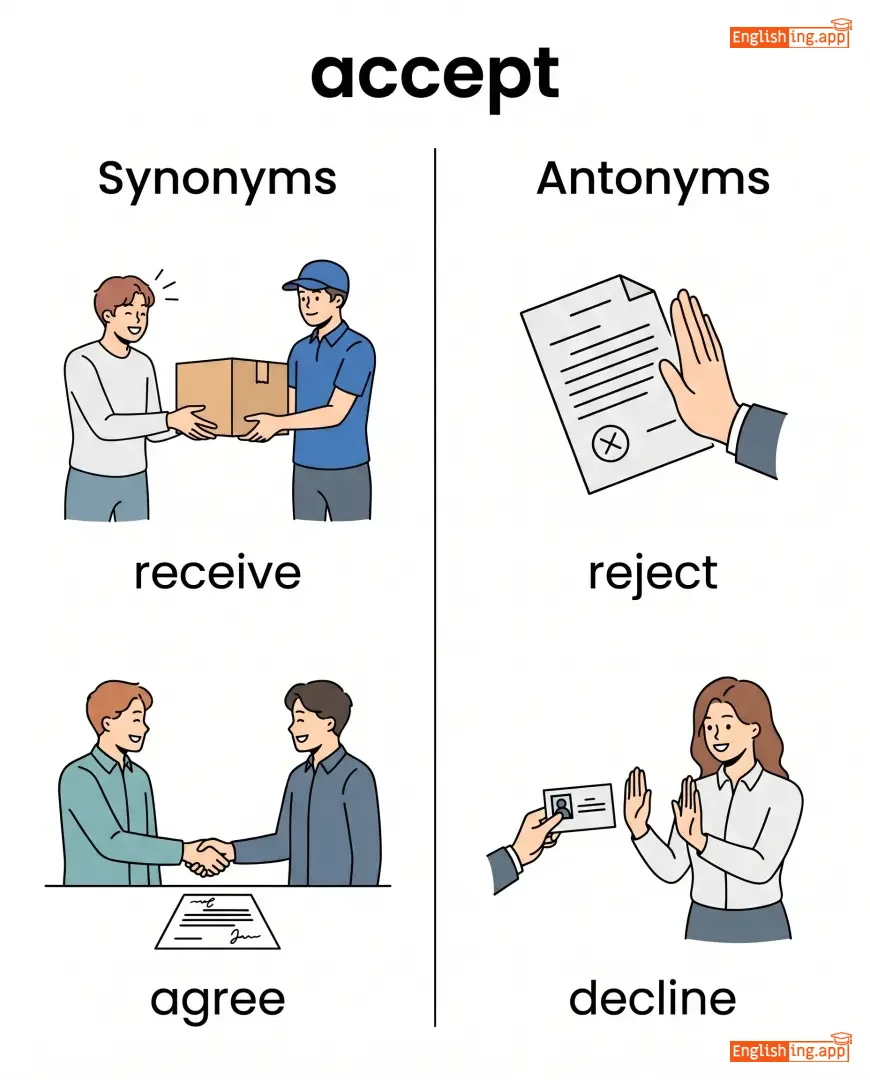
receive, take, acknowledge, agree
••••••
|
reject, refuse, decline, deny
••••••
|
accept offer, accept responsibility, accept invitation, readily accept
••••••
|
In Chinese, ‘jiēshòu’ means to accept – a perfect match for welcoming opportunities!
••••••
|
|
#21
🚨
|
/əˈlɑːrm/
verb
(阿拉姆)
••••••
|
|
惊吓
alarm
••••••
|
alarmed
阿拉默德
••••••
|
alarmed
阿拉默德
••••••
|
alarms
阿拉姆斯
••••••
|
alarming
阿拉明
••••••
|
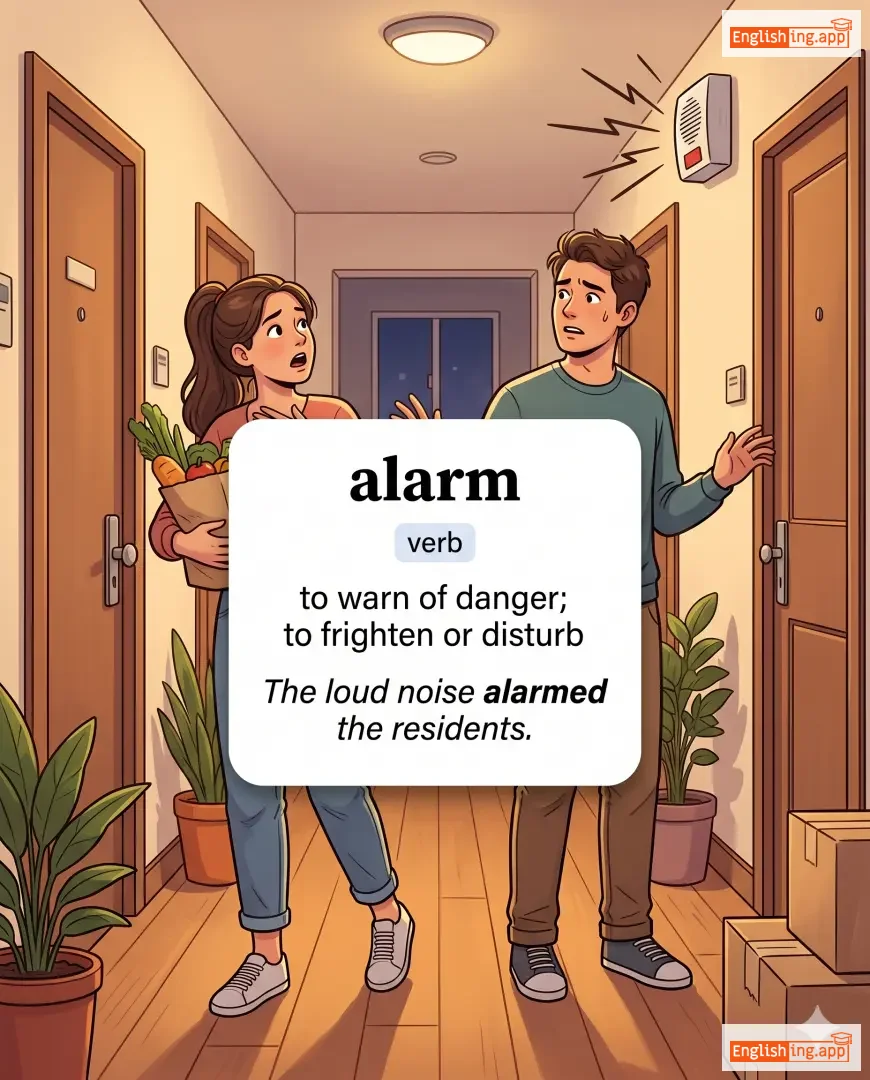
to warn of danger; to frighten or disturb
••••••
|
The loud noise alarmed the residents.
巨响吓到了居民。
••••••
|
巨响吓到了居民。
ju xiang xia dao le ju min
••••••
|
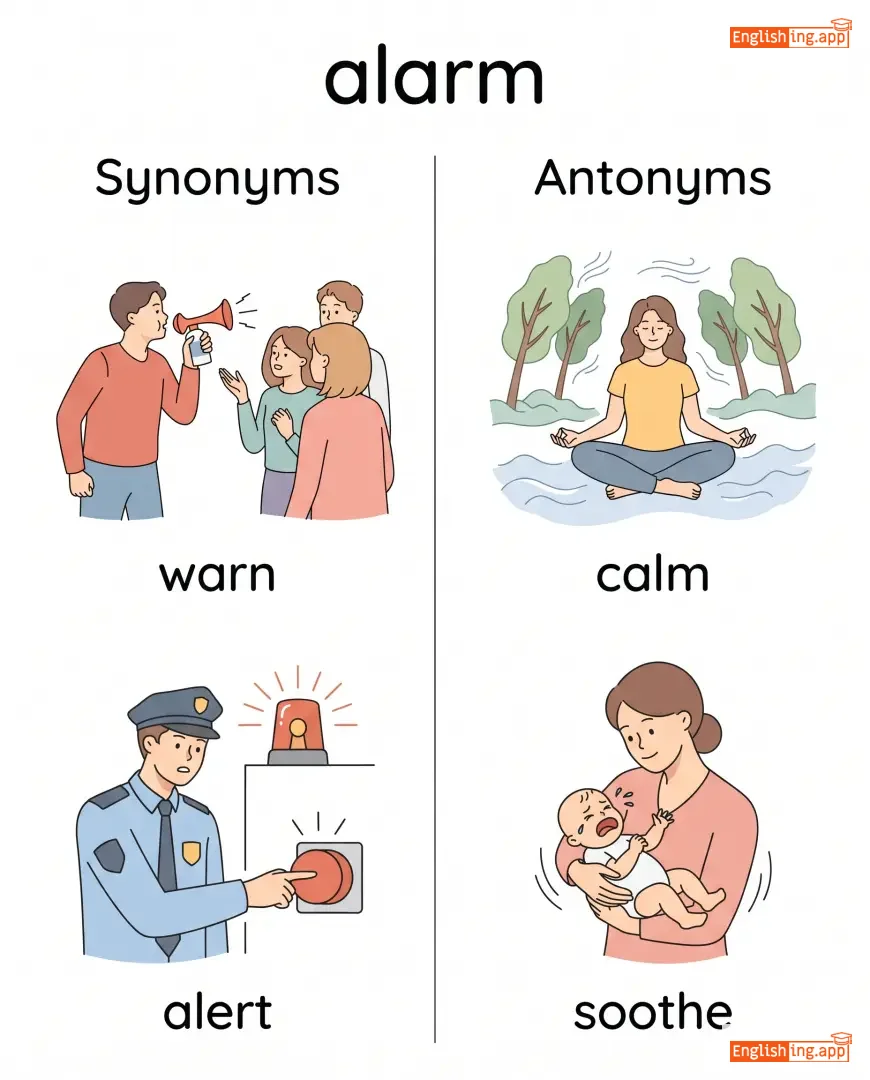
warn, alert, frighten, startle
••••••
|
calm, soothe, reassure, comfort
••••••
|
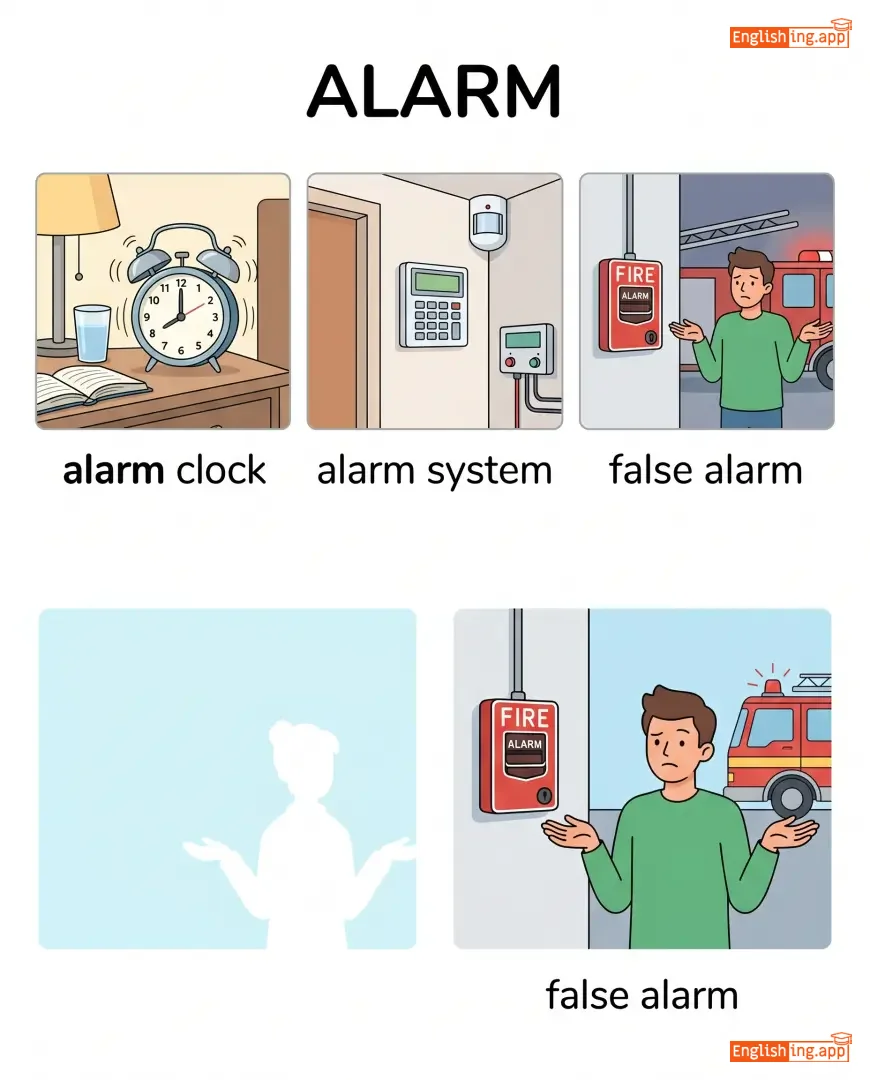
alarm clock, alarm system, false alarm, raise alarm
••••••
|
啊啦 alarm, 警报来了: 惊吓 danger 让 residents 跑起来
••••••
|
|
#22
💨
|
/bloʊ/
verb
(布洛)
••••••
|
|
吹
chui
••••••
|
blew
布鲁
••••••
|
blown
布隆
••••••
|
blows
布洛兹
••••••
|
blowing
布洛英
••••••
|
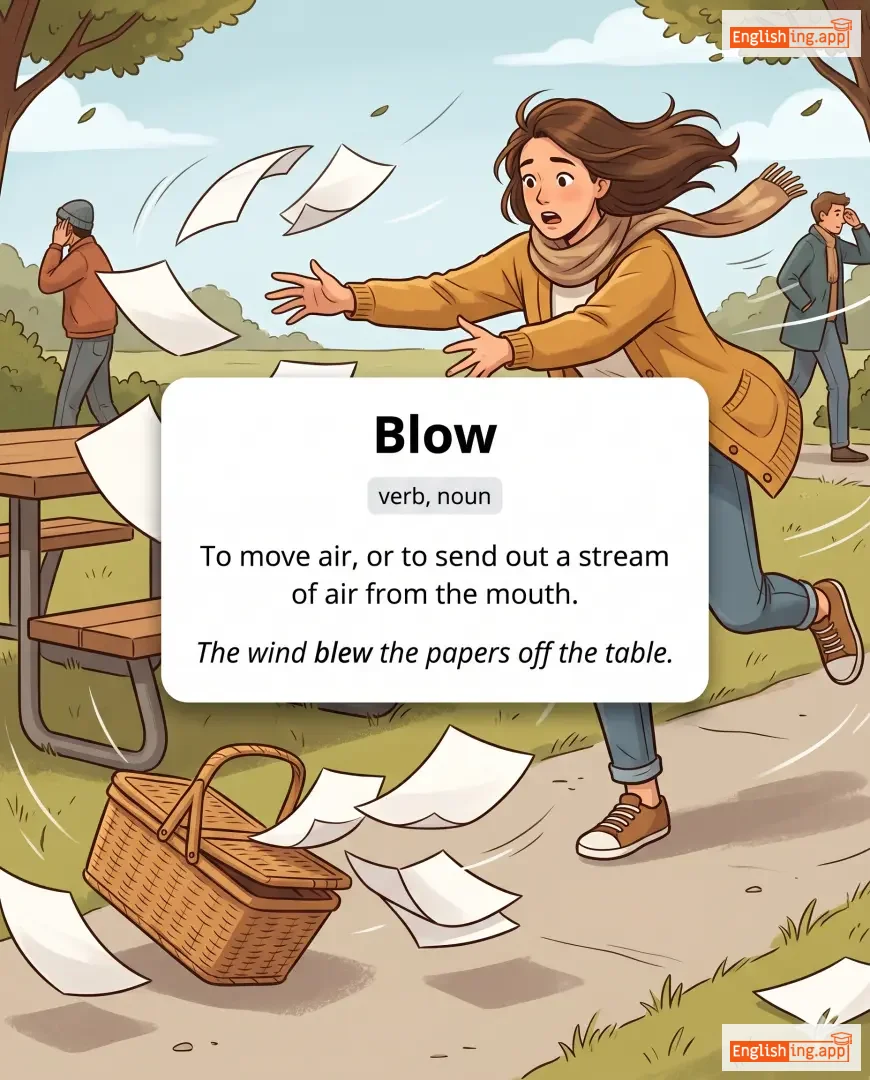
to move air; to explode; to waste an opportunity
••••••
|
The wind blows through the trees.
风吹过树木。
••••••
|
风吹过树木。
Feng chui guo shumu.
••••••
|
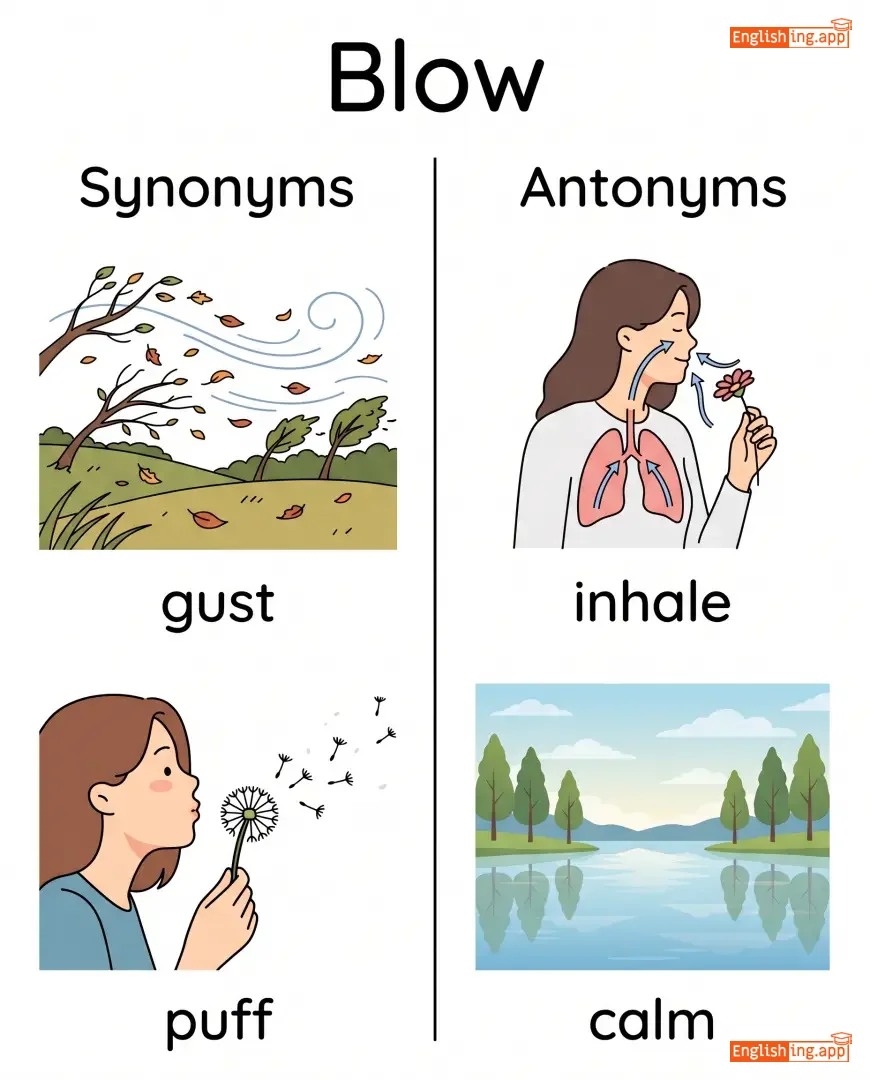
gust, breathe, explode, waste
••••••
|
inhale, suck, preserve
••••••
|
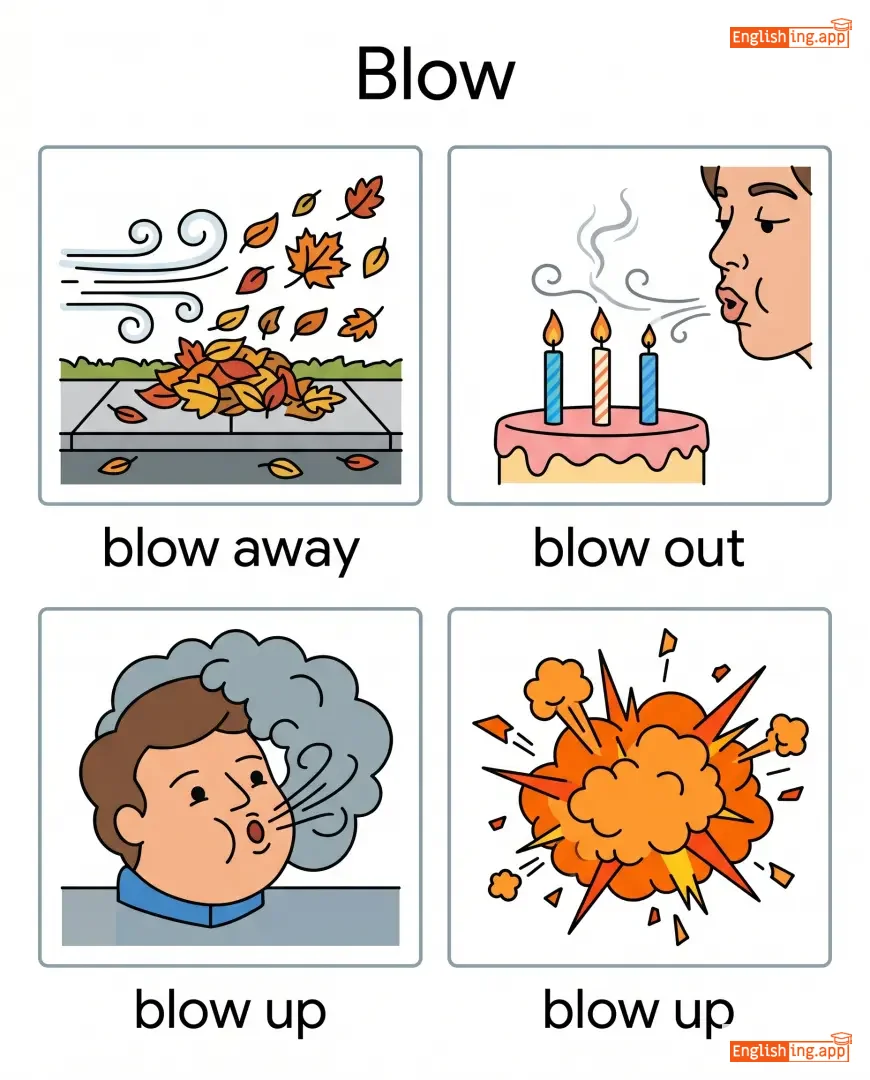
blow away, blow up, blow out, blow hard
••••••
|
吹气—像风一样吹动空气
••••••
|
|
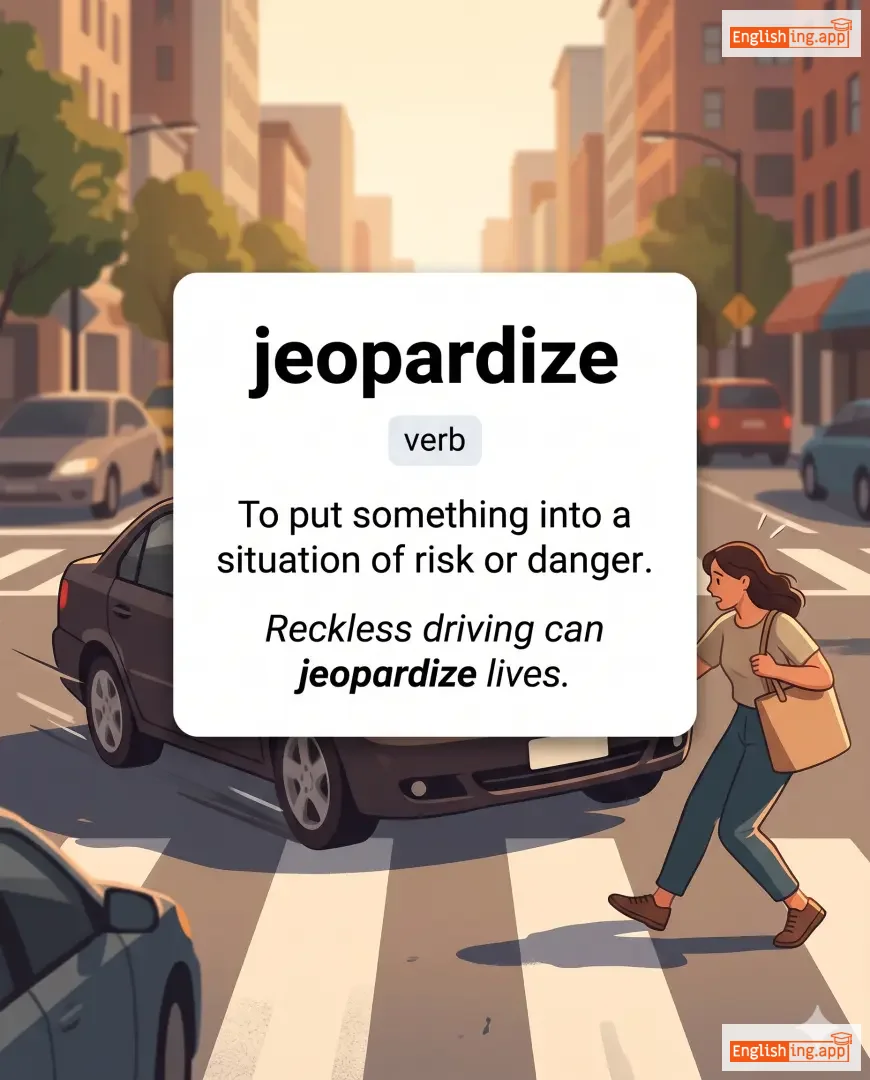
#23
⚠️
|
/ˈdʒepərdaɪz/
verb
(杰奥帕代兹)
••••••
|
|
危及
wéijí
••••••
|
jeopardized
杰奥帕代兹德
••••••
|
jeopardized
杰奥帕代兹德
••••••
|
jeopardizes
杰奥帕代泽斯
••••••
|
jeopardizing
杰奥帕代兹英
••••••
|
to put something at risk of being damaged or destroyed
••••••
|
His reckless behavior could jeopardize his career.
他鲁莽的行为可能会危及他的职业生涯。
••••••
|
他鲁莽的行为可能会危及他的职业生涯。
Tā lùmáng de xíngwéi kěnéng huì wéijí tā de zhíyè shēngyá.
••••••
|
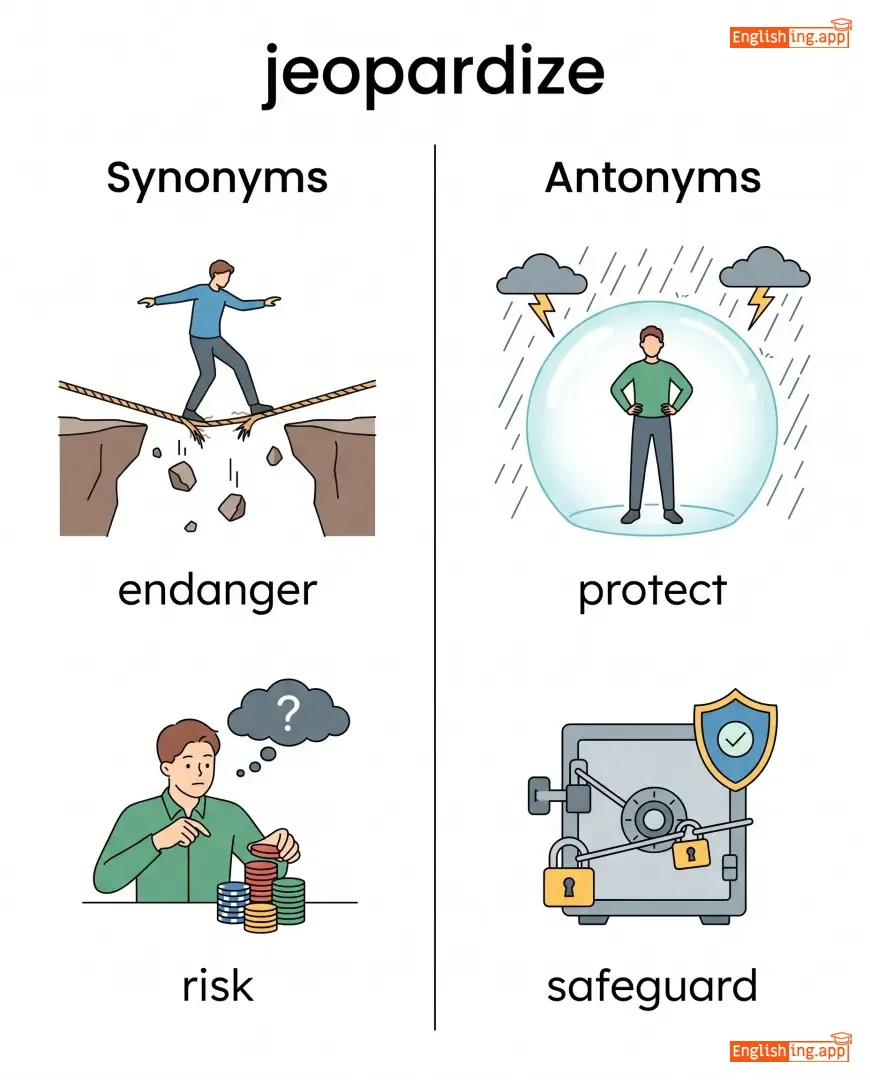
endanger, threaten, risk, compromise, imperil
••••••
|
protect, safeguard, secure, preserve, defend
••••••
|
jeopardize safety, jeopardize career, jeopardize chances, jeopardize relationship
••••••
|
危及 - 把某物放在危险之中
••••••
|
|
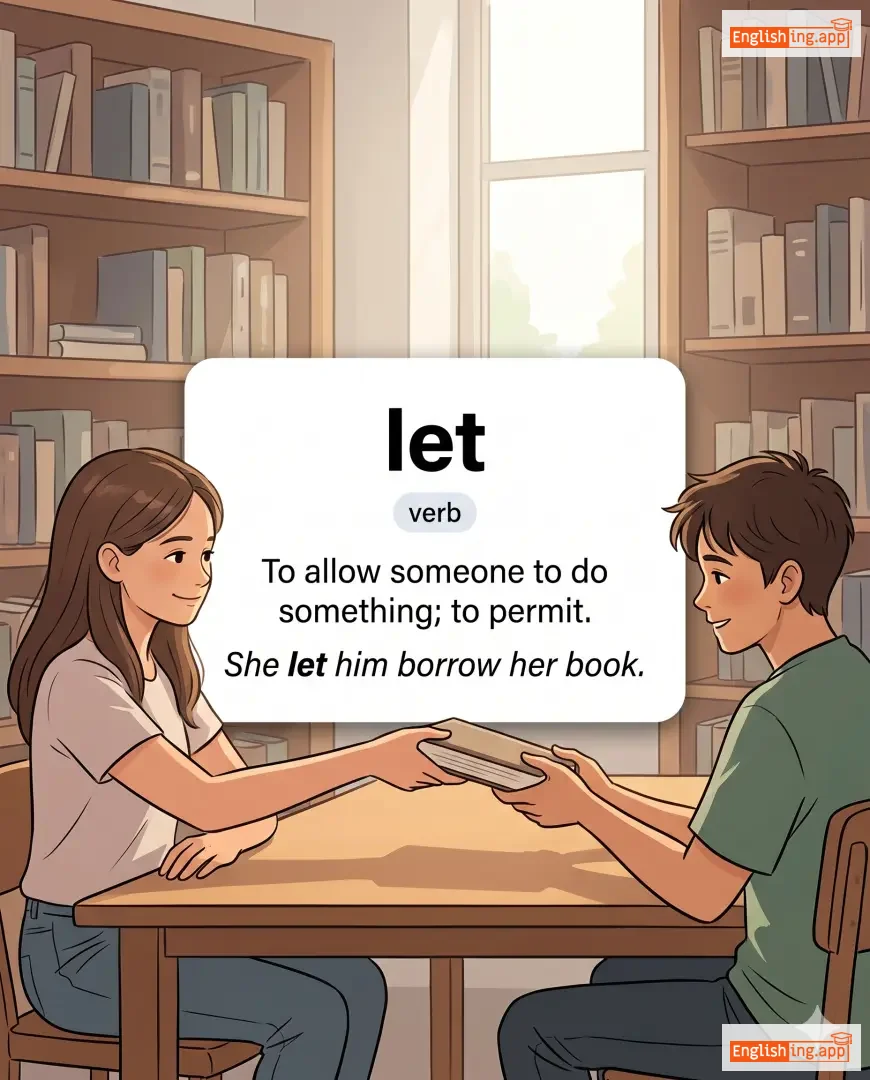
#24
✅
|
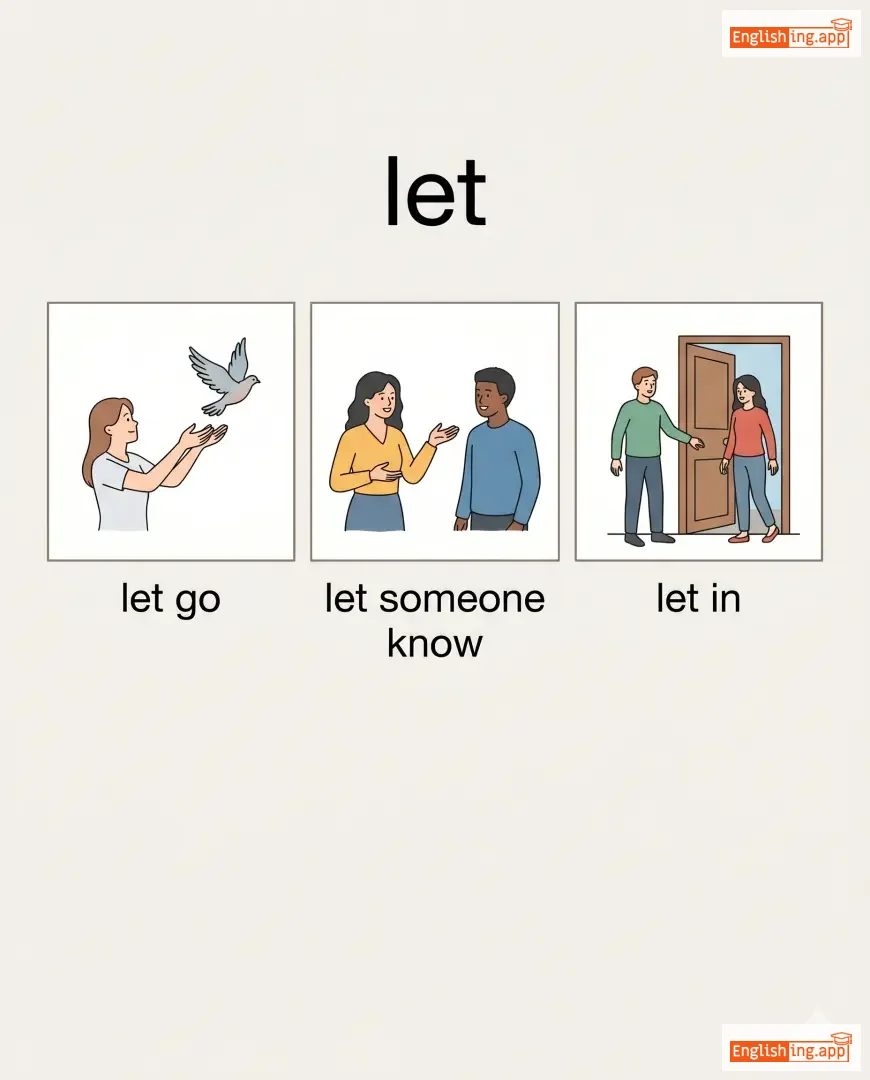
/let/
verb
(लेट)
••••••
|
|
允许
yunxu
••••••
|
let
लेट
••••••
|
let
लेट
••••••
|
lets
लेट्स
••••••
|
letting
लेटिंग
••••••
|
to allow someone to do something; to give permission
••••••
|
Please let me help you with that task.
请让我帮助你完成这项任务。
••••••
|
请让我帮助你完成这项任务。
Qing rang wo bangzhu ni wancheng zhexiang renwu.
••••••
|
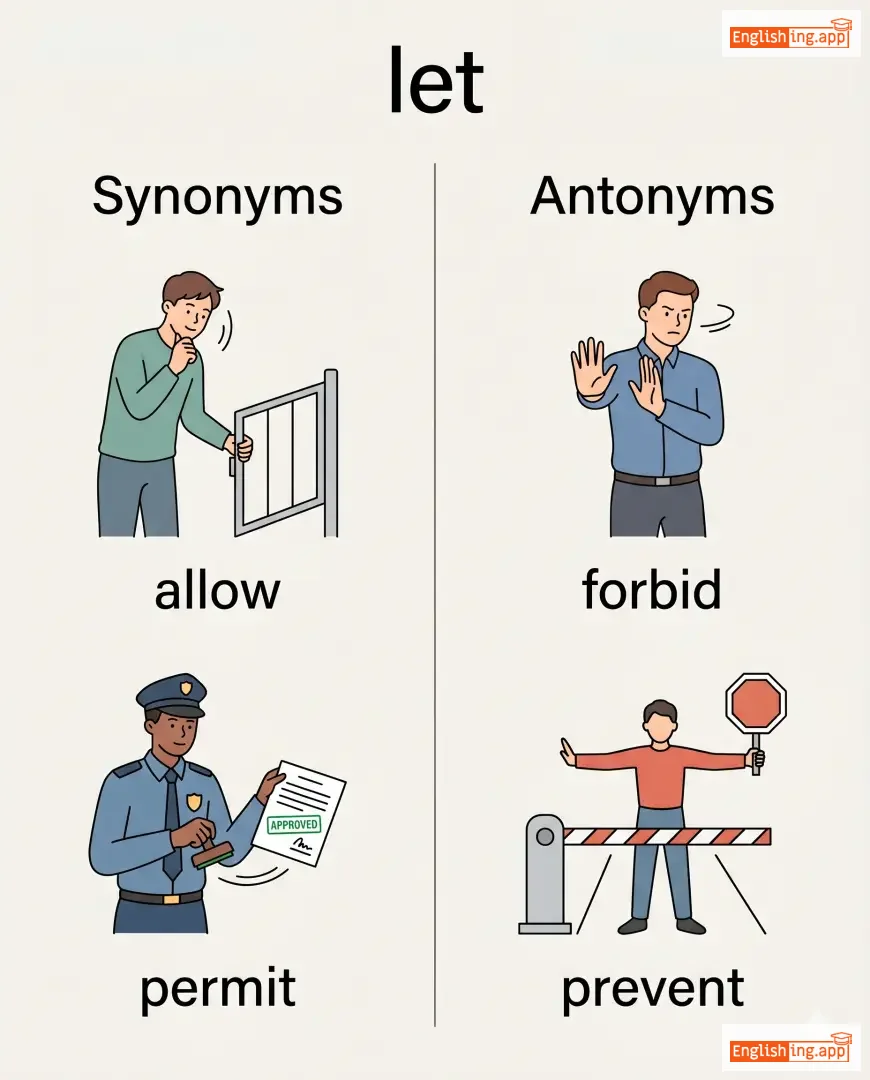
allow, permit, enable, authorize
••••••
|
forbid, prevent, stop, prohibit
••••••
|
let go, let down, let in, let out
••••••
|
Happiness comes when you let others be part of the journey.
••••••
|
|
#25
💀
|
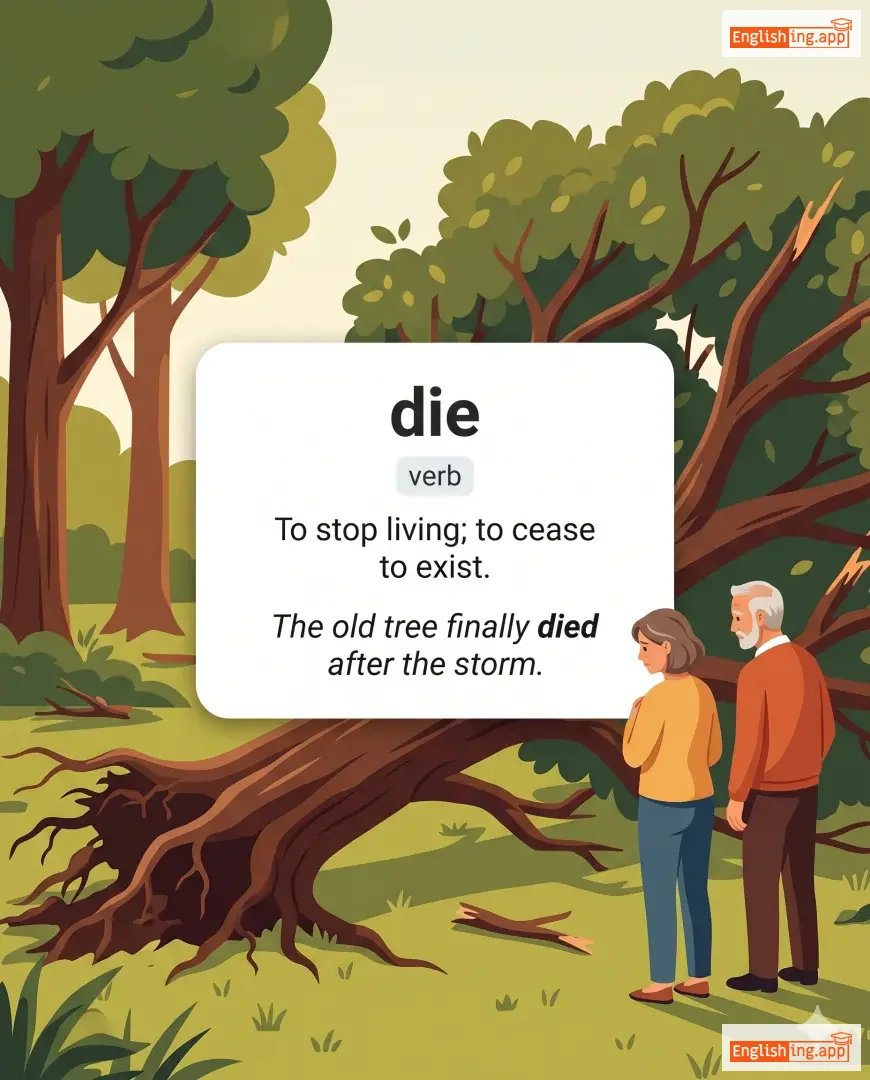
/daɪ/
verb
(dai)
••••••
|
|
死
si
••••••
|
died
daid
••••••
|
died
daid
••••••
|
dies
dais
••••••
|
dying
daiing
••••••
|
to stop living; to cease to exist
••••••
|
The flowers will die without water.
dī huā ér shì xiàng wū guī bìng bù yào shuǐ.
••••••
|
花儿没有水就会死。
Hua er meiyou shui jiu hui si.
••••••
|
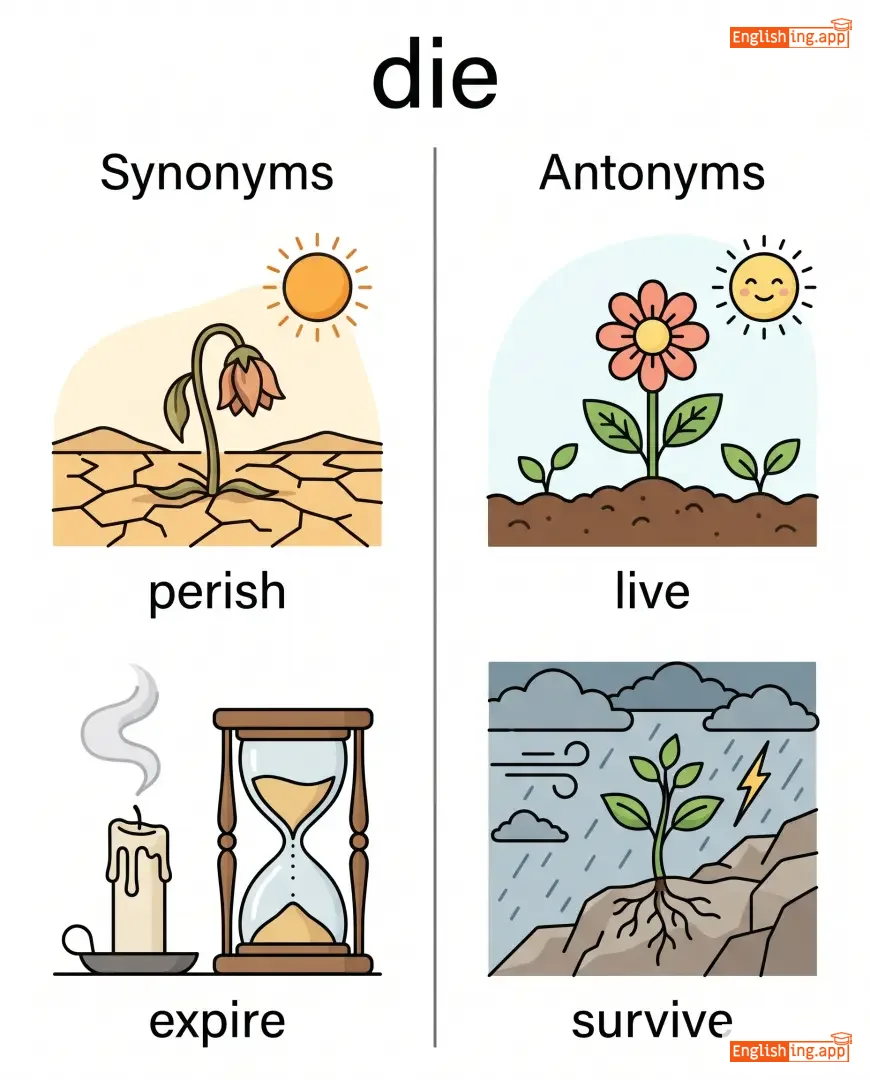
perish, expire, pass away, decease
••••••
|
live, survive, thrive, flourish
••••••
|
die young, die suddenly, die peacefully, die from illness
••••••
|
In Chinese, '死' means 'to die', just like flowers die without water.
••••••
|
|
#26
🔒
|
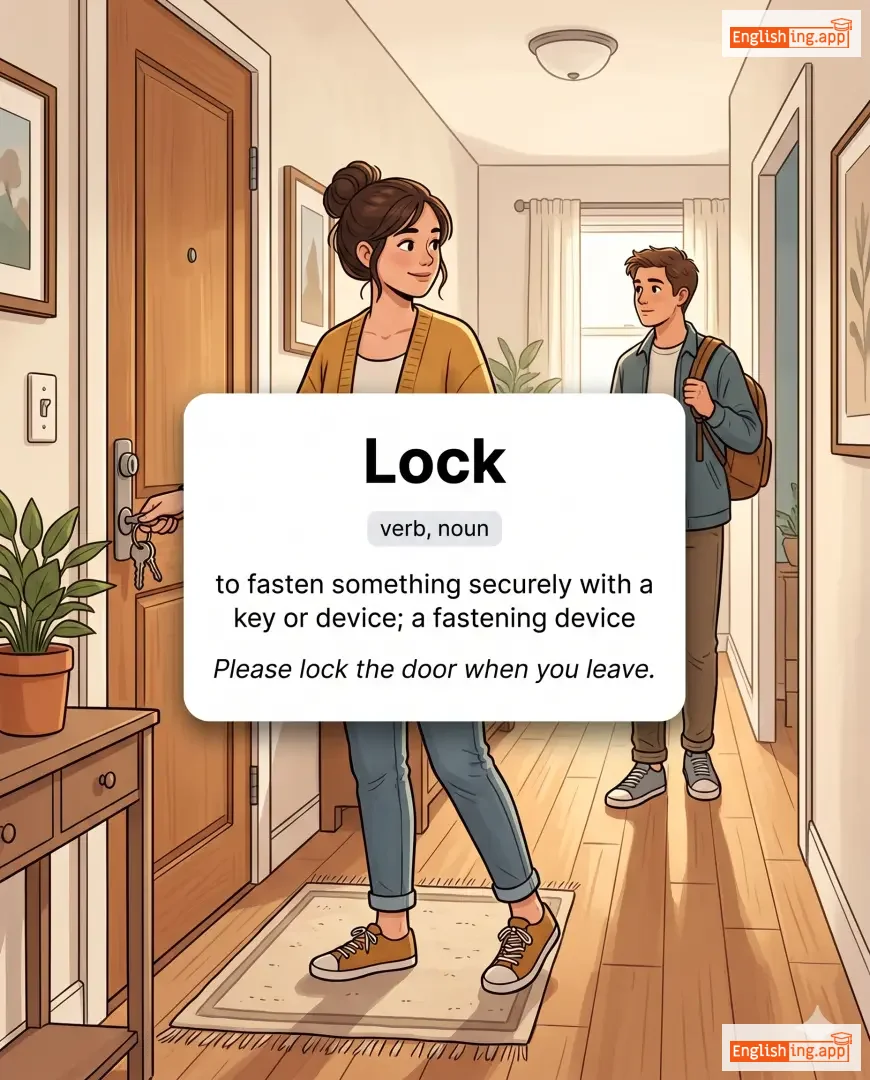
/lɑːk/
verb
(lòk)
••••••
|
|
上锁
shàng suǒ
••••••
|
locked
lòkd
••••••
|
locked
lòkd
••••••
|
locks
lòks
••••••
|
locking
lòking
••••••
|
to secure something with a key or mechanism; to become fixed in position
••••••
|
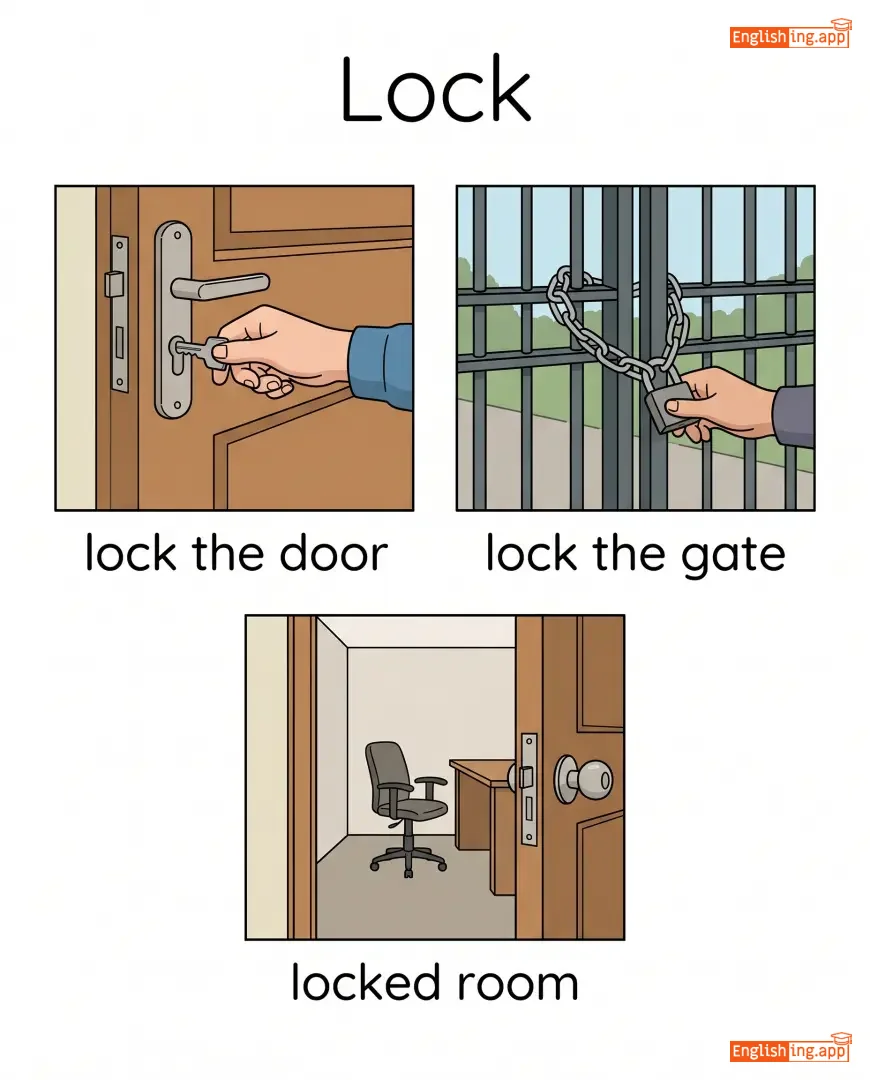
Don't forget to lock the door when you leave.
Dōngt fǒrgèt tú lòk zhé dòr wén yú lív.
••••••
|
离开时不要忘记锁门。
Líkāi shí bùyào wàngjì suǒmén.
••••••
|
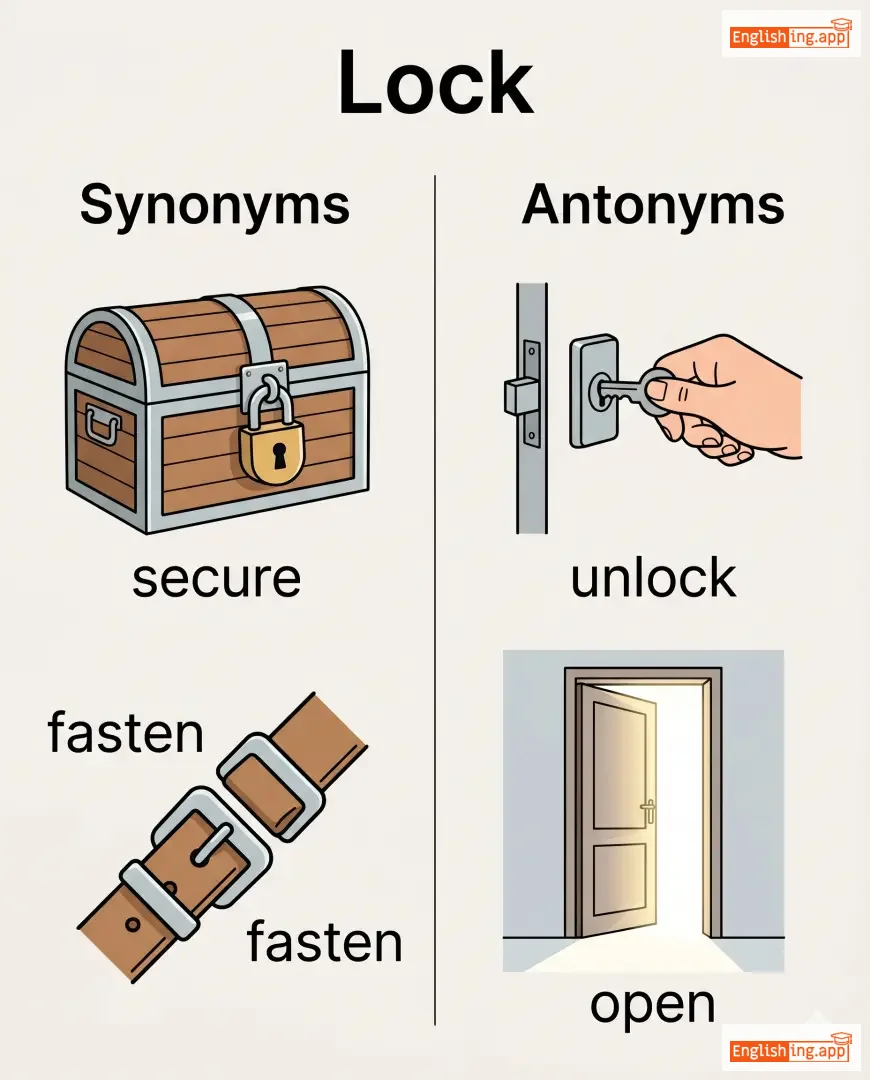
secure, fasten, bolt, seal, close
••••••
|
unlock, open, unfasten, release
••••••
|
lock door, lock up, lock away, lock securely
••••••
|
上锁或lock,安全必需!
••••••
|
|
#27
🦷
|
/baɪt/
verb
(bài)
••••••
|
|
咬
yǎo
••••••
|
bit
bì
••••••
|
bitten
bìtèn
••••••
|
bites
bàicè
••••••
|
biting
bàitīng
••••••
|
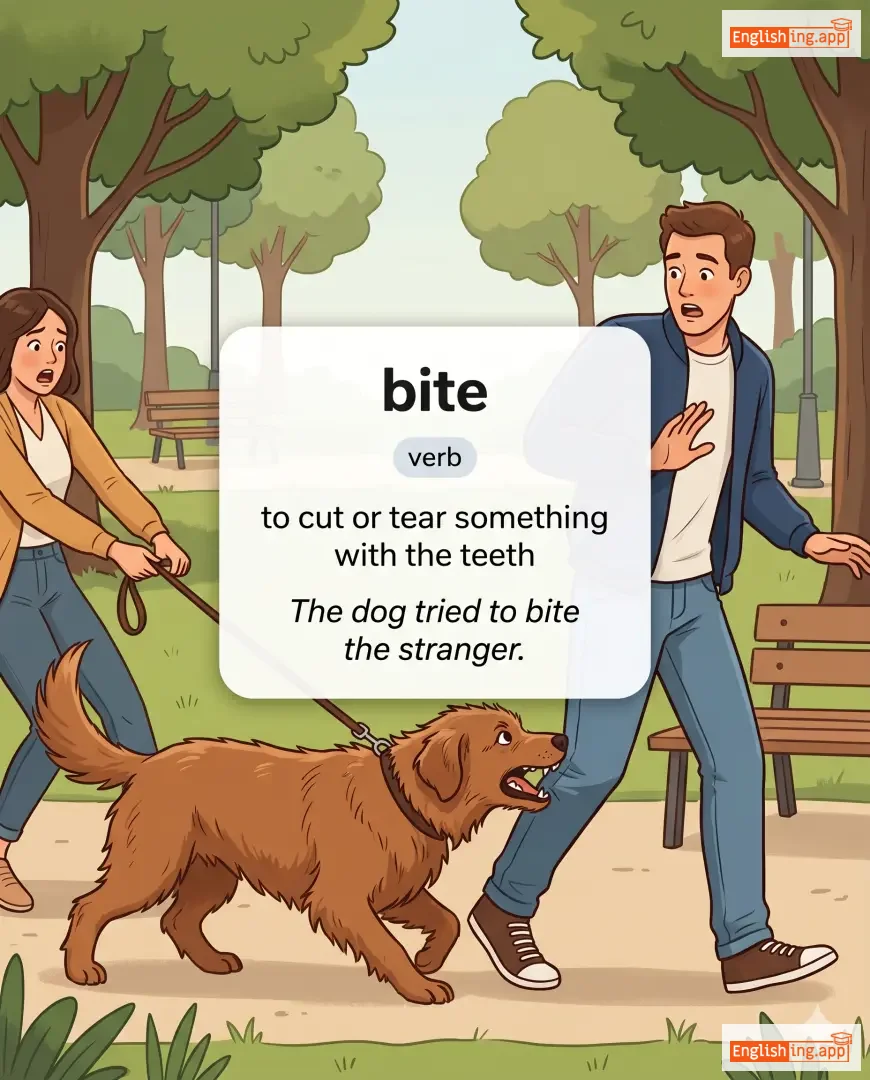
to cut with teeth; to have a sharp effect
••••••
|
The dog might bite if it feels threatened.
那只狗可能会咬,如果它感到受到威胁。
••••••
|
那只狗可能会咬,如果它感到受到威胁。
Nà zhī gǒu kěnéng huì yǎo, rúguǒ tā gǎndào shòudào wēixié.
••••••
|
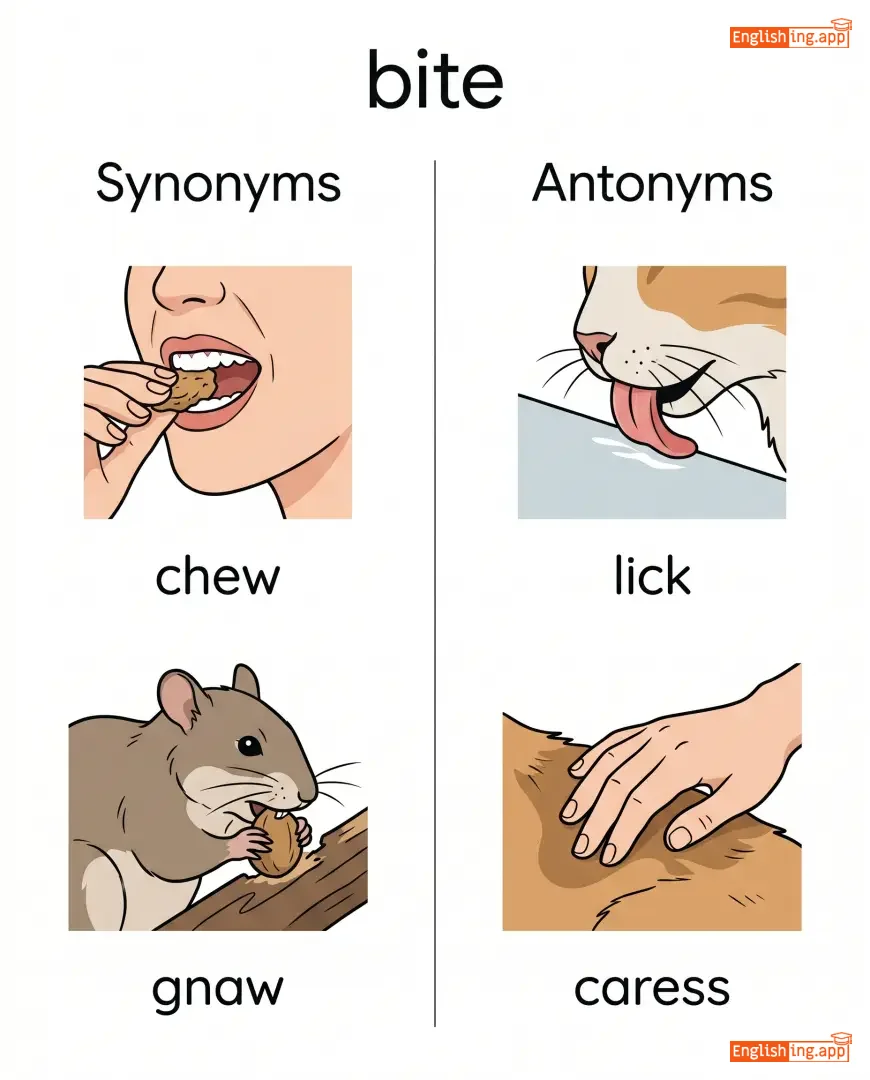
nip, chew, snap, sting
••••••
|
release, let go, soothe
••••••
|
bite hard, bite into, bite off, take a bite
••••••
|
咬一口像狗一样尖锐
••••••
|
|
#28
⚖️
|
/ˈreɡjəleɪt/
verb
(瑞格雷特)
••••••
|
|
监管;调节;规范;控制
regulate
••••••
|
regulated
瑞格雷特德
••••••
|
regulated
瑞格雷特德
••••••
|
regulates
瑞格雷特斯
••••••
|
regulating
瑞格雷丁
••••••
|
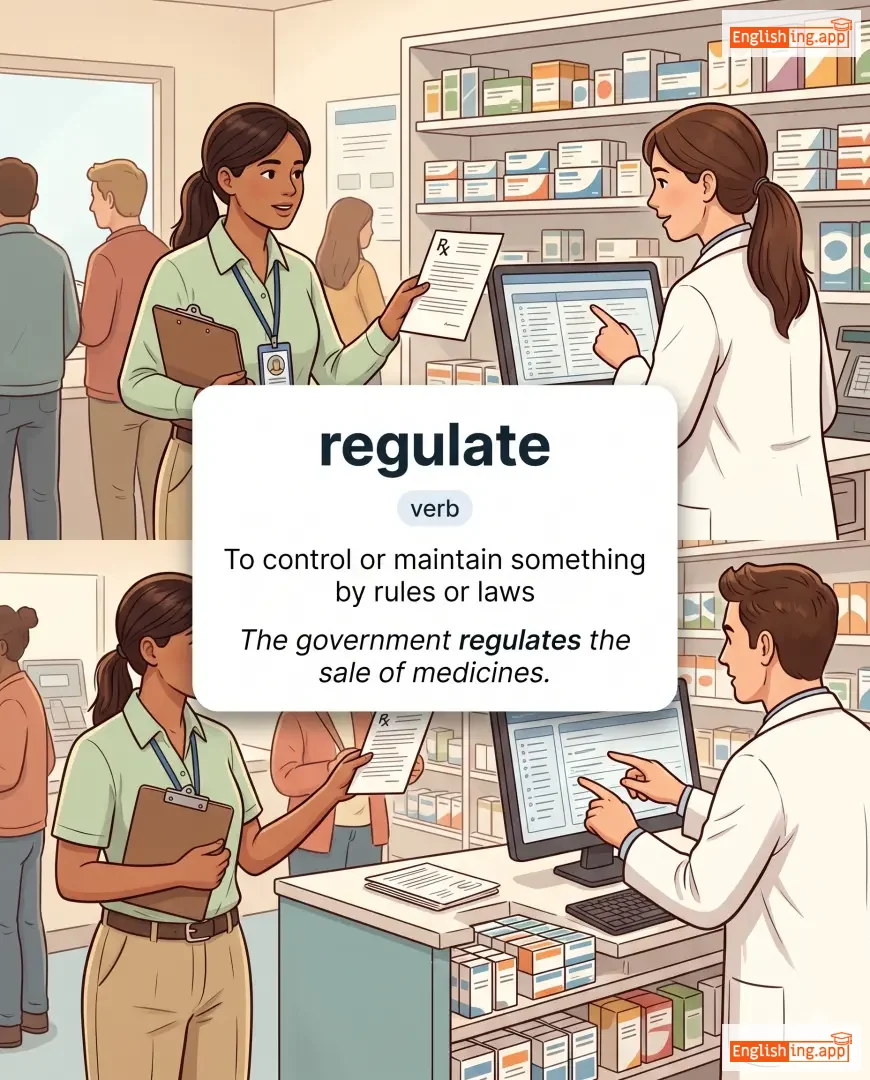
to control or maintain according to rules or laws
••••••
|
The government regulates food safety.
政府对食品安全进行监管。
••••••
|
政府对食品安全进行监管。
The government regulates food safety
••••••
|
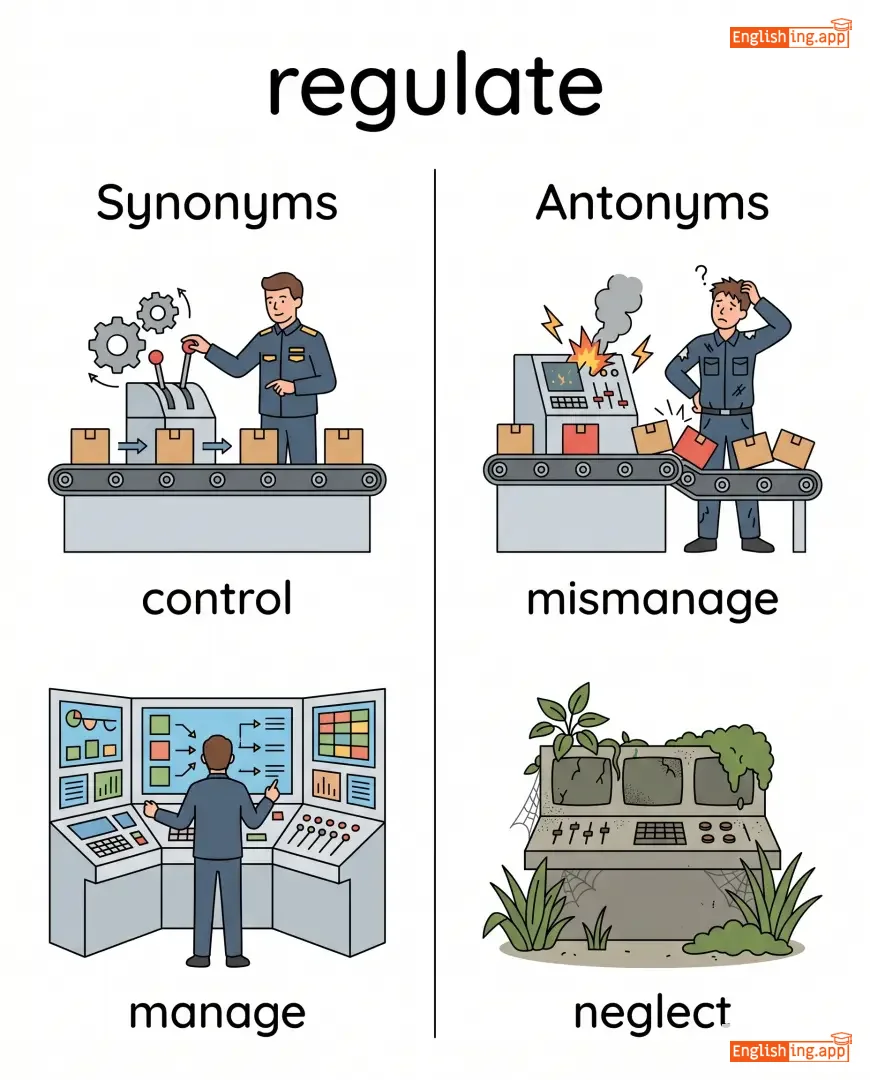
control, manage, govern, oversee
••••••
|
deregulate, free, liberate
••••••
|
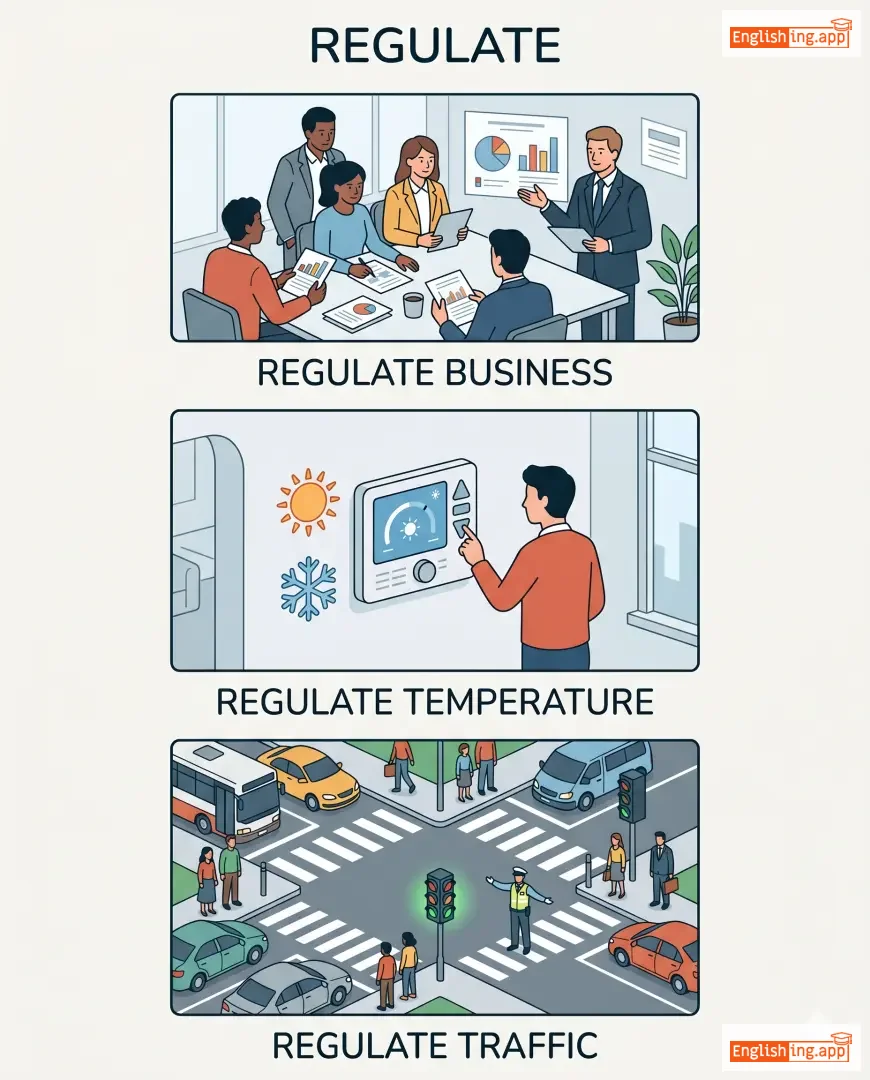
regulate industry, regulate temperature, regulate behavior, strictly regulate
••••••
|
Regulate mnemonic: ReGU Late, 规则来临就要 监管
••••••
|
|
#29
💰
|
/ˈhæɡəl/
verb
(hāgé)
••••••
|
|
讨价还价
tǎojiàhuánjià
••••••
|
haggled
hāgélè
••••••
|
haggled
hāgélè
••••••
|
haggles
hāgélè sī
••••••
|
haggling
hāgé liàng
••••••
|
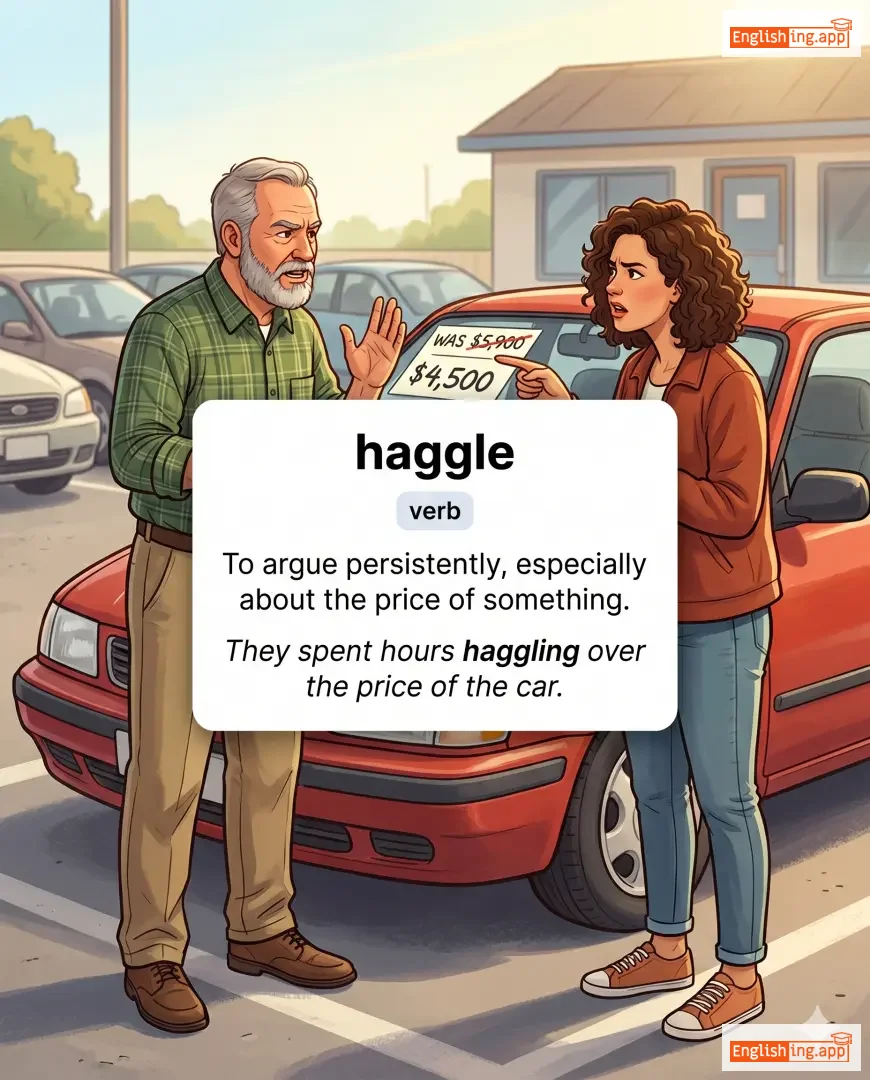
to argue about the price; to bargain persistently
••••••
|
They haggled over the price for an hour.
他们为价格讨价还价了一个小时。
••••••
|
他们为价格讨价还价了一个小时。
Tāmen wèi jiàgé tǎojiàhuánjià le yī gè xiǎoshí.
••••••
|
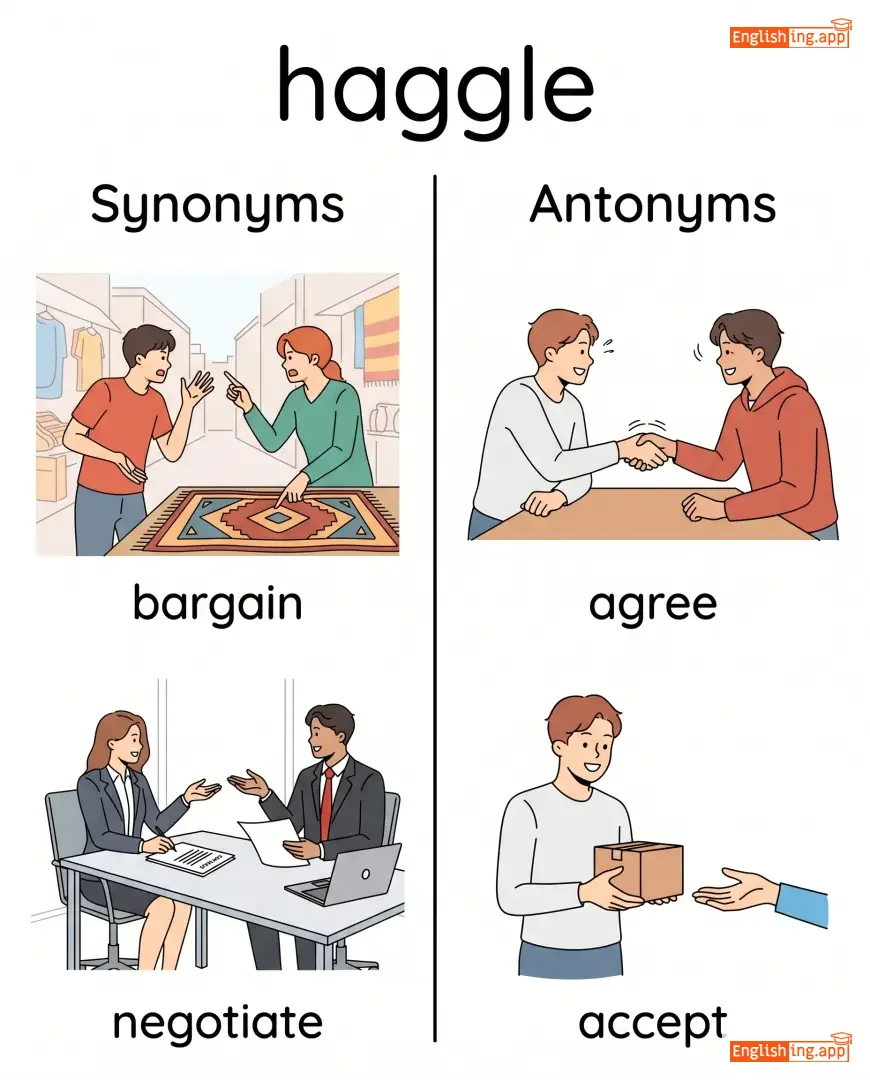
bargain, negotiate, barter, dicker
••••••
|
accept, agree, pay asking price, concede
••••••
|
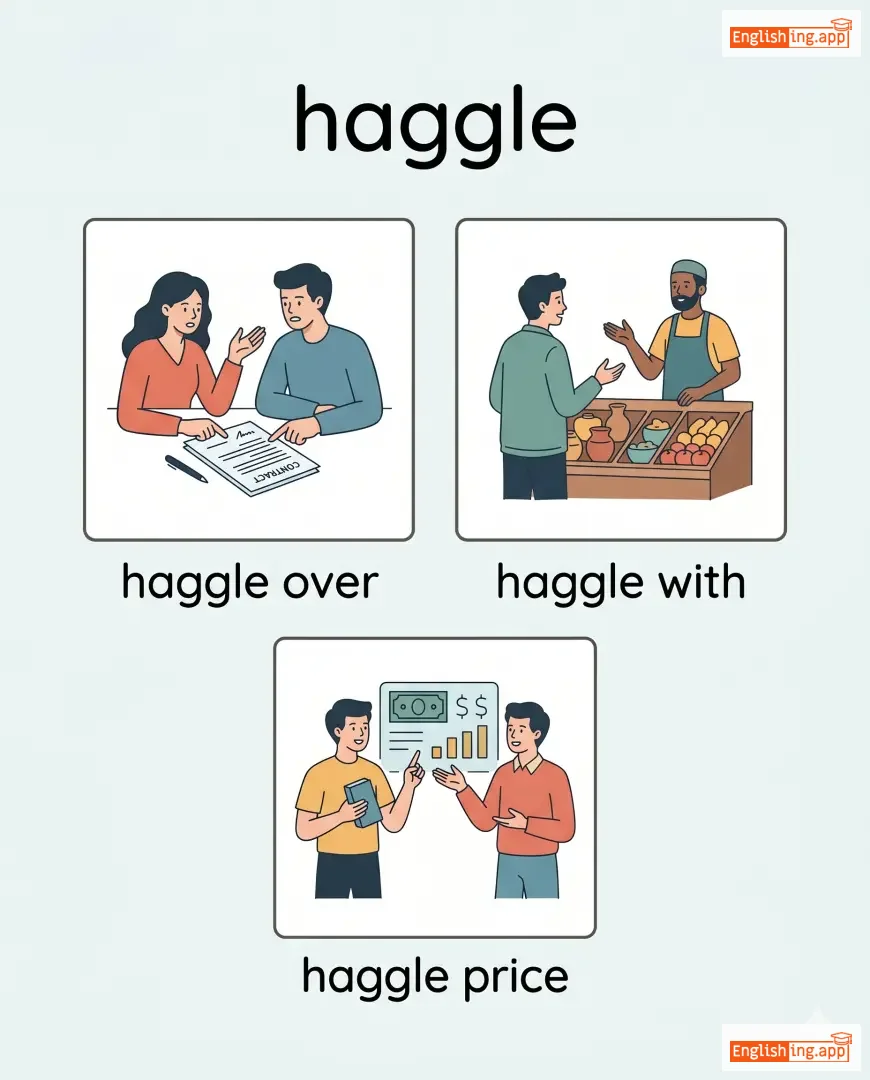
haggle over price, haggle with vendor, haggle fiercely, haggle for hours
••••••
|
讨价还价获得便宜价格
••••••
|
Vocabulary Quiz
Test your vocabulary by matching words with their translations or meanings.
Login to take the quiz
Comments (0)
Share your thoughts and join the discussion.
Join the discussion by logging in
Login to CommentNo comments yet
Be the first to share your thoughts!