




















Swipe left or right, or use the buttons. Tap image to zoom.
例句翻译
单词
Lesson 3: Mastering the Most Frequent Verbs & TensesLesson 3: Mastering the Most Frequent Verbs & Tenses - 遮罩切换
|
表情符号
|
单词 | Images | 翻译 | 过去时 | 过去分词 | 第三人称单数 | 动名词 | 含义 | 例句 | 例句翻译 | 同义词 | 反义词 | 搭配词 | 助记符 |
|---|---|---|---|---|---|---|---|---|---|---|---|---|---|---|
|
#60
🎯
|
/əˈkwaɪər/
verb
(ākuài'ěr)
••••••
|
|
获得
huòqǔ
••••••
|
acquired
huòqǔ
••••••
|
acquired
huòqǔ
••••••
|
acquires
huòqǔ
••••••
|
acquiring
huòqǔ zhōng
••••••
|
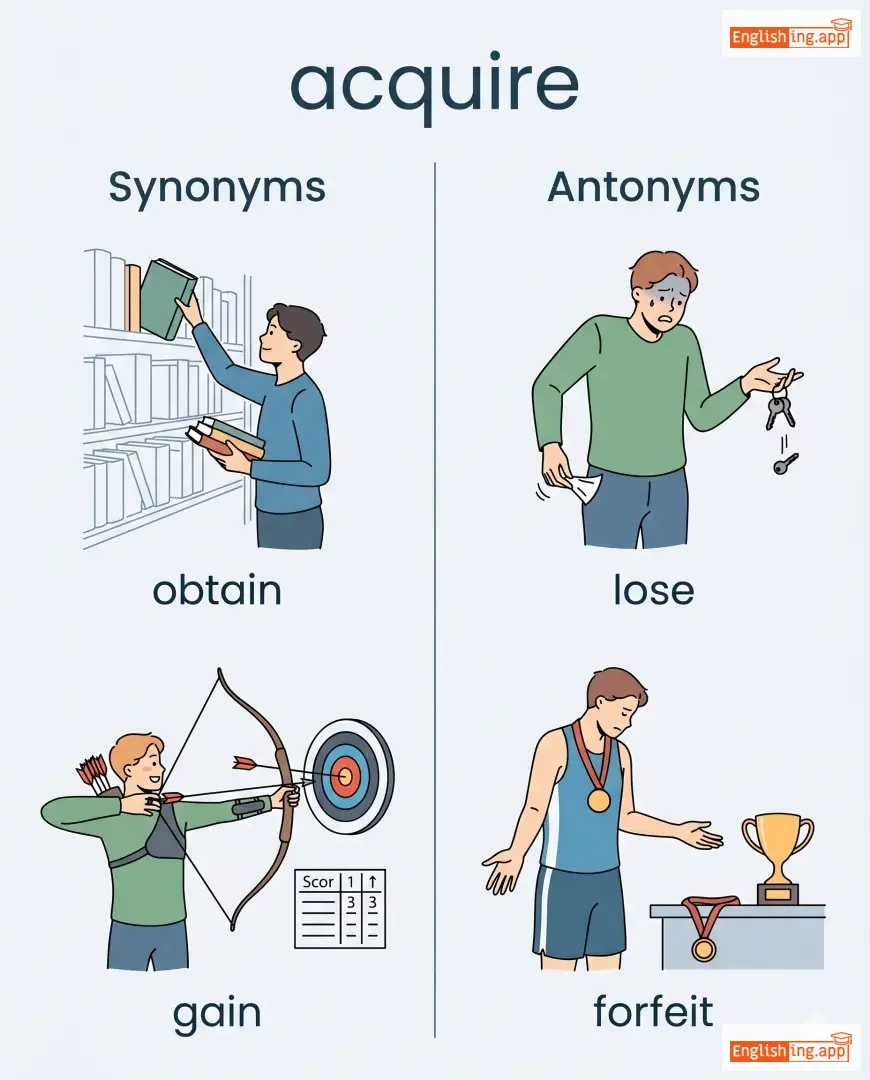
to gain or obtain something; to learn or develop a skill
••••••
|
He acquired new skills through practice.
他通过练习获得了新技能。
••••••
|
他通过练习获得了新技能。
Tā tōngguò liànxí huòqǔ le xīn jìnéng.
••••••
|
gain, obtain, get, learn, develop
••••••
|
lose, give up, abandon
••••••
|
acquire skills, acquire knowledge, acquire property, acquire experience
••••••
|
Acquiring new skills is like gaining something valuable through practice.
••••••
|
|
#61
🔄
|
/trænsˈfɔːrm/
verb
(转变)
••••••
|
|
改变
gai bian
••••••
|
transformed
转变了
••••••
|
transformed
转变了
••••••
|
transforms
转变
••••••
|
transforming
转变中
••••••
|
to change completely; to make different in form or appearance
••••••
|
Technology will transform our lives.
科技将改变我们的生活。
••••••
|
科技将改变我们的生活。
Keji jiang gaibian women de shenghuo
••••••
|
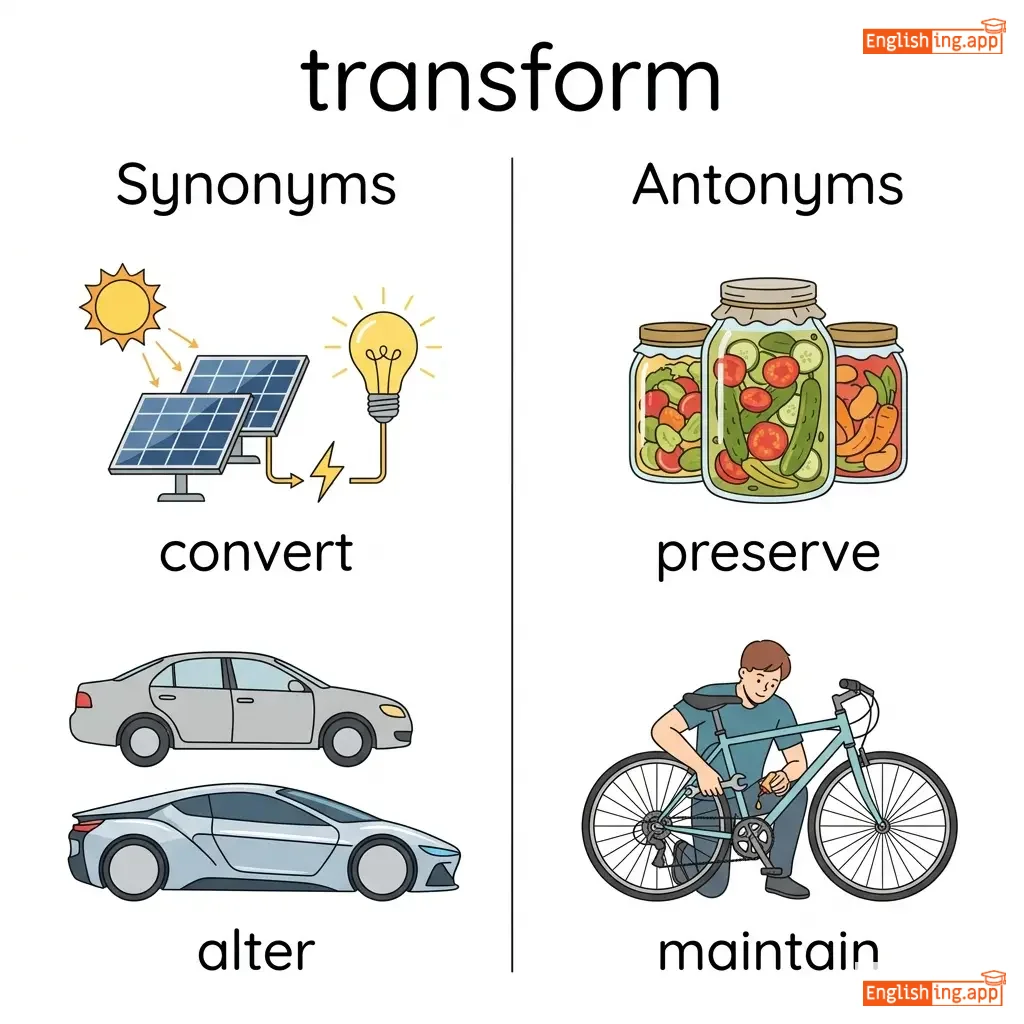
change, convert, alter, modify
••••••
|
preserve, maintain, keep
••••••
|
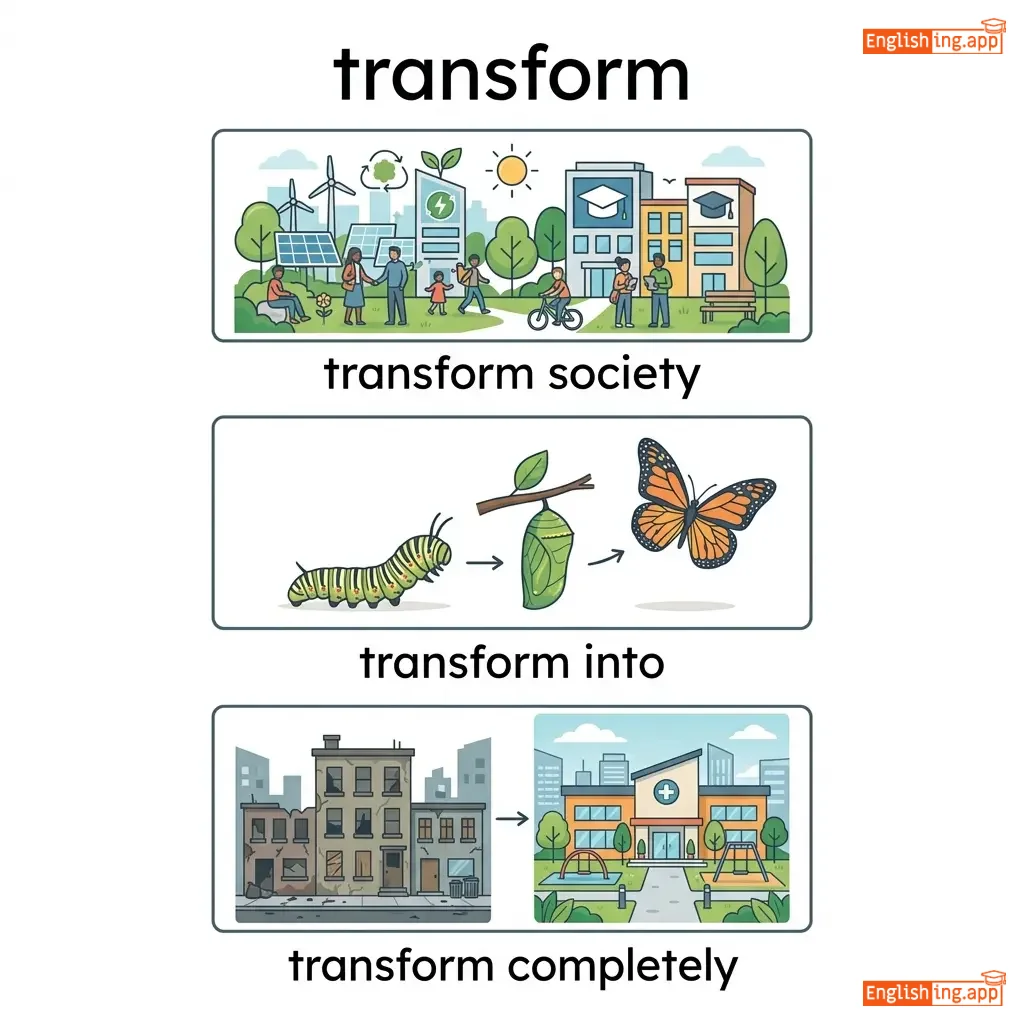
transform completely, transform business, transform society, transform life
••••••
|
Transforming lives with technology - a future of change!
••••••
|
|
#62
🧪
|
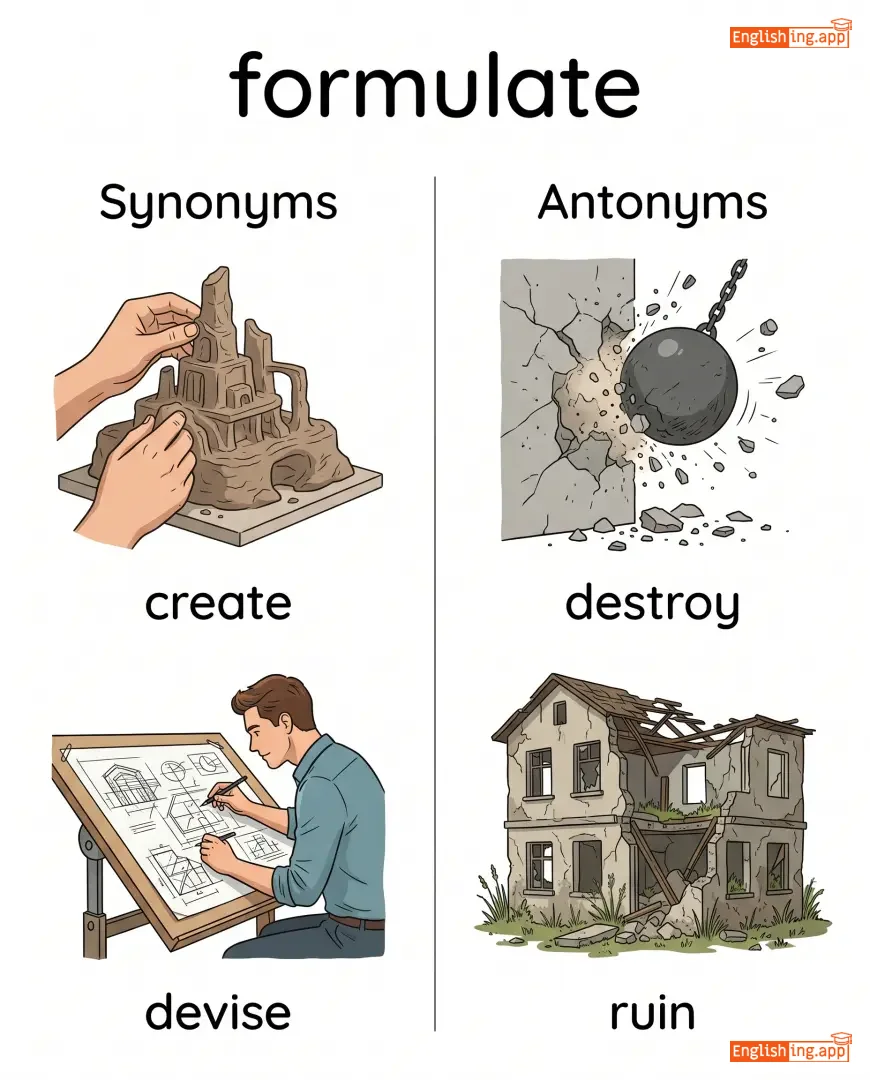
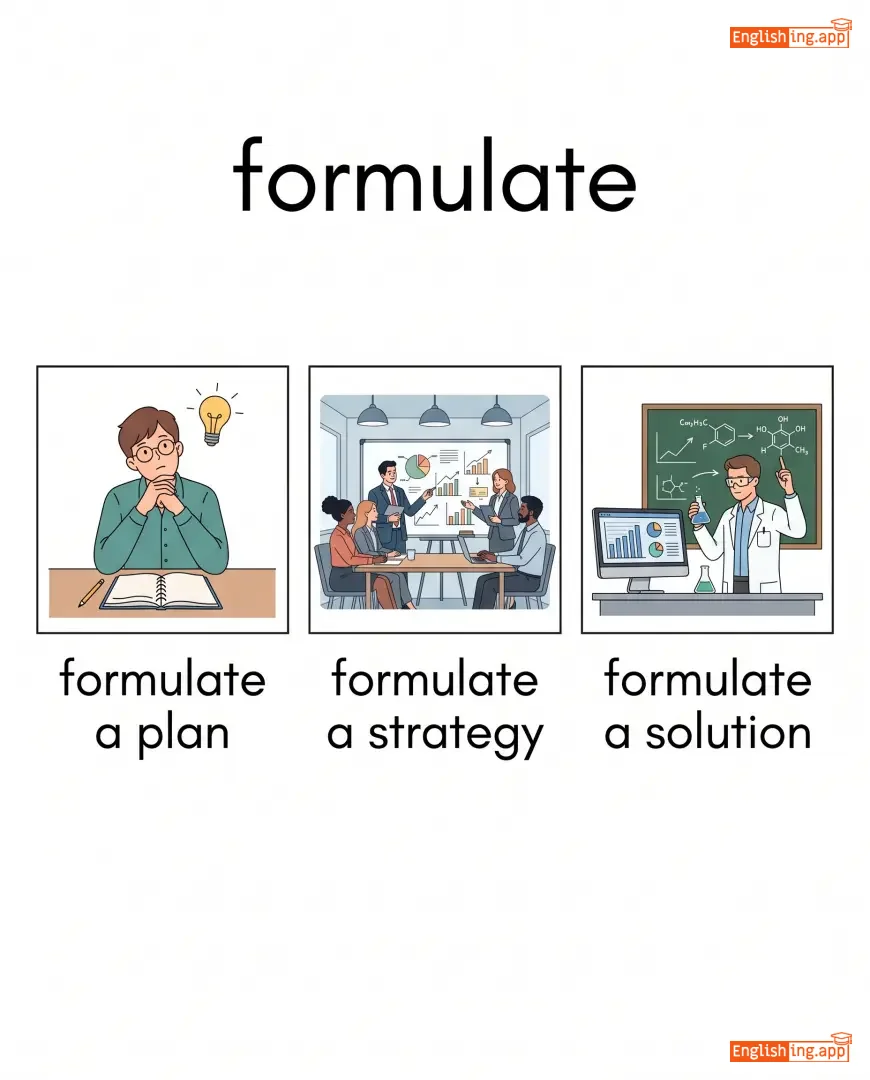
/ˈfɔːrmjʊleɪt/
verb
(公式化)
••••••
|
|
制定,方法性地创造
zhìdìng, fāngfǎxìng de chuàngzào
••••••
|
formulated
已公式化
••••••
|
formulated
已公式化
••••••
|
formulates
公式化
••••••
|
formulating
公式化中
••••••
|
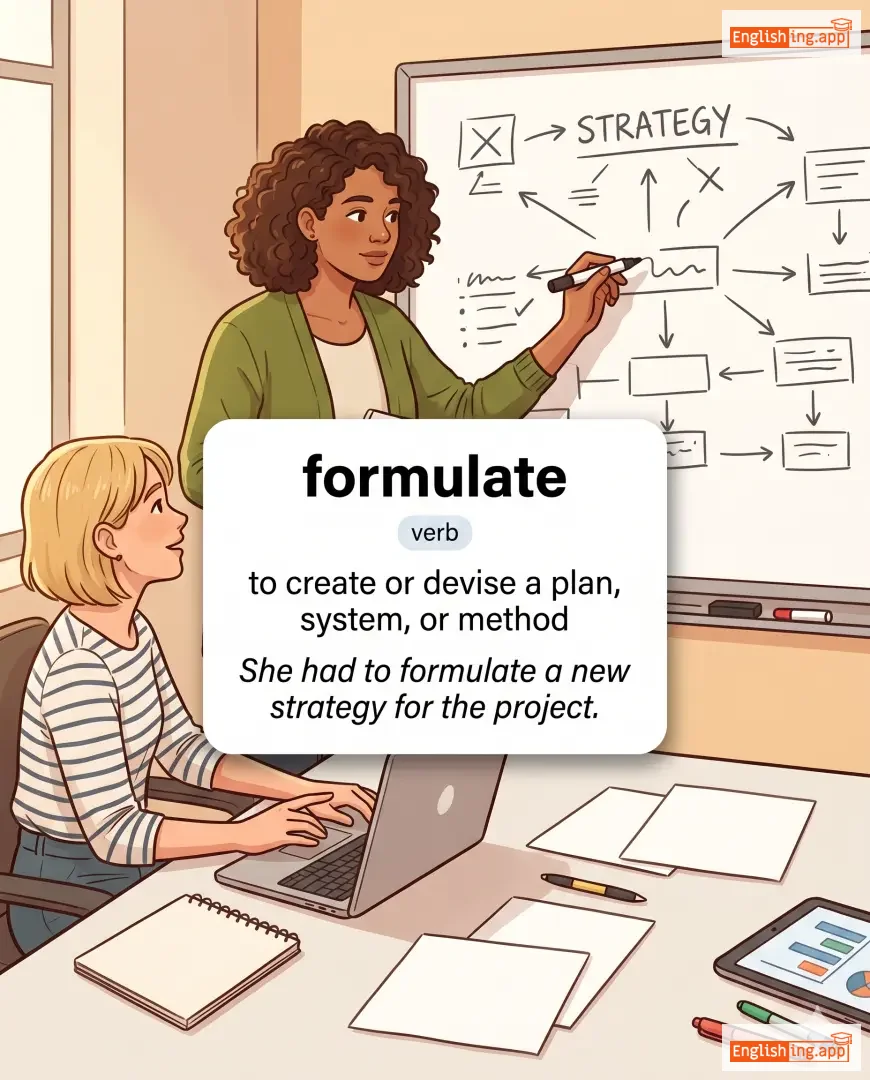
to create or devise methodically; to express in a formula
••••••
|
Scientists formulated a new theory about climate change.
科学家们制定了一个新的气候变化理论。
••••••
|
科学家们制定了一个新的气候变化理论。
Kēxuéjiāmen zhìdìngle yīgè xīn de qìhòu biànhuà lǐlùn.
••••••
|
devise, create, develop, design
••••••
|
destroy, dismantle, dissolve, abandon
••••••
|
formulate plan, formulate strategy, formulate theory, formulate policy
••••••
|
Formulate = 公式化的方法
••••••
|
|
#63
✍️
|
/spɛl/
verb
(海皮尼斯)
••••••
|
- •••••• |
拼写
pīnxiě
••••••
|
spelled
拼写
••••••
|
spelled
拼写
••••••
|
spells
拼写
••••••
|
spelling
拼写中
••••••
|
to write or name the letters of a word in order; to mean or result in something
••••••
|
Can you spell your name for me?
你能为我拼写你的名字吗?
••••••
|
你能为我拼写你的名字吗?
Nǐ néng wèi wǒ pīnxiě nǐ de míngzì ma?
••••••
|
write, form letters, indicate, mean
••••••
|
misspell
••••••
|
spell correctly, spell out, spell word, spell name
••••••
|
拼写就像说出每个字母一样。
••••••
|
|
#64
👁️
|
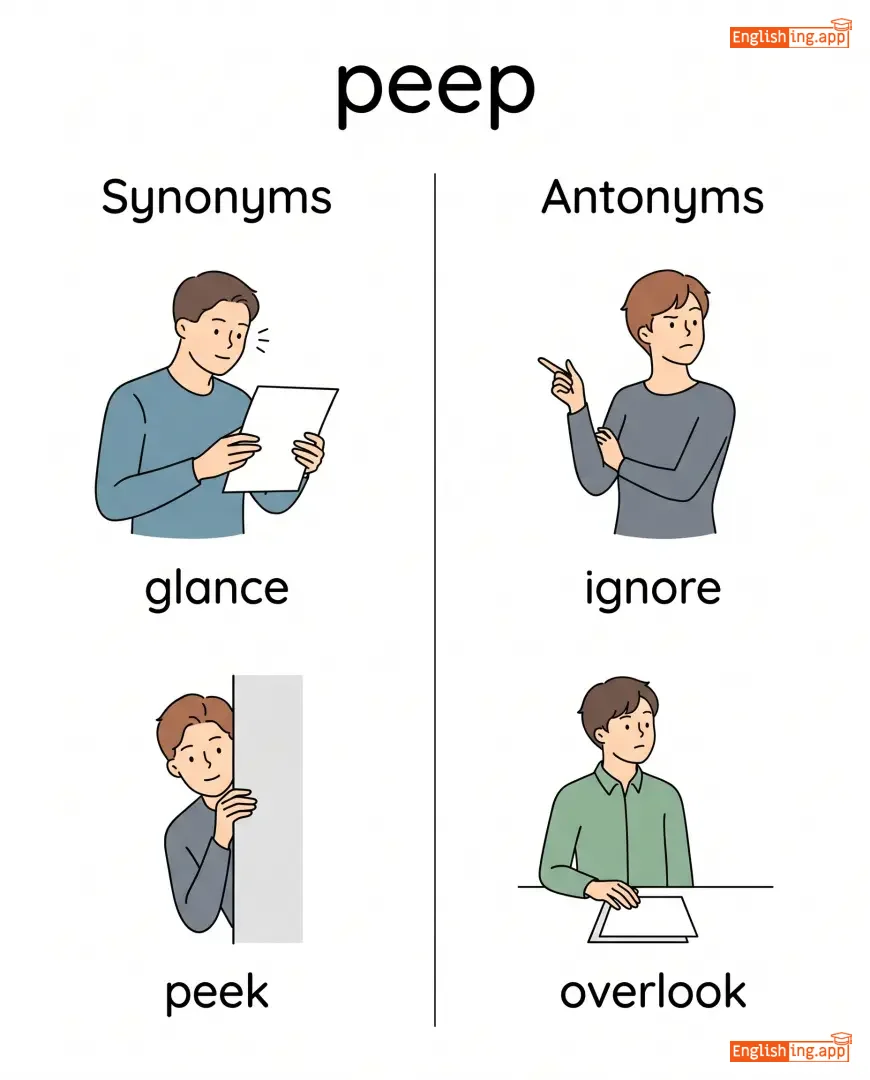
/piːp/
verb
(pīp)
••••••
|
|
偷看
tōukàn
••••••
|
peeped
pīpd
••••••
|
peeped
pīpd
••••••
|
peeps
pīps
••••••
|
peeping
pīpíng
••••••
|
to look quickly or secretly; to make a short high sound
••••••
|
The child tried to peep through the keyhole.
孩子试图透过钥匙孔窥视。
••••••
|
孩子试图透过钥匙孔窥视。
Háizi shìtú tòuguò yàoshi kǒng kuīshì.
••••••
|
peek, glance, spy, chirp
••••••
|
stare, gaze, ignore, overlook
••••••
|
peep through, peep out, take a peep, peep at
••••••
|
偷看就是像 ‘peep’ 一样通过钥匙孔快速看一眼。
••••••
|
|
#65
👆
|
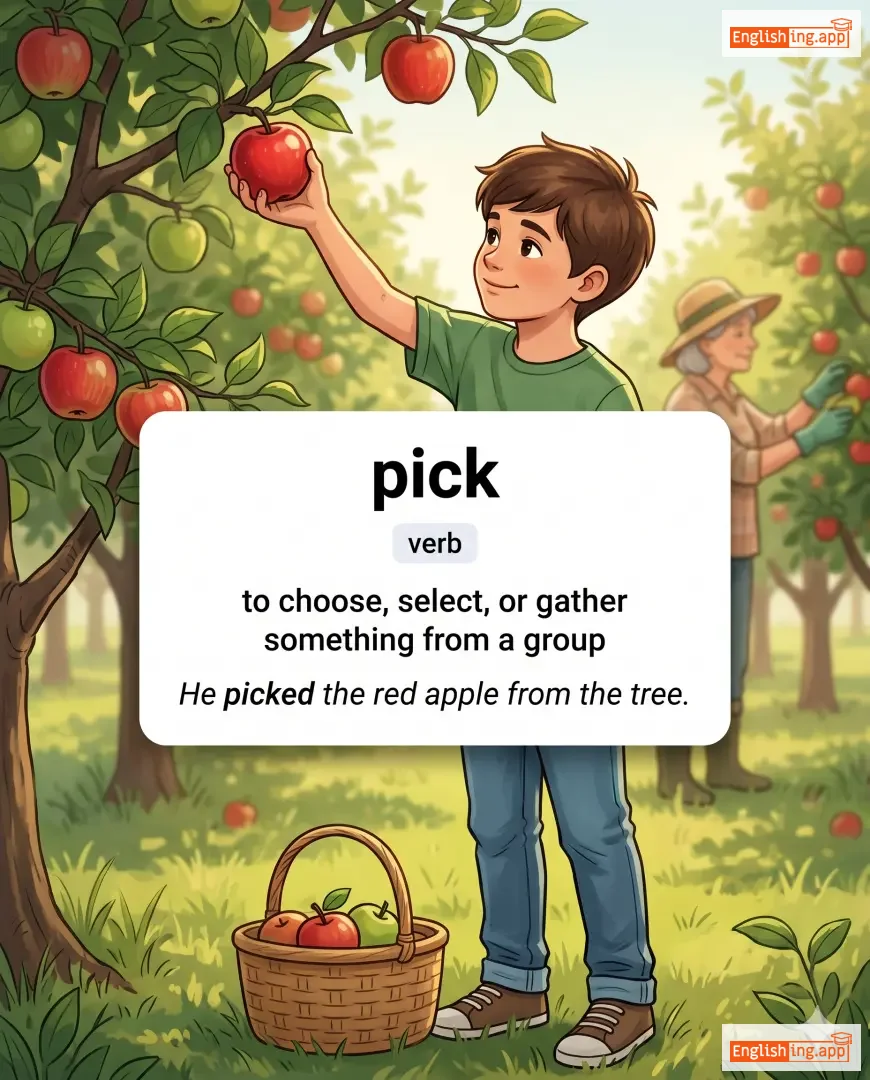
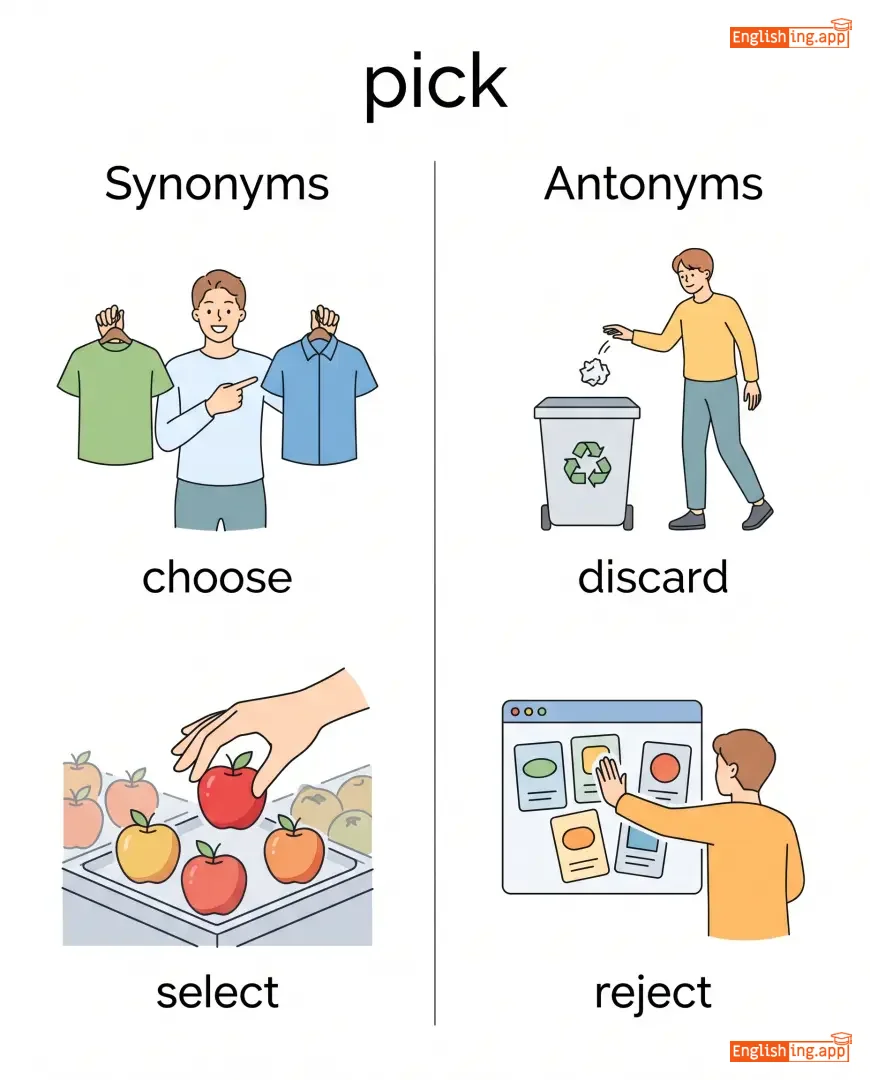
/pɪk/
verb
(皮克)
••••••
|
|
选择
xuǎnzé
••••••
|
picked
••••••
|
picked
••••••
|
picks
••••••
|
picking
••••••
|
to choose; to take or select from a group; to pluck or gather
••••••
|
Please pick your favorite color from the palette. |
请从调色板中选择您最喜欢的颜色。
Qǐng cóng tiáosè bǎn zhōng xuǎnzé nín zuì xǐhuān de yánsè.
••••••
|
choose, select, gather, pluck
••••••
|
reject, drop, leave, abandon
••••••
|
pick up, pick out, pick carefully, pick winner
••••••
|
选择喜欢的颜色是一个简单的决策
••••••
|
|
#66
😴
|
/əˈweɪk/
verb
(yī wèi kè)
••••••
|
- •••••• |
醒来
xinglai
••••••
|
awoke
awoke
••••••
|
awoke
awoke
••••••
|
awakes
awakes
••••••
|
awaking
awaking
••••••
|
to stop sleeping; to become conscious or alert
••••••
|
I awake every morning at six o'clock.
我每天早上六点醒来。
••••••
|
我每天早上六点醒来。
Wo mei tian zao shang liu dian xing lai.
••••••
|
wake up, arise, rouse, stir
••••••
|
sleep, slumber, doze, rest
••••••
|
awake early, wide awake, stay awake, awake suddenly
••••••
|
一醒来就开始新的一天!
••••••
|
|
#67
🤸
|
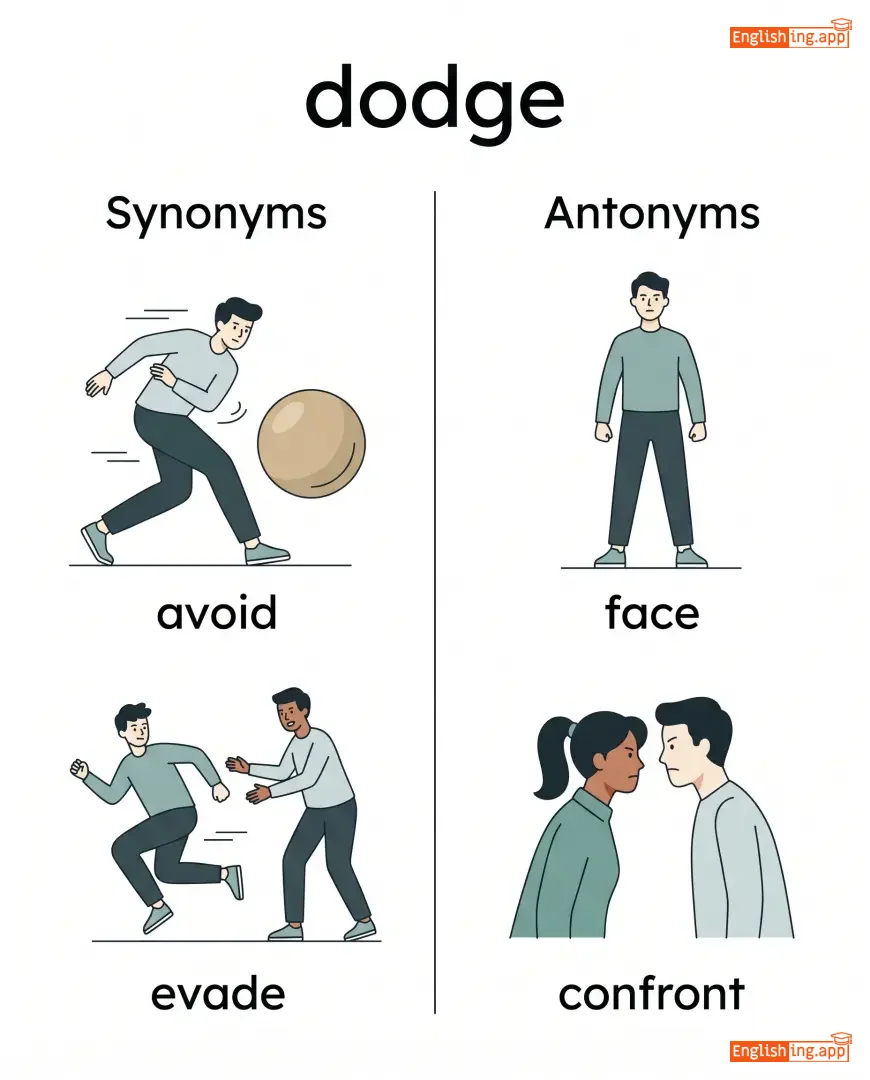
/dɒdʒ/
verb
(dóujié)
••••••
|
|
躲避
duǒbì
••••••
|
dodged
dóujié
••••••
|
dodged
dóujié
••••••
|
dodges
dóujié
••••••
|
dodging
dóujié
••••••
|
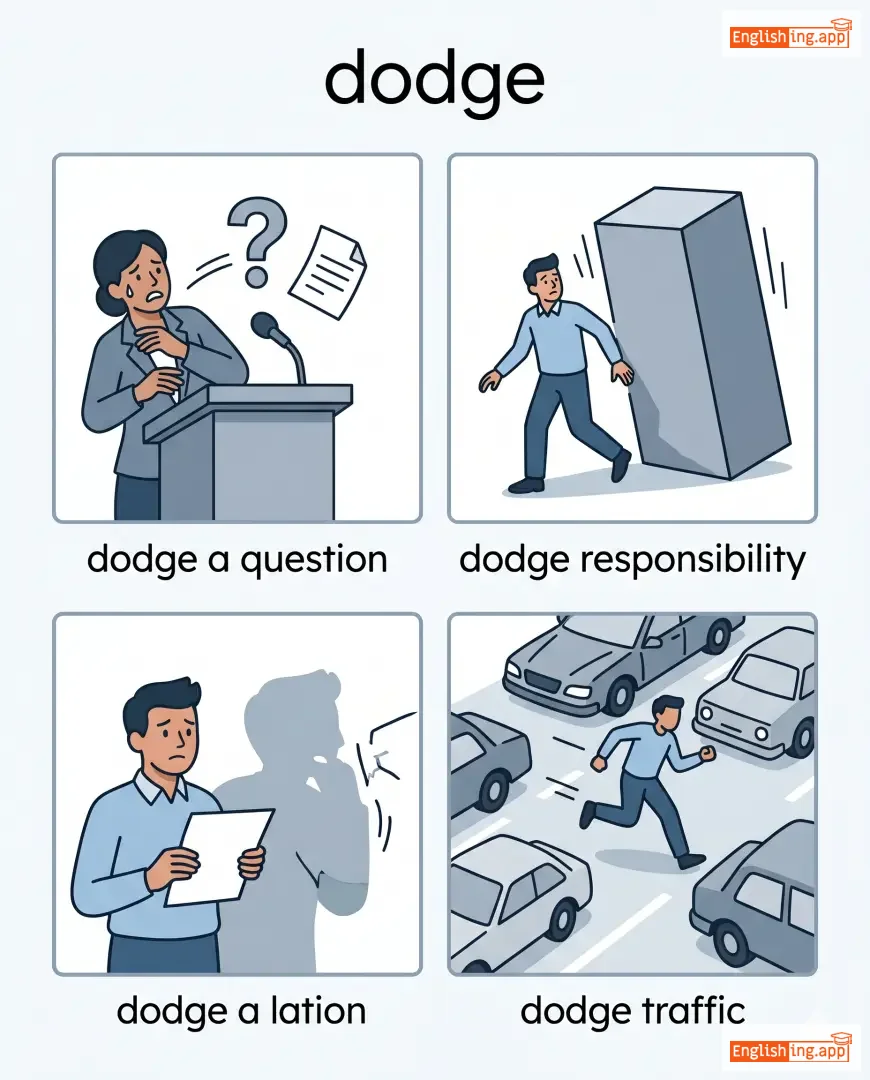
to move quickly to one side to avoid something; to avoid dealing with something cleverly or dishonestly
••••••
|
The boxer managed to dodge his opponent's punch.
拳击手成功躲开了对手的拳头。
••••••
|
拳击手成功躲开了对手的拳头。
Quánjī shǒu chénggōng duǒ kāi le duìshǒu de quántóu
••••••
|
avoid, evade, sidestep, duck
••••••
|
face, confront, meet, encounter
••••••
|
dodge bullet, dodge question, dodge responsibility, skillfully dodge
••••••
|
No •••••• |
|
#68
🌾
|
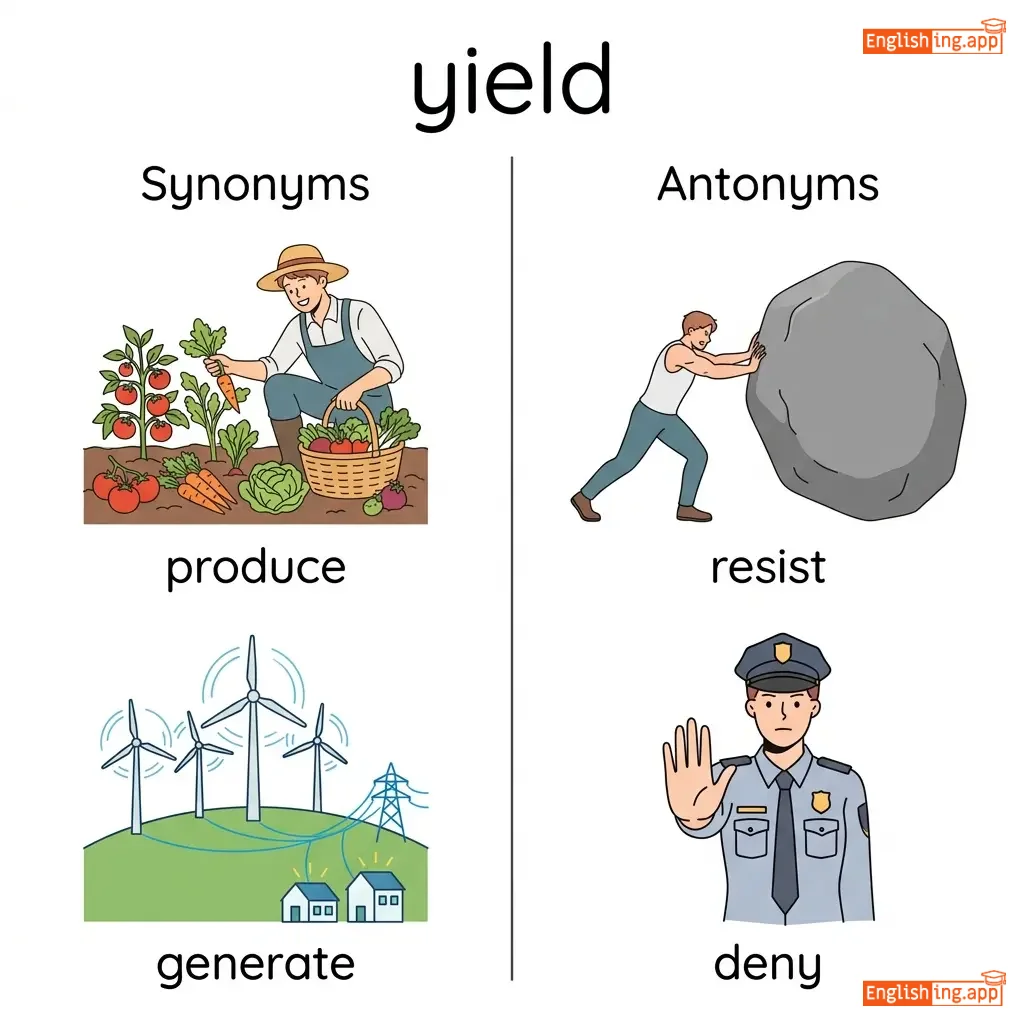
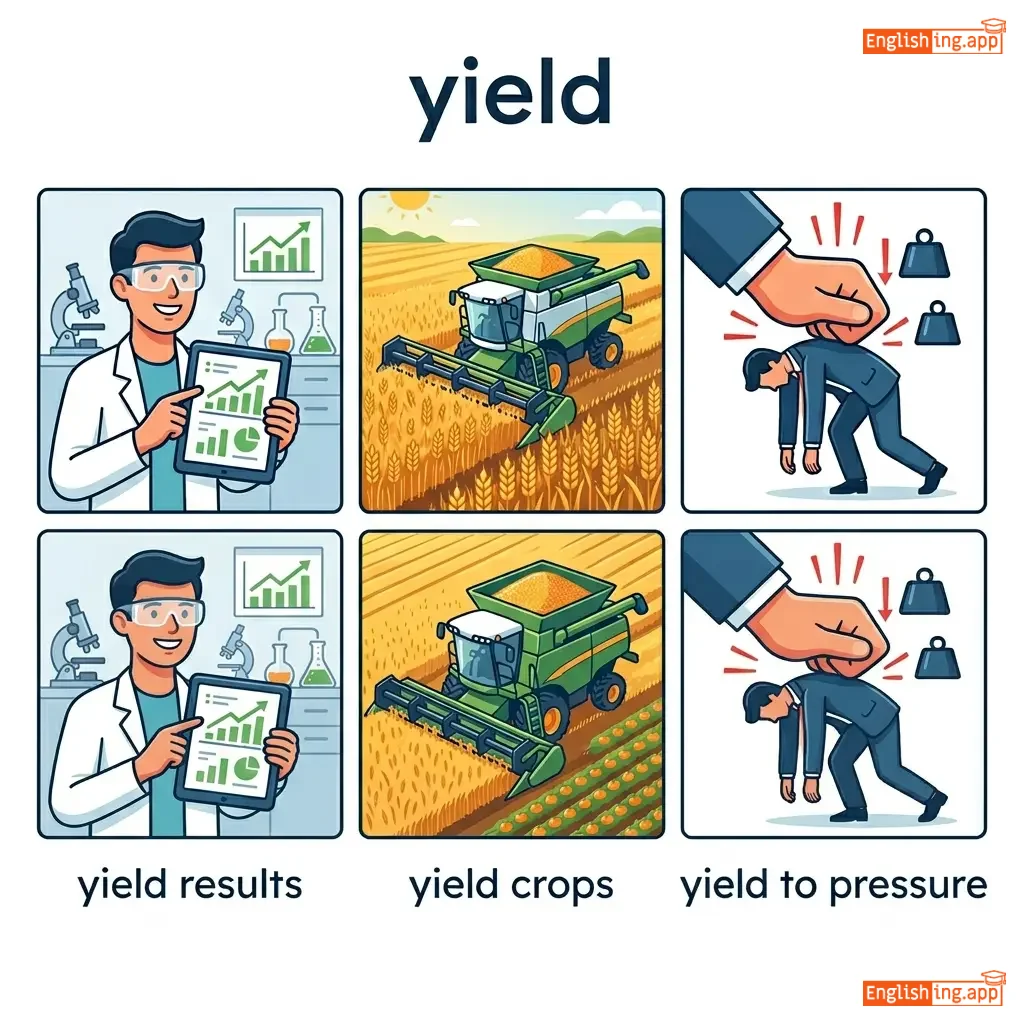
/jiːld/
verb
(yild)
••••••
|
|
产生
chǎn shēng
••••••
|
yielded
yilded
••••••
|
yielded
yilded
••••••
|
yields
yilds
••••••
|
yielding
yilding
••••••
|
to produce or provide; to give way to; to surrender
••••••
|
The farm yields fresh vegetables every season.
农场每个季节都会产出新鲜的蔬菜。
••••••
|
农场每个季节都会产出新鲜的蔬菜。
Nóngchǎng měi gè jìjié dōu huì chǎnchū xīnxiān de shūcài.
••••••
|
produce, provide, give, surrender, submit
••••••
|
resist, withhold, retain, refuse
••••••
|
yield results, yield profit, yield to pressure, high yield
••••••
|
农场总是产出新鲜的蔬菜
••••••
|
|
#69
🏭
|
/ˌmænjʊˈfæktʃər/
verb
(制造)
••••••
|
|
制造
zhìzào
••••••
|
manufactured
制造的
••••••
|
manufactured
制造的
••••••
|
manufactures
制造
••••••
|
manufacturing
制造中
••••••
|
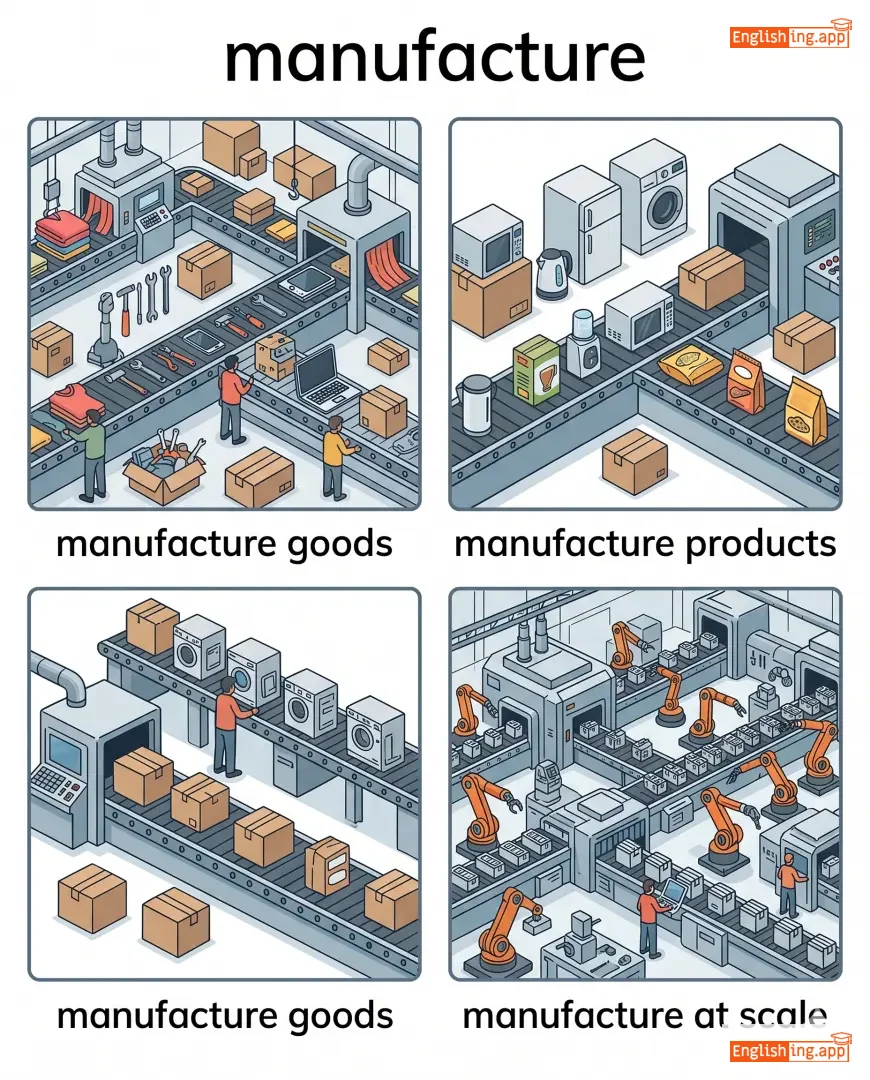
to produce goods in large quantities using machinery; to make or create something
••••••
|
The company manufactures electronic devices for global markets.
该公司为全球市场制造电子设备。
••••••
|
该公司为全球市场生产电子设备。
Gāi gōngsī wèi quánqiú shìchǎng shēngchǎn diànzǐ shèbèi.
••••••
|
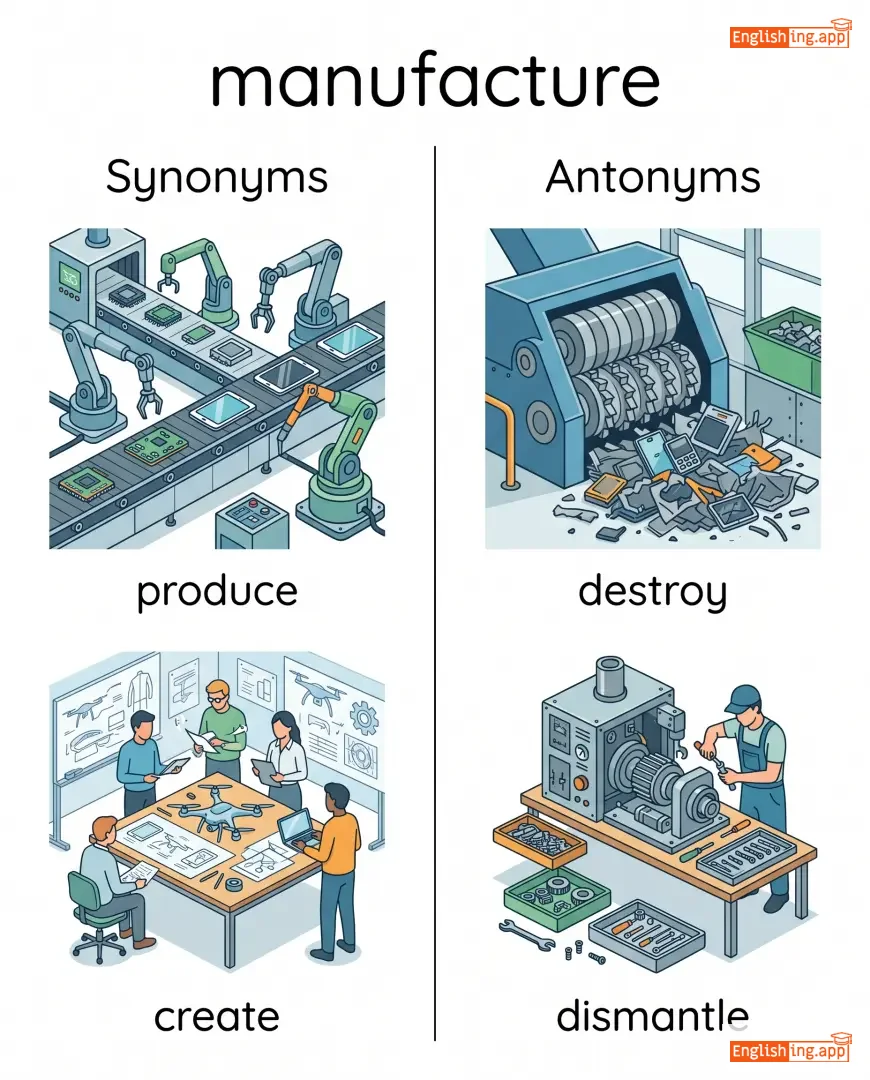
produce, make, create, fabricate
••••••
|
destroy, dismantle, demolish, break
••••••
|
manufacture goods, manufacture products, manufacture cars, mass manufacture
••••••
|
制造就像在工厂里生产大量物品,就像制造手机一样。
••••••
|
|
#70
⚡
|
/straɪk/
verb
(sītrài kè)
••••••
|
- •••••• |
打击
dǎjí
••••••
|
Struck
sītrākè
••••••
|
Struck
sītrākè
••••••
|
Strikes
sītrài kè sī
••••••
|
Striking
sītrài kè yíng
••••••
|
to hit forcefully; to stop work as a form of protest
••••••
|
Lightning strikes the tall building during the storm.
lèitīng sītrài kè de tǎo bǐlīng duìrīnɡ de sī
••••••
|
雷电在暴风雨中打击高楼。
léidiàn zài bàofēngyǔ zhōng dǎjí gāolóu.
••••••
|
hit, beat, attack, protest
••••••
|
miss, caress, work, comply
••••••
|
strike hard, strike gold, strike balance, lightning strike
••••••
|
Strike like thunder in the storm!
••••••
|
|
#71
🏠
|
/ɪnˈherɪt/
verb
(继承)
••••••
|
|
继承
jìchéng
••••••
|
inherited
继承了
••••••
|
inherited
继承了
••••••
|
inherits
继承
••••••
|
inheriting
继承中
••••••
|
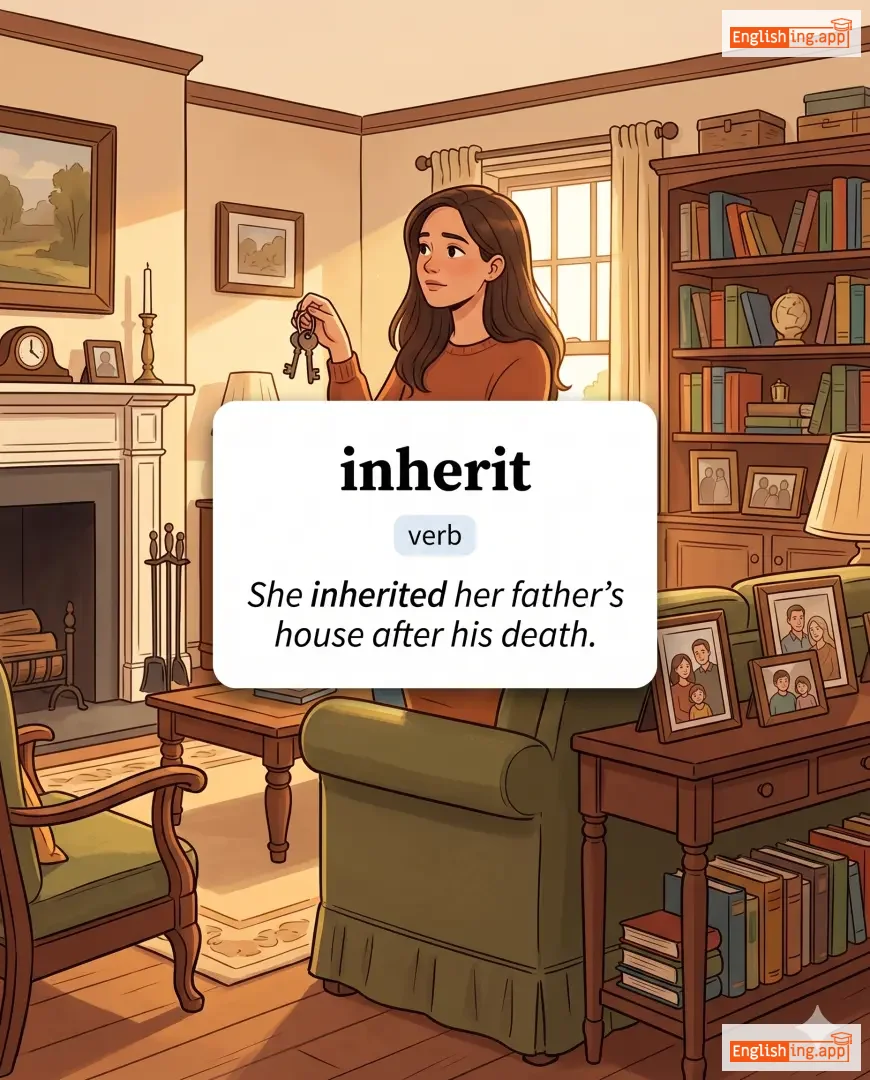
to receive money, property, or characteristics from someone when they die; to acquire from predecessors
••••••
|
She inherited her grandmother's house.
她继承了她祖母的房子。
••••••
|
她继承了她祖母的房子。
Tā jìchéngle tā zǔmǔ de fángzi.
••••••
|
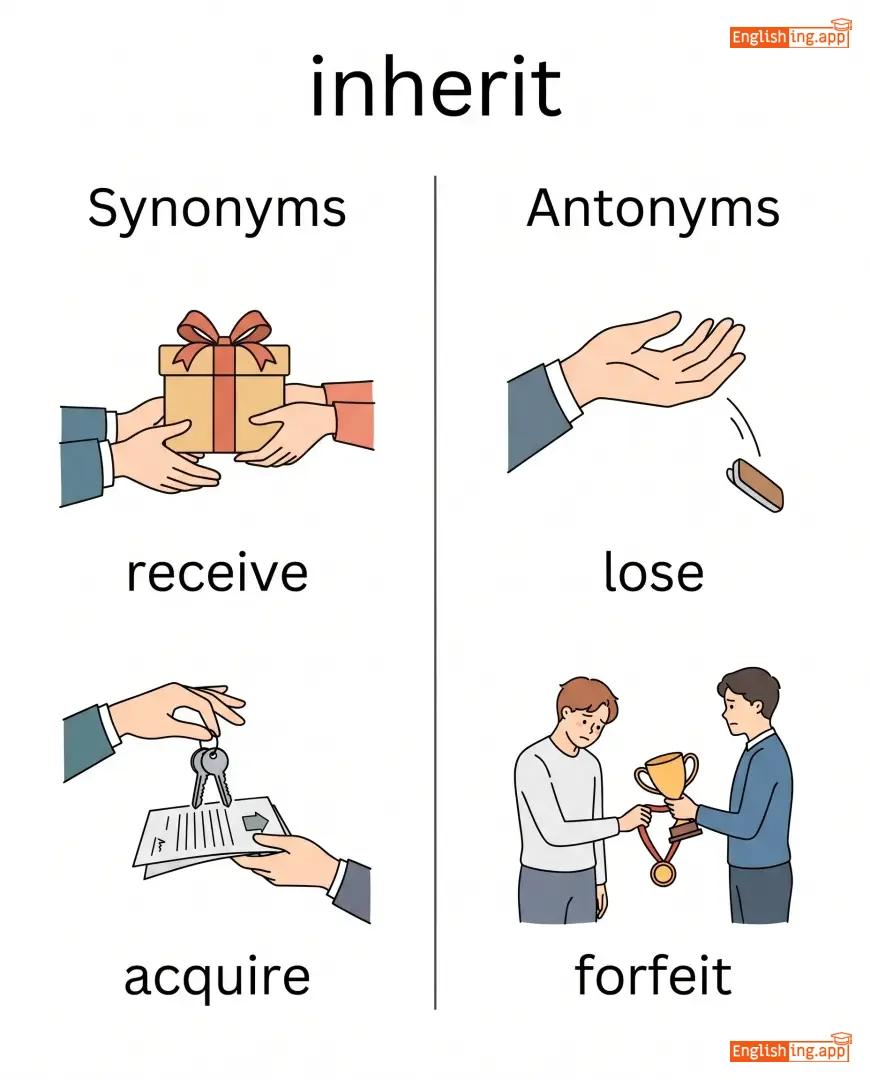
receive, acquire, get, obtain
••••••
|
give, donate, bequeath
••••••
|
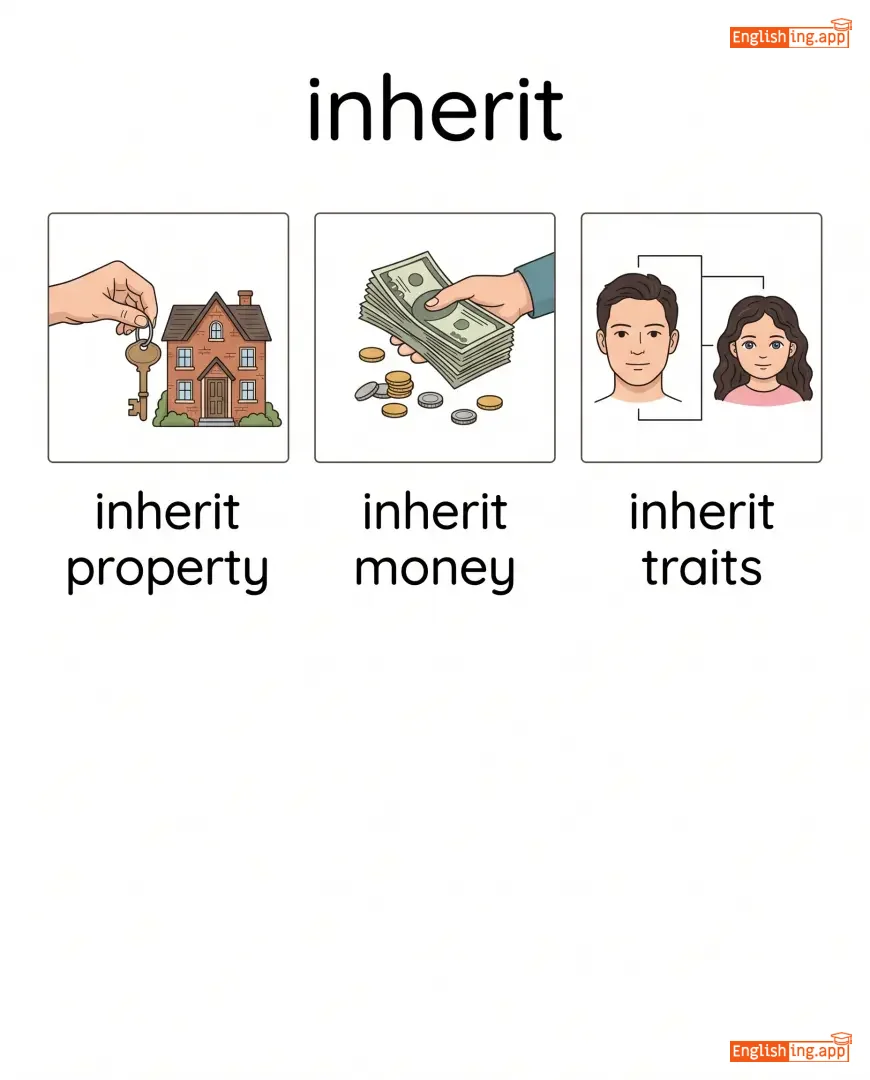
inherit property, inherit wealth, inherit genes, inherit tradition
••••••
|
继承就是从死去的亲人那里得到财富,就像继承房子一样。
••••••
|
|
#72
🚪
|
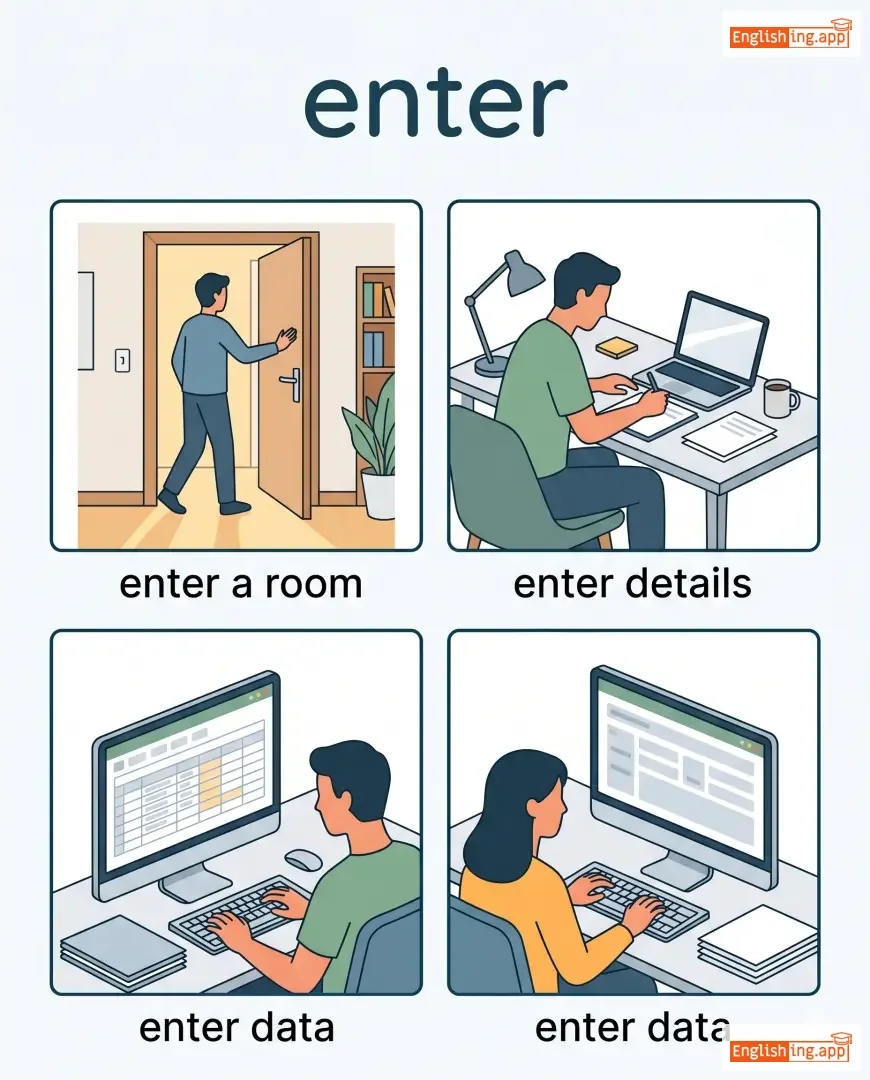
/ˈentər/
verb
(enter)
••••••
|
|
进入
jinru
••••••
|
entered
enterd
••••••
|
entered
enterd
••••••
|
enters
enters
••••••
|
entering
entering
••••••
|
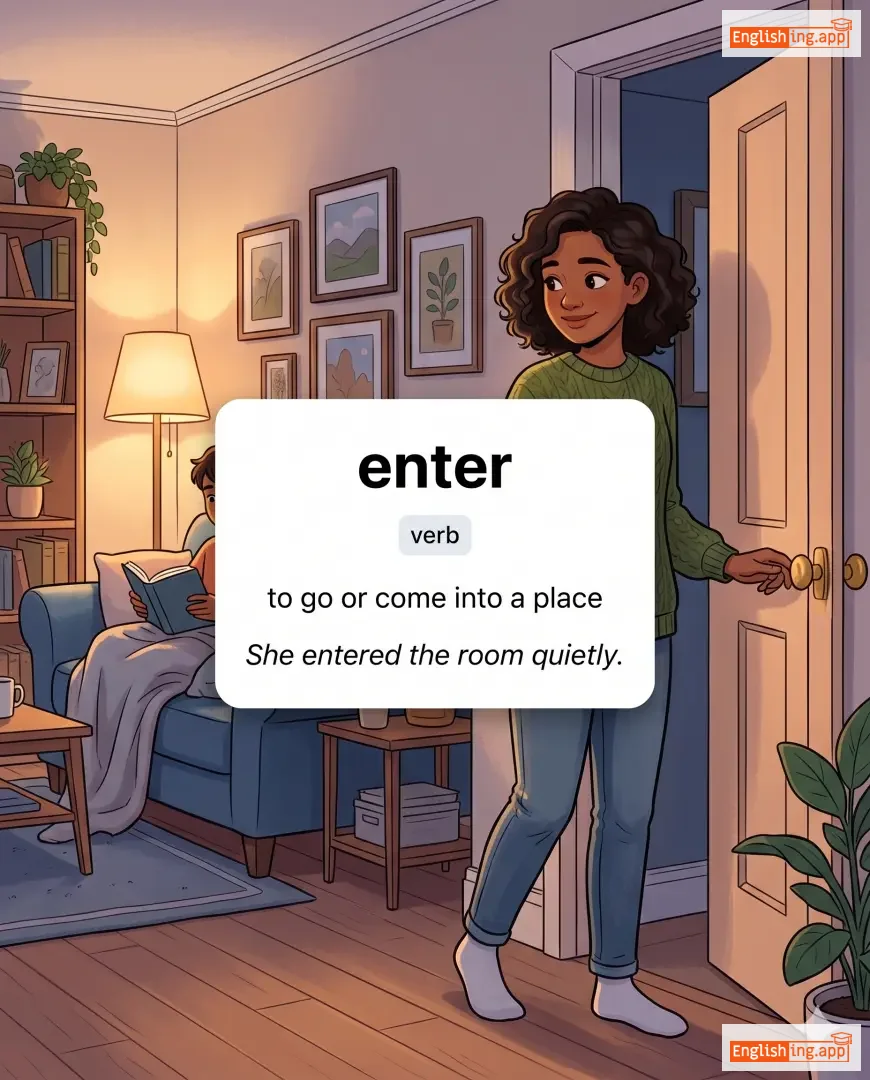
to go into; to come or go inside
••••••
|
Please knock before you enter the room.
请在进入房间之前敲门。
••••••
|
请在进入房间之前敲门。
Qing zai jinru fangjian zhiqian qiaomen.
••••••
|
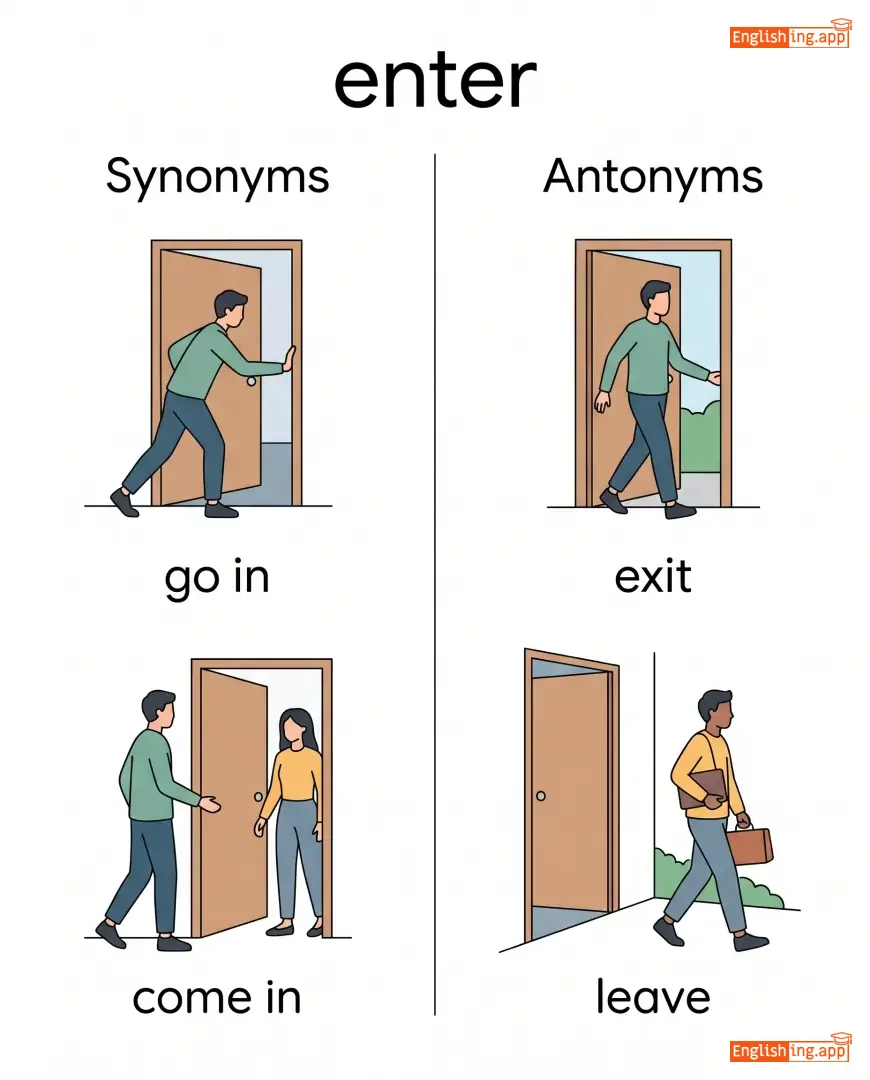
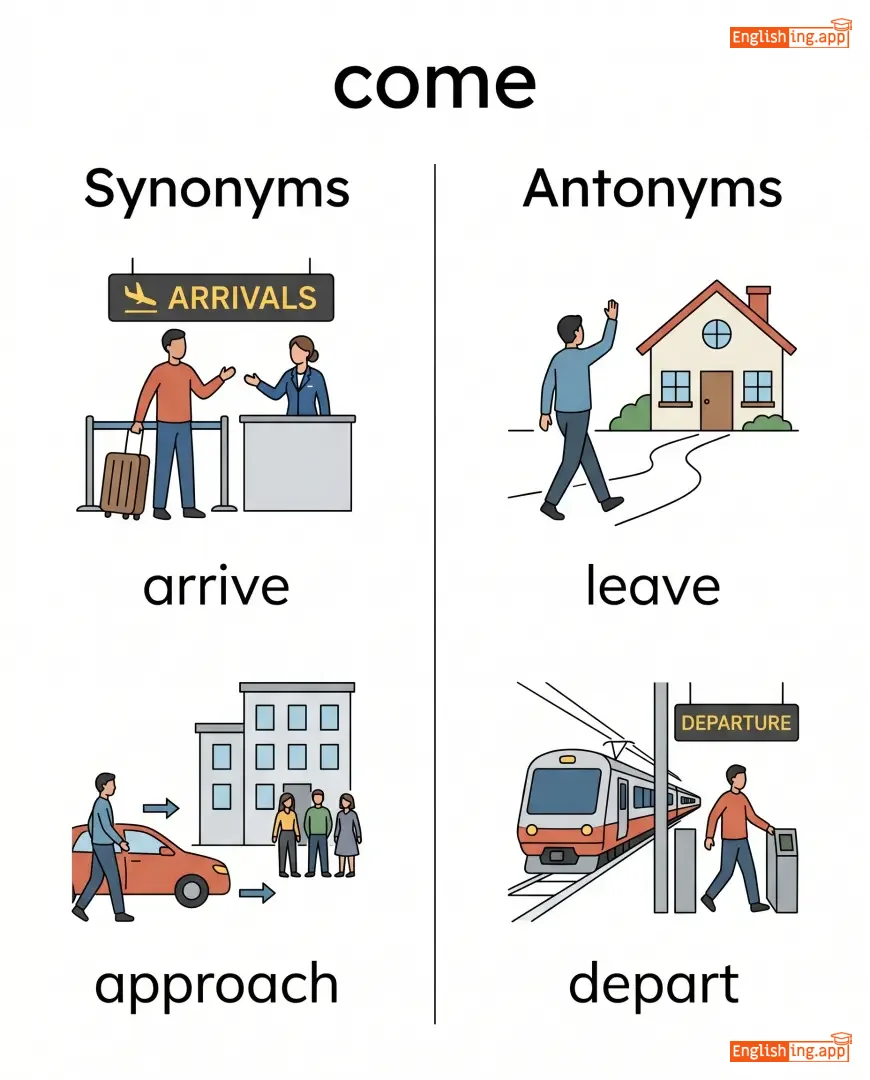
go in, come in, access, penetrate
••••••
|
exit, leave, depart, withdraw
••••••
|
enter room, enter building, enter data, enter competition
••••••
|
通过门进入,留下好印象
••••••
|
|
#73
👋
|
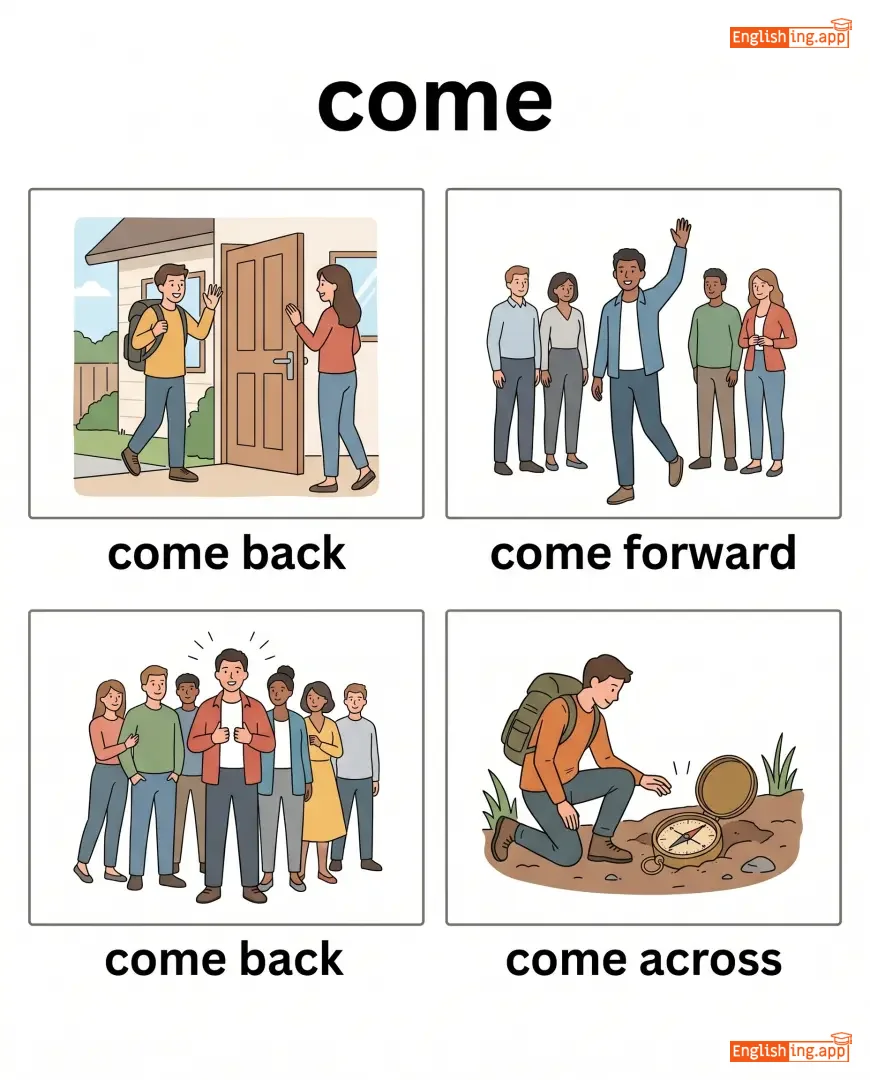
/kʌm/
verb
(kʌm)
••••••
|
|
来
lai
••••••
|
came
来了
••••••
|
come
来了
••••••
|
comes
来
••••••
|
coming
来的
••••••
|
to move toward a place; to arrive at a place
••••••
|
Please come to my birthday party.
请来参加我的生日聚会。
••••••
|
请来参加我的生日聚会。
Qing lai canjia wode shengri juhui.
••••••
|
arrive, approach, reach, visit
••••••
|
go, leave, depart, exit
••••••
|
come back, come here, come along, come true
••••••
|
就像朋友邀请你来参加生日聚会,只需要'来'就行。
••••••
|
|
#74
⚽
|
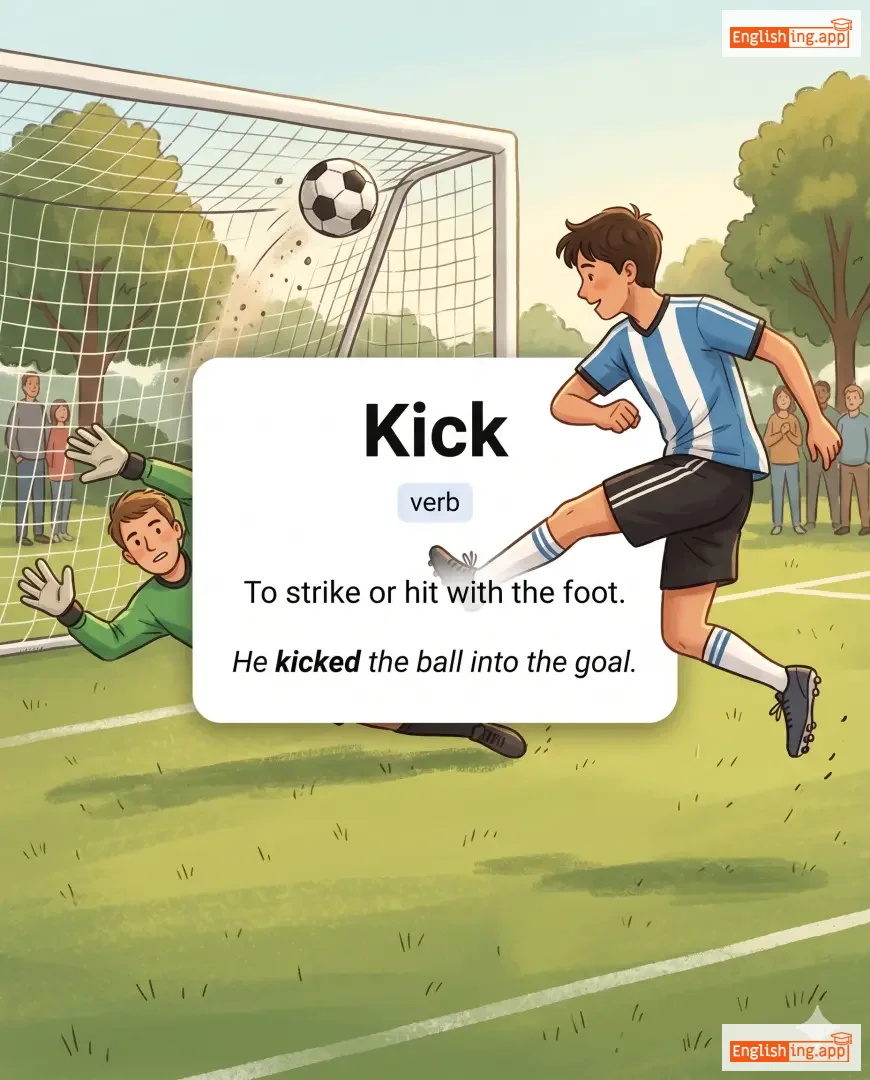
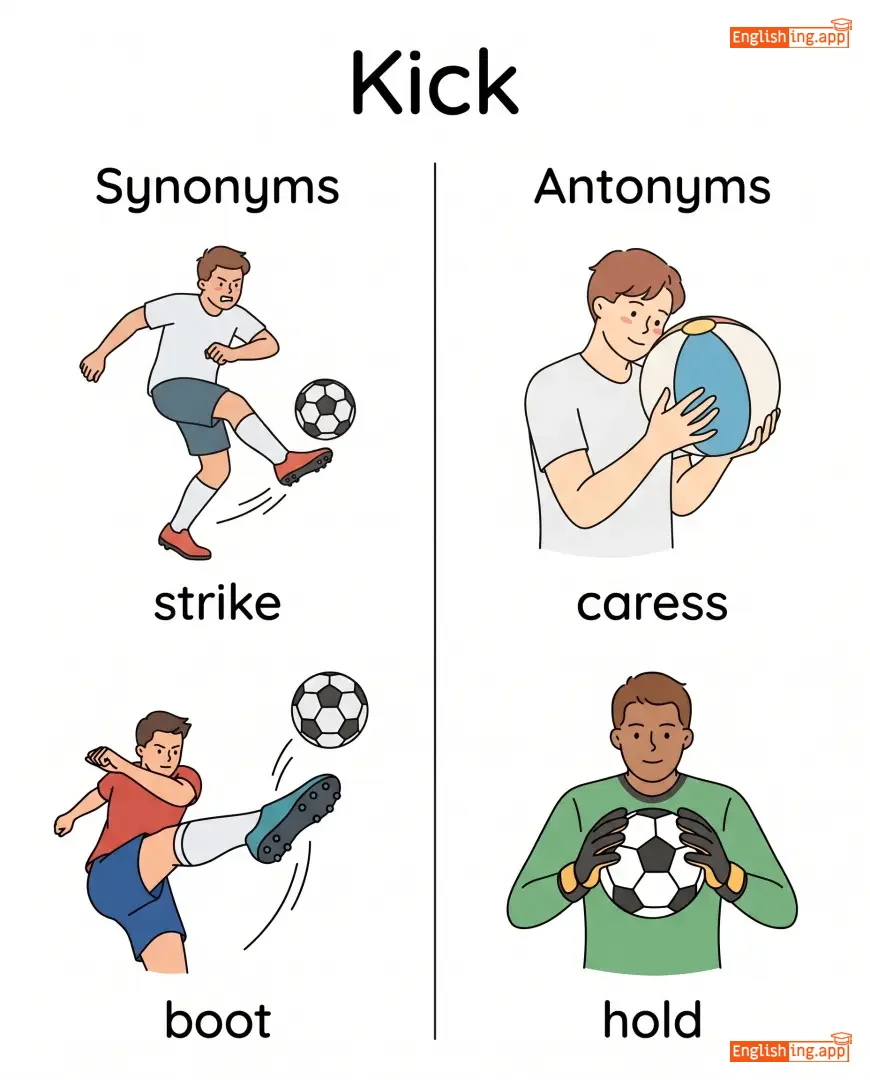
/kɪk/
verb
(kī kè)
••••••
|
|
踢
tī
••••••
|
kicked
kī kèd
••••••
|
kicked
kī kèd
••••••
|
kicks
kī kè sī
••••••
|
kicking
kī kīng
••••••
|
to hit with the foot; to strike forcefully
••••••
|
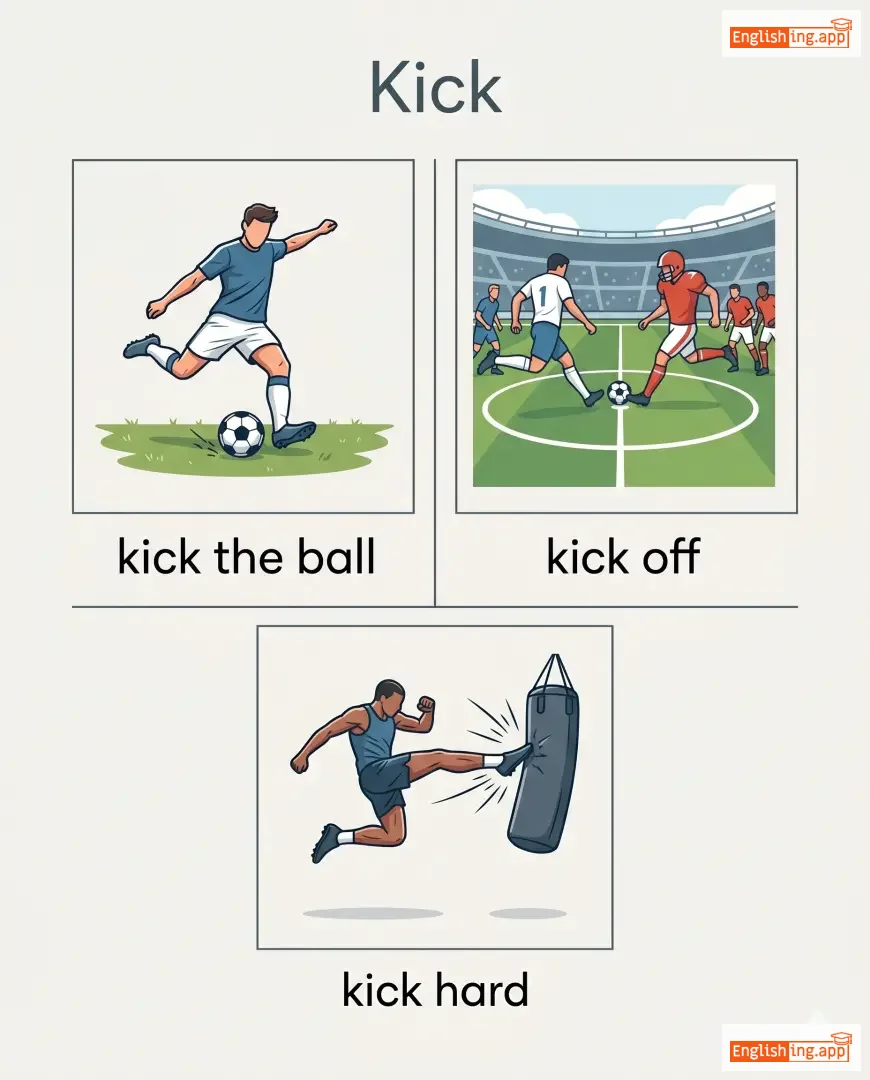
He kicks the ball into the goal.
他用脚把球踢进了球门。
••••••
|
他用脚把球踢进了球门。
Tā yòng jiǎo bǎ qiú tī jìnle qiúmén.
••••••
|
boot, strike, hit, punt
••••••
|
catch, hold, embrace
••••••
|
kick ball, kick hard, kick out, kick off
••••••
|
No •••••• |
|
#75
💧
|
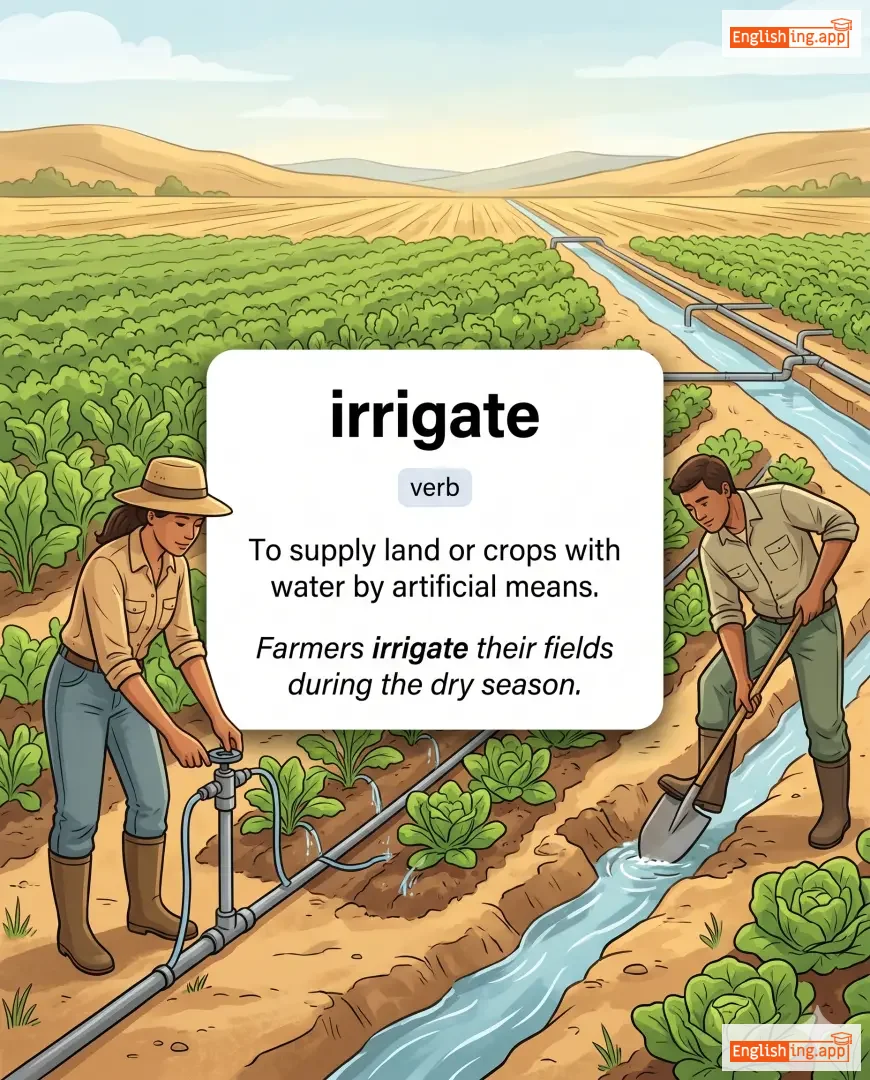
/ˈɪrɪˌɡeɪt/
verb
(灌溉)
••••••
|
|
灌溉
guàn gài
••••••
|
irrigated
灌溉了
••••••
|
irrigated
灌溉过
••••••
|
irrigates
灌溉
••••••
|
irrigating
灌溉中
••••••
|
to supply water to land or crops; to wash out a wound with water
••••••
|
Farmers irrigate their fields during dry seasons.
农民在干旱季节灌溉他们的田地。
••••••
|
农民在干旱季节灌溉他们的田地。
Nóngmín zài gānhàn jìjié guàn gài tāmen de tiándì.
••••••
|
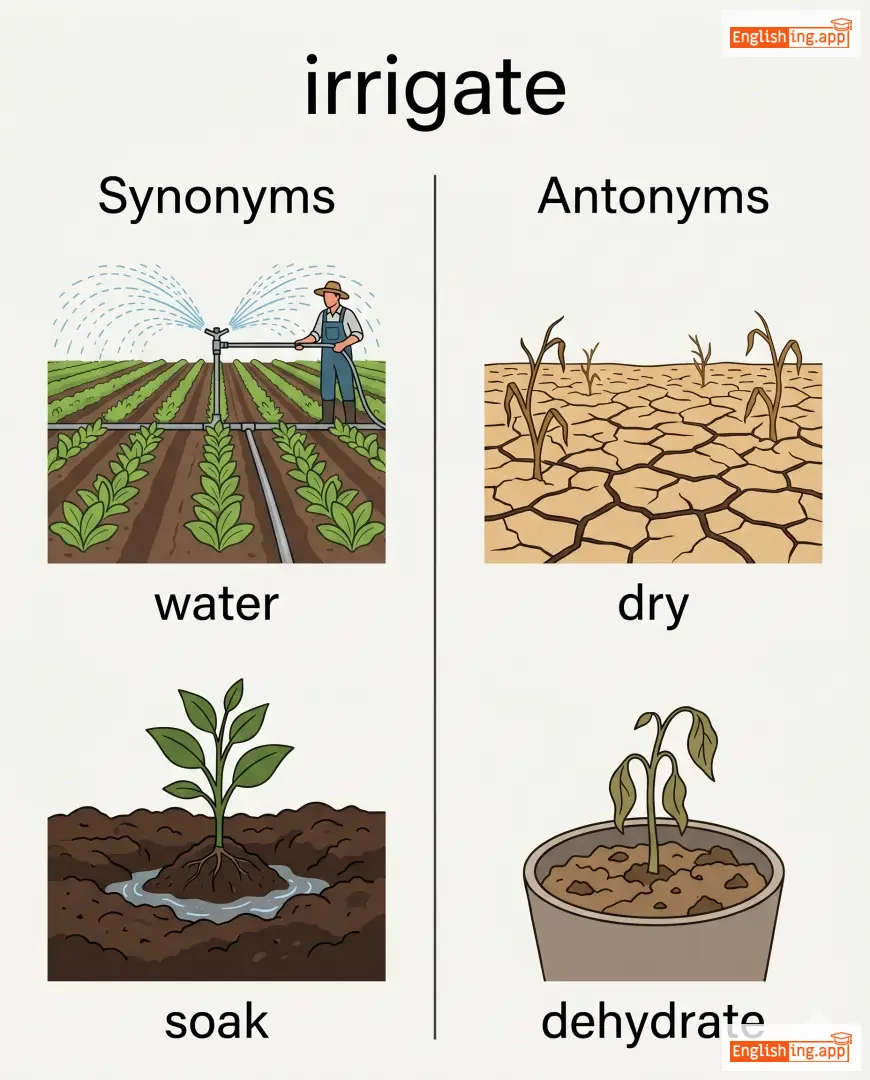
water, moisten, sprinkle, flood
••••••
|
drain, dry, dehydrate
••••••
|
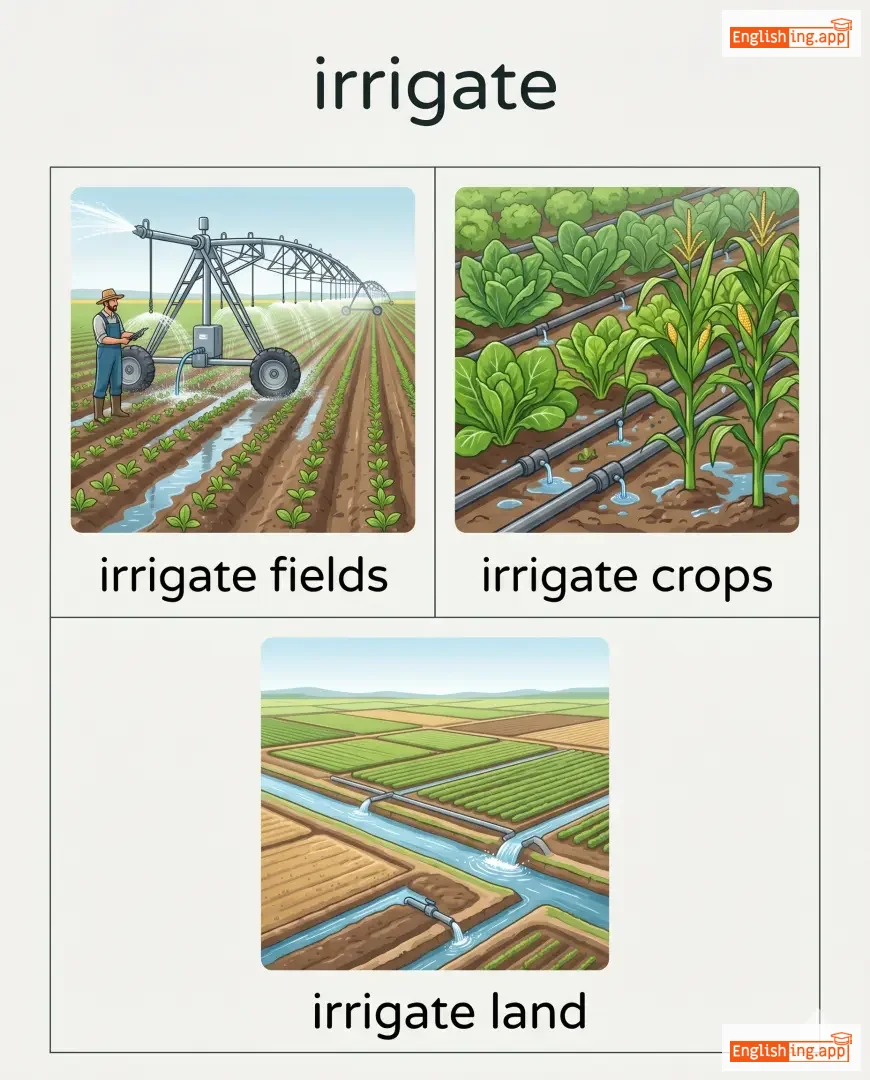
irrigate fields, irrigate crops, irrigate land, properly irrigate
••••••
|
通过‘灌溉’,作物得到了水,就像‘irrigate’给土地带来了生命。
••••••
|
|
#76
🤝
|
/ˈbɑroʊ/
verb
(波罗)
••••••
|
|
借
jie
••••••
|
borrowed
波罗德
••••••
|
borrowed
波罗德
••••••
|
borrows
波罗斯
••••••
|
borrowing
波罗英
••••••
|
to take temporarily with intention to return; to take on loan
••••••
|
Can I borrow your pen for a moment?
肯 爱 波罗 约尔 潘 佛尔 啊 莫门特?
••••••
|
我可以借一下你的笔吗?
wo keyi jie yixia ni de bi ma
••••••
|
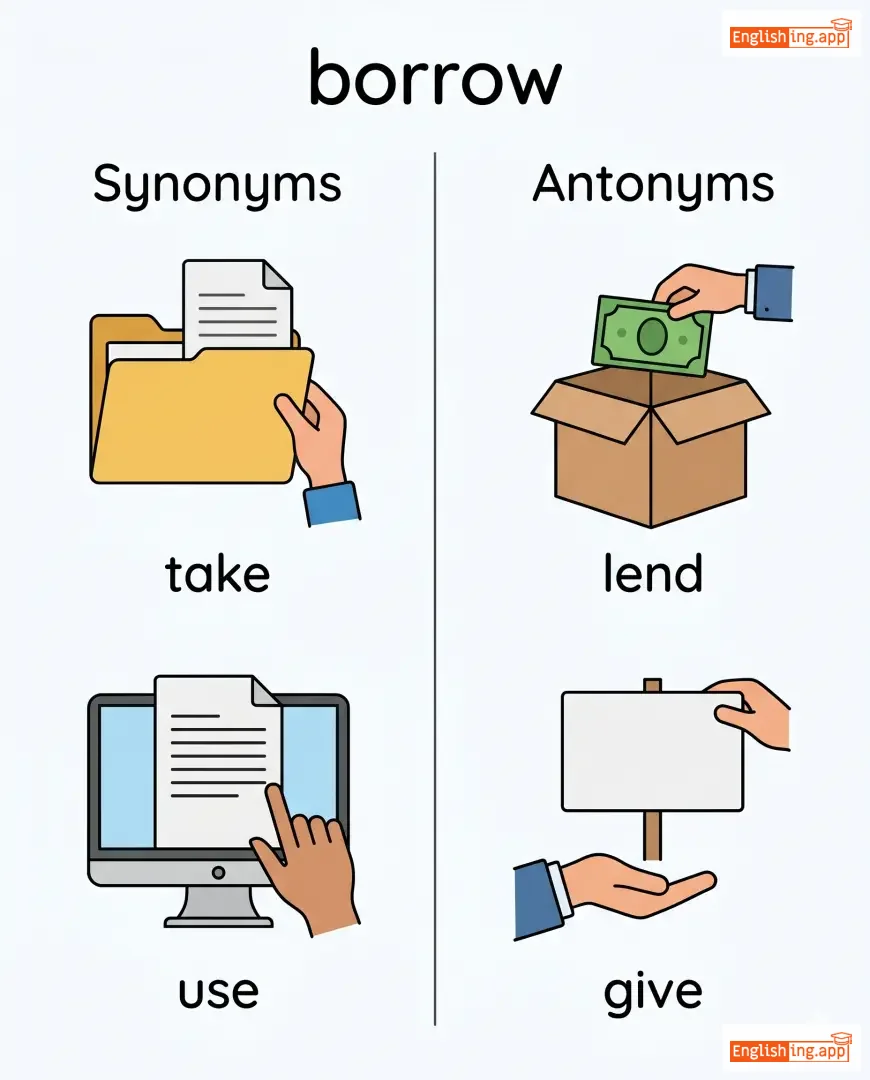
take, use, loan, rent
••••••
|
lend, give, return, provide
••••••
|
borrow money, borrow book, borrow time, borrow from
••••••
|
Think of 'jie'—borrowing politely in Chinese.
••••••
|
|
#77
💥
|
/ˈruːɪn/
verb
(ruin)
••••••
|
- •••••• |
毁灭
huimie
••••••
|
ruined
ruined
••••••
|
ruined
ruined
••••••
|
ruins
ruins
••••••
|
ruining
ruining
••••••
|
to destroy or damage beyond repair; to spoil completely
••••••
|
Heavy rain could ruin our picnic plans.
大雨可能会毁掉我们的野餐计划。
••••••
|
大雨可能会毁掉我们的野餐计划。
Dàyǔ kěnéng huǐdiào wǒmen de yěcān jìhuà.
••••••
|
destroy, devastate, wreck, spoil
••••••
|
build, repair, restore, fix
••••••
|
ruin plans, ruin reputation, ruin relationship, completely ruin
••••••
|
想象一个野餐因为大雨而毁掉,像一个完全失败的计划。
••••••
|
|
#78
💼
|
/treɪd/
verb
(trɛɪd)
••••••
|
|
贸易
màoyì
••••••
|
traded
trɛɪdəd
••••••
|
traded
trɛɪdəd
••••••
|
trades
trɛɪdz
••••••
|
trading
trɛɪdɪŋ
••••••
|
to buy and sell goods or services; to exchange
••••••
|
They trade goods between countries.
他们在国家之间交换商品。
••••••
|
他们在国家之间交换商品。
Tāmen zài guójiā zhījiān jiāohuàn shāngpǐn.
••••••
|
exchange, deal, swap, barter
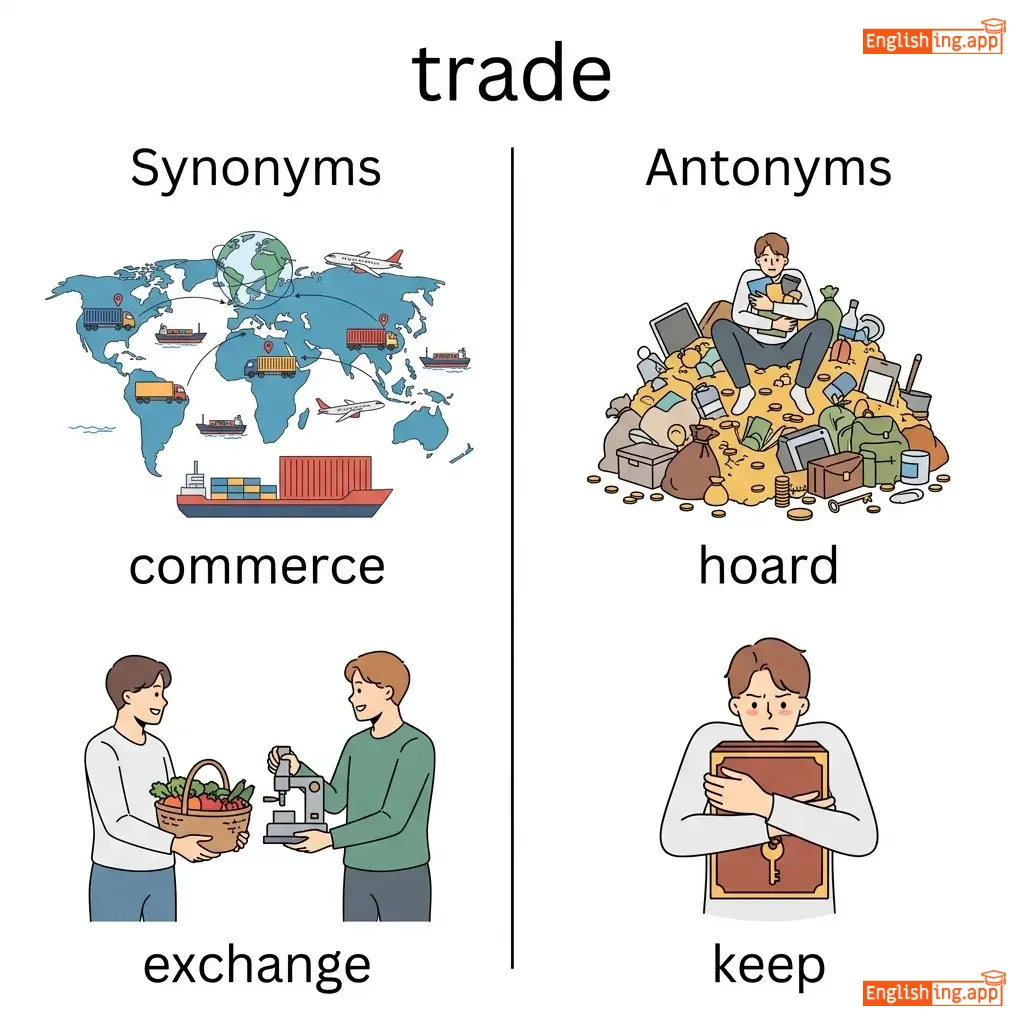
••••••
|
hoard, keep, retain
••••••
|
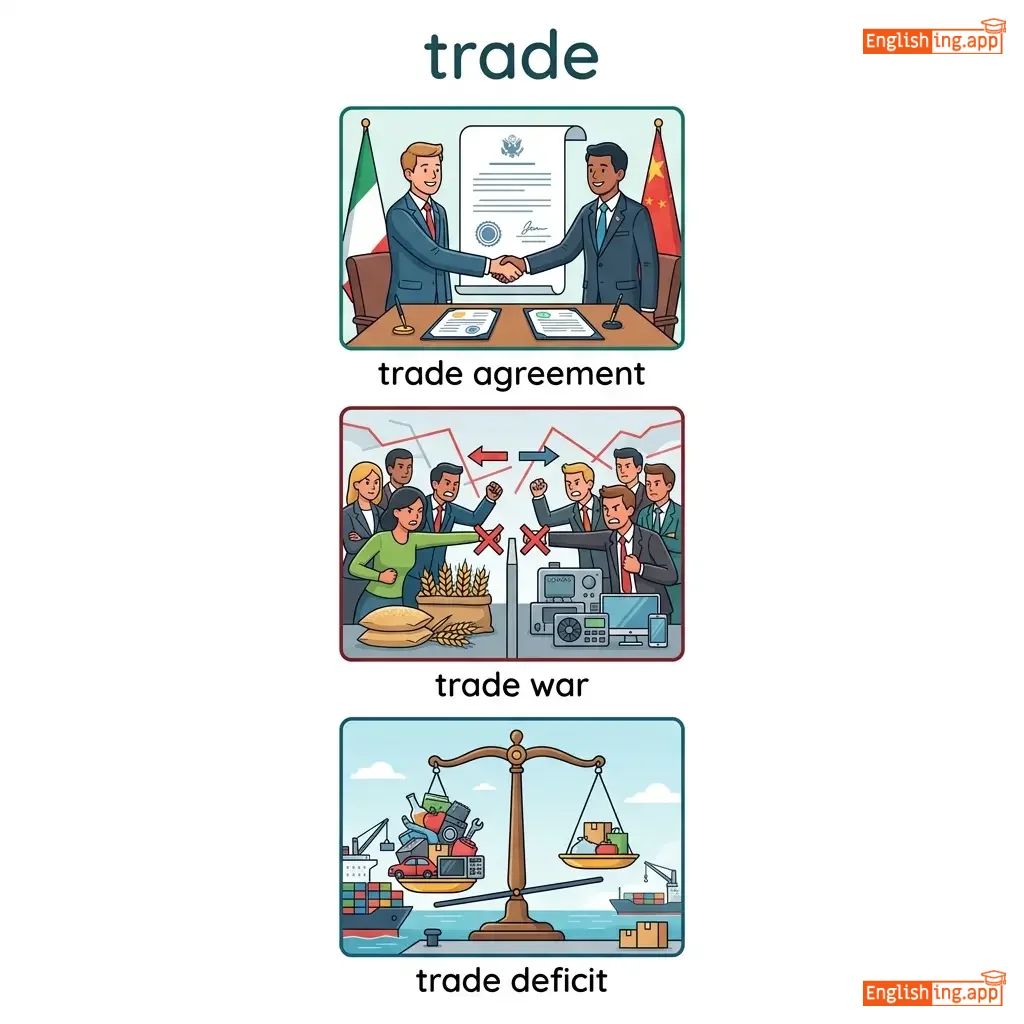
trade goods, trade stocks, trade secrets, fair trade
••••••
|
贸易: 像做买卖,交换货物和服务
••••••
|
|
#79
🤝
|
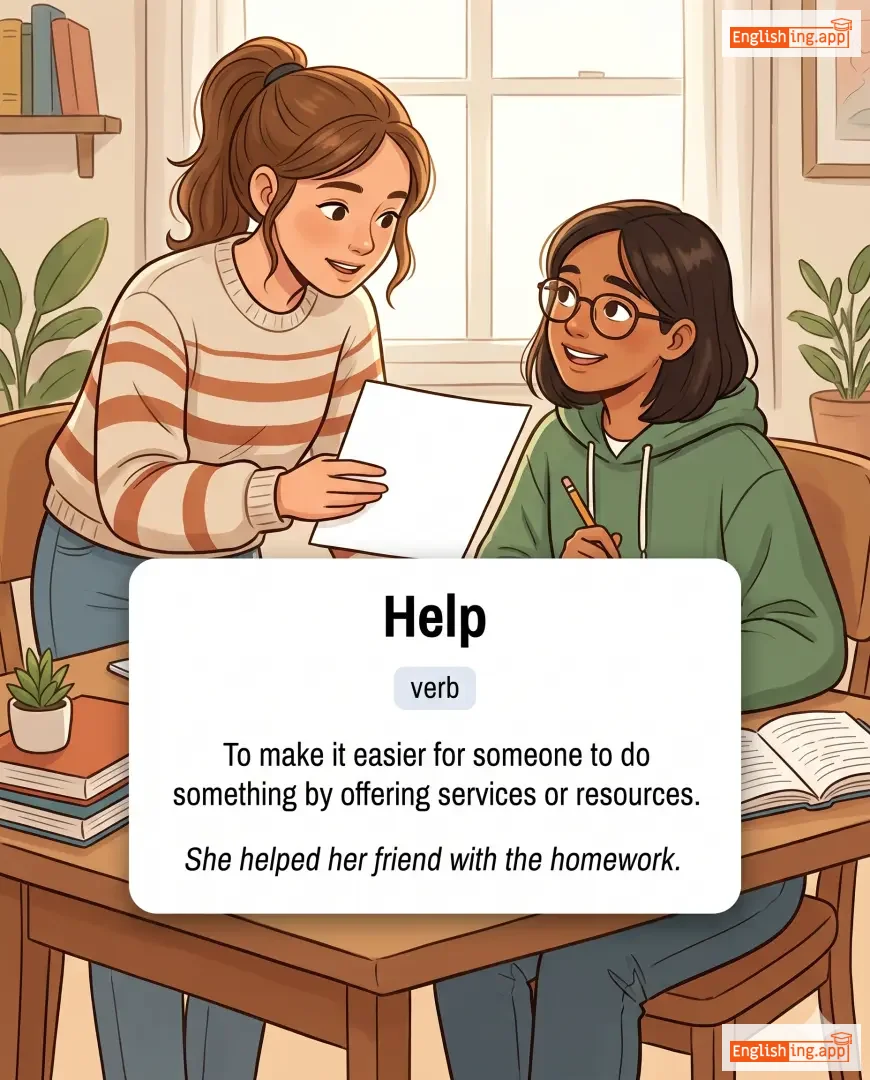
/help/
verb
(海皮尼斯)
••••••
|
|
帮助
bāngzhù
••••••
|
helped
海皮尼斯得
••••••
|
helped
海皮尼斯得
••••••
|
helps
海皮尼斯
••••••
|
helping
海皮尼斯
••••••
|
to assist or aid someone in need
••••••
|
I help my mother with household chores.
我帮我妈妈做家务。
••••••
|
我帮我妈妈做家务。
Wǒ bāng wǒ māmā zuò jiāwù.
••••••
|
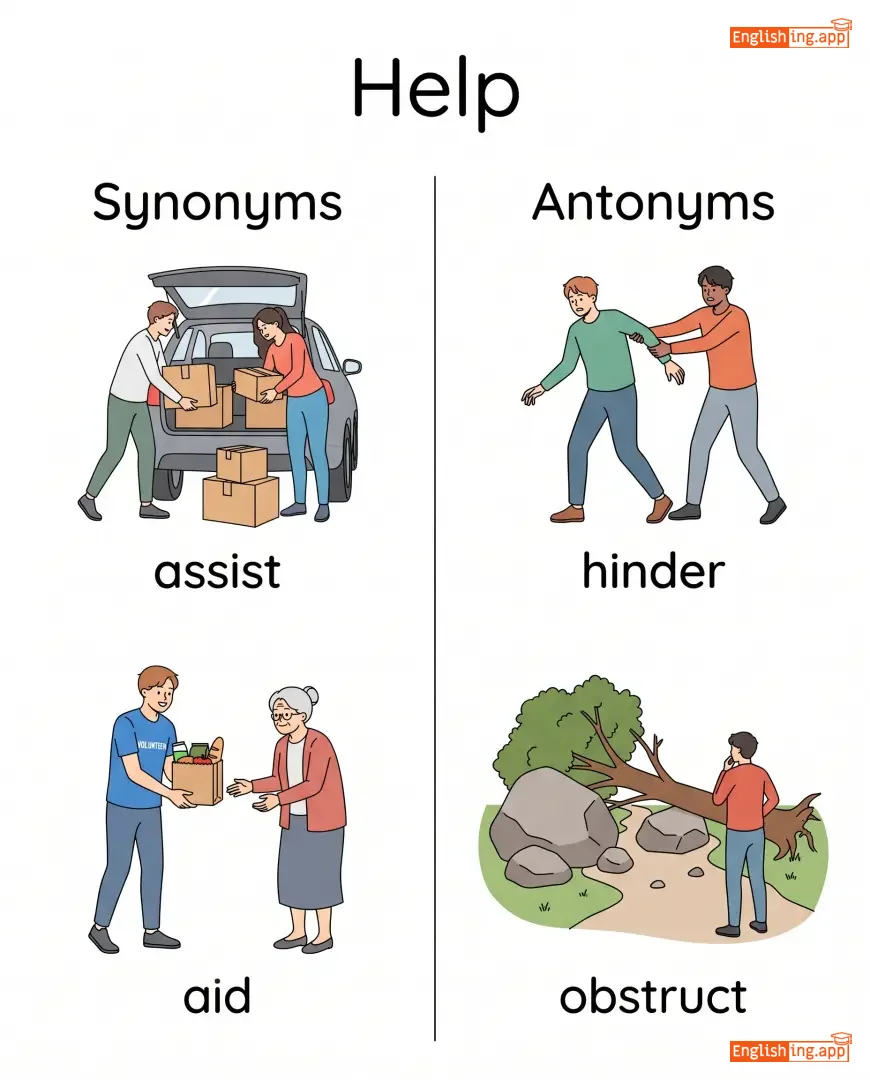
assist, aid, support, contribute
••••••
|
hinder, obstruct, ignore, harm
••••••
|
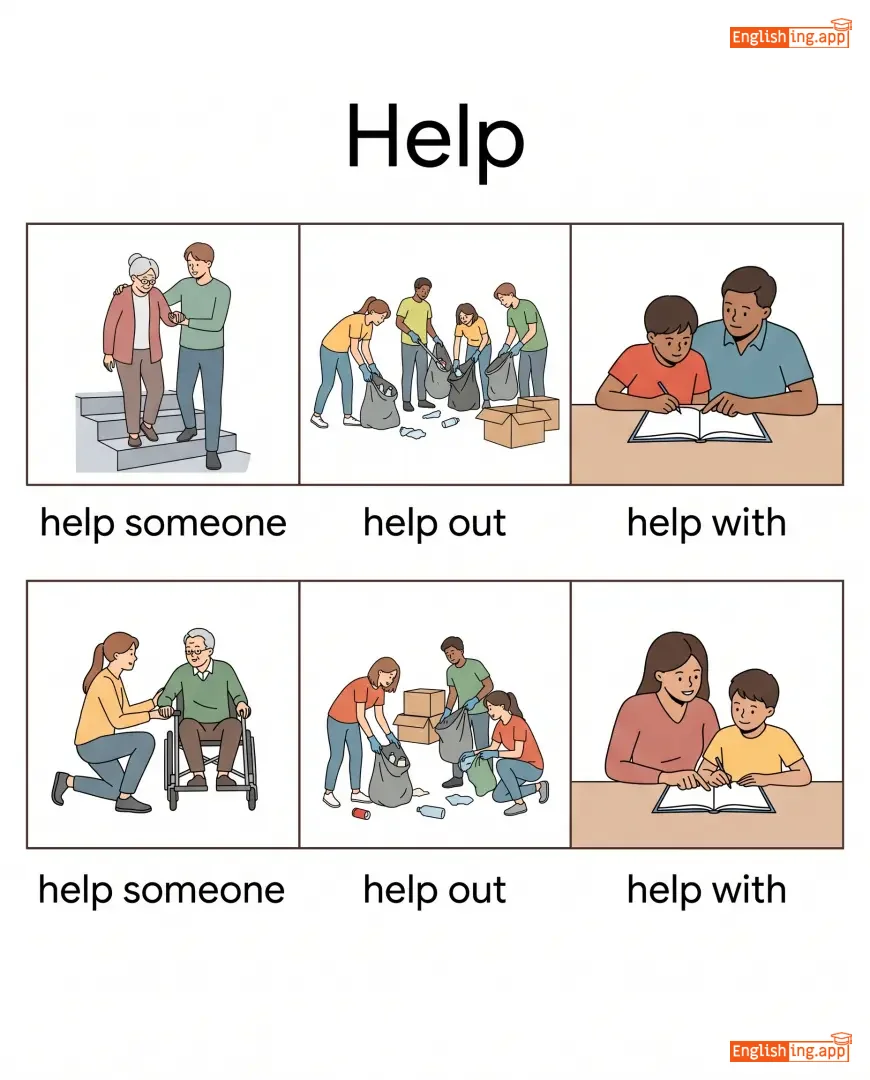
help others, help out, help with, help yourself
••••••
|
帮 (help) and 住 (to stay) – helping your mother stay with chores.
••••••
|
|
#80
🎵
|
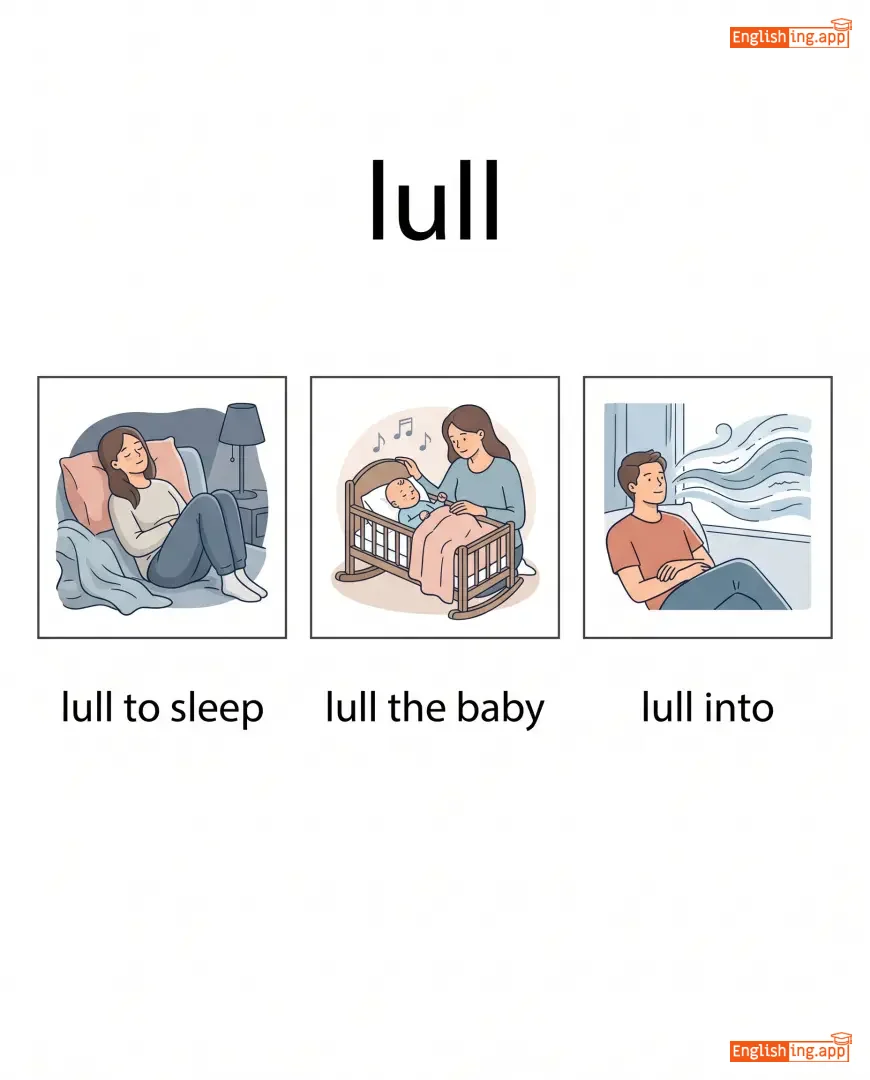
/lʌl/
verb
(lǔl)
••••••
|
|
安抚
ānfǔ
••••••
|
lulled
lǔld
••••••
|
lulled
lǔld
••••••
|
lulls
lǔls
••••••
|
lulling
lǔlíng
••••••
|
to soothe or calm; to cause to sleep or rest
••••••
|
The gentle music lulled the baby to sleep.
温柔的音乐使宝宝入睡。
••••••
|
温柔的音乐使宝宝入睡。
Wēnróu de yīnyuè shǐ bǎobǎo rùshuì.
••••••
|
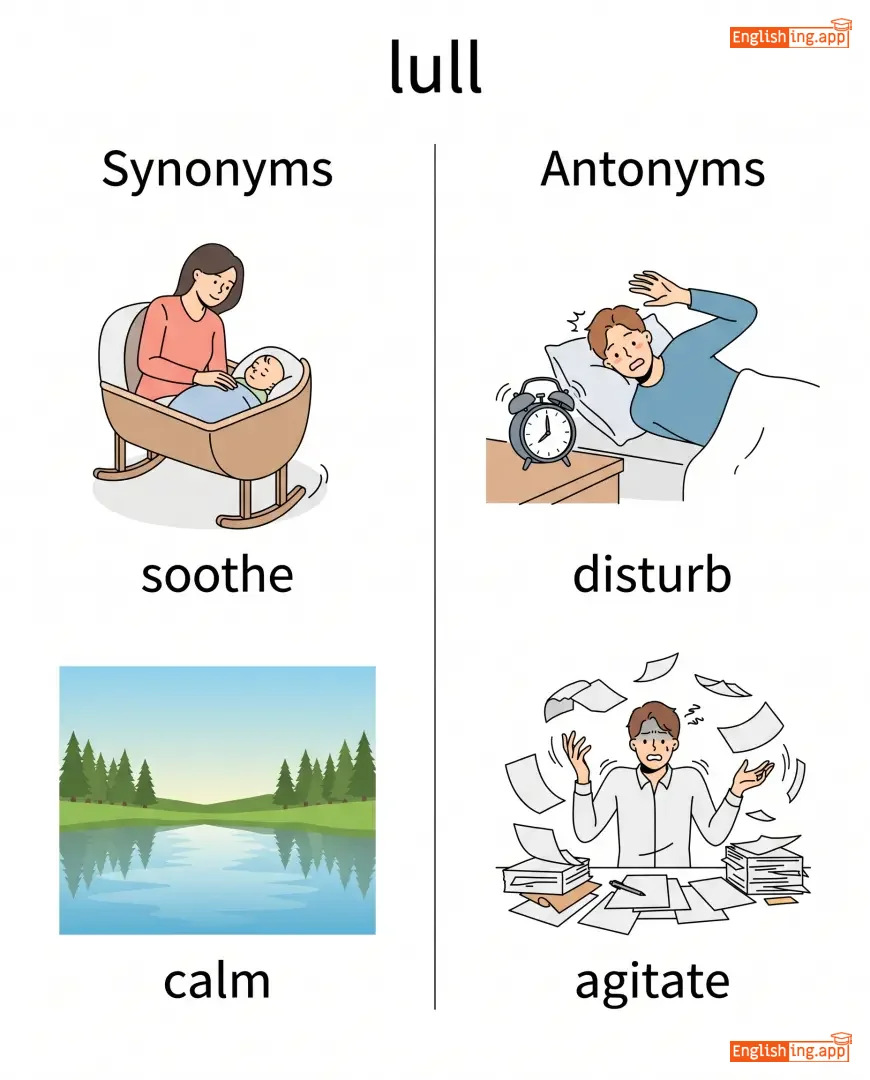
soothe, calm, pacify, quiet
••••••
|
agitate, disturb, excite, stimulate
••••••
|
lull to sleep, lull into, gently lull, lull baby
••••••
|
就像柔和的音乐能安抚你并让你入睡。
••••••
|
|
#81
🏗️
|
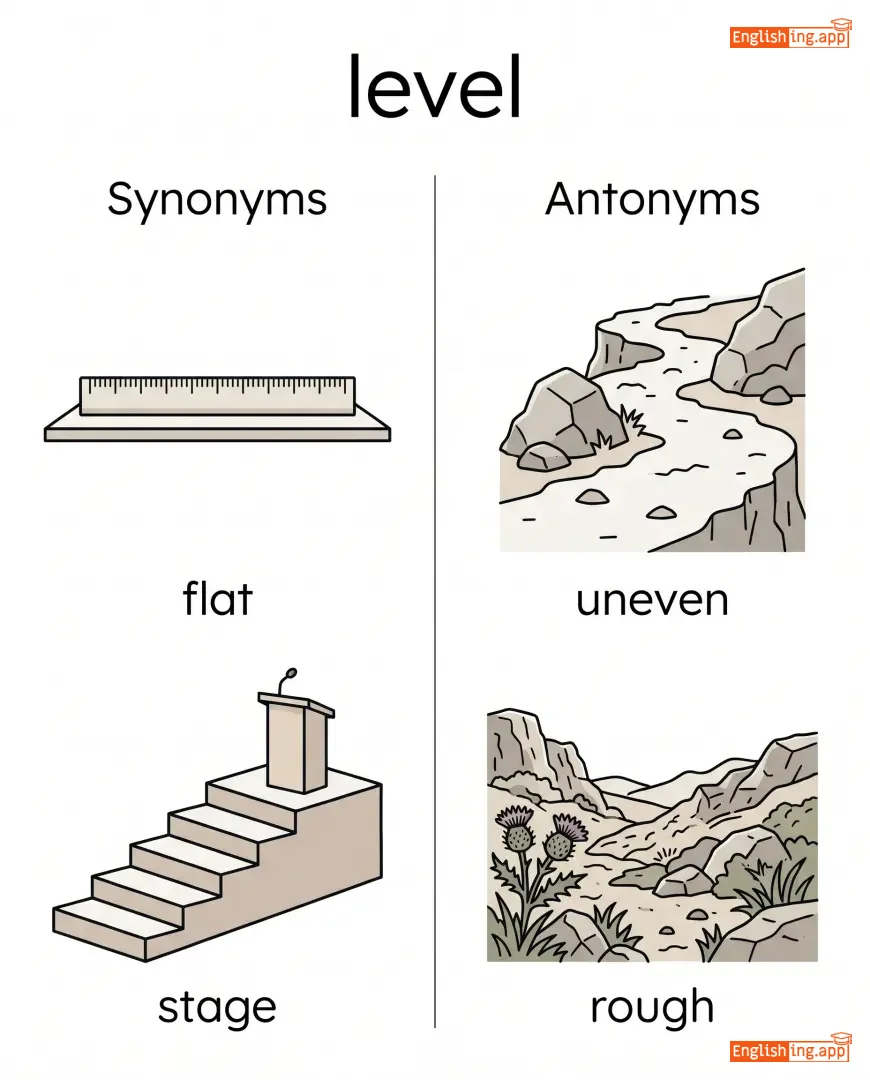
/ˈlevəl/
verb
(léifū)
••••••
|
|
平整
píngzhěng
••••••
|
leveled
léifūd
••••••
|
leveled
léifūd
••••••
|
levels
léifūs
••••••
|
leveling
léifūlíng
••••••
|
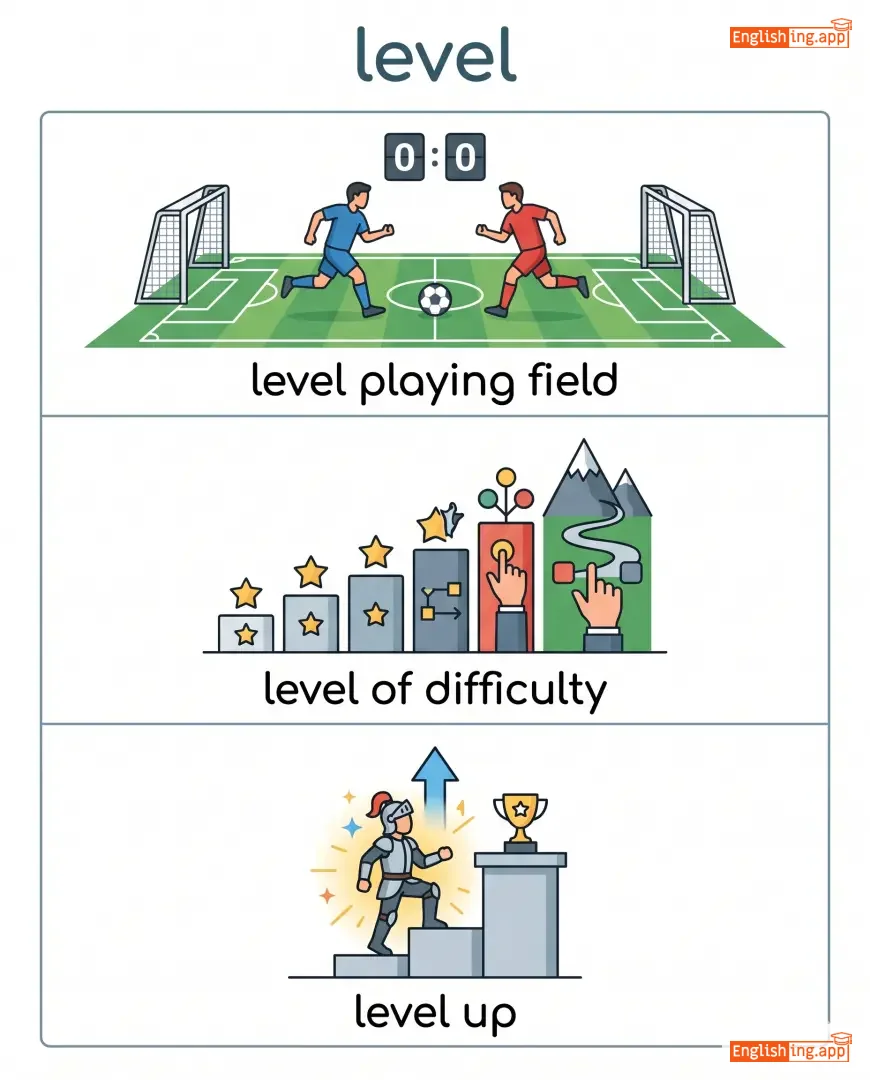
to make flat or even; to destroy or knock down
••••••
|
The construction workers leveled the ground before building.
建筑工人在建造之前将地面铺平。
••••••
|
建筑工人在建造之前将地面铺平。
Jiànzhú gōngzuò rén zài jiànzào zhīqián jiāng dìmiàn pūpíng.
••••••
|
flatten, smooth, even, demolish
••••••
|
raise, elevate, build up, construct
••••••
|
level ground, level playing field, sea level, high level
••••••
|
平整土地,如同给建筑清理基础。
••••••
|
|
#82
💬
|
/kənˈvɜːs/
verb
(海皮尼斯)
••••••
|
|
交谈
jiaotan
••••••
|
conversed
海皮尼斯德
••••••
|
conversed
海皮尼斯德
••••••
|
converses
海皮尼斯斯
••••••
|
conversing
海皮尼斯英
••••••
|
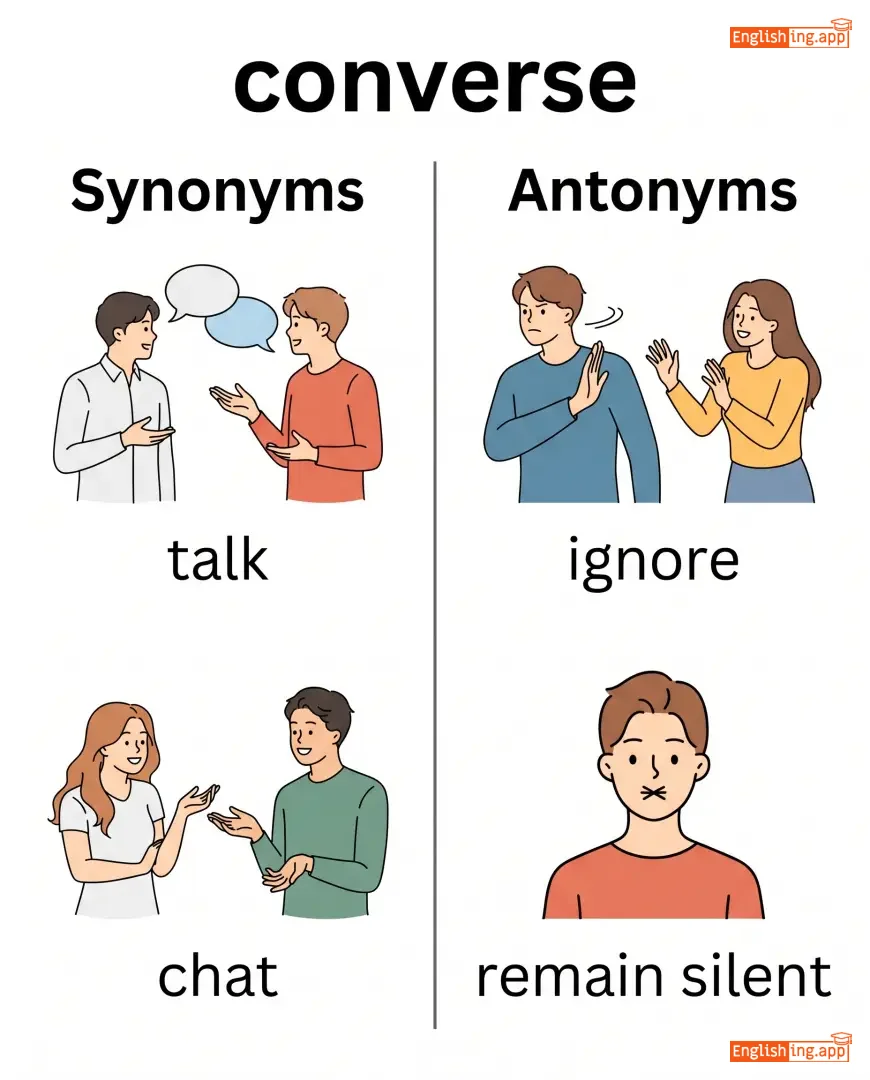
to have a conversation; to talk together
••••••
|
They conversed about literature for hours.
他们关于文学谈了几个小时。
••••••
|
他们谈了几个小时关于文学。
Tamen tan le jige xiaoshi guanyu wenxue.
••••••
|
talk, chat, discuss, communicate
••••••
|
ignore, silence, avoid, shun
••••••
|
converse freely, converse with, converse about, politely converse
••••••
|
‘Converse’ means ‘jiaotan’ — imagine chatting over tea in China.
••••••
|
|
#83
✅
|
/duː/
verb
(du)
••••••
|
|
做
zuò
••••••
|
did
did
••••••
|
done
完成
••••••
|
does
做
••••••
|
doing
做的
••••••
|
to perform an action; to carry out
••••••
|
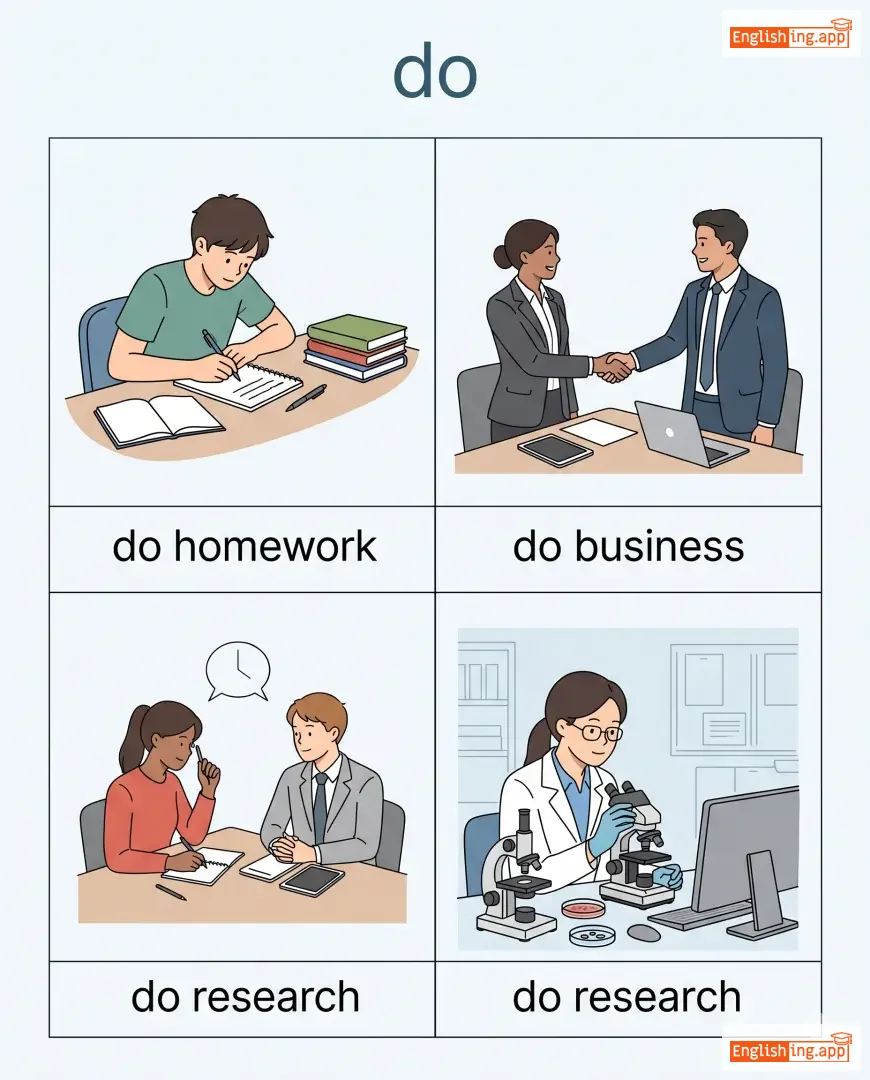
I do my homework every evening.
我每天晚上做作业。
••••••
|
我每天晚上做作业。
Wǒ měitiān wǎnshàng zuò zuòyè.
••••••
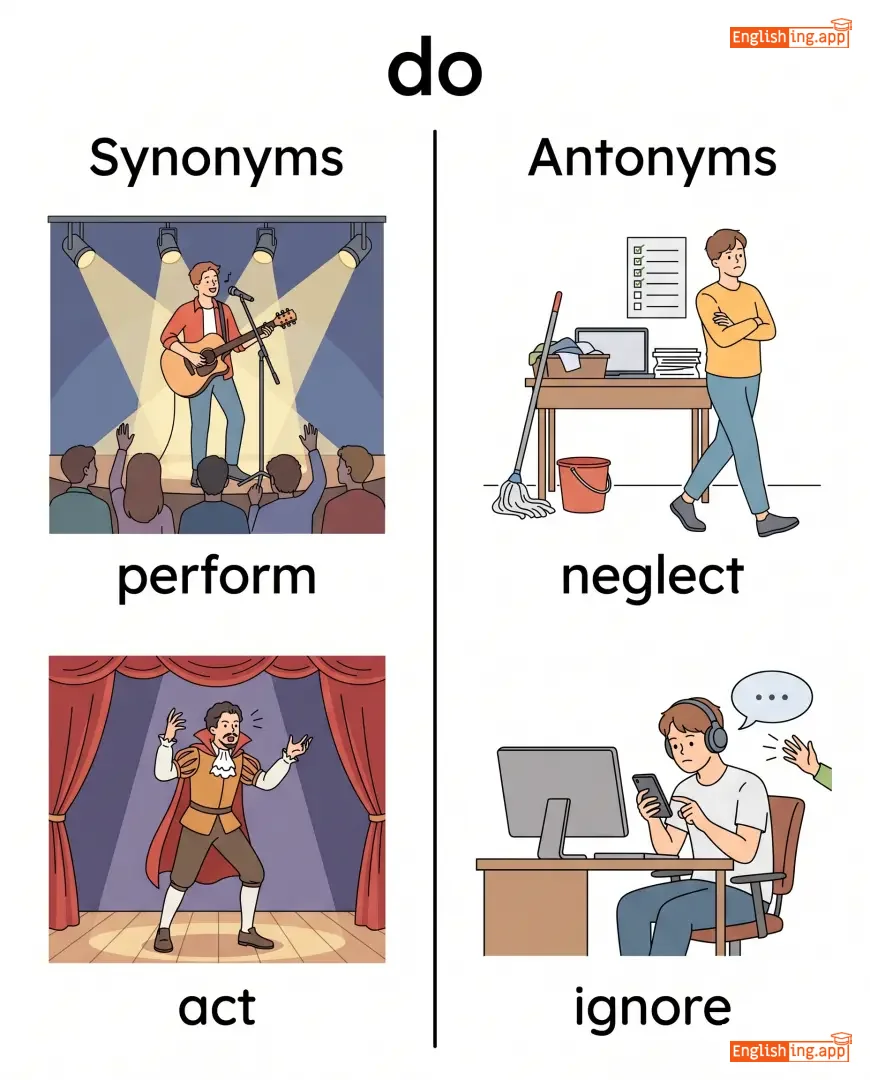
|
perform, execute, carry out, accomplish
••••••
|
undo, neglect, ignore, avoid
••••••
|
do homework, do work, do best, do dishes
••••••
|
In Chinese, '做' means to 'do' your homework just like the English!
••••••
|
|
#84
✊
|
/ˈproʊtest/
verb
(pròutèst)
••••••
|
|
抗议
kàngyì
••••••
|
protested
yìzhì
••••••
|
protested
yìzhì
••••••
|
protests
tóuzhī
••••••
|
protesting
jìzhì
••••••
|
to express strong objection; to demonstrate against something
••••••
|
Students protest against the new policy.
学生们抗议新的政策。
••••••
|
学生们抗议新的政策。
Xuéshēng men kàngyì xīn de zhèngcè.
••••••
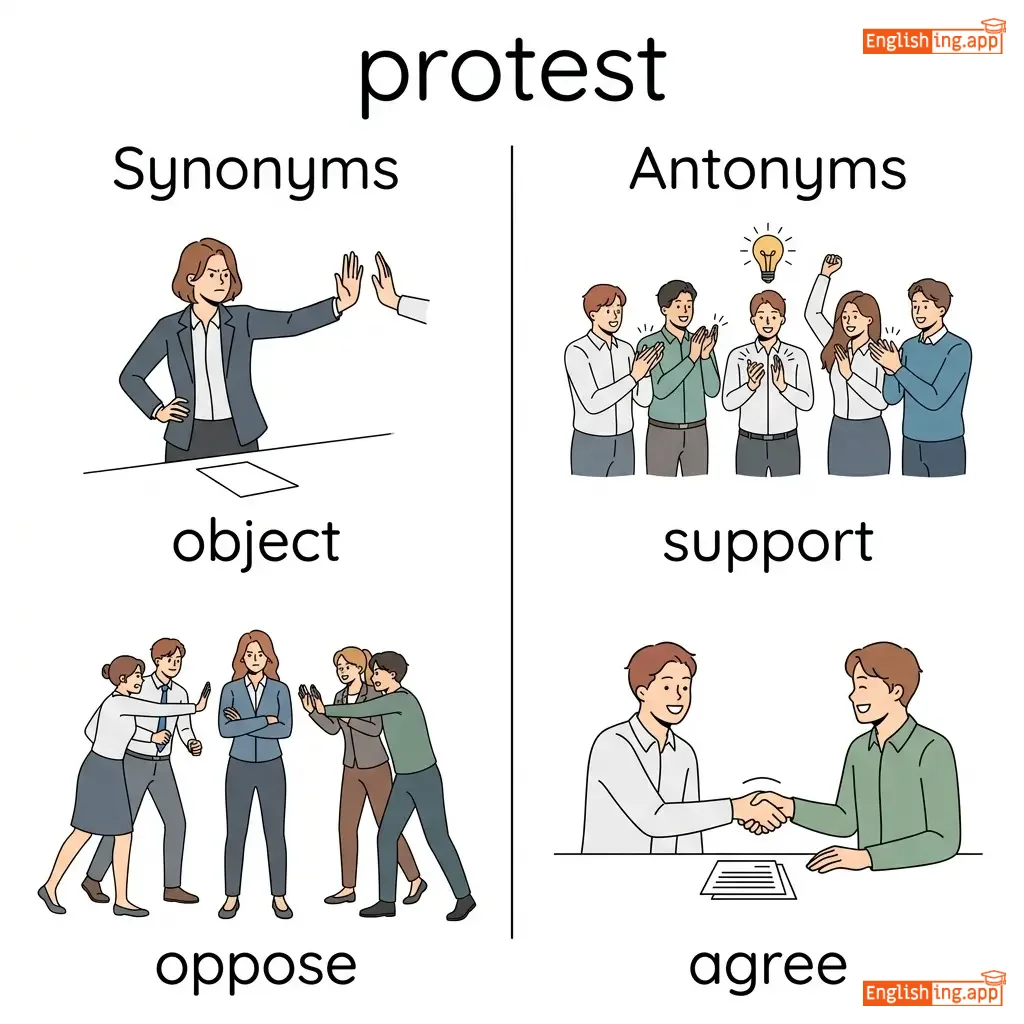
|
object, oppose, demonstrate, complain
••••••
|
support, agree, accept, approve
••••••
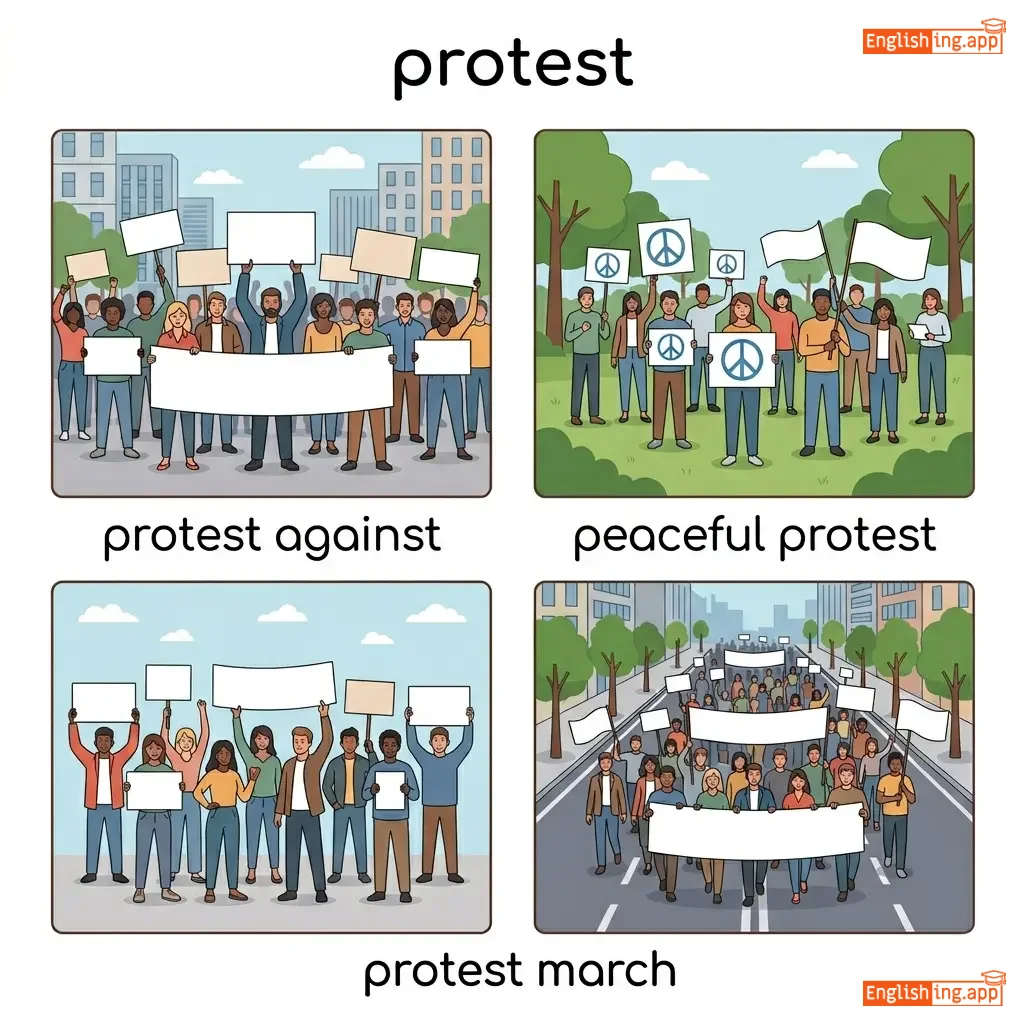
|
protest against, peaceful protest, protest march, strongly protest
••••••
|
抗议 = 站起来反对 (抗议政策,就像站起来反对不公)
••••••
|
|
#85
🗯️
|
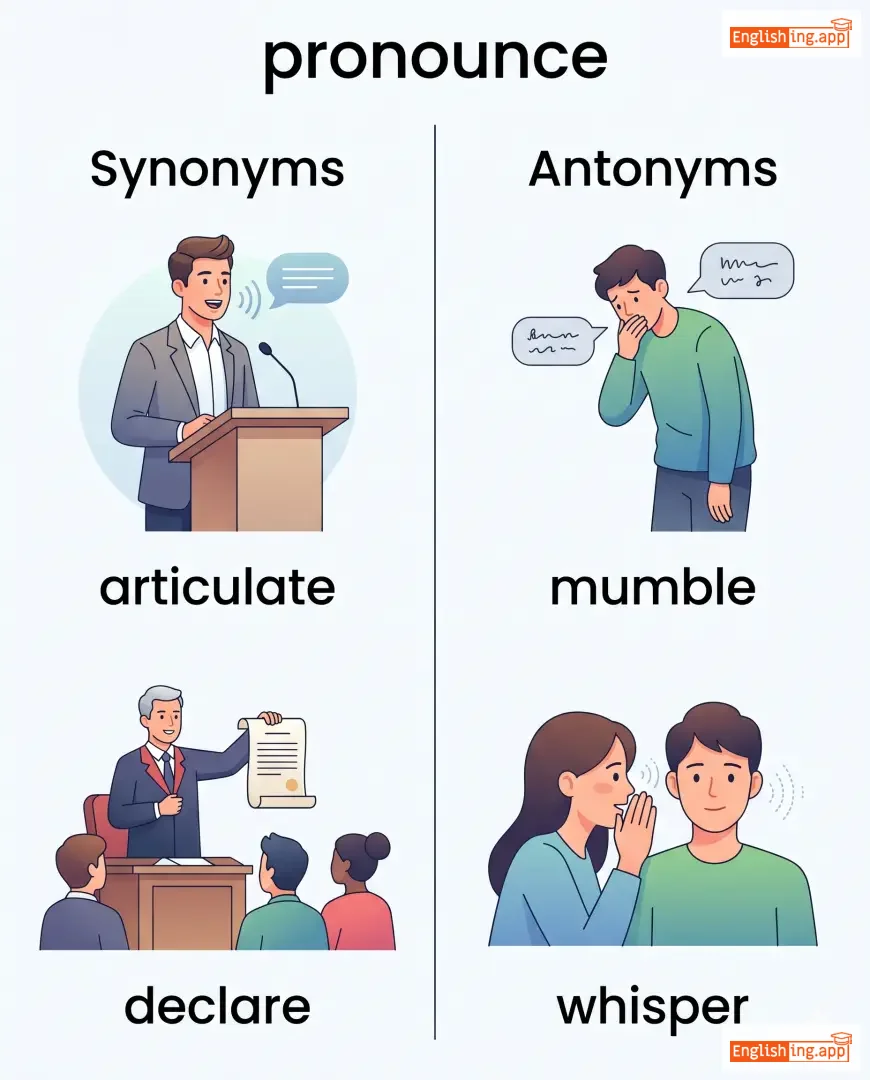
/prəˈnaʊns/
verb
(普罗纳恩斯)
••••••
|
|
发音
fayin
••••••
|
pronounced
普罗纳恩斯德
••••••
|
pronounced
普罗纳恩斯德
••••••
|
pronounces
普罗纳恩斯斯
••••••
|
pronouncing
普罗纳恩斯英
••••••
|
to say words correctly; to declare officially
••••••
|
She can pronounce French words perfectly.
她可以完美地发音法语单词。
••••••
|
她可以完美地发音法语单词。
Tā kěyǐ wánměi de fāyīn fǎyǔ dāncí.
••••••
|
articulate, declare, announce, state
••••••
|
mumble, whisper, conceal
••••••
|
pronounce correctly, pronounce clearly, pronounce word, hard to pronounce
••••••
|
Think of saying 'fayin' like a native Chinese speaker pronouncing perfectly.
••••••
|
|
#86
👔
|
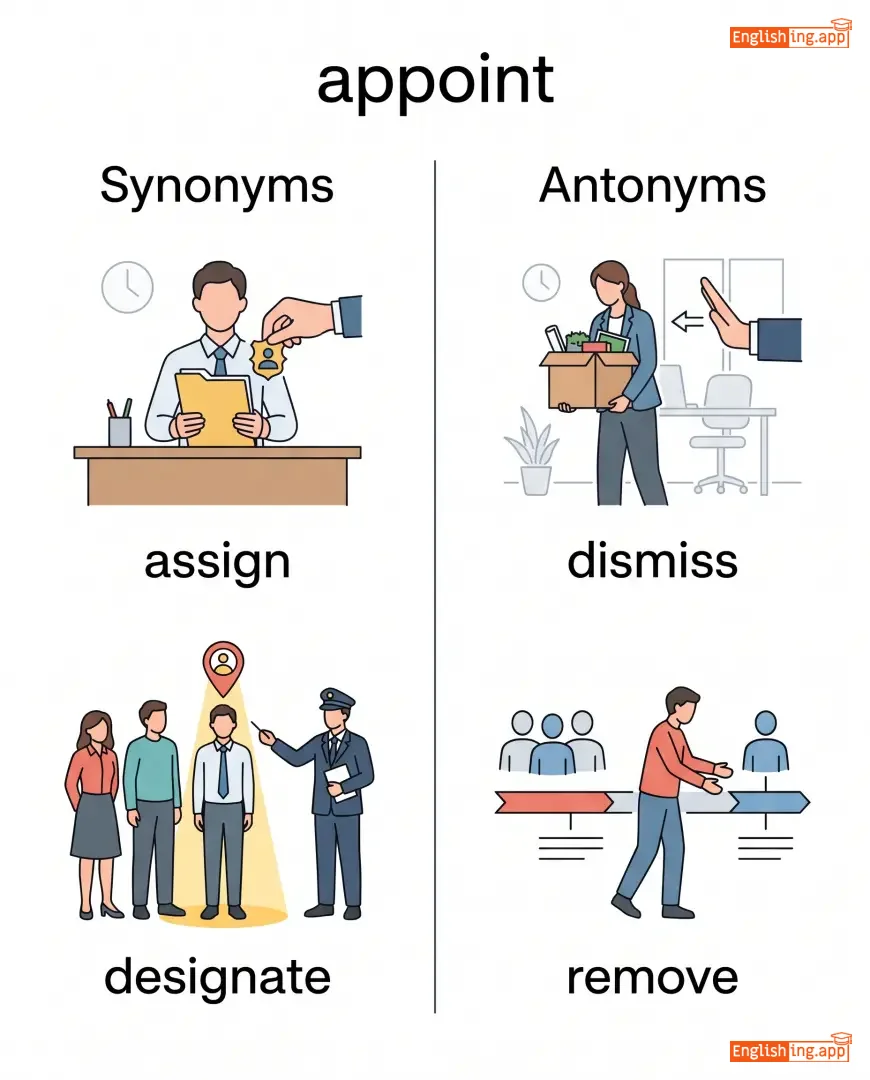
/əˈpɔɪnt/
verb
(əˈpɔɪnt)
••••••
|
|
任命
rènmìng
••••••
|
appointed
əˈpɔɪnted
••••••
|
appointed
əˈpɔɪnted
••••••
|
appoints
əˈpɔɪnts
••••••
|
appointing
əˈpɔɪntɪŋ
••••••
|
to choose someone for a job or position
••••••
|
The board will appoint a new director.
董事会将任命一位新董事。
••••••
|
董事会将任命一位新董事。
Dǒngshìhuì jiāng rènmìng yī wèi xīn dǒngshì.
••••••
|
assign, designate, nominate, select
••••••
|
dismiss, fire, remove, discharge
••••••
|
appoint someone, appoint director, appoint committee, newly appoint
••••••
|
董事会需要任命一位新董事,以确保组织运行良好。
••••••
|
|
#87
🎉
|
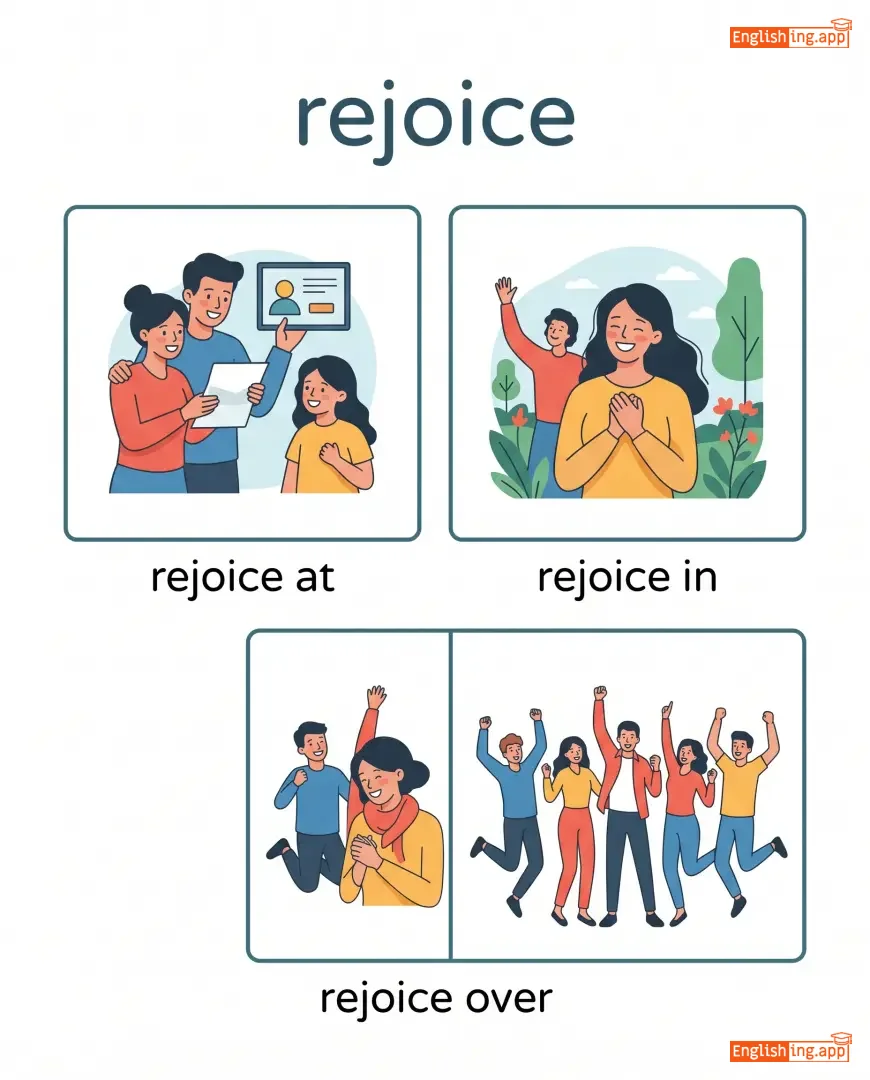
/rɪˈdʒɔɪs/
verb
(rijoisi)
••••••
|
|
欢欣
huānxīn
••••••
|
rejoiced
rijoised
••••••
|
rejoiced
rijoised
••••••
|
rejoices
rijoises
••••••
|
rejoicing
rijoising
••••••
|
to feel or show great joy; to celebrate
••••••
|
The family rejoices at the good news.
这个家庭因好消息而欢欣鼓舞。
••••••
|
这个家庭因好消息而欢欣鼓舞。
Zhège jiātíng yīn hǎo xiāoxī ér huānxīn gǔwǔ
••••••
|
celebrate, delight, exult, be happy
••••••
|
mourn, grieve, lament, sorrow
••••••
|
rejoice in, rejoice at, greatly rejoice, rejoice together
••••••
|
Celebrate joy like a happy family receiving good news!
••••••
|
|
#88
📦
|
/sæk/
verb
(sākè)
••••••
|
- •••••• |
解雇
jiěgù
••••••
|
sacked
sākèd
••••••
|
sacked
sākèd
••••••
|
sacks
sākè sī
••••••
|
sacking
sākèng
••••••
|
to dismiss from a job; to put something in a sack
••••••
|
The company sacked him for poor performance.
公司因为表现不佳解雇了他。
••••••
|
公司因为表现不佳解雇了他。
Gōngsī yīnwèi biǎoxiàn bù jiā jiěgù le tā.
••••••
|
fire, dismiss, discharge, terminate
••••••
|
hire, employ, recruit, appoint
••••••
|
sack employee, get the sack, sack someone, sack goods
••••••
|
Sack = 被解雇,或者把东西放进袋子里。
••••••
|
|
#89
🌱
|
/bɪˈkʌm/
verb
(bikam)
••••••
|
- •••••• |
变得
biàn dé
••••••
|
became
bikem
••••••
|
become
bikam
••••••
|
becomes
bikams
••••••
|
becoming
biking
••••••
|
to grow to be; to come to be
••••••
|
She became a doctor after years of study.
她经过多年的学习成为了一名医生。
••••••
|
她经过多年的学习成为了一名医生。
Tā jīngguò duō nián de xuéxí chéngwéi le yī míng yīshēng.
••••••
|
turn into, grow into, develop into, transform
••••••
|
remain, stay, continue
••••••
|
become better, become famous, become clear, become reality
••••••
|
‘变得’ means to transform in Chinese—picture yourself becoming your desired form!
••••••
|
Vocabulary Quiz
Test your vocabulary by matching words with their translations or meanings.
Login to take the quiz
Comments (0)
Share your thoughts and join the discussion.
Join the discussion by logging in
Login to CommentNo comments yet
Be the first to share your thoughts!