































Swipe left or right, or use the buttons. Tap image to zoom.
例句翻译
单词
Lesson 5: Mastering the Most Frequent Verbs & TensesLesson 5: Mastering the Most Frequent Verbs & Tenses - 遮罩切换
|
表情符号
|
单词 | Images | 翻译 | 过去时 | 过去分词 | 第三人称单数 | 动名词 | 含义 | 例句 | 例句翻译 | 同义词 | 反义词 | 搭配词 | 助记符 |
|---|---|---|---|---|---|---|---|---|---|---|---|---|---|---|
|
#120
✖️
|
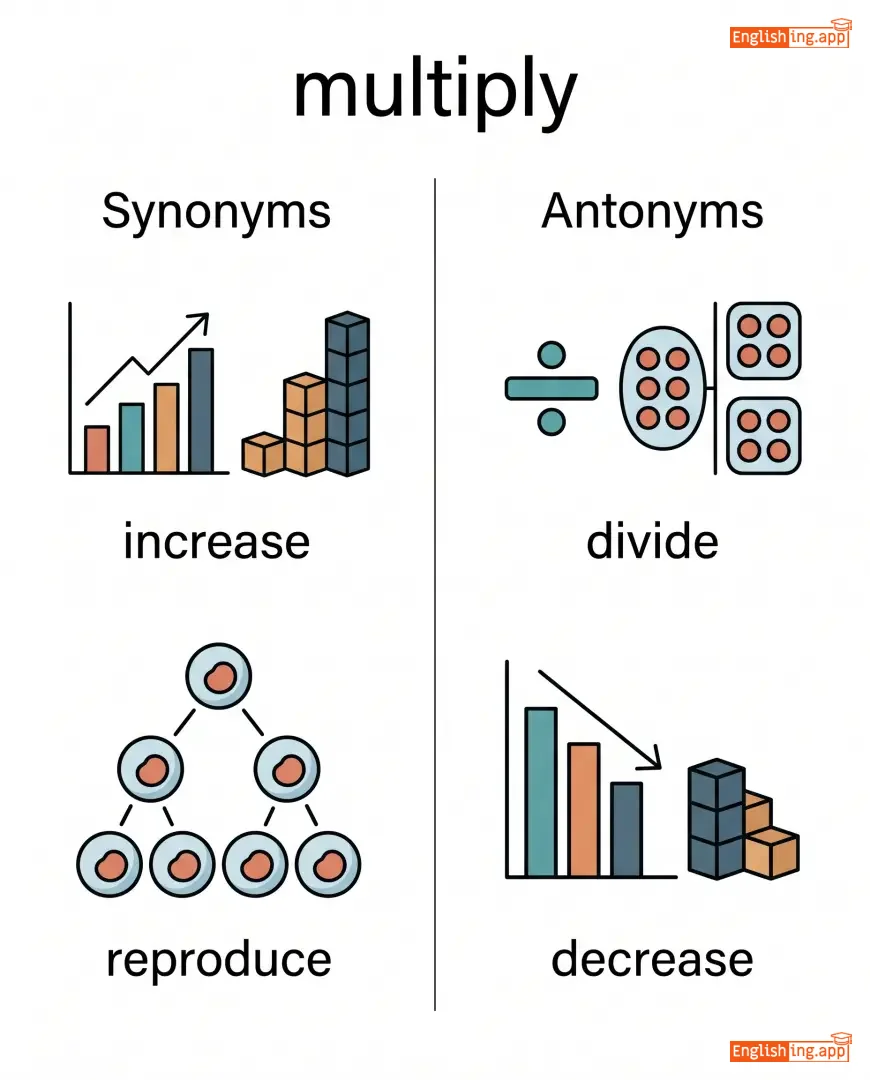
/ˈmʌltɪplaɪ/
verb
(mʌltɪplaɪ)
••••••
|
|
乘法
chengfa
••••••
|
multiplied
mʌltɪplaɪd
••••••
|
multiplied
mʌltɪplaɪd
••••••
|
multiplies
mʌltɪplaɪz
••••••
|
multiplying
mʌltɪplaɪɪŋ
••••••
|
to increase in number; to perform mathematical multiplication
••••••
|
The bacteria multiply rapidly in warm conditions.
细菌在温暖的条件下迅速繁殖。
••••••
|
细菌在温暖的条件下迅速繁殖。
Xijun zai wenruan de tiaojian xia xunsu fanzhi
••••••
|
increase, reproduce, grow, expand
••••••
|
divide, decrease, reduce, diminish
••••••
|
multiply by, multiply together, multiply rapidly, multiply numbers
••••••
|
乘法就像细菌在温暖环境中繁殖
••••••
|
|
#121
🤔
|
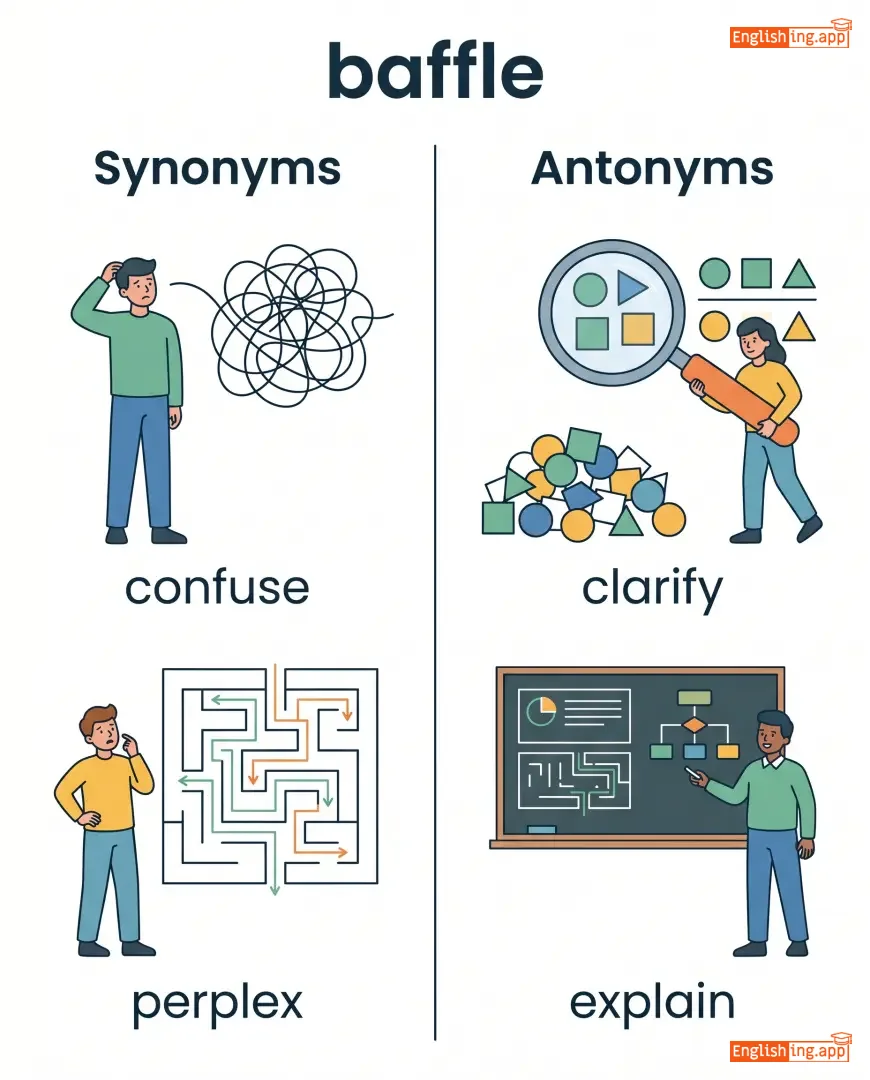
/ˈbæfəl/
verb
(bāfū)
••••••
|
|
困惑
kùnhuò
••••••
|
baffled
bāfú
••••••
|
baffled
bāfú
••••••
|
baffles
bāfú
••••••
|
baffling
bāfù
••••••
|
to confuse; to be too difficult to understand
••••••
|
The math problem baffles me completely.
数学问题完全把我搞糊涂了。
••••••
|
数学问题完全把我搞糊涂了。
Shùxué wèntí wánquán bǎ wǒ gǎo hútu le
••••••
|
confuse, puzzle, perplex, mystify
••••••
|
clarify, explain, enlighten
••••••
|
completely baffle, baffle scientists, truly baffle, utterly baffle
••••••
|
像数学难题一样令人困惑
••••••
|
|
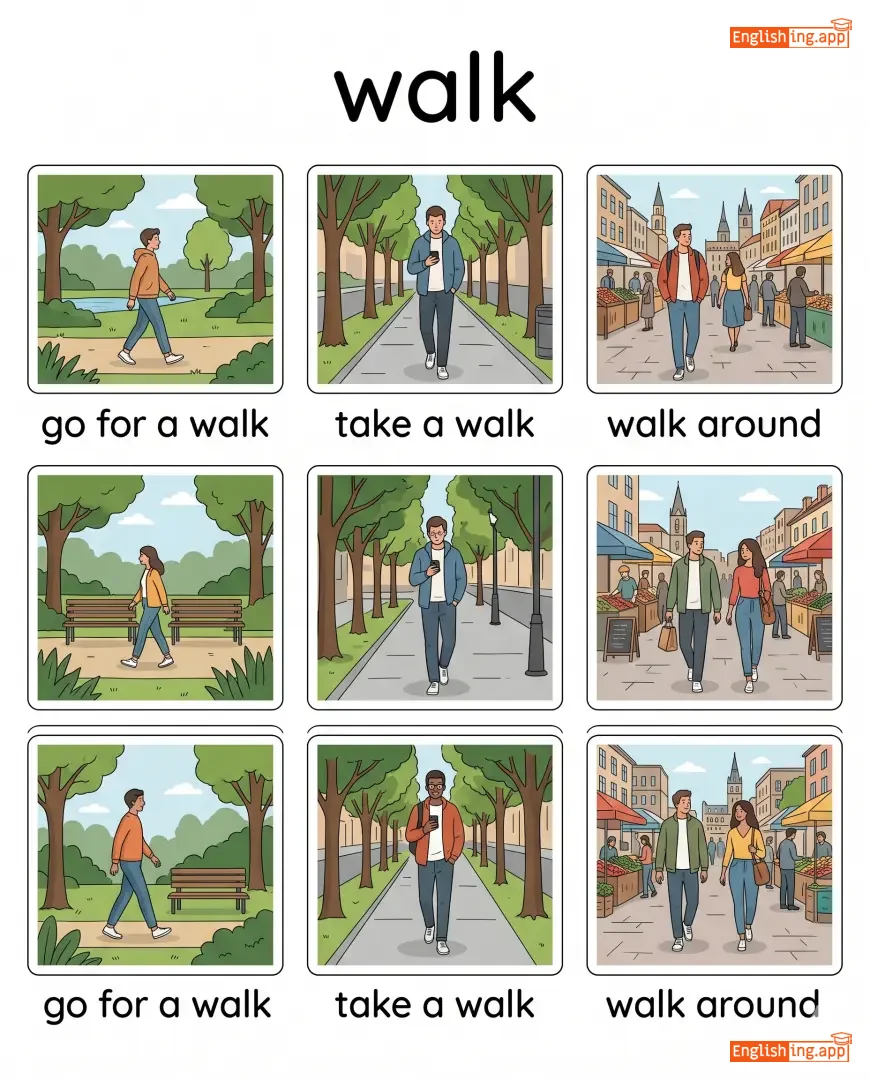
#122
🚶
|
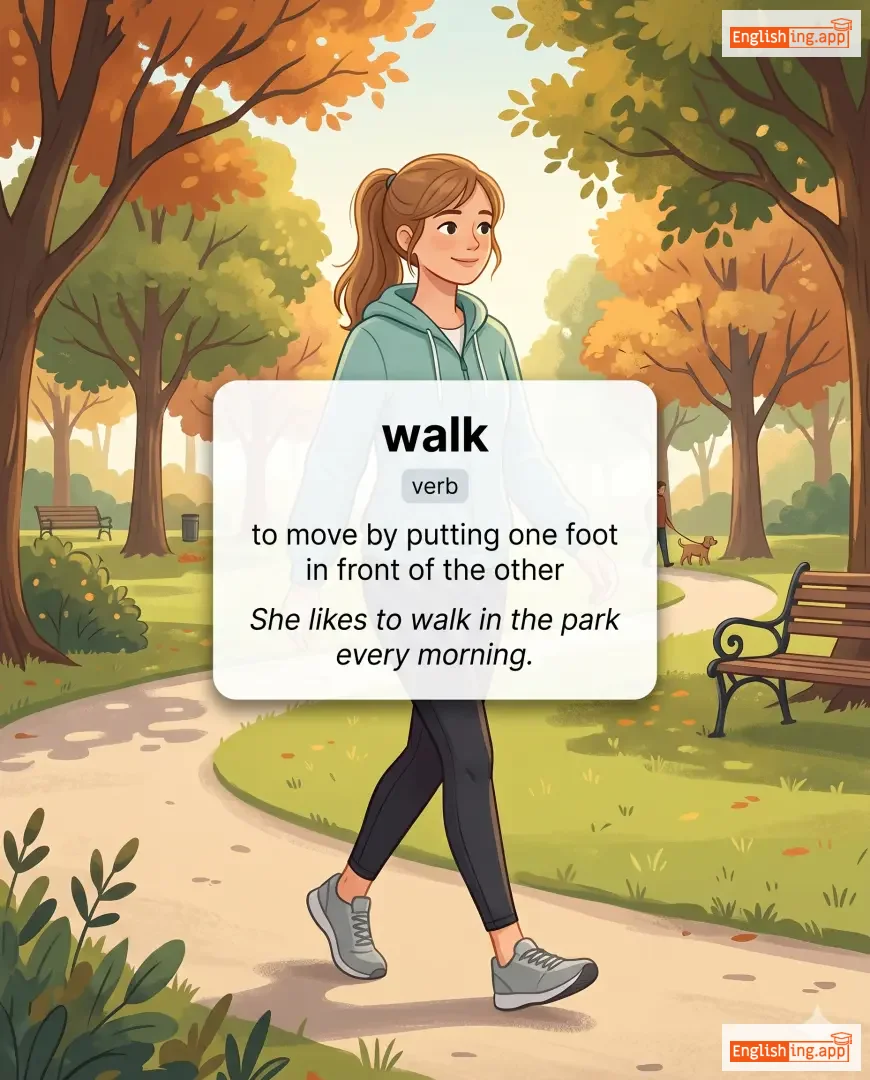
/wɔːk/
verb
(沃克)
••••••
|
|
走
zou
••••••
|
walked
沃克德
••••••
|
walked
沃克德
••••••
|
walks
沃克斯
••••••
|
walking
沃金
••••••
|
to move forward by putting one foot in front of the other
••••••
|
I walk to school every morning.
我每天早晨步行去学校。
••••••
|
我每天早晨步行去学校。
Wo meitian zaocheng buxing qu xuexiao.
••••••
|
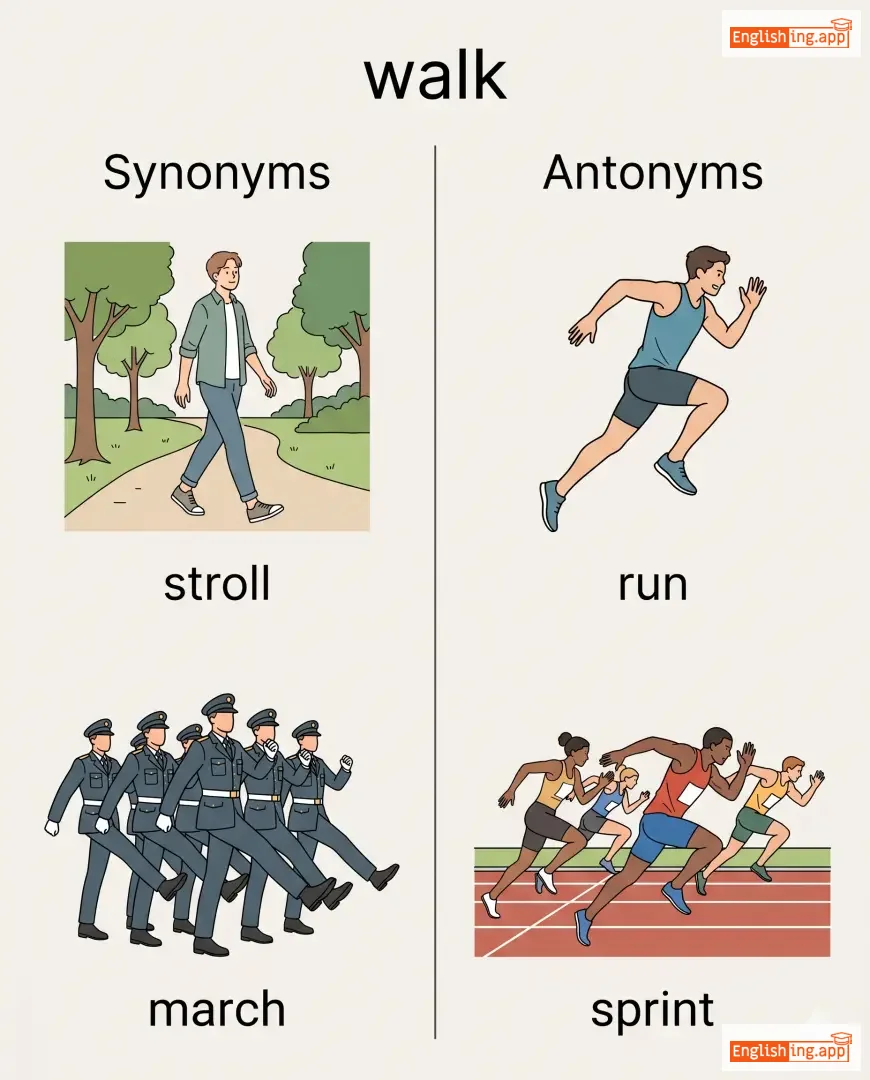
stroll, march, stride, step
••••••
|
run, fly, drive, ride
••••••
|
walk slowly, walk together, walk alone, walk home
••••••
|
走路就像在生活中前行!
••••••
|
|
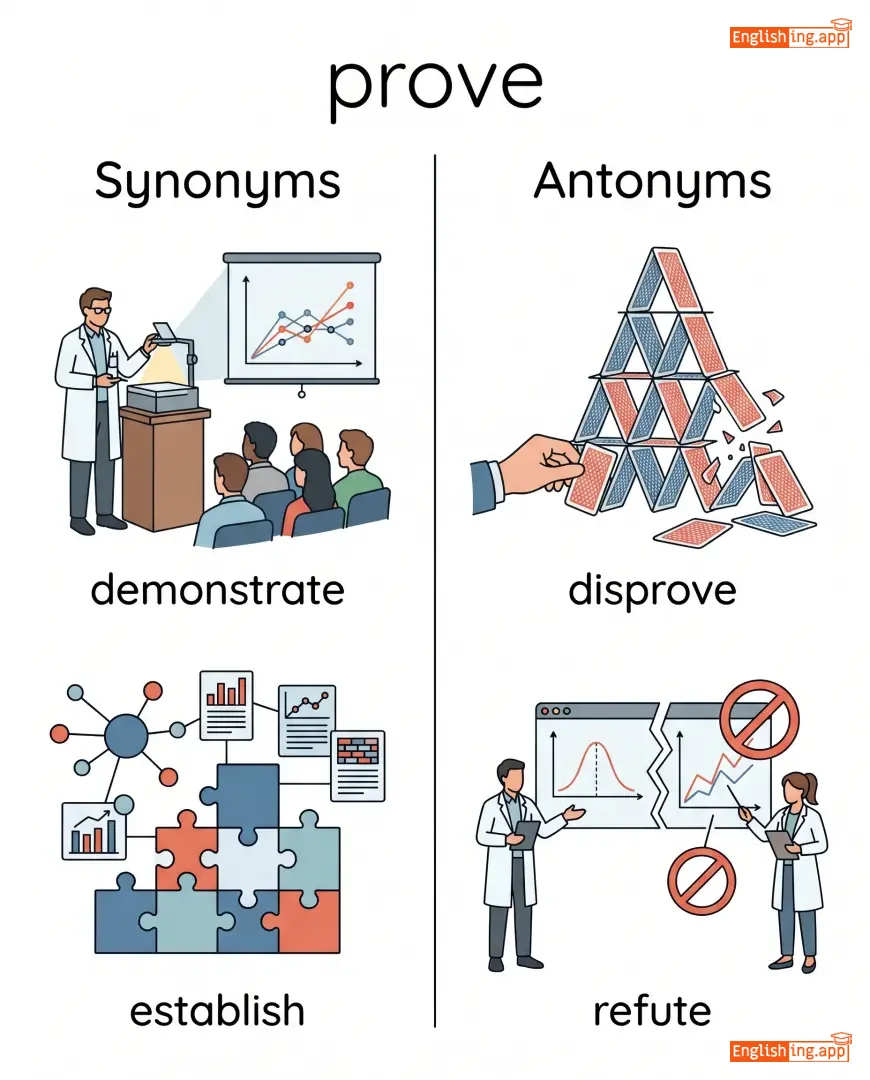
#123
✅
|
/pruːv/
verb
(pruv)
••••••
|
|
证明
zhèngmíng
••••••
|
proved
pruːvd
••••••
|
proved
pruːvd
••••••
|
proves
pruːvz
••••••
|
proving
pruːvɪŋ
••••••
|
to show that something is true; to demonstrate
••••••
|
The evidence will prove his innocence.
证据将证明他的无辜。
••••••
|
证据将证明他的无辜。
Zhèngjù jiāng zhèngmíng tā de wúgū.
••••••
|
demonstrate, establish, verify, confirm
••••••
|
disprove, refute, contradict
••••••
|
prove innocence, prove wrong, prove right, prove point
••••••
|
在中文中,'证明'像英语中的'prove',就像向他人展示某个事实。
••••••
|
|
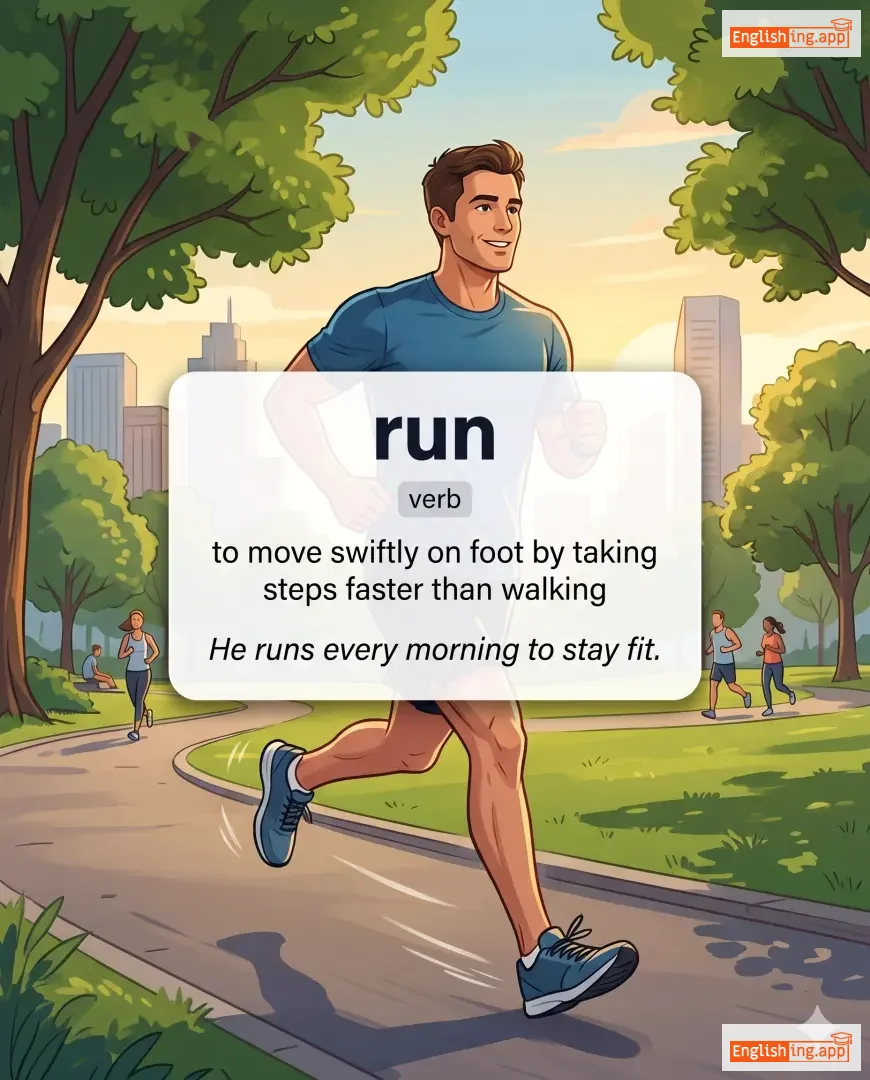
#124
🏃
|
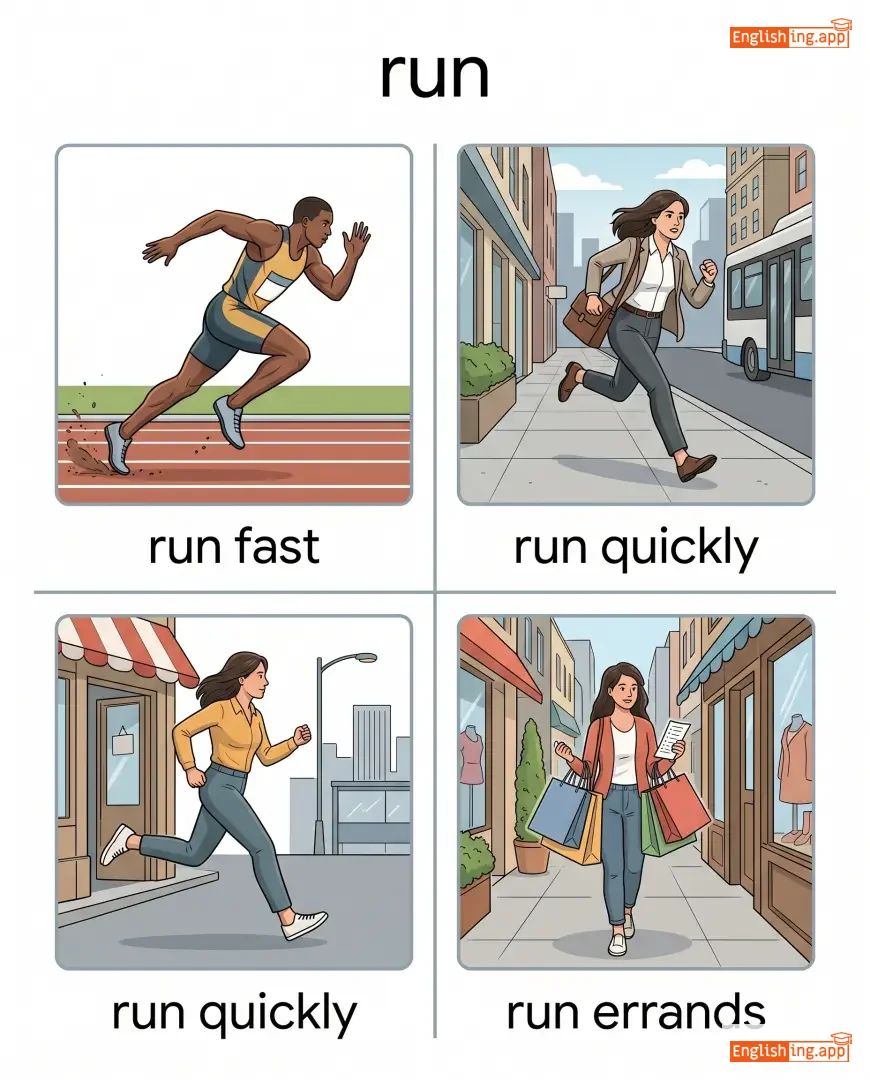
/rʌn/
verb
(rán)
••••••
|
|
跑步
paobu
••••••
|
ran
rán
••••••
|
run
rán
••••••
|
runs
ráns
••••••
|
running
ránīng
••••••
|
to move quickly on foot; to operate or function
••••••
|
I run every morning for exercise.
我每天早上跑步锻炼。
••••••
|
我每天早上跑步锻炼。
Wo meitian zaoshang paobu duanlian.
••••••
|
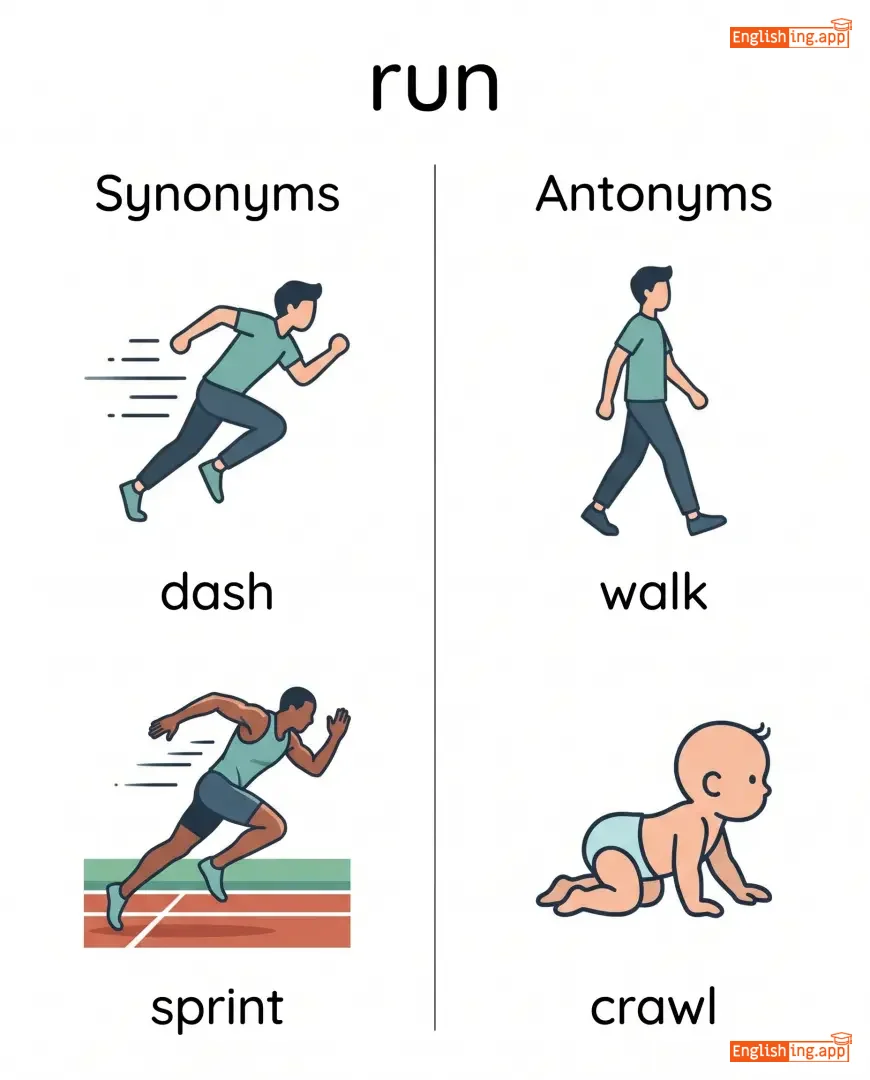
sprint, jog, dash, operate
••••••
|
walk, stop, halt, rest
••••••
|
run fast, run away, run out, run towards
••••••
|
跑步是清晨开始的一项活力运动,感觉自由与力量!
••••••
|
|
#125
🙏
|
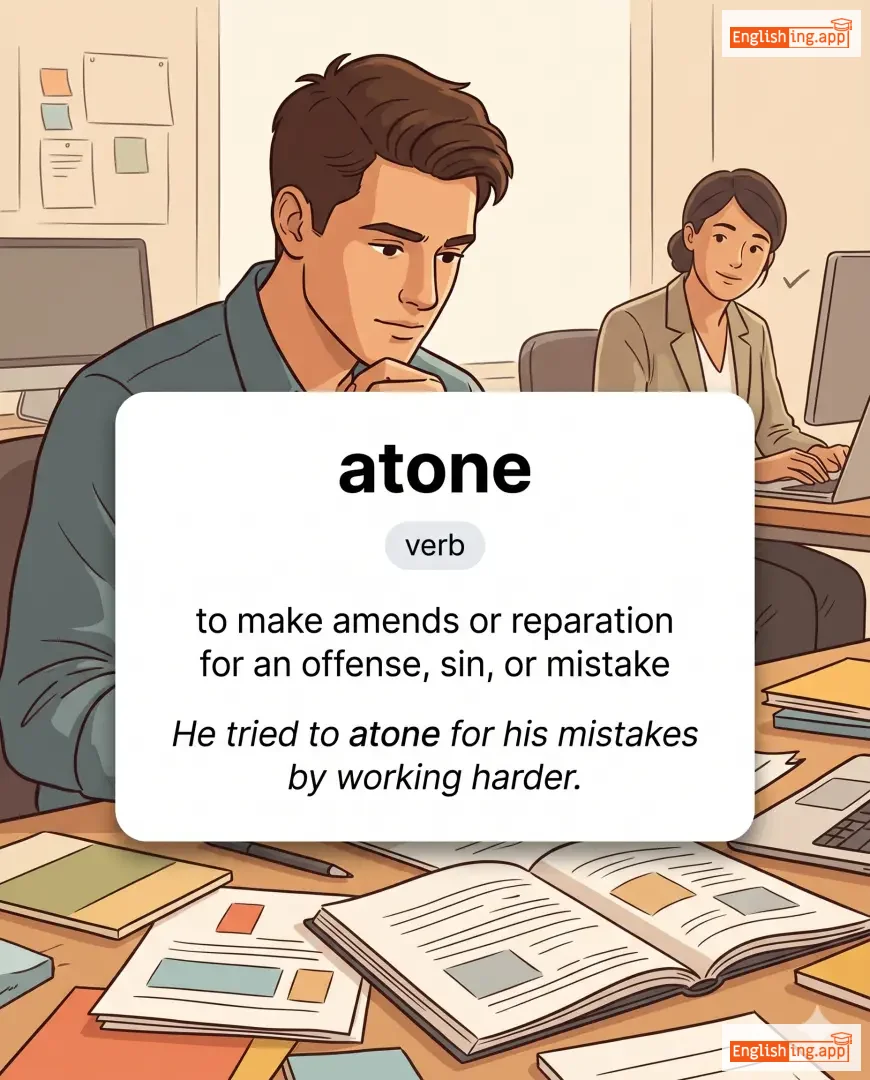
/əˈtoʊn/
verb
(ēitón)
••••••
|
|
赎回
shúhuí
••••••
|
atoned
ēitóngd
••••••
|
atoned
ēitóngd
••••••
|
atones
ēitóngs
••••••
|
atoning
ēitónging
••••••
|
to make amends for a wrong or injury; to make reparation
••••••
|
He tried to atone for his mistakes by helping others.
tā cháng shì tōngguò bāngzhù biérén lái zhìguī zìjǐ de cuòwù.
••••••
|
他试图通过帮助别人来赎回自己的错误。
Tā shìtú tōngguò bāngzhù biérén lái shúhuí zìjǐ de cuòwù.
••••••
|
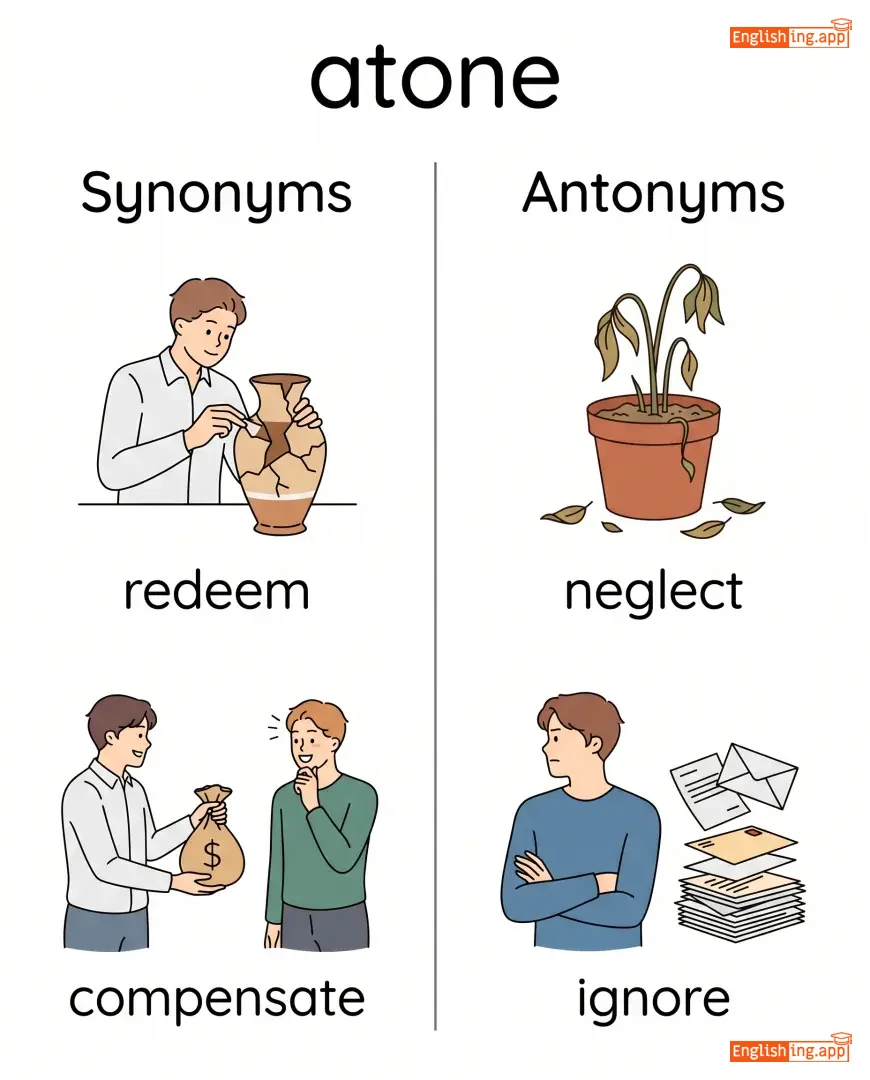
repent, compensate, redeem, make amends
••••••
|
offend, transgress, sin, wrong
••••••
|
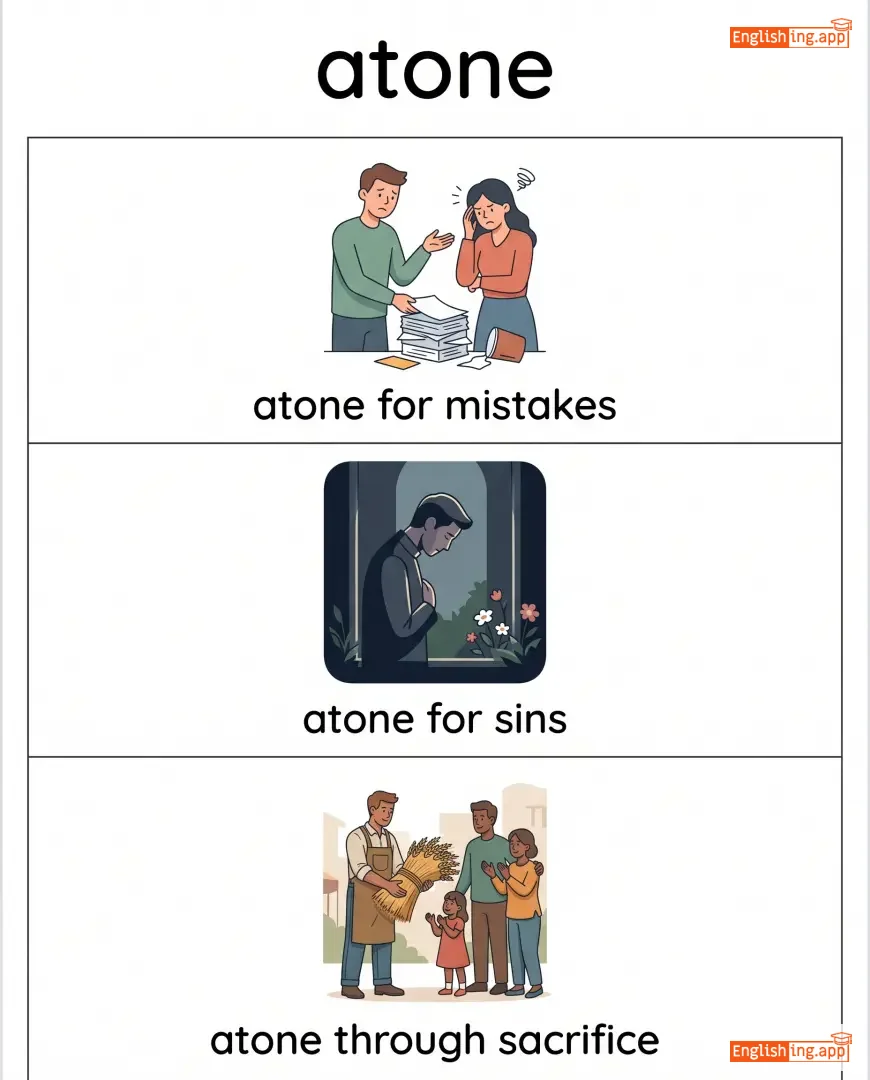
atone for sins, atone for mistakes, fully atone, properly atone
••••••
|
通过帮助别人赎回自己的错误
••••••
|
|
#126
👋
|
/weɪv/
verb
(wēi wú)
••••••
|
|
挥手
huī shǒu
••••••
|
Waved
wēi wúd
••••••
|
Waved
wēi wúd
••••••
|
Waves
wēi wú sī
••••••
|
Waving
wēi wíng
••••••
|
to move hand or something back and forth; a moving ridge of water
••••••
|
She waves goodbye to her friends from the window.
她从窗户向她的朋友挥手告别。
••••••
|
她从窗户向她的朋友挥手告别。
Tā cóng chuānghù xiàng tā de péngyǒu huī shǒu gàobié.
••••••
|
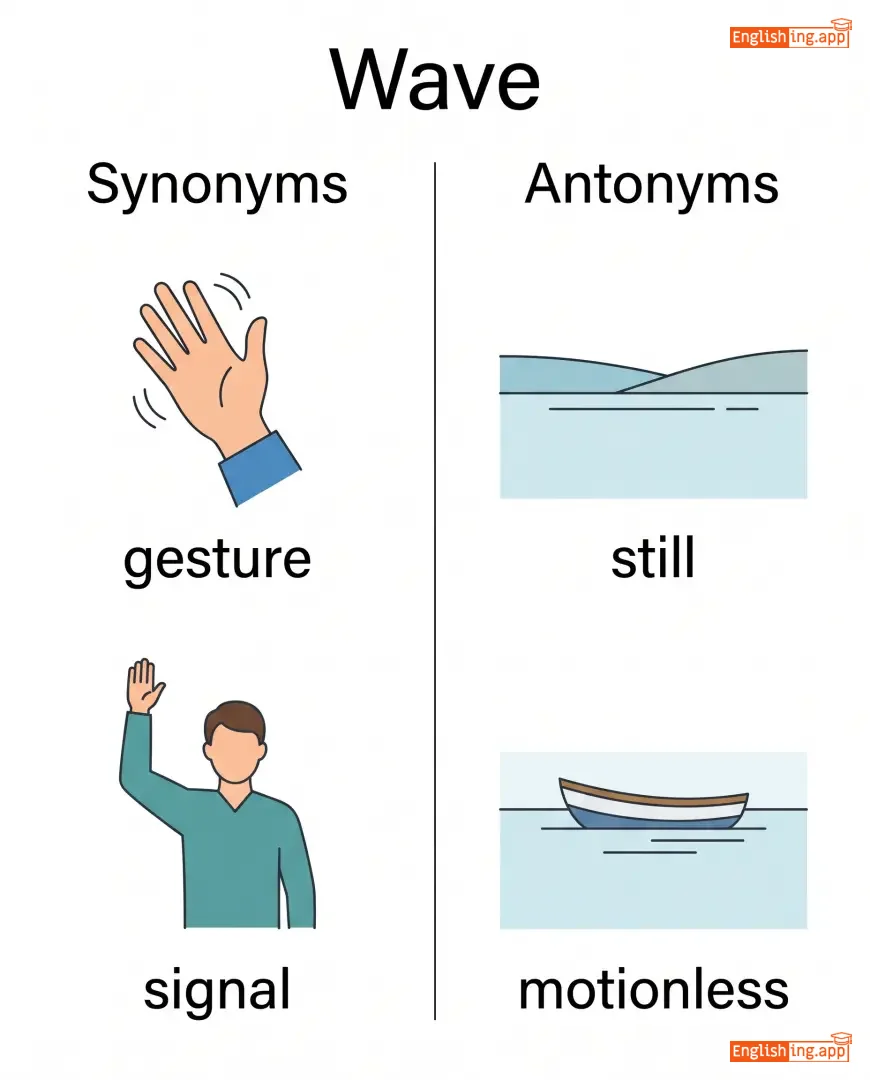
gesture, signal, greet, undulate
••••••
|
still, motionless, steady, calm
••••••
|
wave goodbye, wave hand, wave at, wave frantically
••••••
|
想象挥手像海浪一样波动。
••••••
|
|
#127
🗣️
|
/ˈʌtər/
verb
(阿特尔)
••••••
|
|
发声
fasheng
••••••
|
uttered
阿特尔德
••••••
|
uttered
阿特尔德
••••••
|
utters
阿特尔斯
••••••
|
uttering
阿特尔英
••••••
|
to speak or say something; to express in words
••••••
|
She didn't utter a single word during the meeting.
她在会议期间没有说出一个字。
••••••
|
她在会议期间没有说出一个字。
Ta zai huiyi qijian meiyou shuo chu yi ge zi.
••••••
|
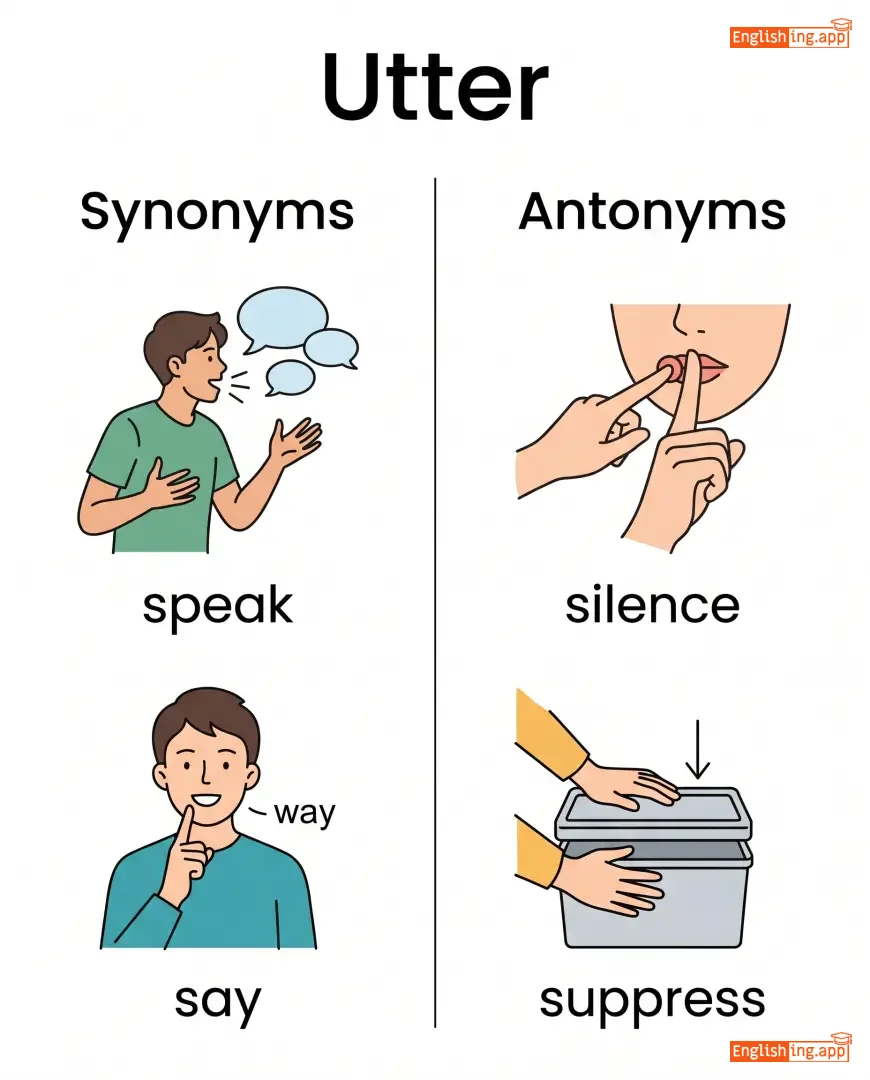
speak, say, voice, express, articulate
••••••
|
remain silent, withhold, suppress
••••••
|
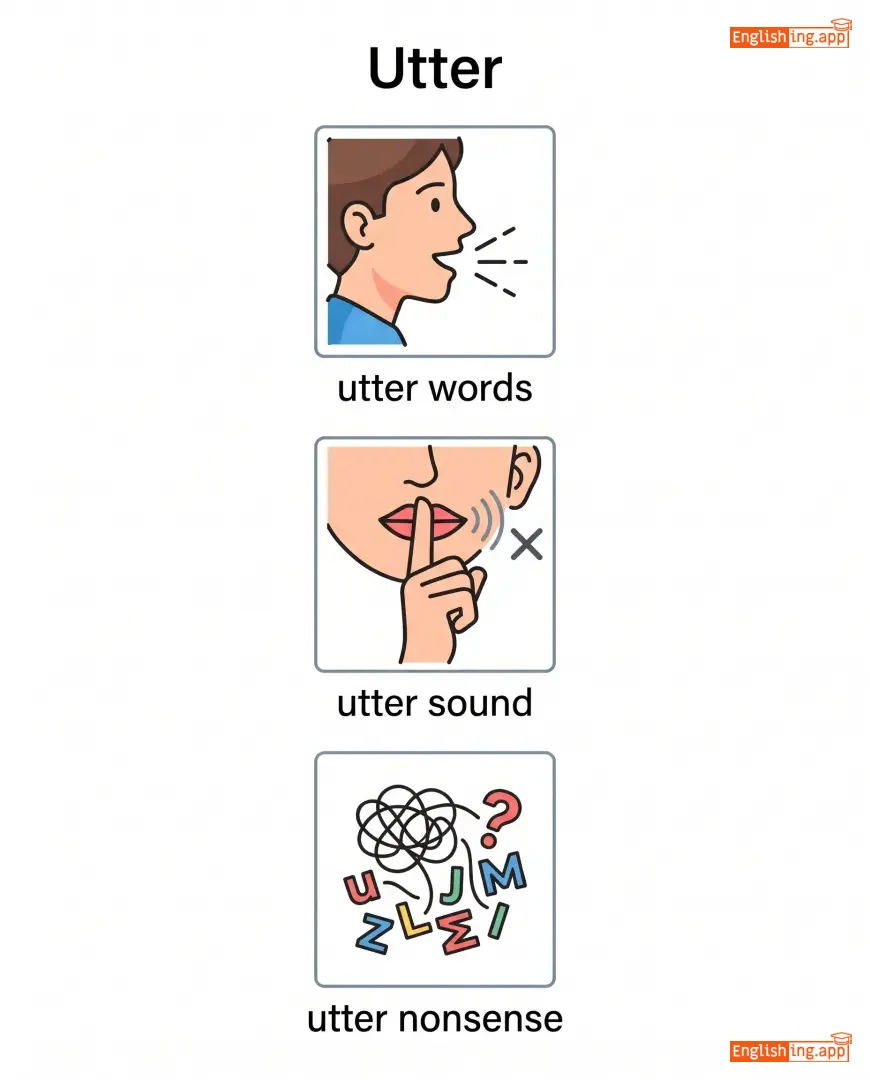
utter words, utter silence, hardly utter, barely utter
••••••
|
发声是用语言表达,就像在会议中不说话一样。
••••••
|
|
#128
💼
|
/dʒɑb/
verb
(dʒɑb)
••••••
|
|
工作
gongzuo
••••••
|
jobbed
dʒɑbd
••••••
|
jobbed
dʒɑbd
••••••
|
jobs
dʒɑbz
••••••
|
jobbing
dʒɑbɪŋ
••••••
|
to work at various small tasks; a piece of work or employment
••••••
|
She found a good job at the local bank.
她在当地银行找到了一份好工作。
••••••
|
她在当地银行找到了一份好工作。
Tā zài dāngdì yínháng zhǎodàole yī fèn hǎo gōngzuò.
••••••
|
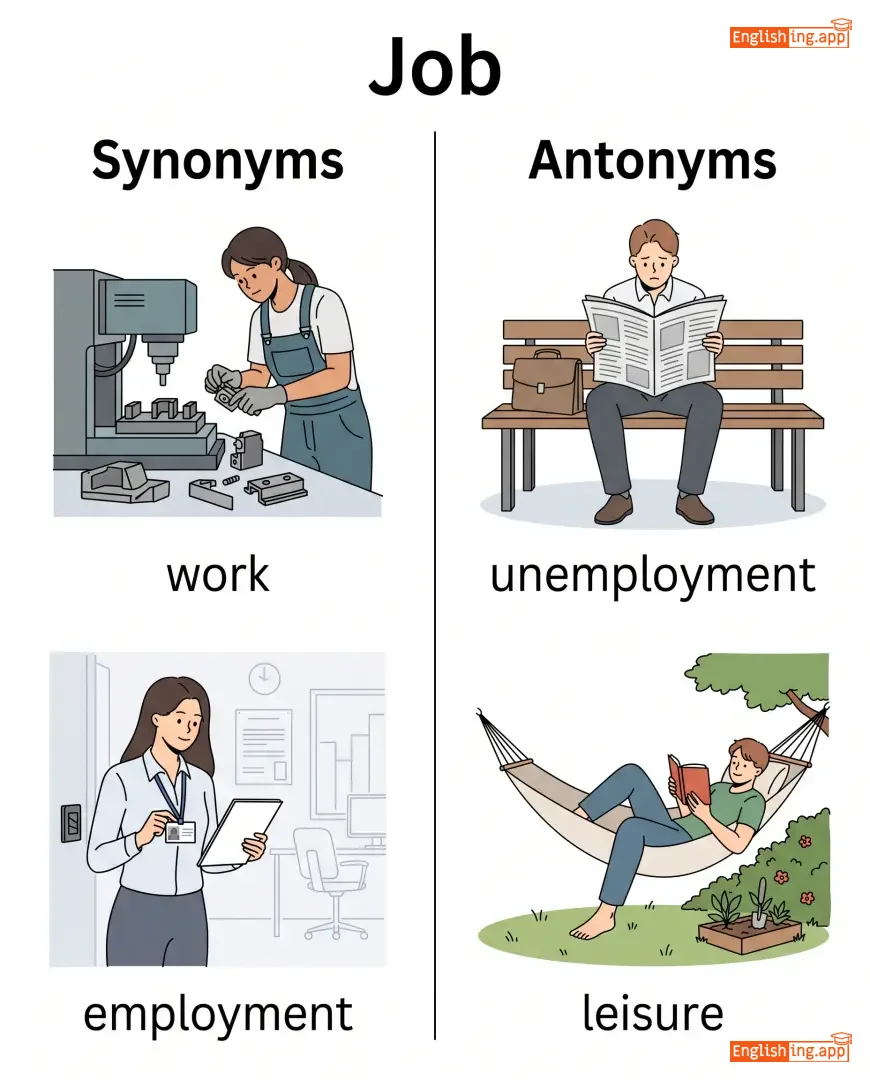
work, employment, occupation, position, task
••••••
|
unemployment, leisure, rest, vacation
••••••
|
find job, good job, new job, dream job
••••••
|
工作(gongzuo)是你不断做的事情。
••••••
|
|
#129
👩⚕️
|
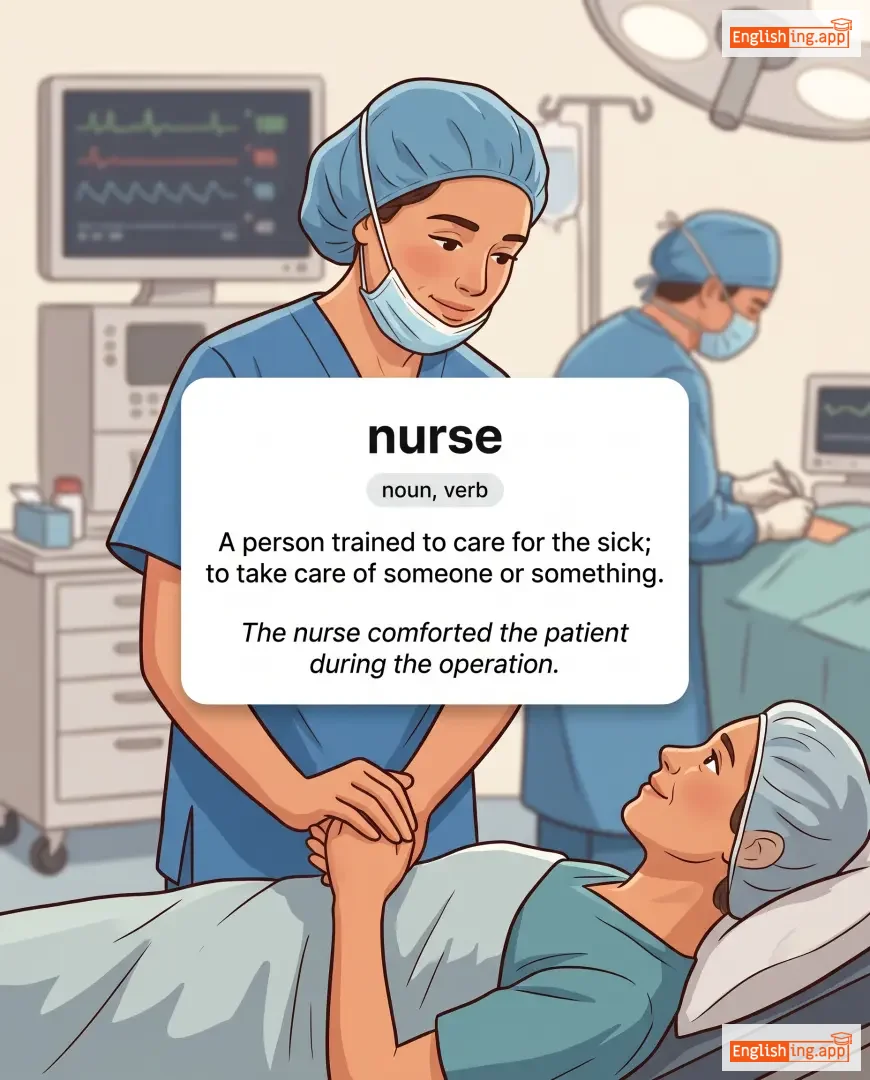
/nɜːrs/
verb
(护士)
••••••
|
|
护理
hùlǐ
••••••
|
nursed
护士
••••••
|
nursed
护士
••••••
|
nurses
护士
••••••
|
nursing
护理
••••••
|
to care for someone who is sick or injured; to feed a baby
••••••
|
She nursed her sick mother back to health.
她照顾了生病的母亲,直到她恢复健康。
••••••
|
她照顾了生病的母亲,直到她恢复健康。
Tā zhàogùle shēngbìng de mǔqīn, zhídào tā huīfù jiànkāng
••••••
|
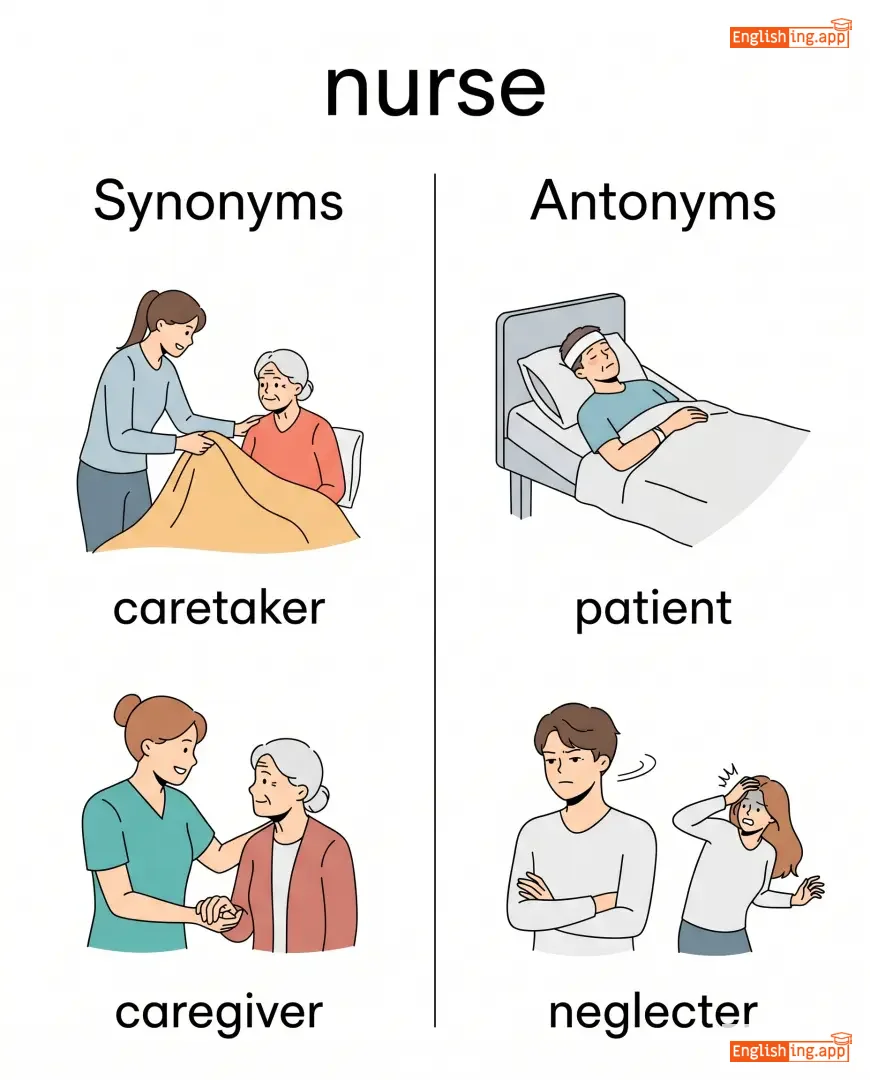
care for, tend, look after, heal
••••••
|
neglect, abandon, harm
••••••
|
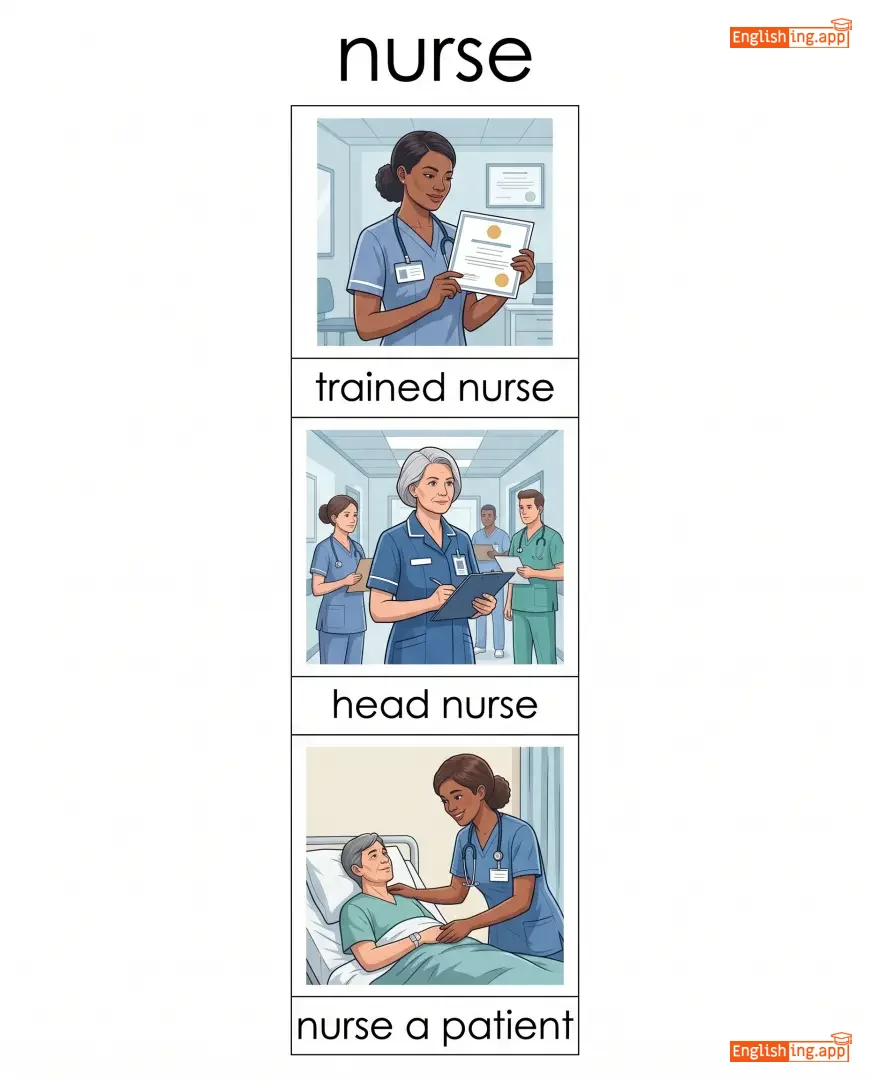
nurse back, nurse wounds, nurse patient, gently nurse
••••••
|
No •••••• |
|
#130
💪
|
/der/
verb
(德尔)
••••••
|
|
敢
gǎn
••••••
|
dared
德尔德
••••••
|
dared
德尔德
••••••
|
dares
德尔斯
••••••
|
daring
德尔英
••••••
|
to have courage to do something; to challenge someone
••••••
|
I dare you to jump into the pool.
我敢挑战你跳入泳池。
••••••
|
我敢挑战你跳入泳池。
Wǒ gǎn tiǎozhàn nǐ tiào rù yǒngchí.
••••••
|
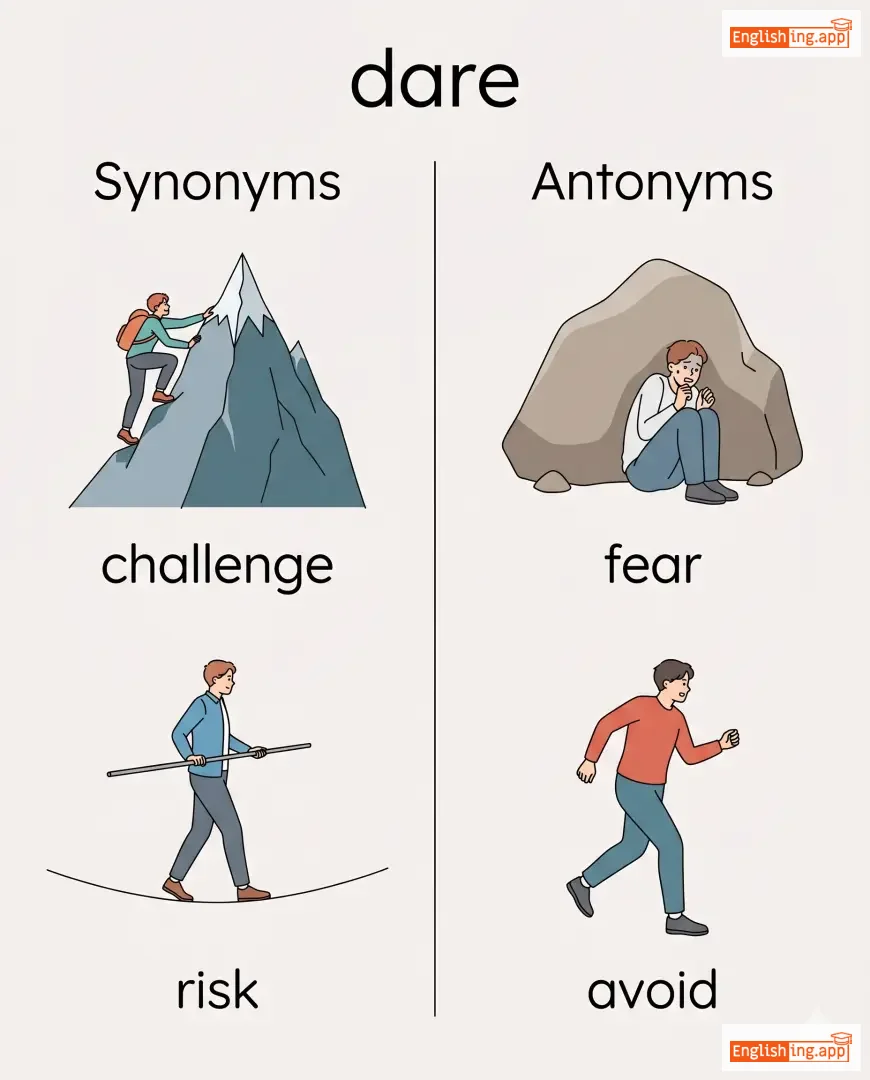
challenge, brave, risk, venture
••••••
|
fear, avoid, retreat
••••••
|
dare to, hardly dare, never dare, dare not
••••••
|
Dare to jump into the pool with courage!
••••••
|
|
#131
🤱
|
/suːð/
verb
(suːð)
••••••
|
|
安抚
ānfǔ
••••••
|
soothed
sut
••••••
|
soothed
sut
••••••
|
soothes
sut
••••••
|
soothing
suːðing
••••••
|
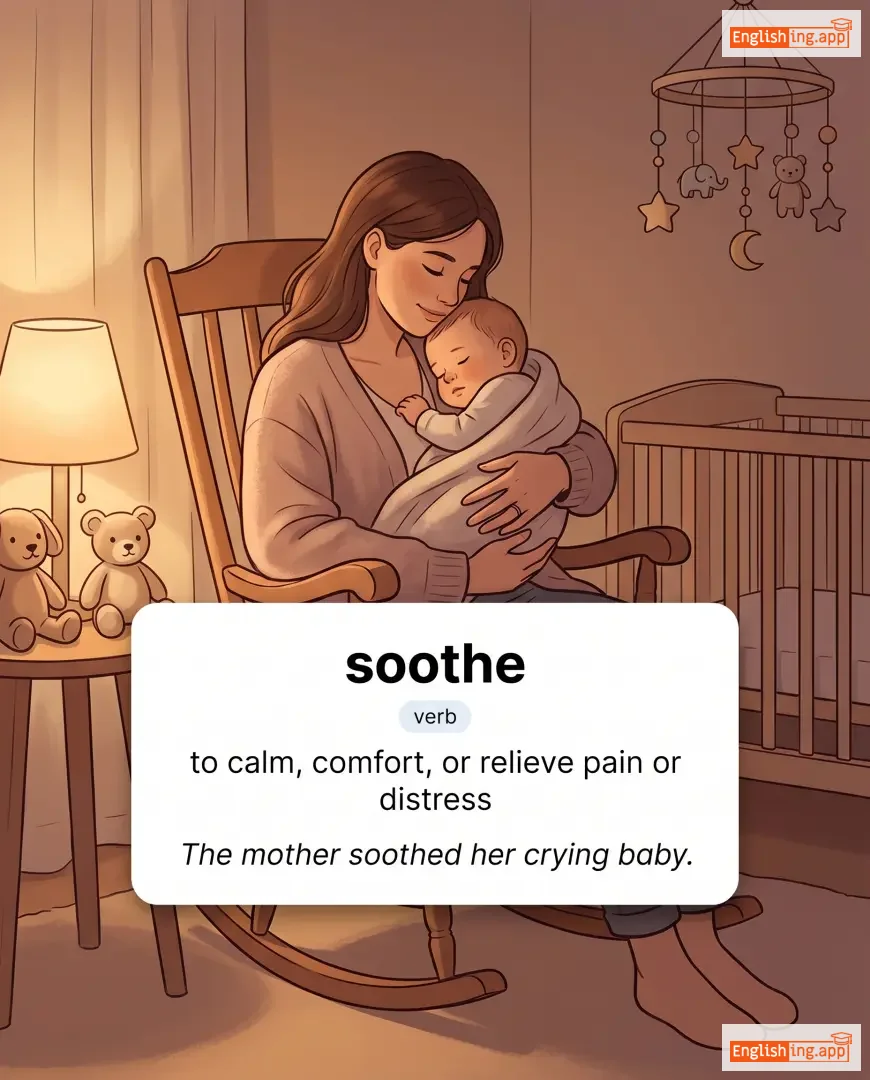
to calm or comfort; to relieve pain or distress
••••••
|
The mother soothed her crying baby with a gentle lullaby.
妈妈用温柔的摇篮曲安抚她哭泣的宝宝。
••••••
|
妈妈用温柔的摇篮曲安抚她哭泣的宝宝。
Māmā yòng wēnróu de yáolánqǔ ānfǔ tā kūqì de bǎobǎo
••••••
|
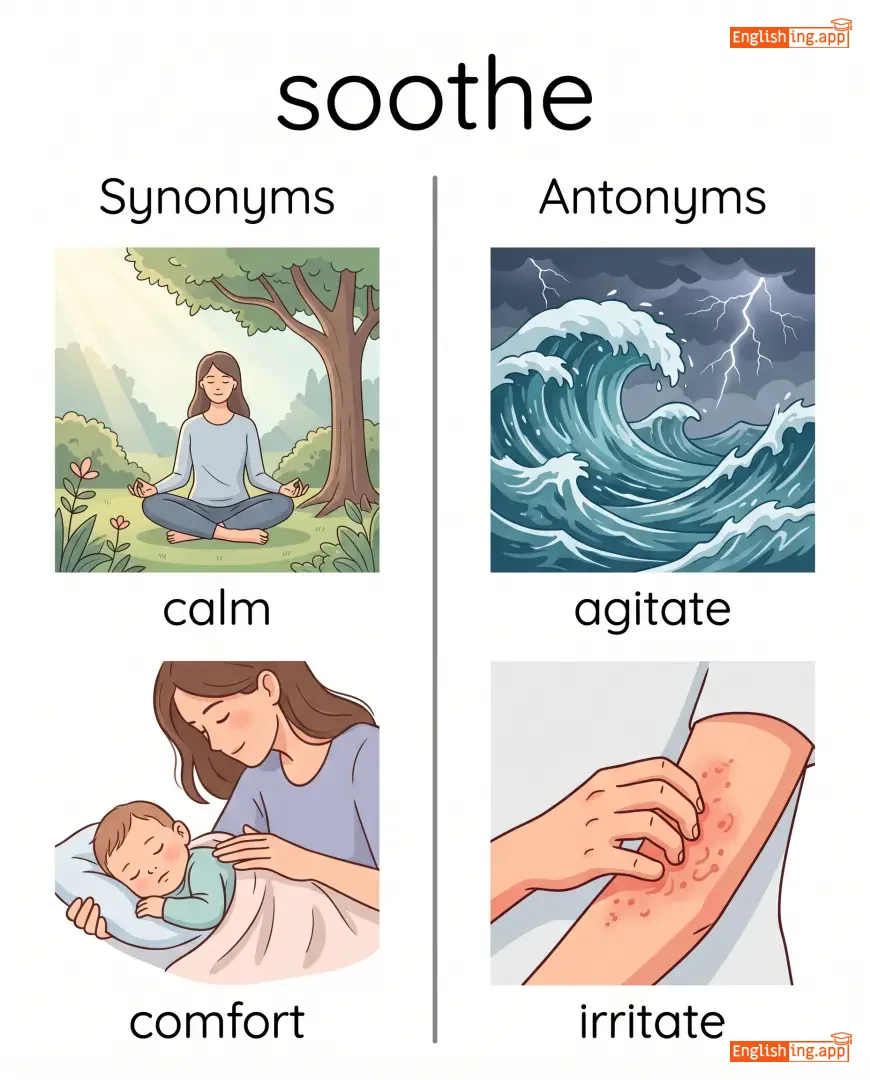
calm, comfort, pacify, console
••••••
|
agitate, disturb, irritate, upset
••••••
|
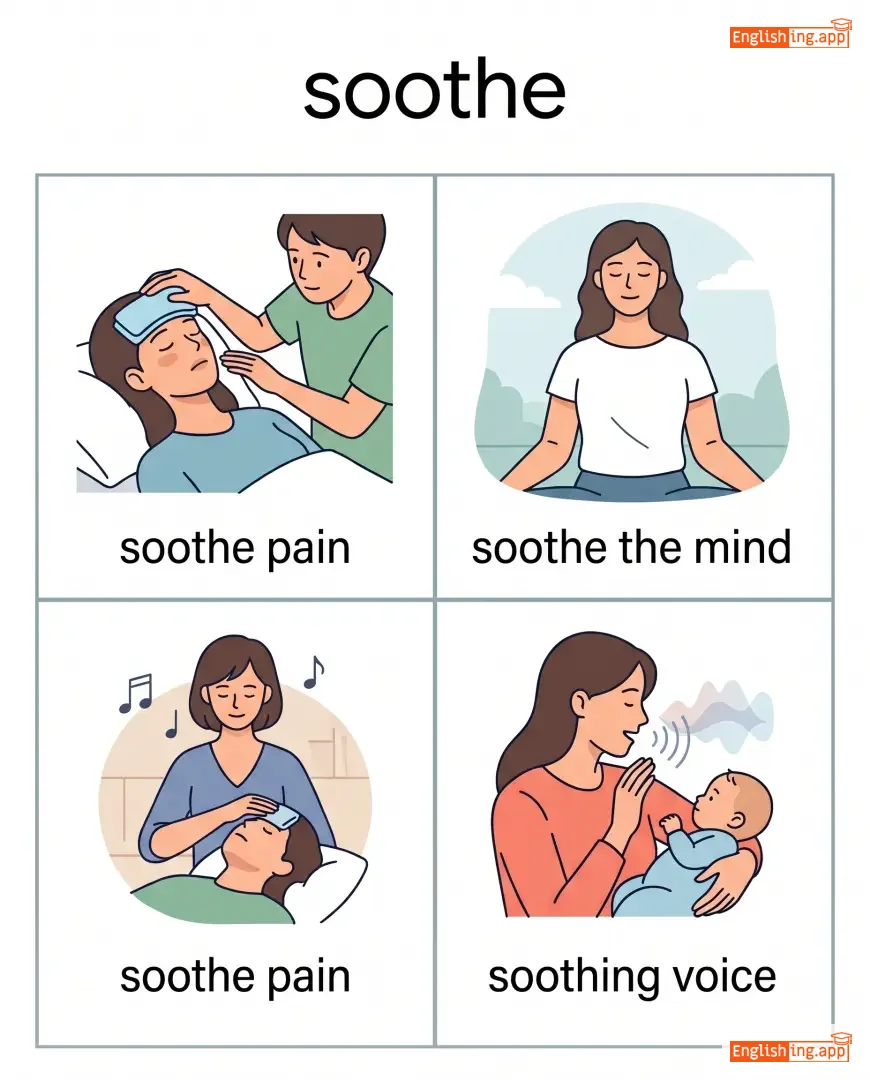
soothe pain, gently soothe, soothe baby, soothe nerves
••••••
|
No •••••• |
|
#132
🛡️
|
/fɔrˈstɔl/
verb
(福尔斯托尔)
••••••
|
|
提前预防
tiānqíng yùfáng
••••••
|
forestalled
福尔斯托尔德
••••••
|
forestalled
福尔斯托尔德
••••••
|
forestalls
福尔斯托尔斯
••••••
|
forestalling
福尔斯托尔林
••••••
|
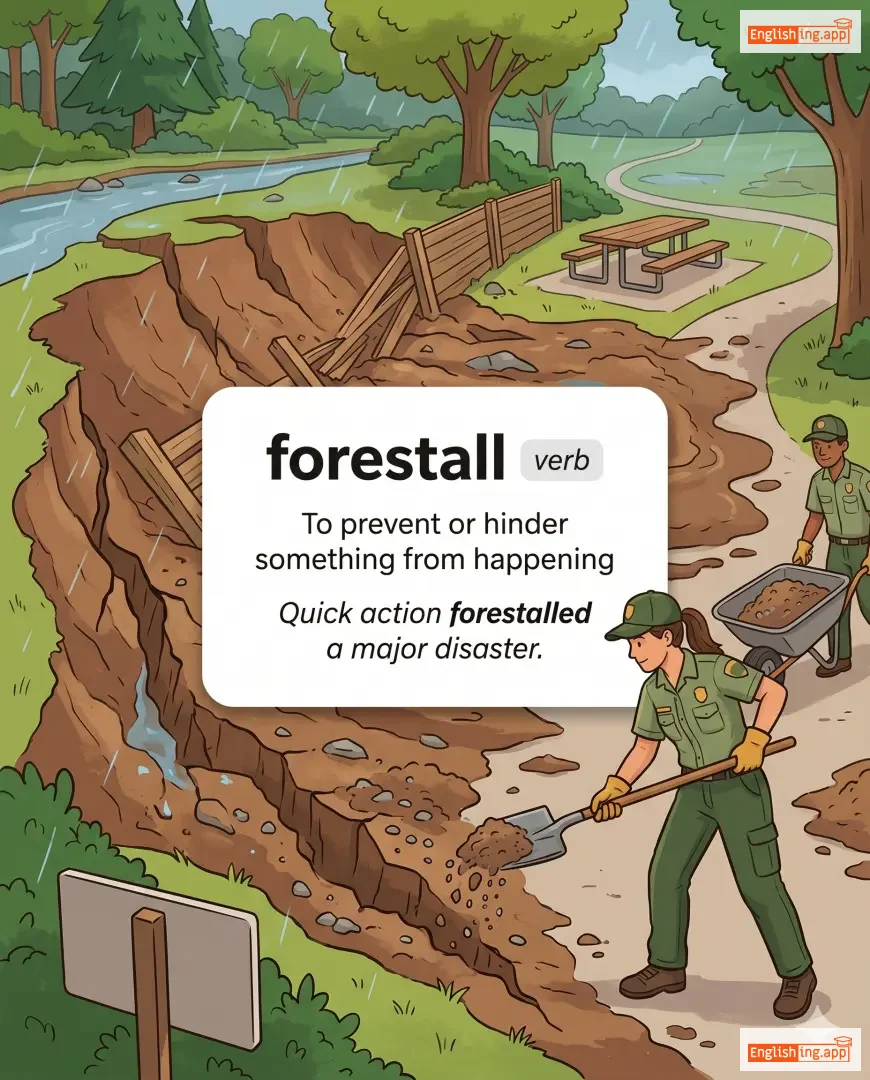
to prevent by acting in advance; to anticipate and counter
••••••
|
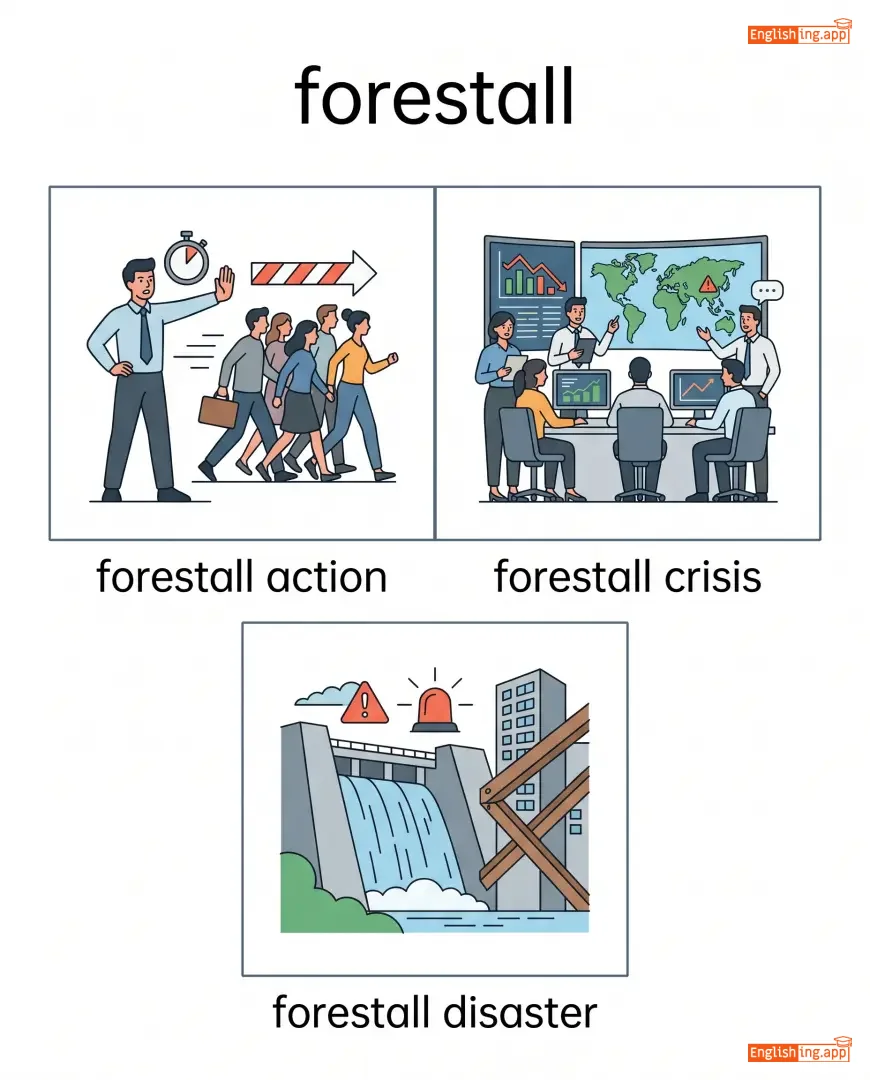
They forestalled the crisis by taking immediate action.
他们通过立即行动避免了危机。
••••••
|
他们通过立即行动避免了危机。
Tāmen tōngguò lìjí xíngdòng bìmiǎnle wéijī.
••••••
|
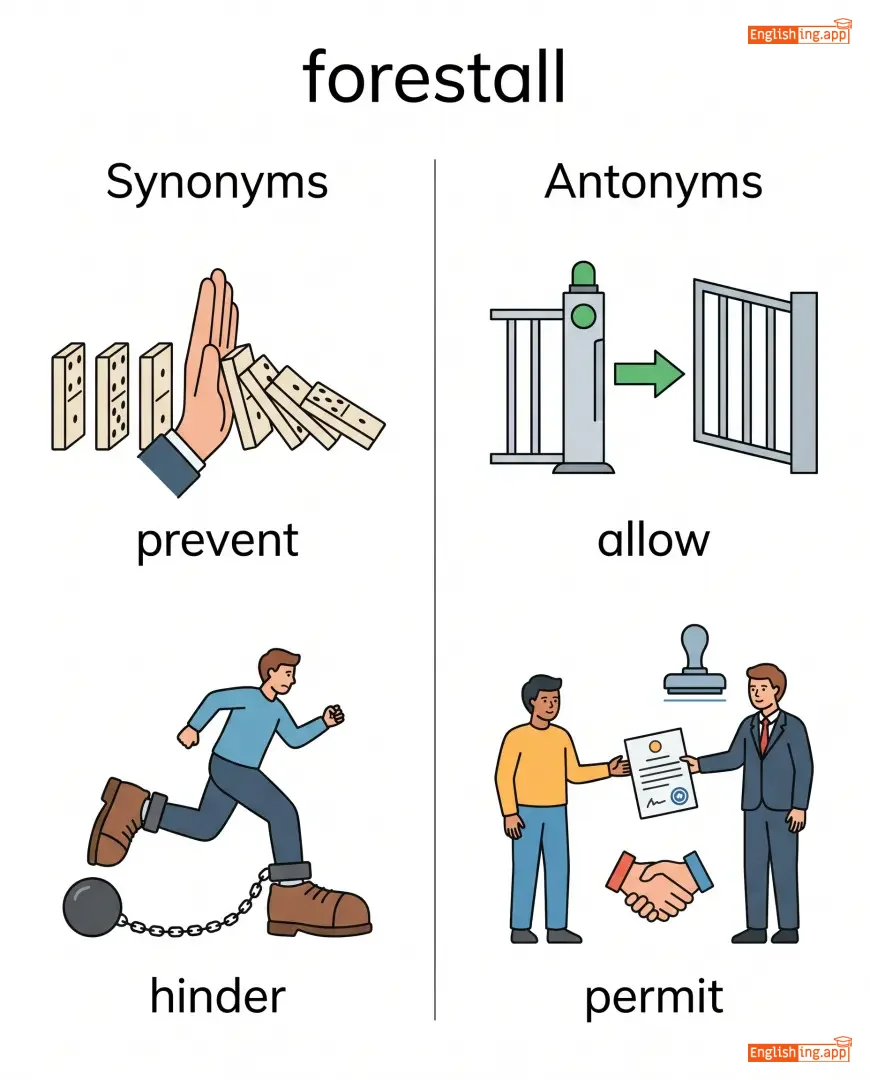
prevent, anticipate, preclude, avert
••••••
|
allow, permit, enable
••••••
|
forestall problems, forestall disaster, forestall criticism, forestall action
••••••
|
Forestall = 事先采取行动避免问题。
••••••
|
|
#133
🎲
|
/ˈɡæmbəl/
verb
(gǎmbù)
••••••
|
|
赌博
dǔbó
••••••
|
gambled
gǎmbùd
••••••
|
gambled
gǎmbùd
••••••
|
gambles
gǎmbùs
••••••
|
gambling
gǎmbùlìng
••••••
|
to bet money on games of chance; to take a risky action
••••••
|
He decided to gamble his savings on the stock market.
他决定将自己的积蓄投入股市。
••••••
|
他决定将自己的积蓄投入股市。
Tā juédìng jiāng zìjǐ de jīxù tóurù gǔshì.
••••••
|
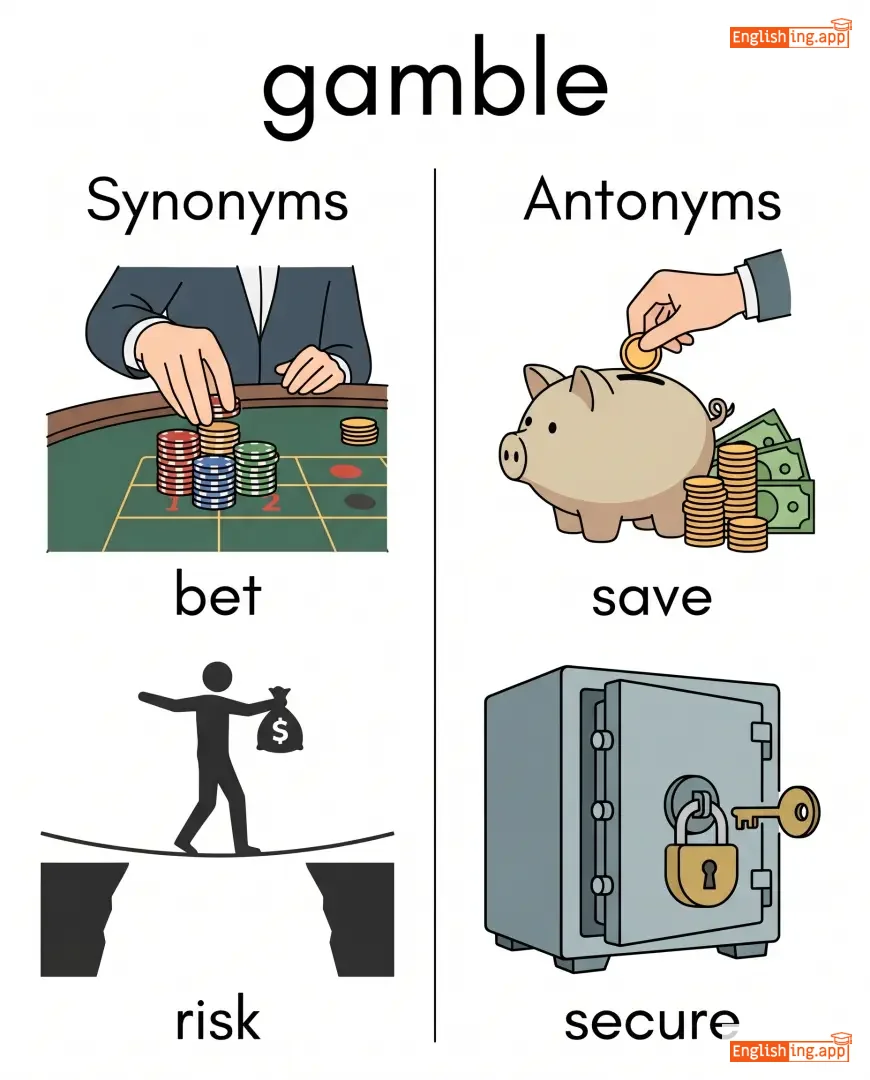
bet, wager, risk, chance
••••••
|
save, secure, guarantee, invest safely
••••••
|
gamble away, gamble on, gamble with, recklessly gamble
••••••
|
记住,赌博带来的是风险和机会的平衡。
••••••
|
|
#134
🤝
|
/əˈɡriː/
verb
(āgé)
••••••
|
|
同意
tóngyì
••••••
|
agreed
āgéed
••••••
|
agreed
āgéed
••••••
|
agrees
āgèz
••••••
|
agreeing
āgīng
••••••
|
to have the same opinion; to consent; to be in harmony
••••••
|
We all agree that the plan is excellent.
我们都同意这个计划非常好。
••••••
|
我们都同意这个计划非常好。
Wǒmen dōu tóngyì zhège jìhuà fēicháng hǎo.
••••••
|
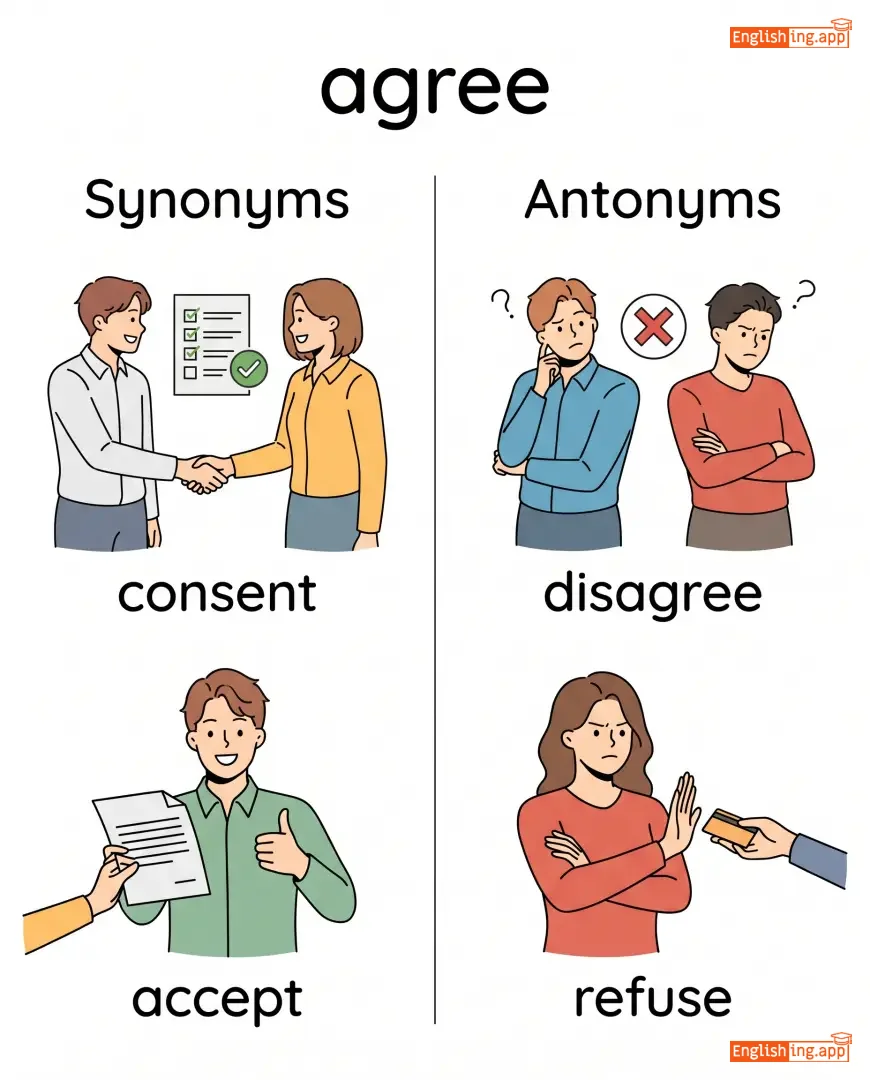
consent, accept, concur, approve
••••••
|
disagree, refuse, reject, oppose
••••••
|
agree with, fully agree, readily agree, strongly agree
••••••
|
想象你和朋友握手并说‘我同意!’
••••••
|
|
#135
⚖️
|
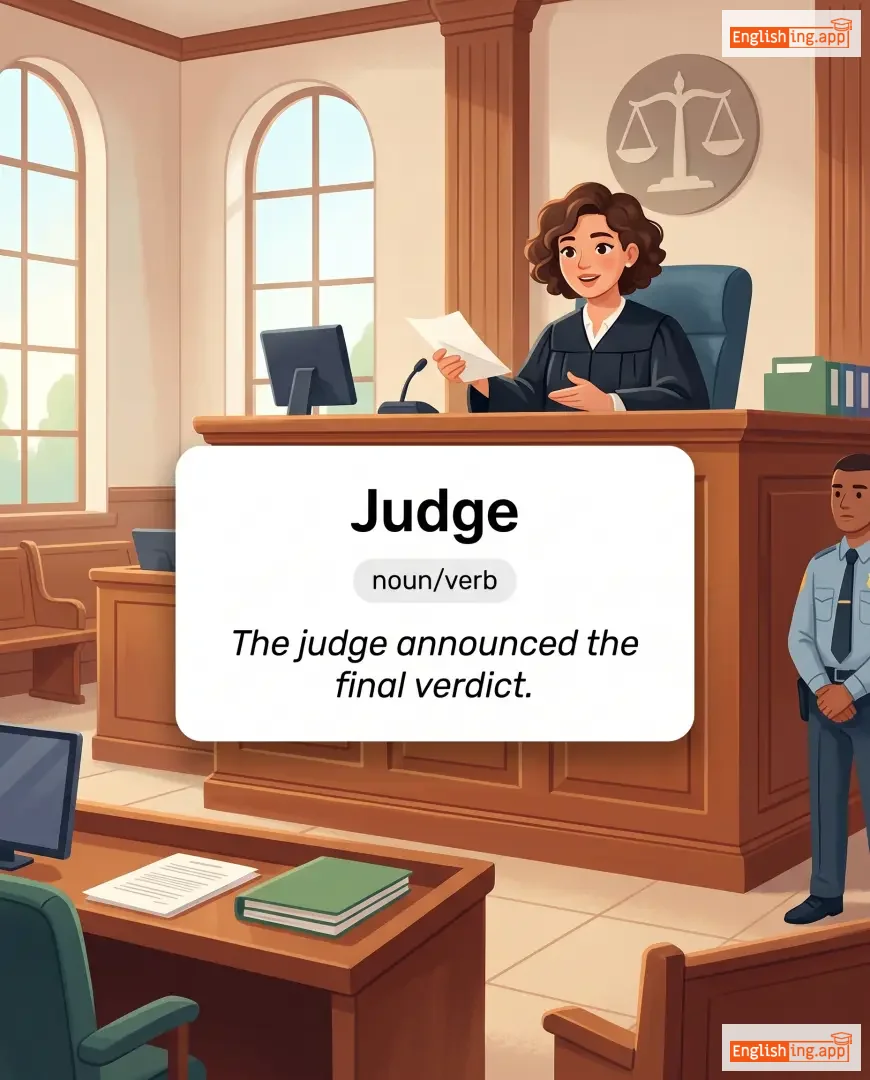
/dʒʌdʒ/
verb
(dʒʌdʒ)
••••••
|
|
判断
pànduàn
••••••
|
judged
dʒʌdʒd
••••••
|
judged
dʒʌdʒd
••••••
|
judges
dʒʌdʒəz
••••••
|
judging
dʒʌdʒɪŋ
••••••
|
to form an opinion about something; to make a legal decision
••••••
|
You shouldn't judge people by their appearance.
yú shudnt dʒʌdʒ pipl bái ðɛr əˈpɪərəns
••••••
|
你不应该根据外貌判断别人。
Nǐ bù yīnggāi gēnjù wàimào pànduàn biérén.
••••••
|
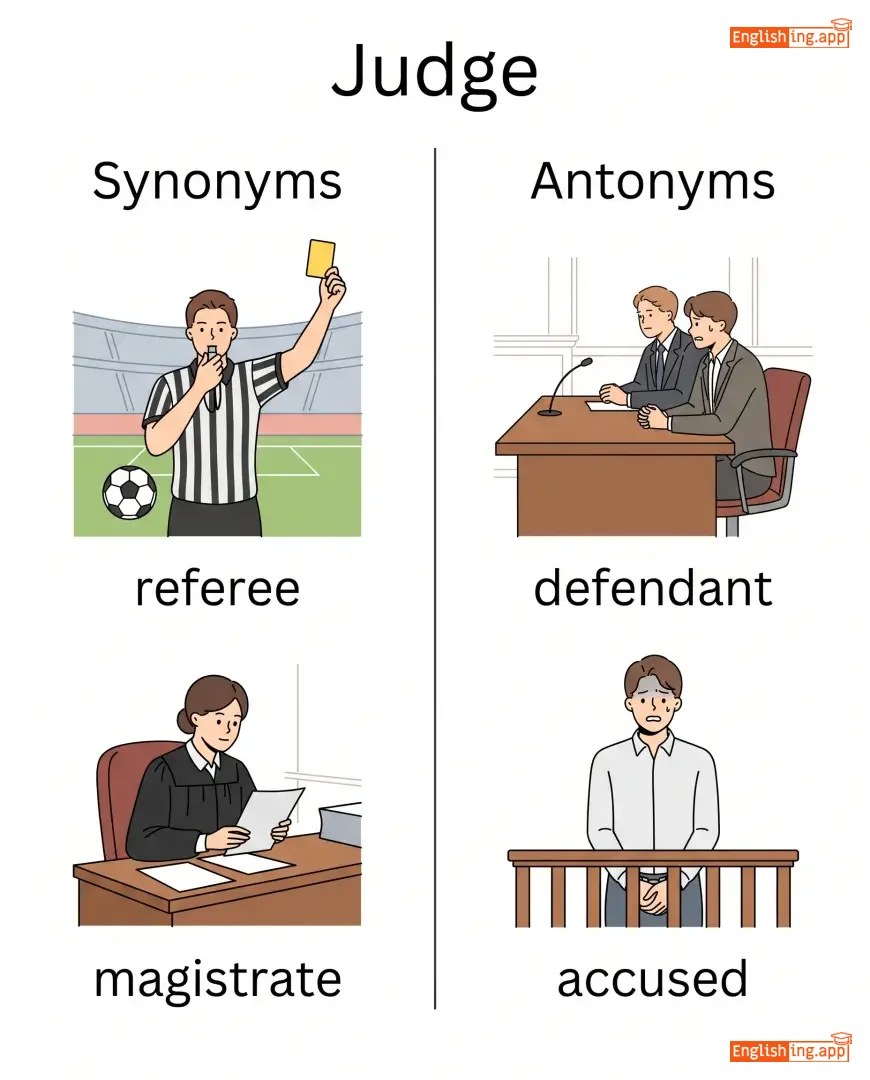
evaluate, assess, decide, determine, appraise
••••••
|
ignore, overlook, accept, excuse, pardon
••••••
|
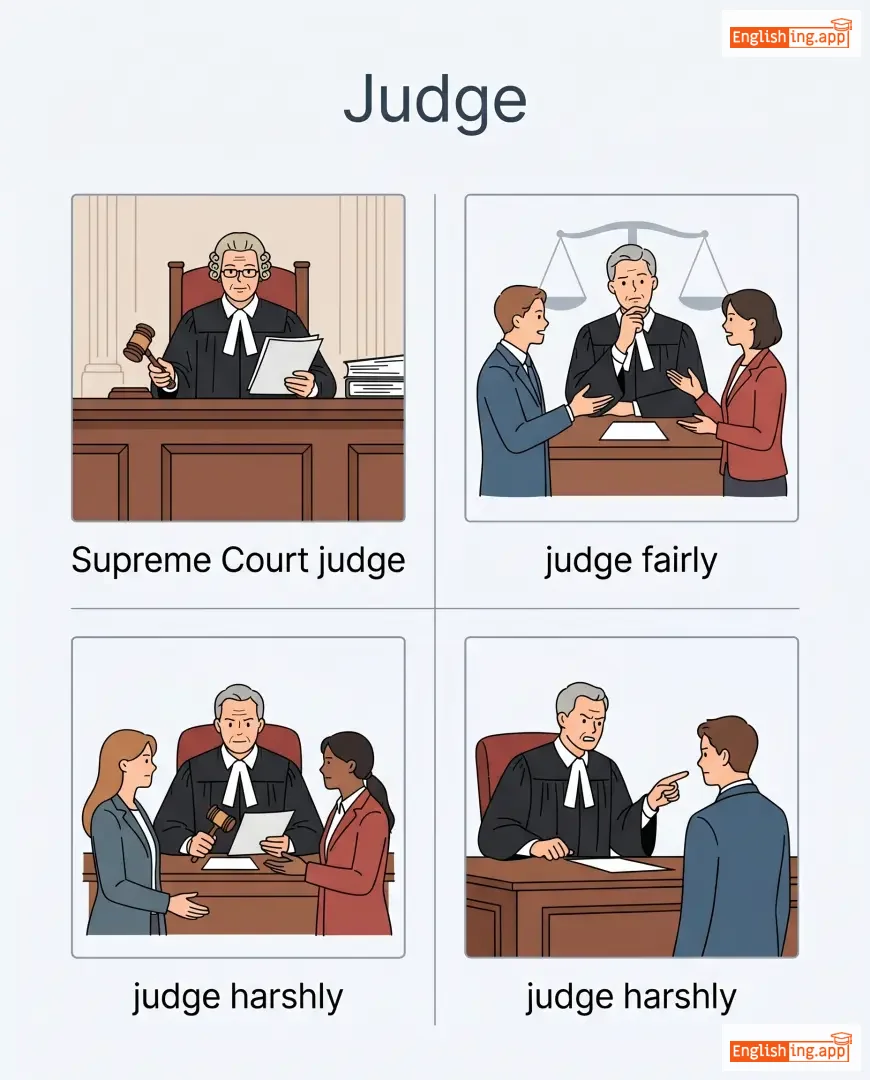
judge fairly, judge harshly, judge by, judge someone
••••••
|
Imagine a judge in court making judgments based on how people look.
••••••
|
|
#136
🌱
|
/soʊ/
verb
(so)
••••••
|
|
播种
bozhong
••••••
|
sowed
sowed
••••••
|
sown
sown
••••••
|
sows
sows
••••••
|
sowing
sowing
••••••
|
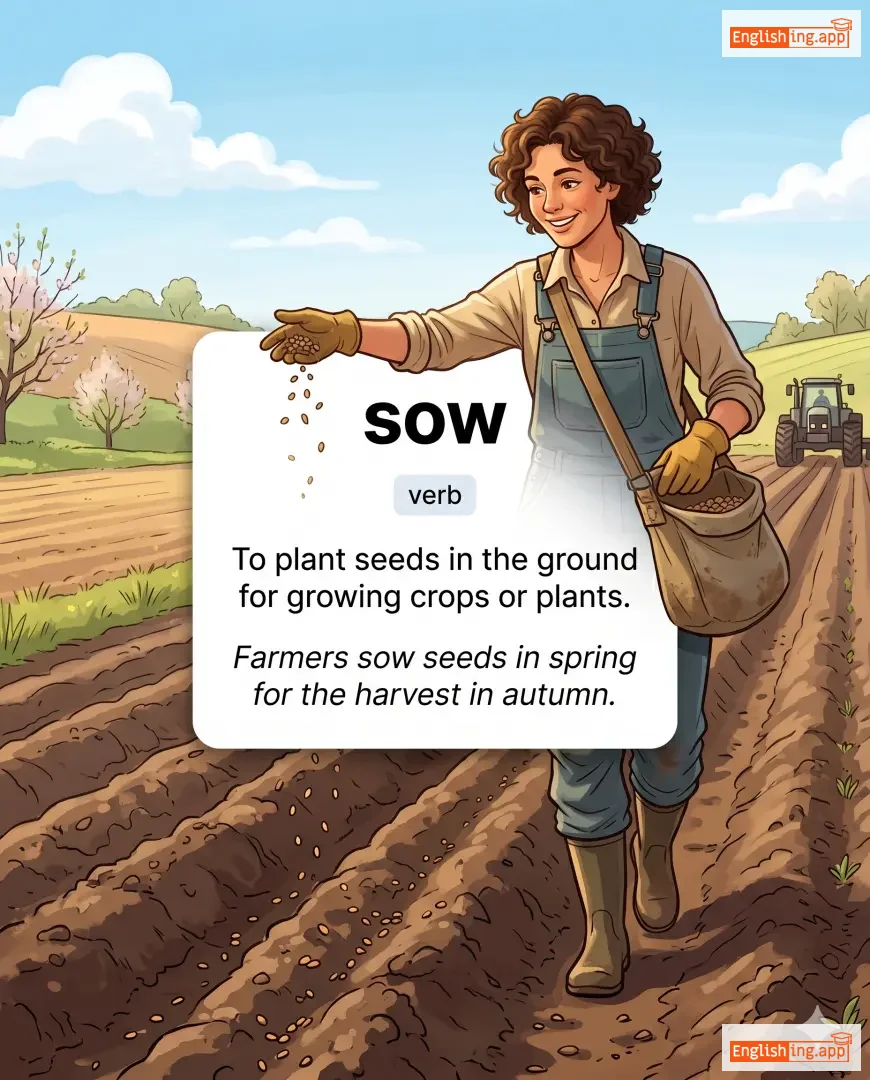
to plant seeds in the ground; to scatter seeds for growing
••••••
|
The farmer will sow wheat seeds in the field tomorrow.
农民明天将在田地里播种小麦种子。
••••••
|
农民明天将在田地里播种小麦种子。
Nongmin mingtian jiang zai tiandi li bozhong xiaomai zhongzi.
••••••
|
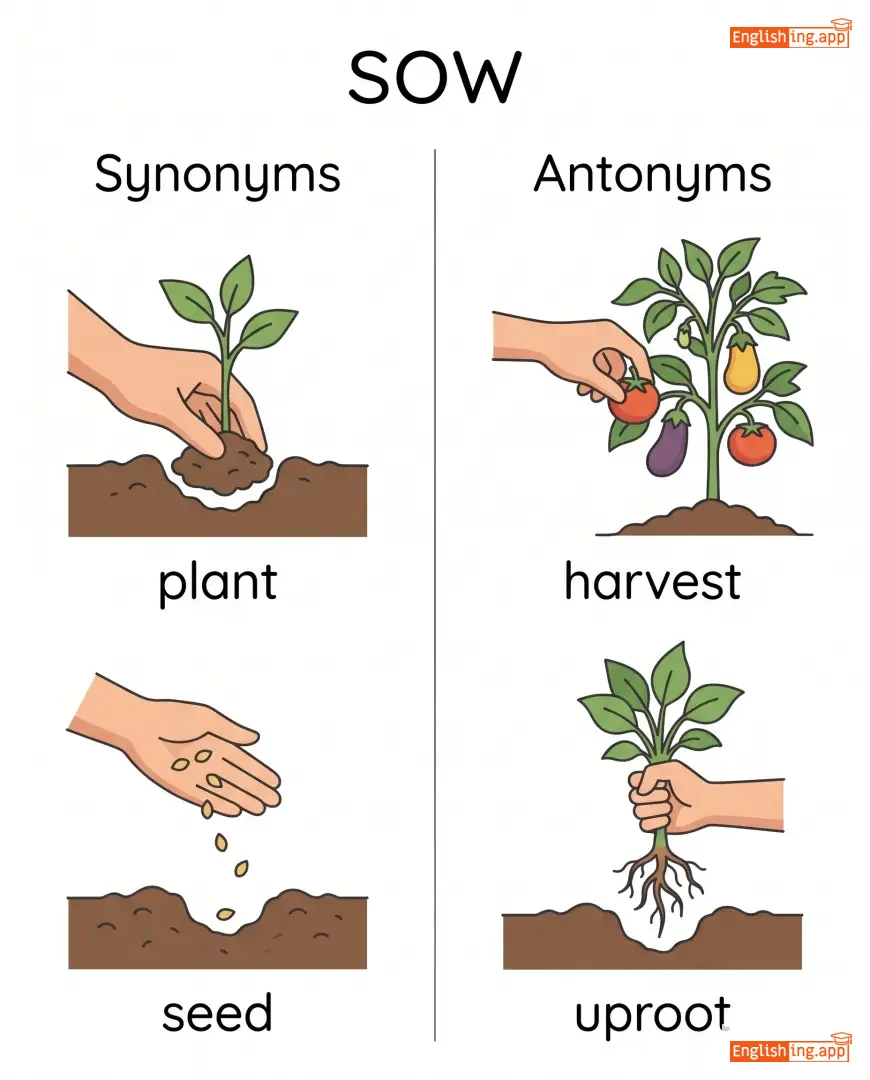
plant, seed, scatter, cultivate
••••••
|
harvest, reap, gather, collect
••••••
|
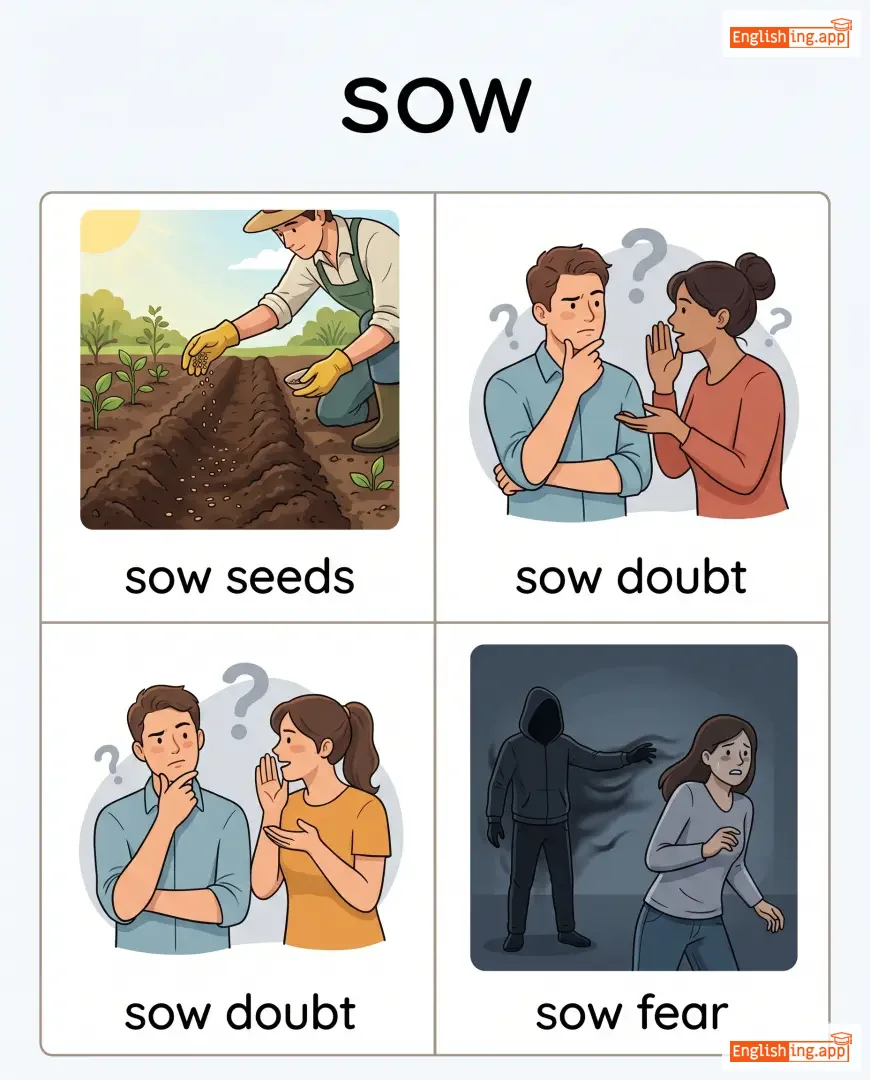
sow seeds, sow discord, sow doubt, sow confusion
••••••
|
播种 means to scatter for a 'bozhong' harvest.
••••••
|
|
#137
🌫️
|
/ʃraʊd/
verb
(shraod)
••••••
|
|
覆盖
fùgài
••••••
|
shrouded
shraoded
••••••
|
shrouded
shraoded
••••••
|
shrouds
shraods
••••••
|
shrouding
shraoding
••••••
|
to cover or hide; to wrap in cloth
••••••
|
The mountain peak was shrouded in mist.
山顶被雾气笼罩。
••••••
|
山顶被雾气笼罩。
Shāndǐng bèi wùqì lóngzhào.
••••••
|
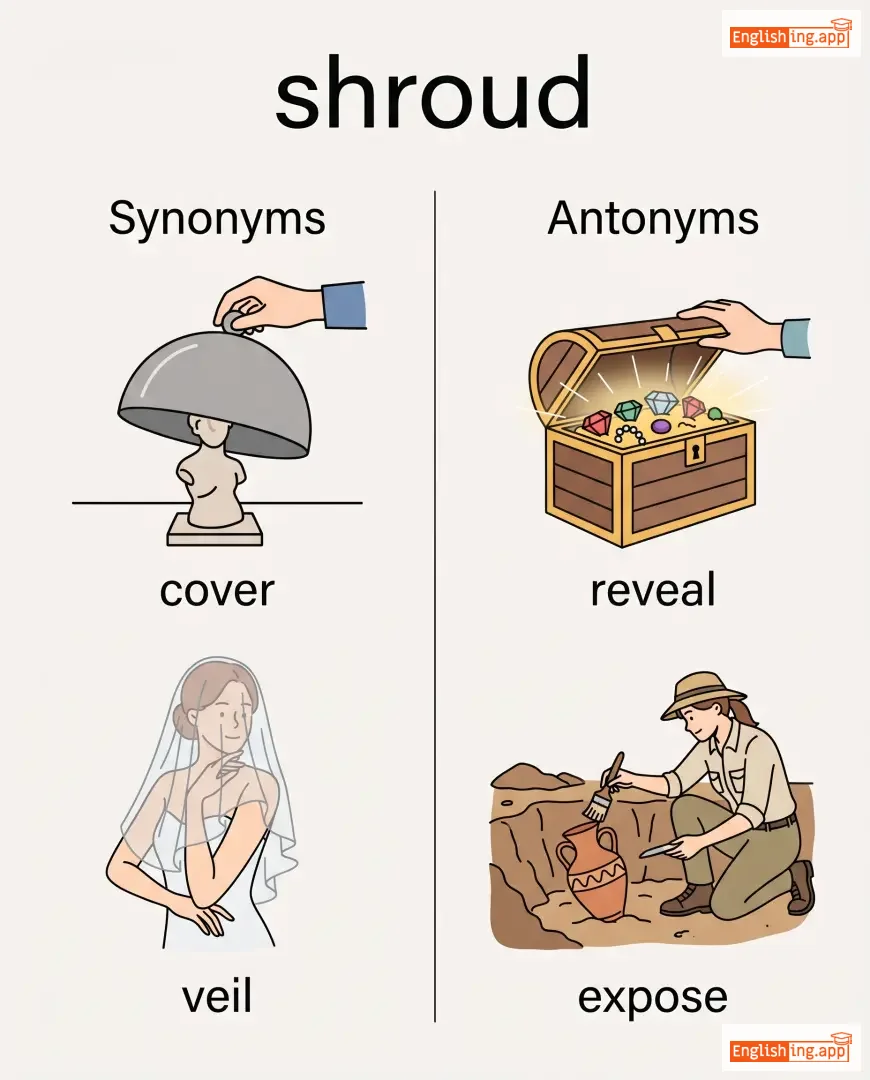
cover, veil, conceal, wrap
••••••
|
reveal, expose, uncover, display
••••••
|
shroud in mystery, shroud body, completely shroud, shroud in darkness
••••••
|
想象把山顶覆盖在浓雾中,就像用布包裹一样。
••••••
|
|
#138
🔍
|
/ɪkˈspoʊz/
verb
(曝光)
••••••
|
|
揭示
jie shi
••••••
|
exposed
曝光
••••••
|
exposed
曝光
••••••
|
exposes
曝光
••••••
|
exposing
曝光
••••••
|
to reveal or uncover; to make visible or known
••••••
|
The investigation exposed the truth about the scandal.
调查揭示了丑闻的真相。
••••••
|
调查揭示了丑闻的真相。
Diao cha jie shi le chou wen de zhen xiang.
••••••
|
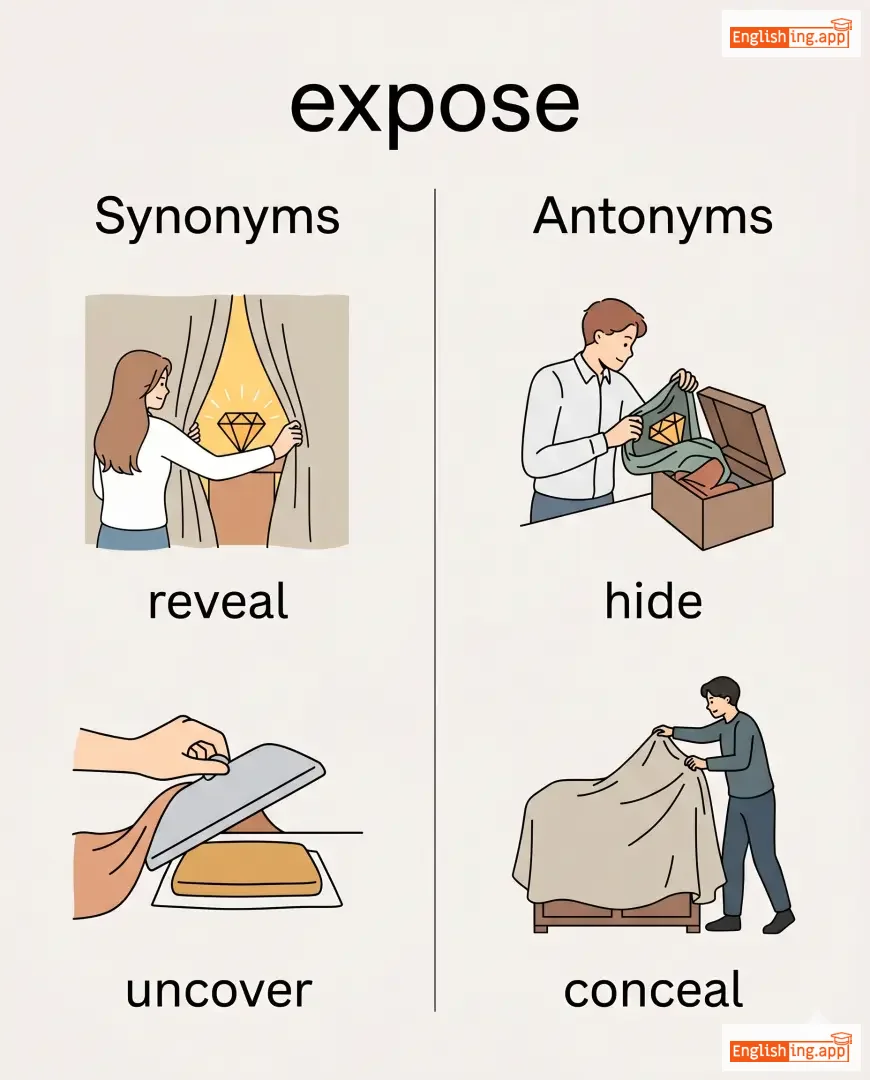
reveal, uncover, show, display
••••••
|
hide, conceal, cover, protect
••••••
|
expose truth, expose corruption, expose flaws, expose secrets
••••••
|
No •••••• |
|
#139
⏸️
|
/pɔːz/
verb
(pɔːz)
••••••
|
|
暂停
zántíng
••••••
|
paused
pɔːzd
••••••
|
paused
pɔːzd
••••••
|
pauses
pɔːzɪz
••••••
|
pausing
pɔːzɪŋ
••••••
|
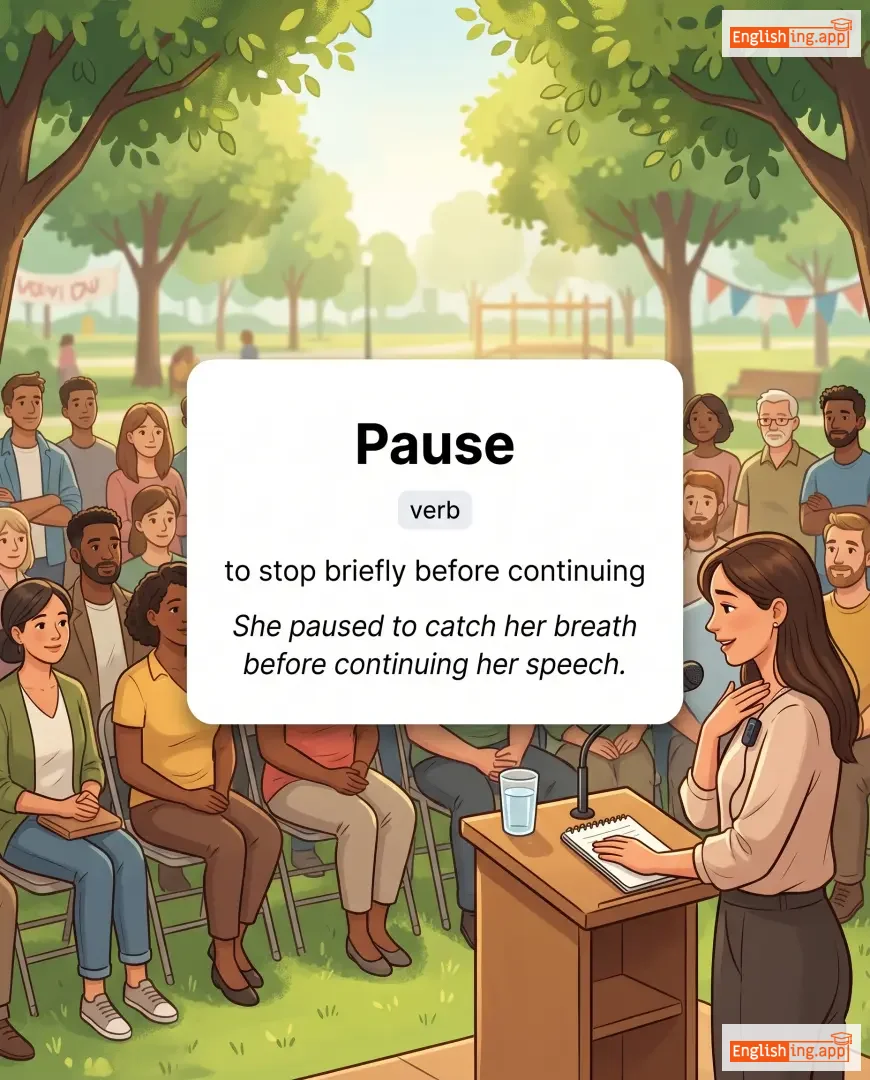
to stop temporarily; to take a break in activity or speech
••••••
|
Please pause the video while I take notes.
请暂停视频,我要做笔记。
••••••
|
请暂停视频,我要做笔记。
Qǐng zàntíng shìpín, wǒ yào zuò bǐjì.
••••••
|
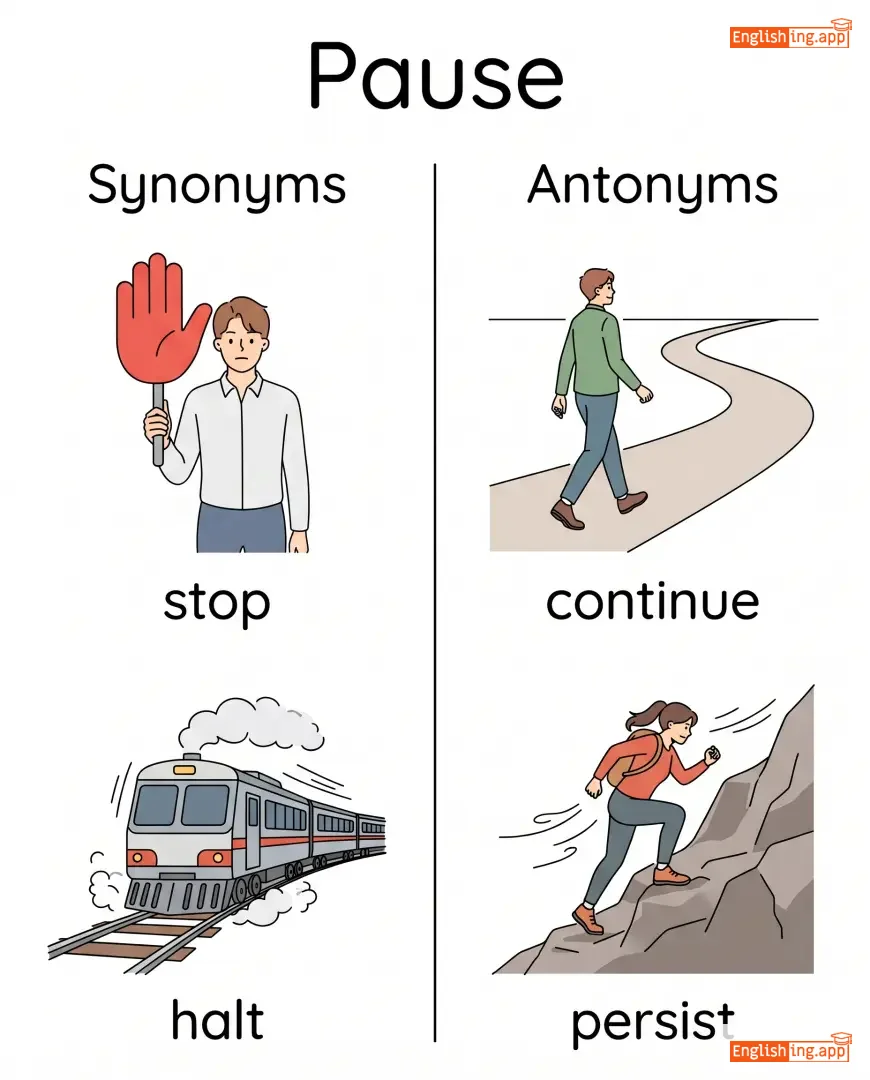
stop, halt, break, rest
••••••
|
continue, proceed, resume, start
••••••
|
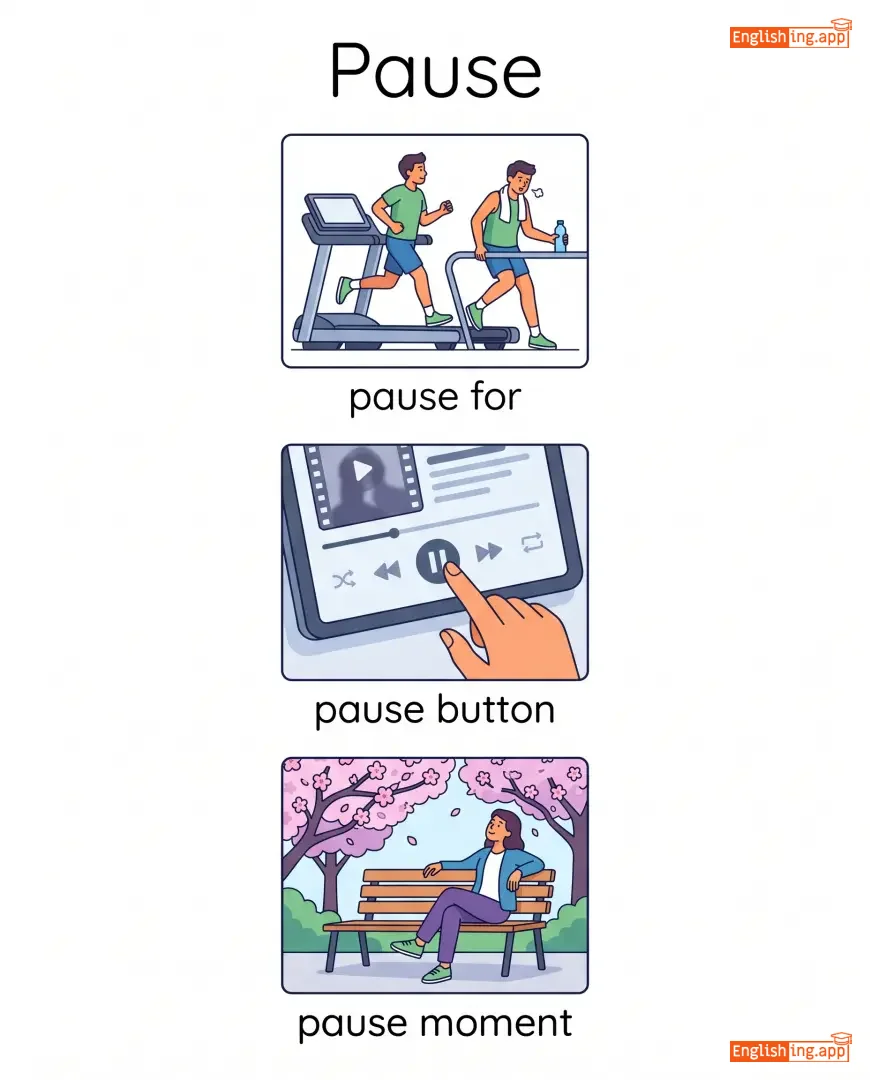
pause briefly, pause for, pause to think, pause moment
••••••
|
暂停时,可以暂时放松,集中精力。
••••••
|
|
#140
😤
|
/ˈɪrɪteɪt/
verb
(刺激)
••••••
|
|
刺激
ciji
••••••
|
irritated
刺激了
••••••
|
irritated
刺激了
••••••
|
irritates
刺激
••••••
|
irritating
刺激
••••••
|
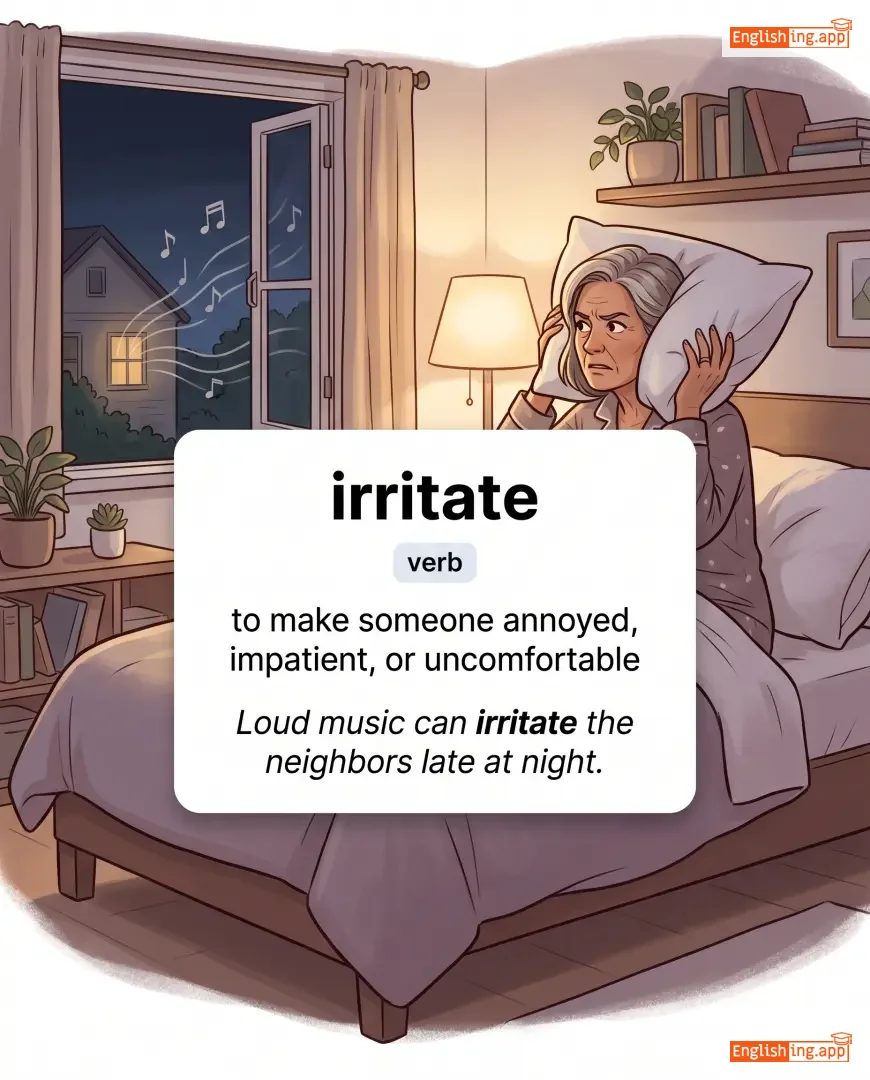
to annoy; to cause discomfort
••••••
|
The loud noise irritated everyone.
大声噪音刺激了所有人。
••••••
|
大声噪音刺激了所有人。
Dàshēng zàoyīn cìjīle suǒyǒu rén.
••••••
|
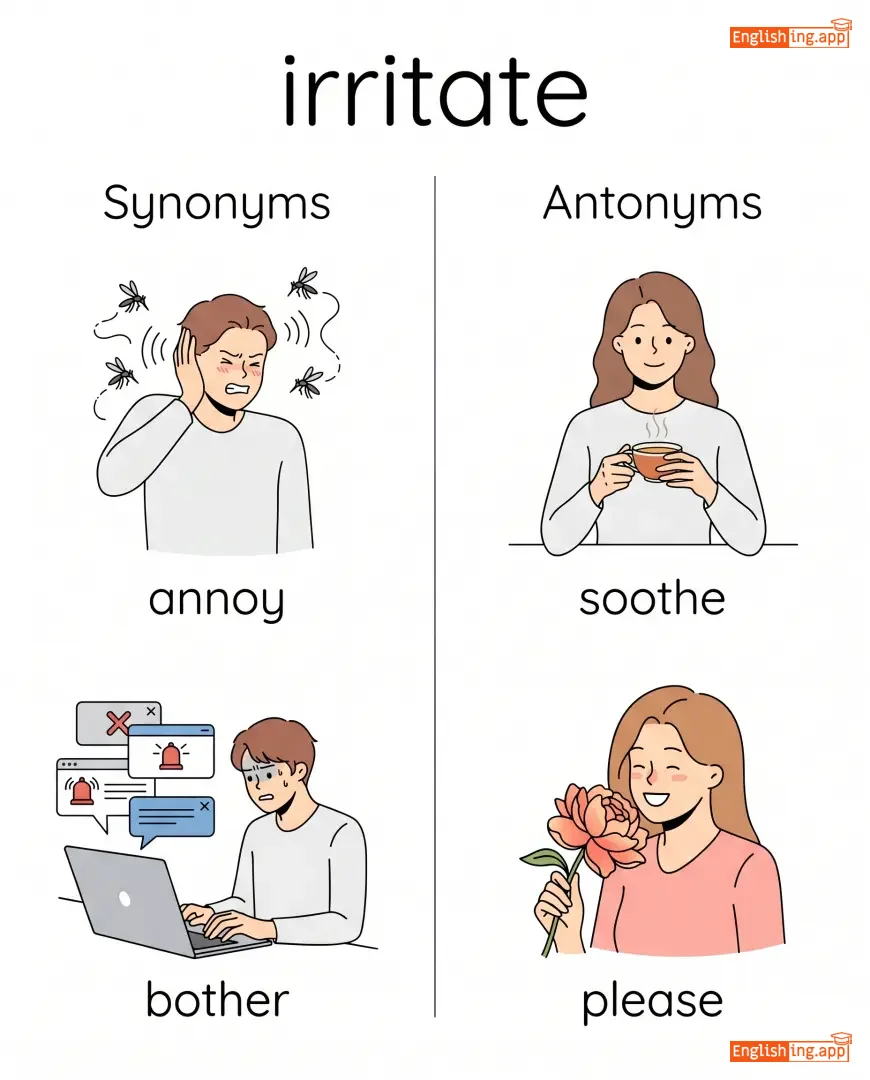
annoy, aggravate, bother, vex
••••••
|
soothe, calm, please, comfort
••••••
|
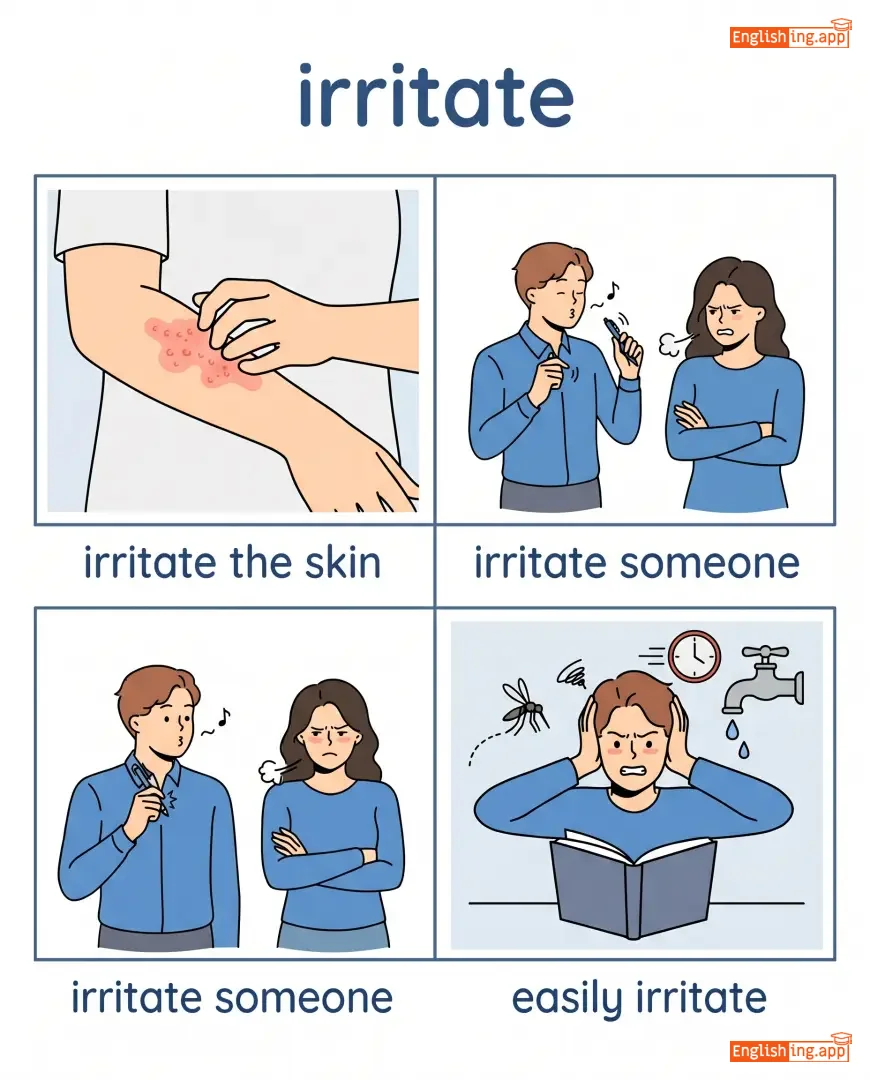
irritate skin, greatly irritate, constantly irritate, easily irritate
••••••
|
Imagine a loud sound that irritates everyone around you.
••••••
|
|
#141
📈
|
/ˈmɑːrkɪt/
verb
(市场)
••••••
|
|
市场营销
shìchǎng yíngxiāo
••••••
|
marketed
市场营销
••••••
|
marketed
市场营销
••••••
|
markets
市场
••••••
|
marketing
营销
••••••
|
to promote and sell products or services; to advertise
••••••
|
The company will market their new product through social media.
公司将通过社交媒体推广他们的新产品。
••••••
|
公司将通过社交媒体推广他们的新产品。
Gōngsī jiāng tōngguò shèjiāo méitǐ tuīguǎng tāmen de xīn chǎnpǐn.
••••••
|
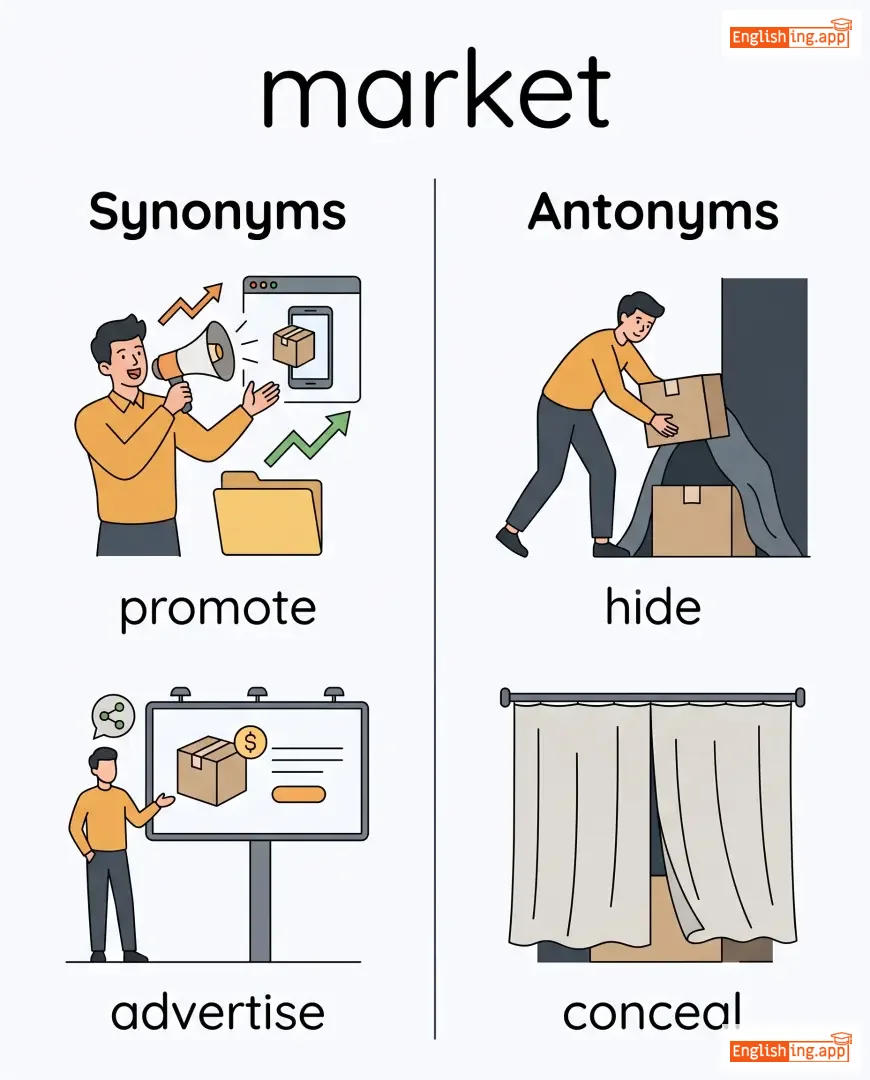
promote, advertise, sell, publicize
••••••
|
hide, conceal, withdraw, suppress
••••••
|
market products, market research, market strategy, target market
••••••
|
市场营销是推广新产品的广告方法
••••••
|
|
#142
🙏
|
/pliːd/
verb
(pǐlìd)
••••••
|
|
恳求
kěnqiú
••••••
|
pleaded
pǐlìded
••••••
|
pleaded
pǐlìded
••••••
|
pleads
pǐlìds
••••••
|
pleading
pǐlìdīng
••••••
|
to make an emotional appeal; to present a case in court
••••••
|
She pleaded for mercy.
她恳求宽恕。
••••••
|
她恳求宽恕。
Tā kěnqiú kuānshù.
••••••
|
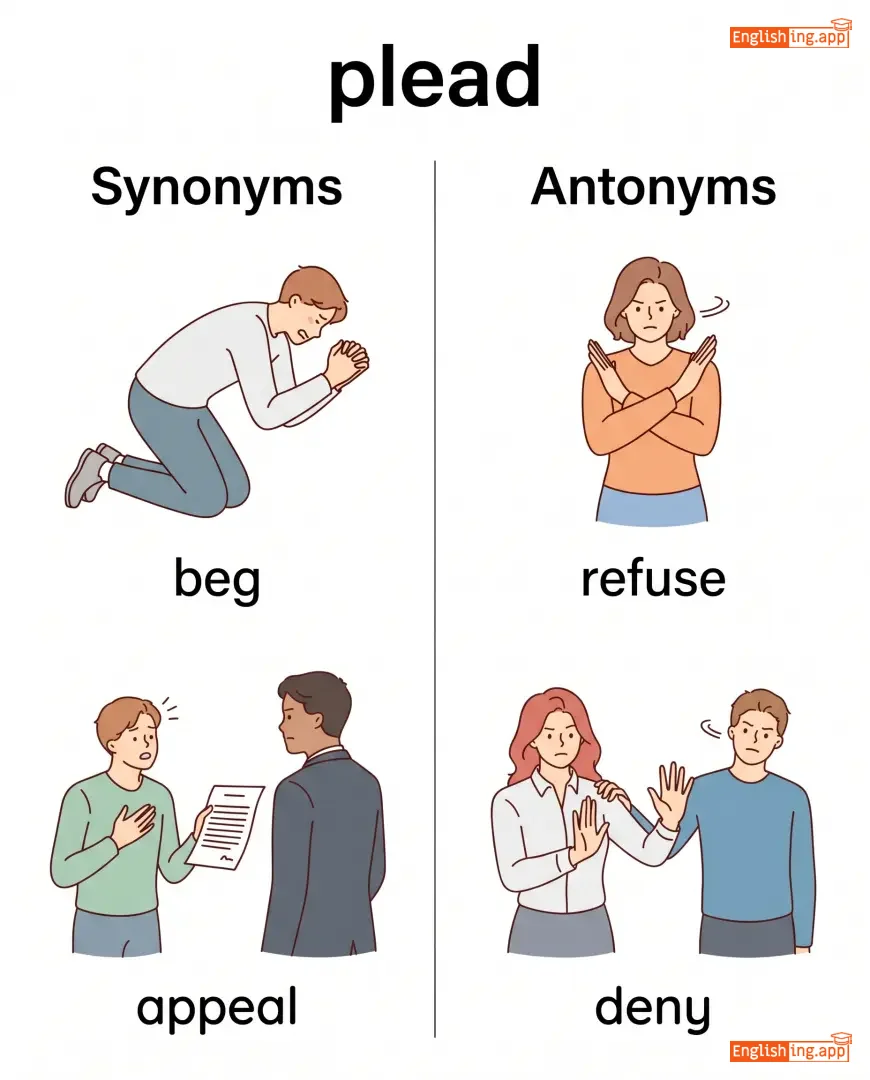
beg, entreat, implore, appeal
••••••
|
demand, order, command
••••••
|
plead guilty, plead for, earnestly plead, plead case
••••••
|
Think of pleading as ‘恳求’ in court asking for mercy.
••••••
|
|
#143
🚫
|
/ʃʌn/
verb
(shun)
••••••
|
|
回避
huíbì
••••••
|
Shunned
shund
••••••
|
Shunned
shund
••••••
|
Shuns
shuns
••••••
|
Shunning
shunning
••••••
|
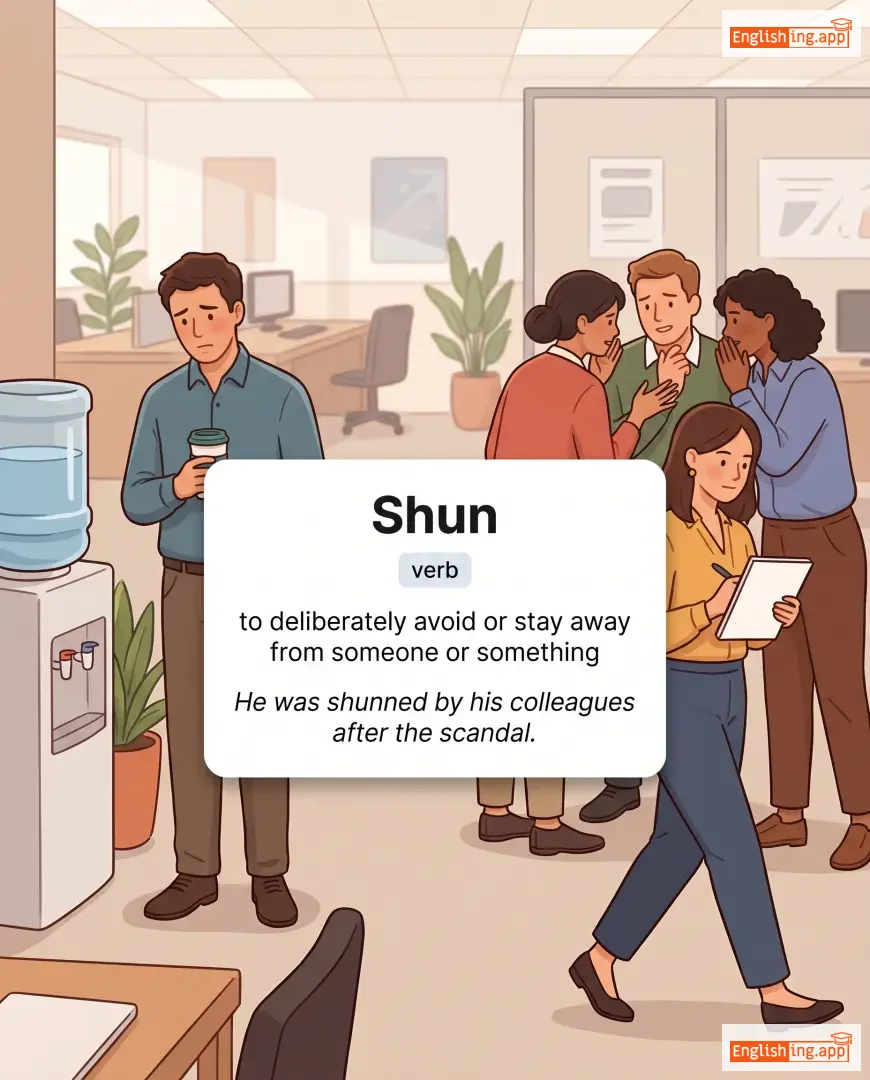
to deliberately avoid or stay away from someone or something
••••••
|
He shuns public attention and prefers privacy.
他避开公众注意并偏爱隐私。
••••••
|
他避开公众注意并偏爱隐私。
Tā bìkāi gōngzhòng zhùyì bìng piān'ài yǐnsī.
••••••
|
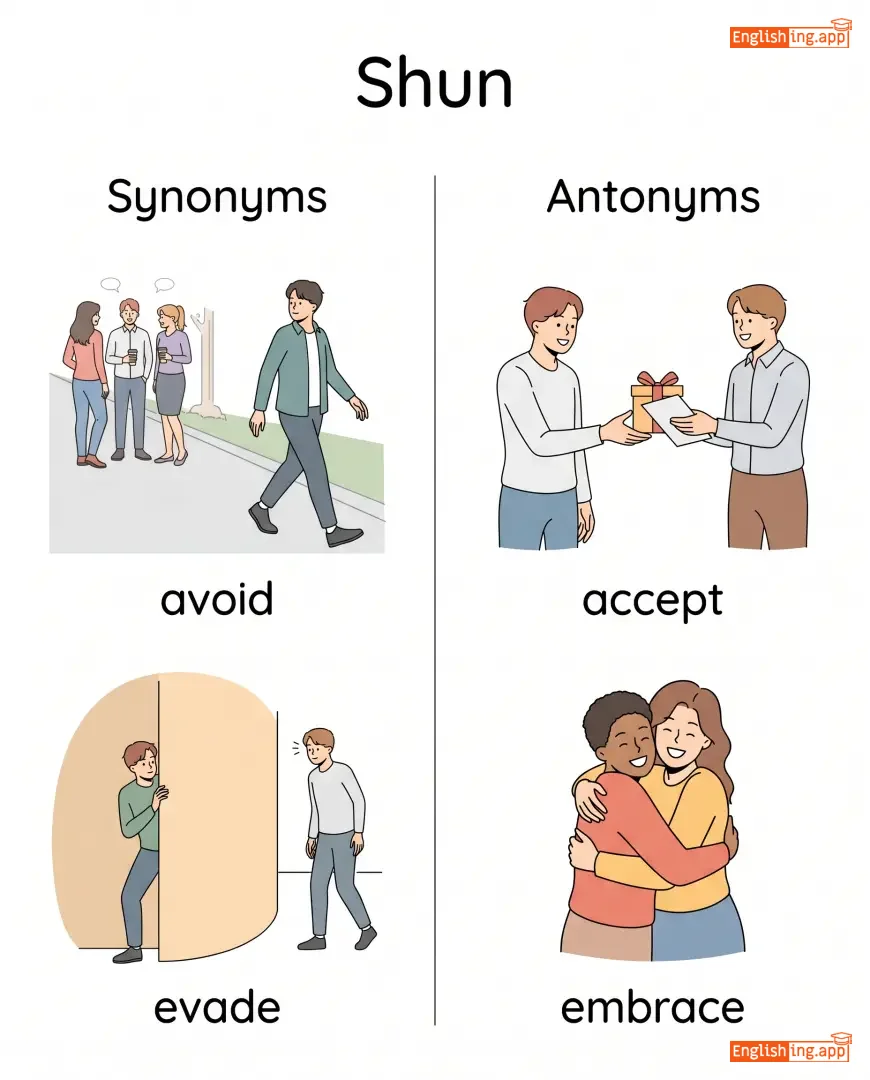
avoid, evade, eschew, dodge
••••••
|
embrace, welcome, seek, pursue
••••••
|
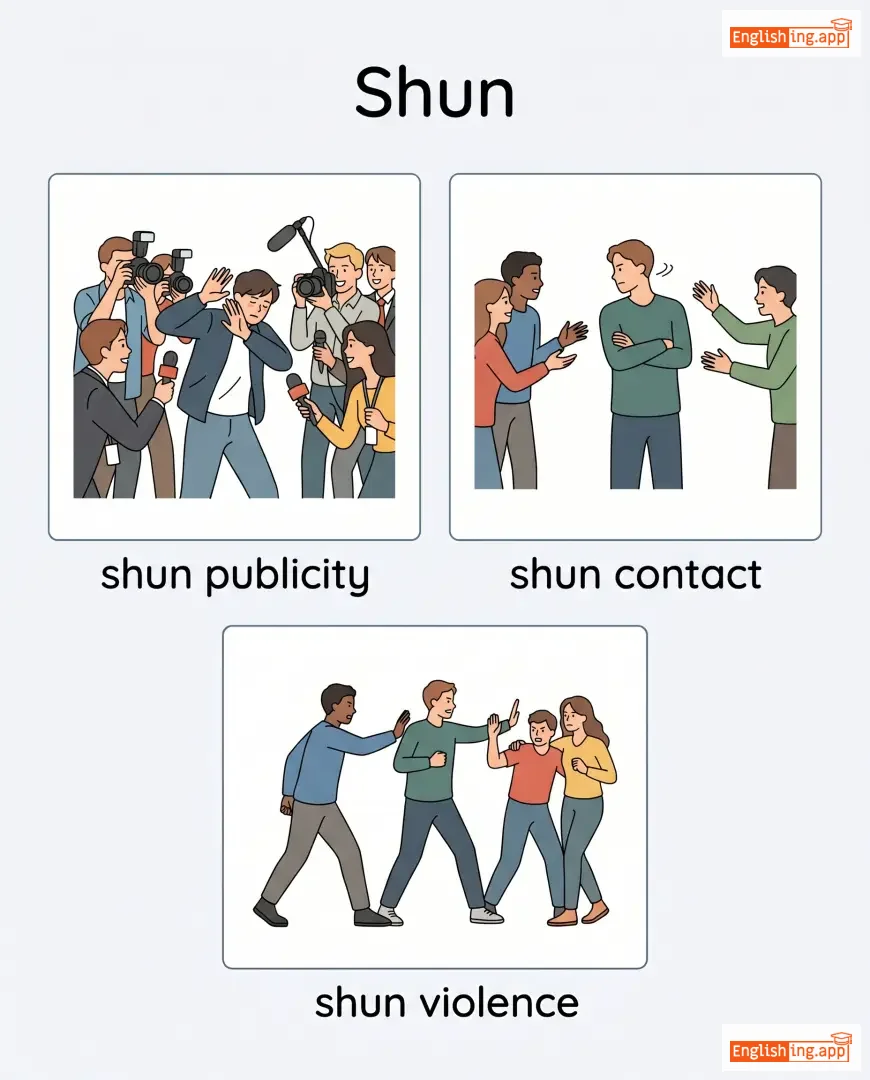
shun publicity, shun contact, actively shun, completely shun
••••••
|
Shun (回避) 公共关注,选择隐私。
••••••
|
|
#144
🚜
|
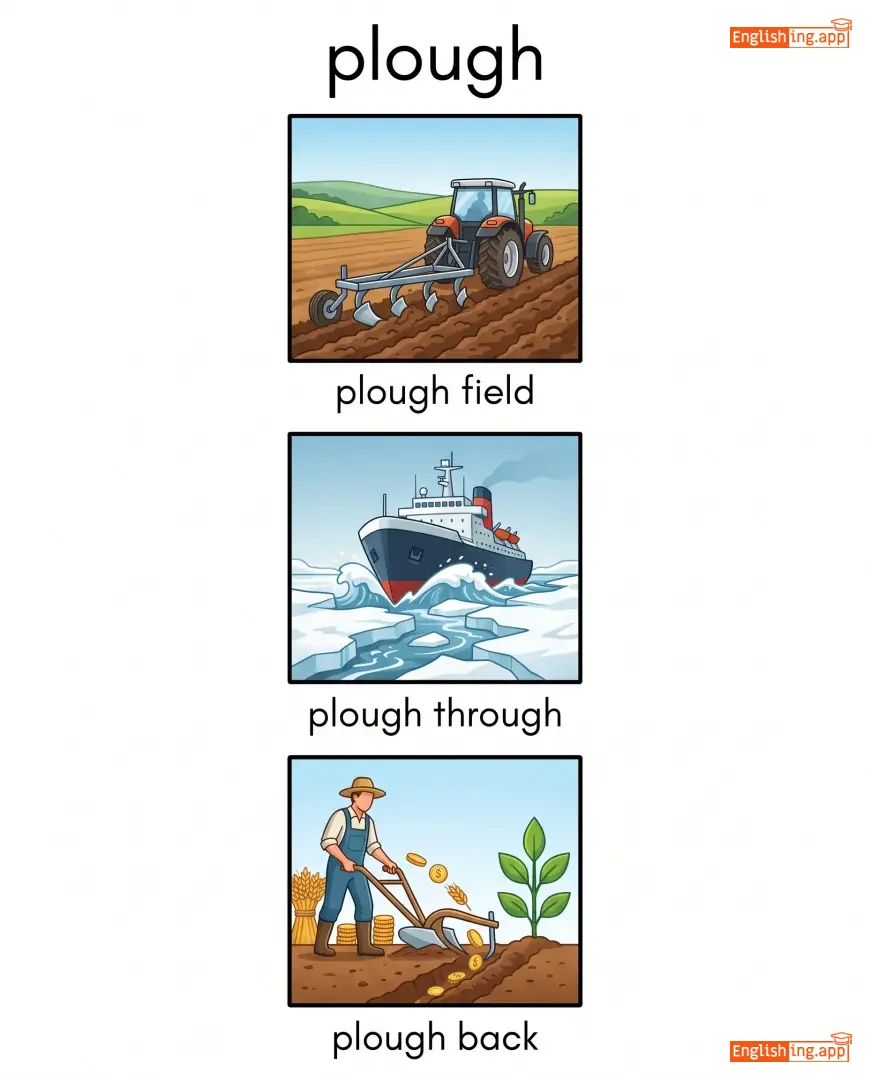
/plaʊ/
verb
(plau)
••••••
|
|
犁地
lidi
••••••
|
ploughed
ploud
••••••
|
ploughed
ploud
••••••
|
ploughs
plaws
••••••
|
ploughing
plowing
••••••
|
to break up and turn over soil using a plough; to move through something with difficulty
••••••
|
The farmer ploughs the field every spring.
农民每年春天都耕地。
••••••
|
农民每年春天都耕地。
Nóngmín měinián chūntiān dōu gēngdì.
••••••
|
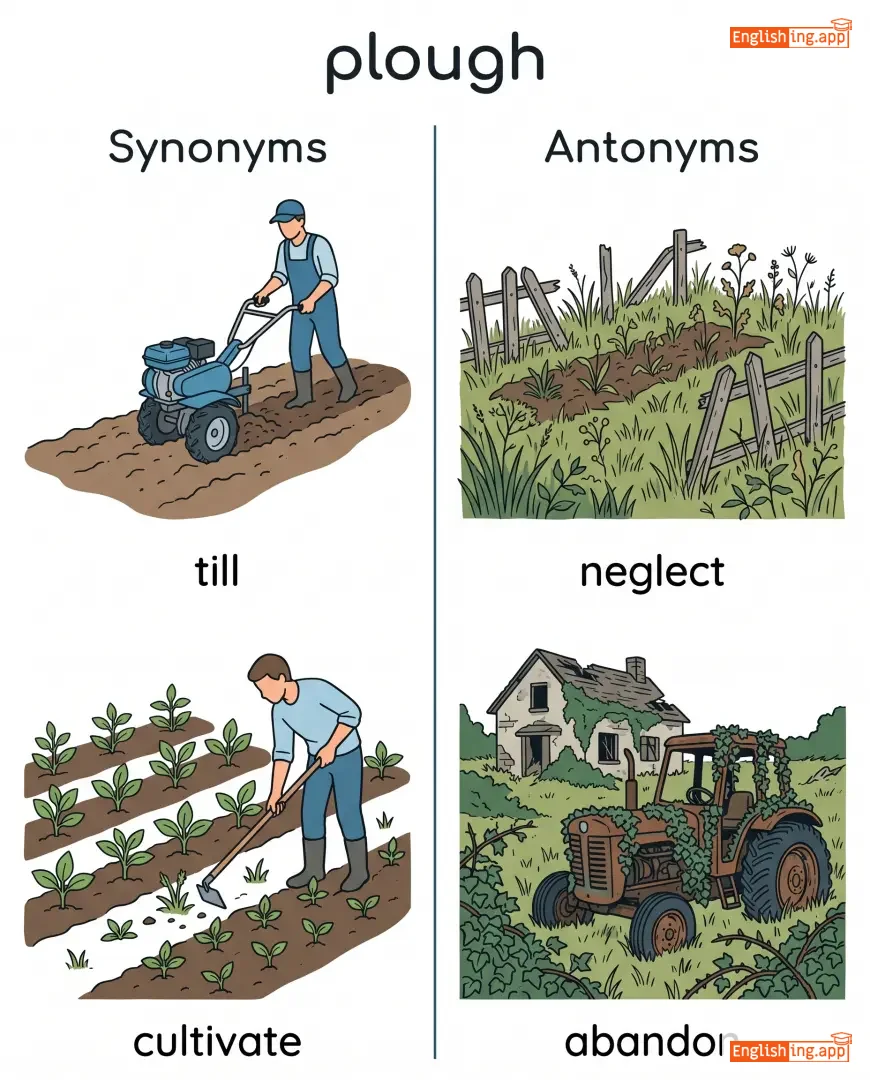
till, cultivate, furrow, dig
••••••
|
neglect, abandon
••••••
|
plough field, plough through, plough back, deep plough
••••••
|
犁地就是使用犁工具工作土地
••••••
|
|
#145
🎭
|
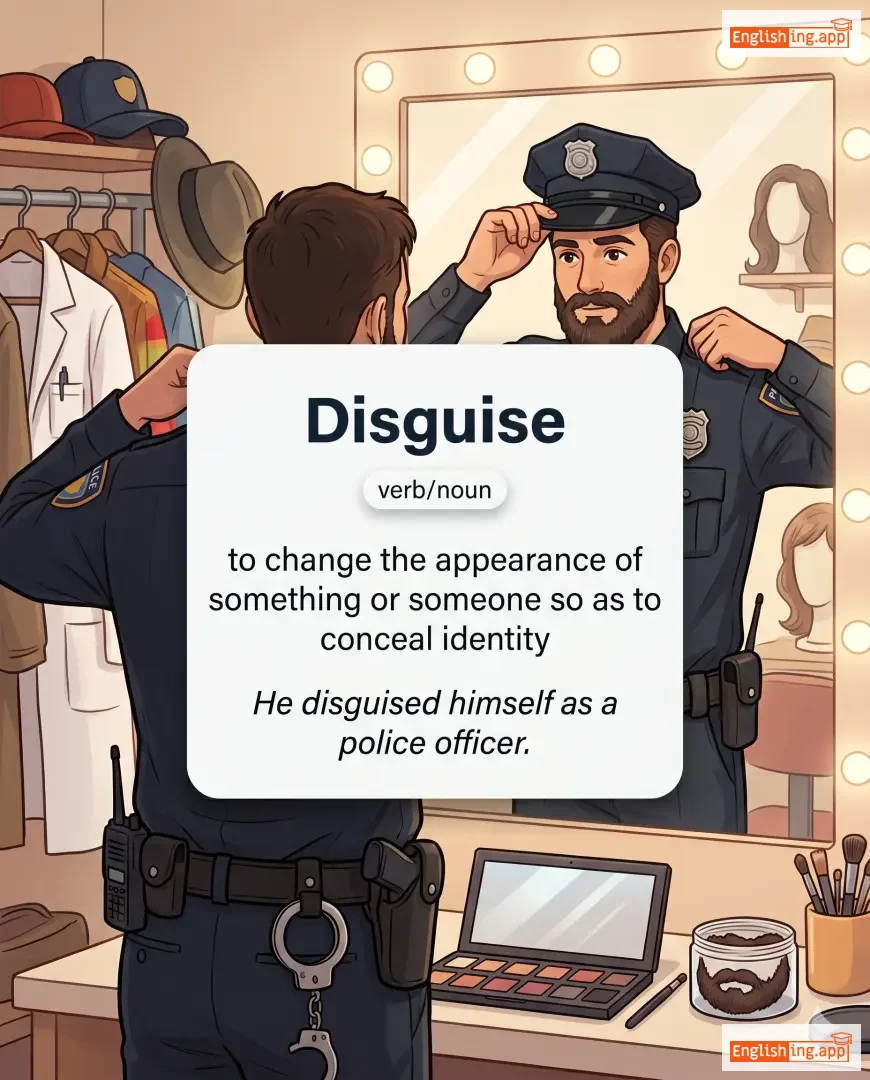
/dɪsˈɡaɪz/
verb
(dīsīɡaíz)
••••••
|
|
伪装
wěizhuāng
••••••
|
disguised
dīsīɡaízd
••••••
|
disguised
dīsīɡaízd
••••••
|
disguises
dīsīɡaízes
••••••
|
disguising
dīsīɡaízɪŋ
••••••
|
to change appearance to conceal identity; to hide or mask
••••••
|
She disguised herself as a nurse to enter the hospital.
她伪装成护士进入了医院。
••••••
|
她伪装成护士进入了医院。
Tā wěizhuāng chéng hùshì jìnrùle yīyuàn.
••••••
|
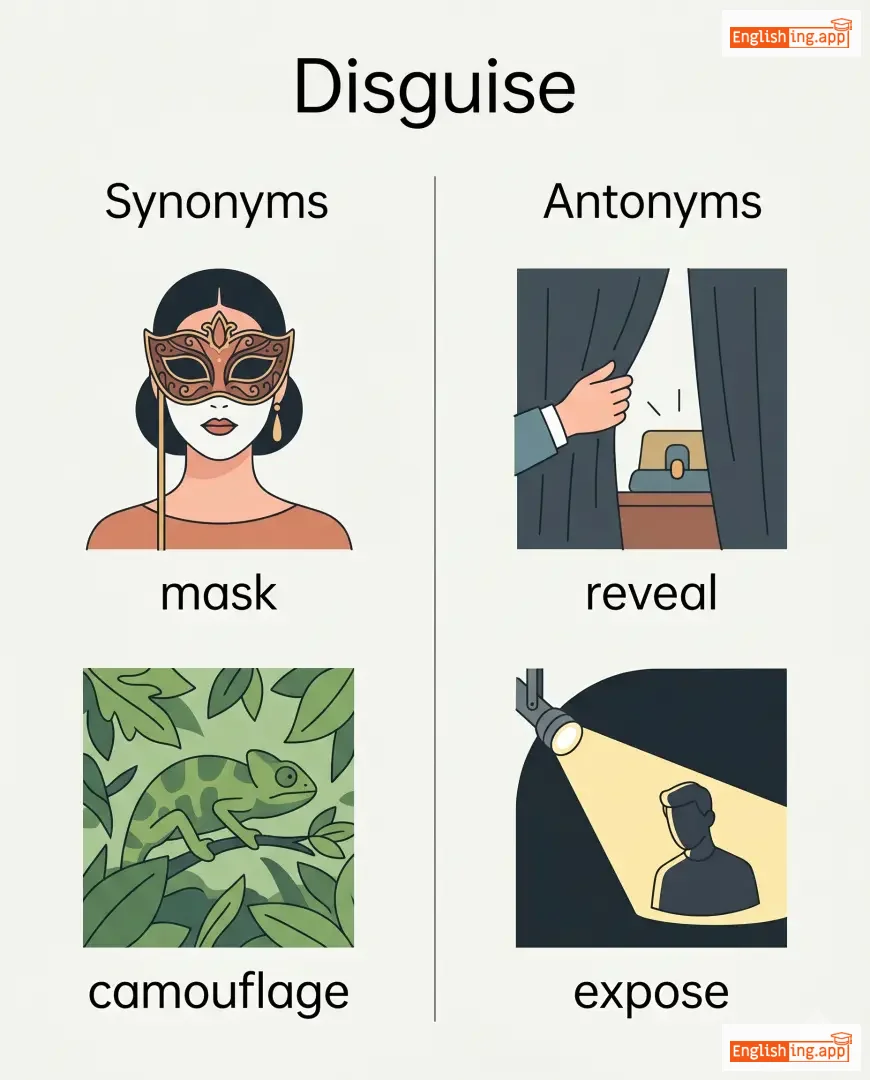
mask, conceal, camouflage, hide
••••••
|
reveal, expose, unmask, show
••••••
|
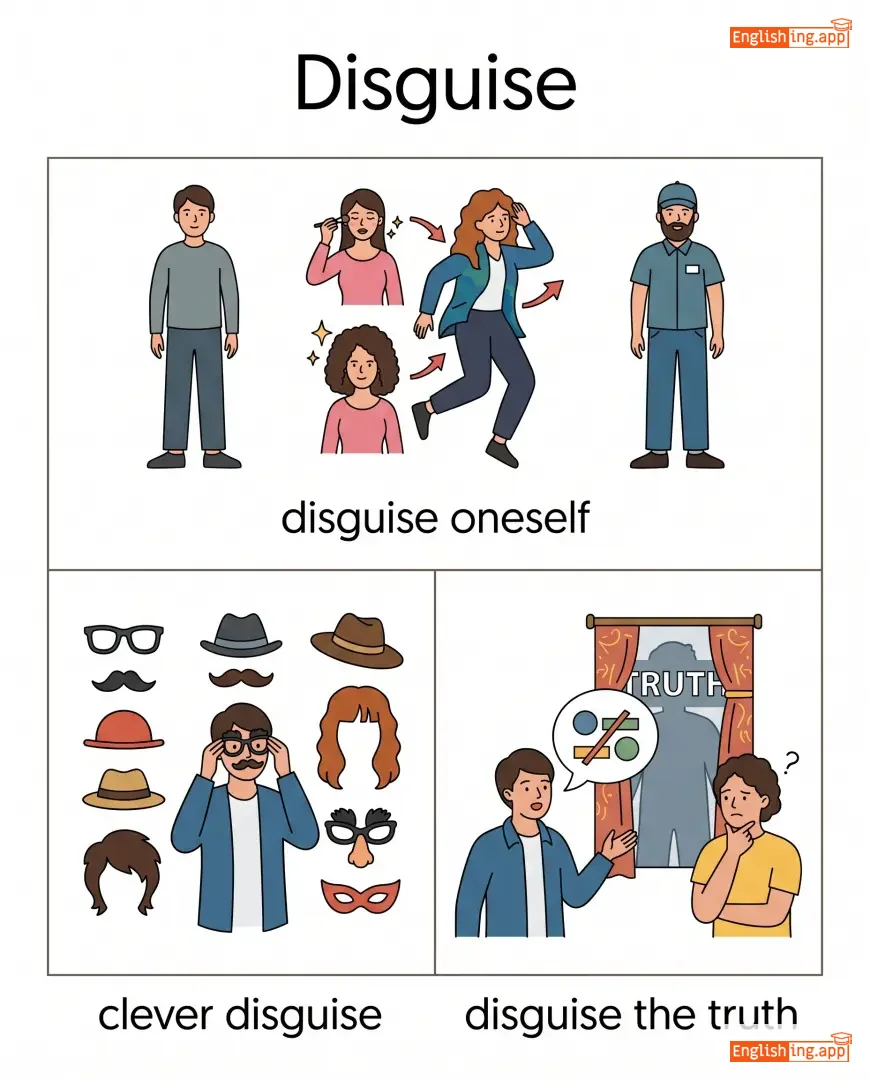
disguise identity, clever disguise, perfect disguise, disguise voice
••••••
|
伪装让你进入医院而不被认出。
••••••
|
|
#146
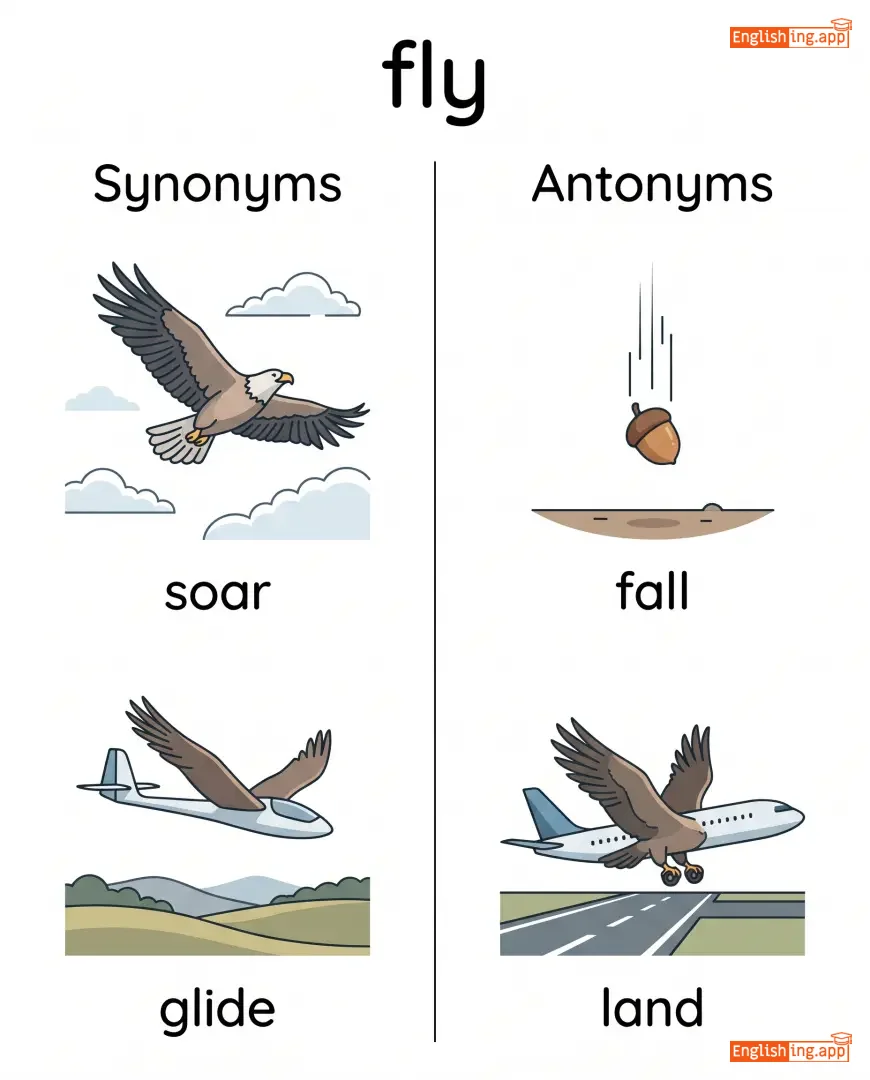
✈️
|
/flaɪ/
verb
(fulai)
••••••
|
|
飞行
feixing
••••••
|
flew
fulu
••••••
|
flown
fulong
••••••
|
flies
fulai
••••••
|
flying
fulaing
••••••
|
to move through the air using wings or in an aircraft
••••••
|
Birds fly south for the winter.
鸟类冬天飞往南方。
••••••
|
鸟类冬天飞往南方。
Niǎo lèi dōngtiān fēi wǎng nánfāng.
••••••
|
soar, glide, travel by air
••••••
|
land, walk, crawl
••••••
|
fly high, fly away, fly home, fly overhead
••••••
|
飞行像鸟一样,自由自在地翱翔在蓝天上。
••••••
|
|
#147
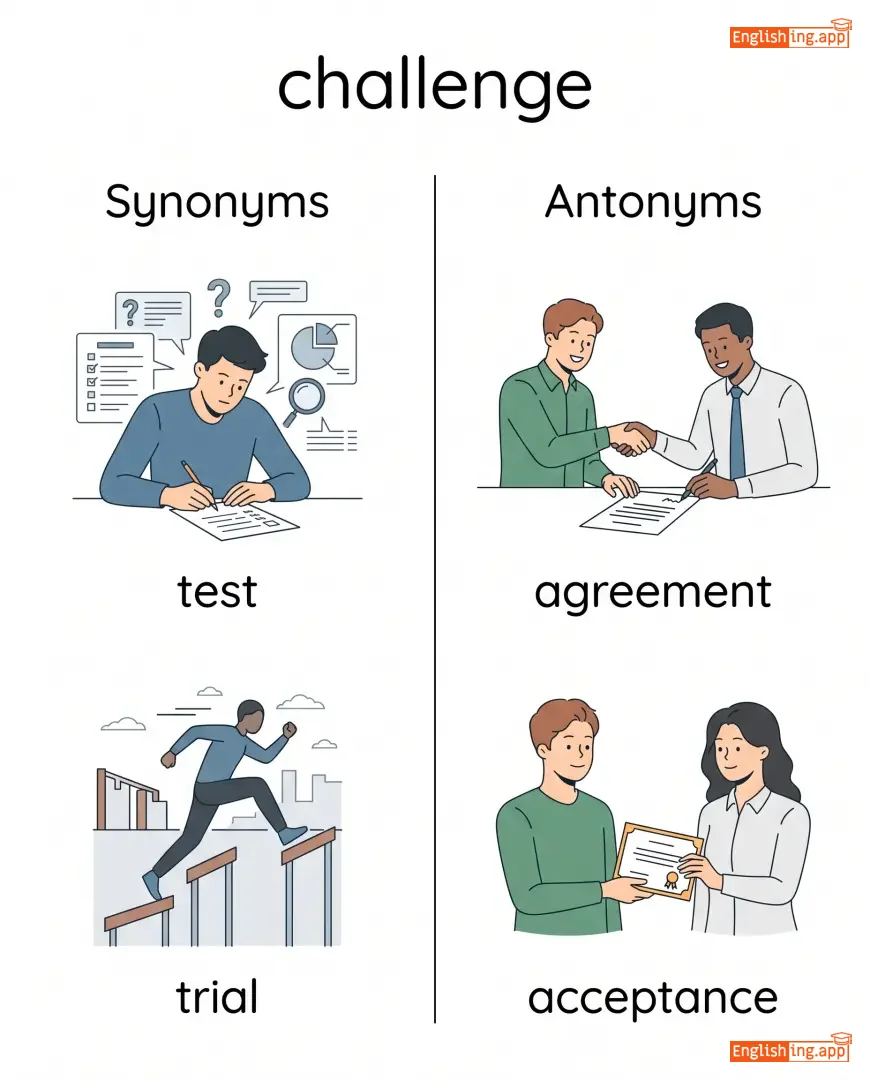
🏆
|
/ˈtʃælɪndʒ/
verb
(挑战)
••••••
|
|
挑战
tiaozhan
••••••
|
challenged
挑战了
••••••
|
challenged
挑战了
••••••
|
challenges
挑战
••••••
|
challenging
挑战
••••••
|
to invite to compete; to question or dispute
••••••
|
She challenges herself to run faster.
她挑战自己跑得更快。
••••••
|
她挑战自己跑得更快。
Ta tiaozhan ziji pao de geng kuai.
••••••
|
contest, dispute, dare, test
••••••
|
accept, agree, support
••••••
|
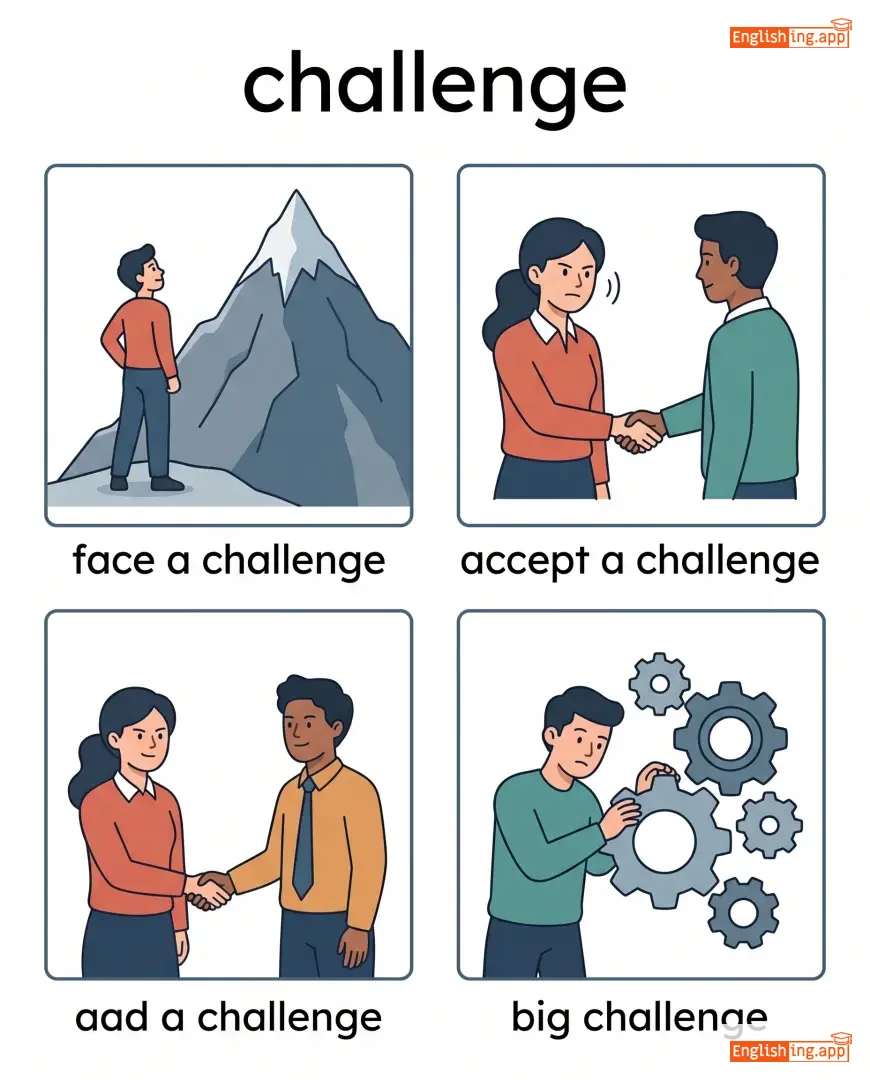
accept challenge, big challenge, face challenge, meet challenge
••••••
|
挑战极限,跑得更快。
••••••
|
|
#148
👍
|
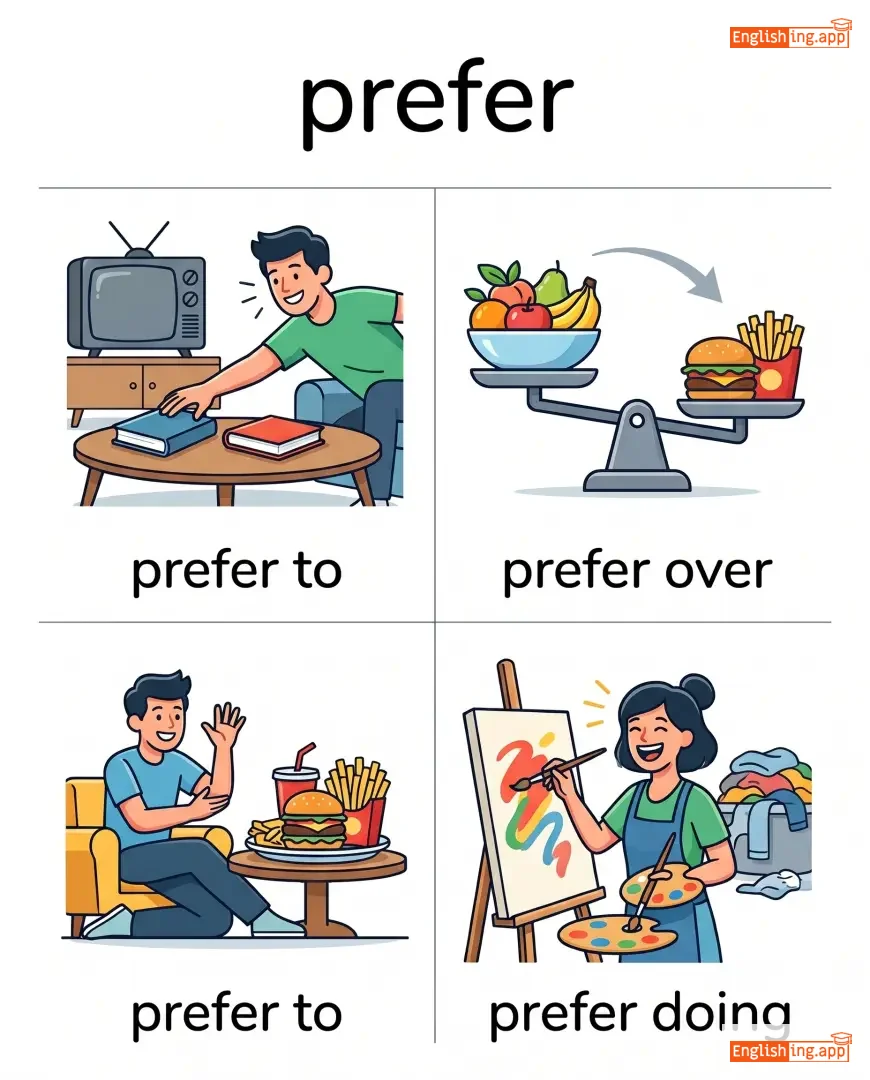
/prɪˈfɜːr/
verb
(普雷弗)
••••••
|
|
偏爱
pian'ai
••••••
|
preferred
偏爱
••••••
|
preferred
偏爱
••••••
|
prefers
偏爱
••••••
|
preferring
偏爱的
••••••
|
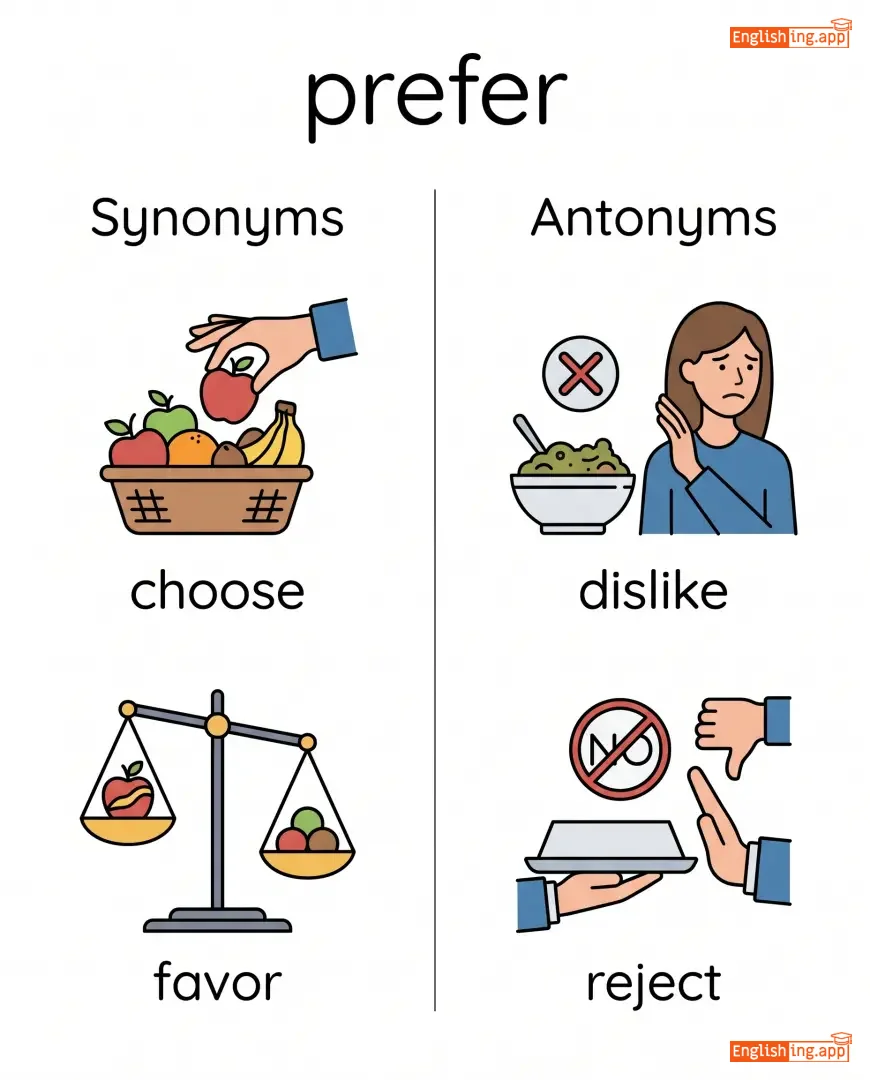
to like better; to choose as more desirable
••••••
|
I prefer tea over coffee in the morning.
早上我喜欢喝茶而不是咖啡。
••••••
|
早上我喜欢喝茶而不是咖啡。
Zao shang wo xihuan he cha er bushi kafei
••••••
|
choose, favor, select, opt
••••••
|
reject, dislike, avoid, refuse
••••••
|
prefer over, strongly prefer, clearly prefer, much prefer
••••••
|
开始早晨时,喝你偏爱的茶。
••••••
|
Vocabulary Quiz
Test your vocabulary by matching words with their translations or meanings.
Login to take the quiz
Comments (0)
Share your thoughts and join the discussion.
Join the discussion by logging in
Login to CommentNo comments yet
Be the first to share your thoughts!