





















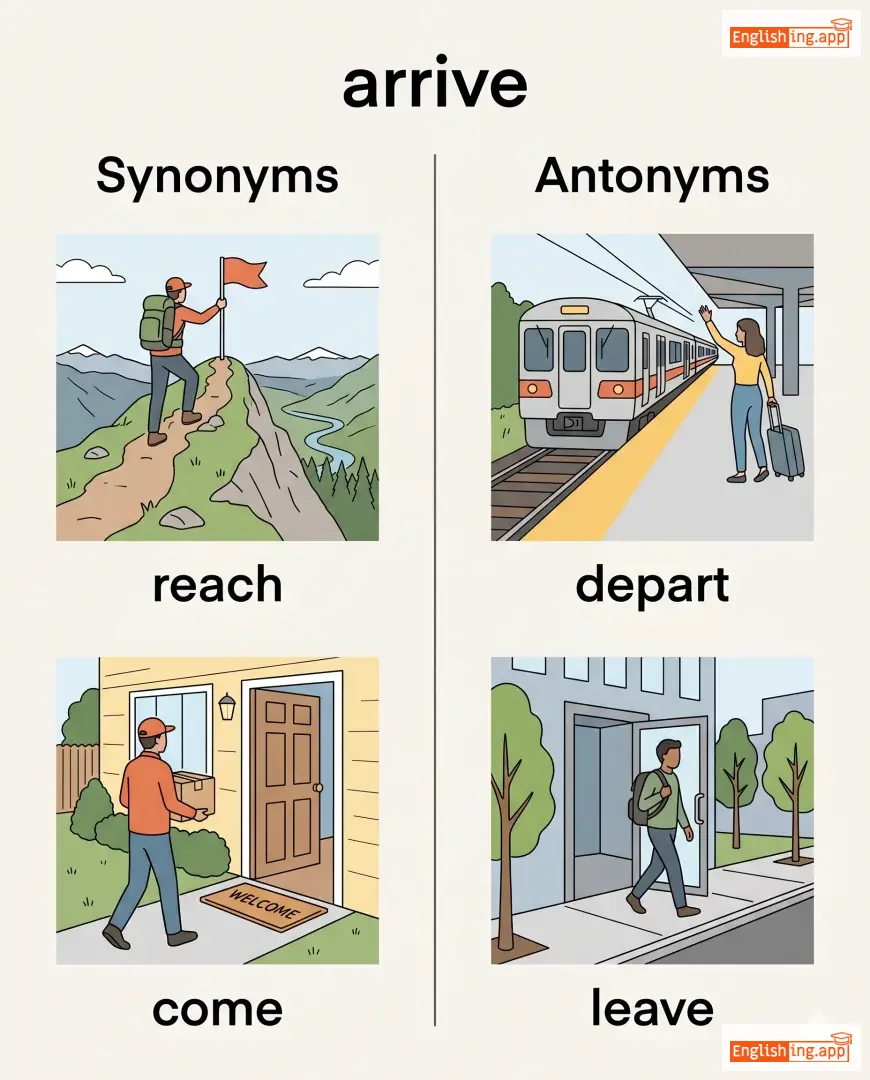
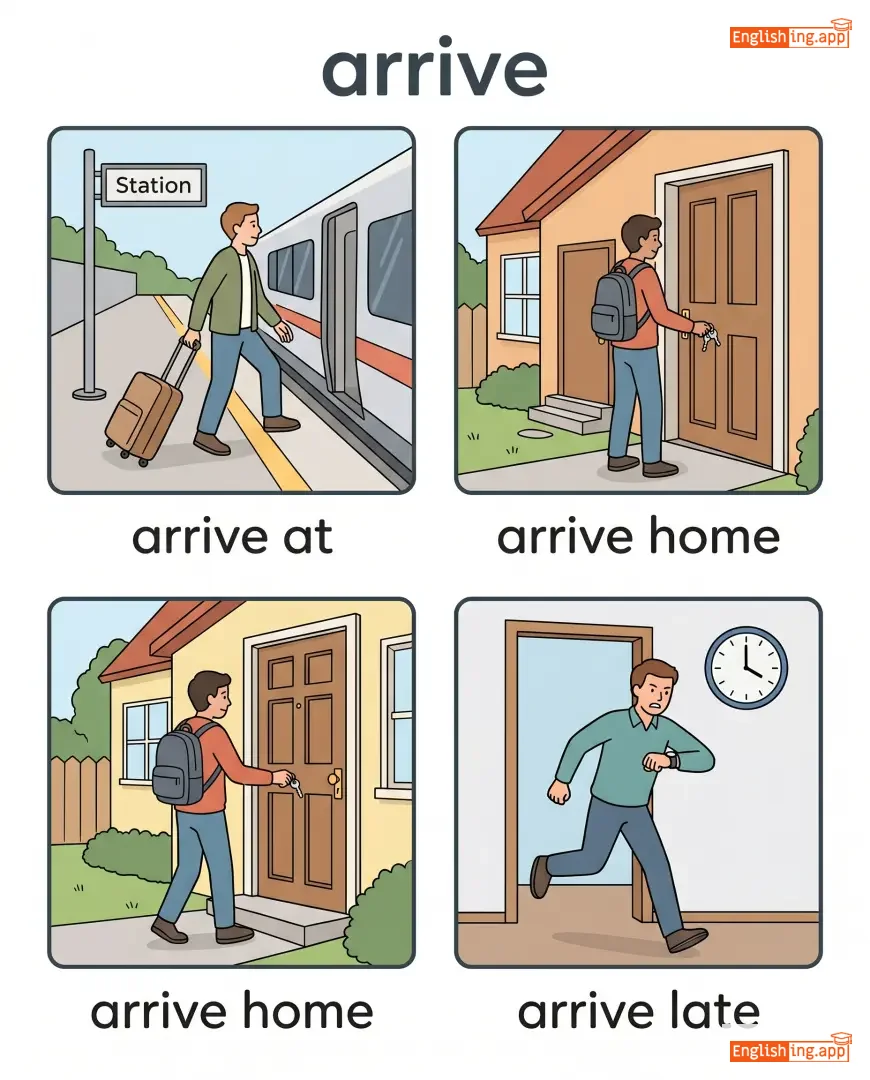

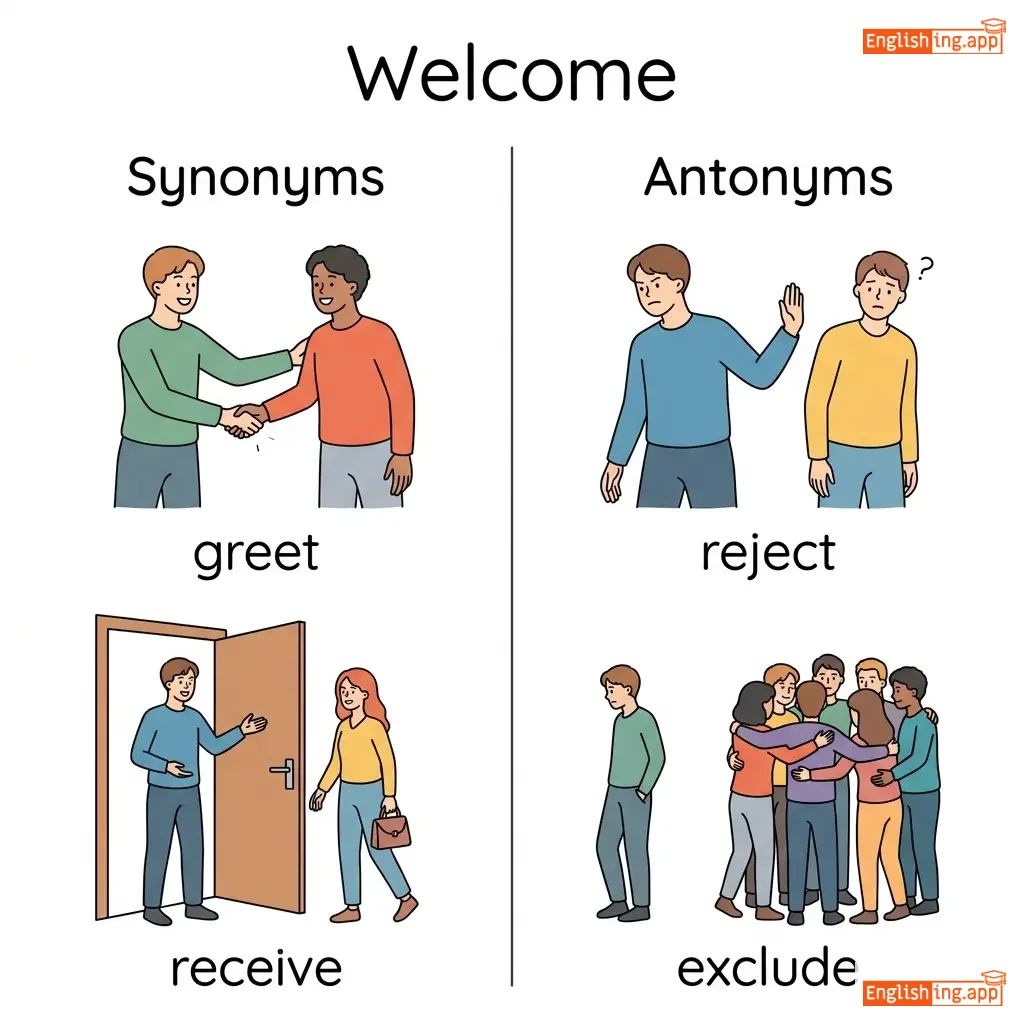
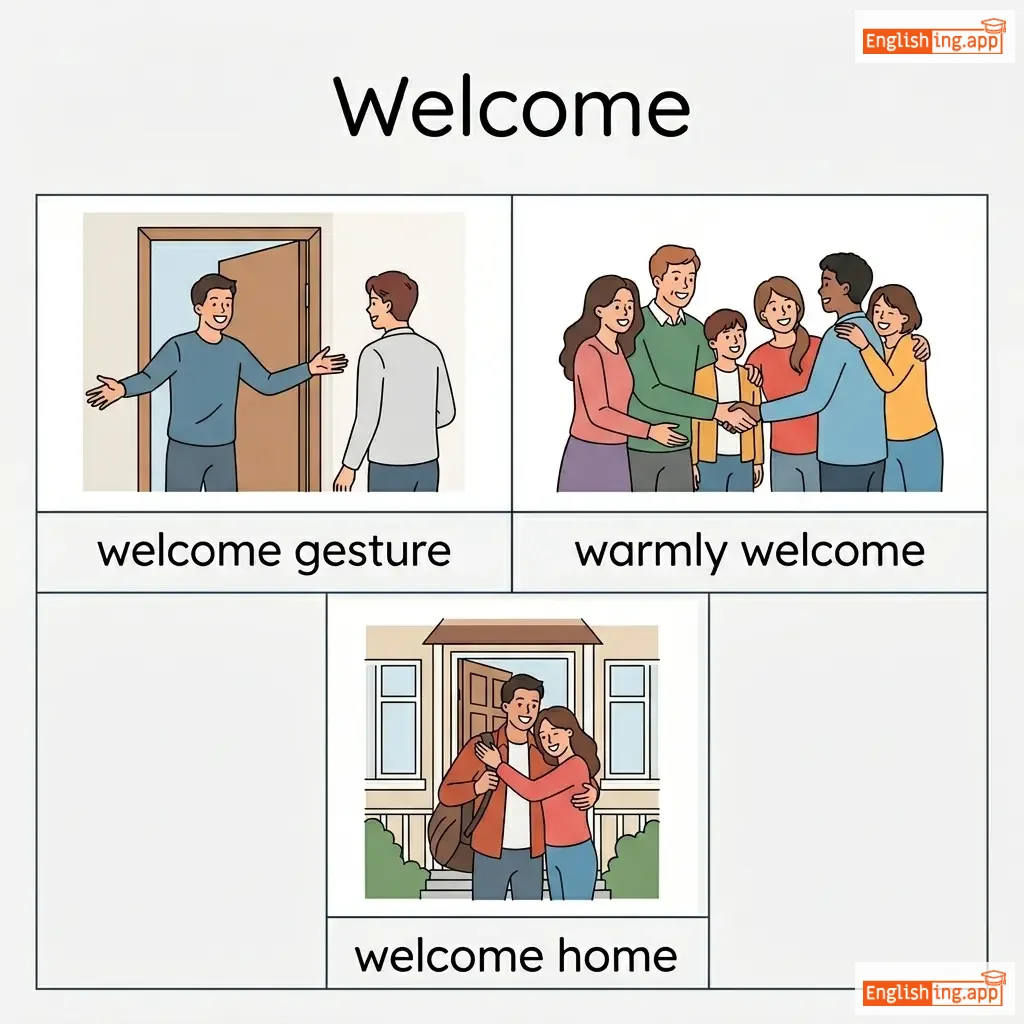



Swipe left or right, or use the buttons. Tap image to zoom.
例句翻译
单词
Lesson 12: Mastering the Most Frequent Verbs & TensesLesson 12: Mastering the Most Frequent Verbs & Tenses - 遮罩切换
|
表情符号
|
单词 | Images | 翻译 | 过去时 | 过去分词 | 第三人称单数 | 动名词 | 含义 | 例句 | 例句翻译 | 同义词 | 反义词 | 搭配词 | 助记符 |
|---|---|---|---|---|---|---|---|---|---|---|---|---|---|---|
|
#329
😠
|
/rɪˈbjuːk/
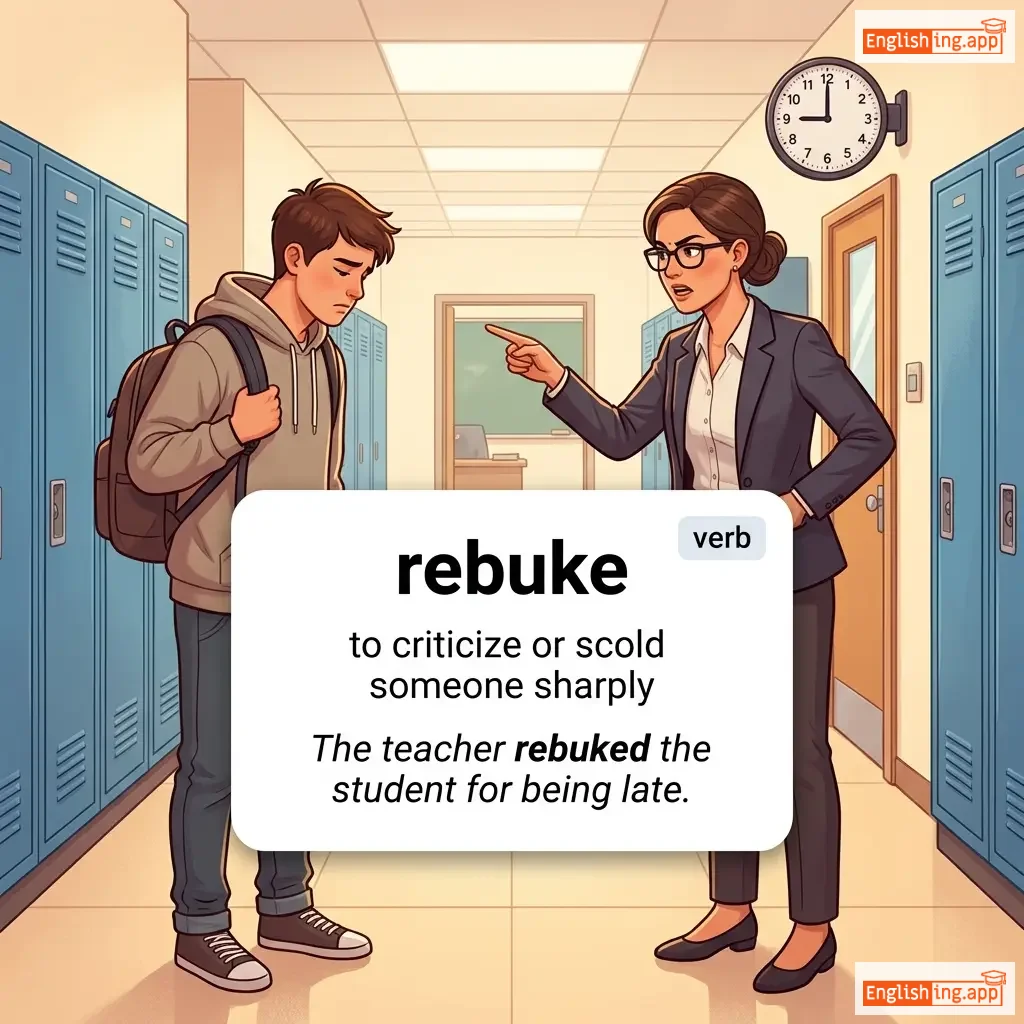
verb
(rɪˈbjuːk)
••••••
|
|
斥责
chìzé
••••••
|
rebuked
rɪˈbjuːkt
••••••
|
rebuked
rɪˈbjuːkt
••••••
|
rebukes
rɪˈbjuːks
••••••
|
rebuking
rɪˈbjuːkɪŋ
••••••
|
to criticize or scold sharply; to express disapproval
••••••
|
The teacher had to rebuke the student for cheating.
ðə tiːtʃər hæd tuː rɪˈbjuːk ðə stjuːdənt fɔːr ˈʧiːtɪŋ.
••••••
|
老师因作弊而斥责学生。
Lǎoshī yīn zuòbì ér chìzé xuéshēng.
••••••
|
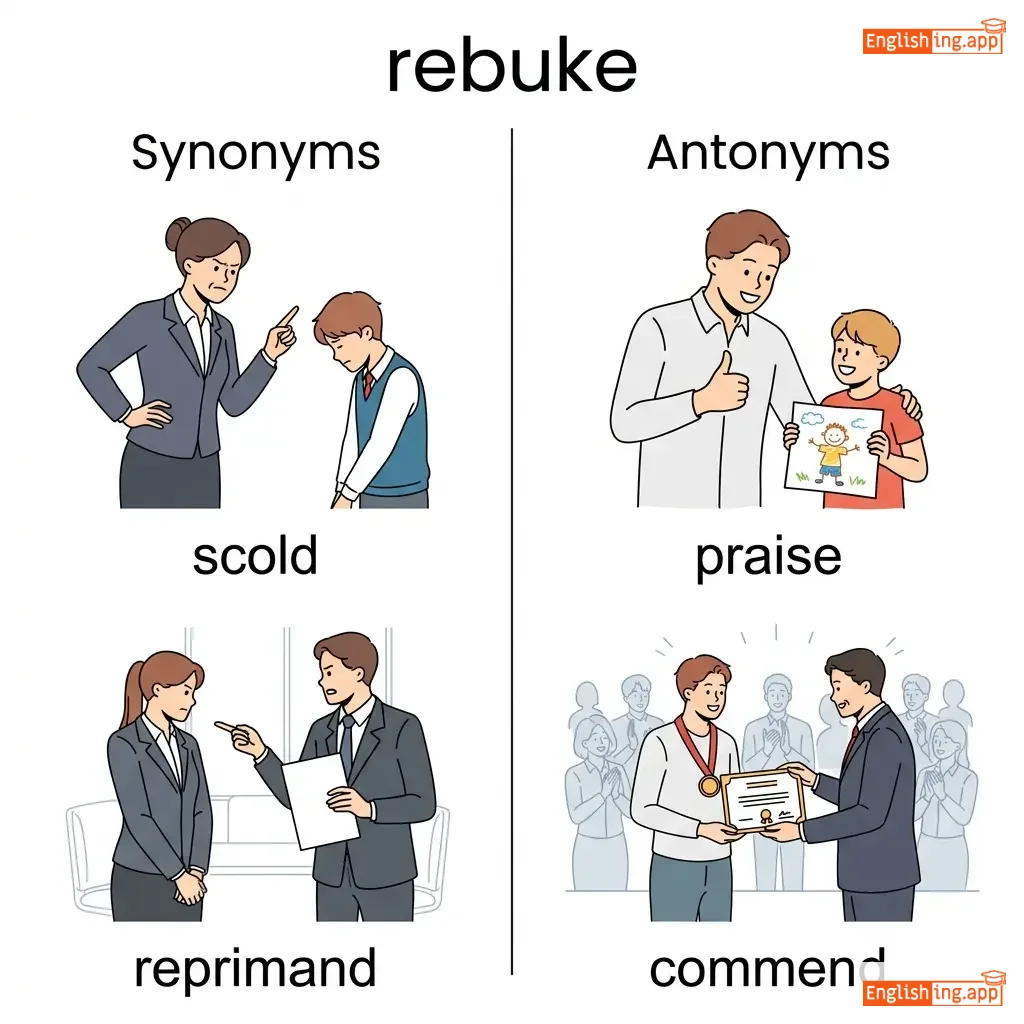
scold, criticize, reprimand, chastise
••••••
|
praise, commend, approve, compliment
••••••
|
sharply rebuke, publicly rebuke, rebuke someone, rebuke harshly, rebuke gently
••••••
|
Chinese '斥责' sounds like 'chide' in English.
••••••
|
|
#330
🎨
|
/daɪ/
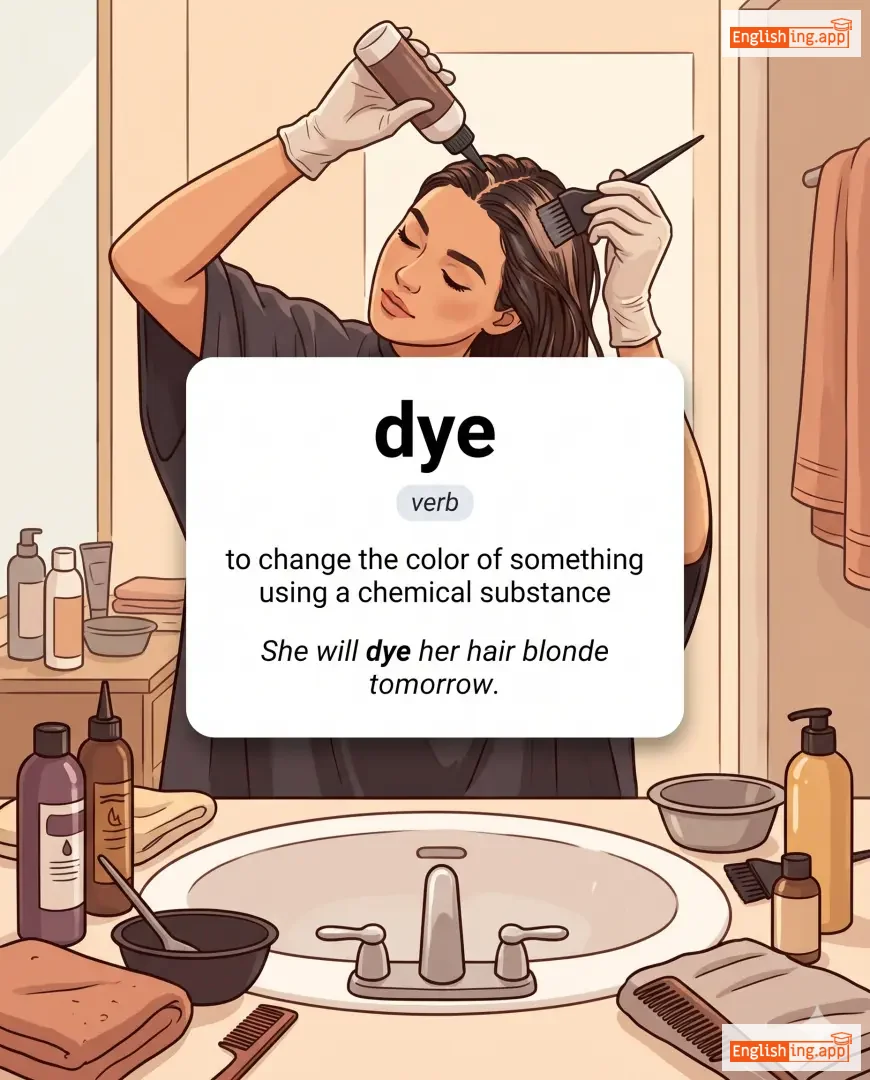
verb
(dai)
••••••
|
|
染色
rǎnsè
••••••
|
dyed
daid
••••••
|
dyed
daid
••••••
|
dyes
dais
••••••
|
dyeing
daiing
••••••
|
to change the color of something using a chemical substance
••••••
|
She will dye her hair blonde tomorrow.
她明天会把头发染成金色。
••••••
|
她明天会把头发染成金色。
Tā míngtiān huì bǎ tóufǎ rǎnchéng jīnsè
••••••
|
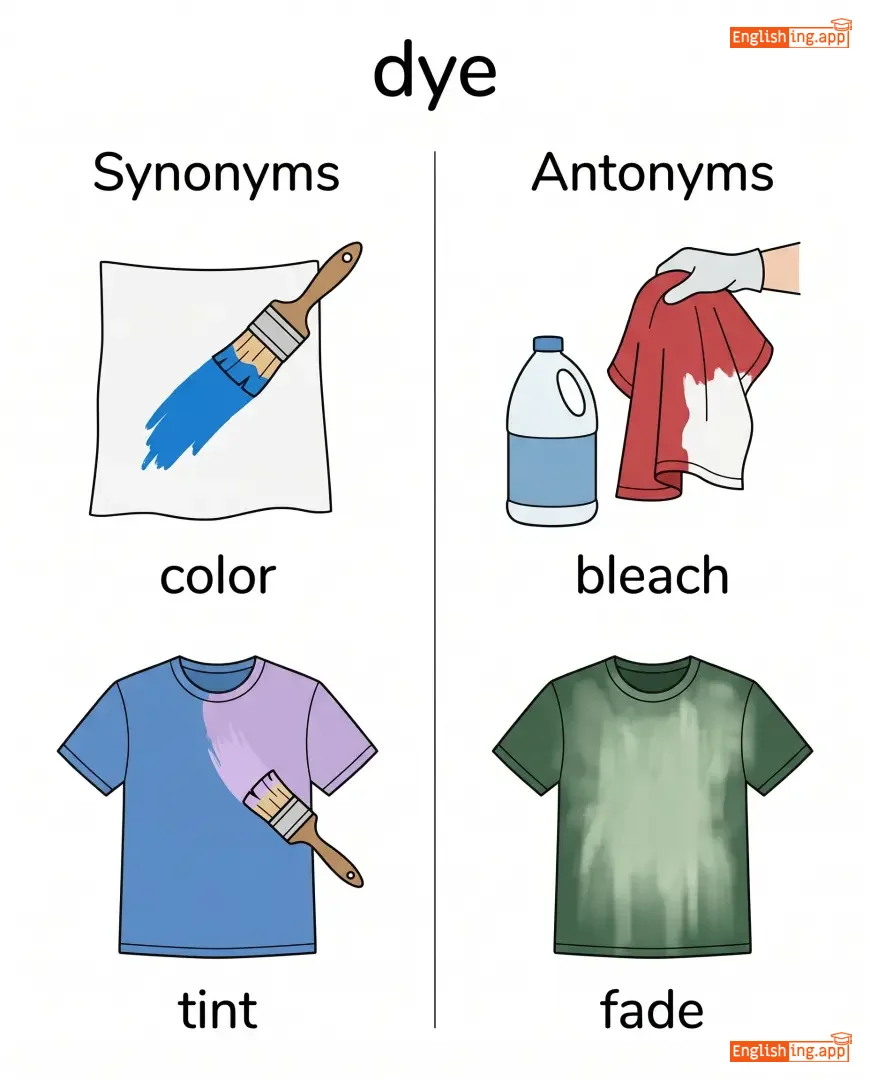
color, tint, stain, pigment
••••••
|
bleach, fade, whiten
••••••
|
dye hair, dye fabric, dye clothes, dye permanently, dye naturally
••••••
|
染色 - 通过化学物质改变颜色
••••••
|
|
#331
🚔
|
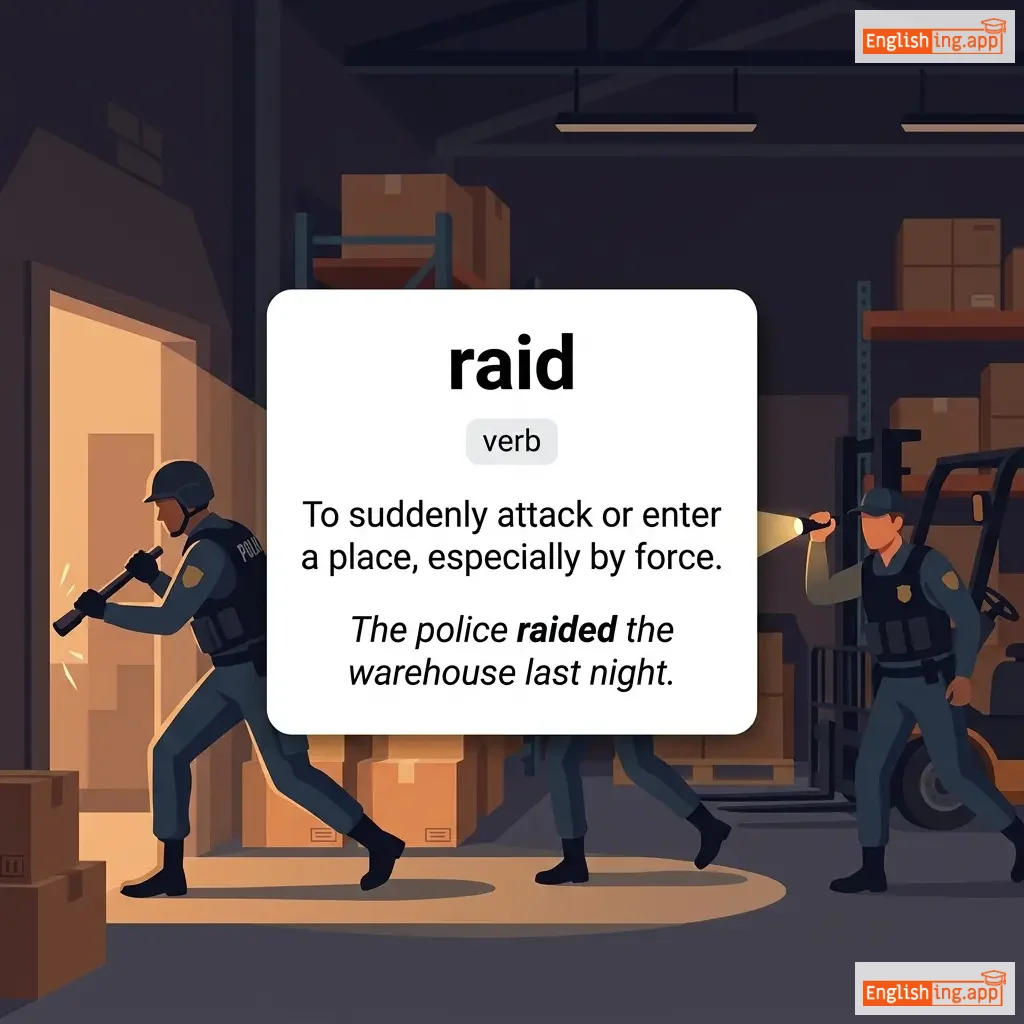
/reɪd/
verb
(reɪd)
••••••
|
|
突袭
tūxí
••••••
|
raided
reɪdɪd
••••••
|
raided
reɪdɪd
••••••
|
raids
reɪdz
••••••
|
raiding
reɪdɪŋ
••••••
|
to attack suddenly; to search and seize
••••••
|
Police raid the illegal gambling house.
警方突袭非法赌博屋。
••••••
|
警方突袭非法赌博屋。
Jǐngfāng tūxí fēifǎ dǔbó wū.
••••••
|
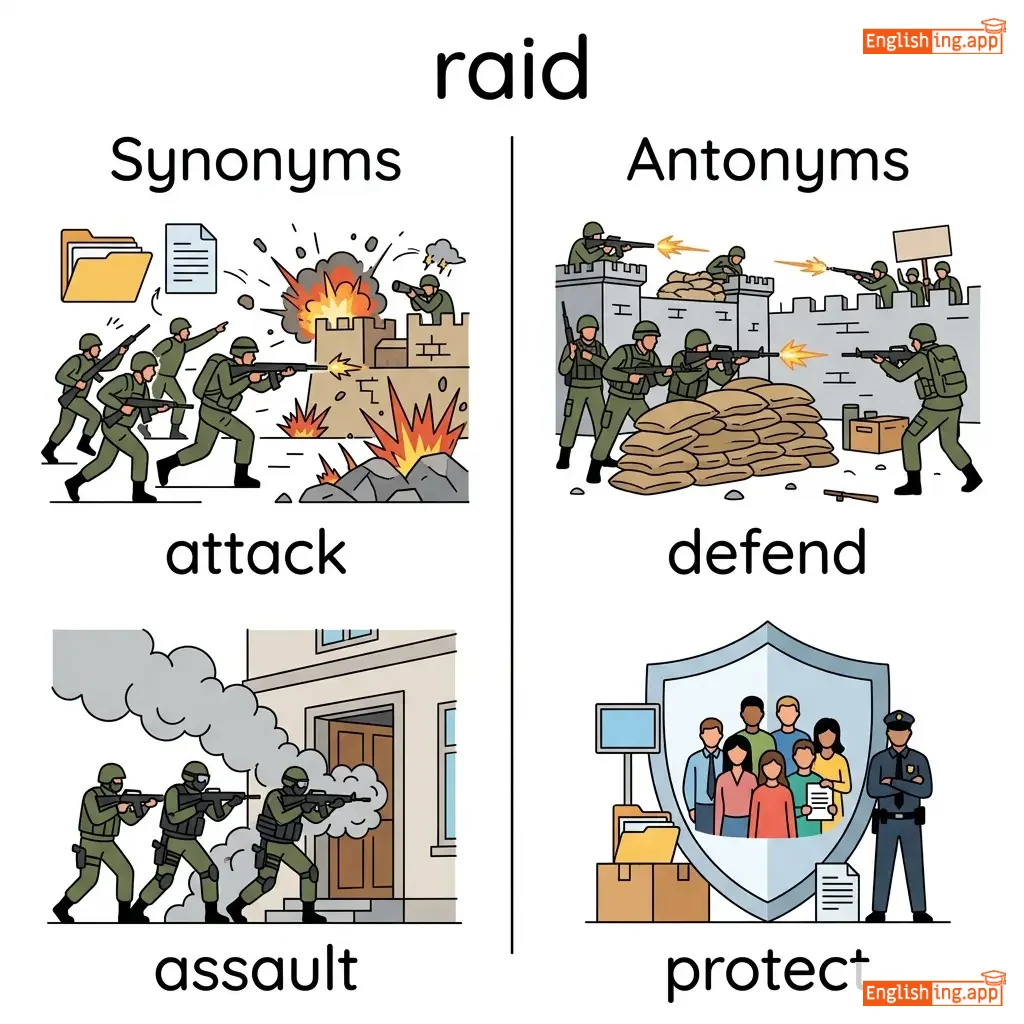
attack, assault, invade, storm
••••••
|
defend, protect, retreat, withdraw
••••••
|
police raid, raid a house, dawn raid, conduct a raid, carry out a raid
••••••
|
突袭 (Tūxí) 就像突如其来的警方突袭。
••••••
|
|
#332
🛒
|
/ˈpɜːrtʃəs/
verb
(pàochè)
••••••
|
|
购买
gòumǎi
••••••
|
purchased
pàochèd
••••••
|
purchased
pàochèd
••••••
|
purchases
pàochèzi
••••••
|
purchasing
pàochèxíng
••••••
|
to buy something; to acquire by paying money
••••••
|
I need to purchase groceries for the week.
我需要购买一周的食物。
••••••
|
我需要购买一周的食物。
Wǒ xūyào gòumǎi yī zhōu de shíwù
••••••
|
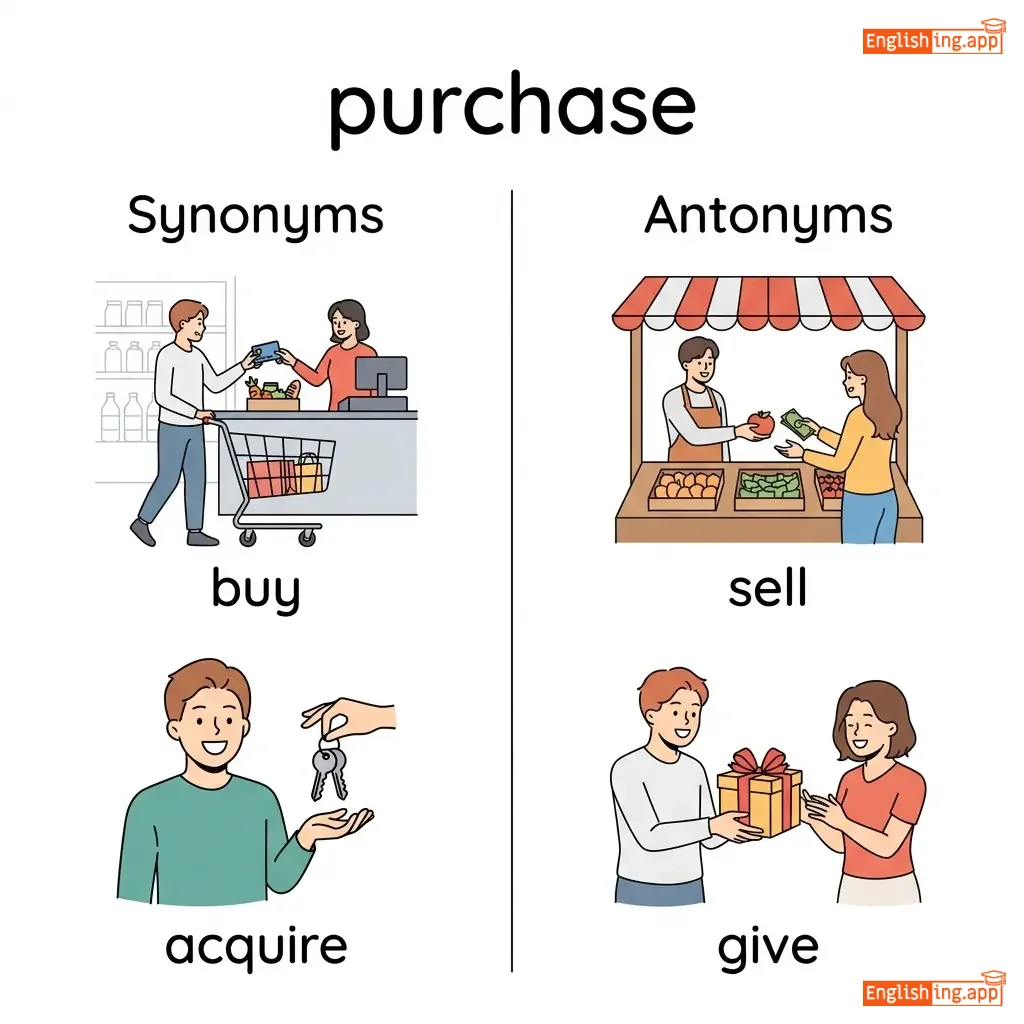
buy, acquire, obtain, procure
••••••
|
sell, dispose, return
••••••
|
purchase online, purchase goods, purchase property, purchase tickets, bulk purchase
••••••
|
No •••••• |
|
#333
🎁
|
/ɡɪv/
verb
(giv)
••••••
|
|
给
gei
••••••
|
gave
geiv
••••••
|
given
given
••••••
|
gives
gives
••••••
|
giving
giving
••••••
|
to freely transfer something to someone
••••••
|
I give gifts to my friends on their birthdays.
我在朋友的生日时送礼物。
••••••
|
我在朋友的生日时送礼物。
Wo zai pengyou de shengri shi song liwu.
••••••
|
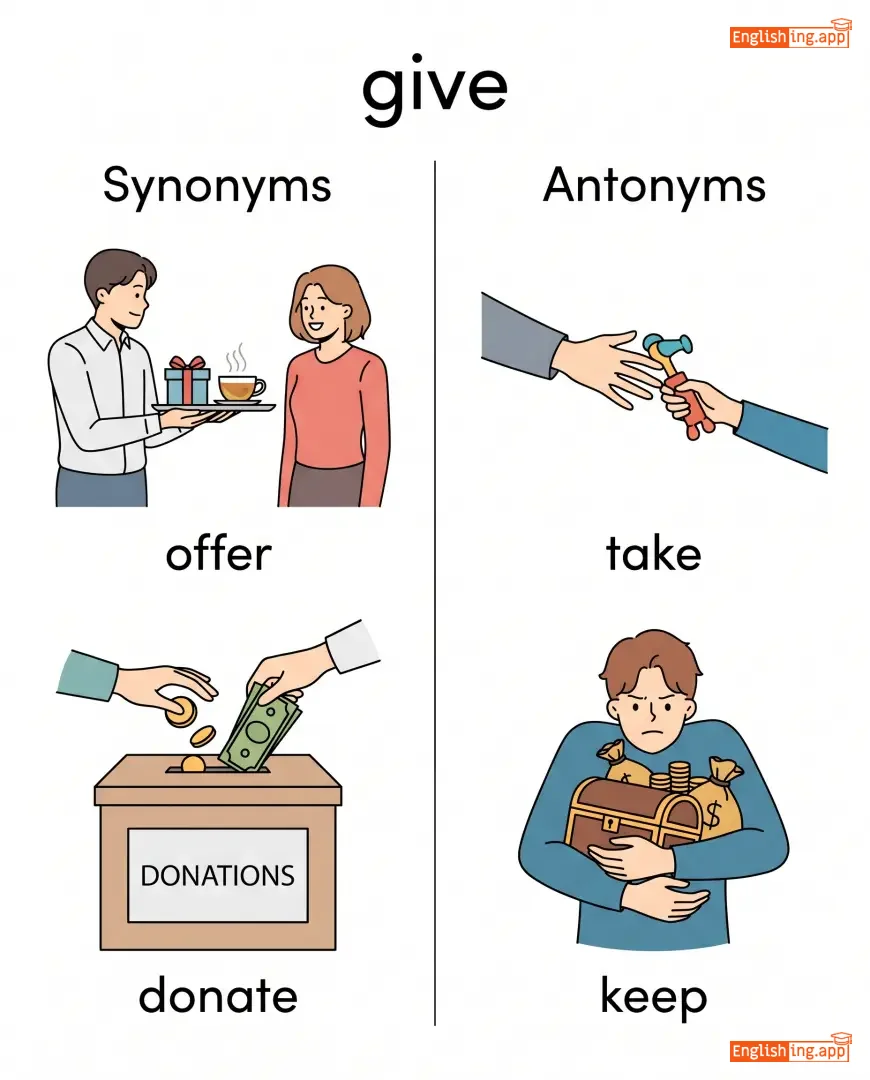
offer, present, donate, provide
••••••
|
take, receive, keep, withhold
••••••
|
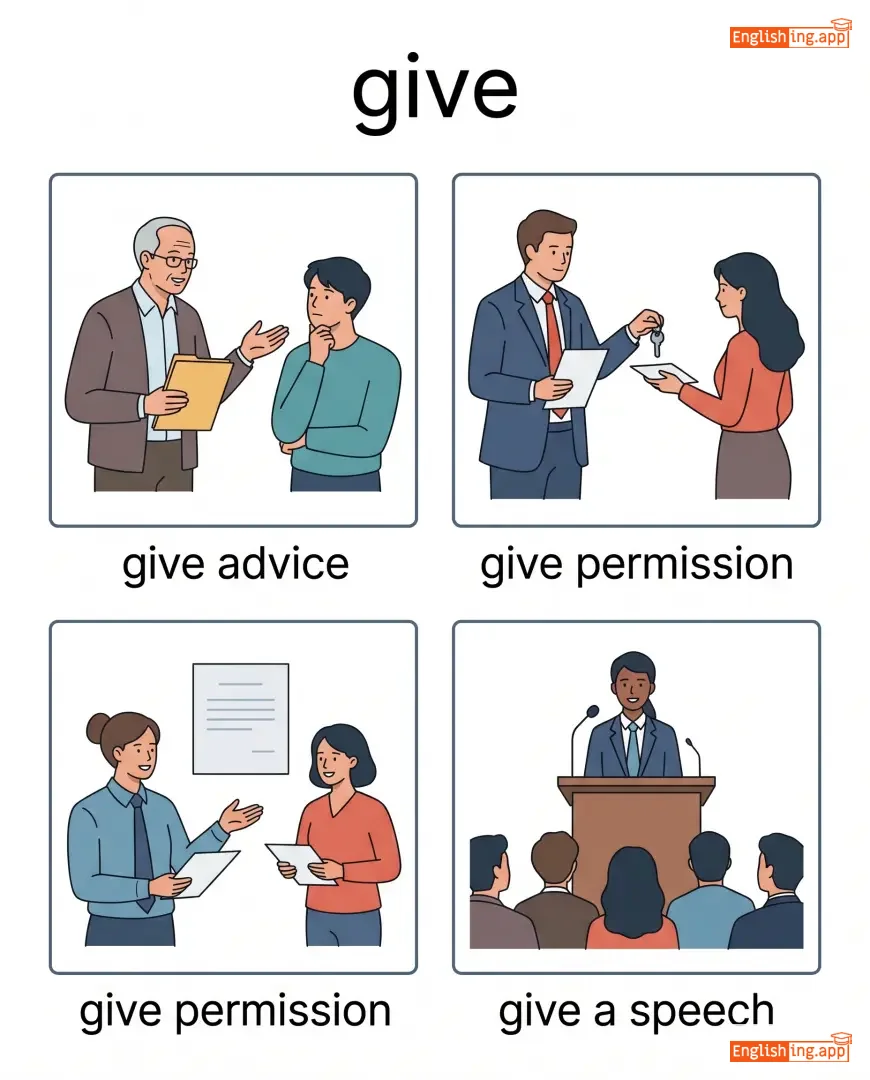
give advice, give permission, give a gift, give up, give back
••••••
|
‘给’和‘give’的意思一样,就像送礼物。
••••••
|
|
#334
👅
|
/lɪk/
verb
(lìk)
••••••
|
|
舔
tian
••••••
|
licked
lìkde
••••••
|
licked
lìkde
••••••
|
licks
lìks
••••••
|
licking
lìkīng
••••••
|
to pass the tongue over something; to defeat decisively
••••••
|
The cat licked its paws clean.
猫舔干净了它的爪子。
••••••
|
猫舔干净了它的爪子。
Māo tiǎn gānjìng le tā de zhǎo zi.
••••••
|
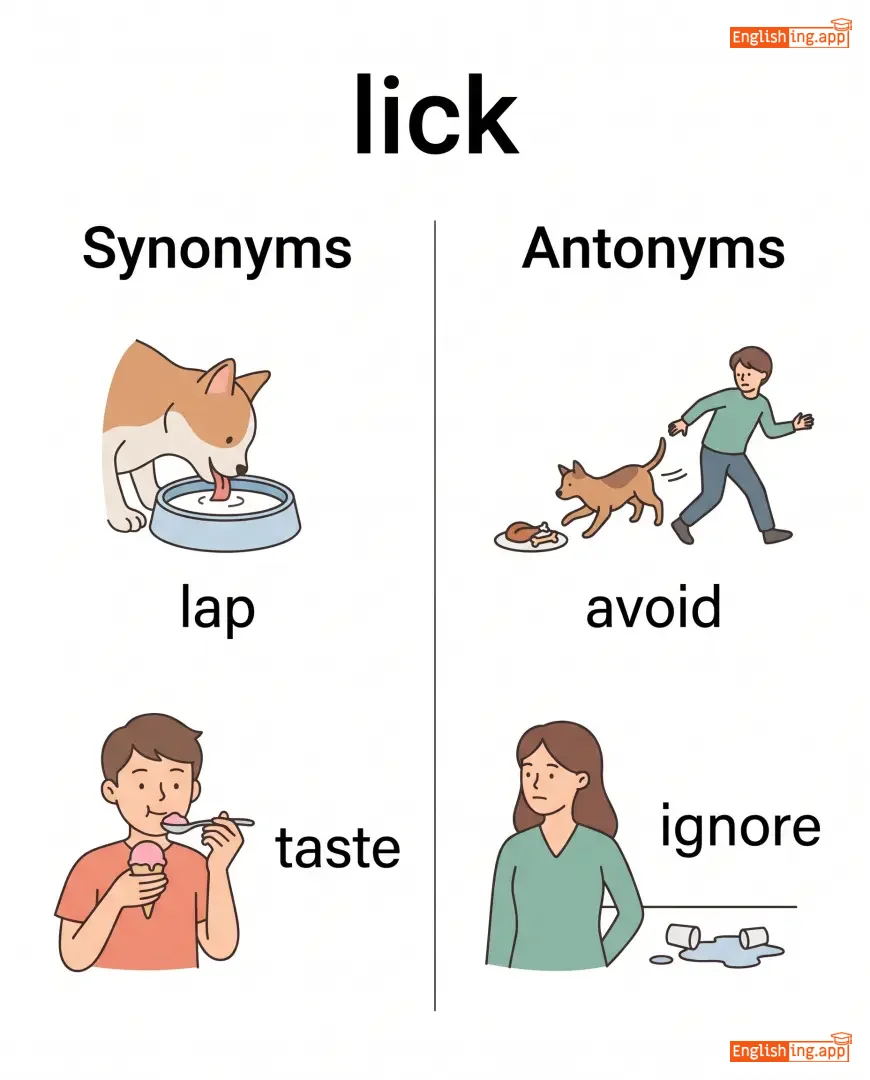
lap, taste, touch with tongue
••••••
|
avoid, ignore
••••••
|
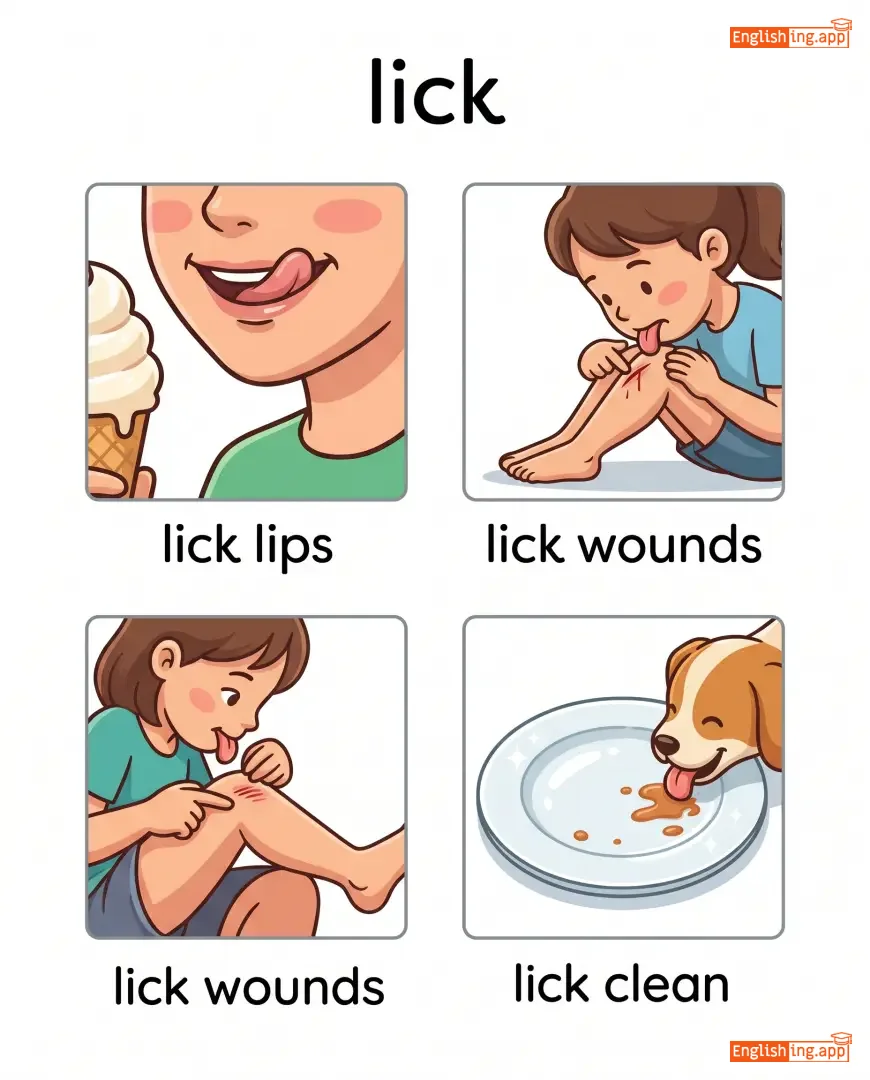
lick lips, lick wounds, lick clean, lick stamps, lick ice cream
••••••
|
舔舐让一切清洁而光滑
••••••
|
|
#335
👉
|
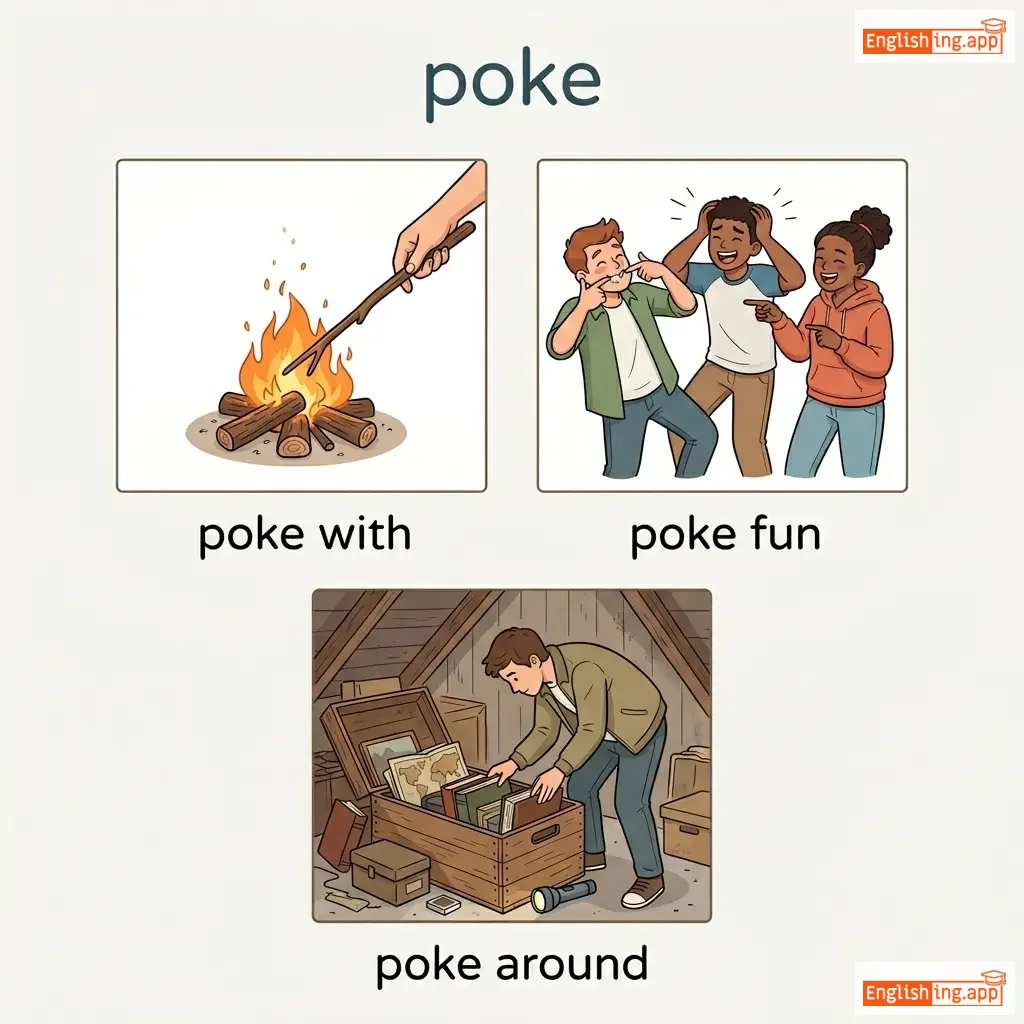
/poʊk/
verb
(pòk)
••••••
|
|
戳
chuo
••••••
|
poked
pòkèd
••••••
|
poked
pòkèd
••••••
|
pokes
pòkès
••••••
|
poking
pòkìng
••••••
|
to push or prod with a finger or pointed object
••••••
|
Don't poke me with your finger.
不要用手指戳我。
••••••
|
不要用手指戳我。
Bùyào yòng shǒuzhǐ chuō wǒ.
••••••
|
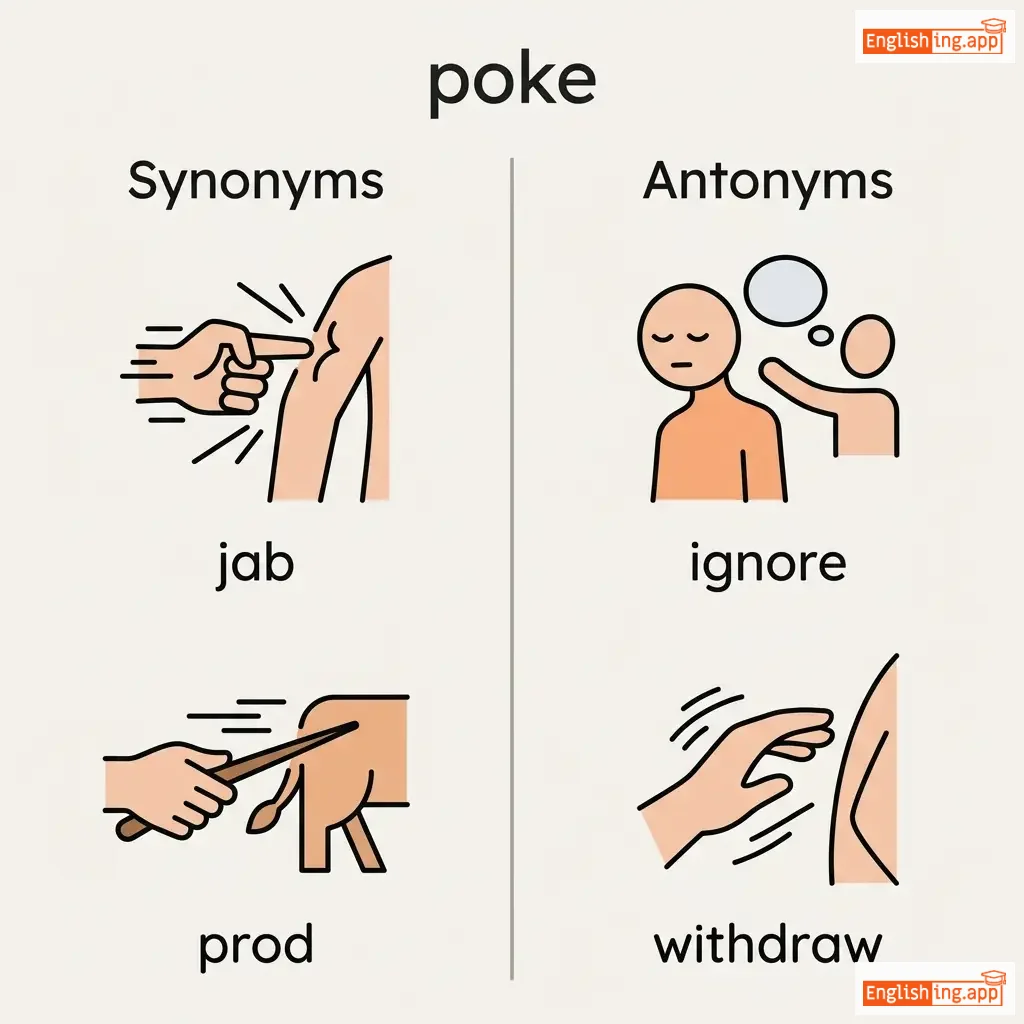
prod, jab, push, nudge
••••••
|
pull, withdraw, retreat
••••••
|
poke fun, poke around, poke someone, poke gently, poke holes
••••••
|
想象戳一下,用手指戳别人,就像'戳'一样。
••••••
|
|
#336
✨
|
/ˈkæptɪveɪt/
verb
(凯普特维特)
••••••
|
|
迷住,吸引
mī zhù, xī yǐn
••••••
|
captivated
迷住了
••••••
|
captivated
迷住了
••••••
|
captivates
迷住
••••••
|
captivating
迷住
••••••
|
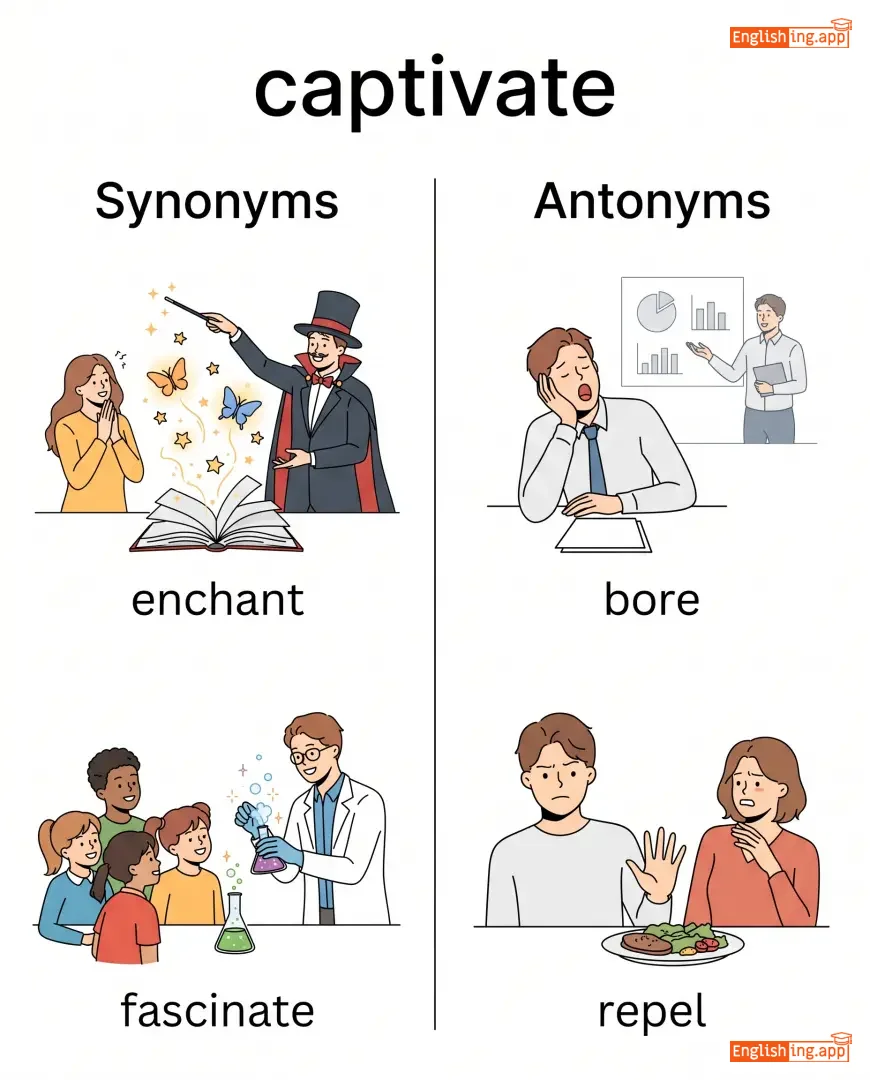
to attract and hold the interest of; to charm or fascinate
••••••
|
Her beautiful voice captivated the audience.
她美丽的声音迷住了观众。
••••••
|
她美丽的声音迷住了观众。
Tā měilì de shēngyīn mízhùle guānzhòng.
••••••
|
charm, fascinate, enchant, mesmerize
••••••
|
bore, repel, disgust, alienate
••••••
|
captivate audience, completely captivate, captivate hearts, captivate attention, captivate minds
••••••
|
想象一个声音能瞬间迷住你。
••••••
|
|
#337
🔗
|
/mɜːrdʒ/
verb
(mérj)
••••••
|
|
合并
hébìng
••••••
|
merged
mérjido
••••••
|
merged
mérjido
••••••
|
merges
merja
••••••
|
merging
merjiendo
••••••
|
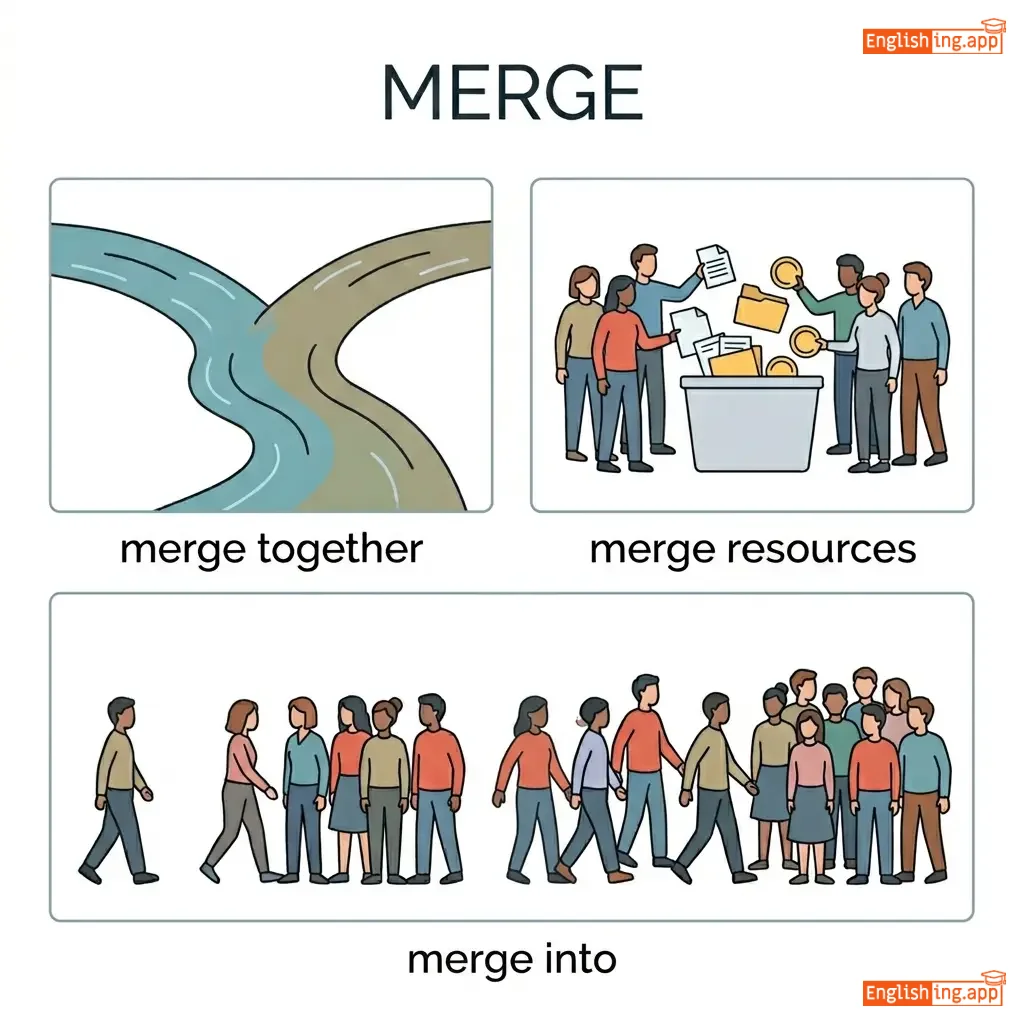
to combine or join together; to blend into one
••••••
|
The two companies decided to merge to increase their market share.
两家公司决定合并以增加他们的市场份额。
••••••
|
两家公司决定合并以增加他们的市场份额。
Liǎng jiā gōngsī juédìng hébìng yǐ zēngjiā tāmen de shìchǎng fèn'é.
••••••
|
combine, unite, join, blend
••••••
|
separate, divide, split, disconnect
••••••
|
merge companies, merge files, merge lanes, merge successfully, merge together
••••••
|
合并:想象两家公司成为一家!
••••••
|
|
#338
🧩
|
/sɑːlv/
verb
(suōwén)
••••••
|
|
解决
jie jue
••••••
|
solved
jiějué
••••••
|
solved
jiějué
••••••
|
solves
jiějué
••••••
|
solving
jiějuézhōng
••••••
|
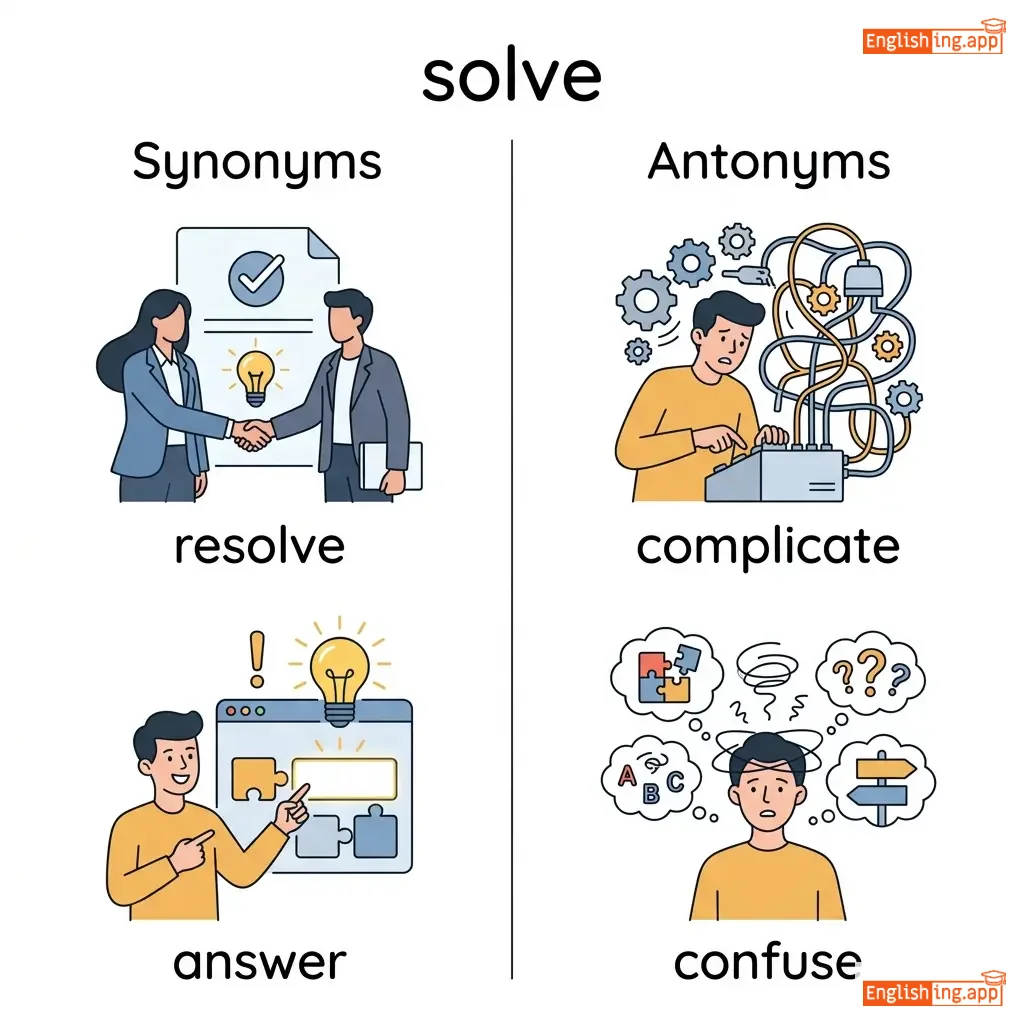
to find an answer to a problem or question; to resolve a difficulty
••••••
|
The detective finally solved the mysterious case.
Tàn'ān zhōngshí de ànshì jiějuéle.
••••••
|
侦探终于解决了神秘案件。
Zhēntàn zhōngyú jiějuéle shénmì ànjiàn.
••••••
|
resolve, answer, figure out, work out
••••••
|
complicate, confuse, perplex, puzzle
••••••
|
solve problems, solve equations, solve mysteries, solve puzzles, solve conflicts
••••••
|
解决是找到问题的答案。
••••••
|
|
#339
📏
|
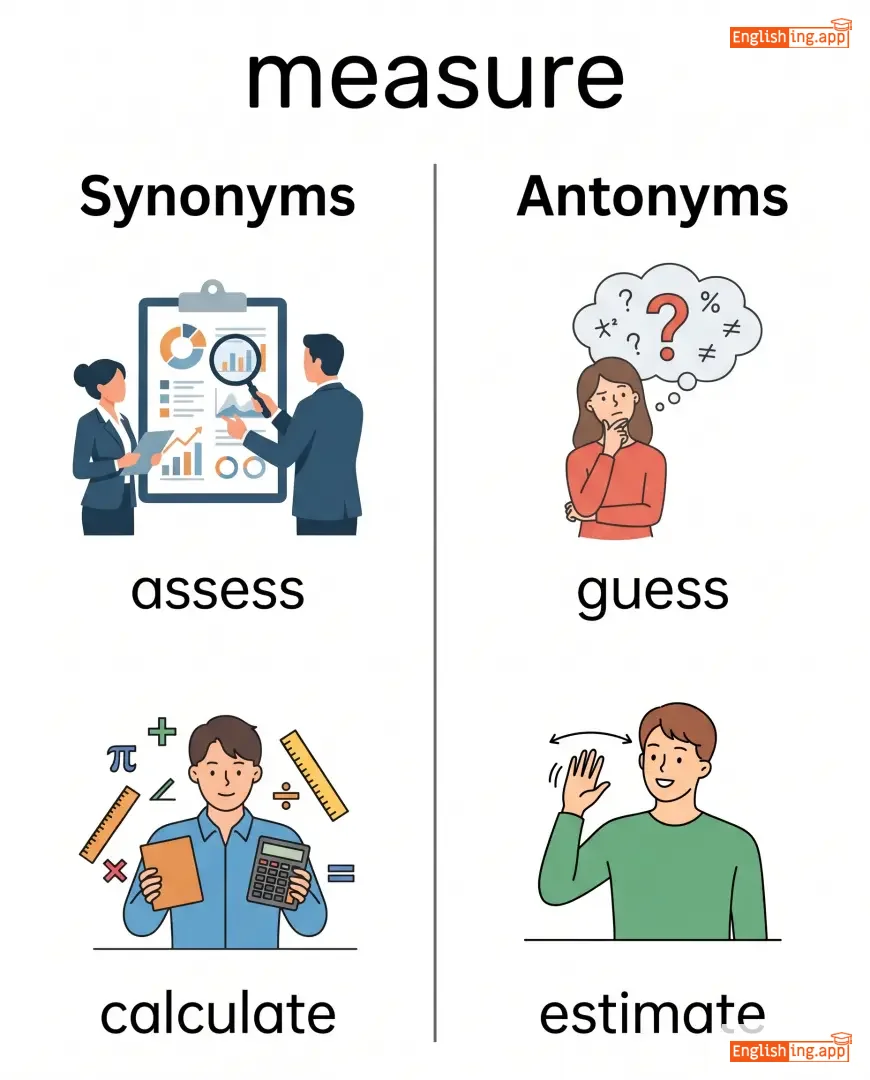
/ˈmɛʒər/
verb
(měi zhì)
••••••
|
|
测量
cè liàng
••••••
|
measured
měi zhì
••••••
|
measured
měi zhì
••••••
|
measures
měi zhì
••••••
|
measuring
měi zhì
••••••
|
to determine the size, amount, or degree of something
••••••
|
She measured the length of the table.
tā cèliàngle zhuōzi de chángdù
••••••
|
她测量了桌子的长度。
Tā cèliàngle zhuōzi de chángdù.
••••••
|
calculate, assess, gauge, evaluate
••••••
|
estimate, guess, approximate
••••••
|
measure distance, measure temperature, measure progress, accurately measure, measure carefully
••••••
|
Cè liàng zhuōzi de chángdù.
••••••
|
|
#340
🐝
|
/stɪŋ/
verb
(stɪŋ)
••••••
|
|
刺痛
cì tòng
••••••
|
stung
stʌŋ
••••••
|
stung
stʌŋ
••••••
|
stings
stɪŋz
••••••
|
stinging
stɪŋɪŋ
••••••
|
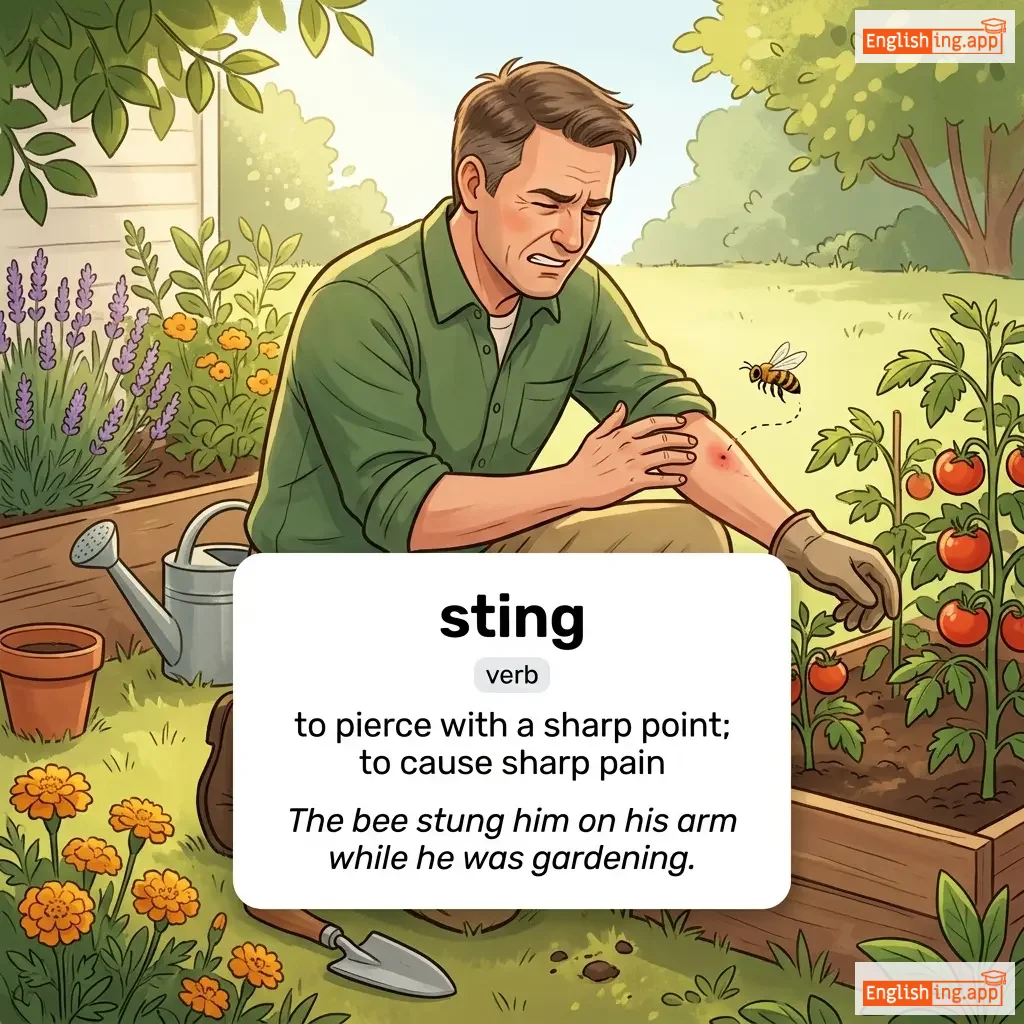
to pierce with a sharp point; to cause sharp pain
••••••
|
The bee stung him on his arm while he was gardening.
ðə bi stʌŋ hɪm ɒn hɪz ɑrm waɪl hi wəz ˈɡɑrdənɪŋ.
••••••
|
蜜蜂在他园艺时刺伤了他的手臂。
Mìfēng zài tā yuányì shí cì shāng le tā de shǒubì
••••••
|
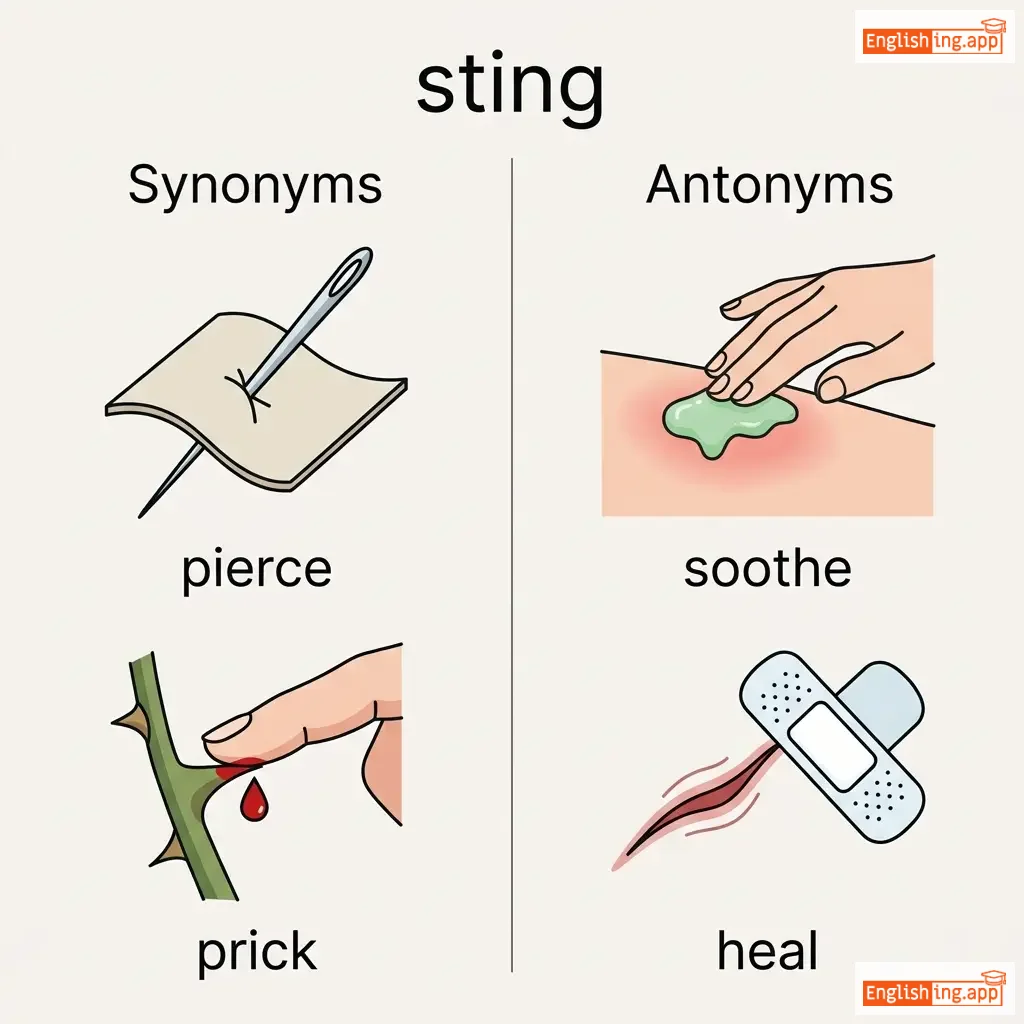
pierce, prick, bite, hurt
••••••
|
soothe, heal, comfort, relieve
••••••
|
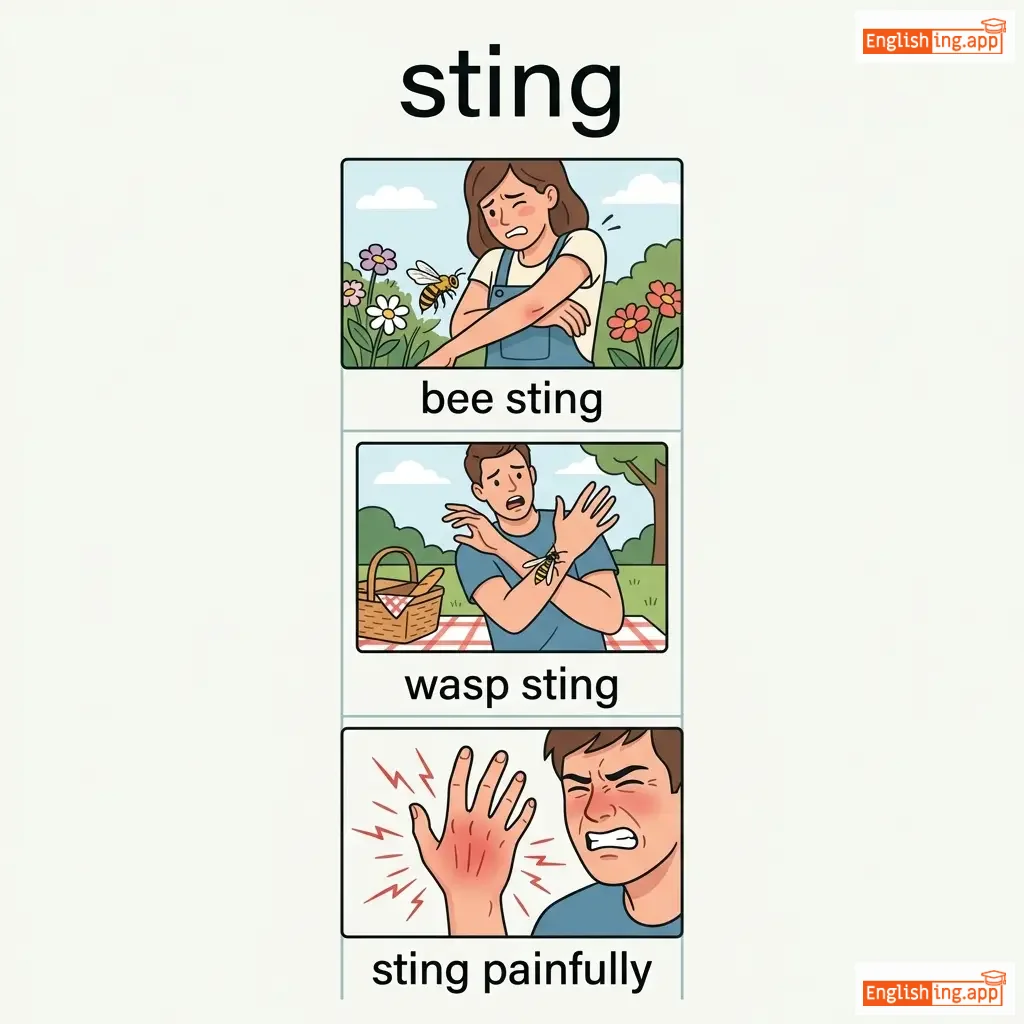
bee sting, wasp sting, sting painfully, sting sharply, nettle sting
••••••
|
想象蜜蜂的刺痛感
••••••
|
|
#341
🚫
|
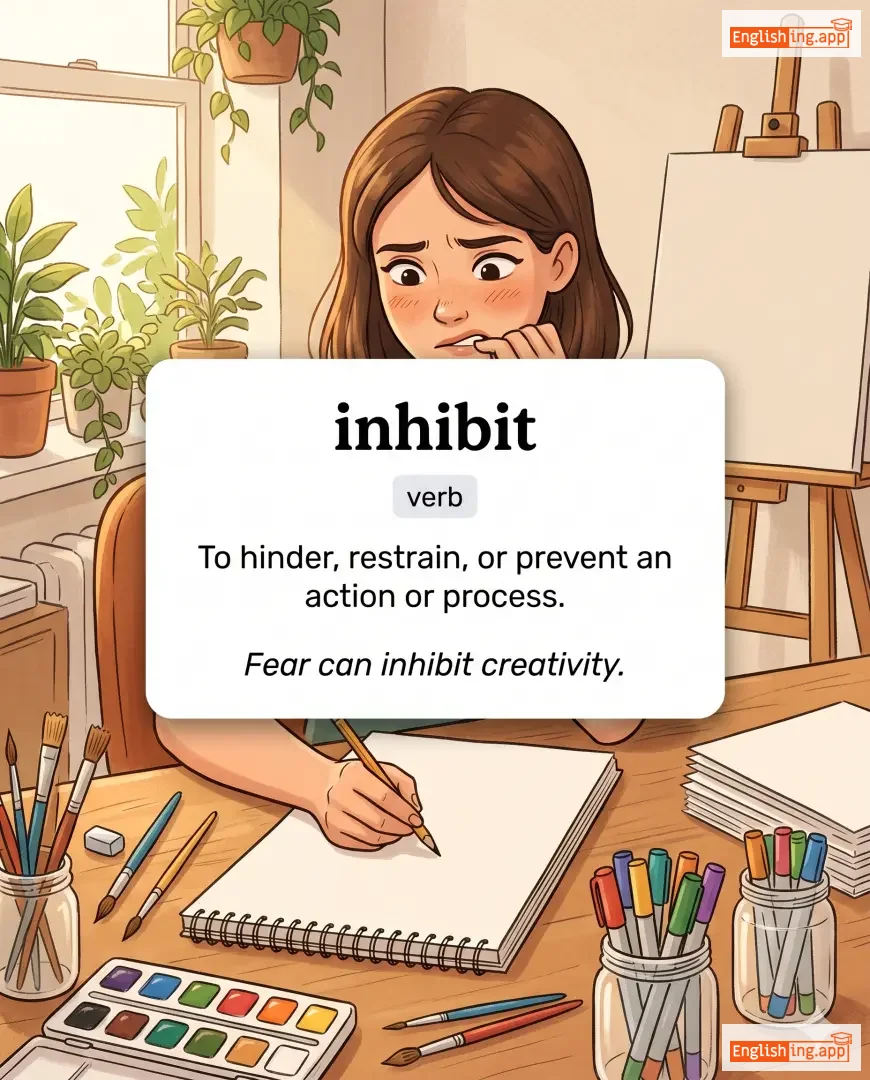
/ɪnˈhɪbɪt/
verb
(因希比特)
••••••
|
|
抑制
yìzhì
••••••
|
inhibited
因希比特德
••••••
|
inhibited
因希比特德
••••••
|
inhibits
因希比特斯
••••••
|
inhibiting
因希比廷
••••••
|
to prevent or restrain someone or something from acting freely; to hinder
••••••
|
Fear can inhibit personal growth.
恐惧可能会抑制个人成长。
••••••
|
恐惧可能会抑制个人成长。
Kǒngjù kěnéng huì yìzhì gèrén chéngzhǎng.
••••••
|
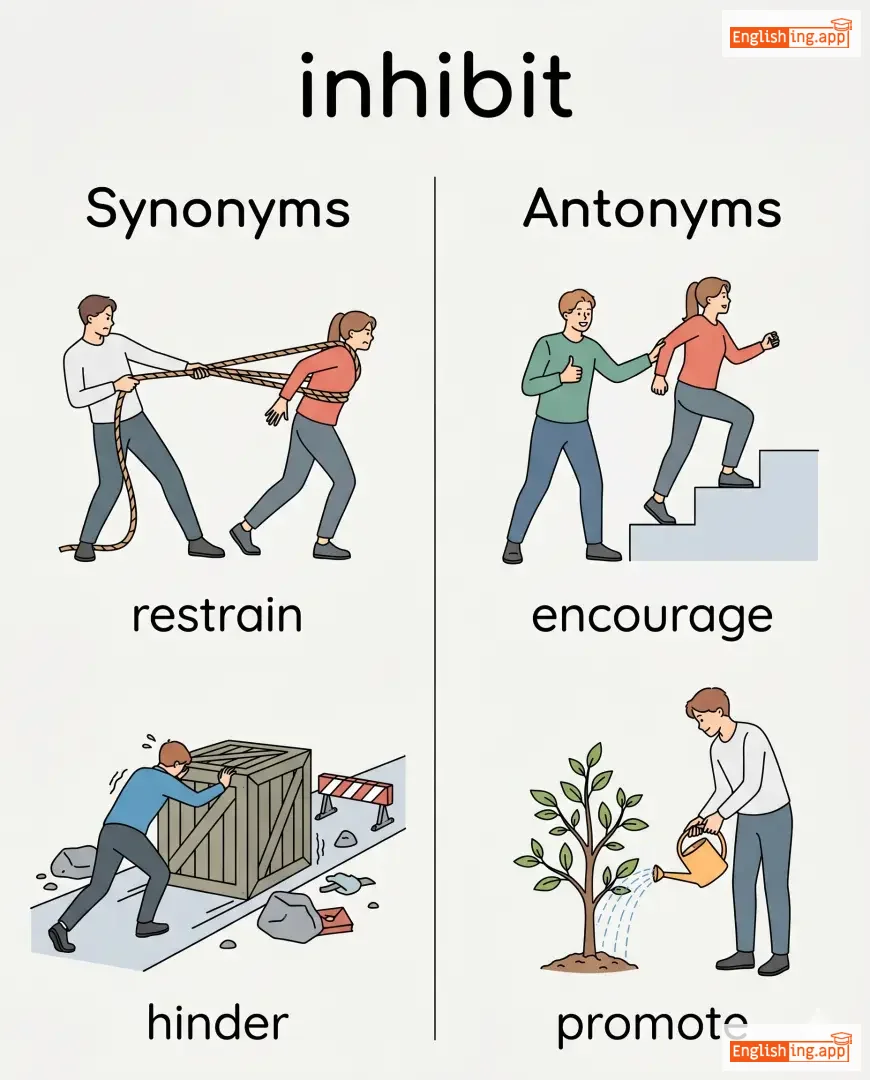
prevent, restrict, hinder, block
••••••
|
encourage, promote, facilitate
••••••
|
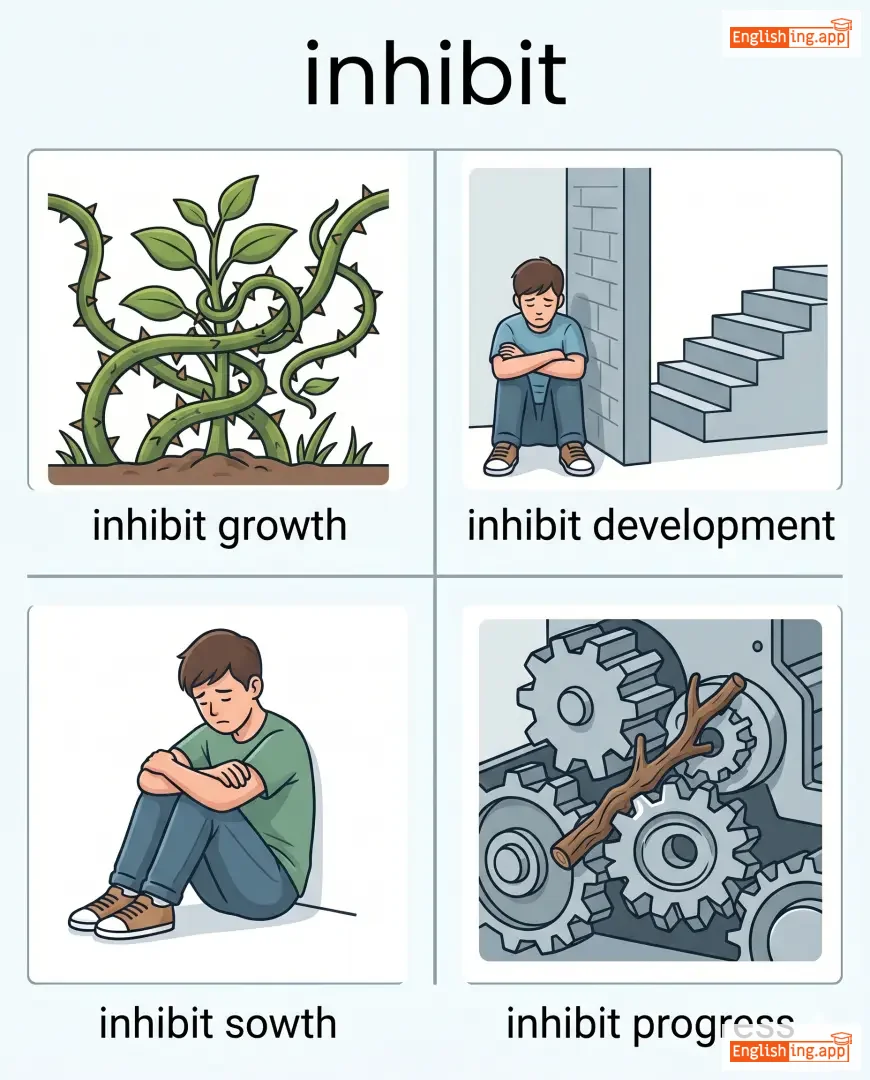
inhibit growth, inhibit progress, severely inhibit, inhibit development, inhibit performance
••••••
|
Inhibit = 抑制, 就像恐惧抑制成长。
••••••
|
|
#342
💭
|
/driːm/
verb
(drim)
••••••
|
|
做梦
zuo meng
••••••
|
dreamt/dreamed
dremt/dreemd
••••••
|
dreamt/dreamed
dremt/dreemd
••••••
|
dreams
drims
••••••
|
dreaming
dri-ming
••••••
|
to have images and thoughts while sleeping; to hope or wish
••••••
|
I dream of traveling around the world.
我梦想到世界各地旅行。
••••••
|
我梦想到世界各地旅行。
Wo mengxiang dao shijie gedi luxing.
••••••
|
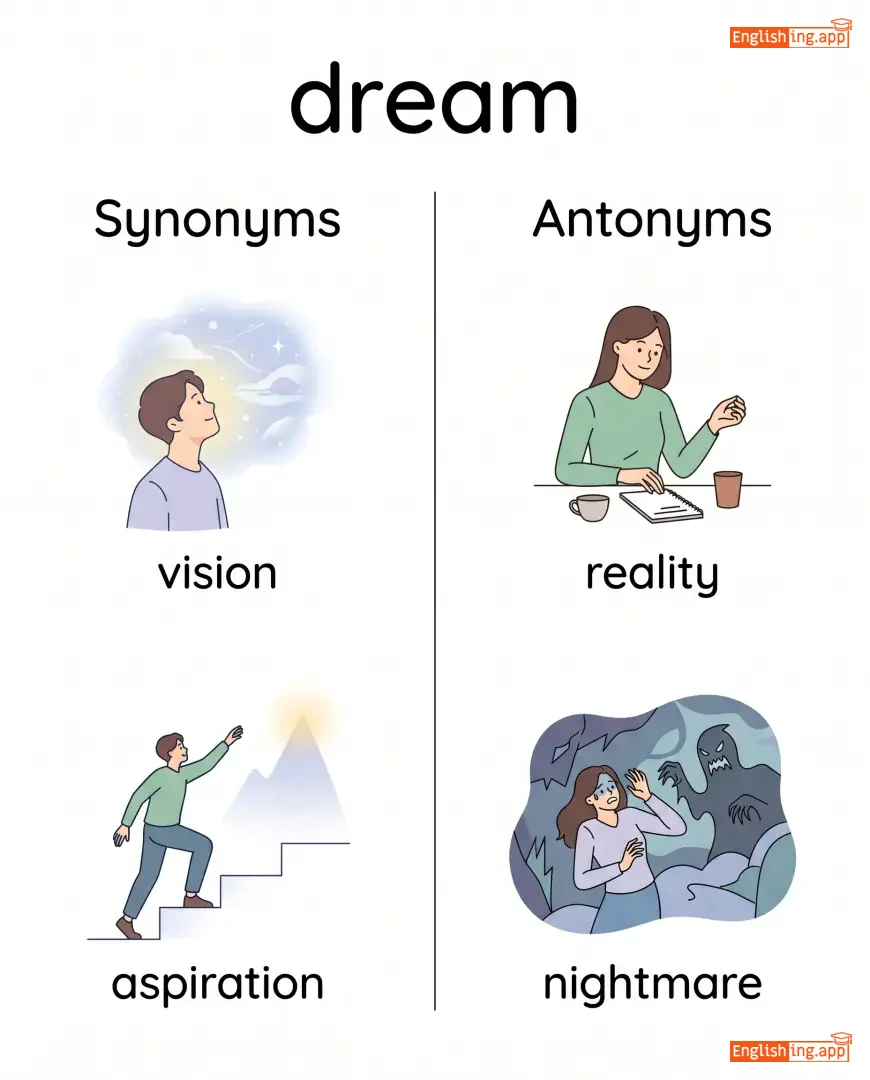
fantasize, imagine, envision, hope
••••••
|
reality, awaken, actual, factual
••••••
|
dream about, vivid dream, dream come true, recurring dream, dream big
••••••
|
做梦是愿望,旅行是世界的心愿。
••••••
|
|
#343
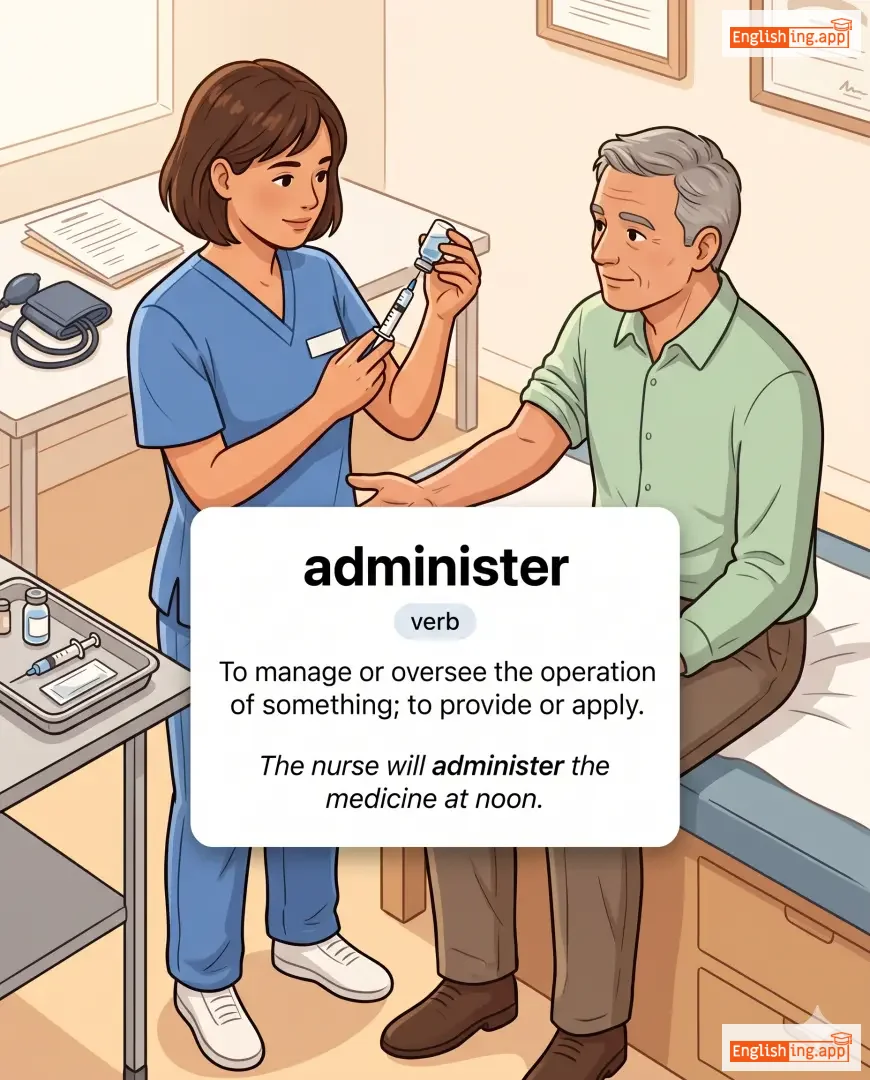
💊
|
/ədˈmɪnɪstər/
verb
(管理员)
••••••
|
|
管理
guanli
••••••
|
administered
已管理
••••••
|
administered
已管理
••••••
|
administers
管理
••••••
|
administering
管理中
••••••
|
to manage or control the running of; to give or apply medicine or treatment
••••••
|
The nurse will administer the vaccine to all patients.
护士将为所有病人接种疫苗。
••••••
|
护士将为所有病人接种疫苗。
Hushi jiang wei suoyou bingren jiezhong yimiao.
••••••
|
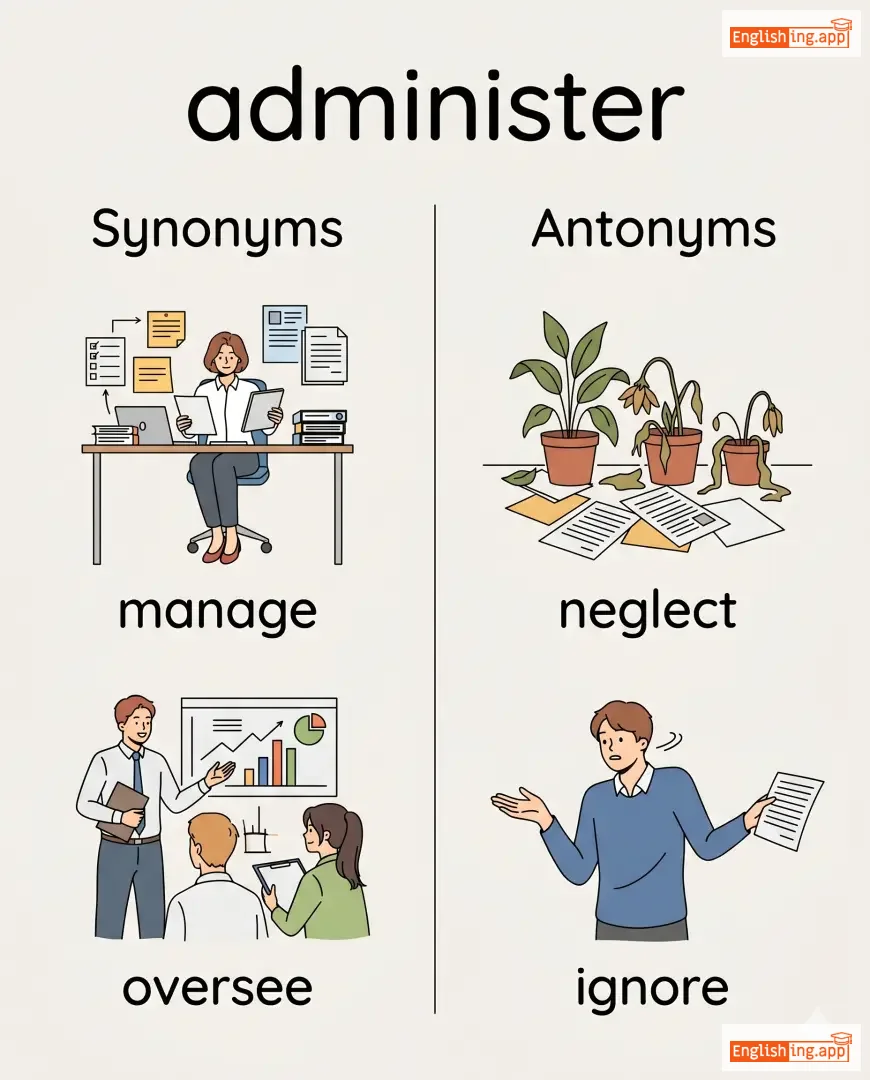
manage, govern, control, supervise
••••••
|
neglect, ignore, mismanage, abandon
••••••
|
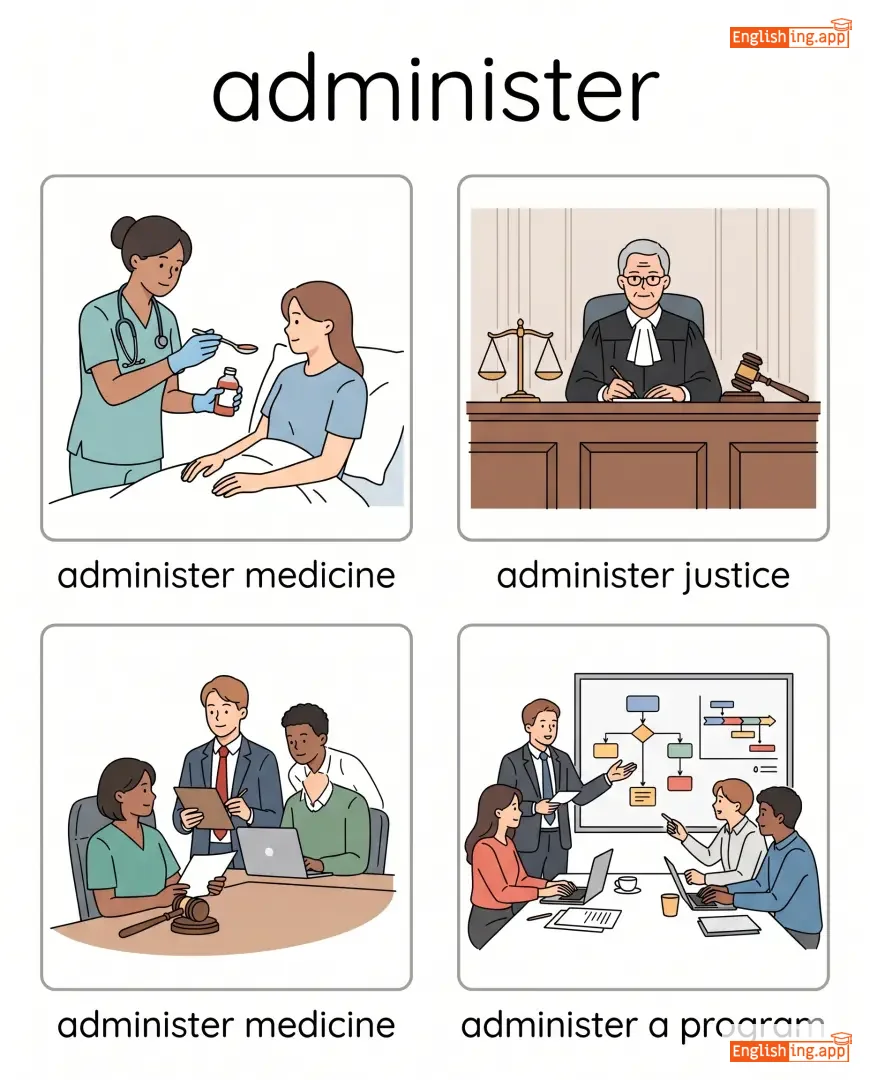
administer medicine, administer tests, administer justice, properly administer, administer treatment
••••••
|
管理就像护士给每个病人注射疫苗一样。
••••••
|
|
#344
🫡
|
/səˈluːt/
verb
(敬礼)
••••••
|
|
敬礼
jingli
••••••
|
saluted
敬礼了
••••••
|
saluted
敬礼了
••••••
|
salutes
敬礼
••••••
|
saluting
敬礼
••••••
|
to greet with respect; to honor
••••••
|
The soldiers saluted their commanding officer.
士兵们向他们的指挥官敬礼。
••••••
|
士兵们向他们的指挥官敬礼。
Shìbīng men xiàng tāmen de zhǐhuīguān jìnglǐ.
••••••
|
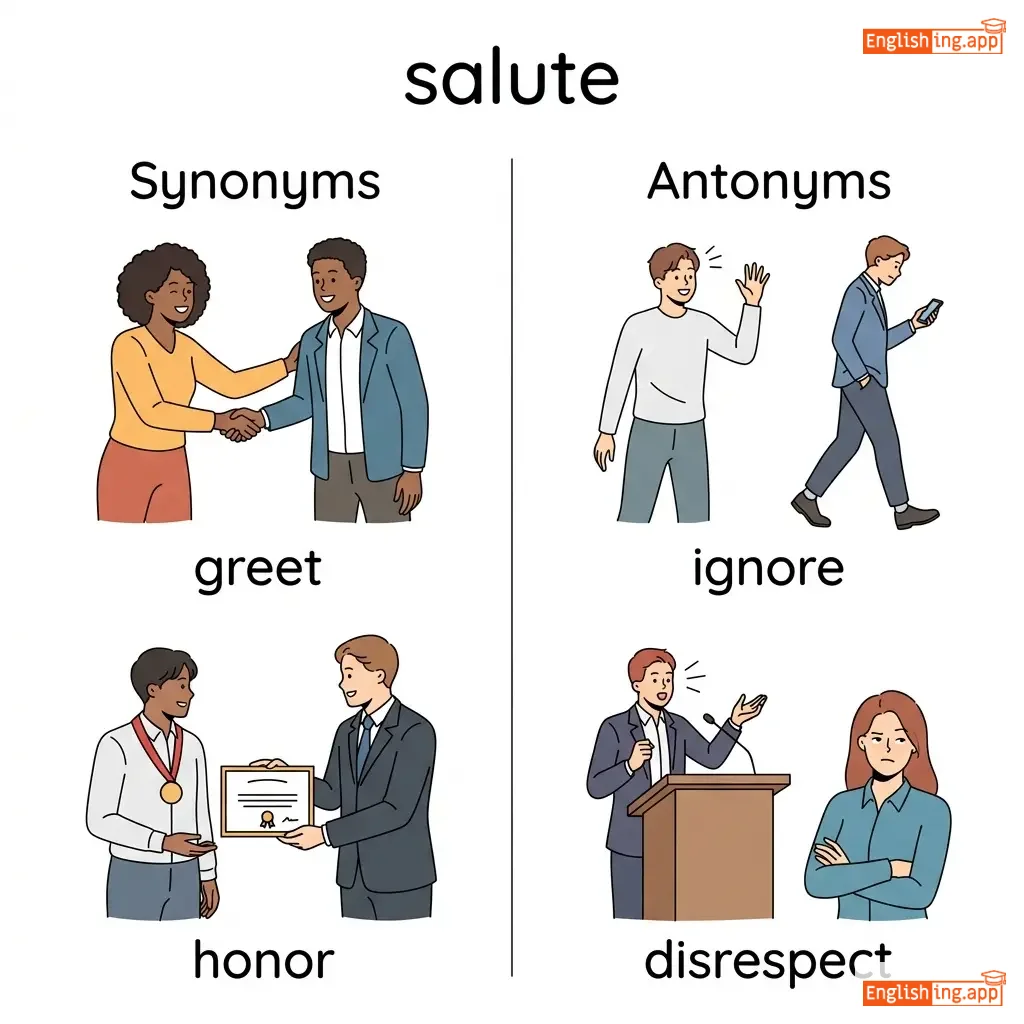
greet, honor, acknowledge, respect
••••••
|
ignore, disrespect, snub
••••••
|
military salute, salute flag, salute officer, respectfully salute, salute smartly
••••••
|
In Chinese, '敬礼' means greeting with respect, just like 'salute'.
••••••
|
|
#345
🤝
|
/trʌst/
verb
(tru-suto)
••••••
|
|
信任
xìnrèn
••••••
|
trusted
truh-sted
••••••
|
trusted
truh-sted
••••••
|
trusts
tru-sts
••••••
|
trusting
tru-suting
••••••
|
to have confidence in someone or something; to believe in reliability
••••••
|
I trust my best friend completely.
我完全信任我的最好朋友。
••••••
|
我完全信任我的最好朋友。
Wǒ wánquán xìnrèn wǒ de zuì hǎo péngyǒu.
••••••
|
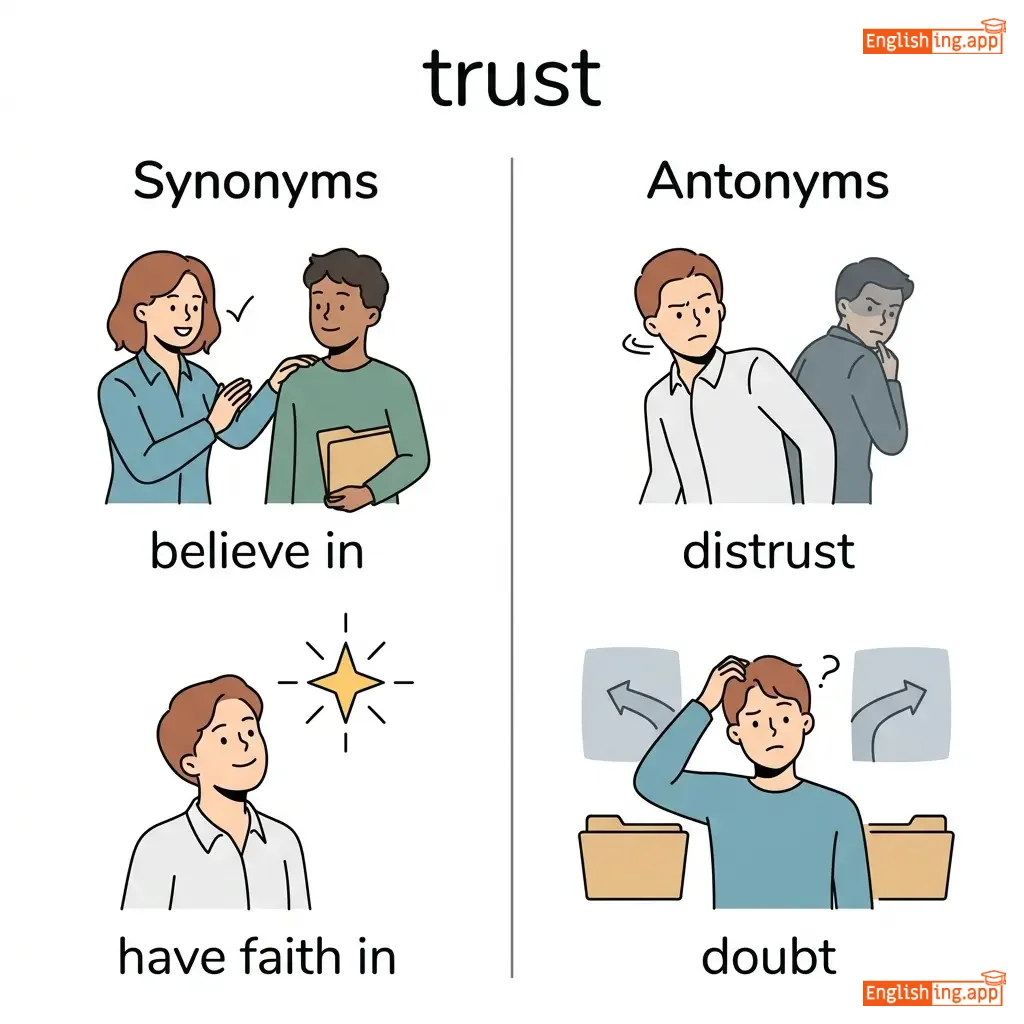
believe, rely, depend, confide
••••••
|
doubt, suspect, distrust, mistrust
••••••
|
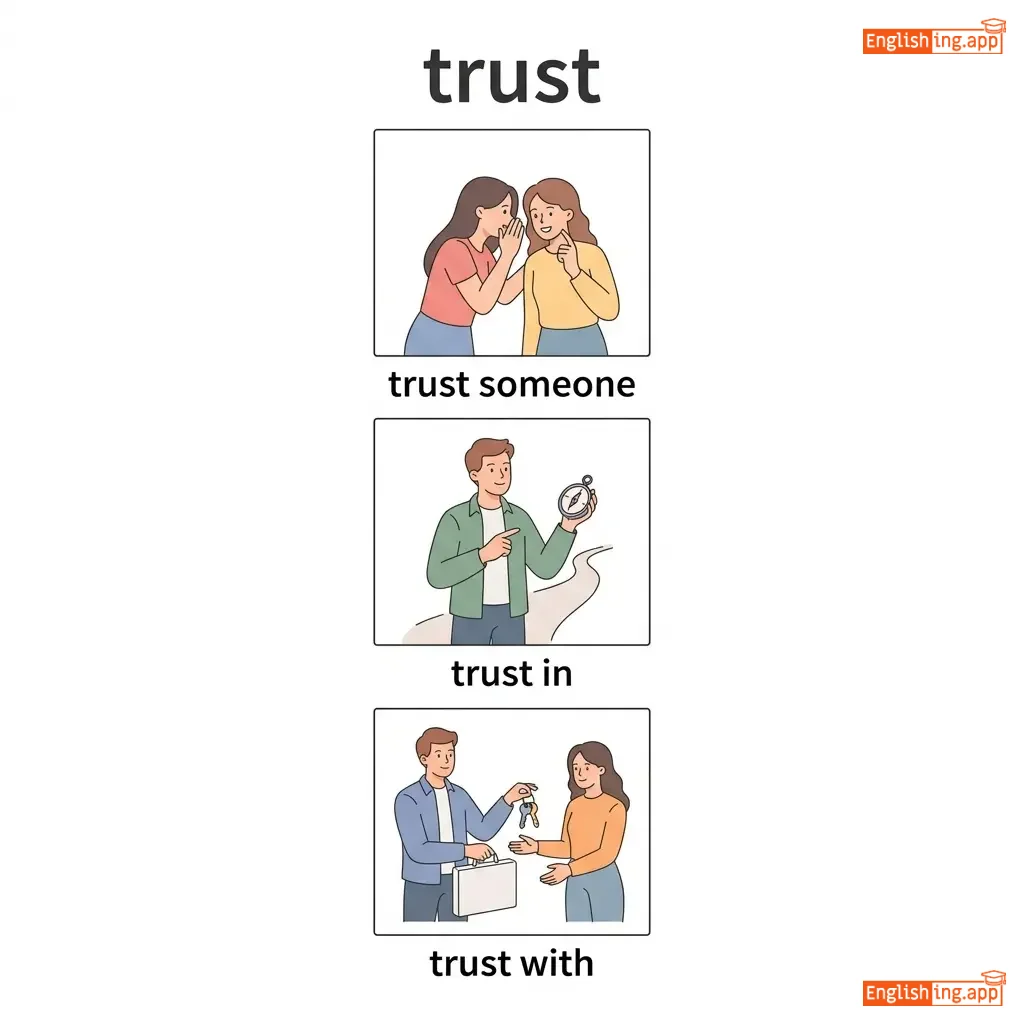
trust completely, trust implicitly, trust someone, build trust, earn trust
••••••
|
信任朋友,建立信任。
••••••
|
|
#346
🤝
|
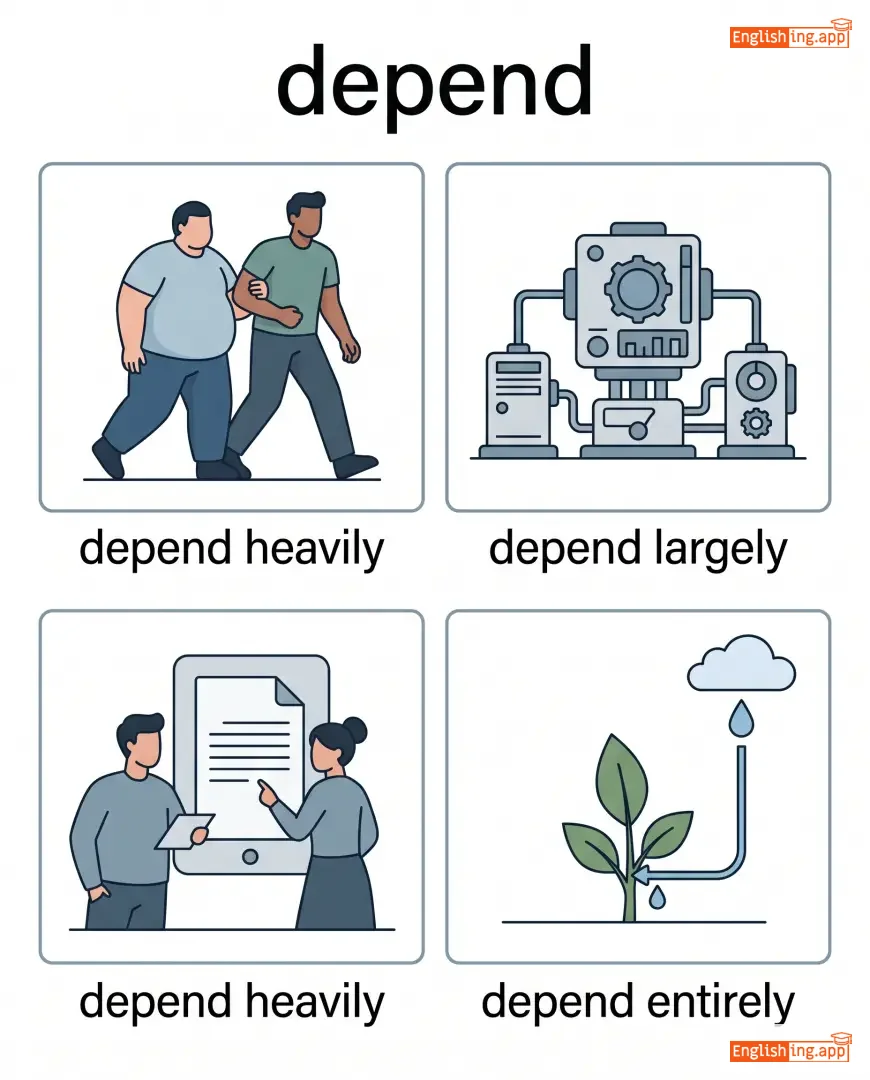
/dɪˈpend/
verb
(dɪˈpɛnd)
••••••
|
|
依赖
yīlài
••••••
|
depended
dɪˈpɛndɪd
••••••
|
depended
dɪˈpɛndɪd
••••••
|
depends
dɪˈpɛnds
••••••
|
depending
dɪˈpɛndɪŋ
••••••
|
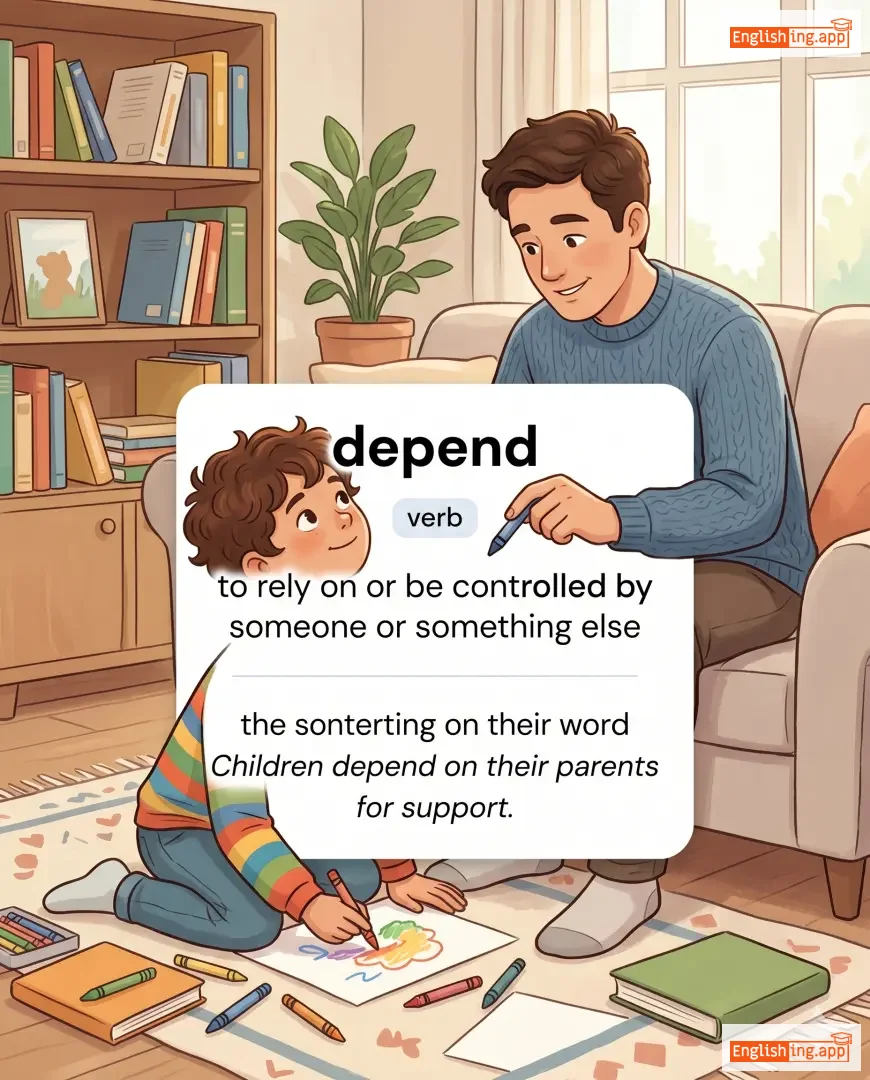
to rely on someone or something for support
••••••
|
Children depend on their parents for care.
孩子们依赖他们的父母照顾。
••••••
|
孩子们依赖他们的父母照顾。
Háizimen yīlài tāmen de fùmǔ zhàogù
••••••
|
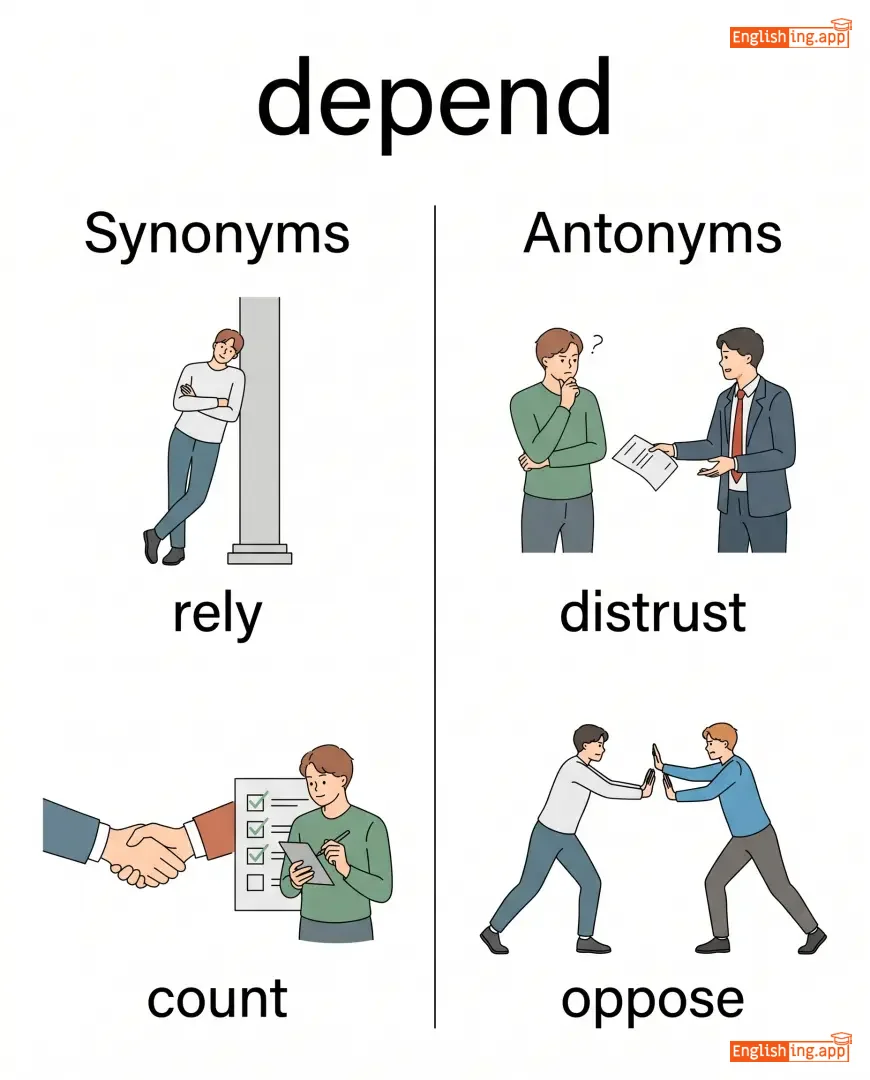
rely, count on, trust, lean on
••••••
|
independent, self-reliant
••••••
|
depend on, heavily depend, depend entirely, depend upon, depend completely
••••••
|
Depend on your parents like children depend on theirs.
••••••
|
|
#347
❌
|
/feɪl/
verb
(feɪl)
••••••
|
- •••••• |
失败
shibai
••••••
|
failed
feɪld
••••••
|
failed
feɪld
••••••
|
fails
feɪlz
••••••
|
failing
feɪlɪŋ
••••••
|
to be unsuccessful; not to achieve something
••••••
|
He failed his driving test twice.
他在驾驶考试中两次失败。
••••••
|
他在驾驶考试中两次失败。
Ta zai jiashi kaoshi zhong liangci shibai.
••••••
|
collapse, fall through, be unsuccessful
••••••
|
succeed, pass, achieve
••••••
|
fail exam, fail test, fail miserably, fail completely, fail attempt
••••••
|
记住:不管失败多少次,站起来重新尝试!
••••••
|
|
#348
✅
|
/rɪˈzɑlv/
verb
(rízáo)
••••••
|
|
解决
jiejue
••••••
|
resolved
rízáod
••••••
|
resolved
rízáod
••••••
|
resolves
rízáos
••••••
|
resolving
rízáoing
••••••
|
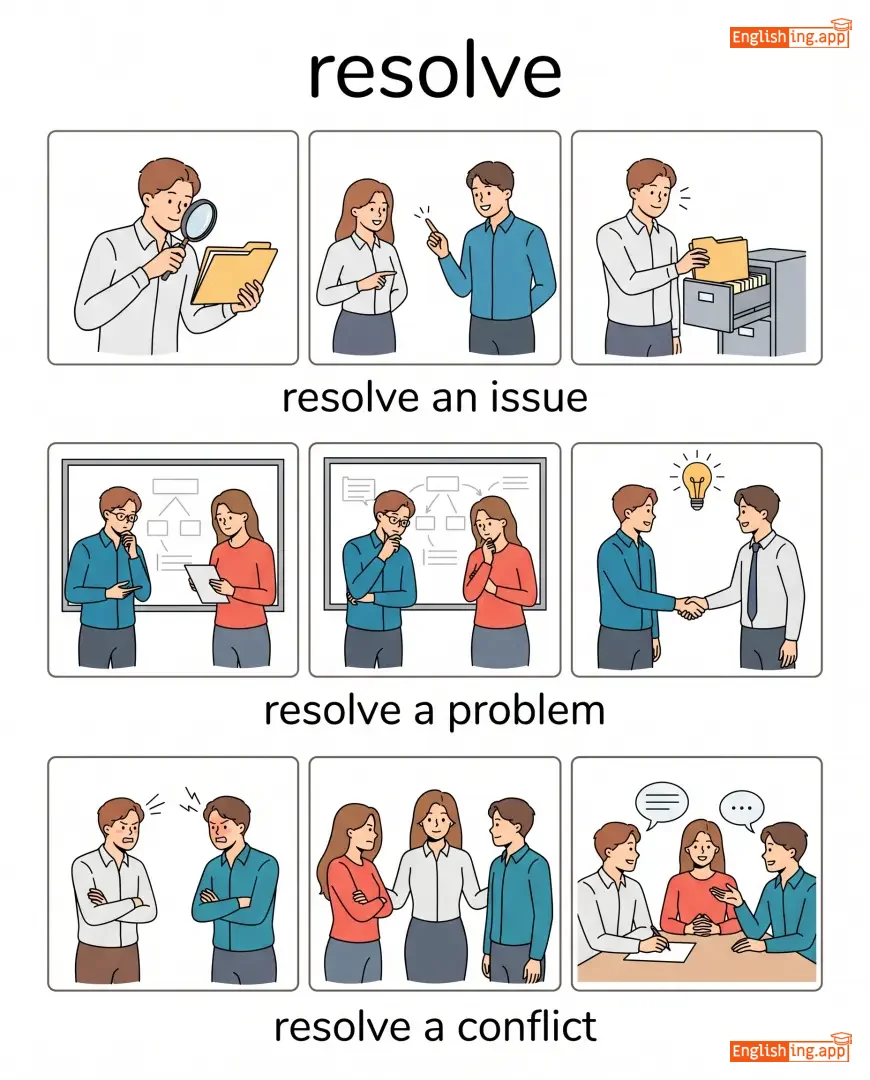
to solve a problem; to decide firmly
••••••
|
The manager resolves the conflict between employees.
经理解决了员工之间的冲突。
••••••
|
经理解决了员工之间的冲突。
Jingli jiejue le yuangong zhijian de chongtu.
••••••
|
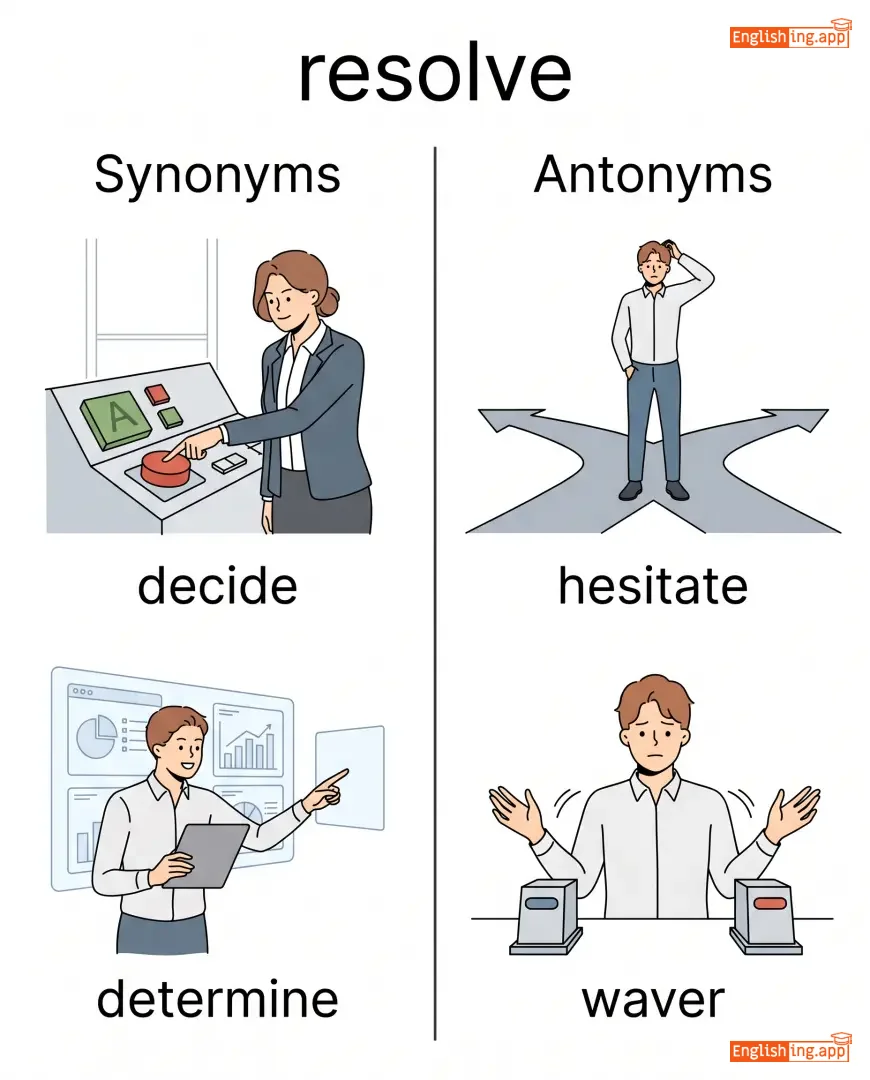
solve, settle, decide, determine
••••••
|
complicate, confuse, hesitate, delay
••••••
|
resolve conflict, resolve issues, resolve problems, successfully resolve, resolve disputes
••••••
|
解决意味着坚定决策,就像经理解决工作场所冲突一样。
••••••
|
|
#349
📦
|
/rɪˈsiːv/
verb
(rǐsīf)
••••••
|
|
接收
jiēshōu
••••••
|
received
rǐsīfd
••••••
|
received
rǐsīfd
••••••
|
receives
rǐsīfs
••••••
|
receiving
rǐsīfīng
••••••
|
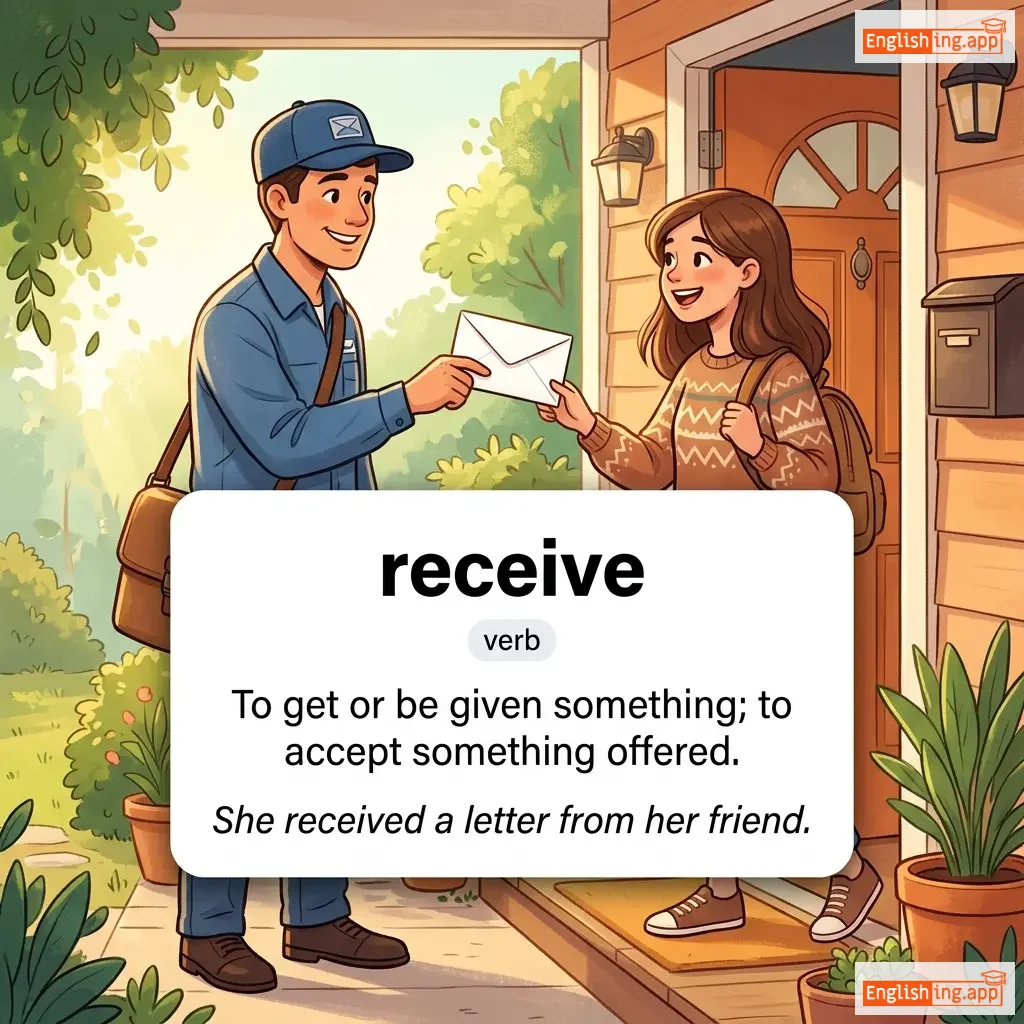
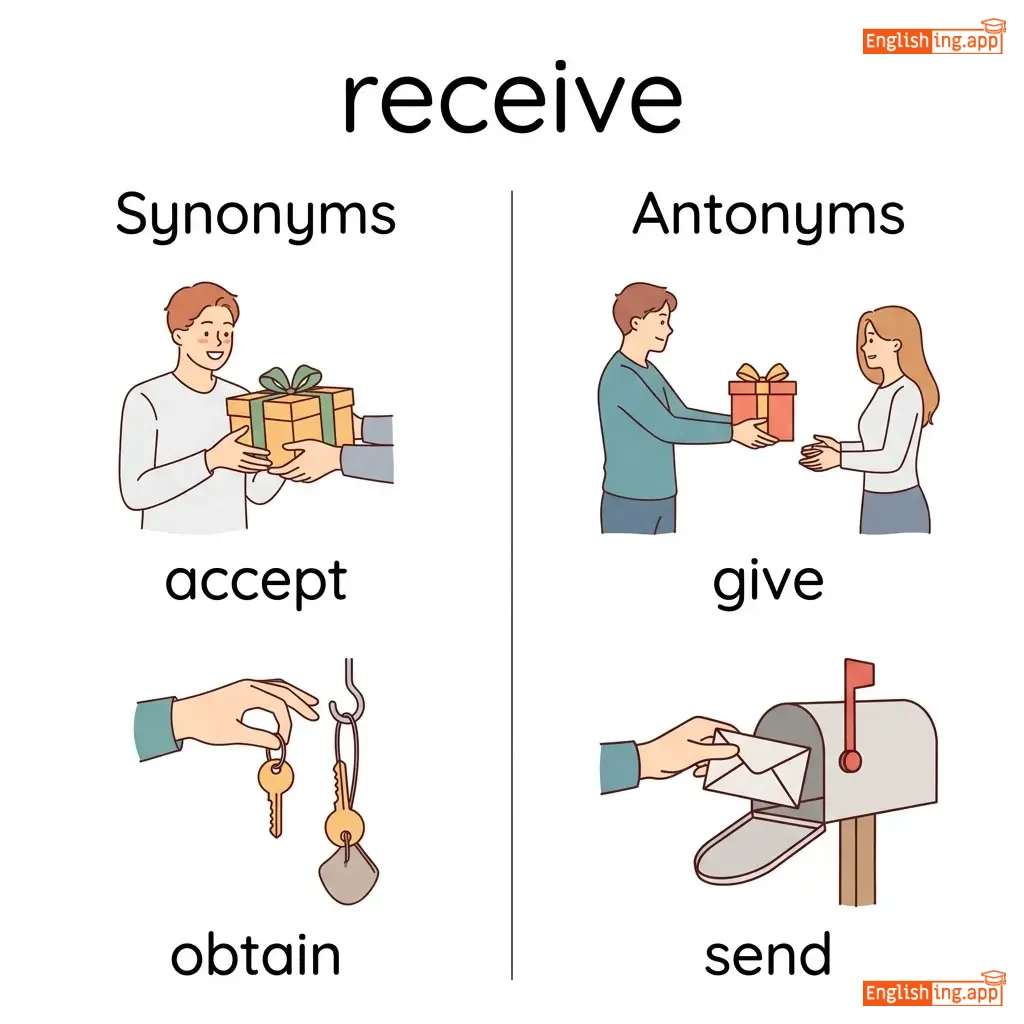
to get or accept something given; to welcome
••••••
|
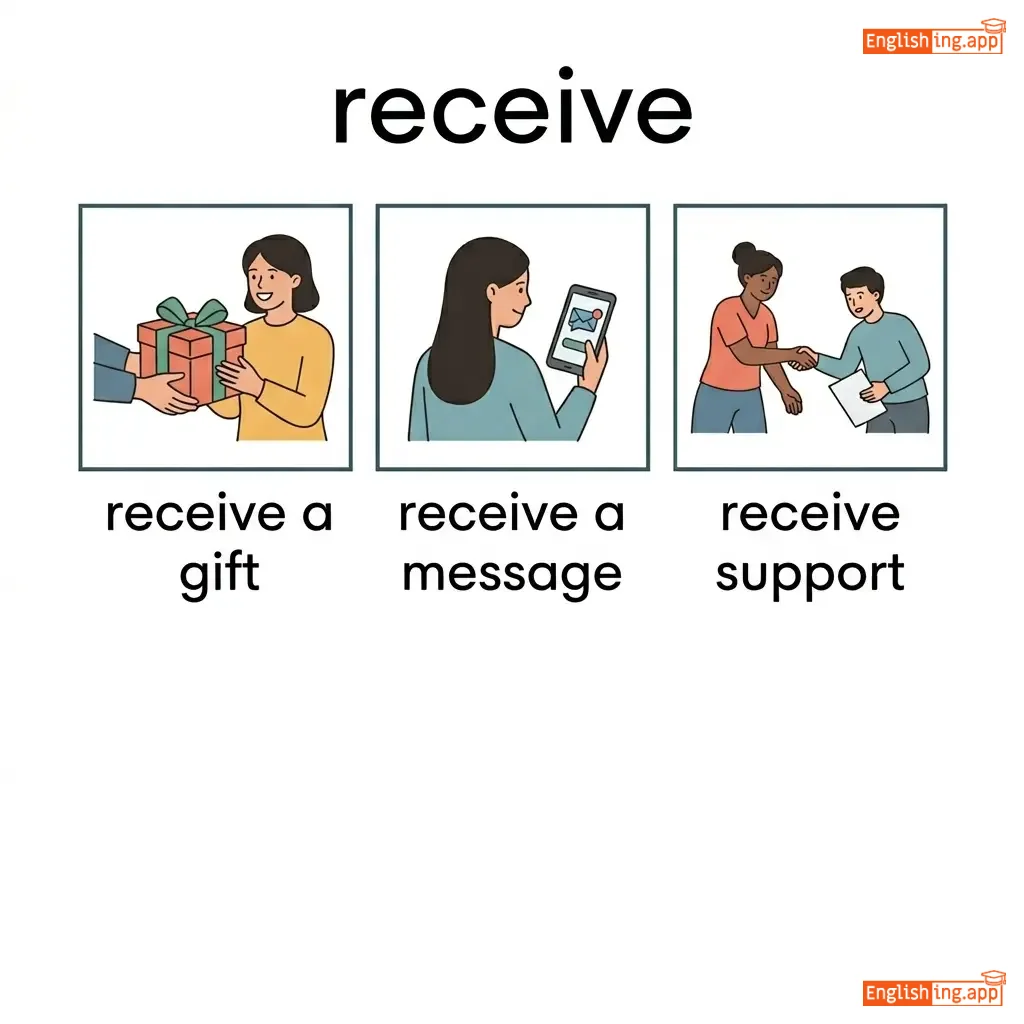
She receives a gift from her friend.
她从朋友那里收到了一份礼物。
••••••
|
她从朋友那里收到了一份礼物。
Tā cóng péngyǒu nàlǐ shōudào le yī fèn lǐwù.
••••••
|
get, obtain, accept, acquire
••••••
|
give, send, reject, refuse
••••••
|
receive gifts, receive messages, receive payment, gladly receive, receive warmly
••••••
|
接收礼物是表示欢迎的行为。
••••••
|
|
#350
📦
|
/ɪnˈkluːd/
verb
(因克鲁德)
••••••
|
|
包括
baokuo
••••••
|
included
因克鲁德德
••••••
|
included
因克鲁德德
••••••
|
includes
因克鲁兹
••••••
|
including
因克鲁丁
••••••
|
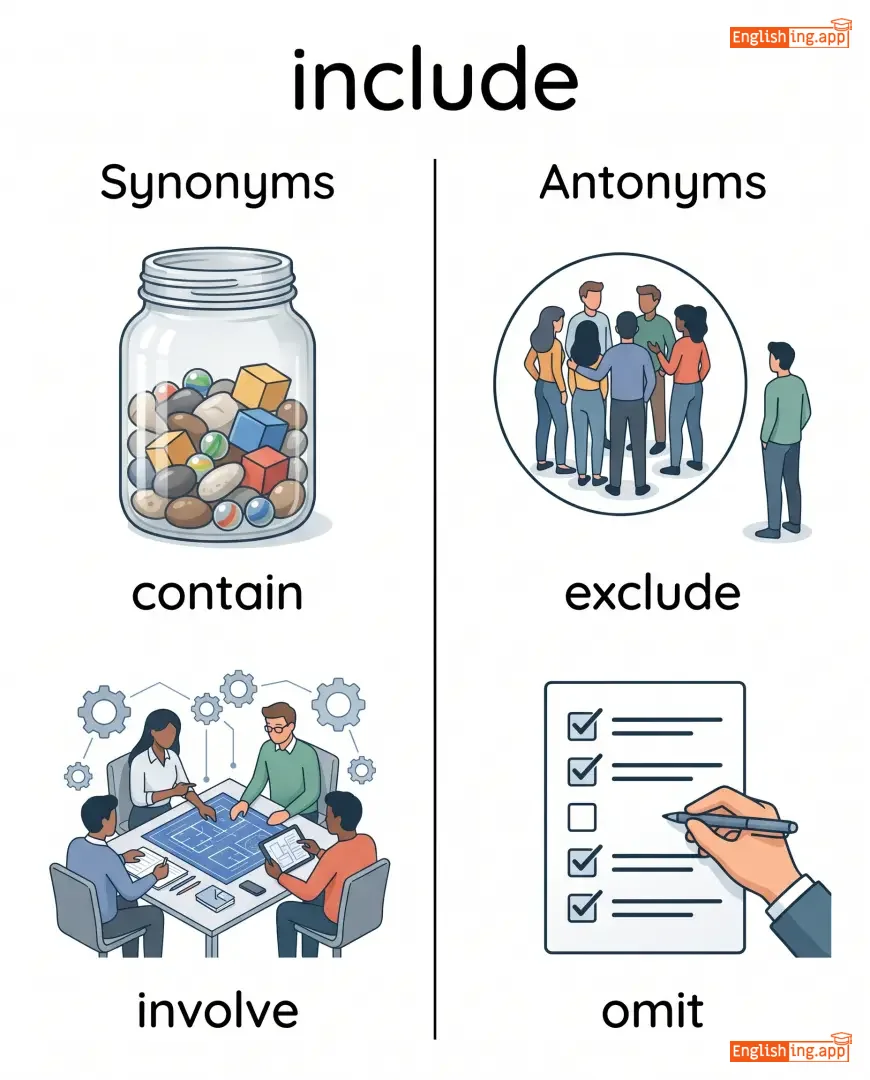
to contain as a part; to add as a member or element
••••••
|
The package includes free shipping.
这个包裹因克鲁兹免费运输。
••••••
|
这个包裹包括免费送货。
Zhege baoguo baokuo mianfei songhuo.
••••••
|
contain, comprise, encompass, incorporate
••••••
|
exclude, omit, leave out, remove
••••••
|
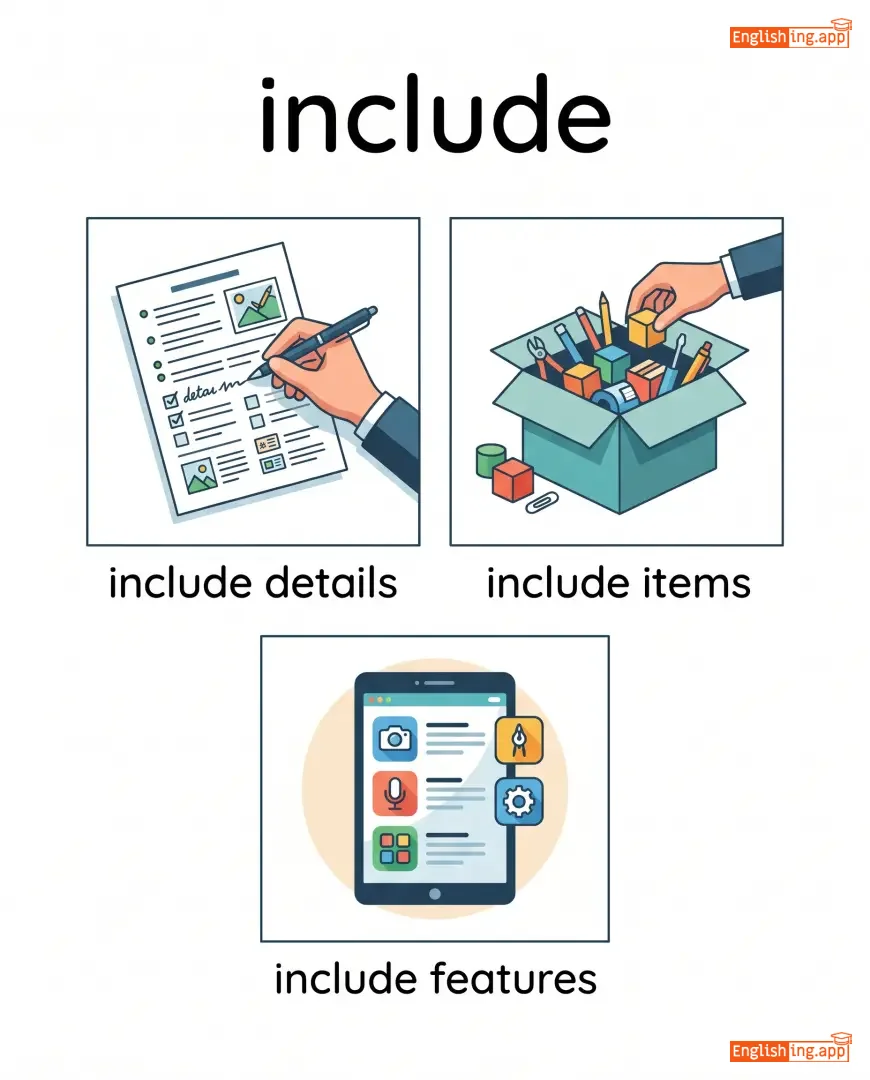
include everyone, include details, include information, include all, broadly include
••••••
|
Include = baokuo, imagine 'bao' (bag) including things inside.
••••••
|
|
#351
🚂
|
/əˈraɪv/
verb
(àilíf)
••••••
|
|
到达
dàodá
••••••
|
arrived
àilífd
••••••
|
arrived
àilífd
••••••
|
arrives
àilífs
••••••
|
arriving
àilífing
••••••
|
to reach a destination; to come to a place
••••••
|
The train will arrive at the station in ten minutes.
火车将在十分钟内到达车站。
••••••
|
火车将在十分钟内到达车站。
Huǒchē jiāng zài shí fēnzhōng nèi dàodá chēzhàn.
••••••
|
reach, come, appear, get to
••••••
|
depart, leave, go, exit
••••••
|
arrive early, arrive late, arrive safely, arrive on time, finally arrive
••••••
|
Arrive with purpose and speed (到达).
••••••
|
|
#352
👋
|
/ˈwelkəm/
verb
(欢迎)
••••••
|
|
欢迎
huānyíng
••••••
|
welcomed
欢迎了
••••••
|
welcomed
欢迎了
••••••
|
welcomes
欢迎
••••••
|
welcoming
欢迎中
••••••
|
to greet someone in a friendly way; to receive gladly
••••••
|
They welcome new students warmly.
他们热烈欢迎新生。
••••••
|
他们热烈欢迎新生。
Tāmen rèliè huānyíng xīnshēng.
••••••
|
greet, receive, embrace, admit
••••••
|
reject, shun, dismiss, exclude
••••••
|
warmly welcome, welcome guests, welcome changes, welcome opportunity, welcome visitors
••••••
|
欢迎是敞开胸怀接纳新朋友
••••••
|
|
#353
⚰️
|
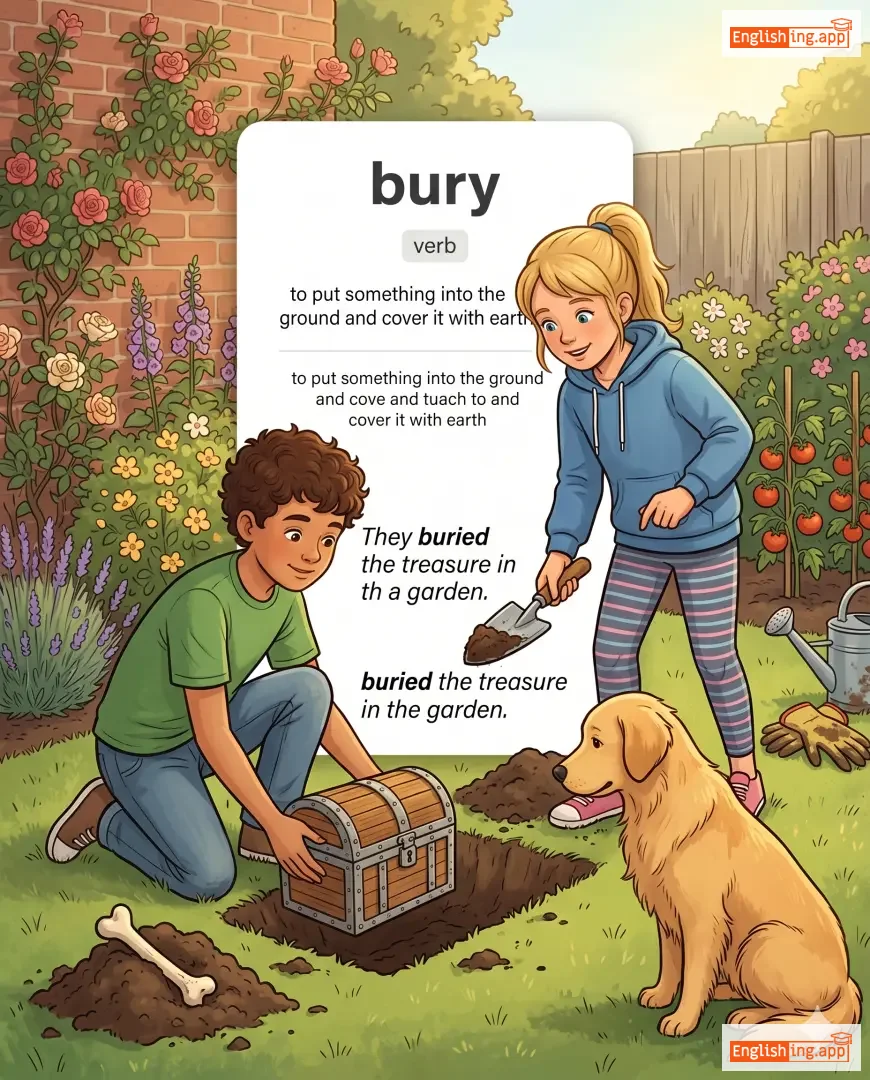
/ˈberi/
verb
(贝瑞)
••••••
|
|
埋葬
máizàng
••••••
|
buried
贝瑞德
••••••
|
buried
贝瑞德
••••••
|
buries
贝瑞斯
••••••
|
burying
贝瑞英
••••••
|
to put in the ground; to hide; to cover completely
••••••
|
The dog buries its bone in the yard.
狗把它的骨头埋在院子里。
••••••
|
狗把它的骨头埋在院子里。
Gǒu bǎ tā de gǔ tóu mái zài yuànzi lǐ.
••••••
|
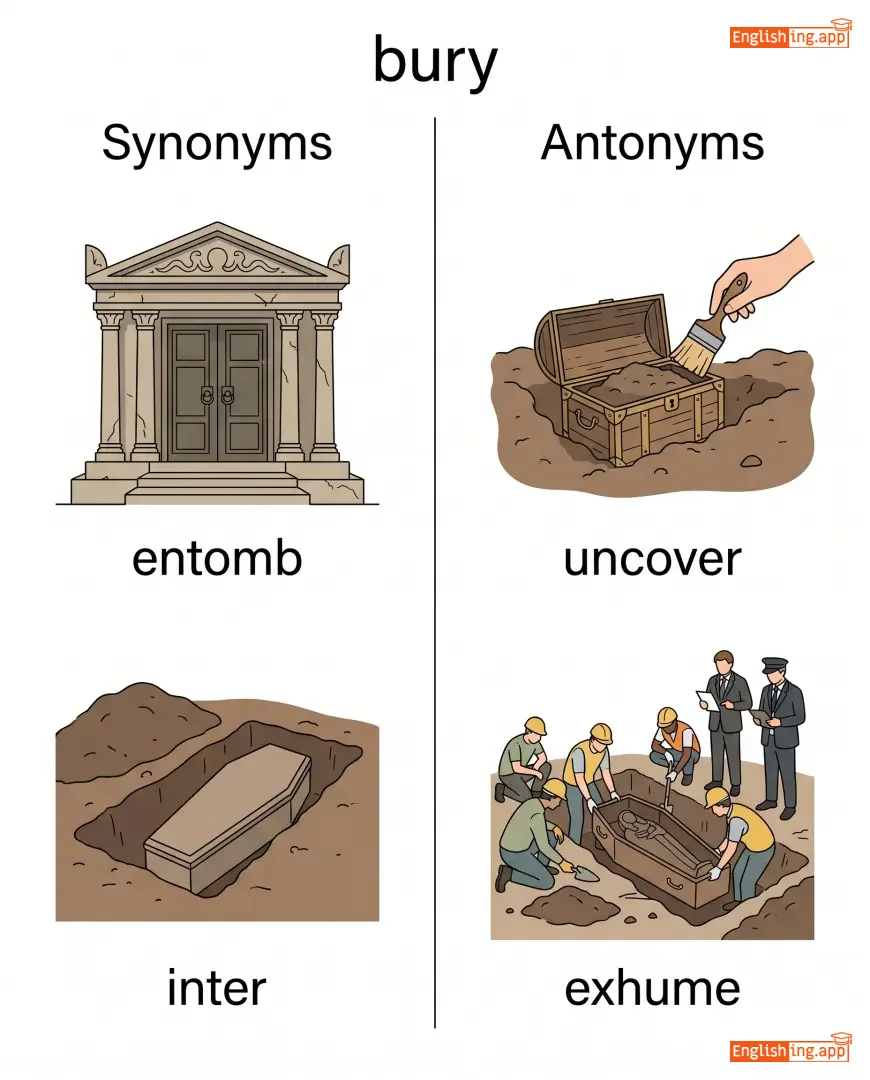
inter, hide, conceal, cover
••••••
|
uncover, reveal, expose, dig up
••••••
|
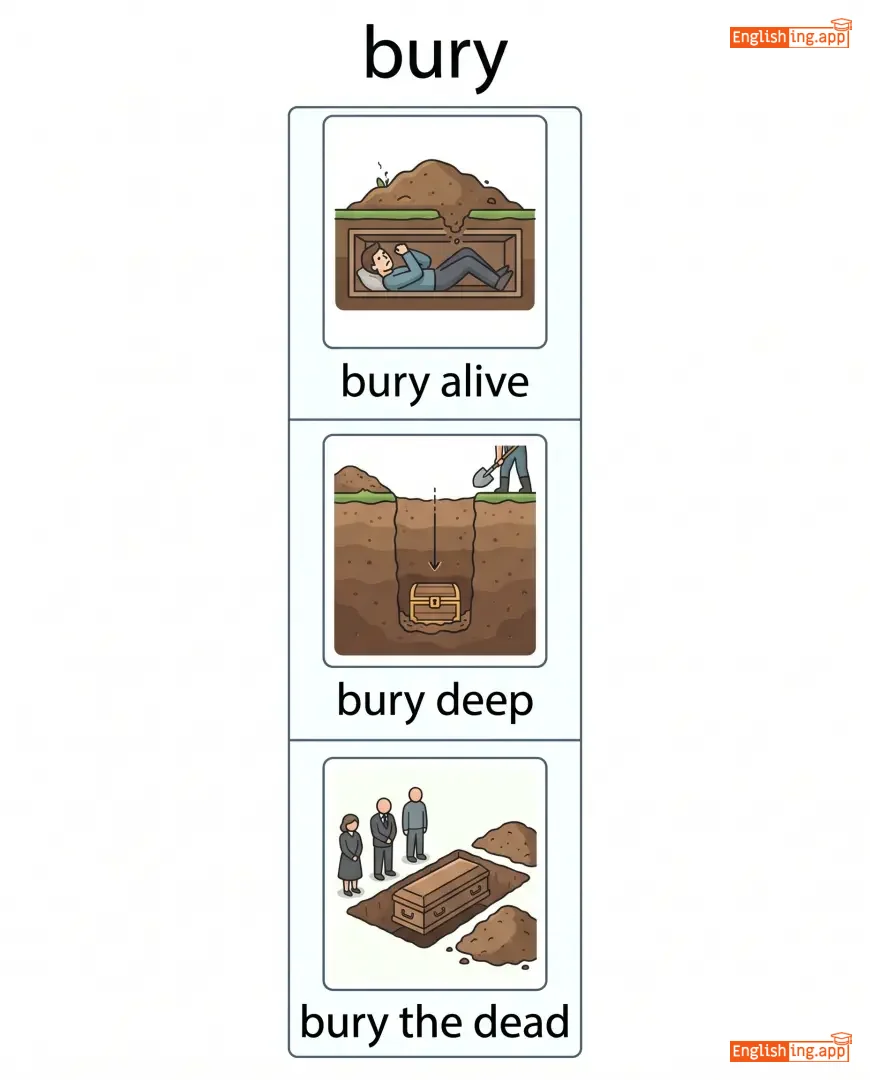
bury treasure, bury secrets, bury deep, bury completely, bury carefully
••••••
|
狗把骨头埋在地下,就像我们把物品埋葬在土里。
••••••
|
|
#354
🎨
|
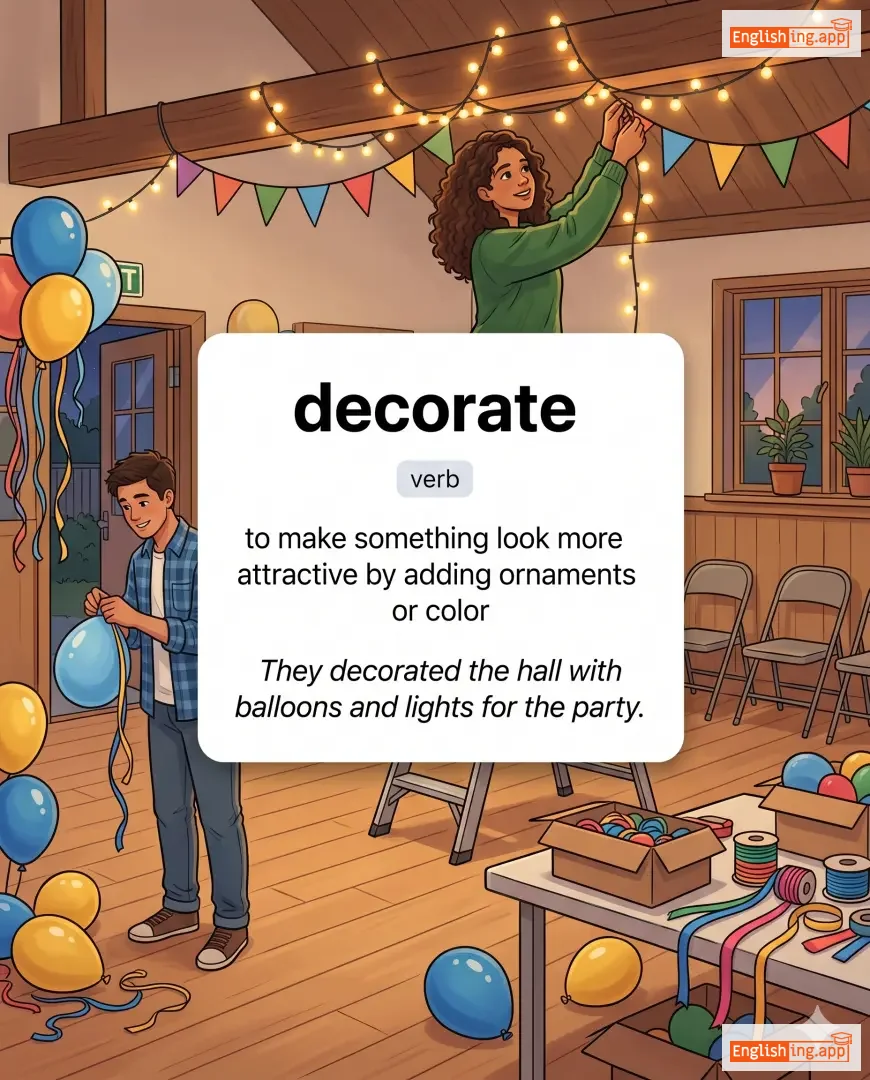
/ˈdekəreɪt/
verb
(dɛkəˈreɪt)
••••••
|
|
装饰
zhuangshi
••••••
|
decorated
装饰过
••••••
|
decorated
装饰过
••••••
|
decorates
装饰
••••••
|
decorating
装饰着
••••••
|
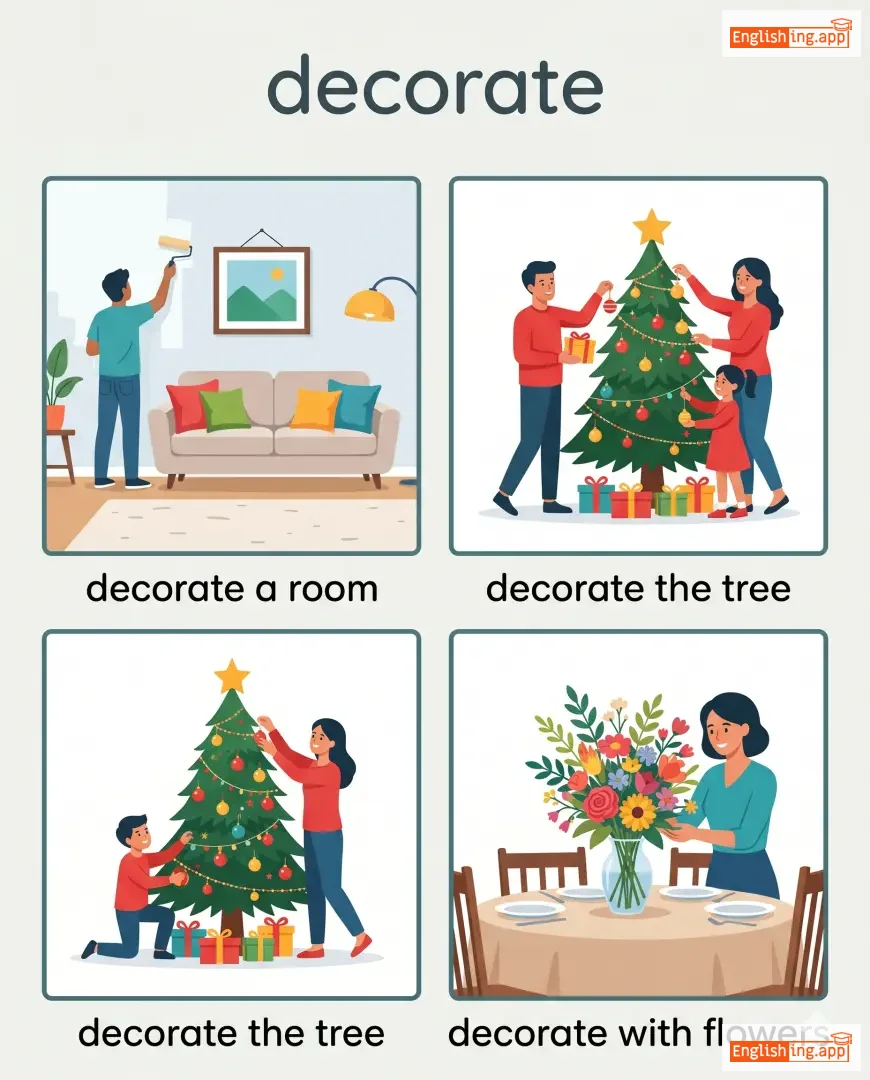
to make something look more attractive by adding ornaments
••••••
|
We will decorate the room for the party.
我们将为派对装饰房间。
••••••
|
我们将为派对装饰房间。
Women jiang wei paidi zhuangshi fangjian.
••••••
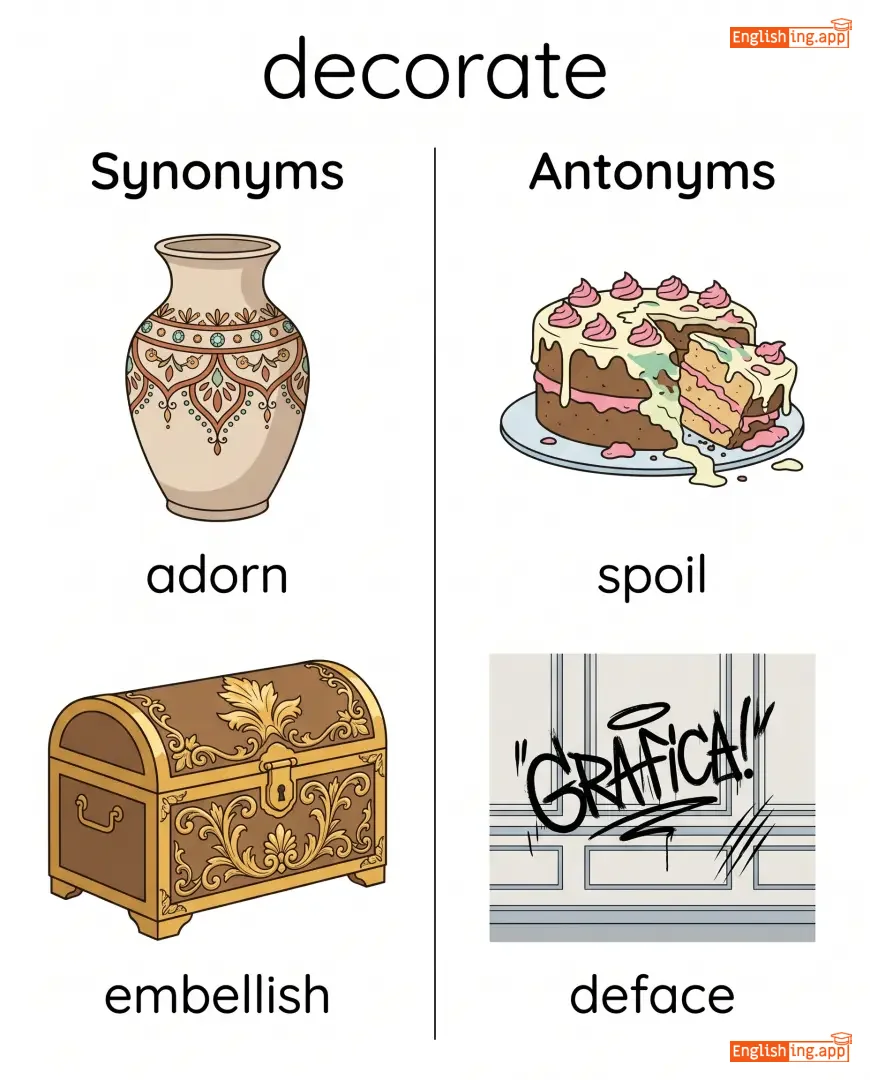
|
adorn, beautify, embellish, ornament
••••••
|
strip, bare, simplify
••••••
|
decorate room, beautifully decorate, decorate for party, decorate walls, lavishly decorate
••••••
|
装饰 = 装饰物,使东西更漂亮
••••••
|
|
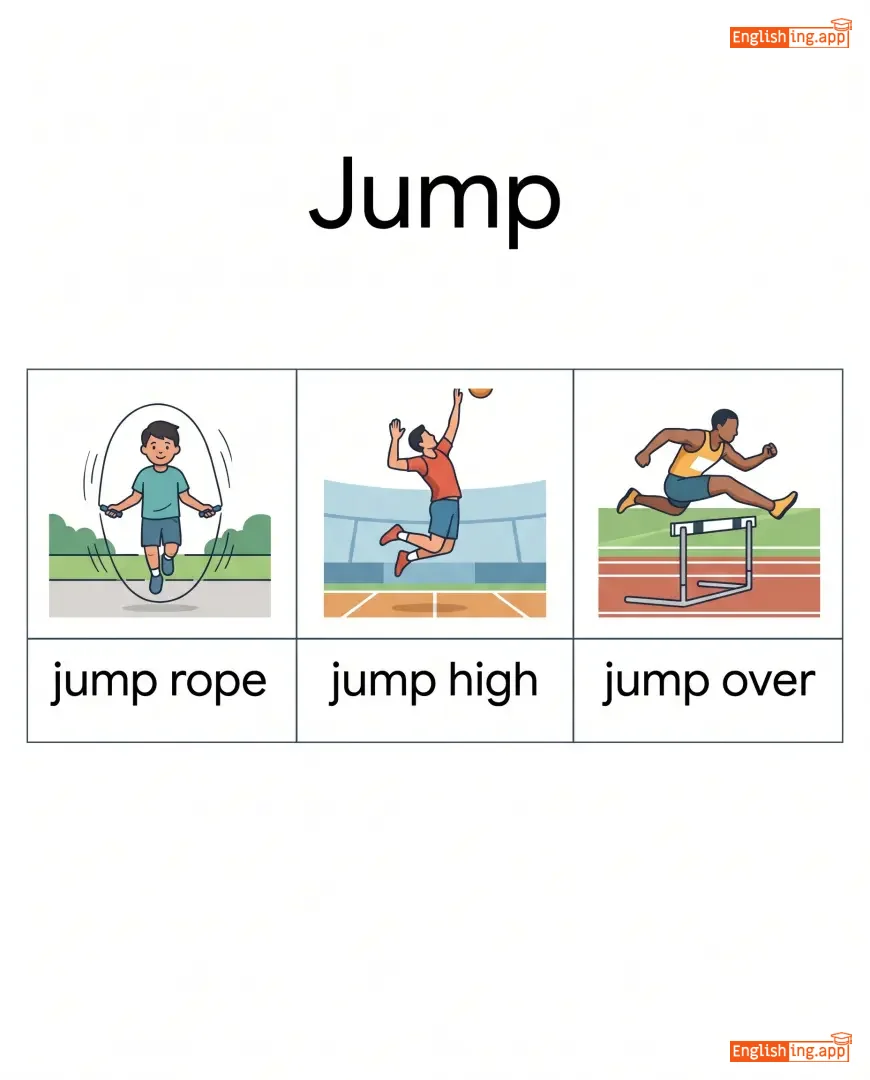
#355
🦘
|
/dʒʌmp/
verb
(海皮尼斯)
••••••
|
|
幸福
xìng fú
••••••
|
jumped
••••••
|
jumped
••••••
|
jumps
••••••
|
jumping
••••••
|
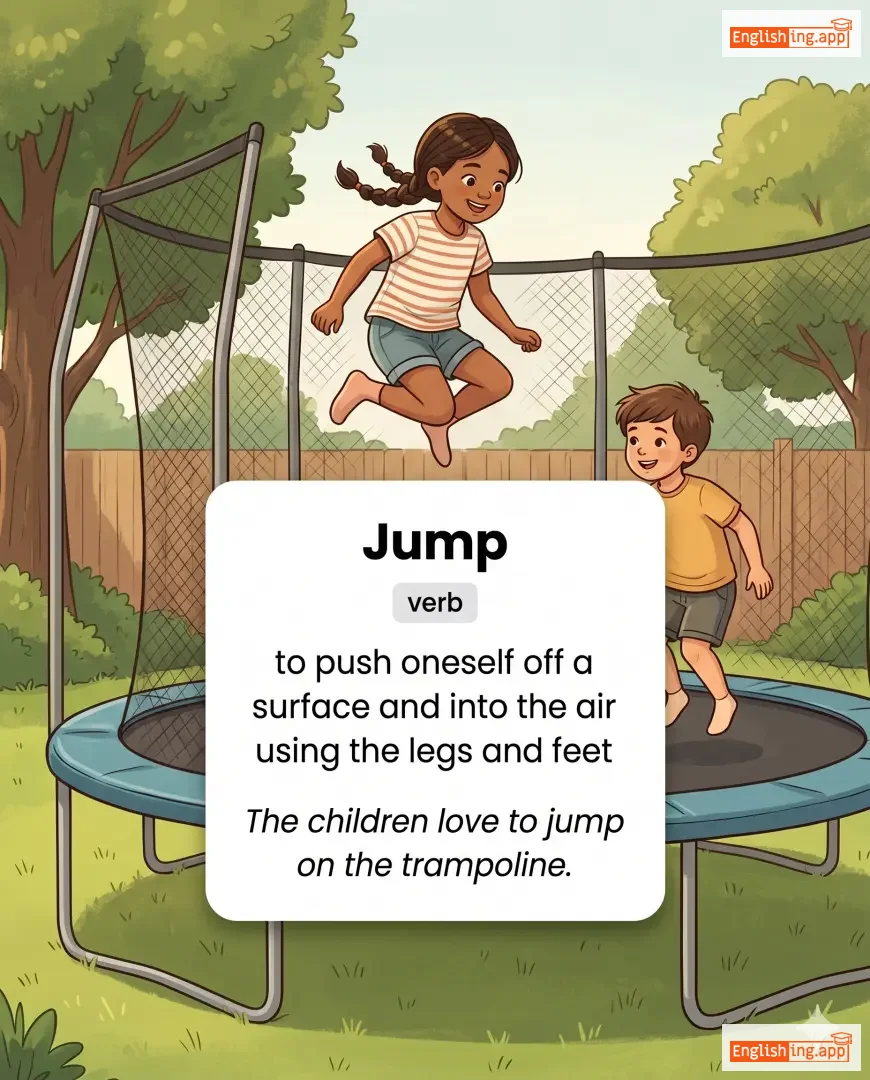
to push yourself up and away from the ground using your legs
••••••
|
The cat can jump very high onto the fence.
那只猫可以跳得很高,跳到围栏上
••••••
|
那只猫可以跳得很高,跳到围栏上
Nà zhī māo kě yǐ tiào dé hěn gāo, tiào dào wéilán shàng
••••••
|
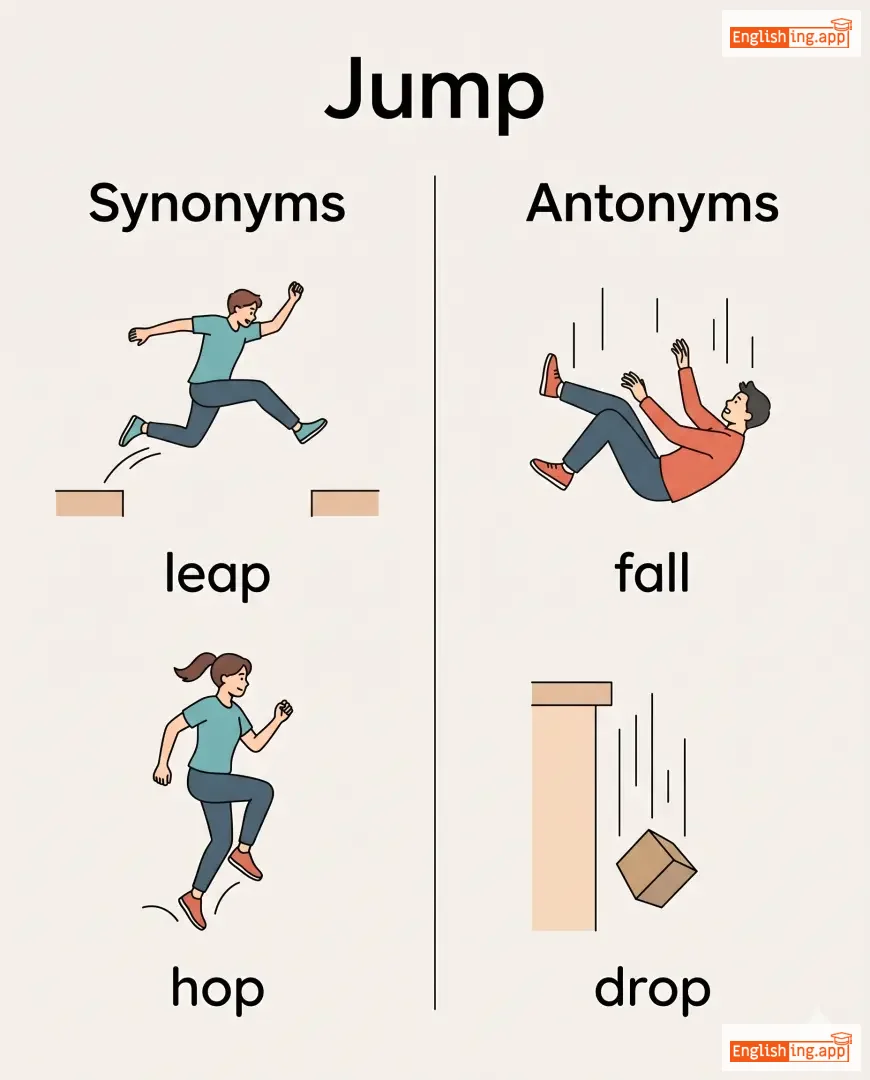
leap, bound, hop, spring, vault
••••••
|
fall, drop, descend, land, sit
••••••
|
jump high, jump over, jump up, jump down, jump rope
••••••
|
为了幸福,记得跳得高!
••••••
|
|
#356
⚡
|
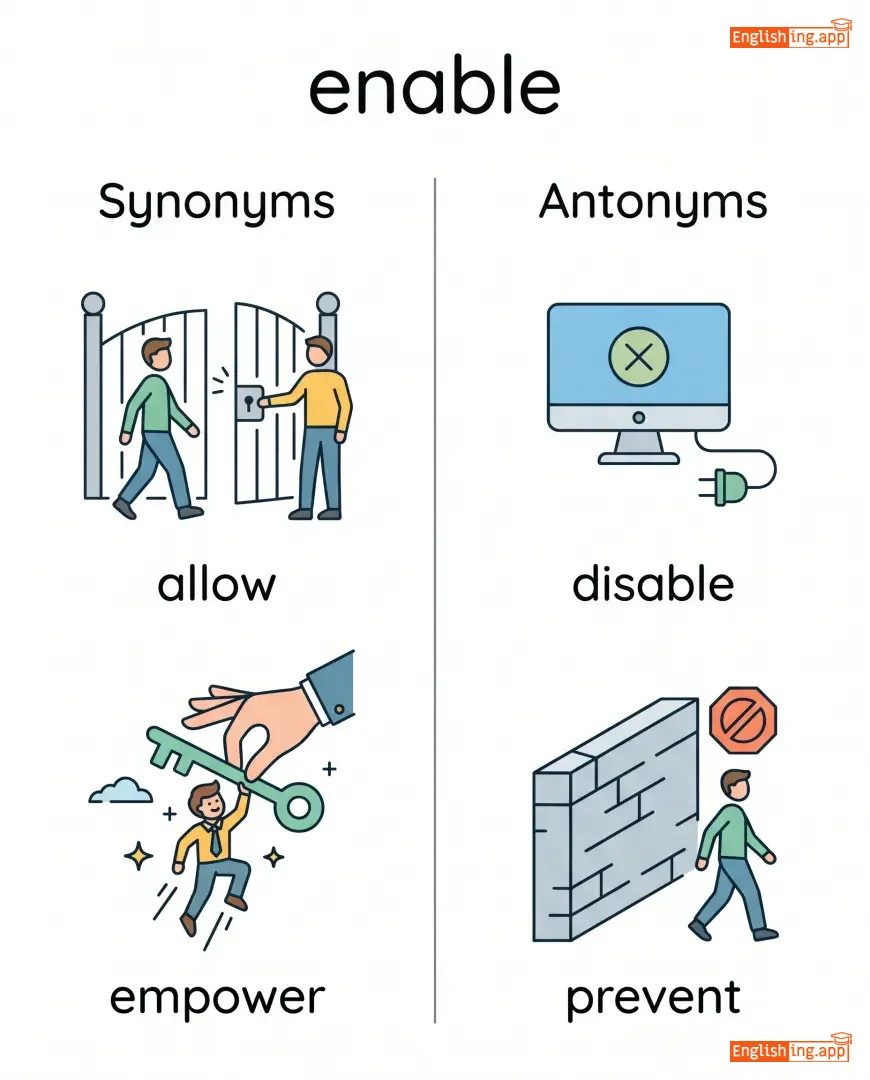
/ɪˈneɪbəl/
verb
(enable)
••••••
|
|
启用
qǐyòng
••••••
|
enabled
enabled
••••••
|
enabled
enabled
••••••
|
enables
enables
••••••
|
enabling
enabling
••••••
|
to make something possible; to give power or ability
••••••
|
This software enables users to edit videos easily.
该软件使用户能够轻松编辑视频。
••••••
|
该软件使用户能够轻松编辑视频。
Gāi ruǎnjiàn shǐ yònghù nénggòu qīngsōng biānjí shìpín.
••••••
|
allow, permit, facilitate, empower
••••••
|
disable, prevent, hinder, prohibit
••••••
|
enable access, enable features, enable users, fully enable, enable functionality
••••••
|
Qǐyòng = Zhīchí kěnéng hé huǒxīn
••••••
|
|
#357
🔧
|
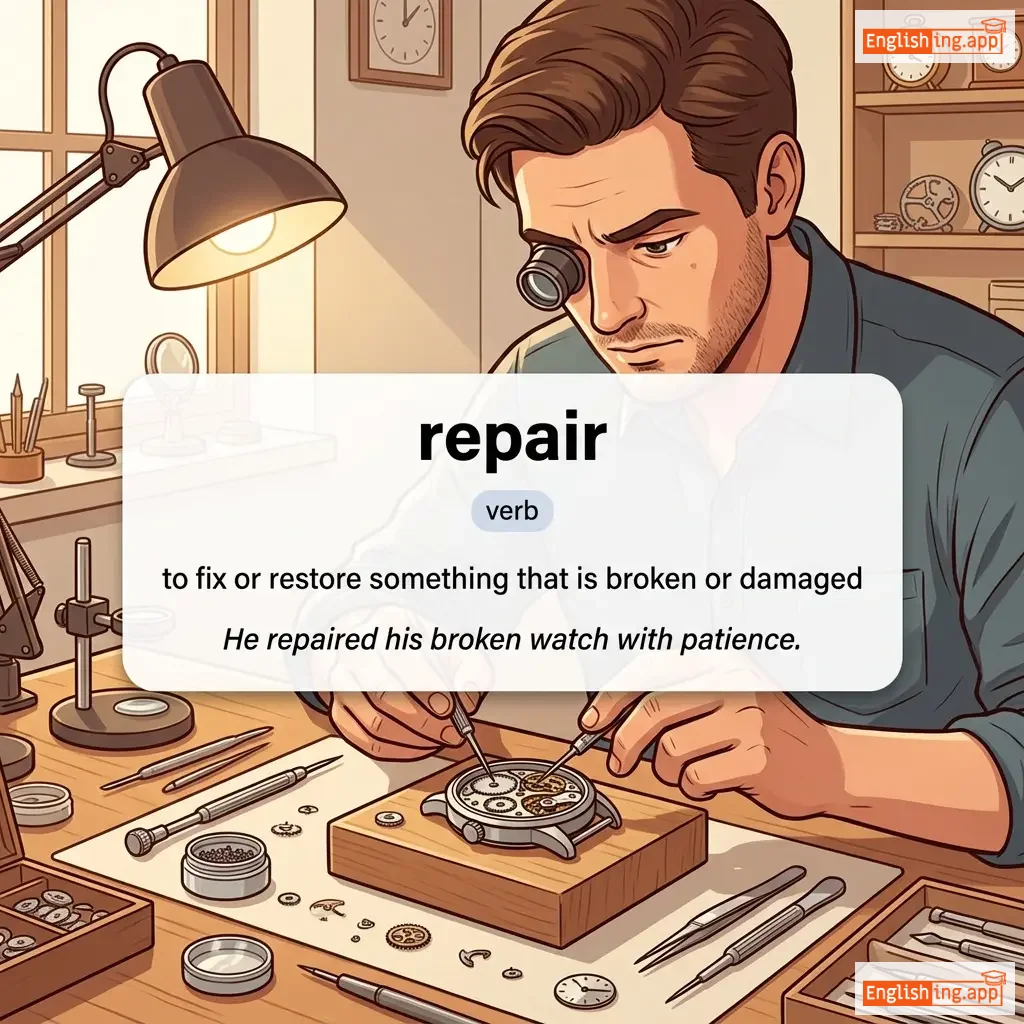
/rɪˈper/
verb
(rɪˈpɛr)
••••••
|
|
修理
xiūlǐ
••••••
|
repaired
rɪˈpɛrɪd
••••••
|
repaired
rɪˈpɛrɪd
••••••
|
repairs
rɪˈpɛrɪz
••••••
|
repairing
rɪˈpɛrɪŋ
••••••
|
to fix something that is broken or damaged
••••••
|
The mechanic will repair the car's engine tomorrow.
机械师明天将修理汽车发动机。
••••••
|
机械师明天将修理汽车发动机。
Jīxiè shī míngtiān jiāng xiūlǐ qìchē fādòngjī.
••••••
|
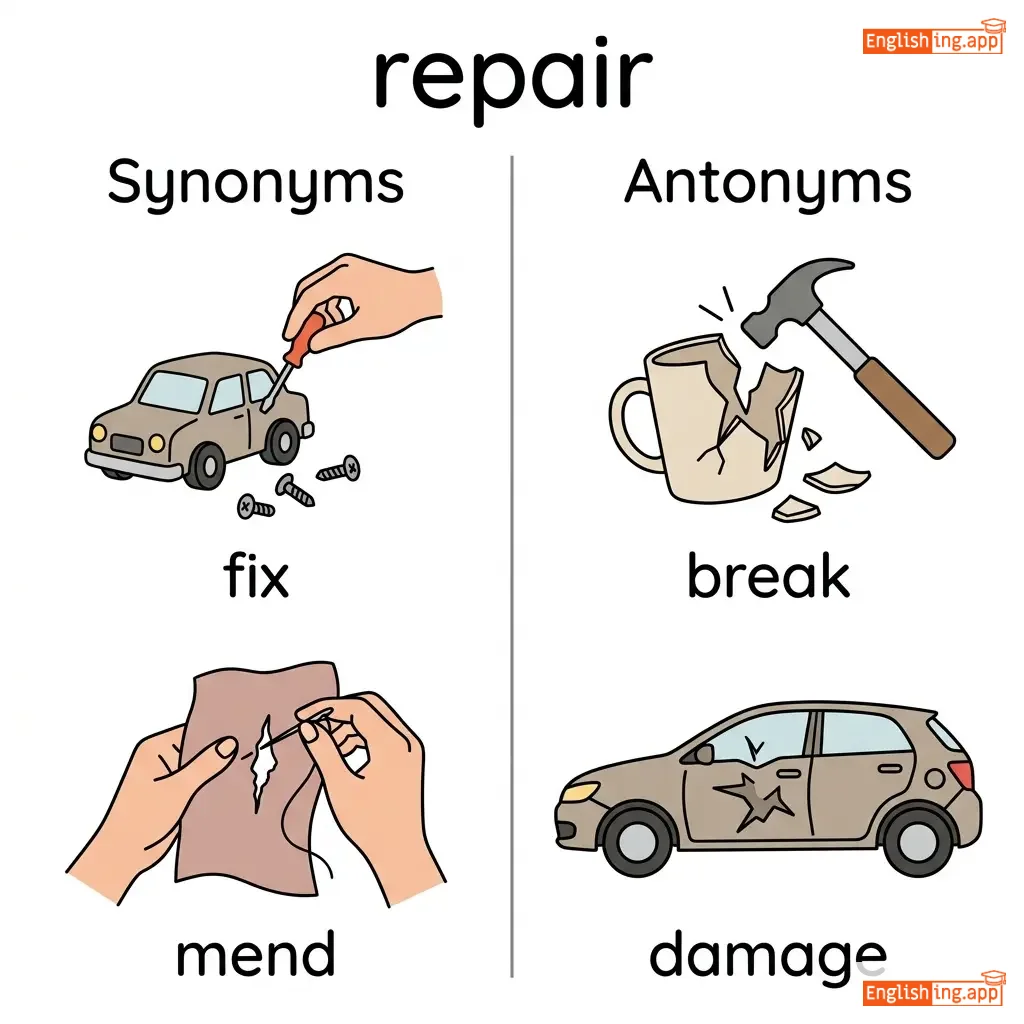
fix, mend, restore, renovate
••••••
|
break, damage, destroy, ruin
••••••
|
repair damage, repair quickly, repair costs, repair shop, emergency repair
••••••
|
修理汽车就像修复人生。
••••••
|
|
#358
✊
|
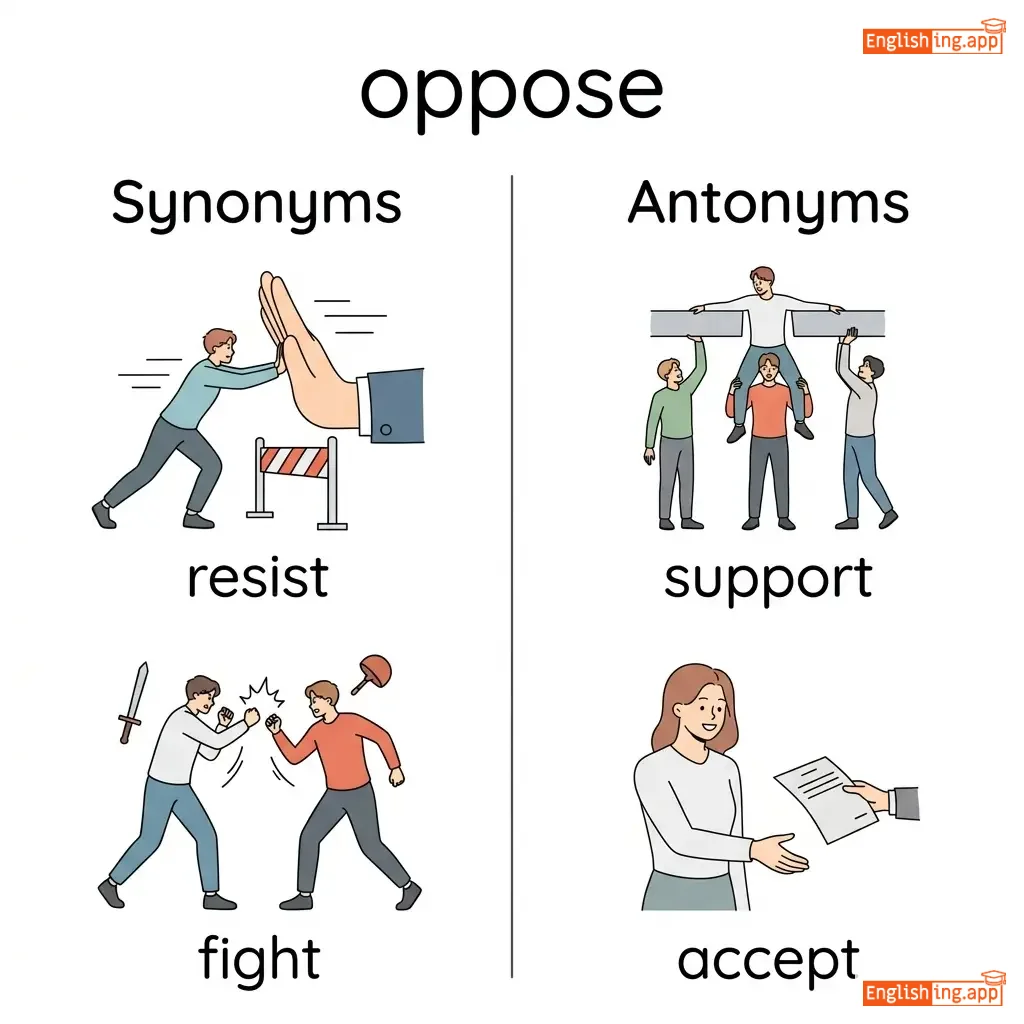
/əˈpoʊz/
verb
(对抗)
••••••
|
|
反对
fǎnduì
••••••
|
opposed
对抗了
••••••
|
opposed
对抗了
••••••
|
opposes
对抗
••••••
|
opposing
对抗
••••••
|
to disagree with or resist; to act against
••••••
|
Many citizens oppose the new tax policy.
许多公民反对新的税收政策。
••••••
|
许多公民反对新的税收政策。
Xǔduō gōngmín fǎnduì xīn de shuìshōu zhèngcè.
••••••
|
resist, object, counter, protest
••••••
|
support, agree, approve, endorse
••••••
|
strongly oppose, actively oppose, oppose plans, oppose changes, oppose policy
••••••
|
反对 (fǎnduì) = oppose, '反' means 'against'
••••••
|
Vocabulary Quiz
Test your vocabulary by matching words with their translations or meanings.
Login to take the quiz
Comments (0)
Share your thoughts and join the discussion.
Join the discussion by logging in
Login to CommentNo comments yet
Be the first to share your thoughts!