






Swipe left or right, or use the buttons. Tap image to zoom.
例句翻译
单词
Lesson 17: Mastering the Most Frequent Verbs & TensesLesson 17: Mastering the Most Frequent Verbs & Tenses - 遮罩切换
|
表情符号
|
单词 | Images | 翻译 | 过去时 | 过去分词 | 第三人称单数 | 动名词 | 含义 | 例句 | 例句翻译 | 同义词 | 反义词 | 搭配词 | 助记符 |
|---|---|---|---|---|---|---|---|---|---|---|---|---|---|---|
|
#479
🥤
|
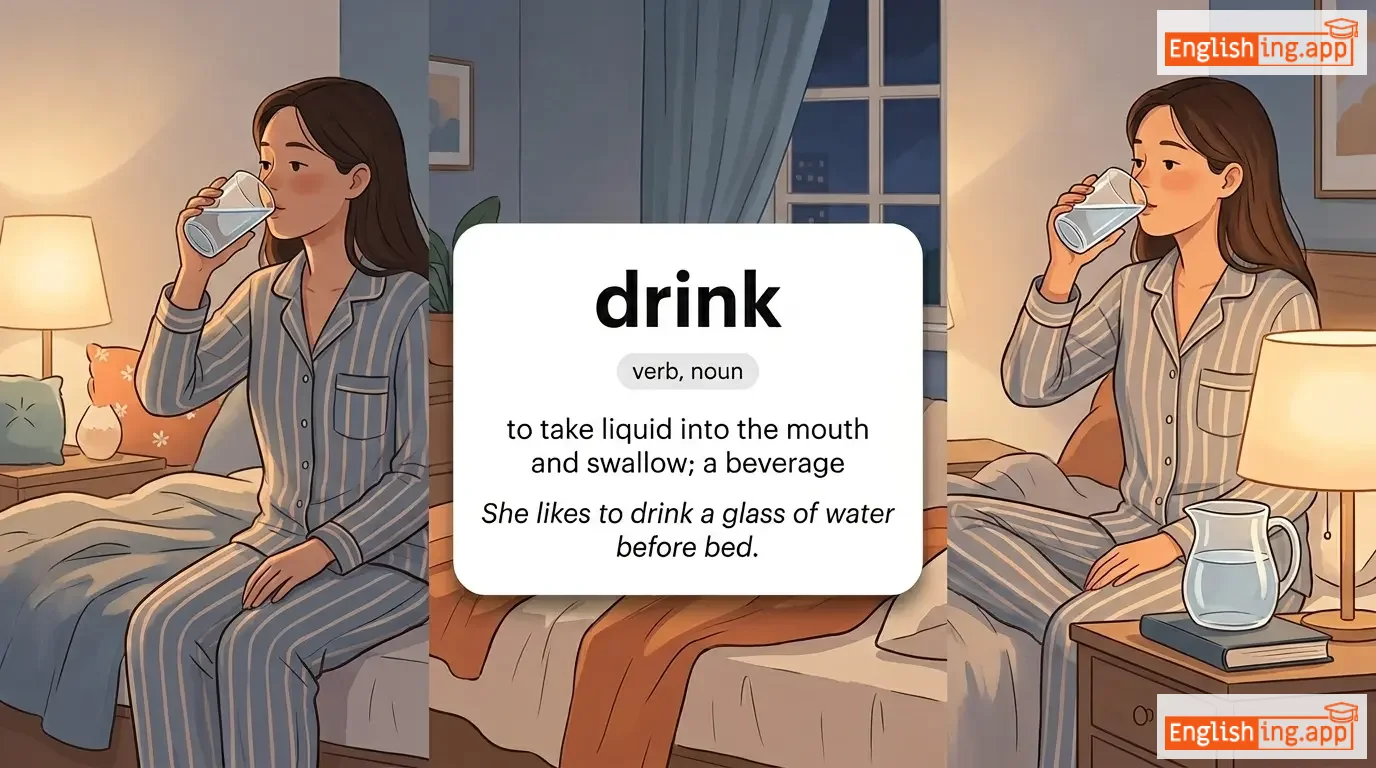
/drɪŋk/
verb
(drīnk)
••••••
|
|
喝
he
••••••
|
drank
drank
••••••
|
drunk
drunk
••••••
|
drinks
drinks
••••••
|
drinking
drinking
••••••
|
to take liquid into the mouth and swallow it
••••••
|
I drink water every morning.
我每天早上喝水。
••••••
|
我每天早上喝水。
Wǒ měitiān zǎoshang hē shuǐ.
••••••
|
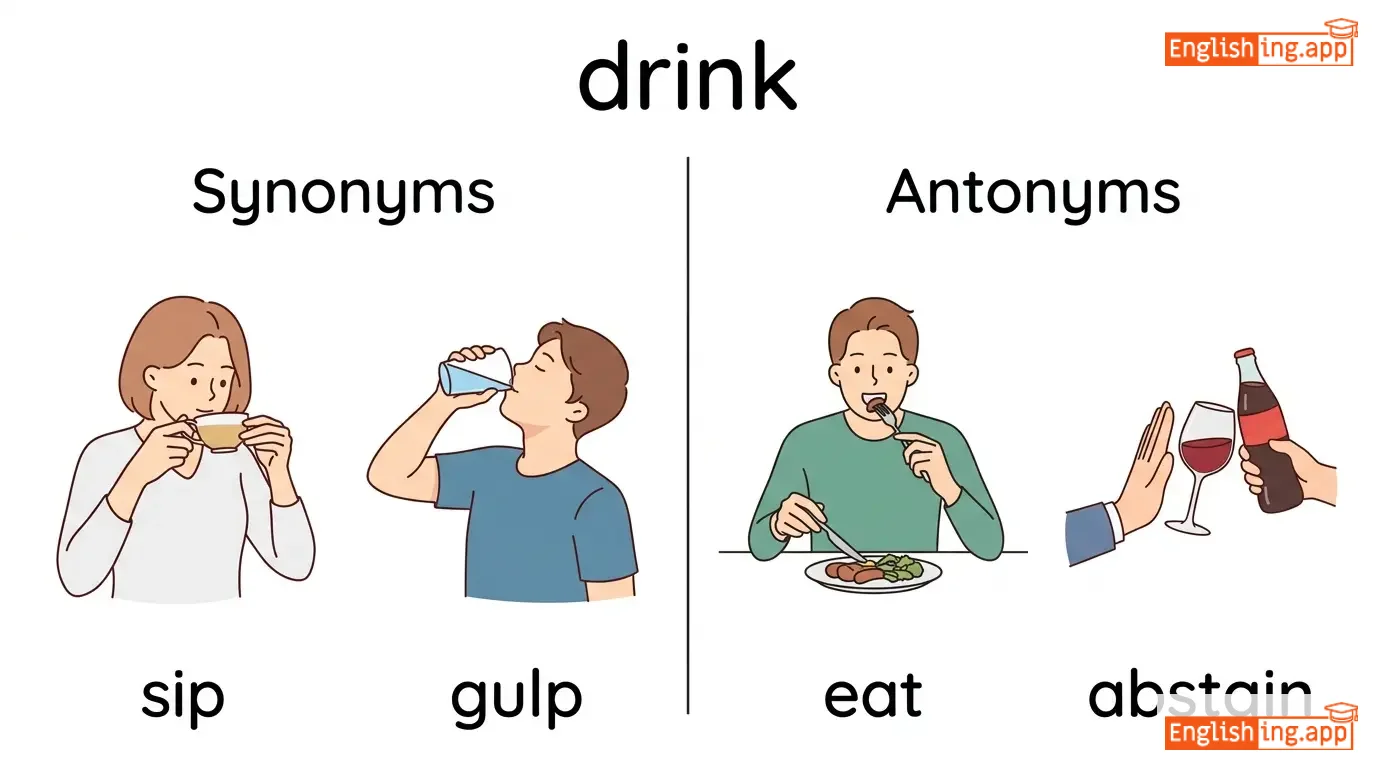
consume, sip, gulp, swallow
••••••
|
spit out, refuse, abstain
••••••
|
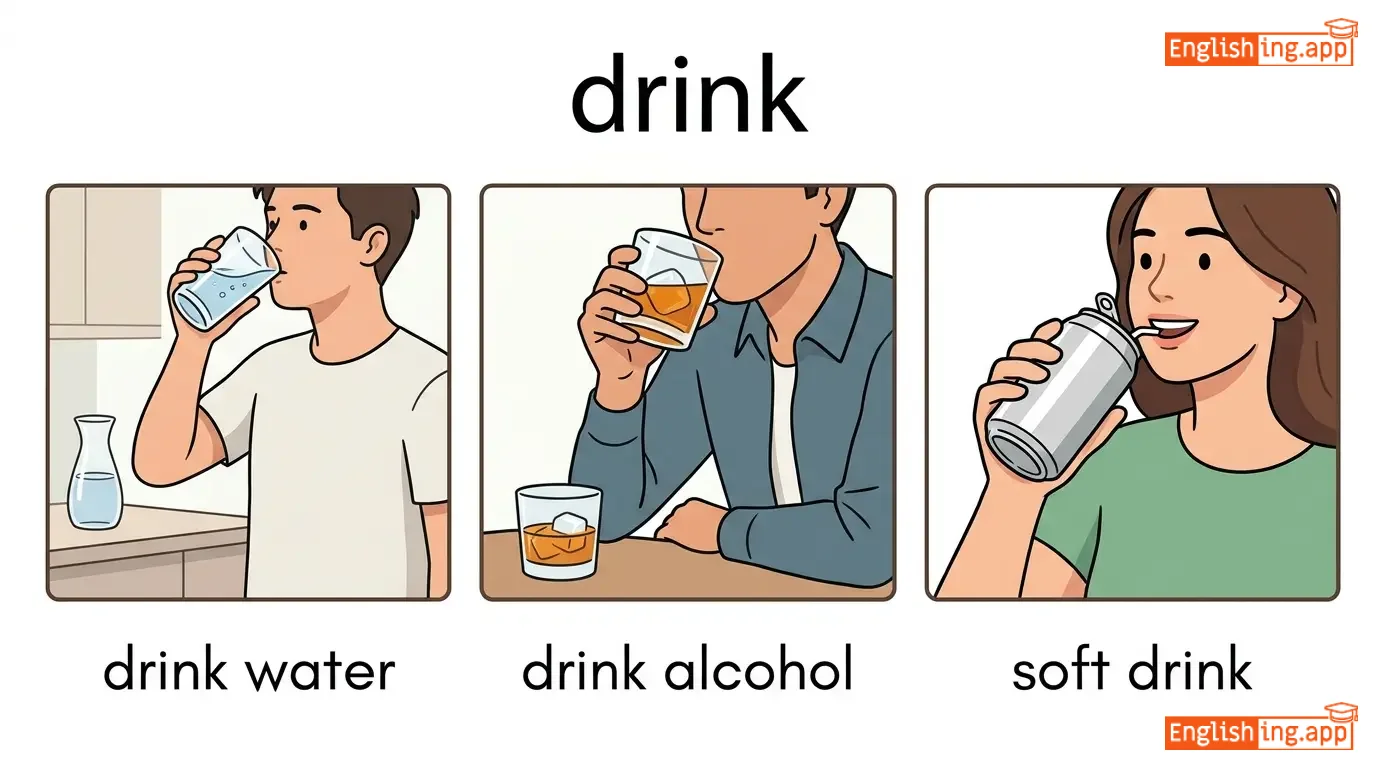
drink water, drink coffee, drink alcohol, drink tea, drink milk
••••••
|
Imagine drinking 'he' water every morning.
••••••
|
|
#480
📜
|
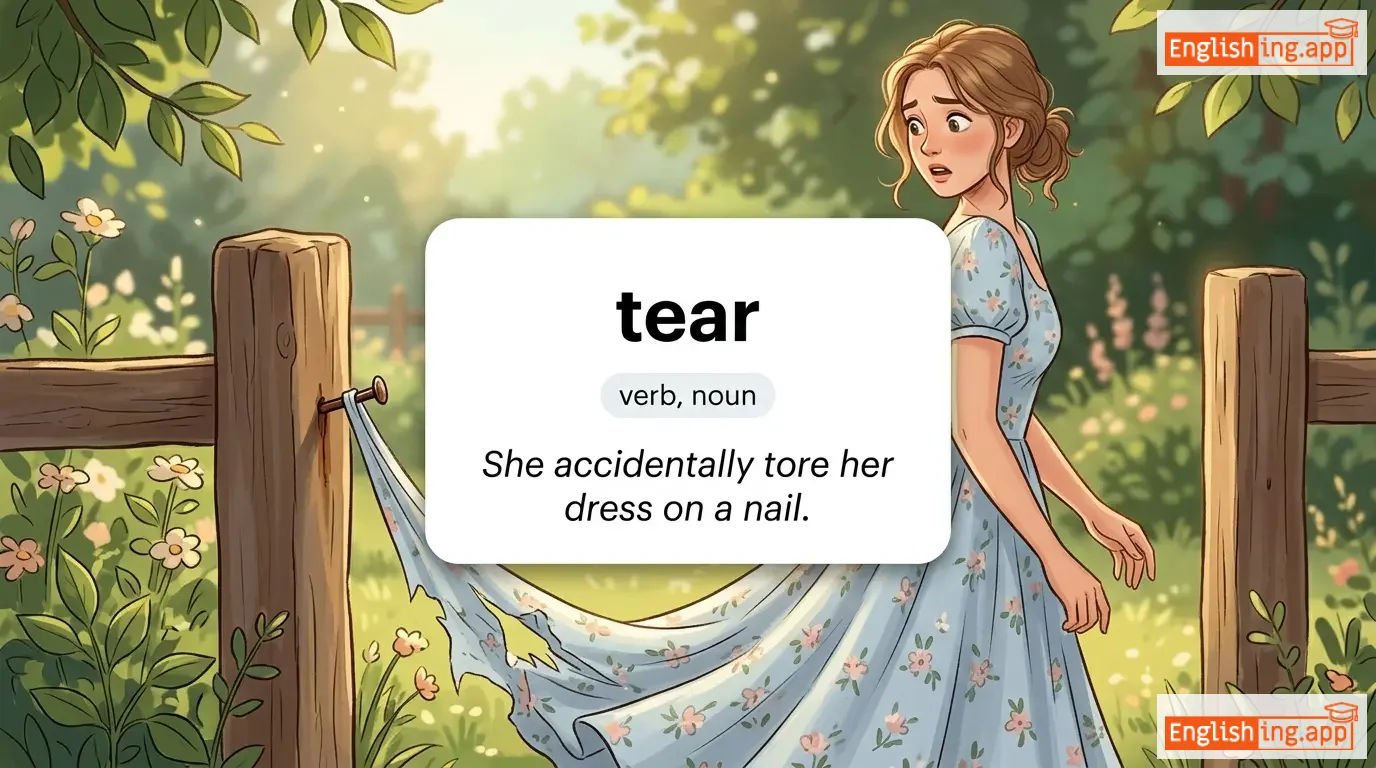
/ter/
verb
(提尔)
••••••
|
|
撕裂
silie
••••••
|
tore
托尔
••••••
|
torn
托恩
••••••
|
tears
提尔斯
••••••
|
tearing
提尔英
••••••
|
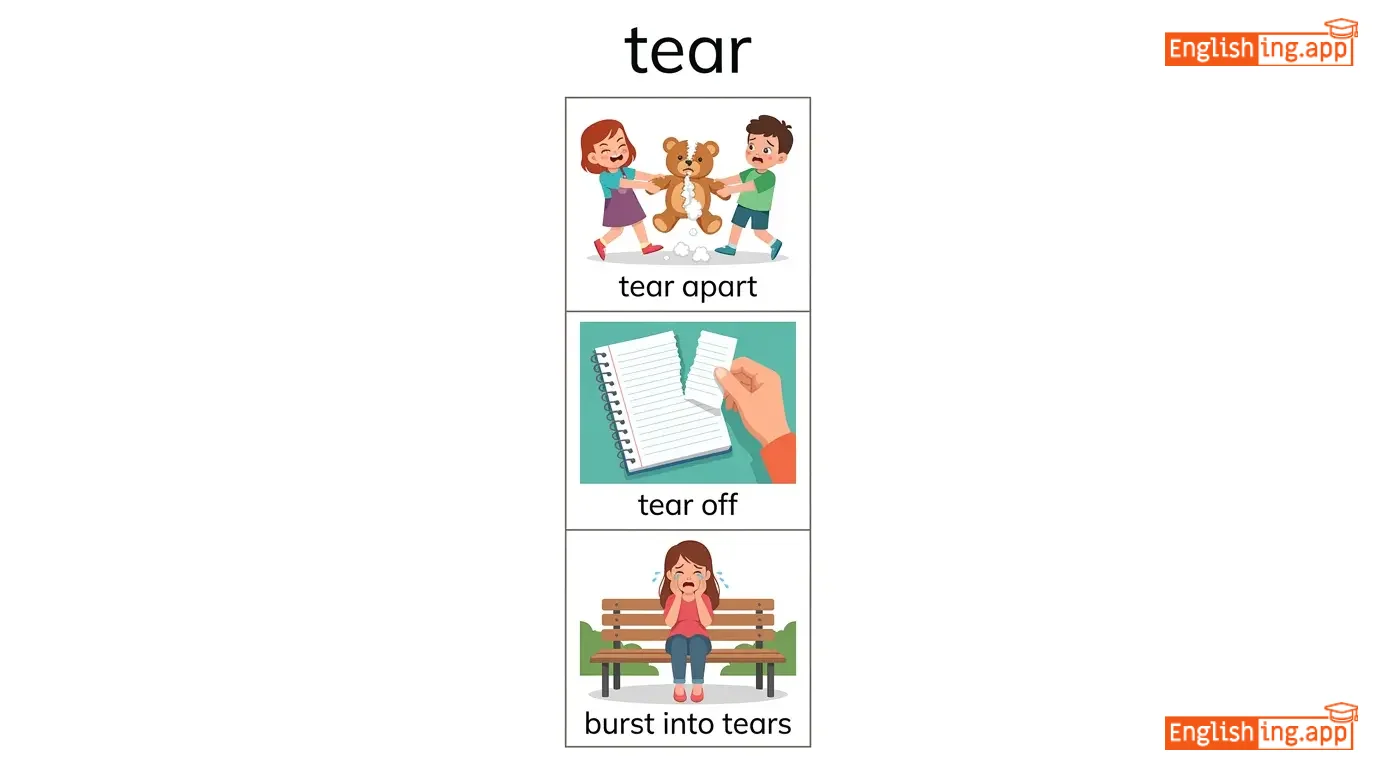
to pull apart or damage by force; to rip
••••••
|
Be careful not to tear the paper.
小心不要撕破纸张。
••••••
|
小心不要撕破纸张。
Xiaoxin buyao silie zhizhang.
••••••
|
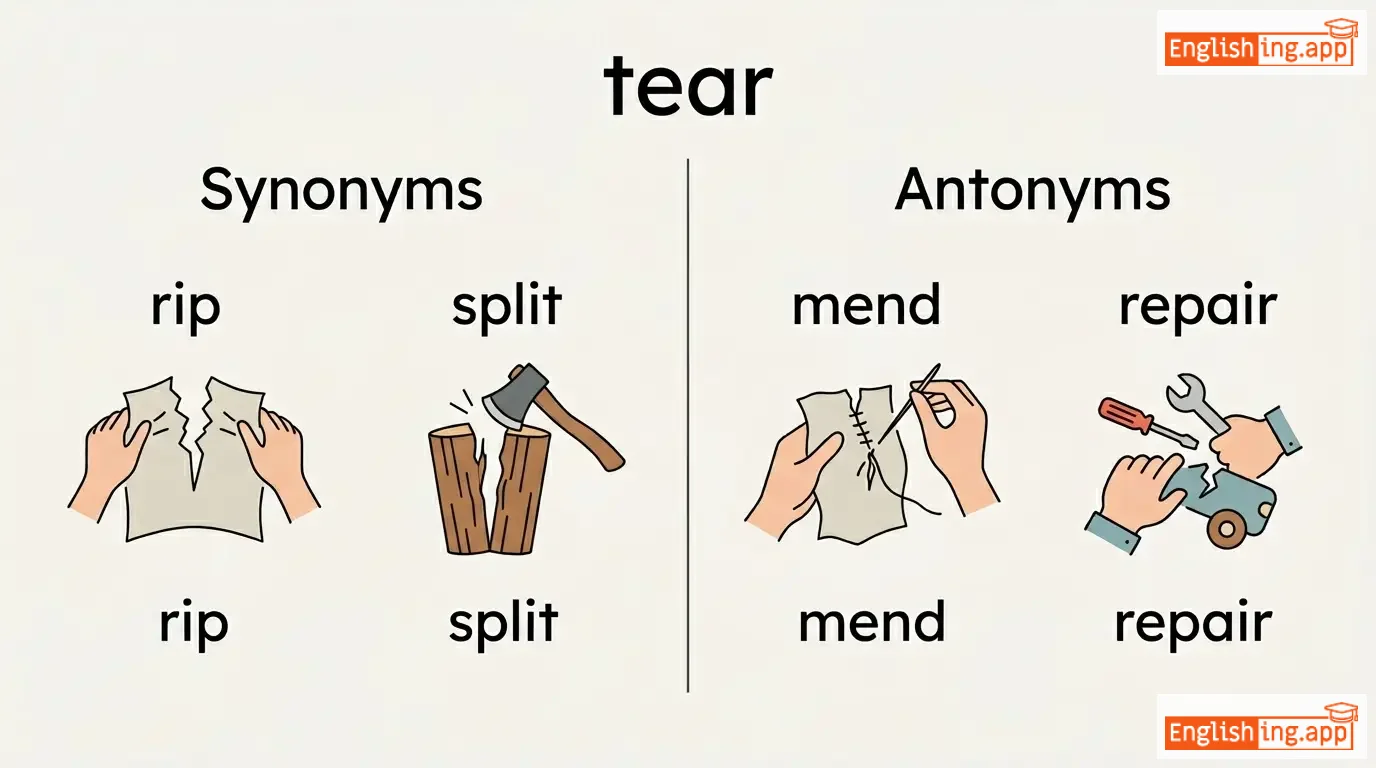
rip, split, shred, damage
••••••
|
mend, repair, fix
••••••
|
tear paper, tear clothes, tear apart, tear down, tear up
••••••
|
撕裂发生在你用力拉东西时。
••••••
|
|
#481
🚧
|
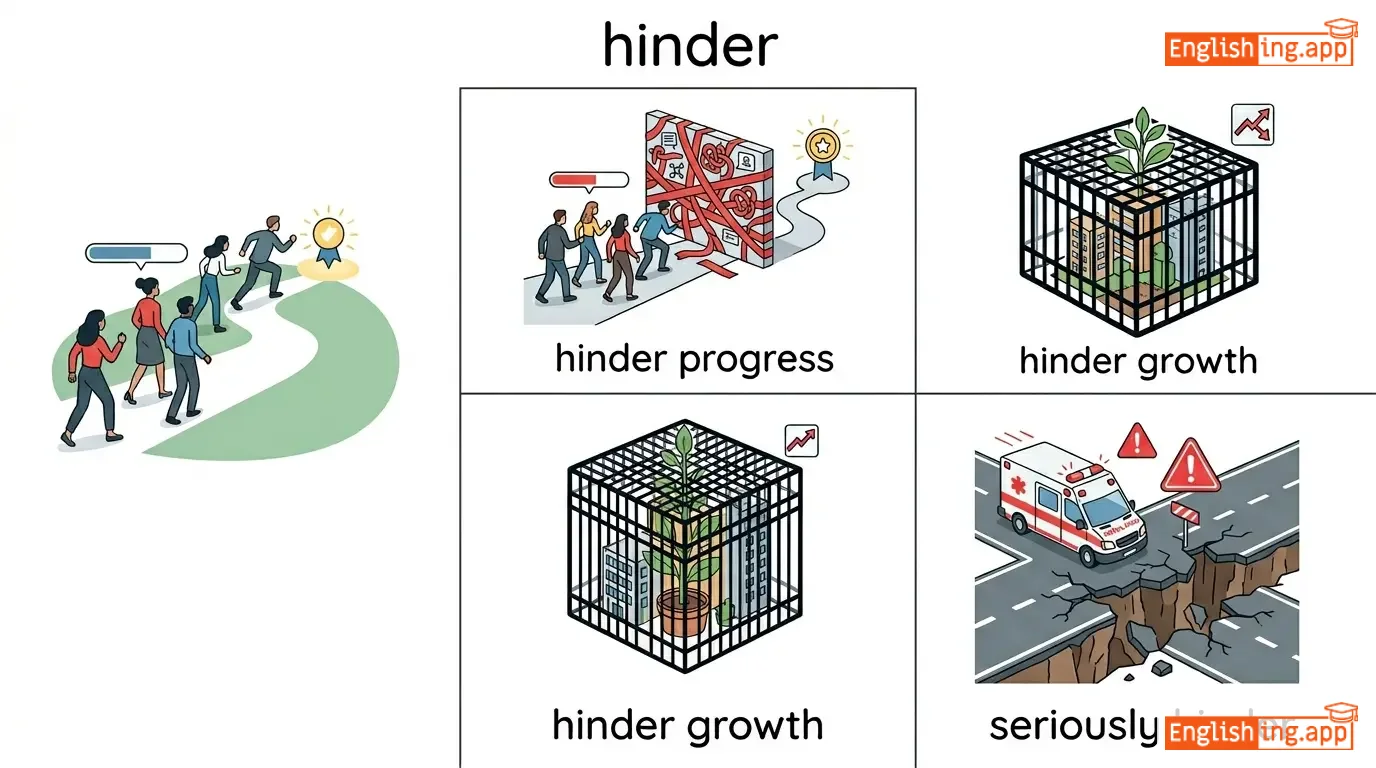
/ˈhɪndər/
verb
(hindè)
••••••
|
|
妨碍
fáng'ài
••••••
|
hindered
hindérd
••••••
|
hindered
hindérd
••••••
|
hinders
hindèrs
••••••
|
hindering
hindèring
••••••
|
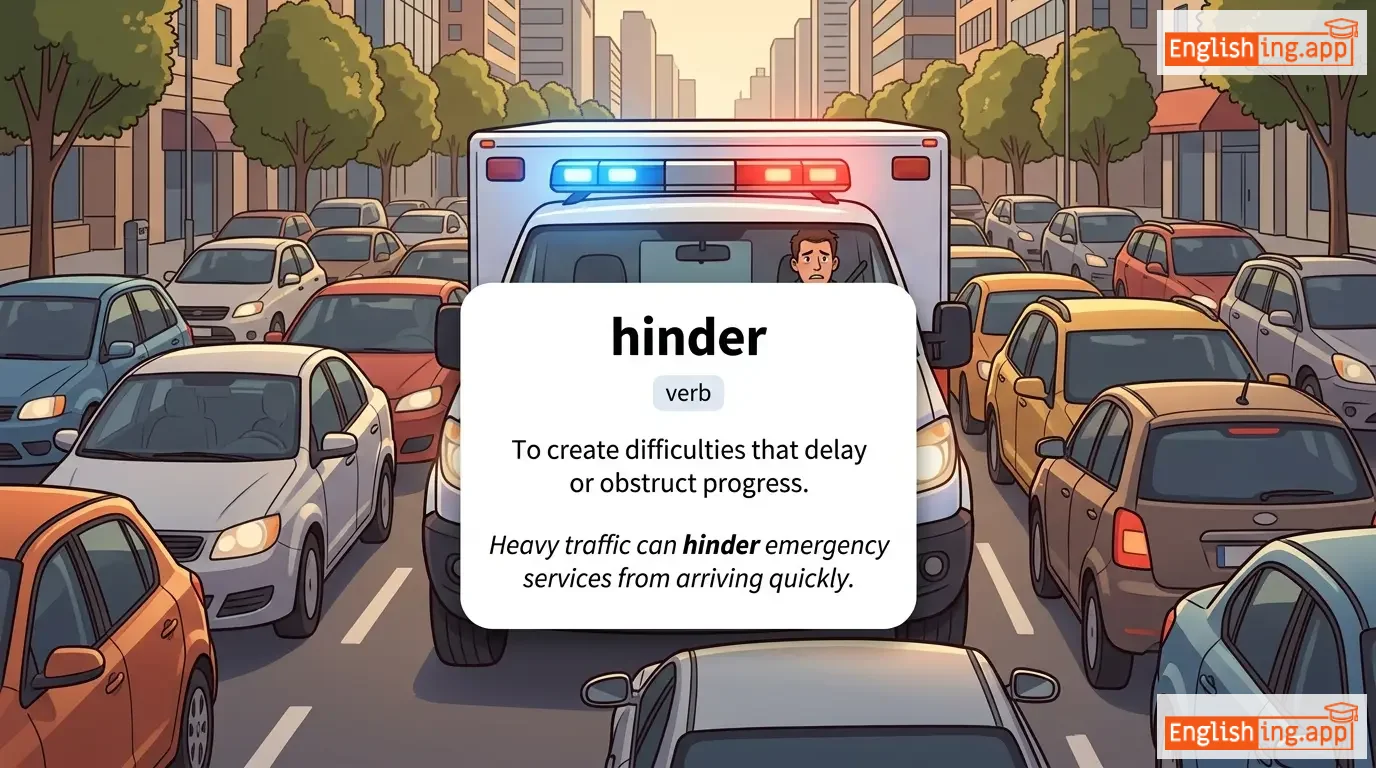
to obstruct; to create difficulties
••••••
|
Bad weather will hinder our progress.
恶劣的天气将妨碍我们的进展。
••••••
|
恶劣的天气将妨碍我们的进展。
Èliè de tiānqì jiāng fáng'ài wǒmen de jìnzhǎn.
••••••
|
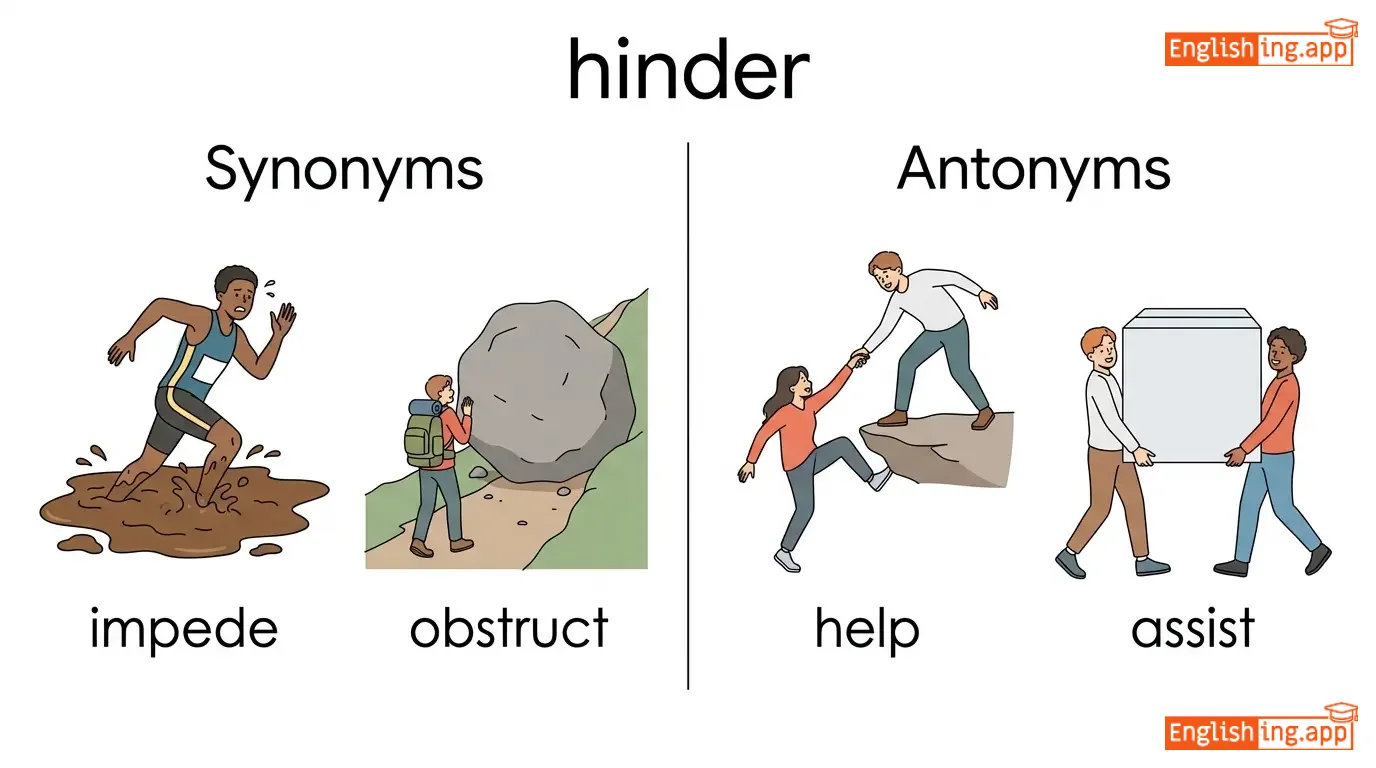
obstruct, impede, block, hamper
••••••
|
help, assist, facilitate, aid
••••••
|
hinder progress, hinder development, hinder growth, hinder movement, hinder performance
••••••
|
Hinder 和 '妨碍' 发音相似,意味着阻止或困难。
••••••
|
|
#482
🔄
|
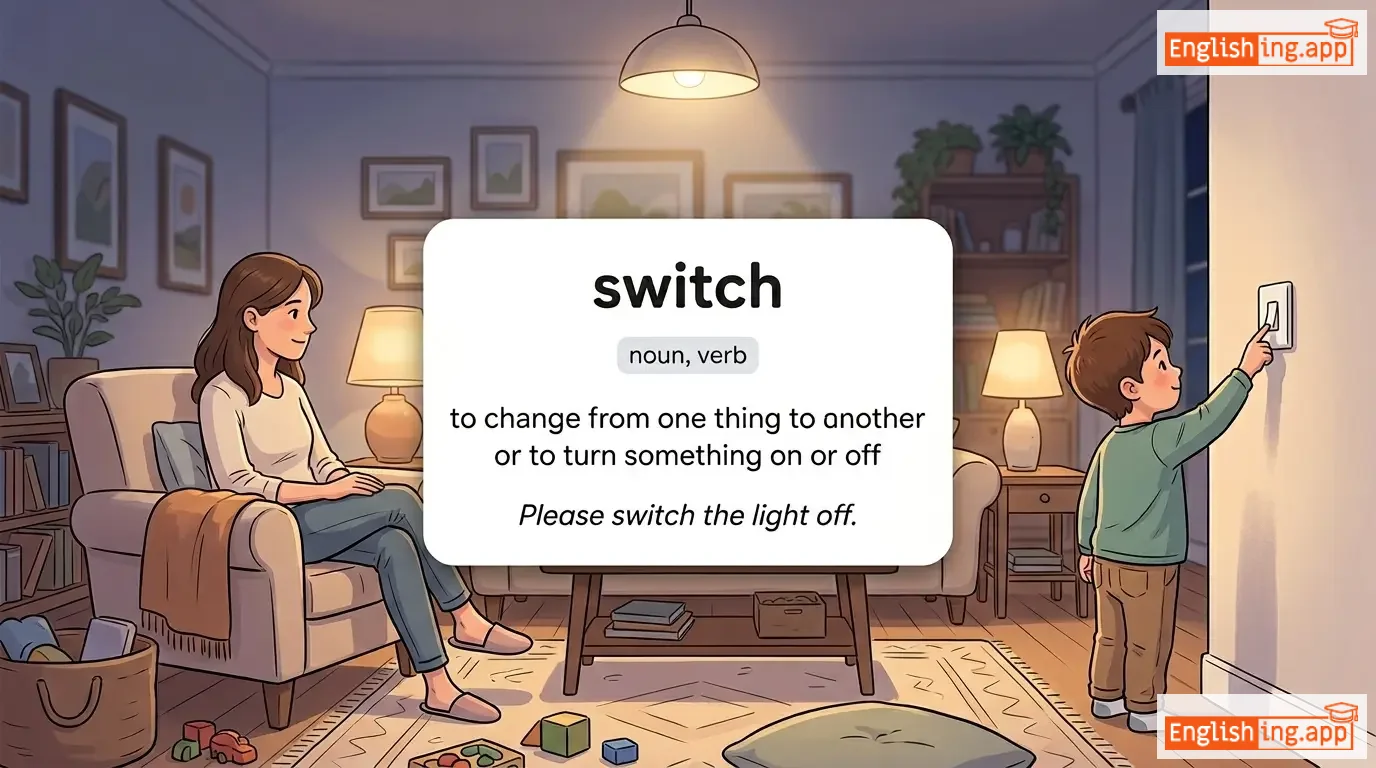
/swɪtʃ/
verb
(suiqī)
••••••
|
|
切换
qiehuan
••••••
|
switched
suiqī le
••••••
|
switched
suiqī le
••••••
|
switches
suiqī
••••••
|
switching
suiqīng
••••••
|
to change from one thing to another; to exchange or replace
••••••
|
I switched from coffee to tea.
我从咖啡转到茶。
••••••
|
我从咖啡转到茶。
Wo cong kafei zhuan dao cha.
••••••
|
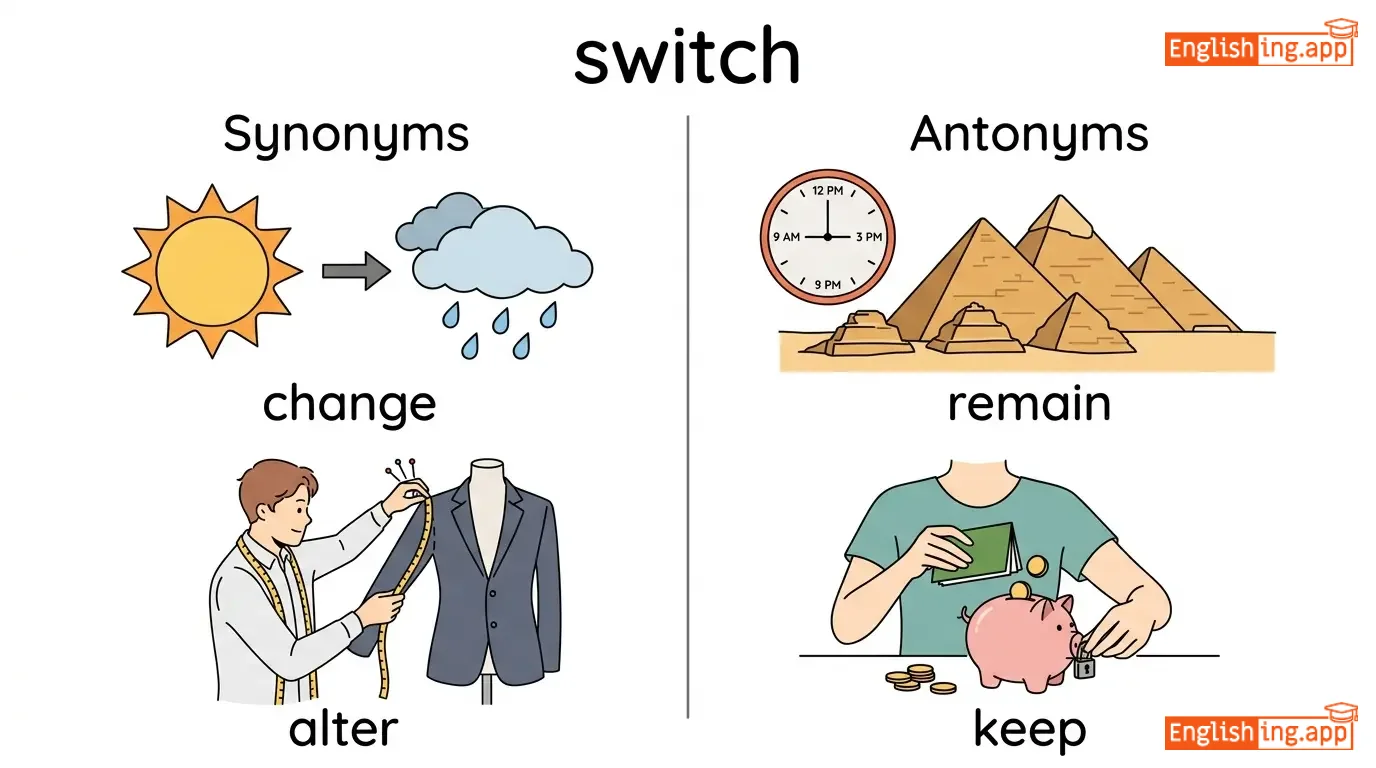
change, swap, exchange, shift
••••••
|
keep, maintain, stick
••••••
|
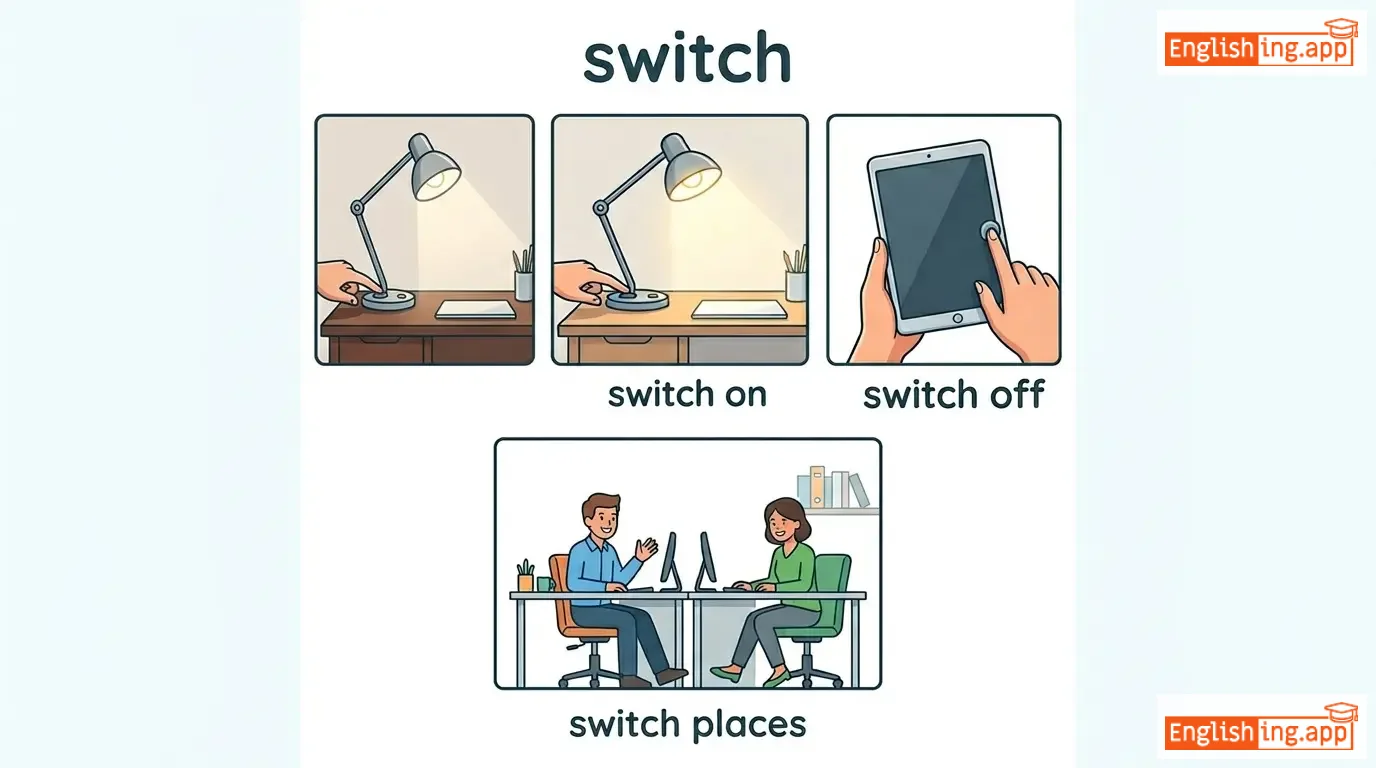
switch off, switch on, switch channels, switch jobs, switch sides
••••••
|
切换改变你的思维模式!
••••••
|
|
#483
✅
|
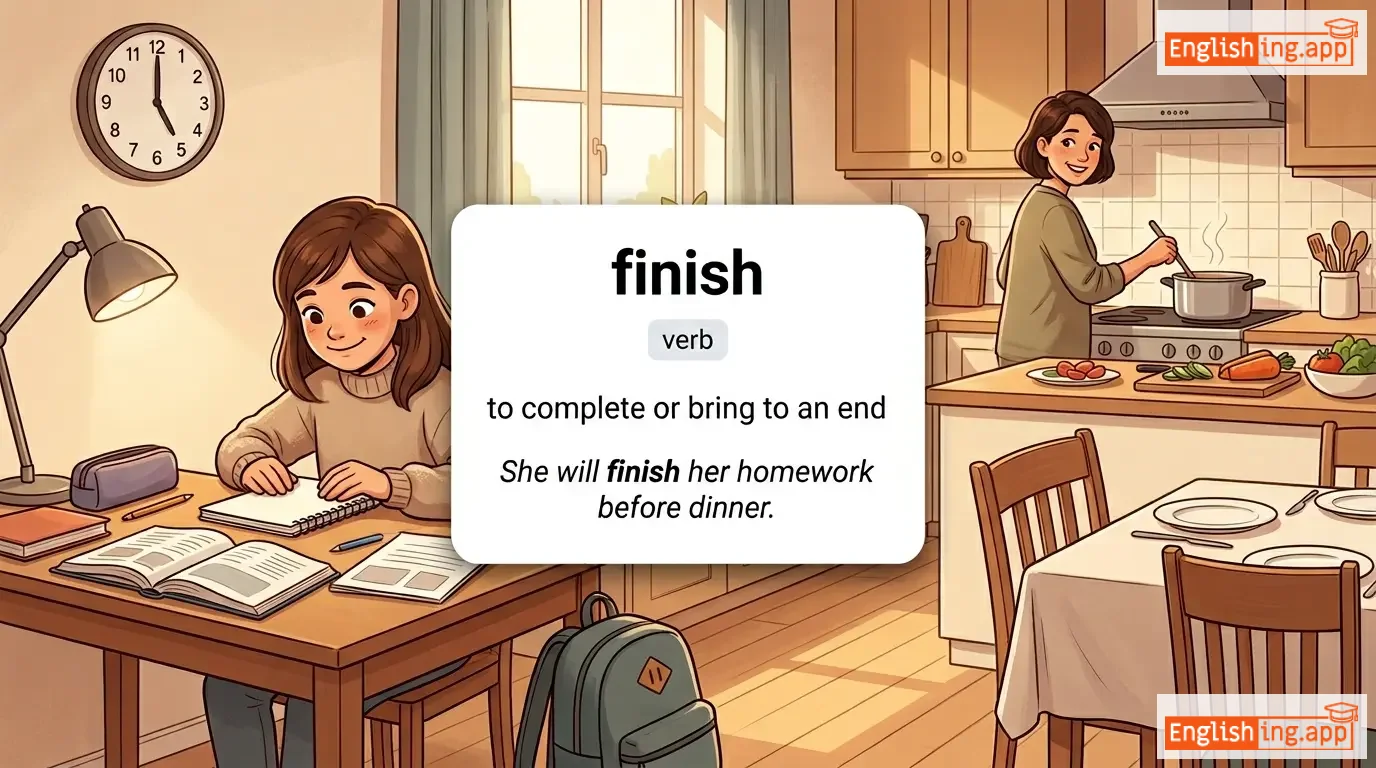
/ˈfɪnɪʃ/
verb
(finiši)
••••••
|
|
完成
wánchéng
••••••
|
finished
finišed
••••••
|
finished
finišed
••••••
|
finishes
finišes
••••••
|
finishing
finišing
••••••
|
to complete or bring to an end; to reach the final point
••••••
|
She finished her homework before dinner.
她在晚餐前完成了作业。
••••••
|
她在晚餐前完成了作业。
Tā zài wǎncān qián wánchéngle zuòyè.
••••••
|
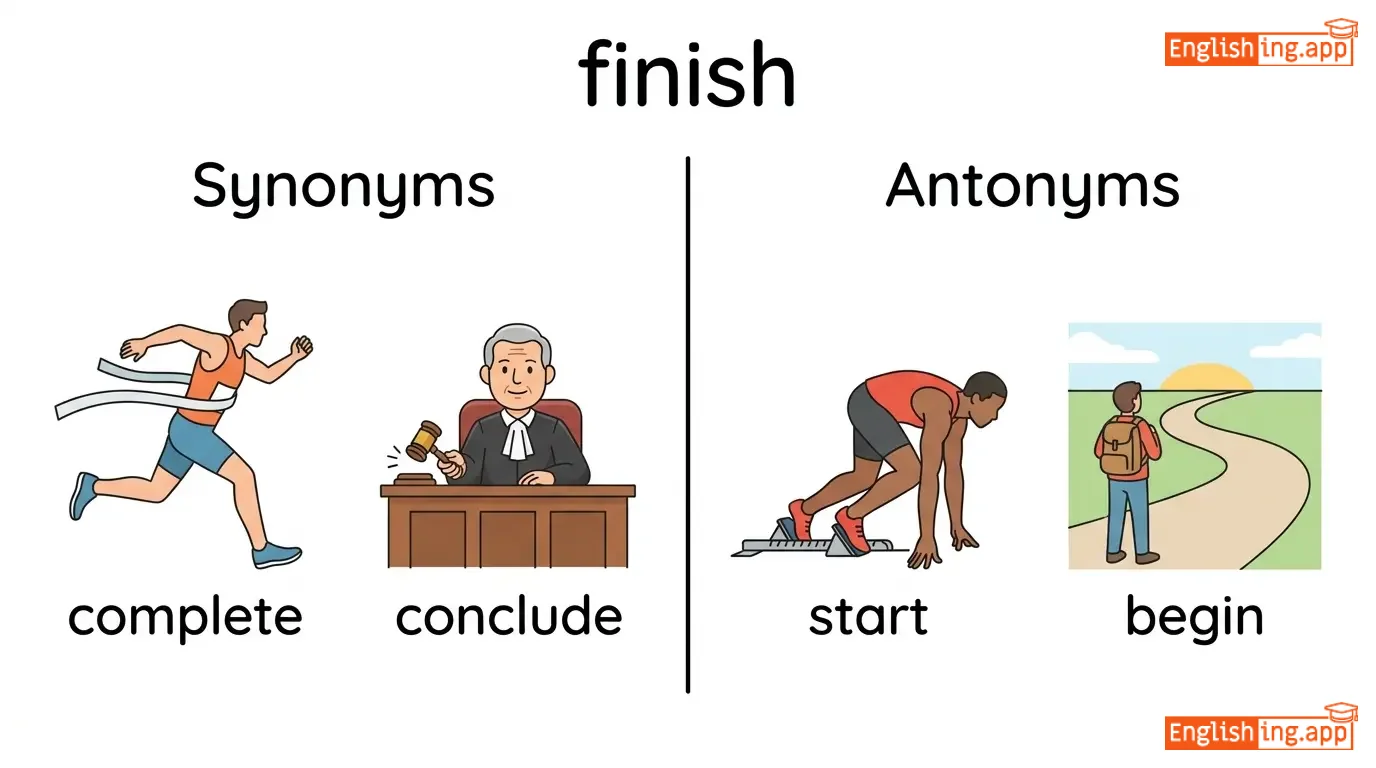
complete, conclude, end, finalize
••••••
|
start, begin, commence, initiate
••••••
|
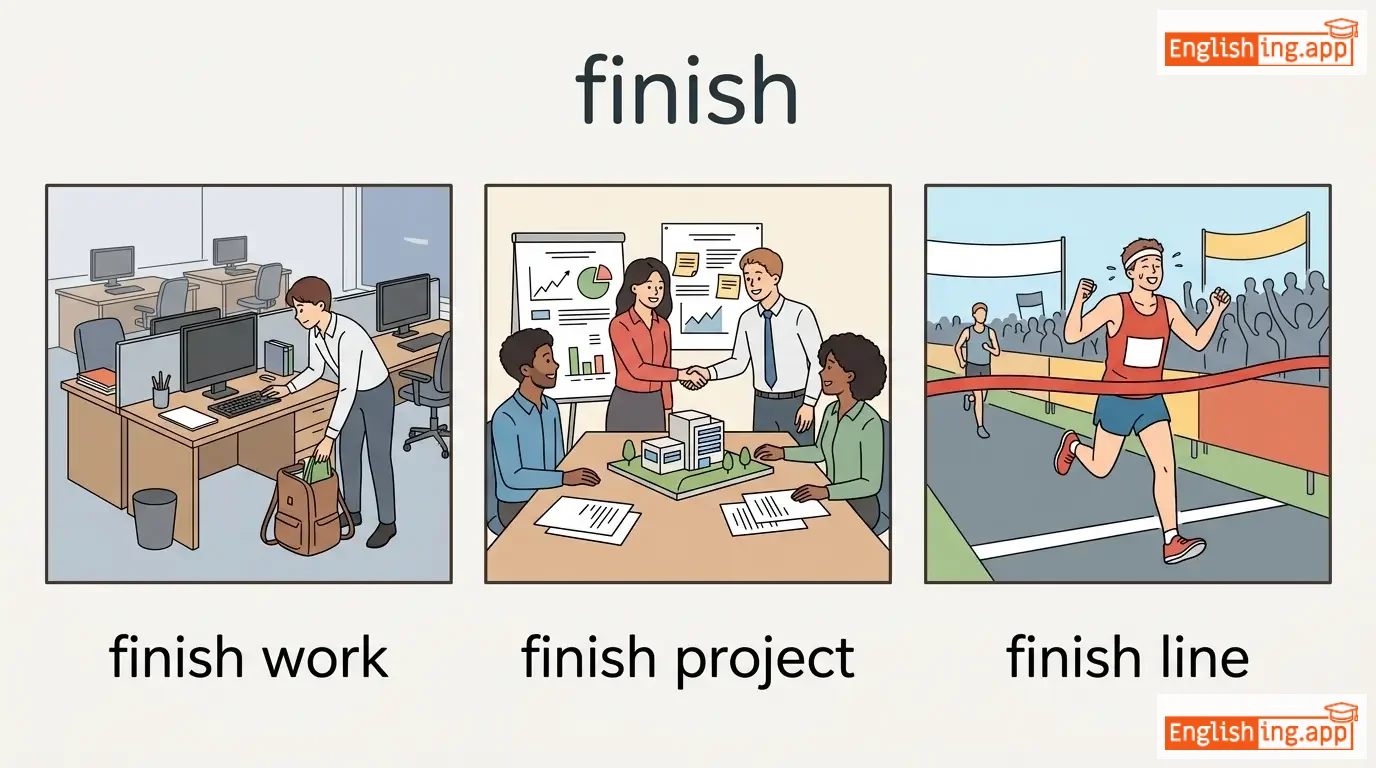
finish work, finish homework, finish eating, finish reading, finish quickly
••••••
|
No •••••• |
|
#484
✊
|
/dɪˈfaɪ/
verb
(dɪˈfaɪ)
••••••
|
|
反抗
fǎnkàng
••••••
|
defied
dɪˈfaɪd
••••••
|
defied
dɪˈfaɪd
••••••
|
defies
dɪˈfaɪz
••••••
|
defying
dɪˈfaɪɪŋ
••••••
|
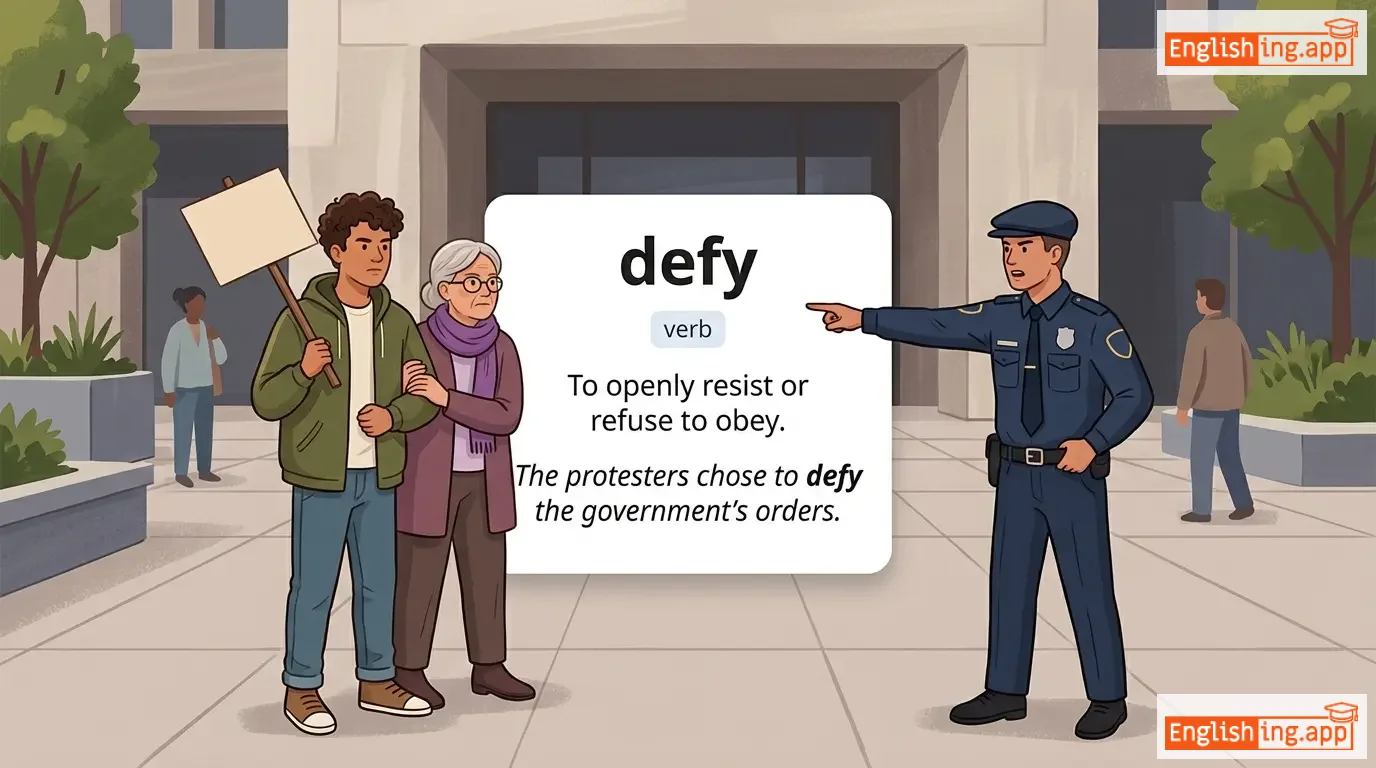
to openly resist or refuse to obey someone or something; to challenge or dare someone to do something
••••••
|
The protesters continued to defy the government's ban on public gatherings.
ðə proʊtɛstərз kənˈtɪnjud tʊ dɪˈfaɪ ðə ˈɡʌvərnmənts bæn ɒn pʌblɪk ˈɡæðərɪŋz
••••••
|
抗议者继续挑战政府对公共集会的禁令。
Kàngyì zhě jìxù tiǎozhàn zhèngfǔ duì gōnggòng jíhuì de jìnlìng.
••••••
|
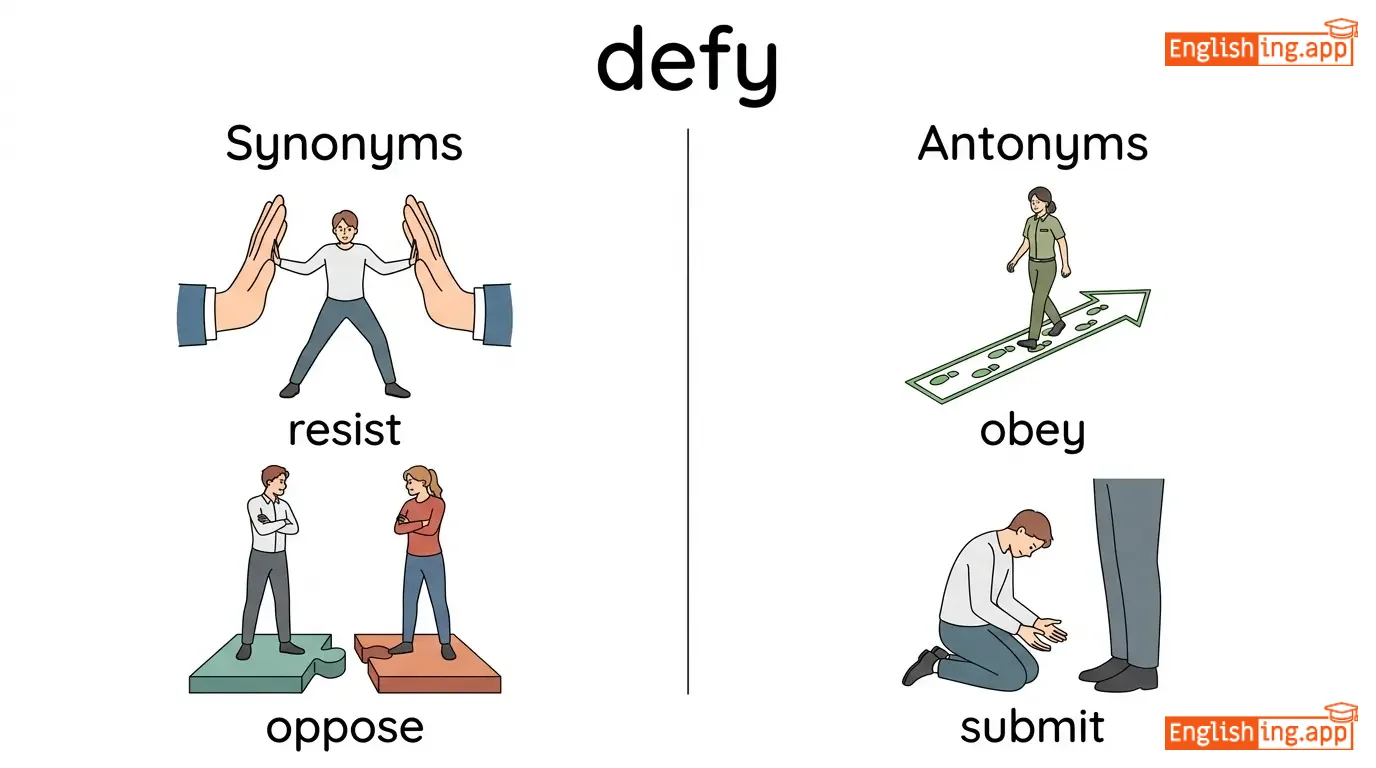
resist, oppose, challenge, disobey
••••••
|
obey, comply, submit, surrender
••••••
|
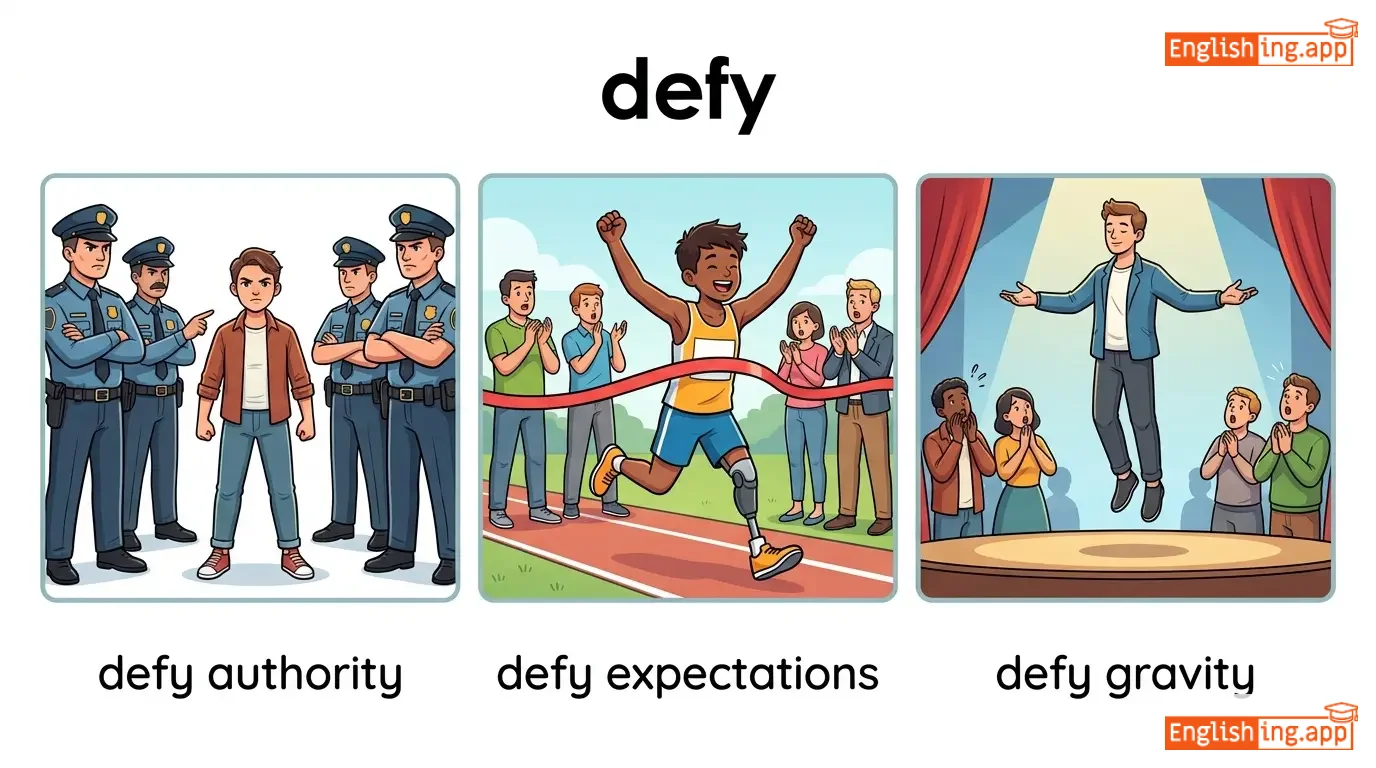
defy authority, defy orders, defy expectations, defy gravity, defy logic
••••••
|
No •••••• |
|
#485
🚪
|
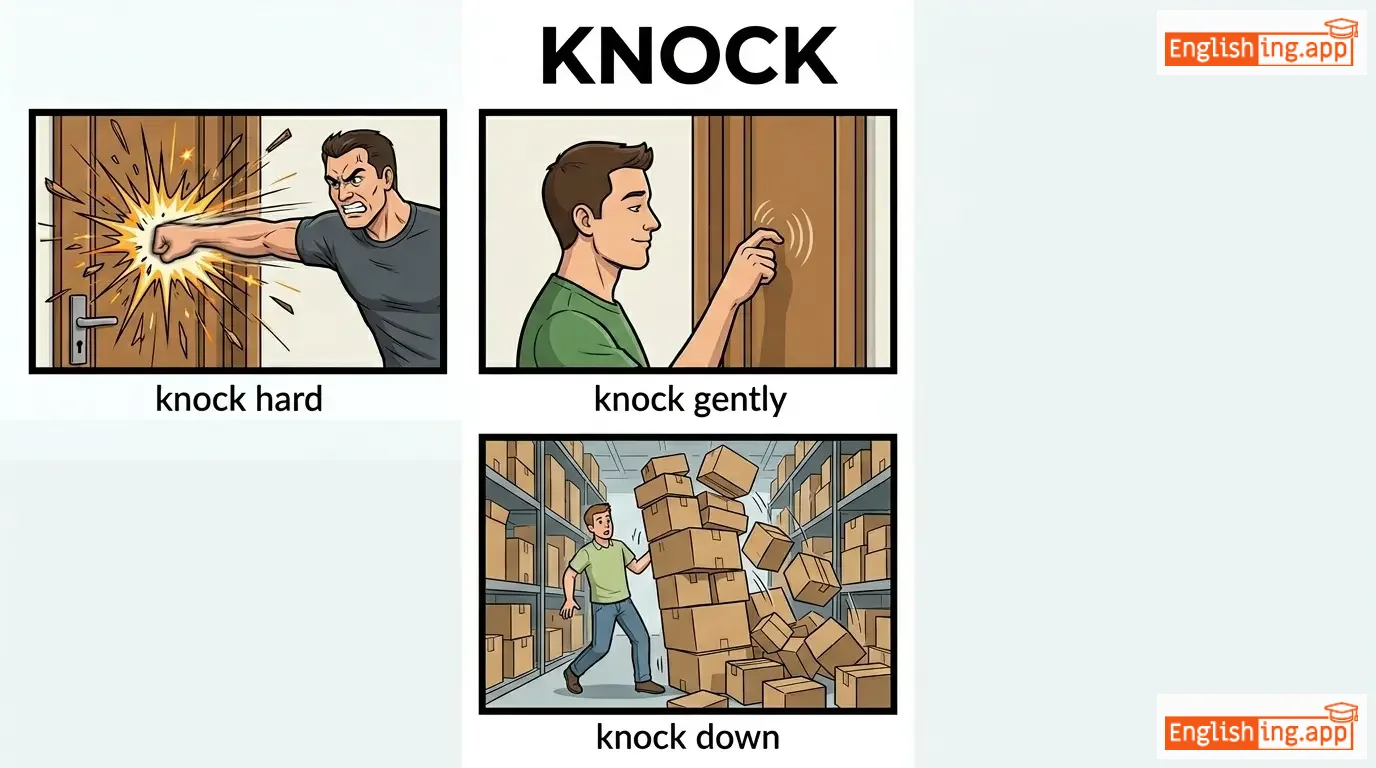
/nɒk/
verb
(nòk)
••••••
|
|
敲打
qiāo dǎ
••••••
|
knocked
nòk dé
••••••
|
knocked
nòk dé
••••••
|
knocks
nòk sī
••••••
|
knocking
nòk ing
••••••
|
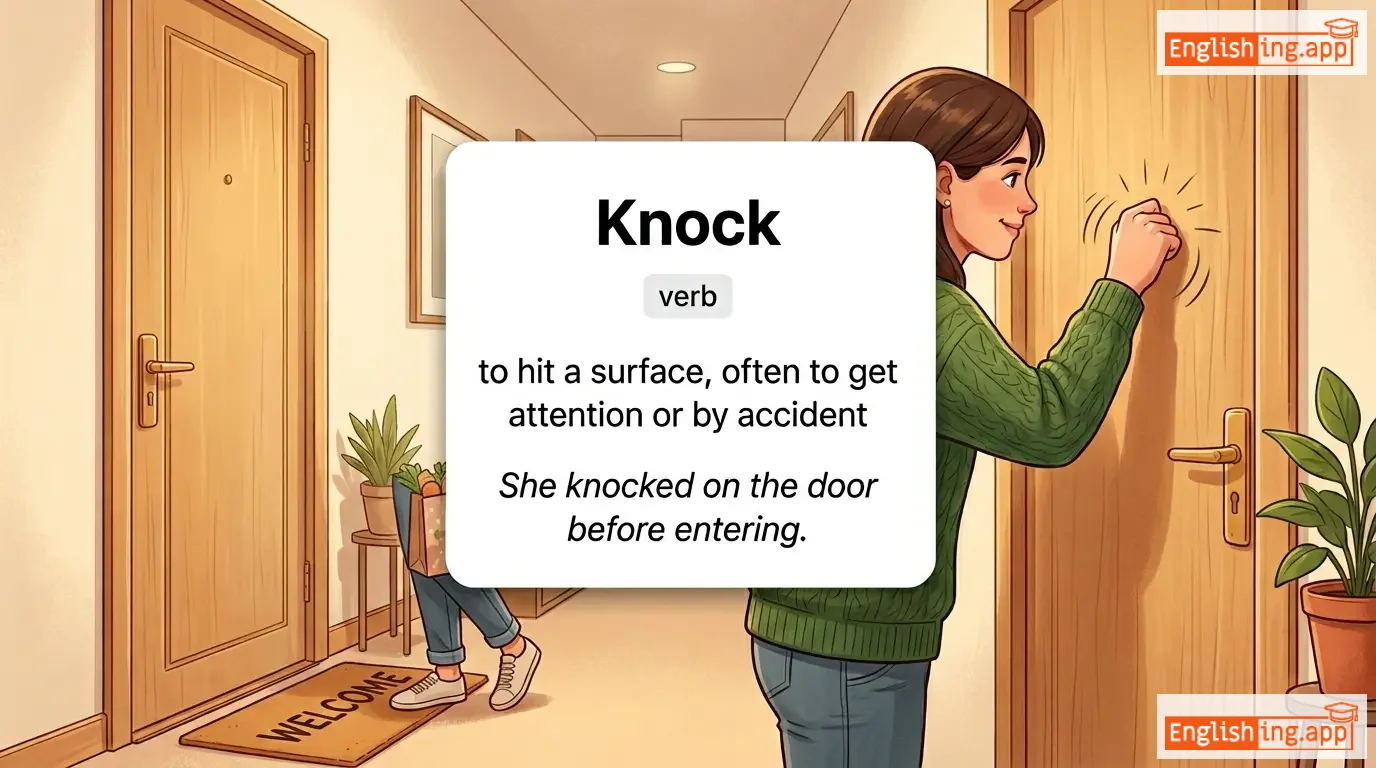
to tap or hit; to strike a surface to make a sound
••••••
|
Someone is knocking at the door.
有人在敲门。
••••••
|
有人在敲门。
Yǒurén zài qiāo mén.
••••••
|
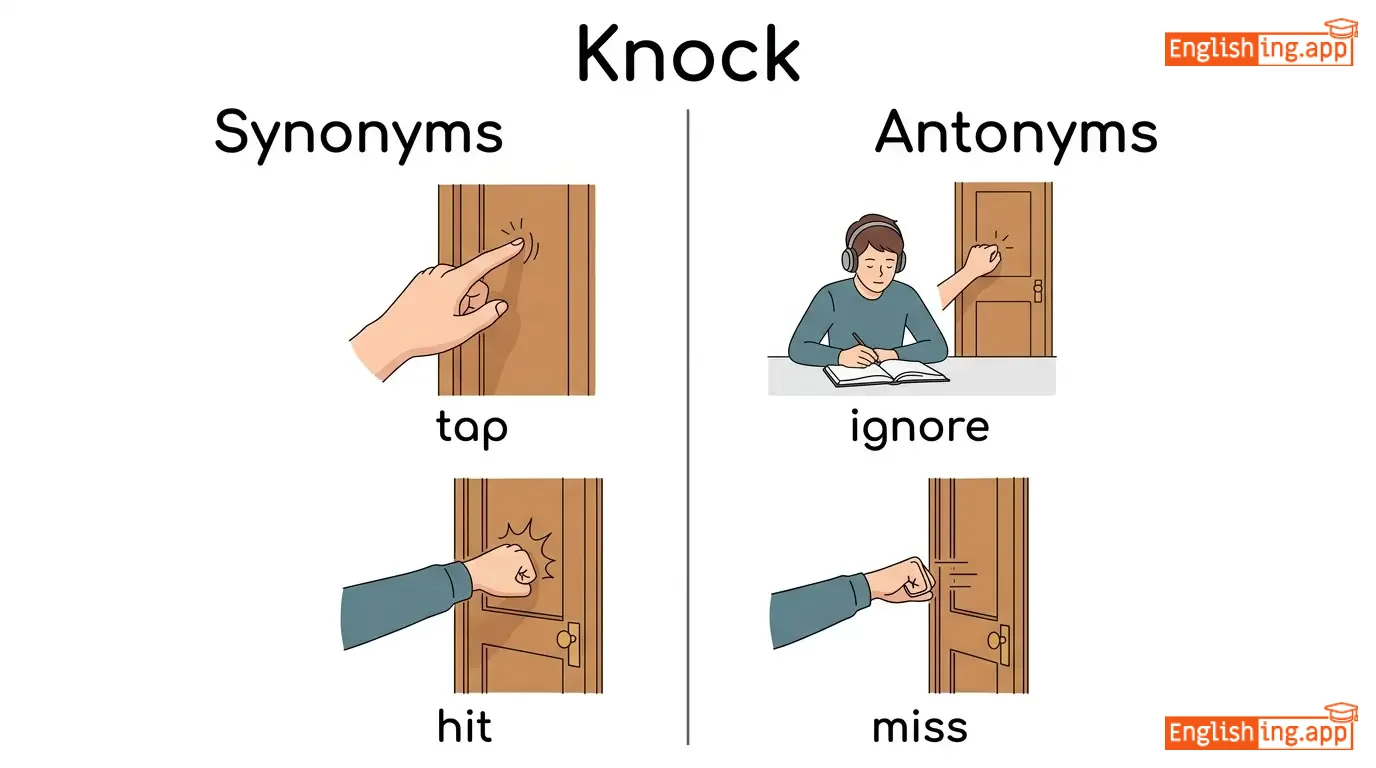
tap, rap, bang, strike
••••••
|
silence, quiet, stillness
••••••
|
knock on door, knock loudly, knock gently, knock down, knock over
••••••
|
No •••••• |
|
#486
❔
|
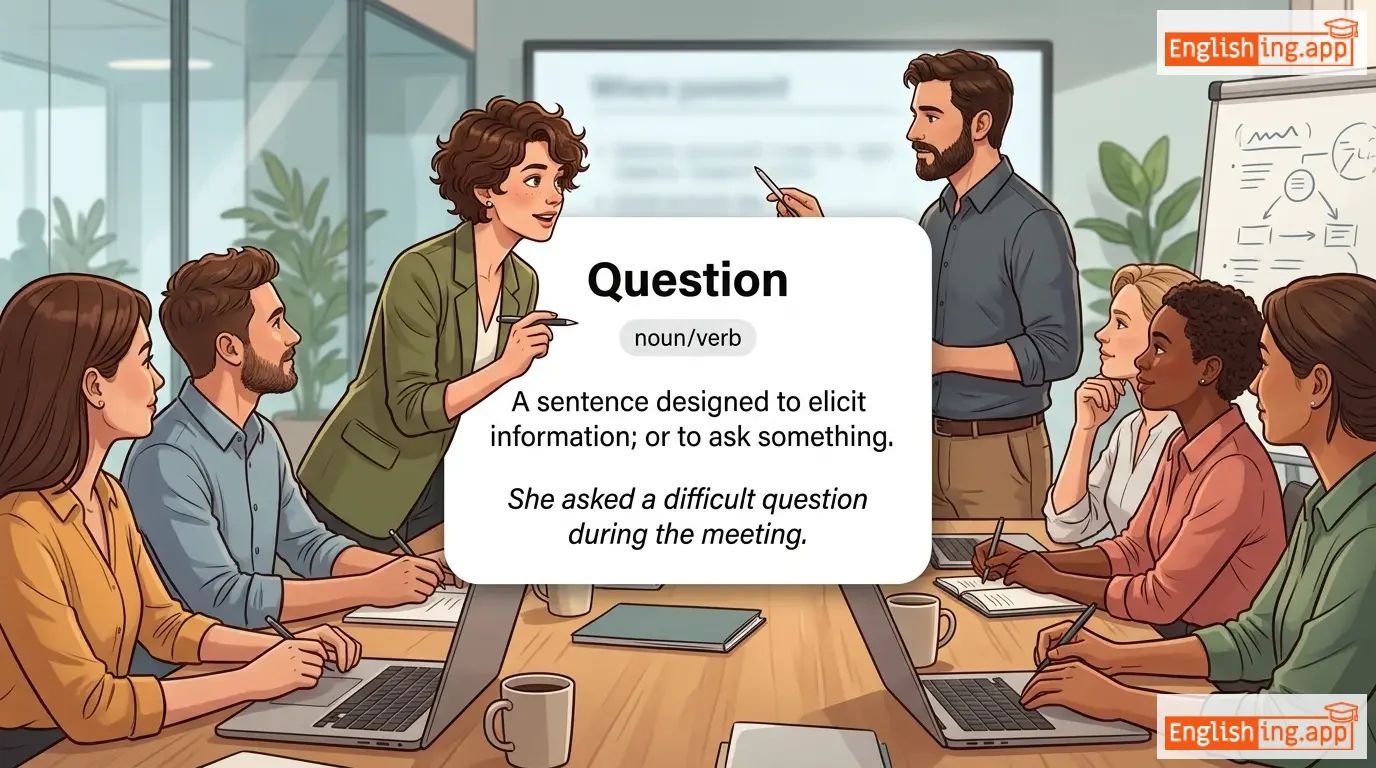
/ˈkwestʃən/
verb
(kwéshēn)
••••••
|
|
询问
xúnwèn
••••••
|
questioned
kwéshēnd
••••••
|
questioned
kwéshēnd
••••••
|
questions
kwéshēns
••••••
|
questioning
kwéshēnɪng
••••••
|
to ask someone about something; to doubt or challenge
••••••
|
The police will question the witness about the incident.
警察将询问证人关于事件的情况。
••••••
|
警察将询问证人关于事件的情况。
Jǐngchá jiāng xúnwèn zhèngrén guānyú shìjiàn de qíngkuàng.
••••••
|
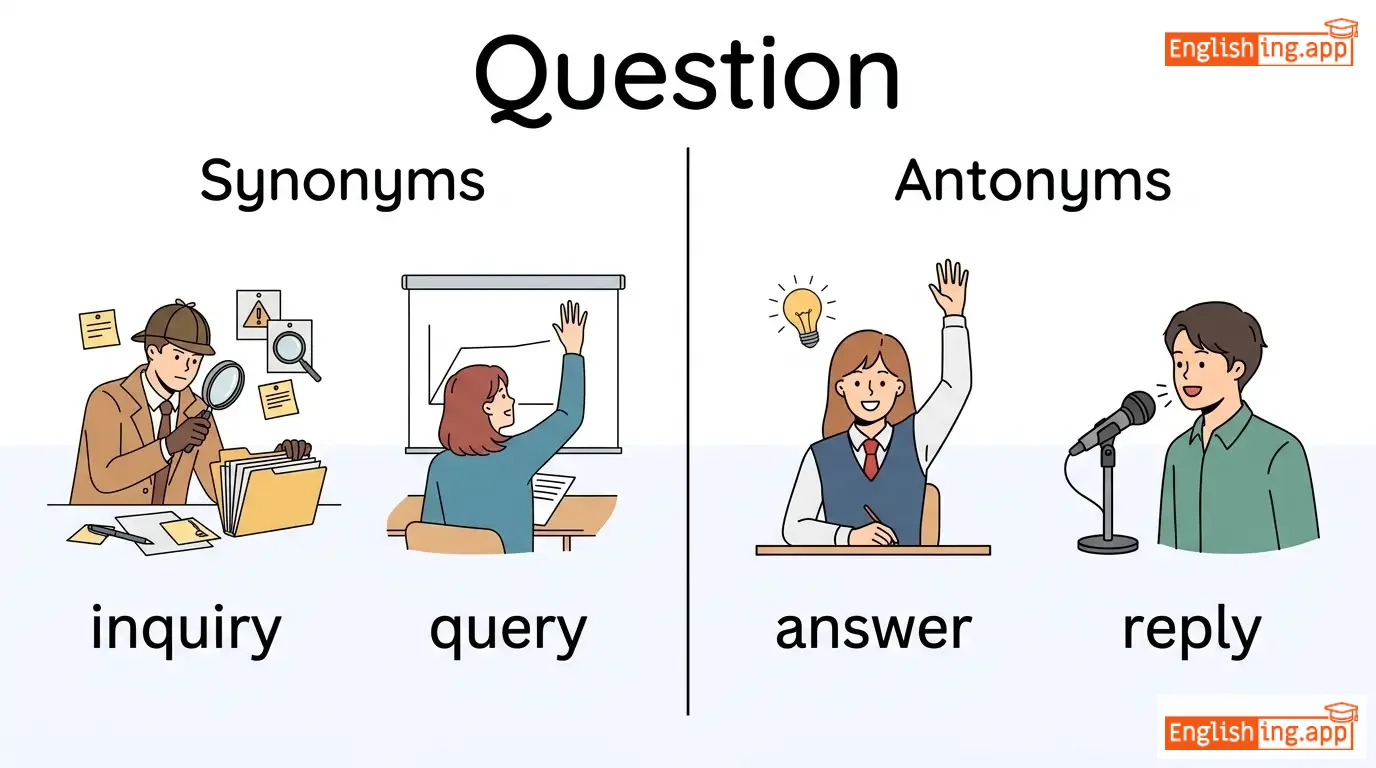
ask, interrogate, inquire, challenge
••••••
|
answer, reply, accept
••••••
|
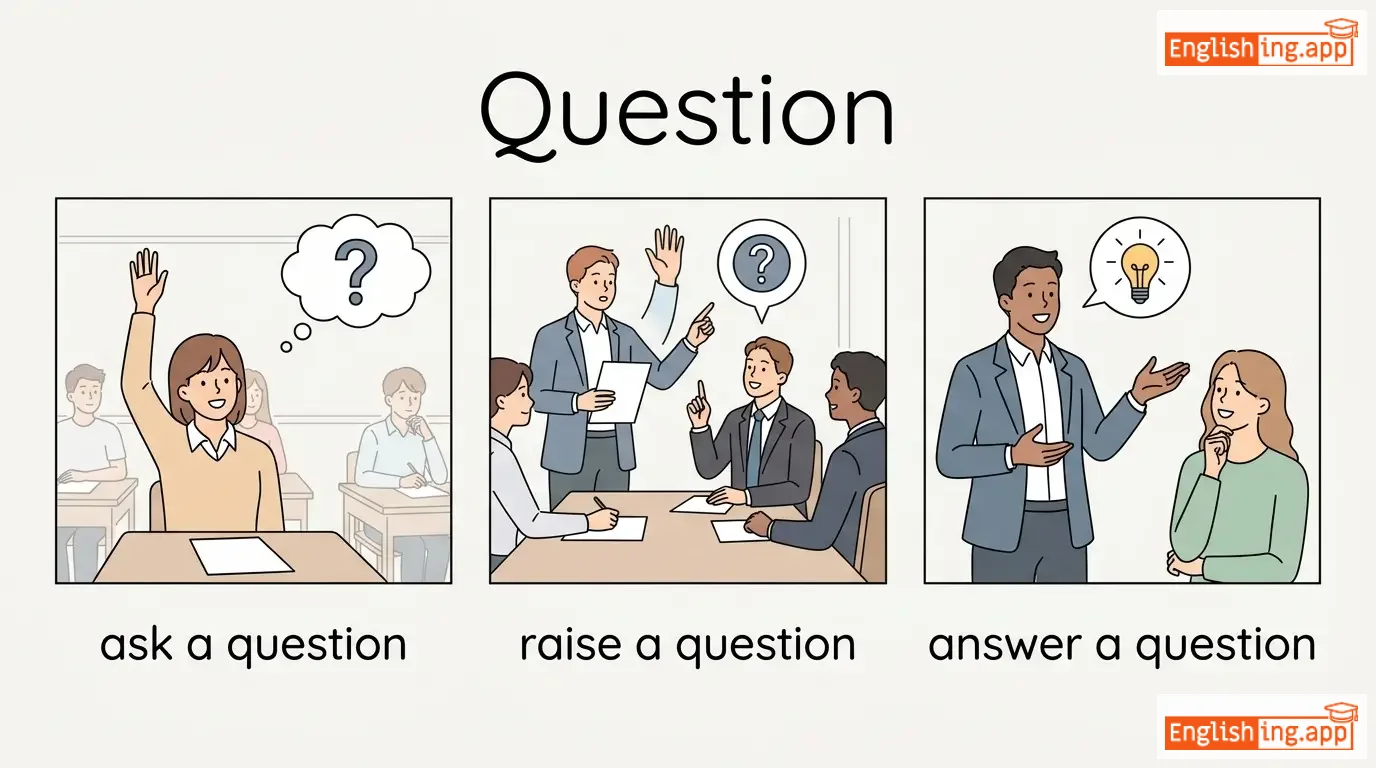
question authority, question motives, question decisions, question witnesses, question validity
••••••
|
询问证人是警方的责任。
••••••
|
|
#487
🔀
|
/daɪˈvɜːrdʒ/
verb
(daɪˈvɜːrdʒ)
••••••
|
|
分歧
fenqi
••••••
|
diverged
分歧
••••••
|
diverged
分歧
••••••
|
diverges
分歧
••••••
|
diverging
分歧
••••••
|
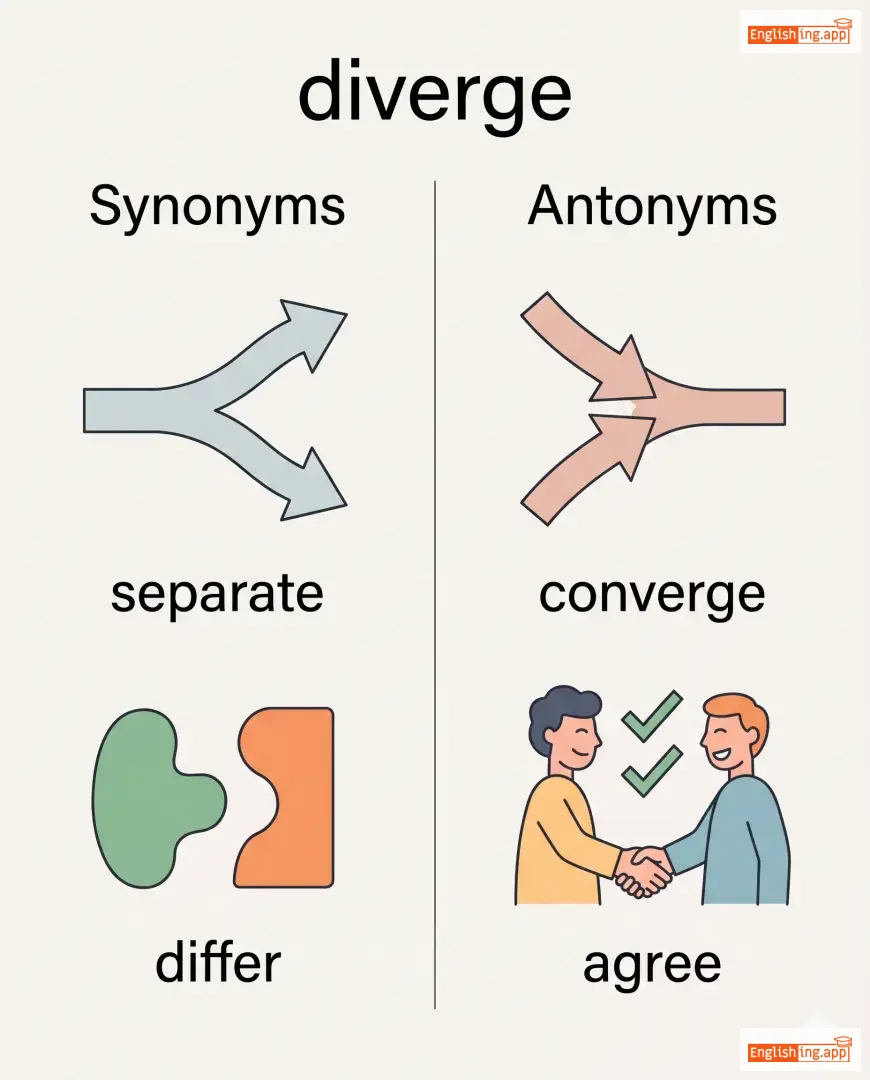
to separate and go in different directions; to differ
••••••
|
The two paths diverge at the fork in the road.
这两条路在路口分开。
••••••
|
这两条路在路口分开。
Zhe liang tiao lu zai lukou fenkai.
••••••
|
separate, branch, split, deviate
••••••
|
converge, meet, unite, merge
••••••
|
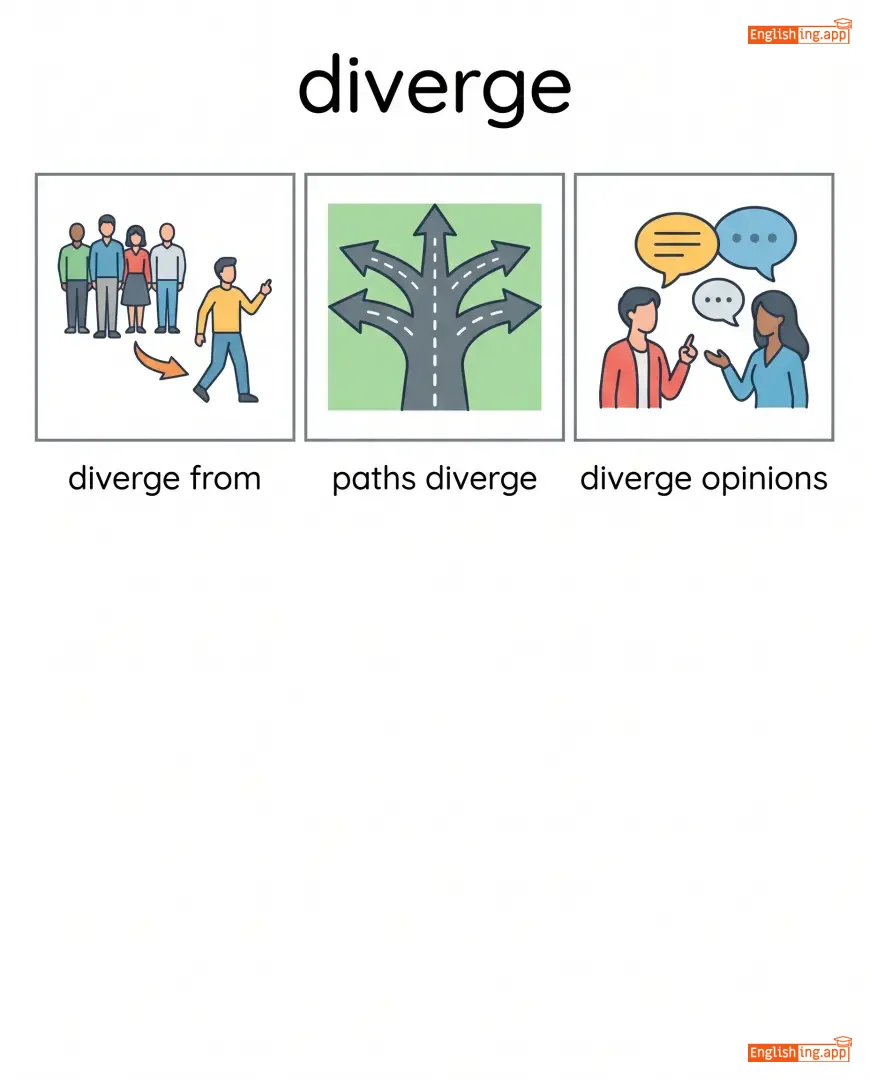
diverge from path, diverge opinions, diverge sharply, diverge widely, diverge significantly
••••••
|
Fenqi代表分开,正如道路在交叉口分开一样。
••••••
|
|
#488
🚚
|
/muːv/
verb
(mǔv)
••••••
|
|
移动
yídòng
••••••
|
moved
mùvd
••••••
|
moved
mùvd
••••••
|
moves
mùvs
••••••
|
moving
mùvīng
••••••
|
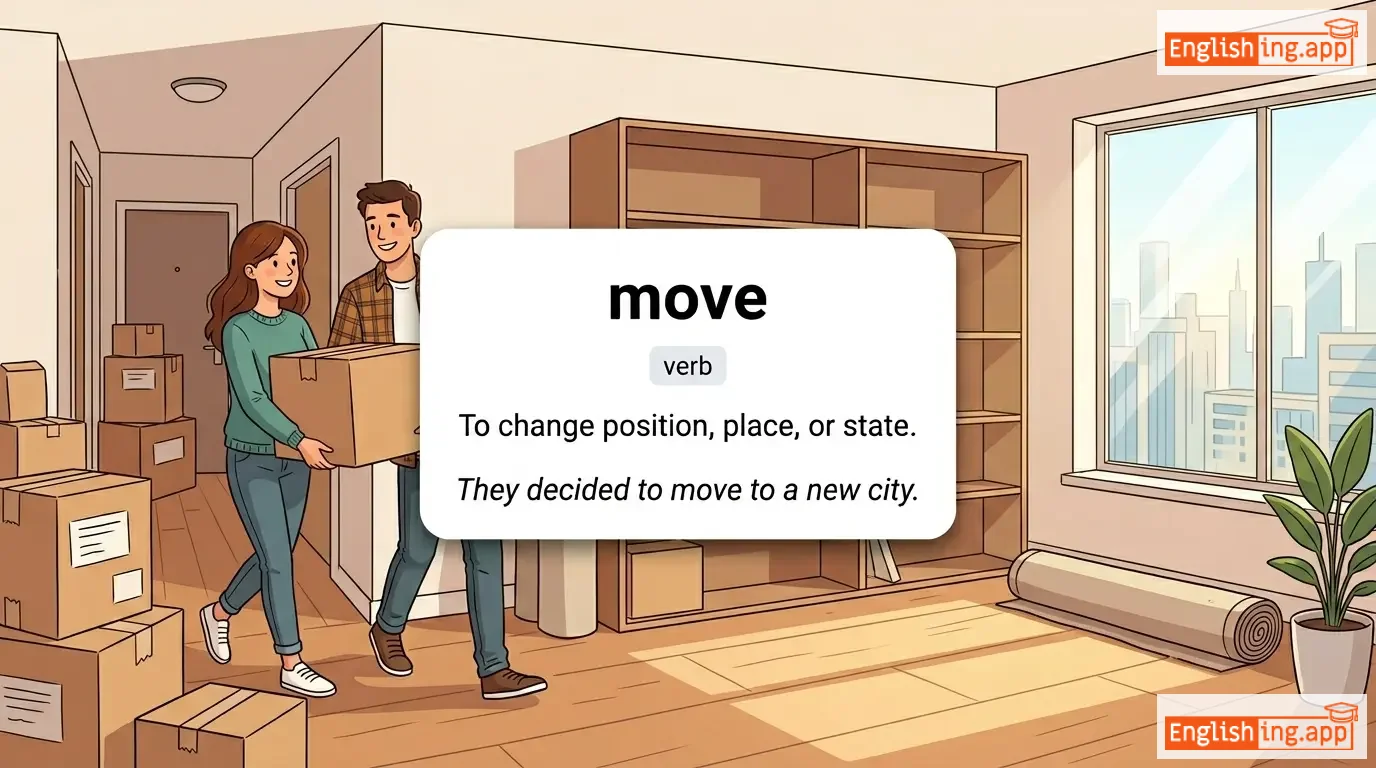
to change position; to go from one place to another; to relocate
••••••
|
They decided to move to a bigger house.
他们决定搬到一个更大的房子。
••••••
|
他们决定搬到一个更大的房子。
Tāmen juédìng bān dào yīgè gèng dà de fángzi.
••••••
|
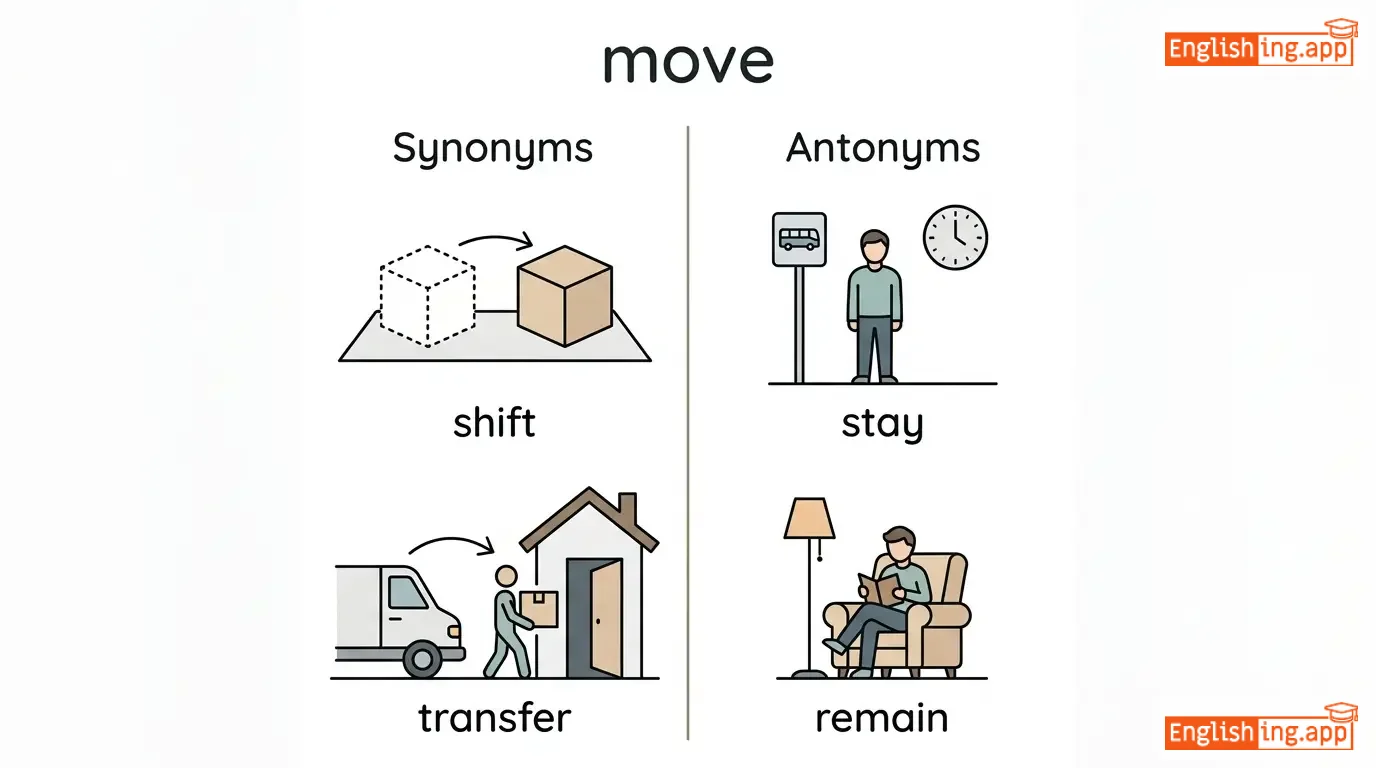
relocate, shift, transfer, go, travel
••••••
|
stay, remain, stop, settle
••••••
|
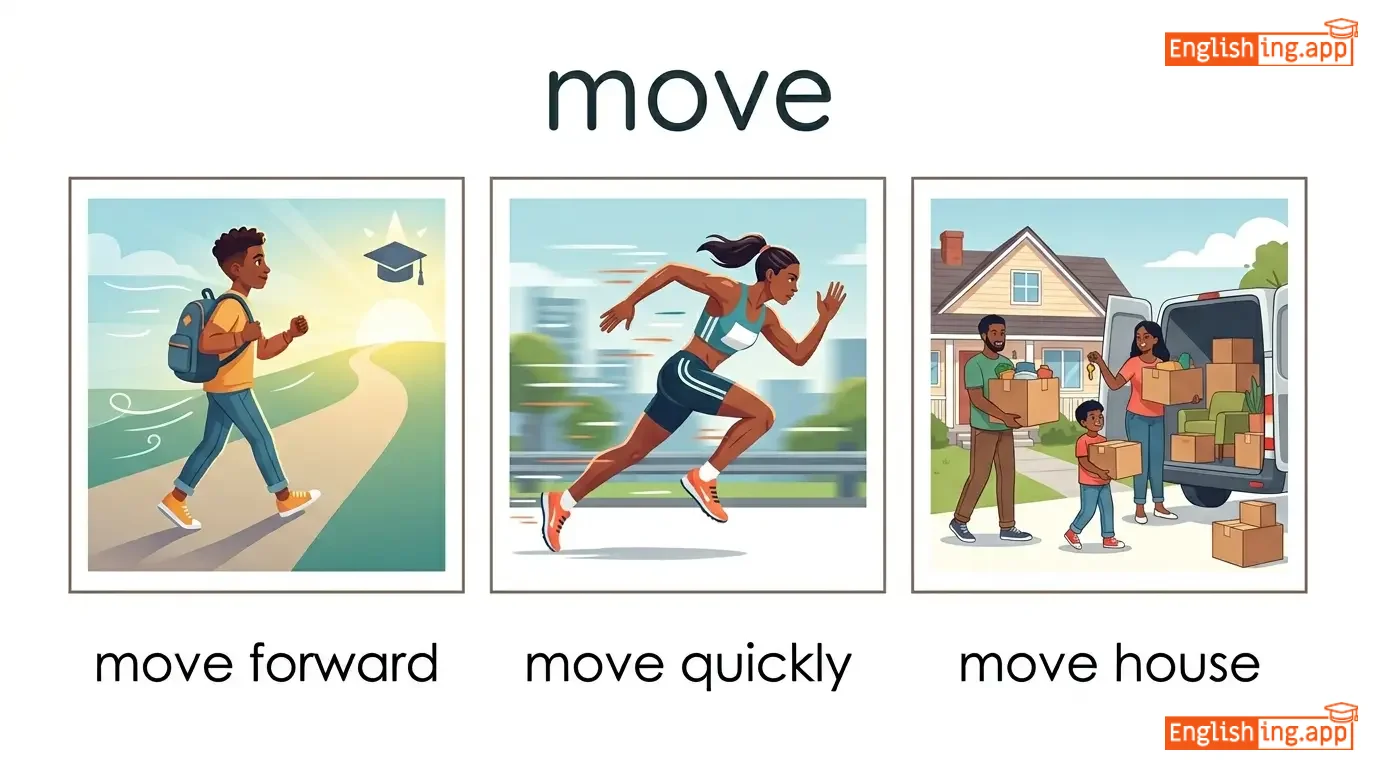
move house, move quickly, move slowly, move forward, move away
••••••
|
移动意味着从一个地方搬到另一个地方。
••••••
|
|
#489
🤲
|
/kənˈtrɪbjuːt/
verb
(kǎntríbùt)
••••••
|
|
贡献
gòngxiàn
••••••
|
contributed
cóngjù
••••••
|
contributed
cóngjù
••••••
|
contributes
cóngjù
••••••
|
contributing
zēngchū
••••••
|
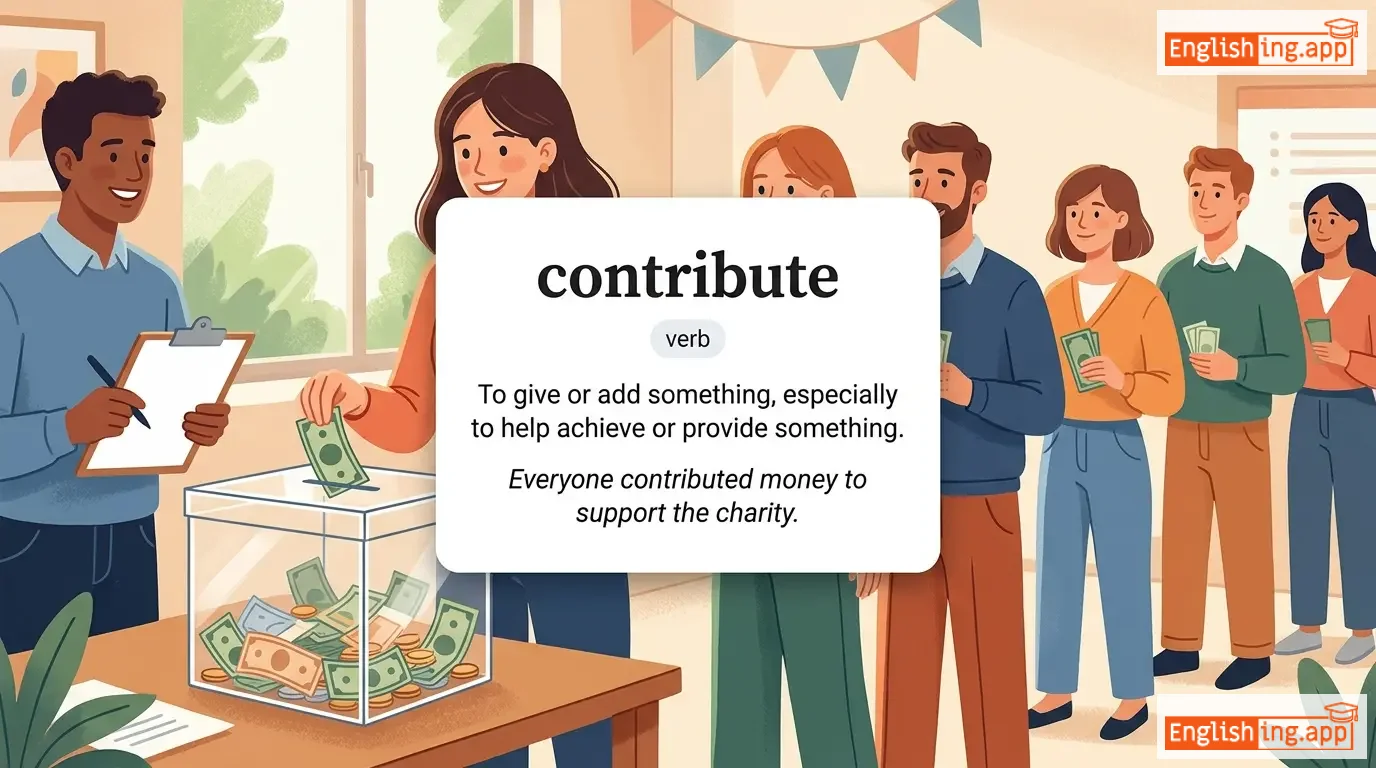
to give something, especially money, time, or effort, to help achieve or provide something
••••••
|
Everyone contributed money to buy a farewell gift for the teacher.
大家为买礼物给老师贡献了金钱。
••••••
|
大家为买礼物给老师贡献了金钱。
Dàjiā wèi mǎi lǐwù gěi lǎoshī gòngxiànle jīnqián.
••••••
|
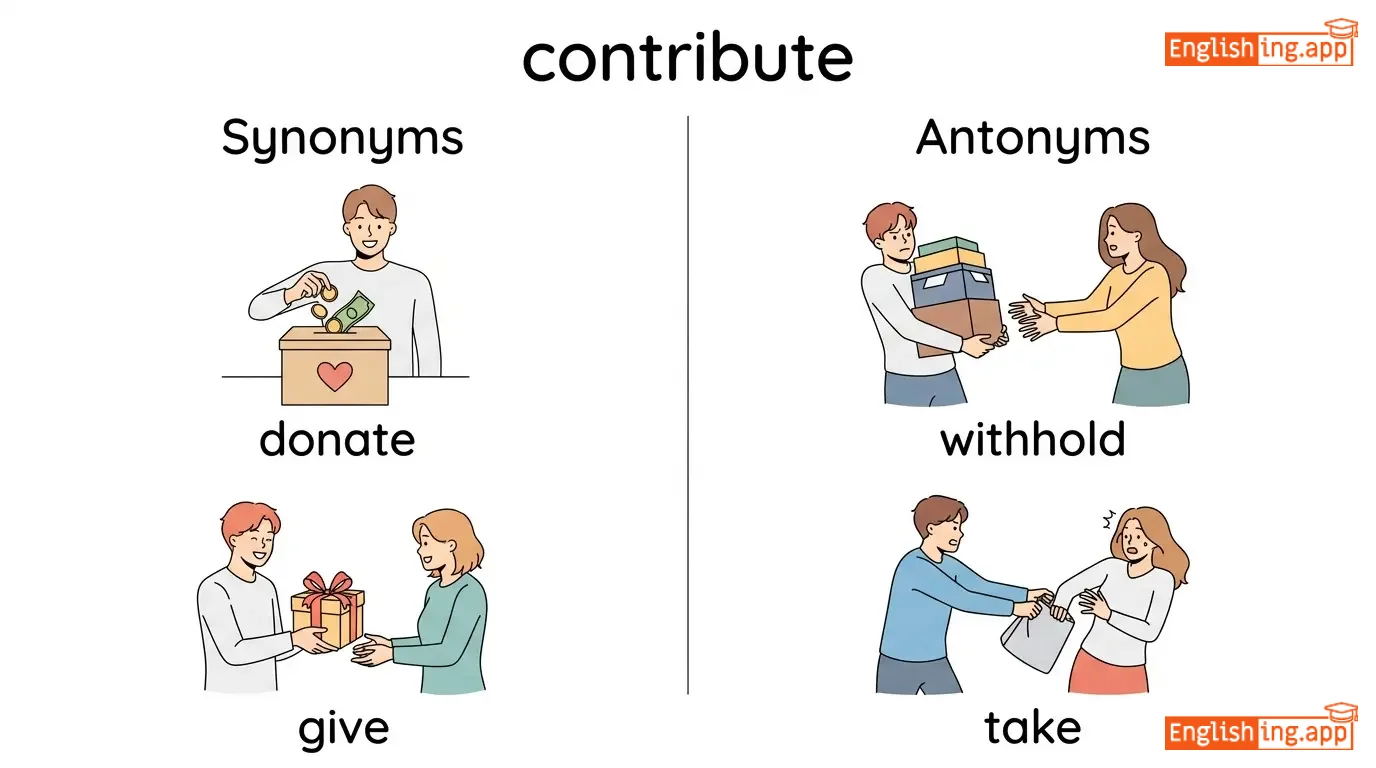
donate, give, provide, support
••••••
|
withhold, take, receive, withdraw
••••••
|
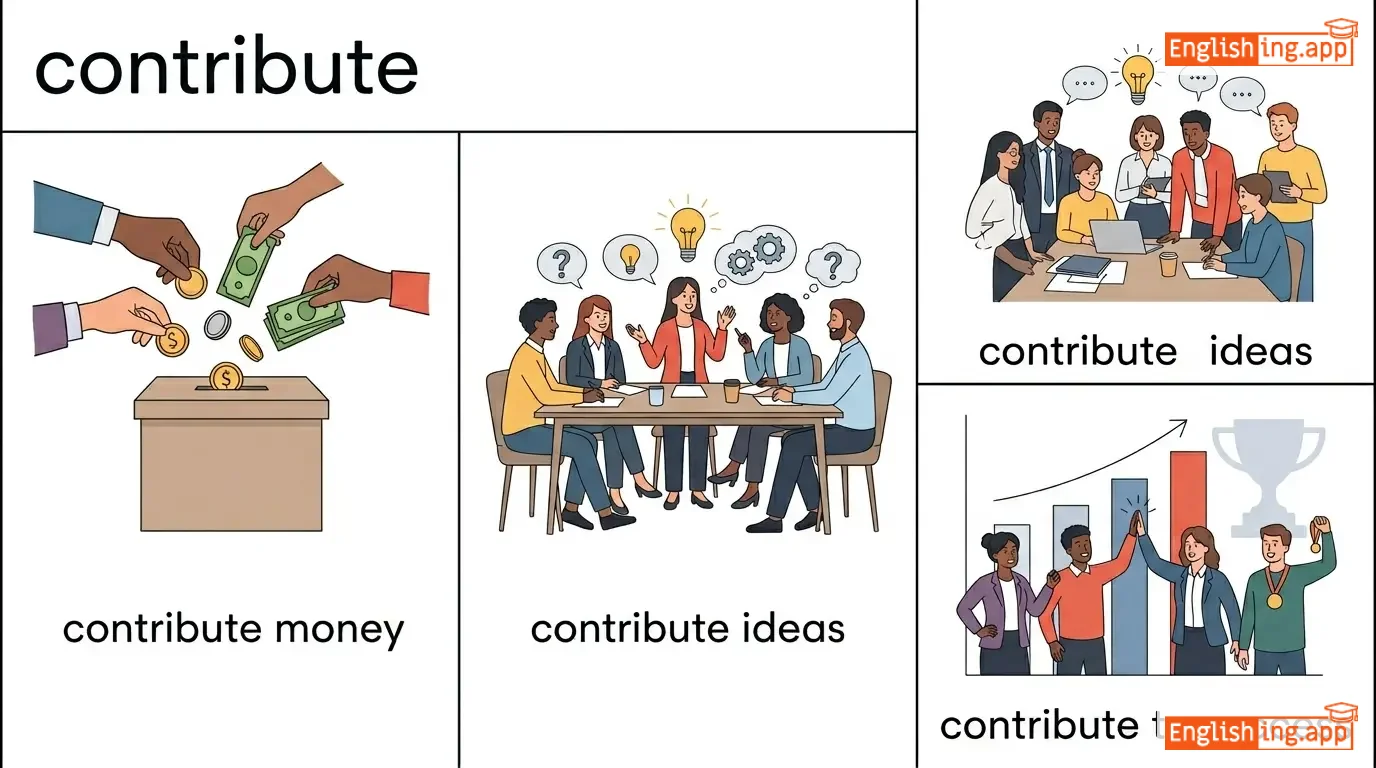
contribute money, contribute ideas, contribute time, contribute effort, contribute significantly
••••••
|
No •••••• |
|
#490
💪
|
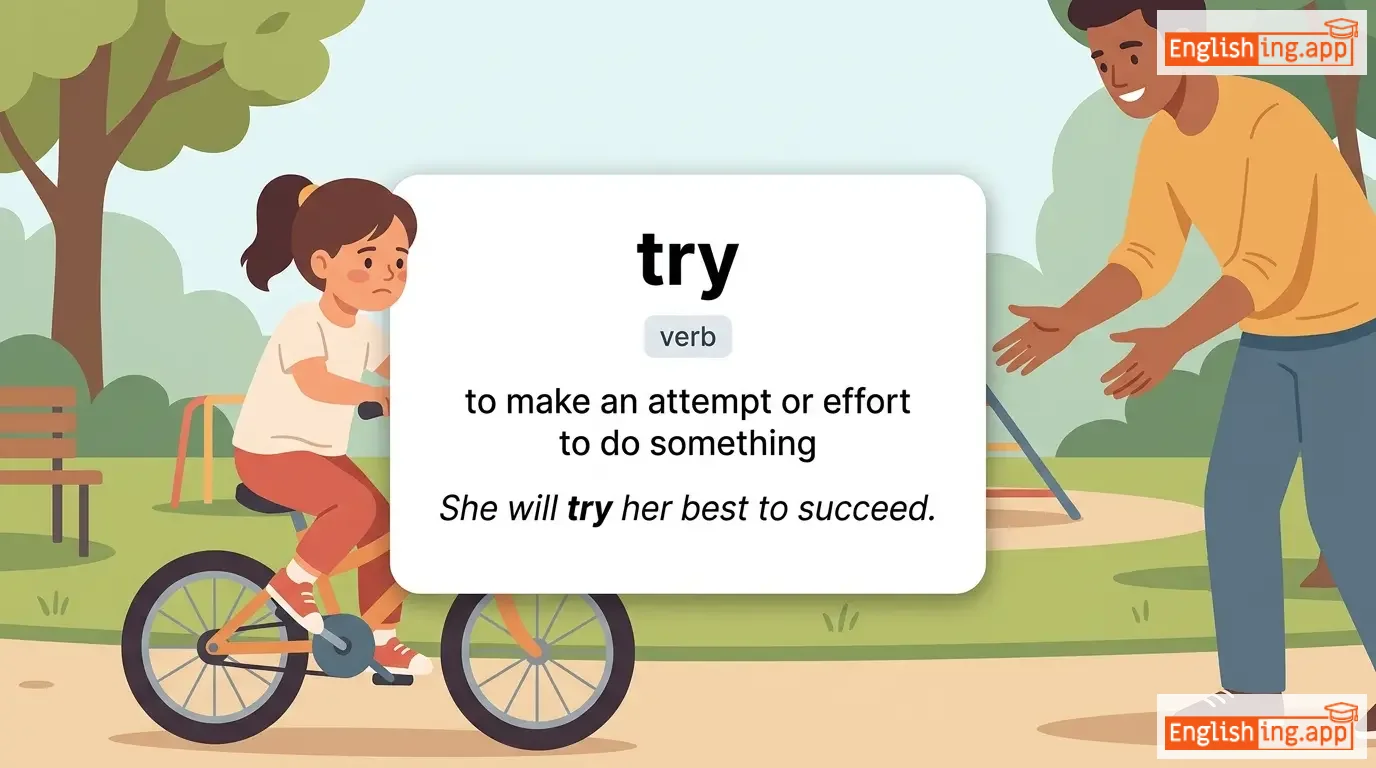
/traɪ/
verb
(chuān)
••••••
|
|
尝试
chángshì
••••••
|
tried
chuānd
••••••
|
tried
chuānd
••••••
|
tries
chuāis
••••••
|
trying
chuāing
••••••
|
to make an effort to do something; to attempt
••••••
|
I will try my best to help you.
我会尽力帮助你。
••••••
|
我会尽力帮助你。
Wǒ huì jìnlì bāngzhù nǐ.
••••••
|
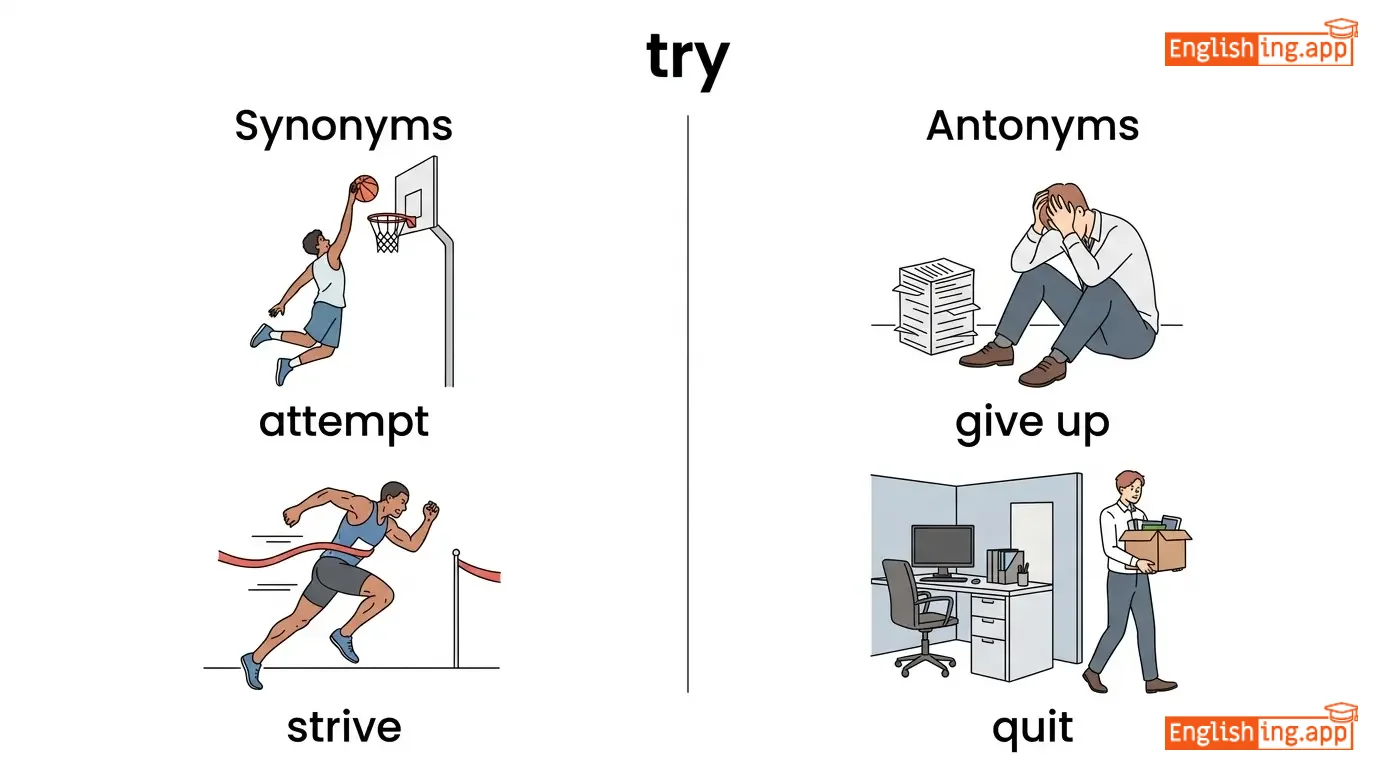
attempt, endeavor, strive, effort
••••••
|
quit, give up, abandon
••••••
|
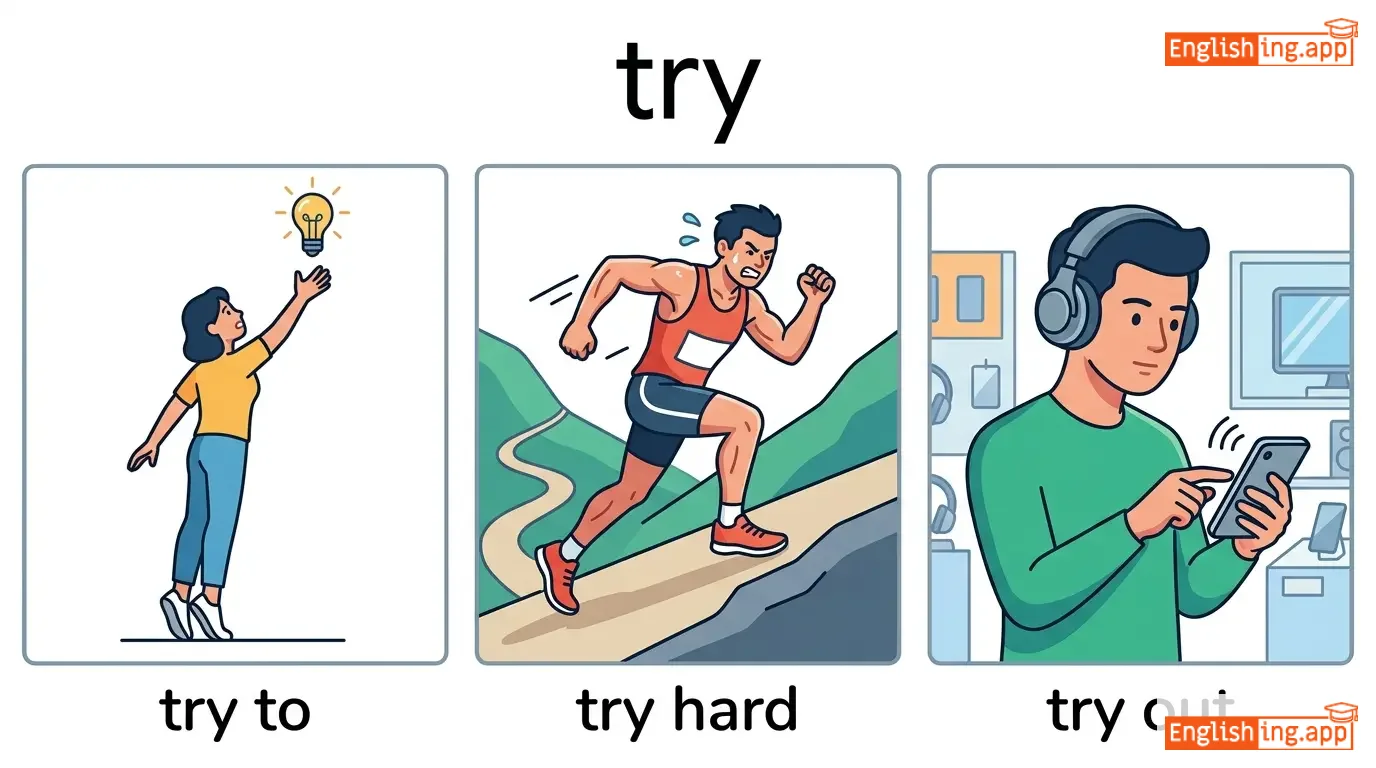
try hard, try again, try something, try best, try desperately
••••••
|
‘Try’ sounds like ‘Try to’ (尝试)!
••••••
|
|
#491
👍
|
/laɪk/
verb
(lài kè)
••••••
|
|
喜欢
xǐ huān
••••••
|
liked
lài kè d
••••••
|
liked
lài kè d
••••••
|
likes
lài kè s
••••••
|
liking
lài kè yīng
••••••
|
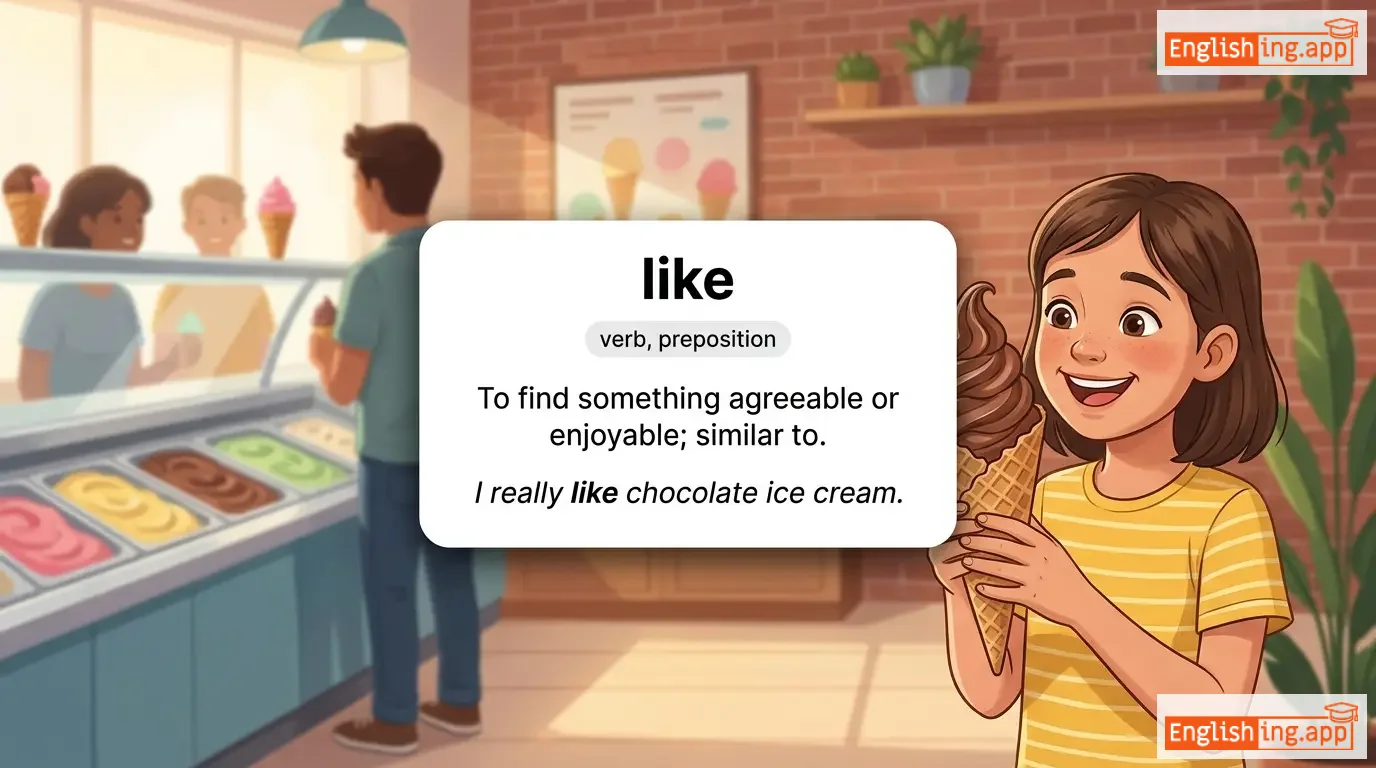
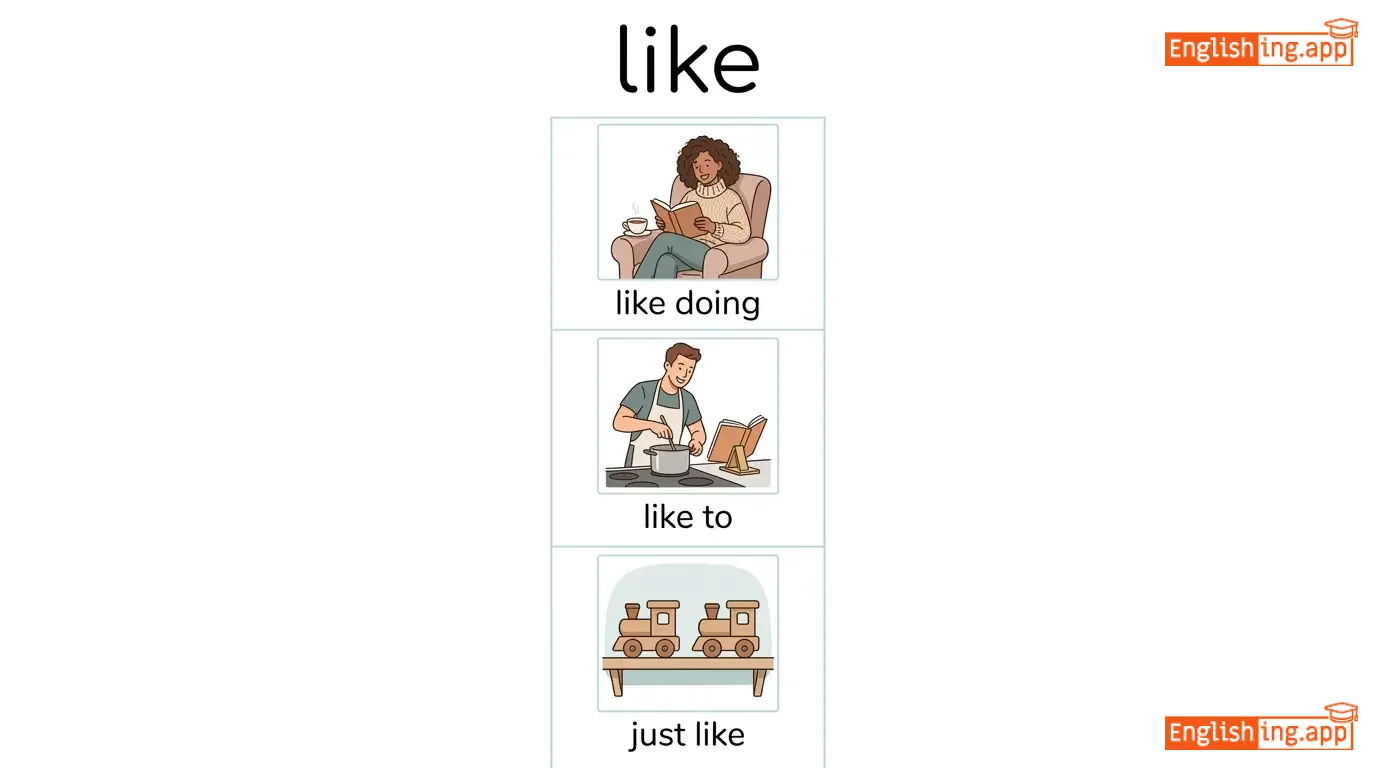
to enjoy or find something pleasant; to have a preference for
••••••
|
I like reading books in my free time.
我喜欢在空闲时间读书。
••••••
|
我喜欢在空闲时间读书。
Wǒ xǐ huān zài kòngxián shíjiān dúshū.
••••••
|
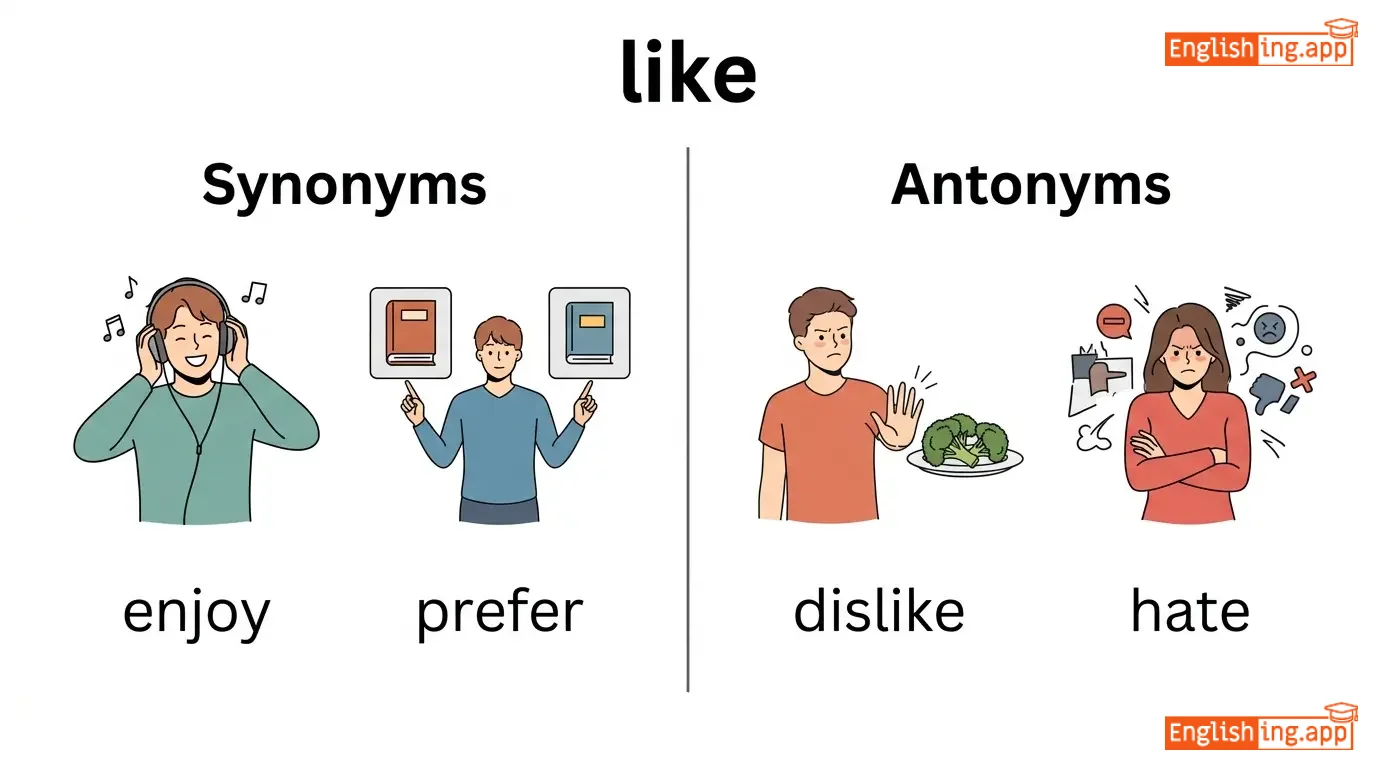
enjoy, love, prefer, fancy, appreciate
••••••
|
dislike, hate, detest, loathe
••••••
|
like music, like food, like people, like movies, like books
••••••
|
喜欢书籍是空闲时间的乐趣!
••••••
|
|
#492
🔥
|
/bɜːrn/
verb
(本)
••••••
|
|
燃烧
ranshao
••••••
|
burned
燃烧
••••••
|
burned
燃烧
••••••
|
burns
燃烧
••••••
|
burning
燃烧
••••••
|
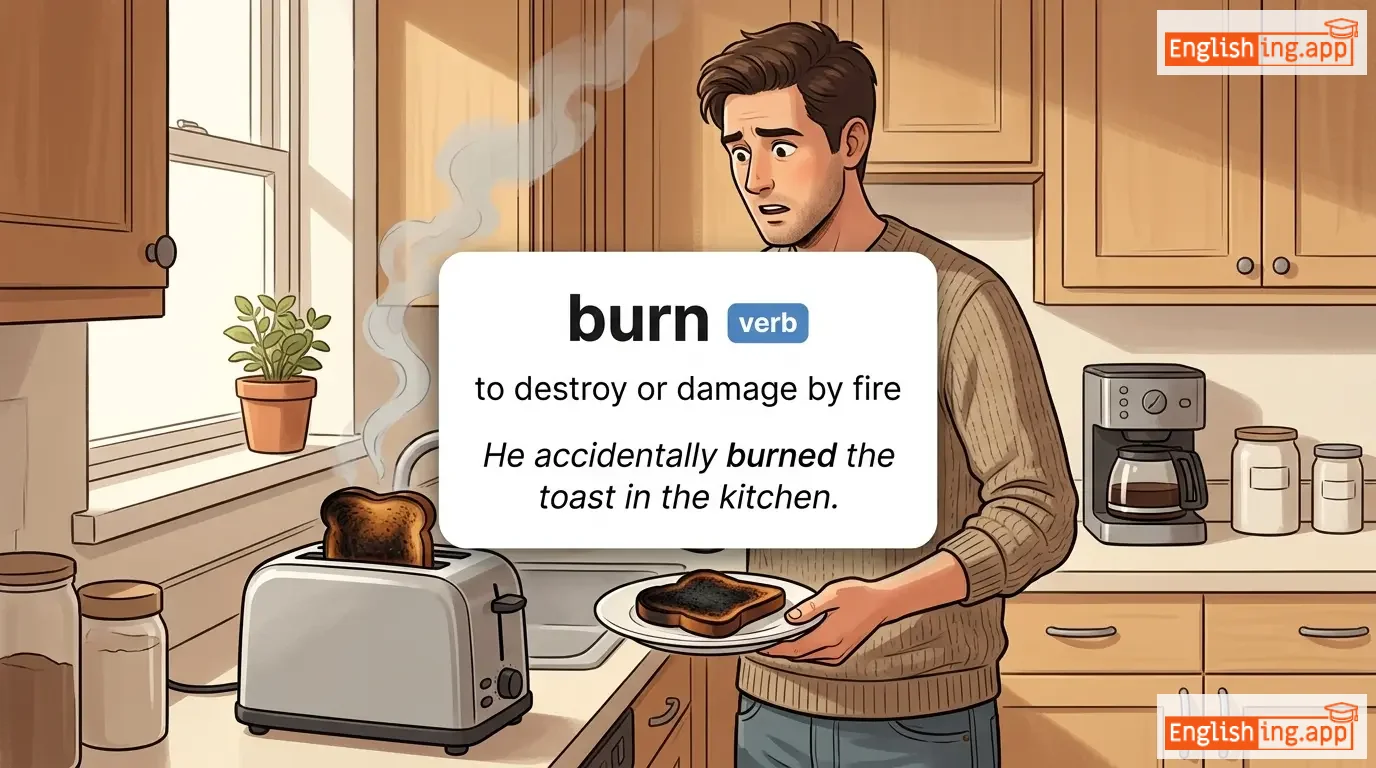
to be on fire; to damage with fire or heat
••••••
|
The candle will burn for several hours.
蜡烛将燃烧几个小时。
••••••
|
蜡烛将燃烧几个小时。
Lazhu jiang ranshao jige xiaoshi
••••••
|
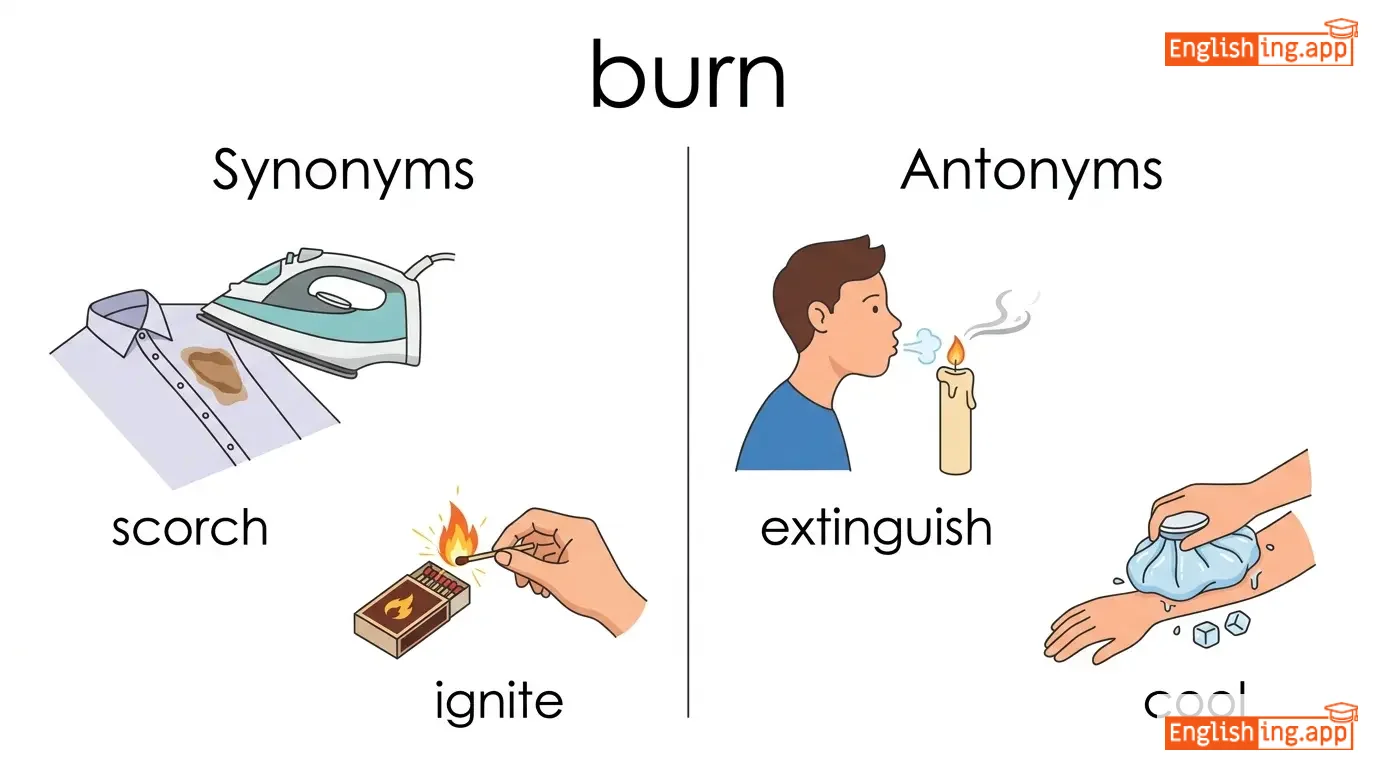
ignite, flame, scorch, char
••••••
|
extinguish, quench, put out
••••••
|
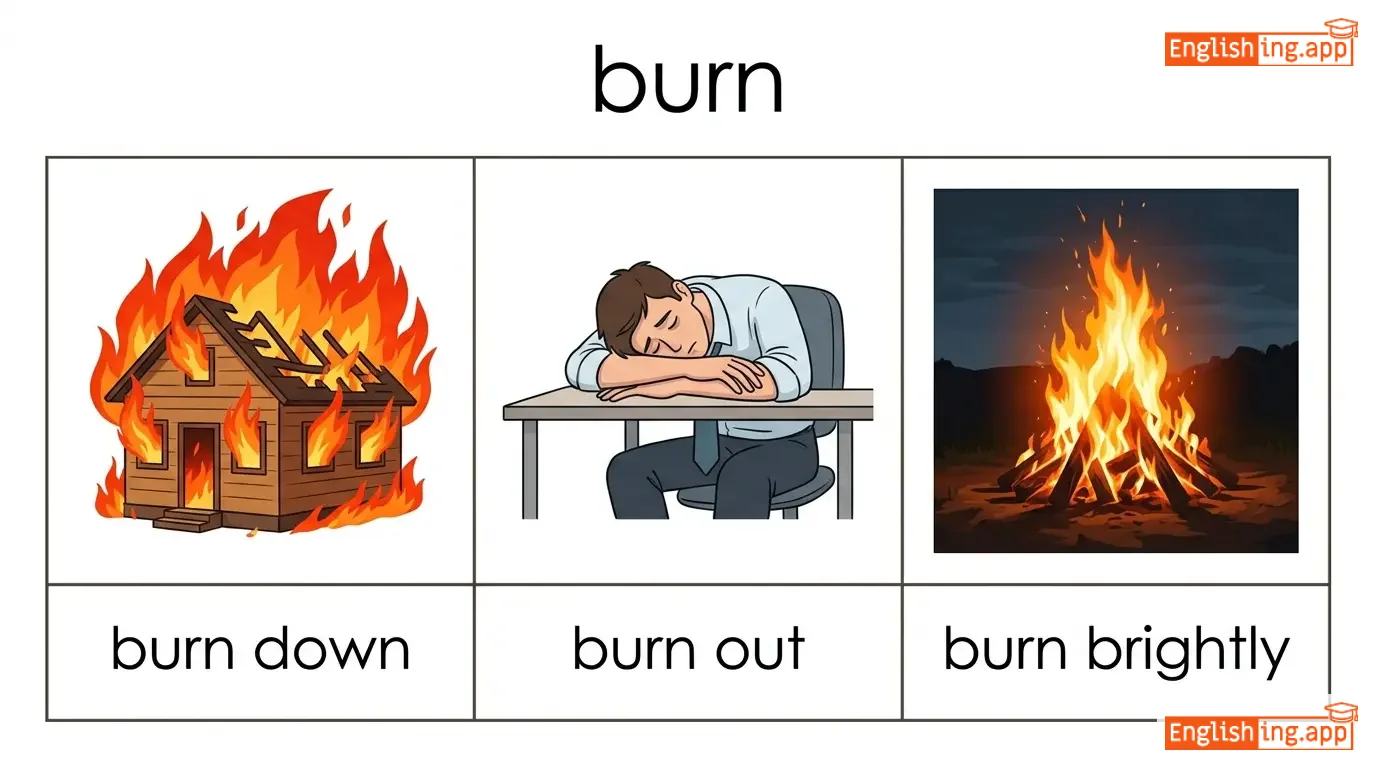
burn wood, burn calories, burn bright, burn down, burn out
••••••
|
No •••••• |
|
#493
🤔
|
/ɡes/
verb
(盖斯)
••••••
|
|
猜测
caice
••••••
|
guessed
盖斯德
••••••
|
guessed
盖斯德
••••••
|
guesses
盖赛斯
••••••
|
guessing
盖兴
••••••
|
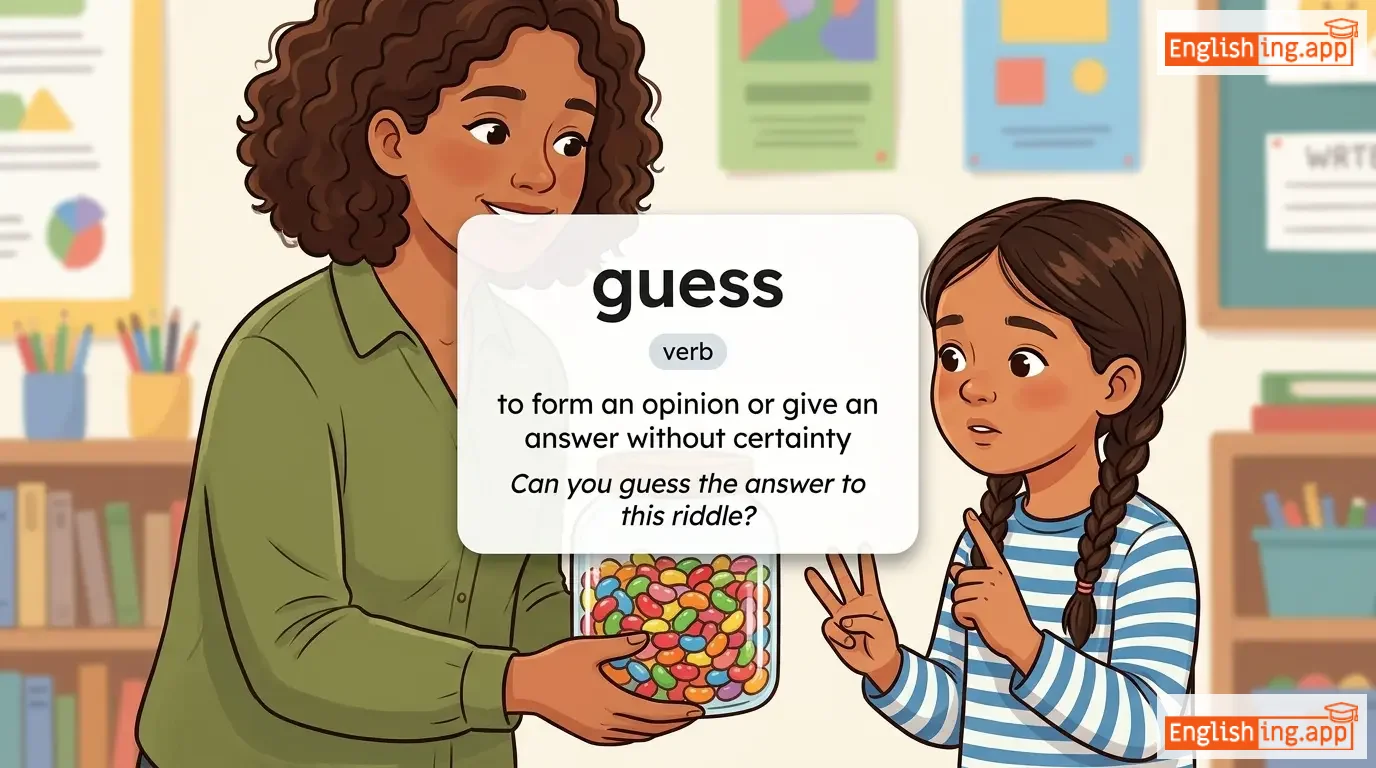
to give an answer or opinion without complete knowledge; to estimate
••••••
|
Can you guess the answer?
你能猜出答案吗?
••••••
|
你能猜出答案吗?
Ni neng cai chu da'an ma?
••••••
|
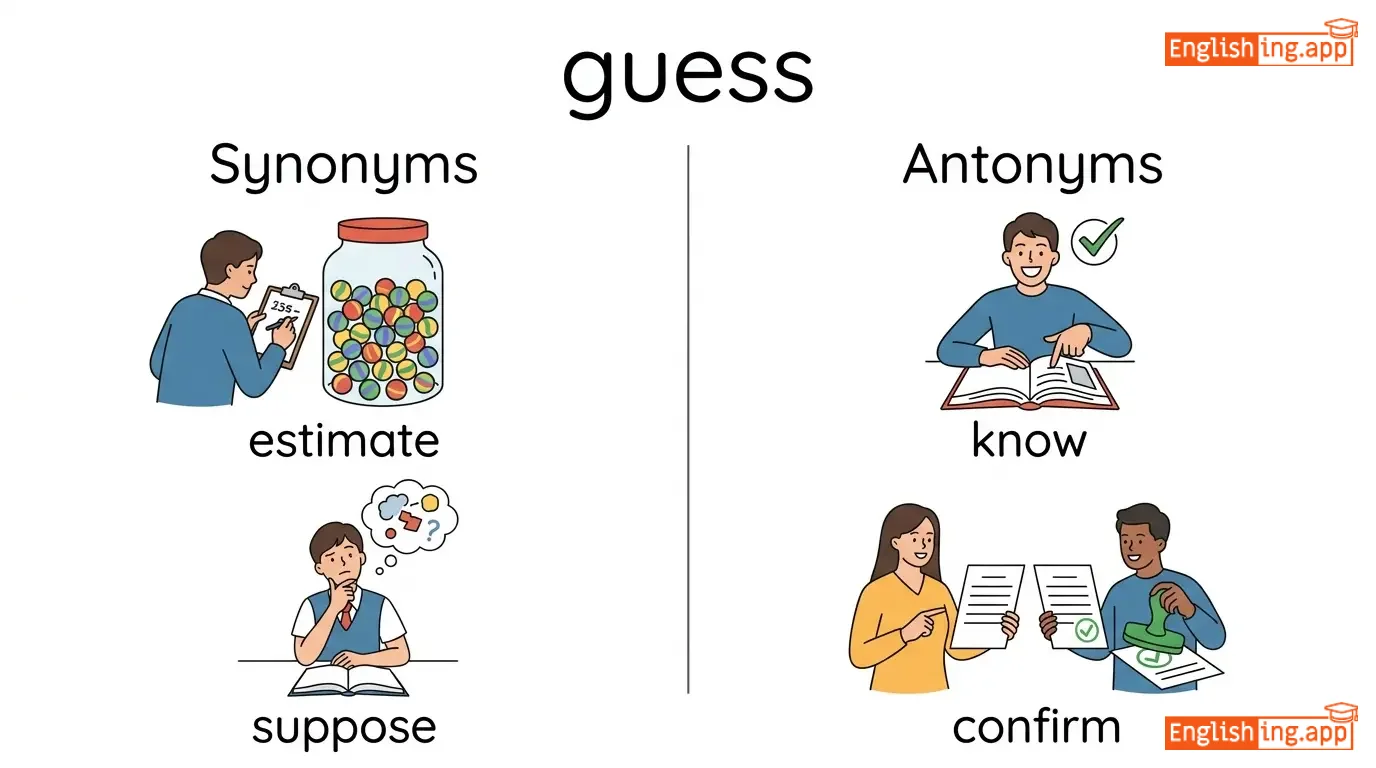
estimate, assume, suppose, predict
••••••
|
know, confirm, verify, prove
••••••
|
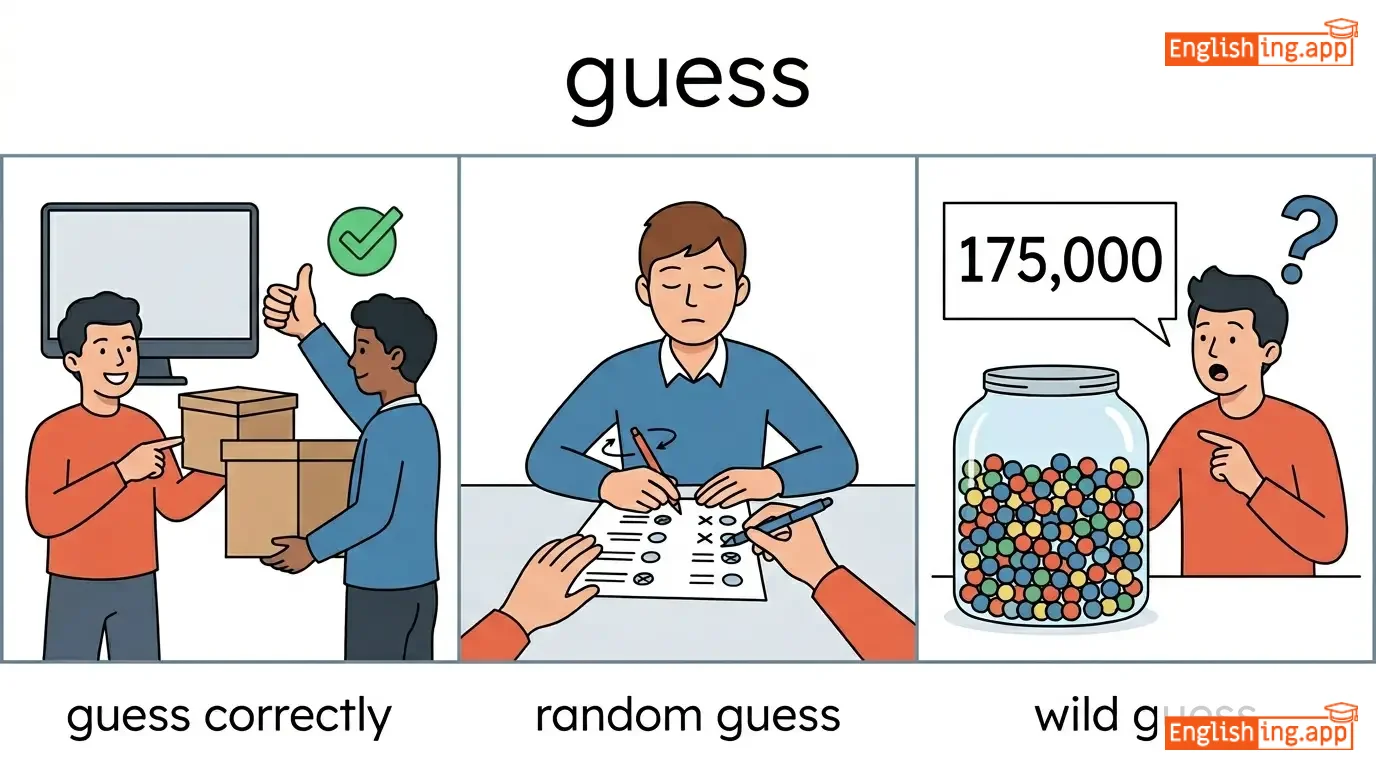
guess correctly, guess wrong, guess wildly, guess randomly, lucky guess
••••••
|
No •••••• |
|
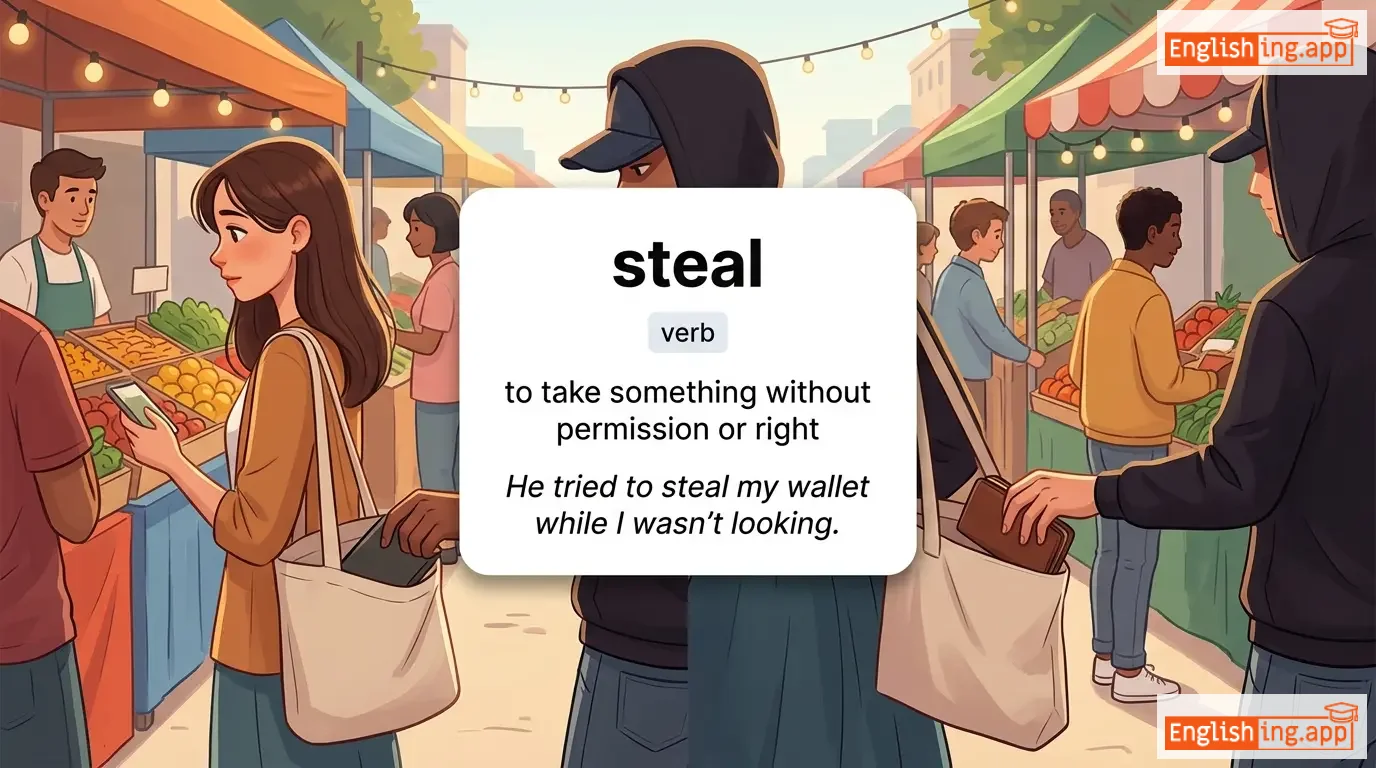
#494
🔓
|
/stiːl/
verb
(斯蒂尔)
••••••
|
|
偷窃
tōuqiè
••••••
|
stole
斯托尔
••••••
|
stolen
斯托伦
••••••
|
steals
斯蒂尔斯
••••••
|
stealing
斯蒂林
••••••
|
to take something without permission; to rob
••••••
|
It's wrong to steal from others.
从别人那里偷东西是错的。
••••••
|
从别人那里偷东西是错的。
Cóng biérén nàlǐ tōu dōngxī shì cuò de.
••••••
|
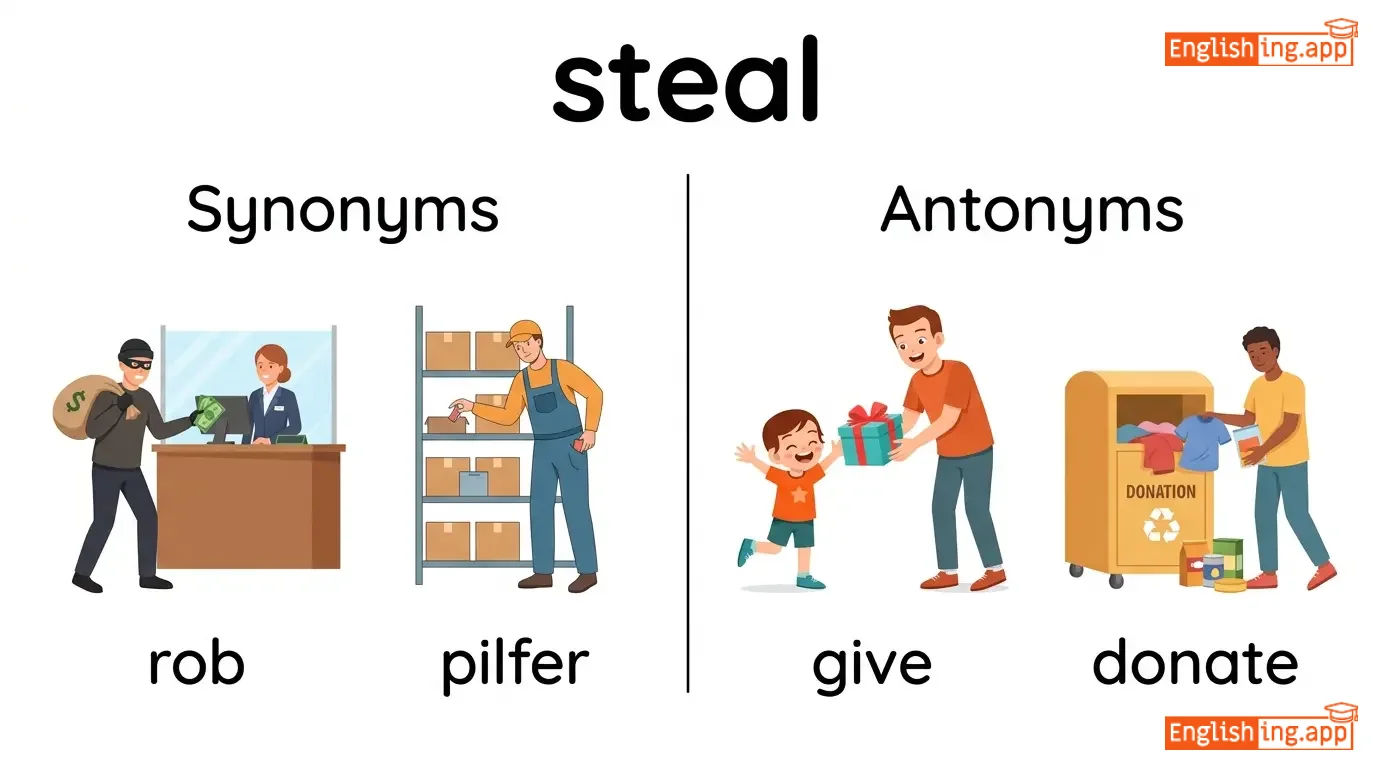
rob, pilfer, take, thieve
••••••
|
return, give, restore, donate
••••••
|
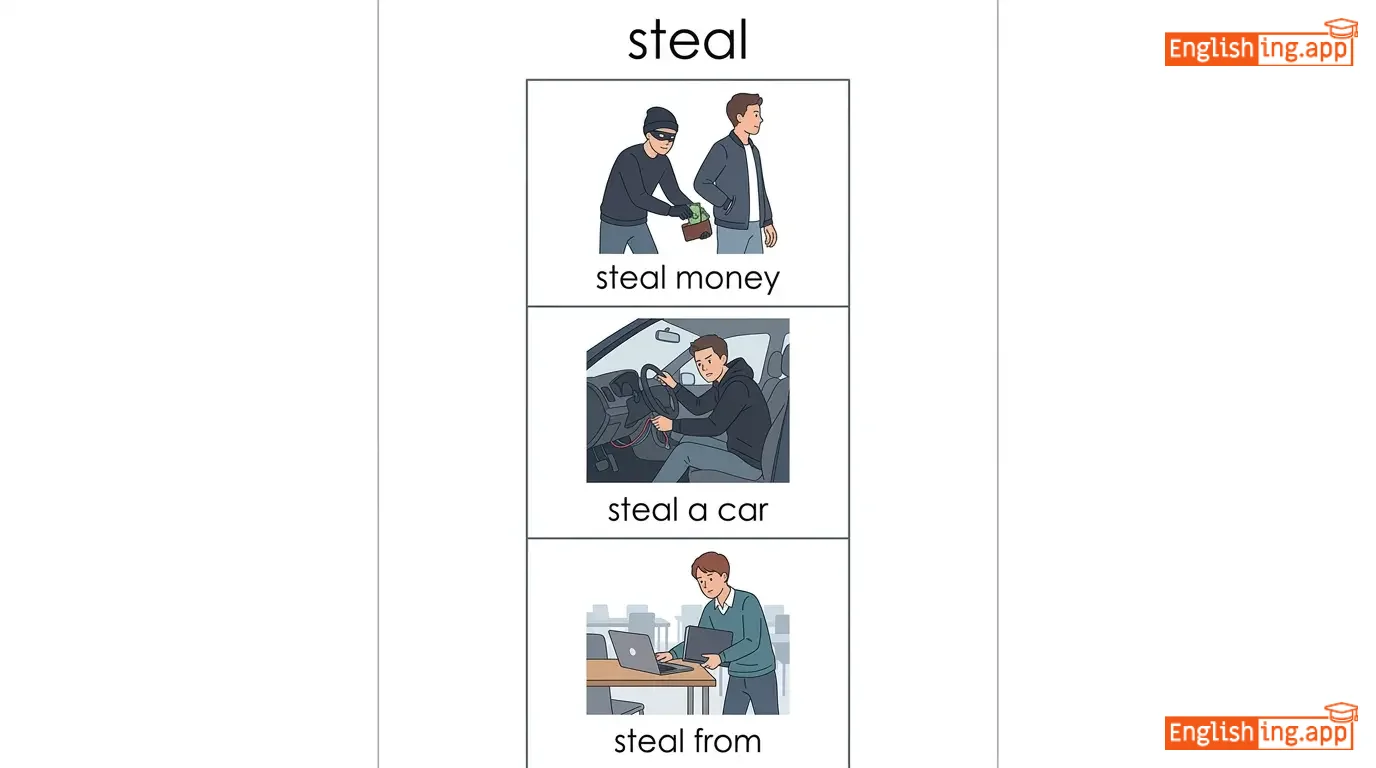
steal money, steal car, steal identity, steal time, steal glances
••••••
|
偷窃 = steal
••••••
|
|
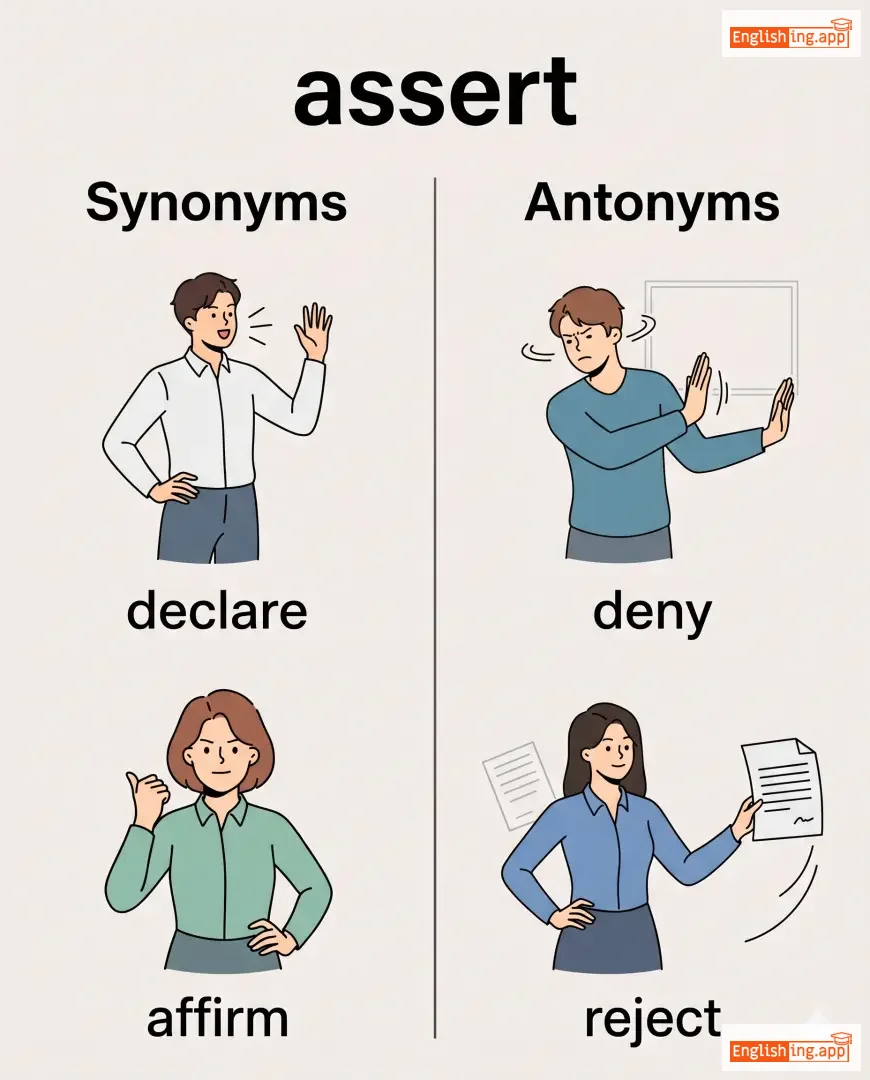
#495
💪
|
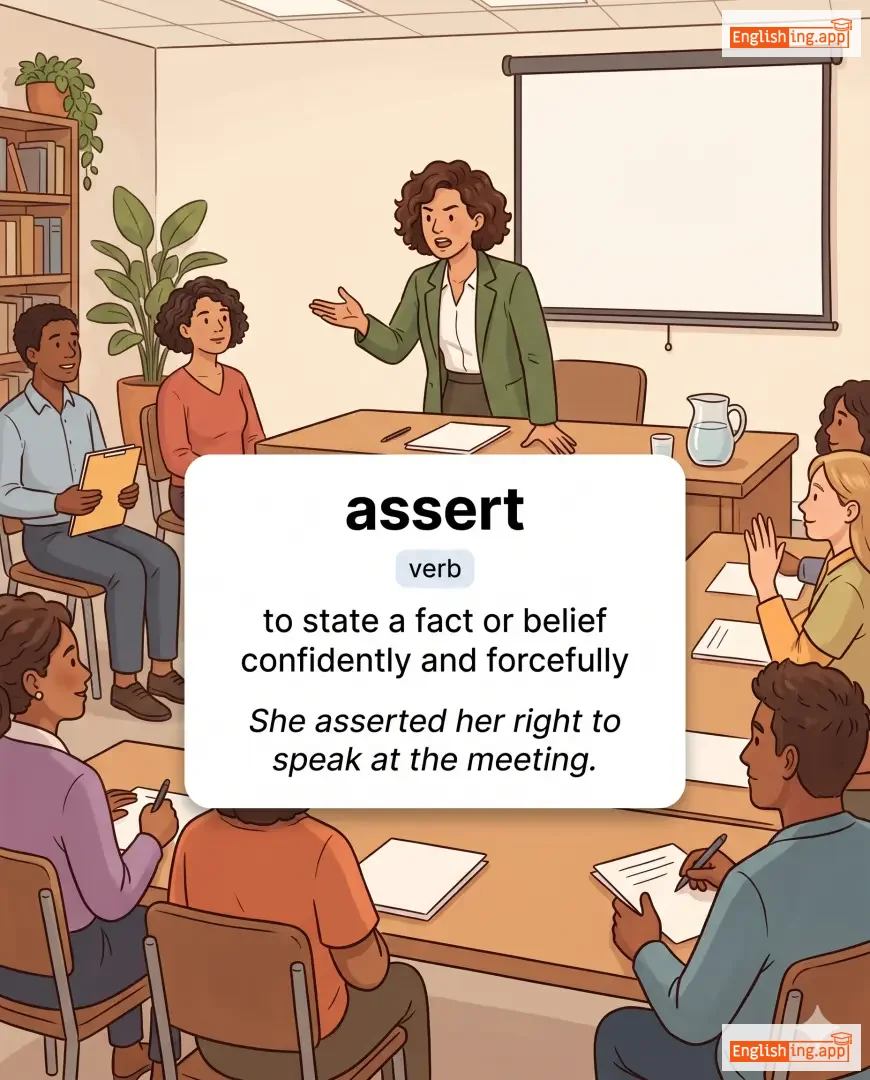
/əˈsɜːrt/
verb
(断言)
••••••
|
|
断言
duànyán
••••••
|
asserted
断言过
••••••
|
asserted
断言过
••••••
|
asserts
断言
••••••
|
asserting
断言中
••••••
|
to state something confidently and forcefully; to defend one's rights
••••••
|
She asserted her right to speak.
她断言了自己说话的权利。
••••••
|
她断言了自己说话的权利。
Tā duànyánle zìjǐ shuōhuà de quánlì.
••••••
|
declare, state, claim, maintain
••••••
|
deny, withdraw, retract
••••••
|
assert authority, assert rights, assert independence, assert dominance, assert control
••••••
|
断言时像打破沉默,声音有力并坚定
••••••
|
|
#496
👕
|
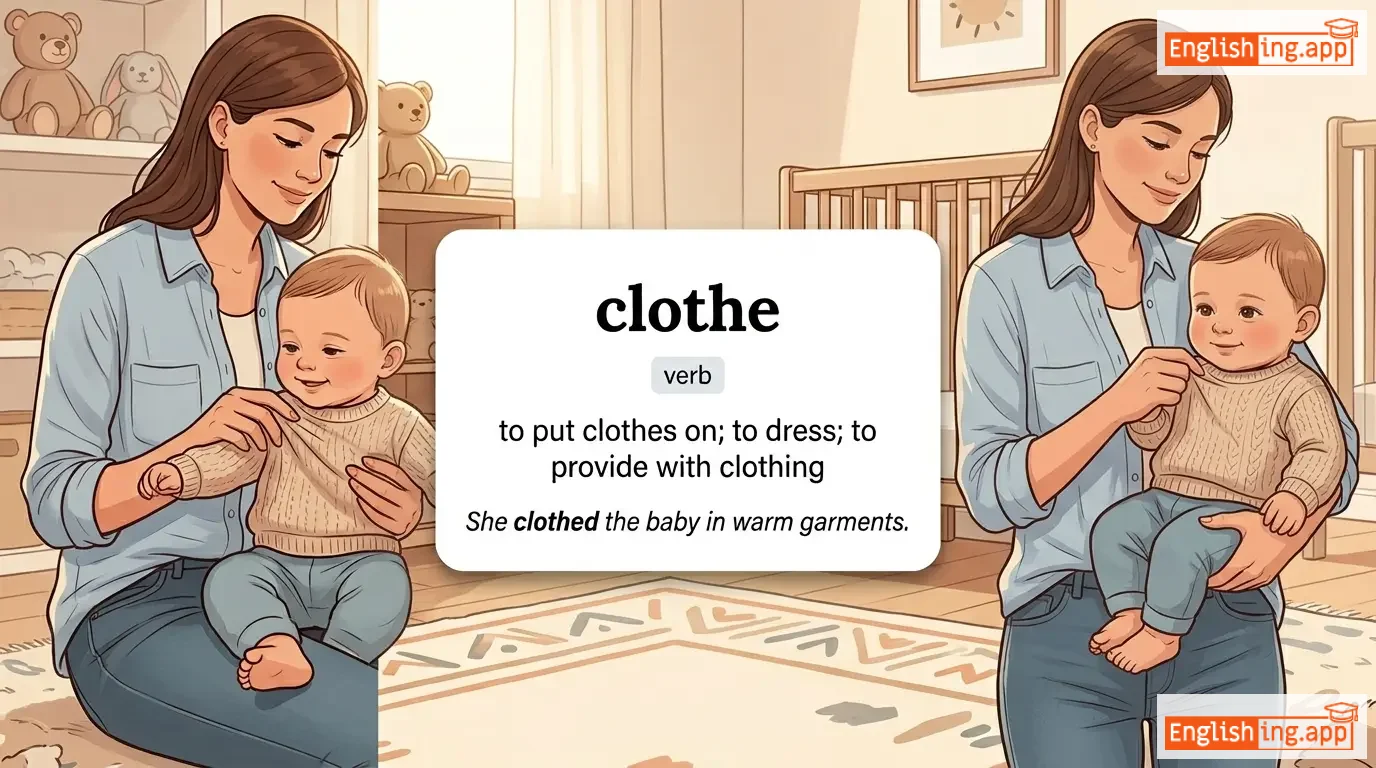
/kloʊð/
verb
(克洛斯)
••••••
|
|
穿衣
chuan yi
••••••
|
clothed
克洛斯德
••••••
|
clothed
克洛斯德
••••••
|
clothes
克洛斯
••••••
|
clothing
克洛斯英
••••••
|
to put clothes on; to dress; to provide with clothing
••••••
|
She clothed the baby in warm garments.
她把宝宝穿上了温暖的衣服。
••••••
|
她把宝宝穿上了温暖的衣服。
Tā bǎ bǎobǎo chuān shàngle wēnnuǎn de yīfu.
••••••
|
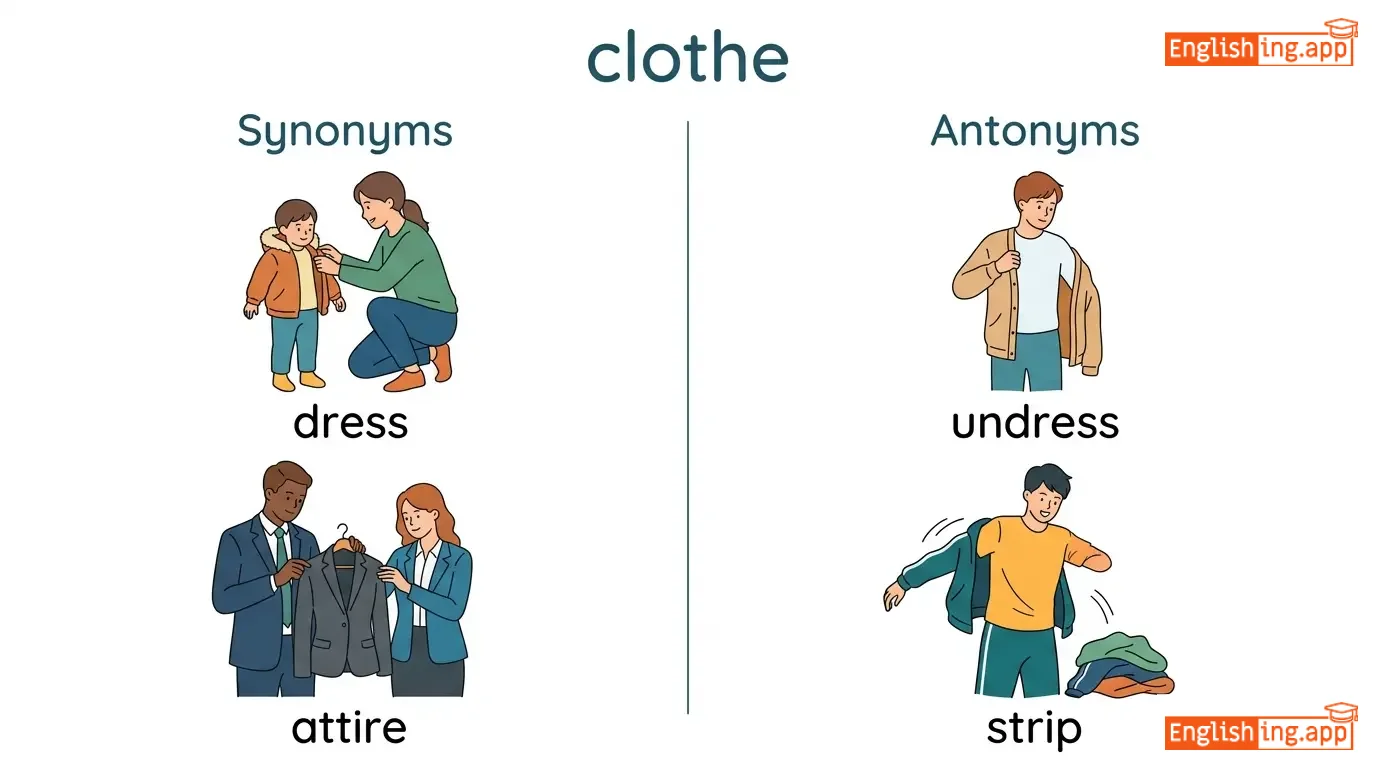
dress, attire, outfit, garb
••••••
|
undress, strip, uncover, disrobe
••••••
|
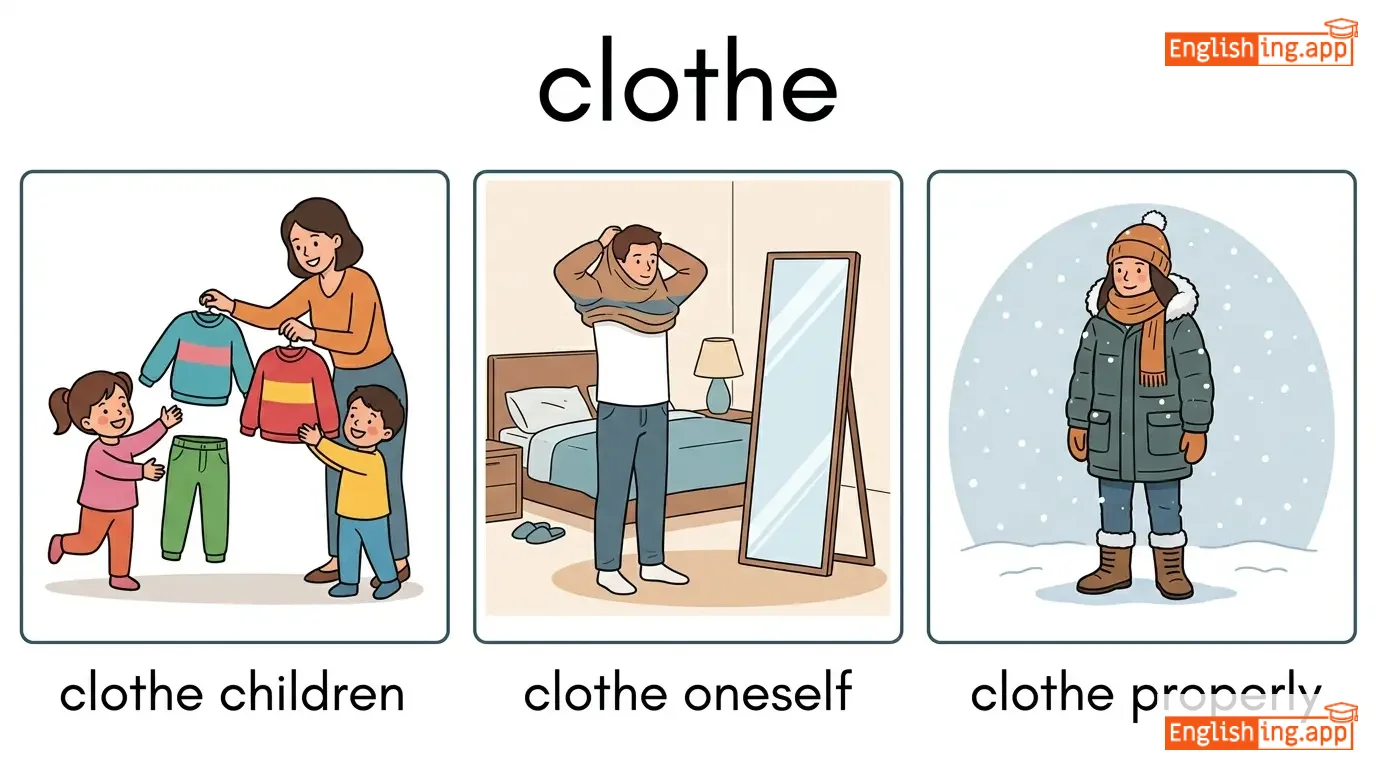
clothe children, clothe oneself, clothe properly, clothe warmly, clothe modestly
••••••
|
Chinese: 穿衣 – '穿' sounds like 'chuan', a memory for dressing someone.
••••••
|
|
#497
🤝
|
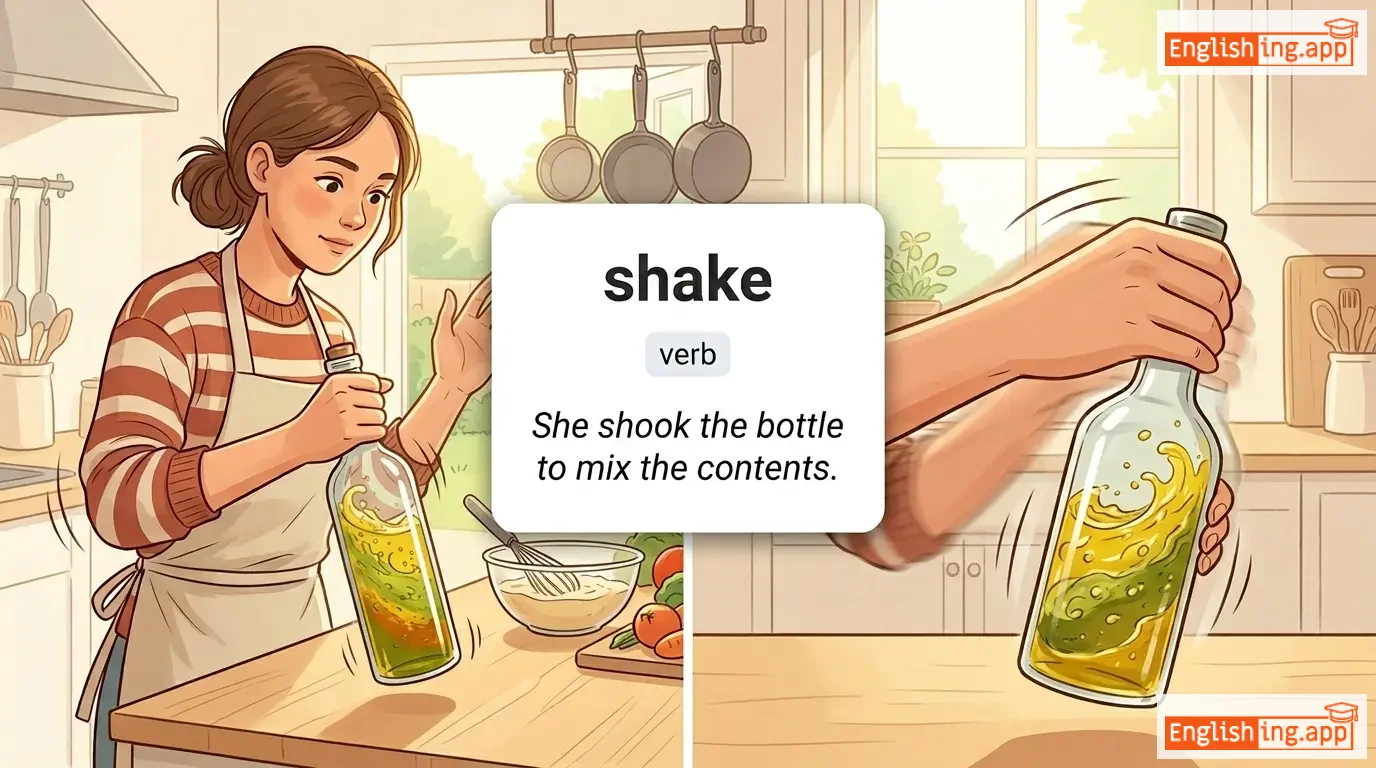
/ʃeɪk/
verb
(sheik)
••••••
|
|
摇动
yaodong
••••••
|
shook
shuk
••••••
|
shaken
sheiken
••••••
|
shakes
sheiks
••••••
|
shaking
sheiking
••••••
|
to move quickly back and forth; to tremble
••••••
|
The earthquake made the building shake.
地震让建筑物摇动。
••••••
|
地震让建筑物摇动。
Dizhen rang jianzhu wu yaodong.
••••••
|
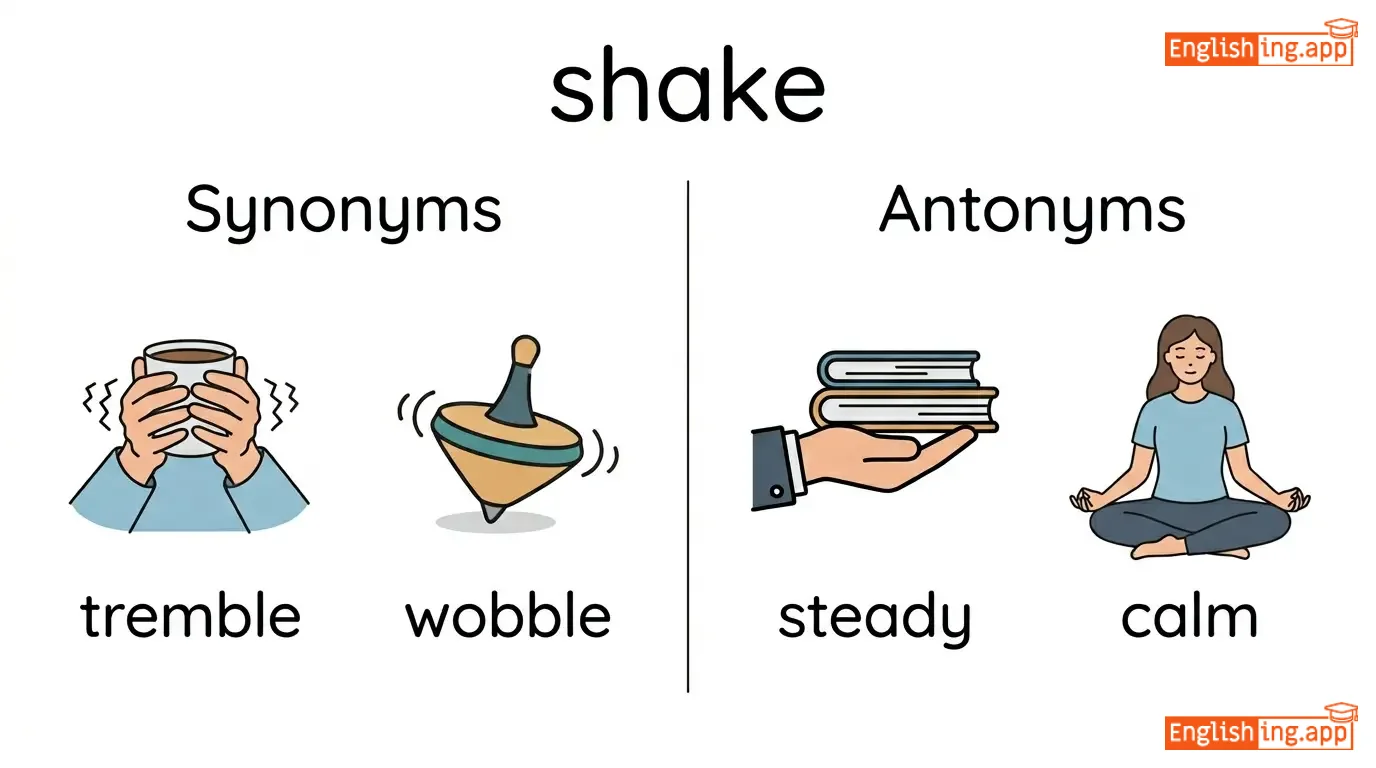
tremble, vibrate, quiver, rock
••••••
|
steady, stabilize, still, calm
••••••
|
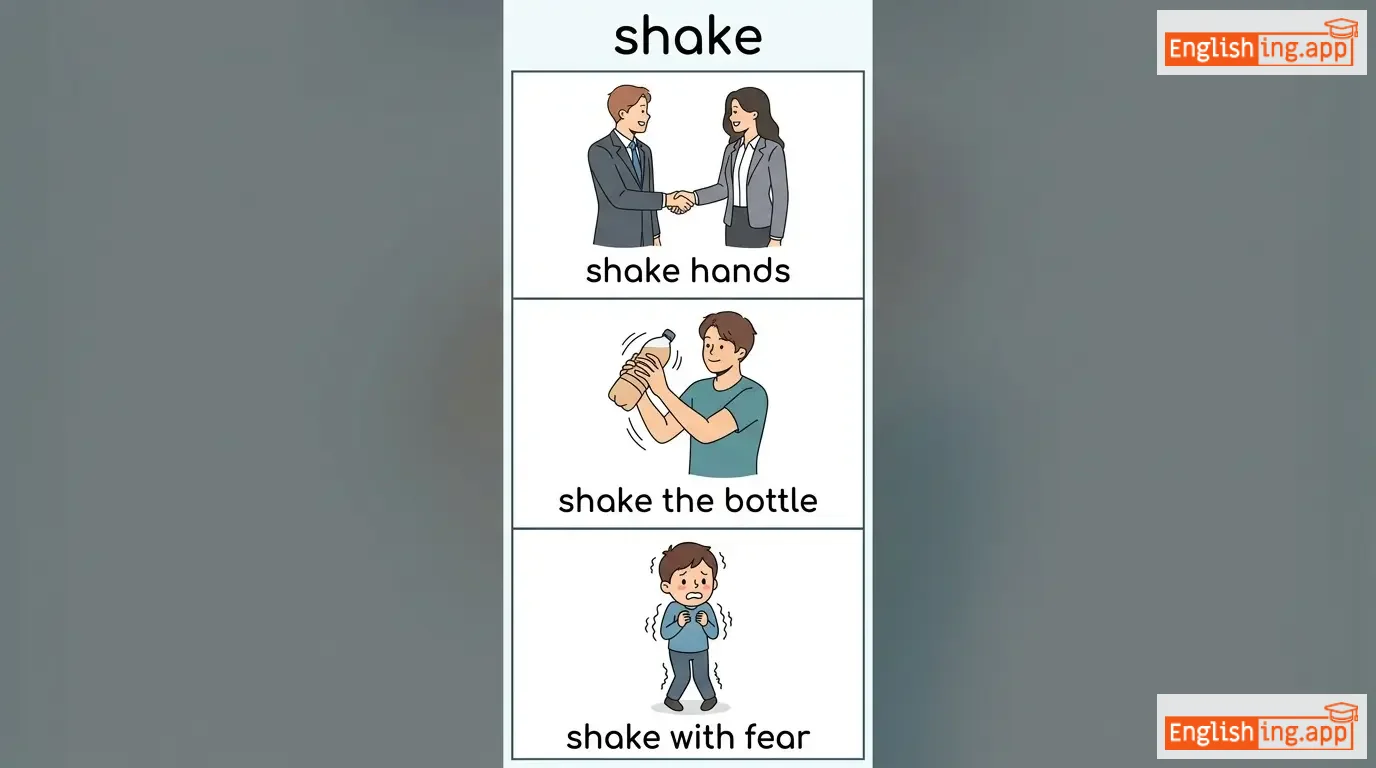
shake hands, shake head, shake violently, shake off, shake up
••••••
|
No •••••• |
|
#498
🚫
|
/rɪˈstreɪn/
verb
(rè sī tè rén)
••••••
|
|
抑制
yì zhì
••••••
|
restrained
rè sī tè rén de
••••••
|
restrained
rè sī tè rén de
••••••
|
restrains
rè sī tè rén
••••••
|
restraining
rè sī tè rén zhòng
••••••
|
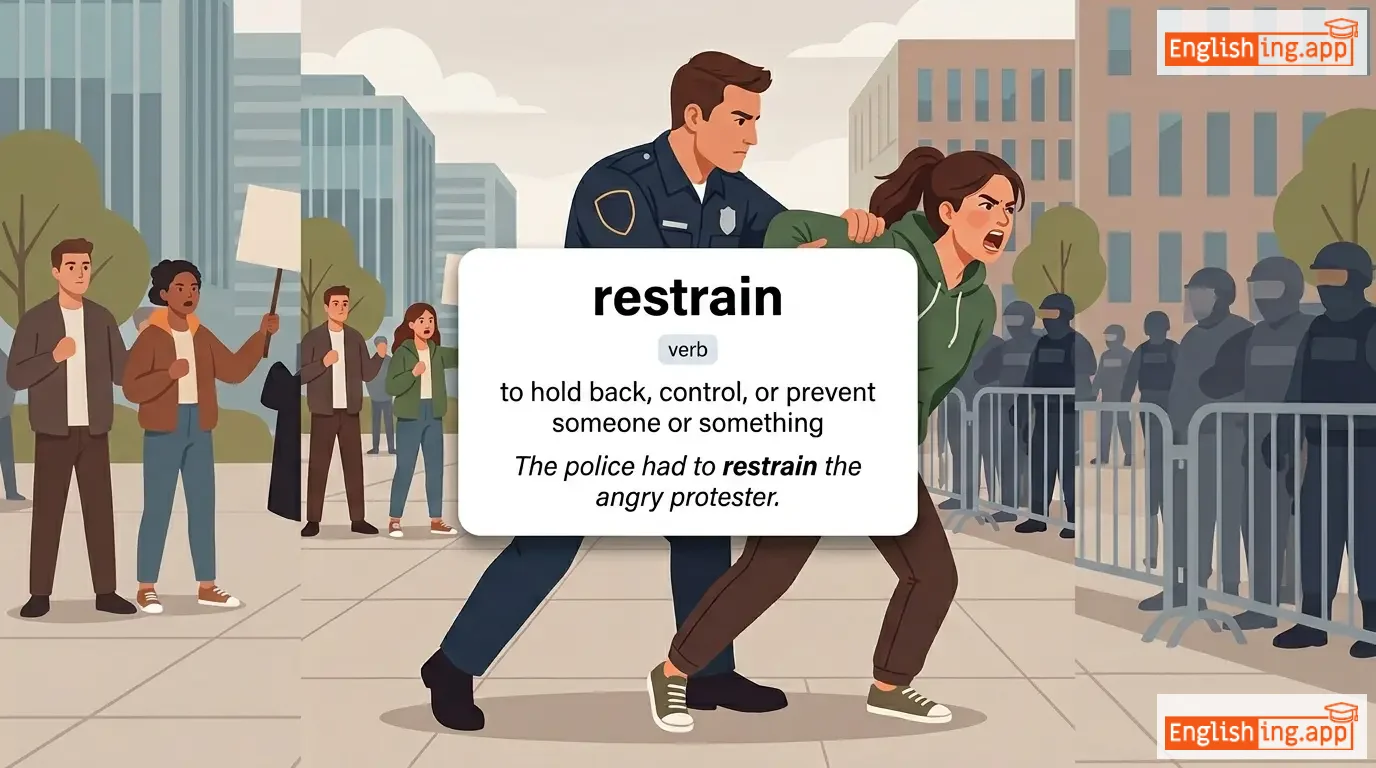
to hold back or control; to limit or restrict
••••••
|
Please restrain your dog.
请抑制你的狗。
••••••
|
请控制你的狗。
qǐng kòng zhì nǐ de gǒu.
••••••
|
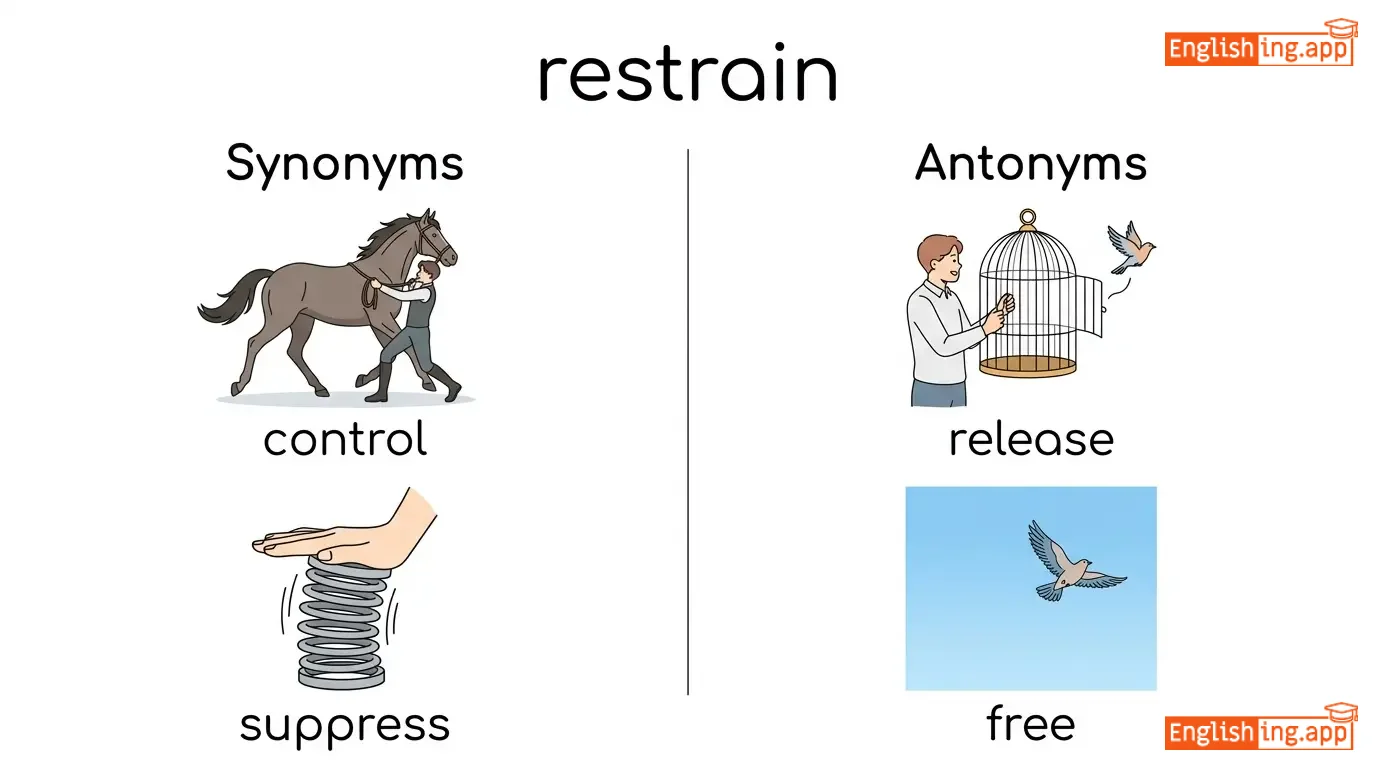
control, restrict, limit, constrain
••••••
|
release, free, liberate, unleash
••••••
|
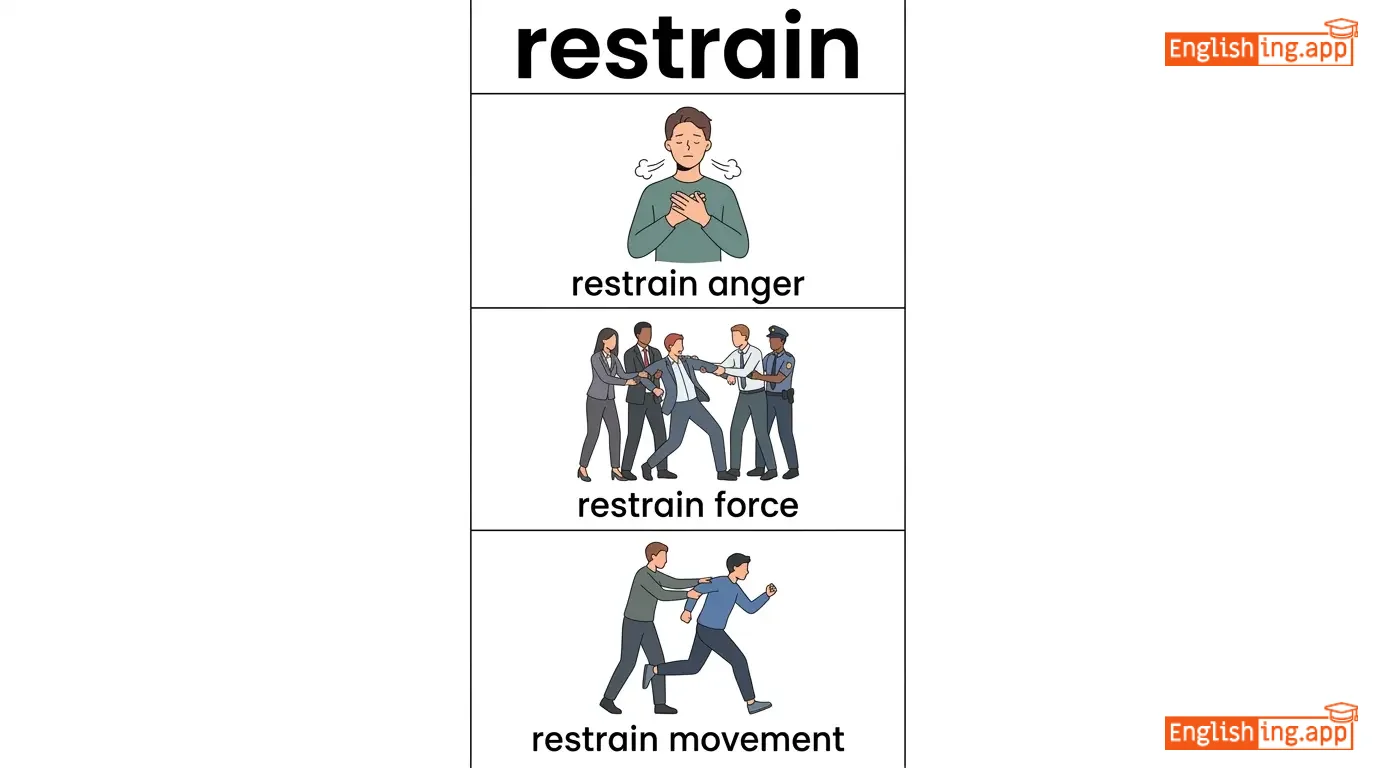
restrain emotions, restrain oneself, restrain anger, restrain movement, restrain spending
••••••
|
保持狗的行为,给它有限制!
••••••
|
|
#499
🪢
|
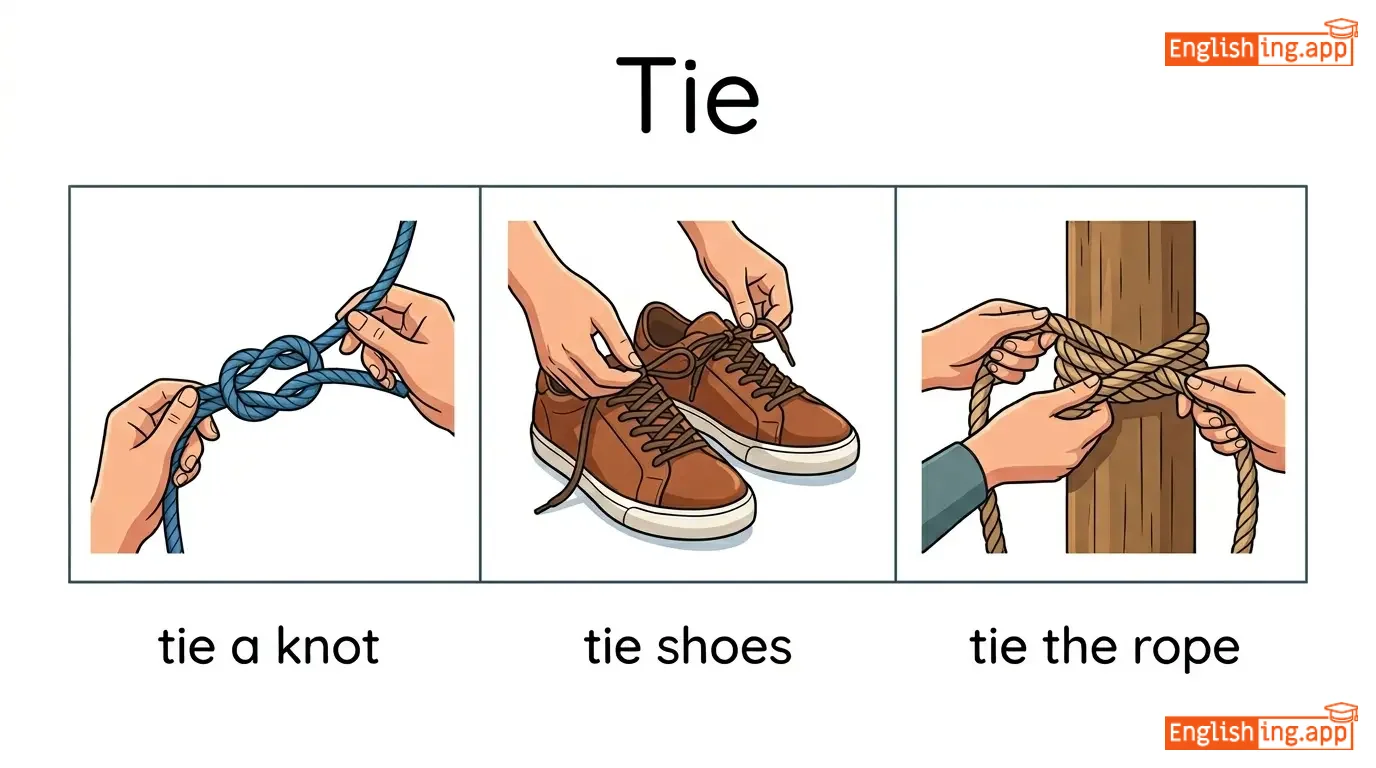
/taɪ/
verb
(tāi)
••••••
|
|
系
jì
••••••
|
Tied
tāi dé
••••••
|
Tied
tāi dé
••••••
|
Ties
tāi zī
••••••
|
Tying
tāi yíng
••••••
|
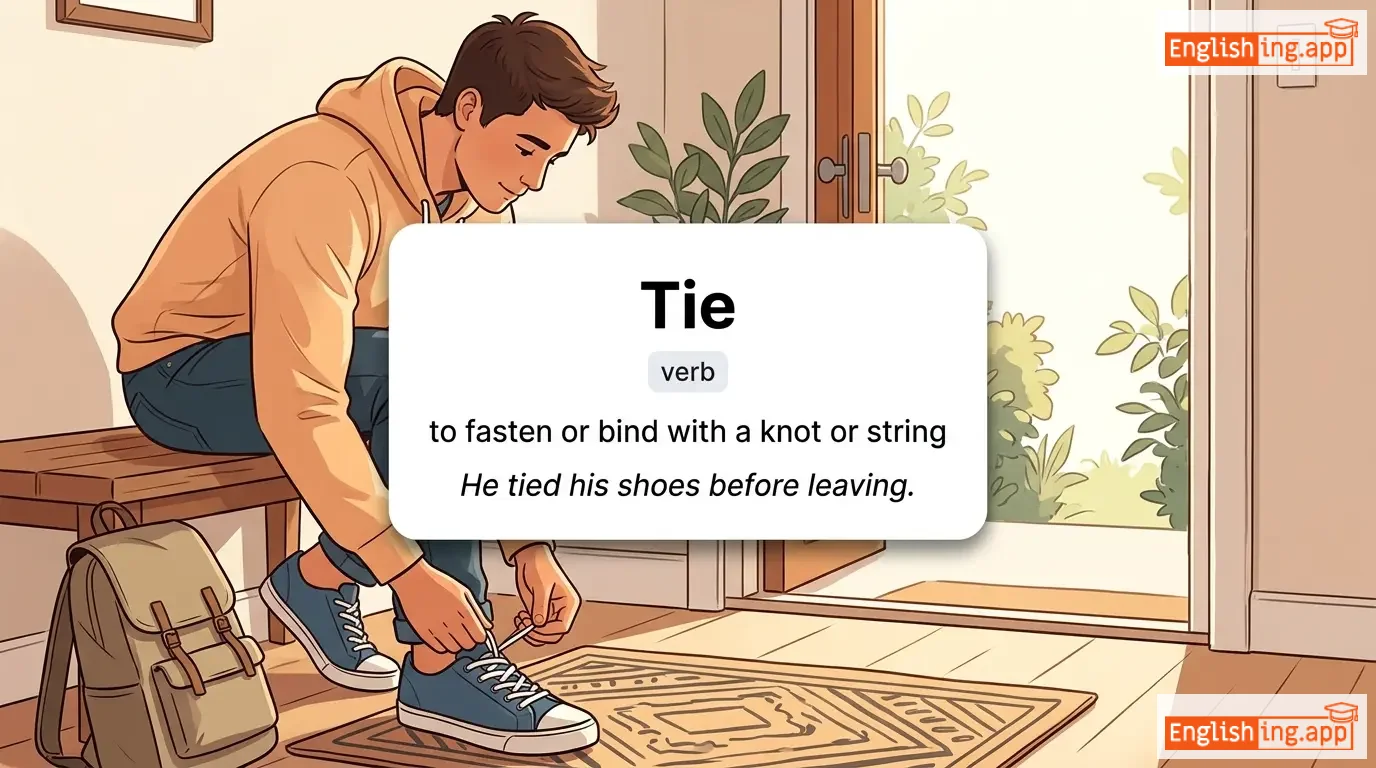
to fasten with string or rope; to have equal scores in a competition
••••••
|
Please tie your shoelaces before running.
请在跑步前系紧鞋带。
••••••
|
请在跑步前系紧鞋带。
Qǐng zài pǎobù qián jì jǐn xié dài.
••••••
|
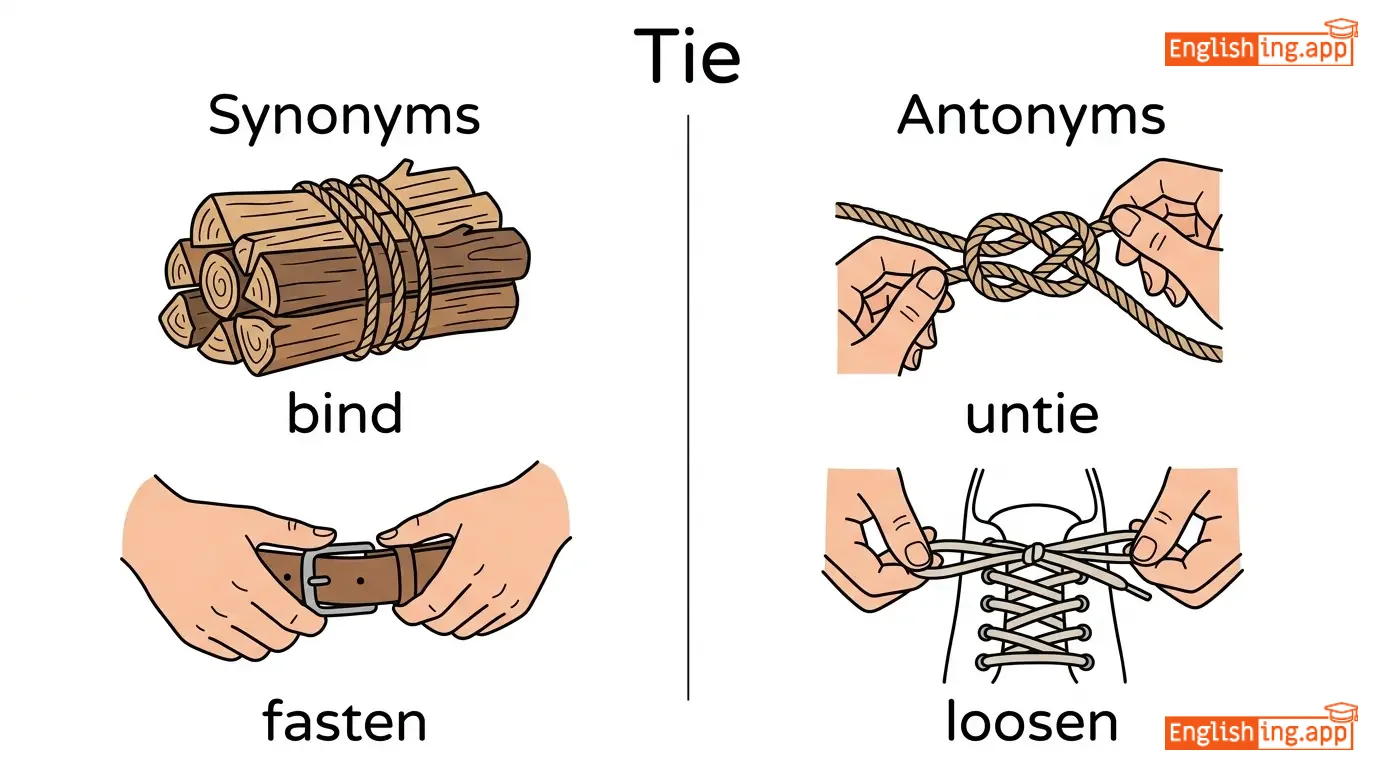
bind, fasten, secure, connect
••••••
|
untie, loosen, separate, disconnect
••••••
|
tie shoes, tie knot, tie up, tie down, tie together
••••••
|
No •••••• |
|
#500
😴
|
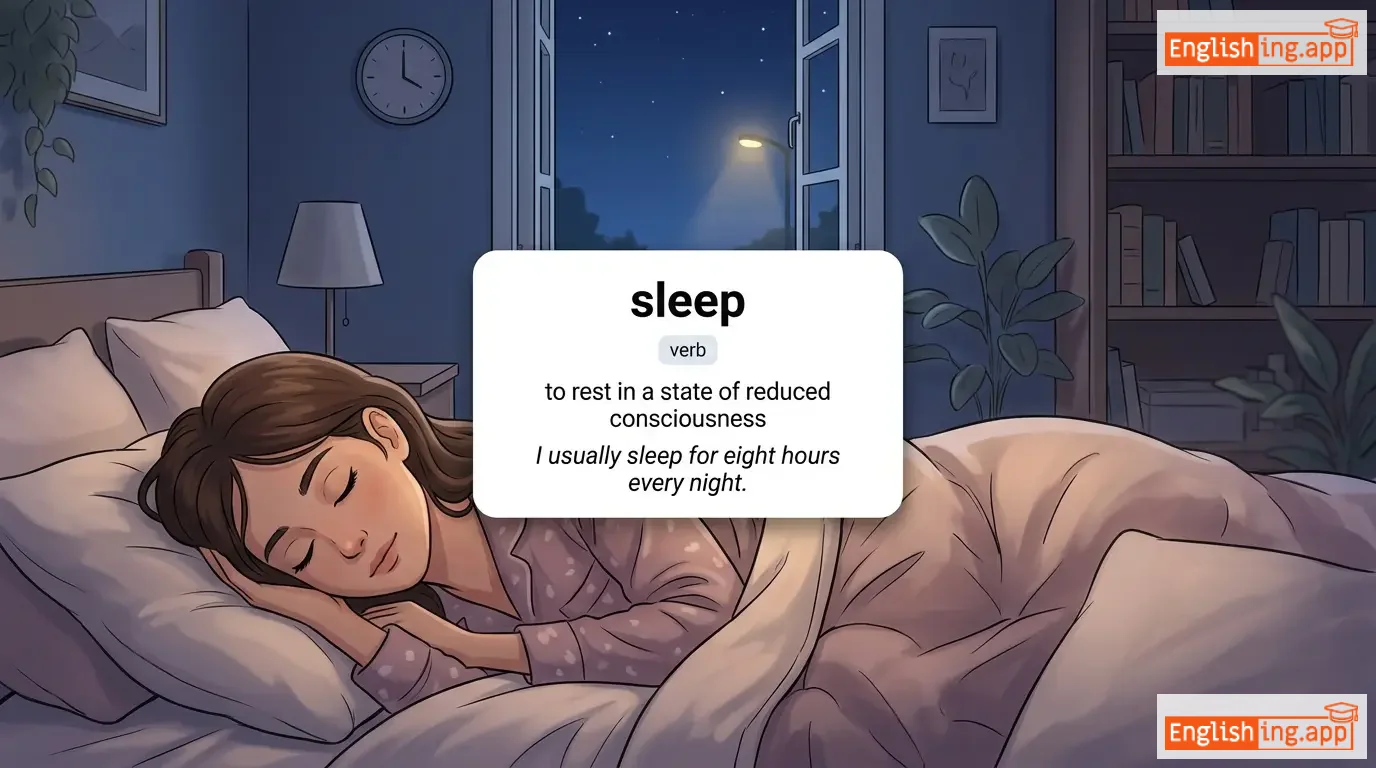
/slip/
verb
(slip)
••••••
|
|
睡觉
shuijiao
••••••
|
slept
slept
••••••
|
slept
slept
••••••
|
sleeps
sleeps
••••••
|
sleeping
sleeping
••••••
|
to rest with eyes closed and mind inactive
••••••
|
I need to sleep at least eight hours every night.
I need to sleep at least eight hours every night.
••••••
|
我每晚至少需要睡八小时。
Wǒ měi wǎn zhìshǎo xūyào shuì bā xiǎoshí.
••••••
|
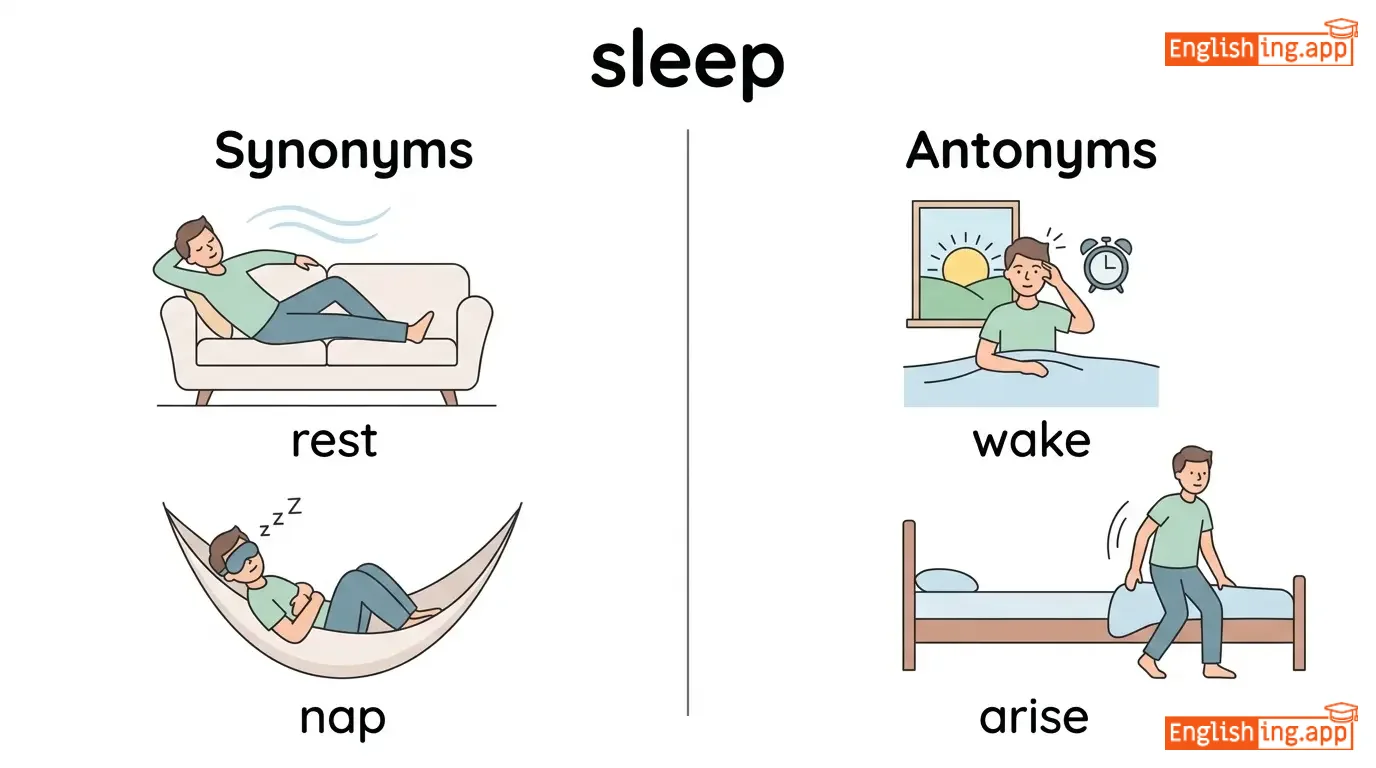
rest, slumber, doze, nap
••••••
|
wake, stay awake, be alert
••••••
|
sleep comfortably, sleep through night, sleep in, sleep over, sleep tight
••••••
|
睡觉就是让身体得到修复的时间。
••••••
|
|
#501
😊
|
/fiːl/
verb
(菲尔)
••••••
|
|
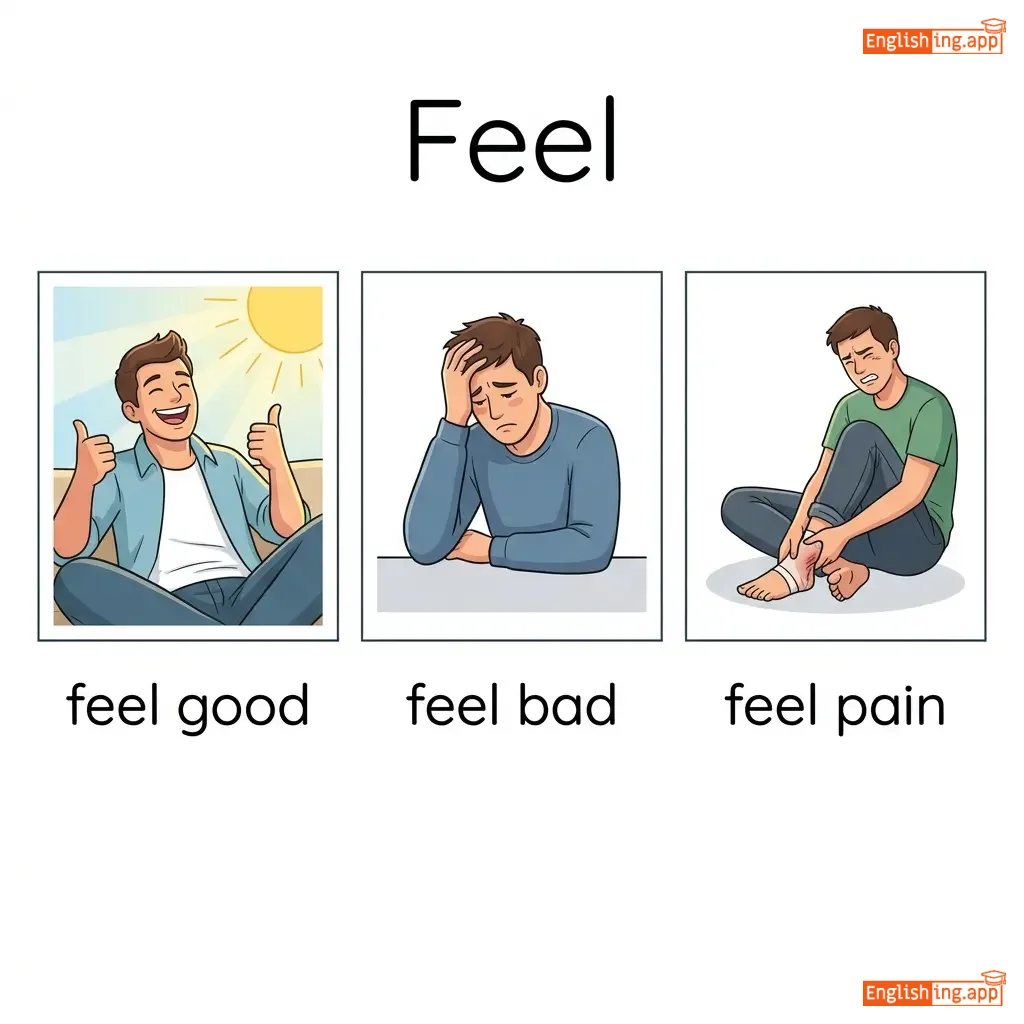
感觉
gǎnjué
••••••
|
felt
费尔特
••••••
|
felt
费尔特
••••••
|
feels
菲尔斯
••••••
|
feeling
菲林
••••••
|
to experience an emotion or physical sensation
••••••
|
I feel happy today.
我今天感觉很开心。
••••••
|
我今天感觉很开心。
Wǒ jīntiān gǎnjué hěn kāixīn.
••••••
|
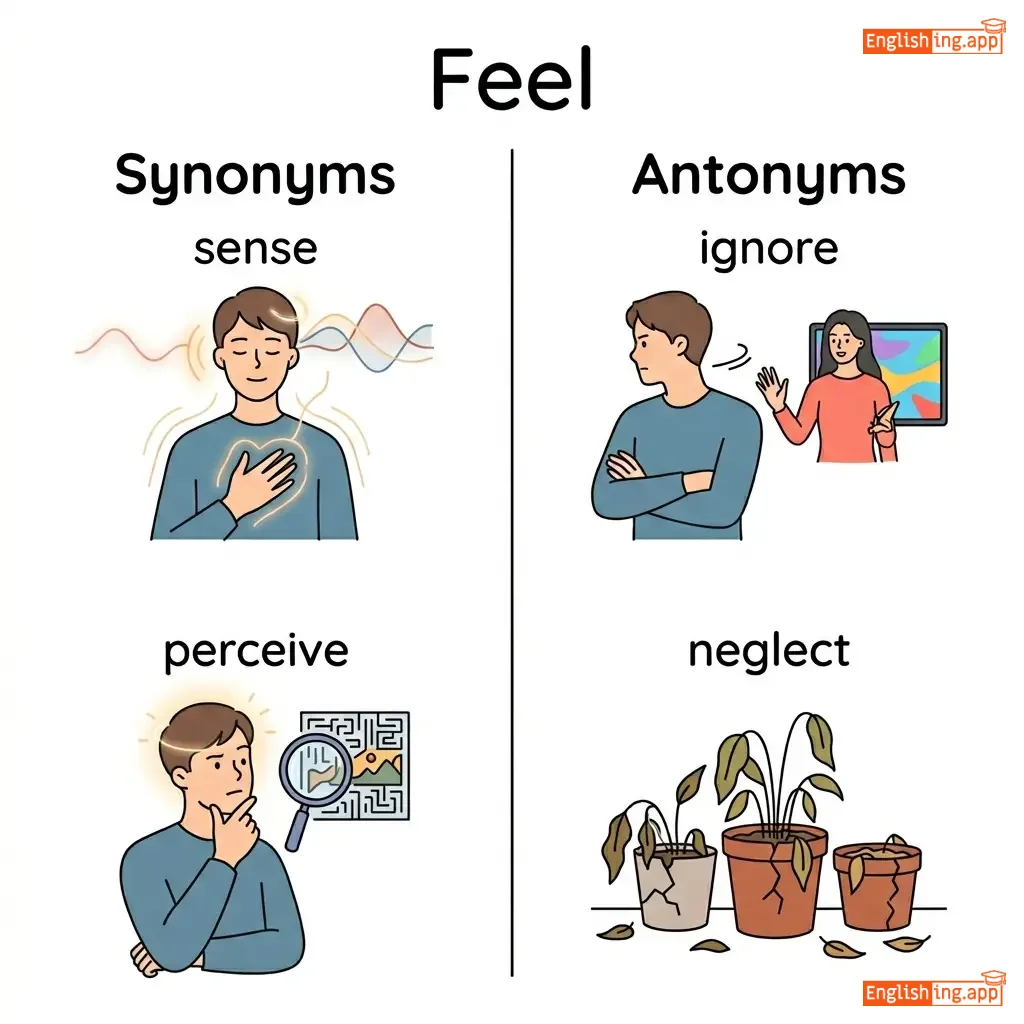
sense, experience, perceive
••••••
|
ignore, dismiss, overlook
••••••
|
feel good, feel bad, feel emotions, feel pain, feel comfortable
••••••
|
Feel - 感觉 means to feel in Chinese
••••••
|
|
#502
🔗
|
/mætʃ/
verb
(匹配)
••••••
|
|
匹配
pǐpèi
••••••
|
matched
匹配的
••••••
|
matched
匹配的
••••••
|
matches
匹配
••••••
|
matching
匹配中
••••••
|
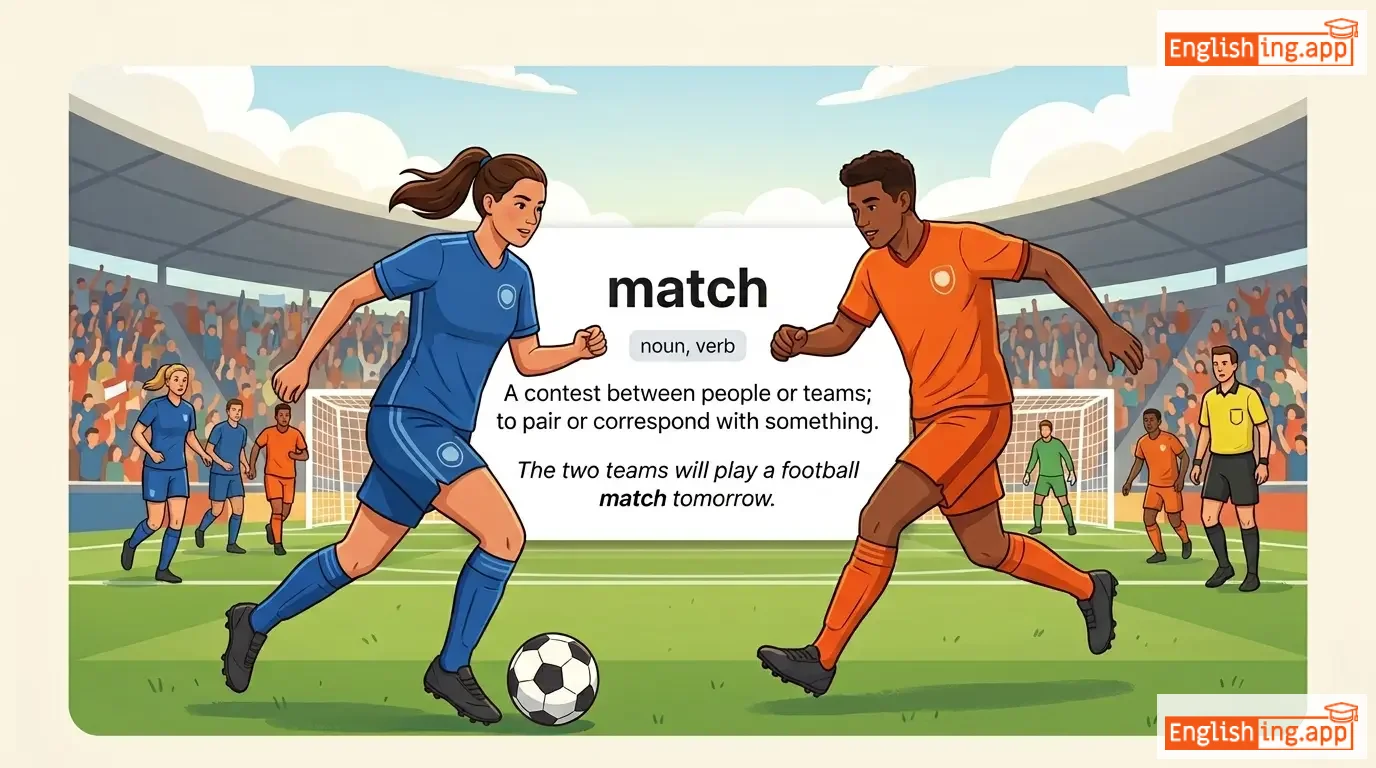
to be equal to something; to find something that corresponds to another
••••••
|
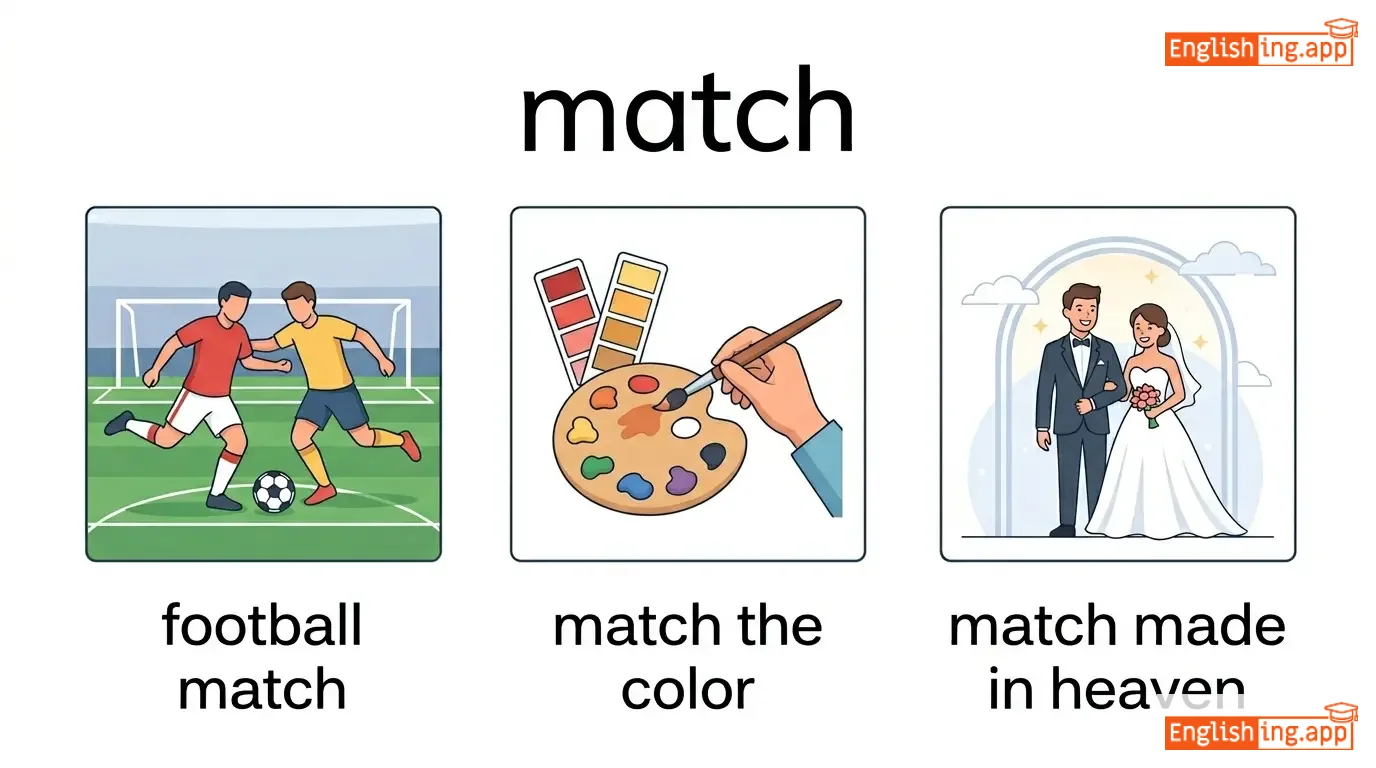
The colors of her dress match perfectly with her shoes.
她的裙子颜色和鞋子完美匹配。
••••••
|
她的裙子颜色和鞋子完美匹配。
Tā de qúnzi yánsè hé xiézi wánměi pǐpèi.
••••••
|
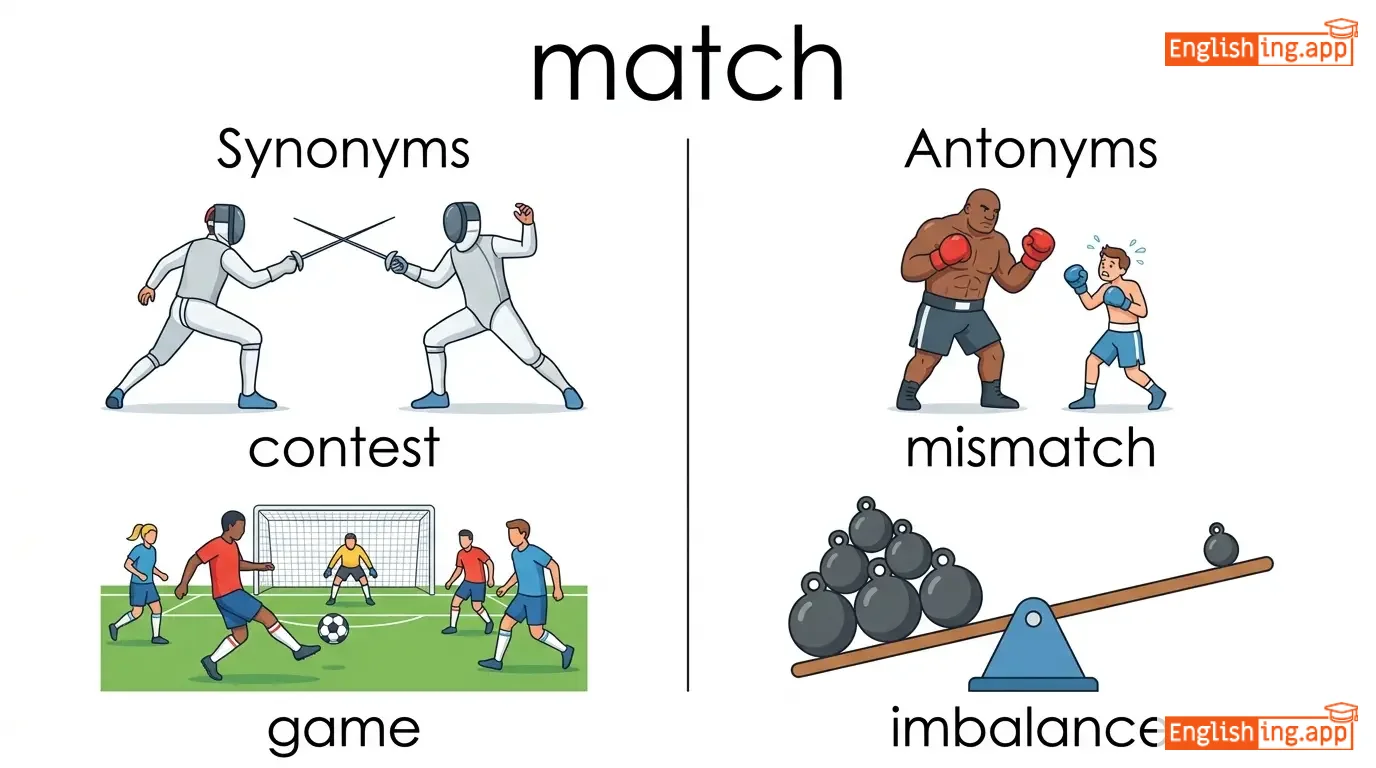
correspond, equal, suit, fit
••••••
|
differ, clash, mismatch, contradict
••••••
|
match colors, match clothes, match expectations, match skills, perfect match
••••••
|
No •••••• |
|
#503
📸
|
/snæp/
verb
(snap)
••••••
|
|
折断
zheduan
••••••
|
snapped
snapped
••••••
|
snapped
snapped
••••••
|
snaps
snaps
••••••
|
snapping
snapping
••••••
|
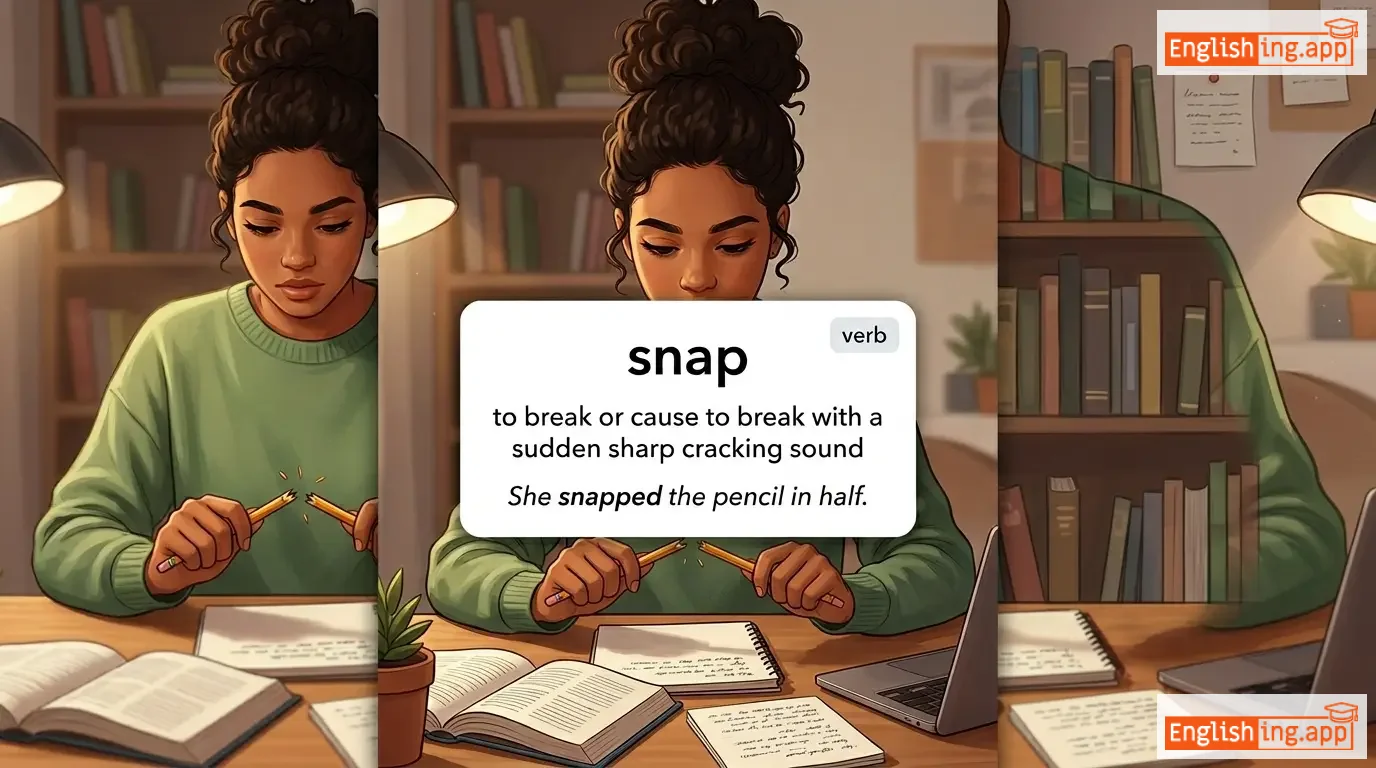
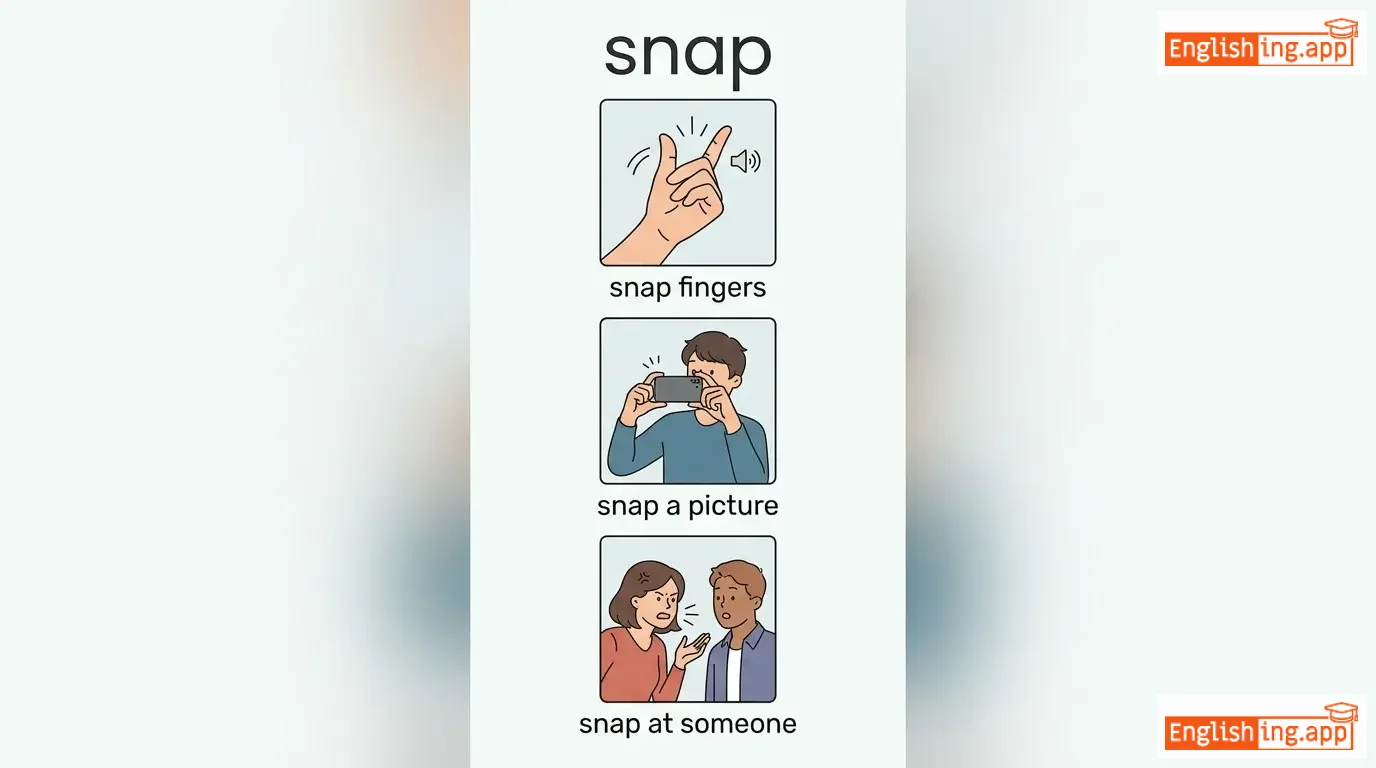
to break suddenly; to speak angrily; to take a photograph quickly
••••••
|
The rope snapped under the weight.
The rope snapped under the weight.
••••••
|
绳子在重压下断裂。
Shéngzi zài zhòng yā xià duànliè.
••••••
|
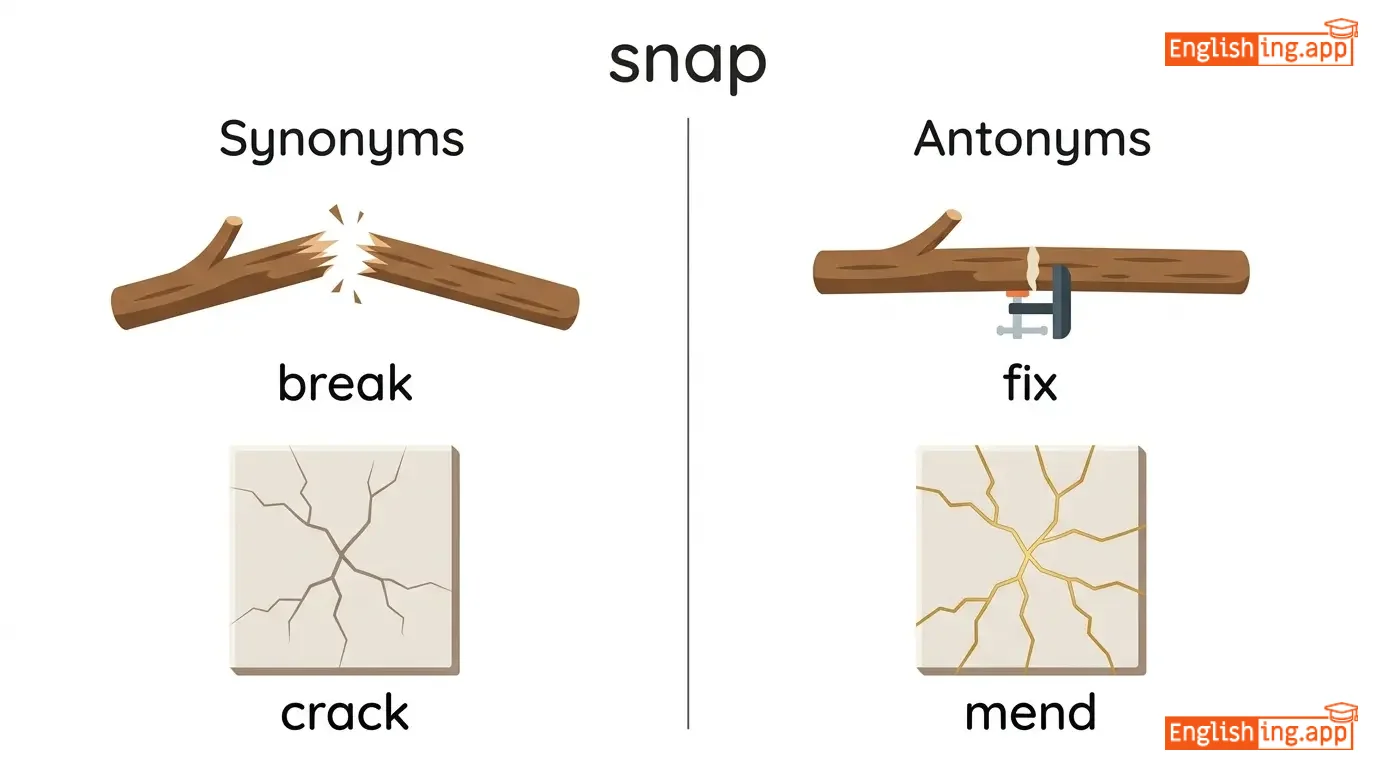
break, crack, split, photograph
••••••
|
mend, repair, fix
••••••
|
snap photos, snap fingers, snap decision, snap back, snap at
••••••
|
No •••••• |
|
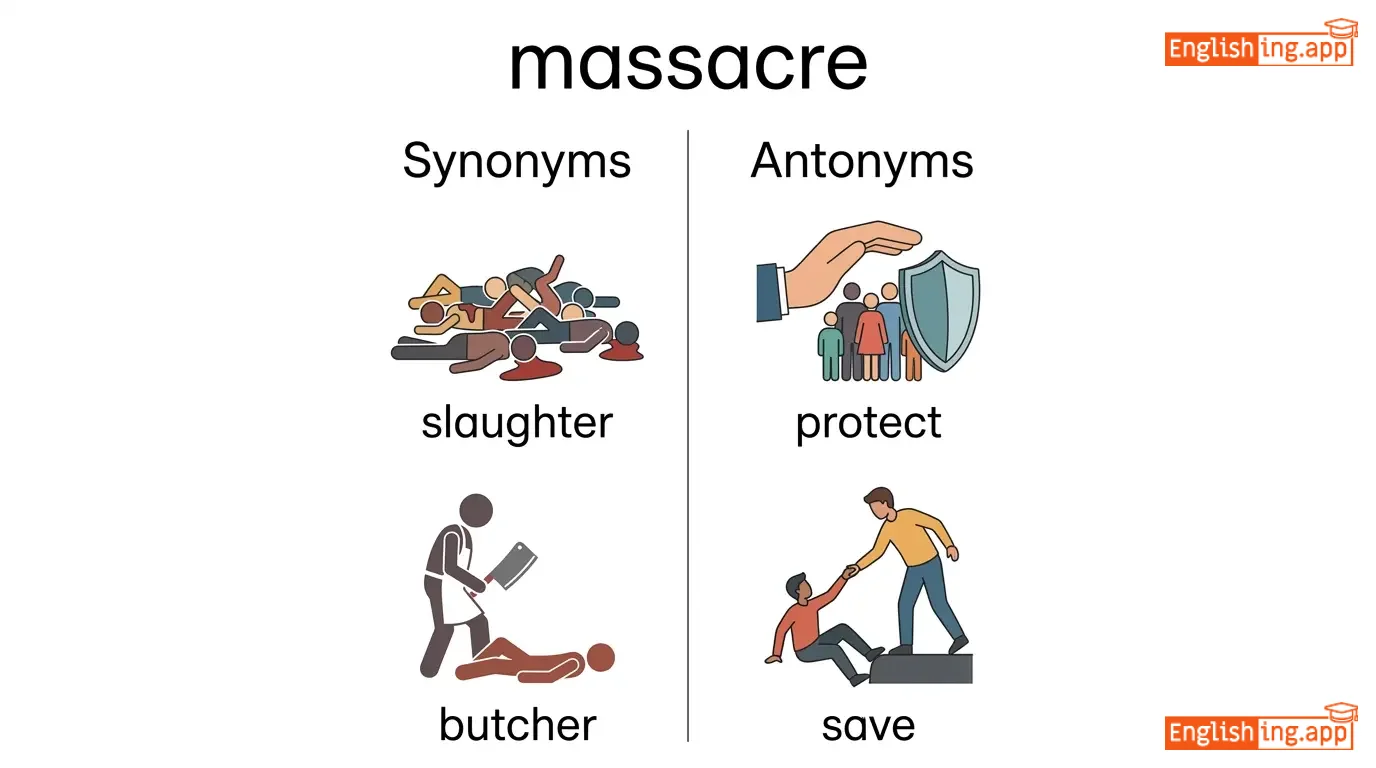
#504
⚔️
|
/ˈmæsəkər/
verb
(大屠杀)
••••••
|
|
大屠杀
dà túshā
••••••
|
massacred
大屠杀了
••••••
|
massacred
大屠杀了
••••••
|
massacres
大屠杀
••••••
|
massacring
大屠杀中
••••••
|
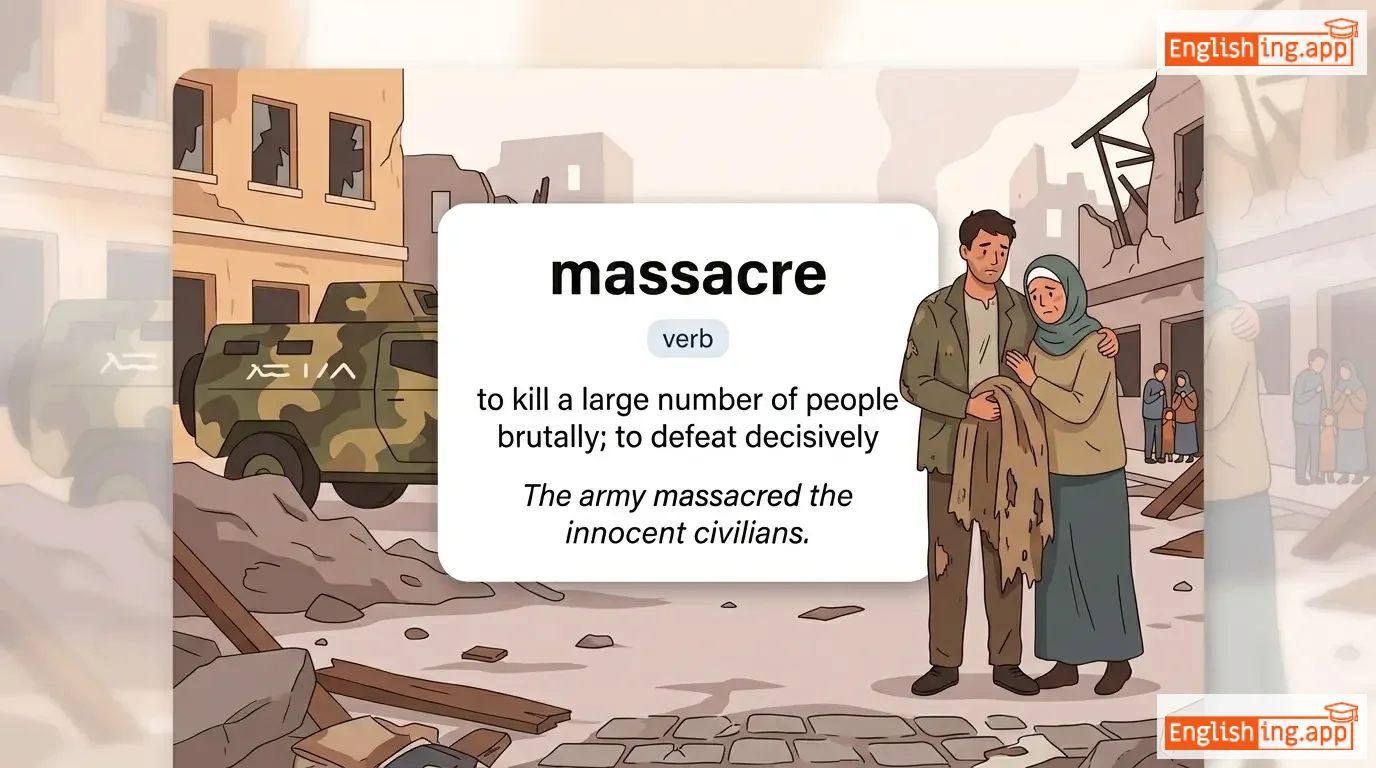
to kill a large number of people brutally; to defeat decisively
••••••
|
The army massacred the innocent civilians.
军队大屠杀了无辜的平民。
••••••
|
军队大屠杀了无辜的平民。
Jūnduì dà túshā le wúgū de píngmín.
••••••
|
slaughter, butcher, kill, annihilate
••••••
|
protect, save, preserve, spare
••••••
|
massacre civilians, massacre troops, massacre innocents, brutal massacre, mass massacre
••••••
|
No •••••• |
|
#505
🤝
|
/koʊˈɒpəreɪt/
verb
(kē'ōupòlèit)
••••••
|
- •••••• |
合作
hezuo
••••••
|
cooperated
kē'ōupòlèitèd
••••••
|
cooperated
kē'ōupòlèitèd
••••••
|
cooperates
kē'ōupòlèits
••••••
|
cooperating
kē'ōupòlèitīng
••••••
|
to work together towards a common goal; to collaborate
••••••
|
The teams cooperated to complete the project successfully.
团队合作以成功完成项目。
••••••
|
团队合作以成功完成项目。
Tuandui hezuo yi chenggong wancheng xiangmu.
••••••
|
collaborate, work together, assist, help, unite
••••••
|
compete, oppose, hinder, obstruct
••••••
|
cooperate fully, cooperate willingly, cooperate closely, cooperate together, refuse to cooperate
••••••
|
Chinese: '合作' means working together, English: 'cooperate' means the same.
••••••
|
|
#506
🙏
|
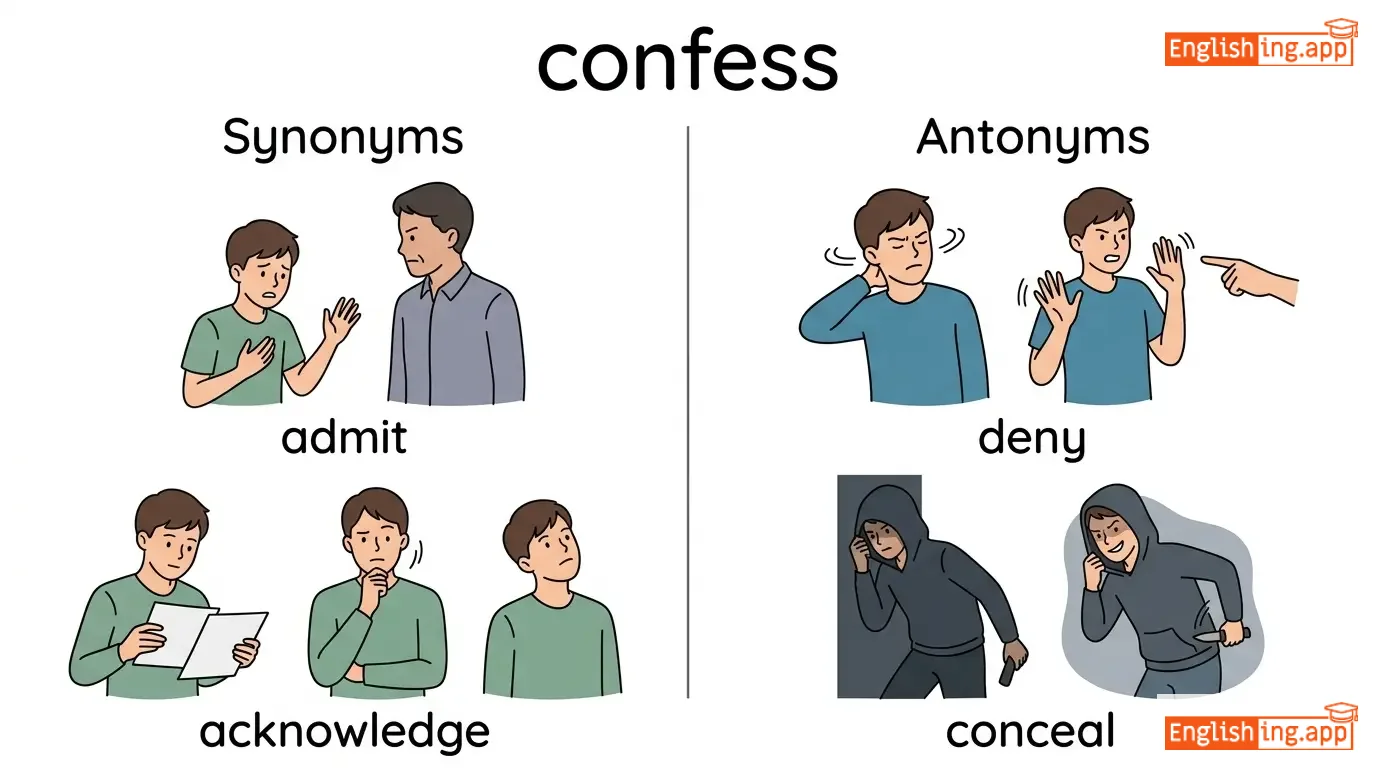
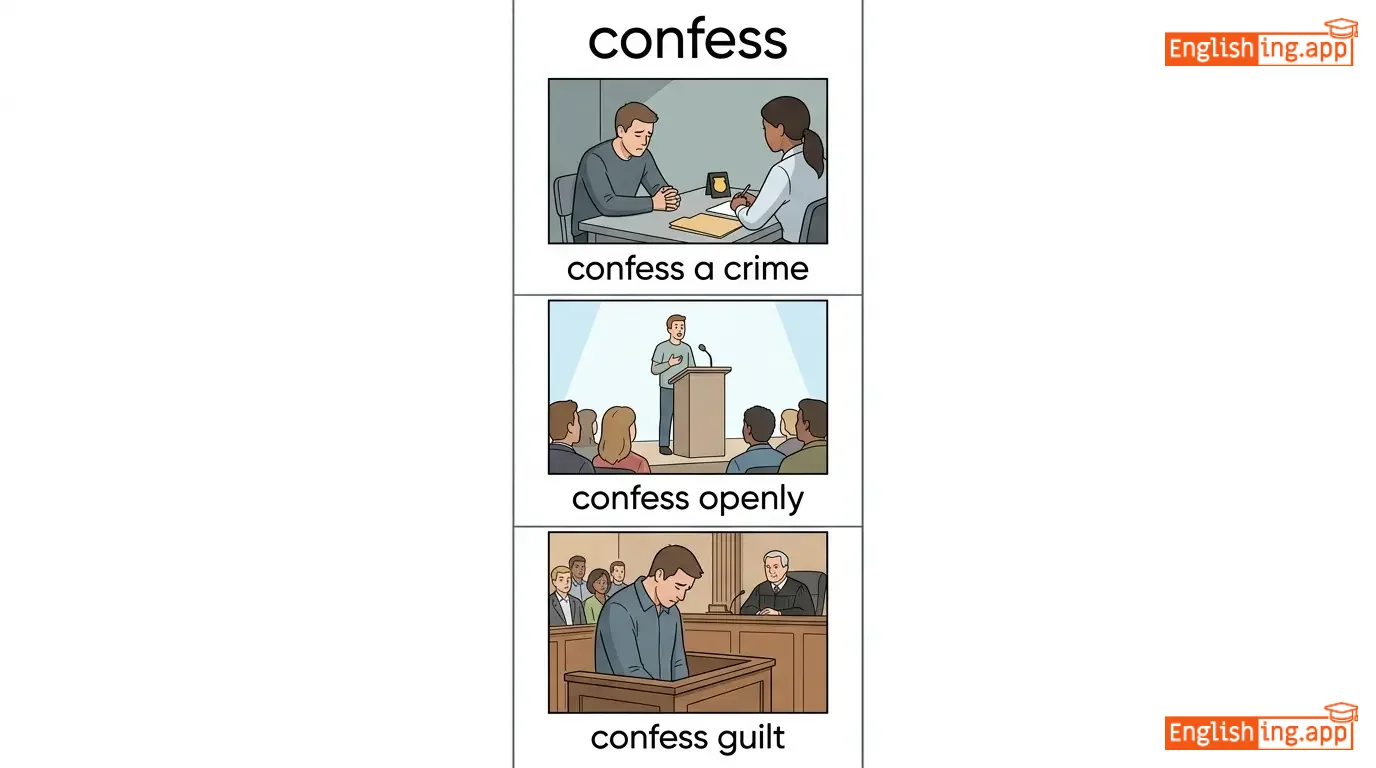
/kənˈfes/
verb
(kən'fɛs)
••••••
|
|
承认
chéngrèn
••••••
|
confessed
kən'fɛst
••••••
|
confessed
kən'fɛst
••••••
|
confesses
kən'fɛsɪz
••••••
|
confessing
kən'fɛsɪŋ
••••••
|
to admit guilt or wrongdoing; to acknowledge
••••••
|
He confessed his mistake to his teacher.
tā kən'fɛst hɪz mɪ'steɪk tu hɪz 'tiːtʃər
••••••
|
他向老师承认了自己的错误。
Tā xiàng lǎoshī chéngrènle zìjǐ de cuòwù.
••••••
|
admit, acknowledge, reveal, disclose, own up
••••••
|
deny, conceal, hide, cover up
••••••
|
confess truthfully, confess openly, confess privately, confess reluctantly, confess everything
••••••
|
承认错误,走向成长之路。
••••••
|
Vocabulary Quiz
Test your vocabulary by matching words with their translations or meanings.
Login to take the quiz
Comments (0)
Share your thoughts and join the discussion.
Join the discussion by logging in
Login to CommentNo comments yet
Be the first to share your thoughts!