

翻訳
過去
過去分詞
三人称単数
動名詞
意味
例文
例文の翻訳
同義語
対義語
コロケーション
ニーモニック
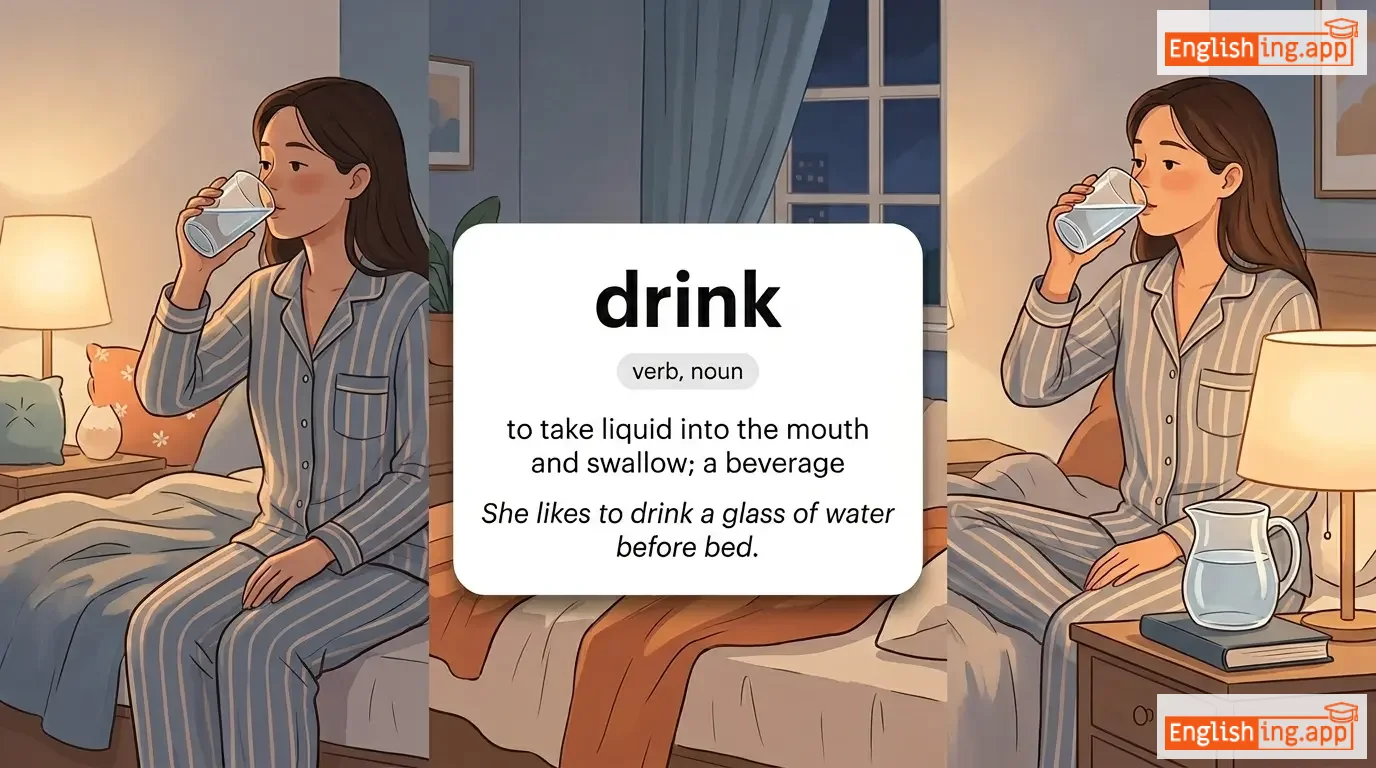
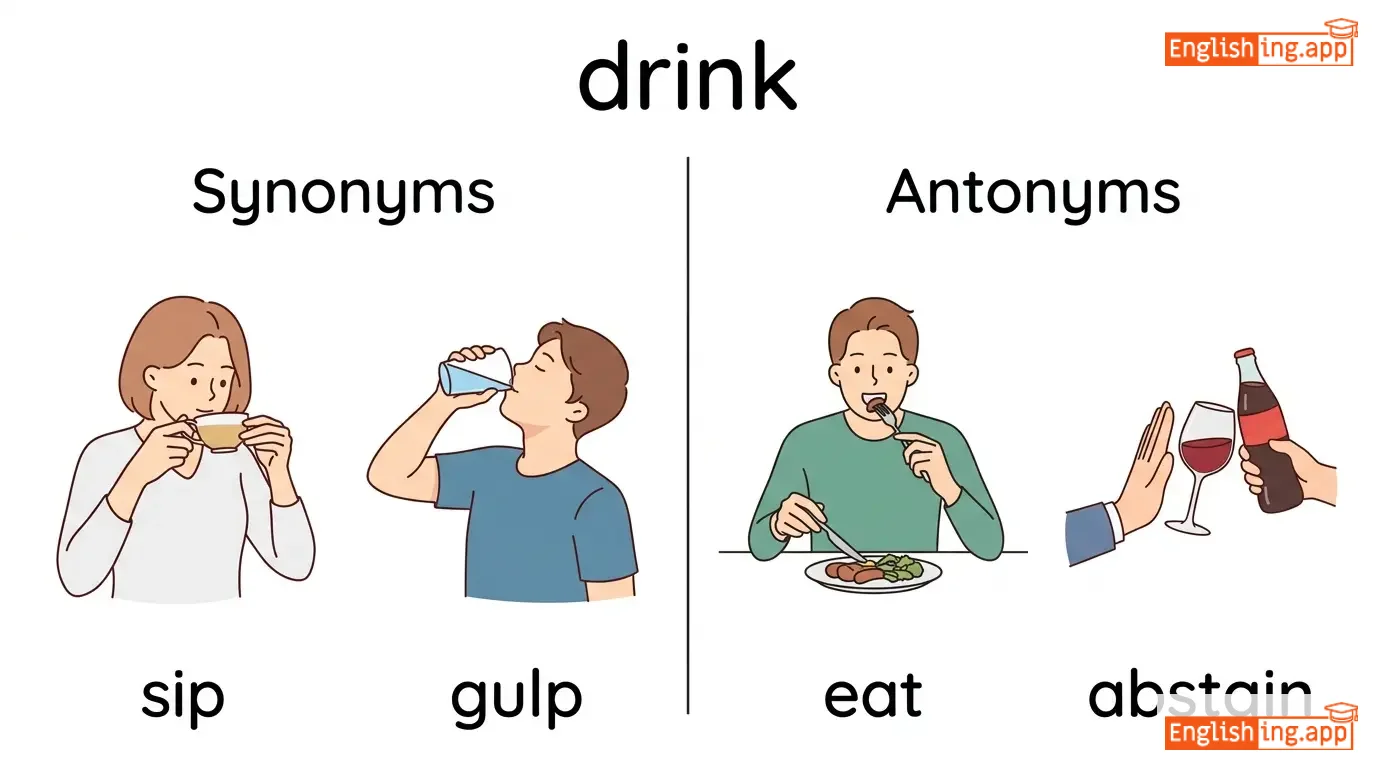

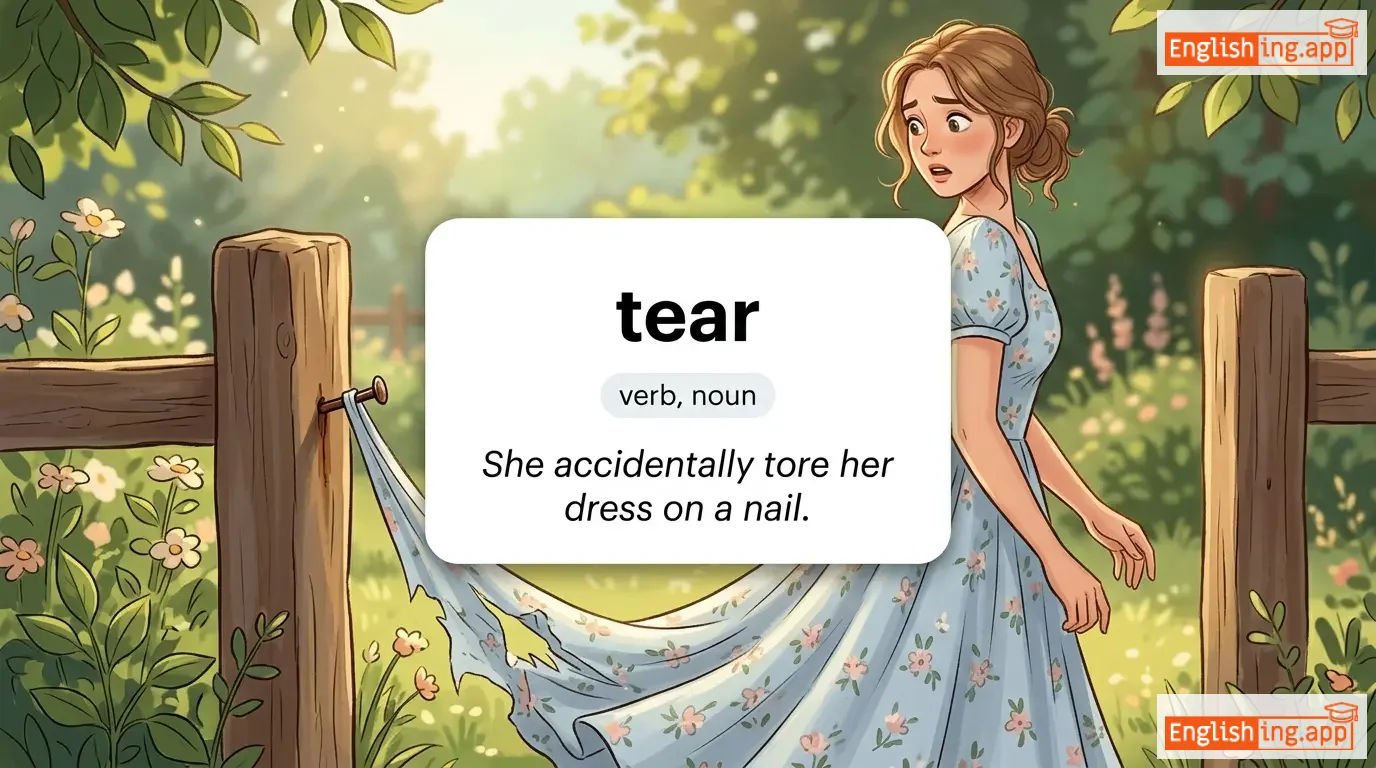
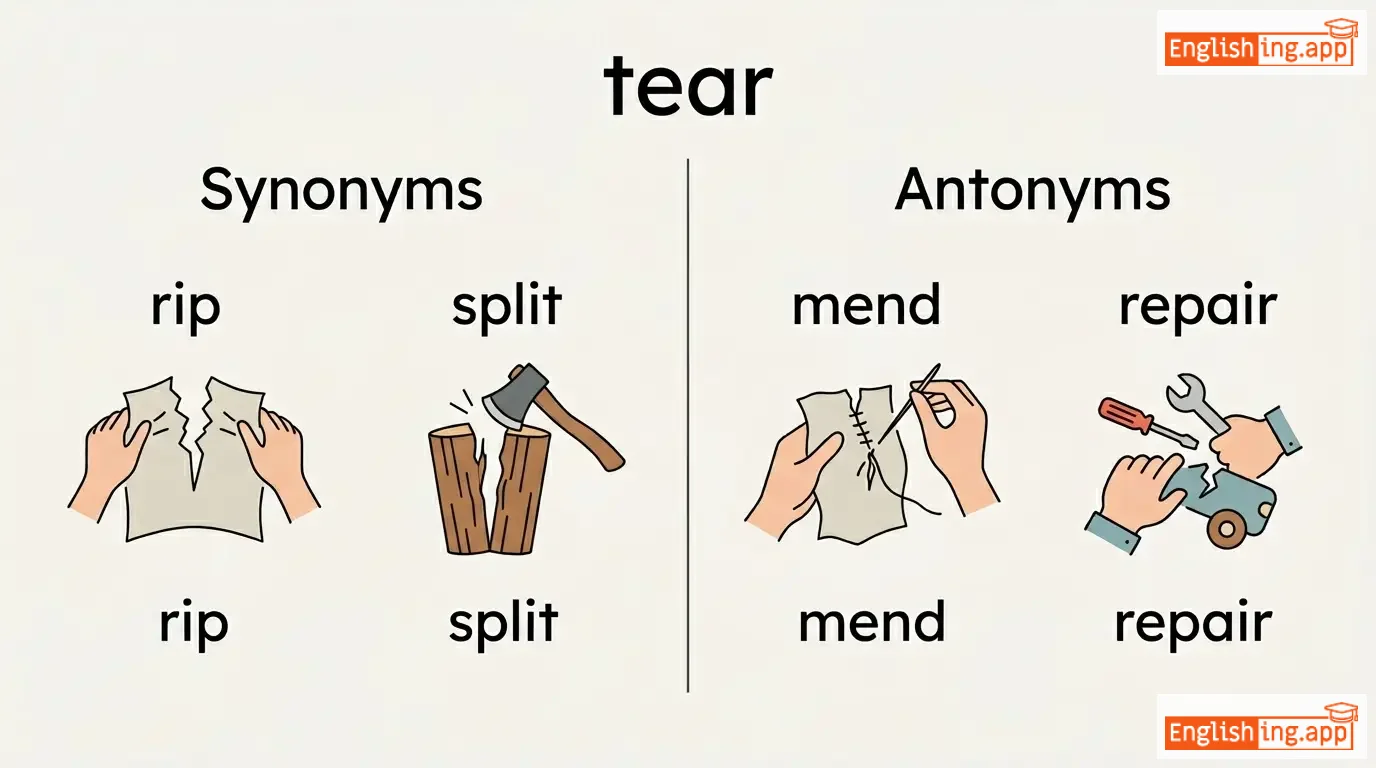
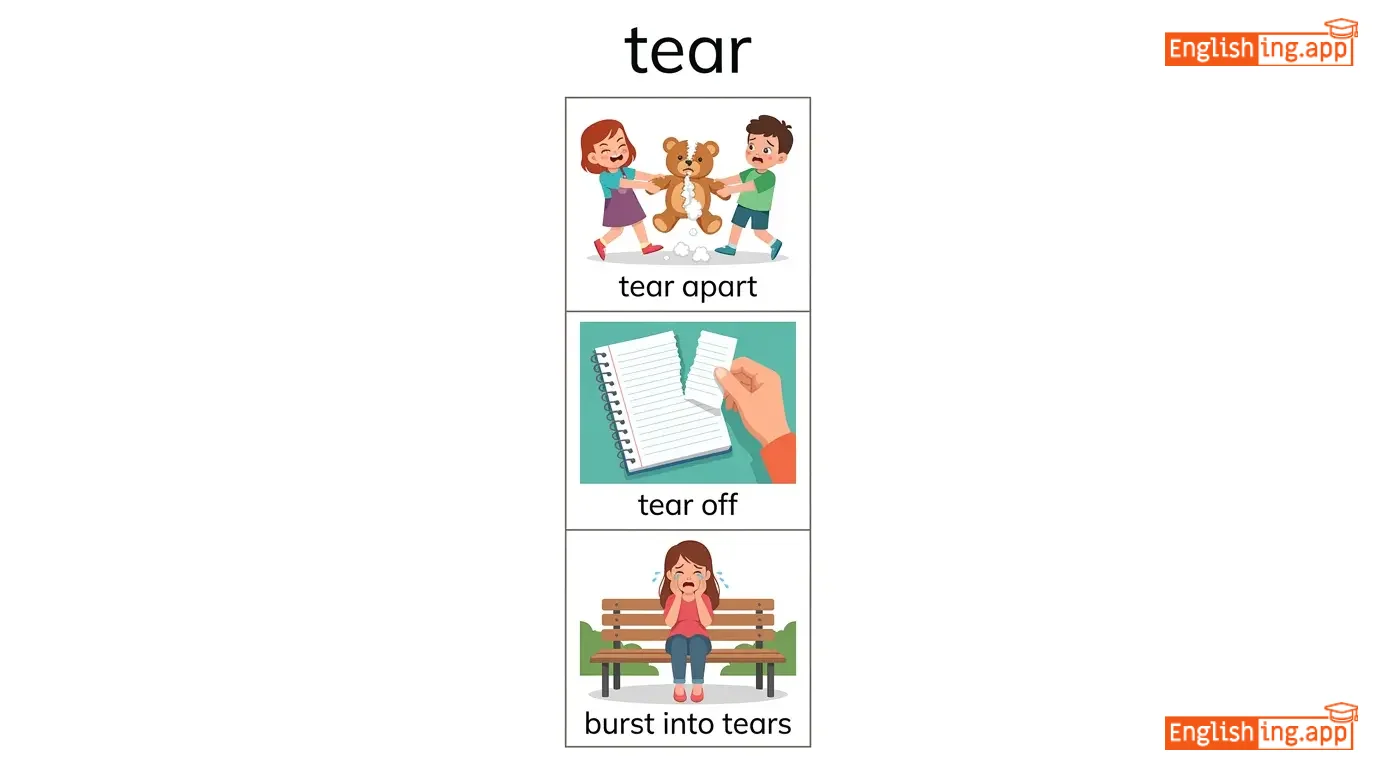
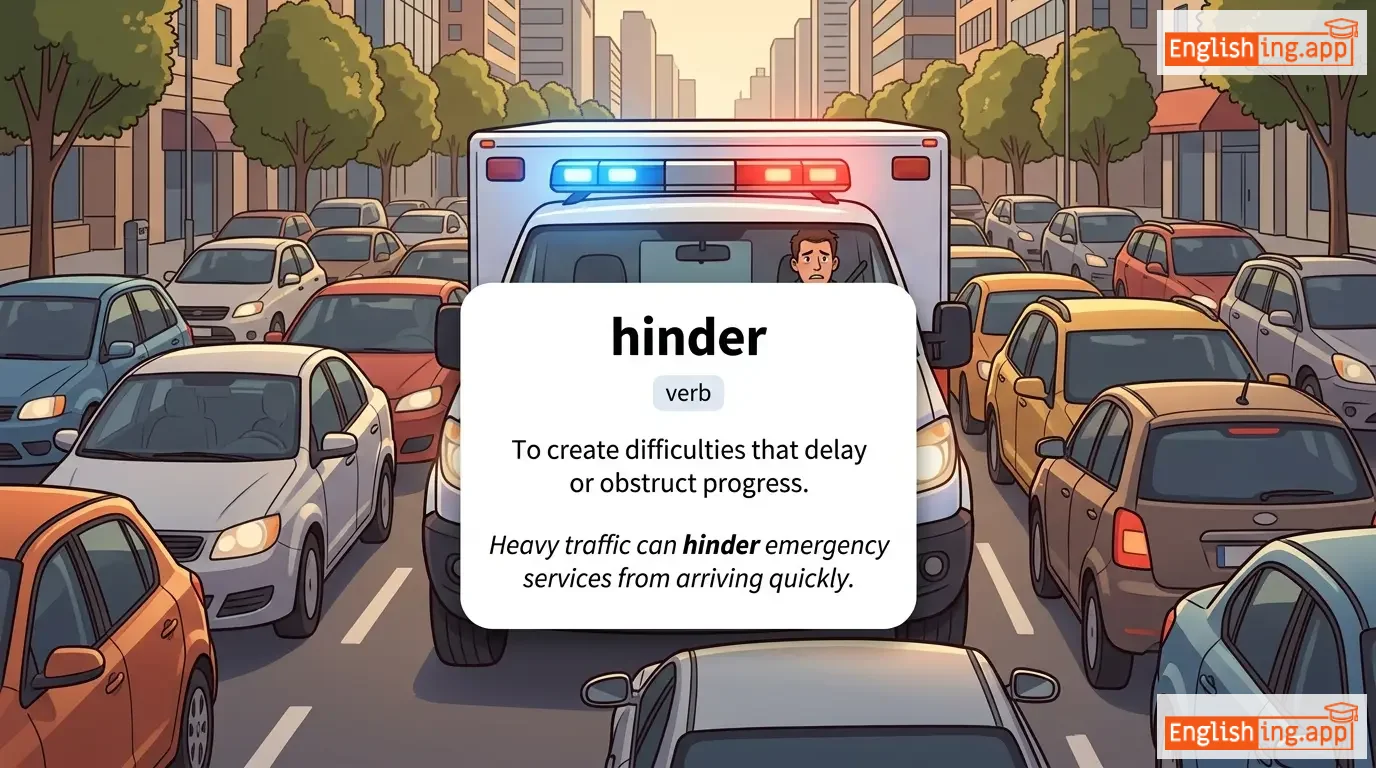
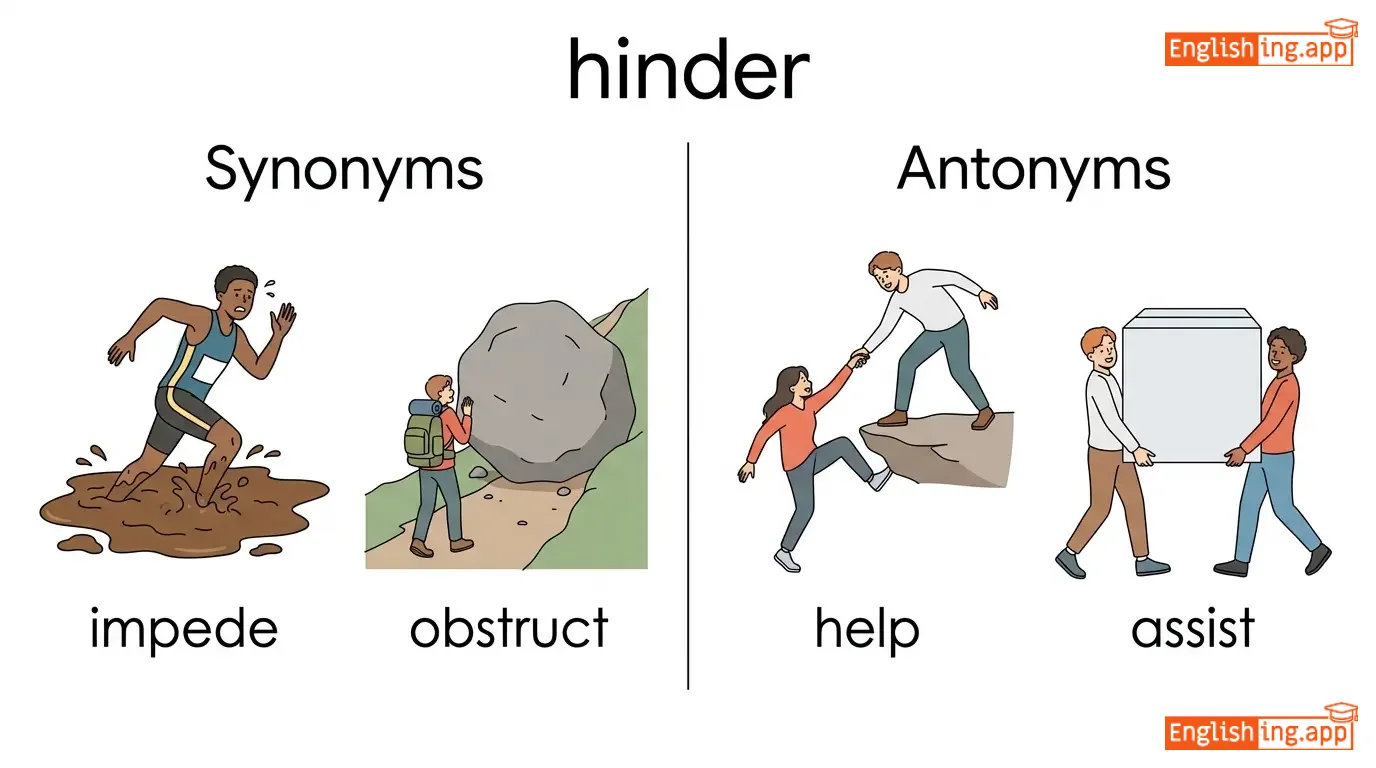
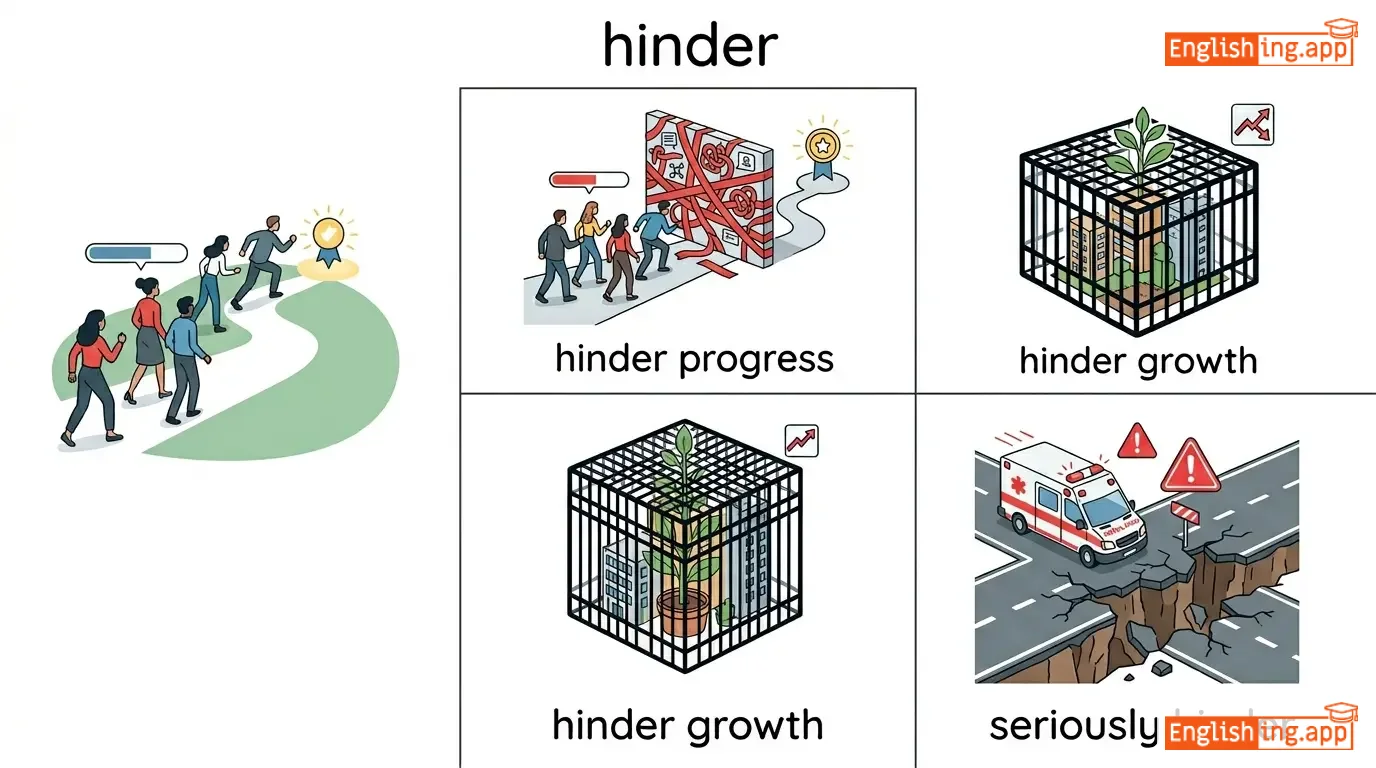








Swipe left or right, or use the buttons. Tap image to zoom.
例文の翻訳
単語
Lesson 17: Mastering the Most Frequent Verbs & TensesLesson 17: Mastering the Most Frequent Verbs & Tenses - マスクトグル
|
絵文字
|
単語 | Images | 翻訳 | 過去 | 過去分詞 | 三人称単数 | 動名詞 | 意味 | 例文 | 例文の翻訳 | 同義語 | 対義語 | コロケーション | ニーモニック |
|---|---|---|---|---|---|---|---|---|---|---|---|---|---|---|
|
#479
🥤
|
/drɪŋk/
verb
(ドリンク)
••••••
|
|
飲む
nomu
••••••
|
drank
ドランク
••••••
|
drunk
ドランク
••••••
|
drinks
ドリンクス
••••••
|
drinking
ドリンキング
••••••
|
to take liquid into the mouth and swallow it
••••••
|
I drink water every morning.
私は毎朝水を飲みます。
••••••
|
私は毎朝水を飲みます。
Watashi wa mai asa mizu o nomimasu.
••••••
|
consume, sip, gulp, swallow
••••••
|
spit out, refuse, abstain
••••••
|
drink water, drink coffee, drink alcohol, drink tea, drink milk
••••••
|
Imagine drinking 'nomu' water every morning.
••••••
|
|
#480
📜
|
/ter/
verb
(ティア)
••••••
|
|
裂ける
sakeru
••••••
|
tore
トア
••••••
|
torn
トーン
••••••
|
tears
ティアズ
••••••
|
tearing
ティアリング
••••••
|
to pull apart or damage by force; to rip
••••••
|
Be careful not to tear the paper.
紙を破らないように気をつけてください。
••••••
|
紙を破らないように気をつけてください。
Kami o yaburanai you ni ki wo tsukete kudasai.
••••••
|
rip, split, shred, damage
••••••
|
mend, repair, fix
••••••
|
tear paper, tear clothes, tear apart, tear down, tear up
••••••
|
裂けるのは、強く引っ張ったときに起こることです。
••••••
|
|
#481
🚧
|
/ˈhɪndər/
verb
(ヒンダー)
••••••
|
|
妨げる
samatajeru
••••••
|
hindered
ヒンダード
••••••
|
hindered
ヒンダード
••••••
|
hinders
ヒンダーズ
••••••
|
hindering
ヒンディリング
••••••
|
to obstruct; to create difficulties
••••••
|
Bad weather will hinder our progress.
悪天候は私たちの進行を妨げるでしょう。
••••••
|
悪天候は私たちの進行を妨げるでしょう。
Akutenkō wa watashitachi no shinkō o samatageru deshō.
••••••
|
obstruct, impede, block, hamper
••••••
|
help, assist, facilitate, aid
••••••
|
hinder progress, hinder development, hinder growth, hinder movement, hinder performance
••••••
|
ヒンダーは日本語で '妨げる' に似ており、進行を妨げる意味があります。
••••••
|
|
#482
🔄
|
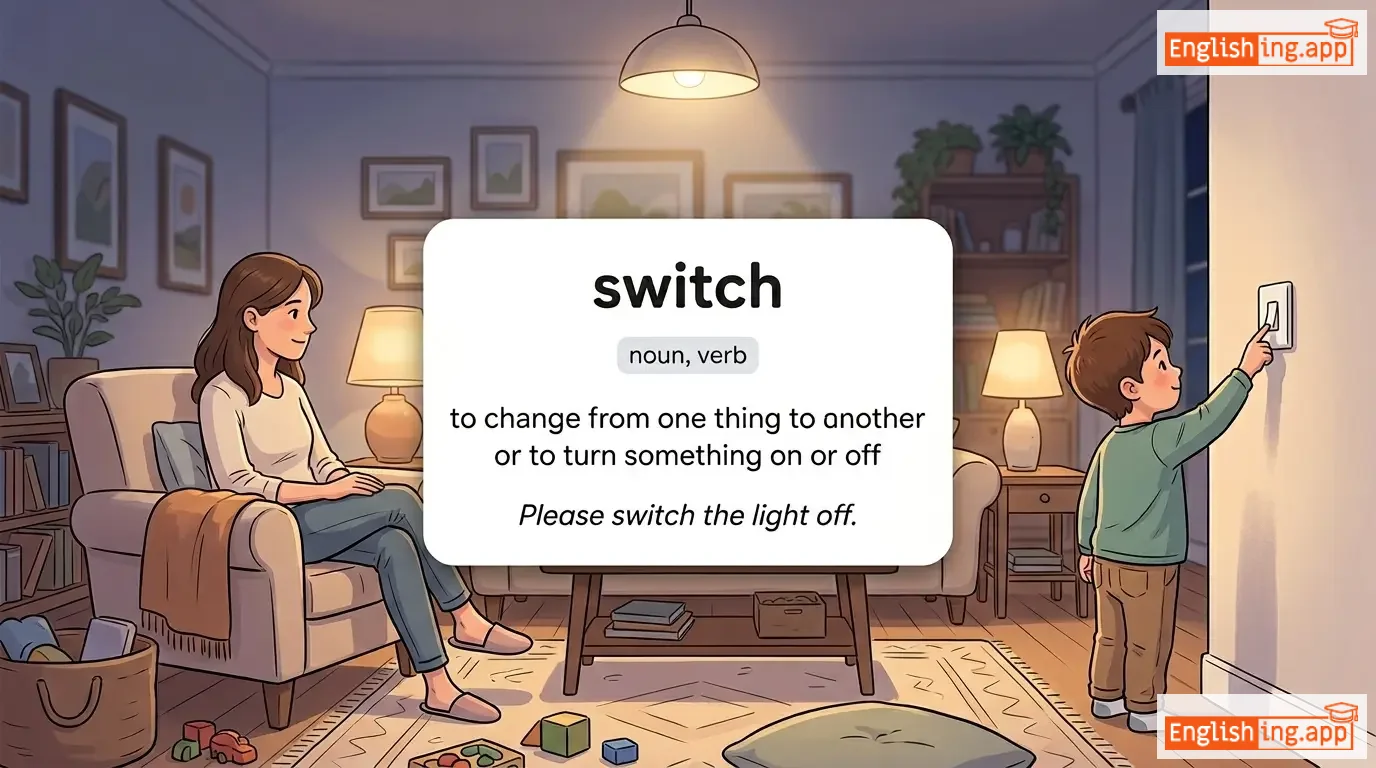
/swɪtʃ/
verb
(スイッチ)
••••••
|
|
切り替える
kirikaeru
••••••
|
switched
スイッチド
••••••
|
switched
スイッチド
••••••
|
switches
スイッチズ
••••••
|
switching
スイッチング
••••••
|
to change from one thing to another; to exchange or replace
••••••
|
I switched from coffee to tea.
私はコーヒーからお茶に切り替えました。
••••••
|
私はコーヒーからお茶に切り替えました。
Watashi wa kōhī kara ocha ni kirikaemashita.
••••••
|
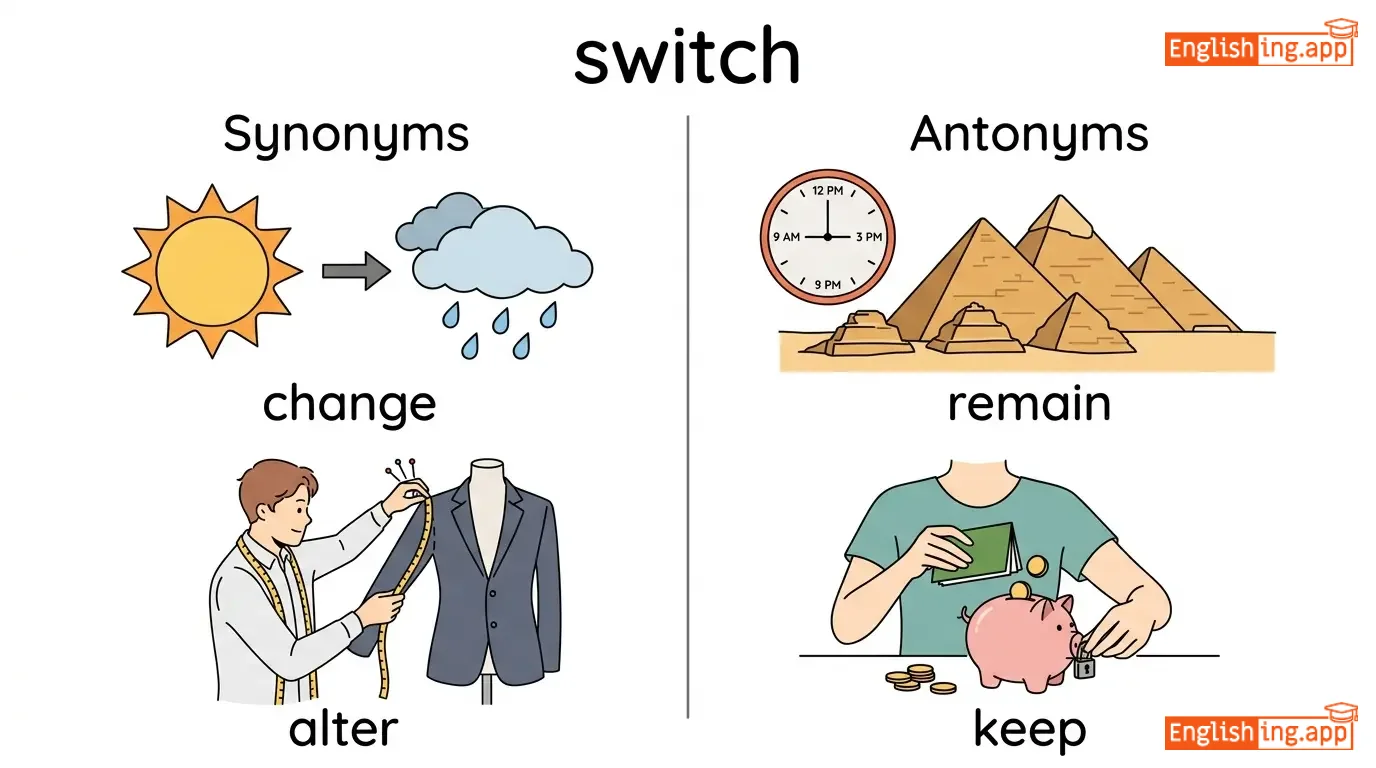
change, swap, exchange, shift
••••••
|
keep, maintain, stick
••••••
|
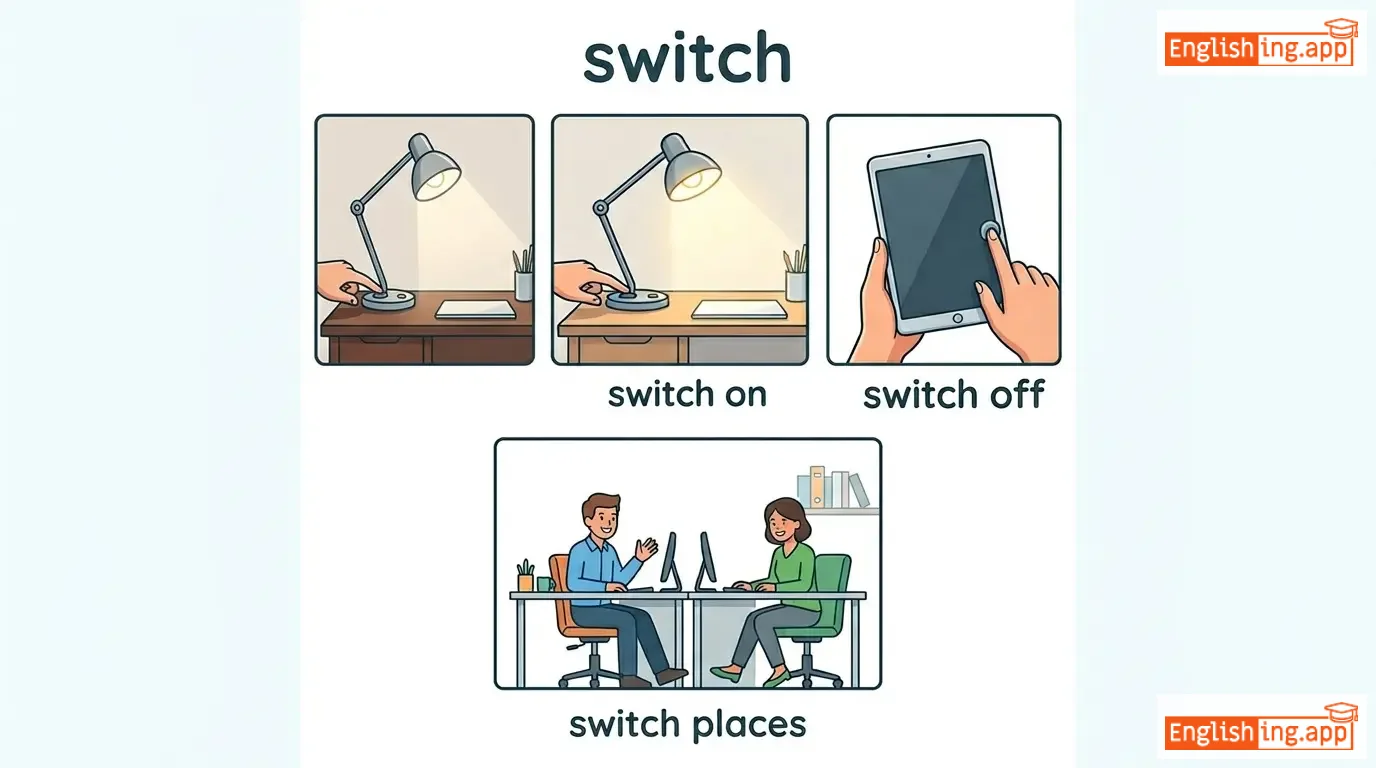
switch off, switch on, switch channels, switch jobs, switch sides
••••••
|
新しい考えを切り替えるためにスイッチを押そう!
••••••
|
|
#483
✅
|
/ˈfɪnɪʃ/
verb
(フィニッシュ)
••••••
|
|
終わらせる
owaraseru
••••••
|
finished
フィニッシュド
••••••
|
finished
フィニッシュド
••••••
|
finishes
フィニッシュズ
••••••
|
finishing
フィニッシング
••••••
|
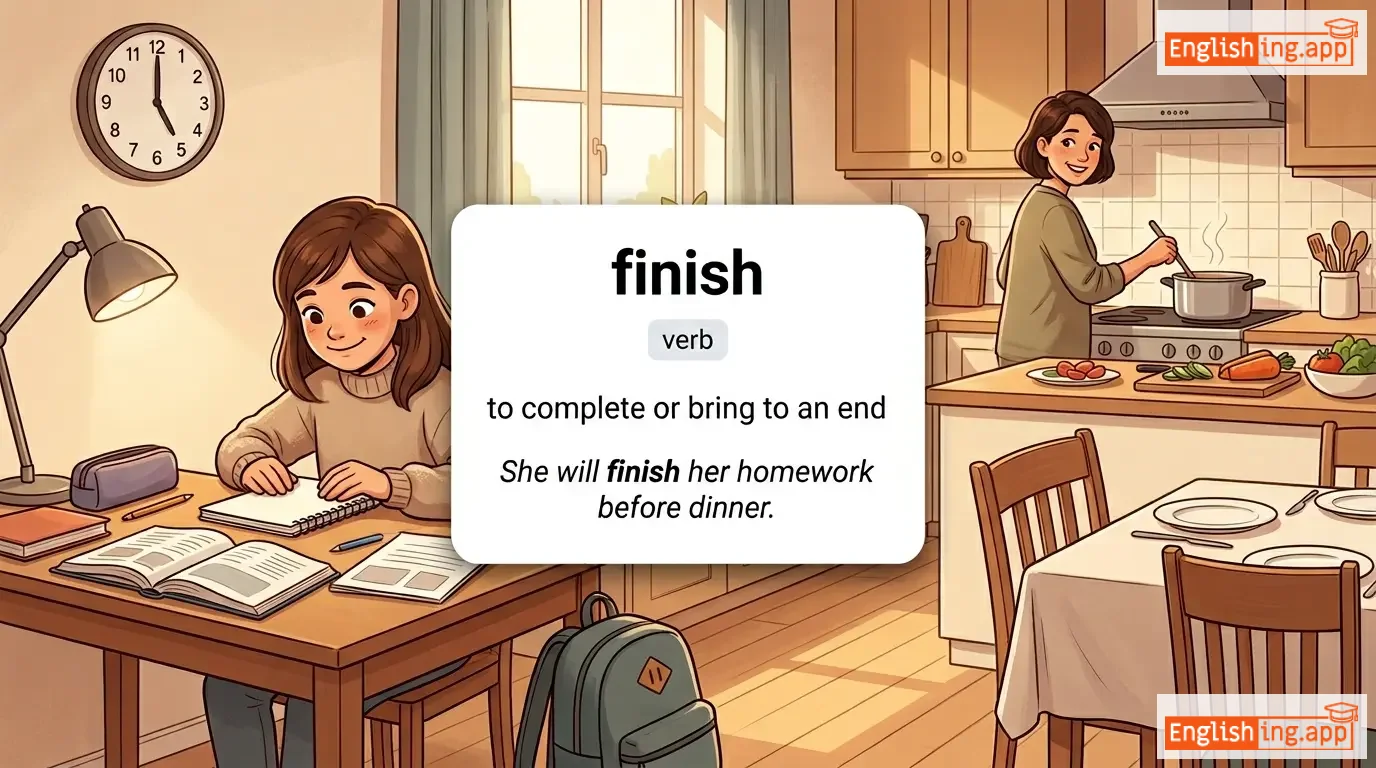
to complete or bring to an end; to reach the final point
••••••
|
She finished her homework before dinner.
彼女は夕食前に宿題を終わらせた。
••••••
|
彼女は夕食前に宿題を終わらせた。
Kanojo wa yūshoku mae ni shukudai o owaraseta.
••••••
|
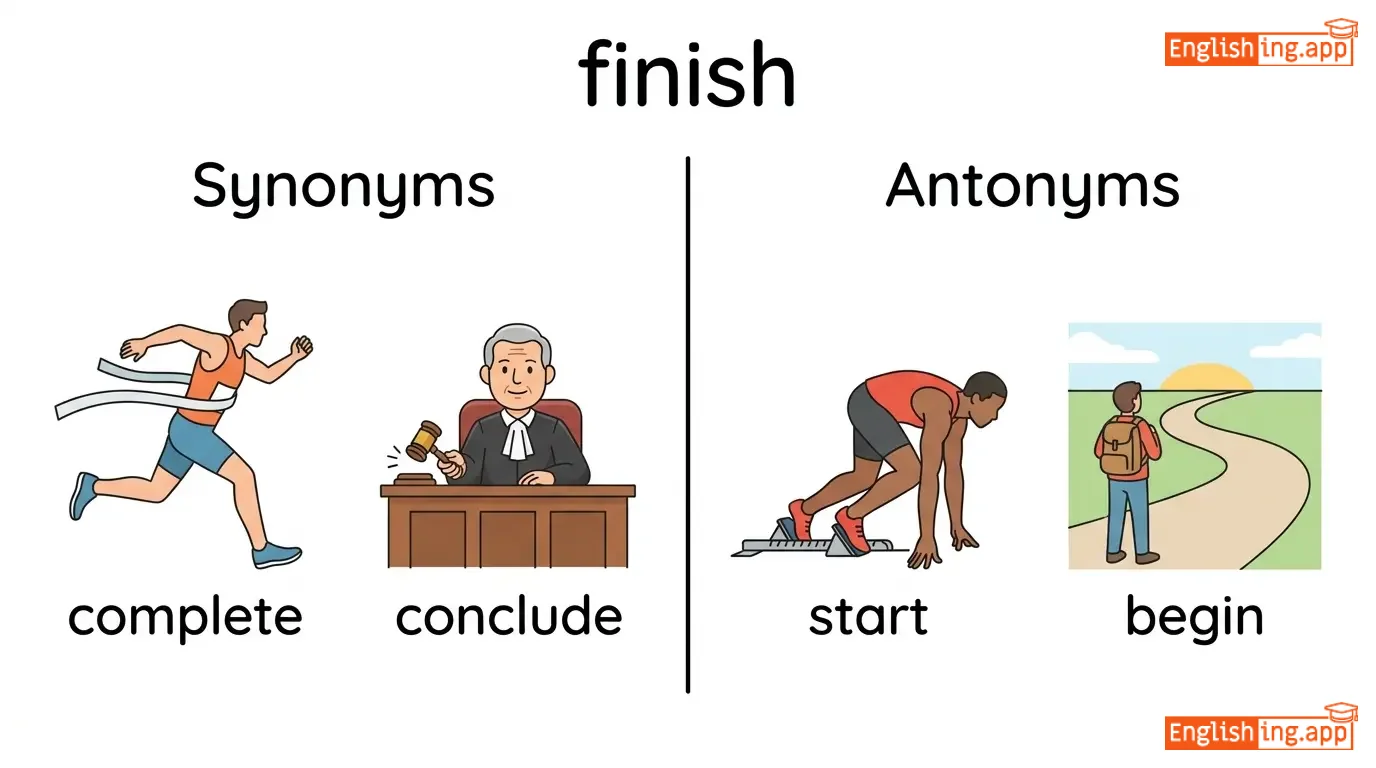
complete, conclude, end, finalize
••••••
|
start, begin, commence, initiate
••••••
|
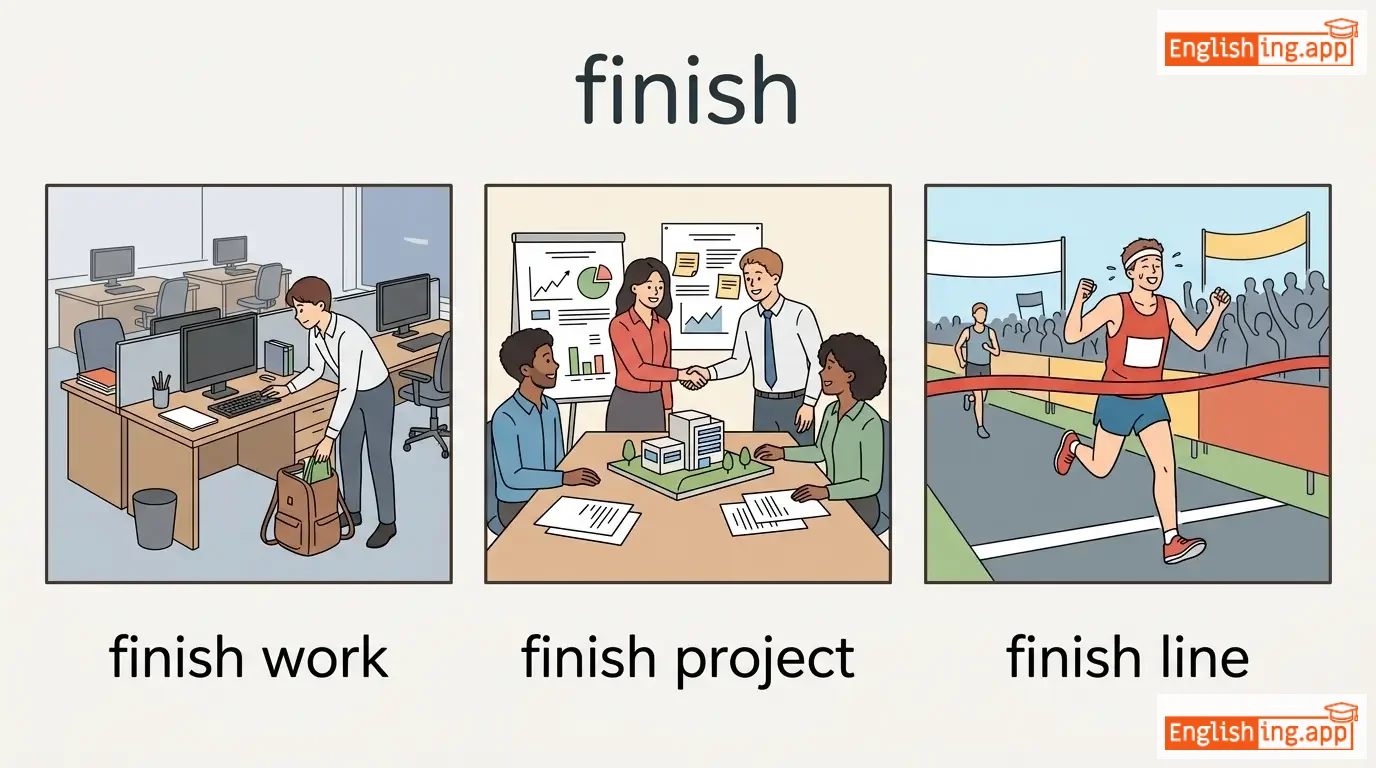
finish work, finish homework, finish eating, finish reading, finish quickly
••••••
|
No •••••• |
|
#484
✊
|
/dɪˈfaɪ/
verb
(ディファイ)
••••••
|
|
挑戦する
chousen suru
••••••
|
defied
ディファイド
••••••
|
defied
ディファイド
••••••
|
defies
ディファイズ
••••••
|
defying
ディファイング
••••••
|
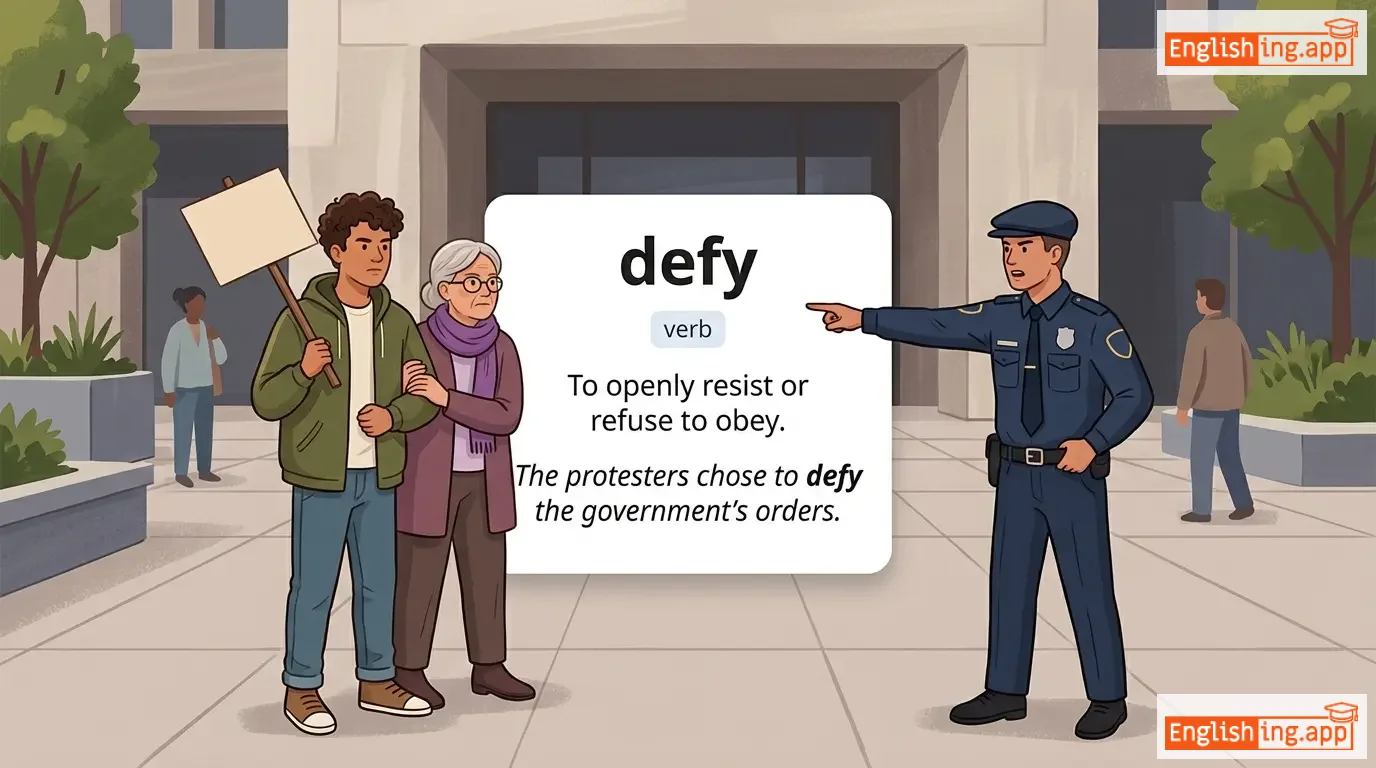
to openly resist or refuse to obey someone or something; to challenge or dare someone to do something
••••••
|
The protesters continued to defy the government's ban on public gatherings.
ザ プロテスターズ コンティニュード トゥ ディファイ ザ ガバーメンツ バン オン パブリック ギャザーリングス
••••••
|
抗議者たちは政府の公共集会禁止令に対して引き続き挑戦しました。
Kōgisha-tachi wa seifu no kōkyō shūkai kinshi-rei ni taishite hikitsuzuki chōsen shimashita.
••••••
|
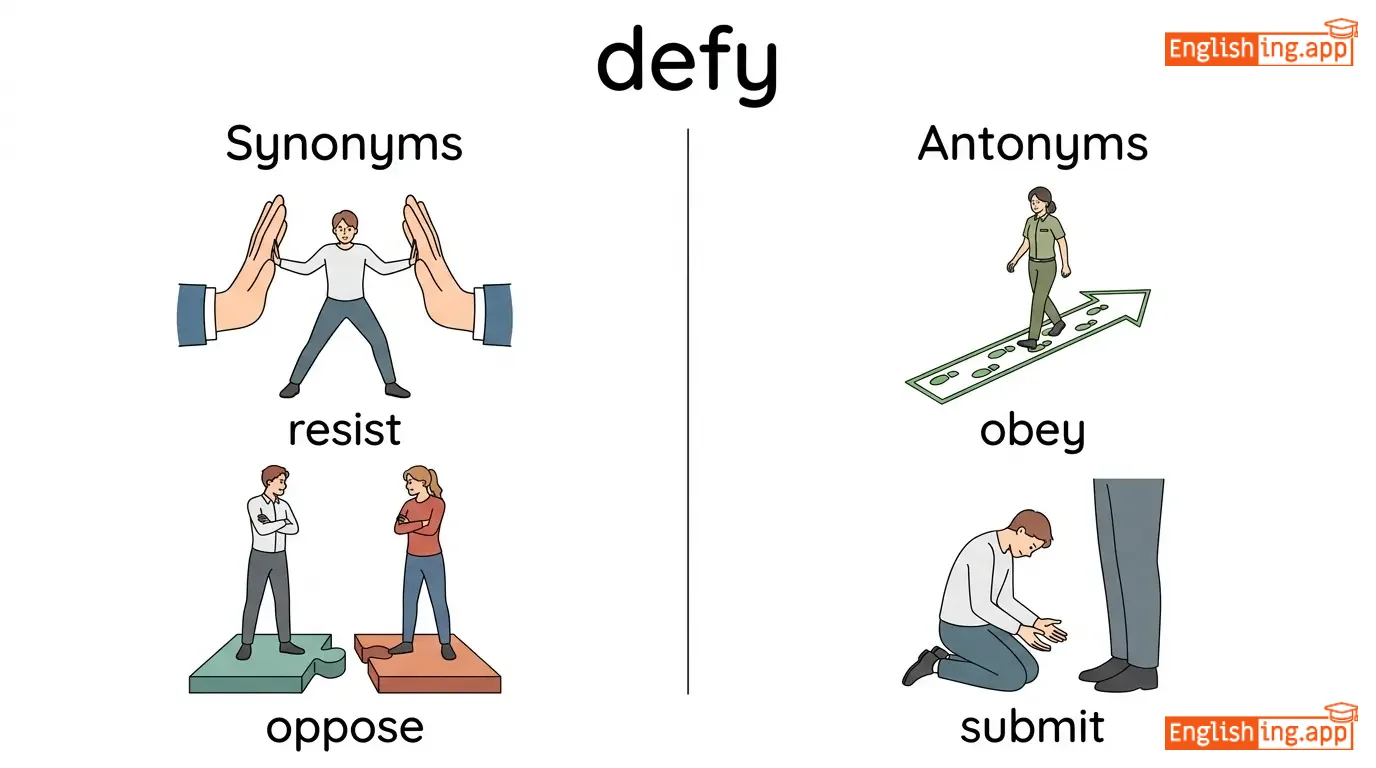
resist, oppose, challenge, disobey
••••••
|
obey, comply, submit, surrender
••••••
|
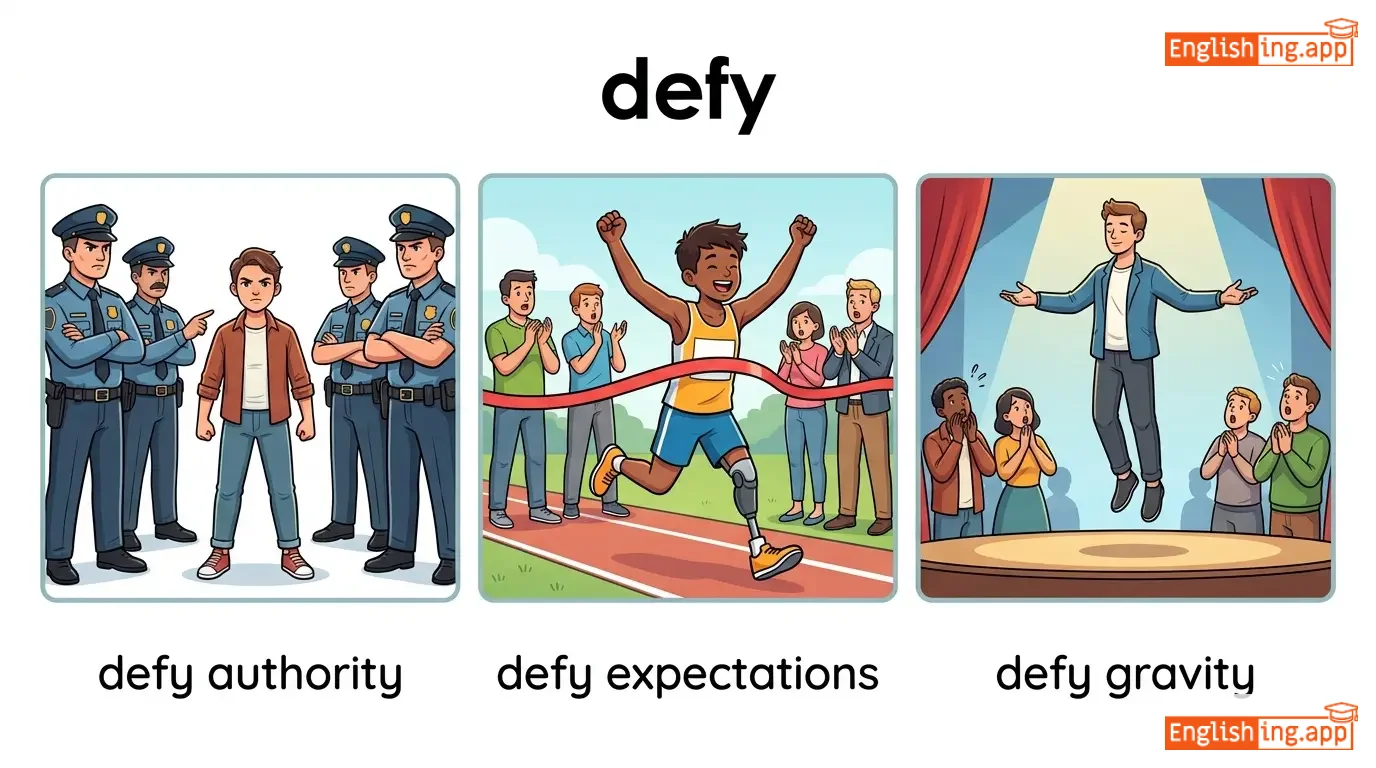
defy authority, defy orders, defy expectations, defy gravity, defy logic
••••••
|
No •••••• |
|
#485
🚪
|
/nɒk/
verb
(ノック)
••••••
|
|
ノックする
nokku suru
••••••
|
knocked
ノックド
••••••
|
knocked
ノックド
••••••
|
knocks
ノックス
••••••
|
knocking
ノッキング
••••••
|
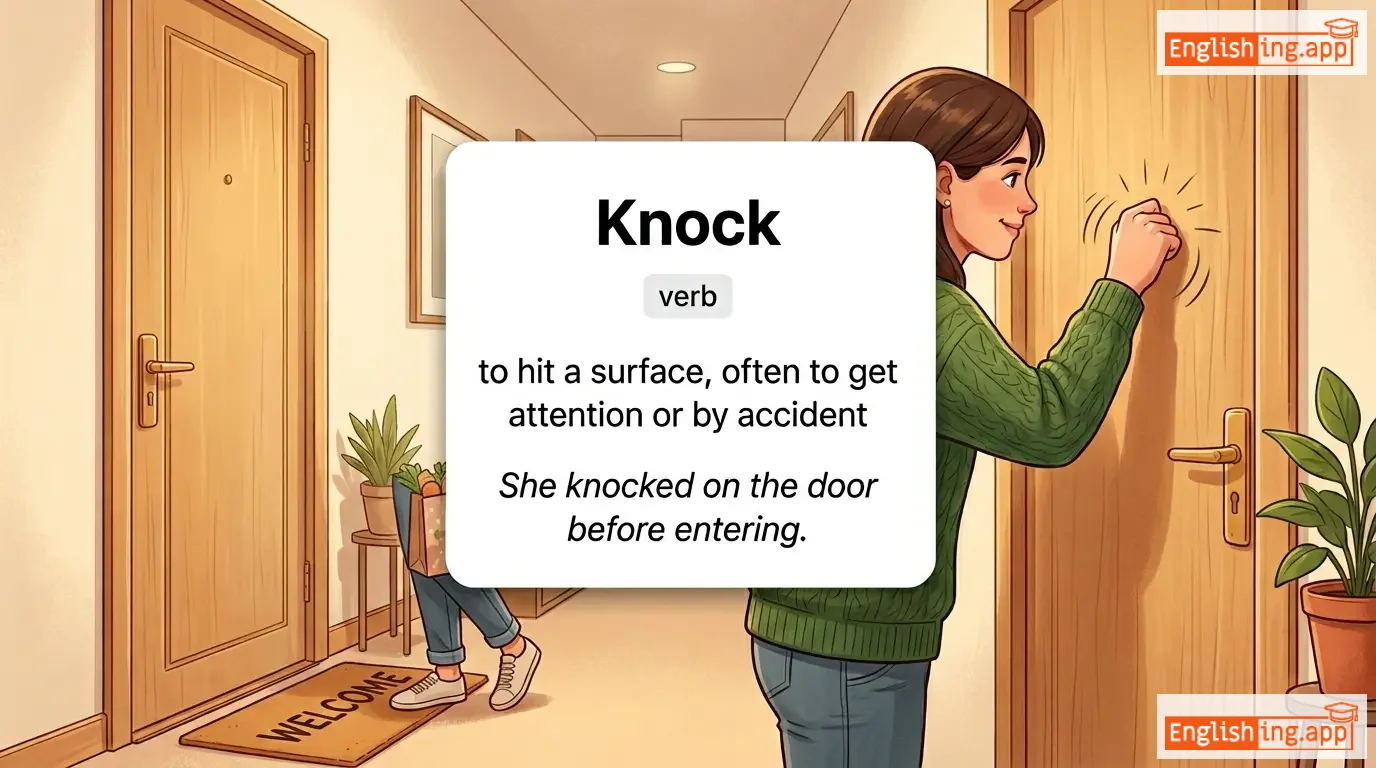
to tap or hit; to strike a surface to make a sound
••••••
|
Someone is knocking at the door.
誰かがドアをノックしています。
••••••
|
誰かがドアをノックしています。
Dareka ga doa o nokkushiteimasu.
••••••
|
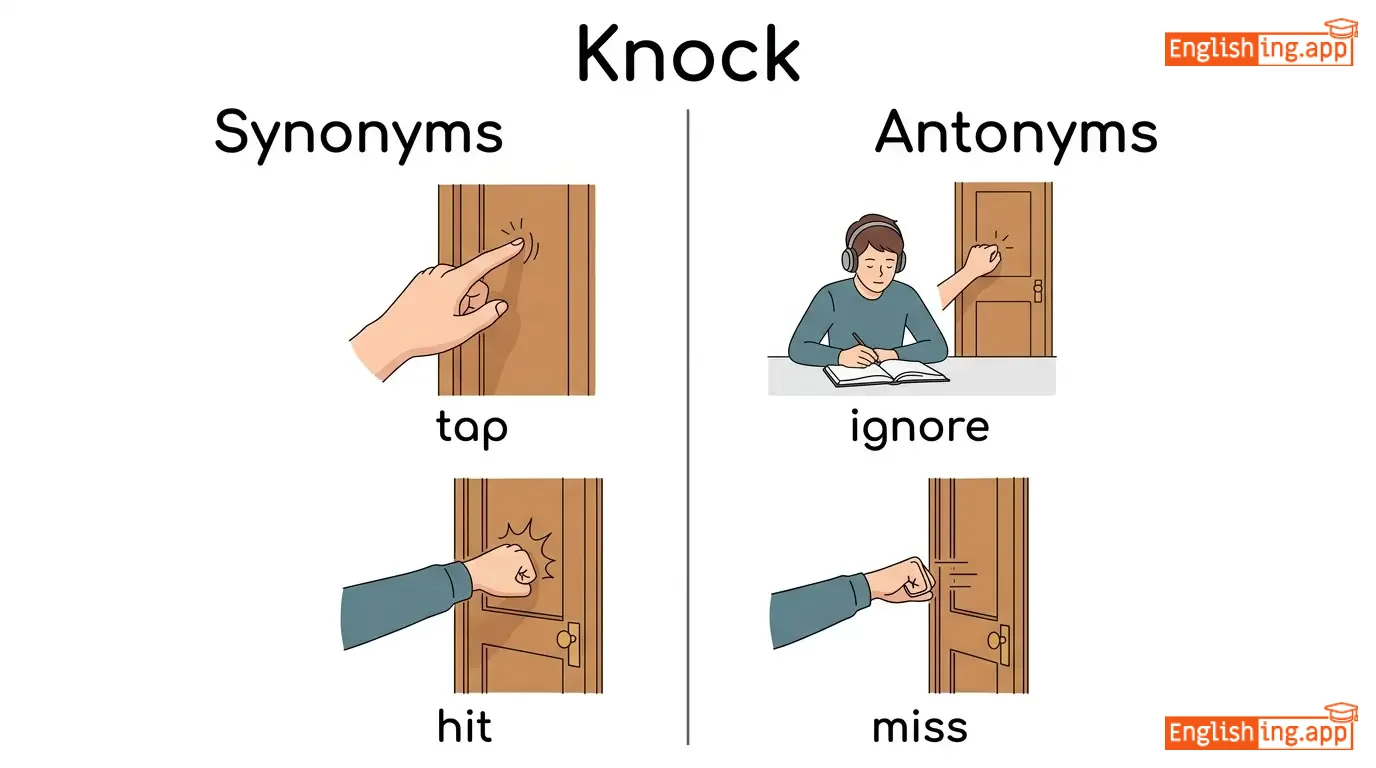
tap, rap, bang, strike
••••••
|
silence, quiet, stillness
••••••
|
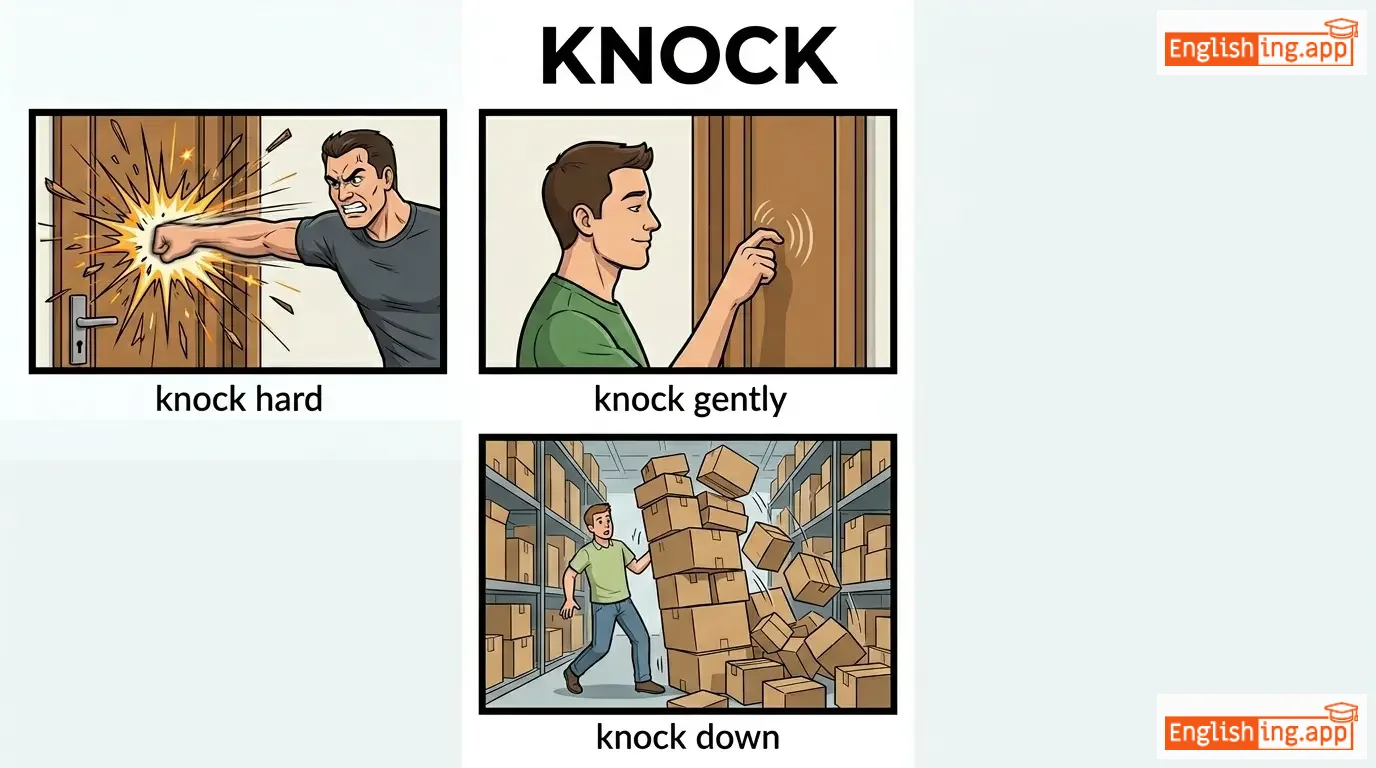
knock on door, knock loudly, knock gently, knock down, knock over
••••••
|
No •••••• |
|
#486
❔
|
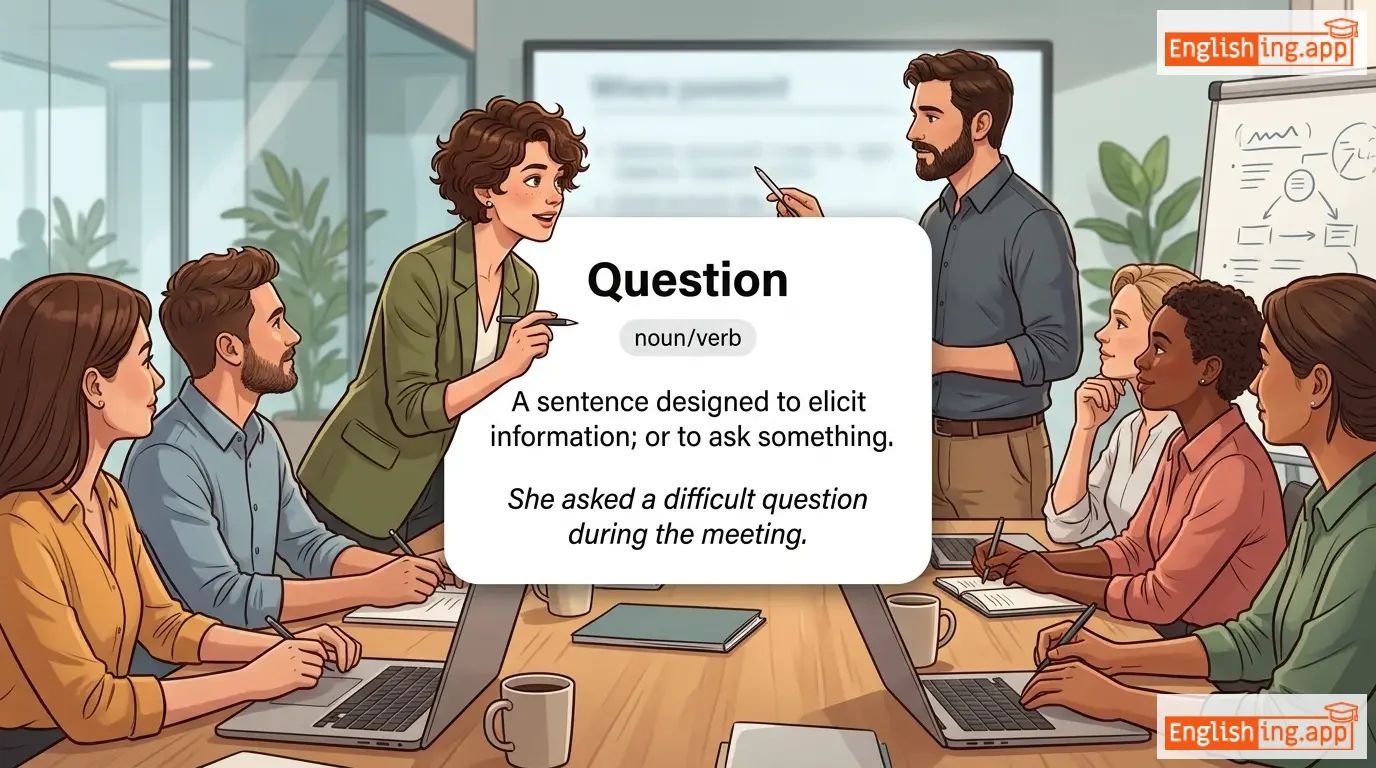
/ˈkwestʃən/
verb
(クエスチョン)
••••••
|
|
質問する
shitsumon suru
••••••
|
questioned
クエスチョンド
••••••
|
questioned
クエスチョンド
••••••
|
questions
クエスチョンズ
••••••
|
questioning
クエスチョニング
••••••
|
to ask someone about something; to doubt or challenge
••••••
|
The police will question the witness about the incident.
警察は事件について証人に質問します。
••••••
|
警察は事件について証人に質問します。
Keisatsu wa jiken ni tsuite shōnin ni shitsumon shimasu.
••••••
|
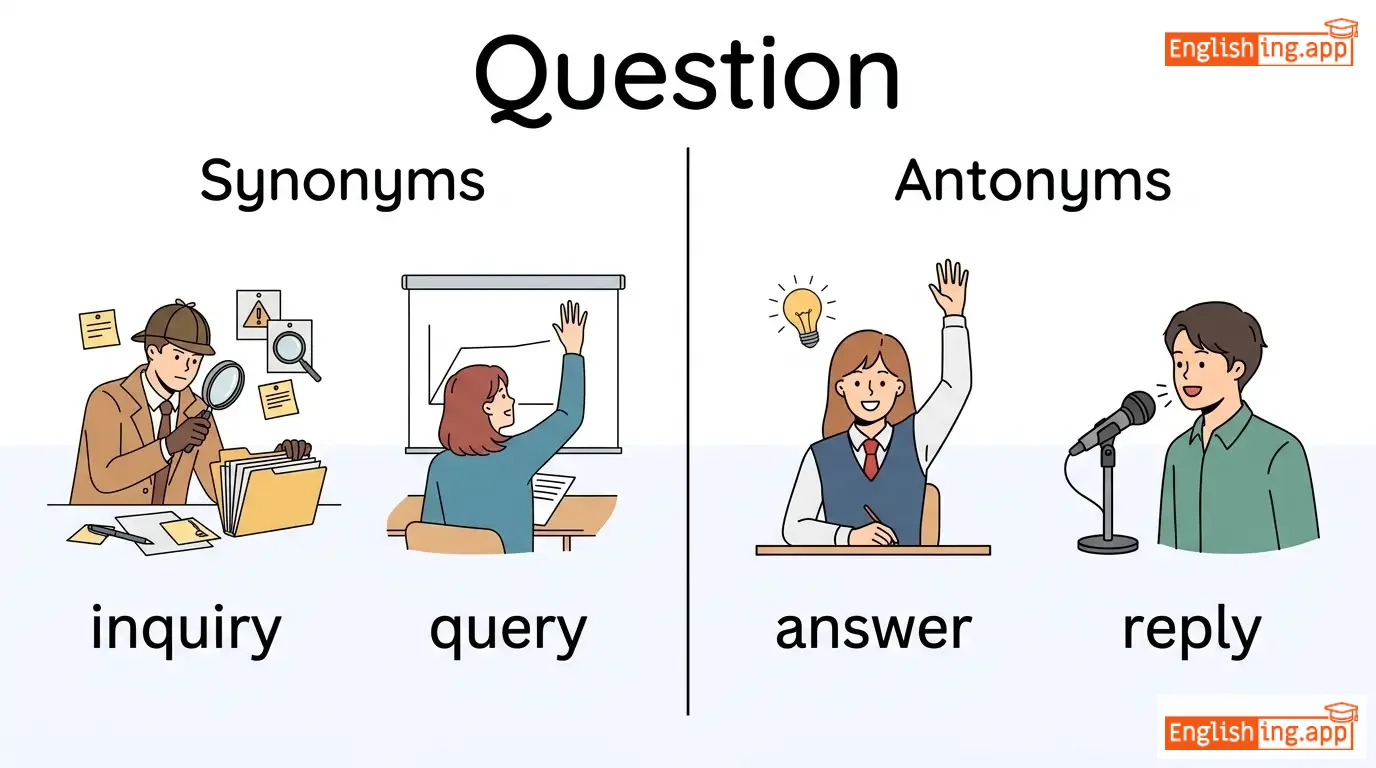
ask, interrogate, inquire, challenge
••••••
|
answer, reply, accept
••••••
|
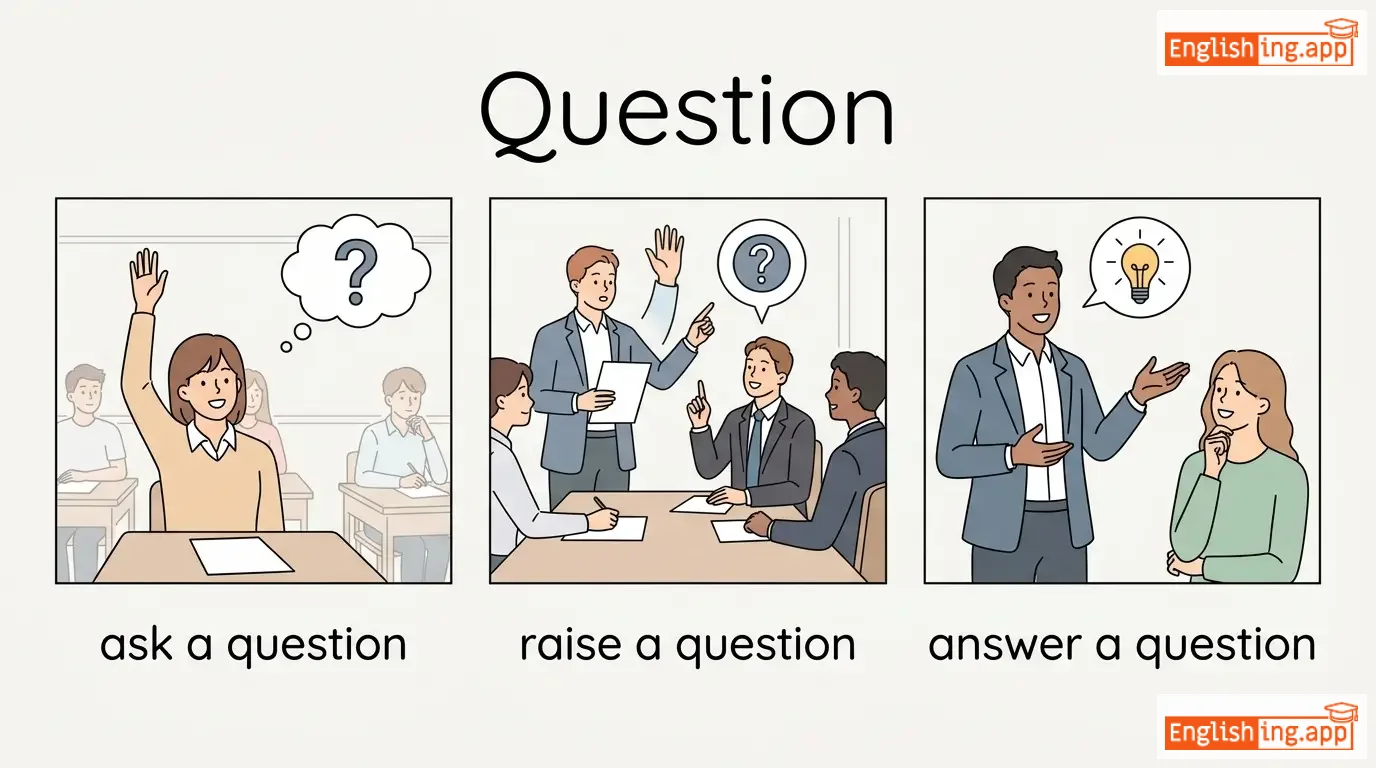
question authority, question motives, question decisions, question witnesses, question validity
••••••
|
質問するとき、警察は聞きます。
••••••
|
|
#487
🔀
|
/daɪˈvɜːrdʒ/
verb
(ダイヴァージ)
••••••
|
|
分岐する
bunki suru
••••••
|
diverged
ダイヴァージド
••••••
|
diverged
ダイヴァージド
••••••
|
diverges
ダイヴァージズ
••••••
|
diverging
ダイヴァージング
••••••
|
to separate and go in different directions; to differ
••••••
|
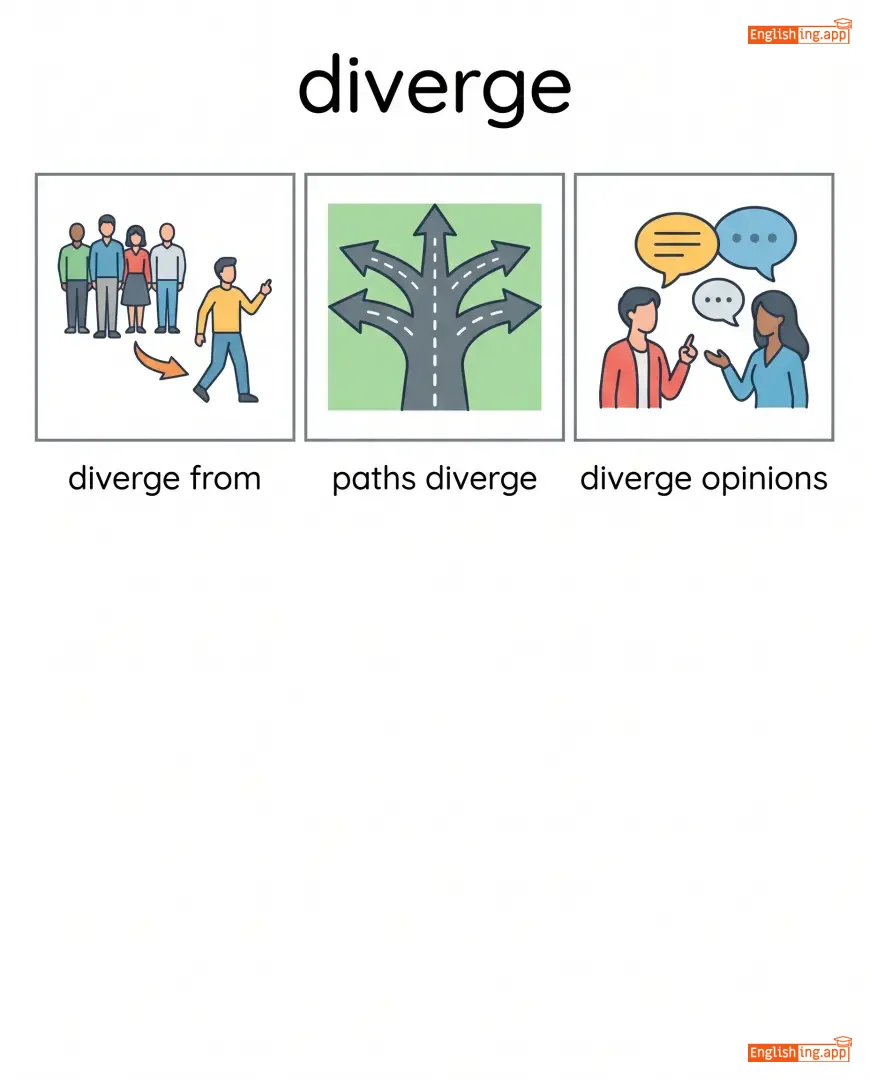
The two paths diverge at the fork in the road.
二つの道は交差点で分かれる。
••••••
|
二つの道は交差点で分かれる。
Futatsu no michi wa kousaten de wakareru.
••••••
|
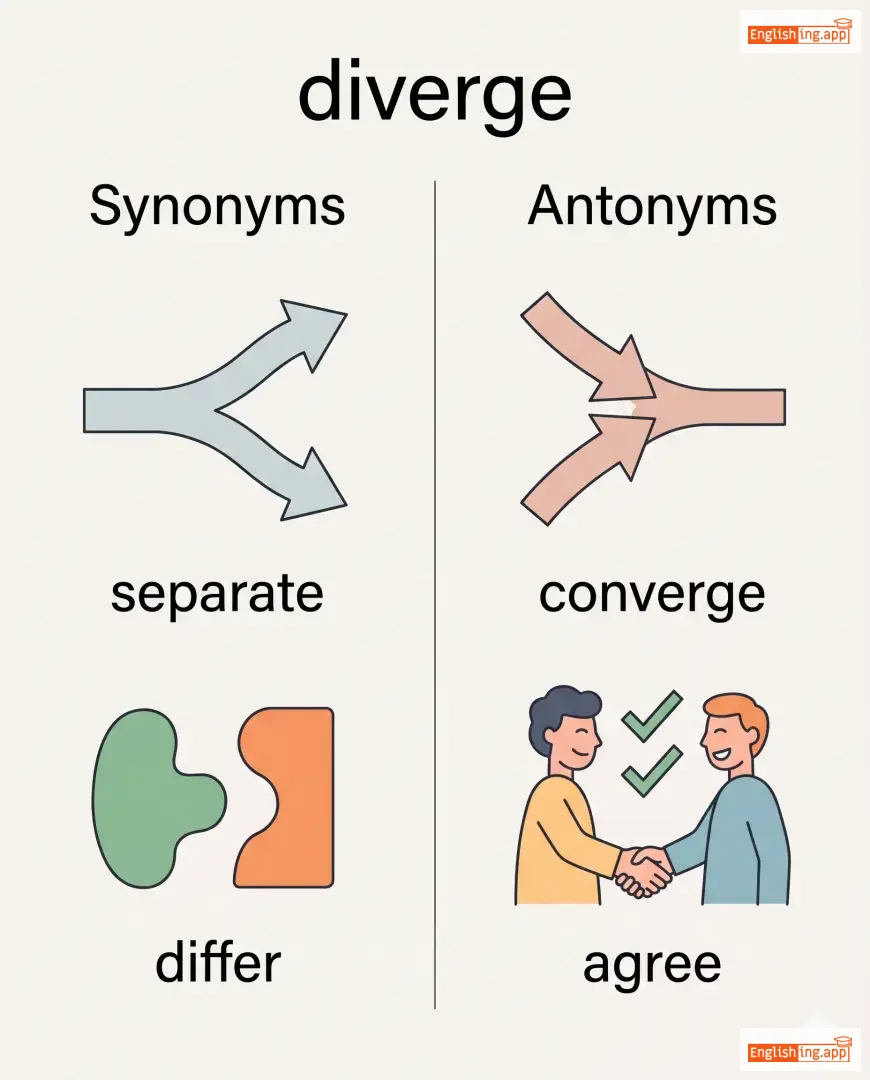
separate, branch, split, deviate
••••••
|
converge, meet, unite, merge
••••••
|
diverge from path, diverge opinions, diverge sharply, diverge widely, diverge significantly
••••••
|
日本語で「分岐する」、道路が二方向に分かれるように。
••••••
|
|
#488
🚚
|
/muːv/
verb
(ムーブ)
••••••
|
|
動かす
ugokasu
••••••
|
moved
ムーブド
••••••
|
moved
ムーブド
••••••
|
moves
ムーブス
••••••
|
moving
ムービング
••••••
|
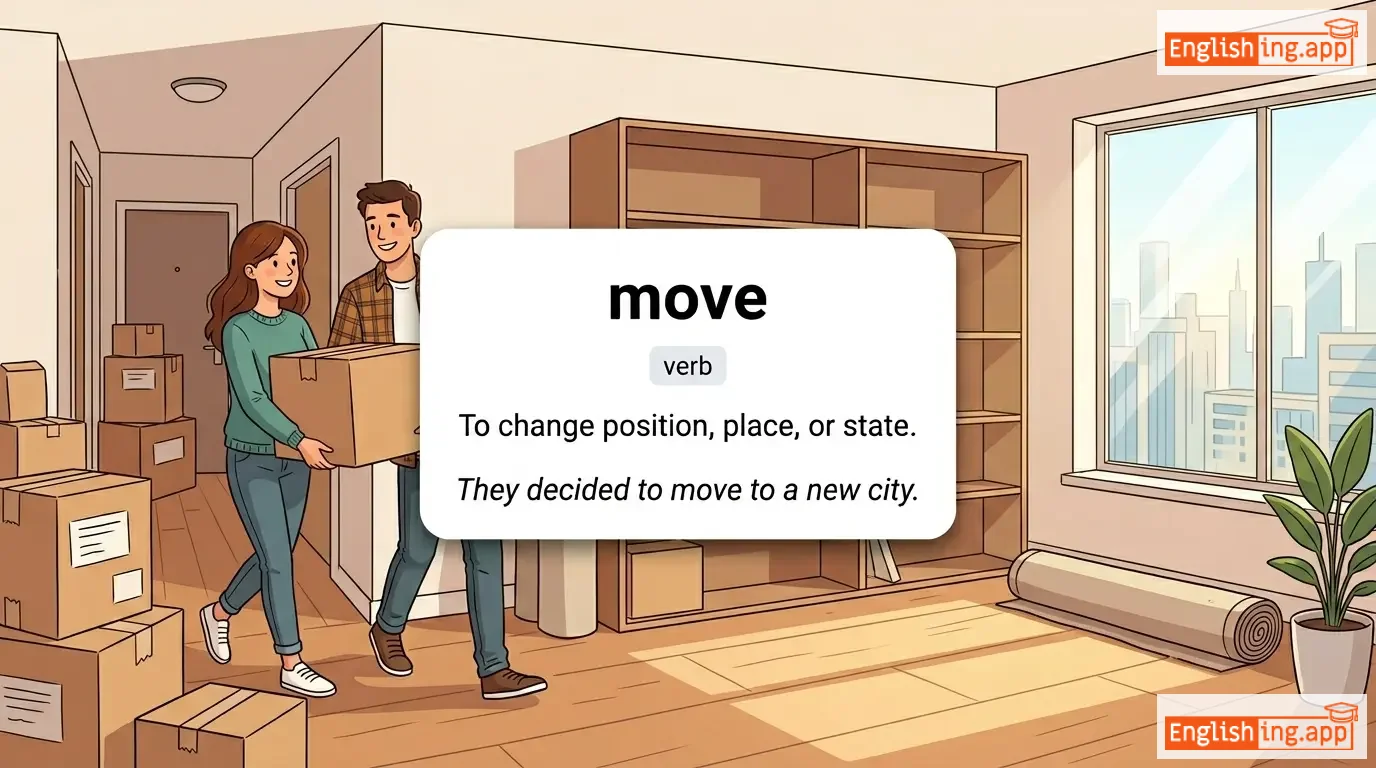
to change position; to go from one place to another; to relocate
••••••
|
They decided to move to a bigger house.
彼らはもっと大きな家に引っ越すことに決めました。
••••••
|
彼らはもっと大きな家に引っ越すことに決めました。
Karera wa motto ookina ie ni hikkosu koto ni kimemashita.
••••••
|
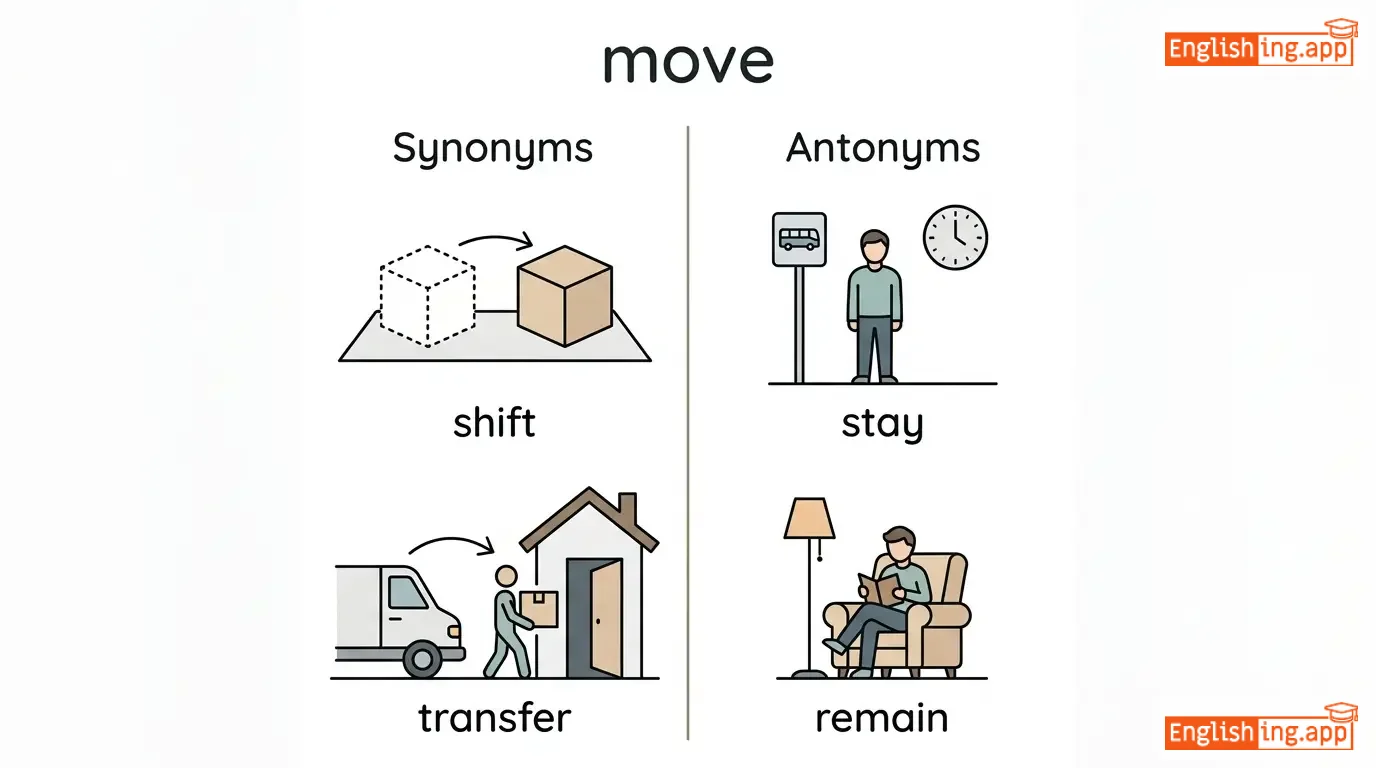
relocate, shift, transfer, go, travel
••••••
|
stay, remain, stop, settle
••••••
|
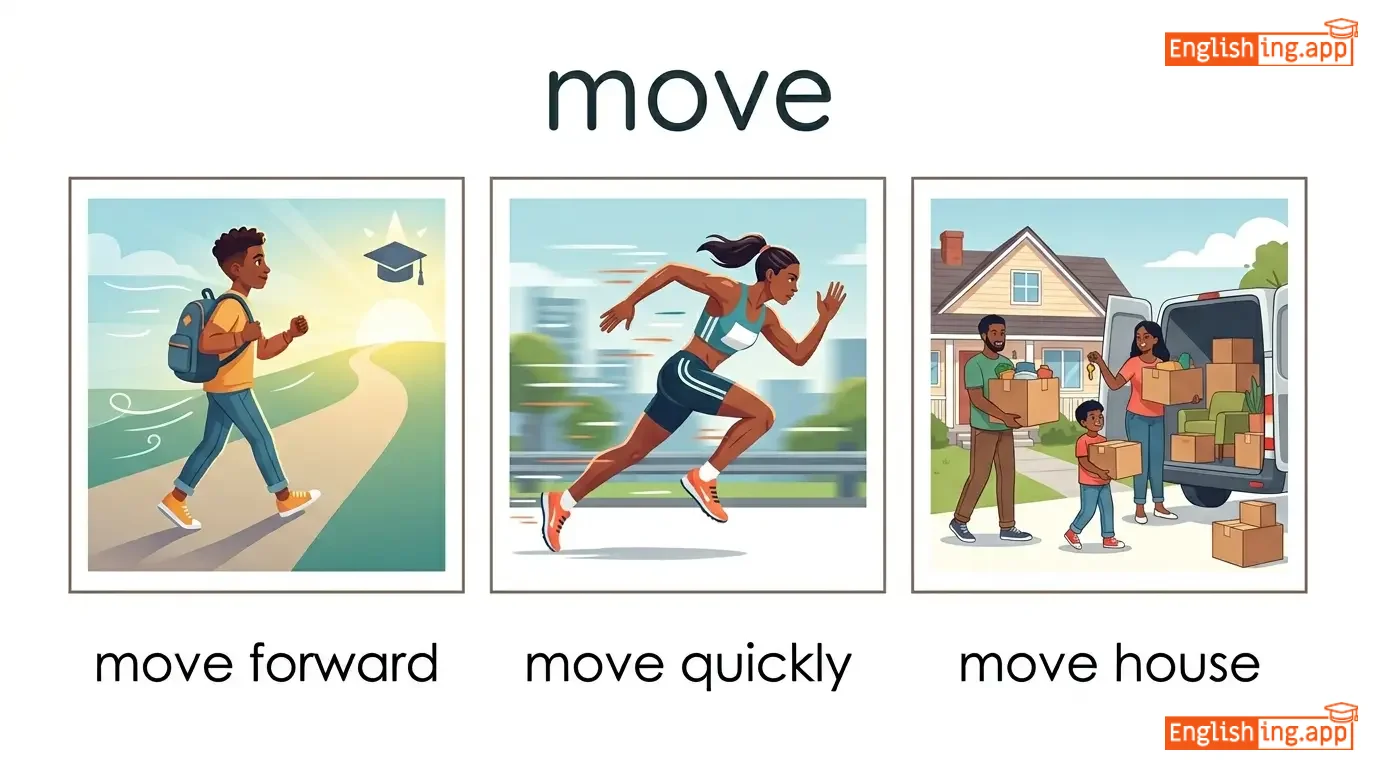
move house, move quickly, move slowly, move forward, move away
••••••
|
動かすは場所を移動させることです。
••••••
|
|
#489
🤲
|
/kənˈtrɪbjuːt/
verb
(kôntribyût)
••••••
|
|
貢献する
kōken suru
••••••
|
contributed
kôntribyûteddo
••••••
|
contributed
kôntribyûteddo
••••••
|
contributes
kôntribyûtsu
••••••
|
contributing
kôntribyûtingu
••••••
|
to give something, especially money, time, or effort, to help achieve or provide something
••••••
|
Everyone contributed money to buy a farewell gift for the teacher.
みんなは先生へのお別れの贈り物を買うためにお金を寄付しました。
••••••
|
みんなは先生へのお別れの贈り物を買うためにお金を寄付しました。
Minna wa sensei e no owakare no okurimono o kau tame ni okane o kifu shimashita.
••••••
|
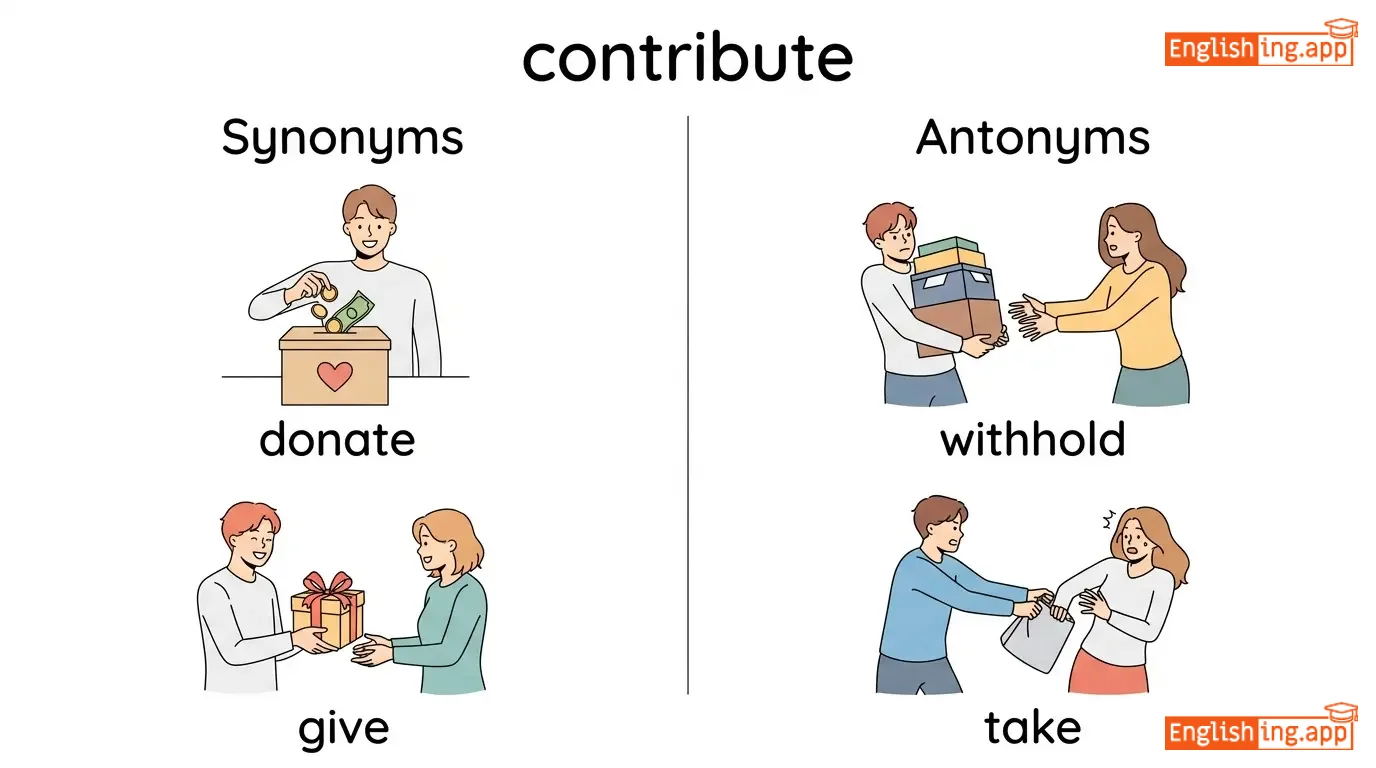
donate, give, provide, support
••••••
|
withhold, take, receive, withdraw
••••••
|
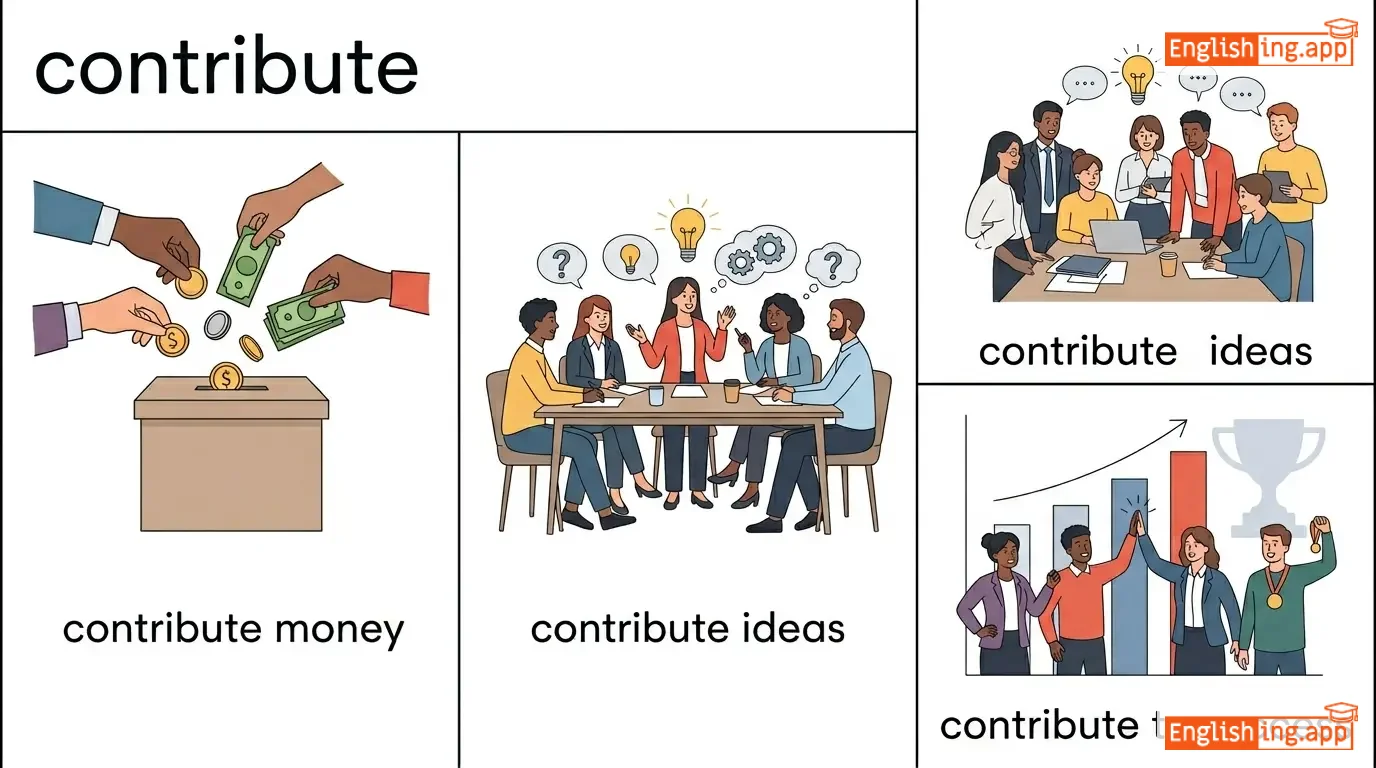
contribute money, contribute ideas, contribute time, contribute effort, contribute significantly
••••••
|
No •••••• |
|
#490
💪
|
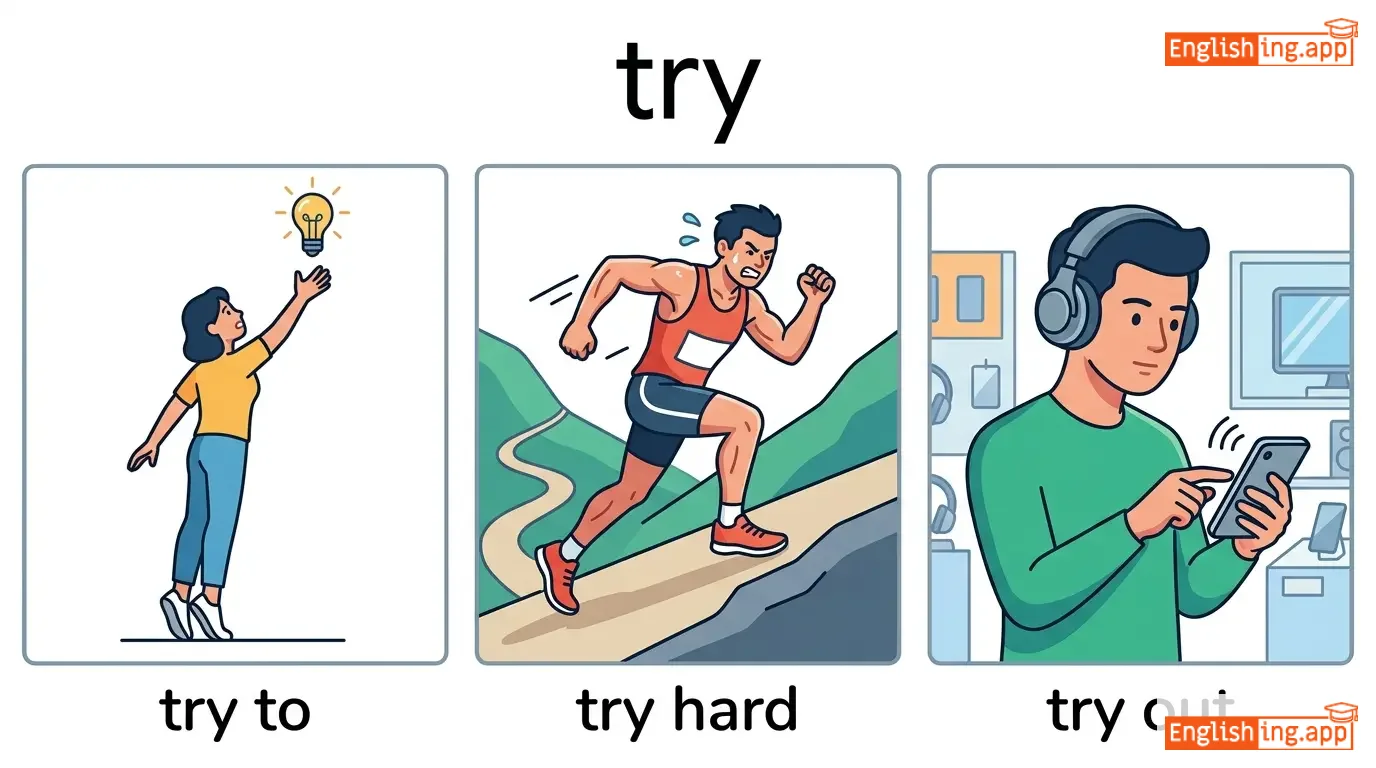
/traɪ/
verb
(トライ)
••••••
|
|
試す
tamesu
••••••
|
tried
トライド
••••••
|
tried
トライド
••••••
|
tries
トライズ
••••••
|
trying
トライング
••••••
|
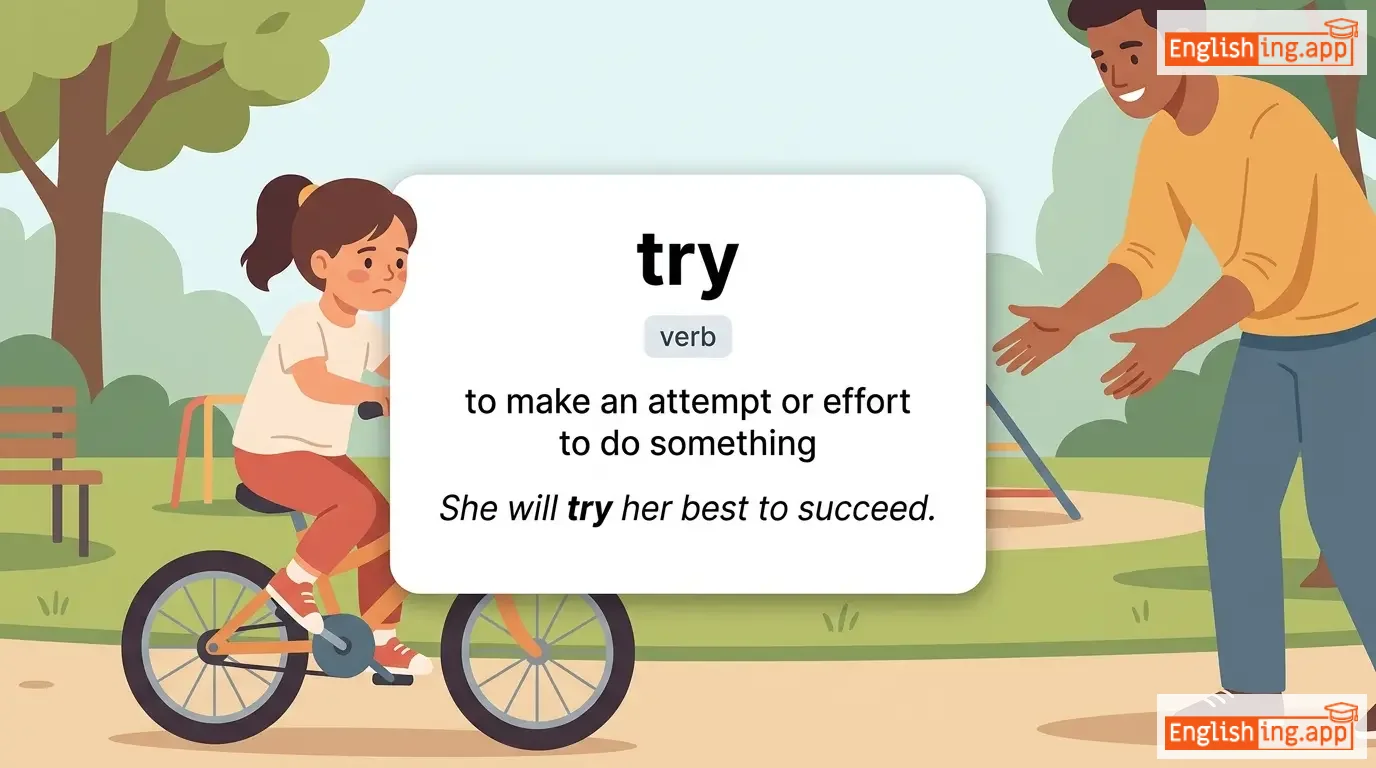
to make an effort to do something; to attempt
••••••
|
I will try my best to help you.
私はあなたを助けるために最善を尽くします。
••••••
|
私はあなたを助けるために最善を尽くします。
Watashi wa anata o tasukeru tame ni saizen o tsukushimasu.
••••••
|
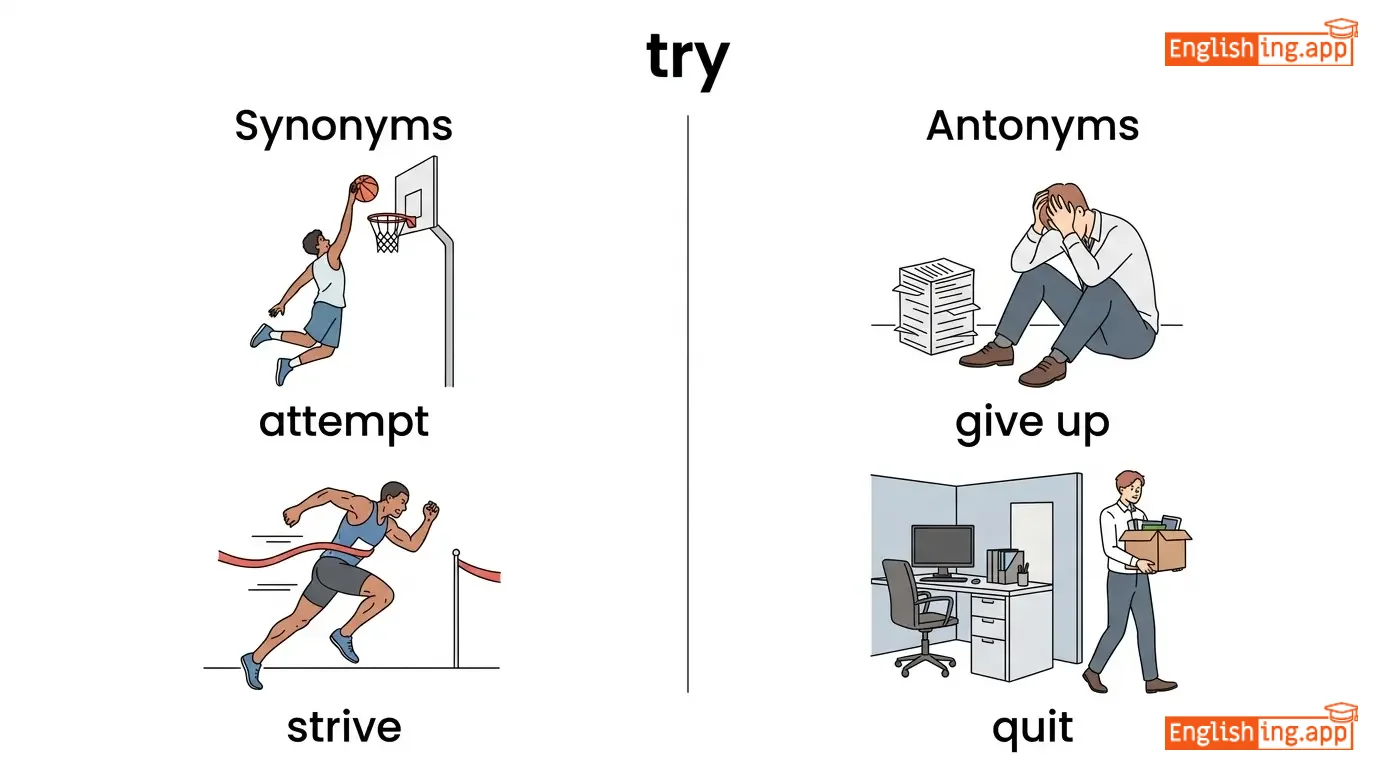
attempt, endeavor, strive, effort
••••••
|
quit, give up, abandon
••••••
|
try hard, try again, try something, try best, try desperately
••••••
|
‘Try’ sounds like ‘Try to’ (試す)!
••••••
|
|
#491
👍
|
/laɪk/
verb
(ライク)
••••••
|
|
好き
suki
••••••
|
liked
ライクド
••••••
|
liked
ライクド
••••••
|
likes
ライクス
••••••
|
liking
ライキング
••••••
|
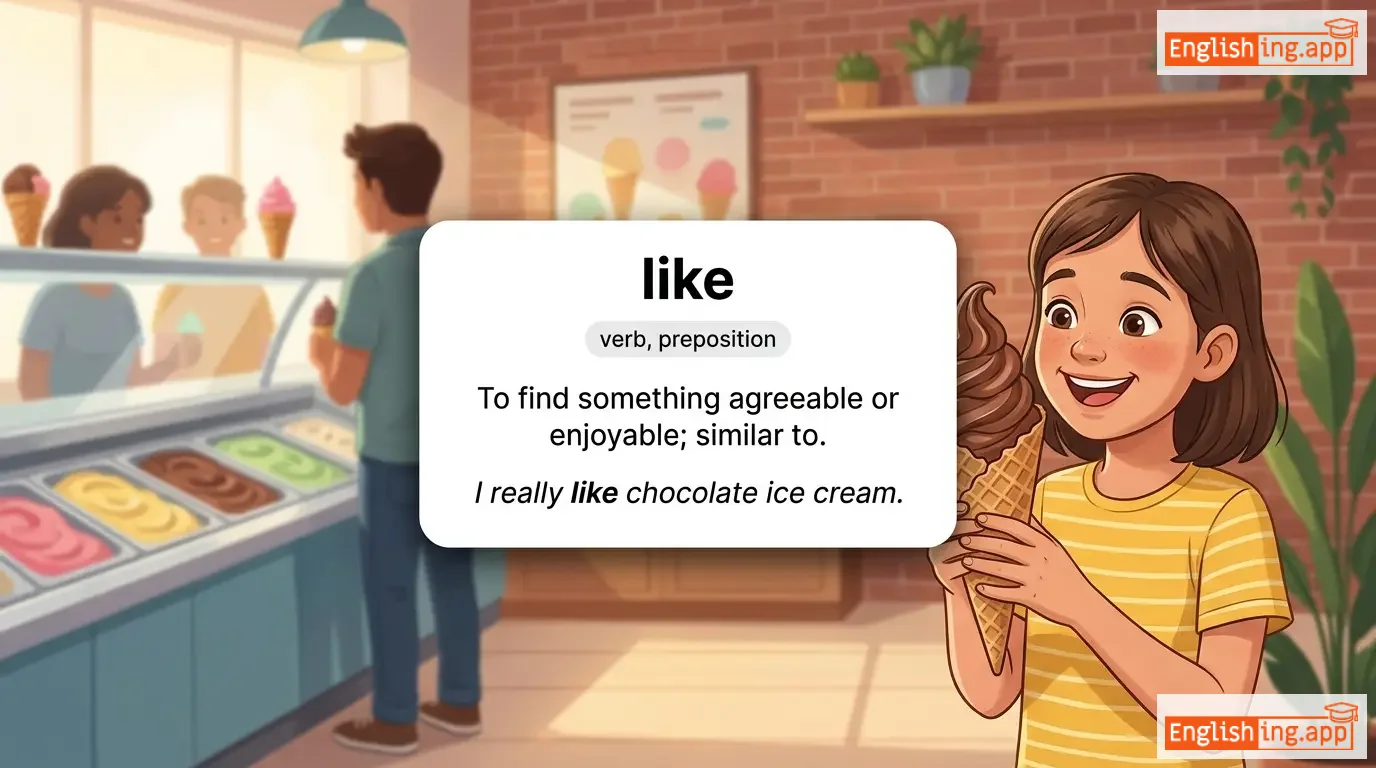
to enjoy or find something pleasant; to have a preference for
••••••
|
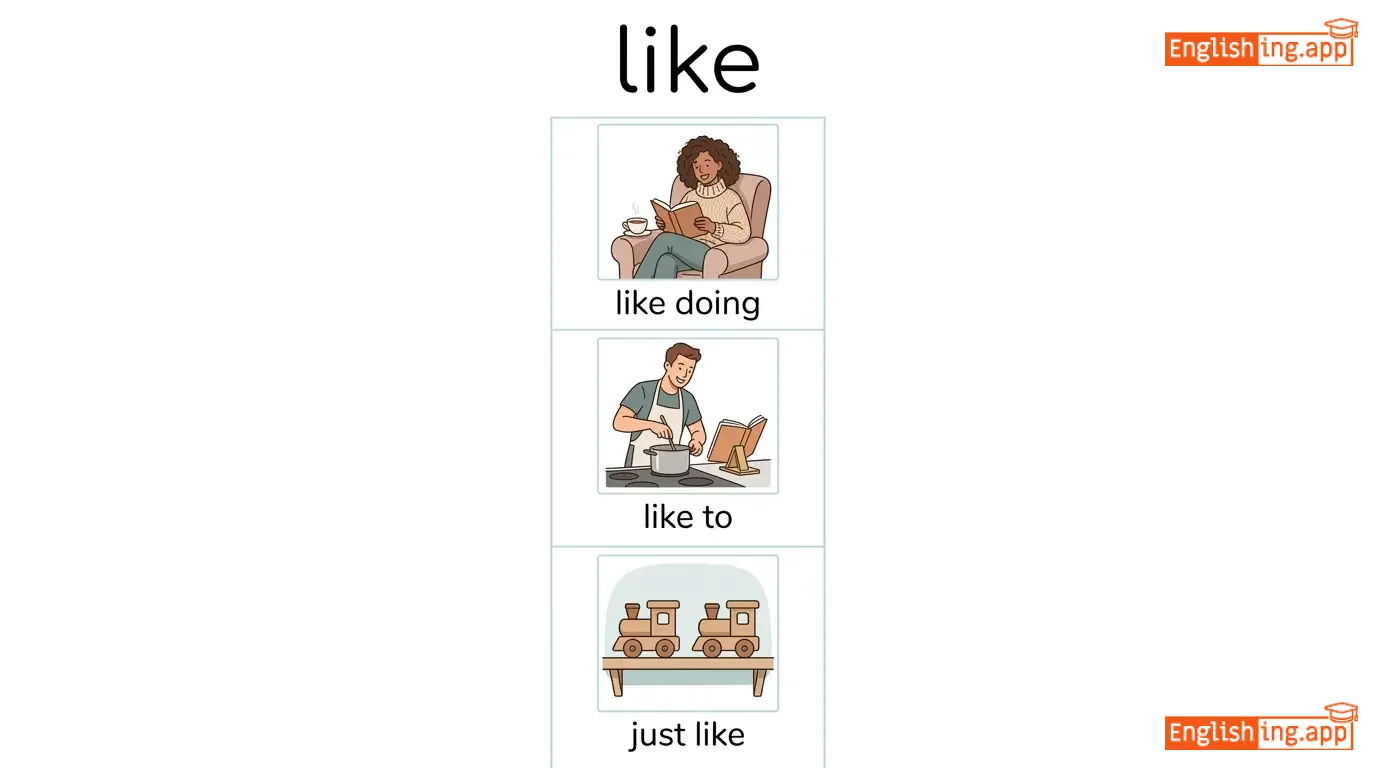
I like reading books in my free time.
私は自由時間に本を読むのが好きです。
••••••
|
私は自由時間に本を読むのが好きです。
Watashi wa jiyū jikan ni hon o yomu no ga suki desu.
••••••
|
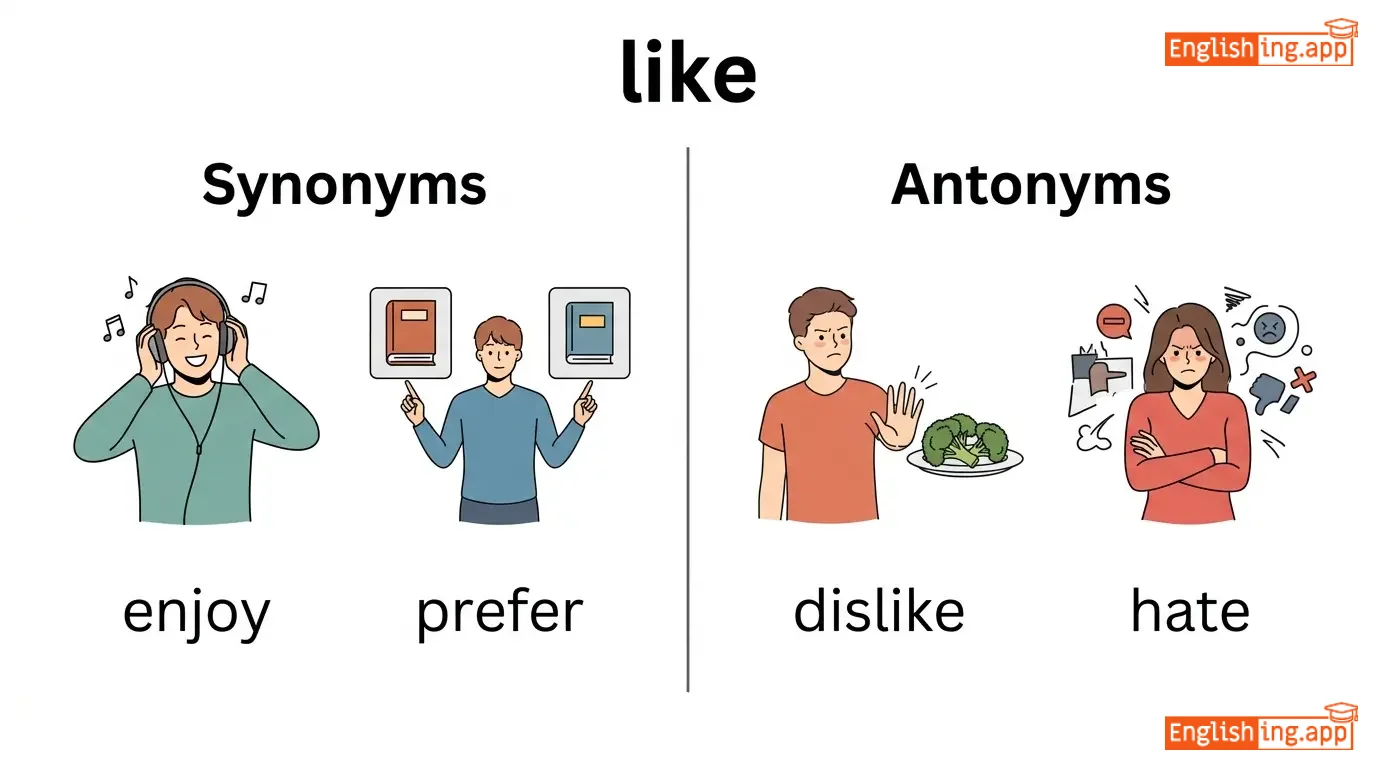
enjoy, love, prefer, fancy, appreciate
••••••
|
dislike, hate, detest, loathe
••••••
|
like music, like food, like people, like movies, like books
••••••
|
自由時間に本を読むのが好き!
••••••
|
|
#492
🔥
|
/bɜːrn/
verb
(バーン)
••••••
|
|
燃える
moeru
••••••
|
burned
バーンド
••••••
|
burned
バーンド
••••••
|
burns
バーンズ
••••••
|
burning
バーンニング
••••••
|
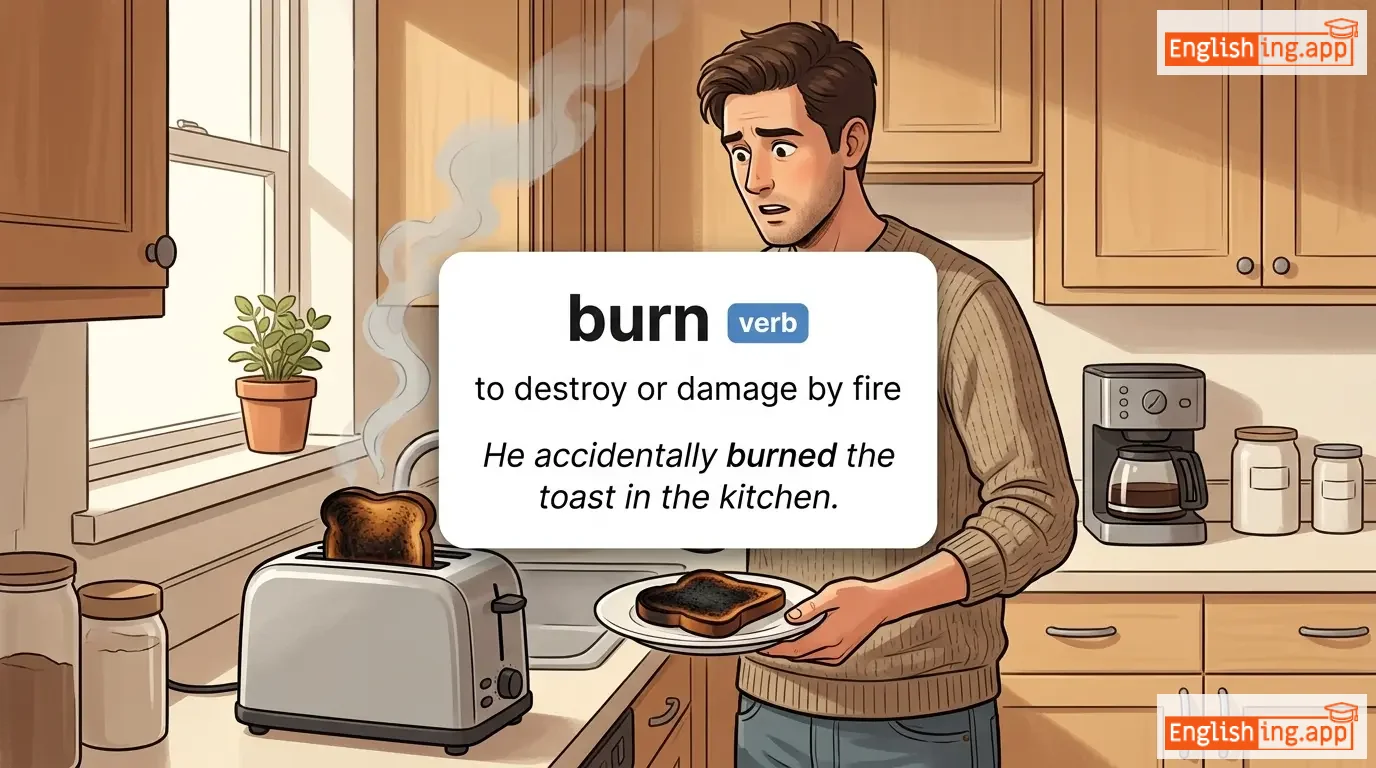
to be on fire; to damage with fire or heat
••••••
|
The candle will burn for several hours.
キャンドルは数時間燃え続けます。
••••••
|
キャンドルは数時間燃え続けます。
Kyandoru wa sūjikan moe tsudzukemasu
••••••
|
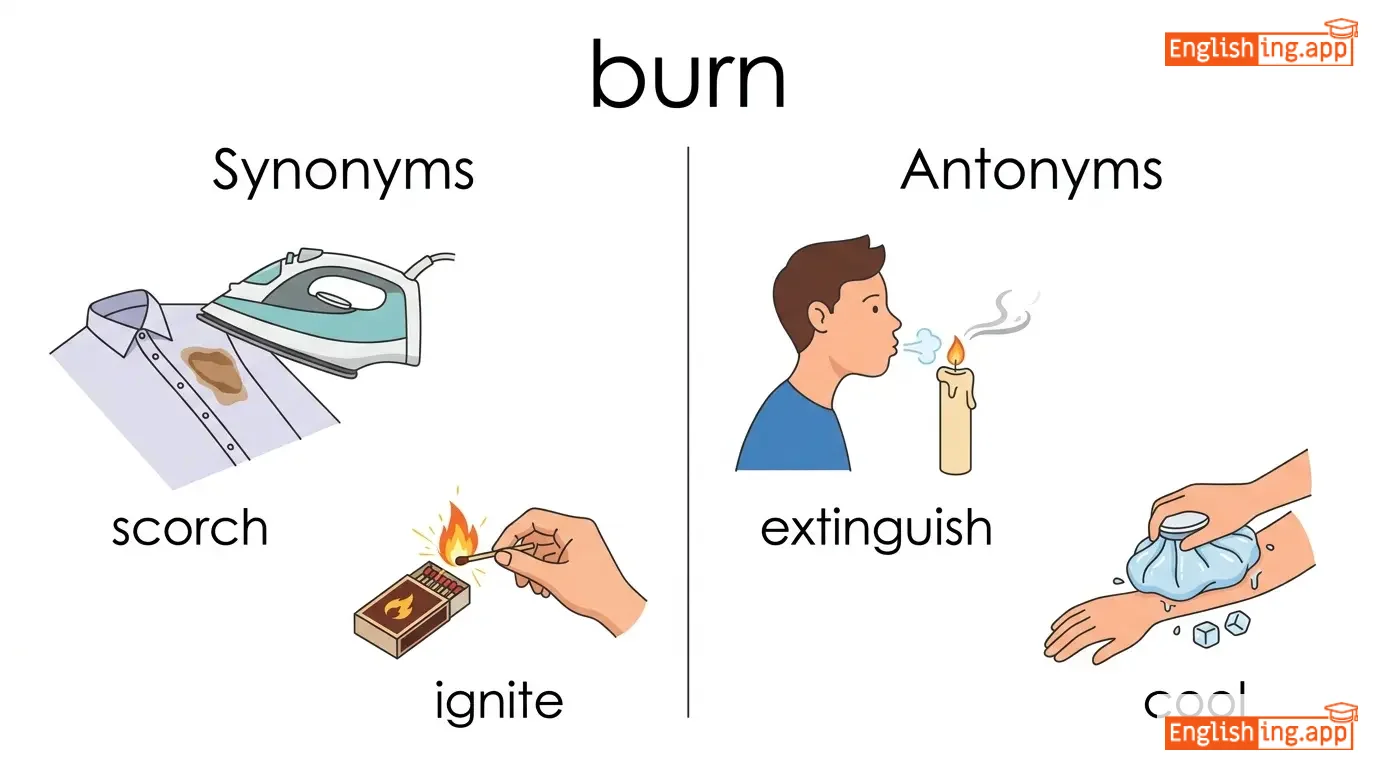
ignite, flame, scorch, char
••••••
|
extinguish, quench, put out
••••••
|
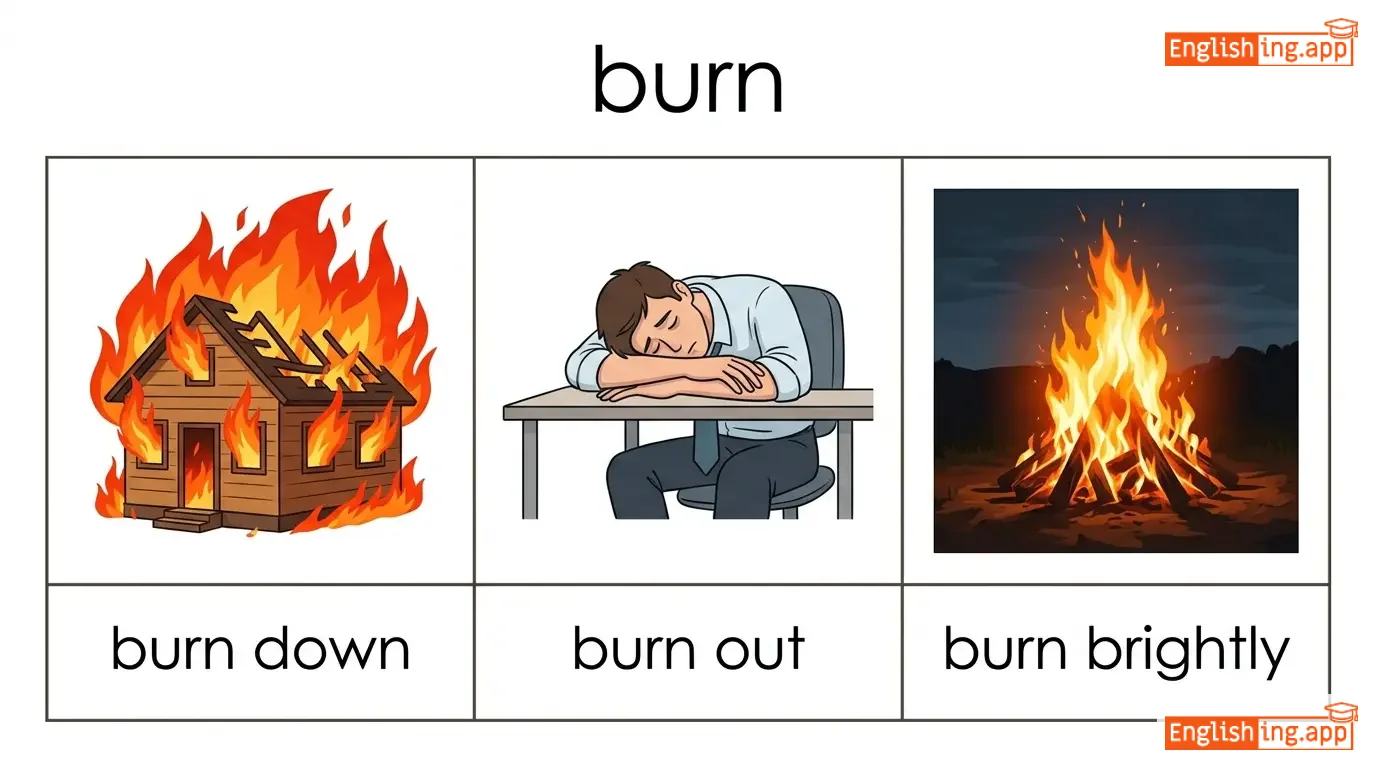
burn wood, burn calories, burn bright, burn down, burn out
••••••
|
No •••••• |
|
#493
🤔
|
/ɡes/
verb
(ゲス)
••••••
|
|
推測する
suisoku suru
••••••
|
guessed
ゲスド
••••••
|
guessed
ゲスド
••••••
|
guesses
ゲセス
••••••
|
guessing
ゲッシング
••••••
|
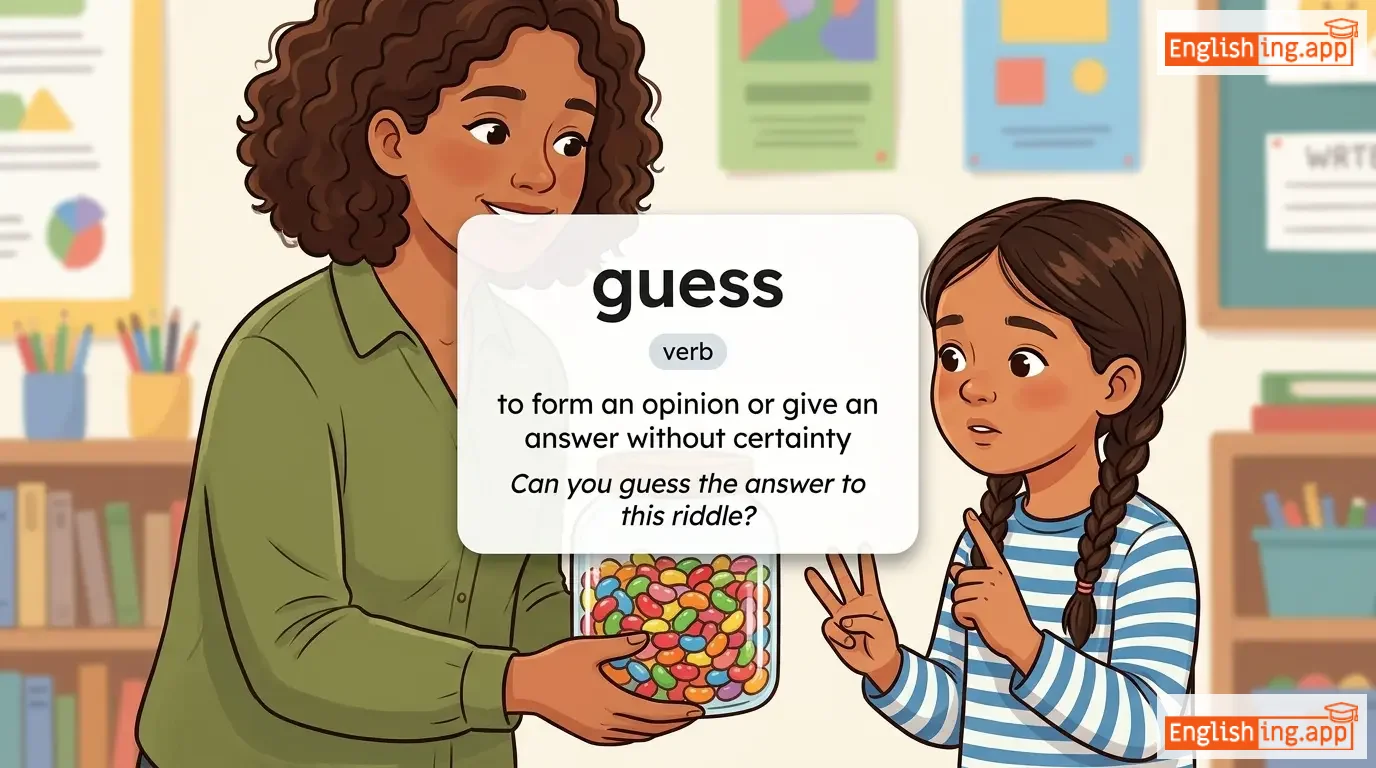
to give an answer or opinion without complete knowledge; to estimate
••••••
|
Can you guess the answer?
答えを当てることができますか?
••••••
|
答えを当てることができますか?
Kotae o ateru koto ga dekimasu ka?
••••••
|
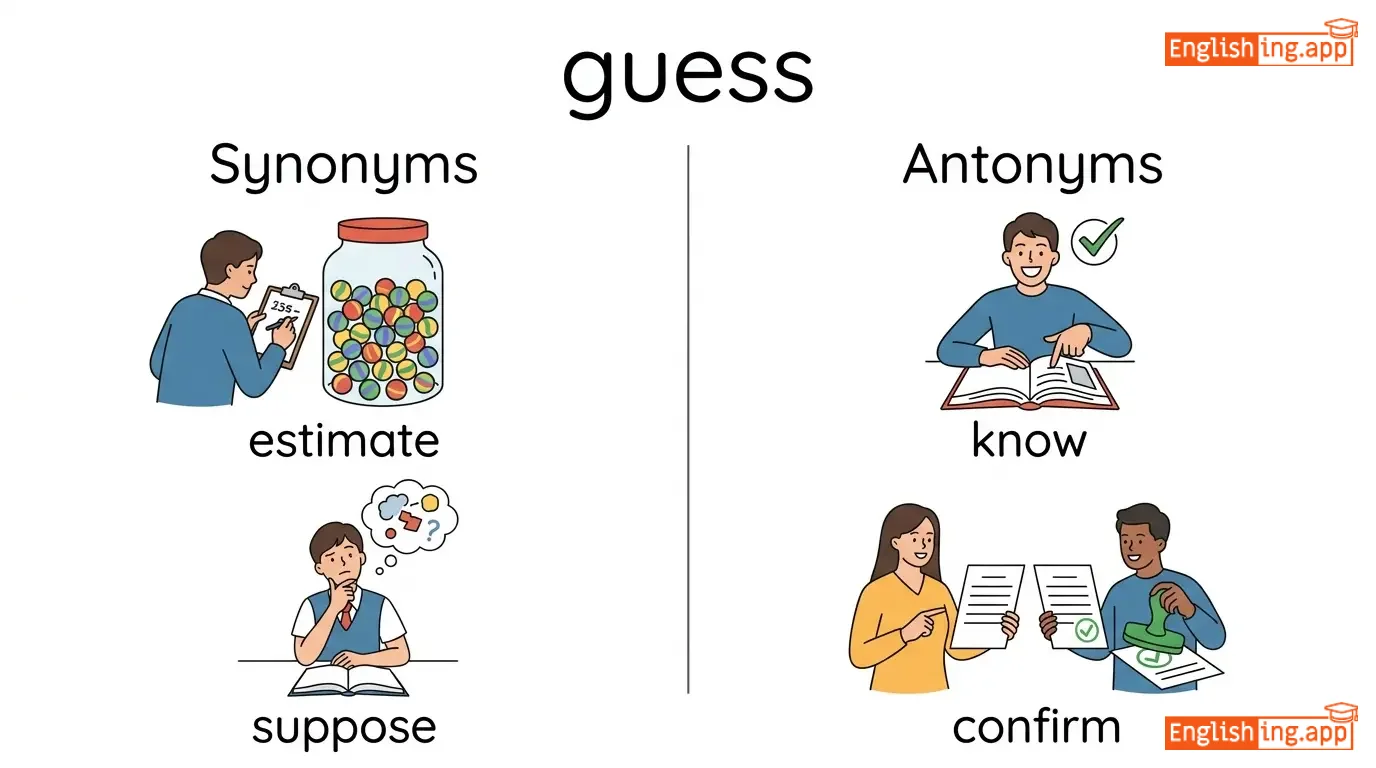
estimate, assume, suppose, predict
••••••
|
know, confirm, verify, prove
••••••
|
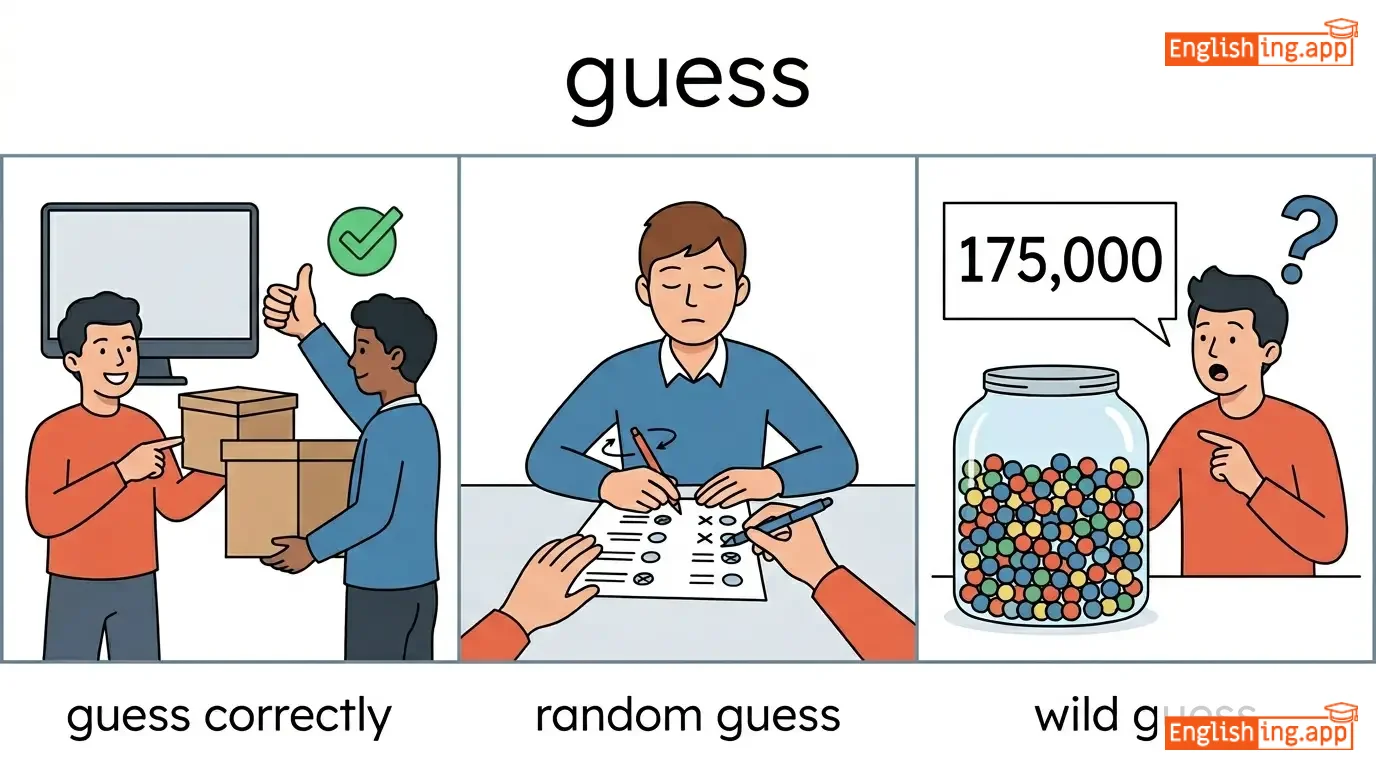
guess correctly, guess wrong, guess wildly, guess randomly, lucky guess
••••••
|
No •••••• |
|
#494
🔓
|
/stiːl/
verb
(スティール)
••••••
|
|
盗む
nusumu
••••••
|
stole
ストール
••••••
|
stolen
ストーレン
••••••
|
steals
スティールズ
••••••
|
stealing
スティーリング
••••••
|
to take something without permission; to rob
••••••
|
It's wrong to steal from others.
他人から盗むことは間違っています。
••••••
|
他人から盗むことは間違っています。
Tanin kara nusumu koto wa machigatteimasu.
••••••
|
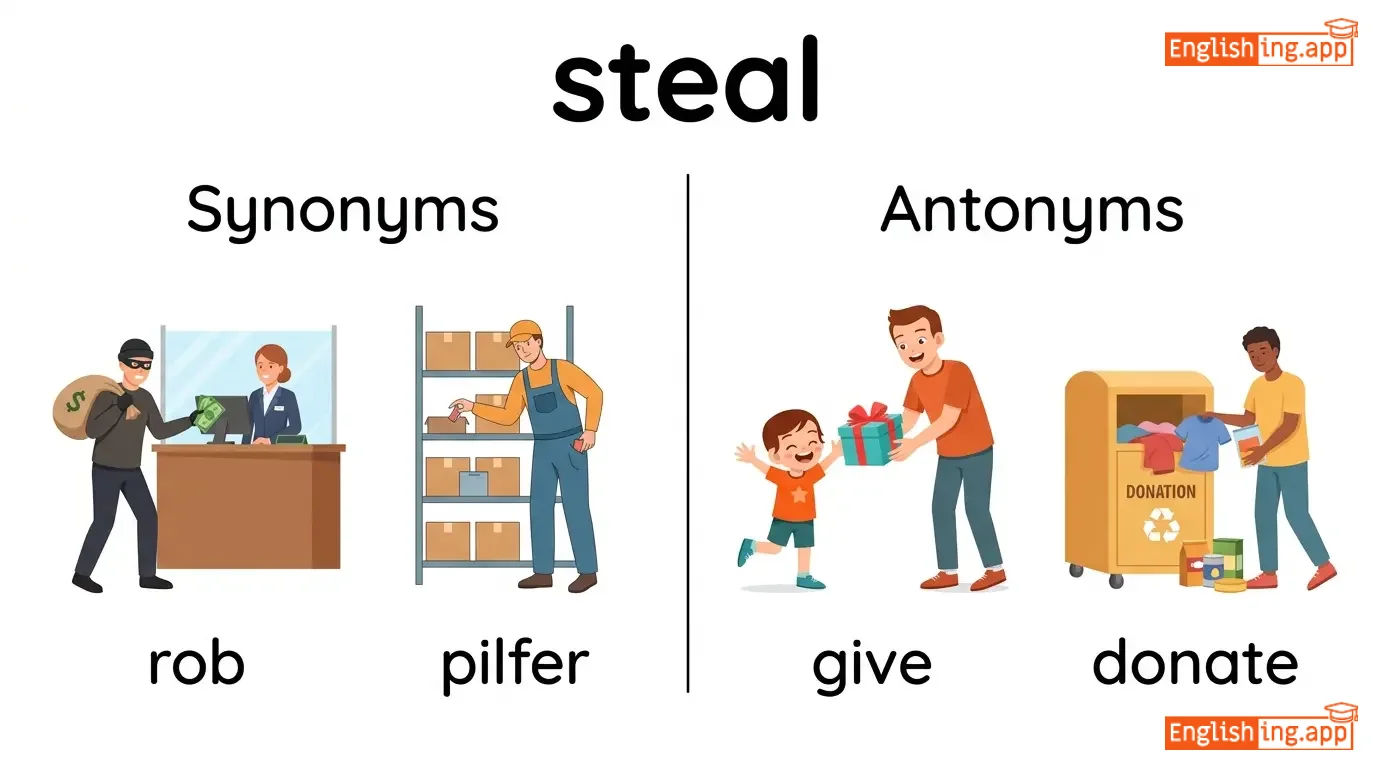
rob, pilfer, take, thieve
••••••
|
return, give, restore, donate
••••••
|
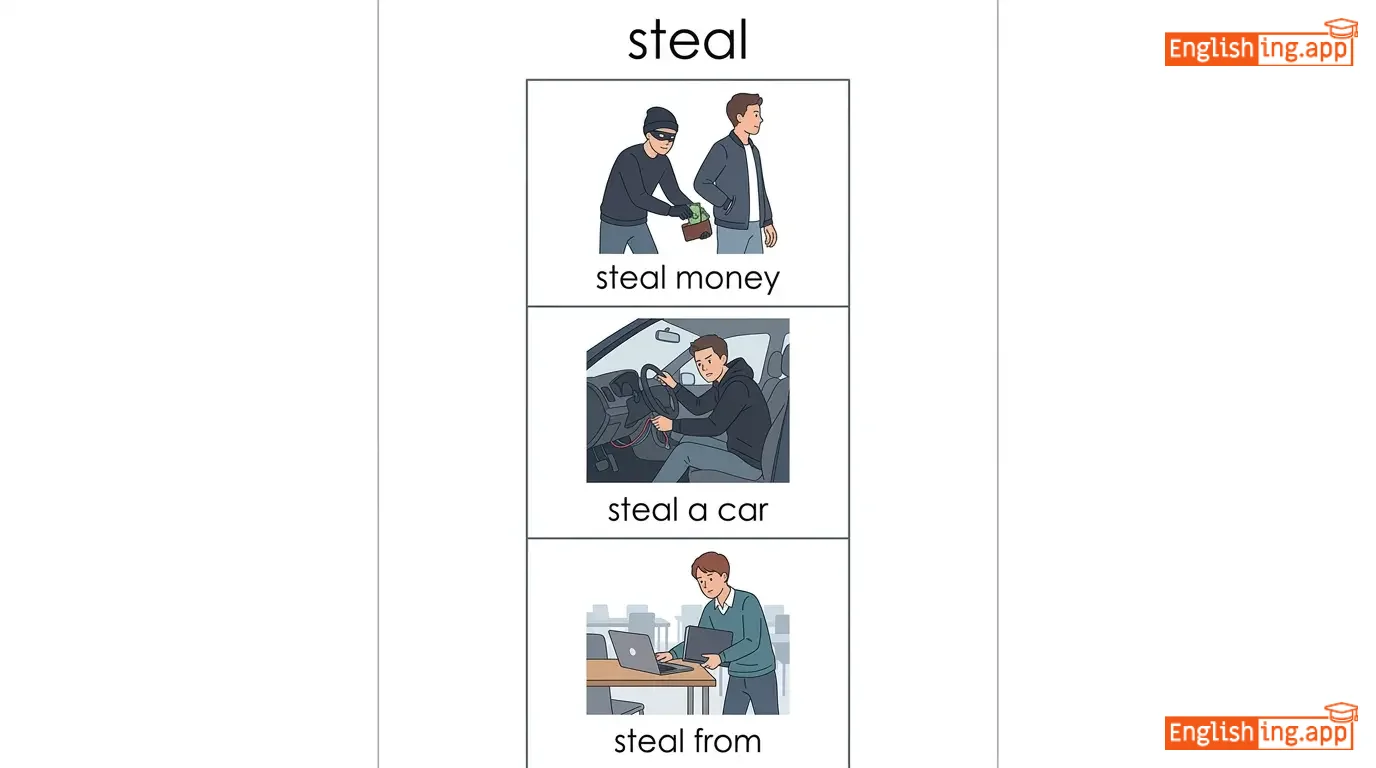
steal money, steal car, steal identity, steal time, steal glances
••••••
|
盗む = steal
••••••
|
|
#495
💪
|
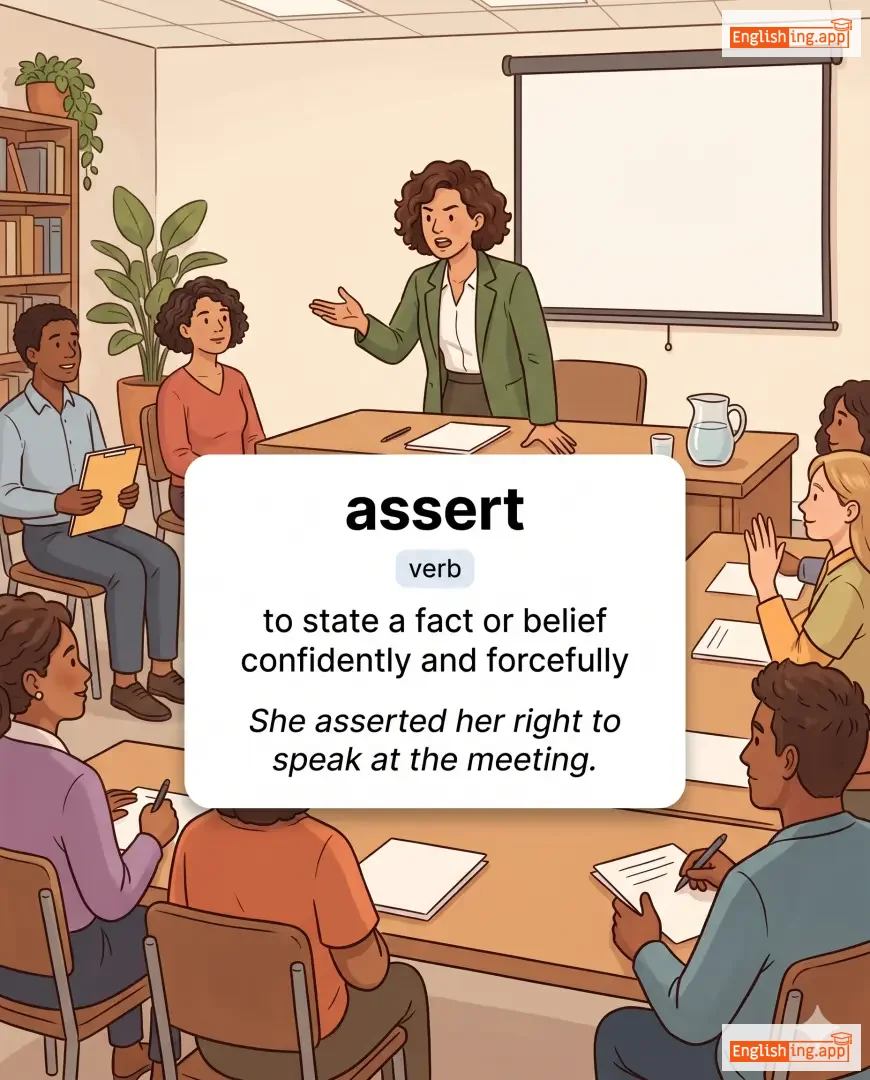
/əˈsɜːrt/
verb
(アサート)
••••••
|
|
主張する
shuchou suru
••••••
|
asserted
アサーテッド
••••••
|
asserted
アサーテッド
••••••
|
asserts
アサーツ
••••••
|
asserting
アサーティング
••••••
|
to state something confidently and forcefully; to defend one's rights
••••••
|
She asserted her right to speak.
彼女は自分の話す権利を主張した。
••••••
|
彼女は自分の話す権利を主張した。
Kanojo wa jibun no hanasu kenri wo shuchou shita.
••••••
|
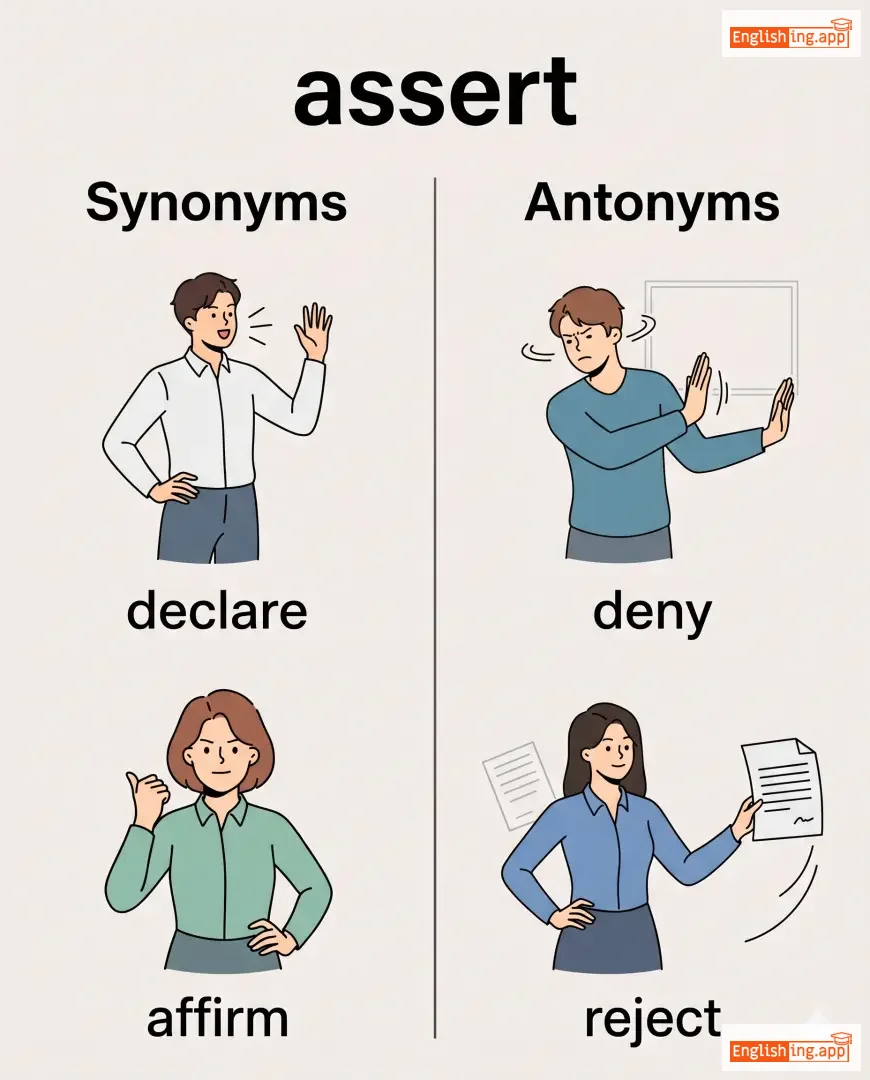
declare, state, claim, maintain
••••••
|
deny, withdraw, retract
••••••
|
assert authority, assert rights, assert independence, assert dominance, assert control
••••••
|
主張するは声を強く、堂々と伝えること
••••••
|
|
#496
👕
|
/kloʊð/
verb
(クローズ)
••••••
|
|
服を着せる
fuku o kiseru
••••••
|
clothed
クローズド
••••••
|
clothed
クローズド
••••••
|
clothes
クローズ
••••••
|
clothing
クロージング
••••••
|
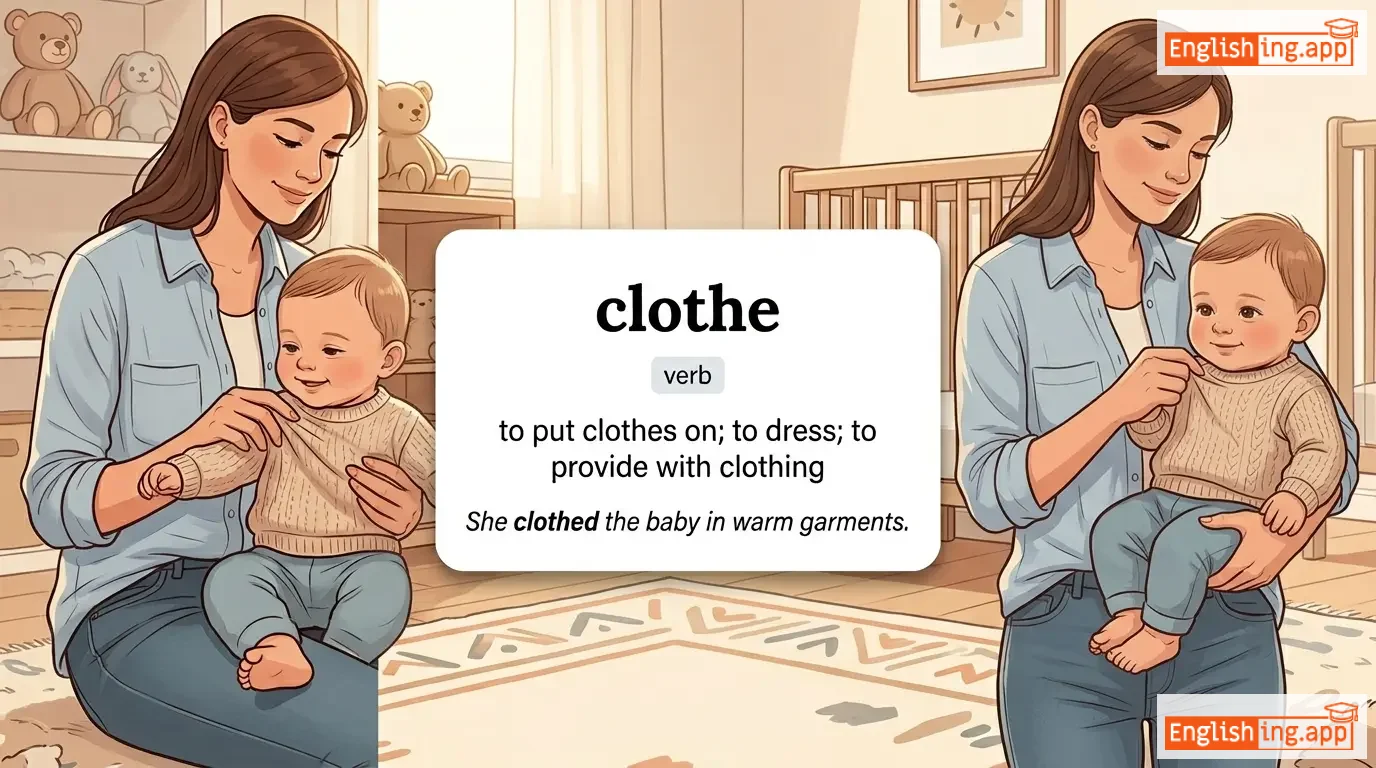
to put clothes on; to dress; to provide with clothing
••••••
|
She clothed the baby in warm garments.
彼女は赤ちゃんを暖かい服で着せました。
••••••
|
彼女は赤ちゃんを暖かい服で着せました。
Kanojo wa akachan o atatakai fuku de kisemashita.
••••••
|
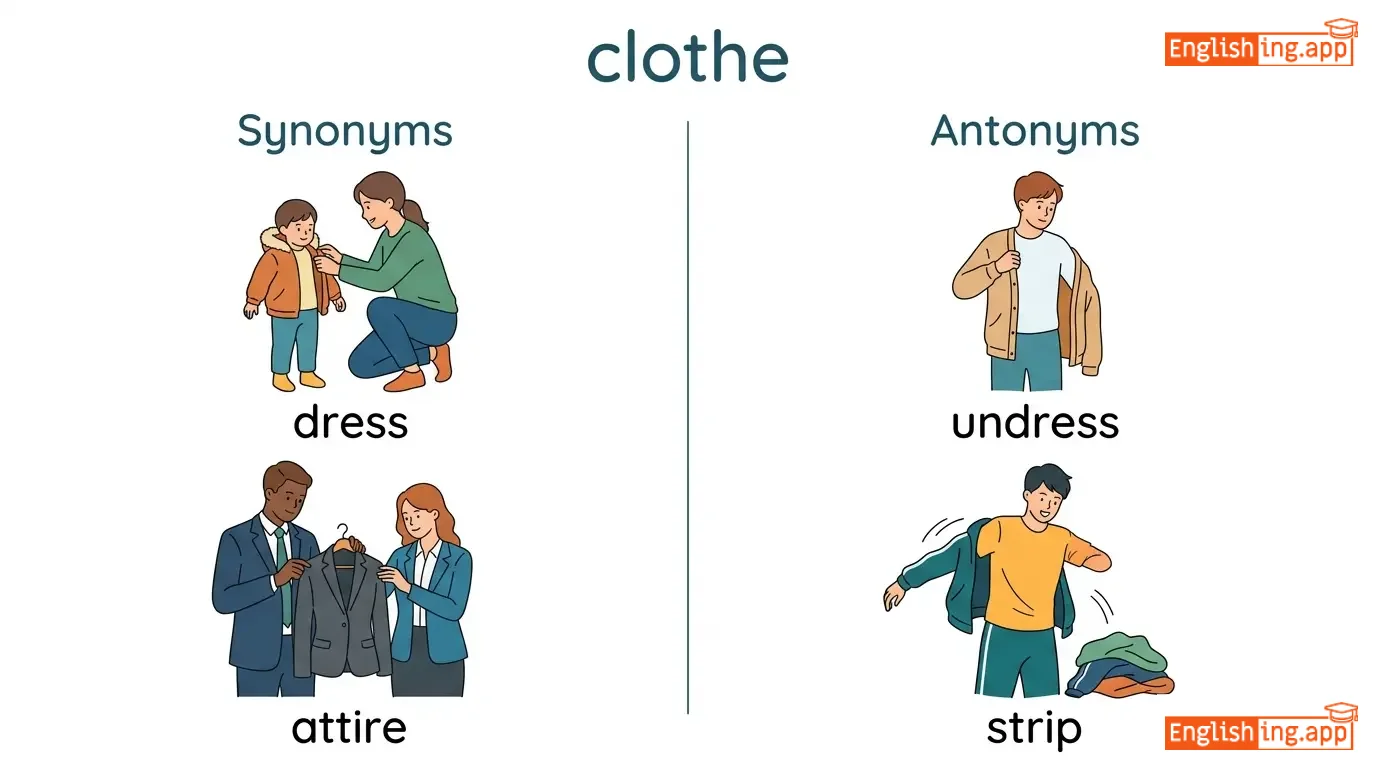
dress, attire, outfit, garb
••••••
|
undress, strip, uncover, disrobe
••••••
|
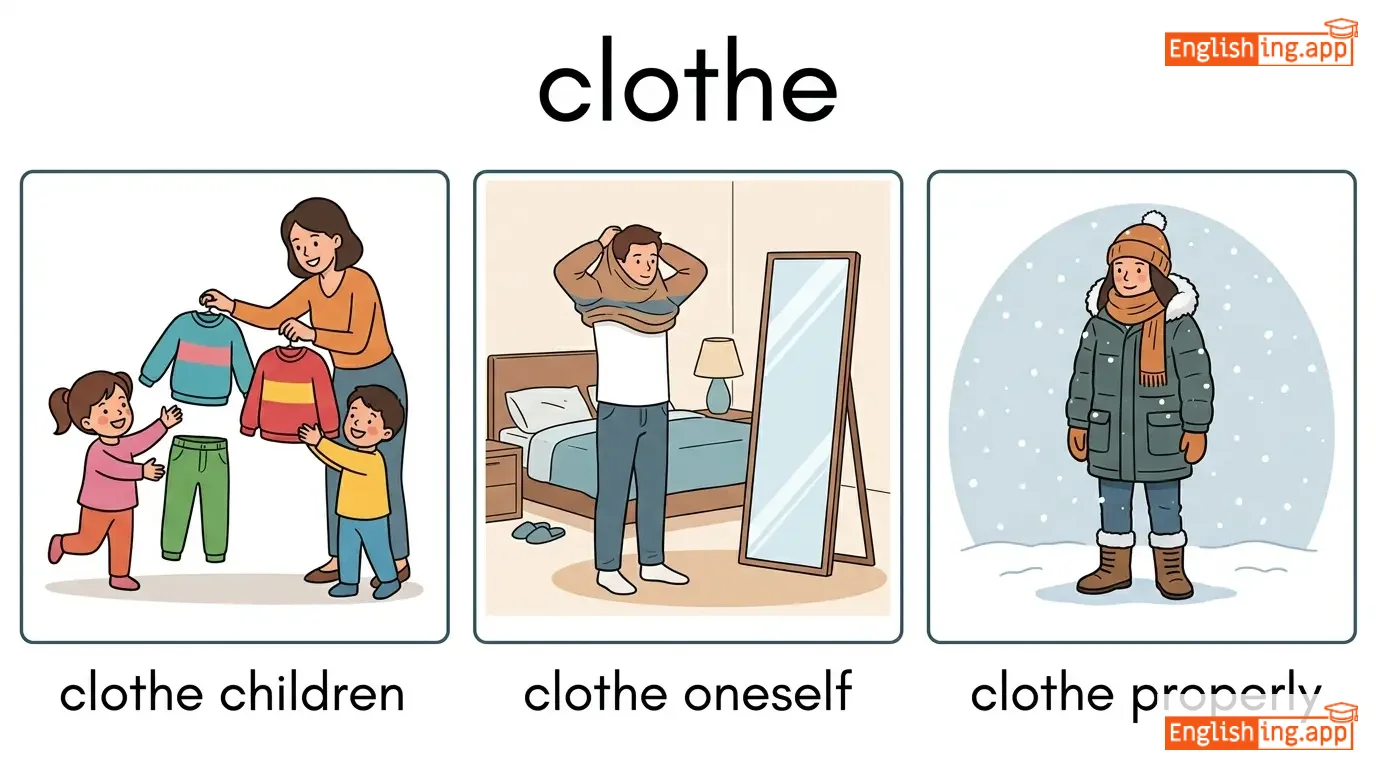
clothe children, clothe oneself, clothe properly, clothe warmly, clothe modestly
••••••
|
Japanese: 服を着せる – 'Fuku o kiseru' means to clothe, think of it as 'dressing someone'.
••••••
|
|
#497
🤝
|
/ʃeɪk/
verb
(sheiku)
••••••
|
|
揺れる
yureru
••••••
|
shook
shuku
••••••
|
shaken
sheiken
••••••
|
shakes
sheikus
••••••
|
shaking
sheiking
••••••
|
to move quickly back and forth; to tremble
••••••
|
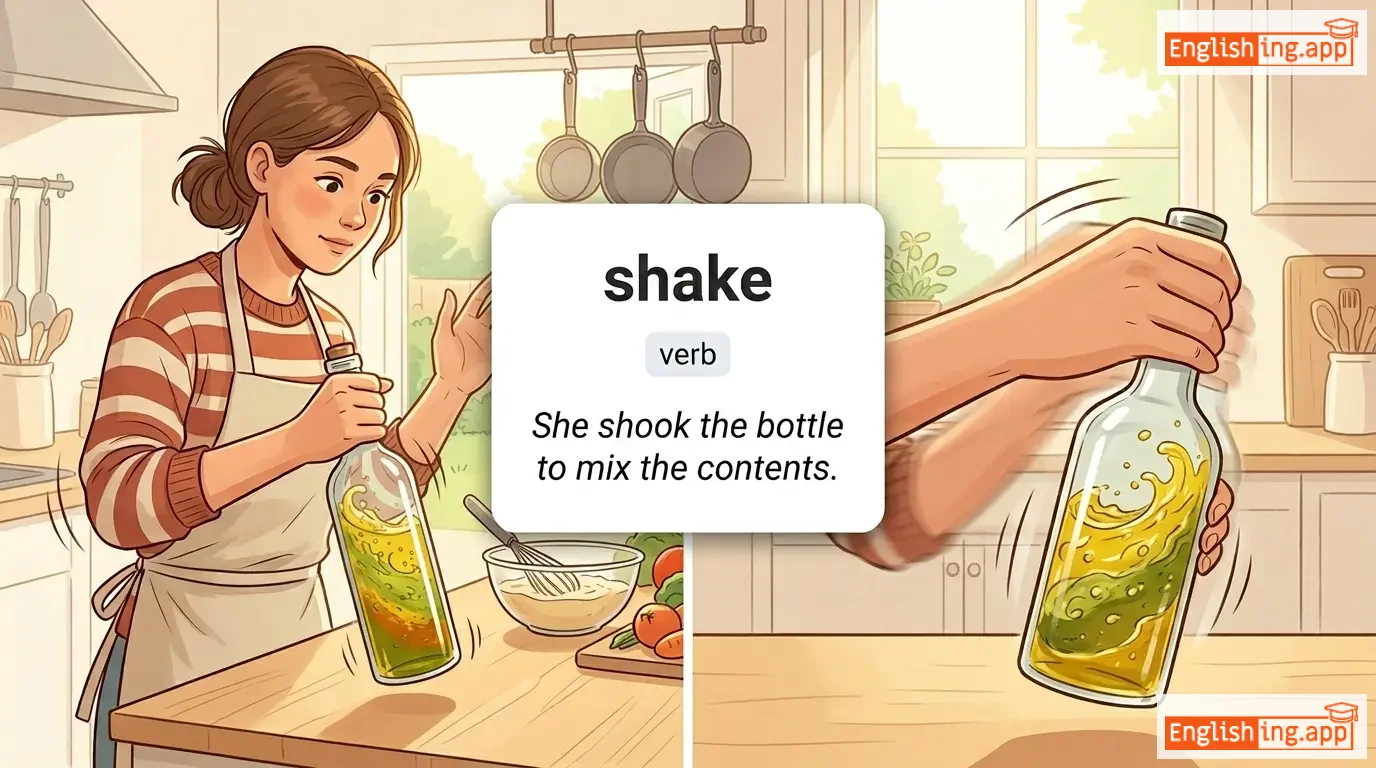
The earthquake made the building shake.
地震で建物が揺れた。
••••••
|
地震で建物が揺れた。
Jishin de tatemono ga yureta.
••••••
|
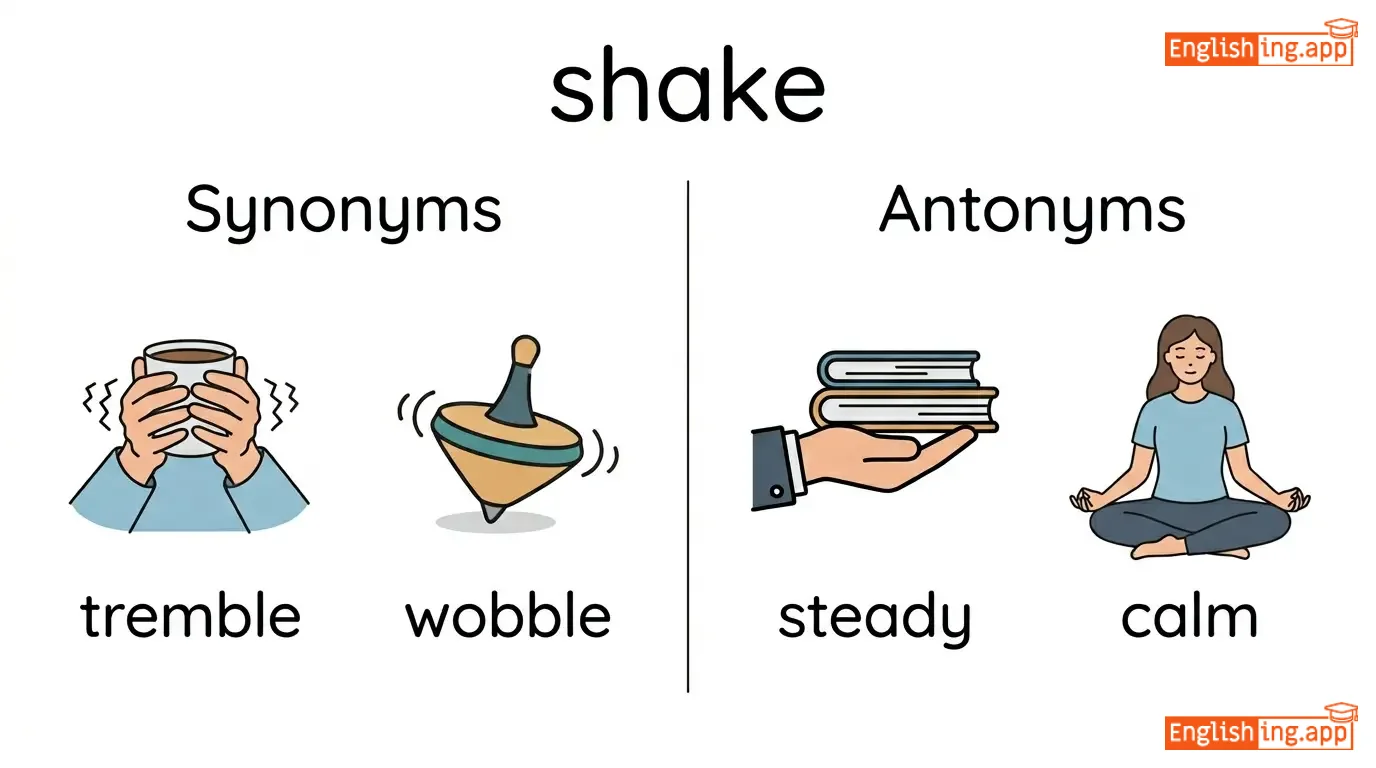
tremble, vibrate, quiver, rock
••••••
|
steady, stabilize, still, calm
••••••
|
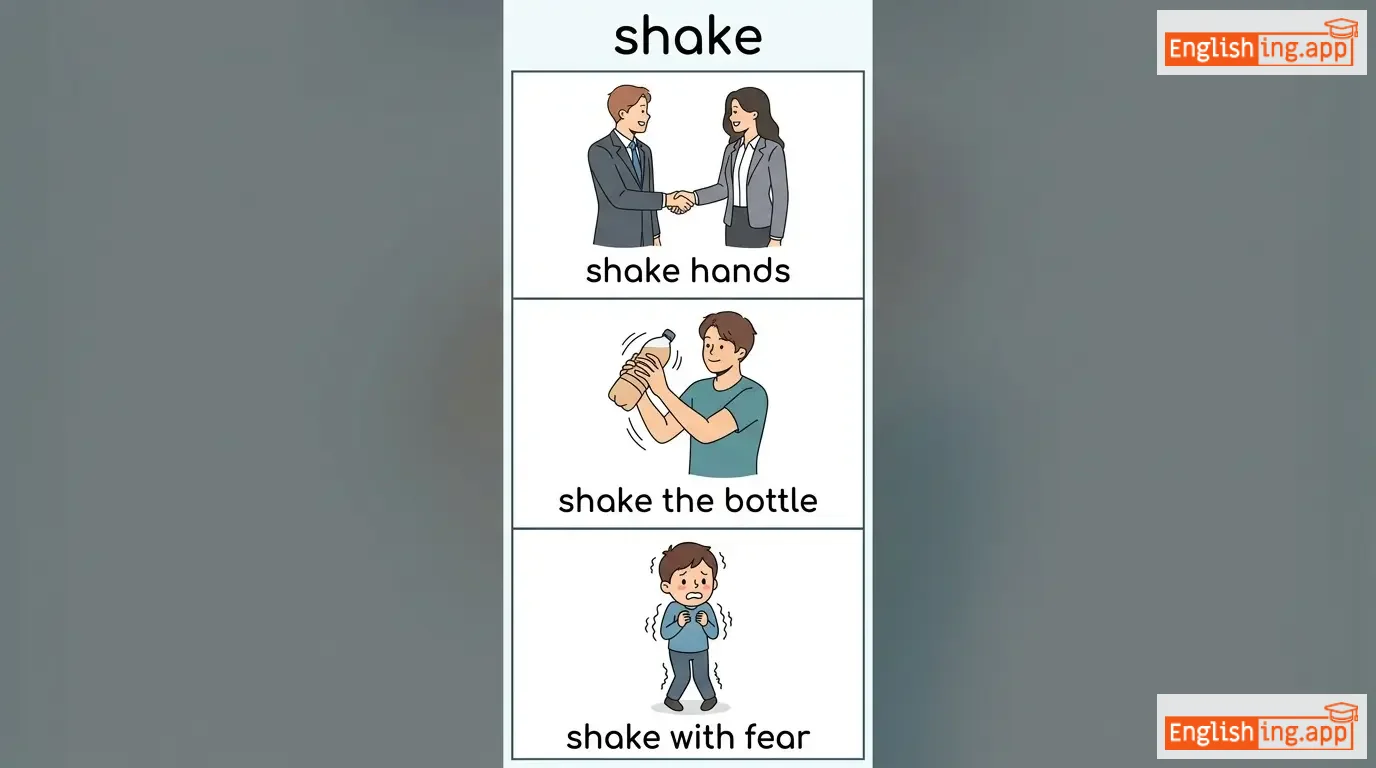
shake hands, shake head, shake violently, shake off, shake up
••••••
|
No •••••• |
|
#498
🚫
|
/rɪˈstreɪn/
verb
(レストレイン)
••••••
|
|
抑制する
yokusei suru
••••••
|
restrained
レストレインド
••••••
|
restrained
レストレインド
••••••
|
restrains
レストレインス
••••••
|
restraining
レストレイニング
••••••
|
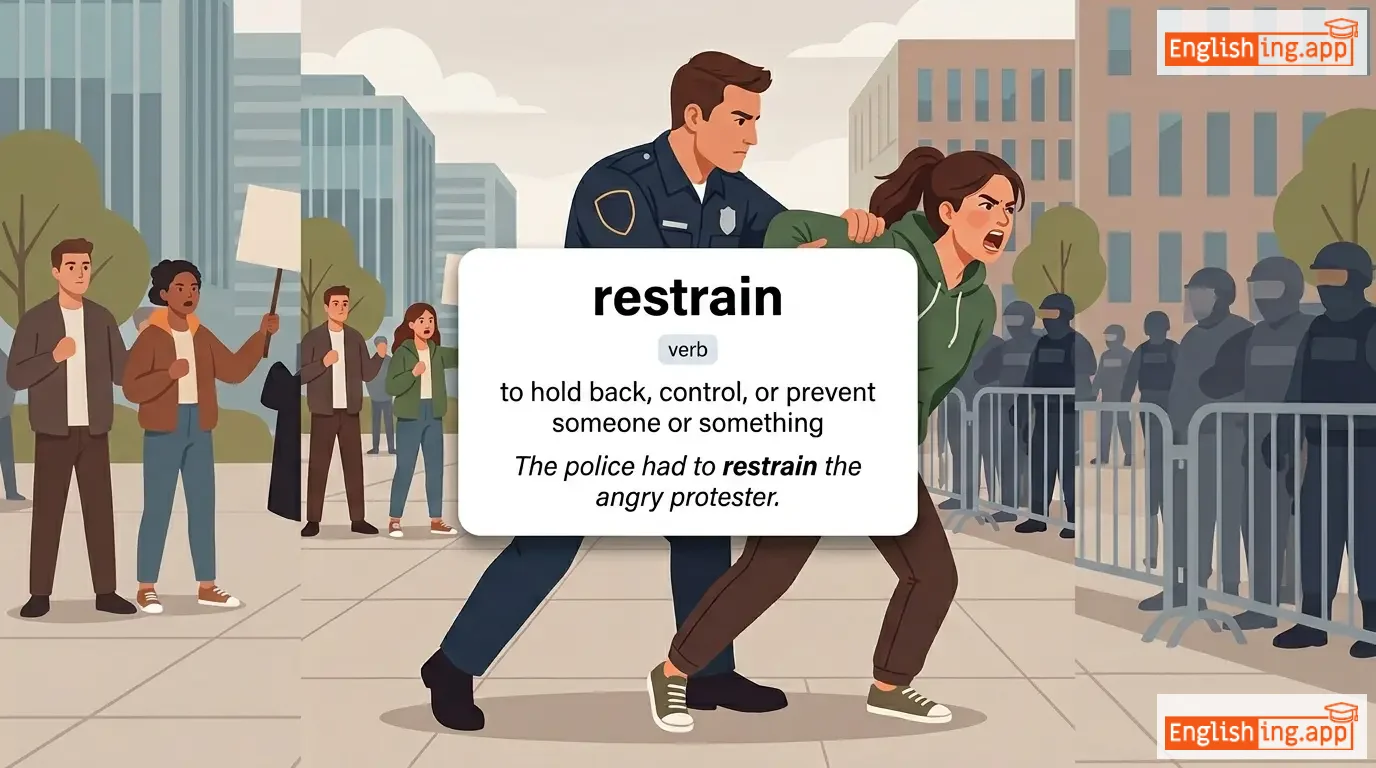
to hold back or control; to limit or restrict
••••••
|
Please restrain your dog.
犬を抑えてください。
••••••
|
犬を制御してください。
Inu o seigyo shite kudasai.
••••••
|
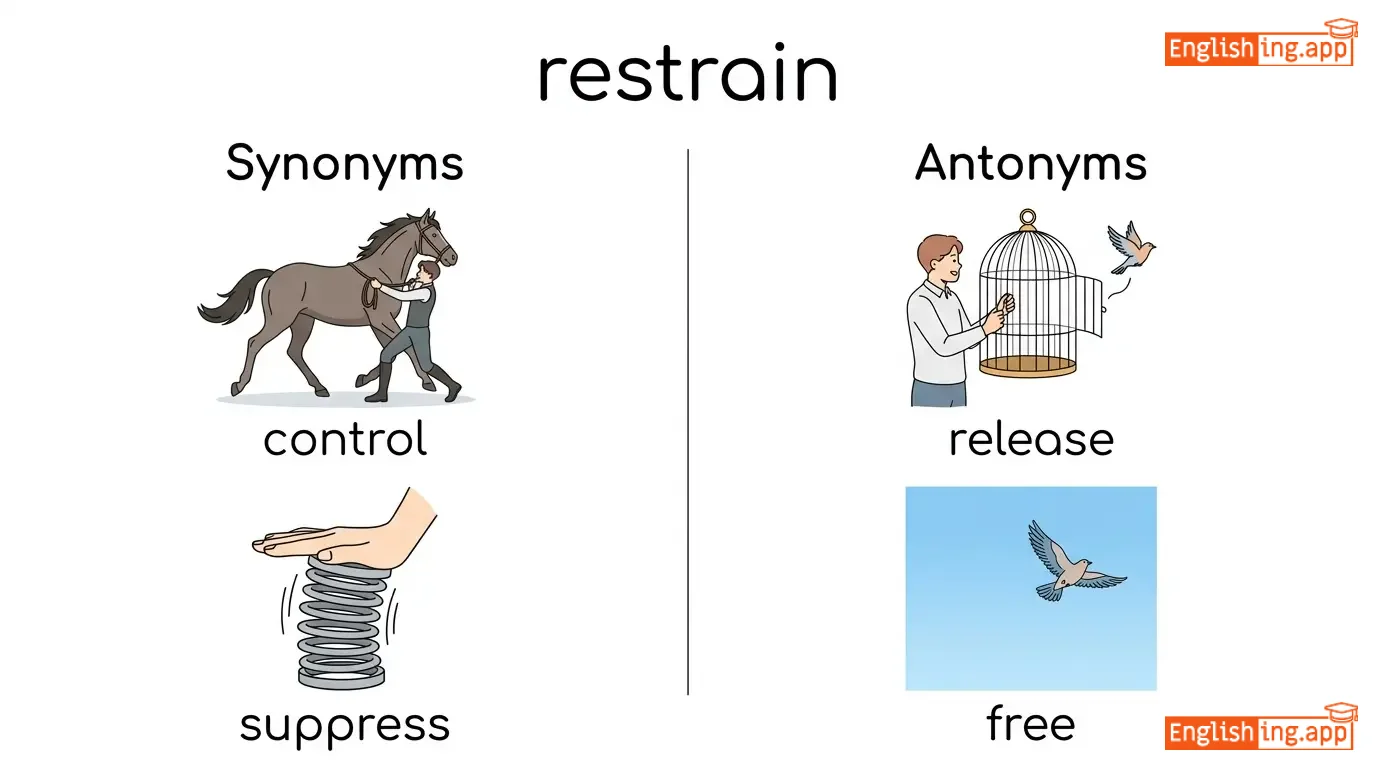
control, restrict, limit, constrain
••••••
|
release, free, liberate, unleash
••••••
|
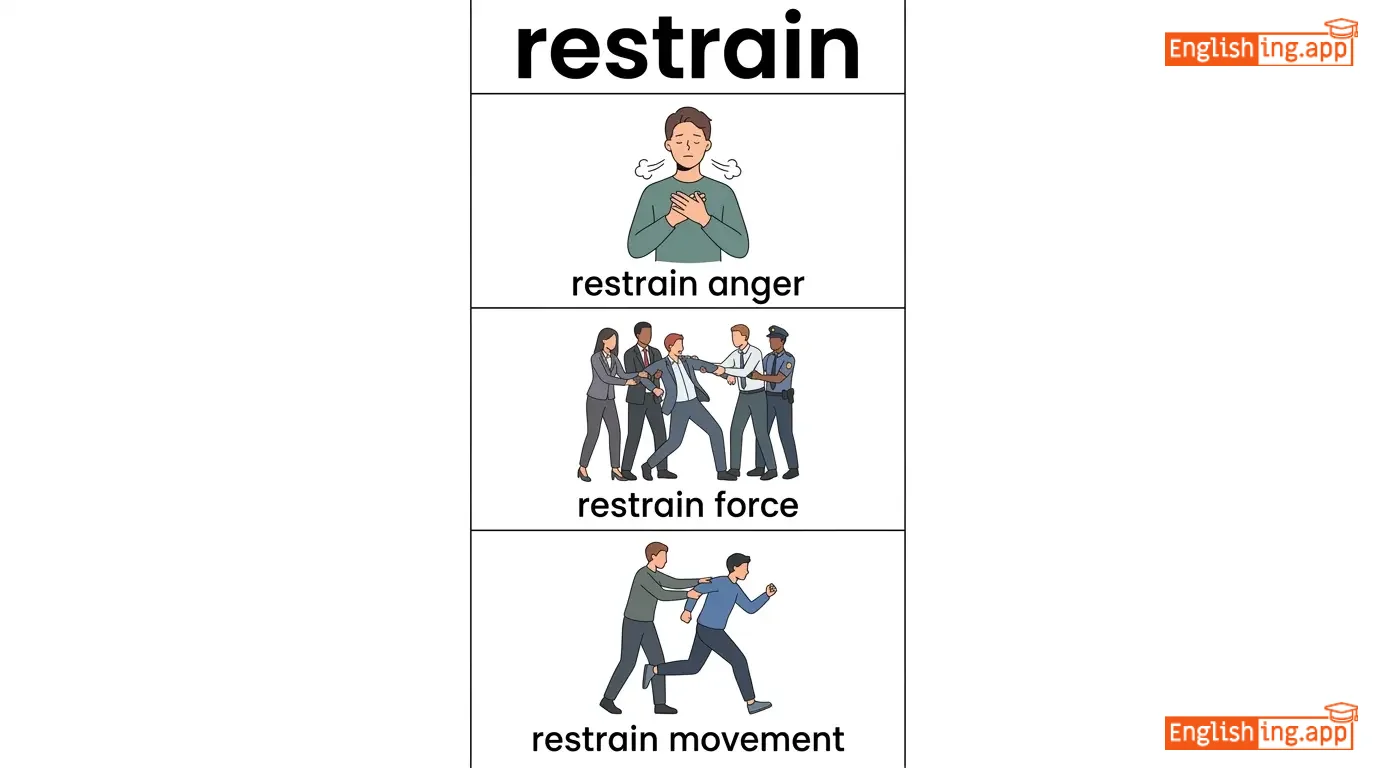
restrain emotions, restrain oneself, restrain anger, restrain movement, restrain spending
••••••
|
犬を制御して、無駄に動かないように!
••••••
|
|
#499
🪢
|
/taɪ/
verb
(タイ)
••••••
|
|
結ぶ
musubu
••••••
|
Tied
タイド
••••••
|
Tied
タイド
••••••
|
Ties
タイズ
••••••
|
Tying
タイイング
••••••
|
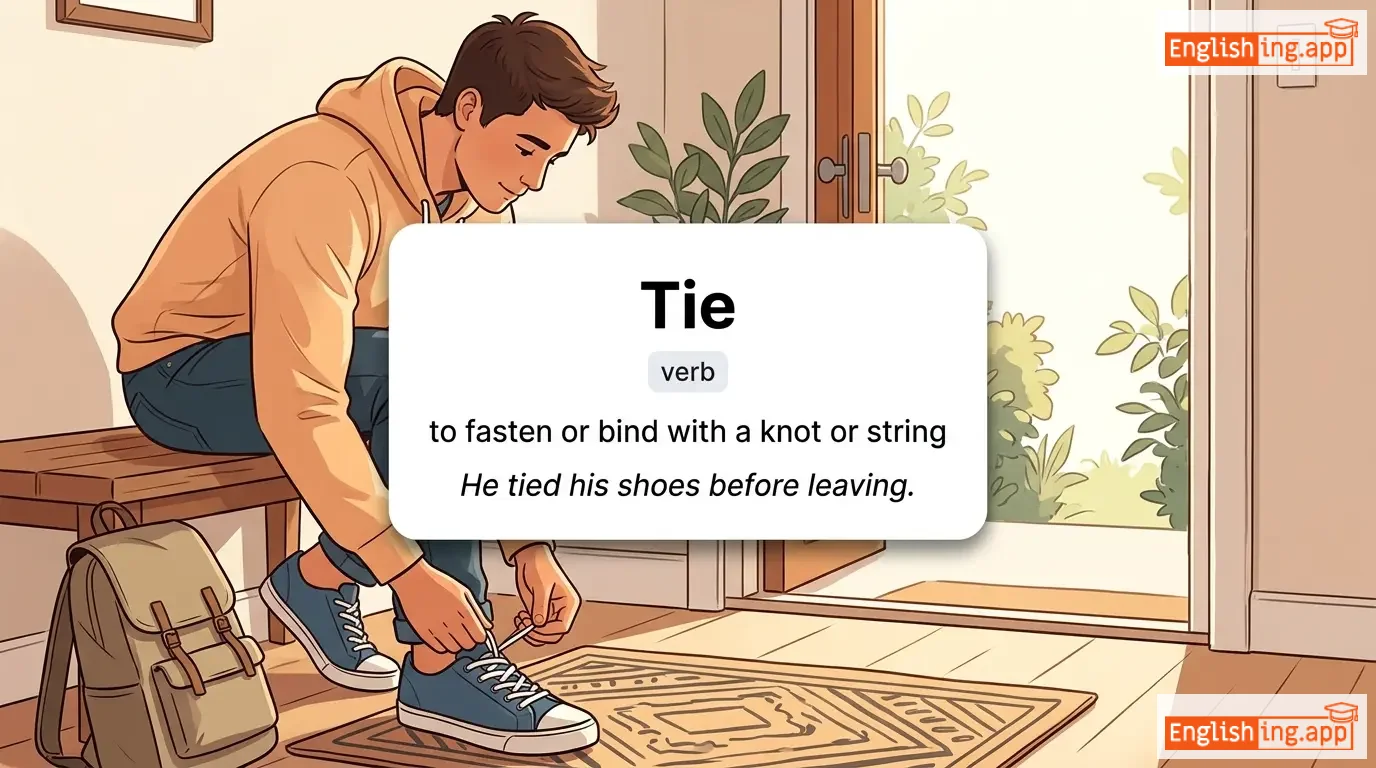
to fasten with string or rope; to have equal scores in a competition
••••••
|
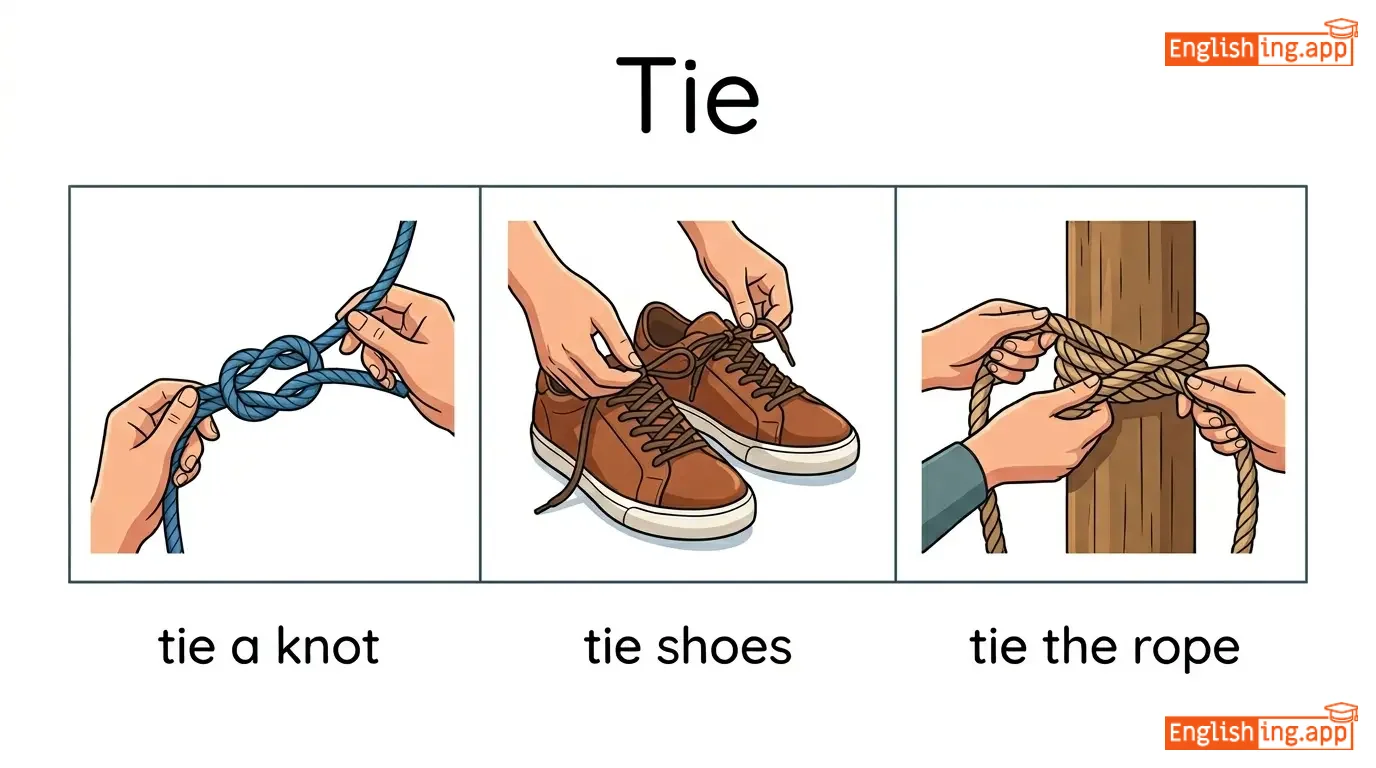
Please tie your shoelaces before running.
走る前に靴ひもを結んでください。
••••••
|
走る前に靴ひもを結んでください。
Hashiru mae ni kutsu himo wo musunde kudasai.
••••••
|
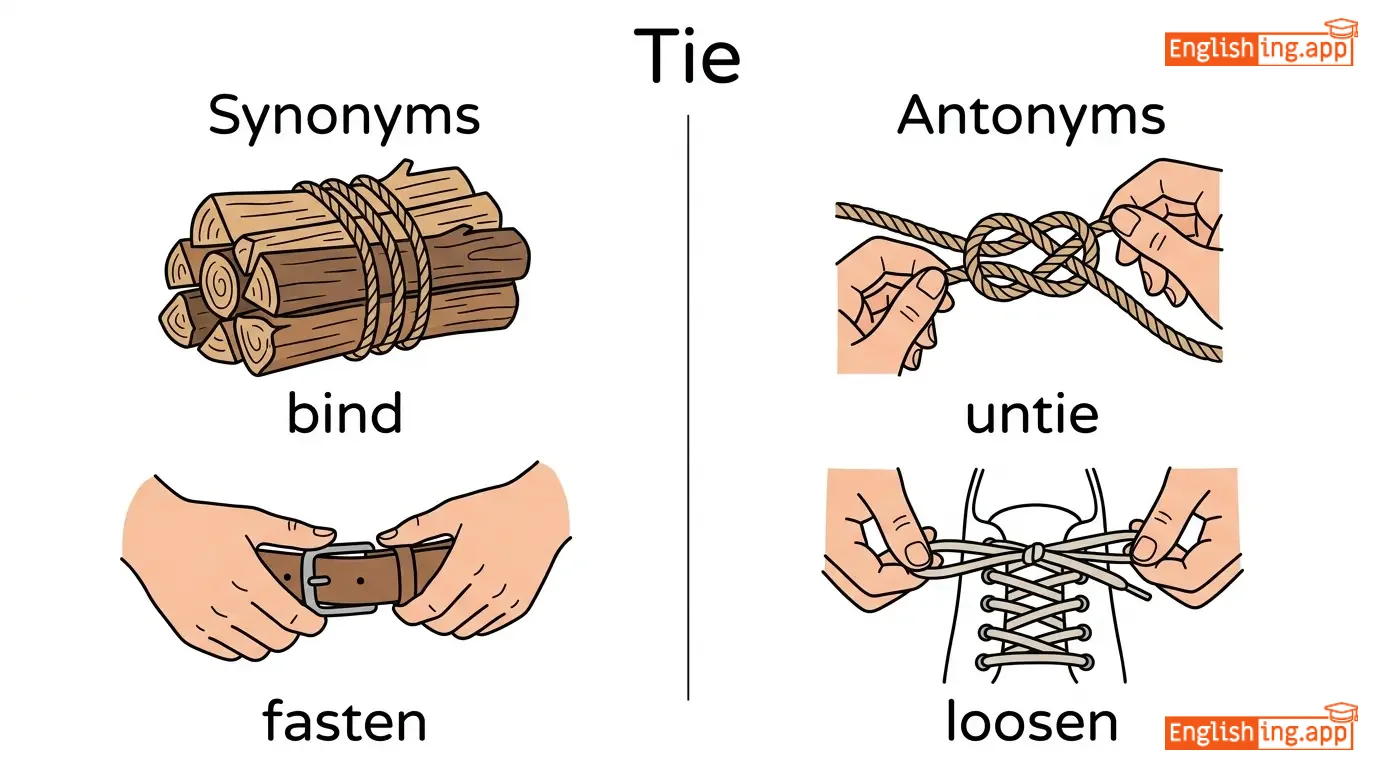
bind, fasten, secure, connect
••••••
|
untie, loosen, separate, disconnect
••••••
|
tie shoes, tie knot, tie up, tie down, tie together
••••••
|
No •••••• |
|
#500
😴
|
/slip/
verb
(スリープ)
••••••
|
|
眠る
nemuru
••••••
|
slept
スレプト
••••••
|
slept
スレプト
••••••
|
sleeps
スリープス
••••••
|
sleeping
スリーピング
••••••
|
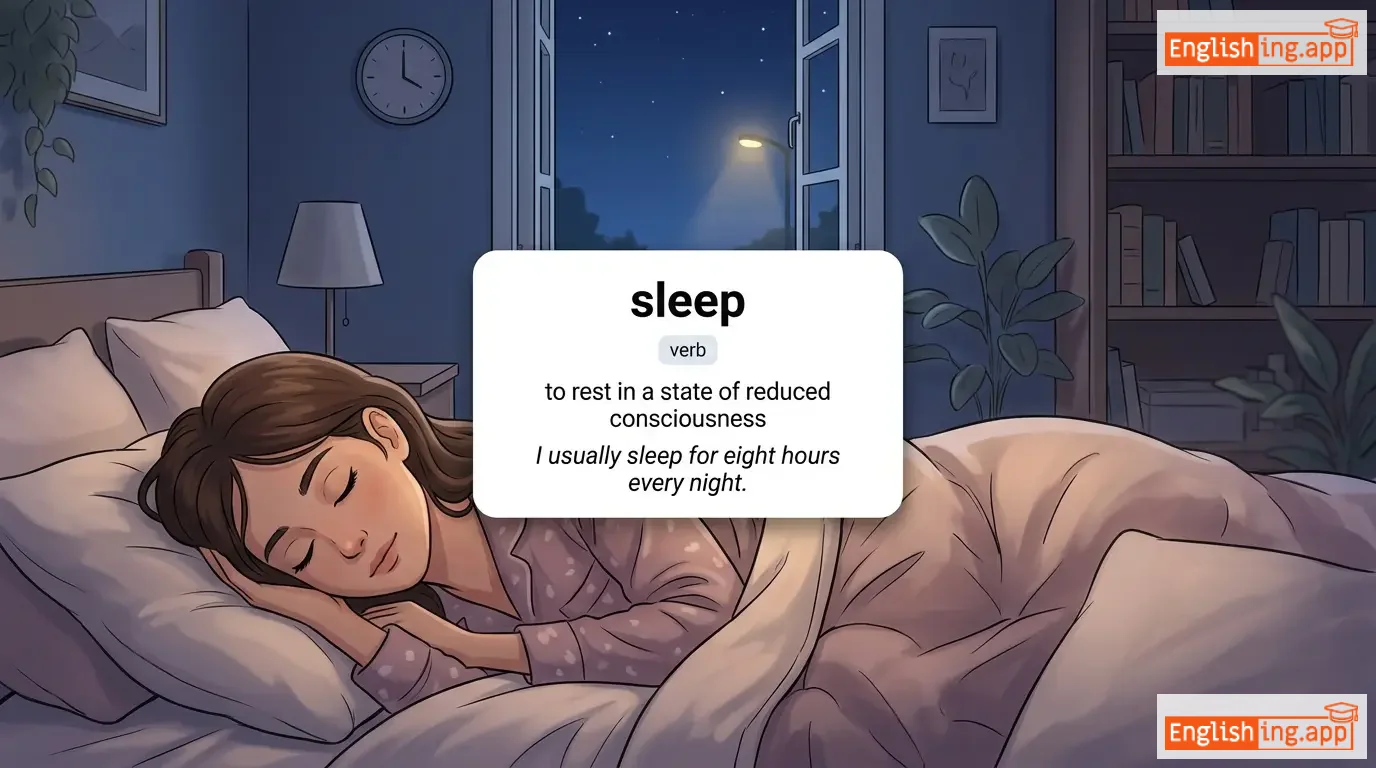
to rest with eyes closed and mind inactive
••••••
|
I need to sleep at least eight hours every night.
アイ ニード トゥ スリープ アット リスト エイト アワーズ エブリ ナイト。
••••••
|
私は毎晩少なくとも8時間眠る必要があります。
Watashi wa maiban sukunakutomo 8 jikan nemuru hitsuyō ga arimasu.
••••••
|
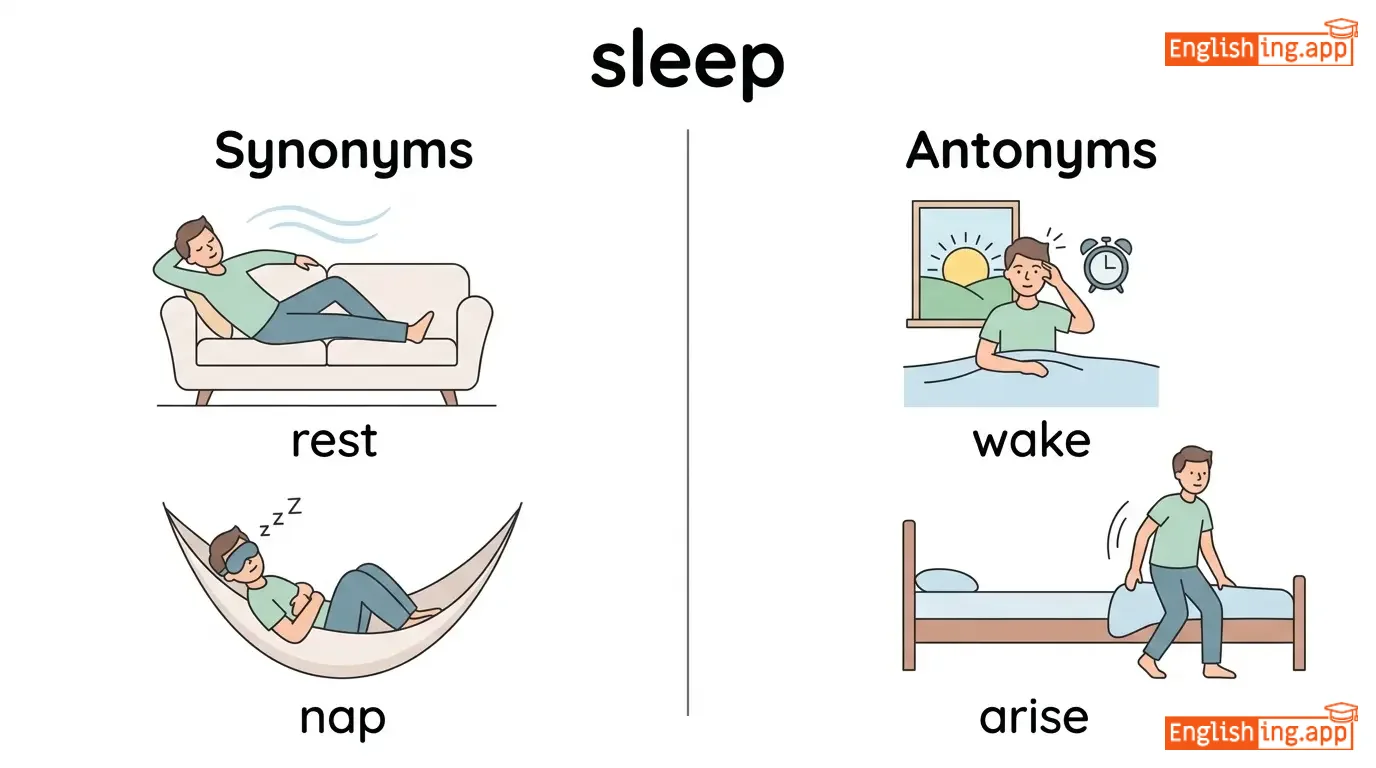
rest, slumber, doze, nap
••••••
|
wake, stay awake, be alert
••••••
|
sleep comfortably, sleep through night, sleep in, sleep over, sleep tight
••••••
|
眠ることで体をリフレッシュする時間です。
••••••
|
|
#501
😊
|
/fiːl/
verb
(フィール)
••••••
|
|
感じる
kanjiru
••••••
|
felt
フェルト
••••••
|
felt
フェルト
••••••
|
feels
フィールズ
••••••
|
feeling
フィーリング
••••••
|
to experience an emotion or physical sensation
••••••
|
I feel happy today.
今日は幸せを感じています。
••••••
|
今日は幸せを感じています。
Kyou wa shiawase wo kanjiteimasu.
••••••
|
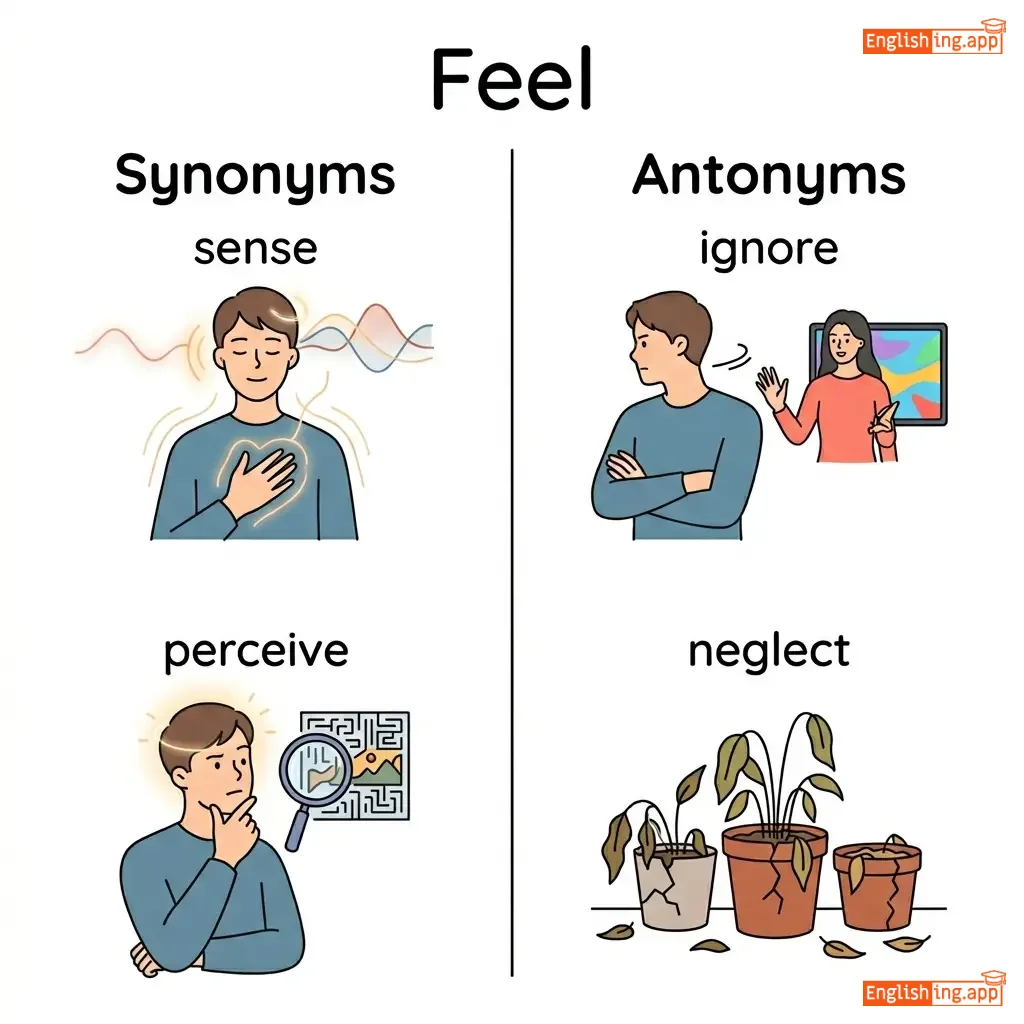
sense, experience, perceive
••••••
|
ignore, dismiss, overlook
••••••
|
feel good, feel bad, feel emotions, feel pain, feel comfortable
••••••
|
Feel - 感じる means to feel in Japanese
••••••
|
|
#502
🔗
|
/mætʃ/
verb
(マッチ)
••••••
|
|
一致する
icchi suru
••••••
|
matched
マッチド
••••••
|
matched
マッチド
••••••
|
matches
マッチズ
••••••
|
matching
マッチング
••••••
|
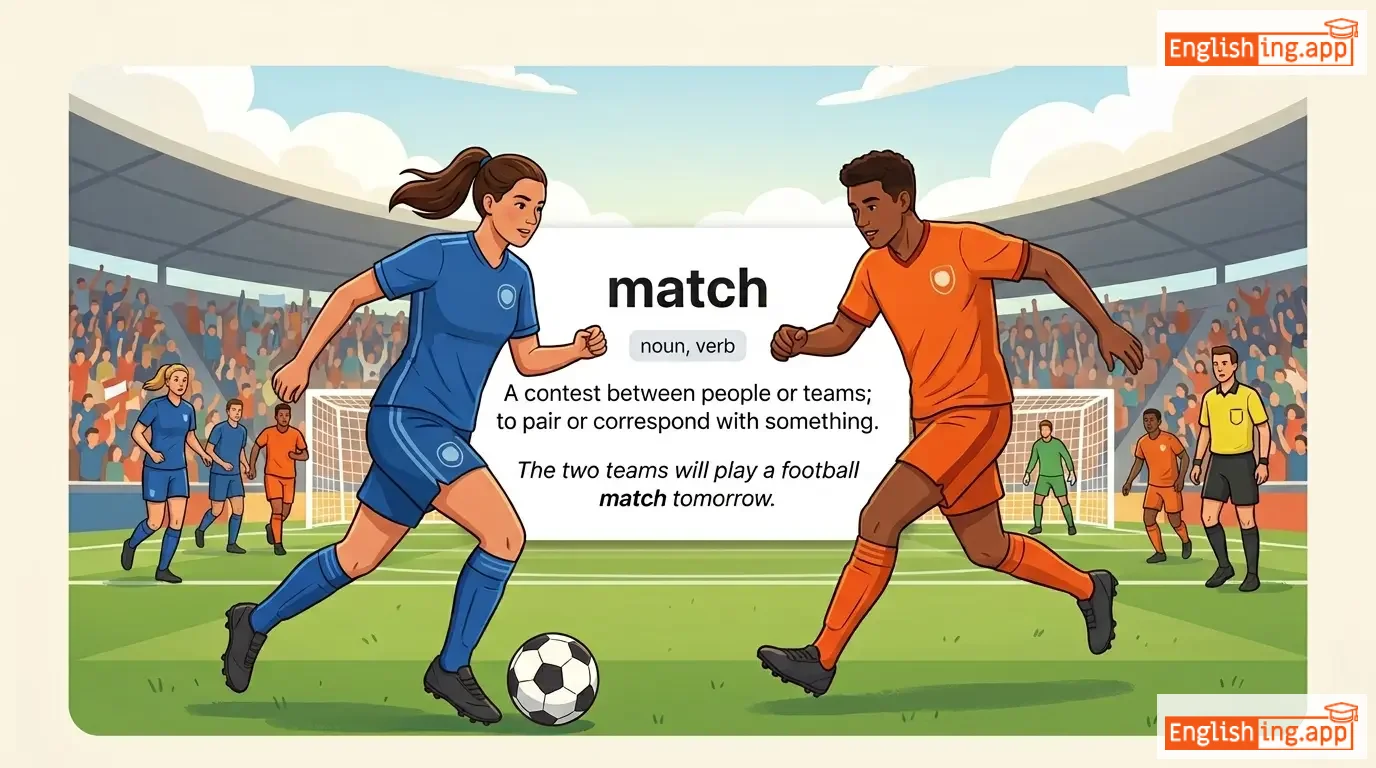
to be equal to something; to find something that corresponds to another
••••••
|
The colors of her dress match perfectly with her shoes.
彼女のドレスの色は彼女の靴と完璧にマッチしています。
••••••
|
彼女のドレスの色は彼女の靴と完璧にマッチしています。
Kanojo no doresu no iro wa kanojo no kutsu to kanpeki ni matchi shiteimasu.
••••••
|
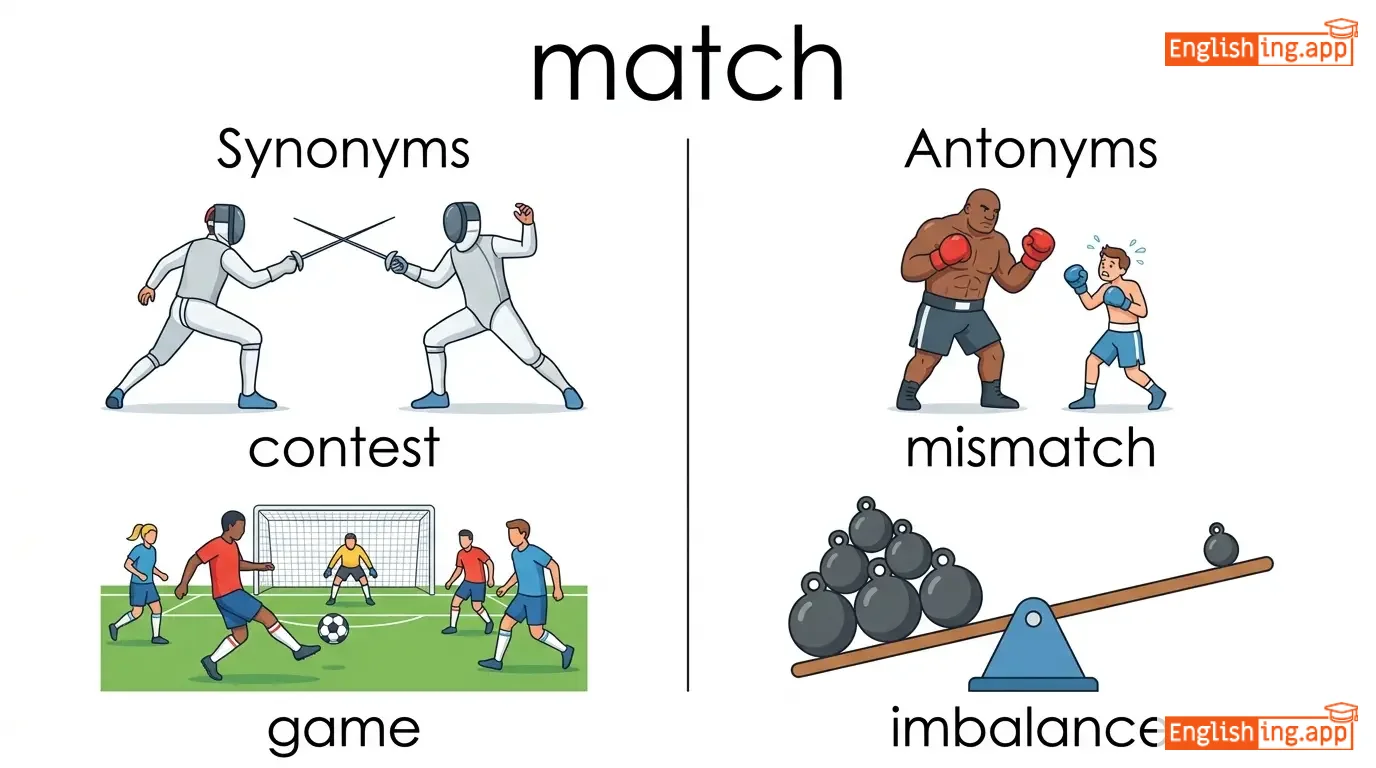
correspond, equal, suit, fit
••••••
|
differ, clash, mismatch, contradict
••••••
|
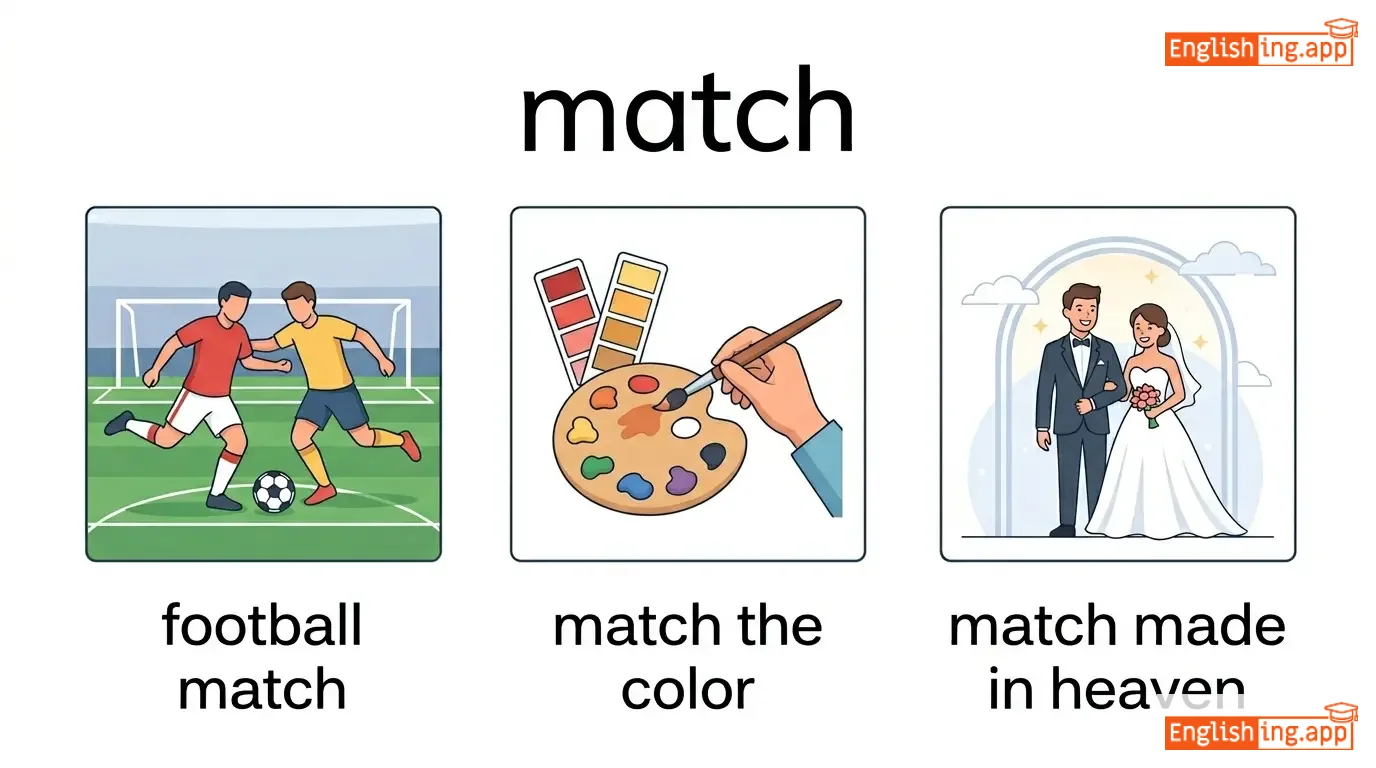
match colors, match clothes, match expectations, match skills, perfect match
••••••
|
No •••••• |
|
#503
📸
|
/snæp/
verb
(スナップ)
••••••
|
|
折れる
oreru
••••••
|
snapped
スナップド
••••••
|
snapped
スナップド
••••••
|
snaps
スナップス
••••••
|
snapping
スナッピング
••••••
|
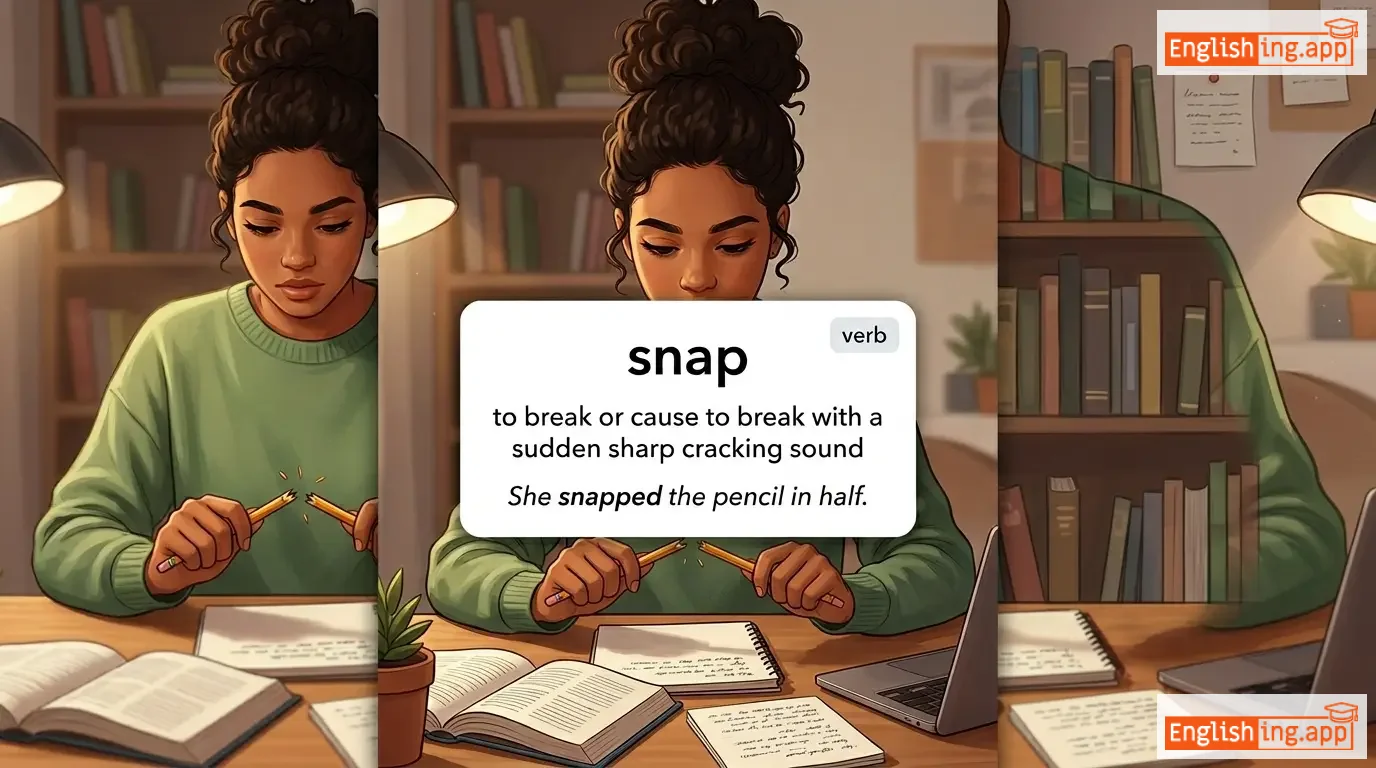
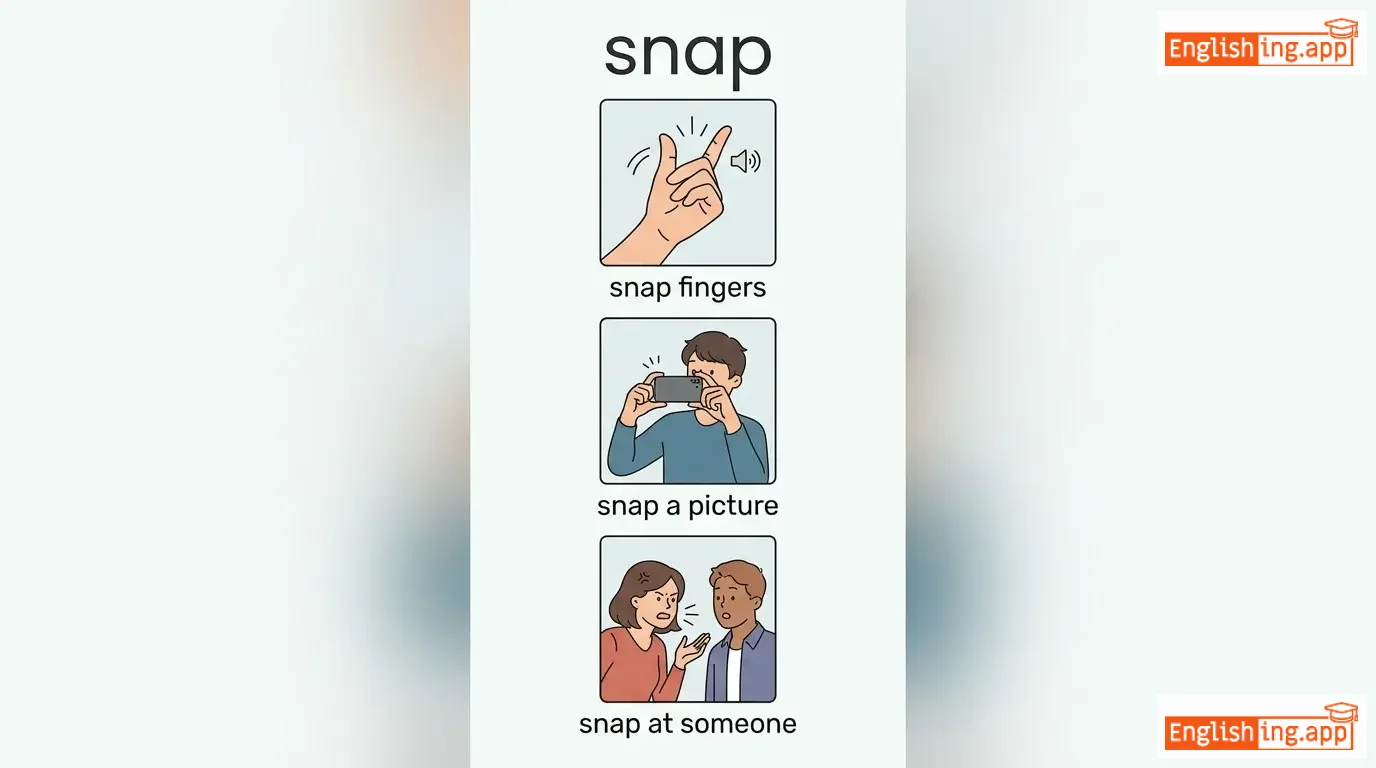
to break suddenly; to speak angrily; to take a photograph quickly
••••••
|
The rope snapped under the weight.
ロープは重さでスナップしました。
••••••
|
ロープは重さで折れました。
Rōpu wa omosa de oremashita.
••••••
|
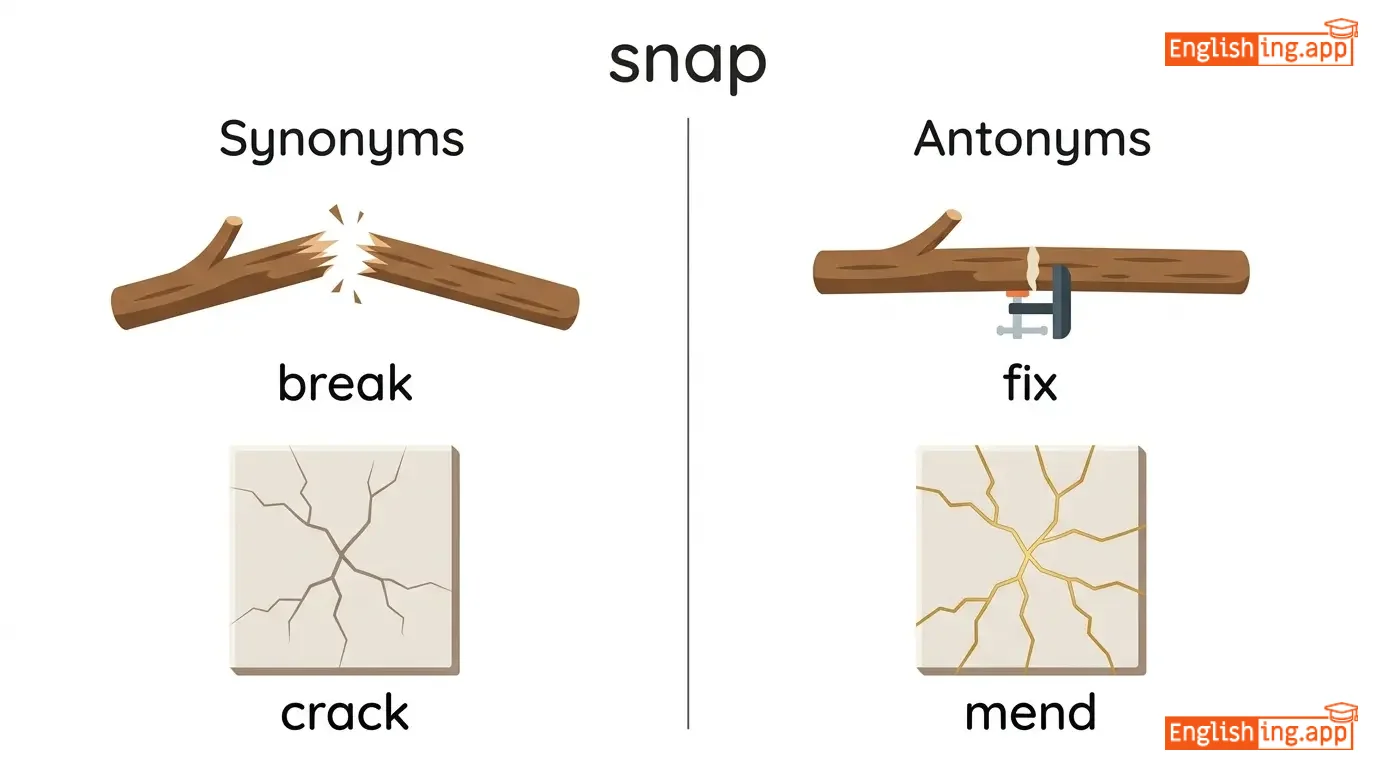
break, crack, split, photograph
••••••
|
mend, repair, fix
••••••
|
snap photos, snap fingers, snap decision, snap back, snap at
••••••
|
No •••••• |
|
#504
⚔️
|
/ˈmæsəkər/
verb
(マサカー)
••••••
|
|
虐殺
gyakusatsu
••••••
|
massacred
マサカード
••••••
|
massacred
マサカード
••••••
|
massacres
マサカーズ
••••••
|
massacring
マサカーリング
••••••
|
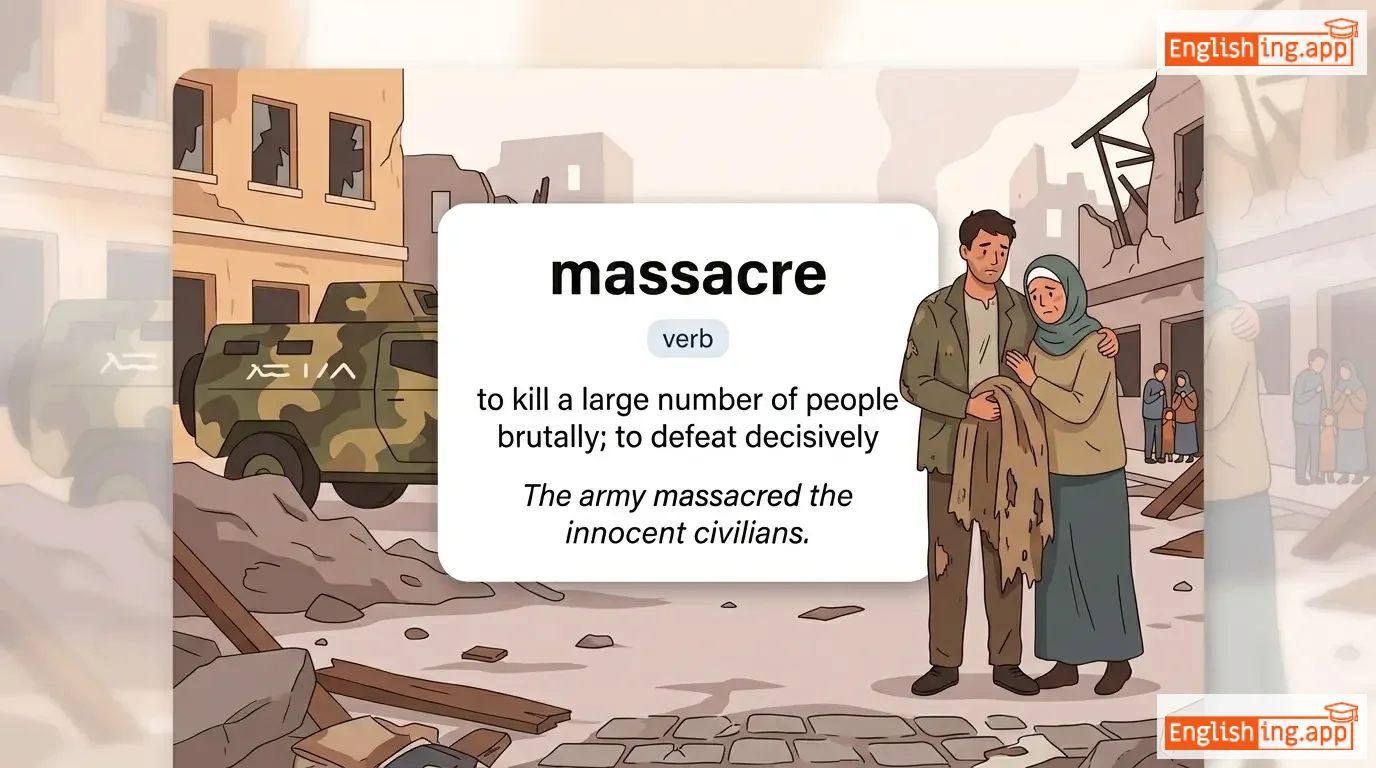
to kill a large number of people brutally; to defeat decisively
••••••
|
The army massacred the innocent civilians.
軍隊は無実の市民を虐殺した。
••••••
|
軍隊は無実の市民を虐殺した。
Guntai wa mujitsu no shimin o gyakusatsu shita.
••••••
|
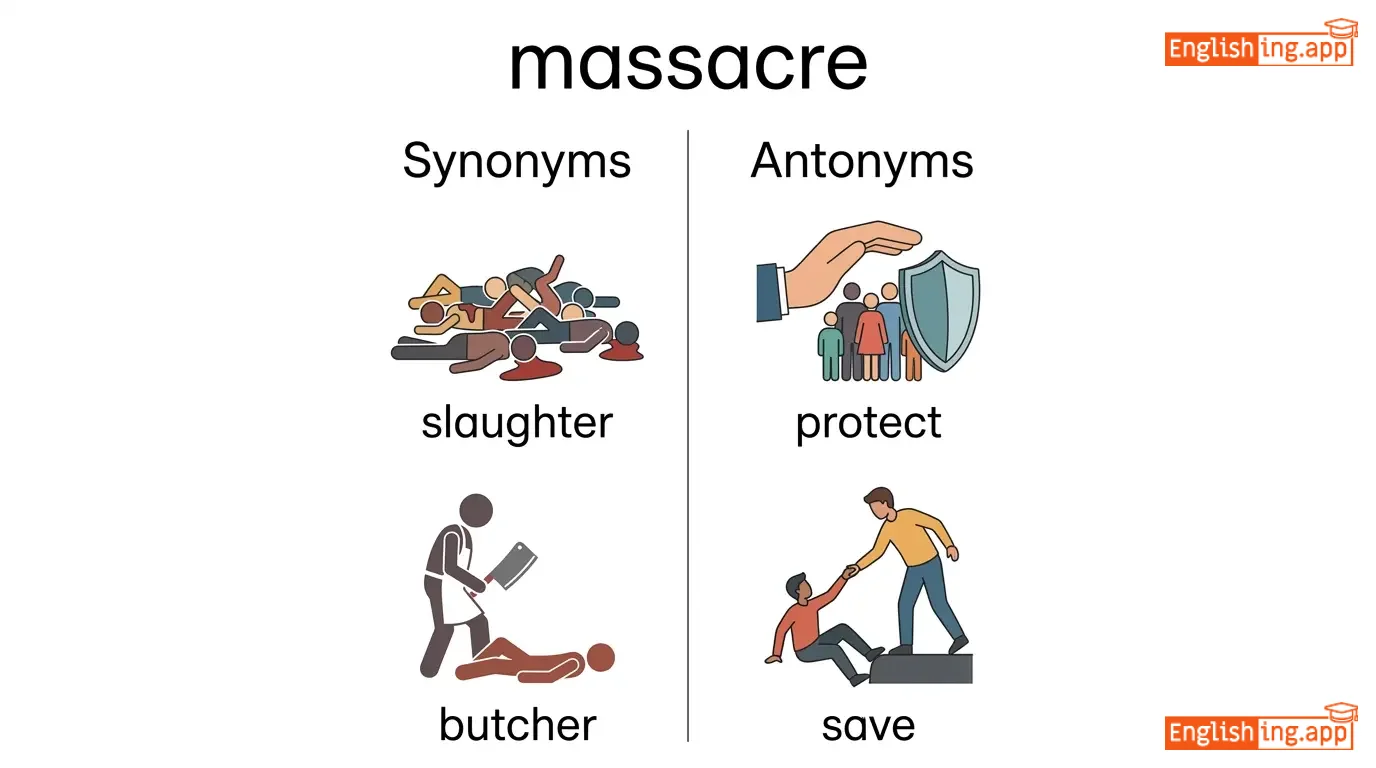
slaughter, butcher, kill, annihilate
••••••
|
protect, save, preserve, spare
••••••
|
massacre civilians, massacre troops, massacre innocents, brutal massacre, mass massacre
••••••
|
No •••••• |
|
#505
🤝
|
/koʊˈɒpəreɪt/
verb
(kooperēto)
••••••
|
- •••••• |
協力する
kyōryoku suru
••••••
|
cooperated
kooperētedo
••••••
|
cooperated
kooperētedo
••••••
|
cooperates
kooperētsu
••••••
|
cooperating
kooperētingu
••••••
|
to work together towards a common goal; to collaborate
••••••
|
The teams cooperated to complete the project successfully.
チームはプロジェクトを成功裏に完了させるために協力しました。
••••••
|
チームはプロジェクトを成功裏に完了させるために協力しました。
Chīmu wa purojekuto o seikōri ni kanryō saseru tame ni kyōryoku shimashita.
••••••
|
collaborate, work together, assist, help, unite
••••••
|
compete, oppose, hinder, obstruct
••••••
|
cooperate fully, cooperate willingly, cooperate closely, cooperate together, refuse to cooperate
••••••
|
Japanese: '協力する' means cooperating, English: 'cooperate' means the same.
••••••
|
|
#506
🙏
|
/kənˈfes/
verb
(カンフェス)
••••••
|
|
告白する
kokuhaku suru
••••••
|
confessed
カンフェスト
••••••
|
confessed
カンフェスト
••••••
|
confesses
カンフェセス
••••••
|
confessing
カンフェシング
••••••
|
to admit guilt or wrongdoing; to acknowledge
••••••
|
He confessed his mistake to his teacher.
ヒー カンフェスト ヒズ ミステイク トゥ ヒズ ティーチャー
••••••
|
彼は自分のミスを教師に告白した。
Kare wa jibun no misu o kyōshi ni kokuhaku shita.
••••••
|
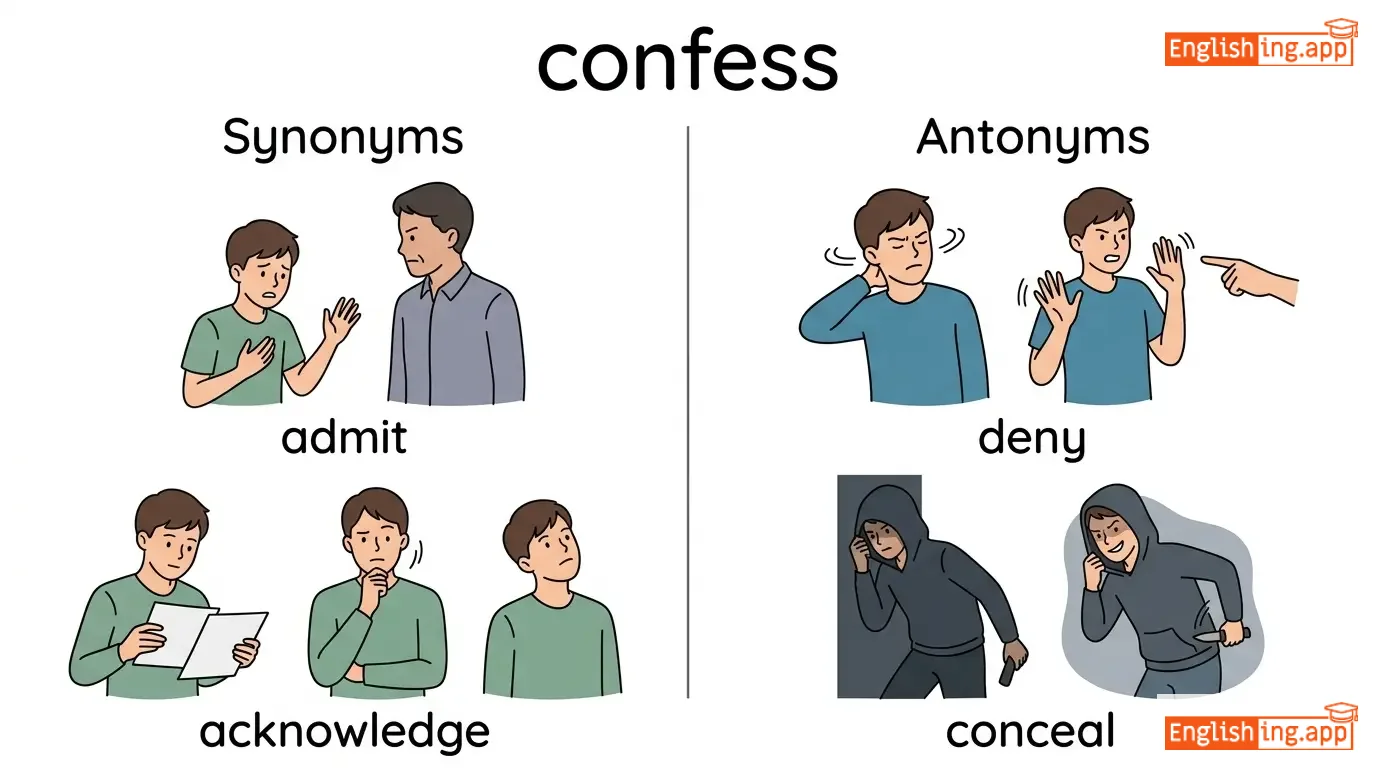
admit, acknowledge, reveal, disclose, own up
••••••
|
deny, conceal, hide, cover up
••••••
|
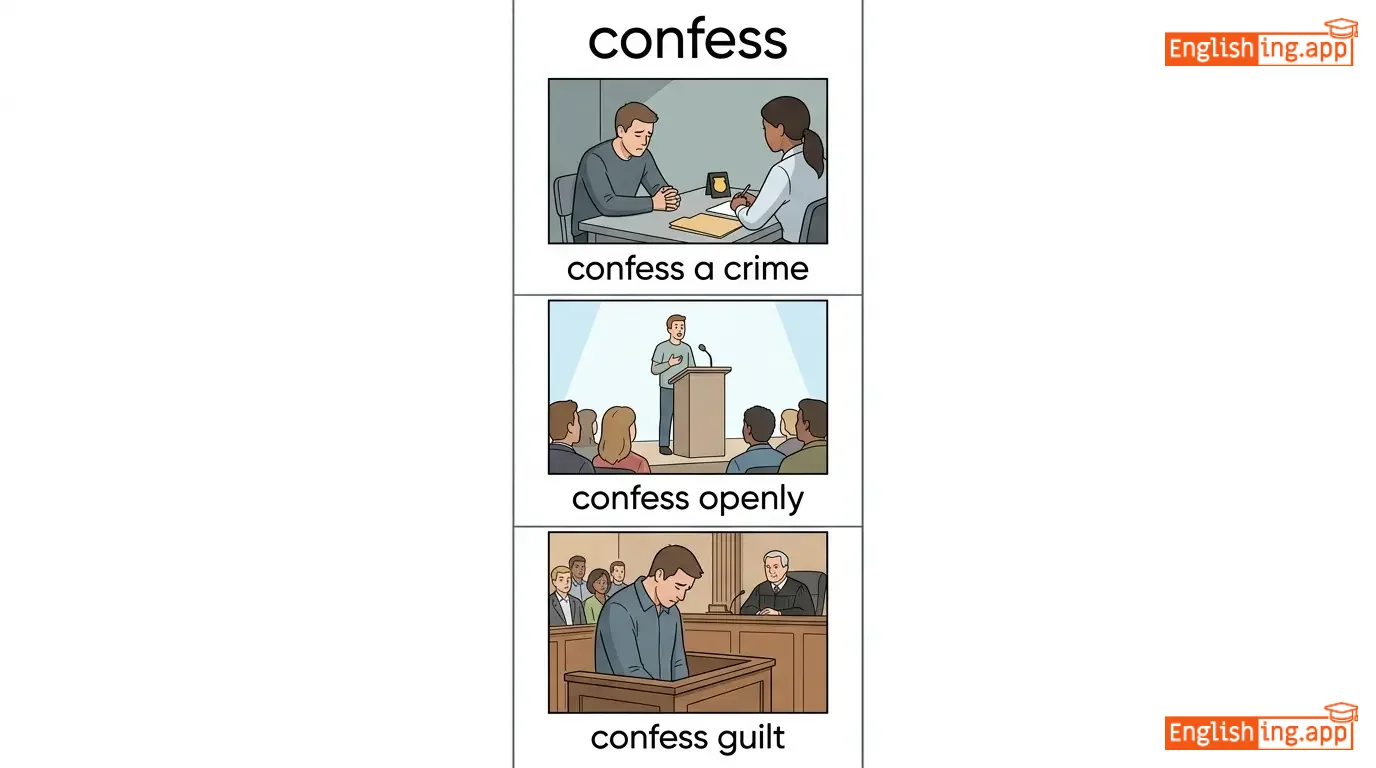
confess truthfully, confess openly, confess privately, confess reluctantly, confess everything
••••••
|
告白は心の解放への第一歩
••••••
|
Vocabulary Quiz
Test your vocabulary by matching words with their translations or meanings.
Login to take the quiz
Comments (0)
Share your thoughts and join the discussion.
Join the discussion by logging in
Login to CommentNo comments yet
Be the first to share your thoughts!