

翻訳
過去
過去分詞
三人称単数
動名詞
意味
例文
例文の翻訳
同義語
対義語
コロケーション
ニーモニック












Swipe left or right, or use the buttons. Tap image to zoom.
例文の翻訳
単語
Lesson 25: Mastering the Most Frequent Verbs & TensesLesson 25: Mastering the Most Frequent Verbs & Tenses - マスクトグル
|
絵文字
|
単語 | Images | 翻訳 | 過去 | 過去分詞 | 三人称単数 | 動名詞 | 意味 | 例文 | 例文の翻訳 | 同義語 | 対義語 | コロケーション | ニーモニック |
|---|---|---|---|---|---|---|---|---|---|---|---|---|---|---|
|
#716
🎓
|
/ˈkwɒlɪfaɪ/
verb
(クオリファイ)
••••••
|
|
資格を得る
shikaku o eru
••••••
|
qualified
クオリファイド
••••••
|
qualified
クオリファイド
••••••
|
qualifies
クオリファイズ
••••••
|
qualifying
クオリファイング
••••••
|
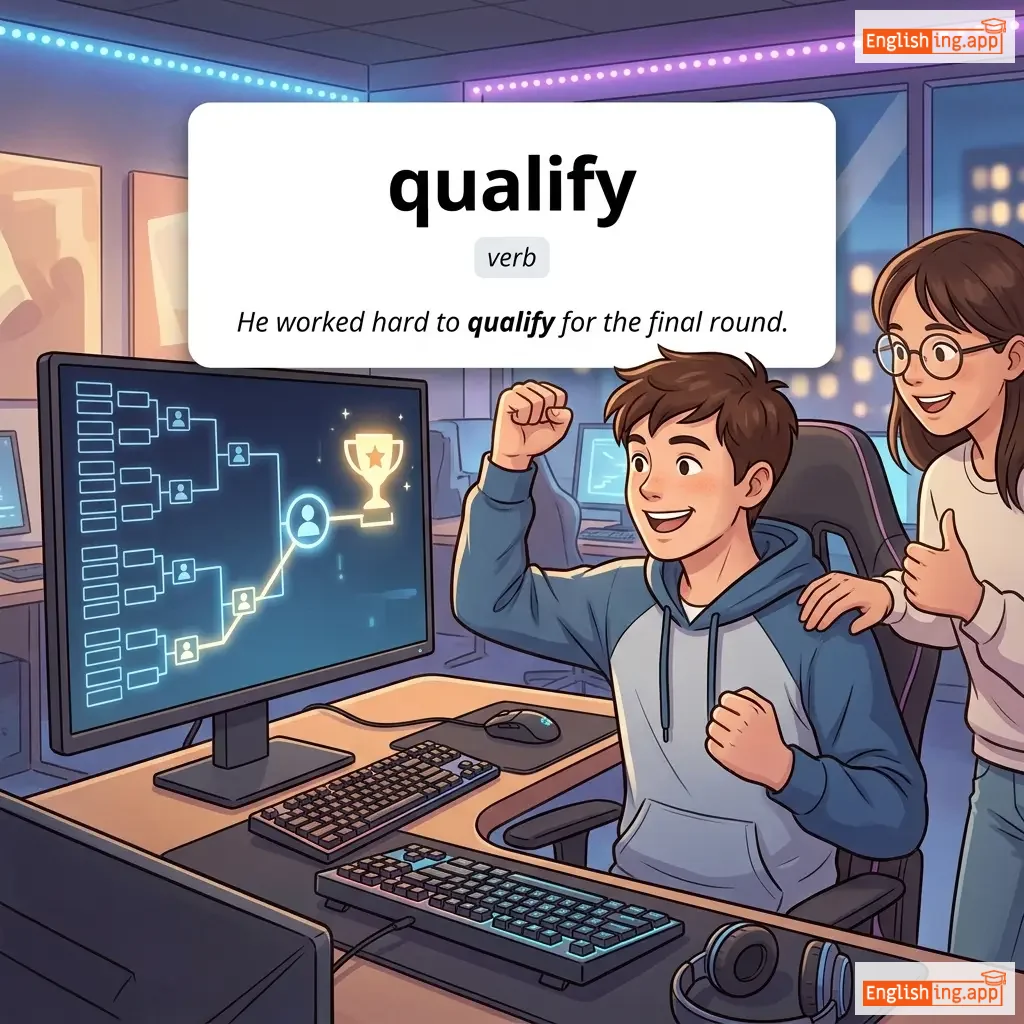
to successfully complete a course or pass an exam; to become eligible
••••••
|
She worked hard to qualify for the competition.
シー ワークド ハード トゥ クオリファイ フォー ザ コンペティション。
••••••
|
彼女は大会に出場する資格を得るために一生懸命働いた。
kanojo wa taikai ni shutsujo suru shikaku o eru tame ni isshokenmei hataraita
••••••
|
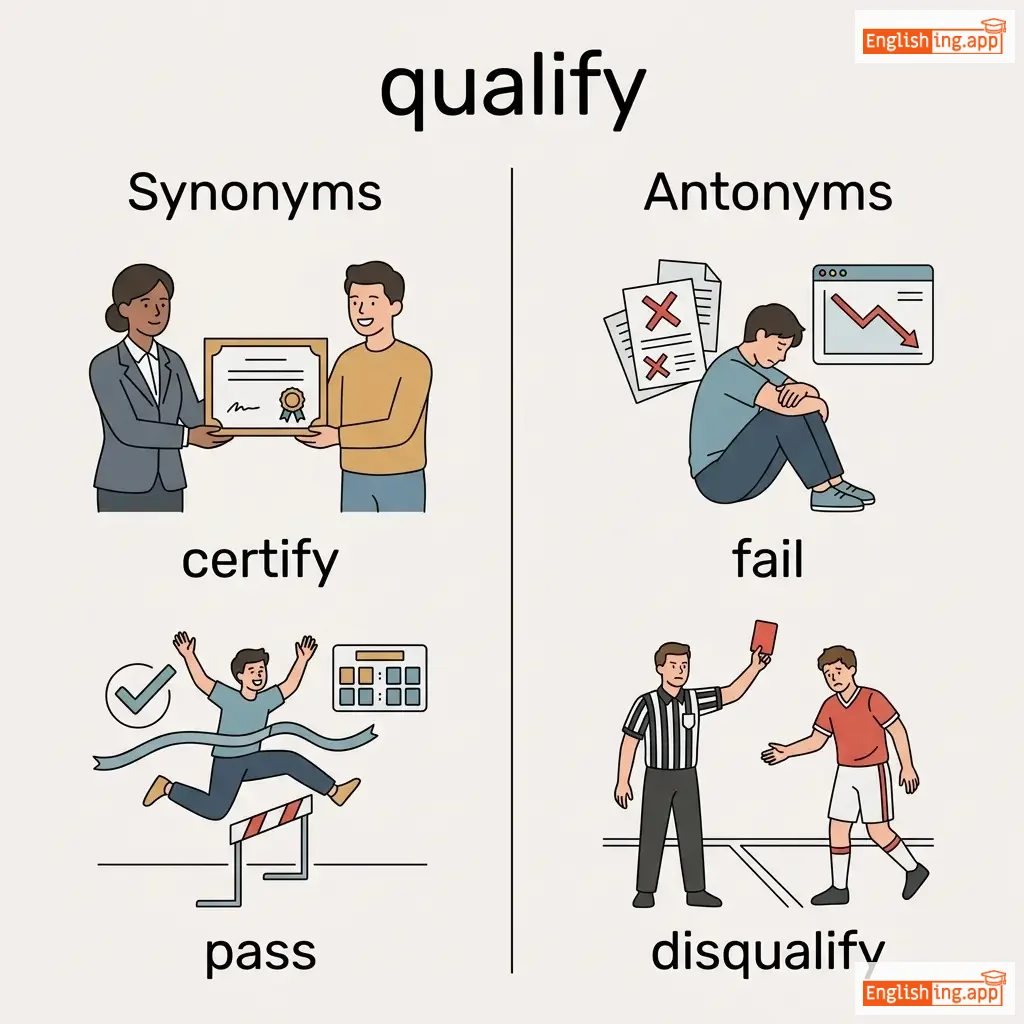
pass, succeed, meet requirements, be eligible
••••••
|
fail, disqualify, be ineligible
••••••
|
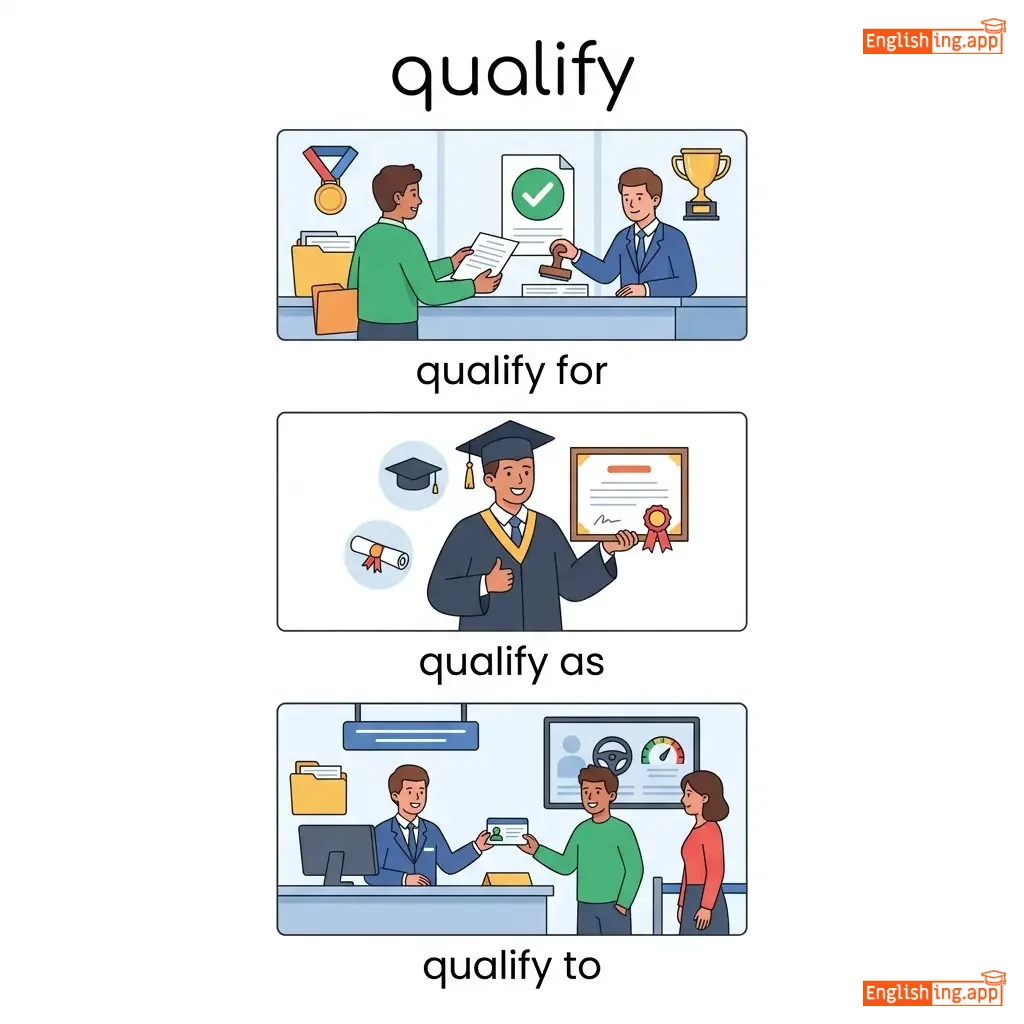
qualify for, qualify as, qualify to, highly qualified, fully qualified
••••••
|
‘Shikaku o eru’ means to gain qualification — just like ‘qualify’!
••••••
|
|
#717
🚗
|
/ˌoʊvərˈteɪk/
verb
(オーバーテイク)
••••••
|
|
追い越す
oikosu
••••••
|
overtook
オーバートゥック
••••••
|
overtaken
オーバーテイケン
••••••
|
overtakes
オーバーテイクス
••••••
|
overtaking
オーバーテイキング
••••••
|
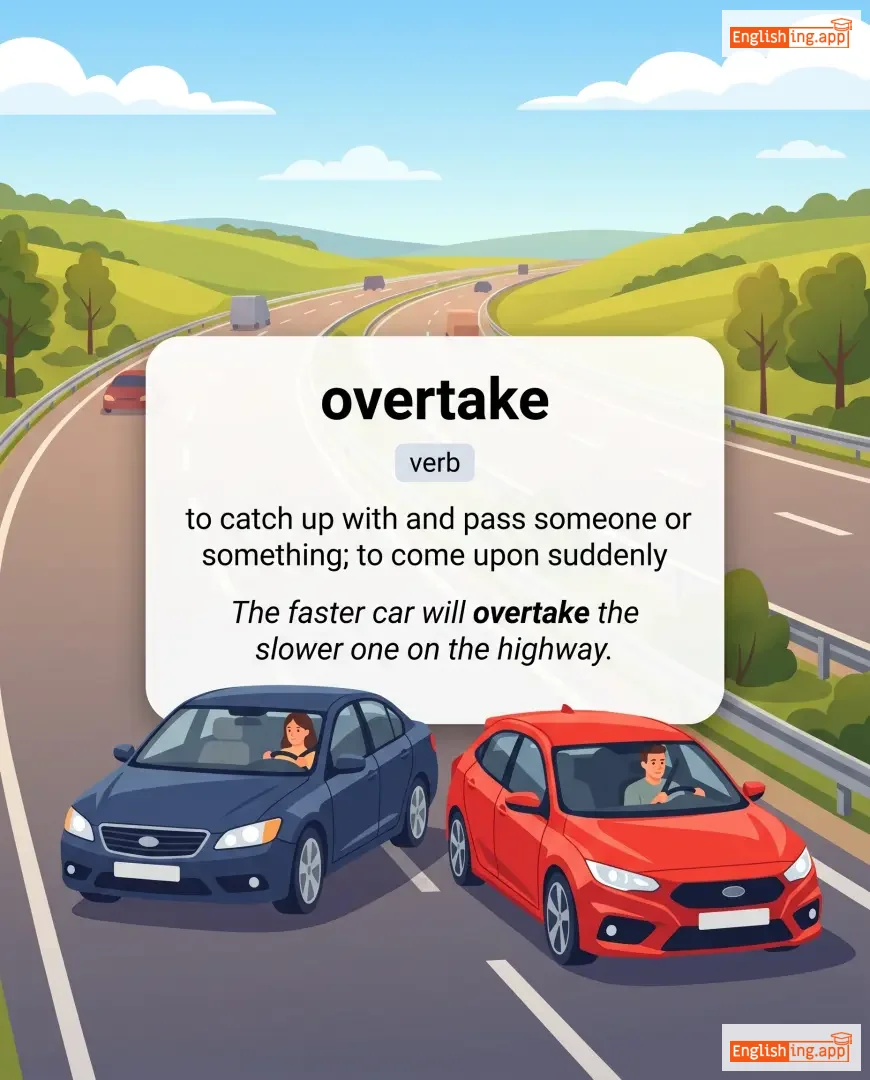
to catch up with and pass someone or something; to come upon suddenly
••••••
|
The faster car will overtake the slower one on the highway.
速い車が高速道路で遅い車を追い越します。
••••••
|
速い車が高速道路で遅い車を追い越します。
Hayai kuruma ga kosoku dorou de osoi kuruma o oikosu.
••••••
|
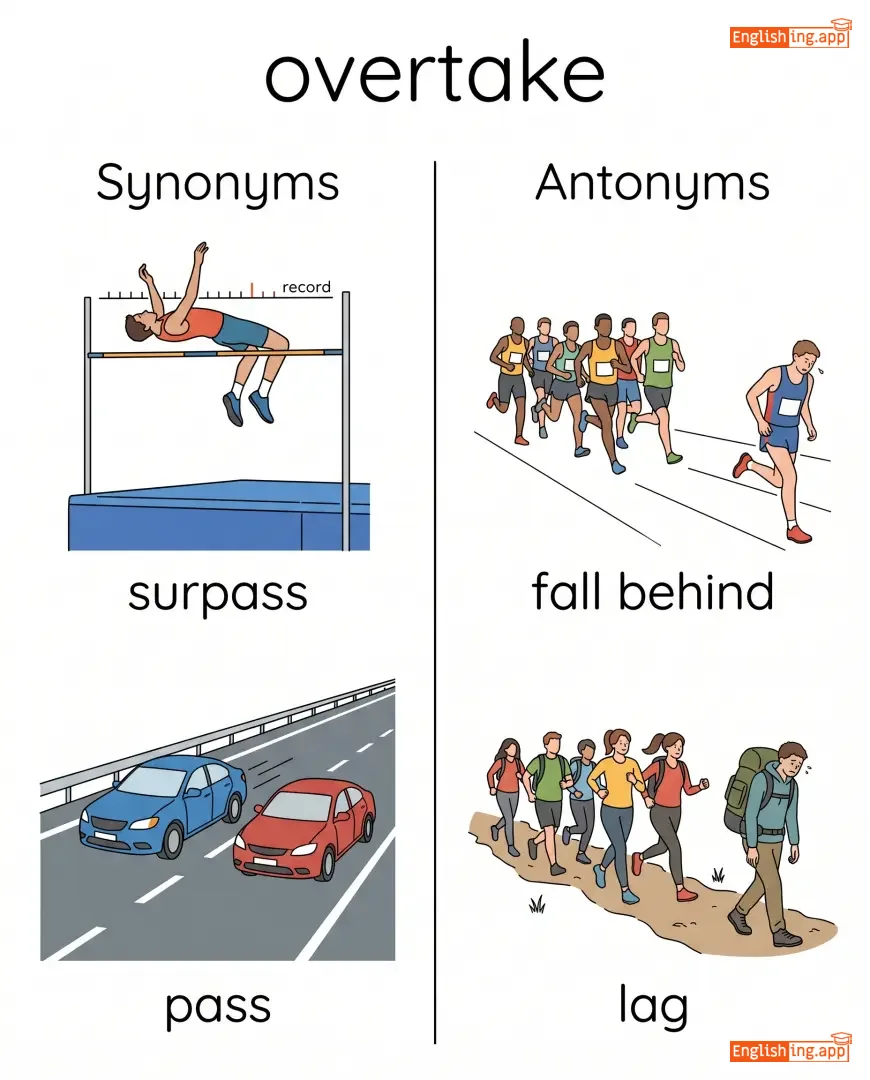
surpass, pass, outrun, exceed
••••••
|
fall behind, lag, trail, follow
••••••
|
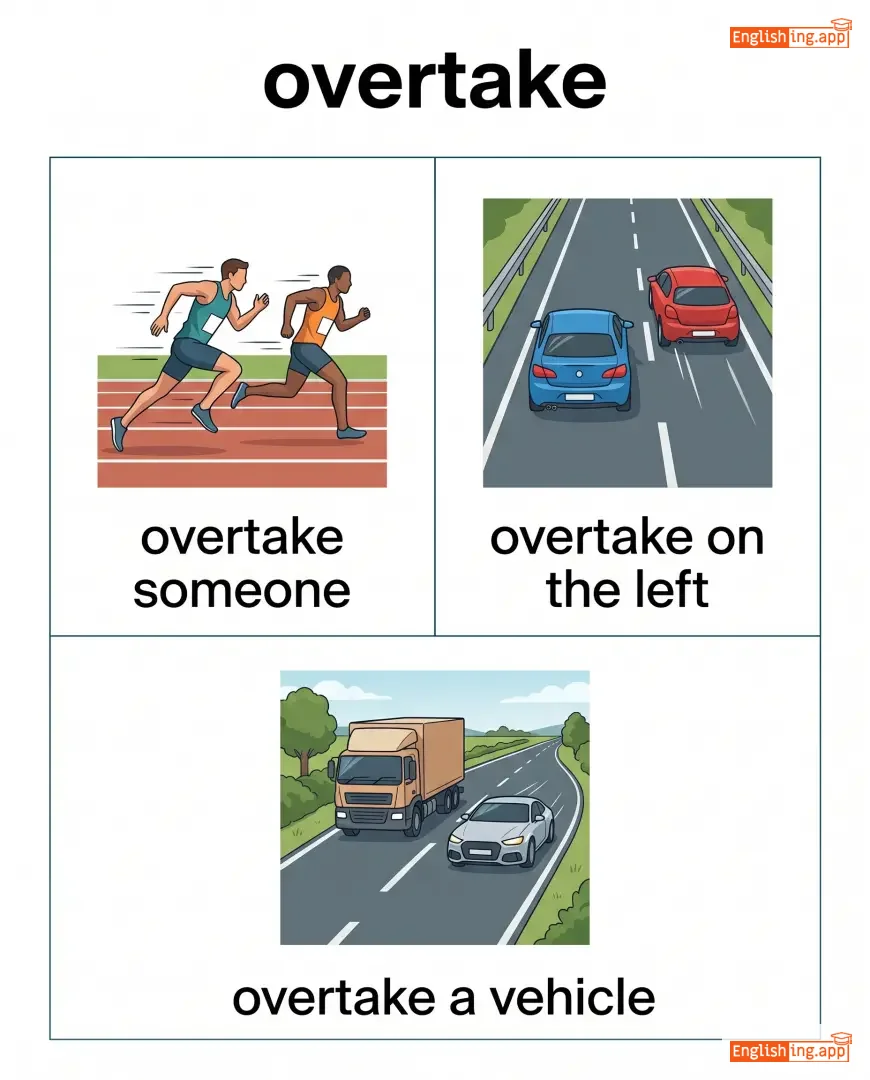
overtake someone, overtake on the left, overtake a vehicle, suddenly overtaken
••••••
|
Overtake sounds like 'oikosu' — both mean to pass another car.
••••••
|
|
#718
🤲
|
/ˈɔːfər/
verb
(オファー)
••••••
|
|
申し出る
moshideru
••••••
|
offered
オファード
••••••
|
offered
オファード
••••••
|
offers
オファーズ
••••••
|
offering
オファーリング
••••••
|
to present something for acceptance or rejection; to propose
••••••
|
She offered to help with the project.
シー オファード トゥ ヘルプ ウィズ ザ プロジェクト。
••••••
|
彼女はプロジェクトを手伝うと申し出た。
kanojo wa purojekuto o tetsudau to moshideta
••••••
|
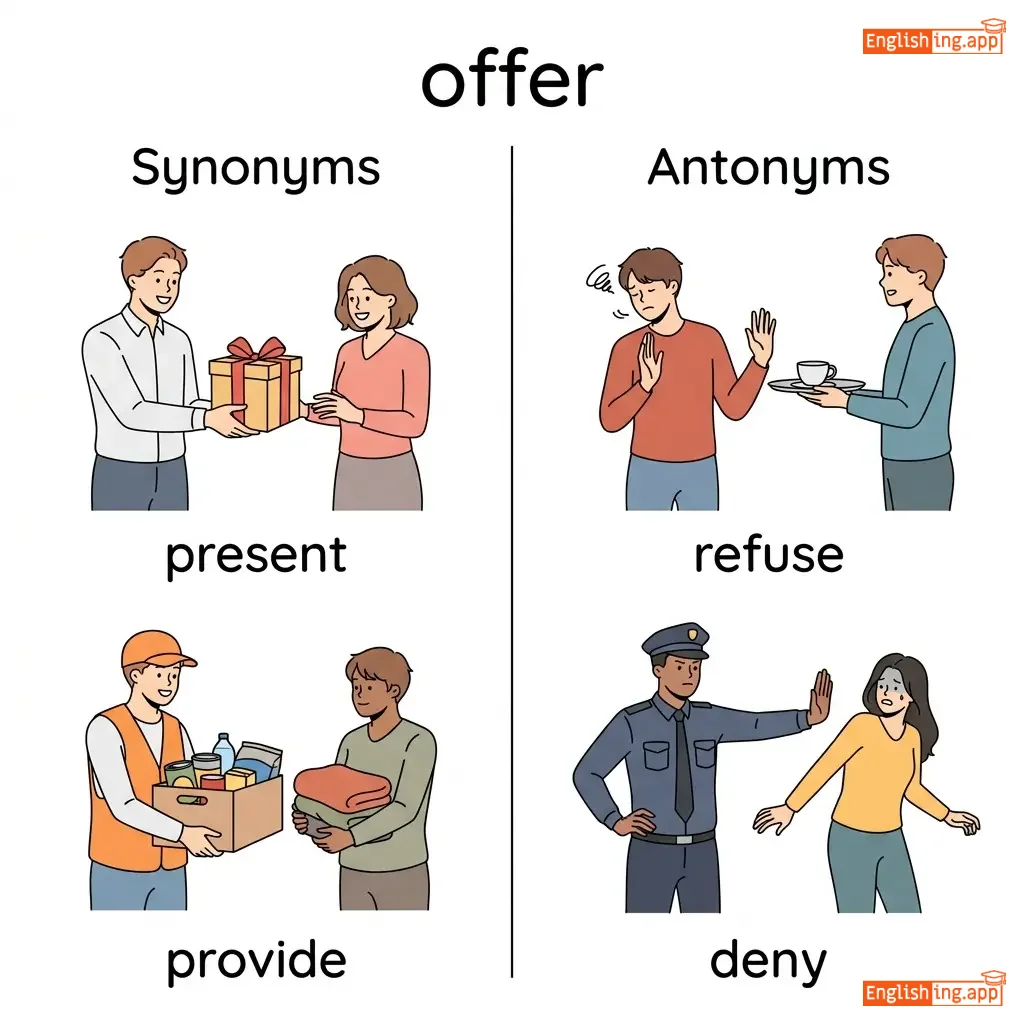
propose, present, provide, suggest
••••••
|
withdraw, refuse, deny, withhold
••••••
|
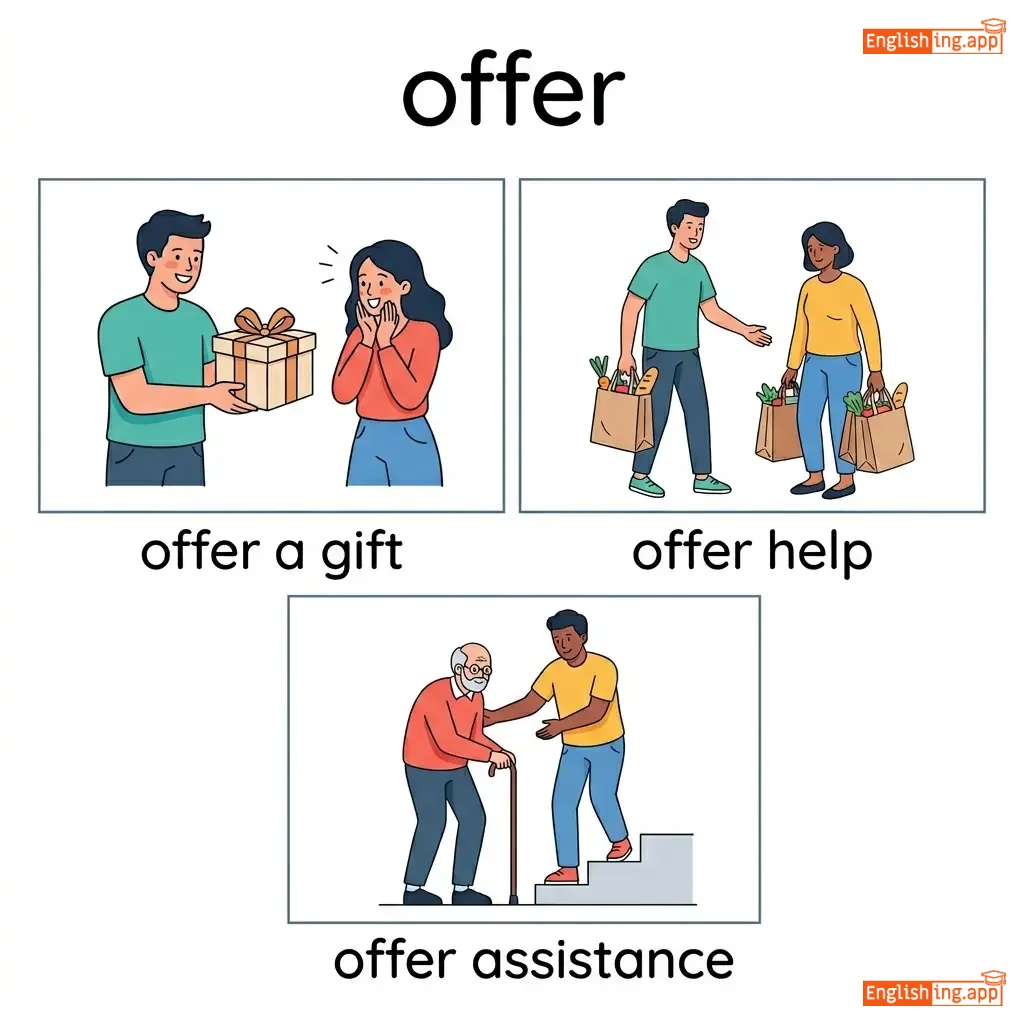
offer help, offer advice, offer support, make an offer, generous offer
••••••
|
Offer = オファー (ofaa) — same sound, means to make a proposal or offer help.
••••••
|
|
#719
🌅
|
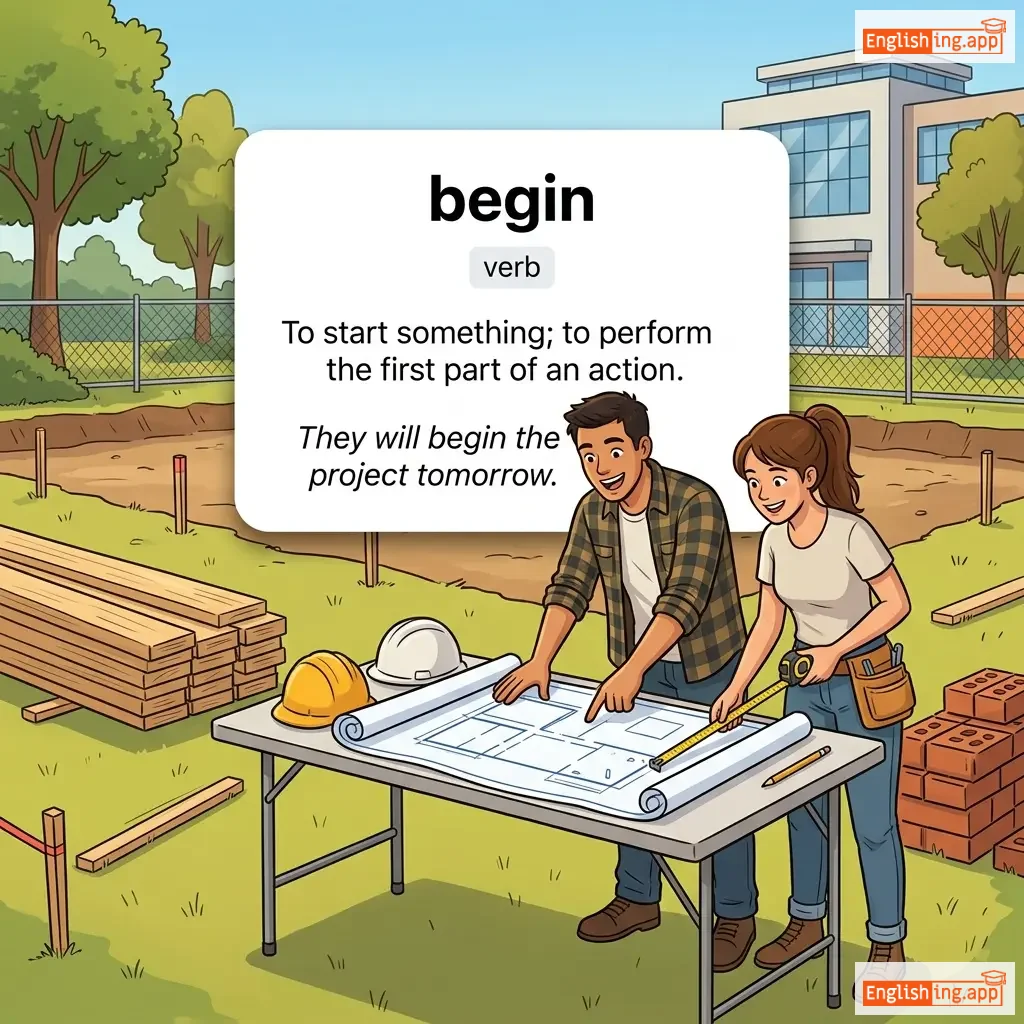
/bɪˈɡɪn/
verb
(ビギン)
••••••
|
|
始める
hajimeru
••••••
|
began
ビガン
••••••
|
begun
ビガン
••••••
|
begins
ビギンズ
••••••
|
beginning
ビギニング
••••••
|
to start doing something; to commence
••••••
|
I will begin my studies tomorrow.
アイ ウィル ビギン マイ スタディーズ トゥモロー
••••••
|
私は明日勉強を始めます。
watashi wa ashita benkyo o hajimemasu
••••••
|
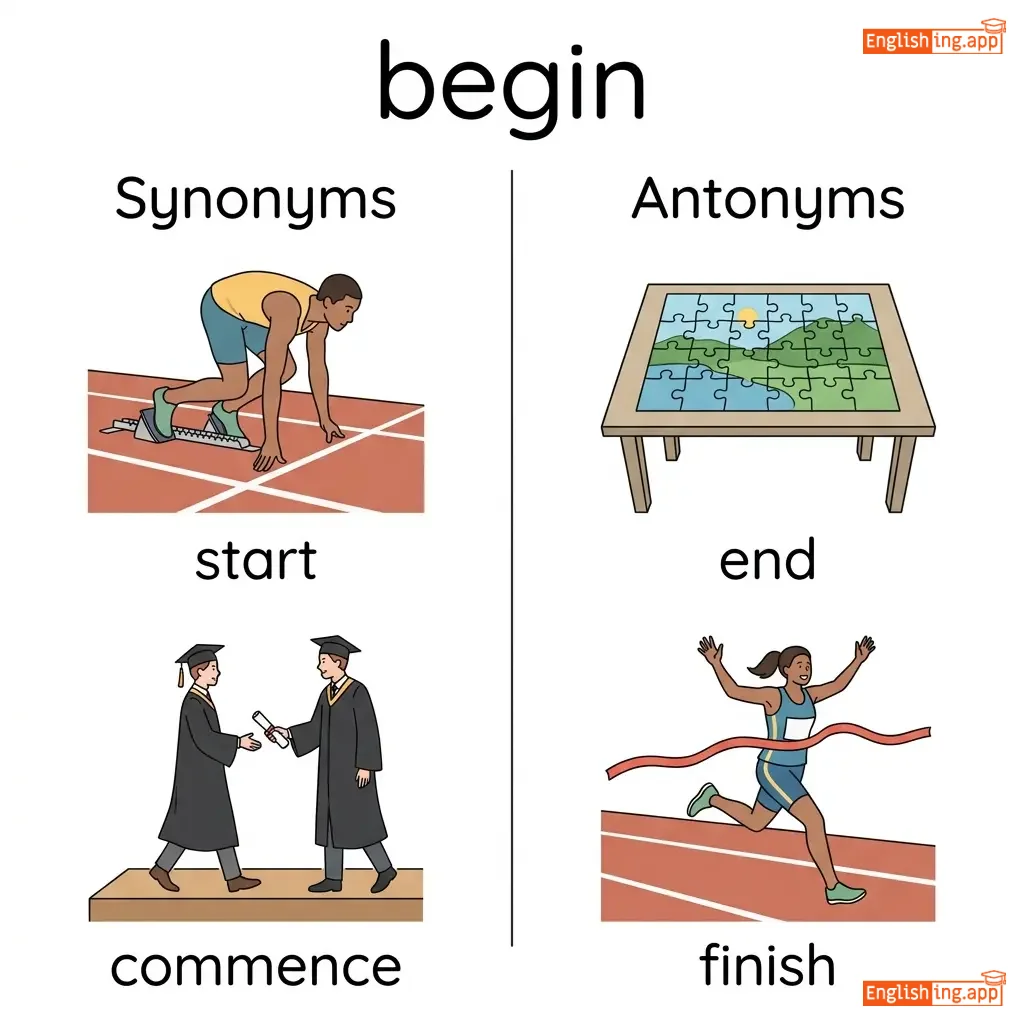
start, commence, initiate, launch
••••••
|
end, finish, conclude, stop
••••••
|
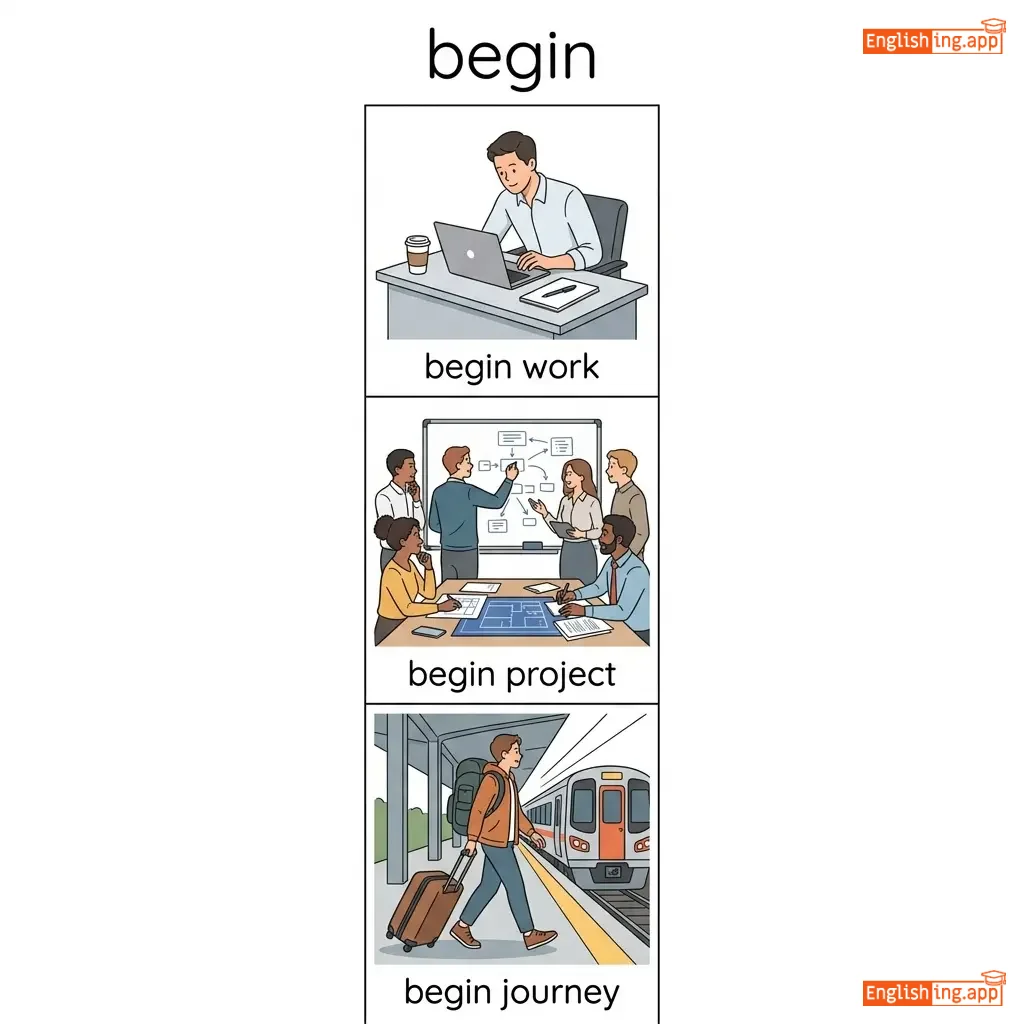
begin with, begin to, begin again, new beginning, fresh start
••••••
|
To 'begin' is to 'hajimeru'—both open new beginnings!
••••••
|
|
#720
💪
|
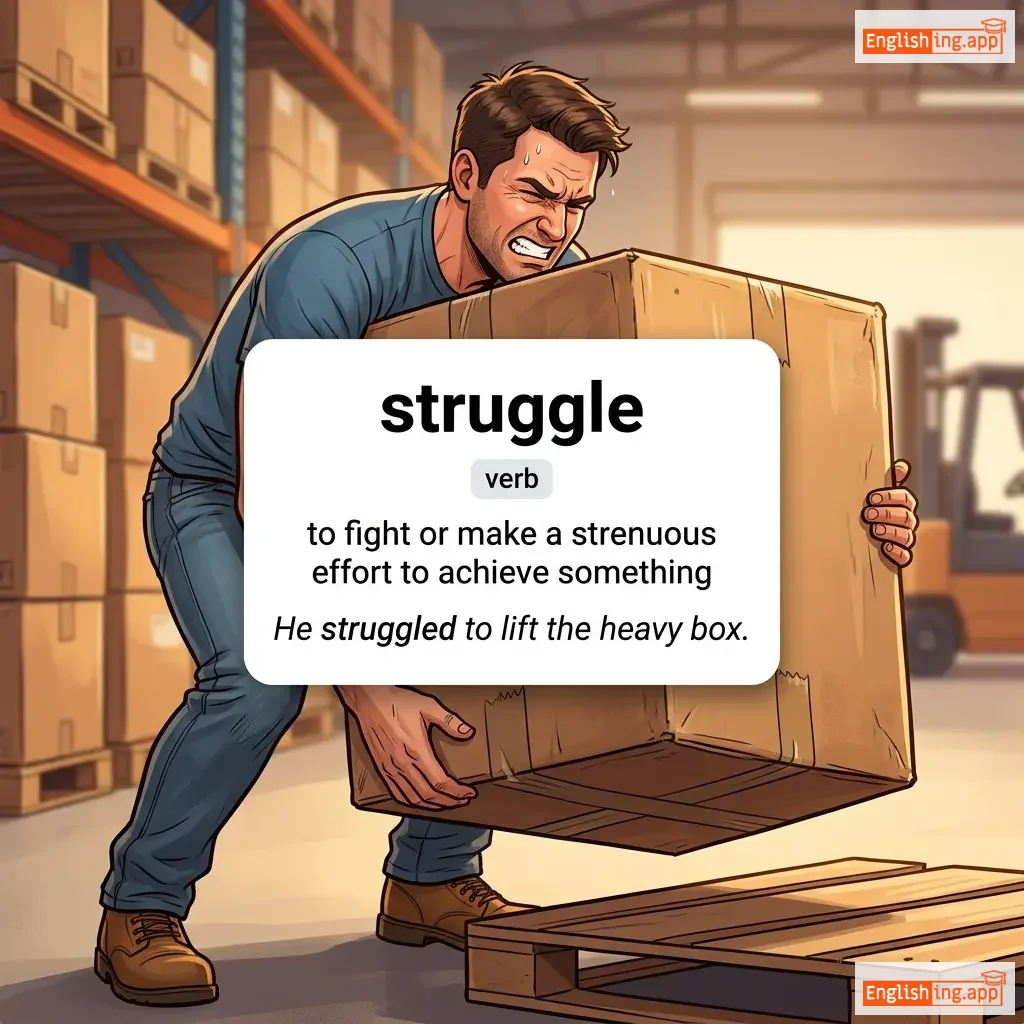
/ˈstrʌɡəl/
verb
(ストラグル)
••••••
|
|
苦労する
kurou suru
••••••
|
struggled
ストラグルド
••••••
|
struggled
ストラグルド
••••••
|
struggles
ストラグルズ
••••••
|
struggling
ストラグリング
••••••
|
to try very hard to do something when it is difficult; to fight against something
••••••
|
He struggled to lift the heavy box.
ヒー ストラグルド トゥ リフト ザ ヘビ ボックス。
••••••
|
彼は重い箱を持ち上げようと苦労した。
kare wa omoi hako o mochiageyou to kurou shita
••••••
|
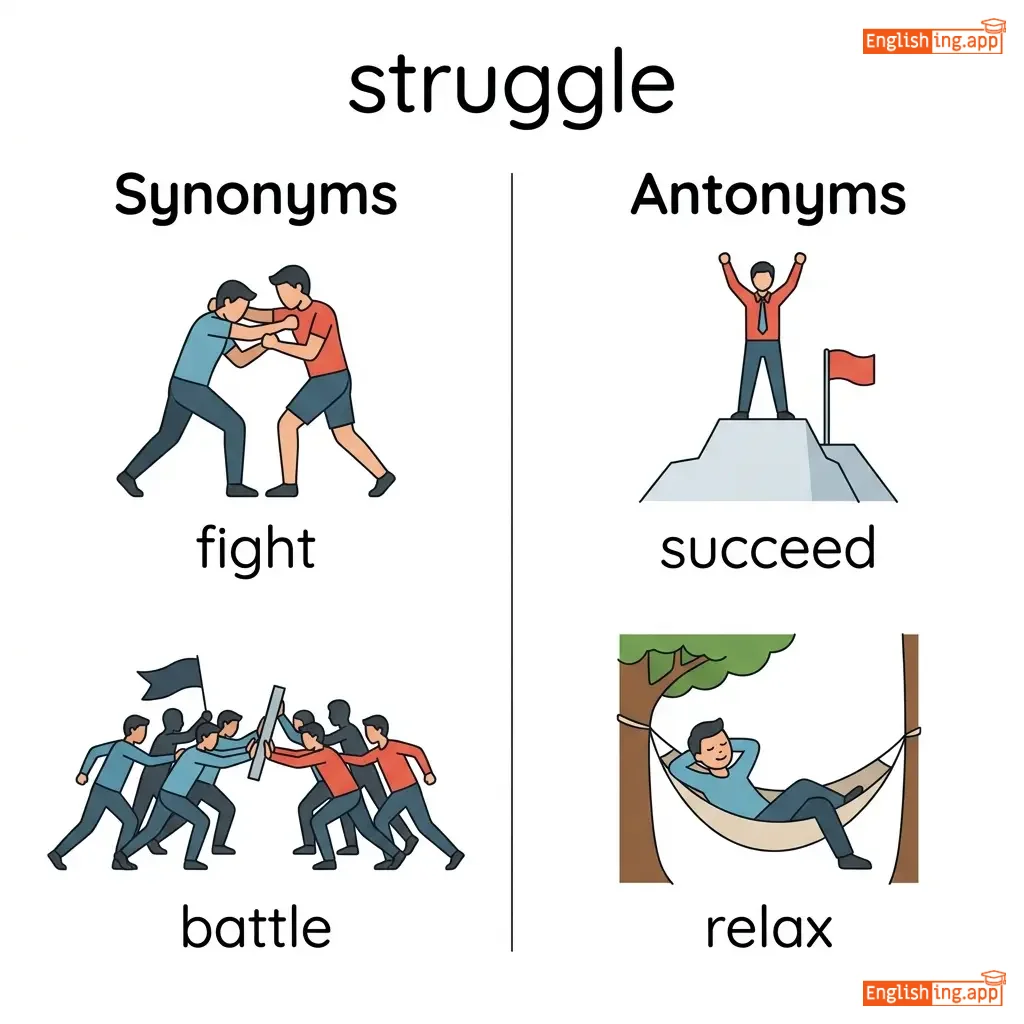
fight, battle, strive, wrestle
••••••
|
succeed, achieve, accomplish
••••••
|
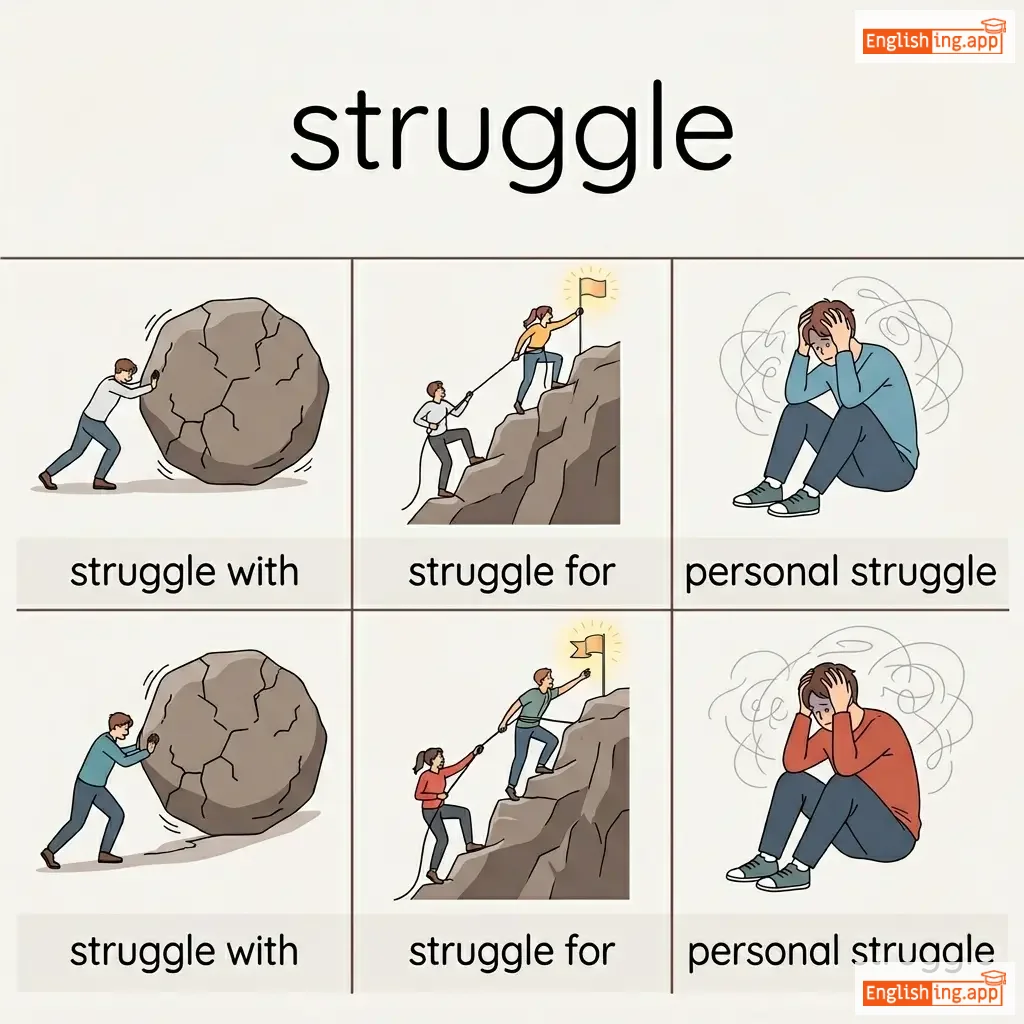
struggle with, struggle against, struggle to, long struggle, constant struggle
••••••
|
When you 'kurou suru', you work hard or struggle in Japanese!
••••••
|
|
#721
🌿
|
/rɪˈfreʃ/
verb
(リフレッシュ)
••••••
|
|
リフレッシュする
rifuresshu suru
••••••
|
refreshed
リフレッシュド
••••••
|
refreshed
リフレッシュド
••••••
|
refreshes
リフレッシズ
••••••
|
refreshing
リフレッシング
••••••
|
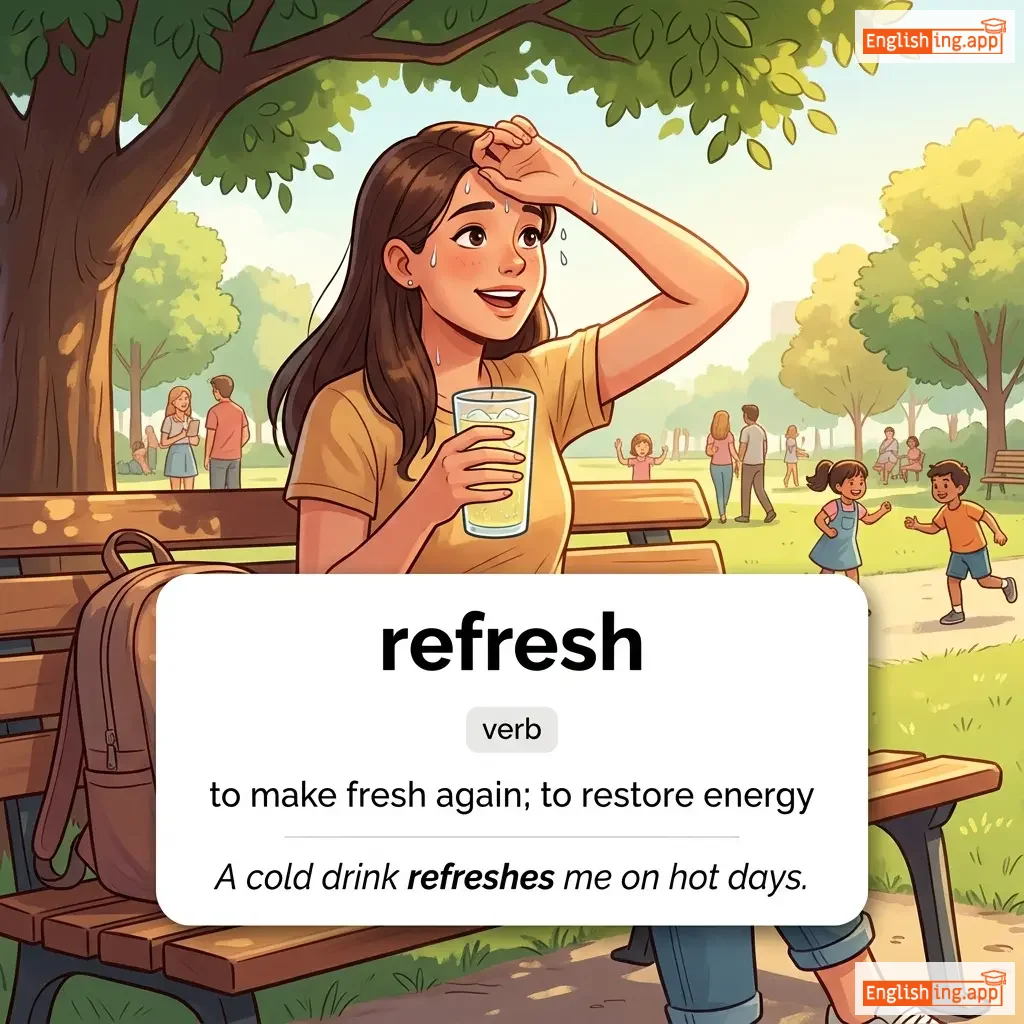
to make fresh again; to restore energy
••••••
|
A cold drink refreshes me on hot days.
ア コールド ドリンク リフレッシズ ミー オン ホット デイズ。
••••••
|
暑い日には冷たい飲み物が私をリフレッシュさせます。
atsui hi ni wa tsumetai nomimono ga watashi o rifuresshu sasemasu
••••••
|
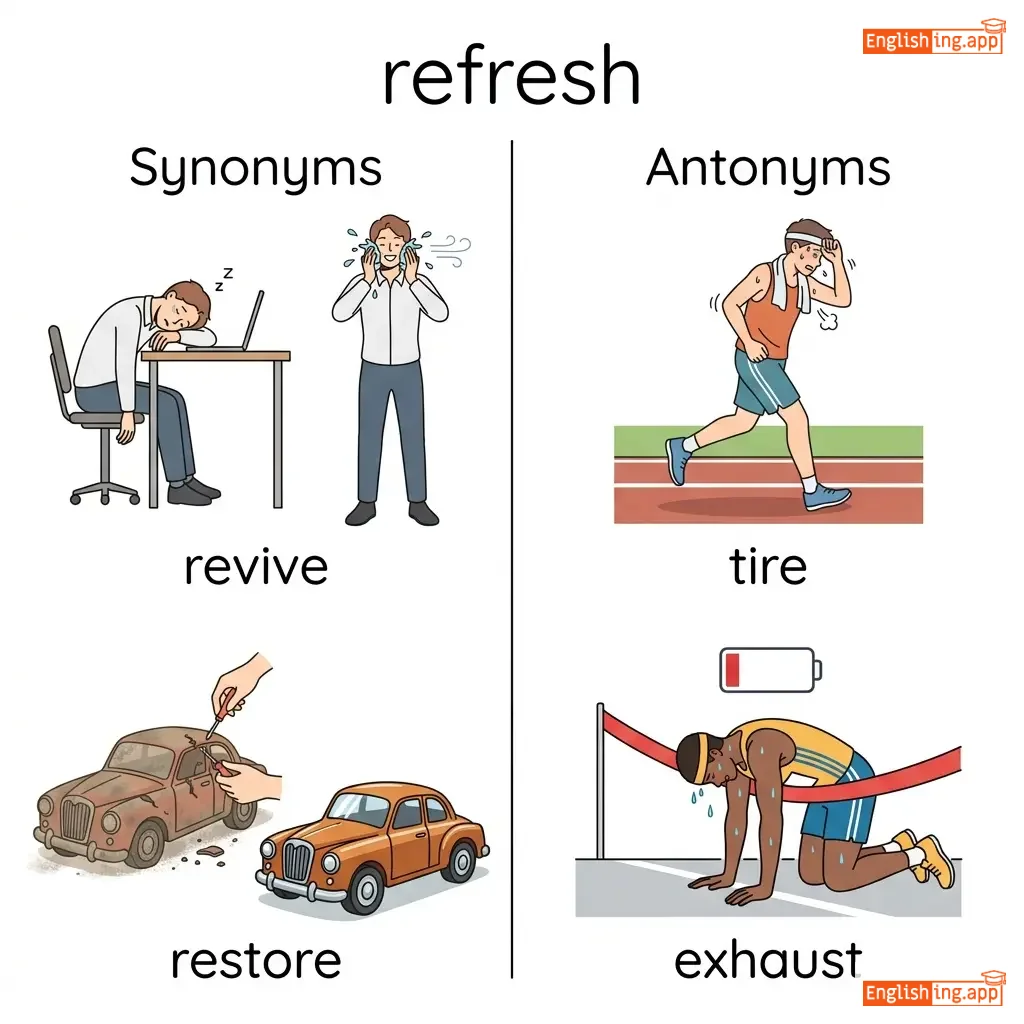
revive, restore, renew, invigorate
••••••
|
tire, exhaust, drain, weaken
••••••
|
refresh memory, refresh the page, feel refreshed, refreshing drink, refreshing change
••••••
|
Rifuresshu suru sounds like refresh — easy to remember!
••••••
|
|
#722
📚
|
/kəˈlɛkt/
verb
(コレクト)
••••••
|
|
集める
atsumeru
••••••
|
collected
コレクテッド
••••••
|
collected
コレクテッド
••••••
|
collects
コレクツ
••••••
|
collecting
コレクティング
••••••
|
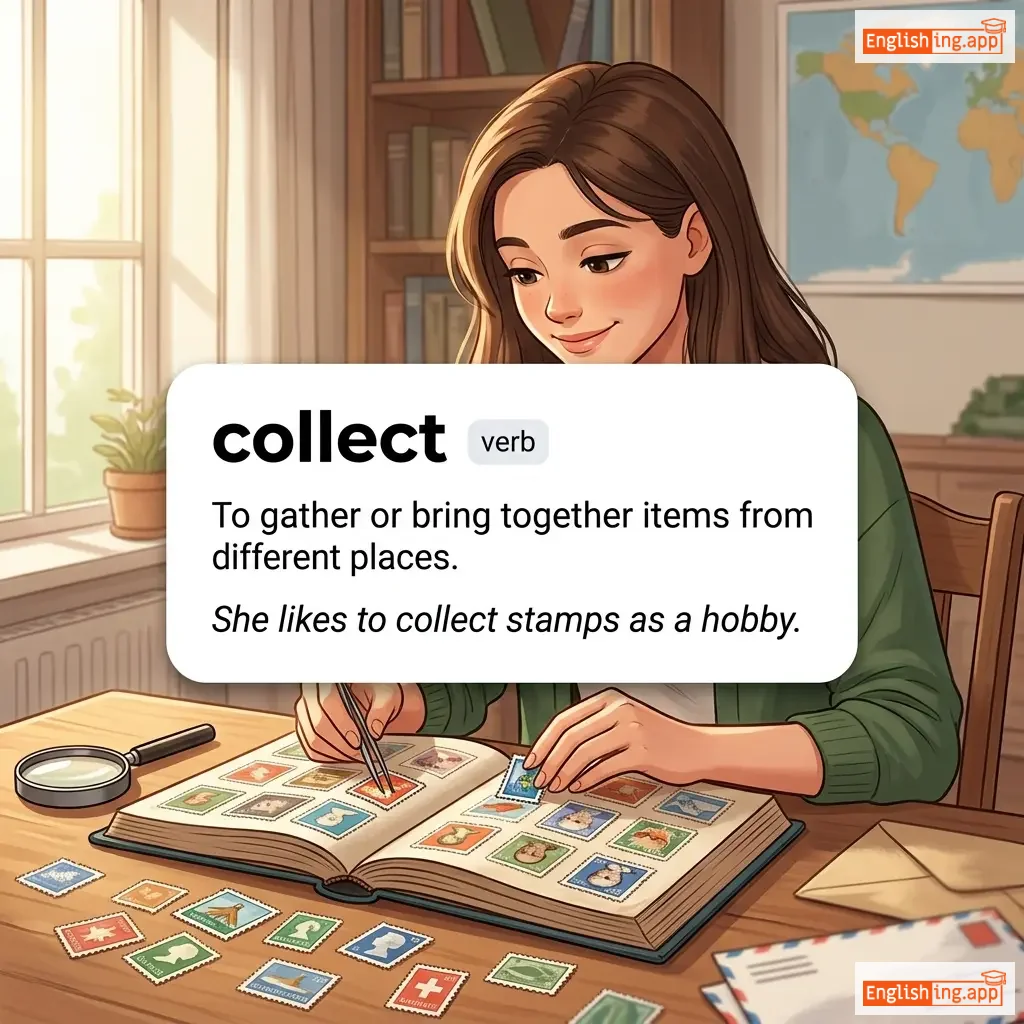
to gather together; to accumulate items
••••••
|
I collect stamps as a hobby.
アイ コレクト スタンプス アズ ア ホビー。
••••••
|
私は趣味で切手を集めます。
watashi wa shumi de kitte o atsume masu
••••••
|
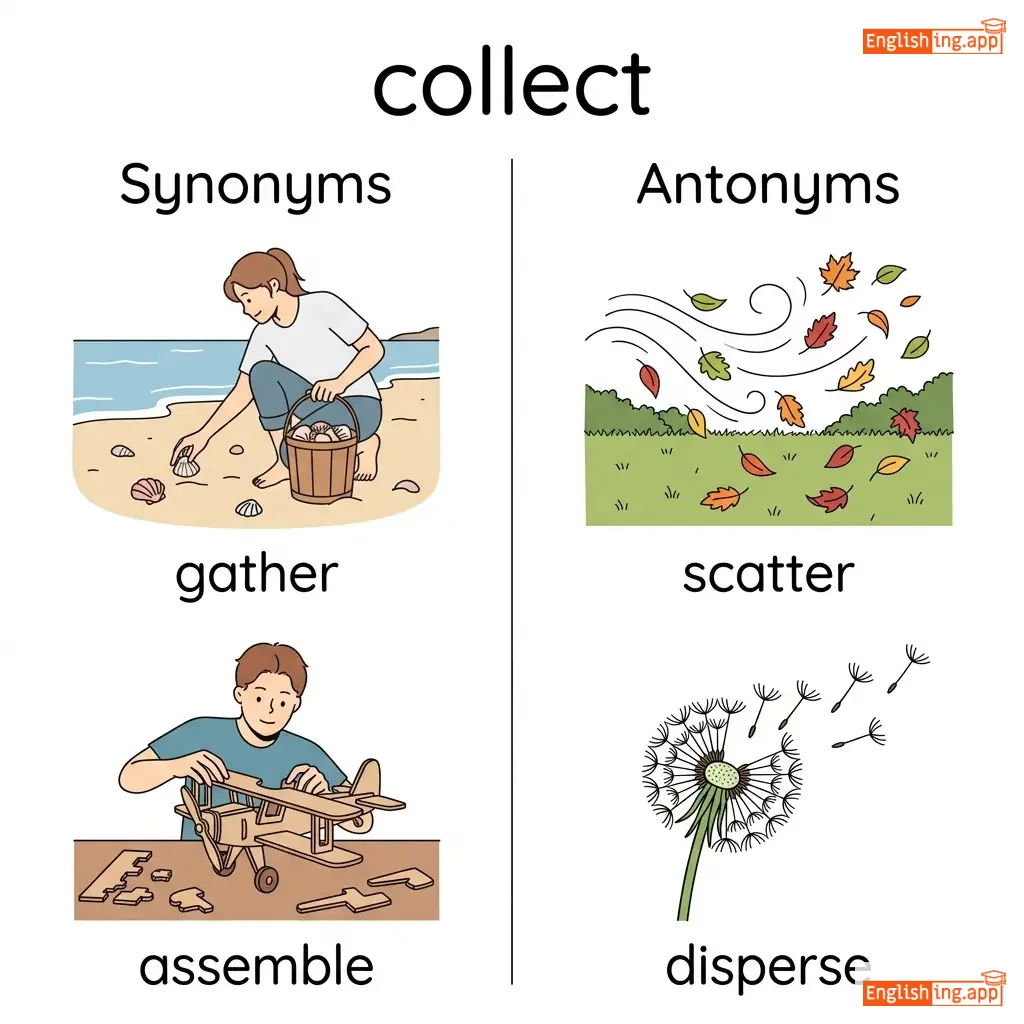
gather, accumulate, assemble, amass
••••••
|
scatter, distribute, disperse, separate
••••••
|
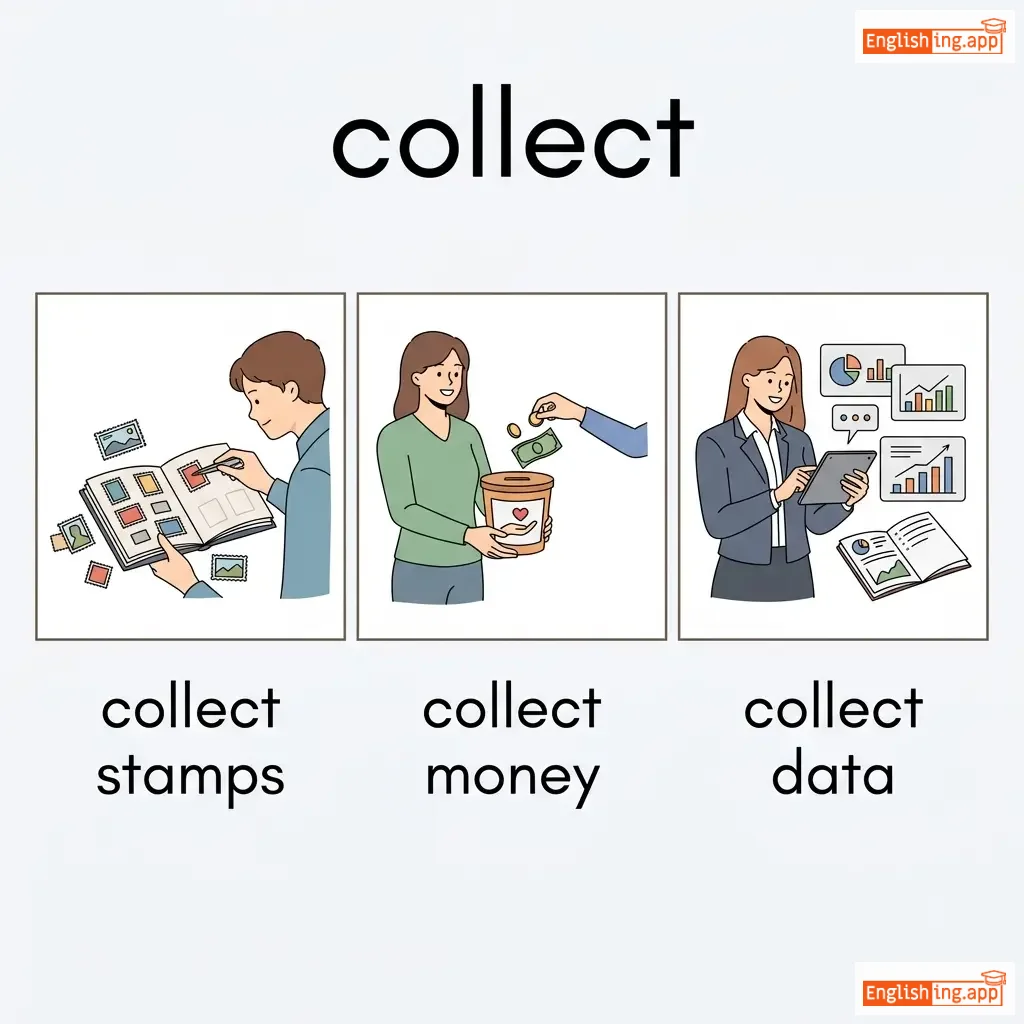
collect data, collect stamps, collect money, collect evidence, stamp collection
••••••
|
‘Atsumeru’ sounds like ‘add some more’ — keep collecting!
••••••
|
|
#723
🛒
|
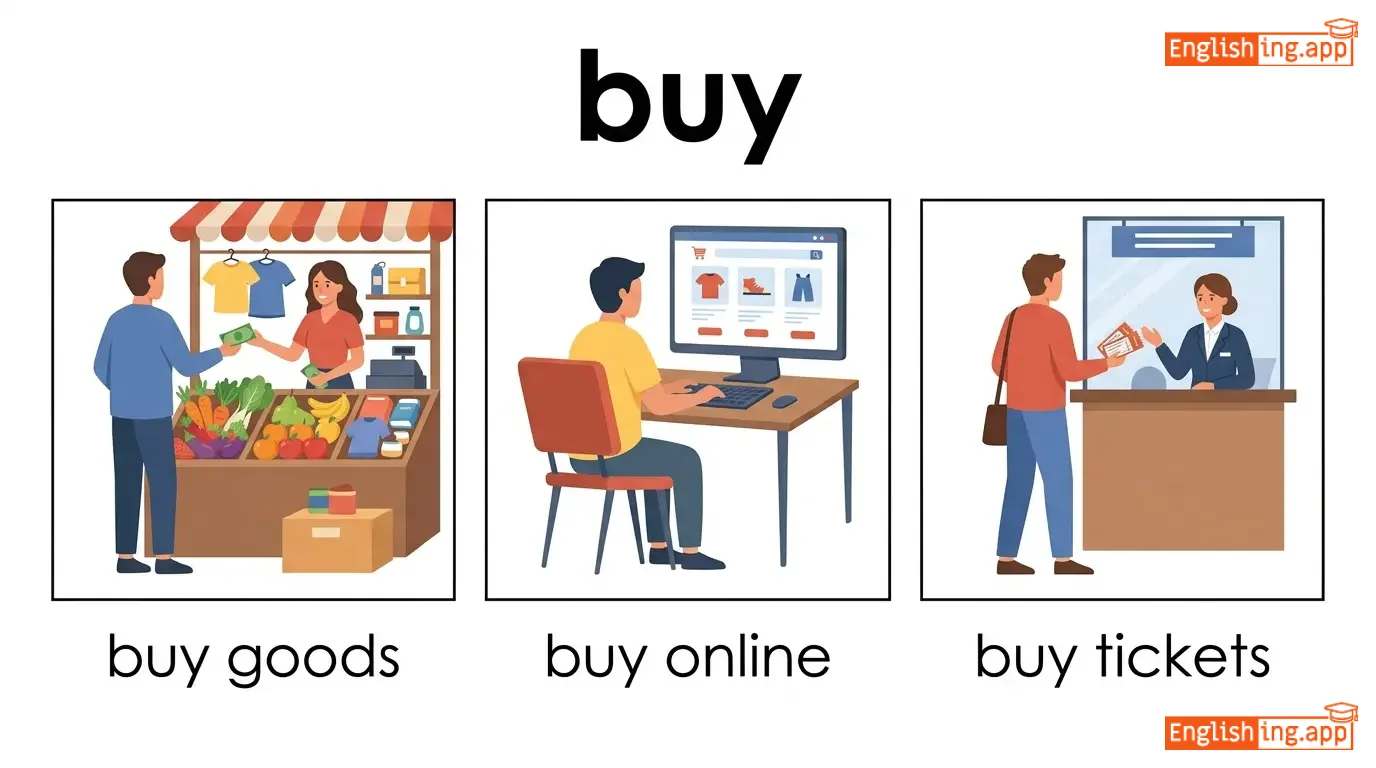
/baɪ/
verb
(バイ)
••••••
|
|
買う
kau
••••••
|
bought
ボート
••••••
|
bought
ボート
••••••
|
buys
バイズ
••••••
|
buying
バイイング
••••••
|
to purchase something with money
••••••
|
I want to buy a new car.
アイ ワント トゥ バイ ア ニュー カー。
••••••
|
新しい車を買いたいです。
atarashii kuruma o kaitai desu
••••••
|
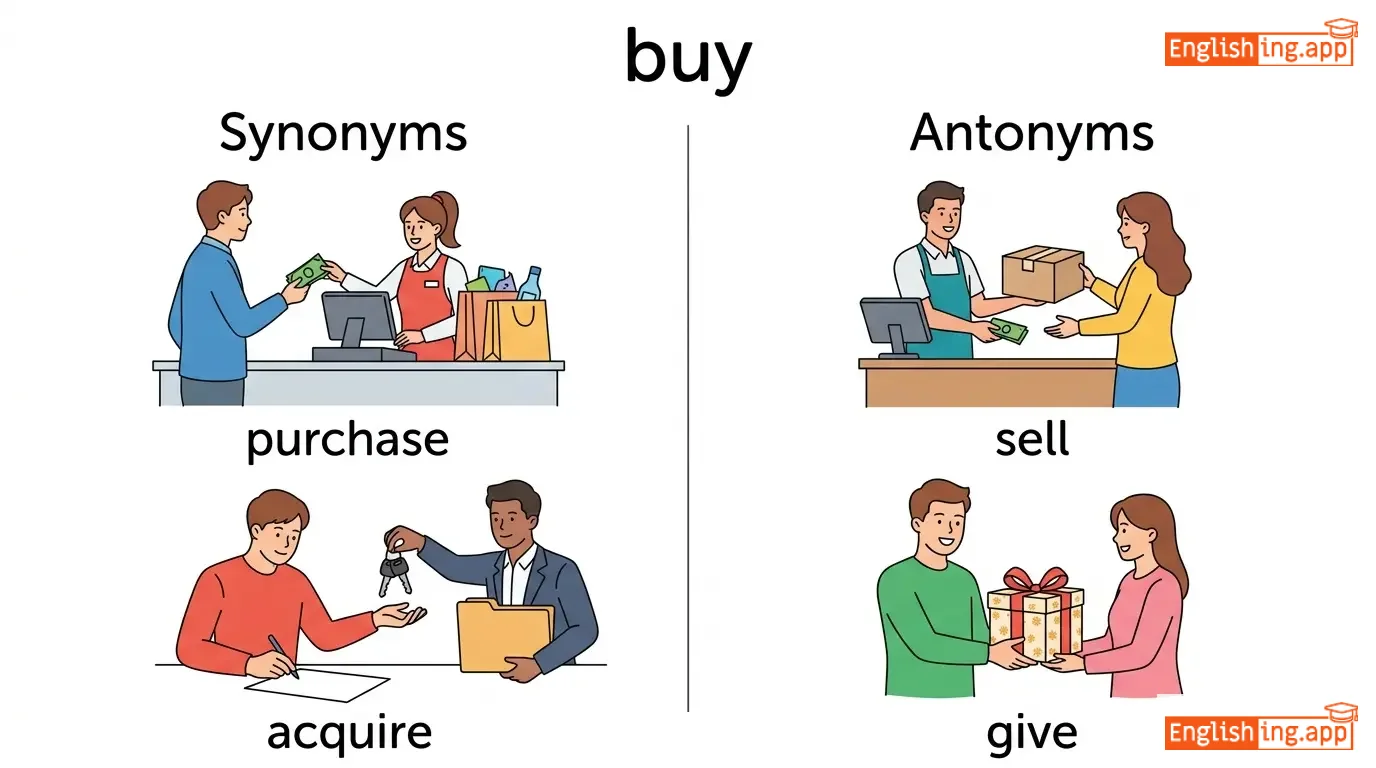
purchase, acquire, obtain
••••••
|
sell, dispose, give away
••••••
|
buy online, buy in bulk, buy cheap, impulse buy, panic buying
••••••
|
Buy = 買う (kau) – sounds like 'cow', imagine buying a cow!
••••••
|
|
#724
😱
|
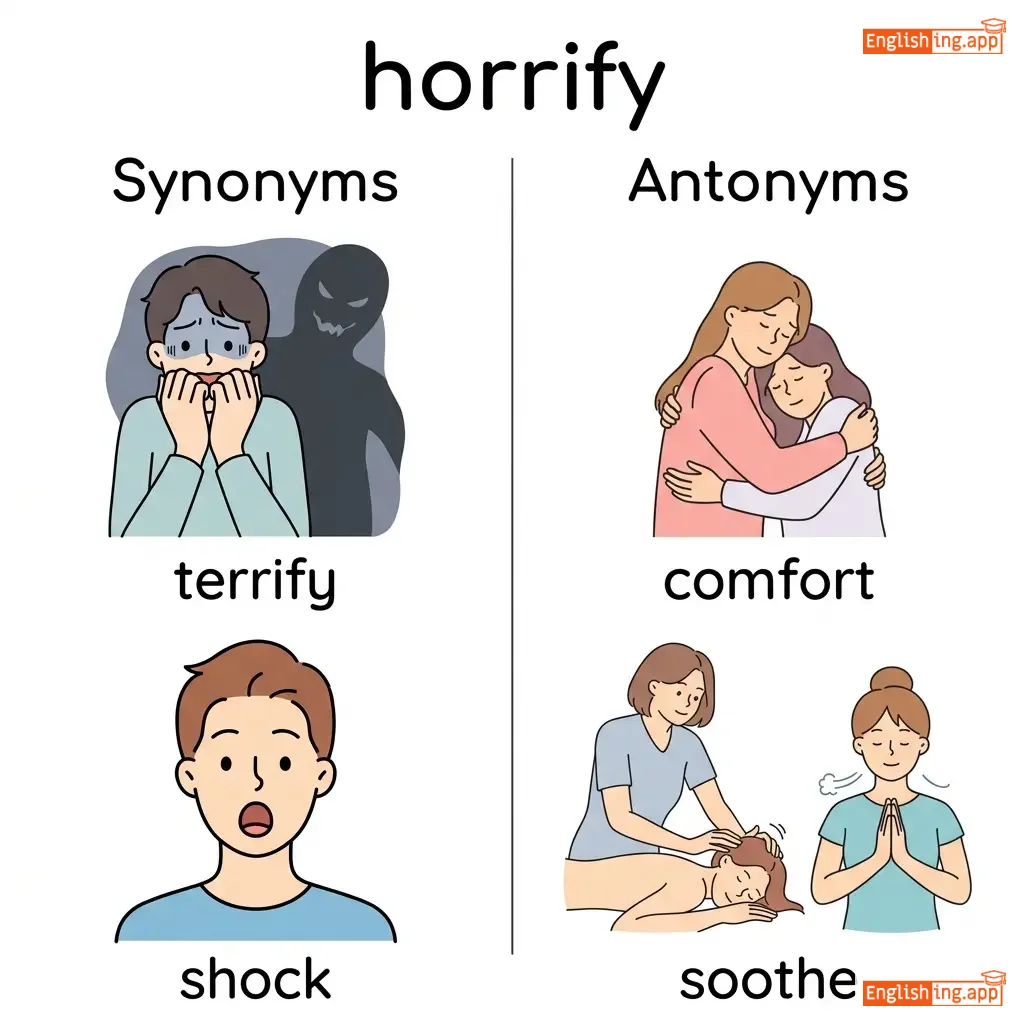
/ˈhɔːrɪfaɪ/
verb
(ホリファイ)
••••••
|
|
恐れさせる
osoresaseru
••••••
|
horrified
ホリファイド
••••••
|
horrified
ホリファイド
••••••
|
horrifies
ホリファイズ
••••••
|
horrifying
ホリファイング
••••••
|
to fill with horror; to shock or disgust greatly
••••••
|
The violent scene horrified the audience.
ザ バイオレント シーン ホリファイド ジ オーディエンス
••••••
|
暴力的な場面が観客を恐れさせた。
bouryokuteki na bamen ga kankyaku o osore saseta
••••••
|
terrify, shock, appall, disgust
••••••
|
comfort, soothe, calm, please
••••••
|
absolutely horrified, deeply horrified, horrifying scene, horrifying experience
••••••
|
Horrify sounds like ホリファイ — means to cause fear (恐れさせる).
••••••
|
|
#725
✅
|
/duː/
verb
(ドゥー)
••••••
|
|
する
suru
••••••
|
did
ディド
••••••
|
done
ダン
••••••
|
does
ダズ
••••••
|
doing
ドゥーイング
••••••
|
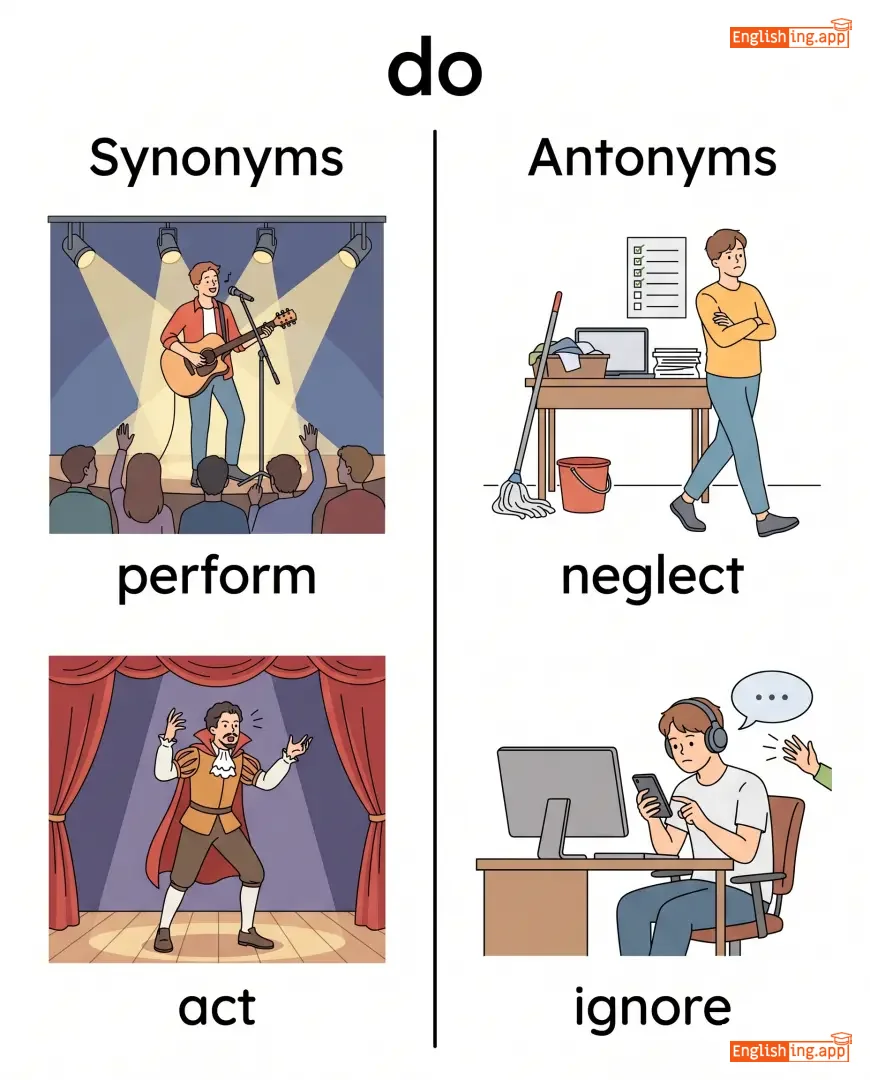
to perform an action; to complete a task
••••••
|
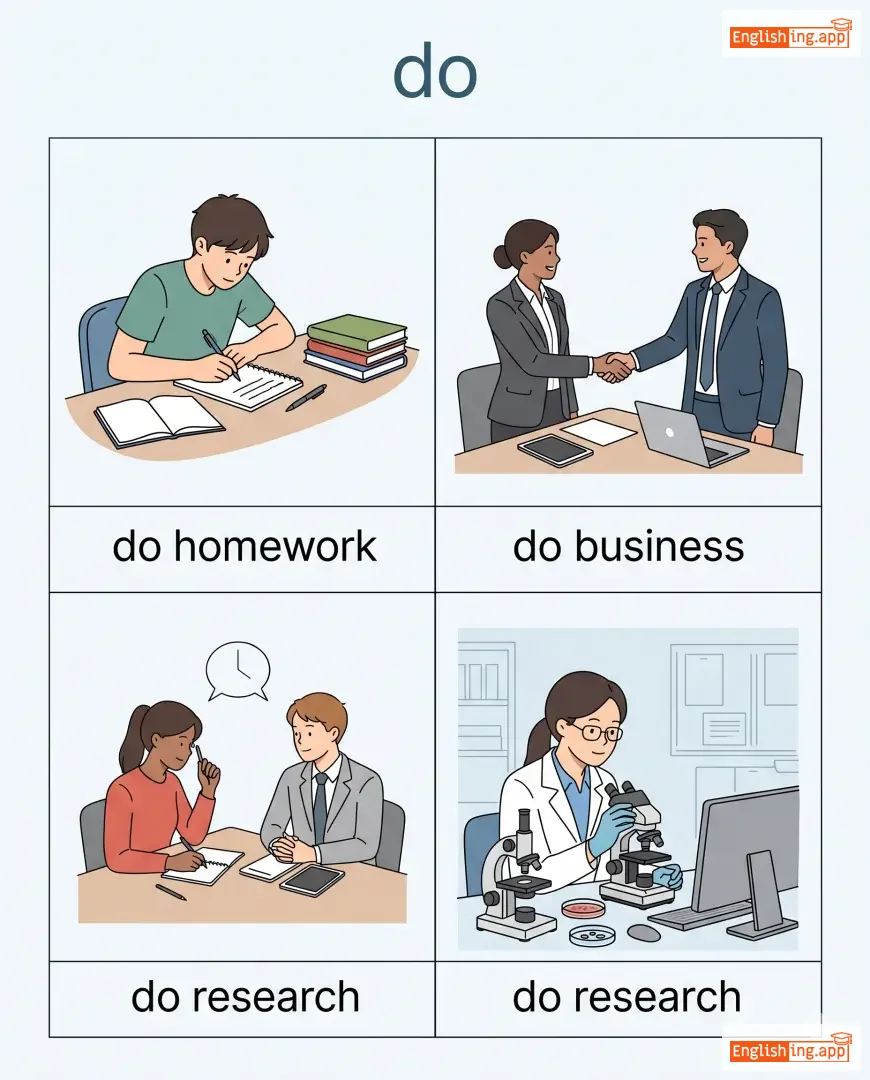
I need to do my homework tonight.
アイ ニード トゥ ドゥ マイ ホームワーク トゥナイト。
••••••
|
私は今夜宿題をしなければなりません。
watashi wa konya shukudai o shinakereba narimasen
••••••
|
perform, complete, execute, accomplish
••••••
|
undo, avoid, neglect, skip
••••••
|
do homework, do business, do well, do your best, get things done
••••••
|
'Do' means 'suru' in Japanese—if you 'do' something, you 'suru' it!
••••••
|
|
#726
🗣️
|
/spiːk/
verb
(スピーク)
••••••
|
- •••••• |
話す
hanasu
••••••
|
spoke
スポーク
••••••
|
spoken
スポークン
••••••
|
speaks
スピークス
••••••
|
speaking
スピーキング
••••••
|
to talk; to express thoughts in words; to communicate
••••••
|
She speaks three languages fluently.
シー スピークス スリー ランゲージズ フルエントリー。
••••••
|
彼女は3つの言語を流暢に話します。
kanojo wa mittsu no gengo o ryucho ni hanashimasu
••••••
|
talk, communicate, express, utter
••••••
|
listen, be silent, stay quiet
••••••
|
speak fluently, speak loudly, speak publicly, public speaking, speak up
••••••
|
When you ‘hanasu’, you ‘speak’ — both share the spirit of sharing words.
••••••
|
|
#727
🚫
|
/wɪðˈhoʊld/
verb
(ウィズホールド)
••••••
|
|
差し控える
sashihikaeru
••••••
|
withheld
ウィズヘルド
••••••
|
withheld
ウィズヘルド
••••••
|
withholds
ウィズホールズ
••••••
|
withholding
ウィズホールディング
••••••
|
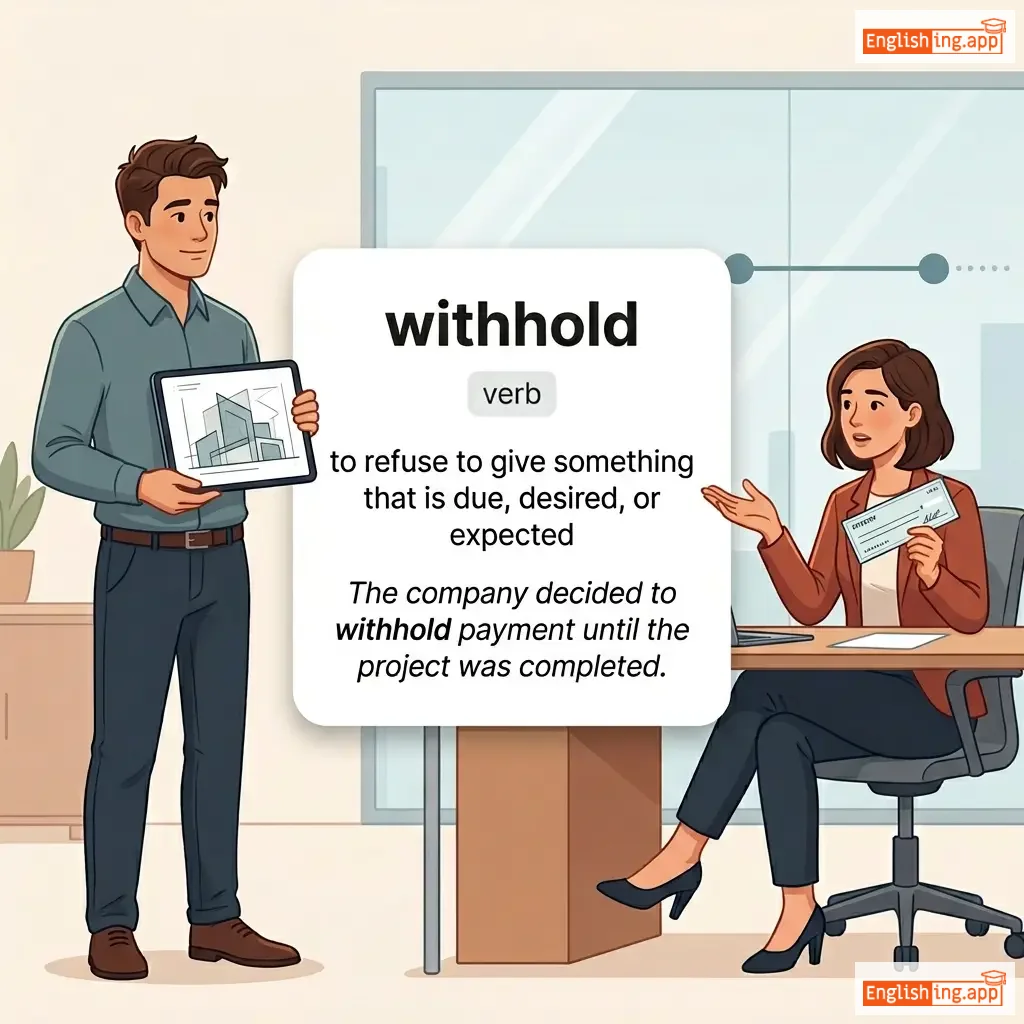
to refuse to give or keep back something
••••••
|
The company decided to withhold his bonus.
ザ・カンパニー・ディサイデッド・トゥ・ウィズホールド・ヒズ・ボーナス。
••••••
|
会社は彼のボーナスを差し控えることにした。
kaisha wa kare no bonasu o sashihikaeru koto ni shita
••••••
|
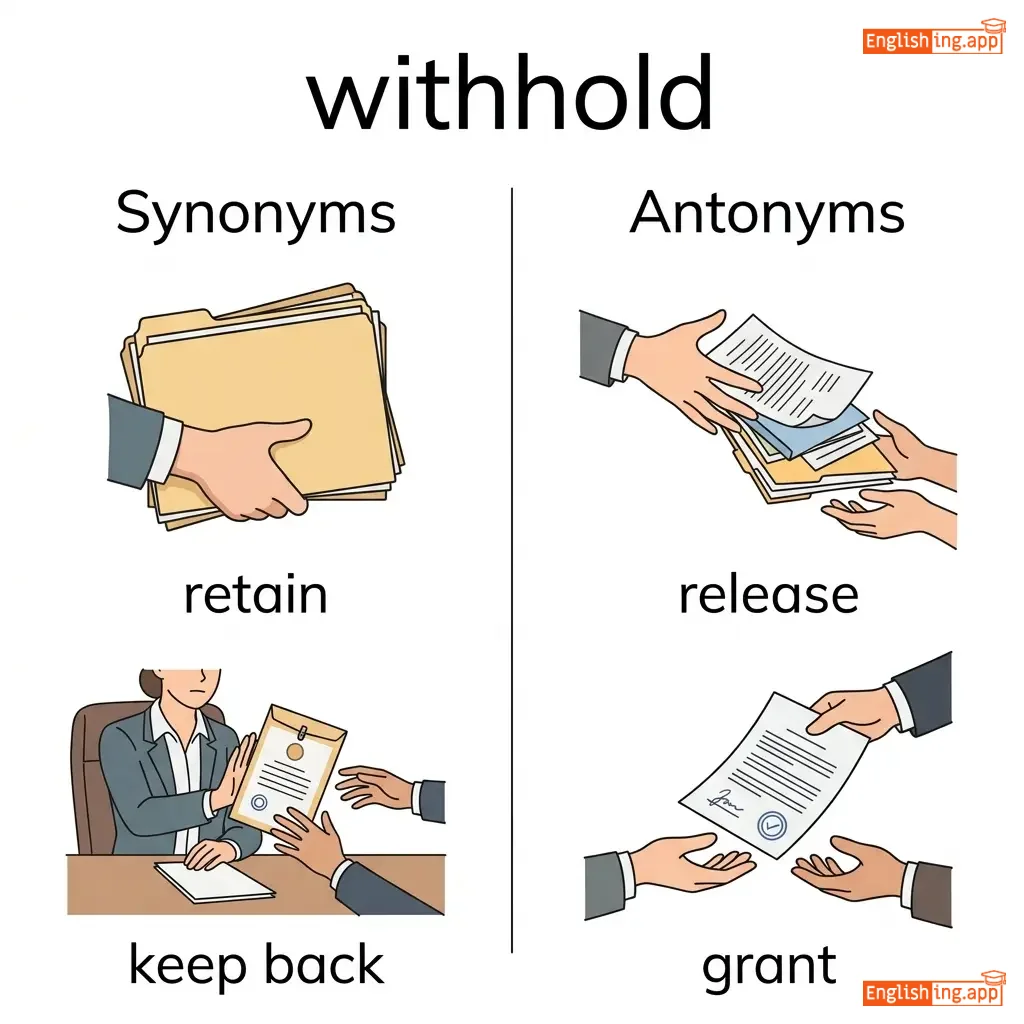
retain, keep back, refuse, deny
••••••
|
give, provide, release, grant
••••••
|
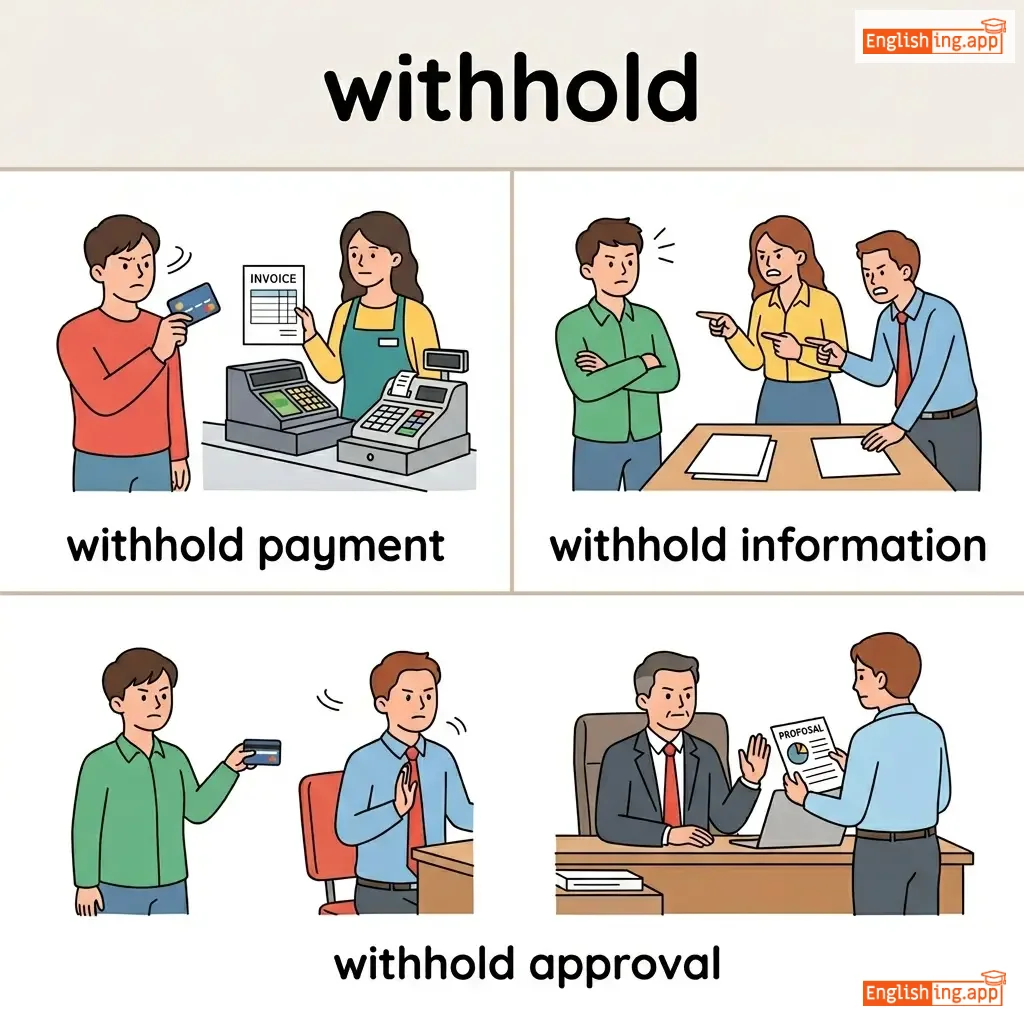
withhold information, withhold payment, withhold consent, withhold judgment
••••••
|
'Sashi-hikaeru' means to hold back → like withholding something.
••••••
|
|
#728
🗣️
|
/prəˈfes/
verb
(プロフェス)
••••••
|
|
告白する
kokuhaku suru
••••••
|
professed
プロフェスト
••••••
|
professed
プロフェスト
••••••
|
professes
プロフェセス
••••••
|
professing
プロフェシング
••••••
|
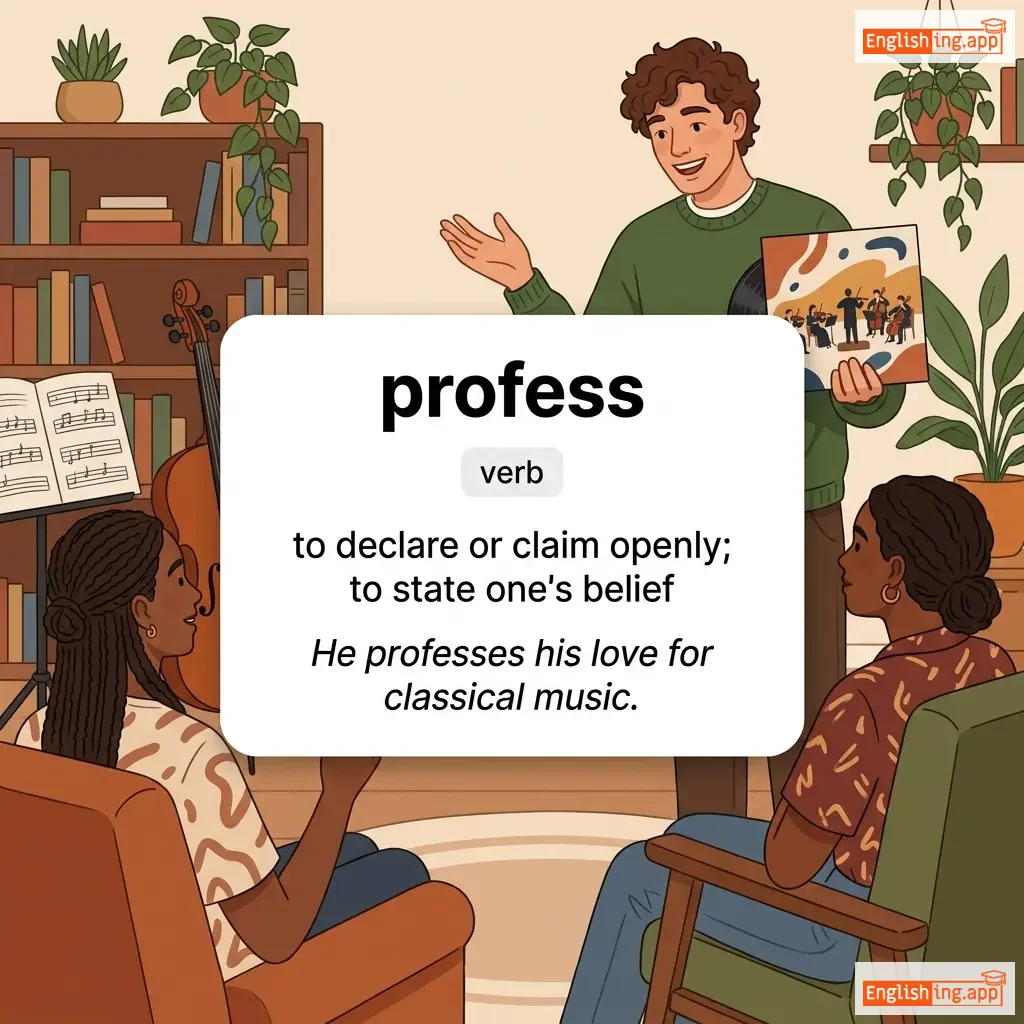
to declare or claim openly; to state one's belief
••••••
|
He professes his love for classical music.
ヒー・プロフェセス・ヒズ・ラブ・フォー・クラシカル・ミュージック。
••••••
|
彼はクラシック音楽への愛を告白する。
Kare wa kurashikku ongaku e no ai o kokuhaku suru
••••••
|
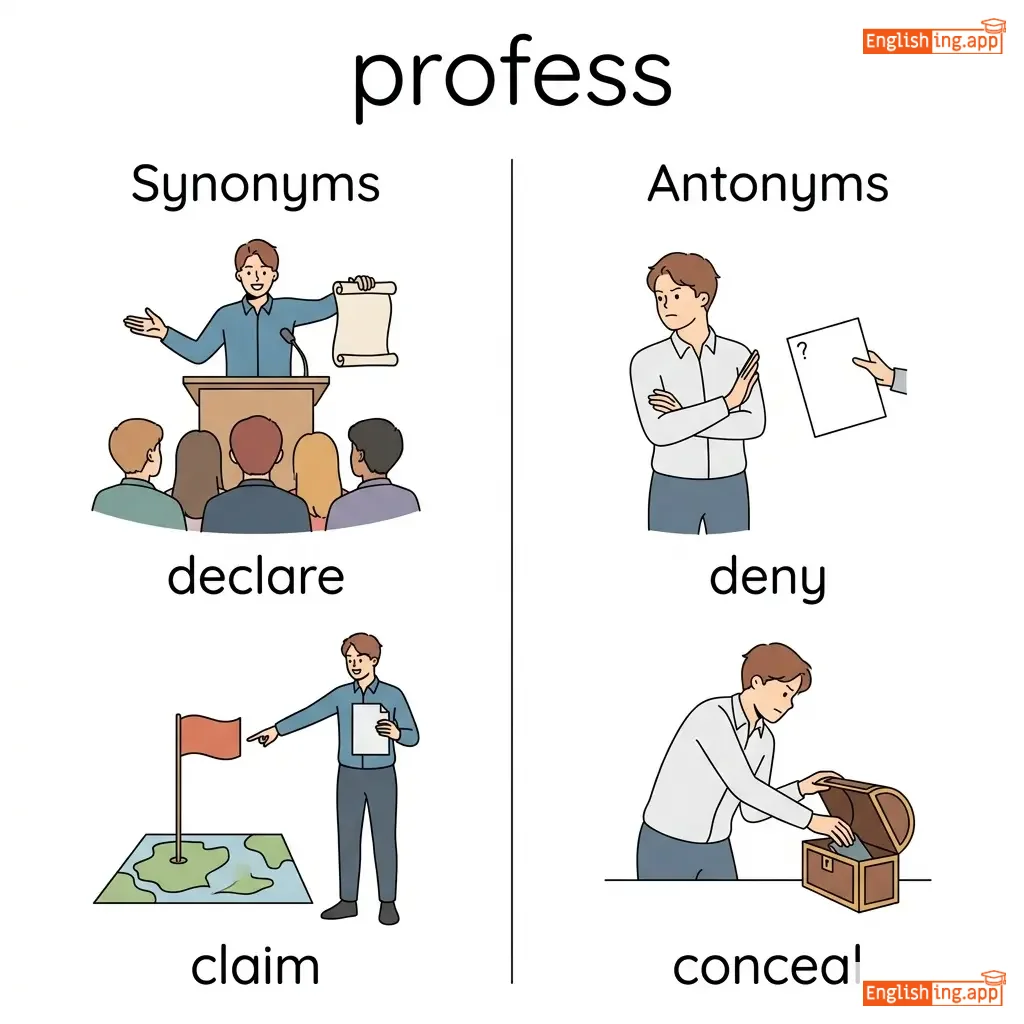
declare, claim, assert, state
••••••
|
deny, conceal, hide
••••••
|
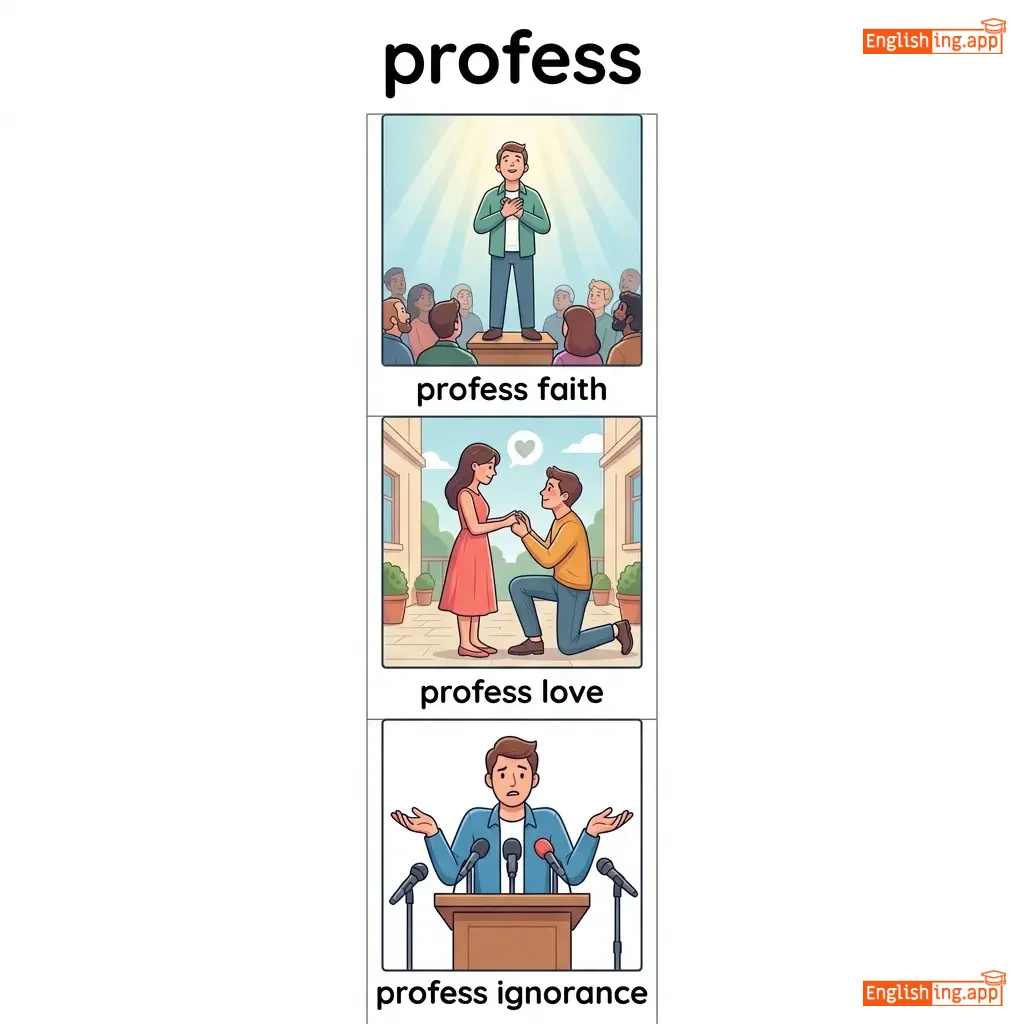
profess faith, profess love, profess ignorance, openly profess
••••••
|
‘Kokuhaku suru’ means to confess or declare — like professing love in English.
••••••
|
|
#729
🔄
|
/ɪksˈtʃeɪndʒ/
verb
(エクスチェンジ)
••••••
|
|
交換する
koukan suru
••••••
|
exchanged
エクスチェンジド
••••••
|
exchanged
エクスチェンジド
••••••
|
exchanges
エクスチェンジズ
••••••
|
exchanging
エクスチェンジング
••••••
|
to give something and receive something else; to trade
••••••
|
They decided to exchange gifts during the holiday.
ゼイ ディサイデッド トゥ エクスチェンジ ギフツ ドゥアリング ザ ホリデイ。
••••••
|
彼らは休日にプレゼントを交換することに決めました。
Karera wa kyuujitsu ni purezento o koukan suru koto ni kimemashita.
••••••
|
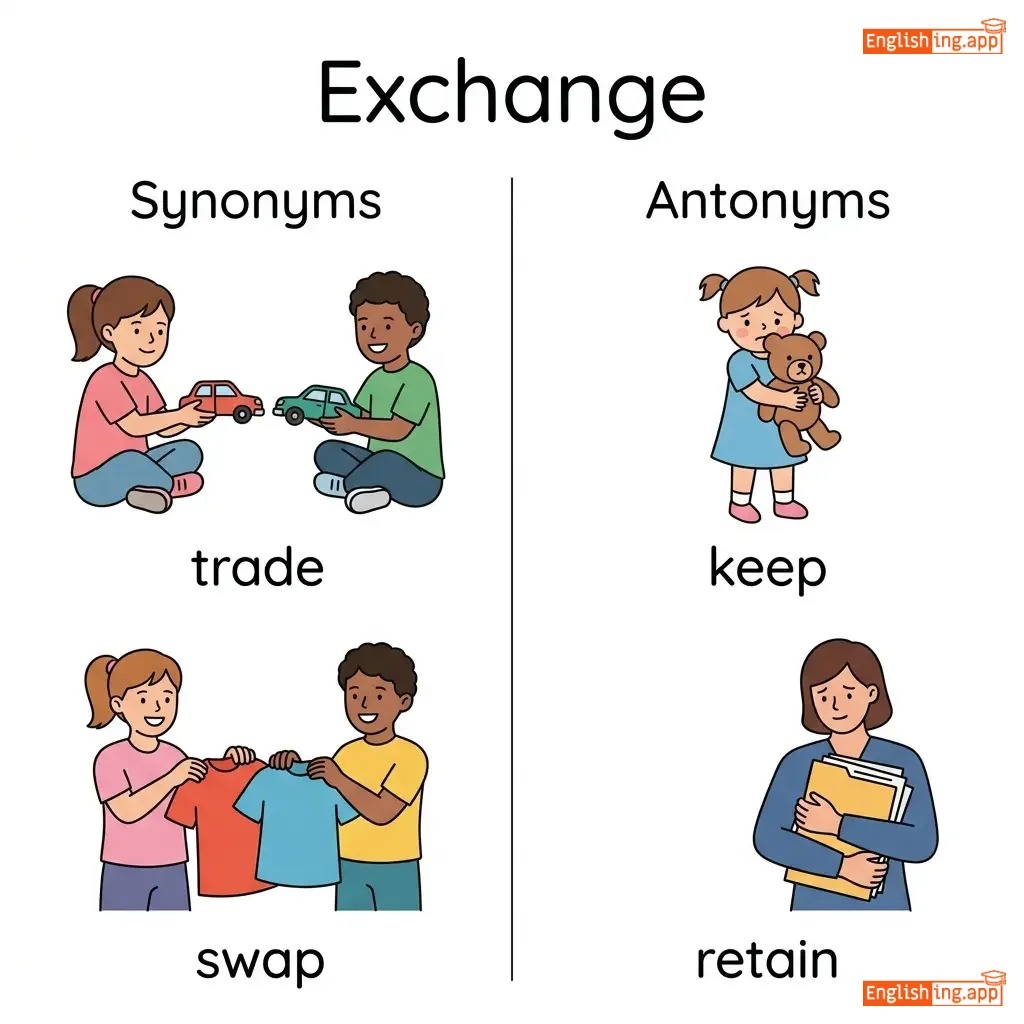
trade, swap, interchange, substitute
••••••
|
keep, retain, hold, maintain
••••••
|
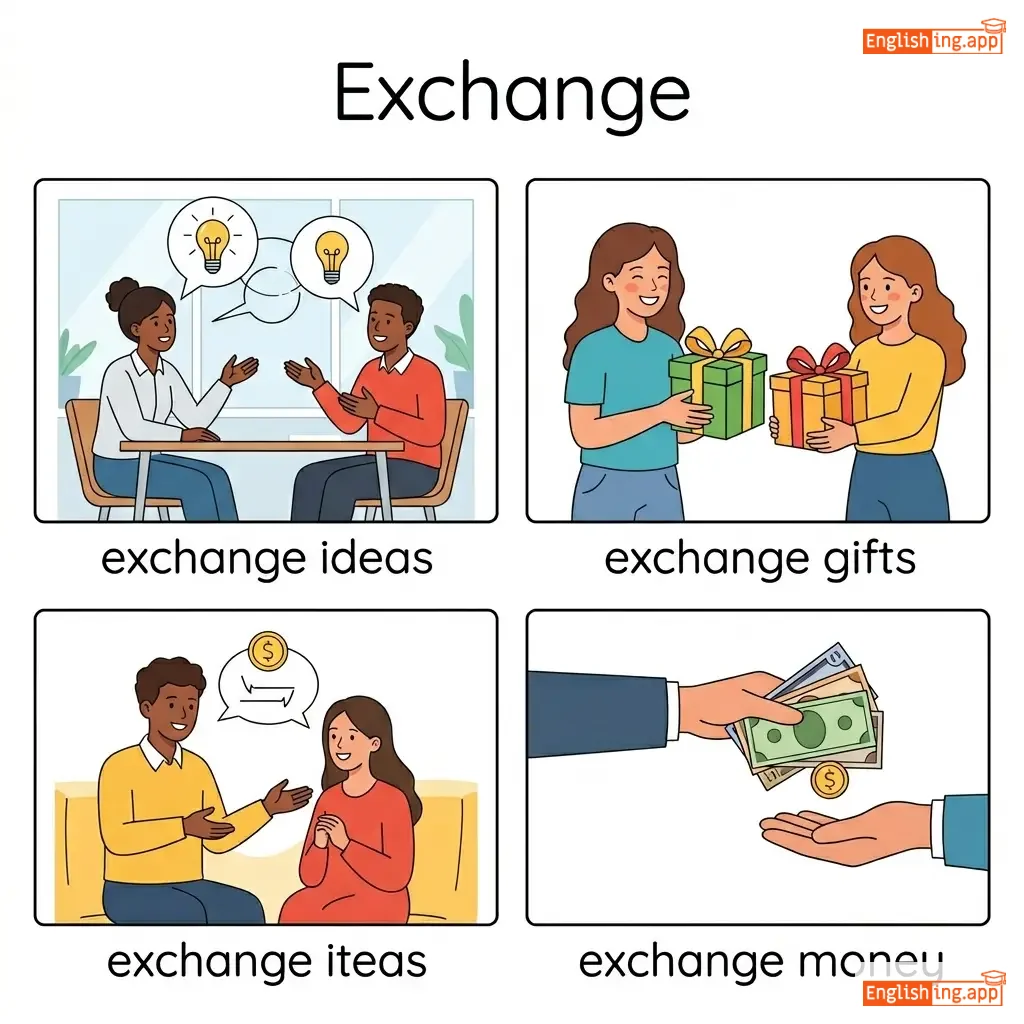
exchange ideas, exchange gifts, exchange words, foreign exchange, exchange rate
••••••
|
Exchange → 交換 (koukan) — sounds like ‘co-change’ in English.
••••••
|
|
#730
🤝
|
/ˌɪntərˈækt/
verb
(インタラクト)
••••••
|
|
交流する
kouryu suru
••••••
|
interacted
インタラクテッド
••••••
|
interacted
インタラクテッド
••••••
|
interacts
インタラクツ
••••••
|
interacting
インタラクティング
••••••
|
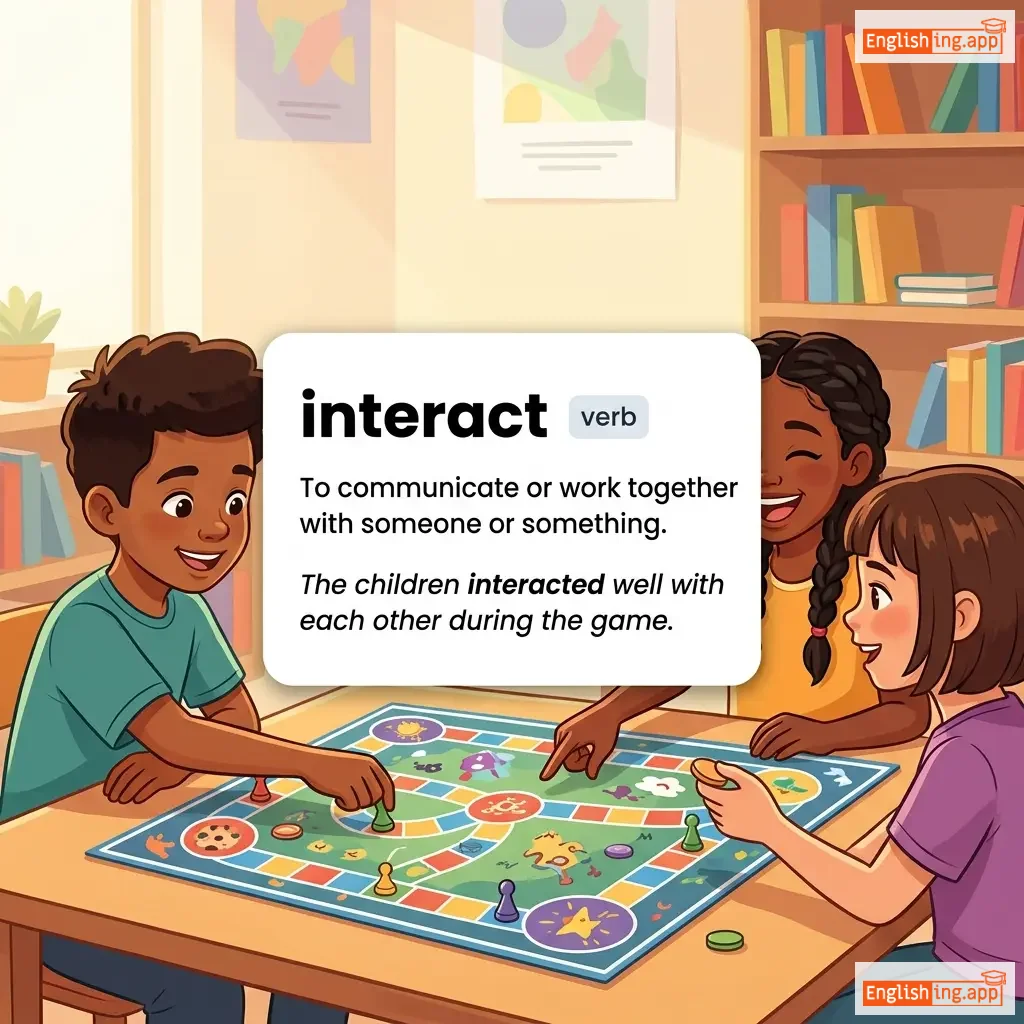
to communicate or work together with someone or something
••••••
|
Students interact with teachers during class discussions.
学生は授業のディスカッション中に教師とインタラクトします。
••••••
|
学生は授業のディスカッション中に教師と交流します。
gakusei wa jugyo no disukasshon chu ni kyoushi to kouryu shimasu
••••••
|
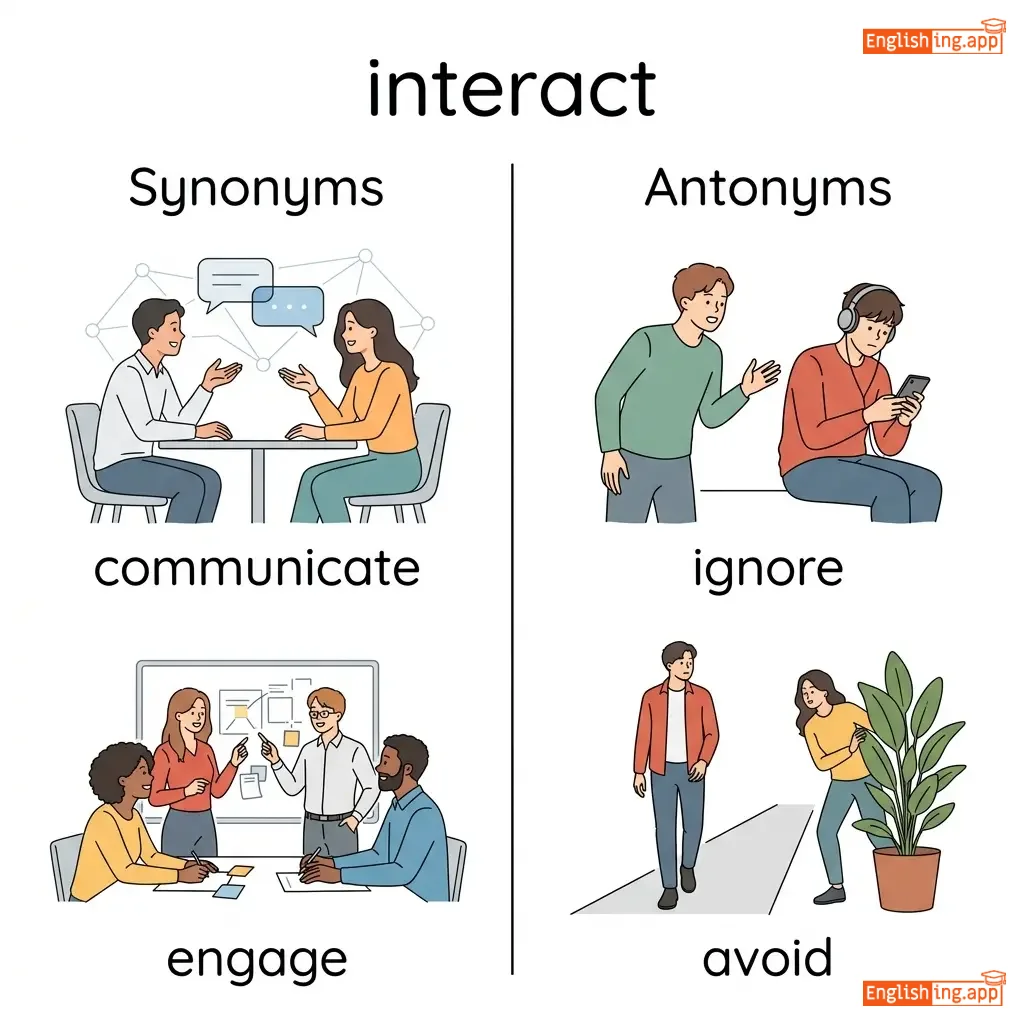
communicate, engage, connect, collaborate
••••••
|
ignore, avoid, isolate
••••••
|
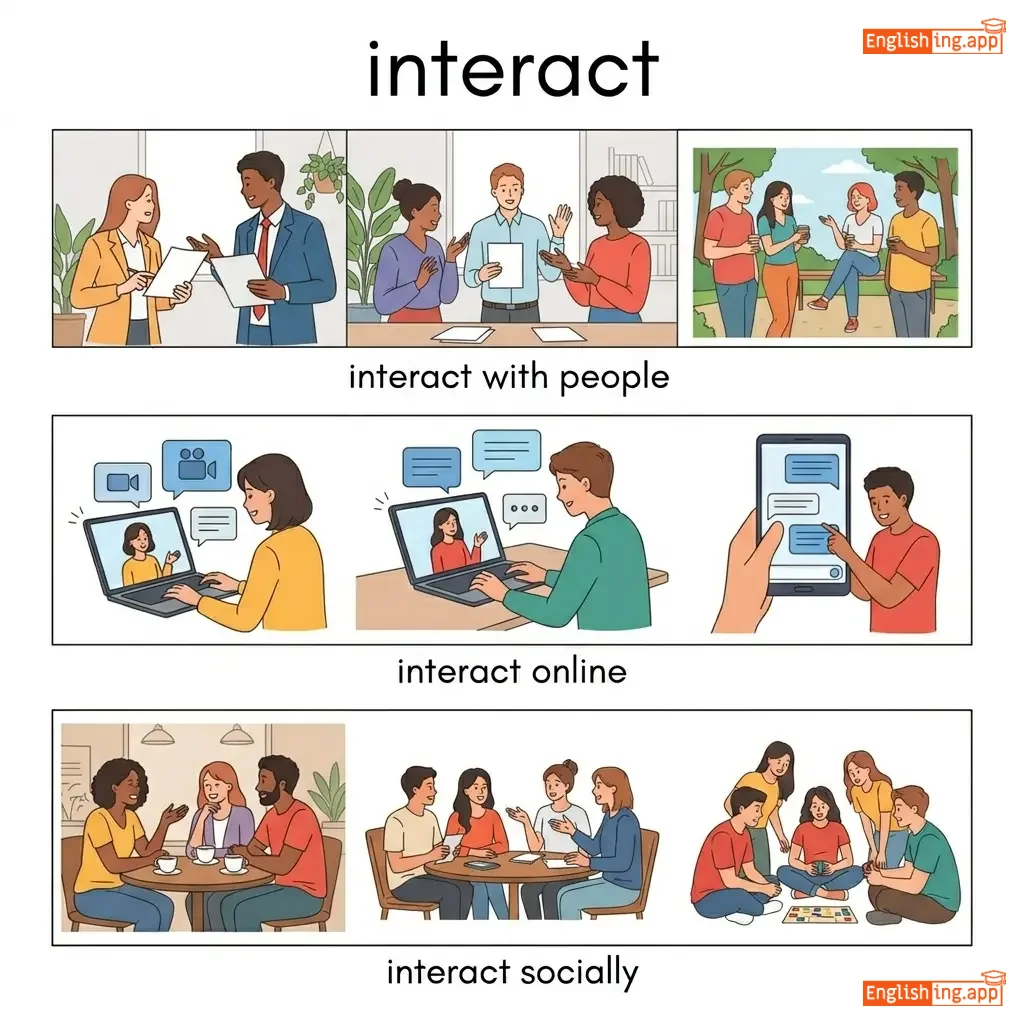
interact with, social interaction, direct interaction, user interaction
••••••
|
‘Kouryu suru’ sounds polite—imagine students interacting respectfully in Japan.
••••••
|
|
#731
💨
|
/ˈvænɪʃ/
verb
(バニッシュ)
••••••
|
|
消える
kieru
••••••
|
vanished
バニッシュド
••••••
|
vanished
バニッシュド
••••••
|
vanishes
バニッシズ
••••••
|
vanishing
バニッシング
••••••
|
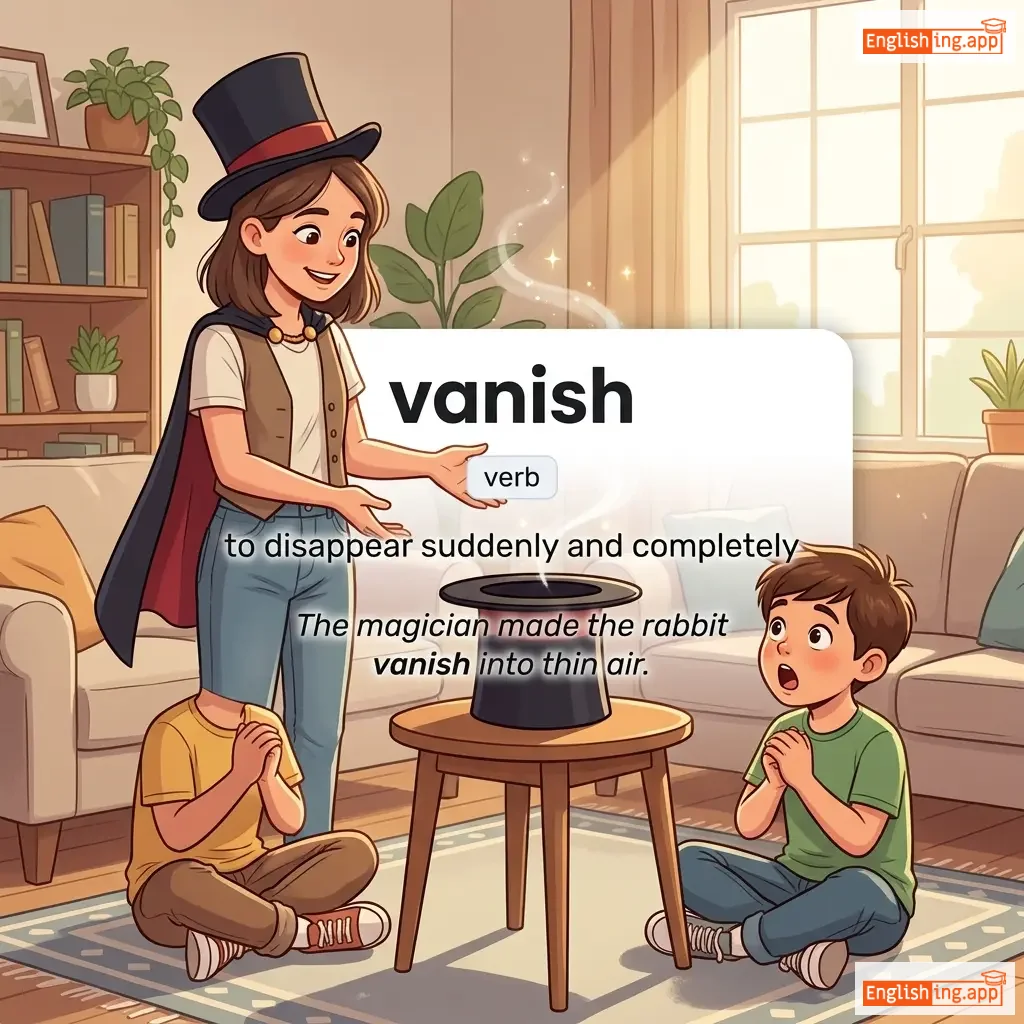
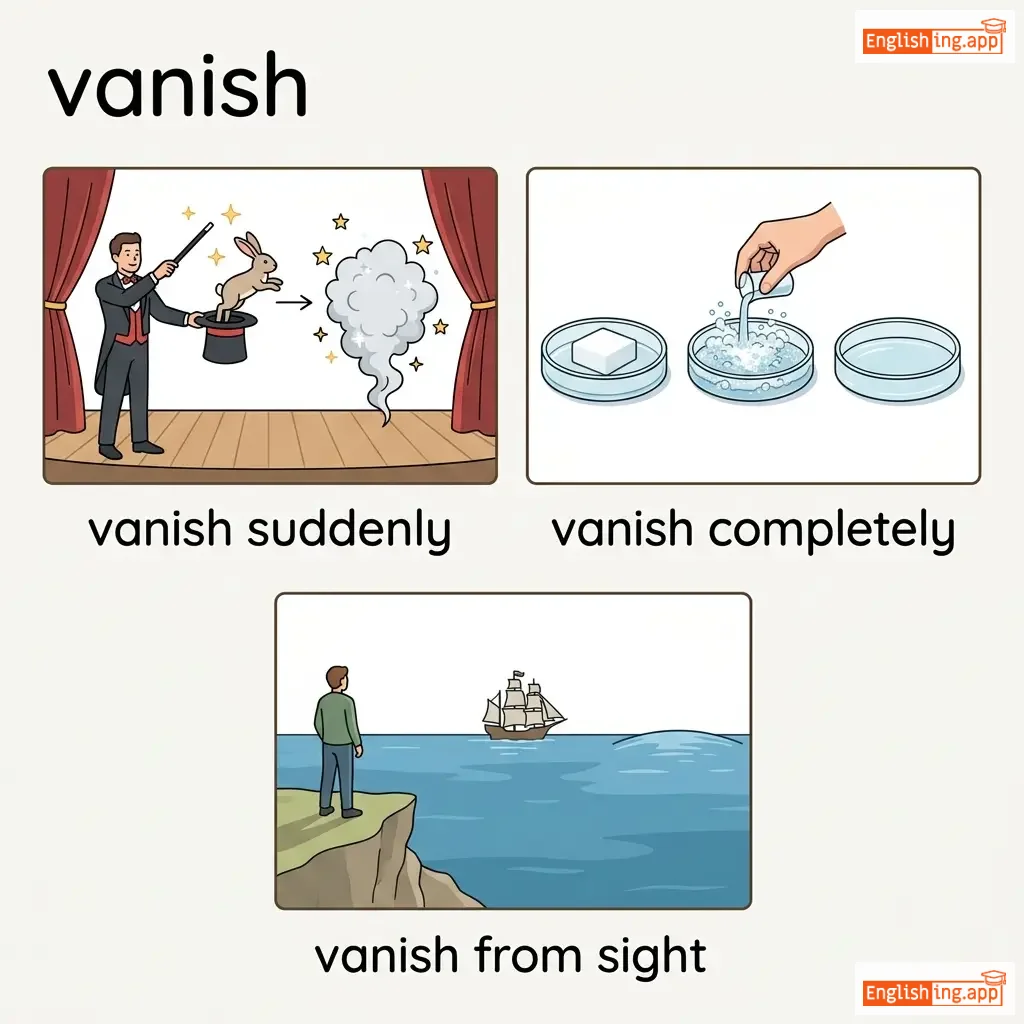
to disappear suddenly; to become invisible
••••••
|
The magician made the rabbit vanish from the hat.
マジシャンは帽子からウサギを消した。
••••••
|
マジシャンは帽子からウサギを消した。
majishan wa boushi kara usagi o keshita
••••••
|
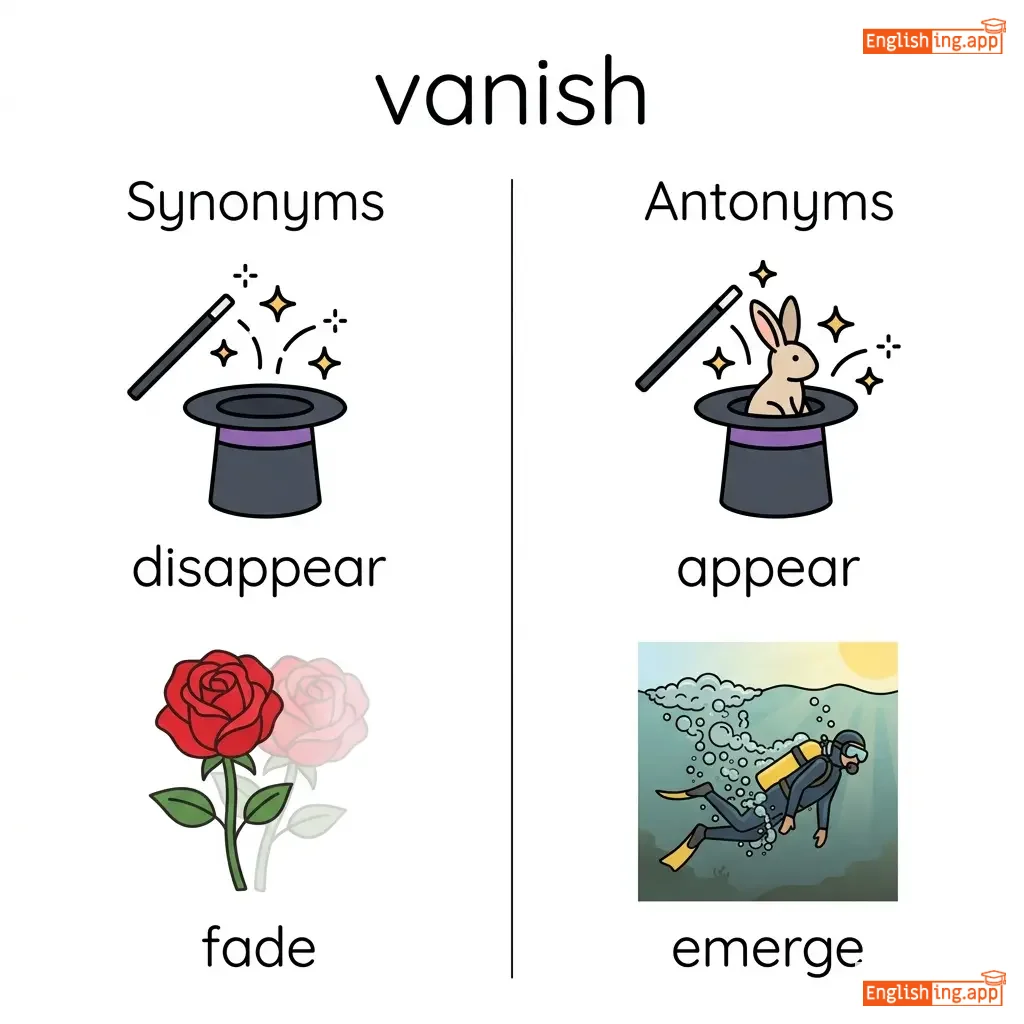
disappear, fade, evaporate, dissolve
••••••
|
appear, emerge, materialize, manifest
••••••
|
vanish completely, vanish suddenly, vanish without trace, vanishing point
••••••
|
In Japanese, 'vanish' is 'kieru'—like magic, it just 'kieru' (disappears)!
••••••
|
|
#732
🚫
|
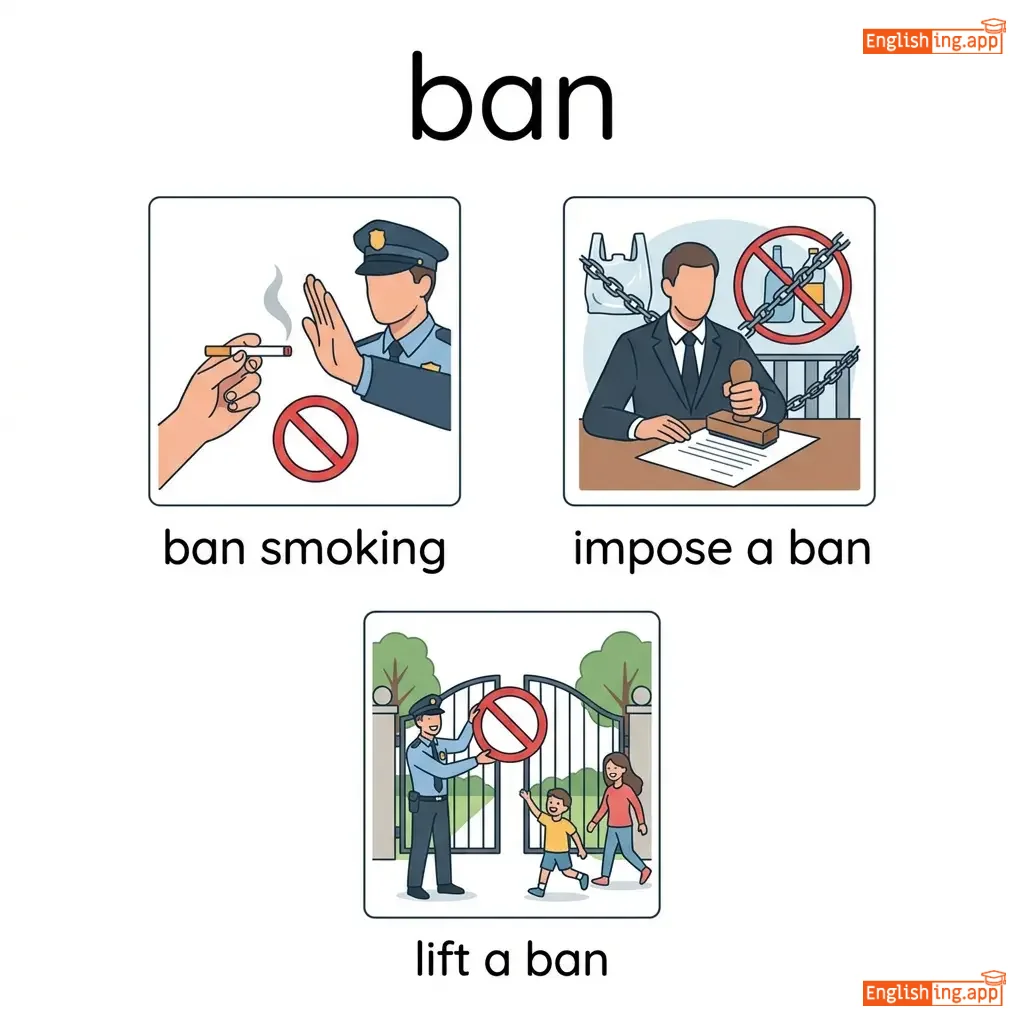
/bæn/
verb
(バン)
••••••
|
|
禁止する
kinshi suru
••••••
|
banned
バンド
••••••
|
banned
バンド
••••••
|
bans
バンズ
••••••
|
banning
バニング
••••••
|
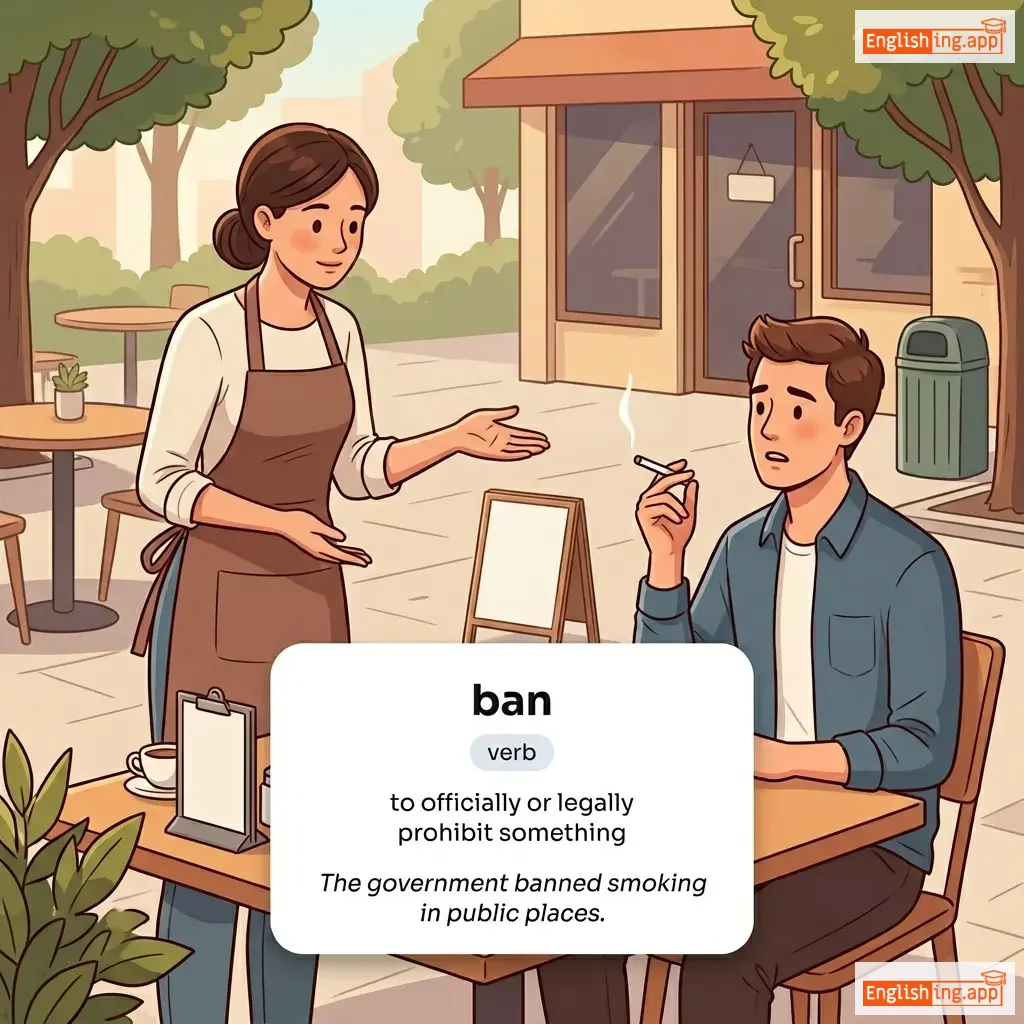
to officially forbid something; to prohibit
••••••
|
The government banned smoking in public places.
ザ ガバメント バンド スモーキング イン パブリック プレイシズ。
••••••
|
政府は公共の場所での喫煙を禁止した。
Seifu wa kokyo no basho de no kitsuen o kinshi shita
••••••
|
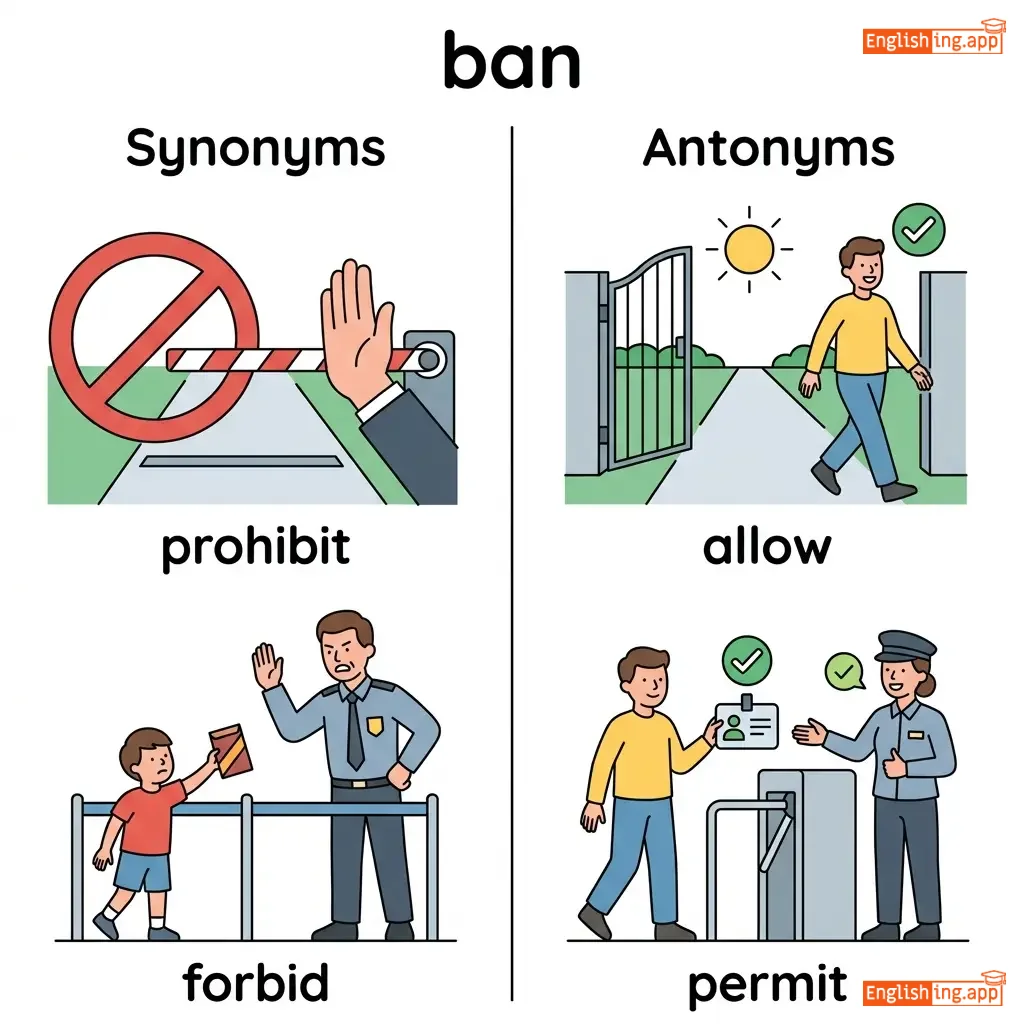
prohibit, forbid, outlaw, bar
••••••
|
allow, permit, authorize, approve
••••••
|
ban smoking, total ban, lift the ban, impose a ban, nationwide ban
••••••
|
‘Ban’ sounds like Japanese ‘kinshi suru’ — both mean stop it right now!
••••••
|
|
#733
📈
|
/ɪmˈpruːv/
verb
(インプルーブ)
••••••
|
- •••••• |
改善する
kaizen suru
••••••
|
improved
インプルーブド
••••••
|
improved
インプルーブド
••••••
|
improves
インプルーブス
••••••
|
improving
インプルービング
••••••
|
to make or become better; to enhance quality or condition
••••••
|
Regular exercise will improve your health.
レギュラー エクササイズ ウィル インプルーブ ユア ヘルス。
••••••
|
定期的な運動はあなたの健康を改善します。
teikitekina undou wa anata no kenko o kaizen shimasu
••••••
|
enhance, better, upgrade, advance
••••••
|
worsen, deteriorate, decline, degrade
••••••
|
improve quality, improve performance, greatly improve, room for improvement
••••••
|
Improve = Kaizen suru — like Japanese 'kaizen' (continuous improvement)!
••••••
|
|
#734
⚖️
|
/ɪmˈpoʊz/
verb
(インポーズ)
••••••
|
|
課す
kasu
••••••
|
imposed
インポーズド
••••••
|
imposed
インポーズド
••••••
|
imposes
インポーゼズ
••••••
|
imposing
インポージング
••••••
|
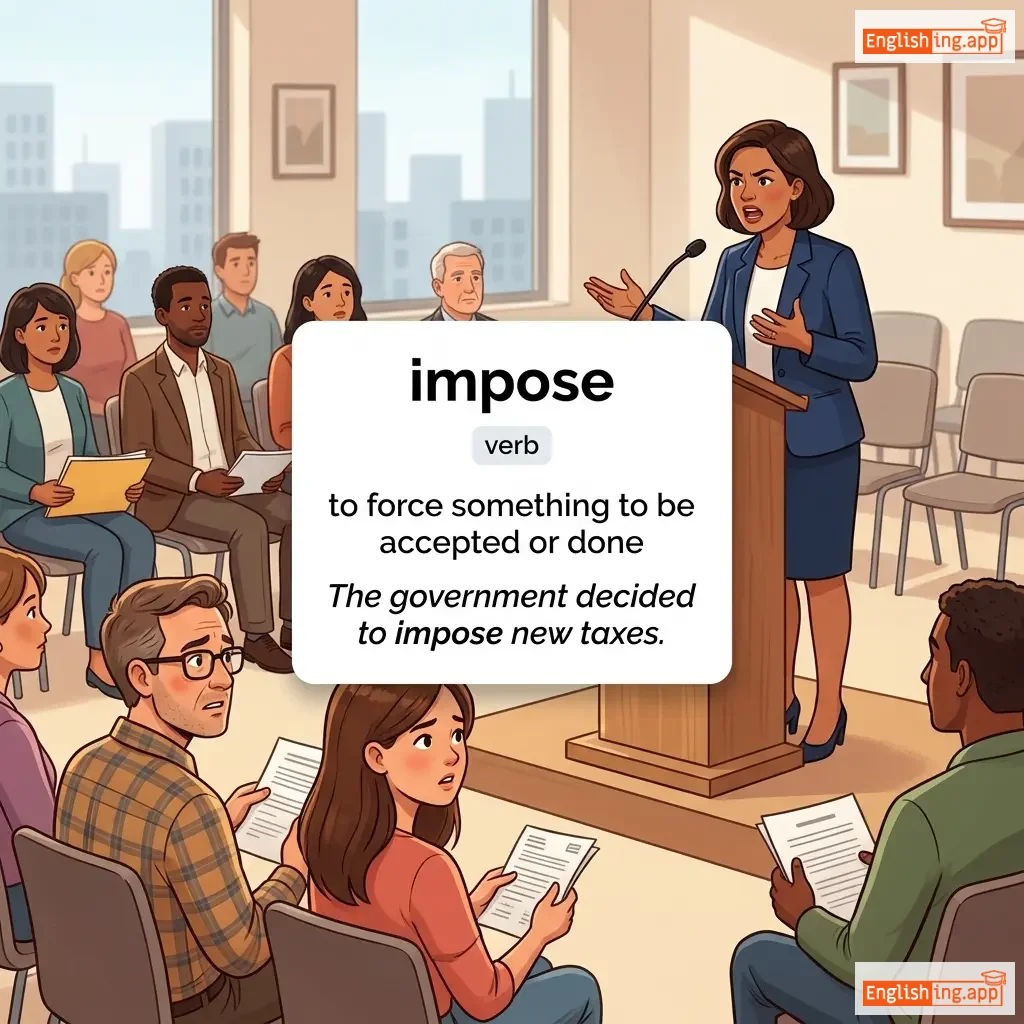
to force someone to accept something; to establish or apply by authority
••••••
|
The government imposed new taxes on luxury goods.
ザ ガバメント インポーズド ニュー タクセス オン ラグジュアリー グッズ。
••••••
|
政府は高級品に新しい税を課した。
seifu wa koukyuhin ni atarashii zei o kashita
••••••
|
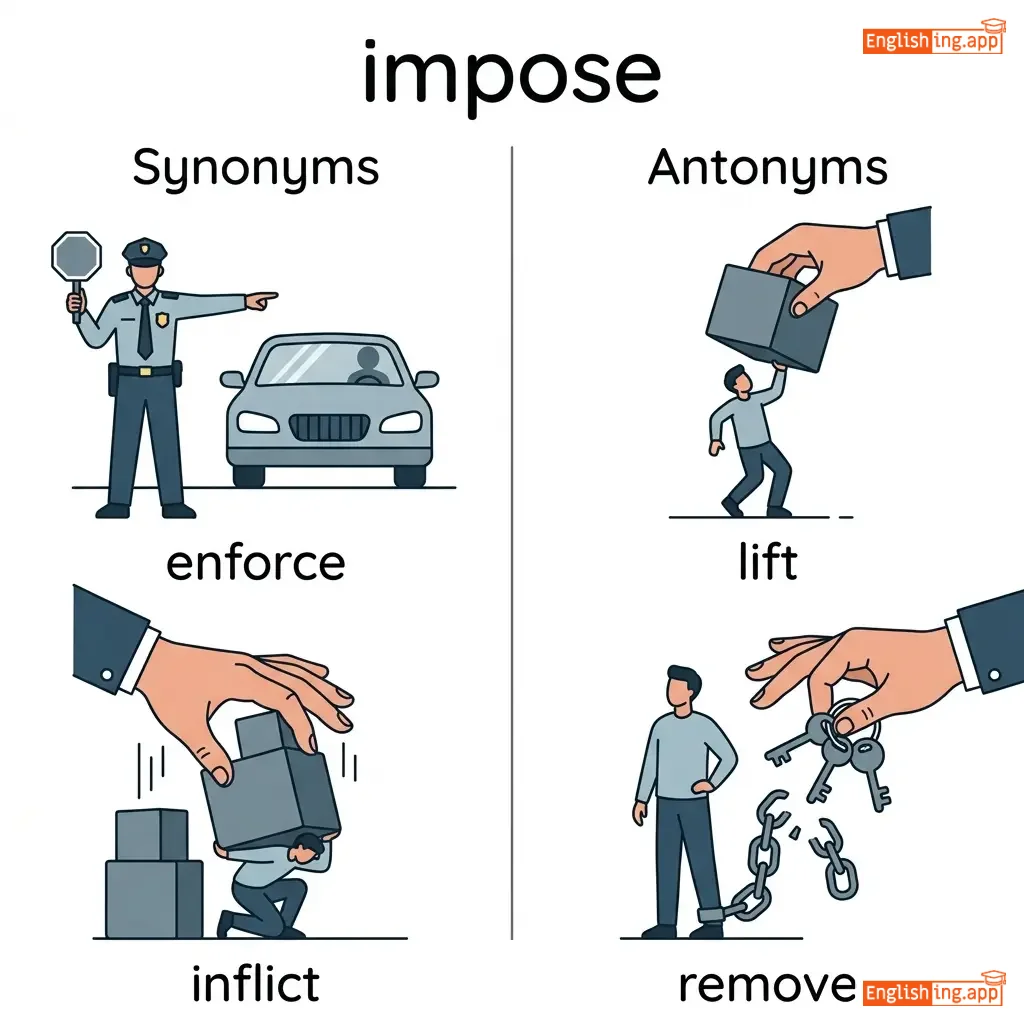
enforce, establish, inflict, apply
••••••
|
remove, lift, withdraw, abolish
••••••
|
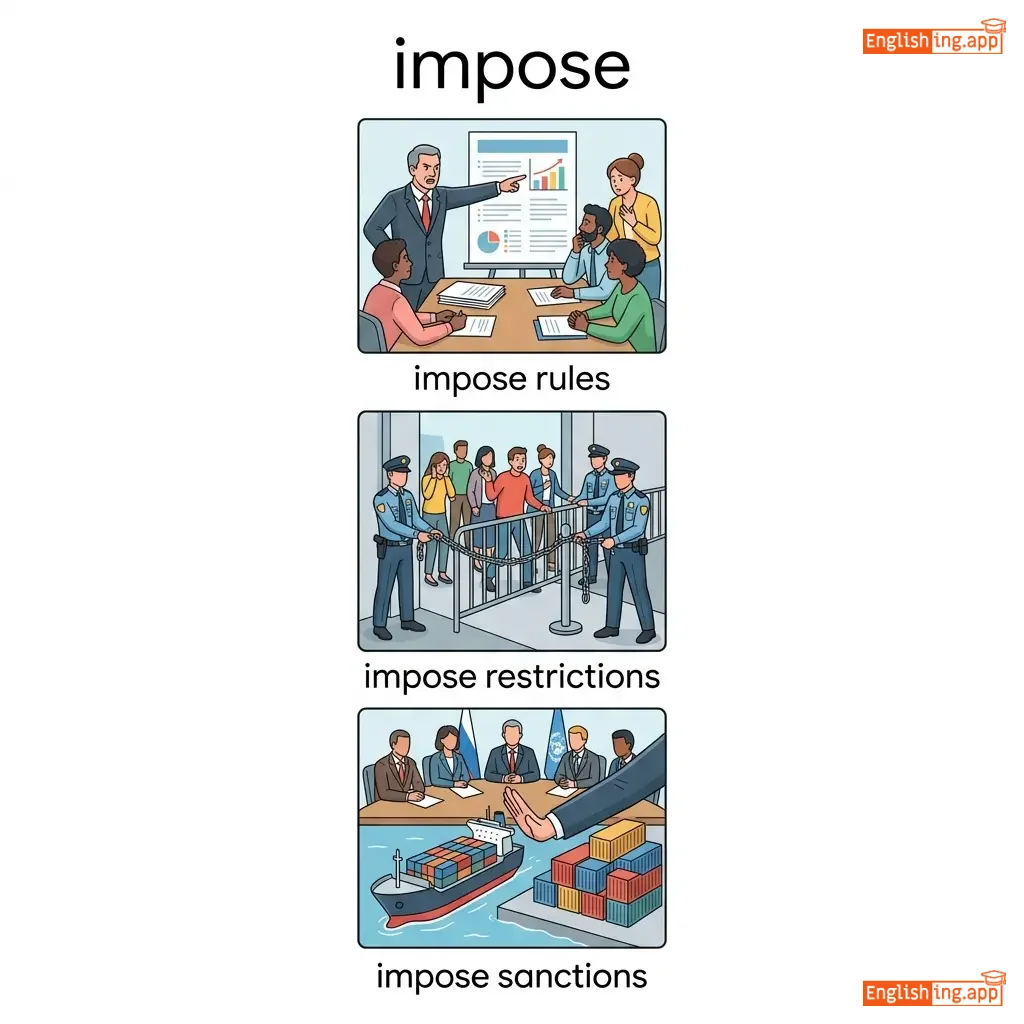
impose restrictions, impose sanctions, impose a fine, impose on someone
••••••
|
In Japanese, 'kasu' means to impose — think of 'casting' a tax or rule.
••••••
|
|
#735
⬅️
|
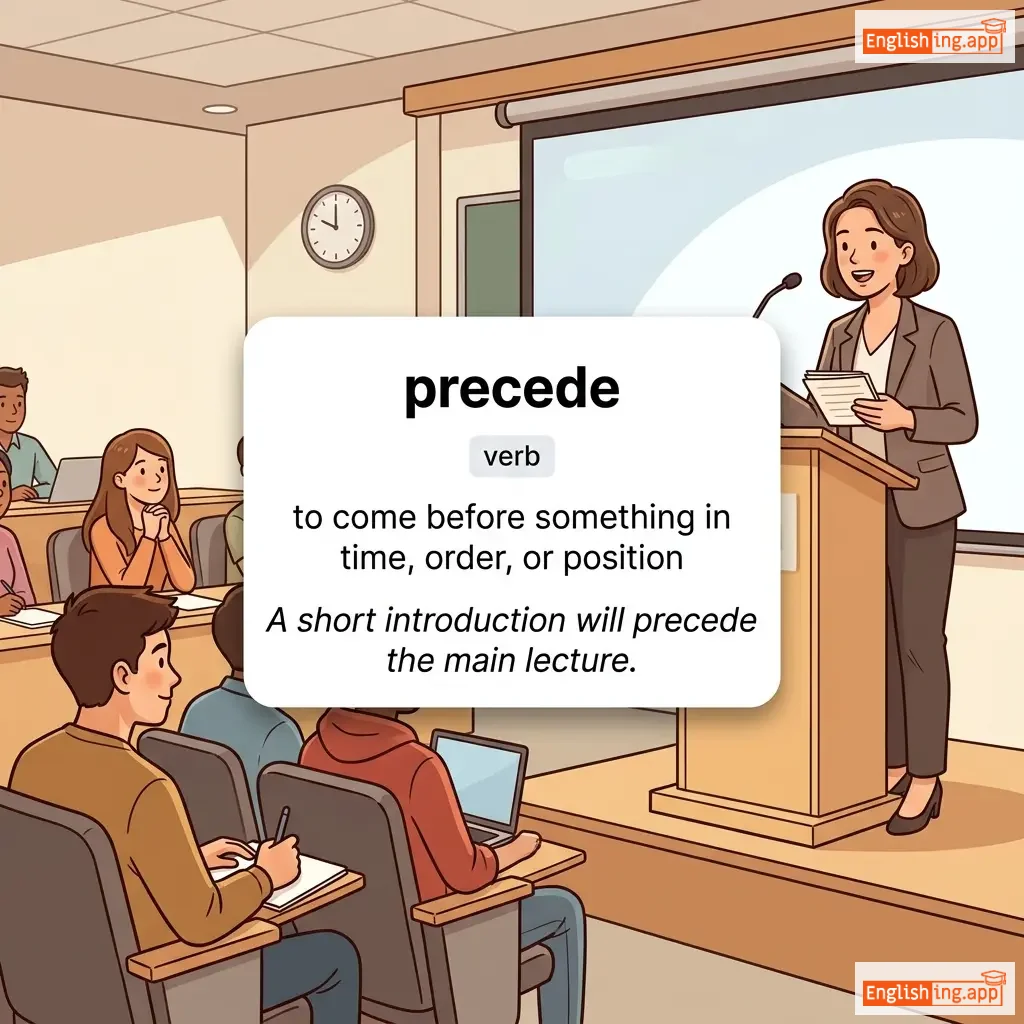
/prɪˈsiːd/
verb
(prised)
••••••
|
|
先行する
senkousuru
••••••
|
preceded
shusuru
••••••
|
preceded
shusuru
••••••
|
precedes
shusuru
••••••
|
preceding
shusuru
••••••
|
to come before something in time, order, or position
••••••
|
A brief introduction precedes each chapter.
簡単な紹介は各章の前に来る。
••••••
|
簡単な紹介は各章の前に来る。
kantan na shoukai wa kaku shou no mae ni kuru
••••••
|
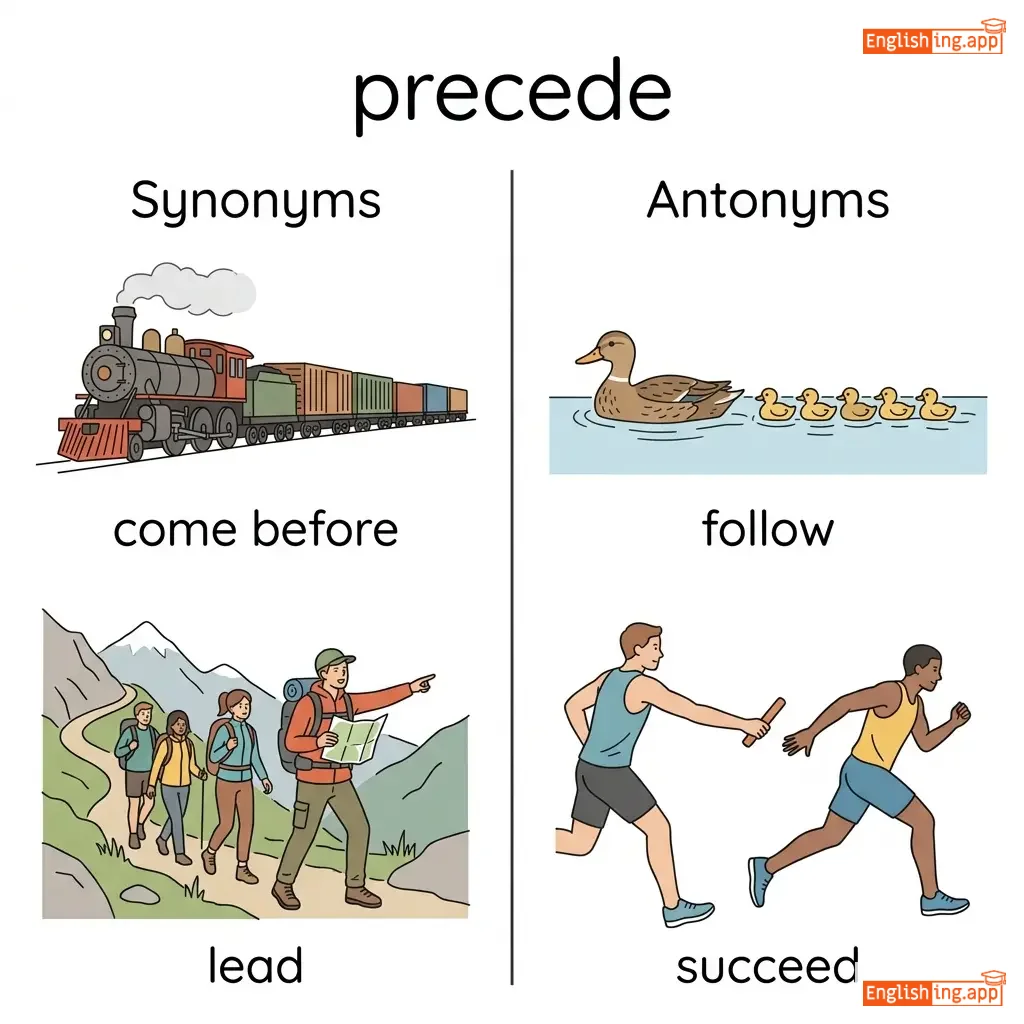
come before, lead, antecede, herald
••••••
|
follow, succeed, come after
••••••
|
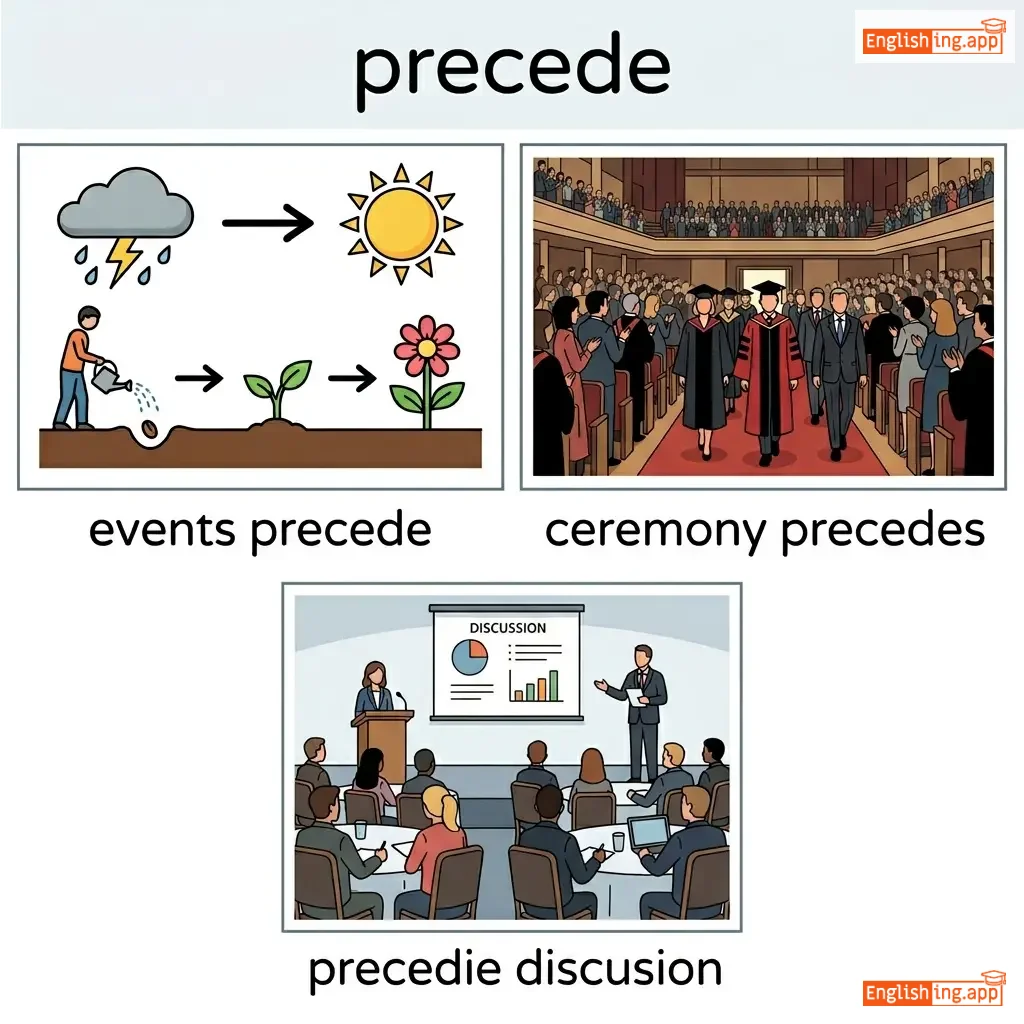
precede by, immediately precede, precede in time, preceding chapter
••••••
|
No •••••• |
|
#736
🚶
|
/roʊm/
verb
(ローム)
••••••
|
|
歩き回る
arukimawaru
••••••
|
roamed
ロームド
••••••
|
roamed
ロームド
••••••
|
roams
ロームス
••••••
|
roaming
ローミング
••••••
|
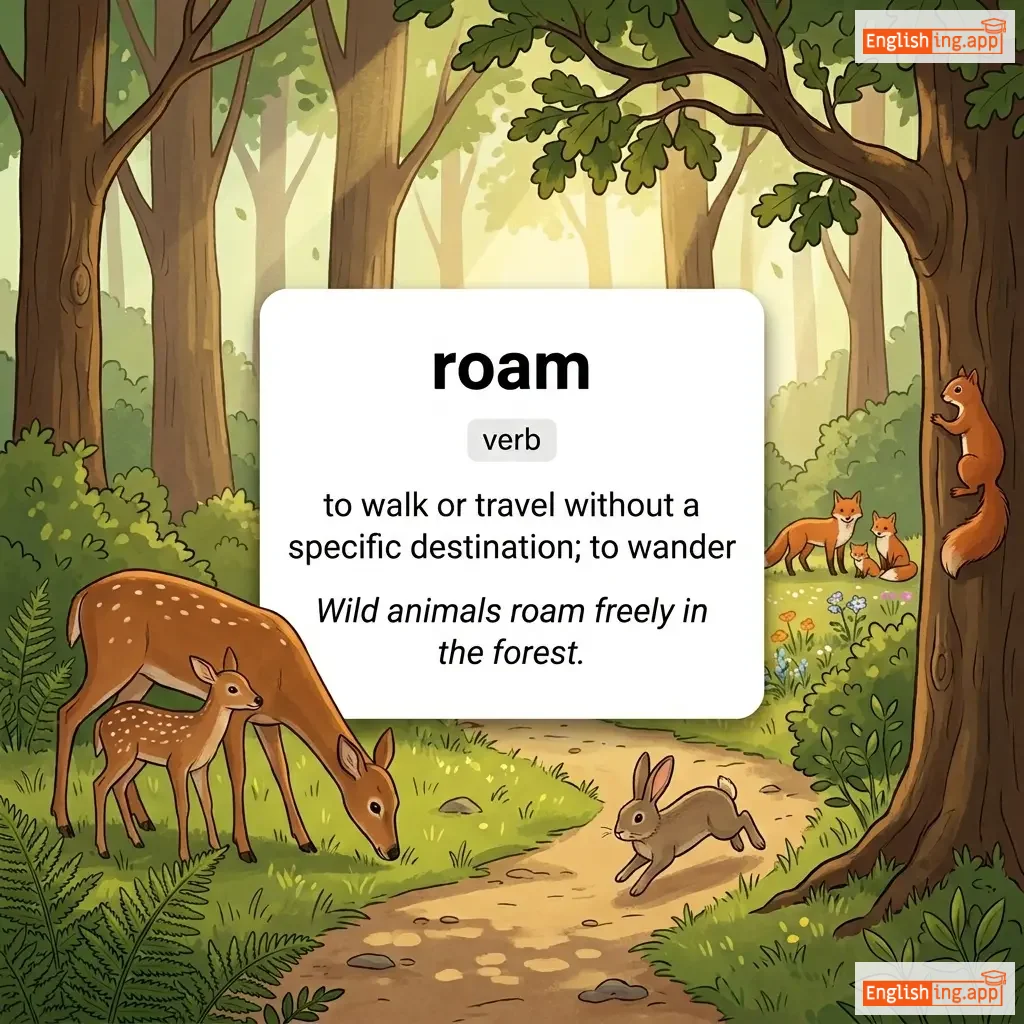
to walk or travel without a specific destination; to wander
••••••
|
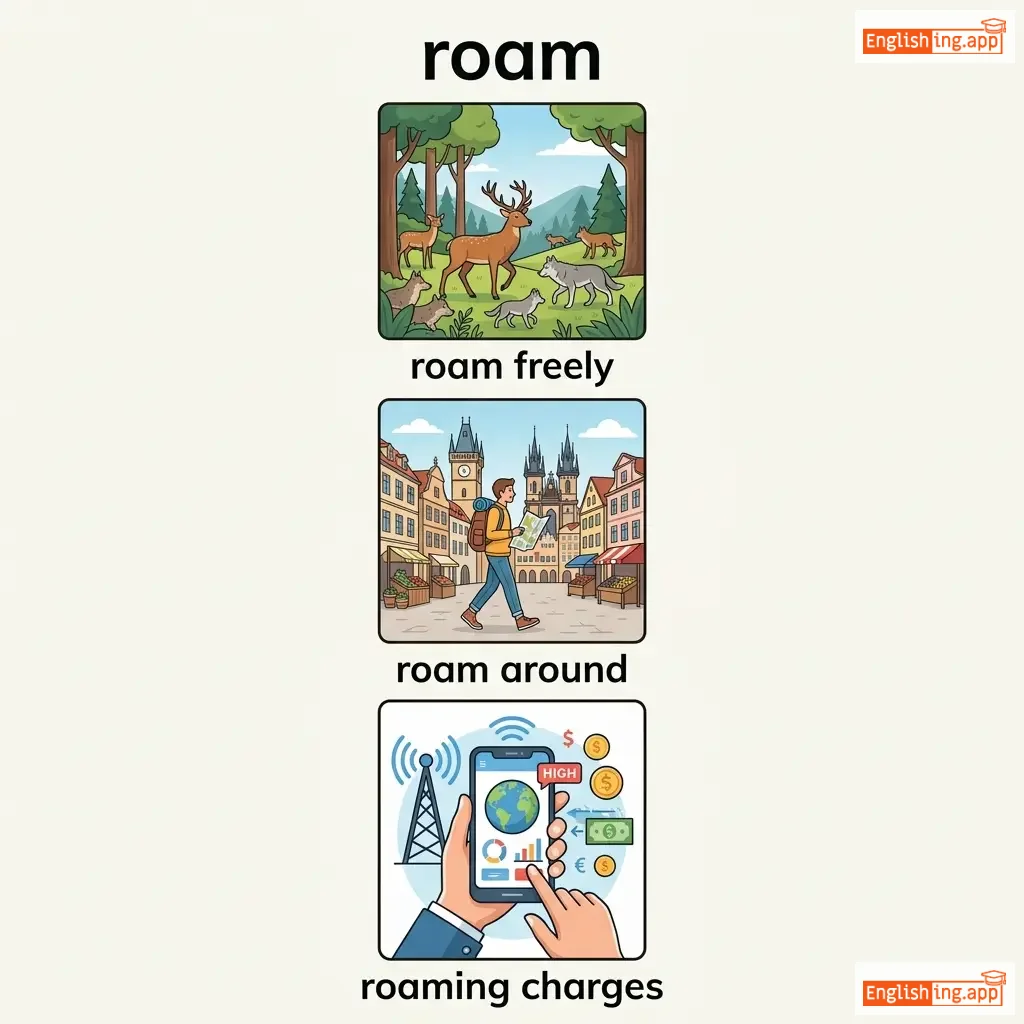
Wild animals roam freely in the forest.
野生動物は森の中を自由に歩き回っています。
••••••
|
野生動物は森の中を自由に歩き回っています。
Yasei doubutsu wa mori no naka wo jiyuu ni arukimawatteimasu.
••••••
|
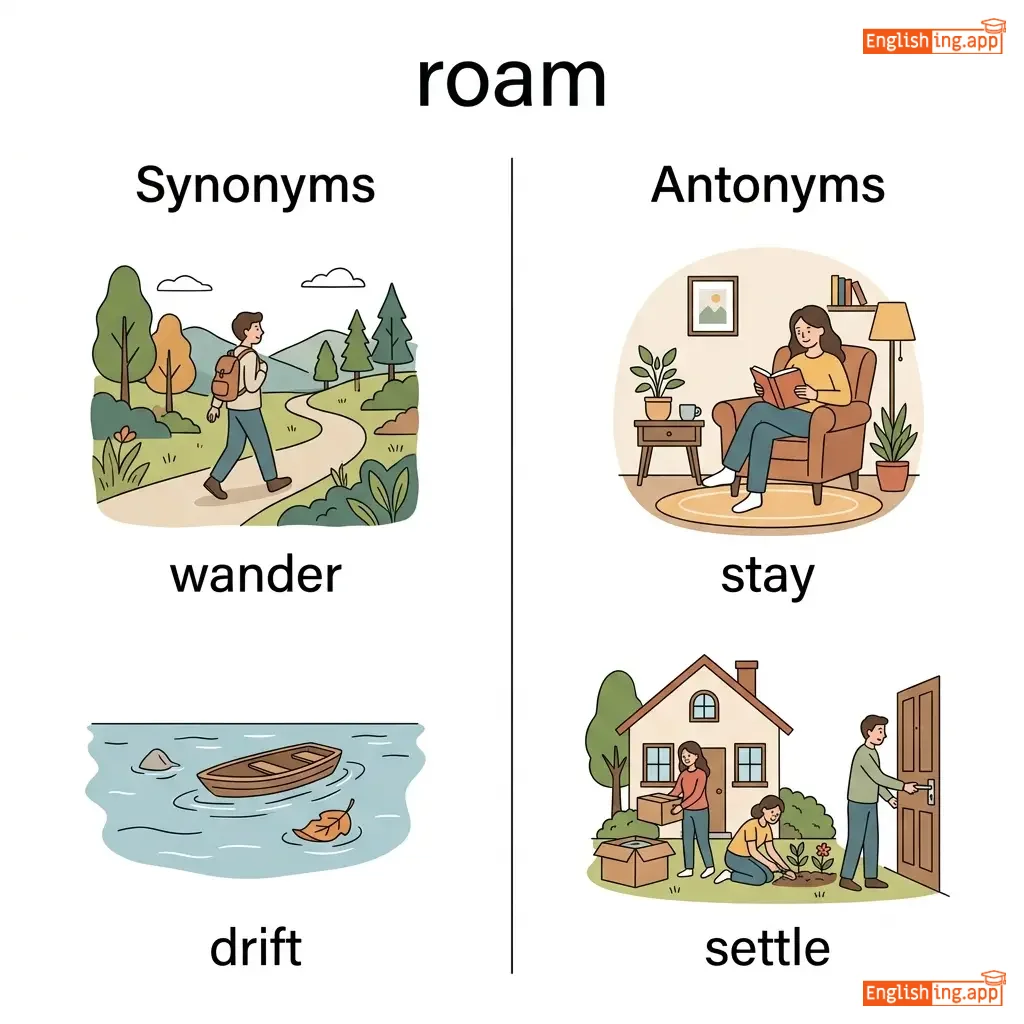
wander, drift, ramble, stroll
••••••
|
stay, settle, remain, anchor
••••••
|
roam freely, roam around, roaming charges, wild animals roam
••••••
|
森の中を歩き回る、まるで 'roam' のように!
••••••
|
|
#737
🙏
|
/bɪˈliːv/
verb
(ビリーブ)
••••••
|
|
信じる
shinjiru
••••••
|
believed
ビリーブド
••••••
|
believed
ビリーブド
••••••
|
believes
ビリーブス
••••••
|
believing
ビリービング
••••••
|
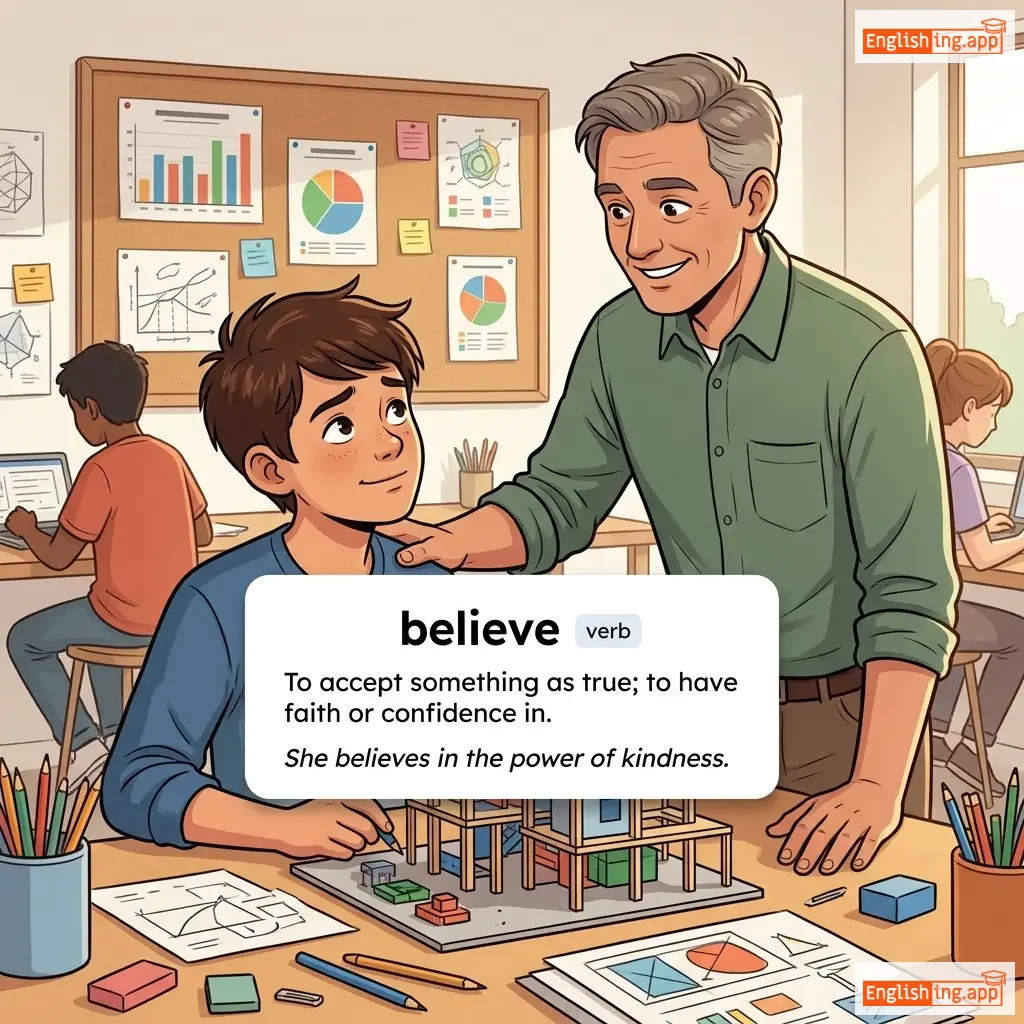
to think that something is true; to have faith in
••••••
|
I believe in hard work and dedication.
ワタシ ワ ビリーブ イン ハード ワーク アンド デディケイション。
••••••
|
私は努力と献身を信じます。
Watashi wa doryoku to kenshin o shinjimasu
••••••
|
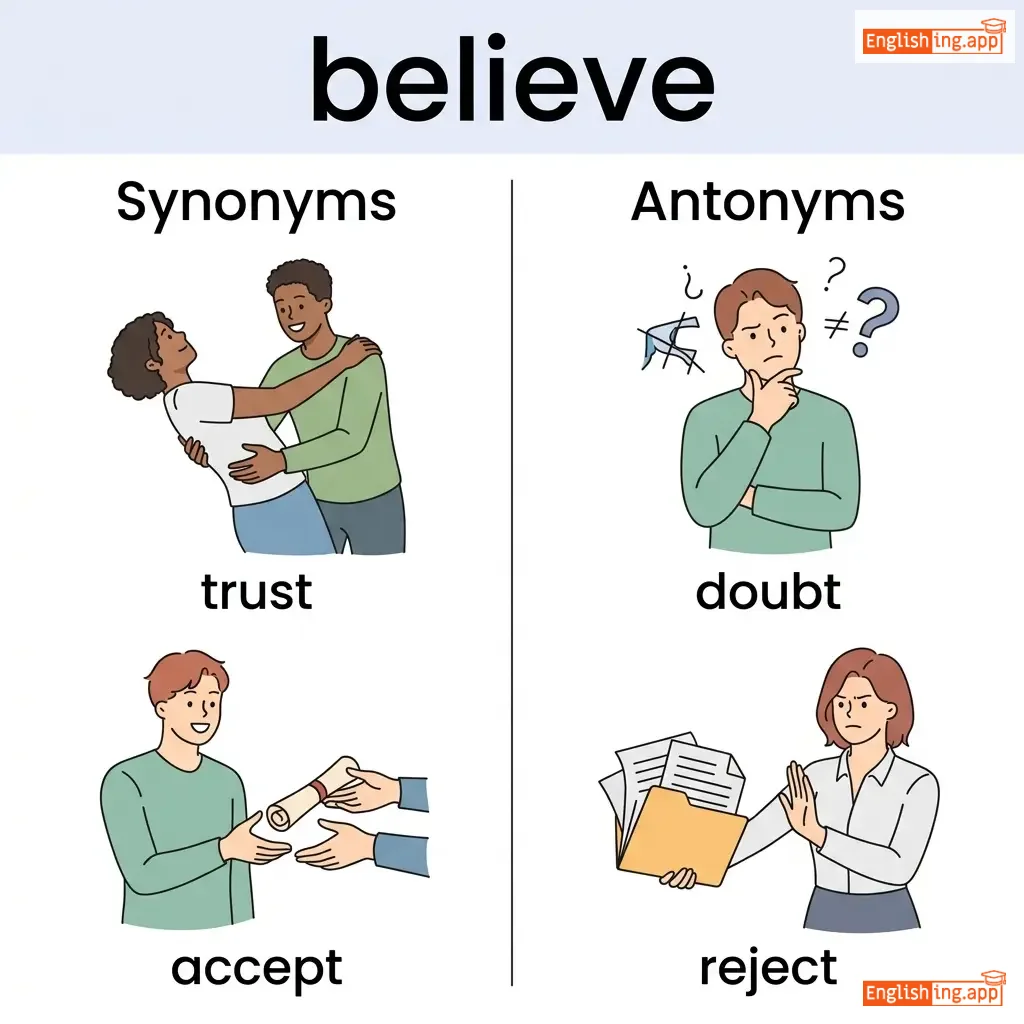
trust, have faith, accept, think
••••••
|
doubt, disbelieve, mistrust, question
••••••
|
believe in, firmly believe, make believe, hard to believe, I believe
••••••
|
信じる (shinjiru) = believe — 'shin' (信) reminds you to trust when you believe
••••••
|
|
#738
🏠
|
/liːs/
verb
(リース)
••••••
|
|
リース
rīsu
••••••
|
leased
リースド
••••••
|
leased
リースド
••••••
|
leases
リースズ
••••••
|
leasing
リースイング
••••••
|
to rent property or equipment for a specified period
••••••
|
They decided to lease a car for the vacation.
彼らは休暇のために車をリースすることに決めました。
••••••
|
彼らは休暇のために車をリースすることに決めました。
Karera wa kyūka no tame ni kuruma o rīsu suru koto ni kimemashita.
••••••
|
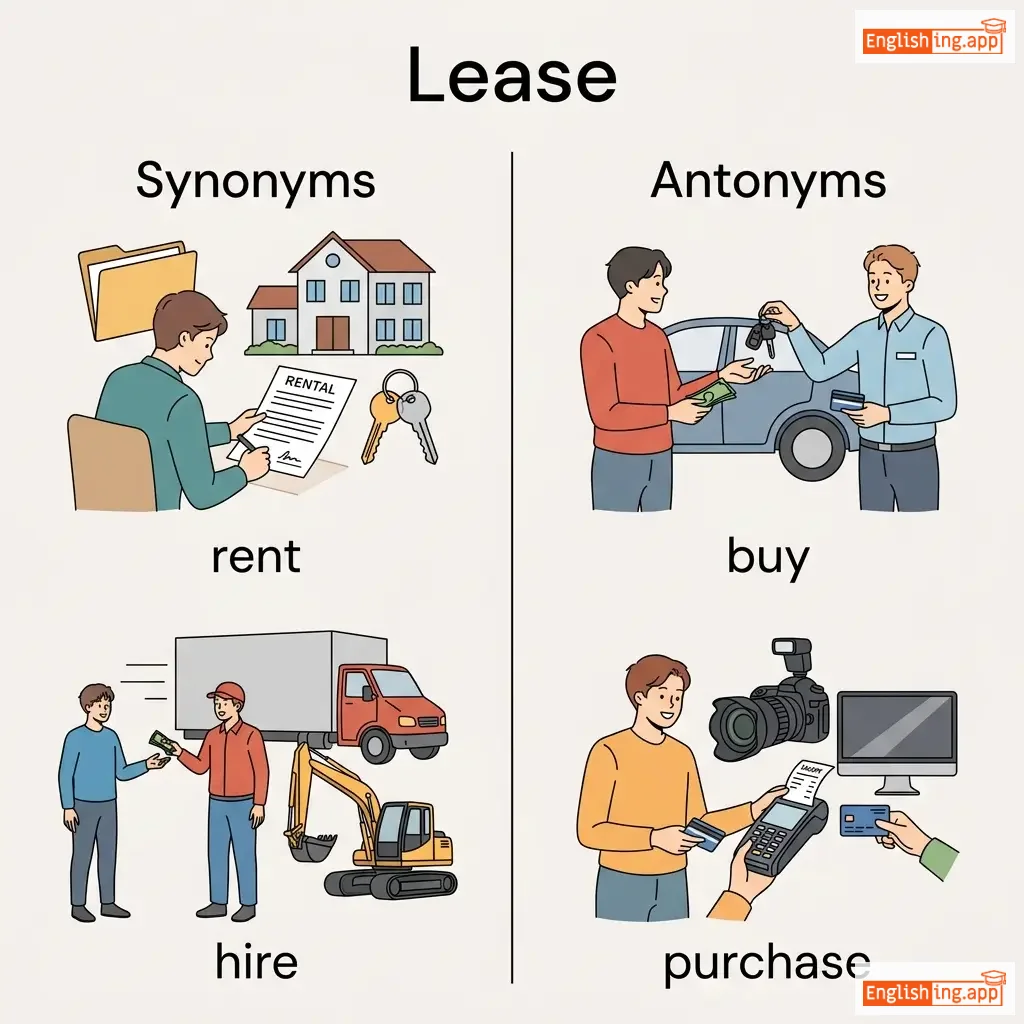
rent, hire, charter
••••••
|
buy, purchase, own
••••••
|
lease agreement, car lease, long-term lease, lease payment, lease out
••••••
|
日本語の 'リース' は英語の 'lease' と同じ意味です。
••••••
|
|
#739
🏛️
|
/ˈɡʌvərn/
verb
(ガバン)
••••••
|
|
統治する
tochi suru
••••••
|
governed
ガバンド
••••••
|
governed
ガバンド
••••••
|
governs
ガバンズ
••••••
|
governing
ガバニング
••••••
|
to control and direct the public policy and affairs of a state, organization, or people
••••••
|
The president governs the country wisely.
プレジデント ガバンズ ザ カントリー ワイズリー。
••••••
|
大統領は賢明に国を統治する。
daitoryo wa kenmei ni kuni o tochi suru
••••••
|
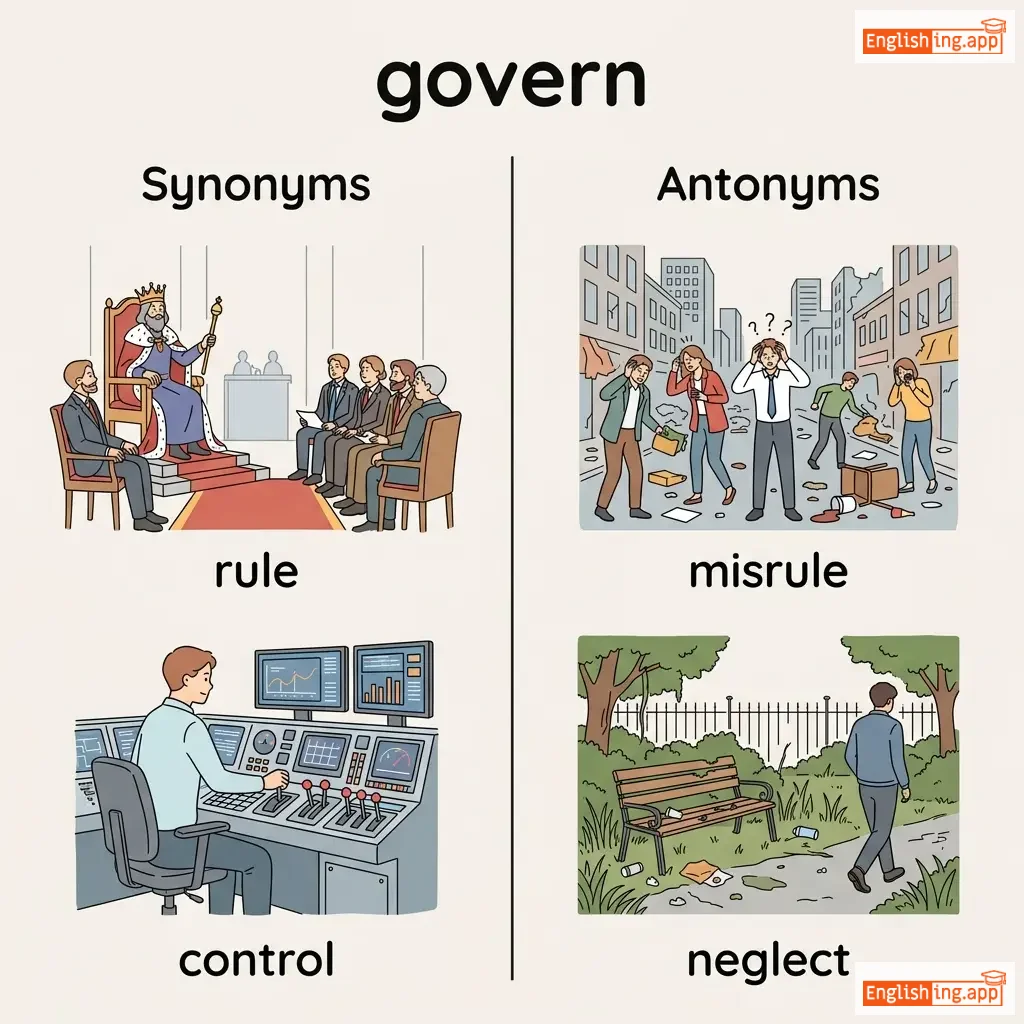
rule, control, manage, lead
••••••
|
obey, follow, submit
••••••
|
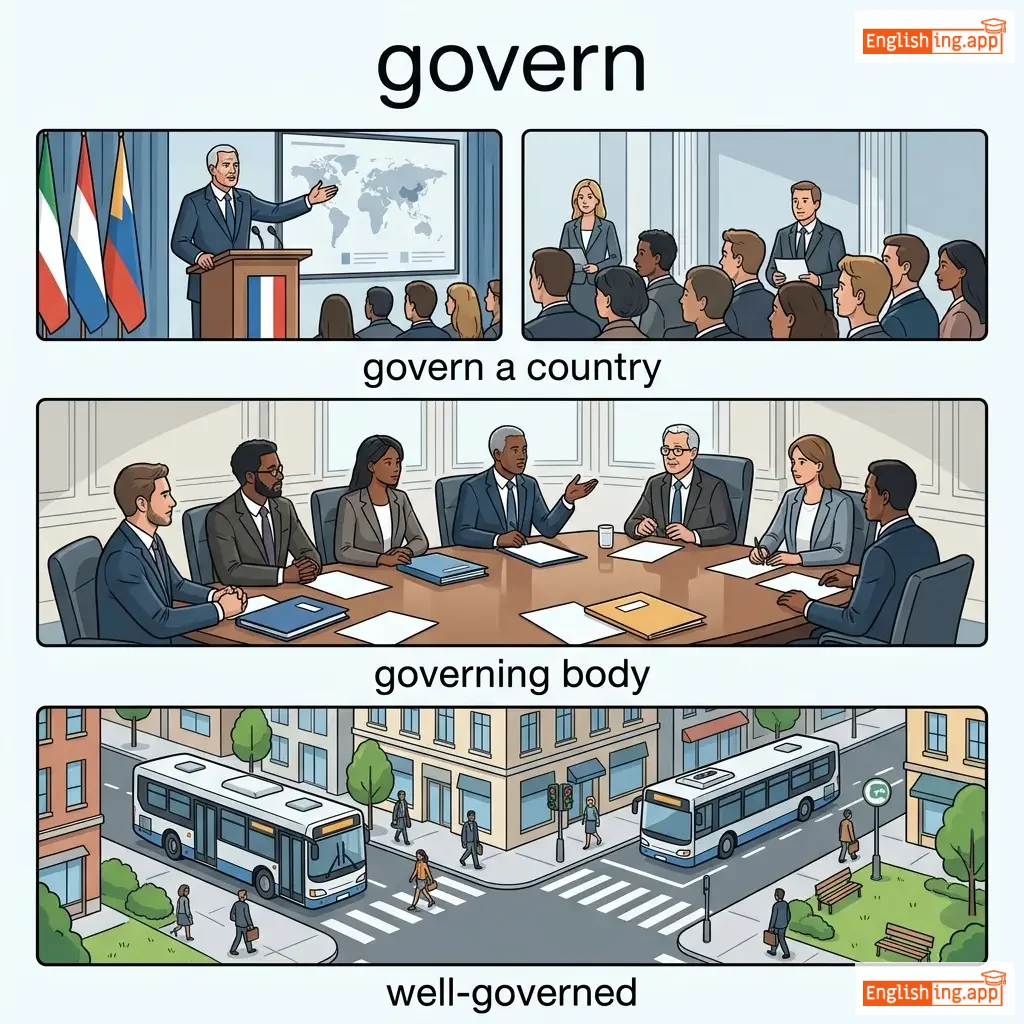
govern wisely, govern effectively, self-govern, governing body, good governance
••••••
|
Govern sounds like 'tochi suru'—to rule the country.
••••••
|
|
#740
🤔
|
/daʊt/
verb
(ダウト)
••••••
|
|
疑う
utagau
••••••
|
doubted
ダウテッド
••••••
|
doubted
ダウテッド
••••••
|
doubts
ダウツ
••••••
|
doubting
ダウティング
••••••
|
to feel uncertain about something; to question
••••••
|
I doubt he will come to the party.
アイ ダウト ヒー ウィル カム トゥ ザ パーティー。
••••••
|
彼がパーティーに来るかどうか疑います。
kare ga pati ni kuru ka douka utagaimasu
••••••
|
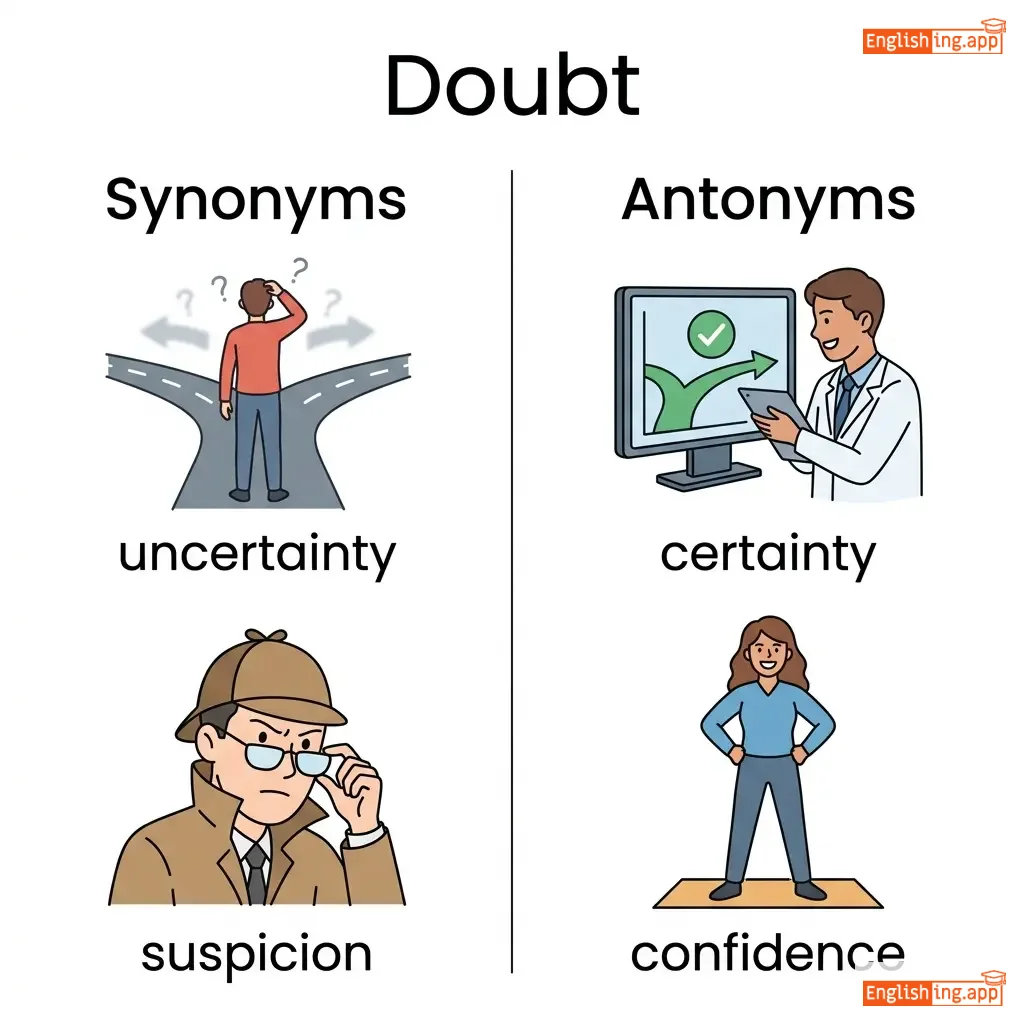
question, suspect, mistrust, hesitate
••••••
|
trust, believe, accept, certainty
••••••
|
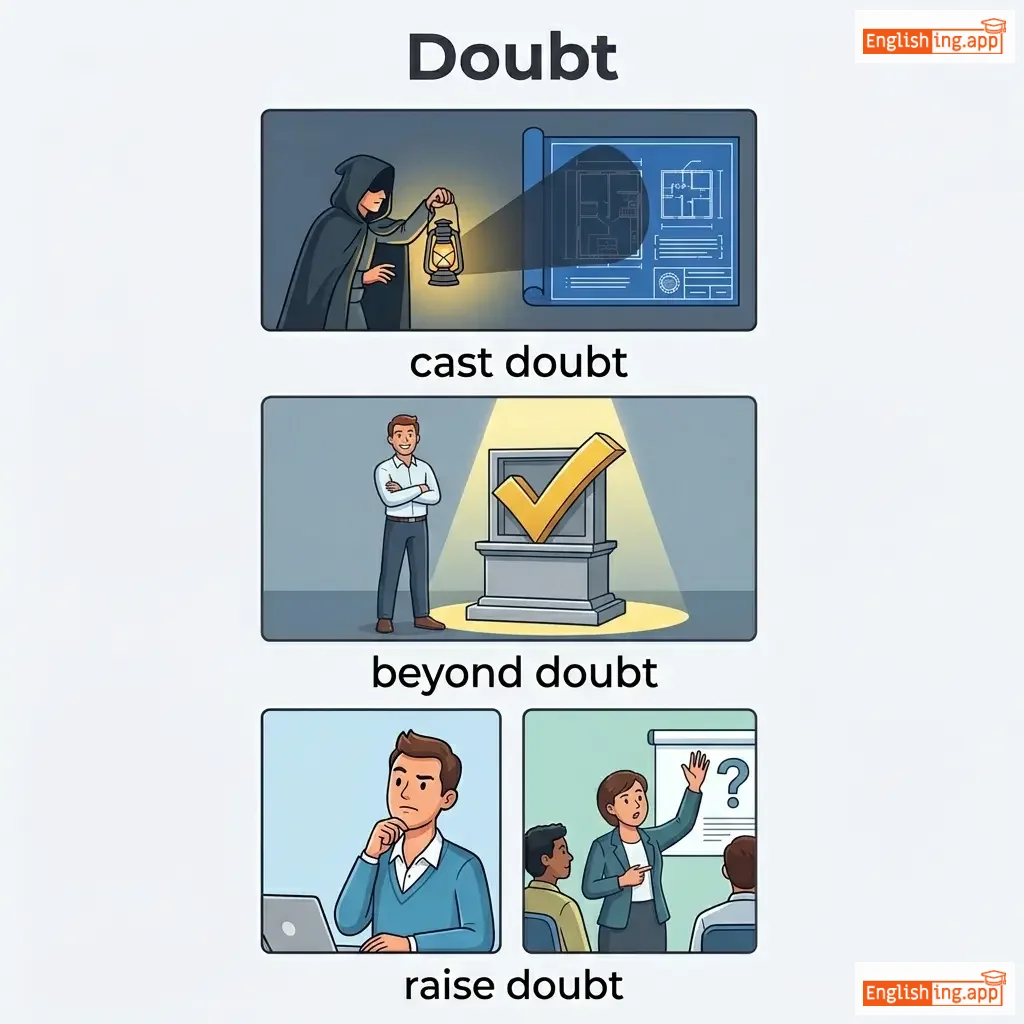
cast doubt, serious doubt, reasonable doubt, without doubt, doubt someone's ability
••••••
|
'Utagau' sounds like 'you tag out' — when in doubt, step back.
••••••
|
|
#741
❓
|
/ˈkwɪəri/
verb
(クエリ)
••••••
|
|
質問する
shitsumon suru
••••••
|
queried
クエリード
••••••
|
queried
クエリード
••••••
|
queries
クエリーズ
••••••
|
querying
クエリング
••••••
|
to ask a question; to express doubt about something
••••••
|
The student decided to query the professor about the assignment.
学生は課題について教授にクエリすることにした。
••••••
|
学生は課題について教授に質問することにした。
Gakusei wa kadai ni tsuite kyoushu ni shitsumon suru koto ni shita.
••••••
|
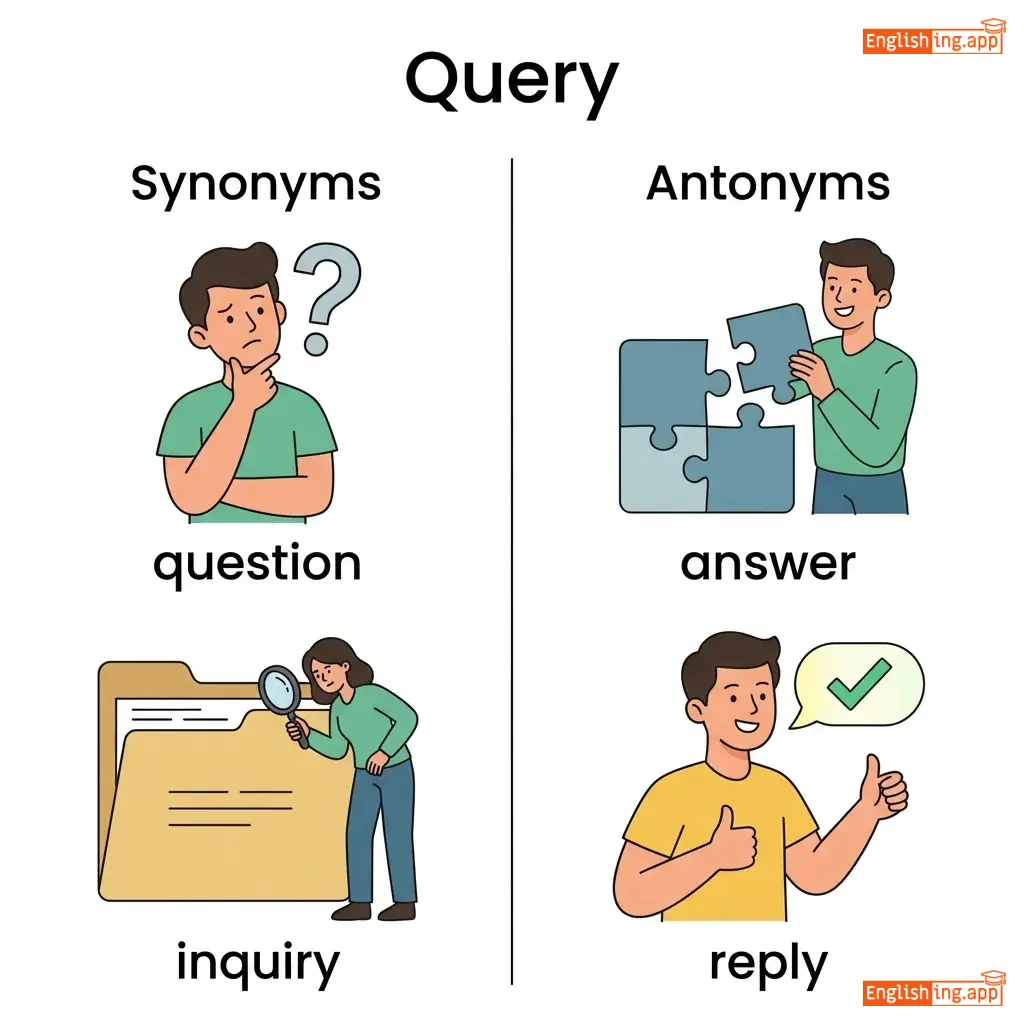
question, ask, inquire, challenge
••••••
|
answer, accept, confirm
••••••
|
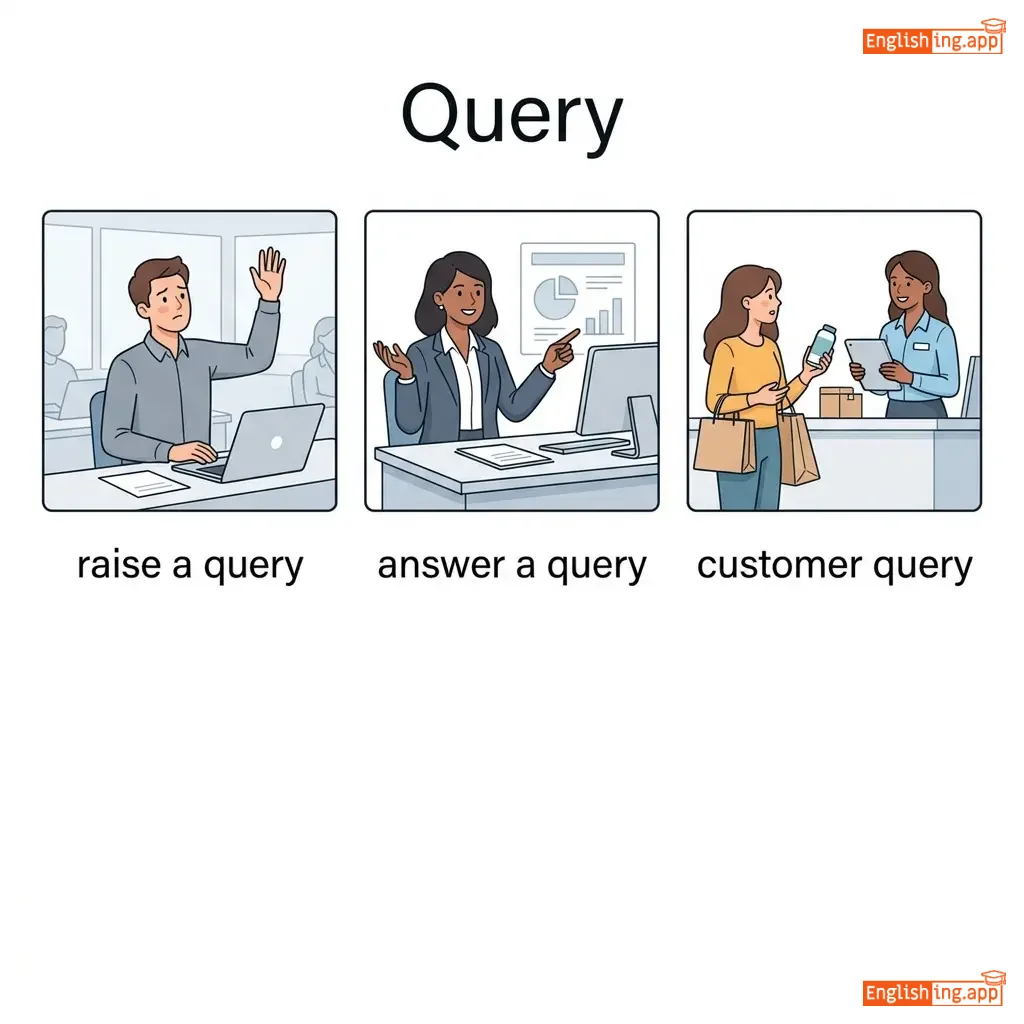
database query, search query, query results, SQL query, query language
••••••
|
Query sounds like ‘kueri’—remember it when you ‘shitsumon suru’ (ask a question).
••••••
|
|
#742
🤝
|
/ˌɪntrəˈduːs/
verb
(イントロデュース)
••••••
|
|
紹介する
shoukai suru
••••••
|
introduced
イントロデュースド
••••••
|
introduced
イントロデュースド
••••••
|
introduces
イントロデュースズ
••••••
|
introducing
イントロデュースィング
••••••
|
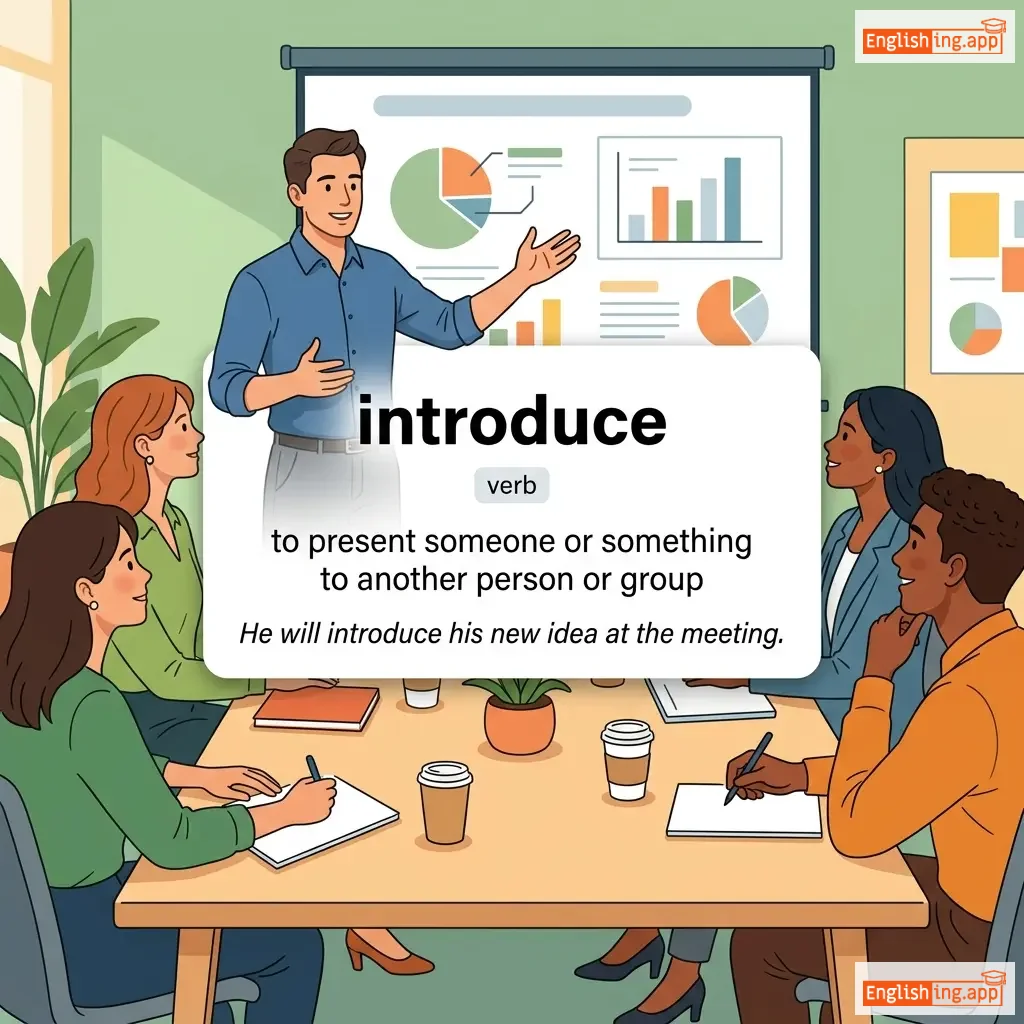
to present someone; to bring in for the first time
••••••
|
Let me introduce you to my friend.
レット ミー イントロデュース ユー トゥ マイ フレンド。
••••••
|
友達を紹介させてください。
tomodachi o shoukai sasete kudasai
••••••
|
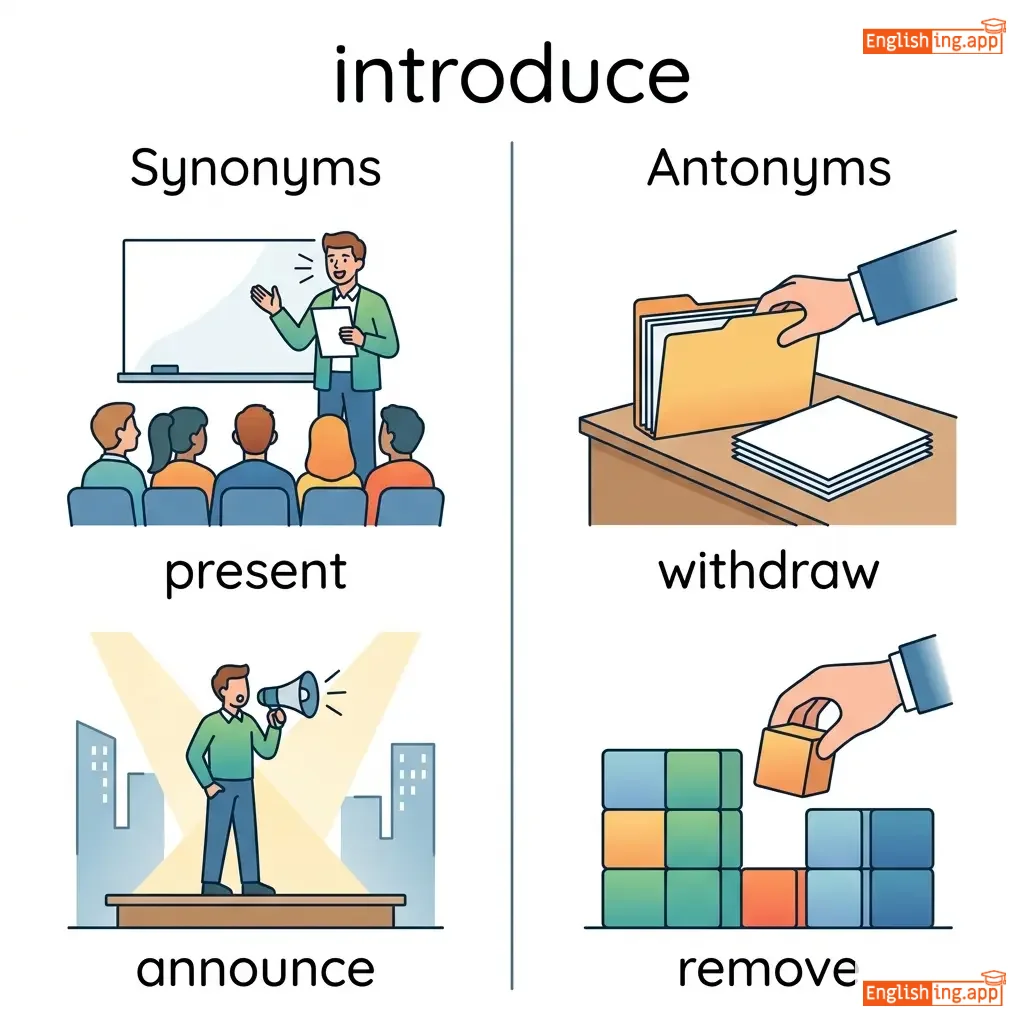
present, acquaint, establish, initiate
••••••
|
conclude, end, remove, withdraw
••••••
|
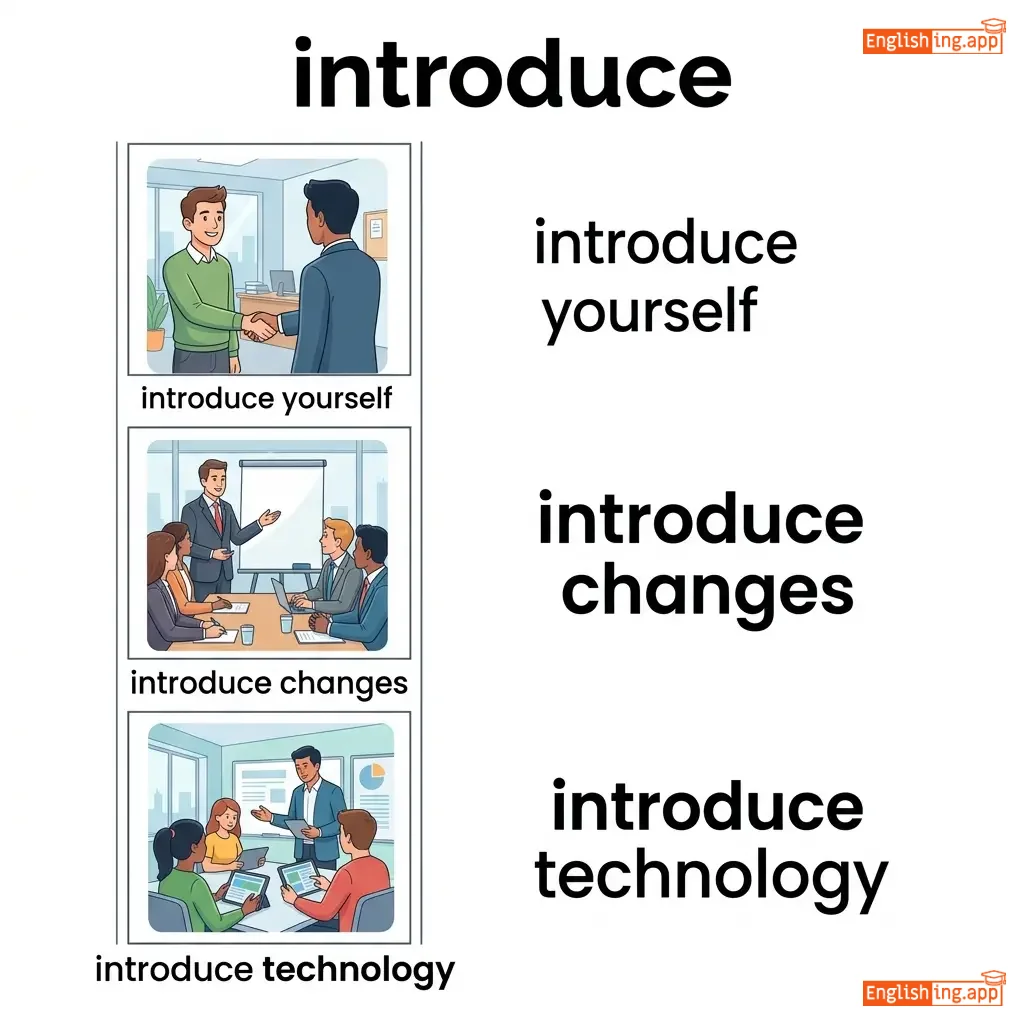
introduce yourself, introduce someone, newly introduced, introduction letter
••••••
|
Introduce = 紹介する (shoukai suru), sounds like ‘show guy’ — easy to recall!
••••••
|
|
#743
🚀
|
/ɪˈnɪʃieɪt/
verb
(イニシエイト)
••••••
|
|
開始する
kaishi suru
••••••
|
initiated
イニシエイテッド
••••••
|
initiated
イニシエイテッド
••••••
|
initiates
イニシエイツ
••••••
|
initiating
イニシエイティング
••••••
|
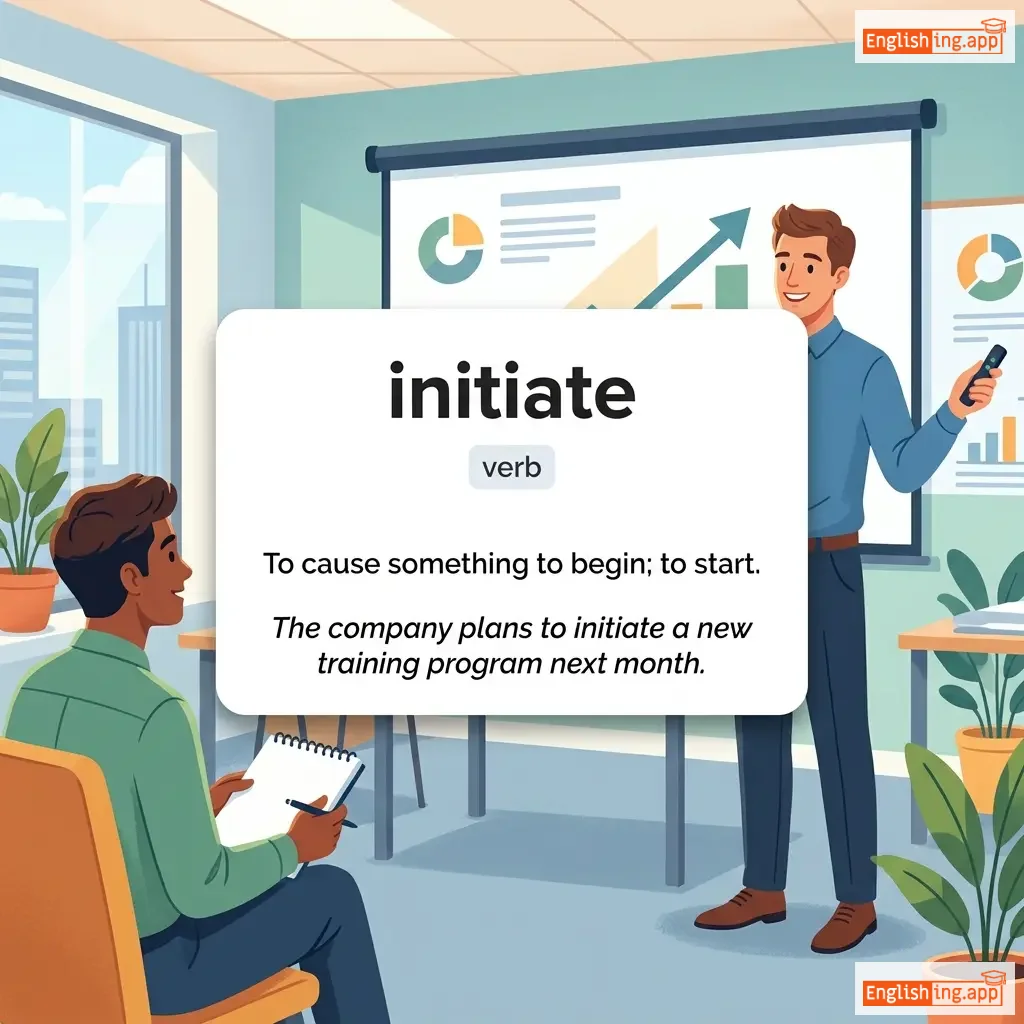
to begin or start; to introduce someone to a new activity
••••••
|
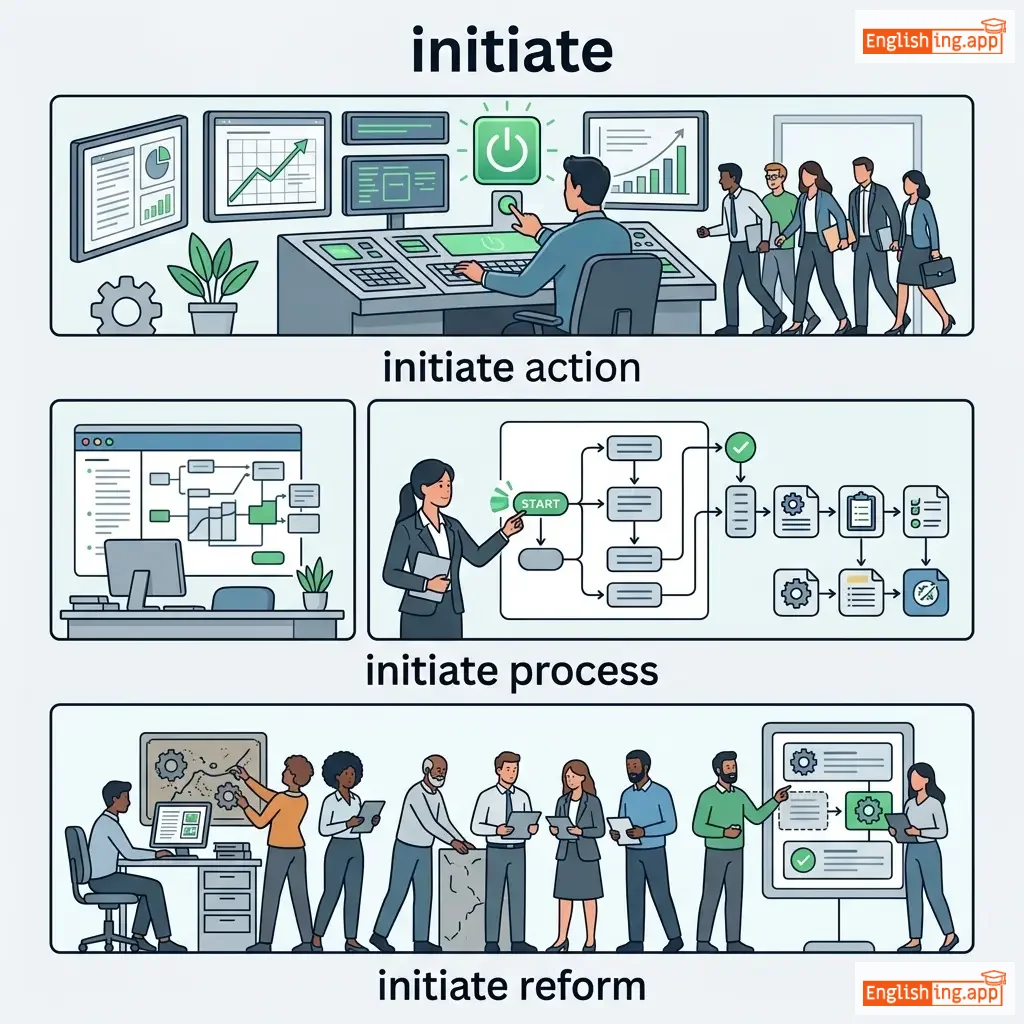
The company will initiate a new training program.
ザ カンパニー ウィル イニシエイト ア ニュー トレーニング プログラム。
••••••
|
会社は新しい研修プログラムを開始します。
kaisha wa atarashii kenshu puroguramu o kaishi shimasu
••••••
|
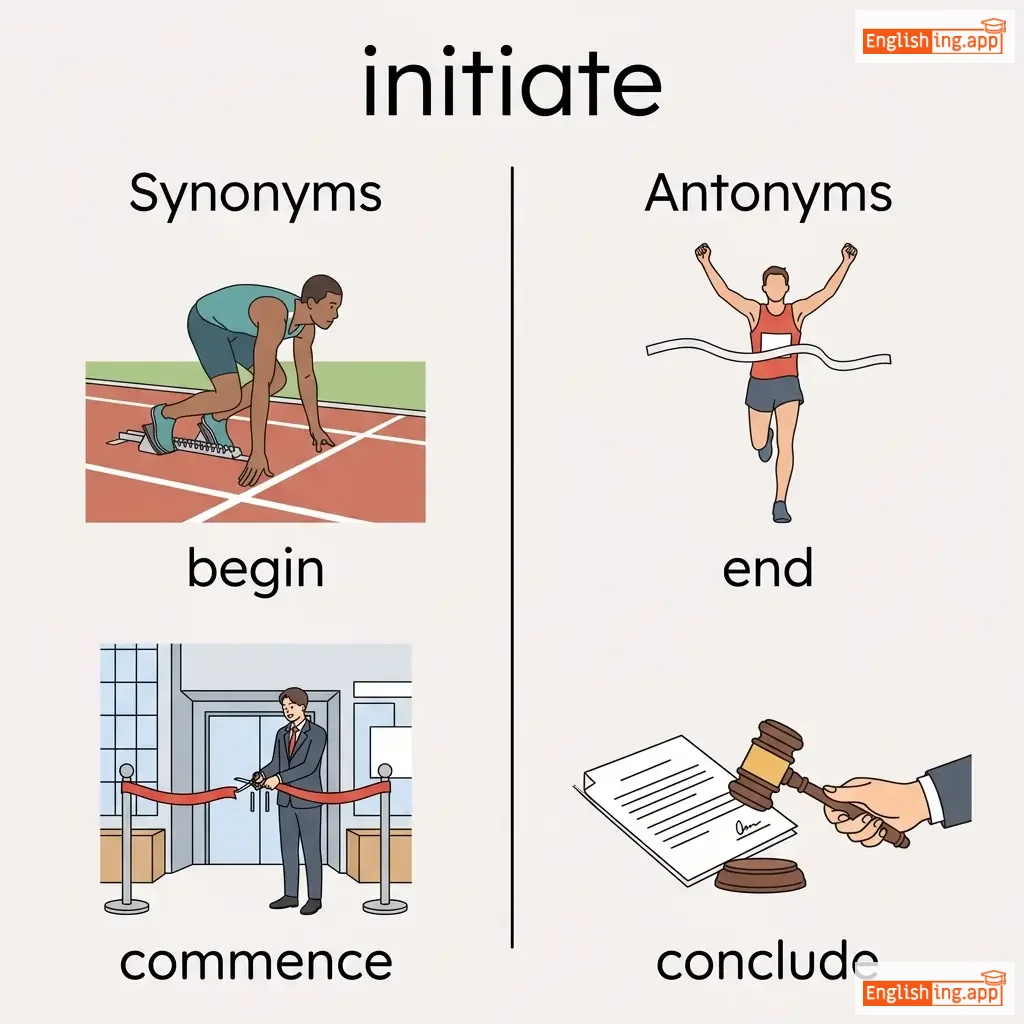
begin, start, launch, commence
••••••
|
end, finish, conclude, terminate
••••••
|
initiate process, initiate contact, initiate action, take the initiative
••••••
|
Initiate → kaishi suru — both mean to start something new.
••••••
|
|
#744
🏠➡️
|
/vəˈkeɪt/
verb
(ヴェケイト)
••••••
|
|
退去する
taikyo suru
••••••
|
vacated
ヴェケイテッド
••••••
|
vacated
ヴェケイテッド
••••••
|
vacates
ヴェケイツ
••••••
|
vacating
ヴェケイティング
••••••
|
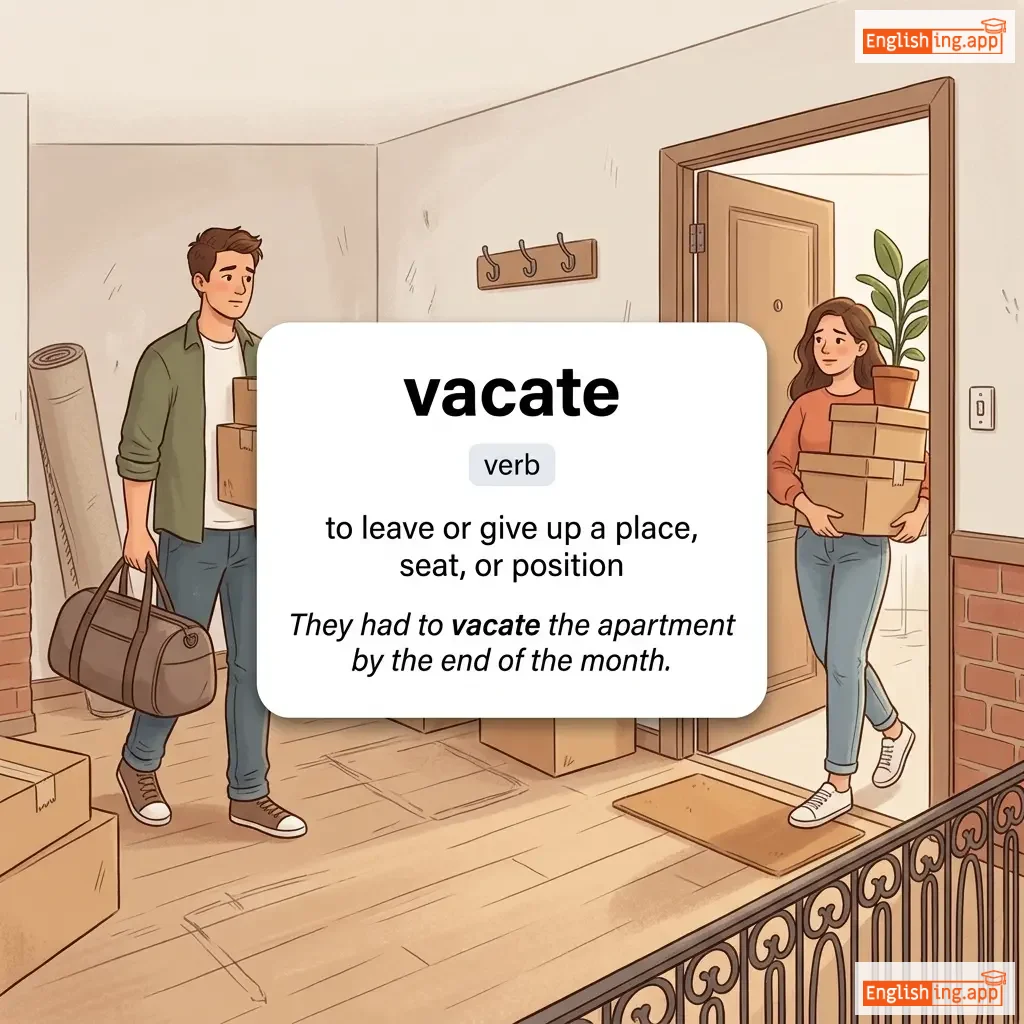
to leave a place; to make empty by leaving
••••••
|
The tenants must vacate the apartment by the end of the month.
ザ テナンツ マスト ヴェケイト ジ アパートメント バイ ジ エンド オブ ジ マンス。
••••••
|
入居者は月末までにアパートを退去しなければならない。
nyukyosha wa getsumatsu made ni apato o taikyo shinakereba naranai
••••••
|
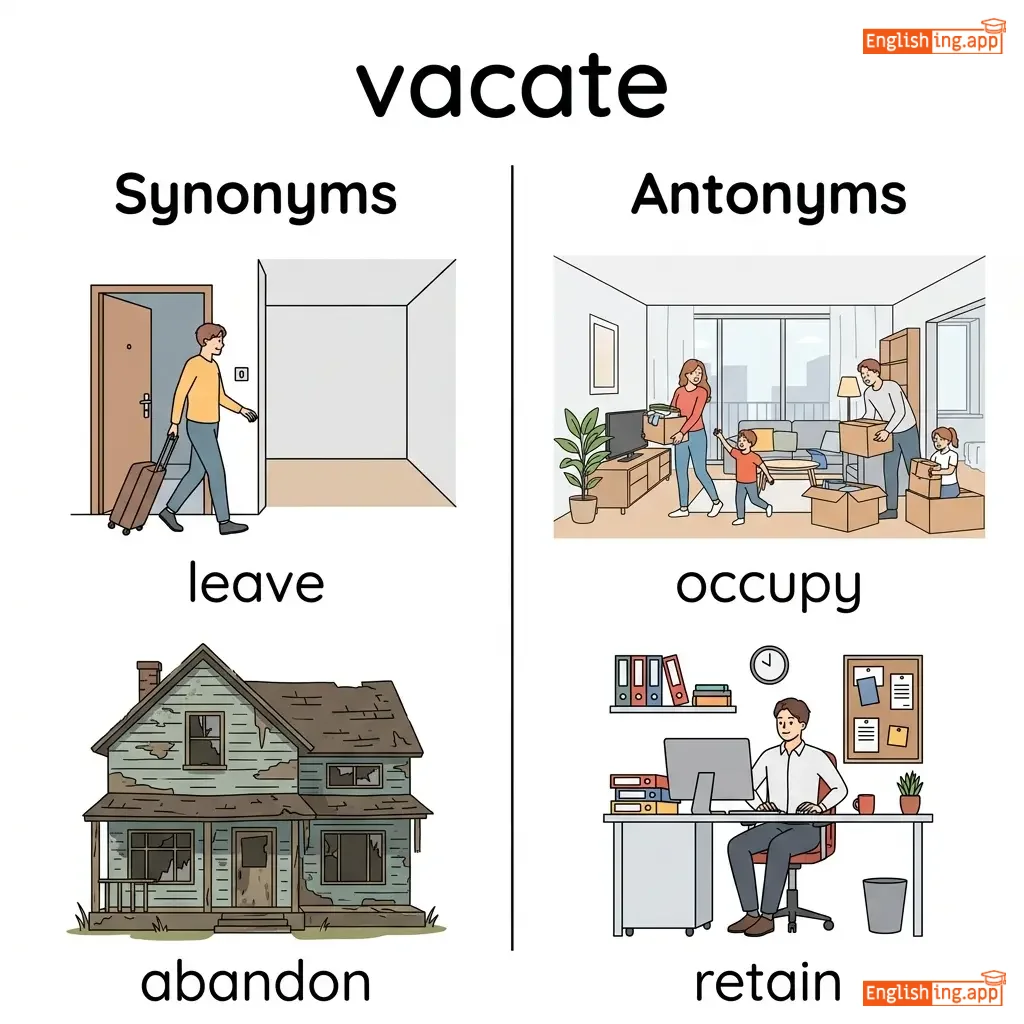
leave, evacuate, abandon, quit, depart
••••••
|
occupy, fill, inhabit, move in
••••••
|
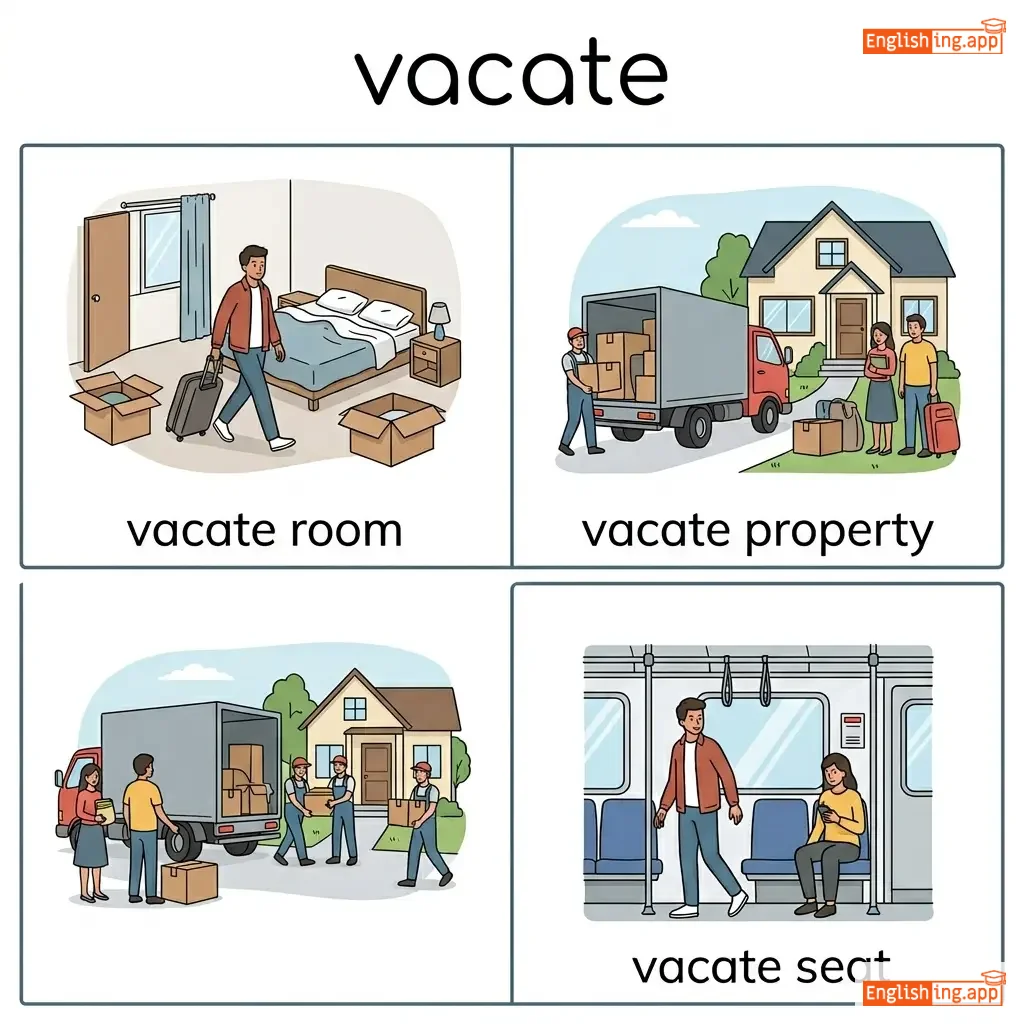
vacate premises, vacate the building, forced to vacate, vacate immediately
••••••
|
Vacate = taikyo suru — think of ‘vacant’ after you leave a place empty.
••••••
|
|
#745
🏆
|
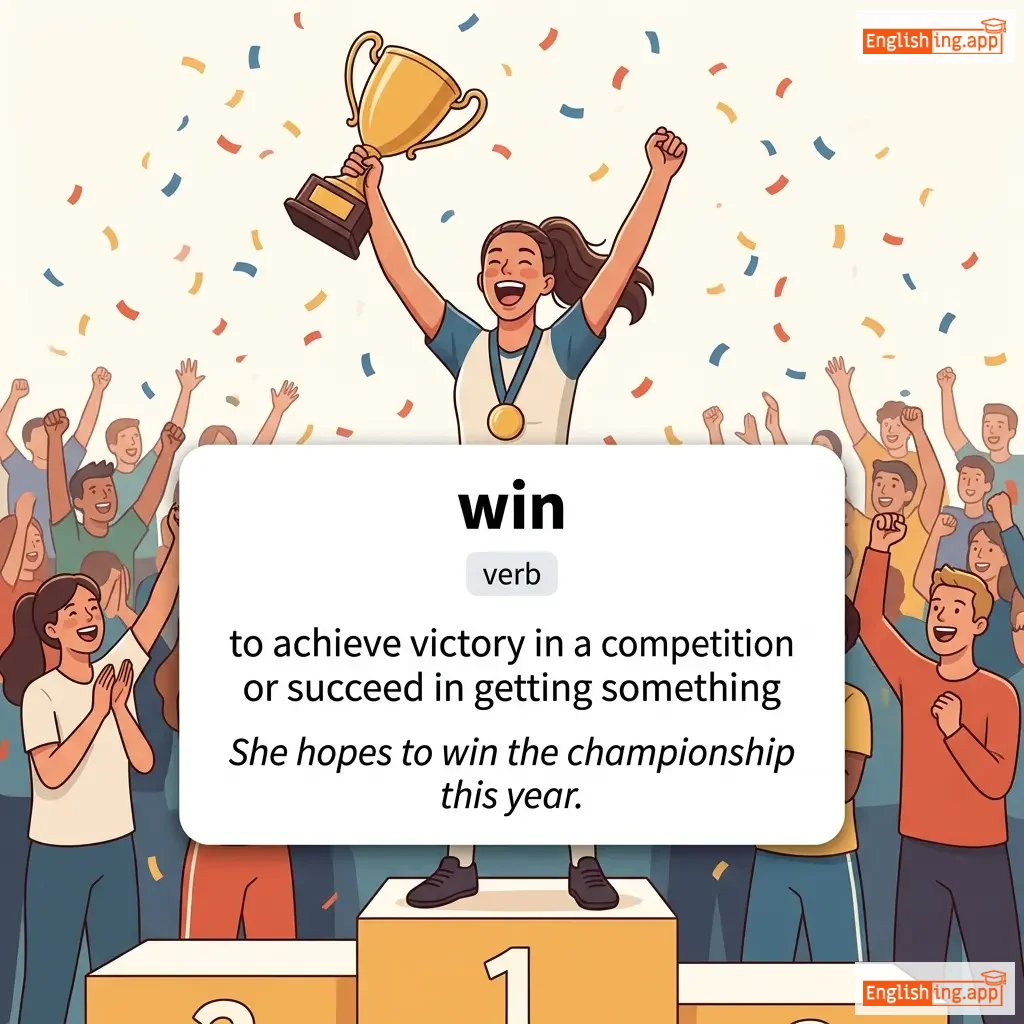
/wɪn/
verb
(ウィン)
••••••
|
|
勝つ
katsu
••••••
|
won
ウォン
••••••
|
won
ウォン
••••••
|
wins
ウィンズ
••••••
|
winning
ウィニング
••••••
|
to be successful or victorious in a contest or competition
••••••
|
Our team will win the championship.
私たちのチームはチャンピオンシップで勝つでしょう。
••••••
|
私たちのチームはチャンピオンシップで勝つでしょう。
Watashitachi no chiimu wa chanpionship de katsu deshou.
••••••
|
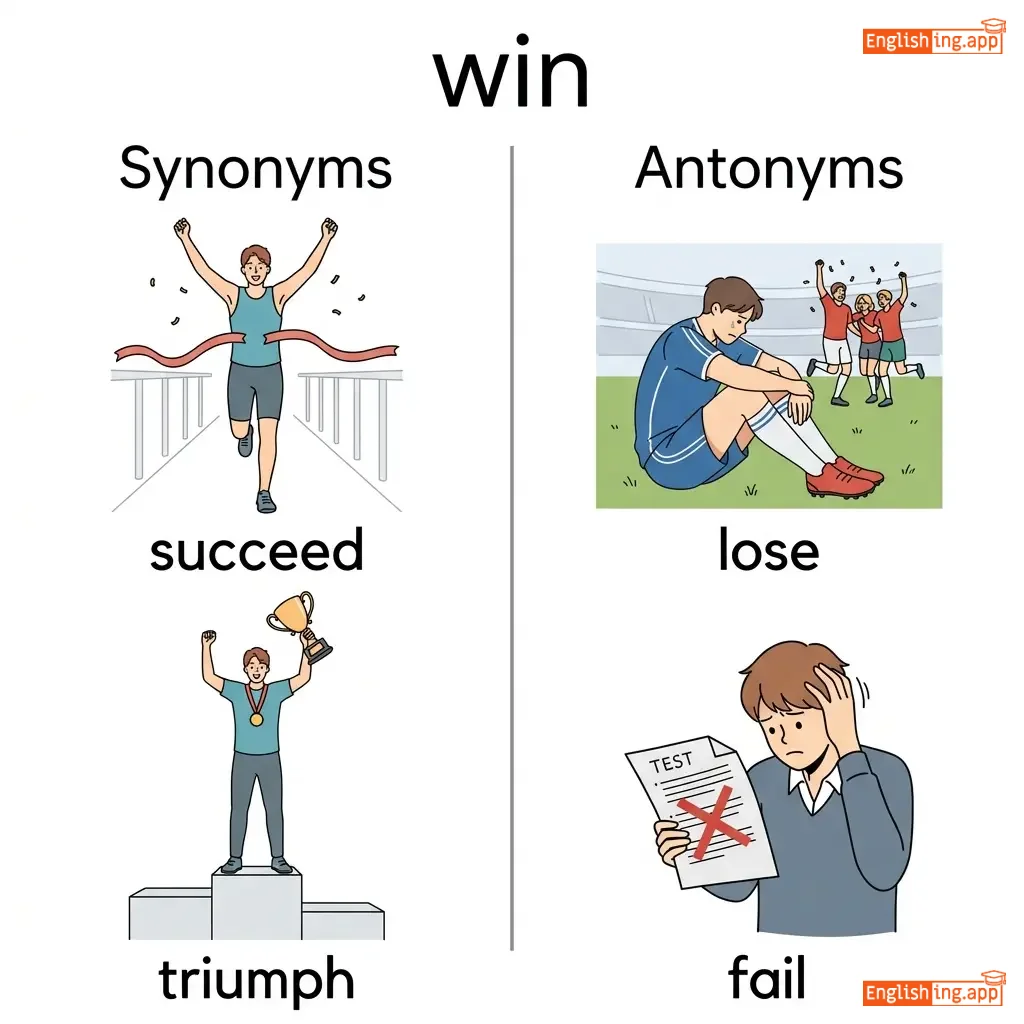
triumph, succeed, conquer, prevail
••••••
|
lose, fail, forfeit, surrender
••••••
|
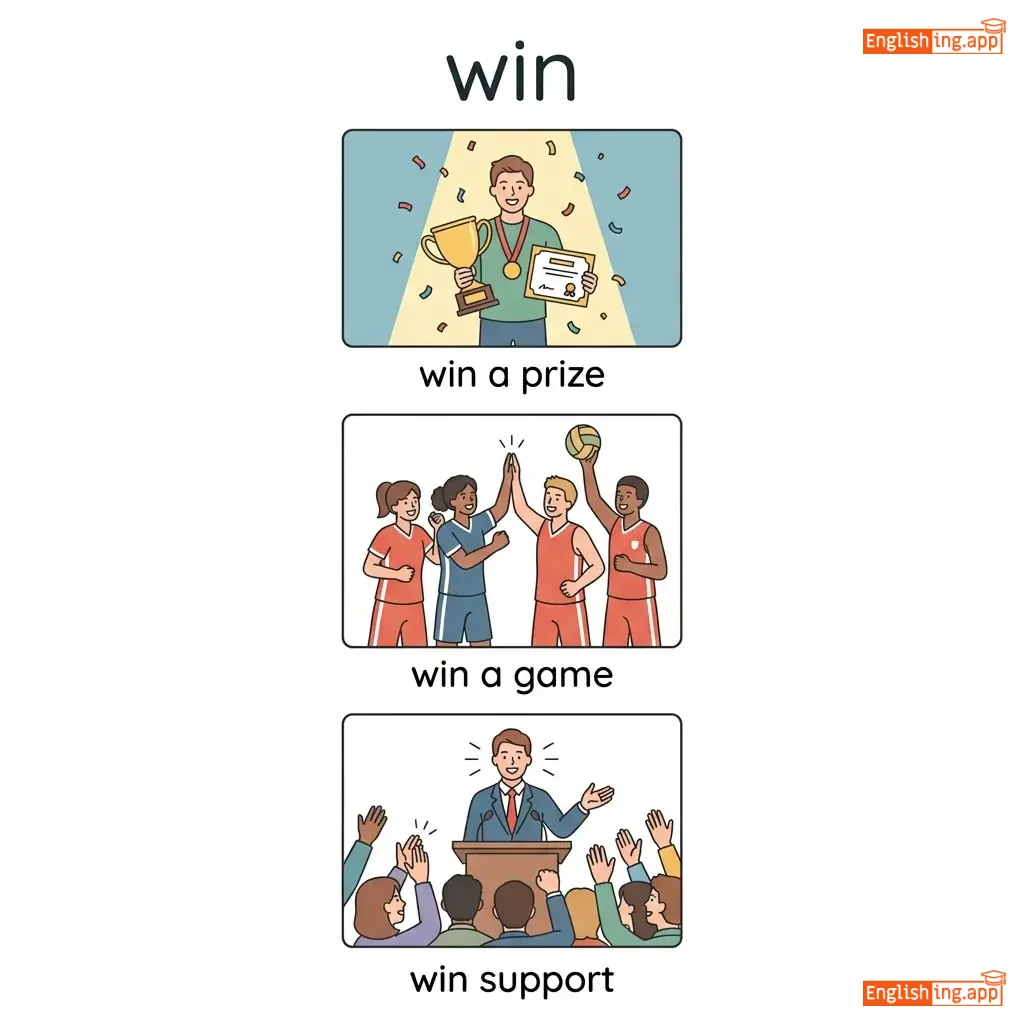
win the game, win easily, win big, win over, winning streak
••••••
|
勝つためには、チーム全員の協力が必要です。
••••••
|
Vocabulary Quiz
Test your vocabulary by matching words with their translations or meanings.
Login to take the quiz
Comments (0)
Share your thoughts and join the discussion.
Join the discussion by logging in
Login to CommentNo comments yet
Be the first to share your thoughts!