

翻訳
過去
過去分詞
三人称単数
動名詞
意味
例文
例文の翻訳
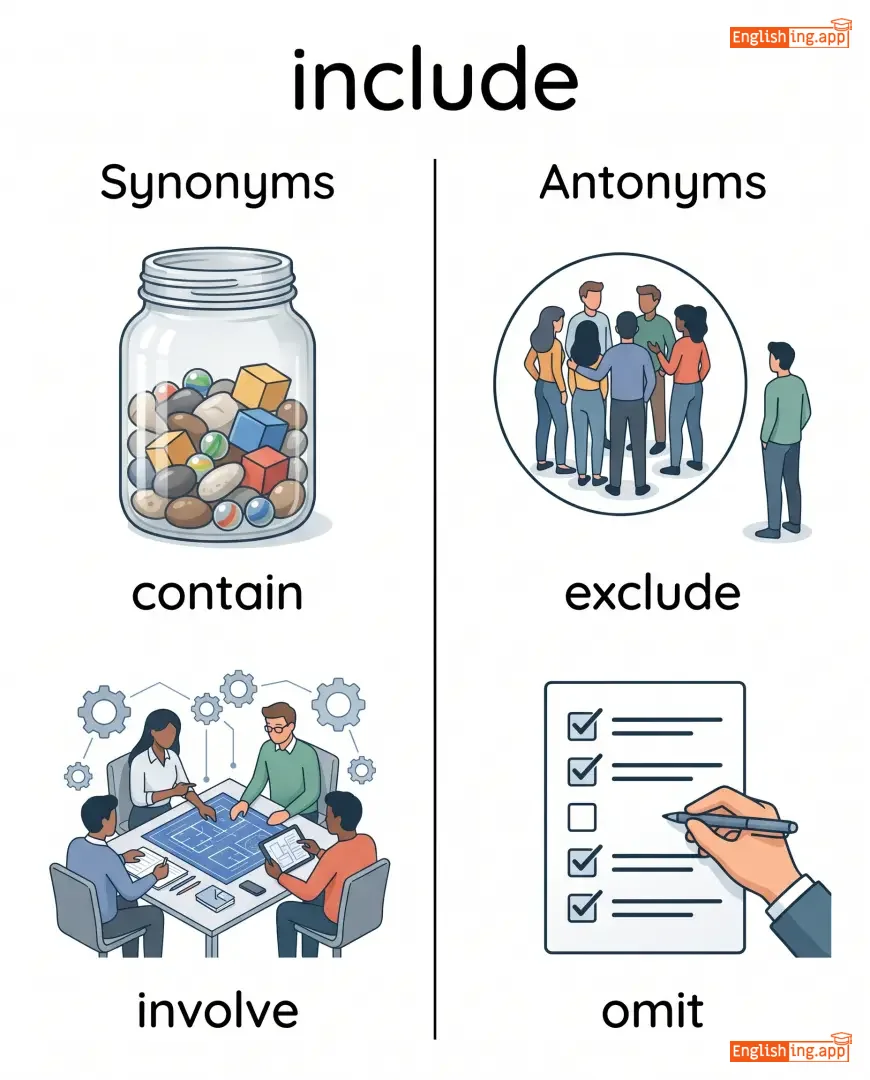
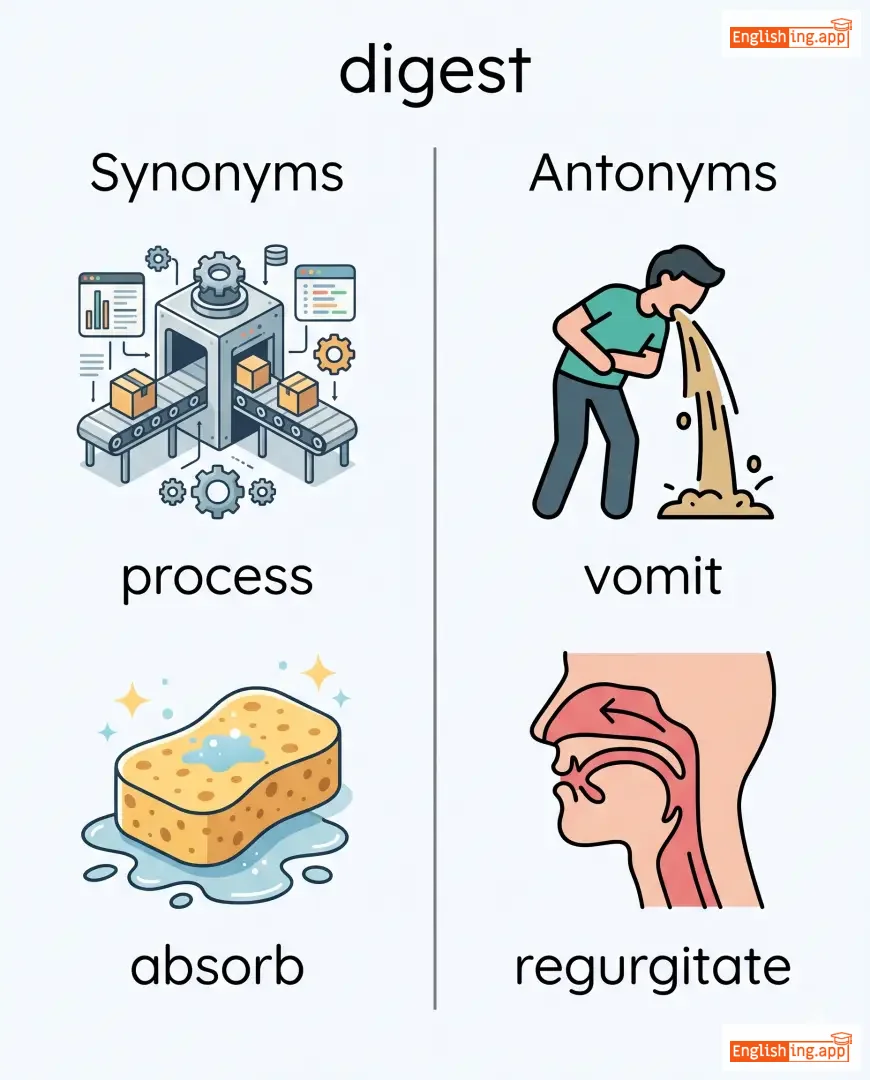
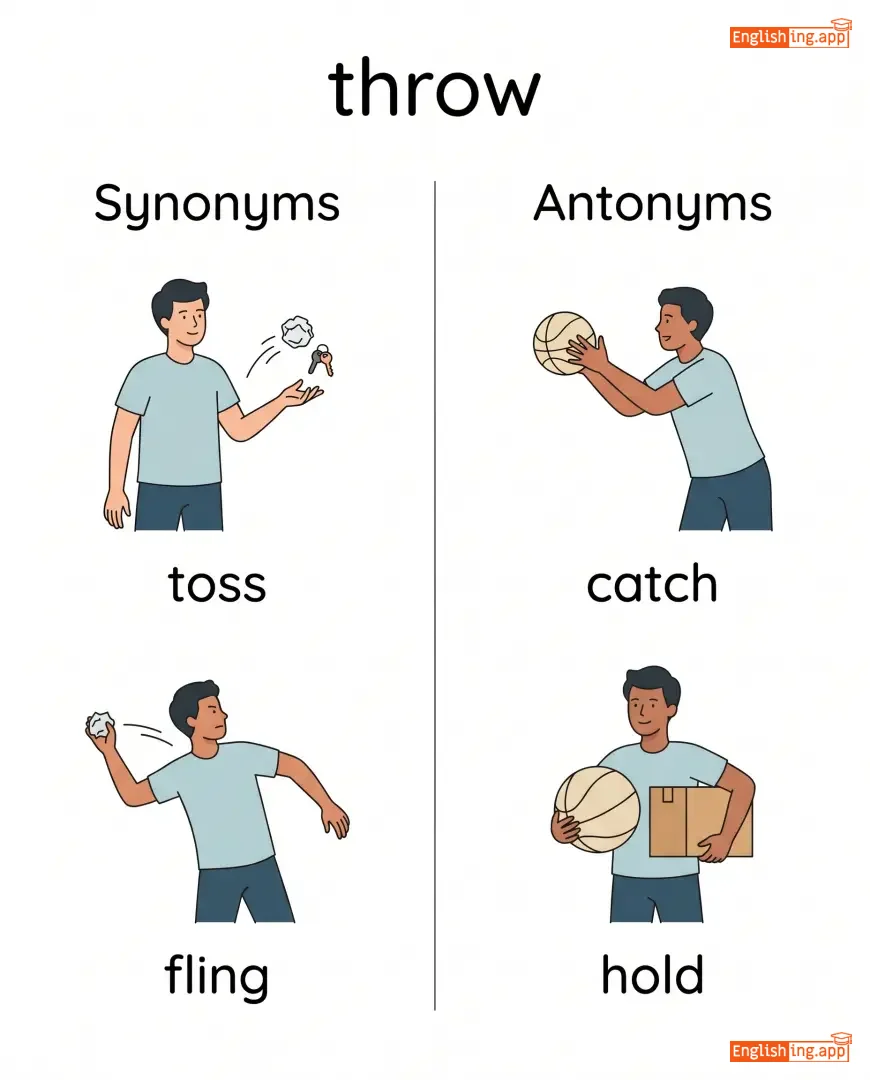
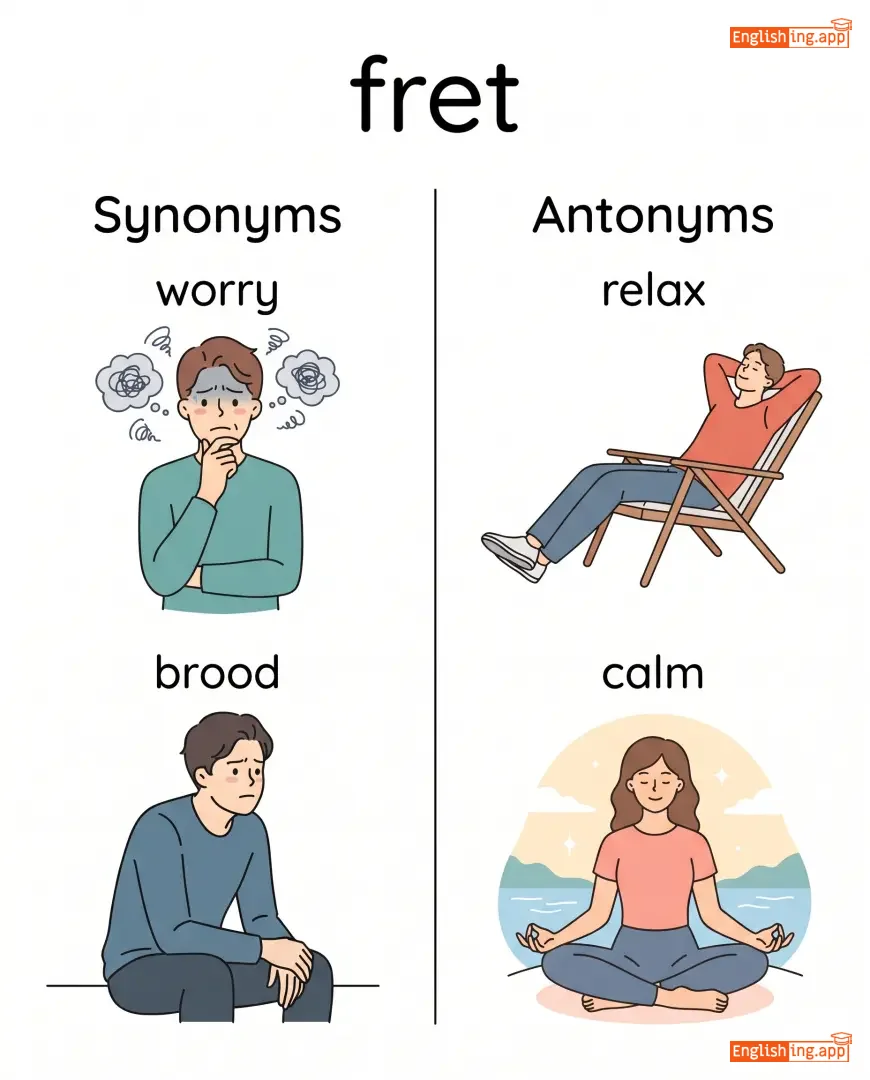
同義語
対義語
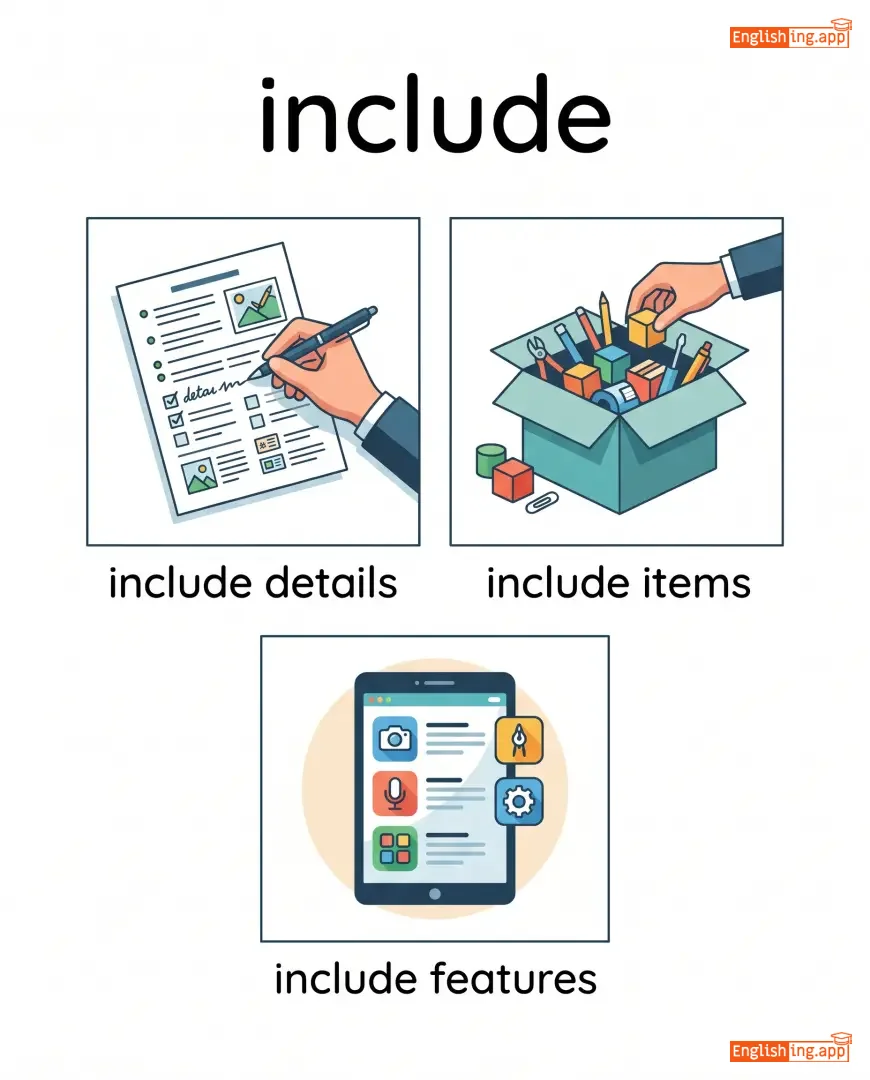
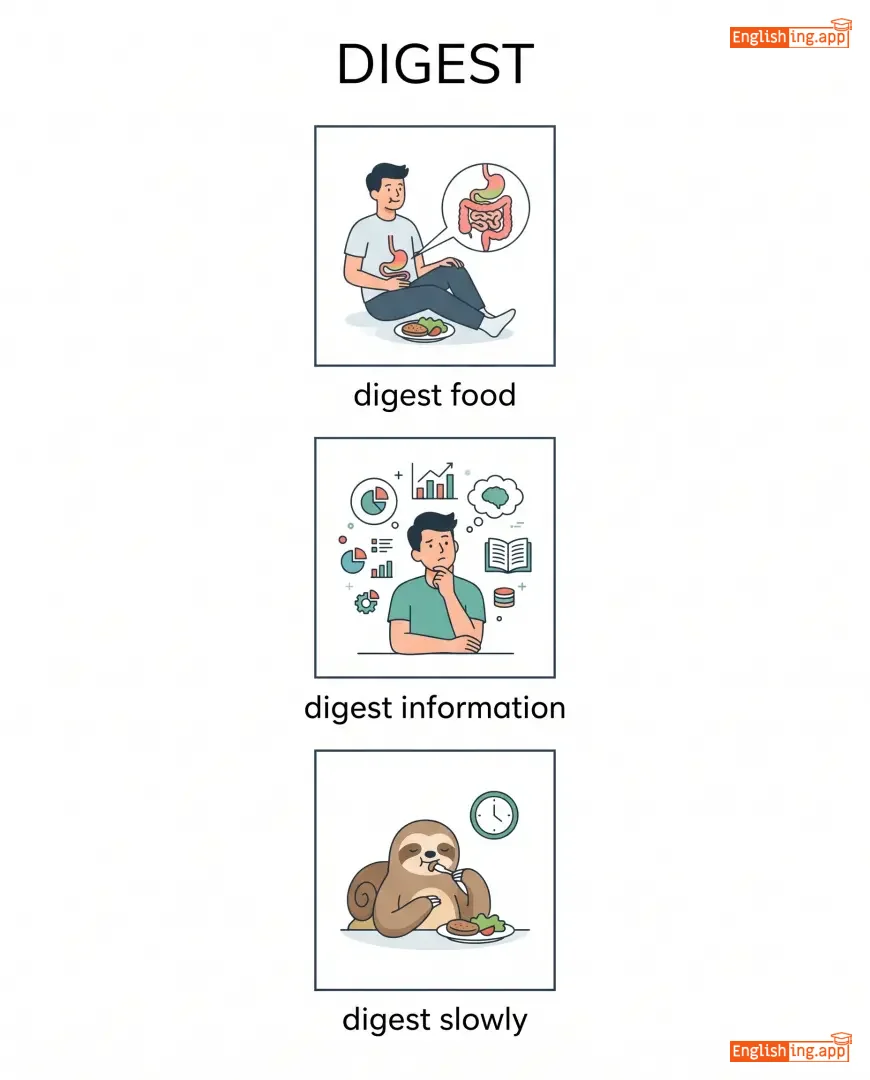
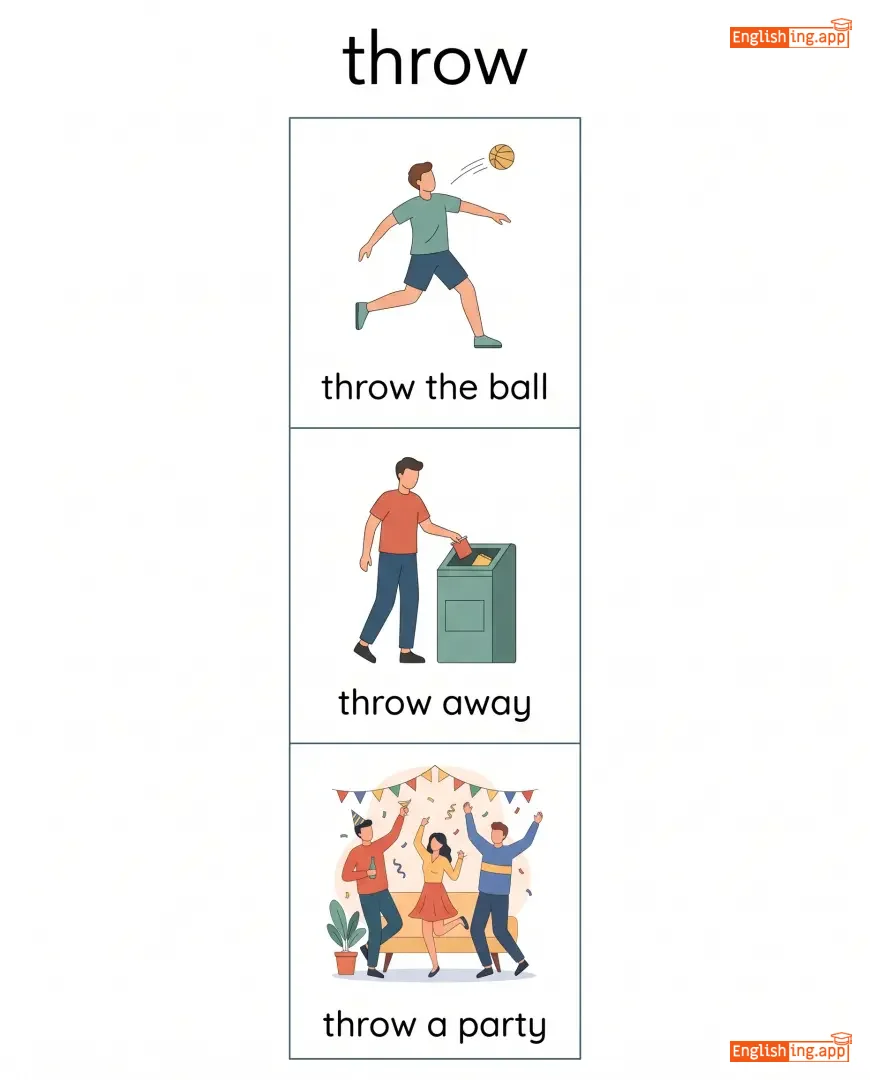
コロケーション
ニーモニック






Swipe left or right, or use the buttons. Tap image to zoom.
例文の翻訳
単語
Lesson 2: Mastering the Most Frequent Verbs & TensesLesson 2: Mastering the Most Frequent Verbs & Tenses - マスクトグル
|
絵文字
|
単語 | Images | 翻訳 | 過去 | 過去分詞 | 三人称単数 | 動名詞 | 意味 | 例文 | 例文の翻訳 | 同義語 | 対義語 | コロケーション | ニーモニック |
|---|---|---|---|---|---|---|---|---|---|---|---|---|---|---|
|
#30
🌱
|
/plænt/
verb
(プラント)
••••••
|
|
植える
ueru
••••••
|
planted
プランテッド
••••••
|
planted
プランテッド
••••••
|
plants
プランツ
••••••
|
planting
プランティング
••••••
|
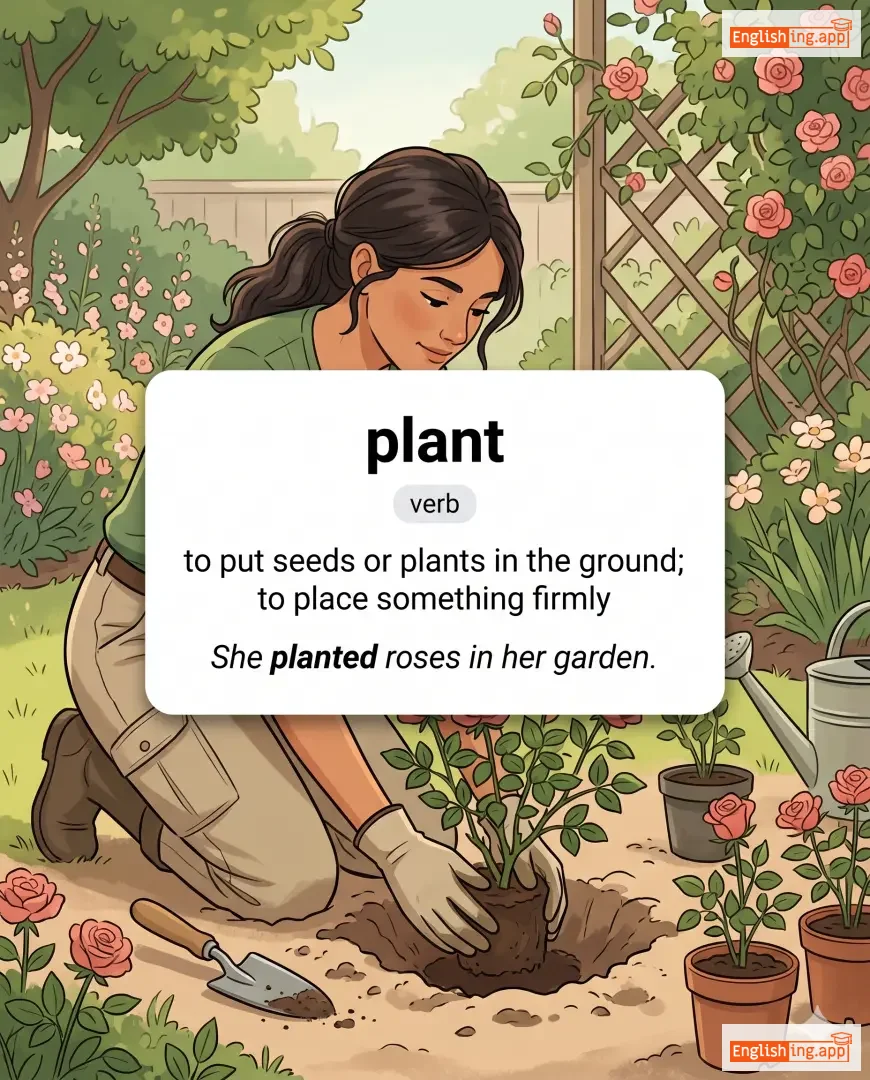
to put seeds or plants in the ground; to place something firmly
••••••
|
She planted roses in her garden.
彼女は庭にバラを植えました。
••••••
|
彼女は庭にバラを植えました。
Kanojo wa niwa ni bara o uemashita.
••••••
|
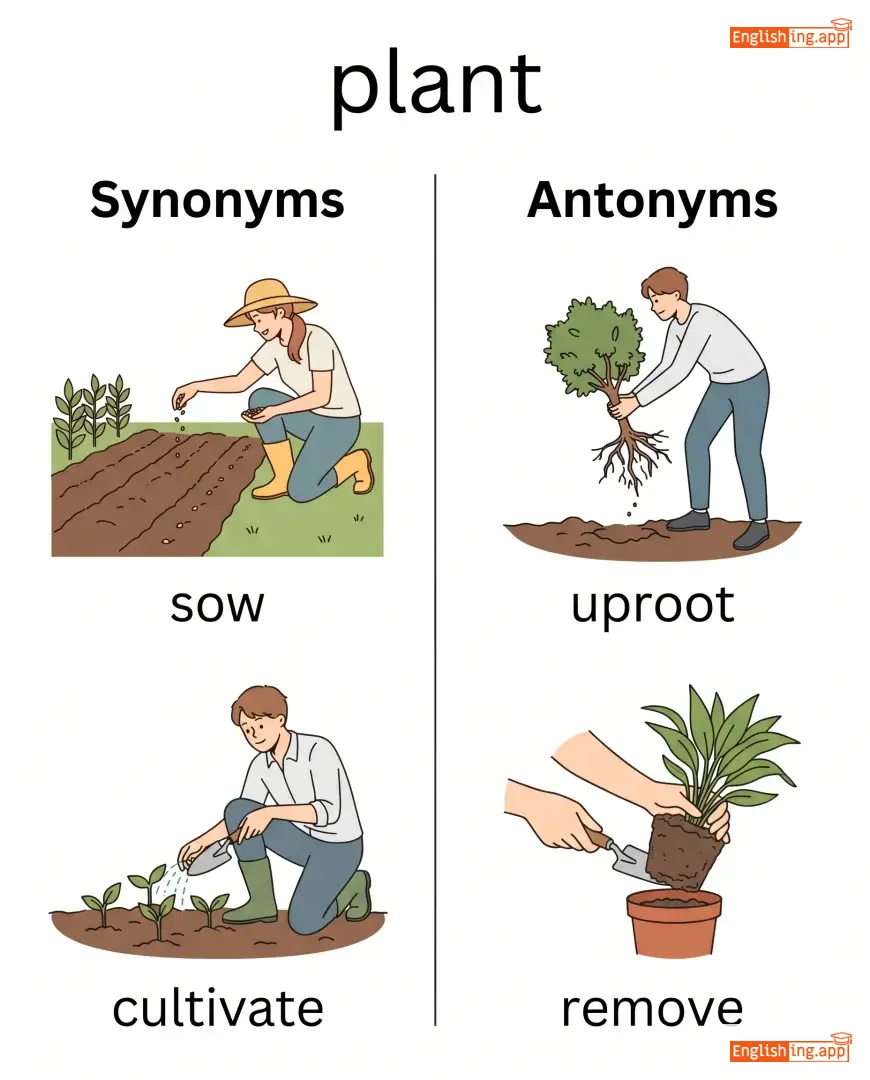
sow, cultivate, grow, place
••••••
|
uproot, remove, harvest, extract
••••••
|
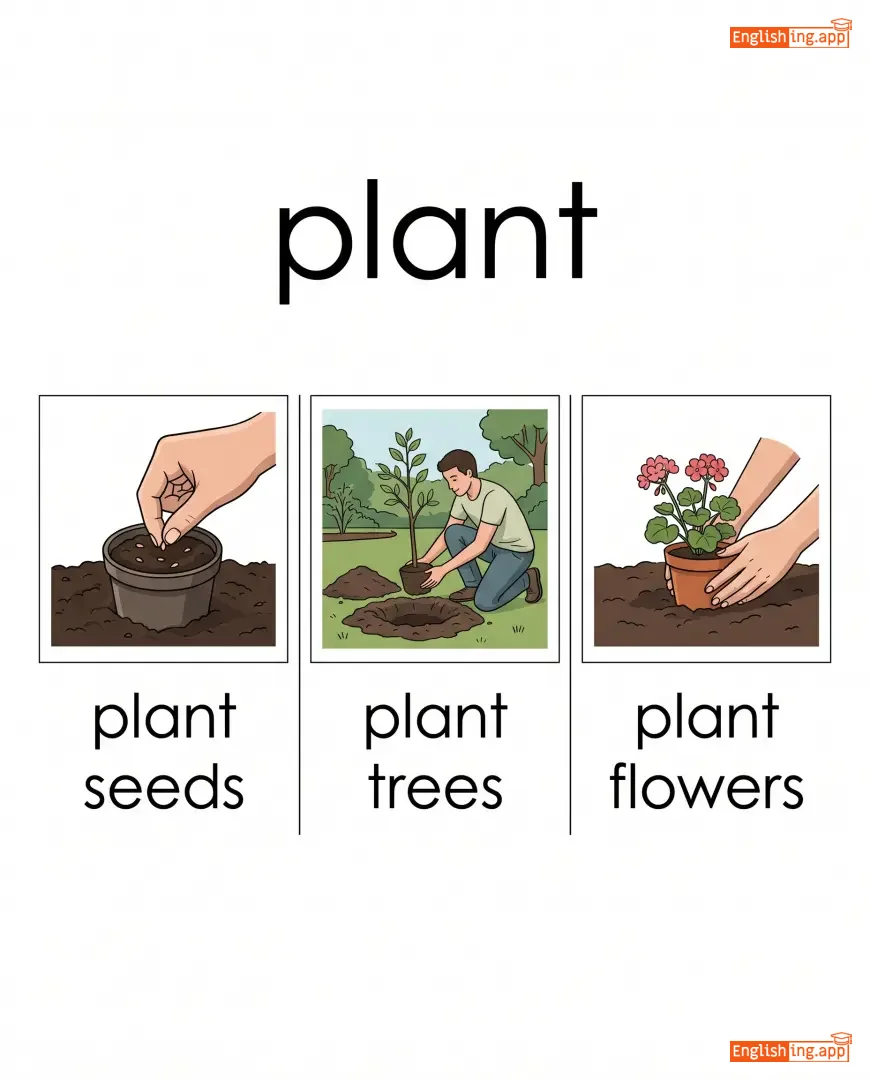
plant seeds, plant trees, plant flowers, plant crops
••••••
|
バラの花を植えることで、美しい庭が広がります。
••••••
|
|
#31
📋
|
/ɪnˈkluːd/
verb
(インクルード)
••••••
|
|
含む
fukumu
••••••
|
included
インクルーデッド
••••••
|
included
インクルーデッド
••••••
|
includes
インクルーズ
••••••
|
including
インクルーディング
••••••
|
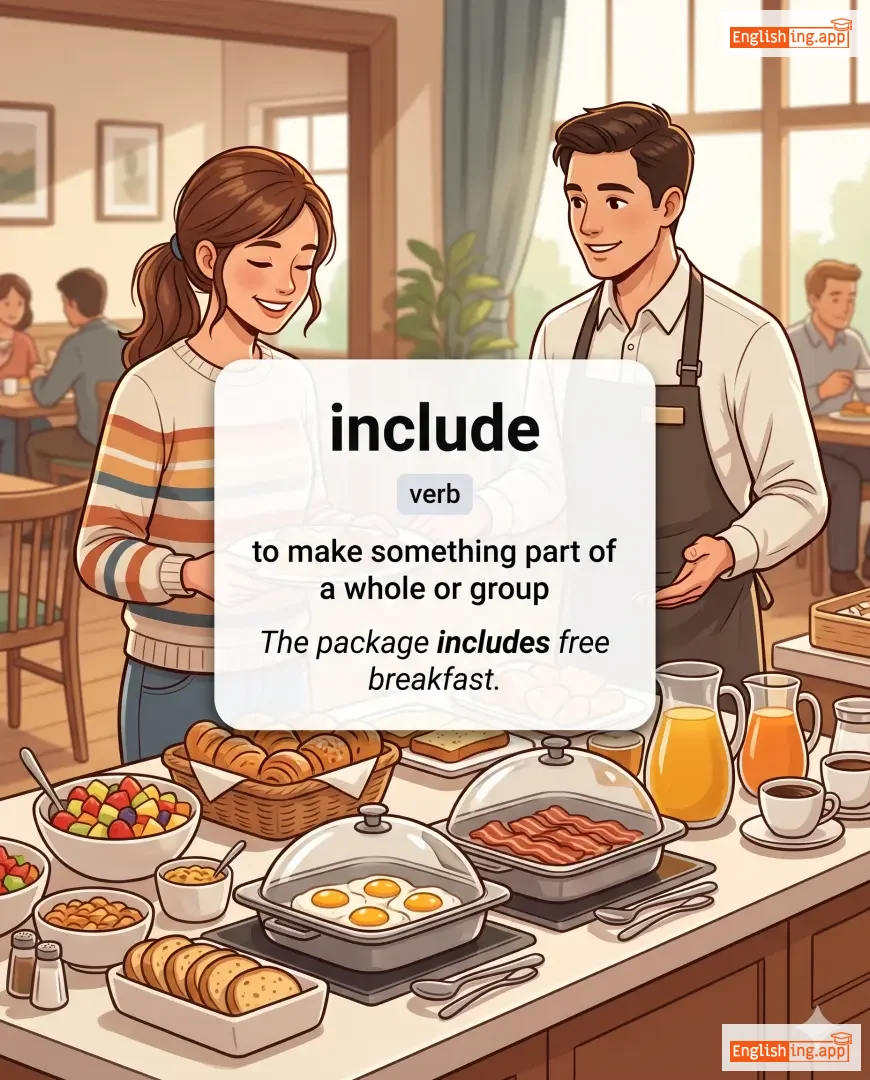
to have as part of a whole; to contain or comprise
••••••
|
The price includes all taxes.
価格にはすべての税金が含まれています。
••••••
|
価格にはすべての税金が含まれています。
Kakaku ni wa subete no zeikin ga fukumareteimasu.
••••••
|
contain, comprise, incorporate, encompass
••••••
|
exclude, omit, remove, eliminate
••••••
|
include details, include information, include everyone, include taxes
••••••
|
含む、'すべての税金が含まれる'のように
••••••
|
|
#32
🍽️
|
/daɪˈdʒest/
verb
(ダイジェスト)
••••••
|
|
消化する
shouka suru
••••••
|
digested
ダイジェステッド
••••••
|
digested
ダイジェステッド
••••••
|
digests
ダイジェスツ
••••••
|
digesting
ダイジェスティング
••••••
|
to break down food in the body; to think about and understand
••••••
|
It takes time to digest a heavy meal.
重い食事を消化するのには時間がかかります。
••••••
|
重い食事を消化するのには時間がかかります。
Omoi shokuji wo shouka suru no ni wa jikan ga kakarimasu.
••••••
|
process, absorb, assimilate, break down
••••••
|
vomit, regurgitate, expel
••••••
|
digest food, digest information, digest slowly, hard to digest
••••••
|
消化するには時間が必要
••••••
|
|
#33
🎮
|
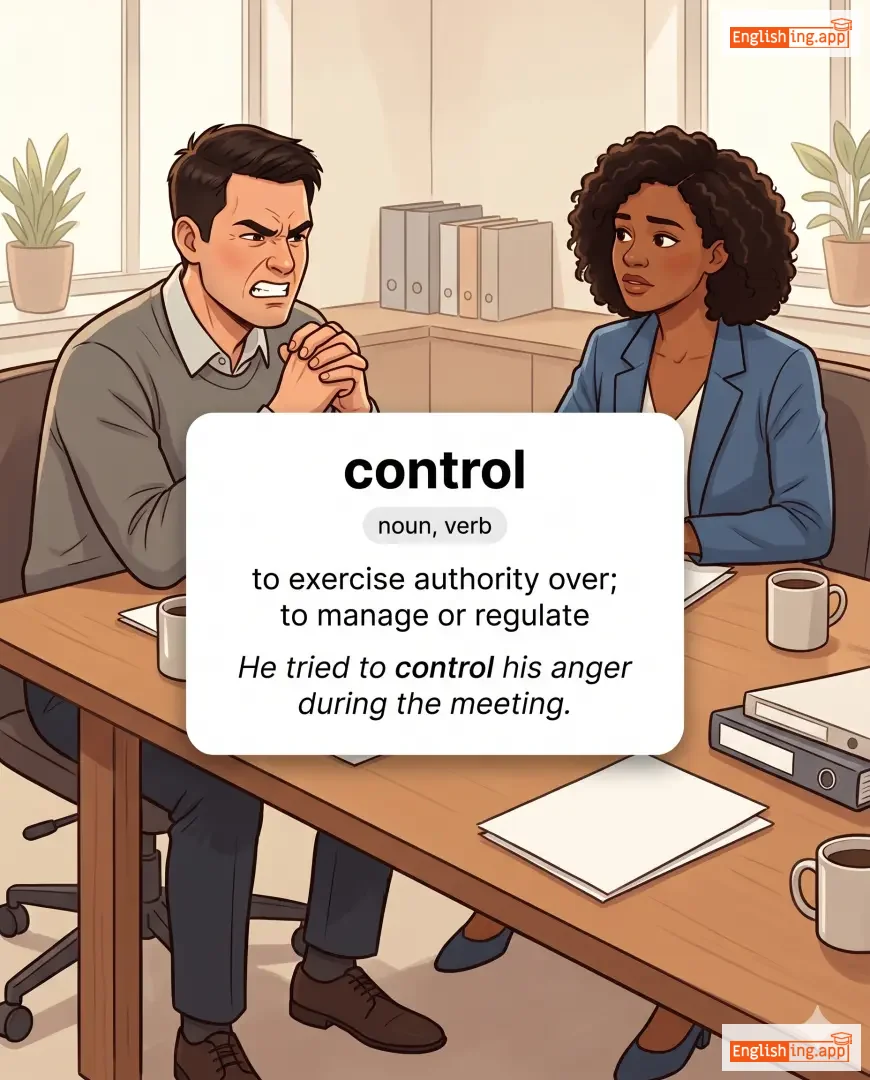
/kənˈtroʊl/
verb
(コントロール)
••••••
|
|
管理する
kanri suru
••••••
|
controlled
コントロールド
••••••
|
controlled
コントロールド
••••••
|
controls
コントロールズ
••••••
|
controlling
コントローリング
••••••
|
to have power over; to manage or regulate
••••••
|
She controls the company's financial decisions.
彼女は会社の財務に関する決定を管理している。
••••••
|
彼女は会社の財務に関する決定を管理している。
Kanojo wa kaisha no zaimu ni kansuru kettei o kanri shite iru
••••••
|
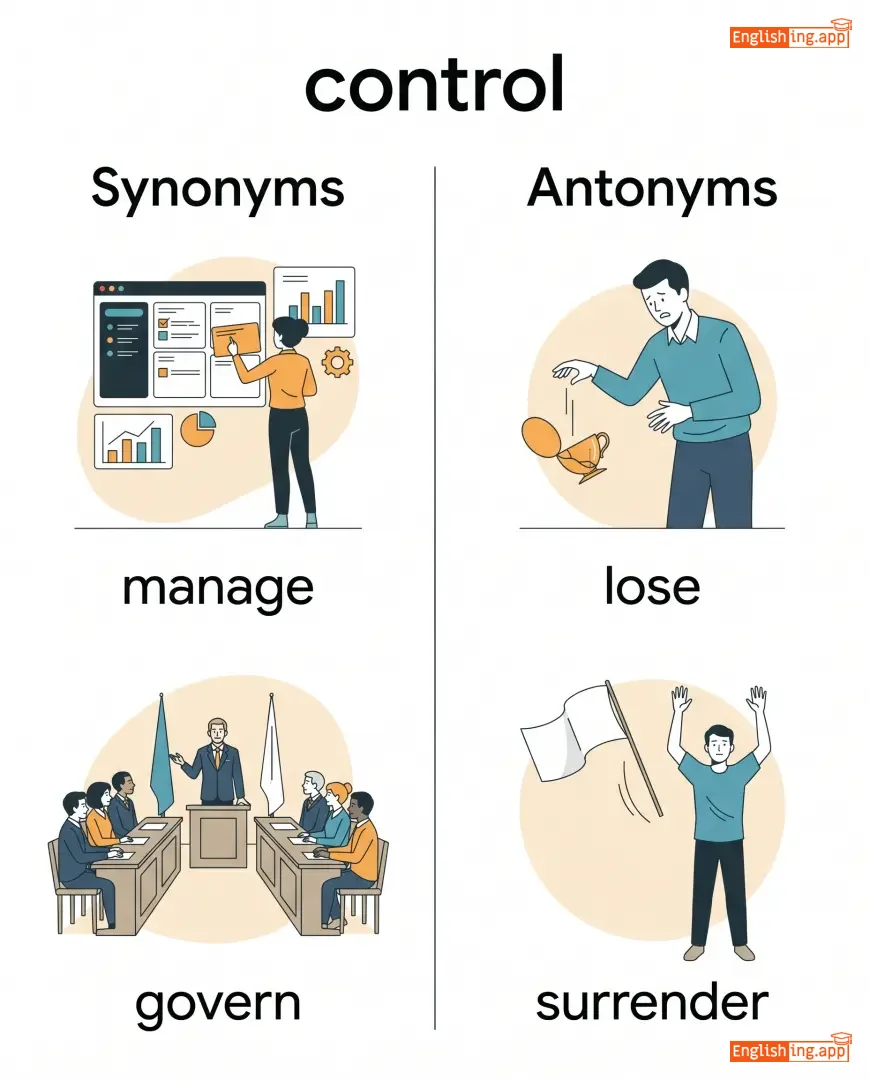
manage, regulate, command, govern
••••••
|
release, free, lose, abandon
••••••
|
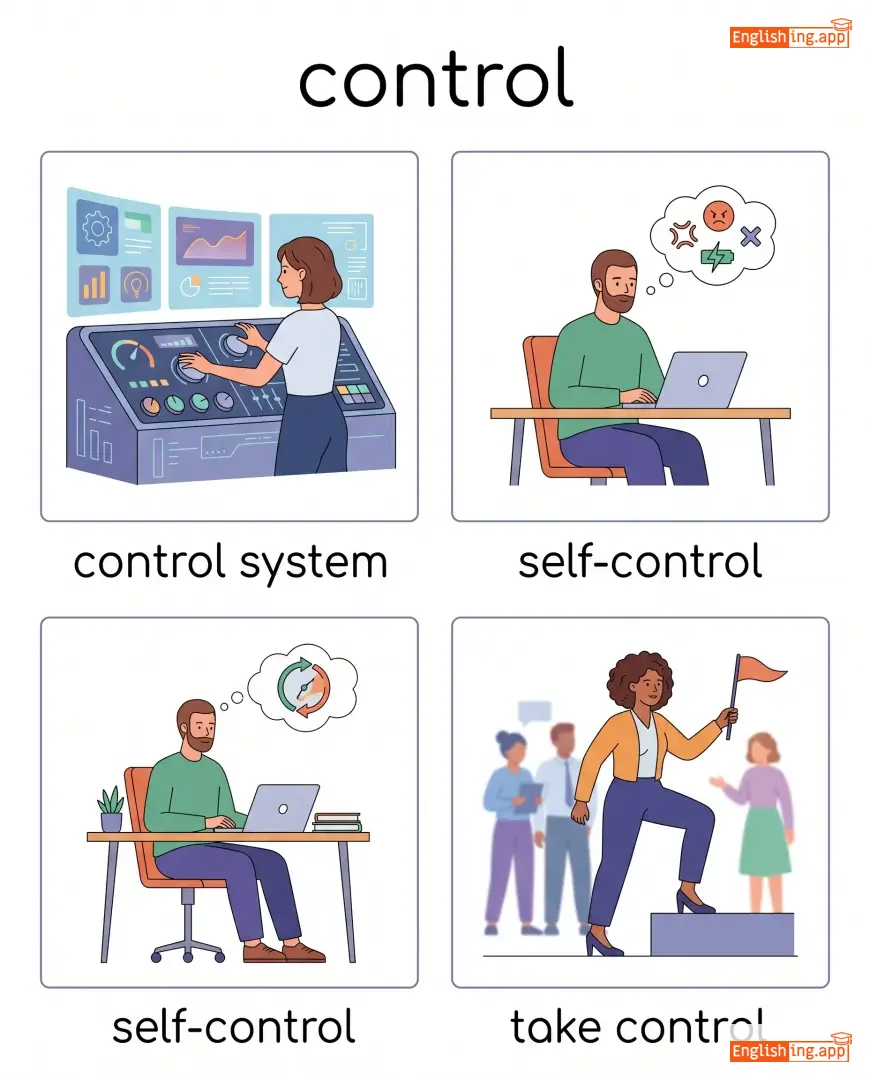
control yourself, control emotions, remote control, under control
••••••
|
コントロール = control。イメージは『can + roll』で何でも回せるので管理できる。コントロールするときは管理する = kanri suru。
••••••
|
|
#34
🔪
|
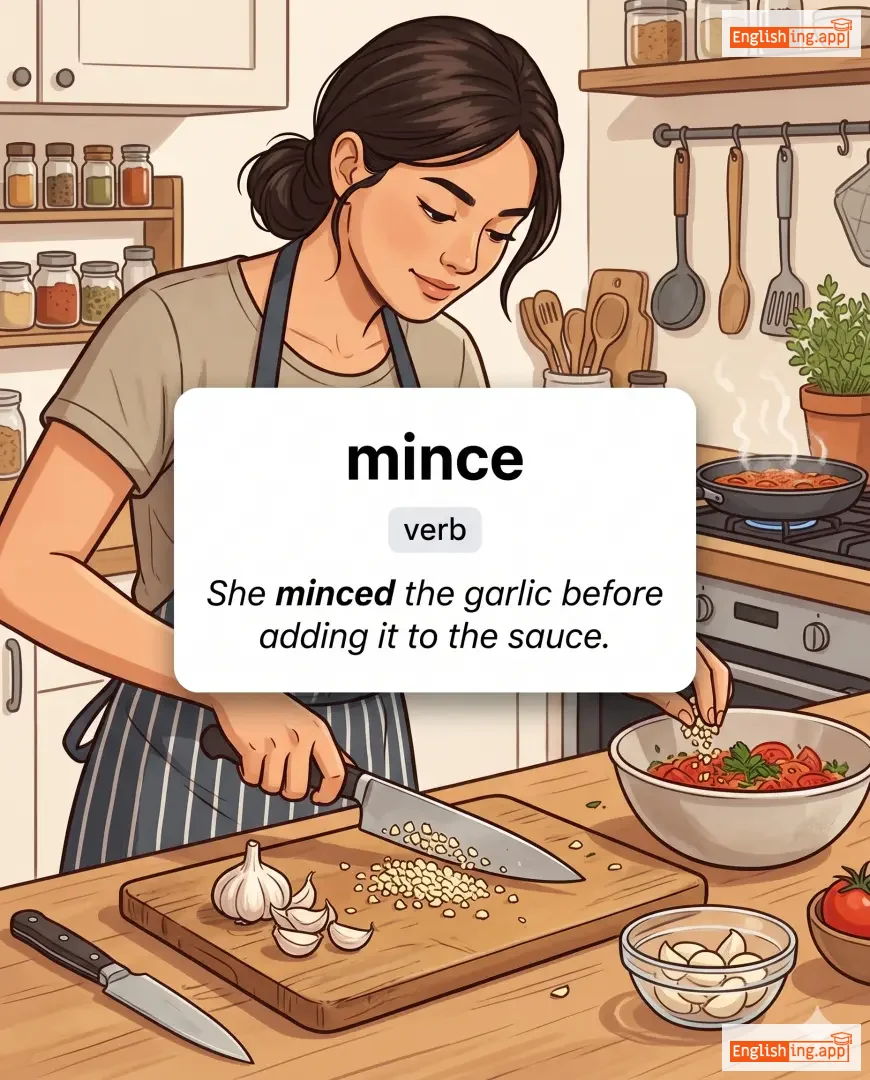
/mɪns/
verb
(ミンス)
••••••
|
|
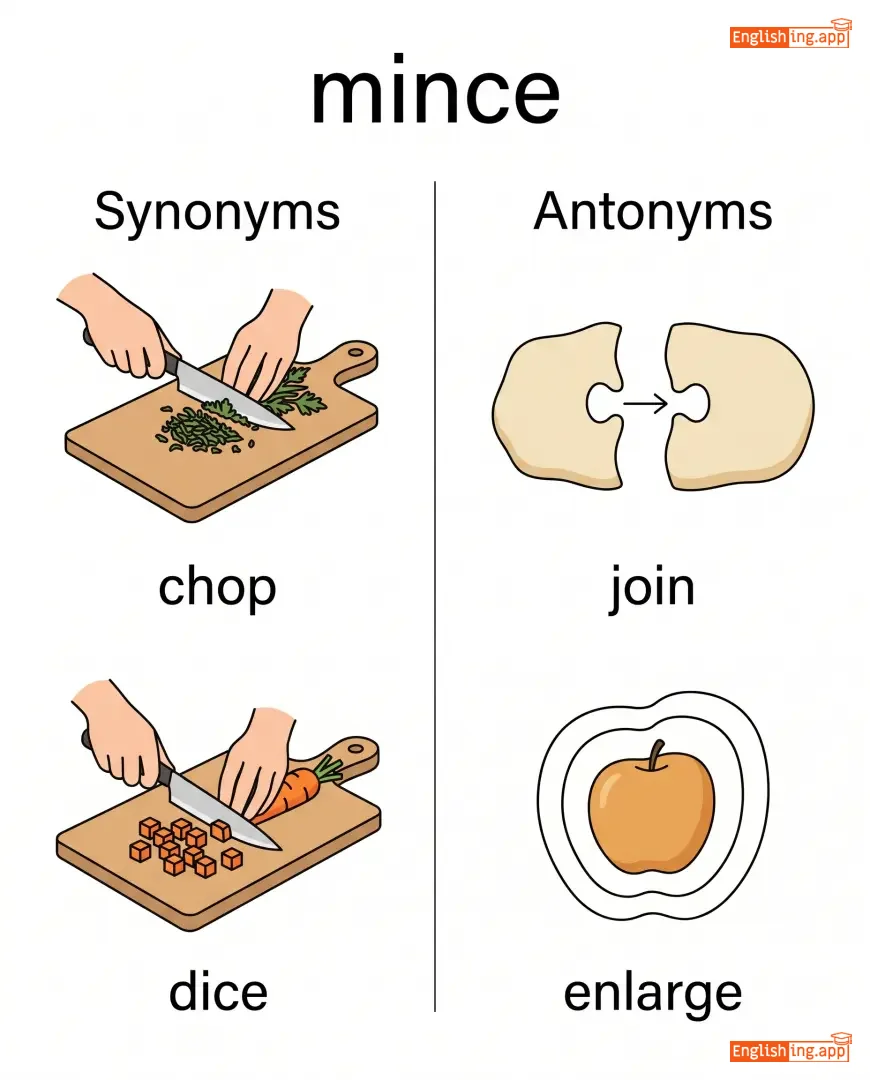
みじん切りにする
mijin kiri ni suru
••••••
|
minced
ミンスト
••••••
|
minced
ミンスト
••••••
|
minces
ミンセス
••••••
|
mincing
ミンシング
••••••
|
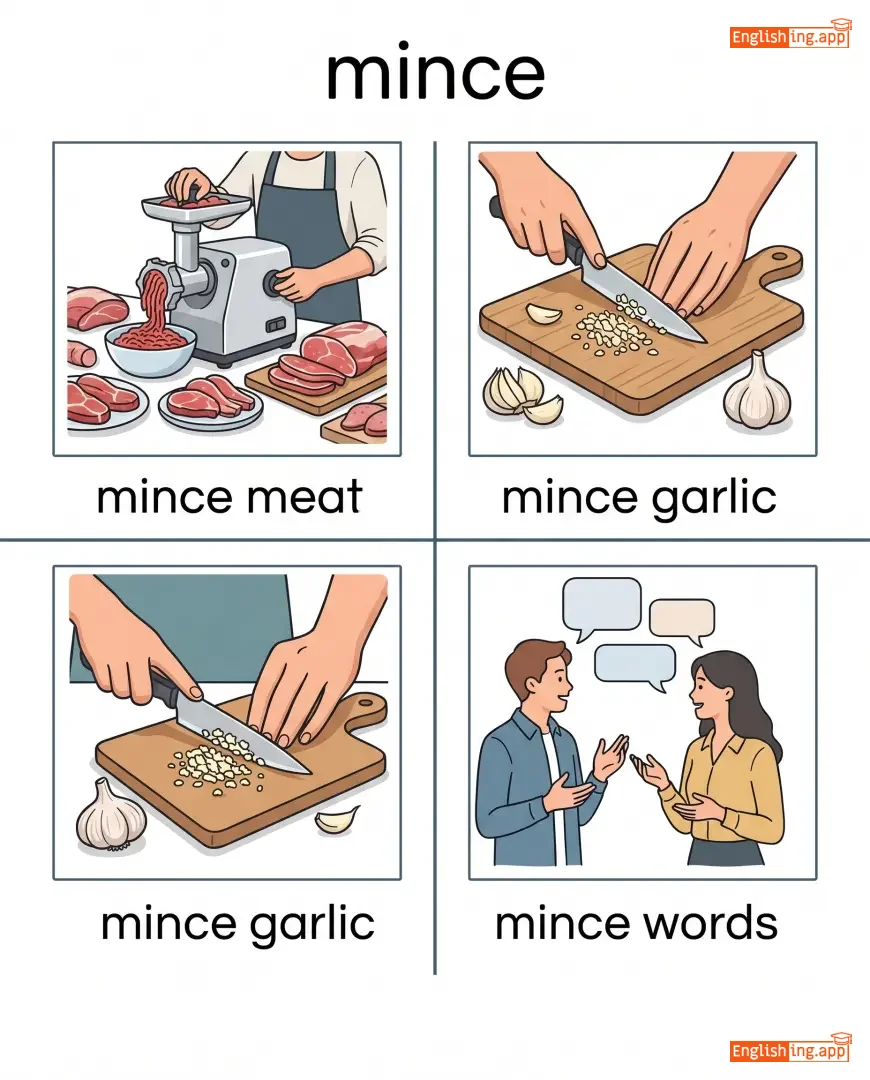
to cut into very small pieces; to walk with short quick steps
••••••
|
She minced the garlic for the recipe.
彼女はレシピのためにニンニクをみじん切りにした。
••••••
|
彼女はレシピのためにニンニクをみじん切りにした。
Kanojo wa reshipi no tame ni ninniku o mijin kiri ni shita.
••••••
|
chop, dice, cut finely, grind
••••••
|
chunk, slice thickly
••••••
|
mince garlic, mince meat, mince words, finely mince
••••••
|
みじん切りにしたニンニクをキッチンで急いで切りながら歩いている様子!
••••••
|
|
#35
🔄
|
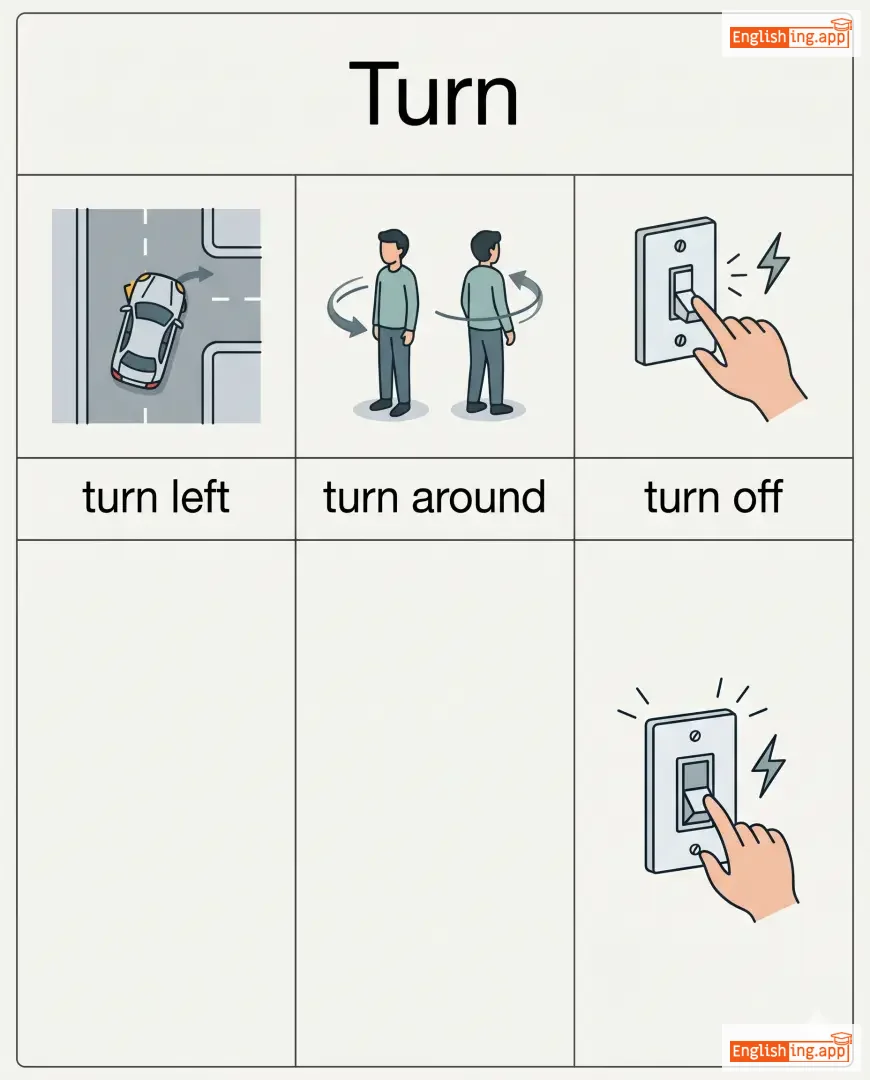
/tɜrn/
verb
(ターン)
••••••
|
|
曲がる
magaru
••••••
|
turned
ターンド
••••••
|
turned
ターンド
••••••
|
turns
ターンズ
••••••
|
turning
ターニング
••••••
|
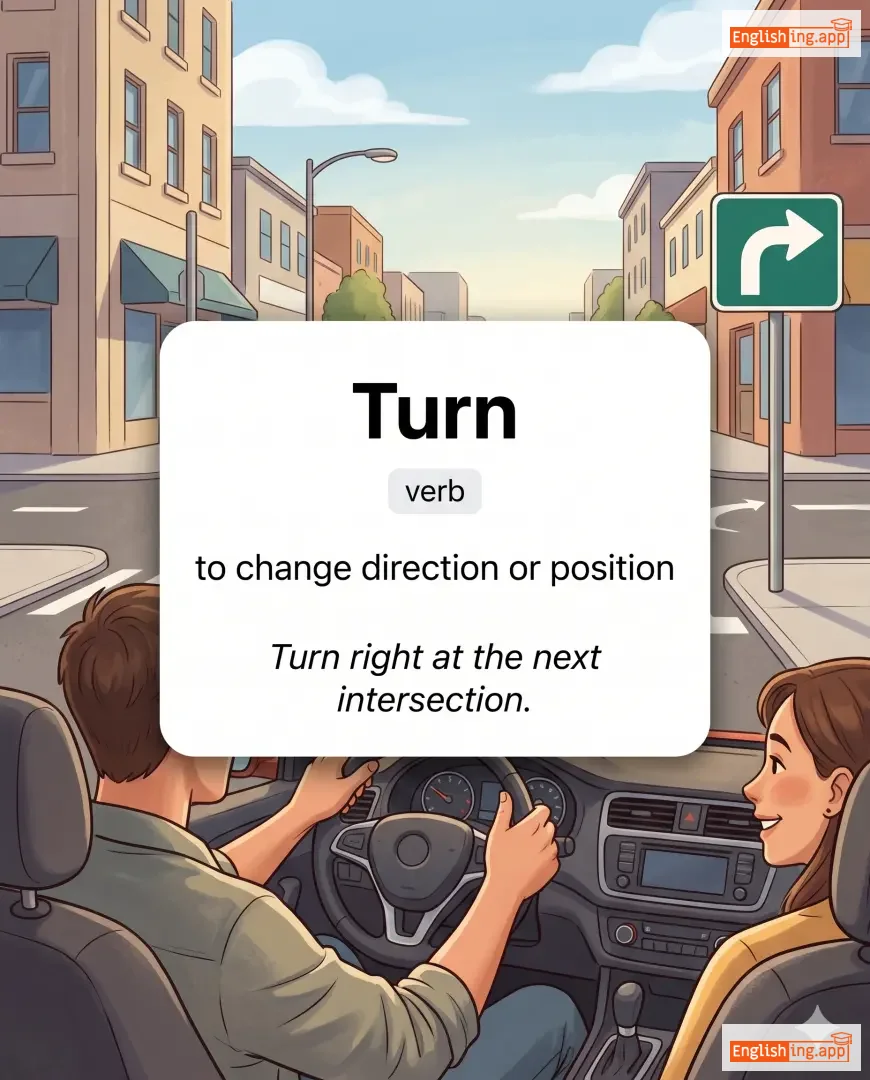
to move around or change direction; to rotate
••••••
|
Turn left at the next intersection.
次の交差点で左に曲がってください。
••••••
|
次の交差点で左に曲がってください。
tsugi no kousaten de hidari ni magatte kudasai
••••••
|
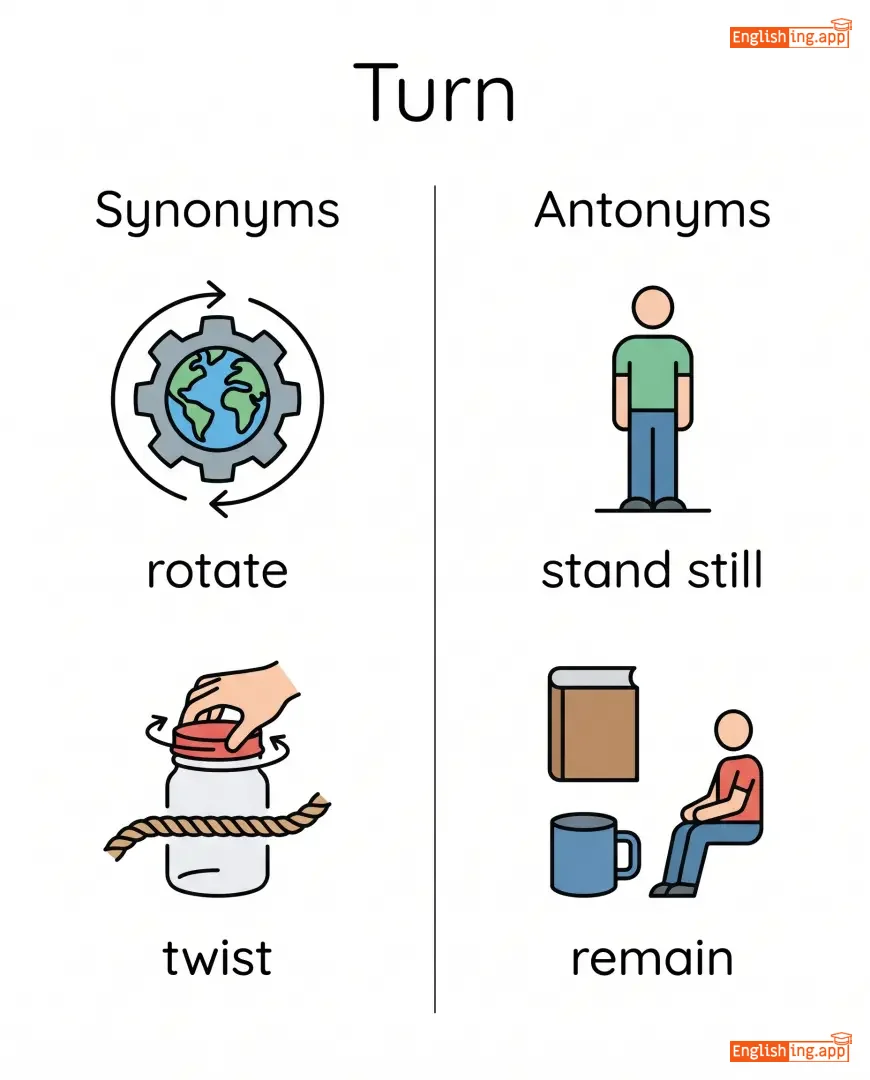
rotate, spin, twist, change
••••••
|
straighten, continue
••••••
|
turn around, turn off, turn on, turn left
••••••
|
Turn = ターン; imagine a spinning wheel turning on the road and a corner you must magaru (曲がる) to reach your destination.
••••••
|
|
#36
📦
|
/loʊd/
verb
(ロウド)
••••••
|
|
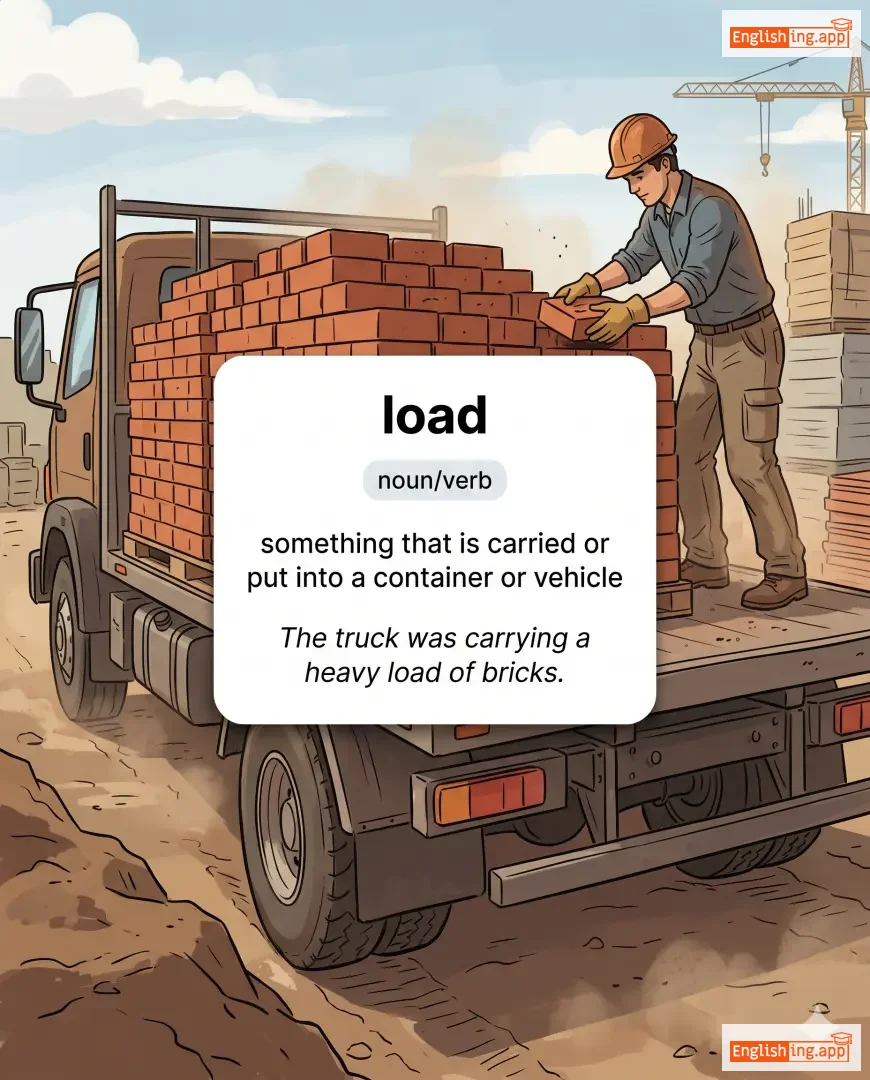
積む
tsumu
••••••
|
loaded
ローデッド
••••••
|
loaded
ローデッド
••••••
|
loads
ロウズ
••••••
|
loading
ローディング
••••••
|
to put goods or cargo onto a vehicle; to fill something with a heavy quantity
••••••
|
Workers load the truck with heavy boxes.
作業員は重い箱でトラックを積み込みます。
••••••
|
作業員は重い箱でトラックを積み込みます。
Sagyouin wa omoi hako de torakku o tsumikomimasu
••••••
|
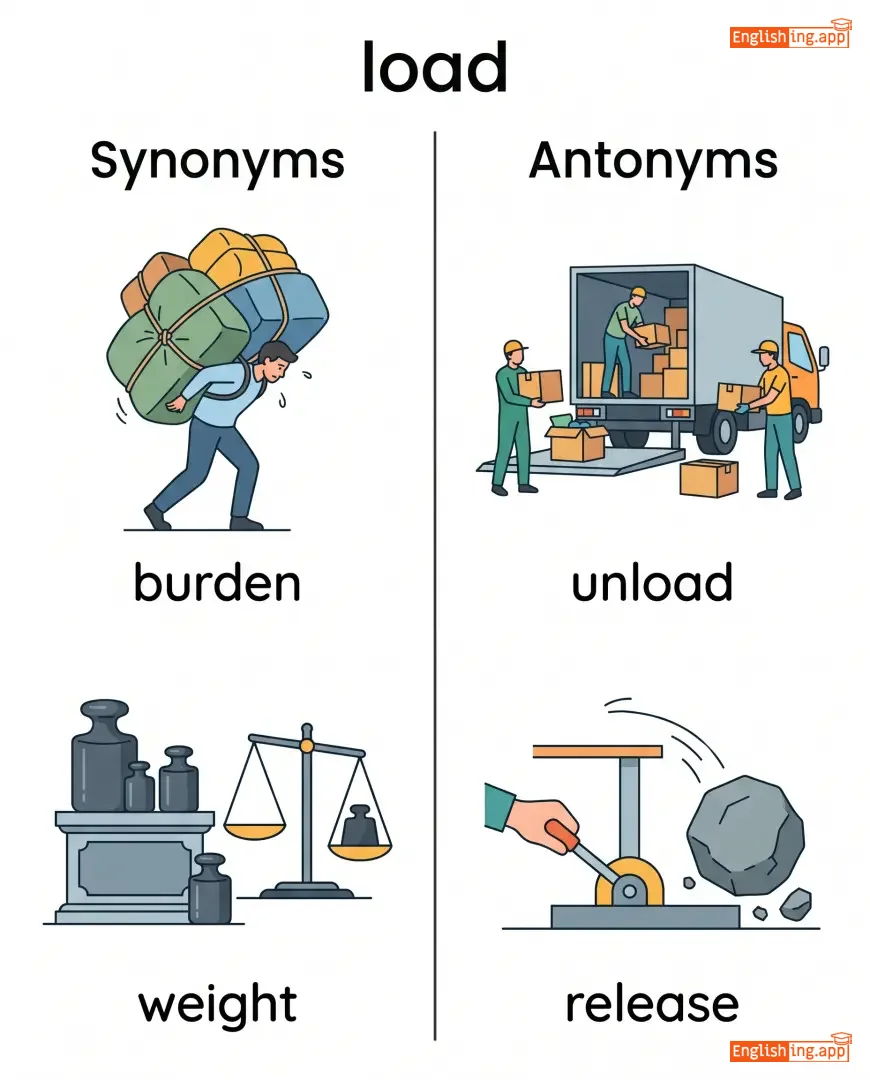
fill, pack, charge, burden, heap
••••••
|
unload, empty, discharge, unpack
••••••
|
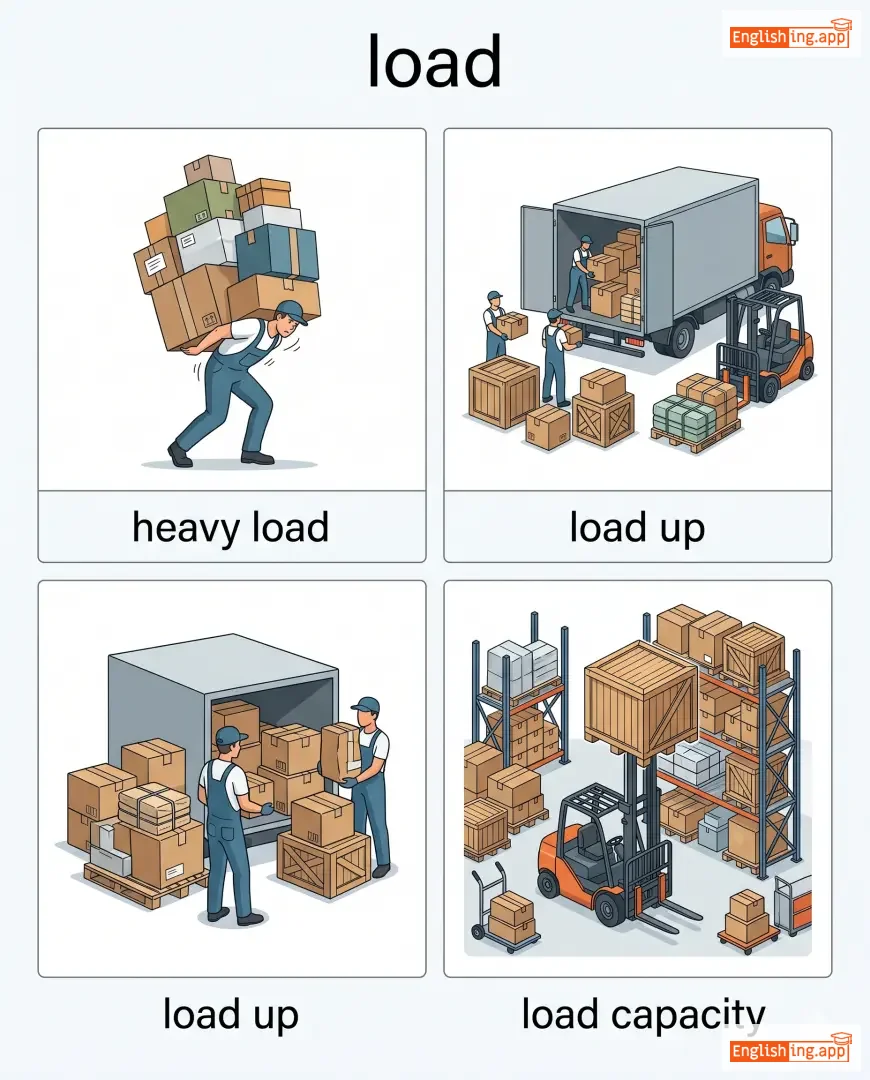
load truck, load dishwasher, heavy load, work load
••••••
|
トラックに箱を積むように、自分のタスクも積んでいこう!
••••••
|
|
#37
🚶♀️
|
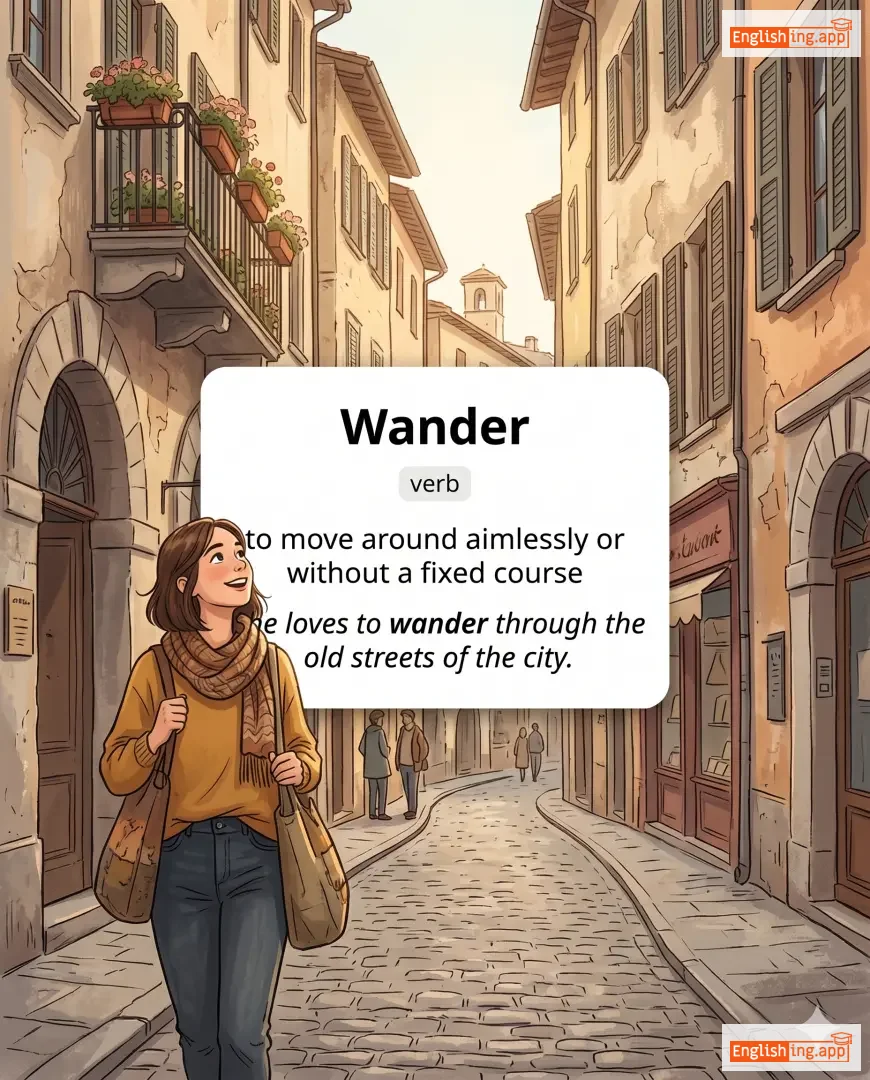
/ˈwɒndər/
verb
(ワンダー)
••••••
|
|
ぶらつく
buratsuku
••••••
|
Wandered
ワンダード
••••••
|
Wandered
ワンダード
••••••
|
Wanders
ワンダーズ
••••••
|
Wandering
ワンダリング
••••••
|
to walk aimlessly without a fixed destination
••••••
|
She likes to wander through the old city streets.
彼女は古い街の通りをぶらつくのが好きだ。
••••••
|
彼女は古い街の通りをぶらつくのが好きだ。
Kanojo wa furui machi no toori o buratsuku no ga suki da.
••••••
|
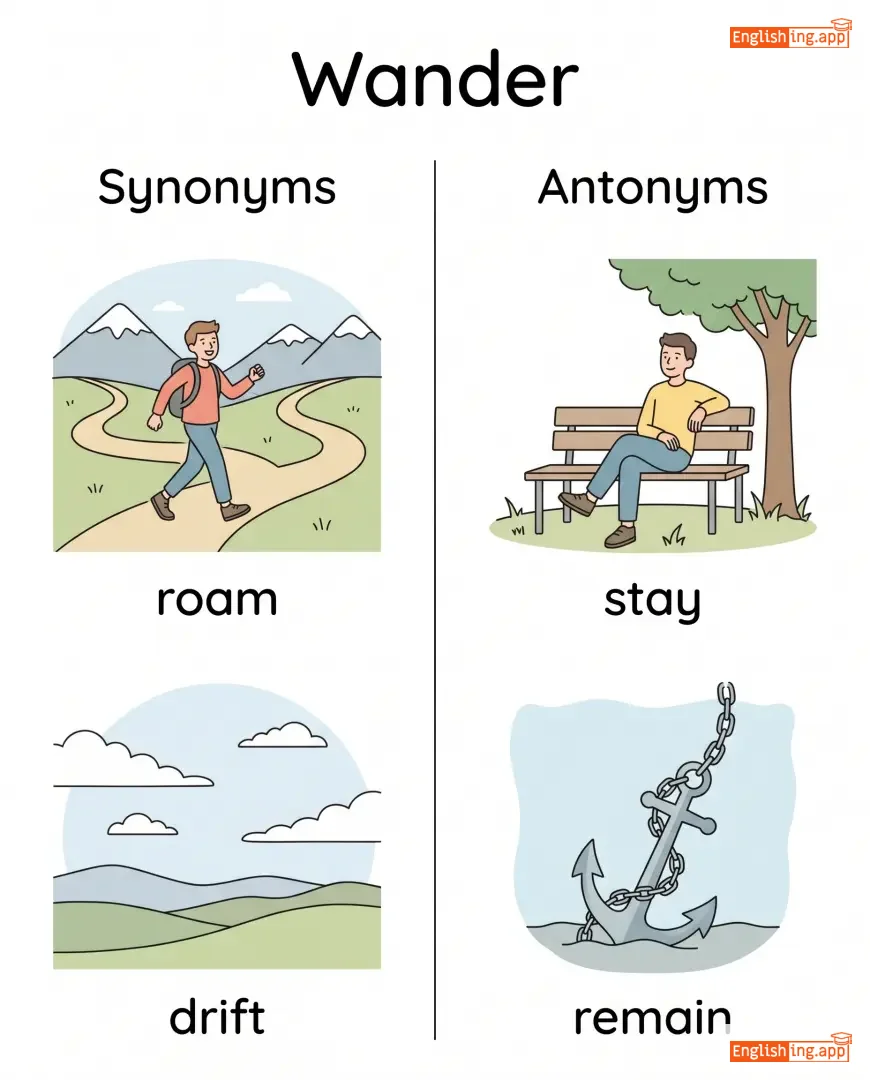
roam, stroll, meander, drift
••••••
|
direct, guide, focus, target
••••••
|
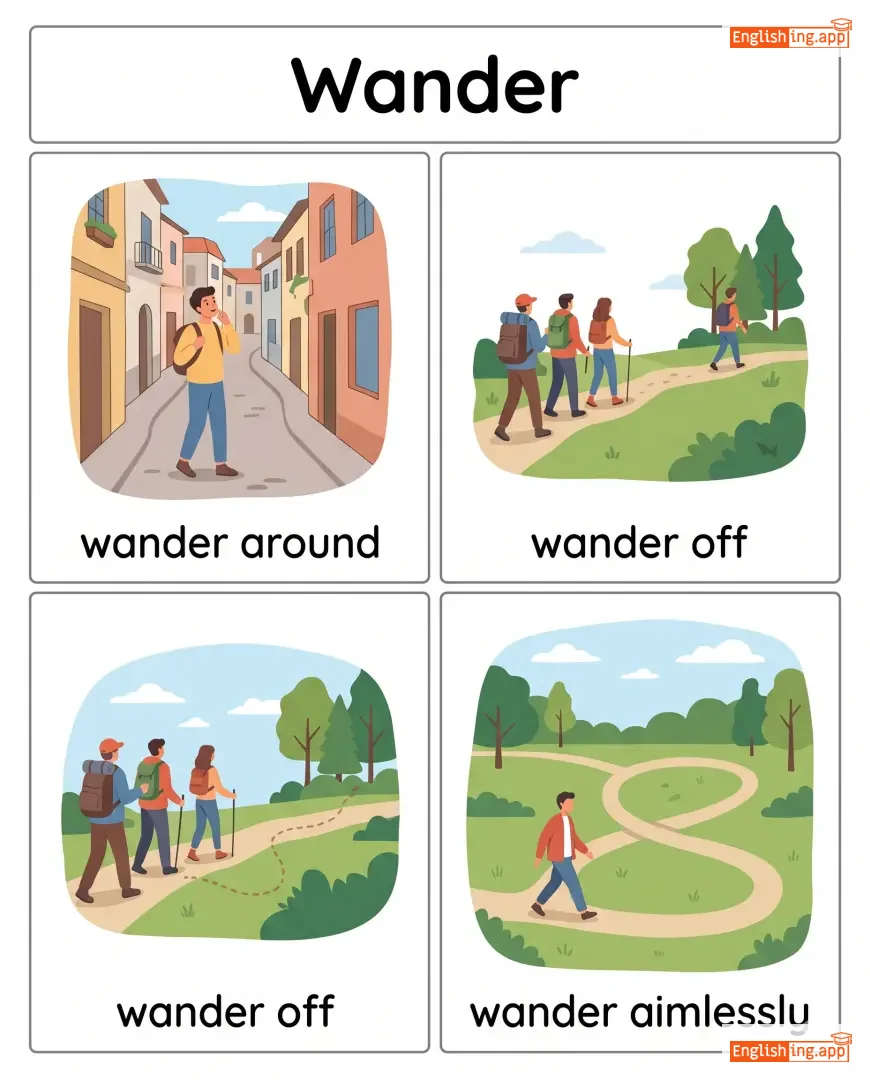
wander around, wander aimlessly, mind wander, wander off
••••••
|
ぶらつく = buratsuku; imagine a street scene where a person says 'buratsuku' while drifting along, because ぶらぶら means idle wandering
••••••
|
|
#38
🤝
|
/ˌriːjuˈnaɪt/
verb
(リユナイト)
••••••
|
|
再会する
saikai suru
••••••
|
reunited
リユナイテッド
••••••
|
reunited
リユナイテッド
••••••
|
reunites
リユナイツ
••••••
|
reuniting
リユナイティング
••••••
|
to bring together again after separation
••••••
|
The family was reunited after many years.
その家族は何年も後に再会しました。
••••••
|
その家族は何年も後に再会しました。
Sono kazoku wa nannen mo ato ni saikai shimashita
••••••
|
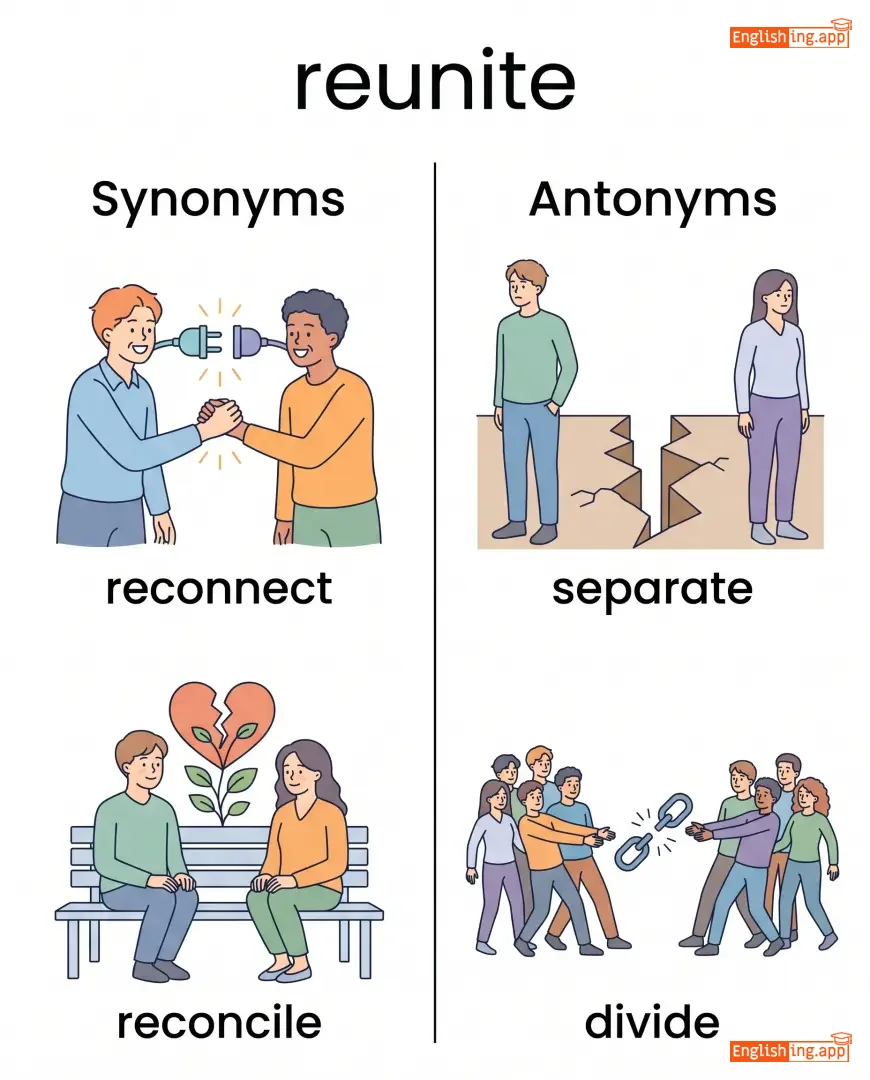
reconcile, rejoin, reconnect, gather
••••••
|
separate, divide, split, part
••••••
|
reunite family, reunite friends, reunite with loved ones, emotional reunite
••••••
|
Saikai in Japanese means to reunite, like when family members come together after a long time.
••••••
|
|
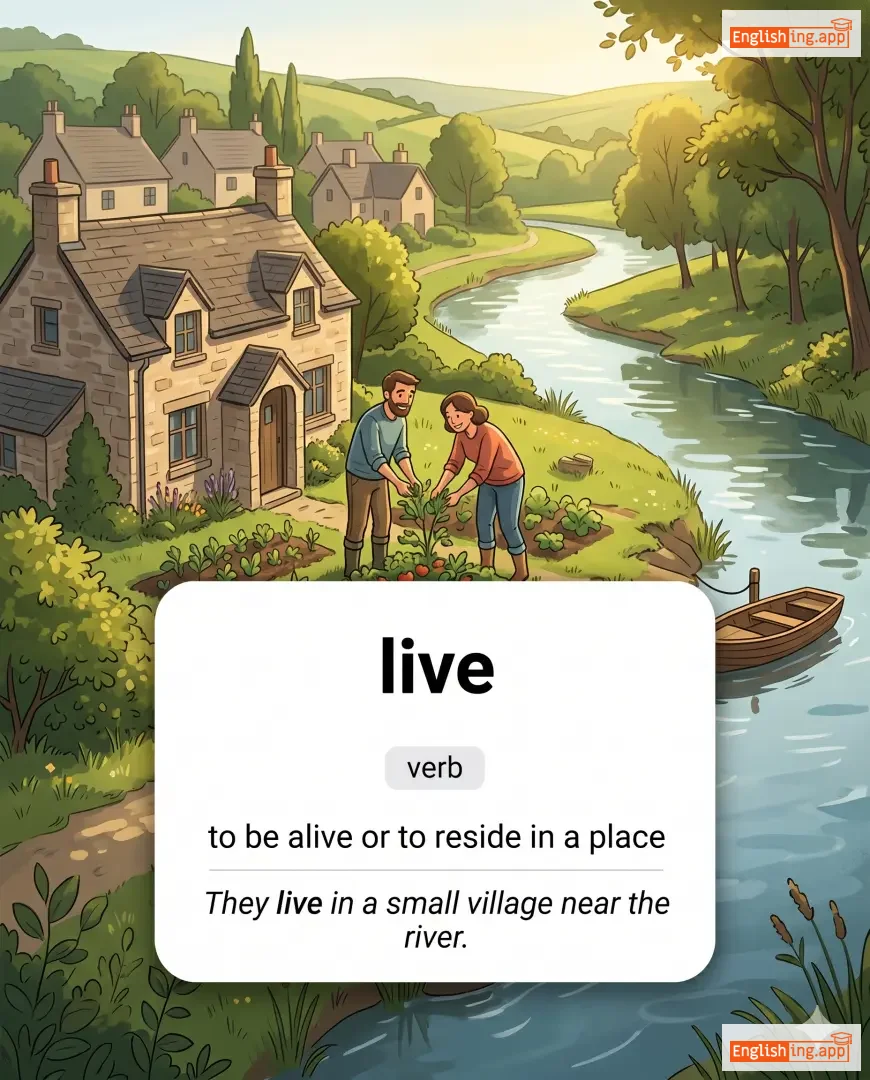
#39
🏠
|
/lɪv/
verb
(リヴ)
••••••
|
|
住む
sumu
••••••
|
lived
リヴド
••••••
|
lived
リヴド
••••••
|
lives
リヴス
••••••
|
living
リヴィング
••••••
|
to have life; to reside in a particular place; to exist
••••••
|
They live in a beautiful house by the lake.
彼らは湖の近くにある美しい家に住んでいます。
••••••
|
彼らは湖の近くにある美しい家に住んでいます。
Karera wa mizuumi no chikaku ni aru utsukushii ie ni sundeimasu.
••••••
|
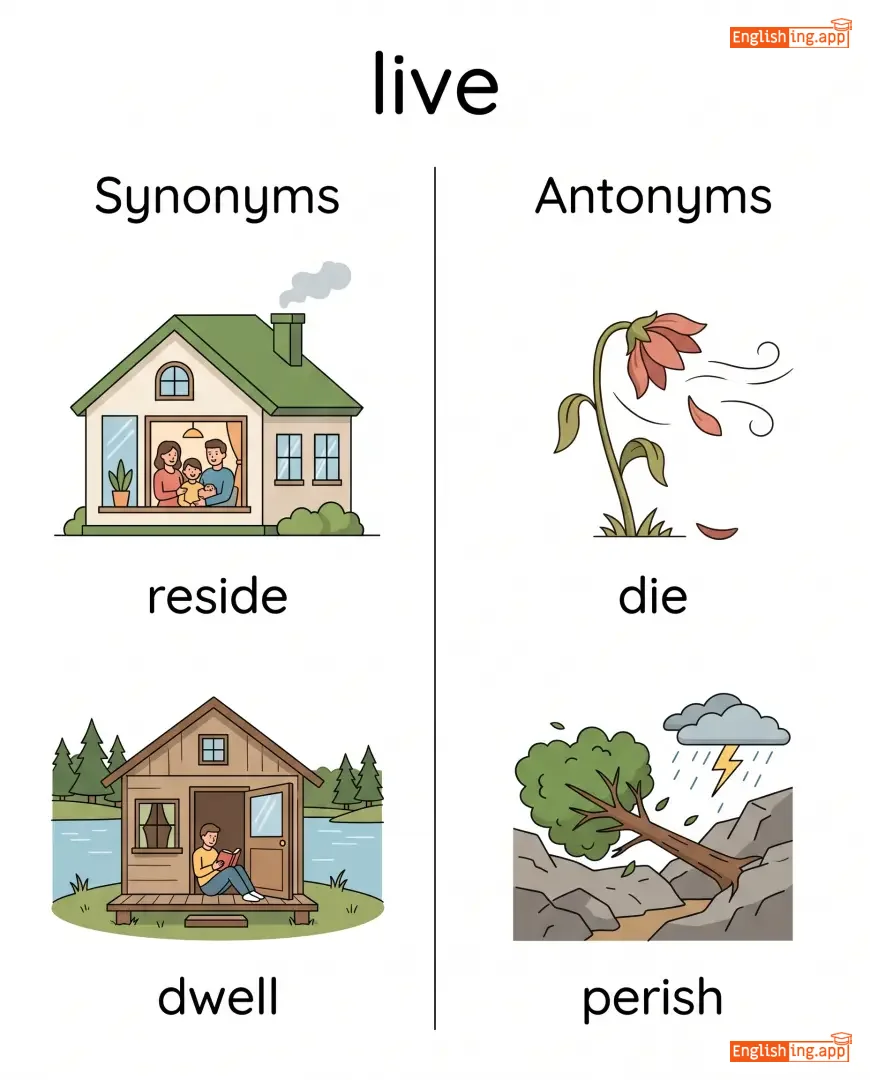
exist, reside, dwell, inhabit, stay
••••••
|
die, perish, expire
••••••
|
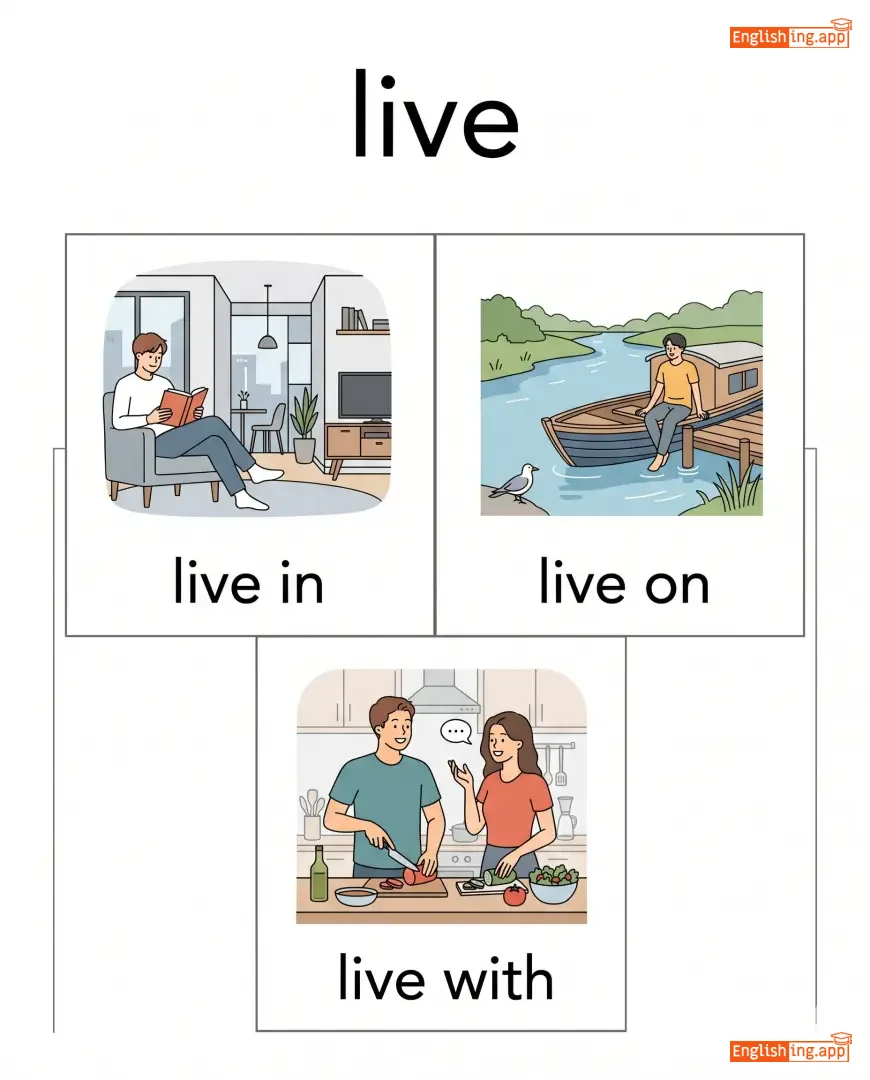
live together, live alone, live life, live happily
••••••
|
住む means to live, and sounds like 'sum' – to exist in the 'sum' of things.
••••••
|
|
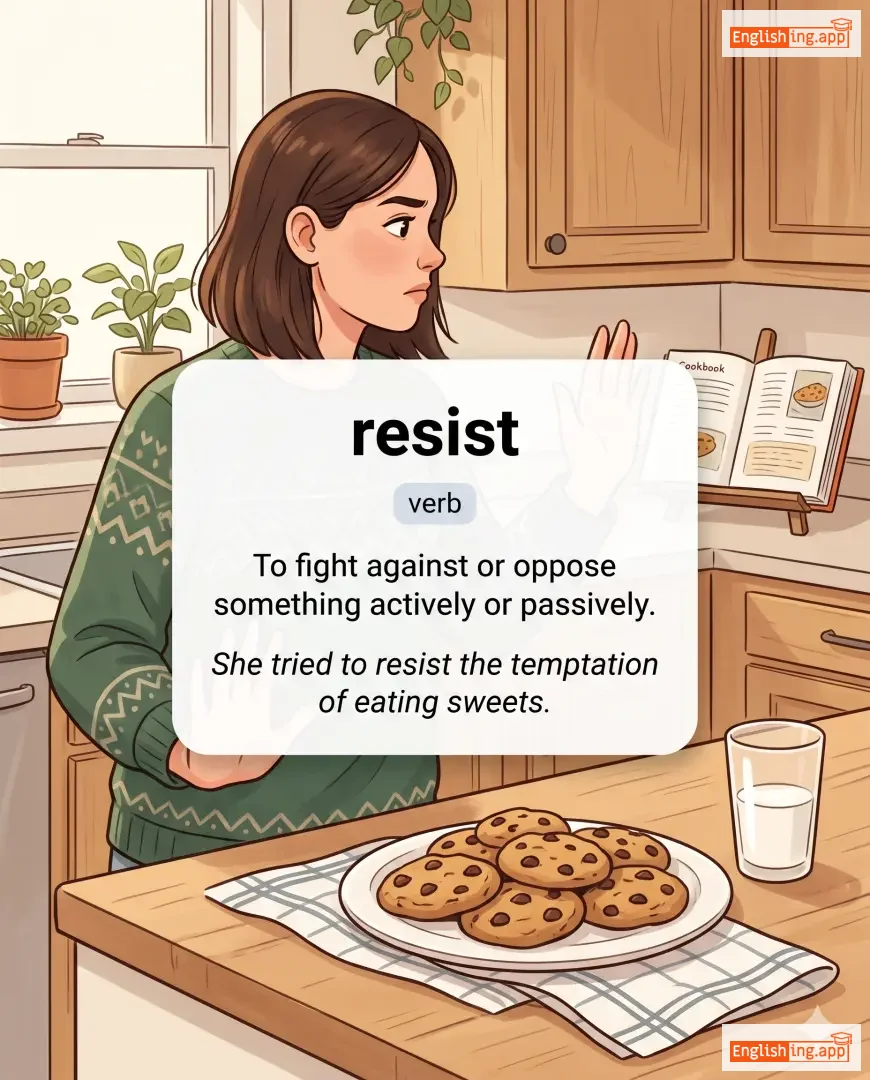
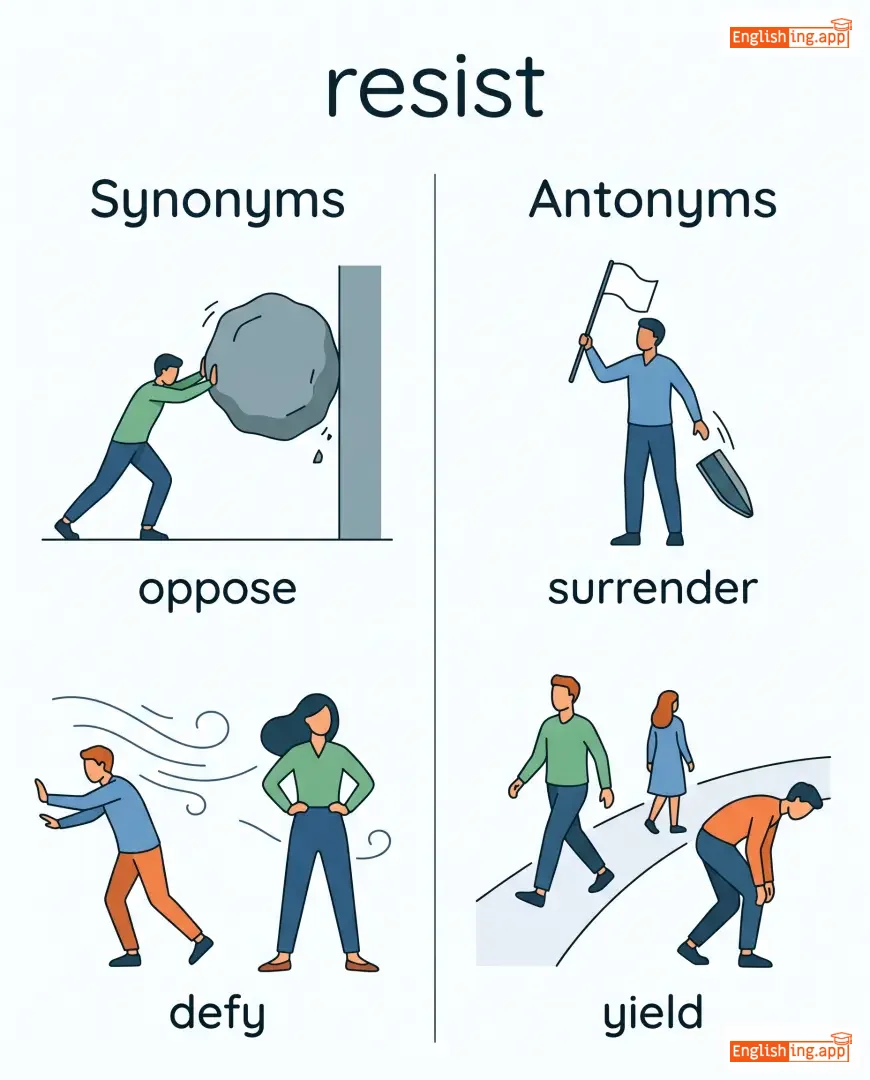
#40
✊
|
/rɪˈzɪst/
verb
(リジスト)
••••••
|
|
抵抗する
teikō suru
••••••
|
resisted
リジステッド
••••••
|
resisted
リジステッド
••••••
|
resists
リジスツ
••••••
|
resisting
リジスティング
••••••
|
to oppose or fight against; to withstand
••••••
|
He could not resist the temptation.
彼は誘惑に抵抗できませんでした。
••••••
|
彼は誘惑に抵抗できませんでした。
Kare wa yūwaku ni teikō dekimasen deshita.
••••••
|
oppose, fight, withstand, defy
••••••
|
submit, yield, surrender, give in
••••••
|
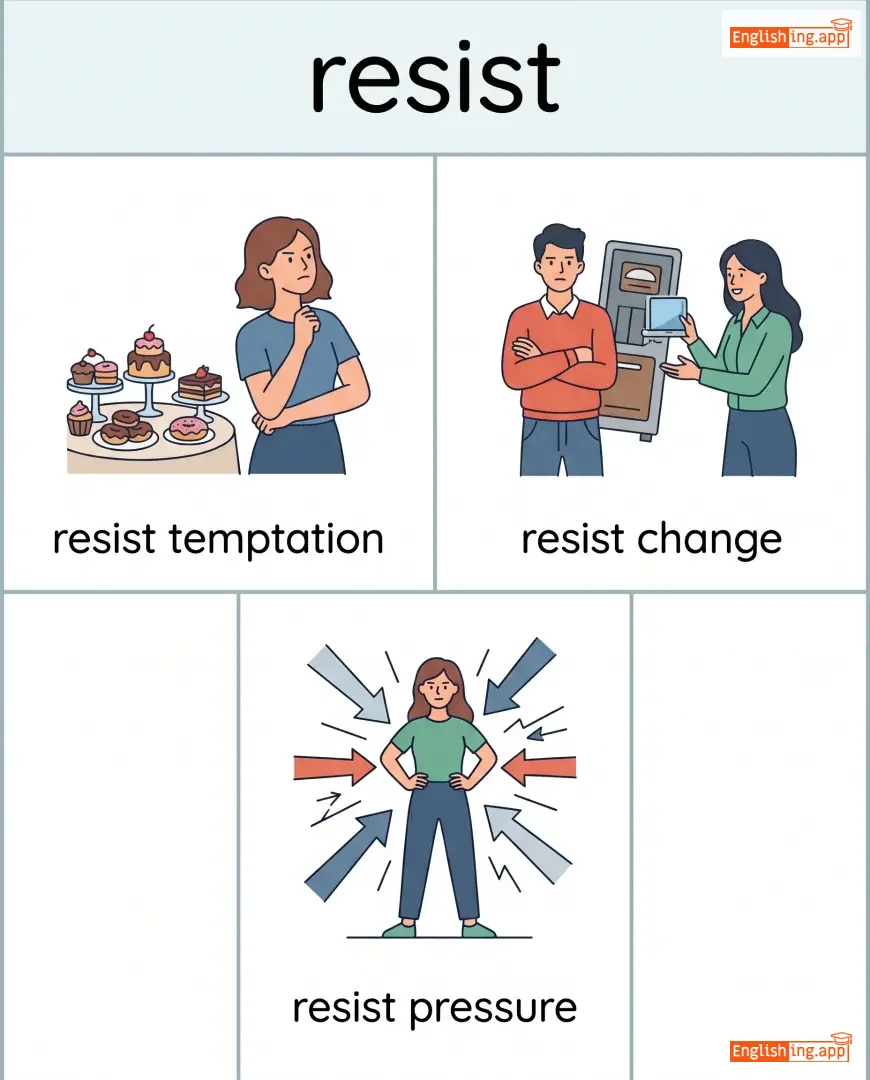
resist temptation, resist pressure, resist change, strongly resist
••••••
|
抵抗する、鋼のように強く。
••••••
|
|
#41
🤬
|
/swer/
verb
(suēa)
••••••
|
|
誓う
chikau
••••••
|
swore
suōru
••••••
|
sworn
suōn
••••••
|
swears
suēasu
••••••
|
swearing
suēaring
••••••
|
to use offensive language; to promise solemnly; to take an oath
••••••
|
I swear to tell the truth.
私は真実を話すと誓います。
••••••
|
私は真実を話すと誓います。
Watashi wa shinjitsu o hanasu to chikaimasu.
••••••
|
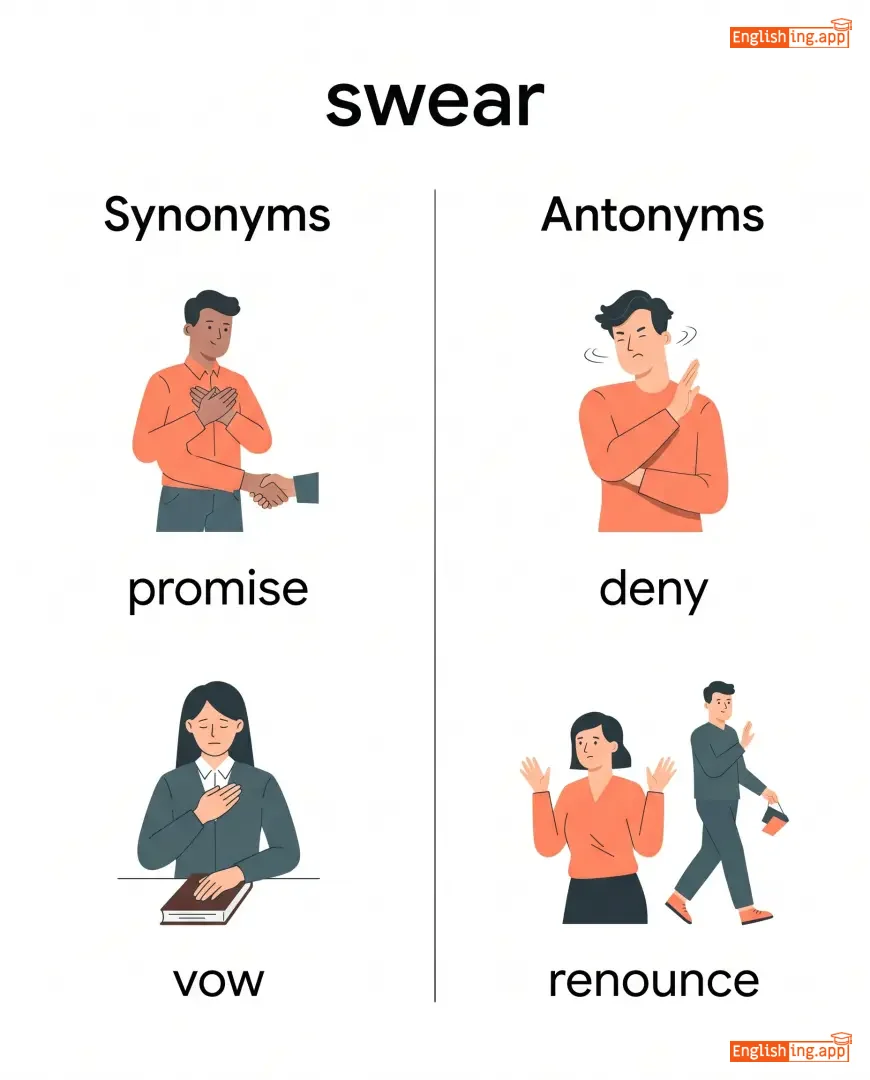
curse, vow, pledge, promise
••••••
|
bless, praise, compliment
••••••
|
swear oath, swear allegiance, swear by something, swear word
••••••
|
Swear in Japanese sounds like '誓う'. Think of a solemn vow to speak the truth, just like a promise in court.
••••••
|
|
#42
⚾
|
/θroʊ/
verb
(スロー)
••••••
|
|
投げる
nageru
••••••
|
threw
スルー
••••••
|
thrown
スローン
••••••
|
throws
スローズ
••••••
|
throwing
スローイング
••••••
|
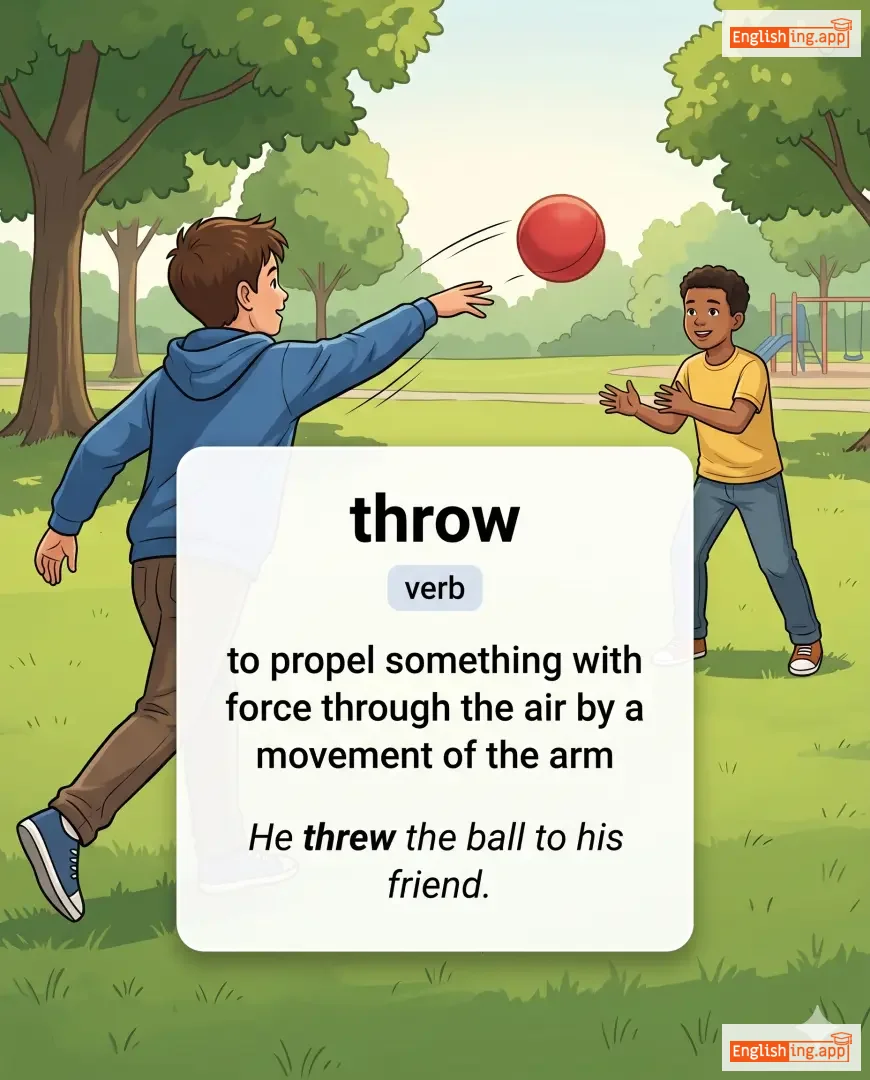
to send something through the air with force using your hand
••••••
|
He can throw the ball very far.
彼はボールを非常に遠くに投げることができます。
••••••
|
彼はボールを非常に遠くに投げることができます。
Kare wa bōru o hijō ni tōku ni nageru koto ga dekimasu.
••••••
|
hurl, toss, cast, fling
••••••
|
catch, receive
••••••
|
throw ball, throw away, throw party, throw tantrum
••••••
|
Nageru means throw, think of a pitcher throwing a fastball.
••••••
|
|
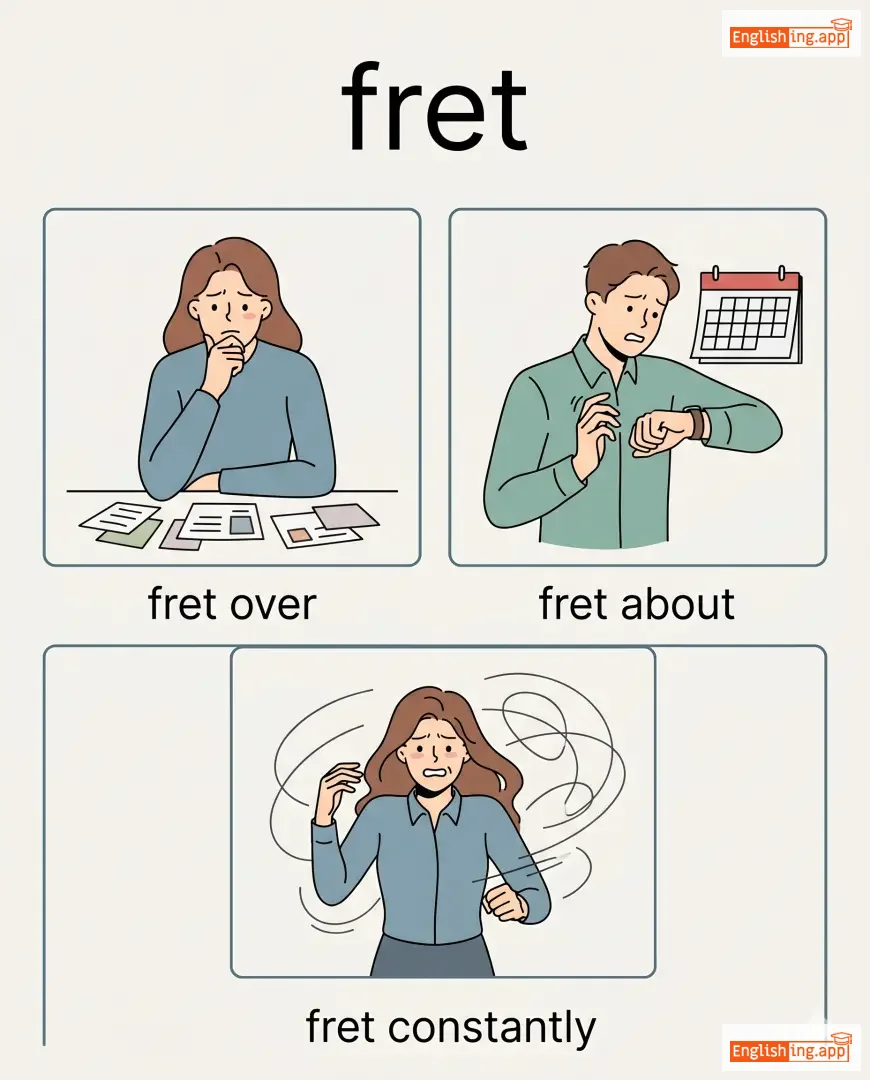
#43
😟
|
/fret/
verb
(フレット)
••••••
|
|
心配する
shinpai suru
••••••
|
fretted
フレッテッド
••••••
|
fretted
フレッテッド
••••••
|
frets
フレッツ
••••••
|
fretting
フレッティング
••••••
|
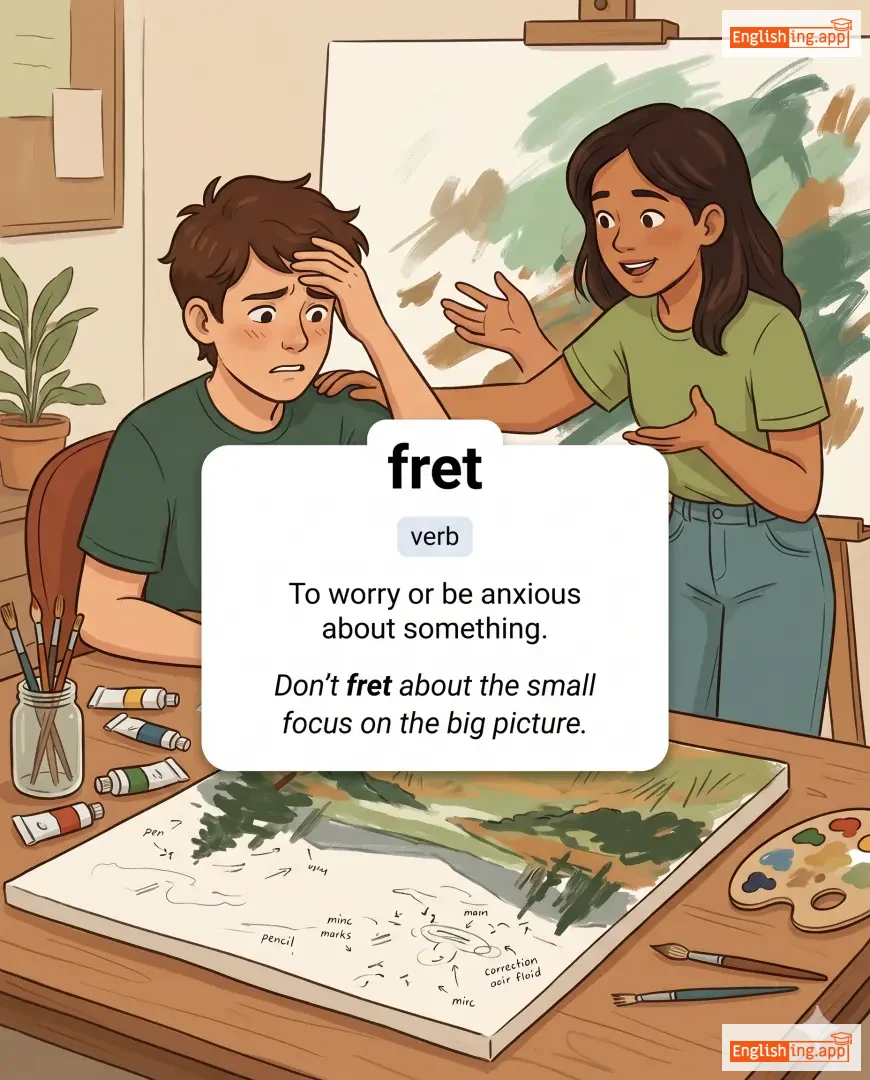
to worry or be anxious; to be troubled
••••••
|
Don't fret about the exam results.
試験結果について心配しないでください。
••••••
|
試験結果について心配しないでください。
Shiken kekka ni tsuite shinpai shinaide kudasai.
••••••
|
worry, anxiety, concern, trouble
••••••
|
calm, relax, peace, comfort
••••••
|
fret about, don't fret, fret over details, constantly fret
••••••
|
心配するよりも、解決策を探し始めよう。
••••••
|
|
#44
🪝
|
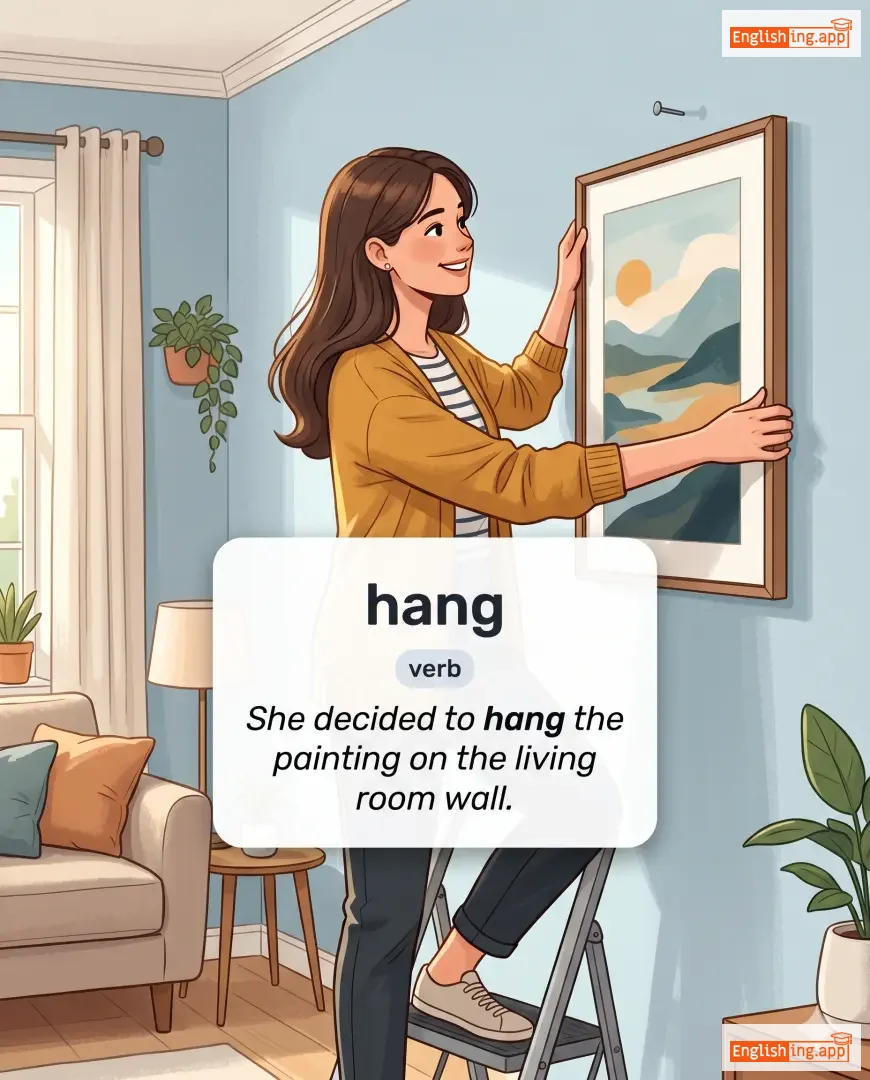
/hæŋ/
verb
(ハング)
••••••
|
|
掛ける
kakeru
••••••
|
hung
ハングド
••••••
|
hung
ハングド
••••••
|
hangs
ハングス
••••••
|
hanging
ハンギング
••••••
|
to suspend or be suspended from above; to attach from a higher point
••••••
|
I hang my coat on the hook.
私はコートをフックにかけます。
••••••
|
私はコートをフックにかけます。
Watashi wa kooto o fukku ni kakemasu.
••••••
|
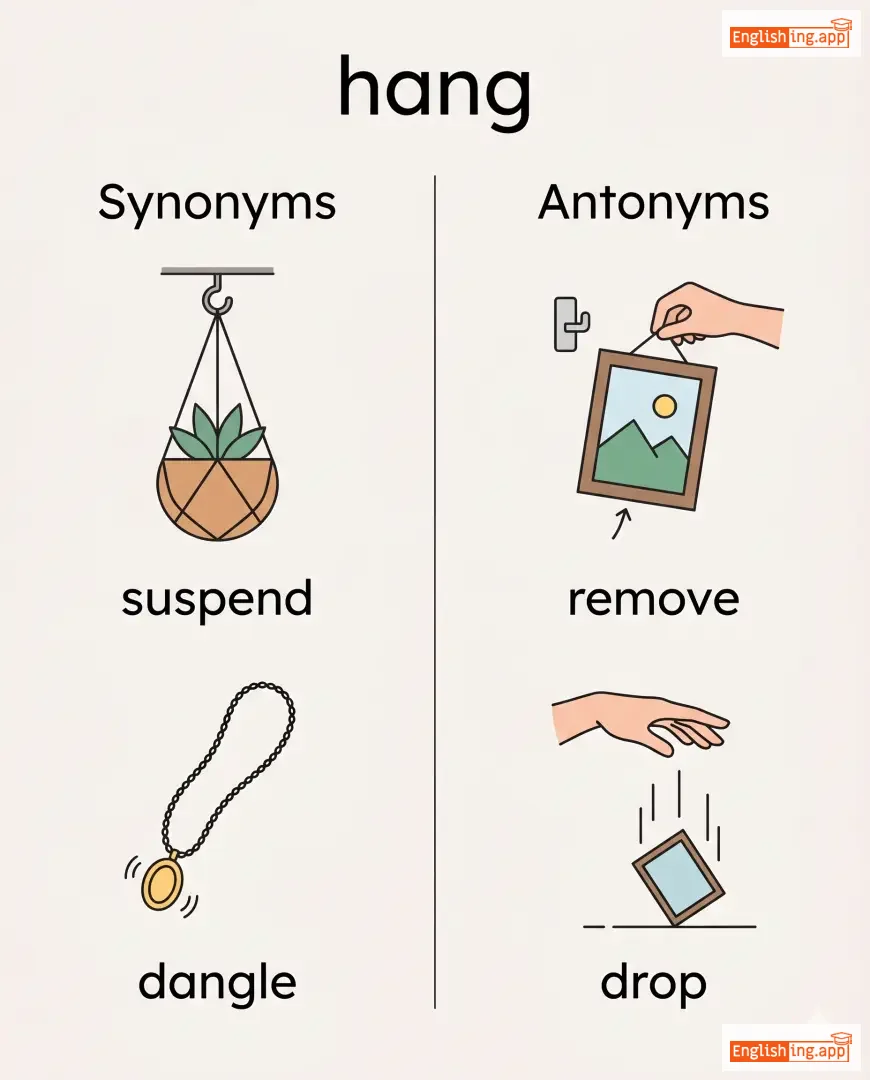
suspend, dangle, attach, drape
••••••
|
support, hold up, raise, lift
••••••
|
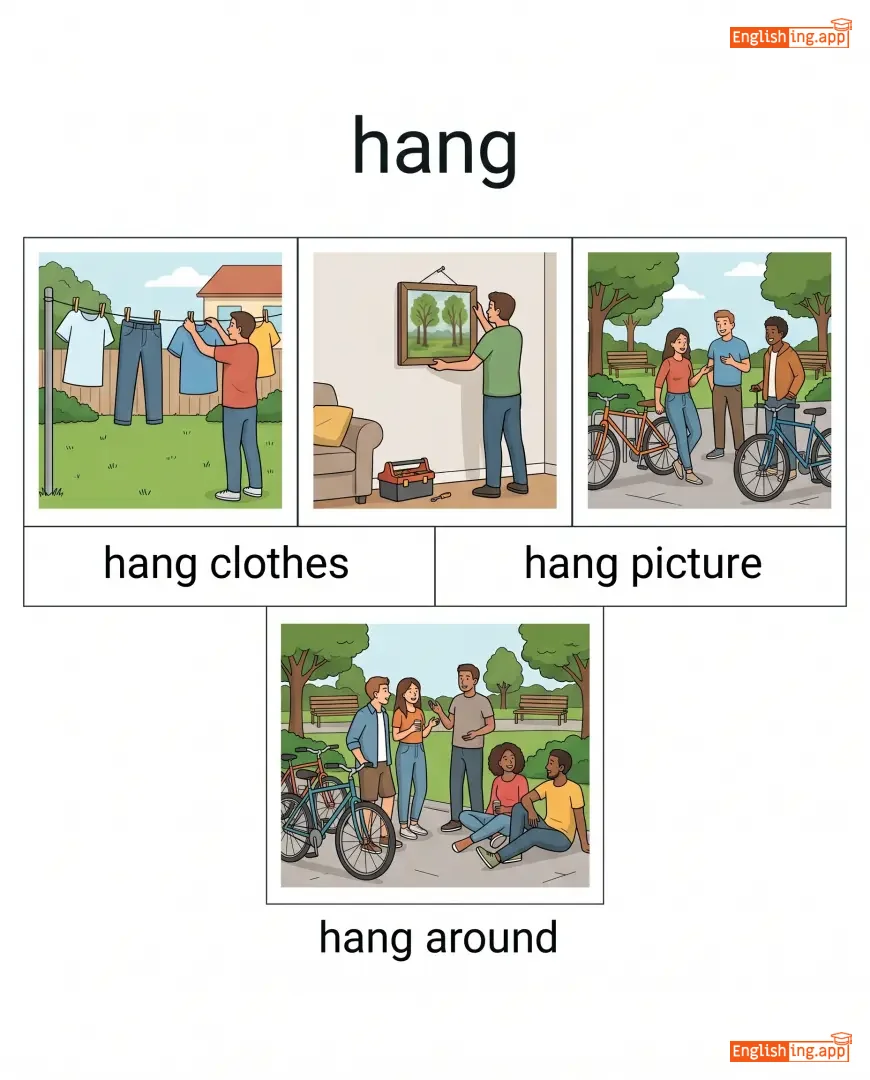
hang up, hang out, hang around, hang clothes
••••••
|
In Japanese, '掛ける' means to hang, just like hanging your coat!
••••••
|
|
#45
💪
|
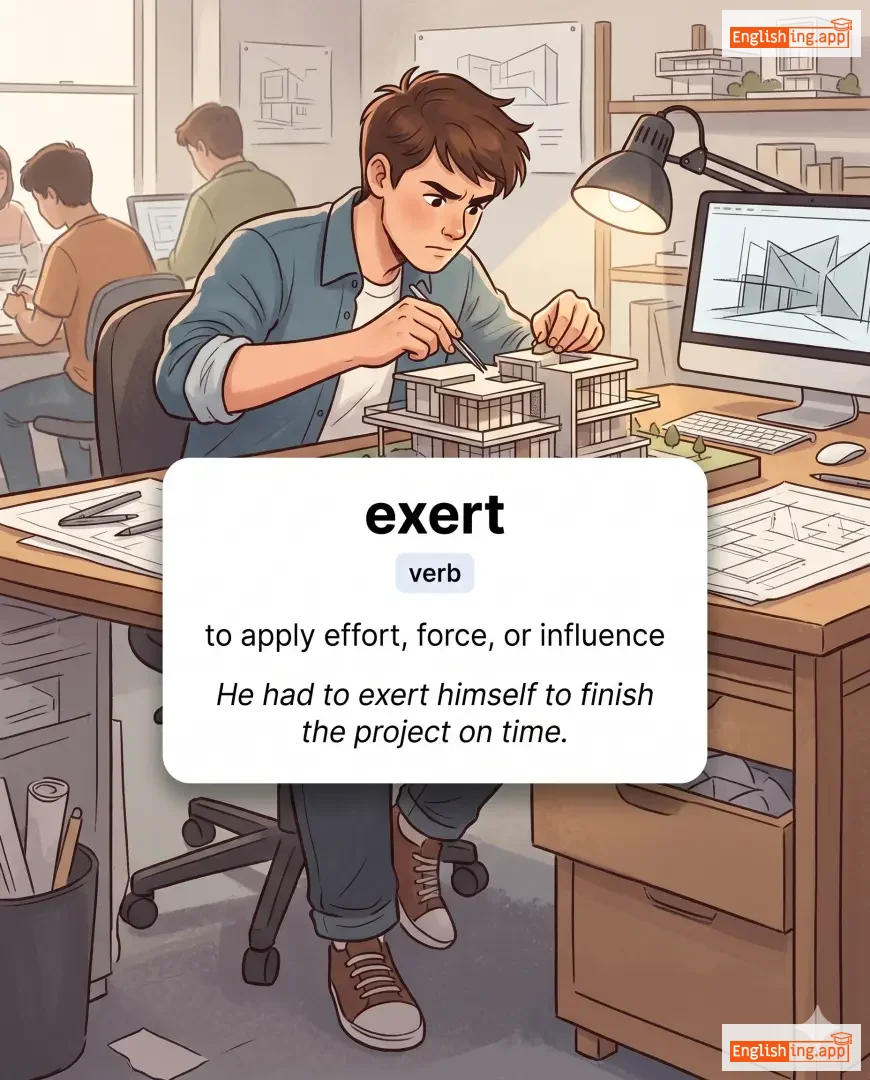
/ɪɡˈzɜrt/
verb
(イグザート)
••••••
|
|
行使する
iguzato
••••••
|
exerted
イグザート
••••••
|
exerted
イグザート
••••••
|
exerts
イグザーツ
••••••
|
exerting
イグザーティング
••••••
|
to apply or bring to bear; to use physical or mental effort
••••••
|
He exerted all his strength to lift the heavy box.
彼は重い箱を持ち上げるために全力を尽くした。
••••••
|
彼は重い箱を持ち上げるために全力を尽くした。
Kare wa omoi hako o mochiageru tame ni zenryoku o tsukushita.
••••••
|
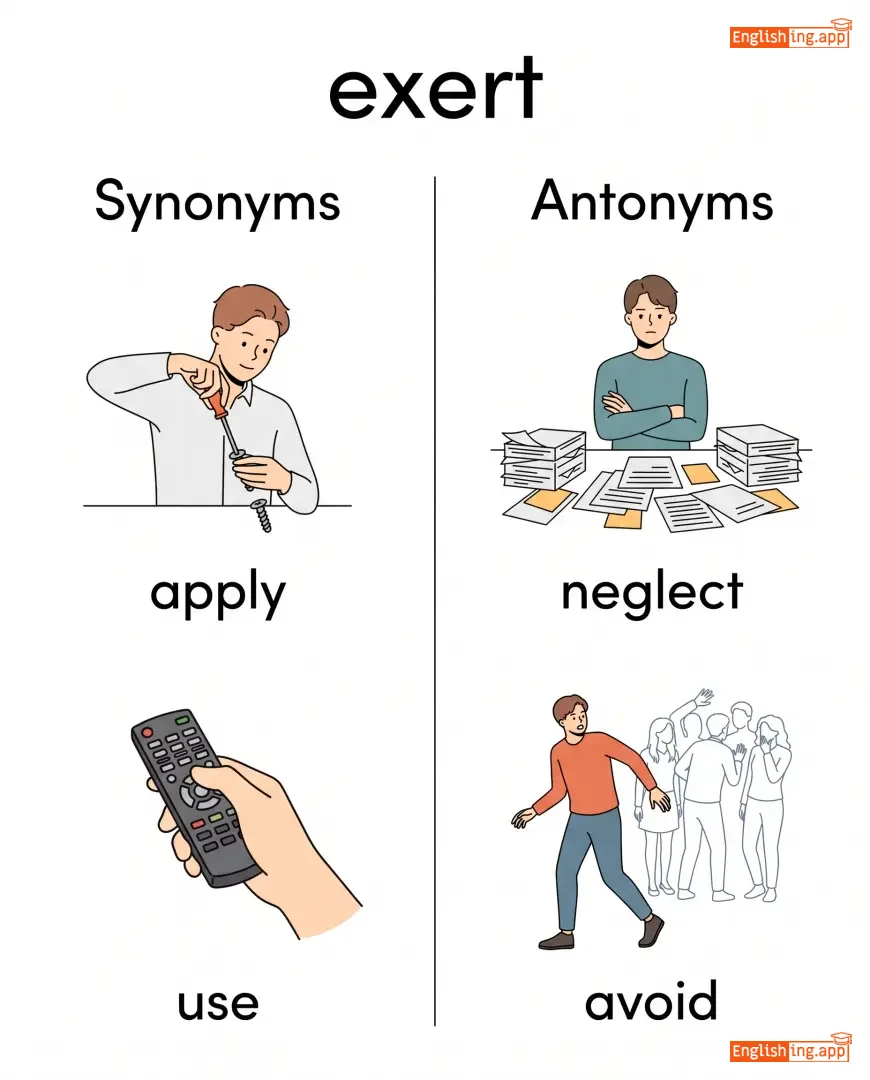
apply, use, employ, exercise
••••••
|
relax, rest, withhold
••••••
|
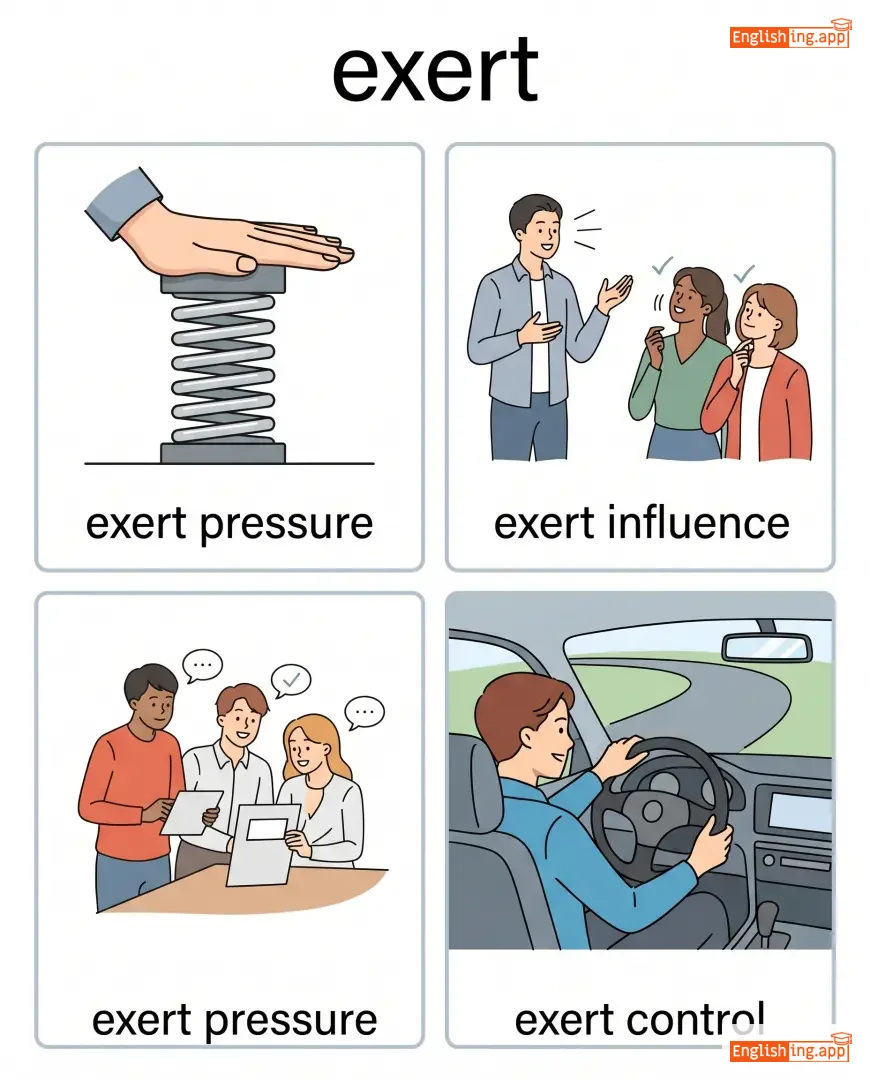
exert pressure, exert influence, exert effort, exert control
••••••
|
えぐざーと = eggs art; imagine eggs lifting a heavy box with zenryoku
••••••
|
|
#46
🏊
|
/swɪm/
verb
(スウィム)
••••••
|
|
泳ぐ
oyogu
••••••
|
swam
スワム
••••••
|
swum
スワム
••••••
|
swims
スウィムス
••••••
|
swimming
スウィミング
••••••
|
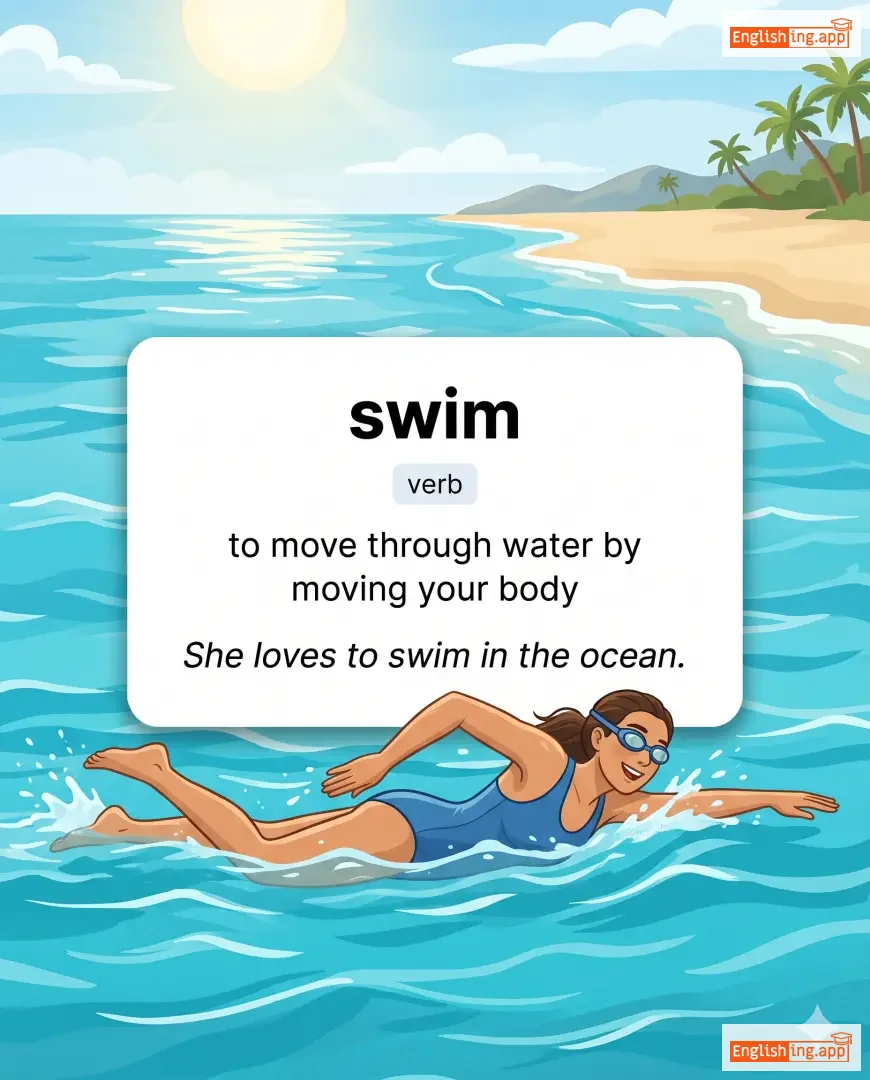
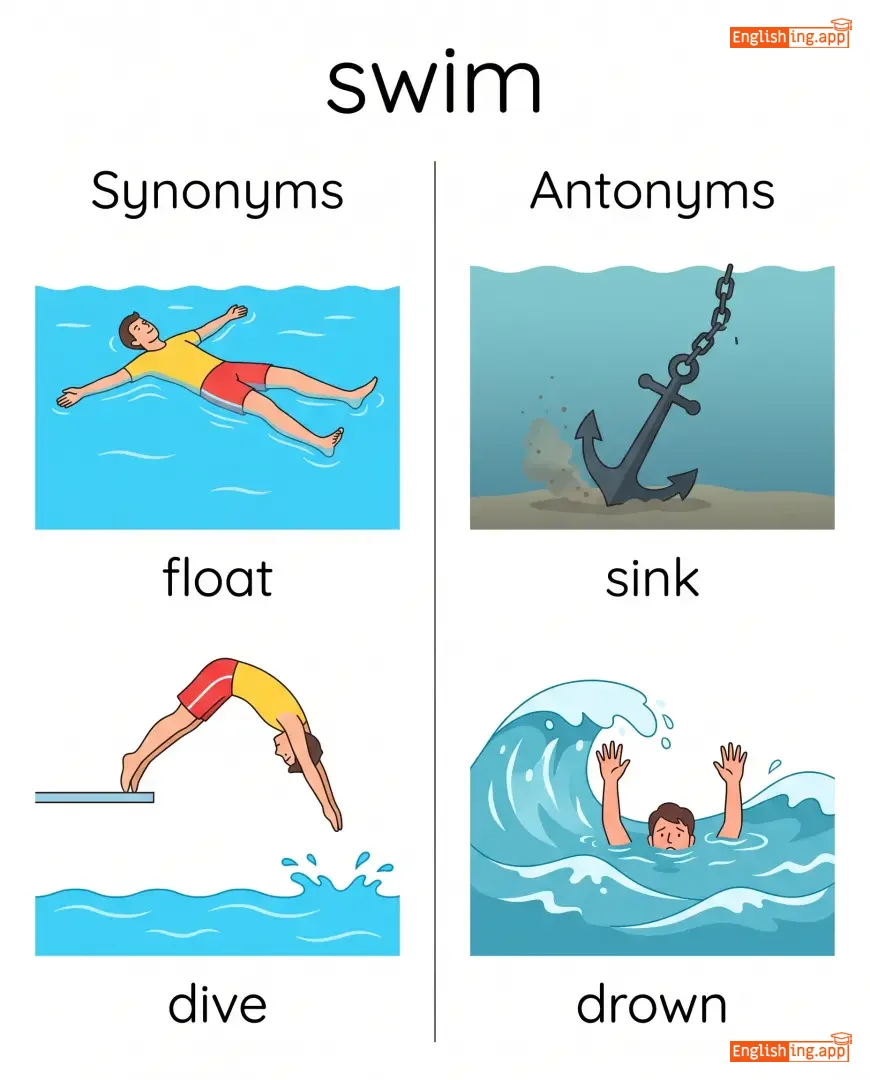
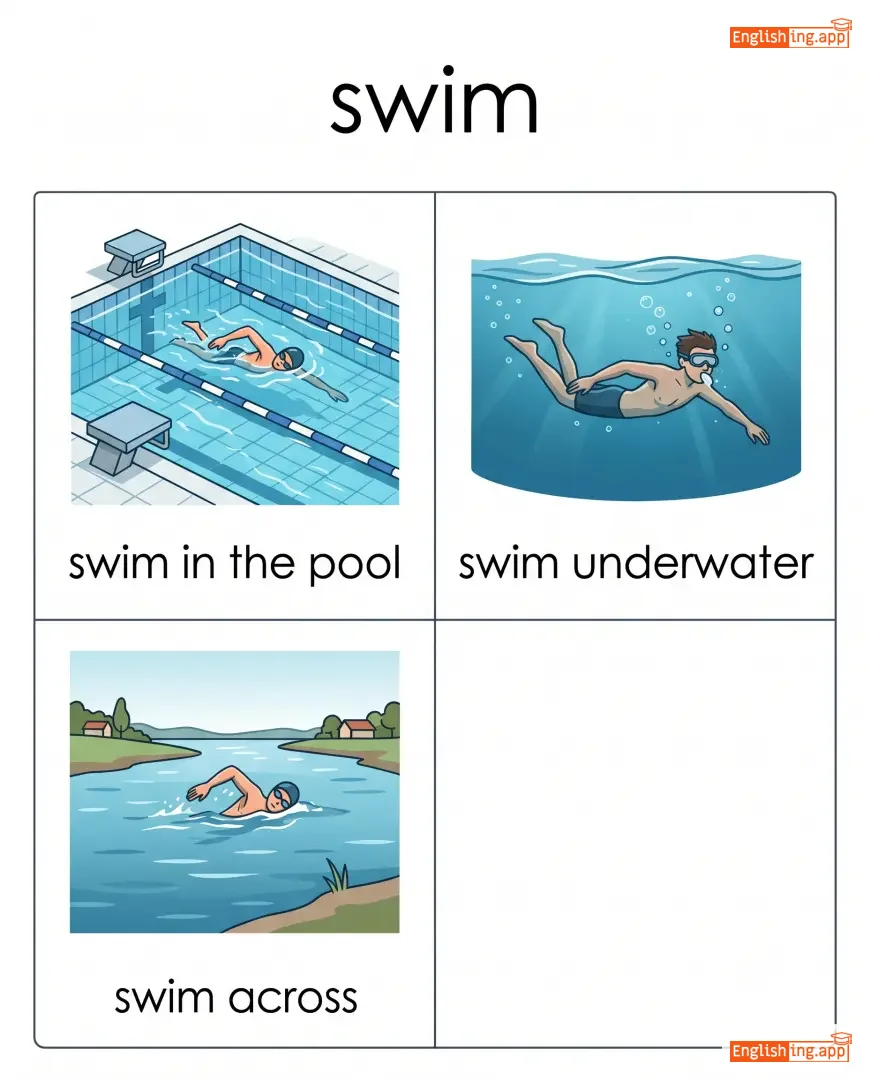
to move through water using body movements
••••••
|
I love to swim in the ocean during summer.
私は夏に海で泳ぐのが好きです。
••••••
|
私は夏に海で泳ぐのが好きです。
Watashi wa natsu ni umi de oyogu no ga suki desu.
••••••
|
float, paddle, dive, stroke
••••••
|
sink, drown, walk
••••••
|
swim laps, swim stroke, swim fast, swim upstream
••••••
|
泳ぐ:魚のように水中を簡単に動く。
••••••
|
|
#47
💨
|
/ɪnˈheɪl/
verb
(インヘール)
••••••
|
|
吸う
suu
••••••
|
inhaled
インヘールド
••••••
|
inhaled
インヘールド
••••••
|
inhales
インヘールズ
••••••
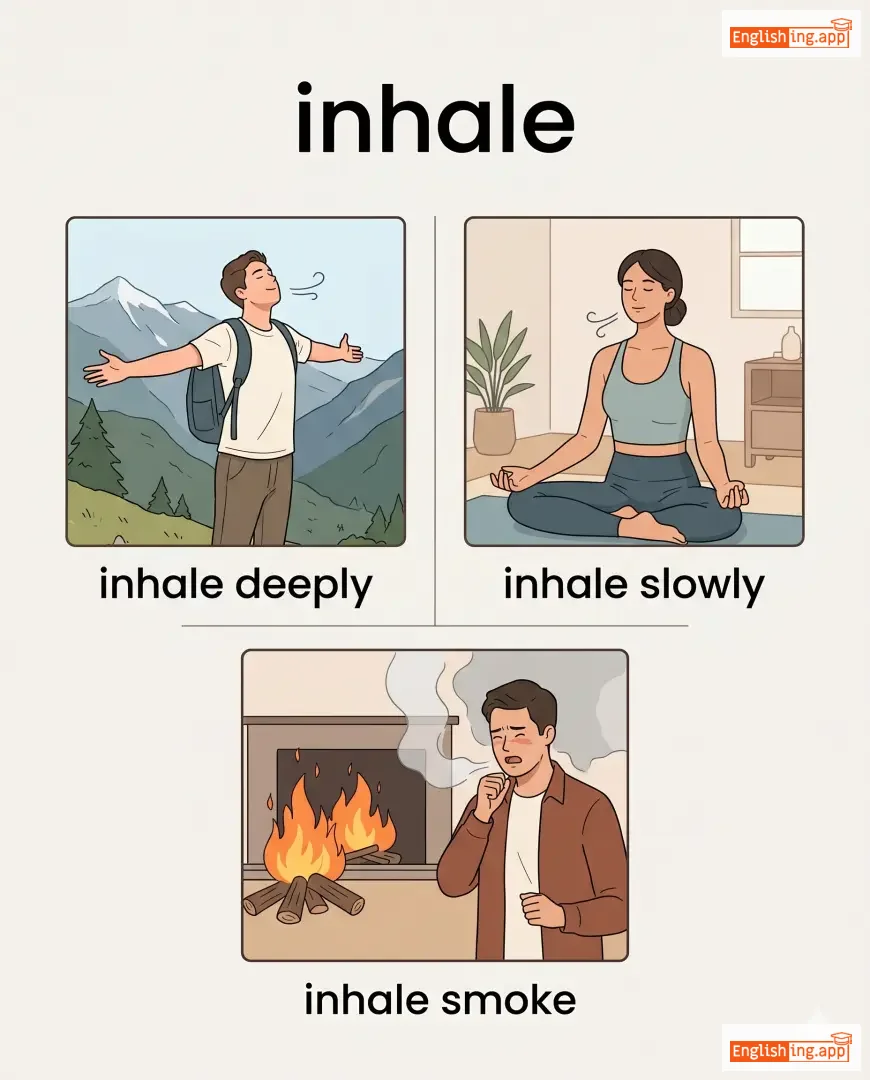
|
inhaling
インヘーリング
••••••
|
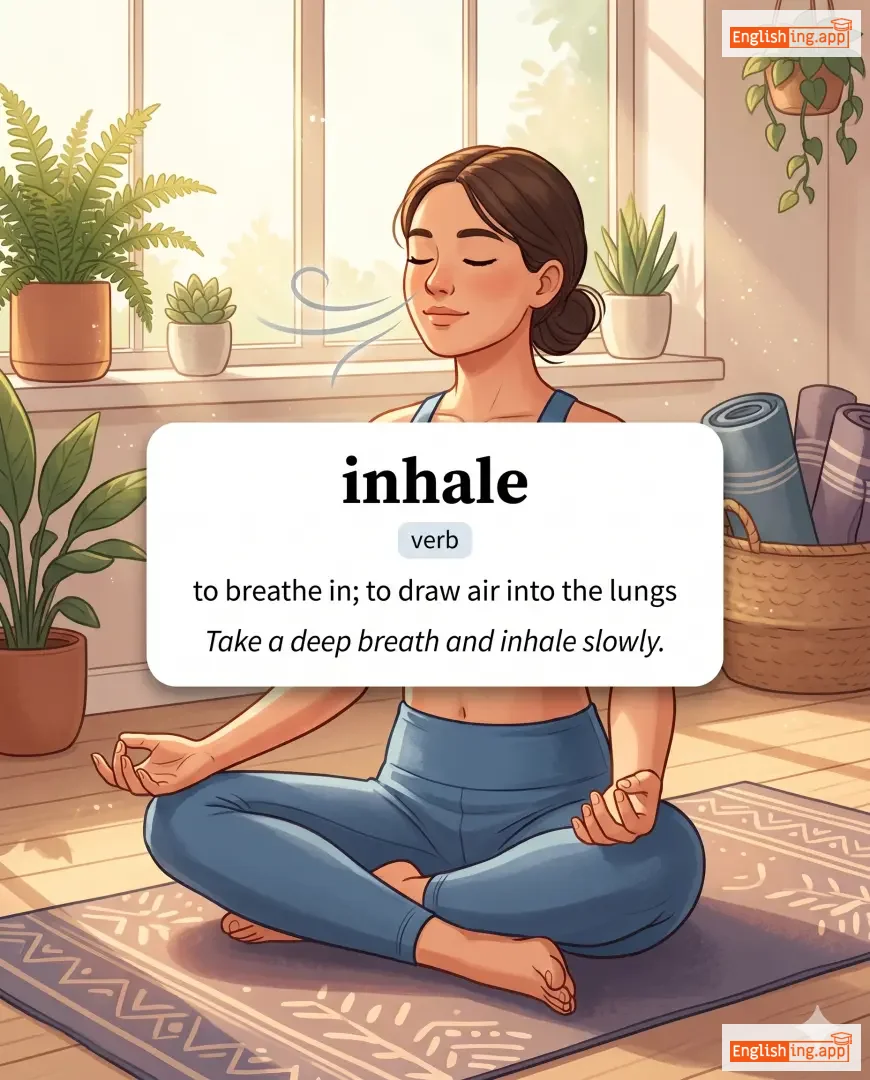
to breathe in; to draw air into the lungs
••••••
|
Take a deep breath and inhale slowly.
深く息を吸い、ゆっくり吸い込みます。
••••••
|
深く息を吸い、ゆっくり吸い込みます。
Fukaku iki o sui, yukkuri sui-komimasu.
••••••
|
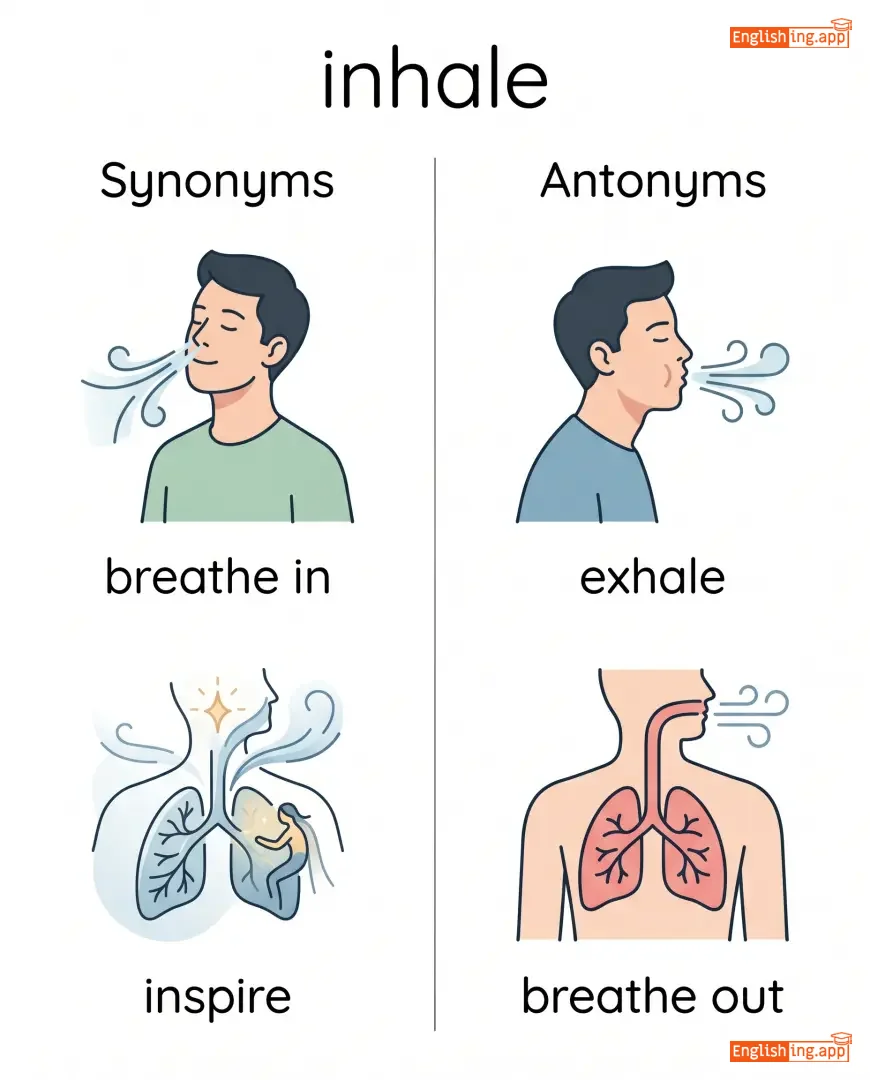
breathe in, inspire, draw in, suck in
••••••
|
exhale, breathe out, expire, blow out
••••••
|
inhale deeply, inhale slowly, inhale smoke, inhale air
••••••
|
『吸う』という行為を深呼吸に関連付けて覚えましょう。
••••••
|
|
#48
🔍
|
/kwest/
verb
(クエスト)
••••••
|
|
探す
sagasu
••••••
|
quested
クエステッド
••••••
|
quested
クエステッド
••••••
|
quests
クエストズ
••••••
|
questing
クエスティング
••••••
|
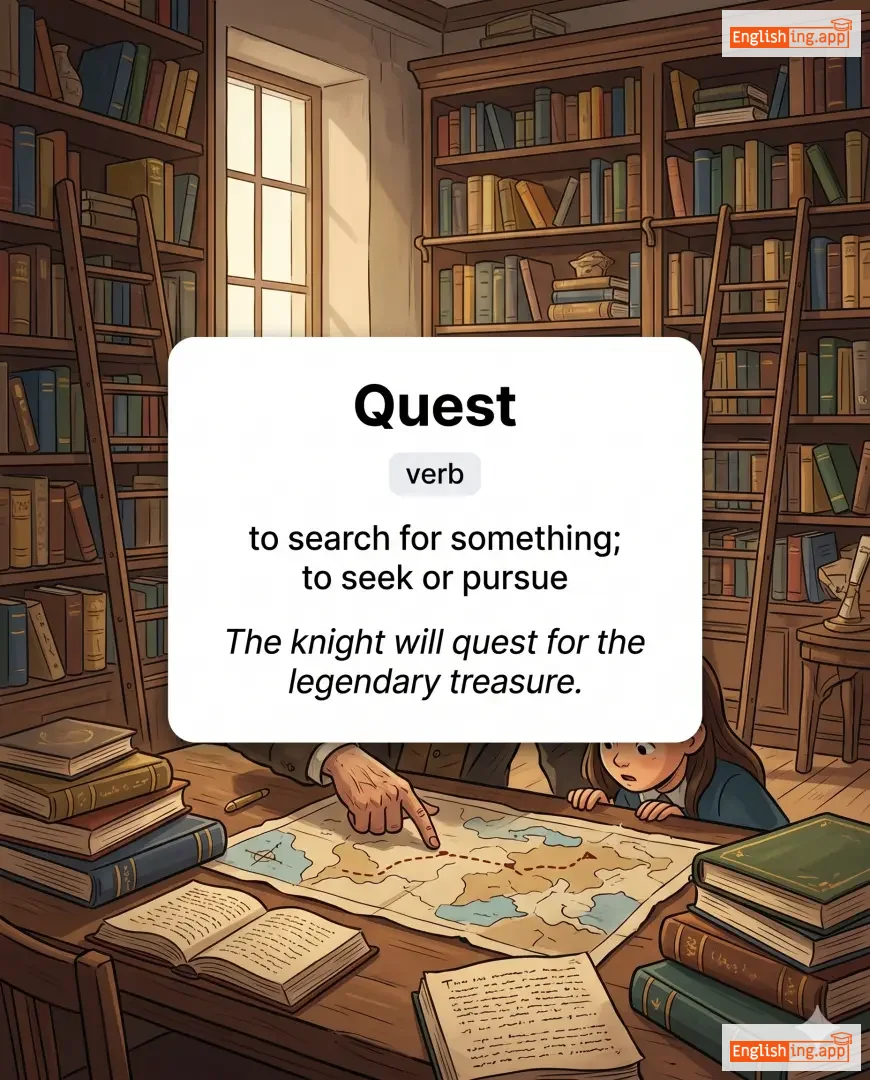
to search for something; to seek or pursue
••••••
|
The knight will quest for the legendary treasure.
その騎士は伝説の宝を探し求めるだろう。
••••••
|
その騎士は伝説の宝を探し求めるだろう。
Sono kishi wa densetsu no takara o sagashi motomeru darou.
••••••
|
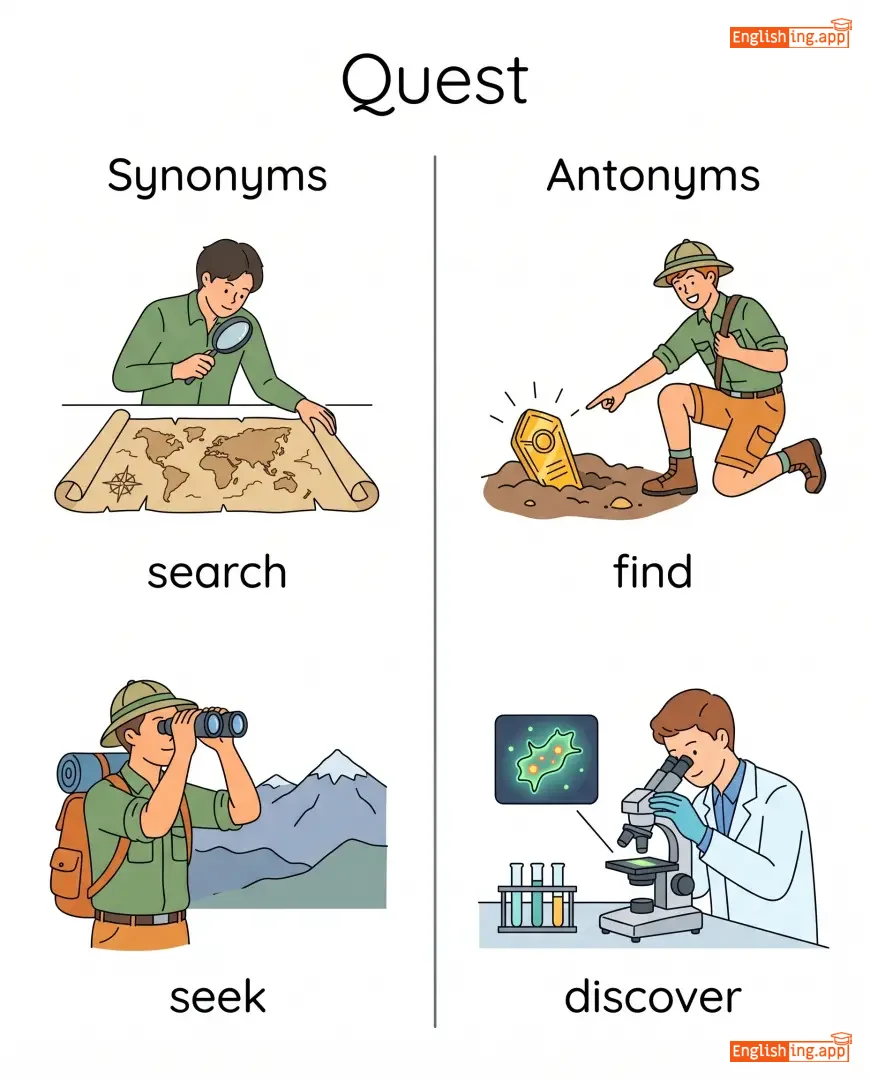
search, seek, pursue, hunt
••••••
|
find, discover, abandon
••••••
|
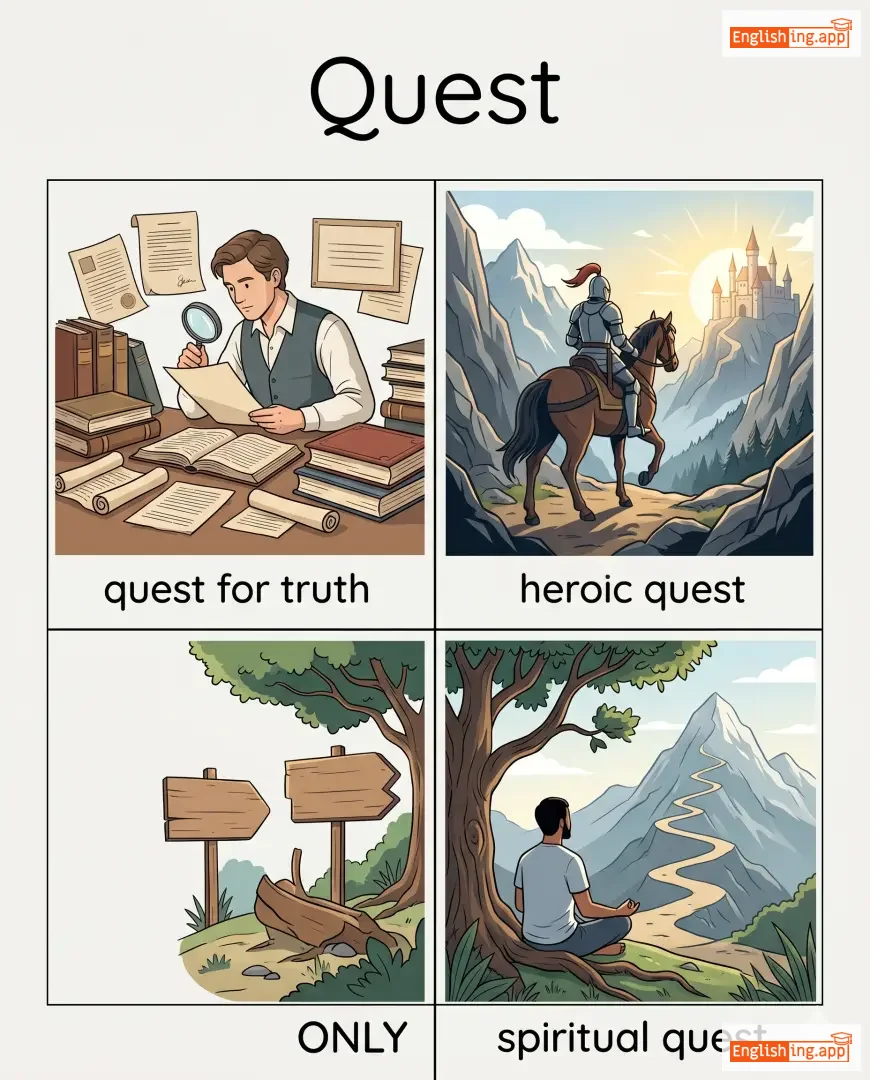
quest for truth, heroic quest, spiritual quest, quest continues
••••••
|
クエストは Quest の旅、宝を Sagasu するイメージで覚える
••••••
|
|
#49
💥
|
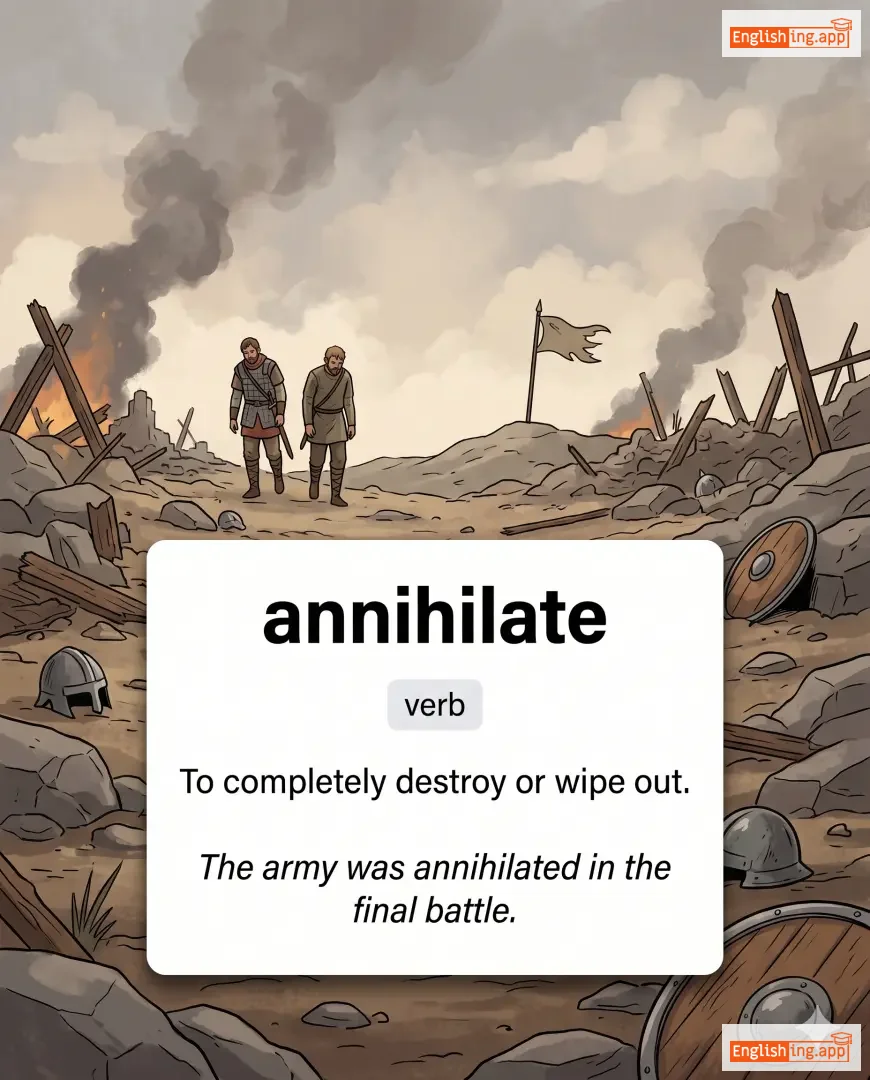
/əˈnaɪəleɪt/
verb
(アニヒレート)
••••••
|
|
壊滅させる
kaimetsu saseru
••••••
|
annihilated
アニヒレーテッド
••••••
|
annihilated
アニヒレーテッド
••••••
|
annihilates
アニヒレーツ
••••••
|
annihilating
アニヒレーティング
••••••
|
to destroy completely; to defeat utterly
••••••
|
The army was able to annihilate the enemy forces.
軍は敵の力を壊滅させることができました。
••••••
|
軍は敵の力を壊滅させることができました。
Gun wa teki no chikara o kaimetsu saseru koto ga dekimashita.
••••••
|
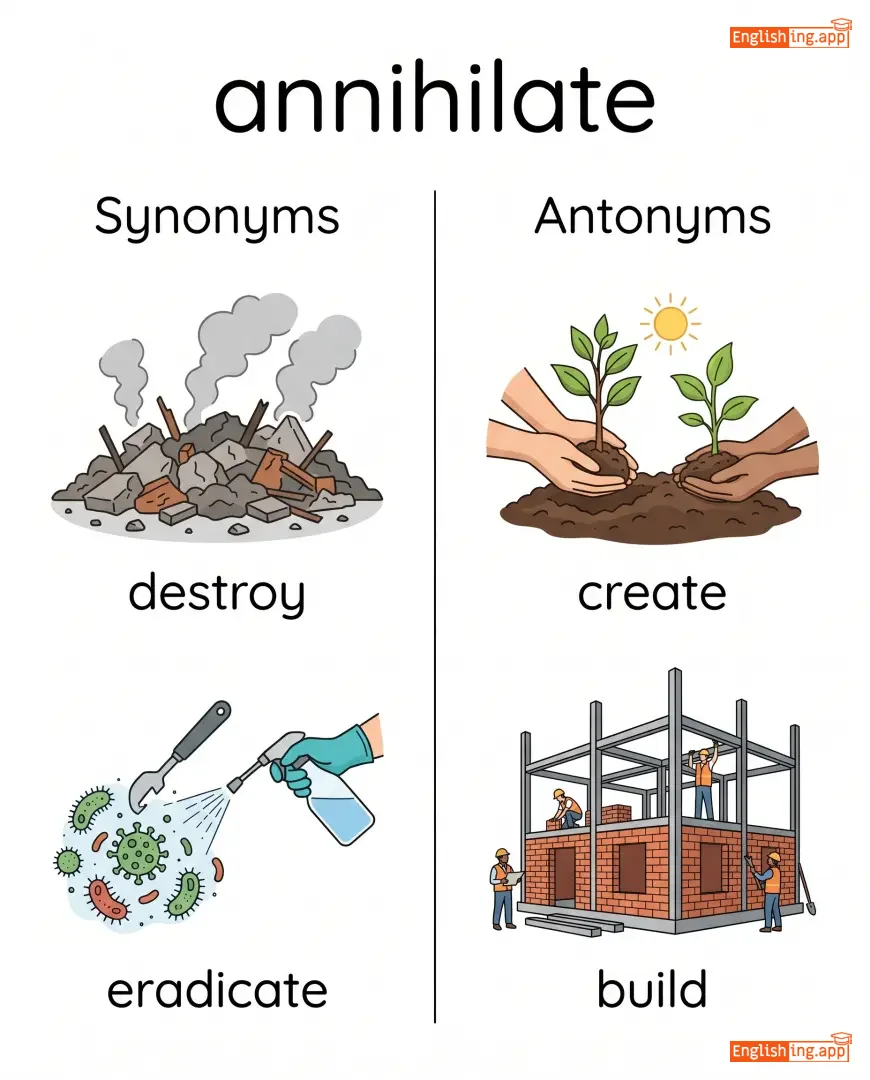
destroy, obliterate, eliminate, eradicate
••••••
|
create, build, construct, preserve
••••••
|
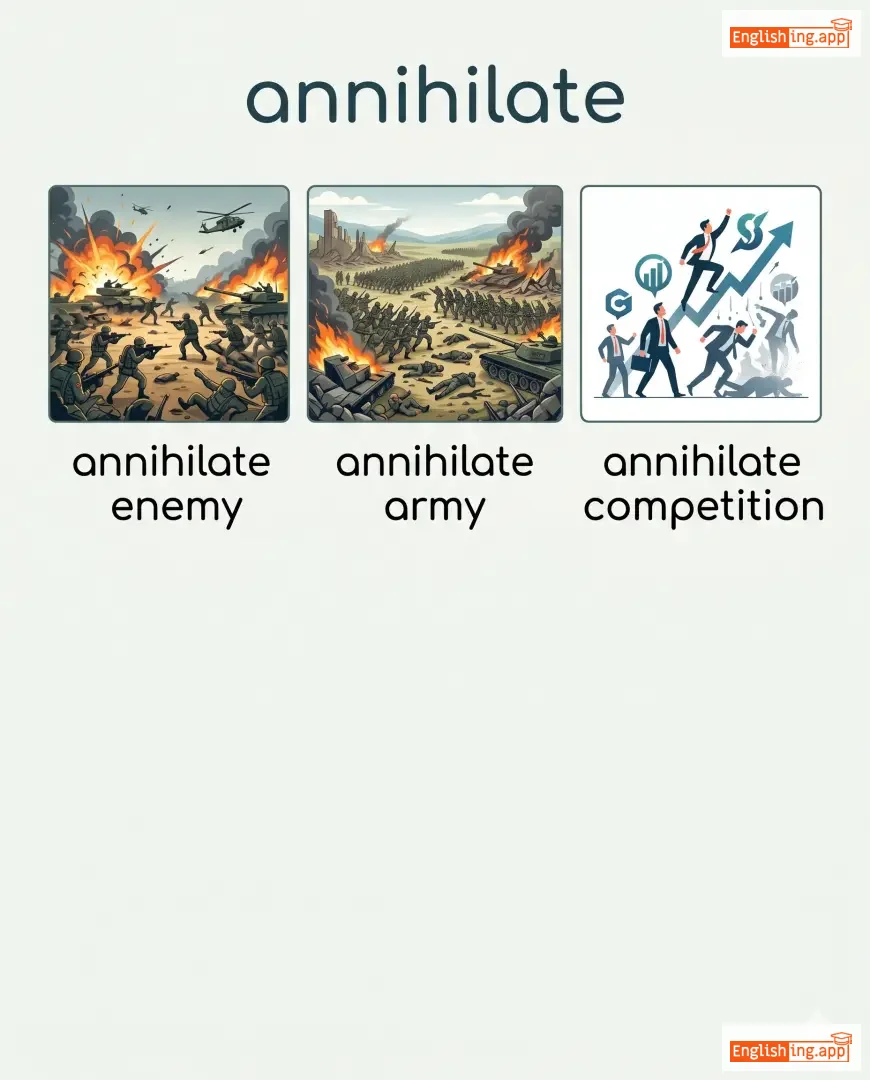
annihilate enemy, completely annihilate, annihilate forces, annihilate opposition
••••••
|
Annihilate means to '壊滅させる' like the army destroying the enemy forces.
••••••
|
|
#50
🤲
|
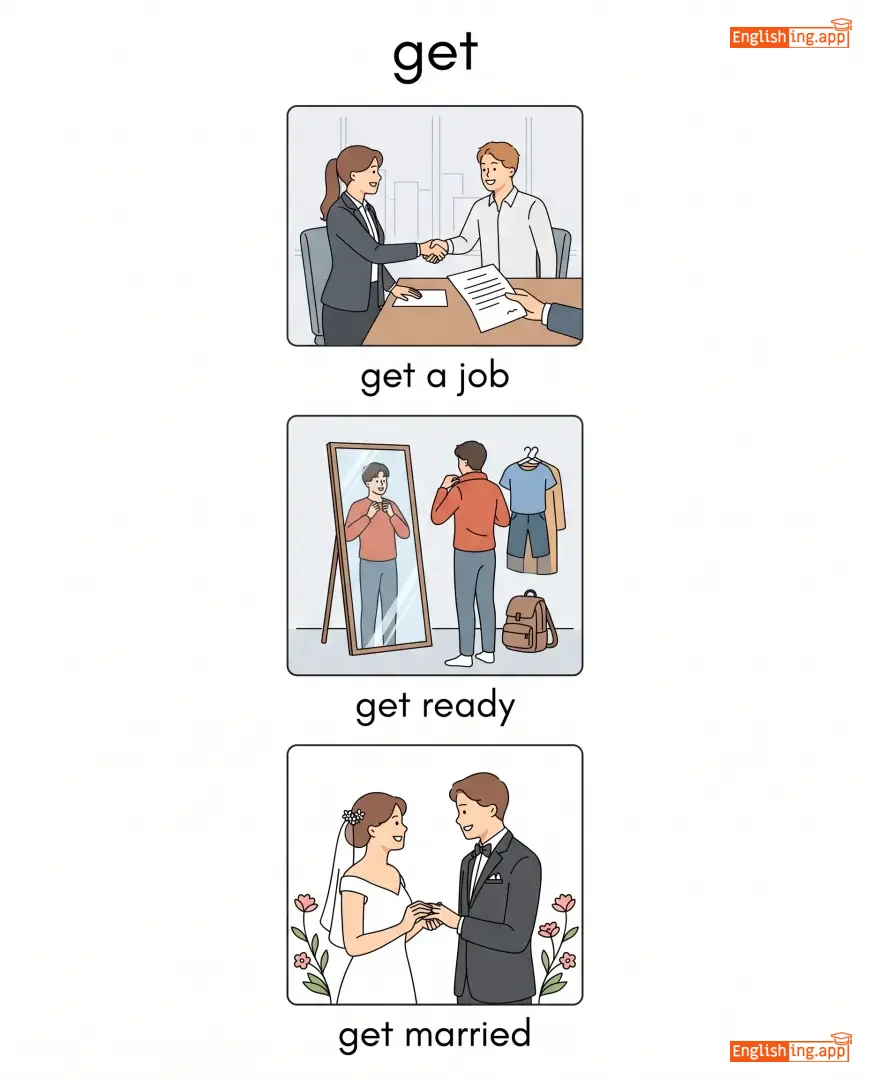
/ɡet/
verb
(ゲット)
••••••
|
|
手に入れる
te ni ireru
••••••
|
got
ゴット
••••••
|
got
ゴット
••••••
|
gets
ゲッツ
••••••
|
getting
ゲッティング
••••••
|
to obtain, receive, or acquire something
••••••
|
I need to get some milk from the store.
アイ ニード トゥ ゲット サム ミルク フロム ザ ストア。
••••••
|
私は店から牛乳を手に入れる必要がある。
Watashi wa mise kara gyuunyuu o te ni ireru hitsuyou ga aru.
••••••
|
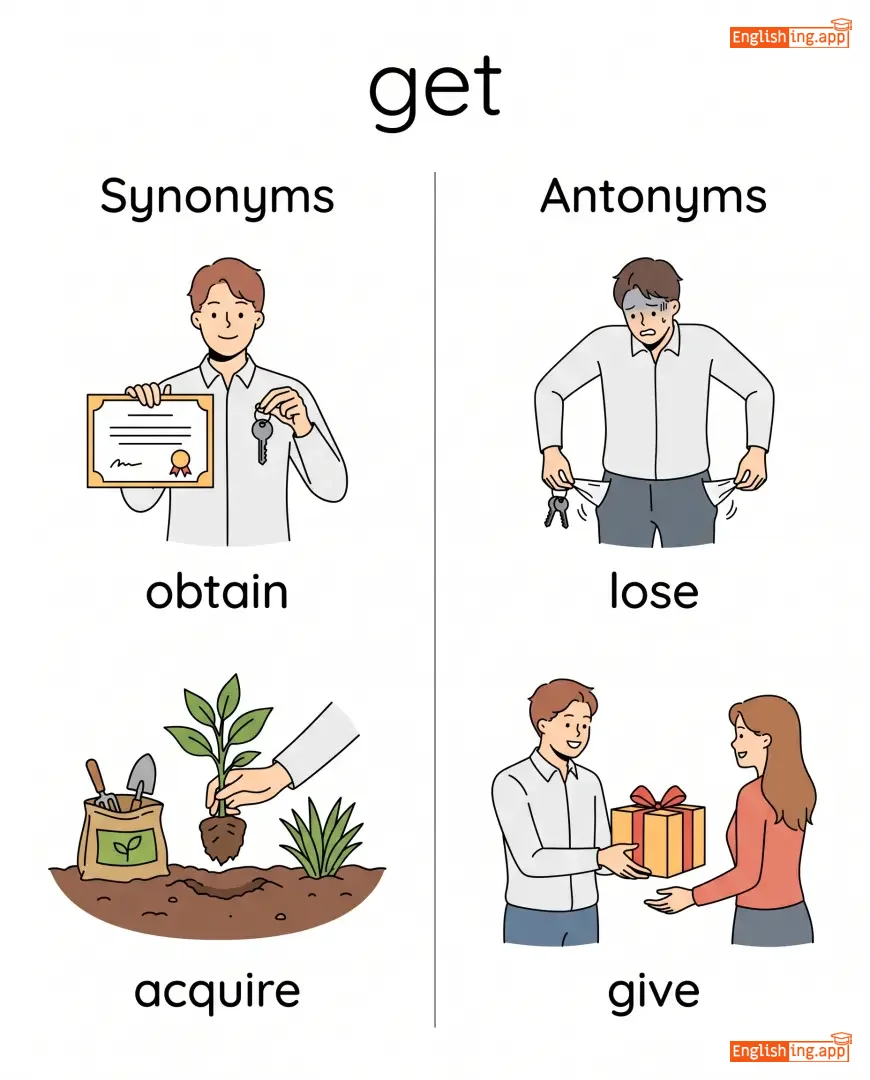
obtain, receive, acquire, fetch
••••••
|
give, lose, surrender
••••••
|
get ready, get better, get home, get married
••••••
|
ゲット is Get; to obtain is 手に入れる (てにいれる). Visualize a hand (て) putting the item into your own hand (にいれる) to remind you that you are getting it.
••••••
|
|
#51
🔧
|
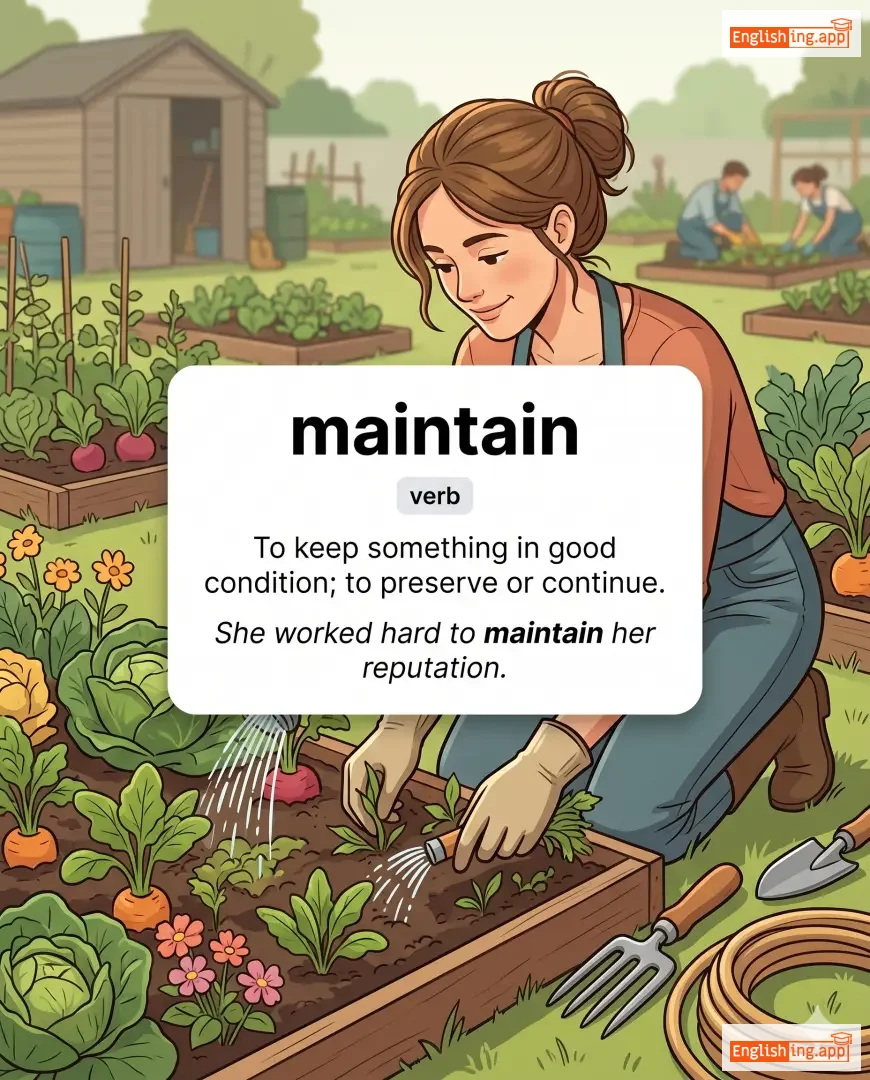
/meɪnˈteɪn/
verb
(メインテイン)
••••••
|
|
維持する
iji suru
••••••
|
maintained
メインテインド
••••••
|
maintained
メインテインド
••••••
|
maintains
メインテインズ
••••••
|
maintaining
メインテイニング
••••••
|
to keep something in good condition; to continue or preserve
••••••
|
It's important to maintain a healthy lifestyle.
健康的なライフスタイルを維持することが重要です。
••••••
|
健康的なライフスタイルを維持することが重要です。
Kenkōteki na raifusutairu o iji suru koto ga jūyō desu.
••••••
|
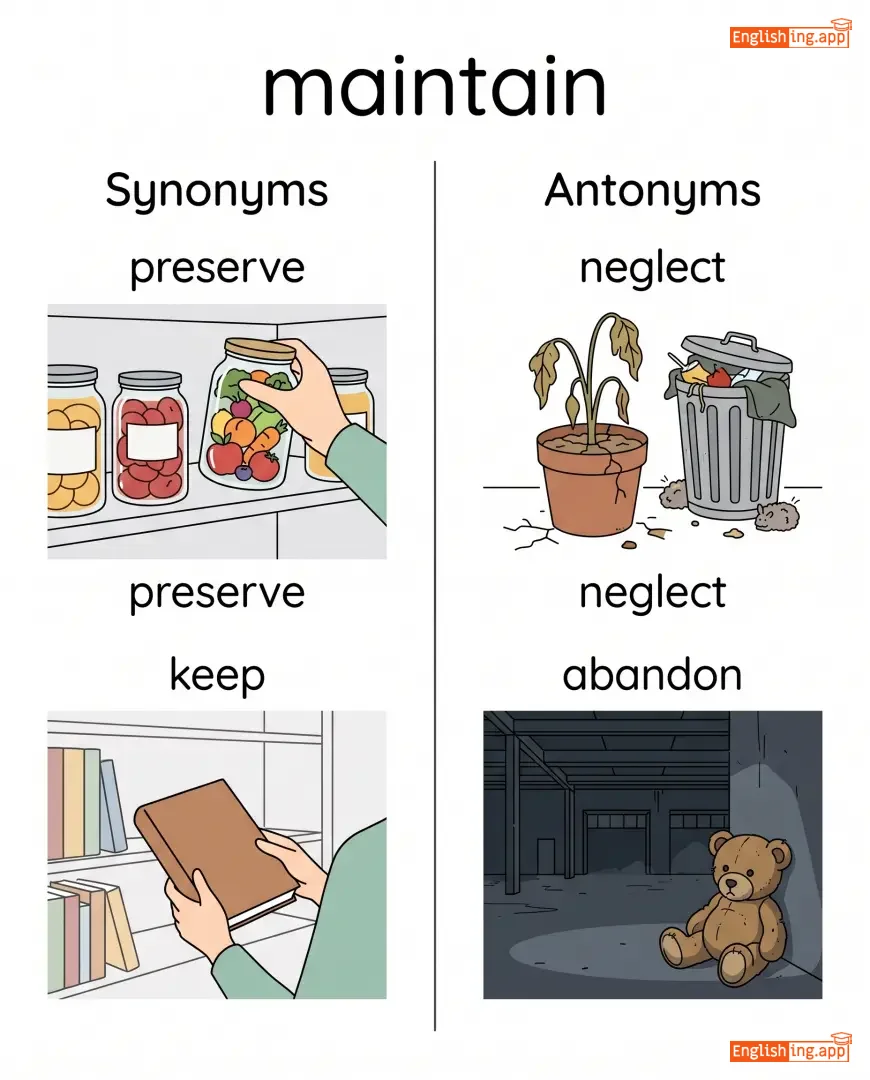
preserve, sustain, keep, uphold, retain
••••••
|
neglect, abandon, destroy, deteriorate
••••••
|
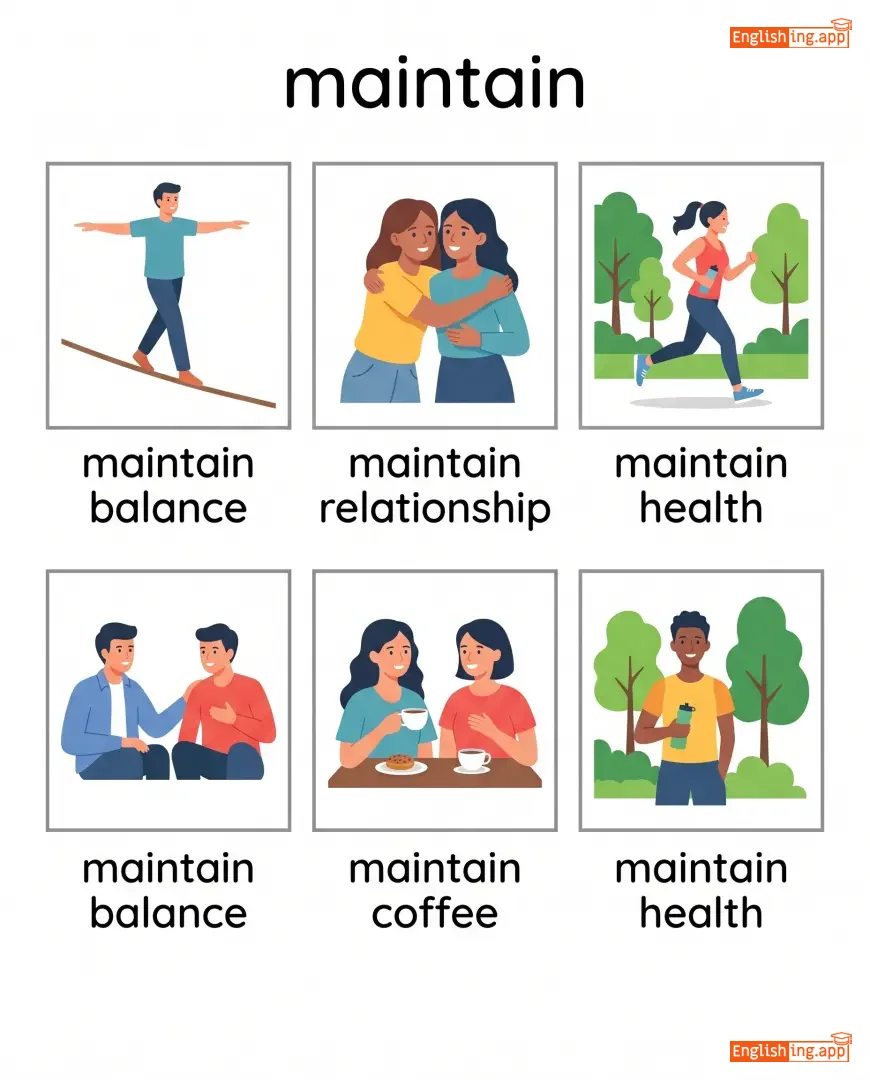
maintain order, maintain health, maintain balance, maintain quality
••••••
|
Maintain your health like a Japanese zen garden.
••••••
|
|
#52
💬
|
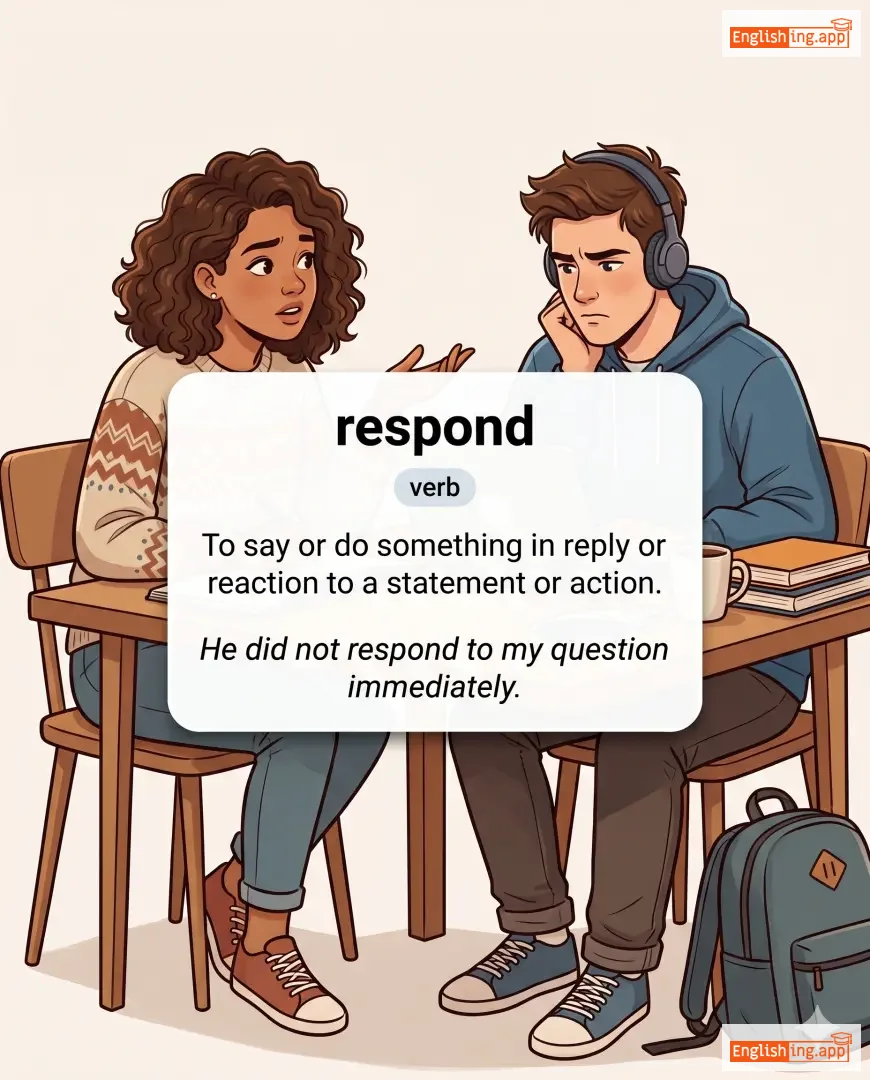
/rɪˈspɒnd/
verb
(レスポンド)
••••••
|
|
返信する
henshin suru
••••••
|
responded
レスポンデッド
••••••
|
responded
レスポンデッド
••••••
|
responds
レスポンズ
••••••
|
responding
レスポンディング
••••••
|
to give an answer or reply; to react to something
••••••
|
Please respond to my email as soon as possible.
できるだけ早く私のメールに返信してください。
••••••
|
できるだけ早く私のメールに返信してください。
Dekiru dake hayaku watashi no mēru ni henshin shite kudasai.
••••••
|
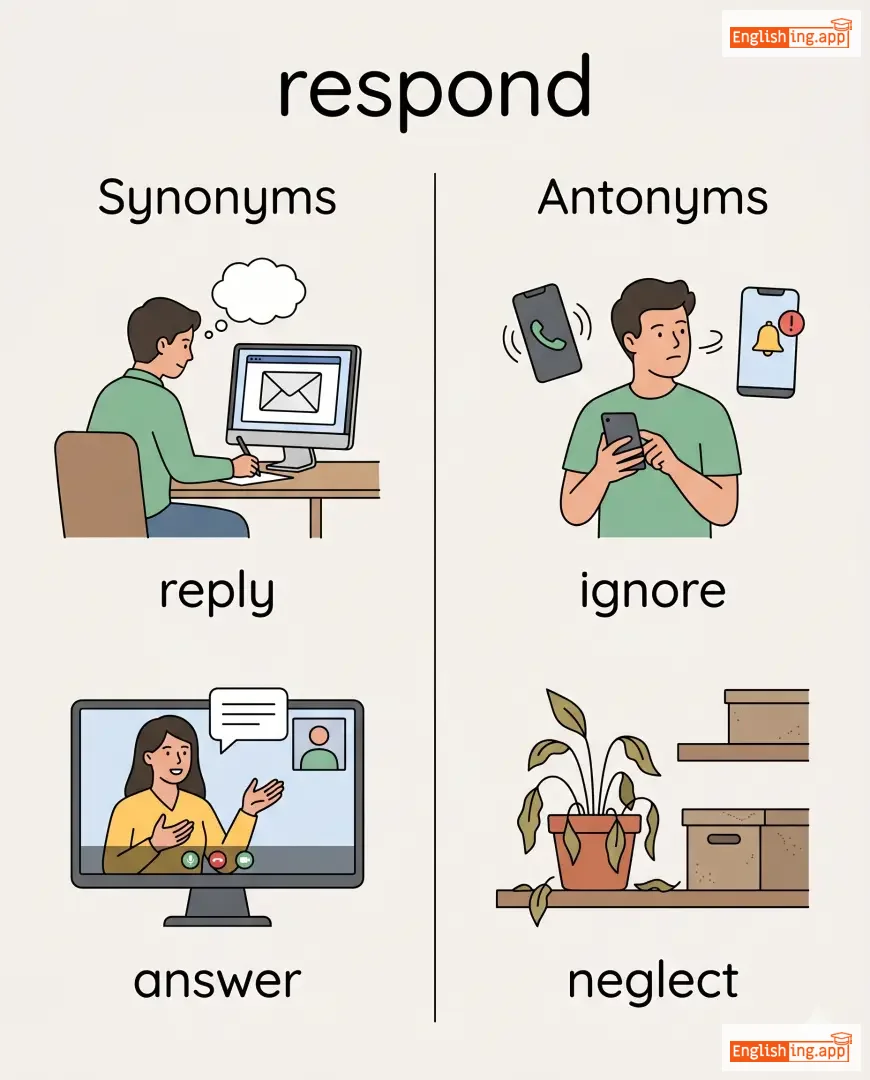
reply, answer, react, acknowledge
••••••
|
ignore, neglect, disregard
••••••
|
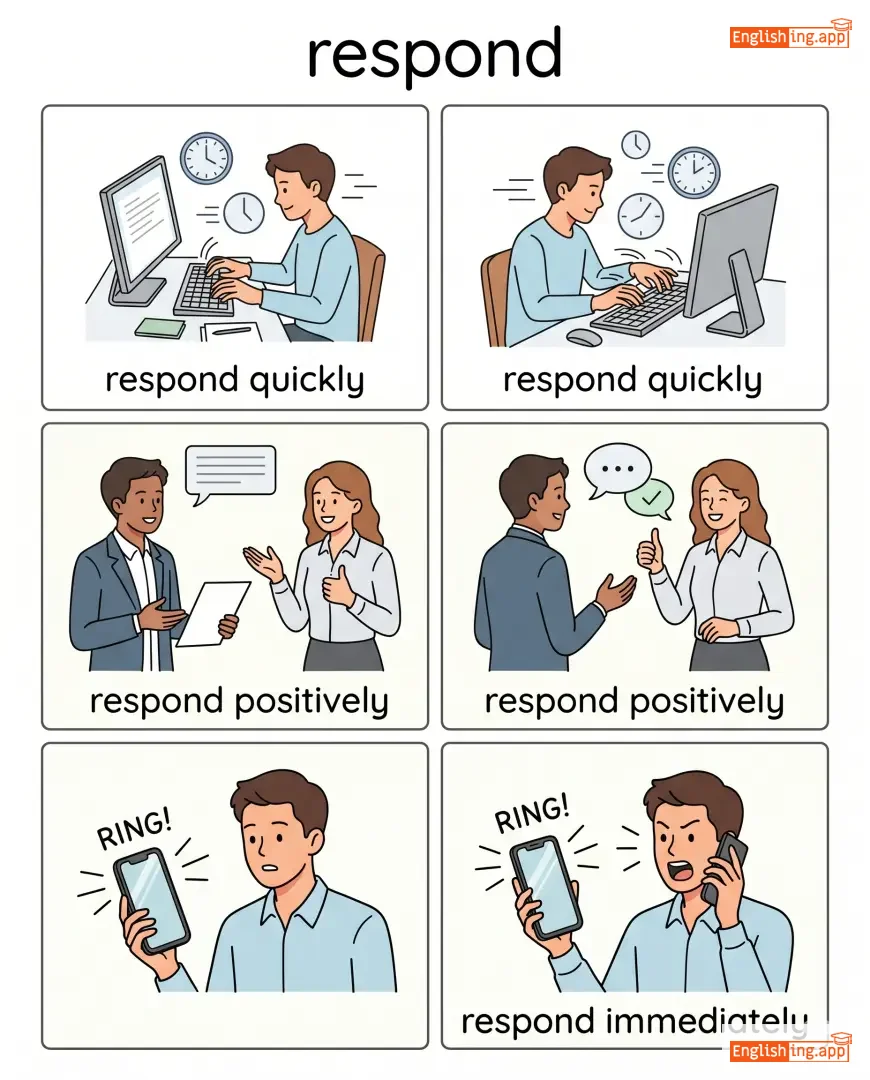
respond quickly, respond positively, respond to email, fail to respond
••••••
|
早く返信して、問題を解決しよう。
••••••
|
|
#53
🎼
|
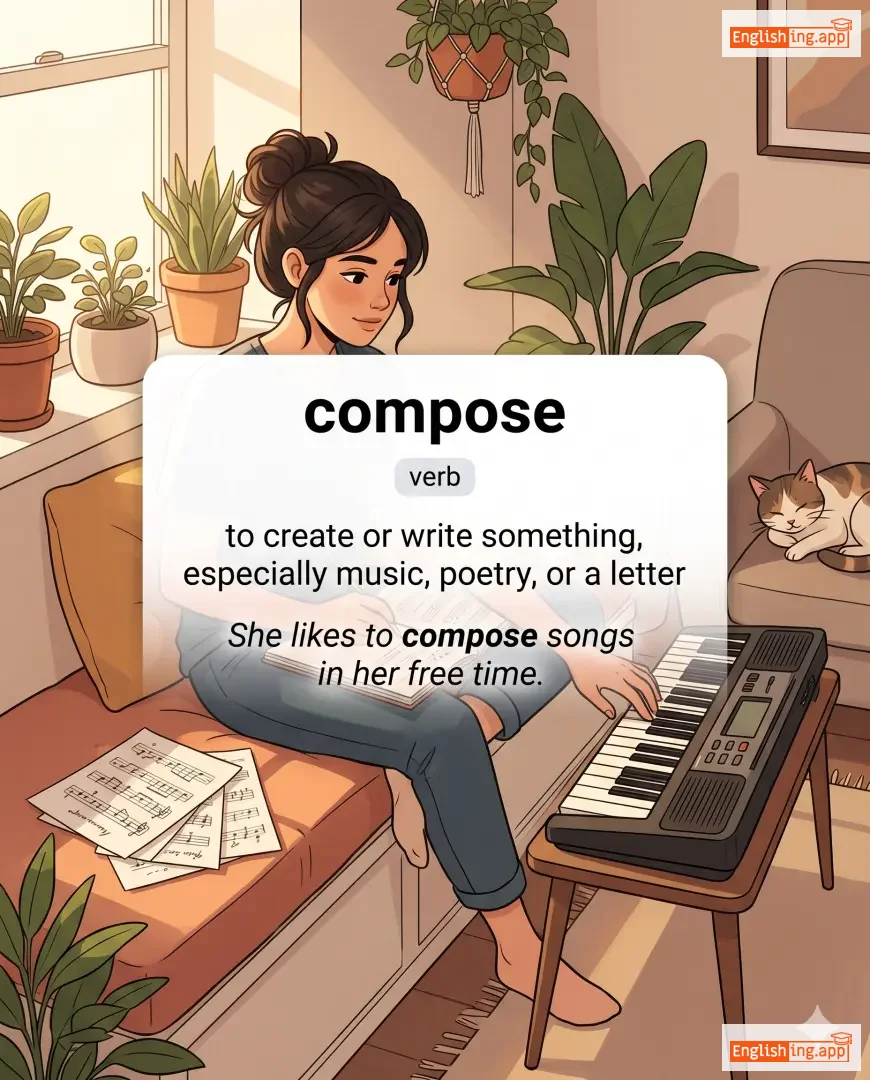
/kəmˈpoʊz/
verb
(コンポーズ)
••••••
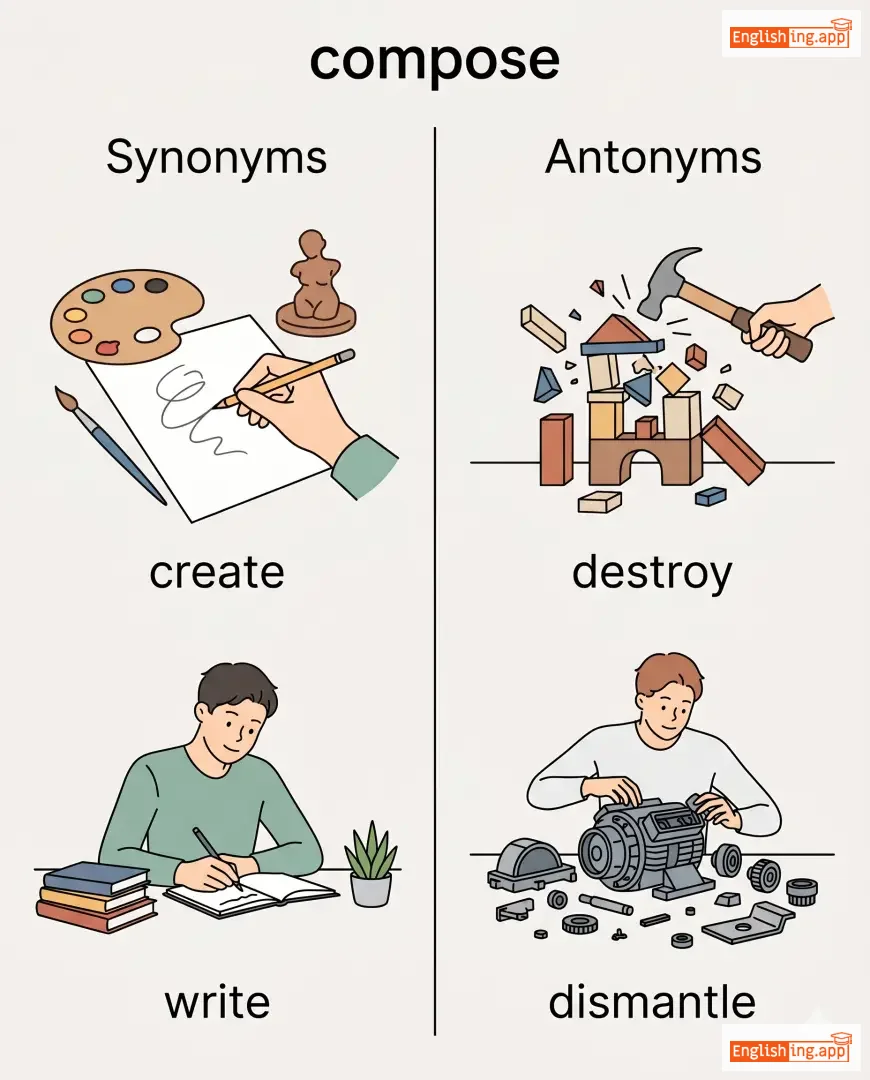
|
|
作曲する
sakkyoku suru
••••••
|
composed
コンポーズド
••••••
|
composed
コンポーズド
••••••
|
composes
コンポーズズ
••••••
|
composing
コンポーズイング
••••••
|
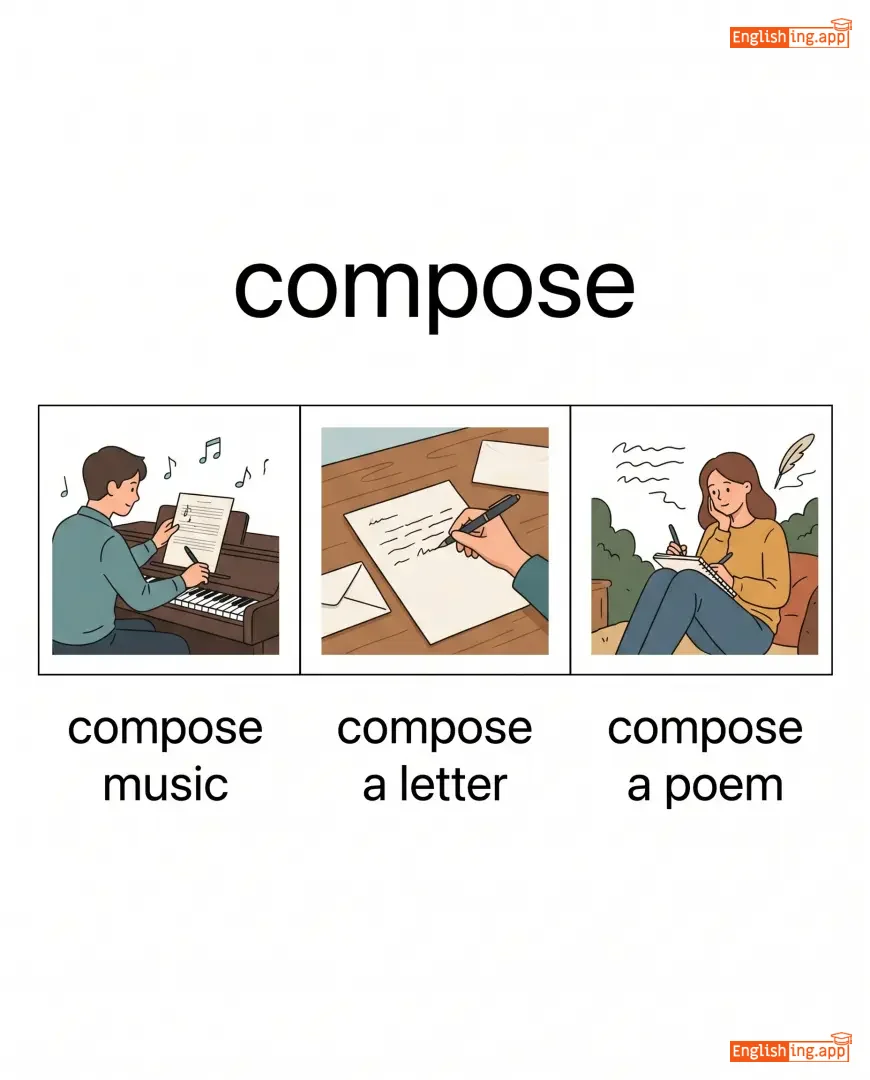
to create music or writing; to make up; to calm oneself
••••••
|
She composes beautiful songs.
彼女は美しい歌を作曲します。
••••••
|
彼女は美しい歌を作曲します。
Kanojo wa utsukushī uta o sakkyoku shimasu.
••••••
|
create, write, formulate, calm
••••••
|
destroy, disrupt, agitate
••••••
|
compose music, compose letter, compose yourself, compose thoughts
••••••
|
音楽を作ることで自分を落ち着かせる。
••••••
|
|
#54
⚡
|
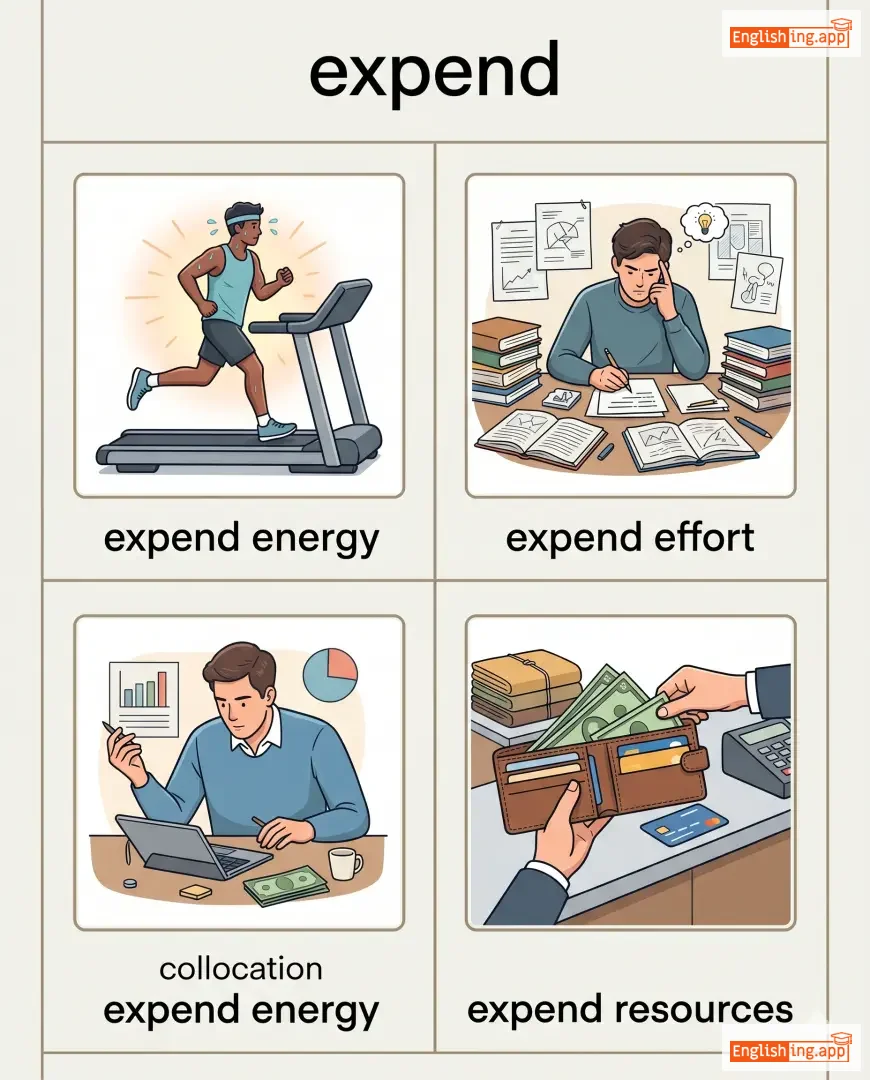
/ɪkˈspend/
verb
(エクスペンド)
••••••
|
|
使う
tsukau
••••••
|
expended
エクスペンデッド
••••••
|
expended
エクスペンデッド
••••••
|
expends
エクスペンズ
••••••
|
expending
エクスペンディング
••••••
|
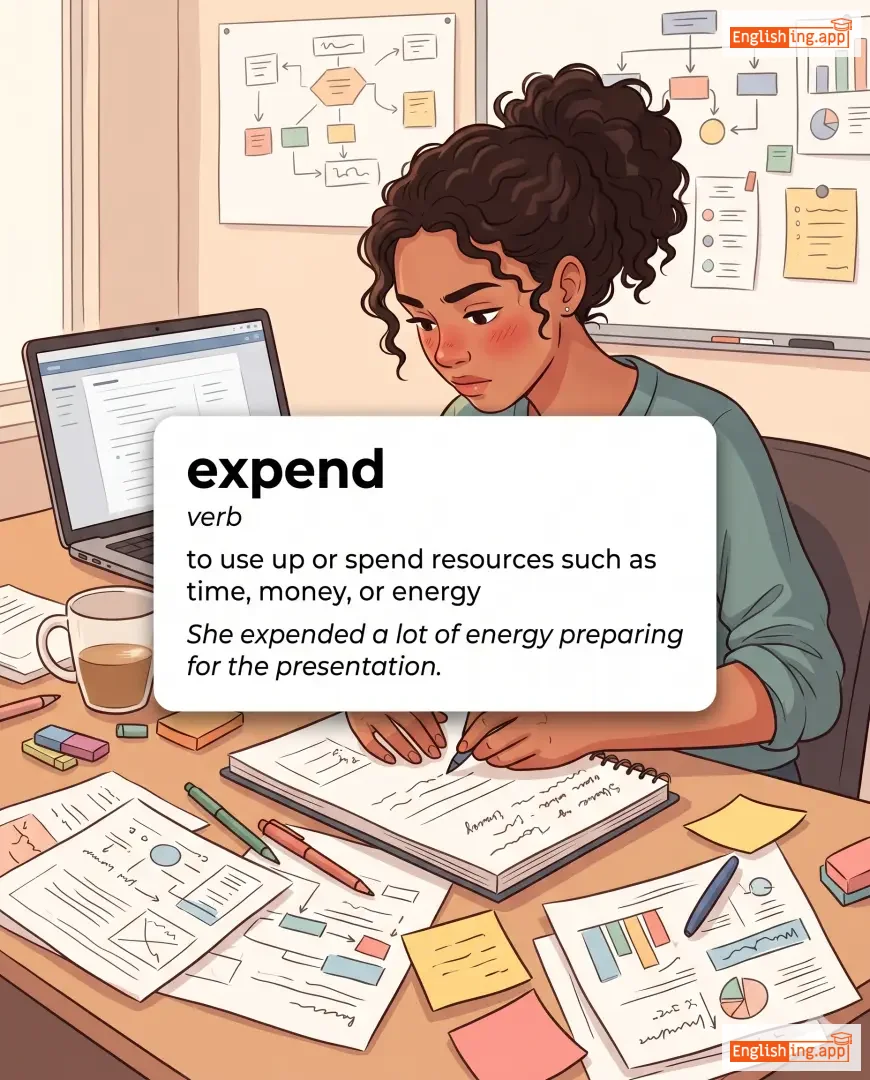
to use up or consume; to spend energy or resources
••••••
|
He expended all his energy on the project.
彼はプロジェクトに全てのエネルギーを費やした。
••••••
|
彼はプロジェクトに全てのエネルギーを費やした。
Kare wa purojekuto ni subete no enerugī o tsukashita.
••••••
|
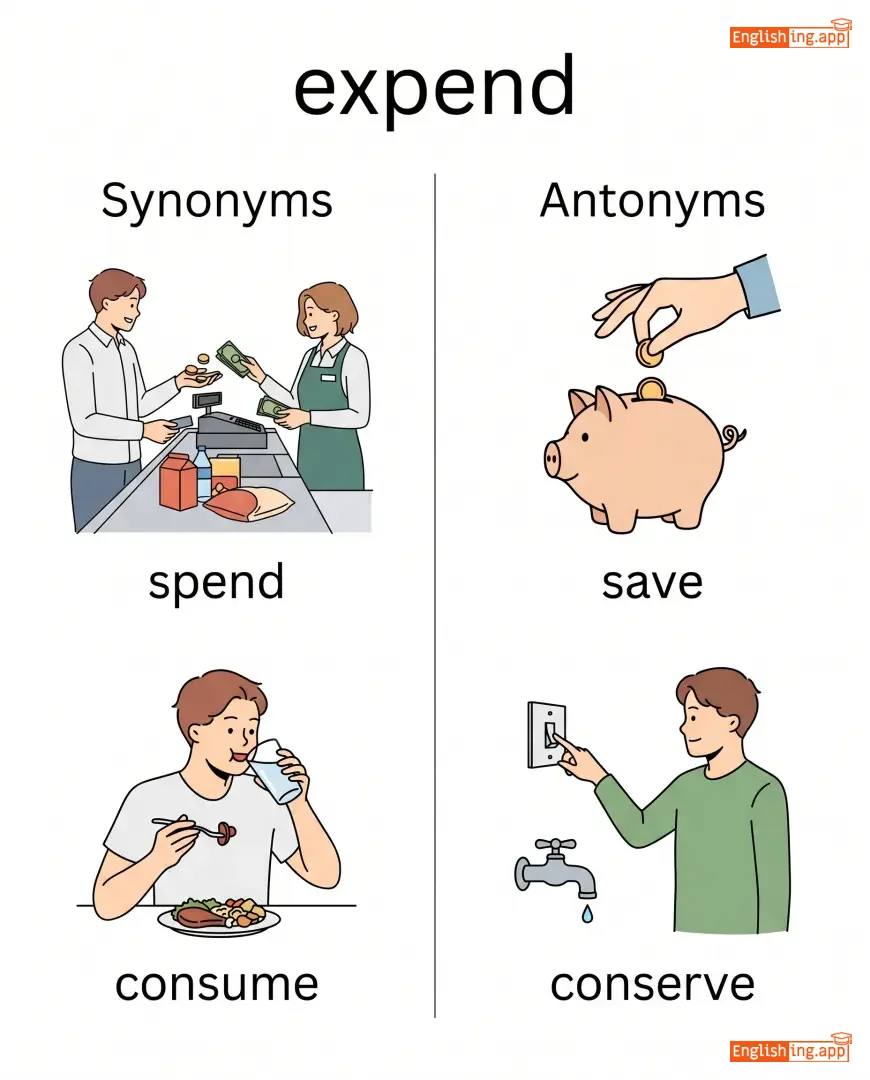
use, consume, spend, exhaust
••••••
|
save, conserve, preserve, store
••••••
|
expend energy, expend resources, expend effort, expend money
••••••
|
使う力を最大限に!
••••••
|
|
#55
💨
|
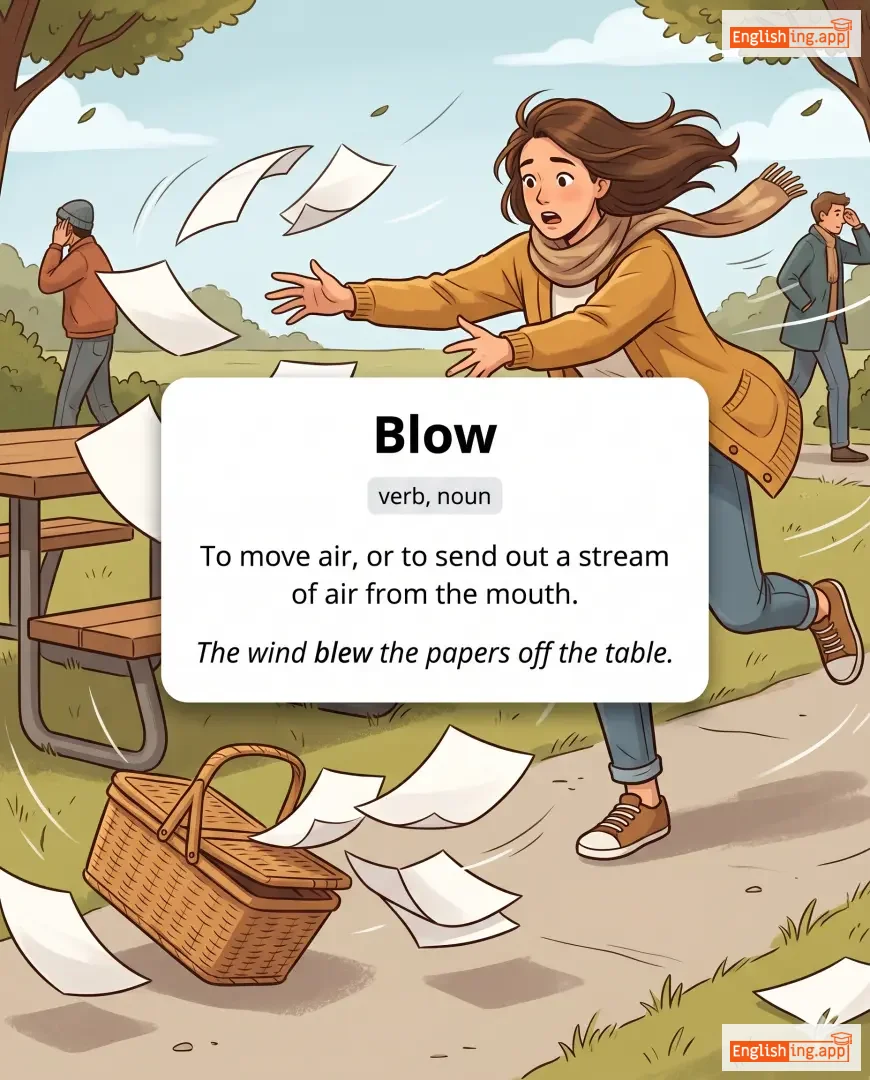
/bloʊ/
verb
(ブロー)
••••••
|
|
吹く
fuku
••••••
|
blew
ブルー
••••••
|
blown
ブローン
••••••
|
blows
ブローズ
••••••
|
blowing
ブローイング
••••••
|
to move air forcefully; to expel air from mouth
••••••
|
The wind blows strongly today.
今日は風が強く吹いています。
••••••
|
今日は風が強く吹いています。
Kyou wa kaze ga tsuyoku fuiteimasu.
••••••
|
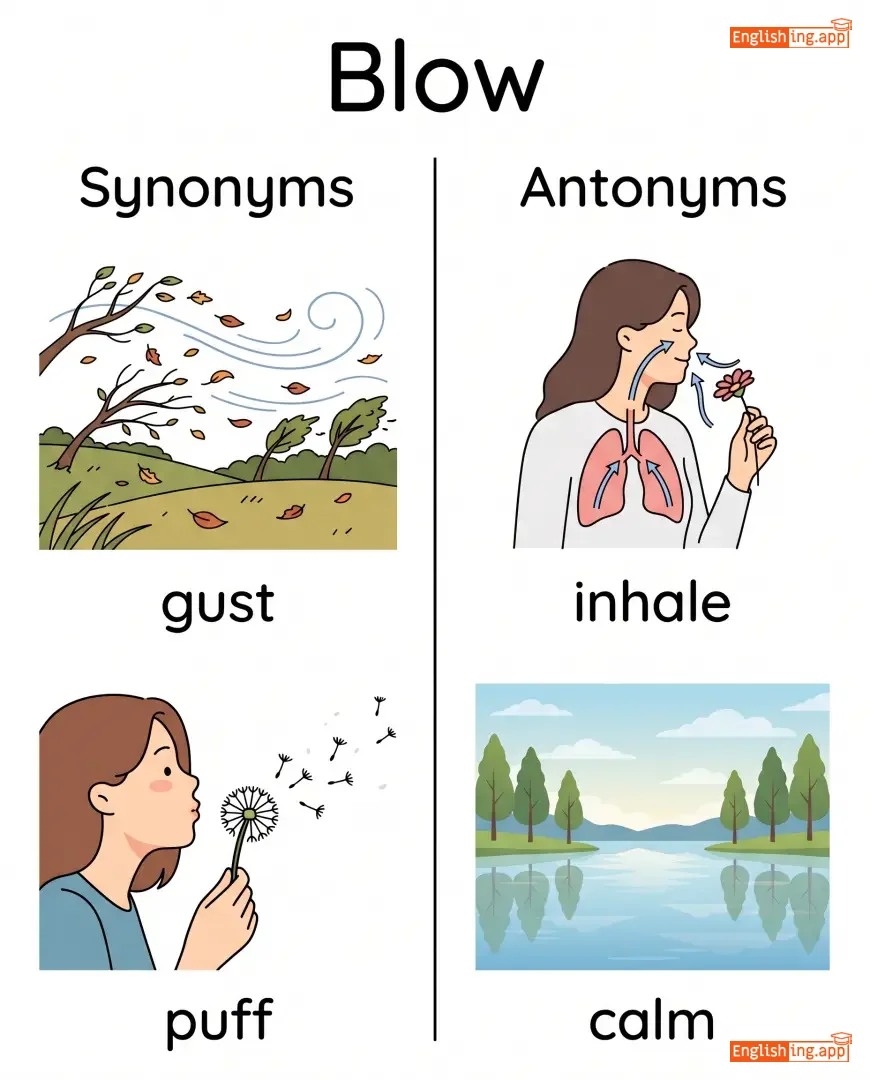
gust, puff, exhale, breathe
••••••
|
inhale, suck, draw in
••••••
|
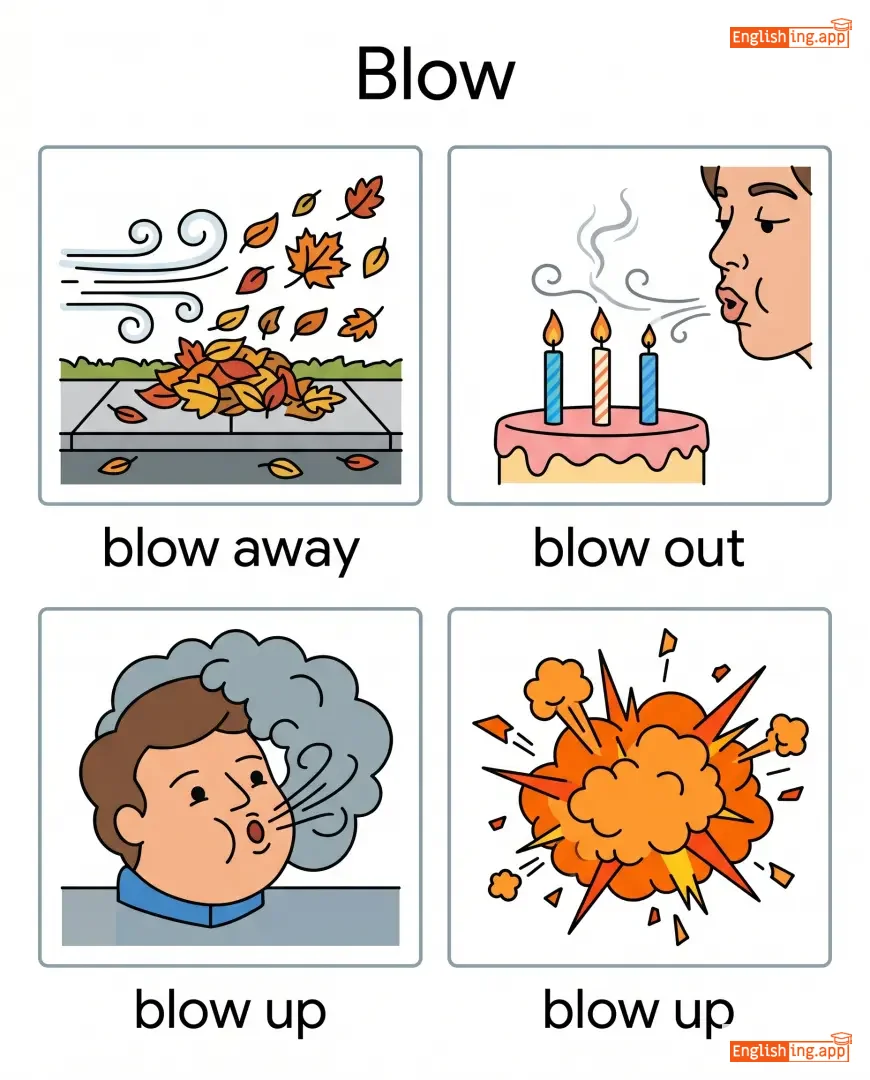
blow away, blow hard, blow whistle, blow out candles
••••••
|
吹くとは、口から強い力で空気を出すことです。
••••••
|
|
#56
⛓️
|
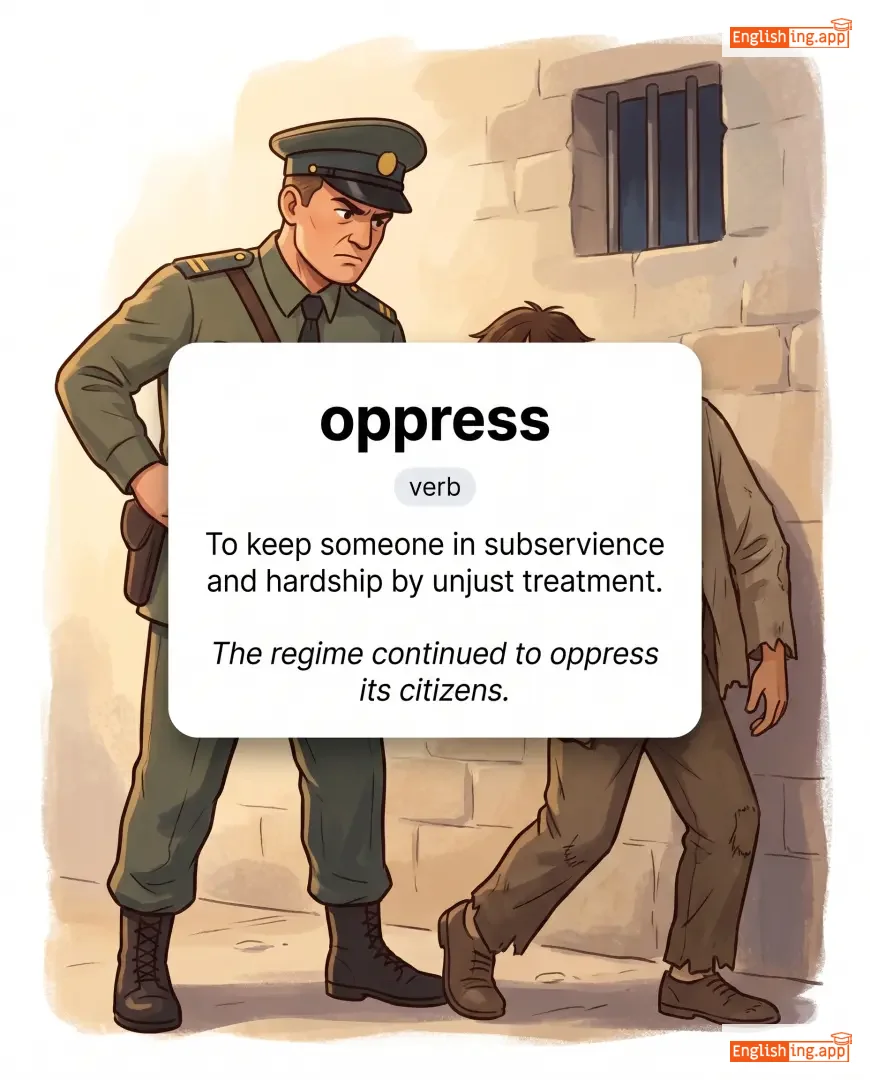
/əˈprɛs/
verb
(オプレス)
••••••
|
|
抑圧する
yokatsu suru
••••••
|
oppressed
オプレスド
••••••
|
oppressed
オプレスド
••••••
|
oppresses
オプレセス
••••••
|
oppressing
オプレッシング
••••••
|
to keep someone down by harsh and unfair use of authority; to suppress
••••••
|
The dictator oppressed the people for decades.
独裁者は何十年も人々を抑圧した。
••••••
|
独裁者は何十年も人々を抑圧した。
Dokusai-sha wa nanjū-nen mo hitobito o yokuatsu shita.
••••••
|
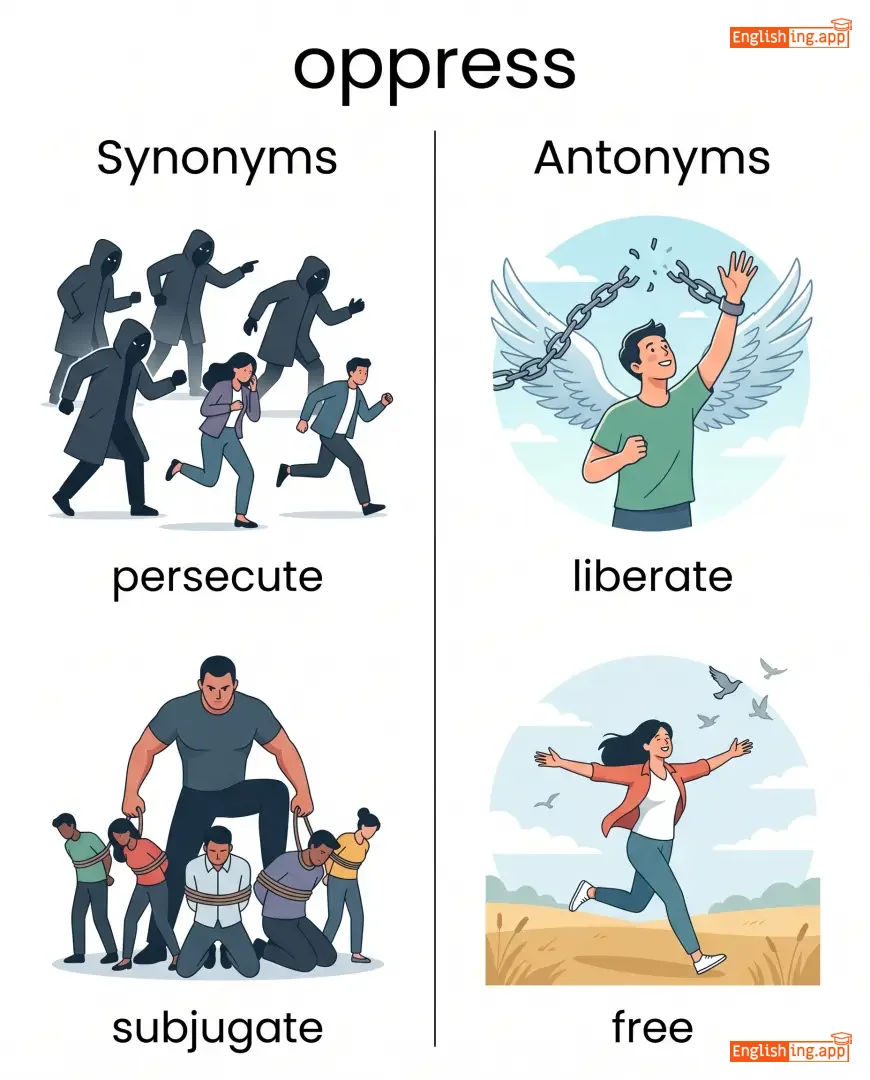
suppress, subjugate, persecute, dominate
••••••
|
liberate, free, empower, support
••••••
|
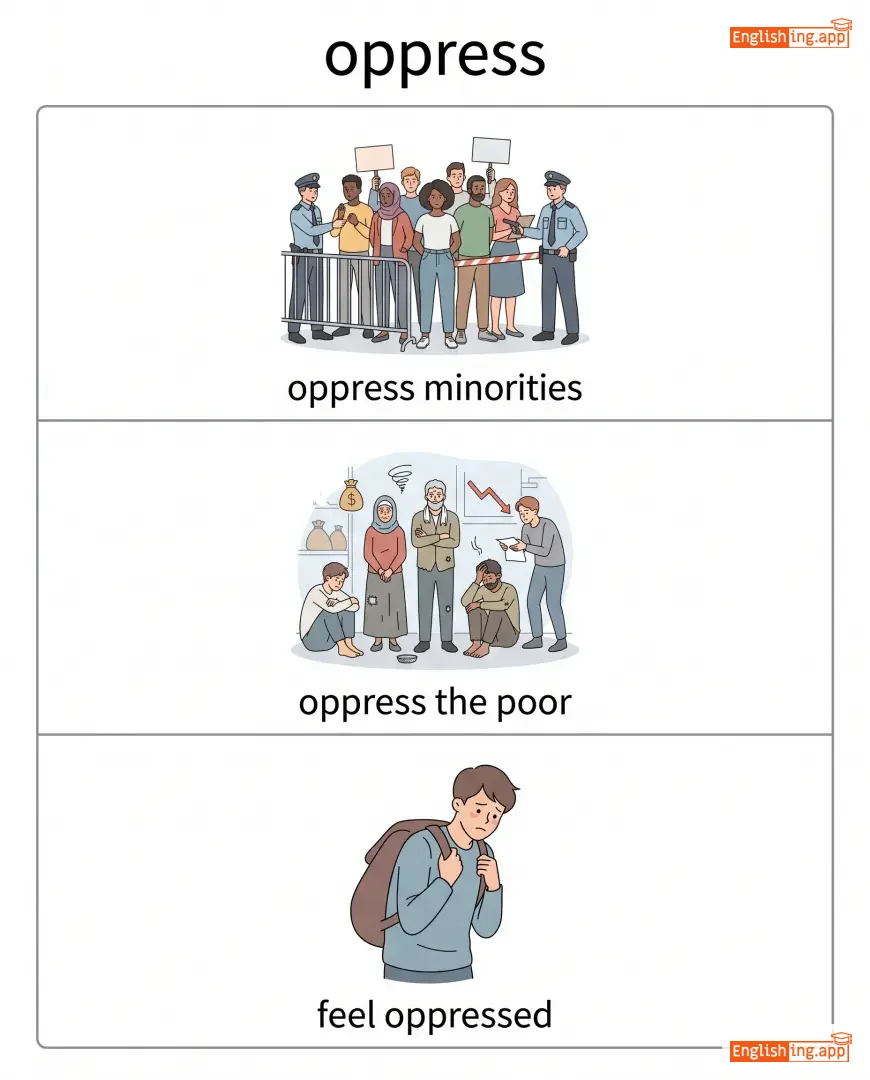
oppress people, oppress minorities, cruelly oppress, systematically oppress
••••••
|
No •••••• |
|
#57
🏗️
|
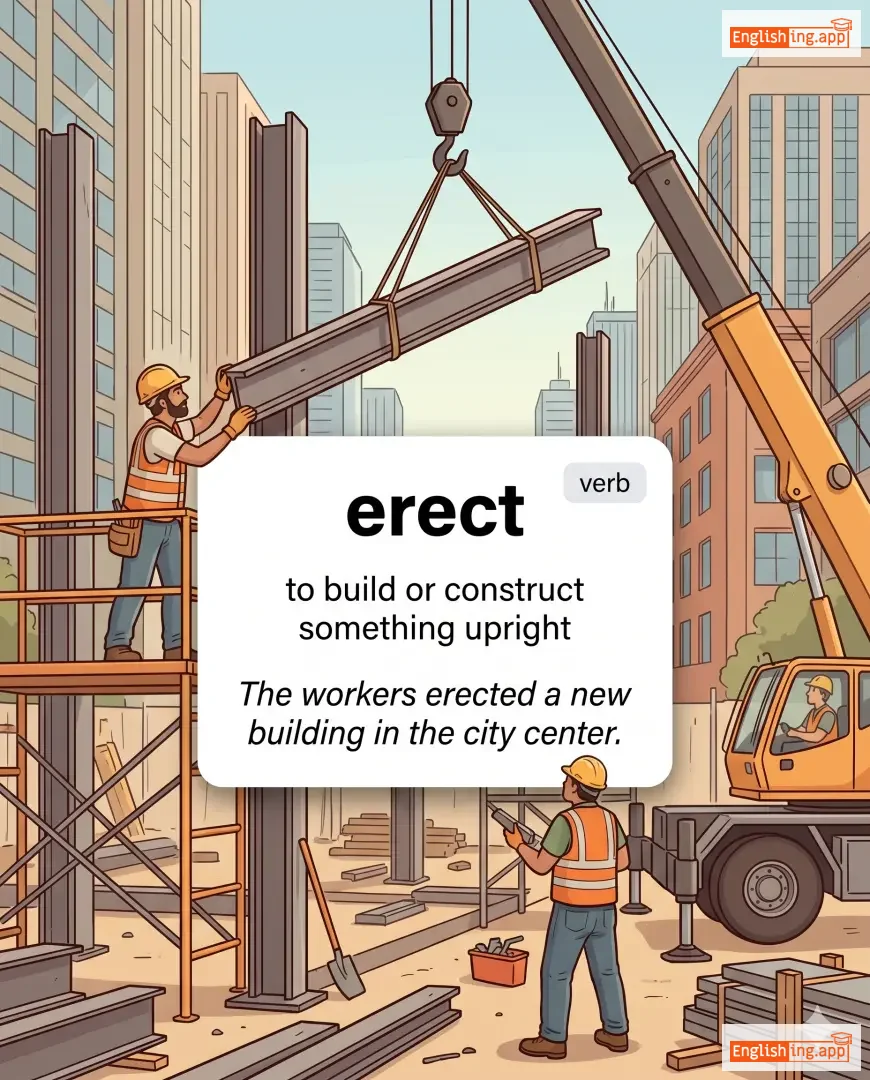
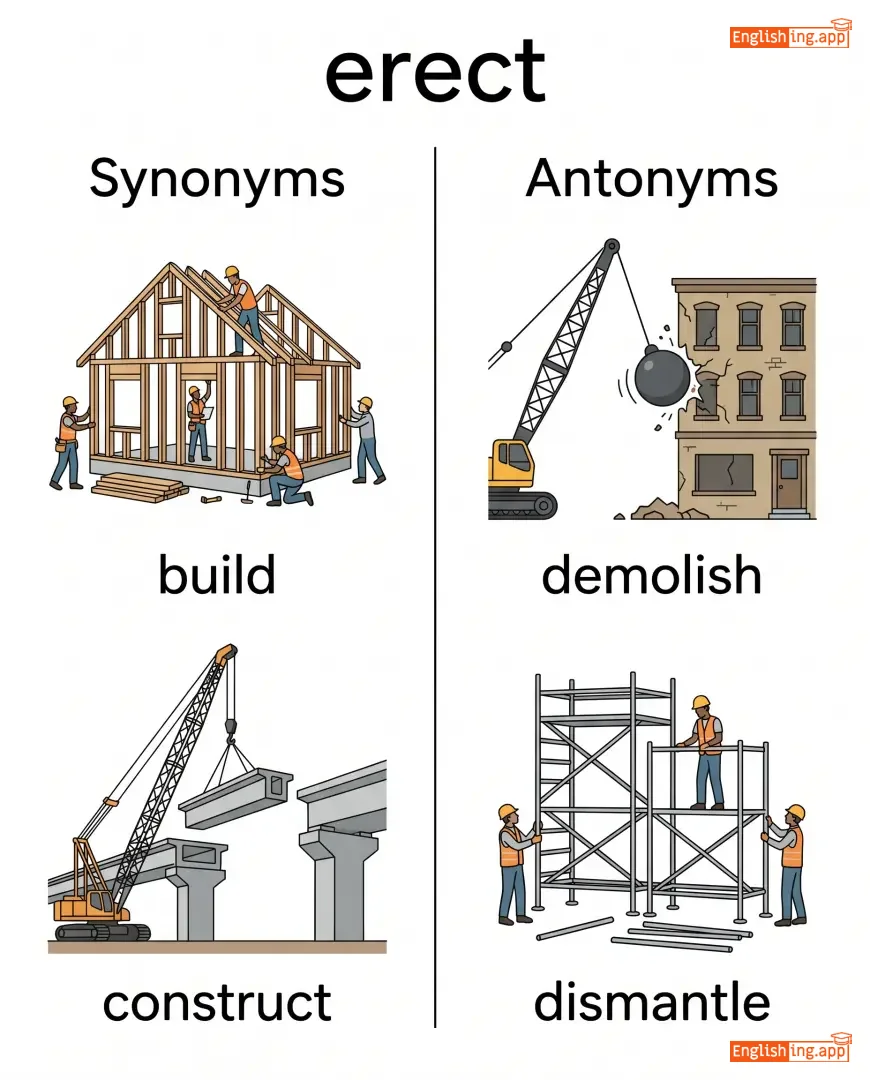
/ɪˈrɛkt/
verb
(イレクト)
••••••
|
|
建てる
tateru
••••••
|
erected
イレクテッド
••••••
|
erected
イレクテッド
••••••
|
erects
イレクツ
••••••
|
erecting
イレクティング
••••••
|
to build or construct something; to set upright
••••••
|
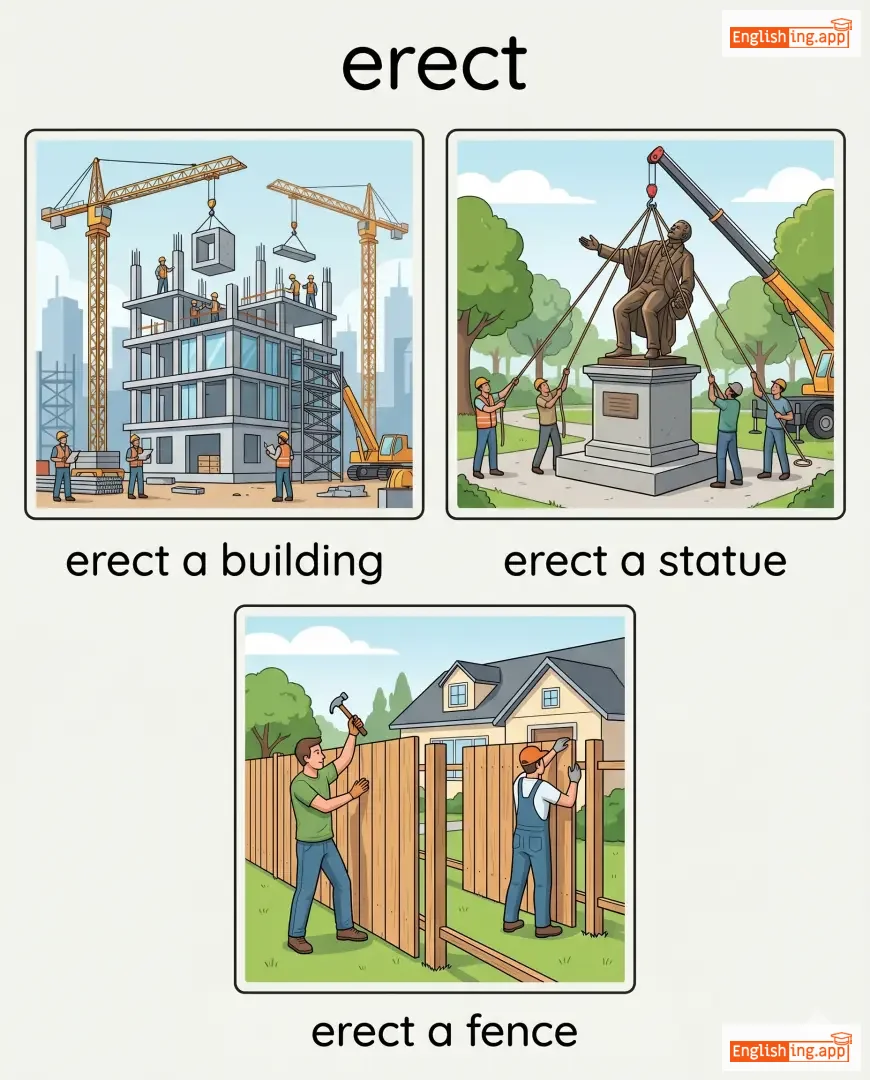
They erected a statue in the town square.
彼らは町の広場に像を建てました。
••••••
|
彼らは町の広場に像を建てました。
Karera wa machi no hiroba ni zou o tatemashita.
••••••
|
build, construct, raise, establish
••••••
|
demolish, destroy, tear down
••••••
|
erect building, erect monument, erect statue, erect structure
••••••
|
建てる像を立てる、建設のように。
••••••
|
|
#58
⚠️
|
/rɪsk/
verb
(risk)
••••••
|
|
リスクを取る
risuku o toru
••••••
|
risked
risked
••••••
|
risked
risked
••••••
|
risks
risks
••••••
|
risking
risking
••••••
|
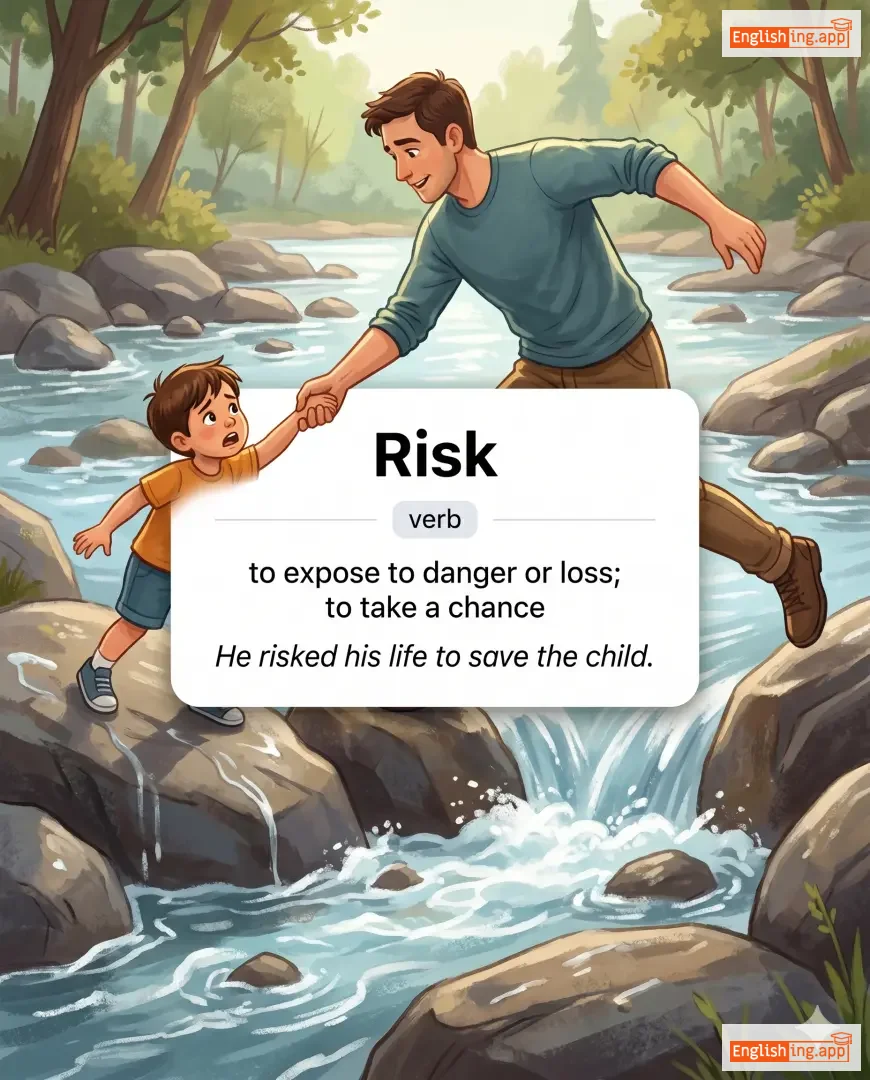
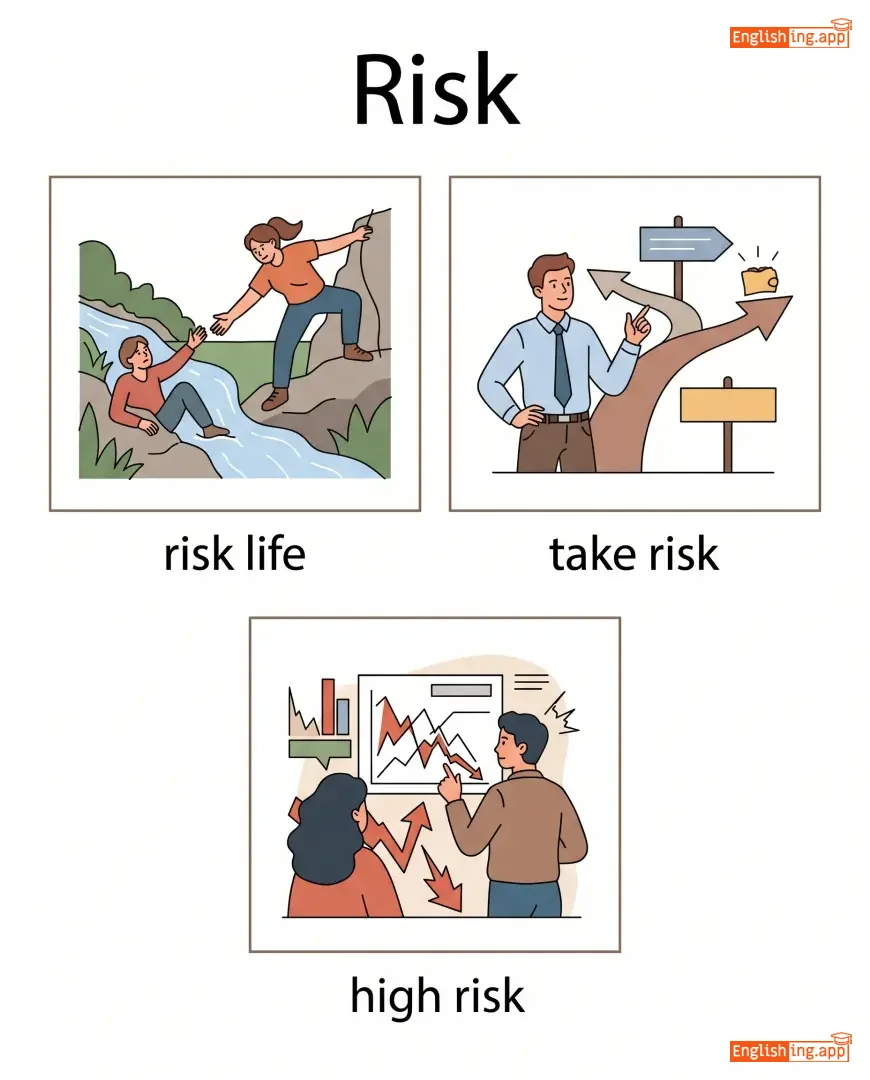
to expose to danger or loss; to take a chance
••••••
|
He risked his life to save the child.
彼は子供を救うために命を懸けた。
••••••
|
彼は子供を救うために命を懸けた。
Kare wa kodomo o sukuu tame ni inochi o kaketa.
••••••
|
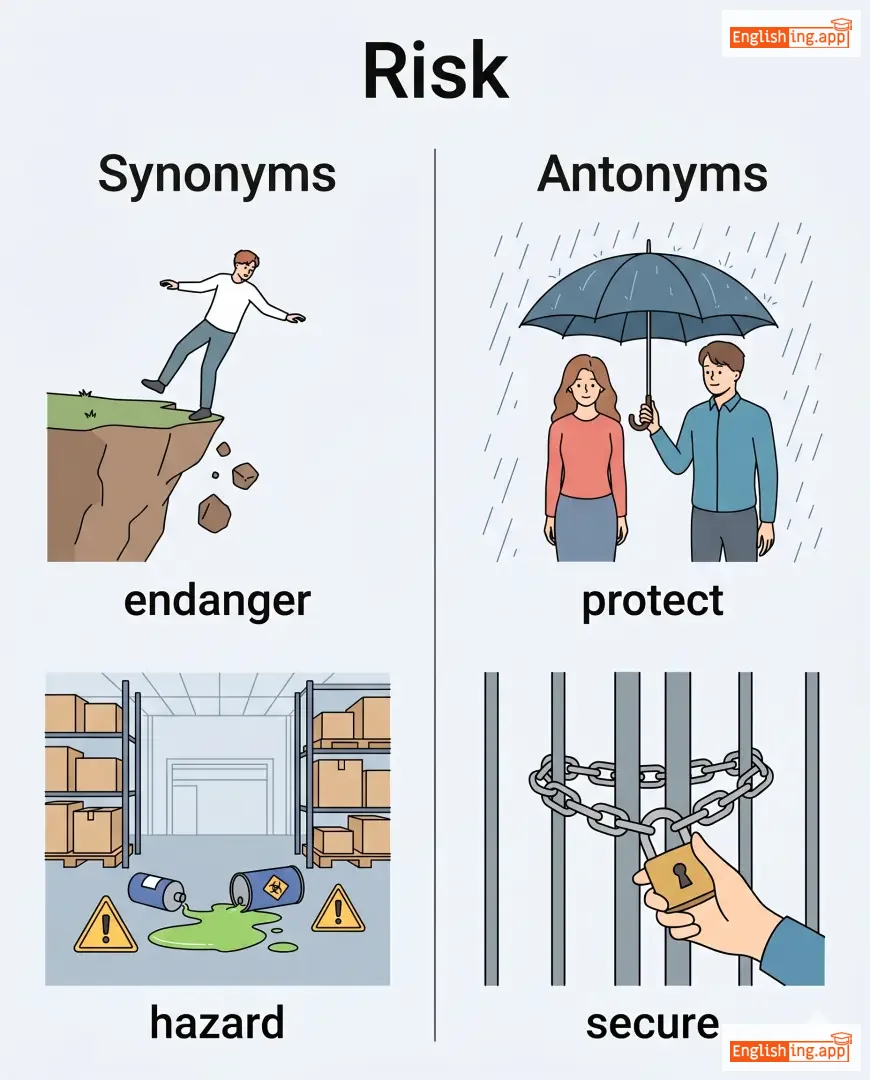
endanger, hazard, jeopardize, venture
••••••
|
protect, secure, safeguard, preserve
••••••
|
risk life, take risk, high risk, risk everything
••••••
|
リスクを取ることは、未来を切り開くための鍵となる。
••••••
|
|
#59
📅
|
/ˈɔːrɡənaɪz/
verb
(オーガナイズ)
••••••
|
|
整理する
seiri suru
••••••
|
organized
オーガナイズド
••••••
|
organized
オーガナイズド
••••••
|
organizes
オーガナイズズ
••••••
|
organizing
オーガナイジング
••••••
|
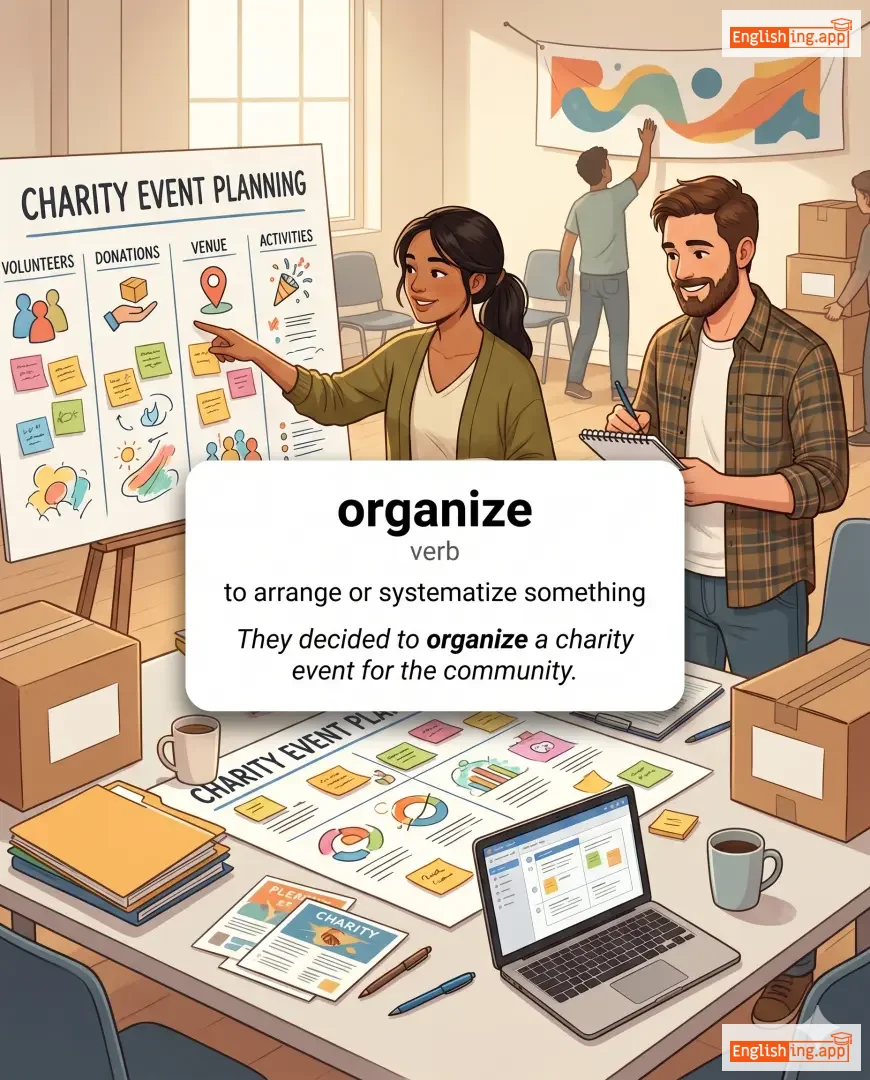
to arrange systematically; to plan and coordinate
••••••
|
She organized a surprise party for her friend.
シー オーガナイズド ア サプライズ パーティー フォー ハー フレンド
••••••
|
彼女は友達のためにサプライズパーティーを企画した。
Kanojo wa tomodachi no tame ni sapuraizu paatii o kikaku shita
••••••
|
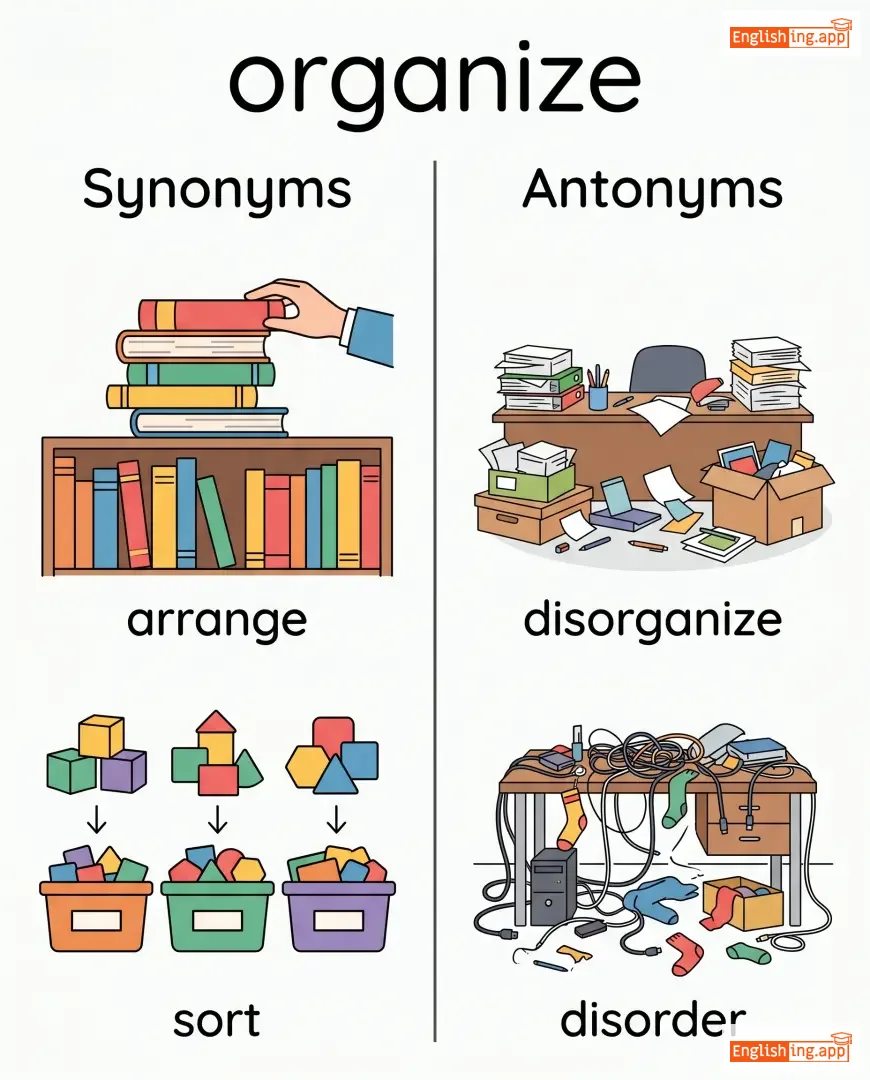
arrange, plan, coordinate, structure
••••••
|
disorganize, scatter, disorder, confuse
••••••
|
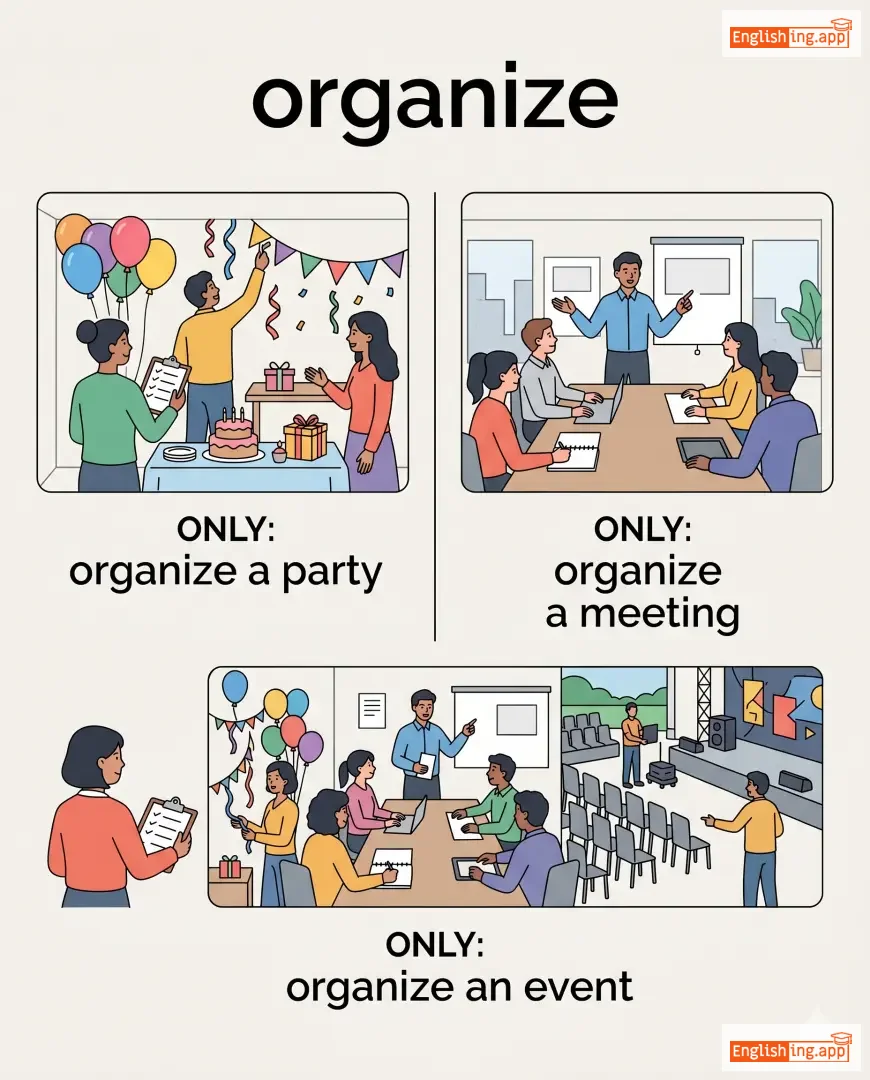
organize event, organize files, organize thoughts, well organized
••••••
|
オーガナイズ = organize; 整理する Seiri suru の shelf を想像しておく: an O shaped mascot shouting Organize!
••••••
|
Vocabulary Quiz
Test your vocabulary by matching words with their translations or meanings.
Login to take the quiz
Comments (0)
Share your thoughts and join the discussion.
Join the discussion by logging in
Login to CommentNo comments yet
Be the first to share your thoughts!