










Swipe left or right, or use the buttons. Tap image to zoom.
例句翻译
单词
Lesson 23: Mastering the Most Frequent Verbs & TensesLesson 23: Mastering the Most Frequent Verbs & Tenses - 遮罩切换
|
表情符号
|
单词 | Images | 翻译 | 过去时 | 过去分词 | 第三人称单数 | 动名词 | 含义 | 例句 | 例句翻译 | 同义词 | 反义词 | 搭配词 | 助记符 |
|---|---|---|---|---|---|---|---|---|---|---|---|---|---|---|
|
#656
🧎
|
/niːl/
verb
(尼尔)
••••••
|
|
下跪
xiàguì
••••••
|
knelt
内尔特
••••••
|
knelt
内尔特
••••••
|
kneels
尼尔斯
••••••
|
kneeling
尼林
••••••
|
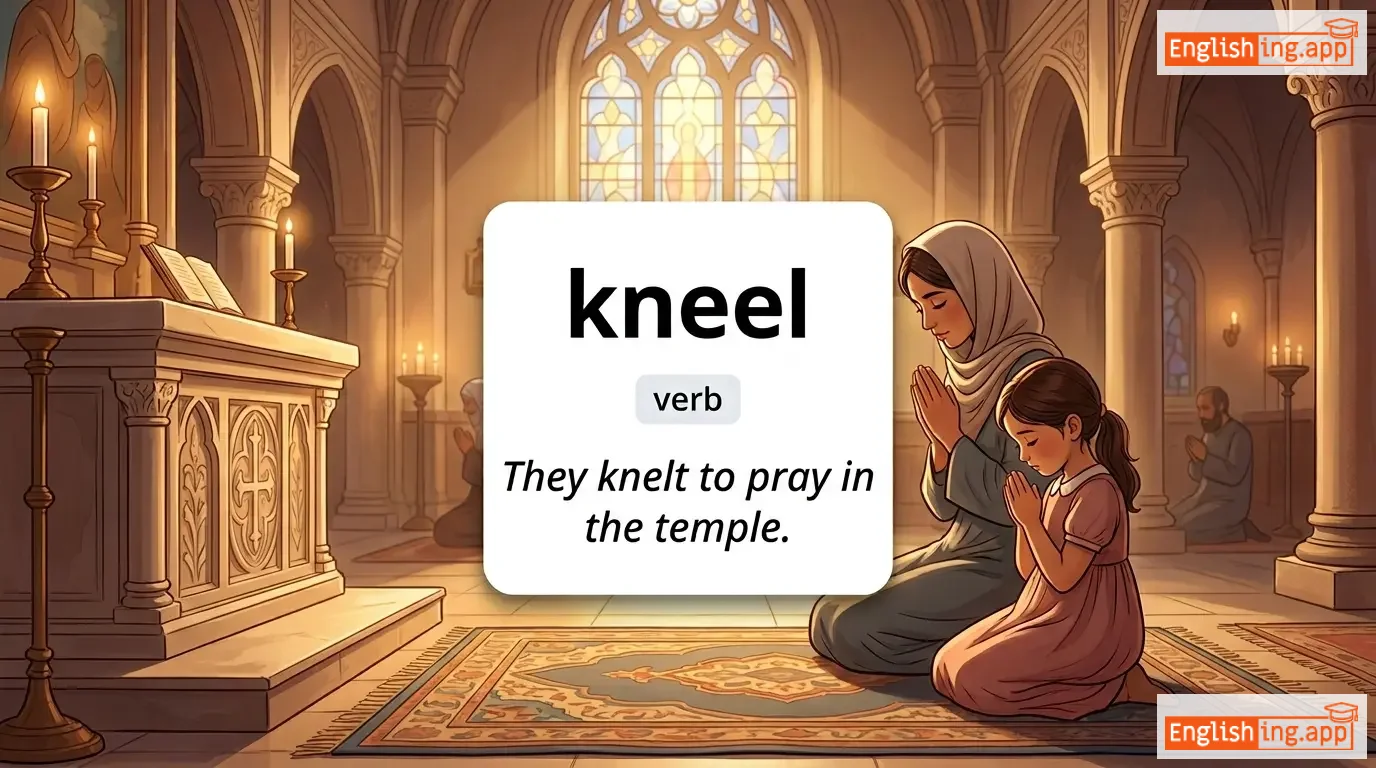
to go down on one's knees; to rest on the knees
••••••
|
The knight knelt before the king.
骑士在国王面前跪下。
••••••
|
骑士在国王面前跪下。
Qíshì zài guówáng miànqián guìxià.
••••••
|
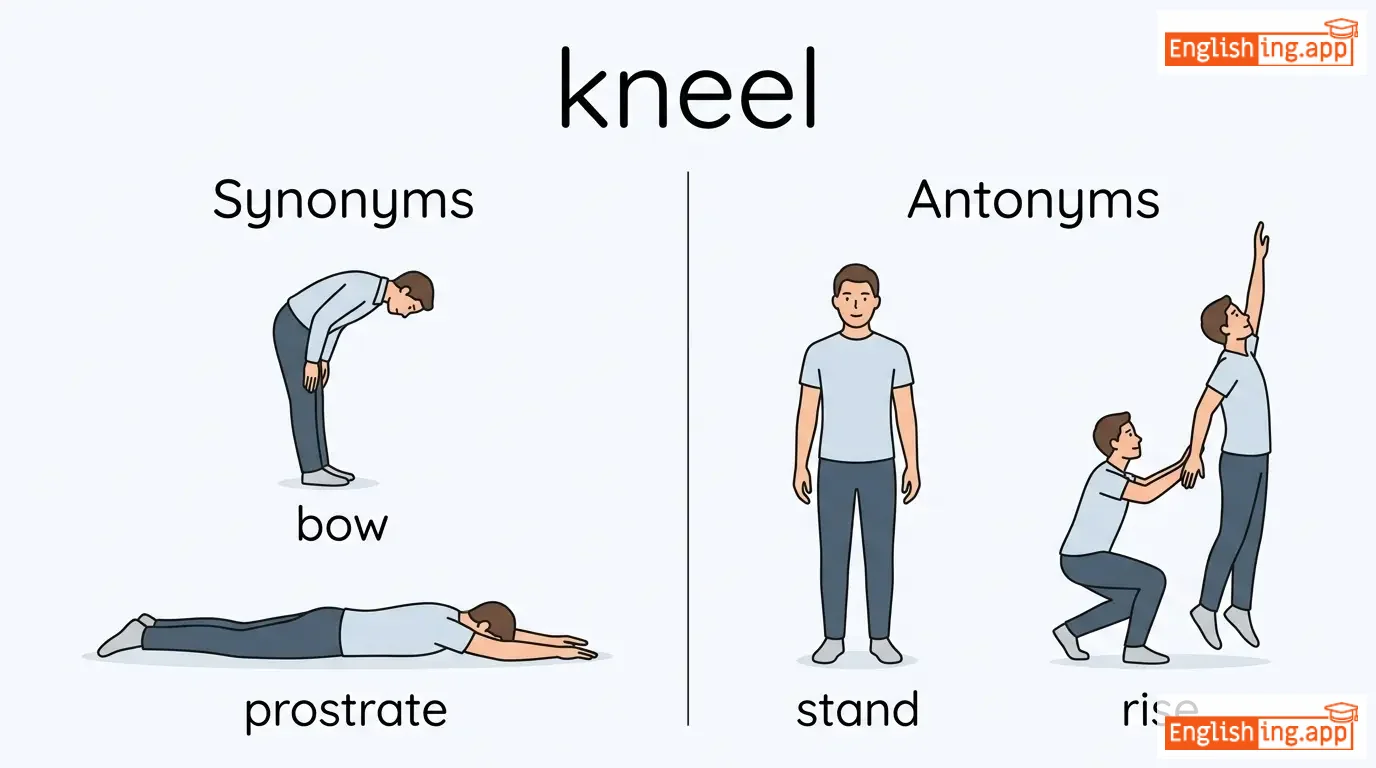
bow, genuflect, crouch, submit
••••••
|
stand, rise, tower, straighten
••••••
|
kneel down, kneel before, kneel on ground, kneel in prayer
••••••
|
像骑士一样在国王面前跪下。
••••••
|
|
#657
🛡️
|
/ɡɑːrd/
verb
(gǎde)
••••••
|
|
守卫
shǒuwèi
••••••
|
guarded
gǎdèd
••••••
|
guarded
gǎdèd
••••••
|
guards
gǎds
••••••
|
guarding
gǎdíng
••••••
|
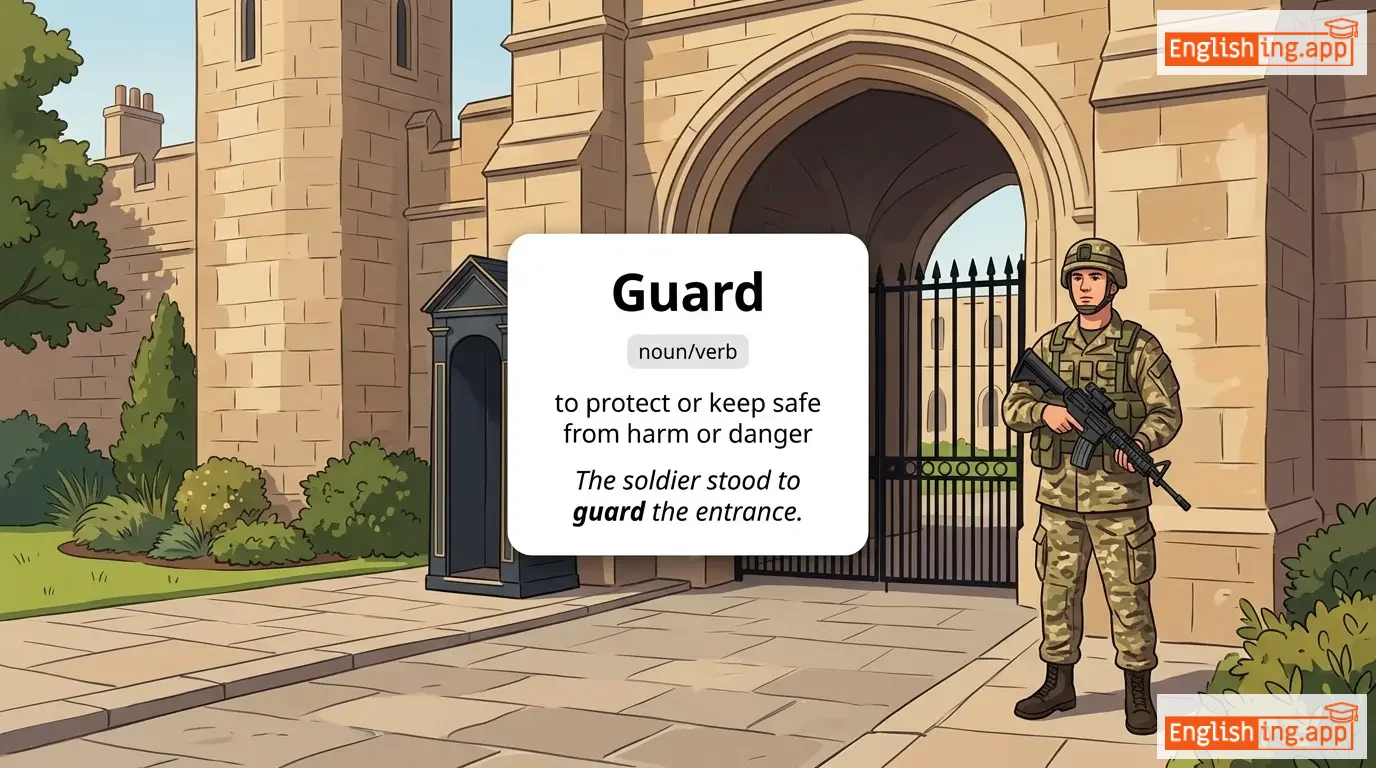
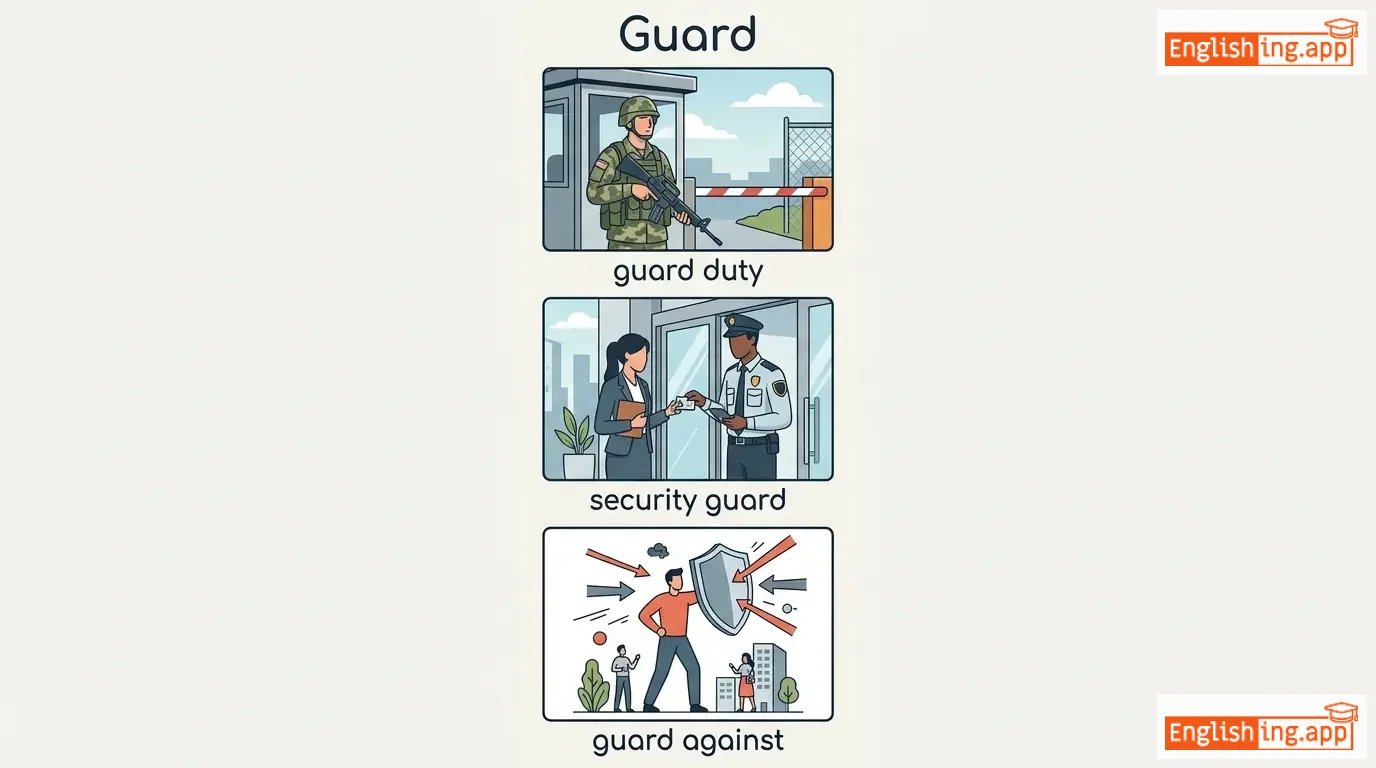
to protect someone or something from danger; to watch over
••••••
|
The soldier guards the entrance.
士兵守卫入口。
••••••
|
士兵守卫入口。
Shìbīng shǒuwèi rùkǒu.
••••••
|
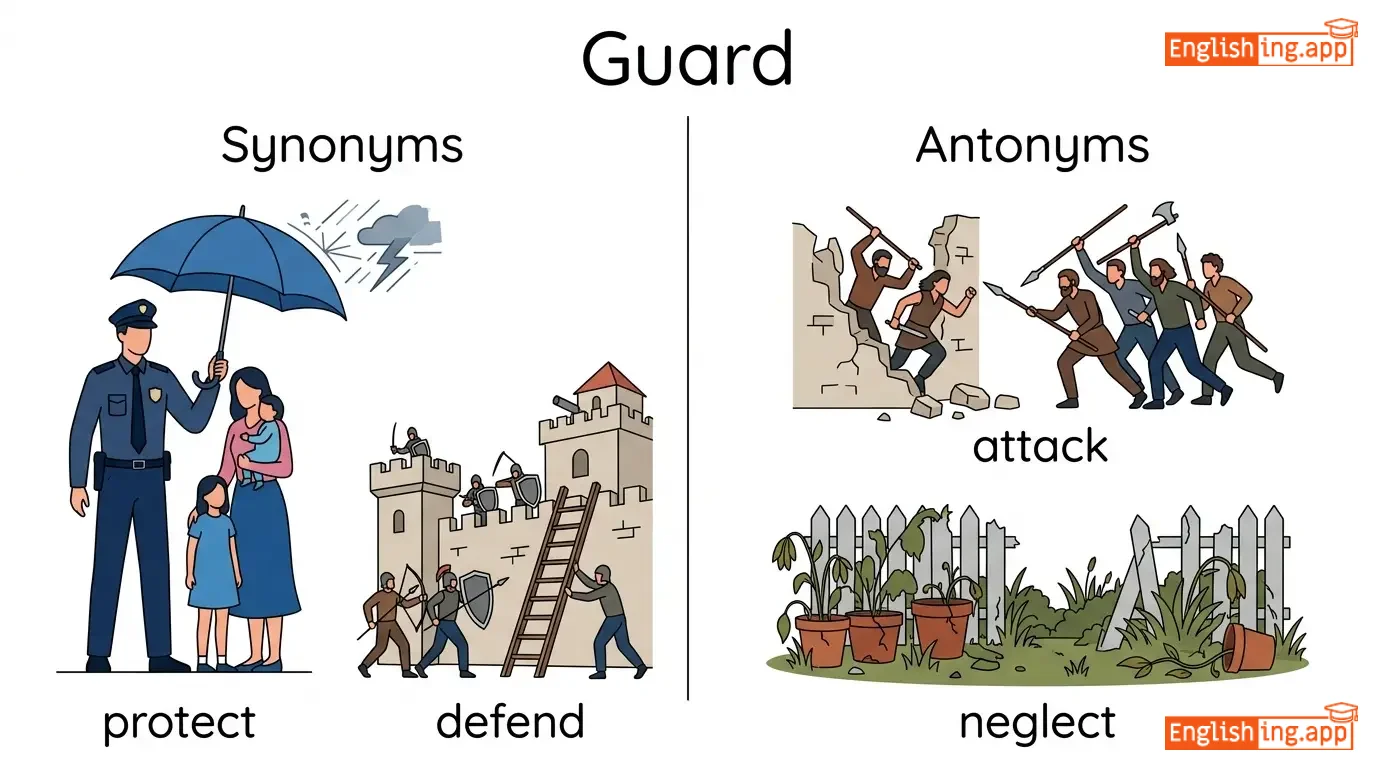
protect, defend, watch, shield
••••••
|
attack, abandon, neglect, expose
••••••
|
guard against, guard duty, guard rail, guard dog
••••••
|
Guard your space, protect your place.
••••••
|
|
#658
👆
|
/tʌtʃ/
verb
(tʌtʃ)
••••••
|
|
触摸
chùmō
••••••
|
touched
tʌtʃd
••••••
|
touched
tʌtʃd
••••••
|
touches
tʌtʃiz
••••••
|
touching
tʌtʃɪŋ
••••••
|
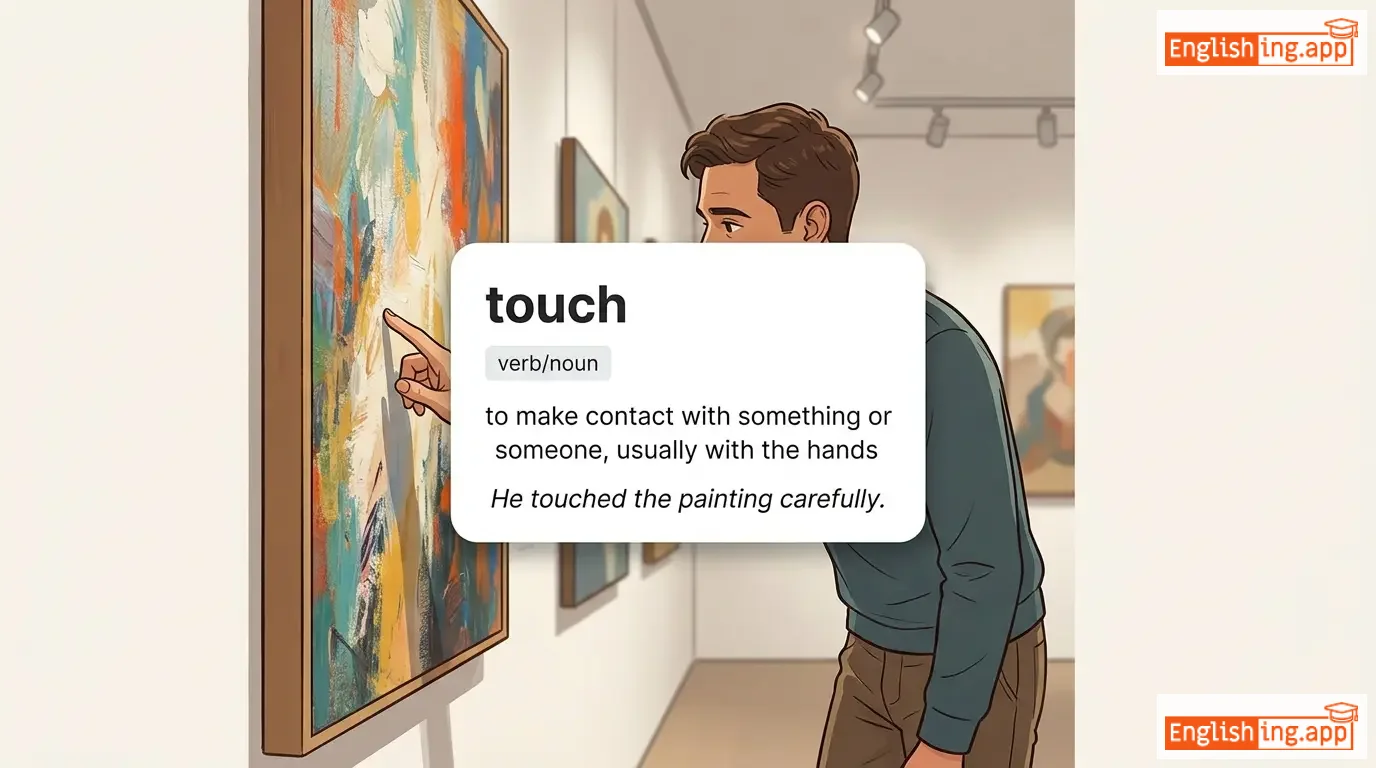
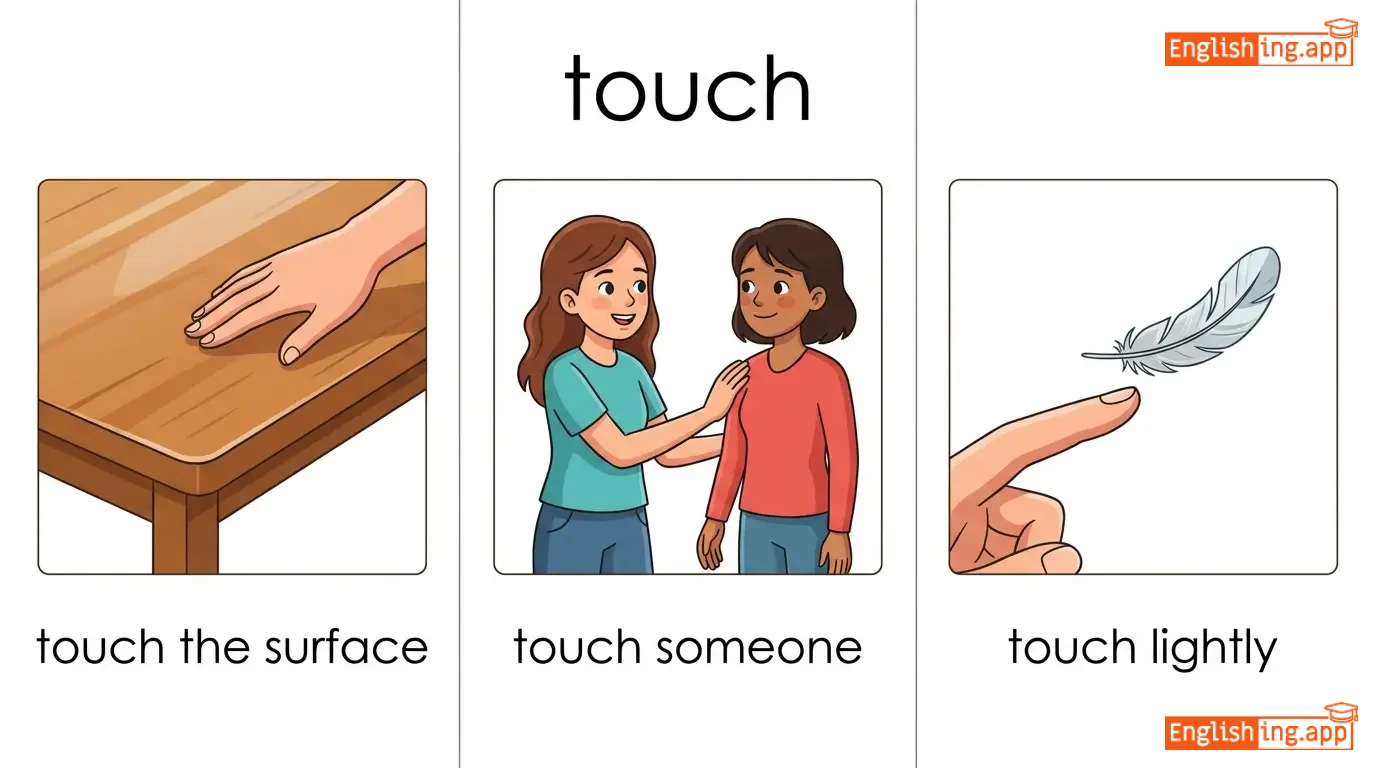
to put your hand or finger on something; to make physical contact
••••••
|
Please don't touch the wet paint.
请不要触摸湿漆。
••••••
|
请不要触摸湿漆。
Qǐng bùyào chùmō shī qī.
••••••
|
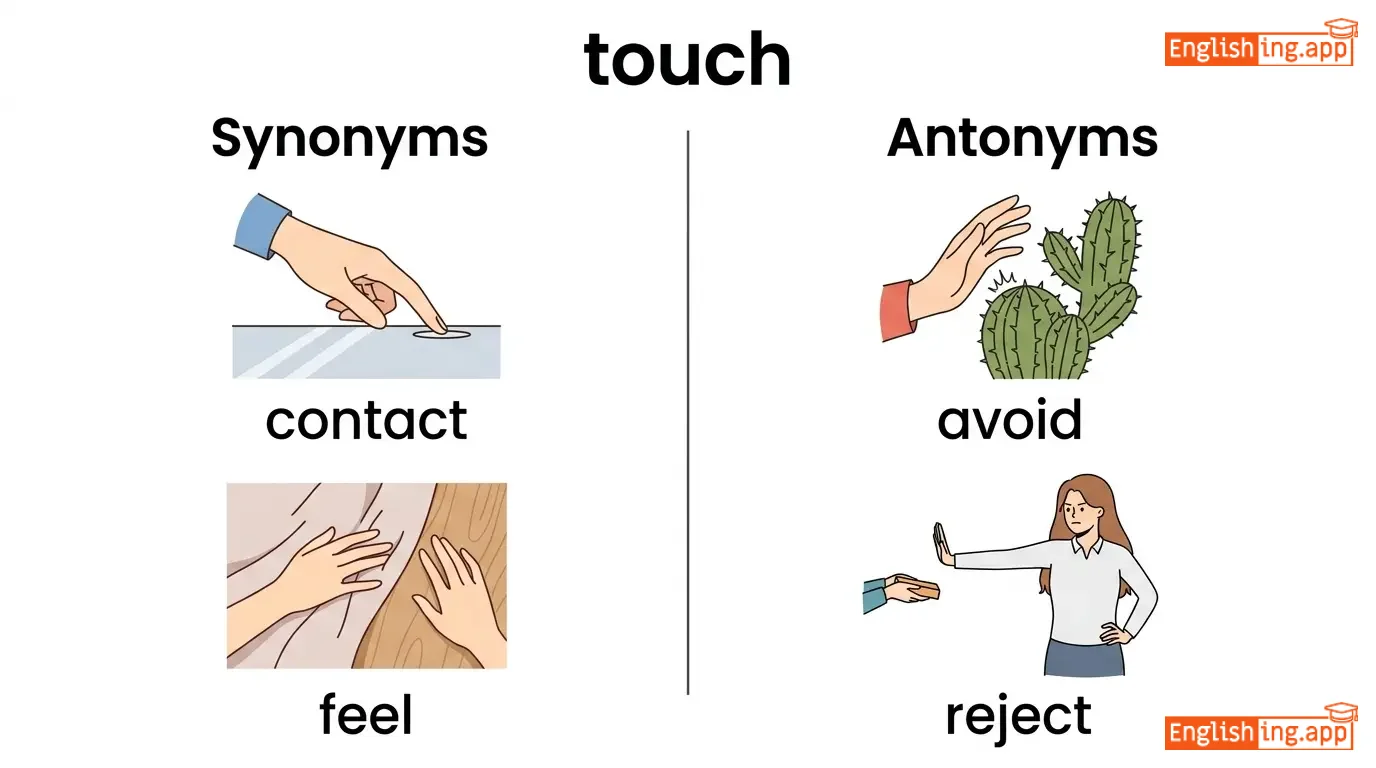
feel, handle, contact, brush
••••••
|
avoid, miss
••••••
|
touch screen, touch gently, lose touch, get in touch
••••••
|
Chùmō is the touch that leaves a mark!
••••••
|
|
#659
🚶
|
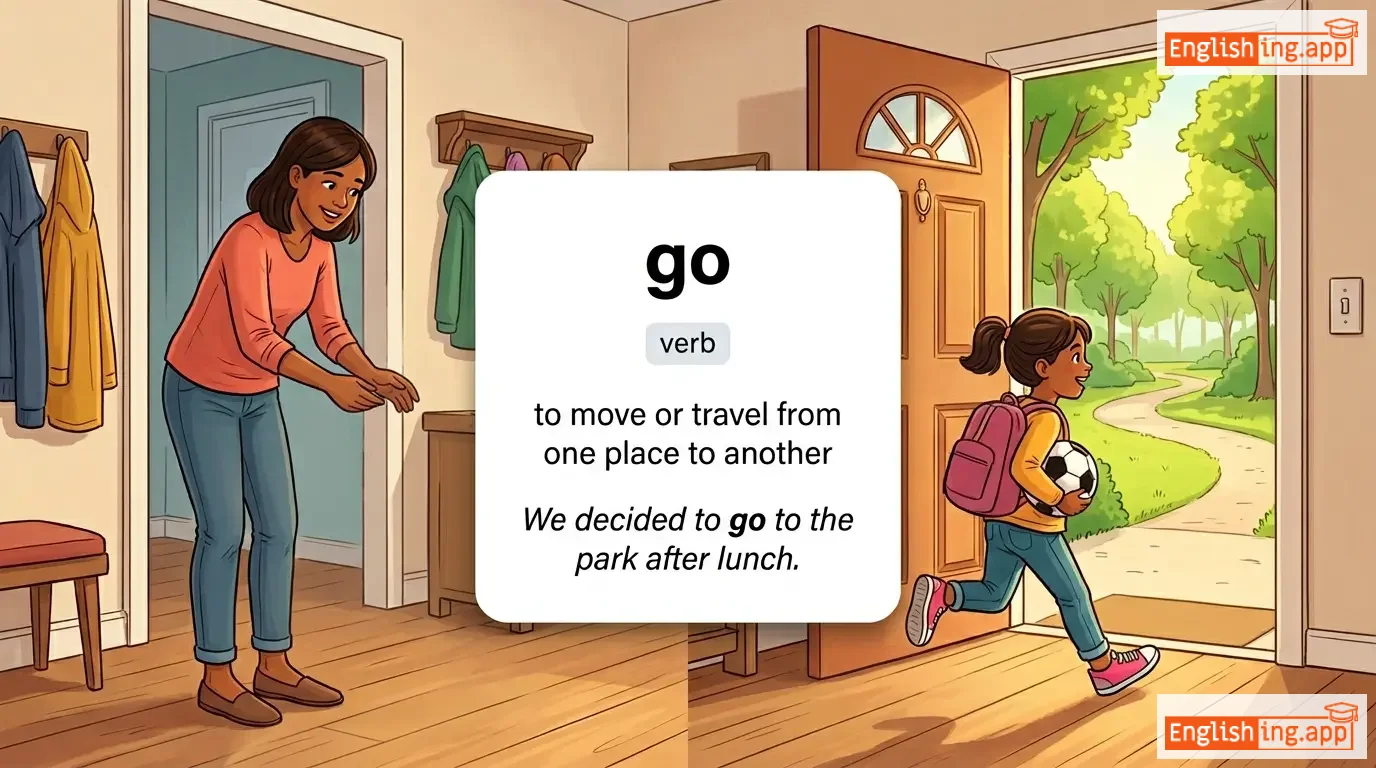
/ɡoʊ/
verb
(go)
••••••
|
|
去
qu
••••••
|
went
去了
••••••
|
gone
去过
••••••
|
goes
去
••••••
|
going
去的
••••••
|
to move or travel from one place to another
••••••
|
I go to school every day.
我每天都去学校。
••••••
|
我每天都去学校。
Wo meitian dou qu xuexiao.
••••••
|
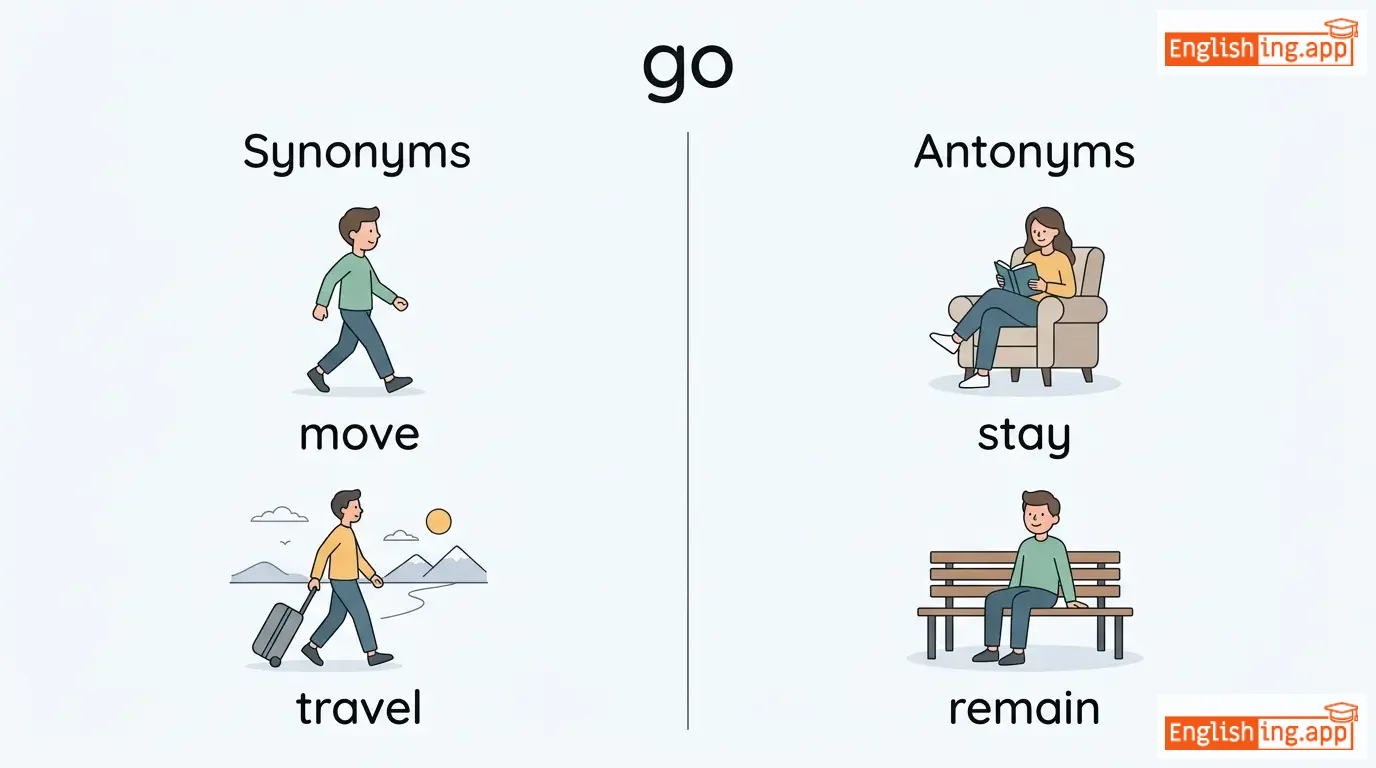
move, travel, depart, proceed
••••••
|
stay, come, remain, stop
••••••
|
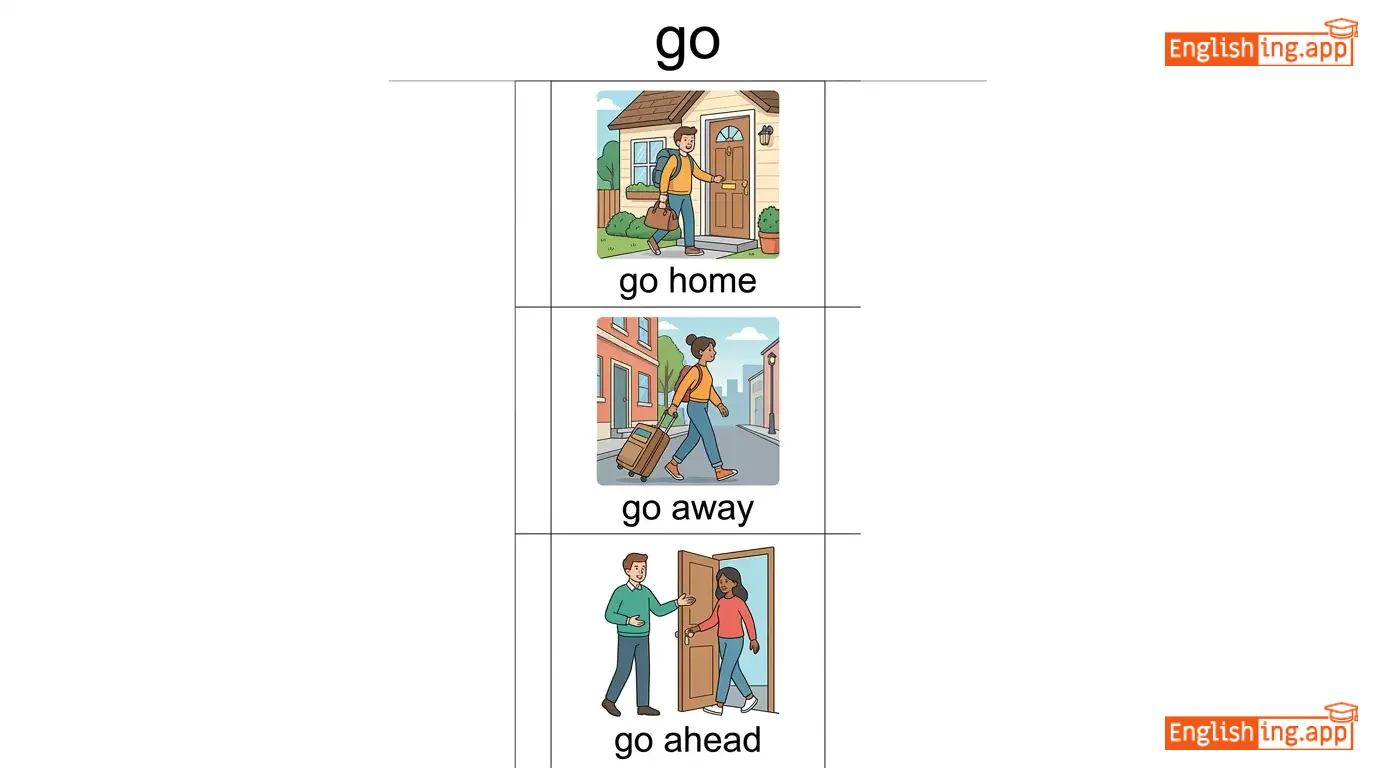
go home, go away, go ahead, go through
••••••
|
去 (qu) = Go, 我去 (wo qu) = I go!
••••••
|
|
#660
😢
|
/ləˈmɛnt/
verb
(哀悼)
••••••
|
|
哀悼
āidào
••••••
|
lamented
哀悼了
••••••
|
lamented
哀悼
••••••
|
laments
哀悼
••••••
|
lamenting
哀悼
••••••
|
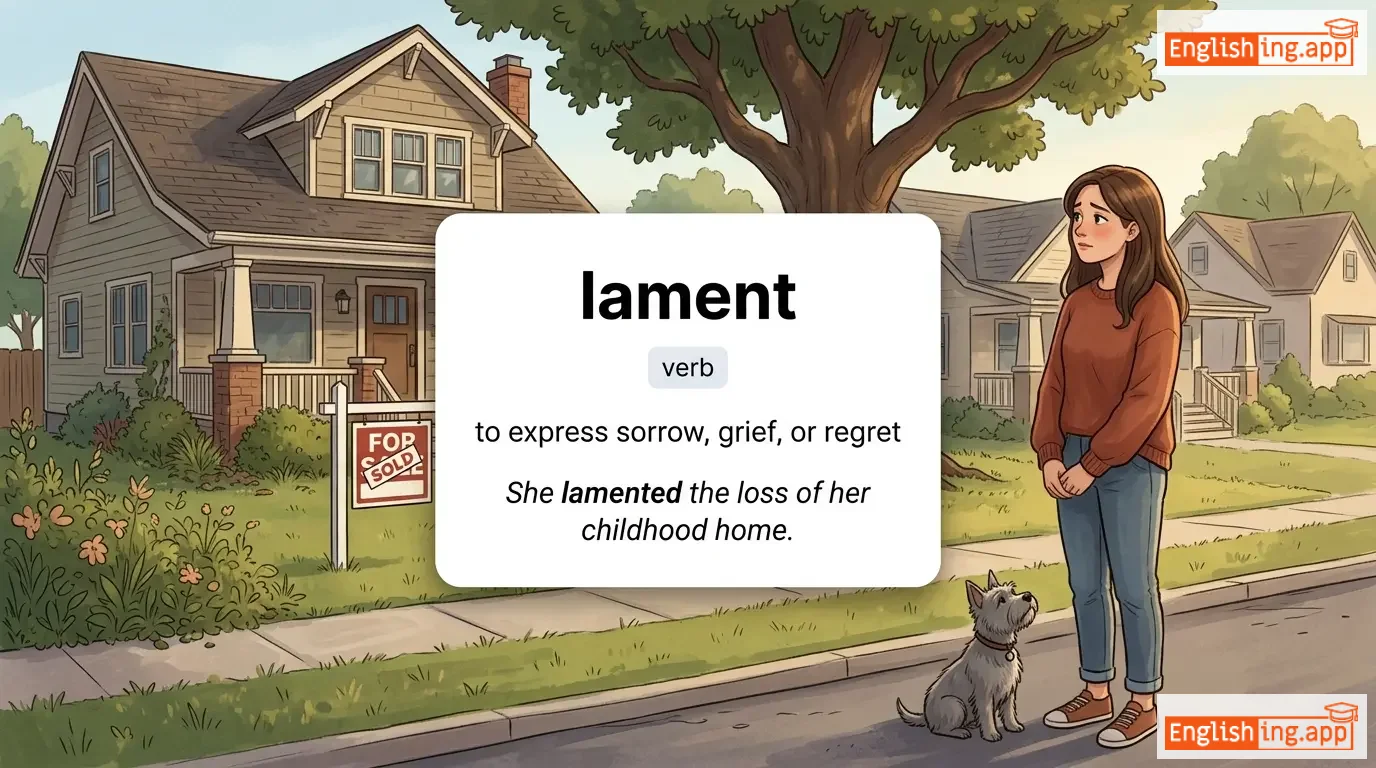
to express grief, sorrow, or regret about something
••••••
|
She lamented the loss of her childhood home.
她哀悼了失去的童年家园。
••••••
|
她哀悼了失去的童年家园。
Tā āidào le shīqù de tóngnián jiāyuán.
••••••
|
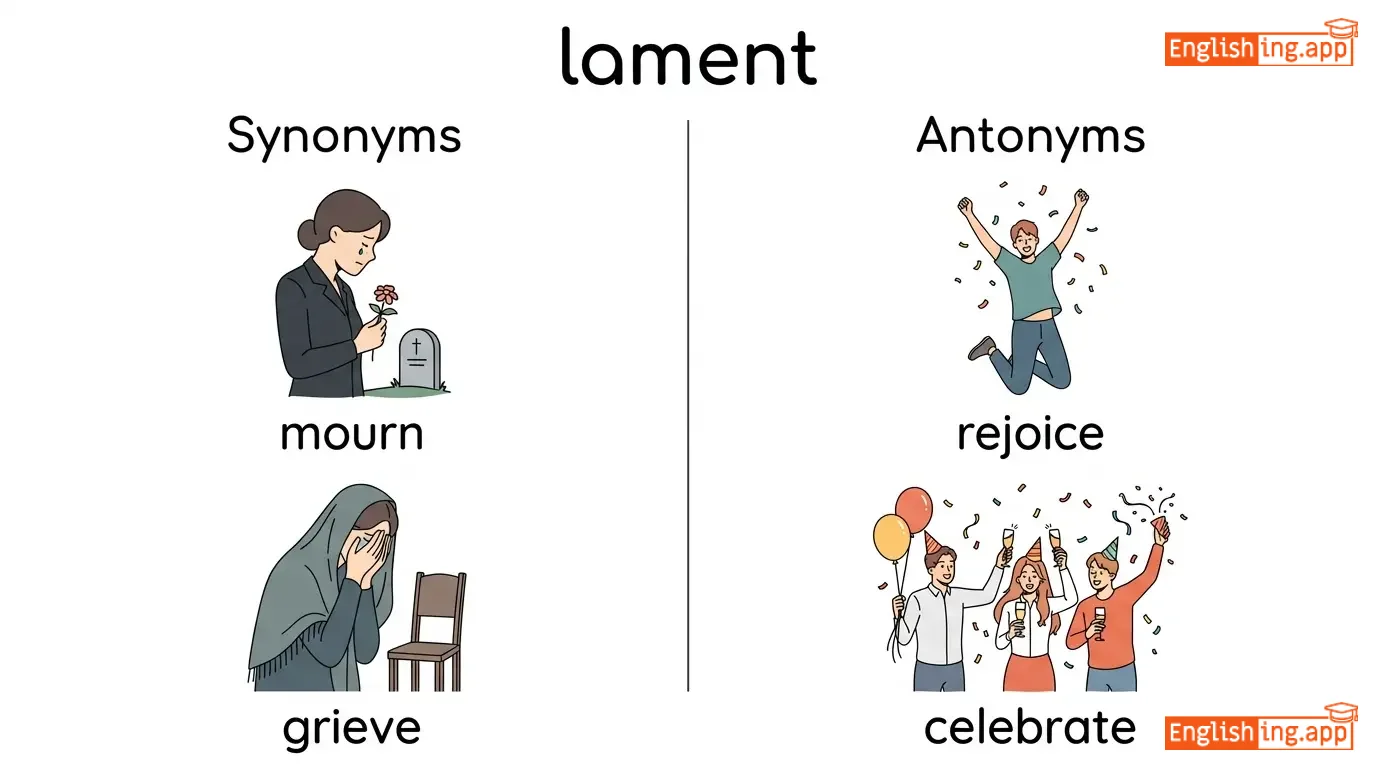
mourn, grieve, bewail, deplore
••••••
|
celebrate, rejoice, cheer
••••••
|
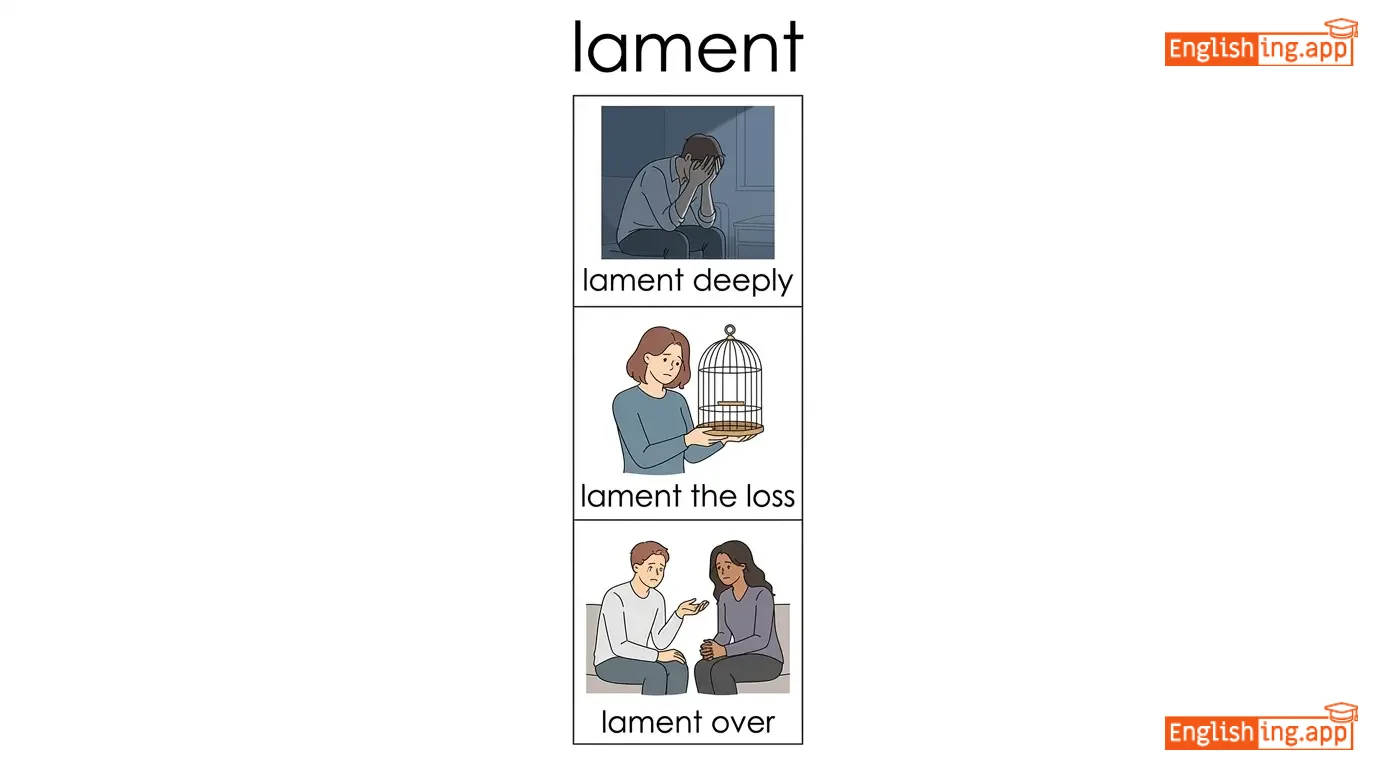
lament deeply, lament loss, lament over, bitter lament
••••••
|
No •••••• |
|
#661
❤️
|
/lʌv/
verb
(lʌv)
••••••
|
|
爱
ai
••••••
|
loved
loved
••••••
|
loved
loved
••••••
|
loves
loves
••••••
|
loving
loving
••••••
|
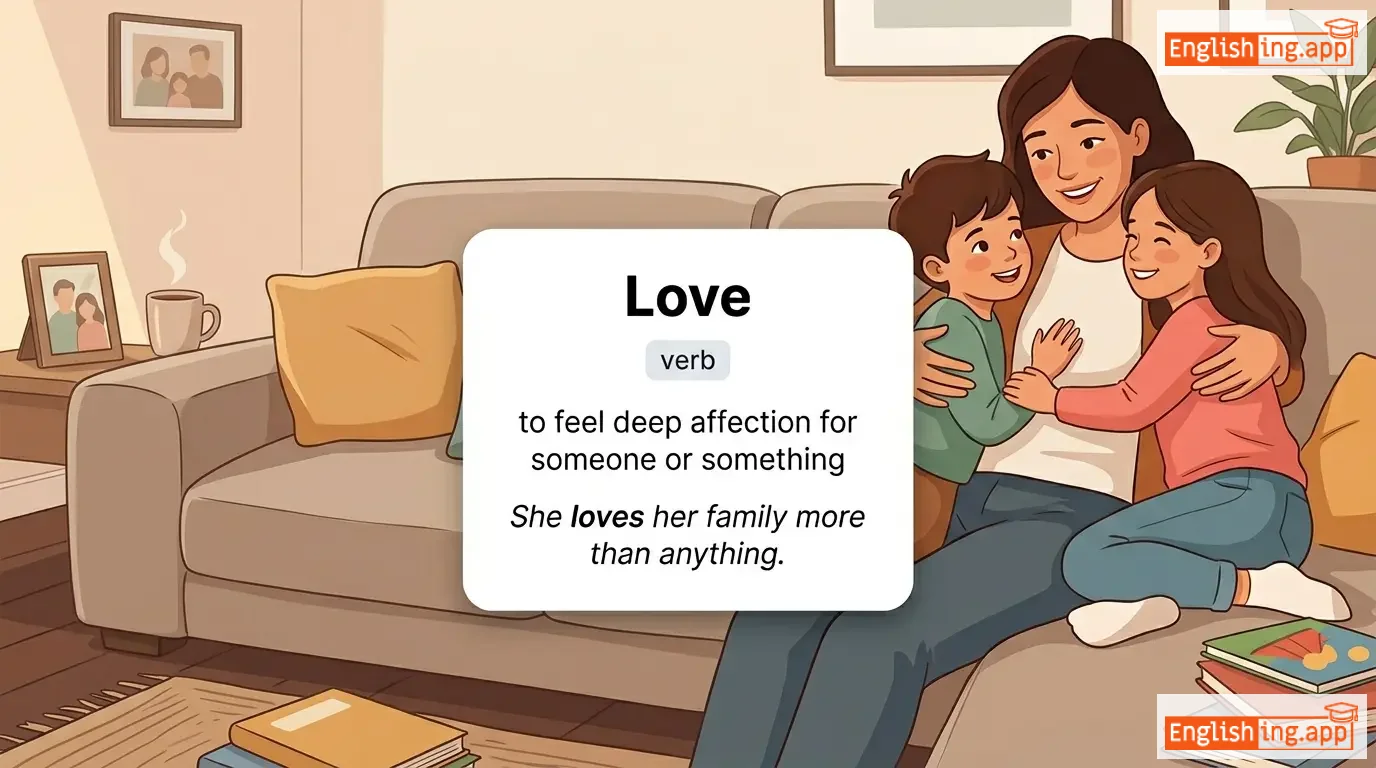
to feel deep affection for someone or something; to like very much
••••••
|
She loves spending time with her family.
她喜欢和家人一起度过时间。
••••••
|
她喜欢和家人一起度过时间。
Tā xǐhuān hé jiārén yīqǐ dùguò shíjiān.
••••••
|
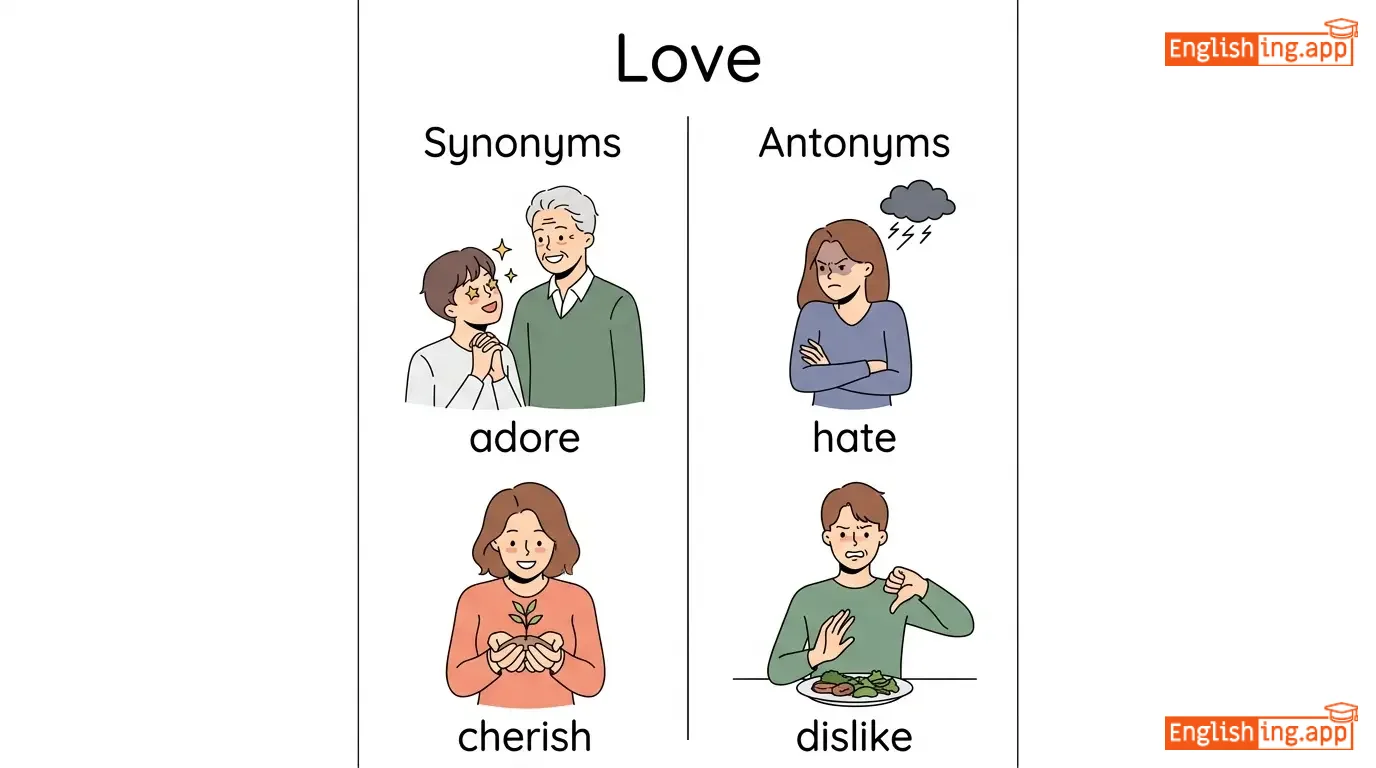
adore, cherish, treasure, care for, worship
••••••
|
hate, despise, detest, loathe, dislike
••••••
|
love deeply, love dearly, fall in love, love story
••••••
|
In Chinese, '爱' (ai) means love – think of 'ai' as deep affection toward someone.
••••••
|
|
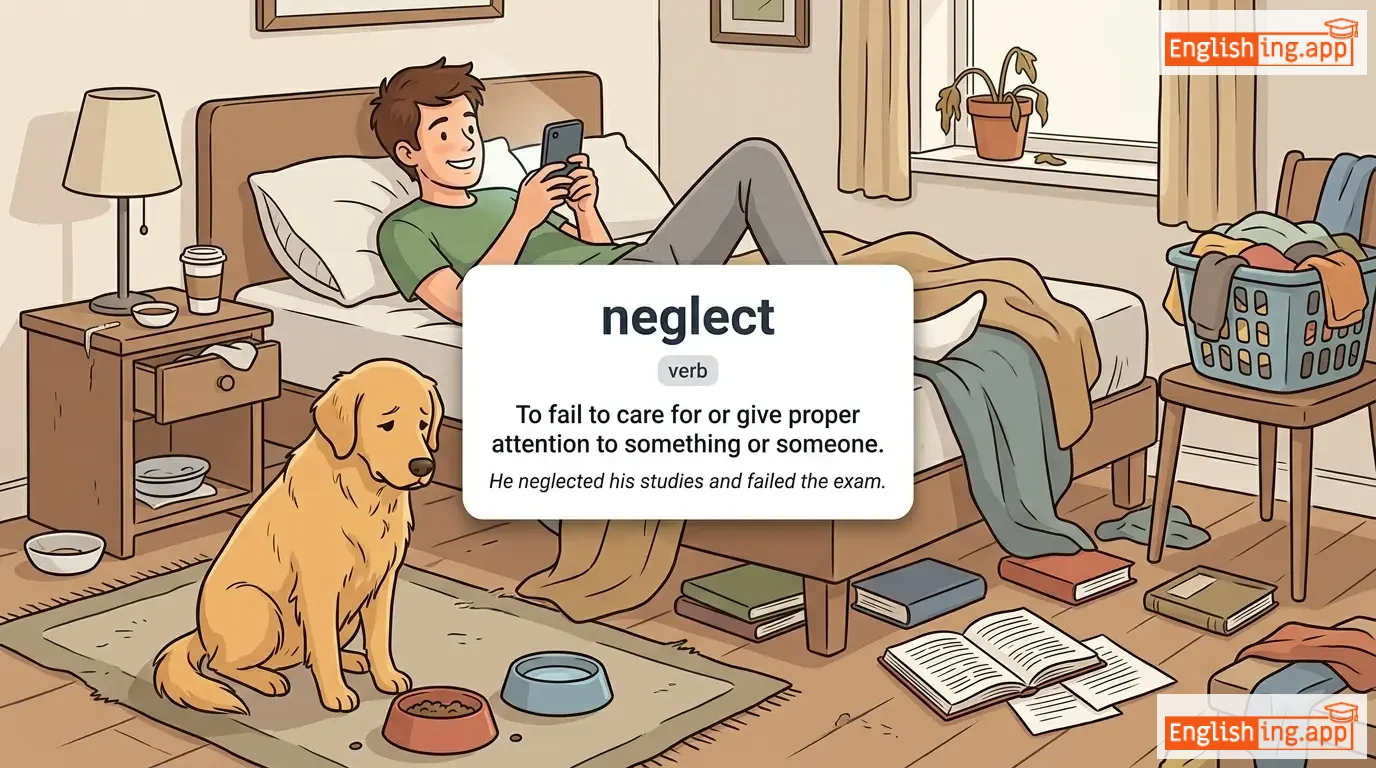
#662
😔
|
/nɪˈɡlekt/
verb
(neglect)
••••••
|
|
忽视
hushi
••••••
|
neglected
neglected
••••••
|
neglected
neglected
••••••
|
neglects
neglects
••••••
|
neglecting
neglecting
••••••
|
to fail to care for or give attention to something
••••••
|
Don't neglect your health while studying.
Don’t neglect your health while studying.
••••••
|
学习时不要忽视自己的健康。
Xuexi shi buyao hushi ziji de jiankang.
••••••
|
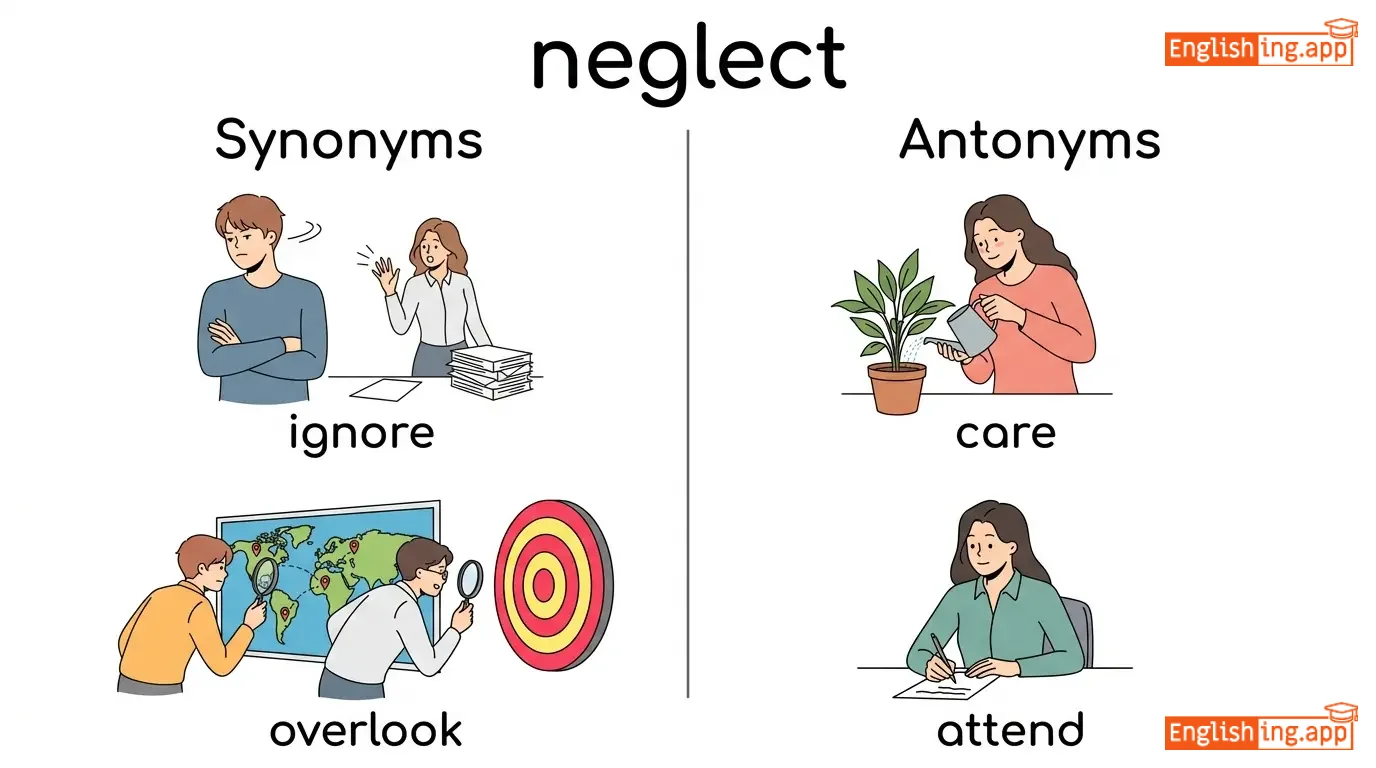
ignore, overlook, abandon, disregard
••••••
|
care, attend, nurture, maintain
••••••
|
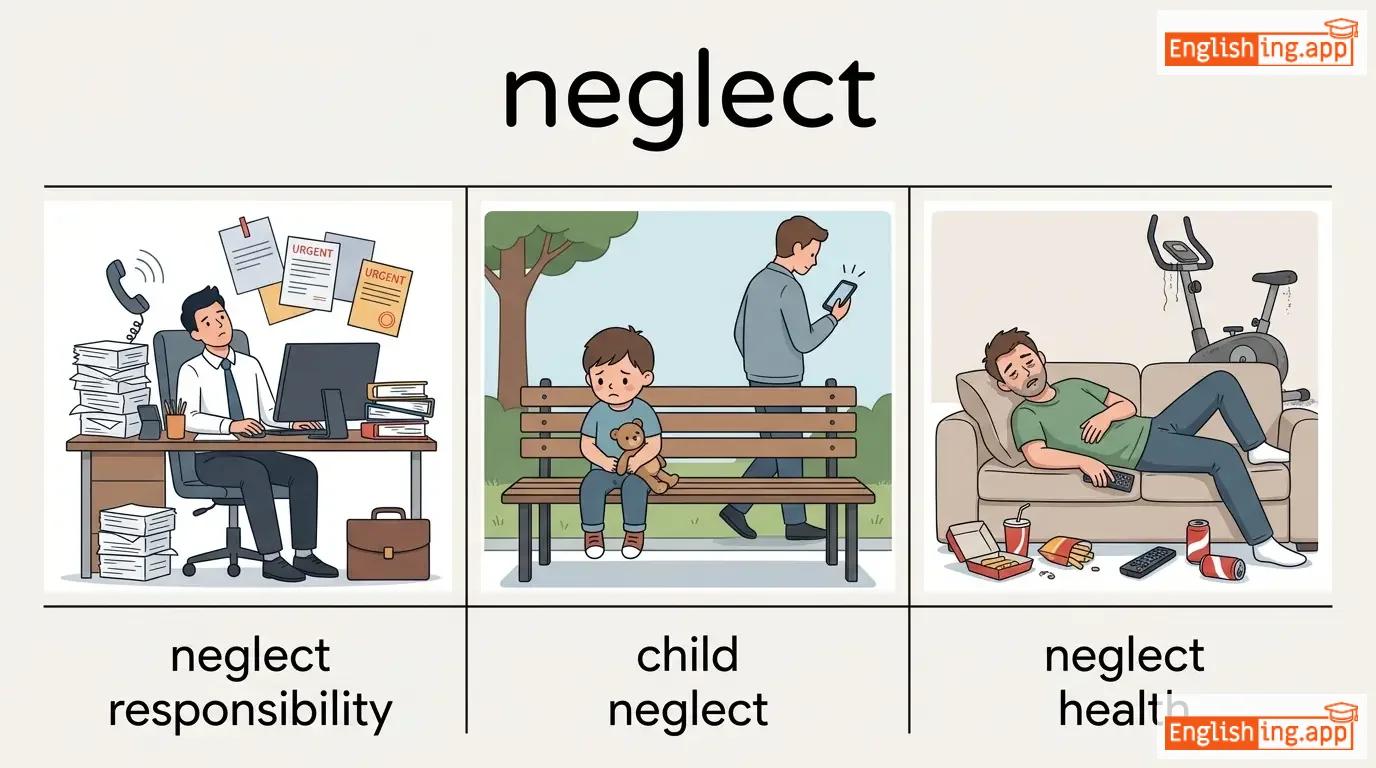
neglect duties, neglect health, criminal neglect, willful neglect
••••••
|
No •••••• |
|
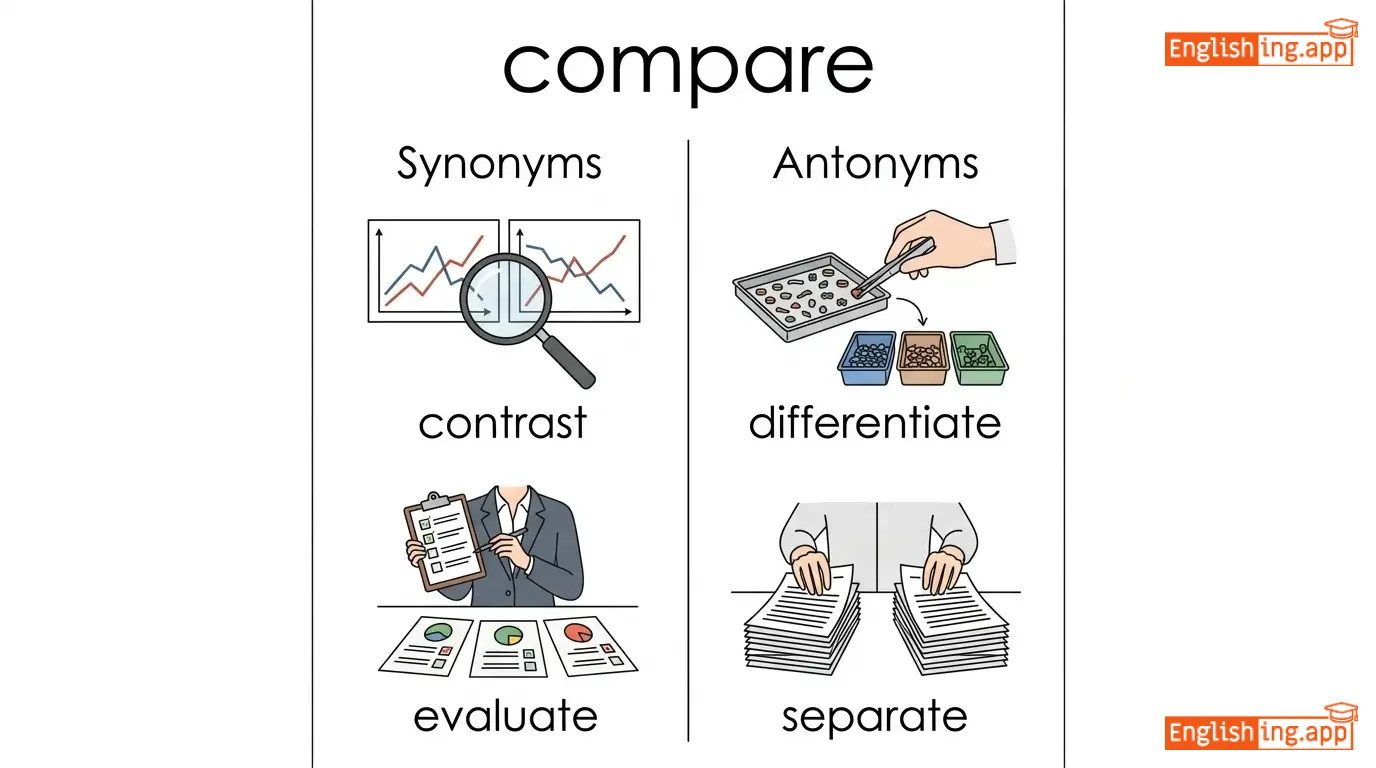
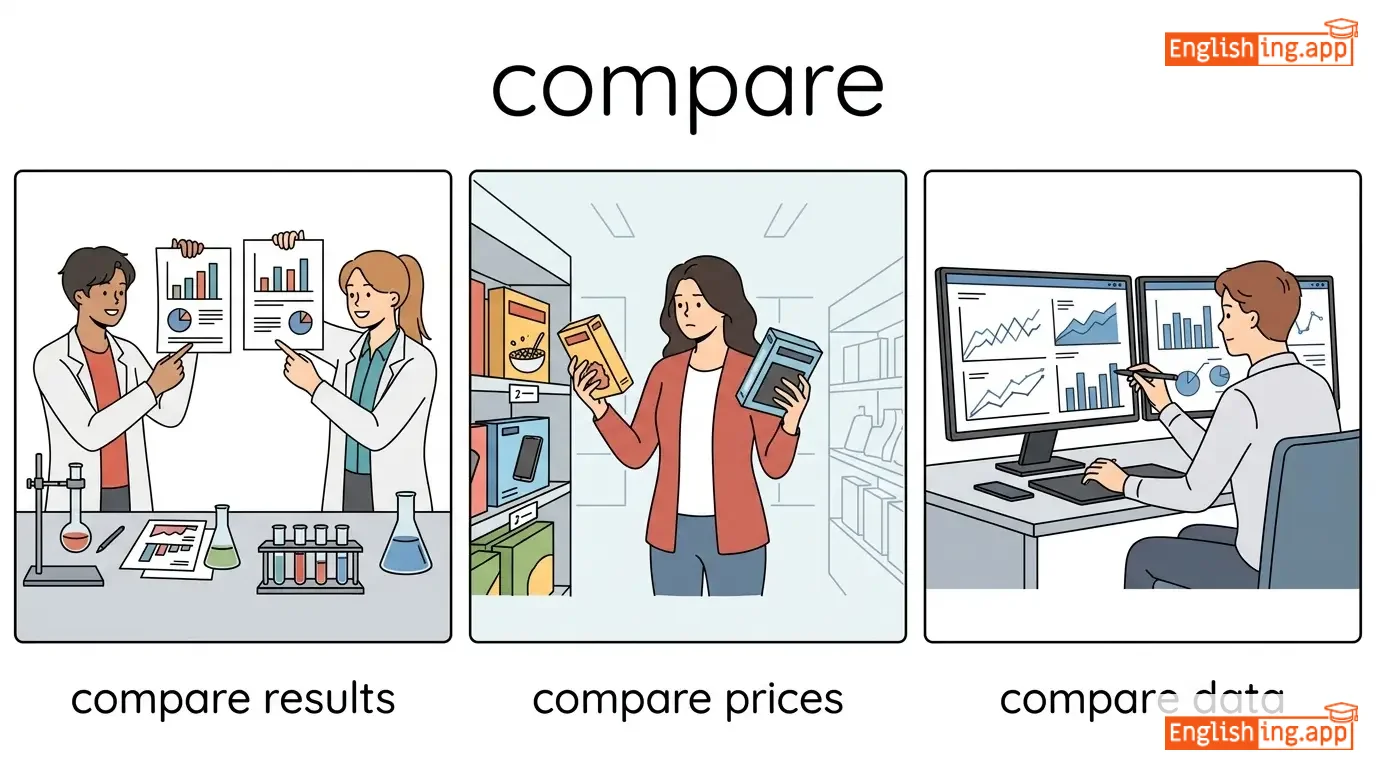
#663
⚖️
|
/kəmˈper/
verb
(kěnpèiér)
••••••
|
|
比较
bijiao
••••••
|
compared
kěnpèiérd
••••••
|
compared
kěnpèiérd
••••••
|
compares
kěnpèiérs
••••••
|
comparing
kěnpèiéring
••••••
|
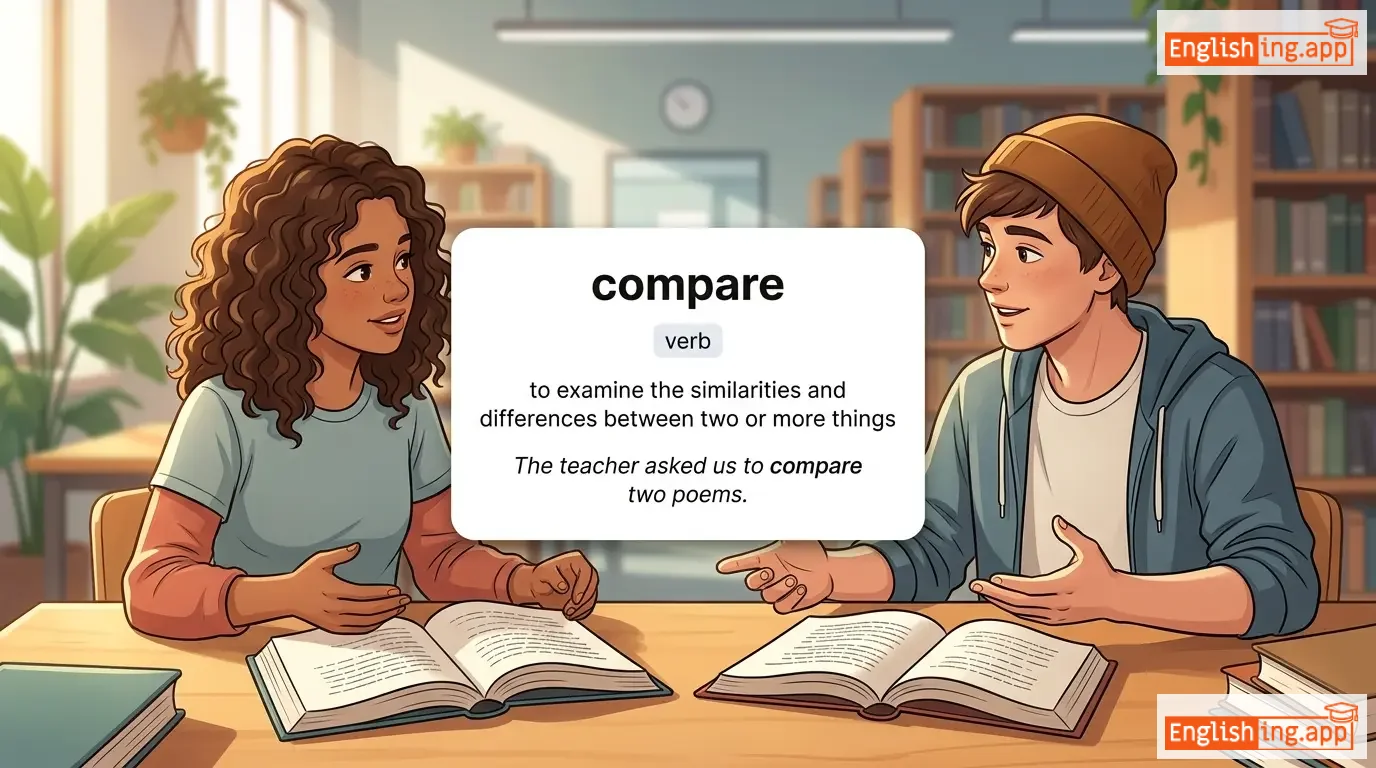
to examine similarities and differences between things
••••••
|
I will compare these two products before buying.
我将在购买前比较这两款产品。
••••••
|
我将在购买前比较这两款产品。
Wǒ jiāng zài gòumǎi qián bǐjiào zhè liǎng kuǎn chǎnpǐn.
••••••
|
contrast, examine, evaluate, analyze
••••••
|
ignore, overlook
••••••
|
compare prices, compare notes, compare to, compared with
••••••
|
Bǐjiào = yě shì xuéxí bǐjí shīróng xiāngsì
••••••
|
|
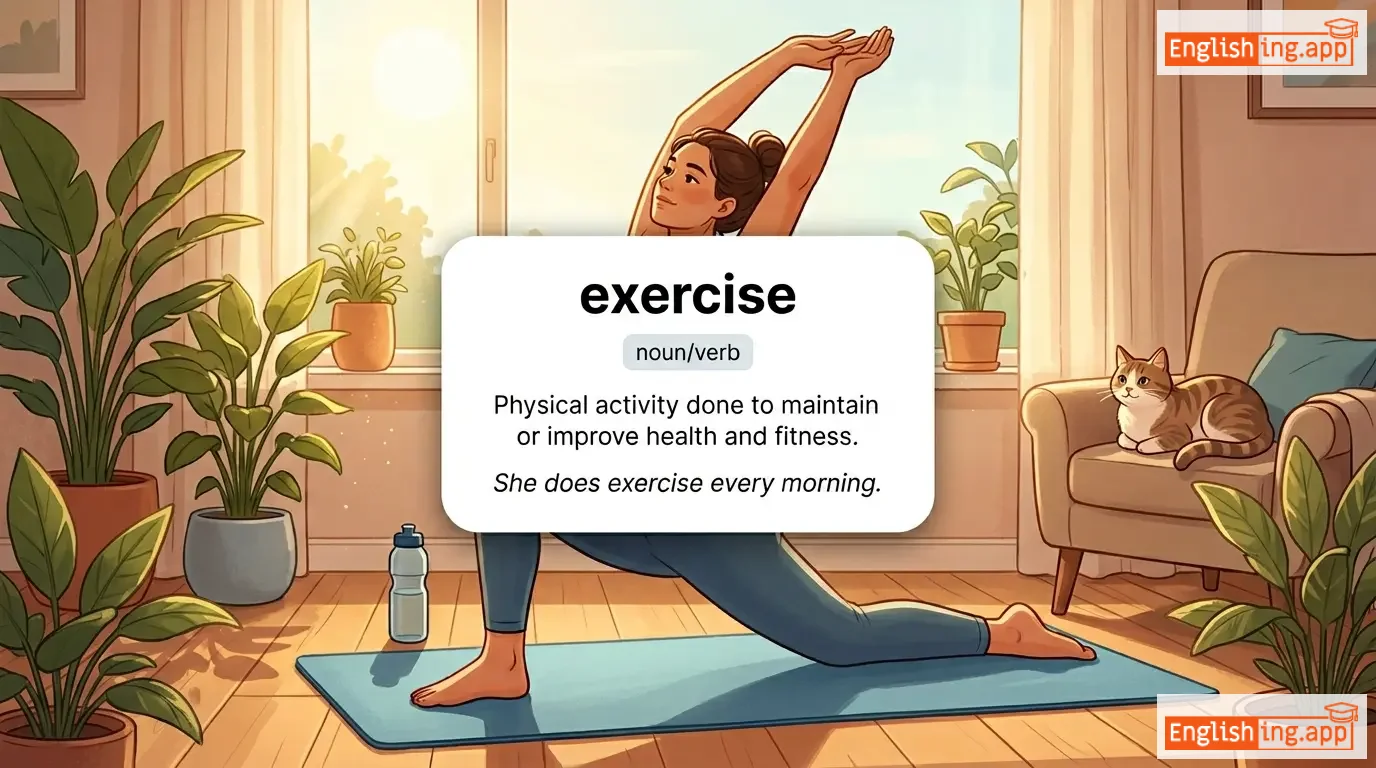
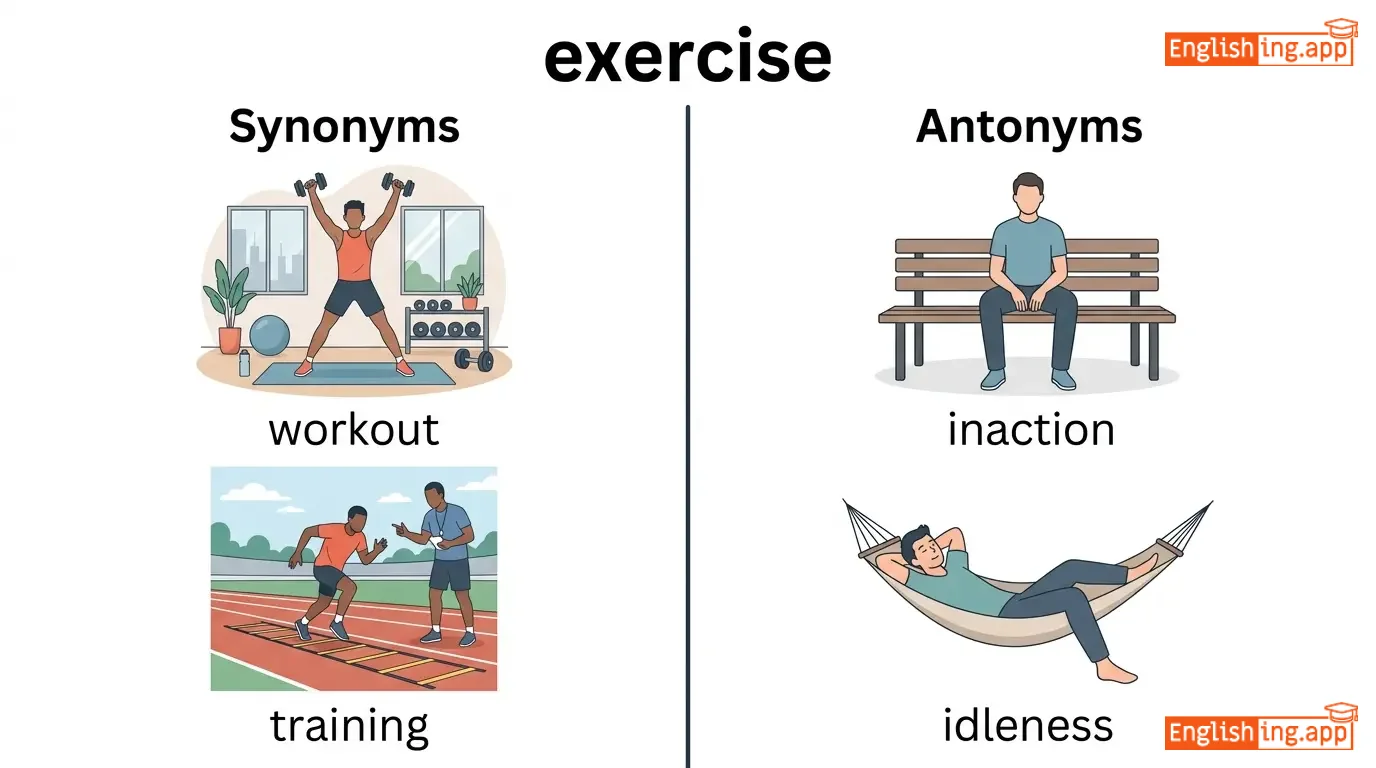
#664
💪
|
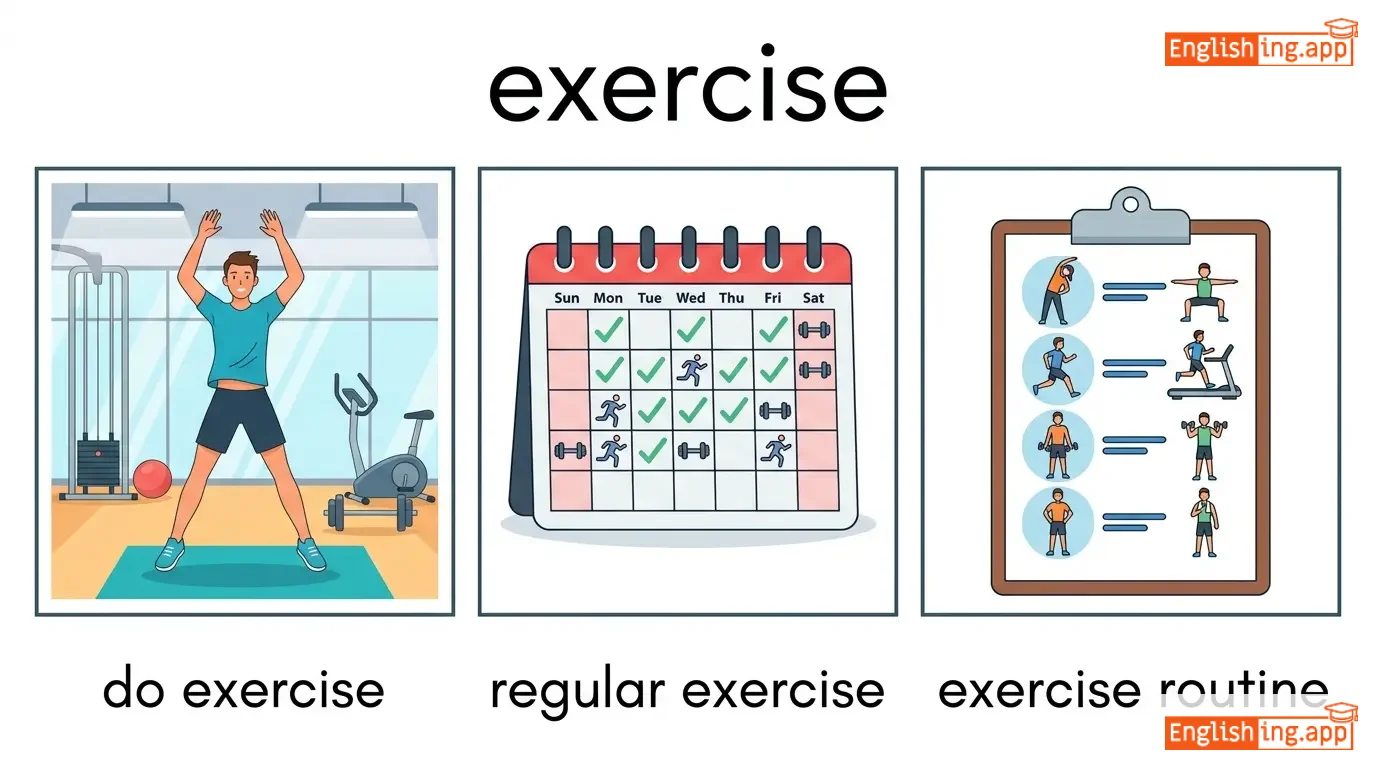
/ˈeksərsaɪz/
verb
(èksèrsáiz)
••••••
|
|
锻炼
duànliàn
••••••
|
exercised
èksèrsáizd
••••••
|
exercised
èksèrsáizd
••••••
|
exercises
èksèrsáizes
••••••
|
exercising
èksèrsáizing
••••••
|
to do physical activity; to use or practice
••••••
|
I exercise at the gym three times a week.
我每周三次在健身房锻炼。
••••••
|
我每周三次在健身房锻炼。
Wǒ měi zhōu sān cì zài jiànshēnfáng duànliàn.
••••••
|
work out, train, practice, drill
••••••
|
rest, relax, idle, laze
••••••
|
exercise regularly, exercise caution, physical exercise, exercise equipment
••••••
|
锻炼是为了保持健康
••••••
|
|
#665
💪
|
/ˌoʊvərˈkʌm/
verb
(欧沃凯姆)
••••••
|
|
克服
kefu
••••••
|
overcame
欧沃凯姆
••••••
|
overcome
欧沃凯姆
••••••
|
overcomes
欧沃凯姆斯
••••••
|
overcoming
欧沃凯明
••••••
|
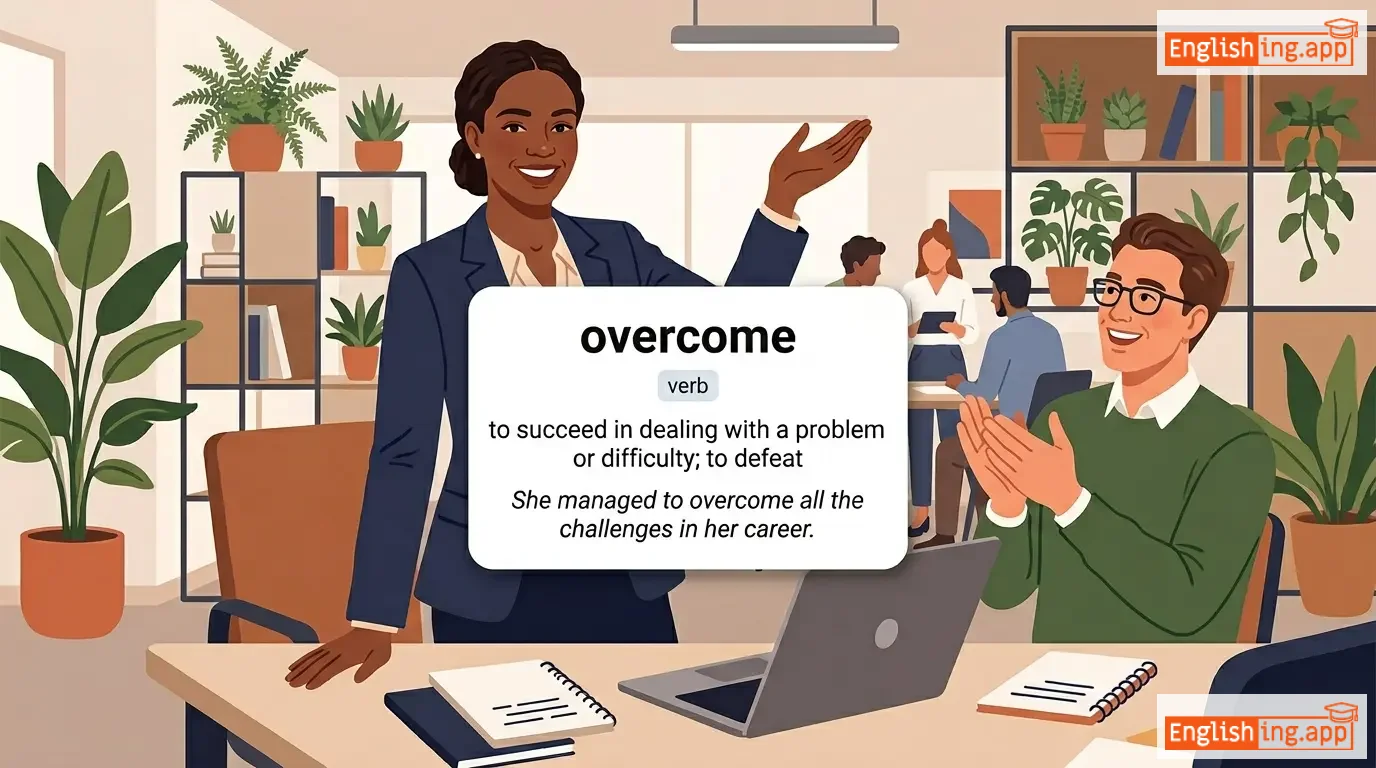
to defeat or succeed in dealing with a problem; to conquer difficulties
••••••
|
She worked hard to overcome her fear of public speaking.
她努力克服了自己在公众演讲时的恐惧。
••••••
|
她努力克服了自己在公众演讲时的恐惧。
Ta nuli kefu le ziji zai gongzhong yanjiang shi de kongju.
••••••
|
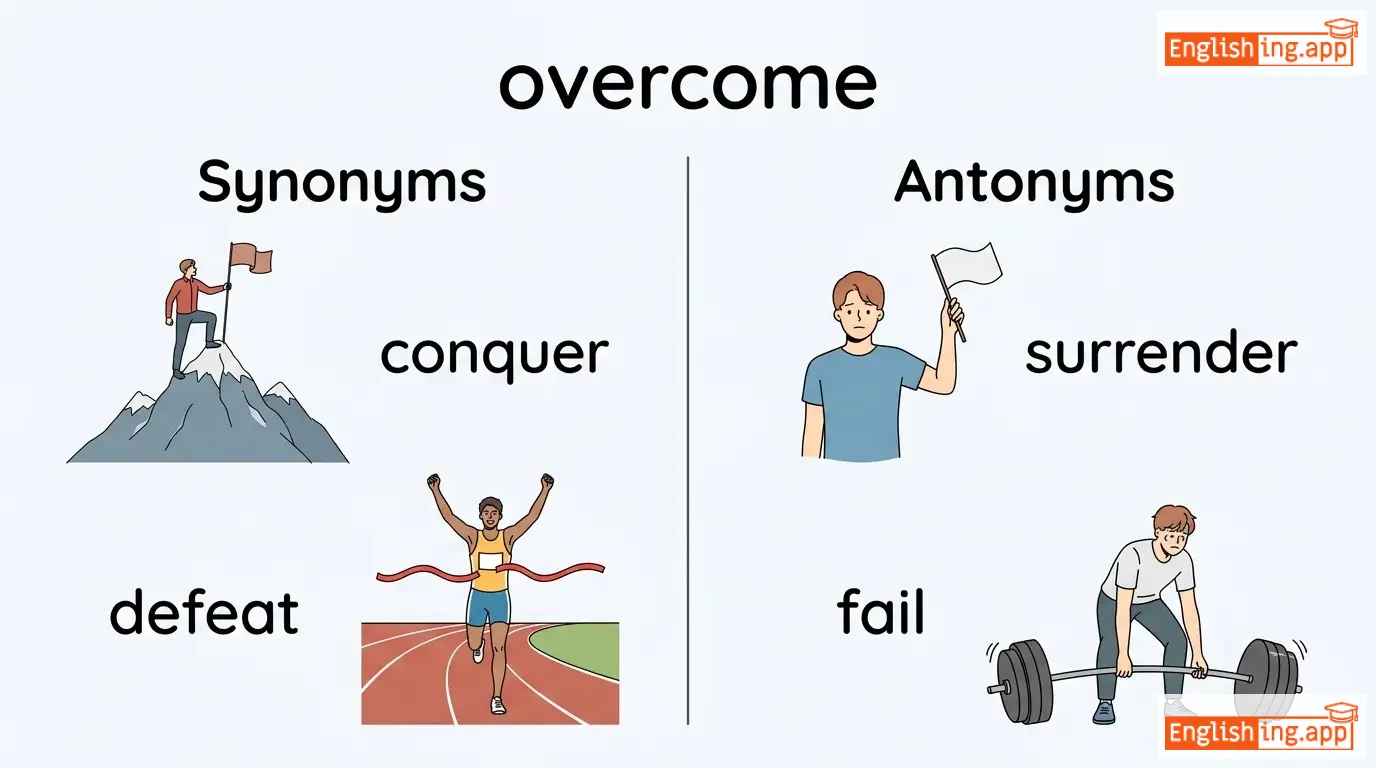
defeat, conquer, surmount, triumph
••••••
|
surrender, yield, succumb, submit
••••••
|
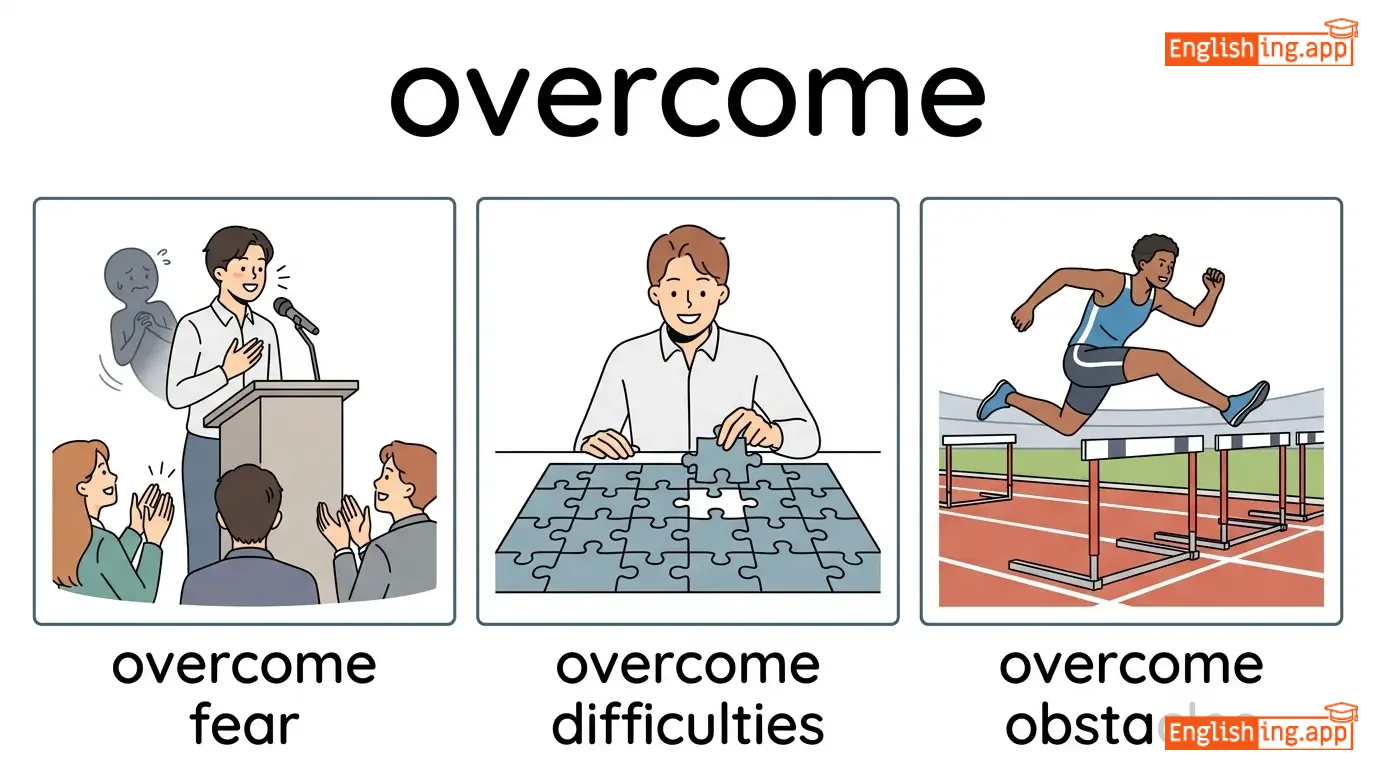
overcome obstacles, overcome fear, overcome difficulties, overcome challenges
••••••
|
克服 = conquer the fear
••••••
|
|
#666
😆
|
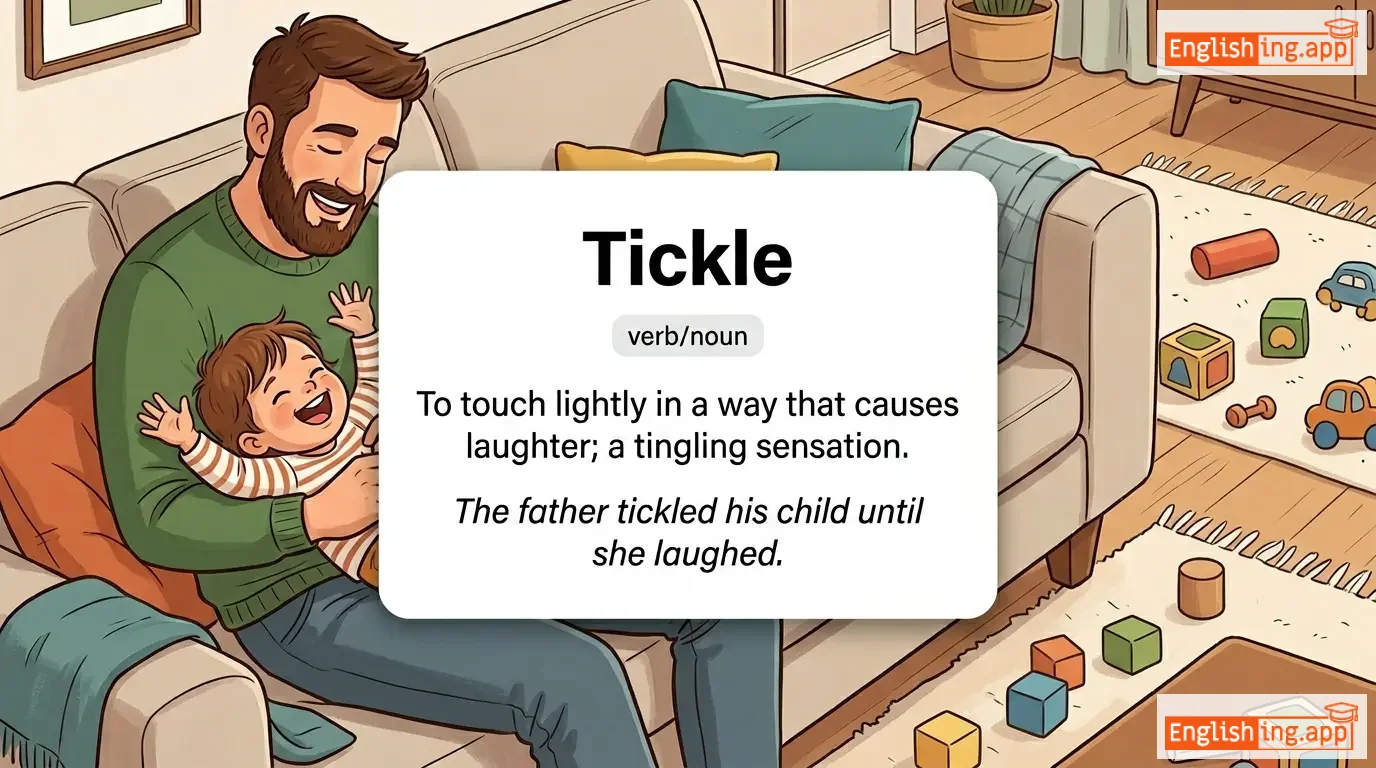
/ˈtɪkəl/
verb
(tí kè ěr)
••••••
|
|
挠痒
náo yǎng
••••••
|
Tickled
tí kè ěr dé
••••••
|
Tickled
tí kè ěr dé
••••••
|
Tickles
tí kè ěr sī
••••••
|
Tickling
tí kè ěr líng
••••••
|
to touch someone lightly to make them laugh; to amuse or please
••••••
|
The feather tickles when it touches your skin.
羽毛触碰到你的皮肤时会发痒。
••••••
|
羽毛触碰到你的皮肤时会发痒。
Yǔmáo chùpèng dào nǐ de pífū shí huì fā yǎng.
••••••
|
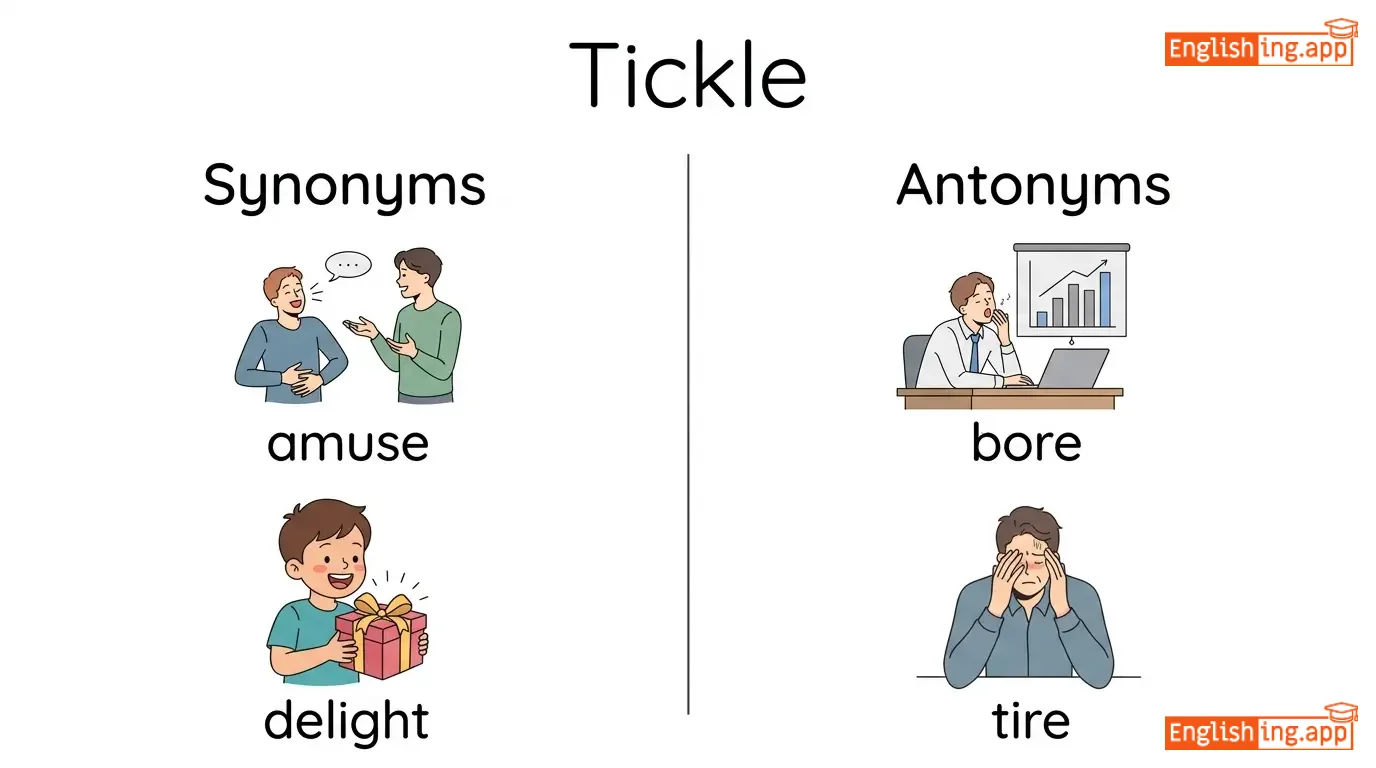
amuse, delight, please, touch
••••••
|
irritate, annoy, displease, hurt
••••••
|
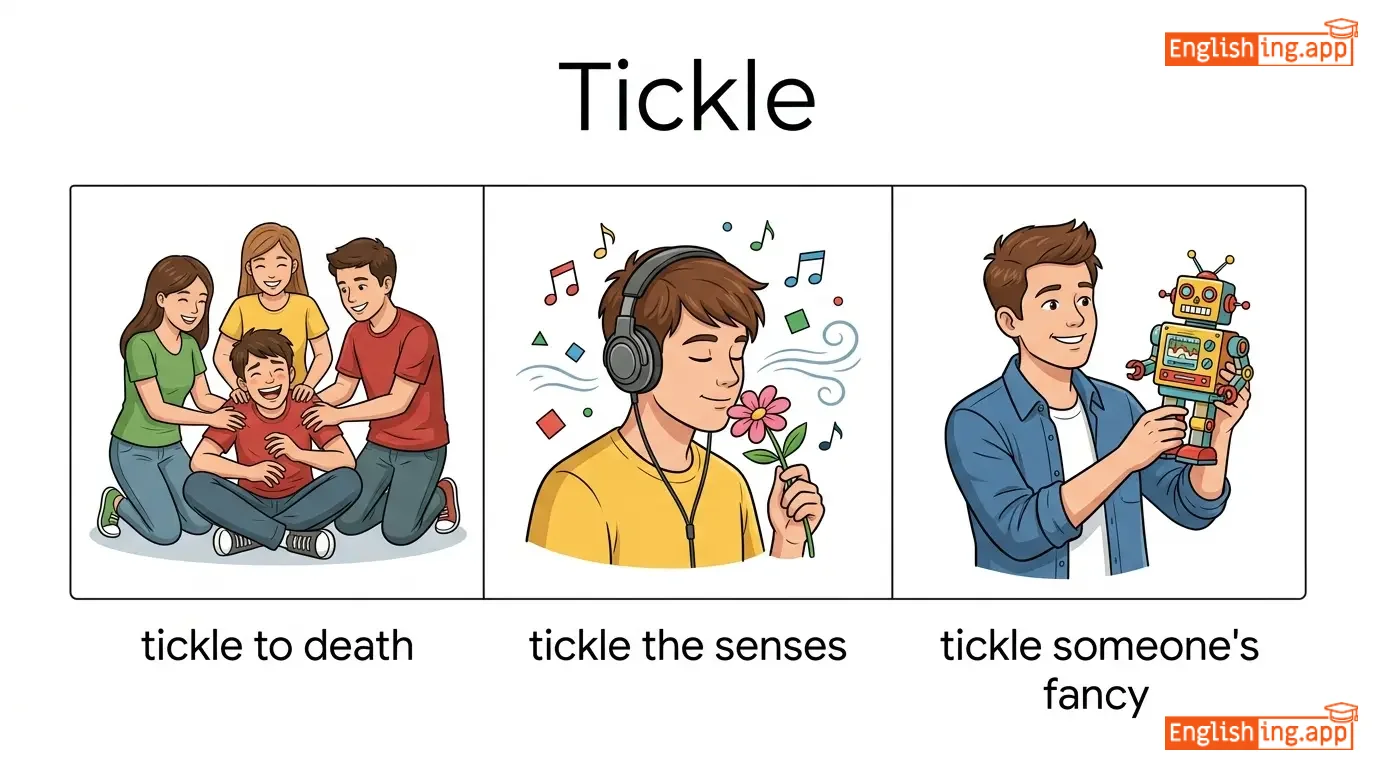
tickle gently, tickle fight, tickle someone, tickle pink
••••••
|
挠痒会让你笑
••••••
|
|
#667
🌅
|
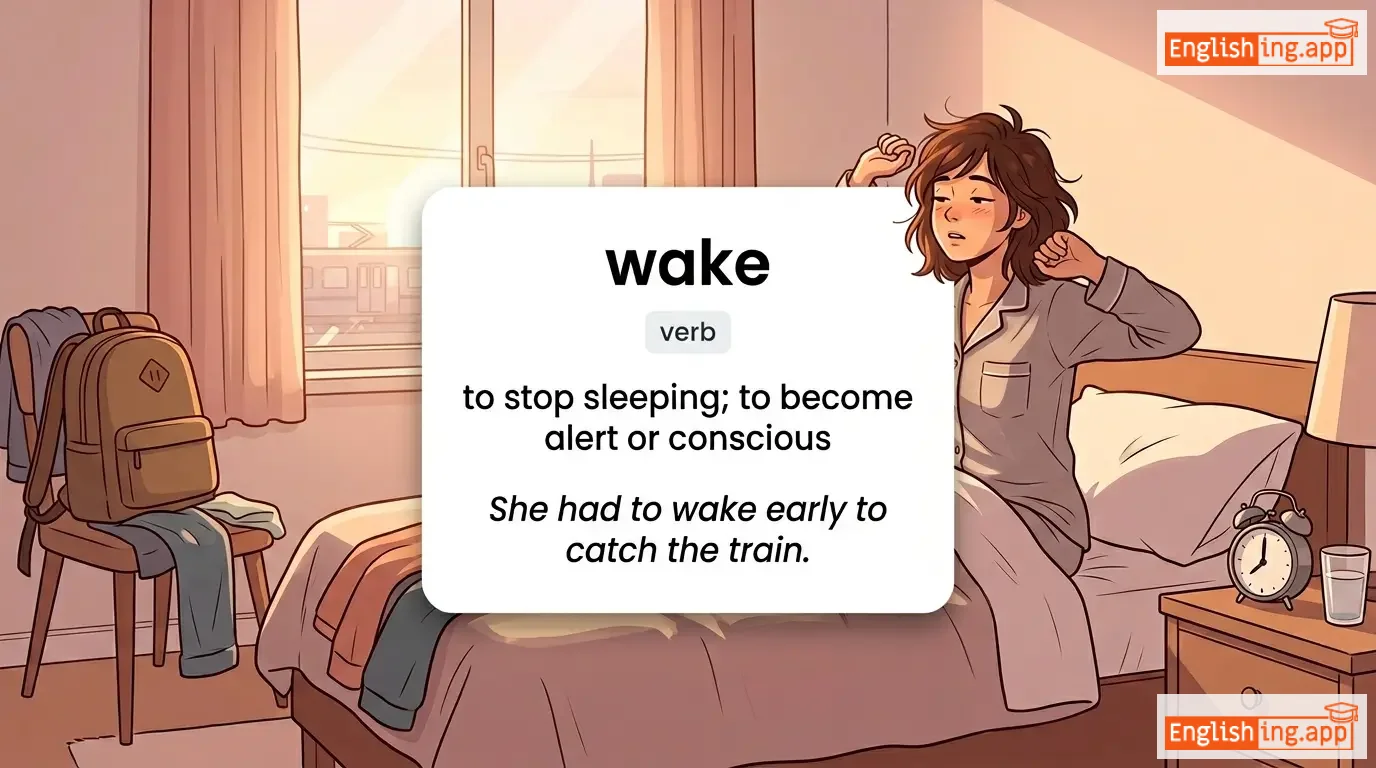
/weɪk/
verb
(weɪk)
••••••
|
|
醒来
xing lai
••••••
|
woke
woke
••••••
|
woken
woken
••••••
|
wakes
wakes
••••••
|
waking
waking
••••••
|
to stop sleeping; to become alert
••••••
|
I wake up at 7 AM every morning.
我每天早上7点醒来。
••••••
|
我每天早上7点醒来。
Wo meitian zaoshang 7 dian xinglai.
••••••
|
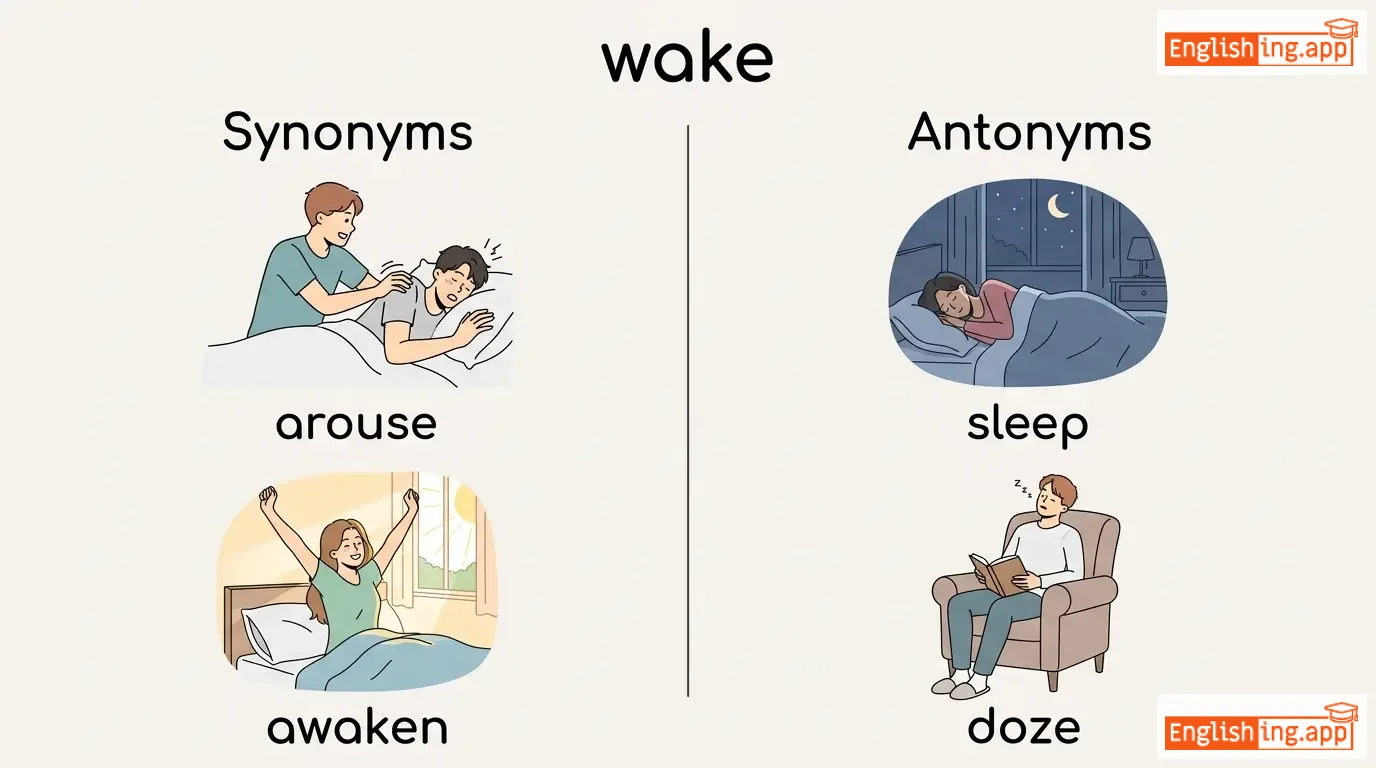
awaken, rouse, get up, arise
••••••
|
sleep, slumber, doze, rest
••••••
|
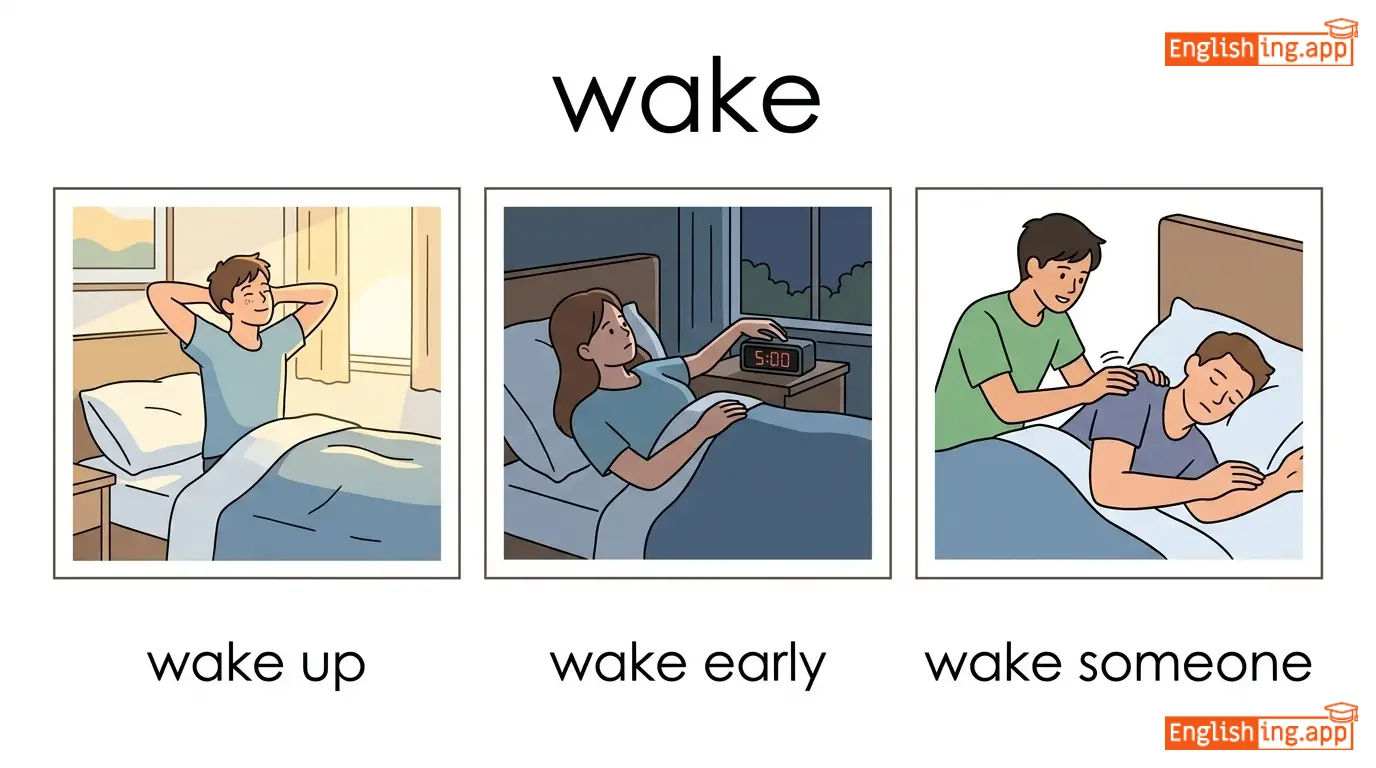
wake up, wake early, wake someone, wake call
••••••
|
醒来 (xing lai) 与 wake 在英文中是相同的意思。
••••••
|
|
#668
✅
|
/lɛt/
verb
(let)
••••••
|
|
允许, 让
yǔnxǔ, ràng
••••••
|
let
let
••••••
|
let
let
••••••
|
lets
lets
••••••
|
letting
letting
••••••
|
to allow or permit; to give permission
••••••
|
Please let me help you with this task.
请让我帮助你完成这项任务。
••••••
|
请让我帮助你完成这项任务。
Qǐng ràng wǒ bāngzhù nǐ wánchéng zhè xiàng rènwù.
••••••
|
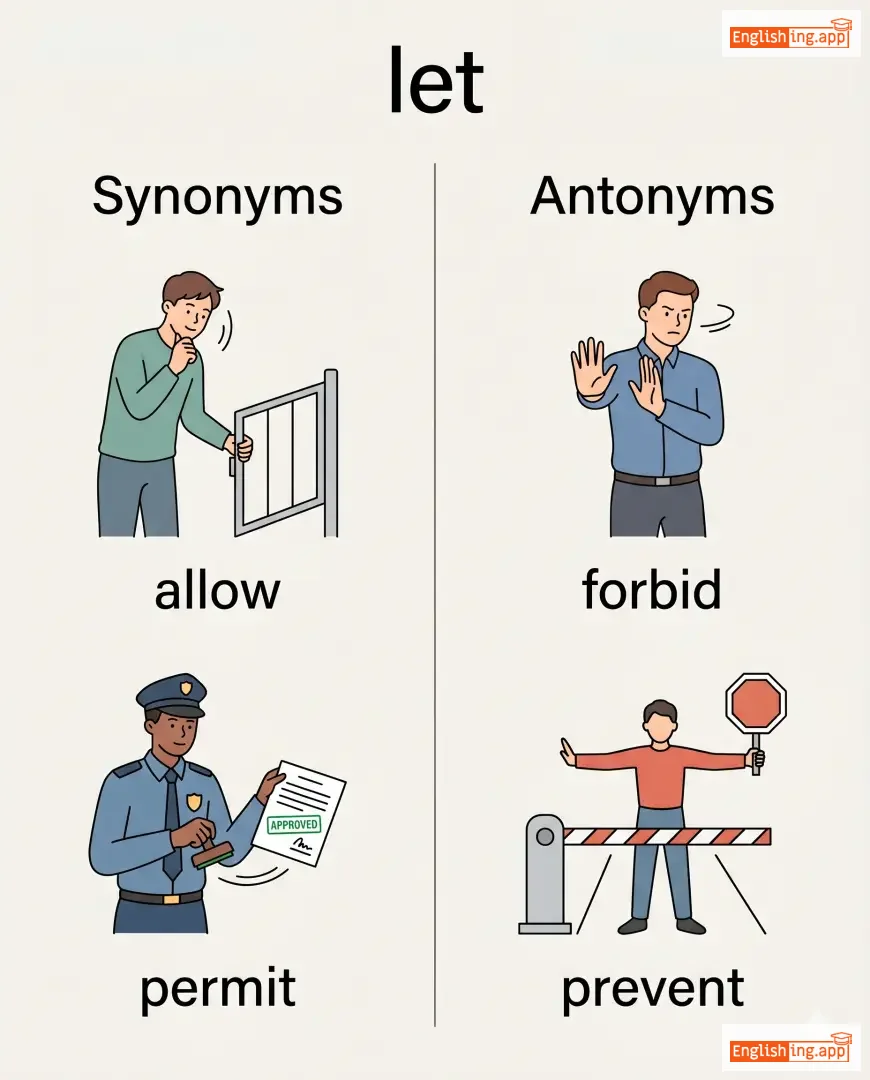
allow, permit, enable, authorize
••••••
|
forbid, prevent, stop, prohibit
••••••
|
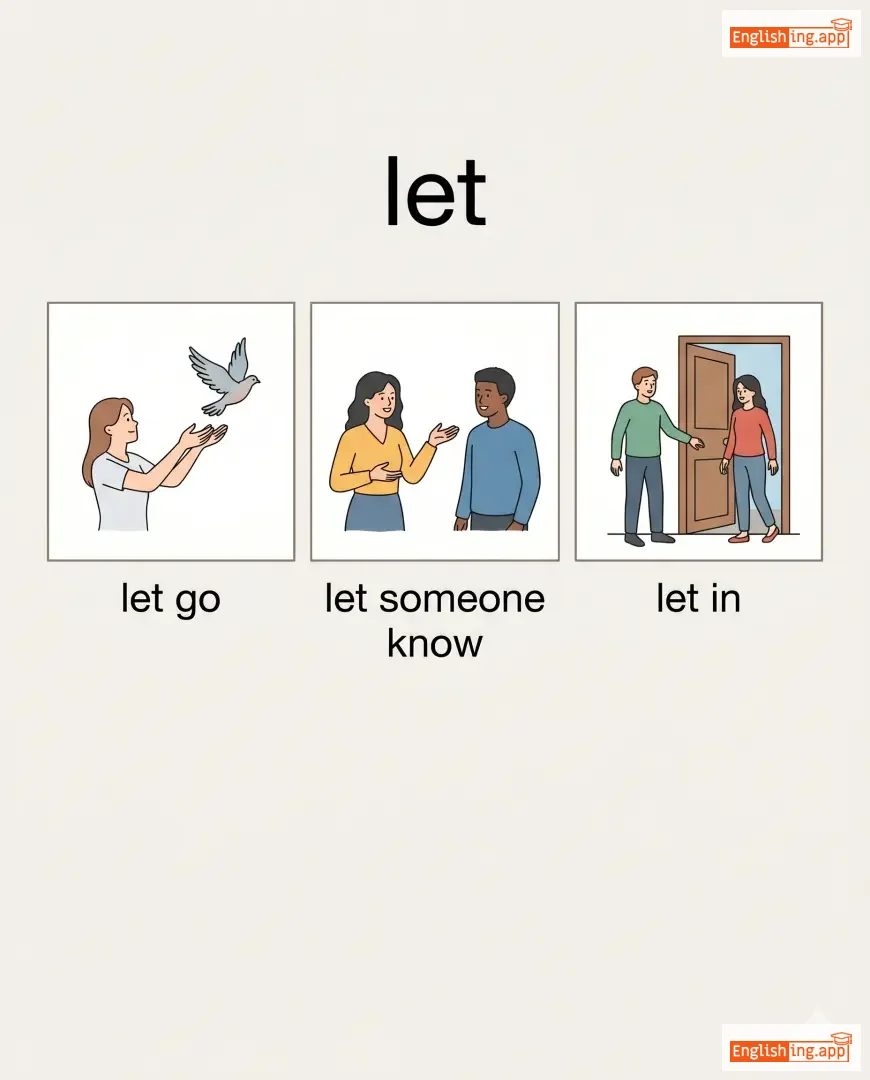
let go, let down, let in, let alone
••••••
|
Ràng means letting someone do something by allowing them.
••••••
|
|
#669
📦
|
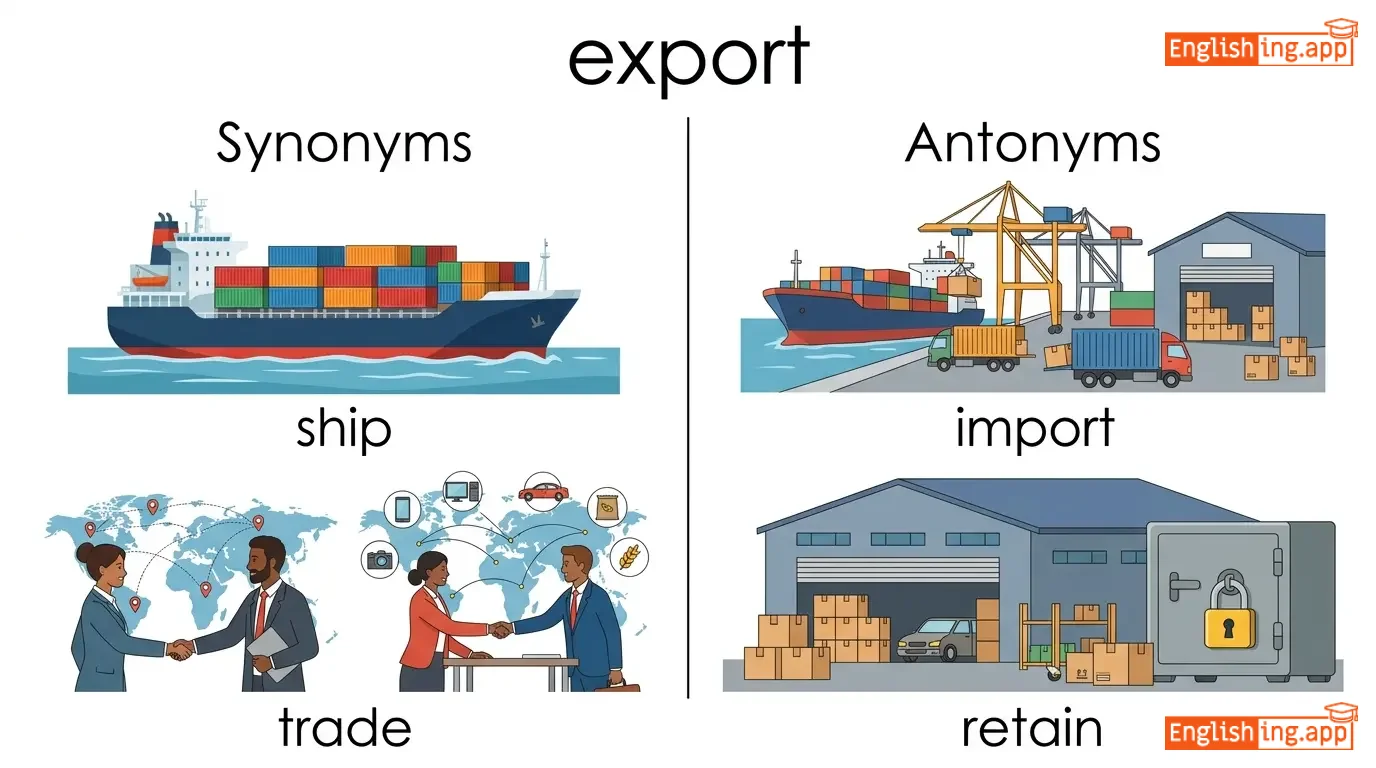
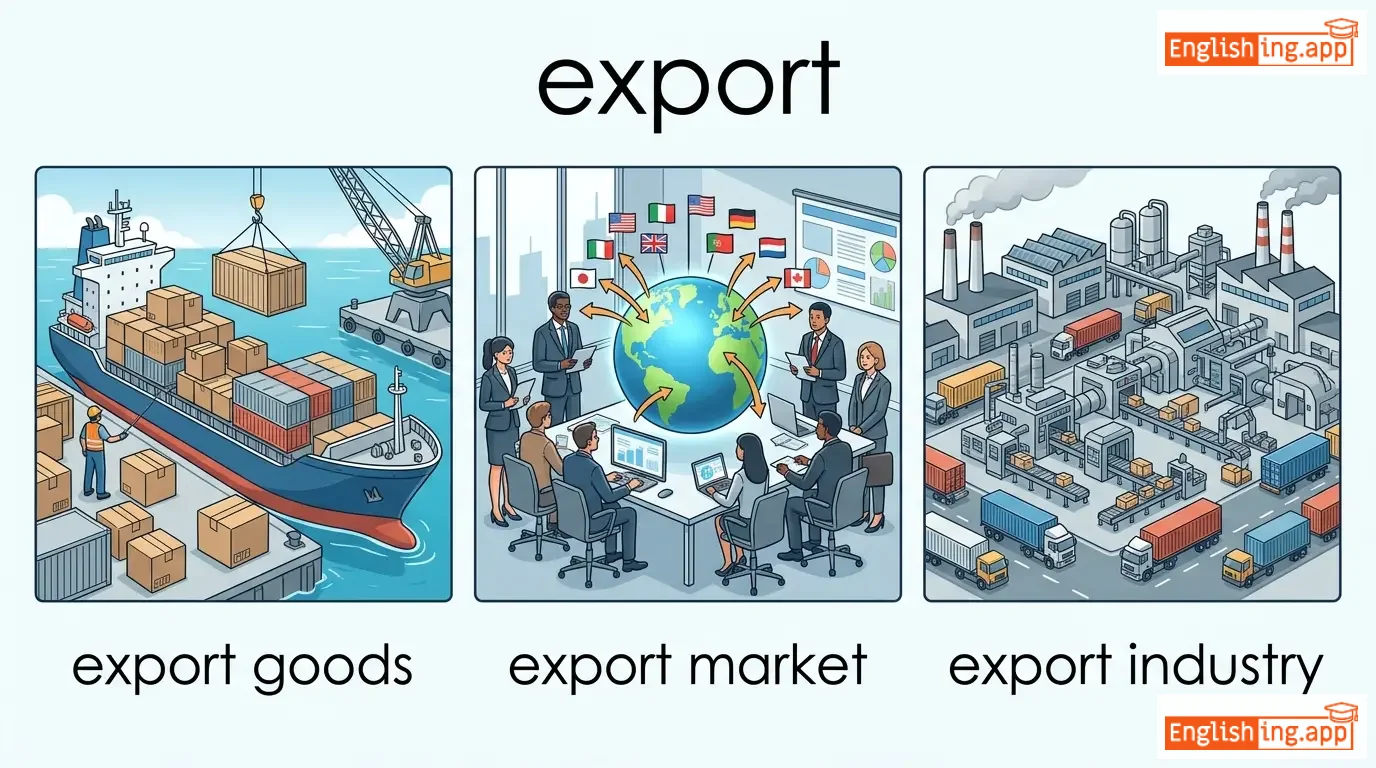
/ɪkˈspɔːrt/
verb
(éksport)
••••••
|
|
出口
chūkǒu
••••••
|
exported
chū chǎn
••••••
|
exported
chū chǎn
••••••
|
exports
chū chǎn
••••••
|
exporting
chū chǎn zhōng
••••••
|
to send goods or services to another country for sale
••••••
|
The company exports cars to many countries.
Gōngsī chū chǎn chēzi dào xǔduō guójiā.
••••••
|
公司将汽车出口到许多国家。
Gōngsī jiāng qìchē chūkǒu dào xǔduō guójiā.
••••••
|
ship, send out, sell abroad
••••••
|
import, bring in, receive
••••••
|
export goods, export data, export market, major export
••••••
|
Chūkǒu = Export, zài gōngsī zhōng de chē zǒu guójiā.
••••••
|
|
#670
✨
|
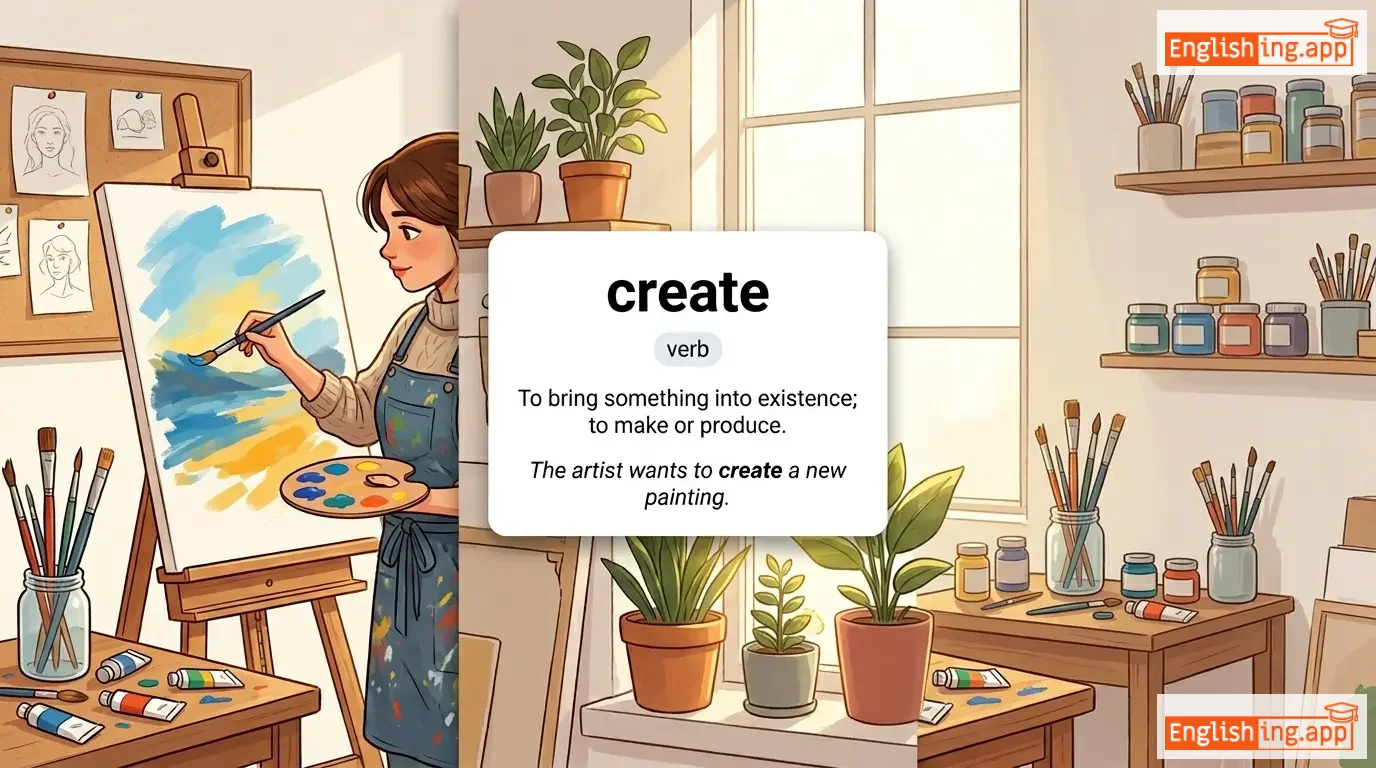
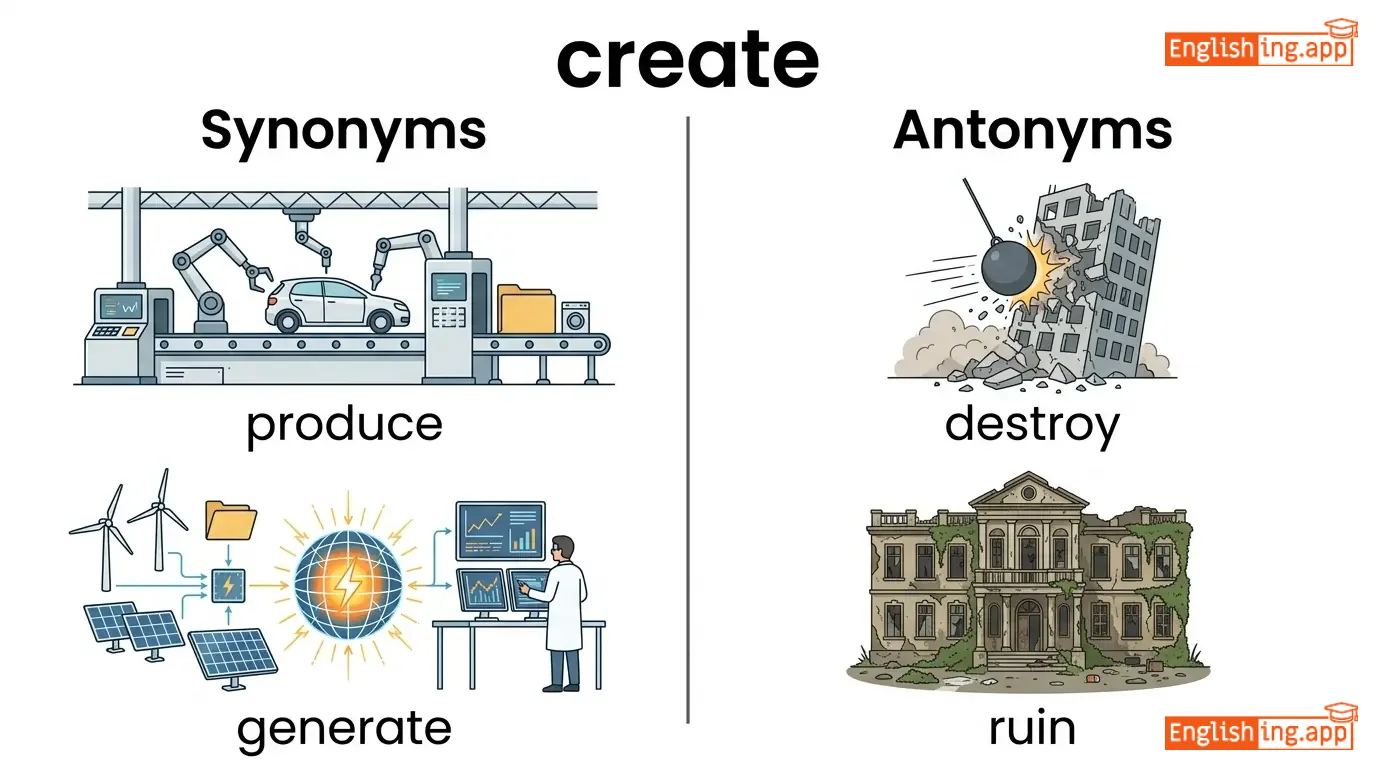
/kriˈeɪt/
verb
(克里埃特)
••••••
|
|
创造
chuangzao
••••••
|
created
克里埃特德
••••••
|
created
克里埃特德
••••••
|
creates
克里埃特斯
••••••
|
creating
克里埃廷
••••••
|
to bring into existence; to make something new
••••••
|
Artists create beautiful works of art.
艺术家创造美丽的艺术作品。
••••••
|
艺术家创造美丽的艺术作品。
Yishujia chuangzao meili de yishuwu。
••••••
|
make, produce, design, build
••••••
|
destroy, demolish, ruin, eliminate
••••••
|
create art, create jobs, create problems, creative writing
••••••
|
通过创造来让艺术新生!
••••••
|
|
#671
👀
|
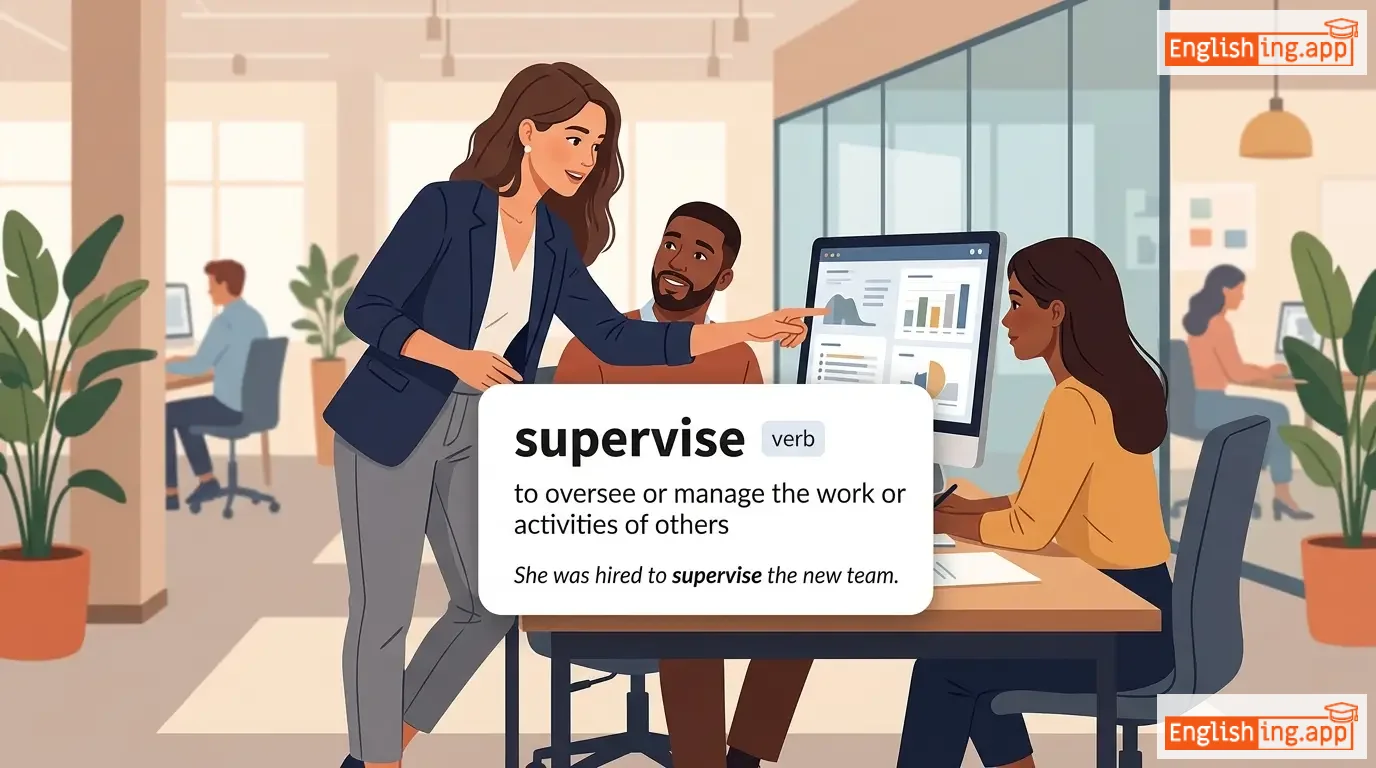
/ˈsuːpərvaɪz/
verb
(sūpèrvàiz)
••••••
|
|
监督
jiāndū
••••••
|
supervised
sūpèrvàizd
••••••
|
supervised
sūpèrvàizd
••••••
|
supervises
sūpèrvàizè
••••••
|
supervising
sūpèrvàizīng
••••••
|
to watch and direct a person or activity to ensure things are done correctly
••••••
|
The teacher supervises students during the exam.
老师在考试期间监督学生。
••••••
|
老师在考试期间监督学生。
Lǎoshī zài kǎoshì qījiān jiāndū xuéshēng.
••••••
|
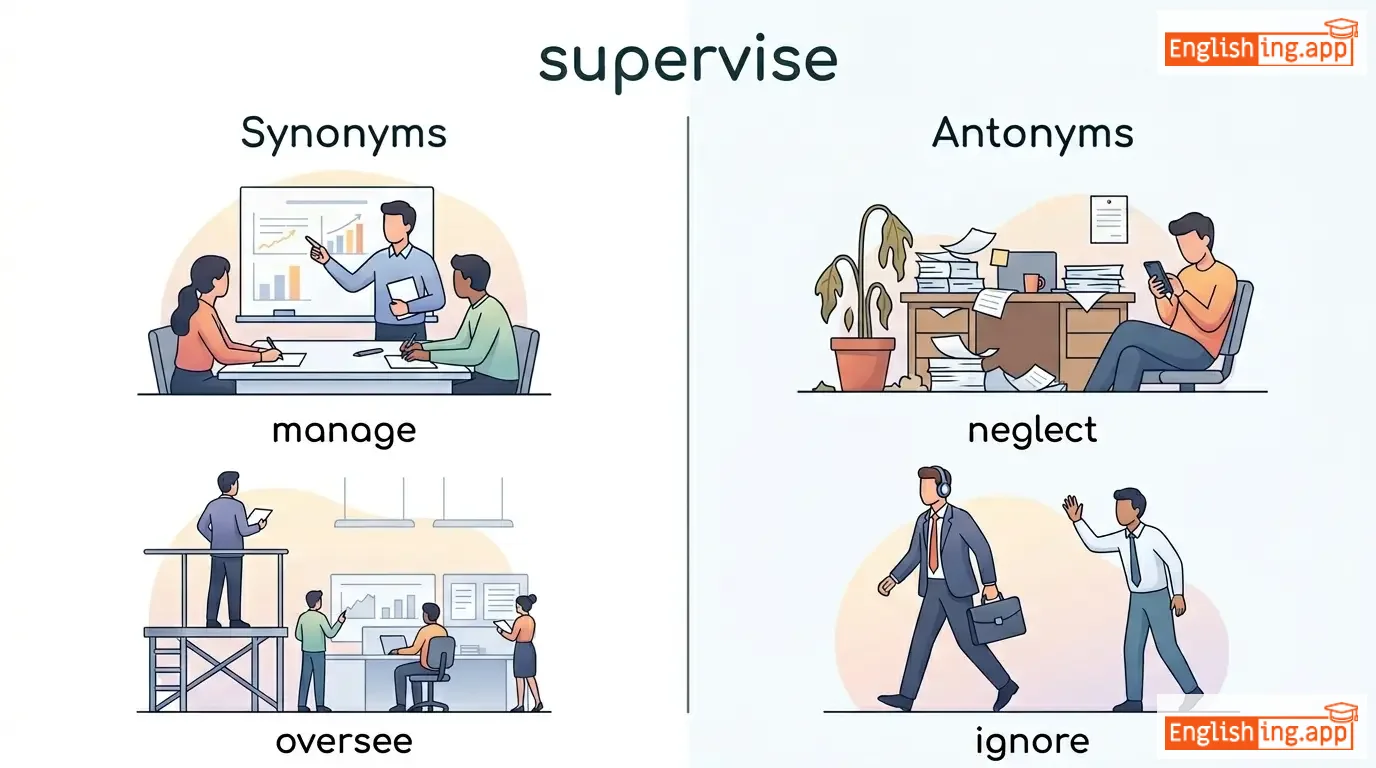
oversee, monitor, manage, direct
••••••
|
neglect, ignore, abandon
••••••
|
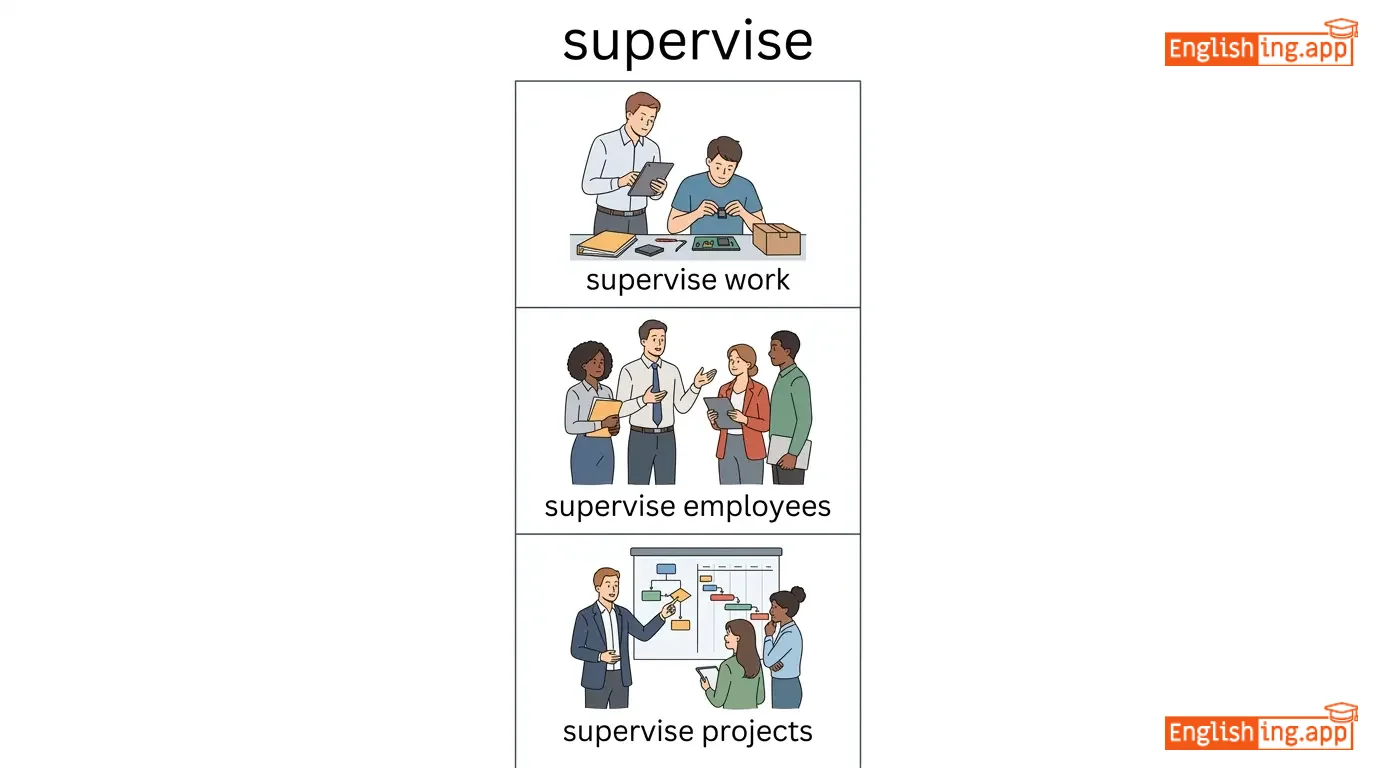
supervise closely, supervise work, supervise students, under supervision
••••••
|
监督一切,就像超级英雄一样!
••••••
|
|
#672
📅
|
/rɪˈzɜːv/
verb
(rízévé)
••••••
|
|
预定
yùdìng
••••••
|
reserved
rízéwèi
••••••
|
reserved
rízéwèi
••••••
|
reserves
rízéwèi
••••••
|
reserving
rízéwéng
••••••
|
to keep something for future use; to book in advance
••••••
|
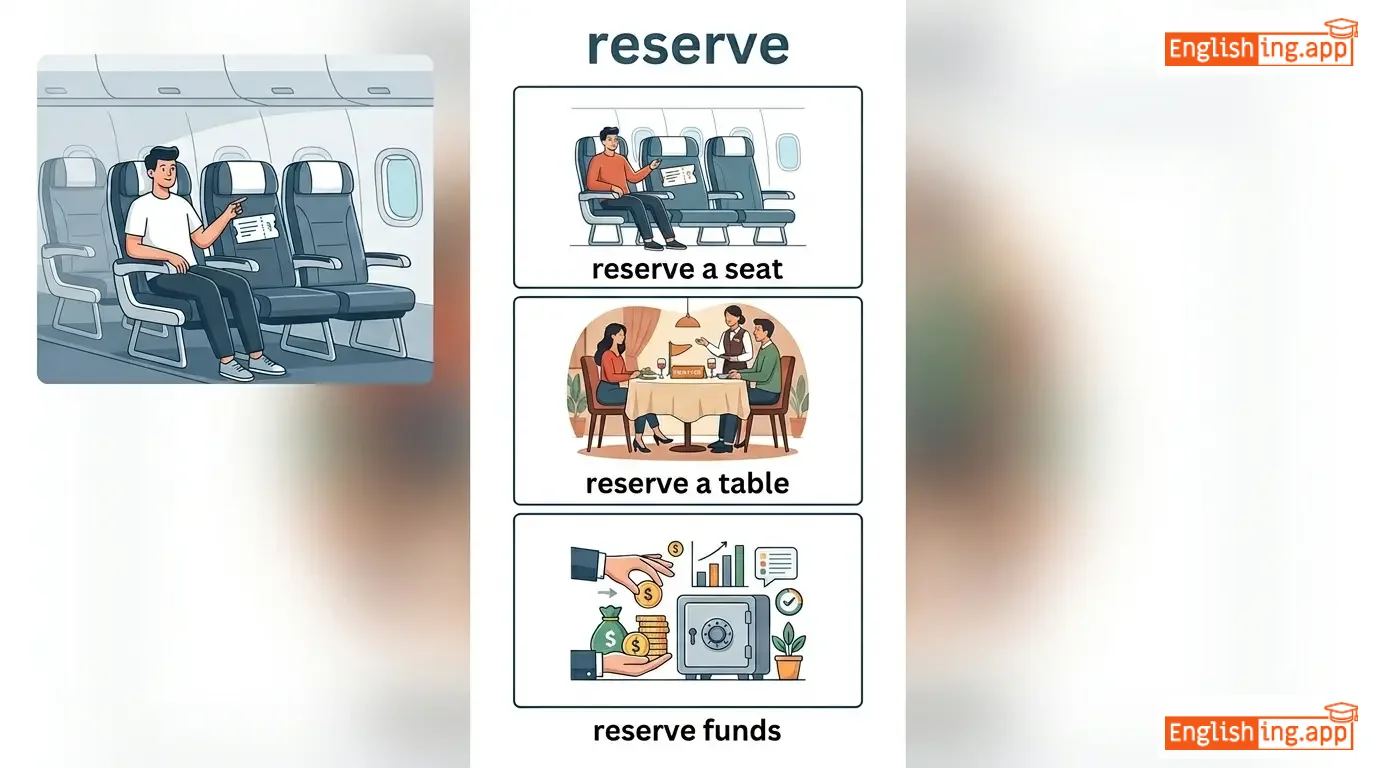
I want to reserve a table for dinner.
我想为晚餐预订一张桌子。
••••••
|
我想为晚餐预订一张桌子。
Wǒ xiǎng wèi wǎncān yùdìng yī zhāng zhuōzi.
••••••
|
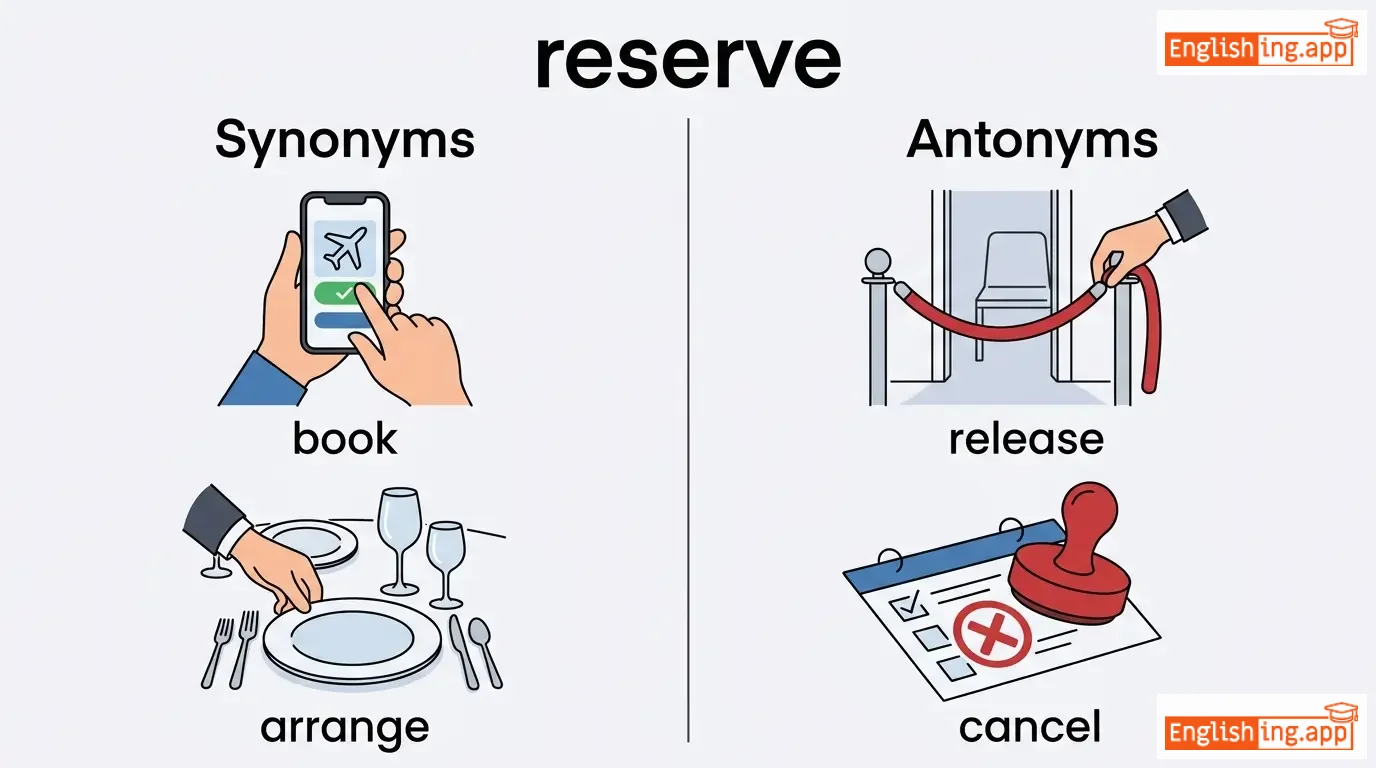
book, save, keep, set aside
••••••
|
use, spend, consume, waste
••••••
|
reserve seats, reserve rights, nature reserve, cash reserves
••••••
|
预定的晚餐桌子,等待享受美好时光。
••••••
|
|
#673
🎵
|
/ˈwɪsəl/
verb
(威斯尔)
••••••
|
|
吹口哨
chuī kǒushào
••••••
|
whistled
威斯尔德
••••••
|
whistled
威斯尔德
••••••
|
whistles
威斯尔斯
••••••
|
whistling
威斯林
••••••
|
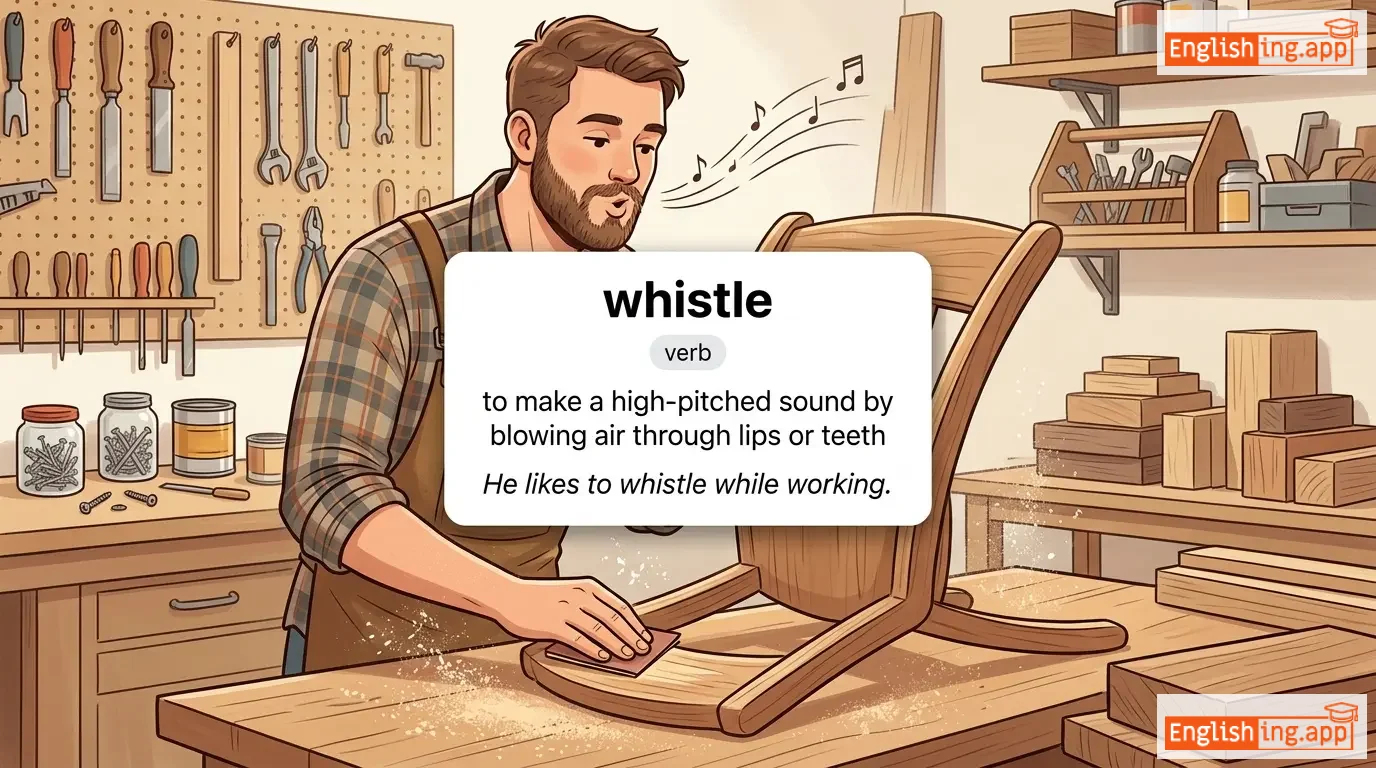
to make a high-pitched sound by blowing air through lips or teeth
••••••
|
He likes to whistle while working.
他喜欢在工作时吹口哨。
••••••
|
他喜欢在工作时吹口哨。
Tā xǐhuān zài gōngzuò shí chuī kǒushào.
••••••
|
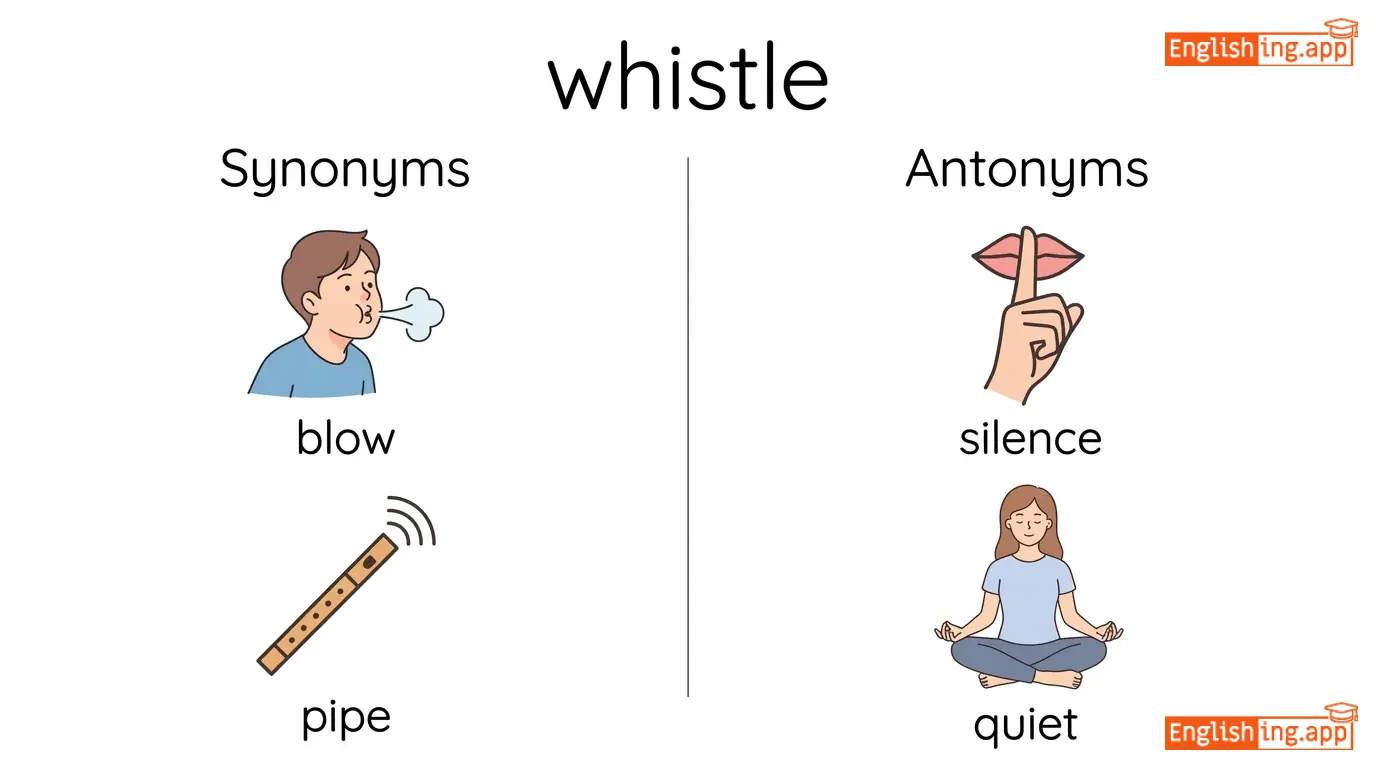
blow, pipe, toot, sound
••••••
|
silence, quiet, mute
••••••
|
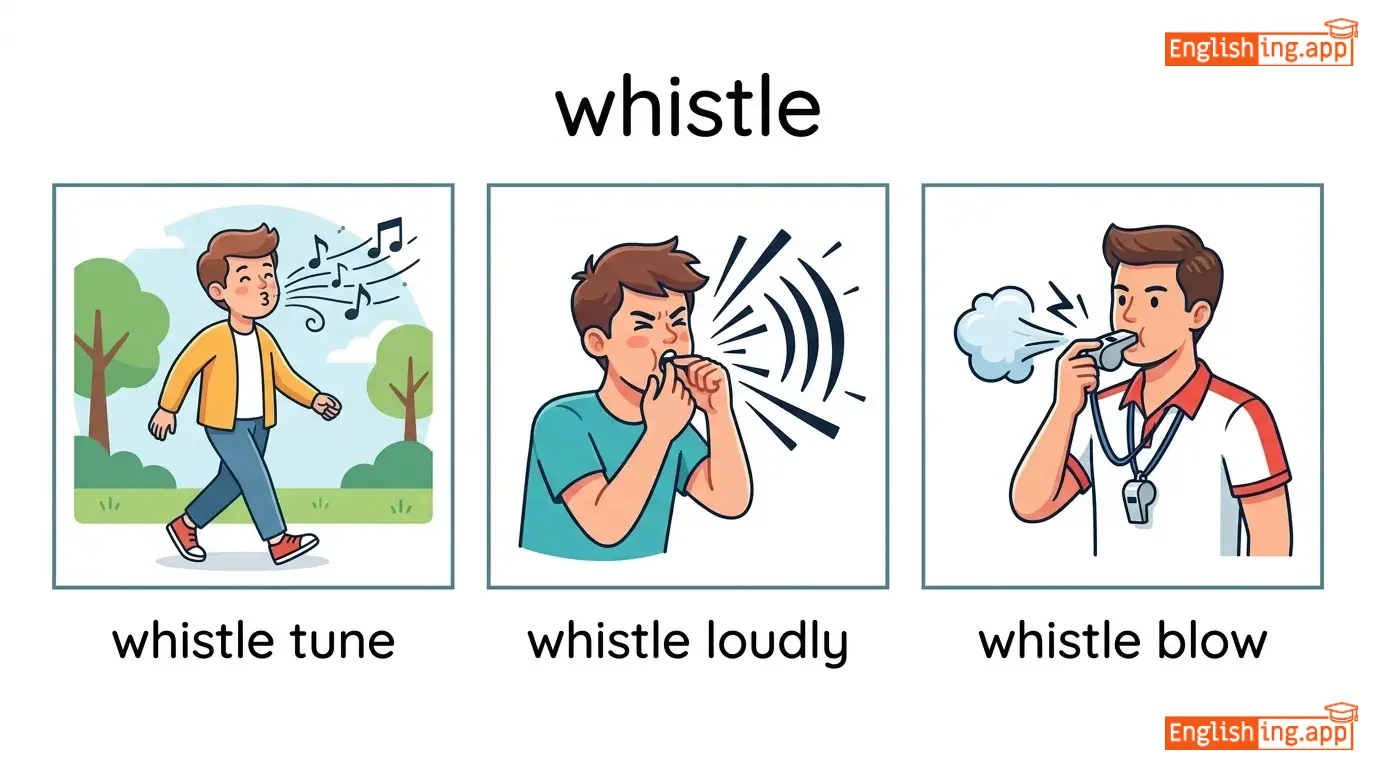
whistle tune, whistle loudly, whistle blow, train whistle
••••••
|
吹口哨 - 吹出高音像在演奏口哨一样。
••••••
|
|
#674
📦
|
/ˌoʊvərˈloʊd/
verb
(óu wèi luò dé)
••••••
|
|
过载
guò zài
••••••
|
overloaded
óu wèi luò déd
••••••
|
overloaded
óu wèi luò déd
••••••
|
overloads
óu wèi luò dz
••••••
|
overloading
óu wèi luò dīng
••••••
|
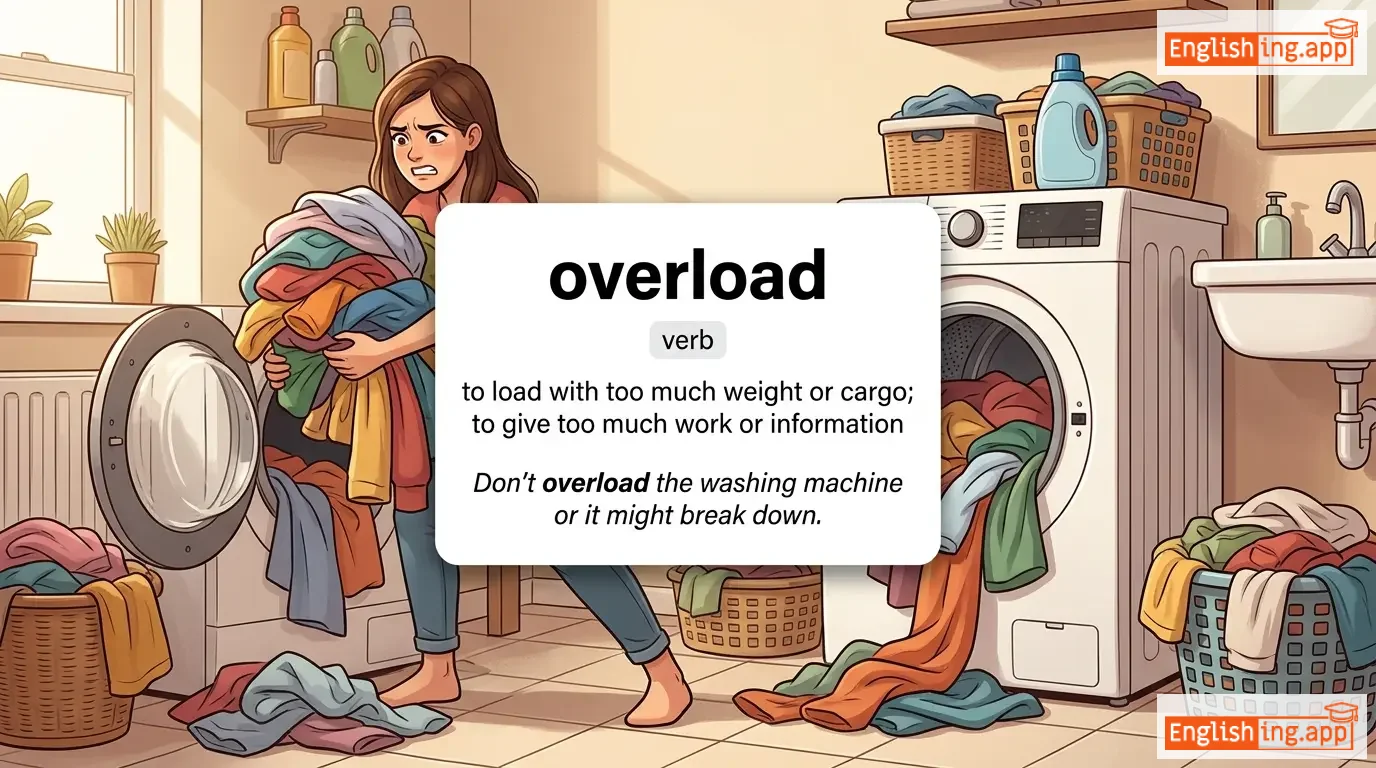
to load with too much weight or cargo; to give too much work or information
••••••
|
Don't overload the washing machine or it might break down.
不要过载洗衣机,否则它可能会坏掉。
••••••
|
不要过载洗衣机,否则它可能会坏掉。
Bù yào guò zài xǐ yī jī, bù rán tā kě néng huì huài diào.
••••••
|
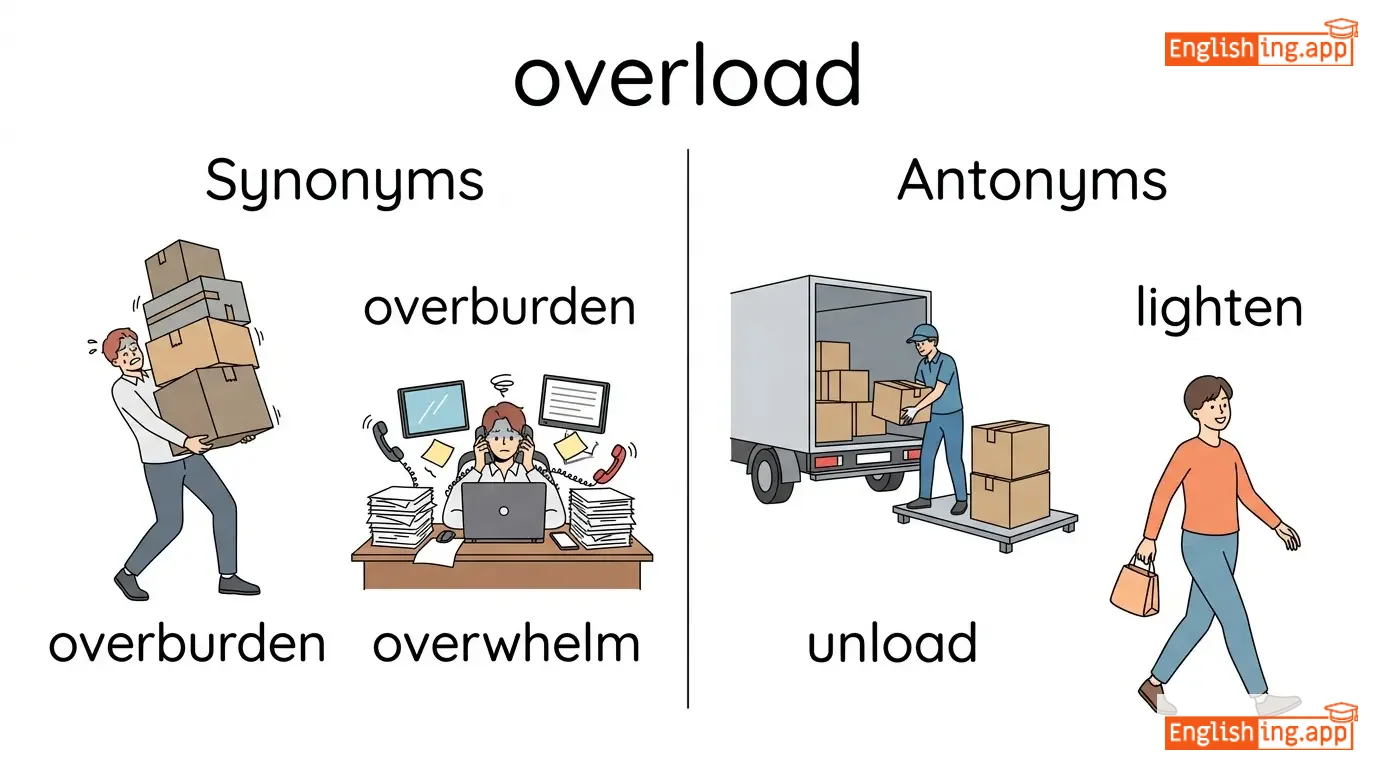
overburden, overwhelm, exceed, stuff
••••••
|
unload, lighten, reduce, minimize
••••••
|
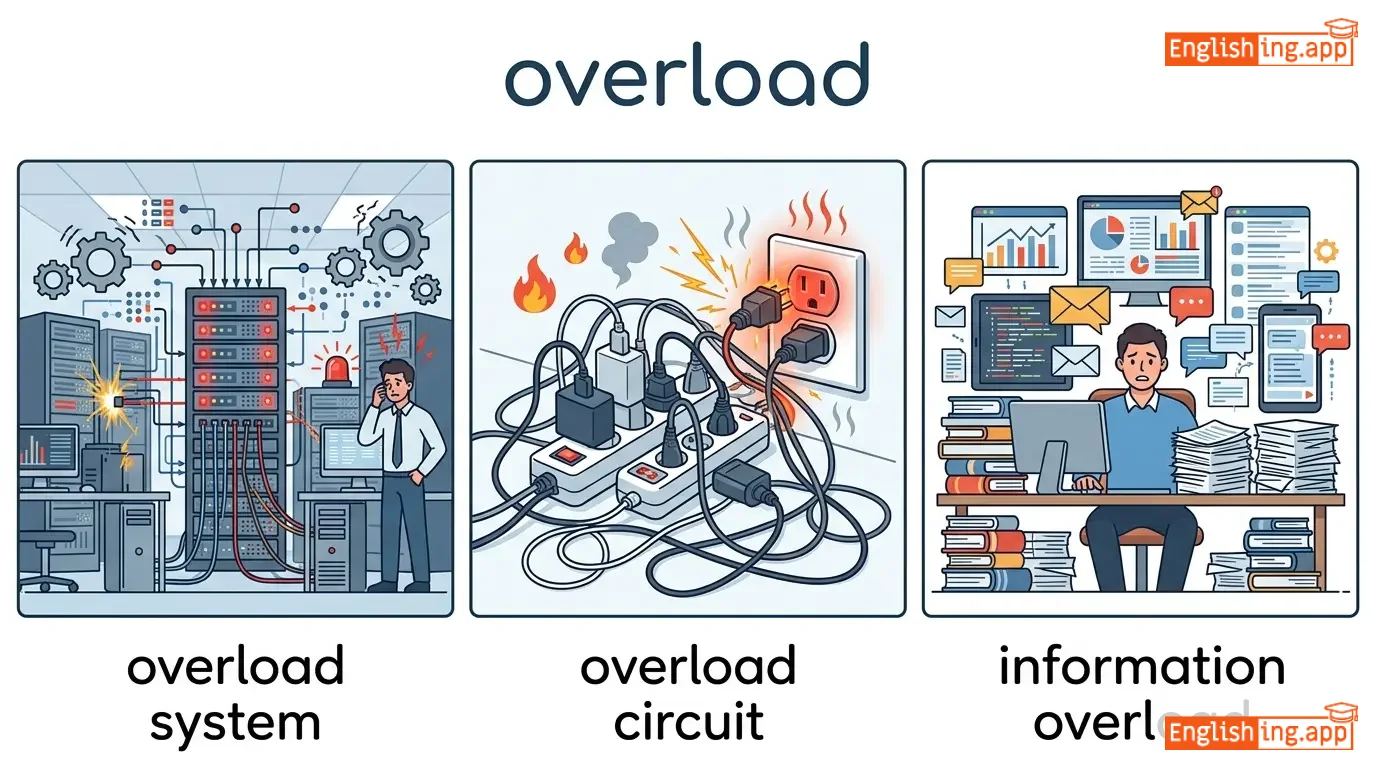
overload system, overload circuit, information overload, work overload
••••••
|
Overload - 过 (过量) + 载 (装载)
••••••
|
|
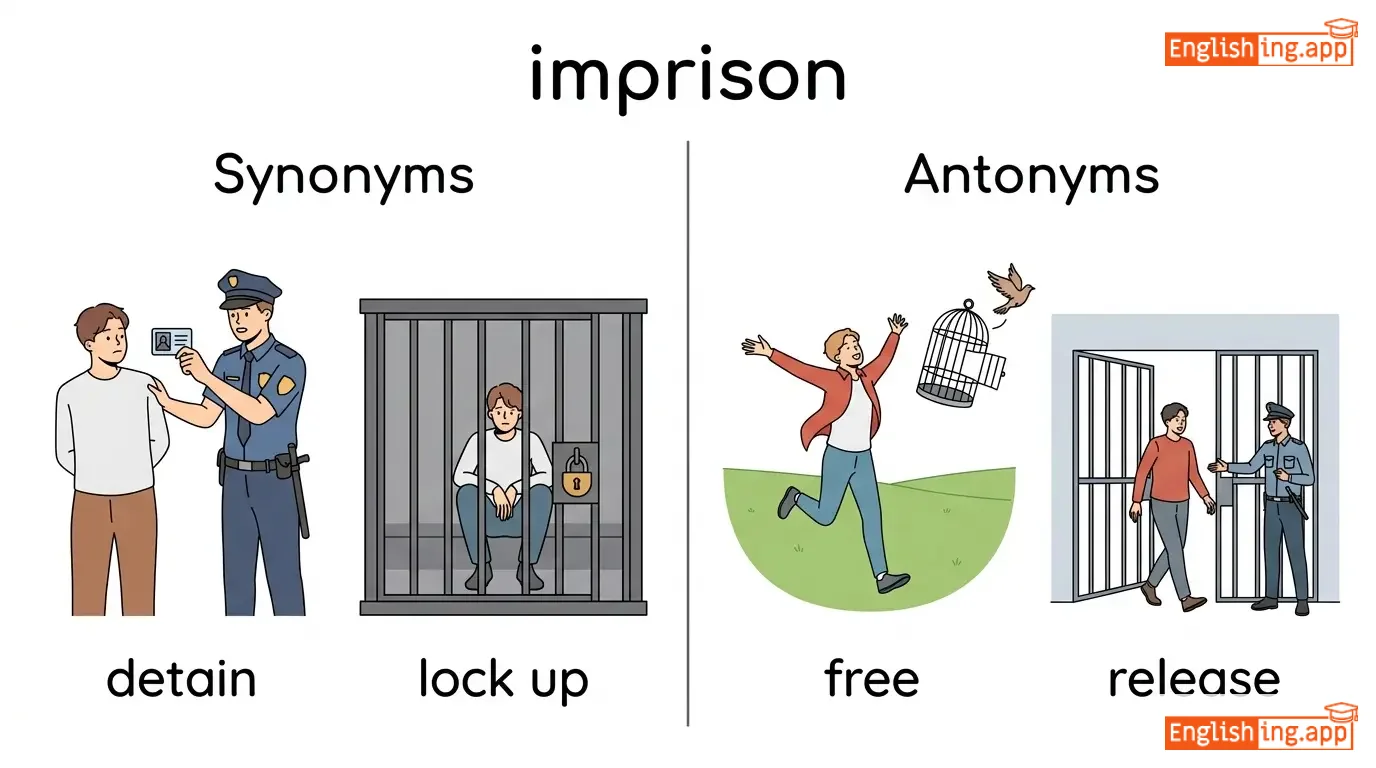
#675
🔒
|
/ɪmˈprɪzən/
verb
(囚禁)
••••••
|
|
囚禁
qiújìn
••••••
|
imprisoned
囚禁了
••••••
|
imprisoned
囚禁了
••••••
|
imprisons
囚禁
••••••
|
imprisoning
囚禁中
••••••
|
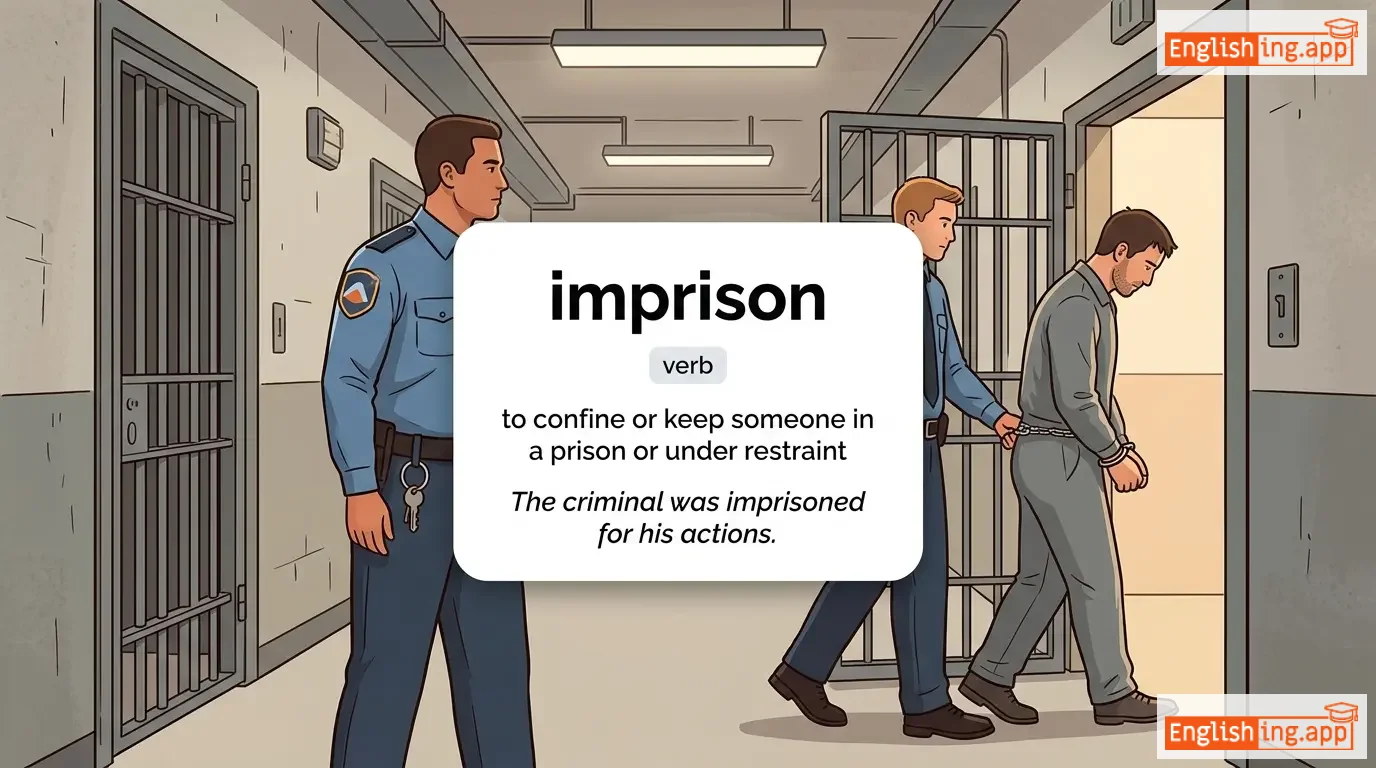
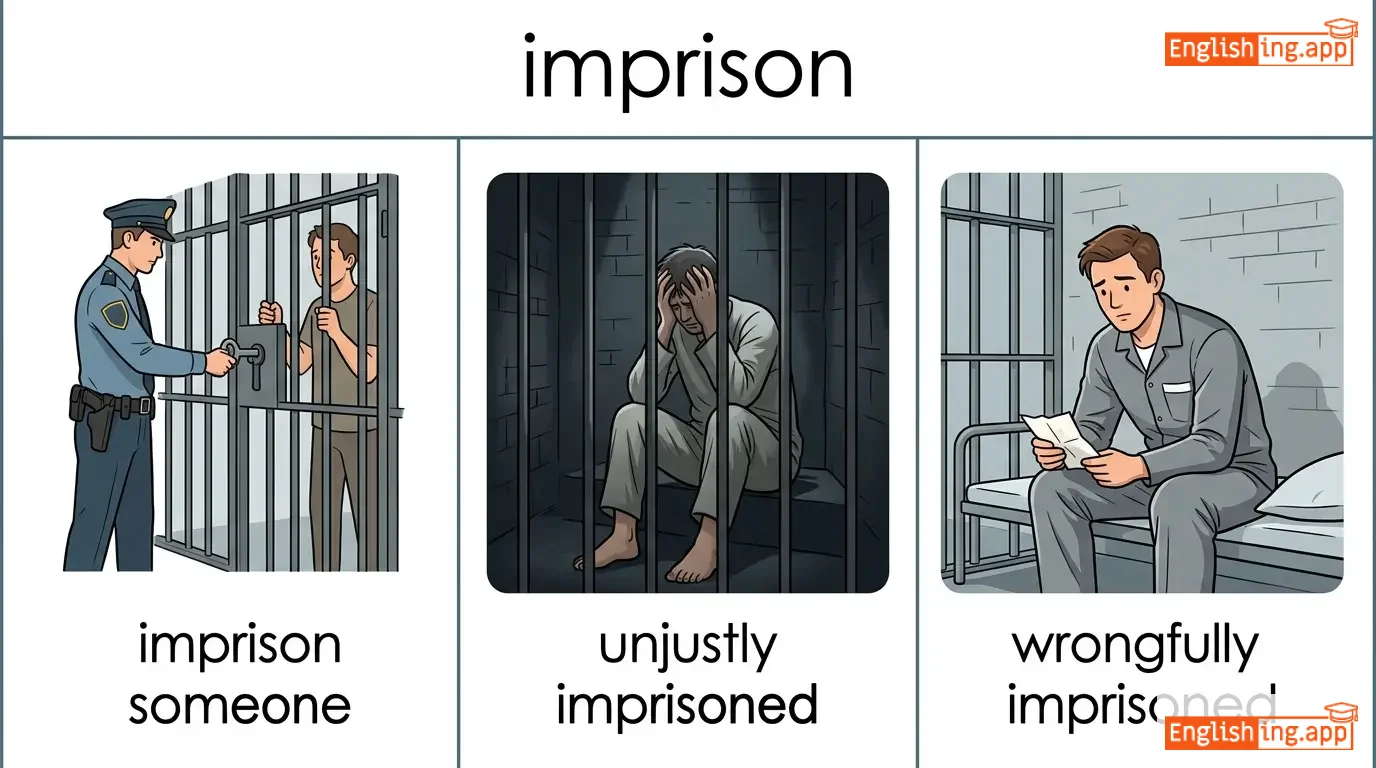
to put someone in prison; to confine or restrict someone's freedom
••••••
|
The judge imprisoned the criminal for five years.
法官把罪犯囚禁了五年。
••••••
|
法官把罪犯囚禁了五年。
Fǎguān bǎ zuìfàn qiújìnle wǔ nián.
••••••
|
jail, incarcerate, confine, detain
••••••
|
free, release, liberate, discharge
••••••
|
imprison someone, falsely imprison, imprison for life, maximum security prison
••••••
|
No •••••• |
|
#676
✅
|
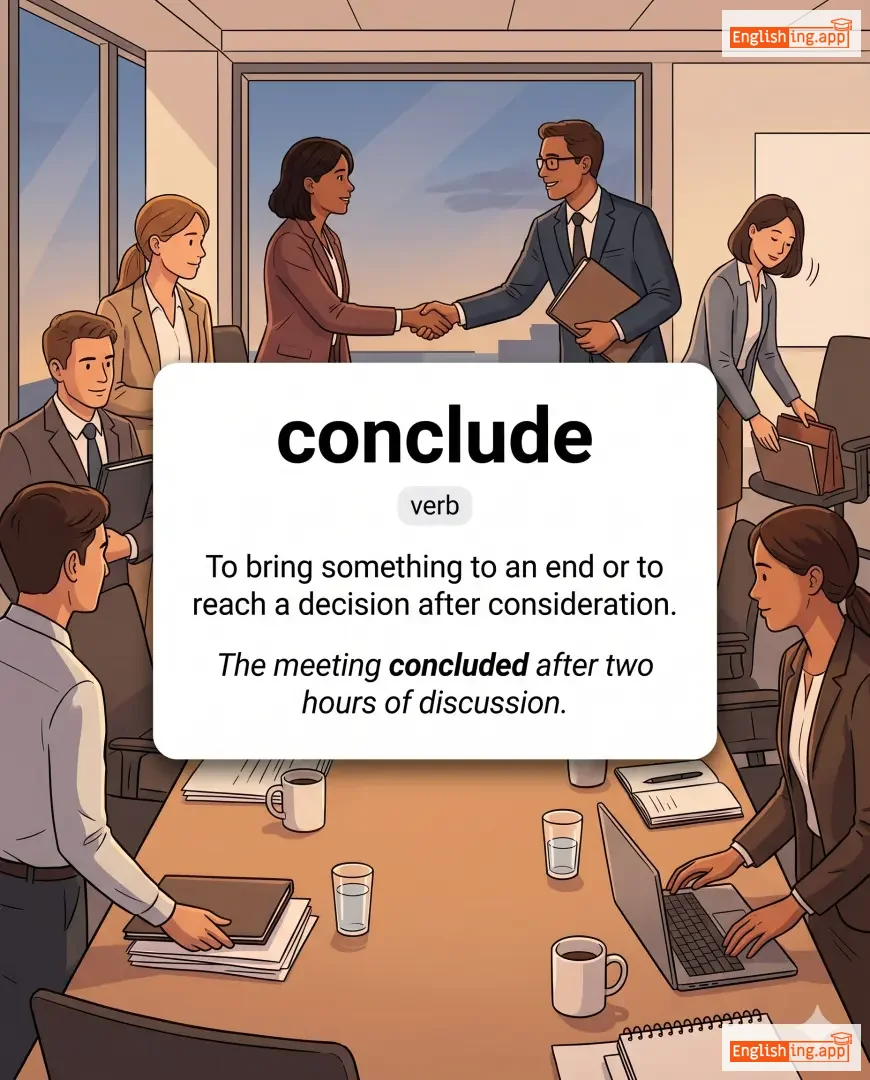
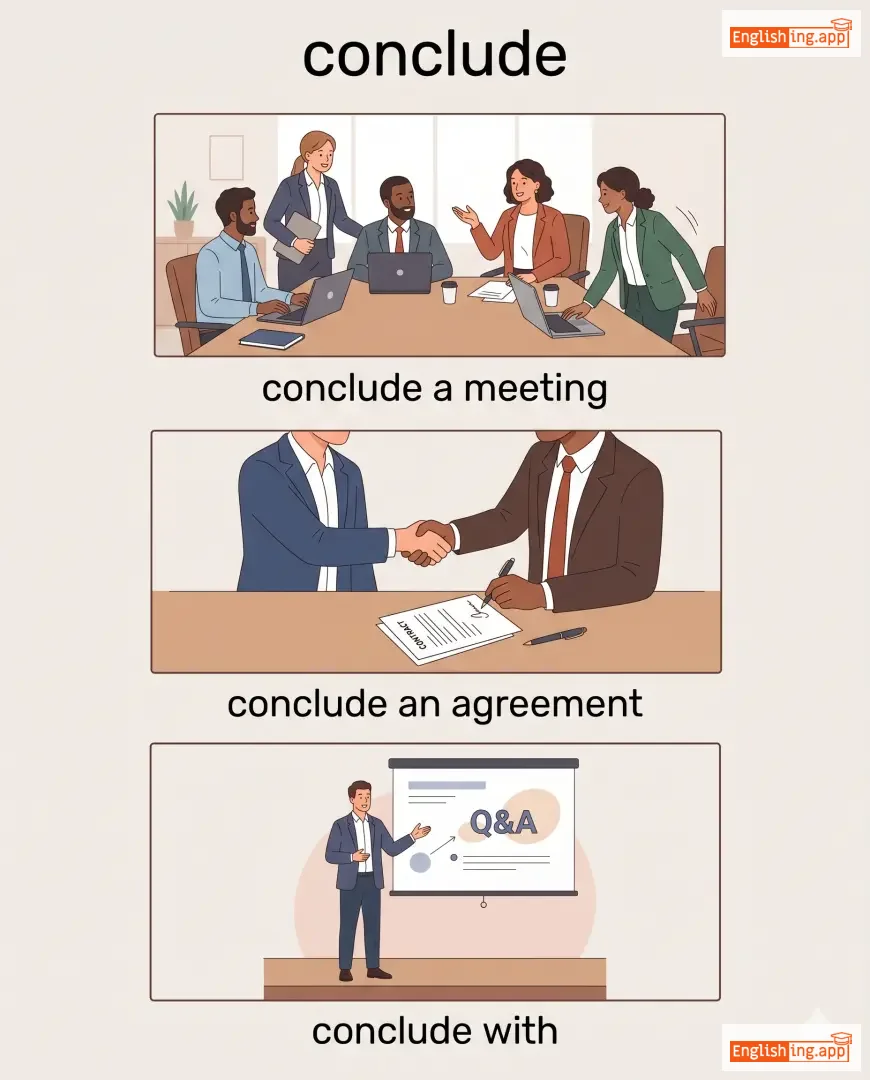
/kənˈkluːd/
verb
(kónglúd)
••••••
|
|
结束
jiéshù
••••••
|
concluded
kónglúdéd
••••••
|
concluded
kónglúdéd
••••••
|
concludes
kónglúds
••••••
|
concluding
kónglúdíng
••••••
|
to bring to an end; to decide based on evidence
••••••
|
We concluded the meeting with important decisions.
我们通过重要的决策结束了会议。
••••••
|
我们通过重要的决策结束了会议。
Wǒmen tōngguò zhòngyào de juécè jiéshù le huìyì.
••••••
|
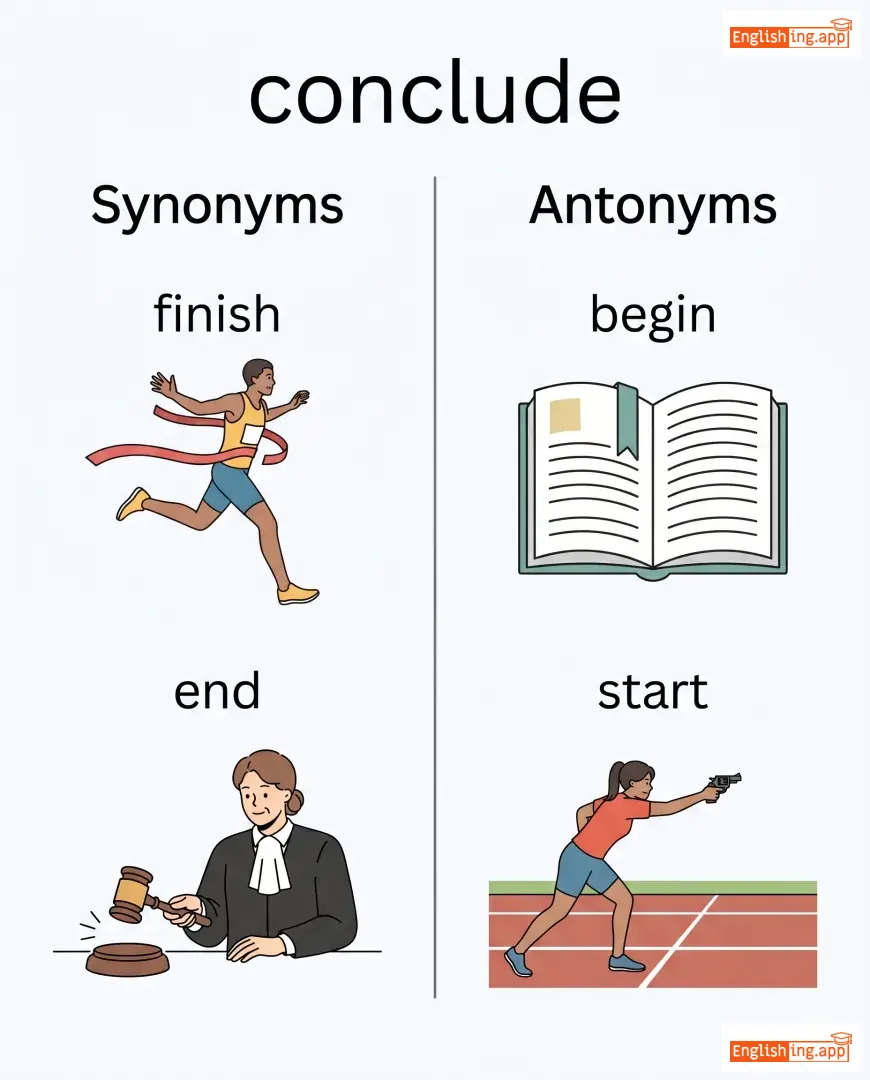
end, finish, complete, decide, infer
••••••
|
begin, start, open, commence
••••••
|
conclude meeting, conclude agreement, logical conclusion, draw conclusion
••••••
|
结束 - 完成的结尾
••••••
|
|
#677
💸
|
/ˈskwɒndər/
verb
(skwɒndər)
••••••
|
|
浪费
làng fèi
••••••
|
squandered
skwɒndərd
••••••
|
squandered
skwɒndərd
••••••
|
squanders
skwɒndərs
••••••
|
squandering
skwɒndərɪŋ
••••••
|
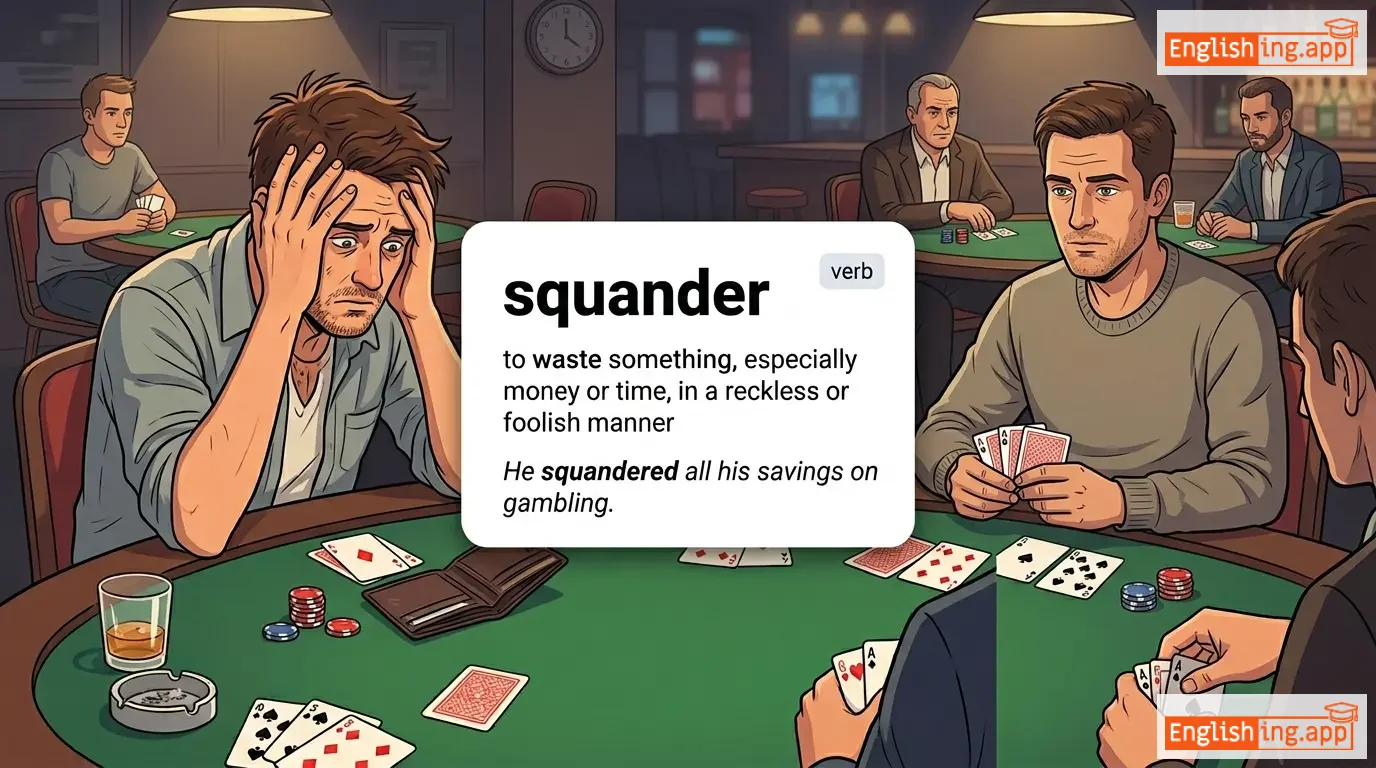
to waste money, time, or opportunities in a careless way
••••••
|
He squandered his inheritance on gambling.
他把遗产浪费在赌博上。
••••••
|
他把遗产浪费在赌博上。
Tā bǎ yíchǎn làng fèi zài dǔbó shàng.
••••••
|
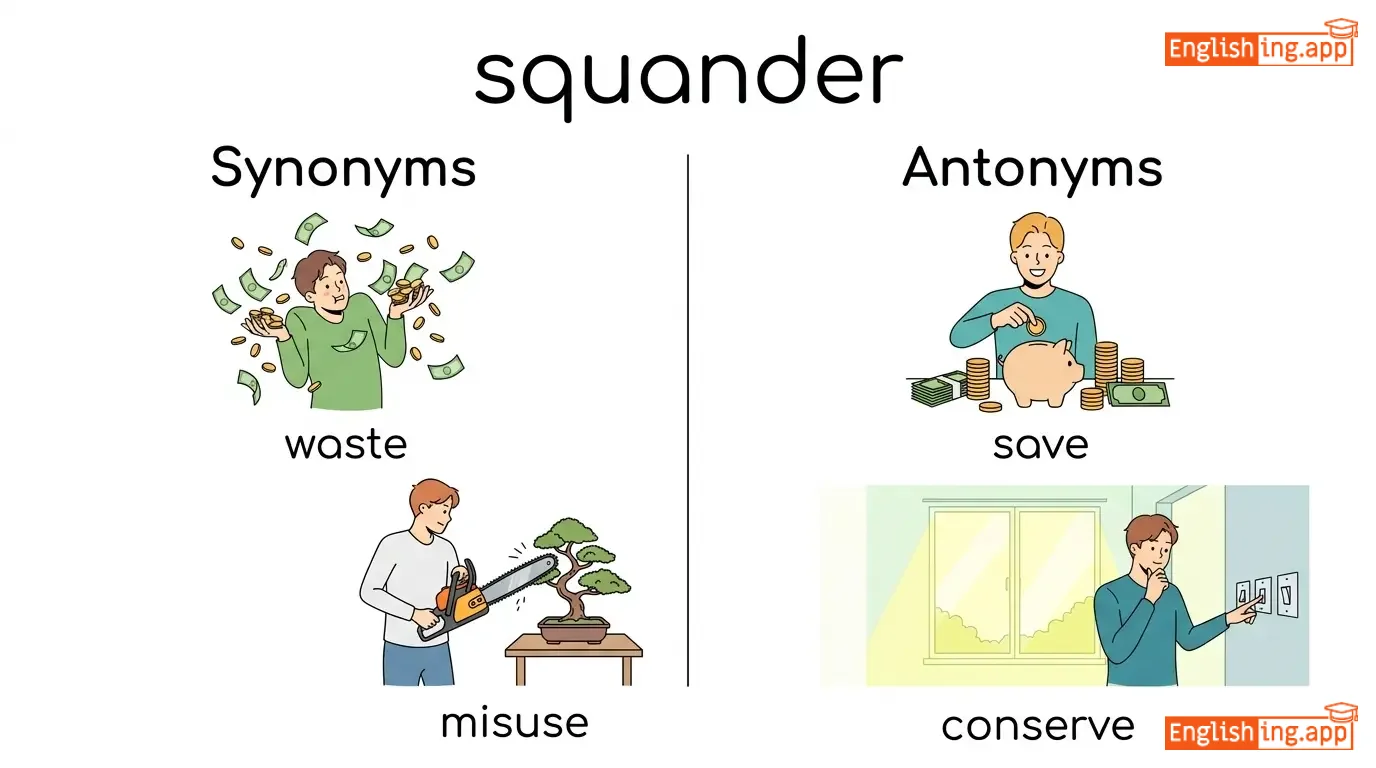
waste, fritter, dissipate, misuse
••••••
|
save, conserve, preserve, invest
••••••
|
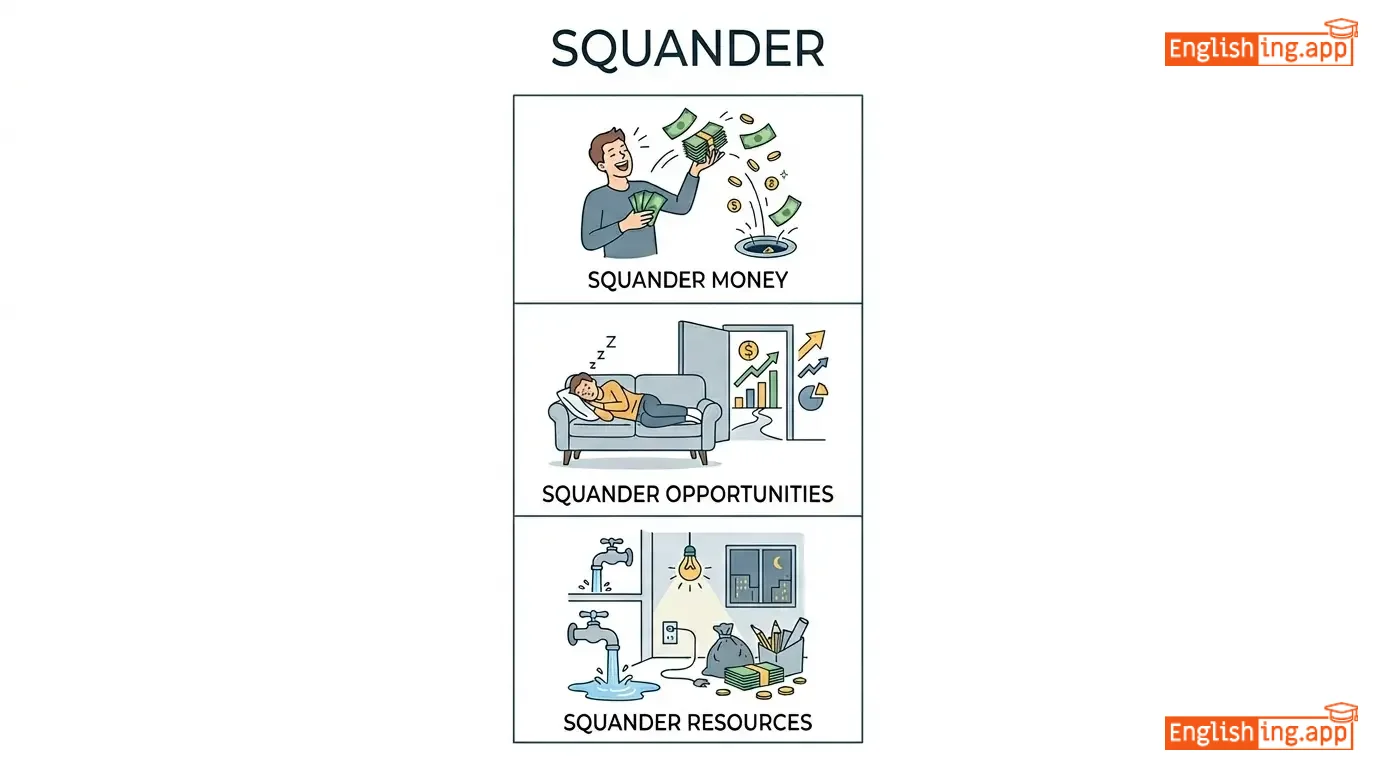
squander money, squander opportunity, squander resources, squander time
••••••
|
No •••••• |
|
#678
😇
|
/bɪˈheɪv/
verb
(bēhāf)
••••••
|
|
表现
biǎoxiàn
••••••
|
behaved
bēhāvd
••••••
|
behaved
bēhāvd
••••••
|
behaves
bēhāvs
••••••
|
behaving
bēhāvīng
••••••
|
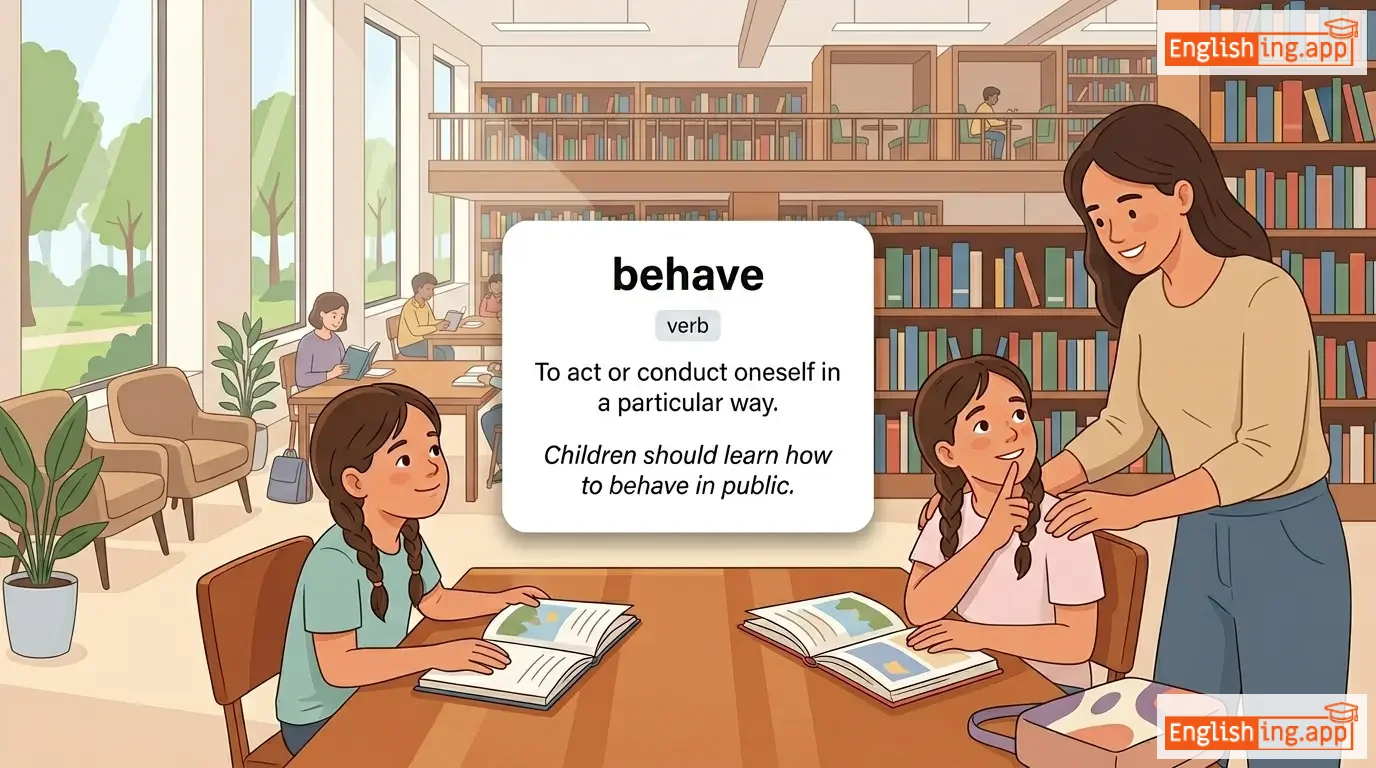
to act in a particular way; to conduct oneself
••••••
|
Children should behave well in school.
孩子们应该在学校里表现得很好。
••••••
|
孩子们应该在学校里表现得很好。
Háizimen yīnggāi zài xuéxiào lǐ biǎoxiàn dé hěn hǎo.
••••••
|
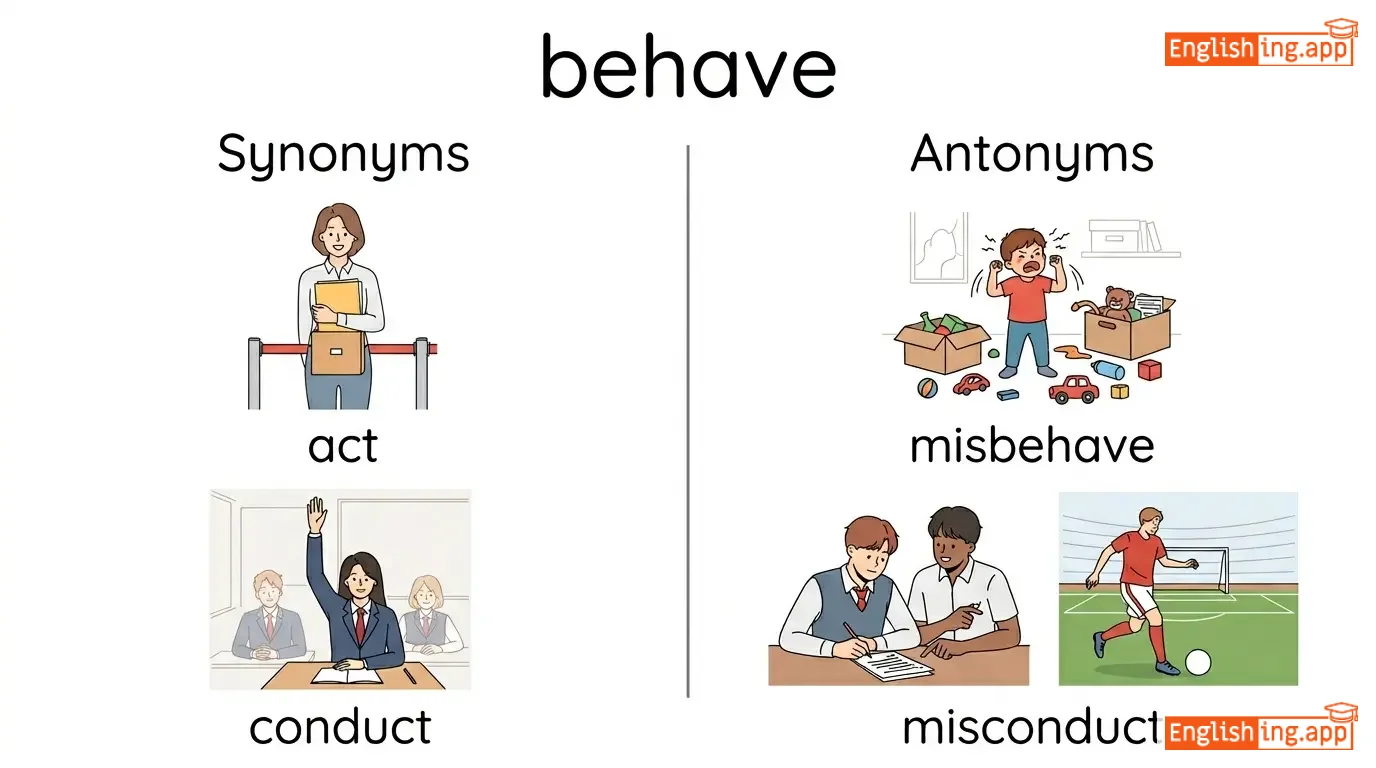
act, conduct, perform, function
••••••
|
misbehave, misconduct, act up
••••••
|
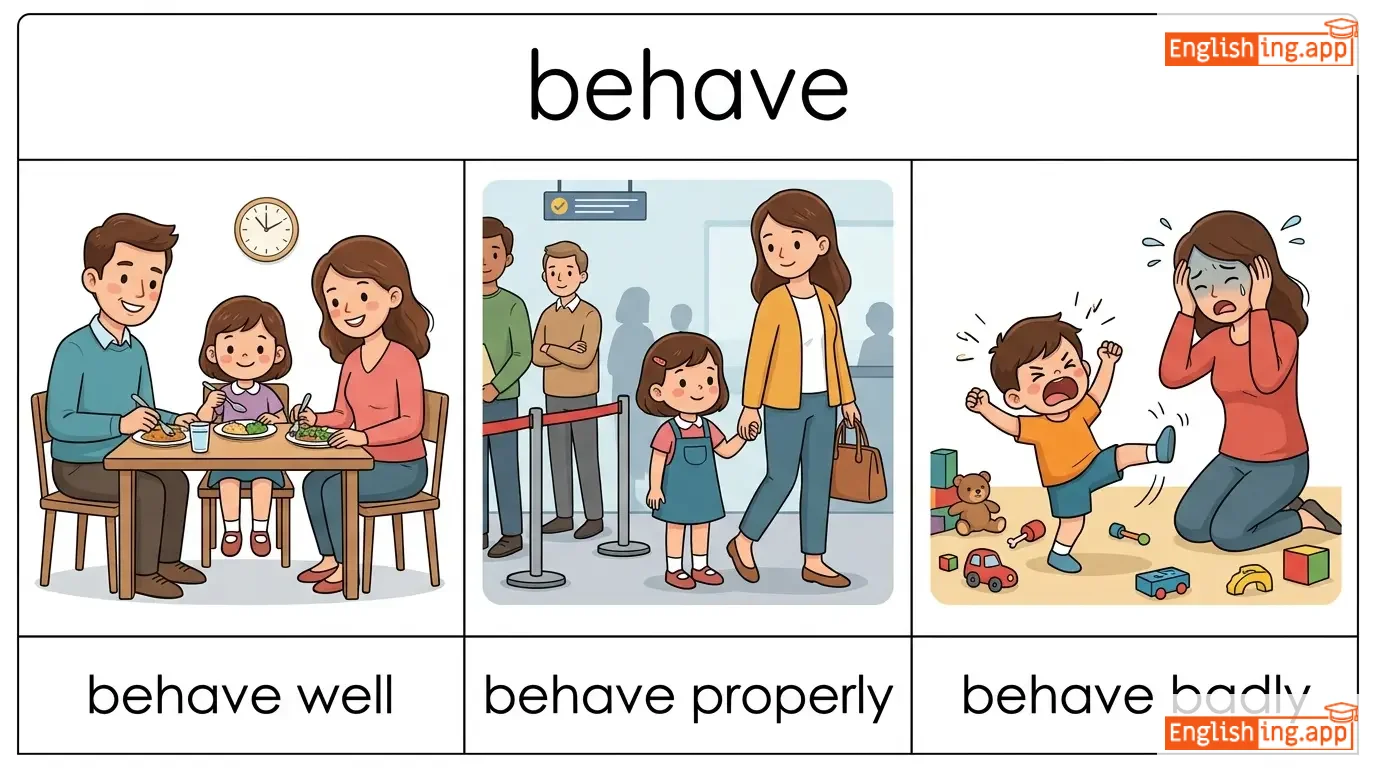
behave well, behave properly, good behavior, behave yourself
••••••
|
表现得好,成为好孩子!
••••••
|
|
#679
👋
|
/kʌm/
verb
(kam)
••••••
|
|
来
lai
••••••
|
came
keim
••••••
|
come
kam
••••••
|
comes
kams
••••••
|
coming
kaming
••••••
|
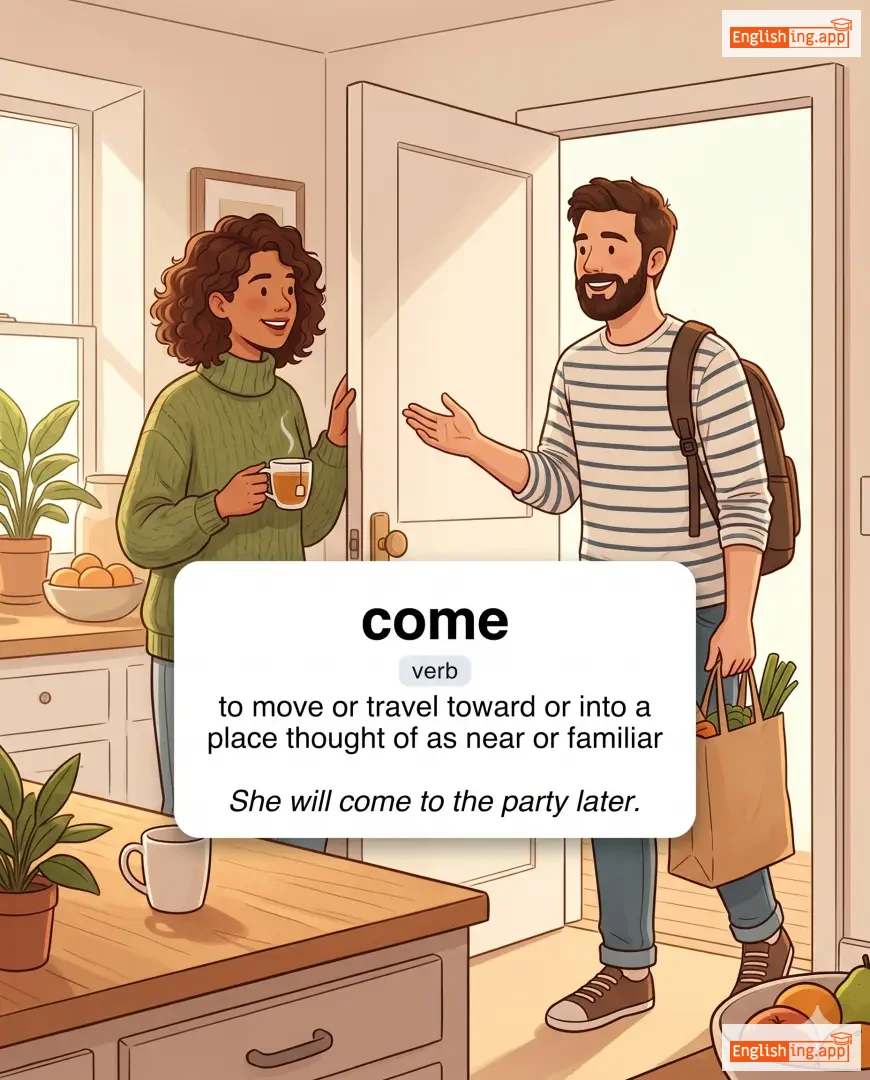
to move toward or arrive at a place
••••••
|
Please come to my house tomorrow.
pliz kam tu mai haus tomorou.
••••••
|
请明天来我家。
Qing mingtian lai wo jia
••••••
|
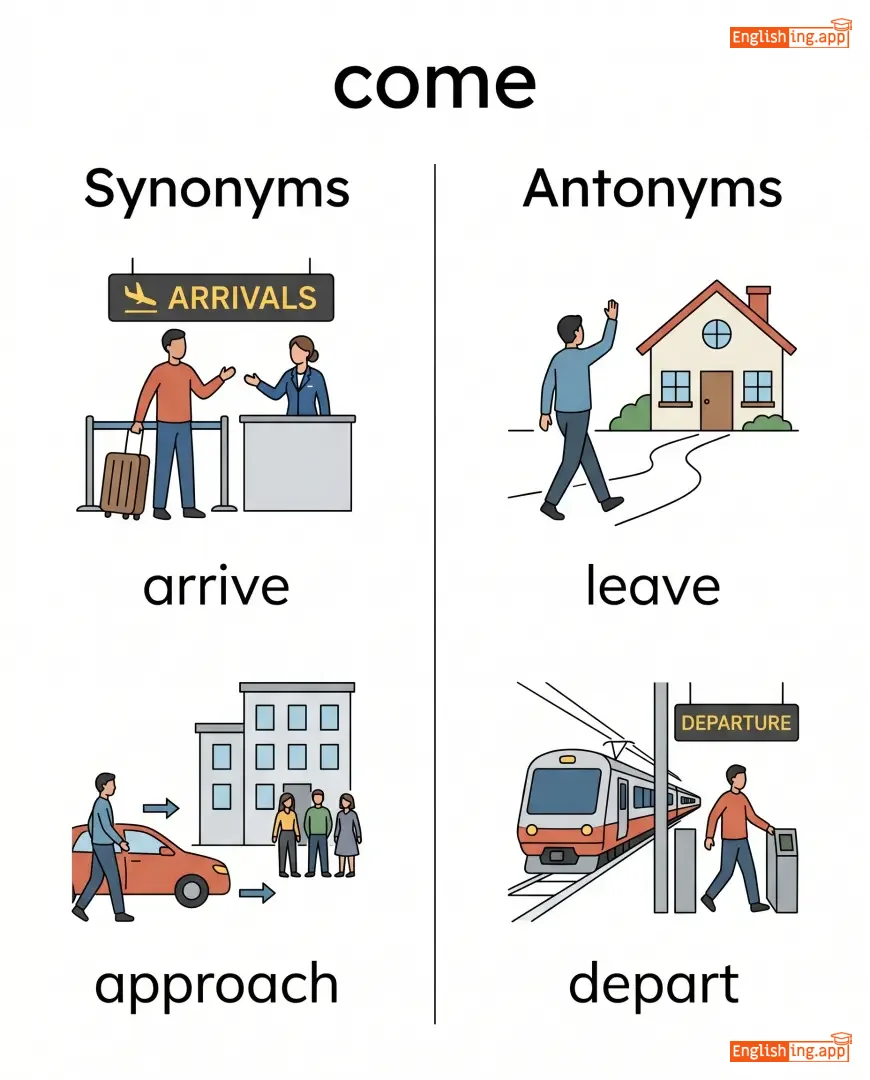
arrive, approach, reach, appear
••••••
|
go, leave, depart, exit
••••••
|
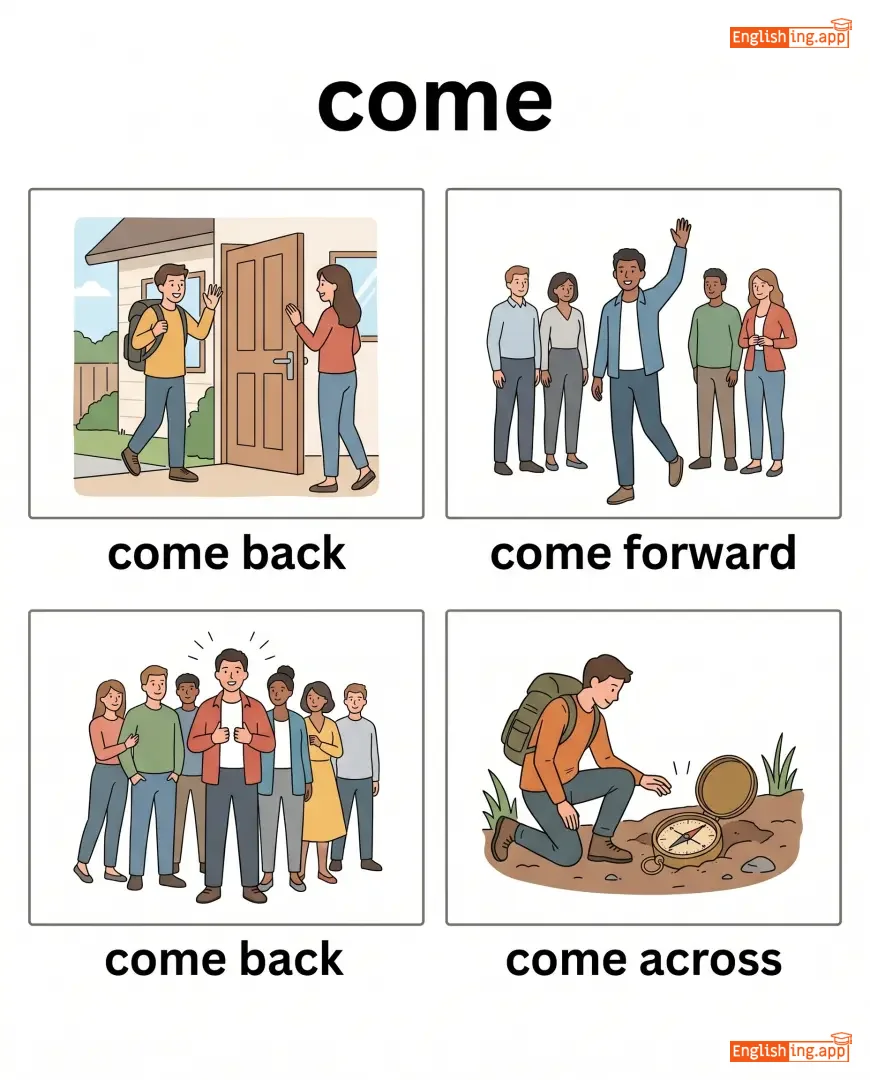
come here, come back, come along, come true
••••••
|
No •••••• |
|
#680
🔗
|
/ɪnˈkɔːrpəreɪt/
verb
(合并)
••••••
|
|
合并
hebing
••••••
|
incorporated
合并了
••••••
|
incorporated
合并了
••••••
|
incorporates
合并
••••••
|
incorporating
合并中
••••••
|
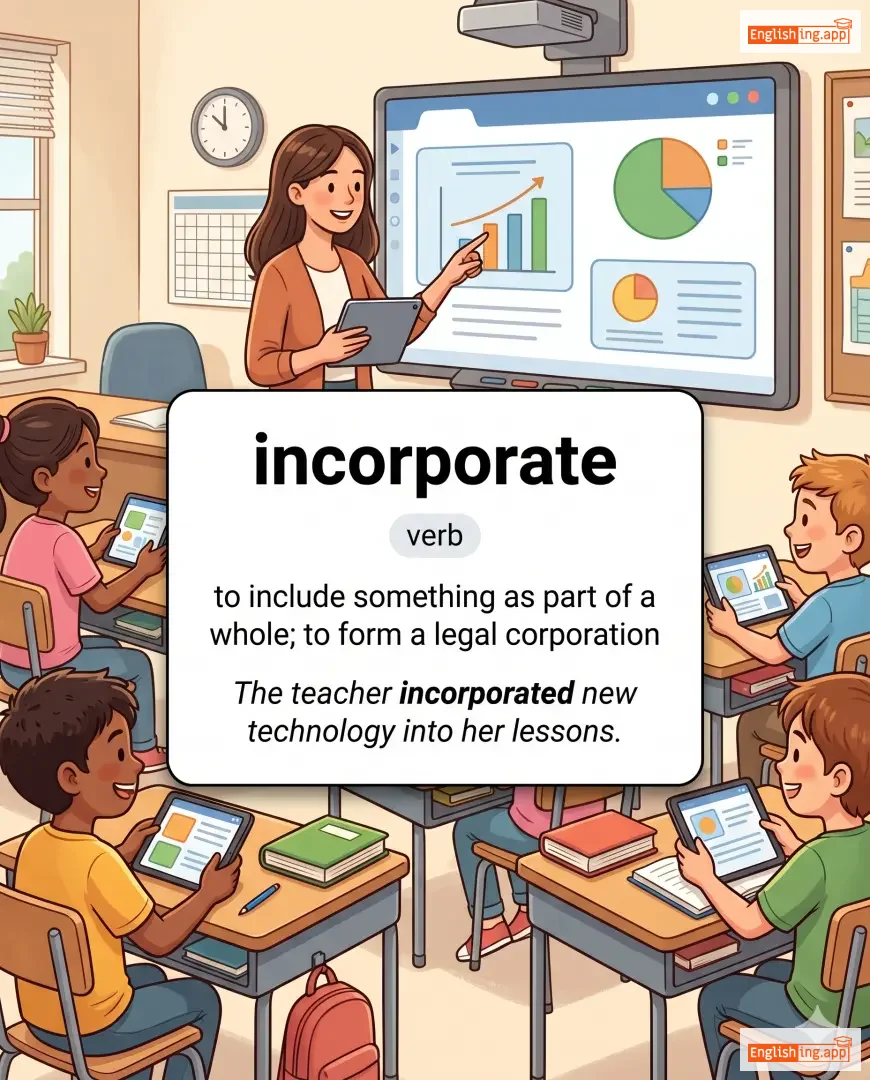
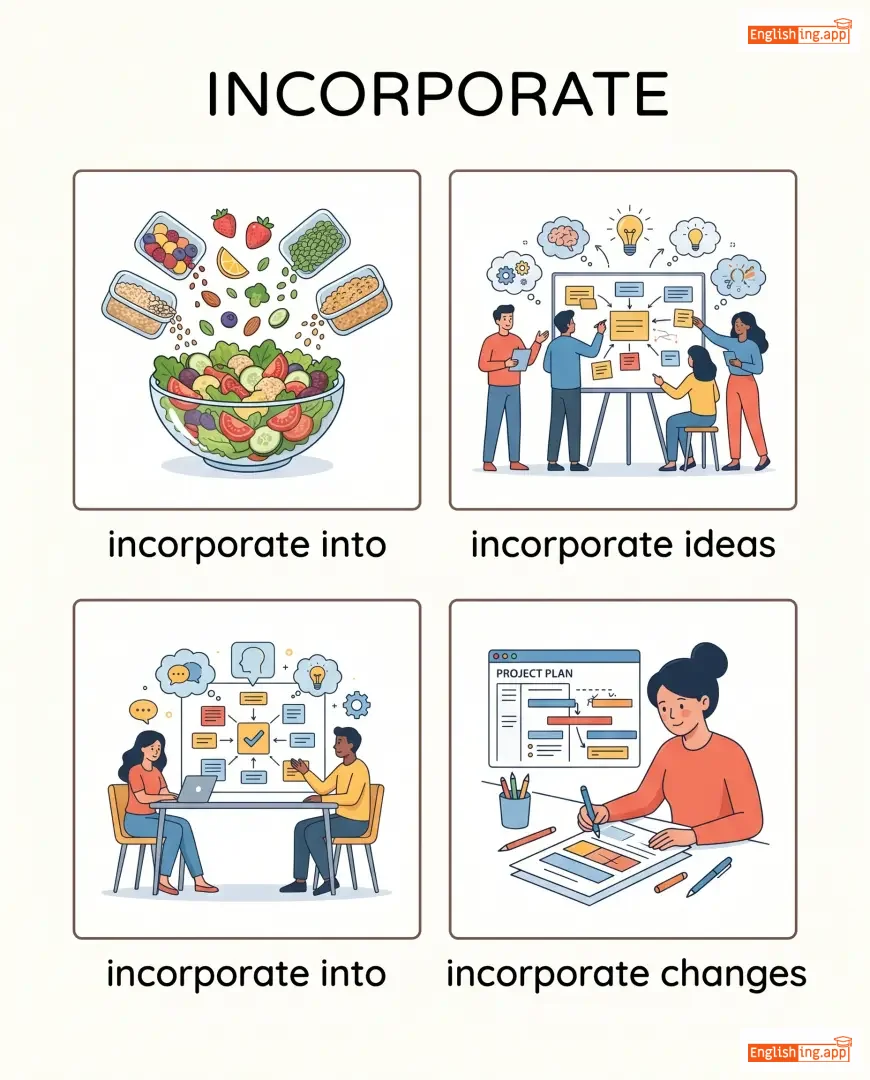
to include something as part of a whole; to form a corporation
••••••
|
The new design incorporates advanced technology.
新设计融合了先进技术。
••••••
|
新设计融合了先进技术。
Xīn shèjì rónghéle xiānjìn jìshù.
••••••
|
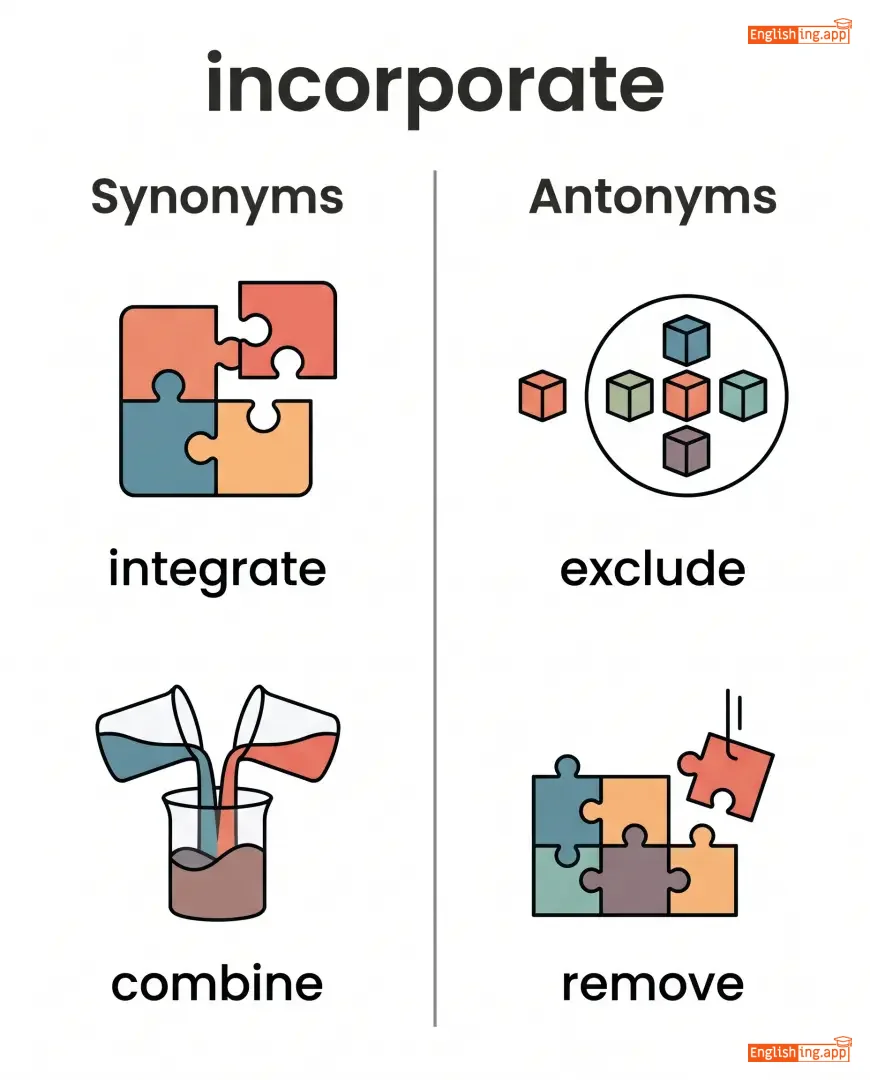
include, integrate, combine, merge
••••••
|
exclude, separate, remove
••••••
|
incorporate ideas, incorporate changes, incorporated company, incorporate into
••••••
|
No •••••• |
|
#681
⚠️
|
/hɑːrm/
verb
(哈姆)
••••••
|
|
伤害
shanghai
••••••
|
harmed
哈姆德
••••••
|
harmed
哈姆德
••••••
|
harms
哈姆斯
••••••
|
harming
哈姆因
••••••
|
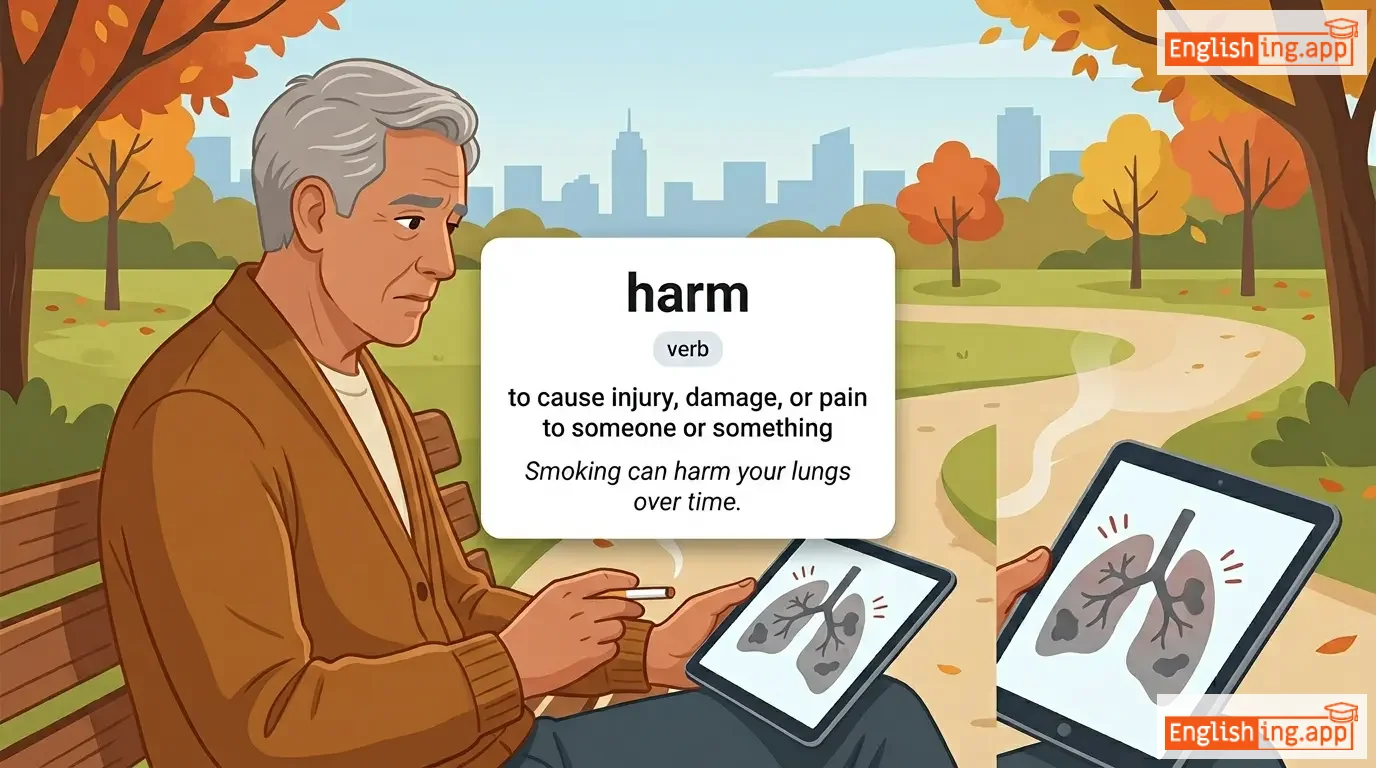
to cause damage, injury, or hurt to someone or something
••••••
|
Smoking can harm your health.
吸烟可能会损害你的健康。
••••••
|
吸烟可能会损害你的健康。
Xiyan keneng hui sunhai nide jiankang.
••••••
|
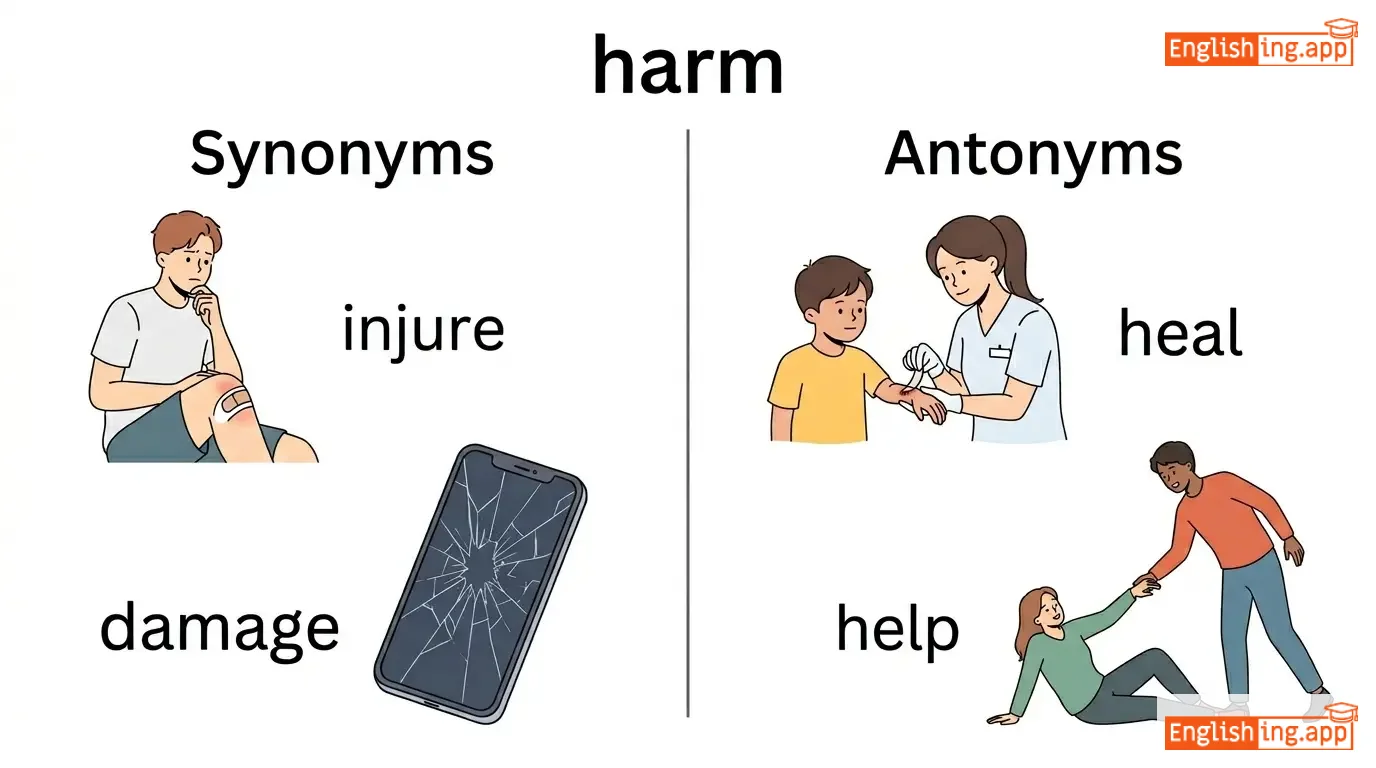
damage, hurt, injure, wound
••••••
|
help, heal, protect, benefit
••••••
|
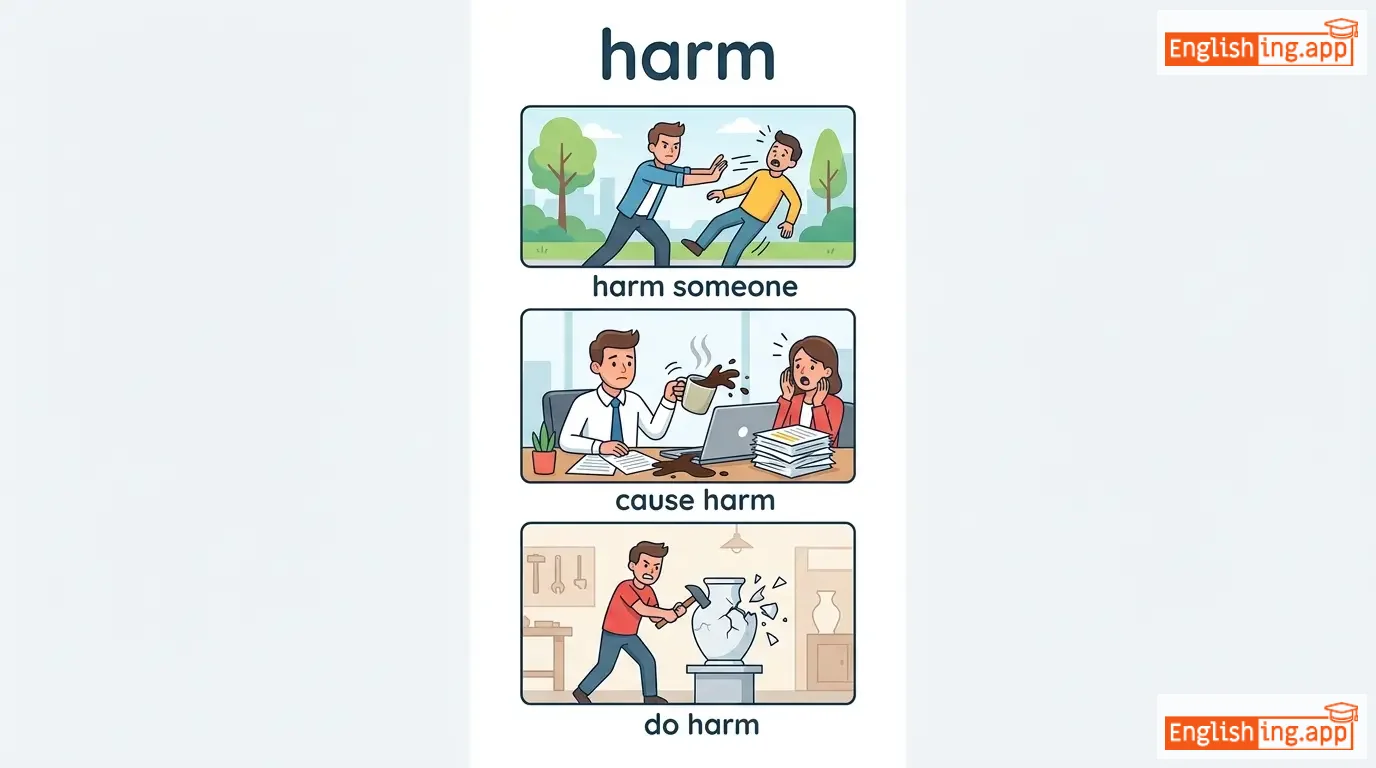
cause harm, bodily harm, harm reduction, harmful effects
••••••
|
Shanghai is a common word for harm in Chinese.
••••••
|
|
#682
🎫
|
/tʊr/
verb
(巡回)
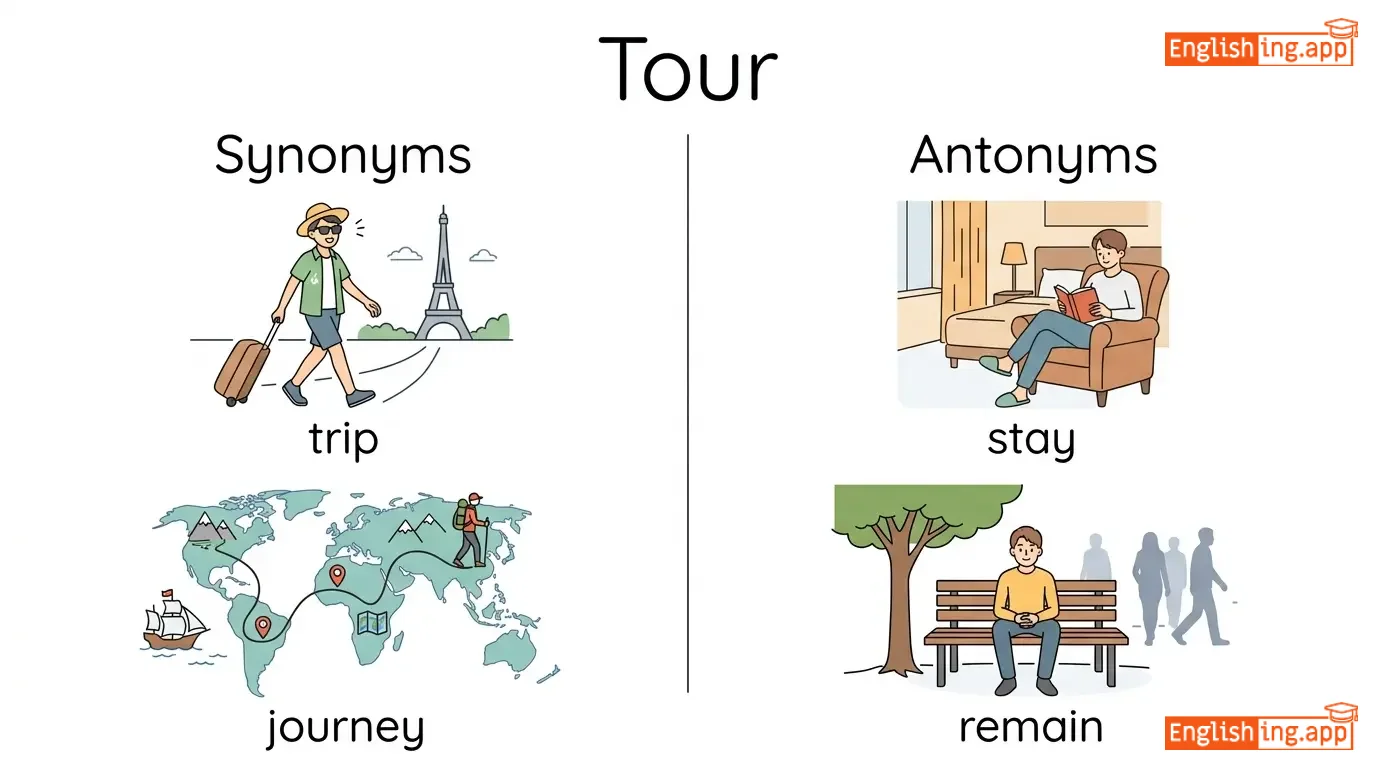
••••••
|
|
巡回演出
xunhui yan chu
••••••
|
Toured
巡回了
••••••
|
Toured
巡回了
••••••
|
Tours
巡回
••••••
|
Touring
巡回中
••••••
|
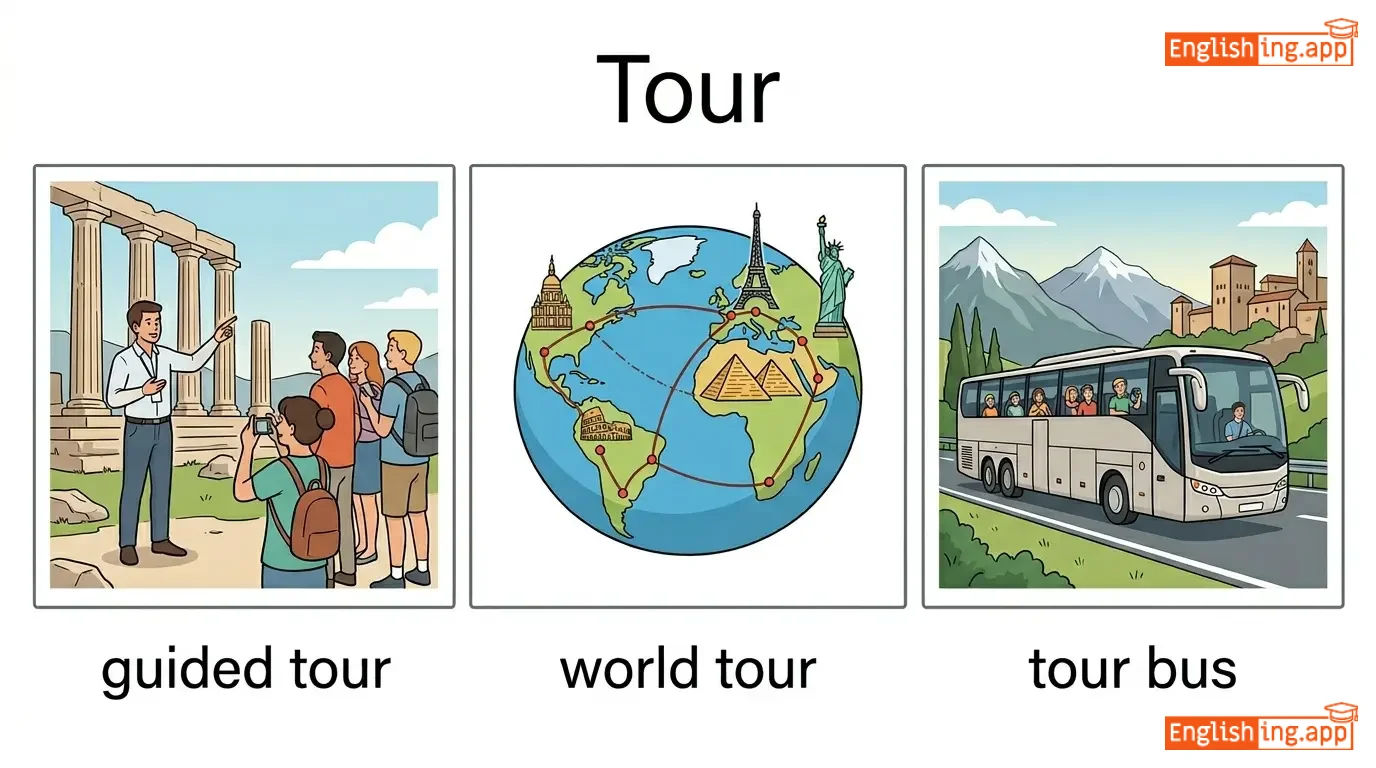
to travel around a place for pleasure or to perform
••••••
|
The band will tour several cities this summer.
乐队今年夏天将在多个城市巡回演出。
••••••
|
乐队今年夏天将在多个城市巡回演出。
Yuedui jinnian xiatian jiang zai duoge chengshi xunhui yan chu.
••••••
|
travel, visit, explore, journey
••••••
|
stay, remain, settle, reside
••••••
|
tour guide, concert tour, world tour, guided tour
••••••
|
Tour = '巡回演出' in Chinese, like performing in a Chinese tour!
••••••
|
|
#683
🎭
|
/ˈɪmɪteɪt/
verb
(yī mǐ tè)
••••••
|
|
模仿
mófǎng
••••••
|
imitated
yī mǐ tè de
••••••
|
imitated
yī mǐ tè de
••••••
|
imitates
yī mǐ tè sī
••••••
|
imitating
yī mǐ tè yīng
••••••
|
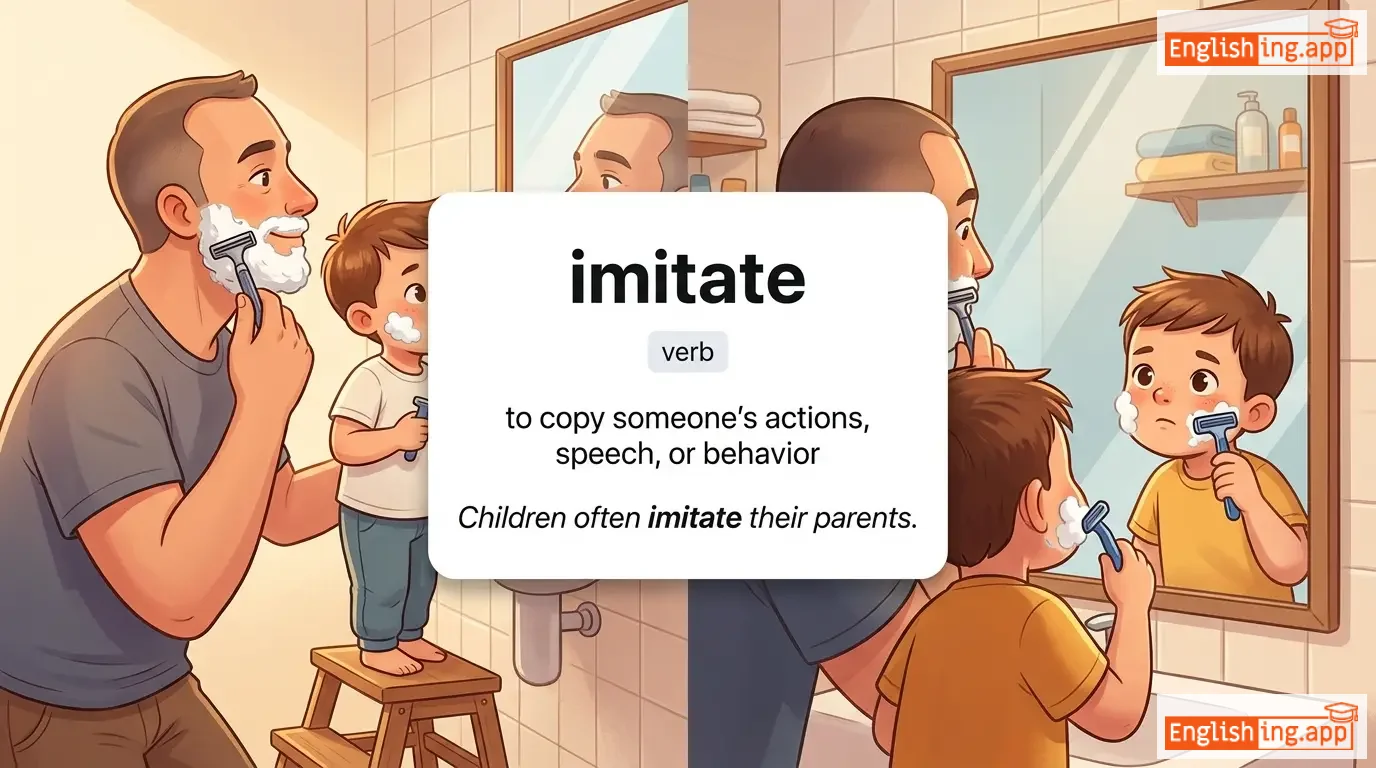
to copy the behavior or manner of someone or something
••••••
|
Children often imitate their parents' behavior.
孩子们经常模仿父母的行为。
••••••
|
孩子们经常模仿父母的行为。
Háizimen jīngcháng mófǎng fùmǔ de xíngwéi.
••••••
|
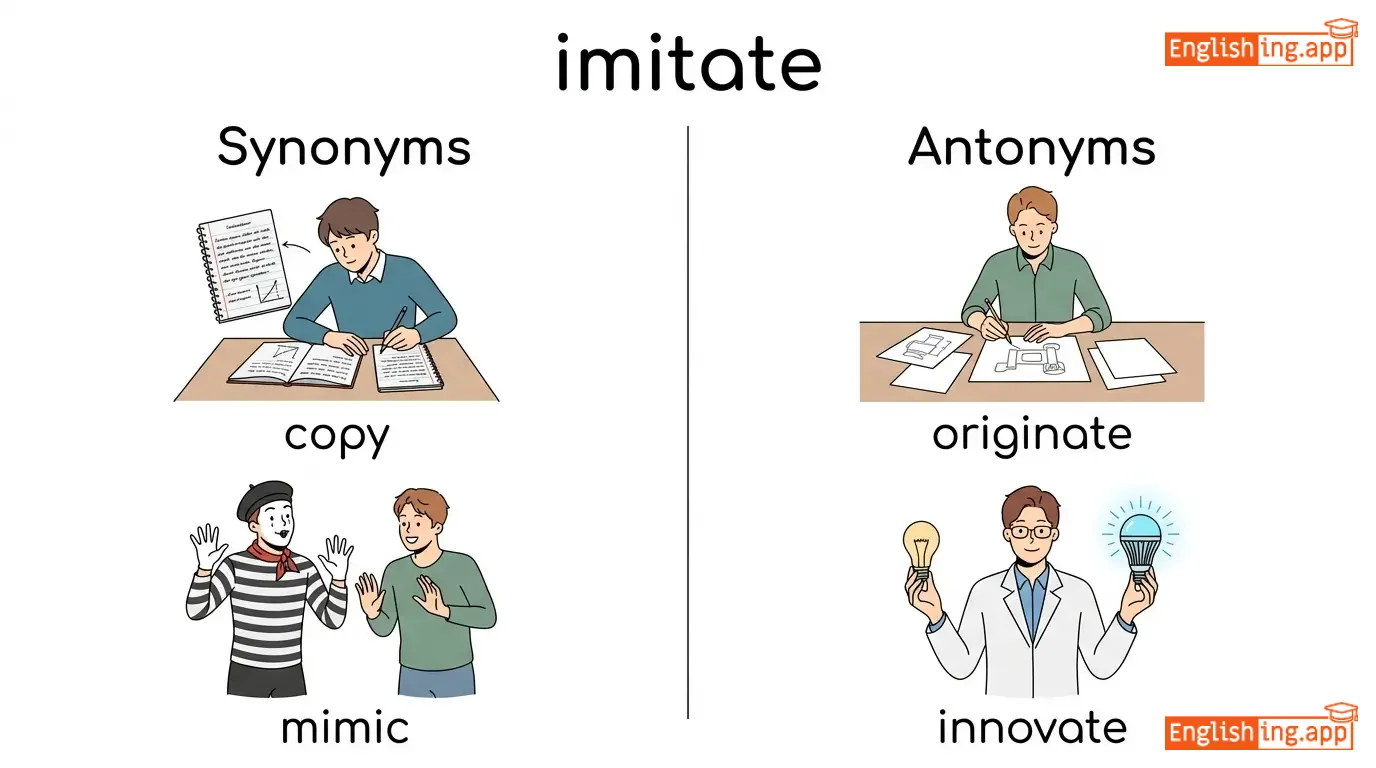
copy, mimic, replicate, emulate
••••••
|
originate, create, innovate, invent
••••••
|
imitate behavior, imitate voice, imitate style, imitate perfectly
••••••
|
模仿 = 模仿父母的行为
••••••
|
|
#684
💡
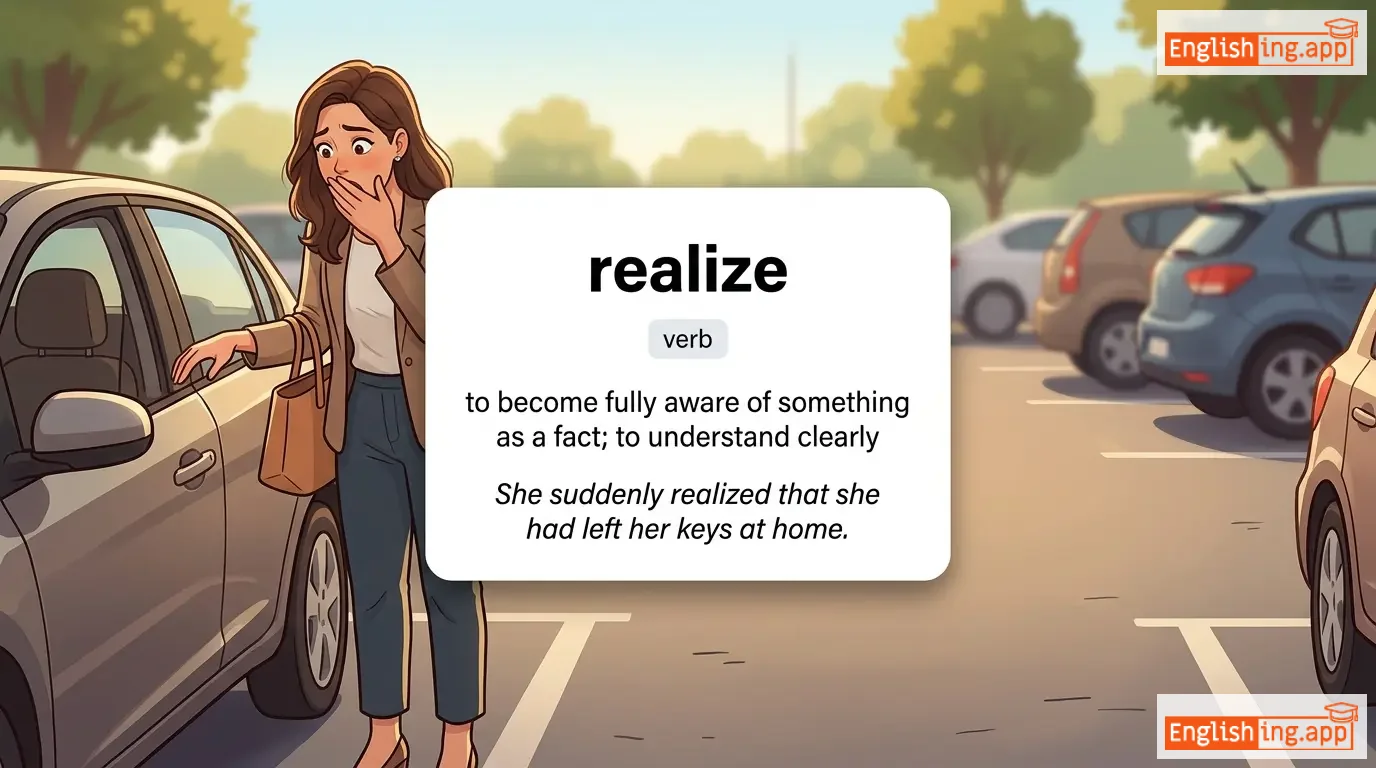
|
/ˈriːəlaɪz/
verb
(海皮耐兹)
••••••
|
|
意识到
yishi dao
••••••
|
realized
海皮耐兹德
••••••
|
realized
海皮耐兹德
••••••
|
realizes
海皮耐兹斯
••••••
|
realizing
海皮耐兹英
••••••
|
to become aware of; to understand clearly; to achieve or make real
••••••
|
I didn't realize how late it was until I checked the clock.
我没意识到已经这么晚了,直到我看了钟。
••••••
|
我没意识到已经这么晚了,直到我看了钟。
wo mei yishi dao yijing zheme wan le zhidao wo kan le zhong
••••••
|
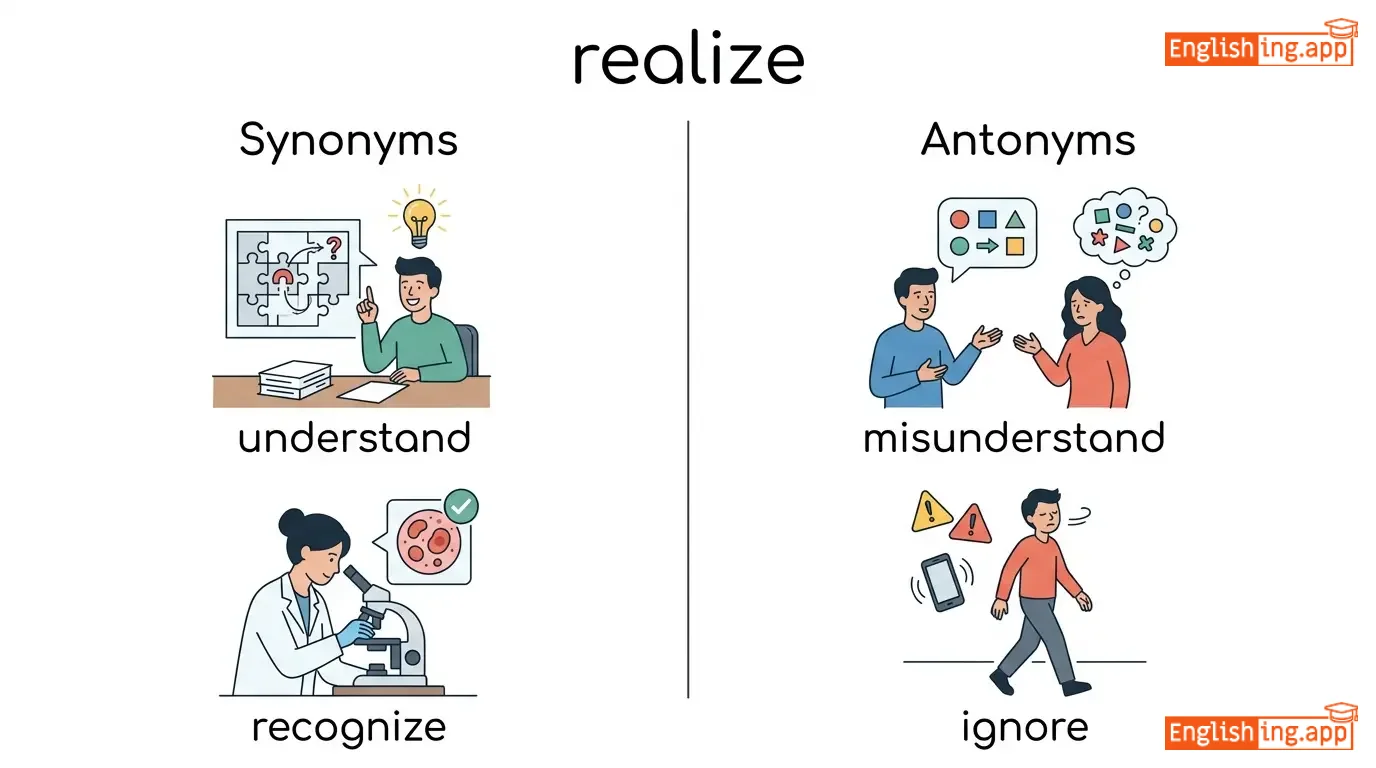
understand, recognize, comprehend, achieve
••••••
|
misunderstand, ignore, overlook, fail
••••••
|
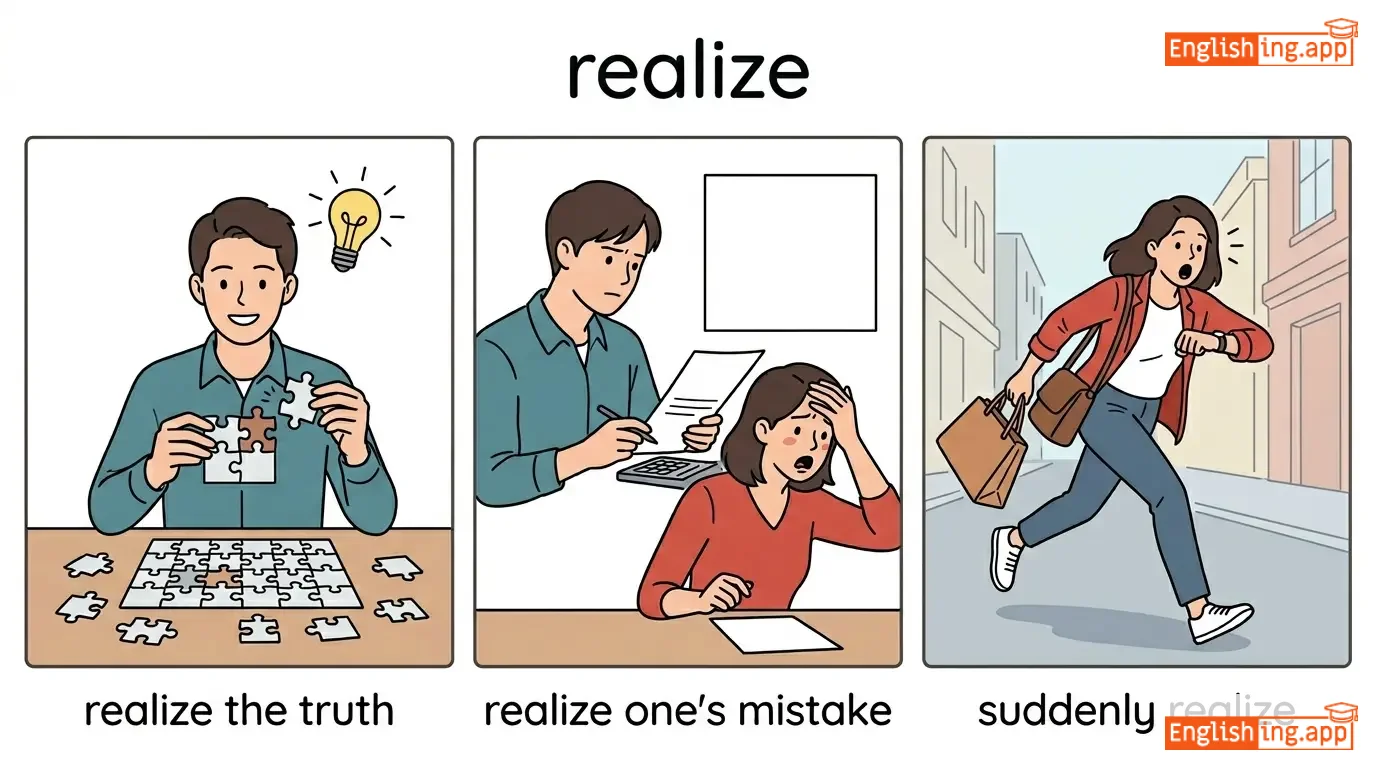
realize potential, realize dreams, suddenly realize, realize mistake
••••••
|
Realize is 意识到 — think of 'Yi-shi' as 'ye see' the truth.
••••••
|
|
#685
💒
|
/ˈmæri/
verb
(海皮尼斯)
••••••
|
|
结婚
jiehun
••••••
|
married
海皮尼斯德
••••••
|
married
海皮尼斯德
••••••
|
marries
海皮尼斯斯
••••••
|
marrying
海皮尼斯英
••••••
|
to become husband and wife; to perform a wedding ceremony
••••••
|
They plan to marry next summer.
他们计划明年夏天结婚。
••••••
|
他们计划明年夏天结婚。
tamen jihua mingnian xiatian jiehun
••••••
|
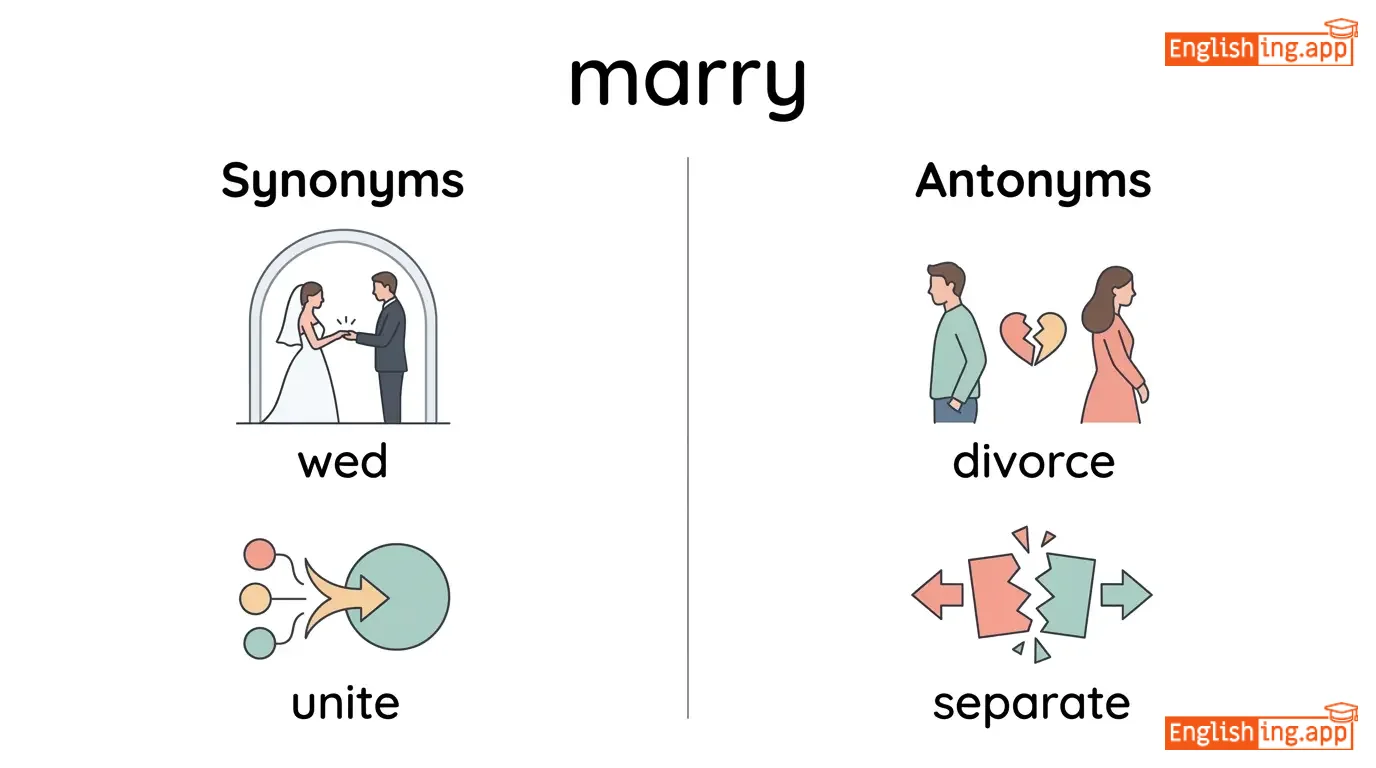
wed, unite, join, tie the knot
••••••
|
divorce, separate, split up
••••••
|
marry young, get married, marry into, happily married
••••••
|
Marry → 结婚 (jiehun) — sounds like 'join hearts'!
••••••
|
Vocabulary Quiz
Test your vocabulary by matching words with their translations or meanings.
Login to take the quiz
Comments (0)
Share your thoughts and join the discussion.
Join the discussion by logging in
Login to CommentNo comments yet
Be the first to share your thoughts!