












Swipe left or right, or use the buttons. Tap image to zoom.
例句翻译
单词
Lesson 15: Mastering the Most Frequent Verbs & TensesLesson 15: Mastering the Most Frequent Verbs & Tenses - 遮罩切换
|
表情符号
|
单词 | Images | 翻译 | 过去时 | 过去分词 | 第三人称单数 | 动名词 | 含义 | 例句 | 例句翻译 | 同义词 | 反义词 | 搭配词 | 助记符 |
|---|---|---|---|---|---|---|---|---|---|---|---|---|---|---|
|
#419
🚫
|
/ˈɔːstrəˌsaɪz/
verb
(ostracize)
••••••
|
|
排斥
paichi
••••••
|
ostracized
ostracized
••••••
|
ostracized
ostracized
••••••
|
ostracizes
ostracizes
••••••
|
ostracizing
ostracizing
••••••
|
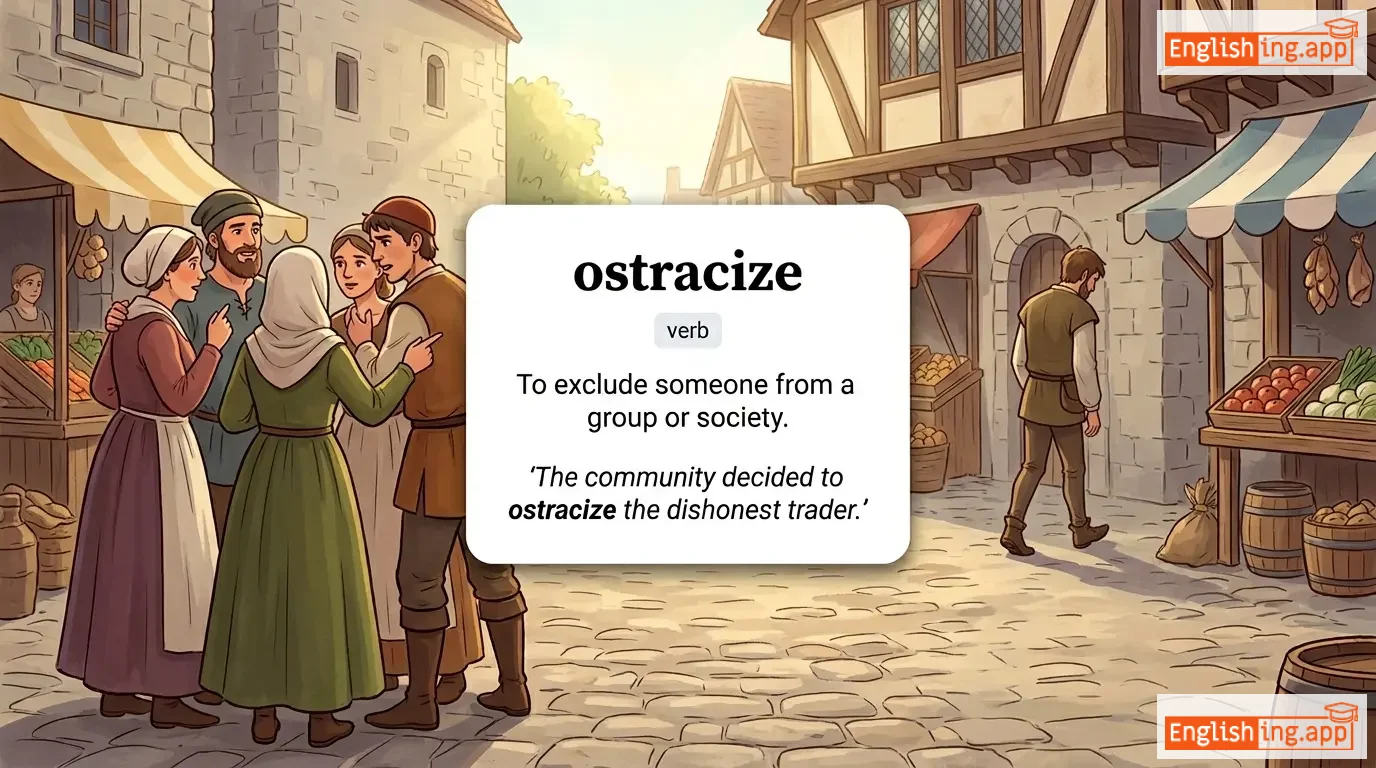
to exclude someone from a group or society; to banish or shun
••••••
|
After the scandal, he was ostracized by his former colleagues.
丑闻发生后,他被前同事排斥。
••••••
|
丑闻发生后,他被前同事排斥。
Chouwen fasheng hou, ta bei qian tongshi paichi.
••••••
|
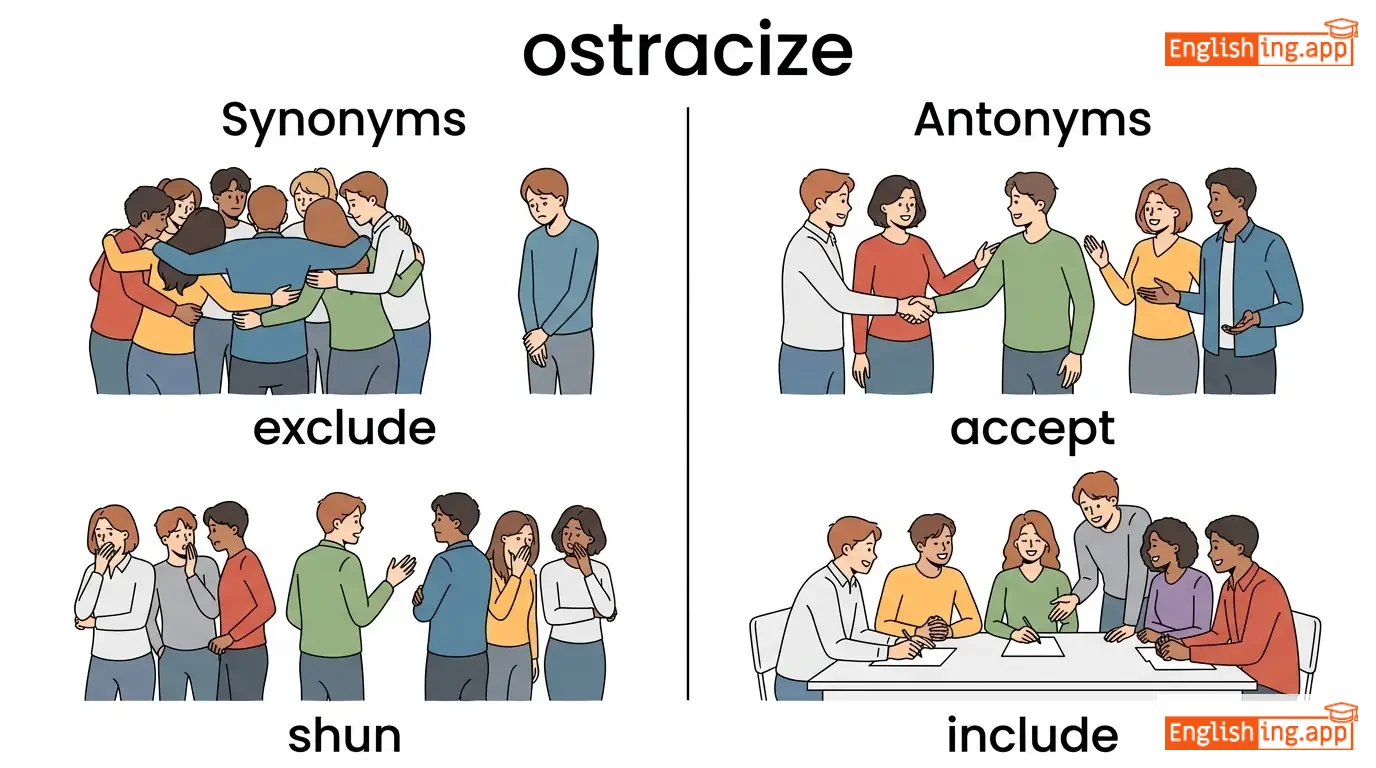
exclude, banish, shun, reject
••••••
|
include, welcome, accept, embrace
••••••
|
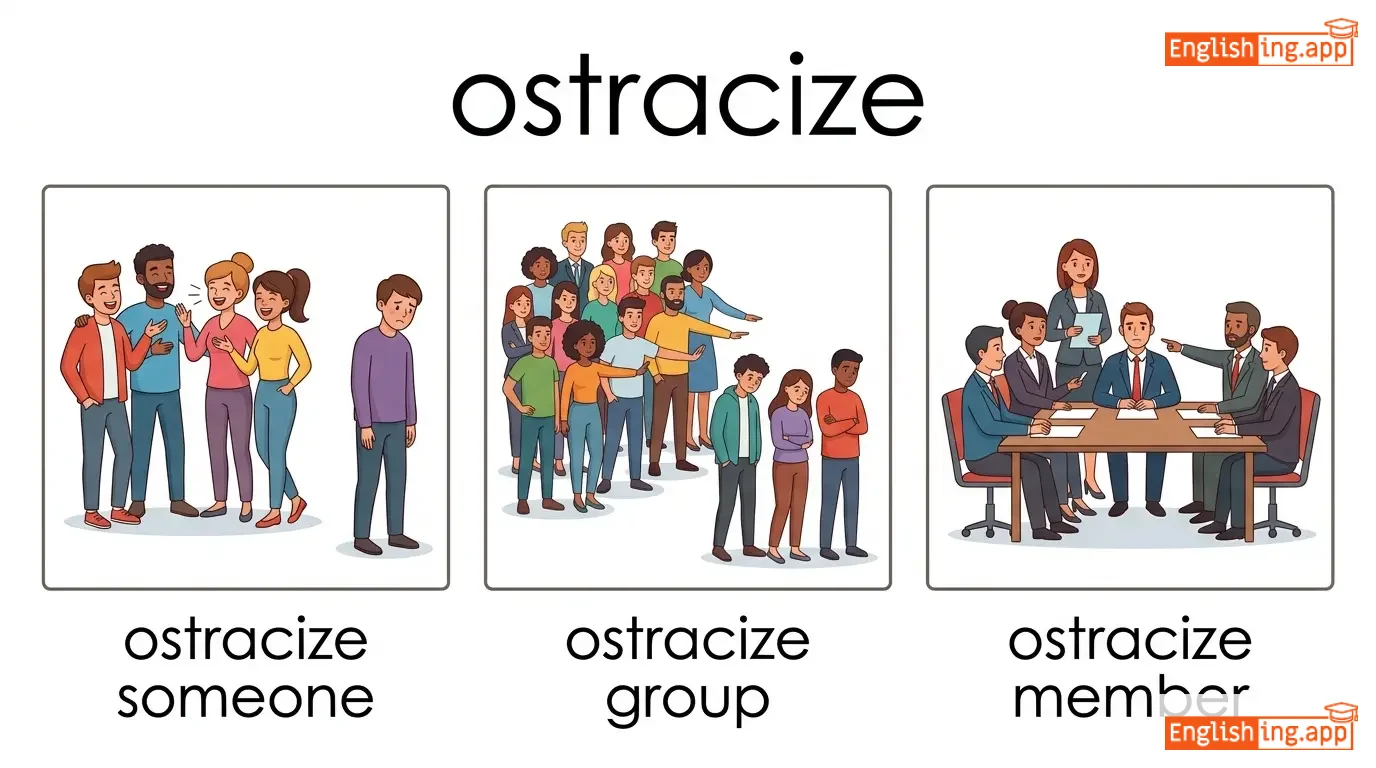
ostracize someone, social ostracism, completely ostracize, publicly ostracize, effectively ostracize
••••••
|
No •••••• |
|
#420
👨💼
|
/haɪər/
verb
(hài'ěr)
••••••
|
|
雇用
gùyòng
••••••
|
hired
hài'ěrd
••••••
|
hired
hài'ěrd
••••••
|
hires
hài'ěrs
••••••
|
hiring
hài'ěring
••••••
|
to employ someone for wages; to rent or engage services
••••••
|
The company will hire new employees next month.
公司将在下个月雇用新员工。
••••••
|
公司将在下个月雇用新员工。
Gōngsī jiāng zài xià gè yuè gùyòng xīn yuángōng
••••••
|
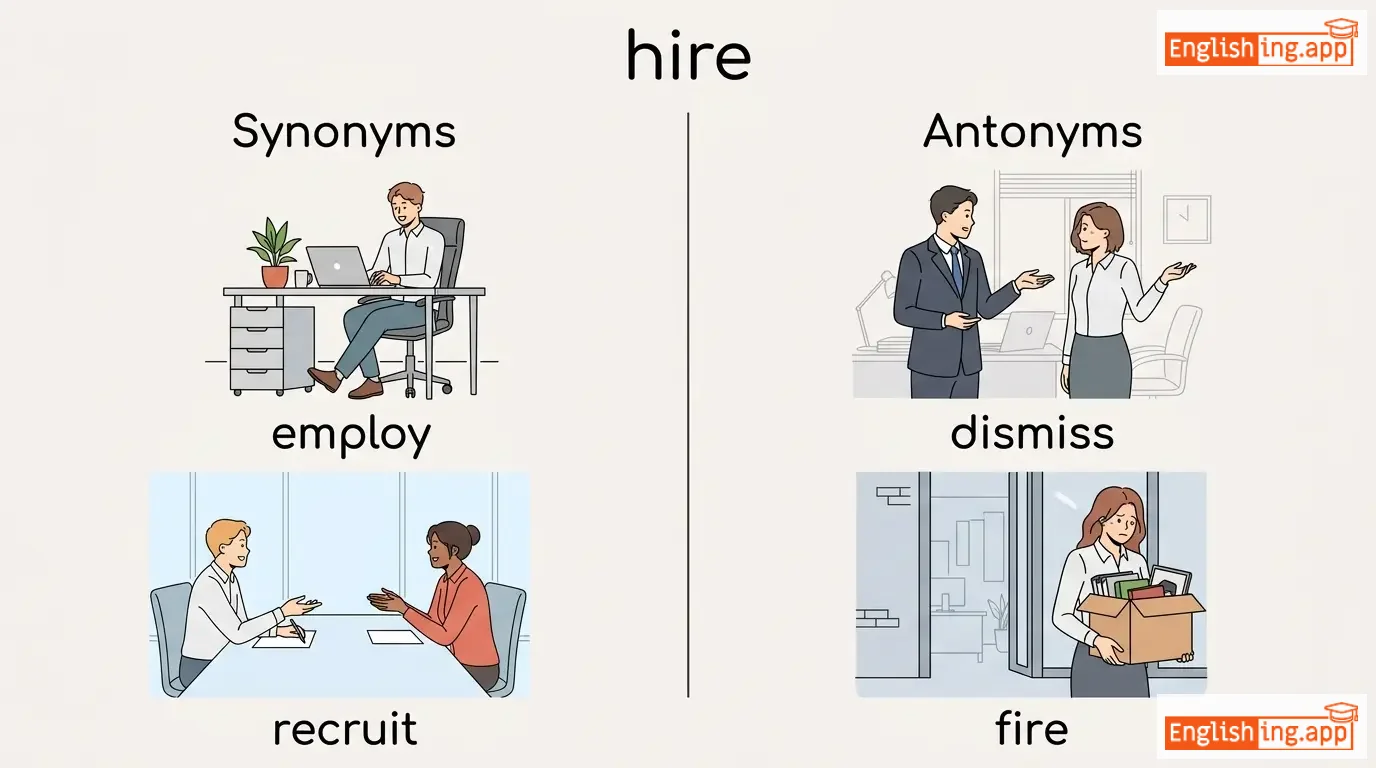
employ, recruit, engage, appoint
••••••
|
fire, dismiss, terminate, discharge
••••••
|
hire employees, hire staff, hire workers, hire locally, hire temporarily, hire permanently
••••••
|
No •••••• |
|
#421
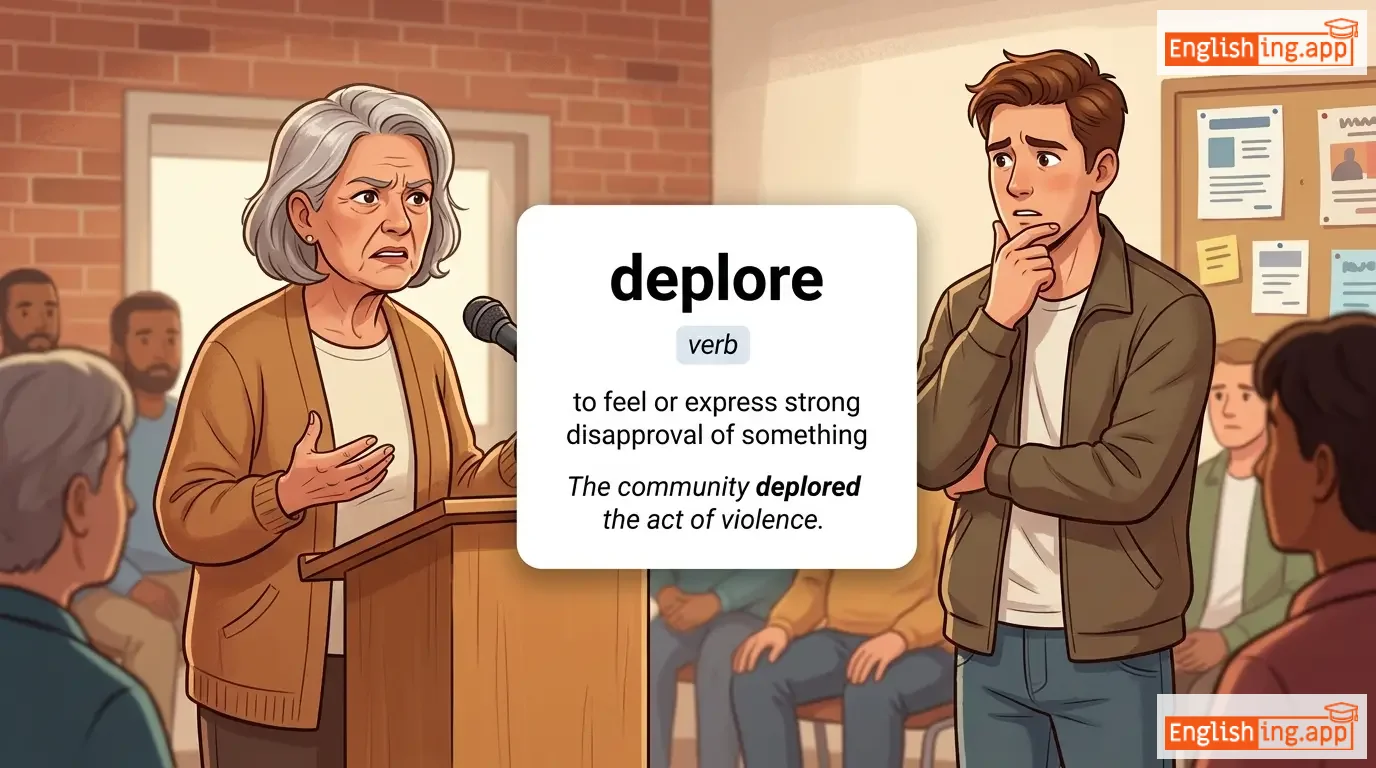
😞
|
/dɪˈplɔːr/
verb
(dɪˈplɔːr)
••••••
|
|
谴责
qiǎnzé
••••••
|
deplored
deplored
••••••
|
deplored
deplored
••••••
|
deplores
deplores
••••••
|
deploring
deploring
••••••
|
to feel or express strong disapproval of something; to regret deeply
••••••
|
Many people deplore the violence shown on television.
许多人谴责电视上展示的暴力。
••••••
|
许多人谴责电视上展示的暴力。
Xǔduō rén qiǎnzé diànshì shàng zhǎnshì de bàolì.
••••••
|
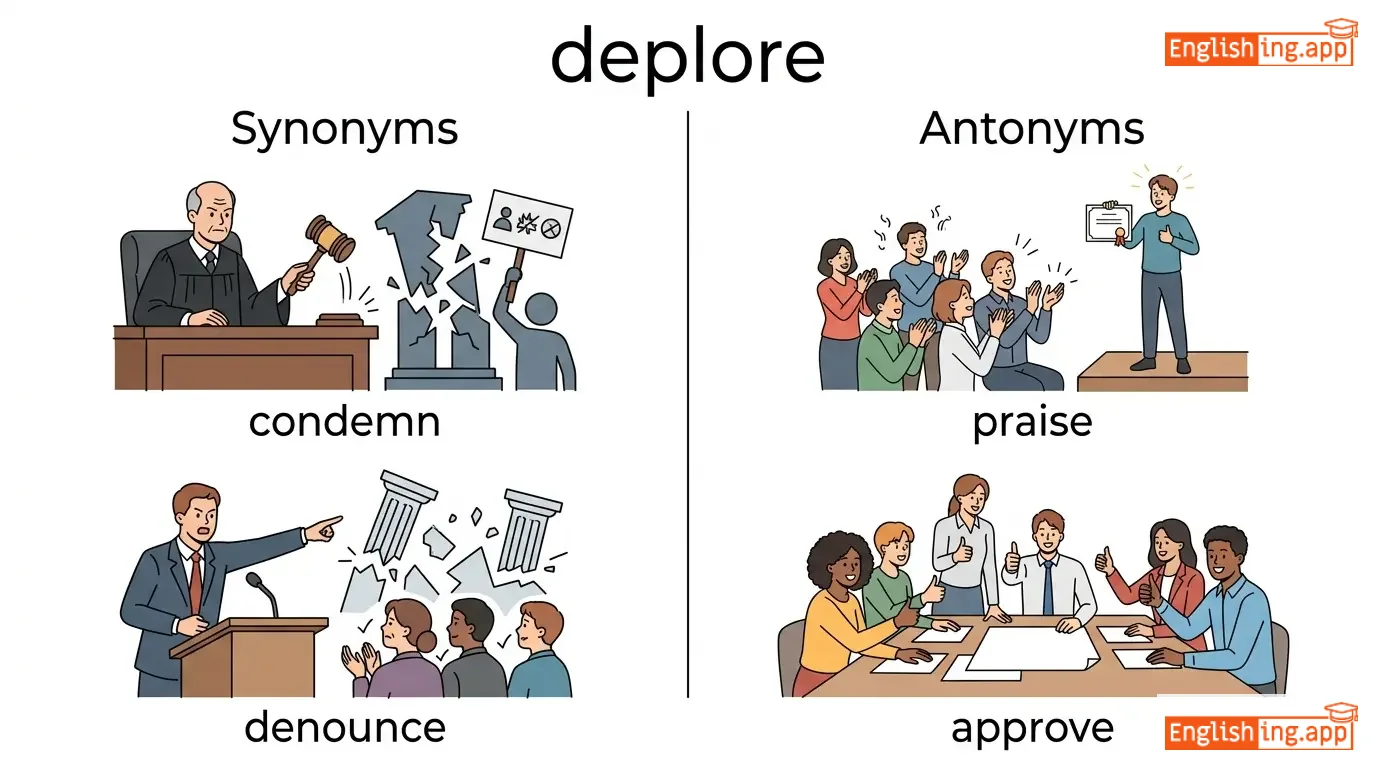
condemn, disapprove, regret, lament
••••••
|
approve, praise, support, commend
••••••
|
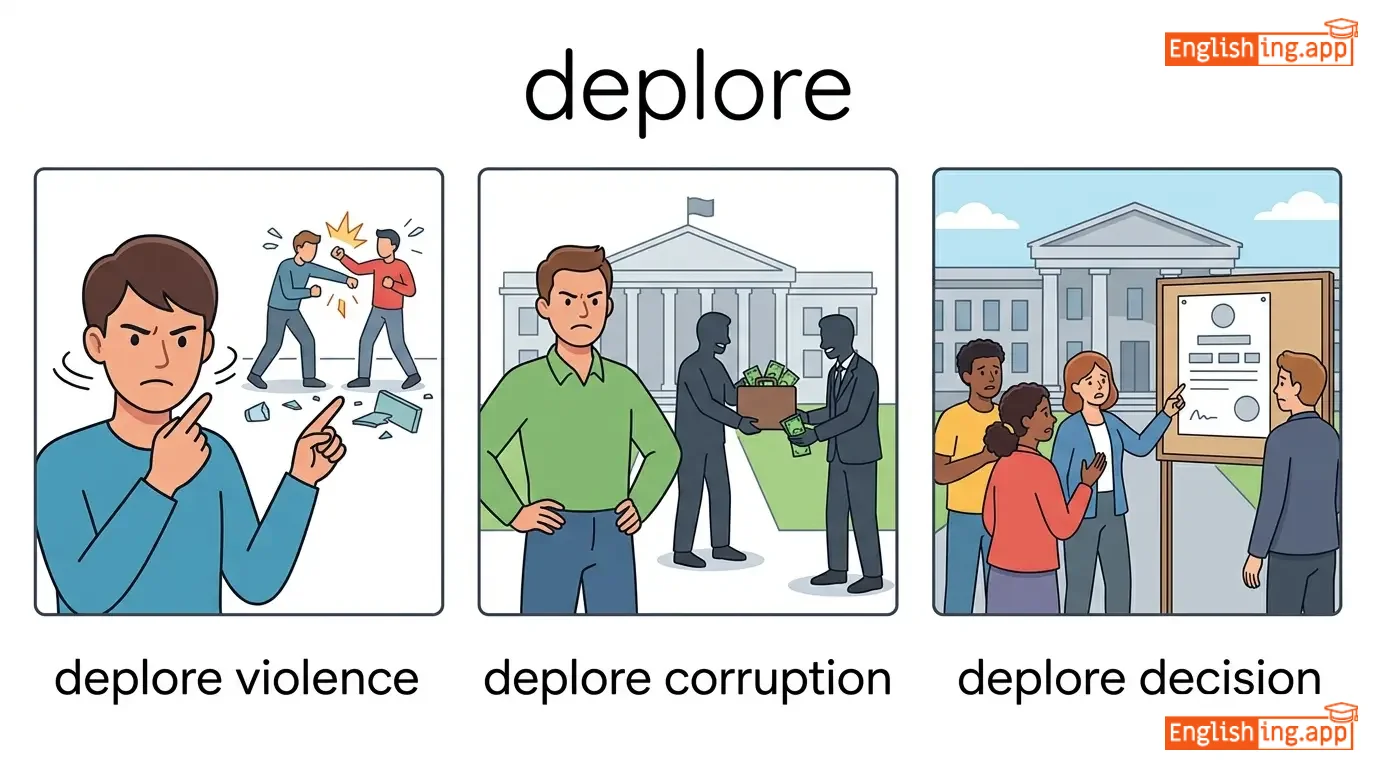
deeply deplore, strongly deplore, publicly deplore, deplore violence, deplore behavior, deplore conditions
••••••
|
谴责是指我们深深后悔的事情
••••••
|
|
#422
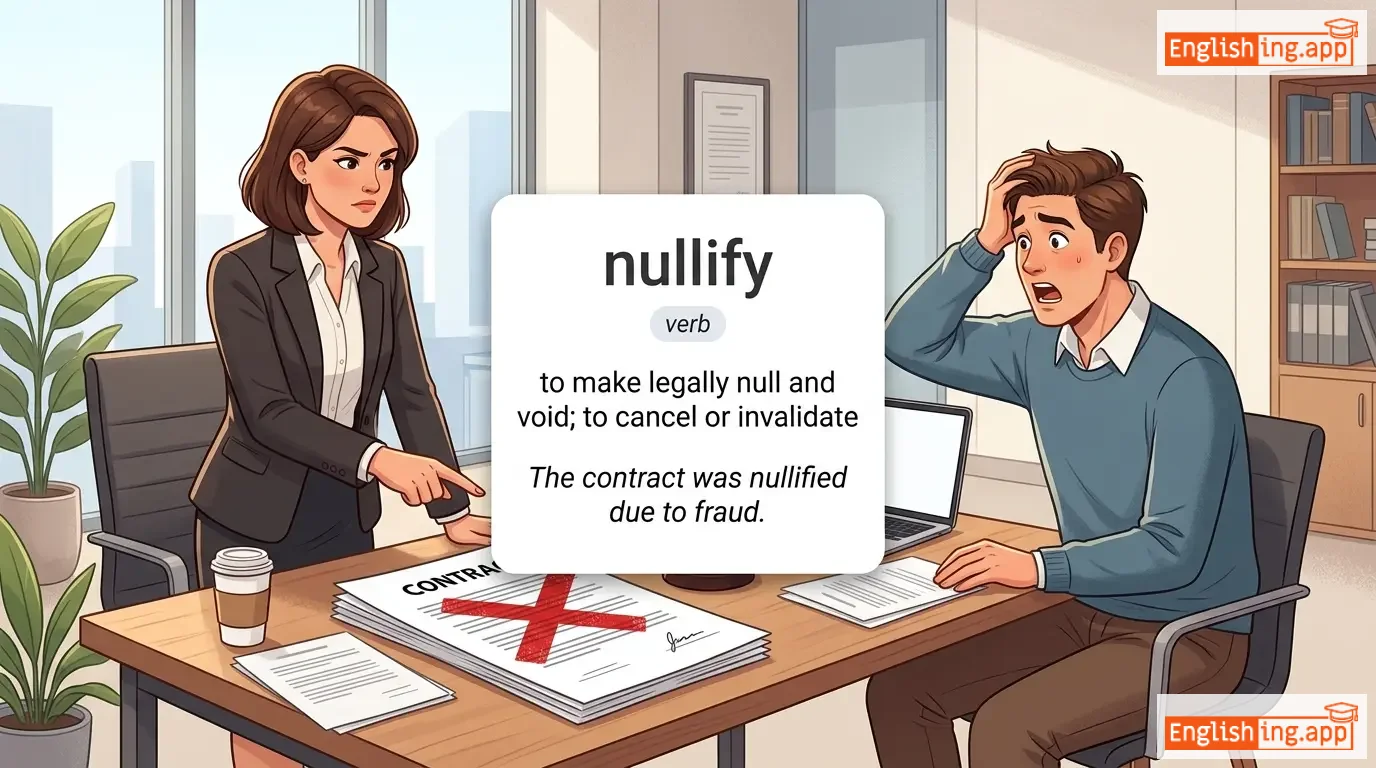
❌
|
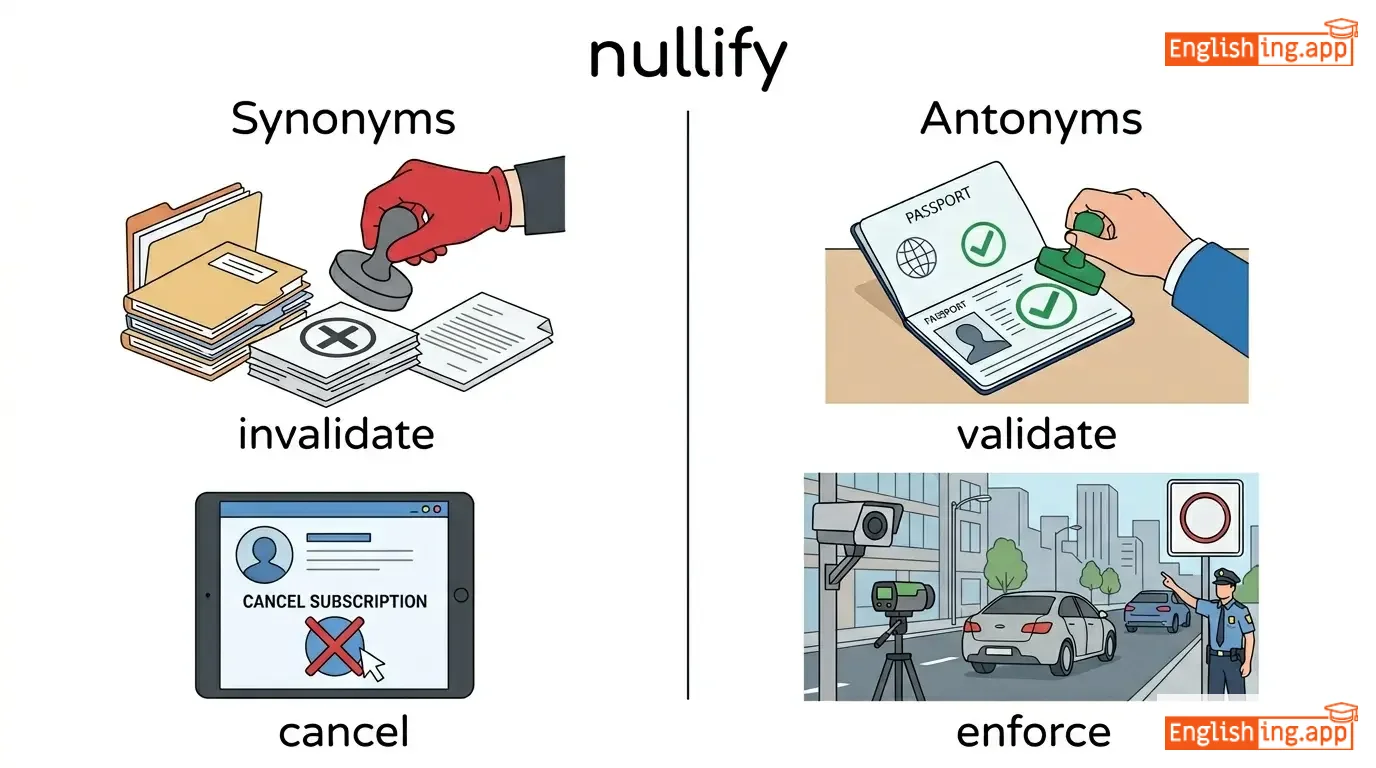
/ˈnʌlɪfaɪ/
verb
(nuh-luh-fai)
••••••
|
|
取消
qǔxiāo
••••••
|
nullified
nuh-luh-faid
••••••
|
nullified
nuh-luh-faid
••••••
|
nullifies
nuh-luh-fahyz
••••••
|
nullifying
nuh-luh-fai-ing
••••••
|
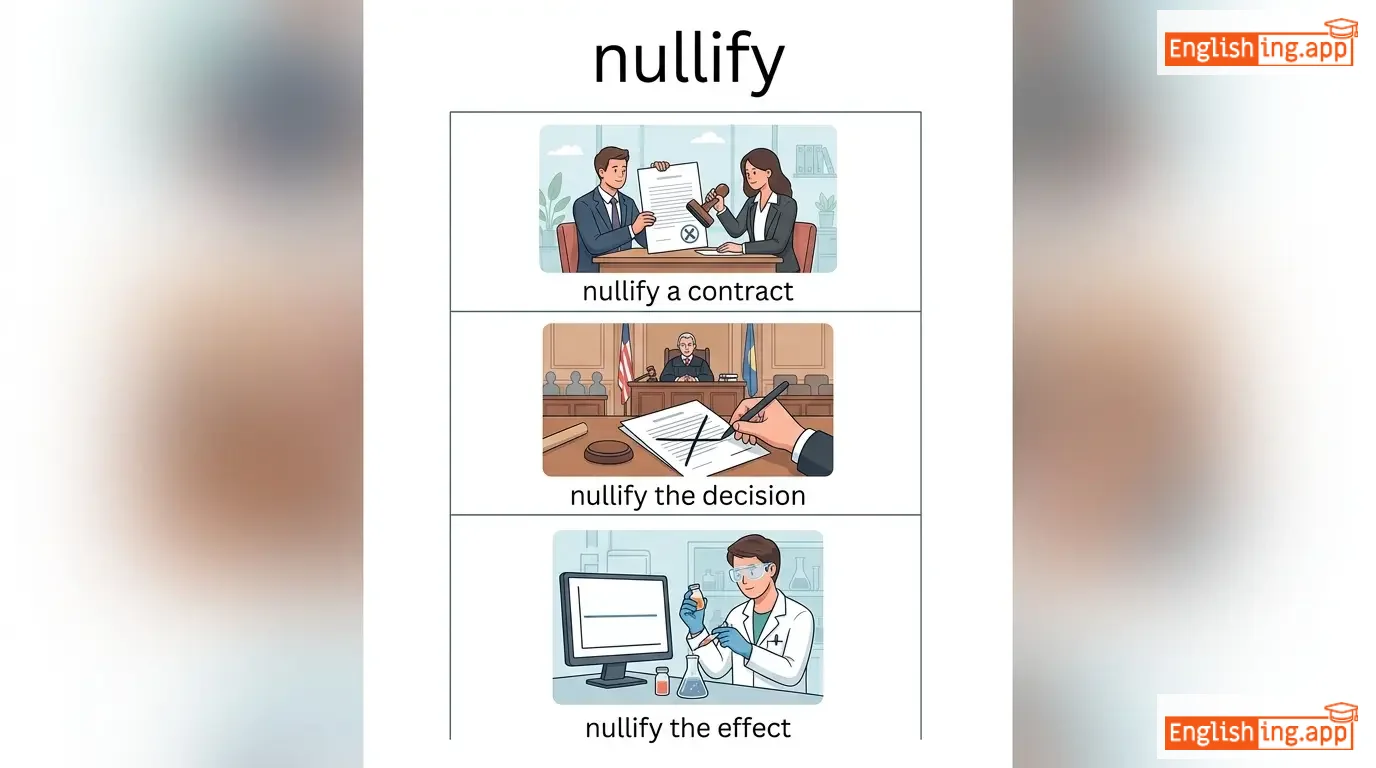
to make something legally invalid or ineffective
••••••
|
The court decided to nullify the contract.
法院决定取消合同。
••••••
|
法院决定取消合同。
Fǎyuàn juédìng qǔxiāo hé tóng.
••••••
|
cancel, void, invalidate, revoke
••••••
|
validate, confirm, approve, ratify
••••••
|
nullify agreement, nullify contract, completely nullify, legally nullify, effectively nullify, nullify results
••••••
|
法院取消合同时,它失去了法律效力。
••••••
|
|
#423
😟
|
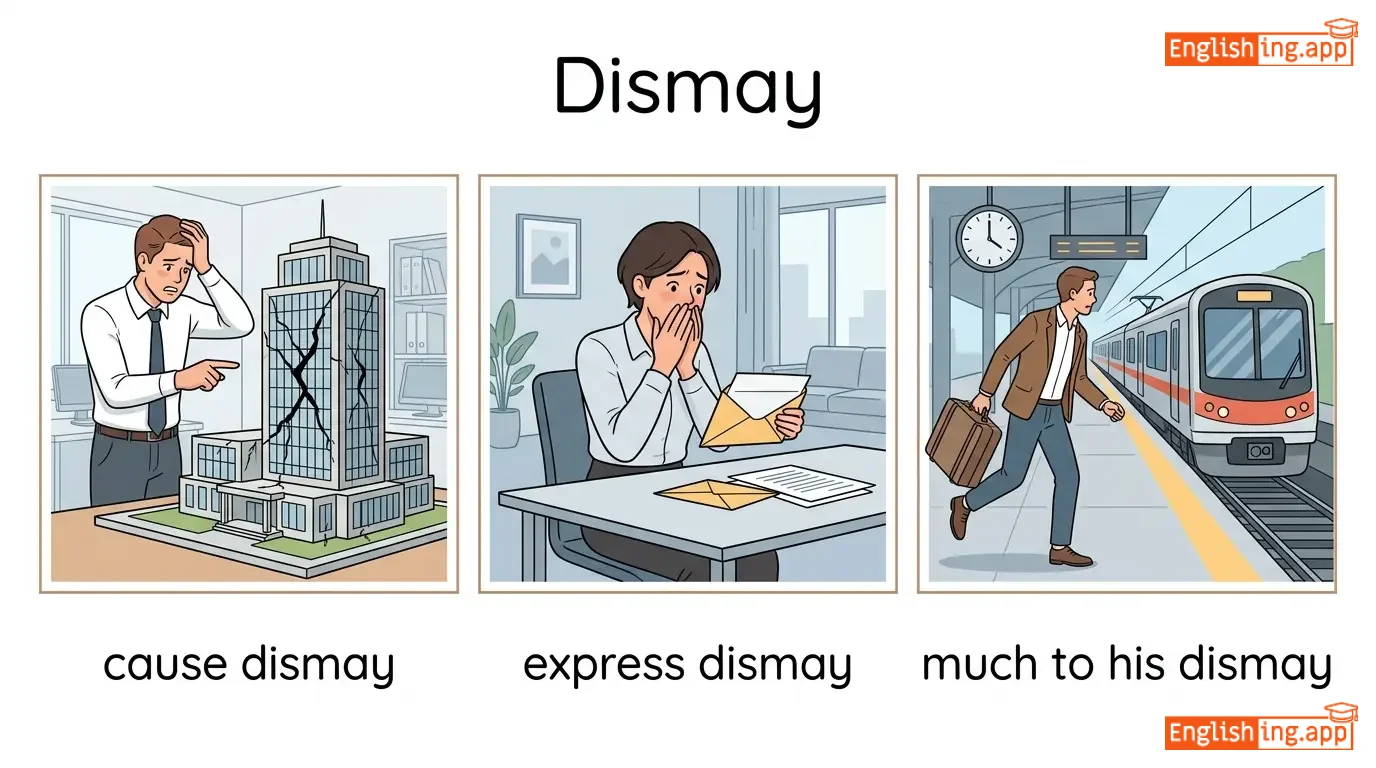
/dɪsˈmeɪ/
verb
(dɪsˈmeɪ)
••••••
|
|
使沮丧
shǐ jǔsàng
••••••
|
dismayed
dɪsˈmeɪd
••••••
|
dismayed
dɪsˈmeɪd
••••••
|
dismays
dɪsˈmeɪz
••••••
|
dismaying
dɪsˈmeɪɪŋ
••••••
|
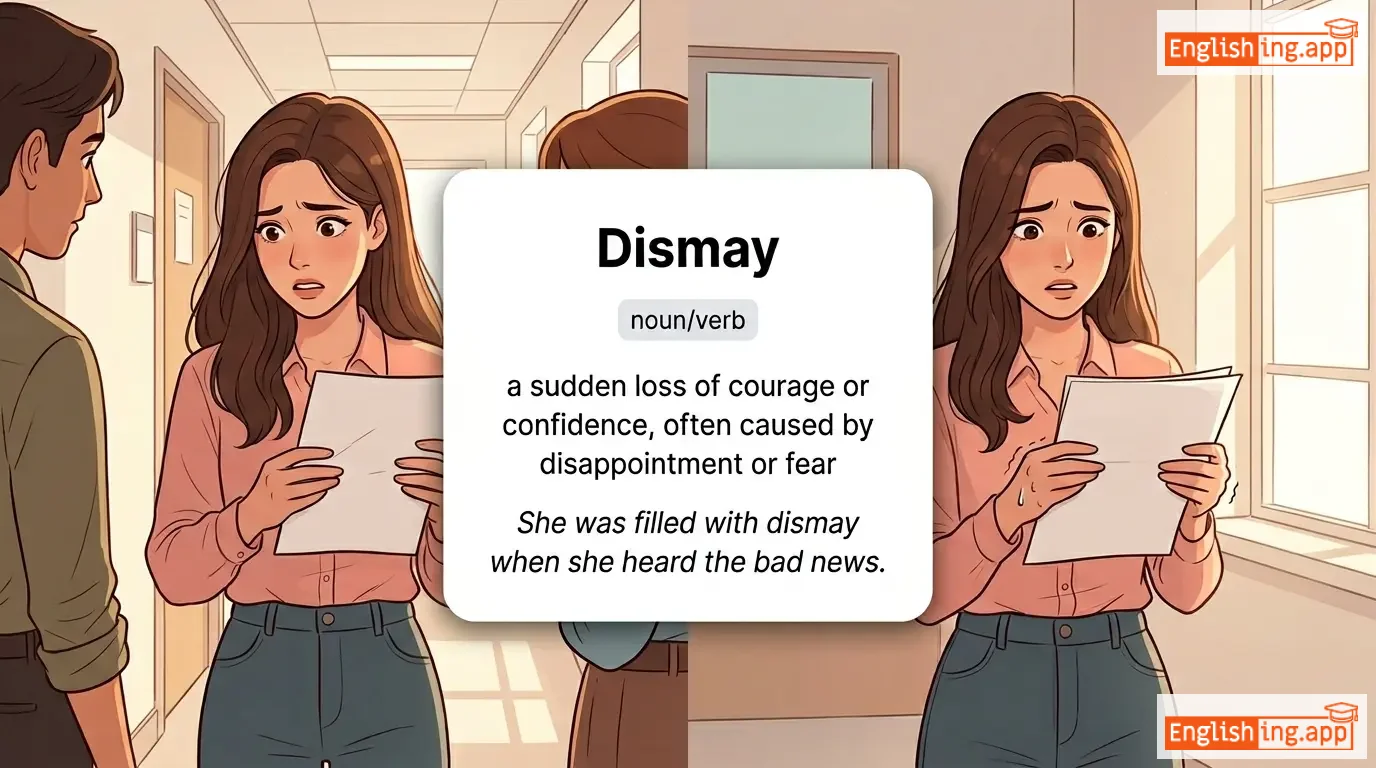
to cause someone to feel upset, disappointed, or worried; to alarm or distress
••••••
|
The poor test results dismayed both students and teachers.
糟糕的考试结果让学生和老师都感到沮丧。
••••••
|
糟糕的考试结果让学生和老师都感到沮丧。
Zāogāo de kǎoshì jiéguǒ ràng xuéshēng hé lǎoshī dōu gǎndào jǔsàng.
••••••
|
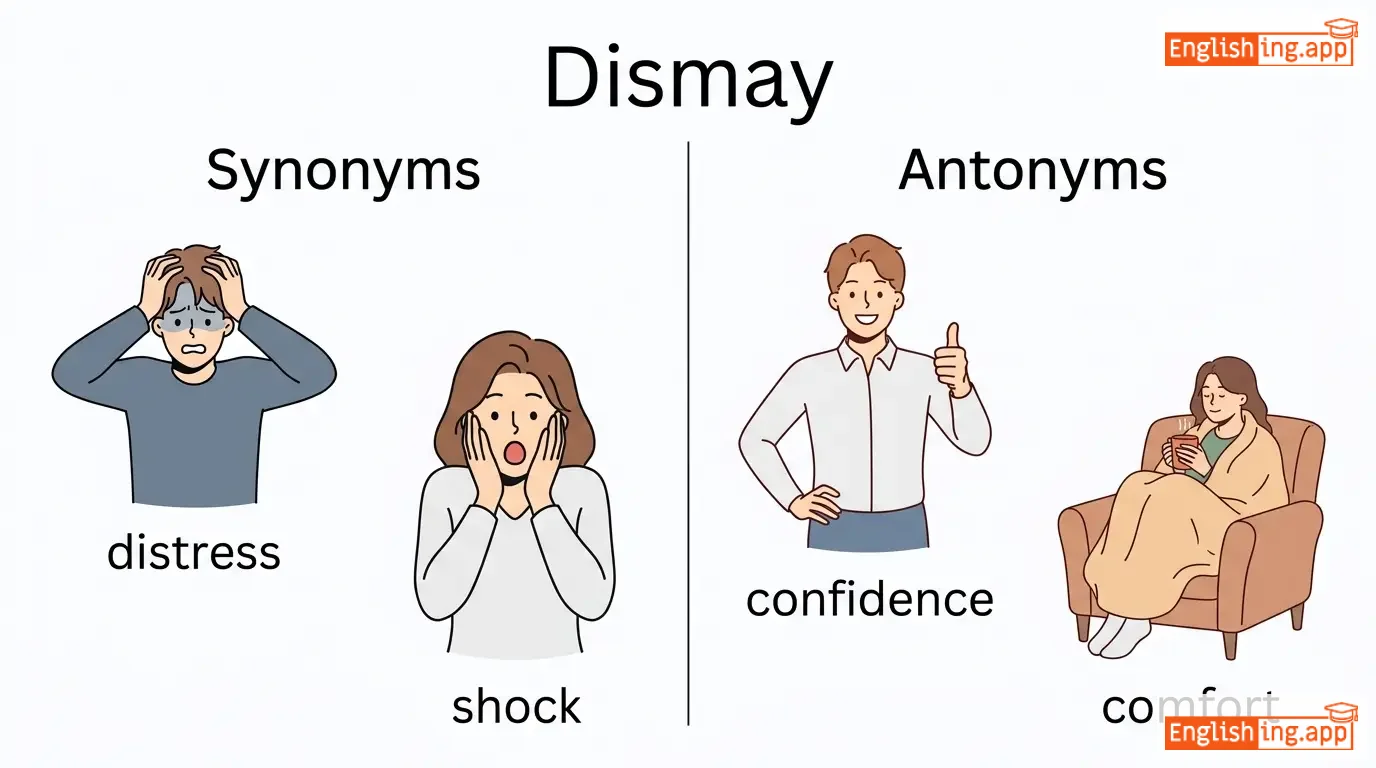
alarm, distress, upset, disappoint
••••••
|
reassure, comfort, encourage, please
••••••
|
dismay greatly, dismay deeply, dismay everyone, express dismay, show dismay, cause dismay
••••••
|
使沮丧:'使'感觉不开心,'沮丧'的情绪
••••••
|
|
#424
🤔
|
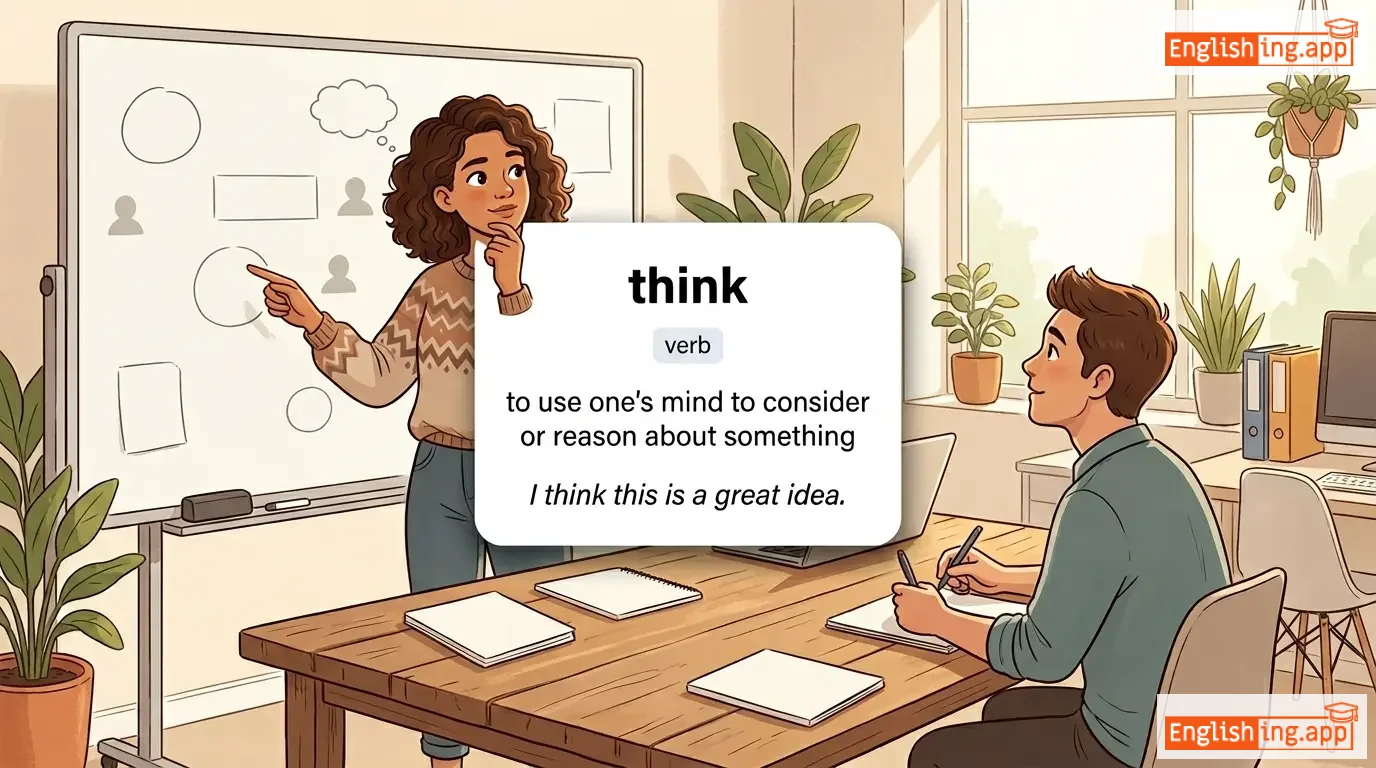
/θɪŋk/
verb
(think)
••••••
|
|
思考
sikao
••••••
|
thought
sot
••••••
|
thought
sot
••••••
|
thinks
sinks
••••••
|
thinking
sinking
••••••
|
to have thoughts or ideas; to use your mind to consider something
••••••
|
I think this is a good idea.
我认为这是一个好主意。
••••••
|
我认为这是一个好主意。
Wǒ rènwéi zhè shì yīgè hǎo zhǔyì.
••••••
|
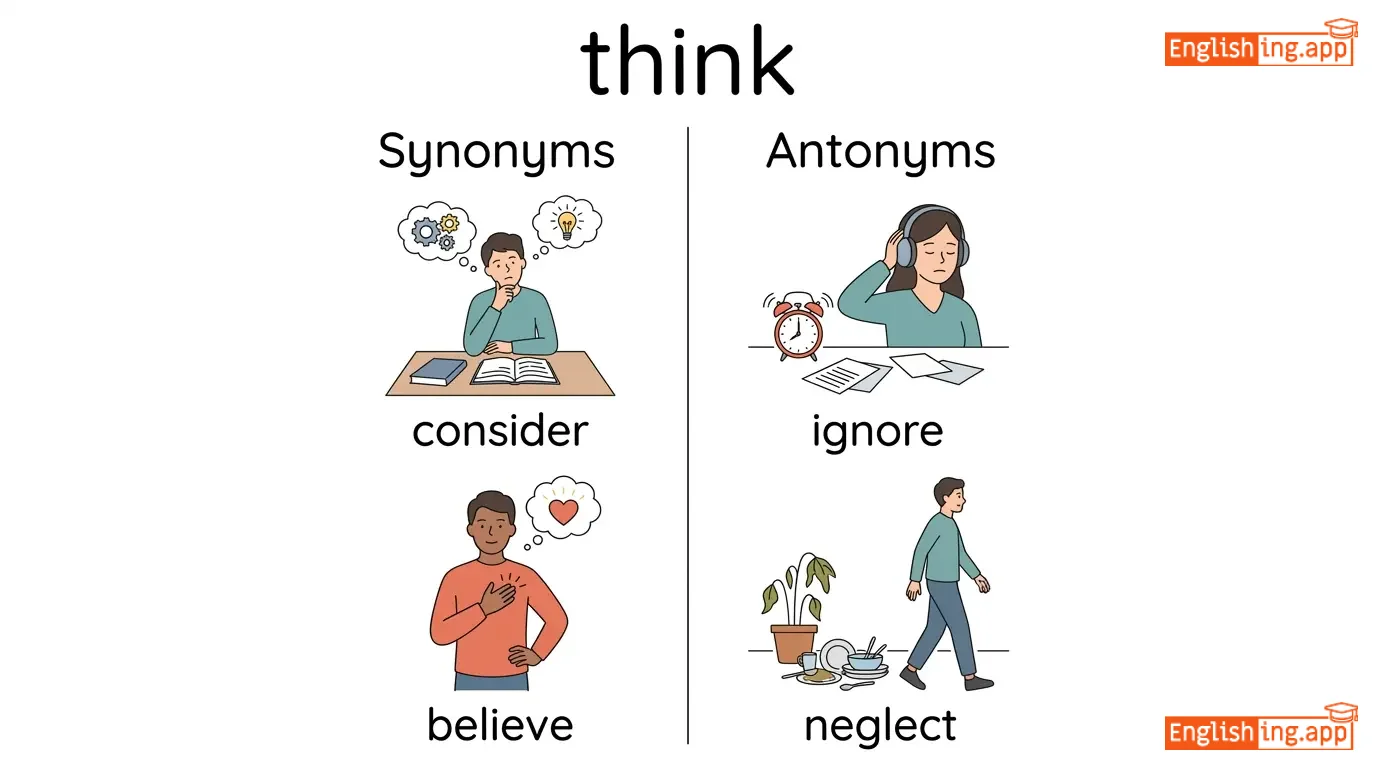
consider, ponder, reflect, contemplate
••••••
|
ignore, disregard
••••••
|
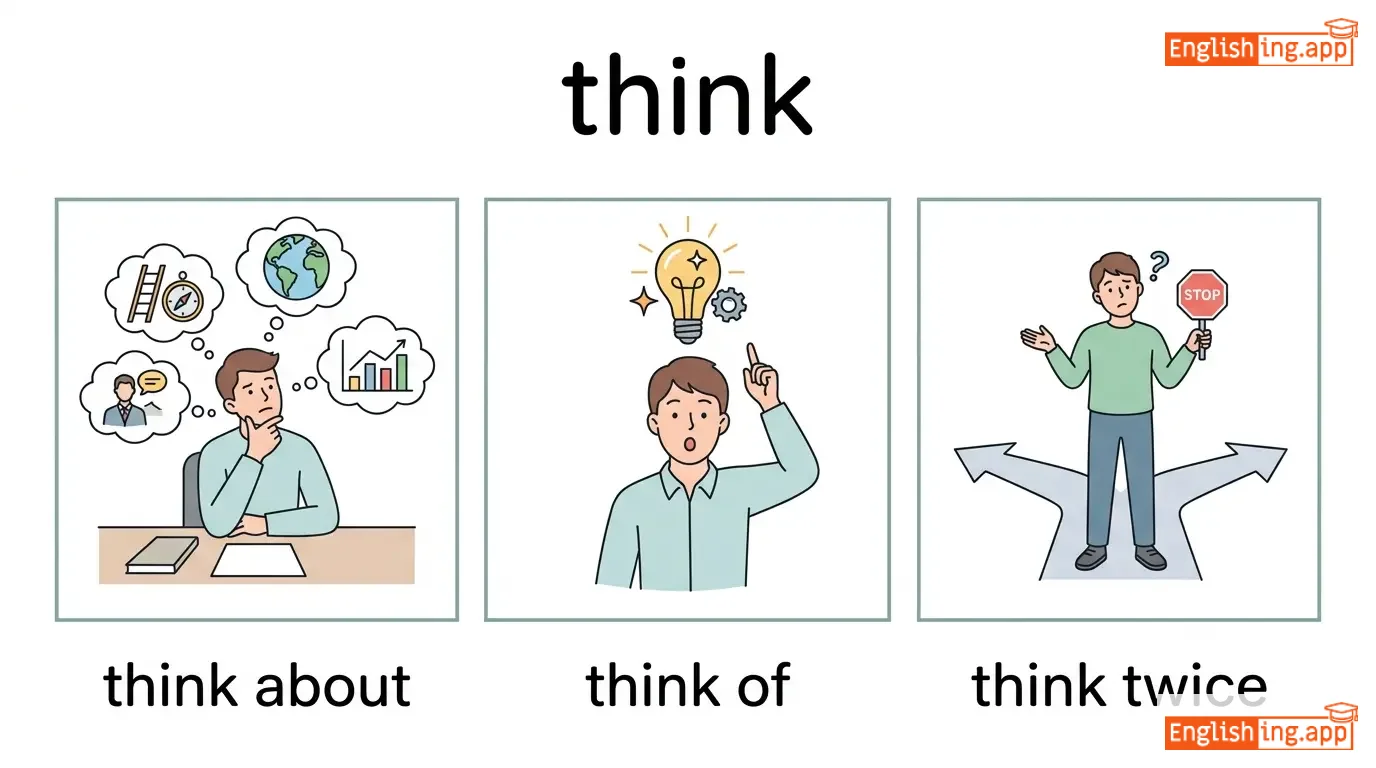
think carefully, think deeply, think critically, think clearly, think positively, think about
••••••
|
思考可以帮助你解决问题。
••••••
|
|
#425
🏗️
|
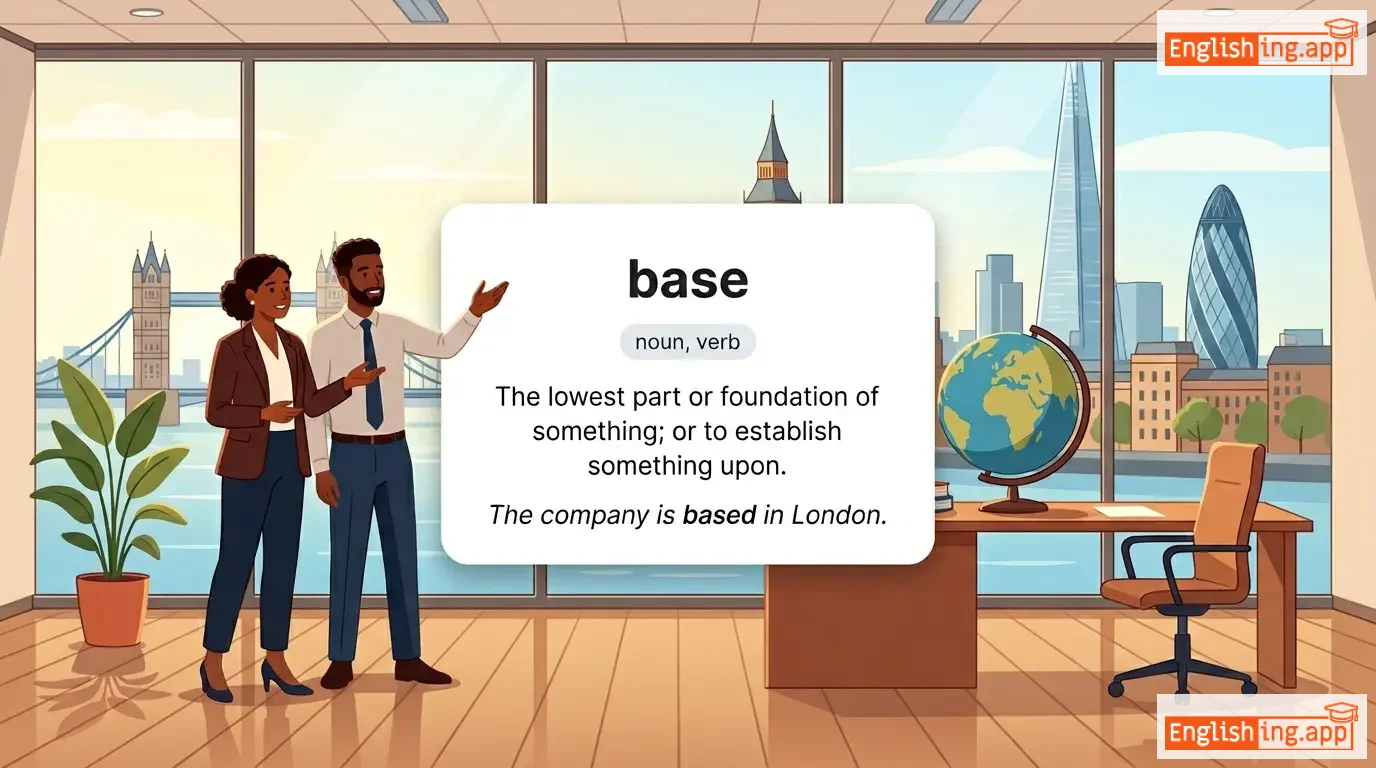
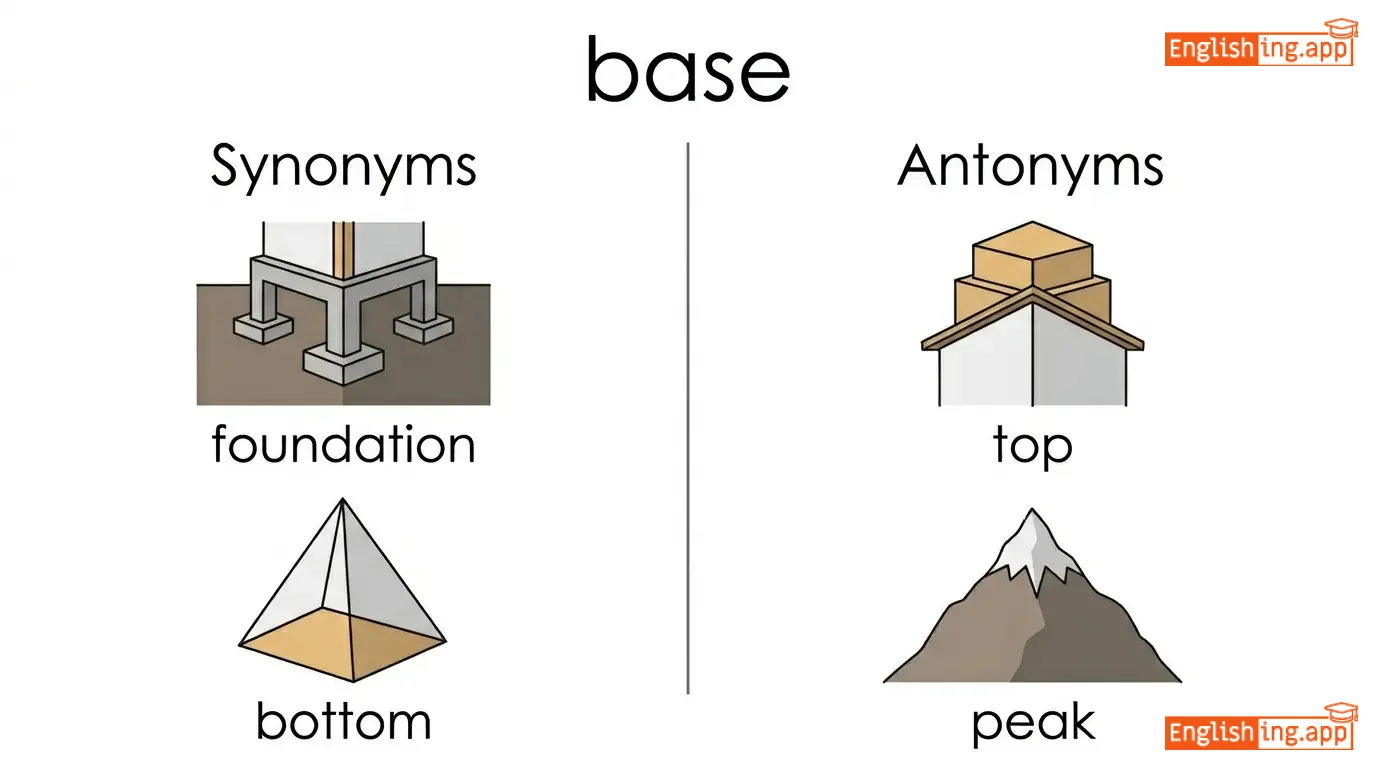
/beɪs/
verb
(bèi sī)
••••••
|
|
基于
jī yú
••••••
|
based
bèi sī dé
••••••
|
based
bèi sī dé
••••••
|
bases
bèi sī sī
••••••
|
basing
bèi sī yīng
••••••
|
to use something as a foundation; to establish or locate something
••••••
|
They based their decision on facts.
他们基于事实做出了决定。
••••••
|
他们基于事实做出了决定。
Tāmen jī yú shìshí zuòchūle juédìng
••••••
|
establish, found, ground, locate
••••••
|
uproot, remove, displace
••••••
|
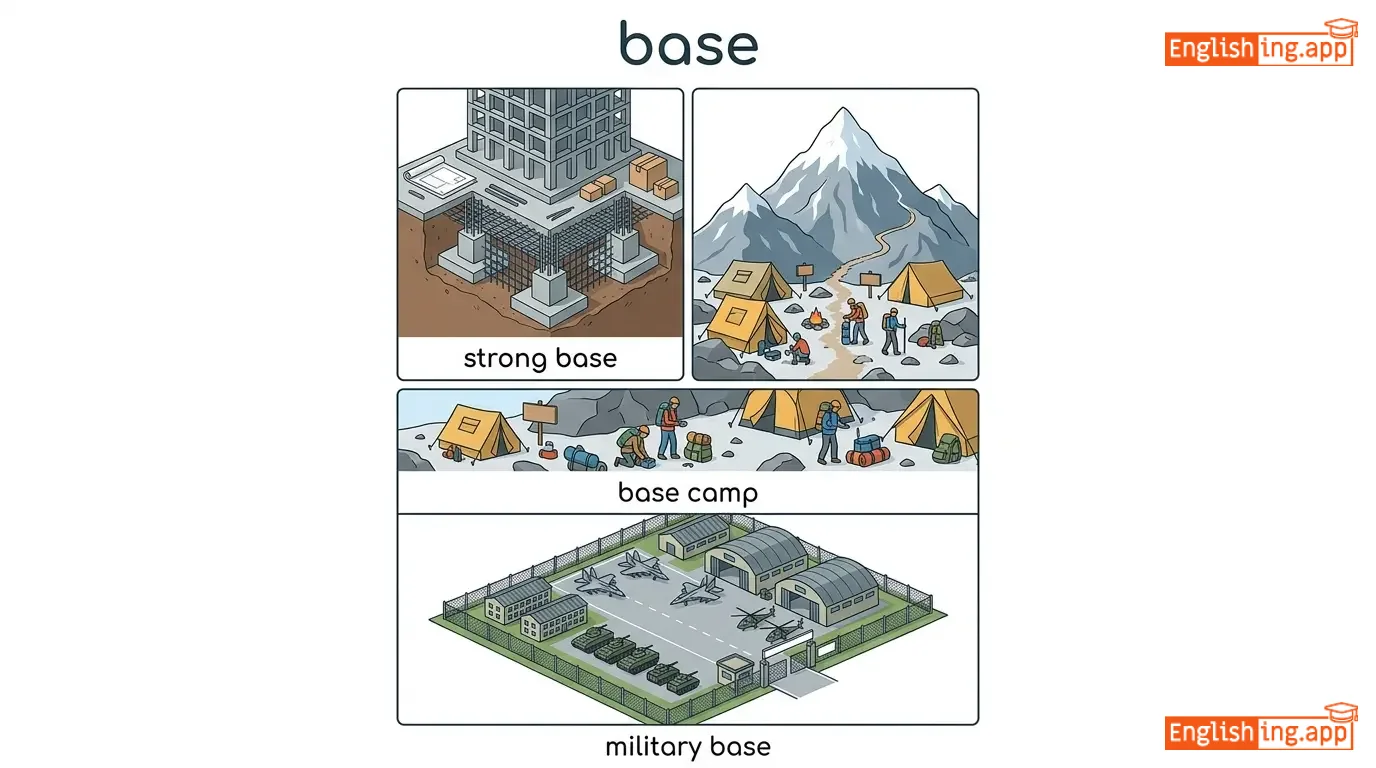
base on facts, base decision, military base, base camp, home base, database
••••••
|
No •••••• |
|
#426
🚑
|
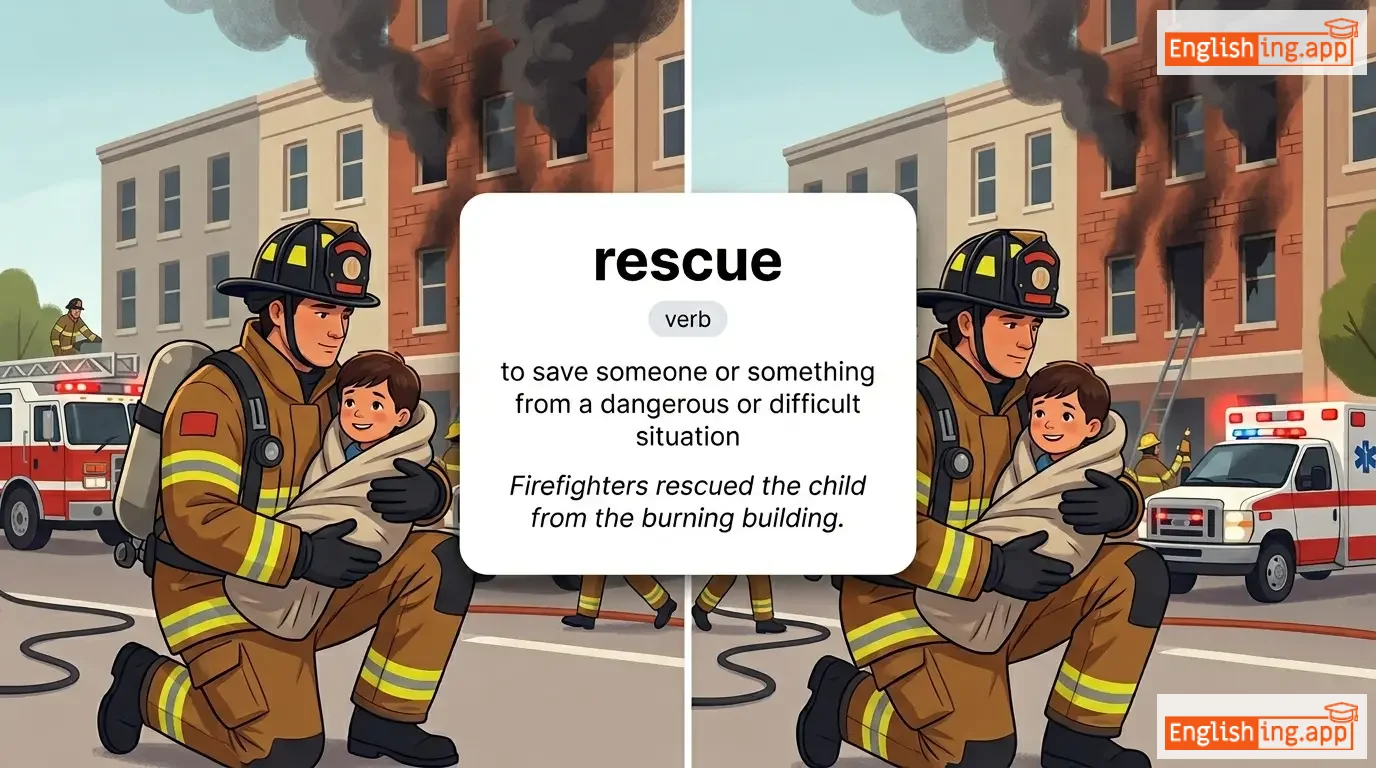
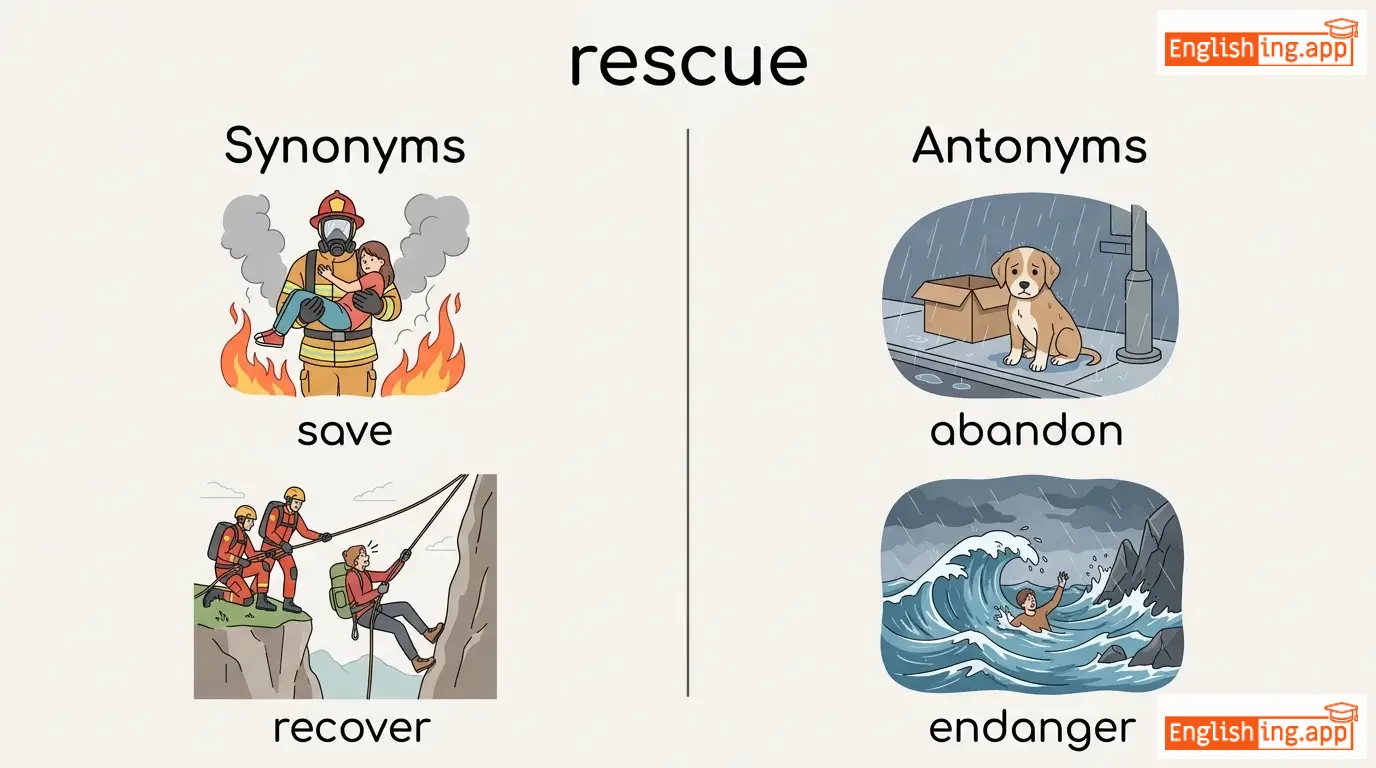
/ˈreskjuː/
verb
(rɛskju)
••••••
|
|
救援
jiu yuan
••••••
|
rescued
rɛskjud
••••••
|
rescued
rɛskjud
••••••
|
rescues
rɛskjus
••••••
|
rescuing
rɛskjʊɪŋ
••••••
|
to save someone or something from danger or harm
••••••
|
The firefighters rescued the cat from the tree.
消防员从树上救出了猫。
••••••
|
消防员从树上救出了猫。
Xiāofángyuán cóng shù shàng jiùchūle māo.
••••••
|
save, help, free, liberate
••••••
|
abandon, endanger, harm
••••••
|
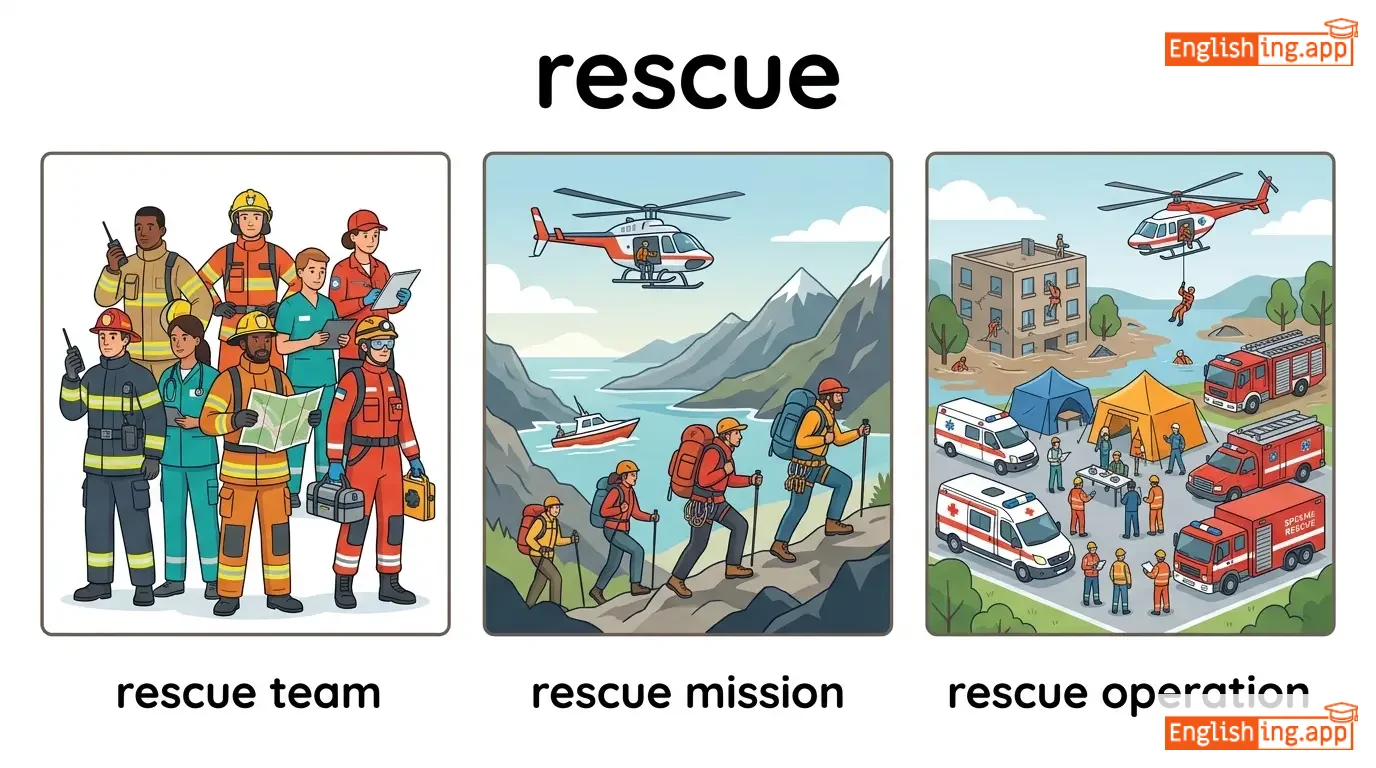
rescue operation, rescue mission, rescue team, rescue workers, dramatic rescue, successful rescue
••••••
|
救援行动,拯救生命!
••••••
|
|
#427
⚖️
|
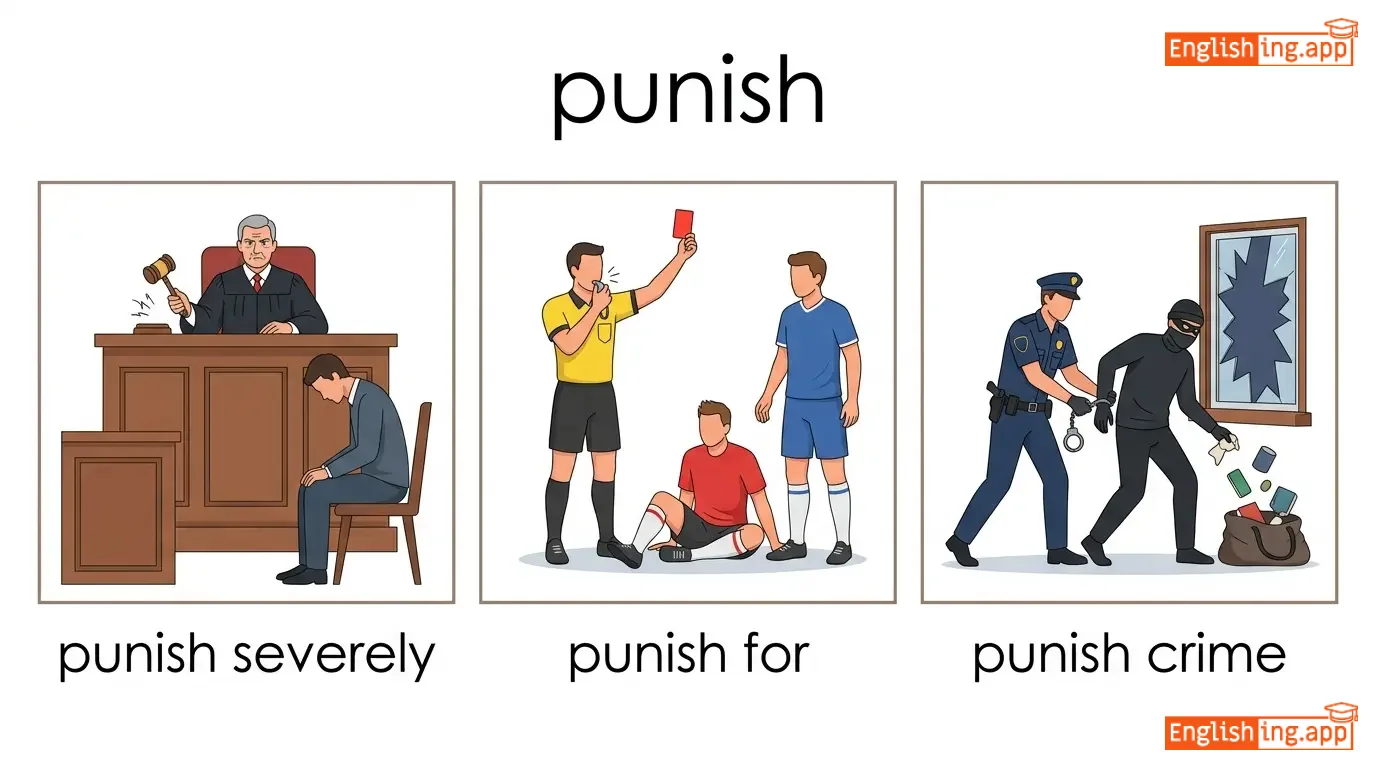
/ˈpʌnɪʃ/
verb
(帕尼什)
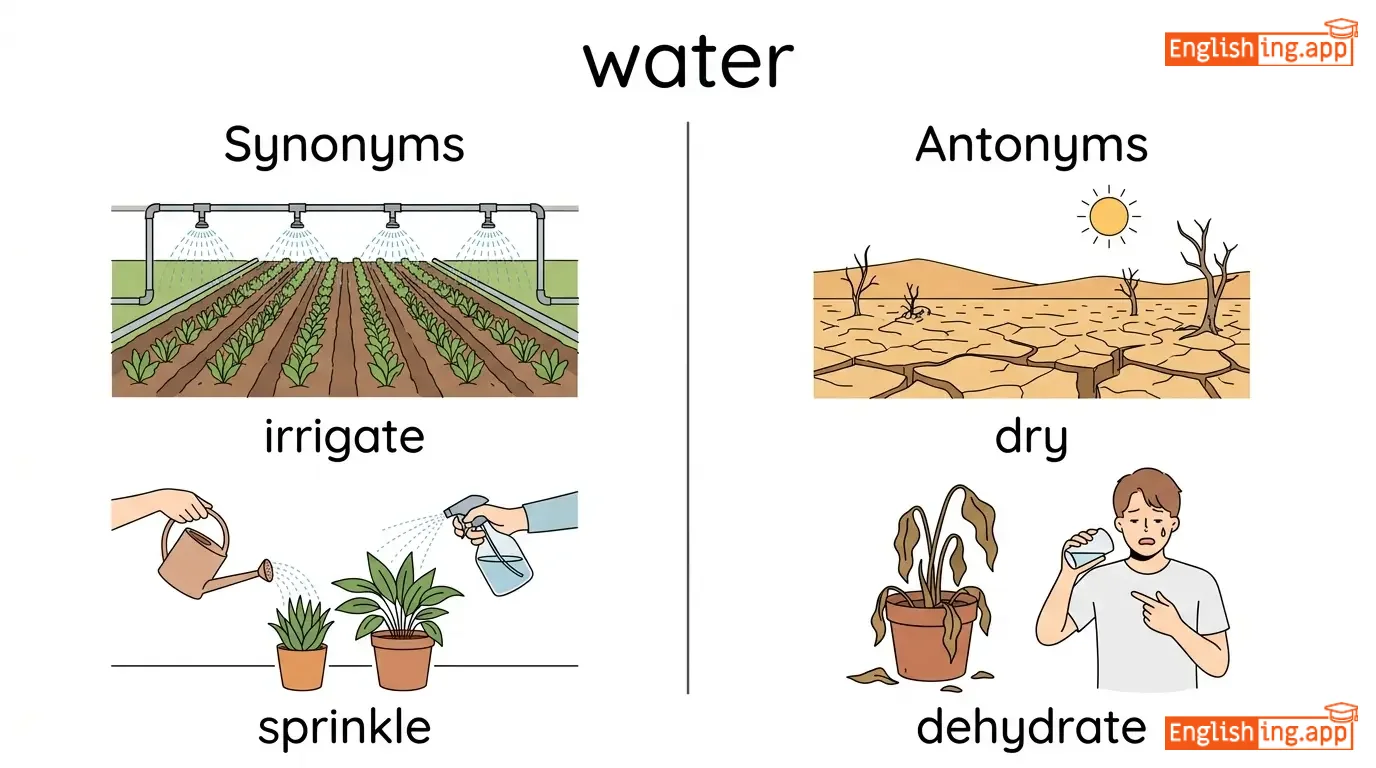
••••••
|
|
惩罚
chengfa
••••••
|
punished
帕尼什德
••••••
|
punished
帕尼什德
••••••
|
punishes
帕尼希斯
••••••
|
punishing
帕尼辛
••••••
|
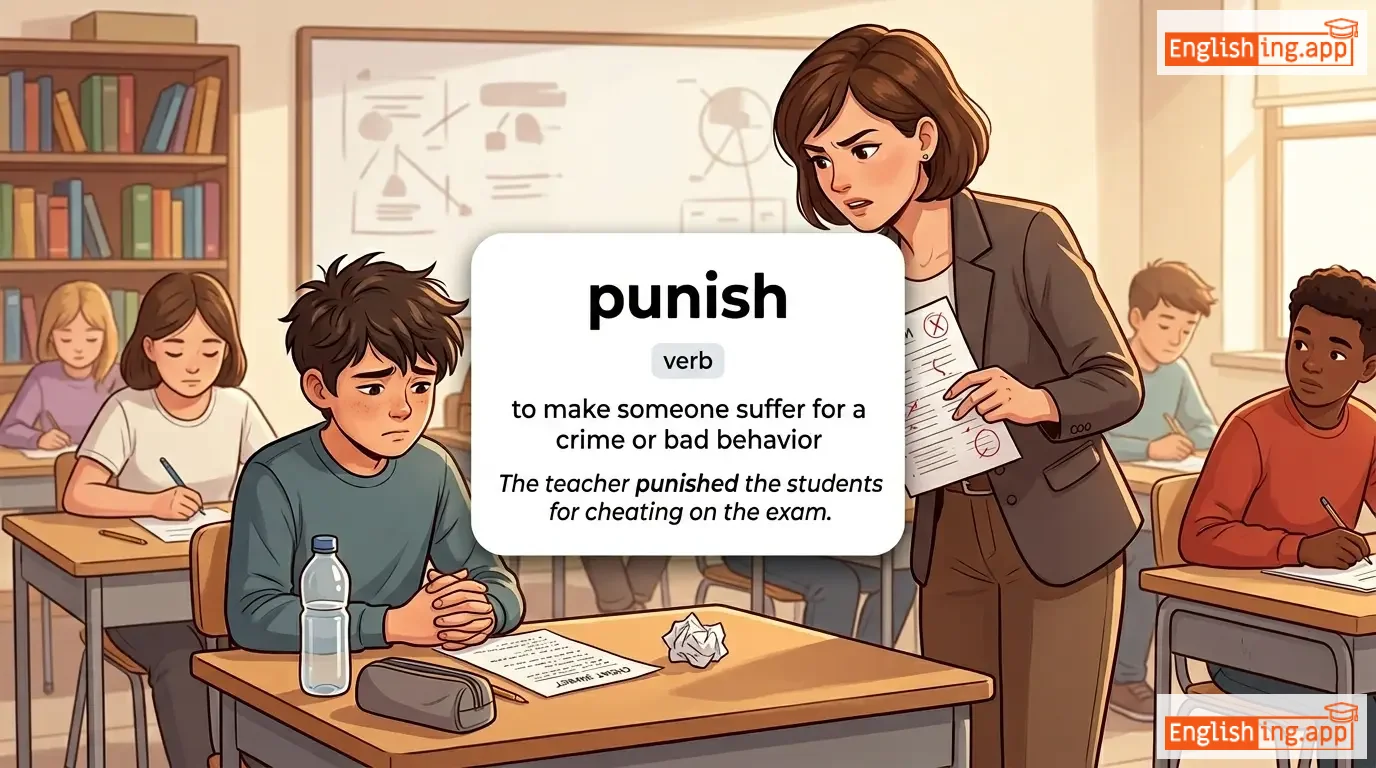
to give a penalty for wrongdoing; to discipline
••••••
|
The teacher will punish students who cheat.
老师会帕尼什学生作弊
••••••
|
老师会惩罚作弊的学生。
laoshi hui chengfa zuobi de xuesheng
••••••
|
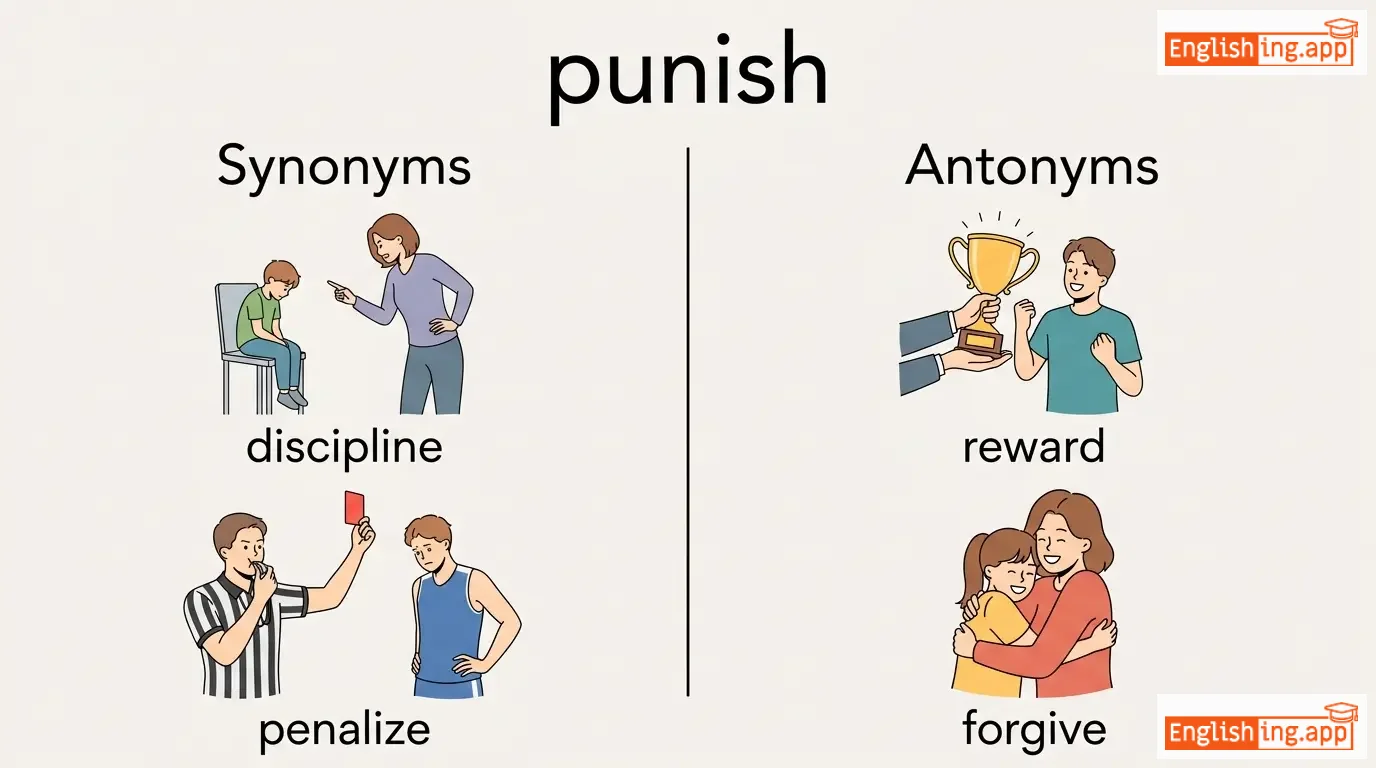
discipline, penalize, chastise, correct
••••••
|
reward, praise, forgive, excuse
••••••
|
punish severely, punish fairly, punish students, corporate punishment, capital punishment, punishment fits
••••••
|
Punish and 'chengfa' both show the idea of giving punishment.
••••••
|
|
#428
🐂
|
/ɡɔːr/
verb
(戈尔)
••••••
|
|
用角刺穿
yòng jiǎo cìchuān
••••••
|
gored
戈尔德
••••••
|
gored
戈尔德
••••••
|
gores
戈尔斯
••••••
|
goring
戈林
••••••
|
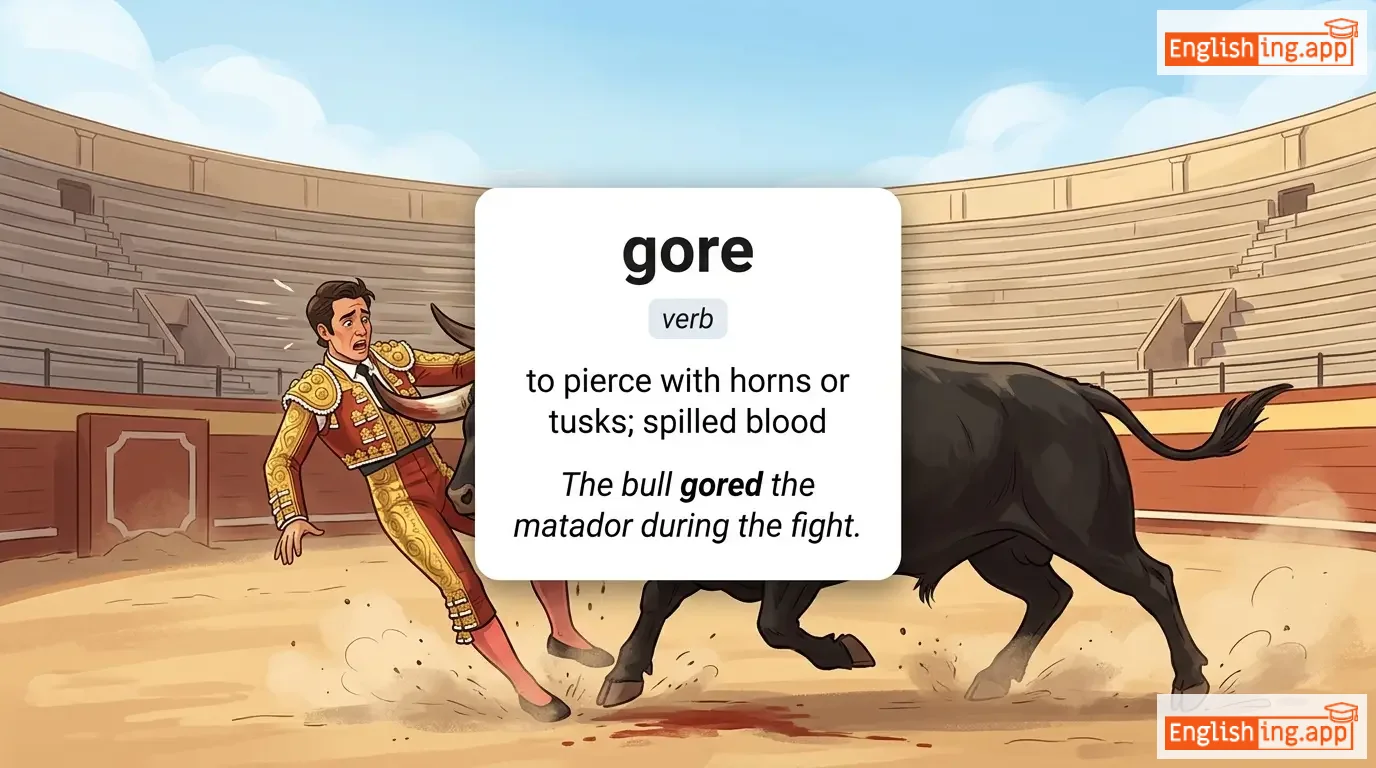
to pierce with horns or tusks; spilled blood
••••••
|
The bull gored the matador during the fight.
公牛在斗牛过程中刺伤了斗牛士。
••••••
|
公牛在斗牛过程中刺伤了斗牛士。
Gōngniú zài dòuniú guòchéng zhōng cìshāng le dòuniú shì.
••••••
|
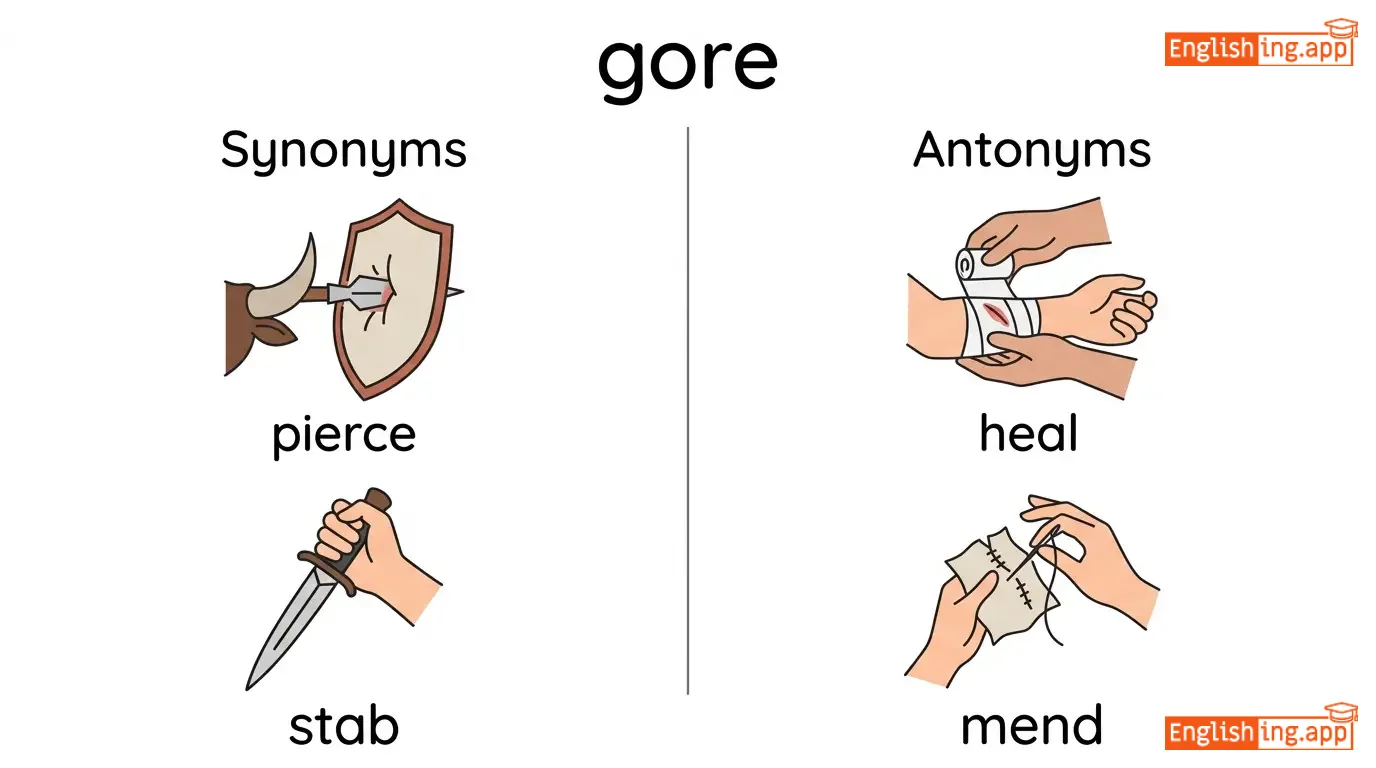
pierce, stab, puncture, wound
••••••
|
heal, mend, protect, shield
••••••
|
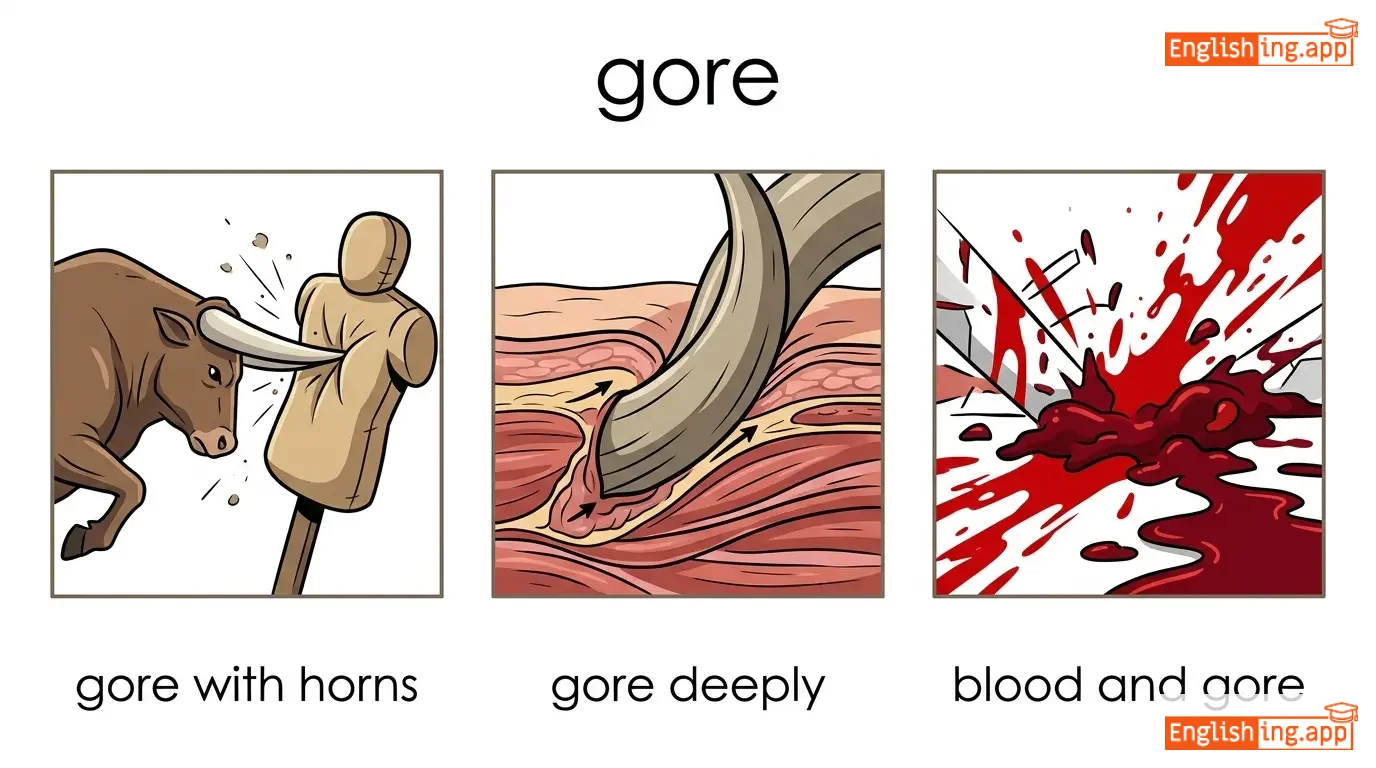
gore with horns, gore deeply, blood and gore, gore scene, gore victim
••••••
|
牛角刺穿物体,流血而死。
••••••
|
|
#429
💰
|
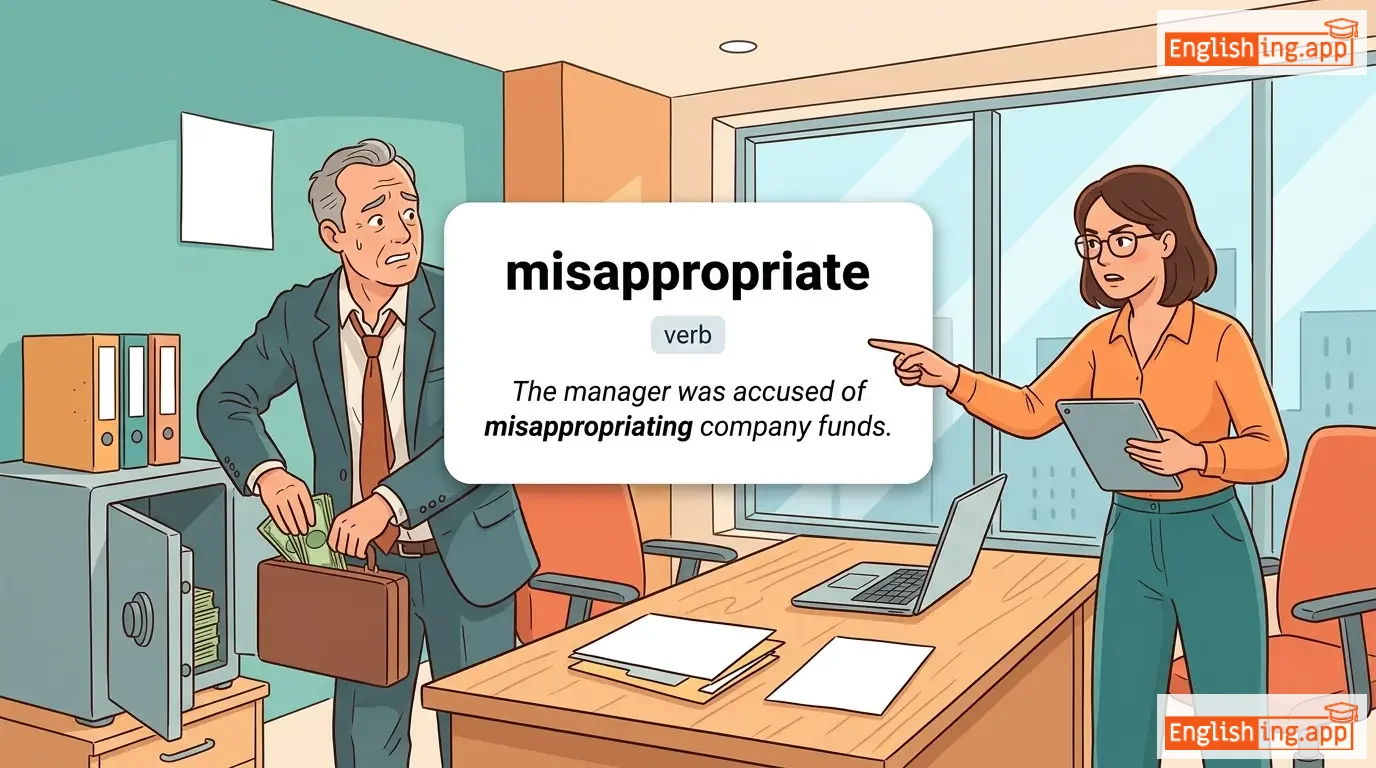
/ˌmɪsəˈproʊpriˌeɪt/
verb
(滥用)
••••••
|
|
滥用
lanyong
••••••
|
misappropriated
滥用了
••••••
|
misappropriated
滥用了
••••••
|
misappropriates
滥用
••••••
|
misappropriating
滥用
••••••
|
to use something dishonestly or illegally for one's own purposes
••••••
|
He was accused of misappropriating company funds.
他被指控滥用公司的资金。
••••••
|
他被指控滥用公司的资金。
Ta bei zhigong lanyong gongsi de zijin.
••••••
|
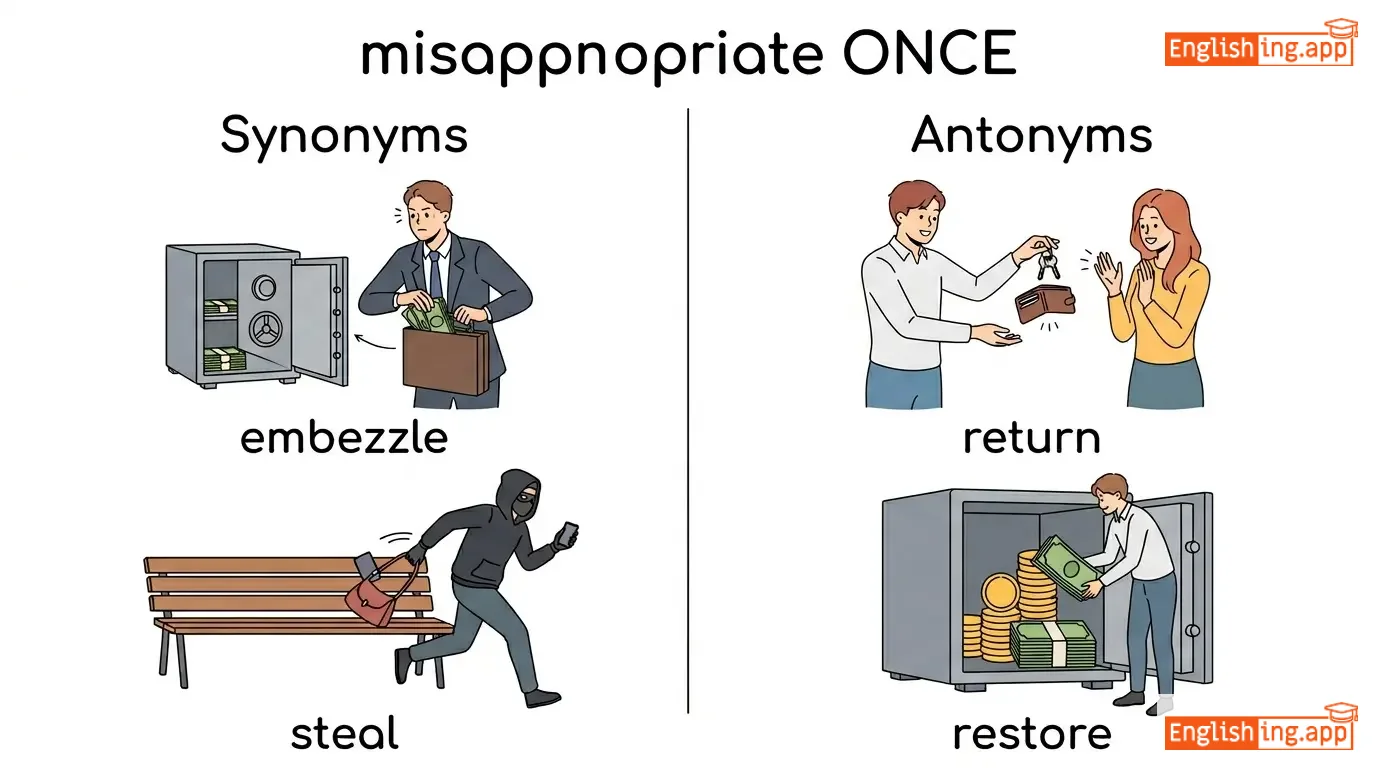
embezzle, steal, misuse, pilfer
••••••
|
allocate, distribute, assign, proper use
••••••
|
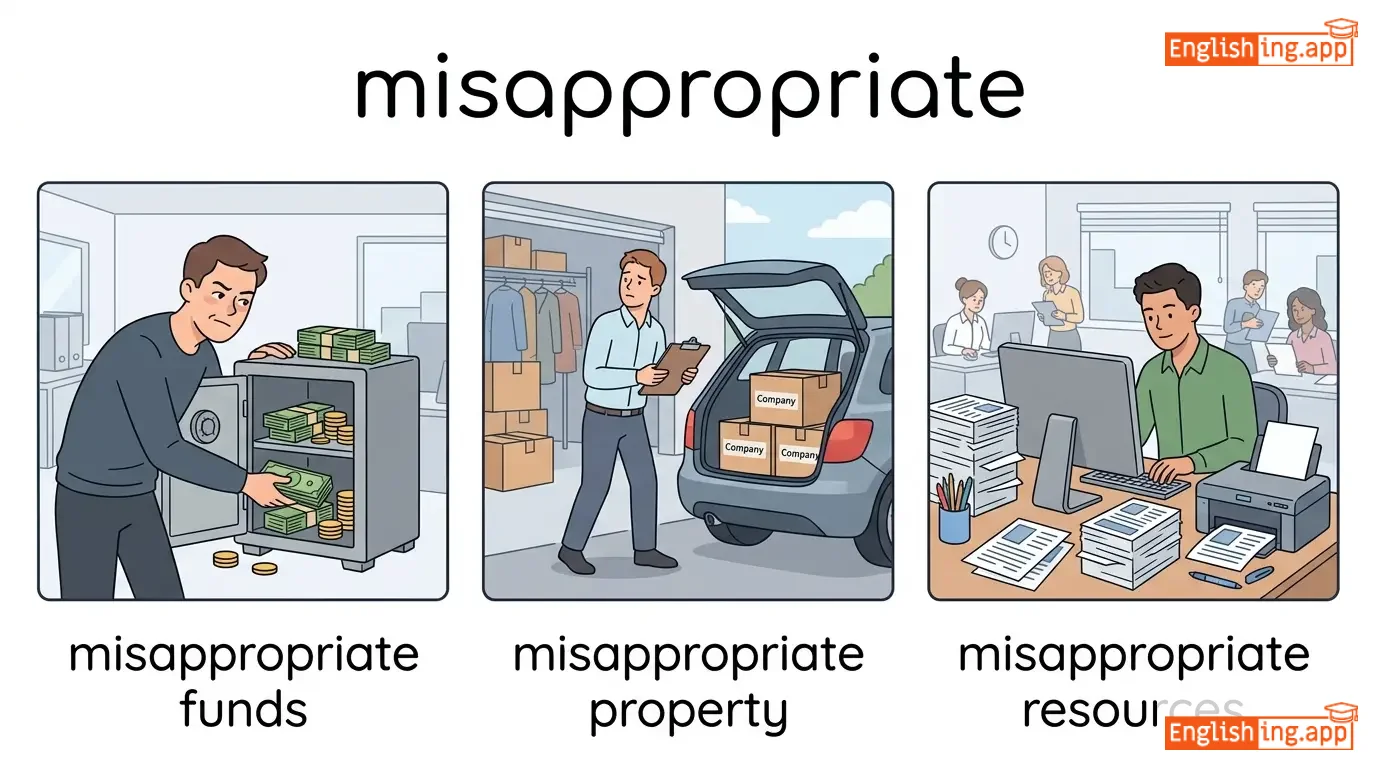
misappropriate funds, misappropriate money, deliberately misappropriate, illegally misappropriate, misappropriate resources
••••••
|
滥用是指拿走公司资金并不合法地使用它。
••••••
|
|
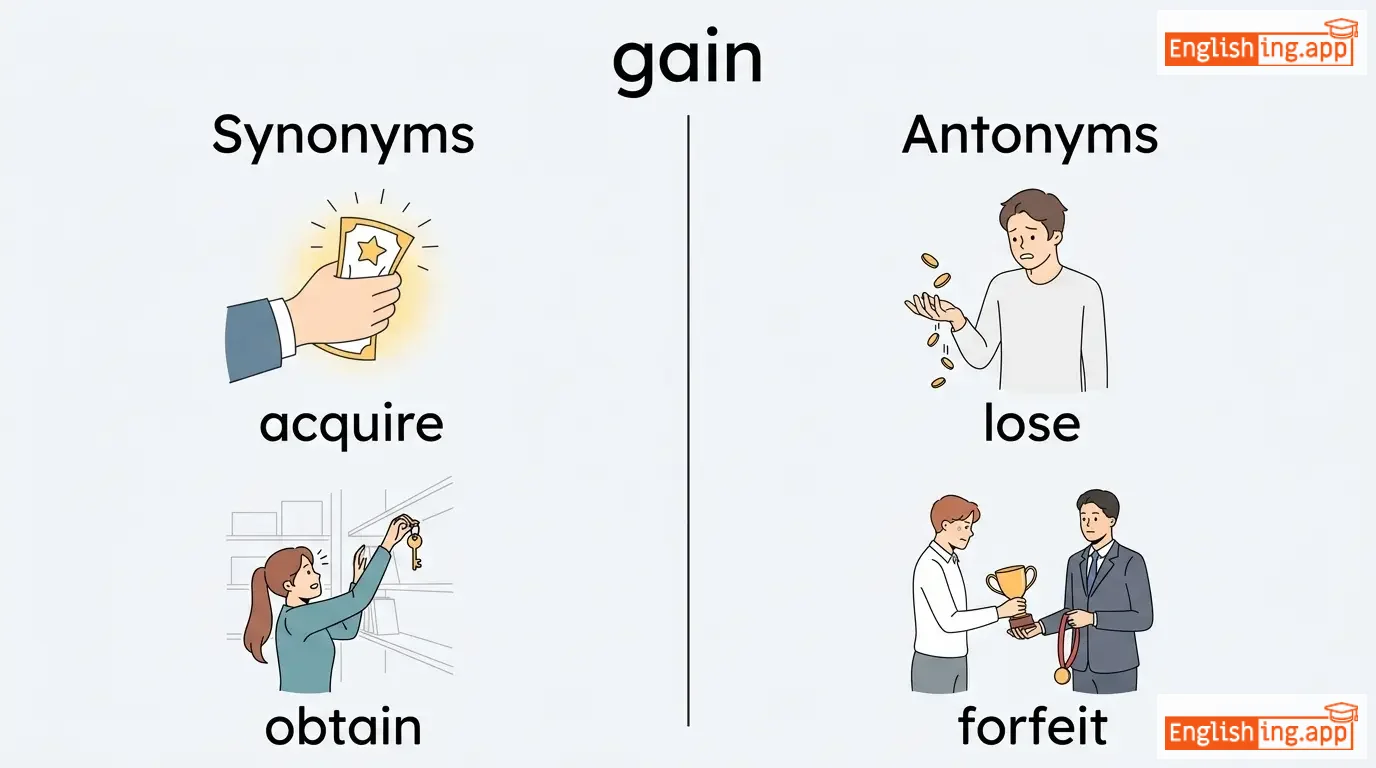
#430
📈
|
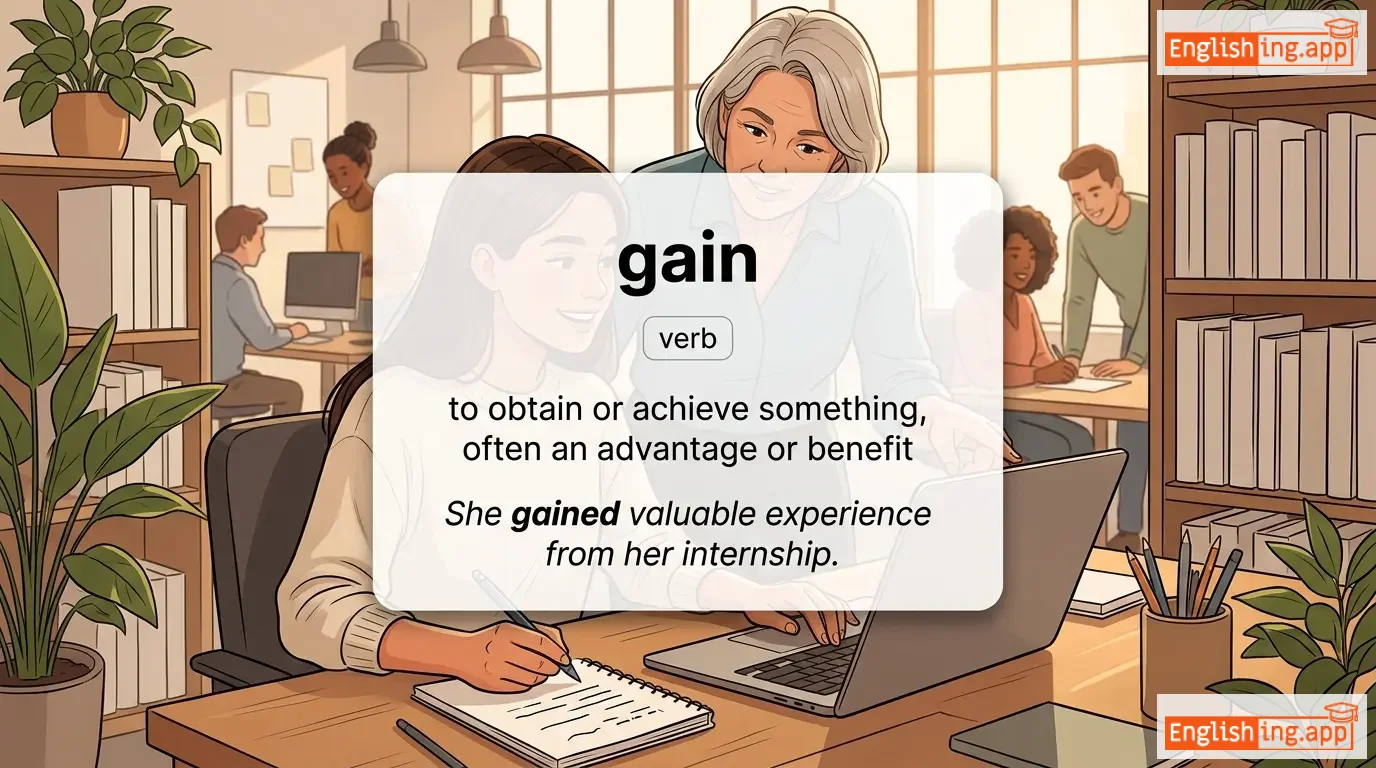
/ɡeɪn/
verb
(gēn)
••••••
|
|
获得
huò dé
••••••
|
gained
gēnd
••••••
|
gained
gēnd
••••••
|
gains
gēns
••••••
|
gaining
gēnɪŋ
••••••
|
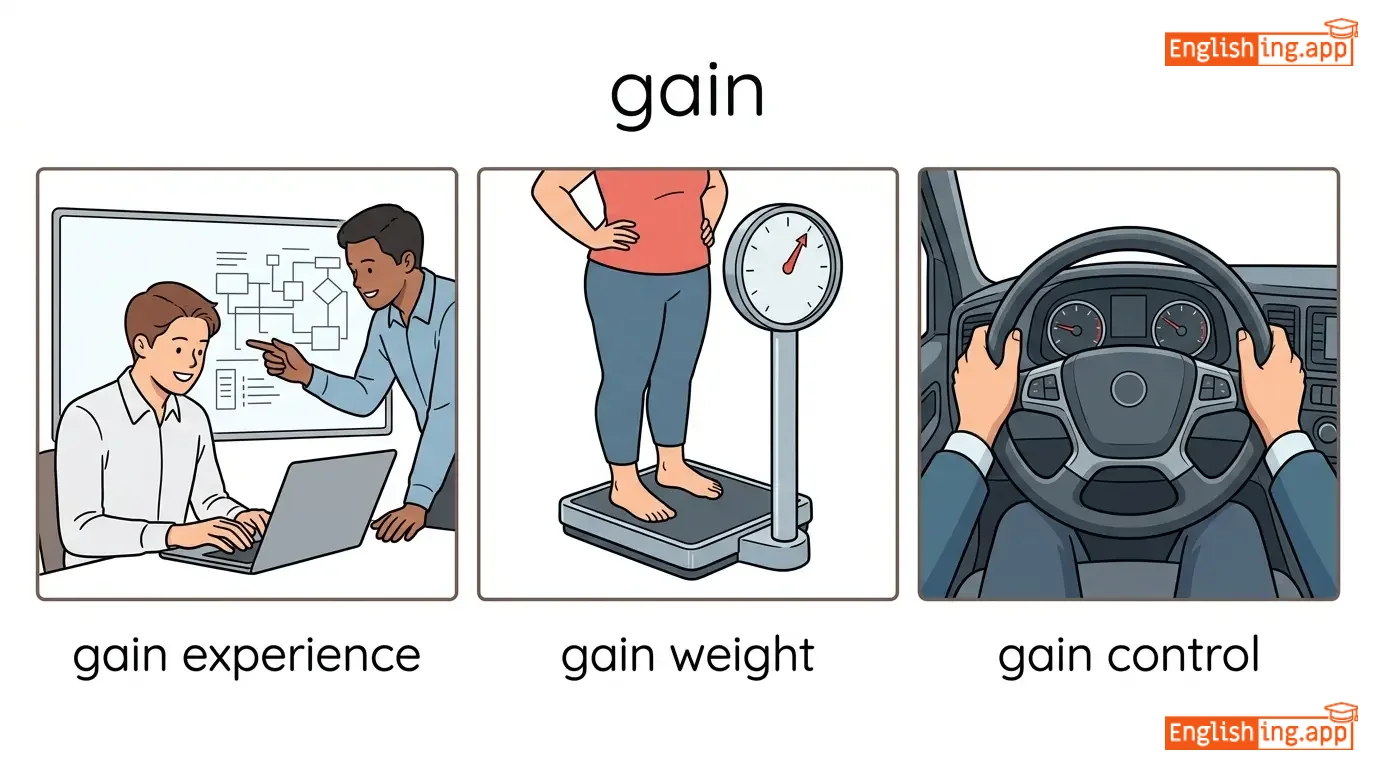
to obtain or acquire something; to increase or improve
••••••
|
He hopes to gain experience from this job.
他希望从这份工作中获得经验。
••••••
|
他希望从这份工作中获得经验。
Tā xīwàng cóng zhè fèn gōngzuò zhōng huò dé jīngyàn.
••••••
|
acquire, obtain, earn, achieve
••••••
|
lose, forfeit, surrender
••••••
|
gain experience, gain weight, gain knowledge, gain access, gain support, gain momentum
••••••
|
获得经验可以帮助你提高技能。
••••••
|
|
#431
🤝
|
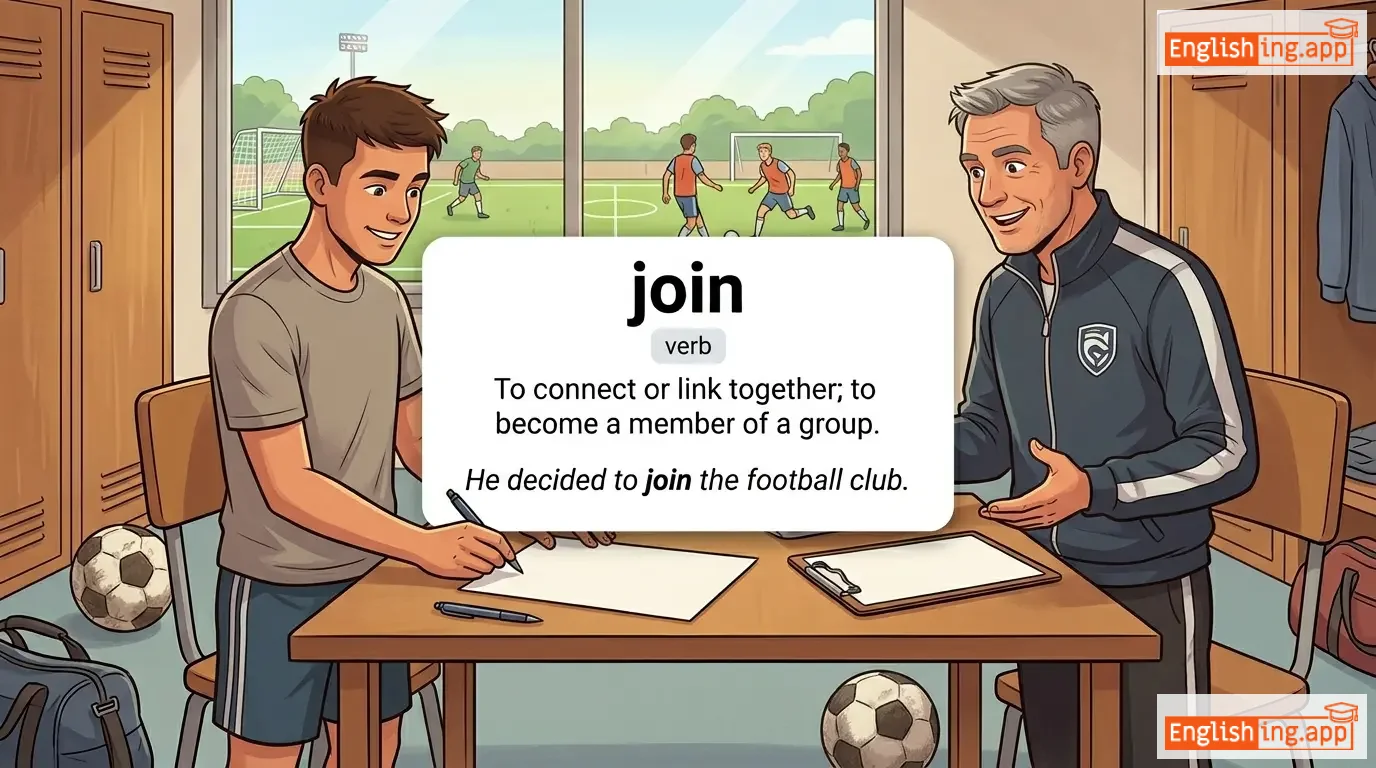
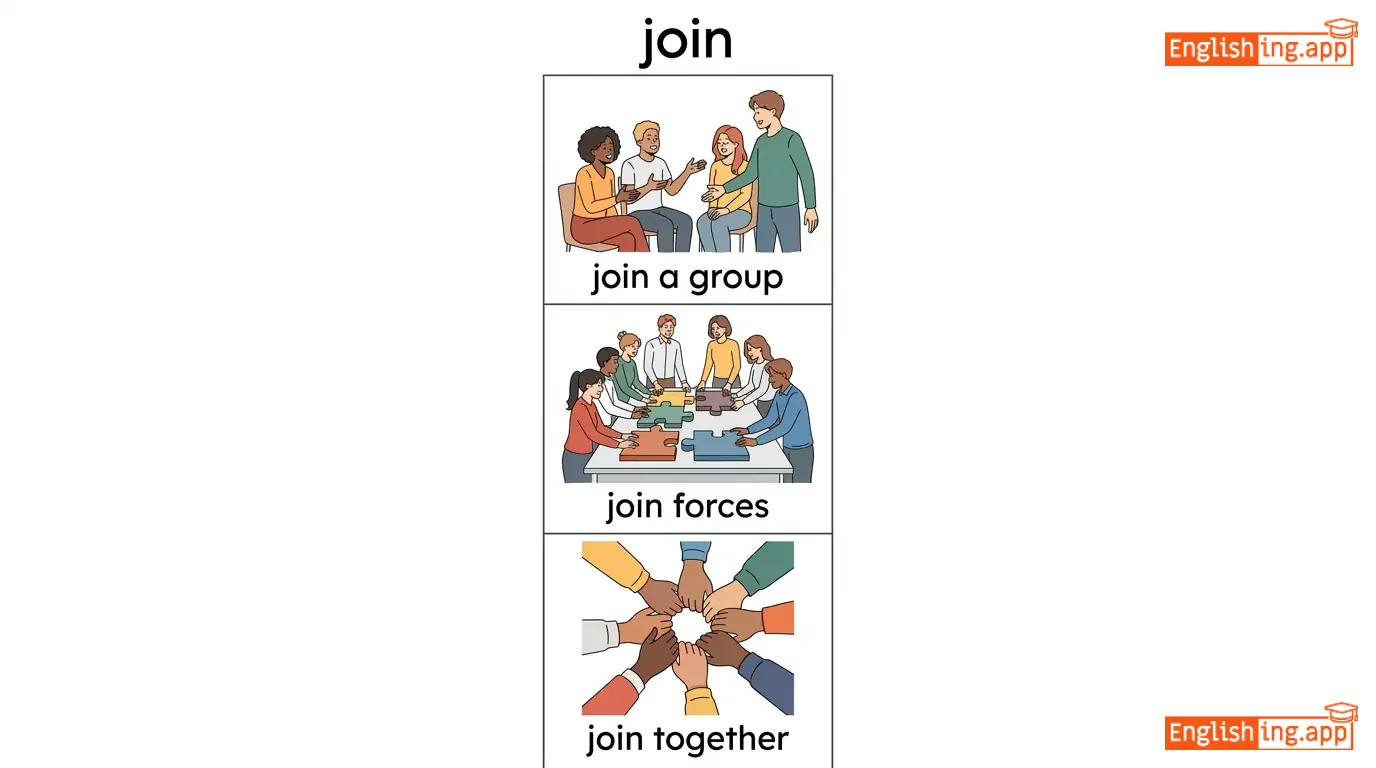
/dʒɔɪn/
verb
(zhuān)
••••••
|
|
加入
jiaru
••••••
|
joined
zhuānd
••••••
|
joined
zhuānd
••••••
|
joins
zhuāns
••••••
|
joining
zhuāning
••••••
|
to connect or combine; to become a member of something
••••••
|
Would you like to join our team for the project?
你想加入我们的团队来做这个项目吗?
••••••
|
你想加入我们的团队来做这个项目吗?
Ni xiang jiaru women de tuandui lai zuo zhege xiangmu ma?
••••••
|
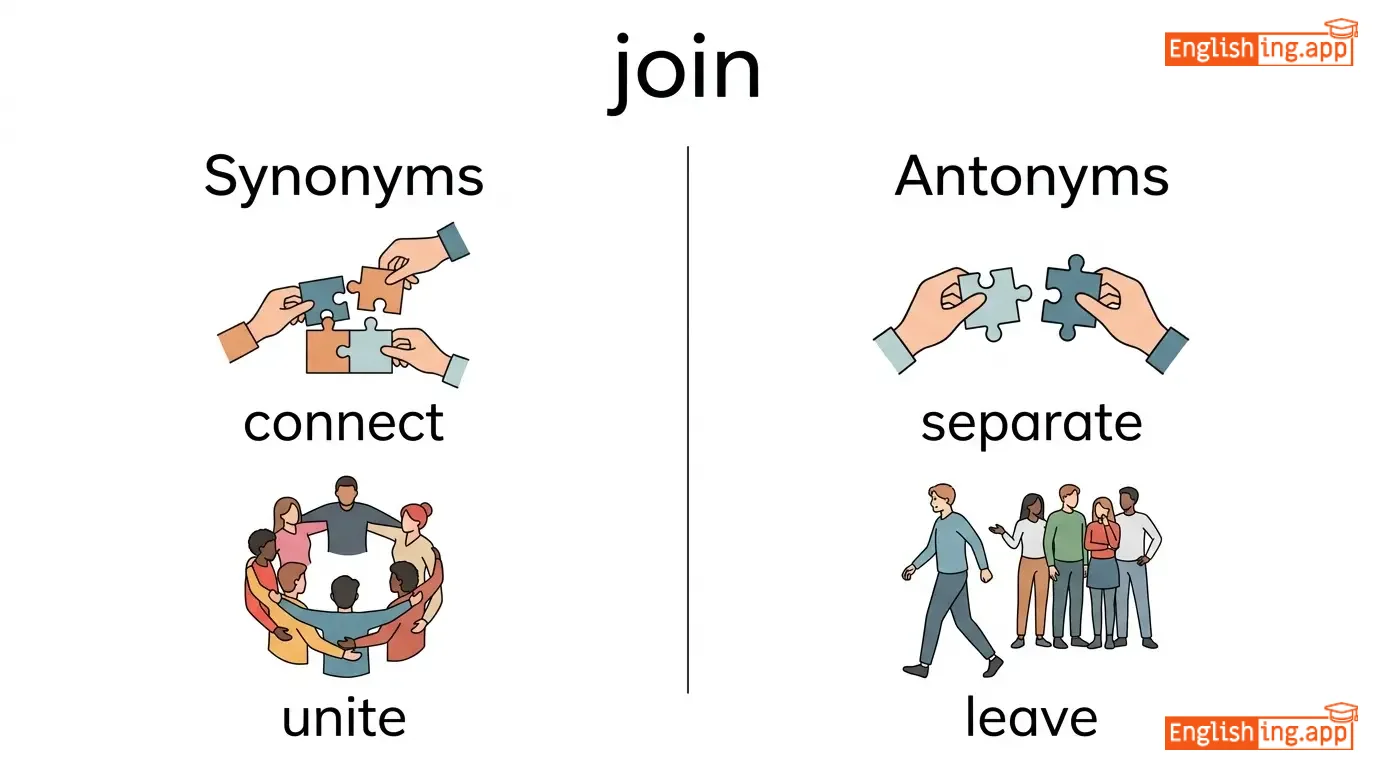
connect, unite, combine, merge, link
••••••
|
separate, divide, disconnect, leave, quit
••••••
|
join forces, join together, join party, join club, join team, join meeting
••••••
|
Join means 加入, like 加入一个团队 (joining a team).
••••••
|
|
#432
🔍
|
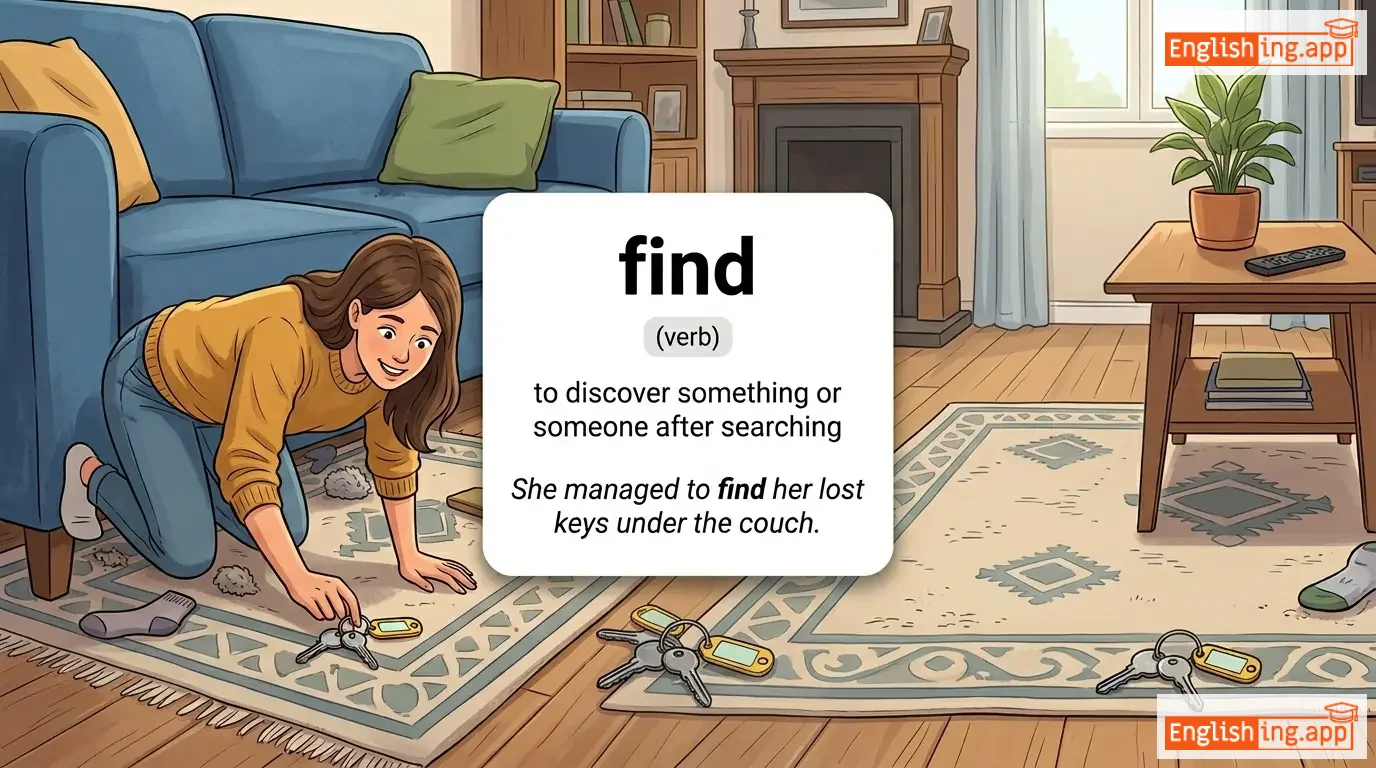
/faɪnd/
verb
(fáɪnd)
••••••
|
|
找到
zhǎodào
••••••
|
found
faʊnd
••••••
|
found
faʊnd
••••••
|
finds
faɪndz
••••••
|
finding
faɪndɪŋ
••••••
|
to discover or locate something that was lost or hidden
••••••
|
I can't find my keys anywhere.
我在哪儿都找不到我的钥匙。
••••••
|
我在哪儿都找不到我的钥匙。
Wǒ zài nǎr dōu zhǎo bù dào wǒ de yàoshi.
••••••
|
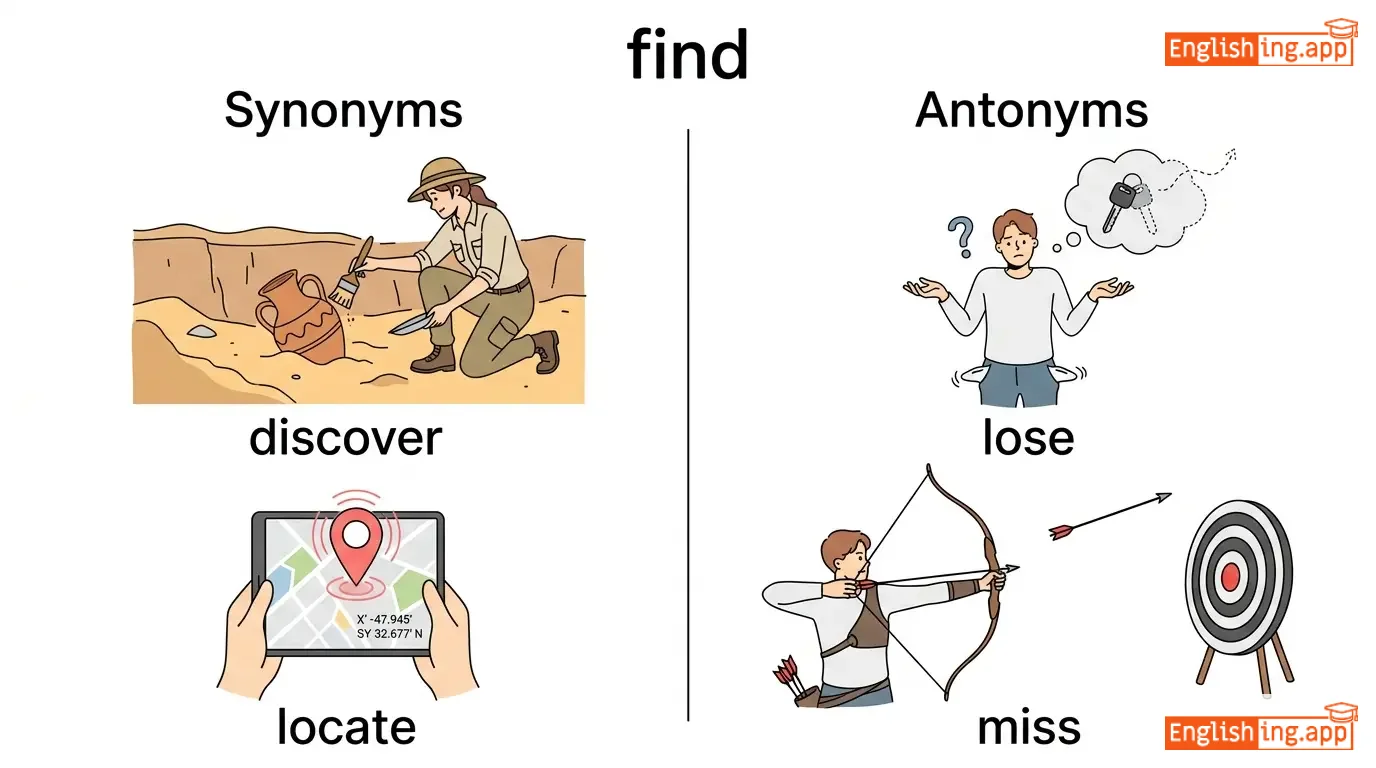
discover, locate, uncover, detect
••••••
|
lose, miss, overlook, hide
••••••
|
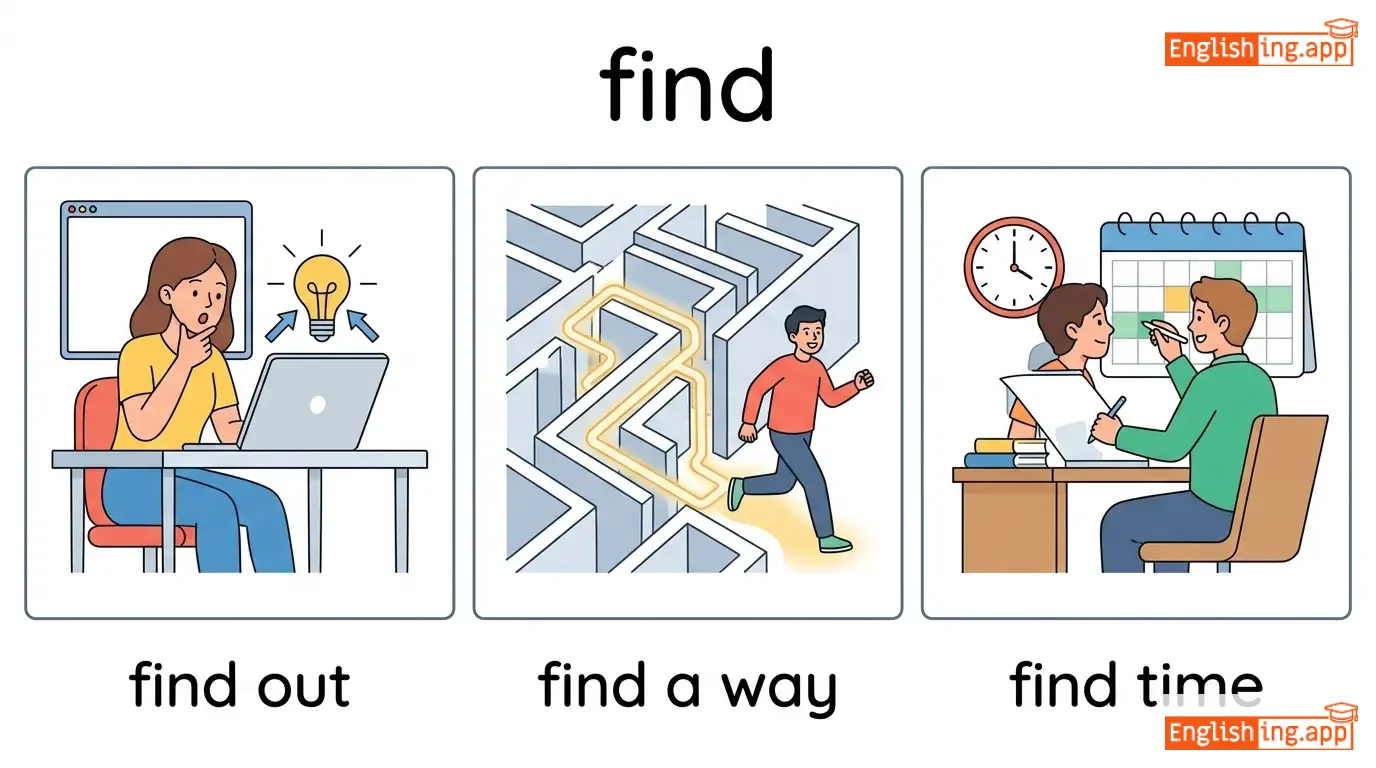
find solution, find way, find time, find fault, find guilty, find difficult
••••••
|
找到 = 找 + 到
••••••
|
|
#433
📝
|
/test/
verb
(测试)
••••••
|
|
测试
ceshi
••••••
|
tested
测试过
••••••
|
tested
测试过
••••••
|
tests
测试
••••••
|
testing
测试中
••••••
|
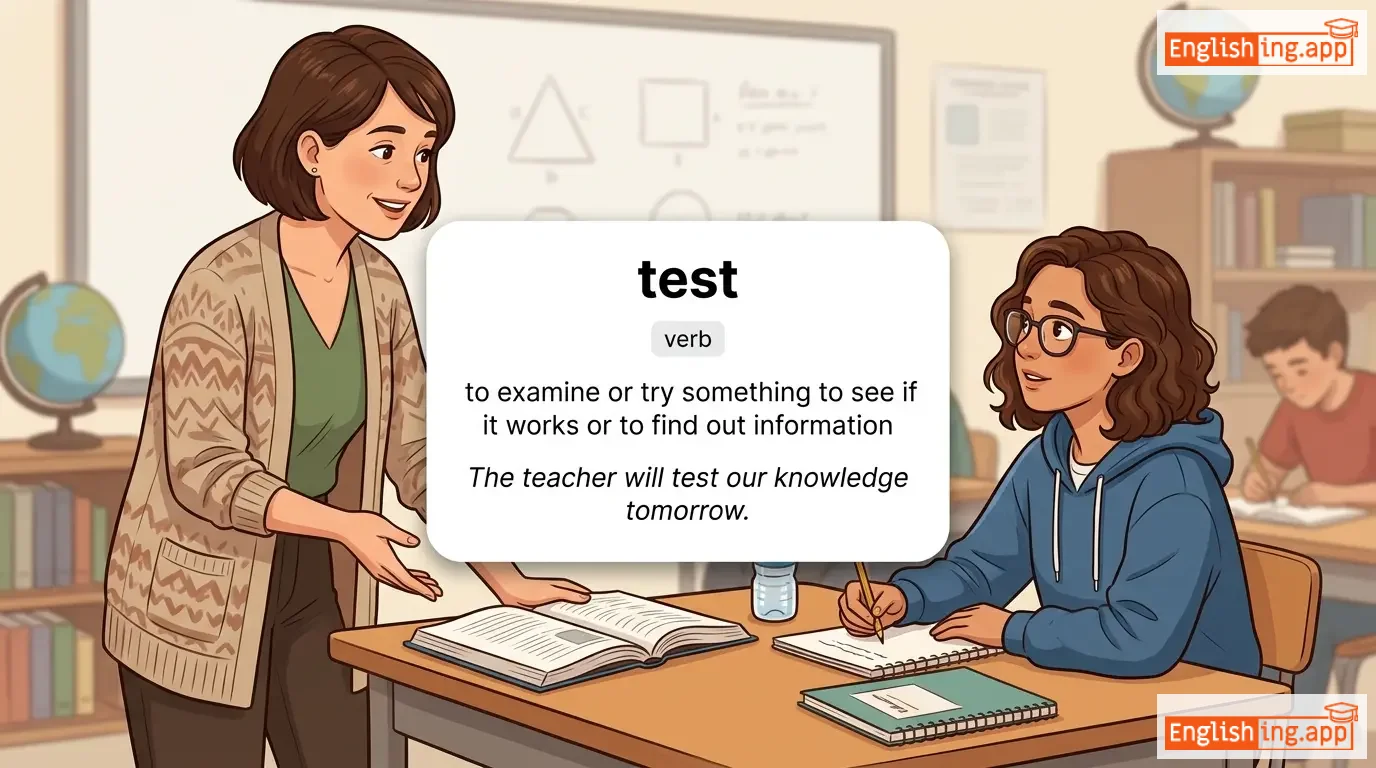
to examine or try something to see if it works or to find out information
••••••
|
The teacher will test our knowledge tomorrow.
老师明天将测试我们的知识。
••••••
|
老师明天将测试我们的知识。
Laoshi mingtian jiang ceshi women de zhishi.
••••••
|
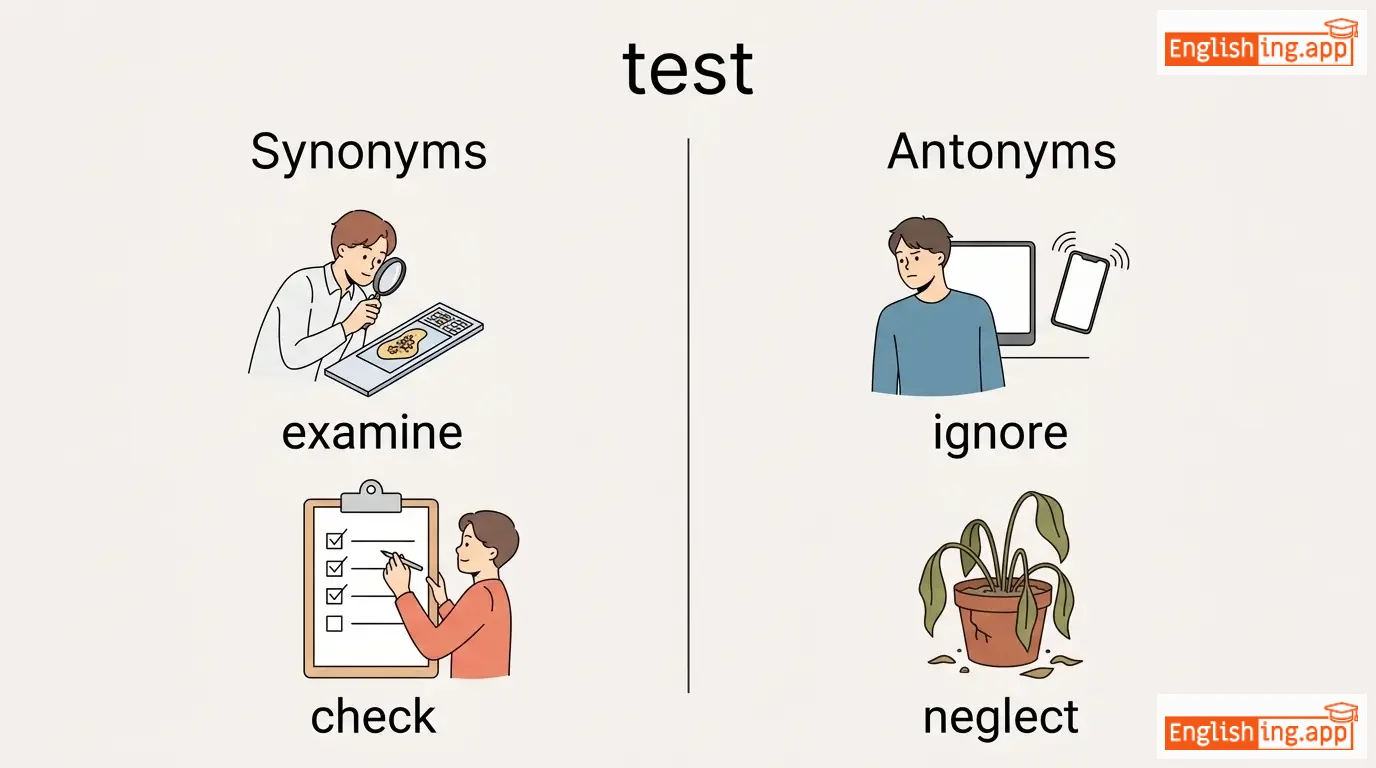
examine, check, try, evaluate
••••••
|
ignore, neglect
••••••
|
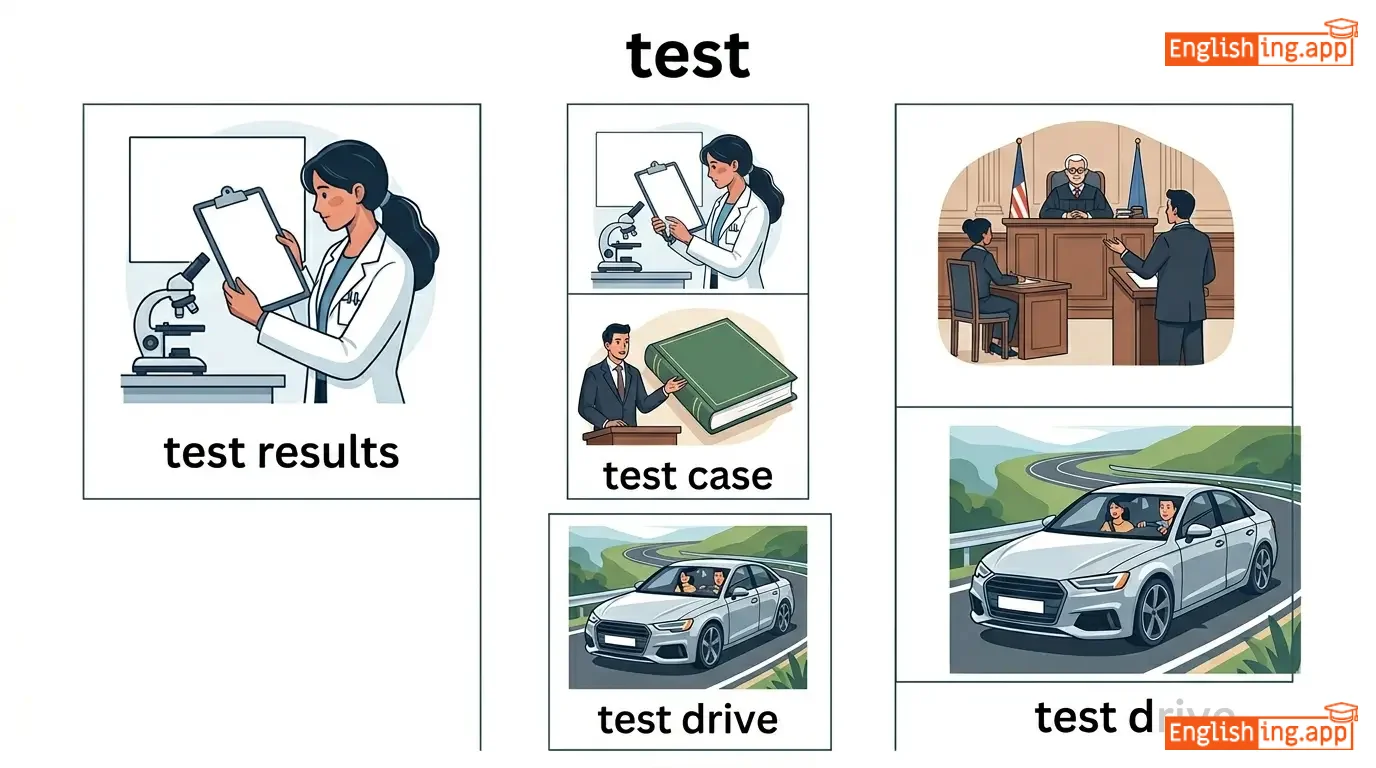
test results, test case, test drive, test positive, test negative, blood test
••••••
|
就像老师测试你们的知识一样,去测试。
••••••
|
|
#434
💧
|
/ˈwɔːtər/
verb
(水)
••••••
|
|
浇水
jiaoshui
••••••
|
watered
水过
••••••
|
watered
水过
••••••
|
waters
水滴
••••••
|
watering
浇水
••••••
|
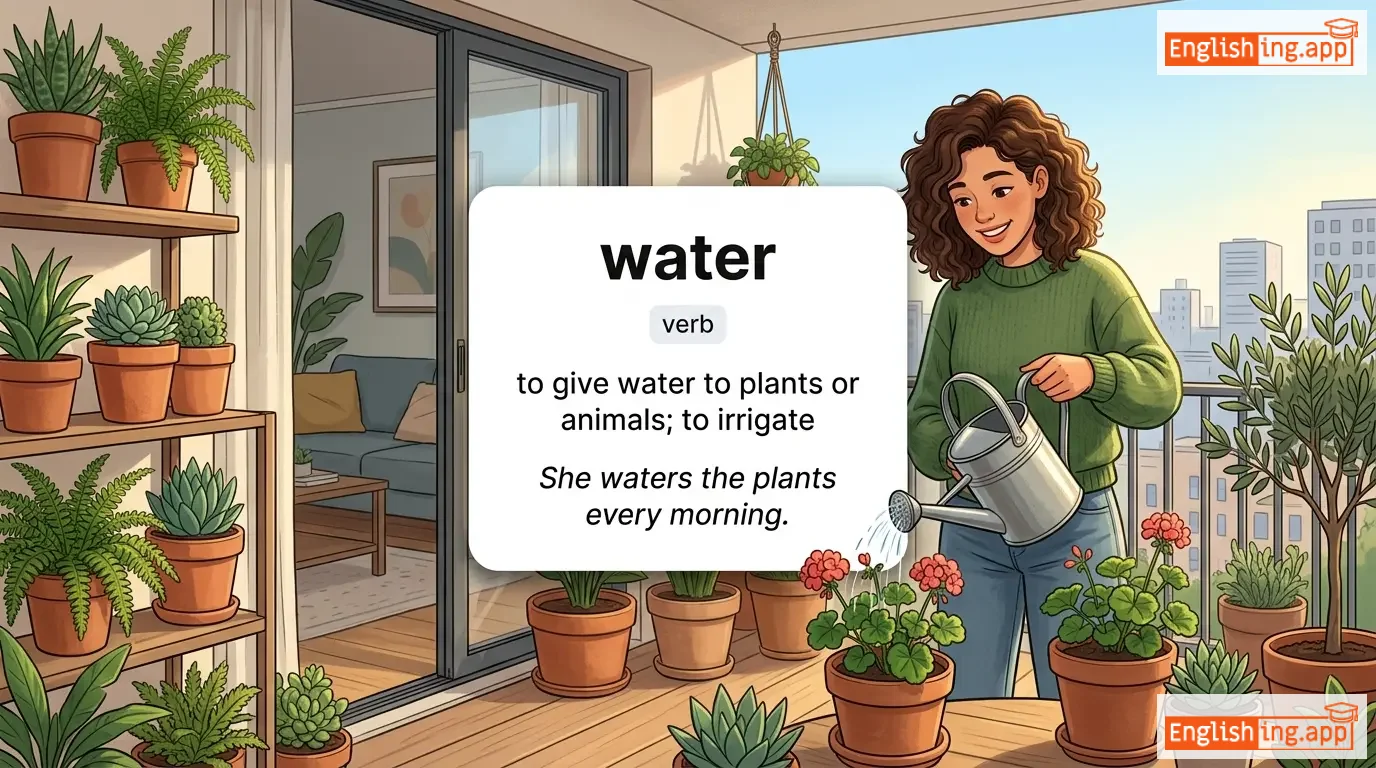
to give water to plants or animals; to irrigate
••••••
|
She waters the plants every morning.
她每天早上给植物浇水。
••••••
|
她每天早上给植物浇水。
Ta mei tian zao shang gei zhiwu jiaoshui
••••••
|
irrigate, sprinkle, drench, moisten
••••••
|
dry, dehydrate, parch
••••••
|
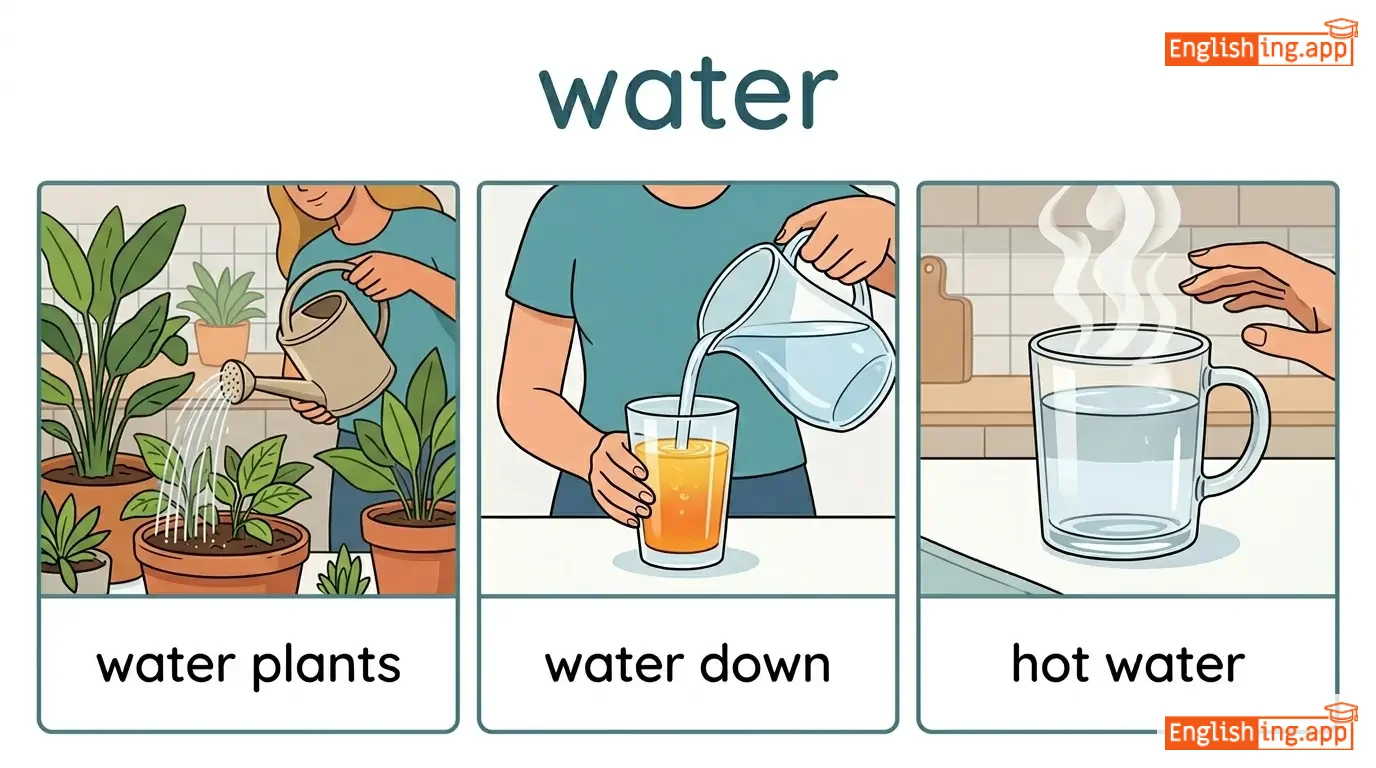
water plants, water down, hot water, cold water, drinking water, water supply
••••••
|
浇水就是给植物喂水
••••••
|
|
#435
🔮
|
/ɪkˈspekt/
verb
(expect)
••••••
|
|
期望
qīwàng
••••••
|
expected
expected
••••••
|
expected
expected
••••••
|
expects
expects
••••••
|
expecting
expecting
••••••
|
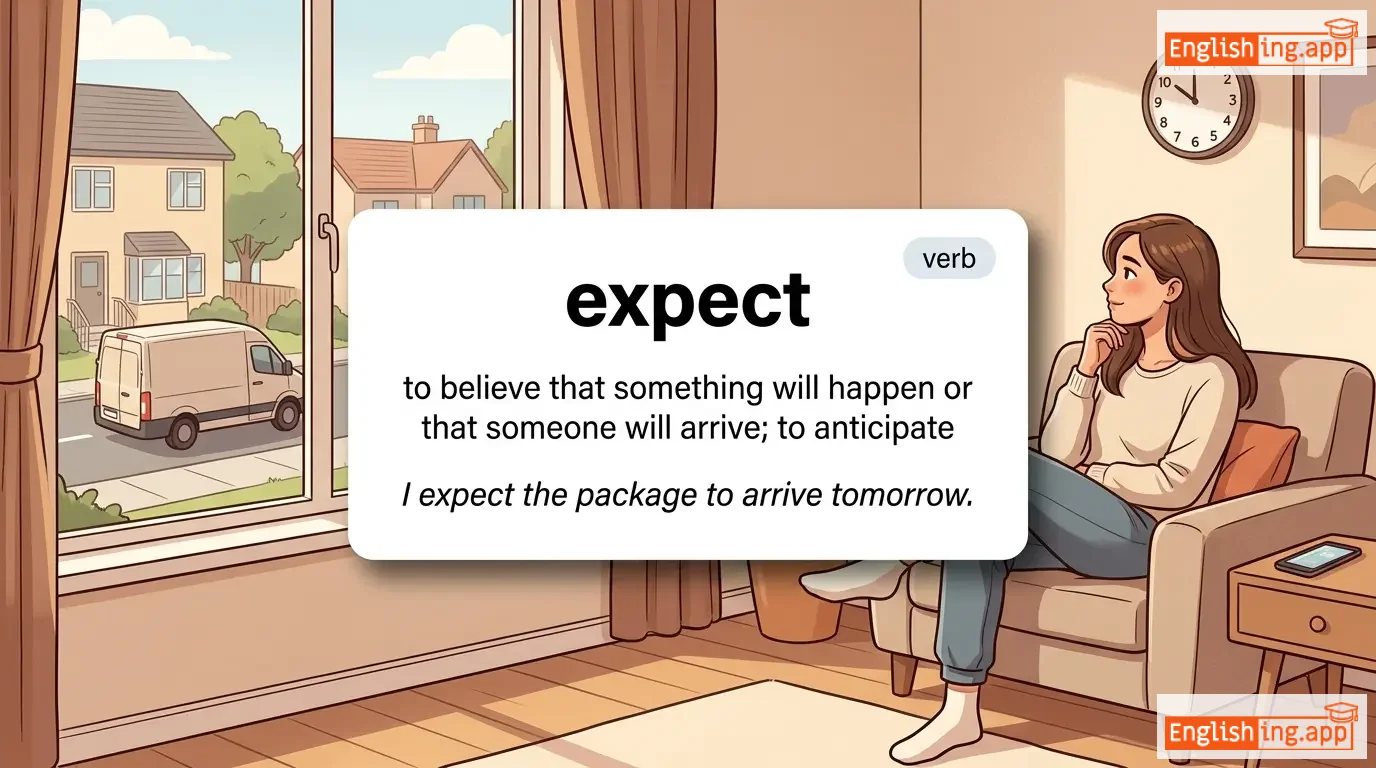
to think something will happen; to anticipate
••••••
|
I expect the meeting to start at 9 AM.
我预计会议将在上午9点开始。
••••••
|
我预计会议将在上午9点开始。
Wǒ yùjì huìyì jiāng zài shàngwǔ 9 diǎn kāishǐ.
••••••
|
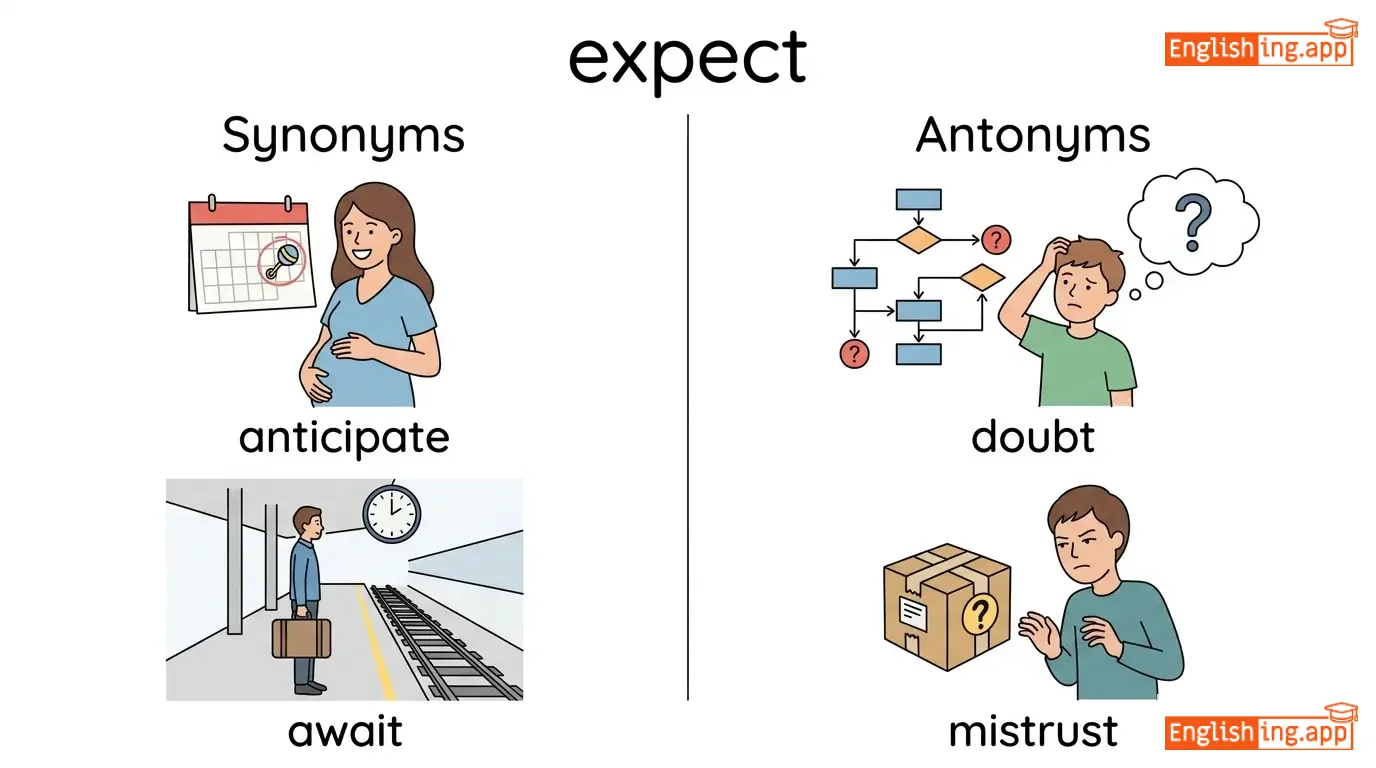
anticipate, predict, await, foresee
••••••
|
doubt, surprise, disbelieve, question
••••••
|
expect results, expect delivery, expect better, expect much, expect little, high expectations
••••••
|
期望会议在9点开始,像预期一样。
••••••
|
|
#436
👻
|
/hɔːnt/
verb
(hɑnt)
••••••
|
|
困扰
kùn rǎo
••••••
|
haunted
hɑntɪd
••••••
|
haunted
hɑntɪd
••••••
|
haunts
hɑnts
••••••
|
haunting
hɑntɪŋ
••••••
|
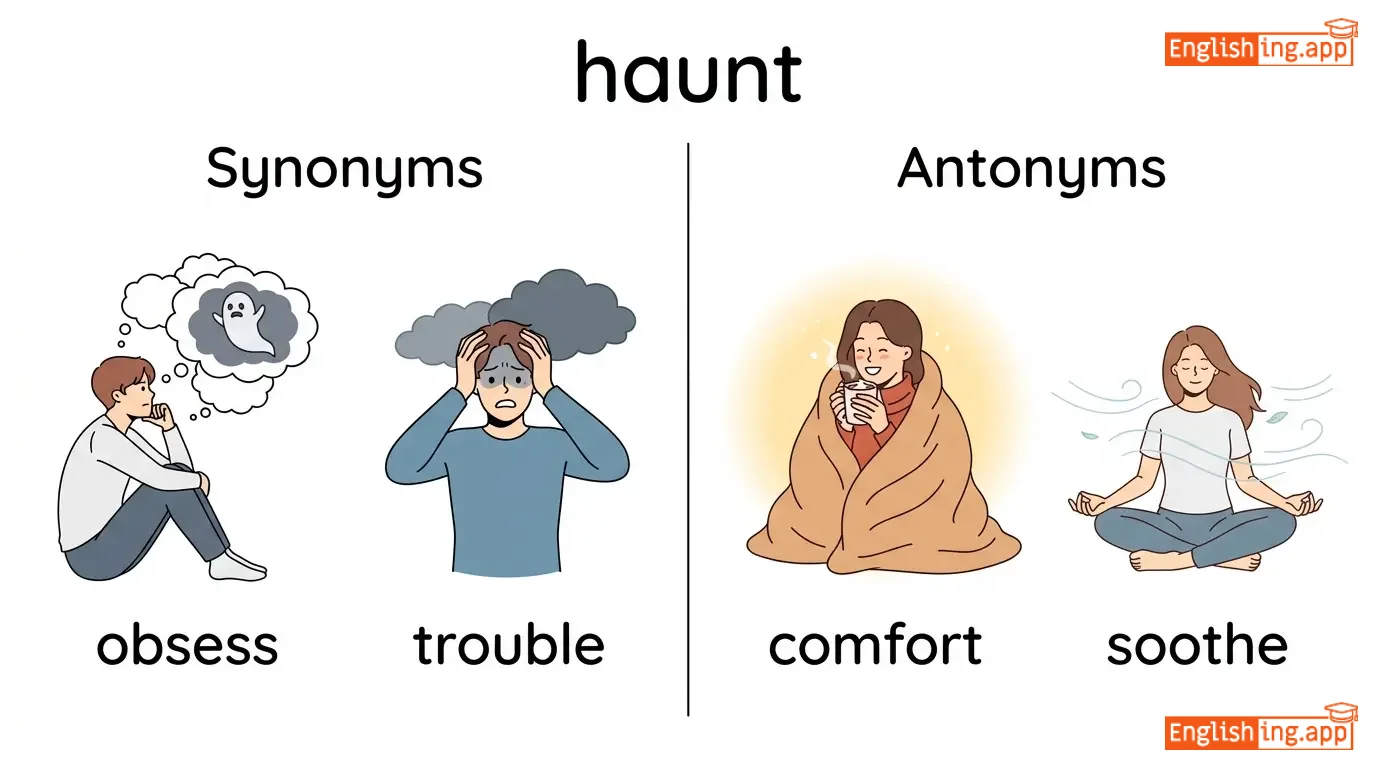
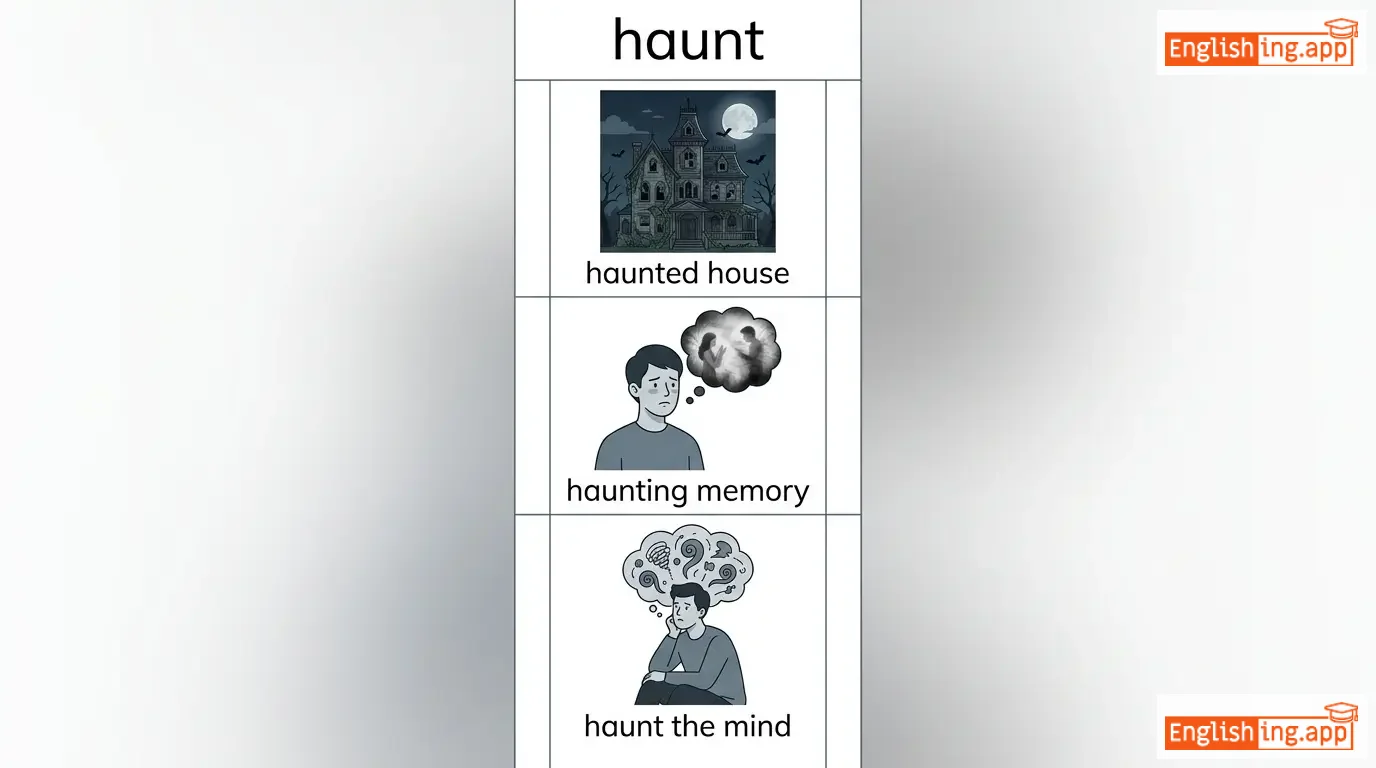
to trouble persistently; to visit as a ghost
••••••
|
The old memories still haunt me.
老旧的记忆仍然困扰着我。
••••••
|
旧的记忆仍然困扰着我。
Jiù de jìyì réngrán kùnrǎo zhe wǒ.
••••••
|
torment, plague, trouble, obsess
••••••
|
comfort, soothe, please, delight
••••••
|
haunt memories, haunt dreams, haunted house, haunt forever, ghost haunt, haunt thoughts
••••••
|
就像幽灵一样的‘困扰’,一直存在。
••••••
|
|
#437
🙏
|
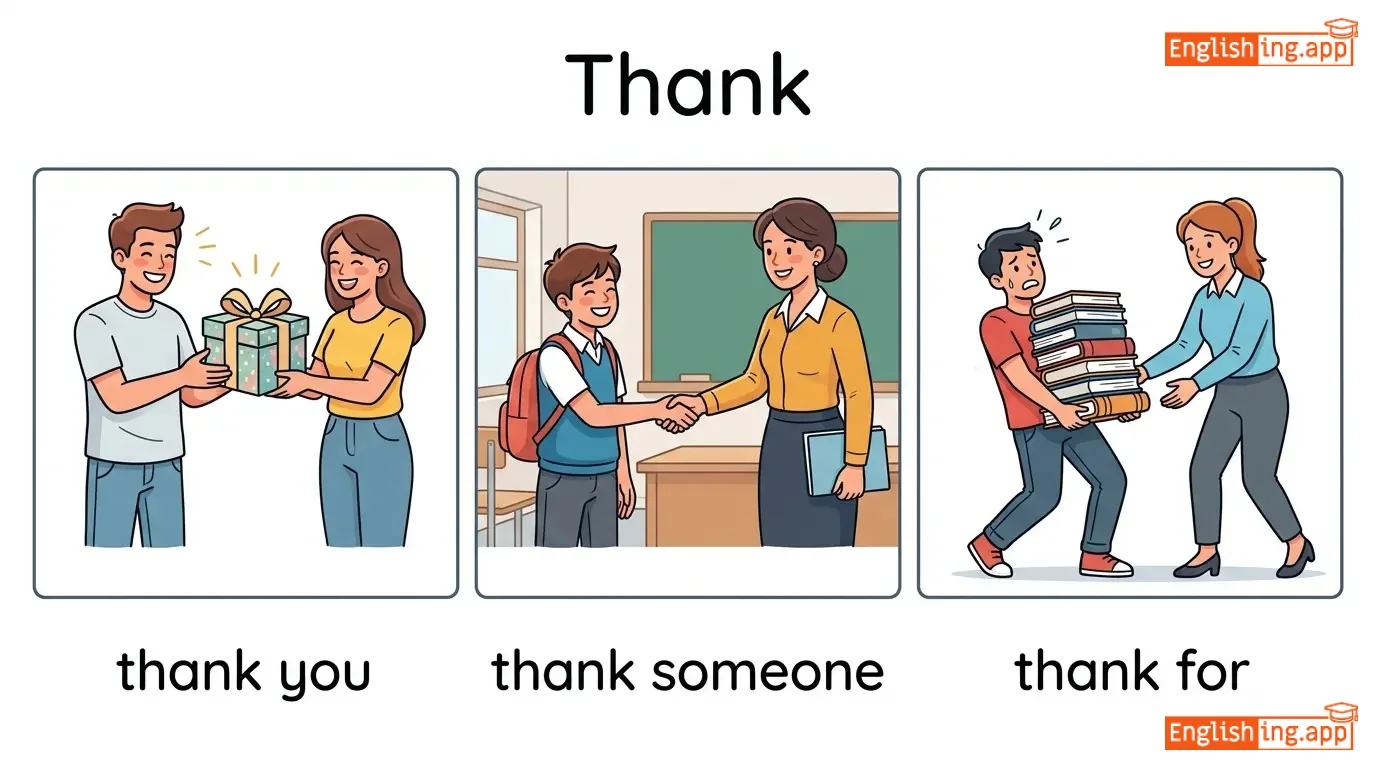
/θæŋk/
verb
(thæŋk)
••••••
|
|
感谢
gǎnxiè
••••••
|
Thanked
thæŋkt
••••••
|
Thanked
thæŋkt
••••••
|
Thanks
thæŋks
••••••
|
Thanking
θæŋkɪŋ
••••••
|
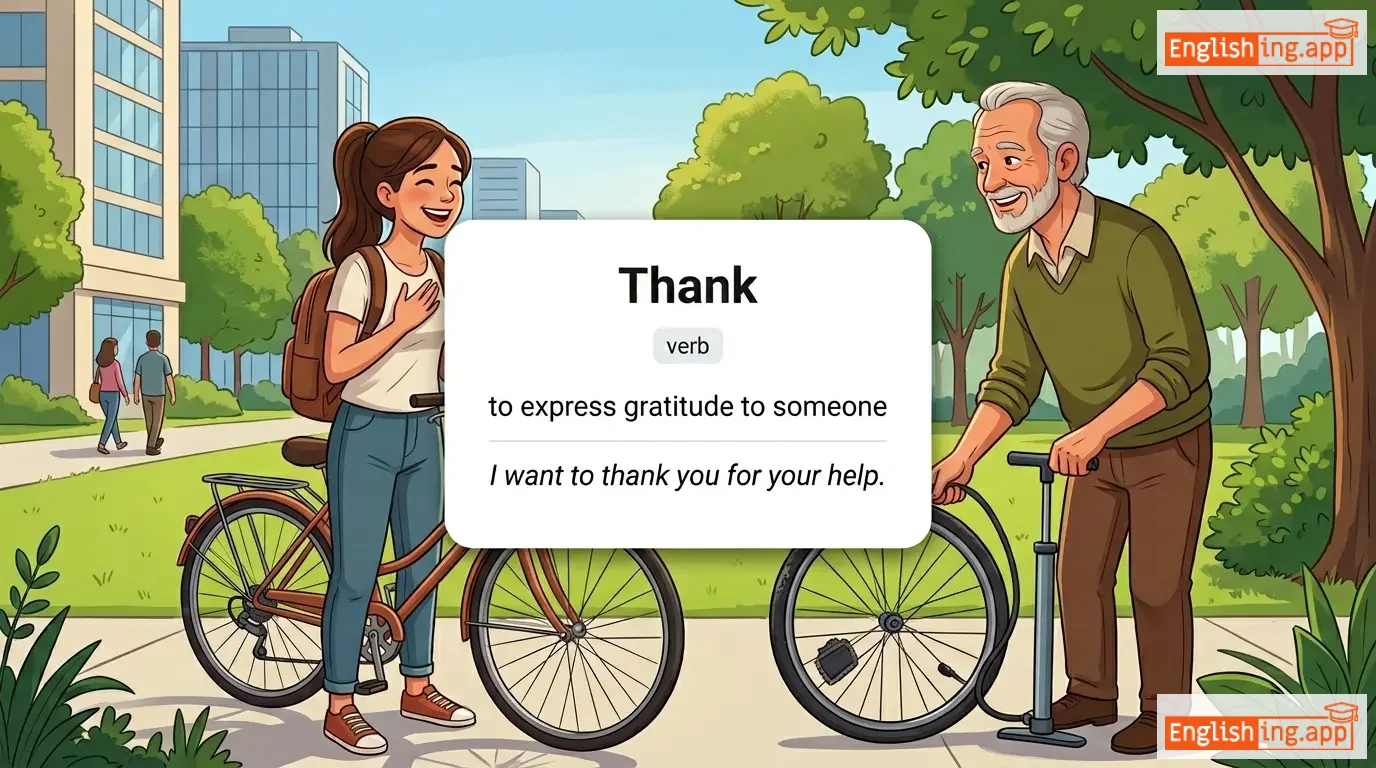
to express gratitude or appreciation to someone
••••••
|
She thanked her teacher for the extra help.
她感谢她的老师的额外帮助。
••••••
|
她感谢她的老师的额外帮助。
Tā gǎnxiè tā de lǎoshī de éwài bāngzhù.
••••••
|
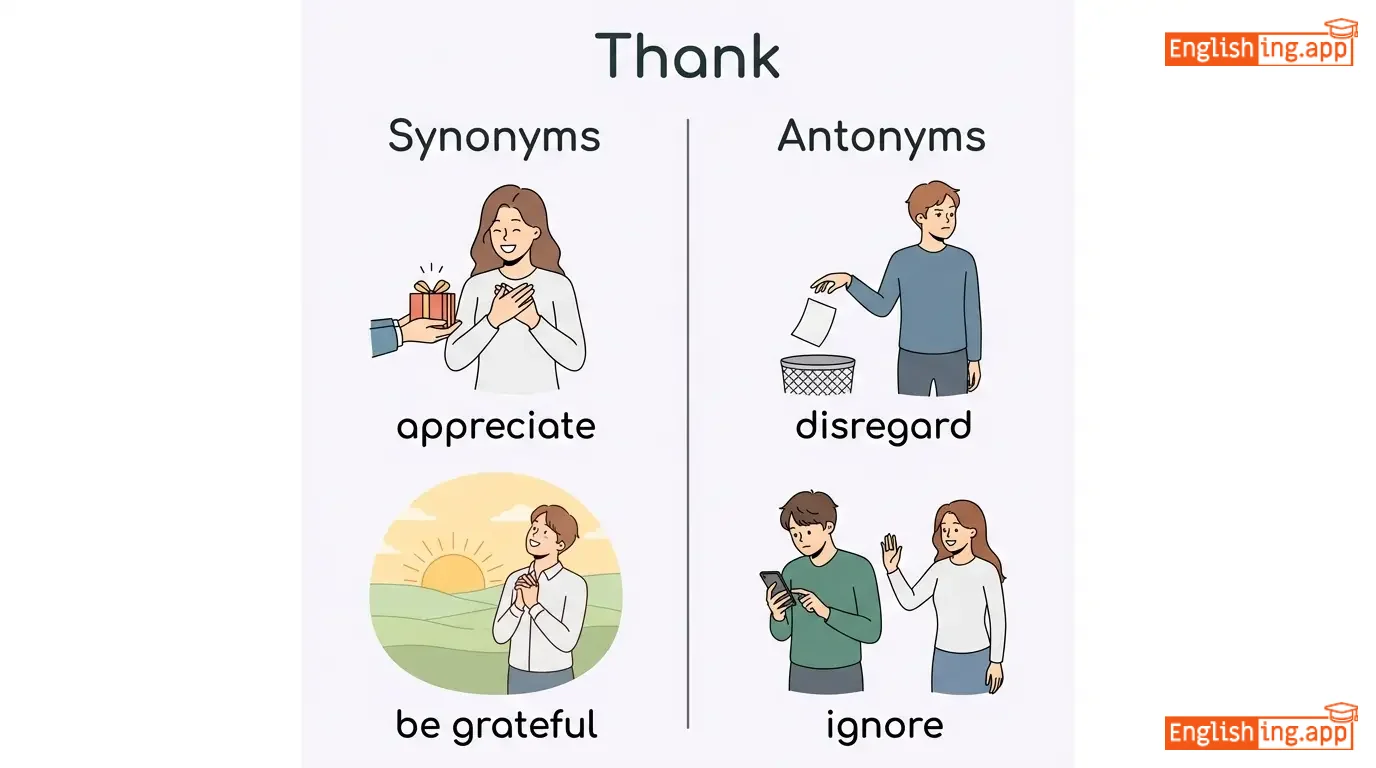
appreciate, acknowledge, praise, recognize
••••••
|
blame, criticize, condemn, ungrateful
••••••
|
thank you, thank God, give thanks, thank personally, thank publicly, heartfelt thanks
••••••
|
In Chinese, '感谢' (gǎnxiè) sounds like 'grateful thanks'.
••••••
|
|
#438
📍
|
/pʊt/
verb
(put)
••••••
|
|
放
fang
••••••
|
put
put
••••••
|
put
put
••••••
|
puts
puts
••••••
|
putting
putting
••••••
|
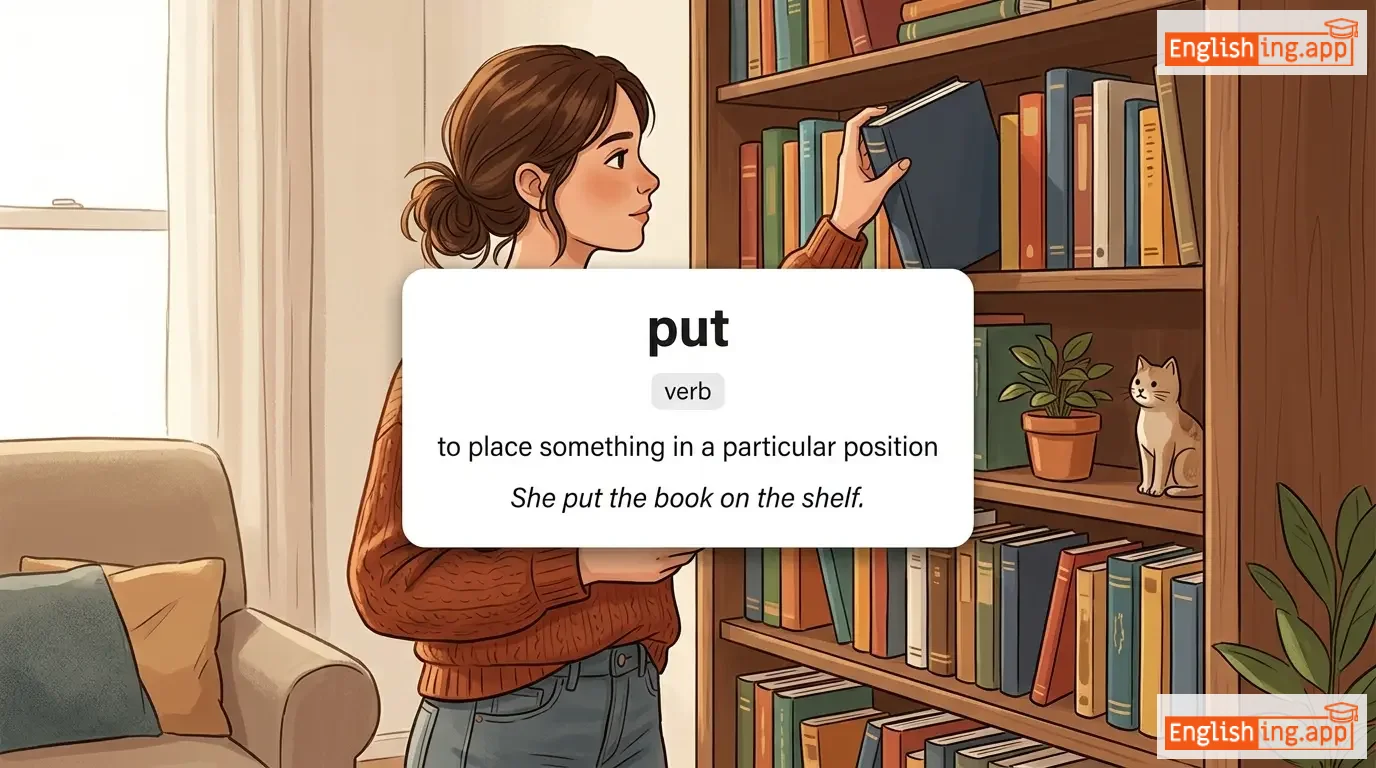
to place something in a particular position; to move to a location
••••••
|
Please put the book on the table.
请把书放在桌子上。
••••••
|
请把书放在桌子上。
Qing ba shu fang zai zhuozi shang.
••••••
|
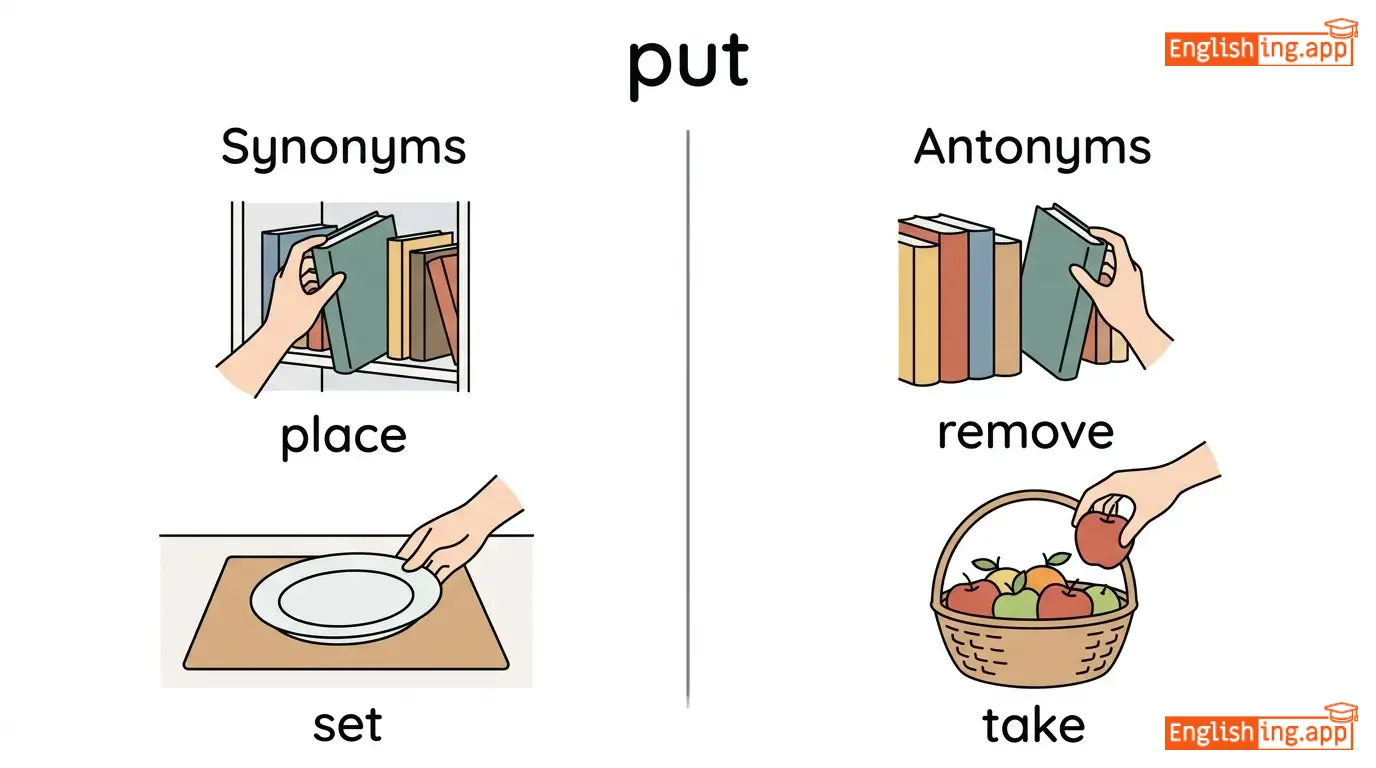
place, set, position, lay
••••••
|
remove, take, lift, withdraw
••••••
|
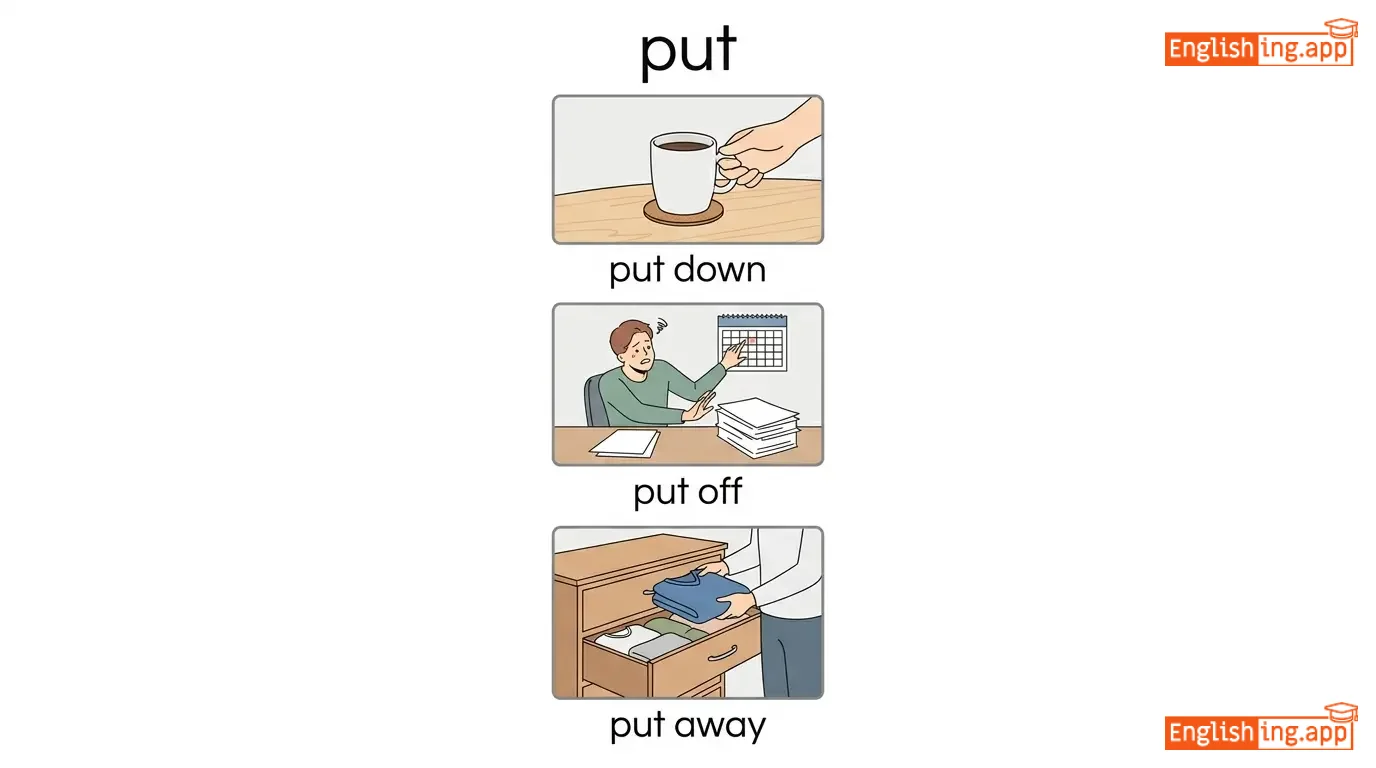
put down, put away, put together, put forward, put pressure, put effort
••••••
|
‘Put’ and ‘放’ share a similar meaning of placing things.
••••••
|
|
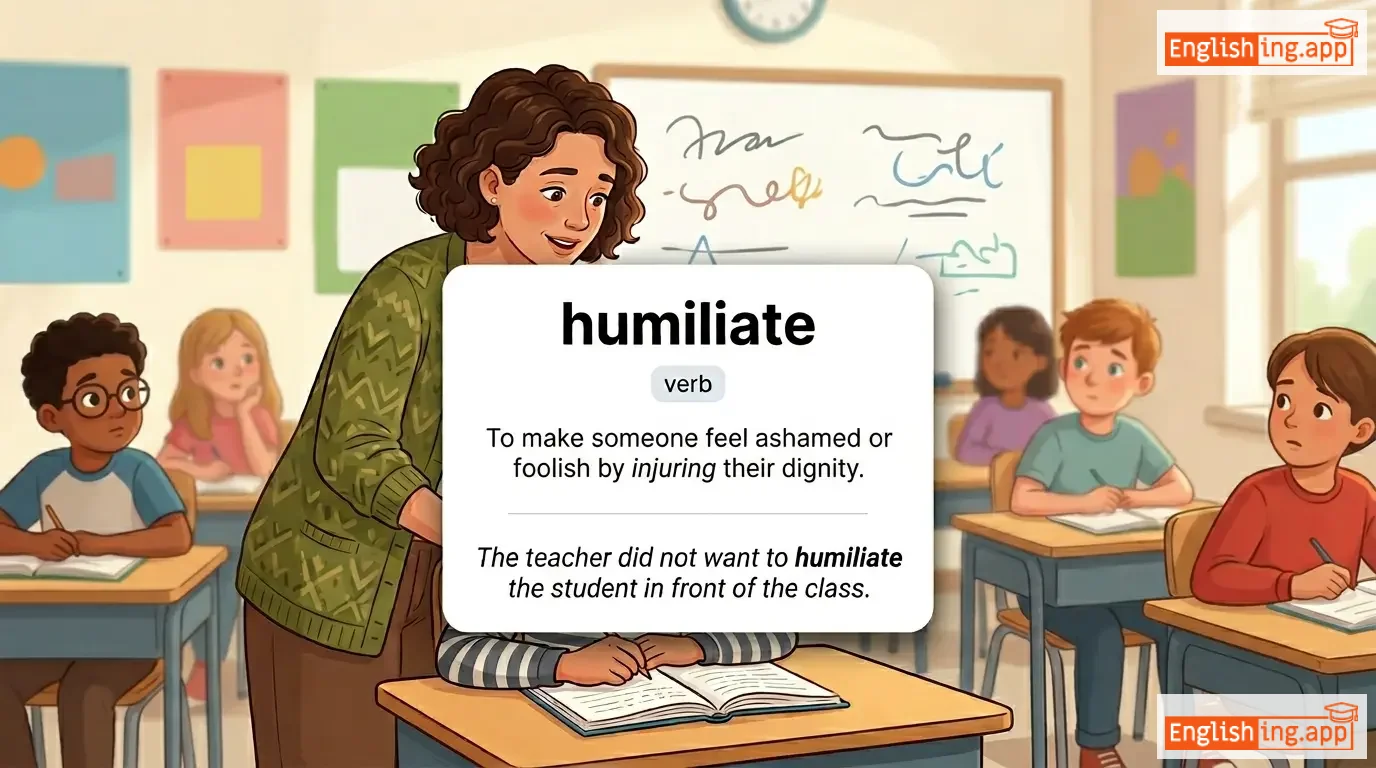
#439
😳
|
/hjuːˈmɪlieɪt/
verb
(hjuːˈmɪlɪˌeɪt)
••••••
|
|
侮辱
wǔrǔ
••••••
|
humiliated
hjuːˈmɪlɪˌeɪtɪd
••••••
|
humiliated
hjuːˈmɪlɪˌeɪtɪd
••••••
|
humiliates
hjuːˈmɪlɪˌeɪts
••••••
|
humiliating
hjuːˈmɪlɪˌeɪtɪŋ
••••••
|
to make someone feel ashamed or foolish by injuring their dignity
••••••
|
He was humiliated by his public failure.
他因公共失败而感到羞辱。
••••••
|
他因公共失败而感到羞辱。
Tā yīn gōnggòng shībài ér gǎndào xiūrǔ.
••••••
|
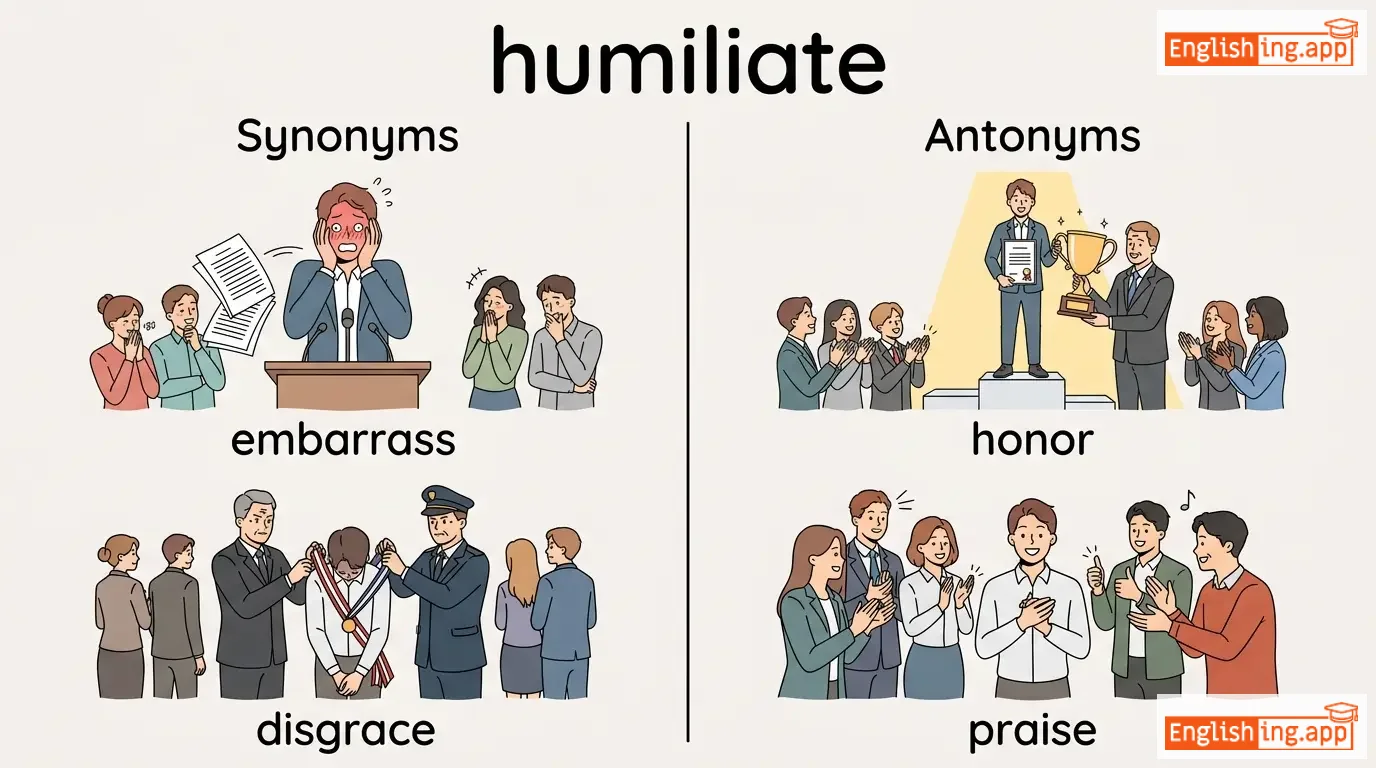
shame, embarrass, degrade, mortify
••••••
|
honor, respect, praise, dignify
••••••
|
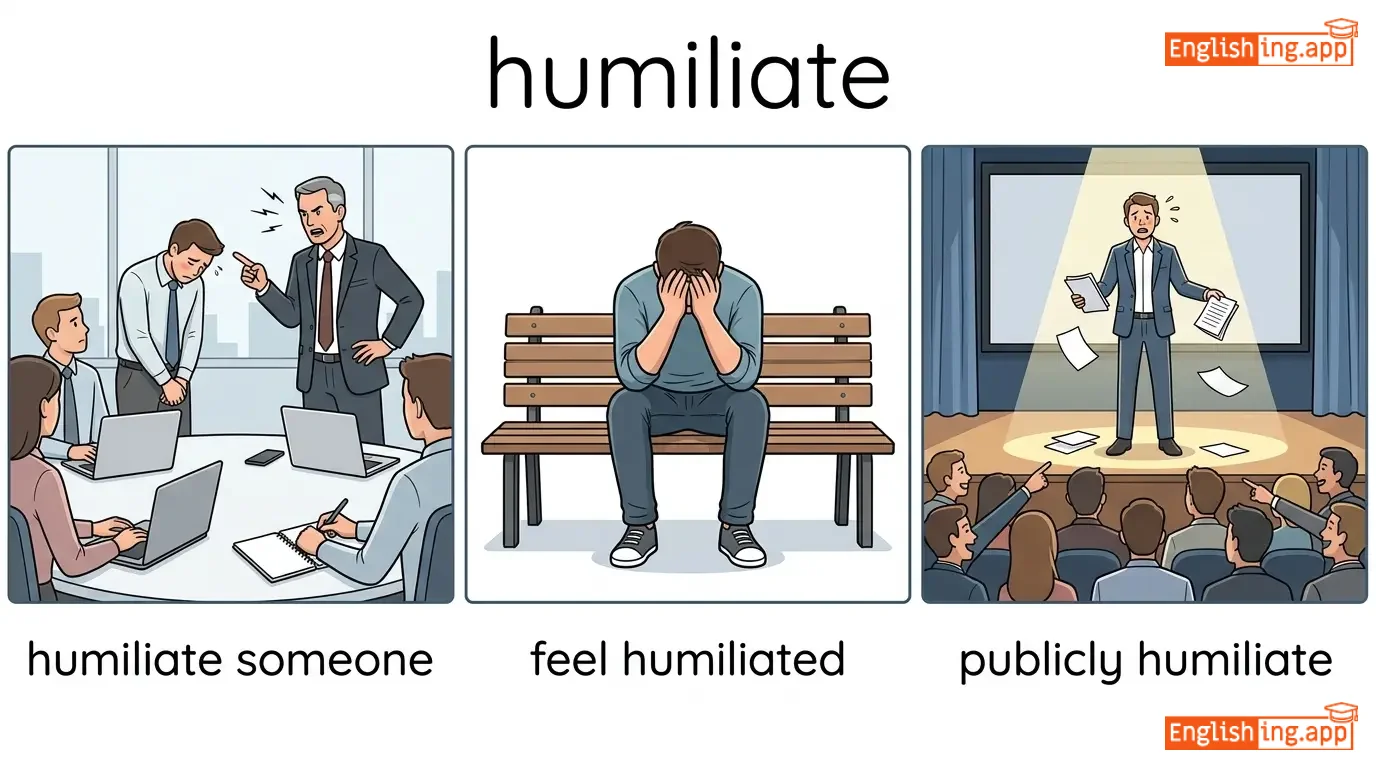
publicly humiliate, deeply humiliate, completely humiliate, feel humiliated, humiliate opponent
••••••
|
侮辱意味着通过伤害他人的尊严让他们感到羞耻。
••••••
|
|
#440
🔧
|
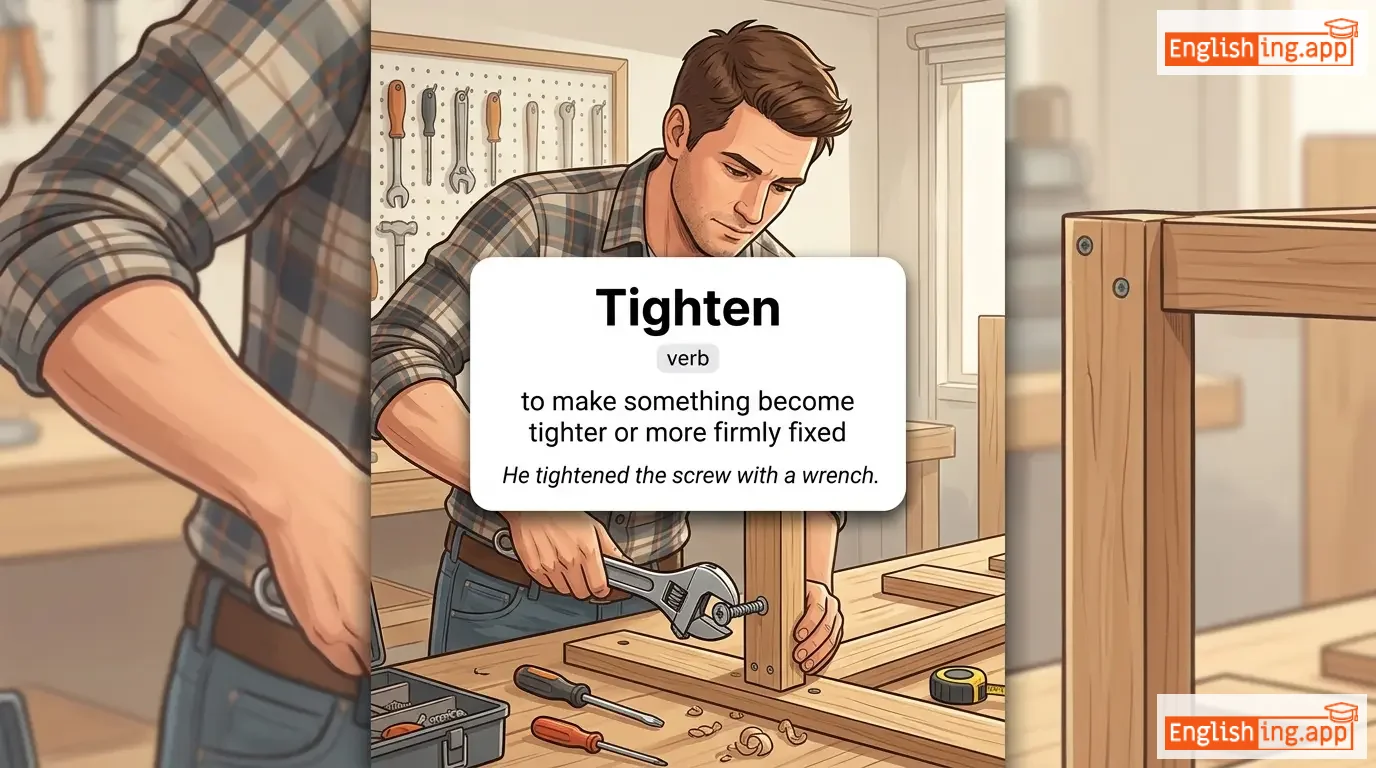
/ˈtaɪtən/
verb
(tái tèn)
••••••
|
|
拧紧
níng jǐn
••••••
|
Tightened
tái tènd
••••••
|
Tightened
tái tènd
••••••
|
Tightens
tái tèns
••••••
|
Tightening
tái tèníng
••••••
|
to make something more secure or less loose
••••••
|
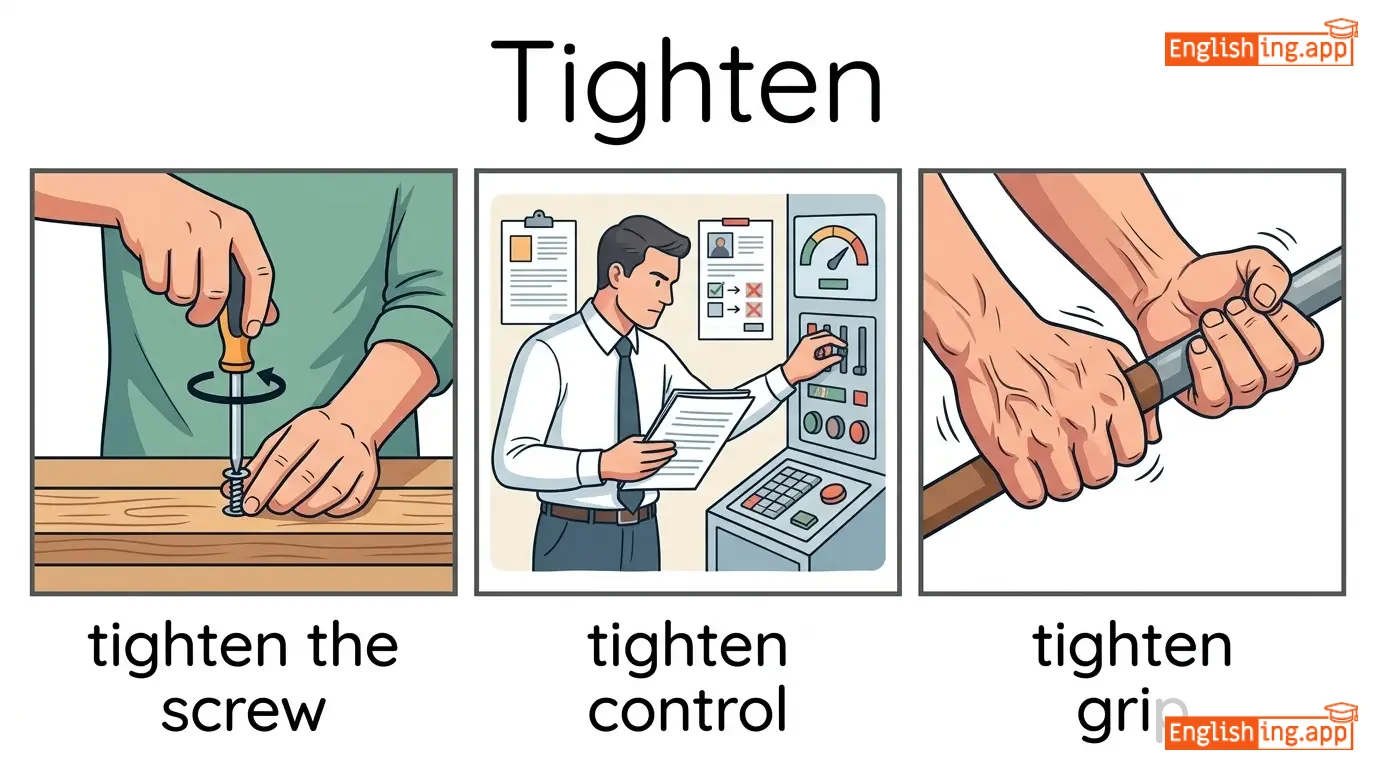
He tightened the screws to secure the shelf.
他拧紧了螺丝以固定架子。
••••••
|
他拧紧了螺丝以固定架子。
Tā níng jǐnle luósī yǐ gùdìng jiàzi.
••••••
|
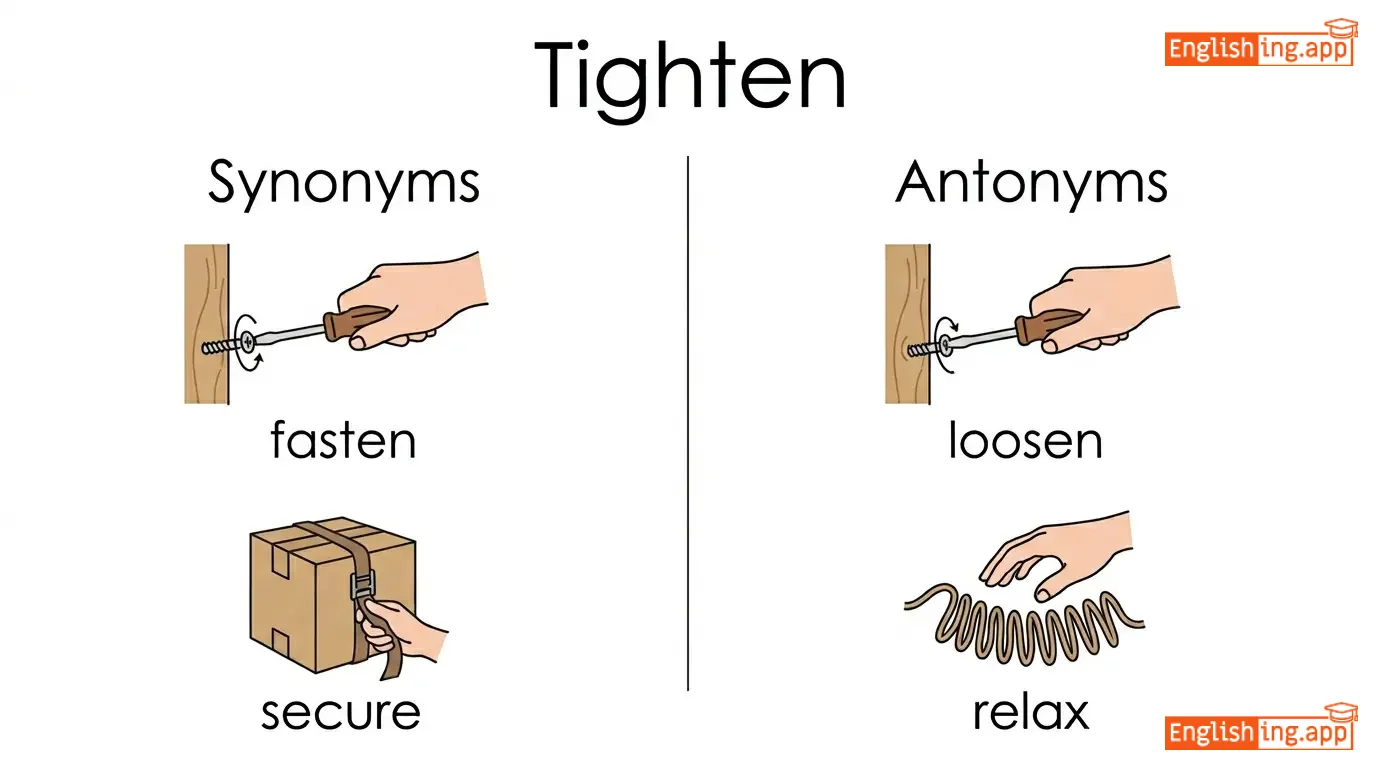
secure, fasten, strengthen, firm
••••••
|
loosen, relax, slacken, weaken
••••••
|
tighten belt, tighten screws, tighten security, tighten grip, tighten controls, tighten budget
••••••
|
拧紧 means tighten in Chinese, like tightening screws to secure something.
••••••
|
|
#441
🏹
|
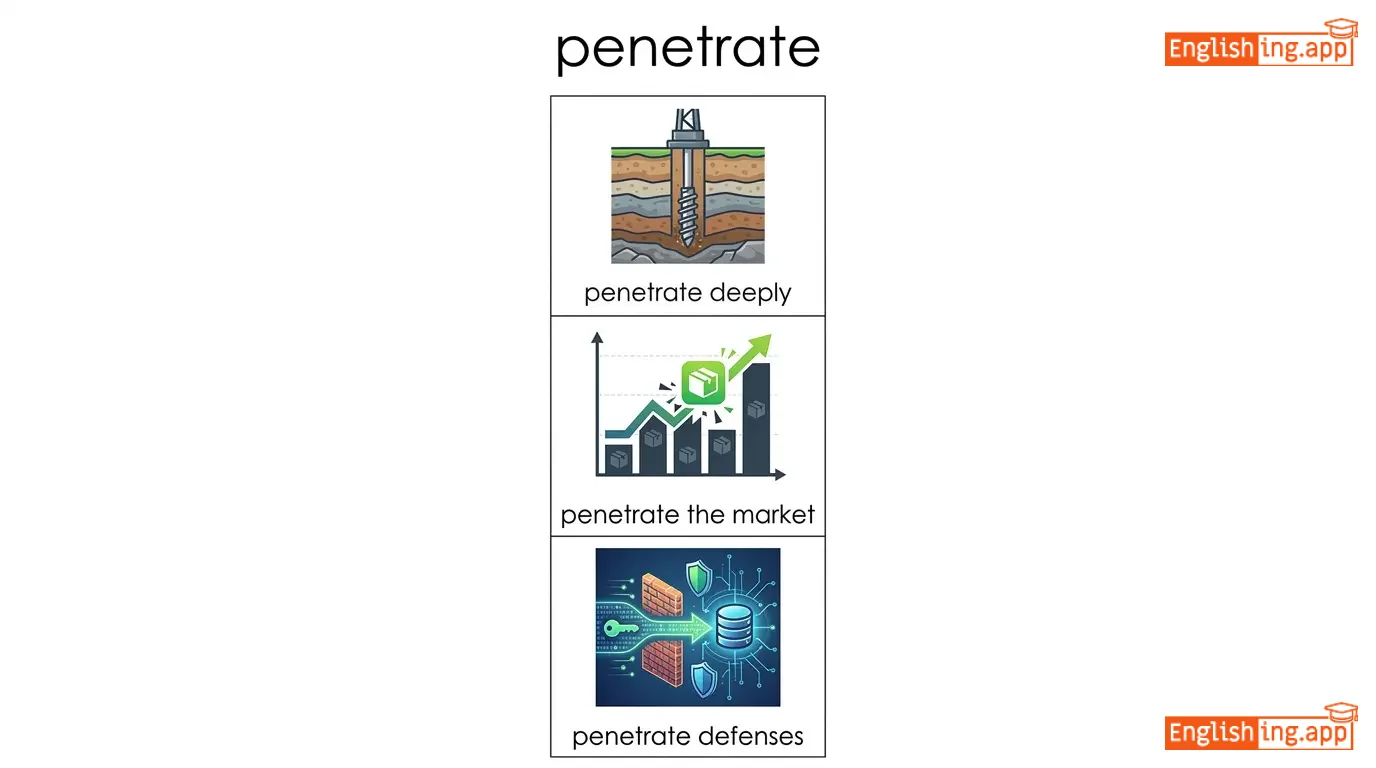
/ˈpenɪtreɪt/
verb
(穿透)
••••••
|
|
穿透
chuāntòu
••••••
|
penetrated
穿透
••••••
|
penetrated
穿透
••••••
|
penetrates
穿透
••••••
|
penetrating
穿透中
••••••
|
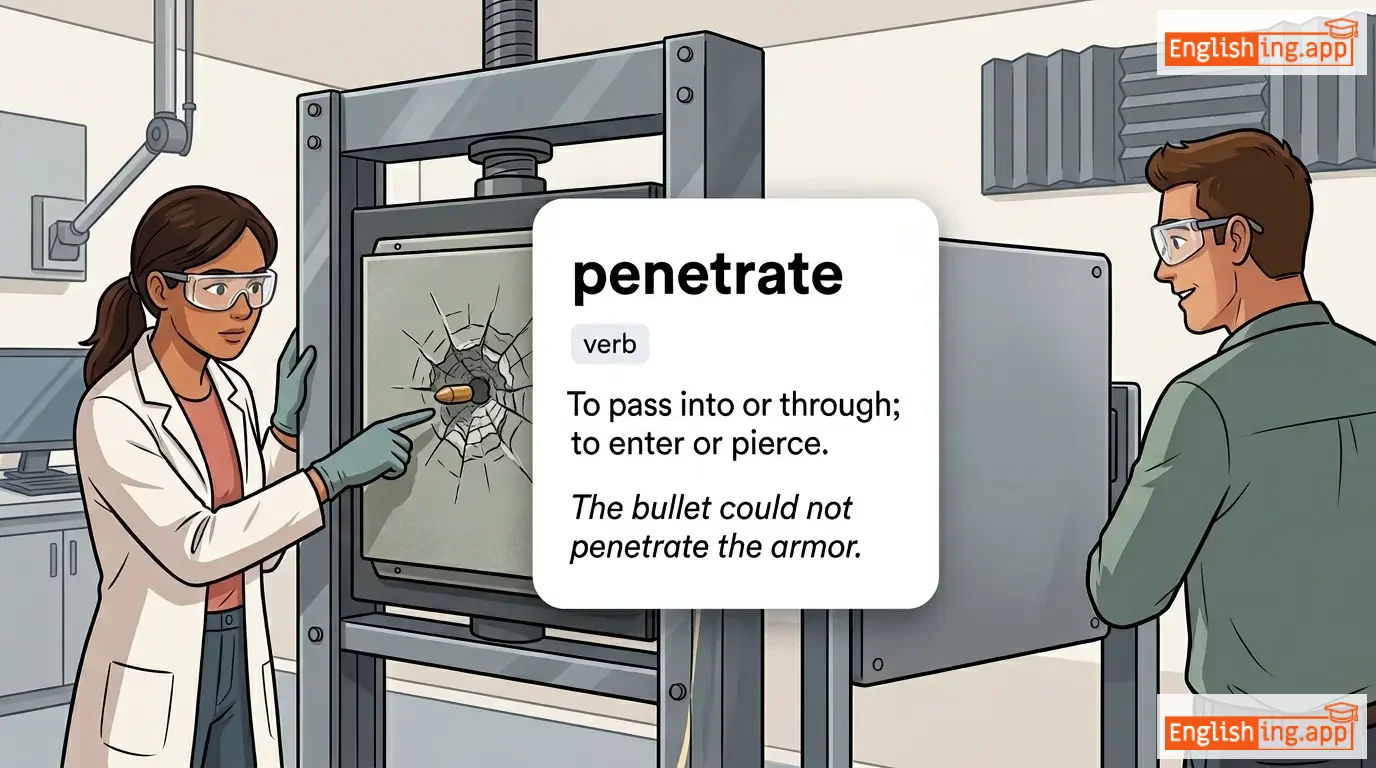
to go into or through something; to understand something deeply
••••••
|
The bullet penetrated the wall.
子弹穿透了墙壁。
••••••
|
子弹穿透了墙壁。
Zǐdàn chuāntòu le qiángbì.
••••••
|
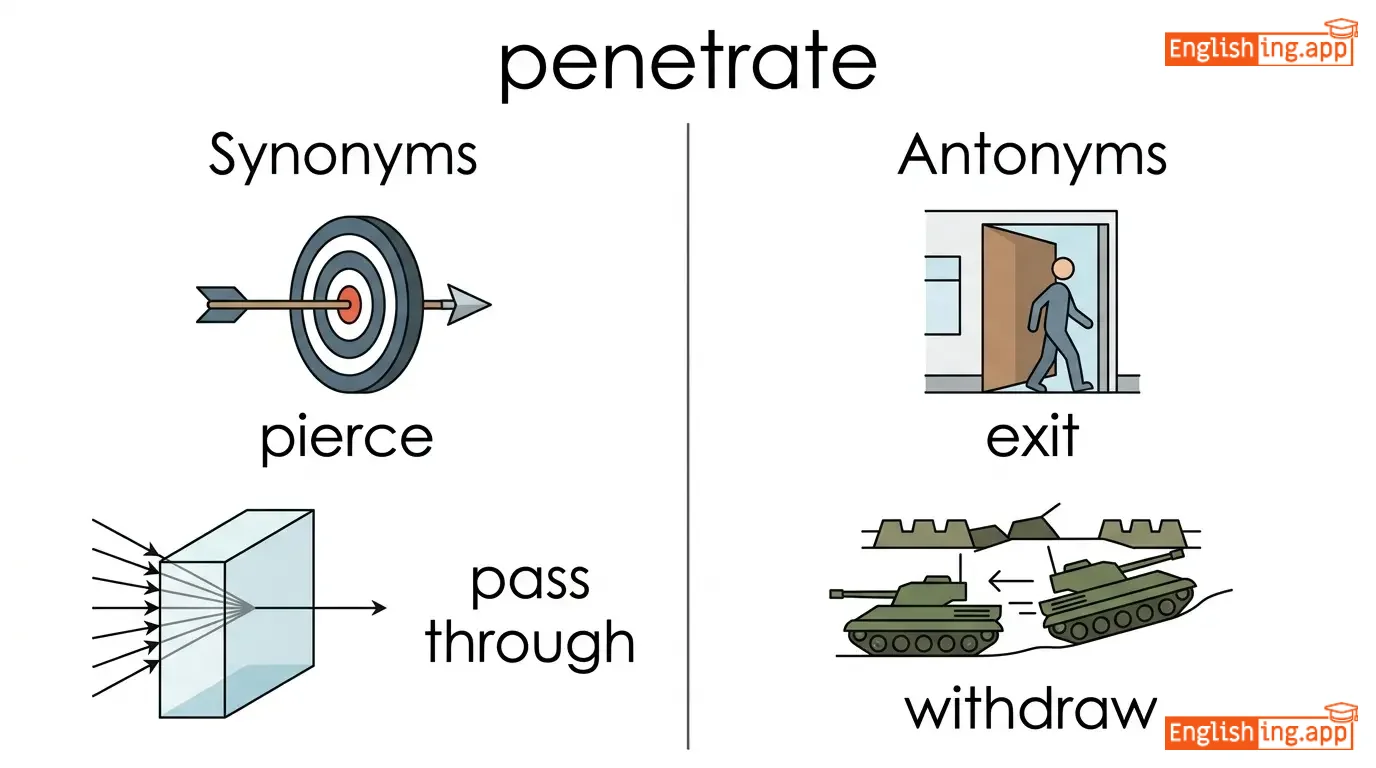
pierce, enter, infiltrate, permeate
••••••
|
exit, leave, surface
••••••
|
penetrate deeply, penetrate market, penetrate defense, penetrate surface, penetrate barriers
••••••
|
穿透 = 穿过墙壁,深入了解
••••••
|
|
#442
💭
|
/wɑːnt/
verb
(want)
••••••
|
|
想要
xiang yao
••••••
|
wanted
wanted
••••••
|
wanted
wanted
••••••
|
wants
wants
••••••
|
wanting
wanting
••••••
|
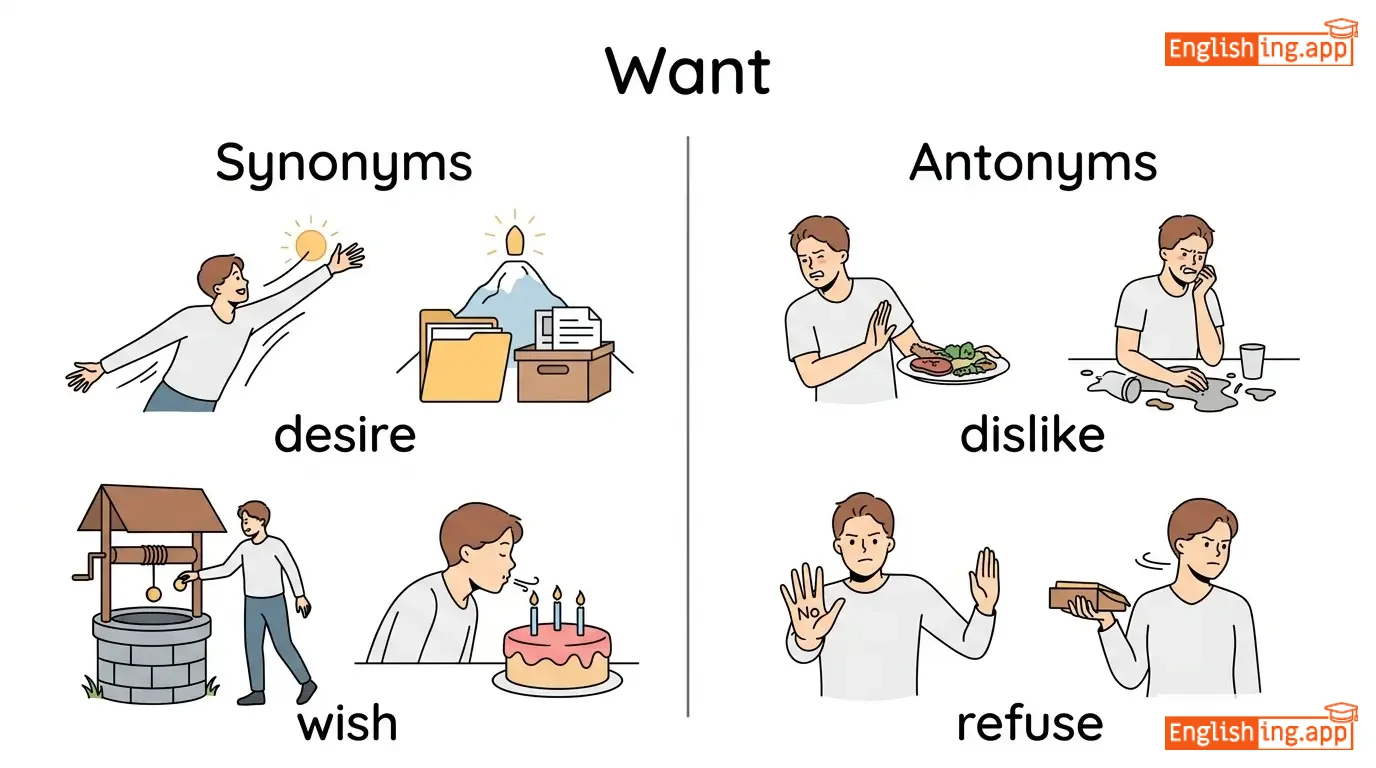
to have a desire for; to wish for something
••••••
|
I want to learn a new language this year.
我今年想学习一门新语言。
••••••
|
我今年想学习一门新语言。
Wo jin nian xiang xuexi yi men xin yuyan.
••••••
|
desire, wish, need, crave
••••••
|
reject, refuse, dislike, avoid
••••••
|
want badly, really want, want more, want less, want desperately, want something
••••••
|
想要表示渴望得到某物,像你想学一门新语言。
••••••
|
|
#443
😲
|
/ɡeɪp/
verb
(ɡeɪp)
••••••
|
|
张嘴凝视
zhāng zuǐ níng shì
••••••
|
gaped
ɡeɪpt
••••••
|
gaped
ɡeɪpt
••••••
|
gapes
ɡeɪps
••••••
|
gaping
ɡeɪpɪŋ
••••••
|
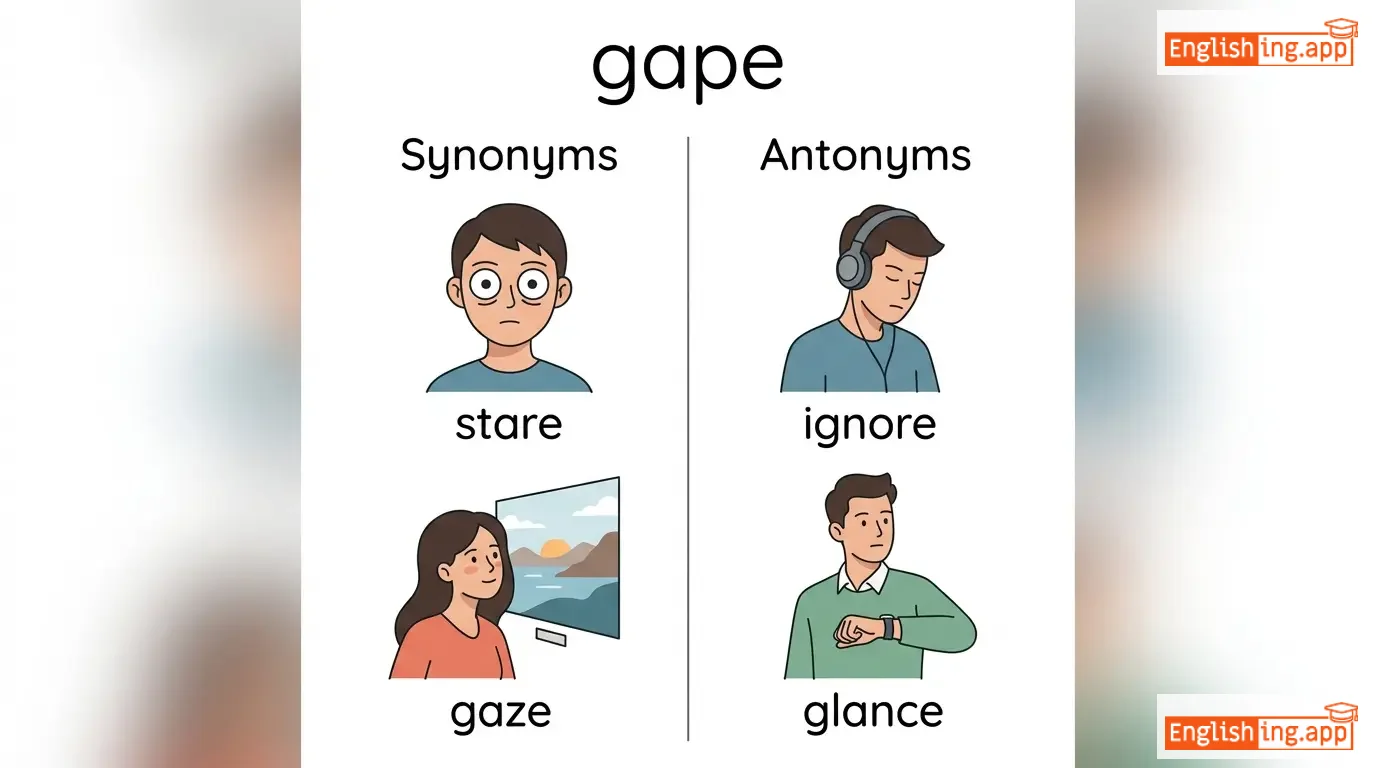
to stare with mouth wide open; to be wide open
••••••
|
The crowd gaped at the amazing magic trick.
人群睁大眼睛,惊讶地看着魔术表演。
••••••
|
人群睁大眼睛,惊讶地看着魔术表演。
Rénqún zhēng dà yǎnjīng, jīngyà de kànzhe móshù biǎoyǎn.
••••••
|
stare, gawk, ogle, wonder
••••••
|
ignore, close, avert, look away
••••••
|
gape open, gape wide, gape in amazement, gaping hole, gaping wound, gape mouth
••••••
|
想象你被魔术表演惊呆了,嘴巴都张开了!
••••••
|
|
#444
⏳
|
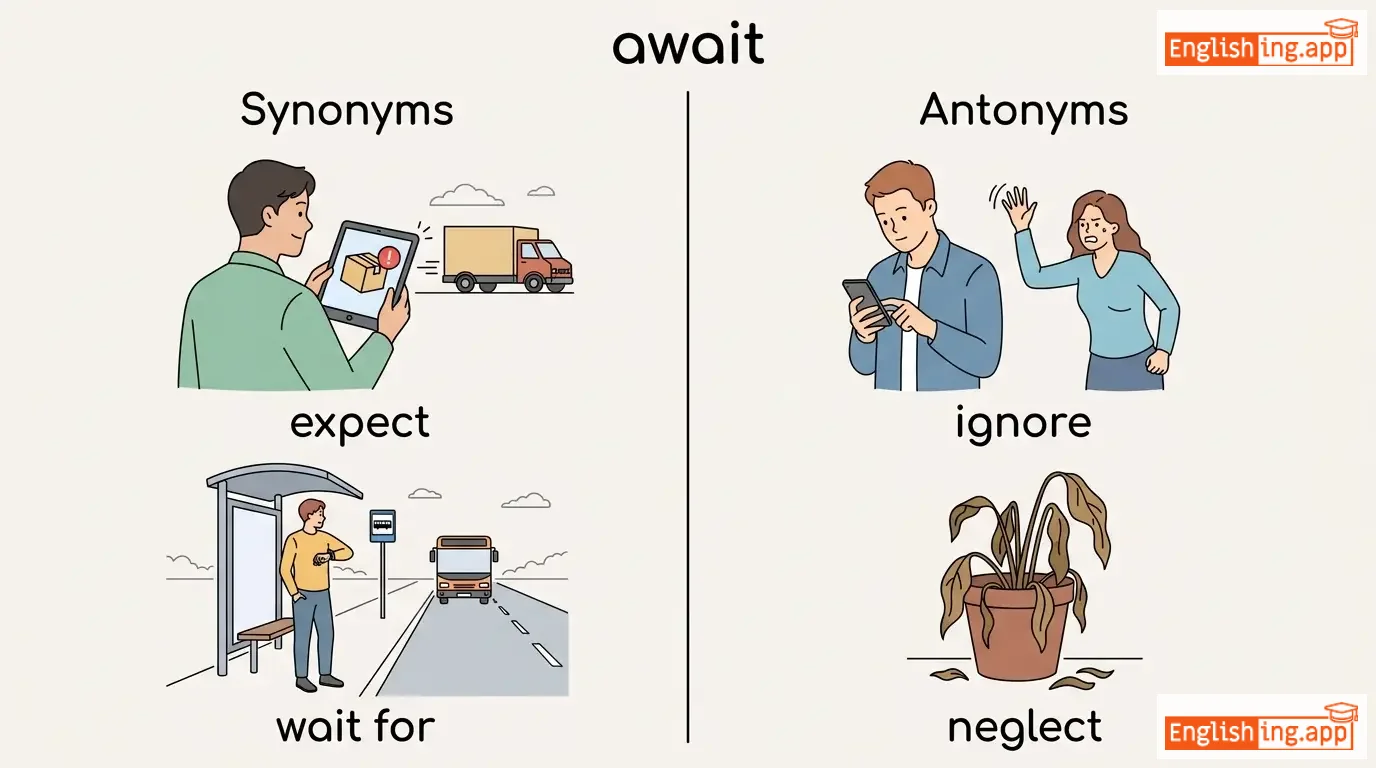
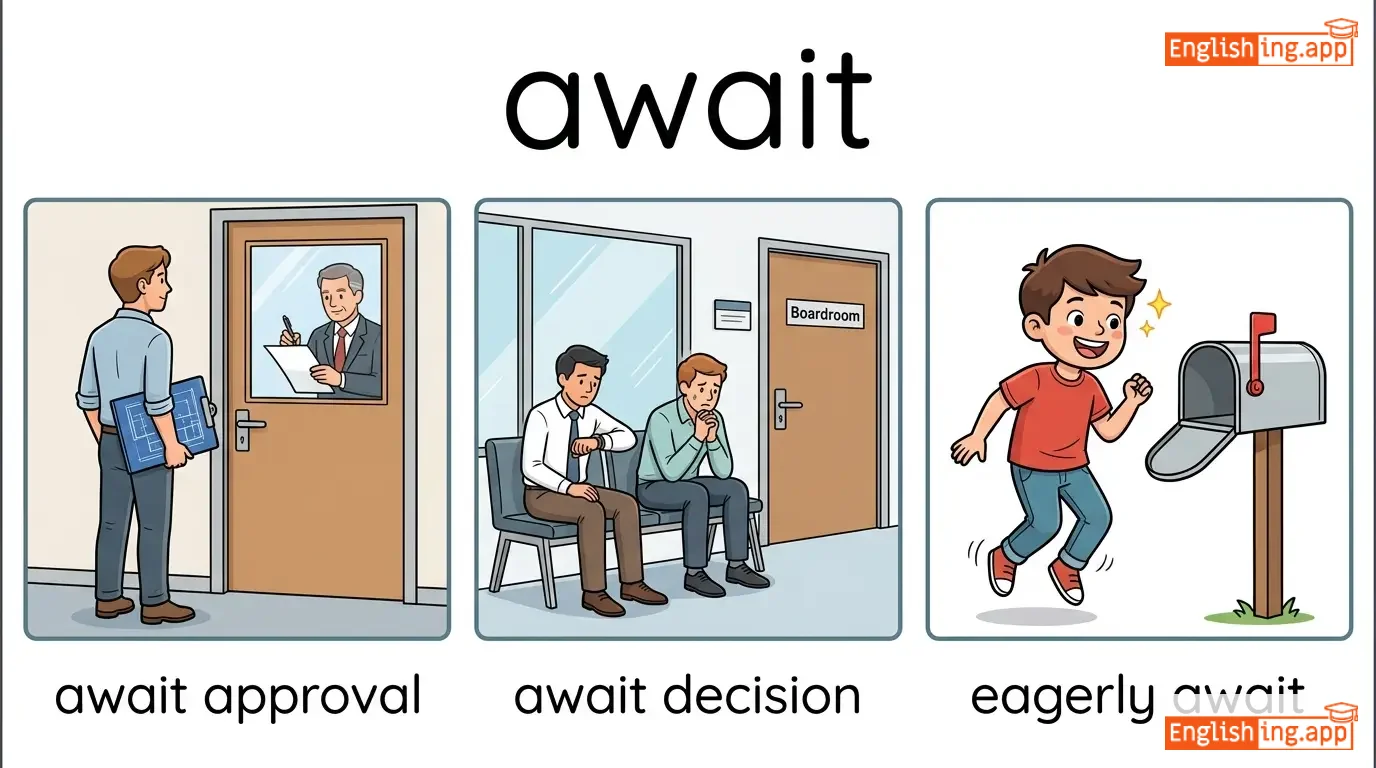
/əˈweɪt/
verb
(艾维特)
••••••
|
|
等待
deng dai
••••••
|
awaited
艾维特德
••••••
|
awaited
艾维特德
••••••
|
awaits
艾维特斯
••••••
|
awaiting
艾维廷
••••••
|
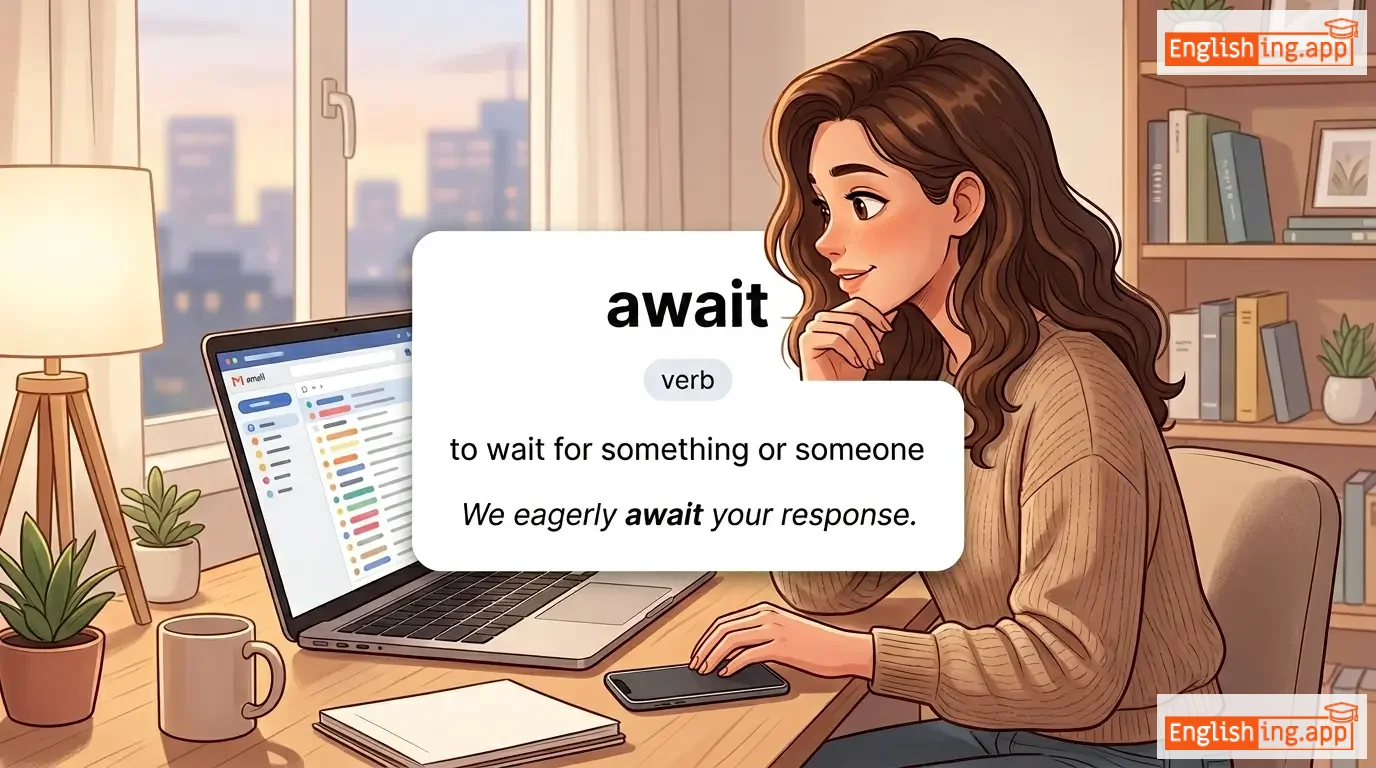
to wait for someone or something; to expect
••••••
|
We await your response with great anticipation.
我们满怀期待地等待你的回应。
••••••
|
我们满怀期待地等待你的回应。
Wo men man huai qi dai de deng dai ni de hui ying
••••••
|
wait for, expect, anticipate, hope for
••••••
|
ignore, abandon, give up, proceed
••••••
|
eagerly await, patiently await, anxiously await, await results, await decision, await arrival
••••••
|
等待意味着期待 (waiting means expecting)!
••••••
|
|
#445
🔗
|
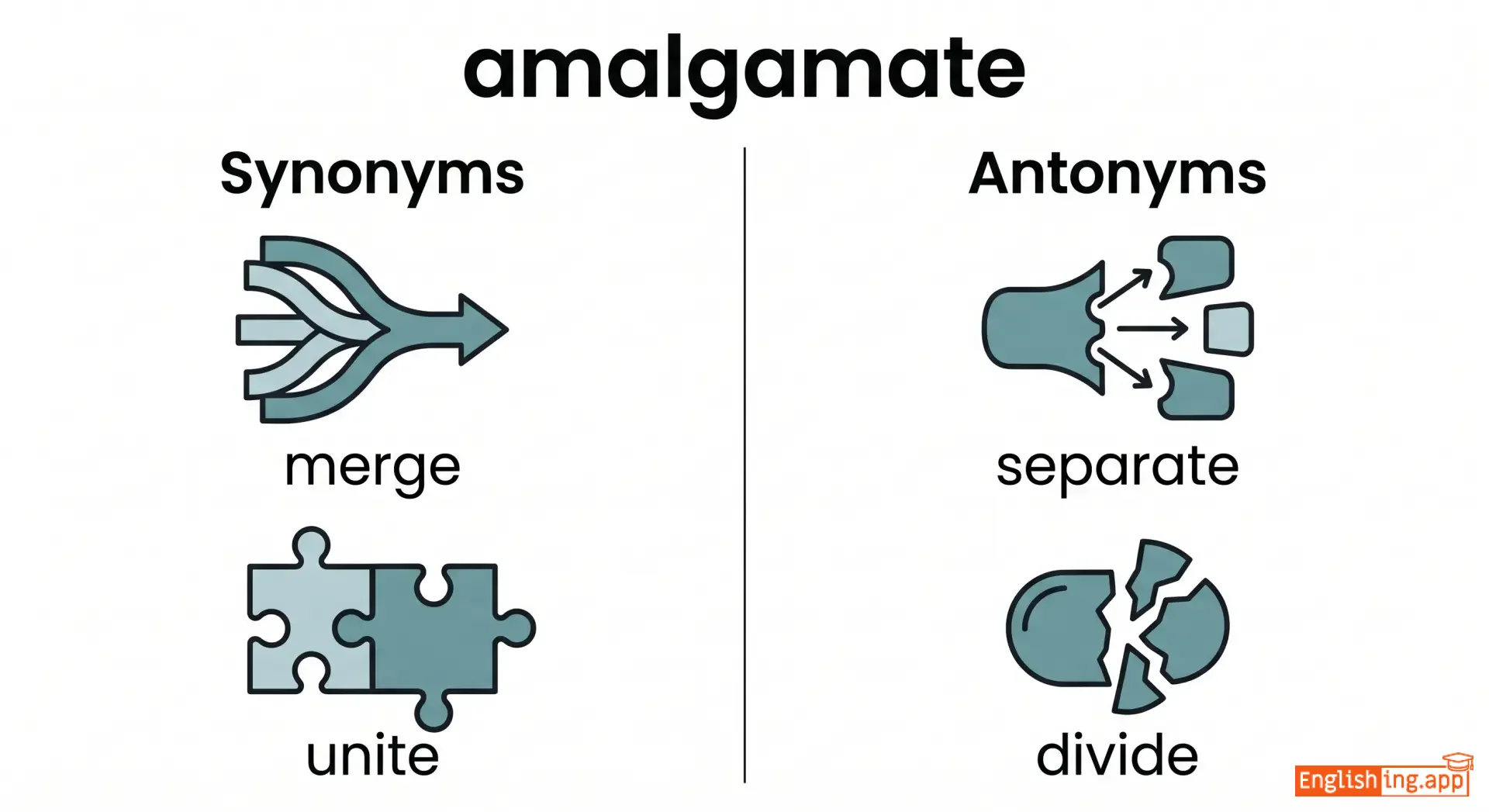
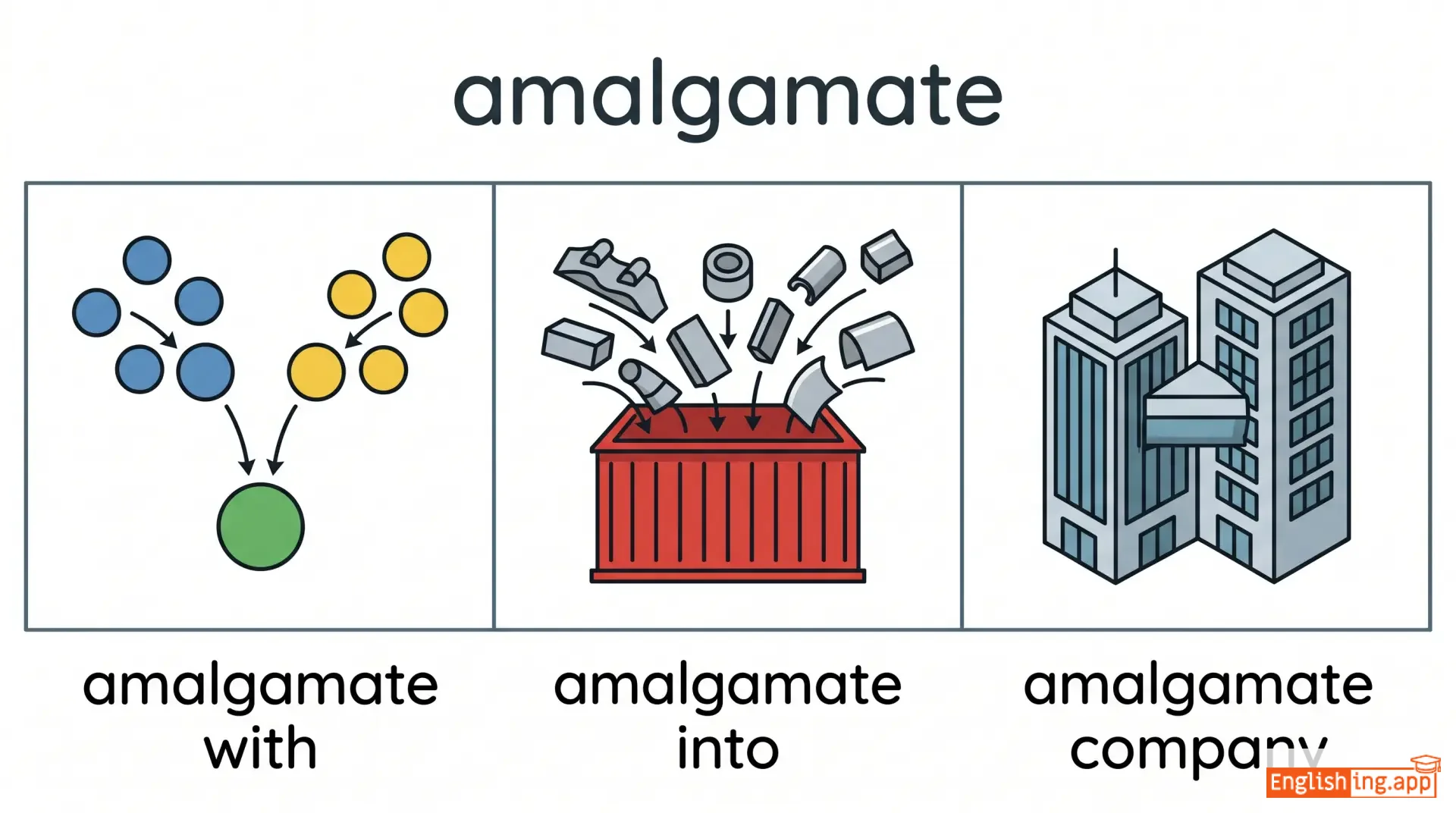
/əˈmælɡəmeɪt/
verb
(ā mǎ ěr gǎ mài tè)
••••••
|
|
合并
hé bìng
••••••
|
amalgamated
ā mǎ ěr gǎ mài tè de
••••••
|
amalgamated
ā mǎ ěr gǎ mài tè de
••••••
|
amalgamates
ā mǎ ěr gǎ mài tè sī
••••••
|
amalgamating
ā mǎ ěr gǎ mài tè zhōng
••••••
|
to combine or unite to form one organization or structure; to merge
••••••
|
The two companies decided to amalgamate their operations.
这两家公司决定合并他们的运营。
••••••
|
这两家公司决定合并他们的运营。
Zhè liǎng jiā gōngsī juédìng hébìng tāmen de yùnyíng.
••••••
|
merge, combine, unite, blend
••••••
|
separate, divide, split, isolate
••••••
|
amalgamate companies, amalgamate operations, successfully amalgamate, amalgamate resources, amalgamate efforts
••••••
|
合并 (hé bìng) = merging for structure
••••••
|
|
#446
🐜
|
/ˈɛmɪt/
verb
(艾梅特)
••••••
|
|
蚂蚁
mǎ yǐ
••••••
|
emmetted
艾梅特德
••••••
|
emmetted
艾梅特德
••••••
|
emmets
艾梅特斯
••••••
|
emmetting
艾梅特廷
••••••
|
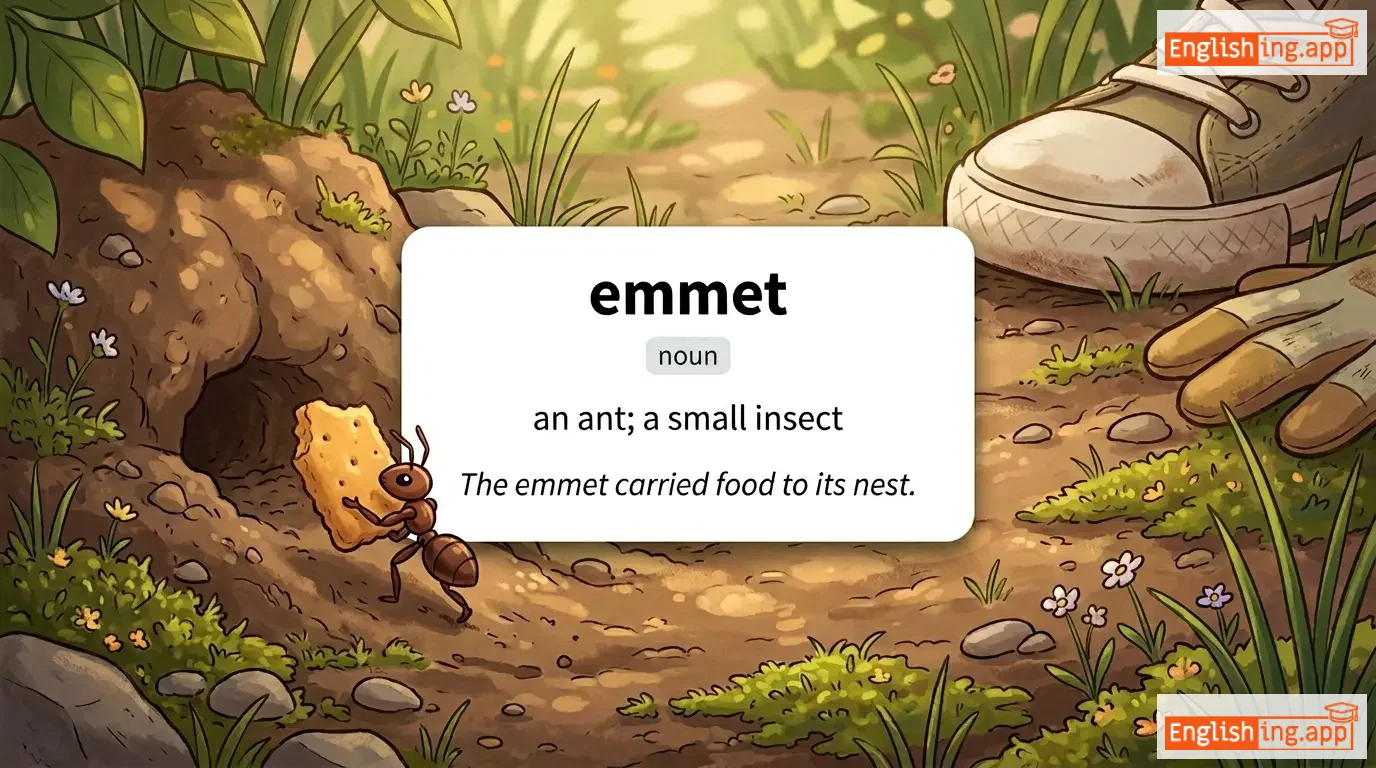
an ant; a small insect
••••••
|
The emmet carried food to its nest.
艾梅特把食物带到了它的巢穴。
••••••
|
蚂蚁把食物带到了它的巢穴。
Mǎ yǐ bǎ shíwù dài dào le tā de cháoxué.
••••••
|
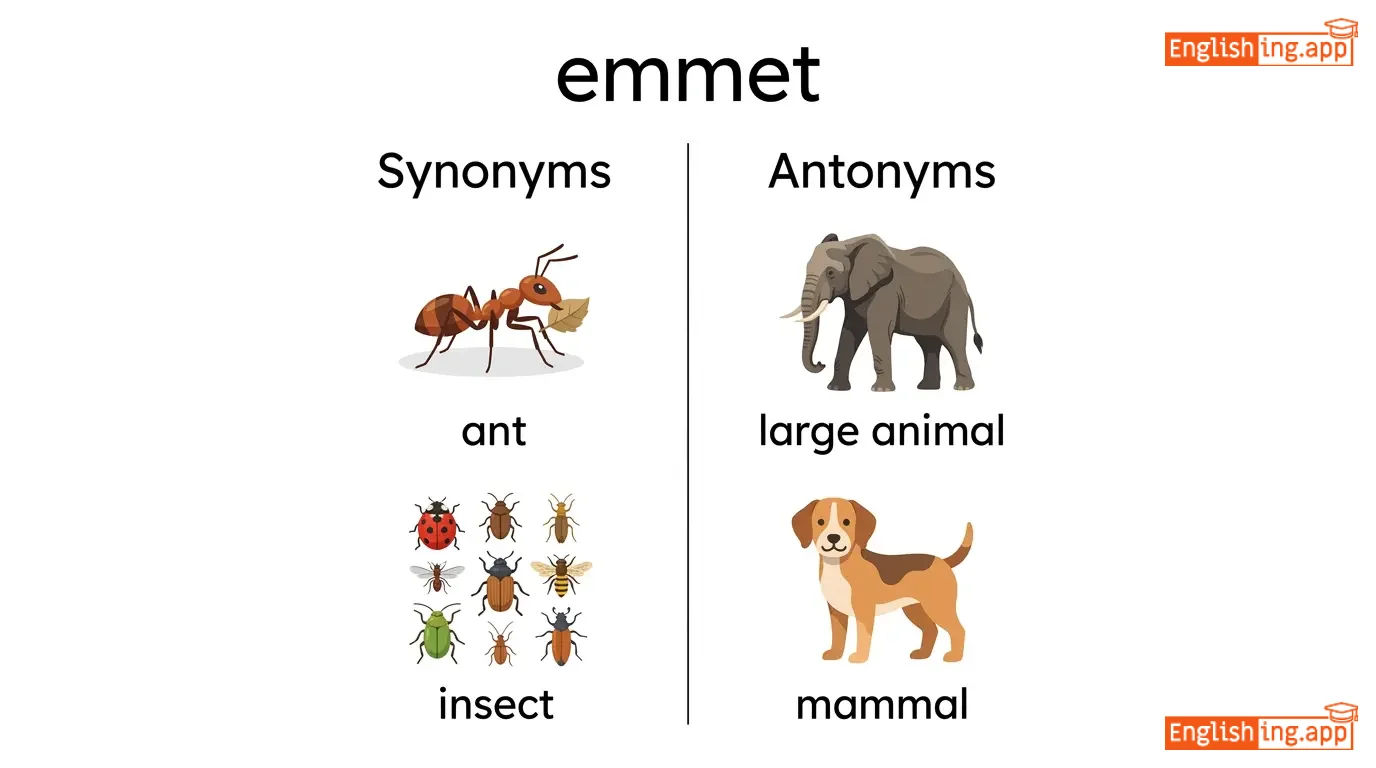
ant, insect
••••••
|
large animal, mammal
••••••
|
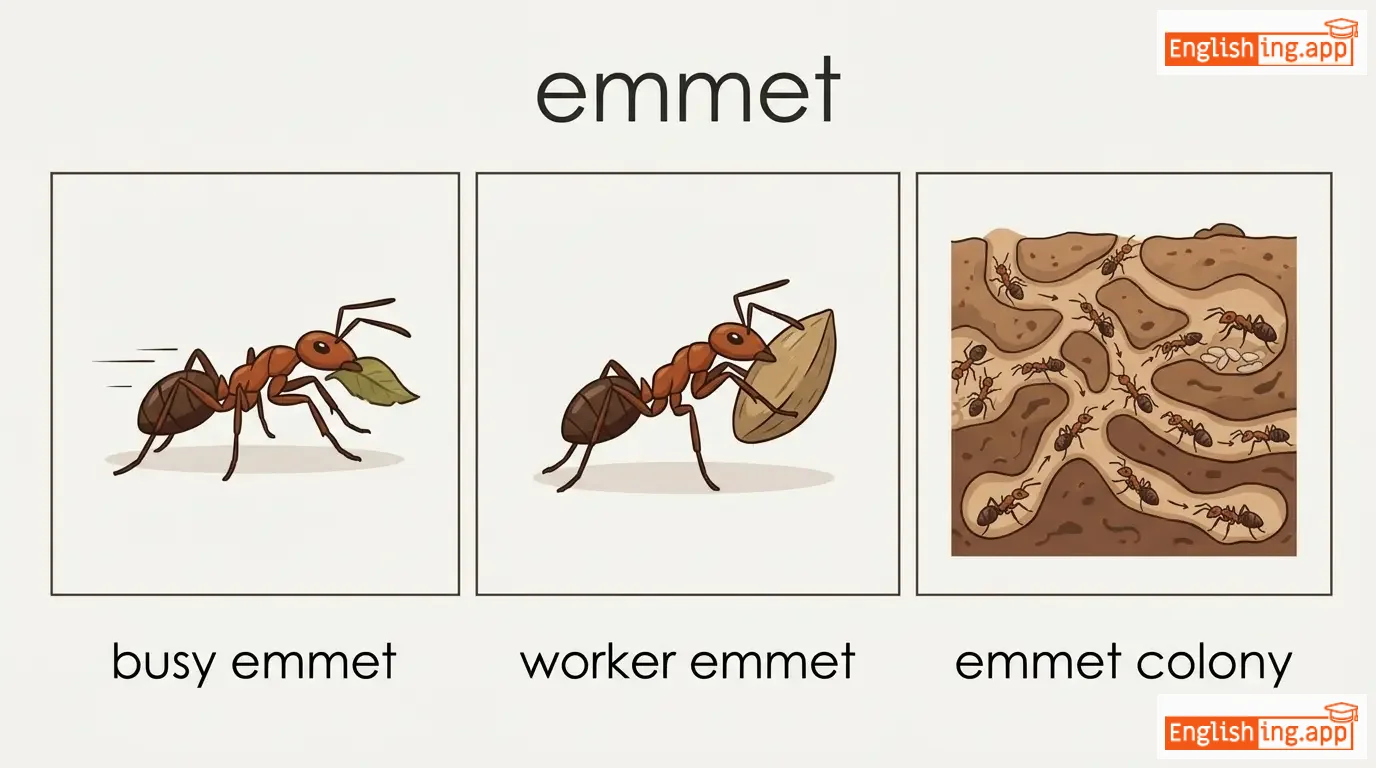
busy emmet, worker emmet, emmet colony, emmet nest, tiny emmet, industrious emmet
••••••
|
Mǎ yǐ, small insect, just like the emmet carrying food.
••••••
|
|
#447
🔑
|
/ɪnˈsɜːrt/
verb
(ɪnˈsɜːrt)
••••••
|
|
插入
chārù
••••••
|
inserted
ɪnˈsɜːrtəd
••••••
|
inserted
ɪnˈsɜːrtəd
••••••
|
inserts
ɪnˈsɜːrts
••••••
|
inserting
ɪnˈsɜːrting
••••••
|
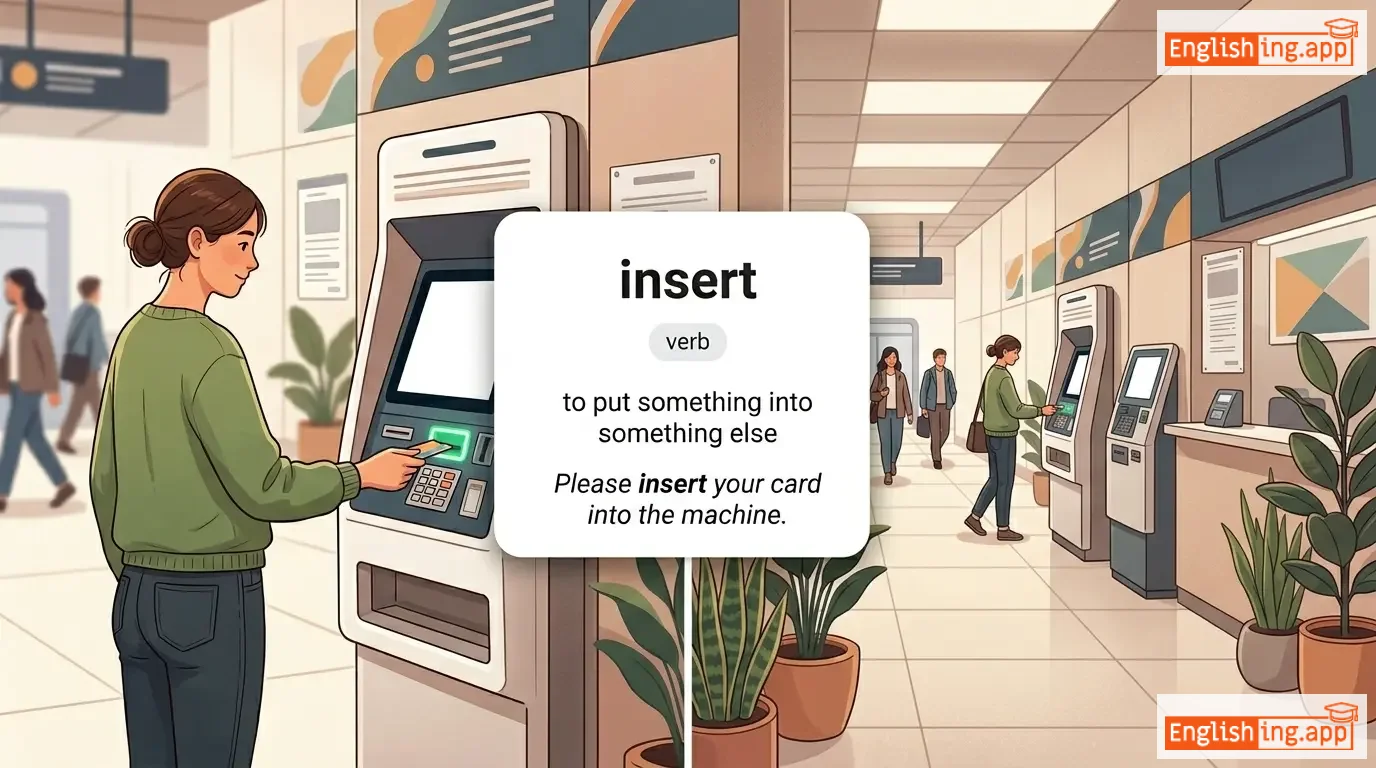
to put or place something into something else
••••••
|
Please insert the key into the lock.
请将钥匙插入锁孔。
••••••
|
请将钥匙插入锁孔。
qǐng jiāng yàoshi chārù suǒkǒng.
••••••
|
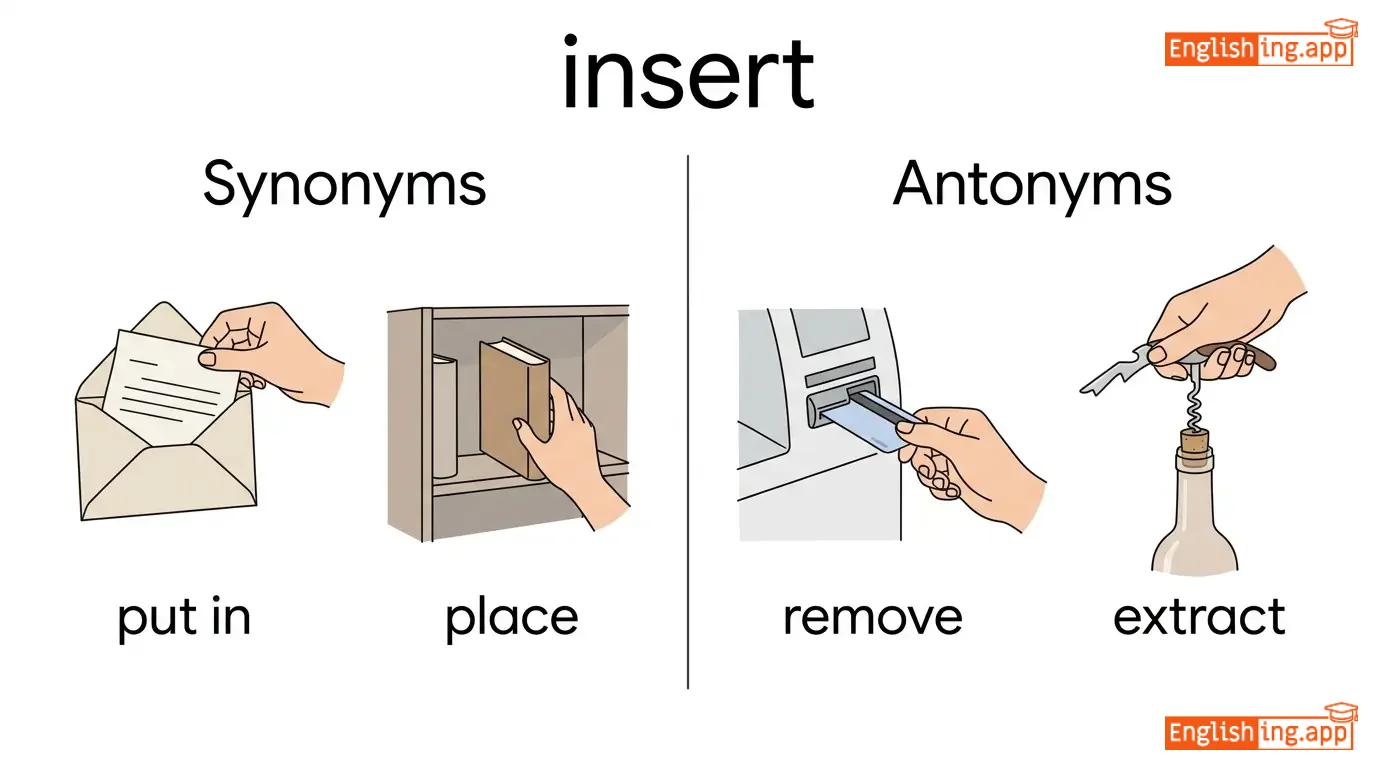
place, put, introduce, add
••••••
|
remove, extract, withdraw
••••••
|
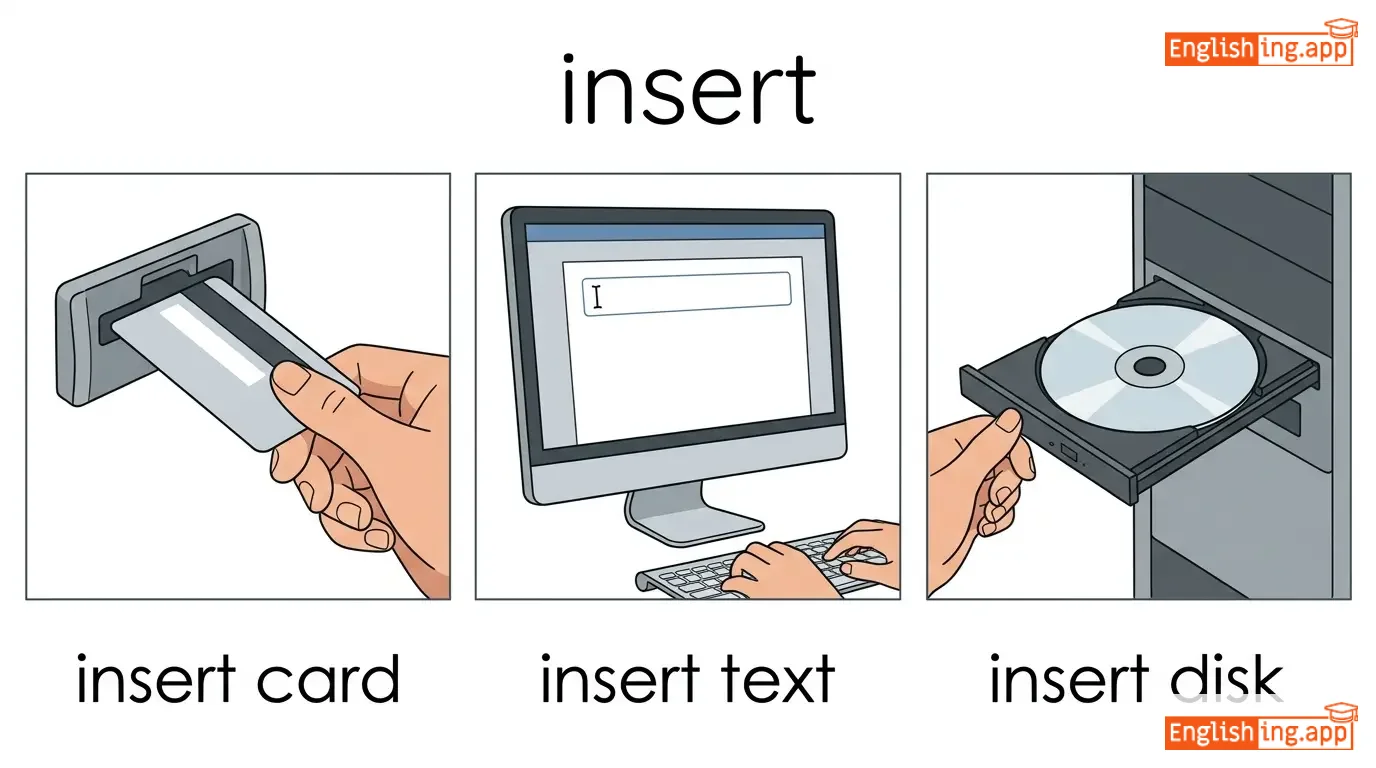
insert key, insert coin, insert card, carefully insert, insert here, insert text
••••••
|
插入钥匙,开启锁定状态。
••••••
|
|
#448
🗺️
|
/plɑːt/
verb
(plòt)
••••••
|
|
密谋
mìmóu
••••••
|
plotted
plòted
••••••
|
plotted
plòted
••••••
|
plots
plòts
••••••
|
plotting
plòting
••••••
|
to plan secretly; to mark points on a graph or map
••••••
|
They plotted their escape route carefully.
他们小心地规划了逃生路线。
••••••
|
他们小心地规划了逃生路线。
Tāmen xiǎxīn de guīhuàle táoshēng lùxiàn.
••••••
|
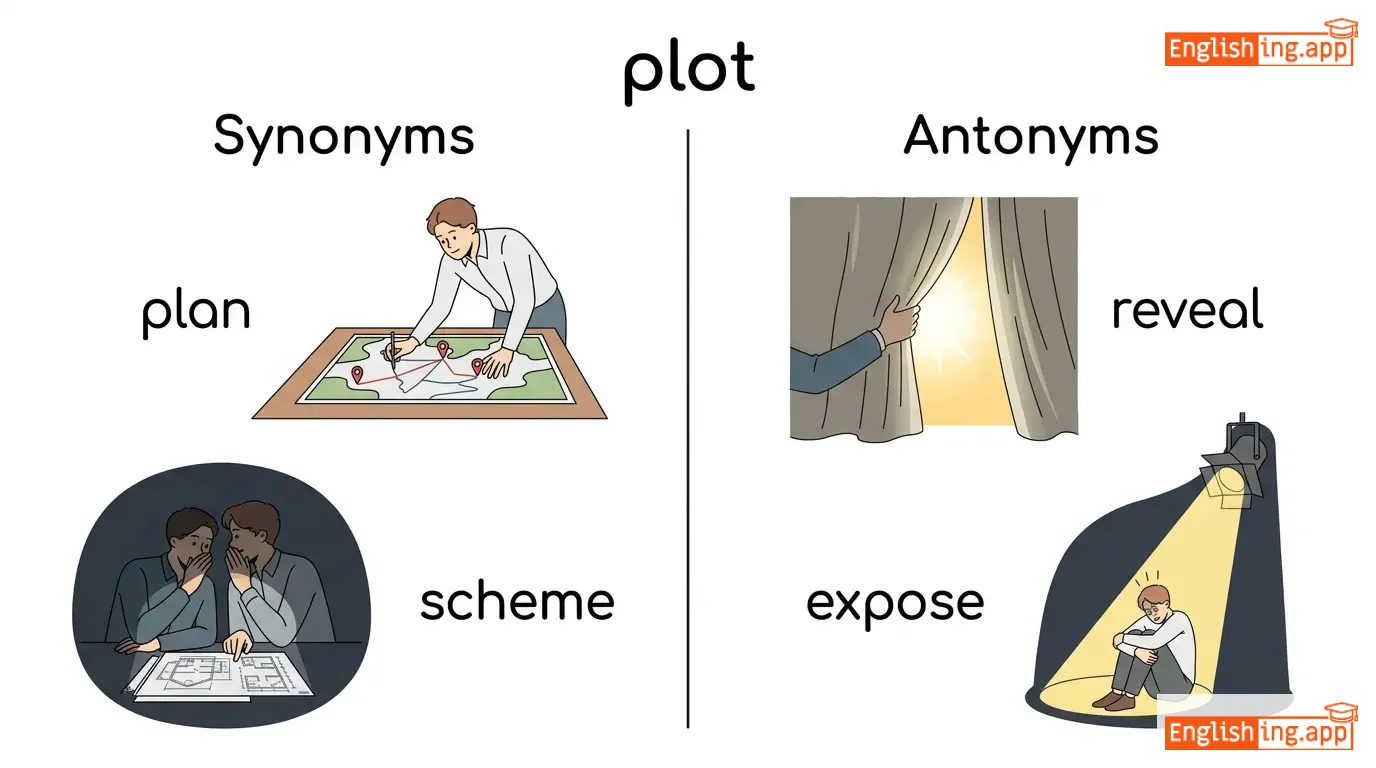
plan, scheme, chart, map
••••••
|
reveal, expose, disclose, abandon
••••••
|
plot against, plot revenge, plot course, plot graph, plot twist, secret plot
••••••
|
密谋之前,确保你的路线图已经准备好。
••••••
|
Vocabulary Quiz
Test your vocabulary by matching words with their translations or meanings.
Login to take the quiz
Comments (0)
Share your thoughts and join the discussion.
Join the discussion by logging in
Login to CommentNo comments yet
Be the first to share your thoughts!