
















Swipe left or right, or use the buttons. Tap image to zoom.
例句翻译
单词
Lesson 21: Mastering the Most Frequent Verbs & TensesLesson 21: Mastering the Most Frequent Verbs & Tenses - 遮罩切换
|
表情符号
|
单词 | Images | 翻译 | 过去时 | 过去分词 | 第三人称单数 | 动名词 | 含义 | 例句 | 例句翻译 | 同义词 | 反义词 | 搭配词 | 助记符 |
|---|---|---|---|---|---|---|---|---|---|---|---|---|---|---|
|
#597
🗑️
|
/ɪˈreɪs/
verb
(ɪˈreɪz)
••••••
|
|
擦除
cāchú
••••••
|
erased
ɪˈreɪzd
••••••
|
erased
ɪˈreɪzd
••••••
|
erases
ɪˈreɪzɪz
••••••
|
erasing
ɪˈreɪzɪŋ
••••••
|
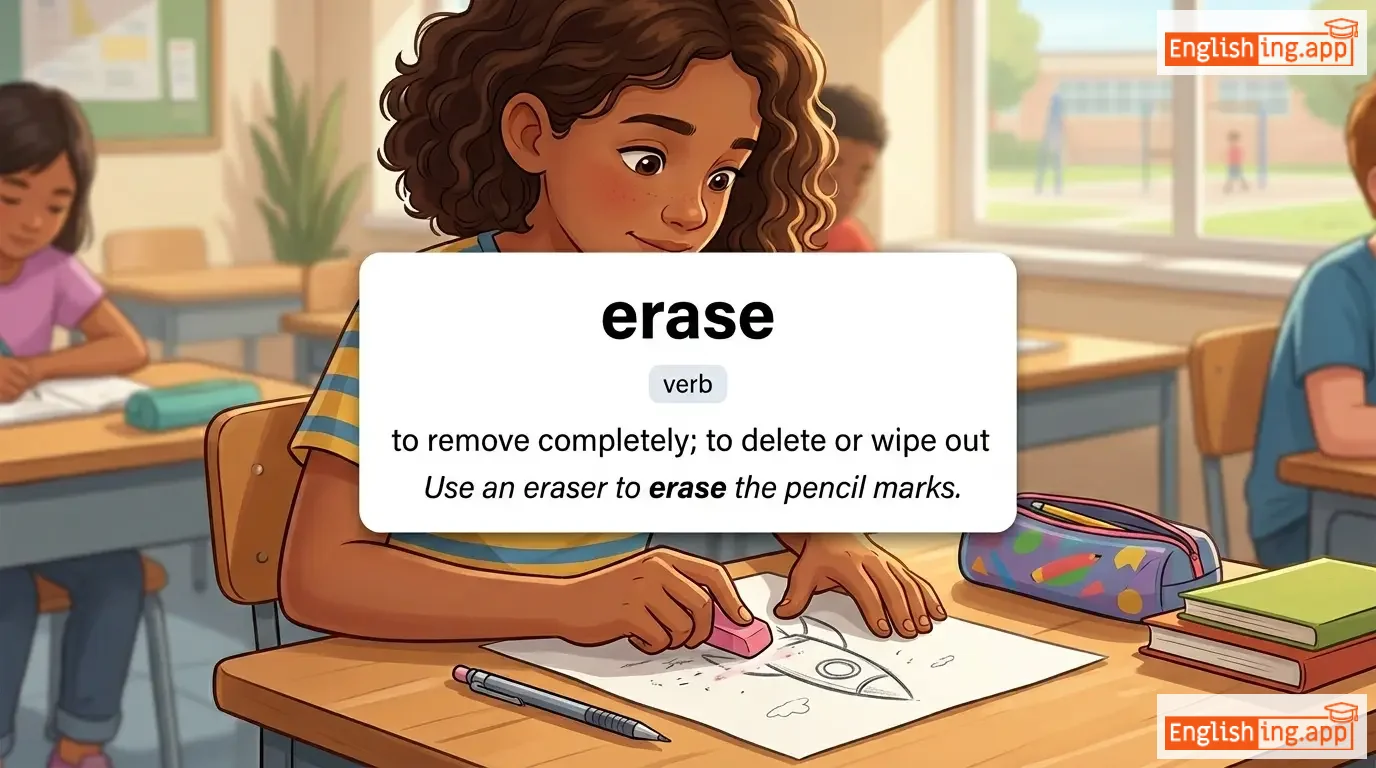
to remove completely; to delete or wipe out
••••••
|
Use an eraser to erase the pencil marks.
使用橡皮擦来擦掉铅笔痕迹。
••••••
|
使用橡皮擦来擦掉铅笔痕迹。
Shǐyòng xiàngpí cā lái cā diào qiānbǐ hénjì.
••••••
|
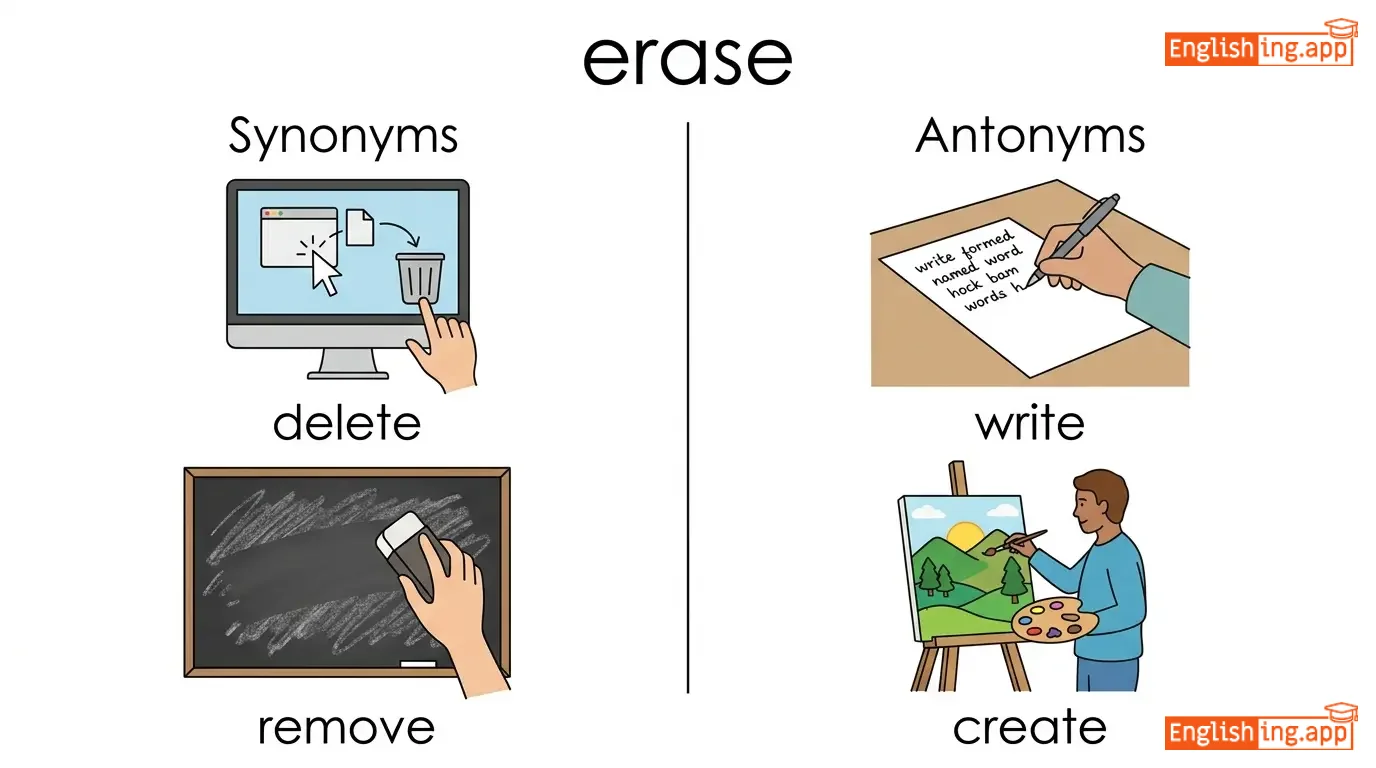
delete, remove, wipe out, eliminate
••••••
|
write, create, add, inscribe
••••••
|
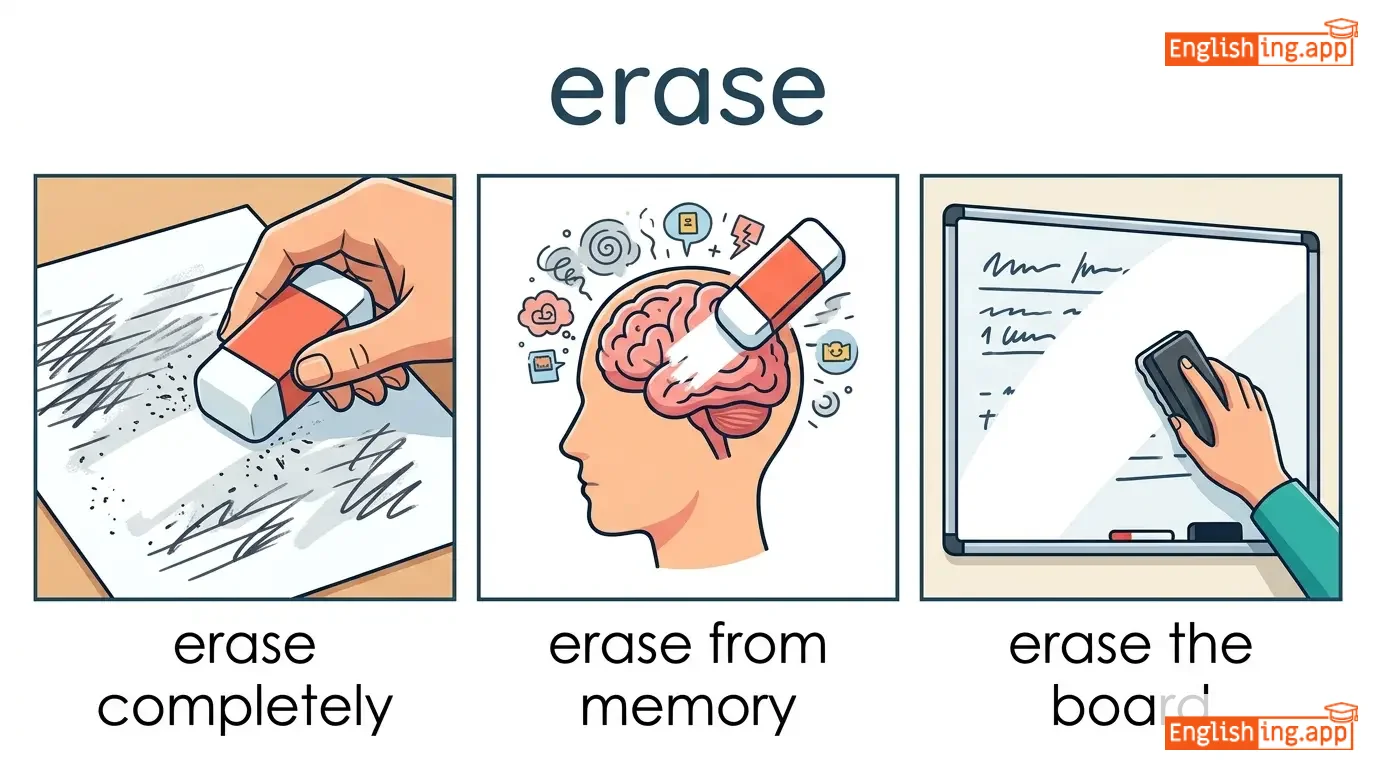
erase completely, erase from memory, erase the board, erase mistakes, erase all traces
••••••
|
Cāchú sounds like 'Cachoo' in Chinese, meaning to erase.
••••••
|
|
#598
🔗
|
/əˈsoʊsiˌeɪt/
verb
(关联)
••••••
|
|
关联
guān lián
••••••
|
associated
关联了
••••••
|
associated
关联了
••••••
|
associates
关联
••••••
|
associating
关联中
••••••
|
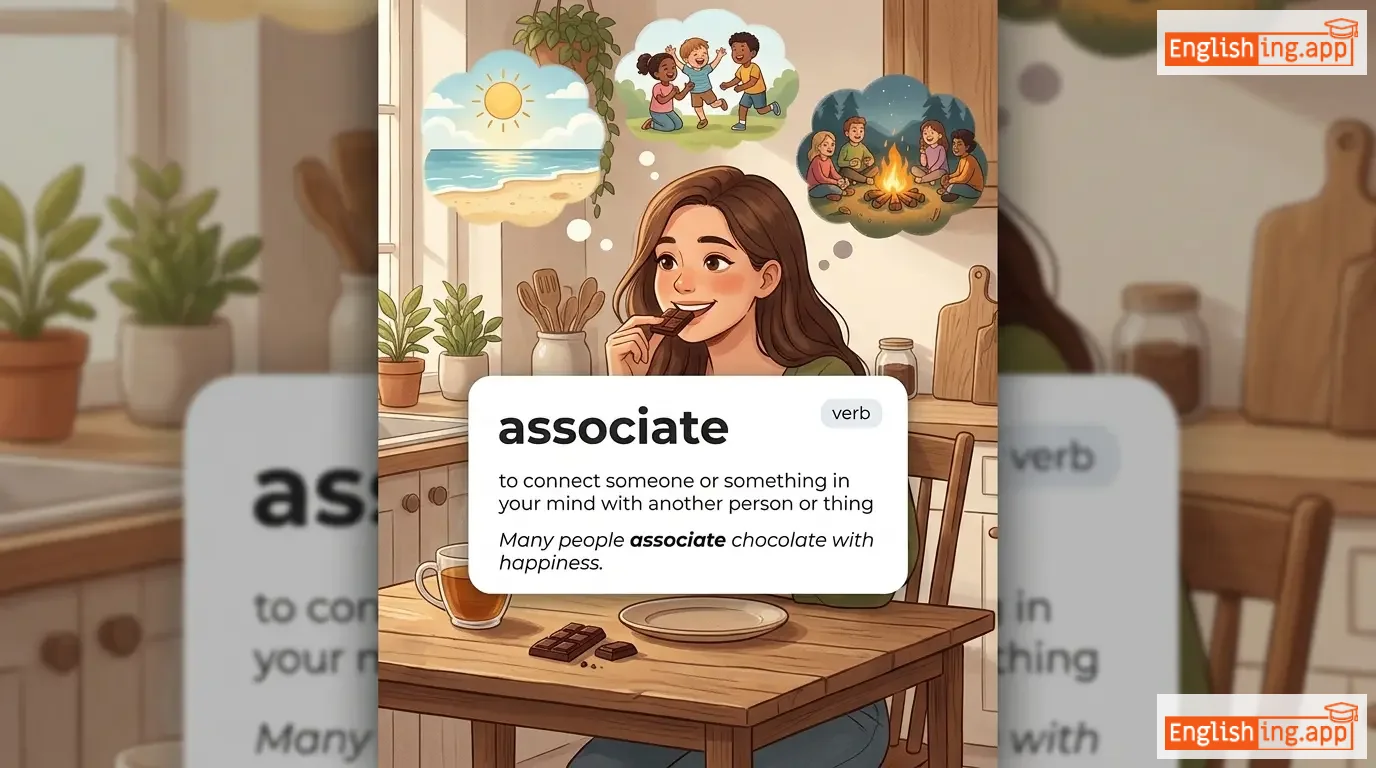
to connect or link things together; to spend time with someone
••••••
|
I associate this song with summer.
我将这首歌与夏天联系在一起。
••••••
|
我将这首歌与夏天联系在一起。
Wǒ jiāng zhè shǒu gē yǔ xiàtiān liánxì zài yīqǐ.
••••••
|
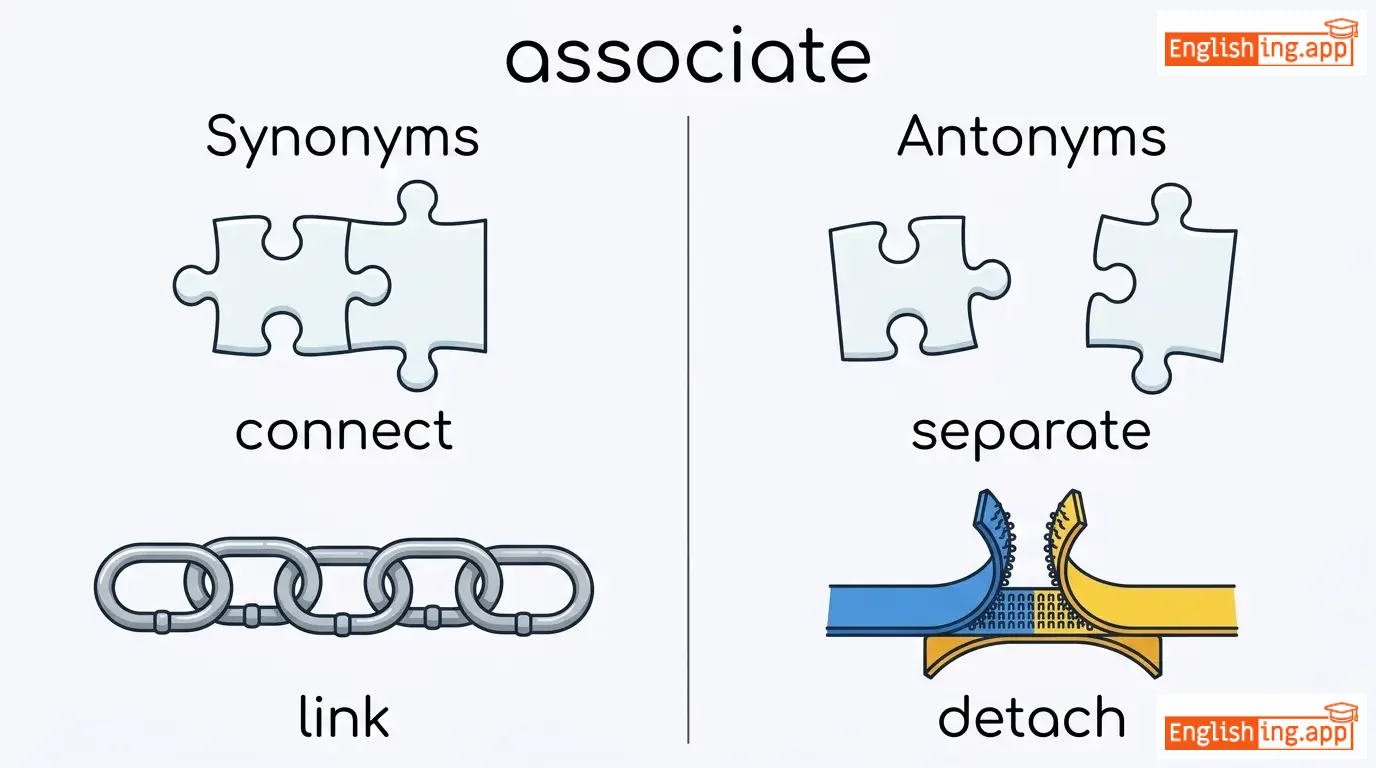
connect, link, relate, join
••••••
|
separate, disconnect, dissociate
••••••
|
associate with friends, associate ideas, associate memories, closely associate, freely associate
••••••
|
将歌曲与夏天关联,一起享受美好时光。
••••••
|
|
#599
😞
|
/luːz/
verb
(lùz)
••••••
|
|
丢失
diūshī
••••••
|
lost
lost
••••••
|
lost
lost
••••••
|
loses
lùzes
••••••
|
losing
lùzing
••••••
|
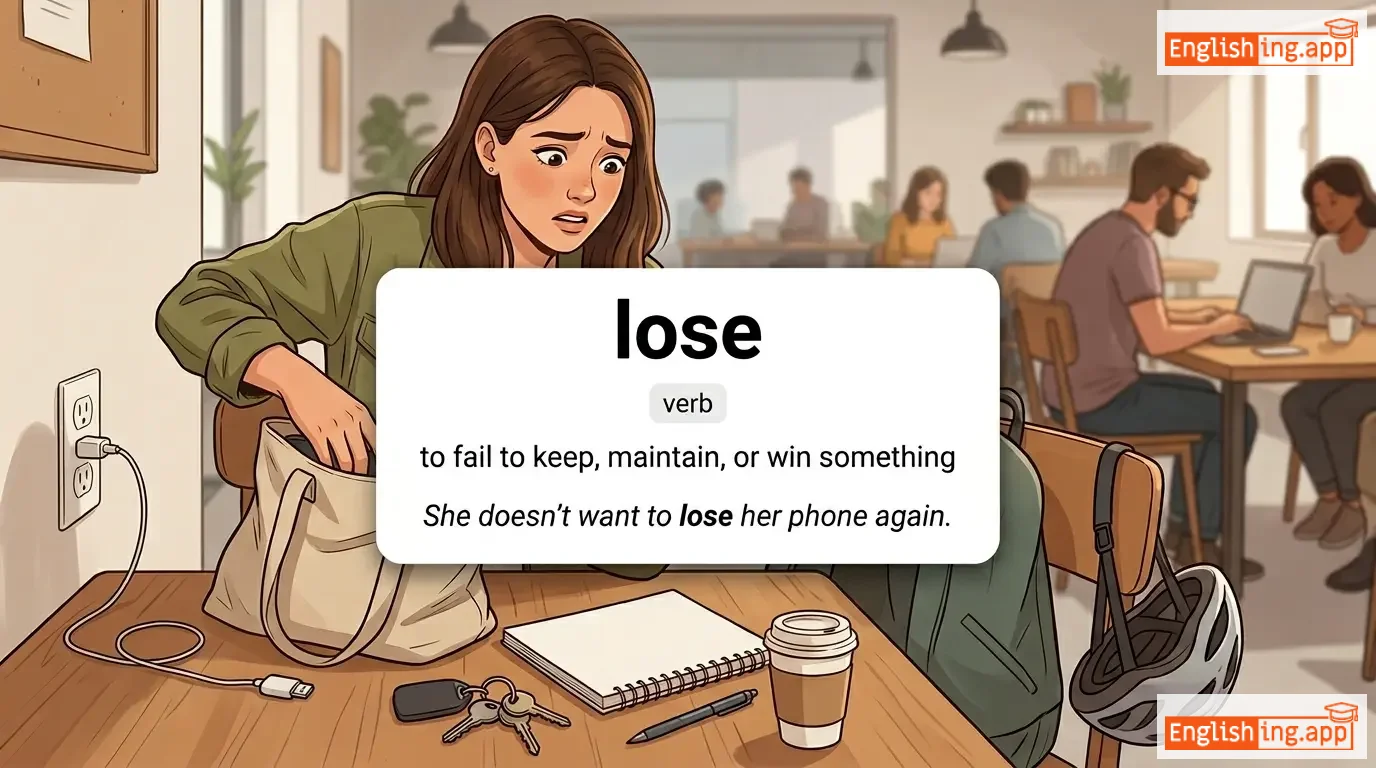
to be unable to find something; to fail to win; to misplace
••••••
|
I hope I don't lose my keys again.
希望我不会再次丢失我的钥匙。
••••••
|
希望我不会再次丢失我的钥匙。
Xīwàng wǒ bù huì zài cì diūshī wǒ de yàoshi.
••••••
|
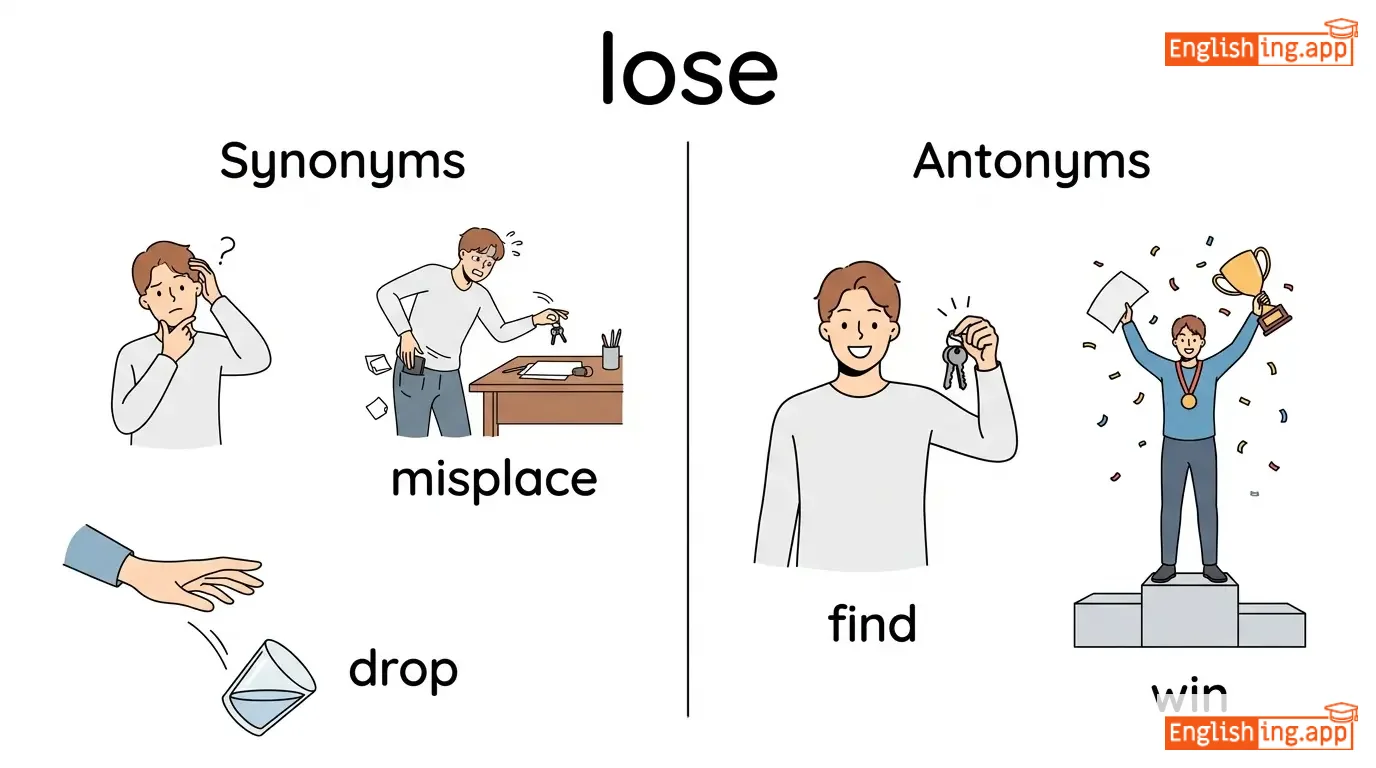
misplace, forfeit, miss, drop, fail
••••••
|
find, win, gain, locate, discover
••••••
|
lose weight, lose control, lose track, lose hope, lose sight of
••••••
|
Lose (丢失) things, and you'll always be looking for them!
••••••
|
|
#600
✅
|
/sɪˈlekt/
verb
(选择)
••••••
|
|
选择
xuanze
••••••
|
selected
选择了
••••••
|
selected
选择了
••••••
|
selects
选择
••••••
|
selecting
选择中
••••••
|
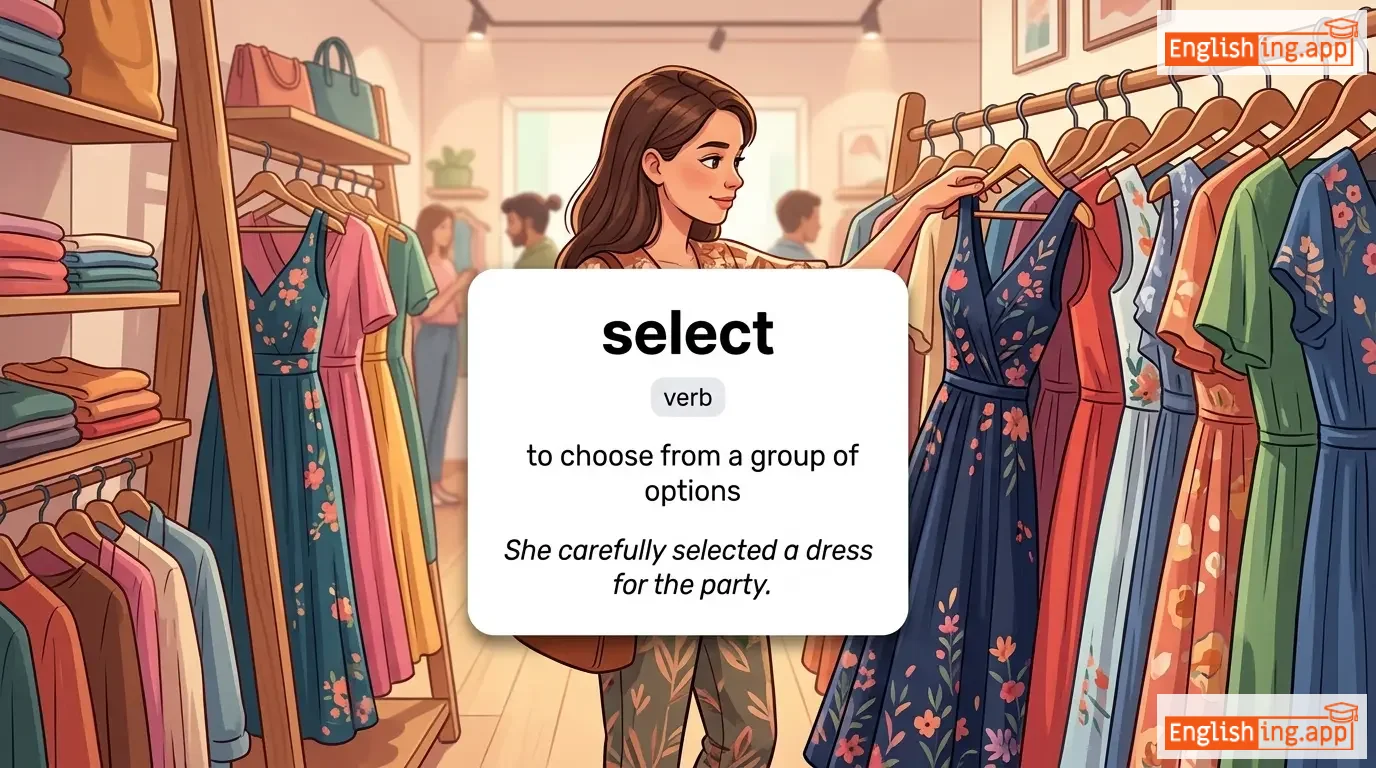
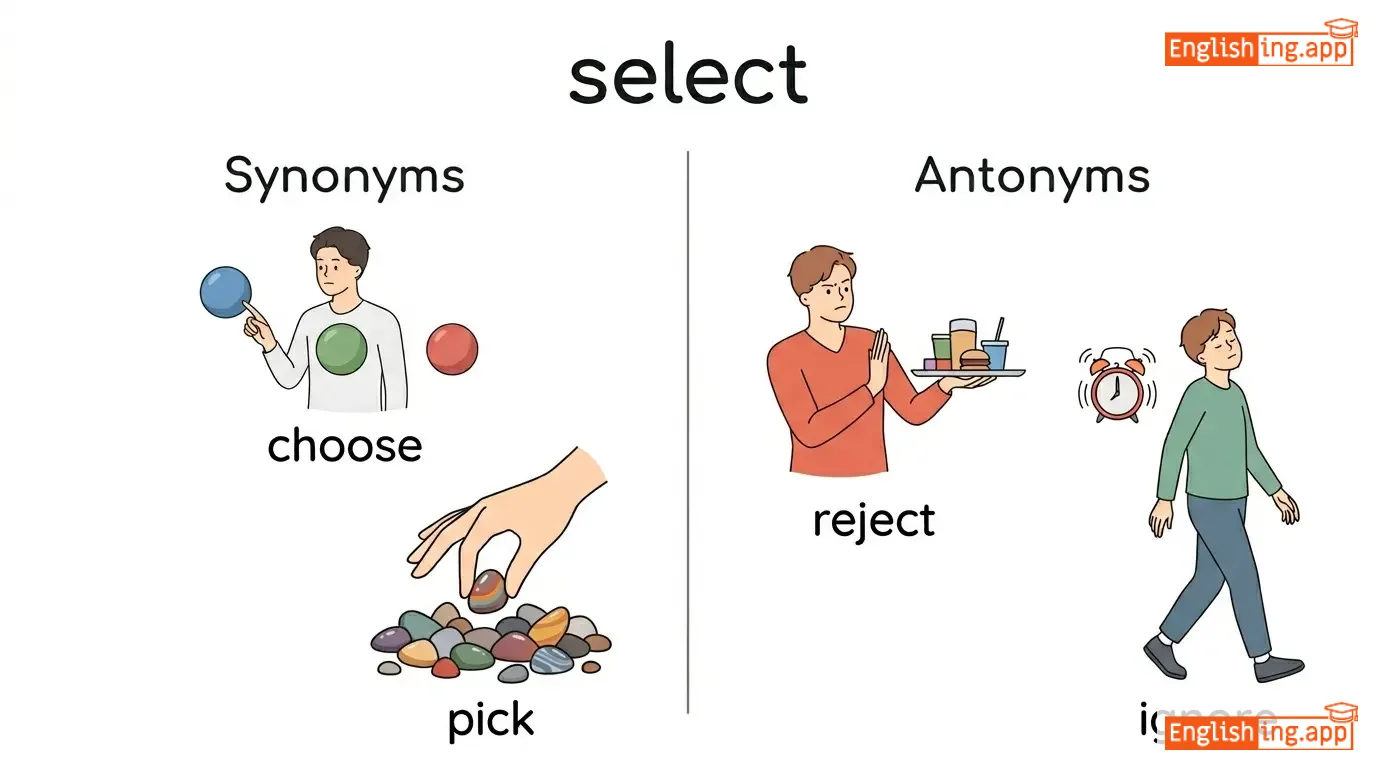
to choose from a number of alternatives; to pick out
••••••
|
Please select your favorite color.
请选择您喜欢的颜色。
••••••
|
请选择您喜欢的颜色。
Qǐng xuǎnzé nín xǐhuān de yánsè.
••••••
|
choose, pick, opt, decide
••••••
|
reject, ignore, dismiss, exclude
••••••
|
select carefully, select from options, select the best, select randomly, select all
••••••
|
In Chinese, the word '选择' sounds like 'choose'!
••••••
|
|
#601
⚔️
|
/ˈkɑːŋkər/
verb
(kōngkè)
••••••
|
|
征服
zhēngfú
••••••
|
conquered
kōngkèd
••••••
|
conquered
kōngkèd
••••••
|
conquers
kōngkès
••••••
|
conquering
kōngkèréng
••••••
|
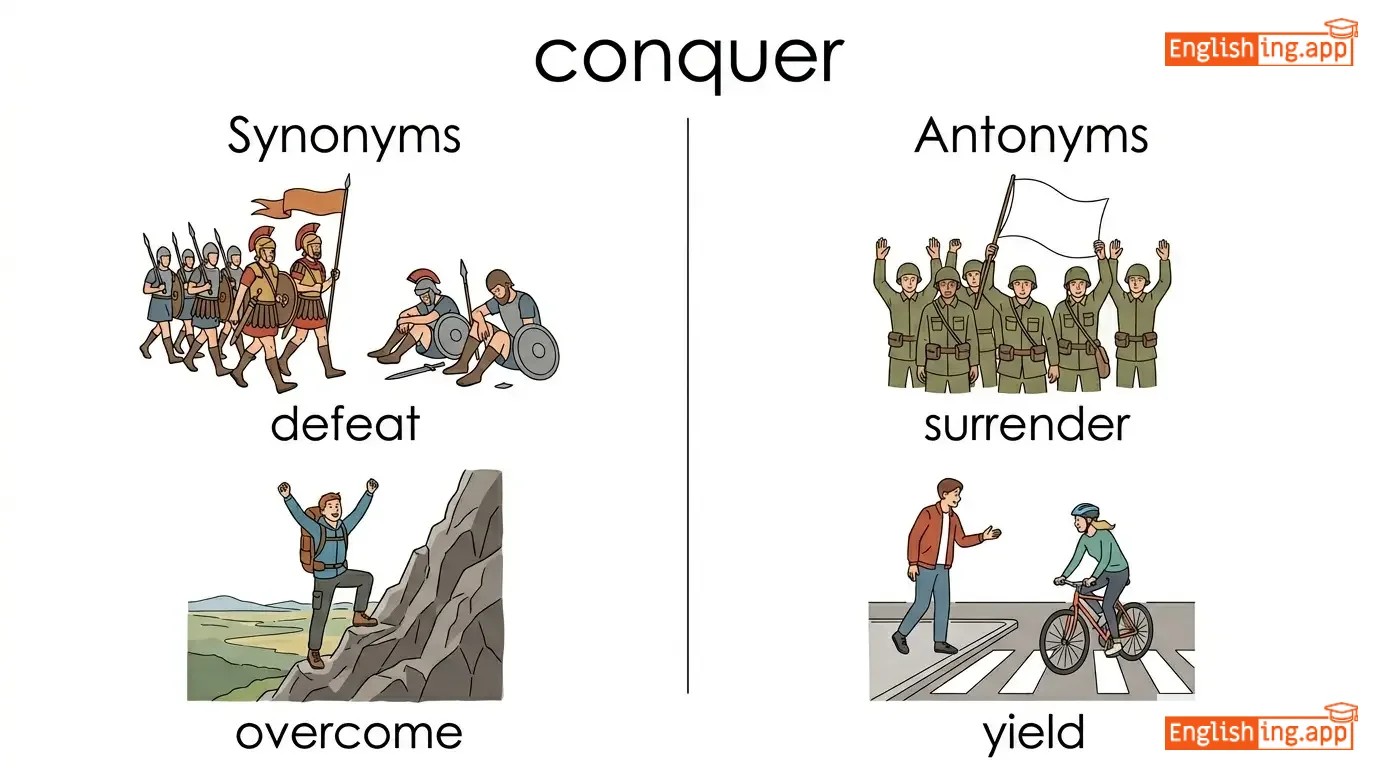
to overcome and take control of; to defeat in war; to master or overcome
••••••
|
The army managed to conquer the enemy territory.
军队成功征服了敌人的领土。
••••••
|
军队成功征服了敌人的领土。
Jūnduì chénggōng zhēngfúle dírén de lǐngtǔ.
••••••
|
defeat, overcome, subdue, dominate
••••••
|
surrender, submit, yield, lose
••••••
|
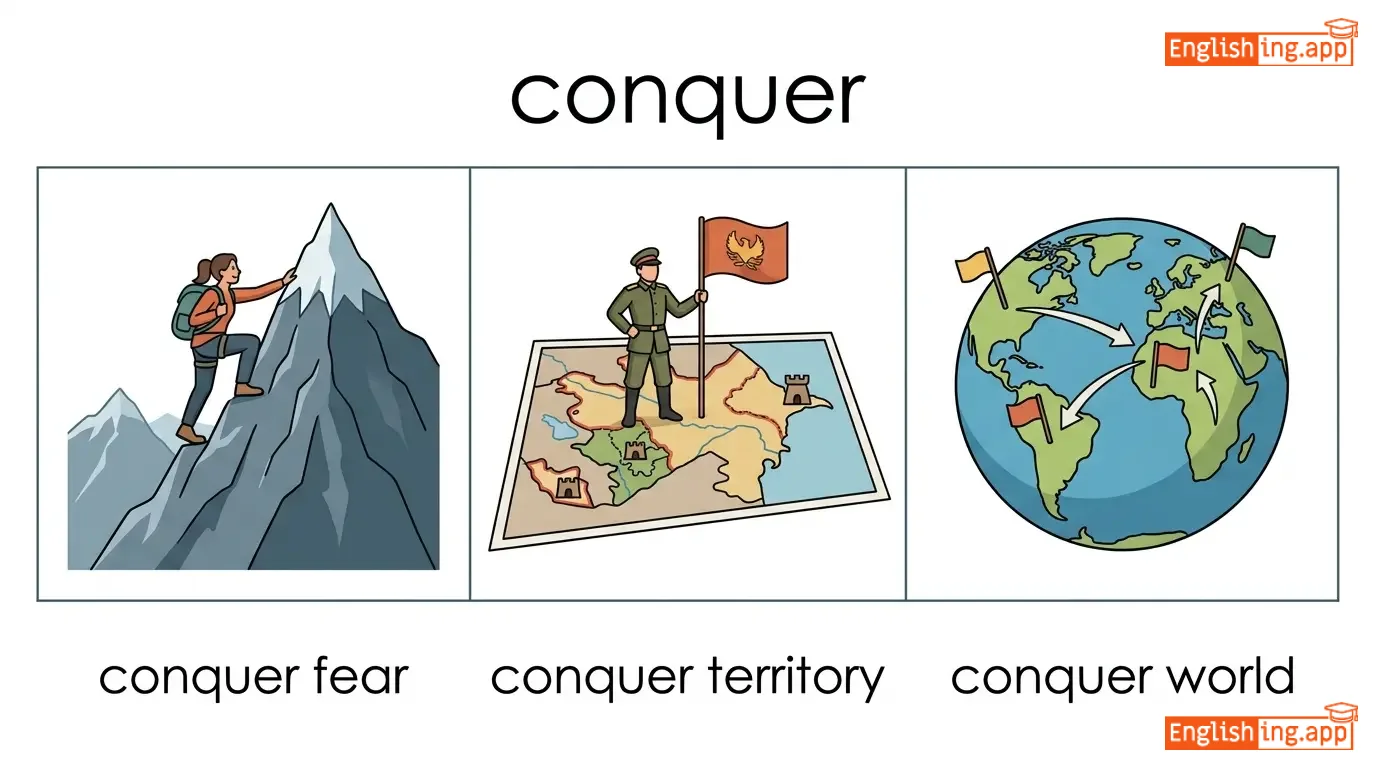
conquer fear, conquer territory, conquer challenges, conquer hearts, divide and conquer
••••••
|
中文'征服'像是'conquer'的意思。
••••••
|
|
#602
❤️
|
/fiːl/
verb
(fíl)
••••••
|
|
感受
gǎnshòu
••••••
|
felt
felt
••••••
|
felt
felt
••••••
|
feels
fíls
••••••
|
feeling
fíling
••••••
|
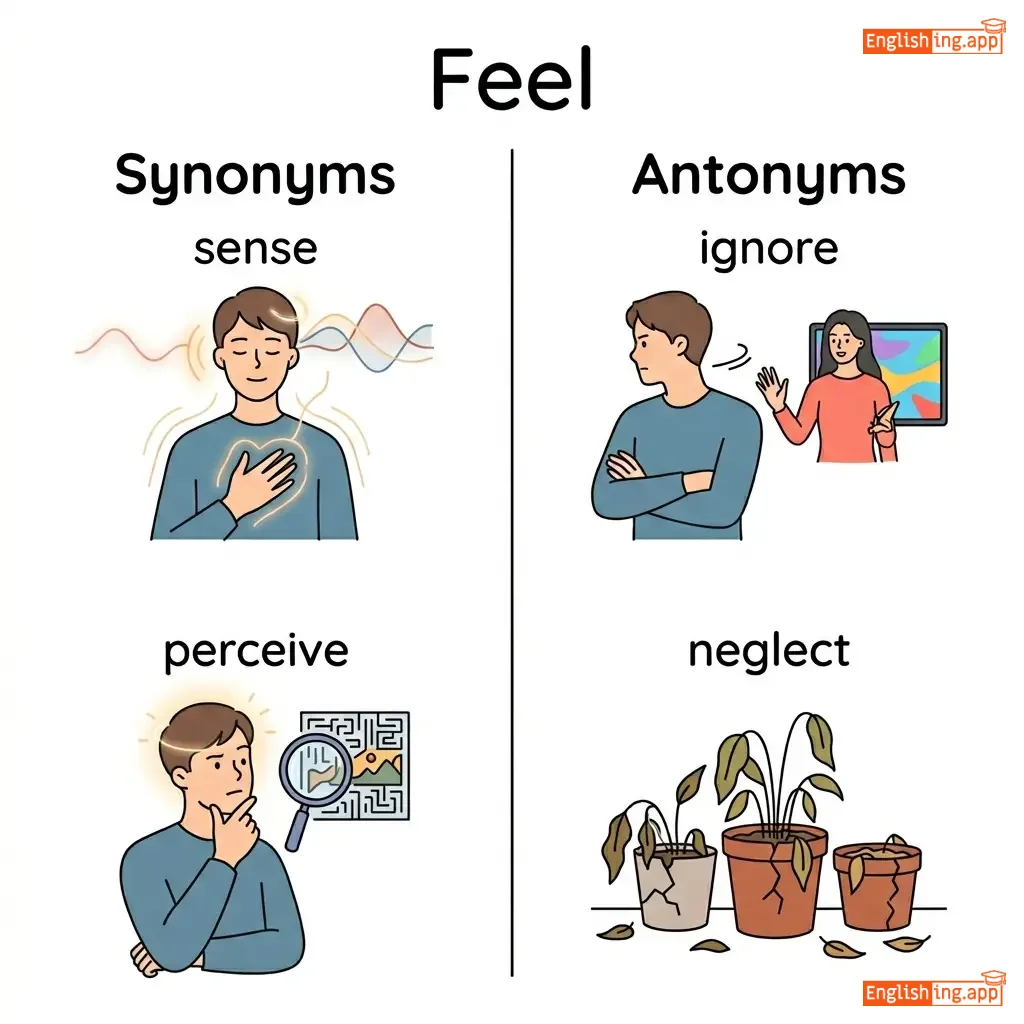
to experience an emotion or physical sensation; to touch
••••••
|
I feel happy when I spend time with my family.
我和家人一起度过时,我感到快乐。
••••••
|
我和家人一起度过时,我感到快乐。
Wǒ hé jiārén yīqǐ dùguò shí, wǒ gǎndào kuàilè.
••••••
|
sense, experience, perceive, touch
••••••
|
ignore, overlook, miss, neglect
••••••
|
feel good, feel sad, feel the pain, feel comfortable, feel confident
••••••
|
Feel = 感受, 像感受幸福
••••••
|
|
#603
🎭
|
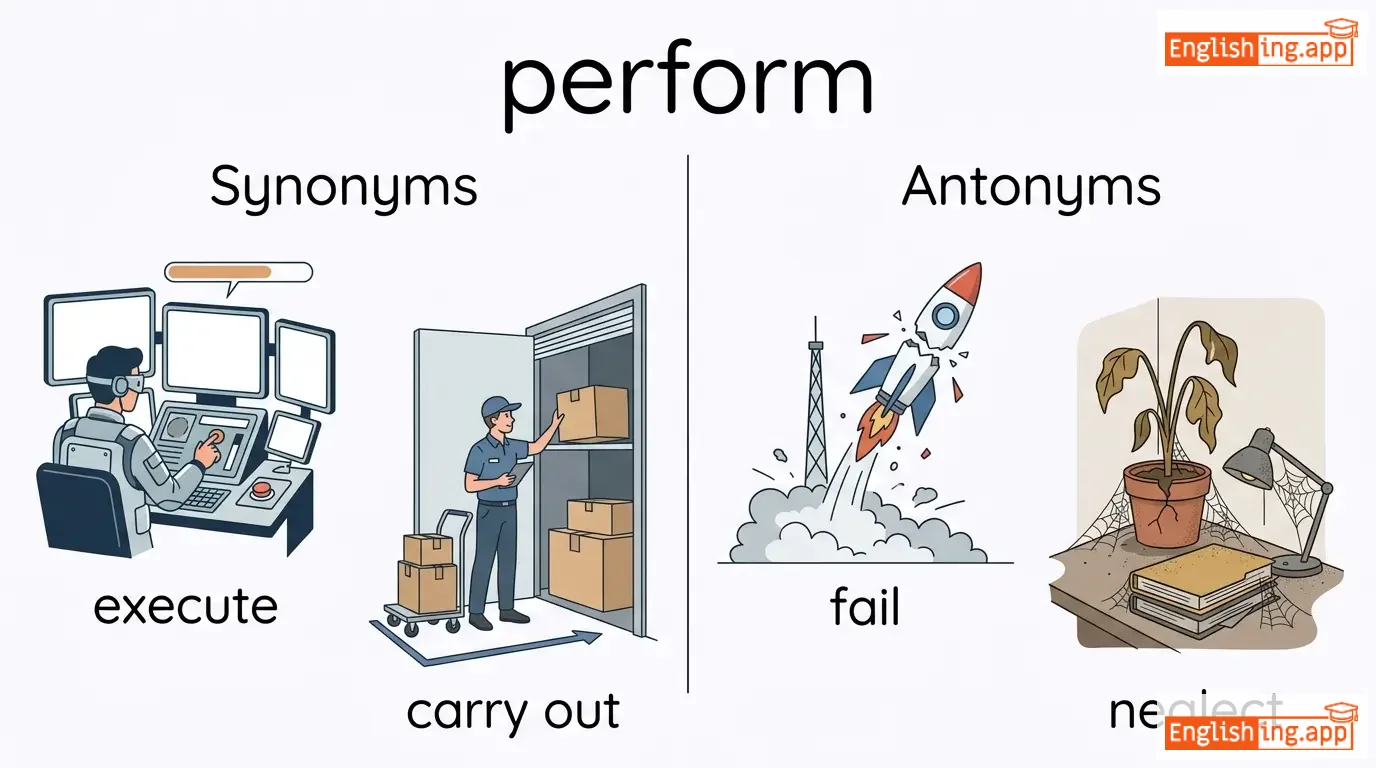
/pərˈfɔːrm/
verb
(perform)
••••••
|
|
表演
biaoyan
••••••
|
performed
performed
••••••
|
performed
performed
••••••
|
performs
performs
••••••
|
performing
performing
••••••
|
to carry out an action or present entertainment; to function
••••••
|
The orchestra will perform at the concert hall tonight.
The orchestra will perform at the concert hall tonight.
••••••
|
乐团今晚将在音乐厅表演。
Yuetuán jīn wǎn jiāng zài yīnyuè tīng biǎoyǎn.
••••••
|
execute, carry out, present, conduct
••••••
|
neglect, abandon, fail, cease
••••••
|
perform well, perform on stage, perform surgery, perform duties, perform miracles
••••••
|
Perform as a show—like a grand concert full of joy and purpose!
••••••
|
|
#604
💳
|
/wɪðˈdrɔː/
verb
(wɪðˈdrɔː)
••••••
|
|
提取
tíqǔ
••••••
|
withdrew
wɪðˈdruː
••••••
|
withdrawn
wɪðˈdrɔːn
••••••
|
withdraws
wɪðˈdrɔːs
••••••
|
withdrawing
wɪðˈdrɔɪŋ
••••••
|
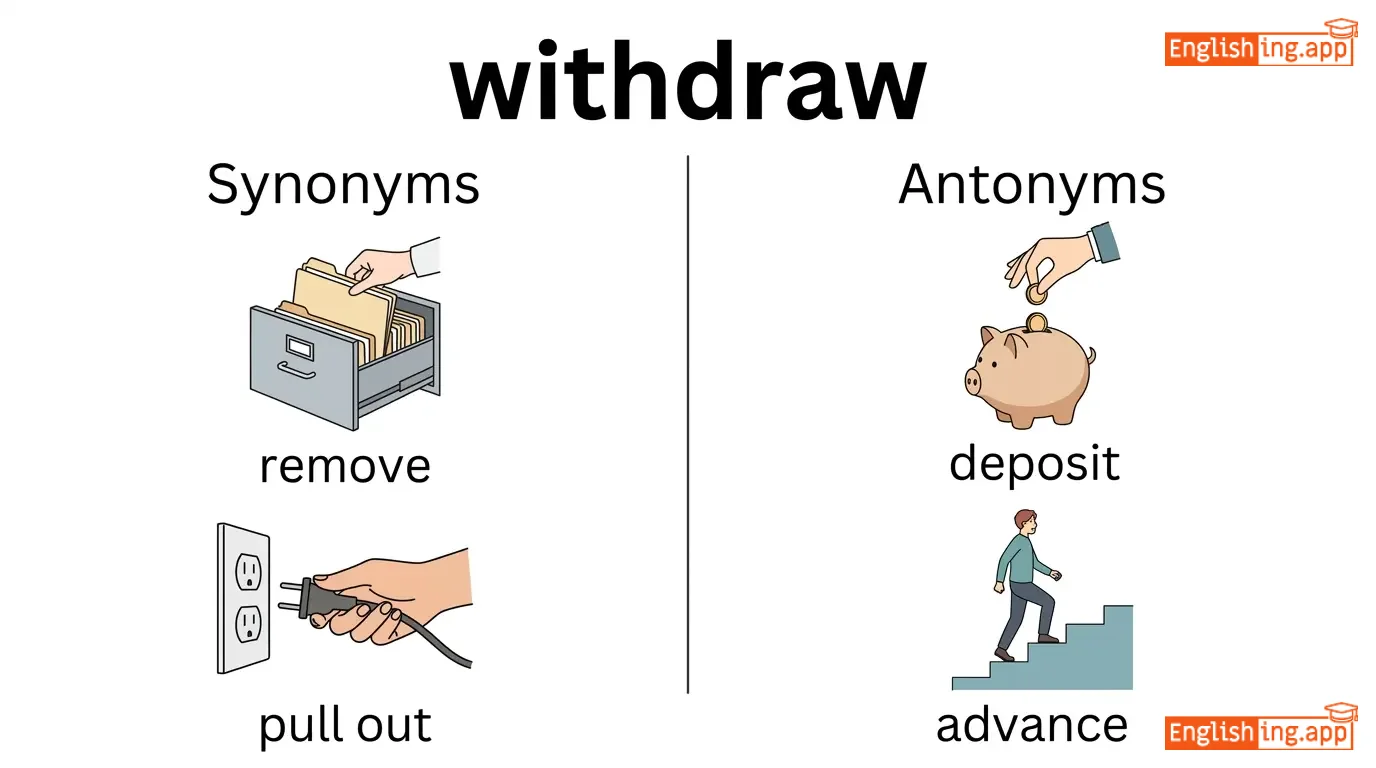
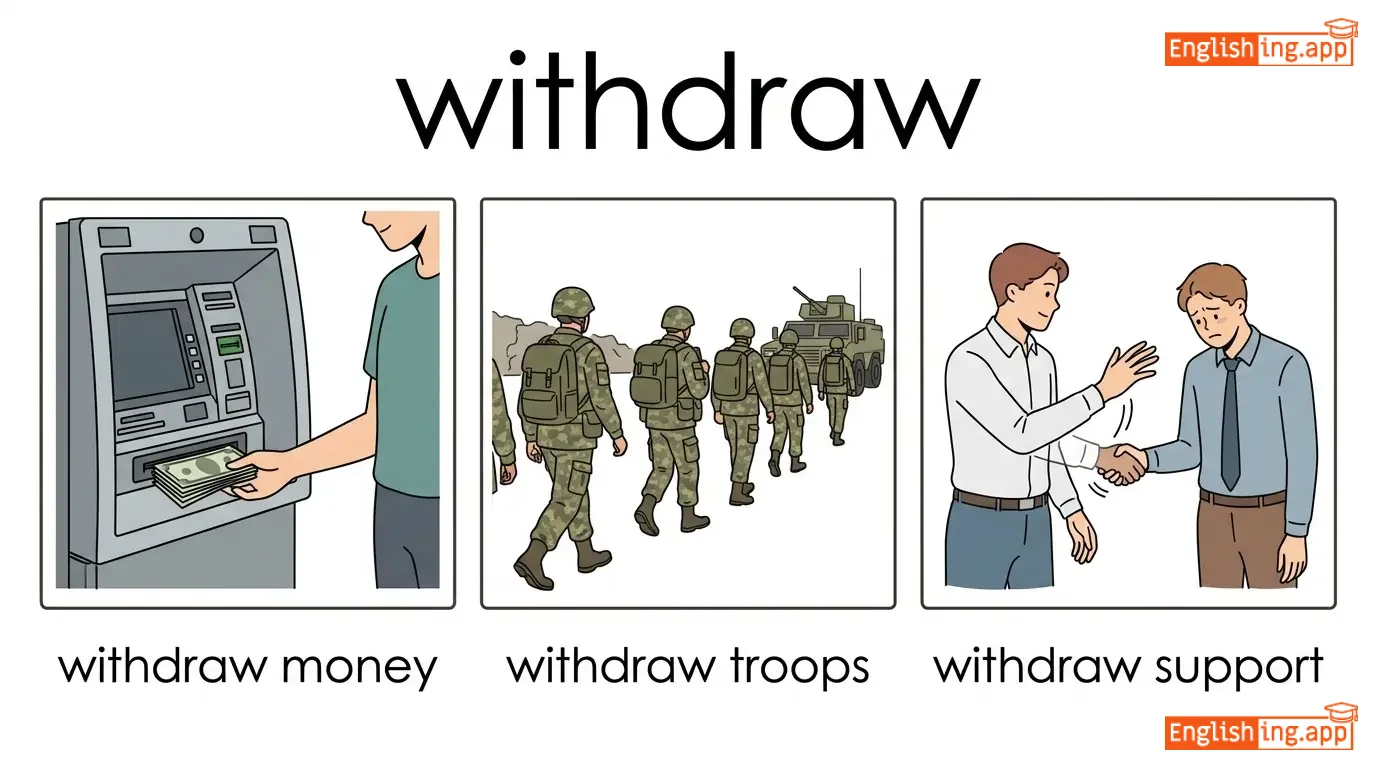
to take money out of an account; to remove or pull back
••••••
|
She needs to withdraw money from the bank.
她需要从银行提取钱。
••••••
|
她需要从银行提取钱。
Tā xūyào cóng yínháng tíqǔ qián.
••••••
|
remove, take out, pull back, retreat
••••••
|
deposit, add, insert, advance
••••••
|
withdraw money, withdraw support, withdraw troops, withdraw from competition, withdraw gradually
••••••
|
提取钱就像从银行拿出钱。
••••••
|
|
#605
🚨
|
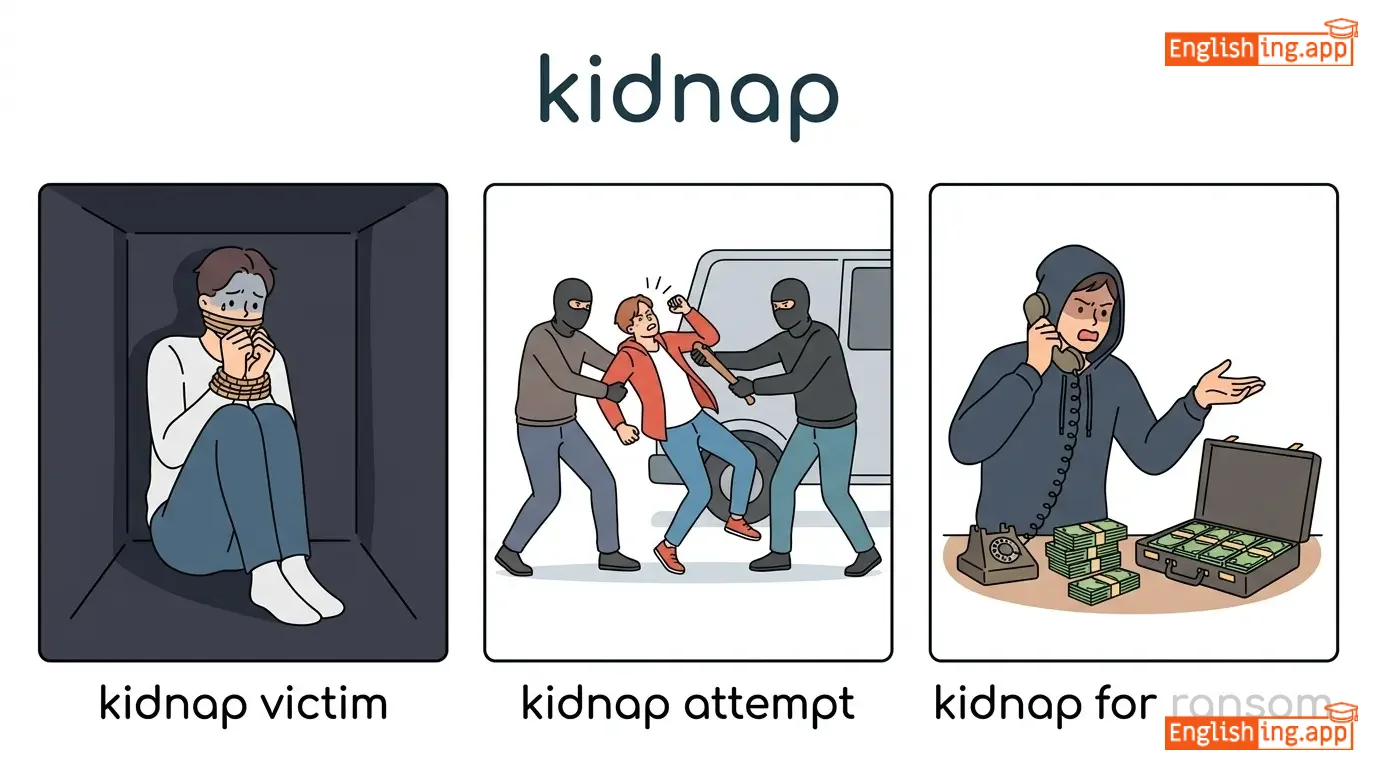
/ˈkɪdnæp/
verb
(kidnap)
••••••
|
|
绑架
bǎngjià
••••••
|
kidnapped
kidnapped
••••••
|
kidnapped
kidnapped
••••••
|
kidnaps
kidnaps
••••••
|
kidnapping
kidnapping
••••••
|
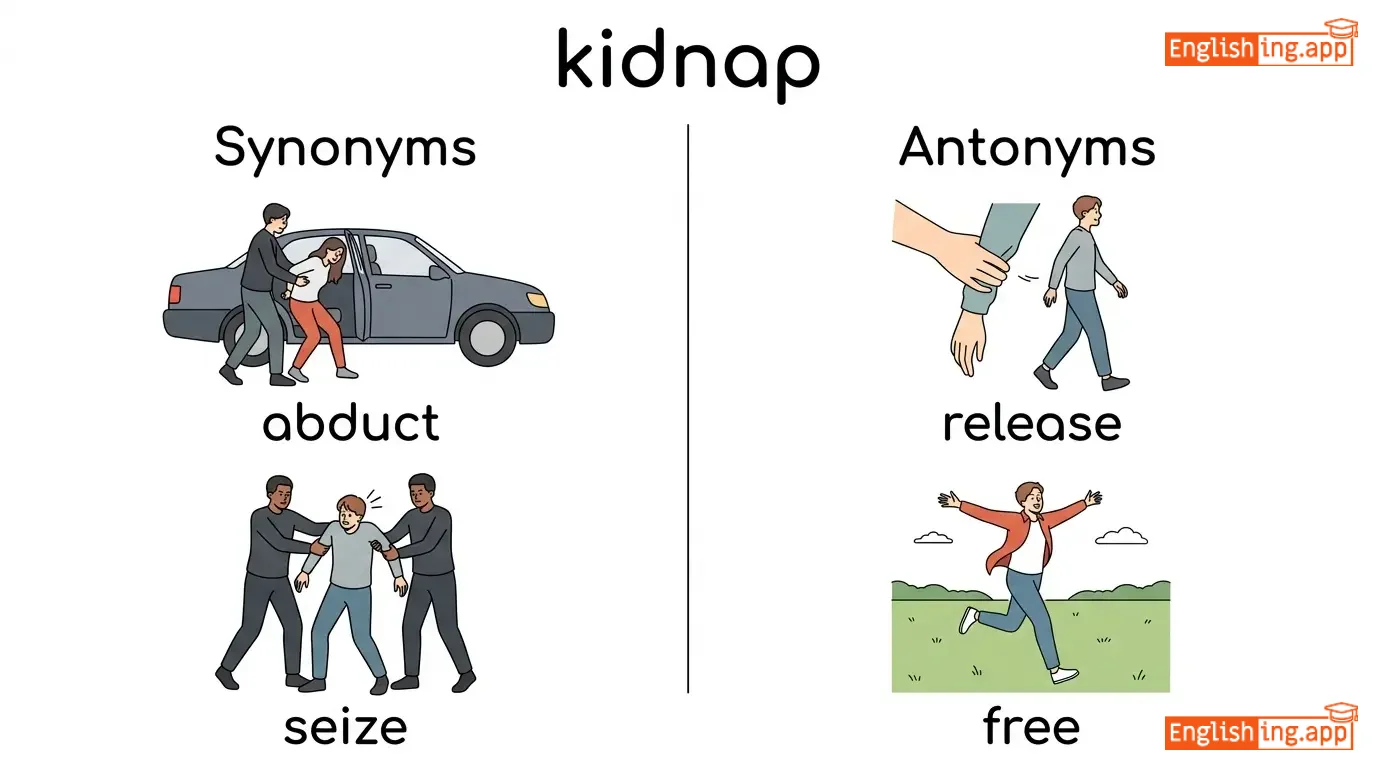
to take someone away illegally by force
••••••
|
The criminals kidnapped the wealthy businessman.
罪犯绑架了富有的商人。
••••••
|
罪犯绑架了富有的商人。
Zuìfàn bǎngjiàle fùyǒu de shāngrén.
••••••
|
abduct, capture, seize, snatch
••••••
|
release, free, liberate, rescue
••••••
|
kidnap someone, kidnap for ransom, kidnap attempt, kidnap plot, kidnap victim
••••••
|
No •••••• |
|
#606
👃
|
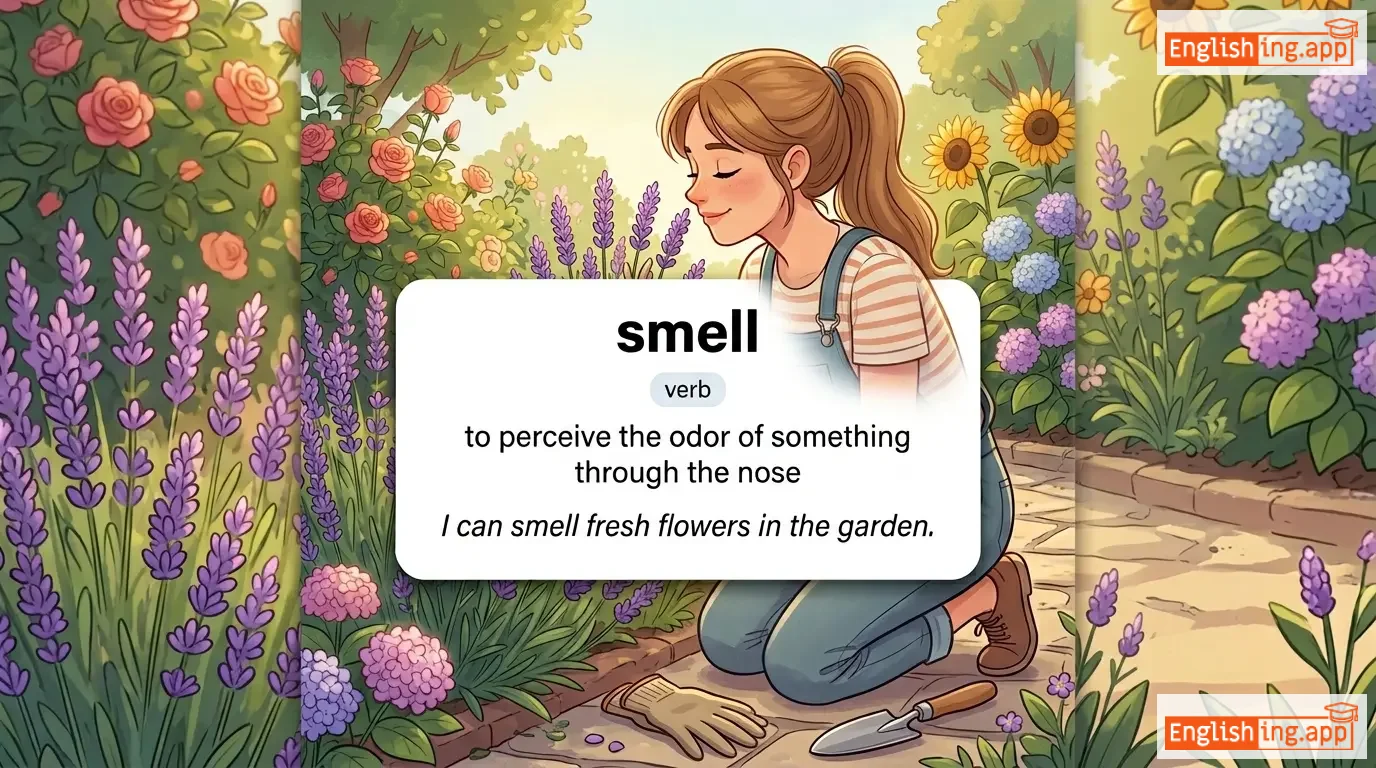
/smel/
verb
(smel)
••••••
|
|
闻
wén
••••••
|
smelt
smelt
••••••
|
smelled
smelled
••••••
|
smells
smells
••••••
|
smelling
smelling
••••••
|
to perceive odor through the nose; to have an odor
••••••
|
The flowers smell sweet.
花儿闻起来甜美。
••••••
|
花儿闻起来甜美。
Huār wén qǐlái tiánměi.
••••••
|
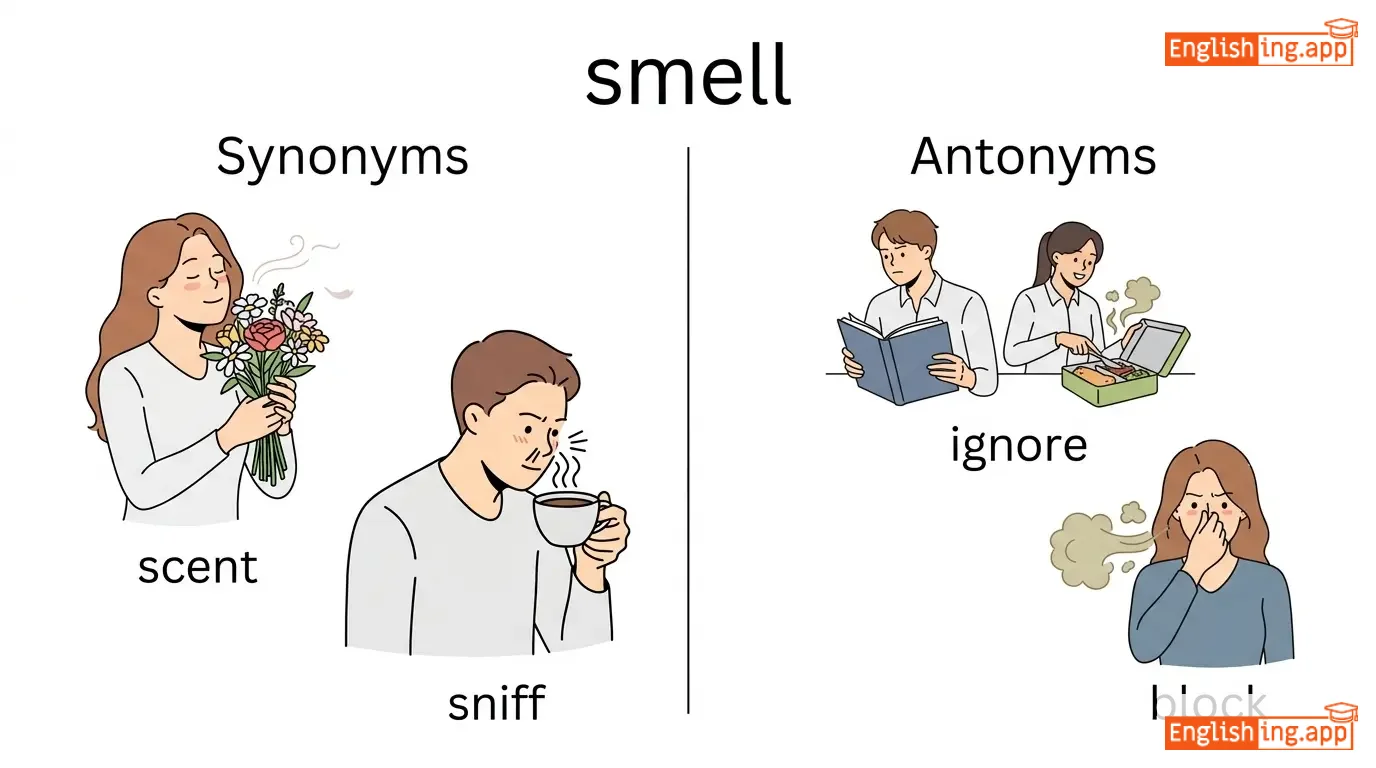
scent, odor, aroma, fragrance
••••••
|
scentless, odorless
••••••
|
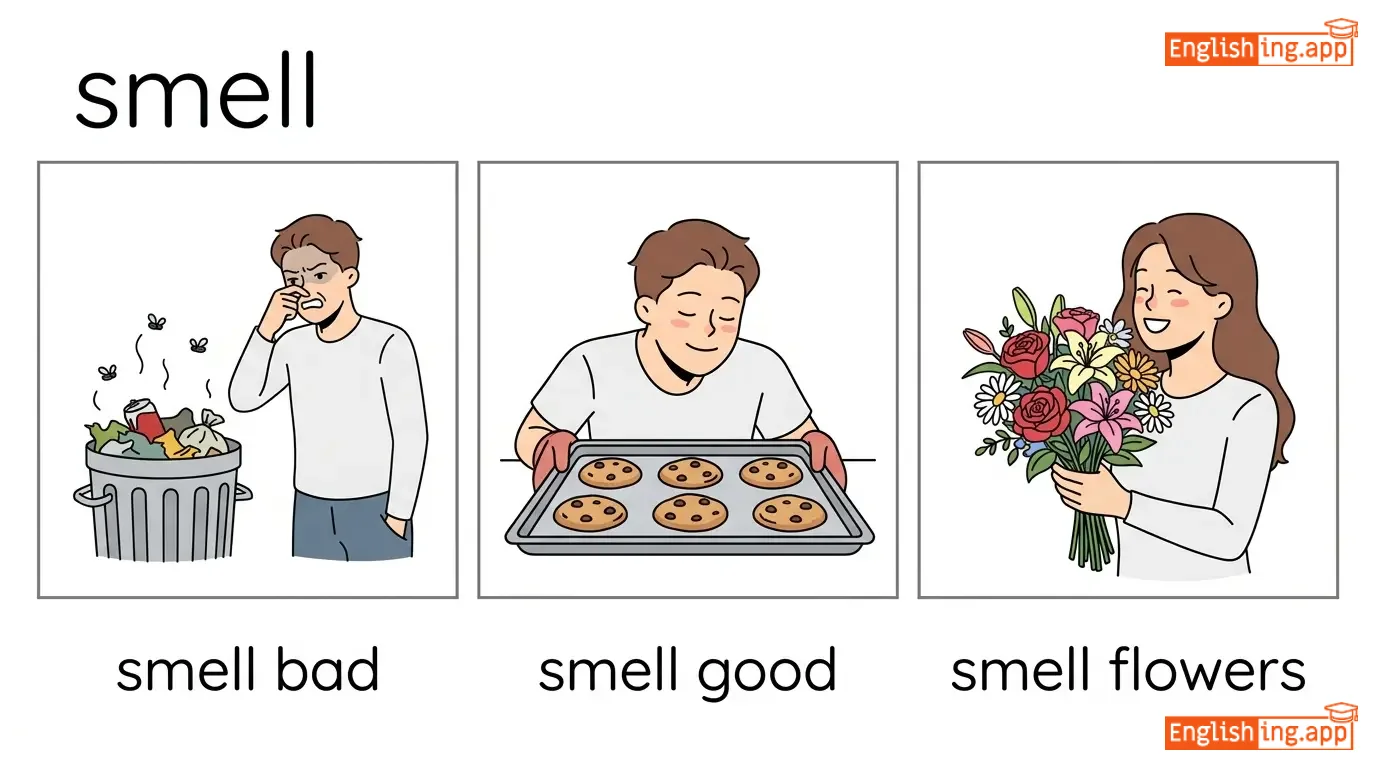
smell good, smell bad, smell sweet, smell fishy, smell trouble
••••••
|
闻花香,闻是感知气味
••••••
|
|
#607
🛒
|
/baɪ/
verb
(bái)
••••••
|
|
买
mǎi
••••••
|
bought
bào
••••••
|
bought
bào
••••••
|
buys
bái zī
••••••
|
buying
bái yīng
••••••
|
to get something by paying money for it; to purchase
••••••
|
I want to buy a new car this year.
我今年想买一辆新车。
••••••
|
我今年想买一辆新车。
Wǒ jīnnián xiǎng mǎi yī liàng xīn chē.
••••••
|
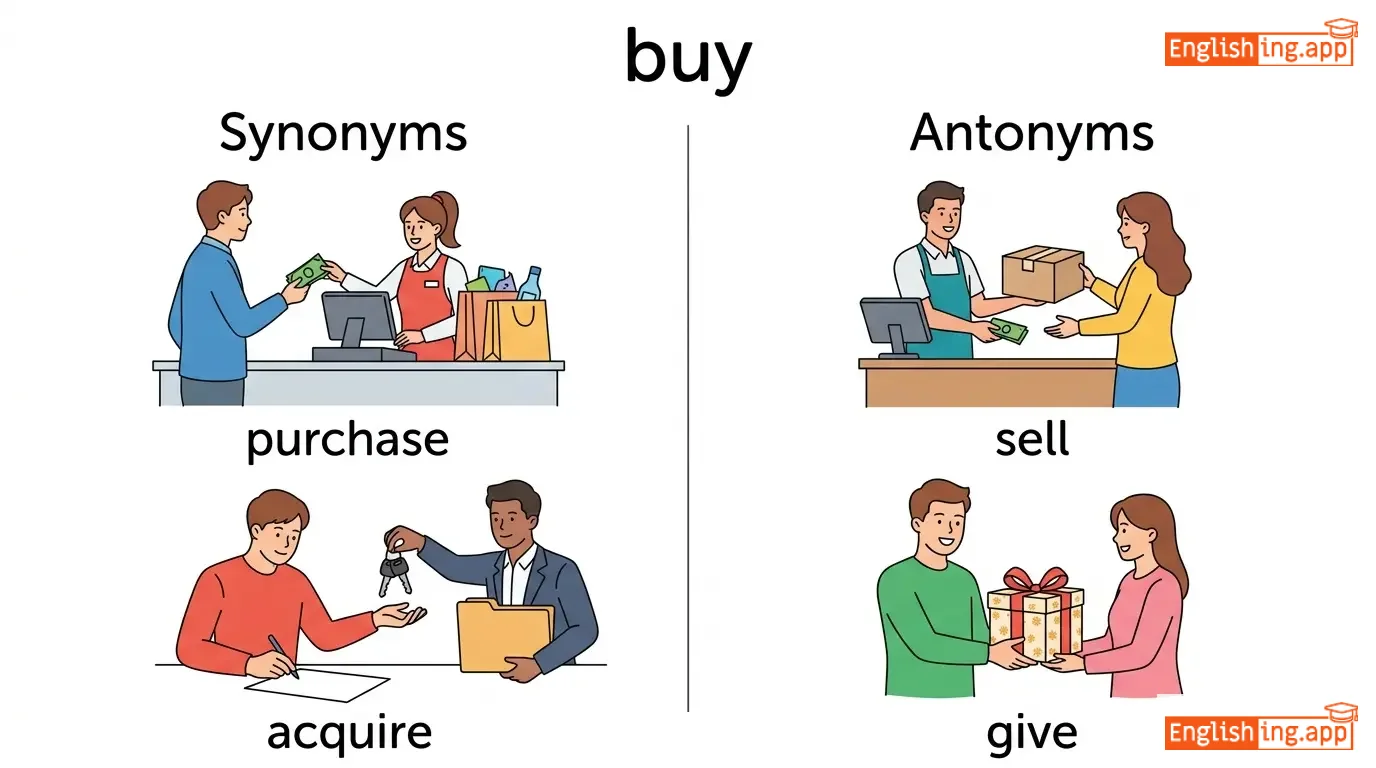
purchase, acquire, obtain, get
••••••
|
sell, give away, donate
••••••
|
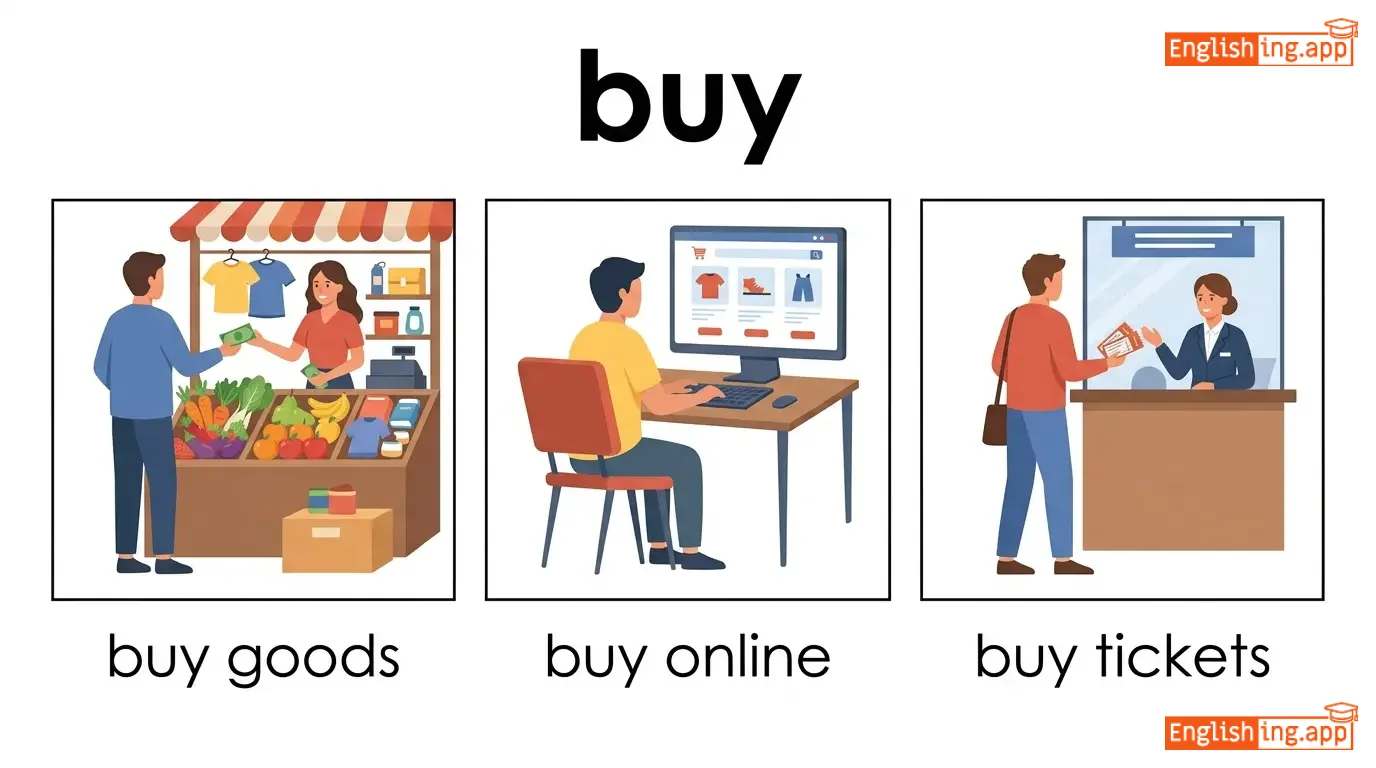
buy online, buy in bulk, buy groceries, buy time, buy into idea
••••••
|
Mǎi - Just like the word 'buy' in Chinese!
••••••
|
|
#608
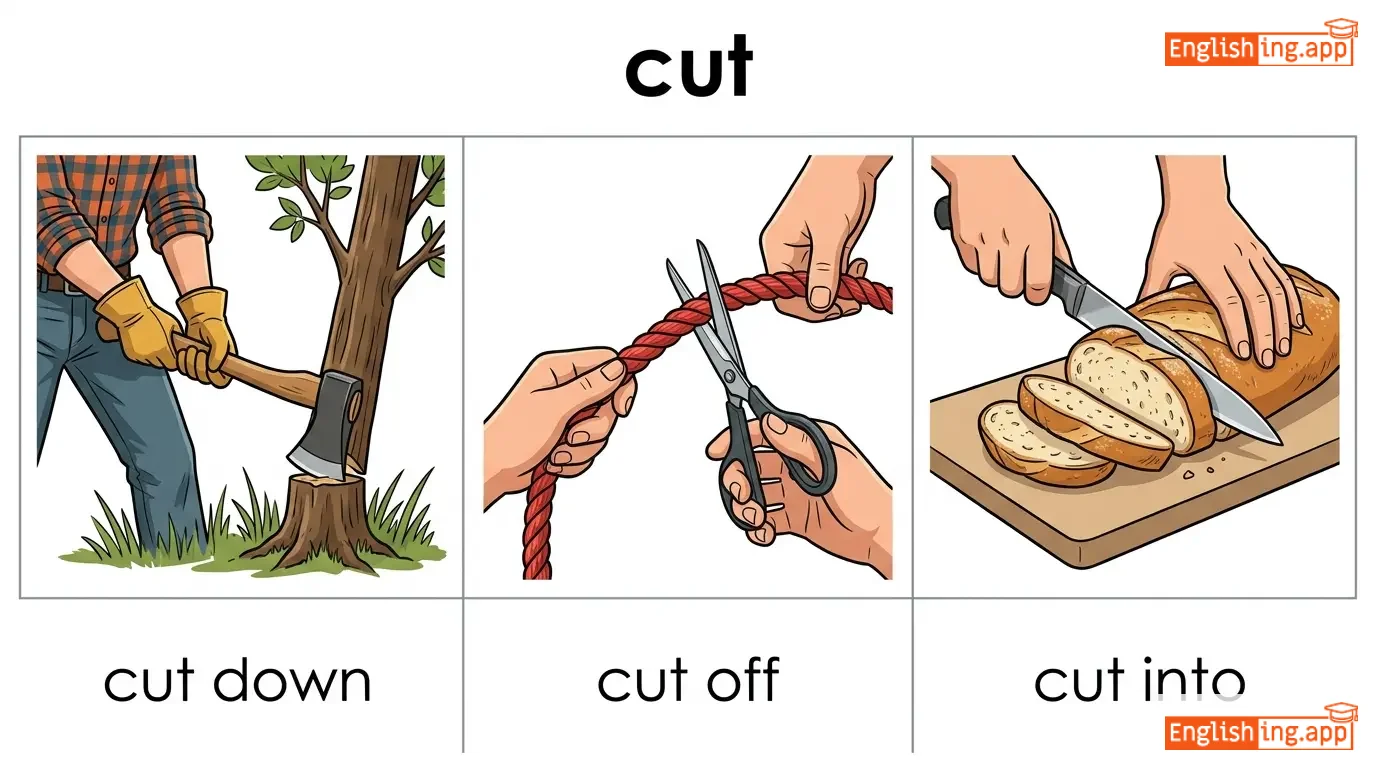
✂️
|
/kʌt/
verb
(kè)
••••••
|
|
剪
jian
••••••
|
cut
kè
••••••
|
cut
kè
••••••
|
cuts
kè sī
••••••
|
cutting
kè tīng
••••••
|
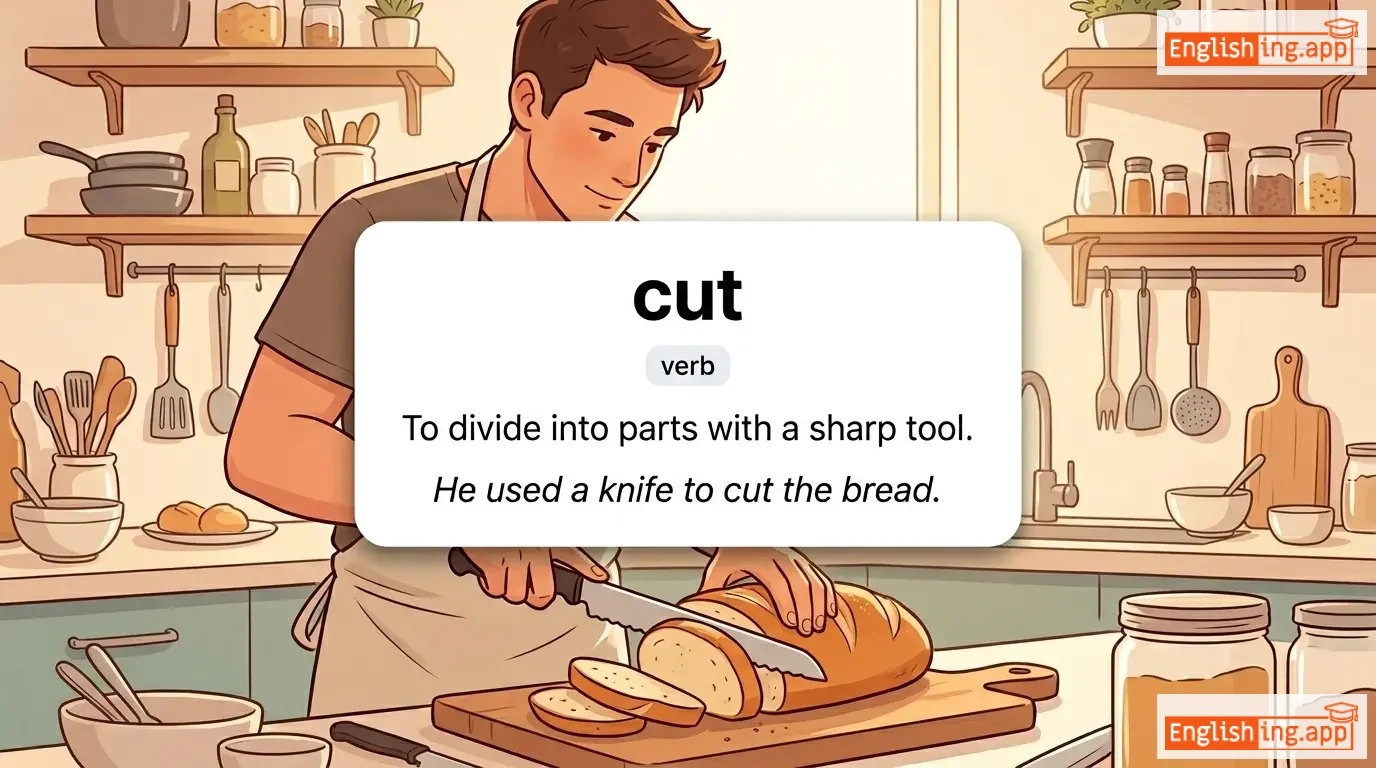
to divide or separate with a sharp tool
••••••
|
I cut the paper with scissors.
我用剪刀剪纸。
••••••
|
我用剪刀剪纸。
Wǒ yòng jiǎndāo jiǎn zhǐ.
••••••
|
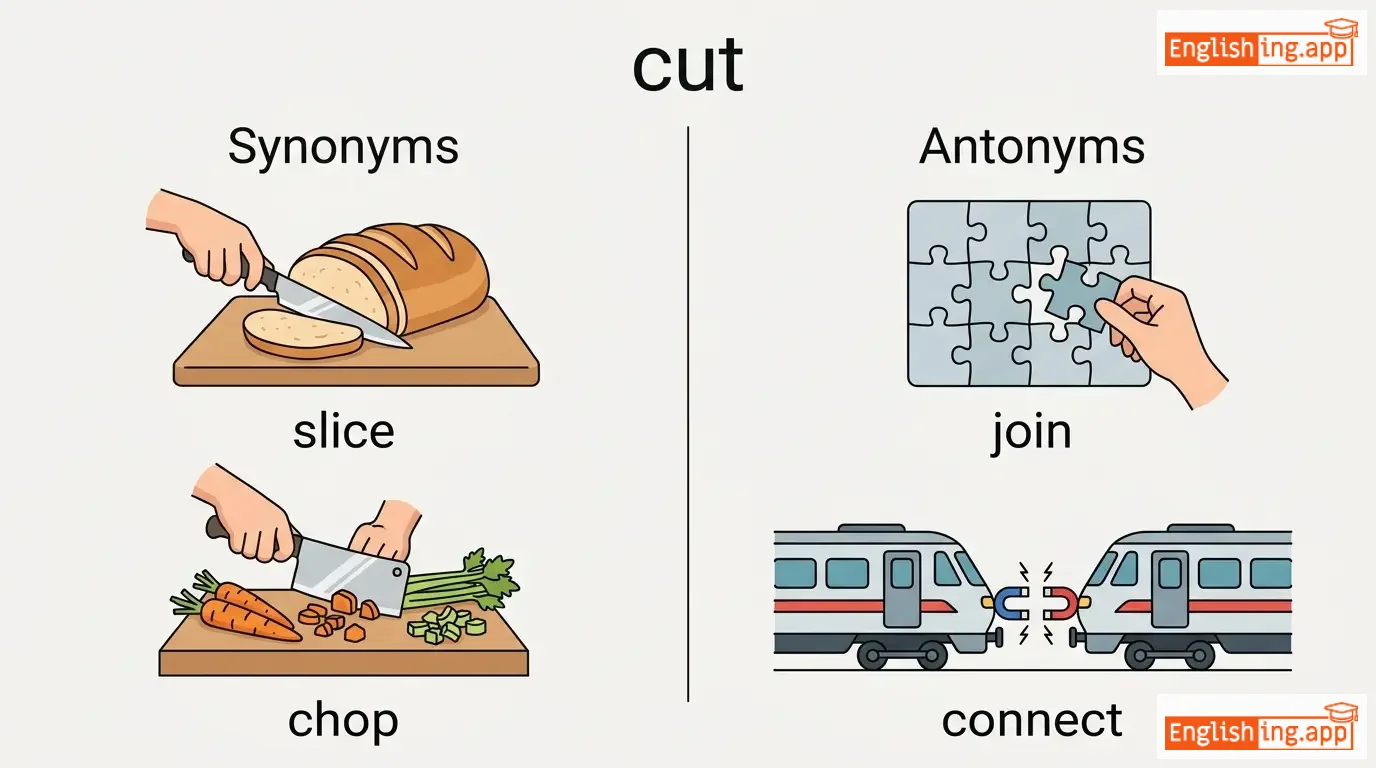
slice, chop, trim, sever
••••••
|
join, connect, attach, unite
••••••
|
cut precisely, cut through, cut deep, cut back on, cut a deal
••••••
|
Chinese speakers can remember '剪' as 'cutting paper with scissors'.
••••••
|
|
#609
🗣️
|
/tel/
verb
(tel)
••••••
|
|
告诉
gaosu
••••••
|
told
told
••••••
|
told
told
••••••
|
tells
tels
••••••
|
telling
telling
••••••
|
to give information to someone; to narrate or relate
••••••
|
Please tell me your name.
请告诉我你的名字。
••••••
|
请告诉我你的名字。
Qing gaosu wo nide mingzi.
••••••
|
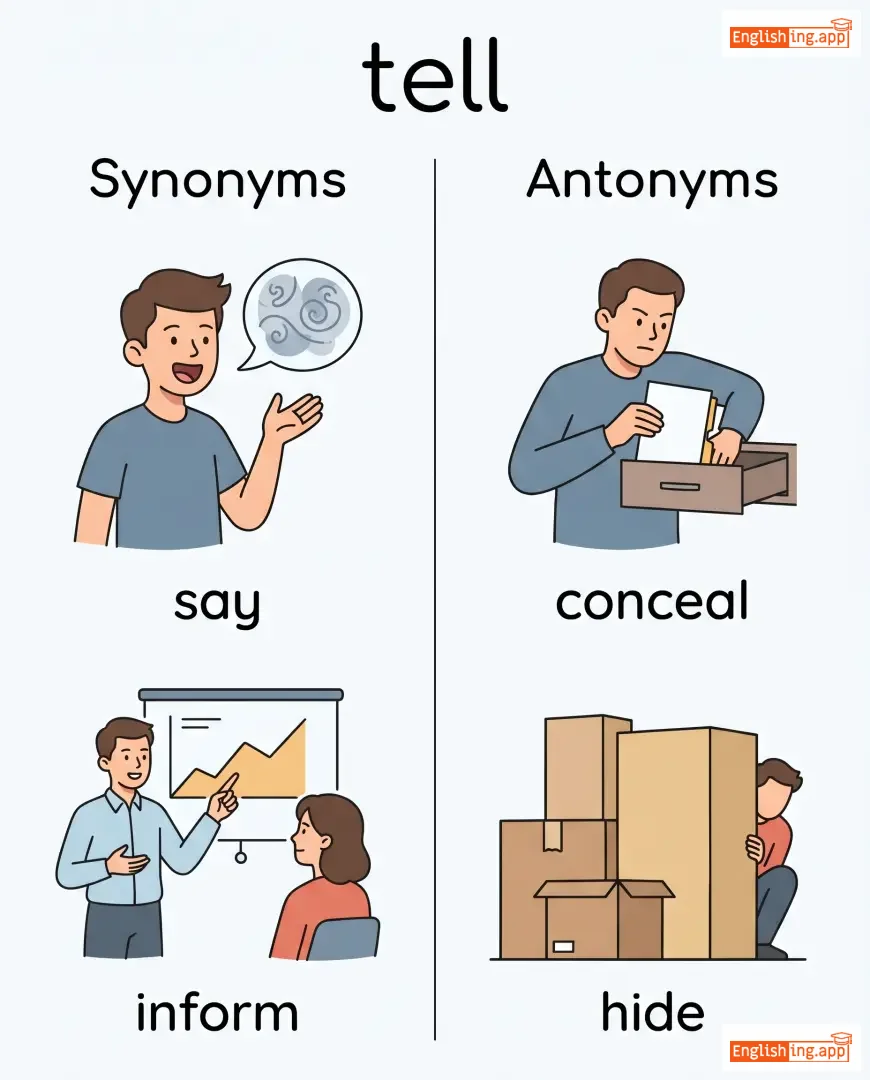
inform, relate, narrate, communicate
••••••
|
conceal, hide, withhold, ask
••••••
|
tell the truth, tell a story, tell time, tell apart, tell jokes
••••••
|
告诉别人,就是分享信息。
••••••
|
|
#610
💡
|
/ˌʌndərˈstænd/
verb
(āndārsītānd)
••••••
|
|
理解
lǐjiě
••••••
|
understood
āndārsūd
••••••
|
understood
āndārsūd
••••••
|
understands
āndārsītānds
••••••
|
understanding
āndārsītāndīng
••••••
|
to know the meaning of something; to comprehend
••••••
|
Do you understand the instructions?
Do you āndārsītānd zè yīnyuán?
••••••
|
你理解这些指示吗?
Nǐ lǐjiě zhèxiē zhǐshì ma?
••••••
|
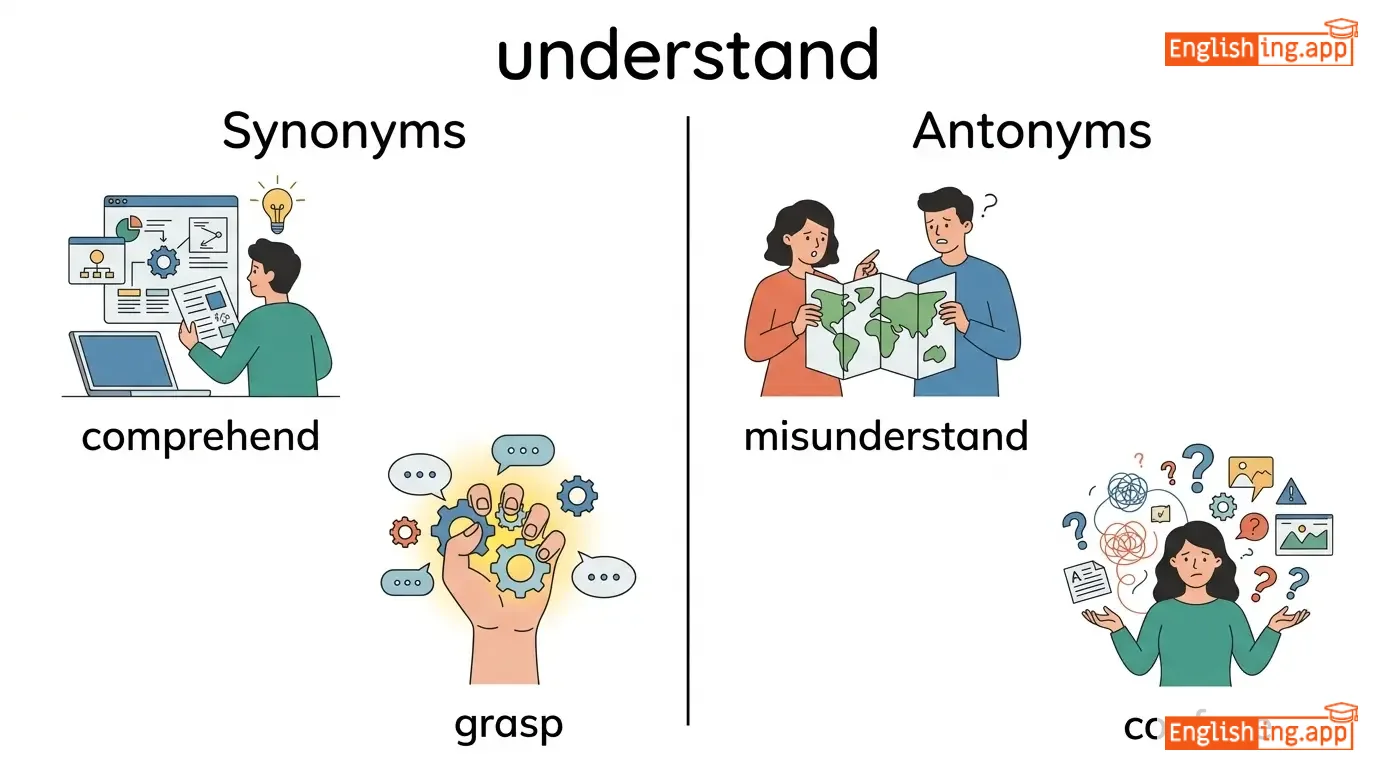
comprehend, grasp, realize, know
••••••
|
misunderstand, confuse
••••••
|
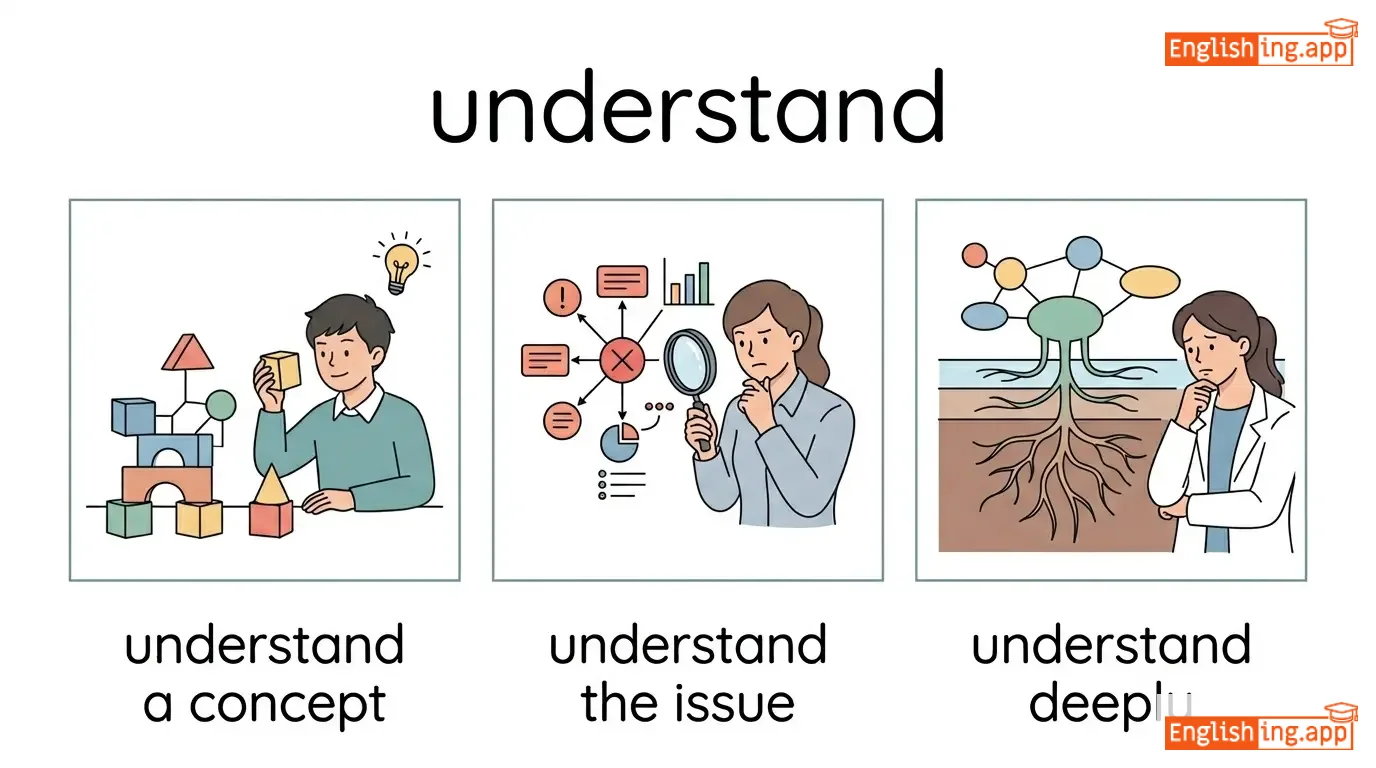
understand clearly, understand completely, understand the problem, understand each other, understand fully
••••••
|
To understand, you need to lǐjiě (comprehend) the instructions.
••••••
|
|
#611
🛄
|
/dræɡ/
verb
(拖)
••••••
|
|
拖
tuo
••••••
|
dragged
拖拉
••••••
|
dragged
拖拉
••••••
|
drags
拖动
••••••
|
dragging
拖动
••••••
|
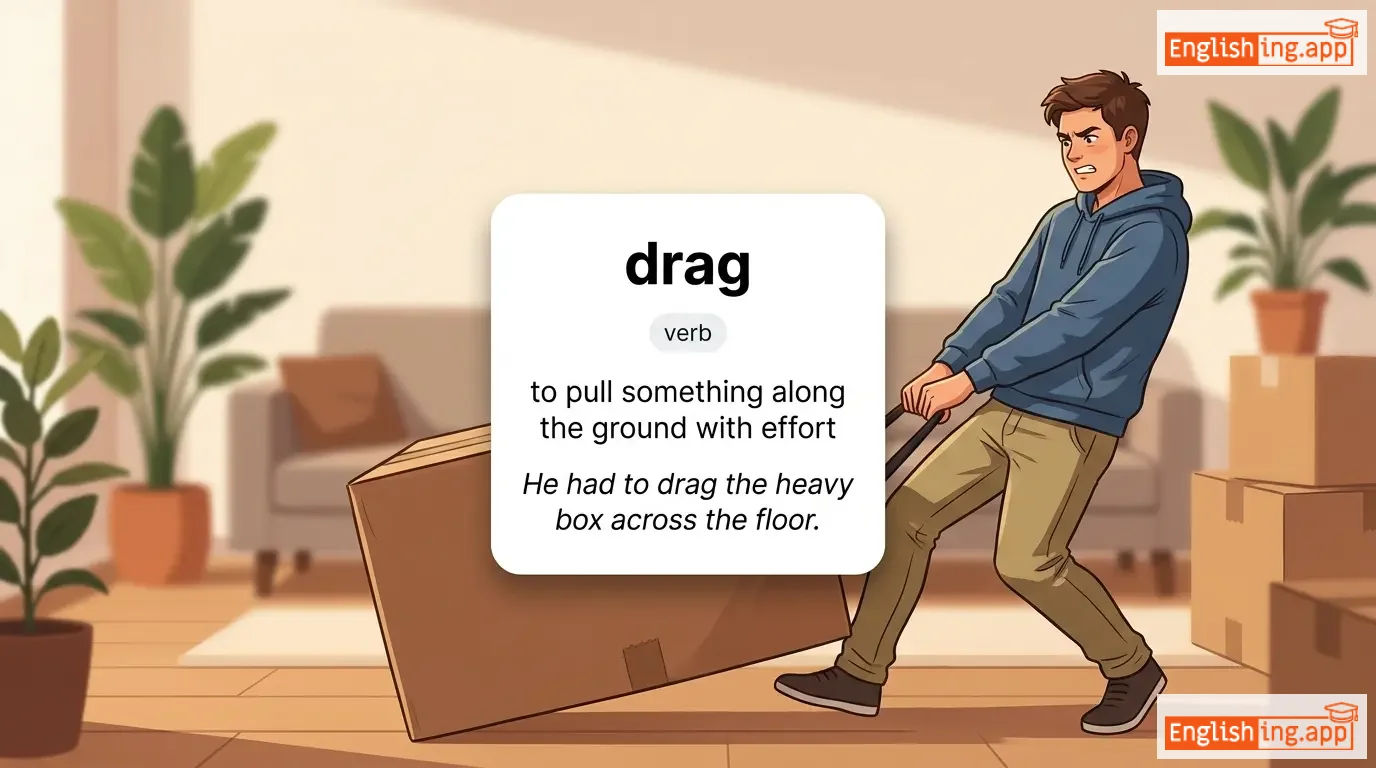
to pull something heavy or difficult to move along the ground; to go somewhere unwillingly; to last too long
••••••
|
She had to drag the heavy suitcase up the stairs.
她必须把沉重的行李拖上楼梯。
••••••
|
她必须把沉重的行李拖上楼梯。
Ta bixi ba chenzhong de xingli tuo shang louti.
••••••
|
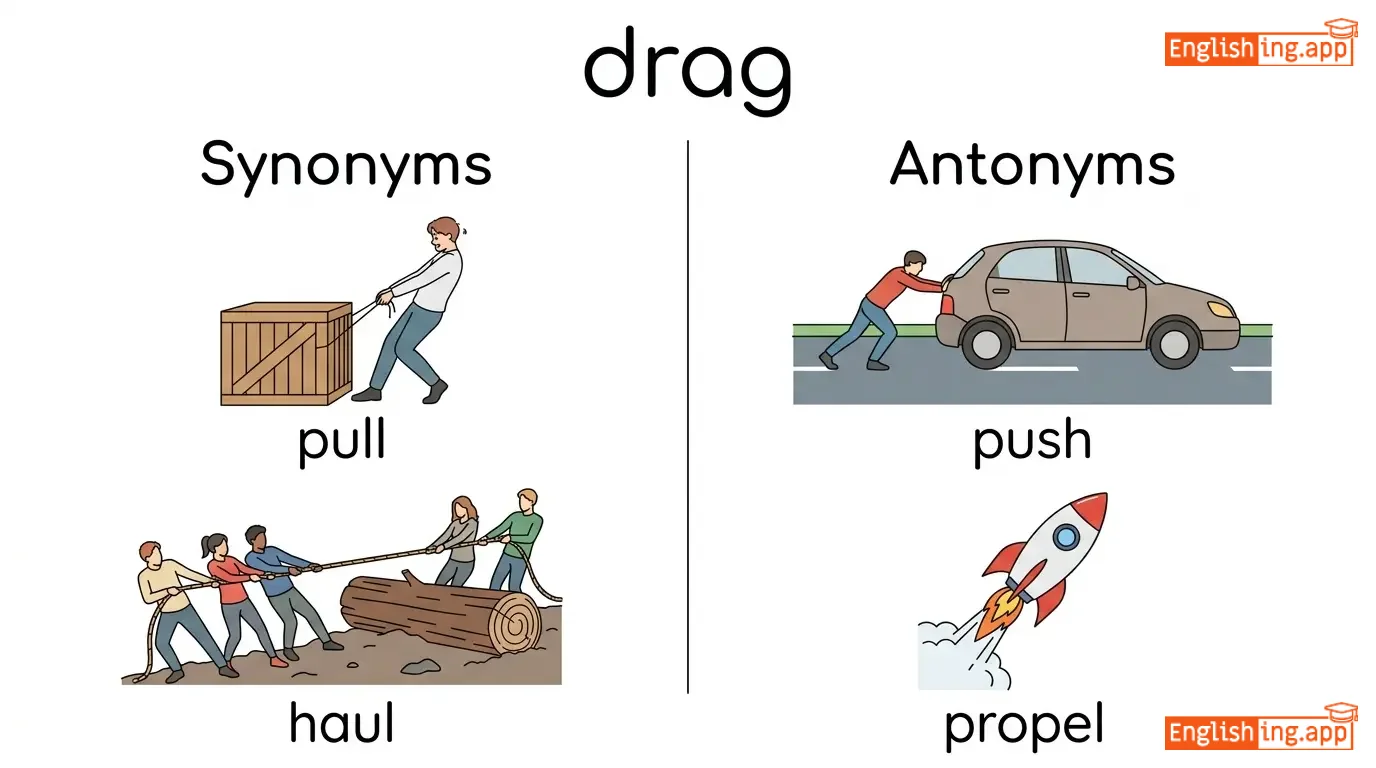
pull, haul, tow, trail
••••••
|
push, carry, lift, speed
••••••
|
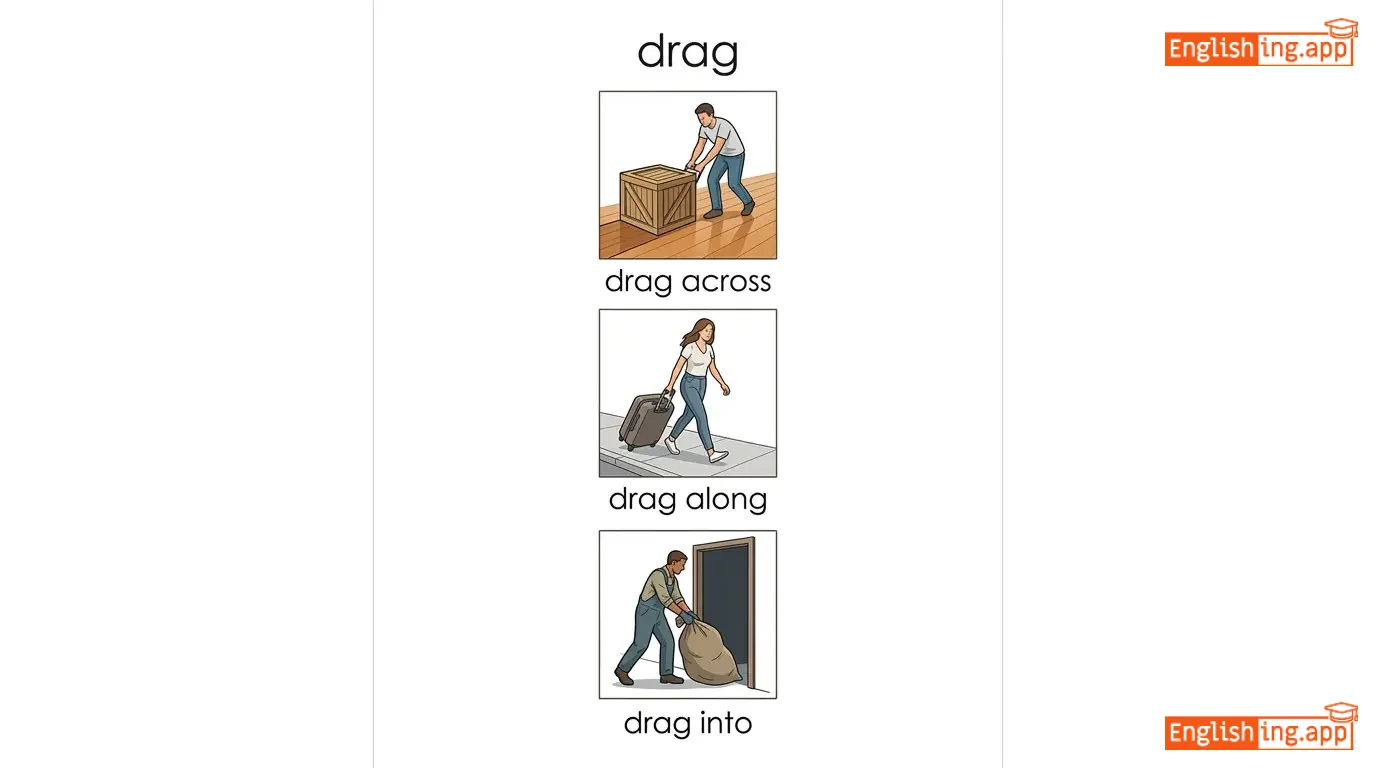
drag slowly, drag along, drag down, drag out, drag feet
••••••
|
Imagine dragging a suitcase up a staircase, unwilling to do it.
••••••
|
|
#612
🏹
|
/hʌnt/
verb
(hǎnt)
••••••
|
|
狩猎
shòuliè
••••••
|
hunted
hǎnted
••••••
|
hunted
hǎnted
••••••
|
hunts
hǎnts
••••••
|
hunting
hǎnting
••••••
|
to chase and kill wild animals; to search for something
••••••
|
The tigers hunt their prey at night.
老虎在夜间追捕它们的猎物。
••••••
|
老虎在夜间追捕它们的猎物。
Lǎohǔ zài yèjiān zhuībǔ tāmen de lièwù.
••••••
|
chase, pursue, search, track
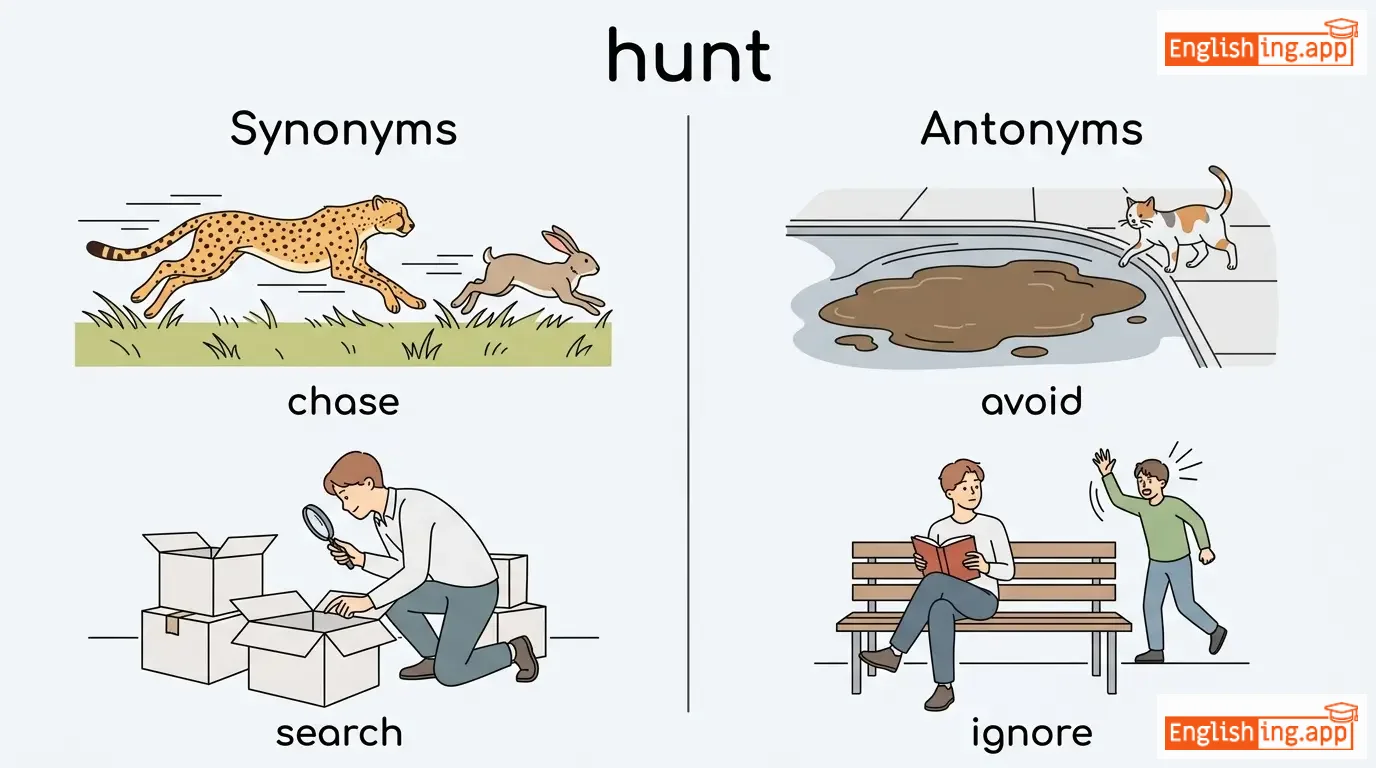
••••••
|
protect, guard, preserve, save
••••••
|
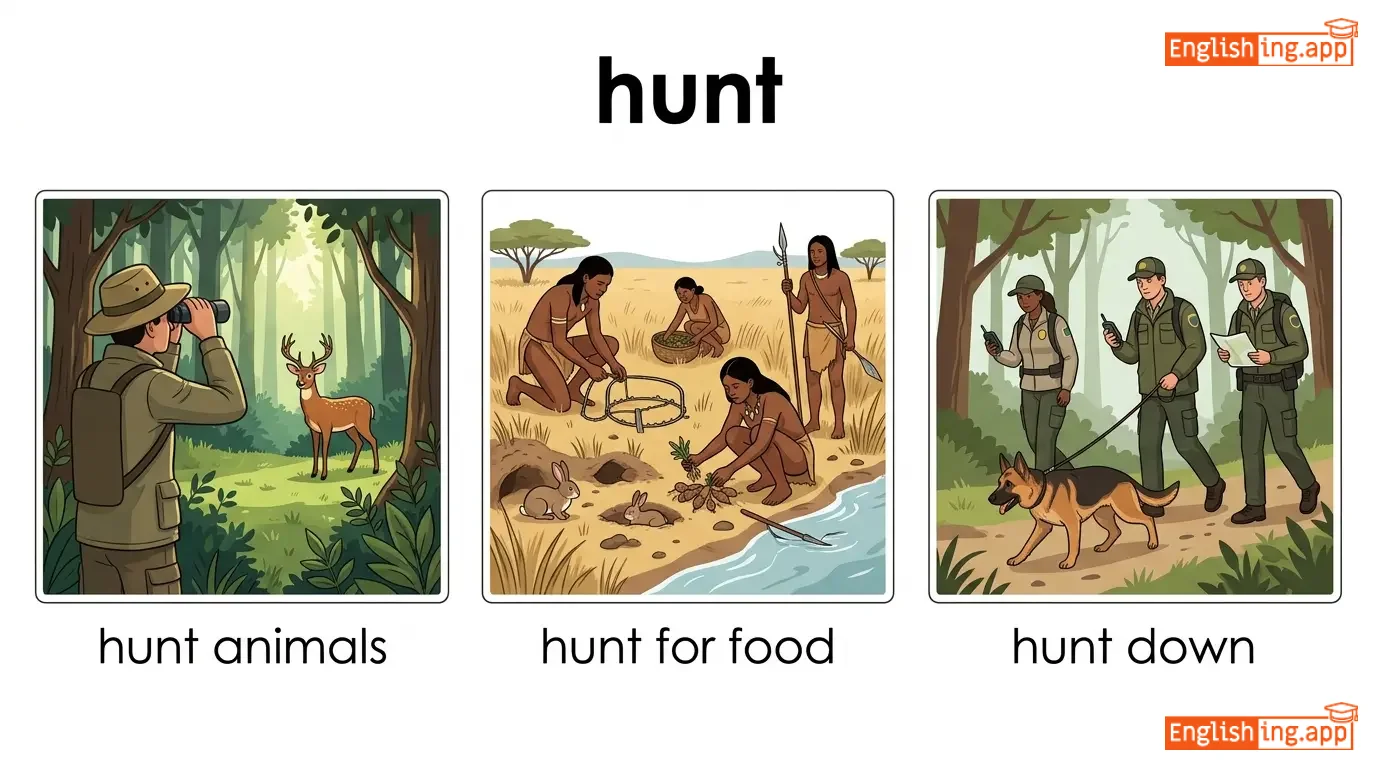
hunt animals, hunt for food, hunt treasure, hunt down, hunt together
••••••
|
狩猎 - 找猎物时
••••••
|
|
#613
🚶
|
/wɔːk/
verb
(wok)
••••••
|
|
走路
zoulù
••••••
|
walked
wokd
••••••
|
walked
wokd
••••••
|
walks
woks
••••••
|
walking
woking
••••••
|
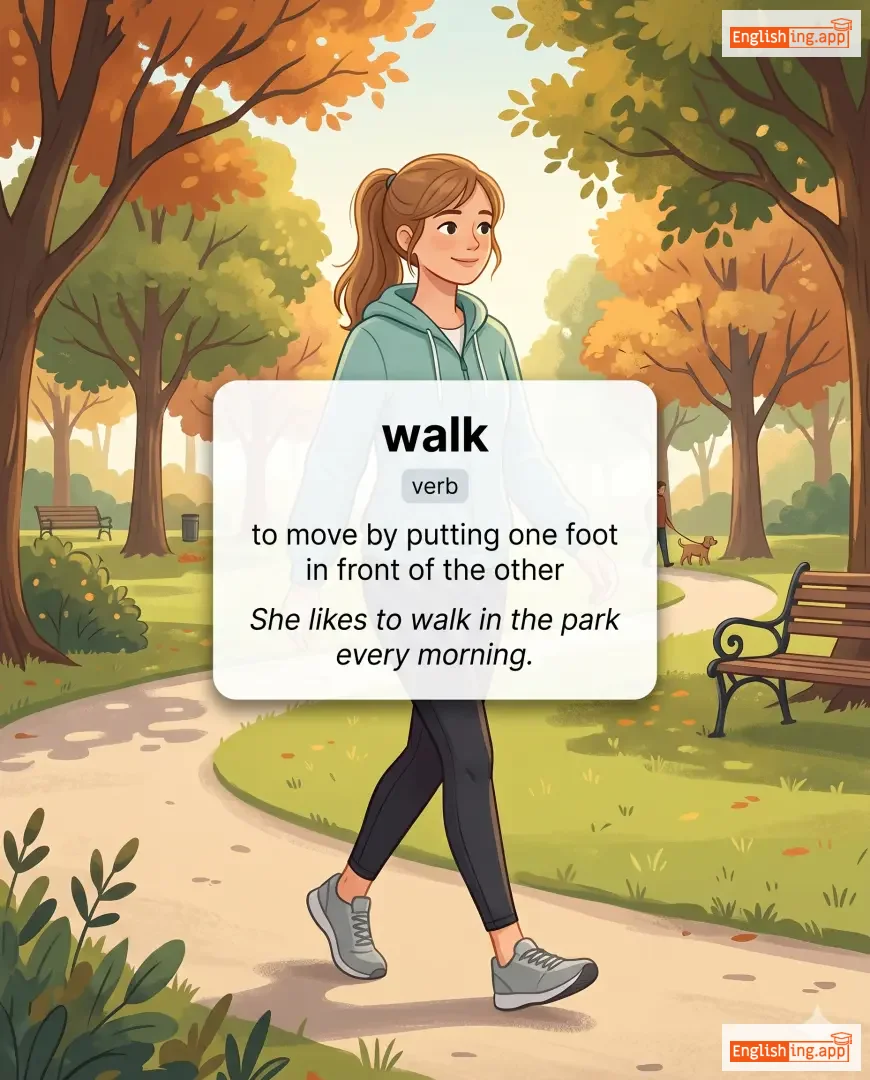
to move on foot; to go at a steady pace
••••••
|
She walks to work every morning.
她每天早上走路去上班。
••••••
|
她每天早上走路去上班。
Tā měitiān zǎoshang zǒulù qù shàngbān.
••••••
|
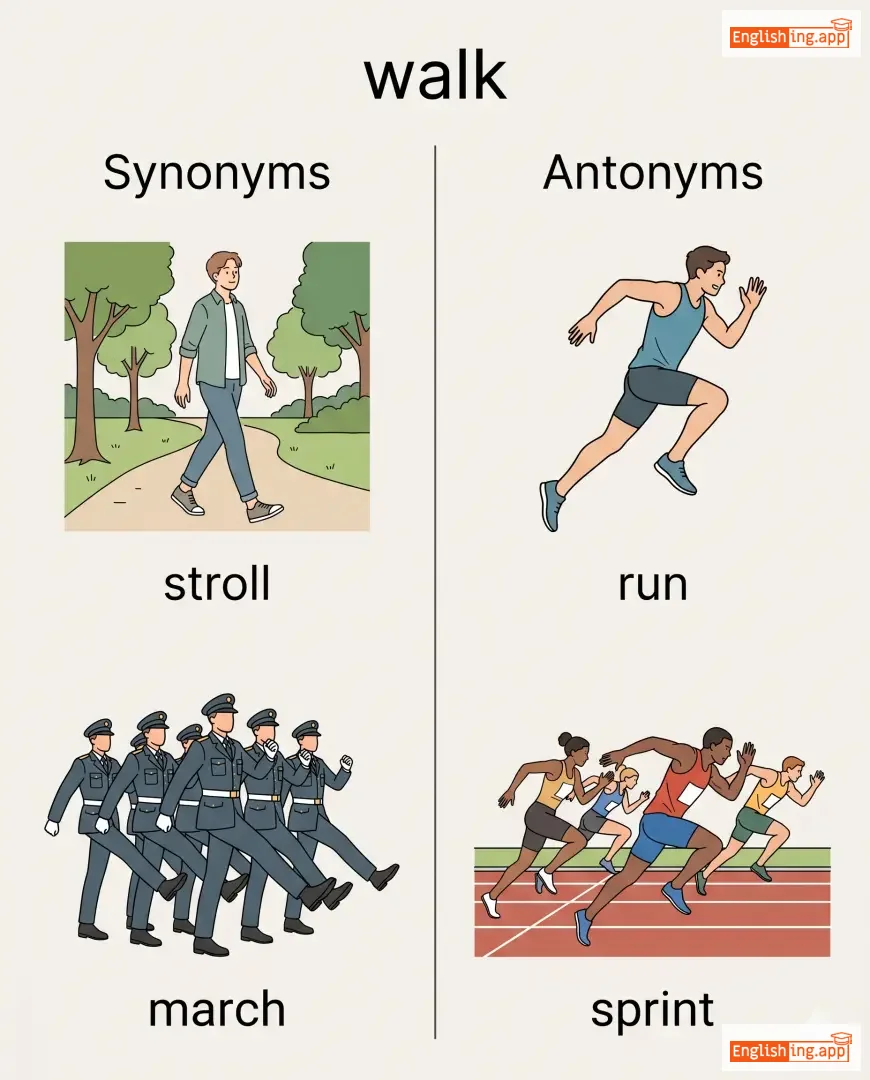
stroll, march, stride, pace, step
••••••
|
run, sit, stand still, drive
••••••
|
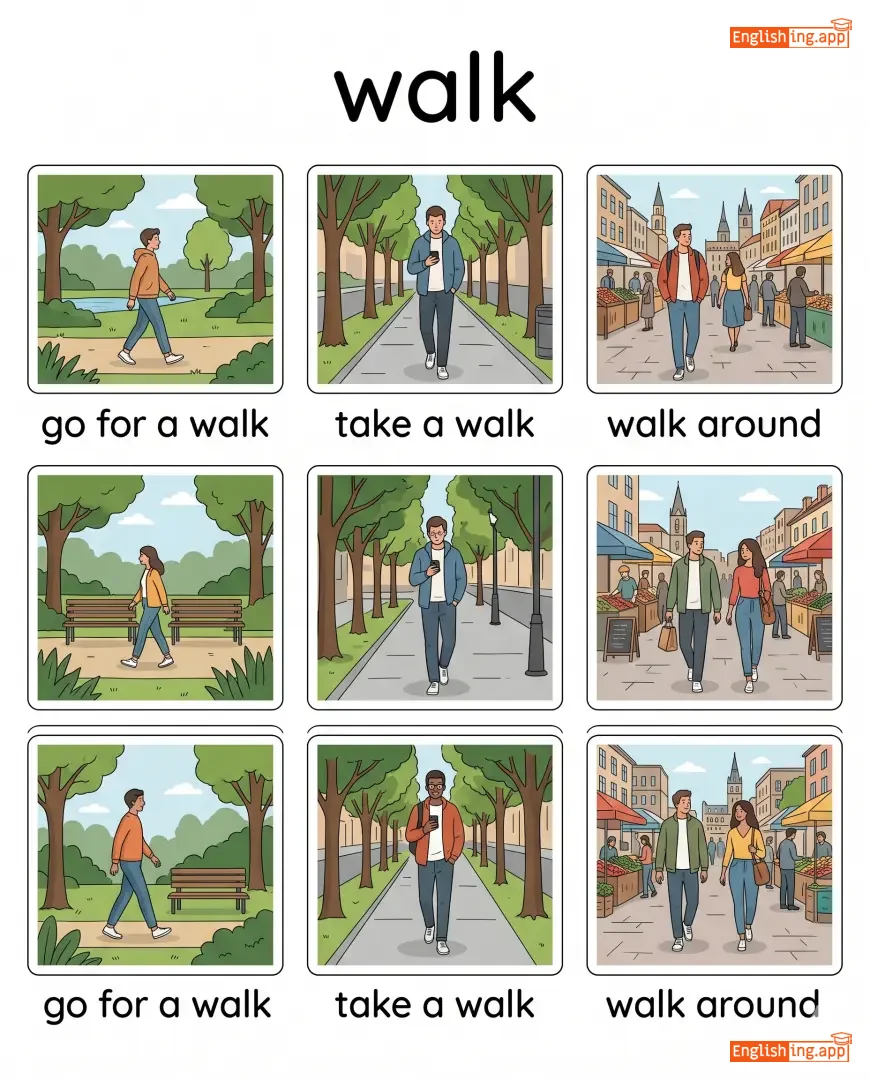
walk slowly, walk together, walk home, walk away, walk the dog
••••••
|
走路让你更健康!
••••••
|
|
#614
🧠
|
/ˌrekəˈlekt/
verb
(rɛkəˈlɛkt)
••••••
|
|
回忆
huiyi
••••••
|
recollected
recollected
••••••
|
recollected
recollected
••••••
|
recollects
recollects
••••••
|
recollecting
recollecting
••••••
|
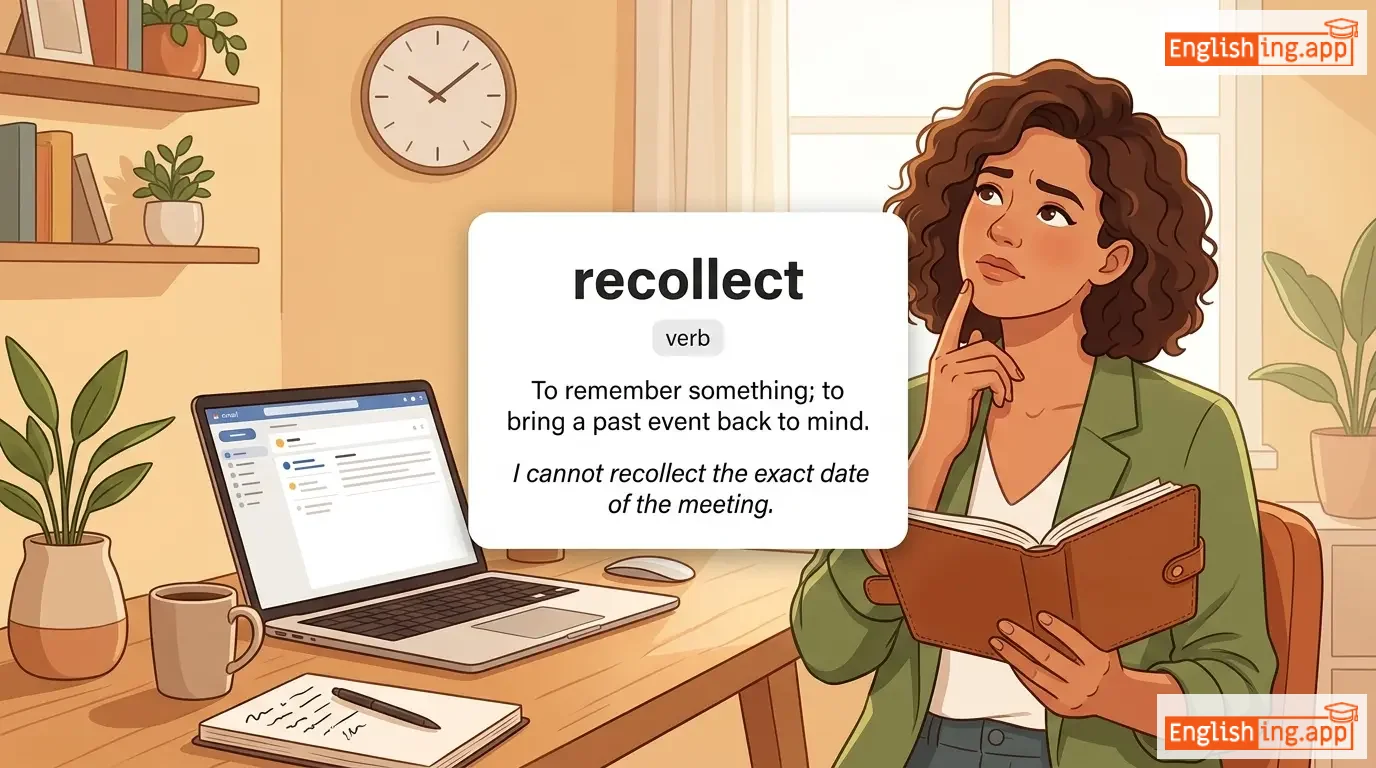
to remember something; to recall from memory
••••••
|
I can't recollect where I put my keys.
我记不起来我把钥匙放在哪里了。
••••••
|
我记不起来我把钥匙放在哪里了。
Wǒ jì bù qǐlái wǒ bǎ yàoshi fàng zài nǎlǐ le.
••••••
|
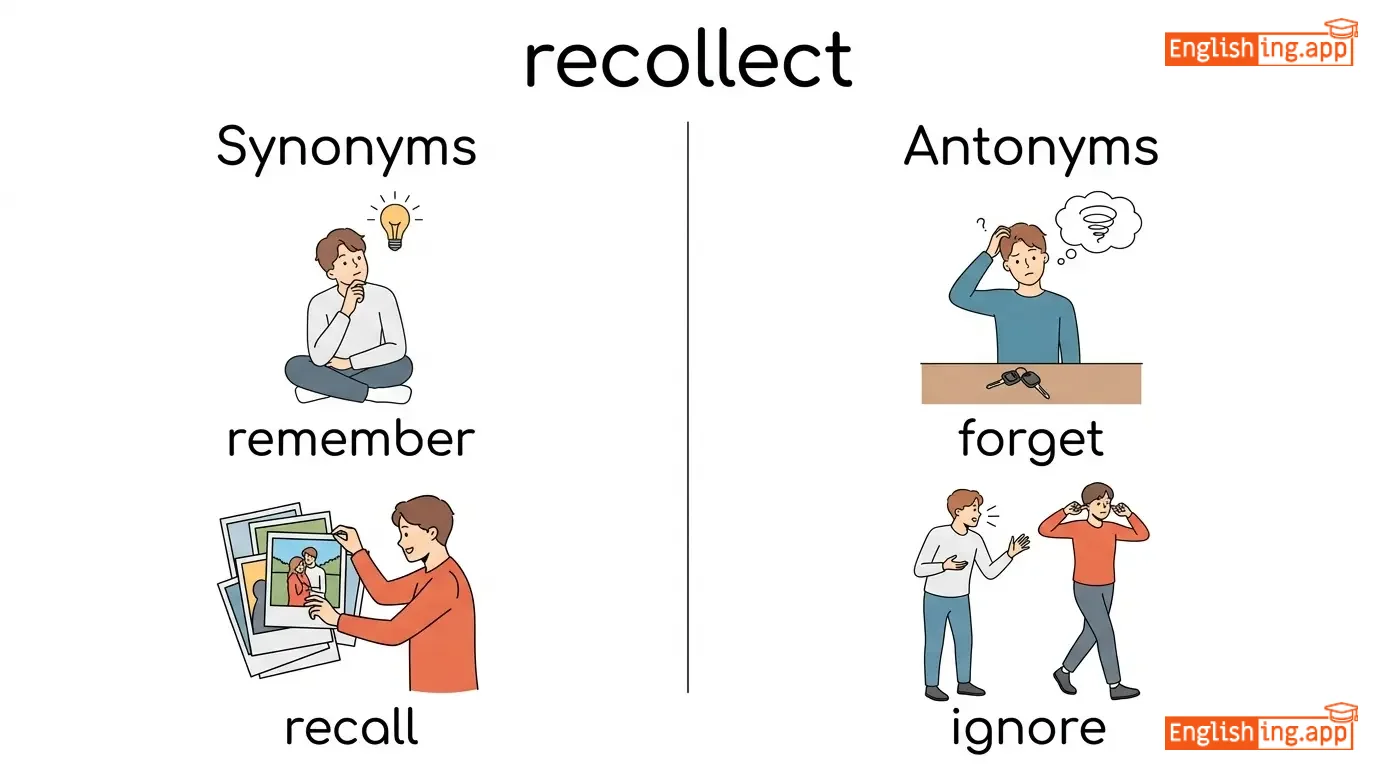
remember, recall, reminisce, retrieve
••••••
|
forget, overlook, ignore
••••••
|
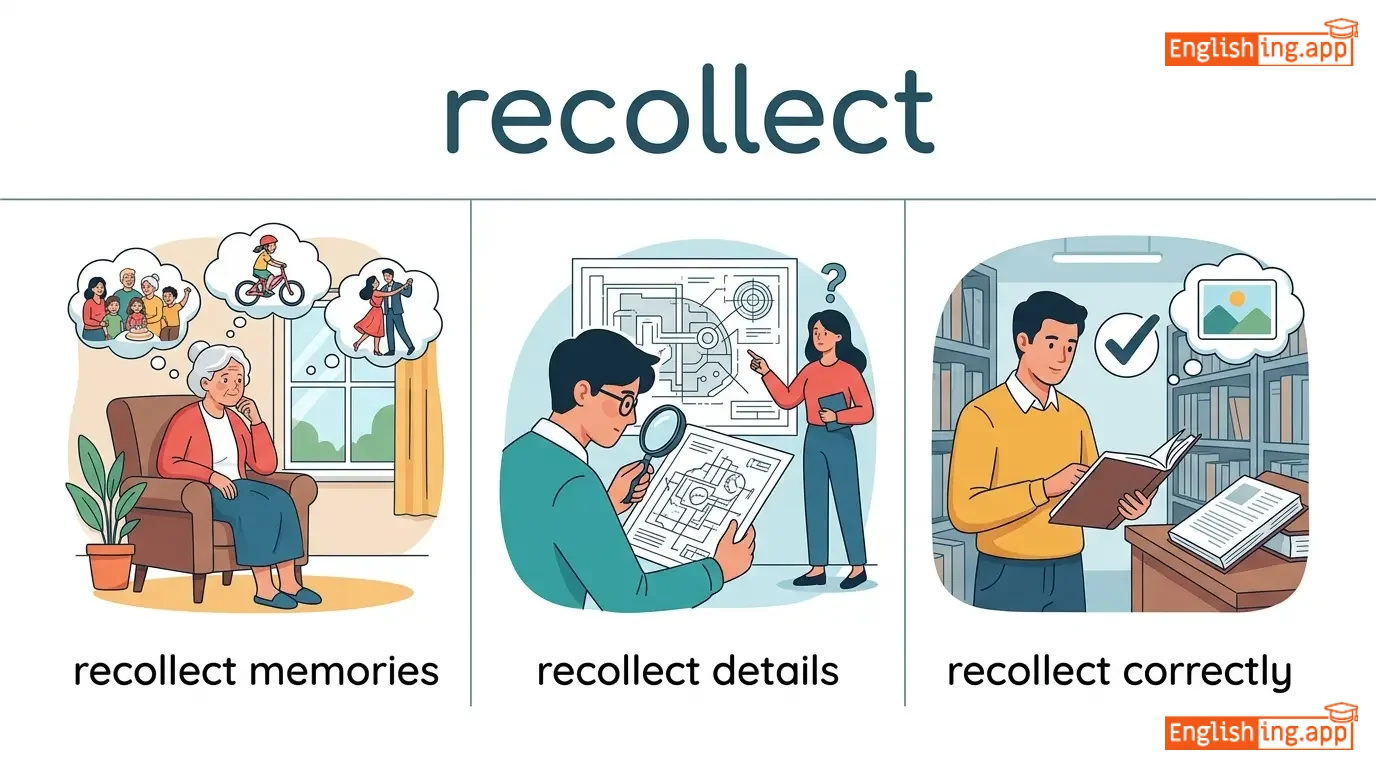
recollect memories, recollect clearly, recollect events, recollect the past, recollect details
••••••
|
回忆就像找到丢失的东西!
••••••
|
|
#615
🎖️
|
/pəˈreɪd/
verb
(阅兵)
••••••
|
|
阅兵, 展示
yuebing, zhanshi
••••••
|
paraded
阅兵过
••••••
|
paraded
阅兵过
••••••
|
parades
阅兵
••••••
|
parading
阅兵进行
••••••
|
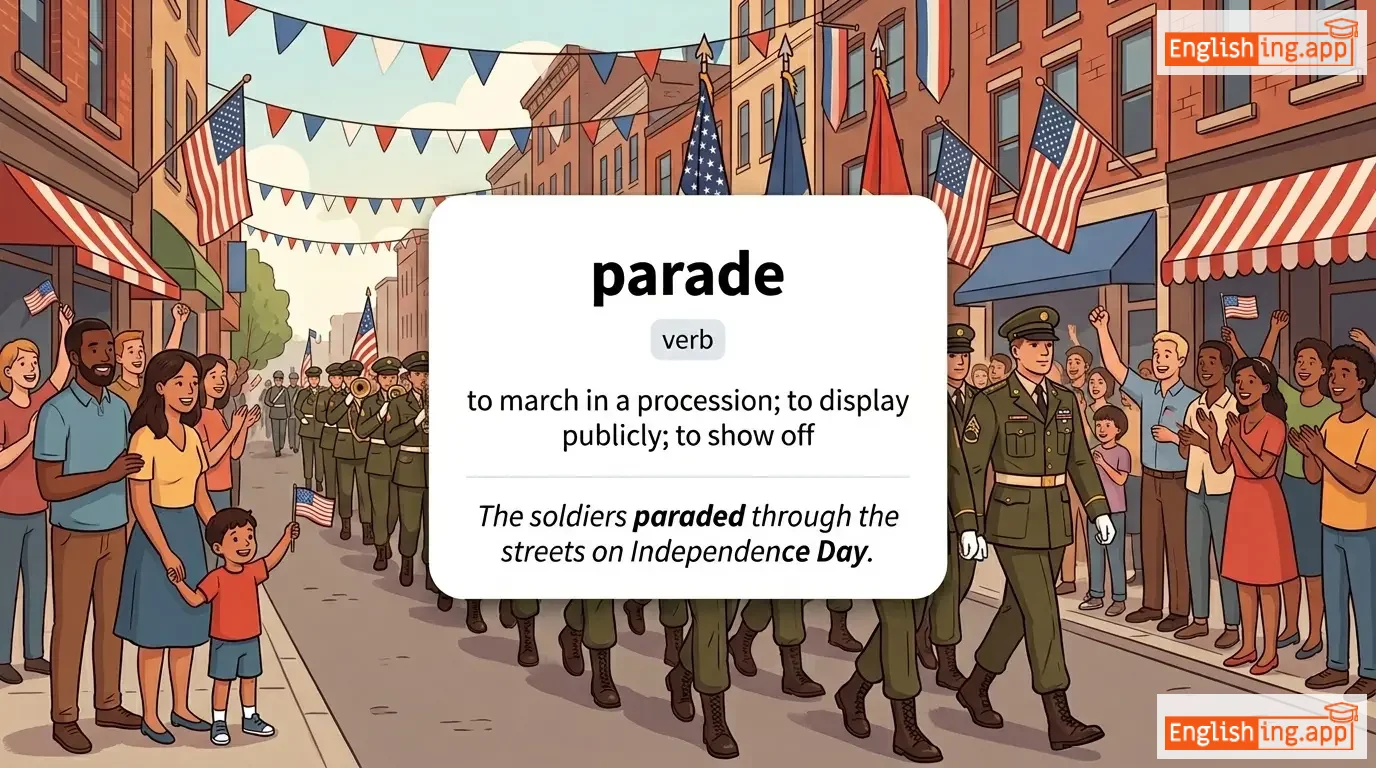
to march in a procession; to display publicly; to show off
••••••
|
The soldiers paraded through the streets on Independence Day.
士兵们在独立日游行中阅兵。
••••••
|
士兵们在独立日游行中阅兵。
Shibing men zai duliri youxing zhong yuebing.
••••••
|
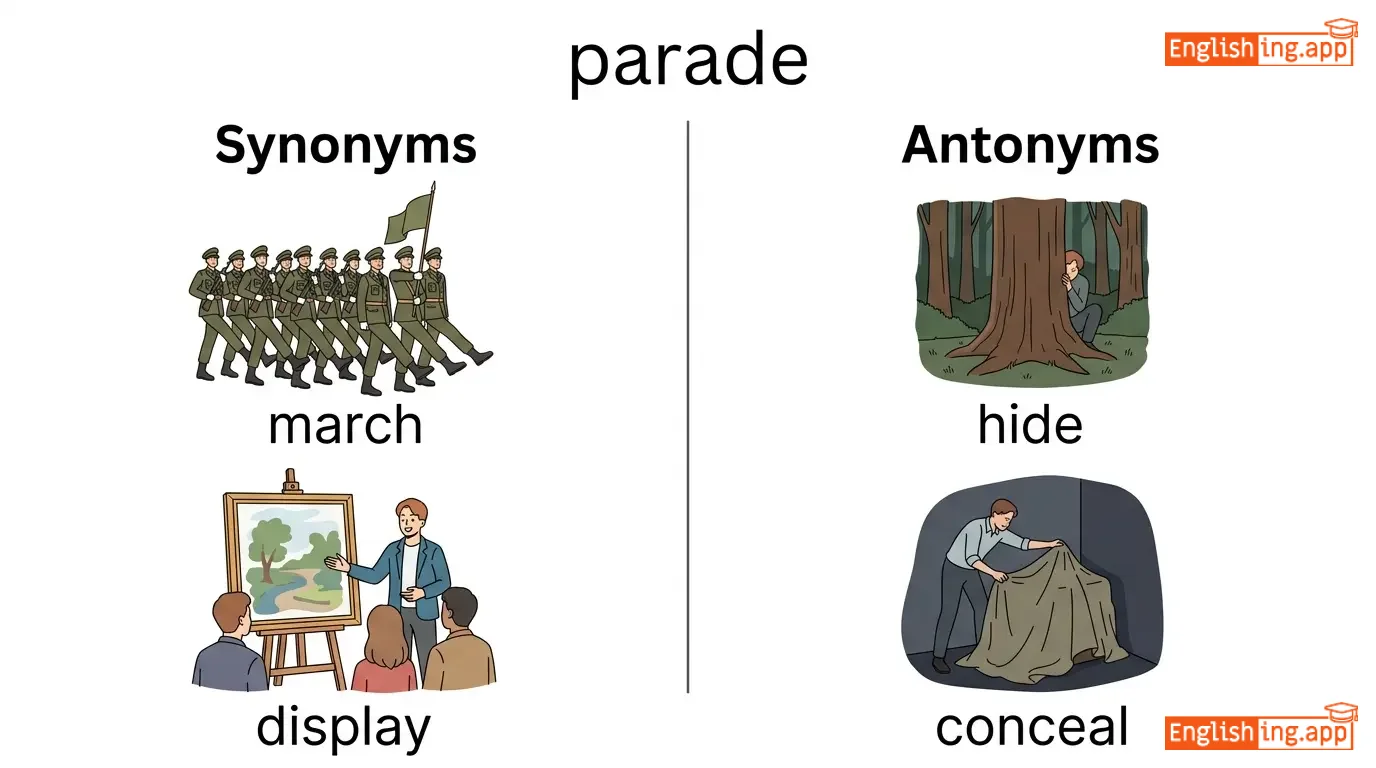
march, display, show, demonstrate
••••••
|
hide, conceal, withdraw, retreat
••••••
|
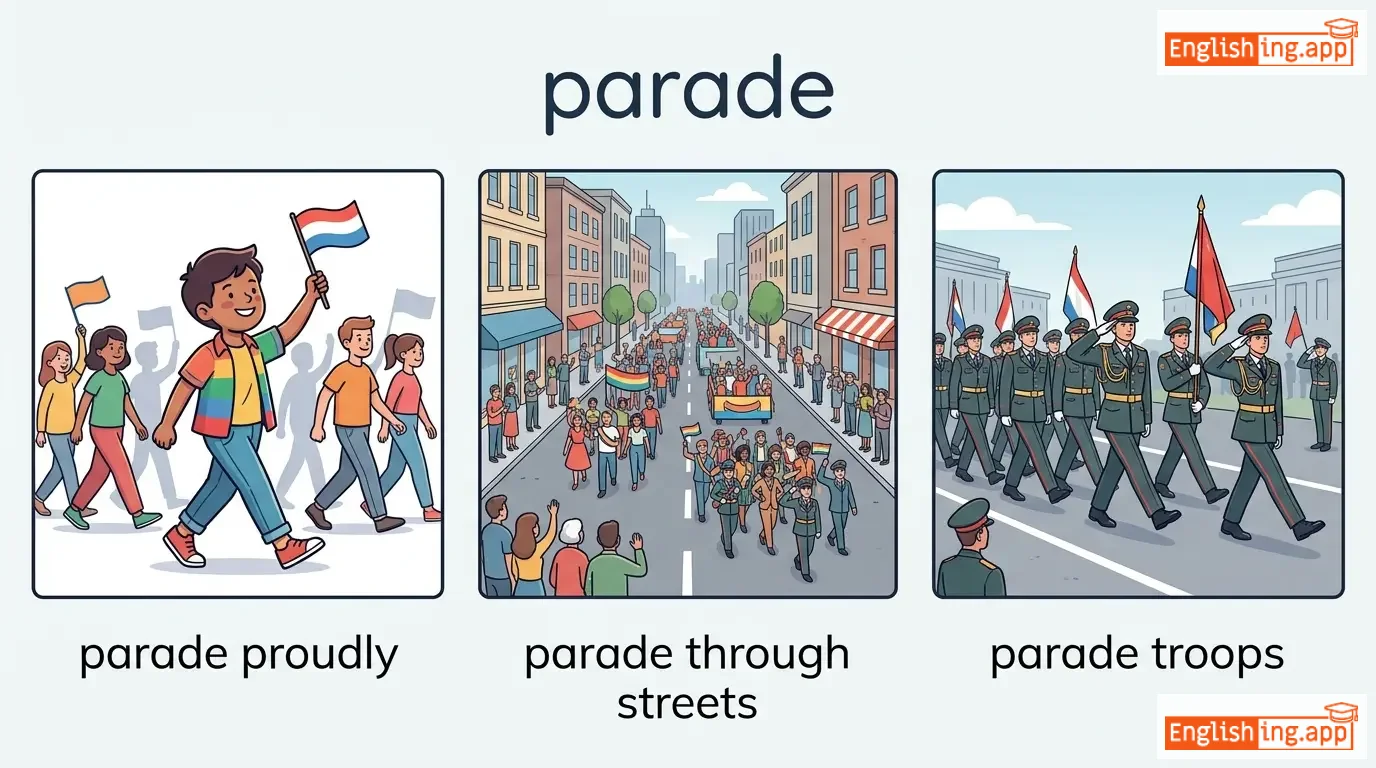
parade proudly, parade through streets, parade troops, parade around, parade success
••••••
|
阅兵展示军力,壮丽的游行庆祝节日。
••••••
|
|
#616
✊
|
/rɪˈvoʊlt/
verb
(rɪˈvoʊlt)
••••••
|
|
反抗
fǎnkàng
••••••
|
revolted
rɪˈvoʊltɪd
••••••
|
revolted
rɪˈvoʊltɪd
••••••
|
revolts
rɪˈvoʊlts
••••••
|
revolting
rɪˈvoʊltɪŋ
••••••
|
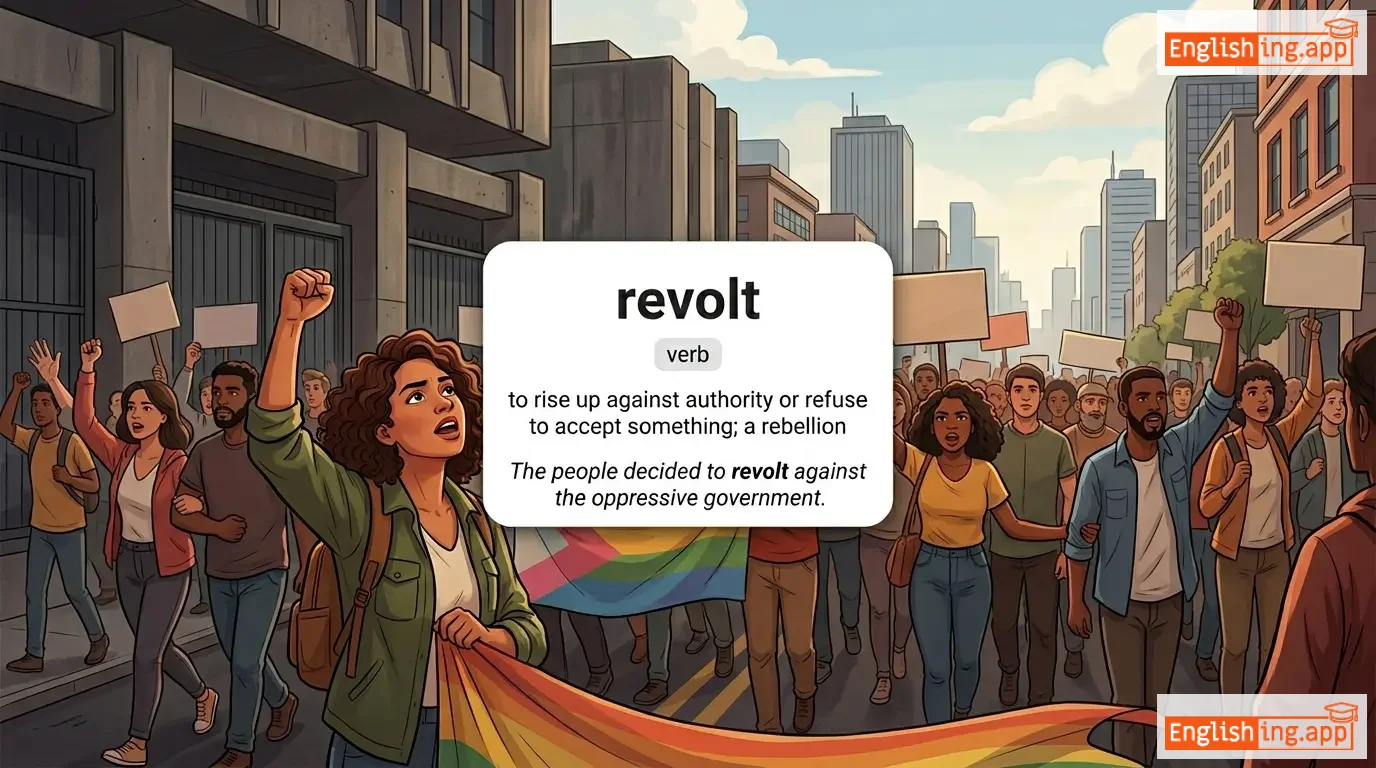
to rebel against authority; to feel disgust
••••••
|
The people revolted against the corrupt government.
人民反抗腐败的政府。
••••••
|
人民反抗腐败的政府。
Rénmín fǎnkàng fǔbài de zhèngfǔ.
••••••
|
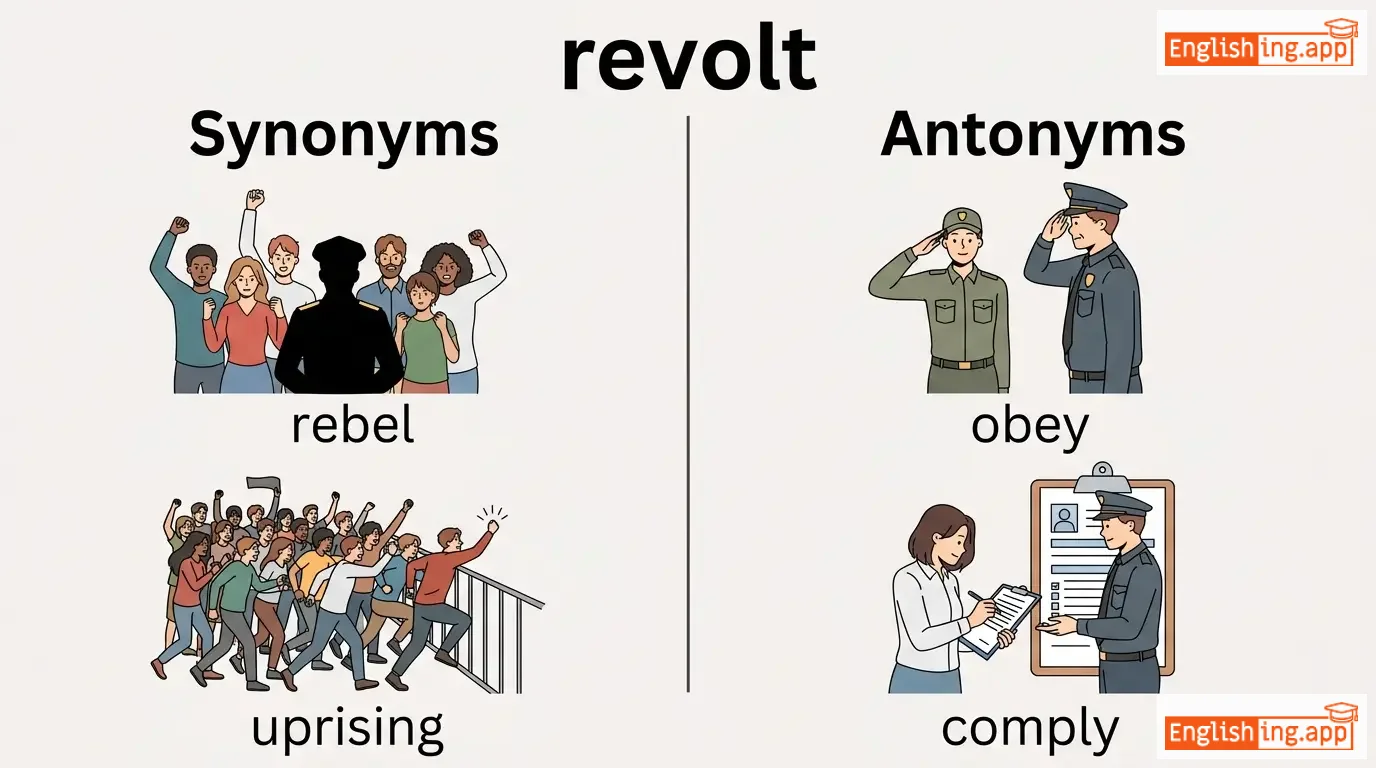
rebel, rise up, resist, protest
••••••
|
obey, submit, comply, conform
••••••
|
revolt against authority, revolt in anger, revolt successfully, revolt peacefully, mass revolt
••••••
|
反抗使人感到厌恶,像词汇‘revolt’一样。
••••••
|
|
#617
✂️
|
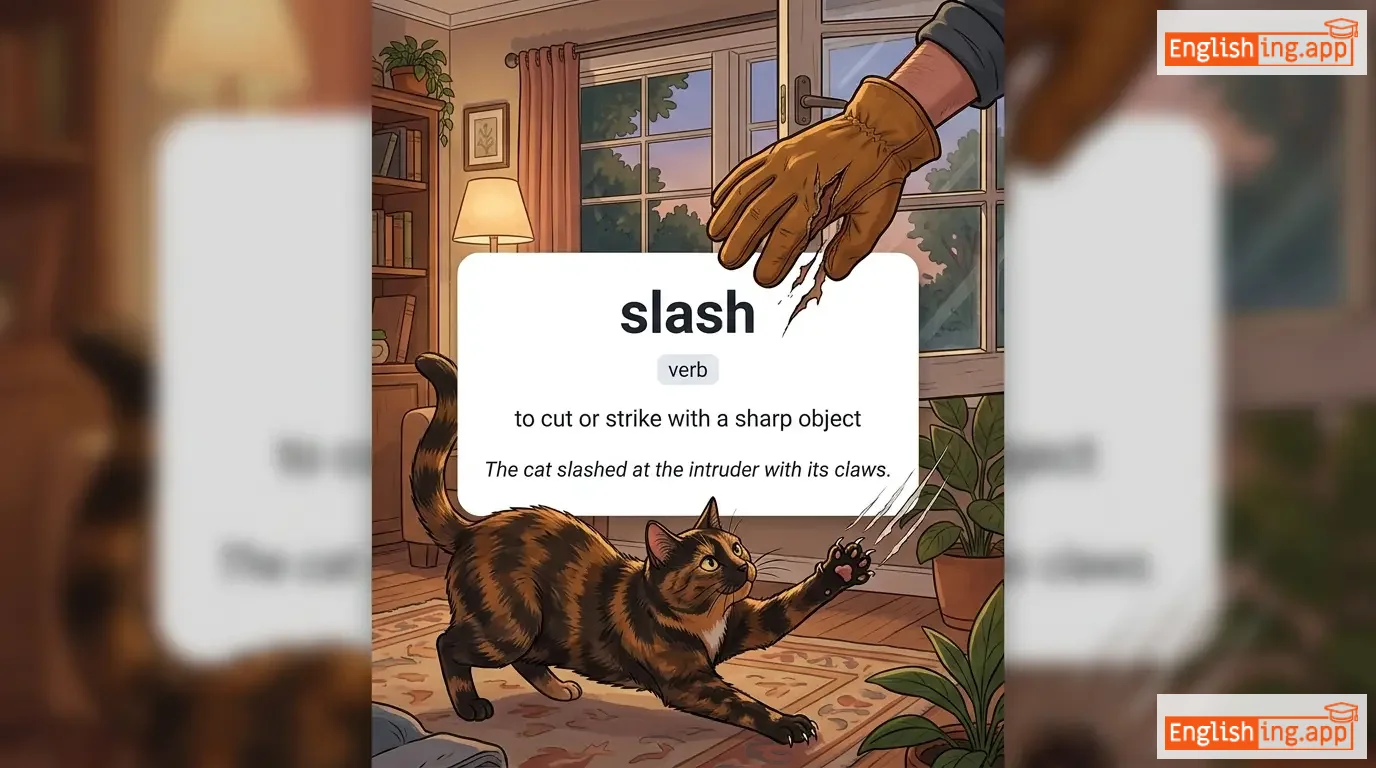
/slæʃ/
verb
(slash)
••••••
|
|
切割
qie ge
••••••
|
slashed
slashd
••••••
|
slashed
slashd
••••••
|
slashes
slashes
••••••
|
slashing
slashing
••••••
|
to cut with a sharp blade; to reduce drastically
••••••
|
The company slashed prices to attract more customers.
公司大幅削减价格以吸引更多顾客。
••••••
|
公司大幅削减价格以吸引更多顾客。
Gongsi dafu xiaojian jiage yi xiyin gengduo guke.
••••••
|
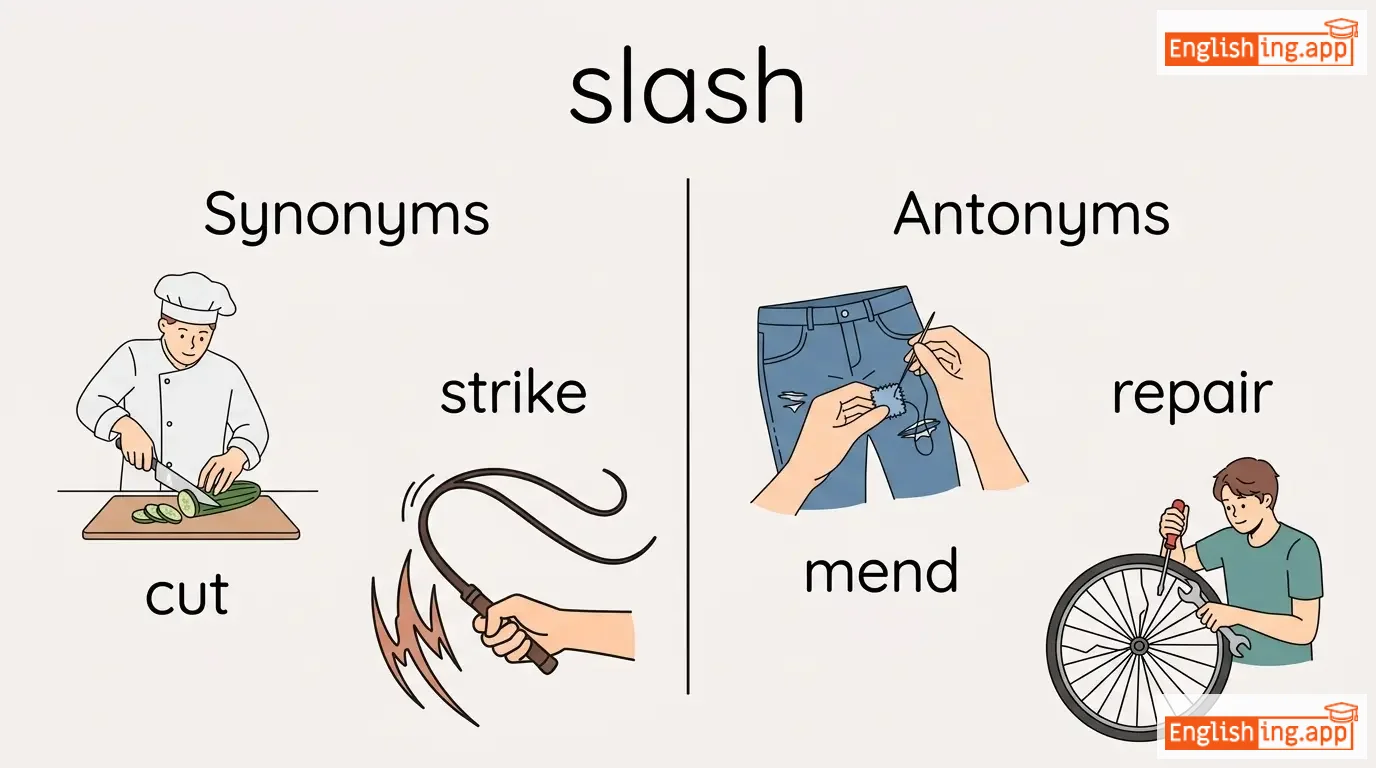
cut, reduce, strike, slice
••••••
|
increase, raise, heal, mend
••••••
|
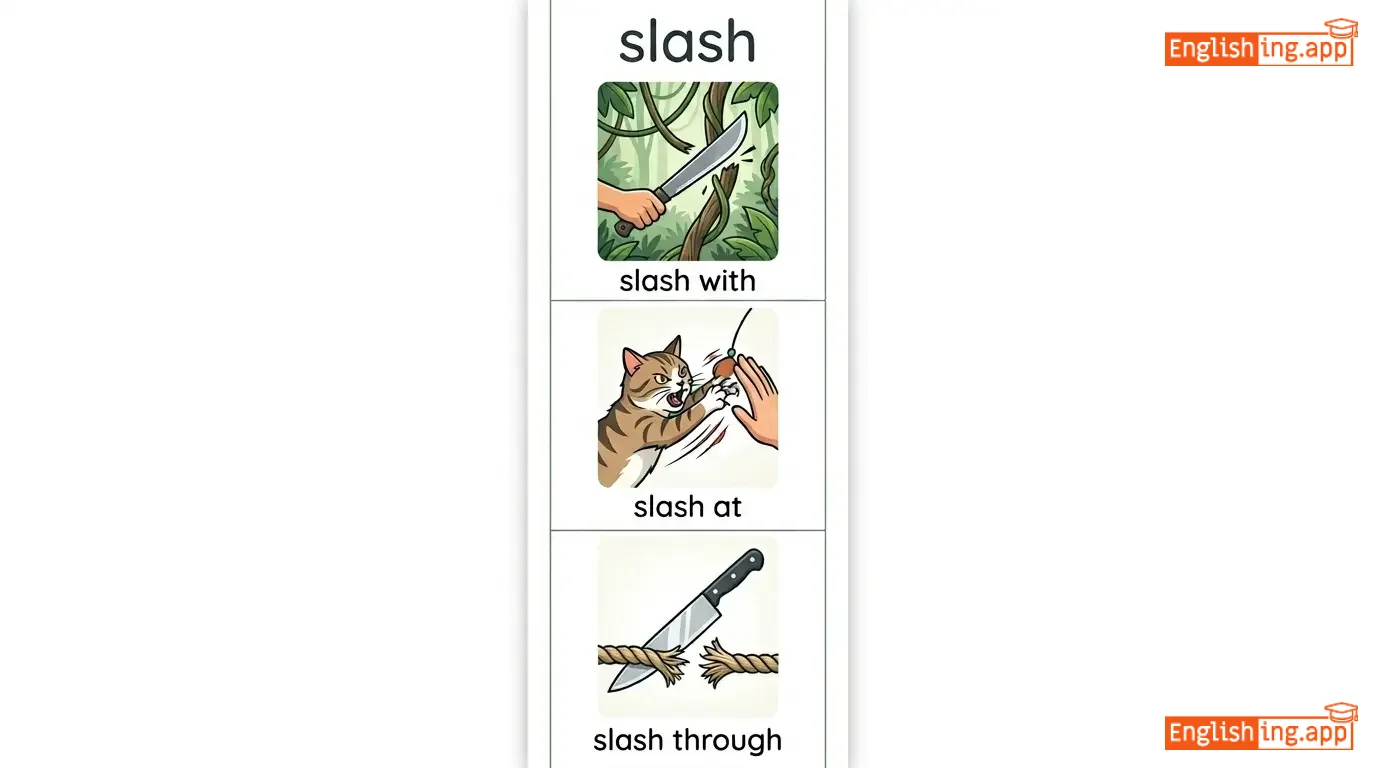
slash prices, slash deeply, slash through, slash budgets, slash dramatically
••••••
|
Slash在英语中是切割或削减价格的意思。
••••••
|
|
#618
🎯
|
/riːtʃ/
verb
(rīch)
••••••
|
|
到达
dàodá
••••••
|
reached
rīchd
••••••
|
reached
rīchd
••••••
|
reaches
rīches
••••••
|
reaching
rīching
••••••
|
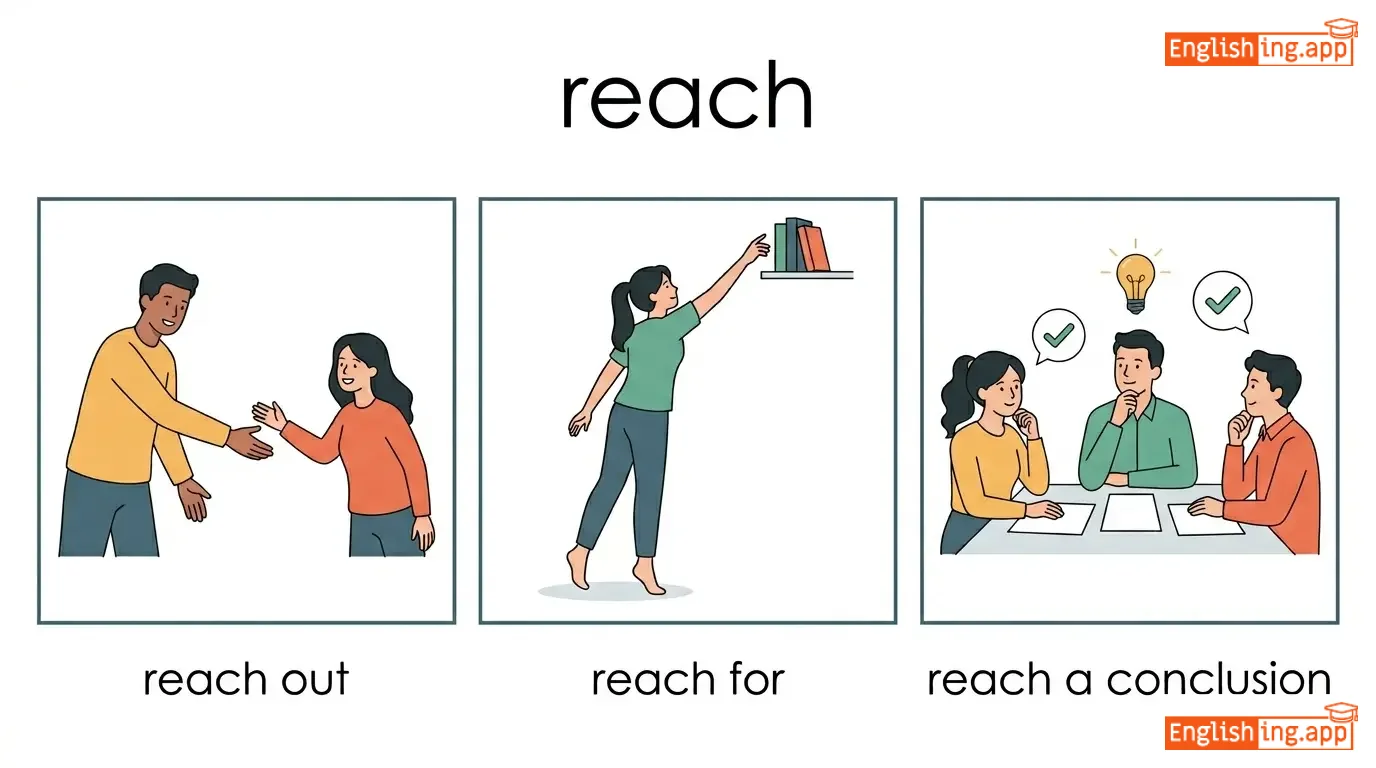
to arrive at a destination; to extend one's arm to touch something
••••••
|
We will reach the station in ten minutes.
我们将在十分钟内到达车站。
••••••
|
我们将在十分钟内到达车站。
Wǒmen jiāng zài shí fēnzhōng nèi dàodá chēzhàn.
••••••
|
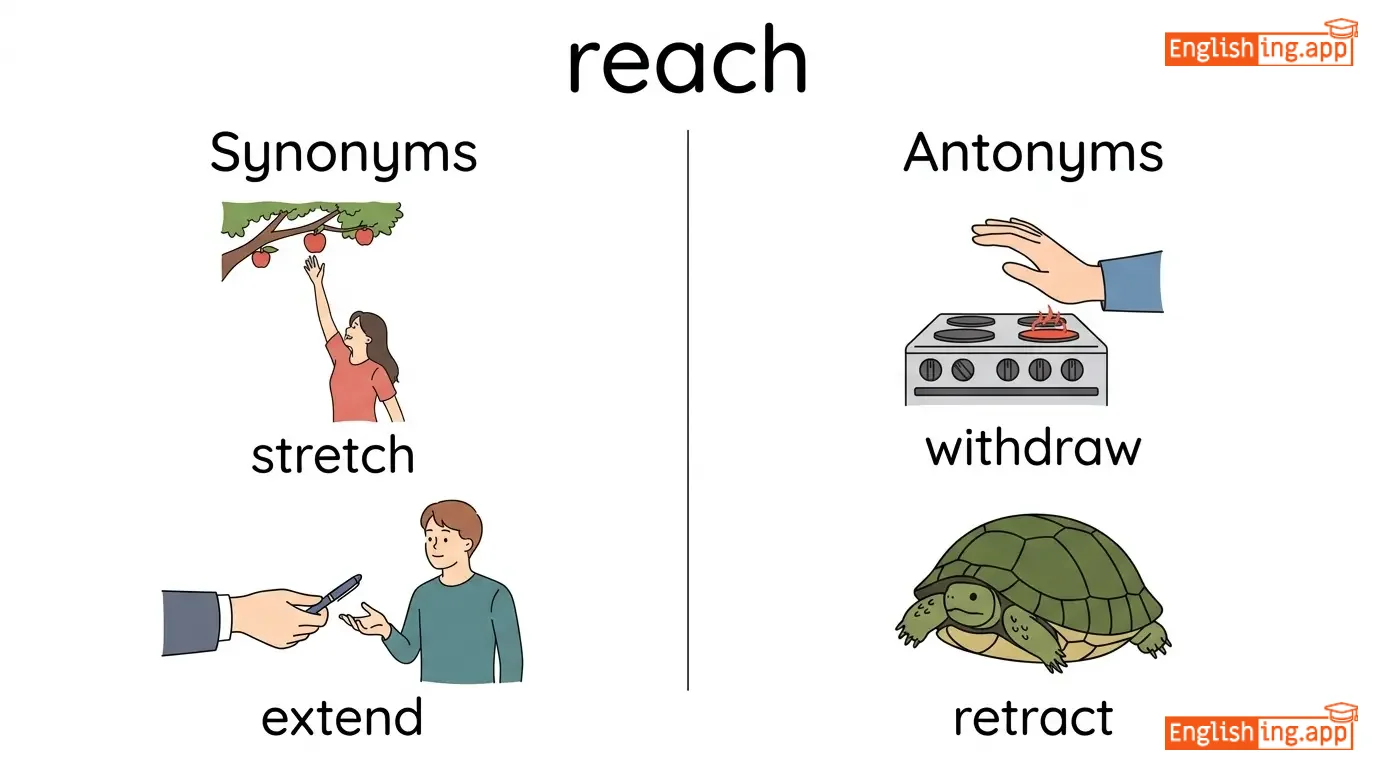
arrive, attain, achieve, extend
••••••
|
leave, depart, miss, fall short
••••••
|
reach safely, reach out, reach goals, reach agreement, reach limits
••••••
|
Reach = 到达, 伸手去触摸.
••••••
|
|
#619
⏰
|
/ˈlɪŋɡər/
verb
(língěr)
••••••
|
|
停留比需要的时间更长
tíngliú bǐ xūyào de shíjiān gèng cháng
••••••
|
lingered
língèrd
••••••
|
lingered
língèrd
••••••
|
lingers
língèrs
••••••
|
lingering
língèring
••••••
|
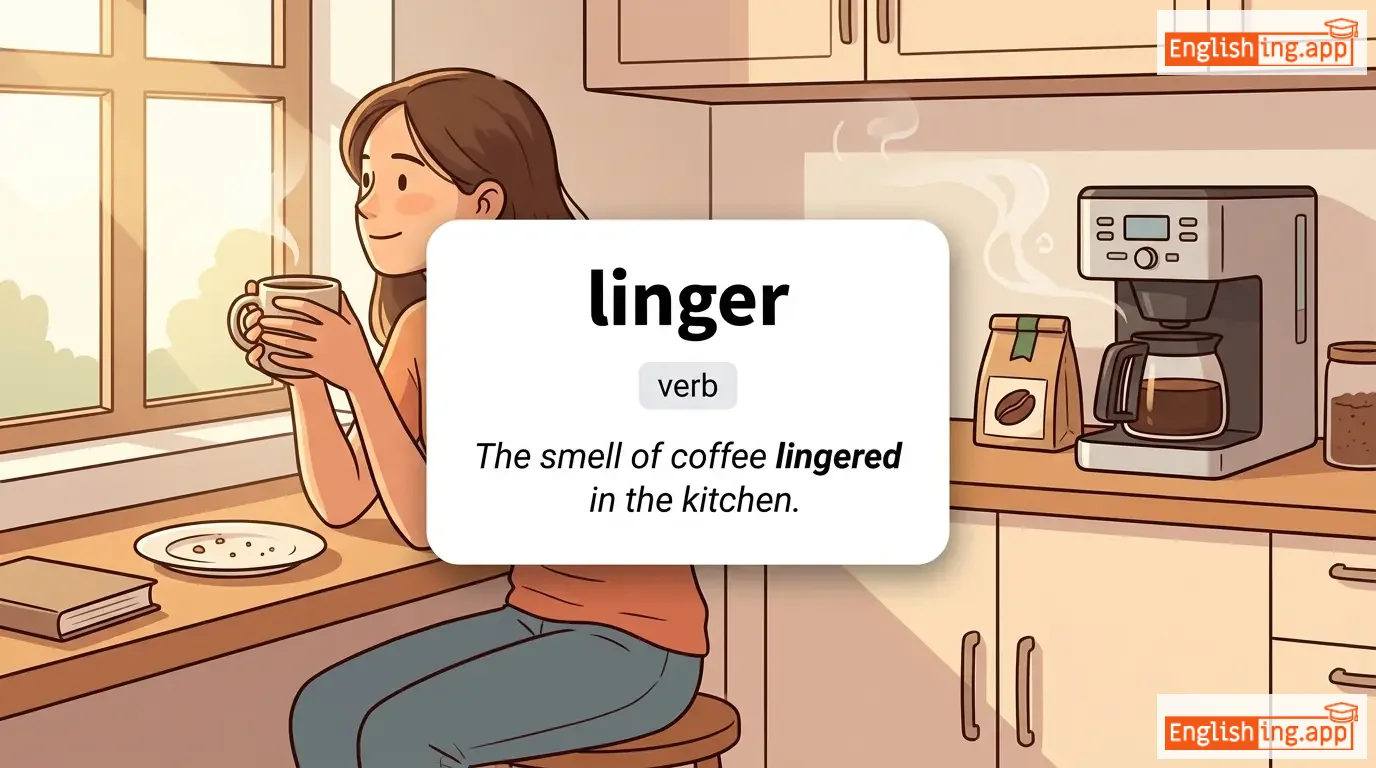
to stay in a place longer than necessary; to persist
••••••
|
The smell of coffee lingered in the kitchen.
咖啡的味道在厨房里留了很久。
••••••
|
咖啡的味道在厨房里停留了更长时间。
Kāfēi de wèidào zài chúfáng lǐ tíngliúle gèng cháng shíjiān.
••••••
|
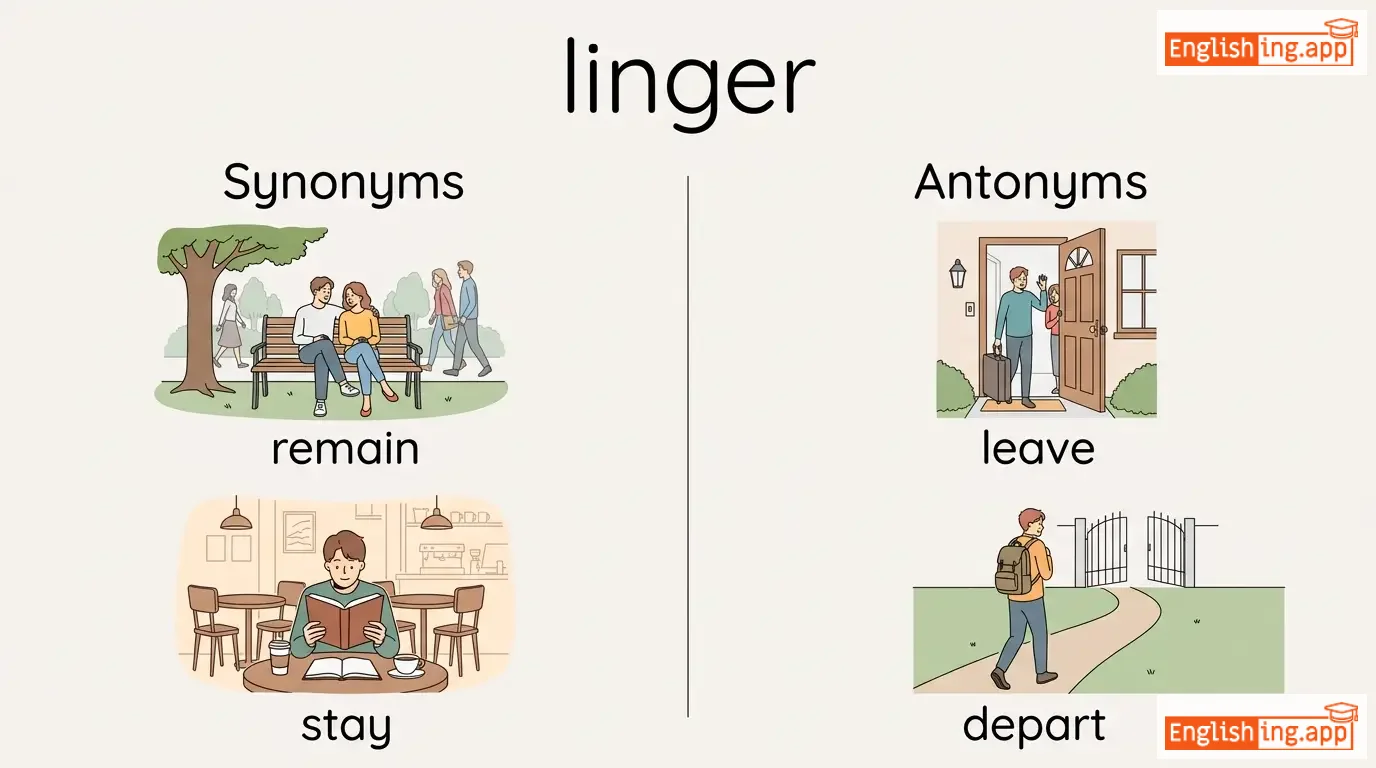
remain, stay, persist, continue
••••••
|
leave, depart, rush, hurry
••••••
|
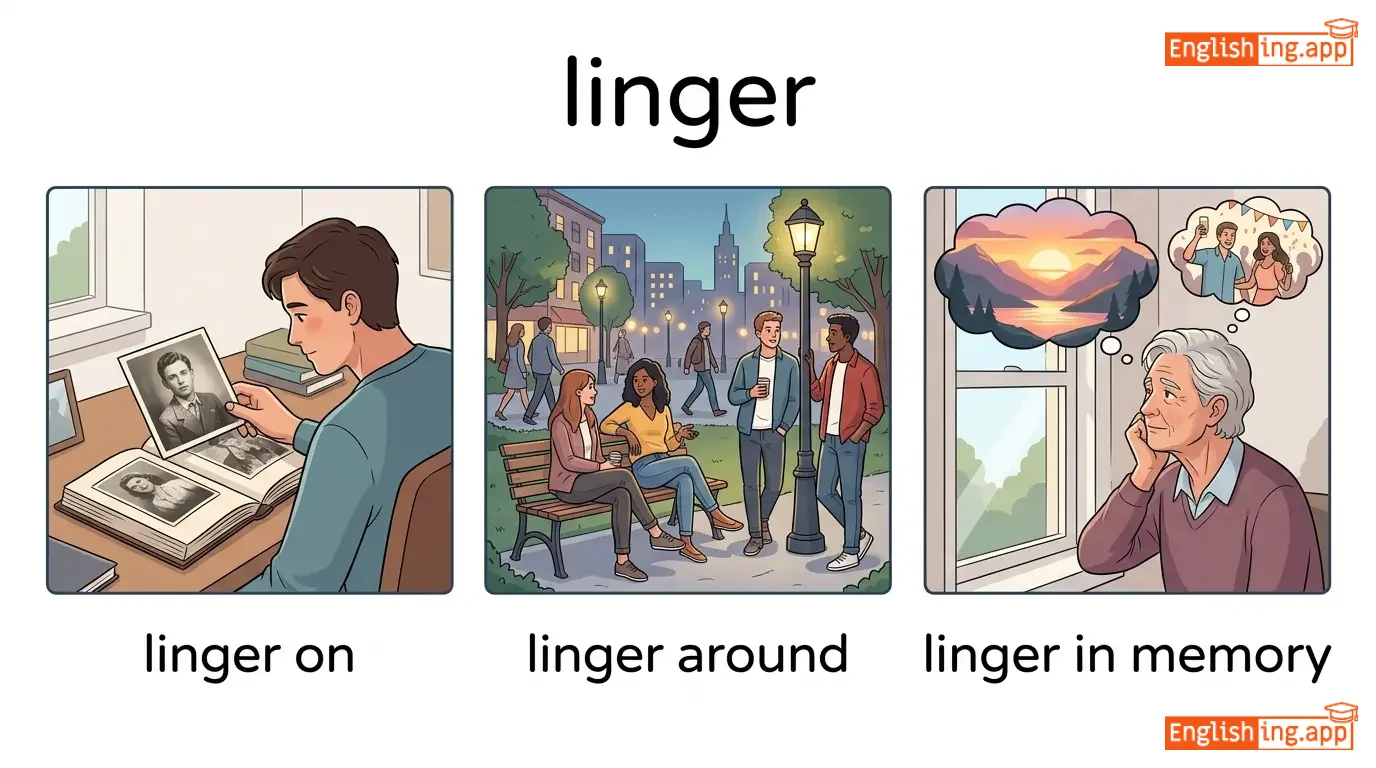
linger longer, linger around, linger in memory, linger over dinner, linger doubt
••••••
|
Chinese '停留比需要的时间更长' reminds you of lingering aroma.
••••••
|
|
#620
📈
|
/prəˈmoʊt/
verb
(推广)
••••••
|
|
推广
tuīguǎng
••••••
|
promoted
推广过
••••••
|
promoted
推广过
••••••
|
promotes
推广
••••••
|
promoting
推广中
••••••
|
to help something develop or increase; to advance someone to a higher position
••••••
|
The company promotes environmental awareness.
公司推广环保意识。
••••••
|
公司推广环保意识。
gōngsī tuīguǎng huánbǎo yìshí
••••••
|
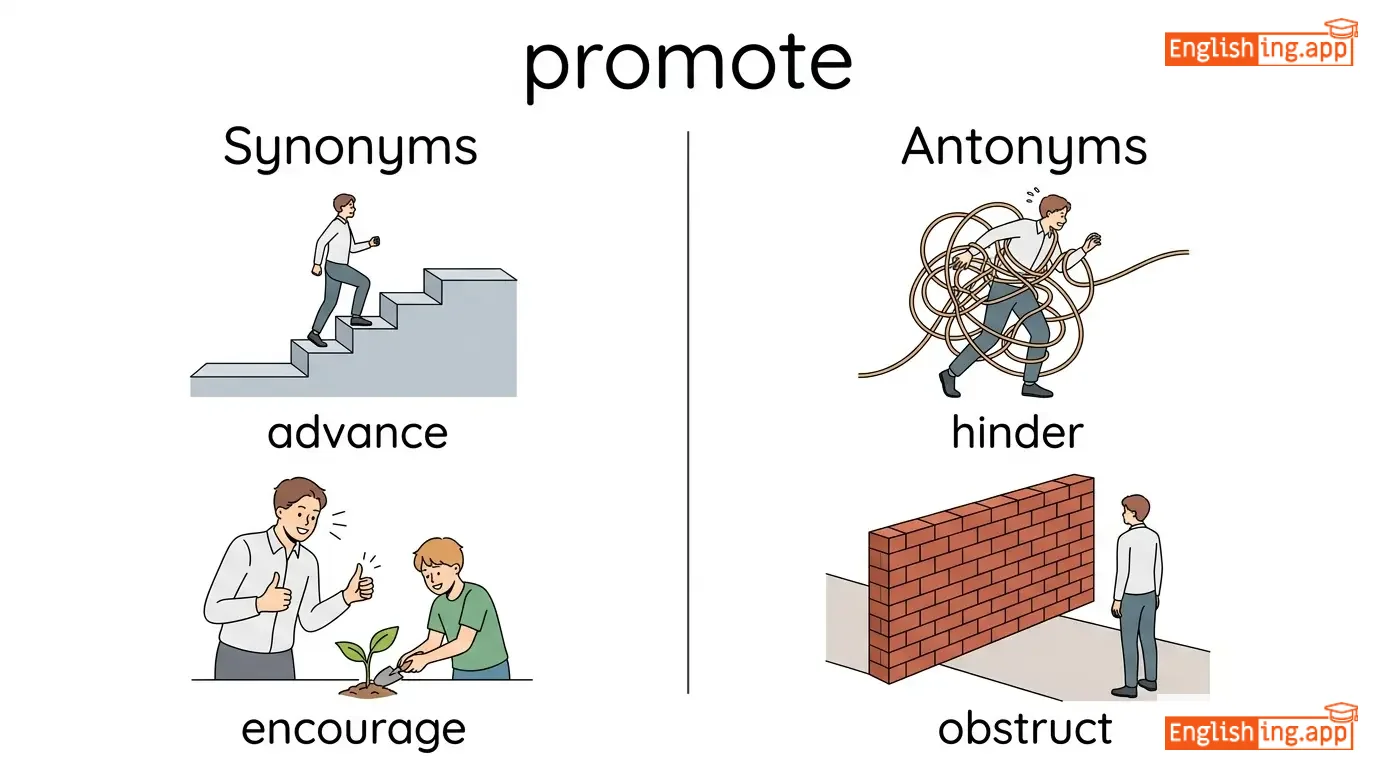
advance, encourage, support, foster
••••••
|
demote, discourage, hinder
••••••
|
promote actively, promote health, promote business, promote to manager, promote growth
••••••
|
推动环境保护即推动社会进步。
••••••
|
|
#621
🐎
|
/briːd/
verb
(bried)
••••••
|
|
繁殖, 养育
fánzhí, yǎngyù
••••••
|
bred
bred
••••••
|
bred
bred
••••••
|
breeds
briidz
••••••
|
breeding
briiding
••••••
|
to produce young animals; to reproduce; to keep animals for producing young
••••••
|
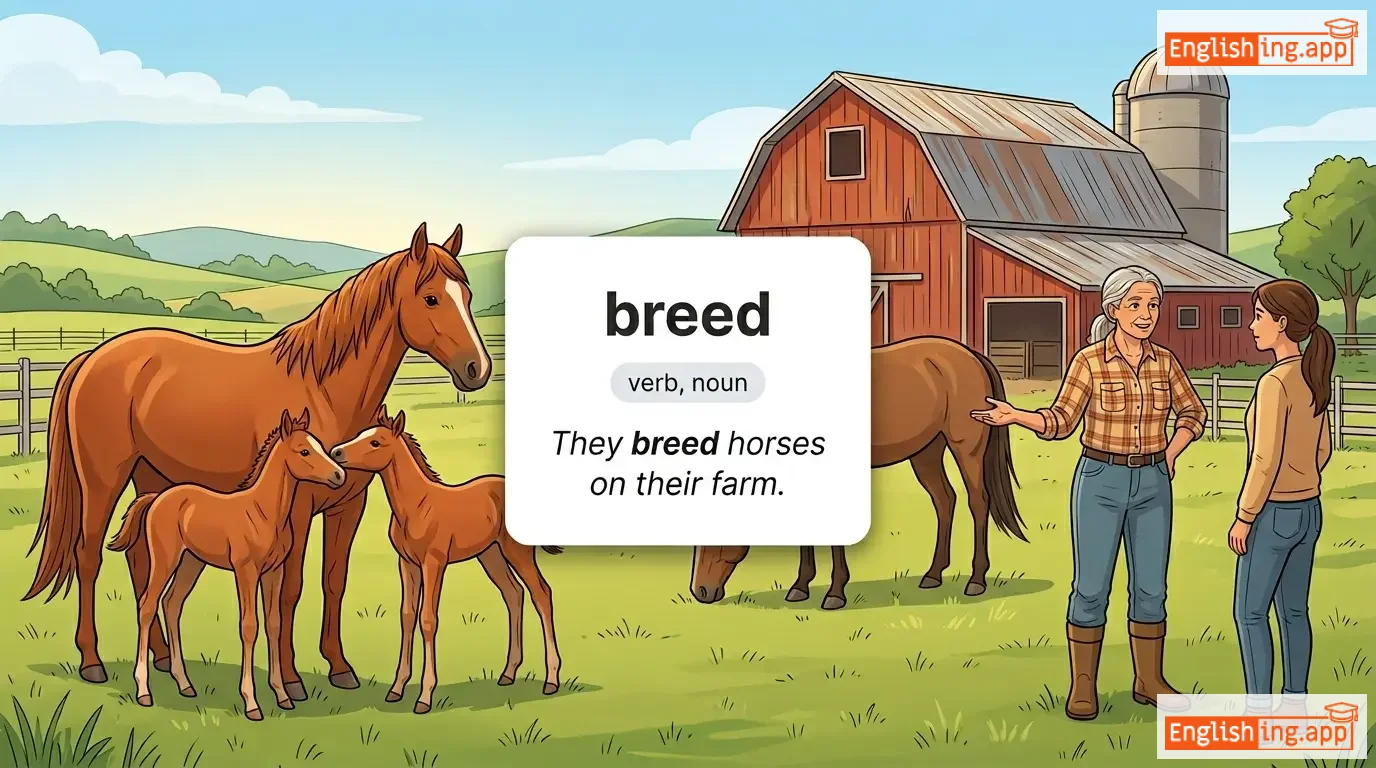
They breed horses on their farm.
他们在他们的农场上繁殖马。
••••••
|
他们在他们的农场上繁殖马。
Tāmen zài tāmen de nóngchǎng shàng fánzhí mǎ.
••••••
|
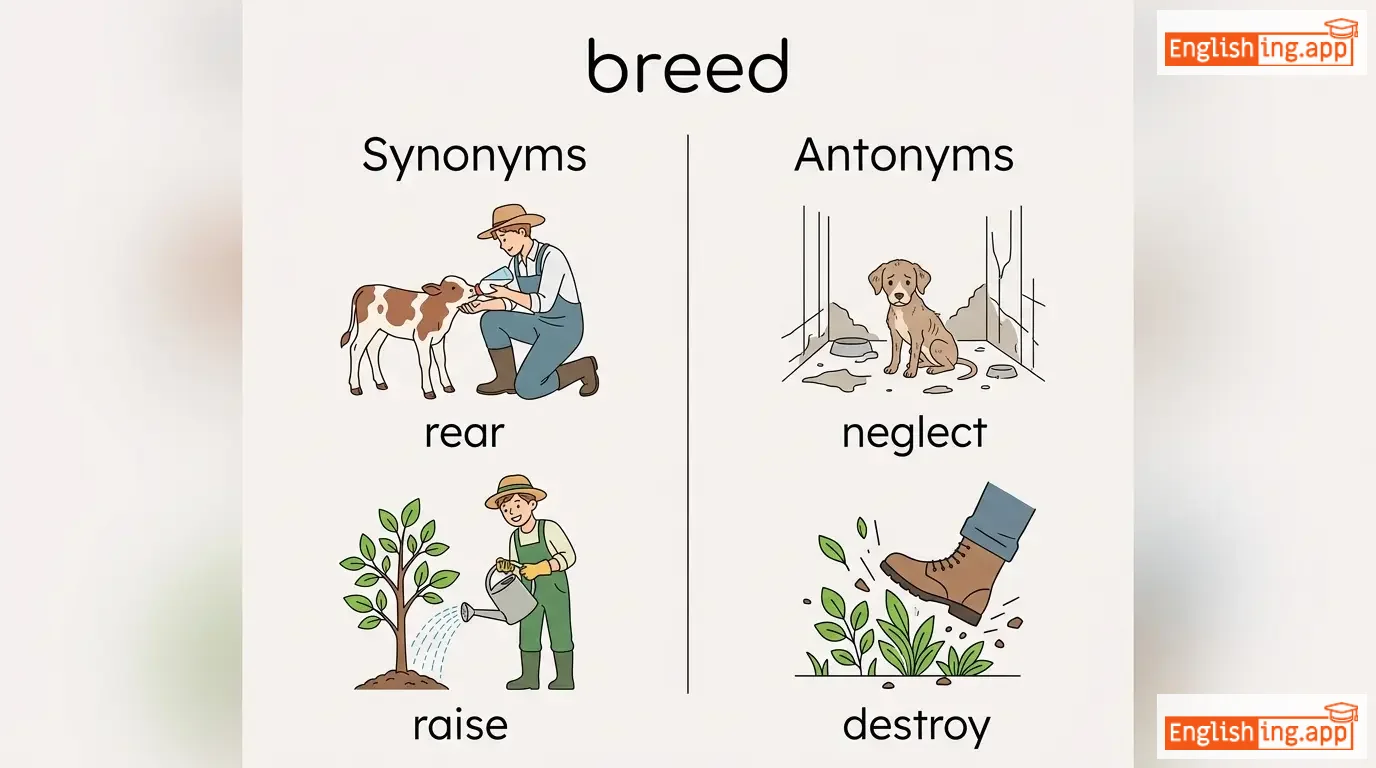
reproduce, raise, produce, generate
••••••
|
destroy, eliminate, prevent
••••••
|
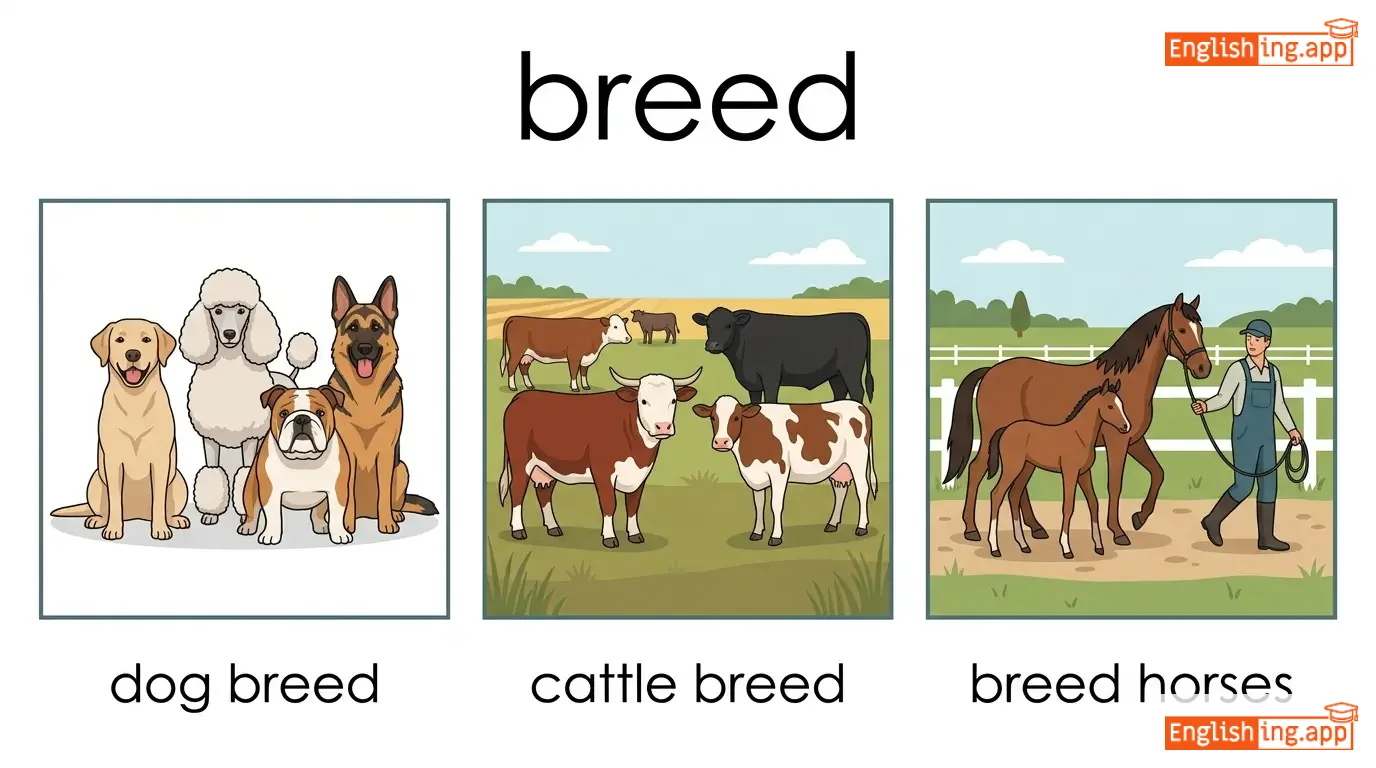
breed animals, breed horses, breed successfully, breed for traits, breed carefully
••••••
|
在农场繁殖马
••••••
|
|
#622
🗣️
|
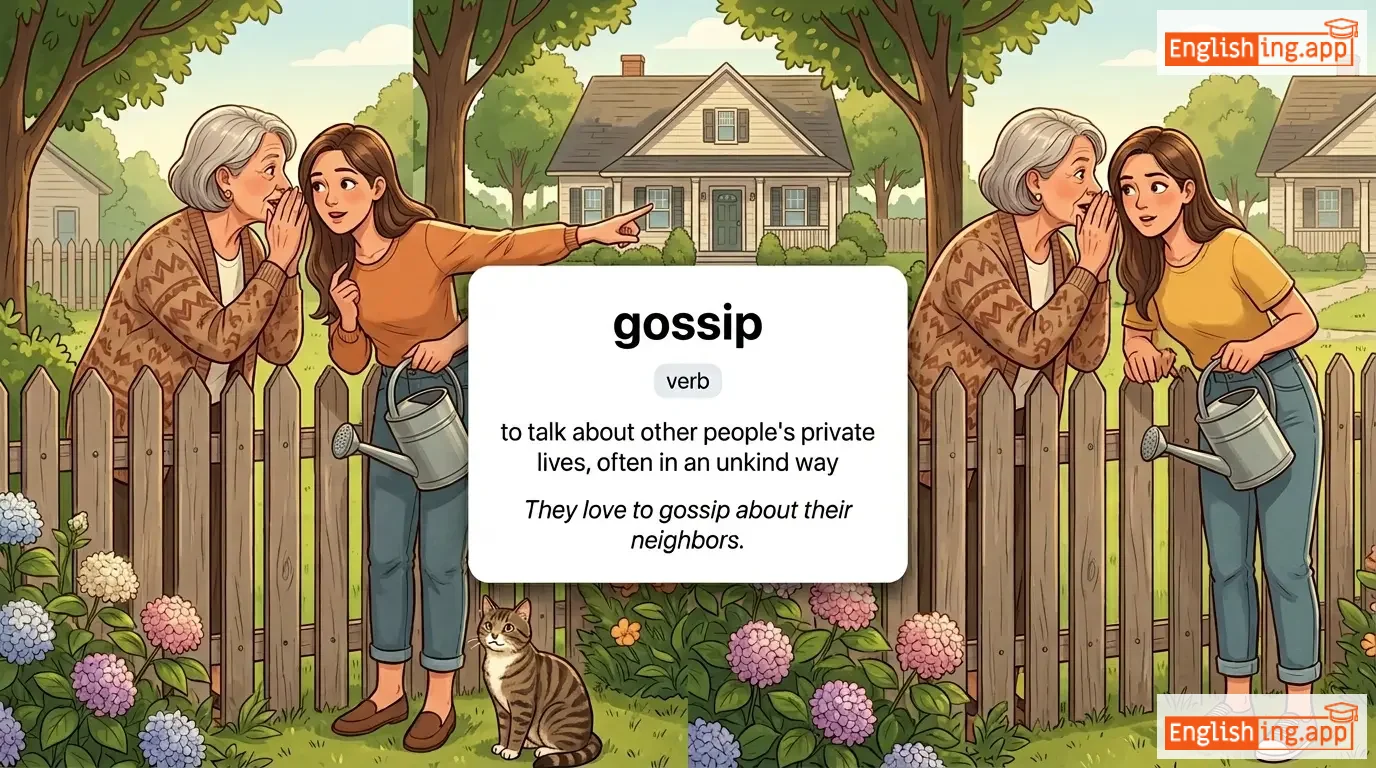
/ˈɡɑːsɪp/
verb
(八卦)
••••••
|
|
八卦
bāguà
••••••
|
gossiped
八卦过
••••••
|
gossiped
八卦过
••••••
|
gossips
八卦着
••••••
|
gossiping
八卦中
••••••
|
to talk about other people's private lives, often in an unkind way
••••••
|
They love to gossip about their neighbors.
他们喜欢聊邻居的八卦。
••••••
|
他们喜欢聊邻居的八卦。
Tāmen xǐhuān liáo línjū de bāguà.
••••••
|
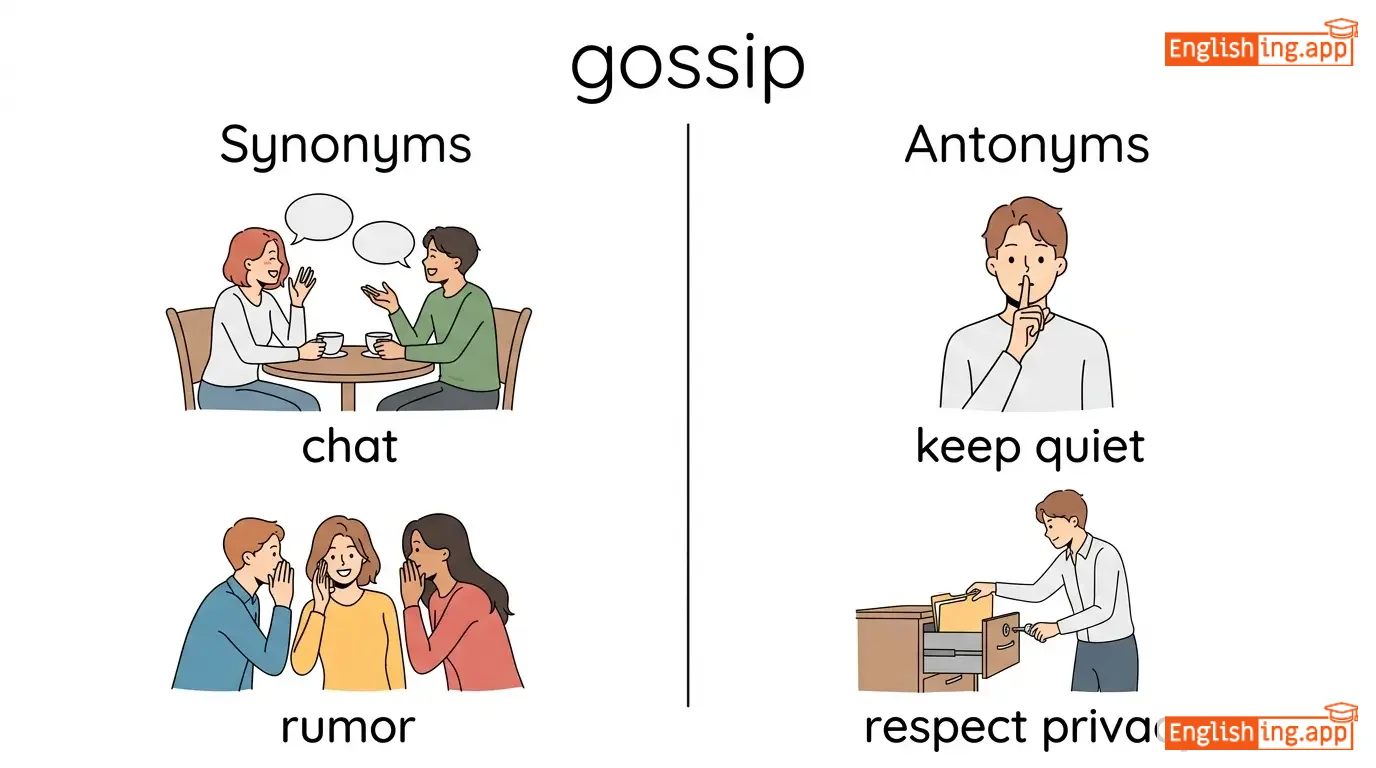
chat, rumor, spread rumors
••••••
|
keep quiet, respect privacy
••••••
|
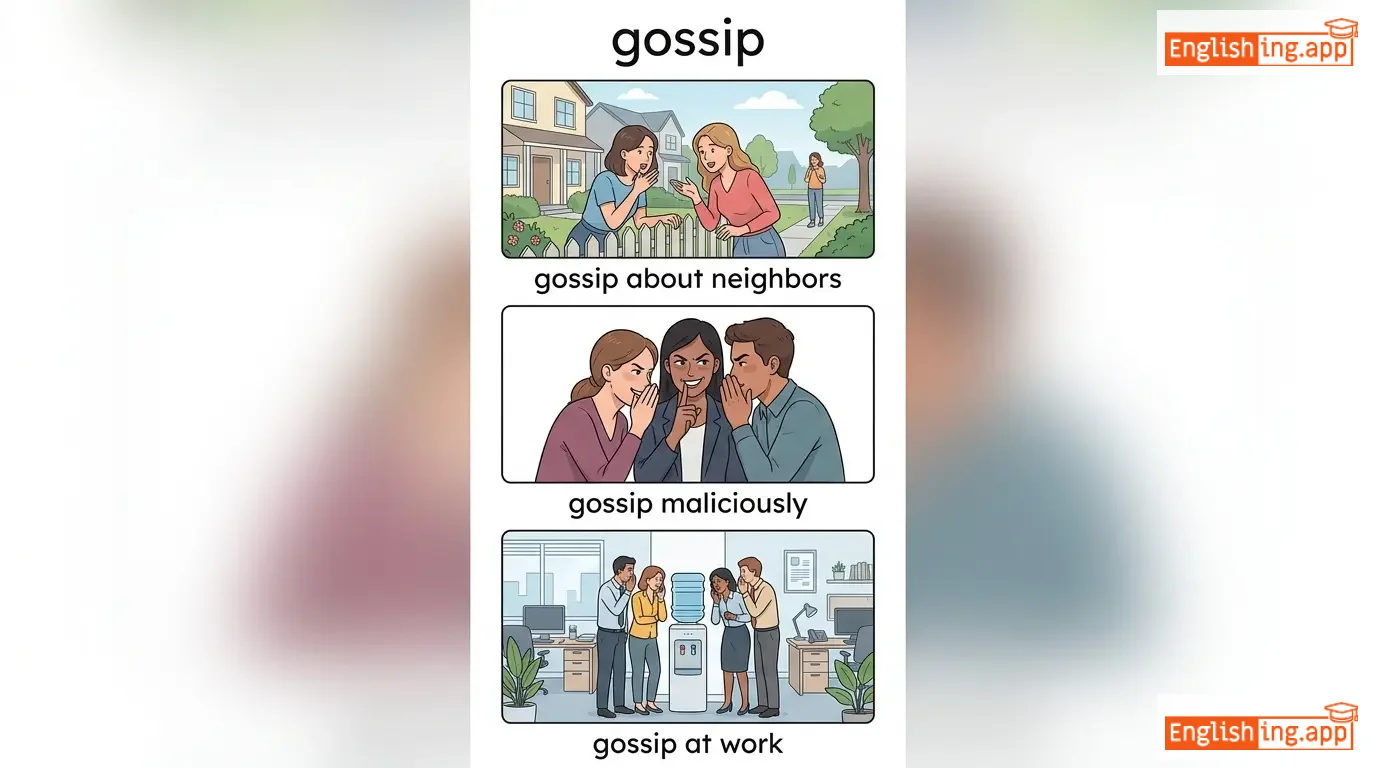
gossip about neighbors, gossip maliciously, gossip at work, gossip spreads, office gossip
••••••
|
No •••••• |
|
#623
🛡️
|
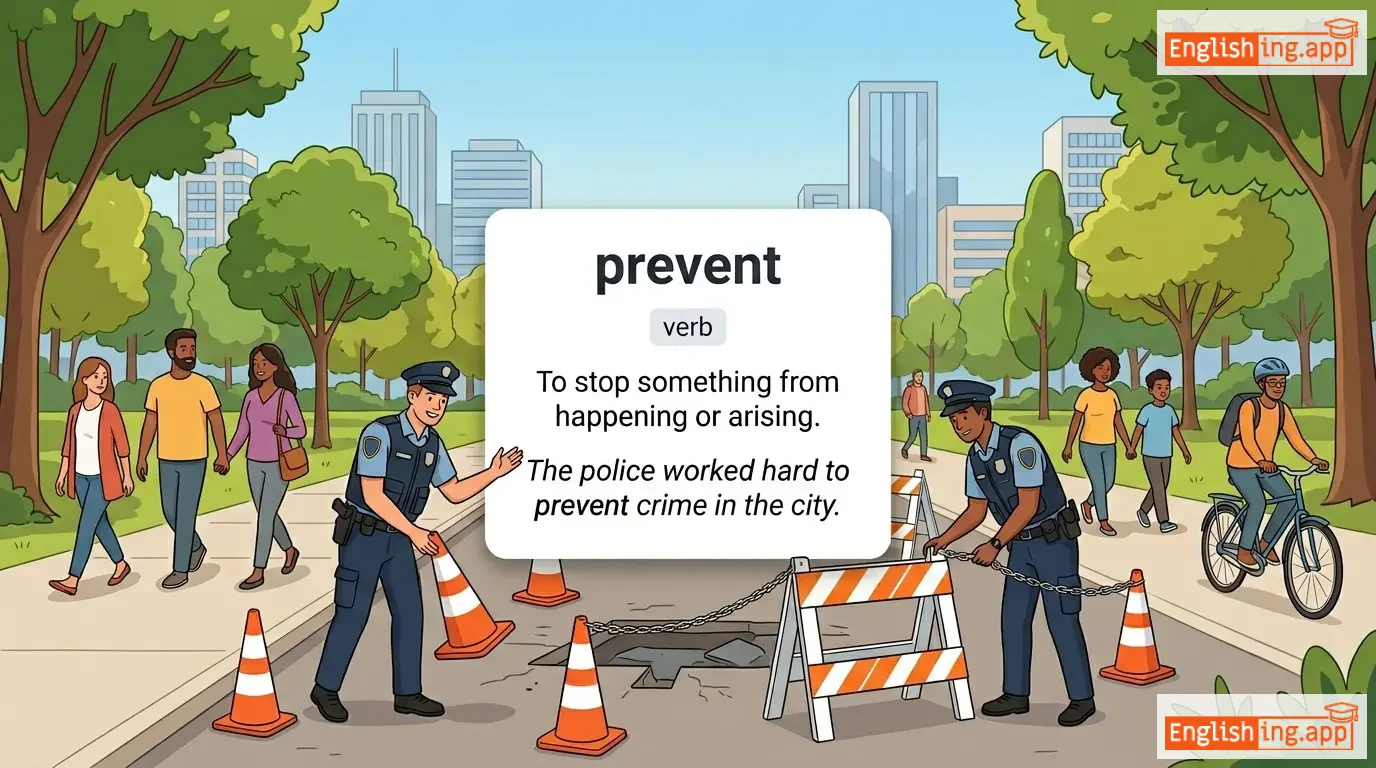
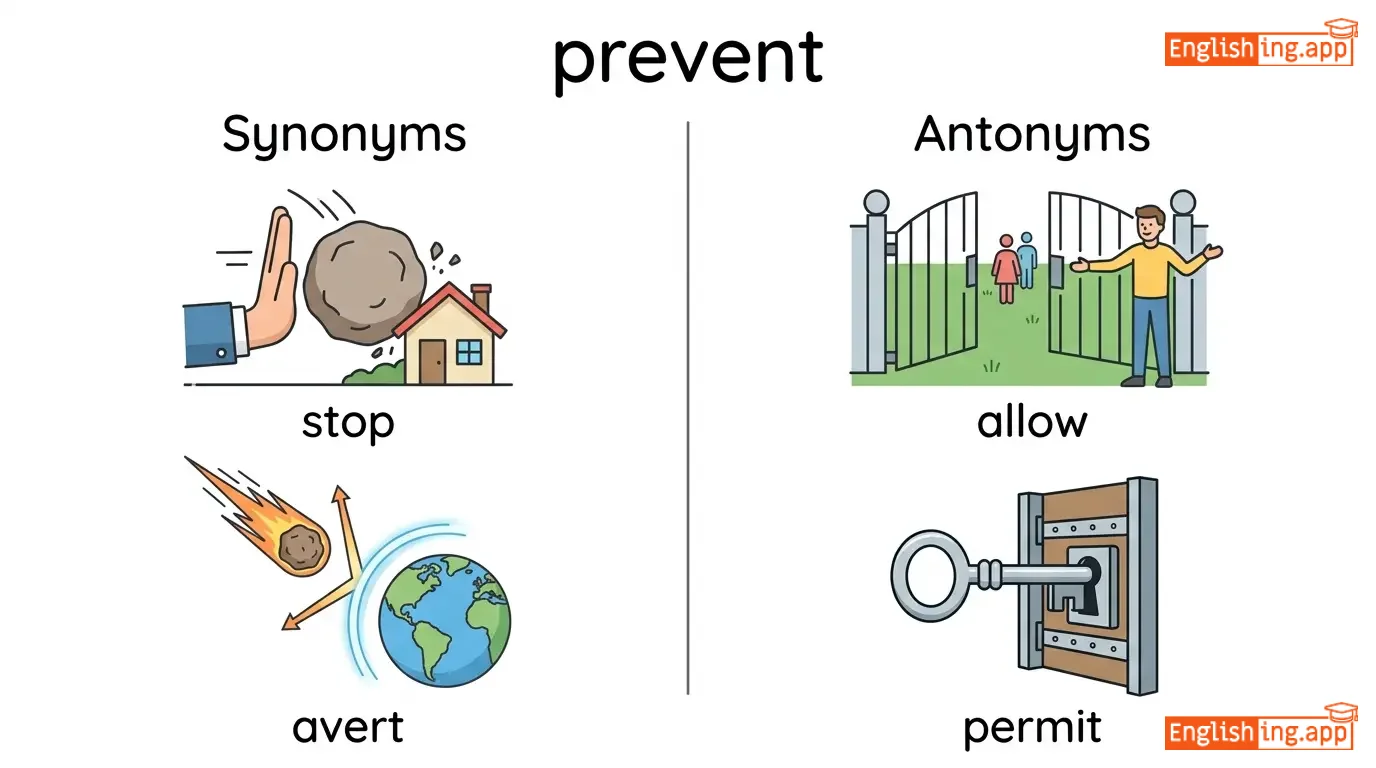
/prɪˈvent/
verb
(普里文特)
••••••
|
|
防止
fangzhi
••••••
|
prevented
普里文特德
••••••
|
prevented
普里文特德
••••••
|
prevents
普里文特斯
••••••
|
preventing
普里文廷
••••••
|
to stop something from happening; to keep from occurring
••••••
|
Vaccination helps prevent many diseases.
疫苗接种有助于预防许多疾病。
••••••
|
疫苗接种有助于预防许多疾病。
Yimiao jiezong you zhu yu yufang xu duo jibing.
••••••
|
stop, avoid, hinder, block
••••••
|
allow, permit, enable, cause
••••••
|
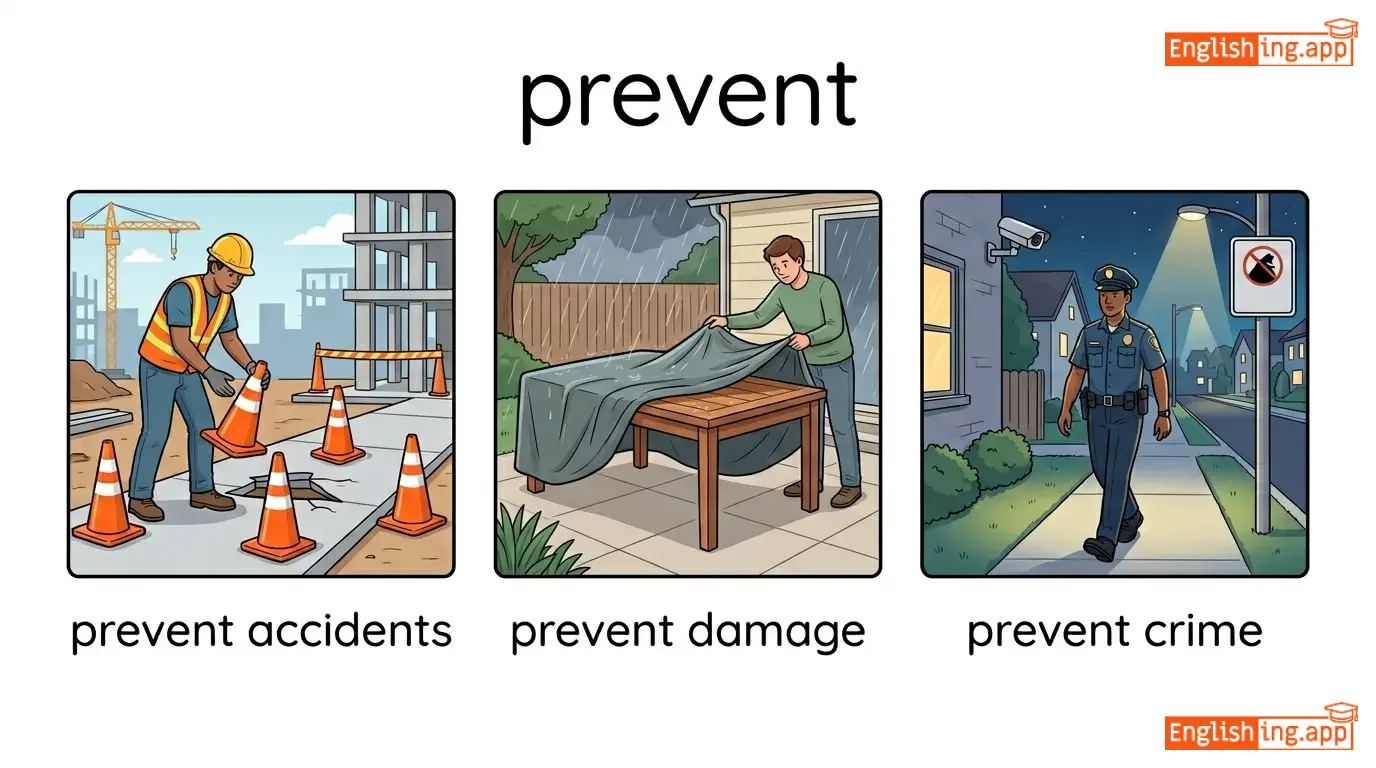
prevent disease, prevent accidents, prevent problems, prevent crime, prevent effectively
••••••
|
防止 in Chinese means to prevent, just like in English to stop something from happening.
••••••
|
|
#624
🔍
|
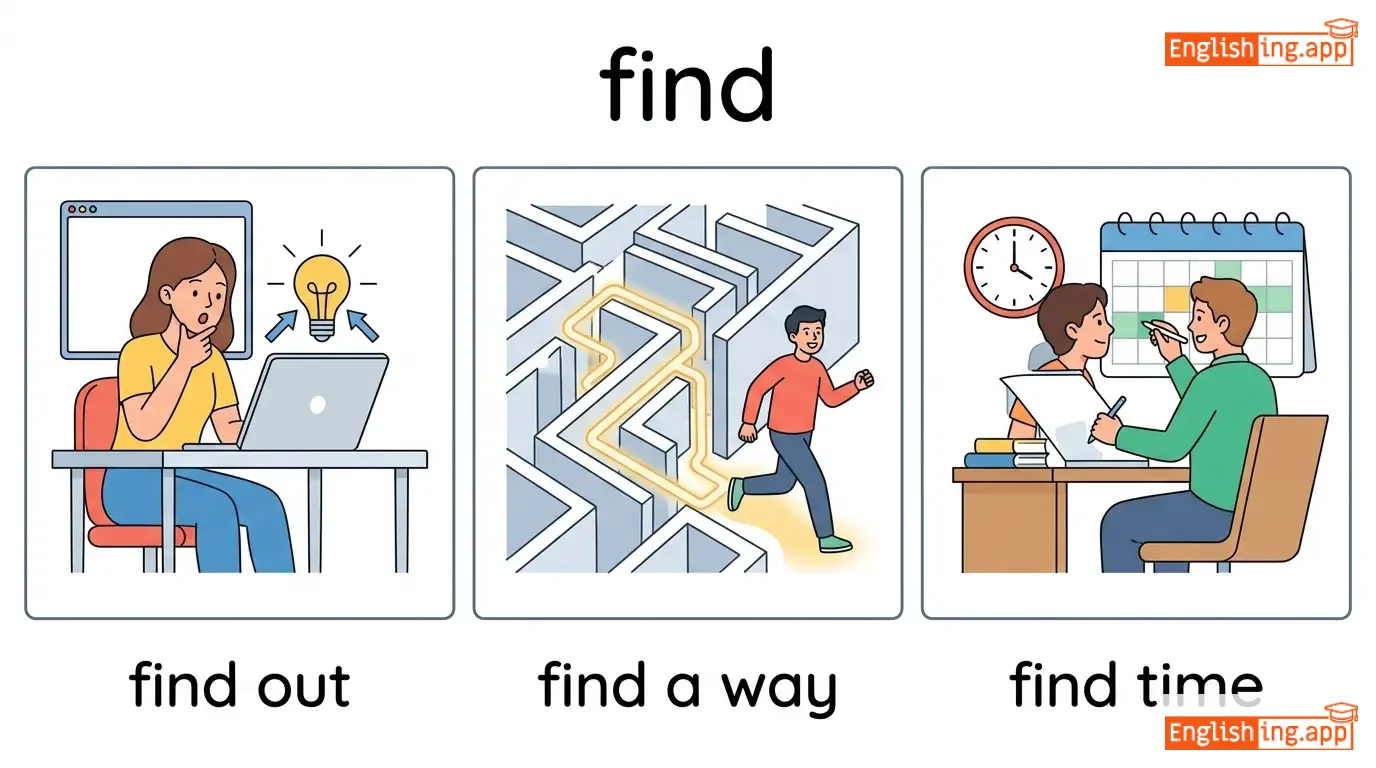
/faɪnd/
verb
(fǎnd)
••••••
|
|
找到
zhǎodào
••••••
|
found
fānd
••••••
|
found
fānd
••••••
|
finds
fǎndz
••••••
|
finding
fǎndin
••••••
|
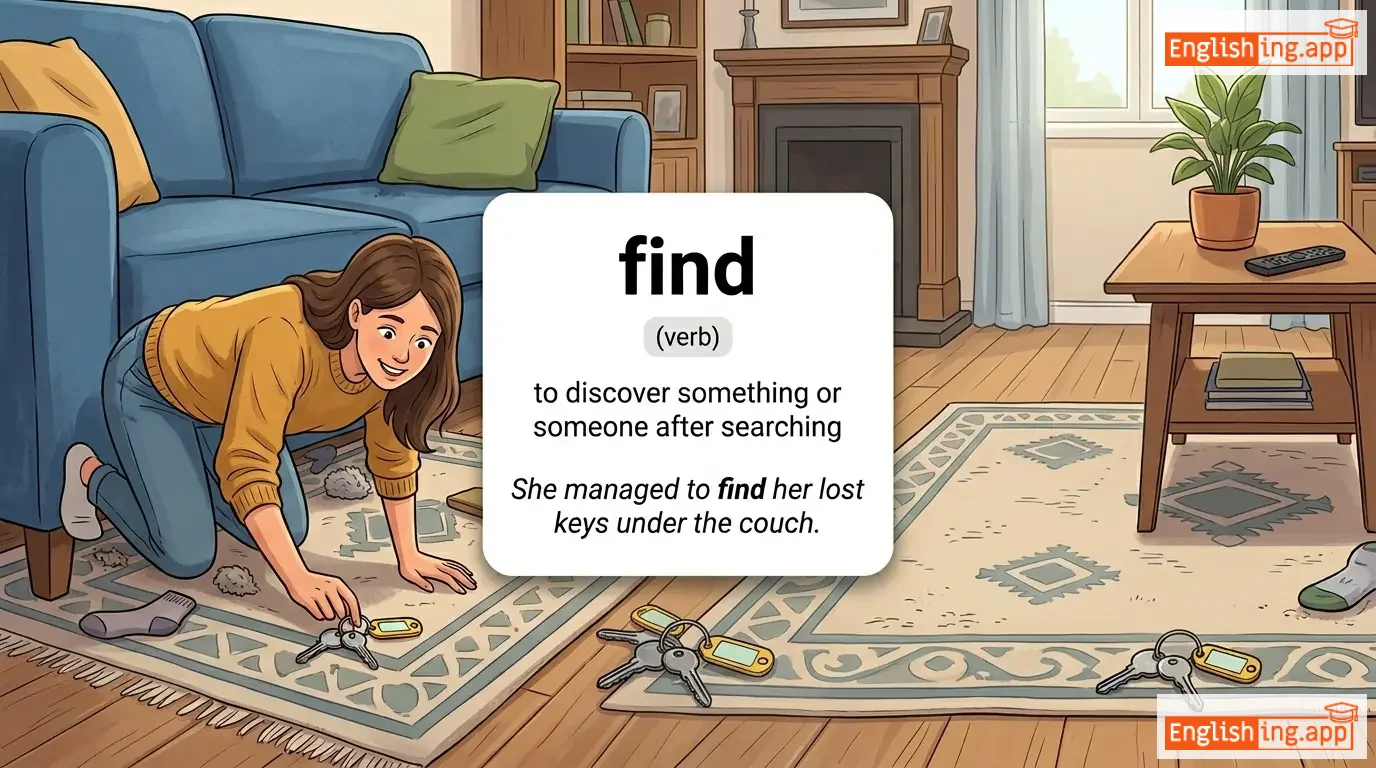
to discover or locate something that was lost or hidden; to come across
••••••
|
I need to find my car keys before leaving.
我需要在离开之前找到我的车钥匙。
••••••
|
我需要在离开之前找到我的车钥匙。
Wǒ xūyào zài líkāi zhīqián zhǎodào wǒ de chē yàoshi.
••••••
|
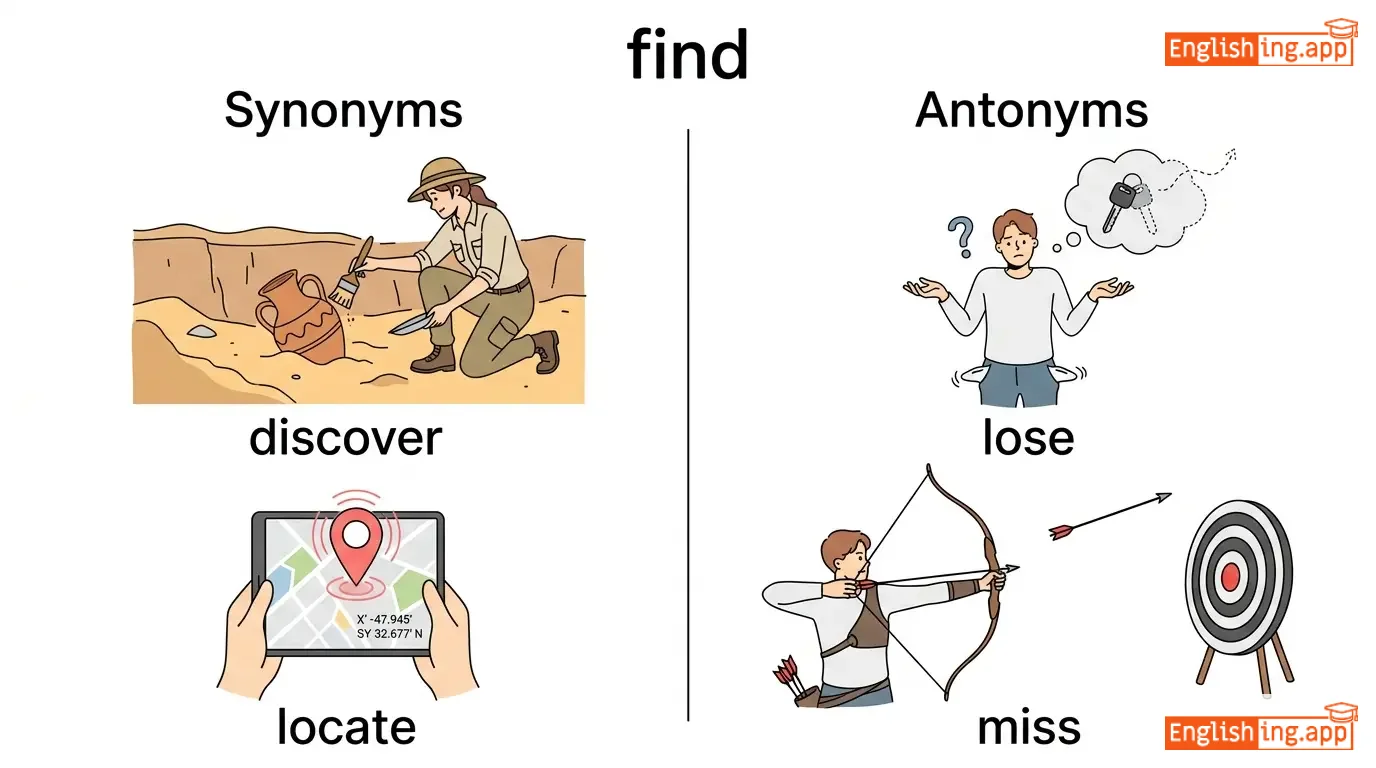
discover, locate, detect, uncover
••••••
|
lose, misplace, hide, conceal
••••••
|
find quickly, find easily, find missing items, find solutions, find fault
••••••
|
找到是像生活中的小胜利一样
••••••
|
|
#625
🔥
|
/ɪnˈsaɪt/
verb
(yǐnshì)
••••••
|
|
煽动
shāndòng
••••••
|
incited
yǐnshìd
••••••
|
incited
yǐnshìd
••••••
|
incites
yǐnshìs
••••••
|
inciting
yǐnshìtīng
••••••
|
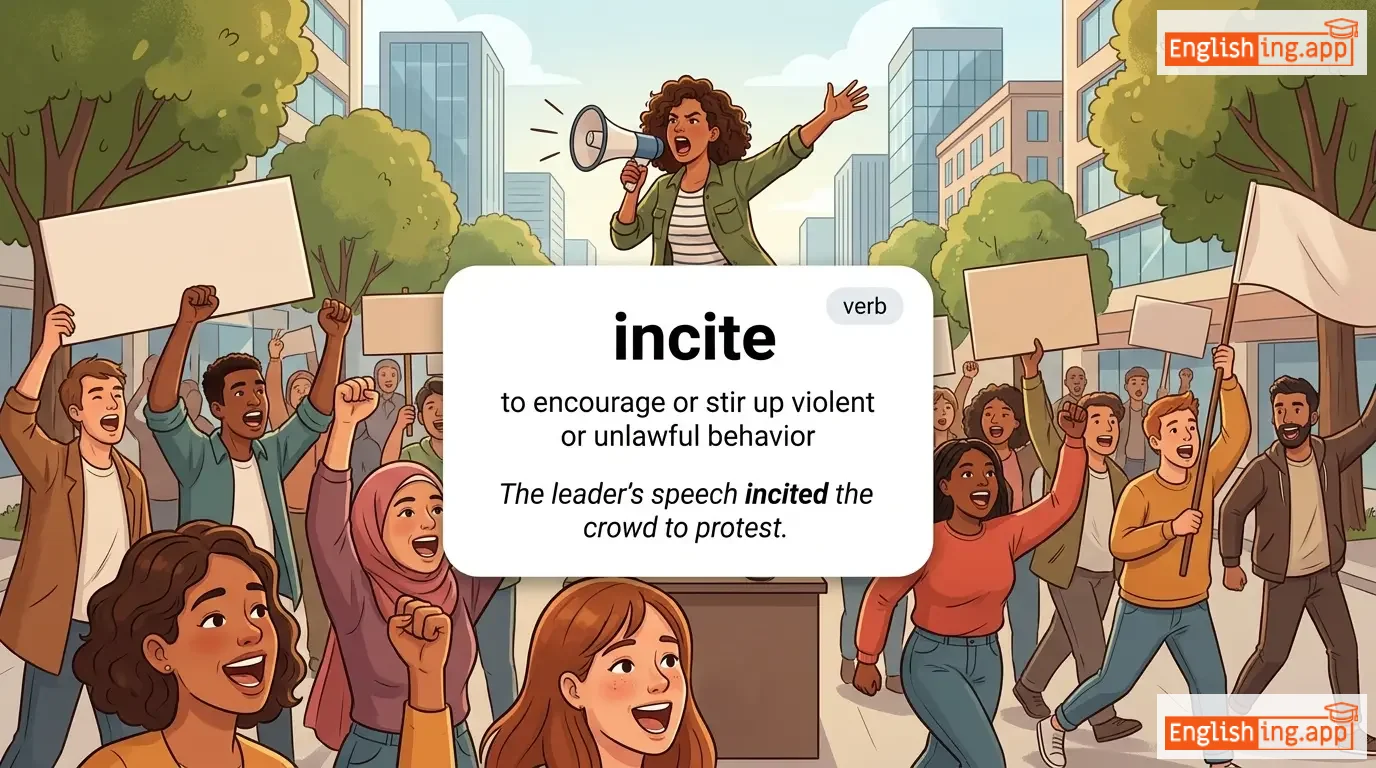
to provoke; to stir up
••••••
|
His speech incited the crowd to violence.
他的演讲激起了人群的暴力。
••••••
|
他的演讲激起了人群的暴力。
Tā de yǎnjiǎng jīqǐ le rénqún de bào lì.
••••••
|
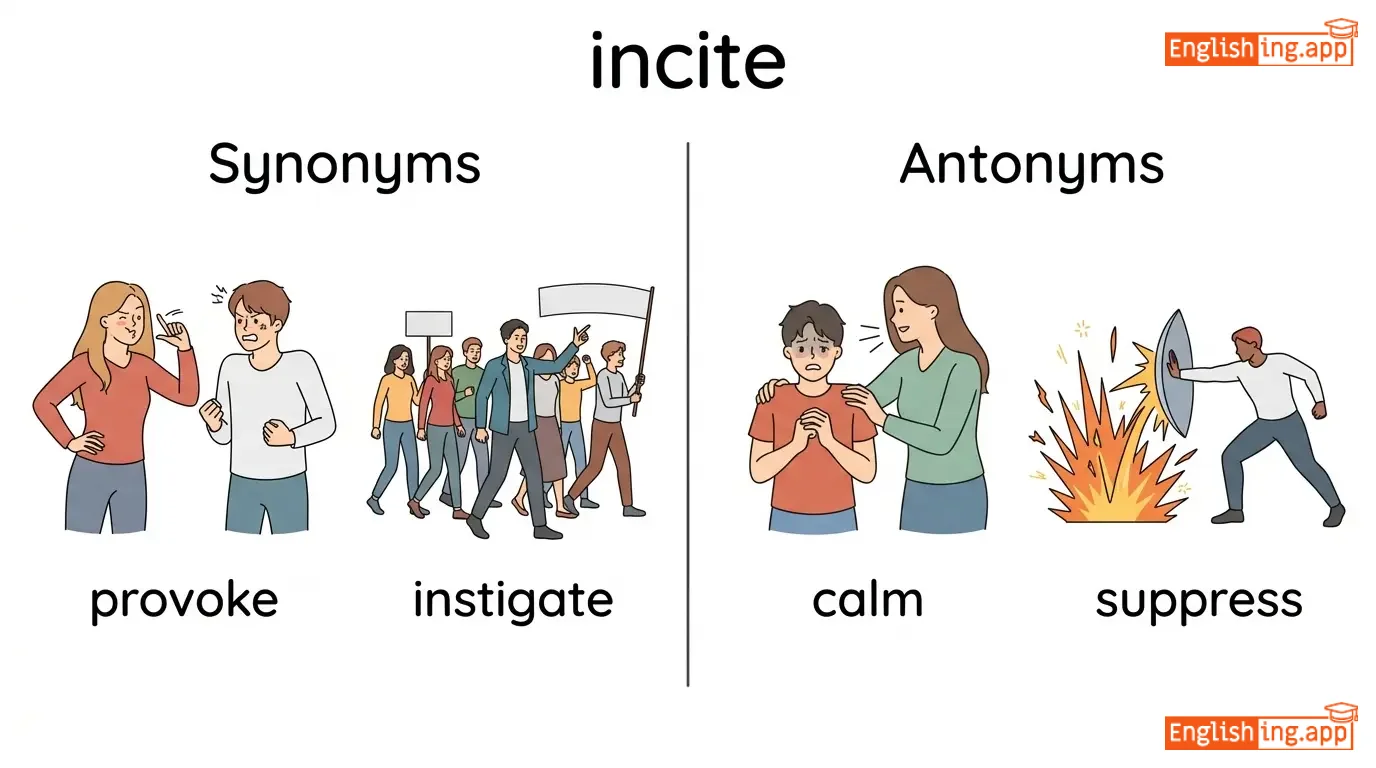
provoke, instigate, stimulate, encourage
••••••
|
calm, discourage, pacify, soothe
••••••
|
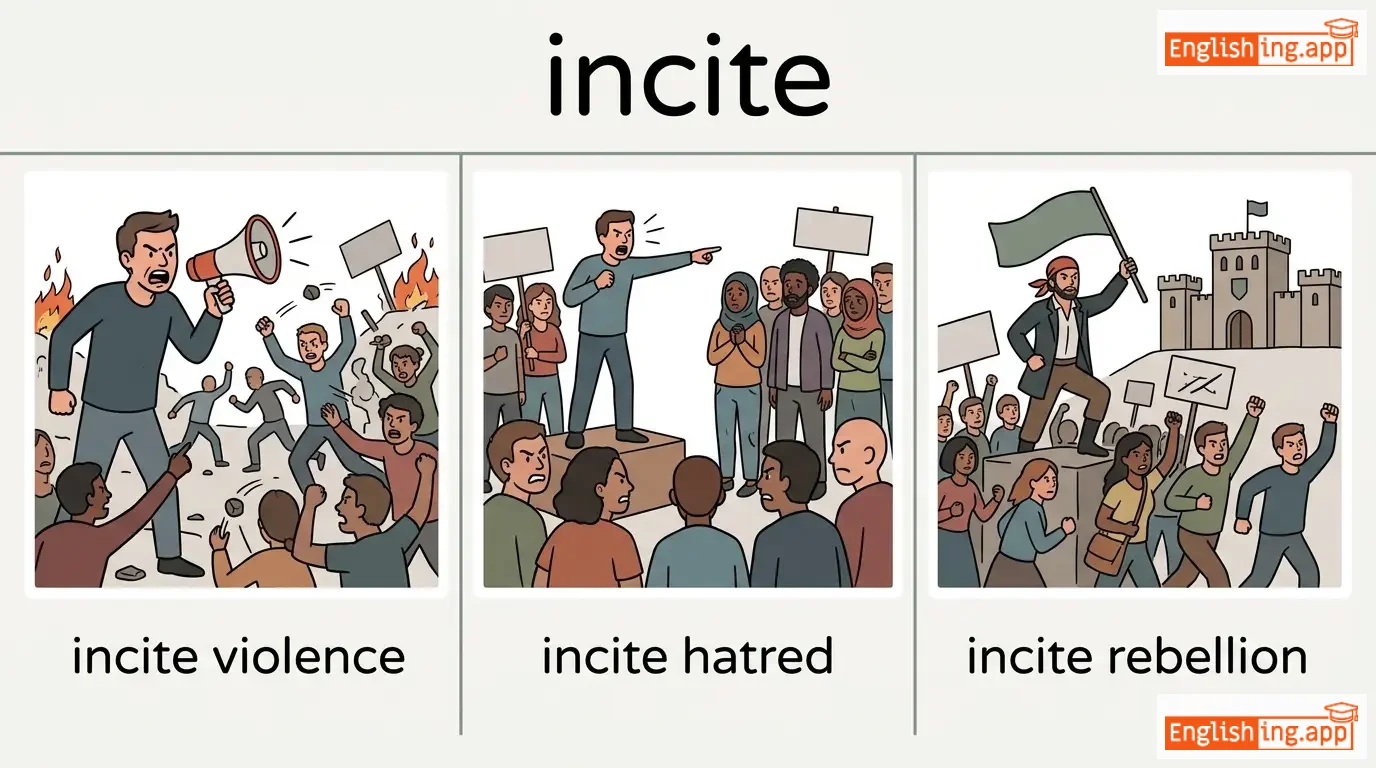
incite violence, incite rebellion, incite hatred, incite riots, incite anger
••••••
|
'煽动' (shāndòng) in Chinese is like fanning a flame, reflecting the meaning of 'incite'—to stir up.
••••••
|
Vocabulary Quiz
Test your vocabulary by matching words with their translations or meanings.
Login to take the quiz
Comments (0)
Share your thoughts and join the discussion.
Join the discussion by logging in
Login to CommentNo comments yet
Be the first to share your thoughts!