













Swipe left or right, or use the buttons. Tap image to zoom.
例句翻译
单词
Lesson 18: Mastering the Most Frequent Verbs & TensesLesson 18: Mastering the Most Frequent Verbs & Tenses - 遮罩切换
|
表情符号
|
单词 | Images | 翻译 | 过去时 | 过去分词 | 第三人称单数 | 动名词 | 含义 | 例句 | 例句翻译 | 同义词 | 反义词 | 搭配词 | 助记符 |
|---|---|---|---|---|---|---|---|---|---|---|---|---|---|---|
|
#507
🌱
|
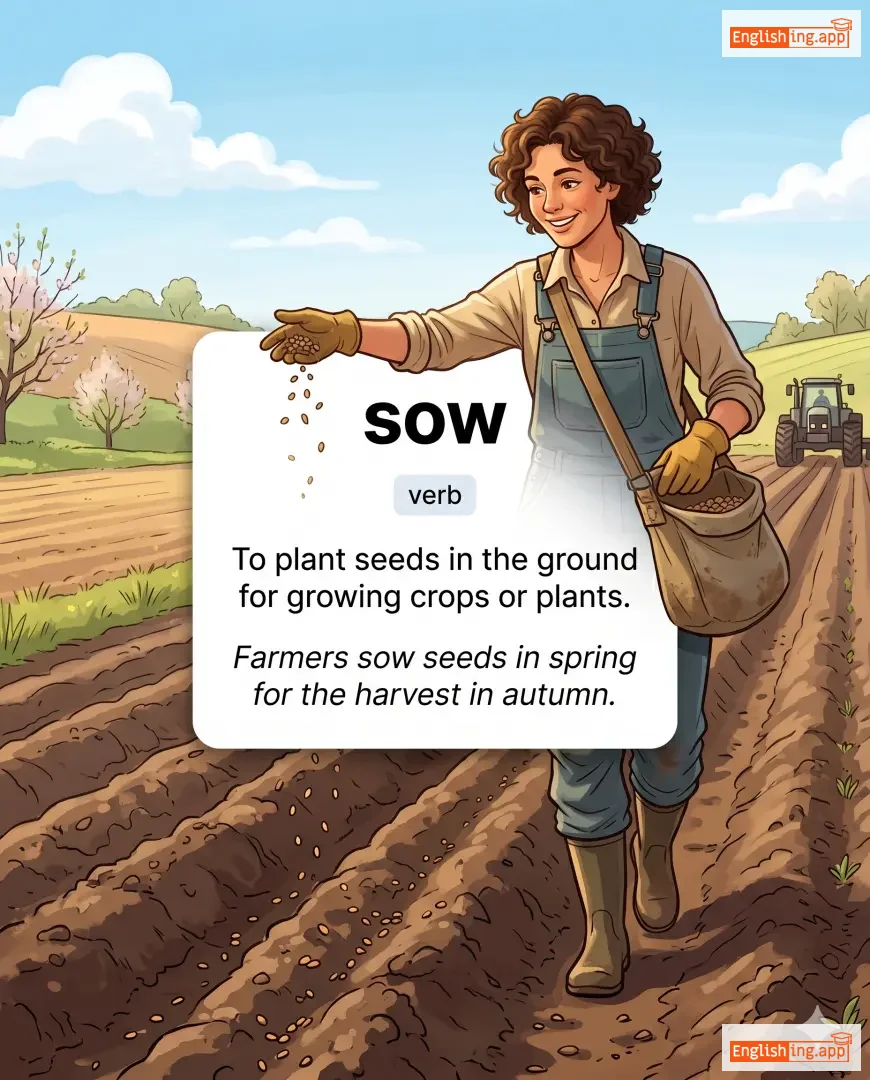
/soʊ/
verb
(sō)
••••••
|
|
播种
bōzhòng
••••••
|
sowed
sowed
••••••
|
sown
sown
••••••
|
sows
sows
••••••
|
sowing
sowing
••••••
|
to plant seeds; to scatter for growing
••••••
|
The farmer sows seeds in the field.
农民在田里播种。
••••••
|
农民在田里播种。
Nóngmín zài tián lǐ bōzhòng.
••••••
|
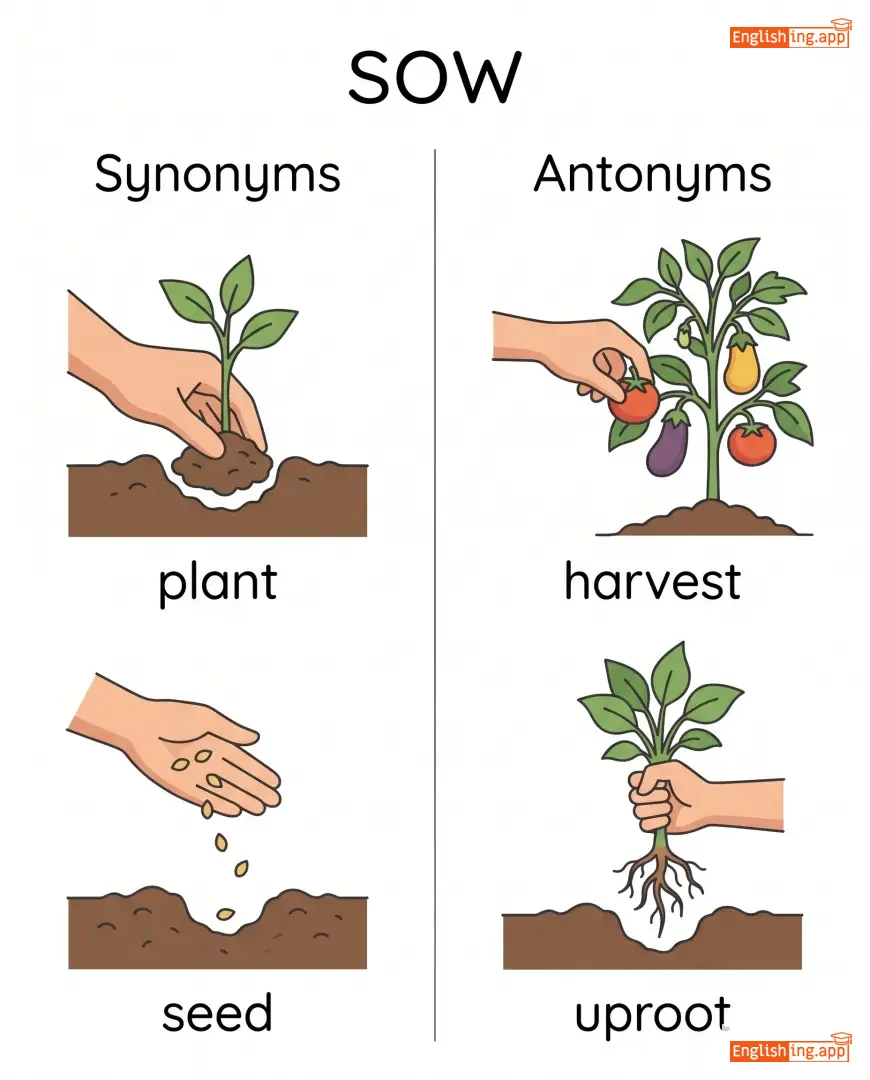
plant, scatter, seed, cultivate
••••••
|
harvest, reap, gather, collect
••••••
|
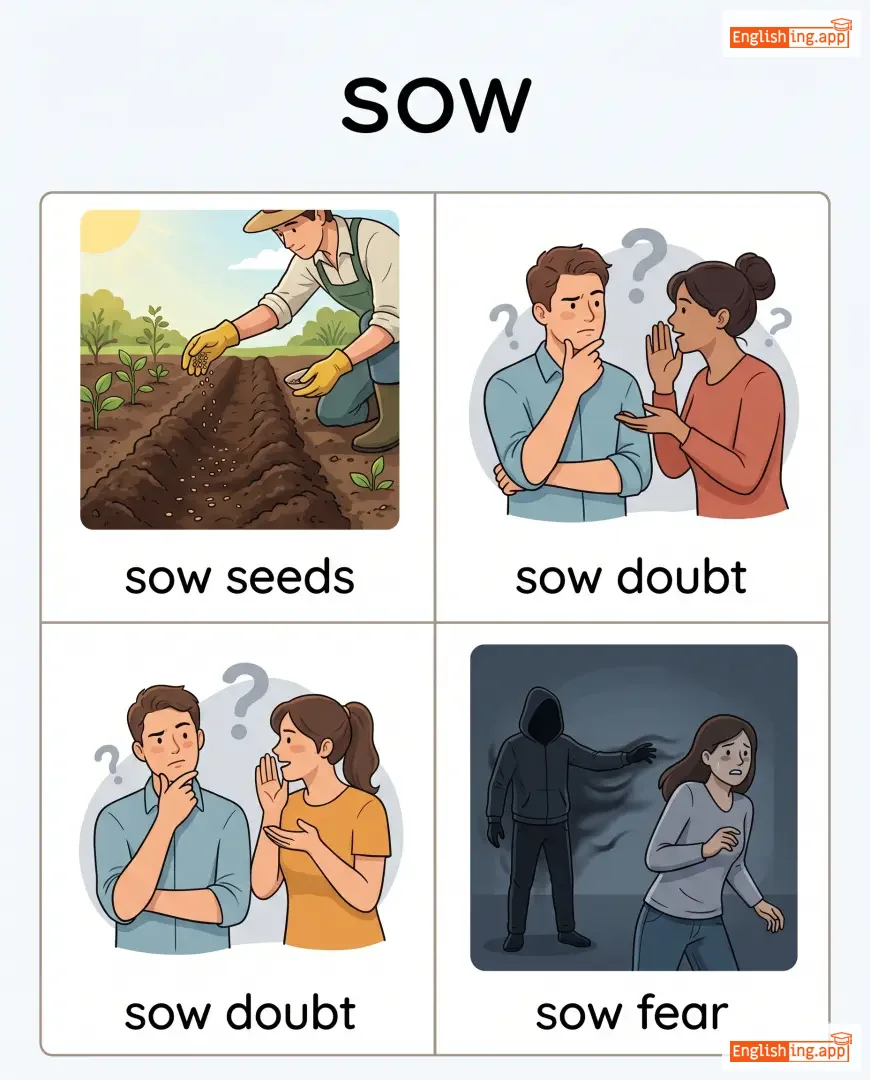
sow seeds, sow discord, sow the field, sow wildly, sow carefully
••••••
|
播种(种子)是收获的第一步。
••••••
|
|
#508
🎈
|
/swel/
verb
(suīl)
••••••
|
- •••••• |
肿胀
zhǒngzhàng
••••••
|
swelled
suīld
••••••
|
swollen/swelled
zhǐbào
••••••
|
swells
suīls
••••••
|
swelling
suīlīng
••••••
|
to become larger, rounder, or thicker; to increase in size
••••••
|
Her ankle began to swell after the injury.
她的脚踝在受伤后开始肿胀。
••••••
|
她的脚踝在受伤后开始肿胀。
Tā de jiǎohuái zài shòushāng hòu kāishǐ zhǒngzhàng.
••••••
|
expand, inflate, enlarge, puff up
••••••
|
shrink, deflate, contract, reduce
••••••
|
swell with pride, swell up, swell the ranks, badly swollen, visibly swell
••••••
|
No •••••• |
|
#509
🚴
|
/raɪd/
verb
(raɪd)
••••••
|
- •••••• |
骑/骑行
qi/qi xing
••••••
|
rode
roʊd
••••••
|
ridden
rɪdn
••••••
|
rides
raɪdz
••••••
|
riding
raɪdɪŋ
••••••
|
to travel on or in a vehicle; to sit on and control a horse
••••••
|
She likes to ride her bicycle to work.
她喜欢骑自行车去工作。
••••••
|
她喜欢骑自行车去工作。
Tā xǐhuān qí zìxíngchē qù gōngzuò.
••••••
|
travel, journey, mount, drive
••••••
|
walk, dismount, get off
••••••
|
ride a bike, ride horseback, ride the wave, ride safely, ride together
••••••
|
骑车和骑马的快乐旅行
••••••
|
|
#510
🙄
|
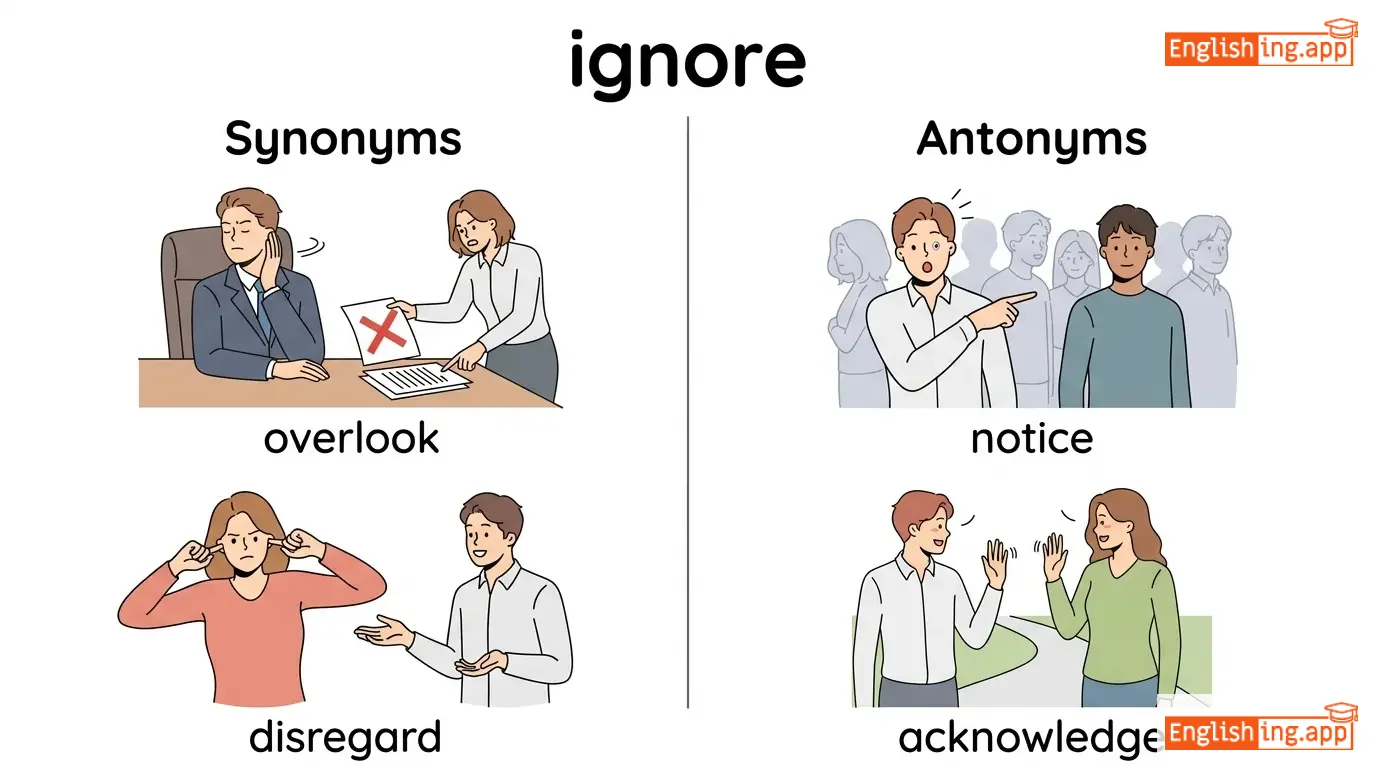
/ɪɡˈnɔːr/
verb
(忽视)
••••••
|
|
忽视
hūshì
••••••
|
ignored
忽视了
••••••
|
ignored
忽视了
••••••
|
ignores
忽视
••••••
|
ignoring
忽视ing
••••••
|
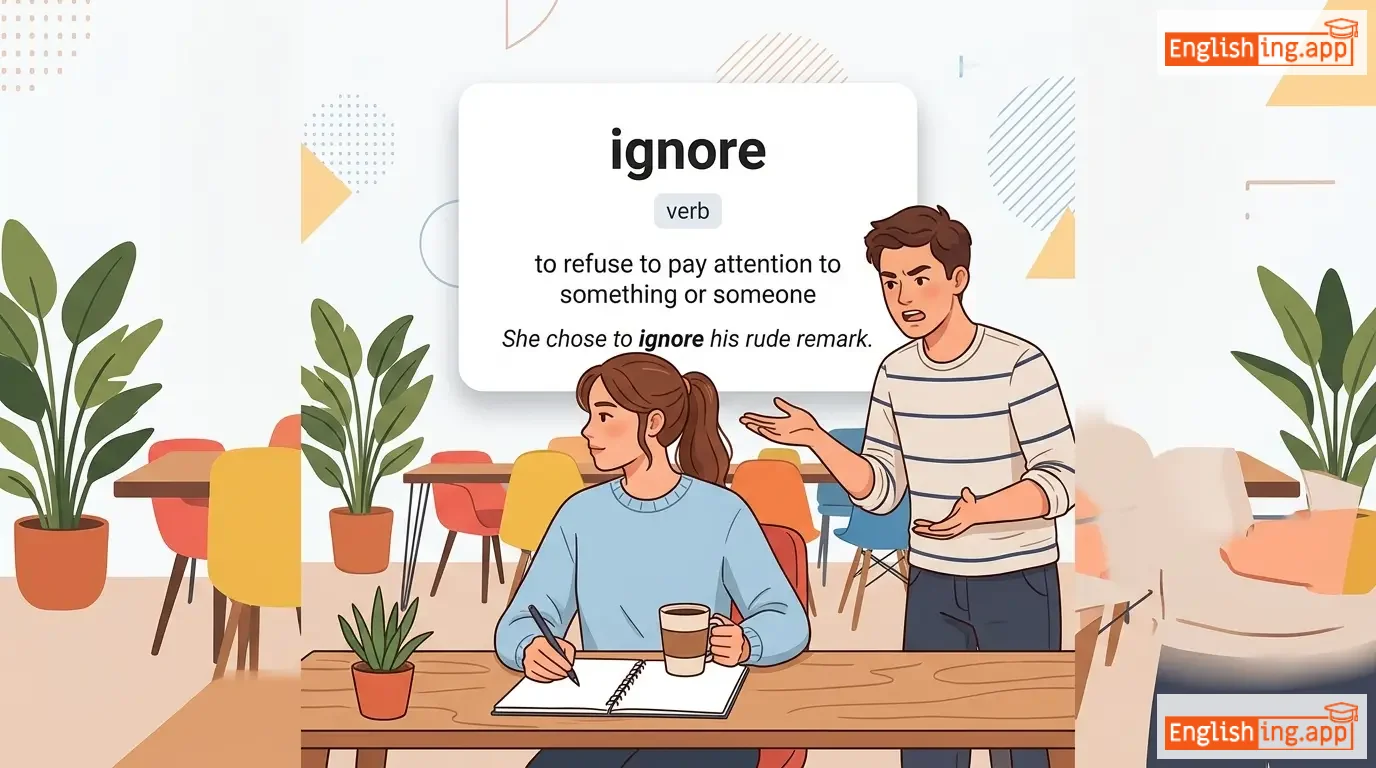
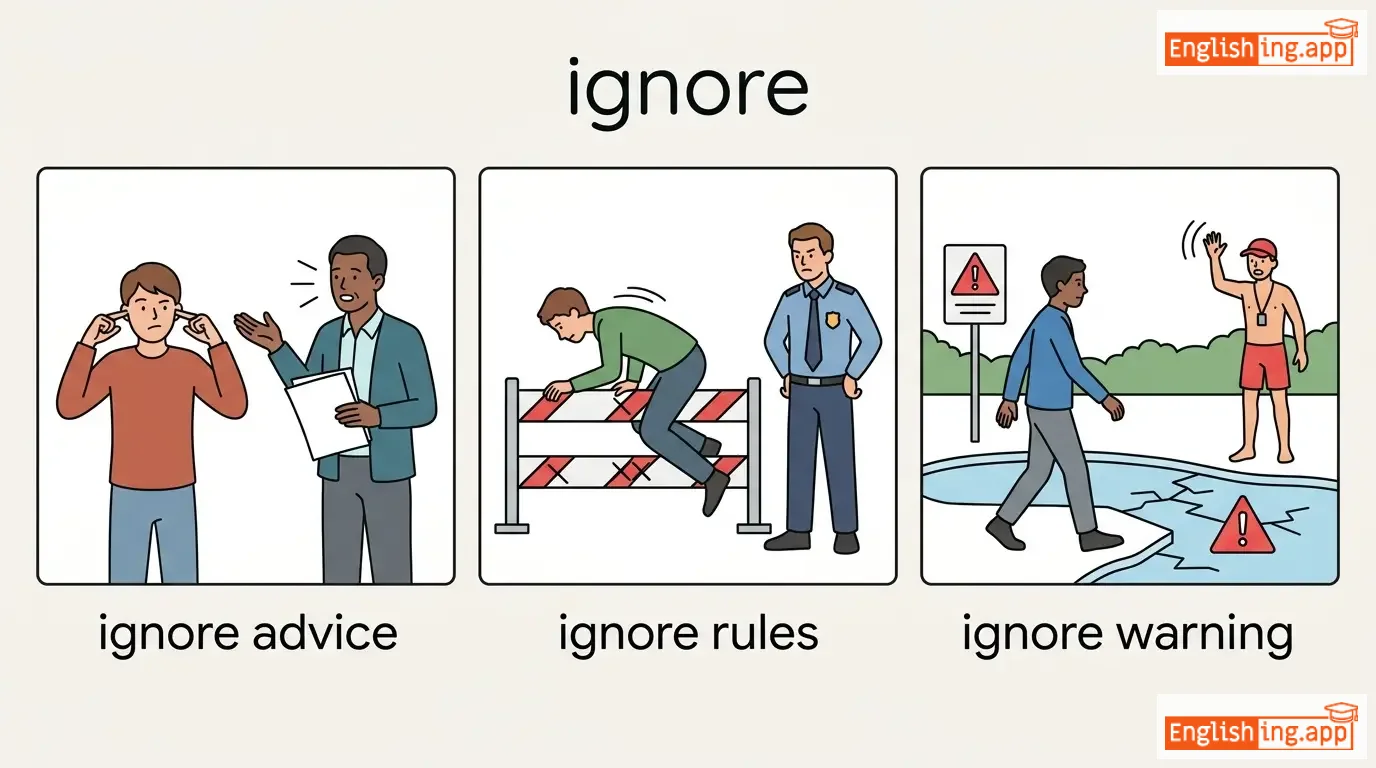
to refuse to take notice of; to disregard intentionally
••••••
|
She decided to ignore the rude comments.
她决定忽视那些粗鲁的评论。
••••••
|
她决定忽视那些粗鲁的评论。
Tā juédìng hūshì nàxiē cūlǔ de pínglùn.
••••••
|
disregard, overlook, neglect, dismiss
••••••
|
notice, acknowledge, attend, heed
••••••
|
ignore completely, ignore warnings, ignore advice, deliberately ignore, ignore the facts
••••••
|
忽视粗鲁的评论,保持冷静。
••••••
|
|
#511
🪑
|
/sɪt/
verb
(सिट)
••••••
|
- •••••• |
坐
zuò
••••••
|
sat
सैट
••••••
|
sat
सैट
••••••
|
sits
सिट्स
••••••
|
sitting
सिटिंग
••••••
|
to rest in a seated position; to be located
••••••
|
Please sit down and make yourself comfortable.
कृपया बैठिए और खुद को आरामदायक बनाइए।
••••••
|
请坐下并让自己舒服。
Qǐng zuò xià bìng ràng zìjǐ shūfú.
••••••
|
rest, settle, perch, position
••••••
|
stand, rise, get up
••••••
|
sit down, sit comfortably, sit quietly, sit still, sit in a chair
••••••
|
坐下,放松。
••••••
|
|
#512
☀️
|
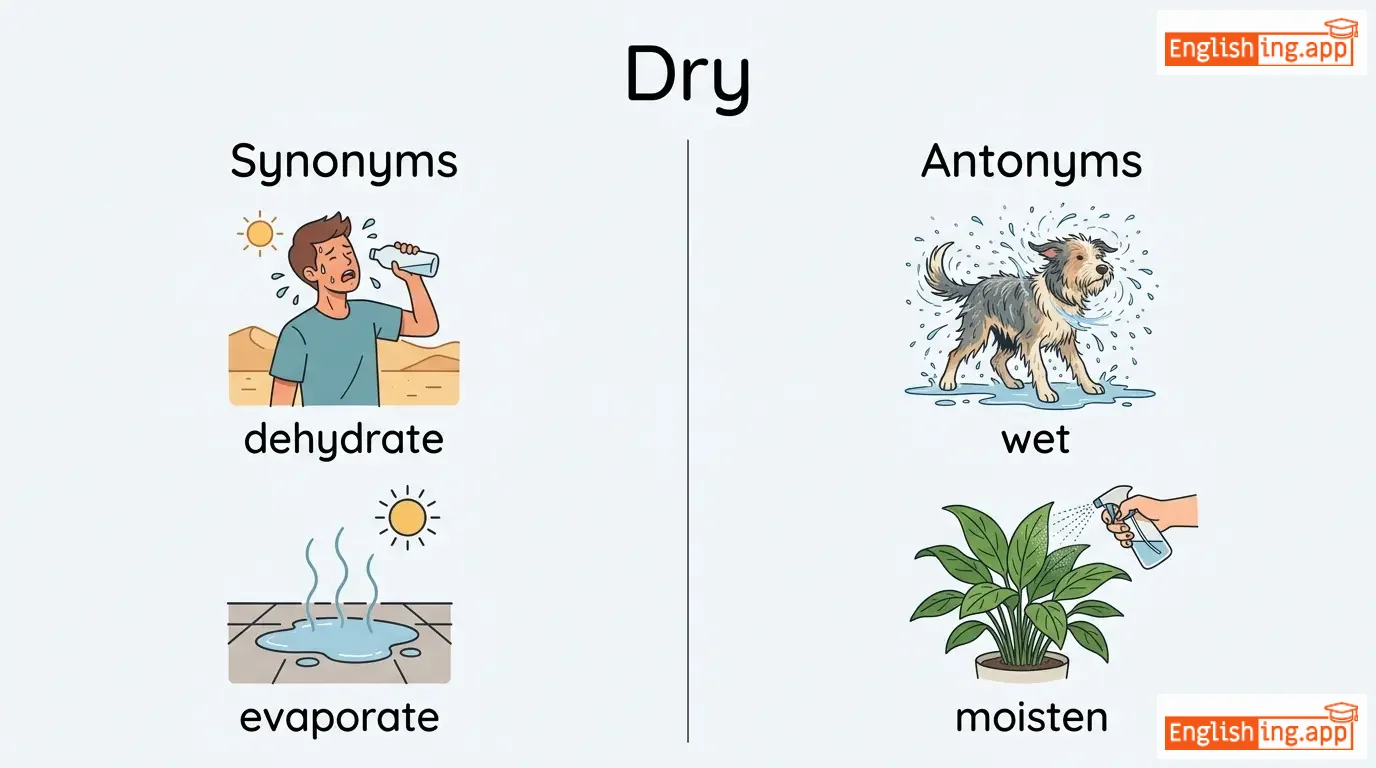
/draɪ/
verb
(drai)
••••••
|
|
干燥
gānzào
••••••
|
dried
draid
••••••
|
dried
draid
••••••
|
dries
drais
••••••
|
drying
drein
••••••
|
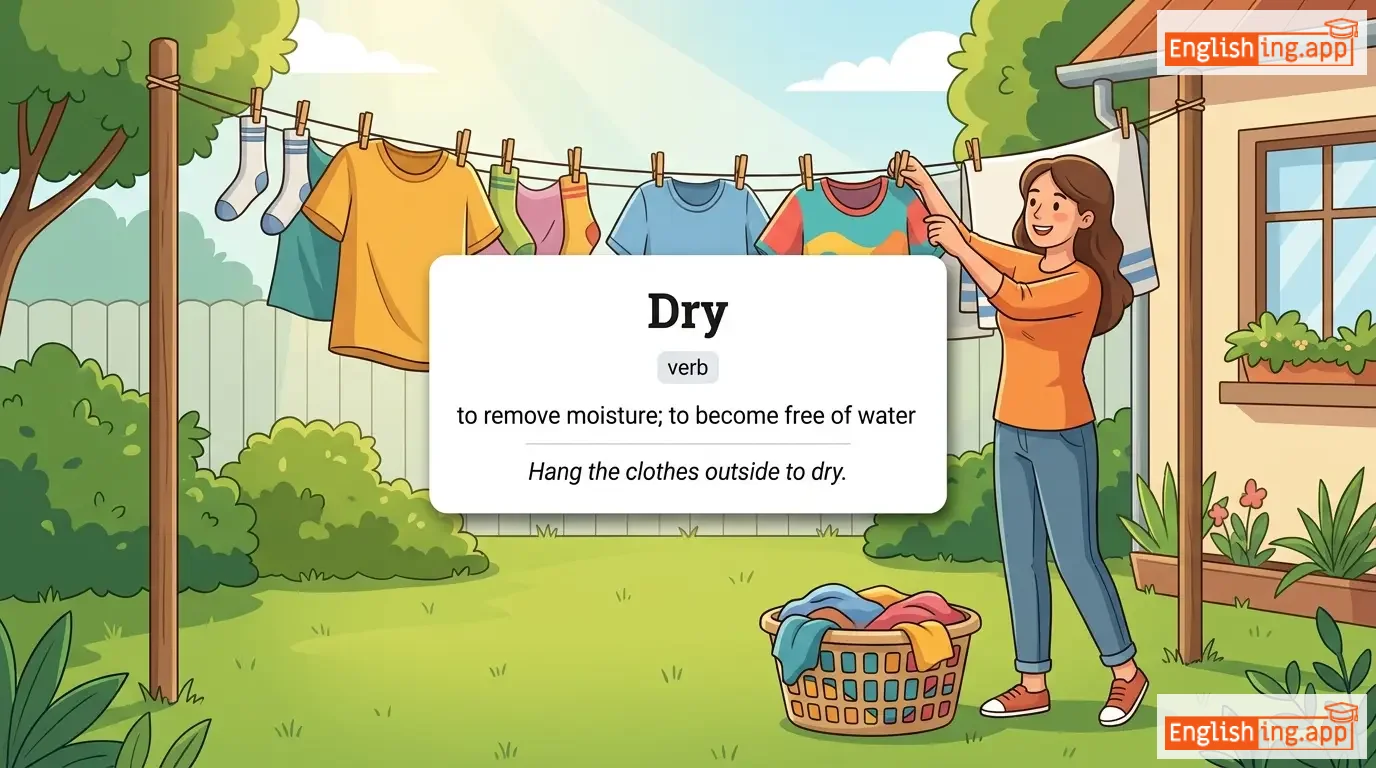
to remove moisture; to become free of water
••••••
|
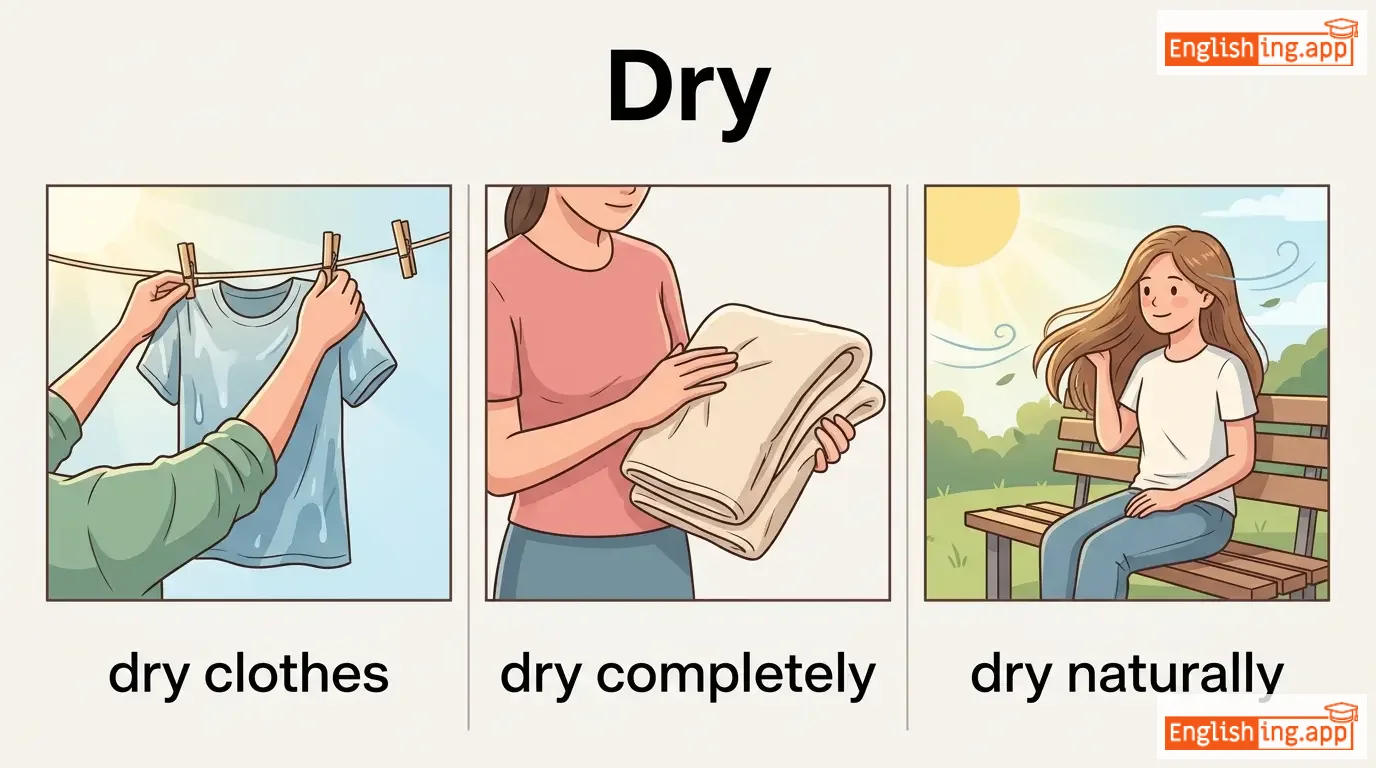
Hang the clothes outside to dry.
把衣服挂在外面晾干。
••••••
|
把衣服挂在外面晾干。
Bǎ yīfú guà zài wàimiàn liànggān.
••••••
|
dehydrate, evaporate, drain, wither
••••••
|
wet, moisten, dampen, soak
••••••
|
dry clothes, dry completely, dry naturally, dry thoroughly, dry in the sun
••••••
|
In Chinese, '干燥' means dry, representing the removal of moisture.
••••••
|
|
#513
🚪
|
/dɪsˈtʃɑːrdʒ/
verb
(dísīchájí)
••••••
|
|
出院
chūyuàn
••••••
|
discharged
dísīchájíd
••••••
|
discharged
dísīchájíd
••••••
|
discharges
dísīchájíes
••••••
|
discharging
dísīchájíng
••••••
|
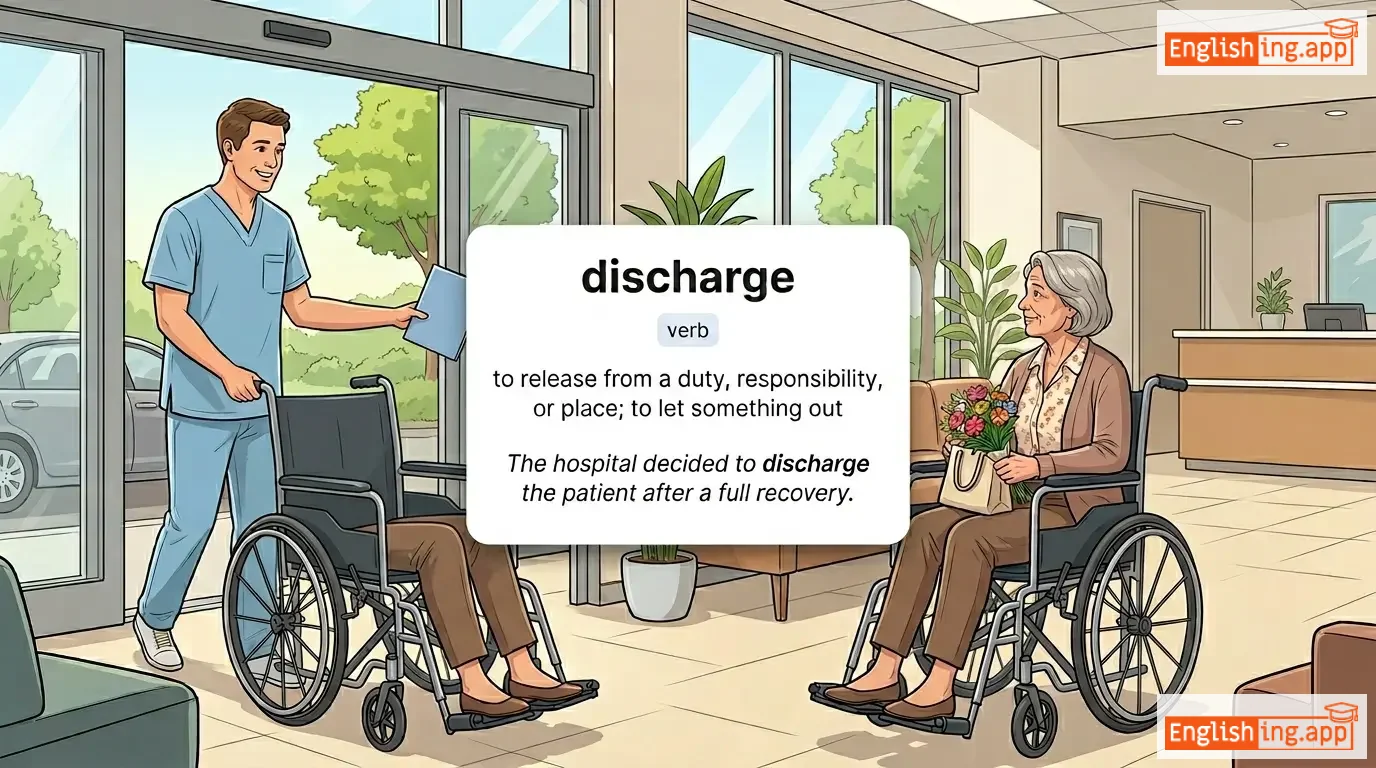
to release or dismiss from duty; to emit or give off
••••••
|
The hospital will discharge the patient tomorrow.
医院明天将出院病人。
••••••
|
医院明天将出院病人。
Yīyuàn míngtiān jiāng chūyuàn bìngrén
••••••
|
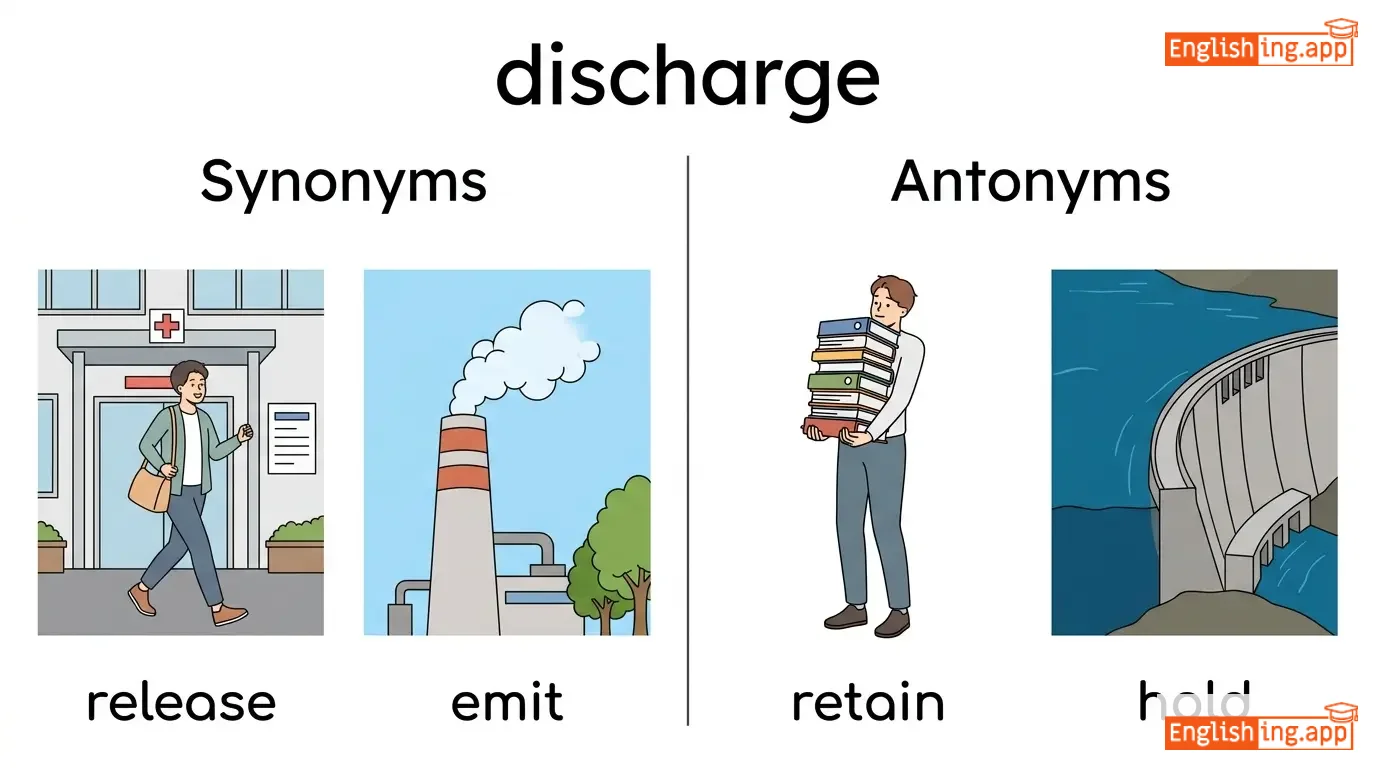
release, dismiss, emit, expel
••••••
|
admit, retain, hold, keep
••••••
|
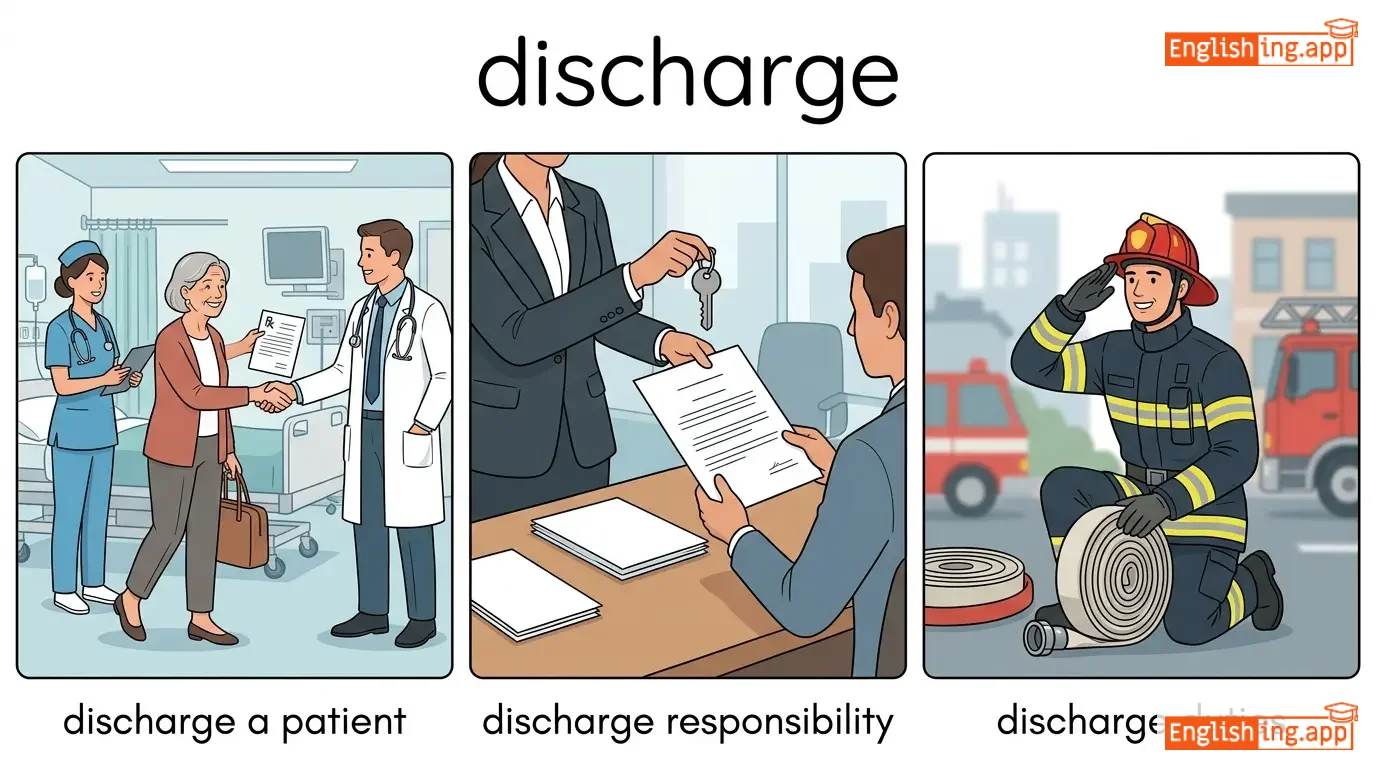
discharge patients, discharge duties, discharge from hospital, discharge completely, discharge safely
••••••
|
出院意味着恢复健康
••••••
|
|
#514
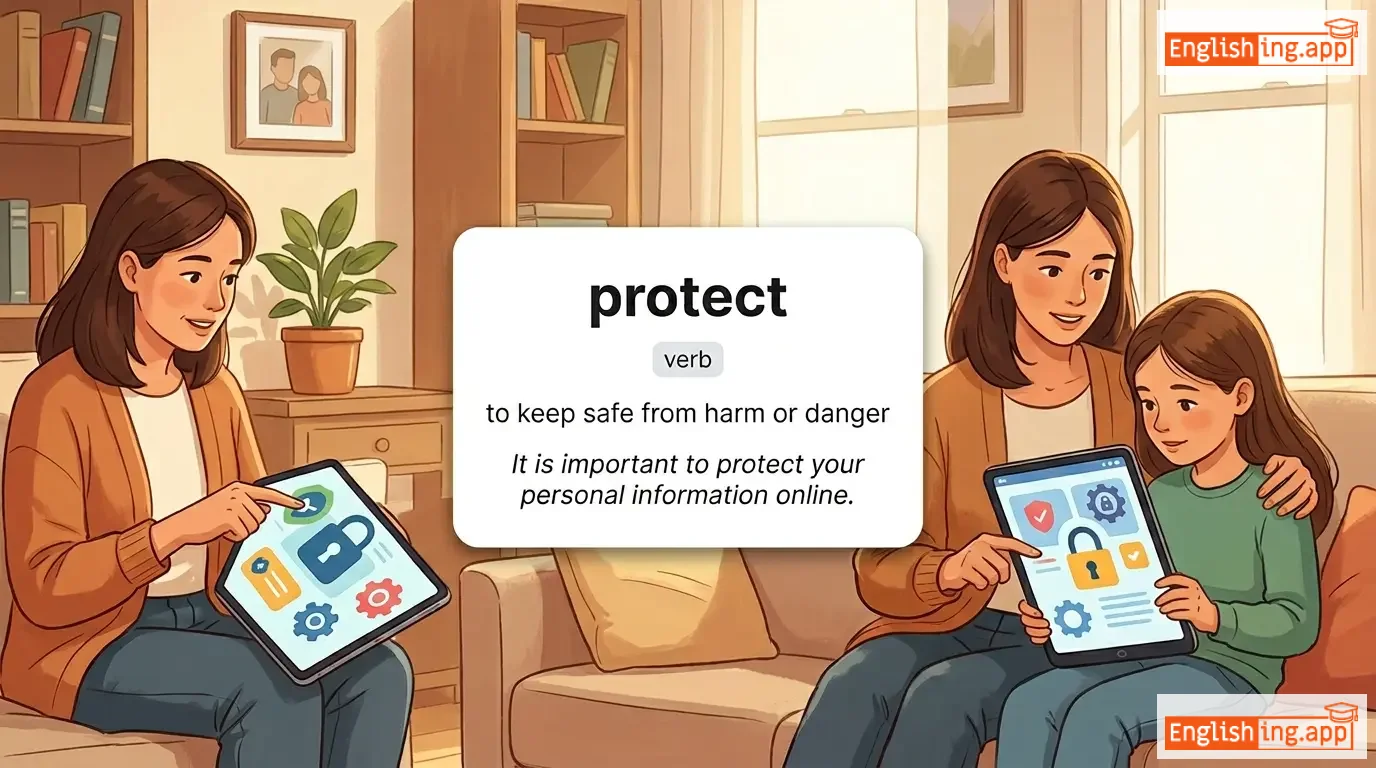
🛡️
|
/prəˈtekt/
verb
(保护)
••••••
|
|
保护
baohu
••••••
|
protected
保护了
••••••
|
protected
保护了
••••••
|
protects
保护
••••••
|
protecting
保护着
••••••
|
to keep safe from harm or danger; to defend
••••••
|
The helmet protects your head from injury.
头盔保护你的头免受伤害。
••••••
|
头盔保护你的头免受伤害。
Toukuai baohu nide tou mian shou shanghai.
••••••
|
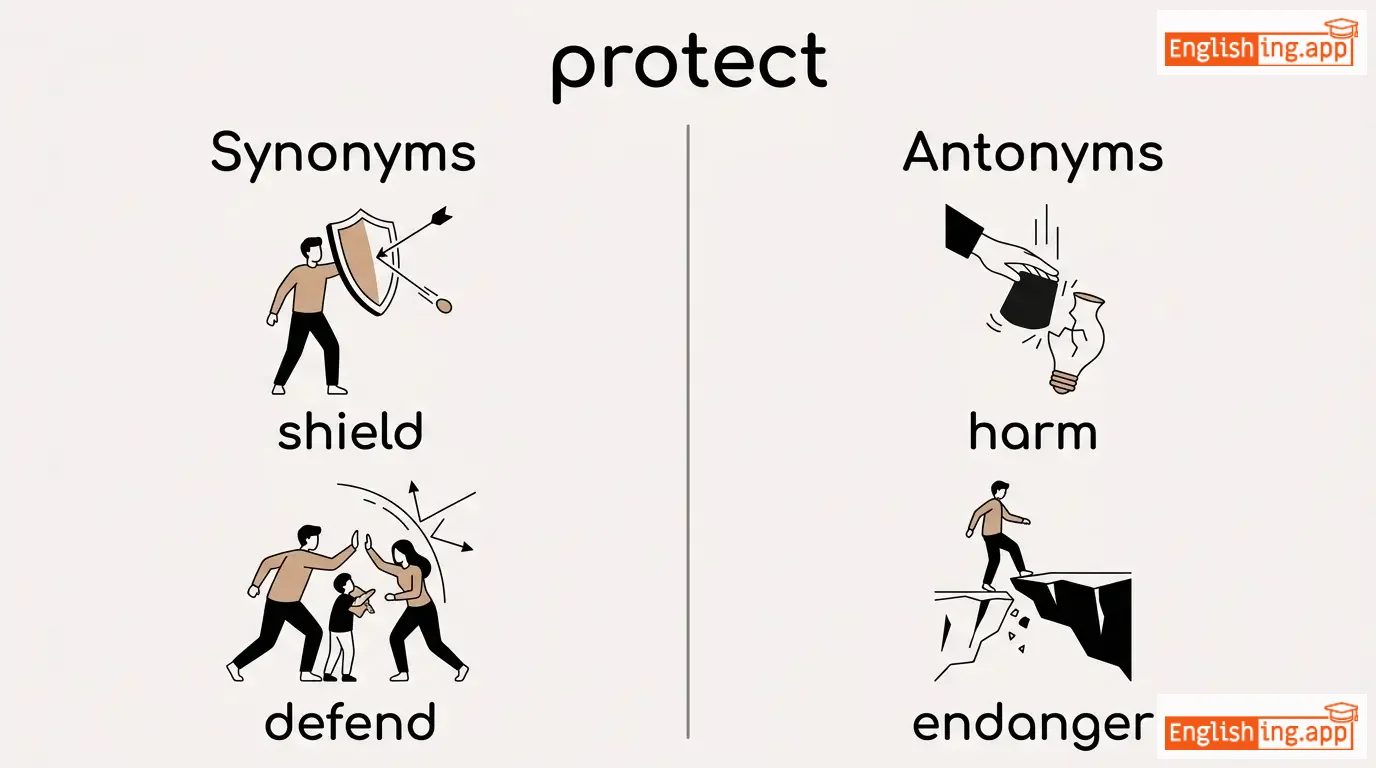
defend, guard, shield, safeguard
••••••
|
attack, harm, endanger, expose
••••••
|
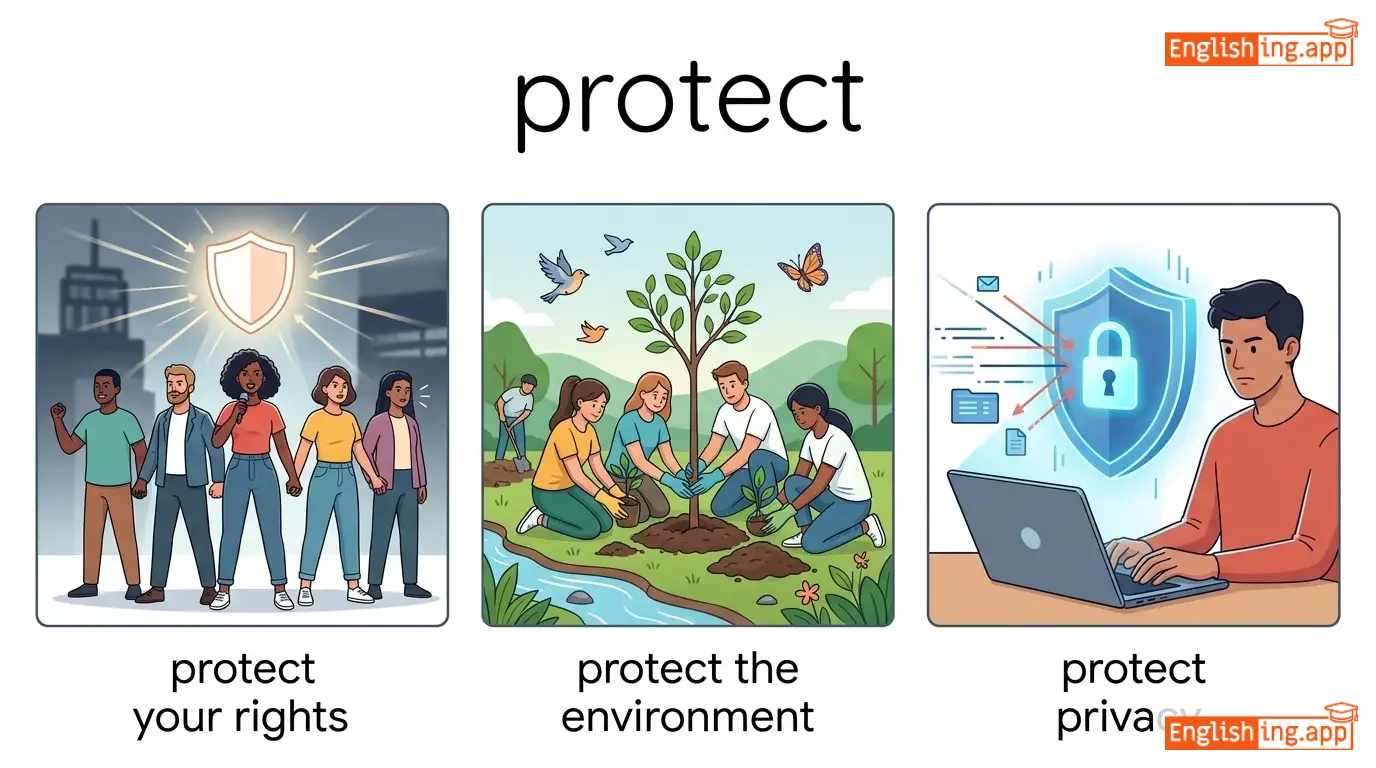
protect from harm, protect the environment, protect rights, protect carefully, protect completely
••••••
|
Protection is like '保护' in Chinese
••••••
|
|
#515
🦷
|
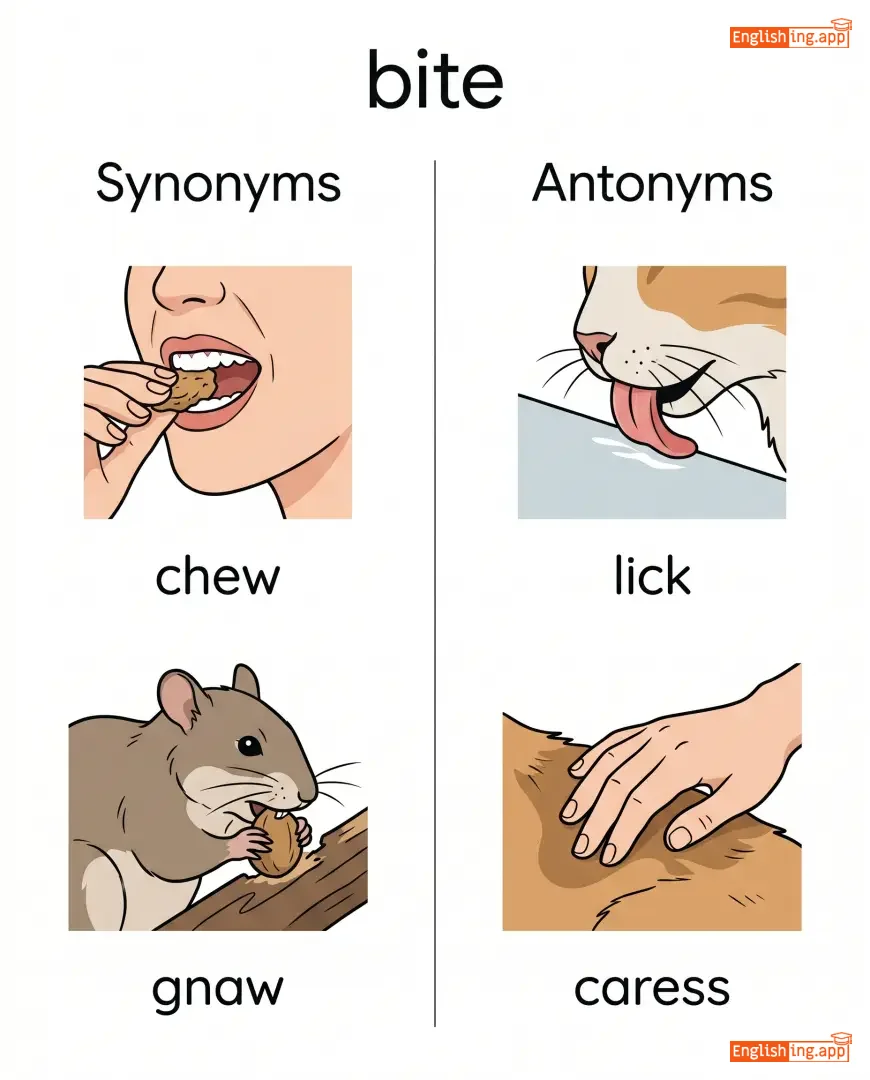
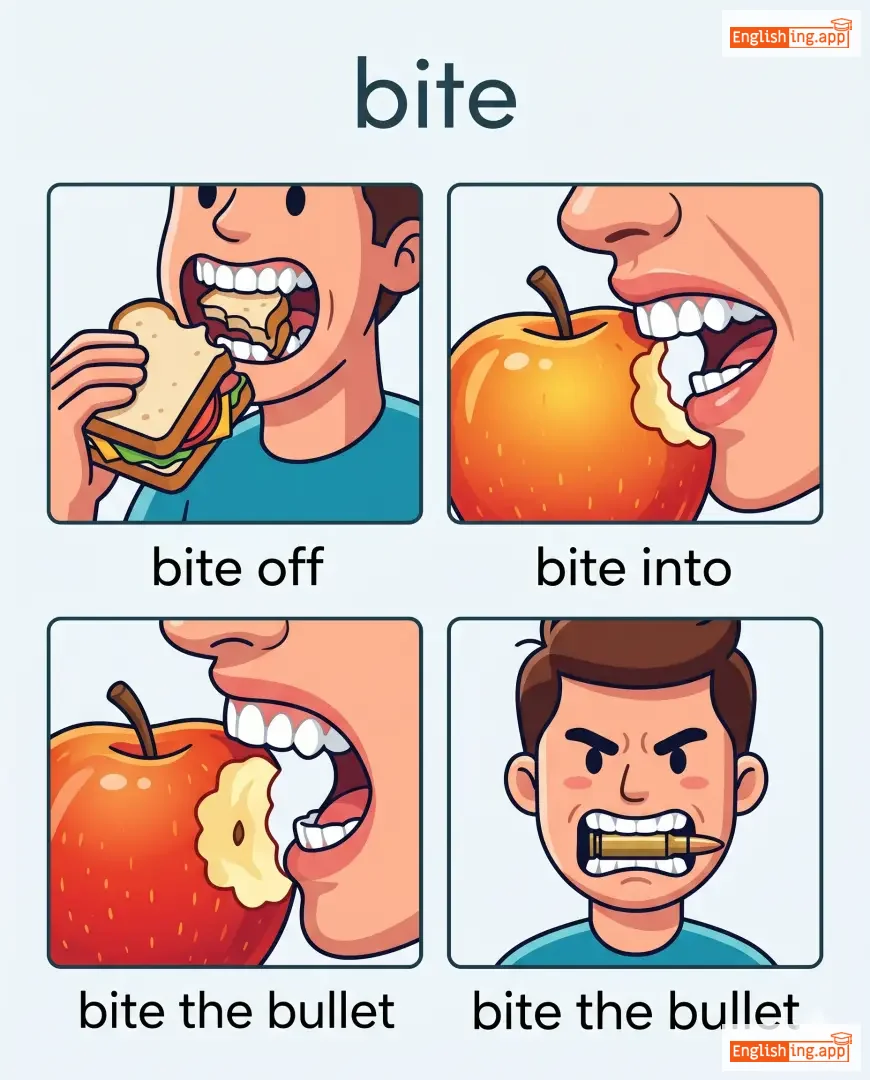
/baɪt/
verb
(bàit)
••••••
|
|
咬
yǎo
••••••
|
bit
bìt
••••••
|
bitten
bìtēn
••••••
|
bites
bàits
••••••
|
biting
bàitíng
••••••
|
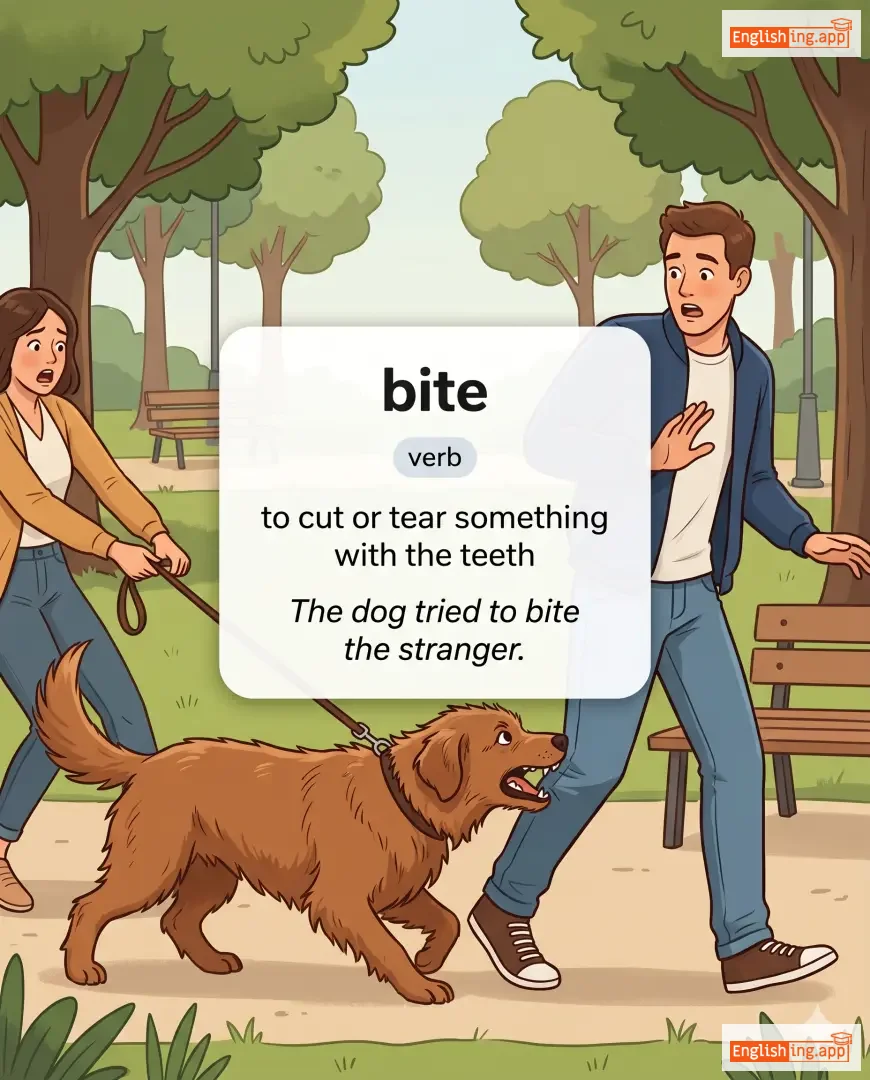
to use teeth to cut or wound; to grip with teeth
••••••
|
The dog might bite if you approach suddenly.
The dog might bite if you approach suddenly.
••••••
|
如果你突然接近,狗可能会咬。
Rúguǒ nǐ túrán jiējìn, gǒu kěnéng huì yǎo.
••••••
|
chew, gnaw, nip, snap
••••••
|
release, let go, soothe
••••••
|
bite hard, bite into, bite back, bite gently, bite down
••••••
|
咬 (yǎo) = 咬一口苹果
••••••
|
|
#516
👁️
|
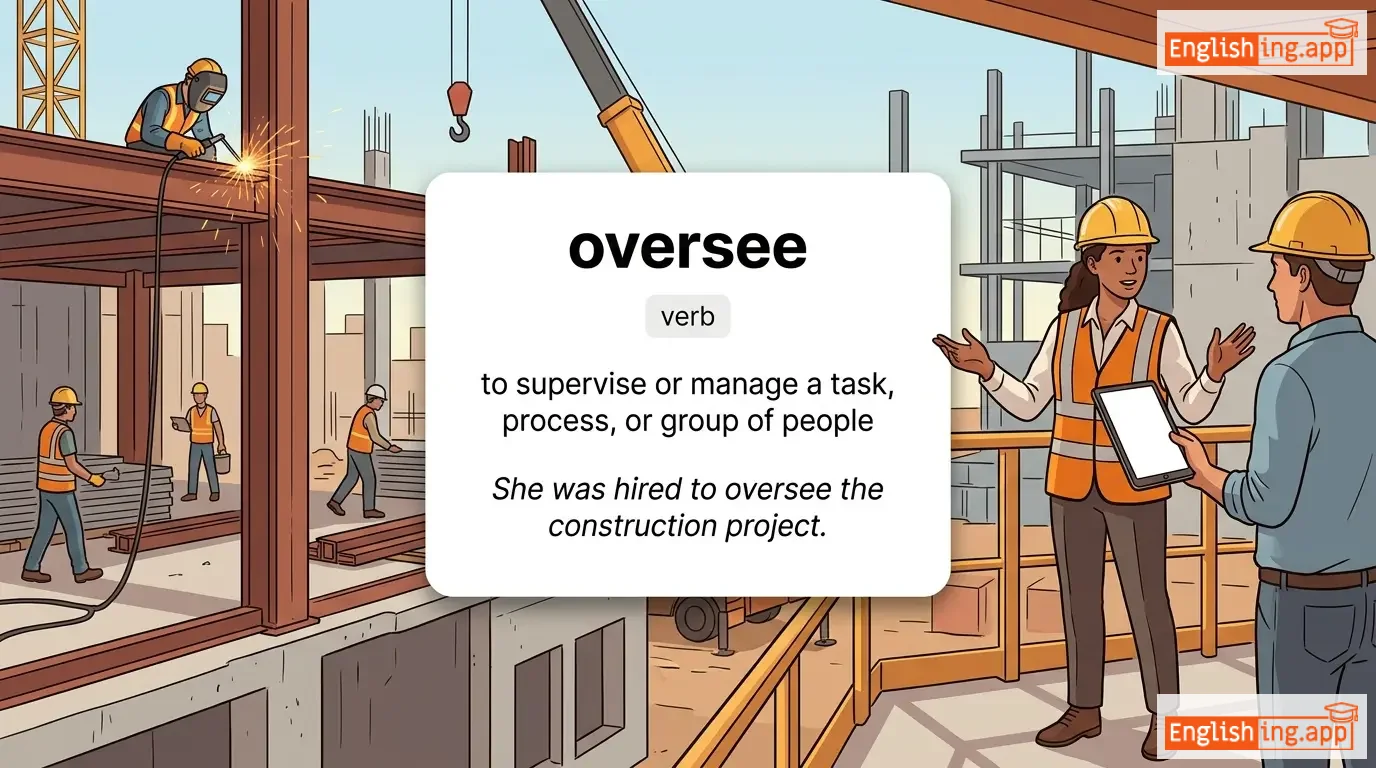
/ˌoʊvərˈsiː/
verb
(òu wèi ér sī)
••••••
|
|
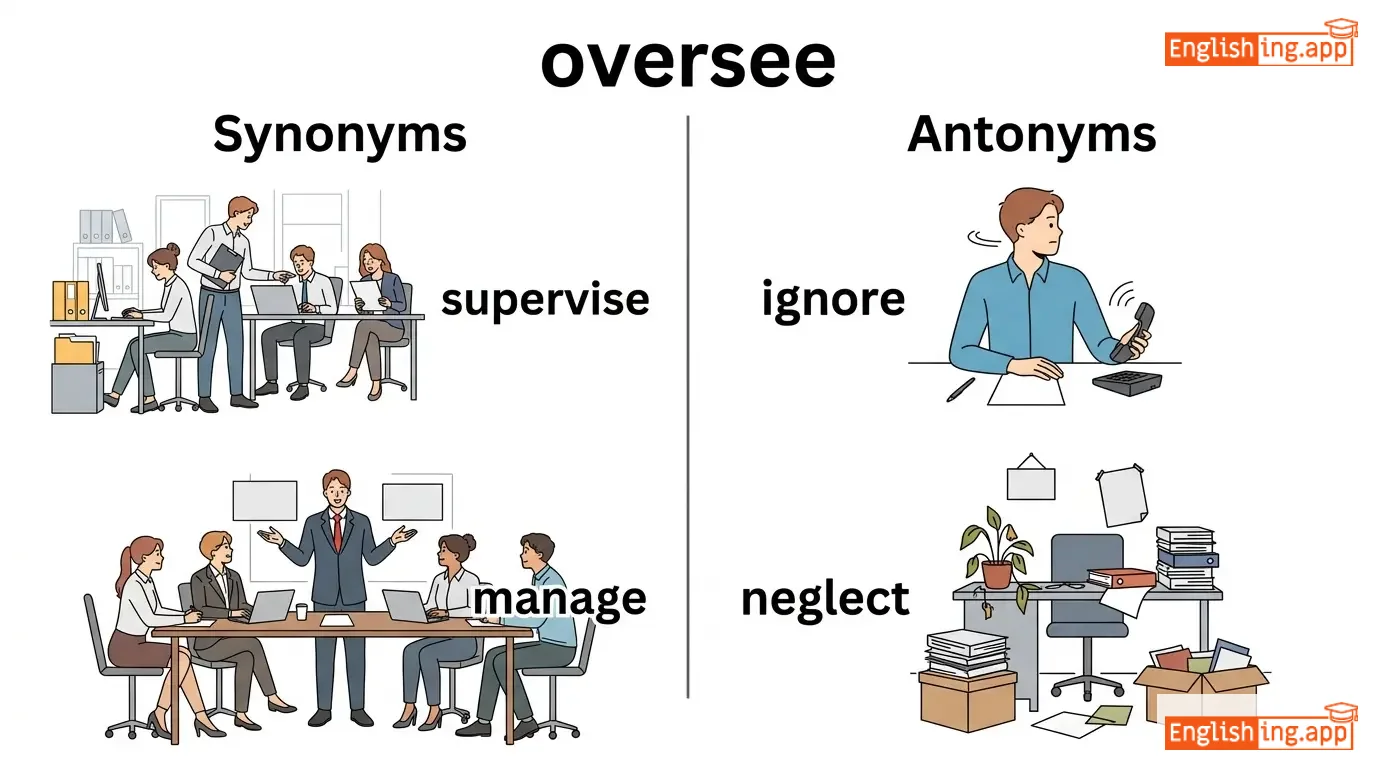
监督
jiāndū
••••••
|
oversaw
oversaw
••••••
|
overseen
overseen
••••••
|
oversees
oversees
••••••
|
overseeing
overseeing
••••••
|
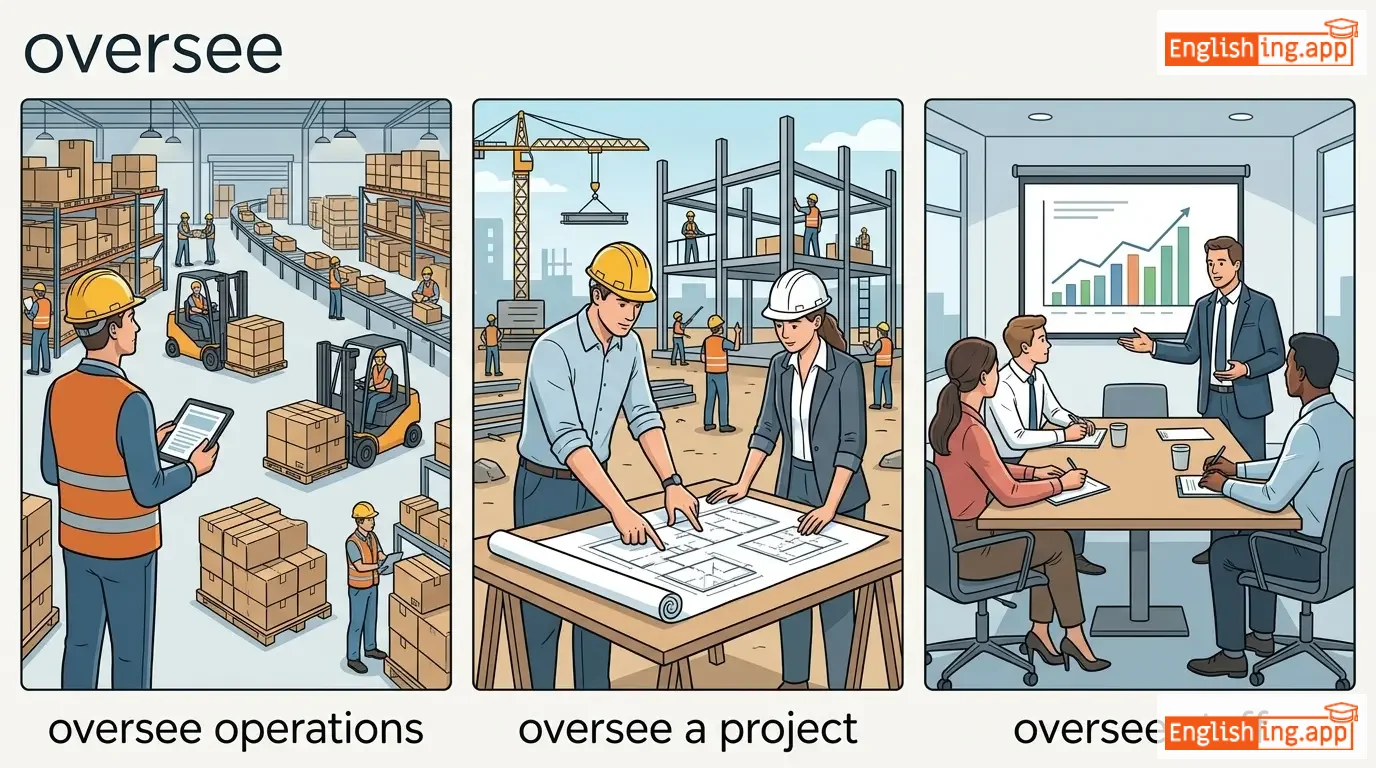
to supervise or watch over something; to manage and direct
••••••
|
The manager will oversee the entire construction project.
经理将监督整个建筑项目。
••••••
|
经理将监督整个建筑项目。
Jīnglǐ jiāng jiāndū zhěnggè jiànzhù xiàngmù.
••••••
|
supervise, monitor, manage, direct
••••••
|
neglect, ignore, abandon, overlook
••••••
|
oversee operations, oversee projects, oversee carefully, directly oversee, oversee the work
••••••
|
Chinese word '监督' (jiāndū) relates to supervising or overseeing, similar to the English meaning.
••••••
|
|
#517
🏆
|
/ˈnɒmɪneɪt/
verb
(诺米内特)
••••••
|
|
提名
tímíng
••••••
|
nominated
诺米内特德
••••••
|
nominated
诺米内特德
••••••
|
nominates
诺米内特斯
••••••
|
nominating
诺米内特英
••••••
|
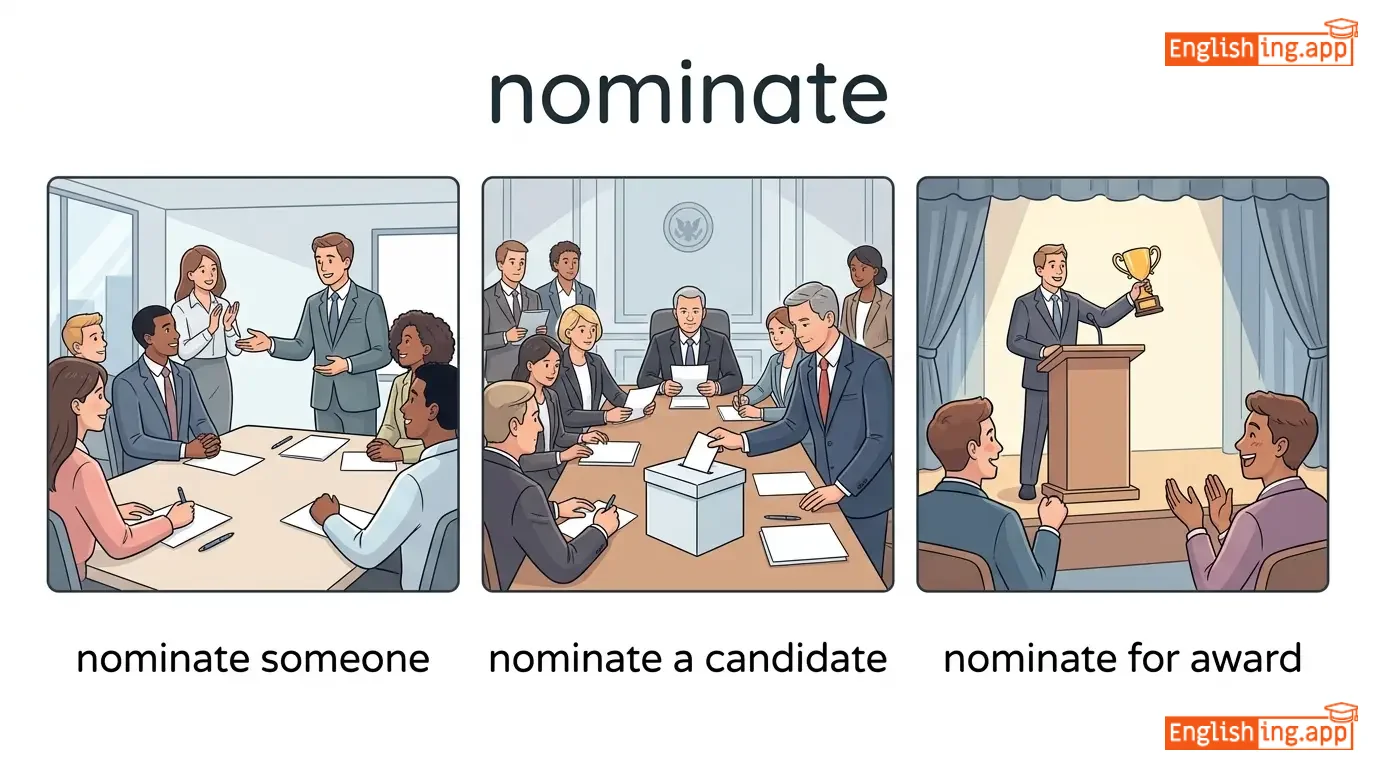
to propose someone for a position or award
••••••
|
The committee decided to nominate her for the award.
委员会决定提名她获得奖项。
••••••
|
委员会决定提名她获得奖项。
Wěiyuánhuì juédìng tímíng tā huòdé jiǎngxiàng.
••••••
|
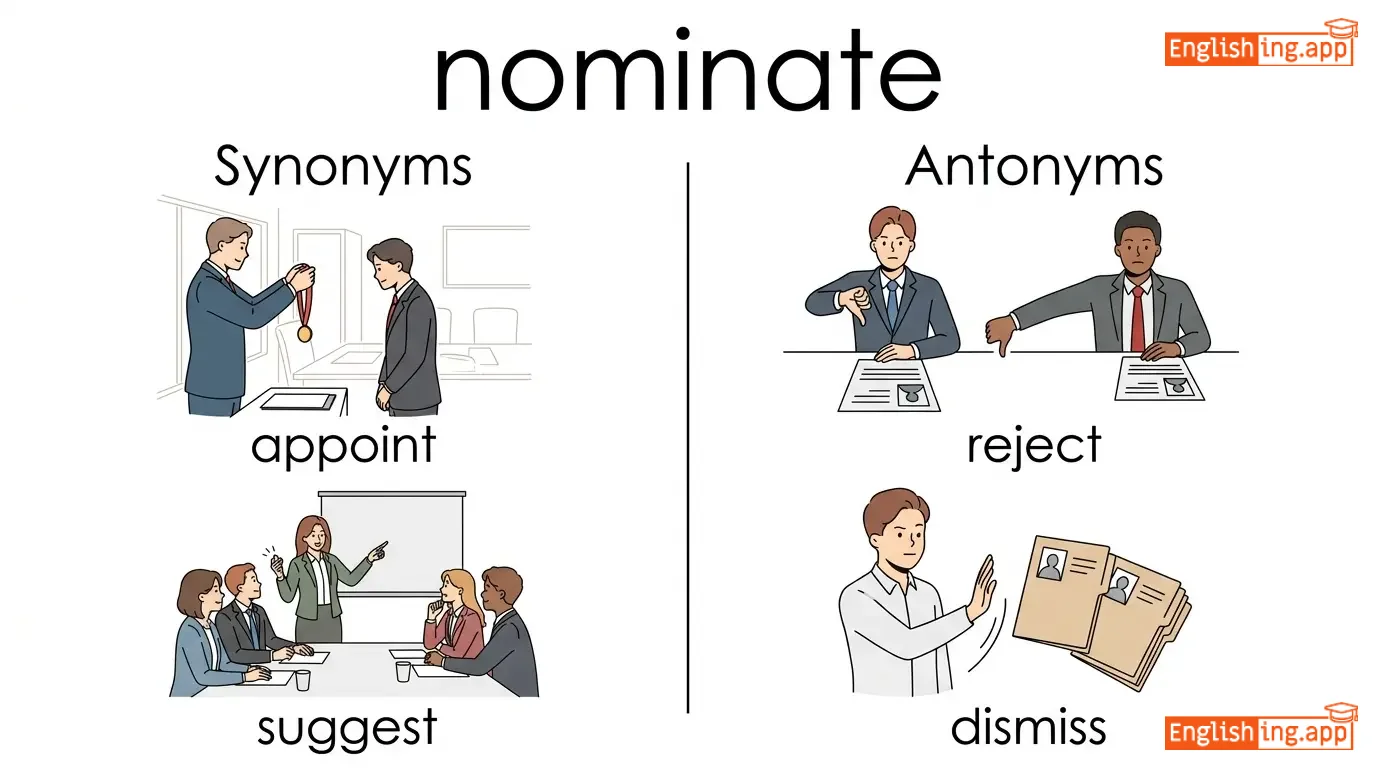
propose, suggest, recommend, appoint
••••••
|
reject, dismiss, withdraw
••••••
|
nominate candidates, nominate for award, officially nominate, nominate someone, nominate unanimously
••••••
|
Nominate = 提名 (Tímíng) - ‘Tímíng’ in Chinese sounds similar to ‘Nominate’.
••••••
|
|
#518
⚖️
|
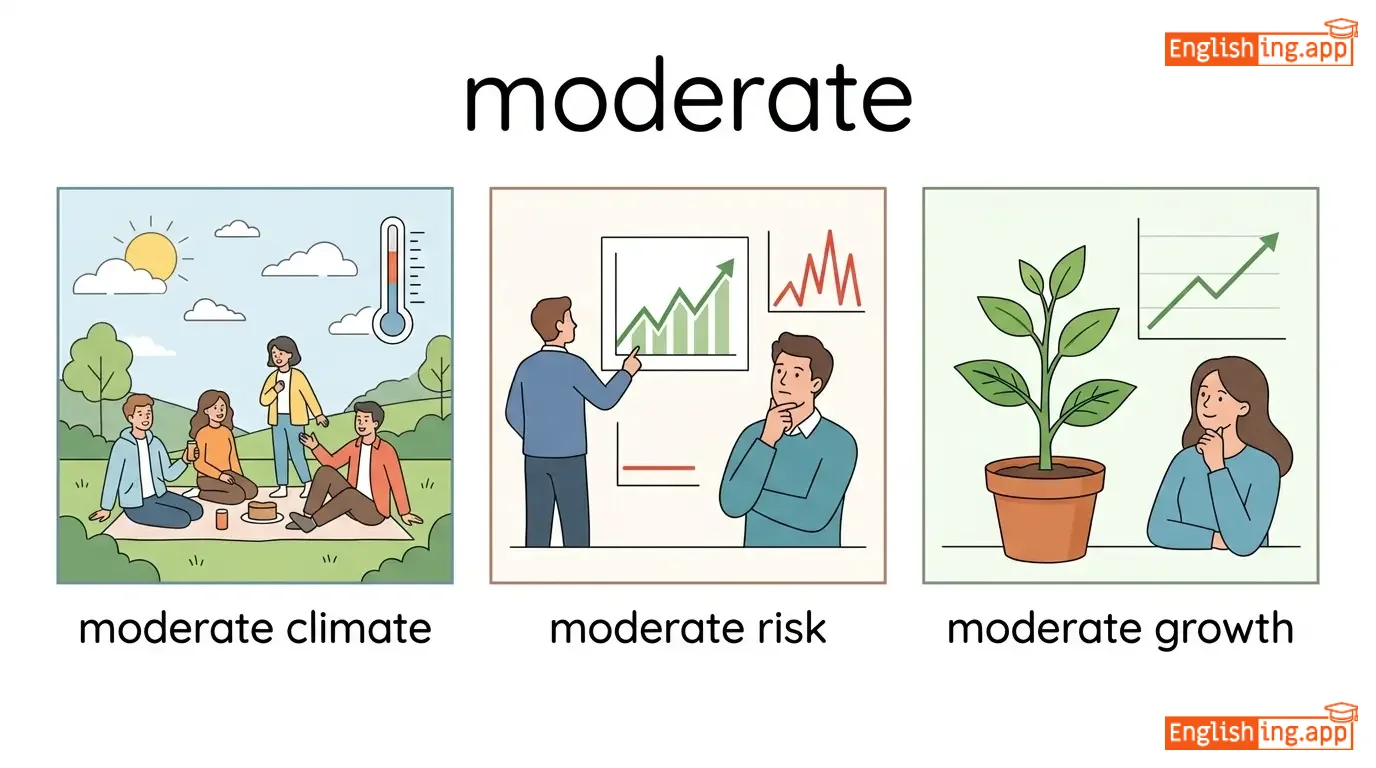
/ˈmɑːdərət/
verb
(模德瑞特)
••••••
|
|
调解
tiáojiě
••••••
|
moderated
模德瑞特德
••••••
|
moderated
模德瑞特德
••••••
|
moderates
模德瑞特斯
••••••
|
moderating
模德瑞特英
••••••
|
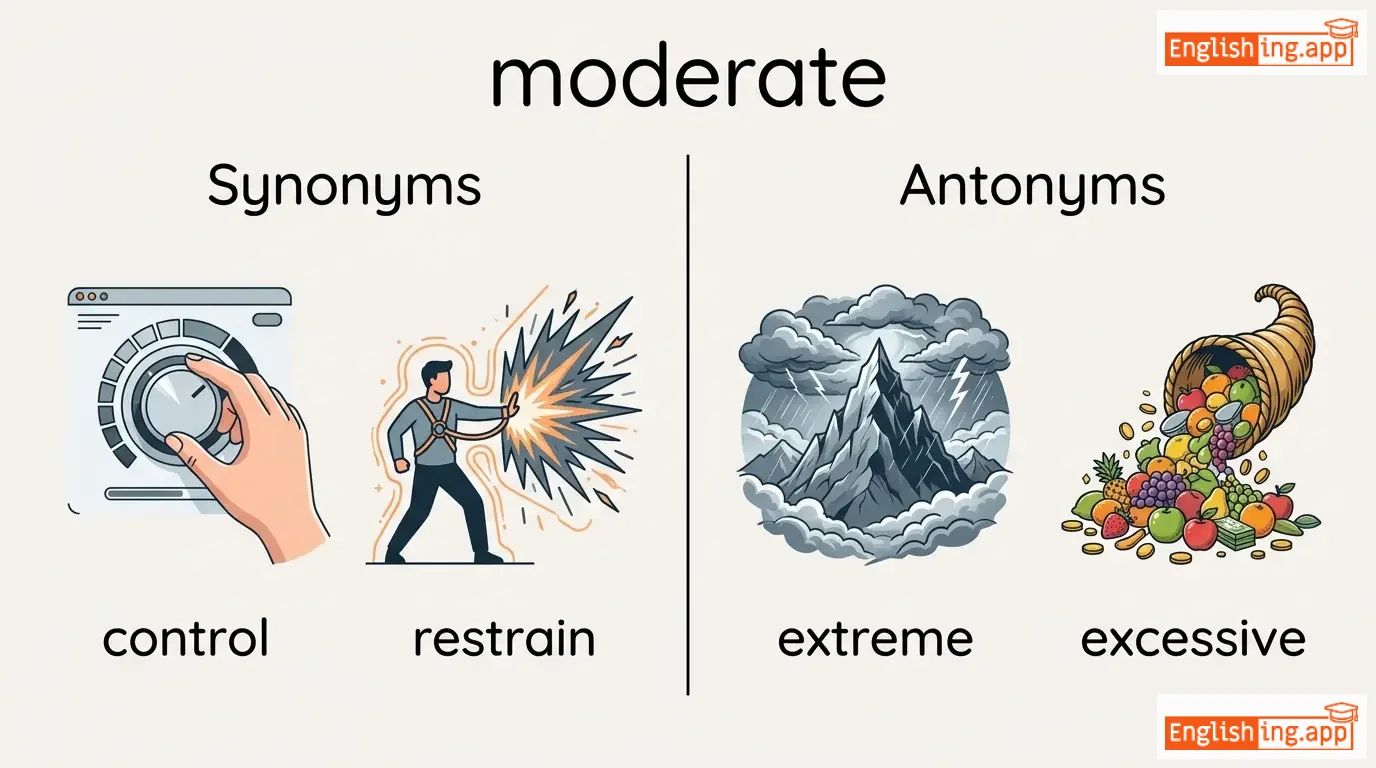
to make less extreme or intense; to control or preside over
••••••
|
She moderated the heated debate between the candidates.
她主持了候选人之间的激烈辩论。
••••••
|
她主持了候选人之间的激烈辩论。
Tā zhǔchíle hòuxuǎn rén zhījiān de jīliè biànlùn.
••••••
|
control, regulate, temper, chair
••••••
|
intensify, escalate, aggravate, extremize
••••••
|
moderate discussion, moderate views, moderate carefully, moderate the debate, moderate effectively
••••••
|
Moderate to ensure fairness.
••••••
|
|
#519
✅
|
/ˈverɪfaɪ/
verb
(wɛrɪˈfaɪ)
••••••
|
- •••••• |
验证
yanzheng
••••••
|
verified
wɛrɪˈfaɪd
••••••
|
verified
wɛrɪˈfaɪd
••••••
|
verifies
wɛrɪˈfaɪz
••••••
|
verifying
wɛrɪˈfaɪɪŋ
••••••
|
to check if something is true or correct; to confirm
••••••
|
Please verify your email address before proceeding.
请在继续之前验证您的电子邮件地址。
••••••
|
请在继续之前验证您的电子邮件地址。
Qǐng zài jìxù zhīqián yànzhèng nín de diànzǐ yóujiàn dìzhǐ.
••••••
|
confirm, check, validate, authenticate, prove
••••••
|
disprove, refute, deny, falsify
••••••
|
verify information, verify identity, verify carefully, verify the facts, verify authenticity
••••••
|
Verify is '验证' – verifying ensures confirmation in Chinese.
••••••
|
|
#520
🍽️
|
/sɜːrv/
verb
(服务)
••••••
|
- •••••• |
服务
fuwu
••••••
|
served
服务了
••••••
|
served
服务了
••••••
|
serves
提供
••••••
|
serving
提供中
••••••
|
to provide service; to work for; to offer food or drink
••••••
|
She serves breakfast at 8 AM every morning.
她每天早上8点提供早餐。
••••••
|
她每天早上8点提供早餐。
ta meitian zaoshang 8 dian tigong zaocan
••••••
|
assist, help, attend, provide
••••••
|
neglect, ignore, refuse, withhold
••••••
|
serve food, serve customers, serve the community, serve faithfully, serve well
••••••
|
Serve in Chinese is '服务', just like serving breakfast every morning!
••••••
|
|
#521
📄
|
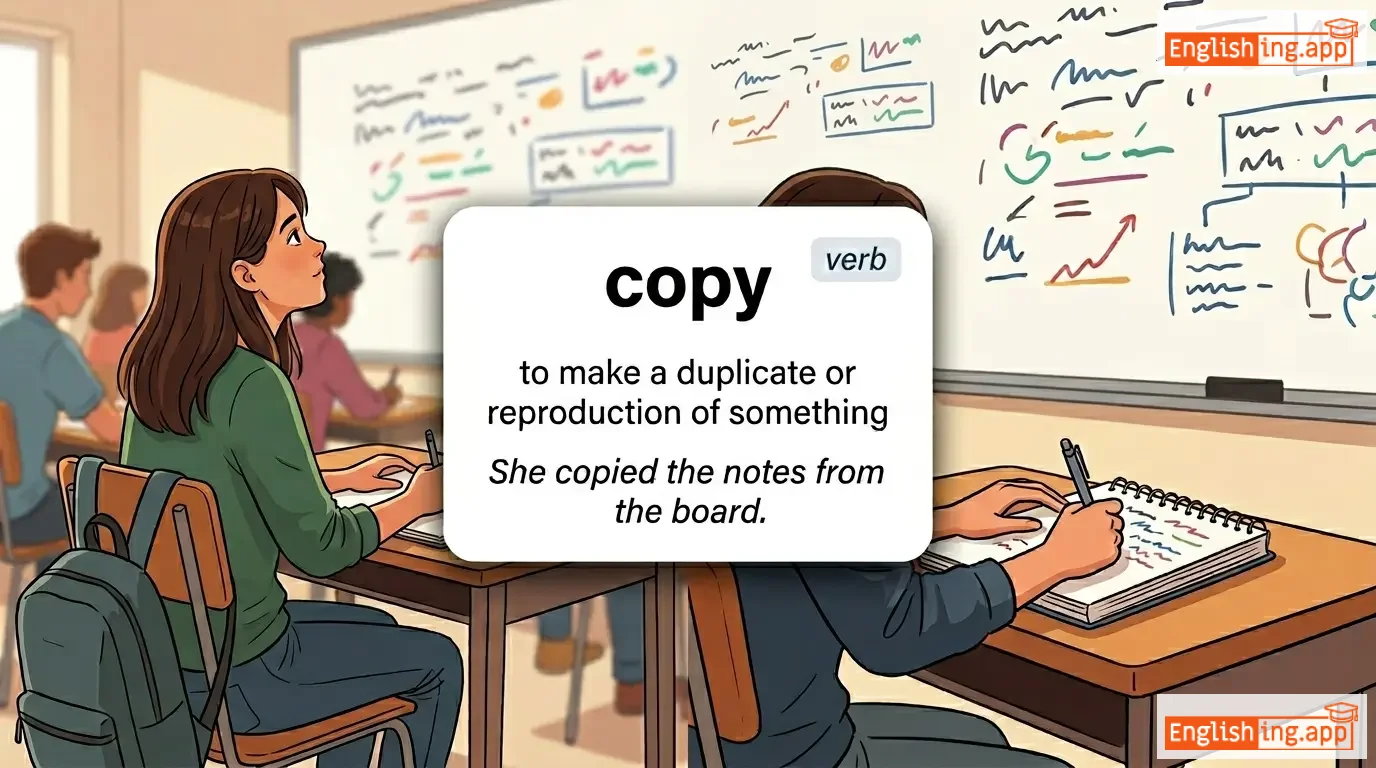
/ˈkɑːpi/
verb
(复制)
••••••
|
|
复制
fùzhì
••••••
|
copied
复制了
••••••
|
copied
复制了
••••••
|
copies
复制
••••••
|
copying
复制中
••••••
|
to make an identical reproduction of something
••••••
|
Please copy this document for the meeting.
请为会议复制此文档。
••••••
|
请为会议复制此文档。
Qǐng wèi huìyì fùzhì cǐ wéndàng.
••••••
|
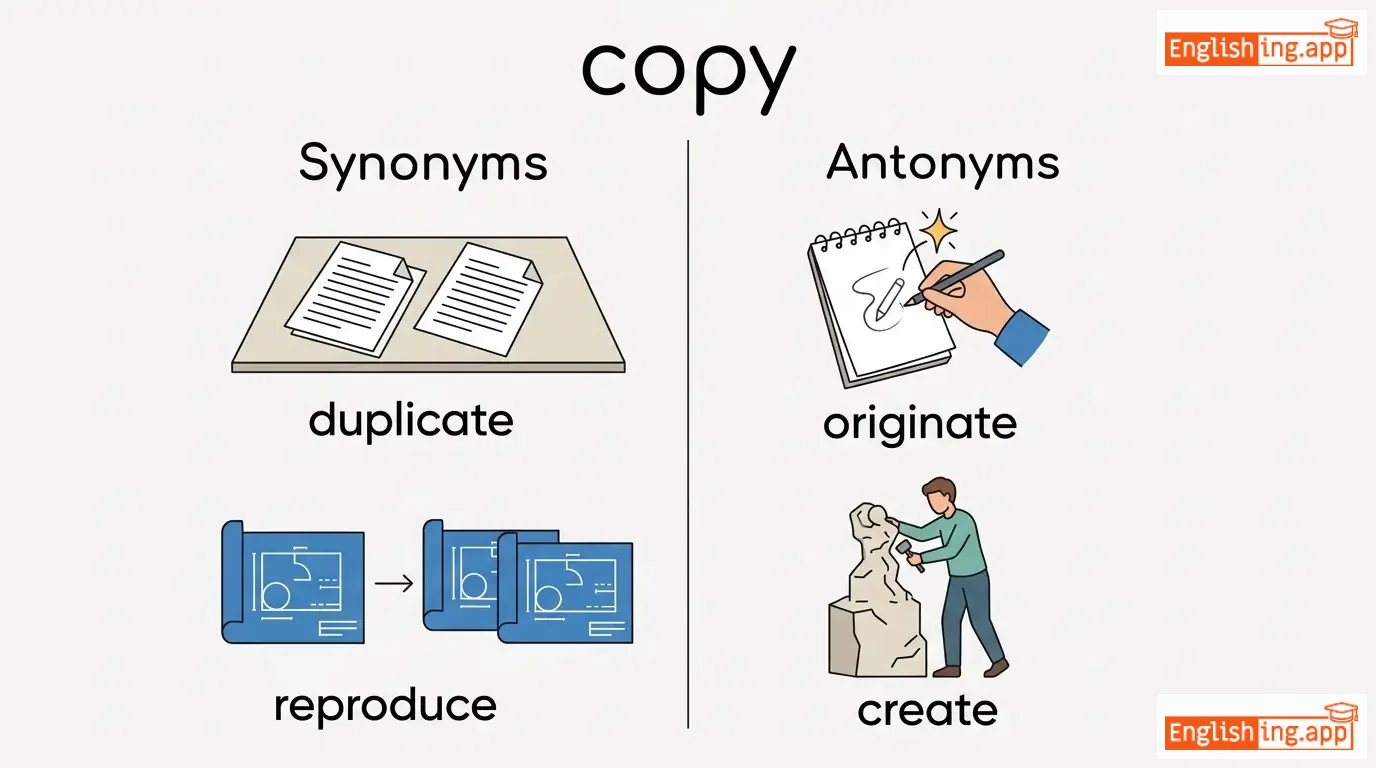
duplicate, reproduce, replicate, imitate
••••••
|
create, originate, invent
••••••
|
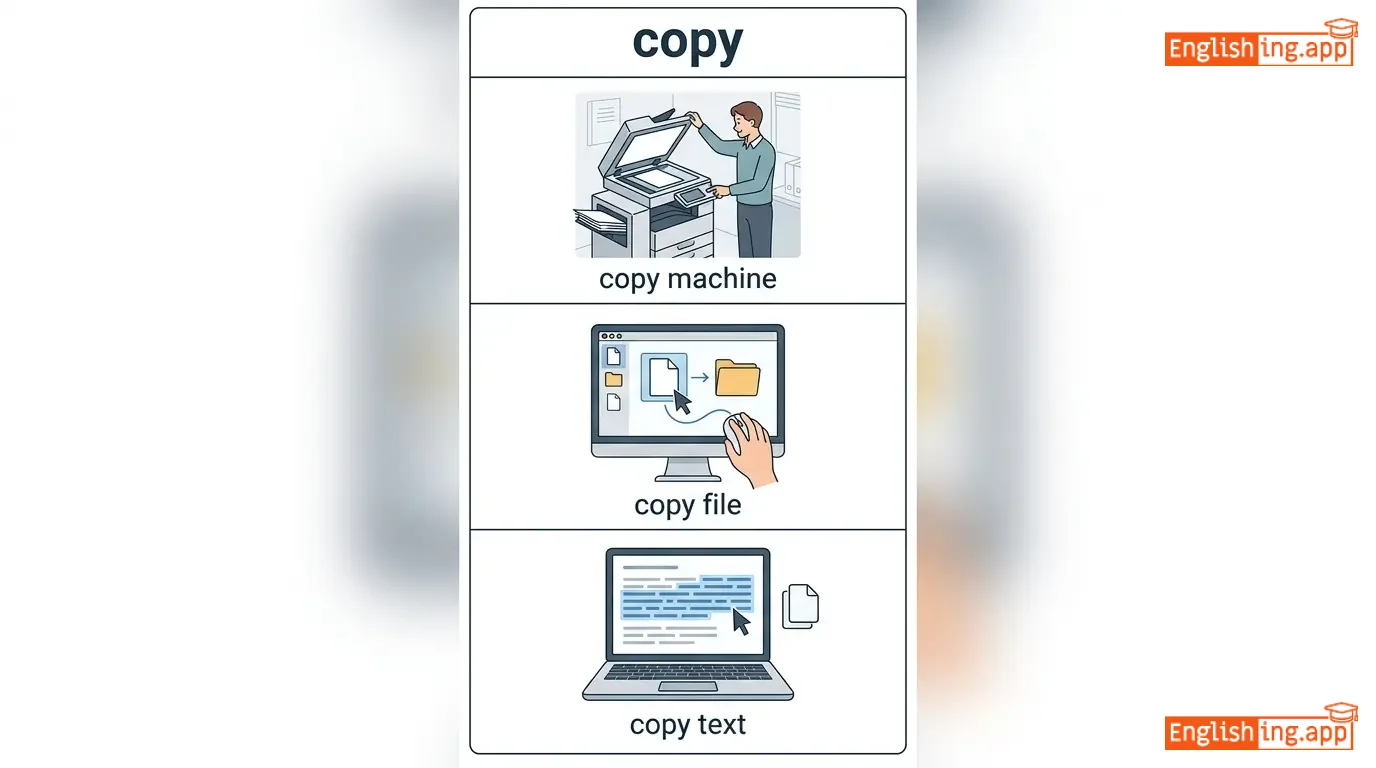
copy documents, copy exactly, copy files, copy carefully, copy and paste
••••••
|
复制帮助我们保留信息并重复使用
••••••
|
|
#522
🤫
|
/kriːp/
verb
(kù lǐ pǔ)
••••••
|
|
爬行
pá xíng
••••••
|
crept
kù lè pǔ tè
••••••
|
crept
kù lè pǔ tè
••••••
|
creeps
kù lǐ pǔ sī
••••••
|
creeping
kù lǐ pǔ yīng
••••••
|
to move slowly and quietly; to make someone feel uncomfortable
••••••
|
She crept quietly up the stairs to avoid waking anyone.
她悄悄地走上楼梯,以免吵醒任何人。
••••••
|
她悄悄地走上楼梯,以免吵醒任何人。
Tā qiāo qiāo de zǒu shàng lóutī, yǐ miǎn chǎo xǐng rèn hé rén.
••••••
|
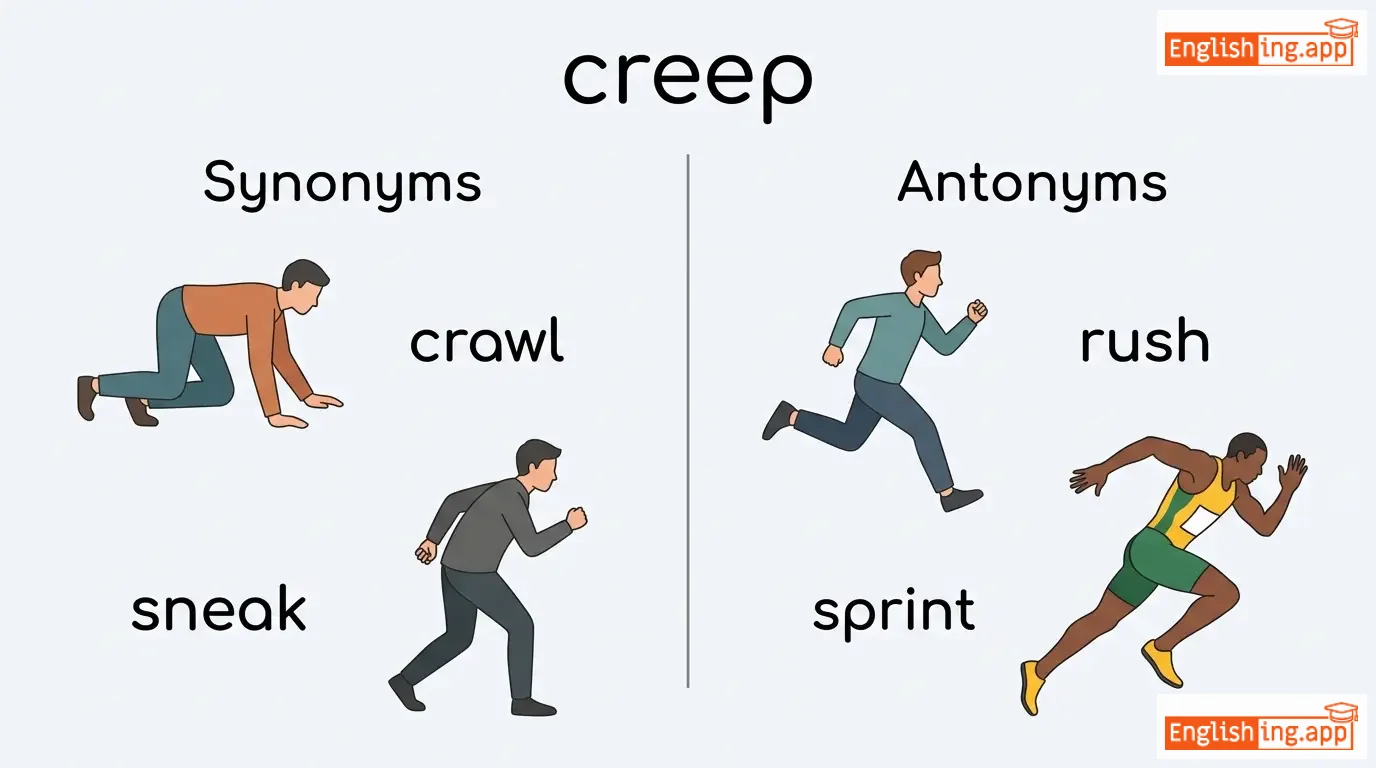
sneak, crawl, tiptoe, prowl
••••••
|
march, stomp, rush, announce
••••••
|
creep quietly, creep slowly, creep forward, creep up, creep around
••••••
|
Creep = Pá xíng guò qīng
••••••
|
|
#523
✋
|
/kleɪm/
verb
(kèilèim)
••••••
|
|
声称
shengcheng
••••••
|
claimed
kèilèimduo
••••••
|
claimed
kèilèimduo
••••••
|
claims
kèilèims
••••••
|
claiming
kèilèimīng
••••••
|
to assert ownership; to state as fact
••••••
|
He claims to be the rightful owner.
他声称自己是合法的拥有者。
••••••
|
他声称自己是合法的拥有者。
Tā shēngchēng zìjǐ shì héfǎ de yǒngyǒu zhě.
••••••
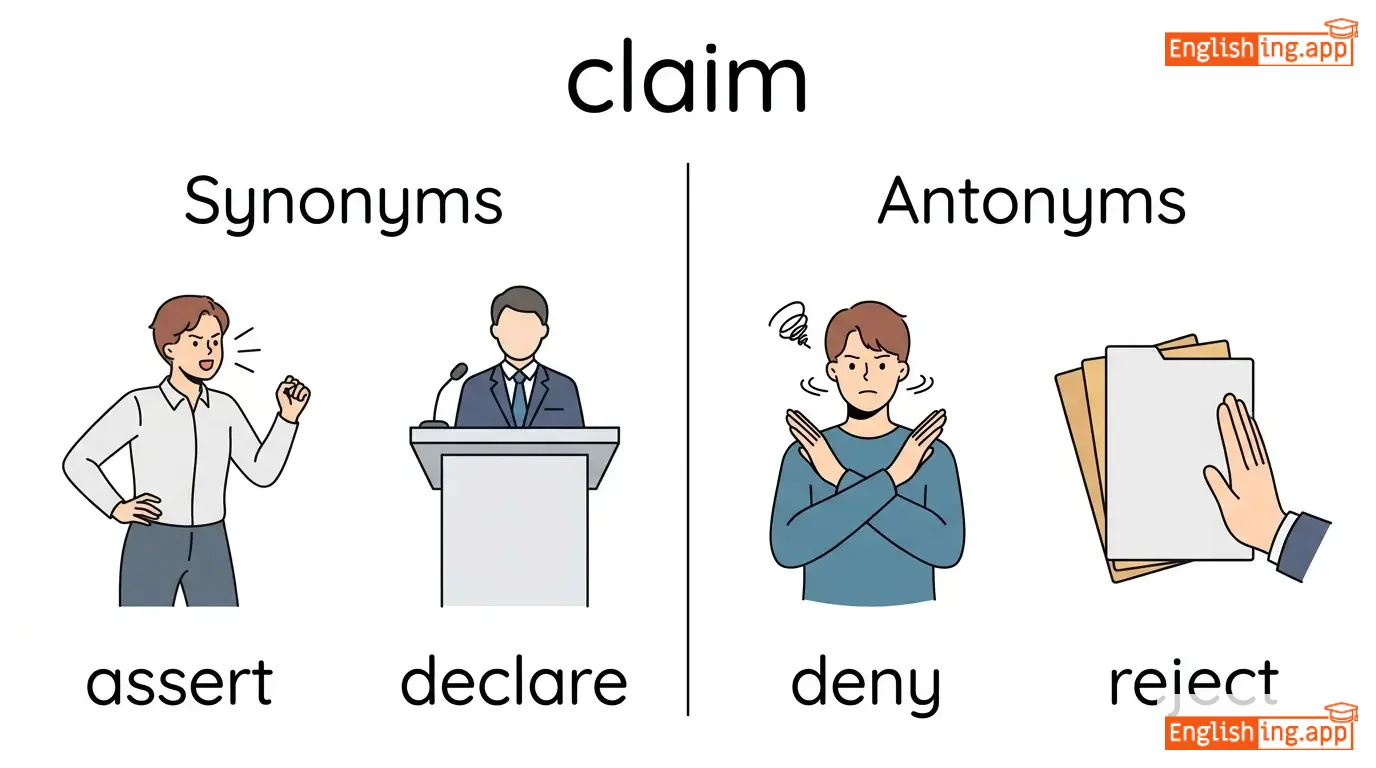
|
assert, maintain, declare, demand
••••••
|
deny, disclaim, reject, renounce
••••••
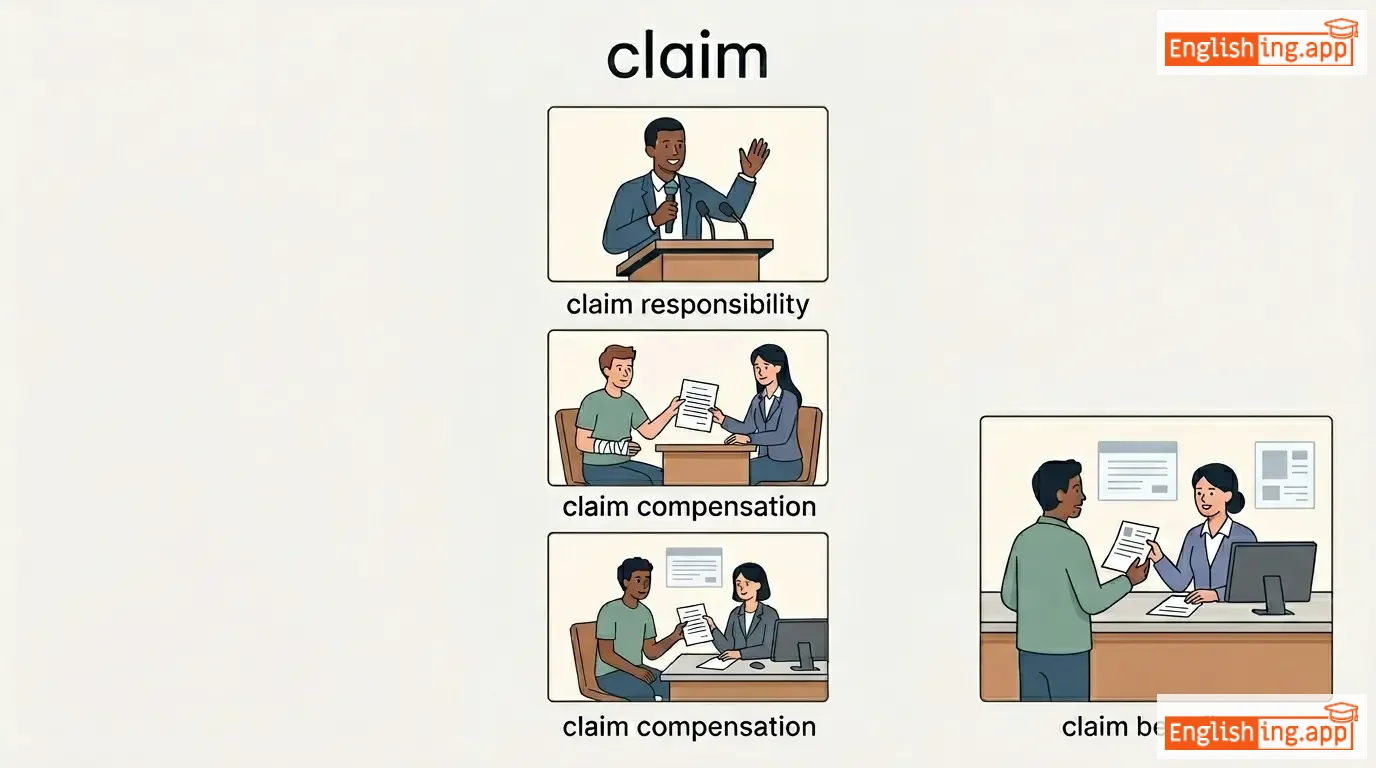
|
claim responsibility, claim ownership, claim damages, rightfully claim, falsely claim
••••••
|
No •••••• |
|
#524
📖
|
/leɪ/
verb
(lei)
••••••
|
|
放置
fàngzhì
••••••
|
laid
laid
••••••
|
laid
laid
••••••
|
lays
lèi
••••••
|
laying
lèiyīng
••••••
|
to put something down in a flat position; to place carefully
••••••
|
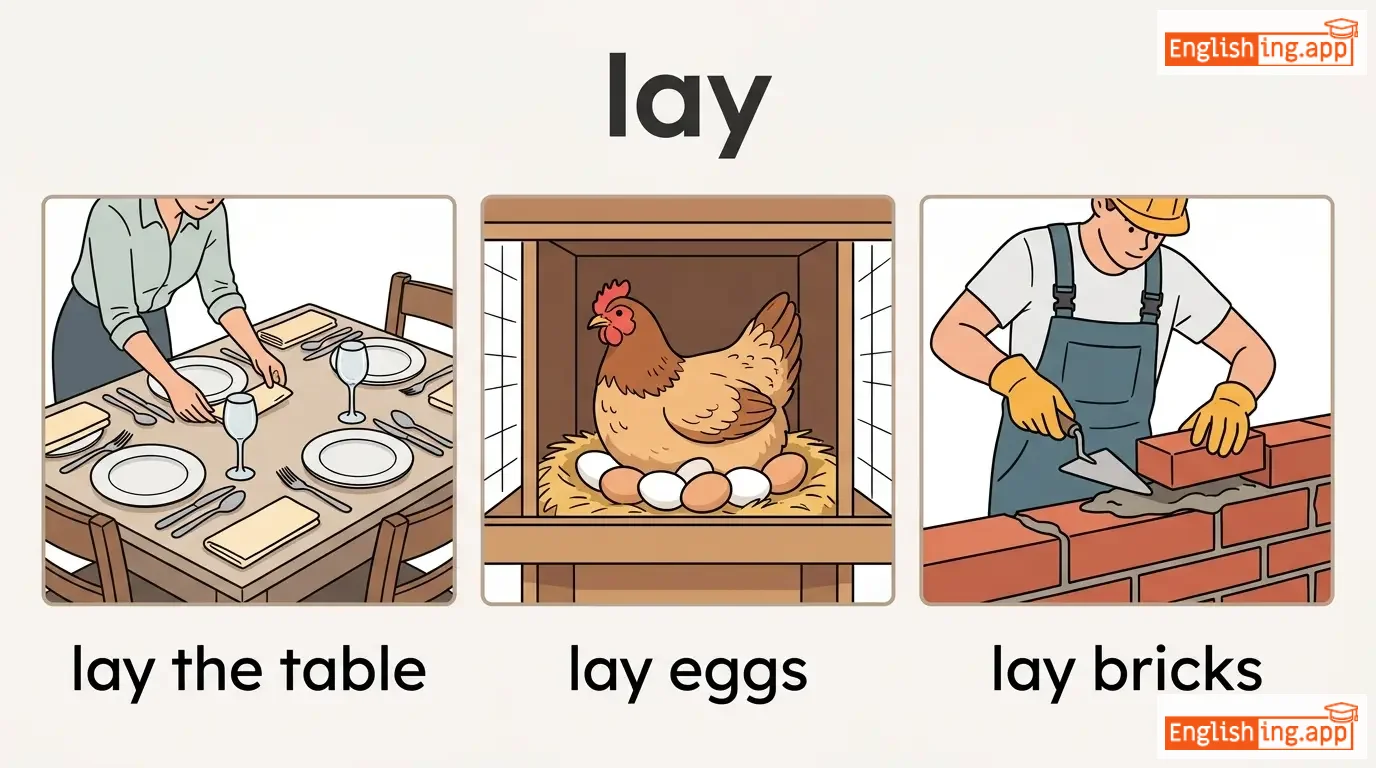
Please lay the book on the table.
请把书放在桌子上。
••••••
|
请把书放在桌子上。
Qǐng bǎ shū fàng zài zhuōzi shàng.
••••••
|
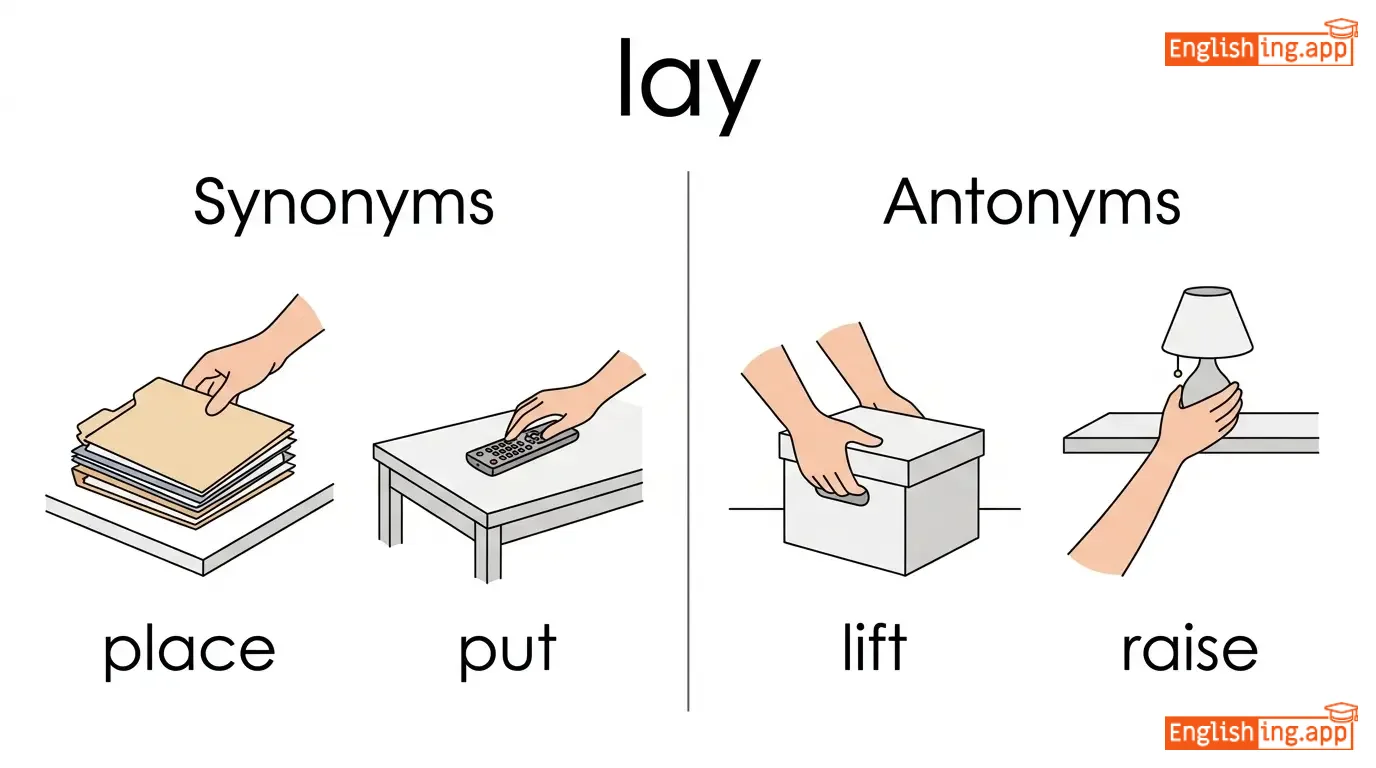
place, put, position, set
••••••
|
lift, raise, pick up
••••••
|
lay down, lay carefully, lay eggs, lay foundation, lay flat
••••••
|
'放置' means to lay or place down something carefully in Chinese.
••••••
|
|
#525
🎵
|
/tʃænt/
verb
(海皮尼斯)
••••••
|
|
吟诵
yin song
••••••
|
chanted
••••••
|
chanted
••••••
|
chants
••••••
|
chanting
••••••
|
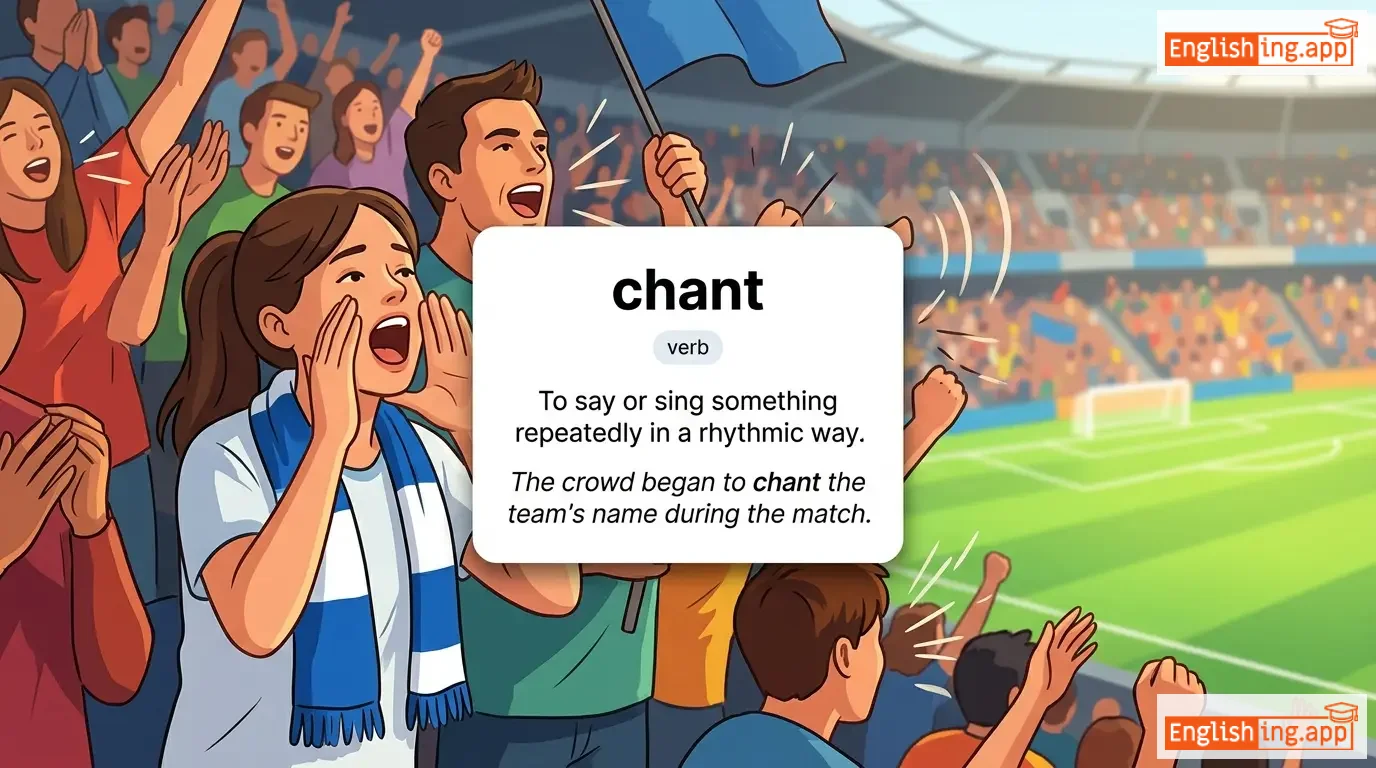
to sing or recite in a rhythmic way
••••••
|
The monks chant prayers in the temple.
僧侣在寺庙里吟诵祈祷。
••••••
|
僧侣在寺庙里吟诵祈祷。
seng lu zai si miao li yin song qidao
••••••
|
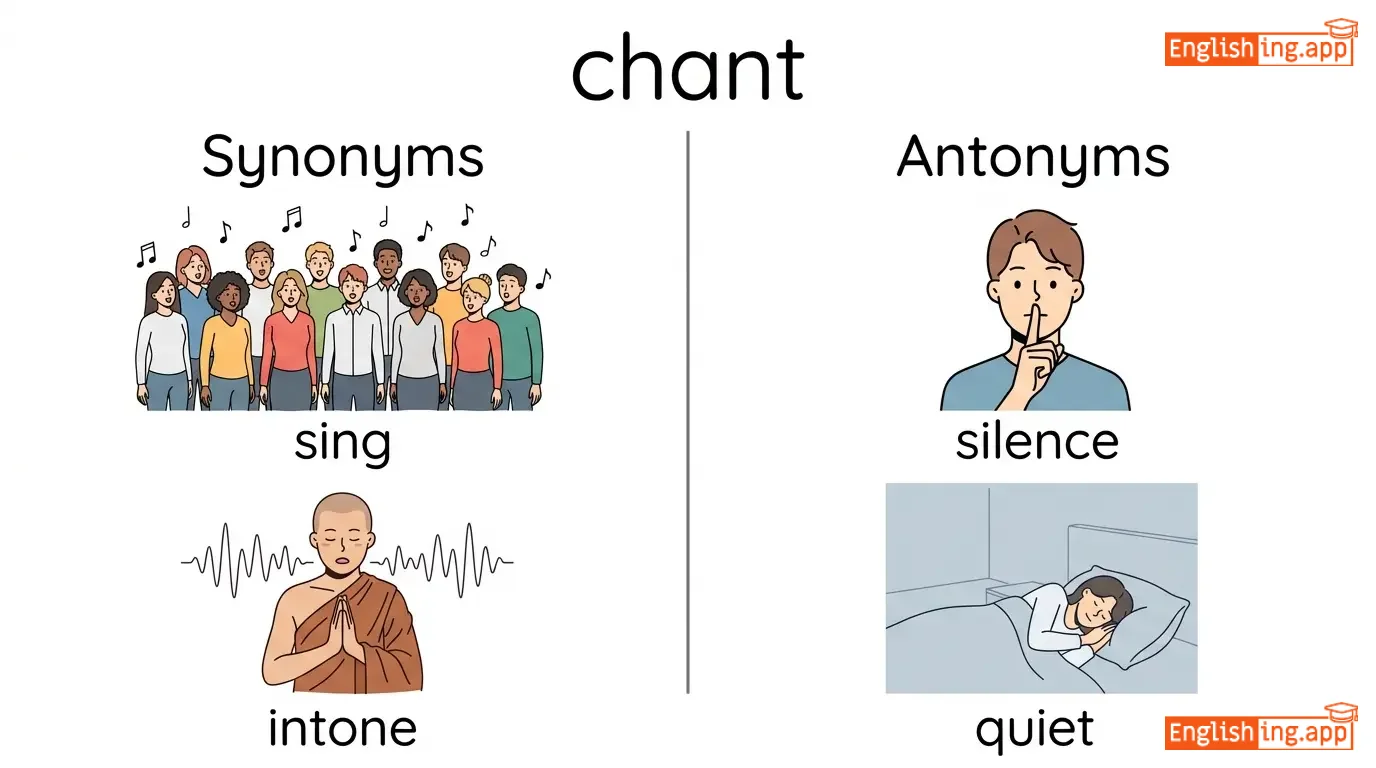
sing, recite, intone, repeat
••••••
|
speak, whisper, silence
••••••
|
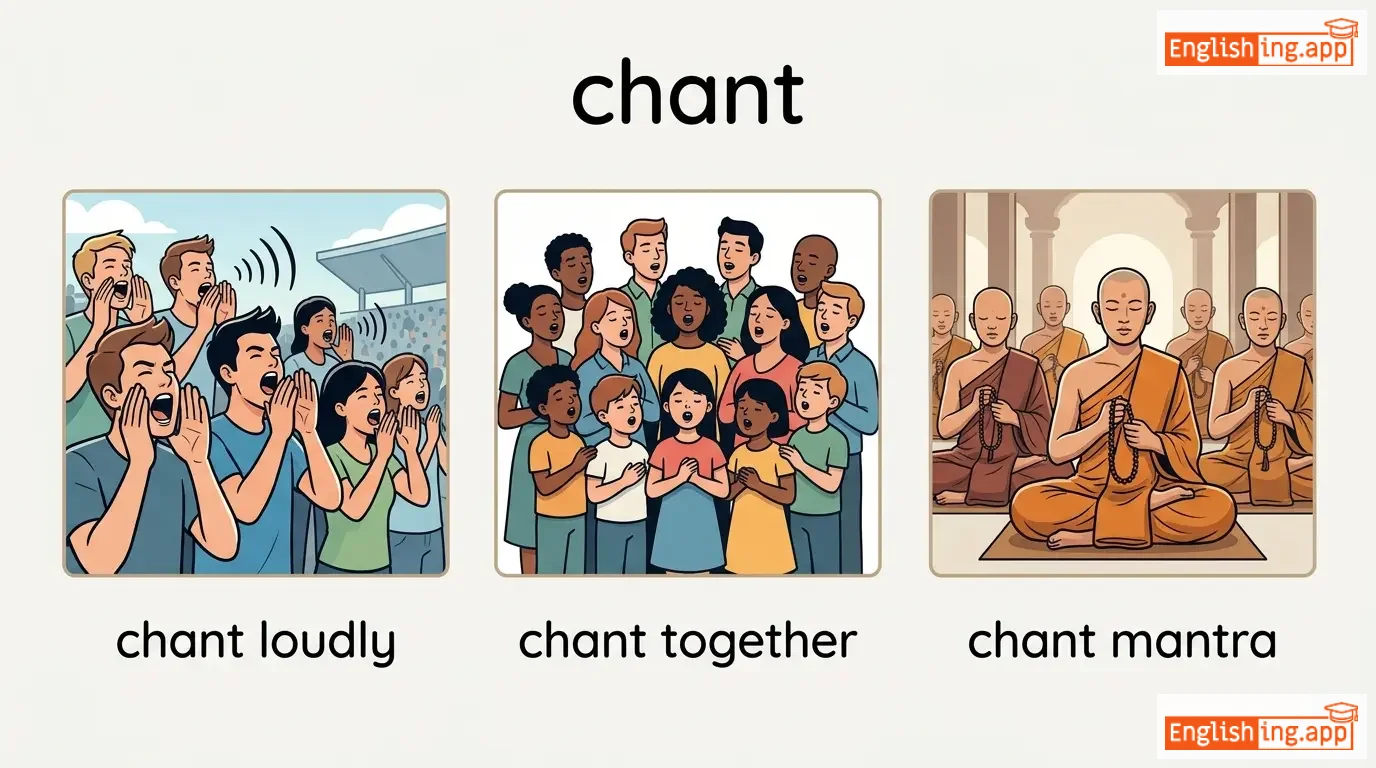
chant prayers, chant together, chant loudly, chant rhythmically, chant softly
••••••
|
‘Chant’ sounds like ‘yin song’—to sing or recite rhythmically in Chinese.
••••••
|
|
#526
😤
|
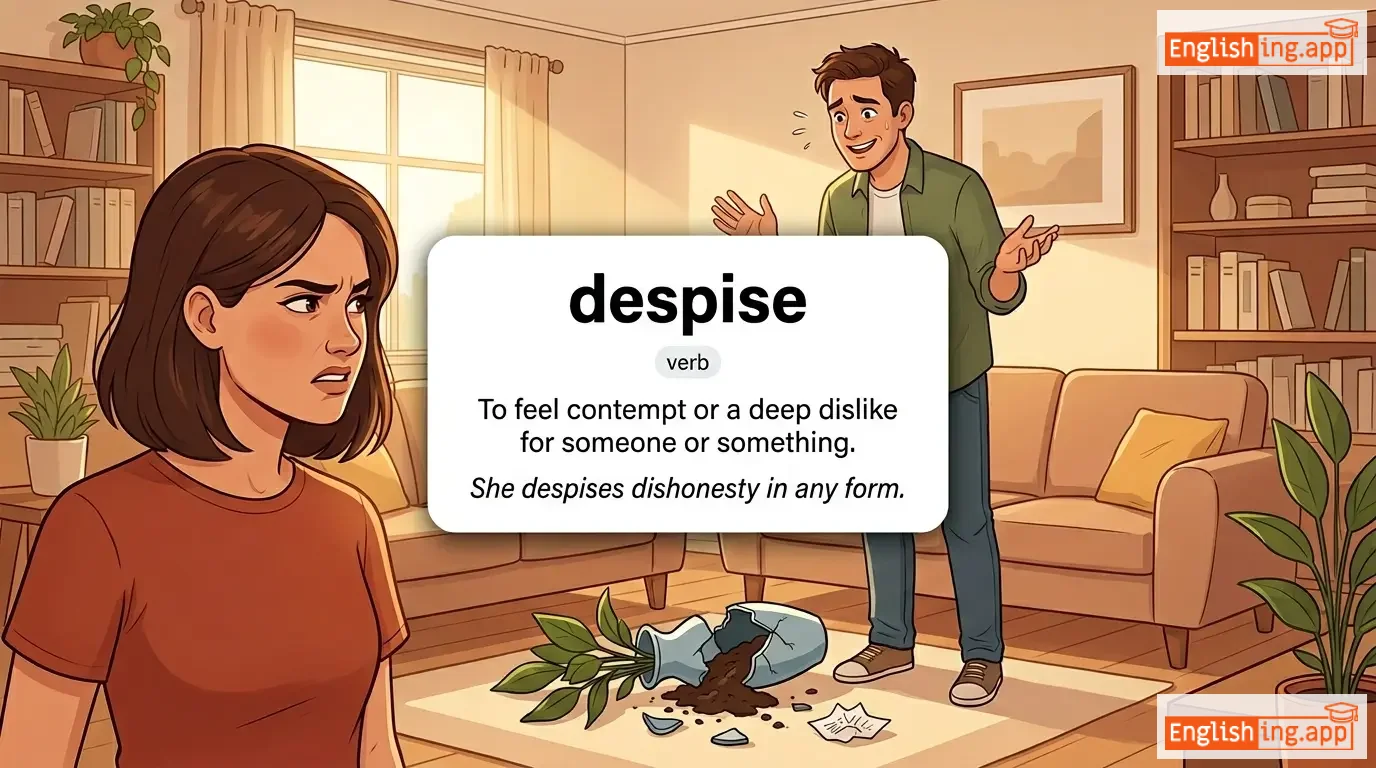
/dɪˈspaɪz/
verb
(dīspáiz)
••••••
|
|
鄙视
bìshì
••••••
|
despised
dīspáizd
••••••
|
despised
dīspáizd
••••••
|
despises
dīspáizes
••••••
|
despising
dīspáizing
••••••
|
to regard with contempt; to hate strongly
••••••
|
She despises dishonesty in all its forms.
她鄙视所有形式的不诚实。
••••••
|
她鄙视所有形式的不诚实。
Tā bìshì suǒyǒu xíngshì de bù chéngshí.
••••••
|
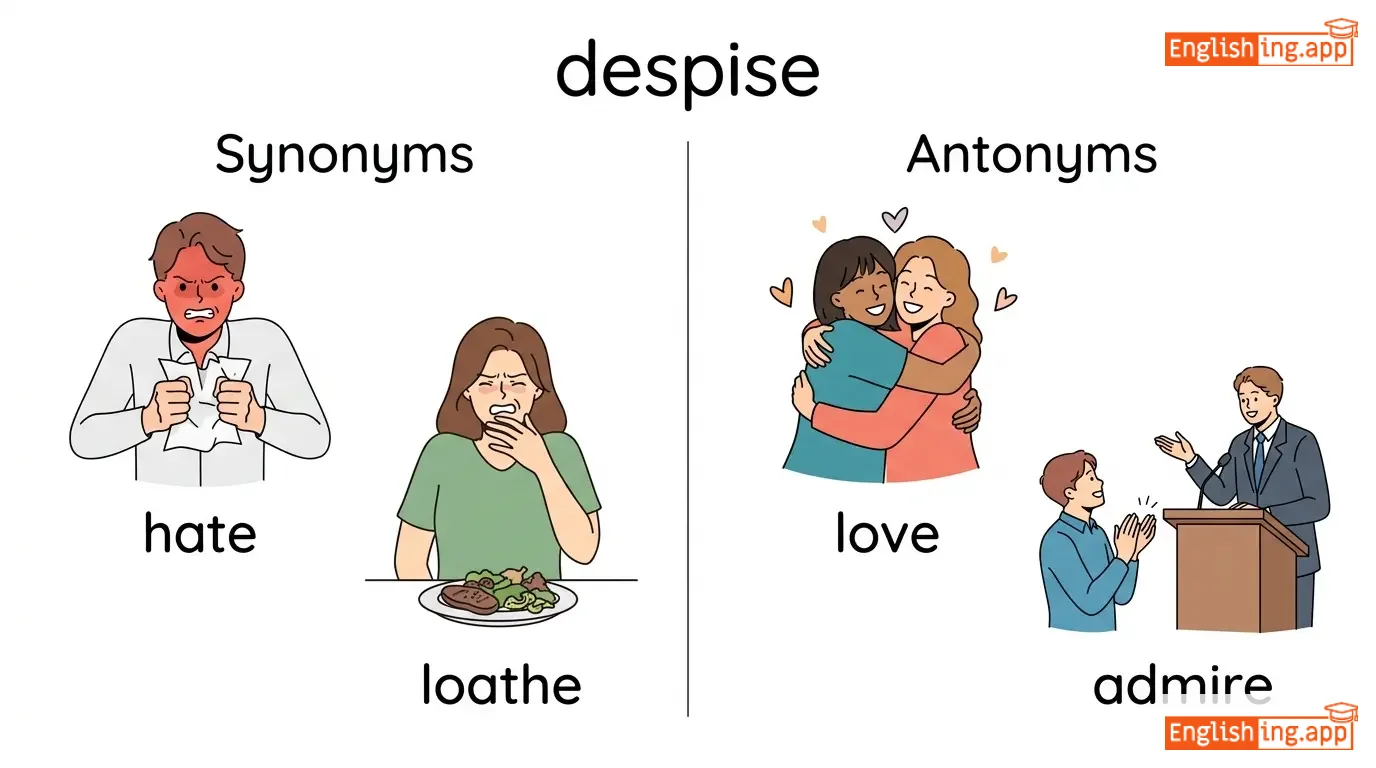
hate, loathe, detest, scorn
••••••
|
love, admire, respect, cherish
••••••
|
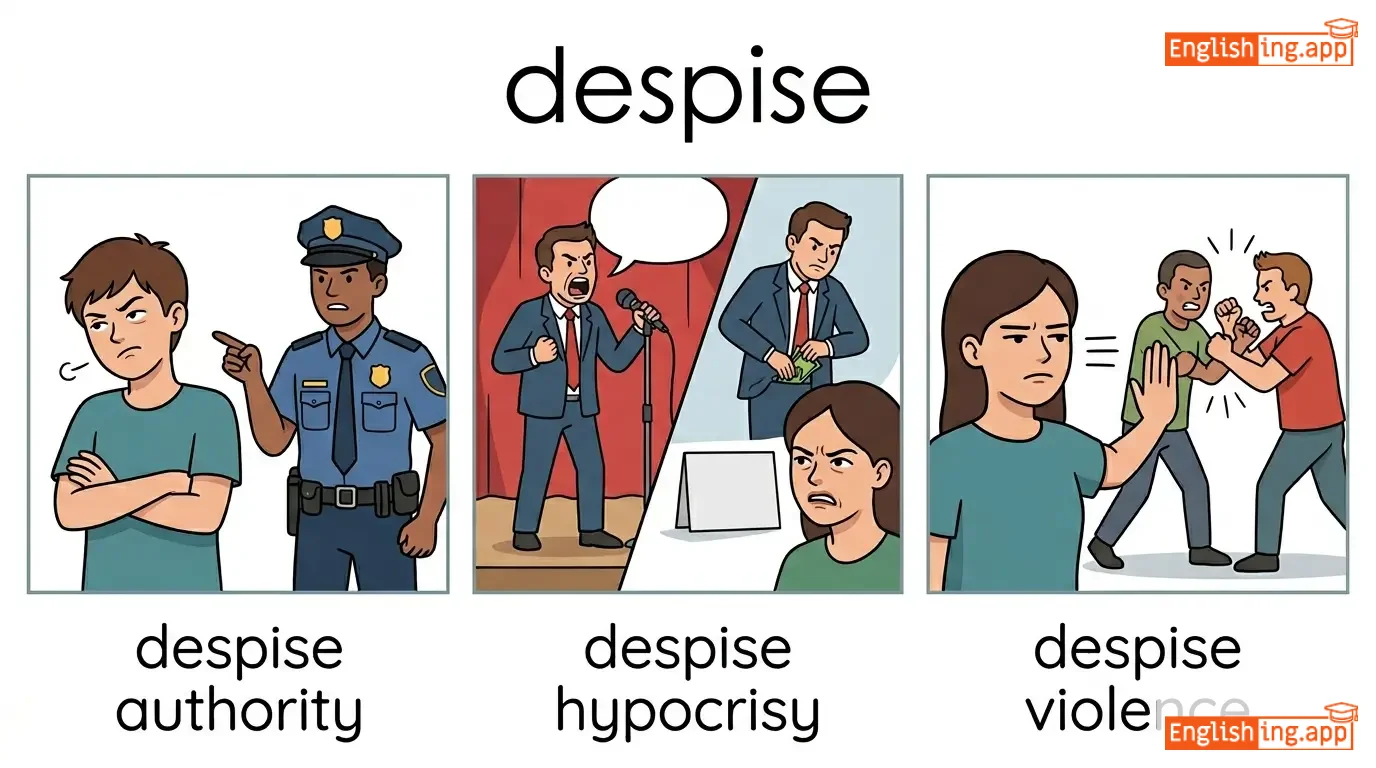
despise completely, despise deeply, despise utterly, absolutely despise, despise with passion
••••••
|
Bìshì = Bìshì = To despise strongly
••••••
|
|
#527
🎨
|
/drɔː/
verb
(drɔ)
••••••
|
- •••••• |
画
hua
••••••
|
drew
dru
••••••
|
drawn
drɔn
••••••
|
draws
droz
••••••
|
drawing
droying
••••••
|
to make a picture with a pen or pencil; to pull something
••••••
|
She likes to draw beautiful landscapes.
她喜欢画美丽的风景。
••••••
|
她喜欢画美丽的风景。
Tā xǐhuān huà měilì de fēngjǐng.
••••••
|
sketch, illustrate, pull, drag
••••••
|
erase, push, write
••••••
|
draw pictures, draw carefully, draw lines, draw conclusions, draw attention
••••••
|
画 (huà) = 用笔画画。
••••••
|
|
#528
💨
|
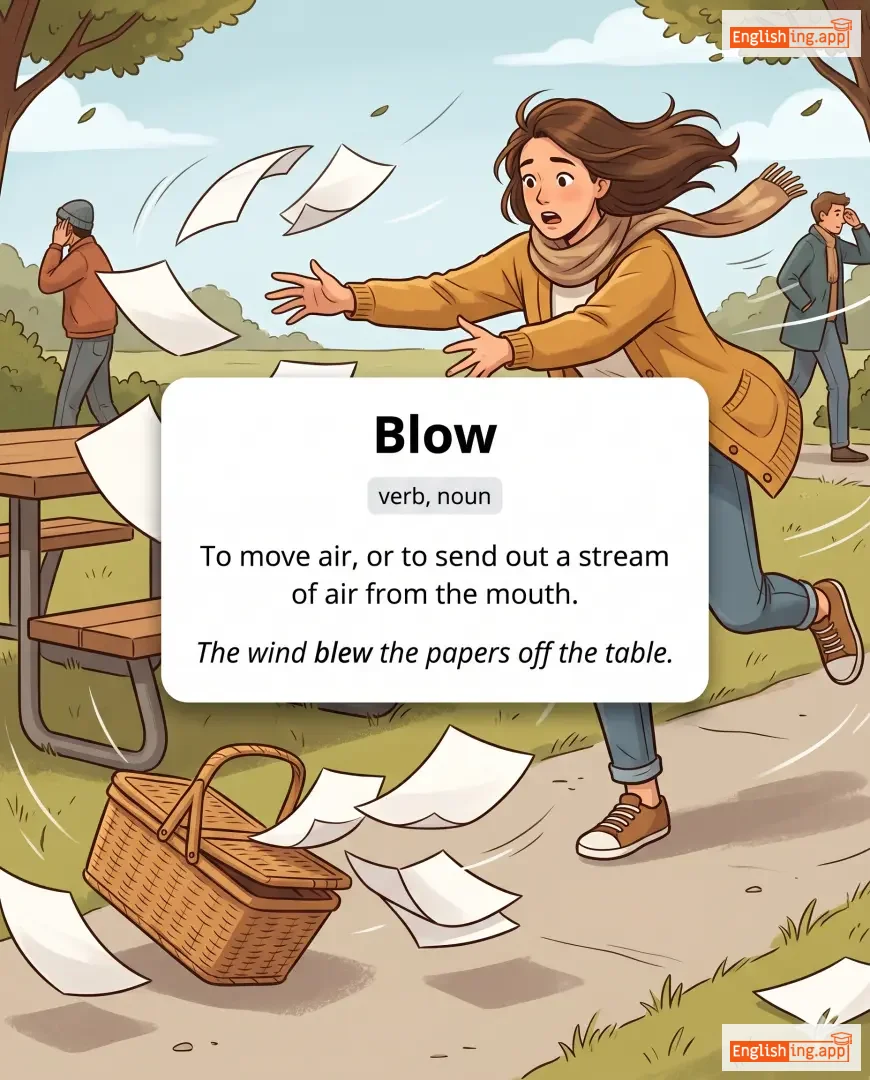
/bloʊ/
verb
(blow)
••••••
|
|
吹
chui
••••••
|
blew
bluh
••••••
|
blown
blon
••••••
|
blows
blows
••••••
|
blowing
blowing
••••••
|
to move air; to make wind; to use air to move something
••••••
|
The wind will blow the leaves away.
风将吹走树叶。
••••••
|
风将吹走树叶。
Feng jiang chui zou shuye.
••••••
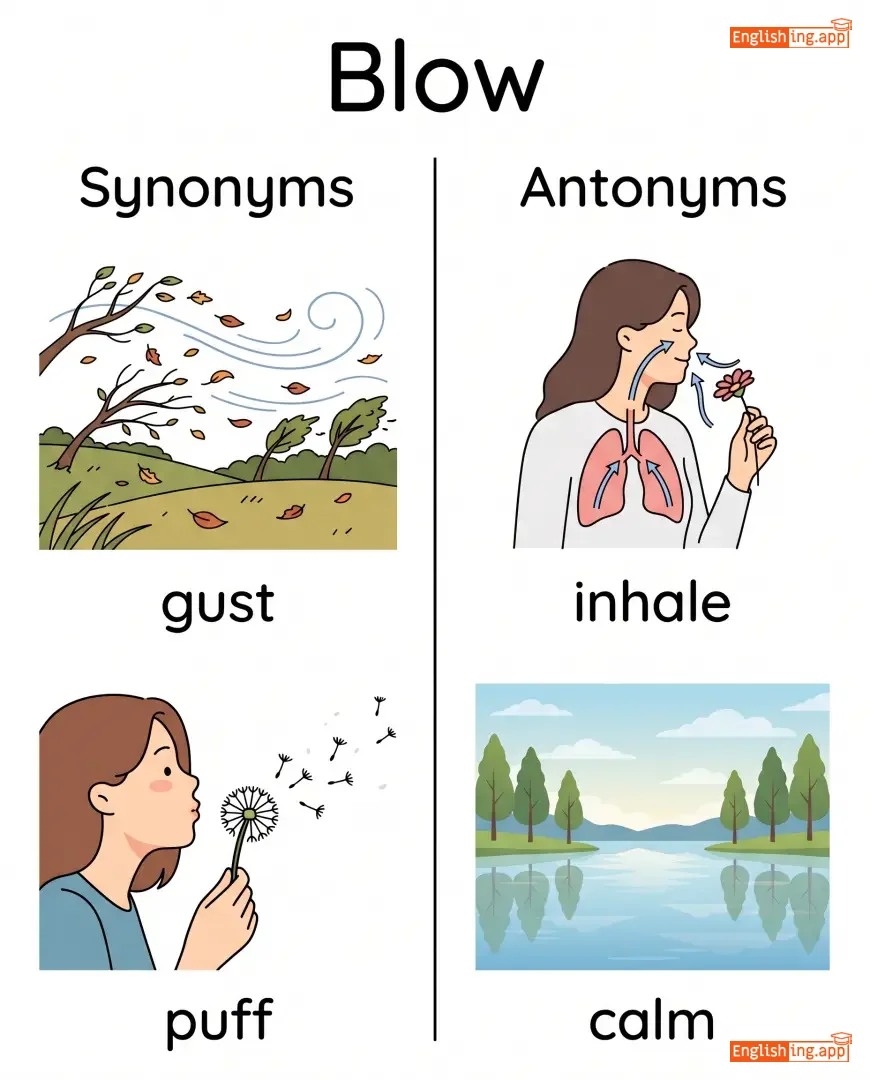
|
gust, puff, breathe, exhale
••••••
|
suck, inhale, draw
••••••
|
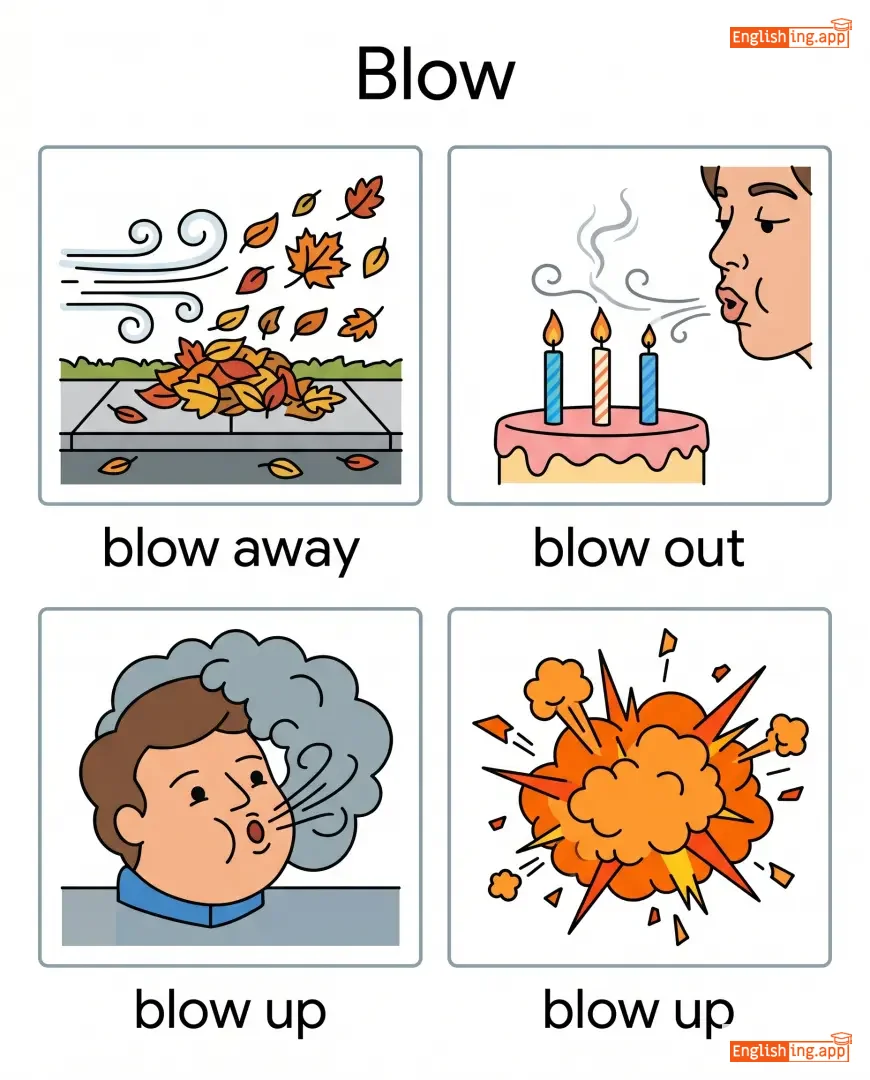
blow hard, blow gently, blow away, blow out, blow up
••••••
|
Blow air by 'chui' like puffing out air.
••••••
|
|
#529
✈️
|
/ˈhaɪdʒæk/
verb
(hāi jiàkè)
••••••
|
|
劫机
jie ji
••••••
|
hijacked
hāi jiàkèd
••••••
|
hijacked
hāi jiàkèd
••••••
|
hijacks
hāi jiàkès
••••••
|
hijacking
hāi jiàkèing
••••••
|
to take control of a vehicle or situation illegally or by force
••••••
|
The criminals attempted to hijack the airplane.
罪犯试图劫持飞机。
••••••
|
罪犯试图劫持飞机。
Zuìfàn shìtú jié chì fēijī.
••••••
|
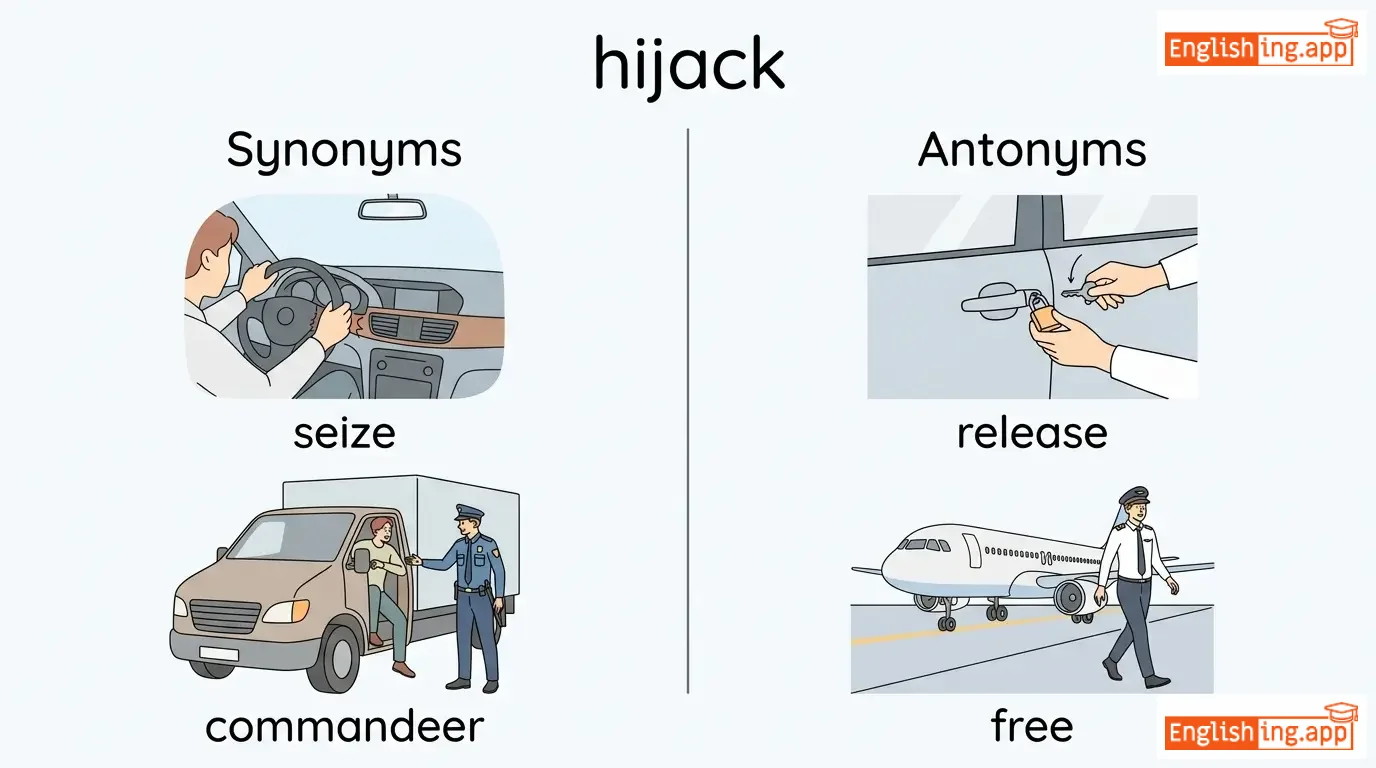
seize, commandeer, steal, capture
••••••
|
release, free, liberate, return
••••••
|
hijack planes, hijack vehicles, successfully hijack, attempt to hijack, hijack completely
••••••
|
No •••••• |
|
#530
🚫
|
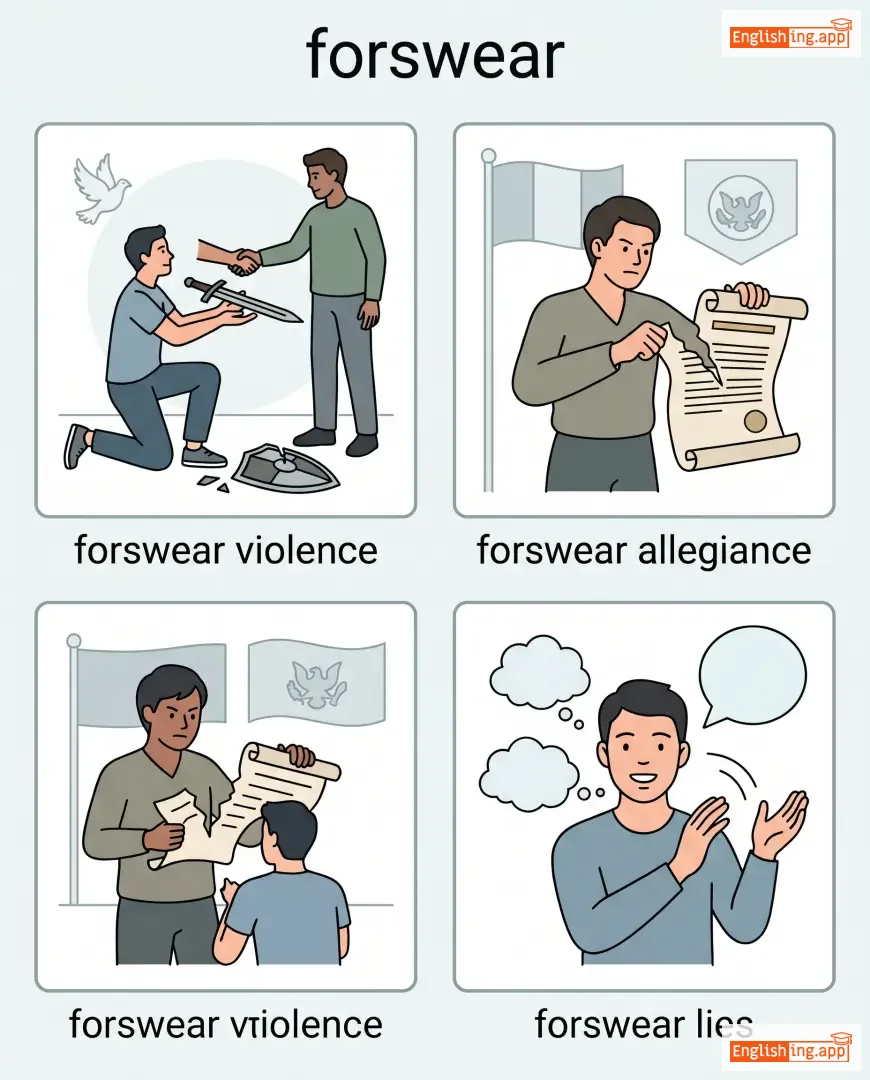
/fɔrˈswɛr/
verb
(福尔斯韦尔)
••••••
|
|
放弃
fàngqì
••••••
|
forswore
福尔斯沃尔
••••••
|
forsworn
福尔斯沃恩
••••••
|
forswears
福尔斯韦尔斯
••••••
|
forswearing
福尔斯韦林
••••••
|
to renounce or reject; to give up completely
••••••
|
He forswore his old habits and started a new life.
他放弃了旧习惯,开始了新的生活。
••••••
|
他放弃了旧习惯,开始了新的生活。
Tā fàngqìle jiù xíguàn, kāishǐle xīn de shēnghuó.
••••••
|
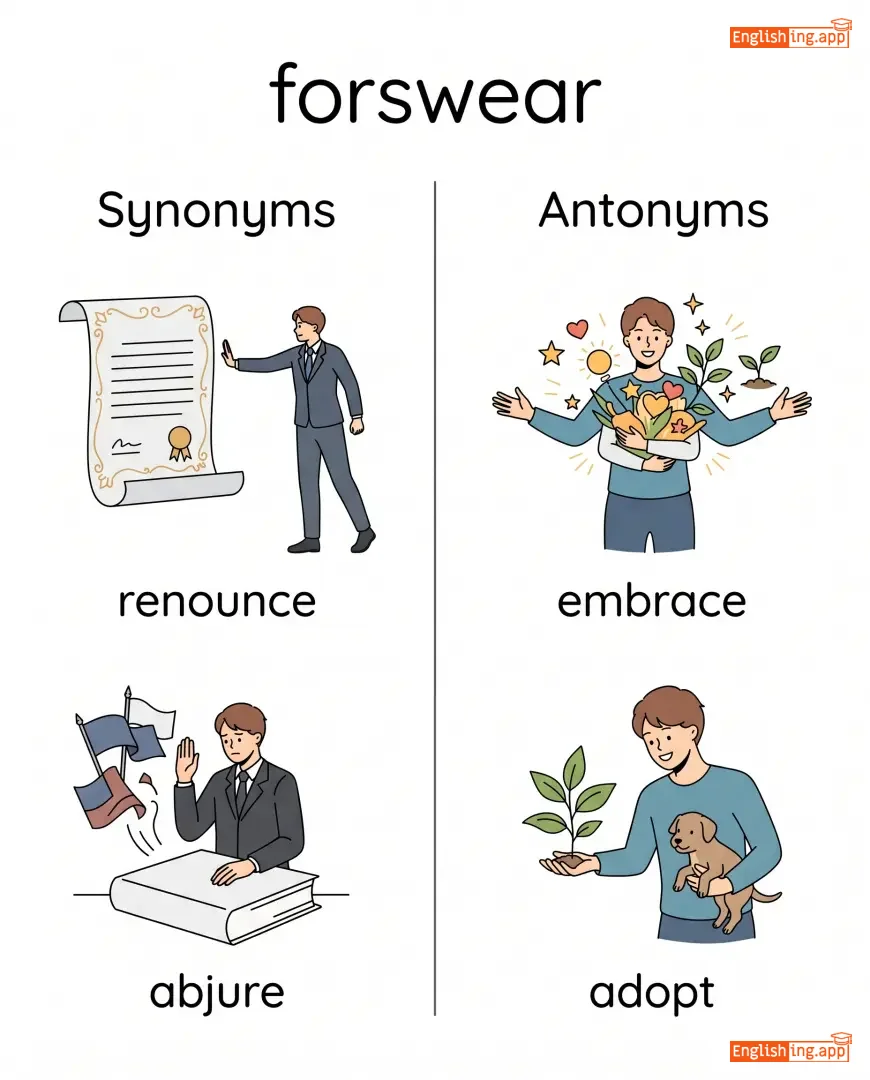
renounce, abandon, reject, disavow
••••••
|
embrace, accept, adopt
••••••
|
forswear violence, forswear completely, forswear forever, formally forswear, solemnly forswear
••••••
|
Forswear means to give up, picture giving up something you no longer need!
••••••
|
|
#531
⚙️
|
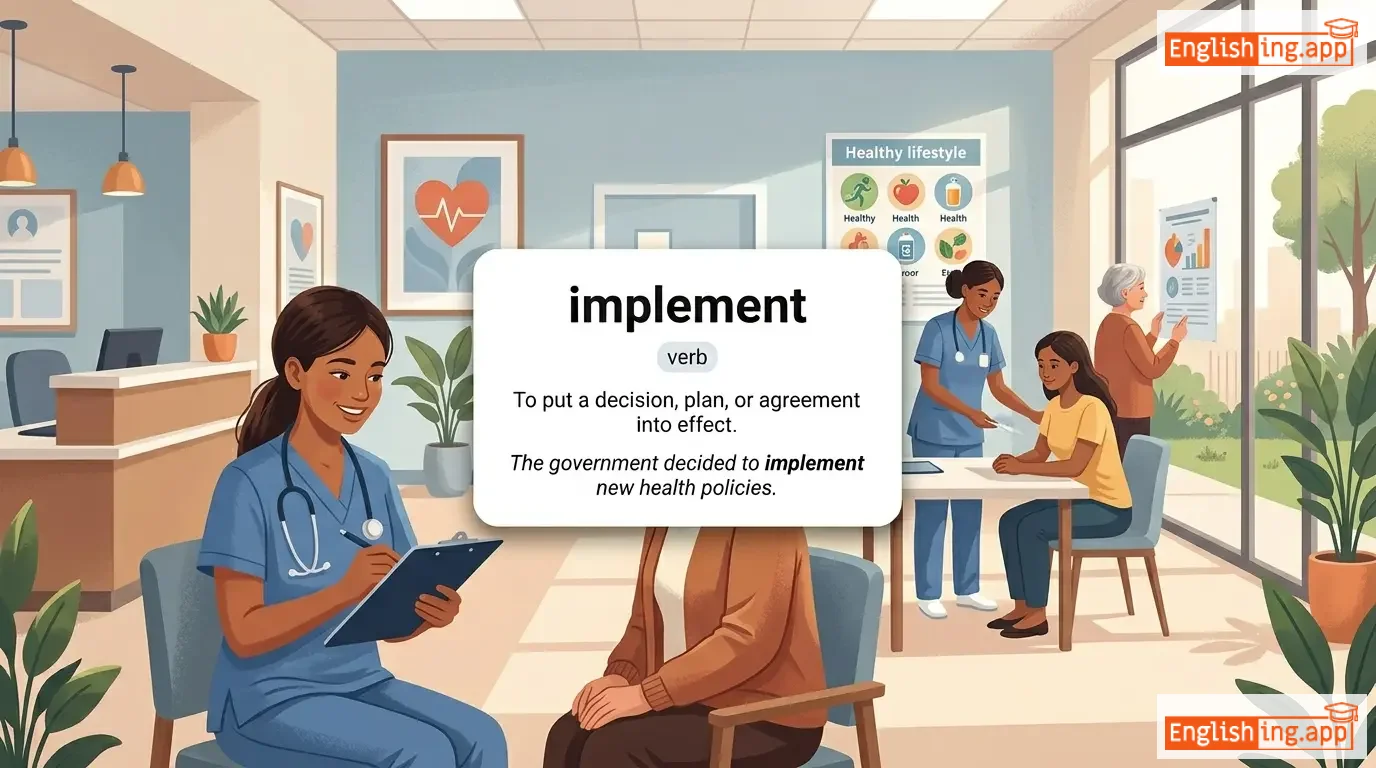
/ˈɪmplɪment/
verb
(实现)
••••••
|
|
实施
shíshī
••••••
|
implemented
实现了
••••••
|
implemented
实现了
••••••
|
implements
实现
••••••
|
implementing
实现中
••••••
|
to put a decision or plan into effect; to carry out
••••••
|
The company will implement the new policy next month.
公司将在下个月实施新政策。
••••••
|
公司将在下个月实施新政策。
Gongsi jiang zai xia ge yue shishi xin zhengce.
••••••
|
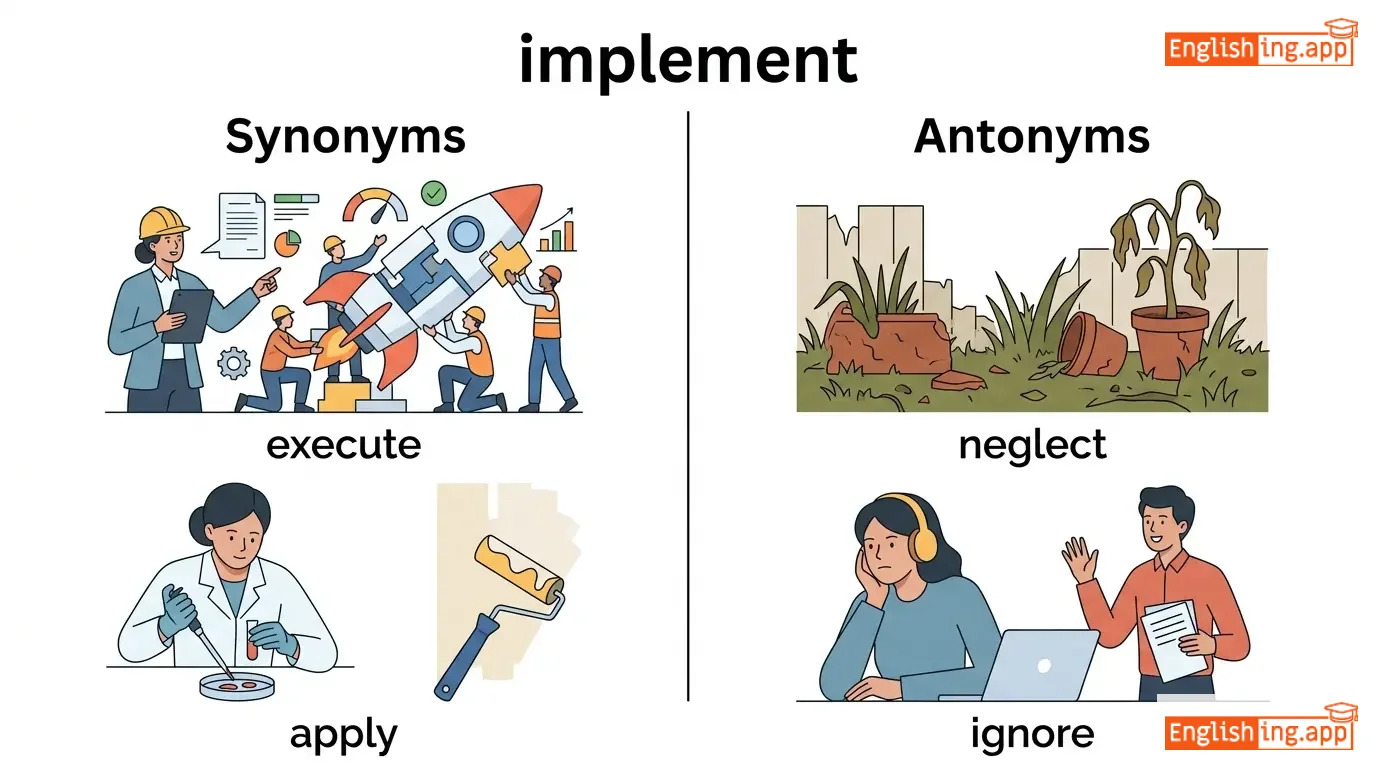
execute, carry out, apply, enforce
••••••
|
abandon, cancel, ignore, neglect
••••••
|
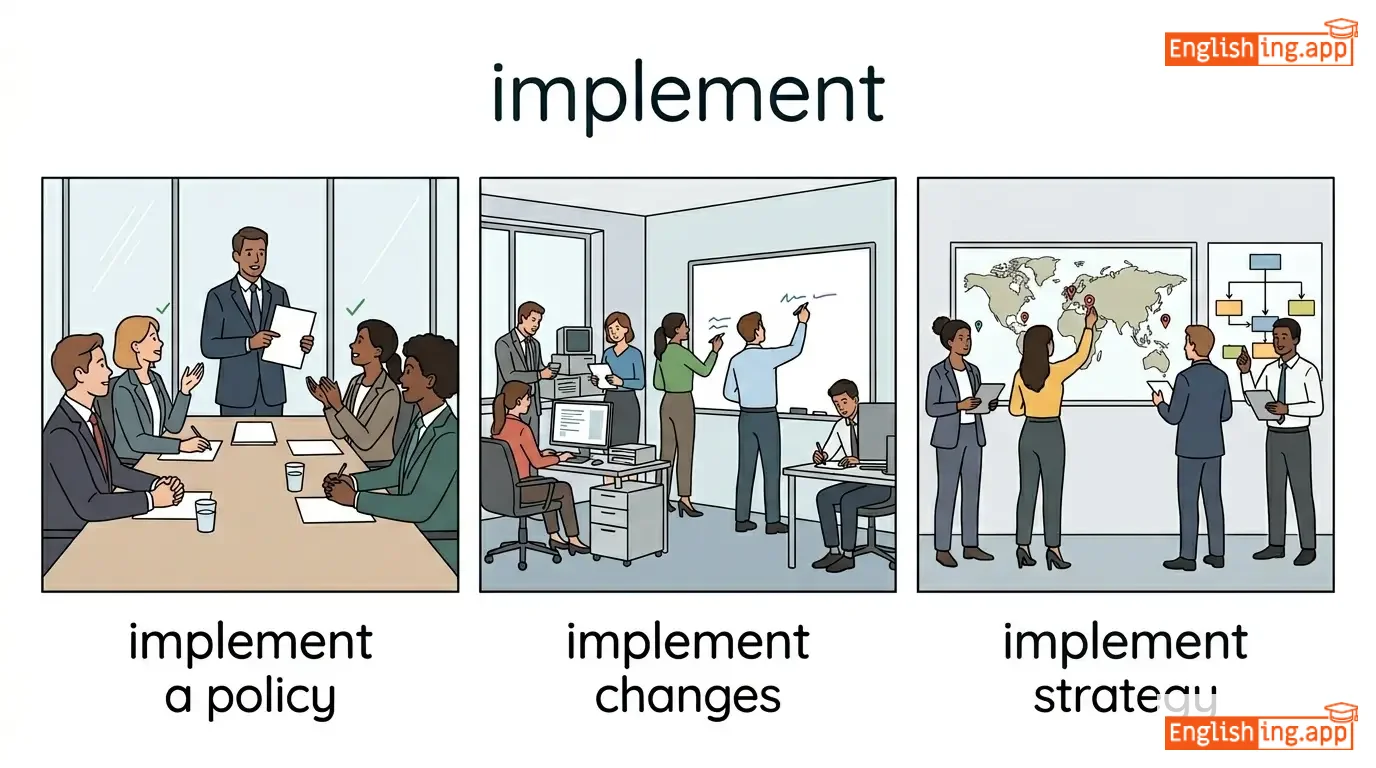
implement policies, implement changes, successfully implement, implement carefully, implement fully
••••••
|
No •••••• |
|
#532
🧩
|
/ˈpʌzəl/
verb
(pázl)
••••••
|
|
谜题
mítí
••••••
|
puzzled
pázld
••••••
|
puzzled
pázld
••••••
|
puzzles
pázls
••••••
|
puzzling
pázlíng
••••••
|
to confuse or perplex; to think hard about something
••••••
|
The math problem will puzzle even the experts.
数学问题甚至会让专家感到困惑。
••••••
|
数学问题甚至会让专家感到困惑。
Shùxué wèntí shènzhì huì ràng zhuānjiā gǎndào kùnhuò.
••••••
|
confuse, perplex, baffle, mystify
••••••
|
clarify, explain, solve, enlighten
••••••
|
puzzle over, puzzle out, puzzle greatly, completely puzzle, puzzle together
••••••
|
谜题是需要解答的,像一个困扰思考的谜团。
••••••
|
|
#533
📝
|
/rɪˈvjuː/
verb
(rívú)
••••••
|
- •••••• |
复习
fuxi
••••••
|
reviewed
rìviúd
••••••
|
reviewed
rìviúd
••••••
|
reviews
rìviús
••••••
|
reviewing
rìvīng
••••••
|
to examine or assess something again; to write a critical evaluation
••••••
|
I need to review my notes before the exam.
我需要在考试前复习我的笔记。
••••••
|
我需要在考试前复习我的笔记。
Wǒ xūyào zài kǎoshì qián fùxí wǒ de bǐjì.
••••••
|
examine, assess, evaluate, analyze
••••••
|
ignore, overlook, neglect
••••••
|
review carefully, review thoroughly, review regularly, review documents, review performance
••••••
|
'Review' sounds like '复习', which is 'to review' in Chinese.
••••••
|
|
#534
🙄
|
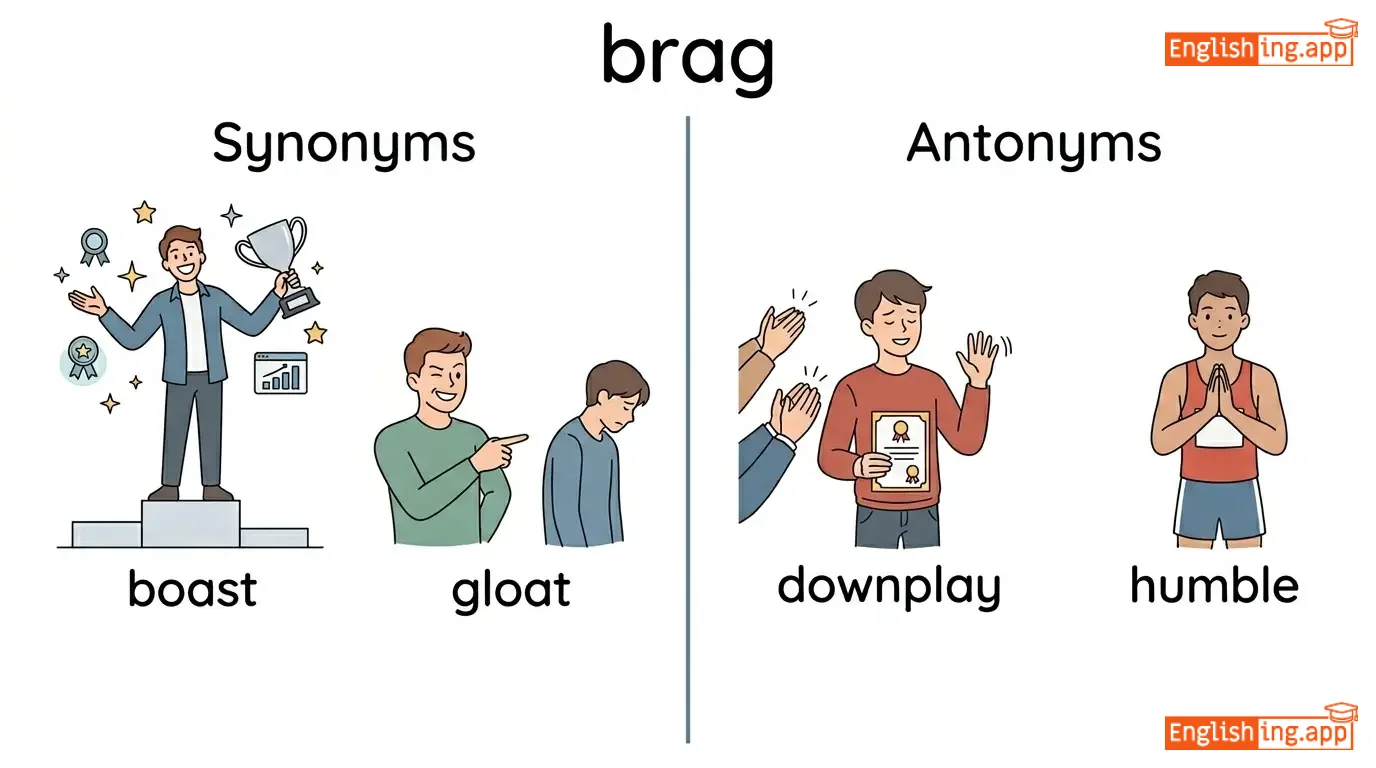
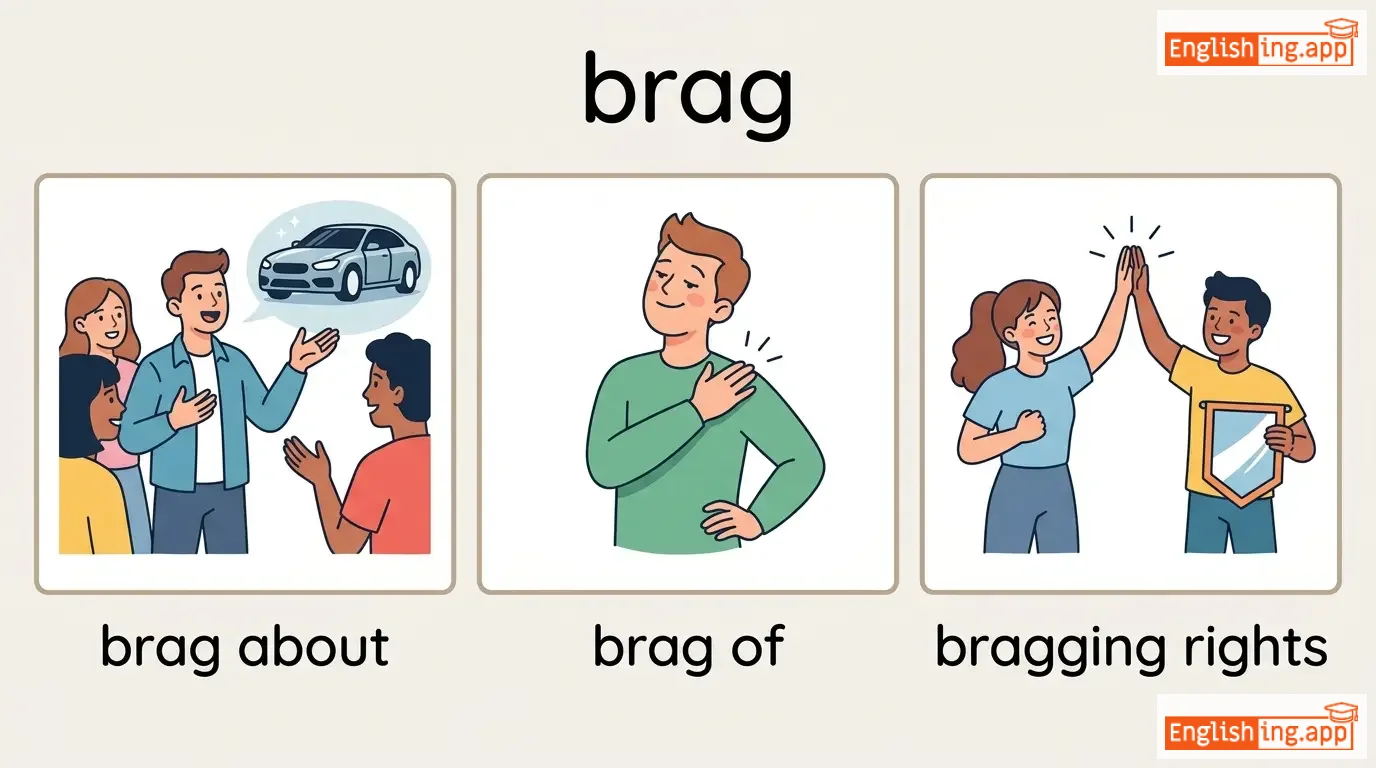
/bræɡ/
verb
(brag)
••••••
|
|
吹嘘
chuīxū
••••••
|
bragged
bragged
••••••
|
bragged
bragged
••••••
|
brags
brags
••••••
|
bragging
bragging
••••••
|
to talk proudly about oneself or one's achievements in an annoying way
••••••
|
He always brags about his expensive car.
他总是夸耀自己昂贵的车。
••••••
|
他总是夸耀自己昂贵的车。
Tā zǒng shì kuāyào zìjǐ ángguì de chē.
••••••
|
boast, show off, gloat, vaunt
••••••
|
humble, modest, understate
••••••
|
brag about, brag constantly, brag loudly, brag shamelessly, endlessly brag
••••••
|
吹嘘的音节就像‘吹’的声音
••••••
|
|
#535
🍂
|
/fɔːl/
verb
(fɔːl)
••••••
|
|
掉落
diao luo
••••••
|
fell
fell
••••••
|
fallen
fallen
••••••
|
falls
falls
••••••
|
falling
falling
••••••
|
to drop down from a higher place; to decrease; to happen or occur
••••••
|
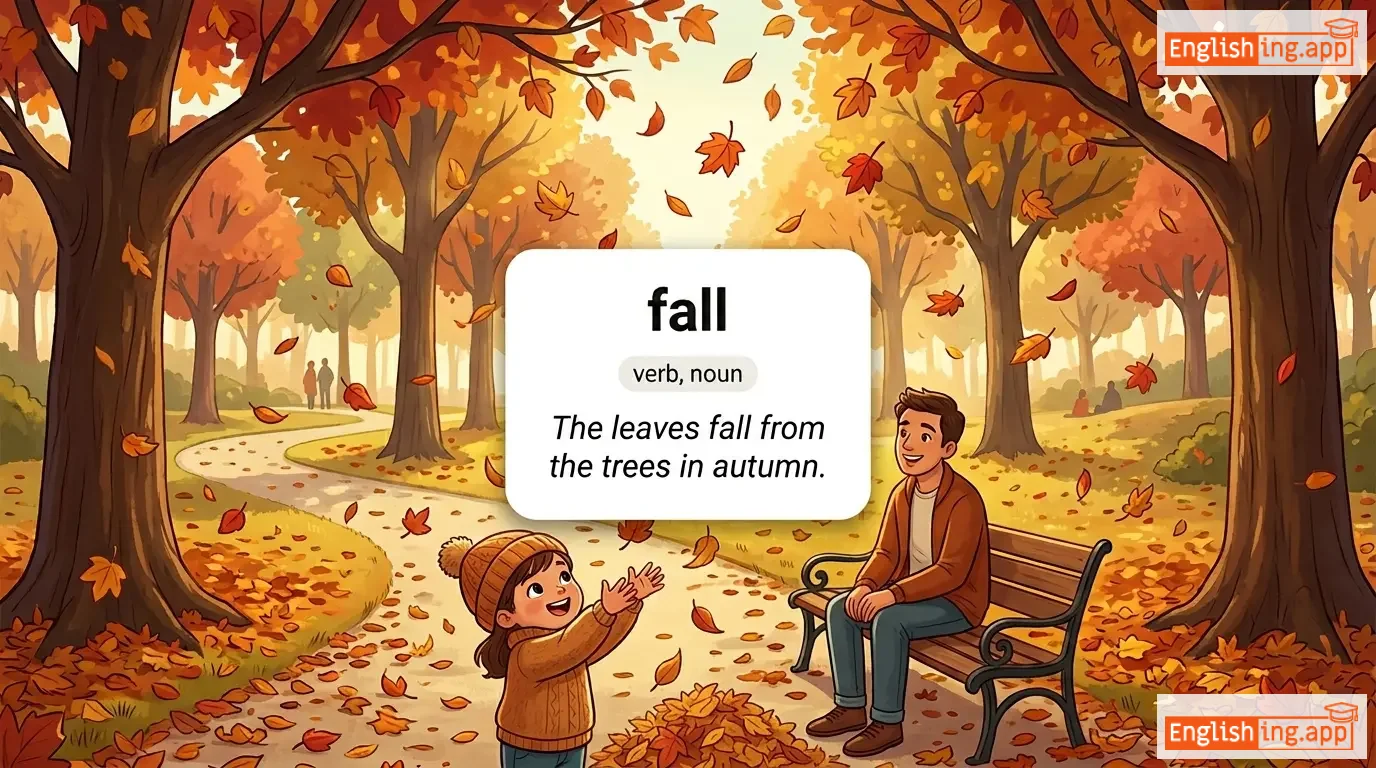
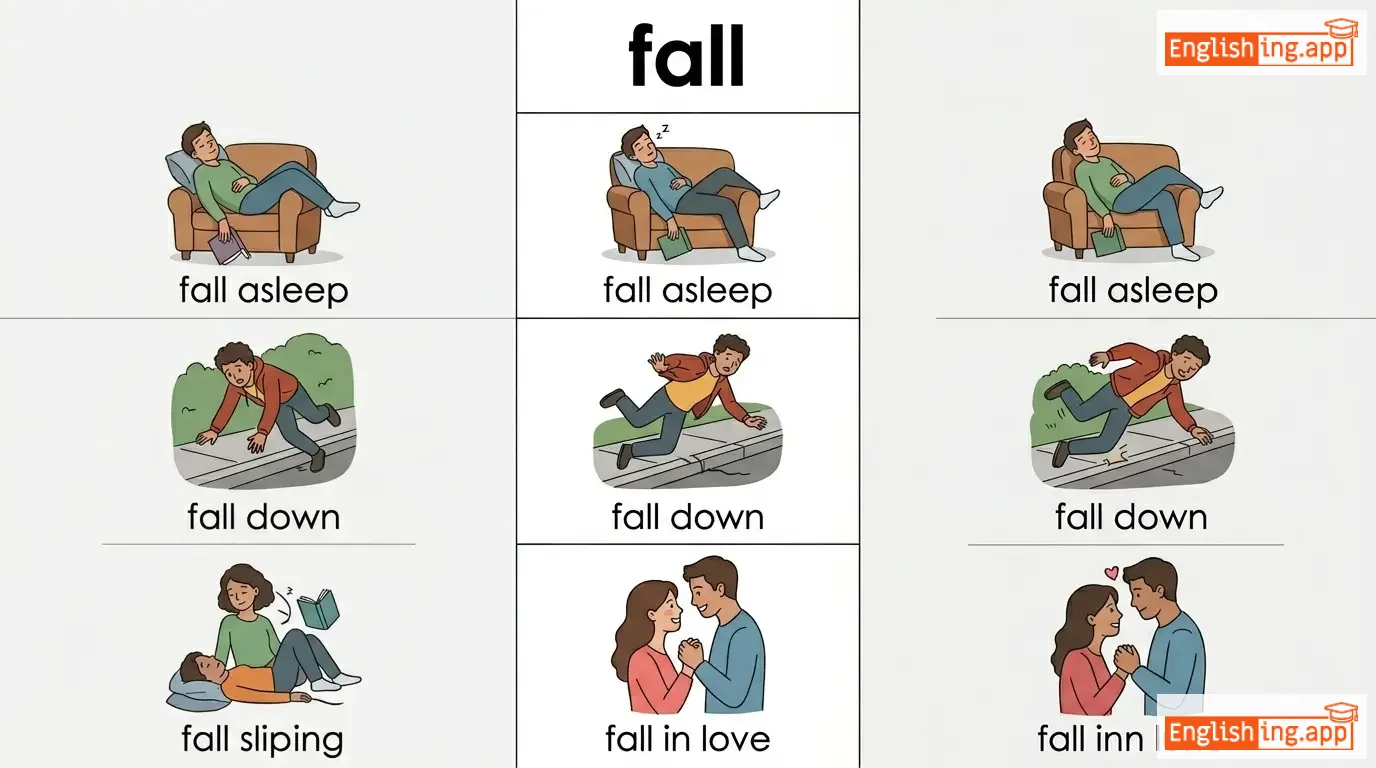
The leaves fall from the trees in autumn.
秋天,树叶从树上掉下来。
••••••
|
秋天,树叶从树上掉下来。
Qiu tian, shu ye cong shu shang diao xia lai.
••••••
|
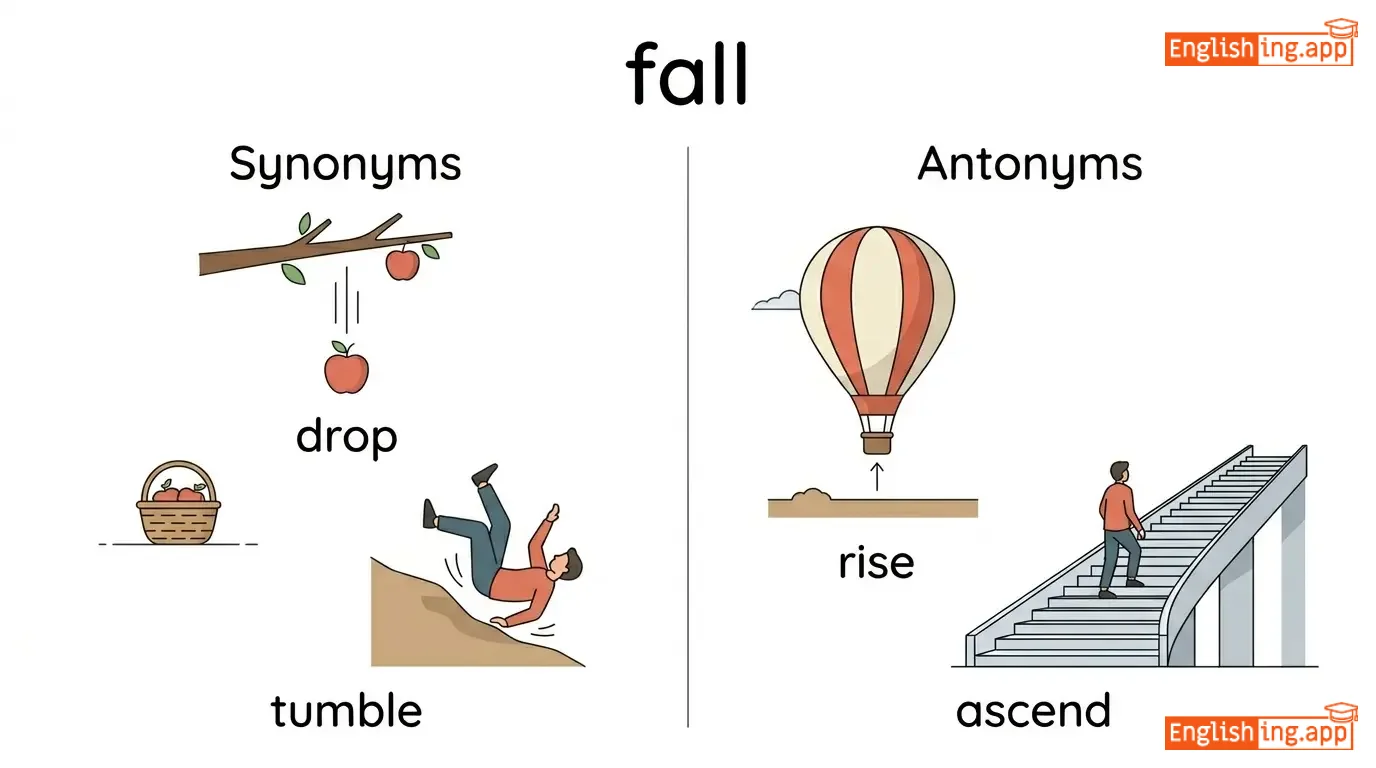
drop, tumble, descend, decline
••••••
|
rise, ascend, climb, increase
••••••
|
fall down, fall asleep, fall behind, fall in love, fall apart
••••••
|
树叶掉下来,就像 '掉落' 一样,简单明了。
••••••
|
|
#536
🙏
|
/niːd/
verb
(nīd)
••••••
|
|
需要
xūyào
••••••
|
needed
nīded
••••••
|
needed
nīded
••••••
|
needs
nīds
••••••
|
needing
nīding
••••••
|
to require something; to be in want of
••••••
|
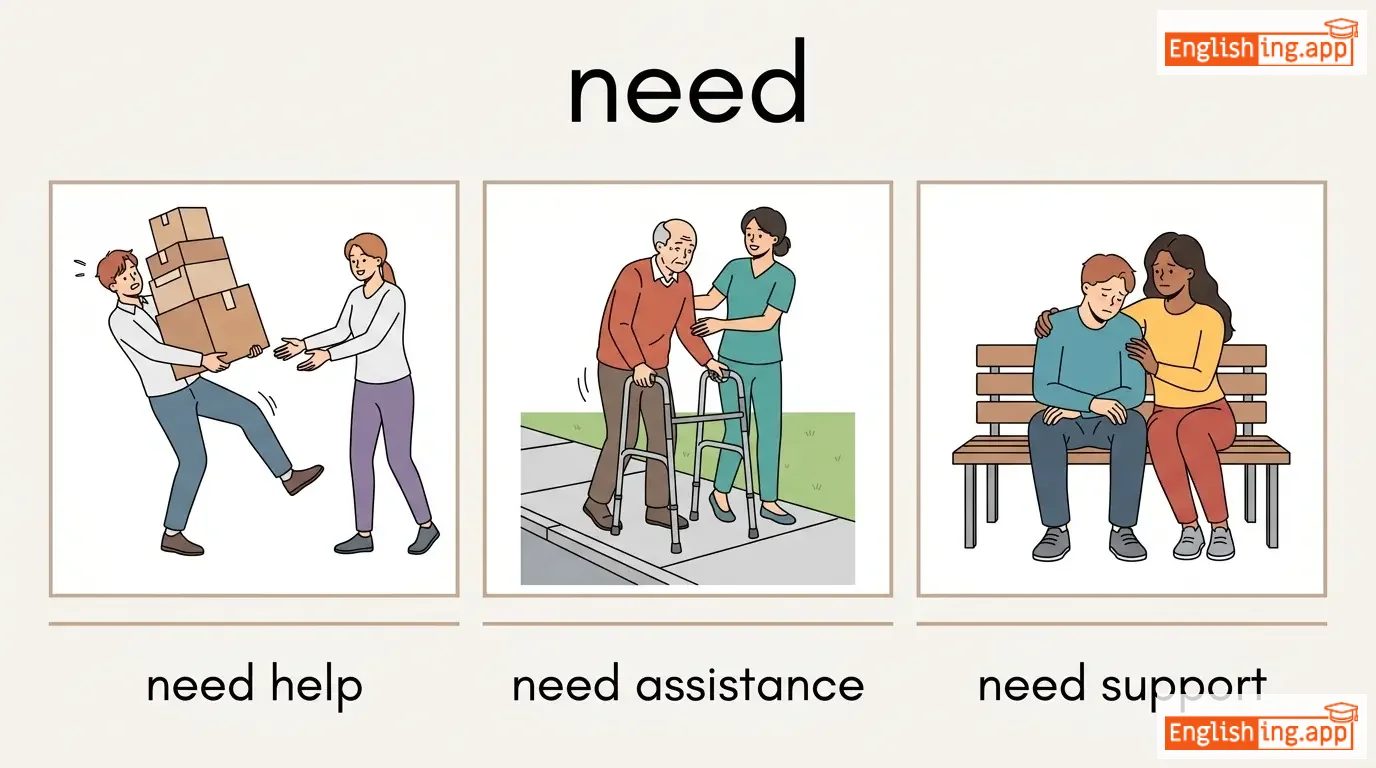
I need help with my homework.
我需要我的作业的帮助。
••••••
|
我需要我的作业的帮助。
Wǒ xūyào wǒ de zuòyè de bāngzhù.
••••••
|
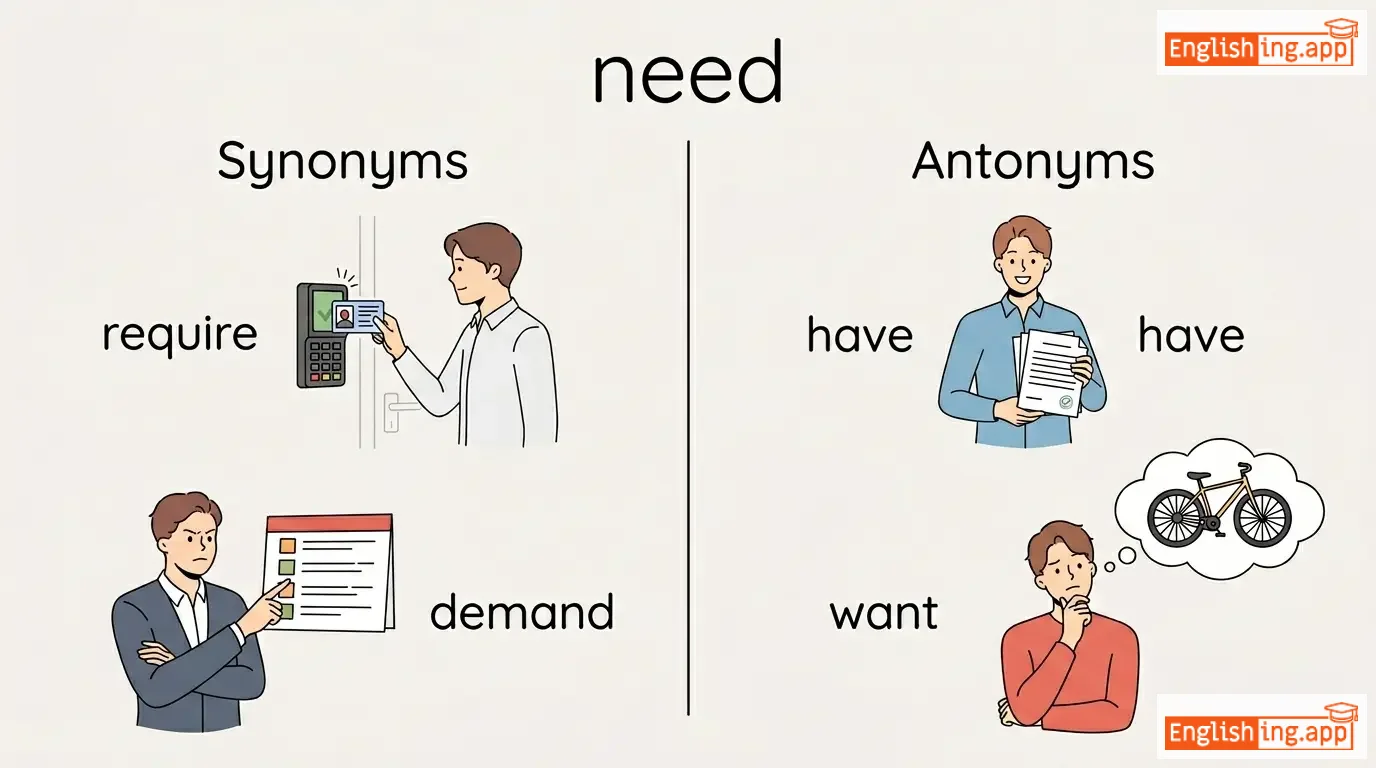
require, want, demand, necessitate
••••••
|
have, possess, own
••••••
|
need help, need badly, need immediately, need desperately, need urgently
••••••
|
需要 = 是当你'需要'帮助时的词!
••••••
|
Vocabulary Quiz
Test your vocabulary by matching words with their translations or meanings.
Login to take the quiz
Comments (0)
Share your thoughts and join the discussion.
Join the discussion by logging in
Login to CommentNo comments yet
Be the first to share your thoughts!