





Swipe left or right, or use the buttons. Tap image to zoom.
例句翻译
单词
Lesson 20: Mastering the Most Frequent Verbs & TensesLesson 20: Mastering the Most Frequent Verbs & Tenses - 遮罩切换
|
表情符号
|
单词 | Images | 翻译 | 过去时 | 过去分词 | 第三人称单数 | 动名词 | 含义 | 例句 | 例句翻译 | 同义词 | 反义词 | 搭配词 | 助记符 |
|---|---|---|---|---|---|---|---|---|---|---|---|---|---|---|
|
#567
✨
|
/ˈhæpən/
verb
(海皮尼斯)
••••••
|
- •••••• |
发生
fāshēng
••••••
|
happened
海皮尼斯德
••••••
|
happened
海皮尼斯德
••••••
|
happens
海皮尼斯
••••••
|
happening
海皮尼斯的
••••••
|
to occur or take place; to come about by chance
••••••
|
What happened at the meeting yesterday?
昨天会议上发生了什么?
••••••
|
昨天会议上发生了什么?
Zuótiān huìyì shàng fāshēngle shénme?
••••••
|
occur, take place, arise, transpire
••••••
|
prevent, stop, avoid, cease
••••••
|
happen to, happen by chance, happen naturally, happen suddenly
••••••
|
记住,'发生'是中文中'发生'的意思。
••••••
|
|
#568
🗳️
|
/voʊt/
verb
(vòt)
••••••
|
|
投票
tóupiào
••••••
|
voted
vòt-ed
••••••
|
voted
vòt-ed
••••••
|
votes
vòts
••••••
|
voting
vòting
••••••
|
to make a choice in an election; to express preference
••••••
|
Citizens vote to choose their representatives.
公民投票选举他们的代表。
••••••
|
公民投票选举他们的代表。
Gōngmín tóupiào xuǎnjǔ tāmen de dàibiǎo.
••••••
|
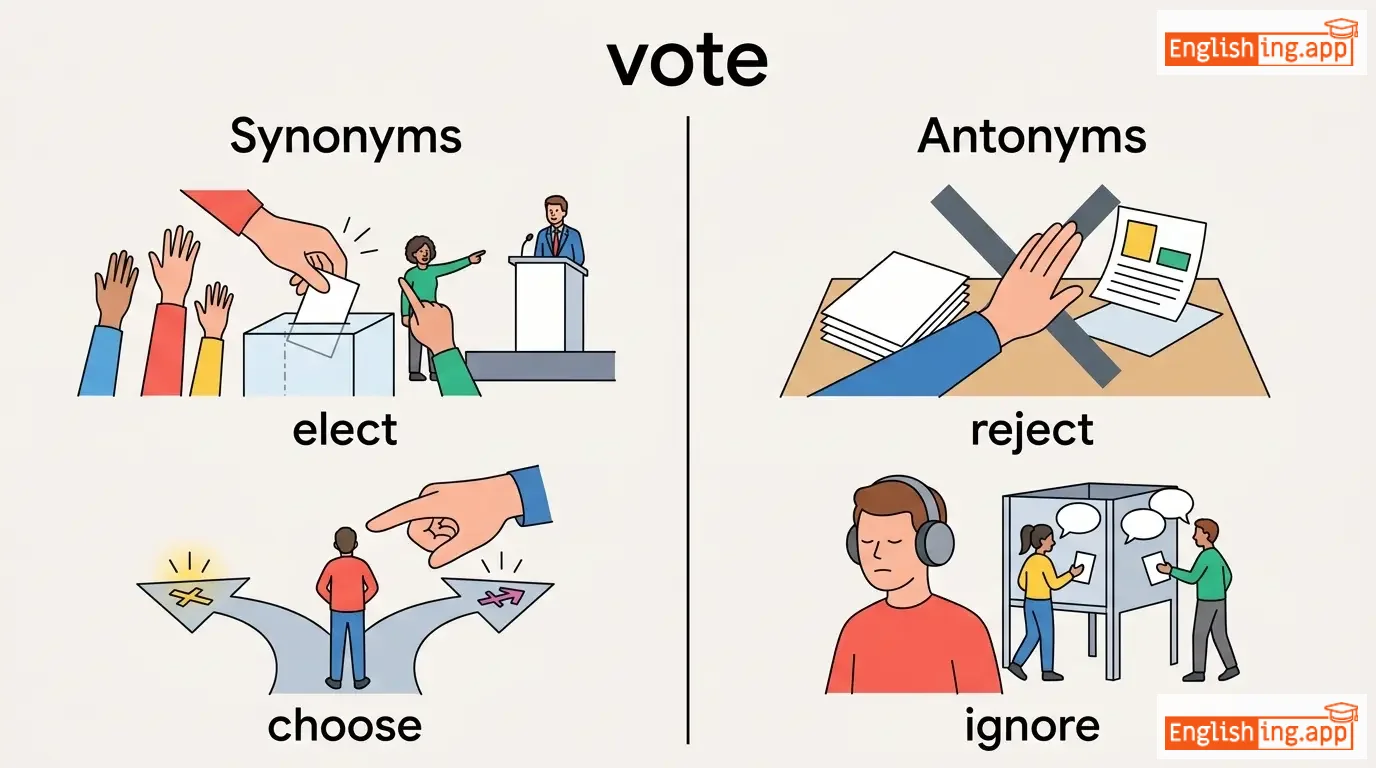
elect, choose, select, ballot, poll
••••••
|
abstain, boycott, refuse
••••••
|
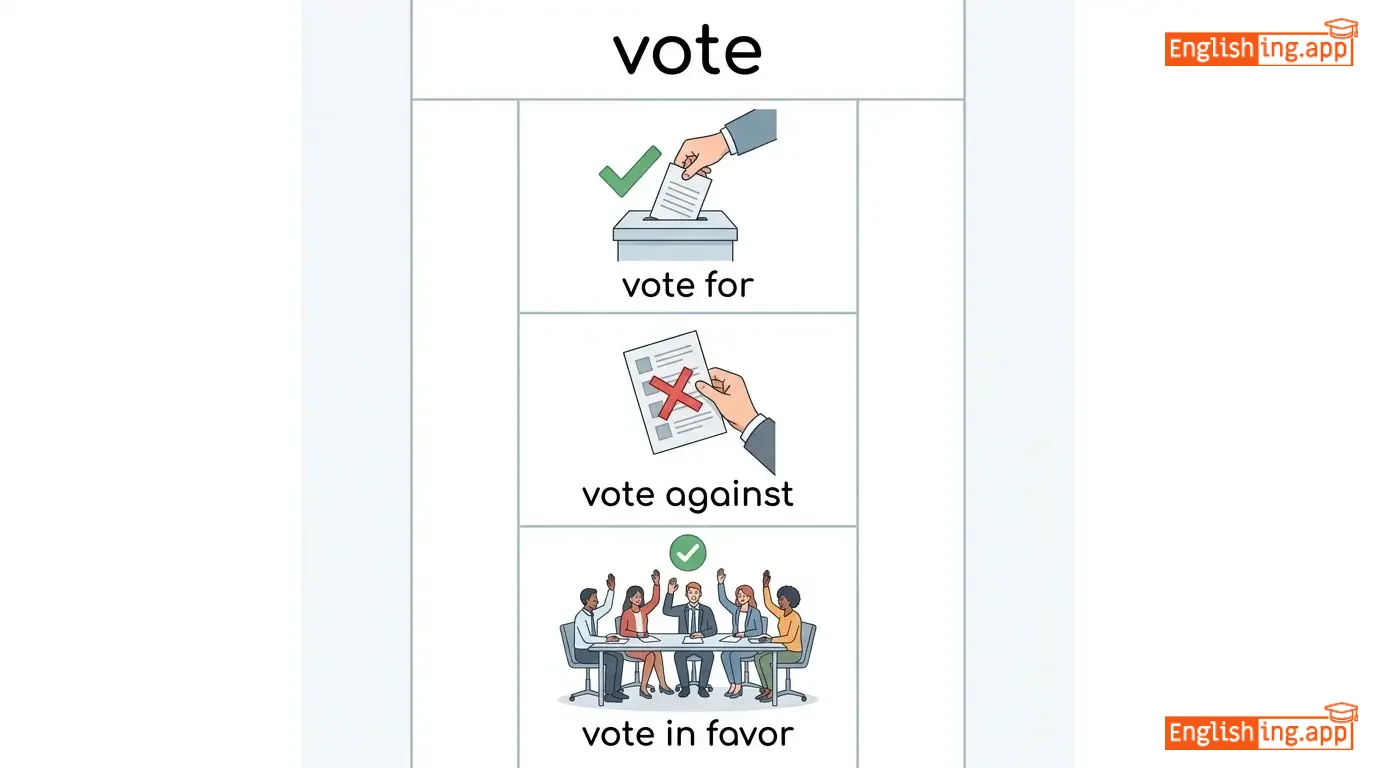
vote for, vote against, vote on, cast a vote
••••••
|
投票 (tóupiào) 就是选择和表达你喜欢的代表。
••••••
|
|
#569
⚠️
|
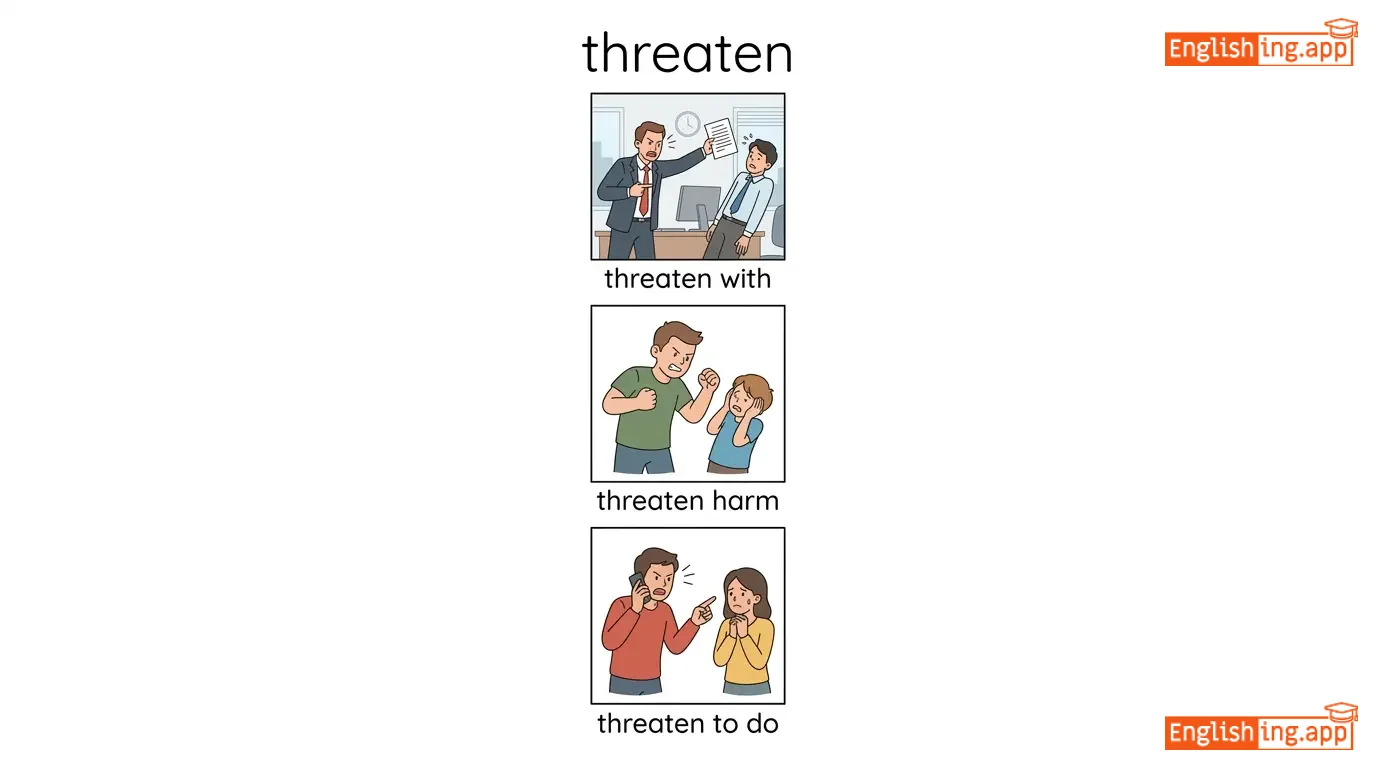
/ˈθretən/
verb
(suìrán)
••••••
|
|
威胁
wēixié
••••••
|
threatened
suìrán de
••••••
|
threatened
suìrán de
••••••
|
threatens
suìrán
••••••
|
threatening
suìrán
••••••
|
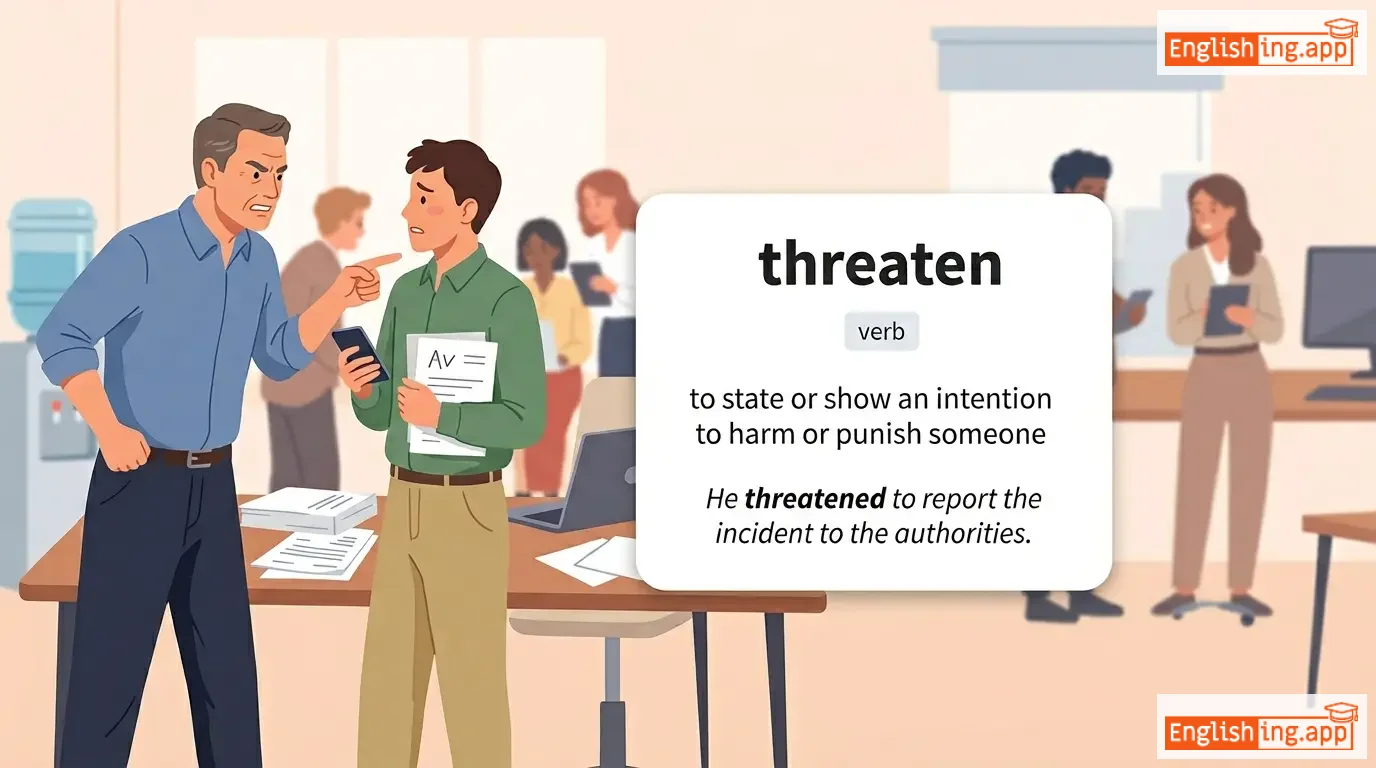
to express an intention to harm or punish someone; to be likely to cause harm
••••••
|
The storm clouds threaten to bring heavy rain tonight.
风暴云威胁今夜带来大雨。
••••••
|
风暴云威胁今夜带来大雨。
Fēngbào yún wēixié jīn yè dà yǔ.
••••••
|
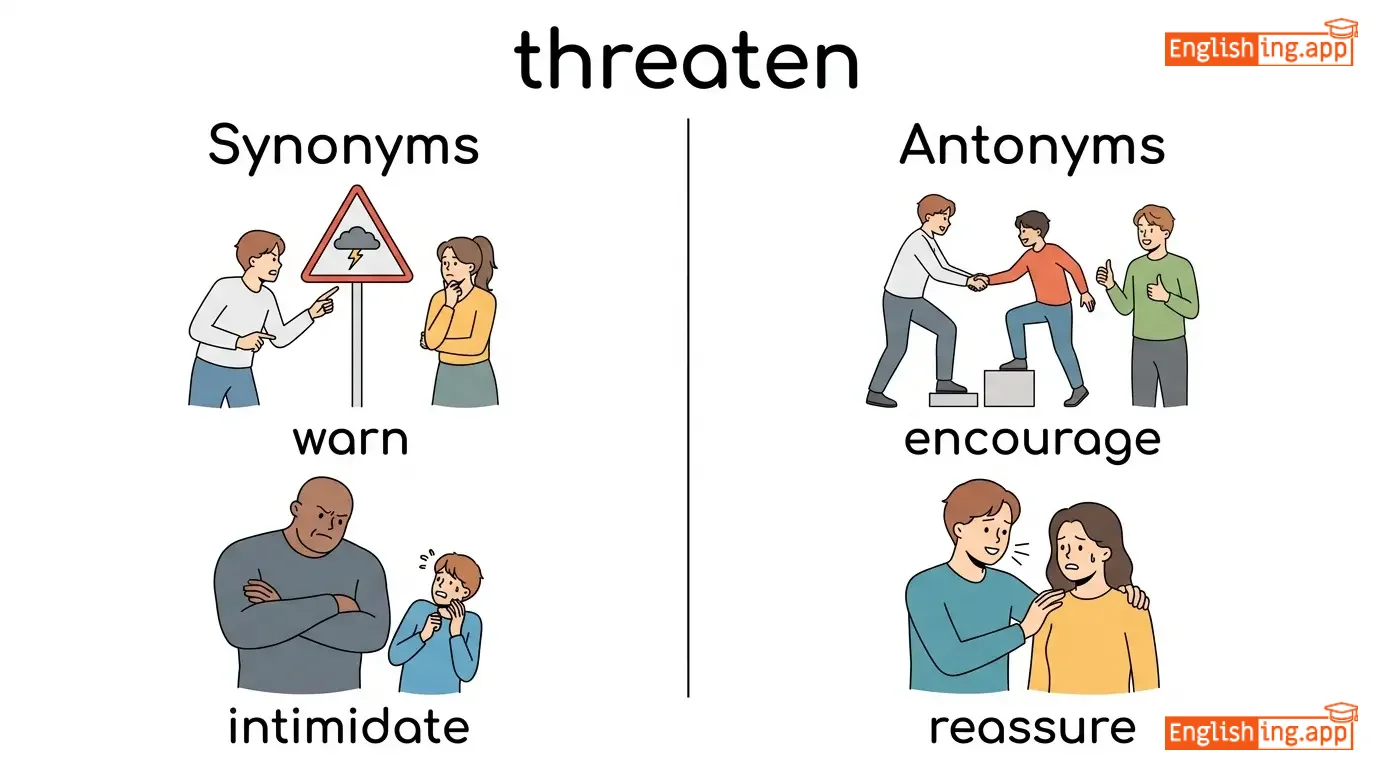
menace, intimidate, warn, endanger
••••••
|
protect, defend, reassure, comfort
••••••
|
threaten to, threaten with, threaten someone, pose a threat
••••••
|
威胁是威胁,要记住它可能带来风暴的影响
••••••
|
|
#570
🔍
|
/əbˈzɜːrv/
verb
(obzɜːrv)
••••••
|
- •••••• |
观察
guānchá
••••••
|
observed
obzɜːrvd
••••••
|
observed
obzɜːrvd
••••••
|
observes
obzɜːrvs
••••••
|
observing
obzɜːrvɪŋ
••••••
|
to watch carefully; to notice or perceive something
••••••
|
Scientists observe the behavior of animals in the wild.
科学家观察野生动物的行为。
••••••
|
科学家观察野生动物的行为。
Kēxuéjiā guānchá yěshēng dòngwù de xíngwéi
••••••
|
watch, study, examine, monitor
••••••
|
ignore, overlook, miss
••••••
|
observe closely, observe carefully, observe behavior, observe changes
••••••
|
Observe in Chinese - 观察 (look carefully) - Imagine an 'eagle' observing its prey from a high perch.
••••••
|
|
#571
💥
|
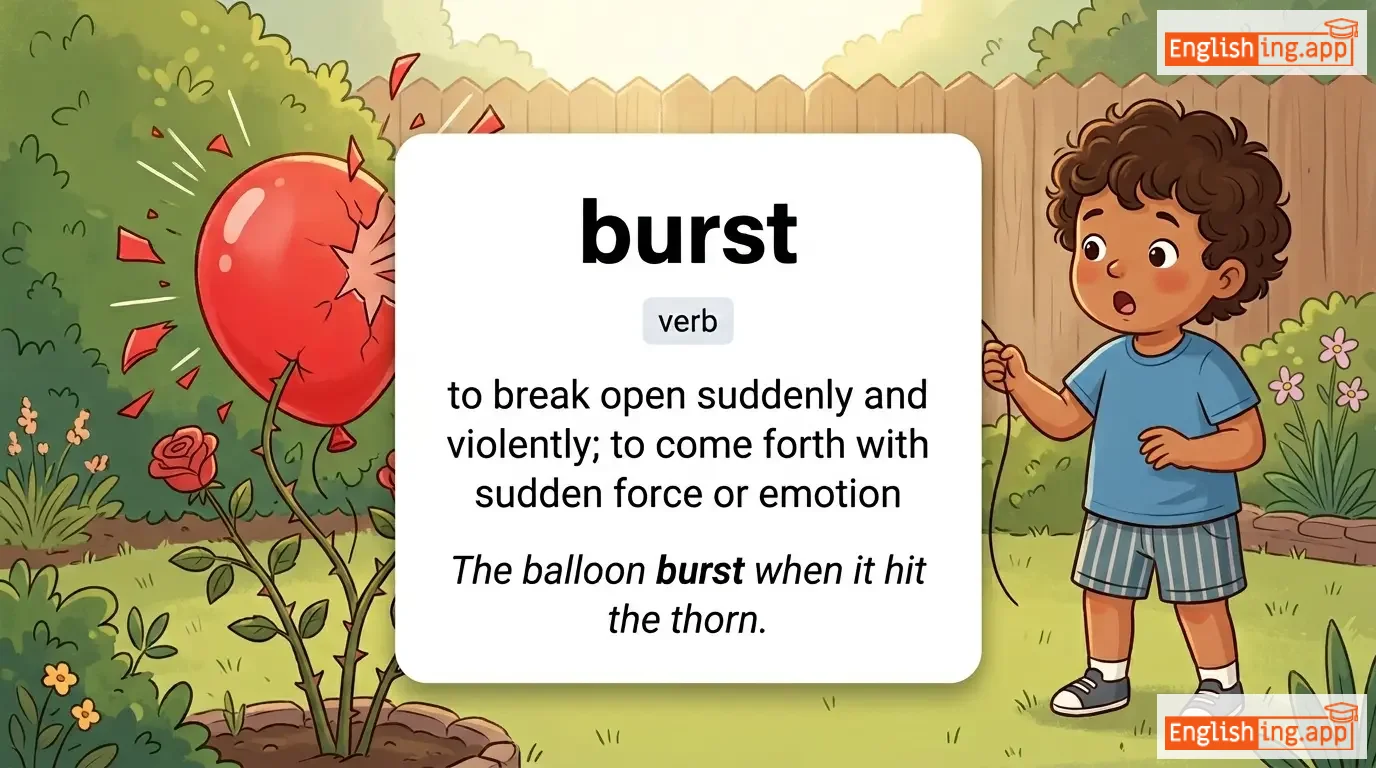
/bɜːrst/
verb
(bɜːrst)
••••••
|
|
爆裂
baolie
••••••
|
burst
bɜːrst
••••••
|
burst
bɜːrst
••••••
|
bursts
bursts
••••••
|
bursting
bursting
••••••
|
to break open suddenly; to be full of something
••••••
|
The balloon bursts with a loud pop.
气球突然爆炸发出响亮的声音。
••••••
|
气球突然爆炸发出响亮的声音。
Qiqiu turan baozha fashu xiangliang de shengyin.
••••••
|
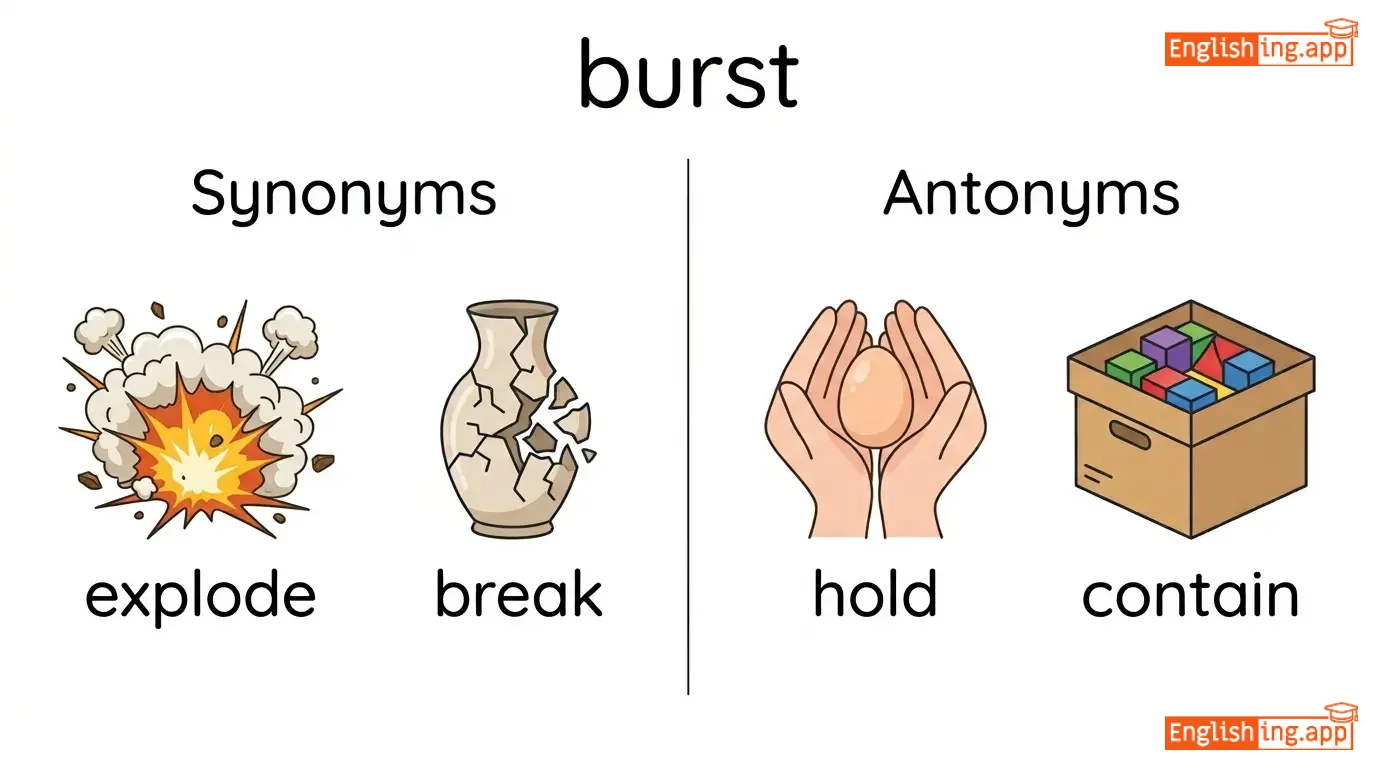
explode, pop, rupture, break
••••••
|
contain, hold, compress
••••••
|
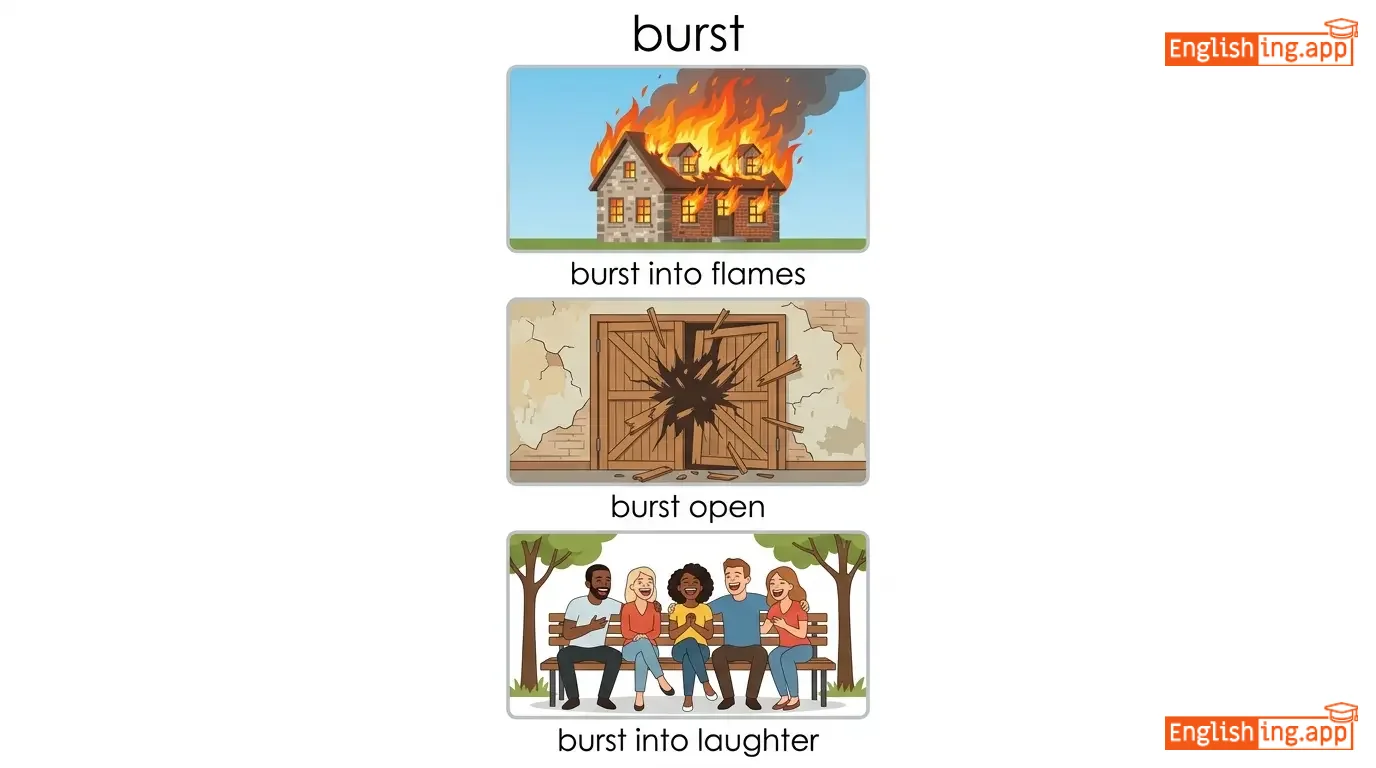
burst into, burst out, burst open, burst with
••••••
|
气球爆裂像惊天动地一样。
••••••
|
|
#572
💥
|
/əˈblɪtəˌreɪt/
verb
(奥布利特雷特)
••••••
|
|
完全摧毁
wánquán cuīhuǐ
••••••
|
obliterated
奥布利特雷特德
••••••
|
obliterated
奥布利特雷特德
••••••
|
obliterates
奥布利特雷特斯
••••••
|
obliterating
奥布利特雷特英特
••••••
|
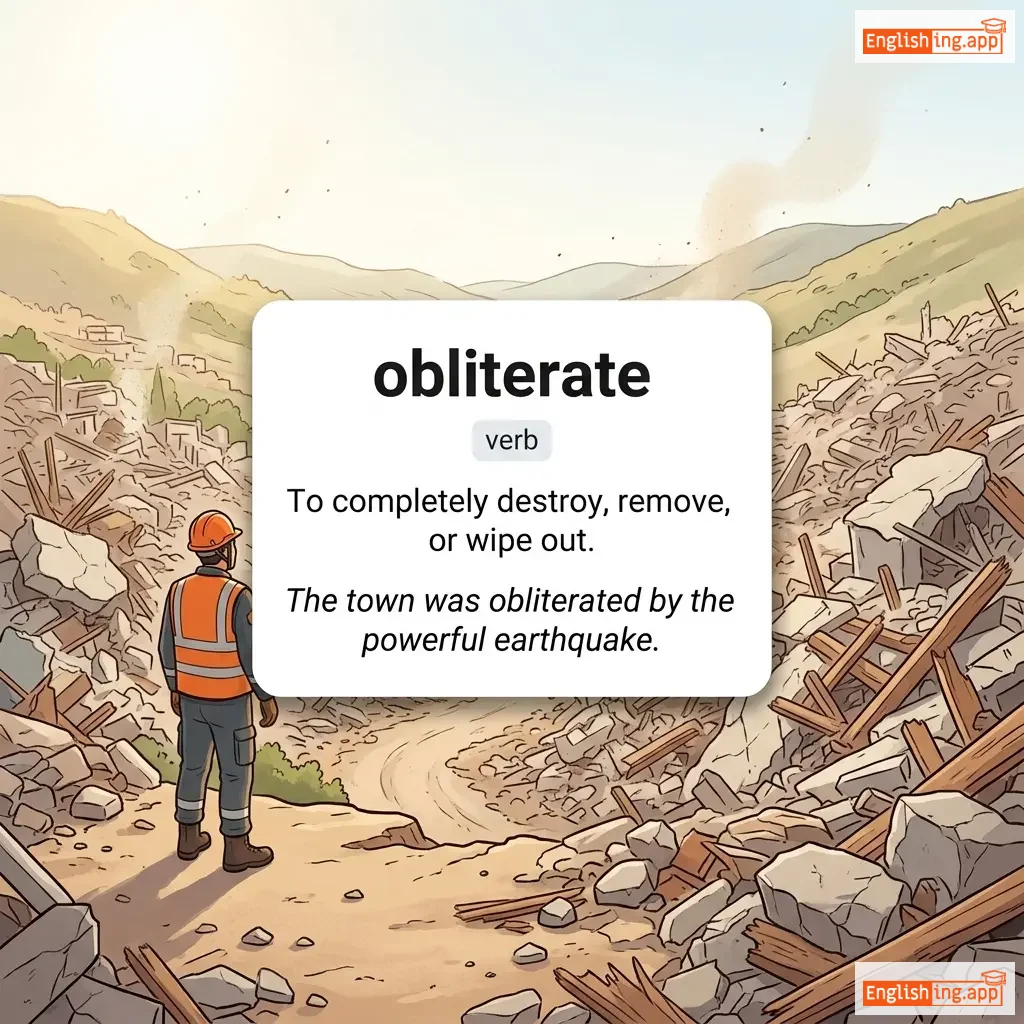
to destroy completely; to remove all traces of something
••••••
|
The earthquake obliterated the entire village.
地震摧毁了整个村庄。
••••••
|
地震摧毁了整个村庄。
Dìzhèn cuīhuǐle zhěnggè cūnzhuāng.
••••••
|
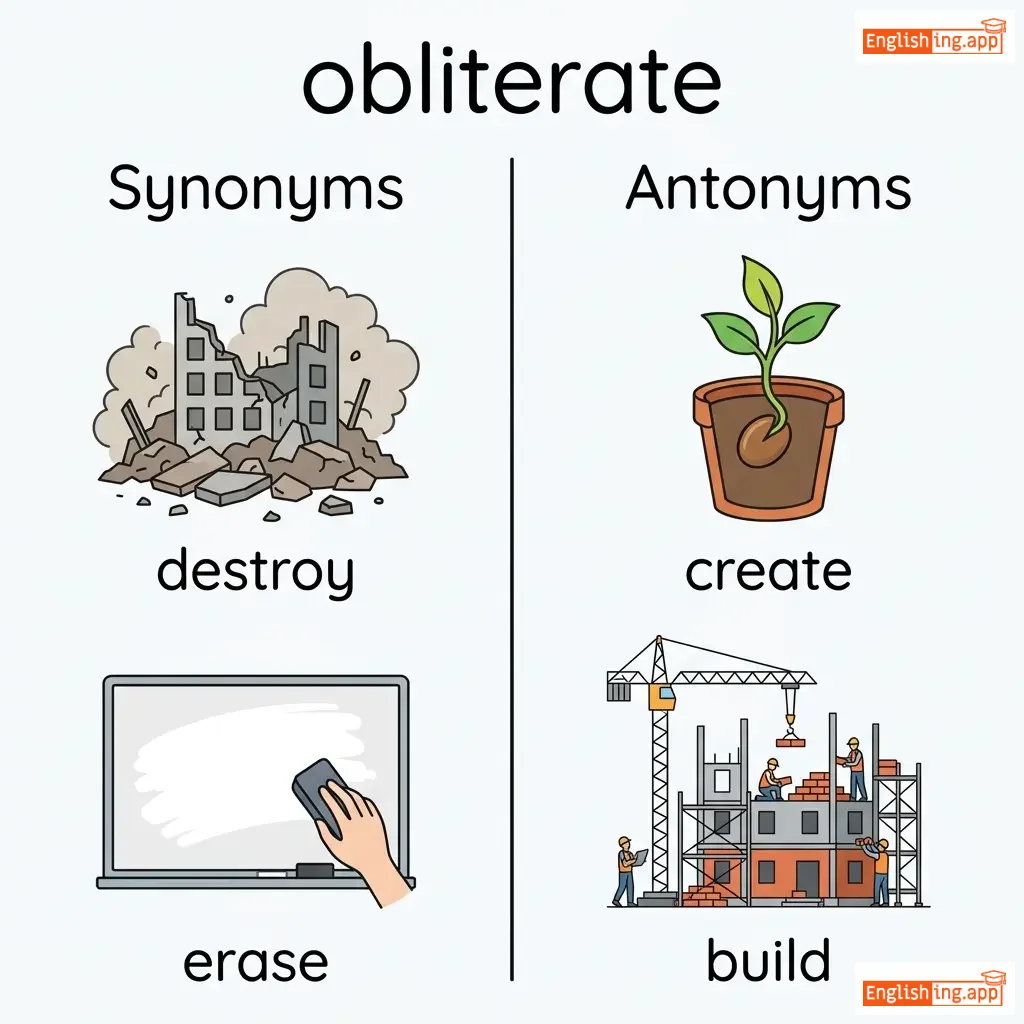
destroy, annihilate, erase, eliminate
••••••
|
create, build, preserve, construct
••••••
|
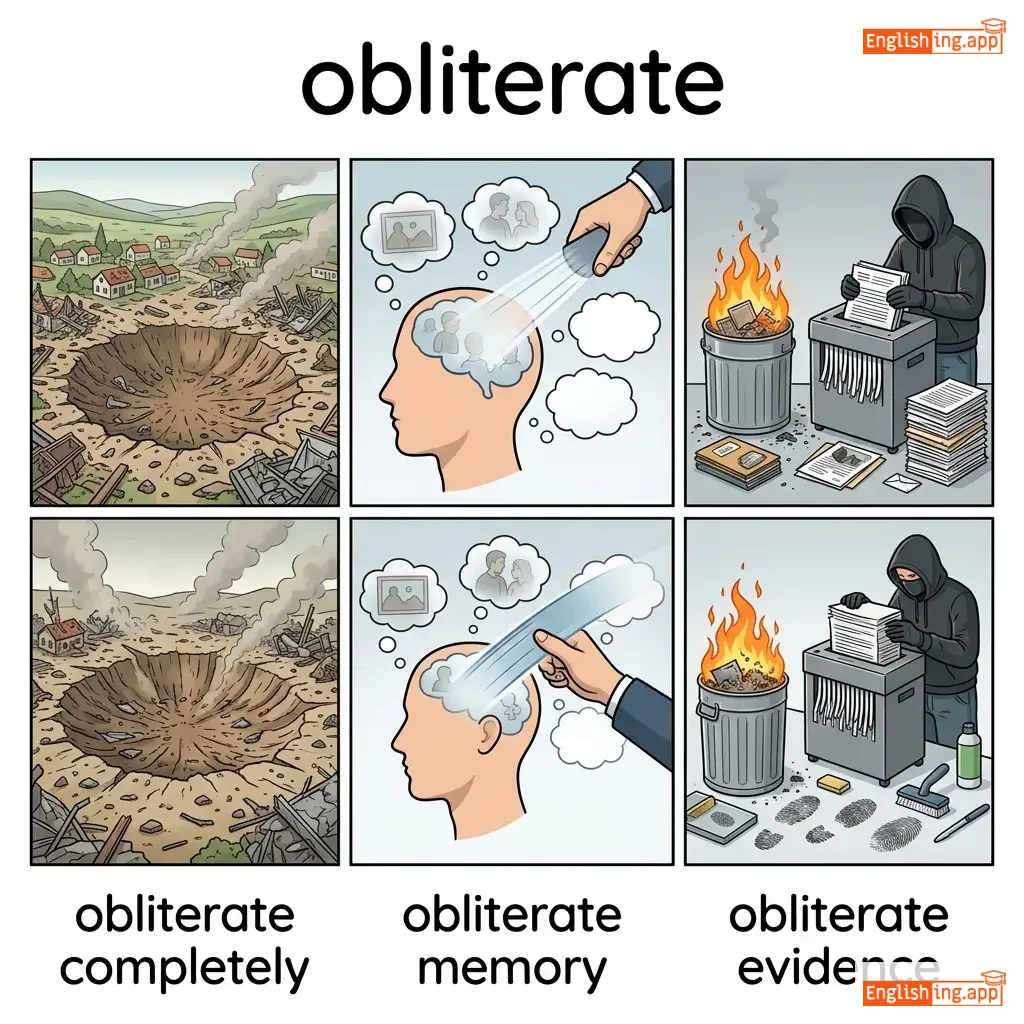
obliterate completely, obliterate traces, obliterate evidence, obliterate memory
••••••
|
No •••••• |
|
#573
🍃
|
/ˈskætər/
verb
(skætər)
••••••
|
- •••••• |
散播
sanbo
••••••
|
scattered
skætərd
••••••
|
scattered
skætərd
••••••
|
scatters
skætərs
••••••
|
scattering
skætərɪŋ
••••••
|
to spread or throw around in different directions
••••••
|
The wind scattered the leaves across the yard.
风把叶子撒到院子里。
••••••
|
风把叶子撒到院子里。
Feng ba yezi sa dao yuanzi li.
••••••
|
spread, disperse, distribute, sprinkle
••••••
|
gather, collect, assemble, concentrate
••••••
|
scatter around, scatter widely, scatter seeds, scatter randomly
••••••
|
The wind scattering leaves in Chinese is '散播' (sanbo), which means to scatter.
••••••
|
|
#574
🏠
|
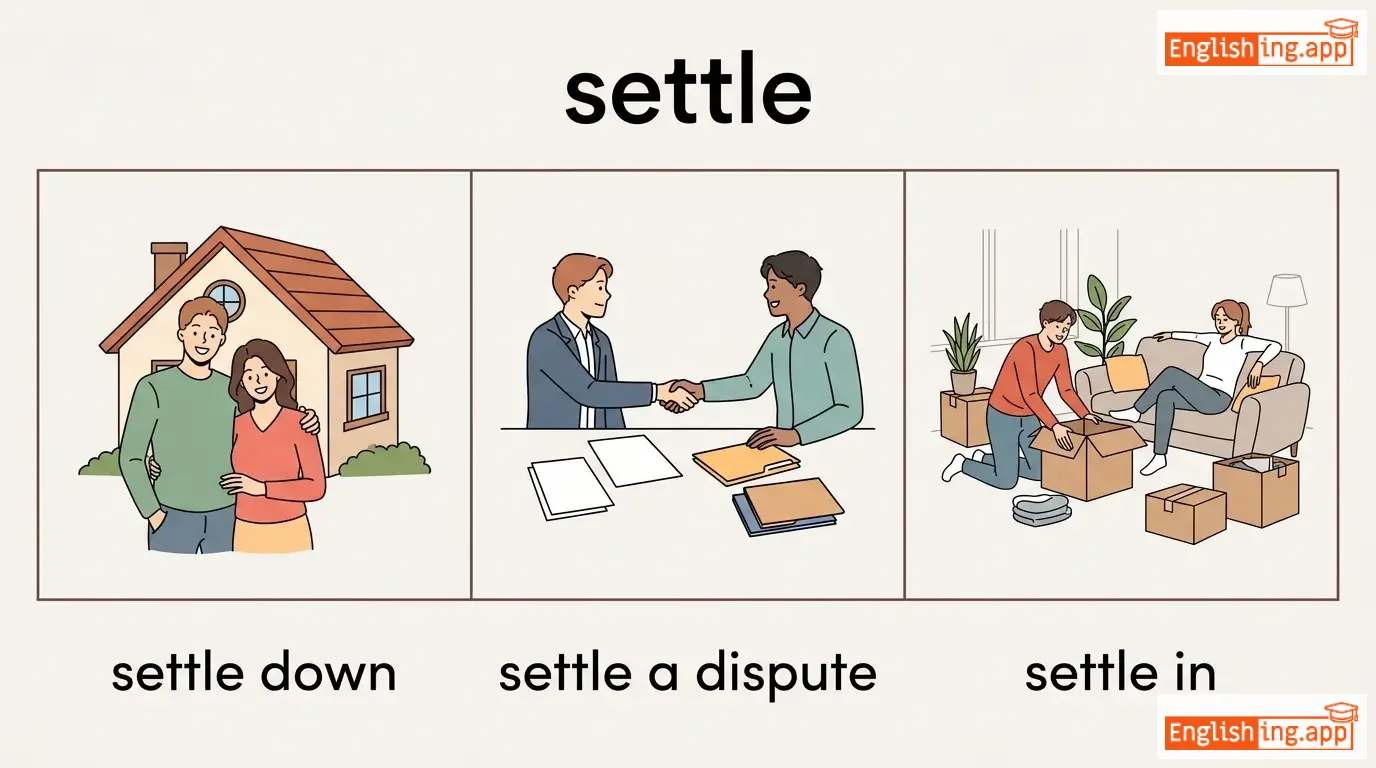
/ˈsetəl/
verb
(塞特尔)
••••••
|
|
定居
dìngjū
••••••
|
settled
塞特尔德
••••••
|
settled
塞特尔德
••••••
|
settles
塞特尔斯
••••••
|
settling
塞特灵
••••••
|
to resolve; to establish residence; to calm down
••••••
|
They decided to settle in a quiet village.
他们决定在一个安静的村庄定居。
••••••
|
他们决定在一个安静的村庄定居。
Tāmen juédìng zài yīgè ānjìng de cūnzhuāng dìngjū.
••••••
|
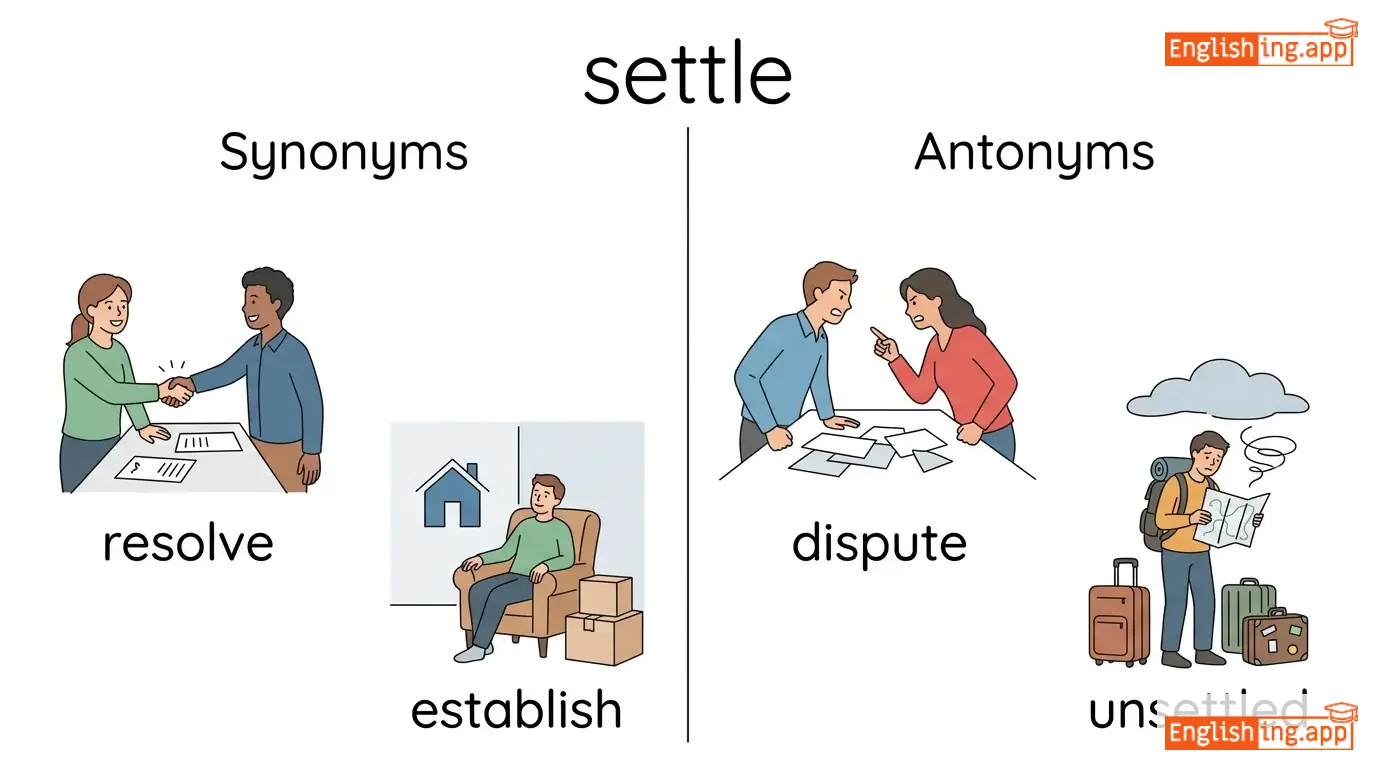
resolve, establish, arrange, decide
••••••
|
disturb, unsettle, move, relocate
••••••
|
settle down, settle in, settle for, settle matters
••••••
|
定居像一个Settler
••••••
|
|
#575
🤷
|
/ˈhezɪteɪt/
verb
(犹豫)
••••••
|
- •••••• |
犹豫
yóuyù
••••••
|
hesitated
犹豫过
••••••
|
hesitated
犹豫过
••••••
|
hesitates
犹豫
••••••
|
hesitating
犹豫着
••••••
|
to pause before acting; to be uncertain about what to do
••••••
|
Don't hesitate to ask for help.
不要犹豫,随时寻求帮助。
••••••
|
不要犹豫,随时寻求帮助。
Bù yàoyù, suíshí xúnqiú bāngzhù.
••••••
|
pause, delay, waver, doubt
••••••
|
decide, act, proceed, rush
••••••
|
hesitate to, hesitate before, hesitate briefly, hesitate momentarily
••••••
|
No •••••• |
|
#576
💆
|
/məˈsɑːʒ/
verb
(按摩)
••••••
|
- •••••• |
按摩
anmo
••••••
|
massaged
按摩过
••••••
|
massaged
按摩过
••••••
|
massages
按摩
••••••
|
massaging
按摩ing
••••••
|
to rub and press muscles to relieve pain or tension; to manipulate information
••••••
|
The therapist will massage your back to reduce muscle tension.
治疗师会按摩你的背部以减轻肌肉紧张。
••••••
|
治疗师会按摩你的背部以减轻肌肉紧张。
Zhi liao shi hui an mo ni de bei bu yi jian qing ji rou jin zhang.
••••••
|
rub, knead, manipulate, work
••••••
|
ignore, neglect, avoid, abandon
••••••
|
massage gently, massage thoroughly, massage muscles, give a massage
••••••
|
No •••••• |
|
#577
😤
|
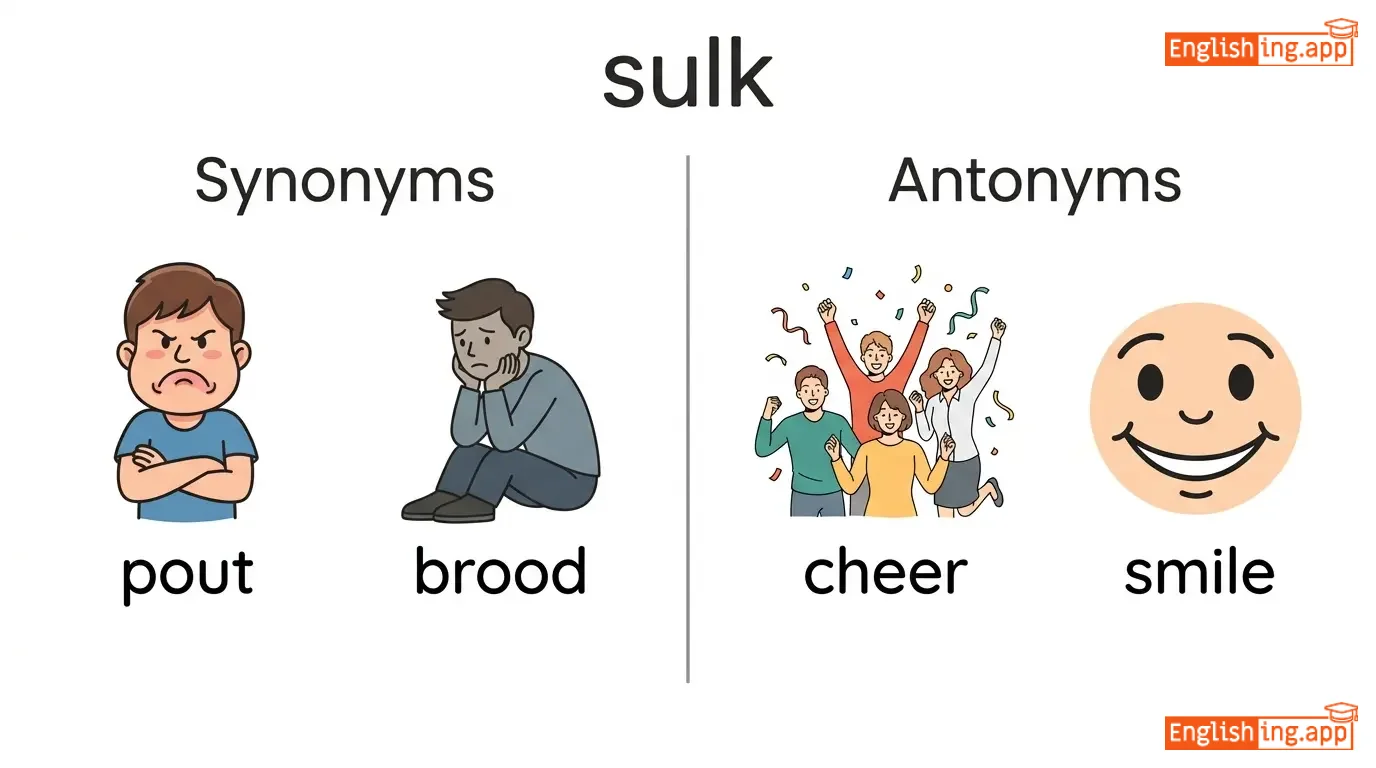
/sʌlk/
verb
(sulk)
••••••
|
|
生闷气
sheng menqi
••••••
|
sulked
sulked
••••••
|
sulked
sulked
••••••
|
sulks
sulks
••••••
|
sulking
sulking
••••••
|
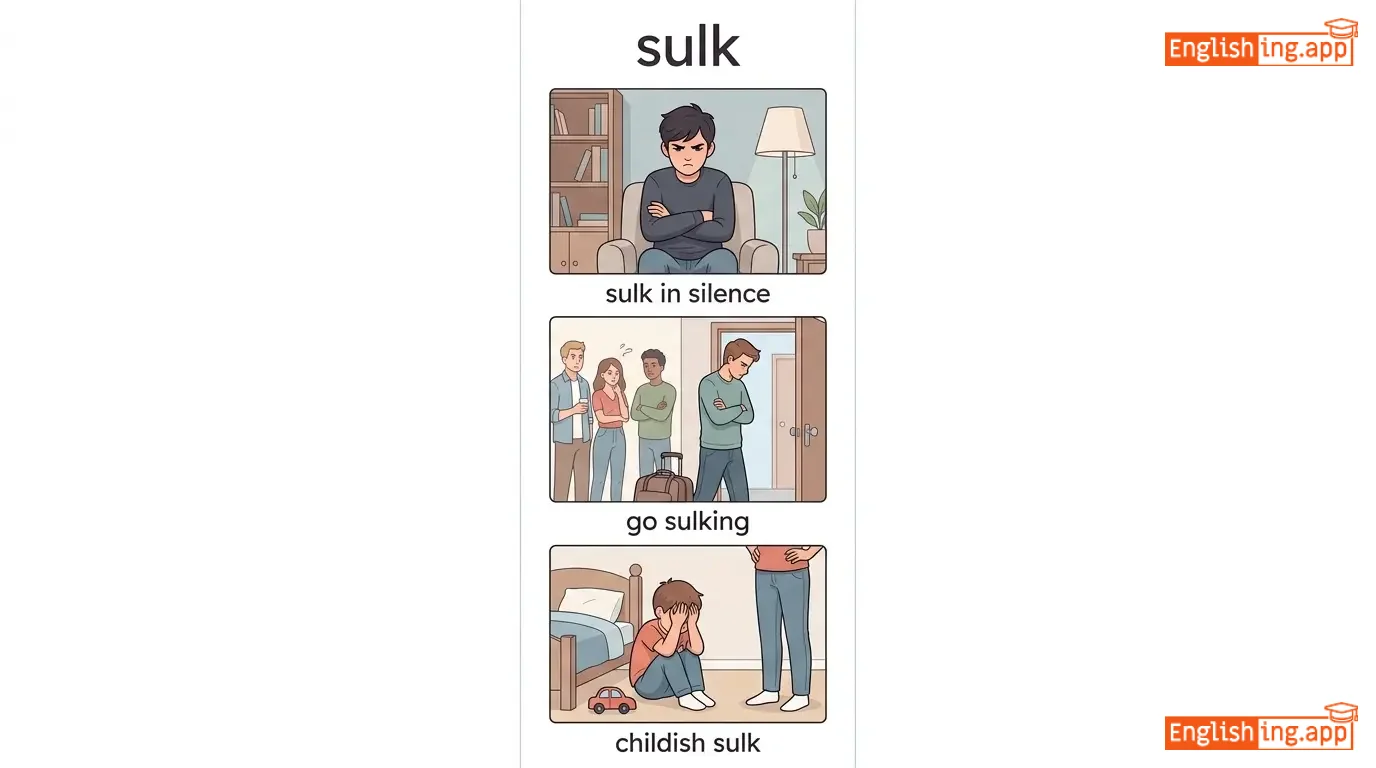
to be silent and bad-tempered because you are angry or disappointed
••••••
|
She sulked in her room after the argument.
她在争吵后在自己的房间里闷闷不乐。
••••••
|
她在争吵后生闷气待在房间里。
Ta zai zhengchao hou sheng menqi dai zai fangjian li.
••••••
|
pout, brood, mope, grumble
••••••
|
smile, rejoice, celebrate
••••••
|
sulk quietly, sulk alone, sulk in corner, sulk about
••••••
|
When sulking, you're 'sheng menqi' (fuming in Chinese) and silent.
••••••
|
|
#578
🤝
|
/rɪˈlaɪ/
verb
(rílái)
••••••
|
- •••••• |
依赖
yīlài
••••••
|
relied
ríláid
••••••
|
relied
ríláid
••••••
|
relies
ríláiz
••••••
|
relying
ríláing
••••••
|
to depend on or trust someone or something
••••••
|
I rely on my friends for support.
我依赖我的朋友寻求支持。
••••••
|
我依赖我的朋友寻求支持。
Wǒ yīlài wǒ de péngyǒu xúnqiú zhīchí.
••••••
|
depend, trust, count on, lean on
••••••
|
distrust, doubt, reject
••••••
|
rely on, rely upon, rely heavily, rely completely
••••••
|
信赖朋友,永远不掉链!
••••••
|
|
#579
🪢
|
/pʊl/
verb
(pūl)
••••••
|
- •••••• |
拉
lā
••••••
|
pulled
pūld
••••••
|
pulled
pūld
••••••
|
pulls
pūls
••••••
|
pulling
pulling
••••••
|
to exert force to move something toward oneself; to drag or tug
••••••
|
Please pull the door to open it.
请拉门打开。
••••••
|
请拉门打开。
Qǐng lā mén dǎkāi.
••••••
|
drag, tug, draw, haul
••••••
|
push, press, shove
••••••
|
pull together, pull apart, pull hard, pull gently
••••••
|
记住'拉'和'pull'一样,是当你把东西拉向自己时使用的动作。
••••••
|
|
#580
👋
|
/bɪd/
verb
(比德)
••••••
|
- •••••• |
出价
chūjià
••••••
|
bid
比德
••••••
|
bidden
比登
••••••
|
bids
比兹
••••••
|
bidding
比丁
••••••
|
to offer to pay a price; to command; to say goodbye
••••••
|
She bids farewell to her friends.
她向朋友们道别。
••••••
|
她向朋友们道别。
Tā xiàng péngyǒumen dàobié.
••••••
|
offer, command, order, attempt
••••••
|
refuse, decline, withdraw
••••••
|
bid farewell, bid goodbye, bid for, bid against
••••••
|
Bid sounds like '出价' (chūjià), think of bidding at an auction.
••••••
|
|
#581
👑
|
/reɪn/
verb
(雷恩)
••••••
|
- •••••• |
统治
tǒngzhì
••••••
|
reigned
雷恩德
••••••
|
reigned
雷恩德
••••••
|
reigns
雷恩斯
••••••
|
reigning
雷因宁
••••••
|
to rule as a king or queen; to be dominant
••••••
|
The queen reigned for over sixty years.
女王统治了超过六十年。
••••••
|
女王统治了超过六十年。
Nǚwáng tǒngzhìle chāoguò liùshí nián.
••••••
|
rule, govern, dominate, control
••••••
|
serve, obey, submit
••••••
|
reign over, reign supreme, reign for years, reign peacefully
••••••
|
Visualize '统治' as a powerful ruler controlling the empire.
••••••
|
|
#582
📥
|
/rɪˈsiːv/
verb
(rɪsɪv)
••••••
|
|
接收
jiēshōu
••••••
|
received
rɪsɪvd
••••••
|
received
rɪsɪvd
••••••
|
receives
rɪsɪvz
••••••
|
receiving
rɪsɪvɪŋ
••••••
|
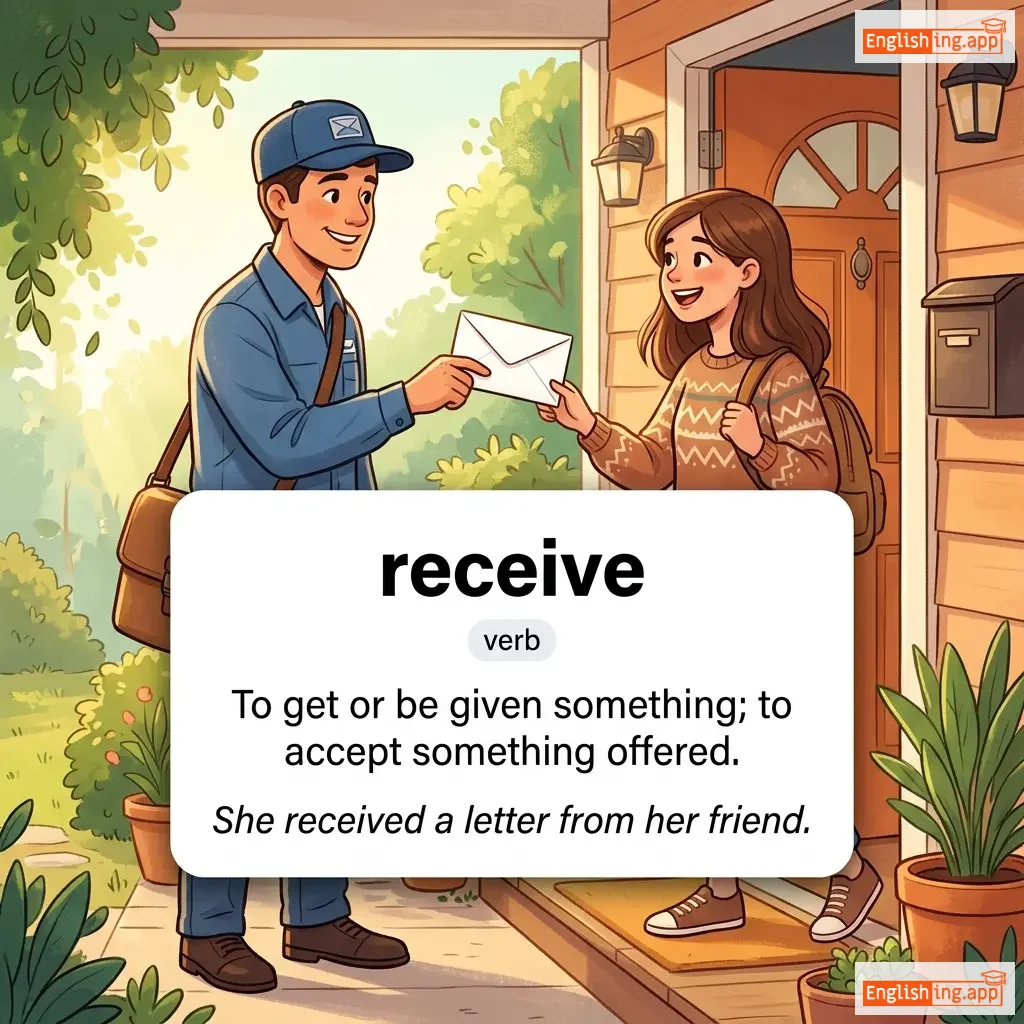
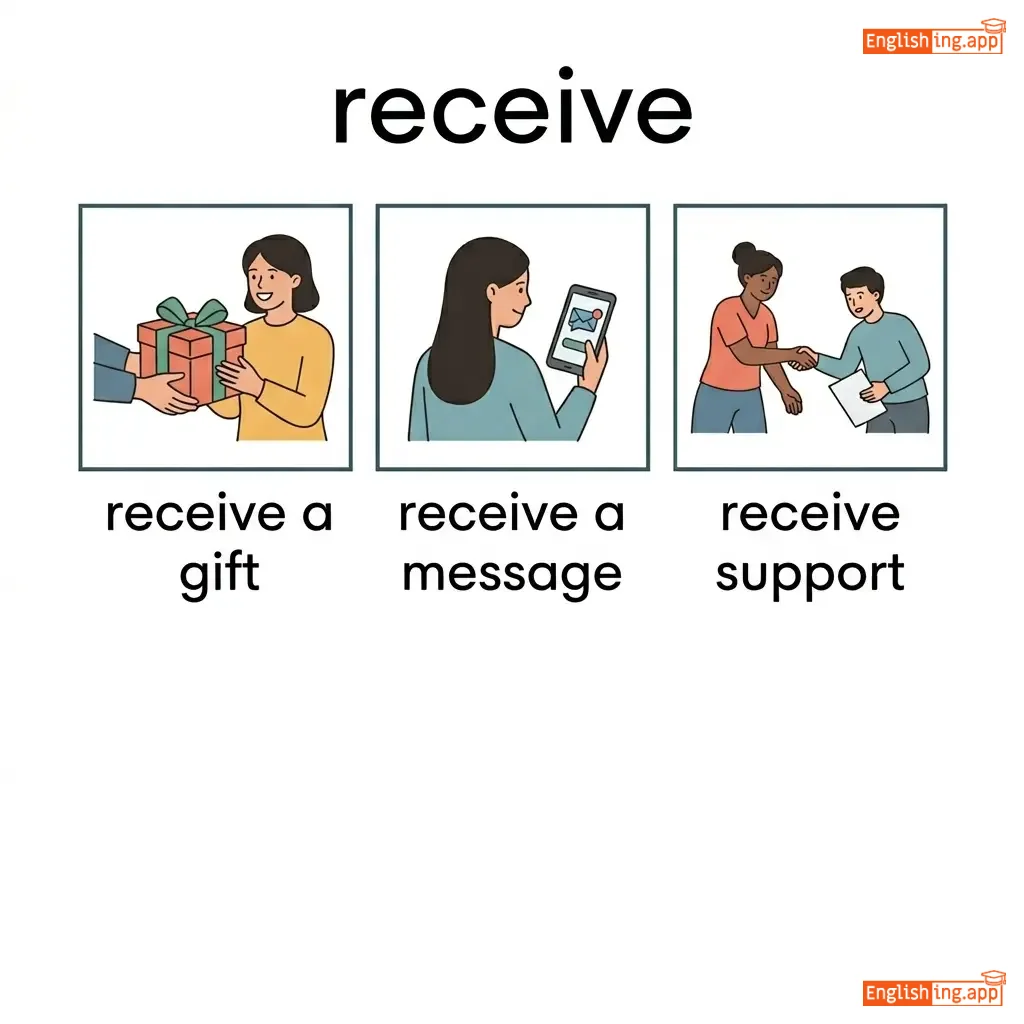
to get or accept something that is given or sent
••••••
|
She will receive her diploma at the graduation ceremony.
她将在毕业典礼上收到她的文凭。
••••••
|
她将在毕业典礼上收到她的文凭。
Tā jiāng zài bìyè diǎnlǐ shàng shōudào tā de wénpíng.
••••••
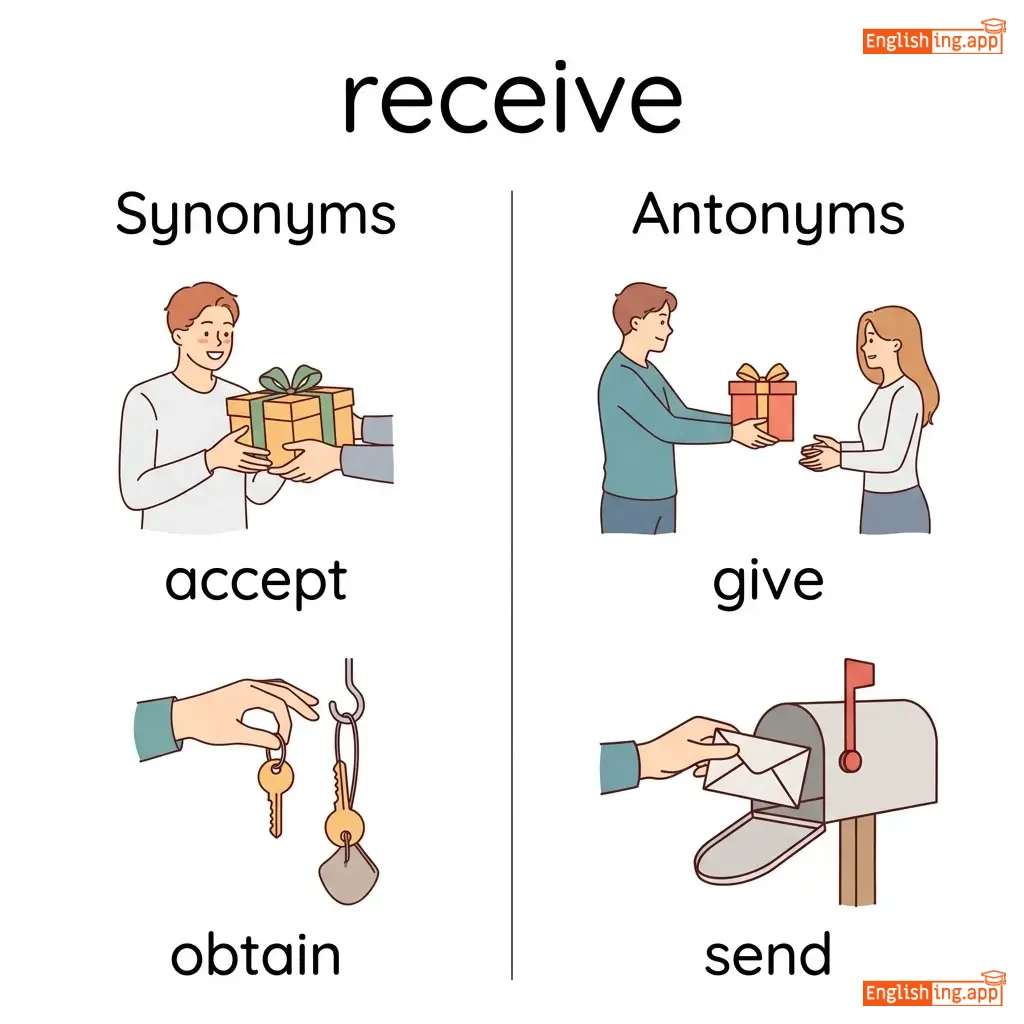
|
get, obtain, accept, acquire
••••••
|
give, send, donate, offer
••••••
|
receive warmly, receive gratefully, receive officially, receive news
••••••
|
Chinese '接收' is 'receive' - imagine receiving a diploma in China: '接收' ('jiēshōu').
••••••
|
|
#583
🌊
|
/pɔːr/
verb
(波尔)
••••••
|
- •••••• |
倒
dao
••••••
|
poured
波德
••••••
|
poured
波德
••••••
|
pours
波尔斯
••••••
|
pouring
波林
••••••
|
to flow or cause to flow in a steady stream; to rain heavily
••••••
|
Please pour the water into the glass carefully.
请小心地把水倒入玻璃杯。
••••••
|
请小心地把水倒入玻璃杯。
Qing xiaoxinde ba shui dao ru boli bei.
••••••
|
flow, stream, spill, tip
••••••
|
stop, contain, hold, retain
••••••
|
pour out, pour into, pour carefully, pour slowly
••••••
|
No •••••• |
|
#584
💰
|
/ˈkɑːmpənseɪt/
verb
(kəmˈpɛnsɛɪt)
••••••
|
|
赔偿
péicháng
••••••
|
compensated
kəmˈpɛnsɛɪtɪd
••••••
|
compensated
kəmˈpɛnsɛɪtɪd
••••••
|
compensates
kəmˈpɛnsɛɪts
••••••
|
compensating
kəmˈpɛnsɛɪtɪŋ
••••••
|
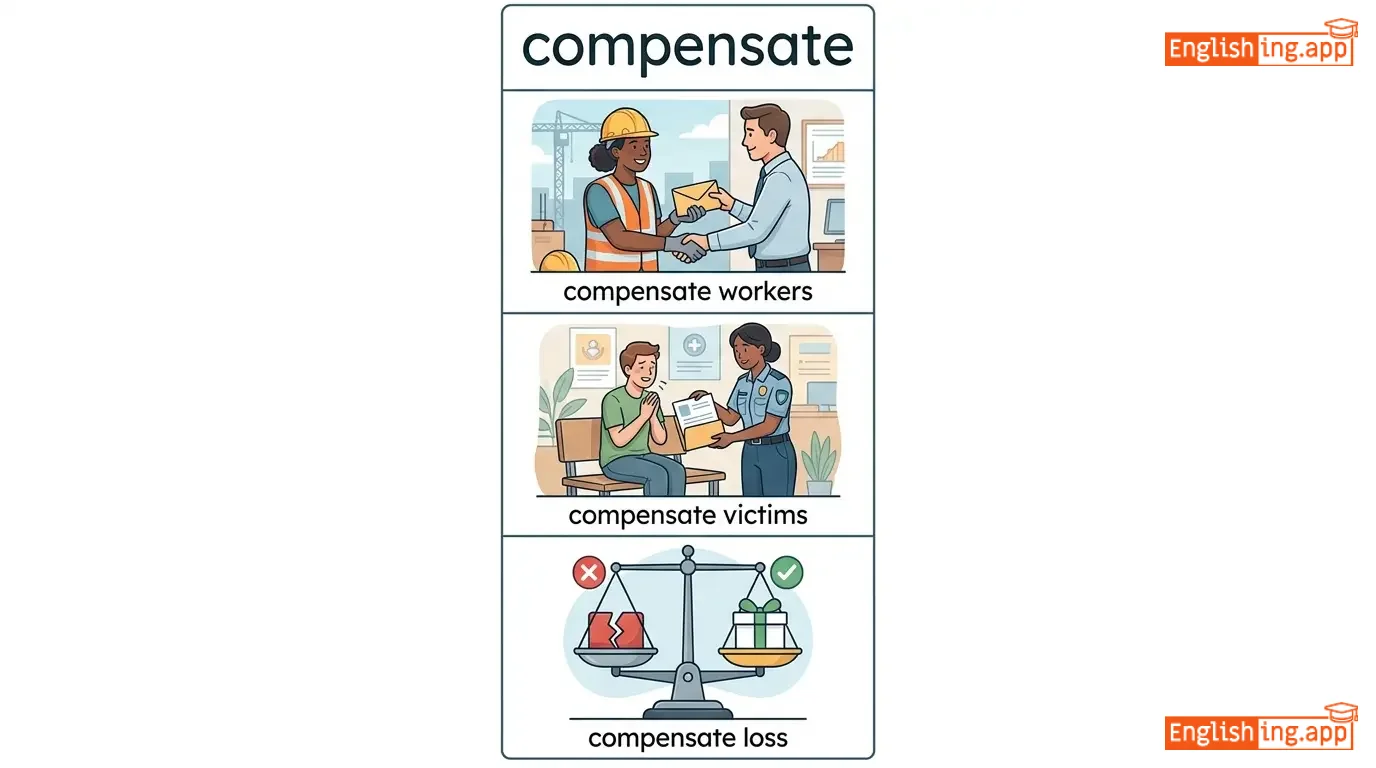
to give something to make up for loss or damage; to counterbalance
••••••
|
The company will compensate employees for overtime work.
公司将为加班支付赔偿。
••••••
|
公司将为加班支付赔偿。
Gōngsī jiāng wèi jiābān zhīfù péicháng.
••••••
|
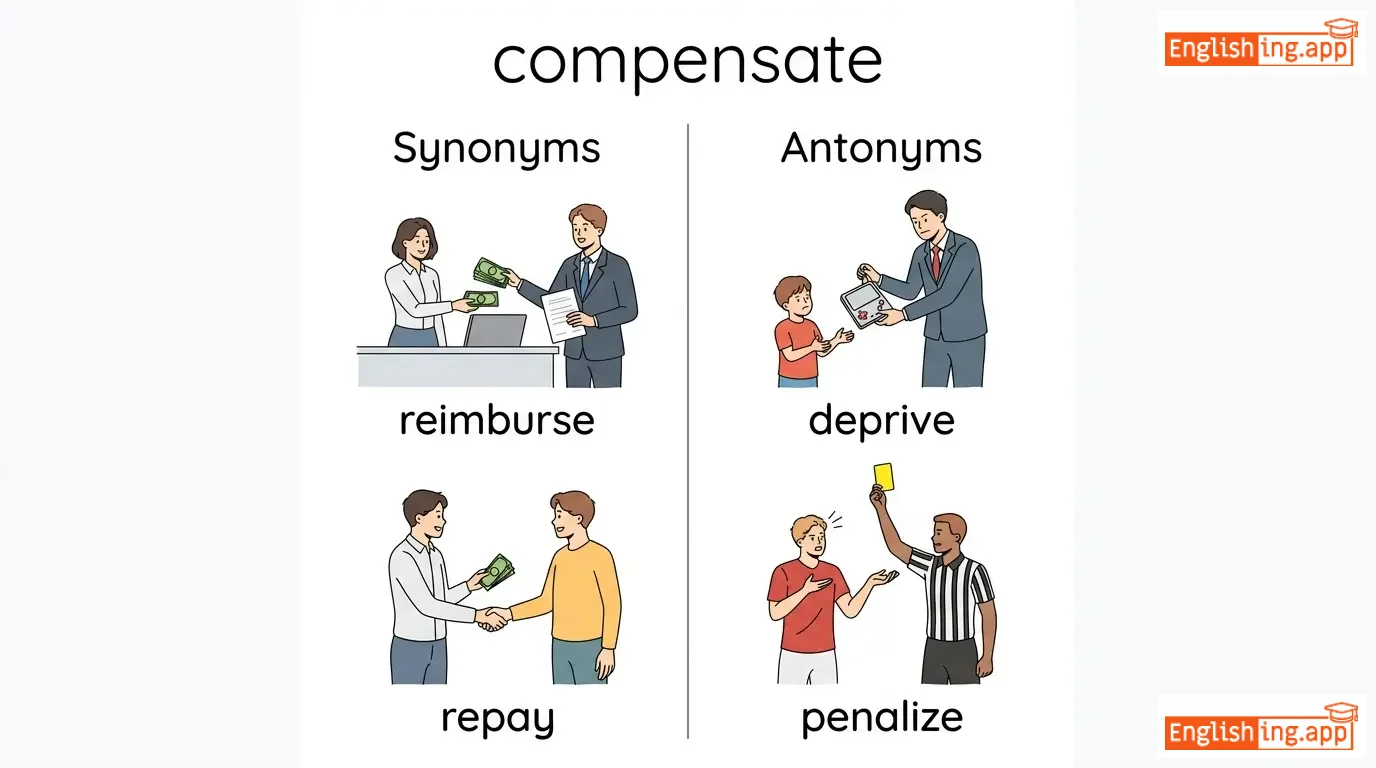
reimburse, repay, offset, balance
••••••
|
penalize, charge, fine, deduct
••••••
|
compensate for, compensate fully, compensate fairly, compensate adequately
••••••
|
赔偿就像是为弥补损失而付出的东西。
••••••
|
|
#585
😠
|
/tʃaɪd/
verb
(chaid)
••••••
|
|
斥责
chize
••••••
|
chid
chid
••••••
|
chidden
chidden
••••••
|
chides
chaides
••••••
|
chiding
chaiding
••••••
|
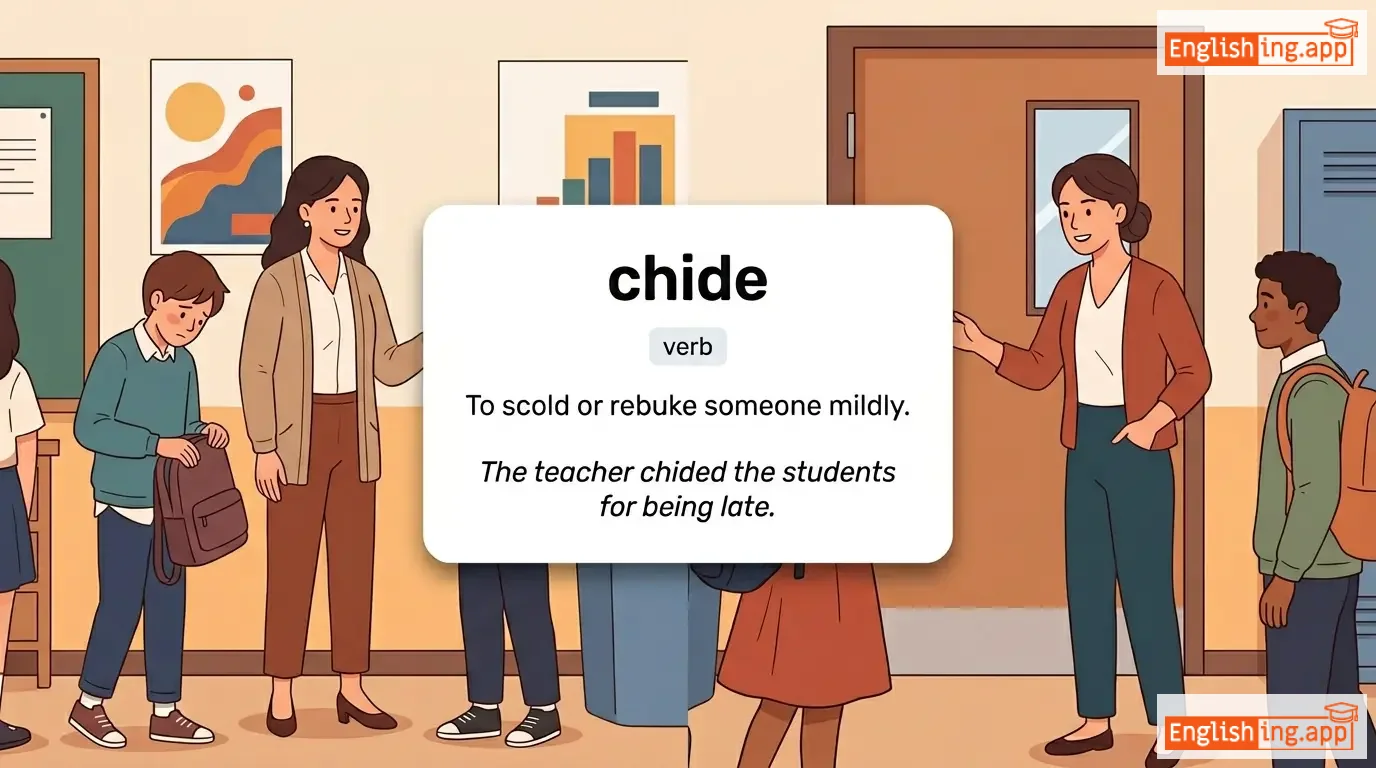
to scold or rebuke; to express disapproval
••••••
|
The teacher chided the student for being late.
老师因为学生迟到而训斥了他。
••••••
|
老师因为学生迟到而训斥了他。
Lǎoshī yīnwèi xuéshēng chídào ér xùnchìle tā.
••••••
|
scold, rebuke, reprimand, criticize
••••••
|
praise, commend, approve, encourage
••••••
|
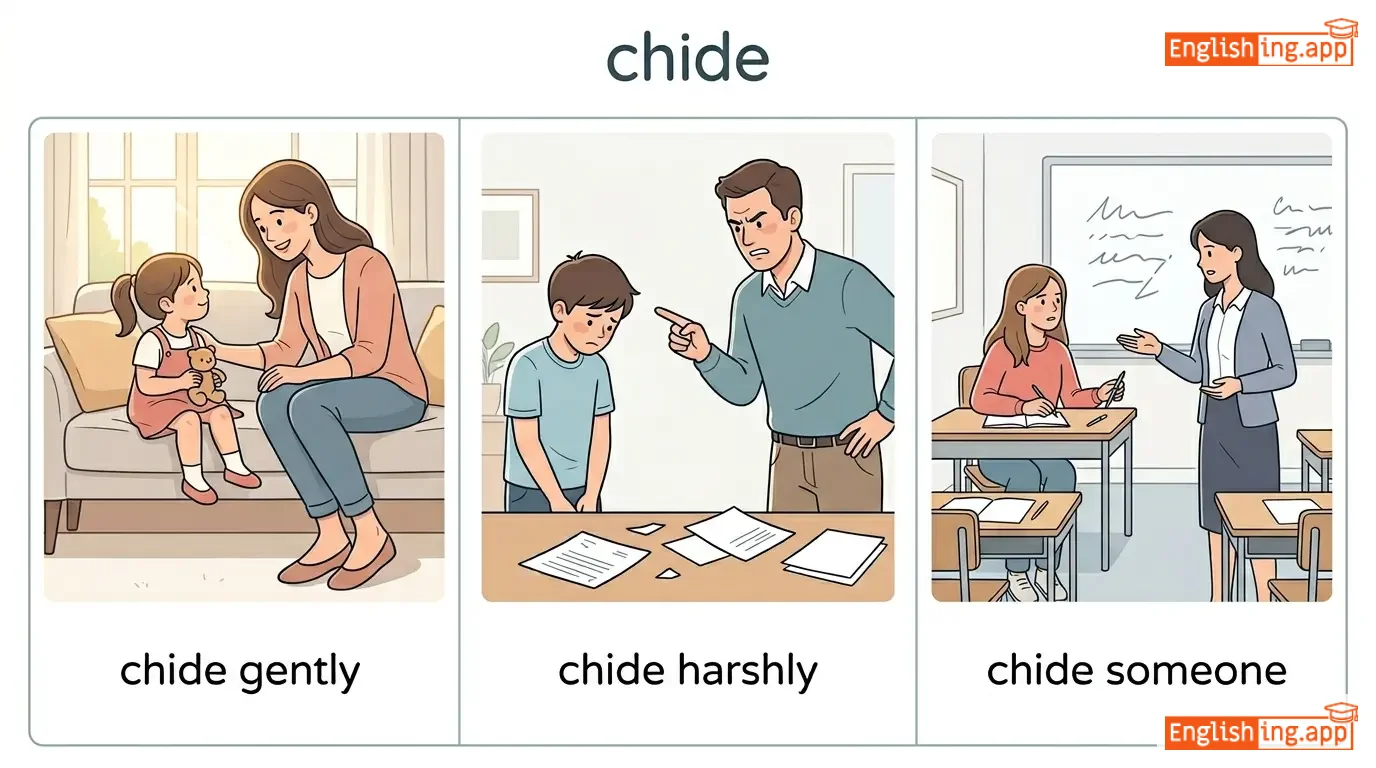
chide gently, chide harshly, chide for mistakes, chide repeatedly
••••••
|
Chide sounds like 'chize' - teacher 'chizes' when they 'chide'.
••••••
|
|
#586
📦
|
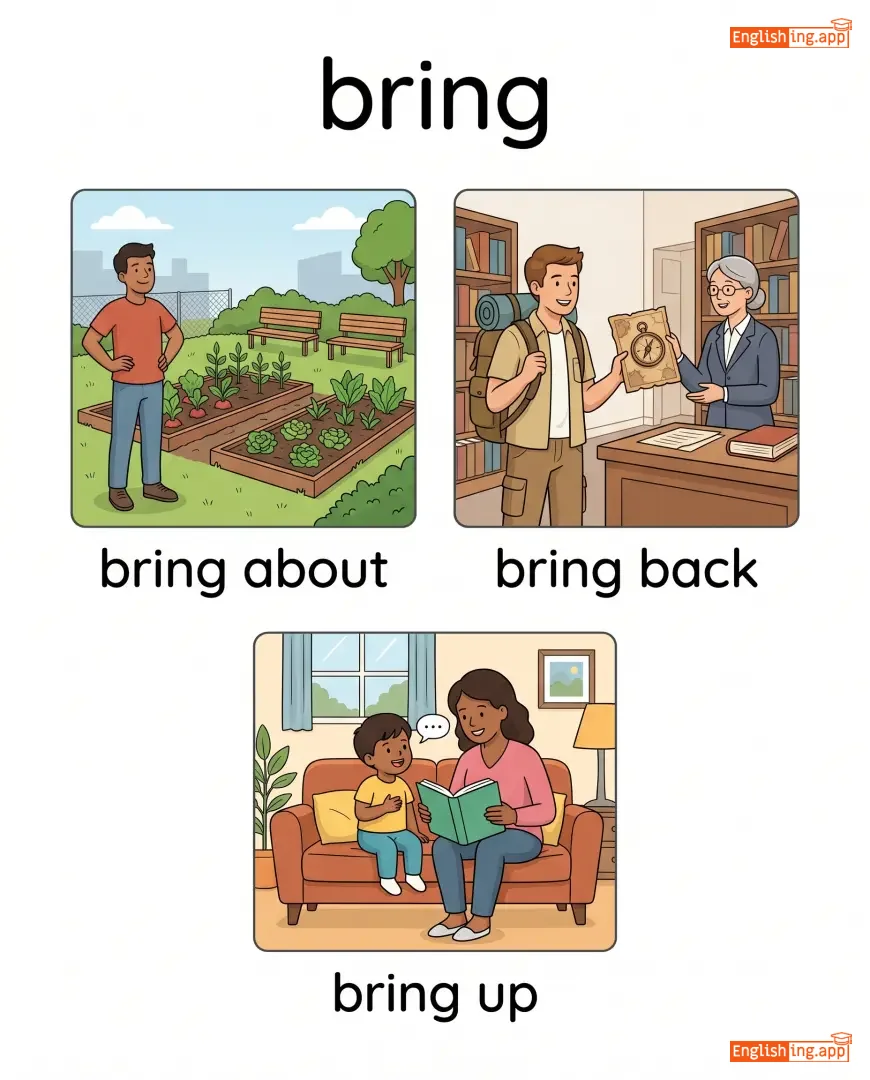
/brɪŋ/
verb
(brɪŋ)
••••••
|
|
带来
dài lái
••••••
|
brought
brɔt
••••••
|
brought
brɔt
••••••
|
brings
brɪŋz
••••••
|
bringing
brɪŋɪŋ
••••••
|
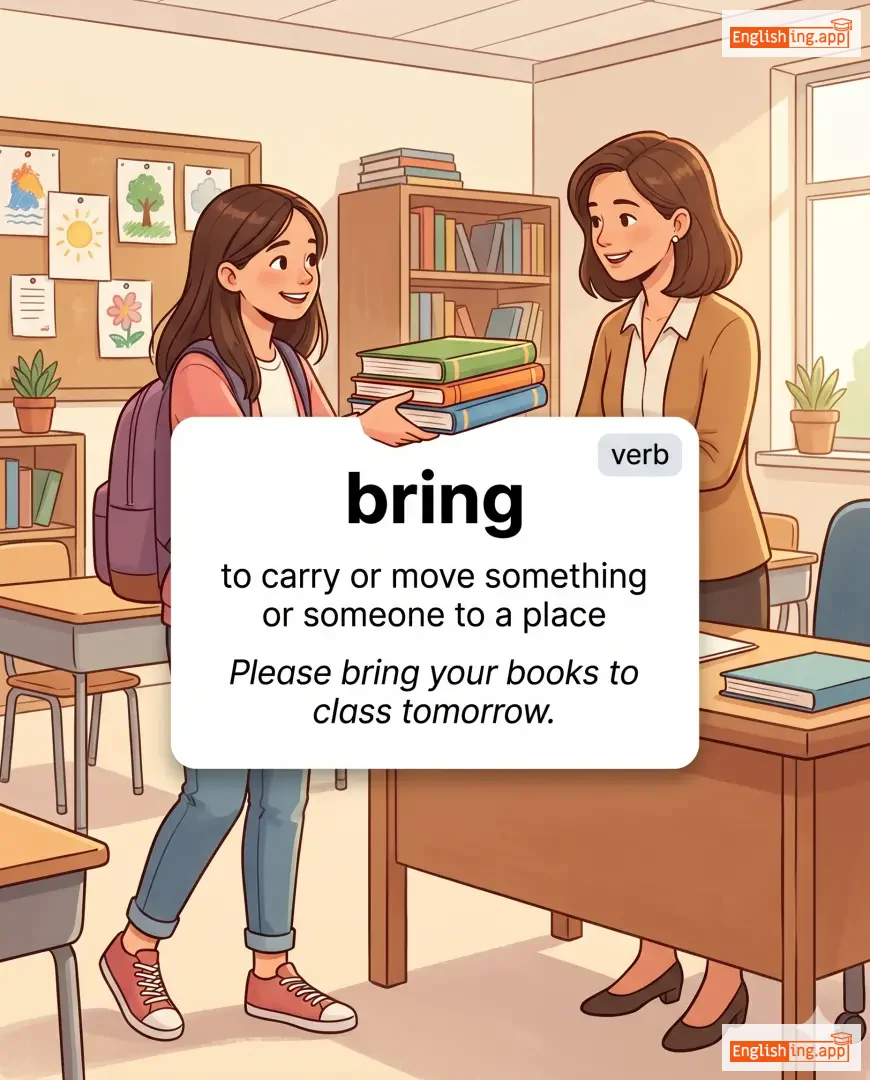
to carry or take something to a place; to cause something to happen
••••••
|
Don't forget to bring your umbrella today.
别忘了今天带伞。
••••••
|
别忘了今天带伞。
Bié wàngle jīntiān dài sǎn.
••••••
|
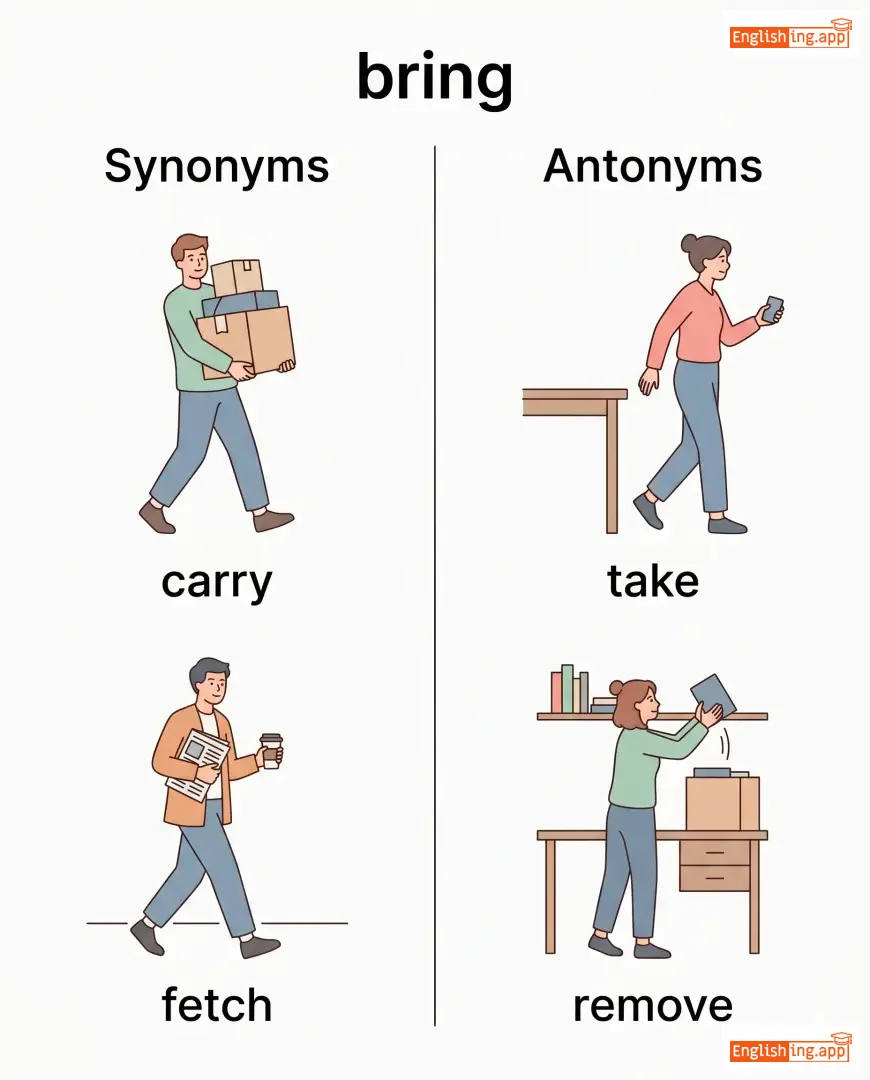
carry, take, deliver, transport
••••••
|
take away, remove, send away
••••••
|
bring along, bring together, bring back, bring forward
••••••
|
Bring a dragon gift
••••••
|
|
#587
🧭
|
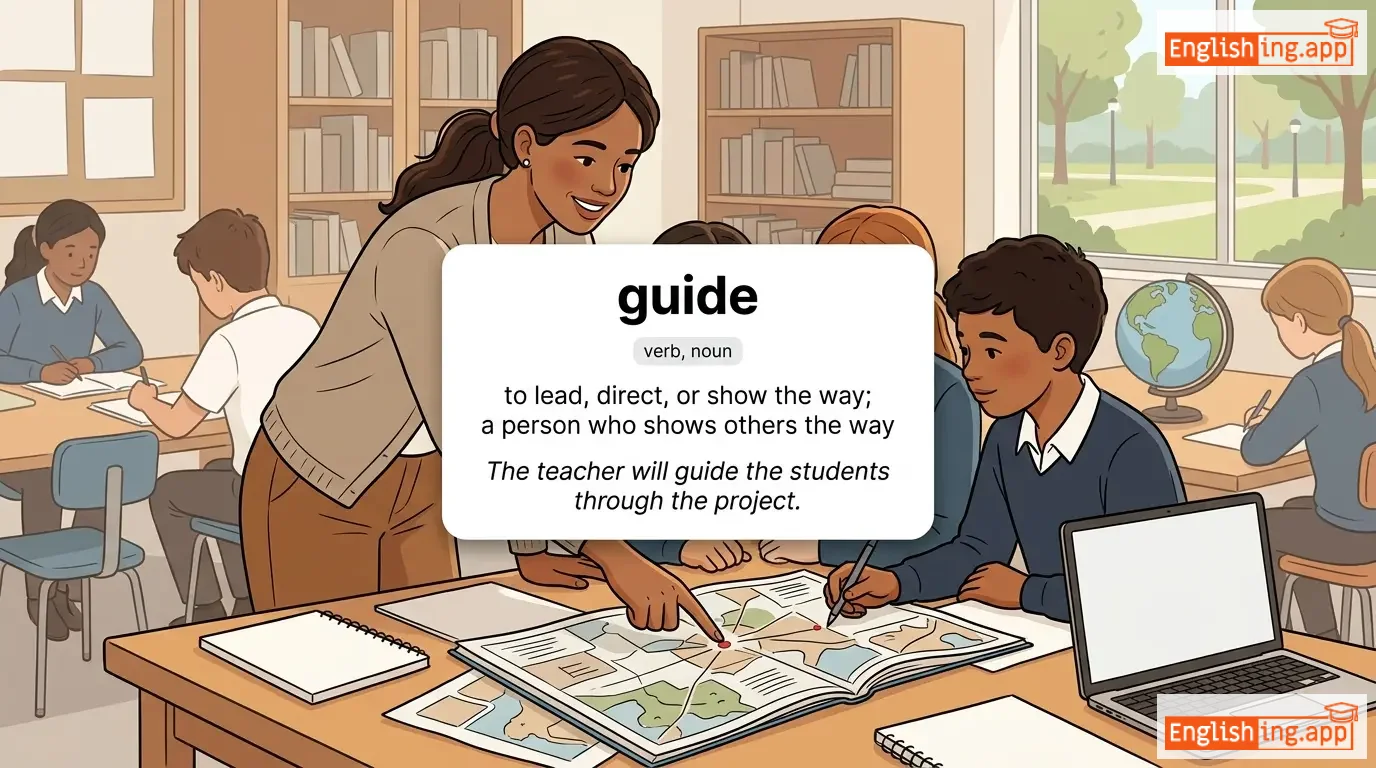
/ɡaɪd/
verb
(gài dé)
••••••
|
|
引导
yǐn dǎo
••••••
|
guided
gài dé
••••••
|
guided
gài dé
••••••
|
guides
gài zī
••••••
|
guiding
gài dìng
••••••
|
to show someone the way; to direct or influence behavior
••••••
|
The teacher guides the students.
老师引导学生。
••••••
|
老师引导学生。
lǎoshī yǐndǎo xuéshēng.
••••••
|
lead, direct, instruct, navigate
••••••
|
mislead, confuse, follow, abandon
••••••
|
guide through, guide carefully, guide safely, provide guidance
••••••
|
In Chinese, '引导' is close to 'guide,' both meaning to show the way or influence.
••••••
|
|
#588
➡️
|
/prəˈsiːd/
verb
(proʊˈsiːd)
••••••
|
- •••••• |
继续
jìxù
••••••
|
proceeded
proʊˈsiːdɪd
••••••
|
proceeded
proʊˈsiːdɪd
••••••
|
proceeds
proʊˈsiːdz
••••••
|
proceeding
proʊˈsiːdɪŋ
••••••
|
to continue with a course of action; to move forward
••••••
|
Let's proceed with the meeting as planned.
lɛts prəˈsiːd wɪð ðə ˈmiːtɪŋ æz plænd
••••••
|
让我们按照计划继续开会。
Ràng wǒmen ànzhào jìhuà jìxù kāihuì
••••••
|
continue, advance, progress, carry on
••••••
|
stop, halt, retreat, withdraw
••••••
|
proceed with, proceed carefully, proceed immediately, proceed as planned
••••••
|
Proceed as you continue moving – Just like '继续' in Chinese!
••••••
|
|
#589
😠
|
/əˈfend/
verb
(阿芬德)
••••••
|
- •••••• |
冒犯
maofan
••••••
|
offended
阿芬德德
••••••
|
offended
阿芬德德
••••••
|
offends
阿芬德斯
••••••
|
offending
阿芬丁
••••••
|
to cause displeasure or resentment; to hurt someone's feelings
••••••
|
His rude comments offended many people at the meeting.
他的粗鲁评论冒犯了会议上的许多人。
••••••
|
他的粗鲁评论冒犯了会议上的许多人。
Tā de cūlǔ pínglùn màofànle huìyì shàng de xǔduō rén.
••••••
|
insult, hurt, upset, displease
••••••
|
please, delight, compliment, praise
••••••
|
offend deeply, offend someone, take offense, cause offense
••••••
|
No •••••• |
|
#590
🏠
|
/ɪnˈhæbɪt/
verb
(栖息)
••••••
|
- •••••• |
栖息
qixi
••••••
|
inhabited
栖息过
••••••
|
inhabited
栖息过
••••••
|
inhabits
栖息
••••••
|
inhabiting
栖息着
••••••
|
to live in; to occupy as a dwelling
••••••
|
Many animals inhabit the forest.
许多动物栖息在森林中。
••••••
|
许多动物栖息在森林中。
Xuduo dongwu qixi zai senlin zhong.
••••••
|
occupy, reside, dwell, populate
••••••
|
vacate, abandon, leave, desert
••••••
|
inhabit areas, inhabit regions, inhabit peacefully, inhabit naturally
••••••
|
栖息是动物住在森林中的方式。
••••••
|
|
#591
😢
|
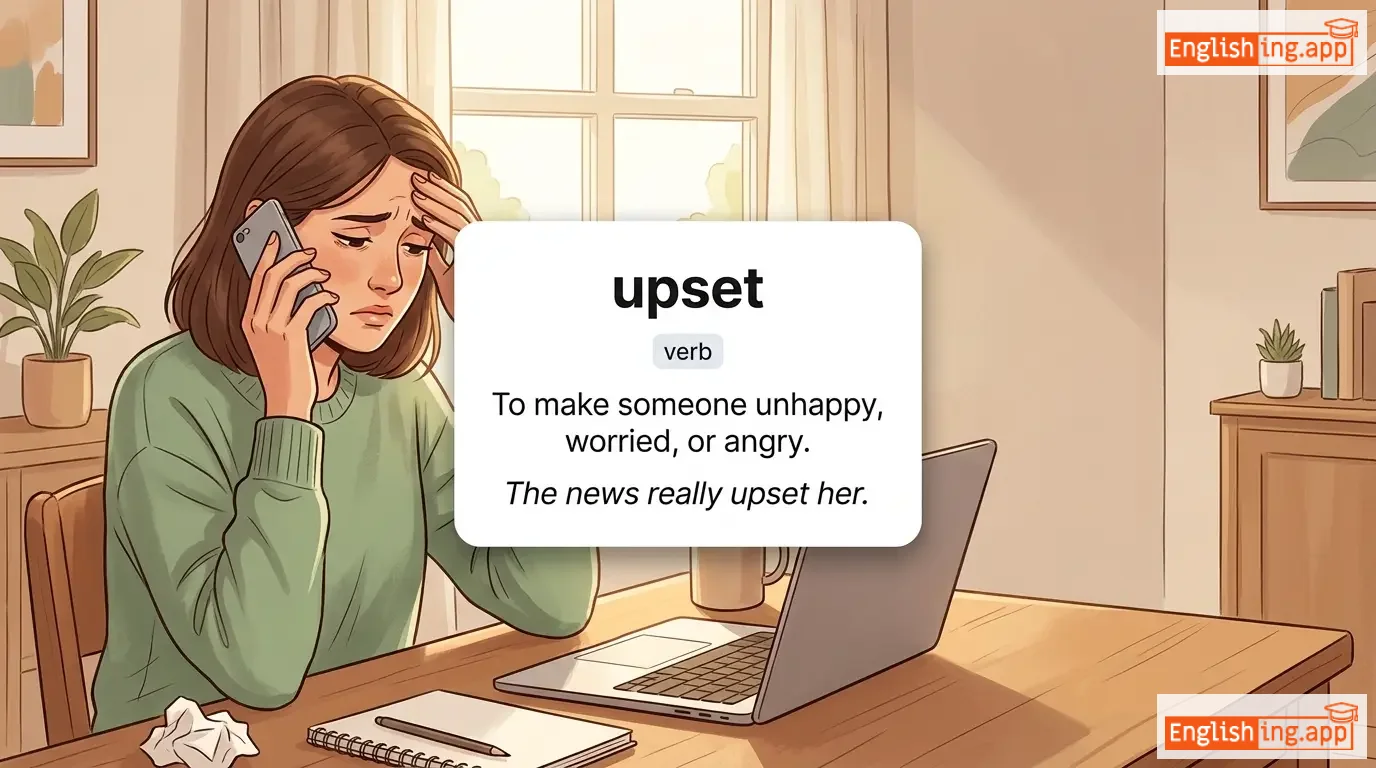
/ʌpˈset/
verb
(apset)
••••••
|
|
烦扰
fanrao
••••••
|
upset
apset
••••••
|
upset
apset
••••••
|
upsets
apsets
••••••
|
upsetting
apseting
••••••
|
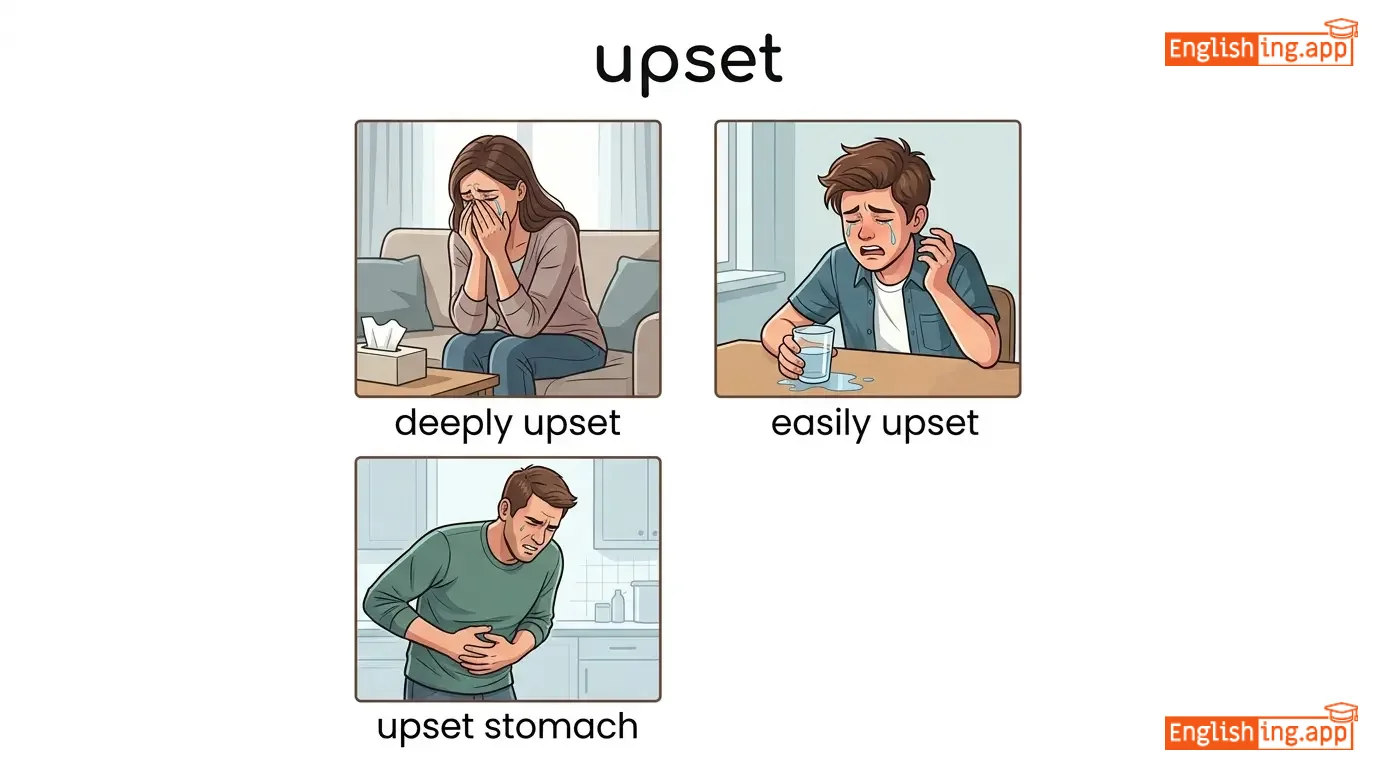
to make someone worried, sad, or angry; to disturb
••••••
|
The bad news upset everyone.
坏消息 upset 每个人。
••••••
|
坏消息 upset 每个人。
Huai xiaoxi upset mei ge ren.
••••••
|
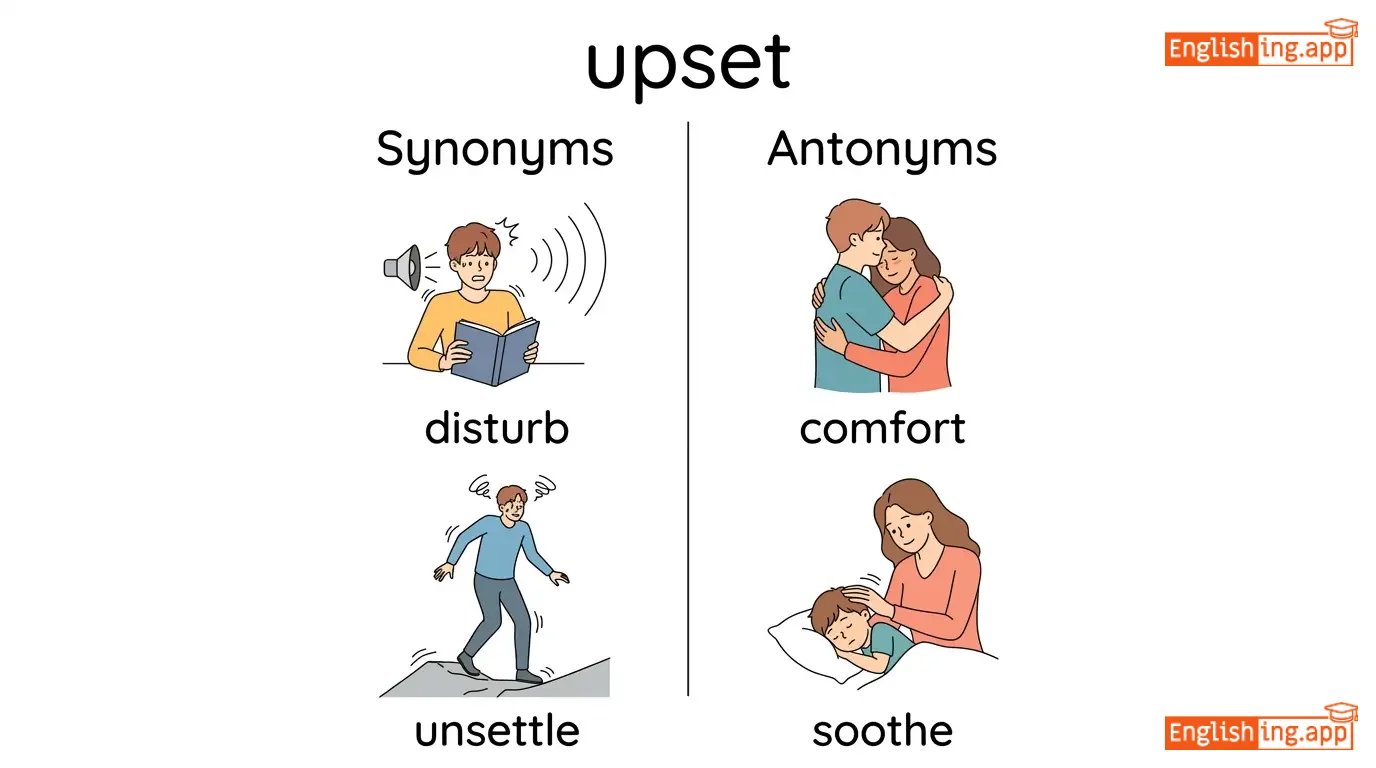
disturb, worry, trouble, distress
••••••
|
calm, soothe, comfort
••••••
|
upset someone, upset plans, get upset, feel upset
••••••
|
烦扰 = 就像'upset'一样,造成情绪波动,破坏平静。
••••••
|
|
#592
🚀
|
/ɪˈdʒektɪd/
verb
(伊杰克特)
••••••
|
|
弹射
tánshè
••••••
|
ejected
伊杰克特
••••••
|
ejected
伊杰克特
••••••
|
ejects
伊杰克特斯
••••••
|
ejecting
伊杰克廷
••••••
|
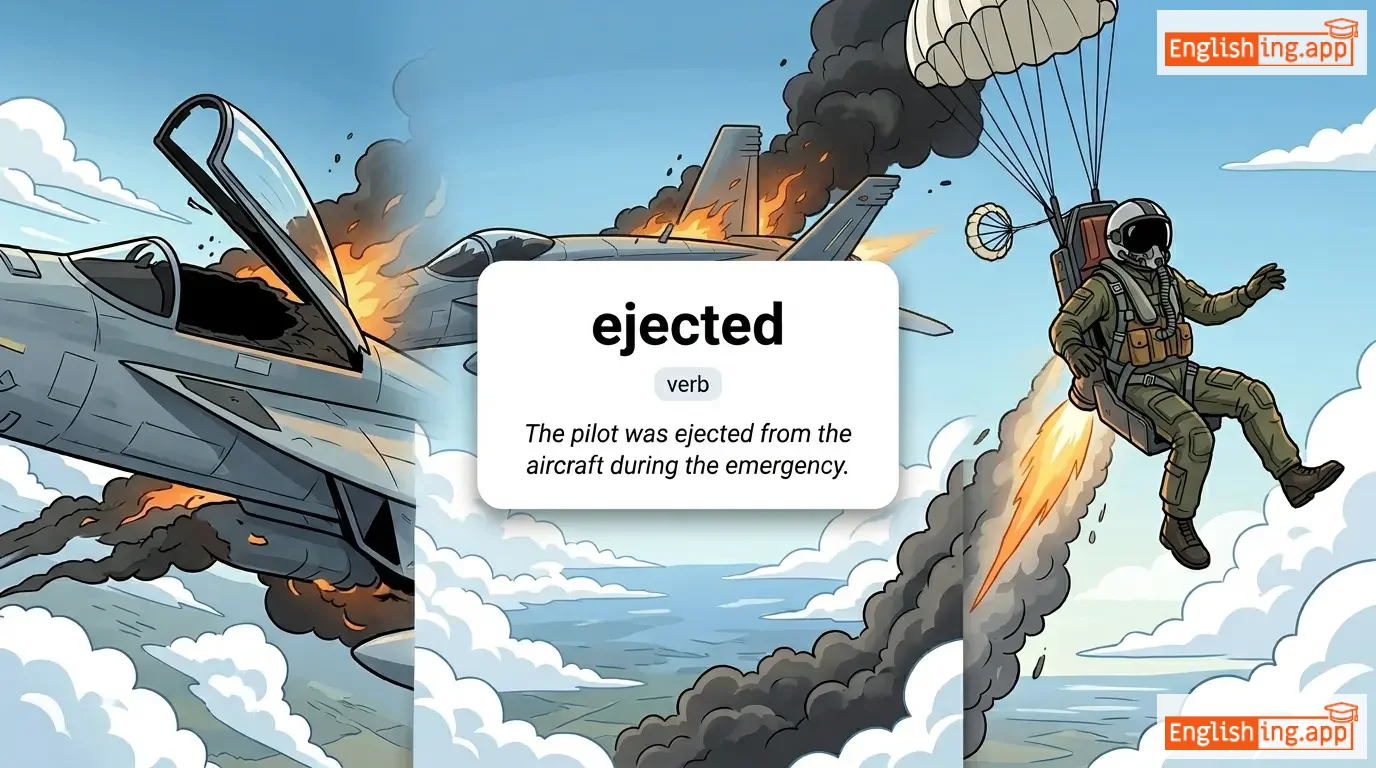
to force someone or something to leave a place; to push or throw something out forcefully
••••••
|
The pilot was ejected from the aircraft during the emergency.
飞行员在紧急情况下被弹射出飞机。
••••••
|
飞行员在紧急情况下被弹射出飞机。
Fēixíngyuán zài jǐnjí qíngkuàng xià bèi tánshè chū fēijī.
••••••
|
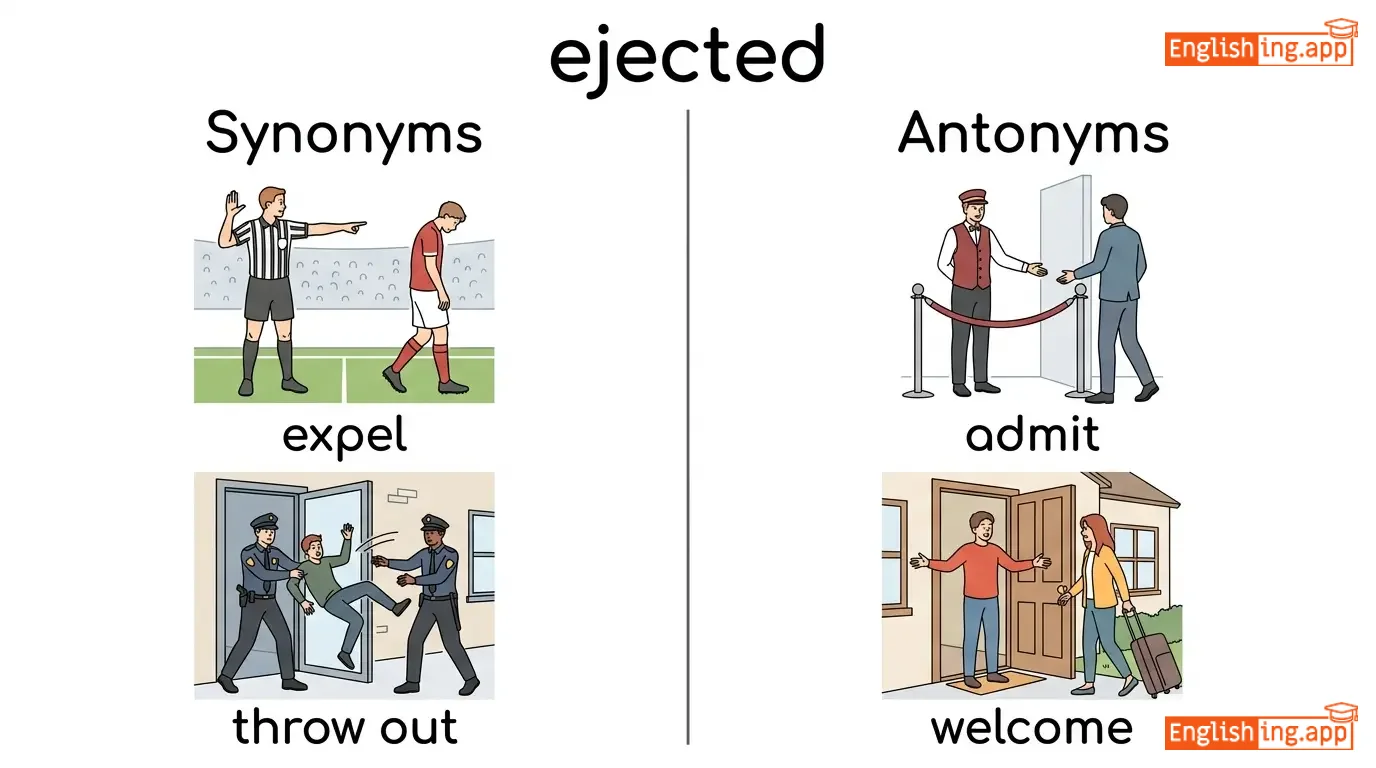
expel, throw out, remove, discharge
••••••
|
admit, welcome, accept, include
••••••
|
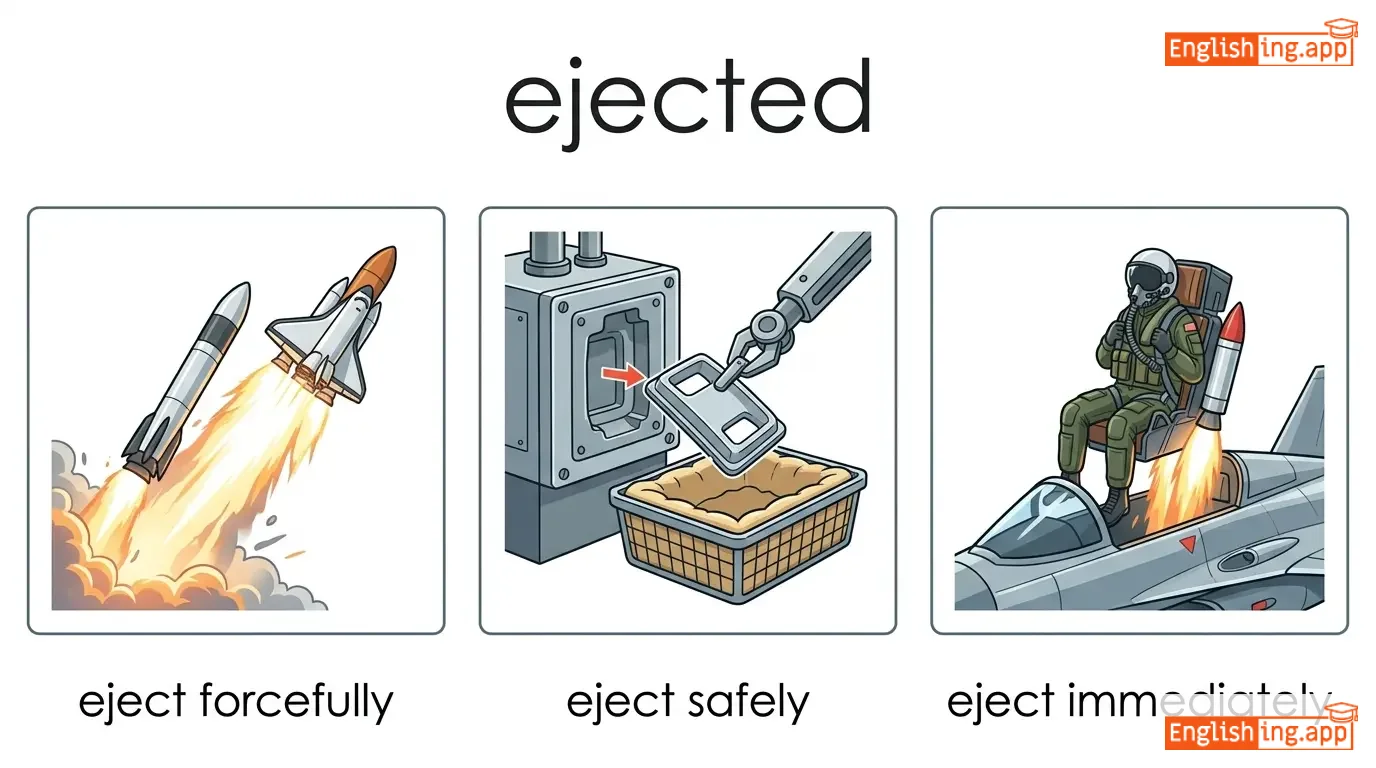
eject forcefully, eject safely, eject immediately, get ejected
••••••
|
弹射的动作就像是把东西强力推出
••••••
|
|
#593
🥤
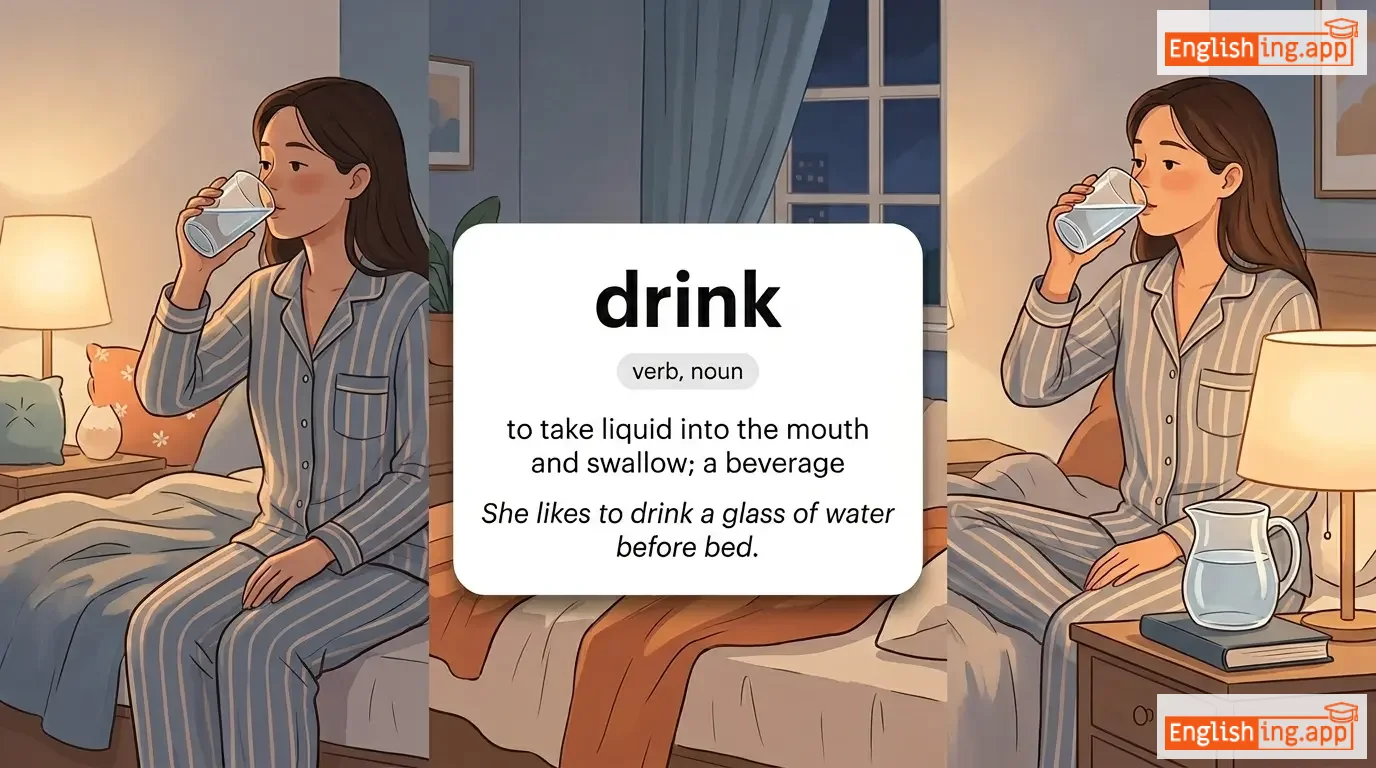
|
/drɪŋk/
verb
(drɪŋk)
••••••
|
|
喝
he
••••••
|
drank
喝了
••••••
|
drunk
喝了
••••••
|
drinks
喝
••••••
|
drinking
喝着
••••••
|
to swallow liquid; to consume beverages
••••••
|
You should drink plenty of water daily.
你应该每天喝足够的水。
••••••
|
你应该每天喝足够的水。
Nǐ yīnggāi měitiān hē zúgòu de shuǐ.
••••••
|
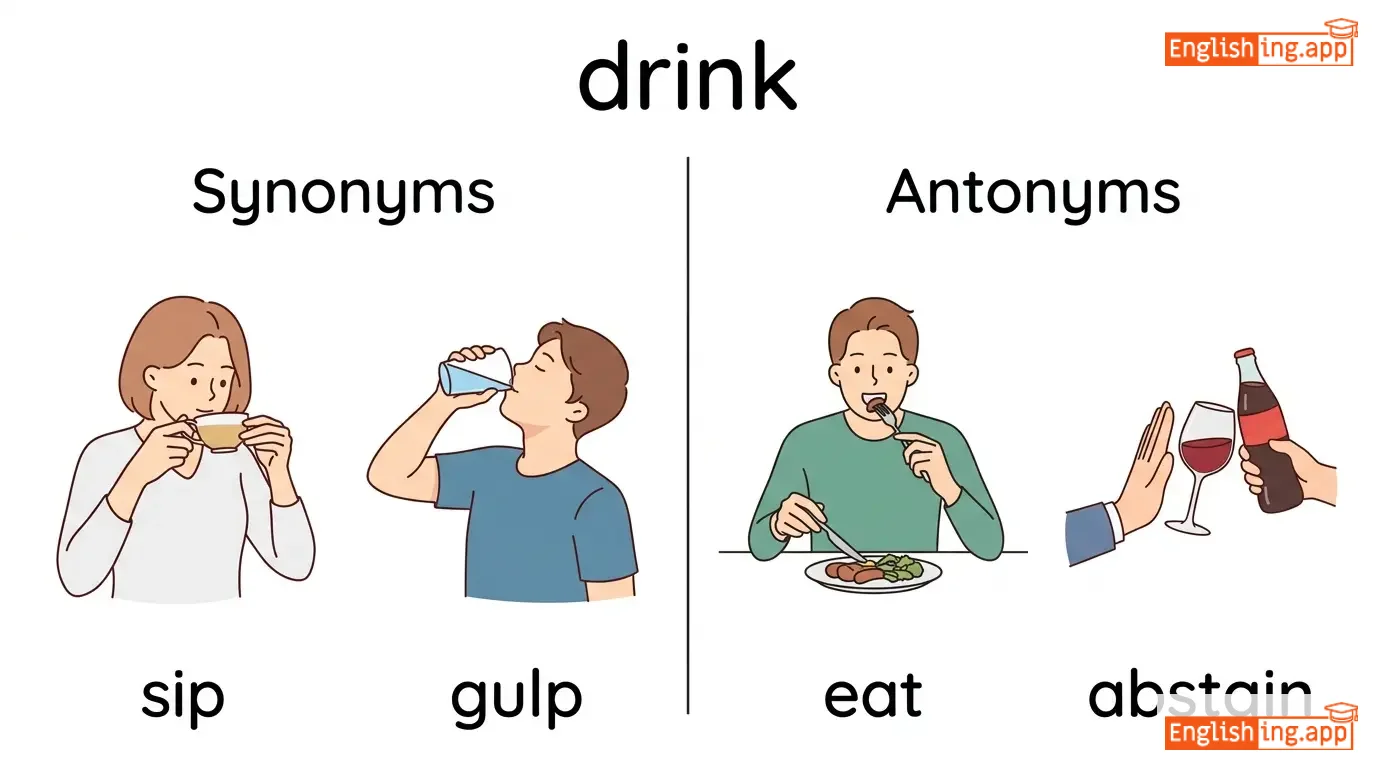
sip, gulp, consume, swallow
••••••
|
spit out, refuse, avoid
••••••
|
drink water, drink slowly, drink plenty, drink heavily
••••••
|
No •••••• |
|
#594
💌
|
/ɪnˈvaɪt/
verb
(ɪnˈvaɪt)
••••••
|
- •••••• |
邀请
yāoqǐng
••••••
|
invited
ɪnˈvaɪtɪd
••••••
|
invited
ɪnˈvaɪtɪd
••••••
|
invites
ɪnˈvaɪts
••••••
|
inviting
ɪnˈvaɪtɪŋ
••••••
|
to ask someone to come to an event or to do something
••••••
|
We should invite all our friends to the party.
我们应该邀请所有朋友参加聚会。
••••••
|
我们应该邀请所有朋友参加聚会。
Wǒmen yīnggāi yāoqǐng suǒyǒu péngyǒu cānjiā jùhuì.
••••••
|
ask, request, summon, welcome, call
••••••
|
exclude, reject, dismiss, ban, uninvite
••••••
|
invite someone, invite over, invite formally, send invitation
••••••
|
邀请就像invites, 一样的意思!
••••••
|
|
#595
🏃♂️
|
/treɪn/
verb
(特雷恩)
••••••
|
|
训练
xùnliàn
••••••
|
Trained
特雷恩德
••••••
|
Trained
特雷恩德
••••••
|
Trains
特雷恩斯
••••••
|
Training
特雷宁
••••••
|
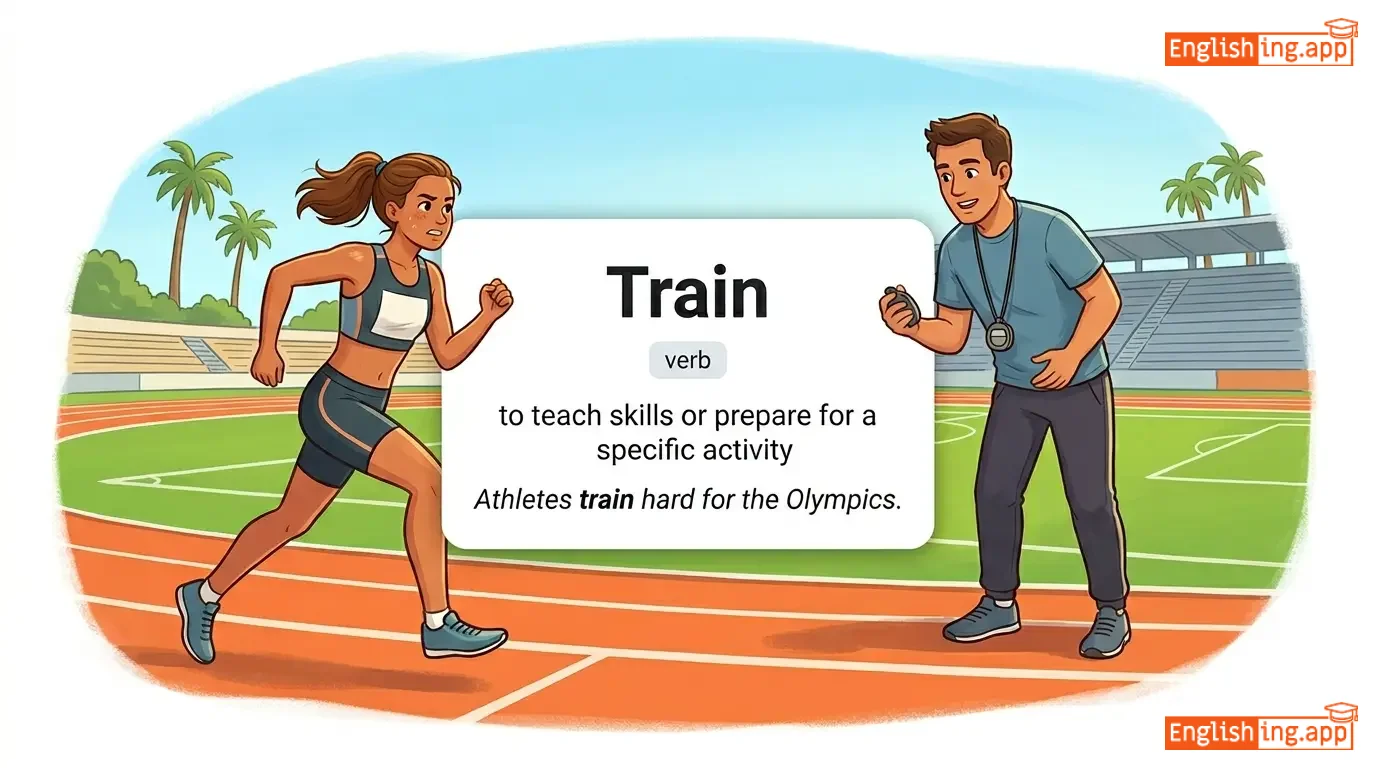
to teach skills or prepare for a specific activity
••••••
|
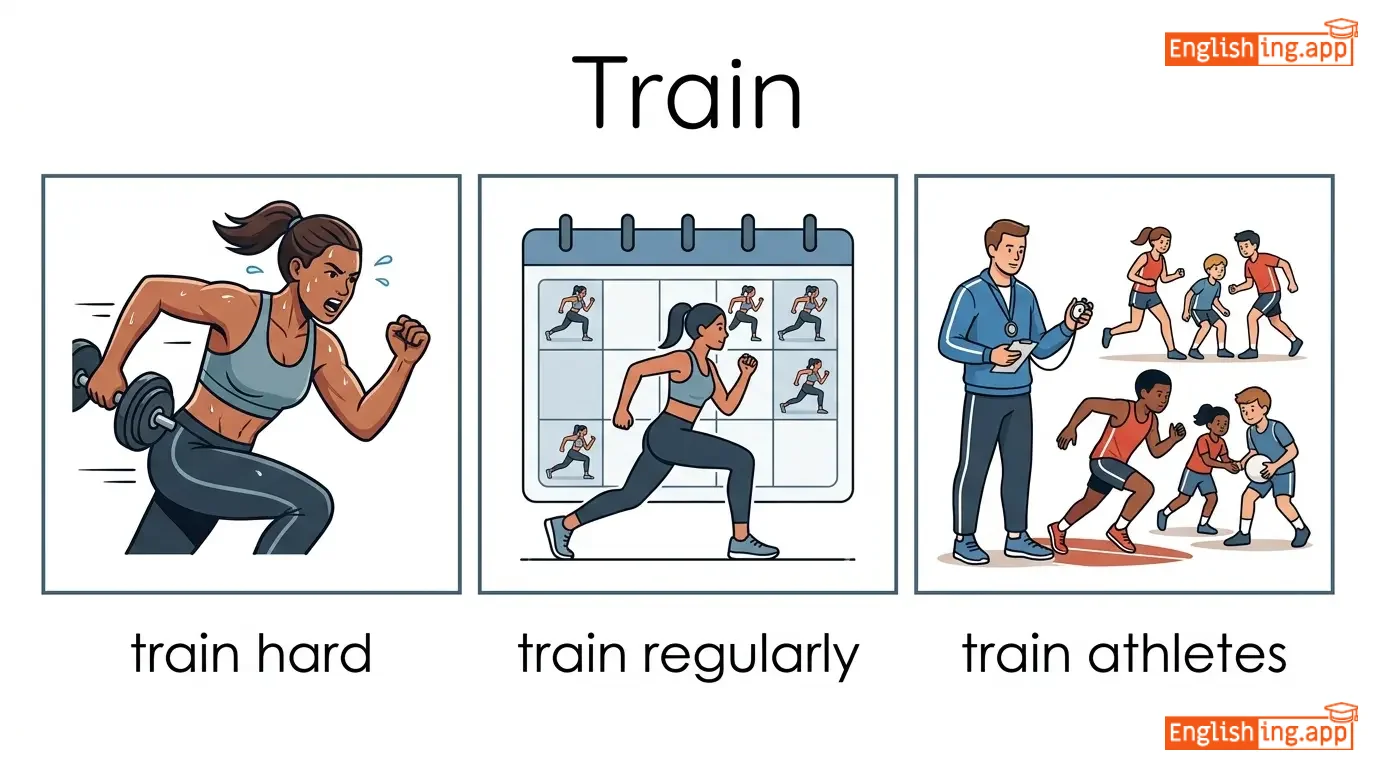
Athletes train hard for the Olympics.
运动员为奥林匹克训练。
••••••
|
运动员为奥林匹克训练。
Yùndòngyuán wèi àolínpǐkè xùnliàn.
••••••
|
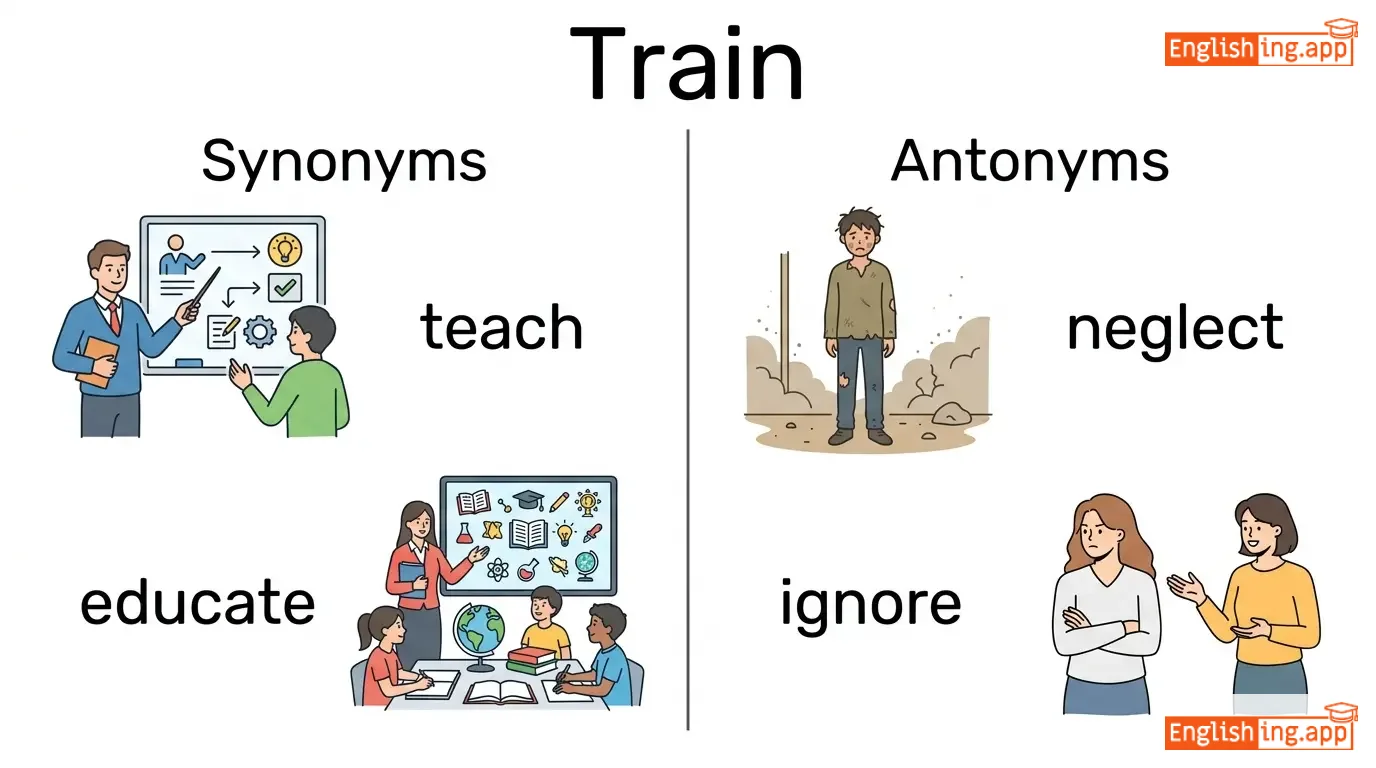
teach, educate, coach, prepare
••••••
|
neglect, ignore, abandon, discourage
••••••
|
train hard, train regularly, train athletes, provide training
••••••
|
Train = 训练,像运动员为比赛做准备
••••••
|
|
#596
⬆️
|
/lɪft/
verb
(lift)
••••••
|
- •••••• |
举起
juqi
••••••
|
lifted
lifted
••••••
|
lifted
lifted
••••••
|
lifts
lifts
••••••
|
lifting
lifting
••••••
|
to raise or move upward; to pick up
••••••
|
He lifted the heavy box with effort.
他费力地抬起了那个沉重的箱子。
••••••
|
他费力地抬起了那个沉重的箱子。
Tā fèilì de táiqǐle nàgè chénzhòng de xiāngzi.
••••••
|
raise, elevate, hoist, pick up
••••••
|
lower, drop, put down, descend
••••••
|
lift up, lift weights, lift carefully, lift heavy objects
••••••
|
举起,就像电梯一样把东西举起来。
••••••
|
Vocabulary Quiz
Test your vocabulary by matching words with their translations or meanings.
Login to take the quiz
Comments (0)
Share your thoughts and join the discussion.
Join the discussion by logging in
Login to CommentNo comments yet
Be the first to share your thoughts!