


















Swipe left or right, or use the buttons. Tap image to zoom.
例句翻译
单词
Lesson 16: Mastering the Most Frequent Verbs & TensesLesson 16: Mastering the Most Frequent Verbs & Tenses - 遮罩切换
|
表情符号
|
单词 | Images | 翻译 | 过去时 | 过去分词 | 第三人称单数 | 动名词 | 含义 | 例句 | 例句翻译 | 同义词 | 反义词 | 搭配词 | 助记符 |
|---|---|---|---|---|---|---|---|---|---|---|---|---|---|---|
|
#449
😞
|
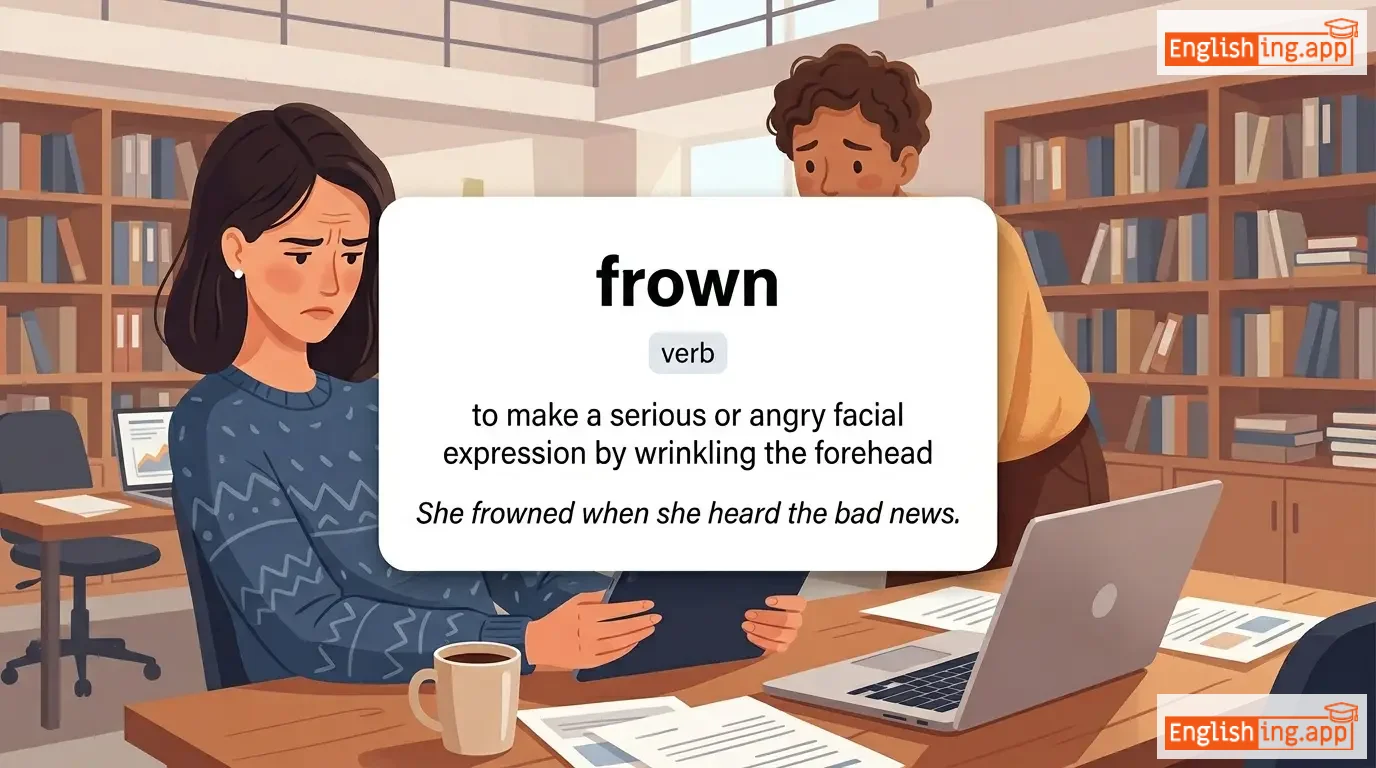
/fraʊn/
verb
(frown)
••••••
|
|
皱眉
zhòu méi
••••••
|
frowned
frowned
••••••
|
frowned
frowned
••••••
|
frowns
frowns
••••••
|
frowning
frowning
••••••
|
to wrinkle one's brow in displeasure or concentration
••••••
|
She frowned when she heard the bad news.
她听到坏消息时皱起了眉头。
••••••
|
她听到坏消息时皱起了眉头。
tā tīngdào huài xiāoxī shí zhòu qǐ le méitóu
••••••
|
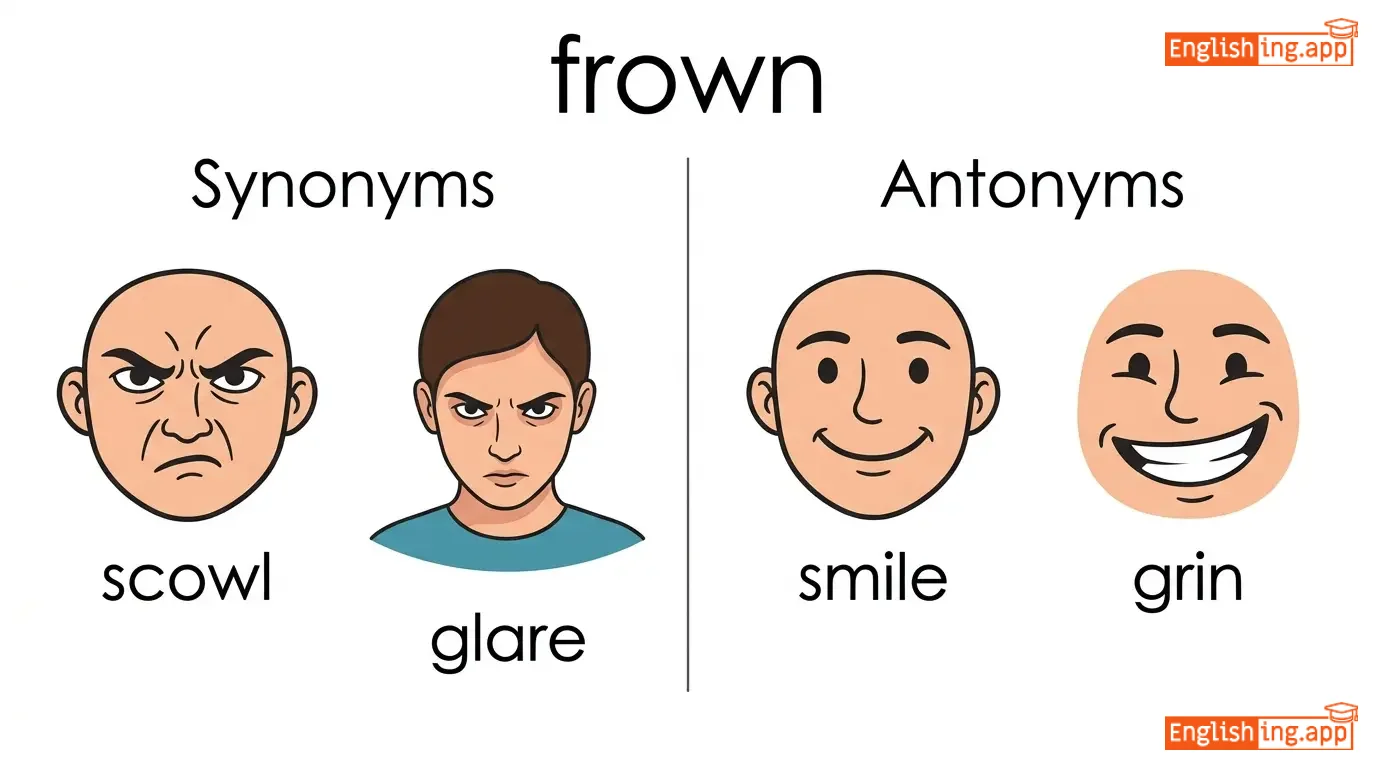
scowl, glare, grimace, glower
••••••
|
smile, grin, beam, laugh
••••••
|
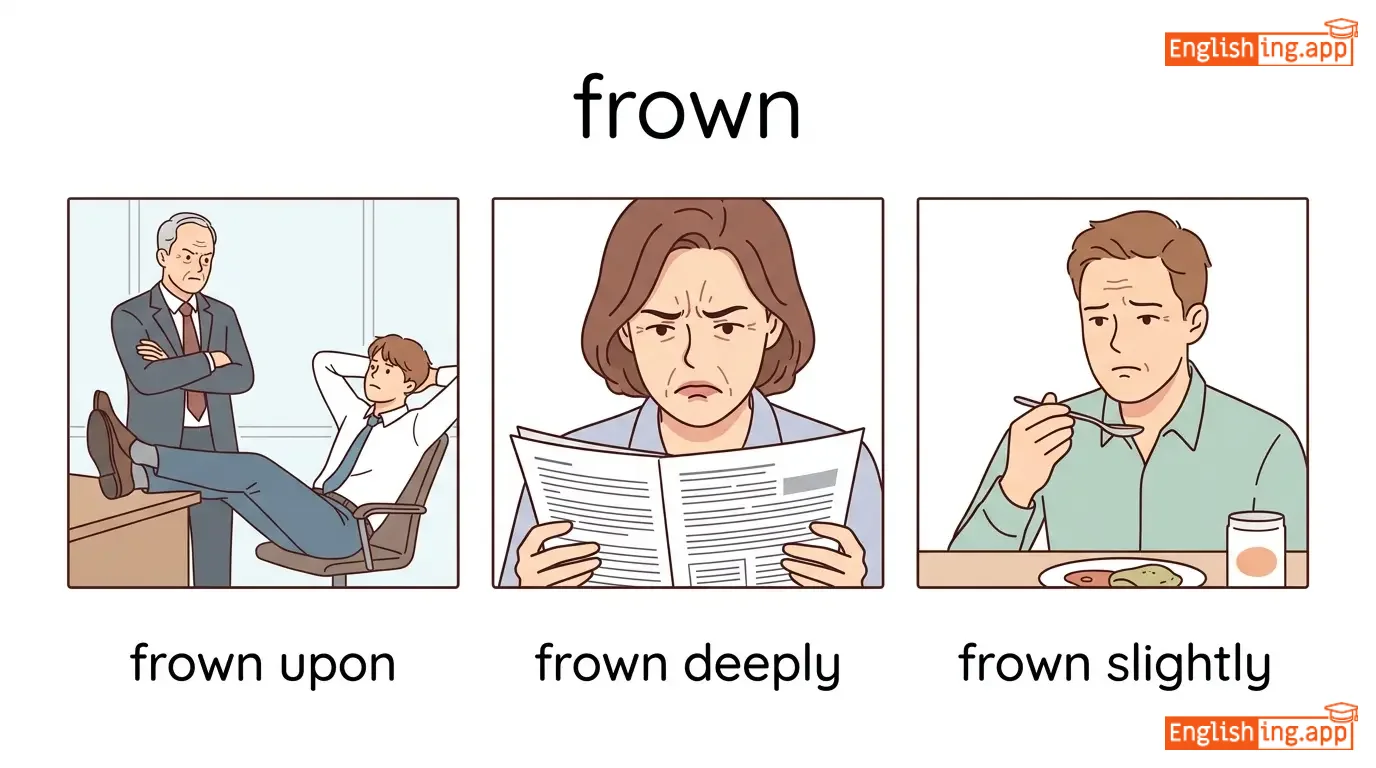
frown deeply, frown slightly, frown upon, frown with concern, frown in concentration
••••••
|
No •••••• |
|
#450
✨
|
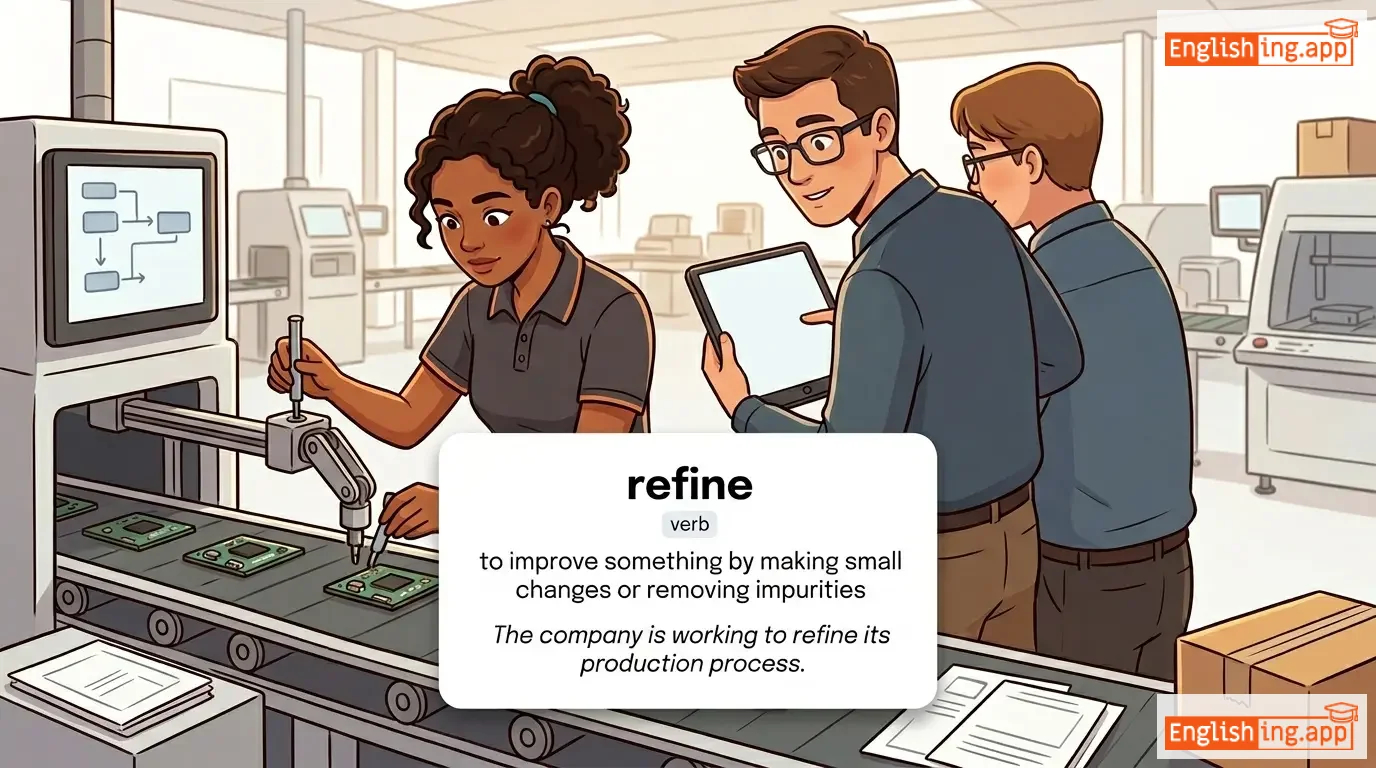
/rɪˈfaɪn/
verb
(rīfǎn)
••••••
|
|
改进
gǎijìn
••••••
|
refined
rīfǎind
••••••
|
refined
rīfǎind
••••••
|
refines
rīfǎins
••••••
|
refining
rīfǎining
••••••
|
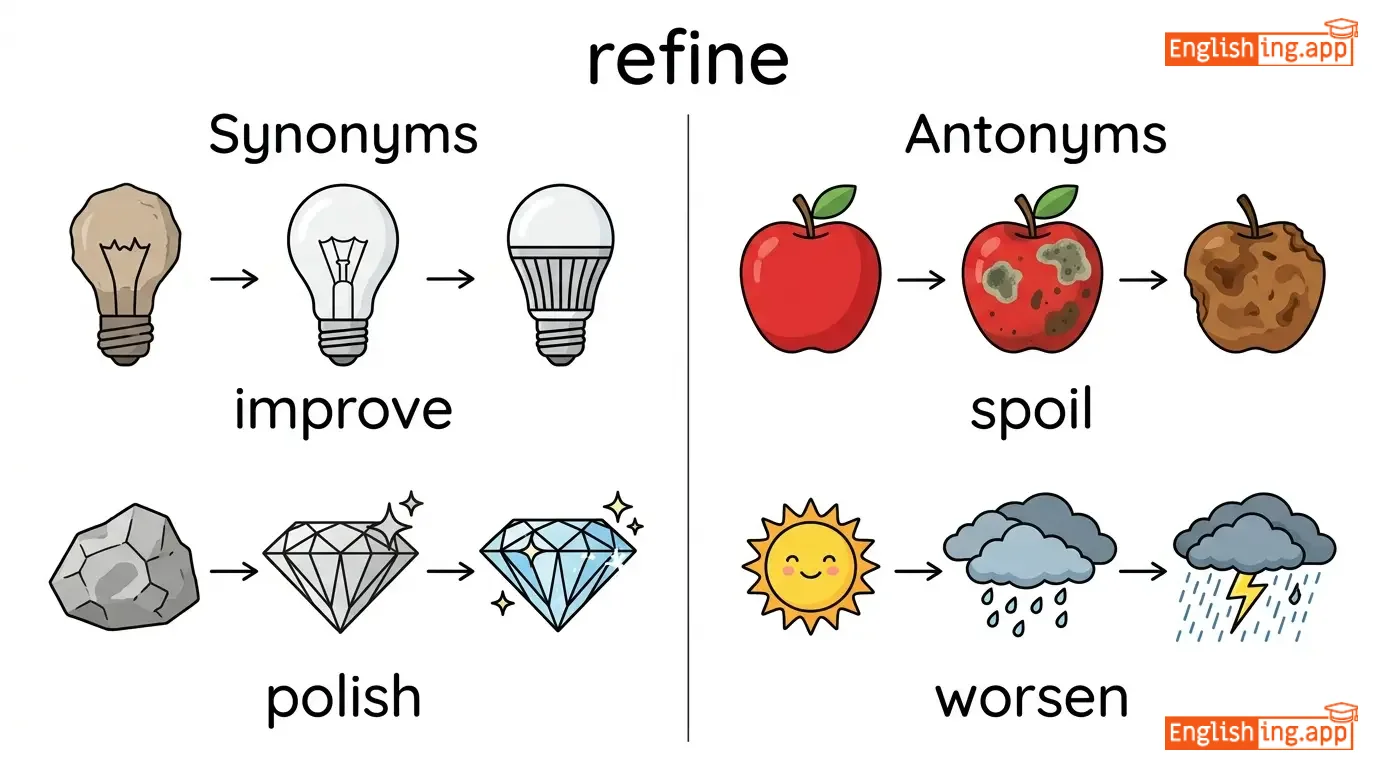
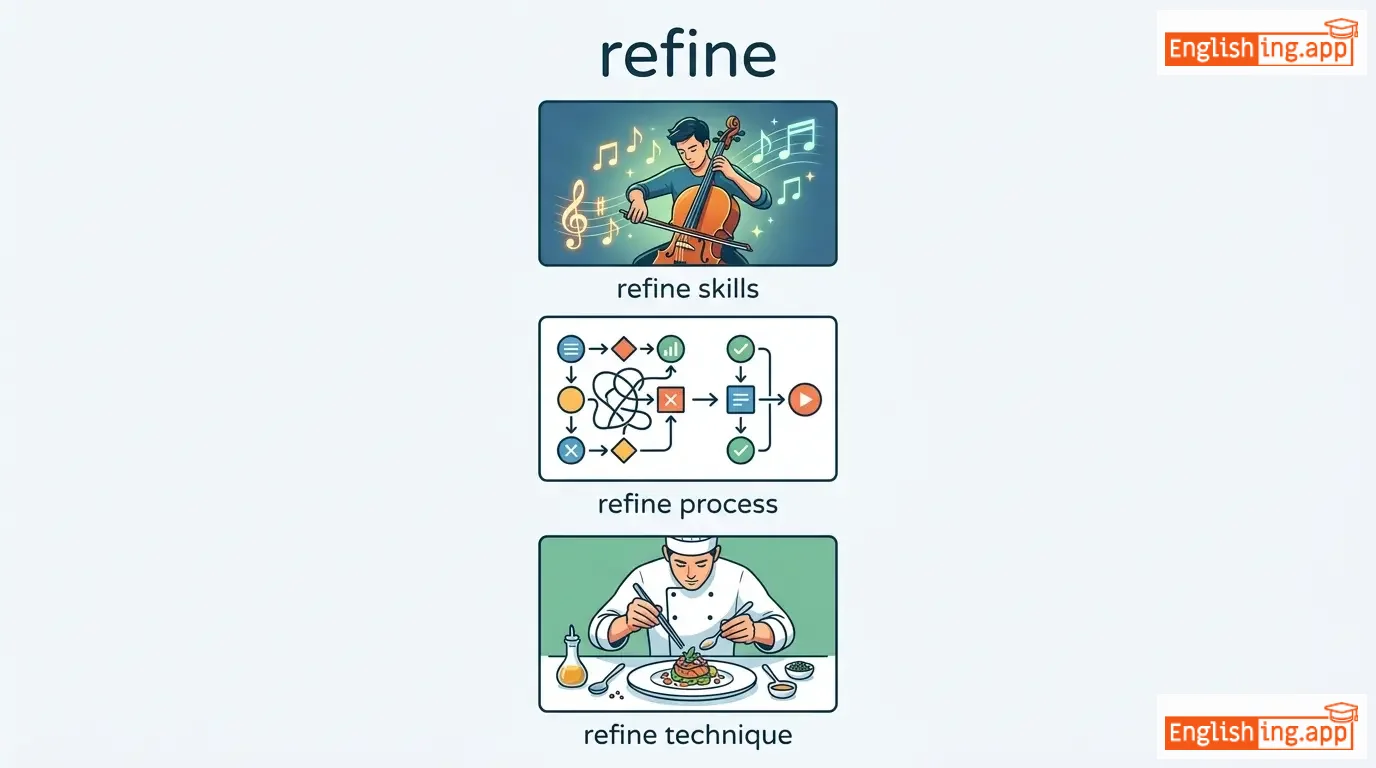
to improve by making small changes; to purify
••••••
|
The chef refines the recipe to perfection.
厨师将食谱完善到完美。
••••••
|
厨师将食谱完善到完美。
Chúshī jiāng shípǔ wánshàn dào wánměi.
••••••
|
improve, perfect, polish, purify
••••••
|
worsen, degrade, contaminate, crude
••••••
|
refine skills, refine technique, refine process, refine oil, refine sugar
••••••
|
改进 = 使事物更好
••••••
|
|
#451
🪓
|
/kliːv/
verb
(kè léi fū)
••••••
|
|
劈开, 切割
pī kāi, qiē gē
••••••
|
cleft
kè léi fū tè
••••••
|
cleft
kè léi fū tè
••••••
|
cleaves
kè léi fū sī
••••••
|
cleaving
kè léi fū yíng
••••••
|
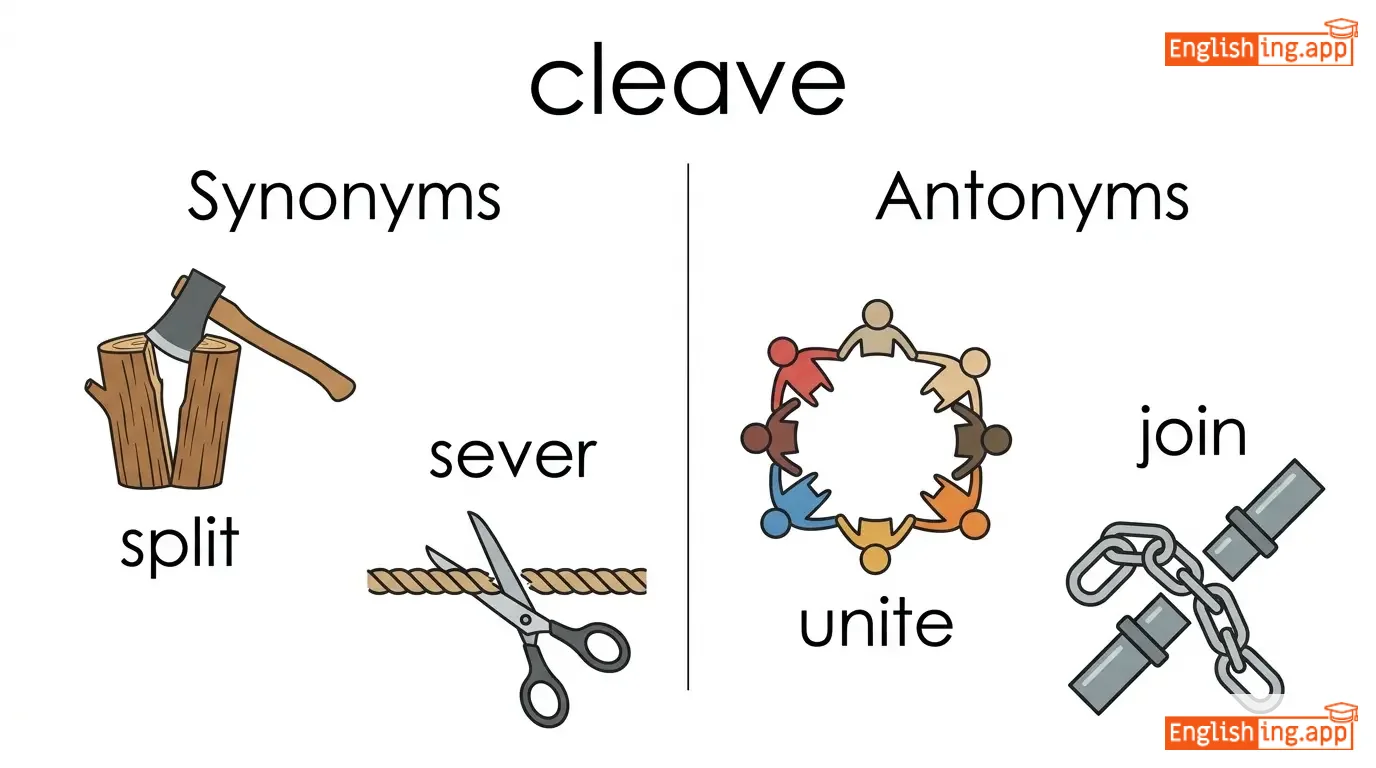
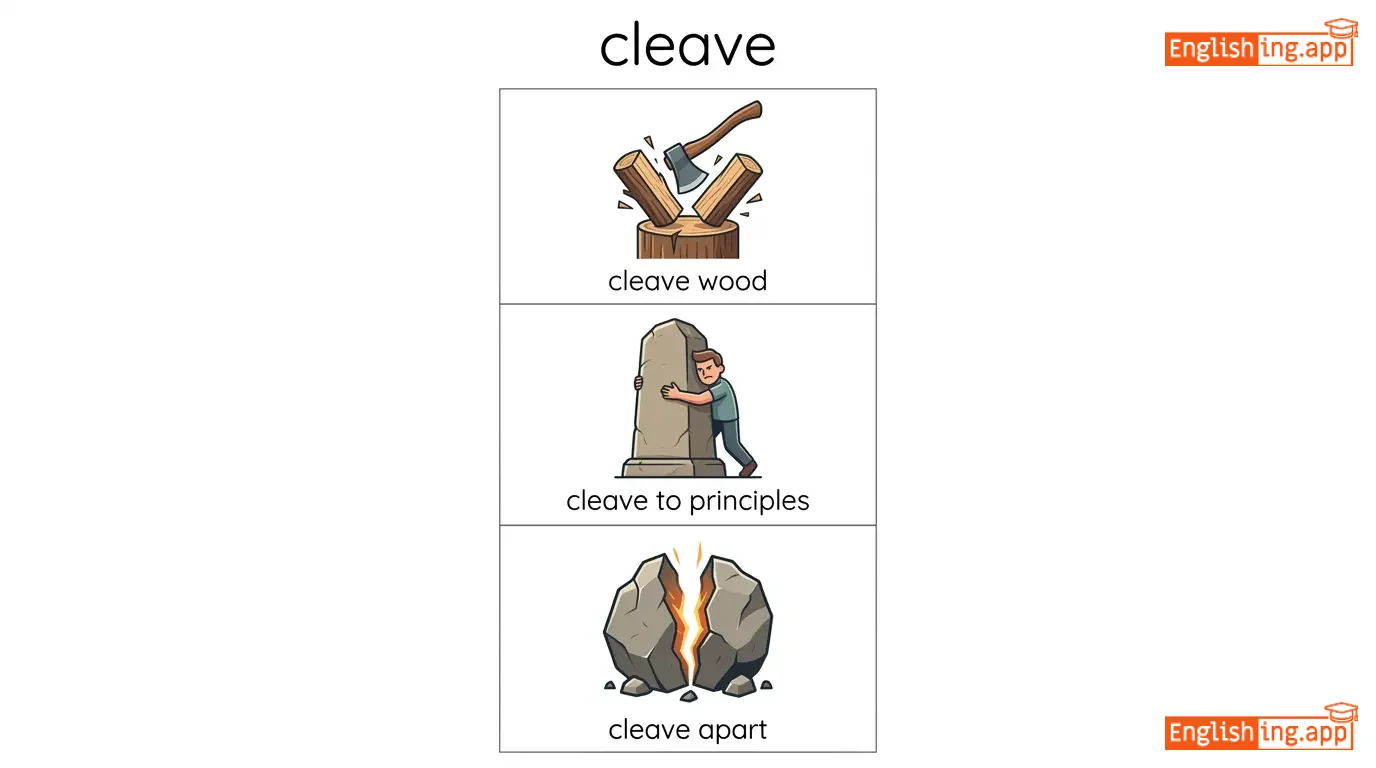
to split or divide; to cut through forcefully
••••••
|
He used an axe to cleave the wood.
他用斧头劈开木材。
••••••
|
他用斧头劈开木材。
Tā yòng fǔ tóu pī kāi mù cái.
••••••
|
split, divide, cut, separate
••••••
|
unite, join, connect, merge
••••••
|
cleave wood, cleave rocks, cleave through, cleave apart, cleave in two
••••••
|
用斧头劈开木材, 强力切割
••••••
|
|
#452
🔪
|
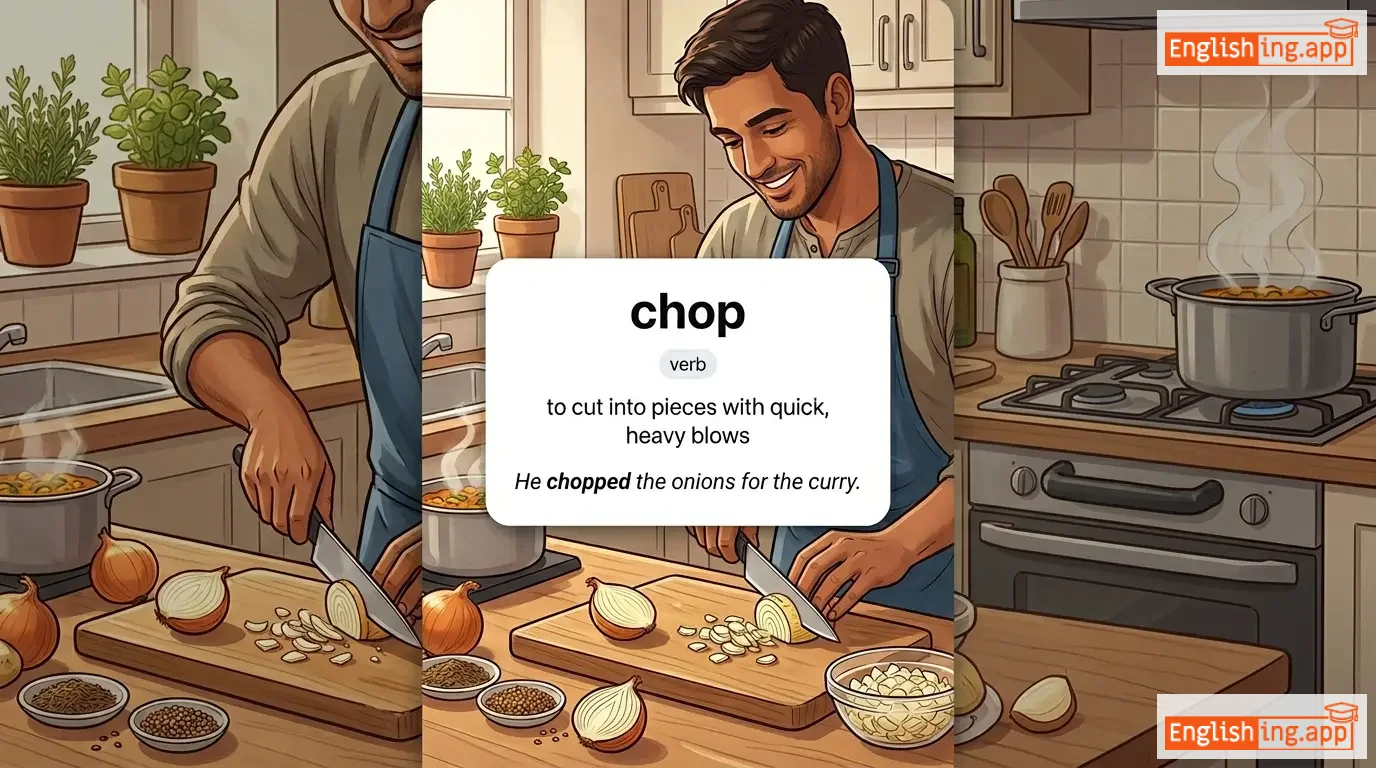
/tʃɒp/
verb
(chop)
••••••
|
|
切
qiē
••••••
|
chopped
chopped
••••••
|
chopped
chopped
••••••
|
chops
chops
••••••
|
chopping
chopping
••••••
|
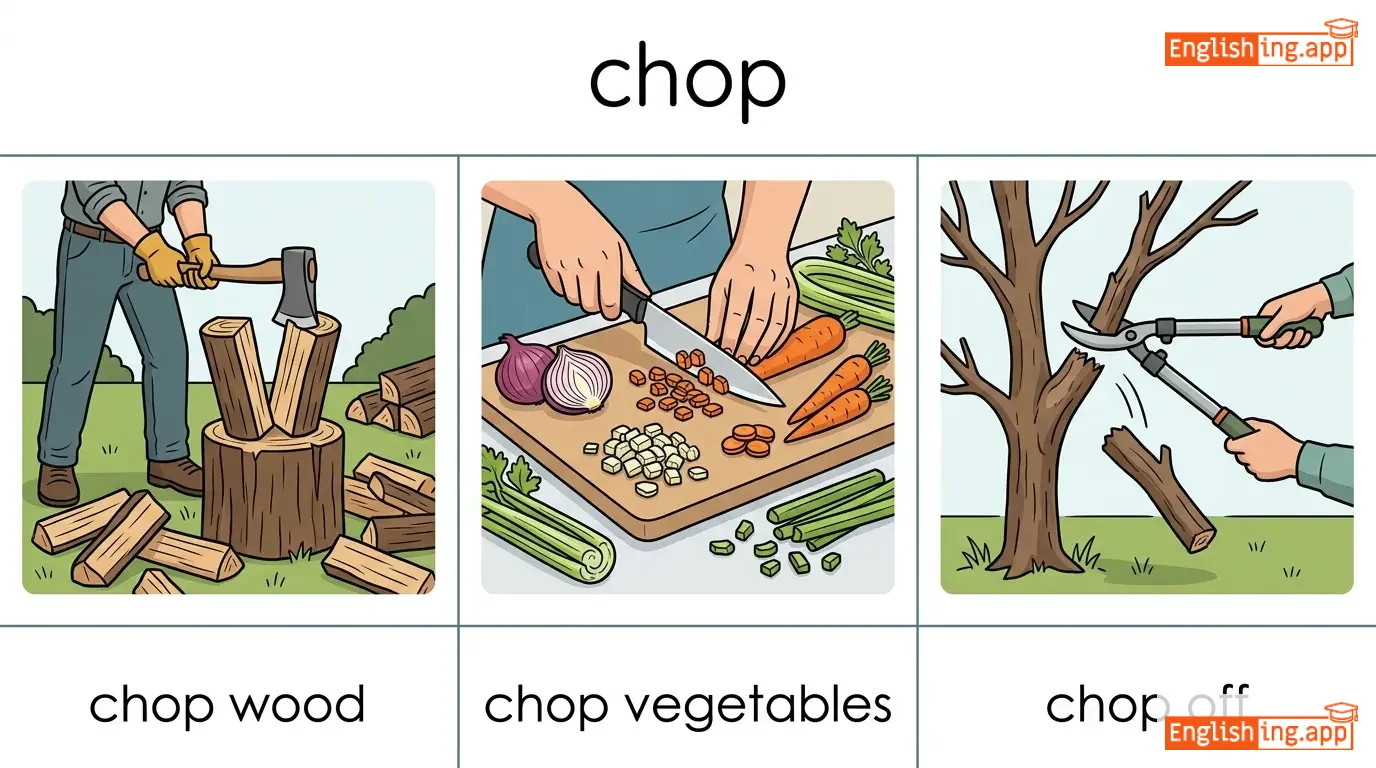
to cut with a sharp tool; to cut into pieces
••••••
|
She chops vegetables for dinner.
她为晚餐切蔬菜。
••••••
|
她为晚餐切蔬菜。
Tā wèi wǎncān qiē shūcài.
••••••
|
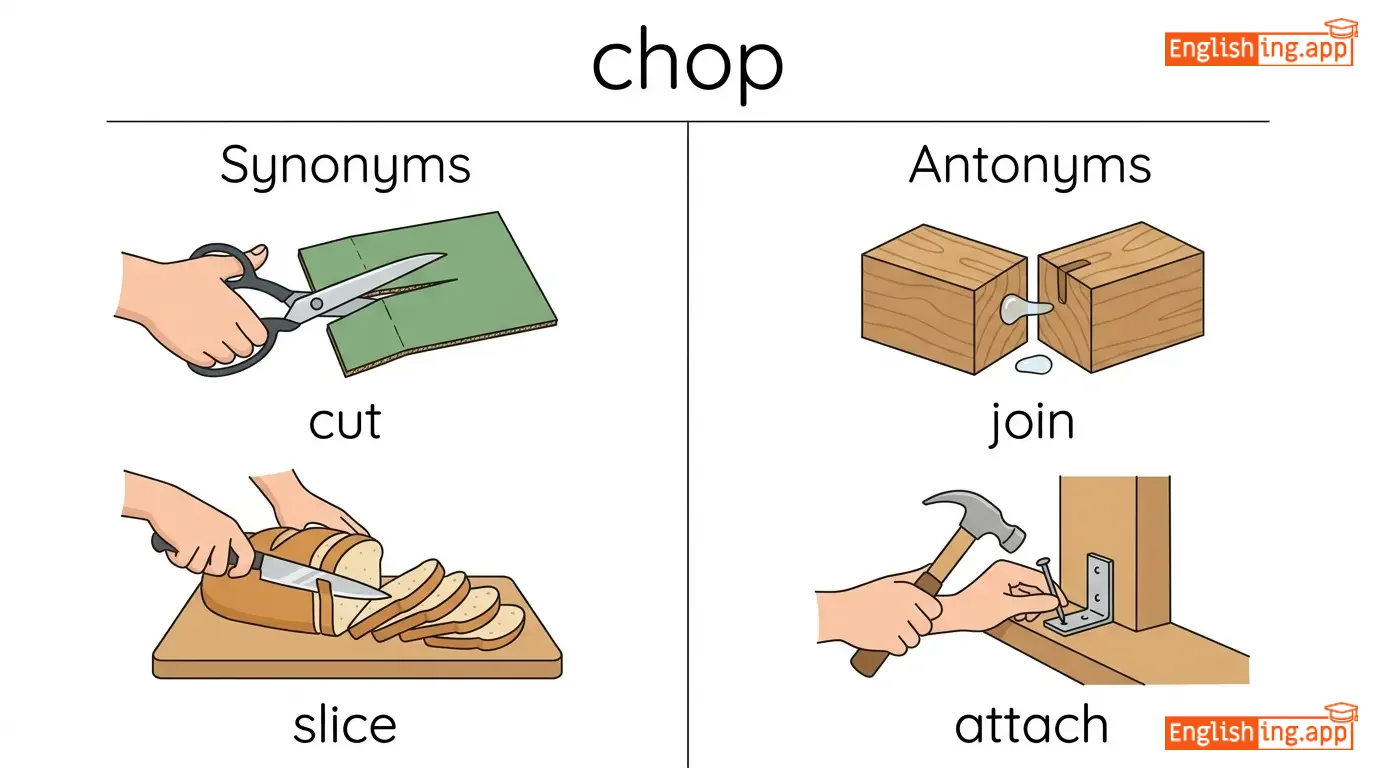
cut, slice, hack, dice
••••••
|
join, connect, unite
••••••
|
chop vegetables, chop wood, chop finely, chop onions, chop meat
••••••
|
No •••••• |
|
#453
❌
|
/rɪˈdʒekt/
verb
(rídjékt)
••••••
|
|
拒绝
jujue
••••••
|
rejected
rídjékted
••••••
|
rejected
rídjékted
••••••
|
rejects
rídjékts
••••••
|
rejecting
rídjékting
••••••
|
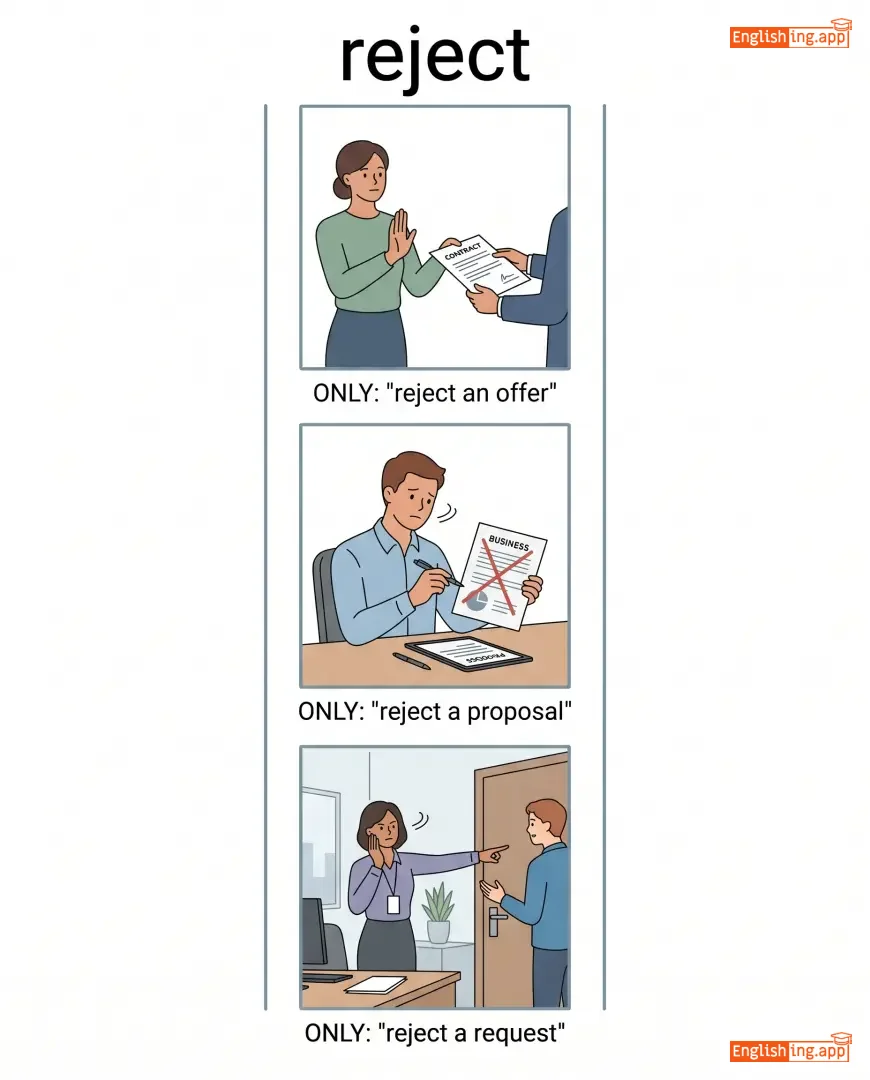
to refuse to accept; to dismiss
••••••
|
The committee rejects his proposal.
委员会拒绝了他的提案。
••••••
|
委员会拒绝了他的提案。
Weiyuanhui jujue le tade ti'an
••••••
|
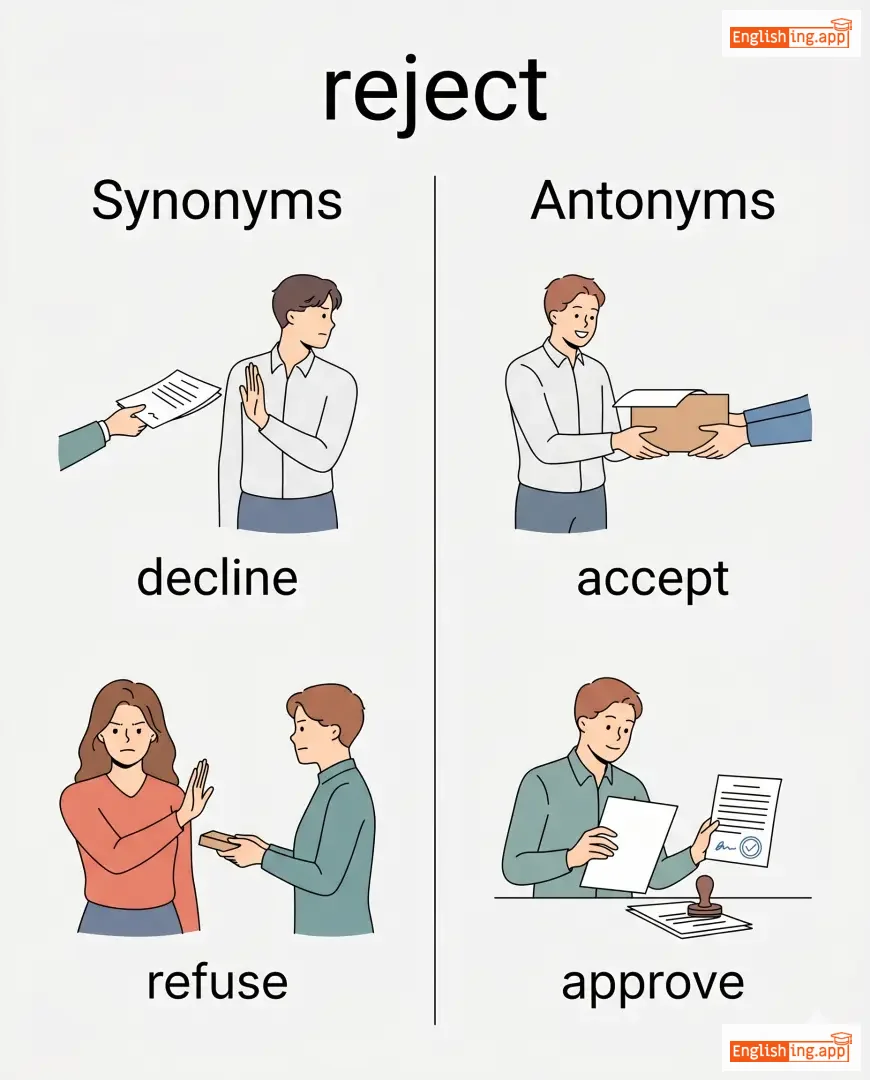
refuse, decline, deny, dismiss
••••••
|
accept, approve, embrace, welcome
••••••
|
reject proposal, reject application, reject offer, reject idea, reject firmly
••••••
|
In Chinese, '拒绝' sounds similar to 'reject'.
••••••
|
|
#454
🤔
|
/ˈpɒstʃʊleɪt/
verb
(pòstúlèt)
••••••
|
|
假设
jiǎshè
••••••
|
postulated
pòstúlié
••••••
|
postulated
pòstúlié
••••••
|
postulates
pòstúlì
••••••
|
postulating
pòstúlìng
••••••
|
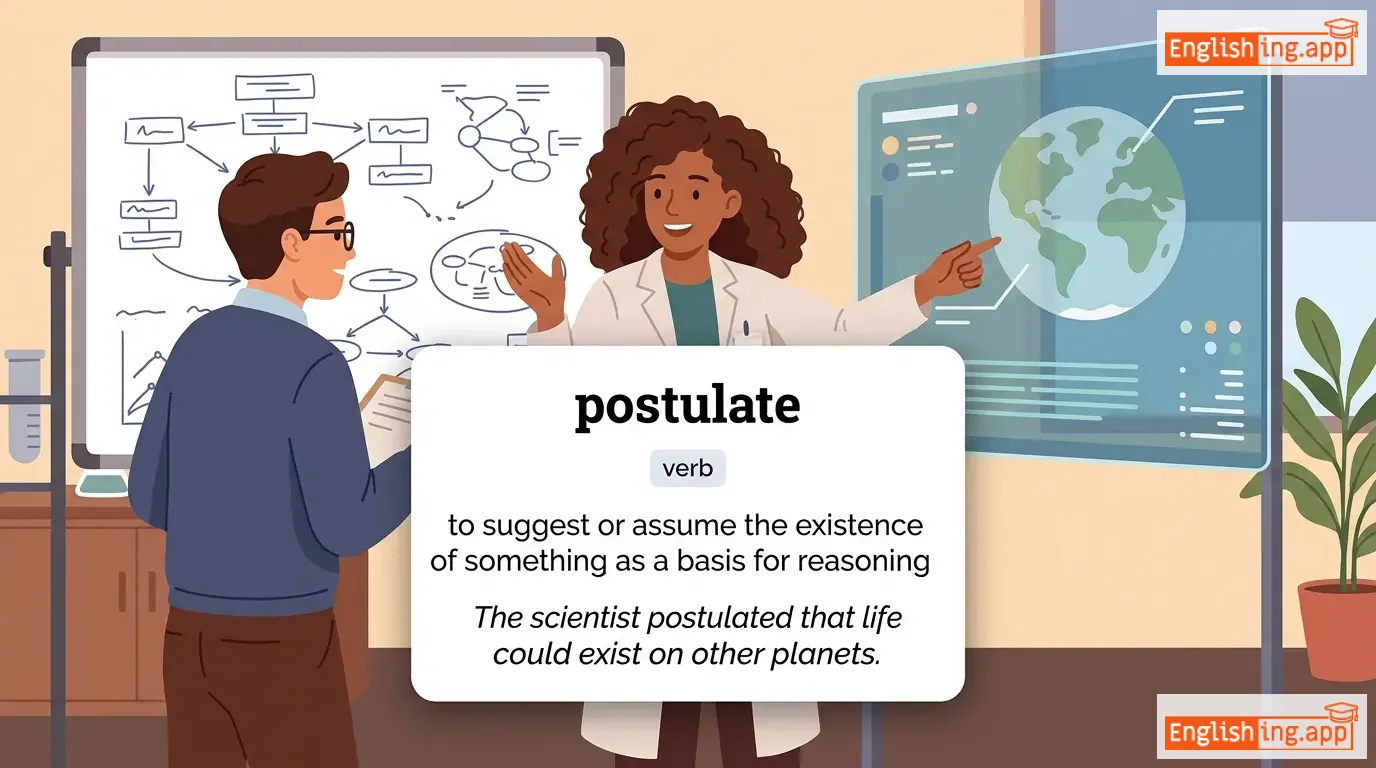
to suggest or assume that something is true as the basis for reasoning or discussion
••••••
|
Scientists postulate that life exists on other planets.
科学家假设在其他星球上存在生命。
••••••
|
科学家假设在其他星球上存在生命。
Kēxuéjiā jiǎshè zài qítā xīngqiú shàng cúnzài shēngmìng.
••••••
|
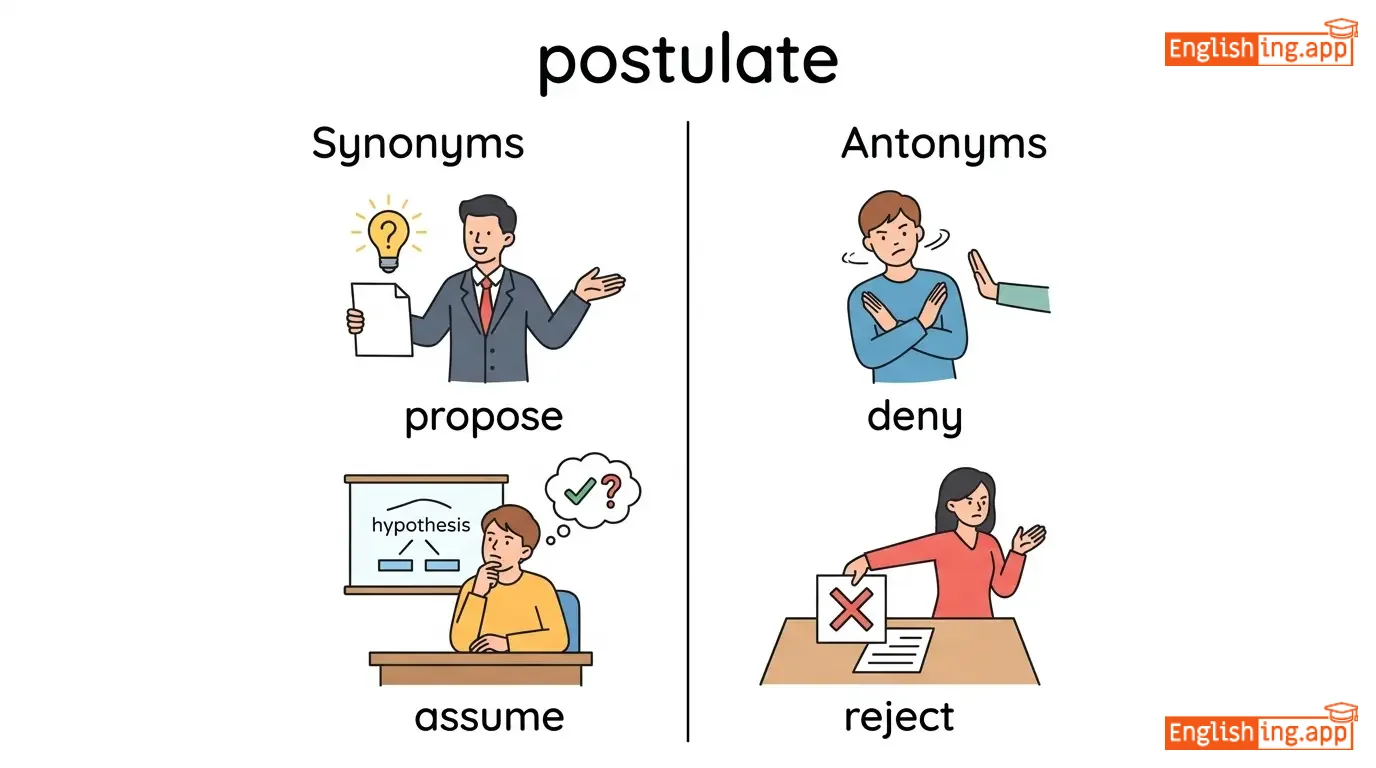
assume, propose, theorize, hypothesize
••••••
|
prove, demonstrate, verify
••••••
|
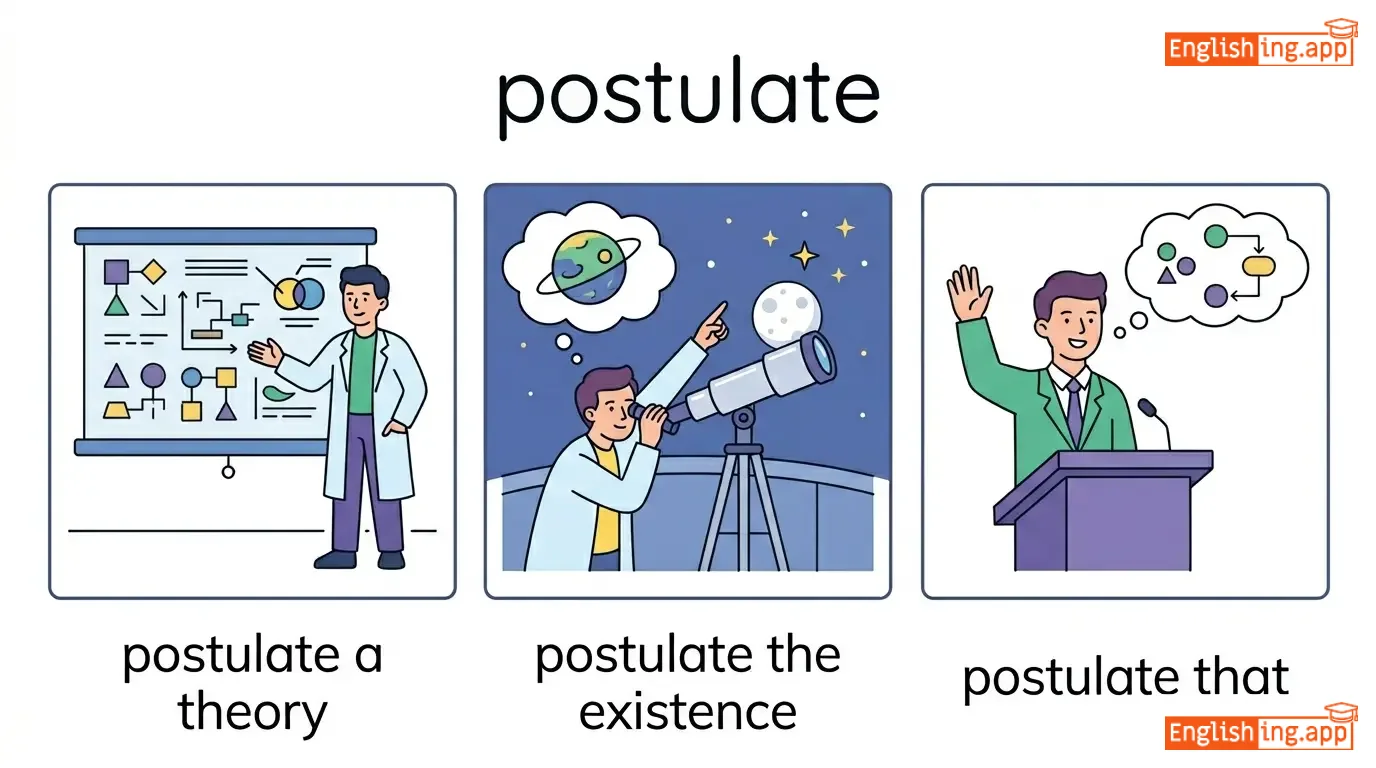
postulate theory, postulate existence, postulate principle, postulate hypothesis, postulate axiom
••••••
|
想象科学家假设外星球上存在生命!
••••••
|
|
#455
🔧
|
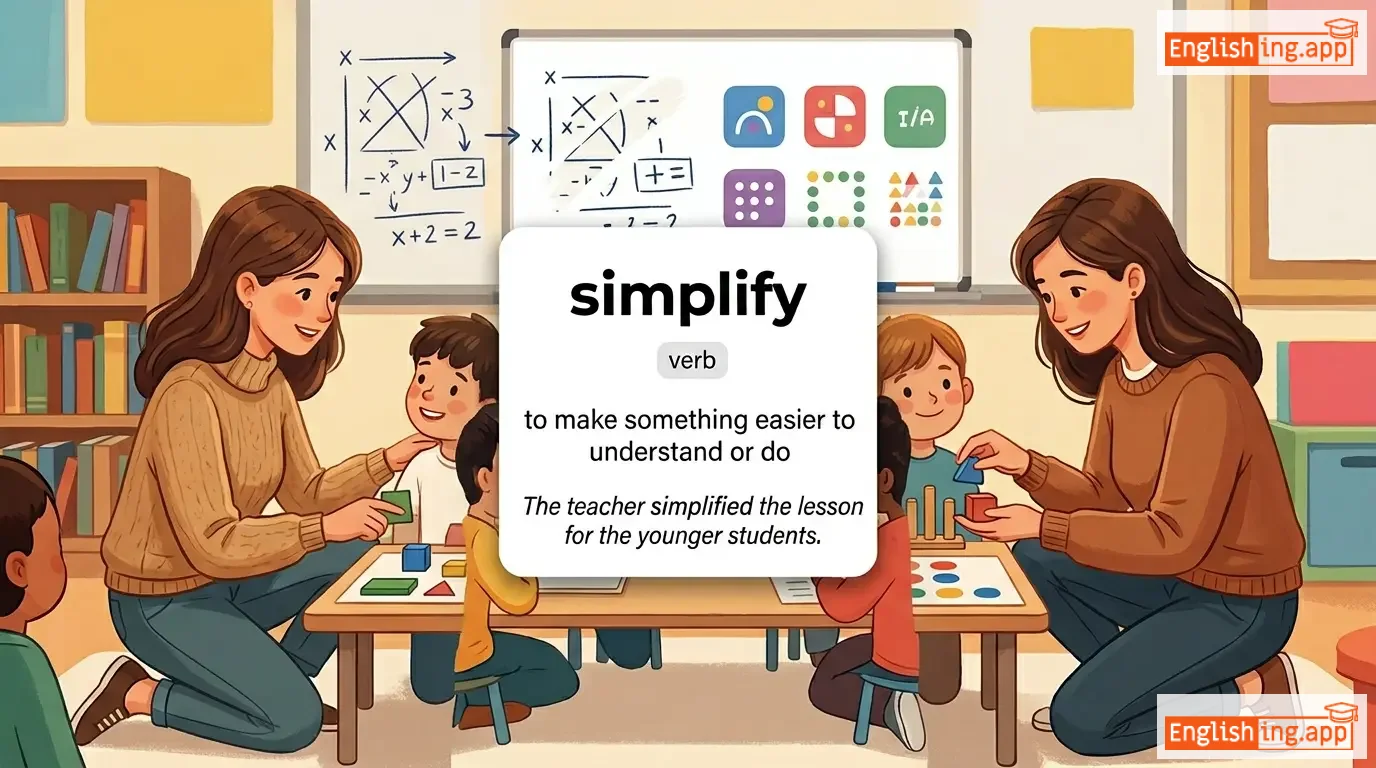
/ˈsɪmplɪfaɪ/
verb
(简化)
••••••
|
|
简化
jianhua
••••••
|
simplified
简化了
••••••
|
simplified
简化了
••••••
|
simplifies
简化
••••••
|
simplifying
简化中
••••••
|
to make easier to understand or do; to reduce complexity
••••••
|
The teacher simplified the complex equation for the students.
老师为学生简化了复杂的方程。
••••••
|
老师为学生简化了复杂的方程。
Laoshi wei xuesheng jianhua le fuza de fangcheng.
••••••
|
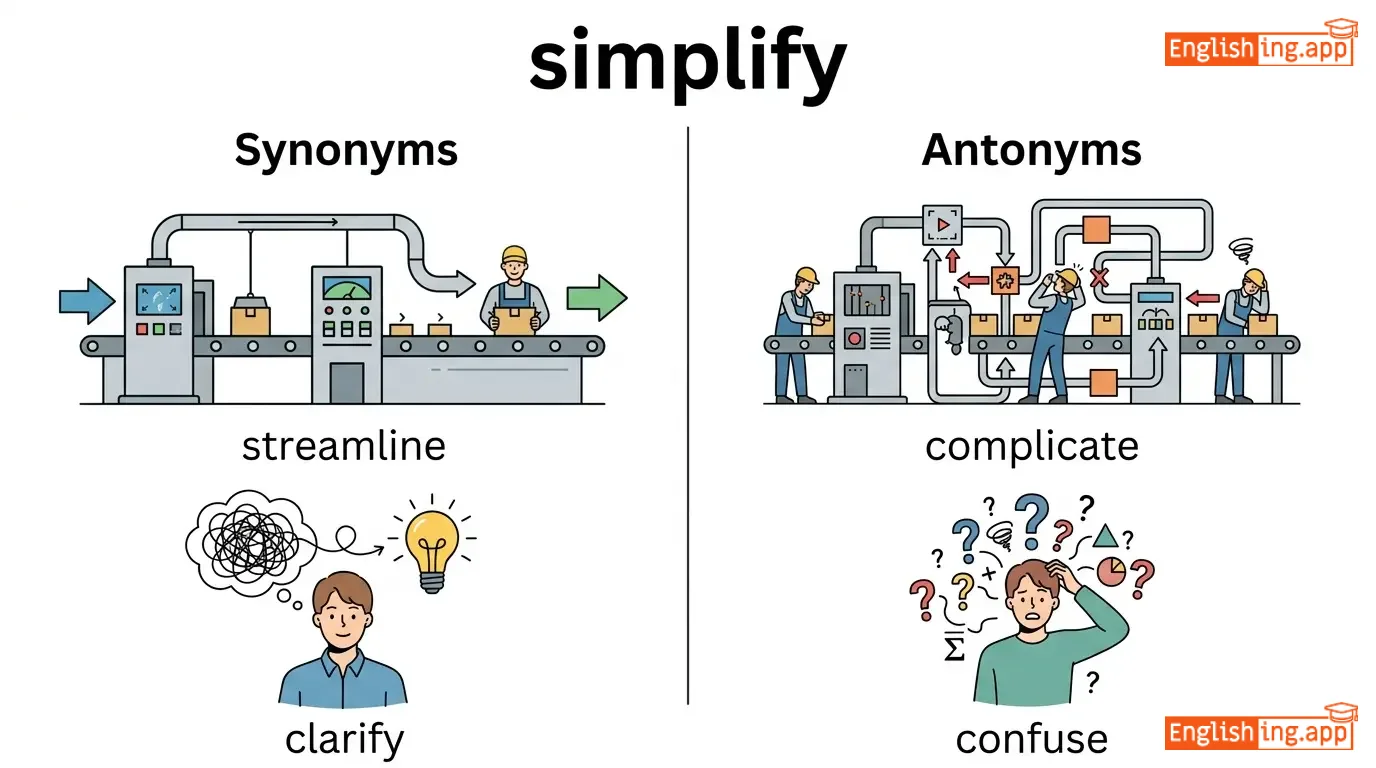
clarify, streamline, reduce, ease
••••••
|
complicate, confuse, elaborate, complex
••••••
|
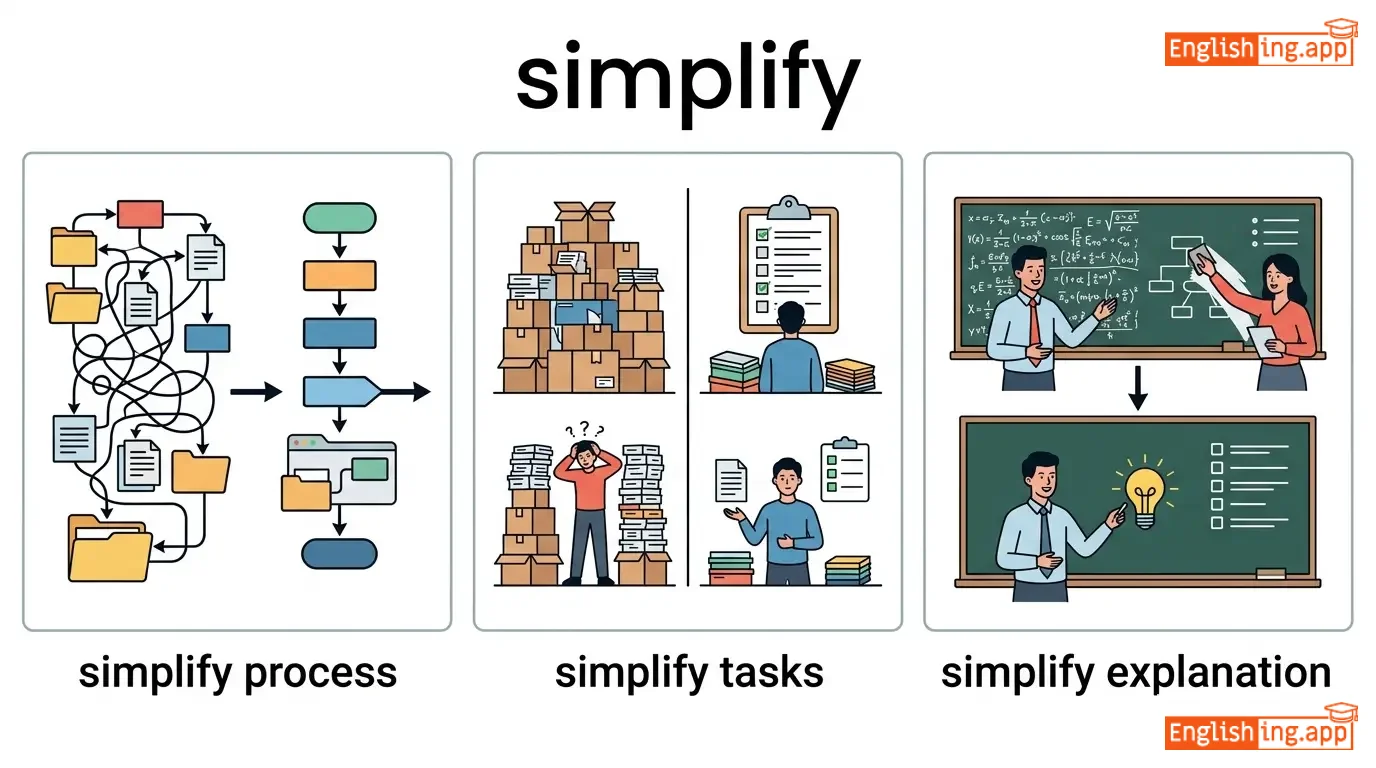
simplify process, simplify language, simplify procedure, simplify explanation, simplify rules
••••••
|
Simplify – 简化 (让事情变得简单)
••••••
|
|
#456
💭
|
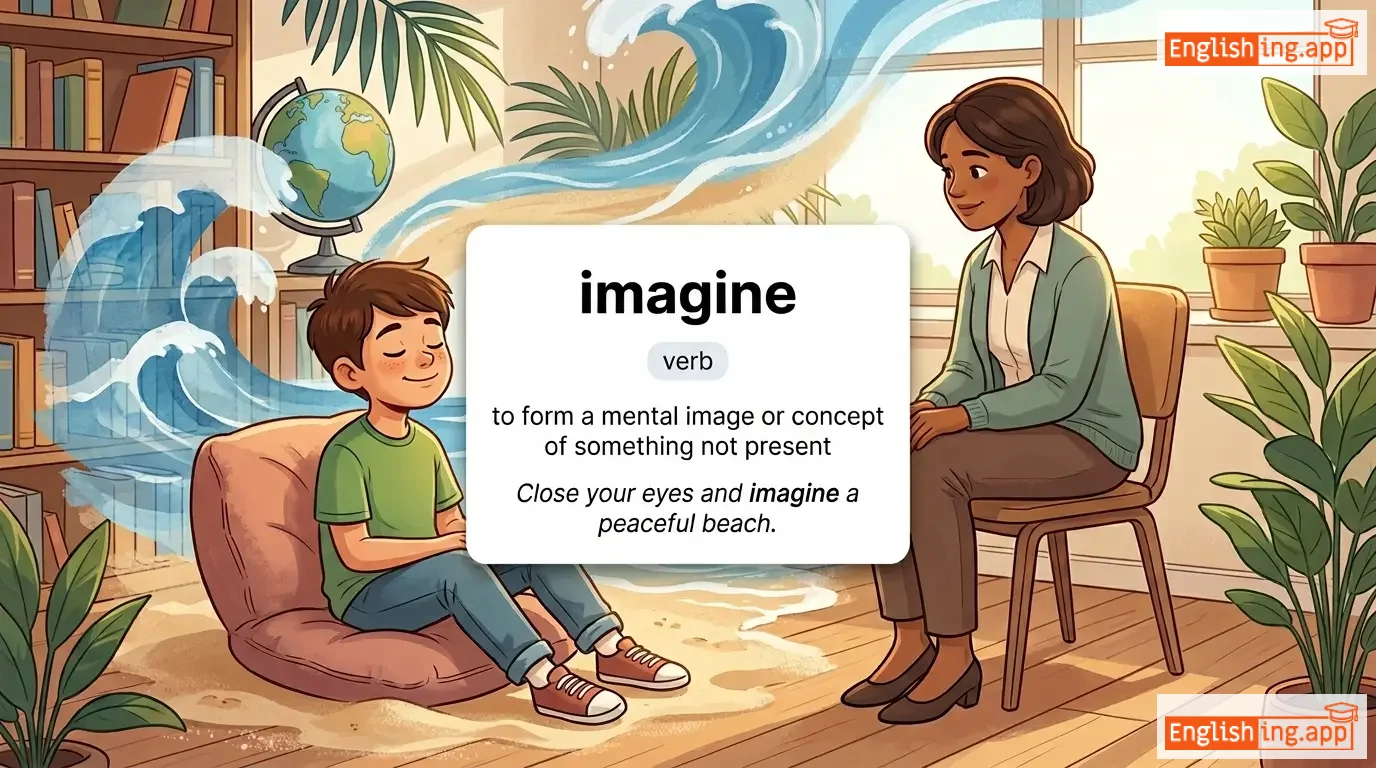
/ɪˈmædʒɪn/
verb
(想象)
••••••
|
|
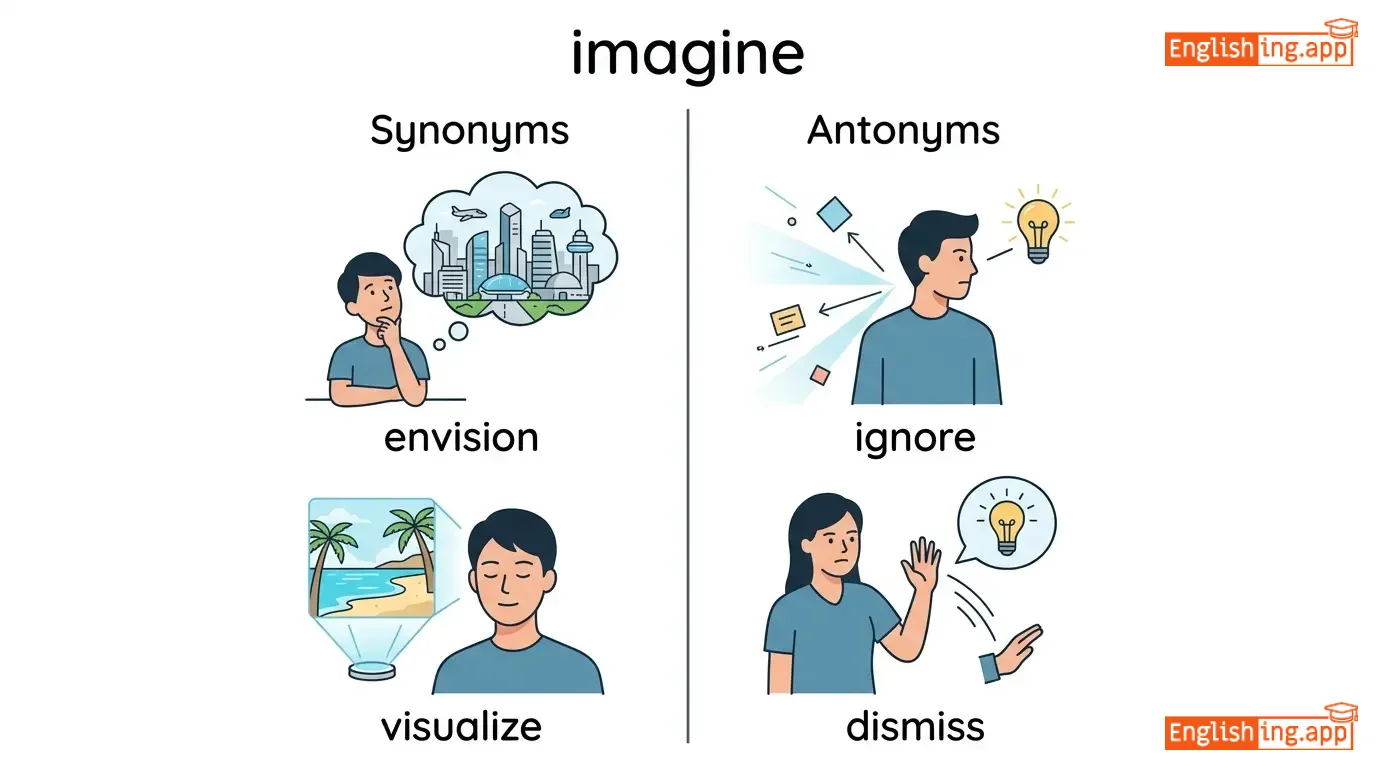
想象
xiǎngxiàng
••••••
|
imagined
想象了
••••••
|
imagined
想象了
••••••
|
imagines
想象
••••••
|
imagining
想象着
••••••
|
to form a mental image of; to believe something unreal to be true
••••••
|
Can you imagine living in a different country?
你能想象住在另一个国家吗?
••••••
|
你能想象住在另一个国家吗?
Nǐ néng xiǎngxiàng zhù zài lìng yīgè guójiā ma?
••••••
|
visualize, picture, conceive, envision
••••••
|
know, realize, understand, accept
••••••
|
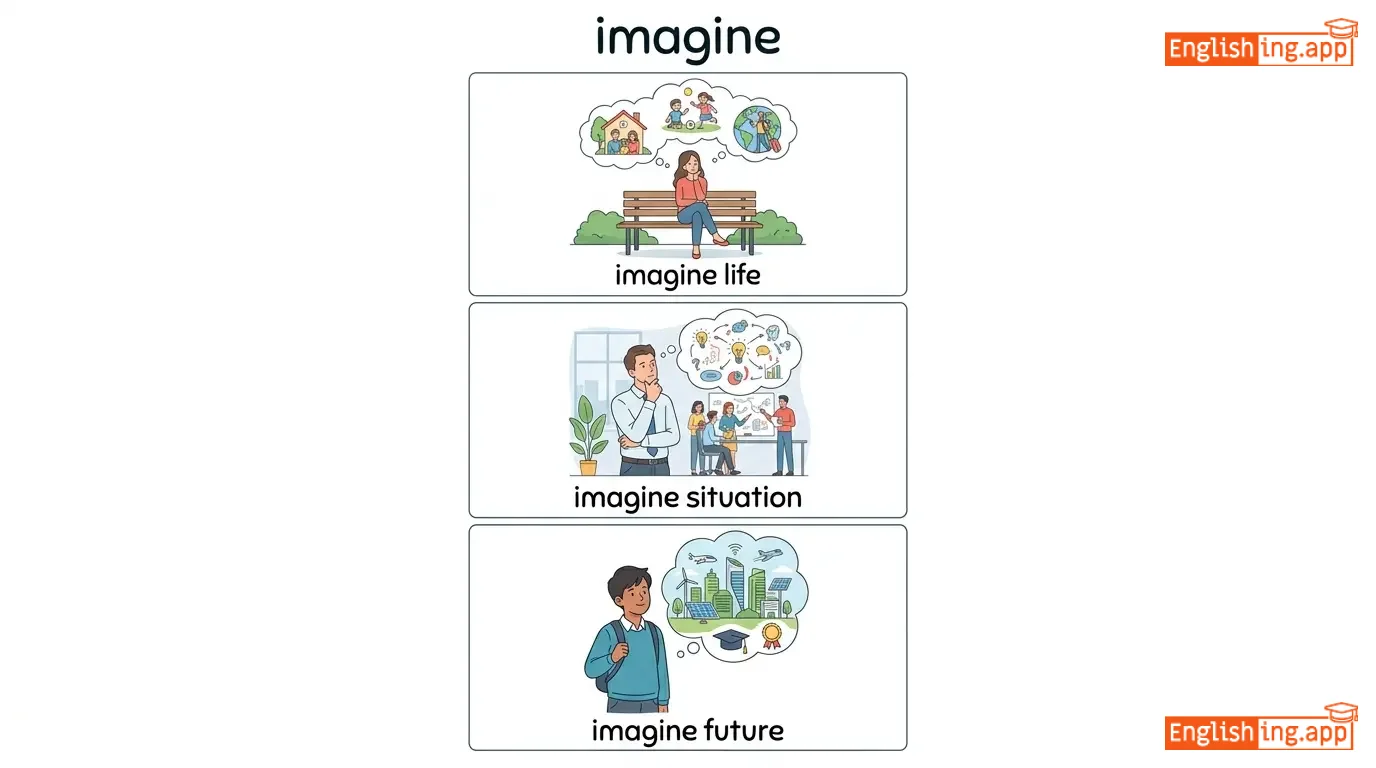
imagine possibilities, imagine scenario, imagine future, imagine life, imagine consequences
••••••
|
想象就是让不可能成为可能。
••••••
|
|
#457
⚖️
|
/ˈvaɪəleɪt/
verb
(wāyòulèitè)
••••••
|
|
违反
wéifǎn
••••••
|
violated
wāyòulèitèd
••••••
|
violated
wāyòulèitèd
••••••
|
violates
wāyòulèits
••••••
|
violating
wāyòulèiting
••••••
|
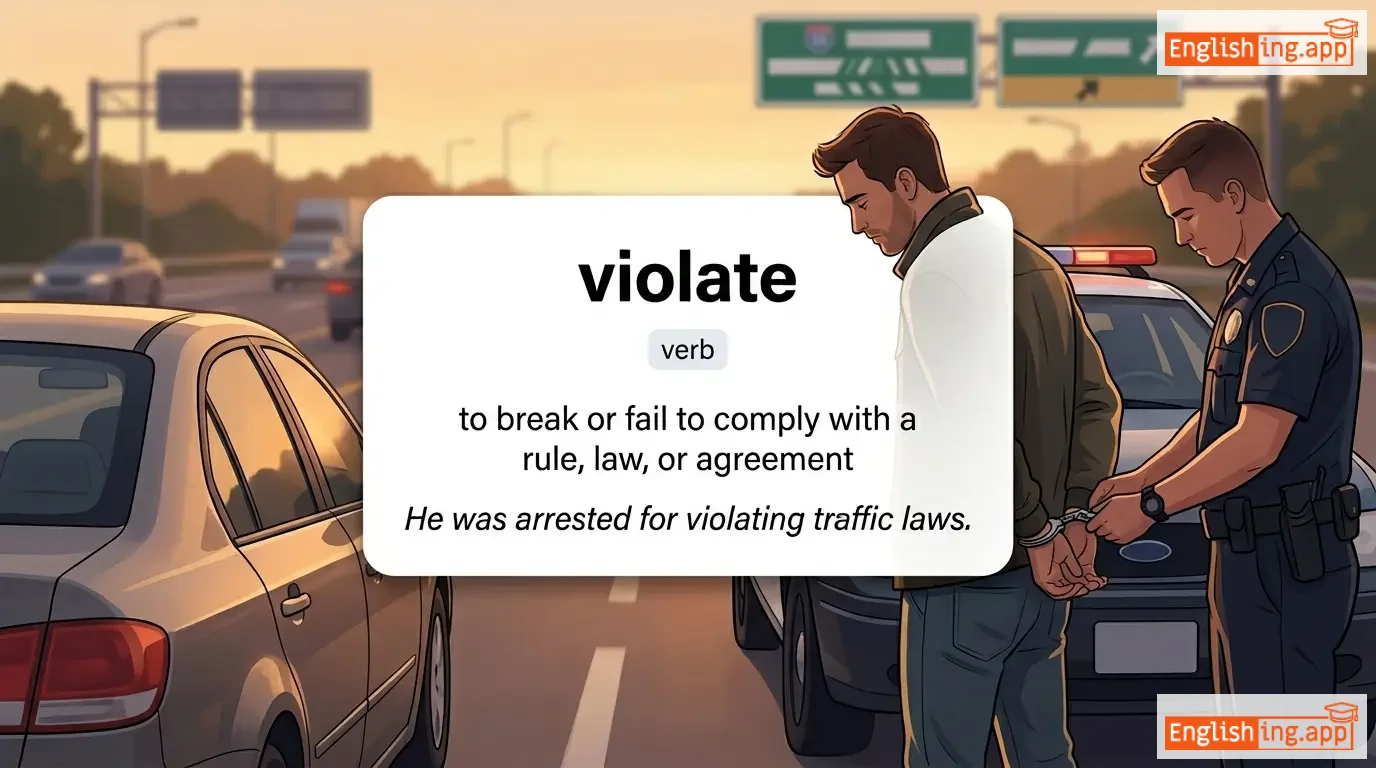
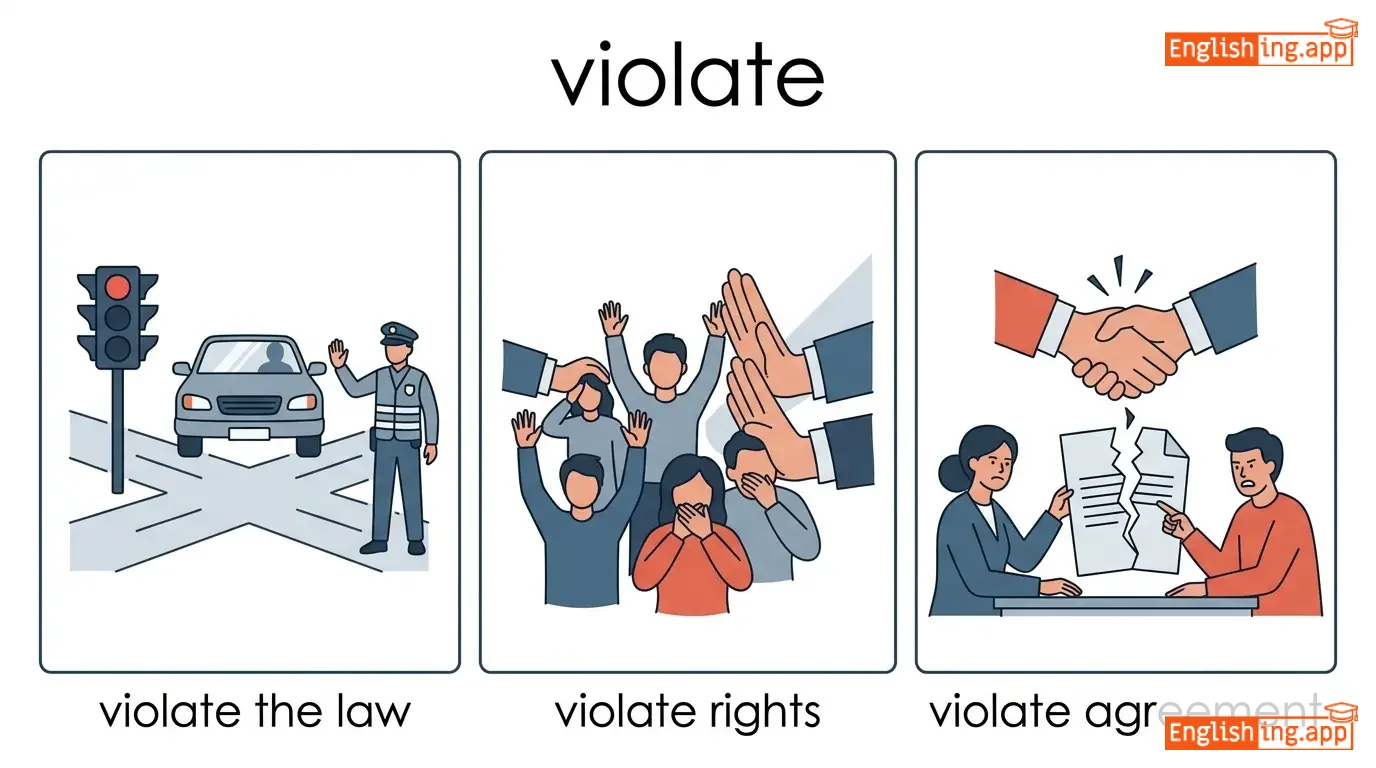
to break or go against a rule or law; to disrespect
••••••
|
Parking here violates the city regulations.
在这里停车违反了城市规定。
••••••
|
在这里停车违反了城市规定。
Zài zhèlǐ tíngchē wéifǎnle chéngshì guīdìng.
••••••
|
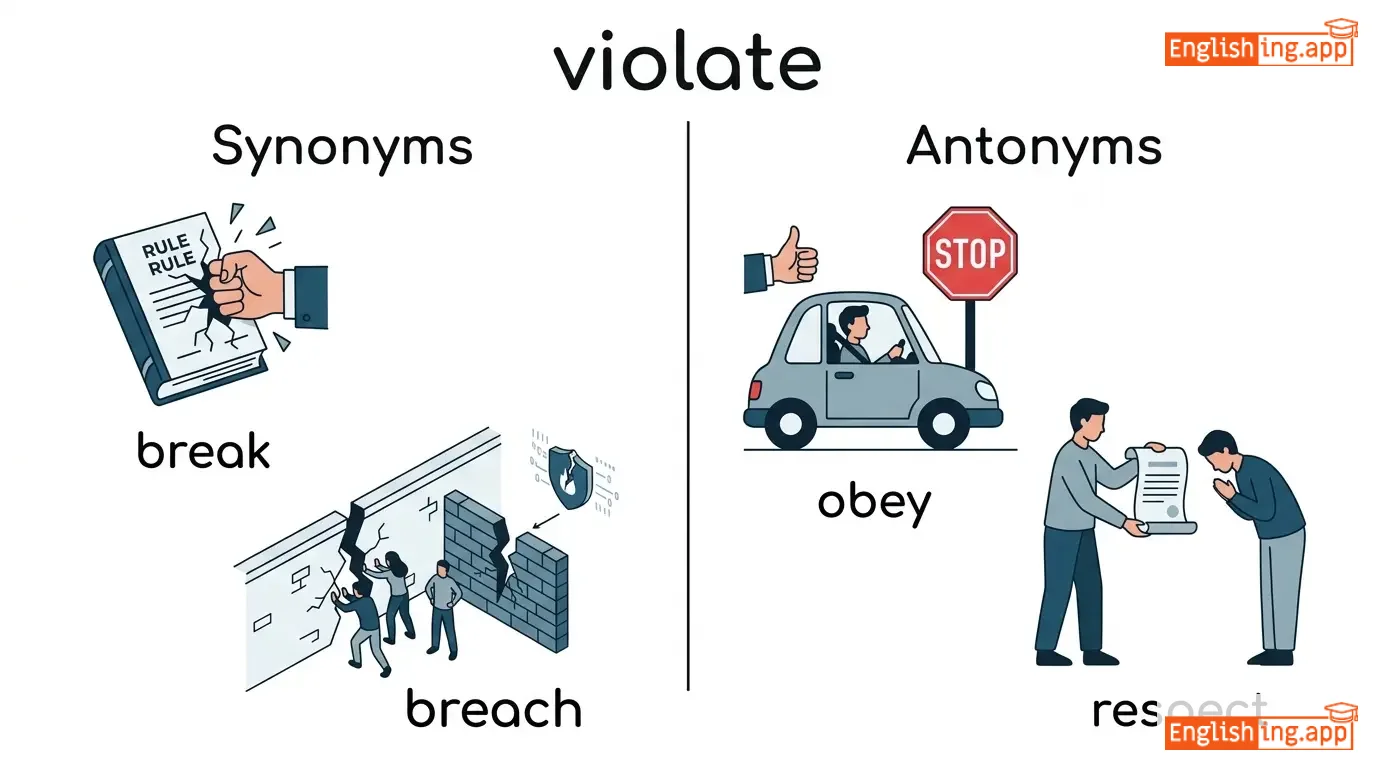
break, infringe, breach, transgress, contravene
••••••
|
obey, follow, respect, comply, observe
••••••
|
violate rules, violate law, violate rights, violate agreement, violate principles
••••••
|
违反 = 违反规则,比如停车不当
••••••
|
|
#458
📞
|
/kɔːl/
verb
(kɔːl)
••••••
|
|
打电话
dǎ diànhuà
••••••
|
called
kɔːld
••••••
|
called
kɔːld
••••••
|
calls
kɔːlz
••••••
|
calling
kɔːlɪŋ
••••••
|
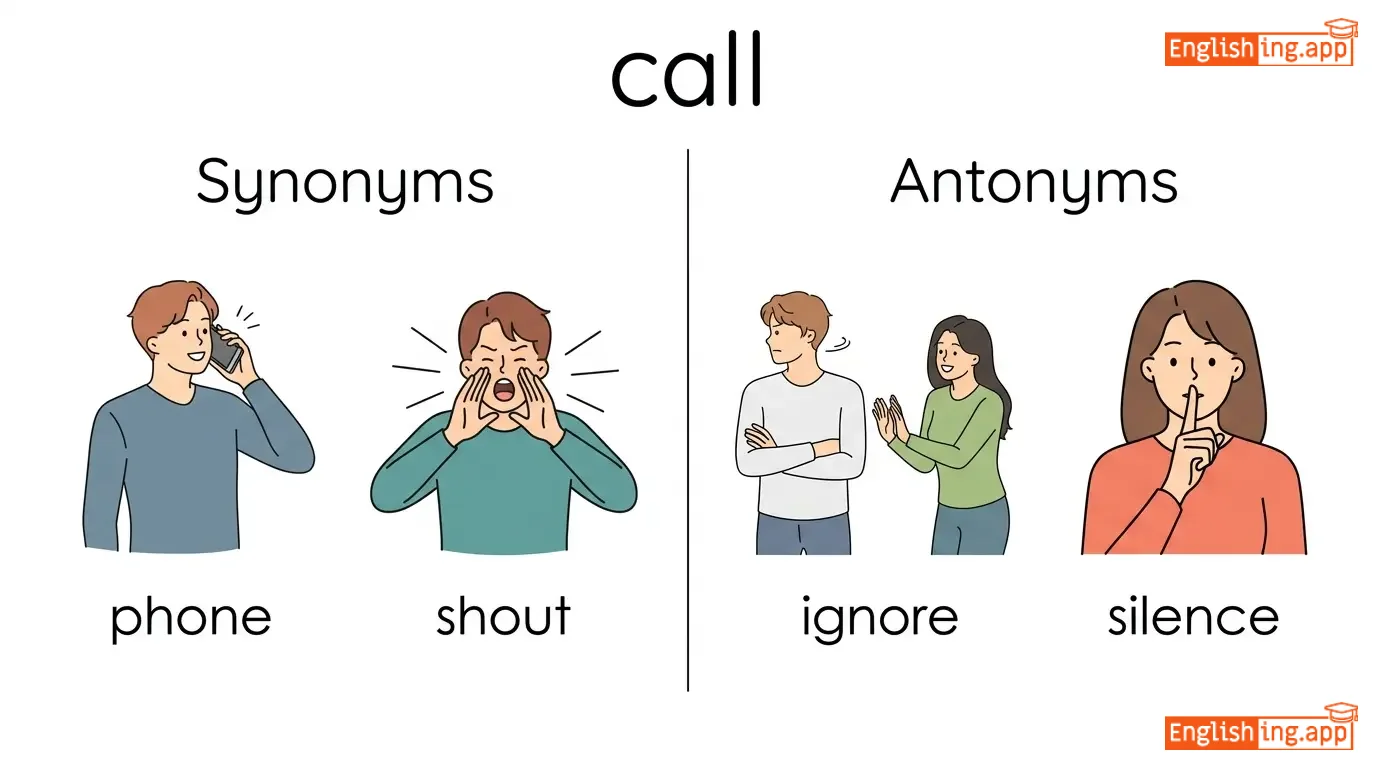
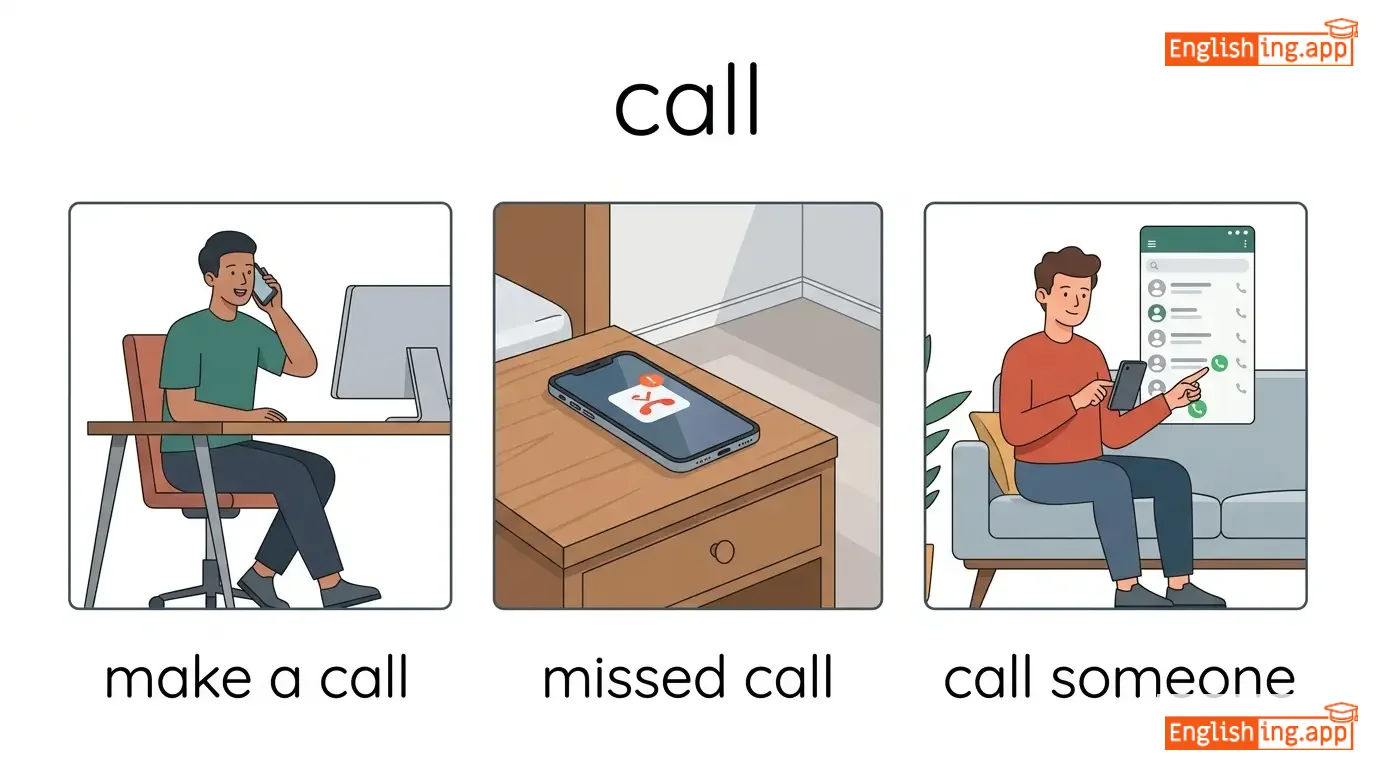
to say something loudly; to telephone someone; to name
••••••
|
Please call me when you arrive home.
请在到家后给我打电话。
••••••
|
请在到家后给我打电话。
Qǐng zài dào jiā hòu gěi wǒ dǎ diànhuà.
••••••
|
phone, shout, summon, name
••••••
|
whisper, ignore, dismiss
••••••
|
call someone, call emergency, call meeting, call attention, call back
••••••
|
打电话就是大声告诉别人你到了!
••••••
|
|
#459
🏗️
|
/bɪld/
verb
(bīld)
••••••
|
|
建造
jiànzào
••••••
|
built
bìlt
••••••
|
built
bìlt
••••••
|
builds
bīlds
••••••
|
building
bīlding
••••••
|
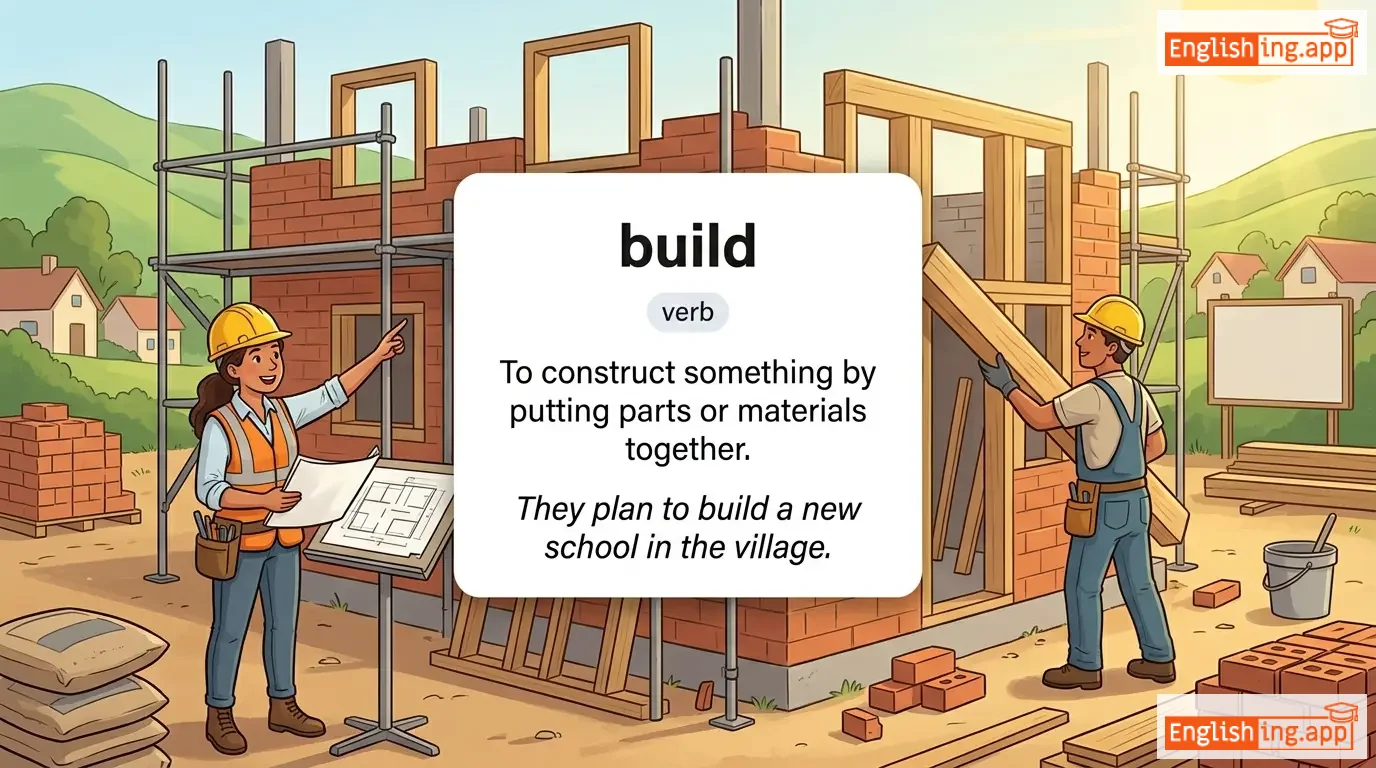
to make something by putting materials together; to construct
••••••
|
They will build a new school in our neighborhood.
他们将在我们社区建一所新学校。
••••••
|
他们将在我们社区建一所新学校。
Tāmen jiāng zài wǒmen shèqū jiàn yī suǒ xīn xuéxiào.
••••••
|
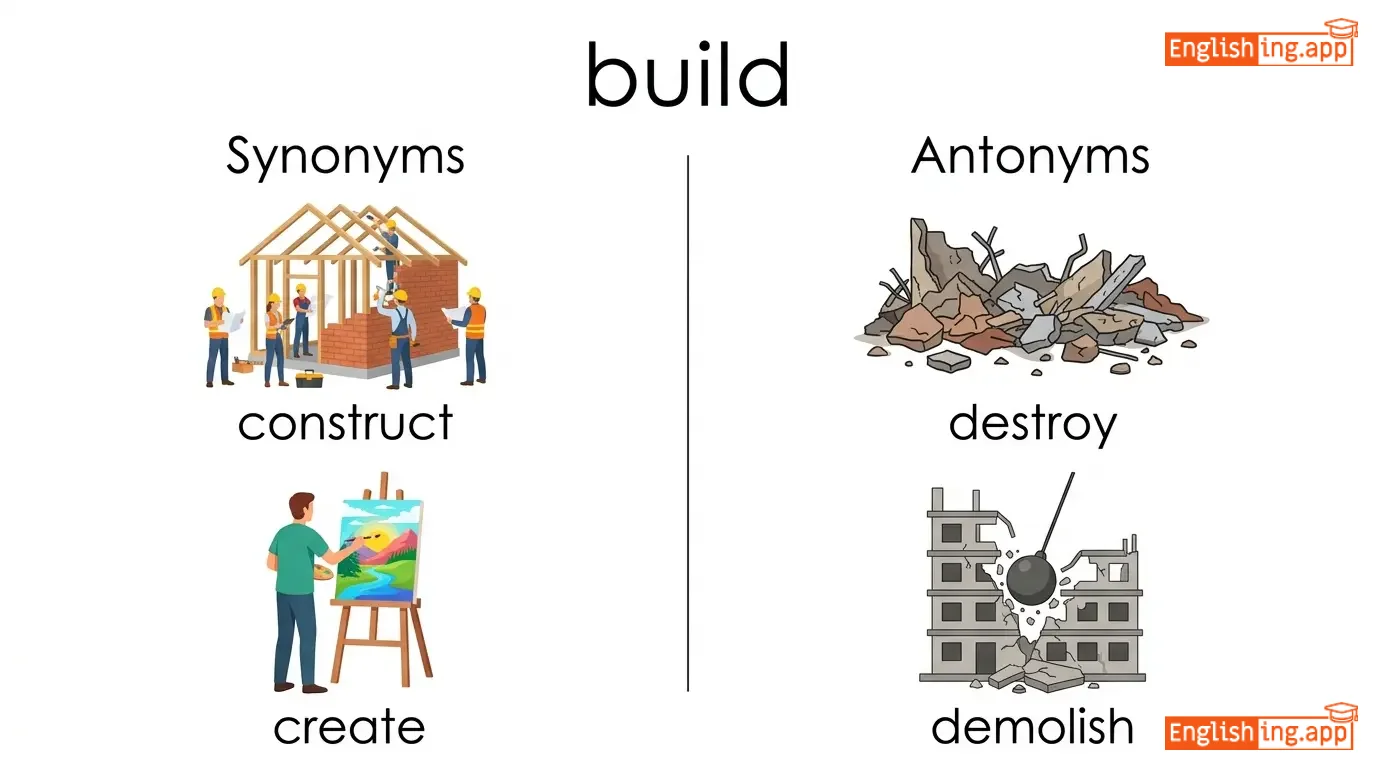
construct, create, make, erect
••••••
|
destroy, demolish, tear down, break
••••••
|
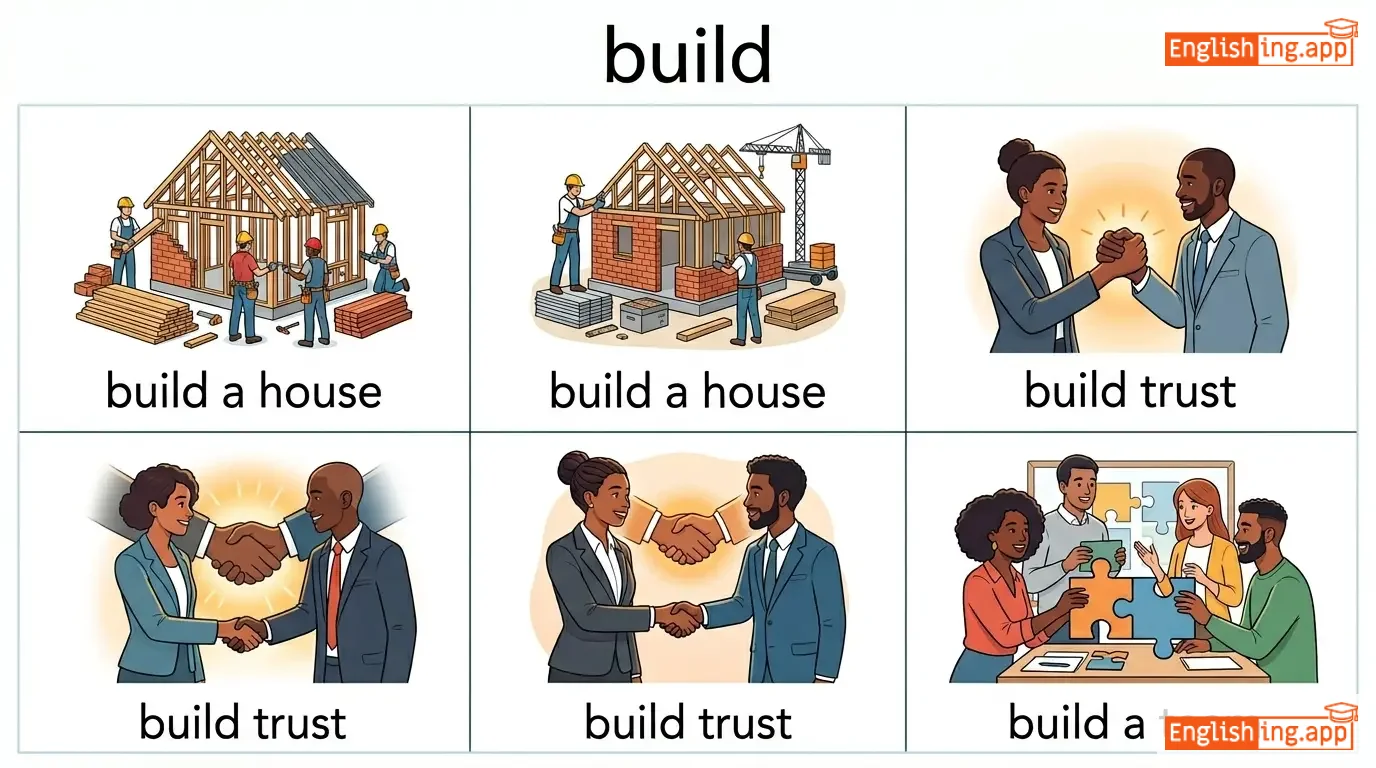
build house, build confidence, build relationship, build team, build future
••••••
|
You are building something important ('建造') for your community.
••••••
|
|
#460
😴
|
/sliːp/
verb
(slíp)
••••••
|
|
睡觉
shuijiao
••••••
|
slept
slept
••••••
|
slept
slept
••••••
|
sleeps
sleeps
••••••
|
sleeping
sleeping
••••••
|
to rest with eyes closed and reduced consciousness; to be inactive
••••••
|
I need to sleep for eight hours every night.
I need to sleep for eight hours every night.
••••••
|
我需要每晚睡八小时。
Wǒ xūyào měi wǎn shuì bā xiǎoshí
••••••
|
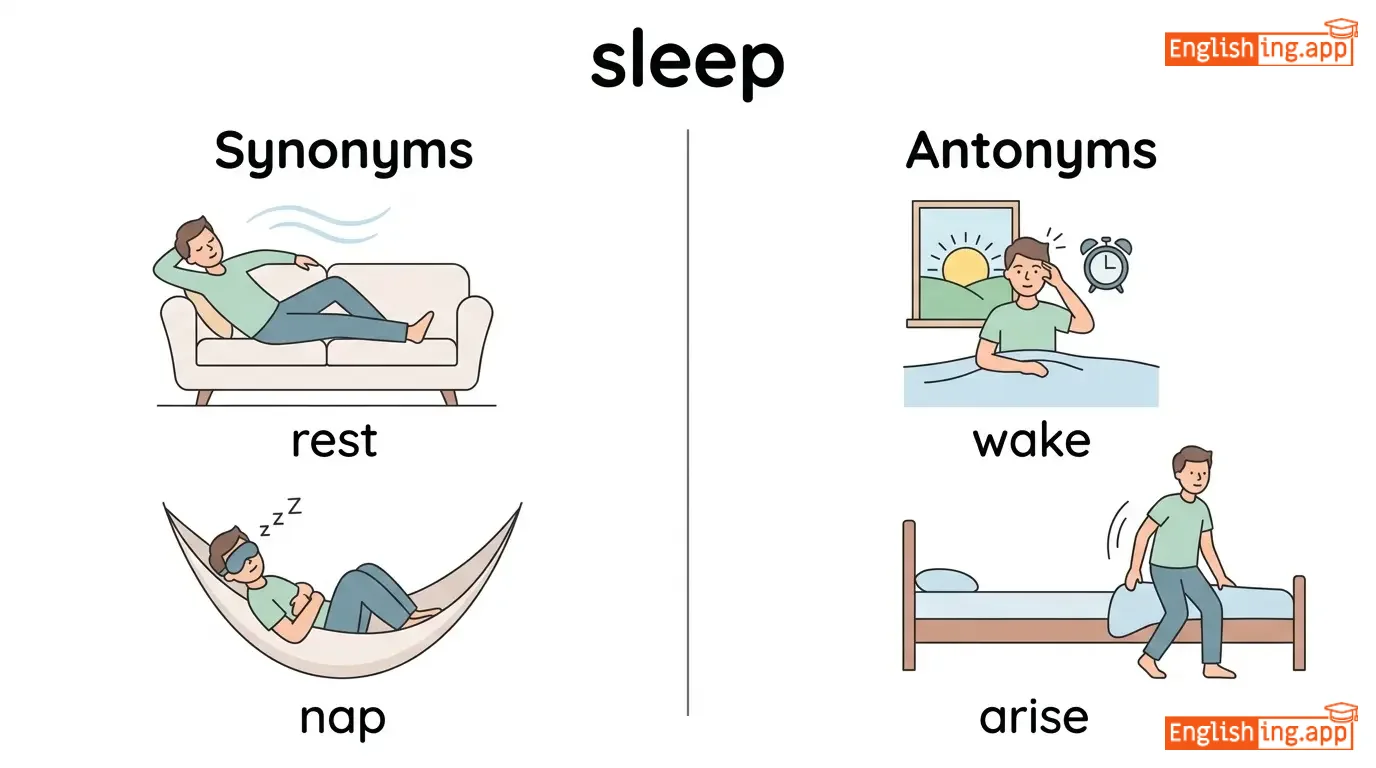
rest, slumber, doze, nap
••••••
|
wake, arise, stay awake
••••••
|
sleep soundly, sleep peacefully, sleep deeply, sleep well, sleep late
••••••
|
睡觉对恢复身体至关重要
••••••
|
|
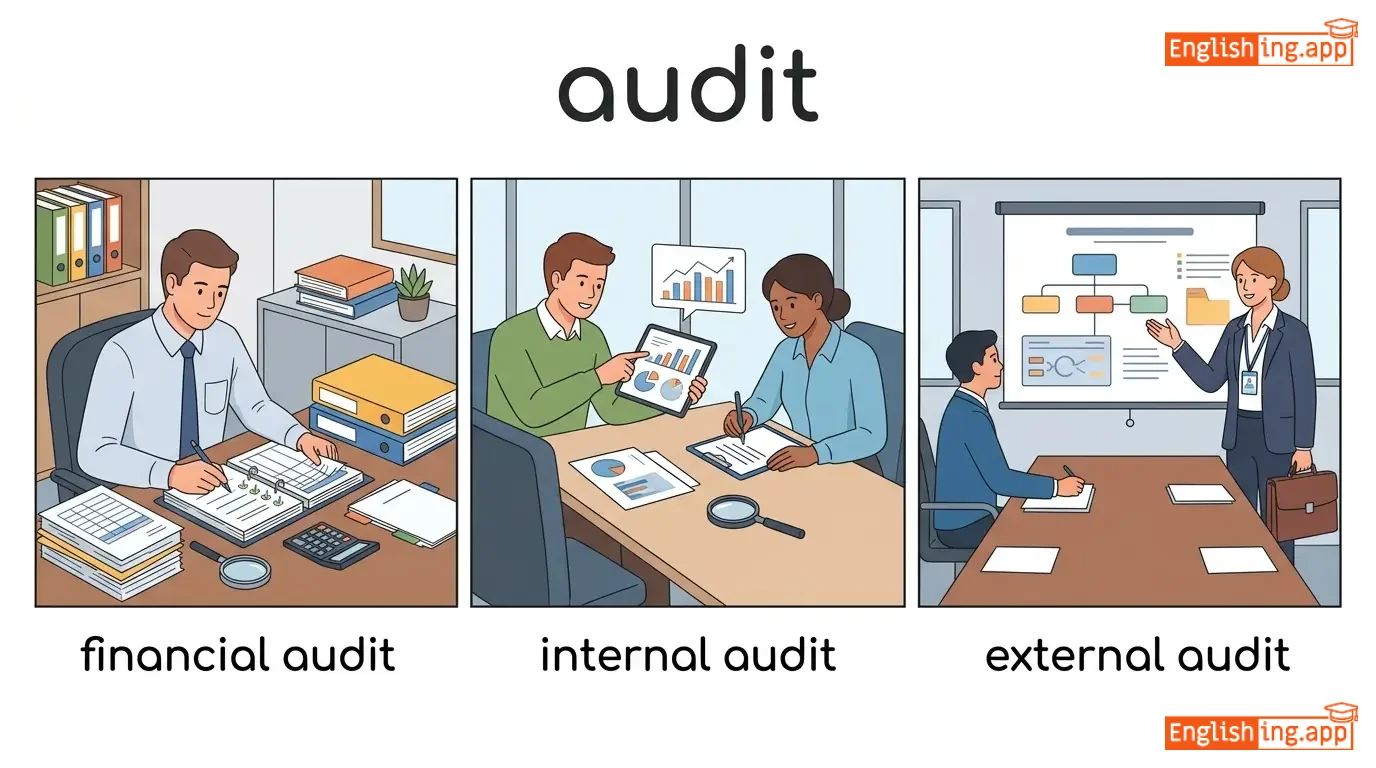
#461
📊
|
/ˈɔːdɪt/
verb
(审计)
••••••
|
|
审计
shen ji
••••••
|
audited
审计过
••••••
|
audited
审计过
••••••
|
audits
审计
••••••
|
auditing
审计中
••••••
|
to examine and verify financial records or accounts officially
••••••
|
The accountant will audit the company's books next month.
会计师将在下个月审计公司的账目。
••••••
|
会计师将在下个月审计公司的账目。
Kuàijìshī jiāng zài xià gè yuè shěnjì gōngsī de zhàngmù.
••••••
|
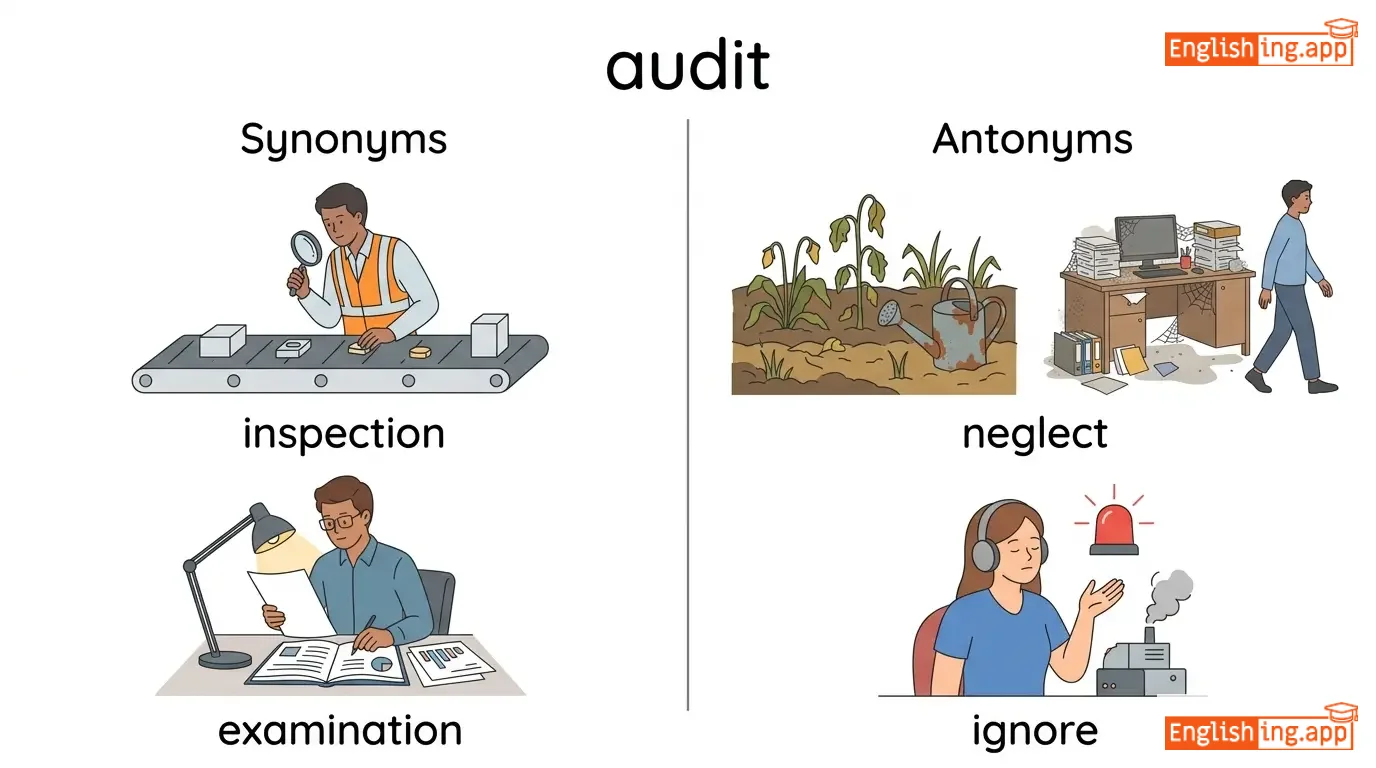
examine, inspect, review, check
••••••
|
ignore, overlook, neglect, trust
••••••
|
audit accounts, audit company, audit process, audit records, audit system
••••••
|
审计: 就像侦探检查公司账目,找出错误。
••••••
|
|
#462
⚔️
|
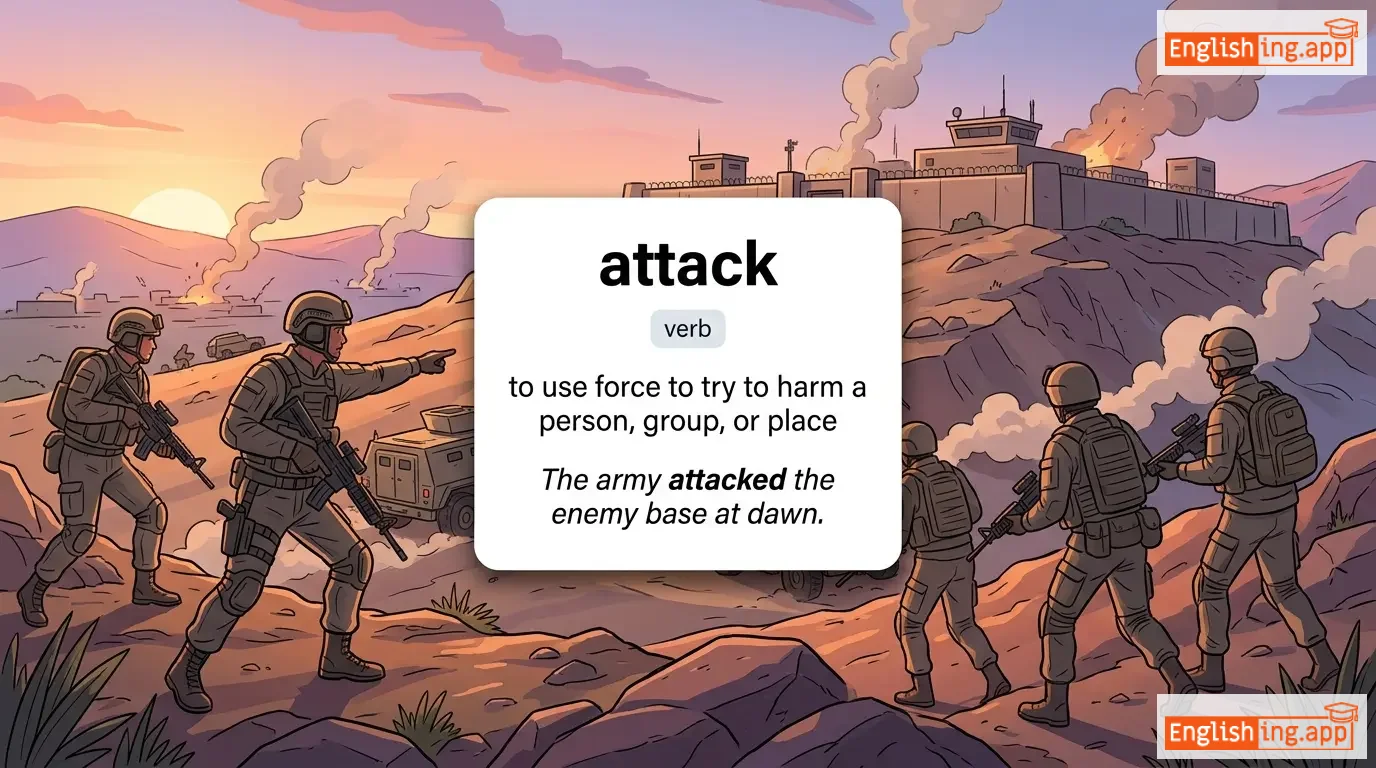
/əˈtæk/
verb
(攻击)
••••••
|
|
攻击
gongji
••••••
|
attacked
攻击了
••••••
|
attacked
攻击过
••••••
|
attacks
攻击
••••••
|
attacking
攻击中
••••••
|
to use violence against someone; to criticize strongly
••••••
|
The enemy forces attacked at dawn.
敌军在黎明时攻击。
••••••
|
敌军在黎明时攻击。
Dijun zai liming shi gongji.
••••••
|
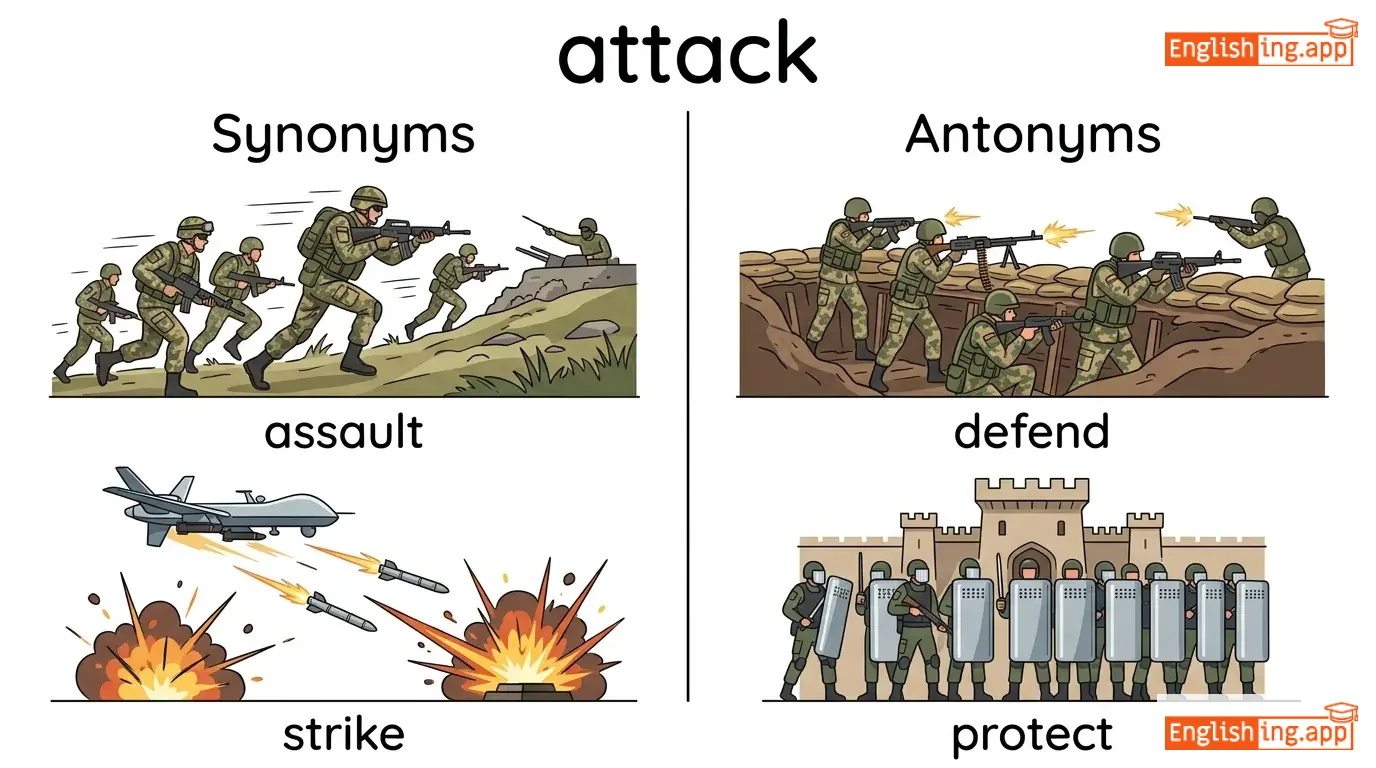
assault, strike, raid, criticize
••••••
|
defend, protect, retreat, praise
••••••
|
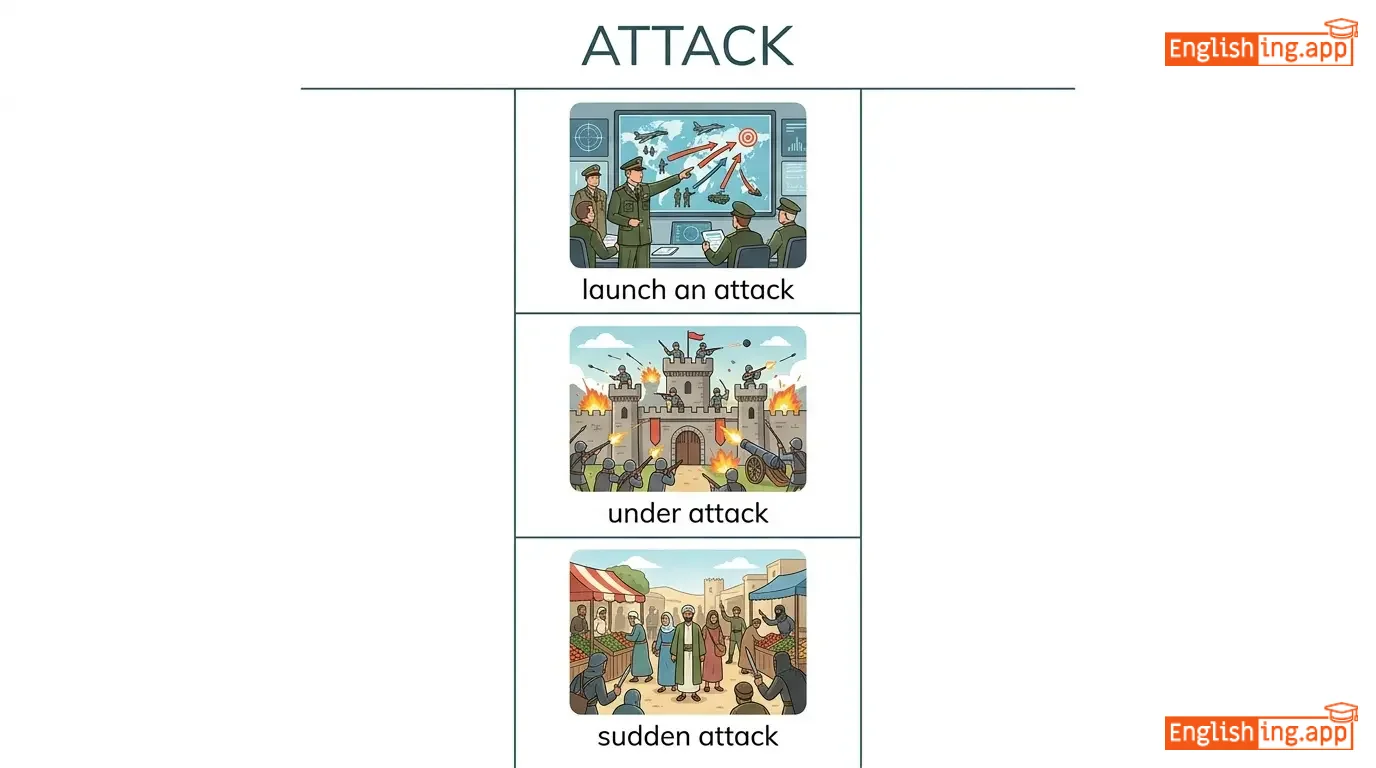
attack enemy, attack problem, attack position, attack verbally, attack suddenly
••••••
|
攻击 (gongji) sounds like attack in Chinese!
••••••
|
|
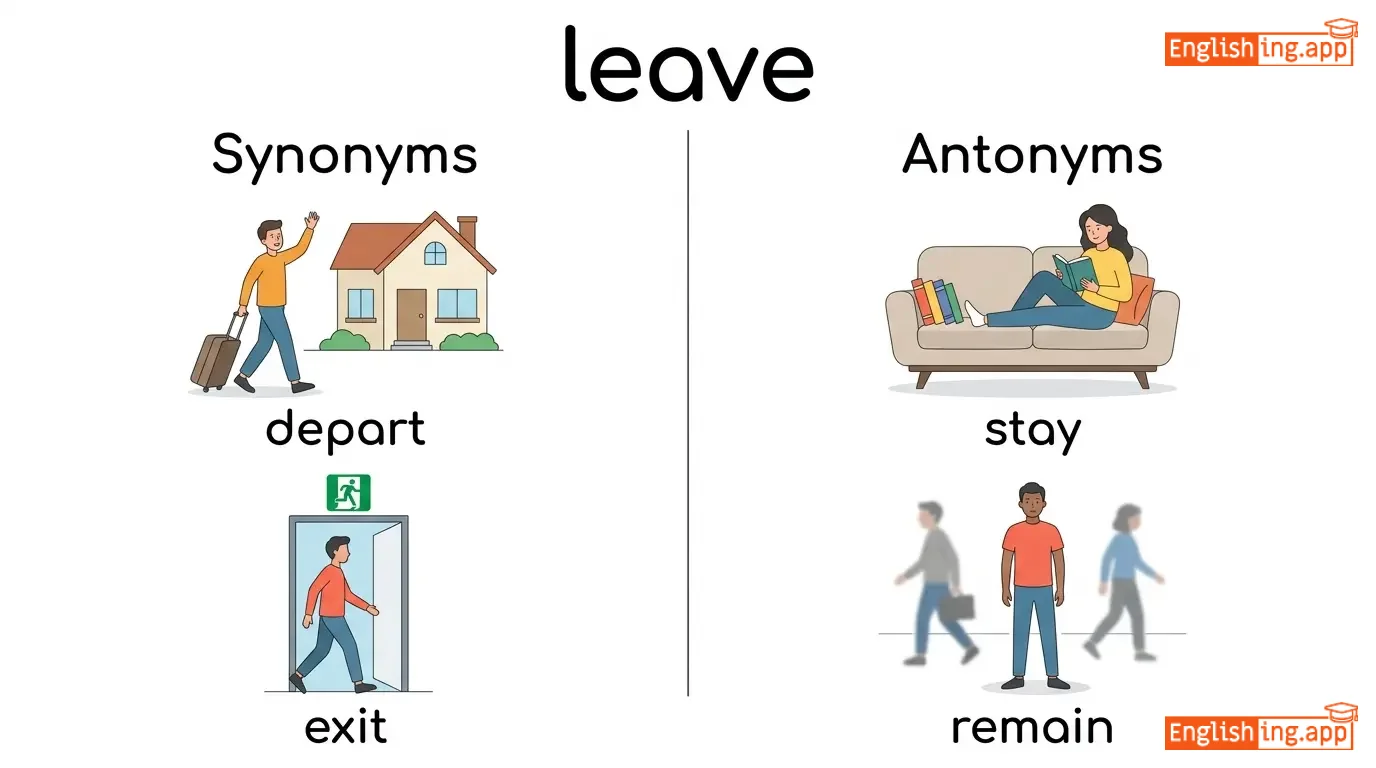
#463
🚪
|
/liːv/
verb
(lìv)
••••••
|
|
离开
likai
••••••
|
left
left
••••••
|
left
left
••••••
|
leaves
leaves
••••••
|
leaving
leaving
••••••
|
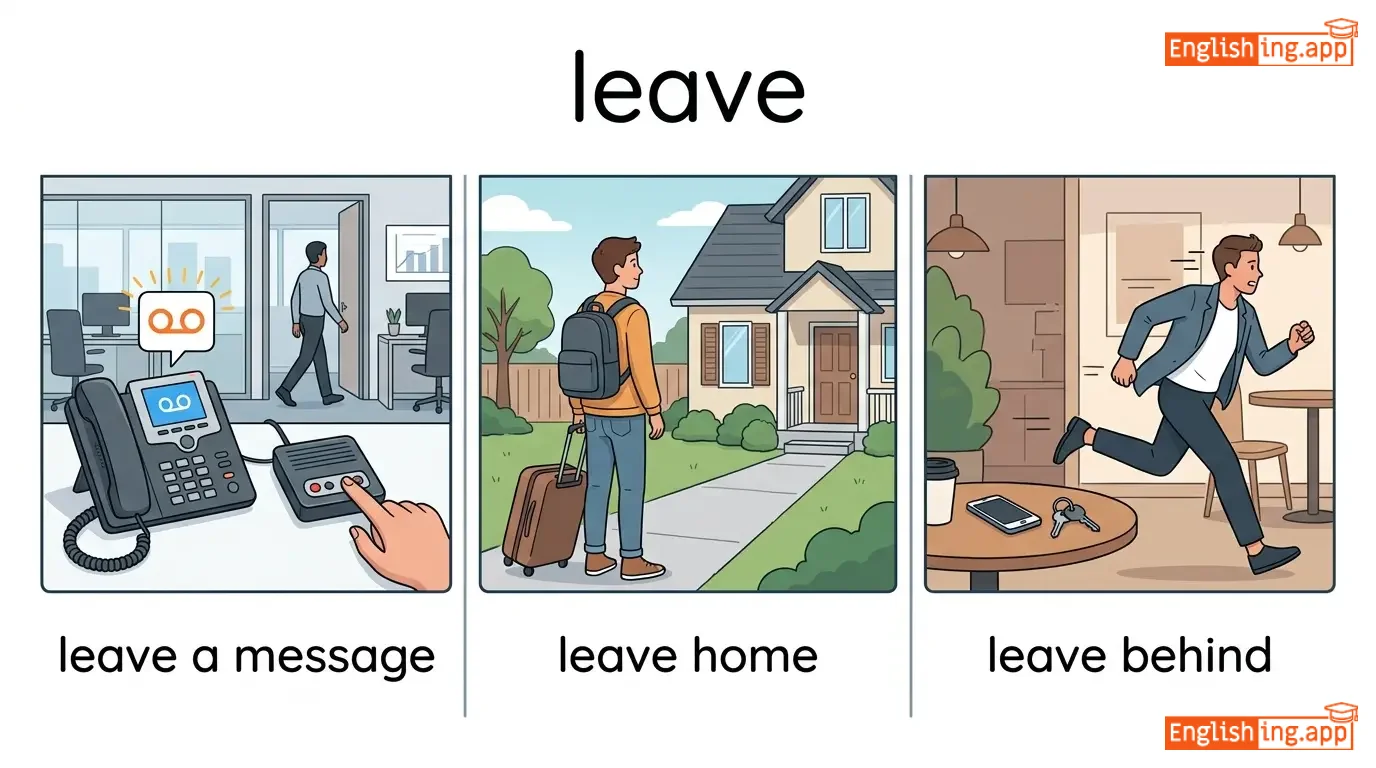
to go away from; to depart or exit
••••••
|
The train leaves at 6 PM.
火车在下午6点离开。
••••••
|
火车在下午6点离开。
Huoche zai xiawu 6 dian likai.
••••••
|
depart, exit, go, abandon
••••••
|
arrive, come, stay, remain
••••••
|
leave home, leave work, leave early, leave behind, leave message
••••••
|
Leave the station when the clock shows 6 PM.
••••••
|
|
#464
💰
|
/peɪ/
verb
(péi)
••••••
|
|
支付
zhīfù
••••••
|
paid
péi dé
••••••
|
paid
péi dé
••••••
|
pays
pèi
••••••
|
paying
péi yíng
••••••
|
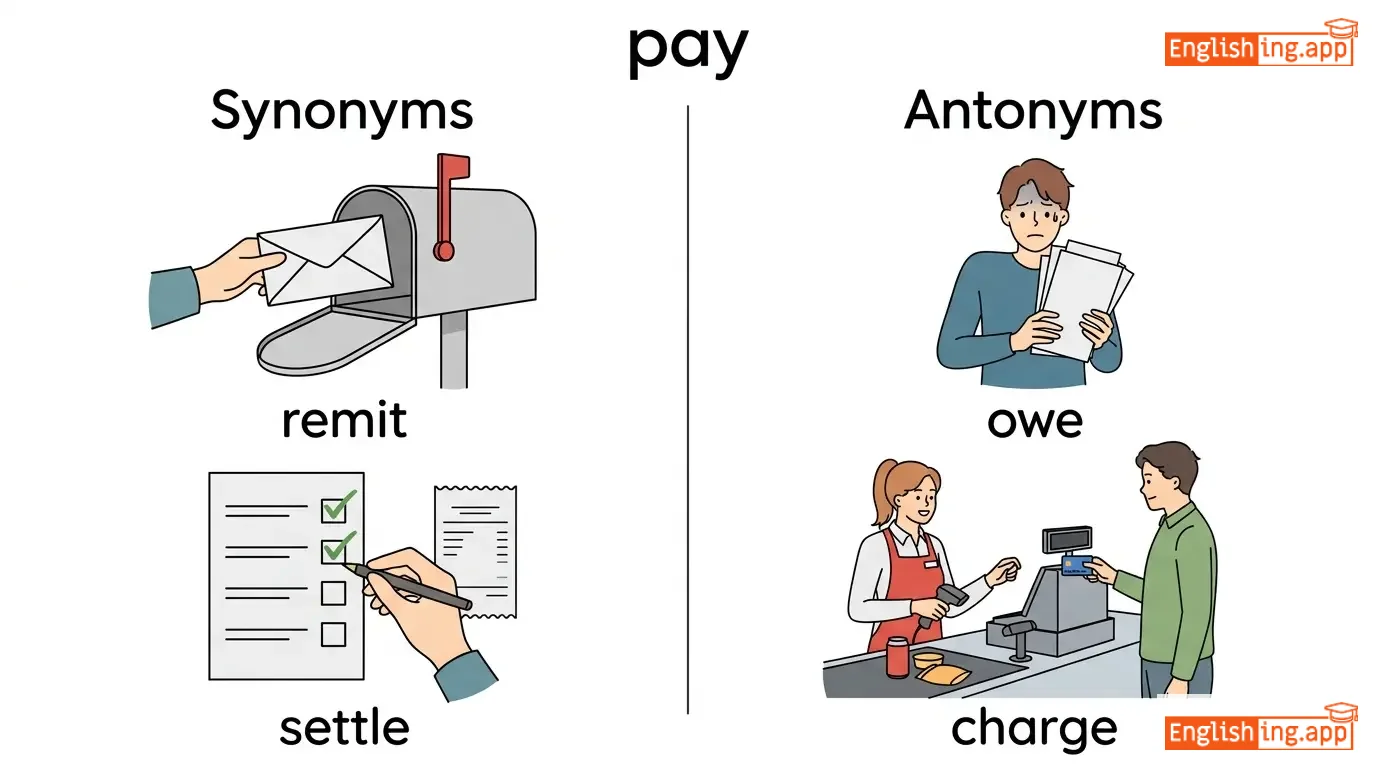
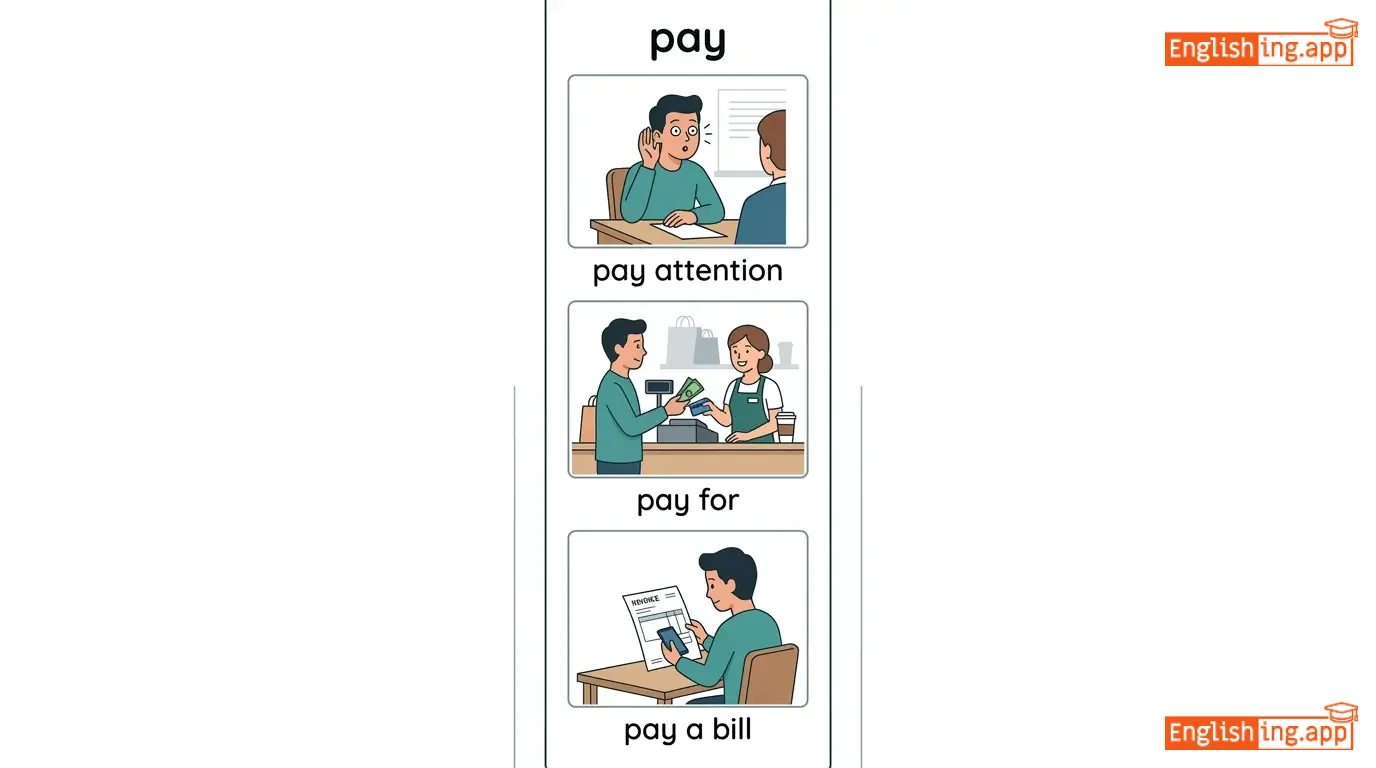
to give money in exchange for goods or services
••••••
|
I need to pay my bills on time.
我需要按时支付我的账单。
••••••
|
我需要按时支付我的账单。
Wǒ xūyào ànshí zhīfù wǒ de zhàngdān
••••••
|
compensate, remunerate, settle, discharge
••••••
|
receive, earn, collect, owe
••••••
|
pay bills, pay attention, pay salary, pay cash, pay back
••••••
|
No •••••• |
|
#465
🐎
|
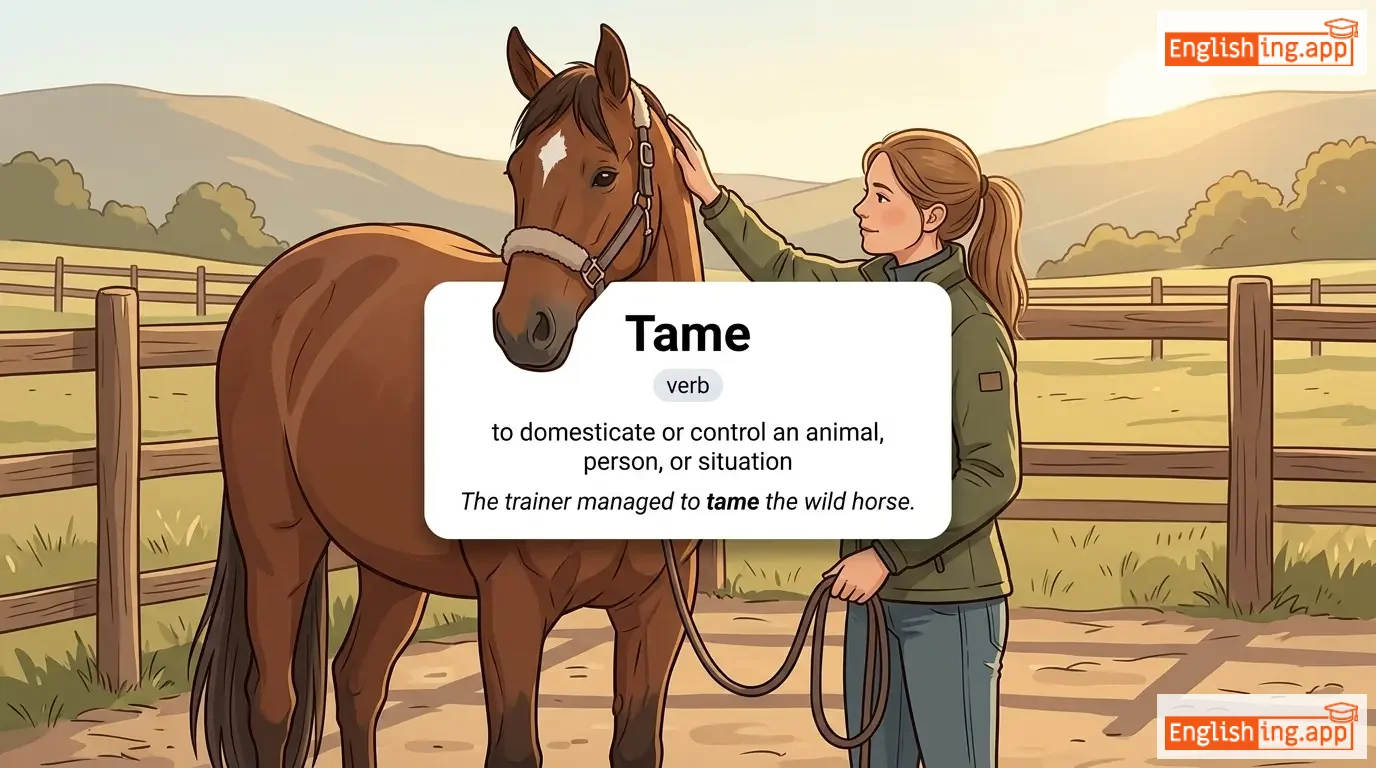
/teɪm/
verb
(teim)
••••••
|
|
驯服
xunfu
••••••
|
tamed
teimd
••••••
|
tamed
teimd
••••••
|
tames
teims
••••••
|
taming
teiming
••••••
|
to make a wild animal gentle and obedient; to control or subdue
••••••
|
It took months to tame the wild horse.
It took manz tu teim de waild hors.
••••••
|
驯服那匹野马花了几个月的时间。
Xunfu na pi yemǎ huāle jǐ gè yuè de shíjiān
••••••
|
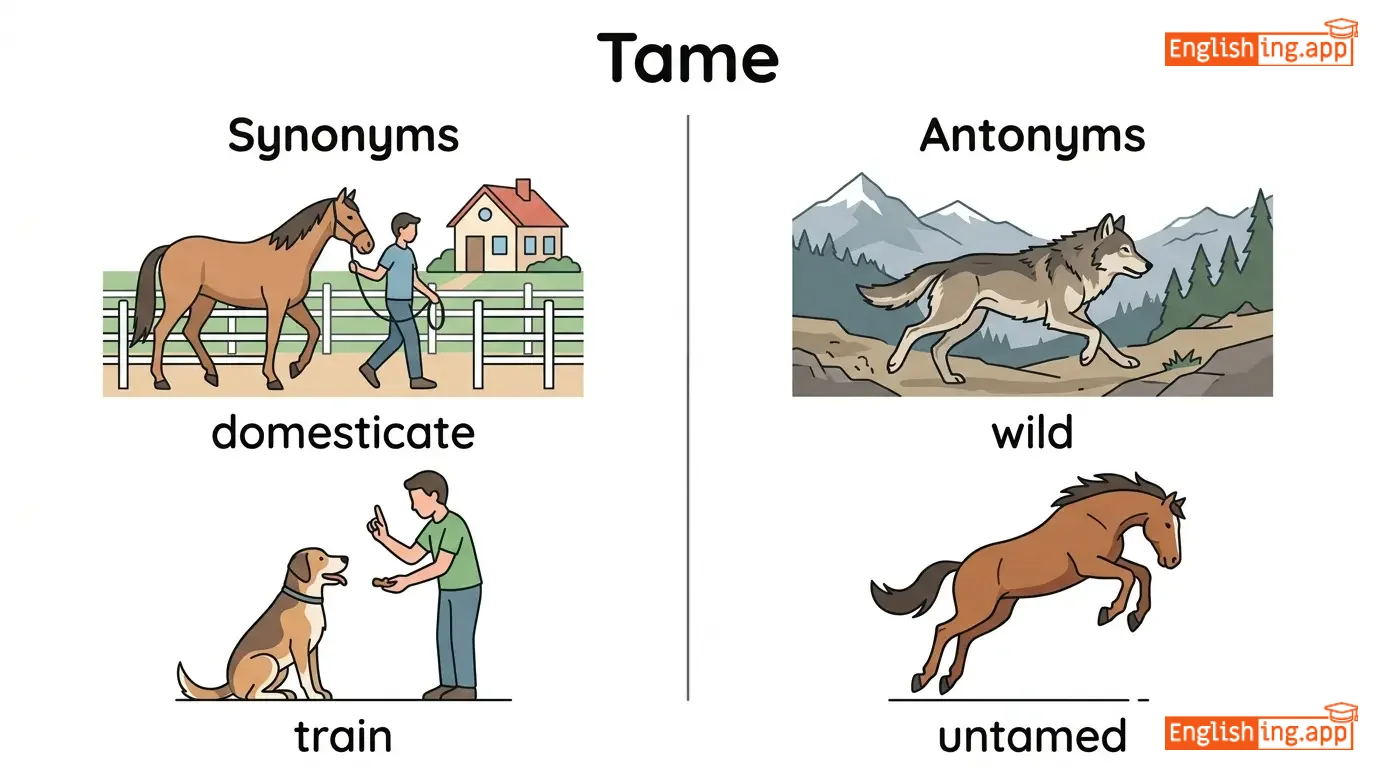
domesticate, train, subdue, control
••••••
|
wild, untamed, fierce, savage
••••••
|
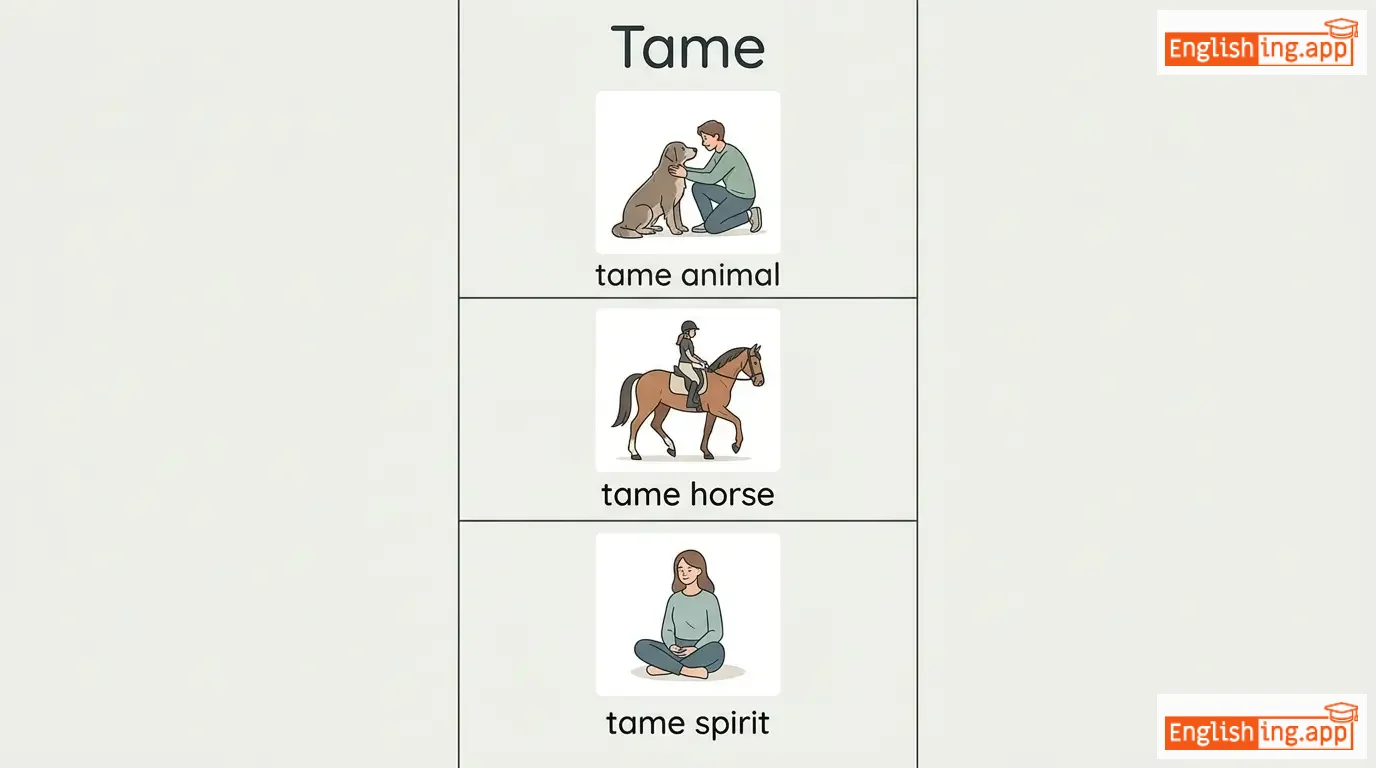
tame animal, tame lion, tame horse, tame beast, tame wild
••••••
|
No •••••• |
|
#466
🪝
|
/hʊk/
verb
(huk)
••••••
|
|
钩子
gouzi
••••••
|
hooked
huokd
••••••
|
hooked
huokd
••••••
|
hooks
huoks
••••••
|
hooking
huoking
••••••
|
to catch with a hook; to fasten
••••••
|
He hooked the fish successfully.
他成功地钩住了那条鱼。
••••••
|
他成功地钩住了那条鱼。
Ta chenggong de gou zhu le na tiao yu.
••••••
|
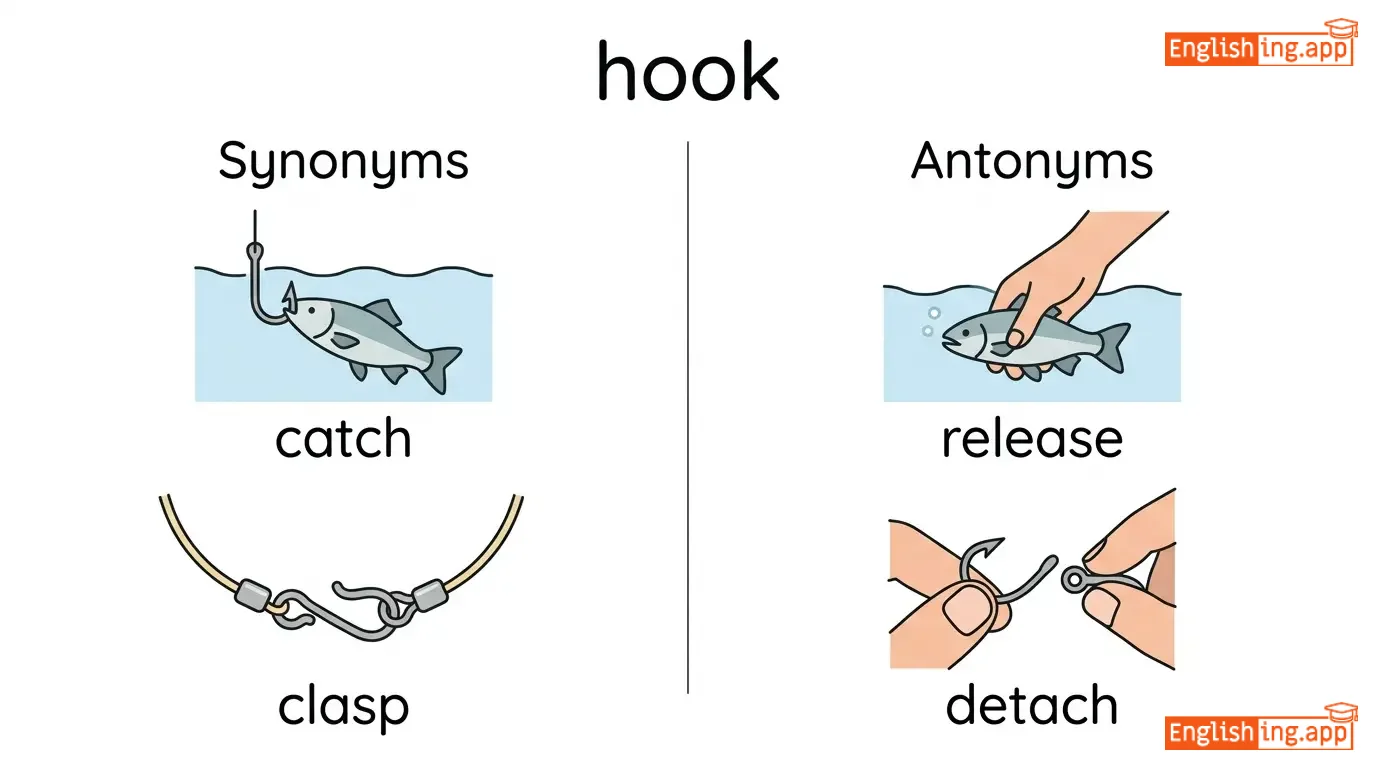
catch, snare, fasten, attach
••••••
|
release, unhook, detach, free
••••••
|
hook fish, hook up, hook onto, hook together, hook line
••••••
|
In Chinese, '钩子' (gouzi) means 'hook', a tool for fishing or fastening.
••••••
|
|
#467
🛡️
|
/ɪnˈʃʊər/
verb
(īnxiǔěr)
••••••
|
|
投保
tóubǎo
••••••
|
insured
yì bǎo
••••••
|
insured
yì bǎo
••••••
|
insures
yì bǎo
••••••
|
insuring
bǎo zhèng
••••••
|
to provide insurance; to make certain
••••••
|
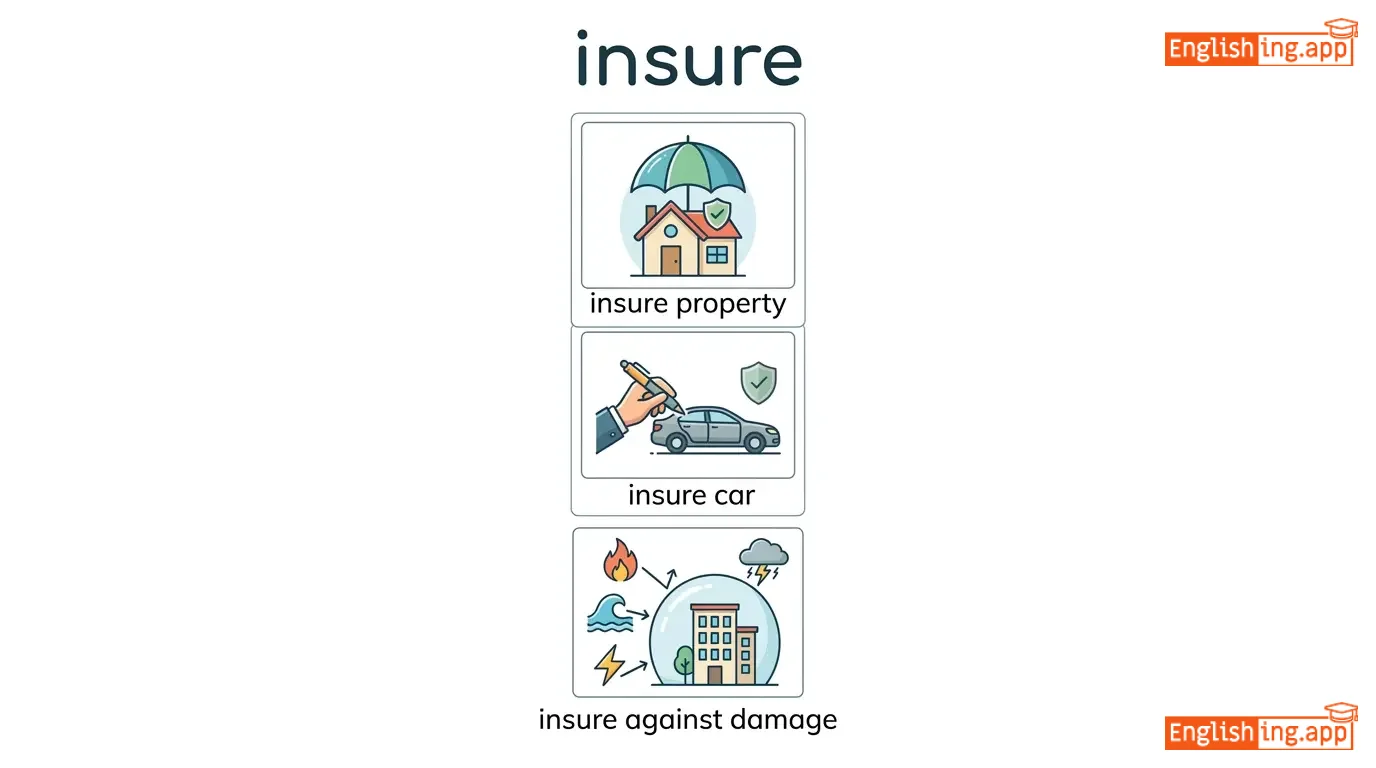
I need to insure my new car.
我需要为我的新车投保。
••••••
|
我需要为我的新车投保。
Wǒ xūyào wèi wǒ de xīnchē tóubǎo.
••••••
|
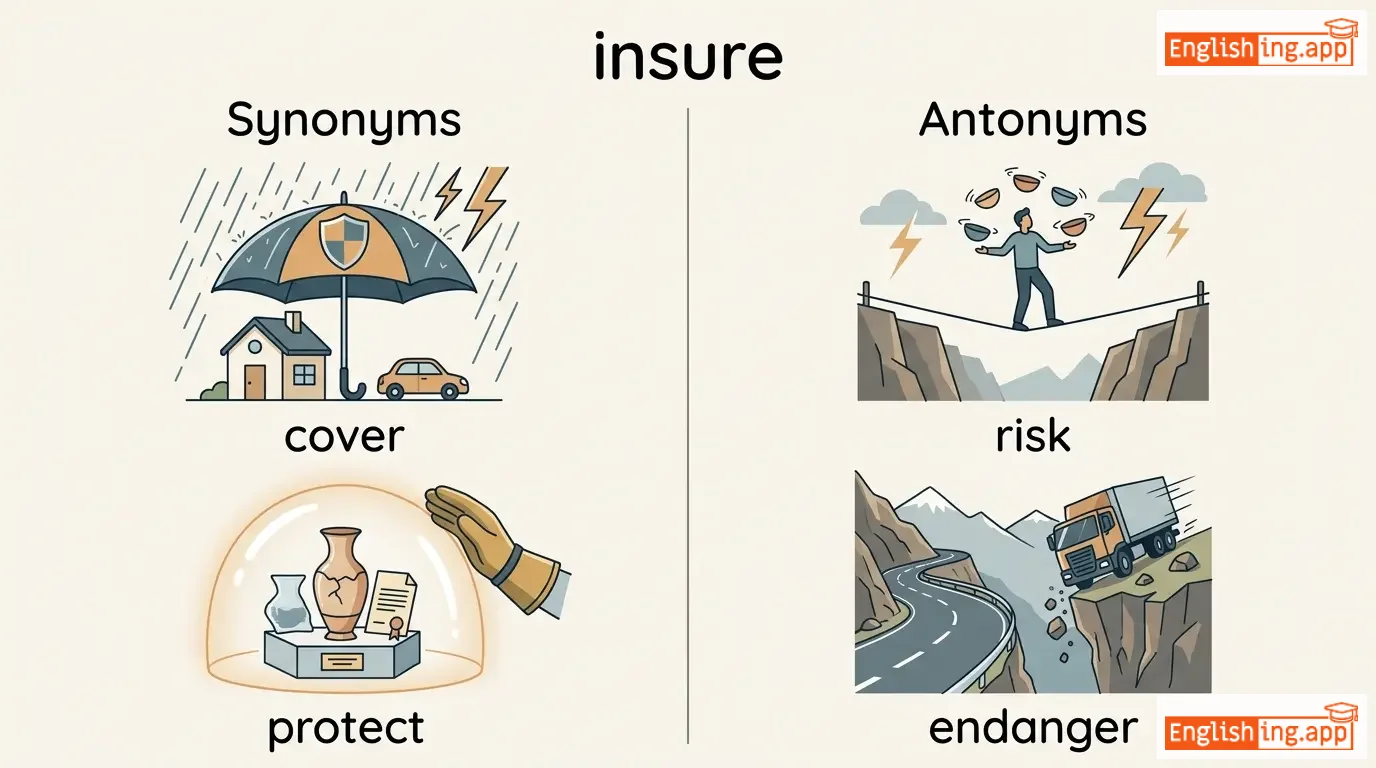
guarantee, secure, protect, cover
••••••
|
endanger, risk, expose, jeopardize
••••••
|
insure car, insure house, insure life, insure property, insure against
••••••
|
Think of '投保' as making sure your 'new car' is 'insured' in Chinese.
••••••
|
|
#468
😤
|
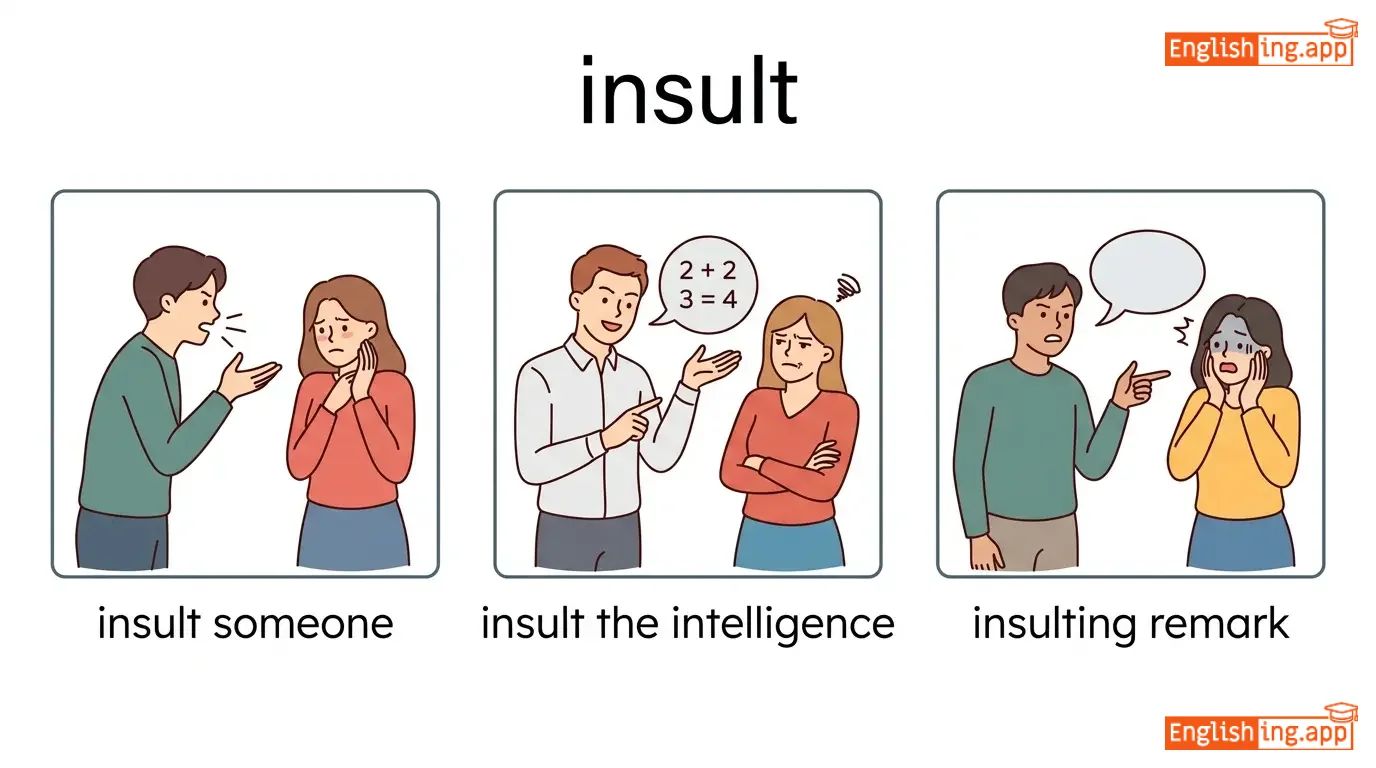
/ɪnˈsʌlt/
verb
(侮辱)
••••••
|
|
侮辱
wǔrǔ
••••••
|
insulted
侮辱了
••••••
|
insulted
侮辱了
••••••
|
insults
侮辱
••••••
|
insulting
侮辱
••••••
|
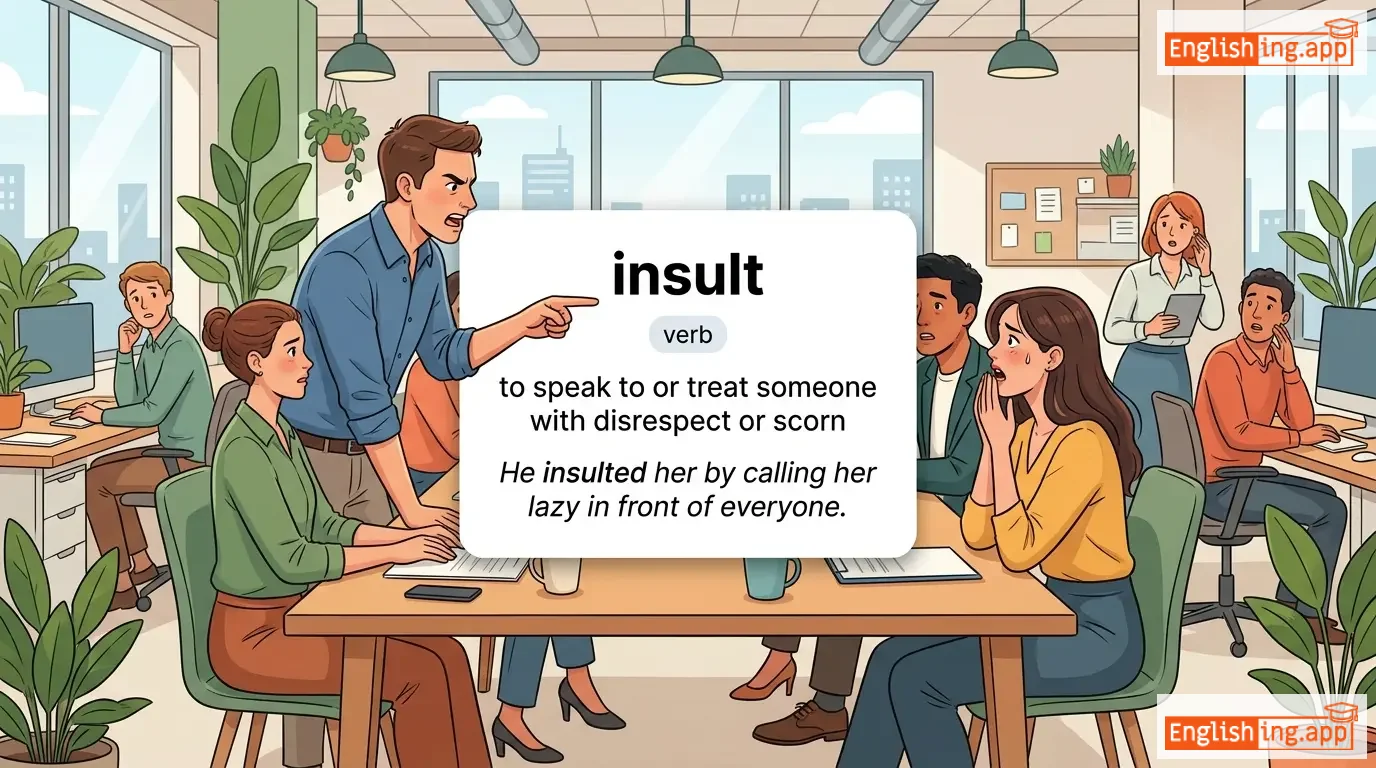
to speak or act in a way that hurts someone's feelings or shows disrespect
••••••
|
He felt insulted by her rude comments.
他因她的粗鲁评论而感到被侮辱。
••••••
|
他因她的粗鲁评论而感到被侮辱。
Tā yīn tā de cūlǔ pínglùn ér gǎndào bèi wǔrǔ.
••••••
|
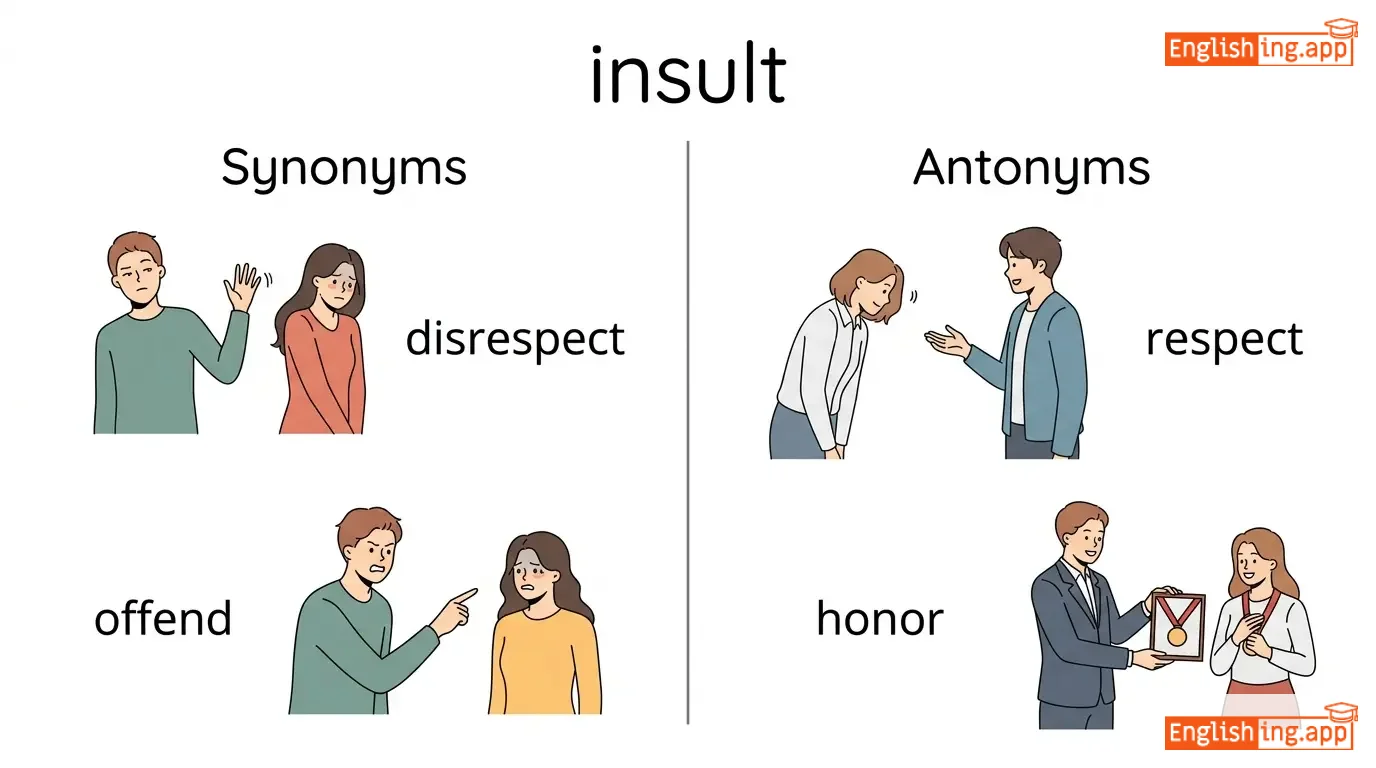
offend, disrespect, abuse, humiliate, mock
••••••
|
compliment, praise, honor, respect, flatter
••••••
|
insult someone, insult intelligence, insult dignity, insult deeply, insult publicly
••••••
|
侮辱是用言语伤害他人或表达不尊重的行为。
••••••
|
|
#469
🗣️
|
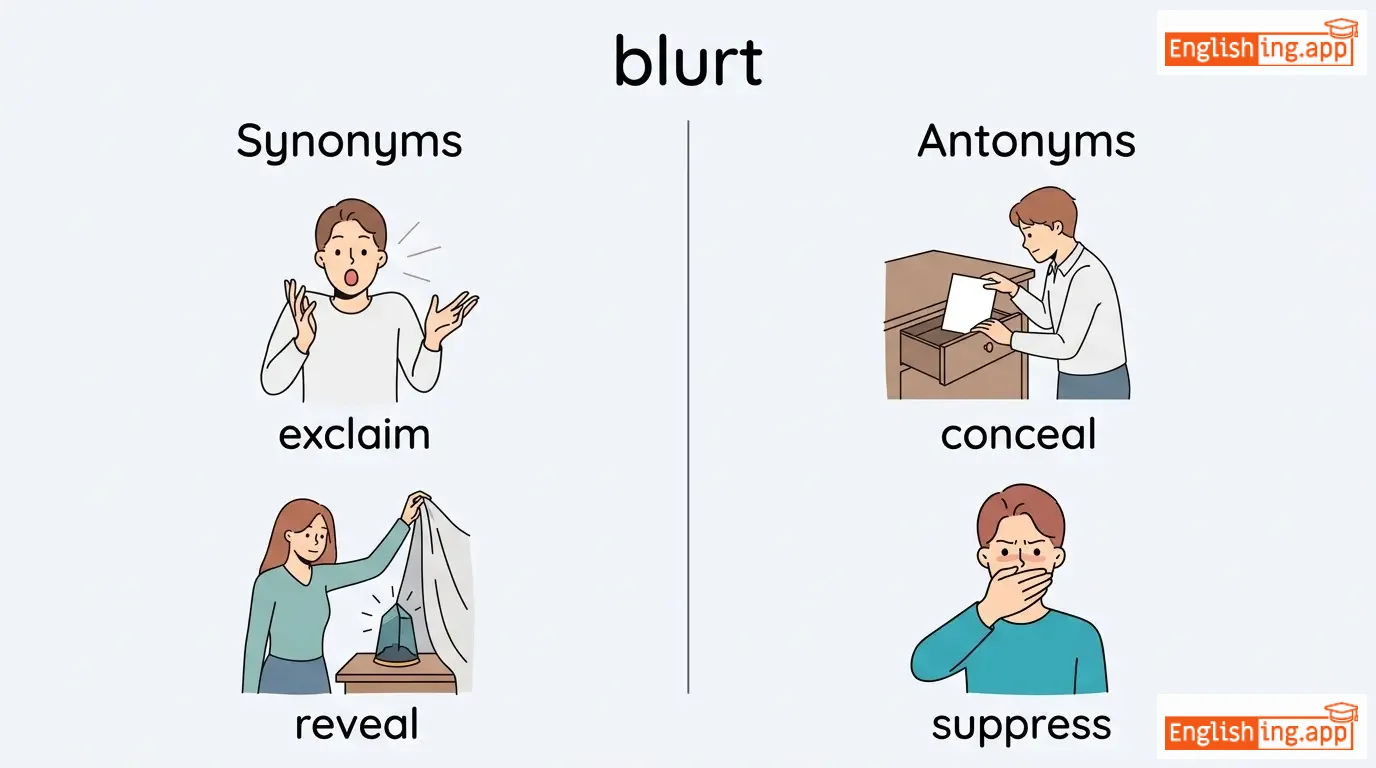
/blɜːrt/
verb
(布拉特)
••••••
|
|
突然说出
tūrán shuōchū
••••••
|
blurted
布拉特德
••••••
|
blurted
布拉特德
••••••
|
blurts
布拉特斯
••••••
|
blurting
布拉特英
••••••
|
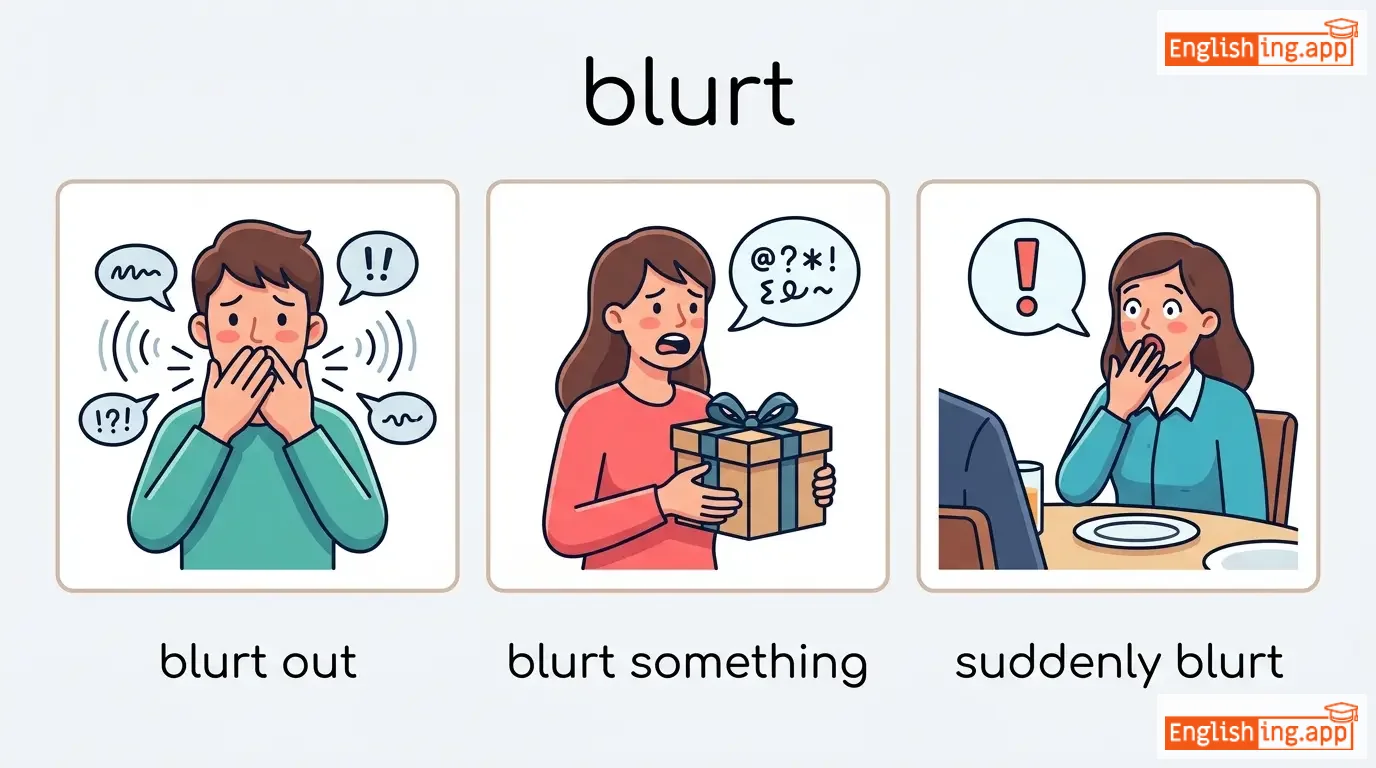
to say something suddenly without thinking
••••••
|
He blurts out the secret accidentally.
他不小心透露了秘密。
••••••
|
他不小心说出了秘密。
Tā bù xiǎoxīn shuō chūle mìmì.
••••••
|
exclaim, burst out, reveal, spill
••••••
|
conceal, hide, think before speaking
••••••
|
blurt out, blurt secret, blurt truth, blurt answer, blurt suddenly
••••••
|
Blurt 就是没有思考突然说出,就像冲动的泄露秘密。
••••••
|
|
#470
🔍
|
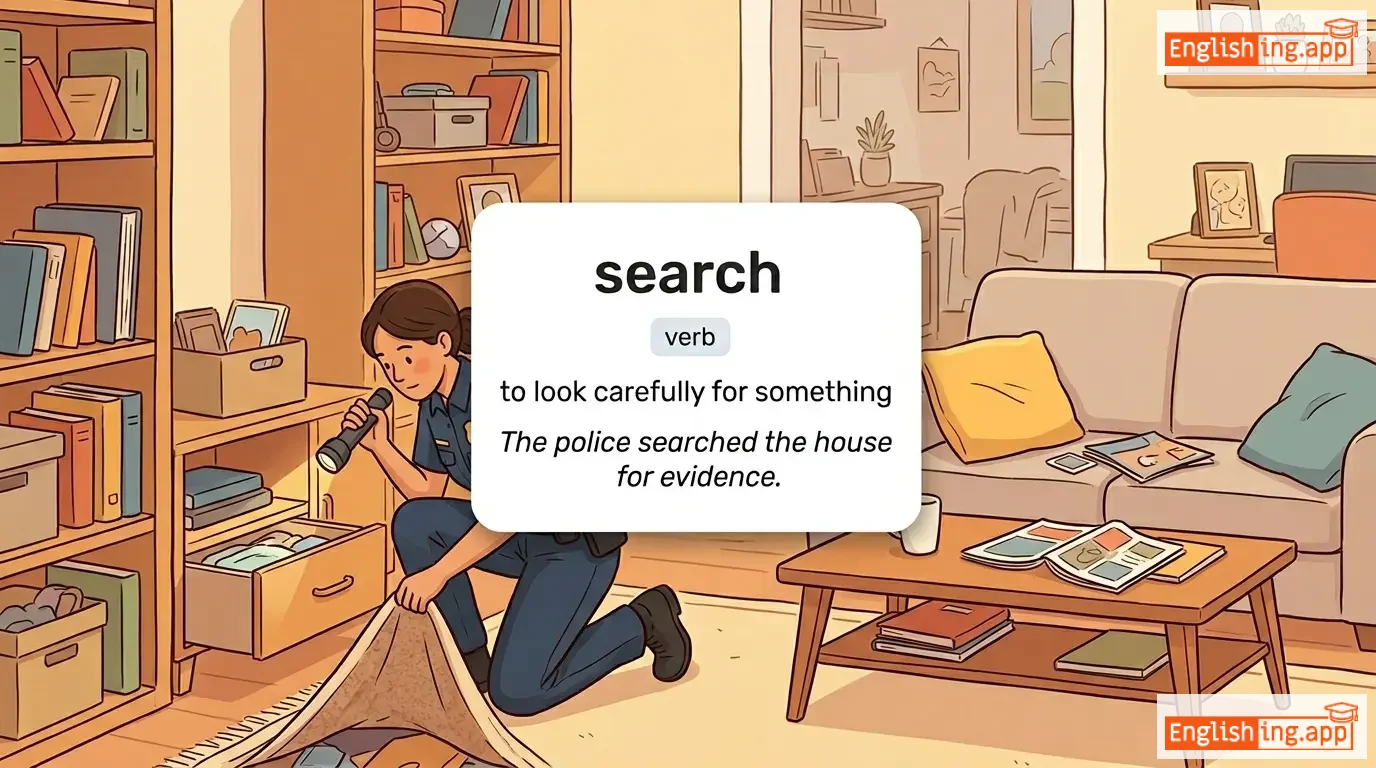
/sɜːrtʃ/
verb
(瑟奇)
••••••
|
|
搜索
sousuo
••••••
|
searched
瑟奇德
••••••
|
searched
瑟奇德
••••••
|
searches
瑟奇斯
••••••
|
searching
瑟奇英
••••••
|
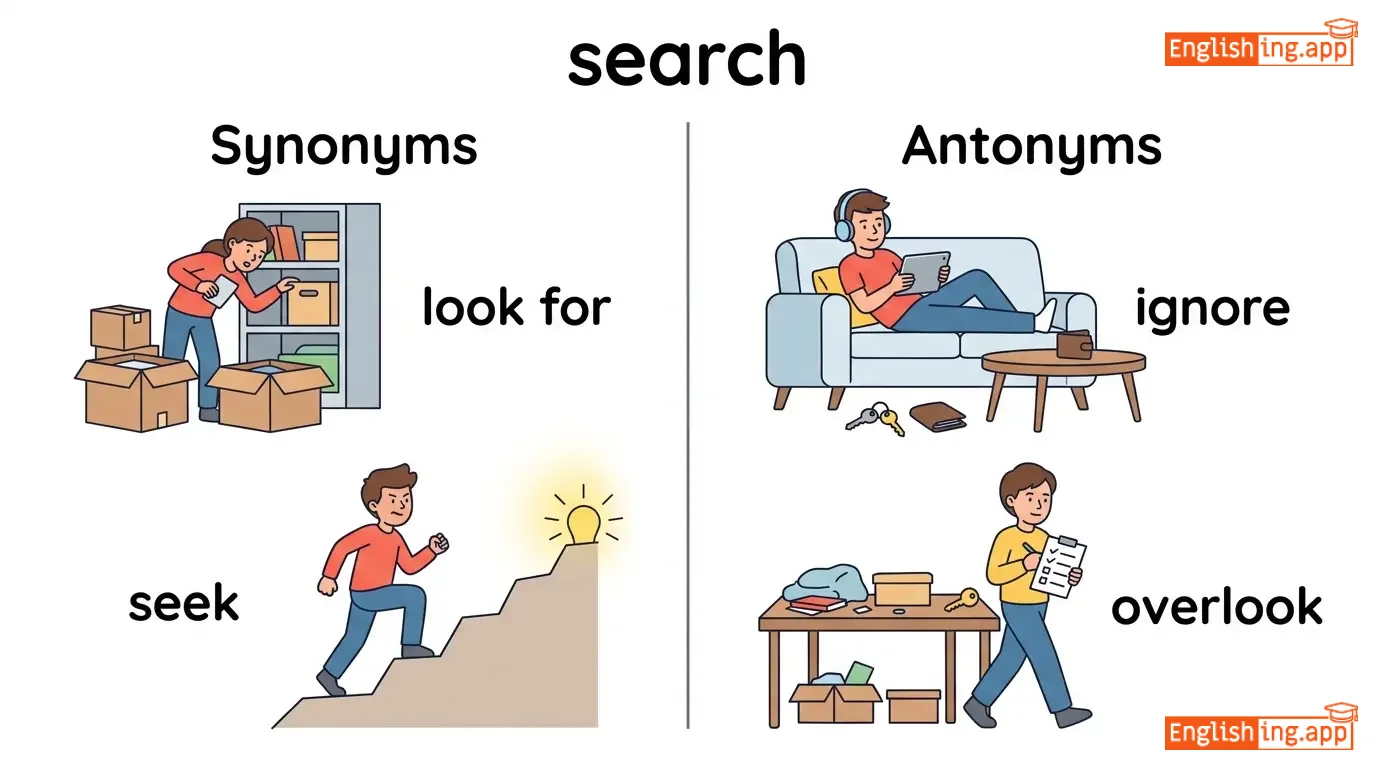
to look carefully for someone or something; to examine thoroughly
••••••
|
The police searched the house for evidence.
警方搜索了房子寻找证据。
••••••
|
警察搜查了房子以寻找证据。
jingcha soucha le fangzi yi xunzhao zhengju
••••••
|
hunt, seek, investigate, explore
••••••
|
find, discover, ignore, overlook
••••••
|
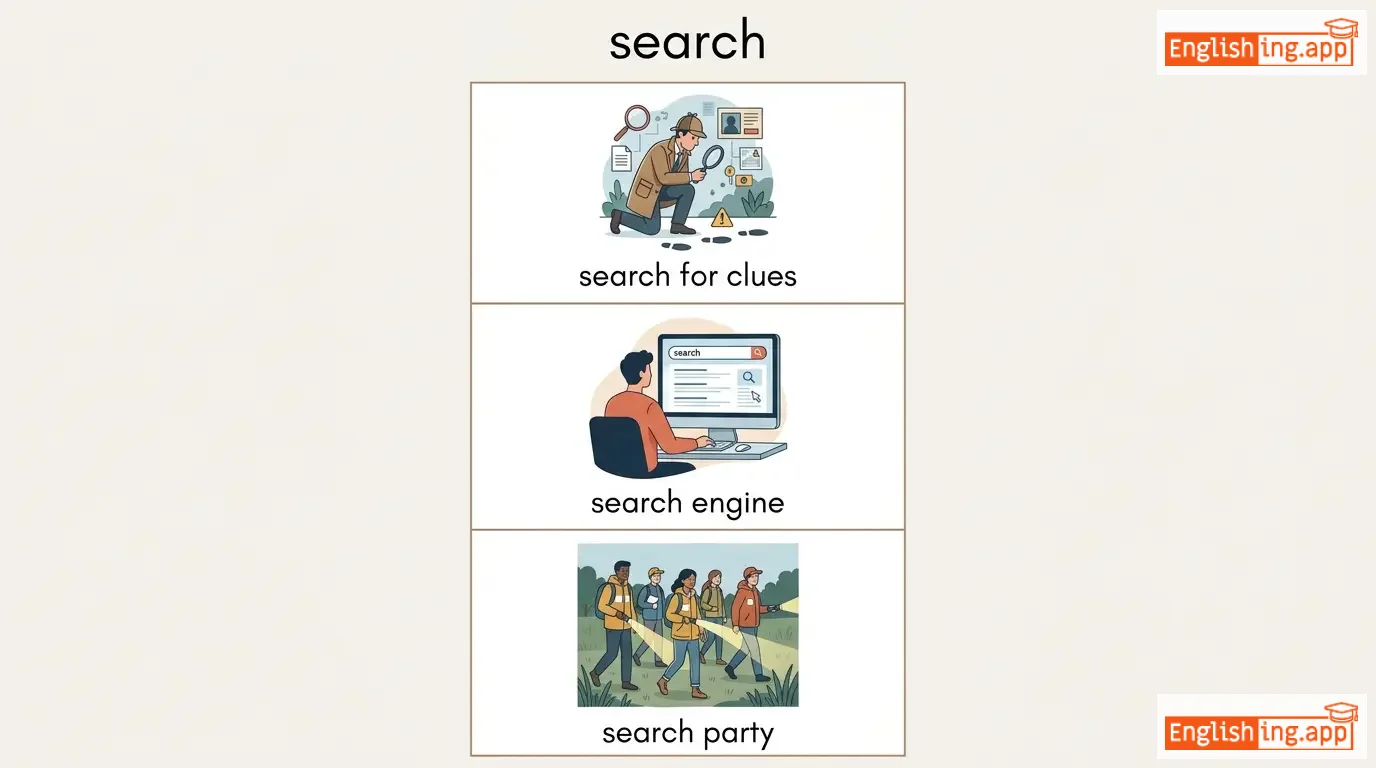
search for, search through, search everywhere, search carefully, search thoroughly
••••••
|
Search in Chinese is '搜索' (sousuo) — imagine 'so sore' from searching too much.
••••••
|
|
#471
👥
|
/ˈkɒŋɡrɪɡeɪt/
verb
(kòngɡrɪɡeɪt)
••••••
|
|
聚集, 集合
ju-ji, ji-he
••••••
|
congregated
kòngɡrɪɡeɪt-ed
••••••
|
congregated
kòngɡrɪɡeɪt-ed
••••••
|
congregates
kòngɡrɪɡeɪts
••••••
|
congregating
kòngɡrɪɡeɪt-ɪng
••••••
|
to gather together in a group; to assemble
••••••
|
People congregate in the town square every evening.
人们每天晚上都会在市中心的广场上聚集。
••••••
|
人们每天晚上都会在市中心的广场上聚集。
Ren-men mei-tian wan-shang dou hui zai shi-zhong-xin de guang-chang shang ju-ji.
••••••
|
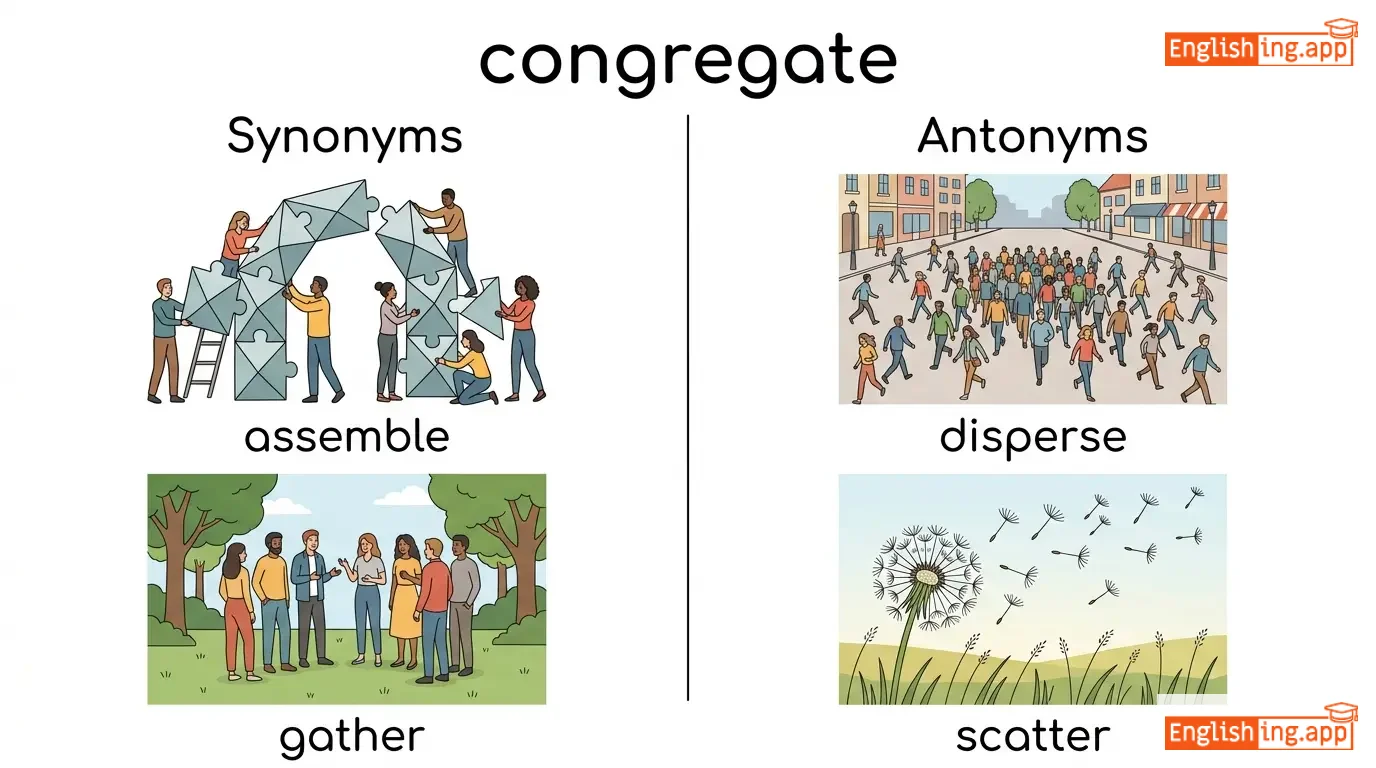
gather, assemble, collect, meet
••••••
|
disperse, scatter, separate, divide
••••••
|
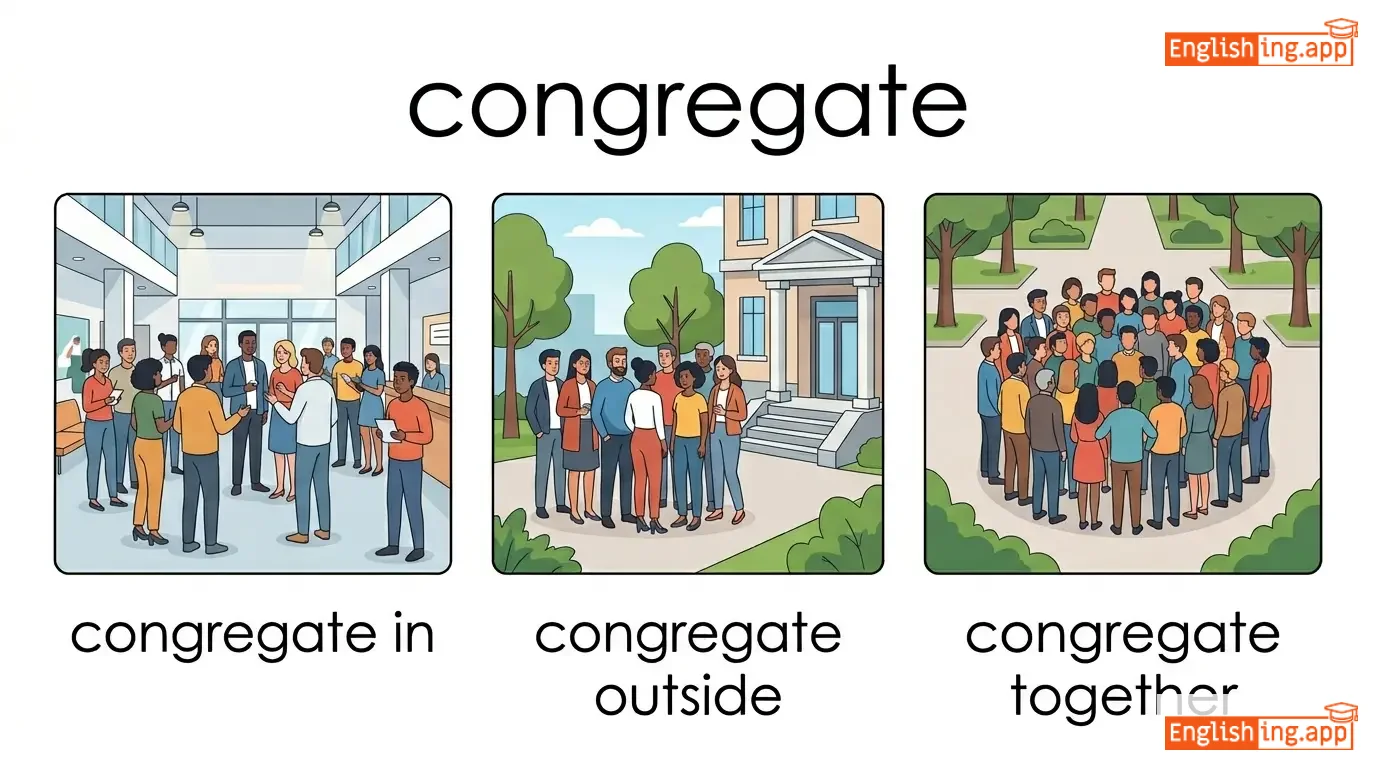
congregate together, congregate around, congregate in, congregate at, congregate peacefully
••••••
|
No •••••• |
|
#472
📋
|
/plæn/
verb
(计划)
••••••
|
|
规划
guīhuà
••••••
|
planned
计划了
••••••
|
planned
计划了
••••••
|
plans
计划
••••••
|
planning
计划中
••••••
|
to design or make arrangements for something in advance
••••••
|
We need to plan our vacation carefully.
我们需要仔细规划我们的假期。
••••••
|
我们需要仔细规划我们的假期。
Wǒmen xūyào zǐxì guīhuà wǒmen de jiàqī.
••••••
|
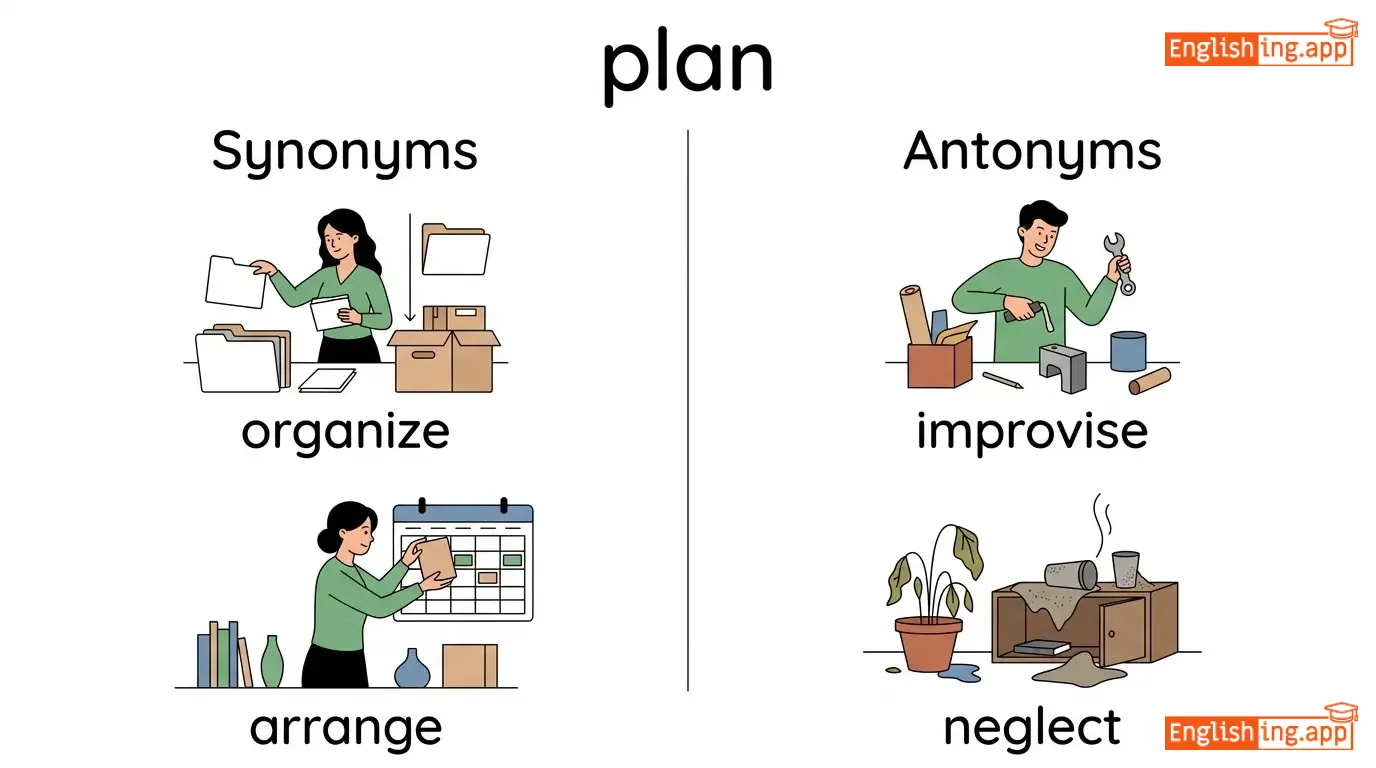
organize, arrange, design, prepare
••••••
|
improvise, neglect, ignore, abandon
••••••
|
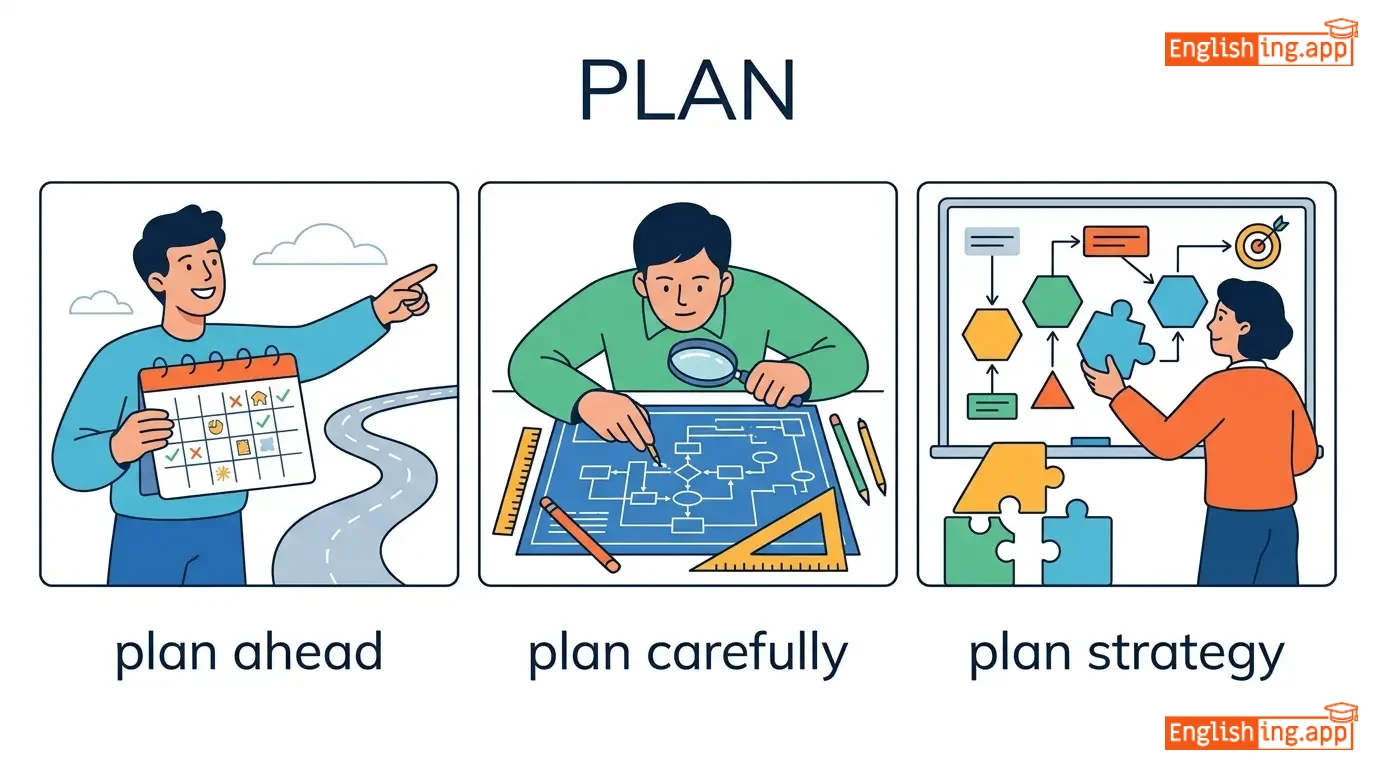
plan ahead, plan carefully, plan strategy, plan future, plan meeting
••••••
|
规划 - 提前安排好一切!
••••••
|
|
#473
😂
|
/læf/
verb
(laf)
••••••
|
|
笑
xiao
••••••
|
laughed
lafd
••••••
|
laughed
lafd
••••••
|
laughs
lafs
••••••
|
laughing
lafing
••••••
|
to make sounds with your voice expressing happiness or amusement
••••••
|
The children laugh when they watch cartoons.
孩子们看卡通片时会笑。
••••••
|
孩子们看卡通片时会笑。
Haizimen kan katongpian shi hui xiao.
••••••
|
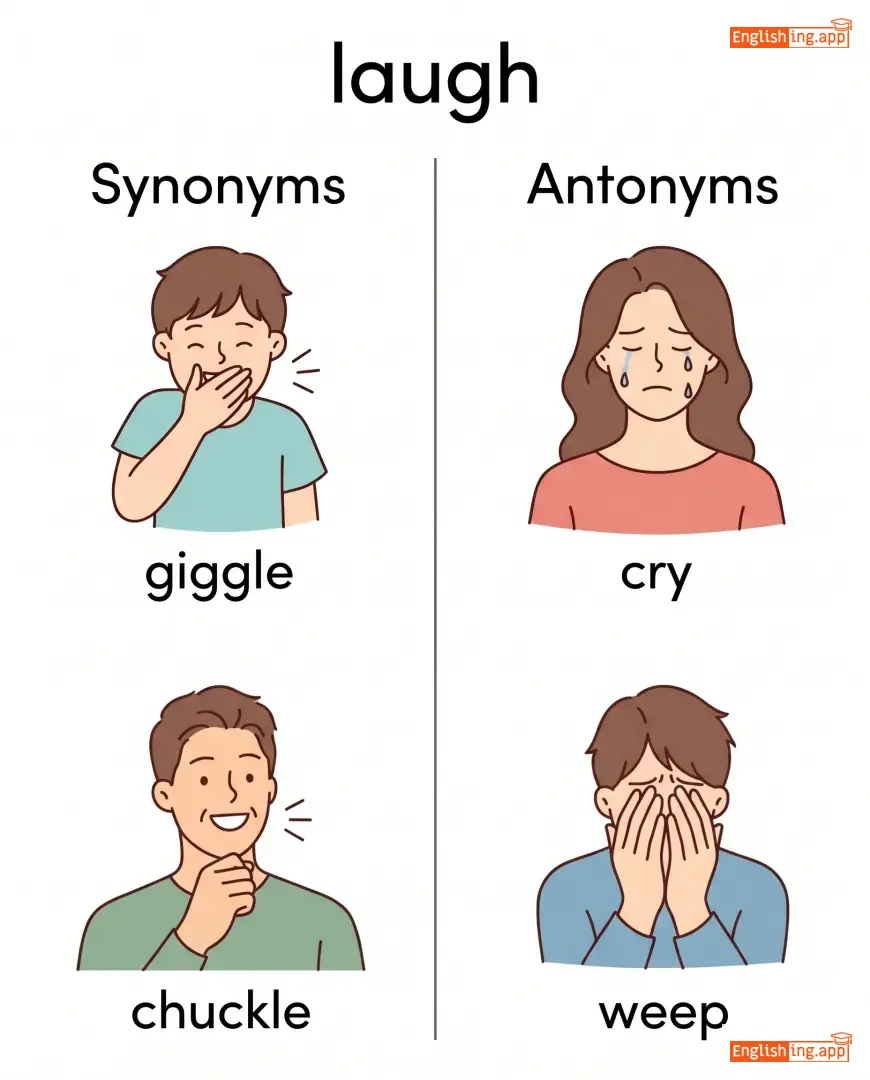
chuckle, giggle, chortle, snicker
••••••
|
cry, weep, sob, frown
••••••
|
laugh loudly, laugh heartily, laugh at, laugh together, laugh out loud
••••••
|
In Chinese, '笑' (xiao) is how you laugh when watching something funny!
••••••
|
|
#474
🤔
|
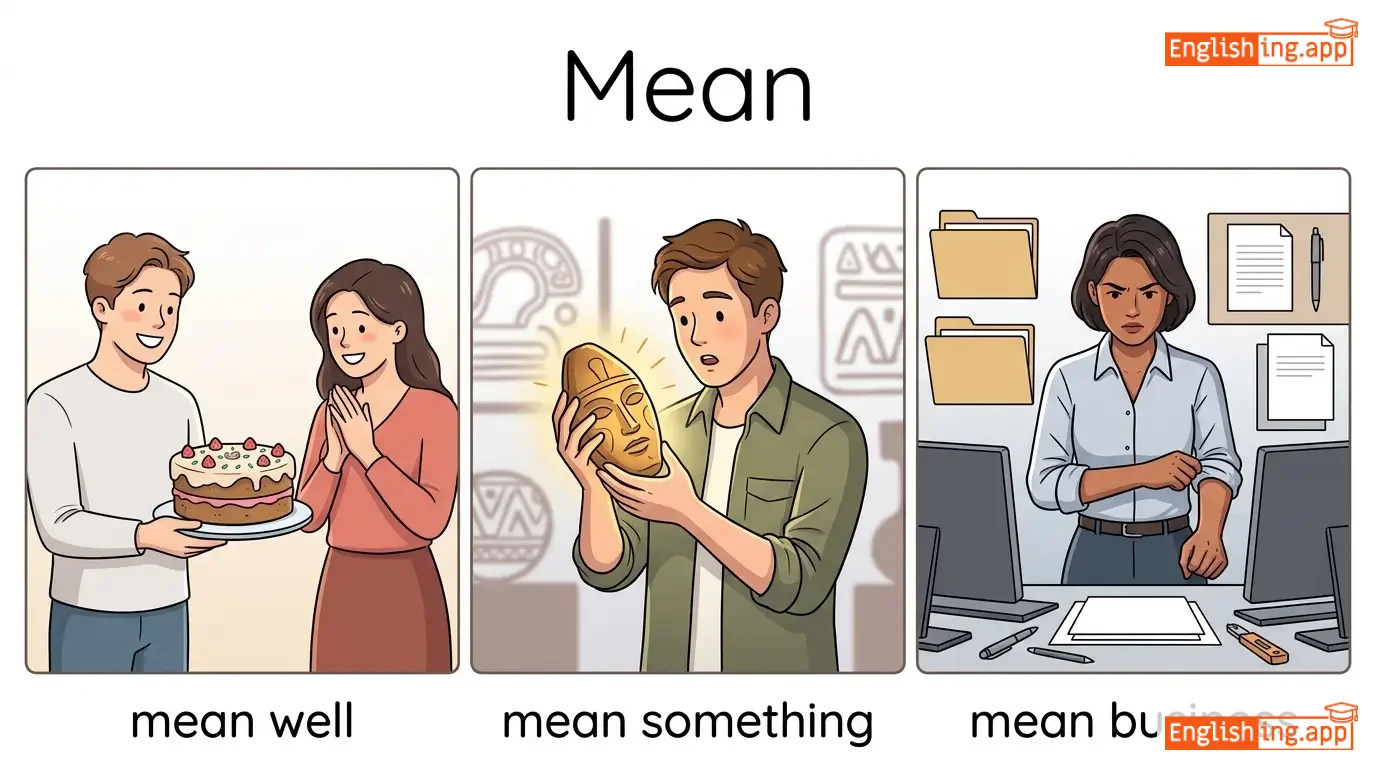
/miːn/
verb
(mīn)
••••••
|
|
意味着
yìwèi zhe
••••••
|
meant
mént
••••••
|
meant
mént
••••••
|
means
mīns
••••••
|
meaning
míng
••••••
|
to signify or indicate; to intend or plan; to have significance
••••••
|
What does this word mean in English?
这个词在英语中是什么意思?
••••••
|
这个词在英语中是什么意思?
Zhège cí zài yīngyǔ zhōng shì shénme yìwèi?
••••••
|
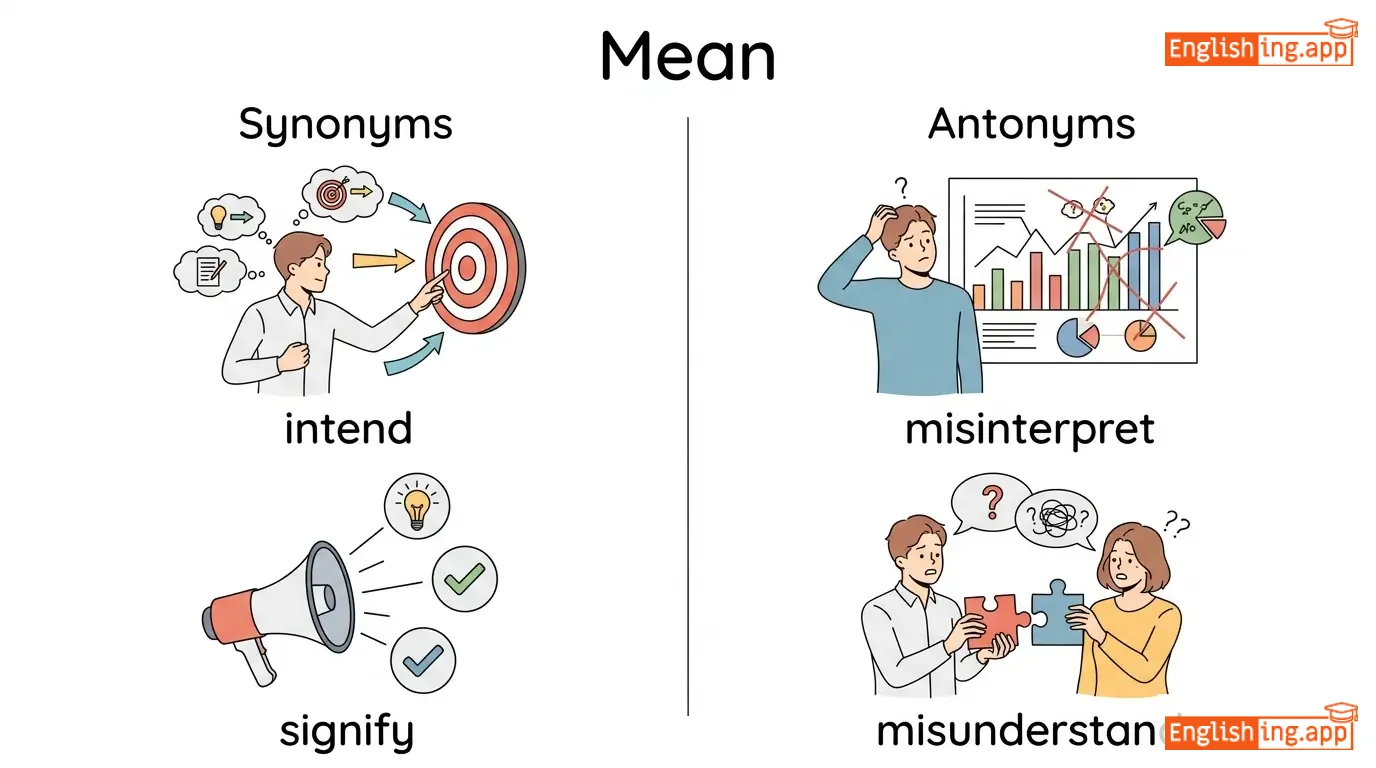
signify, indicate, denote, imply, suggest
••••••
|
meaningless, insignificant
••••••
|
mean something, mean well, mean business, mean seriously, mean no harm
••••••
|
In Chinese, think of 'mean' as '意味着' which also suggests meaning.
••••••
|
|
#475
💧
|
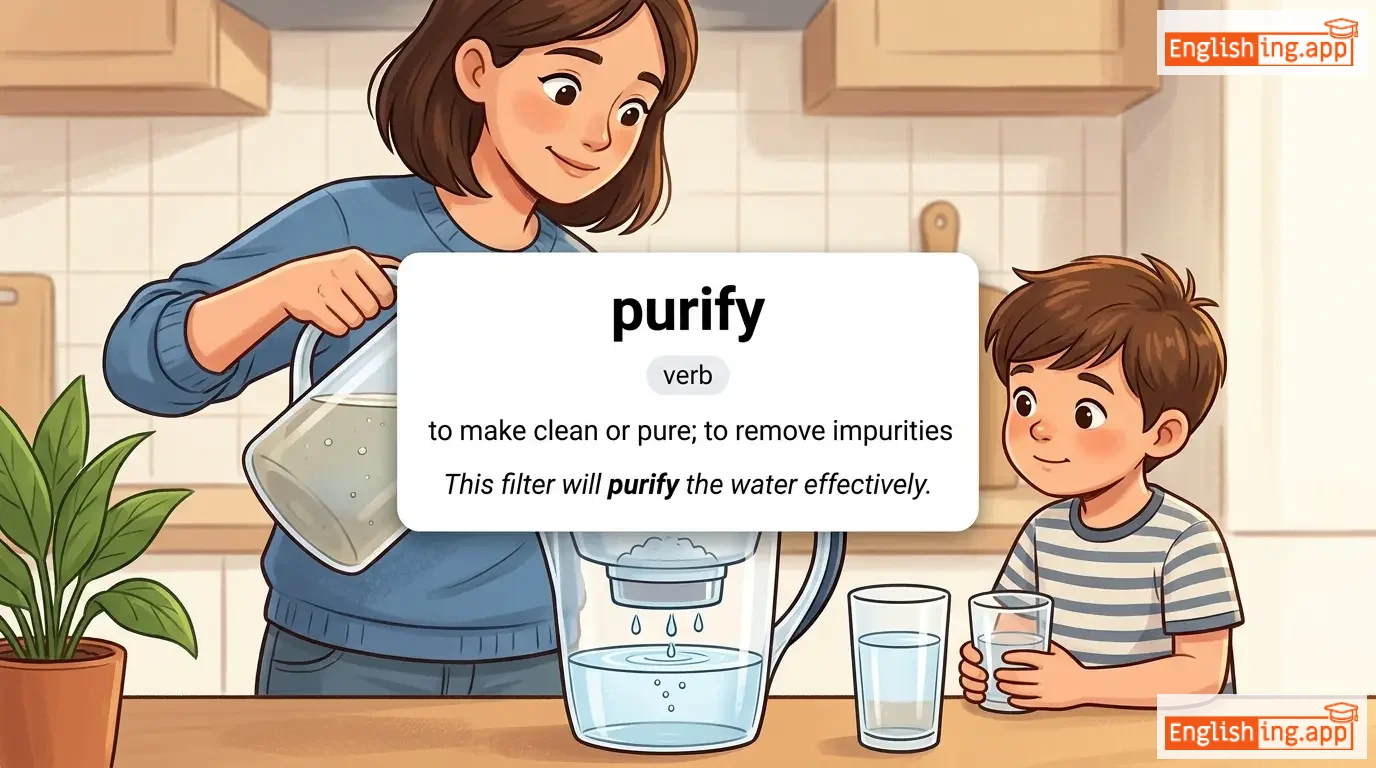
/ˈpjʊərɪfaɪ/
verb
(pǔ yǔ rǐ fāi)
••••••
|
|
净化
jìng huà
••••••
|
purified
pǔ yǔ rǐ fāi dé
••••••
|
purified
pǔ yǔ rǐ fāi dé
••••••
|
purifies
pǔ yǔ rǐ fāi zhuǎn
••••••
|
purifying
pǔ yǔ rǐ fāi
••••••
|
to make clean or pure; to remove impurities
••••••
|
This filter will purify the water effectively.
这个过滤器将有效地净化水。
••••••
|
这个过滤器将有效地净化水。
Zhège guòlǜqì jiāng yǒuxiàolì dì jìnghuà shuǐ.
••••••
|
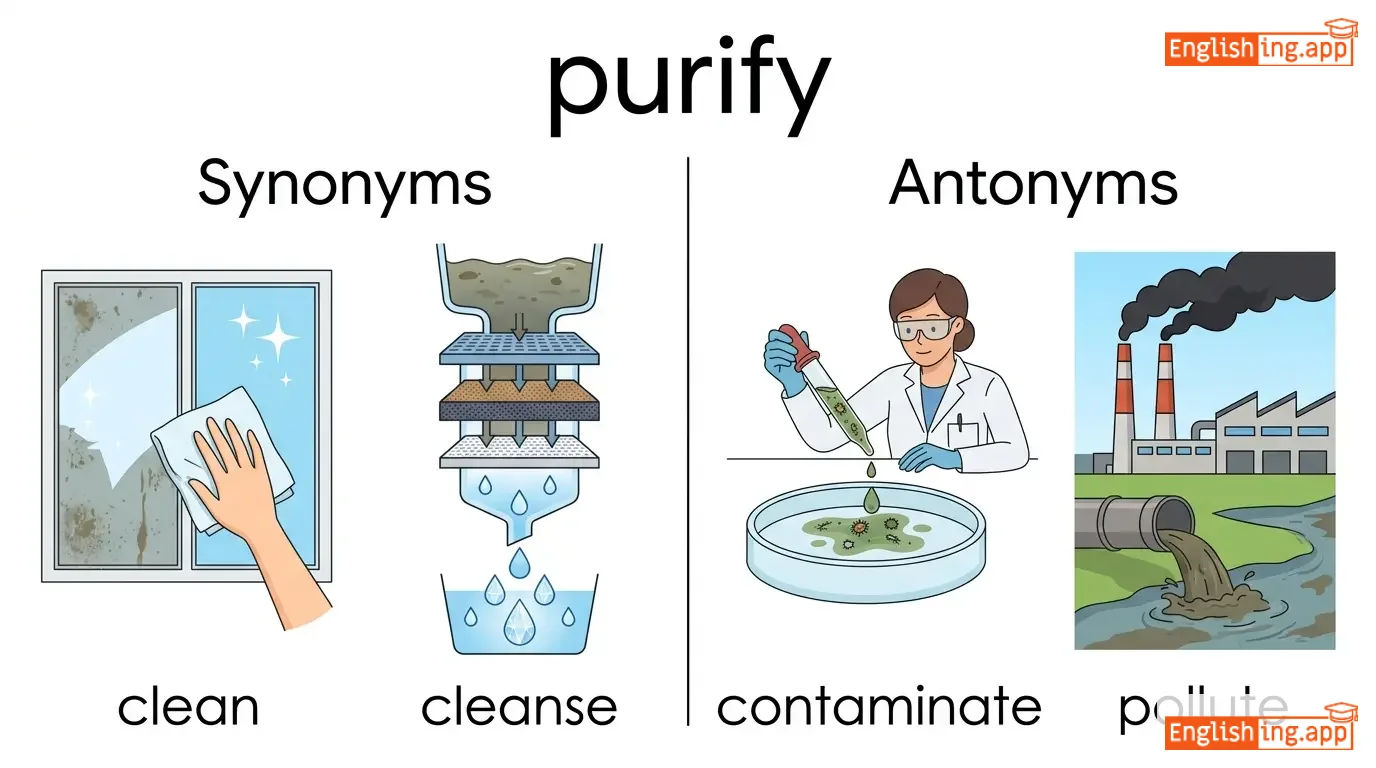
clean, cleanse, refine, filter
••••••
|
contaminate, pollute, dirty, corrupt
••••••
|
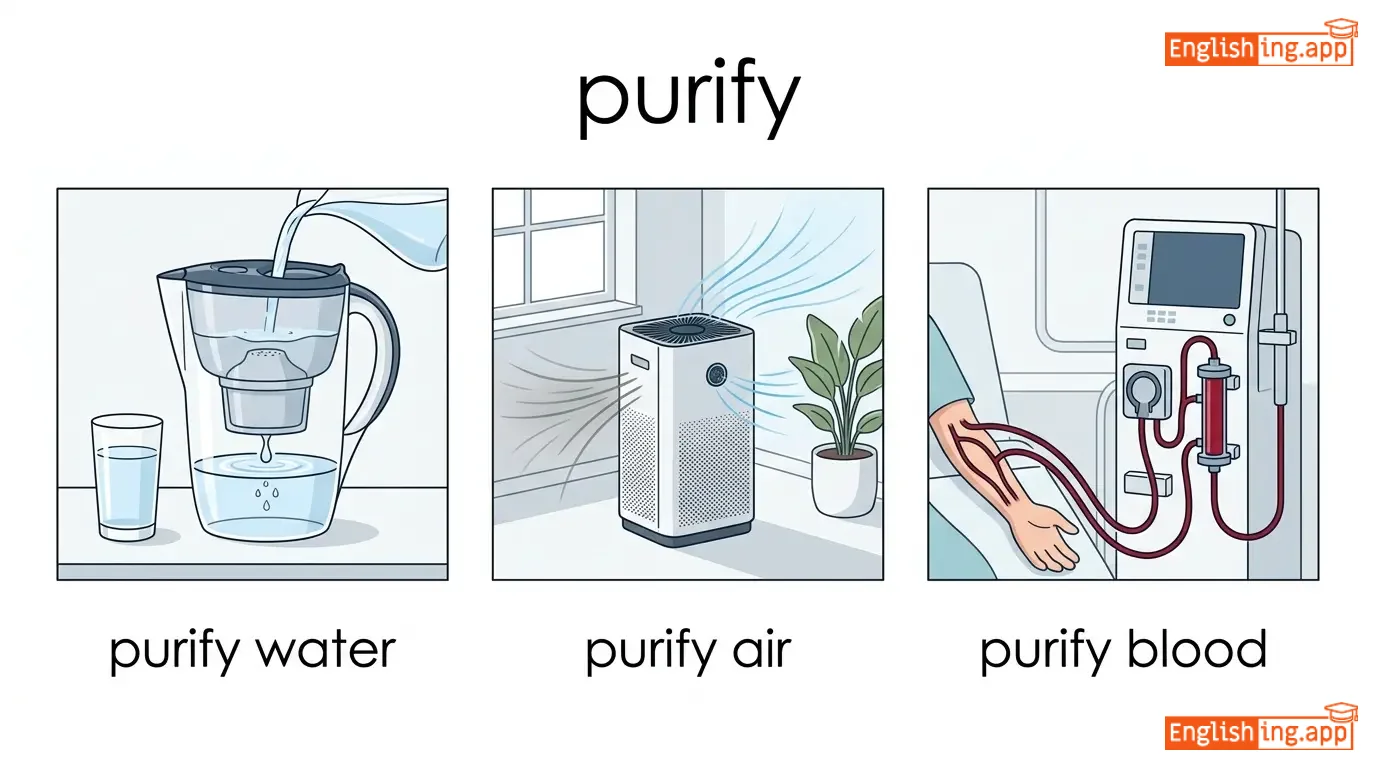
purify water, purify air, purify blood, purify mind, purify completely
••••••
|
Purify在中文是净化, 就像英语中的purify。
••••••
|
|
#476
🏊
|
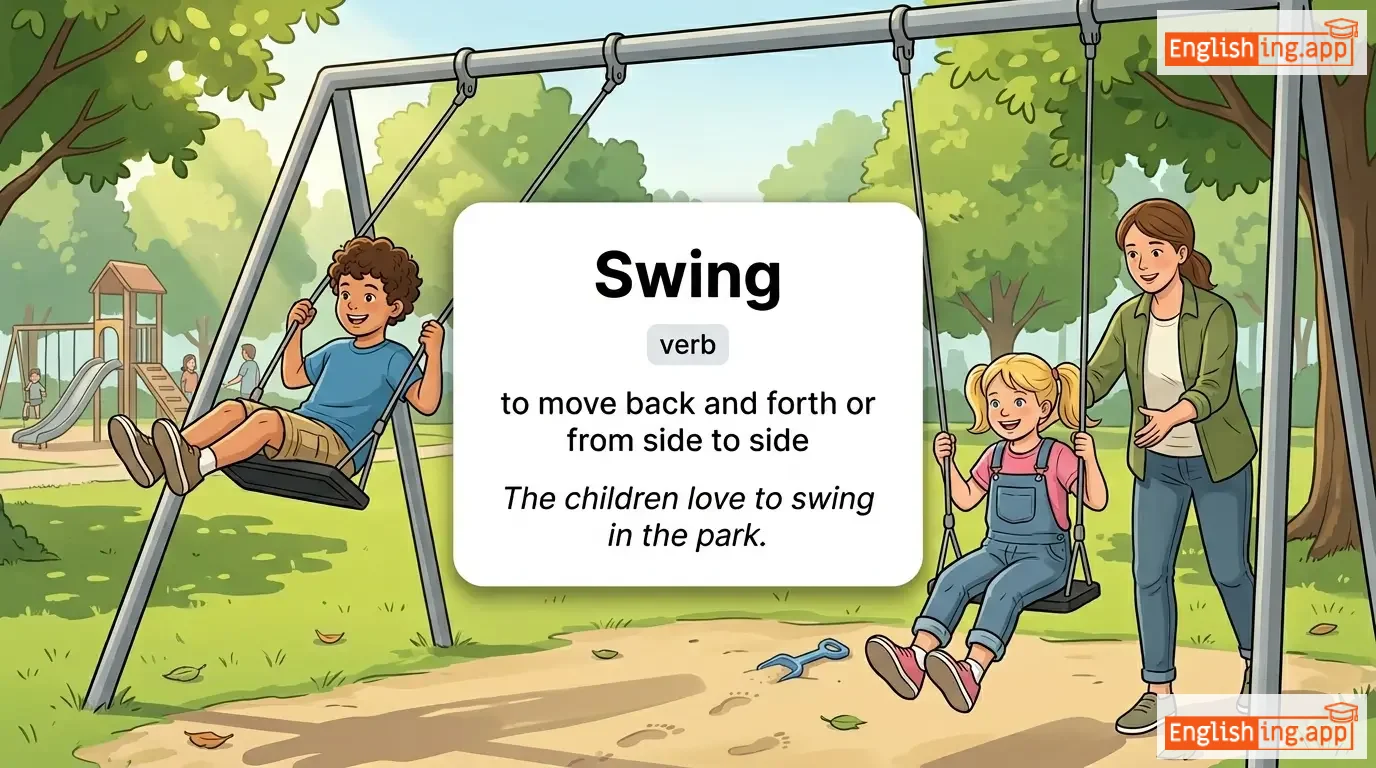
/swɪŋ/
verb
(swing)
••••••
|
|
荡秋千
dàng qiūqiān
••••••
|
swung
swung
••••••
|
swung
swung
••••••
|
swings
swings
••••••
|
swinging
swinging
••••••
|
to move backward and forward or from side to side while hanging
••••••
|
The children love to swing in the playground.
孩子们喜欢在游乐场荡秋千
••••••
|
孩子们喜欢在游乐场荡秋千。
Háizimen xǐhuān zài yóulèchǎng dàng qiūqiān.
••••••
|
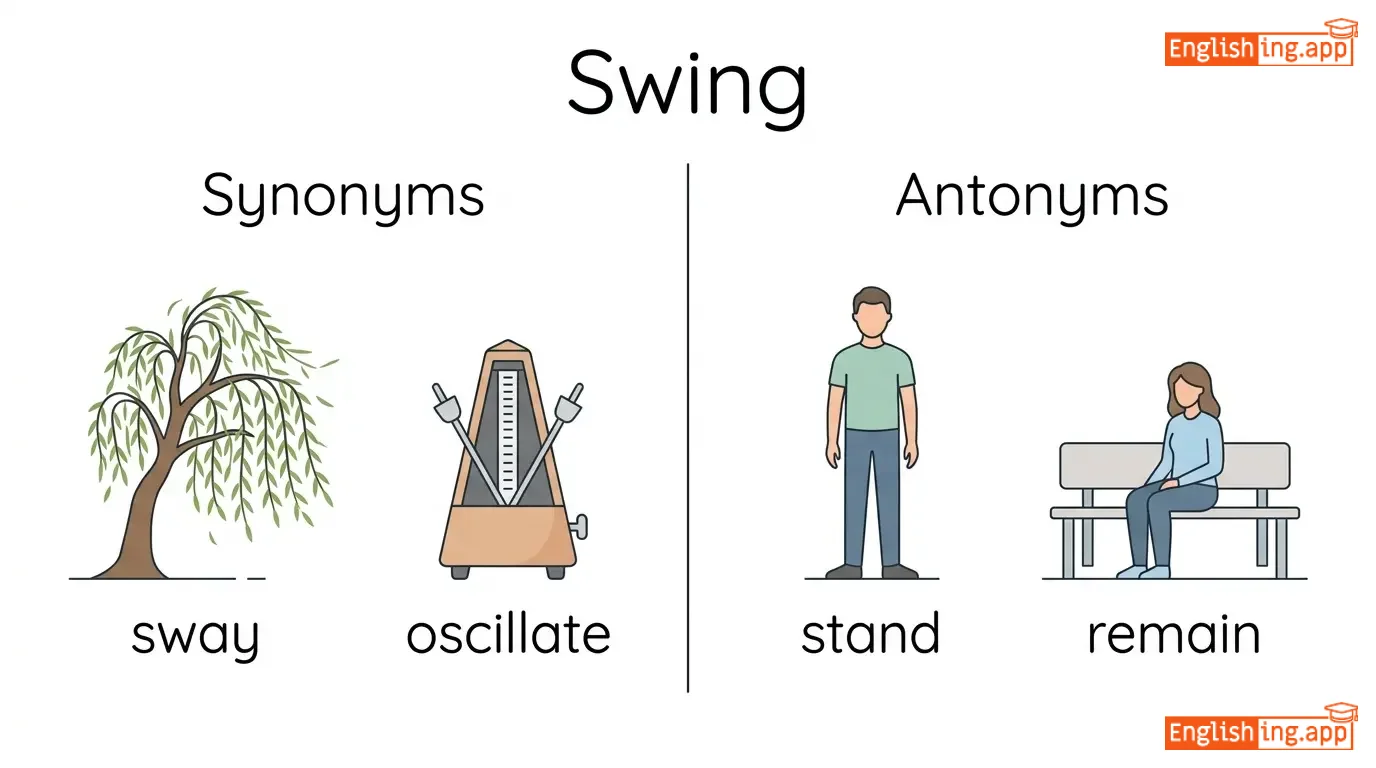
sway, rock, oscillate, dangle
••••••
|
stay, remain, fix
••••••
|
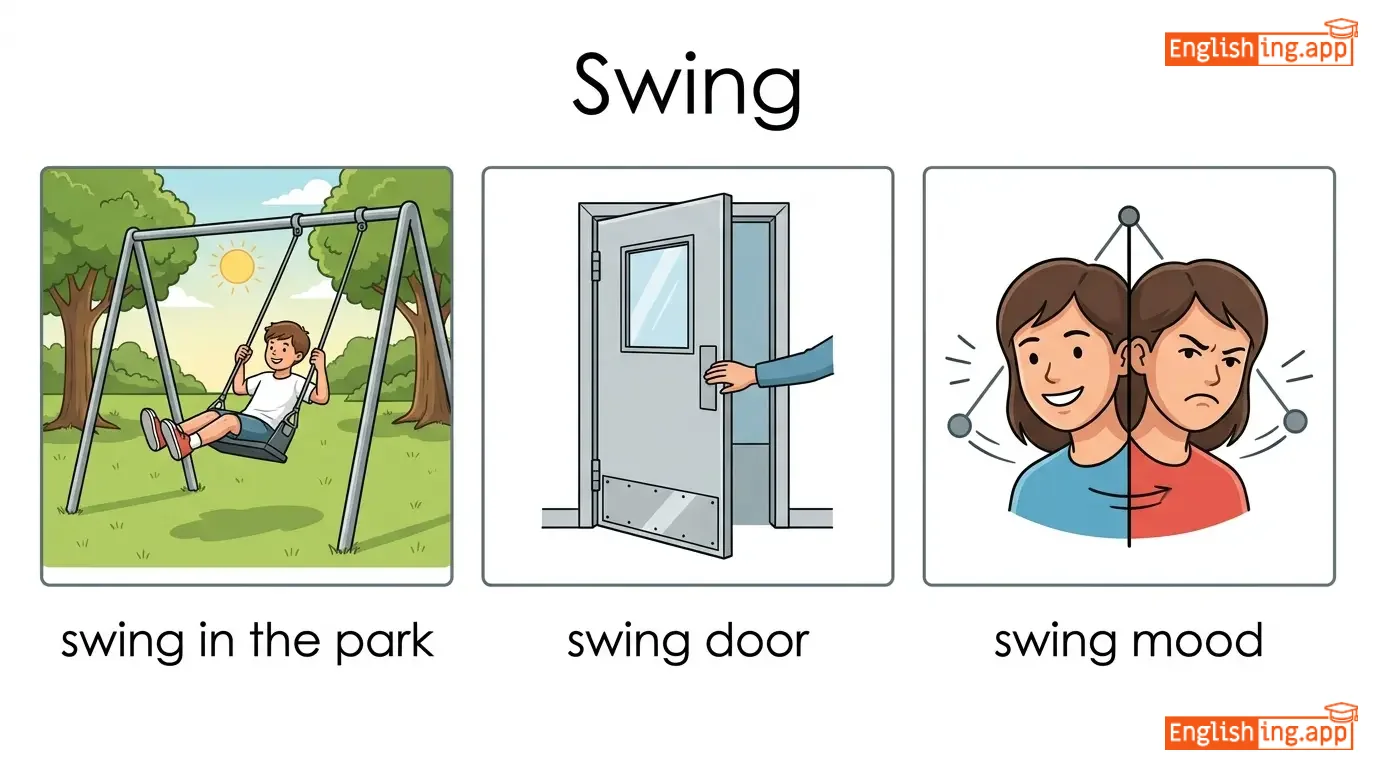
swing gently, swing high, swing back, swing around, swing freely
••••••
|
秋千 (Qiūqiān) – Swinging back and forth
••••••
|
|
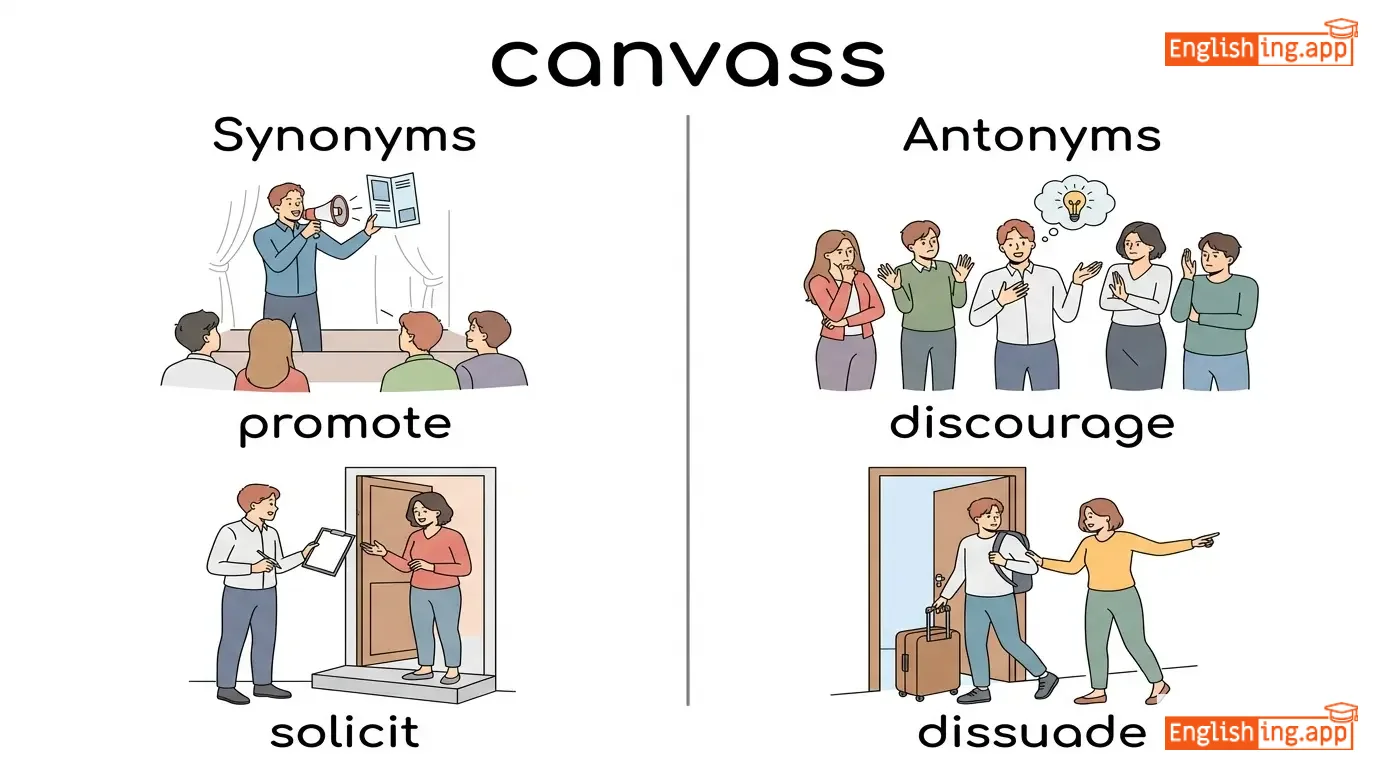
#477
🗳️
|
/ˈkænvəs/
verb
(凯恩瓦斯)
••••••
|
|
征求选票
zhēngqiú xuǎnpiào
••••••
|
canvassed
凯恩瓦斯德
••••••
|
canvassed
凯恩瓦斯德
••••••
|
canvasses
凯恩瓦塞斯
••••••
|
canvassing
凯恩瓦辛格
••••••
|
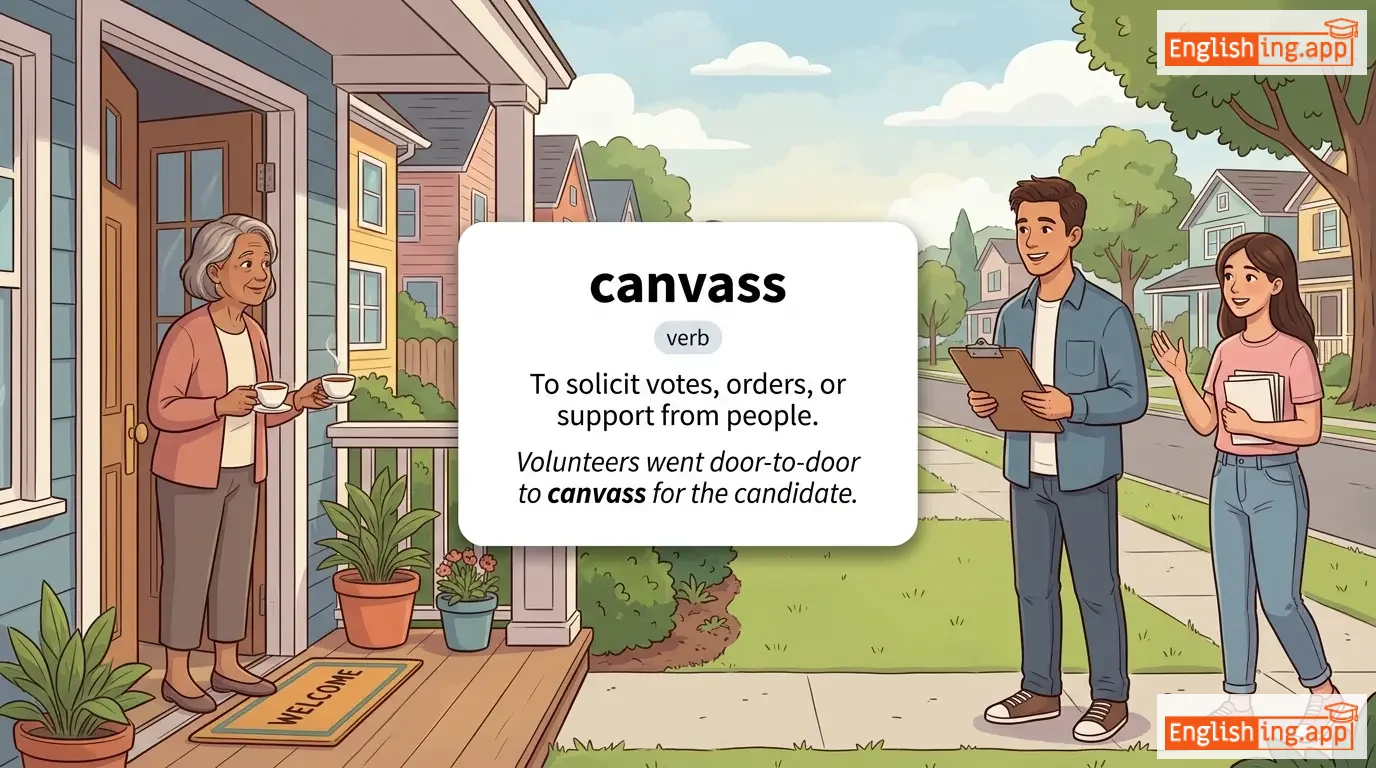
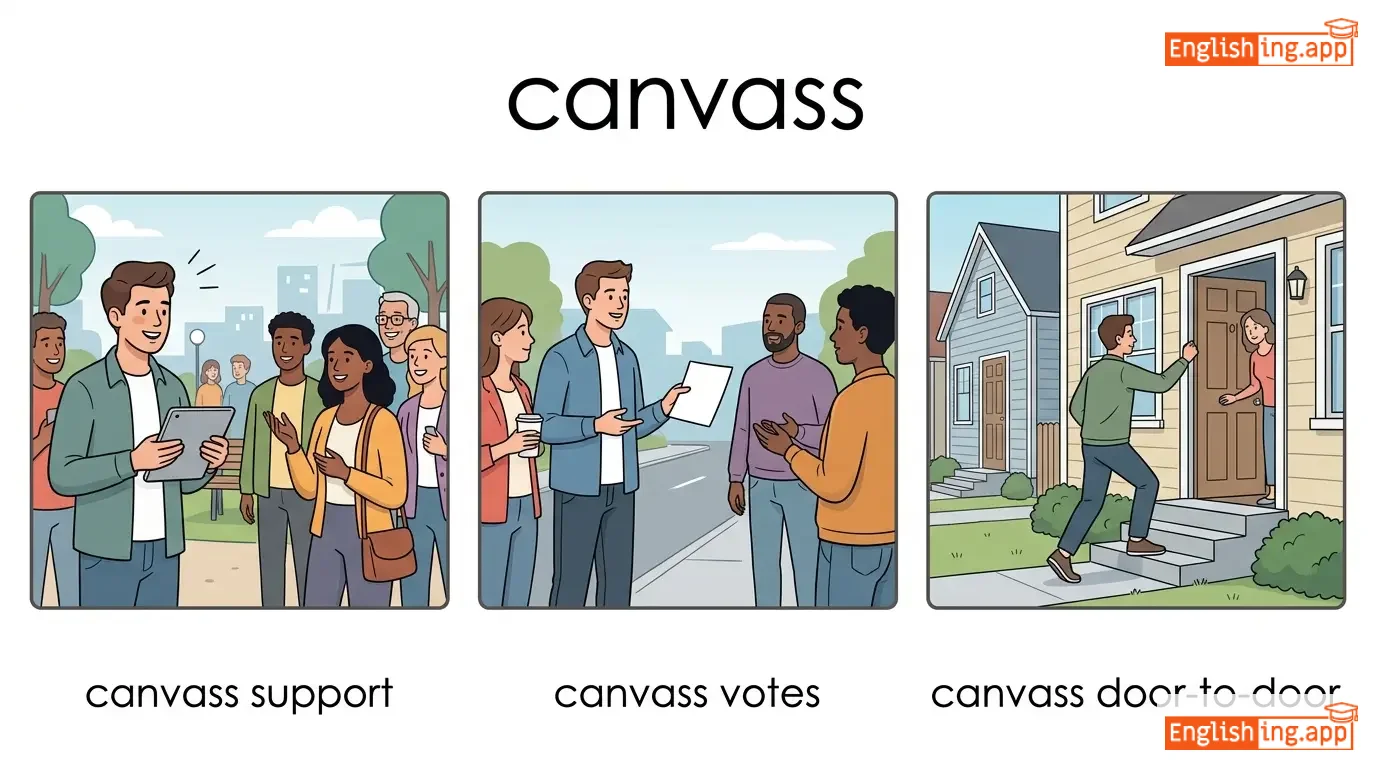
to solicit votes or opinions; to examine thoroughly; to discuss in detail
••••••
|
They will canvass the neighborhood for votes.
他们将为选票在邻里进行拉票。
••••••
|
他们将在邻里为选票进行宣传。
Tāmen jiāng zài línlǐ wèi xuǎnpiào jìnxíng xuānchuán.
••••••
|
survey, poll, examine, investigate
••••••
|
ignore, overlook, neglect, dismiss
••••••
|
canvass votes, canvass opinions, canvass neighborhood, canvass support, canvass thoroughly
••••••
|
征求选票 (canvassing) 是竞选活动的一部分
••••••
|
|
#478
📝
|
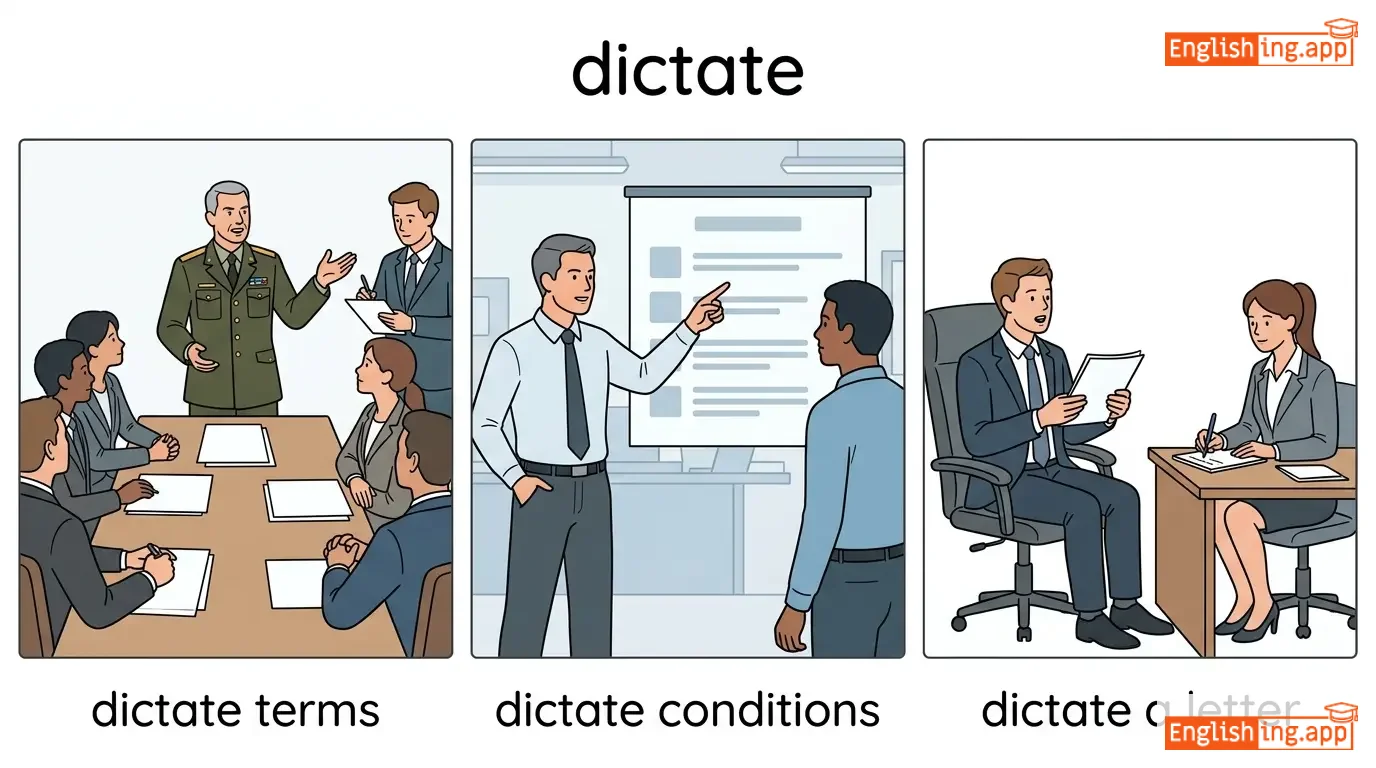
/ˈdɪkteɪt/
verb
(dɪkˈteɪt)
••••••
|
|
口述
kǒushù
••••••
|
dictated
ˈdɪkteɪtɪd
••••••
|
dictated
ˈdɪkteɪtɪd
••••••
|
dictates
ˈdɪkteɪts
••••••
|
dictating
dɪkˈteɪtɪŋ
••••••
|
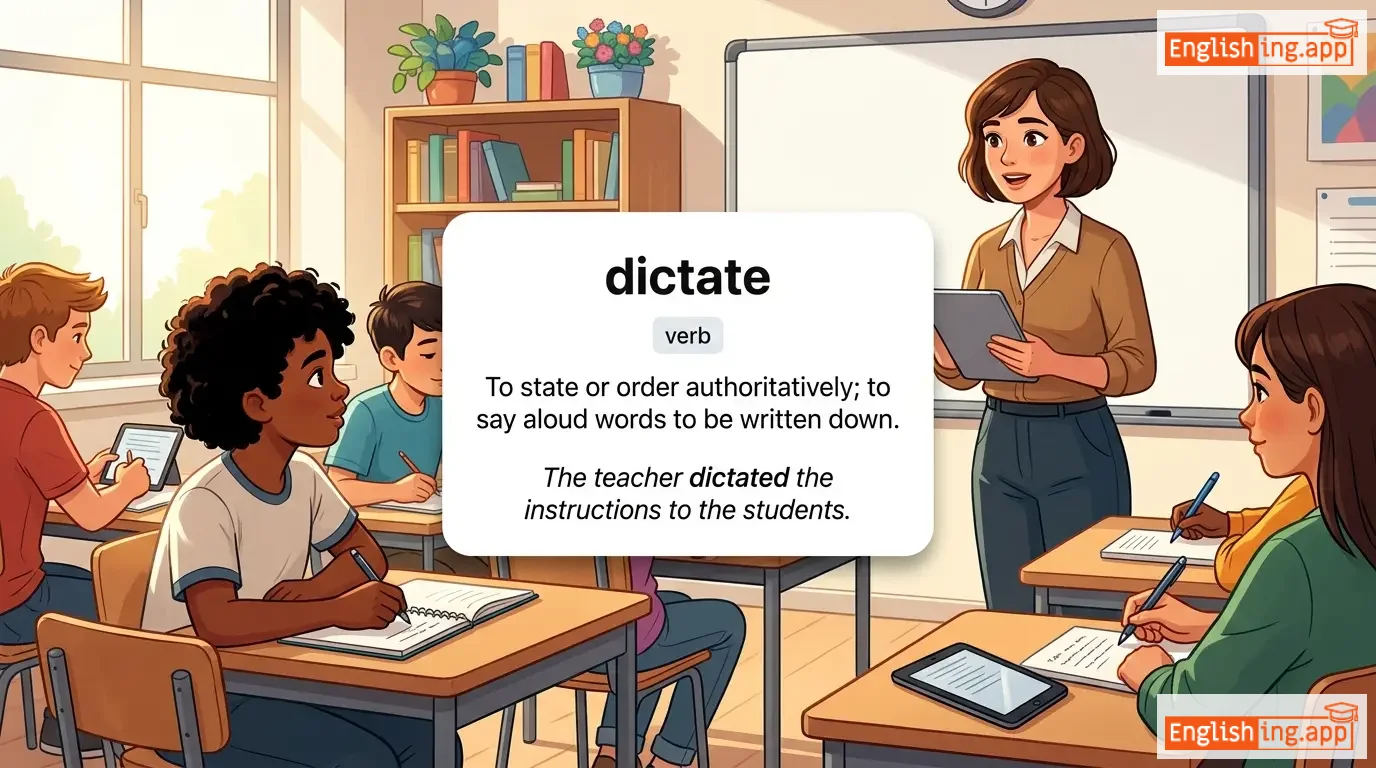
to say words aloud for someone to write down; to give orders
••••••
|
The boss dictates letters to his secretary.
老板给他的秘书口述信件。
••••••
|
老板给他的秘书口述信件。
Lǎobǎn gěi tā de mìshū kǒushù xìnjiàn.
••••••
|
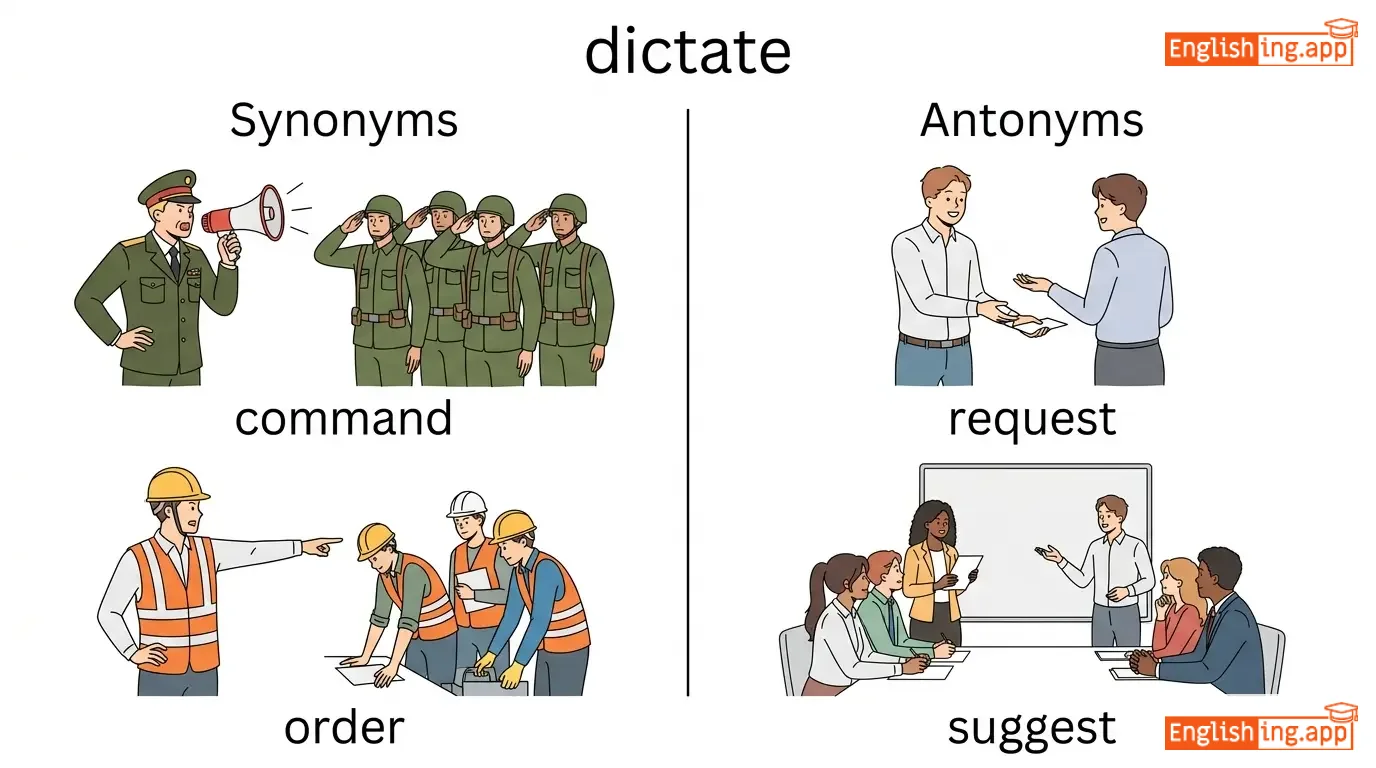
command, order, prescribe, specify
••••••
|
follow, obey, request, suggest
••••••
|
dictate terms, dictate letter, dictate policy, dictate conditions, dictate pace
••••••
|
口述 = 给命令
••••••
|
Vocabulary Quiz
Test your vocabulary by matching words with their translations or meanings.
Login to take the quiz
Comments (0)
Share your thoughts and join the discussion.
Join the discussion by logging in
Login to CommentNo comments yet
Be the first to share your thoughts!