







Swipe left or right, or use the buttons. Tap image to zoom.
例句翻译
单词
Lesson 10: Mastering the Most Frequent Verbs & TensesLesson 10: Mastering the Most Frequent Verbs & Tenses - 遮罩切换
|
表情符号
|
单词 | Images | 翻译 | 过去时 | 过去分词 | 第三人称单数 | 动名词 | 含义 | 例句 | 例句翻译 | 同义词 | 反义词 | 搭配词 | 助记符 |
|---|---|---|---|---|---|---|---|---|---|---|---|---|---|---|
|
#269
⬆️
|
/əˈsend/
verb
(asend)
••••••
|
|
上升
shangsheng
••••••
|
ascended
asended
••••••
|
ascended
asended
••••••
|
ascends
asends
••••••
|
ascending
asending
••••••
|
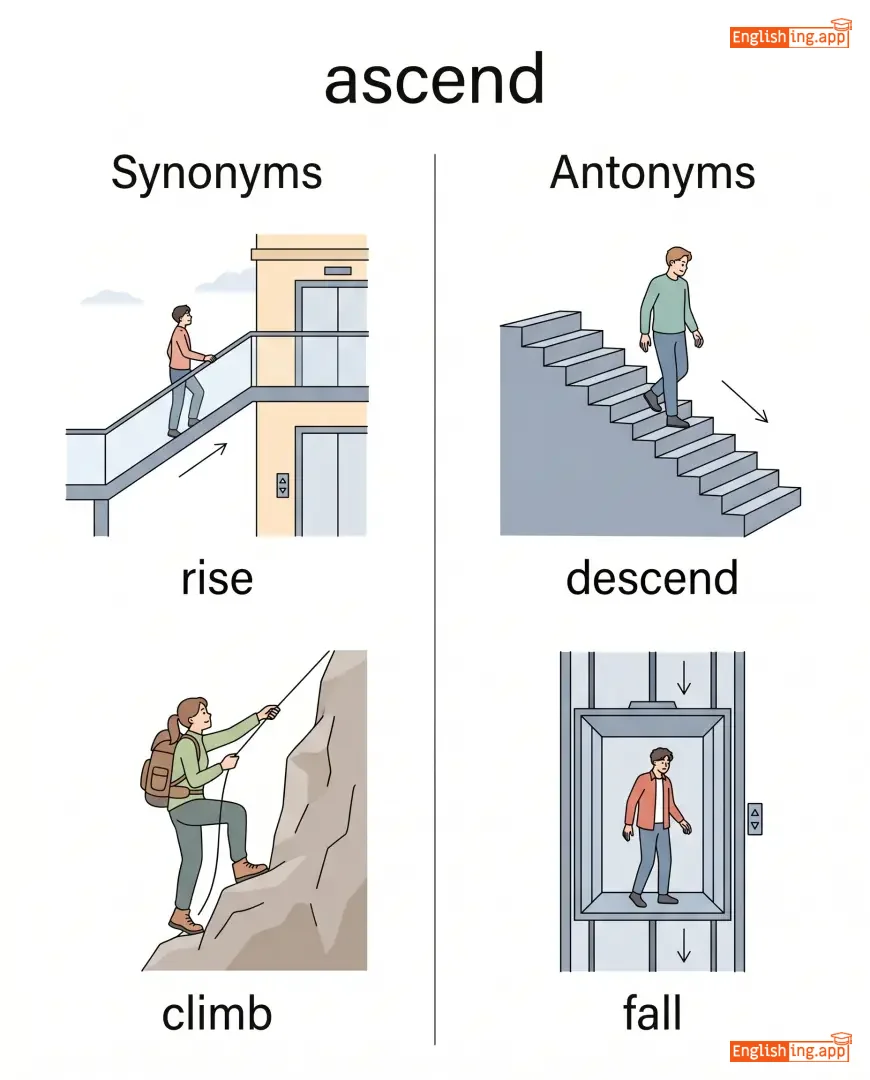
to go up or climb to a higher position; to rise
••••••
|
The climbers will ascend the mountain at dawn.
登山者将在黎明时分爬上山
••••••
|
登山者将在黎明时分爬上山。
Dēngshān zhě jiāng zài límíng shí fēn pá shàng shān.
••••••
|
climb, rise, mount, scale
••••••
|
descend, fall, drop, decline
••••••
|
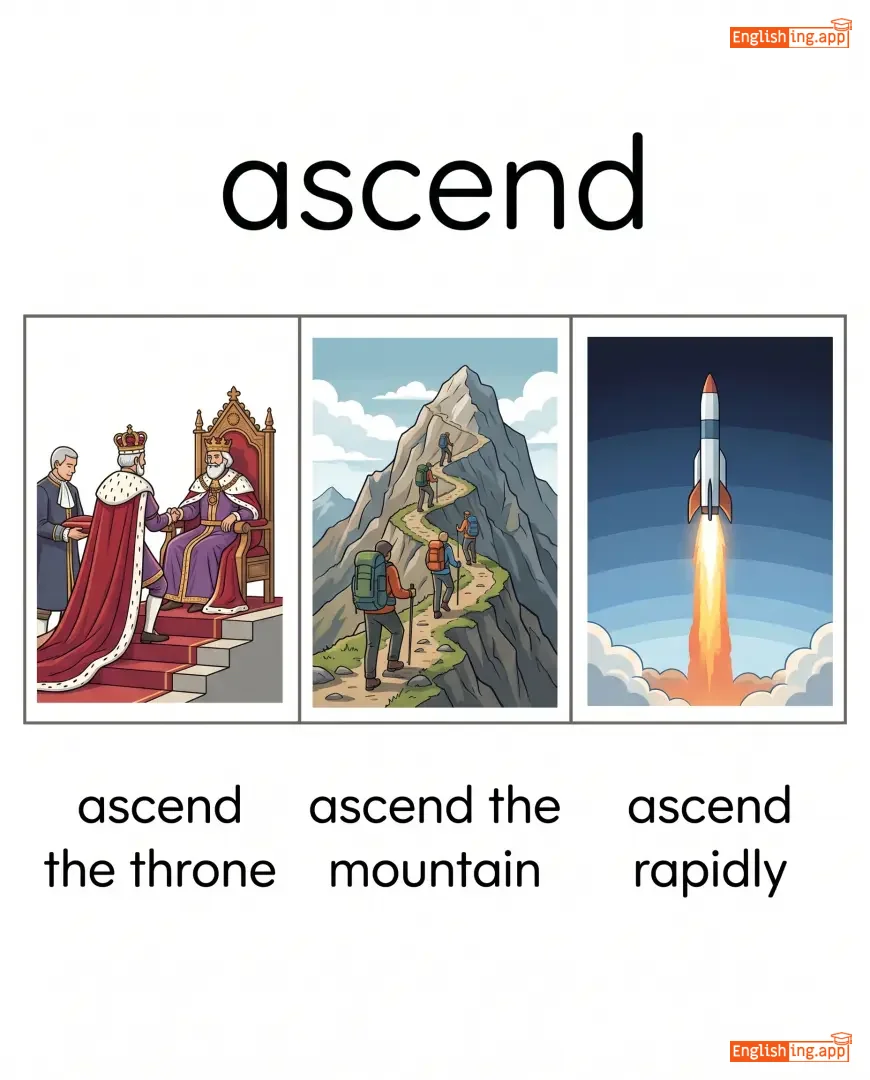
ascend the stairs, ascend to power, ascend the throne, ascend rapidly
••••••
|
上升就像爬山,逐渐往上走
••••••
|
|
#270
🔥
|
/ˈmoʊtɪˌveɪt/
verb
(mótiwèi)
••••••
|
- •••••• |
激励
jīlì
••••••
|
motivated
mótiwèi
••••••
|
motivated
mótiwèi
••••••
|
motivates
mótiwèi
••••••
|
motivating
mótiwèitīng
••••••
|
to encourage or stimulate interest or enthusiasm for doing something
••••••
|
The coach's speech motivated the team to win the championship.
教练的演讲激励了团队赢得冠军。
••••••
|
教练的演讲激励了团队赢得冠军。
Jiàoliàn de yǎnjiǎng jīlìle tuánduì yíngdé guànjūn.
••••••
|
inspire, encourage, stimulate, drive
••••••
|
discourage, demotivate, dishearten, deter
••••••
|
motivate employees, motivate students, motivate oneself, highly motivated
••••••
|
激励就像给团队加油,带来胜利。
••••••
|
|
#271
🦹♂️
|
/rɑːb/
verb
(罗布)
••••••
|
- •••••• |
抢劫
qiǎngjié
••••••
|
robbed
罗布德
••••••
|
robbed
罗布德
••••••
|
robs
罗布斯
••••••
|
robbing
罗布ing
••••••
|
to steal money or property from a person or place; to commit robbery
••••••
|
The thief tried to rob the bank last night.
小偷昨晚试图抢劫银行。
••••••
|
小偷昨晚试图抢劫银行。
Xiǎotōu zuówǎn shìtú qiǎngjié yínháng.
••••••
|
steal, burgle, loot, plunder
••••••
|
give, donate, return, restore
••••••
|
rob a bank, rob someone blind, rob of opportunity, armed robbery
••••••
|
抢劫意味着抢夺,就像小偷抢劫银行。
••••••
|
|
#272
📉
|
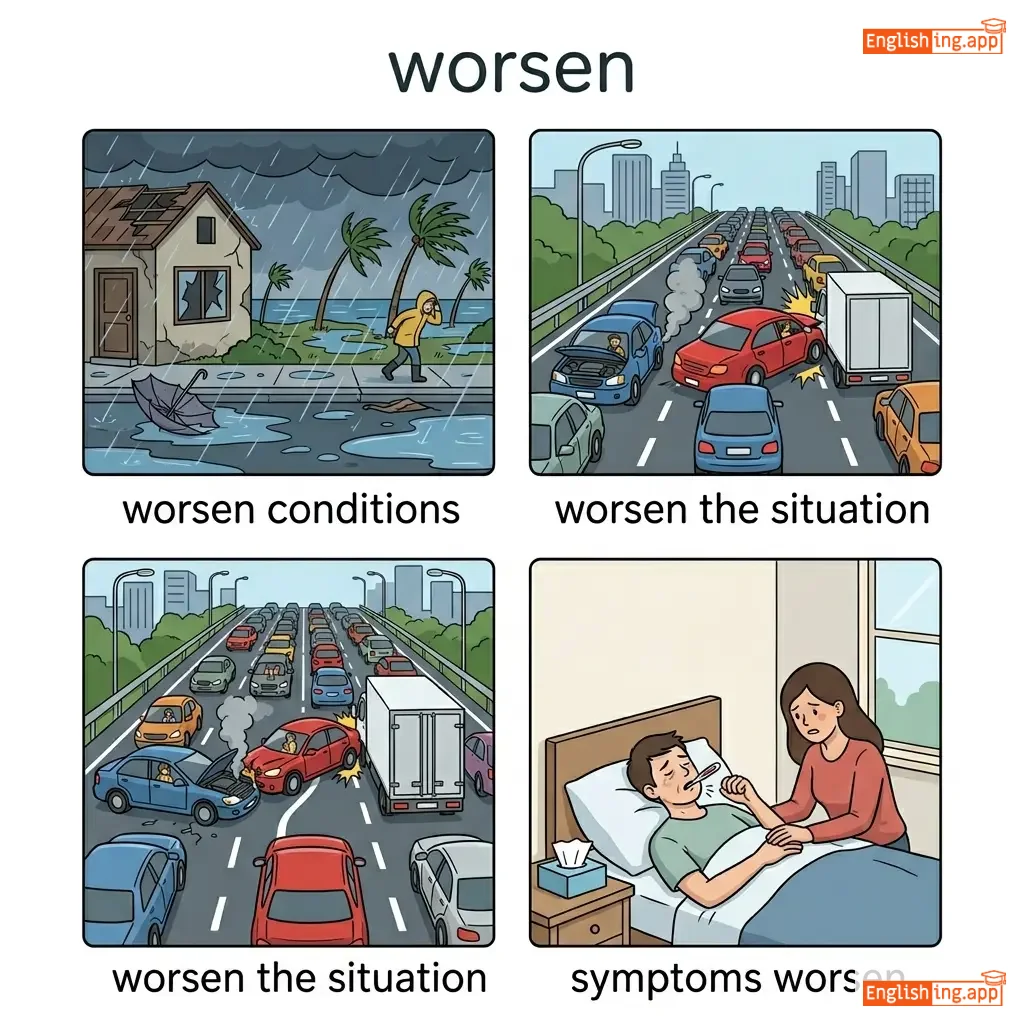
/ˈwɜːrsən/
verb
(worsen)
••••••
|
|
恶化
èhuà
••••••
|
worsened
worsened
••••••
|
worsened
worsened
••••••
|
worsens
worsens
••••••
|
worsening
worsening
••••••
|
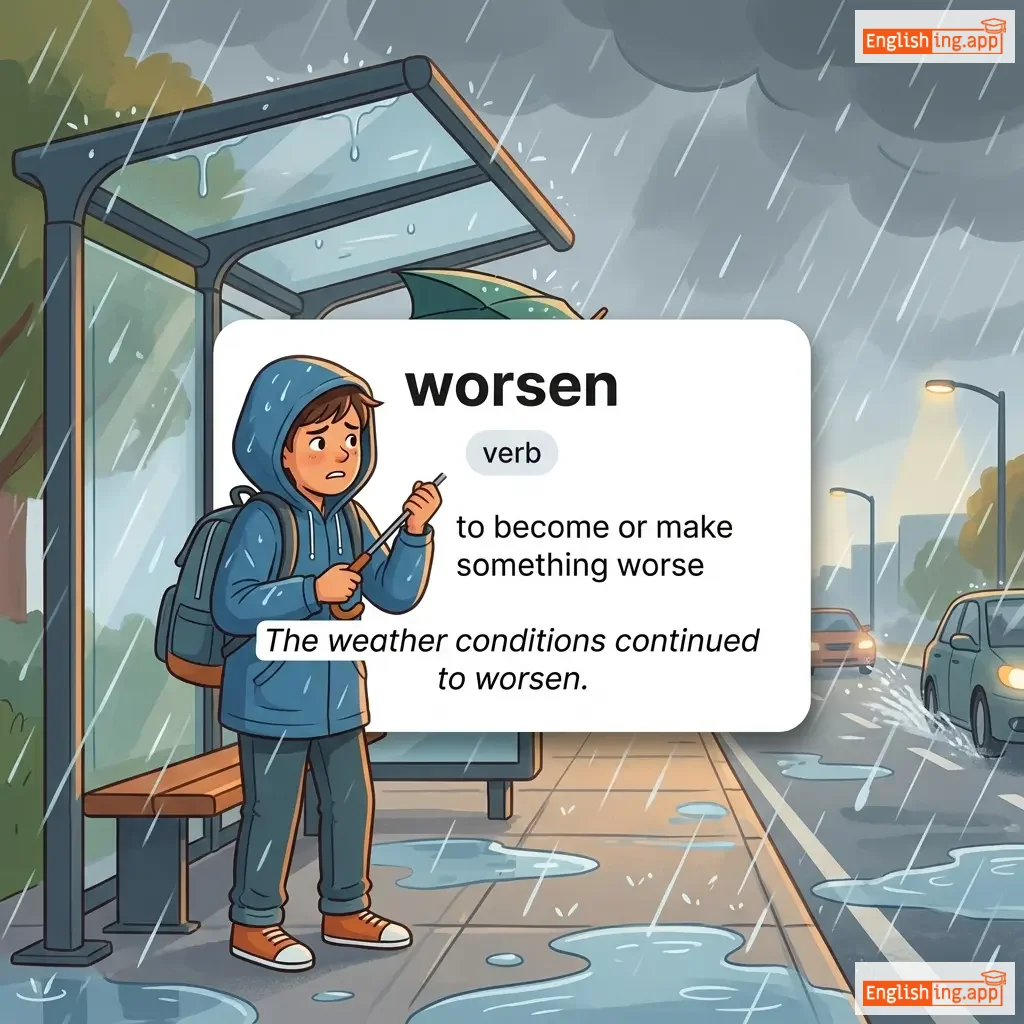
to become or make something worse
••••••
|
The weather conditions continued to worsen.
The weather conditions continued to worsen.
••••••
|
天气条件继续恶化。
Tiānqì tiáojiàn jìxù èhuà.
••••••
|
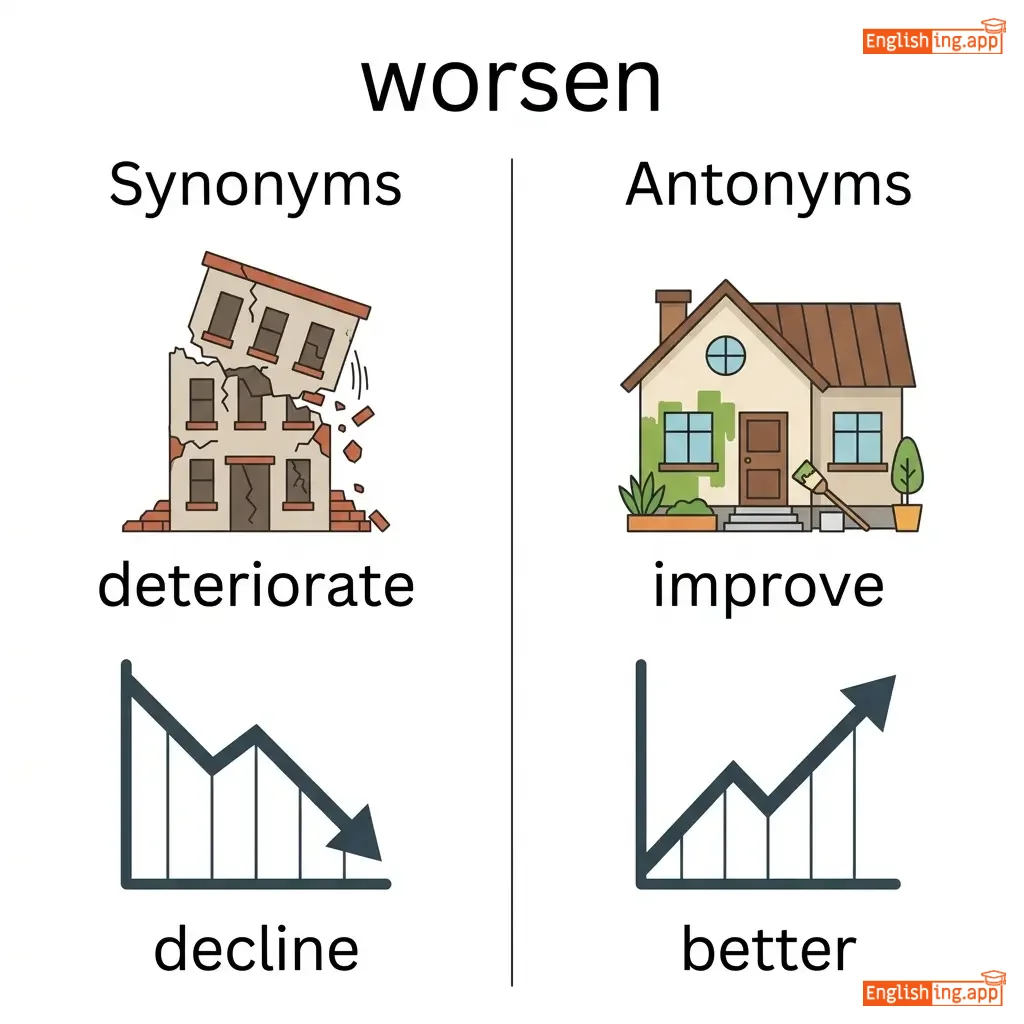
deteriorate, decline, aggravate, degrade
••••••
|
improve, better, enhance, ameliorate
••••••
|
worsen conditions, worsen the situation, symptoms worsen, gradually worsen
••••••
|
Imagine a storm worsening, everything is getting 'èhuà' (worse).
••••••
|
|
#273
💪
|
/əˈsɜːrt/
verb
(阿塞特)
••••••
|
|
断言
duàn yán
••••••
|
asserted
阿塞特德
••••••
|
asserted
阿塞特德
••••••
|
asserts
阿塞特斯
••••••
|
asserting
阿塞特英
••••••
|
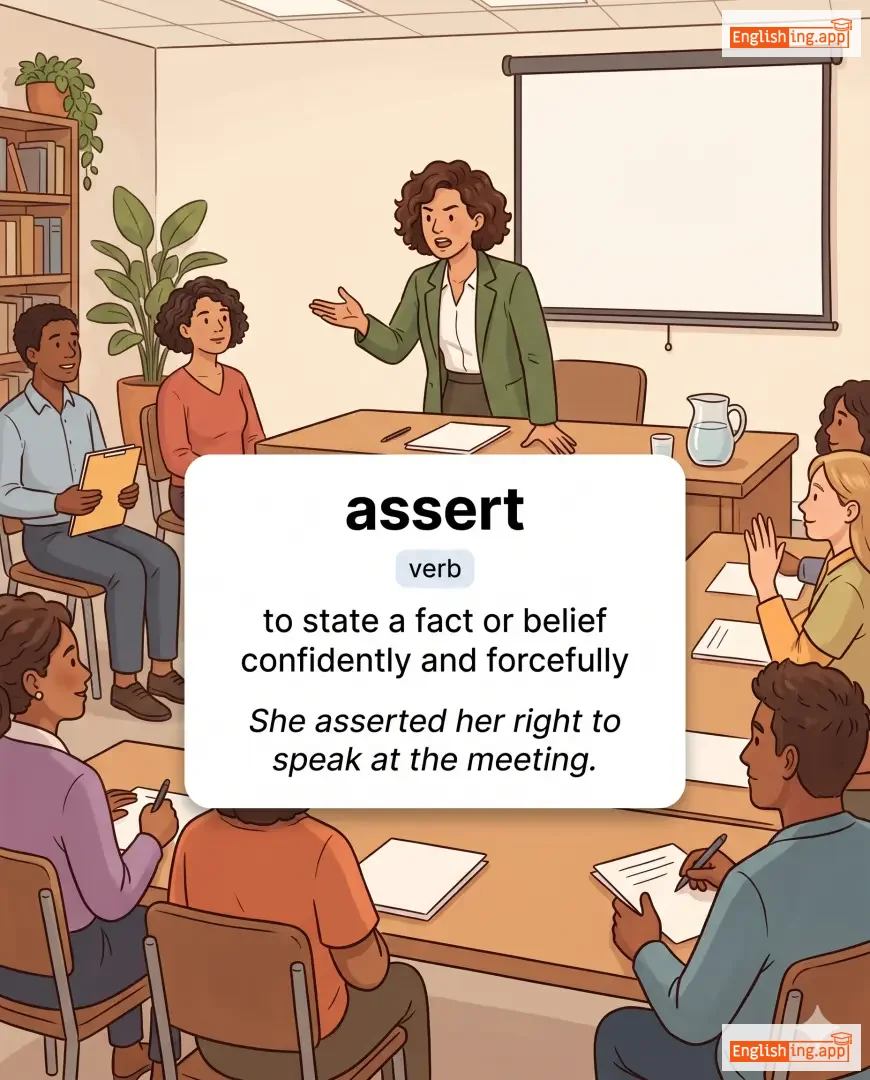
to state a fact or belief confidently and forcefully; to insist upon rights or claims
••••••
|
She decided to assert her authority in the meeting.
她决定在会议上主张她的权威。
••••••
|
她决定在会议上主张她的权威。
tā juédìng zài huìyì shàng zhǔzhāng tā de quánwēi.
••••••
|
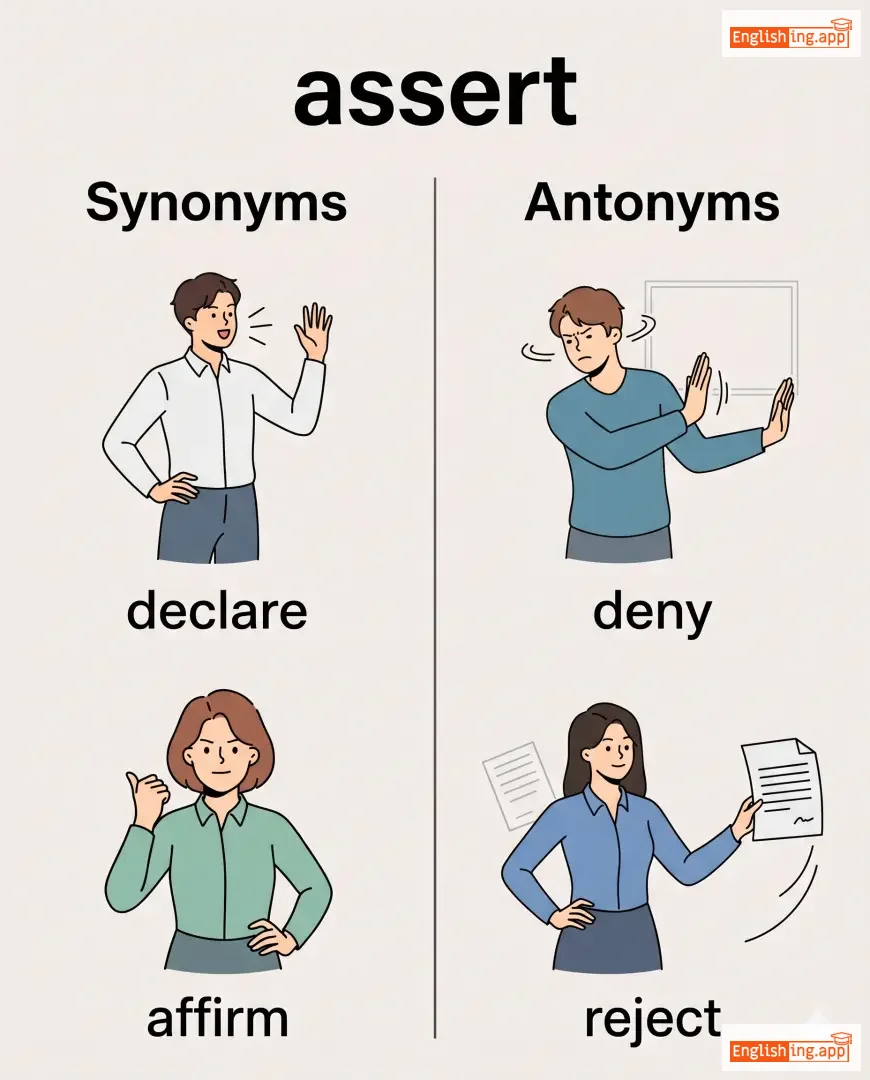
declare, maintain, insist, claim
••••••
|
deny, refute, contradict, withdraw
••••••
|
assert authority, assert rights, assert independence, strongly assert
••••••
|
断言就像是以坚定的语气表达自己的信念。
••••••
|
|
#274
🤝
|
/ˈprɒmɪs/
verb
(pùlìmìsī)
••••••
|
- •••••• |
承诺
chéngnuò
••••••
|
promised
pùlìmìsīd
••••••
|
promised
pùlìmìsīd
••••••
|
promises
pùlìmìsīs
••••••
|
promising
pùlìmìsīng
••••••
|
to assure someone that one will definitely do something; to give one's word
••••••
|
I promise to help you with your homework.
我承诺帮助你做作业。
••••••
|
我承诺帮助你做作业。
Wǒ chéngnuò bāngzhù nǐ zuò zuòyè.
••••••
|
pledge, vow, swear, guarantee
••••••
|
break, betray, deny
••••••
|
promise to help, make a promise, keep promises, break promises
••••••
|
承诺 (chéngnuò) 就像是你答应朋友做某事,比如承诺帮助他做作业。
••••••
|
|
#275
🚫
|
/prəˈhɪbɪt/
verb
(禁止)
••••••
|
- •••••• |
禁止
jìnzhǐ
••••••
|
prohibited
禁止了
••••••
|
prohibited
禁止了
••••••
|
prohibits
禁止
••••••
|
prohibiting
禁止着
••••••
|
to forbid something by law, rule, or other authority
••••••
|
The law prohibits smoking in public places.
法律禁止在公共场所吸烟。
••••••
|
法律禁止在公共场所吸烟。
Fǎlǜ jìnzhǐ zài gōnggòng chǎngsuǒ xīyān.
••••••
|
forbid, ban, prevent, disallow
••••••
|
allow, permit, authorize
••••••
|
prohibit smoking, strictly prohibit, prohibit entry, law prohibits
••••••
|
在公共场所禁止吸烟
••••••
|
|
#276
📚
|
/lɜːrn/
verb
(learn)
••••••
|
|
学习
xuexi
••••••
|
learnt/learned
learnt/learned
••••••
|
learnt/learned
learnt/learned
••••••
|
learns
learns
••••••
|
learning
learning
••••••
|
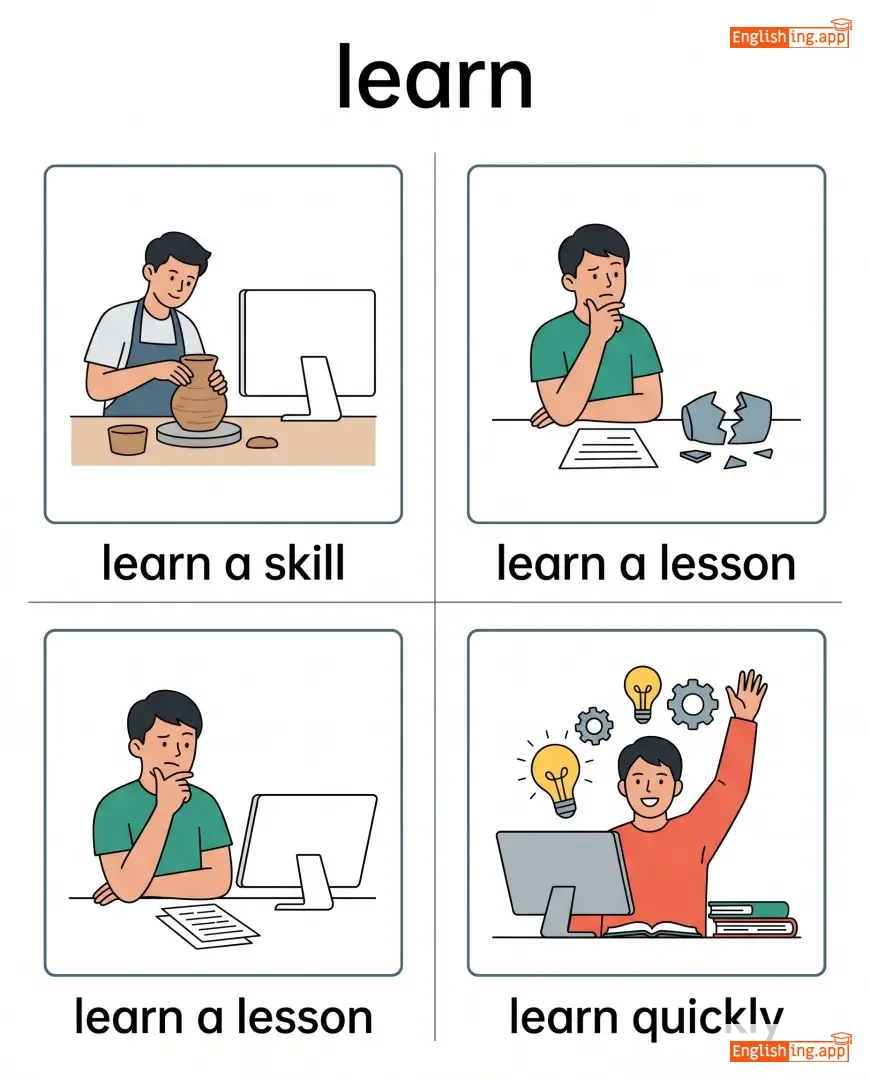
to acquire knowledge or skills; to gain understanding
••••••
|
Children learn quickly when they are interested.
孩子们在感兴趣时很快学习。
••••••
|
孩子们在感兴趣时很快学习。
Haizimen zai gan xingqu shi hen kuai xuexi.
••••••
|
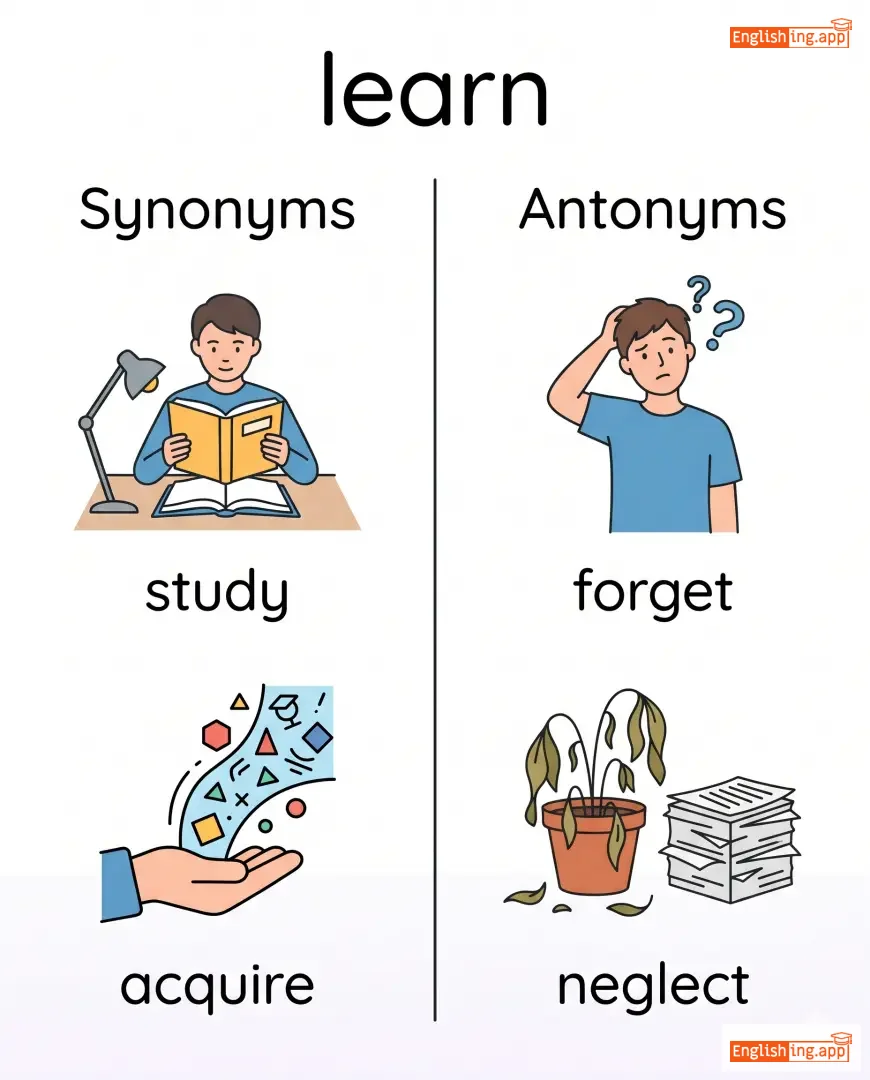
study, master, understand, grasp
••••••
|
forget, ignore, unlearn, neglect
••••••
|
learn quickly, learn by heart, learn from mistakes, eager to learn
••••••
|
学习就像孩子们快速学习他们感兴趣的东西。
••••••
|
|
#277
🏭
|
/prəˈduːs/
verb
(生产)
••••••
|
- •••••• |
生产
shengchan
••••••
|
produced
生产了
••••••
|
produced
已生产
••••••
|
produces
生产
••••••
|
producing
生产中
••••••
|
to make, create, or manufacture something
••••••
|
The factory produces cars.
工厂生产汽车。
••••••
|
工厂生产汽车。
Gongchang shengchan qiche.
••••••
|
create, make, manufacture, generate
••••••
|
destroy, consume, waste
••••••
|
produce goods, produce results, produce energy, mass produce
••••••
|
生产就像工厂做的事情,制作新东西。
••••••
|
|
#278
✏️
|
/mɑːrk/
verb
(mǎkè)
••••••
|
|
标记
biaoji
••••••
|
marked
mǎkèd
••••••
|
marked
mǎkèd
••••••
|
marks
mǎkè sī
••••••
|
marking
mǎkè yíng
••••••
|
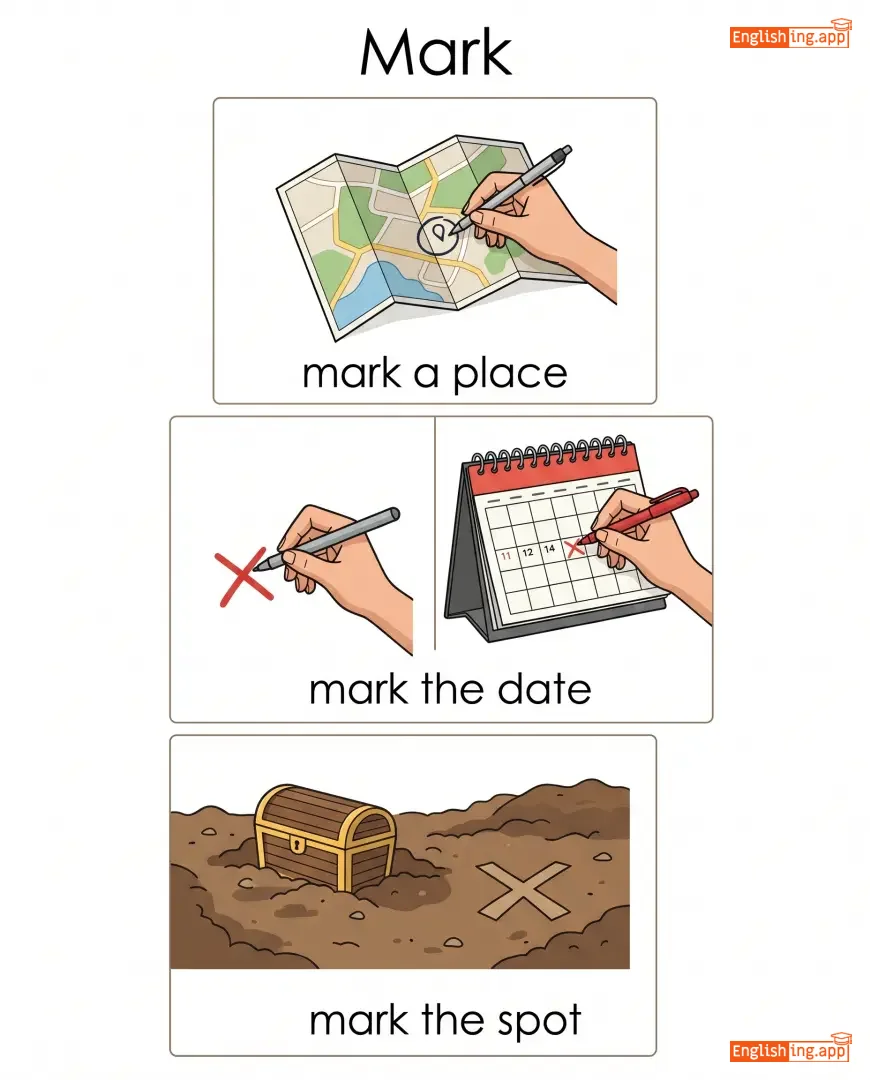
to make a sign or symbol on something; to indicate or show
••••••
|
Please mark your answer on the test paper.
请在测试纸上标记您的答案。
••••••
|
请在测试纸上标记您的答案。
Qing zai ceshi zhi shang biaoji ninde daan.
••••••
|
label, indicate, note, sign, stamp
••••••
|
erase, remove, delete, clear
••••••
|
mark papers, mark territory, mark time, mark the spot
••••••
|
标记 - 就像你在测试纸上做标记
••••••
|
|
#279
👎
|
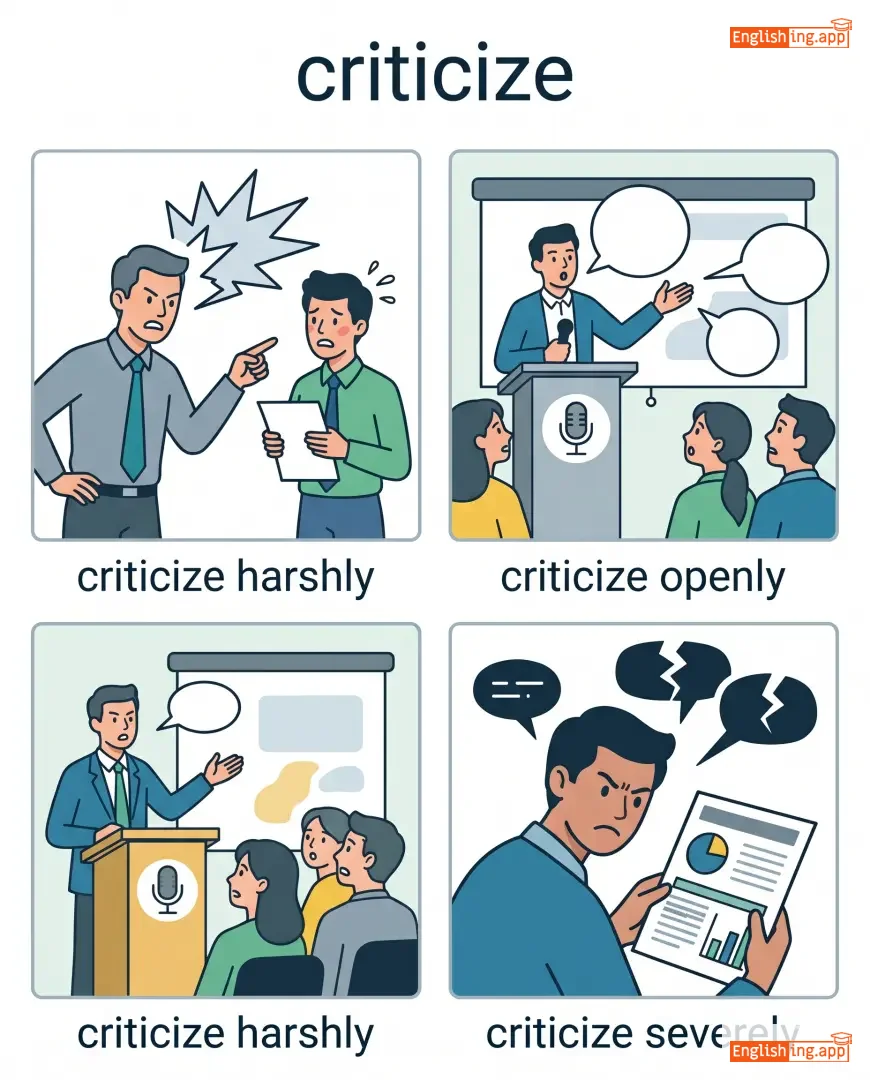
/ˈkrɪtɪsaɪz/
verb
(krɪtɪsaɪz)
••••••
|
|
批评
pīpíng
••••••
|
criticized
krɪtɪsaɪzd
••••••
|
criticized
krɪtɪsaɪzd
••••••
|
criticizes
krɪtɪsaɪzɪz
••••••
|
criticizing
krɪtɪsaɪzɪŋ
••••••
|
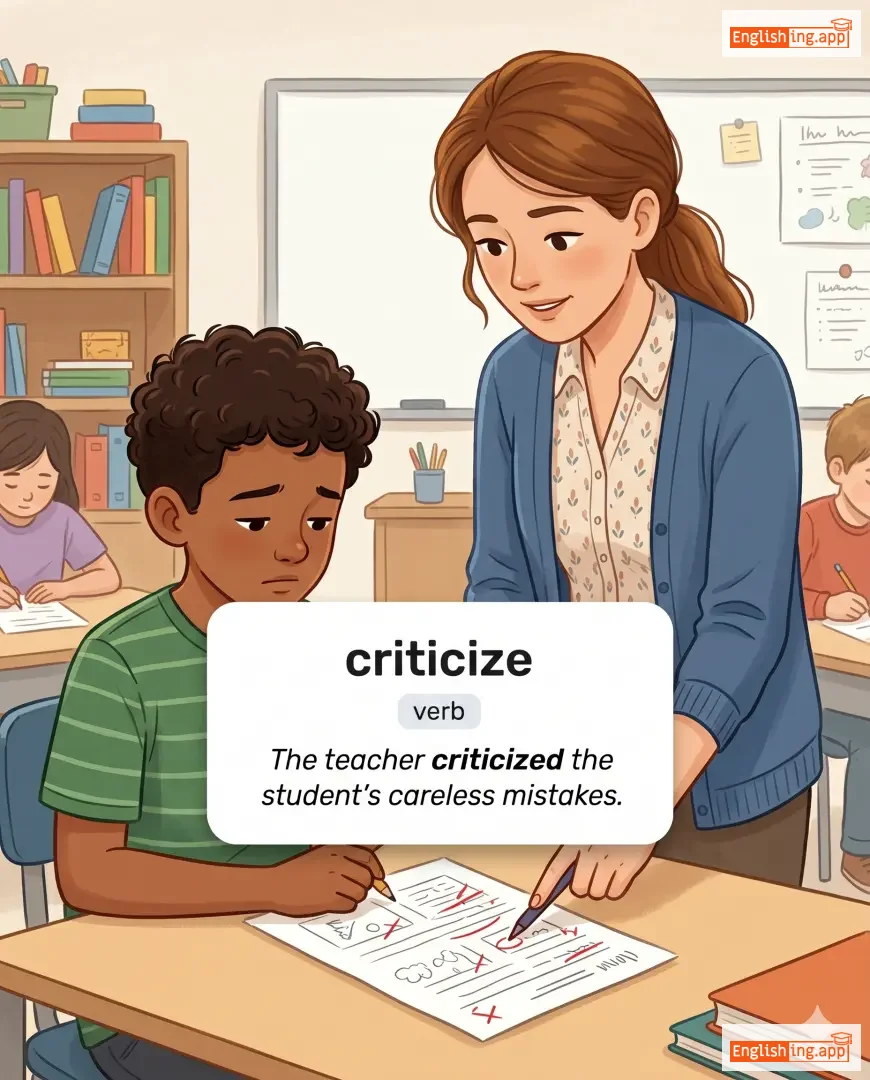
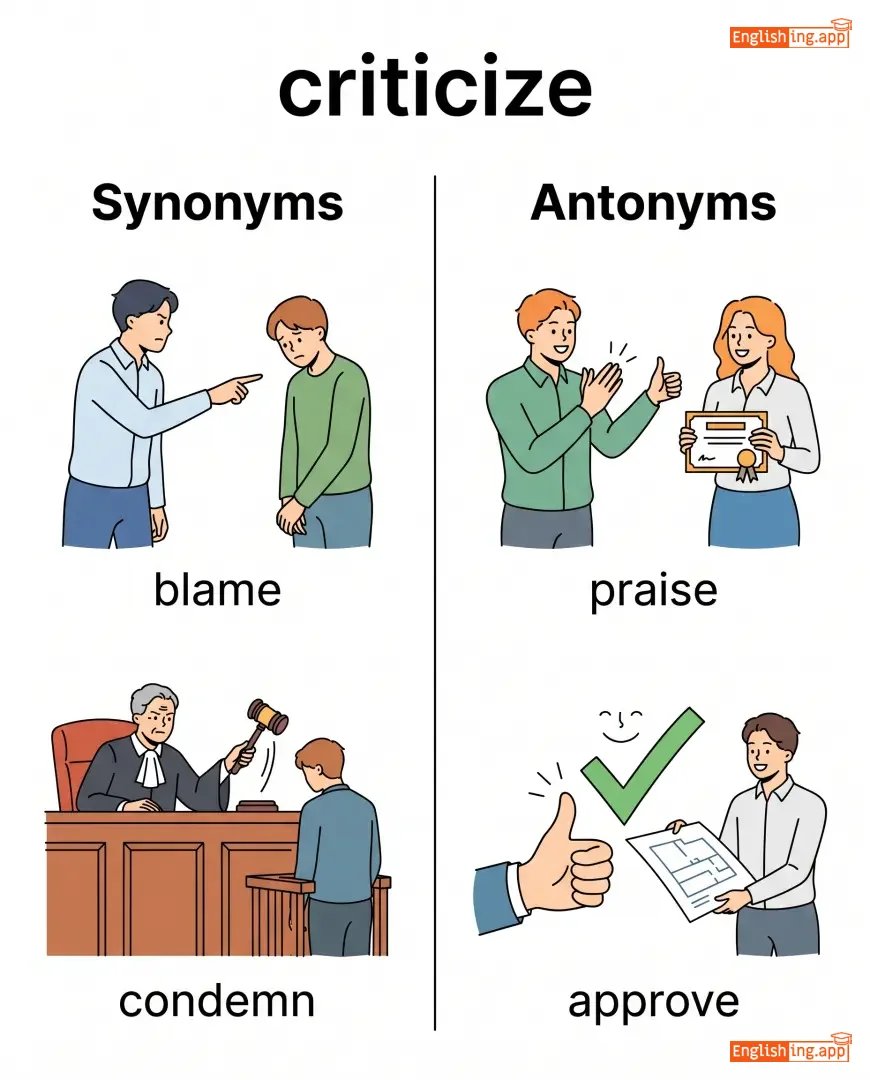
to express disapproval or find fault with someone or something
••••••
|
The teacher criticized the student's poor handwriting.
老师批评了学生的糟糕字迹。
••••••
|
老师批评了学生的糟糕字迹。
Lǎoshī pīpíngle xuéshēng de zāogāo zìjì.
••••••
|
condemn, blame, find fault, disapprove, censure
••••••
|
praise, commend, approve, compliment
••••••
|
criticize harshly, criticize publicly, heavily criticized, criticize government
••••••
|
批评是找出不好的地方并指出来。
••••••
|
|
#280
😟
|
/ˈwʌri/
verb
(worry)
••••••
|
- •••••• |
担心
dānxīn
••••••
|
worried
worried
••••••
|
worried
worried
••••••
|
worries
worries
••••••
|
worrying
worrying
••••••
|
to feel anxious or troubled about something; to be concerned
••••••
|
Don't worry about the exam results.
Don't worry about the exam results.
••••••
|
不要担心考试结果。
Bùyào dānxīn kǎoshì jiéguǒ.
••••••
|
concern, fret, anxiety, stress
••••••
|
relax, calm, peace, comfort
••••••
|
worry about, constantly worry, worry needlessly, don't worry
••••••
|
担心就是 worry 的中文表达方式。
••••••
|
|
#281
🙏
|
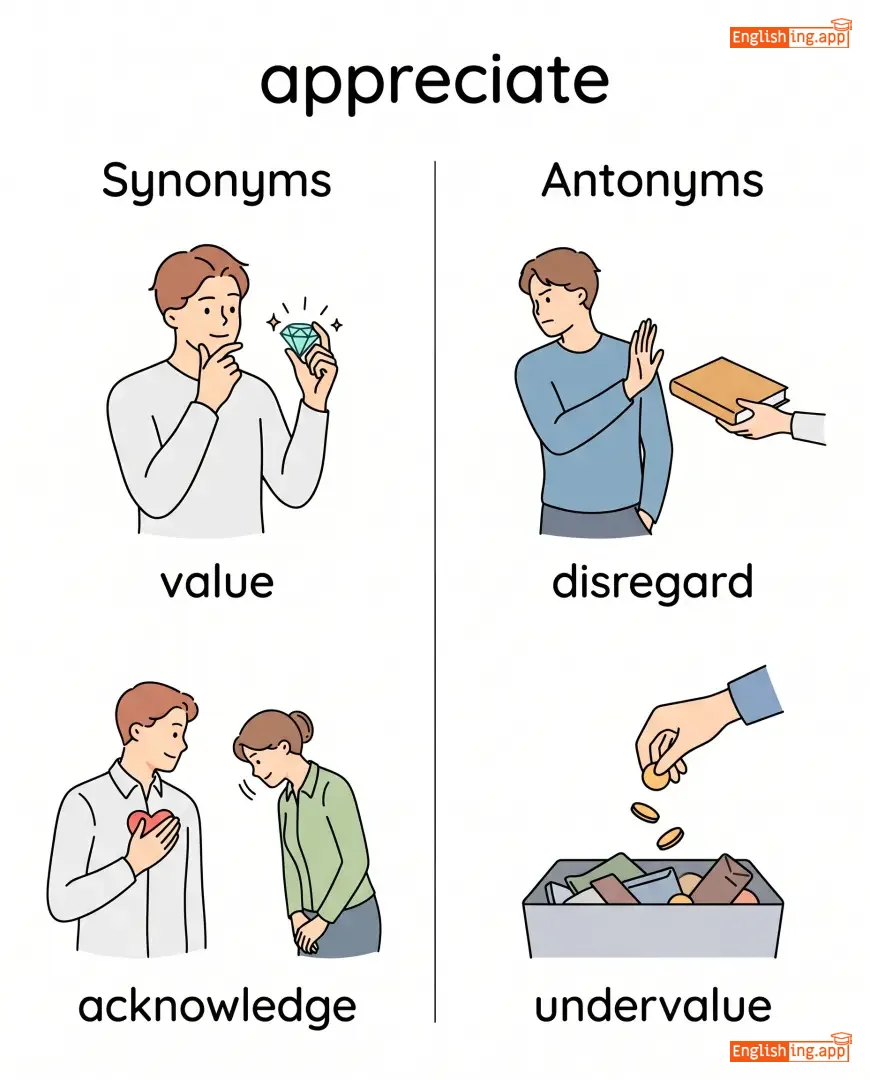
/əˈpriːʃieɪt/
verb
(āi pǔ rì xī èi tè)
••••••
|
|
感激
gǎn jī
••••••
|
appreciated
āi pǔ rì xī èi tè d
••••••
|
appreciated
āi pǔ rì xī èi tè d
••••••
|
appreciates
āi pǔ rì xī èi tè s
••••••
|
appreciating
āi pǔ rì xī èi tè ing
••••••
|
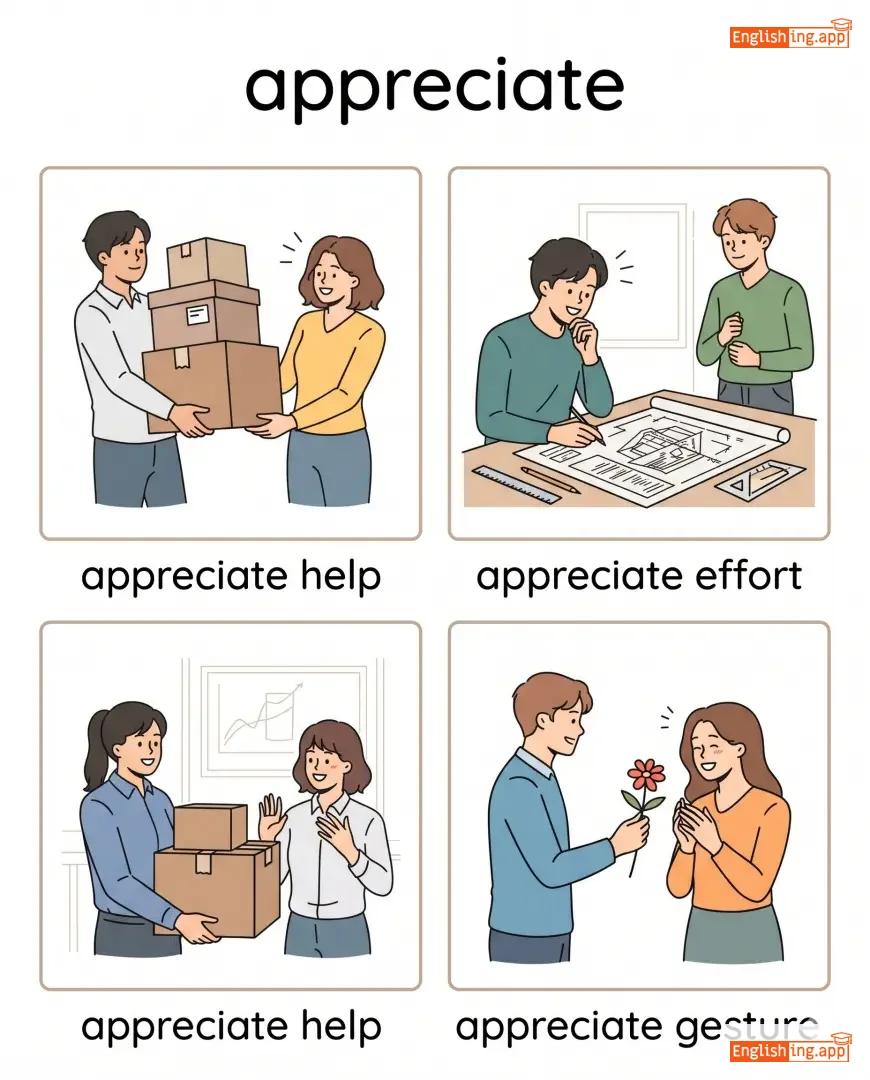
to recognize the value or significance of; to be grateful for
••••••
|
I really appreciate your help with this project.
我真的很感激你在这个项目中的帮助。
••••••
|
我真的很感激你在这个项目中的帮助。
Wǒ zhēn de hěn gǎn jī nǐ zài zhège xiàngmù zhōng de bāngzhù.
••••••
|
value, treasure, cherish, acknowledge
••••••
|
depreciate, undervalue, ignore, dismiss
••••••
|
appreciate help, greatly appreciate, appreciate beauty, appreciate efforts
••••••
|
Imagine feeling thankful and appreciating someone's help.
••••••
|
|
#282
🔗
|
/rɪˈleɪt/
verb
(瑞雷特)
••••••
|
- •••••• |
叙述
xùshù
••••••
|
related
瑞雷特的
••••••
|
related
瑞雷特的
••••••
|
relates
瑞雷特斯
••••••
|
relating
瑞雷特英
••••••
|
to connect or show a link between; to tell a story
••••••
|
She relates her experience to the audience.
她向观众讲述她的经历。
••••••
|
她向观众讲述她的经历。
Tā xiàng guānzhòng jiǎngshù tā de jīnglì.
••••••
|
connect, associate, tell, narrate
••••••
|
disconnect, separate, withhold, conceal
••••••
|
relate to others, relate experience, closely relate, relate stories
••••••
|
Xùshù就像relate,讲述和连接事物。
••••••
|
|
#283
💬
|
/rɪˈplaɪ/
verb
(replai)
••••••
|
- •••••• |
回复
huí fù
••••••
|
replied
replaíd
••••••
|
replied
replaíd
••••••
|
replies
replai
••••••
|
replying
replaíng
••••••
|
to give an answer; to respond
••••••
|
She replies to emails quickly.
她快速回复电子邮件。
••••••
|
她快速回复电子邮件。
Tā kuài sù huí fù diàn zǐ yóu jiàn.
••••••
|
answer, respond, return, acknowledge
••••••
|
ignore, disregard, question, ask
••••••
|
reply quickly, reply immediately, reply to emails, no reply
••••••
|
回复 = reply, 就像回复邮件一样
••••••
|
|
#284
😊
|
/pliːz/
verb
(pǐlíz)
••••••
|
- •••••• |
使愉快
shǐ yúkuài
••••••
|
pleased
pǐlízd
••••••
|
pleased
pǐlízd
••••••
|
pleases
pǐlízs
••••••
|
pleasing
pǐlízīng
••••••
|
to make someone happy or satisfied; used as a polite request
••••••
|
His performance pleased the audience.
他的表现让观众感到满意。
••••••
|
他的表现让观众感到满意。
Tā de biǎoxiàn ràng guānzhòng gǎndào mǎnyì.
••••••
|
satisfy, delight, gratify, content
••••••
|
displease, annoy, upset, offend
••••••
|
please everyone, hard to please, please customers, try to please
••••••
|
当你说'使愉快'时,你是想让某人开心。
••••••
|
|
#285
📖
|
/riːd/
verb
(lì)
••••••
|
- •••••• |
读
du
••••••
|
read
lì
••••••
|
read
lì
••••••
|
reads
lì
••••••
|
reading
lìdíng
••••••
|
to look at written words and understand their meaning
••••••
|
I read books before going to bed.
wǒ zhèngzài kàn shū zài shuìjiào zhīqián.
••••••
|
我在睡觉前读书。
Wǒ zài shuìjiào qián dúshū.
••••••
|
study, peruse, scan, review
••••••
|
write, ignore, overlook
••••••
|
read books, read aloud, read carefully, love to read
••••••
|
读书: 看书,理解意思
••••••
|
|
#286
🤝
|
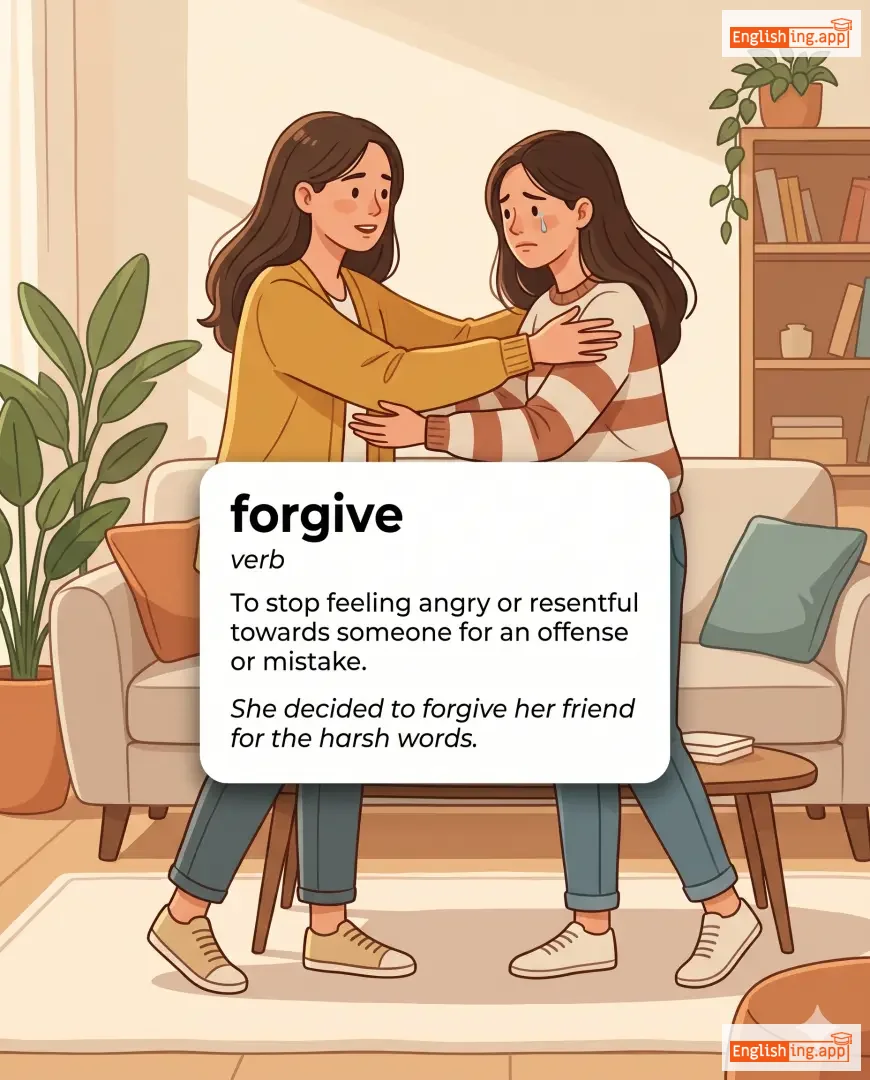
/fərˈɡɪv/
verb
(福尔吉夫)
••••••
|
|
原谅
yuánliàng
••••••
|
forgave
福尔盖夫
••••••
|
forgiven
福尔吉文
••••••
|
forgives
福尔吉夫斯
••••••
|
forgiving
福尔吉文格
••••••
|
to stop feeling angry or resentful toward someone; to pardon
••••••
|
She decided to forgive him for his mistakes.
她决定原谅他因为他的错误。
••••••
|
她决定原谅他因为他的错误。
Tā juédìng yuánliàng tā yīnwèi tā de cuòwù.
••••••
|
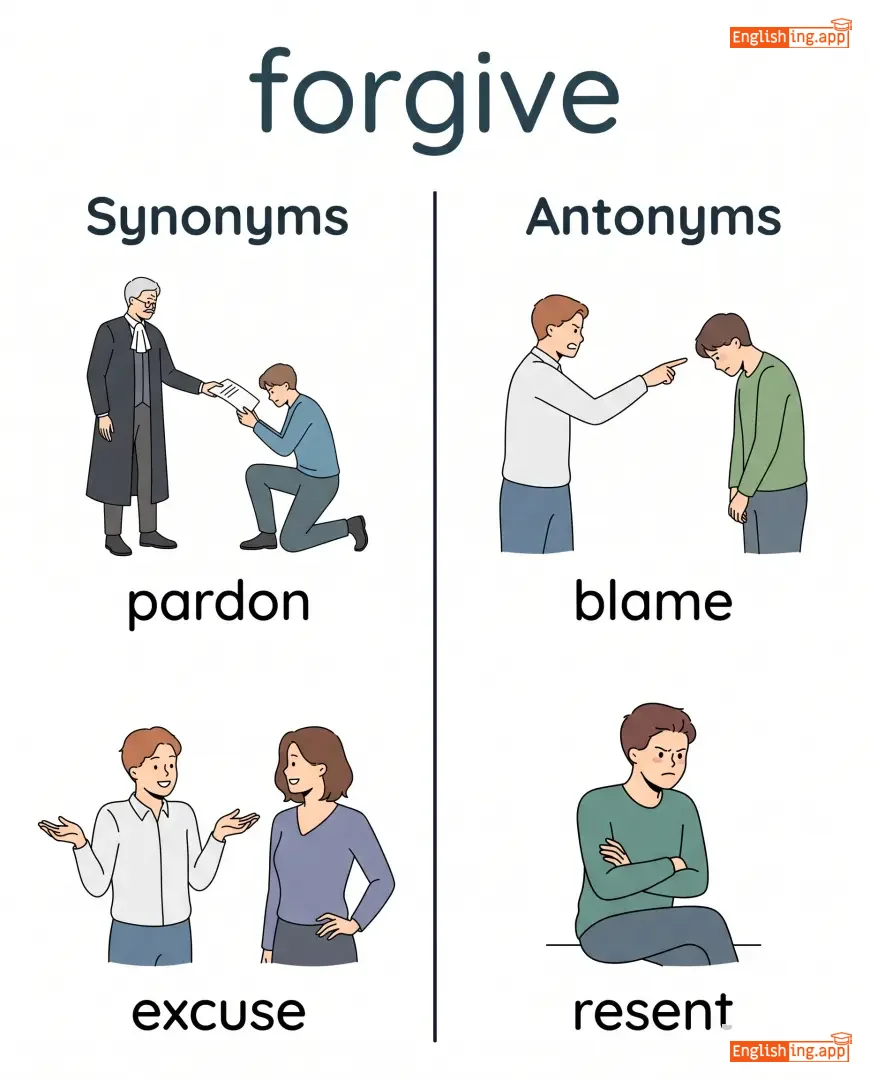
pardon, excuse, absolve, overlook
••••••
|
blame, condemn, punish, resent
••••••
|
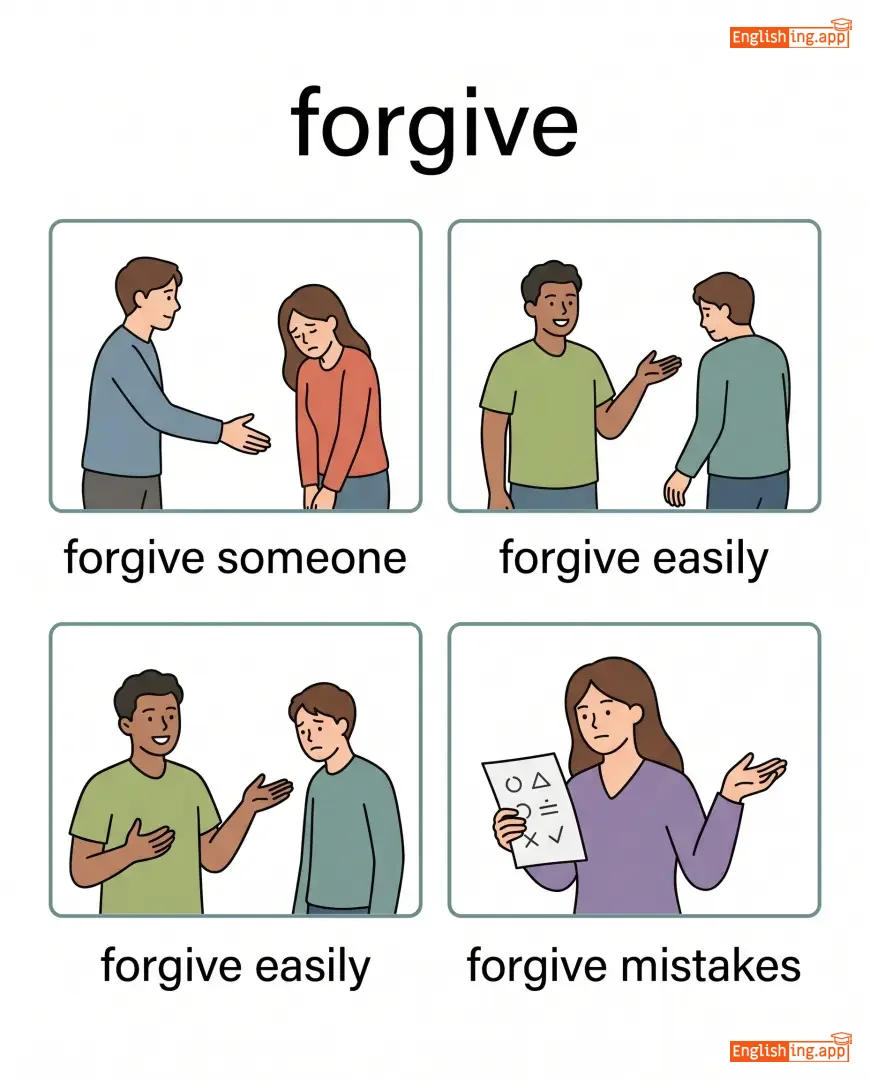
forgive mistakes, forgive and forget, please forgive, forgive someone
••••••
|
Yuánliàng in Chinese connects to forgive, letting go of anger.
••••••
|
|
#287
😜
|
/tiːz/
verb
(tíz)
••••••
|
- •••••• |
取笑
qǔxiào
••••••
|
Teased
tízd
••••••
|
Teased
tízd
••••••
|
Teases
tízes
••••••
|
Teasing
tízing
••••••
|
to make fun of someone in a playful or unkind way
••••••
|
Children often tease their younger siblings playfully.
孩子们经常嬉戏地取笑他们的弟弟妹妹。
••••••
|
孩子们经常嬉戏地取笑他们的弟弟妹妹。
Háizimen jīngcháng xīxì de qǔxiào tāmen de dìdì mèimei.
••••••
|
mock, taunt, joke, banter
••••••
|
praise, compliment, support, encourage
••••••
|
tease playfully, tease about, gently tease, constantly tease
••••••
|
取笑 = 去 (go) + 笑 (laugh)
••••••
|
|
#288
💰
|
/əˈfɔːrd/
verb
(阿福德)
••••••
|
|
负担得起
fùdān déqǐ
••••••
|
afforded
阿福德得
••••••
|
afforded
阿福德得
••••••
|
affords
阿福德斯
••••••
|
affording
阿福德英
••••••
|
to have enough money to buy; to be able to spare
••••••
|
I can't afford a new car right now.
我现在买不起一辆新车。
••••••
|
我现在买不起一辆新车。
Wǒ xiànzài mǎi bù qǐ yī liàng xīnchē.
••••••
|
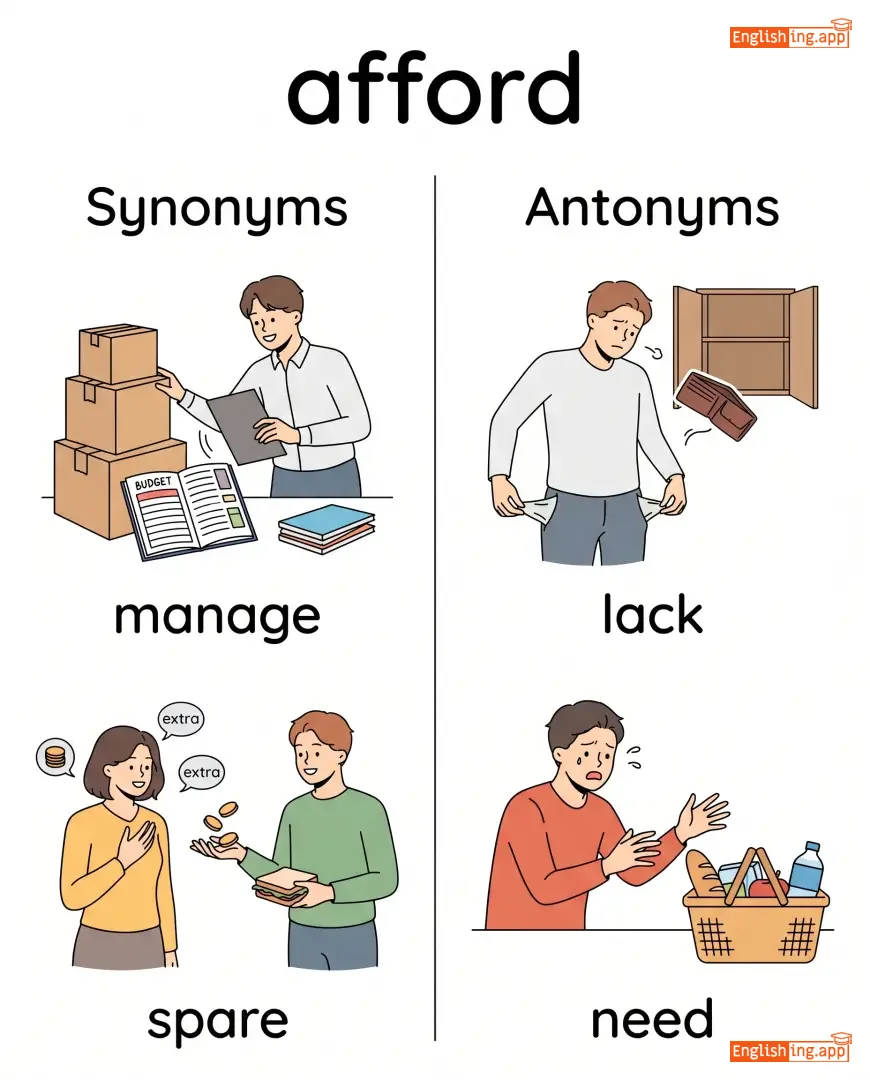
manage, bear, sustain, provide
••••••
|
lack, want, need, require
••••••
|
can't afford, afford luxury, afford to buy, barely afford
••••••
|
Afford = Fùdān déqǐ, rúguǒ yǒu qián mǎi dōngxī
••••••
|
|
#289
🐕
|
/bɑːrk/
verb
(bark)
••••••
|
|
吠叫
feijiao
••••••
|
barked
barked
••••••
|
barked
barked
••••••
|
barks
barks
••••••
|
barking
barking
••••••
|
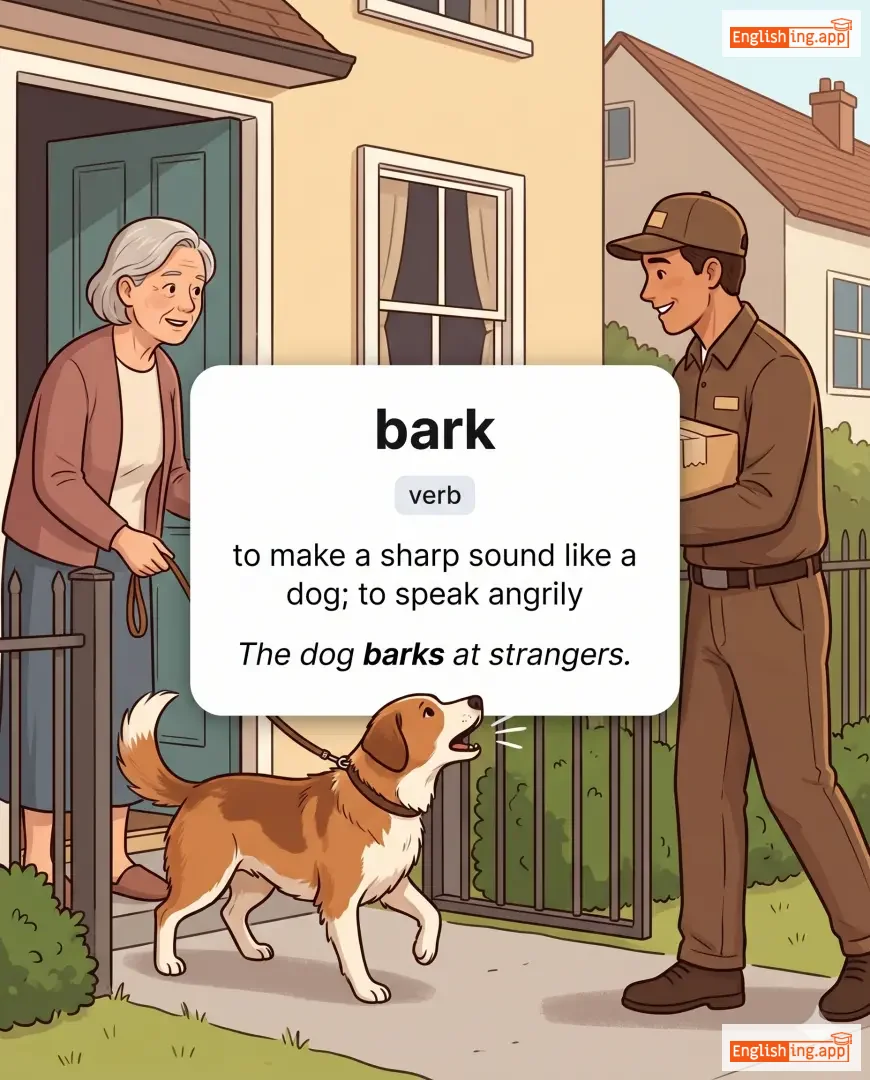
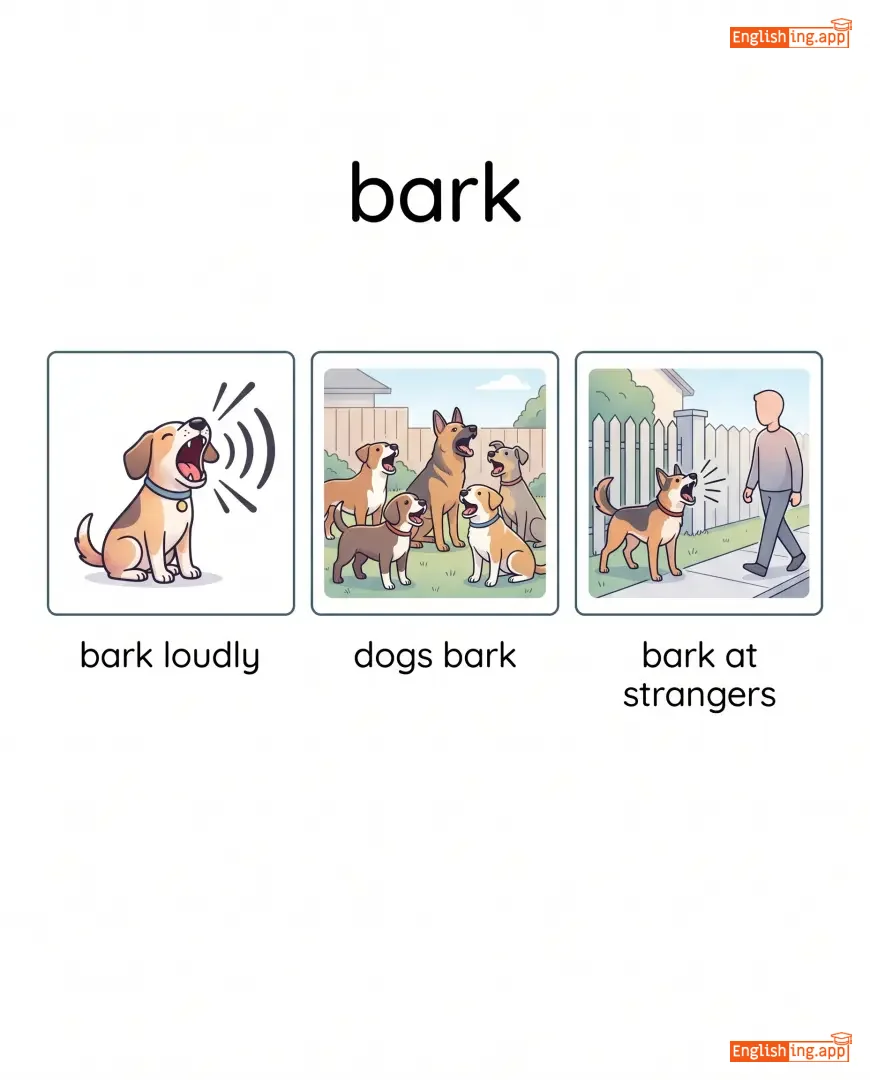
to make a sharp sound like a dog; to speak angrily
••••••
|
The dog barks at strangers.
The dog barks at strangers.
••••••
|
狗对陌生人大叫。
Gǒu duì mòshēngrén dàjiào.
••••••
|
yelp, woof, snap, shout
••••••
|
whisper, murmur, silence
••••••
|
bark loudly, dogs bark, bark at strangers, bark orders
••••••
|
狗叫是因为生气
••••••
|
|
#290
📋
|
/rɪˈkwaɪər/
verb
(要求)
••••••
|
- •••••• |
需要
xūyào
••••••
|
required
要求过
••••••
|
required
已要求
••••••
|
requires
要求
••••••
|
requiring
要求着
••••••
|
to need something; to demand or insist on
••••••
|
This job requires excellent communication skills.
这份工作要求出色的沟通技巧。
••••••
|
这份工作要求出色的沟通技巧。
Zhè fèn gōngzuò yāoqiú chūsè de gōutōng jìqiǎo.
••••••
|
need, demand, necessitate, call for
••••••
|
provide, give, offer
••••••
|
require attention, require permission, require effort, strictly require
••••••
|
No •••••• |
|
#291
🗽
|
/ɪˈmænsɪpeɪt/
verb
(yímánxìpèi)
••••••
|
|
解放
jiěfàng
••••••
|
emancipated
yímánxìpèid
••••••
|
emancipated
yímánxìpèid
••••••
|
emancipates
yímánxìpèits
••••••
|
emancipating
yímánxìpèirèng
••••••
|
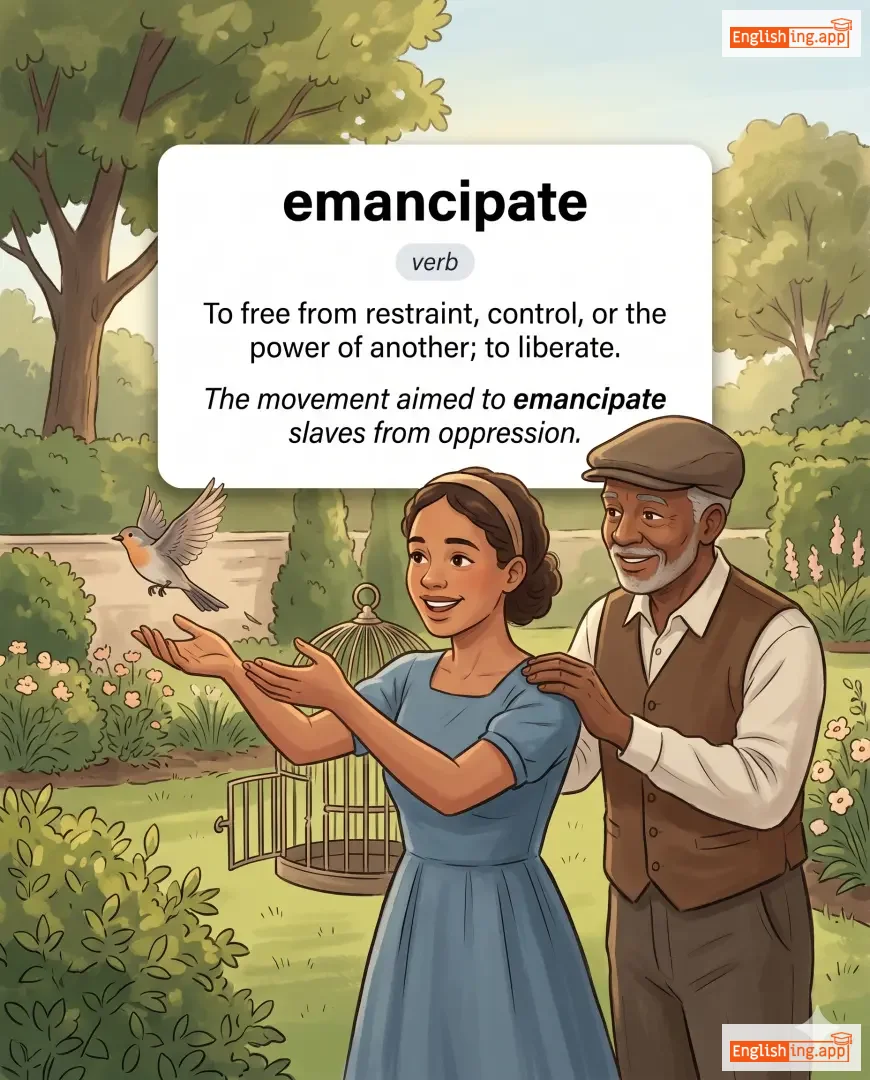
to set someone free from legal, social, or political restrictions; to liberate from slavery or oppression
••••••
|
The law was designed to emancipate slaves and grant them full citizenship.
这项法律旨在解放奴隶并授予他们完整的公民身份。
••••••
|
这项法律旨在解放奴隶并授予他们完整的公民身份。
Zhè xiàng fǎlǜ zhǐ zài jiěfàng núlì bìng shòuyǔ tāmen wánzhěng de gōngmín shēnfèn.
••••••
|
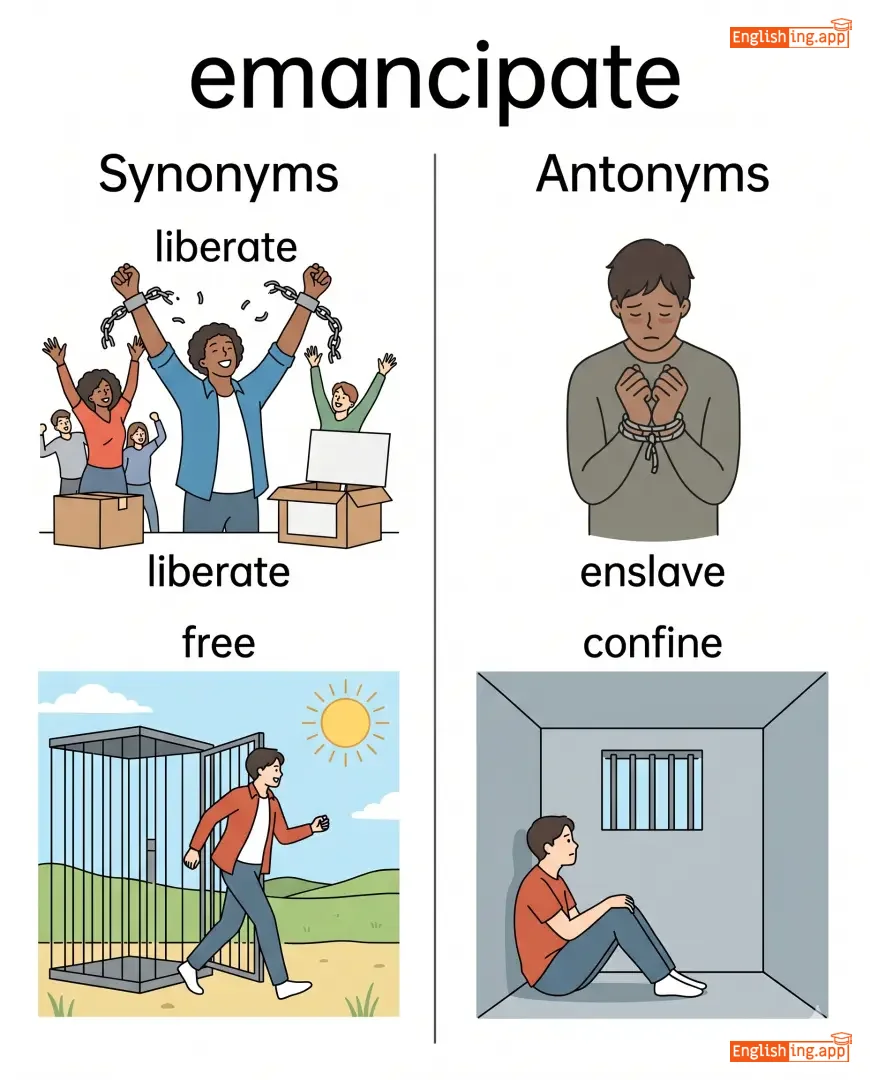
liberate, free, release, deliver
••••••
|
enslave, oppress, restrict, bind
••••••
|
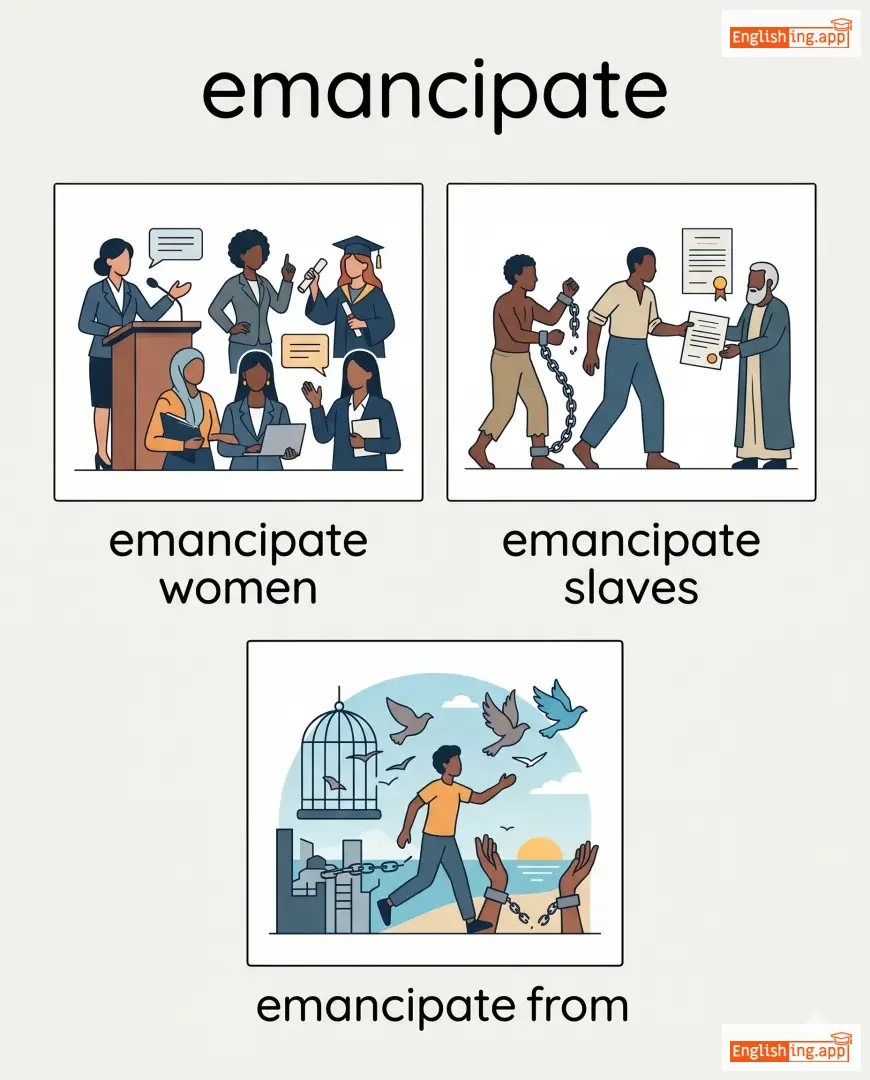
emancipate slaves, emancipate women, emancipate from bondage, fully emancipate
••••••
|
Remember '解放' (jiěfàng) as 'liberate' — a close match to 'emancipate'.
••••••
|
|
#292
✂️
|
/dɪˈvaɪd/
verb
(迪维德)
••••••
|
|
分割
fēngē
••••••
|
divided
分开
••••••
|
divided
分开
••••••
|
divides
分开
••••••
|
dividing
分割
••••••
|
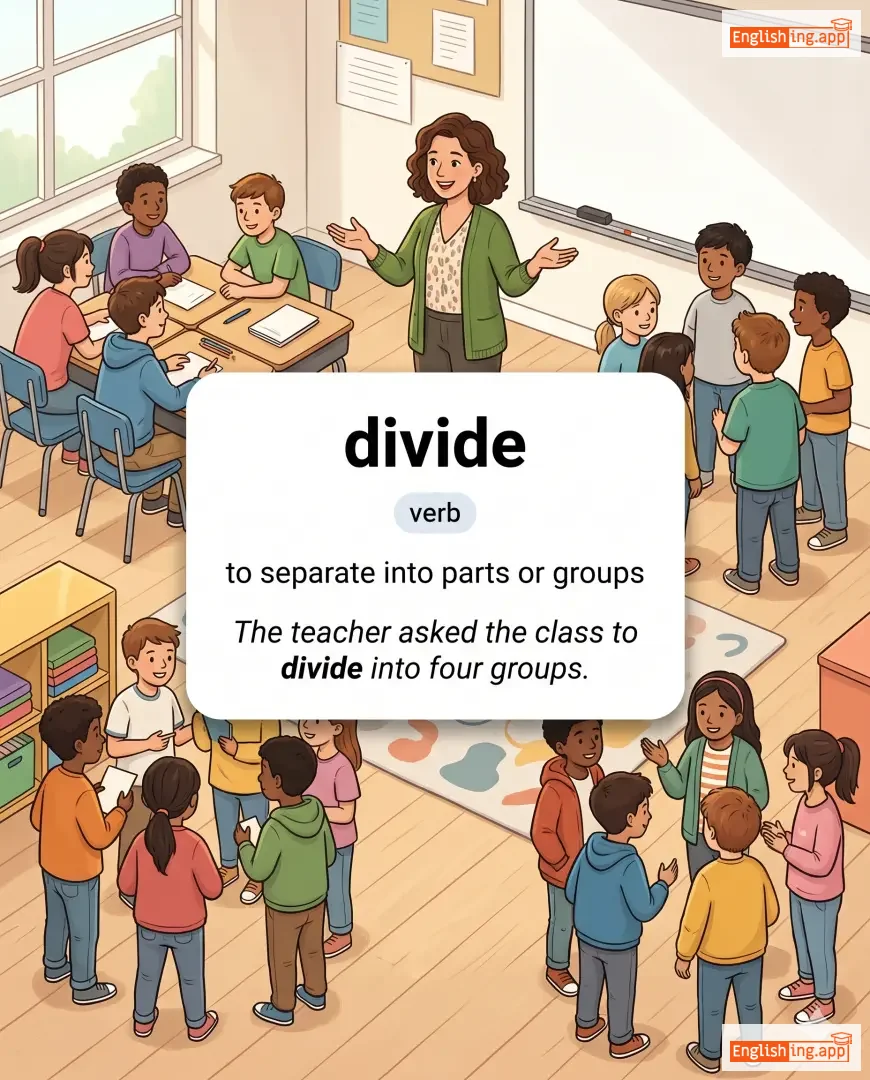
to separate into parts; to split or break apart
••••••
|
Please divide the cake into eight pieces.
请把蛋糕分成八块。
••••••
|
请把蛋糕分成八块。
Qǐng bǎ dàngāo fēnchéng bā kuài.
••••••
|
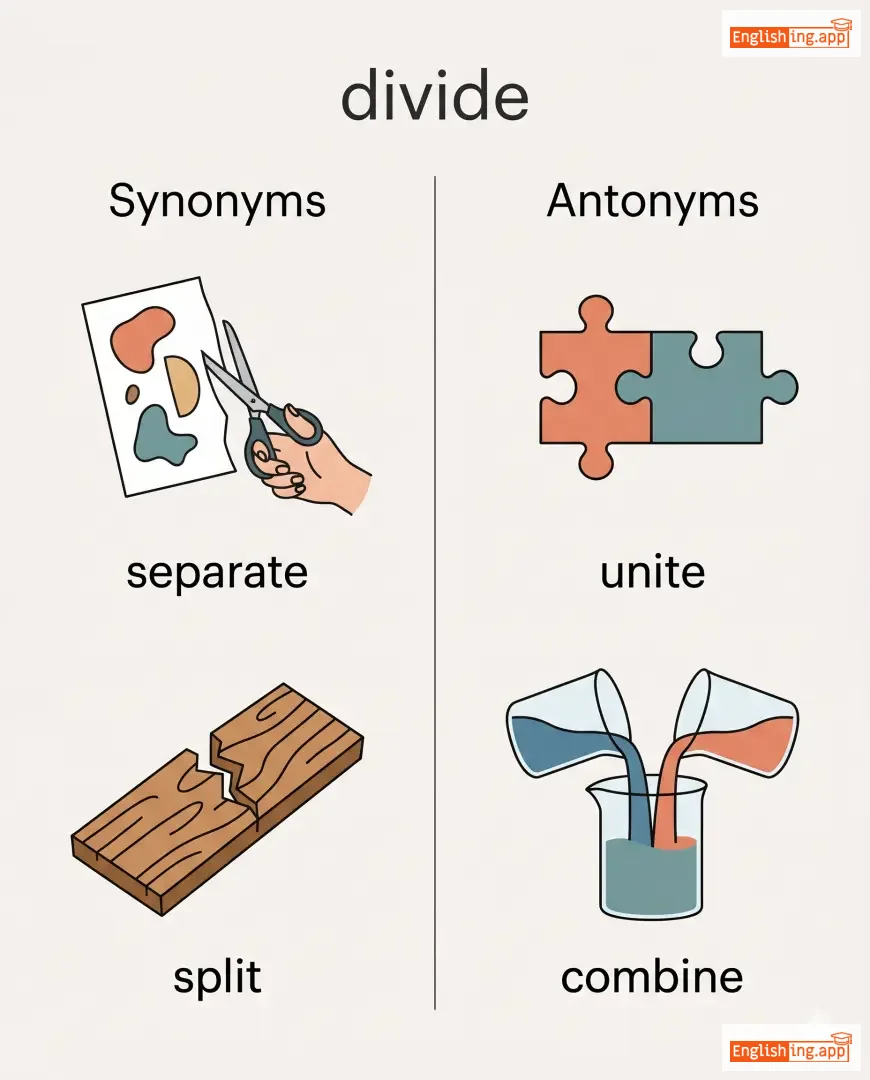
split, separate, partition, break
••••••
|
unite, combine, join, merge
••••••
|
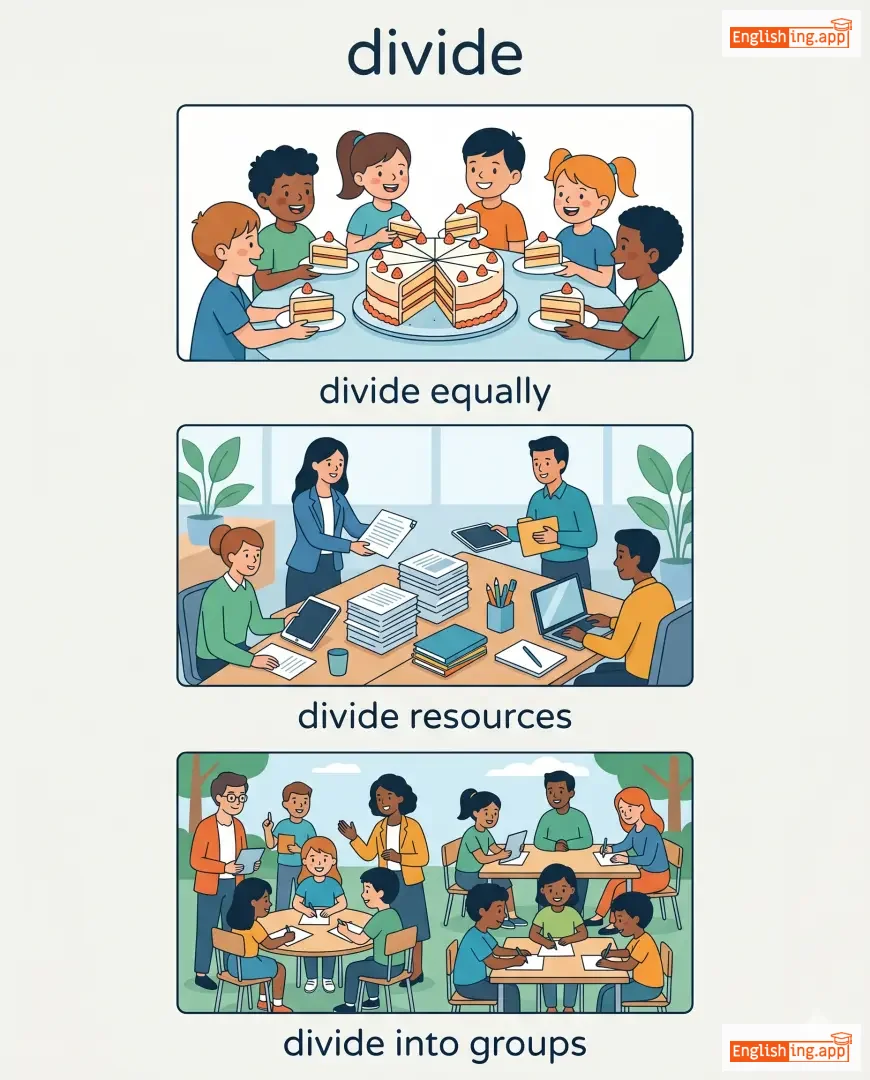
divide equally, divide attention, divide and conquer, divide into groups
••••••
|
想象你在分割蛋糕时,让每一块都适合分享。
••••••
|
|
#293
👮
|
/əˈrɛst/
verb
(逮捕)
••••••
|
|
逮捕
daibu
••••••
|
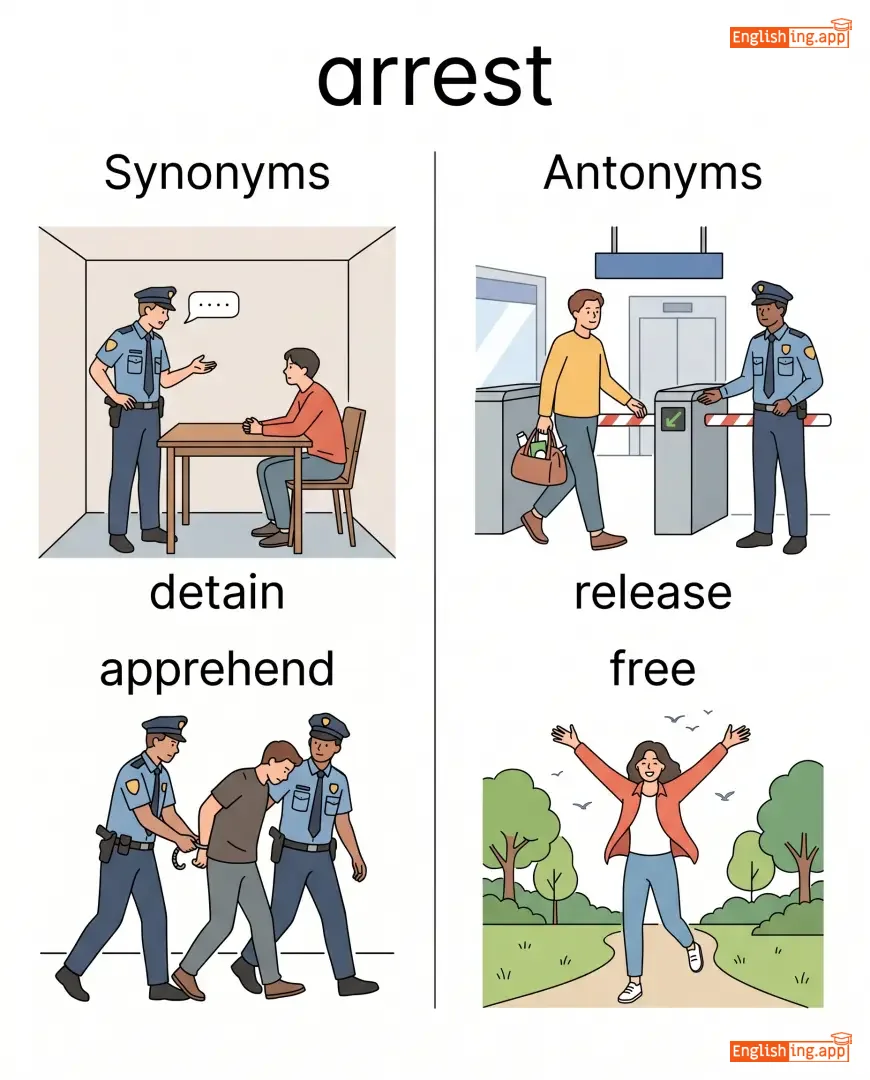
arrested
逮捕了
••••••
|
arrested
逮捕了
••••••
|
arrests
逮捕
••••••
|
arresting
逮捕中
••••••
|
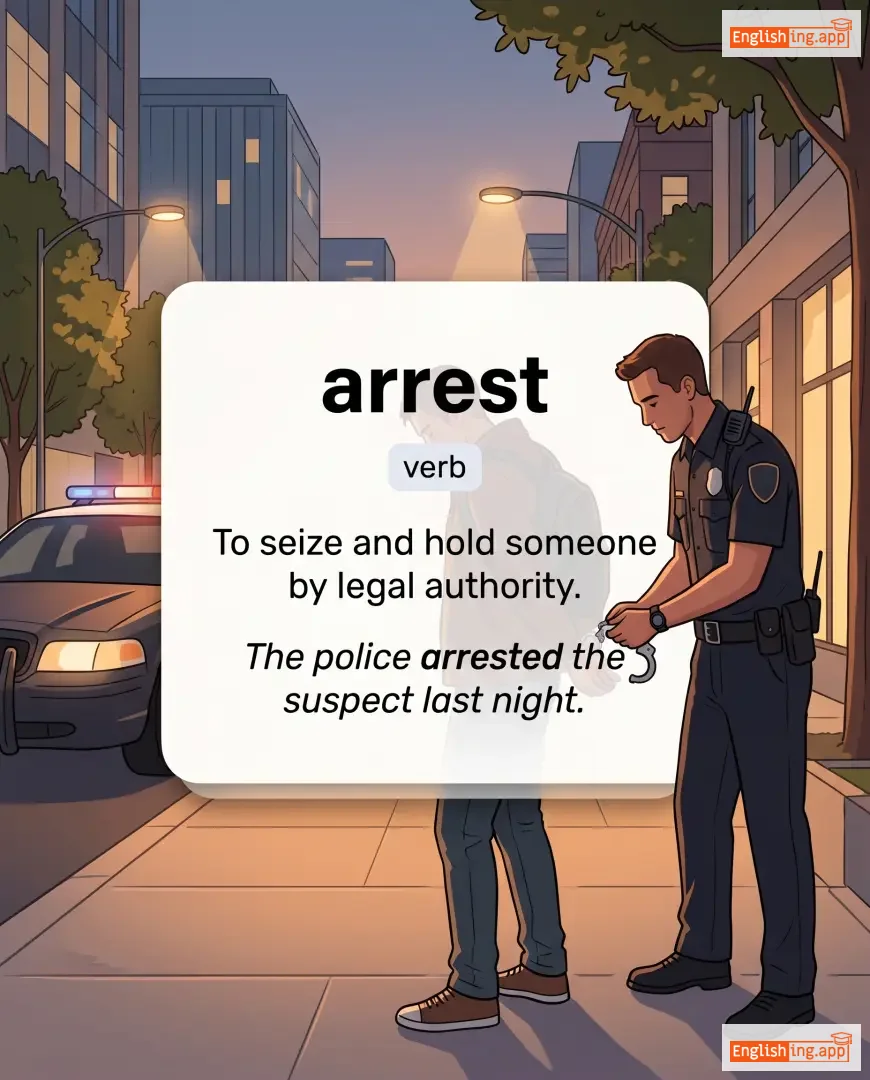
to catch and hold by legal authority; to stop suddenly
••••••
|
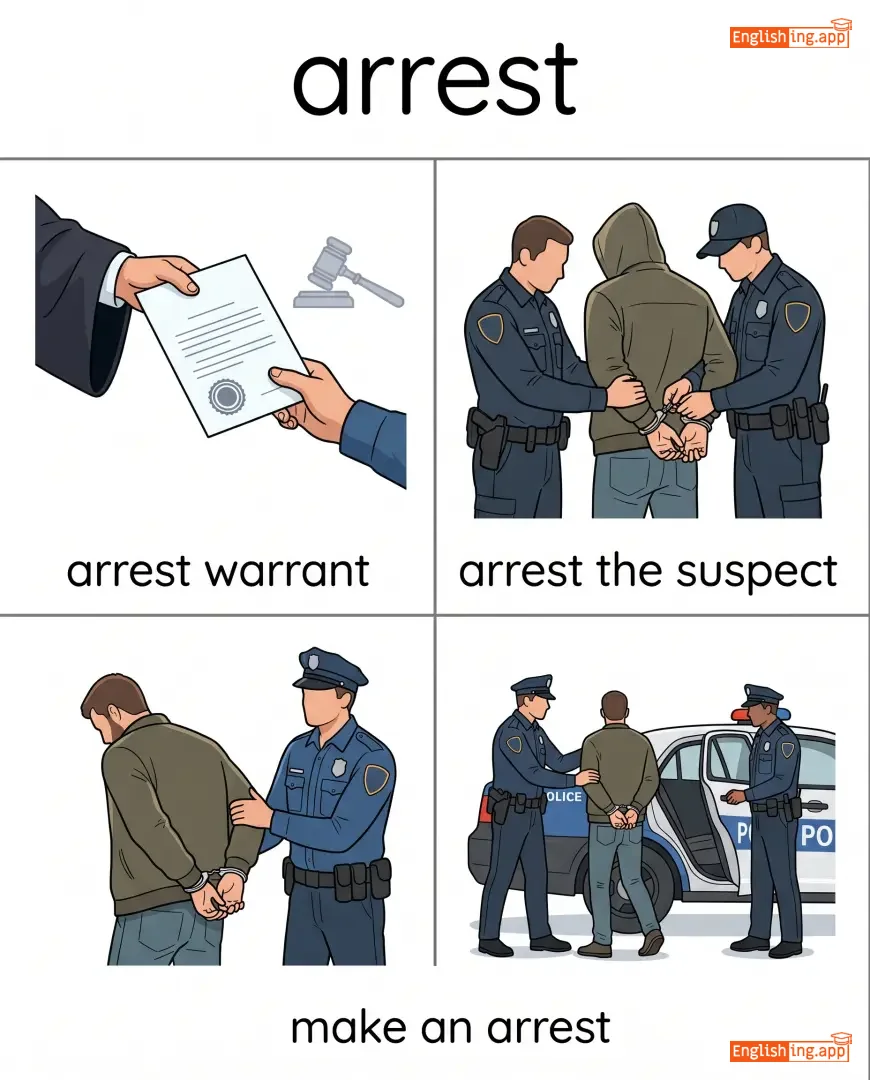
The police will arrest the suspect tomorrow.
警察明天会逮捕嫌疑人。
••••••
|
警察明天会逮捕嫌疑人。
Jingcha mingtian hui daibu xianyi ren.
••••••
|
catch, seize, capture, detain, apprehend
••••••
|
release, free, liberate, discharge
••••••
|
arrest suspect, arrest warrant, under arrest, arrest development
••••••
|
Daibu is like arresting someone in Chinese!
••••••
|
|
#294
📉
|
/ˈmɪnɪmaɪz/
verb
(最小化)
••••••
|
|
最小化
zuì xiǎo huà
••••••
|
minimized
最小化了
••••••
|
minimized
最小化了
••••••
|
minimizes
最小化
••••••
|
minimizing
最小化中
••••••
|
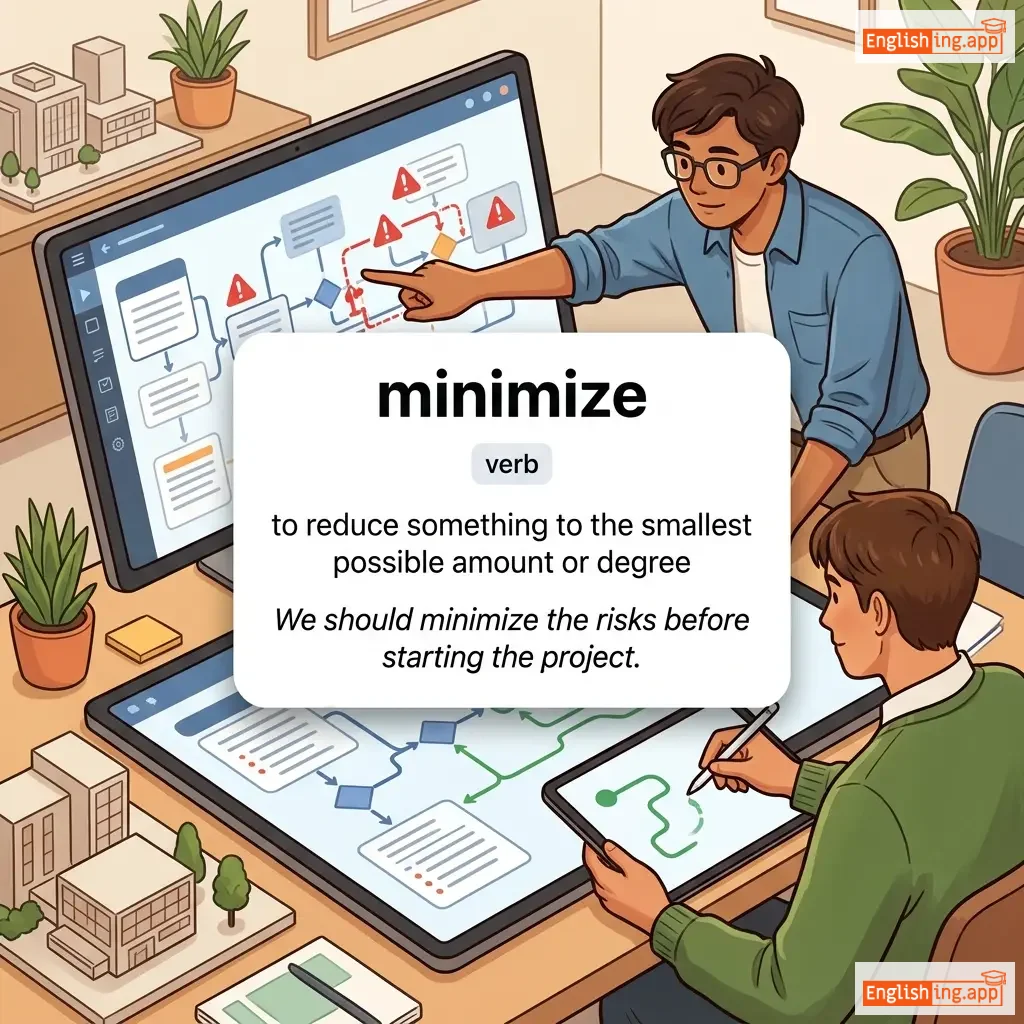
to reduce something to the smallest possible amount or degree
••••••
|
We need to minimize our expenses this month.
我们需要在这个月减少开支。
••••••
|
我们需要在这个月减少开支。
Wǒmen xūyào zài zhège yuè jiǎnshǎo kāizhī.
••••••
|
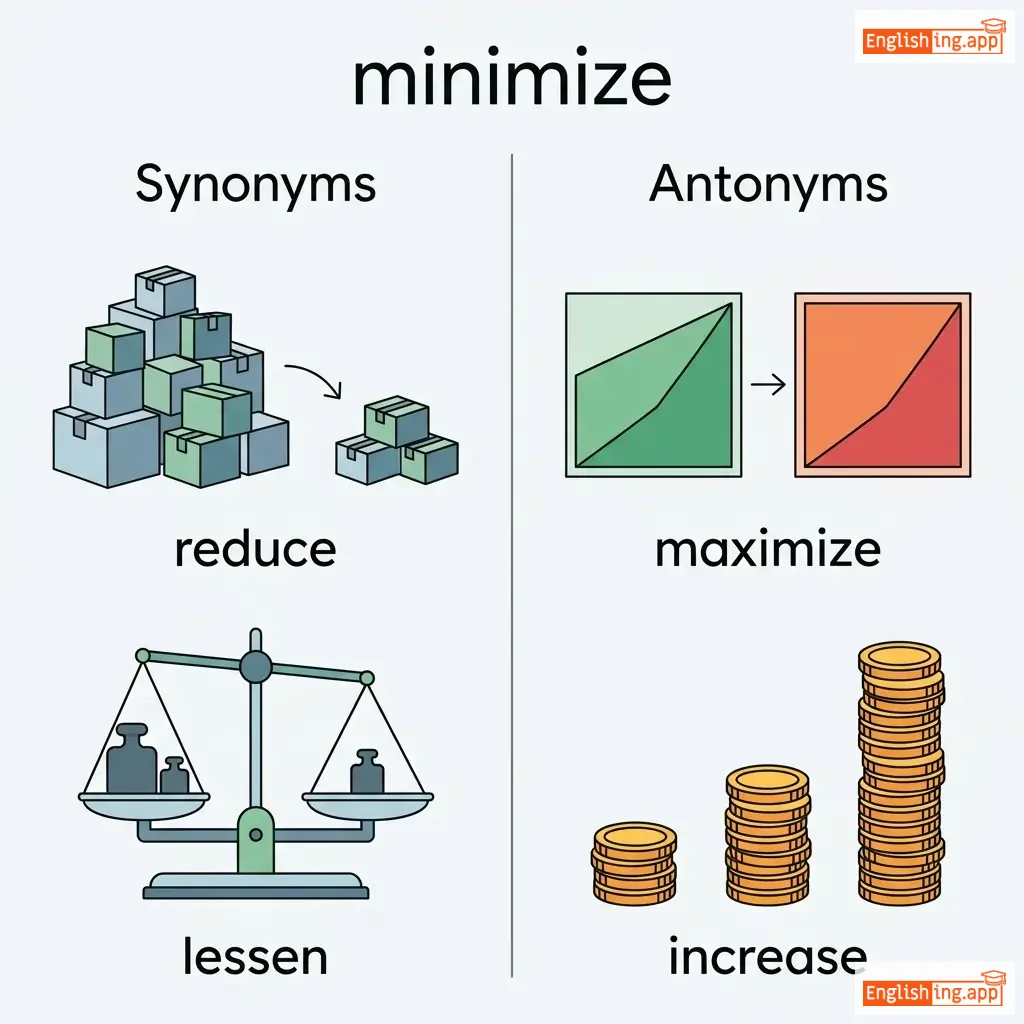
reduce, decrease, lessen, diminish
••••••
|
maximize, increase, enlarge, expand
••••••
|
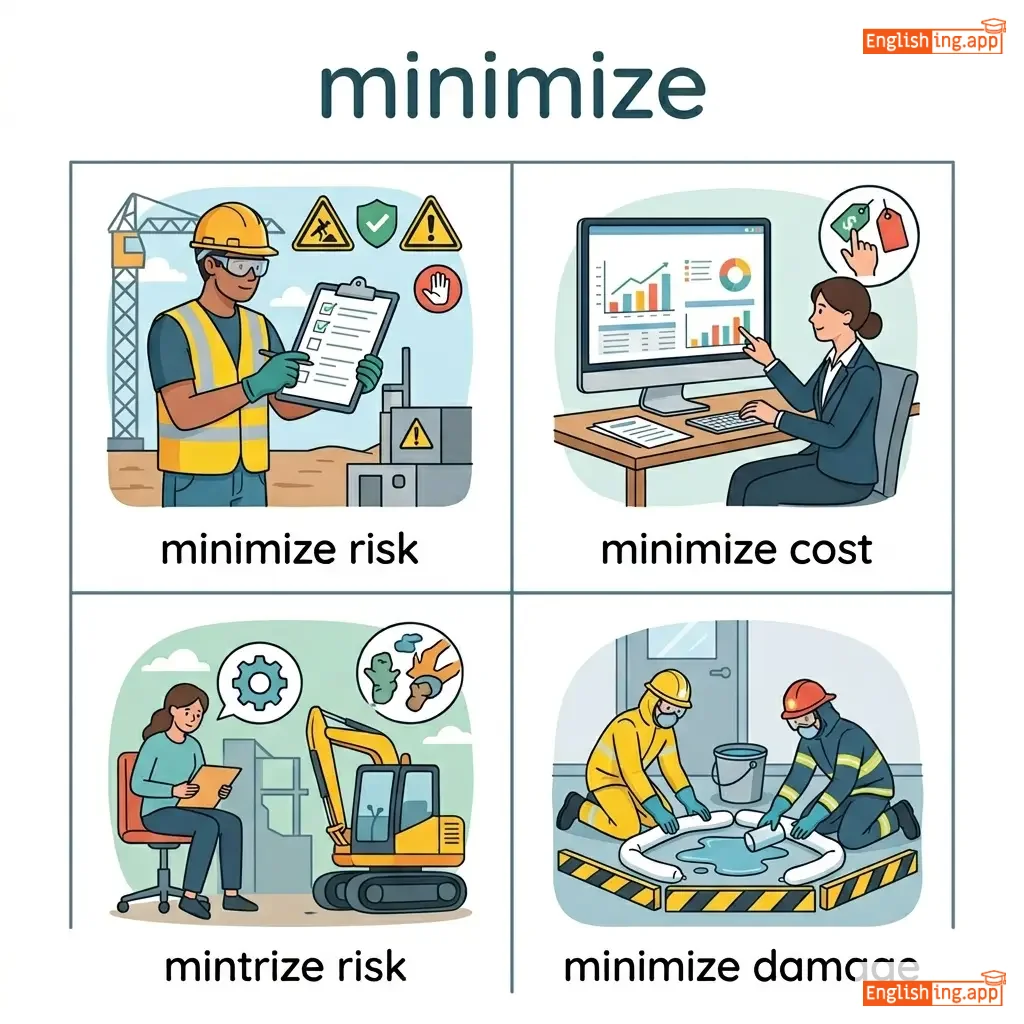
minimize risk, minimize costs, minimize damage, minimize impact
••••••
|
最小化可以减少支出
••••••
|
|
#295
✨
|
/ˈsæŋktɪfaɪ/
verb
(sānktifai)
••••••
|
- •••••• |
圣化
shenghua
••••••
|
sanctified
sānktifāid
••••••
|
sanctified
sānktifāid
••••••
|
sanctifies
sānktifāis
••••••
|
sanctifying
sānktifāing
••••••
|
to make holy or sacred; to purify
••••••
|
The priest will sanctify the marriage ceremony.
牧师将祝圣婚礼仪式。
••••••
|
牧师将祝圣婚礼仪式。
Mùshī jiāng zhùshèng hūnlǐ yíshì.
••••••
|
bless, consecrate, hallow, purify
••••••
|
desecrate, profane, defile, pollute
••••••
|
sanctify marriage, sanctify the place, sanctify by prayer, sanctify ritual
••••••
|
圣化意味着使某物变得神圣,就像牧师祝圣婚礼一样。
••••••
|
|
#296
⚡
|
/ˈkwɪkən/
verb
(kwīken)
••••••
|
- •••••• |
加快
jiakuai
••••••
|
quickened
kwīkend
••••••
|
quickened
kwīkend
••••••
|
quickens
kwīkens
••••••
|
quickening
kwīkening
••••••
|
to make or become faster; to accelerate
••••••
|
His pulse began to quicken as he approached the finish line.
他的脉搏在接近终点线时开始加速。
••••••
|
他的脉搏在接近终点线时开始加速。
Tā de màibó zài jiējìn zhōngdiǎn xiàn shí kāishǐ jiāsù.
••••••
|
accelerate, speed up, hasten, rush
••••••
|
slow down, decelerate, delay
••••••
|
quicken pace, quicken pulse, quicken breathing, quicken the process
••••••
|
No •••••• |
|
#297
🔮
|
/prɪˈdɪkt/
verb
(普雷迪克特)
••••••
|
- •••••• |
预测
yùcè
••••••
|
predicted
普雷迪克特德
••••••
|
predicted
普雷迪克特德
••••••
|
predicts
普雷迪克特斯
••••••
|
predicting
普雷迪克特英
••••••
|
to say that something will happen in the future
••••••
|
Scientists predict rain tomorrow.
科学家预测明天会下雨。
••••••
|
科学家预测明天会下雨。
Kexuejia yuce mingtian hui xiayu.
••••••
|
forecast, foretell, prophesy, anticipate
••••••
|
review, reflect, recall
••••••
|
predict weather, predict future, predict outcome, accurately predict
••••••
|
预测在中文里意味着预见未来。
••••••
|
|
#298
🚪
|
/ˈoʊpən/
verb
(ōupēn)
••••••
|
- •••••• |
打开
dǎkāi
••••••
|
opened
ōupēnd
••••••
|
opened
ōupēnd
••••••
|
opens
ōupēns
••••••
|
opening
ōupīng
••••••
|
to move something so as to allow access; to begin
••••••
|
Please open the door for me.
请为我打开门。
••••••
|
请为我打开门。
qǐng wèi wǒ dǎkāi mén
••••••
|
unlock, unfasten, begin, start
••••••
|
close, shut, lock, seal
••••••
|
open door, open mind, open heart, wide open
••••••
|
打开门,打开世界。
••••••
|
Vocabulary Quiz
Test your vocabulary by matching words with their translations or meanings.
Login to take the quiz
Comments (0)
Share your thoughts and join the discussion.
Join the discussion by logging in
Login to CommentNo comments yet
Be the first to share your thoughts!