

The Activist Who Brought Social Change
Ayesha was a social activist who fought against injustice. In her society, women's rights were limited, and she wanted to change this reality. Her approach was not shallow - she deeply understood systemic issues. When a new discriminatory statute passed, Ayesha organized protests. Her sibling also joined the movement. They knew that silence was not an option. Authorities tried to squeeze opposition, but the movement grew stronger. Ayesha said that laws that resembled slavery were not acceptable. Her words shattered misconceptions. In a debate, she sharply criticized government policies. Her message was simple but powerful - someone has to stand up. Her stomach was churning with nervousness, but she hid her fear. A funny moment was when a shuttle bus carrying supporters accidentally went the wrong direction, and the protest started late. But people still showed up. Protesters carried signs that specified their demands. Ayesha's determination was strange to those who accepted the status quo. But she believed that somehow, someday things would change. Her movement inspired others, and similar protests started in different cities. Even a retired soldier joined, saying he had fought for freedom. As a starter, the government agreed to dialogue. Shortly after, some reforms were announced. Ayesha proved that collective action and courage can transform society. Her legacy was that ordinary people can bring extraordinary change.
Upgrade to Access All Vocabulary
Get unlimited access to all vocabulary items with Pro membership
Upgrade to ProTranslation
Past
Past Participle
Third Person Singular
Gerund
Meaning
Example Sentence
Example Sentence Translation
Synonyms
Antonyms
Collocations
Mnemonic
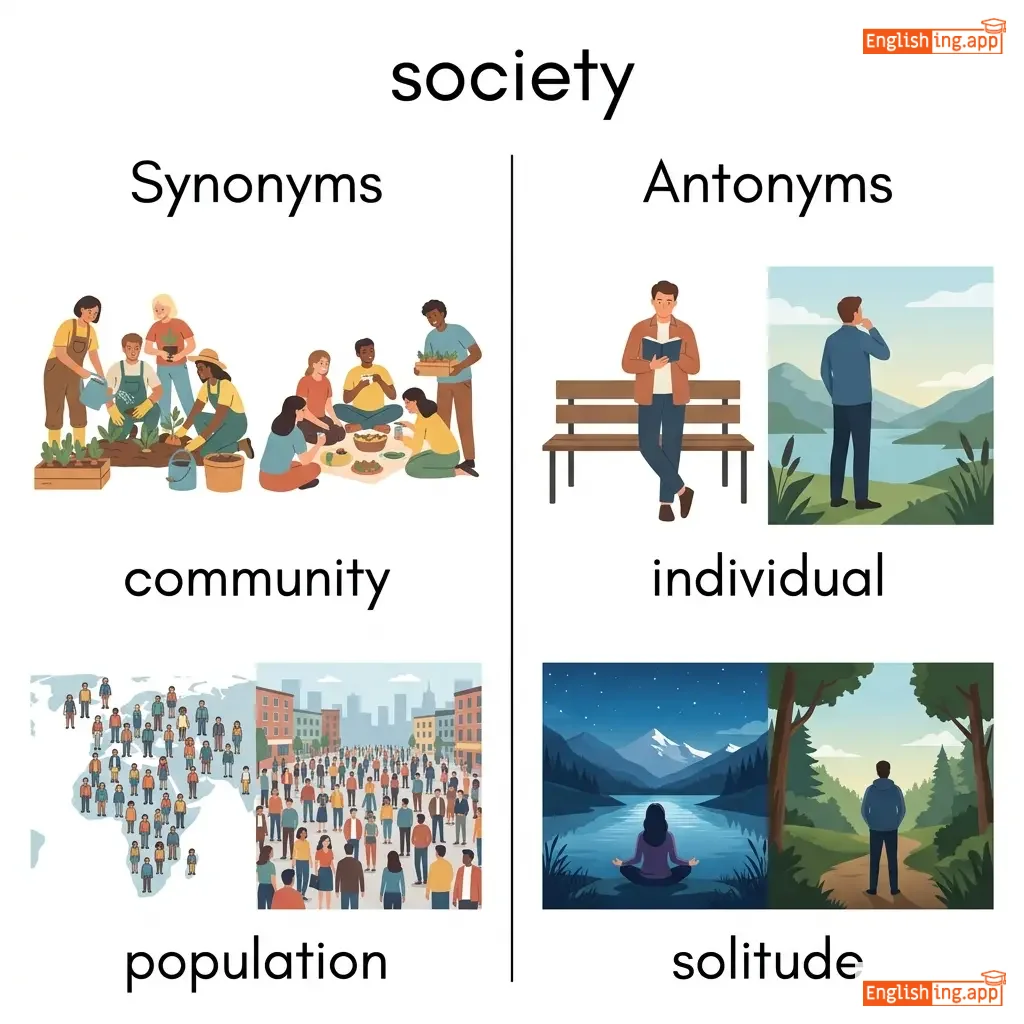
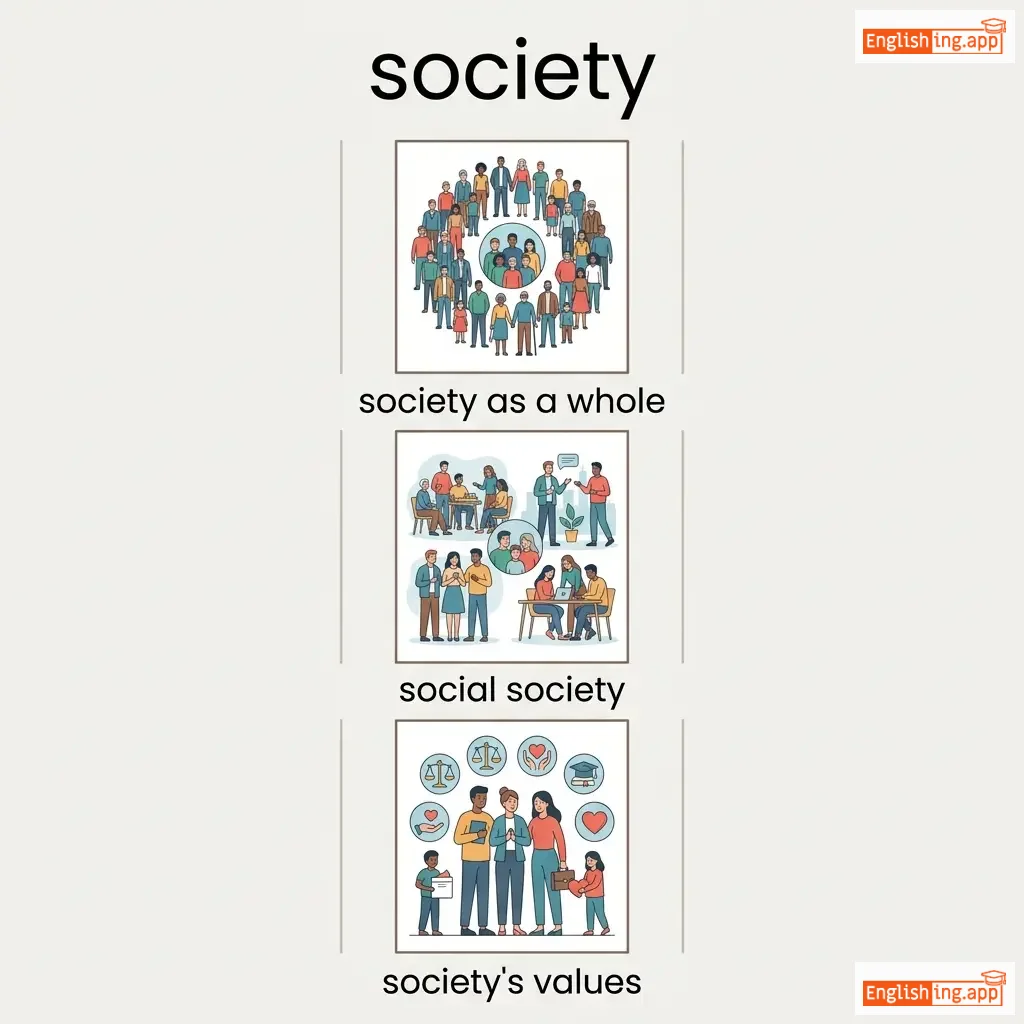
Swipe left or right, or use the buttons. Tap image to zoom.
Upgrade to Access All Sentences
Get unlimited access to all sentences with Pro membership
Upgrade to ProExample Sentence Translation
Word
The Activist Who Brought Social Change - Mask Toggle
|
Emoji
|
Word | Images | Past | Past Participle | Third Person Singular | Gerund | Meaning | Example Sentence | Example Expression | Example Expression Meaning | Synonyms | Antonyms | Collocations |
|---|---|---|---|---|---|---|---|---|---|---|---|---|---|
|
#0
💧
|
/ˈʃæl.oʊ/
adjective
••••••
|
- •••••• | - •••••• | - •••••• | - •••••• | - •••••• |
not deep; lacking depth of thought or feeling
••••••
|
The children played in the shallow water near the shore. |
shallow end |
the less deep part of a pool
••••••
|
superficial, surface-level, slight, trivial
••••••
|
deep, profound, thoughtful
••••••
|
shallow water, shallow end, shallow mind, shallow depth
••••••
|
|
#0
⚡
|
/ˈʃɑːrpli/
adverb
••••••
|
- •••••• | - •••••• | - •••••• | - •••••• | - •••••• |
suddenly and strongly; in a cutting or intense way
••••••
|
Prices rose sharply after the announcement. |
- •••••• | - •••••• |
suddenly, quickly, abruptly, intensely, drastically
••••••
|
slowly, gently, gradually
••••••
|
rise sharply, turn sharply, sharply increase, sharply decline
••••••
|
|
#0
💥
|
/ˈʃætər/
verb
••••••
|
- •••••• |
shattered
••••••
|
shattered
••••••
|
shatters
••••••
|
shattering
••••••
|
To break suddenly into many small pieces.
••••••
|
The glass will shatter if you drop it. |
shatter dreams |
to completely ruin someone's hopes or plans
••••••
|
break, smash, crack, demolish, splinter
••••••
|
repair, fix, build
••••••
|
shatter glass, shatter dreams, shatter confidence
••••••
|
|
#0
⏰
|
/ˈʃɔːt.li/
adverb
••••••
|
- •••••• | - •••••• | - •••••• | - •••••• | - •••••• |
soon; in a short time; briefly
••••••
|
The meeting will begin shortly. |
- •••••• | - •••••• |
soon, presently, momentarily
••••••
|
later, eventually, distantly
••••••
|
arrive shortly, begin shortly, return shortly
••••••
|
|
#0
🚌
|
/ˈʃʌtəl/
noun
••••••
|
- •••••• | - •••••• | - •••••• | - •••••• | - •••••• |
a vehicle or craft that travels regularly between two places.
••••••
|
The airport shuttle runs every 30 minutes. |
shuttle diplomacy |
negotiation conducted by a mediator who travels between parties
••••••
|
bus, transporter, ferry, vehicle, coach
••••••
|
static vehicle, stopover
••••••
|
shuttle bus, shuttle service, space shuttle, airport shuttle
••••••
|
|
#0
👫
|
/ˈsɪblɪŋ/
noun
••••••
|
- •••••• | - •••••• | - •••••• | - •••••• | - •••••• |
A brother or sister.
••••••
|
She has three siblings, two brothers and one sister. |
- •••••• | - •••••• |
brother, sister, kin, relative
••••••
|
stranger, outsider
••••••
|
sibling rivalry, younger sibling, elder sibling, sibling bond
••••••
|
|
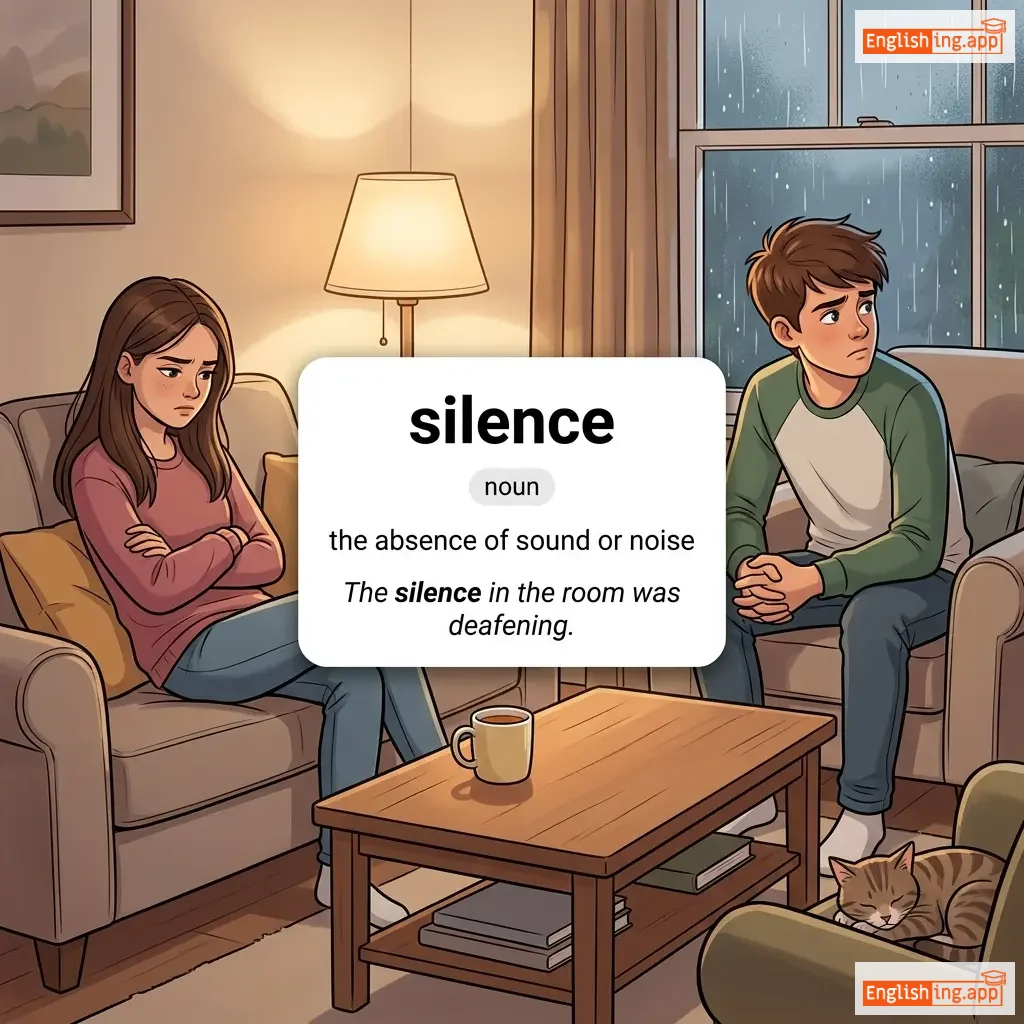
#0
🤫
|
/ˈsaɪ.ləns/
noun
••••••
|
|
- •••••• | - •••••• | - •••••• | - •••••• |
complete absence of sound; the refusal to speak or make noise
••••••
|
The teacher asked for silence during the exam. |
- •••••• | - •••••• |
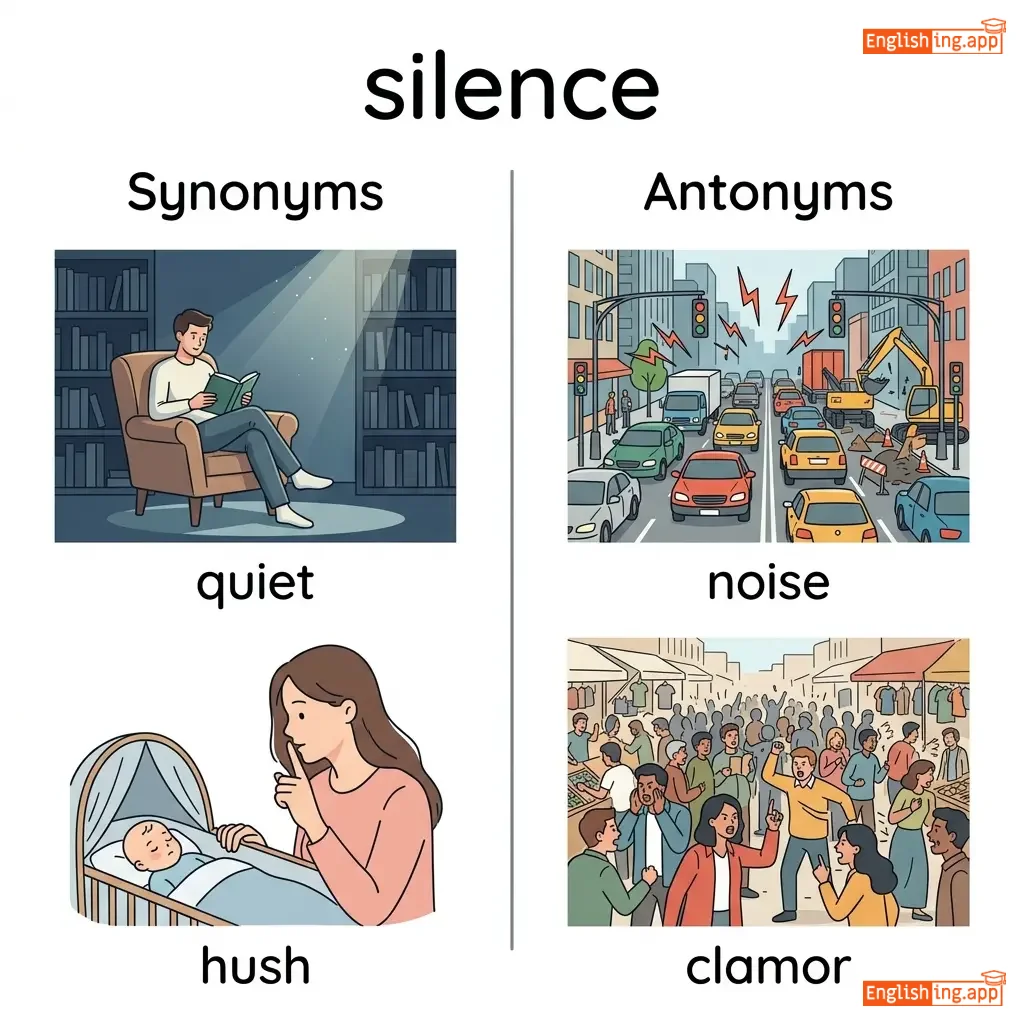
quiet, stillness, hush, calm
••••••
|
noise, sound, chatter, commotion
••••••
|
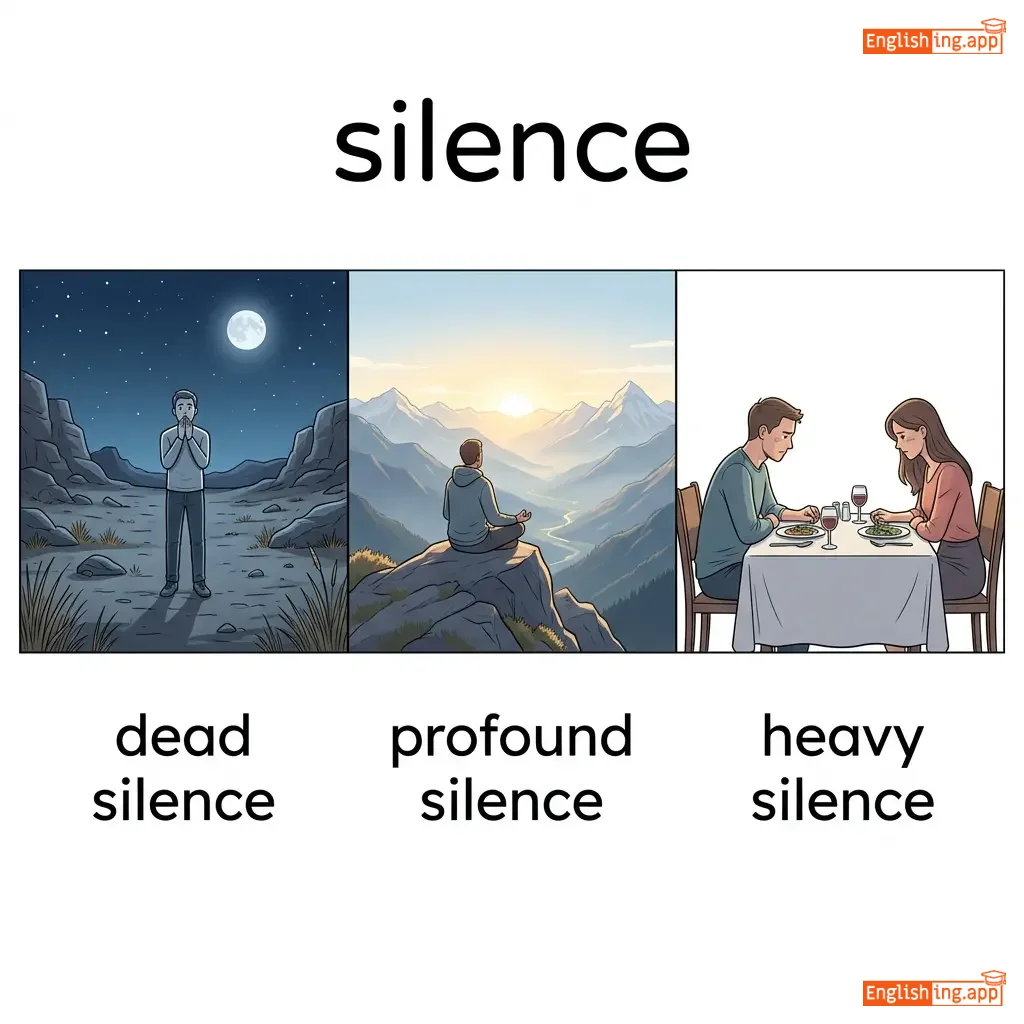
awkward silence, dead silence, moment of silence, break the silence
••••••
|
|
#0
🔄
|
/ˈsɪmɪlər/
adjective
••••••
|
- •••••• | - •••••• | - •••••• | - •••••• | - •••••• |
Having a resemblance in appearance, character, or quantity, without being identical.
••••••
|
The twins wore similar clothes to the party. |
similar to |
Having a likeness or resemblance to something.
••••••
|
alike, comparable, related, akin, resembling
••••••
|
different, dissimilar, unlike
••••••
|
similar case, similar result, similar style, similar appearance
••••••
|
|
#0
⛓️
|
/ˈsleɪvəri/
noun
••••••
|
- •••••• | - •••••• | - •••••• | - •••••• | - •••••• |
the system or state of being owned and forced to work for someone else
••••••
|
Slavery was abolished in most countries in the 19th century. |
modern-day slavery |
the exploitation of people through forced labor or trafficking in modern times
••••••
|
servitude, bondage, oppression, captivity
••••••
|
freedom, liberty, independence
••••••
|
abolish slavery, against slavery, slavery system, slavery trade
••••••
|
|
#0
🏘️
|
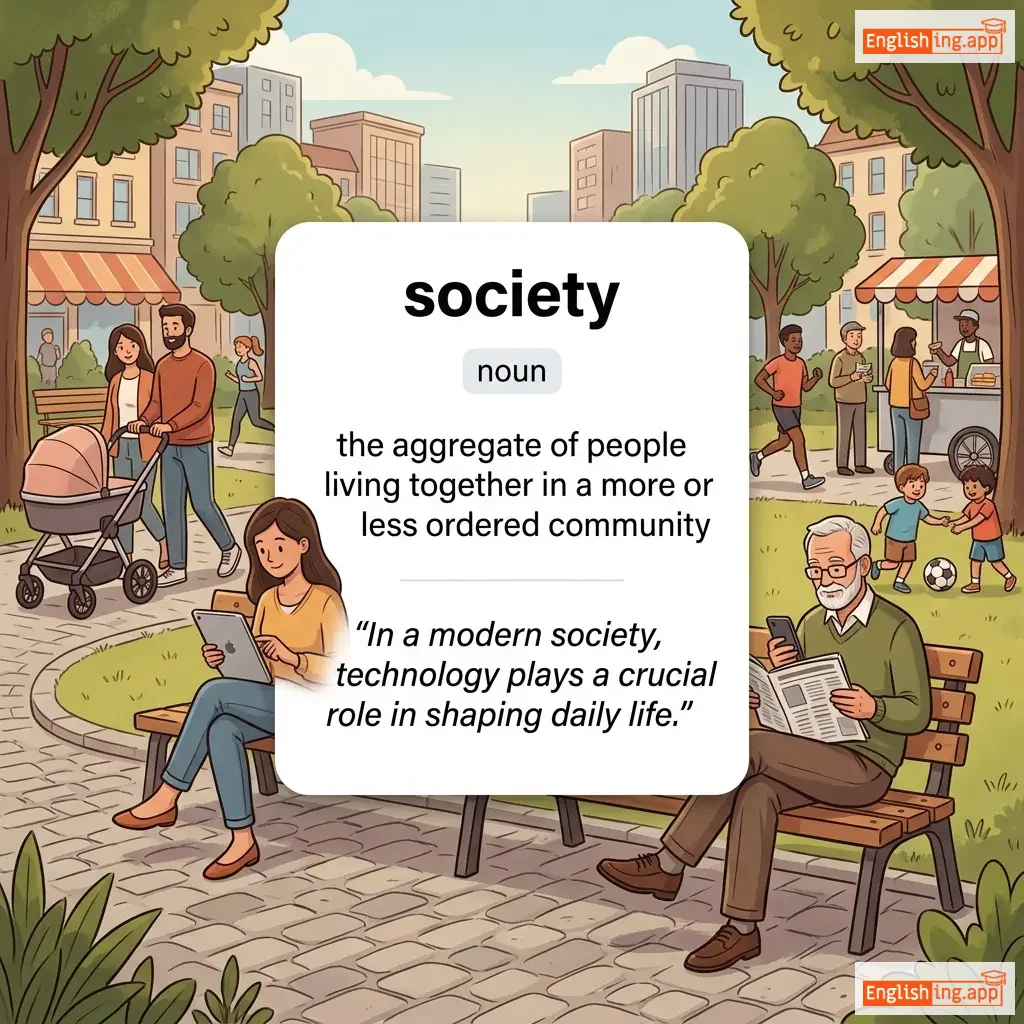
/səˈsaɪ.ə.ti/
noun
••••••
|
|
- •••••• | - •••••• | - •••••• | - •••••• |
a community of people living together; an organization or association
••••••
|
Education plays an important role in society. |
- •••••• | - •••••• |
community, civilization, culture, association
••••••
|
isolation, solitude, individualism
••••••
|
modern society, civil society, human society
••••••
|
|
#0
🪖
|
/ˈsoʊldʒər/
noun
••••••
|
- •••••• | - •••••• | - •••••• | - •••••• | - •••••• |
a person who serves in an army, especially as a professional fighter
••••••
|
The soldier marched proudly with his unit. |
old soldier |
a person with much experience in military service or in life
••••••
|
trooper, warrior, fighter, serviceman, combatant
••••••
|
civilian, noncombatant
••••••
|
brave soldier, professional soldier, soldier on, soldier's duty
••••••
|
|
#0
🌅
|
/ˈsʌm.deɪ/
adverb
••••••
|
- •••••• | - •••••• | - •••••• | - •••••• | - •••••• |
at some time in the future
••••••
|
Someday, I want to travel the world. |
- •••••• | - •••••• |
one day, eventually, in the future, sooner or later
••••••
|
never, now
••••••
|
someday soon, maybe someday, someday I will, someday in the future
••••••
|
|
#0
🤷
|
/ˈsʌm.haʊ/
adverb
••••••
|
- •••••• | - •••••• | - •••••• | - •••••• | - •••••• |
in some way; for some reason that is not clear
••••••
|
Somehow, I managed to finish the project on time. |
- •••••• | - •••••• |
someway, in some way, by some means, mysteriously
••••••
|
clearly, obviously, certainly, definitely
••••••
|
somehow manage, somehow survive, somehow succeed, somehow escape
••••••
|
|
#0
🙋
|
/ˈsʌmwʌn/
pronoun
••••••
|
- •••••• | - •••••• | - •••••• | - •••••• | - •••••• |
a person, but not specifically known or named
••••••
|
Someone left their umbrella in the hallway. |
- •••••• | - •••••• |
somebody, person, individual
••••••
|
nobody
••••••
|
someone special, someone else, someone new
••••••
|
|
#0
📝
|
/ˈspɛsɪfaɪ/
verb
••••••
|
- •••••• |
specified
••••••
|
specified
••••••
|
specifies
••••••
|
specifying
••••••
|
to state or describe something clearly and exactly
••••••
|
Please specify the time and place of the meeting. |
specify requirements |
to clearly state what is needed
••••••
|
define, state, describe, mention, detail
••••••
|
generalize, omit
••••••
|
specify details, specify conditions, specify requirements, specify time
••••••
|
|
#0
🤏
|
/skwiːz/
verb
••••••
|
- •••••• |
squeezed
••••••
|
squeezed
••••••
|
squeezes
••••••
|
squeezing
••••••
|
to press something firmly, especially from all sides in order to extract or compress it
••••••
|
She squeezed the toothpaste to get the last bit. |
- •••••• | - •••••• |
press, compress, crush, squish
••••••
|
release, loosen, uncompress
••••••
|
squeeze the juice, squeeze in, squeeze the life out of
••••••
|
|
#0
🍽️
|
/ˈstɑːrtər/
noun
••••••
|
- •••••• | - •••••• | - •••••• | - •••••• | - •••••• |
a person or thing that starts something; the first course of a meal
••••••
|
The starter of the meal was a fresh salad. |
non-starter |
something that is not feasible or cannot succeed
••••••
|
beginner, initiator, appetizer, originator, opener
••••••
|
finisher, ender
••••••
|
car starter, meal starter, engine starter, game starter
••••••
|
|
#0
📜
|
/ˈstætʃuːt/
noun
••••••
|
- •••••• | - •••••• | - •••••• | - •••••• | - •••••• |
A written law passed by a legislative body.
••••••
|
The new statute protects workers' rights. |
statute of limitations |
A law prescribing the time limit for legal action.
••••••
|
law, regulation, act, ordinance, decree
••••••
|
anarchy, freedom
••••••
|
criminal statute, civil statute, statute law, statute of limitations
••••••
|
|
#0
🤢
|
/ˈstʌmək/
noun/verb
••••••
|
- •••••• |
stomached
••••••
|
stomached
••••••
|
stomachs
••••••
|
stomaching
••••••
|
The internal organ in which food is digested; also to tolerate or endure something
••••••
|
She couldn’t stomach the sight of violence. |
have a strong stomach |
to be able to tolerate unpleasant or difficult things
••••••
|
belly, abdomen, gut, endure, tolerate
••••••
|
reject, resist, dislike
••••••
|
stomach pain, upset stomach, stomach flu, stomach cramps
••••••
|
|
#0
🤔
|
/streɪndʒ/
adjective
••••••
|
- •••••• | - •••••• | - •••••• | - •••••• | - •••••• |
unusual or not normal
••••••
|
It was strange to see him at the party after so long. |
- •••••• | - •••••• |
unusual, odd, peculiar, bizarre
••••••
|
normal, usual, typical
••••••
|
strange behavior, strange situation, strange feeling, feel strange
••••••
|
Comments (0)
Share your thoughts and join the discussion.
Join the discussion by logging in
Login to CommentNo comments yet
Be the first to share your thoughts!