

The Doctor Who Found the Truth
Dr. Sarah was a cancer specialist. She worked at an urban hospital. Every day she saw tough cases - tumors, infections, viruses.
One day her uncle came to the hospital. He was upset. His wife had died of cancer. Now he was a widower.
"I have a question," uncle said. "Your aunt's cancer - was it preventable?"
Sarah felt weird. There was something in her uncle's eyes - desperation for truth.
"I don't know," Sarah honestly said. "But I can trace back her medical records."
She started investigating. Her uncle's wife's old files, videos of consultations, camera images of scans. The more she searched, the more weird things she found.
Her aunt's tumor was detected early. But treatment was delayed. Why? Files said insurance didn't approve. But that wasn't a valid reason.
"This was no crisis management," Sarah thought. "This was negligence."
She dug deeper. She found that hospital administration, insurance companies, and some doctors - they were involved in a scheme. They delayed treatments to save costs.
"I need to know the truth," Sarah decided.
She secretly started recording - videos, documents, emails. Every night, she would watch old camera footage, trace financial transactions.
Her uncle would ask, "Found anything?"
"Still investigating," Sarah would say. She didn't want to upset him without valid proof.
Three months later, Sarah found the smoking gun - a video conference where the hospital CEO said: "Cancer patients are profitable. Delay treatment, run more tests. Maximize revenue."
Sarah's hands were shaking. This wasn't just about her aunt. This was hundreds of patients.
"This is a crisis," she whispered. "A moral crisis."
But when she went to report to authorities, she hit a wall. Hospital lawyers threatened her. They said her evidence wasn't valid - illegally obtained.
"You can't touch us," the CEO said with a twisted smile. "We have lawyers, money, power."
Sarah felt upset, defeated. But then her uncle said something:
"Do you know who I am? I'm a voter. And there are thousands like me who have suffered in this system. If you bring out the truth publicly, people will listen."
Sarah realized - the legal system was slow, but public opinion was powerful.
She contacted investigative journalists. They got videos, documents, testimonies. The story broke out. Camera crews came to the hospital. Urban news channels ran specials.
Within weeks, it became a national crisis. The government launched an investigation. The CEO resigned. Insurance policies changed.
Her uncle came to Sarah. "Your aunt won't get justice directly. But you saved future patients."
"It was tough," Sarah admitted. "Finding truth, then fighting for it."
"But you didn't give up," uncle smiled. "Even when they tried to twist facts, block you."
Years later, Sarah opened a free cancer screening center. There, beside her desk was a small trunk - her aunt's belongings. Inside was a note: "Never stop seeking truth."
When patients came upset and scared about tumors or viruses, Sarah would say:
"Medical crisis is tough. Cancer, tumors - these are valid fears. But remember - truth and proper care can make a difference. We'll stay in touch. We'll watch carefully. We'll trace every symptom. And we won't let any twisted system delay your treatment."
She became known not just as a cancer specialist, but as a patient advocate. Every video consultation, every camera scan - she ensured transparency.
Her uncle, still a widower, became an activist. He spoke at urban health forums, educated voters about healthcare rights.
"Your aunt's death was tragic," Sarah told him once. "But from that crisis, we created change."
"That's because you had courage to touch the weird truth," uncle replied. "To trace it through the trunk of lies, to watch when others looked away, to validate what seemed impossible."
And they learned - sometimes truth comes not from big revelations, but from careful tracing, persistent watching, refusing to accept twisted explanations. In urban hospitals full of crisis, where cancer and tumors and viruses threaten lives, the biggest threat can be not the disease itself, but the twisted systems that delay care. And fighting that - that's the toughest battle, but most valid fight. Because every patient deserves not just treatment, but truth, transparency, and the touch of genuine care - not upset by profit motives, but guided by medical ethics. And that truth, which Sarah and her uncle fought for, became a legacy - captured not just in videos and camera images, but in changed policies, saved lives, and a healthcare system that finally learned to watch for patients' interests, not corporate trunks of money.
Upgrade to Access All Vocabulary
Get unlimited access to all vocabulary items with Pro membership
Upgrade to ProTranslation
Past
Past Participle
Third Person Singular
Gerund
Meaning
Example Sentence
Example Sentence Translation
Synonyms
Antonyms
Collocations
Mnemonic
Swipe left or right, or use the buttons. Tap image to zoom.
Upgrade to Access All Sentences
Get unlimited access to all sentences with Pro membership
Upgrade to ProExample Sentence Translation
Word
The Doctor Who Found the Truth - Mask Toggle
|
Emoji
|
Word | Images | Past | Past Participle | Third Person Singular | Gerund | Meaning | Example Sentence | Example Expression | Example Expression Meaning | Synonyms | Antonyms | Collocations |
|---|---|---|---|---|---|---|---|---|---|---|---|---|---|
|
#0
📷
|
/ˈkæm.rə/
noun
••••••
|
- •••••• | - •••••• | - •••••• | - •••••• | - •••••• |
a device used for taking photographs or recording videos
••••••
|
She bought a new camera for her photography class. |
caught on camera |
recorded by a camera
••••••
|
recorder, camcorder, device, shooter, lens
••••••
|
none, memory
••••••
|
digital camera, security camera, video camera, camera lens
••••••
|
|
#0
🎗️
|
/ˈkænsər/
noun
••••••
|
- •••••• | - •••••• | - •••••• | - •••••• | - •••••• |
A disease in which abnormal cells divide uncontrollably and destroy body tissue.
••••••
|
Smoking is a leading cause of lung cancer. |
fight cancer |
To battle against the disease of cancer.
••••••
|
malignancy, tumor, neoplasm, carcinoma, illness
••••••
|
health, wellness
••••••
|
cancer treatment, cancer patient, lung cancer, breast cancer
••••••
|
|
#0
⚠️
|
/ˈkraɪsɪs/
noun
••••••
|
|
- •••••• | - •••••• | - •••••• | - •••••• |
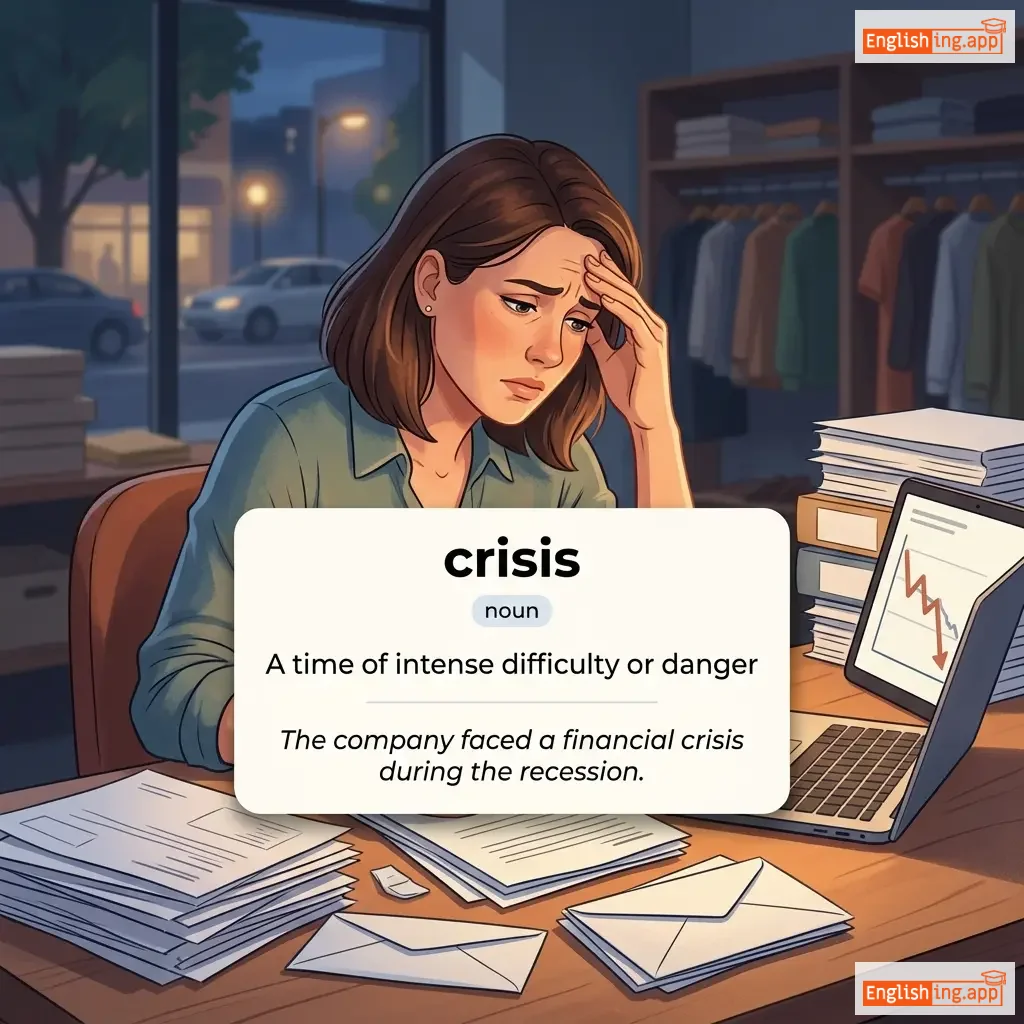
A time of intense difficulty or danger
••••••
|
The company faced a financial crisis during the recession. |
midlife crisis |
a period of doubt and anxiety in middle age about one's life
••••••
|
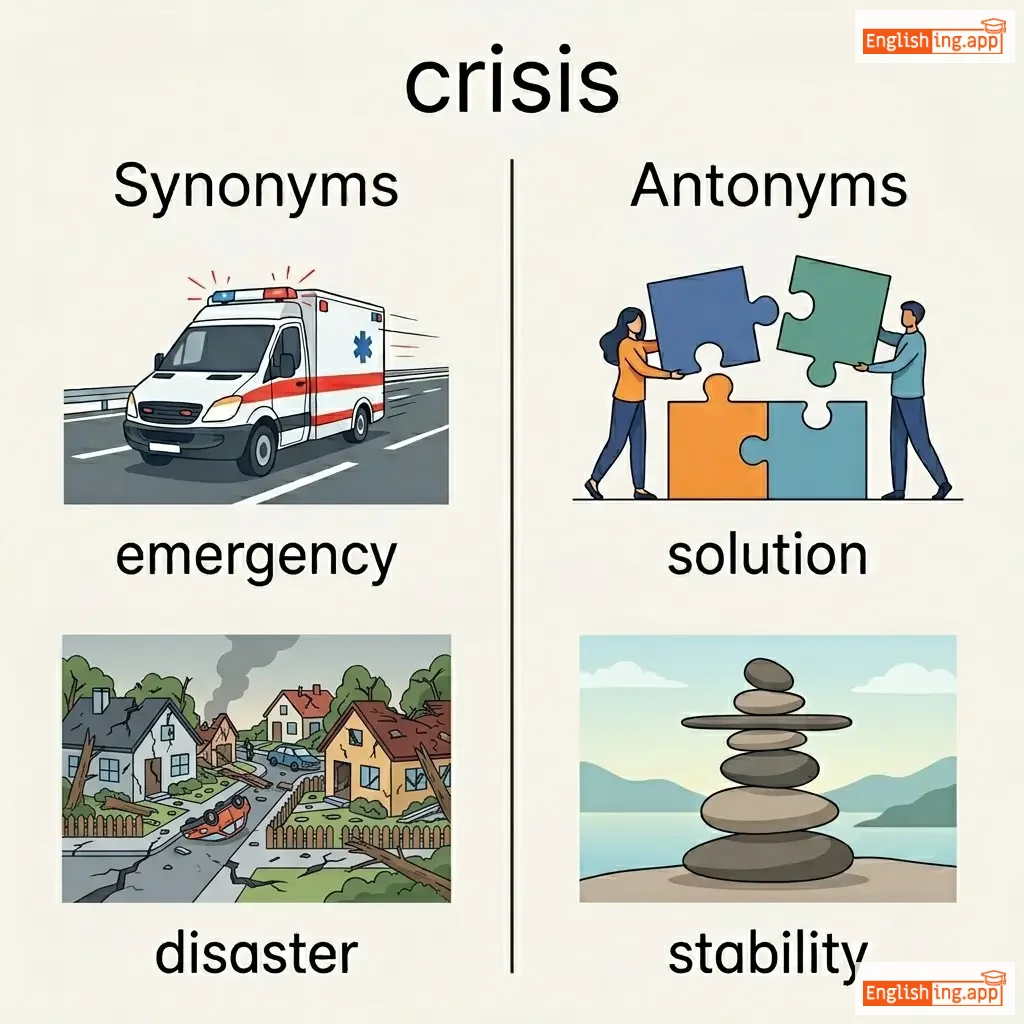
emergency, disaster, dilemma, catastrophe, trouble
••••••
|
solution, stability, peace
••••••
|
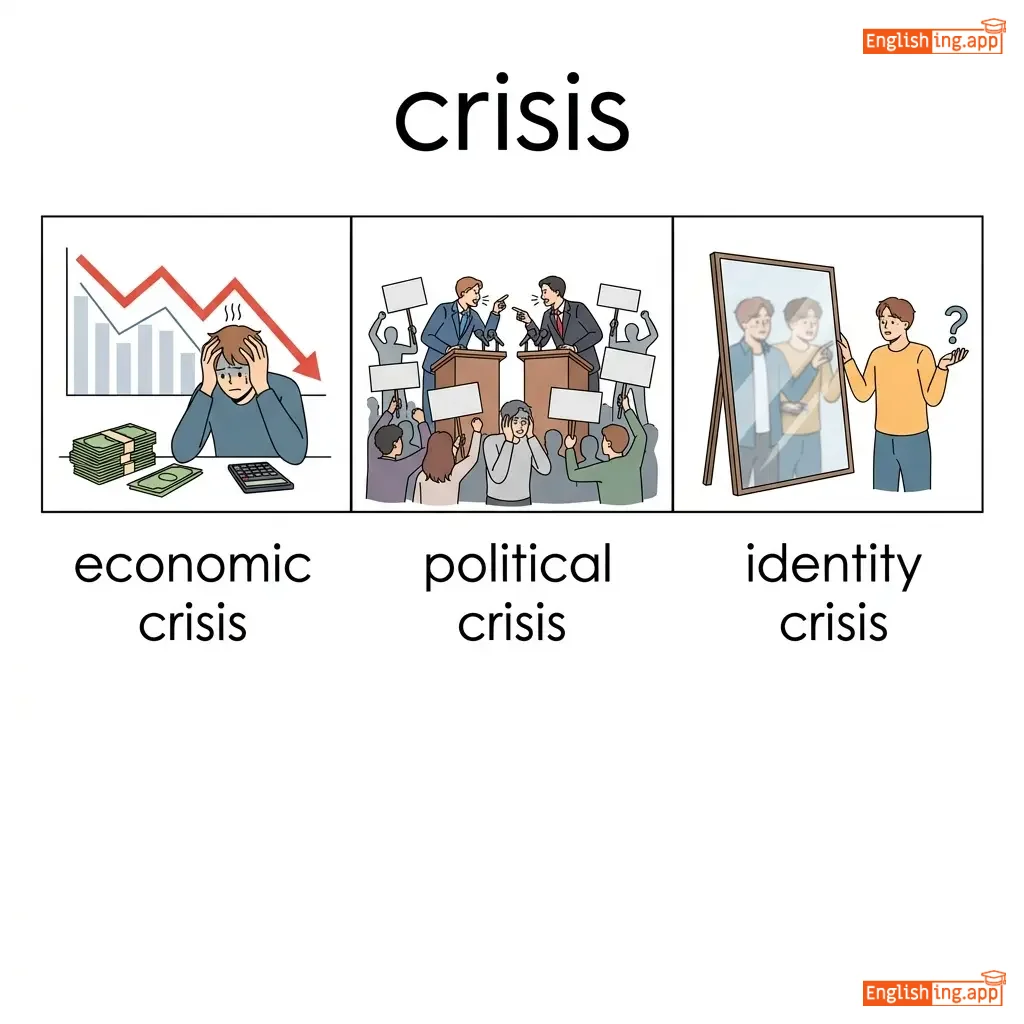
economic crisis, political crisis, identity crisis, health crisis
••••••
|
|
#0
👆
|
/tʌtʃ/
verb
••••••
|
|
touched
••••••
|
touched
••••••
|
touches
••••••
|
touching
••••••
|
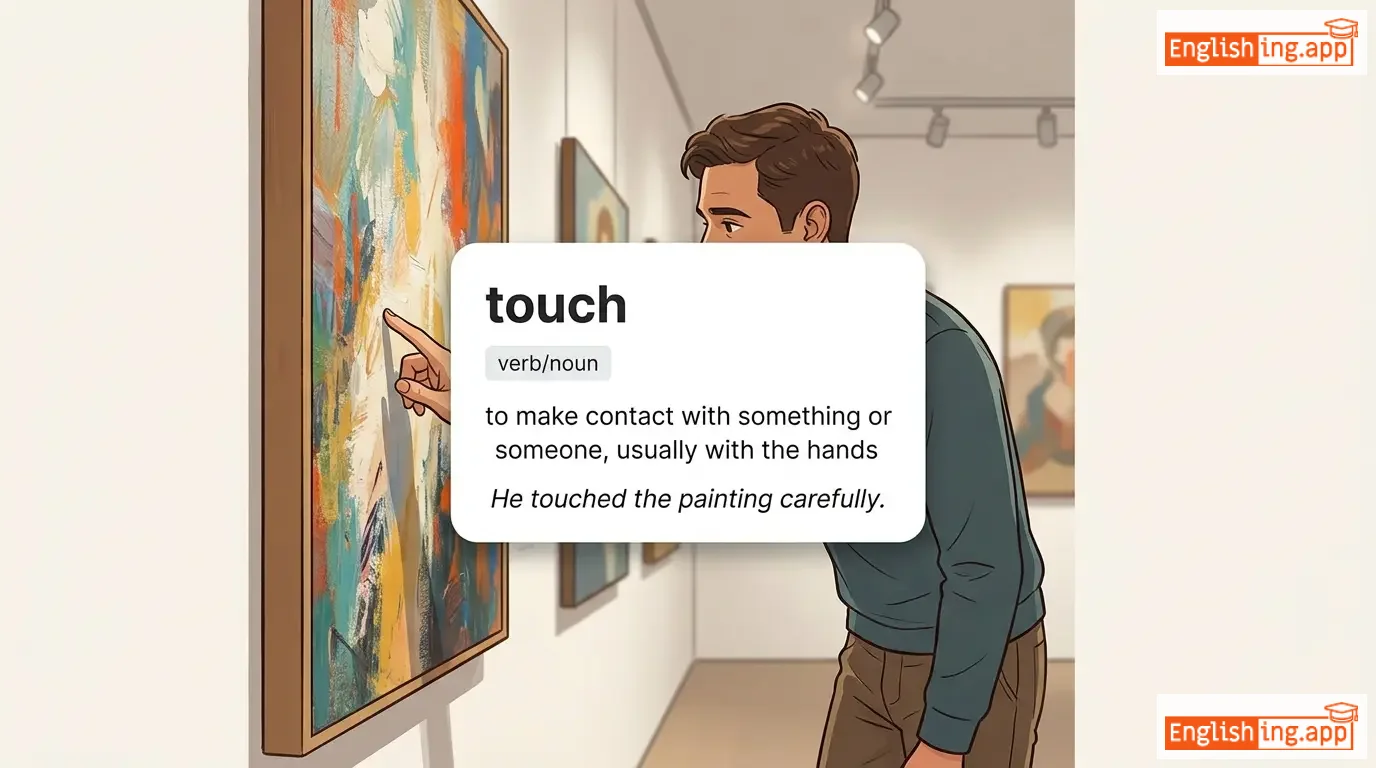
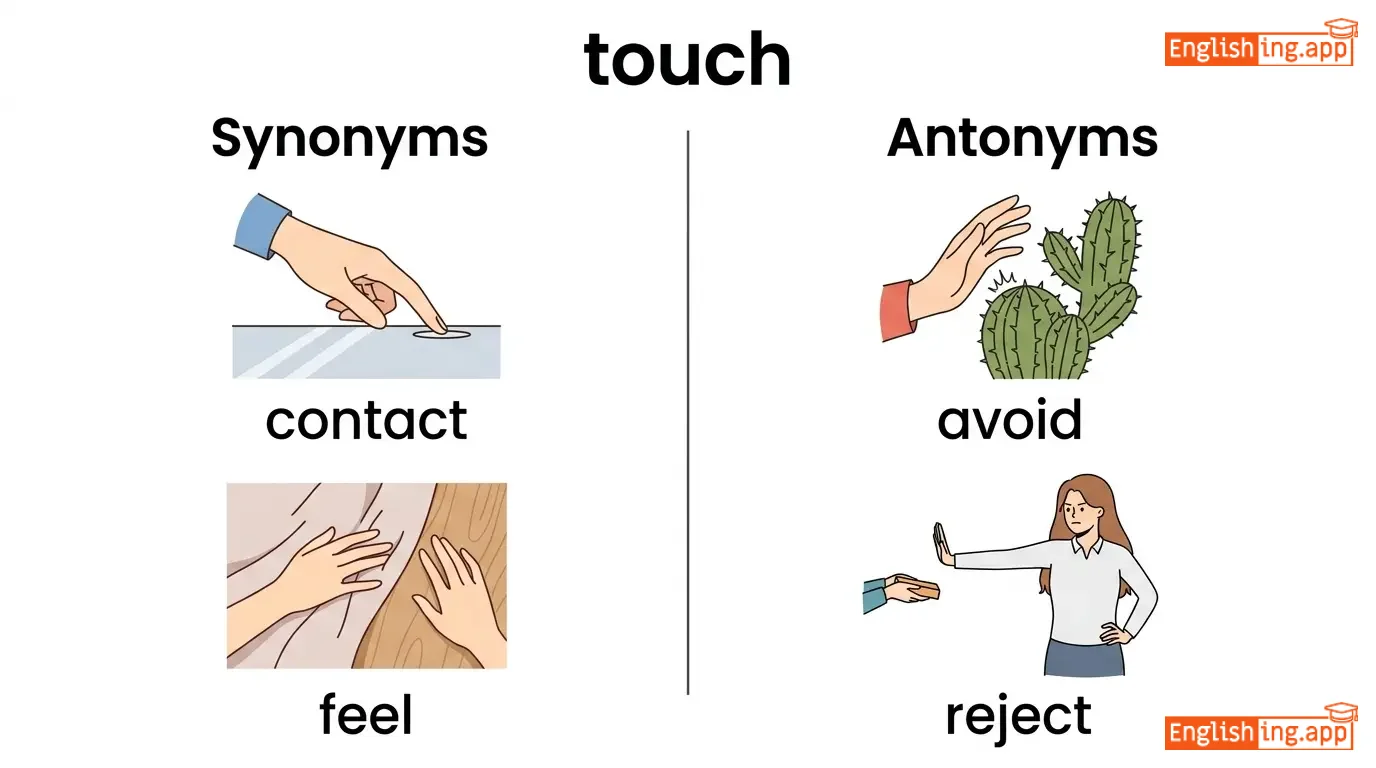
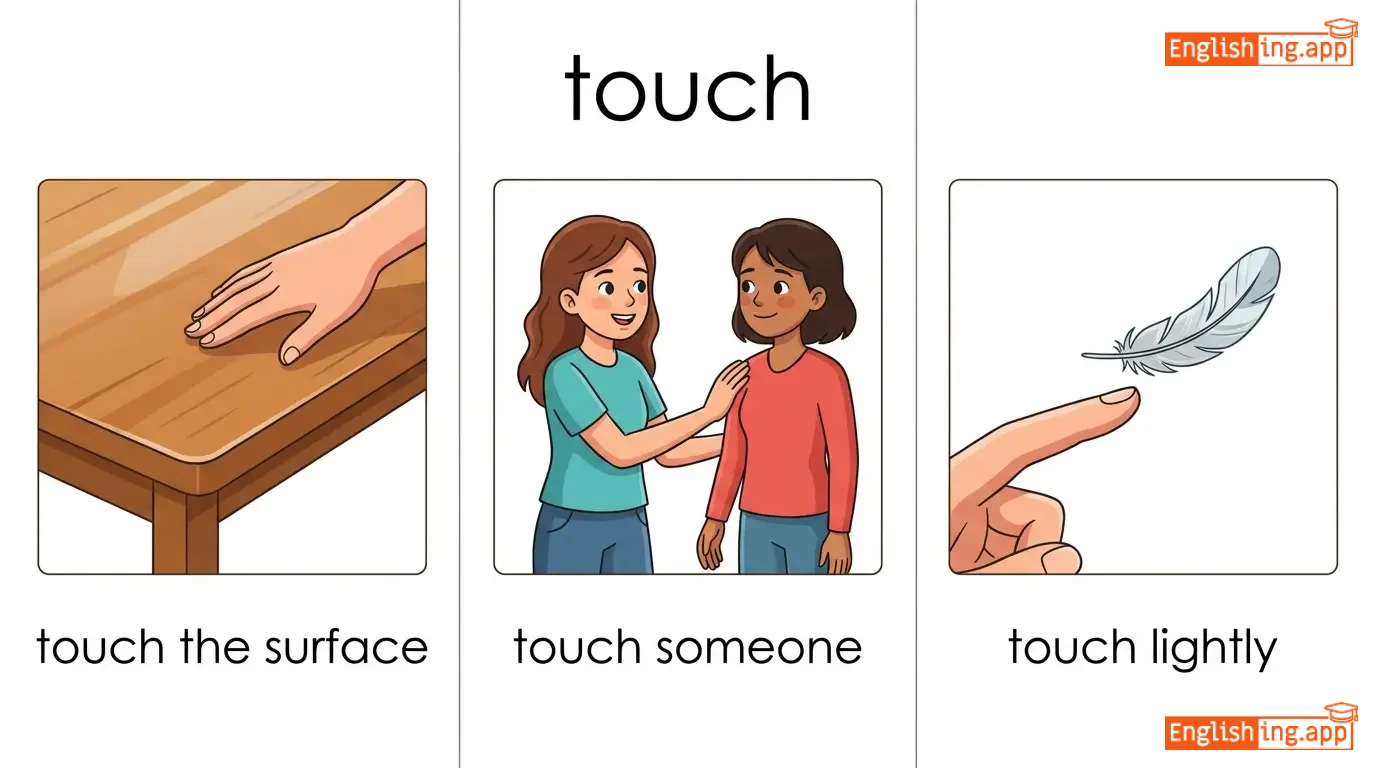
to put your hand or finger on something; to make physical contact
••••••
|
Please don't touch the wet paint. |
- •••••• | - •••••• |
feel, handle, contact, brush
••••••
|
avoid, miss
••••••
|
touch screen, touch gently, lose touch, get in touch
••••••
|
|
#0
💪
|
/tʌf/
adjective
••••••
|
- •••••• | - •••••• | - •••••• | - •••••• | - •••••• |
strong, durable, and difficult to break or deal with
••••••
|
He had a tough day at work. |
tough luck |
a phrase used to express sympathy for someone's unfortunate situation
••••••
|
hard, durable, strong, resilient
••••••
|
soft, weak
••••••
|
tough decision, tough time, tough job
••••••
|
|
#0
🕵️
|
/treɪs/
noun, verb
••••••
|
- •••••• |
traced
••••••
|
traced
••••••
|
traces
••••••
|
tracing
••••••
|
a mark, object, or sign that shows the existence or development of something
••••••
|
She traced the path of the river on the map. |
- •••••• | - •••••• |
track, path, sign
••••••
|
obscure, erase
••••••
|
trace the steps, trace the origin, leave a trace
••••••
|
|
#0
🌳
|
/trʌŋk/
noun
••••••
|
- •••••• | - •••••• | - •••••• | - •••••• | - •••••• |
the main woody stem of a tree; also a large, strong container for storage or travel; the enclosed space at the back of a car
••••••
|
She packed her clothes into a trunk before leaving for college. |
pack up one's trunk |
to prepare belongings for a journey or relocation
••••••
|
stem, chest, case, container, luggage
••••••
|
branch, twig
••••••
|
tree trunk, car trunk, elephant trunk, storage trunk
••••••
|
|
#0
✅
|
/truːθ/
noun
••••••
|
- •••••• | - •••••• | - •••••• | - •••••• | - •••••• |
the quality or state of being true; that which is true or in accordance with fact or reality
••••••
|
The witness promised to tell the truth during the court hearing. |
- •••••• | - •••••• |
fact, reality, honesty, veracity
••••••
|
lie, falsehood, deception, untruth
••••••
|
tell the truth, absolute truth, truth serum, moment of truth
••••••
|
|
#0
🧬
|
/ˈtjuːmər/
noun
••••••
|
- •••••• | - •••••• | - •••••• | - •••••• | - •••••• |
an abnormal mass of tissue caused by excessive cell growth
••••••
|
The doctor found a benign tumor during the medical check-up. |
- •••••• | - •••••• |
growth, lump, swelling, neoplasm, mass
••••••
|
healthy tissue, normal cell
••••••
|
brain tumor, benign tumor, malignant tumor, tumor cells
••••••
|
|
#0
🌀
|
/twɪst/
verb
••••••
|
- •••••• |
twisted
••••••
|
twisted
••••••
|
twists
••••••
|
twisting
••••••
|
to bend or turn something into a coil or spiral shape; to distort.
••••••
|
He twisted the rope tightly around the pole. |
plot twist |
an unexpected change in the story or situation
••••••
|
bend, turn, curl, spin, distort
••••••
|
straighten, flatten
••••••
|
twist the rope, twist around, twist ankle, plot twist
••••••
|
|
#0
👨🦳
|
/ˈʌŋkəl/
noun
••••••
|
- •••••• | - •••••• | - •••••• | - •••••• | - •••••• |
the brother of one's father or mother
••••••
|
My uncle is visiting us next week. |
- •••••• | - •••••• |
relative, kin, family member
••••••
|
- •••••• |
maternal uncle, paternal uncle, uncle and aunt
••••••
|
|
#0
😔
|
/ʌpˈsɛt/
verb
••••••
|
|
upset
••••••
|
upset
••••••
|
upsets
••••••
|
upsetting
••••••
|
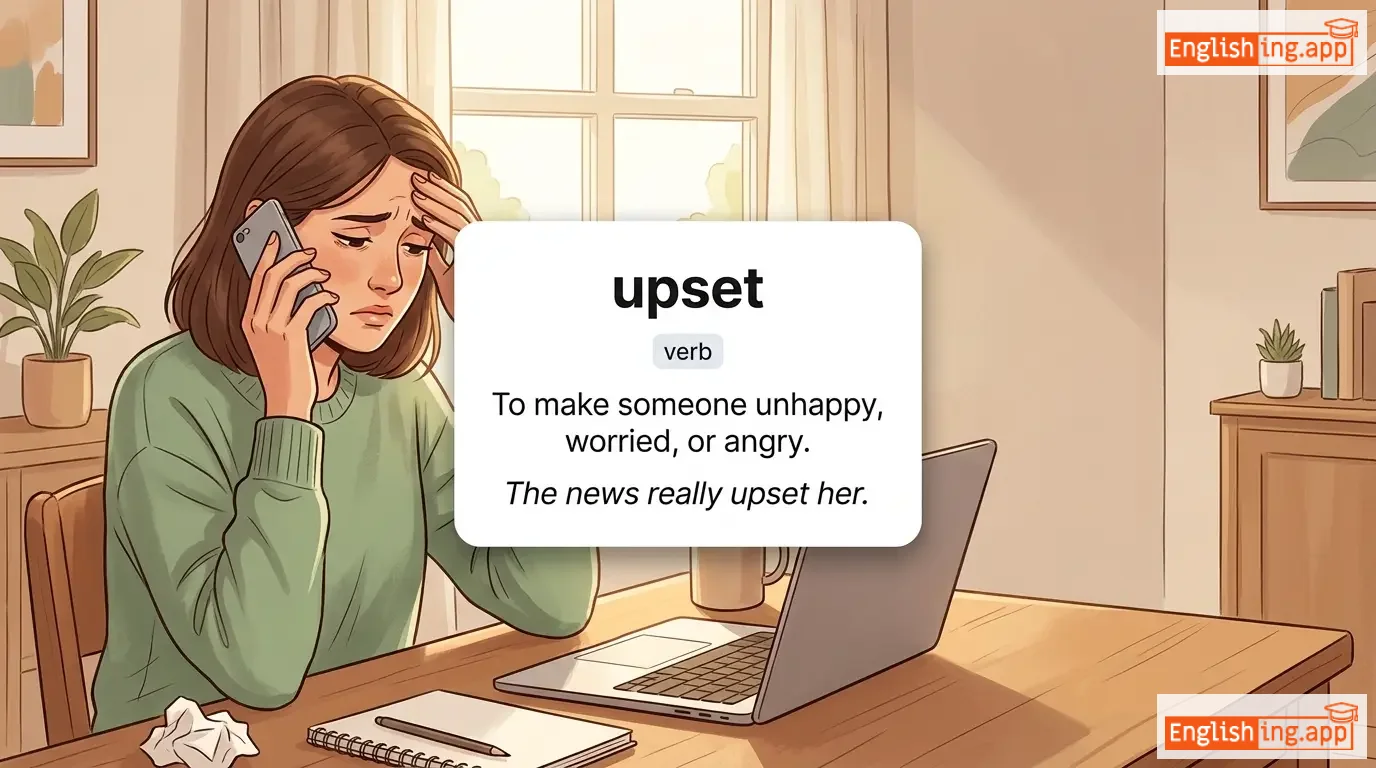
To make someone unhappy, worried, or angry.
••••••
|
The news really upset her. |
upset the apple cart |
To spoil or ruin a plan or arrangement.
••••••
|
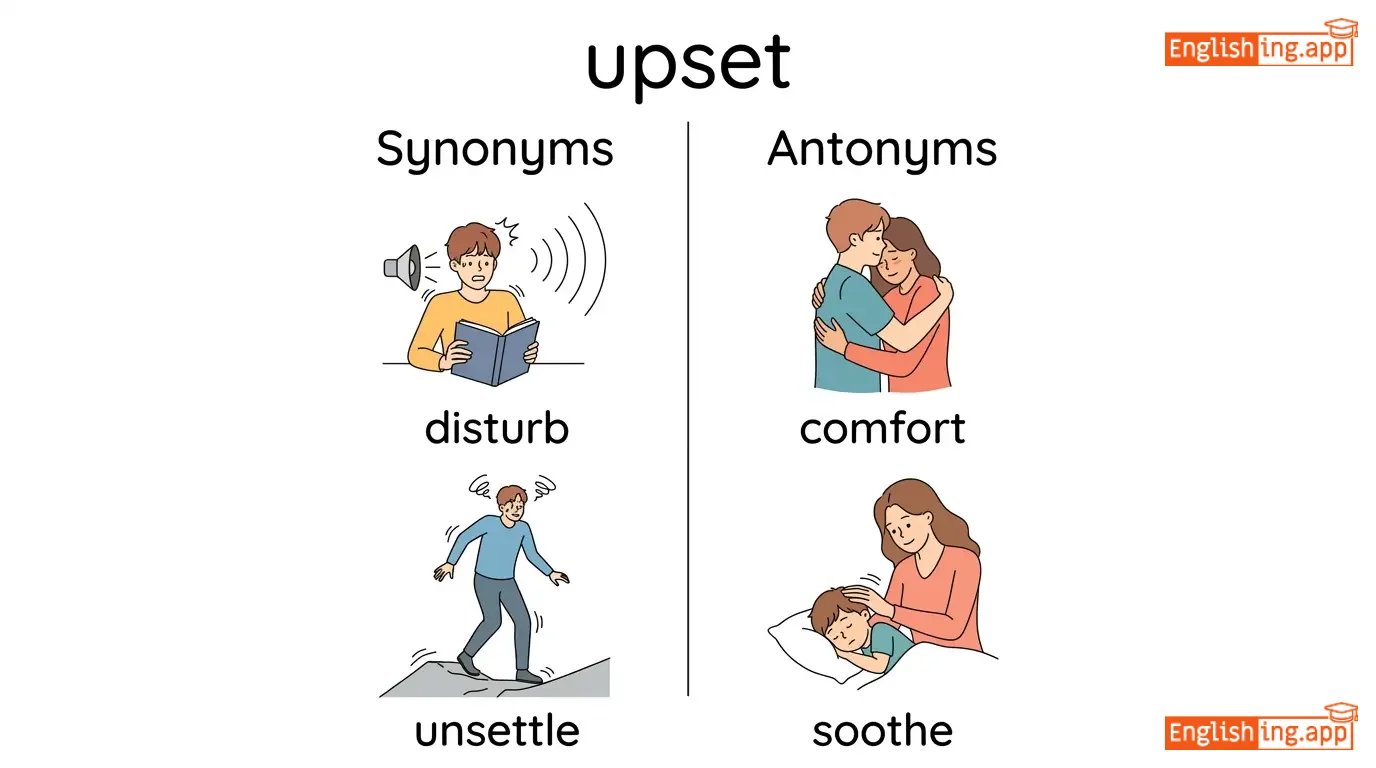
disturb, unsettle, trouble, sadden, anger
••••••
|
comfort, soothe, calm
••••••
|
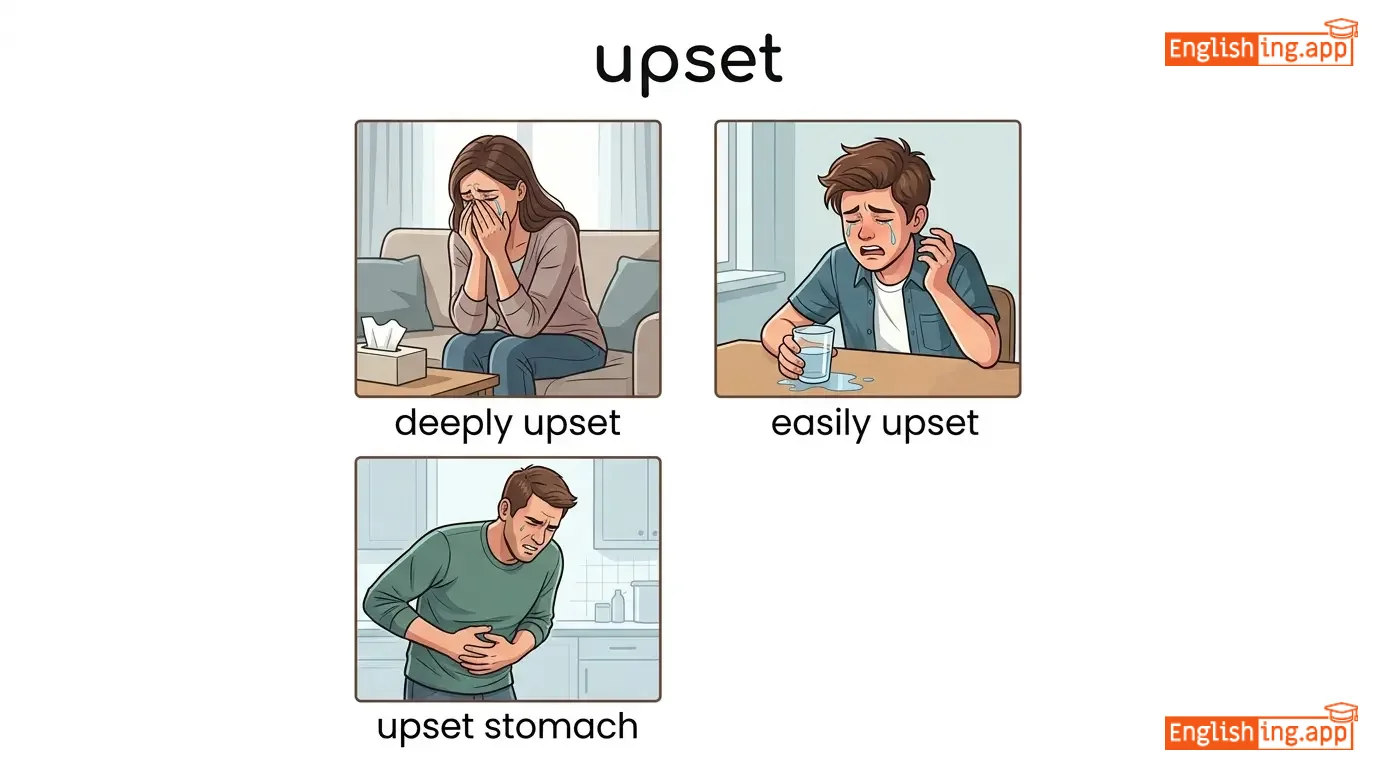
deeply upset, easily upset, upset stomach, upset feelings
••••••
|
|
#0
🏙️
|
/ˈɜːrbən/
adjective
••••••
|
- •••••• | - •••••• | - •••••• | - •••••• | - •••••• |
related to, characteristic of, or situated in a city or town
••••••
|
Urban areas often have higher population density than rural areas. |
urban jungle |
a way of describing a city as crowded, dangerous, or chaotic
••••••
|
city, metropolitan, municipal, civic
••••••
|
rural, rustic, countryside
••••••
|
urban development, urban planning, urban life, urban population
••••••
|
|
#0
✅
|
/ˈvælɪd/
adjective
••••••
|
- •••••• | - •••••• | - •••••• | - •••••• | - •••••• |
Having a sound basis in logic or fact; legally or officially acceptable.
••••••
|
Her argument was valid and convincing. |
valid reason |
a good or acceptable reason
••••••
|
legitimate, sound, reasonable, genuine
••••••
|
invalid, false, illegitimate
••••••
|
valid reason, valid point, valid argument, valid passport
••••••
|
|
#0
🎥
|
/ˈvɪdiəʊ/
noun
••••••
|
- •••••• | - •••••• | - •••••• | - •••••• | - •••••• |
a recording of moving visual images made digitally or on film
••••••
|
She watched the video of her favorite concert online. |
- •••••• | - •••••• |
film, clip, recording, footage
••••••
|
audio, still image
••••••
|
watch a video, upload a video, video file, educational video
••••••
|
|
#0
🦠
|
/ˈvaɪrəs/
noun
••••••
|
- •••••• | - •••••• | - •••••• | - •••••• | - •••••• |
A tiny infectious agent that can replicate only inside the living cells of an organism.
••••••
|
The computer was infected with a dangerous virus. |
spread like a virus |
Something that spreads quickly and uncontrollably.
••••••
|
pathogen, germ, bug, infection
••••••
|
antidote, cure
••••••
|
computer virus, deadly virus, spread virus
••••••
|
|
#0
🗳️
|
/ˈvəʊtə/
noun
••••••
|
- •••••• | - •••••• | - •••••• | - •••••• | - •••••• |
a person who votes in an election
••••••
|
Voters lined up outside the polling station to cast their ballots. |
- •••••• | - •••••• |
elector, constituent, citizen
••••••
|
non-voter, abstainer
••••••
|
eligible voter, registered voter, voting rights, active voter
••••••
|
|
#0
👀
|
/wɒtʃ/
verb
••••••
|
|
watched
••••••
|
watched
••••••
|
watches
••••••
|
watching
••••••
|
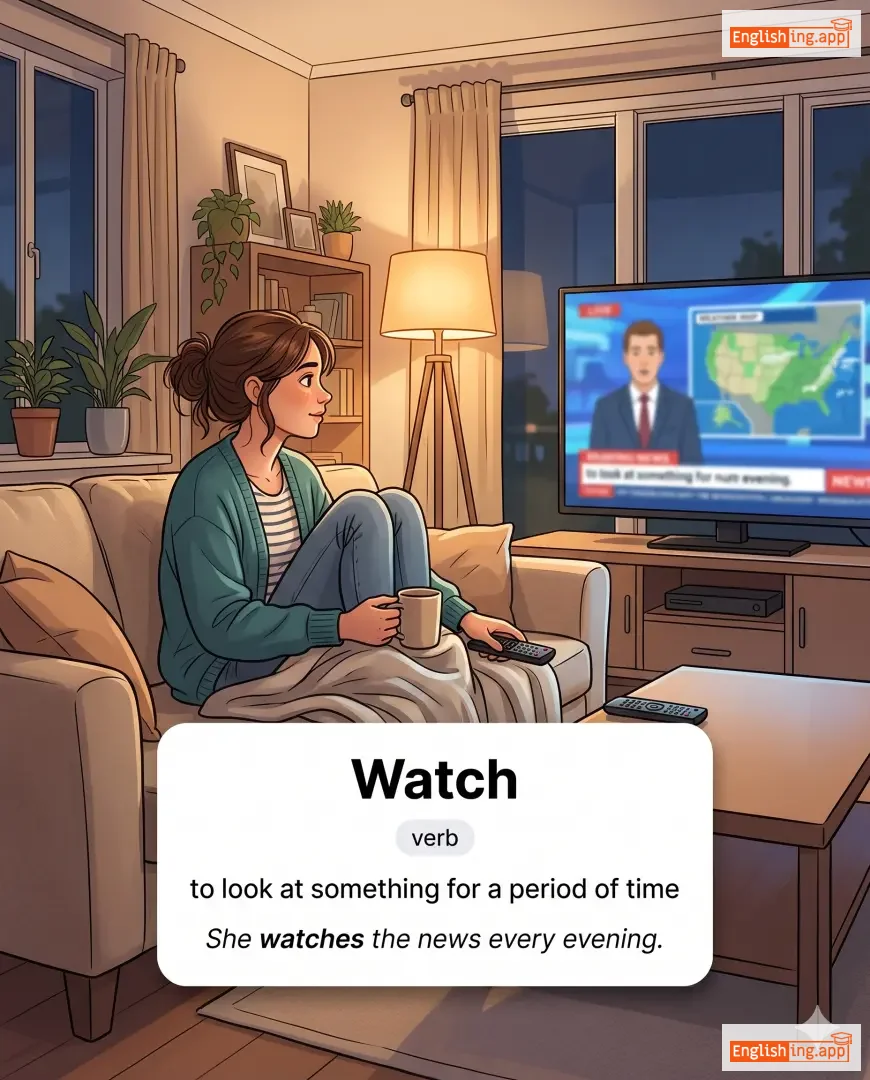
to look at or observe attentively; to keep under surveillance
••••••
|
I watch television every evening. |
- •••••• | - •••••• |
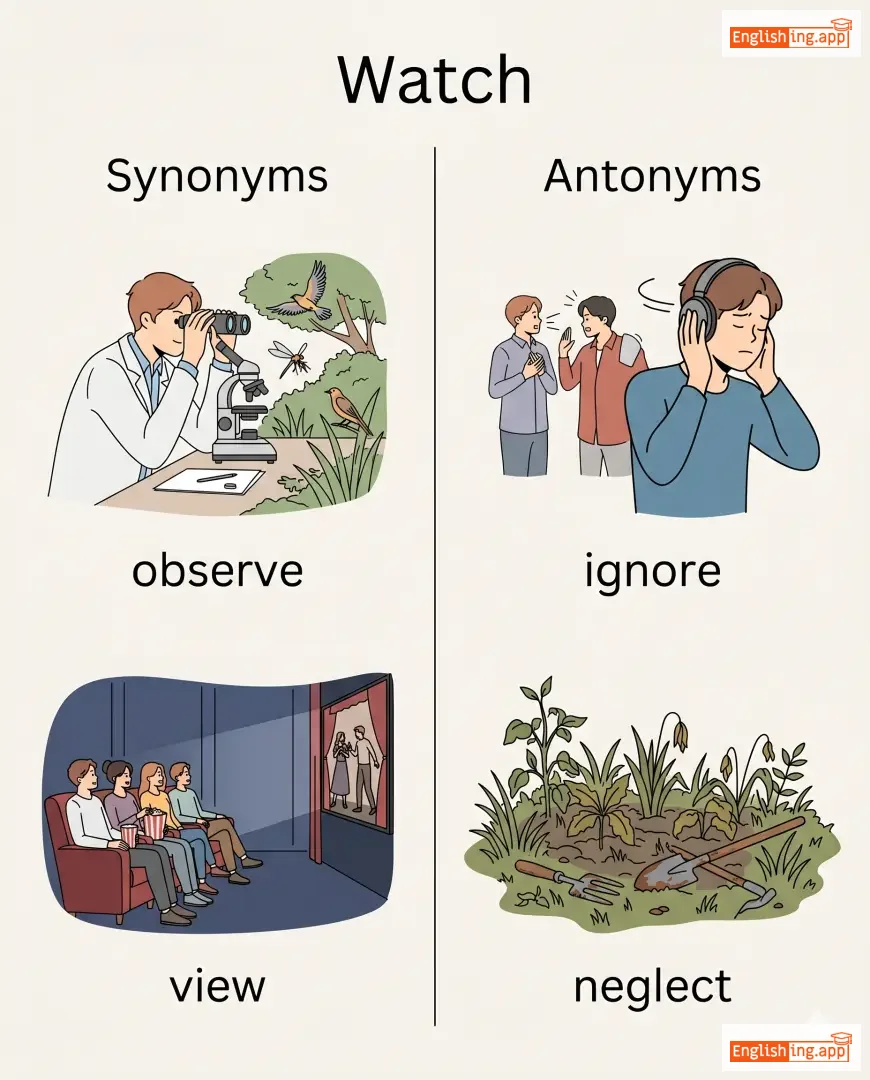
observe, monitor, view, see
••••••
|
ignore, overlook, neglect
••••••
|
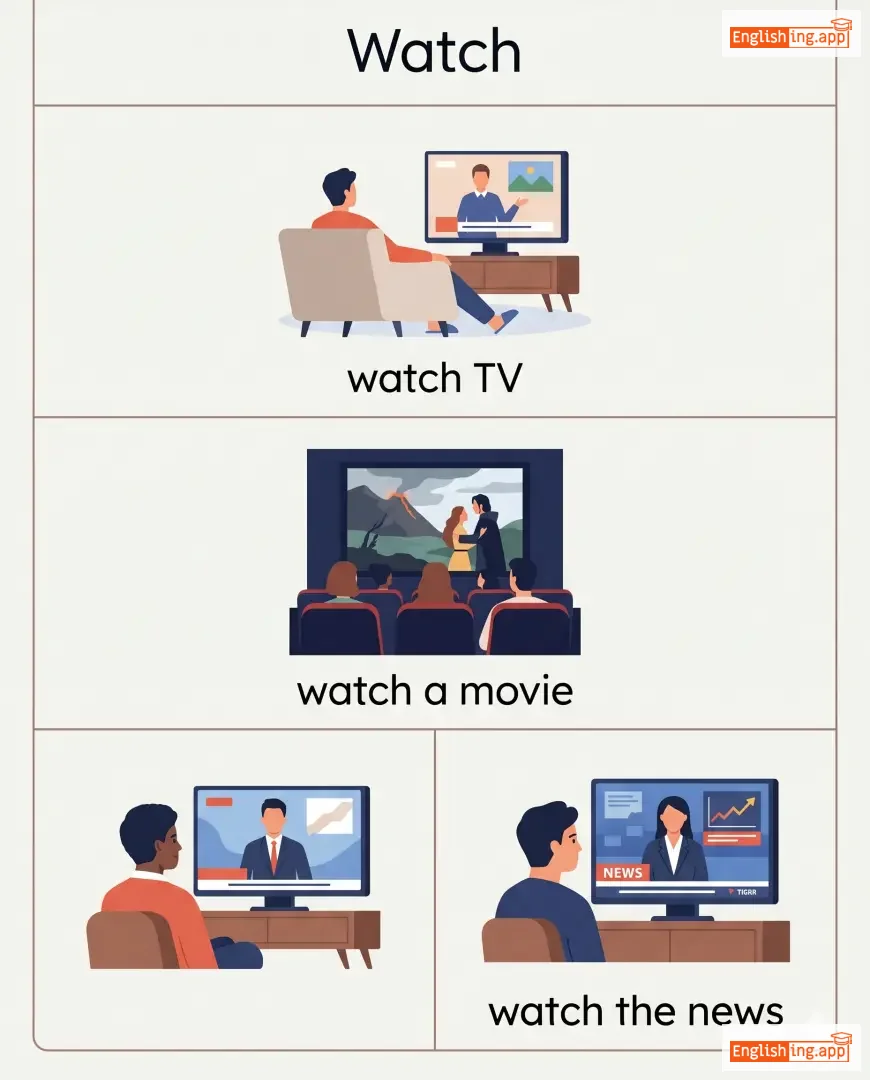
watch TV, watch movies, closely watch, carefully watch, constantly watch
••••••
|
|
#0
🌀
|
/wɪrd/
adjective
••••••
|
- •••••• | - •••••• | - •••••• | - •••••• | - •••••• |
suggesting something supernatural or very strange; unusual
••••••
|
The movie had a weird ending that nobody expected. |
weird out |
to make someone feel uncomfortable or strange
••••••
|
strange, odd, bizarre, unusual, peculiar
••••••
|
normal, ordinary, usual
••••••
|
weird feeling, weird dream, weird noise, weird behavior
••••••
|
|
#0
🖤
|
/ˈwɪdəʊ/
noun
••••••
|
- •••••• | - •••••• | - •••••• | - •••••• | - •••••• |
a woman whose husband has died and who has not married again
••••••
|
She became a widow at a very young age. |
grass widow |
a woman whose husband is temporarily away
••••••
|
bereaved woman, lone woman, wife left behind
••••••
|
wife, bride
••••••
|
young widow, war widow, become a widow, widow pension
••••••
|
Comments (0)
Share your thoughts and join the discussion.
Join the discussion by logging in
Login to CommentNo comments yet
Be the first to share your thoughts!