

The Nurse Who Saved a Queen
Maria was a nurse. She worked in a small clinic. Every day she checked pulses, measured fevers, cleaned wounds.
One day a royal convoy stopped in front of her clinic. Guards hurried in carrying someone. It was the queen!
"She has a high fever! Her pulse is weak!" one guard shouted. "Save her! Show mercy!"
Maria paused for a second. A queen! But then her training flashed in her mind. She was a nurse. A patient is a patient.
"Lay her down," Maria said. She checked the queen's pulse. Very weak. Breathing was heavy. Fever was 104 degrees. This was a grave situation.
"This is serious," Maria said. "I need to react fast. Her condition is vital."
She immediately started treatment. Gave an IV line. Gave medicine. Cleaned the wound - the queen had a cut on her hand that had become infected.
The guards said, "You must hurry! She cannot die! She is our queen!"
"I'm doing my best," Maria replied. "But I'm just a nurse. Not a saint, not an angel. I can only do what I'm trained to do."
Hours later, slowly, the queen's fever started coming down. Her breathing became easier. Her pulse got stronger.
The queen opened her eyes. "Where am I?" she whispered, her voice faint.
"You're safe," Maria said with a smile. "Your fever is down. Your vital signs are improving."
The queen looked around. Small clinic. Simple nurse. "You saved me?"
"It's my job," Maria simply said.
The queen tried to kneel down. "You showed grace and mercy. You are like a saint, an angel."
"Please don't kneel," Maria said. "You're still weak. Your breathing needs to be steady. Rest."
Days later, when the queen fully recovered, she returned to the royal palace. Then she sent a decree. All nurses in the kingdom would receive better pay, better training.
"Because," the queen announced, "when I was in a grave situation, when my fever was high, when my pulse was failing, when my breathing was heavy - it wasn't royal doctors or palace medicine that saved me. It was one nurse, in a small clinic, who didn't pause, who reacted with grace, who showed mercy."
Maria was called to the palace. The queen personally thanked her.
"You treated me not like a queen, but like a human," the queen said. "When my life flashed before me, when I thought I was dying, you didn't hurry in panic. You reacted with skill. You are the real angel, the real saint."
"I just did my duty," Maria said humbly.
"And that duty," the queen replied, "saved a life. Vital work. More important than any royal decree, any throne. You, with your hands checking my pulse, your eyes watching my breathing, your mercy cleaning my wound - you showed true grace."
Years later, Maria still works at the same clinic. But now the clinic is bigger. More nurses. Better equipment.
One day a young nurse asked, "Is it true you saved the queen?"
"I saved a patient," Maria corrected. "Someone with high fever, weak pulse, infected wound. Someone in a grave condition. Someone whose breathing was heavy, who was faint."
"But she was a queen!"
"She was a human in need," Maria said. "And that's what matters. When you're a nurse, you don't see royal crowns or common clothes. You see pulse, fever, vital signs. You don't react with fear or awe - you react with skill and mercy. You don't pause because someone is special - you hurry because every life is special. You don't treat with pride - you treat with grace. That's what makes you not a saint or angel, but a good nurse. And sometimes, that's more than enough to save a life - even if it's the life of a queen."
And the young nurse learned - the greatest grace is not kneeling before royalty, but serving with mercy. The truest vital work is not in palaces, but in checking pulses, treating fevers, cleaning wounds, and reacting with skill when breathing gets heavy and situations become grave. Because in those moments, a nurse is not less than an angel, not lower than a saint - but something equally holy: a healer.
Upgrade to Access All Vocabulary
Get unlimited access to all vocabulary items with Pro membership
Upgrade to ProTranslation
Past
Past Participle
Third Person Singular
Gerund
Meaning
Example Sentence
Example Sentence Translation
Synonyms
Antonyms
Collocations
Mnemonic


Swipe left or right, or use the buttons. Tap image to zoom.
Upgrade to Access All Sentences
Get unlimited access to all sentences with Pro membership
Upgrade to ProExample Sentence Translation
Word
The Nurse Who Saved a Queen - Mask Toggle
|
Emoji
|
Word | Images | Past | Past Participle | Third Person Singular | Gerund | Meaning | Example Sentence | Example Expression | Example Expression Meaning | Synonyms | Antonyms | Collocations |
|---|---|---|---|---|---|---|---|---|---|---|---|---|---|
|
#0
😇
|
/ˈeɪndʒəl/
noun
••••••
|
- •••••• | - •••••• | - •••••• | - •••••• | - •••••• |
a spiritual being believed to act as a messenger or servant of God
••••••
|
She believed her mother was watching over her like an angel. |
guardian angel |
a person who helps and protects someone in trouble
••••••
|
spirit, saint, cherub, guardian, protector
••••••
|
devil, demon, fiend
••••••
|
guardian angel, fallen angel, like an angel, angel investor
••••••
|
|
#0
💨
|
/brɛθ/
noun
••••••
|
- •••••• | - •••••• | - •••••• | - •••••• | - •••••• |
The air taken into or expelled from the lungs during breathing.
••••••
|
He took a deep breath before speaking. |
catch one's breath |
to rest or pause to recover normal breathing
••••••
|
inhalation, exhalation, respiration, gasp
••••••
|
suffocation, choking
••••••
|
deep breath, hold breath, last breath, fresh breath
••••••
|
|
#0
😵
|
/feɪnt/
verb
••••••
|
- •••••• |
fainted
••••••
|
fainted
••••••
|
faints
••••••
|
fainting
••••••
|
to lose consciousness for a short time because of a temporary lack of oxygen to the brain
••••••
|
He felt dizzy and fainted in the heat. |
faint-hearted |
lacking courage or confidence
••••••
|
collapse, pass out, swoon, black out
••••••
|
recover, awaken, revive
••••••
|
nearly faint, faint away, faint from heat, faint-hearted
••••••
|
|
#0
🤒
|
/ˈfiːvər/
noun
••••••
|
- •••••• | - •••••• | - •••••• | - •••••• | - •••••• |
a medical condition in which the body temperature is higher than normal
••••••
|
He couldn’t go to work because he had a high fever. |
football fever |
a strong excitement or enthusiasm for football
••••••
|
temperature, illness, sickness, infection
••••••
|
health, wellness
••••••
|
high fever, dengue fever, fever patient, fever medicine
••••••
|
|
#0
⚡
|
/flæʃ/
verb
••••••
|
- •••••• |
flashed
••••••
|
flashed
••••••
|
flashes
••••••
|
flashing
••••••
|
to shine or appear suddenly and brightly for a short time
••••••
|
Lightning flashed across the night sky. |
in a flash |
very quickly; in an instant
••••••
|
blink, sparkle, gleam, flicker, flare
••••••
|
dim, fade, darken
••••••
|
camera flash, flash light, flash drive, flash memory, flash flood
••••••
|
|
#0
💃
|
/ɡreɪs/
noun
••••••
|
- •••••• | - •••••• | - •••••• | - •••••• | - •••••• |
simple elegance or refined movement; goodwill and kindness
••••••
|
She moved with grace across the stage. |
fall from grace |
to lose someone's approval or favor
••••••
|
elegance, poise, charm, courtesy, kindness
••••••
|
rudeness, awkwardness, ugliness
••••••
|
move with grace, grace period, divine grace, social grace
••••••
|
|
#0
⚰️
|
/ɡreɪv/
noun, adjective
••••••
|
- •••••• | - •••••• | - •••••• | - •••••• | - •••••• |
A place where someone is buried; also used to describe something serious or solemn.
••••••
|
He visited his grandfather's grave every year. |
turn in one's grave |
To be very upset or disturbed even after death, often used figuratively.
••••••
|
tomb, burial site, sepulcher, serious, solemn
••••••
|
lighthearted, trivial
••••••
|
grave danger, grave mistake, grave concern, graveyard, visit a grave
••••••
|
|
#0
⚖️
|
/ˈhɛvi/
adjective
••••••
|
- •••••• | - •••••• | - •••••• | - •••••• | - •••••• |
having great weight; difficult to lift or move
••••••
|
The box was too heavy for her to carry alone. |
heavy heart |
a feeling of deep sadness
••••••
|
weighty, massive, bulky, hefty, substantial
••••••
|
light, weightless, airy
••••••
|
heavy rain, heavy traffic, heavy bag, heavy burden
••••••
|
|
#0
🏃
|
/ˈhʌri/
verb
••••••
|
|
hurried
••••••
|
hurried
••••••
|
hurries
••••••
|
hurrying
••••••
|
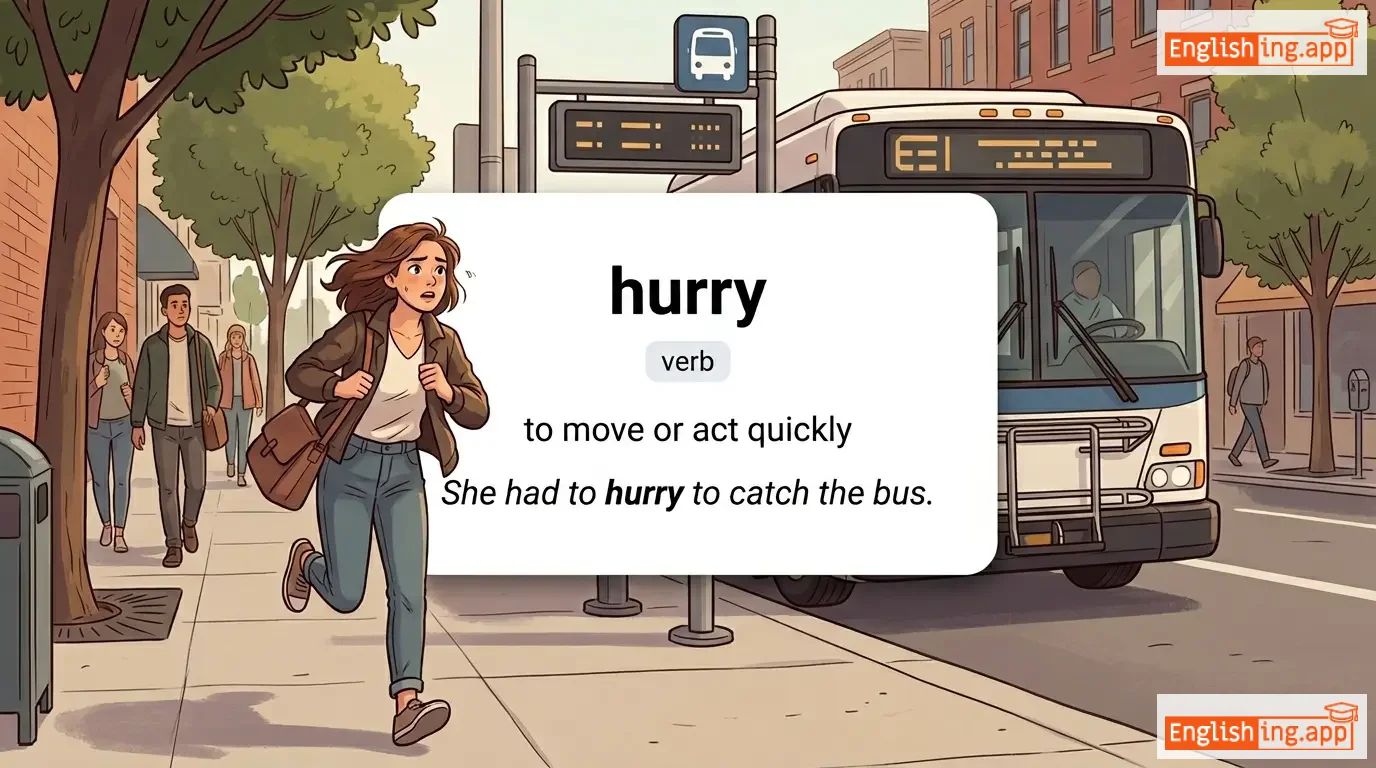
to move or act quickly
••••••
|
She had to hurry to catch the bus. |
in a hurry |
rushing or pressed for time
••••••
|
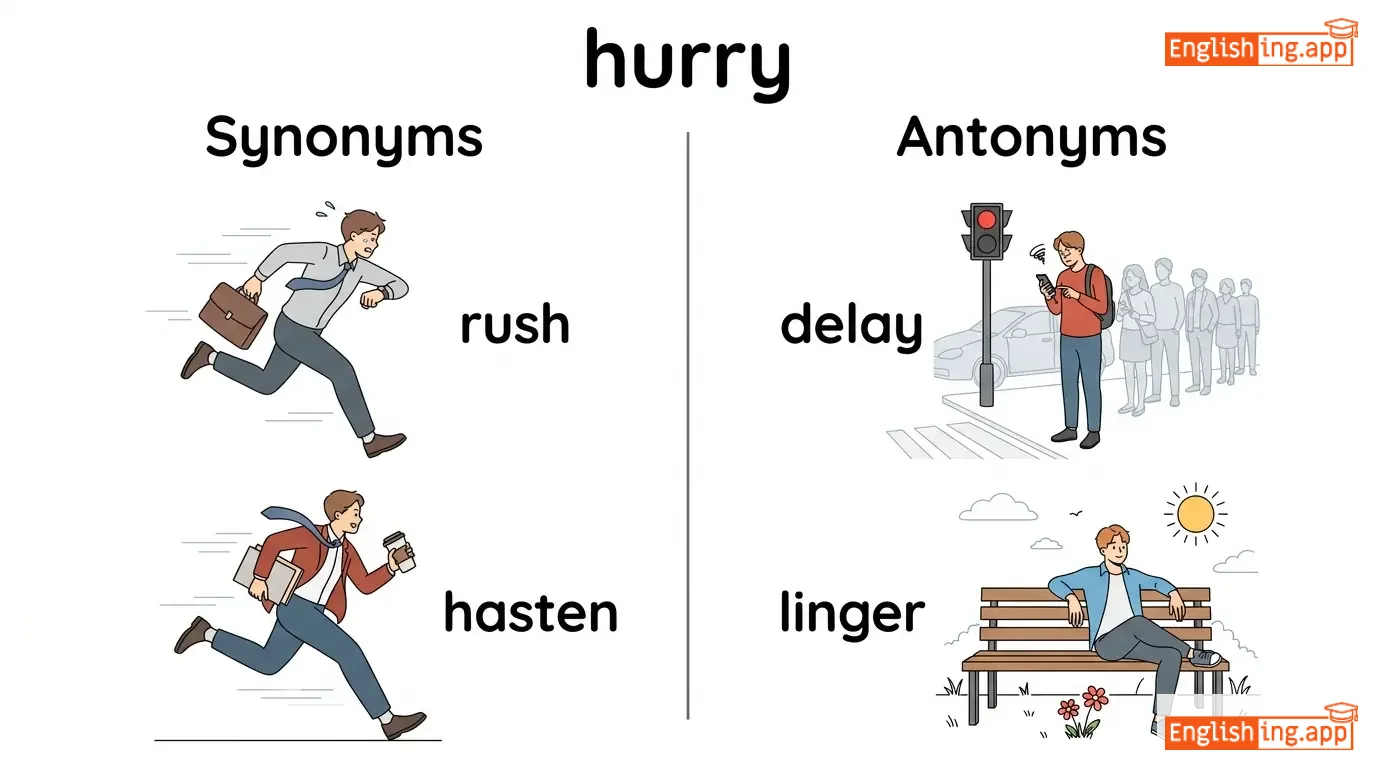
rush, hasten, speed, scurry, dash
••••••
|
delay, linger, wait
••••••
|
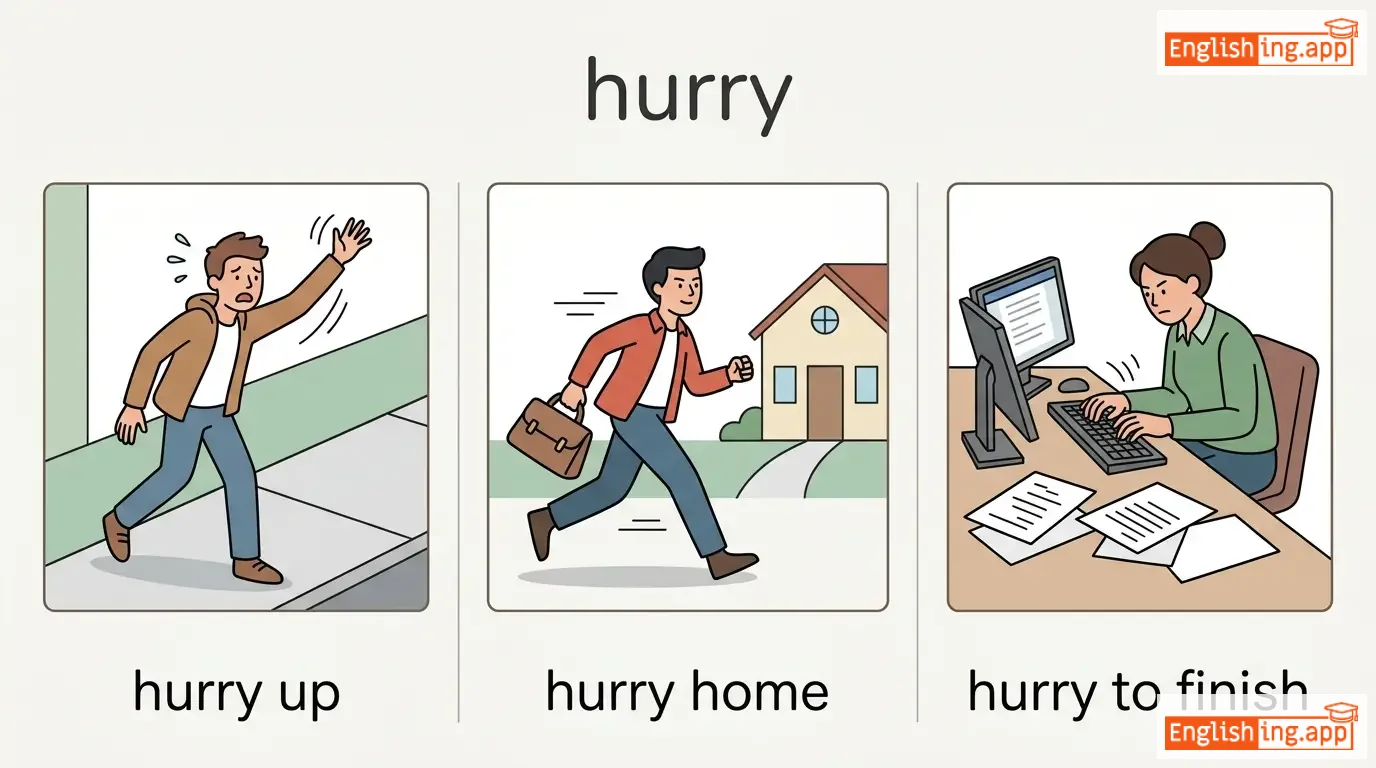
hurry up, hurry home, hurry to finish, hurry back
••••••
|
|
#0
🙏
|
/niːl/
verb
••••••
|
|
knelt
••••••
|
knelt
••••••
|
kneels
••••••
|
kneeling
••••••
|
to position the body by resting on the knees, usually as a sign of respect, prayer, or submission
••••••
|
They knelt to pray in the temple. |
kneel down |
to go down on one or both knees
••••••
|
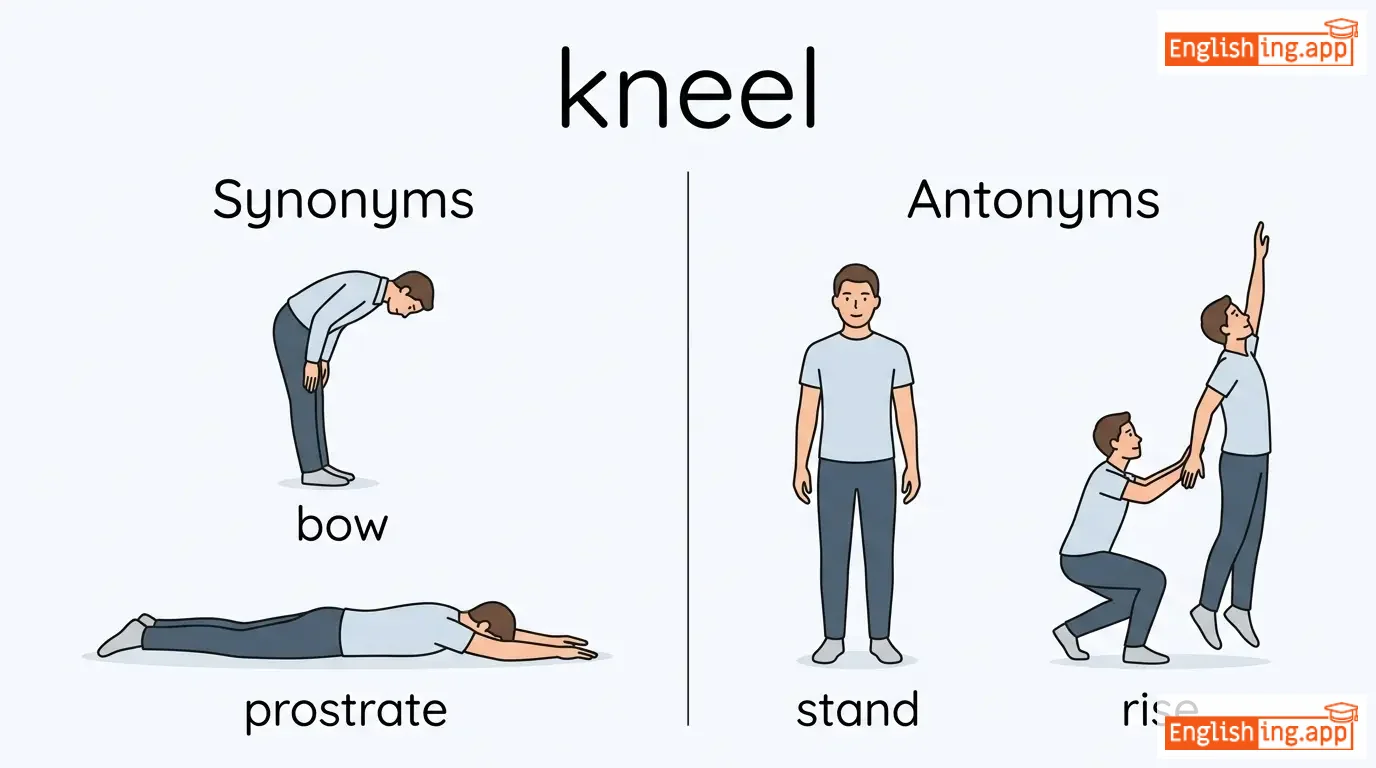
bow, prostrate, stoop, bend
••••••
|
stand, rise
••••••
|
kneel down, kneel before, kneel in prayer
••••••
|
|
#0
🙏
|
/ˈmɜːrsi/
noun
••••••
|
- •••••• | - •••••• | - •••••• | - •••••• | - •••••• |
Compassion or forgiveness shown toward someone whom it is in one's power to punish
••••••
|
The judge showed mercy and gave him a lighter sentence. |
- •••••• | - •••••• |
compassion, forgiveness, clemency, kindness, leniency
••••••
|
cruelty, harshness, severity, ruthlessness, vengeance
••••••
|
show mercy, beg for mercy, mercy killing, without mercy
••••••
|
|
#0
👩⚕️
|
/nɜːrs/
noun, verb
••••••
|
|
nursed
••••••
|
nursed
••••••
|
nurses
••••••
|
nursing
••••••
|
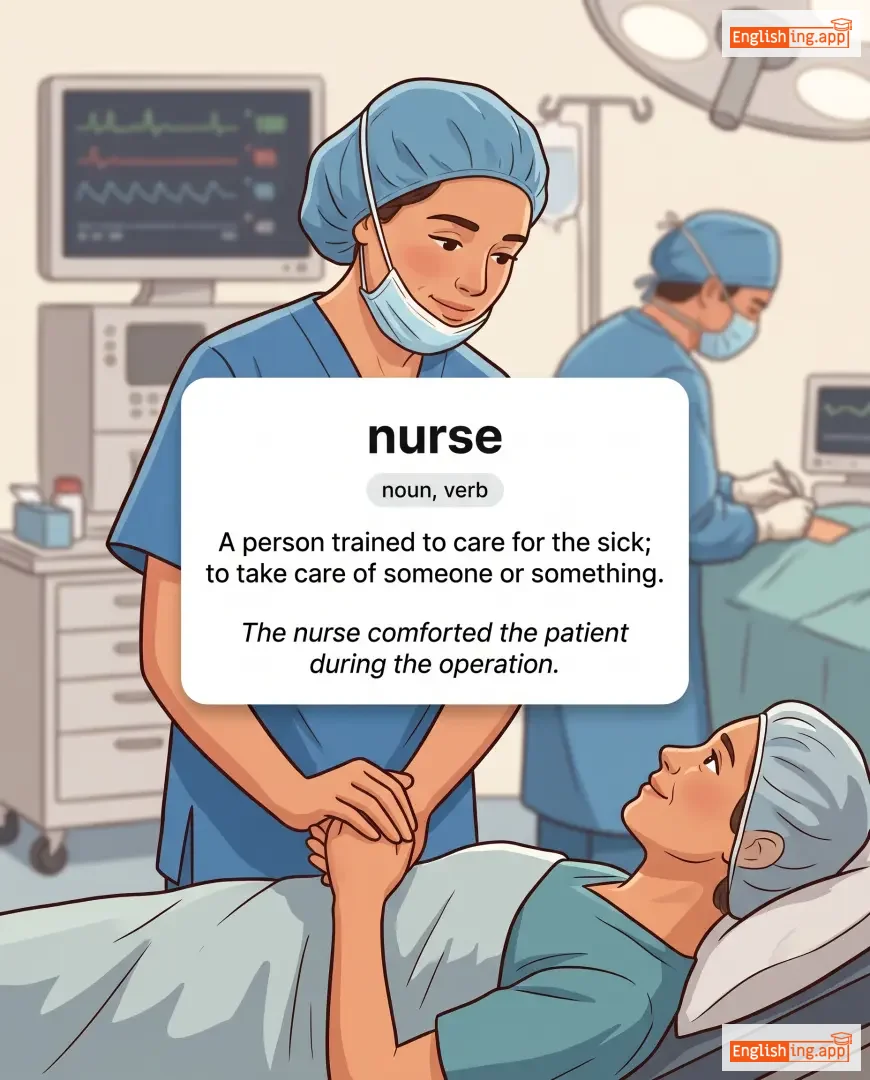
A person trained to care for the sick; to take care of someone or something.
••••••
|
The nurse comforted the patient during the operation. |
nurse a grudge |
to keep resentment or anger in mind for a long time
••••••
|
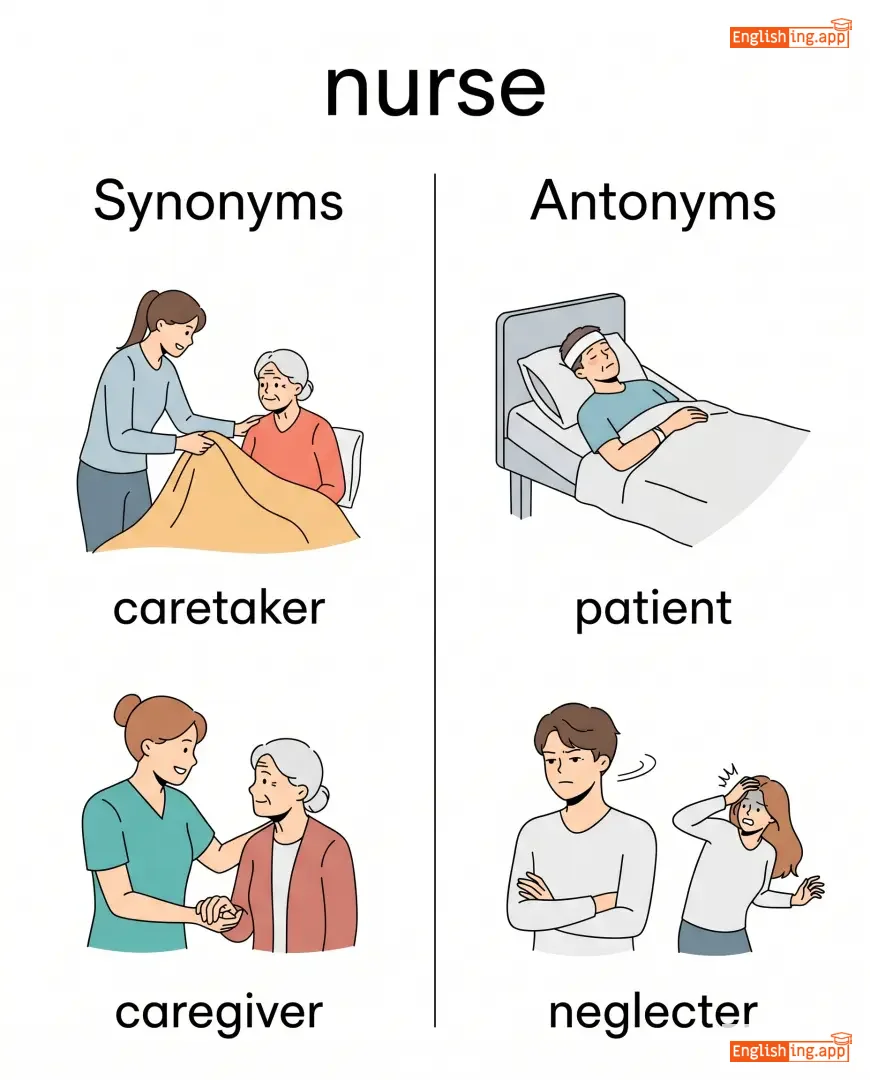
caretaker, caregiver, attendant, healer, medic
••••••
|
patient, neglecter
••••••
|
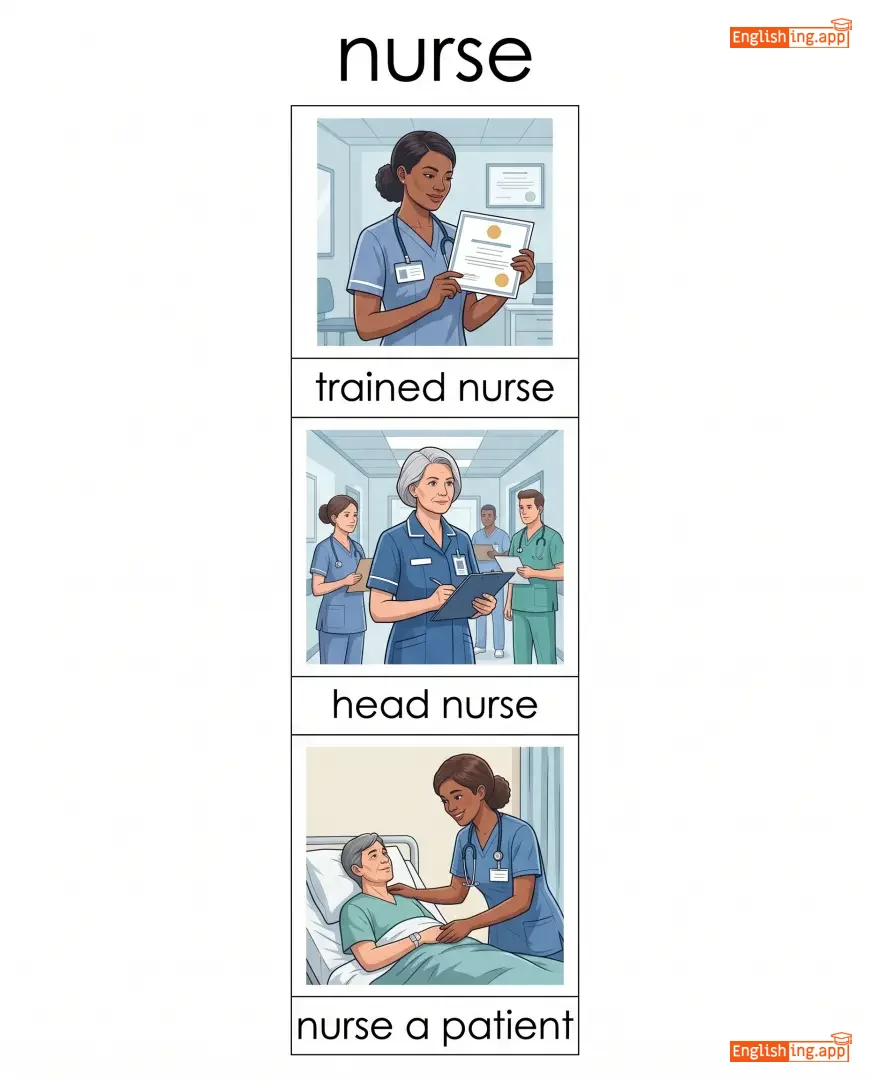
trained nurse, head nurse, nurse a patient, nurse back to health
••••••
|
|
#0
⏸️
|
/pɔːz/
verb
••••••
|
|
paused
••••••
|
paused
••••••
|
pauses
••••••
|
pausing
••••••
|
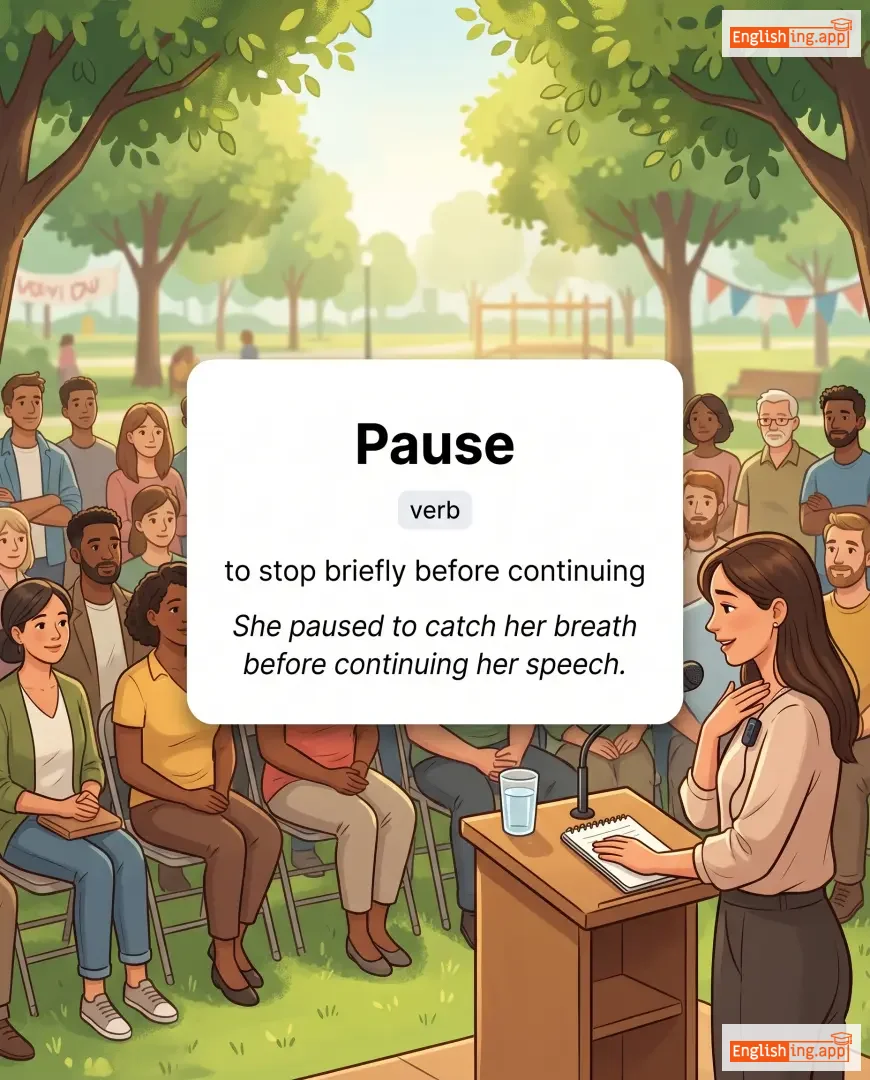
to stop briefly before continuing
••••••
|
She paused to catch her breath before continuing her speech. |
take a pause |
to take a break from an activity
••••••
|
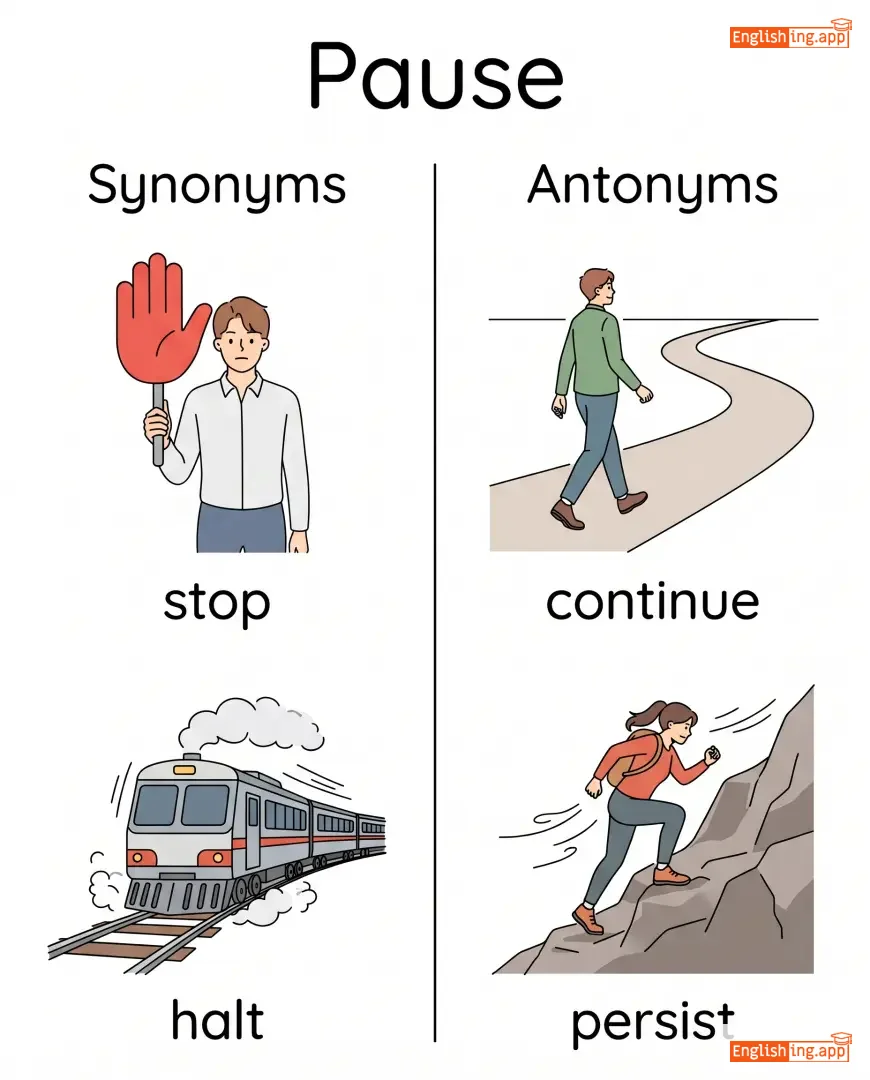
stop, halt, break, suspend
••••••
|
continue, persist, proceed
••••••
|
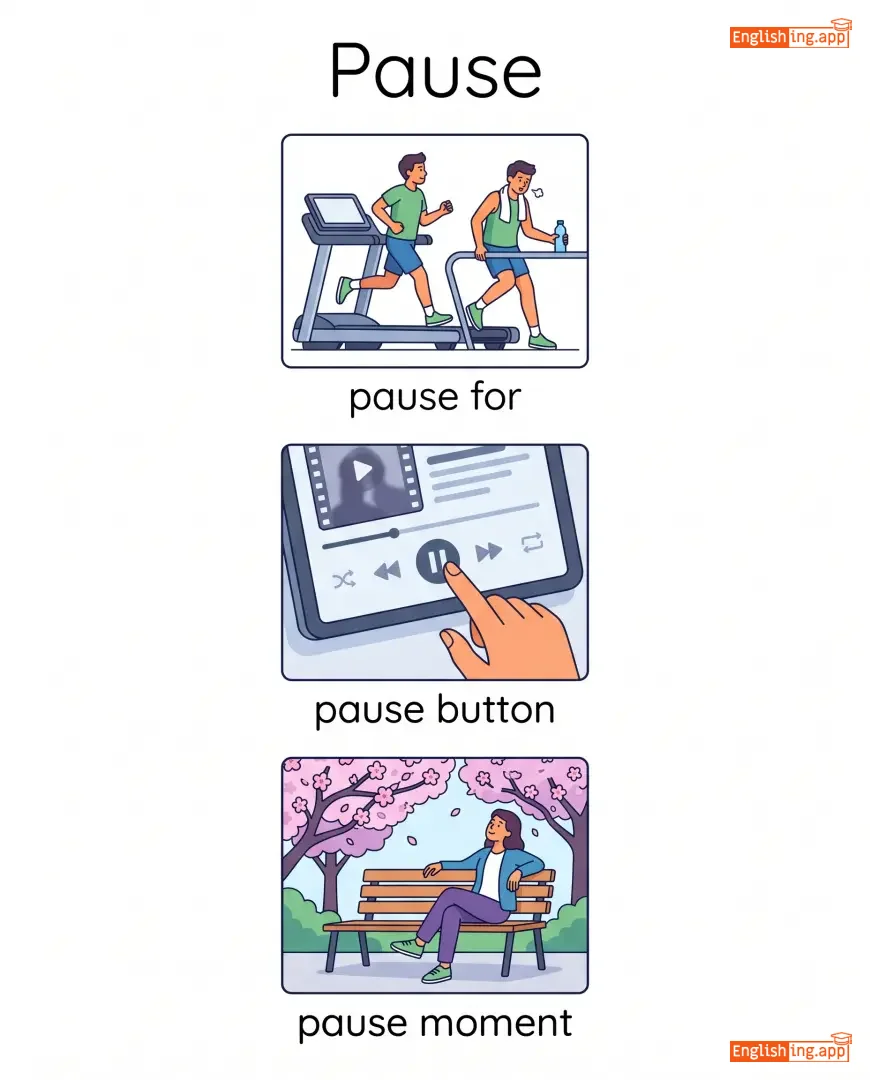
pause for, pause button, pause moment, pause music
••••••
|
|
#0
💓
|
/pʌls/
noun/verb
••••••
|
- •••••• |
pulsed
••••••
|
pulsed
••••••
|
pulses
••••••
|
pulsing
••••••
|
A rhythmic beat or vibration, especially the heartbeat; to throb or move with a rhythm.
••••••
|
The doctor checked her pulse after the long run. |
take someone's pulse |
to check someone's heartbeat or to understand their state of mind
••••••
|
heartbeat, rhythm, beat, vibration, throb
••••••
|
stillness, calm
••••••
|
strong pulse, weak pulse, pulse rate, pulse check
••••••
|
|
#0
👑
|
/kwiːn/
noun
••••••
|
- •••••• | - •••••• | - •••••• | - •••••• | - •••••• |
a female ruler of a country or the wife of a king
••••••
|
The queen addressed her people with grace. |
drama queen |
a person who overreacts or exaggerates emotions
••••••
|
monarch, ruler, sovereign, empress, consort
••••••
|
king, commoner, servant
••••••
|
queen bee, beauty queen, queen of hearts, crowned queen
••••••
|
|
#0
😡
|
/riˈækt/
verb
••••••
|
- •••••• |
reacted
••••••
|
reacted
••••••
|
reacts
••••••
|
reacting
••••••
|
to respond or behave in a particular way to something
••••••
|
She reacted angrily when she heard the news. |
- •••••• | - •••••• |
respond, reply, answer, counter
••••••
|
ignore, avoid
••••••
|
react to, react quickly, react negatively
••••••
|
|
#0
👑
|
/ˈrɔɪəl/
adjective
••••••
|
- •••••• | - •••••• | - •••••• | - •••••• | - •••••• |
relating to a king, queen, or other member of a royal family
••••••
|
They attended a royal ceremony at the palace. |
royal treatment |
exceptionally good or special treatment
••••••
|
regal, majestic, noble, grand, kingly
••••••
|
common, ordinary, humble
••••••
|
royal family, royal palace, royal wedding, royal decree
••••••
|
|
#0
😇
|
/seɪnt/
noun
••••••
|
- •••••• | - •••••• | - •••••• | - •••••• | - •••••• |
person recognized as holy or virtuous; very kind or patient person
••••••
|
Mother Teresa was declared a saint by the Catholic Church. |
- •••••• | - •••••• |
holy person, martyr, angel, paragon
••••••
|
sinner, devil, villain, criminal
••••••
|
patron saint, saint's day, canonized saint
••••••
|
|
#0
💪
|
/ˈvaɪtl/
adjective
••••••
|
- •••••• | - •••••• | - •••••• | - •••••• | - •••••• |
essential or necessary for life or success
••••••
|
It's vital to stay hydrated during the summer. |
- •••••• | - •••••• |
crucial, essential, necessary, important
••••••
|
unimportant, trivial
••••••
|
vital organs, vital information, vital role
••••••
|
|
#0
🩹
|
/wuːnd/
noun/verb
••••••
|
- •••••• | - •••••• |
wounded
••••••
|
- •••••• | - •••••• |
an injury to the body or to harm someone
••••••
|
He received a deep wound on his arm. |
a wound in the side |
a serious or painful issue
••••••
|
injury, cut, lesion, bruise
••••••
|
healing, recovery
••••••
|
wound up, deep wound, open wound, self-inflicted wound
••••••
|
Comments (0)
Share your thoughts and join the discussion.
Join the discussion by logging in
Login to CommentNo comments yet
Be the first to share your thoughts!