

The Scientist Who Grew Hope
Sadiya was an agricultural scientist who researched multiple crops. She specialized in mushroom cultivation. Her vision was to improve national food security. Many had negative views about farming as a career. The committee would nominate farmers for awards. Critics called organic farming nonsense. Crops normally took months to grow. Northern regions had different climate challenges. A famous novelist wrote about rural transformation. Nowadays, young people avoided agricultural work. Soil needed proper nutrients. An offender who sold fake fertilizer got punished. Farmers made offerings to nature before harvest. Corporate agriculture was an opponent of small farmers. Traditional and modern methods stood opposite. Soil was a living organism that needed care. Outbreaks of pests threatened the harvest. Authorities couldn't overlook farmers' struggles. Courts could overturn unfair land laws. Sadiya taught farmers to paint signs for organic markets. Sustainable farming ran in parallel to chemical farming. Parental knowledge passed through generations. Soil particles contained microorganisms. Farm management systems required password protection. Crop diseases had peculiar patterns. Farmers learned to perceive weather changes. Sadiya's personal mission inspired communities. She would persuade youth to value farming. Farmers filed petitions for fair prices. Physical labor was demanding but rewarding. Irrigation pipelines reached dry areas. Seasonal planning prevented crop failures. Fresh vegetables made meals more pleasant. Growing food gave immense pleasure. Agriculture intersected with politics. Possibly farming could become profitable again. Rain delays would postpone planting. Healthy soil was a powerful resource. Pests were predators of crops. Pregnant women needed fresh vegetables. Previous generations valued farming. Farmers weren't prisoners of poverty anymore. Good harvest seemed probable with new methods. Training would probably improve yields. Government proceeds funded agricultural programs. The minister would proclaim a farming revolution. Equipment had to work properly. Proposed reforms awaited approval. Future prospects looked promising. Agricultural protocols had to be followed. Services were provided by extension workers. Input providers supplied seeds and tools. Quantity mattered, but quality mattered more. Recently, organic produce gained popularity. Price was relative to quality. Information was relevant to the season. Farmers felt relieved after a good harvest. Religion taught respect for nature. A media reporter covered farming innovations. The agricultural republic valued farmers. Training was required for modern techniques. Organic vegetables resembled traditional ones. Market response was encouraging. Laws restricted land conversion. Local retailers sold organic produce. The database could retrieve farming data. Policy revision benefited farmers. Agricultural rhetoric needed action. Crop rotation maintained soil health. Trade sanctions affected exports. Farmers enjoyed a simple sandwich lunch. Families would scramble during harvest. Secondly, farming supported the rural economy. Farmers carefully selected seeds. Every sentence in training mattered. Organic and chemical farming were separate approaches. Drought affected crops severely. Farming wasn't viewed sexually. Shipping organic produce required care. Price increases were shocking to consumers. Pest shooting wasn't eco-friendly. Farmers enjoyed shopping in town. Sidewalk vendors sold fresh vegetables. Yields increased slightly each year. Farming contributed socially. Sadiya developed software for crop management. Somebody had to continue the farming tradition. Seeds should be planted sometime in spring. Soil condition was somewhat improved. Southern districts had better irrigation. Seed specimens were tested. Biodiversity created a rich spectrum. Government spending supported farmers. Changes were striking and visible. Farmers strongly believed in sustainable methods. They were supposed to follow best practices. Authorities tried to suppress farmer protests. Surgical precision was needed for grafting. Children enjoyed swimming in irrigation canals. Crop failure caused an economic syndrome. Tactical planning improved outcomes. Recipes needed one teaspoon of spices. Drought conditions were terrible. Crops suffered terribly from heat. The harvest festival was a terrific celebration. Agricultural theology respected the earth. Thinking sustainably transformed farming. Thorough soil testing was important. Pests threatened food security. Farmers were thrilled with the harvest. Communities learned to tolerate challenges. Knowledge should transmit to the next generation. The budget was in trillions for agriculture. Farmers felt troubled during drought. Farm turnover increased. Success seemed unlikely initially. The upcoming season brought hope. Grain was stored in upstairs rooms. Research had validity in fields. Crop yield was variable each year. Vertical farming was a new concept. Violence against nature harmed everyone. Whatever method worked was welcome. Whenever rain came, farmers celebrated. Wherever organic farming spread, health improved. Farmers wouldn't withdraw from sustainable practices. Farmers had to believe in yourself - as Sadiya inspired. Sadiya proved that sustainable agriculture can feed the nation and heal the earth.
Upgrade to Access All Vocabulary
Get unlimited access to all vocabulary items with Pro membership
Upgrade to ProTranslation
Past
Past Participle
Third Person Singular
Gerund
Meaning
Example Sentence
Example Sentence Translation
Synonyms
Antonyms
Collocations
Mnemonic
Swipe left or right, or use the buttons. Tap image to zoom.
Upgrade to Access All Sentences
Get unlimited access to all sentences with Pro membership
Upgrade to ProExample Sentence Translation
Word
The Scientist Who Grew Hope - Mask Toggle
|
Emoji
|
Word | Images | Past | Past Participle | Third Person Singular | Gerund | Meaning | Example Sentence | Example Expression | Example Expression Meaning | Synonyms | Antonyms | Collocations |
|---|---|---|---|---|---|---|---|---|---|---|---|---|---|
|
#0
🔢
|
/ˈmʌl.tɪ.pl̩/
adjective
••••••
|
- •••••• | - •••••• | - •••••• | - •••••• | - •••••• |
having many parts, elements, or members; numerous
••••••
|
She suffered multiple injuries in the accident. |
- •••••• | - •••••• |
numerous, many, several, various, manifold
••••••
|
single, sole, individual, unique
••••••
|
multiple choice, multiple injuries, multiple times
••••••
|
|
#0
🍄
|
/ˈmʌʃruːm/
noun
••••••
|
- •••••• | - •••••• | - •••••• | - •••••• | - •••••• |
a type of fungus with a round top and a short stem, some of which are edible
••••••
|
We cooked a delicious soup with fresh mushrooms. |
mushroom overnight |
to grow or increase very quickly
••••••
|
fungus, toadstool, champignon, spore, growth
••••••
|
shrink, decline, decrease
••••••
|
mushroom soup, mushroom farm, wild mushroom, edible mushroom
••••••
|
|
#0
🇳🇱
|
/ˈnæʃənəl/
adjective
••••••
|
- •••••• | - •••••• | - •••••• | - •••••• | - •••••• |
relating to a nation, especially its culture, language, or government
••••••
|
The national anthem was played at the ceremony. |
- •••••• | - •••••• |
state, public, governmental, nationalistic
••••••
|
local, regional, individual
••••••
|
national identity, national pride, national team, national government
••••••
|
|
#0
☹️
|
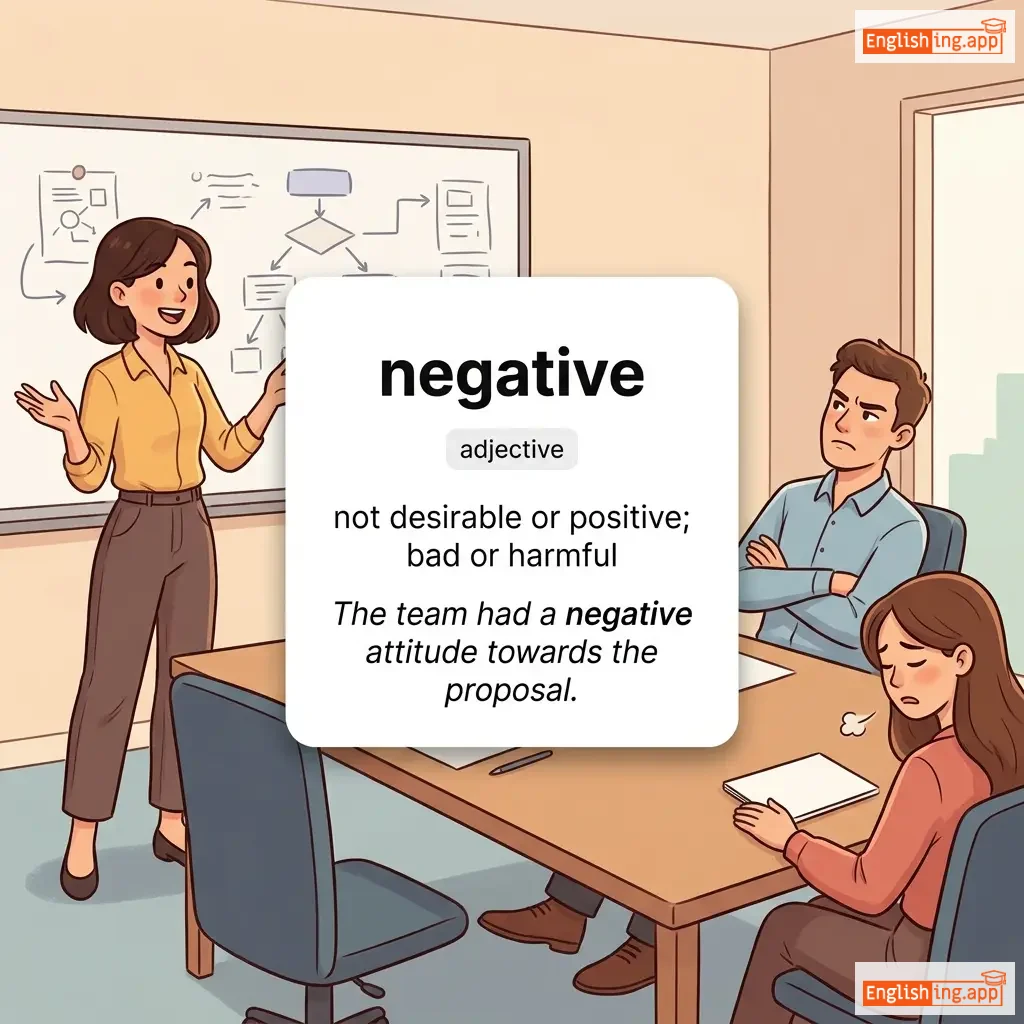
/ˈnɛɡətɪv/
adjective
••••••
|
|
- •••••• | - •••••• | - •••••• | - •••••• |
not desirable or positive; bad or harmful
••••••
|
The team had a negative attitude towards the proposal. |
- •••••• | - •••••• |
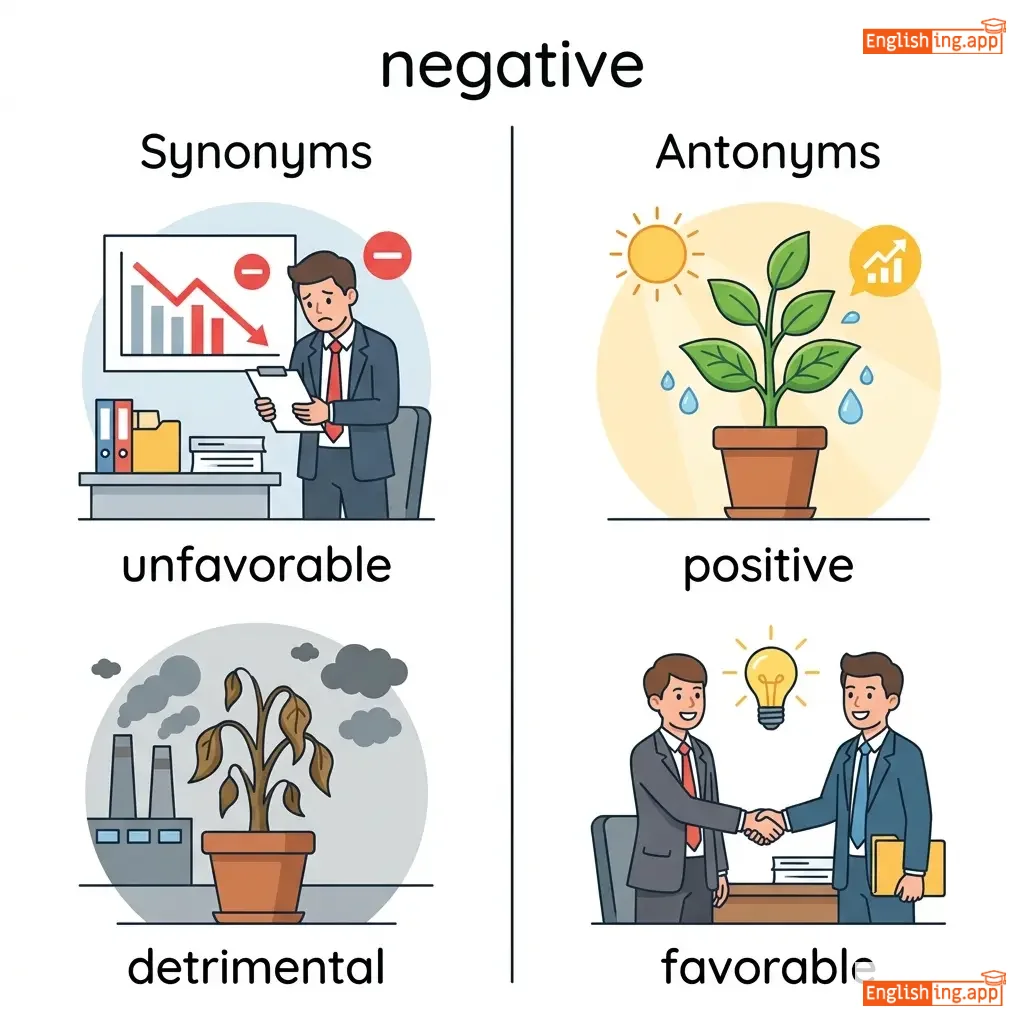
unfavorable, detrimental, harmful, pessimistic
••••••
|
positive, favorable, optimistic
••••••
|
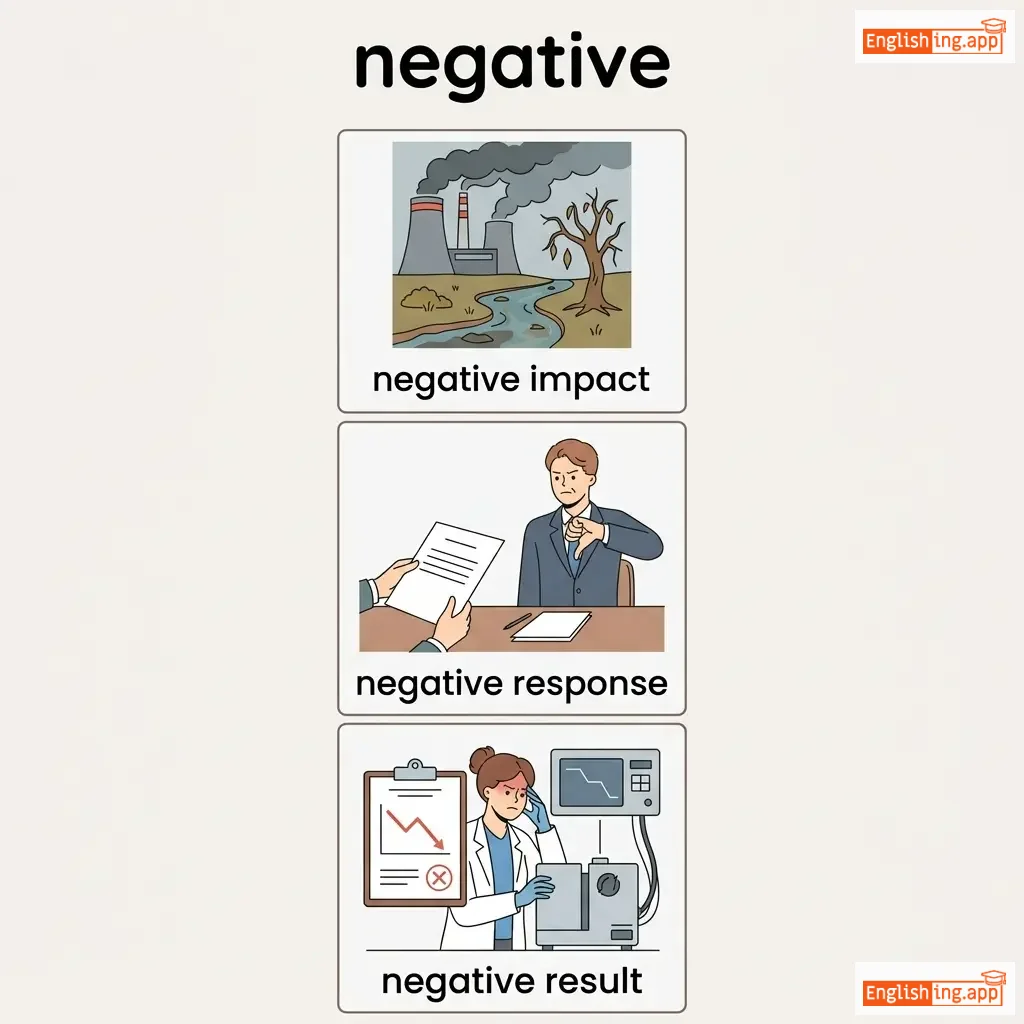
negative impact, negative response, negative result
••••••
|
|
#0
🏆
|
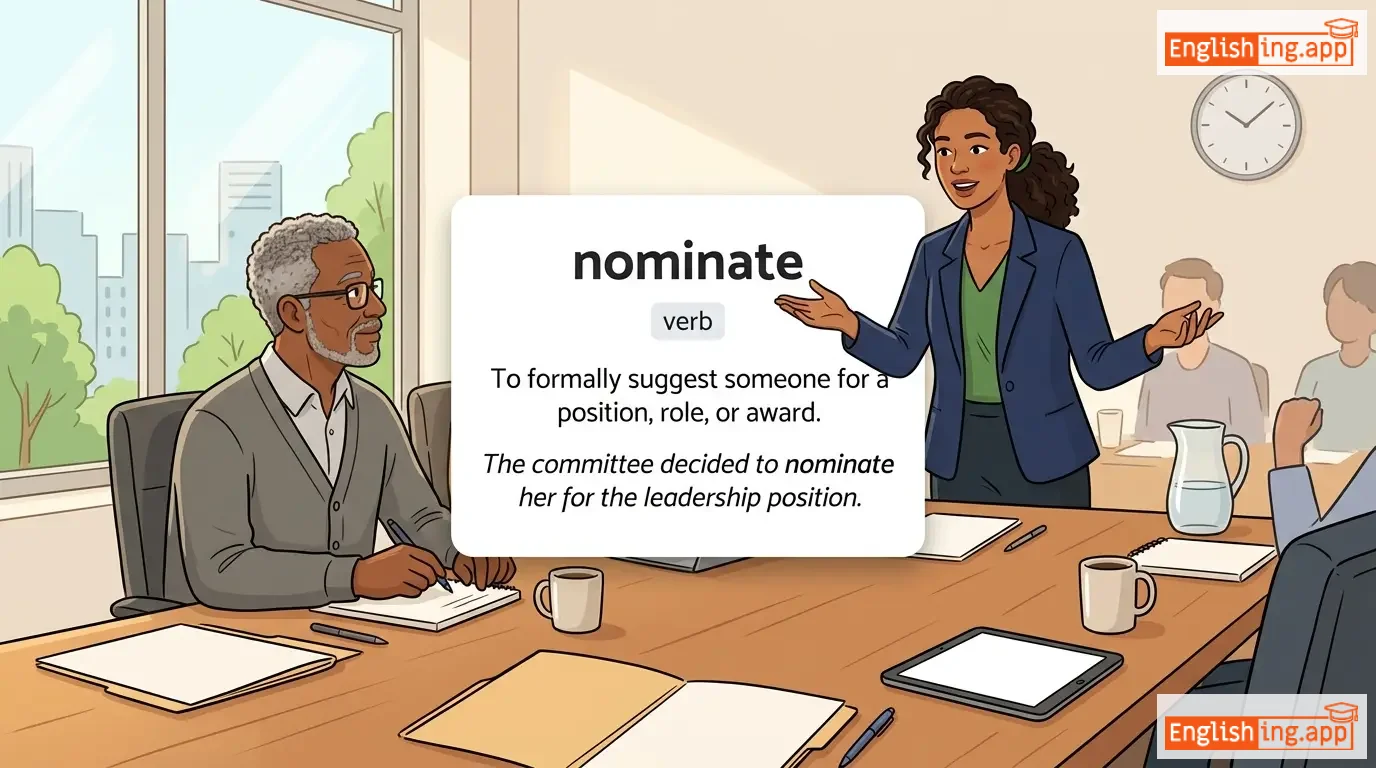
/ˈnɒmɪneɪt/
verb
••••••
|
|
nominated
••••••
|
nominated
••••••
|
nominates
••••••
|
nominating
••••••
|
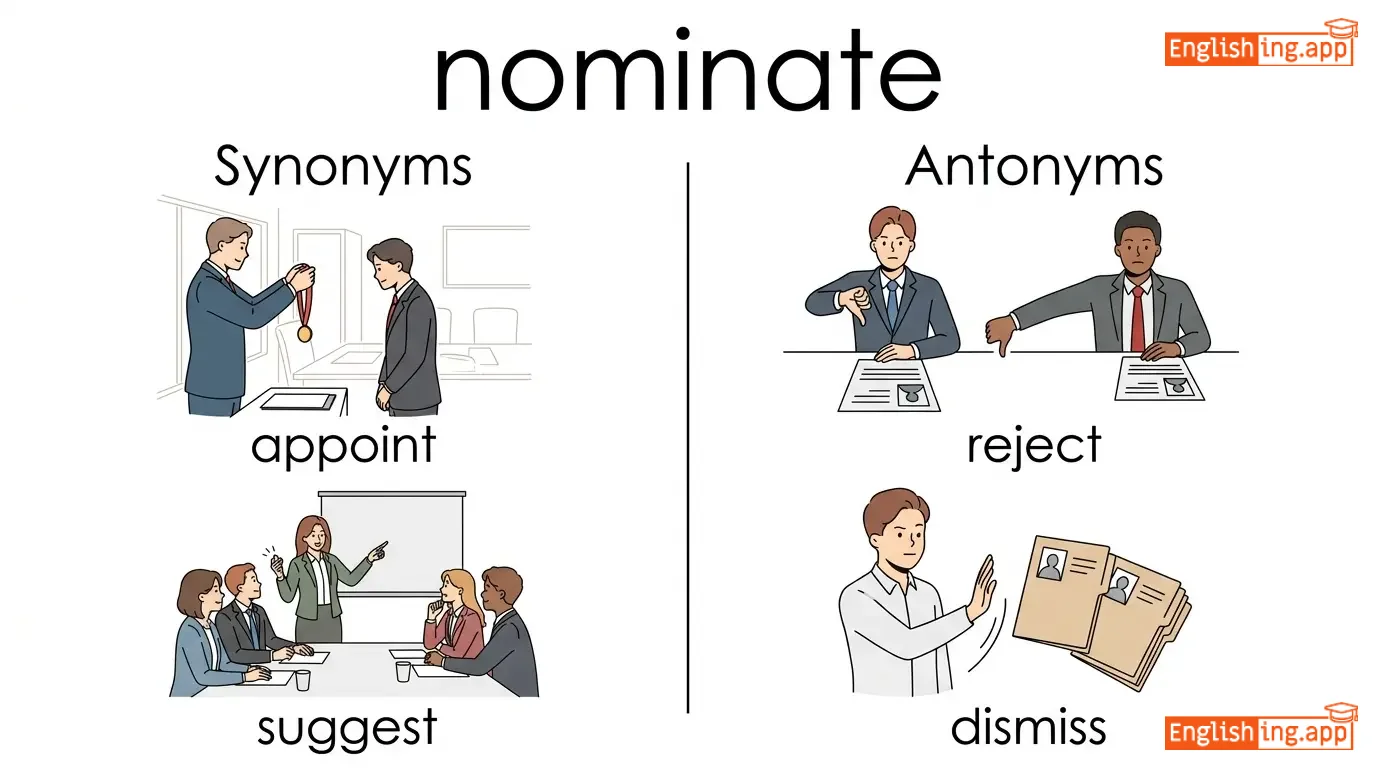
to propose someone for a position or award
••••••
|
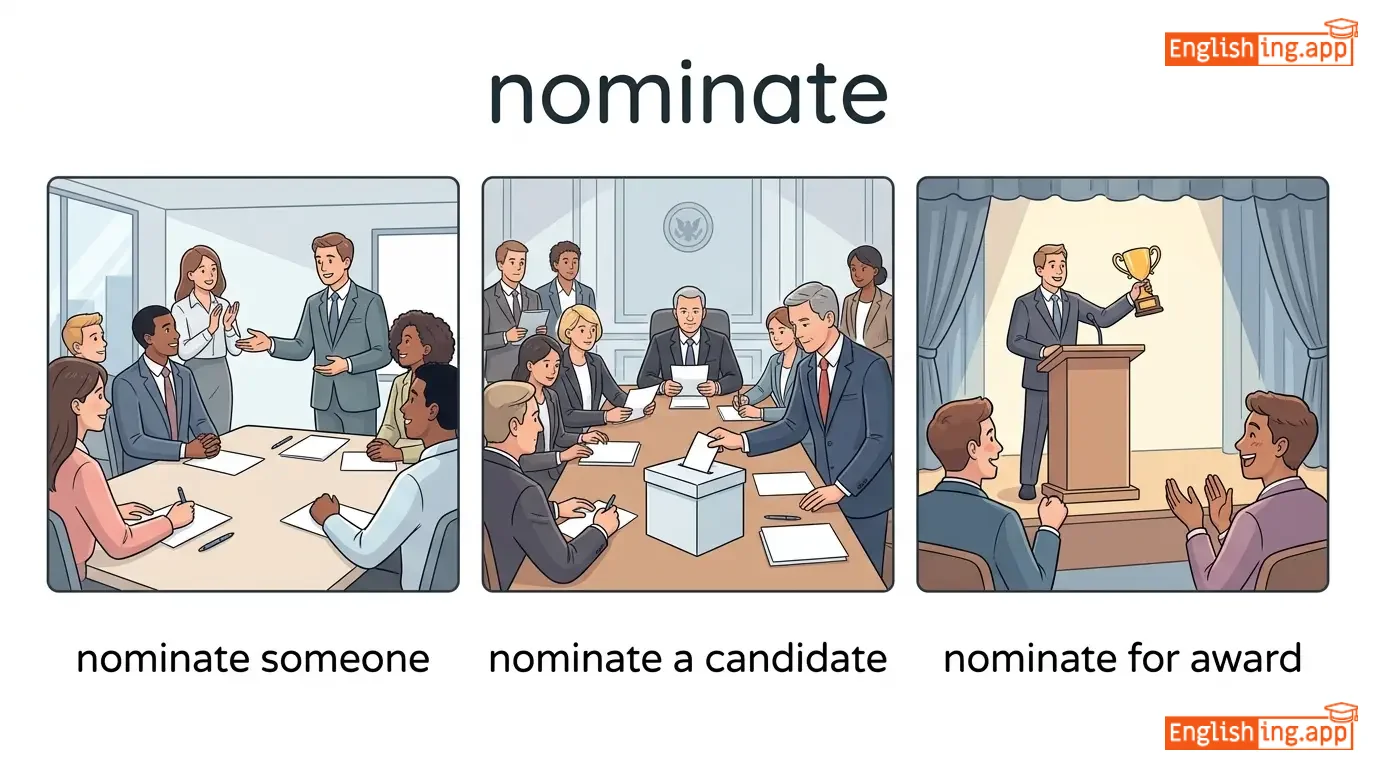
The committee decided to nominate her for the award. |
- •••••• | - •••••• |
propose, suggest, recommend, appoint
••••••
|
reject, dismiss, withdraw
••••••
|
nominate candidates, nominate for award, officially nominate, nominate someone, nominate unanimously
••••••
|
|
#0
🙃
|
/ˈnɒnsəns/
noun
••••••
|
- •••••• | - •••••• | - •••••• | - •••••• | - •••••• |
Words or ideas that have no meaning or make no sense.
••••••
|
His explanation was pure nonsense. |
talk nonsense |
to say things that are not true or make no sense
••••••
|
rubbish, absurdity, foolishness, drivel, gibberish
••••••
|
truth, sense, logic
••••••
|
utter nonsense, talk nonsense, complete nonsense, pure nonsense
••••••
|
|
#0
📅
|
/ˈnɔːməli/
adverb
••••••
|
- •••••• | - •••••• | - •••••• | - •••••• | - •••••• |
in the usual way; under normal circumstances
••••••
|
I normally wake up at 7 AM every day. |
- •••••• | - •••••• |
usually, typically, generally
••••••
|
abnormally, unusually, rarely
••••••
|
normally do, normally happen, normally work
••••••
|
|
#0
🌨️
|
/ˈnɔːðərn/
adjective
••••••
|
- •••••• | - •••••• | - •••••• | - •••••• | - •••••• |
relating to the north or situated in the north
••••••
|
The northern part of the country is known for its cold climate. |
- •••••• | - •••••• |
northerly, northernmost
••••••
|
southern
••••••
|
northern lights, northern regions, northern hemisphere
••••••
|
|
#0
📚
|
/ˈnɒvəlɪst/
noun
••••••
|
- •••••• | - •••••• | - •••••• | - •••••• | - •••••• |
a person who writes novels
••••••
|
The novelist spent years writing his new book. |
- •••••• | - •••••• |
author, writer, fiction writer, storyteller
••••••
|
non-writer, reader
••••••
|
famous novelist, best-selling novelist, contemporary novelist
••••••
|
|
#0
🕒
|
/ˈnaʊədeɪz/
adverb
••••••
|
- •••••• | - •••••• | - •••••• | - •••••• | - •••••• |
At the present time; in contrast with the past.
••••••
|
Nowadays, many people prefer shopping online. |
- •••••• | - •••••• |
currently, presently, these days, today
••••••
|
formerly, previously, once
••••••
|
nowadays people, nowadays it is common, nowadays trend
••••••
|
|
#0
🥦
|
/ˈnjuː.tri.ənt/
noun
••••••
|
|
- •••••• | - •••••• | - •••••• | - •••••• |
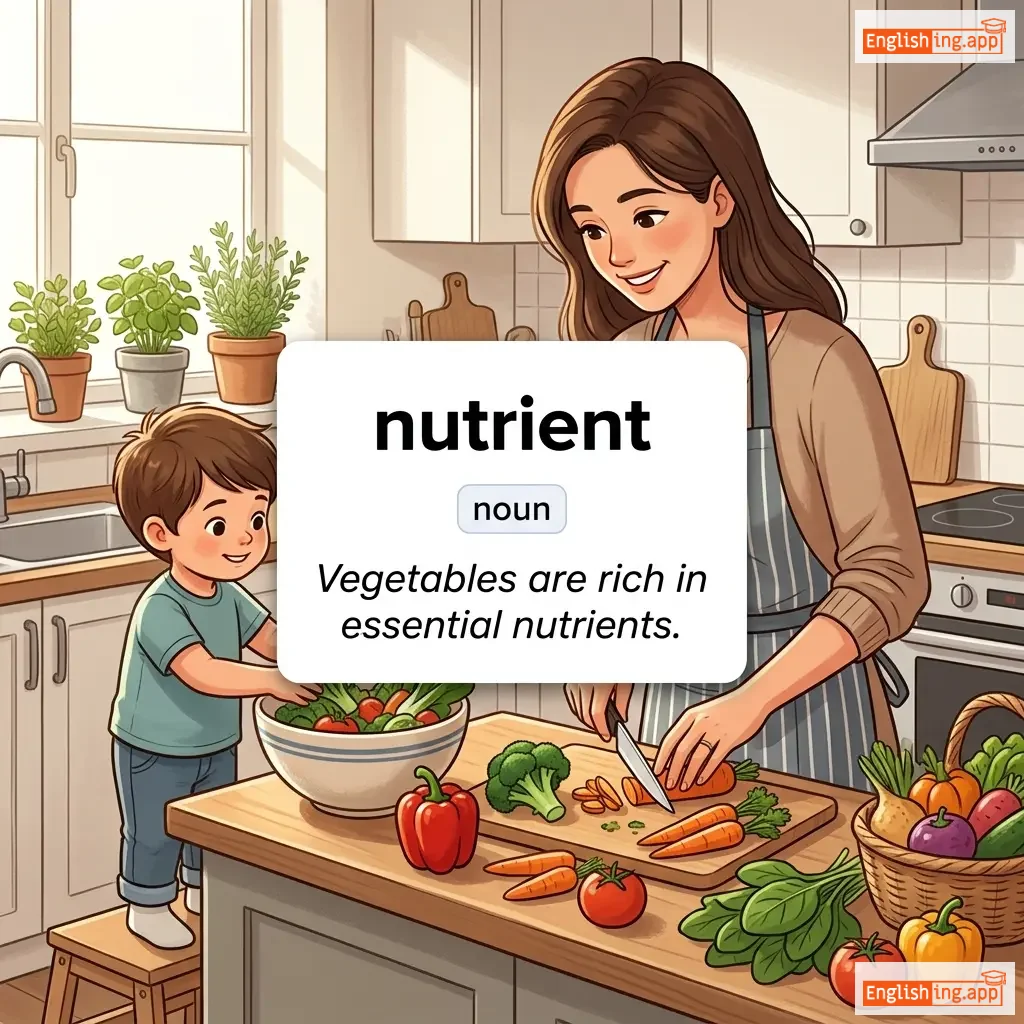
A substance that provides nourishment essential for growth and the maintenance of life.
••••••
|
Vegetables are rich in essential nutrients. |
- •••••• | - •••••• |
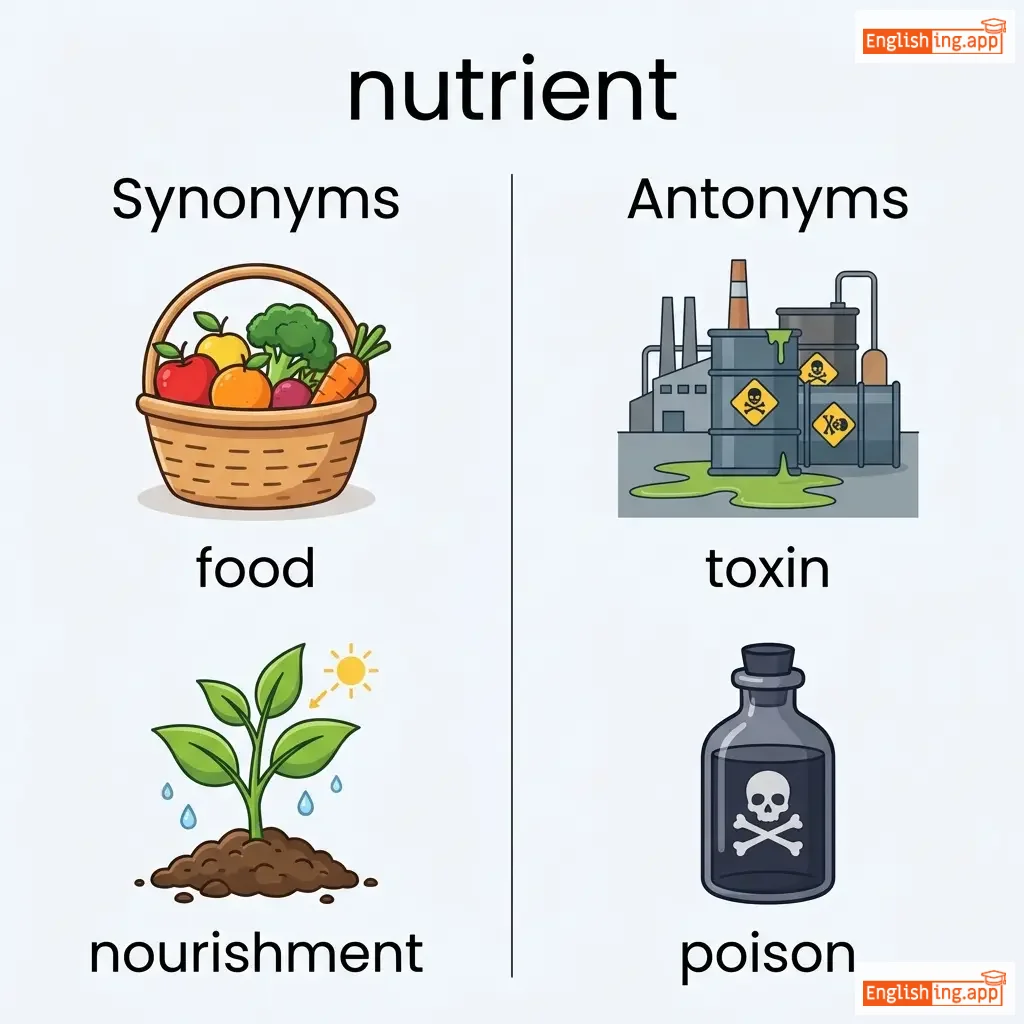
food, nourishment, sustenance, vitamin, mineral
••••••
|
toxin, poison
••••••
|
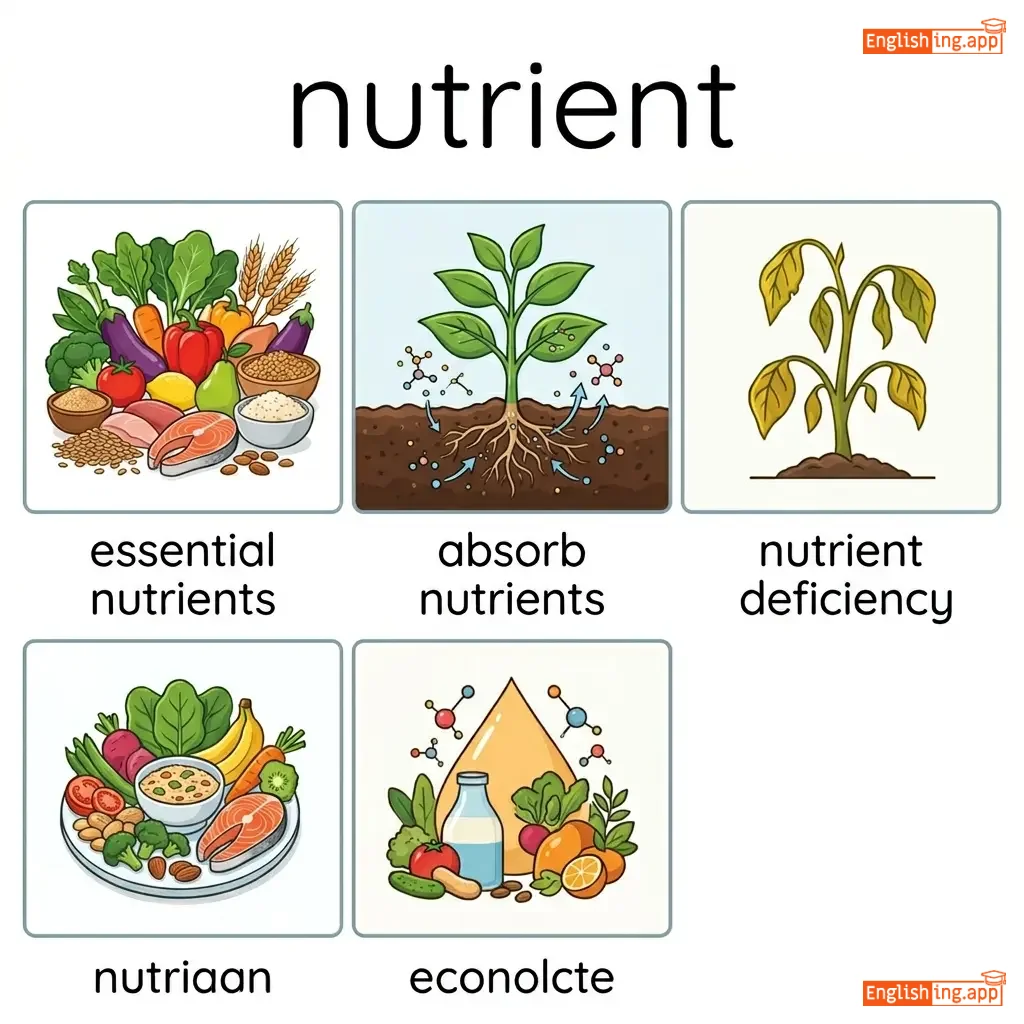
essential nutrients, absorb nutrients, nutrient deficiency, nutrient intake
••••••
|
|
#0
🚔
|
/əˈfɛndər/
noun
••••••
|
- •••••• | - •••••• | - •••••• | - •••••• | - •••••• |
a person who commits a crime or does something wrong
••••••
|
The police caught the offender quickly. |
repeat offender |
a person who commits the same crime more than once
••••••
|
criminal, culprit, wrongdoer, lawbreaker, transgressor
••••••
|
victim, innocent
••••••
|
first-time offender, repeat offender, serious offender, juvenile offender
••••••
|
|
#0
🎁
|
/ˈɒfərɪŋ/
noun
••••••
|
- •••••• | - •••••• | - •••••• | - •••••• | - •••••• |
something that is given, especially as a gift or contribution
••••••
|
The company’s latest offering is an eco-friendly car. |
peace offering |
something given to show a desire for peace or reconciliation
••••••
|
gift, contribution, donation, present, sacrifice
••••••
|
refusal, withdrawal
••••••
|
make an offering, religious offering, peace offering, product offering
••••••
|
|
#0
🤼
|
/əˈpoʊnənt/
noun
••••••
|
- •••••• | - •••••• | - •••••• | - •••••• | - •••••• |
A person who competes against or disagrees with another.
••••••
|
The boxer defeated his opponent in the final round. |
worthy opponent |
a rival who is strong and deserves respect
••••••
|
rival, adversary, competitor, challenger
••••••
|
ally, supporter, partner
••••••
|
political opponent, main opponent, worthy opponent, face an opponent
••••••
|
|
#0
↔️
|
/ˈɒp.əz.ɪt/
adjective
••••••
|
- •••••• | - •••••• | - •••••• | - •••••• | - •••••• |
Completely different; on the other side or facing something.
••••••
|
The two houses are on opposite sides of the street. |
polar opposite |
Something or someone that is completely different from another.
••••••
|
contrary, reverse, contrasting, antithetical
••••••
|
similar, same, identical
••••••
|
opposite direction, opposite side, exact opposite, complete opposite
••••••
|
|
#0
🧫
|
/ˈɔːɡənɪzəm/
noun
••••••
|
- •••••• | - •••••• | - •••••• | - •••••• | - •••••• |
a living thing that has an organized structure and can grow and reproduce
••••••
|
Every organism needs water to survive. |
- •••••• | - •••••• |
creature, being, life form, living thing
••••••
|
inanimate object, nonliving thing
••••••
|
living organism, simple organism, complex organism, single-celled organism
••••••
|
|
#0
⚠️
|
/ˈaʊtˌbreɪk/
noun
••••••
|
- •••••• | - •••••• | - •••••• | - •••••• | - •••••• |
a sudden start or occurrence of something unpleasant, like disease or violence
••••••
|
There was an outbreak of flu in the city. |
- •••••• | - •••••• |
eruption, flare-up, epidemic, surge
••••••
|
end, cessation, calm
••••••
|
outbreak of disease, sudden outbreak, outbreak of violence
••••••
|
|
#0
👀
|
/ˌoʊvərˈlʊk/
verb
••••••
|
|
overlooked
••••••
|
overlooked
••••••
|
overlooks
••••••
|
overlooking
••••••
|
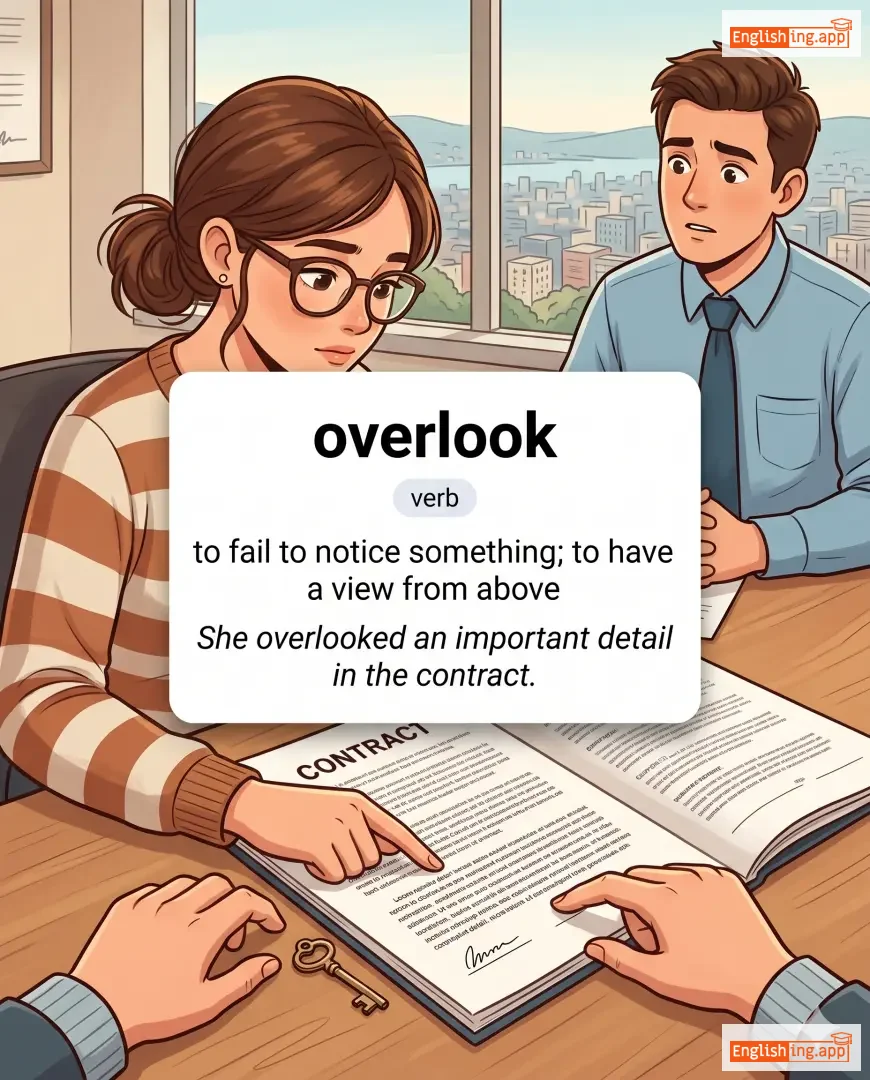
to fail to notice something; to have a view from above
••••••
|
She overlooked an important detail in the contract. |
to overlook mistakes |
to forgive or ignore minor errors
••••••
|
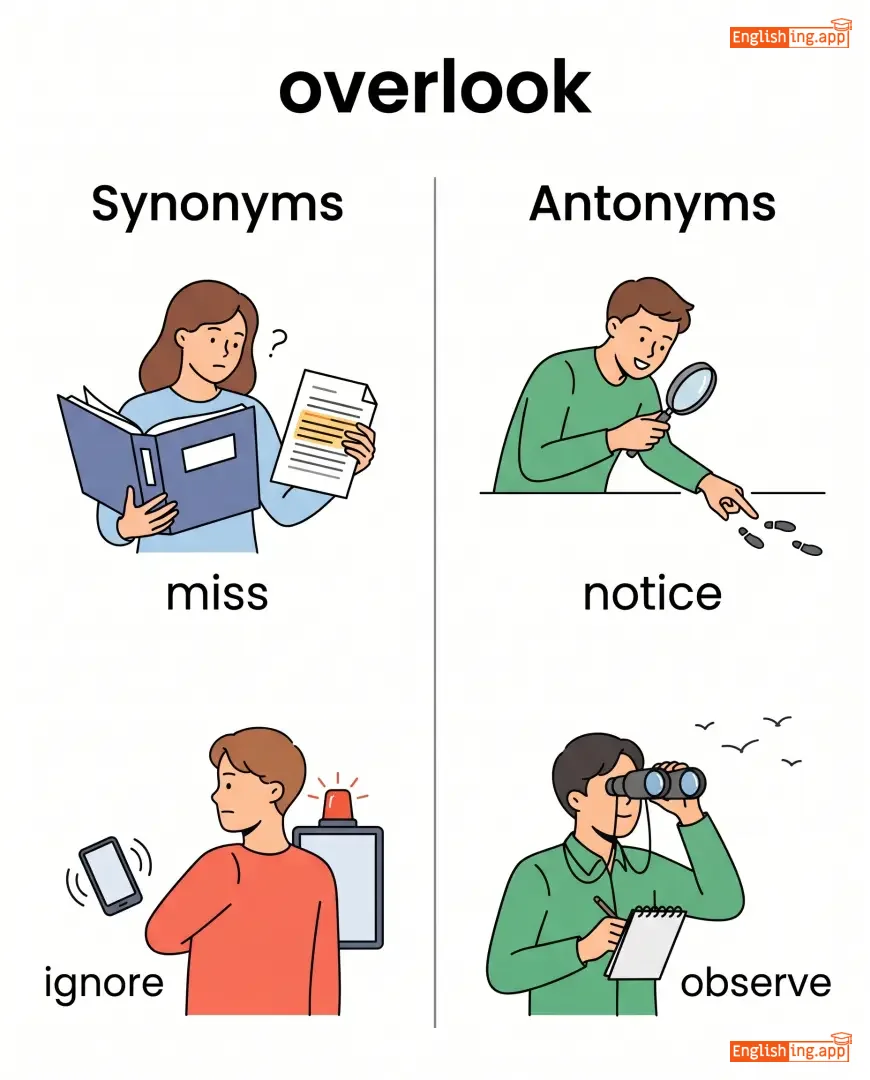
miss, ignore, disregard, supervise, neglect
••••••
|
notice, observe
••••••
|
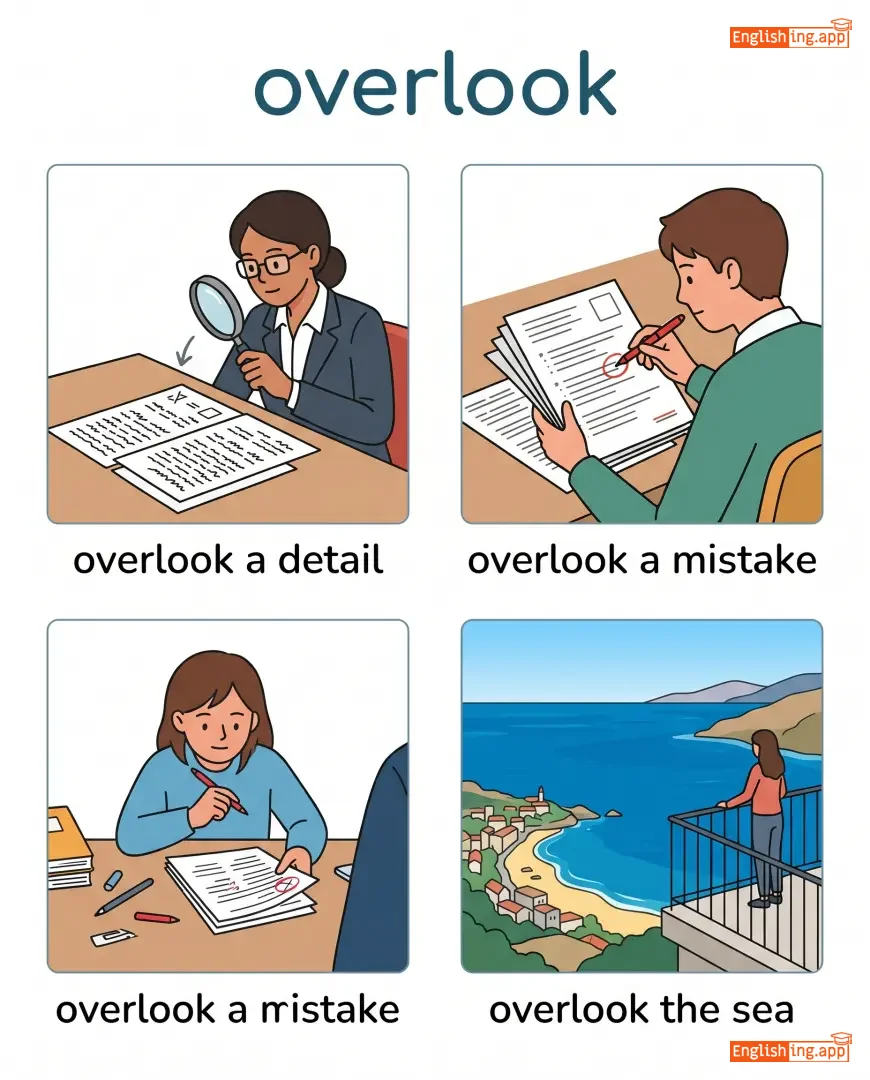
overlook a detail, overlook a mistake, overlook the sea, overlooking the city
••••••
|
|
#0
🔄
|
/ˌoʊvərˈtɜrn/
verb
••••••
|
- •••••• |
overturned
••••••
|
overturned
••••••
|
overturns
••••••
|
overturning
••••••
|
to turn something upside down or to reverse a decision or judgment
••••••
|
The court decided to overturn the previous ruling. |
overturn the tables |
to reverse a situation completely
••••••
|
reverse, cancel, annul, revoke, upend
••••••
|
uphold, confirm, support
••••••
|
overturn a decision, overturn a car, overturn a law, overturn a ruling
••••••
|
|
#0
🎨
|
/ˈpeɪntɪŋ/
noun
••••••
|
- •••••• | - •••••• | - •••••• | - •••••• | - •••••• |
a picture or design made using paint
••••••
|
The painting on the wall was created by a famous artist. |
a picture is worth a thousand words |
visual images are more effective than verbal descriptions
••••••
|
artwork, portrait, illustration, depiction
••••••
|
reality, blank
••••••
|
oil painting, landscape painting, wall painting, abstract painting
••••••
|
Comments (0)
Share your thoughts and join the discussion.
Join the discussion by logging in
Login to CommentNo comments yet
Be the first to share your thoughts!