語彙集

英単語辞書 | 単語の意味、定義、例文

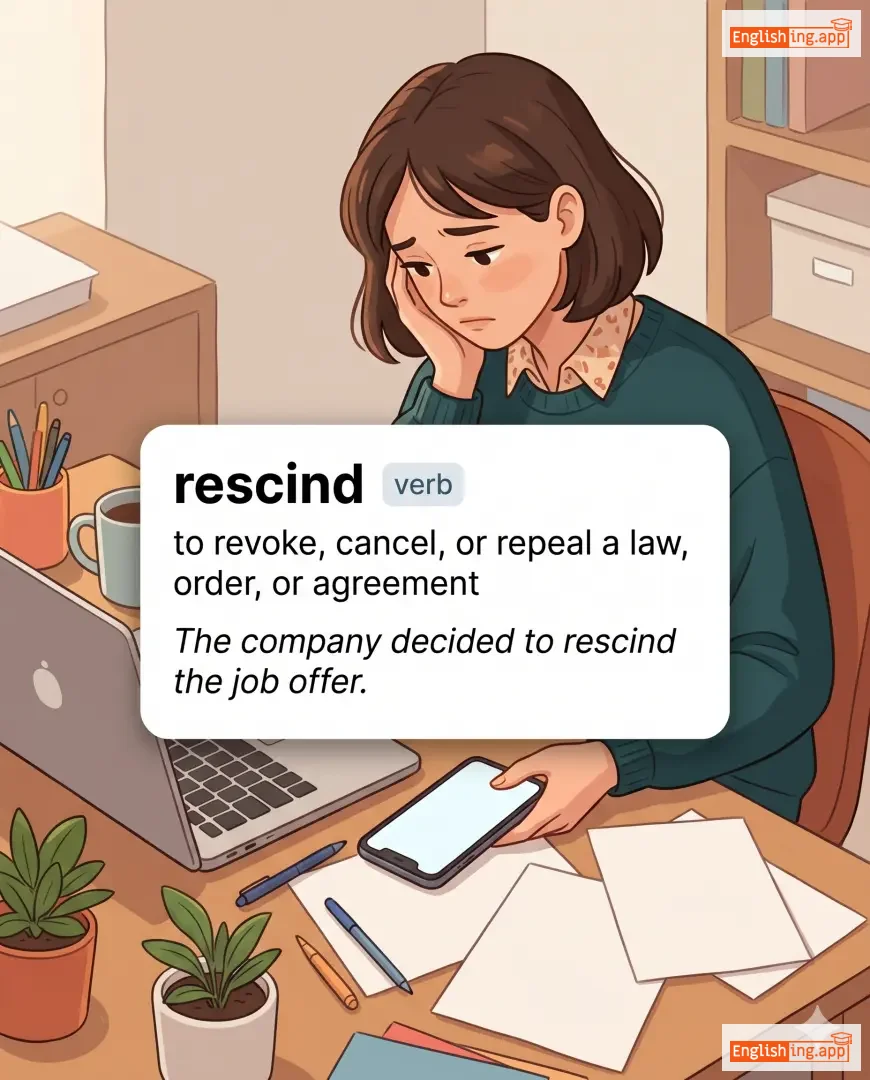
rescind definition card — visual illustration of the meaning
verb
/rɪˈsɪnd/
取り消す (torikesu)

to revoke, cancel, or repeal a law, order, or agreement

"The company decided to rescind the job offer."

"その会社は仕事のオファーを取り消すことを決定しました。" (Sono kaisha wa shigoto no ofā o torikesu koto o kettei shimashita.)
noun
/rɪˈsɪʒən/
契約解除 (keiyaku kaijo)

the cancellation or annulment of a law, contract, or agreement

"The rescission of the contract left both parties disappointed."
"契約の解除により、双方は失望しました。" (Keiyaku no kaijo ni yori, sōhō wa shitsubō shimashita.)
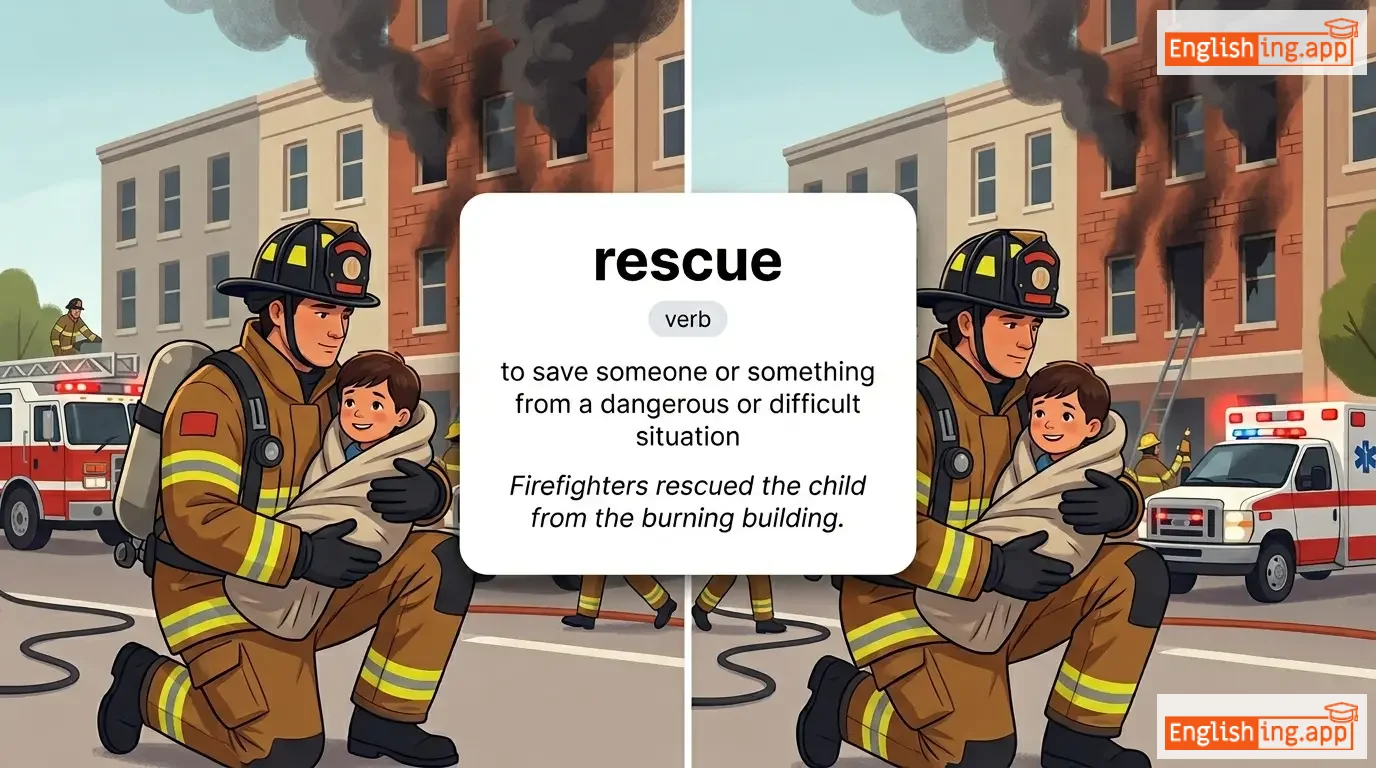
rescue definition card — visual illustration of the meaning
verb
/ˈrɛskjuː/
救助する (kyūjo suru)

to save someone or something from a dangerous or difficult situation

"Firefighters rescued the child from the burning building."

"消防士は燃えている建物から子供を救出しました。" (Shōbōshi wa moete iru tatemono kara kodomo o kyūshutsu shimashita.)
research definition card — visual illustration of the meaning
noun
/rɪˈsɜːtʃ/
研究 (kenkyū)

the systematic investigation into and study of materials and sources in order to establish facts and reach new conclusions

"She conducted research on climate change effects."

"彼女は気候変動の影響に関する研究を行いました。" (Kanojo wa kikō hendō no eikyō ni kansuru kenkyū o okonaimashita.)
noun
/rɪˈsɜːtʃə(r)/
研究者 (kenkyūsha)

a person who conducts research

"The researcher published her findings in a scientific journal."
"研究者は科学的なジャーナルに彼女の研究結果を発表しました。" (Kenkyūsha wa kagakuteki na jānaru ni kanojo no kenkyū kekka o happyō shimashita.)
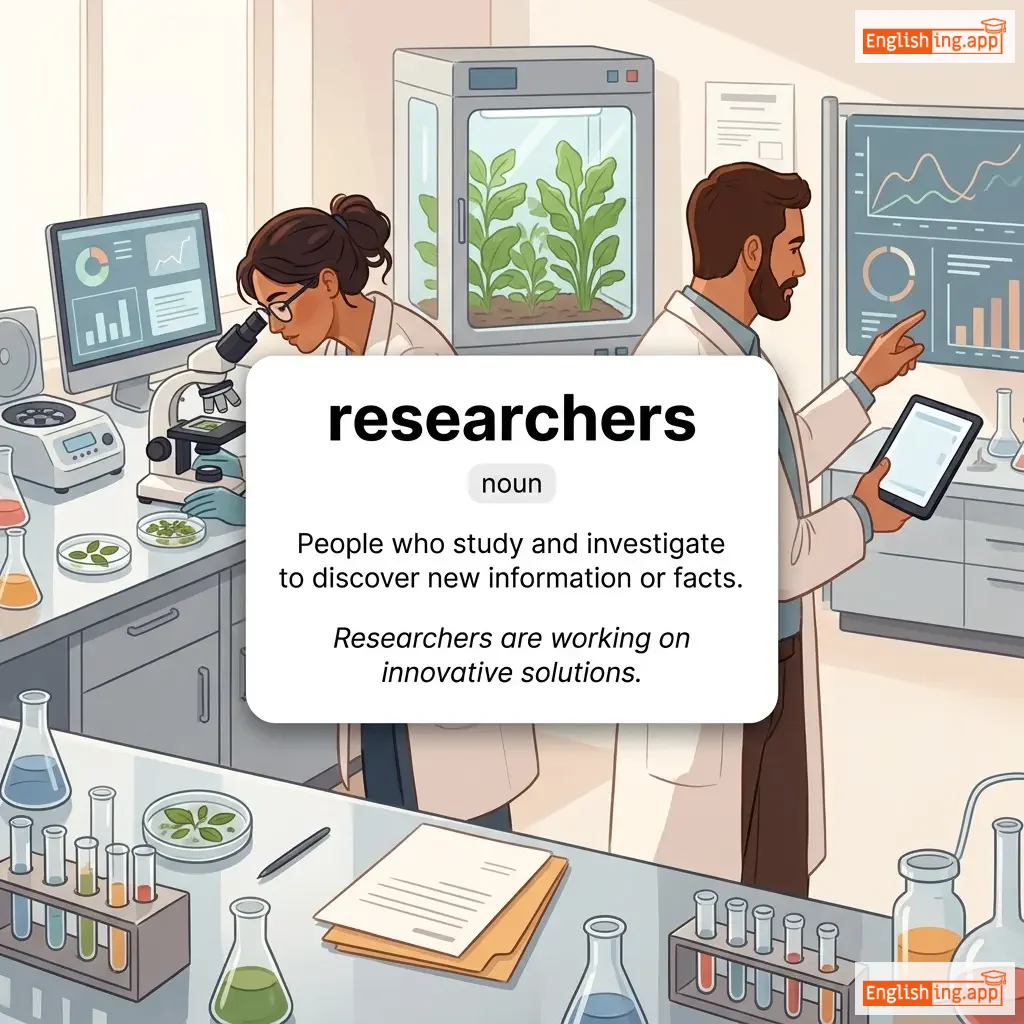
researchers definition card — visual illustration of the meaning
noun
rɪˈsɜː.tʃəz
研究者 (kenkyūsha)

People who study and investigate to discover new information or facts.

"Researchers are working on innovative solutions."

"研究者たちは革新的な解決策に取り組んでいます。" (Kenkyūsha-tachi wa kakushinteki na kaiketsu-saku ni torikundeimasu.)
verb
/ˌriːˈsiːt/
再座席 (saizaseki)

to seat someone again or to fit something back into its place

"The usher had to reseat the guests after the interruption."

"接客係は中断後、ゲストを再座席させなければならなかった。" (Sekkyaku gakari wa chudan go, gesuto o saizaseki sasenakereba nakatta.)
noun
/rɪˈzembləns/
類似 (ruiji)

the state of being alike or similar, especially in appearance

"There is a strong resemblance between the two brothers."

"二人の兄弟の間には強い類似性があります。" (Futari no kyoudai no aida ni wa tsuyoi ruijisei ga arimasu.)
verb
/rɪˈzɛmbəl/
似ている (niteru)

to look like or be similar to something or someone

"She resembles her mother in both appearance and mannerisms."

"彼女は見た目と仕草の両方で母親に似ています。" (Kanojo wa mitame to shigusa no ryōhō de hahaoya ni niteimasu.)
verb
/rɪˈzɛnt/
恨む (uramu)

to feel bitterness or displeasure about something or someone

"She began to resent the constant criticism from her boss."
"彼女は上司からの絶え間ない批判をリゼントし始めました。" (Kanojo wa jōshi kara no tae manai hihan o rizehonto hajimemashita.)
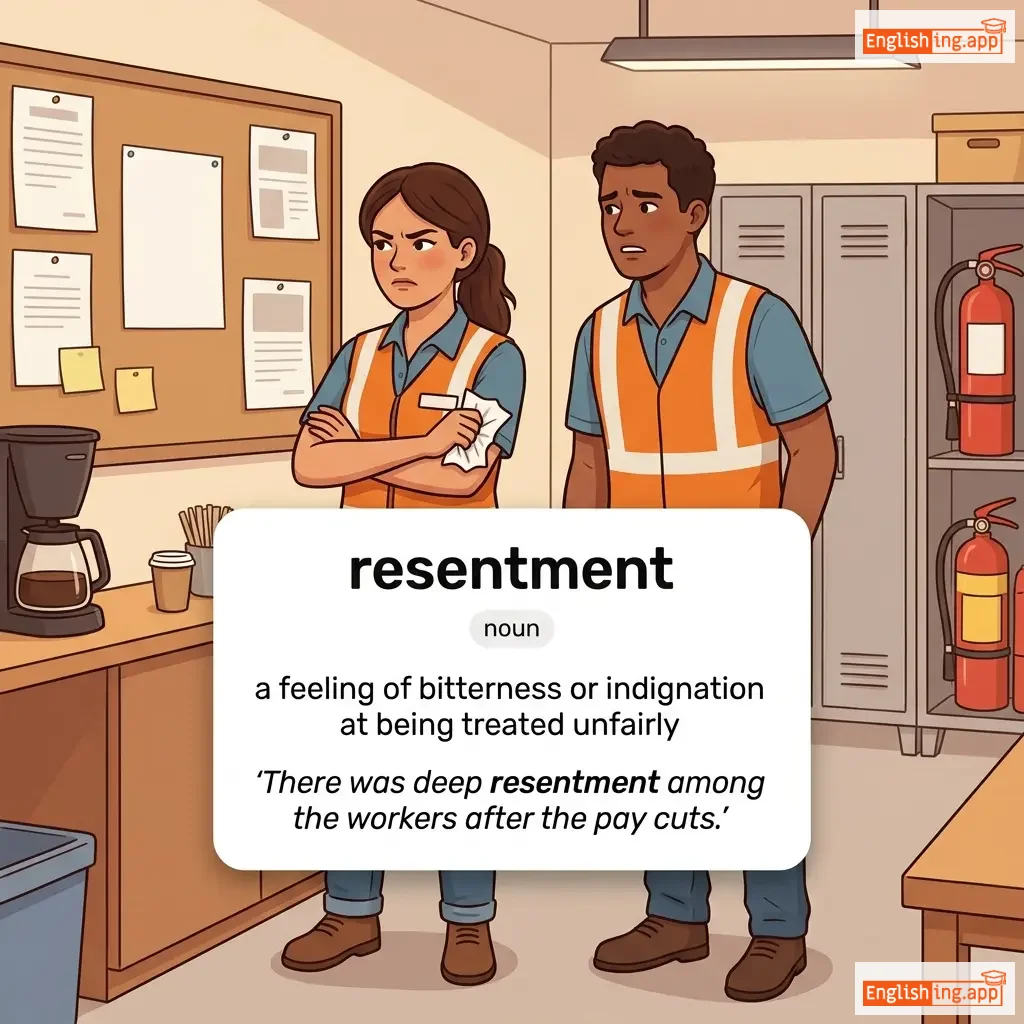
resentment definition card — visual illustration of the meaning
noun
/rɪˈzɛntmənt/
憤り (ikidoori)

a feeling of bitterness or indignation at being treated unfairly

"There was deep resentment among the workers after the pay cuts."

"賃金カット後、労働者の間に深い憤りがありました。" (Chingin katto go, roudousha no aida ni fukai ikidoori ga arimashita.)
noun
/ˌrɛzərˈveɪʃən/
予約 (yoyaku)

an arrangement made in advance to secure accommodation, a seat, or service

"He made a reservation at the hotel for the weekend."
"彼は週末のためにホテルに予約をしました。" (Kare wa shūmatsu no tame ni hoteru ni yoyaku o shimashita.)
reserve definition card — visual illustration of the meaning
verb
/rɪˈzɜːrv/
予約する (yoyaku suru)

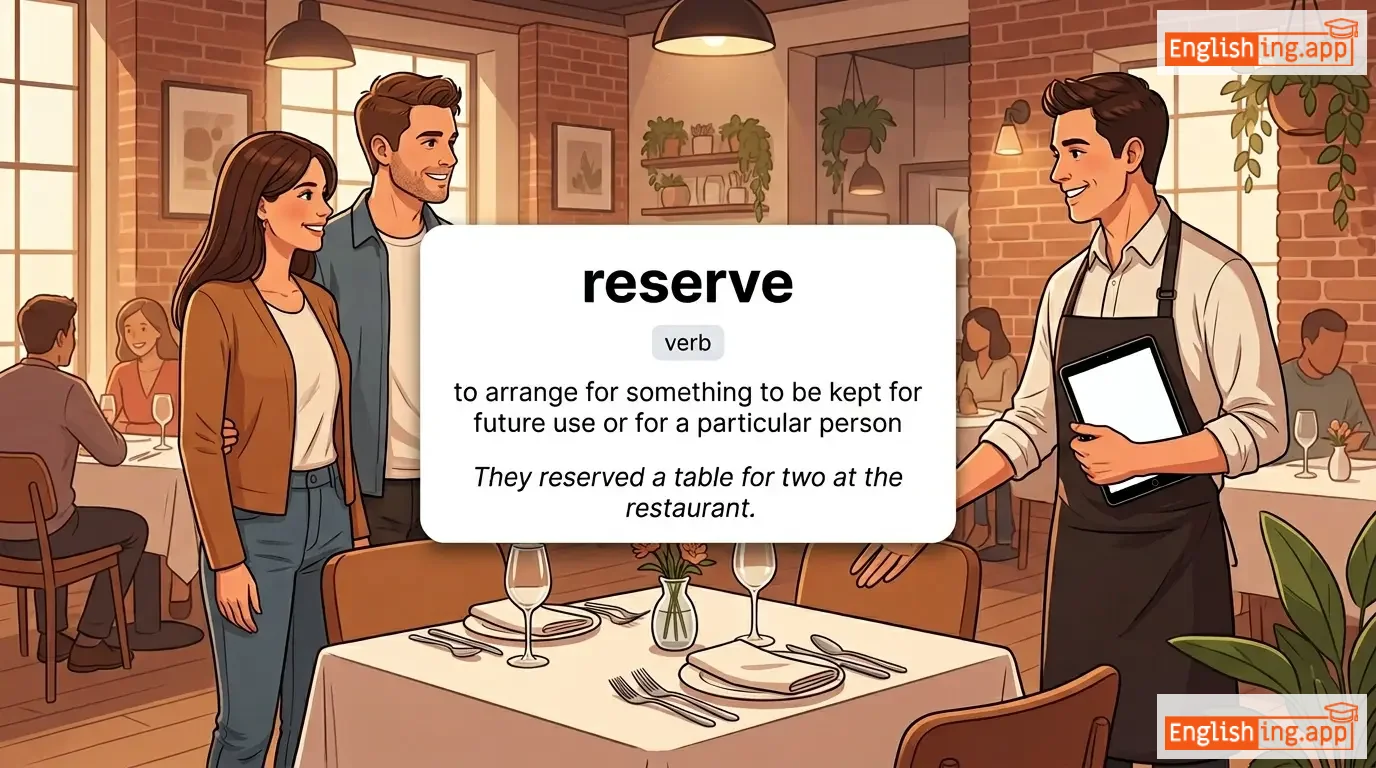
to arrange for something to be kept for future use or for a particular person

"They reserved a table for two at the restaurant."

"彼らはレストランで2人分のテーブルを予約した。" (Karera wa resutoran de futari bun no tēburu o yoyaku shita.)
adjective
/rɪˈzɜːrvd/
控えめ / 内向的 (hikaeme / naikouteki)

quiet, restrained, or not openly expressive of feelings

"He is a reserved person who rarely shares his thoughts."

"彼は控えめな人で、めったに自分の考えを共有しません。" (Kare wa hikaeme na hito de, mettani jibun no kangae wo kyoyu shimasen.)
noun
/ˈrɛzərvwɑːr/
貯水池 (chosuichi)

A large natural or artificial lake used as a source of water supply.

"The city built a new reservoir to ensure enough drinking water for its residents."

"その都市は住民に十分な飲料水を確保するために新しい貯水池を建設した。" (Sono toshi wa jūmin ni jūbun na inryō mizu o kakuho suru tame ni atarashī chosuichi o kensetsu shita.)
verb
/rɪˈzaɪd/
住む (sumu)

to live or dwell in a particular place

"They reside in a large house near the river."

"彼らは川の近くの大きな家に住んでいます。" (Karera wa kawa no chikaku no ōkina ie ni sunde imasu.)
noun
/ˈrɛzɪdəns/
レジデンス (rejidensu)

a place where someone lives; a home or dwelling

"He recently moved to a new residence near the city center."

"彼は最近、市内中心部近くの新しいレジデンスに引っ越しました。" (Kare wa saikin, shinai chūshinbu chikaku no atarashī rejidensu ni hikkoshimashita.)
noun
/ˈrɛzɪdənt/
住民 (jūmin)

A person who lives in a particular place.

"Every resident of the building must follow the safety rules."
"建物のすべての住民は安全規則に従う必要があります。" (Tatemono no subete no jūmin wa anzen kisoku ni shitagau hitsuyō ga arimasu.)
resident coordinator definition card — visual illustration of the meaning
noun
/ˈrez.ɪ.dənt ˈkəʊ.ɔː.dɪ.neɪ.tər/
居住者コーディネーター (kyojūsha kōdinētā)

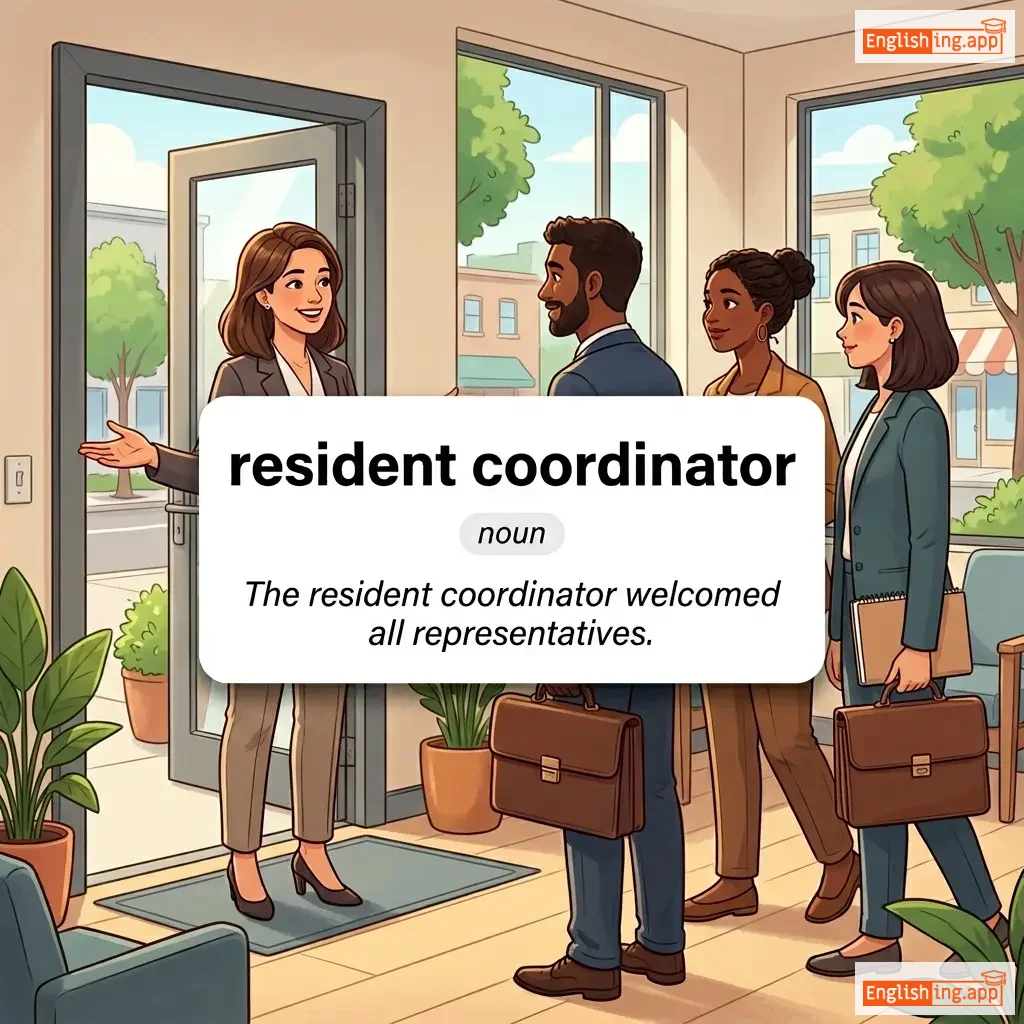
A local administrator or official who coordinates activities in a specific region.

"The resident coordinator welcomed all representatives."
"居住者コーディネーターは全ての代表者を歓迎しました。" (Kyojūsha kōdinētā wa subete no daihyōsha o kangei shimashita.)
residential definition card — visual illustration of the meaning
adjective
/ˌrɛzɪˈdɛnʃəl/
住宅地 (jūtaku-chi)

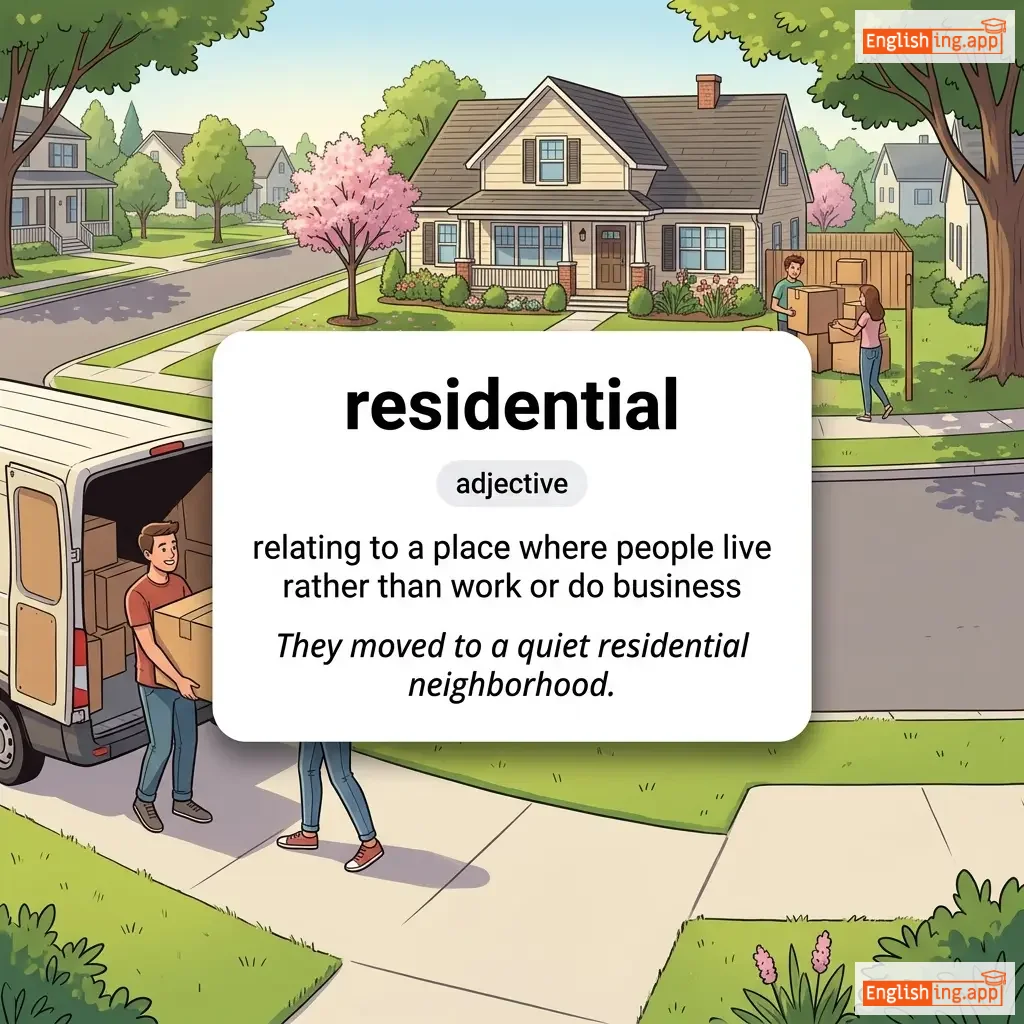
relating to a place where people live rather than work or do business

"They moved to a quiet residential neighborhood."

"彼らは静かな住宅地に引っ越しました。" (Karera wa shizuka na jūtaku-chi ni hikkoshimashita.)
adjective
/rɪˈzɪdjuəl/
残余 (zan'yu)

Remaining after the greater part has gone.

"The patient experienced residual pain after the surgery."
"患者は手術後に残余の痛みを感じました。" (Kanja wa shujutsu go ni zan'yu no itami o kanjimashita.)
residue definition card — visual illustration of the meaning
noun
/ˈrɛzɪdjuː/
残留物 (zanryūbutsu)

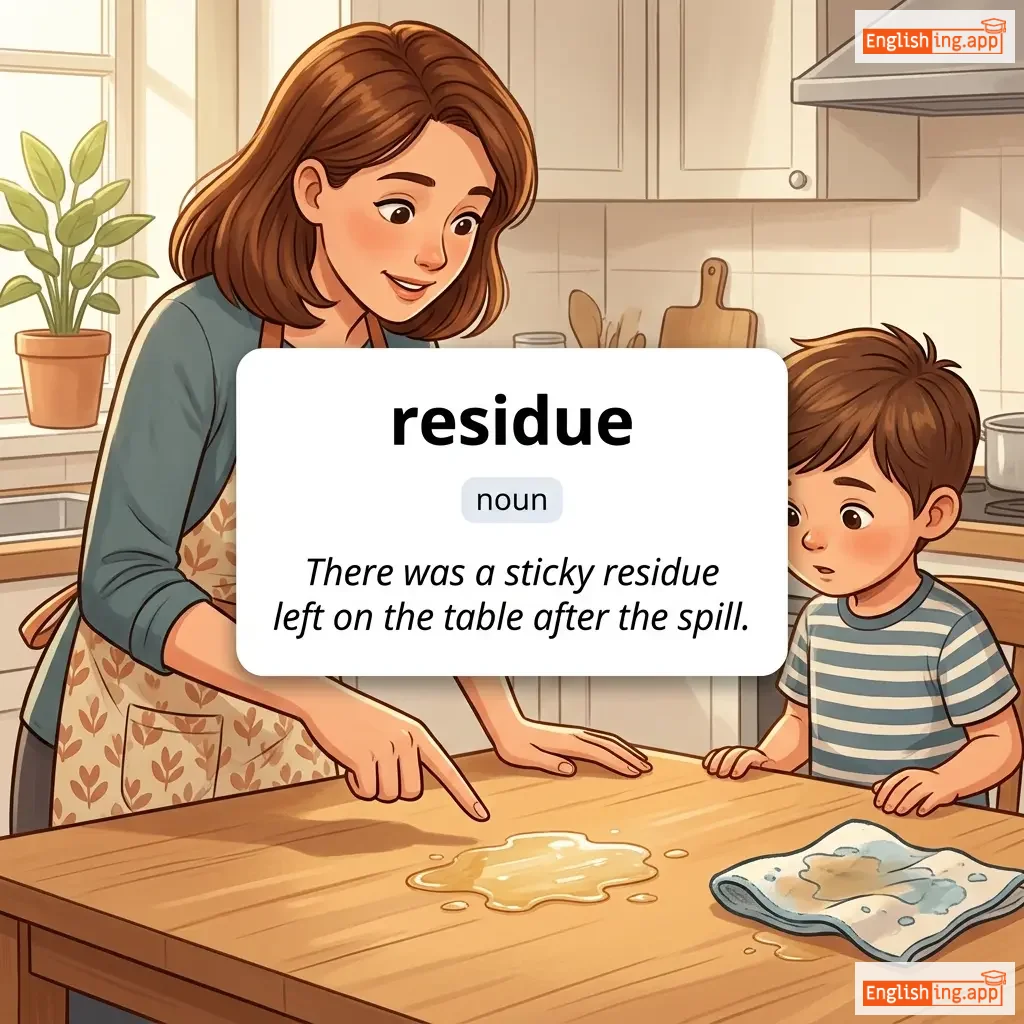
A small amount of something that remains after the main part has been removed or used.

"There was a sticky residue left on the table after the spill."
"こぼれた後、テーブルに粘着性の残留物が残っていた。" (Koboreta ato, tēburu ni nenchakusei no zanryūbutsu ga nokotte ita.)
residues definition card — visual illustration of the meaning
noun
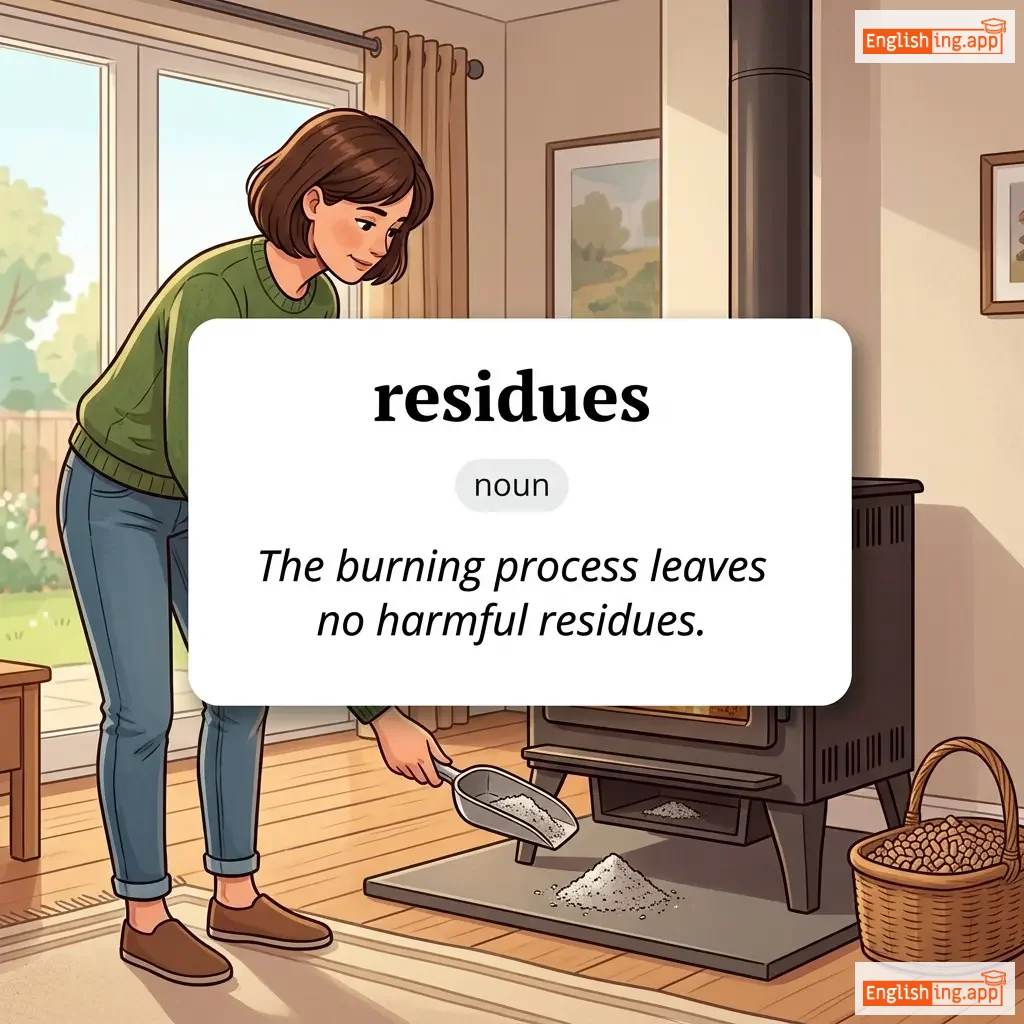
ˈrez.ɪ.djuːz
残留物 (zanryūbutsu)

A small amount of something that remains after the main part has gone or been taken or used.

"The burning process leaves no harmful residues."
"燃焼プロセスでは有害な残留物は残りません。" (Nenshō purosesu de wa yūgaina zanryūbutsu wa nokorimasen.)
resign definition card — visual illustration of the meaning
verb
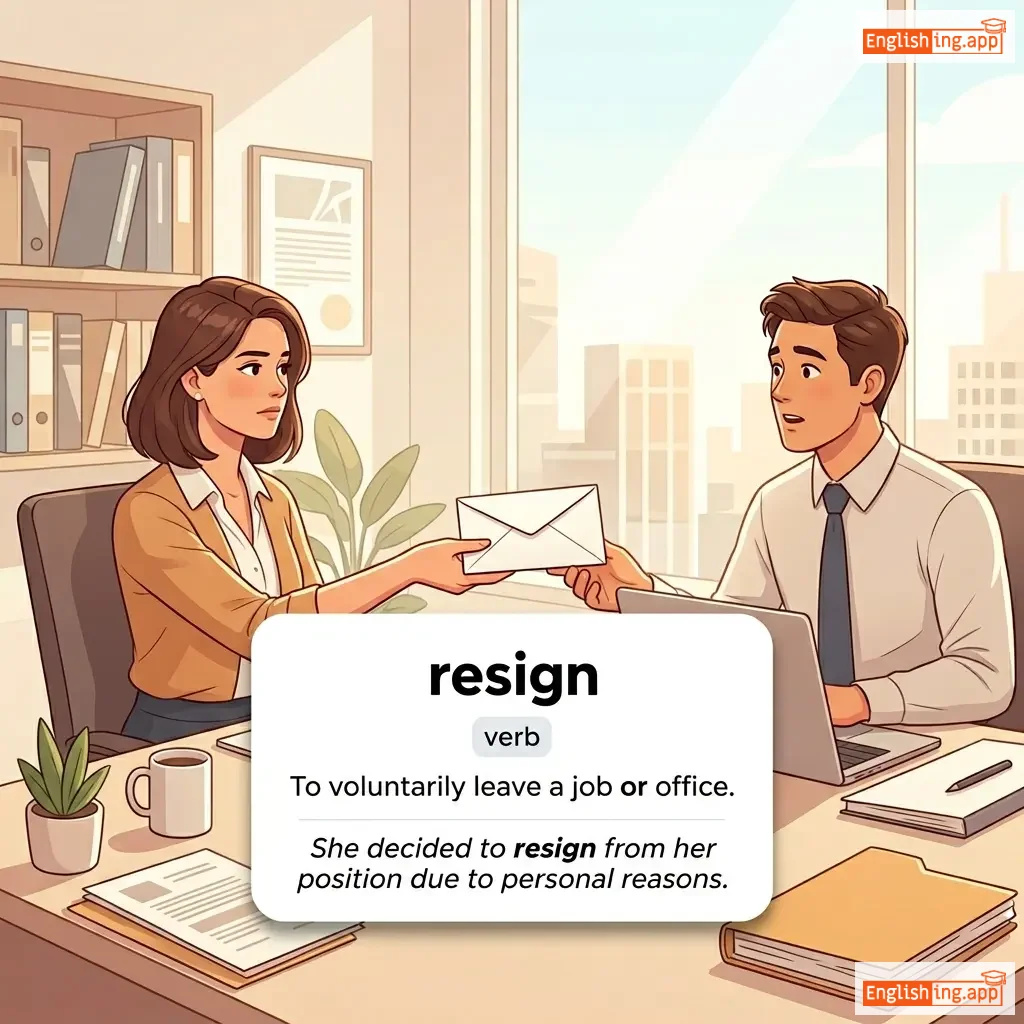
/rɪˈzaɪn/
辞職する (jishoku suru)

To voluntarily leave a job or office.

"She decided to resign from her position due to personal reasons."

"彼女は個人的な理由で自分のポジションを辞める決断をしました。" (Kanojo wa kojinteki na riyū de jibun no pojishon o yameru ketsudan o shimashita.)
resignation definition card — visual illustration of the meaning
noun
/ˌrɛzɪɡˈneɪʃən/
辞職 (jishoku)

The act of giving up a job or position; acceptance of something undesirable but inevitable.

"The CEO submitted his resignation yesterday."
"CEOは昨日辞職を提出しました。" (CEO wa kinō jishoku o teishutsu shimashita.)
resilience definition card — visual illustration of the meaning
noun
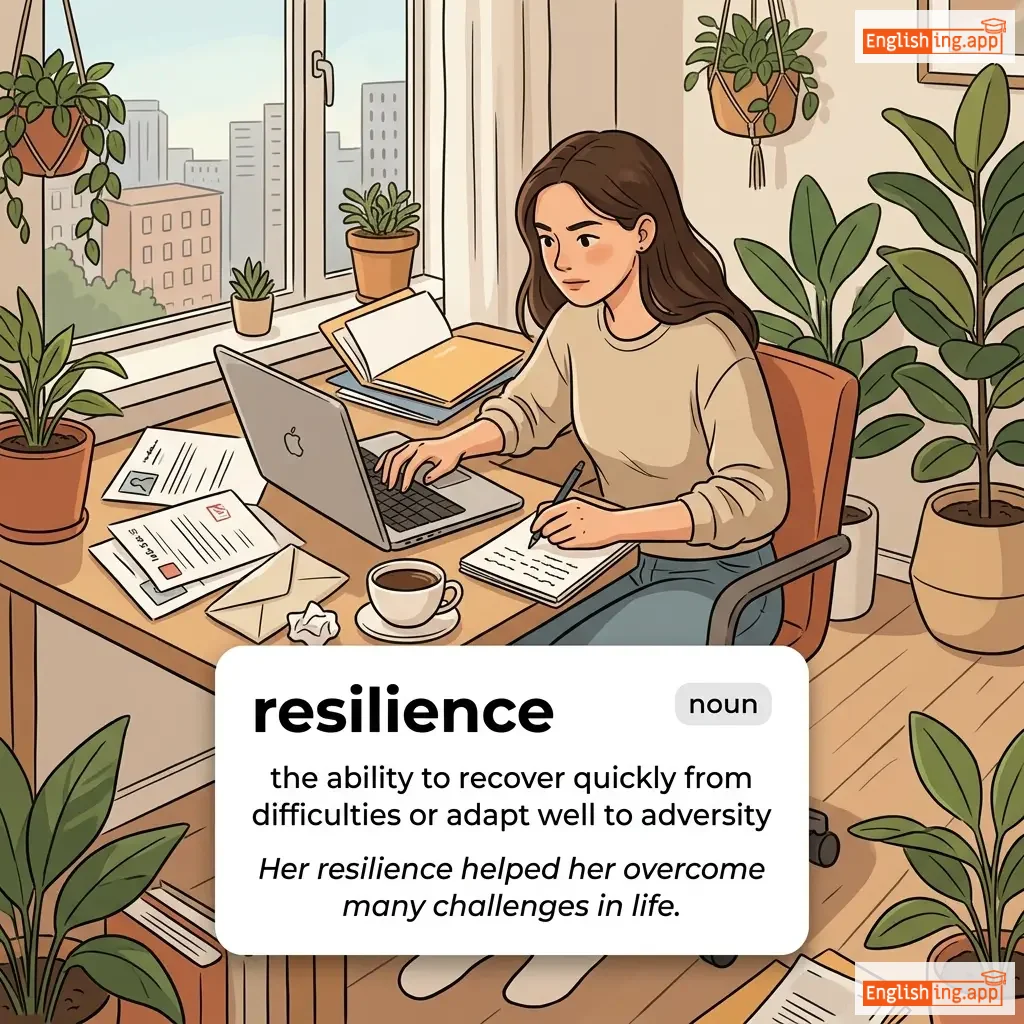
/rɪˈzɪliəns/
レジリエンス (rejiriensu)

the ability to recover quickly from difficulties or adapt well to adversity

"Her resilience helped her overcome many challenges in life."
"彼女のレジリエンスは、人生の多くの挑戦を乗り越えるのに役立ちました。" (Kanojo no rejiriensu wa, jinsei no ooku no chousen o norikoeru no ni yakudachimashita.)
resilient definition card — visual illustration of the meaning
adjective
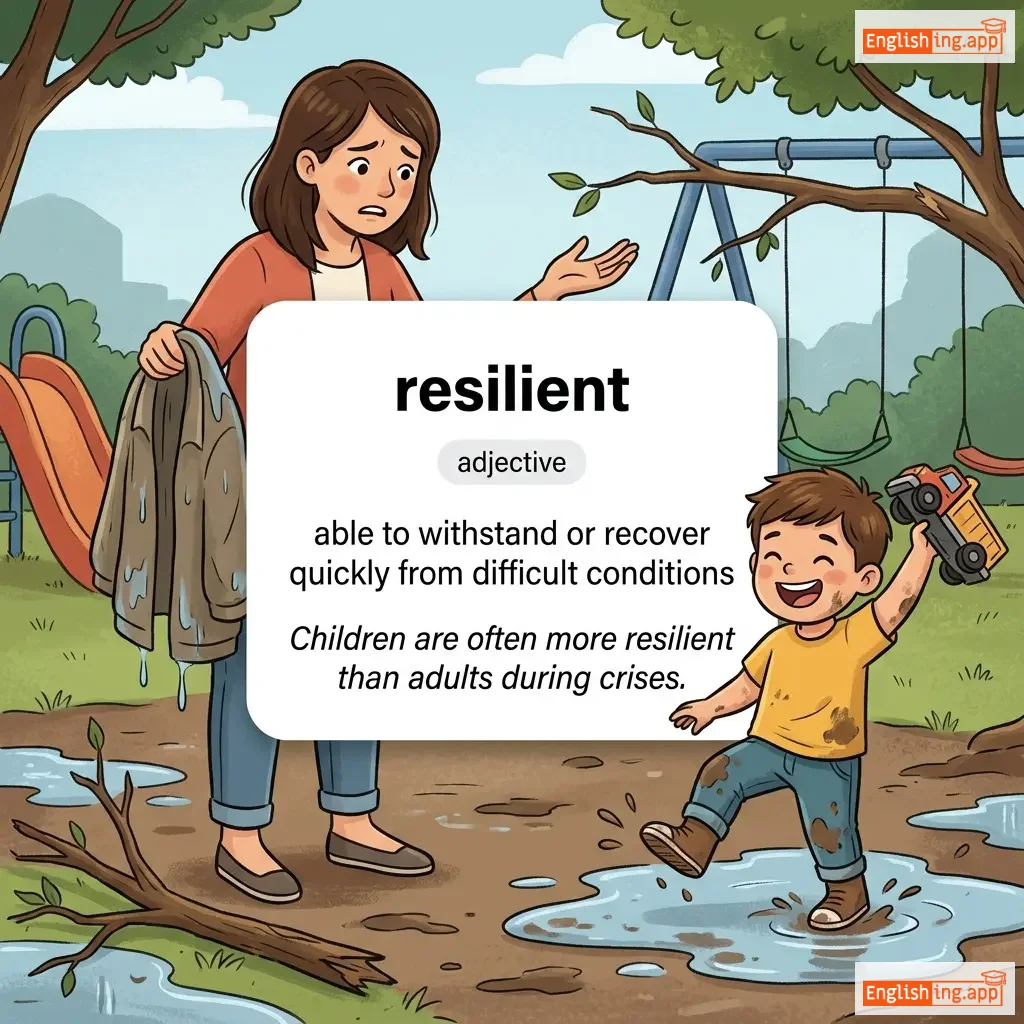
/rɪˈzɪliənt/
レジリエント (rejiriento)

able to withstand or recover quickly from difficult conditions

"Children are often more resilient than adults during crises."

"子供たちは危機的な状況で大人よりもレジリエントであることが多い。" (Kodomotachi wa kikiteki na joukyou de otona yori mo rejiriento de aru koto ga ooi.)
noun
/ˈrɛzɪn/
樹脂 (jushi)

a sticky organic substance, usually secreted by plants, often used in varnishes or plastics

"The craftsman used natural resin to make the sculpture shine."
"職人は彫刻を輝かせるために天然の樹脂を使用しました。" (Shokunin wa chōkoku o kagayakaseru tame ni tennen no jushi o shiyō shimashita.)
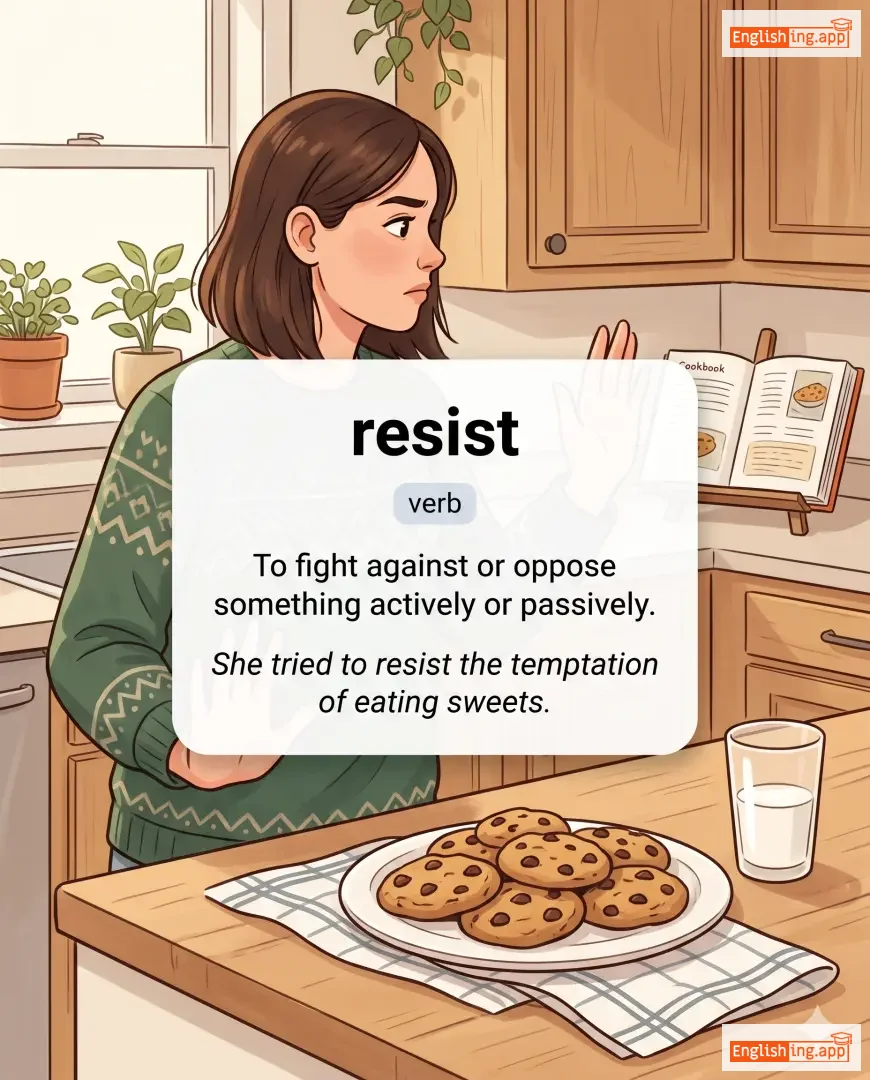
resist definition card — visual illustration of the meaning
verb
/rɪˈzɪst/
抵抗する (teikou suru)

To fight against or oppose something actively or passively.

"She tried to resist the temptation of eating sweets."
"彼女は甘いお菓子を食べたい誘惑に抵抗しようとしました。" (Kanojo wa amai okashi wo tabetai yuuwaku ni teikou shiyou to shimashita.)
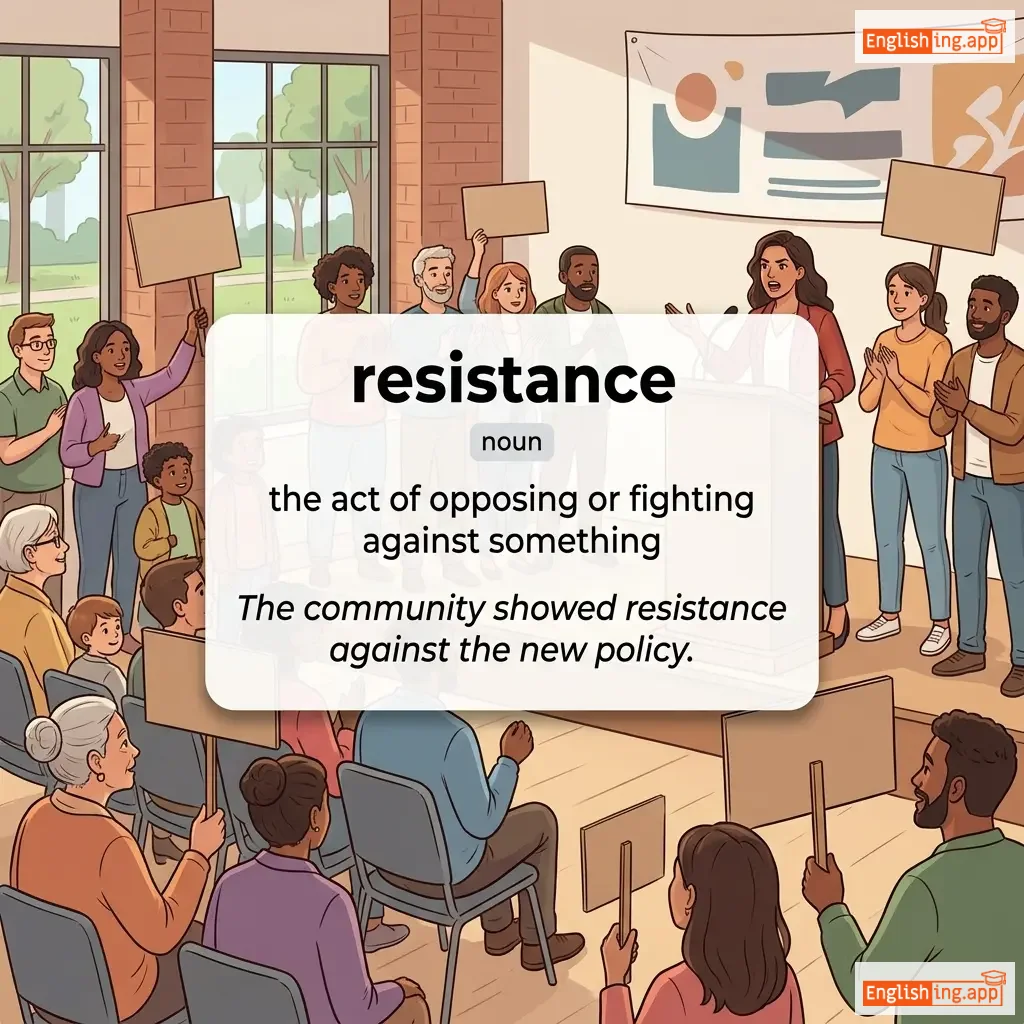
resistance definition card — visual illustration of the meaning
noun
/rɪˈzɪstəns/
抵抗 (teikou)

the act of opposing or fighting against something

"The community showed resistance against the new policy."

"コミュニティは新しい政策に対して抵抗を示した。" (Komyuniti wa atarashii seisaku ni taishite teikou o shimeshita.)
adjective
/rɪˈzɪstənt/
耐性 (taisei)

not affected by something; able to oppose or withstand

"This fabric is resistant to water and stains."

"この布は水と汚れに強いです。" (Kono nuno wa mizu to yogore ni tsuyoi desu.)
adjective
/rɪˈzɪstɪv/
抵抗性 (teikousei)

tending to resist or oppose; in physics, relating to electrical resistance

"The material has resistive properties that slow down current flow."

"その材料は、電流の流れを遅くする抵抗性の特性を持っています。" (Sono zairyō wa, denryū no nagare o osoku suru teikō-sei no tokusei o motteimasu.)
adjective
/rɪˈzɪstləs/
抗えない (aragenai)

Impossible to resist; having an overpowering effect.

"She felt a resistless urge to laugh at the joke."

"彼女はジョークで笑いたいという抗えない衝動を感じた。" (Kanojo wa jōku de waraitai to iu aragenai shōdō o kanjita.)
adjective
/ˈrɛzəluːt/
決然 (ketsuran)

Admirably purposeful, determined, and unwavering.

"He remained resolute despite the many challenges."
"彼は多くの困難にも関わらず決然としていた。" (Kare wa ōku no kon'nan ni mo kakawarazu ketsuran to shite ita.)
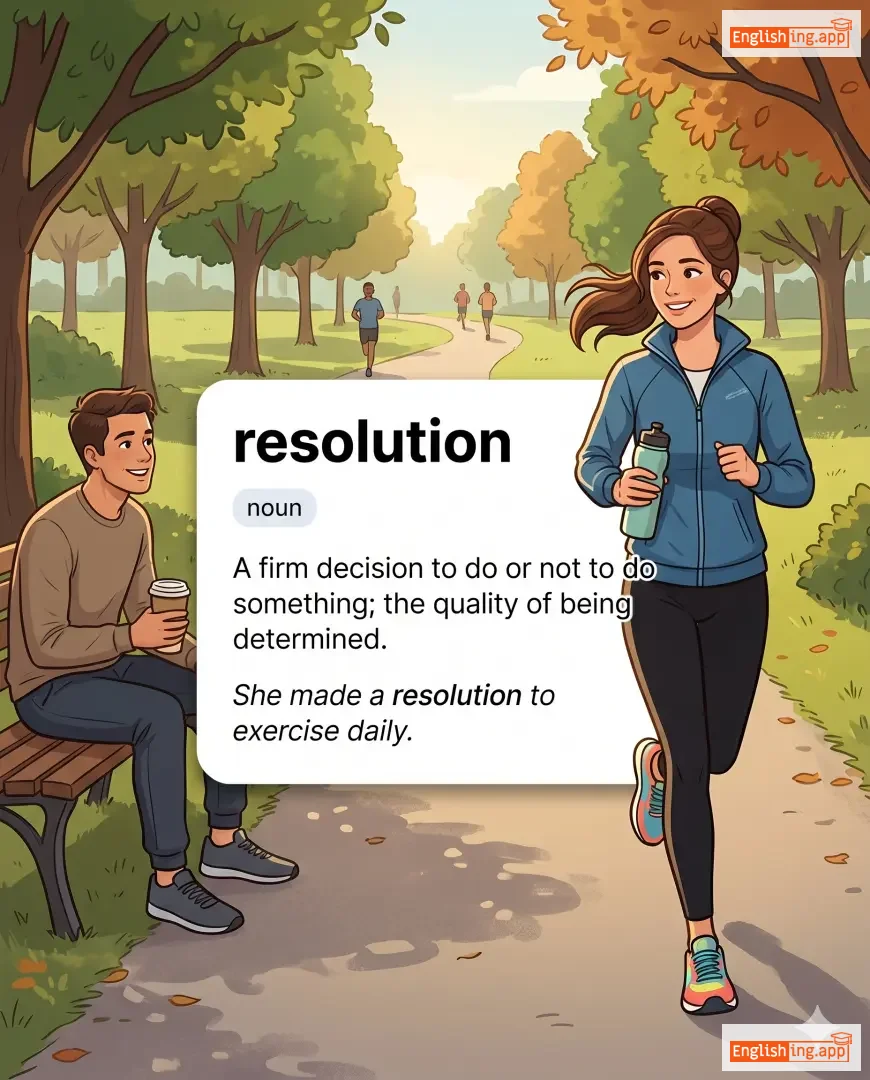
resolution definition card — visual illustration of the meaning
noun
/ˌrɛzəˈluːʃən/
決意 (ketsui)

A firm decision to do or not to do something; the quality of being determined.

"She made a resolution to exercise daily."
"彼女は毎日運動する決意をした。" (Kanojo wa mainichi undō suru ketsui o shita.)
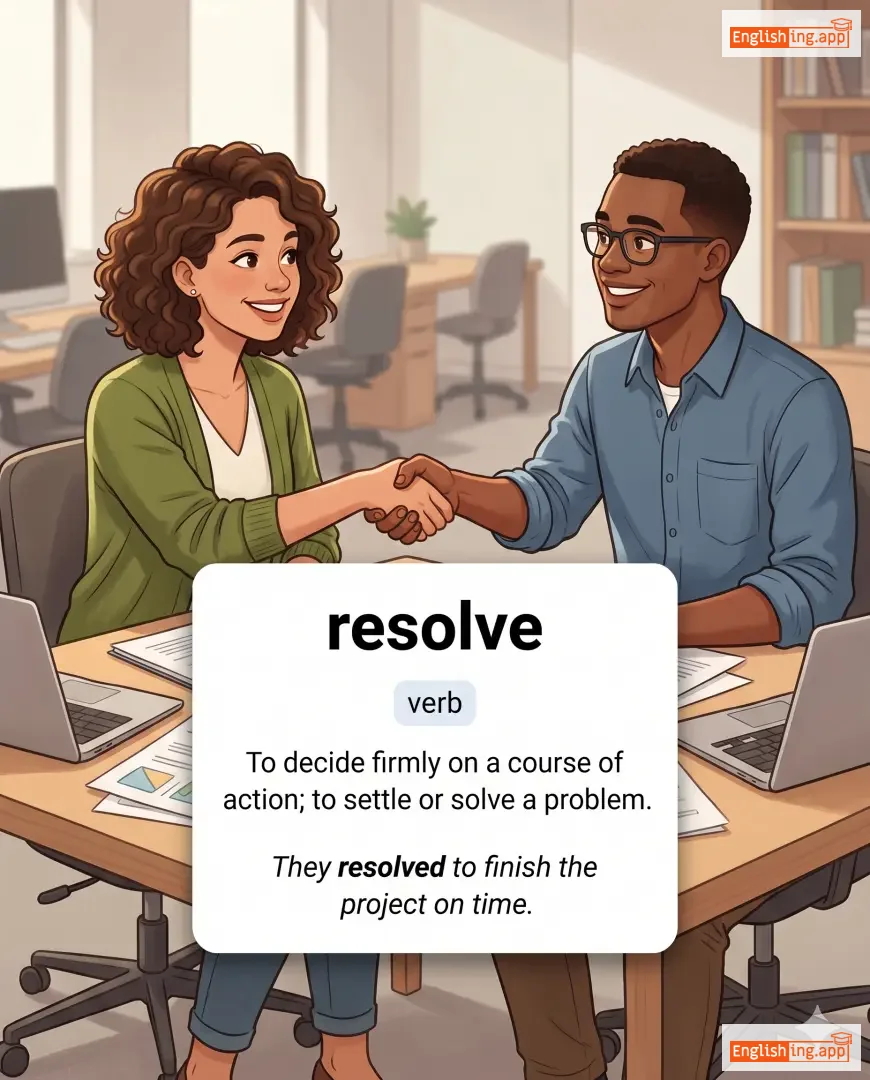
resolve definition card — visual illustration of the meaning
verb
/rɪˈzɒlv/
解決する (kaiketsu suru)

To decide firmly on a course of action; to settle or solve a problem.

"They resolved to finish the project on time."
"彼らはプロジェクトを時間通りに終わらせる決意をした。" (Karera wa purojekuto o jikan doori ni owaraseru ketsui o shita.)
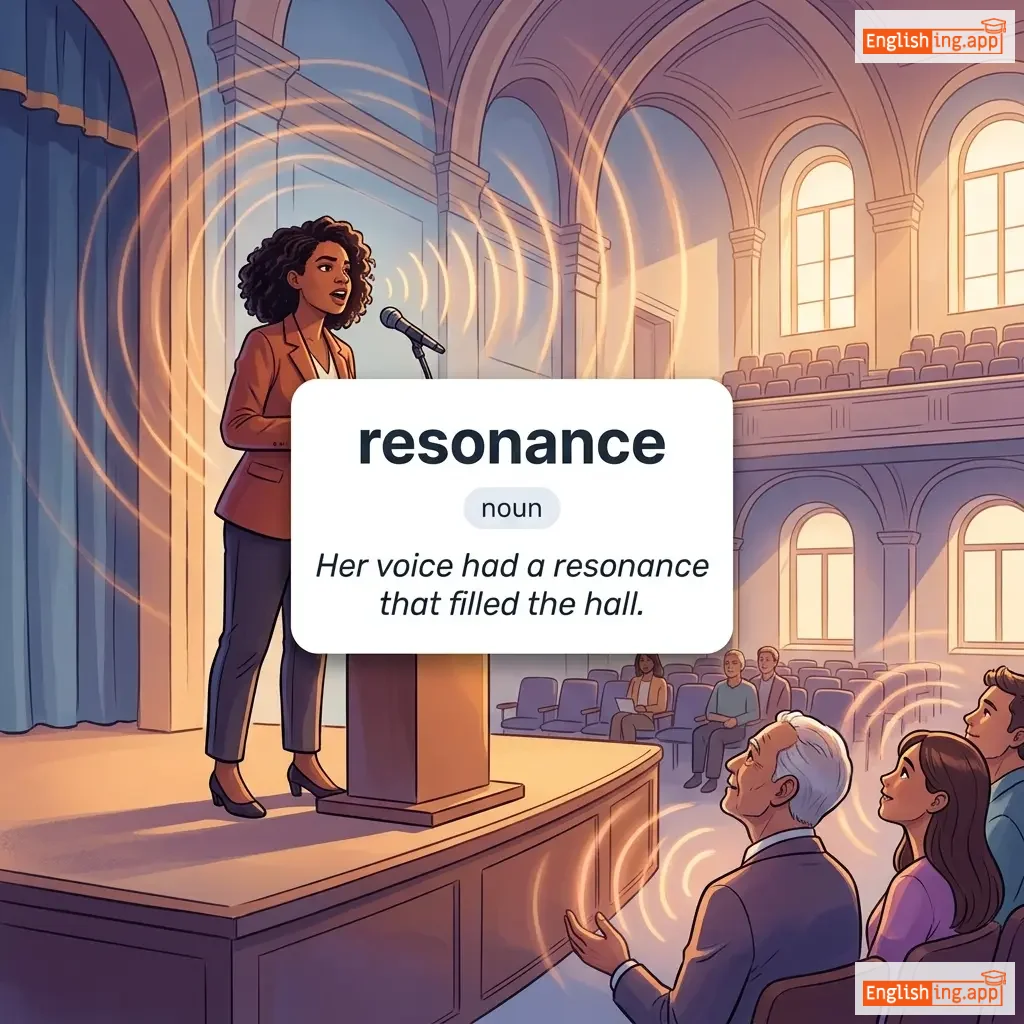
resonance definition card — visual illustration of the meaning
noun
/ˈrɛzənəns/
共鳴 (kyoumei)

The quality of a sound being deep, full, and reverberating; the ability to evoke a strong response.

"Her voice had a resonance that filled the hall."

"彼女の声にはホールを満たす共鳴があった。" (Kanojo no koe ni wa hōru o mitasu kyōmei ga atta.)
adjective
/ˈrɛzənənt/
響く (hibiku)

Deep, clear, and continuing to sound or echo.

"The resonant voice of the speaker filled the hall."

"スピーカーの響く声がホールに響き渡った。" (Supīka- no hibiku koe ga hōru ni hibikiwatta.)
verb
/ˈrɛzəneɪt/
共鳴する (kyoumei suru)

To produce or be filled with a deep, full, and reverberating sound; to evoke a feeling or memory.

"Her words resonated with the audience."

"彼女の言葉は聴衆に響いた。" (Kanojo no kotoba wa chōshū ni hibiki ta.)
noun, verb
/rɪˈzɔːrt/
リゾート / 最後の手段 (rizōto / saigo no shudan)

A place for rest or recreation; to turn to something for help or solution.

"They stayed at a beach resort during their vacation."

"彼らは休暇中にビーチリゾートに滞在しました。" (Karera wa kyūka-chū ni bīchi rizōto ni taizai shimashita.)
verb
/rɪˈzaʊnd/
反響する (hankyō suru)

To fill a place with sound; to be celebrated or talked about widely.

"The hall resounded with applause."

"ホールは拍手で反響しました。" (Hōru wa hakushu de hankyō shimashita.)
noun
/rɪˈsɔːrs/
資源 (shigen)

A supply of materials, money, or assets that can be used when needed.

"Water is a vital natural resource."
"水は重要な自然資源です。" (Mizu wa jūyō na shizen shigen desu.)
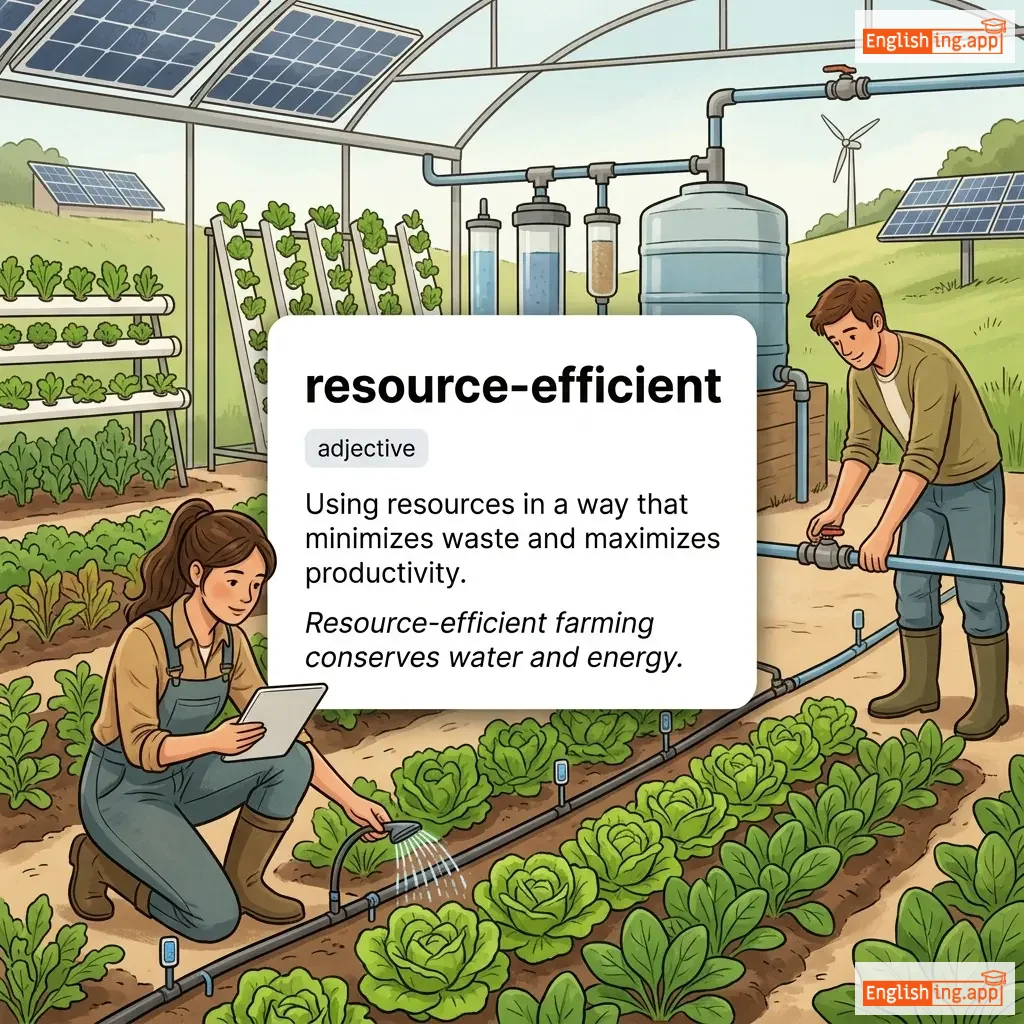
resource-efficient definition card — visual illustration of the meaning
adjective
/rɪˈsɔːrs ɪˈfɪʃ.ənt/
資源効率的 (shigen kōritsuteki)

Using resources in a way that minimizes waste and maximizes productivity.

"Resource-efficient farming conserves water and energy."

"資源効率的な農業は、水とエネルギーを節約します。" (Shigen kōritsuteki na nōgyō wa, mizu to enerugī o setsuyaku shimasu.)
adjective
/rɪˈsɔːrsfəl/

Having the ability to find quick and clever ways to overcome difficulties.

"She is very resourceful when it comes to solving unexpected problems."
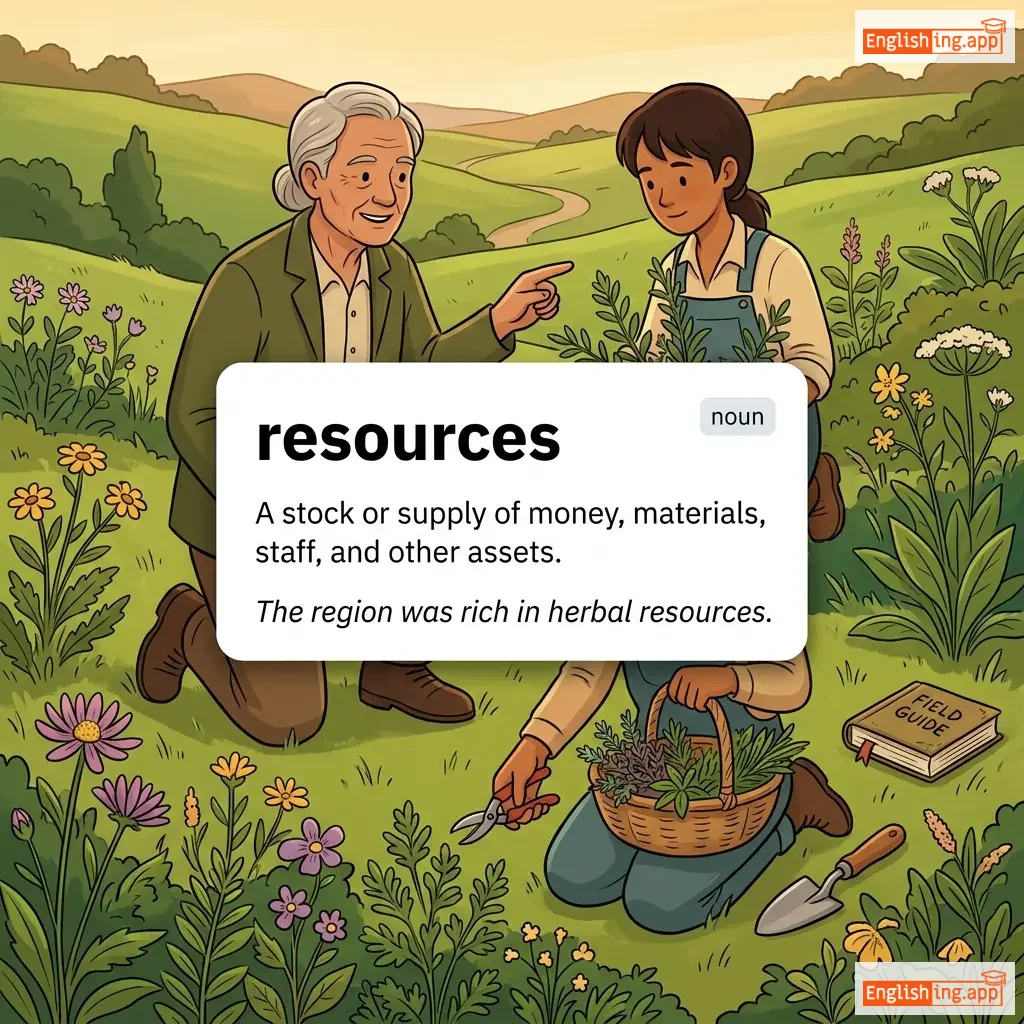
resources definition card — visual illustration of the meaning
noun
/rɪˈzɔː.sɪz/
資源 (shigen)

A stock or supply of money, materials, staff, and other assets.

"The region was rich in herbal resources."

"その地域は薬草の資源が豊富でした。" (Sono chiiki wa yakusou no shigen ga houfu deshita.)
respect definition card — visual illustration of the meaning
noun/verb
/rɪˈspɛkt/
尊敬 (sonkei)

to treat someone with admiration or regard; high regard for someone or something

"We should respect each other's opinions, even if we disagree."

"私たちは意見が違ってもお互いの意見を尊重すべきです。" (Watashitachi wa iken ga chigatte mo otagai no iken o sonkei subeki desu.)
adjective
/rɪˈspek.tə.bəl/
尊敬すべき (sonkei subeki)

worthy of respect; having good reputation; decent

"He comes from a respectable family in the community."

"彼は地域社会の尊敬すべき家族から来ました。" (Kare wa chiiki shakai no sonkei subeki kazoku kara kimashita.)
adverb
/rɪˈspek.tə.bli/
敬意を表して; きちんと; (keii o hyōshite; kichinto;)

in a way that is worthy of respect; decently; properly

"She was dressed respectably for the interview."

"彼女は面接のためにきちんとした服装をしていた。" (Kanojo wa mensetsu no tame ni kichinto shita fukusō o shite ita.)
adjective
/rɪˈspɛktɪv/
それぞれの (sorezore no)

belonging or relating separately to each of the people or things already mentioned

"The students were in their respective rooms."

"学生たちはそれぞれの部屋にいました。" (Gakusei-tachi wa sorezore no heya ni imashita.)
adverb
/rɪˈspɛktɪvli/
それぞれ (sorezore)

Separately and in the order already mentioned.

"The two teams scored 3 and 5 points, respectively."

"2つのチームはそれぞれ3点と5点を獲得しました。" (Futatsu no chīmu wa sorezore 3 ten to 5 ten o kakutoku shimashita.)