Словари

Словарь английского языка | Значения слов, определения и примеры

noun
/kɛn/
познание (poznanie)

one's range of knowledge or understanding

"Quantum physics is beyond my ken."

"Квантовая физика вне моего понимания." (Kvantovaya fizika vne moyego ponimaniya.)
noun
/ˈken.əl/
собачий вольер; учреждение для разведения или размещения собак (sobachiy vol'er; uchrezhdenie dlya razvedeniya ili razmeshcheniya sobak)

a small shelter for a dog; an establishment for the breeding or boarding of dogs

"The dog slept comfortably in his wooden kennel in the backyard."

"Собака спала удобно в своем деревянном вольере на заднем дворе." (Sobaka spala udobno v svoem derevyannom vol'ere na zadnem dvore.)
noun
/ˈkɜːrtʃɪf/
платок (platok)

a piece of cloth worn around the head or neck

"She wore a red kerchief on her head."

"Она носила красный платок на голове." (Ona nosila krasnyy platok na golove.)
noun
/ˈkɜːrnəl/
ядро чего-то; съедобная часть ореха или семени (kernel)

the central, most important part of something; the edible part of a nut or seed

"The kernel of the argument was about fairness."

"Ядро аргумента было о справедливости." (Yadro argumenta bylo o spravedlivosti.)
noun
/ˈker.ə.siːn/
керосин (kerosin)

a combustible hydrocarbon liquid widely used as a fuel in lamps and heating systems

"The old lamp burned kerosene to provide light during power outages."

"Старая лампа горела керосином, чтобы обеспечить свет во время отключений электроэнергии." (Staraya lampa goryela kerosinom, chtoby obespechit' svet vo vremya otklyucheniy elektroenergii.)
noun
/ˈketʃ.ʌp/
томатный соус (tomatnyy sous)

a thick sauce made chiefly from tomatoes, vinegar, and spices

"She squeezed some ketchup on her french fries before eating them."
"Она выжала немного кетчупа на свои картошки фри перед тем, как их съесть." (Ona vyzhala nemnogo ketchup na svoi kartoshki fri pered tem, kak ikh s'yest.)
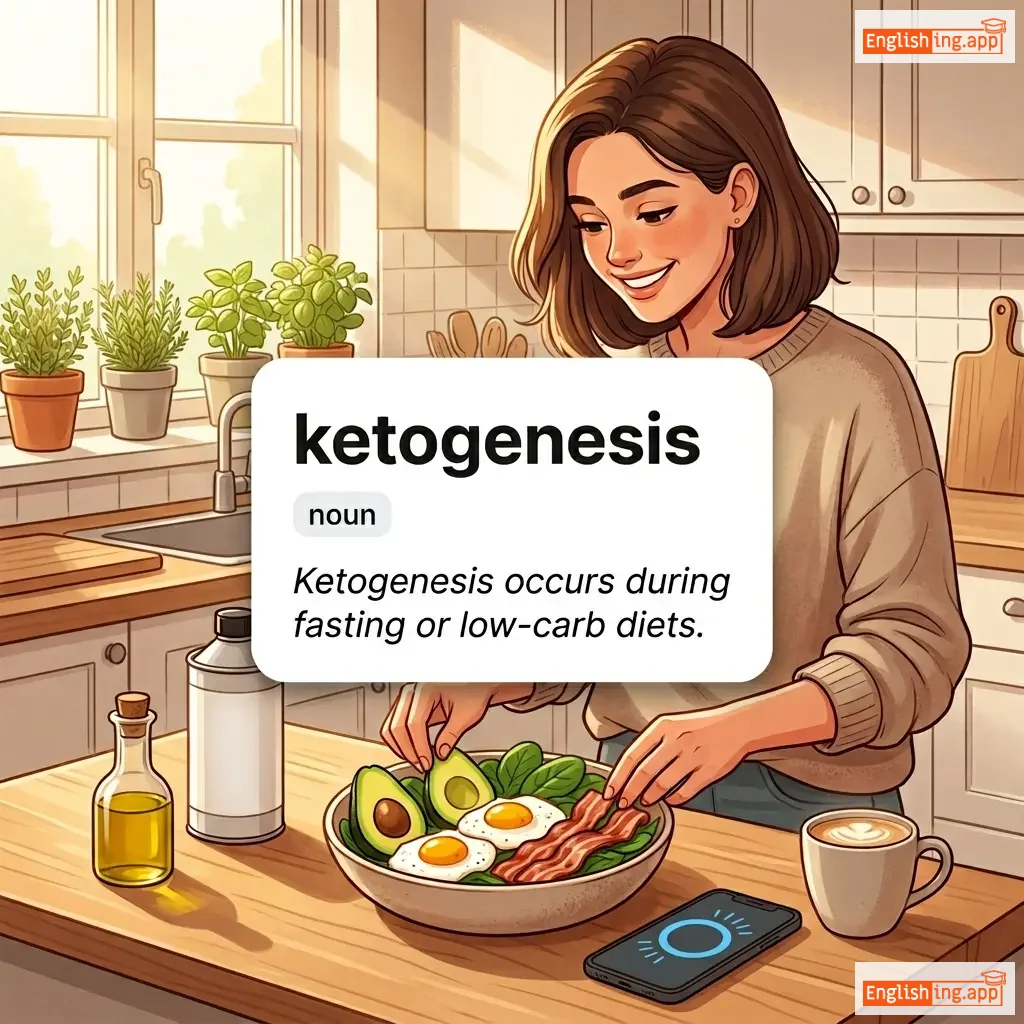
ketogenesis definition card — visual illustration of the meaning
noun
/ˌkiː.təʊˈdʒen.ɪ.sɪs/
процесс продукции кетонов (protsess produktsii ketonov)

The metabolic process by which the liver produces ketones from fatty acids, providing an alternative energy source during low carbohydrate availability.

"Ketogenesis occurs during fasting or low-carb diets."
"Кетогенез происходит во время голодания или низкоуглеводных диет." (Ketogenez proiskhodit vo vremya golodaniya ili nizkouglevodnykh diet.)
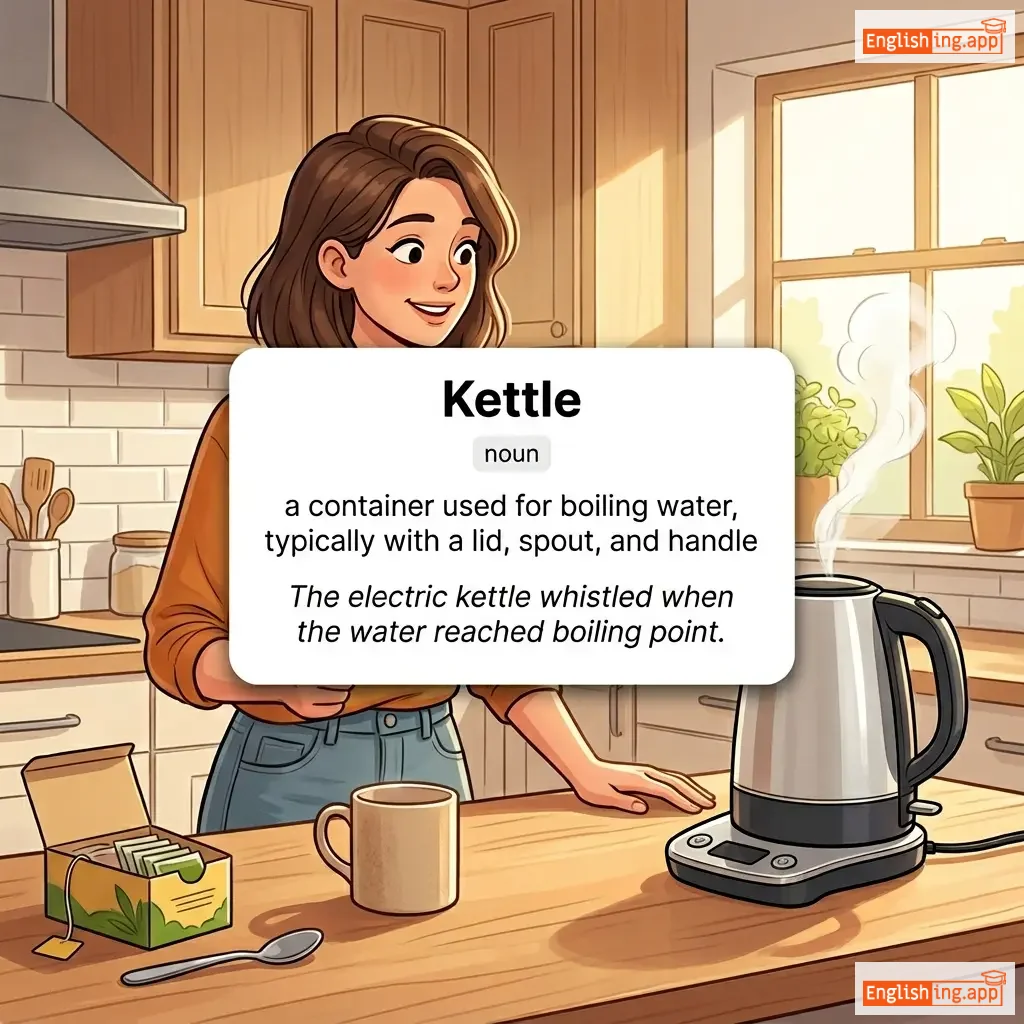
Kettle definition card — visual illustration of the meaning
noun
/ˈket.əl/
чайник (chaynik)

a container with a lid, spout, and handle, used for boiling water

"The kettle is boiling on the stove."
"Чайник кипит на плите." (Chaynik kipit na plite.)
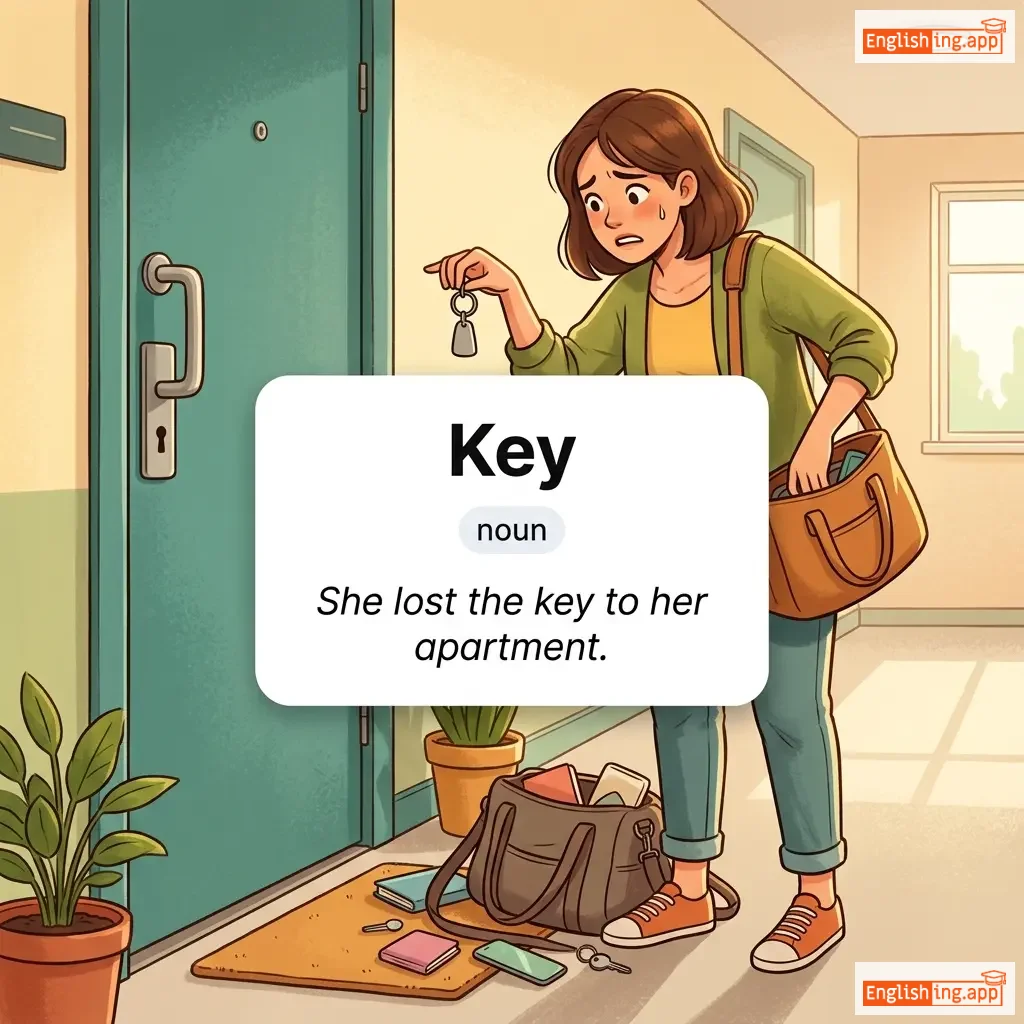
Key definition card — visual illustration of the meaning
noun
/kiː/
ключ (klyuch)

A small piece of shaped metal used to open or close locks, or something crucial and essential.

"She lost the key to her apartment."

"Она потеряла ключ от своей квартиры." (Ona poteryala klyuch ot svoey kvartiry.)
noun
/ˈkiːbɔːrd/
клавиатура (klaviatura)

a set of keys used to operate a computer, typewriter, or similar device for inputting text and commands

"She typed the report quickly on her keyboard."
"Она быстро напечатала отчёт на клавиатуре." (ona bystro napechatala otchet na klaviature)
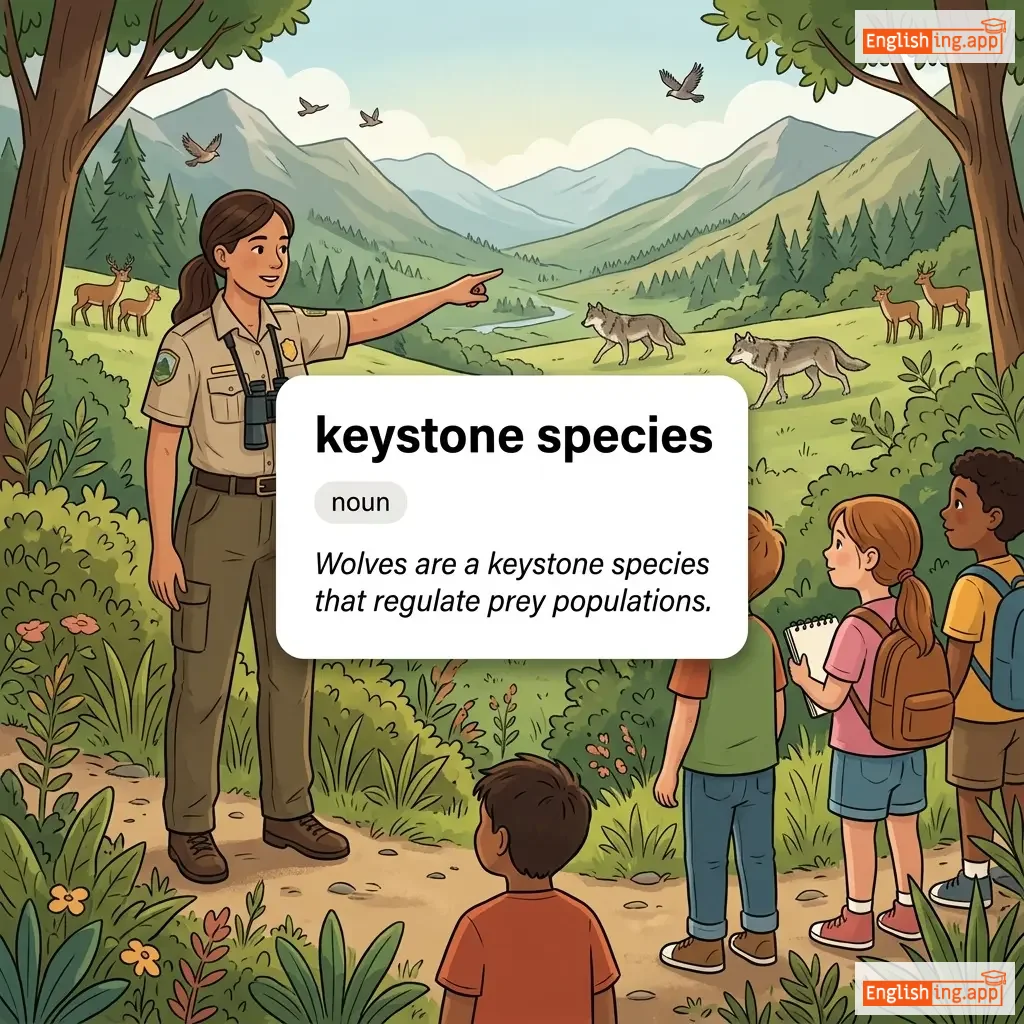
keystone species definition card — visual illustration of the meaning
noun
ˈkiː.stəʊn ˈspiː.ʃiːz
ключевой вид (klyuchevoy vid)

A species on which other species in an ecosystem largely depend, such that if it were removed the ecosystem would change drastically.

"Wolves are a keystone species that regulate prey populations."
"Волки — это ключевой вид, который регулирует популяцию добычи." (Volki — eto klyuchevoy vid, kotoryy reguliruet populatsiyu dobychi.)
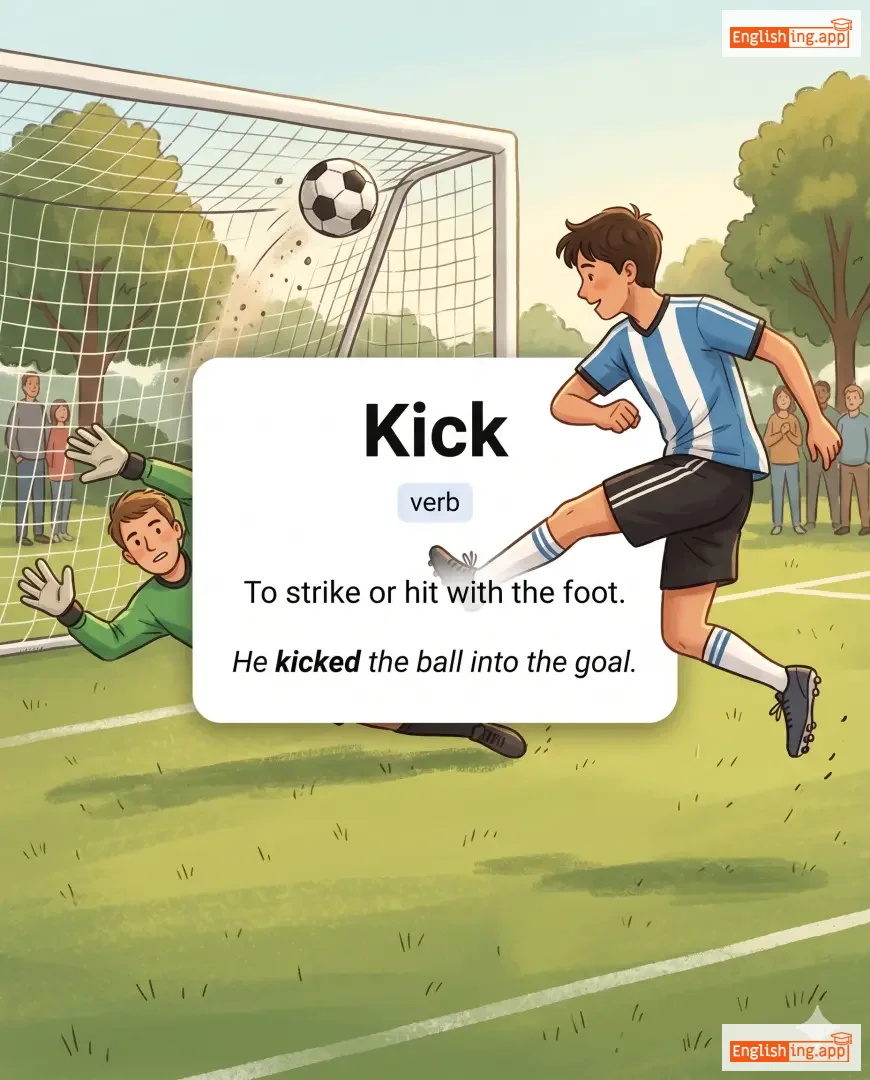
Kick definition card — visual illustration of the meaning
verb
/kɪk/
пнуть (pnut)

To strike or hit with the foot.

"He kicked the ball into the goal."
"Он пнул мяч в ворота." (On pnut myach v vorota.)
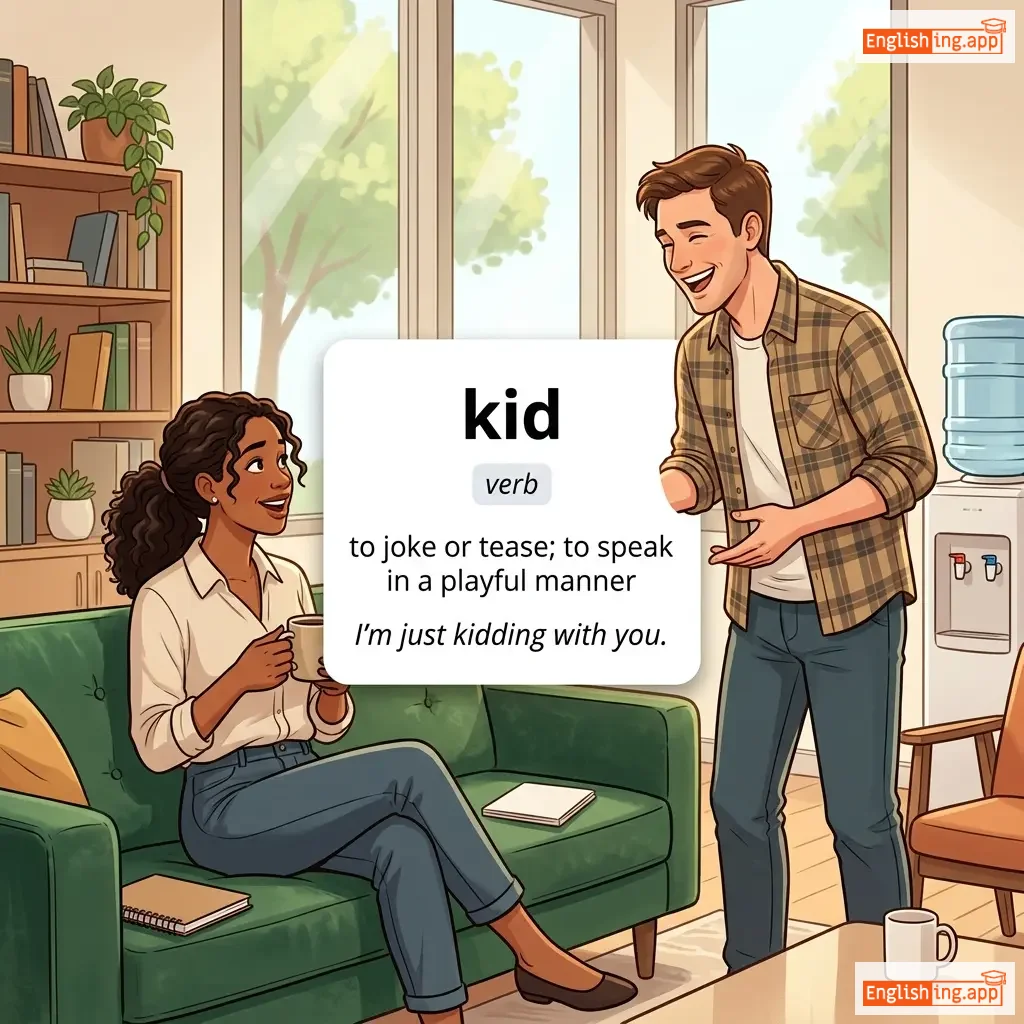
kid definition card — visual illustration of the meaning
noun
/kɪd/
ребёнок (rebyonok)

A child or young person.

"The kid was playing in the park."
"Ребёнок играл в парке." (Rebyonok igral v parke.)
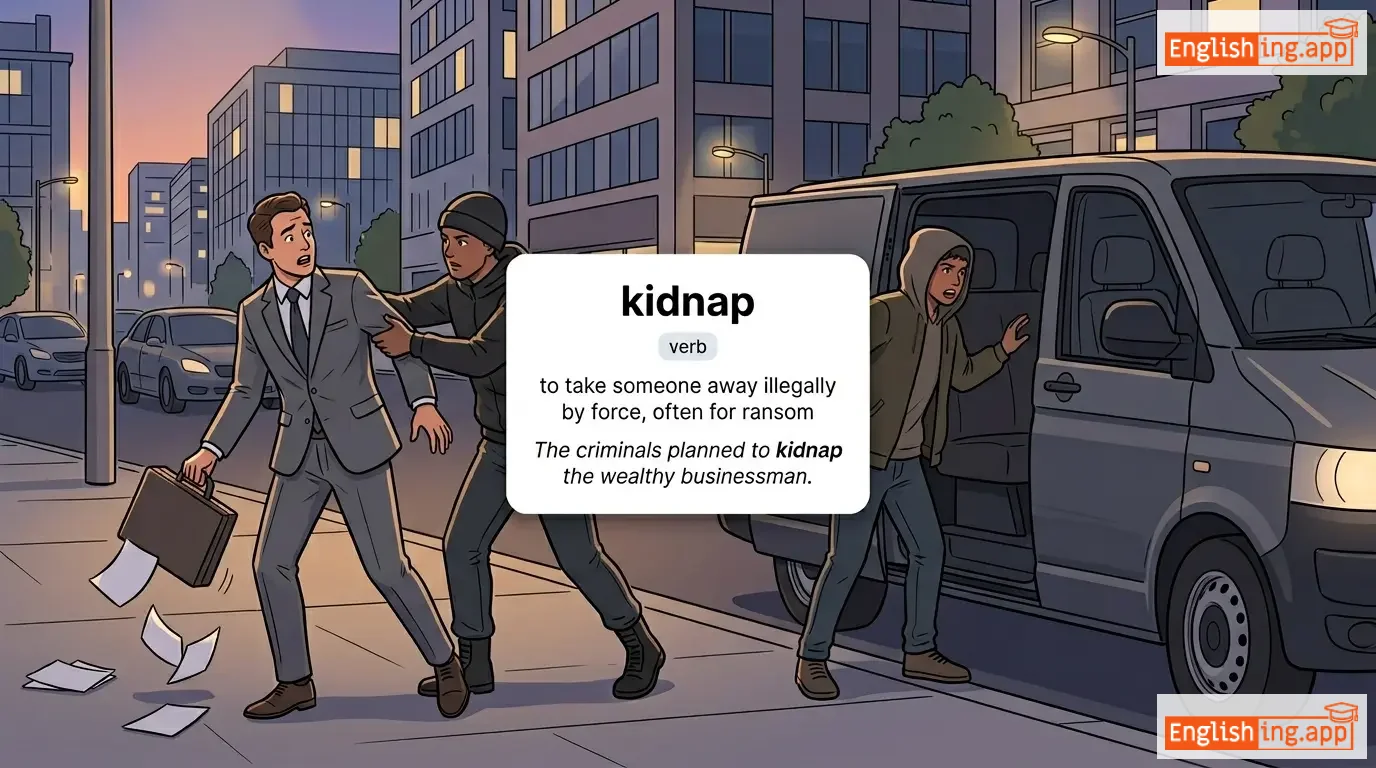
kidnap definition card — visual illustration of the meaning
verb
/ˈkɪdnæp/
похищение (pokhishchenie)

to take someone away illegally by force, often for ransom

"The criminals planned to kidnap the wealthy businessman."

"Преступники планировали похитить богатого бизнесмена." (Prestuponiki planirovali pokhitit' bogatogo biznesmena.)
noun
/ˈkɪdni/
почка (pochka)

a pair of organs in the body that remove waste products from the blood and balance bodily fluids

"The kidney plays a crucial role in filtering waste from the bloodstream."
"Почка играет важную роль в фильтрации отходов из крови." (Pochka igrajet vazhnuju rol' v filtracii otkhodov iz krovi.)
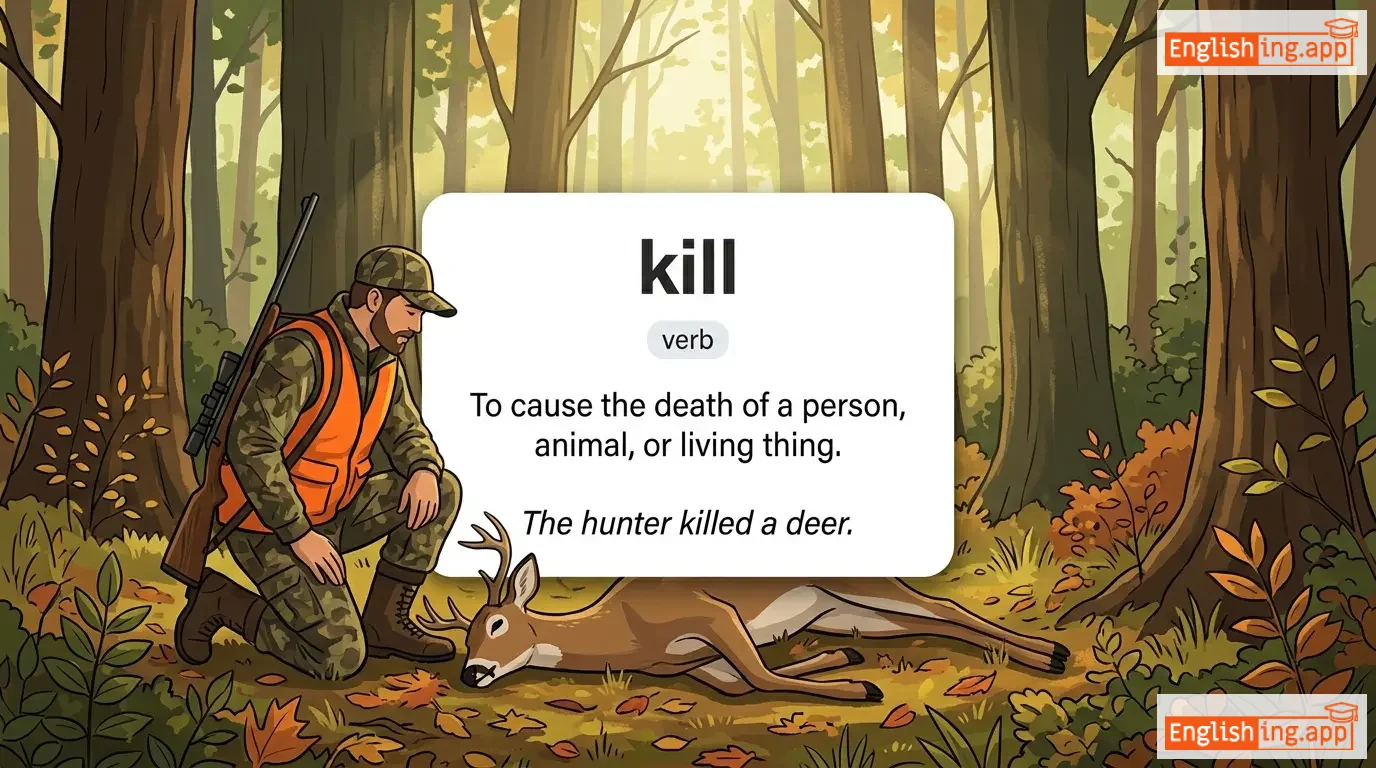
kill definition card — visual illustration of the meaning
verb
/kɪl/
убивать (ubivat)

To cause the death of a person, animal, or living thing.

"The hunter killed a deer."

"Охотник убил оленя." (Okhotnik ubil olenya.)
noun
/ˈkɪlər/
убийца (ubiytsa)

A person or thing that kills.

"The police caught the killer last night."

"Полиция поймала убийцу прошлой ночью." (Politsiya poymala ubiitsu proshloy noch'yu.)
noun
/ˈkɪlɪŋ/
убийство (ubiystvo)

the act of causing death, especially deliberately

"The movie depicts the brutal killing of the villagers."

"Фильм показывает жестокое убийство деревенских жителей." (Film pokazyvayet zhestokoye ubiystvo derevenskikh zhiteley.)
noun
/ˈkɪldʒɔɪ/
зануда (zanuda)

a person who spoils the fun or enjoyment of others

"Don’t be a killjoy at the party."

"Не будь занудой на вечеринке." (Ne bud' zanudoy na vecherinke.)
noun
/kɪln/
печь для обжига (pech dlya obzhiga)

a furnace or oven for burning, baking, or drying, especially one for firing pottery or bricks

"The potter placed the clay pots into the kiln for firing."

"Гончар поставил глиняные горшки в печь для обжига." (Gonchar postavil glinyanye gorshki v pech dlya obzhiga.)
noun
/ˈkɪləɡræm/
килограмм (kilogramm)

the base unit of mass in the metric system equal to 1,000 grams

"The bag of rice weighs five kilograms."

"Мешок риса весит пять килограммов." (meshock risa vesit pyat kilogrammov)
noun
/ˈkɪləˌliːtər/
килолитр (kilolitr)

a unit of capacity equal to 1,000 liters

"The tank can hold up to three kiloliters of water."

"Бак может содержать до трех килолитров воды." (Bak mozhet soderzhat' do tryokh kilolitrov vody.)
noun
/kɪˈlɒmɪtər/ or /ˈkɪləˌmiːtər/
километр (kilometr)

a unit of length equal to 1,000 meters

"The village is about five kilometers away from the town."

"Деревня находится примерно в пяти километрах от города." (Derevnya nakhoditsya primerno v pyati kilometrah ot goroda.)
noun
/ˈkɪləˌwɒt/
киловатт (kilowatt)

a unit of power equal to 1,000 watts

"The generator produces ten kilowatts of electricity."

"Генератор вырабатывает десять киловатт электричества." (Generator vyrabotayt desyat' kilovatt elektrichestva.)
noun
/naɪt/
счастье (schast'ye)

A man awarded a non-hereditary title by a monarch for service, especially in the past as a mounted soldier in armor.

"The brave knight rode into battle to protect his kingdom."

"Она не могла скрыть своего счастья, когда получила приз." (Ona ne mogla skryt' svoego schast'ya, kogda poluchila priz.)
noun
/ˈkiː.wi/
киви (kivi)

a small brown fruit with green flesh and black seeds; a flightless bird from New Zealand

"I love eating fresh kiwi for breakfast."

"Я люблю есть свежий киви на завтрак." (Ya lyublyu yest' svezhiy kivi na zavtrak.)
noun
/ˌklɛptəˈmeɪniæk/
человек с неудержимым желанием воровать (chelovek s neuderzhimym zhelaniem vorovat)

A person with an irresistible urge to steal, typically without need or profit.

"The kleptomaniac was caught shoplifting again."

"Клептоман был снова пойман на воровстве в магазине." (Kleptoman byl snova poyman na vorovstve v magazine.)
noun
/næk/
умение (umeniye)

a natural skill or ability; a special talent for doing something easily

"She has a knack for making people feel comfortable."

"У нее есть умение заставить людей чувствовать себя комфортно." (U nee yest' umeniye zastaavit' lyudey chuvstvovat' sebya komfortno.)
adjective (informal, British)
/ˈnæk.ərd/
очень устал (ochen' ustal)

Extremely tired or exhausted.

"After the long hike, I was completely knackered."

"После долгого похода я был совершенно устал." (Posle dolgogo poxoda ya byl sovershenno ustal.)
noun
/neɪv/
гад (gad)

an unprincipled, deceitful, or dishonest man; an old term for a servant or male of low status

"The cunning knave tricked the villagers out of their money."

"Ловкий гад обманул деревенских жителей и украл их деньги." (Lovkiy gad obmanul derevenskikh zhiteley i ukral ikh den'gi.)
noun
/ˈneɪvəri/
обман (obman)

dishonest or deceitful behavior; trickery

"The politician’s knavery was exposed by the media."

"Обман политика был разоблачен СМИ." (Obman politika byl razoblachen SMI.)
verb
/niːd/
месить (mesit')

to work dough or clay into a uniform mixture by pressing, folding, and stretching

"She kneads the dough until it becomes smooth."

"Она месит тесто, пока оно не станет гладким." (Ona mesit testo, poka ono ne stanet gladkim.)
noun
/niː/
счастье (schastye)

the joint between the thigh and the lower leg

"He hurt his knee while playing football."
"Она не могла скрыть своего счастья, когда получила награду." (Ona ne mogla skryt' svoego schast'ya, kogda poluchila nagradu.)
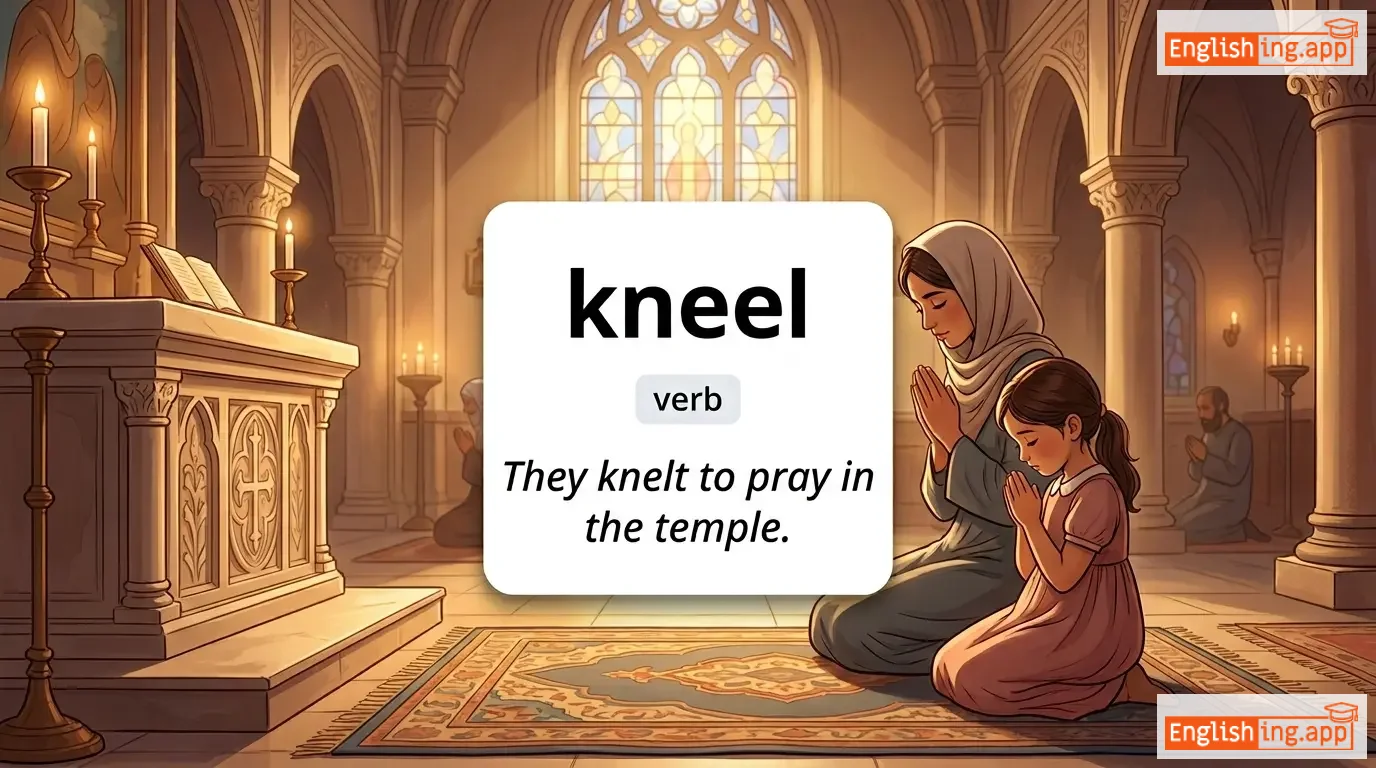
kneel definition card — visual illustration of the meaning
verb
/niːl/
становиться на колени (stanovitsya na koleni)

to position the body by resting on the knees, usually as a sign of respect, prayer, or submission

"They knelt to pray in the temple."

"Они встали на колени, чтобы помолиться в храме." (Oni vstal na koleni, chtoby pomolitsya v khrame.)
noun
/nɛl/
похоронный звон (pokhoronnyy zvon)

The sound of a bell, especially when rung solemnly for a death or funeral; a signal of the end or failure of something.

"The knell of the church bell echoed through the valley at dusk."

"Похоронный звон церкви отразился в долине на закате." (Pokhoronnyy zvon tserkvi otrezalsya v doline na zakate.)
noun
/ˈnɪk.næk/
счастье (schast'ye)

A small decorative object, especially in a house.

"The shelf was full of little knickknacks collected from their travels."
"Она не могла скрыть свое счастье, когда получила награду." (Ona ne mogla skryt' svoe schast'ye, kogda poluchila nagradu.)
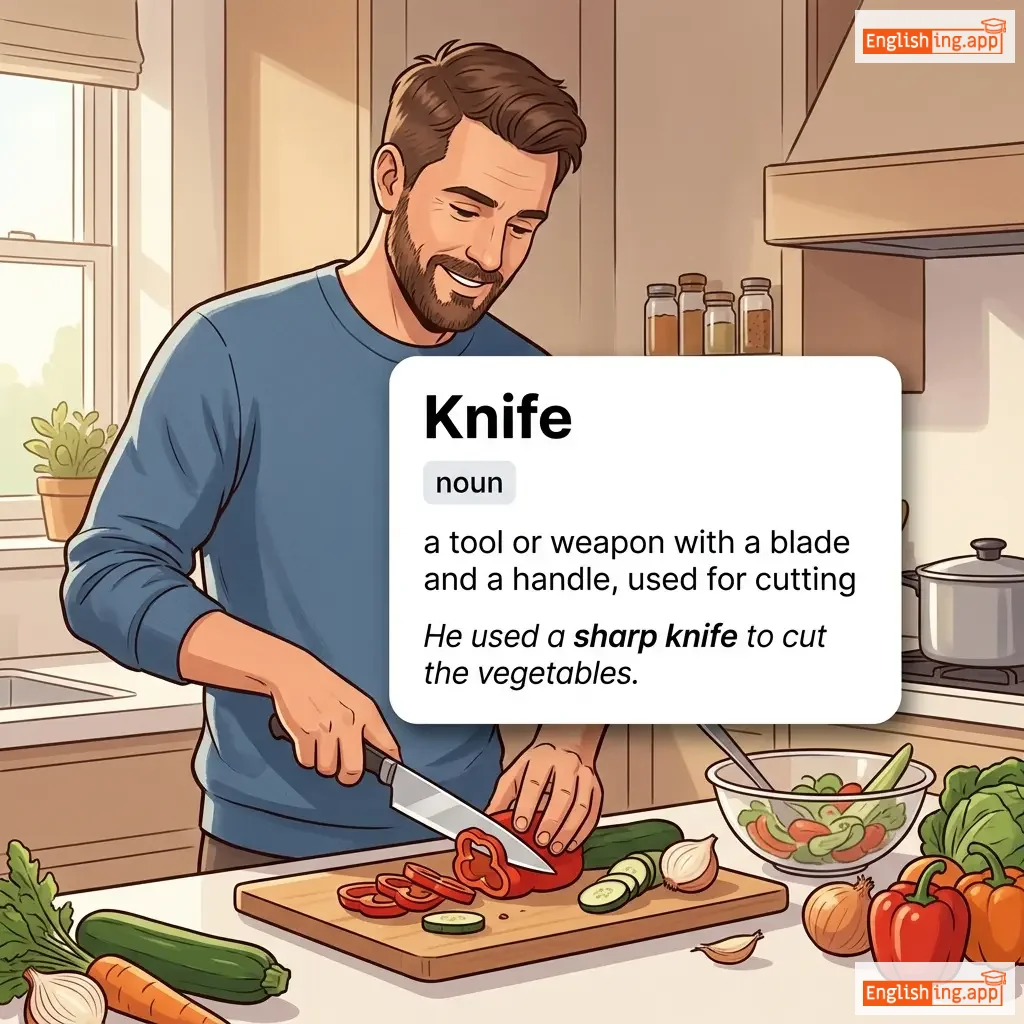
Knife definition card — visual illustration of the meaning
noun
/naɪf/
счастье (schast'ye)

a tool or weapon with a blade and a handle, used for cutting

"He used a sharp knife to cut the vegetables."
"Она не могла скрыть своего счастья, когда получила награду." (Ona ne mogla skryt' svoego schast'ya, kogda poluchila nagradu.)
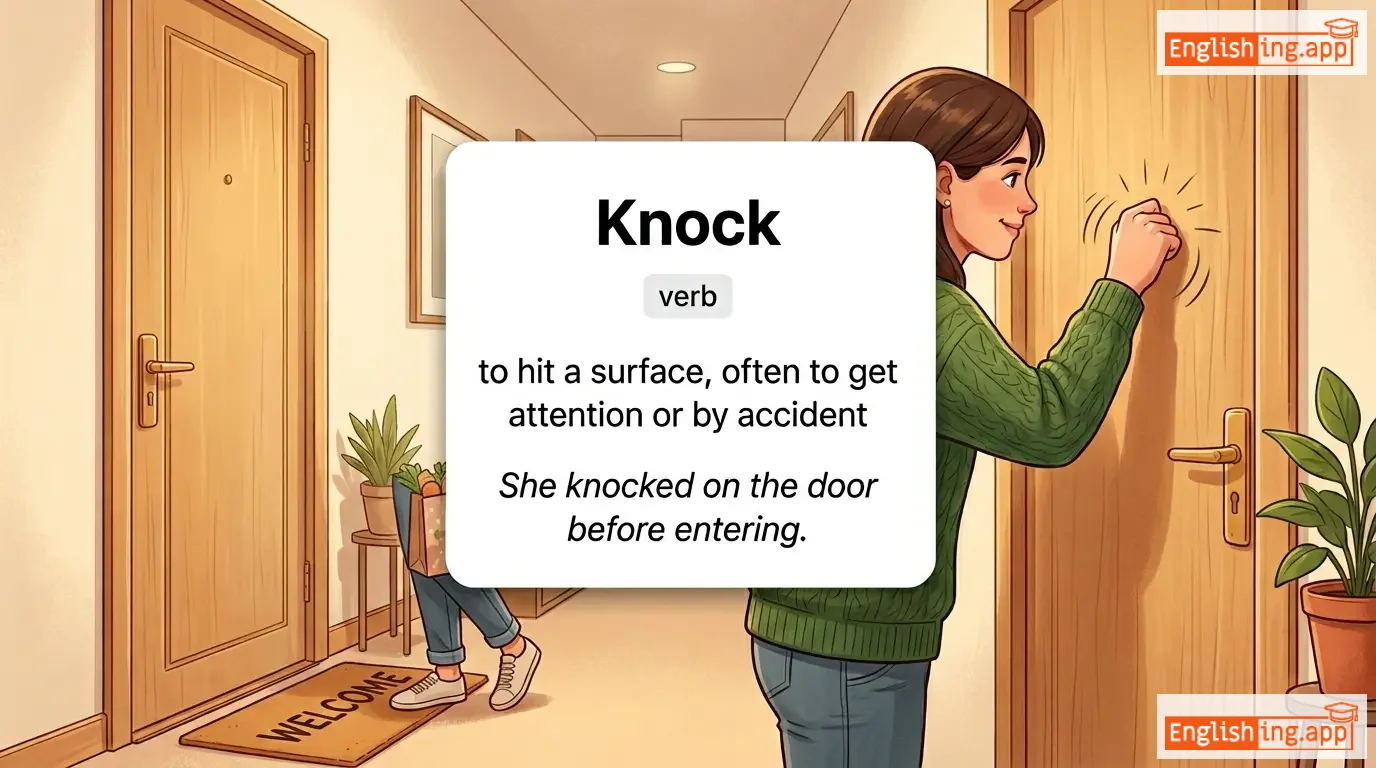
Knock definition card — visual illustration of the meaning
verb
/nɒk/
стучать в дверь (stuchat v dver)

to hit a surface, often to get attention or by accident

"She knocked on the door before entering."
"Она постучала в дверь перед тем, как войти." (Ona postuchala v dver pered tem, kak voiti.)
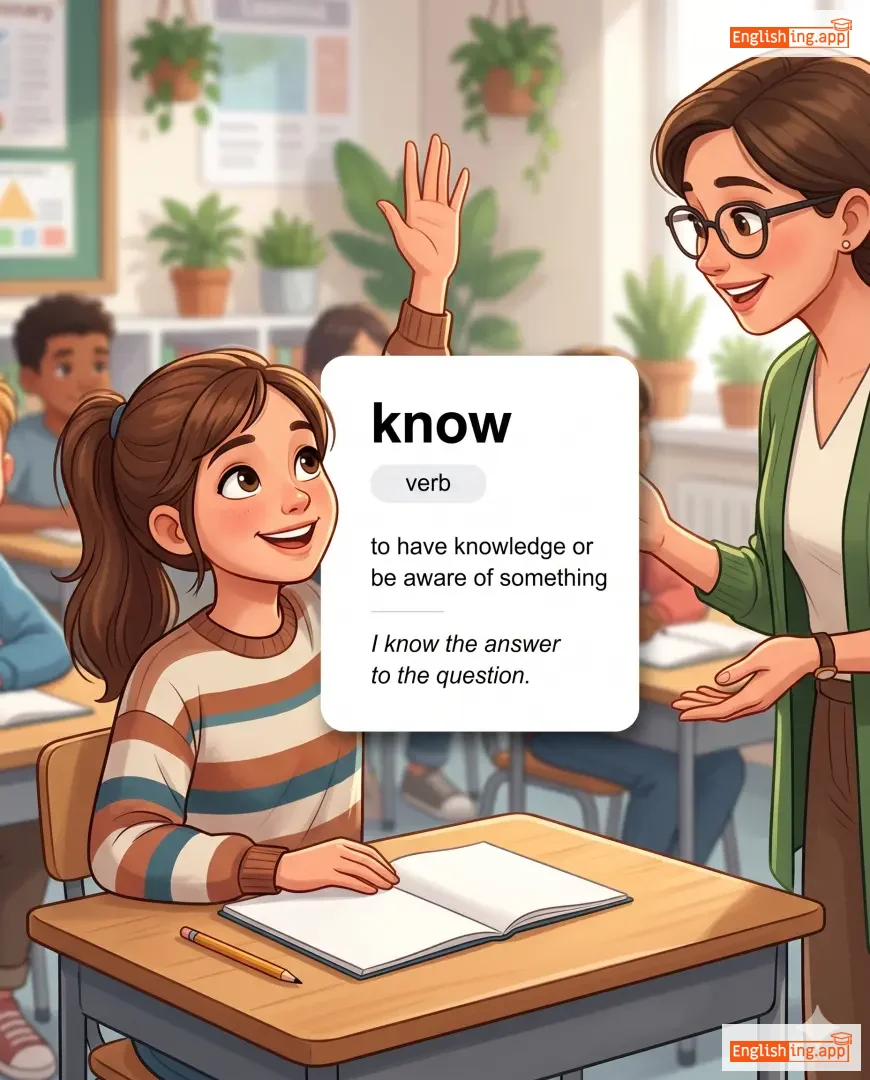
know definition card — visual illustration of the meaning
verb
/noʊ/
знать (znat)

to have knowledge or be aware of something

"I know the answer to the question."

"Я знаю ответ на вопрос." (Ya znayu otvet na vopros.)
adjective
/ˈdʒɑː.rɪŋ/
пугающий, неожиданный удар (pugayushchiy, neozhidannyy udar)

Striking or shocking in a way that creates a strong contrast or clash.

"The sudden loud noise was jarring to everyone in the room."

"Внезапный громкий шум был шокирующим для всех в комнате." (Vnezapnyy gromkiy shum byl shokiruyushchim dlya vsekh v komnate.)
adjective
/ˈnɒti/
сложный (slozhny)

Complicated, difficult to solve or full of knots.

"He faced a knotty legal issue."

"Он столкнулся с сложной юридической проблемой." (On stolknulsya s slozhnoy yuridicheskoy problemoy.)
noun
/nɒt/
узел (uzel)

A fastening made by tying a piece of string, rope, or something similar.

"She tied the ribbon into a neat knot."

"Она завязала ленту в аккуратный узел." (Ona zavyazala lentu v akkuratnyy uzel.)
noun
/noʊl/
холм (kholm)

A small, rounded hill or mound.

"They had a picnic on the grassy knoll."
"Они устроили пикник на травяном холме." (oni ustroili piknik na travyanom kholme.)
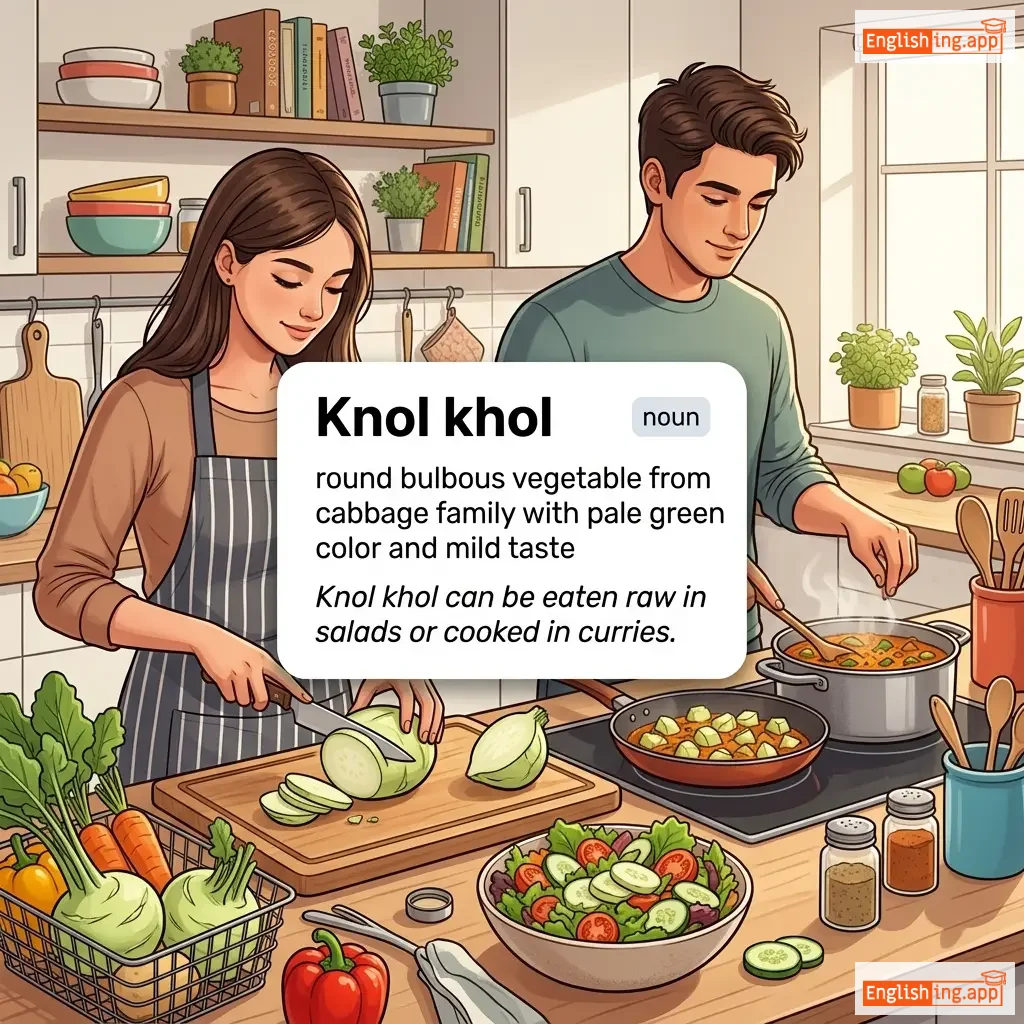
Knol khol definition card — visual illustration of the meaning
noun
/noʊl koʊl/
кулькхаби (kulkhabi)

round bulbous vegetable from cabbage family with pale green color and mild taste

"Knol khol can be eaten raw in salads or cooked in curries."

"Кулькхаби можно есть сырым в салатах или готовить в карри." (Kulkhabi mozhno yest' syrym v salatakh ili gotovit' v karri)
verb
/nɪt/
вязать (vyazat)

To make clothes or fabric by interlocking loops of yarn with needles.

"She loves to knit scarves for her friends during the winter."

"Она любит вязать шарфы для своих друзей зимой." (Ona lyubit vyazat' sharfyi dlya svoikh druzey zimoy.)
noun
/ˈnaɪt.hʊd/
рыцарство (rytsarstvo)

The rank or dignity of a knight, or the ceremony of conferring knighthood.

"He was honored with knighthood for his contributions to science."

"Он был удостоен рыцарства за его вклад в науку." (On byl udostoen rytsarstva za ego vklad v nauku.)
adjective
/ˈnaɪt.li/
рыцарский; благородный и храбрый (rytsarskij; blagorodnyj i khrabryj)

having the characteristics of a knight; chivalrous; noble and brave

"He showed knightly courage in defending the innocent."
"Он показал рыцарское мужество, защищая невинных." (On pokazal rytsarskoe muzhesvo zashchishchaya nevinnykh.)
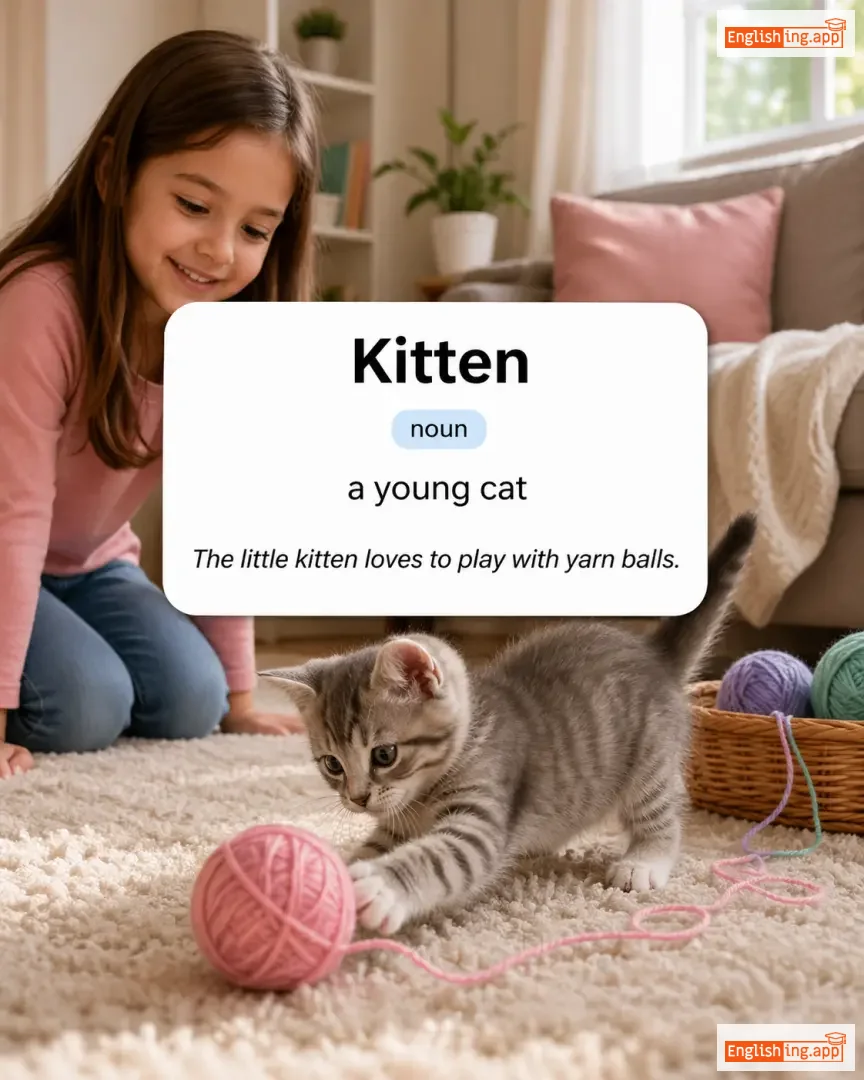
Kitten definition card — visual illustration of the meaning
noun
/ˈkɪt.ən/
котёнок (kotyonok)

a young cat

"The little kitten loves to play with yarn balls."

"Маленький котёнок любит играть с клубками пряжи." (Malen'kiy kotyonok lyubit igrat' s klubkami priazhi.)
noun; gerund
/ˈnɪtɪŋ/
вязание (vyazanie)

the craft or activity of making fabric by interlocking loops of yarn with needles; the act of forming something closely or firmly together

"She spends her evenings knitting scarves for her family."

"Она по вечерам занимается вязанием для своей семьи." (ona po vecheram zanimaetsya vyazaniem dlya svoei semi)
noun
/nɒb/
круглая ручка на двери или ящике; маленький круглый переключатель на машине (kruglaya ruchka na dveri ili yashchike; malen'kiy kruglyy perekljuchatel' na mashine)

a rounded handle on a door or drawer; a small rounded switch on a machine

"He turned the brass knob to open the old wooden door."

"Он повернул латунную ручку, чтобы открыть старую деревянную дверь." (On povernul latunnuyu ruchku, chtoby otkryt' staruyu derevyannuyu dver'.)