語彙集

英単語辞書 | 単語の意味、定義、例文

adjective
/fjuːˈɡeɪʃəs/
儚い (hakanai)

Lasting only a short time; fleeting or ephemeral.

"Youth is beautiful but fugacious."

"青春は美しいが、儚い。" (Seishun wa utsukushii ga, hakanai.)
noun
/ˈfjuːdʒətɪv/
逃亡者 (toubousha)

A person who has escaped from captivity or is in hiding, usually to avoid arrest.

"The police captured the fugitive after a long chase."

"警察は長い追跡の後、逃亡者を捕まえました。" (Keisatsu wa nagai tsuiseki no ato, toubousha o tsukamaemashita.)
noun
/ˈfʊl.krəm/
支点 (shiten)

The point or support on which a lever pivots; a central or essential point of activity or support.

"The teacher became the fulcrum of change in the school."

"教師は学校の変革の支点となった。" (Kyōshi wa gakkō no henka no shiten to natta.)
verb
/fʊlˈfɪl/
果たす (hatasu)

to complete or achieve something that was expected or promised; to satisfy a requirement or desire

"She worked hard to fulfil her dream of becoming a doctor."

"彼女は医者になる夢を果たすために一生懸命働いた。" (Kanojo wa isha ni naru yume o hatasu tame ni isshoukenmei hataraita)
verb
/fʊlˈfɪl/
実現する (jitsugen suru)

to complete or accomplish something, especially a task or promise

"He worked hard to fulfill his dreams."

"彼は夢を実現するために一生懸命働きました。" (Kare wa yume o jitsugen suru tame ni isshōkenmei hatarakimashita.)
adjective
/ˈfʊl.dʒənt/
輝かしい (kagayakashii)

Shining brightly; dazzling.

"The fulgent stars lit up the night sky."

"輝かしい星々が夜空を照らした。" (Kagayakashi hoshiboshi ga yozora wo terashita.)
adjective
/fʊl/
満杯 (manpai)

Containing as much or as many as possible; complete.

"The glass is full of water."

"グラスは水で満杯です。" (Gurasu wa mizu de manpai desu.)
adjective
/ˌfʊl ˈbɒd.id/
濃厚な味わい (nōkō na ajiwai)

Having a strong, rich, and robust quality, especially of wine, coffee, or voice.

"He prefers a full-bodied red wine with his dinner."

"彼は夕食に濃厚な味わいの赤ワインを好みます。" (Kare wa yūshoku ni nōkō na ajiwai no akawain o konomimasu.)
adjective, adverb
/ˈfʊl taɪm/
フルタイム (furu taimu)

working or studying for the whole standard period of time

"She works full-time as a teacher."
"彼女は教師としてフルタイムで働いています。" (Kanojo wa kyōshi toshite furu taimu de hataraiteimasu.)
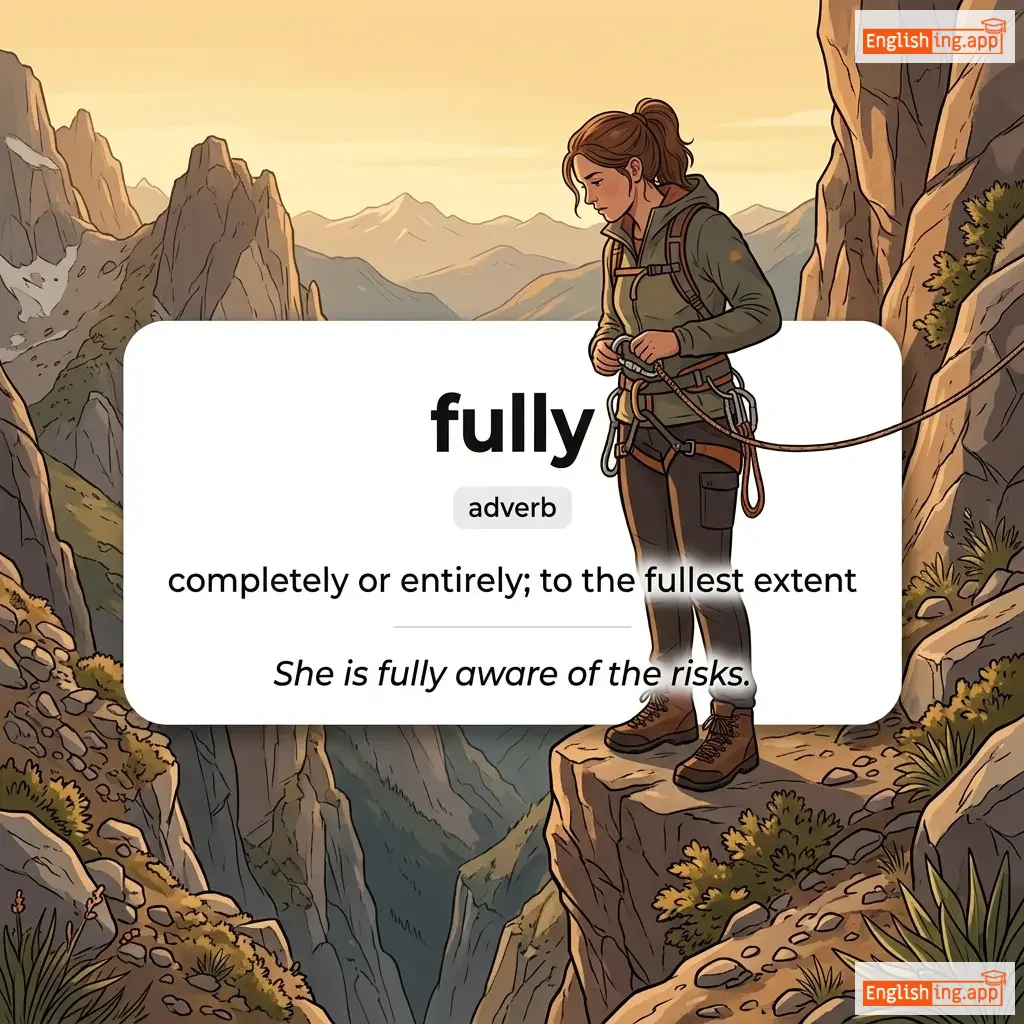
fully definition card — visual illustration of the meaning
adverb
/ˈfʊli/
完全に (kanzen ni)

completely or entirely; to the fullest extent

"She is fully aware of the risks."
"彼女はリスクについて完全に認識しています。" (Kanojo wa risuku ni tsuite kanzen ni ninshiki shiteimasu.)
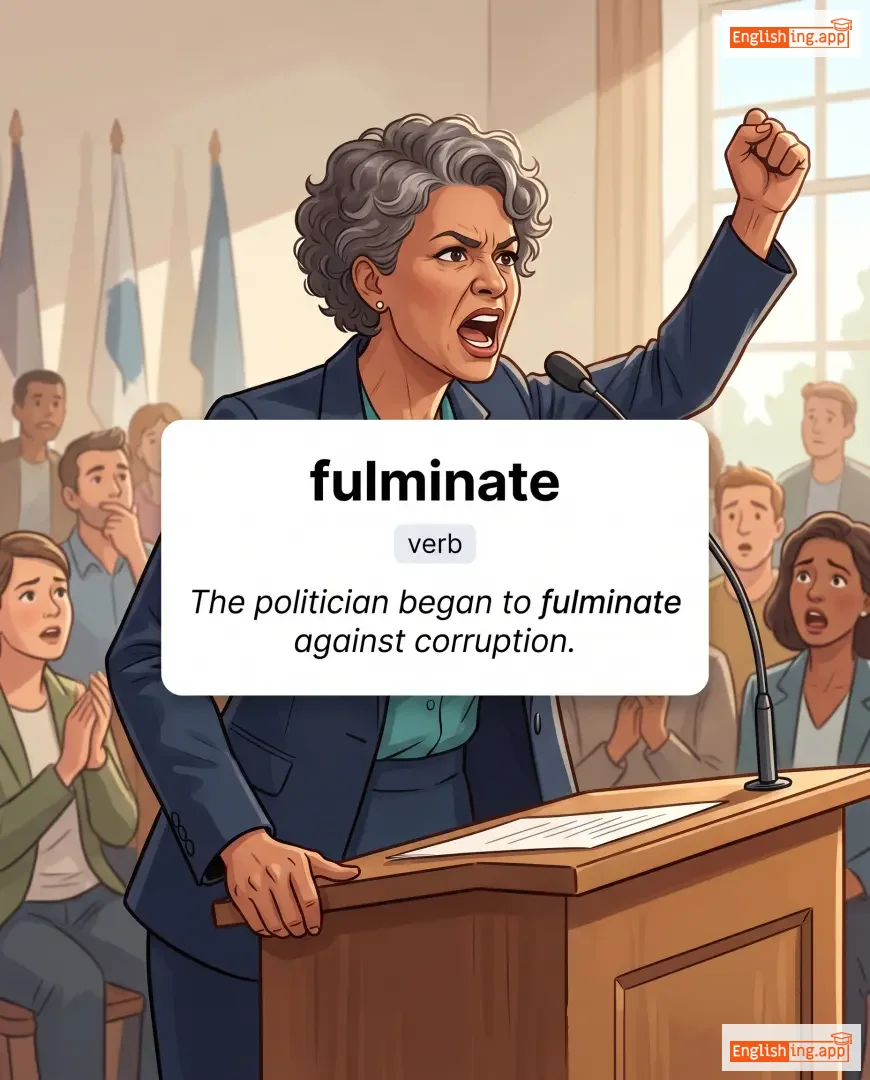
fulminate definition card — visual illustration of the meaning
verb
/ˈfʊl.mɪ.neɪt/
強く抗議する (tsuyoku kōgi suru)

To express strong protest or criticism loudly and forcefully; to explode violently.

"The politician began to fulminate against corruption."

"政治家は腐敗に強く抗議し始めた。" (Seijika wa fuhai ni tsuyoku kōgi shi hajimeta.)
fulsome definition card — visual illustration of the meaning
adjective
/ˈfʊl.səm/
過剰な賞賛 (kajou na shousan)

Excessively flattering or insincere; abundant or generous in amount.

"He offered fulsome praise to his boss."

"彼は上司に過剰な賞賛を提供しました。" (Kare wa joushi ni kajou na shousan o teikyoushimashita.)
verb
/ˈfʌmbəl/
不器用にする (bukiyou ni suru)

to handle something clumsily or to make mistakes while doing something

"He fumbled with the keys and dropped them on the floor."

"彼は鍵で手間取って、それらを床に落としました。" (Kare wa kagi de temadorotte, sorera o yuka ni otoshimashita.)
verb
/ˈfjuːmɪˌɡeɪt/
燻蒸する (kunjō suru)

to disinfect or purify an area by using chemical fumes

"They fumigated the warehouse to kill the insects."
"彼らは昆虫を殺すために倉庫を燻蒸しました。" (Karera wa konchū o korosu tame ni sōko o kunjō shimashita.)
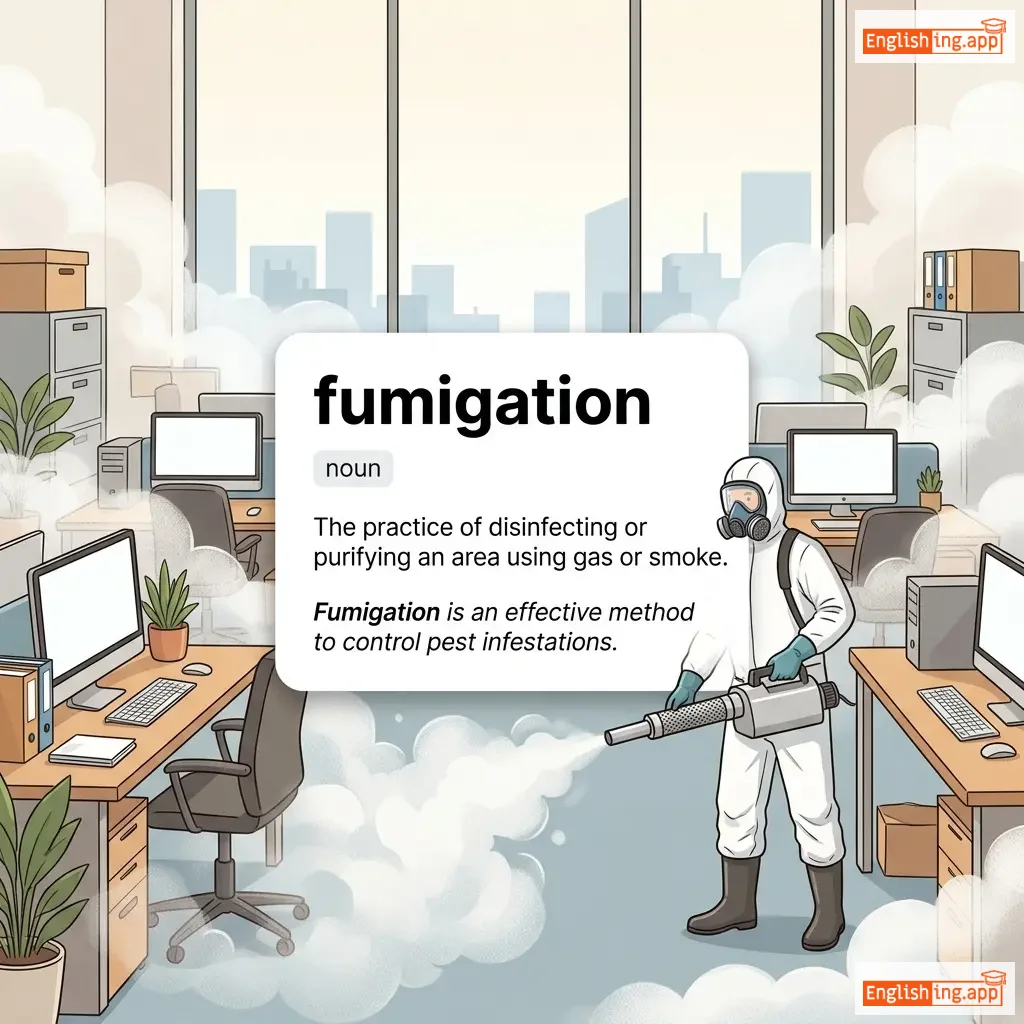
fumigation definition card — visual illustration of the meaning
noun
ˌfjuːmɪˈɡeɪʃən
燻蒸 (kunjō)

The practice of disinfecting or purifying an area using gas or smoke.

"Fumigation is an effective method to control pest infestations."

"消毒は害虫の侵入を制御するための効果的な方法です。" (Shōdoku wa gaichū no shinnyū o seigyo suru tame no kōka-tekina hōhō desu.)
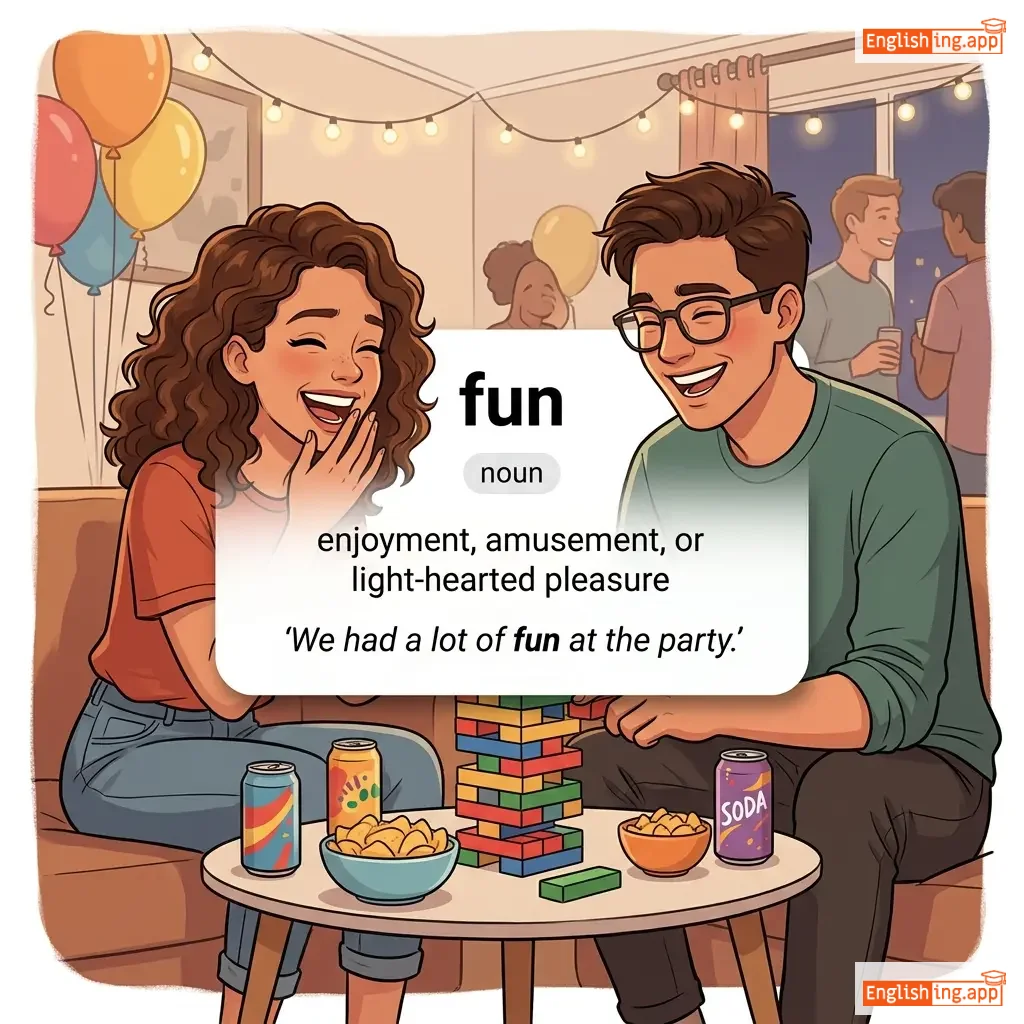
fun definition card — visual illustration of the meaning
noun
/fʌn/
楽しみ (tanoshimi)

enjoyment, amusement, or light-hearted pleasure

"We had a lot of fun at the party."

"パーティーでとても楽しみました。" (Pātī de totemo tanoshimimashita.)
noun
/ˈfʌŋkʃən/
機能 (kinou)

An activity or purpose natural to or intended for a person or thing.

"The main function of the heart is to pump blood."

"心臓の主な機能は血液をポンプすることです。" (Shinzou no omona kinou wa ketsueki o ponpu suru koto desu.)
adjective
/ˈfʌŋkʃənl/
機能的 (kinōteki)

designed to be practical and useful, rather than just decorative

"The design of the chair is simple but highly functional."
"椅子のデザインはシンプルですが、非常に機能的です。" (Isu no dezain wa shinpuru desu ga, hijō ni kinōteki desu.)
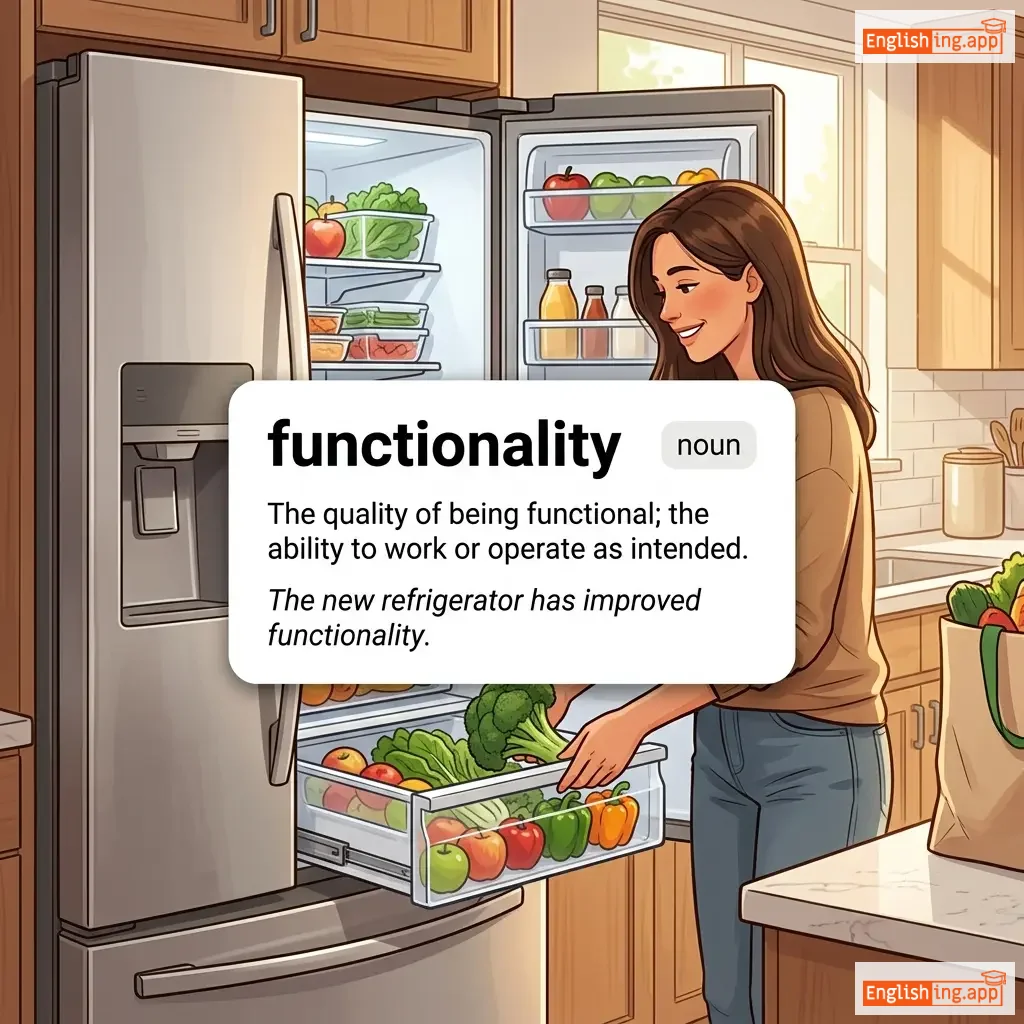
functionality definition card — visual illustration of the meaning
noun
ˌfʌŋk.ʃəˈnæl.ə.ti
機能性 (kinōsei)

The quality of being functional; the ability to work or operate as intended.

"The new refrigerator has improved functionality."

"新しい冷蔵庫は機能性が向上しました。" (Atarashī reizōko wa kinōsei ga kōjō shimashita.)
noun
/ˈfʌŋkʃəˌnɛri/
職員 (shokuin)

a person who has official duties in an organization, especially one with little authority

"The minor functionary was responsible for filing reports."

"その下級職員はレポートの提出を担当していました。" (Sono kakyū shokuin wa repōto no teishutsu o tantō shite imashita.)
fund definition card — visual illustration of the meaning
noun/verb
/fʌnd/
基金 (kikin)

a sum of money saved or made available for a particular purpose; to provide money for

"The government created a fund for education."

"政府は教育のための基金を作成しました。" (Seifu wa kyōiku no tame no kikin o sakusei shimashita.)
adjective
/ˌfʌndəˈmɛntl/

forming a necessary base or core; of central importance

"Honesty is a fundamental principle of good leadership."

adverb
/ˌfʌndəˈmɛntəli/
基本的に (kihonteki ni)

in a basic and important way; at the core

"The two theories are fundamentally different."

"この二つの理論は基本的に異なります。" (Kono futatsu no riron wa kihonteki ni kotonari masu.)
funding definition card — visual illustration of the meaning
noun
/ˈfʌndɪŋ/
資金調達 (shikin chōtatsu)

financial support for a project or organization

"The startup is seeking funding from investors."

"スタートアップは投資家から資金調達を試みています。" (Sutātopu wa tōshika kara shikin chōtatsu o kokoromotteimasu.)
noun
/ˈfʌndˌreɪzɪŋ/
資金調達 (shikin choutatsu)

the process of collecting money for a cause or project

"The organization is organizing a fundraising event."

"その組織は資金調達イベントを開催しています。" (Sono soshiki wa shikin choutatsu ibento o kaisai shiteimasu.)
noun
/ˈfjuːnərəl/
葬式 (sōshiki)

a ceremony held to honor and bury or cremate someone who has died

"The family attended the funeral of their grandfather."

"家族は祖父の葬式に出席しました。" (Kazoku wa sofu no sōshiki ni shusseki shimashita.)
adjective
/fjuːˈnɪəriəl/
葬儀的 (sōgiteki)

having the mournful, somber character of a funeral

"The room was filled with a funereal silence after the announcement."

"発表後、部屋は葬儀的な静けさで満たされた。" (Happyou go, heya wa sōgiteki na shizukesa de mitasareta.)
noun (plural of fungus)
/ˈfʌndʒaɪ/
菌類 (kinrui)

a group of spore-producing organisms such as mushrooms, molds, and yeasts

"Fungi play an important role in breaking down organic matter in nature."

"菌類は自然界で有機物を分解する重要な役割を果たします。" (Kinrui wa shizenkai de youkibutsu o bunkai suru juuyou na yakuwari o hatashimasu.)
adjective
/ˈfʌndʒəbl/
代替可能な (daitai kanō na)

interchangeable; able to replace or be replaced by another identical item

"In finance, money is considered a fungible asset."

"金融業界では、貨幣は代替可能な資産と見なされています。" (Kin'yū gyōkai de wa, kahei wa daitai kanō na shisan to minasarete imasu.)
adjective
/ˈfʌŋɡəs/
きのこに似た (kinoko ni nita)

relating to or resembling a fungus

"The damp basement had a fungous smell."

"湿った地下室はきのこに似た匂いがした。" (Shimetta chikasitsu wa kinoko ni nita nioi ga shita.)
noun
/ˈfʌŋɡəs/
菌類 (kinrui)

a spore-producing organism feeding on organic matter, including molds, yeast, and mushrooms

"A strange fungus was growing on the old tree."

"古い木に奇妙な菌類が生えていました。" (Furui ki ni kimyō na kinrui ga haete imashita.)
Funny definition card — visual illustration of the meaning
adjective
/ˈfʌni/
面白い (omoshiroi)

Causing laughter or amusement; humorous.

"The comedian told a very funny joke."

"コメディアンは非常に面白いジョークを言いました。" (Komedian wa hijou ni omoshiroi jooku o iimashita.)
noun
/fɜːr/
毛皮 (kegawa)

the thick hair covering the skin of certain animals

"The cat’s fur is soft and shiny."

"猫の毛皮は柔らかくて光沢があります。" (Neko no kegawa wa yawarakakute, koutaku ga arimasu.)
verb
/ˈfɜːrbɪʃ/
磨く (migaku)

to polish, renovate, or give a fresh look to something

"The workers furbished the old sword until it gleamed like new."

"作業員たちは古い剣を磨き、それが新しいかのように輝くまでしました。" (Sagyouin-tachi wa furui ken o migaki, sore ga atarashī ka no yō ni kagayaku made shimashita.)
adjective
/ˈfjʊəriəs/
怒っている (okotte iru)

Extremely angry.

"She was furious when she heard the bad news."

"彼女は悪いニュースを聞いて怒っていた。" (Kanojo wa warui nyūsu o kiite okotte ita.)
noun
/ˈfɜːrlɔːŋ/
距離の単位(220ヤードまたは約201メートル) (kyori no tan'i (220 yādo mata wa yaku 201 mētoru))

a unit of distance equal to 220 yards or about 201 meters

"The horse ran a furlong before slowing down."

"馬はファーロングを走った後、減速した。" (Uma wa fā rongu o hashitta ato, gensoku shita.)
noun, verb
/ˈfɜːrloʊ/
一時休職 (ichiji kyūshoku)

temporary leave of absence from work, especially that granted to an employee or soldier

"Many workers were placed on furlough during the crisis."

"多くの労働者は危機の間に休職させられました。" (Ōku no rōdōsha wa kiki no aida ni kyūshoku saseraremashita.)
noun
/ˈfɜːrneɪs/
(ro)

an enclosed structure in which heat is produced for a building or for melting metal

"The factory's furnace melted the metal quickly."

"工場の炉は金属を迅速に溶かしました。" (Kōjō no ro wa kinzoku o jinsoku ni tokashimashita.)
verb
/ˈfɜːrnɪʃ/
家具を設置する、提供する (kagu o setchi suru, teikyo suru)

to provide or supply with furniture or equipment

"They furnished the new house with modern furniture."

"彼らは新しい家に現代的な家具を備えました。" (Karera wa atarashii ie ni gendai teki na kagu o sonaemashita.)
noun
/ˈfɜːrnɪtʃər/
家具 (kagu)

Objects such as chairs, tables, beds, or cupboards used to make a room suitable for living or working.

"The living room was filled with beautiful wooden furniture."

"リビングルームは美しい木製の家具でいっぱいでした。" (Ribingurūmu wa utsukushī mokusei no kagu de ippai deshita.)
noun
/ˈfjʊərɔːr/
騒動 (soudou)

An outbreak of public anger or excitement.

"The politician's remarks created a furor in the media."

"政治家の発言がメディアで大騒ぎを引き起こしました。" (Seijika no hatsugen ga media de daisawagi o hikiokoshimashita.)
noun
/ˈfʌriər/
毛皮商人 (kegawa shōnin)

A person who prepares or deals in furs.

"The furrier displayed fine coats in his shop."

"毛皮商人は店に美しいコートを展示しました。" (Kegawa shōnin wa mise ni utsukushī kōto wo tenji shimashita.)
noun/verb
/ˈfʌrəʊ/

A long narrow trench made in the ground by a plow; to make wrinkles or grooves.

"The farmer plowed furrows in the field."

adverb/adjective/verb
/ˈfɜːrðər/
進める (susumeru)

At a greater distance; to advance or promote something.

"She studied hard to further her career."

"彼女はキャリアを進めるために一生懸命勉強した。" (Kanojo wa kyaria o susumeru tame ni isshoukenmei benkyou shita.)
noun
/ˈfɜːrðərəns/
促進 (sokushin)

The advancement or promotion of something.

"The new policy was introduced in furtherance of social justice."

"新しい政策は社会的正義の促進のために導入されました。" (Atarashii seisaku wa shakaiteki seigi no sokushin no tame ni dōnyū saremashita.)
adverb
/ˌfɜːrðərˈmɔːr/
その上 (sono ue)

Used to introduce an additional point or idea; in addition.

"The plan is simple and, furthermore, it is affordable."

"その計画は簡単で、さらに、手頃な価格です。" (Sono keikaku wa kantan de, sara ni, tegorona kakaku desu.)
adjective
/ˈfɜːrtɪv/
ひそかな (hisokana)

Attempting to avoid notice or attention, typically because of guilt or a belief that discovery would lead to trouble.

"He cast a furtive glance at the door before leaving."

"彼は出発前にひそかにドアを見た。" (Kare wa shuppatsu mae ni hisokani doa o mita.)
noun
/ˈfjʊr.ʌŋ.kəl/
ふるんくる; こぶ; (furunkuru, kobu)

a painful pus-filled bump under the skin caused by infected, inflamed hair follicles

"The doctor prescribed antibiotics to treat the painful furuncle on his neck."

"医者は彼の首の痛みを伴うフルンクルを治療するために抗生物質を処方しました。" (Isha wa kare no kubi no itami o tomonau furunkuru o chiryō suru tame ni kōseibusshitsu o shohō shimashita.)
noun
/ˈfjʊri/
怒り (ikari)

Wild or violent anger; extreme rage.

"She was trembling with fury after the insult."

"彼女は侮辱後、怒りで震えていました。" (Kanojo wa bujoku go, ikari de furuete imashita.)
verb
/fjuːz/
融合する (yūgō suru)

To join or blend two or more things together into one.

"The two metals fused under high heat."

"二つの金属は高温で融合した。" (Futatsu no kinzoku wa kōon de yūgō shita.)