語彙集

英単語辞書 | 単語の意味、定義、例文

noun
/ˈbɪldɪŋ/
建物 (tatemono)

A structure with a roof and walls, such as a house, school, or office.

"The old building was renovated into a museum."

"古い建物は博物館に改築されました。" (Furui tatemono wa hakubutsukan ni kaichiku saremashita.)
💡

bulb

noun
/bʌlb/

a rounded glass part of an electric lamp that produces light when lit; also an underground storage organ in some plants

"The light bulb burned out, so she replaced it with a new one."

adjective
/ˈbʌlbəs/
膨らんだ / 丸い (fukuranda / marui)

Bulging, round, or swollen in shape; resembling a bulb.

"The frog had a bulbous nose and big eyes."

"カエルは膨らんだ鼻と大きな目をしていました。" (Kaeru wa fukuranda hana to ōkina me o shite imashita.)
📦

bulge

noun, verb
/bʌldʒ/

A swelling or protruding part; to swell outward or protrude.

"The bag began to bulge with too many books inside."

noun, verb
/bʌlk/
大量購入 / 質量 (tairyō kōnyū / shitsuryō)

The mass or large size of something; to gain mass or volume.

"He bought rice in bulk to save money."

"彼はお金を節約するために大量の米を買いました。" (Kare wa okane o setsuyaku suru tame ni tairyō no kome o kaimashita.)
noun
/bʊl/
雄牛 (osushi)

a male animal of the cattle family; sometimes refers to a strong or aggressive man

"The bull charged across the field towards the red flag."

"雄牛は赤い旗に向かって畑を突進した。" (Osushi wa akai hata ni mukatte hatake wo tosshin shita.)
noun
/ˈbʊlɪt/
弾丸 (dangan)

A small, metal projectile fired from a gun.

"The soldier loaded a bullet into his rifle."

"兵士はライフルに弾を装填した。" (Heishi wa raifuru ni dangan o sōten shita.)
noun
/ˈbʊljən/
金または銀のバルク (kin mata wa gin no baruku)

Gold or silver in bulk before being coined or made into jewelry.

"The bank stores gold bullion in its vaults."

"銀行は金の塊を金庫に保管しています。" (Ginkou wa kin no katamari wo kinkou ni hokan shiteimasu.)
noun
/ˈbʊlək/
作業牛 (sagyō ushi)

A young bull, especially a castrated one, raised for work or meat.

"The farmer used a bullock to plow the field."

"農家は畑を耕すために作業牛を使った。" (Nōka wa hatake o tagayasu tame ni sagyō ushi o tsukatta.)
noun, verb
/ˈbʊli/
いじめっ子 / 加害者 (ijimekko / kagai-sha)

A person who habitually seeks to harm or intimidate those weaker; to intimidate or mistreat someone weaker.

"The teacher stopped the older boy from trying to bully his classmates."

"先生は年上の男の子がクラスメートをいじめるのを止めました。" (Sensei wa toshiue no otokonoko ga kurasumēto o ijimeru no o yamemashita.)
noun
/ˈbʊlrʌʃ/
ヨシ (yoshi)

A tall plant with long leaves that grows in or near water, also known as a cattail.

"The pond was surrounded by tall bulrushes swaying in the wind."

"池は風に揺れる高いヨシで囲まれていました。" (Ike wa kaze ni yureru takai yoshi de kakomarete imashita)
noun
/ˈbʊlwərk/
防壁 (bōheki)

A strong wall or defensive structure; something that provides protection or support.

"The fortress walls served as a bulwark against enemy attacks."

"砦の壁は敵の攻撃に対する防壁として機能していた。" (Toride no kabe wa teki no kōgeki ni taisuru bōheki to shite kinō shite ita.)
noun
/bʌm/
(shiri)

informal term for the buttocks; also a homeless or lazy person

"He sat on his bum all day doing nothing."

"彼は一日中お尻に座って何もしなかった。" (Kare wa ichinichijū oshiri ni suwatte nani mo shinakatta.)
adjective
/ˈbʌmblɪŋ/
不器用 (bukiyou)

Acting in a clumsy, awkward, or confused way.

"The bumbling waiter spilled the drinks on the table."

"その不器用なウェイターはテーブルに飲み物をこぼした。" (Sono bukiyou na u~eitā wa tēburu ni nomimono o koboshita.)
verb
/bʌmp/
衝突 (shōtotsu)

To hit something or someone by accident; to knock against something.

"He accidentally bumped into the door."

"彼はドアに偶然ぶつかった。" (Kare wa doa ni gūzen butsukatta.)
noun/adjective
/ˈbʌmpər/
バンパー (banpā)

A protective bar at the front or back of a vehicle; also used to describe something unusually large or successful.

"The farmer celebrated a bumper harvest this year."

"農家は今年、大収穫を祝いました。" (Nōka wa kotoshi, dai-shūkaku o iwai mashita.)
adjective
/ˈbʌmpʃəs/
自信過剰な (jishin kajō na)

Arrogantly self-assertive or conceited.

"The bumptious student interrupted the teacher several times."

"その自信過剰な学生は何度も先生を遮った。" (Sono jishin kajō na gakusei wa nando mo sensei o saegitta.)
adjective
/ˈbʌmpi/
でこぼこした; ざらざらした (bumpy)

having an uneven surface; rough; jolting

"The bumpy road made the car ride very uncomfortable."

"でこぼこした道で車の乗り心地はとても不快だった。" (Dekoboko shita michi de kuruma no norigokochi wa totemo fukai datta.)
noun
/bʌn/
パン (pan)

a small round bread roll, often sweet

"I bought fresh buns from the bakery this morning."

"今朝ベーカリーで新鮮なパンを買いました。" (Kesa beakarii de shinsen na pan o kaimashita.)
noun
/bʌntʃ/
(taba)

a group of things that are fastened, held, or growing together

"She gave me a bunch of flowers for my birthday."

"彼女は私の誕生日に花束をくれました。" (Kanojo wa watashi no tanjōbi ni hanataba o kuremashita.)
noun
/ˈbʌn.dəl/
束; バンドル (taba, bandoru)

a collection of things or quantity of material tied or wrapped up together

"The mailman delivered a bundle of letters to our house."

"郵便配達員は家に手紙の束を届けました。" (Yūbin haitatsuin wa ie ni tegami no taba o todokemashita.)
verb
/ˈbʌŋɡəl/
台無しにする (dainashi ni suru)

To carry out a task clumsily or incompetently.

"He bungled the presentation and confused the audience."

"彼はプレゼンテーションを台無しにし、聴衆を混乱させました。" (Kare wa purezentēshon wo dainashi ni shi, chōshū wo konran sasemashita.)
noun, verb
/ˈbʌŋkər/
地下壕 (chikago)

a reinforced underground shelter; to place or store something in a protected place

"They hid in a bunker during the air raid."

"空襲の間、彼らは地下壕に隠れた。" (kuushuu no aida karera wa chikago ni kakureta)
noun/verb
/ˈbɔɪ/ or /ˈbuːi/
ブイ, 浮かべる (bui, ukaberu)

A floating marker on water; to keep something afloat or encourage someone.

"The news buoyed their spirits after the loss."

"ニュースは喪失後、彼らの気持ちを高めました。" (Nyūsu wa sōshitsu go, karera no kimochi o takamemashita.)
noun
/ˈbɔɪənsi/ or /ˈbuːjənsi/
浮力, 快活 (furyoku, kaikatsu)

The ability to float in a liquid; cheerfulness and optimism.

"Her natural buoyancy lifted the mood of the group."

"彼女の自然な快活さがグループの雰囲気を高めた。" (Kanojo no shizen na kaikatsu sa ga guru-pu no funiki o takameta.)
adjective
/ˈbɔɪənt/ or /ˈbuːjənt/
浮力のある、元気な (uryoku no aru, genkina)

Able to float easily; cheerful and optimistic.

"She remained buoyant despite the difficulties."

"彼女は困難にもかかわらず前向きで元気でした。" (Kanojo wa konnan ni mo kakawarazu, maemuki de genki deshita.)
noun
/ˈbɜːrdn/
負担 (futan)

a heavy load, especially one that is difficult to carry

"The financial burden was too heavy for him to bear."

"財政的な負担は彼にとって非常に重かった。" (Zaiseiteki na futan wa kare ni totte hijou ni omokatta.)
noun
/ˈbjʊəroʊ/
事務所/機関 (jimushyo/kikan)

An office or agency that provides services or manages specific duties.

"The travel bureau helped them plan their vacation."
"旅行局は彼らが休暇の計画を立てるのを手伝った。" (Ryokou kyoku wa karera ga kyūka no keikaku o tateru no o tetsudatta.)
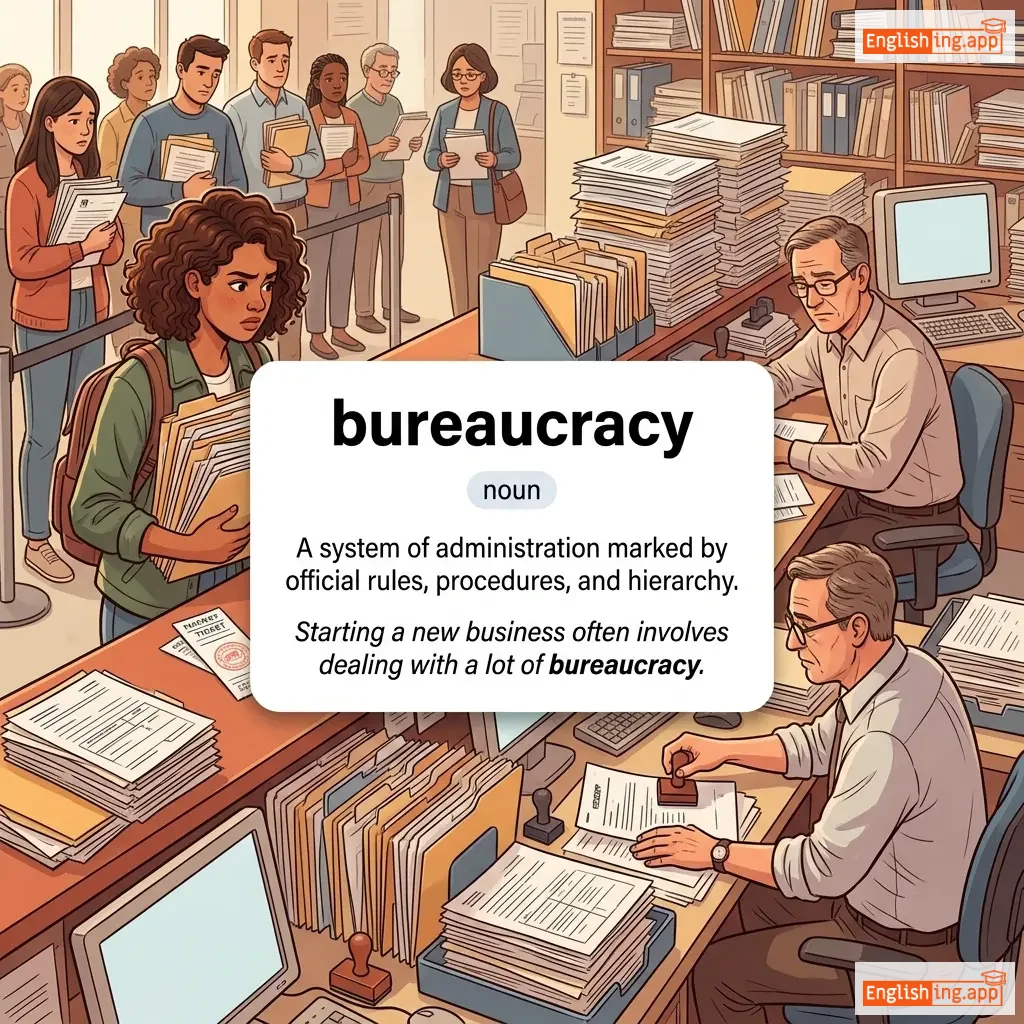
bureaucracy definition card — visual illustration of the meaning
noun
/bjʊˈrɒkrəsi/
官僚制 (kanryōsei)

A system of administration marked by official rules, procedures, and hierarchy.

"Starting a new business often involves dealing with a lot of bureaucracy."
"新しいビジネスを始めるには、多くの官僚制に対処する必要があります。" (Atarashī bijinesu o hajimeru ni wa, ōku no kanryōsei ni taisho suru hitsuyō ga arimasu.)
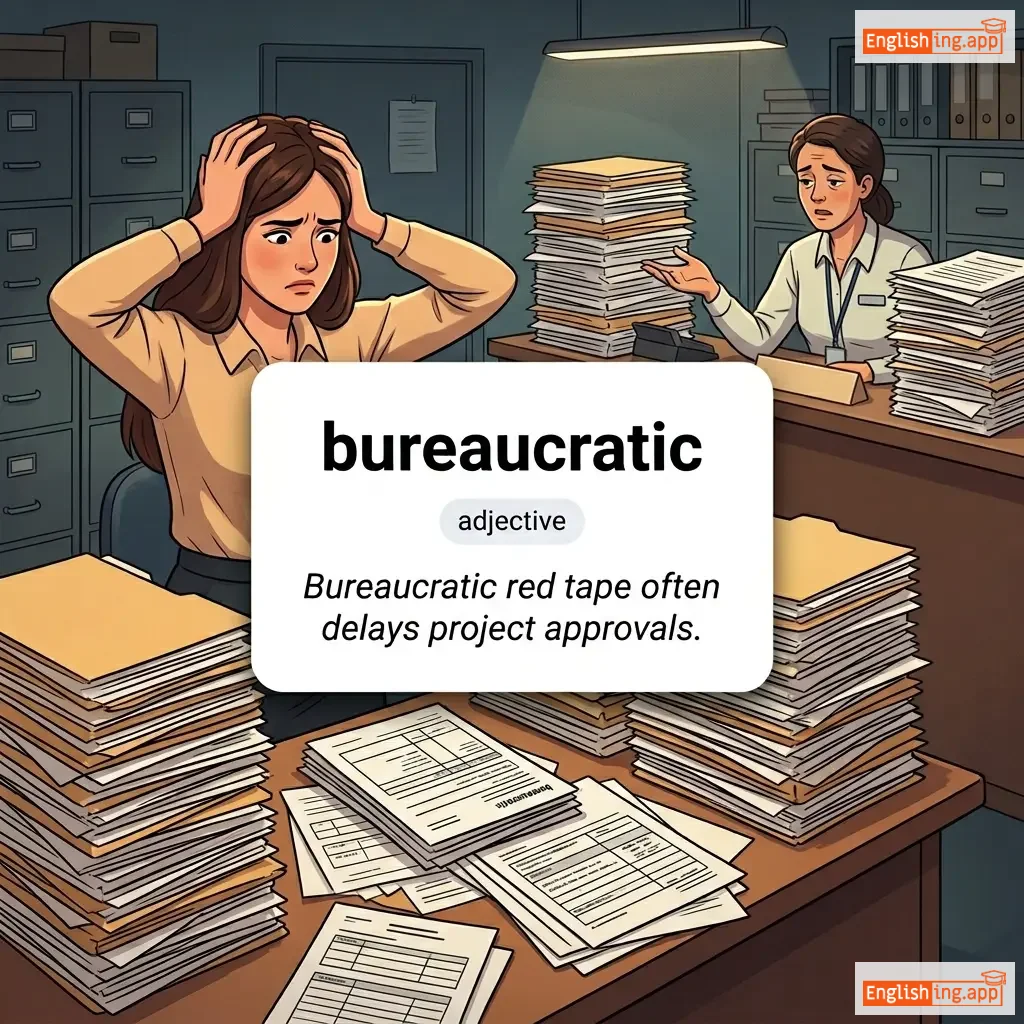
bureaucratic definition card — visual illustration of the meaning
adjective
ˌbjʊə.rəˈkræt.ɪk
官僚的な (kanryouteki na)

Involving or characterized by complex rules and procedures that can delay the achievement of goals.

"Bureaucratic red tape often delays project approvals."
"官僚的な手続きはしばしばプロジェクトの承認を遅らせる。" (kanryouteki na tetsuzuki wa shibashiba purojekuto no shounin o okuraseru.)
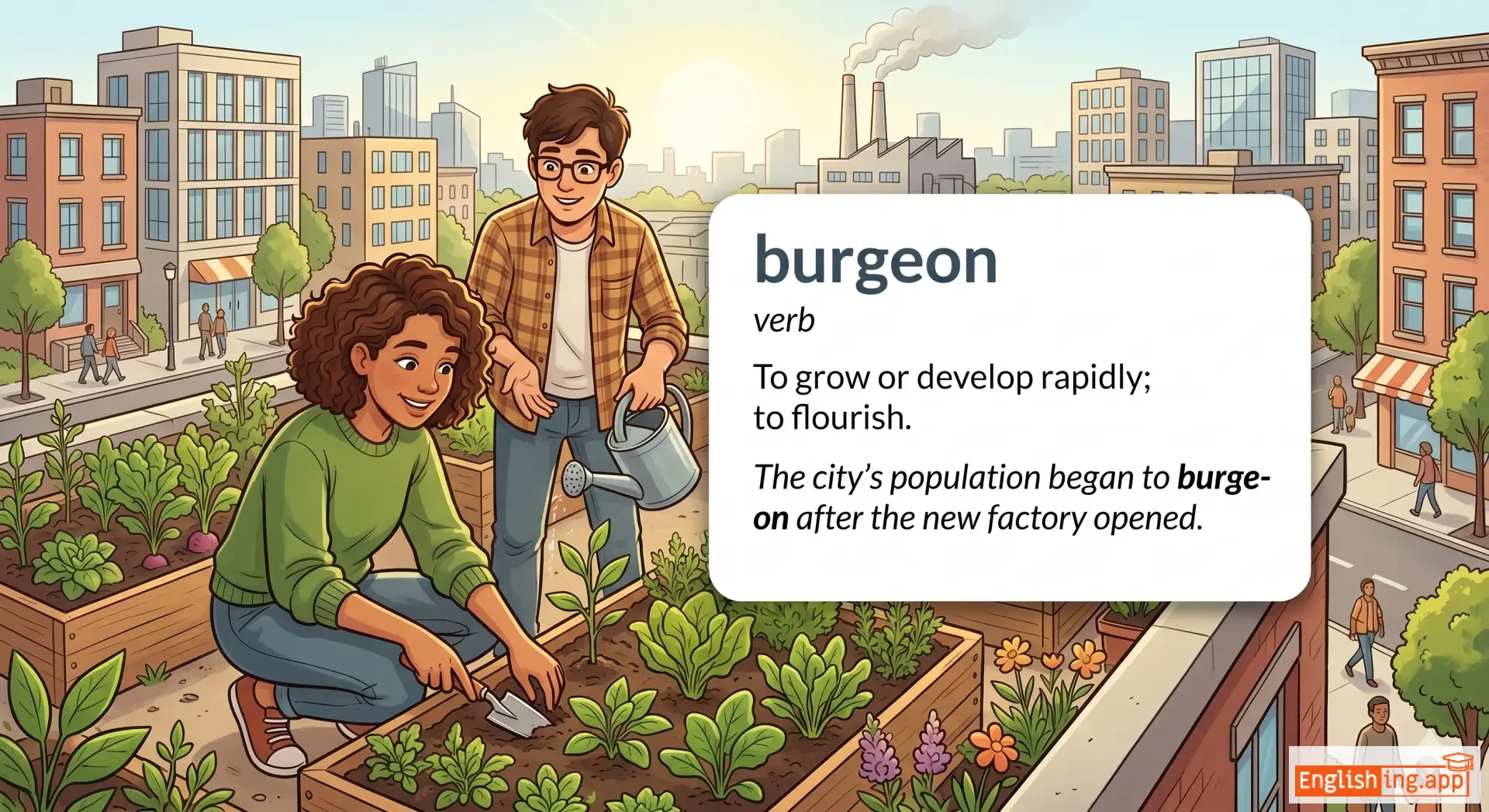
burgeon definition card — visual illustration of the meaning
verb
/ˈbɜːrdʒən/
急速に成長する (kyūsokuni seichō suru)

To grow or develop rapidly; to flourish.

"The city's population began to burgeon after the new factory opened."
"新しい工場が開設されてから、都市の人口は急速に増加し始めました。" (Atarashī kōjō ga kaisetsu sarete kara, toshi no jinkō wa kyūsokuni zōka shihajimemashita.)
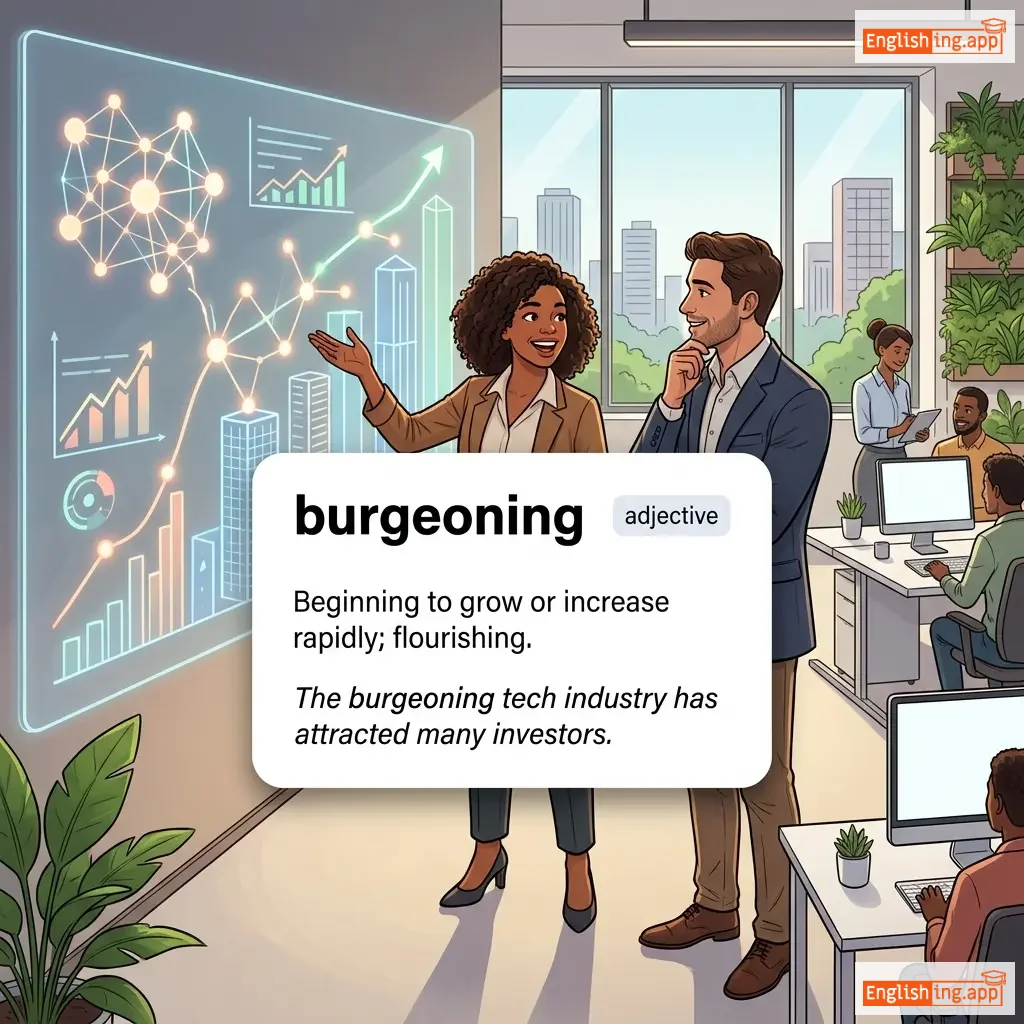
burgeoning definition card — visual illustration of the meaning
adjective
ˈbɜːdʒənɪŋ
急成長 (kyū-seichō)

Beginning to grow or increase rapidly; flourishing.

"The burgeoning tech industry has attracted many investors."

"急成長しているテクノロジー業界は、多くの投資家を引き付けました。" (Kyū-seichō shiteiru tekunorojī gyōkai wa, ōku no tōshika o hikitsukemashita.)
🧑‍🤝‍🧑

burgess (バージス)

noun
/ˈbɜːrdʒɪs/
市民 (shimin)

A citizen of a town or borough with full rights of citizenship.

"In medieval times, a burgess had the right to vote and hold property."

"中世では、市民は投票権と財産を所有する権利を持っていました。" (Chūsei de wa, shimin wa tōhyōken to zaisan o shoyū suru kenri o motte imashita.)
noun
/ˈbɜːrɡər/
市民(裕福な中産階級) (shimin (yūfukuna chūsankaikyū))

A citizen of a town, typically a member of the wealthy middle class.

"The burgher was respected as a prosperous merchant in the city."

"その市民は、町で繁栄している商人として尊敬されていました。" (Sono shimin wa, machi de han'ei shite iru shōnin toshite sonkei sarete imashita.)
noun
/ˈbɛriəl/
埋葬 (maiso)

the act of placing a dead body into the ground.

"The burial ceremony took place in the afternoon."
"埋葬の儀式は午後に行われた。" (Maiso no gishiki wa gogo ni okonawareta.)
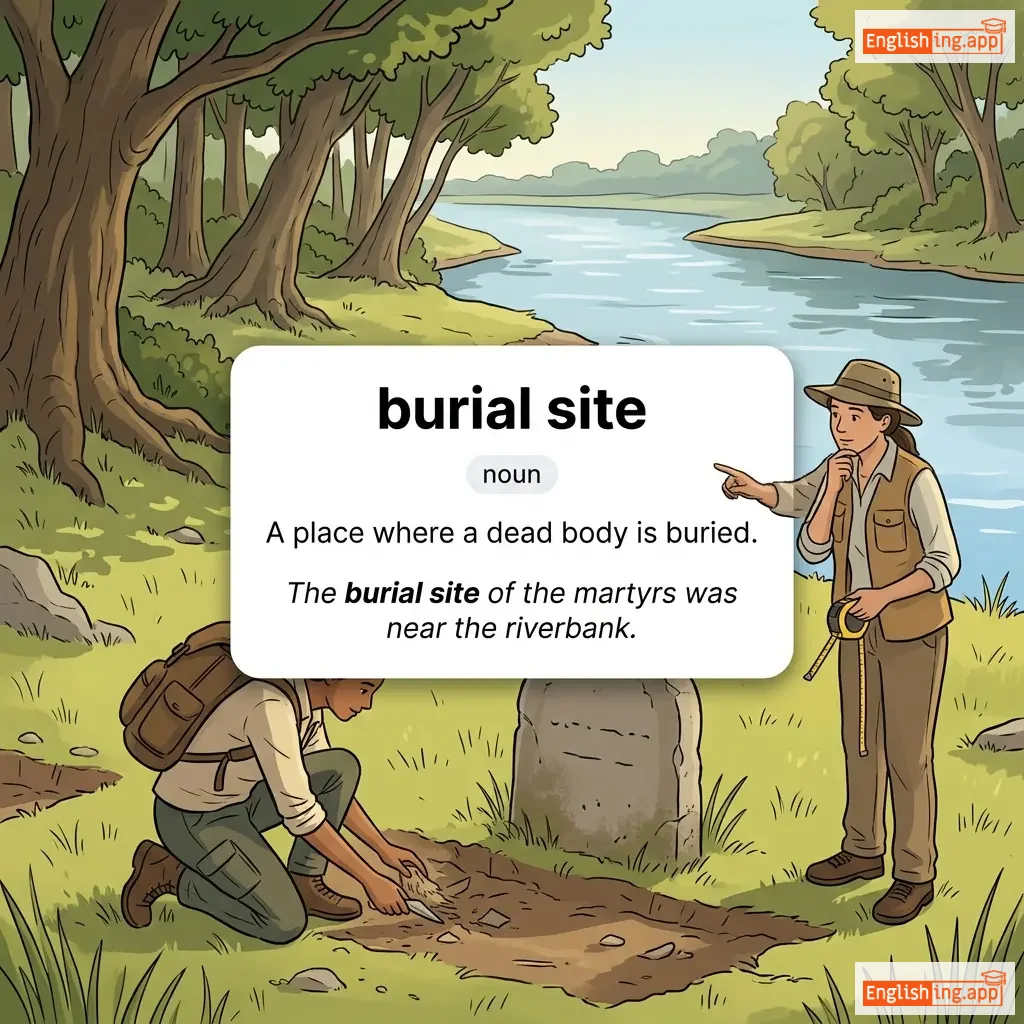
burial site definition card — visual illustration of the meaning
noun
ˈbɛriəl saɪt
埋葬地 (maisouchi)

A place where a dead body is buried.

"The burial site of the martyrs was near the riverbank."

"殉教者の埋葬地は川岸の近くにありました。" (Junkyousha no maisouchi wa kawagishi no chikaku ni arimashita.)
noun
/bɜːrˈlɛsk/
バーレスク (bāresuku)

A humorous and exaggerated imitation of a serious work; a type of theatrical entertainment involving comedy and parody.

"The play was a clever burlesque of traditional opera."
"その劇は伝統的なオペラの巧妙なバーレスクでした。" (Sono geki wa dentōteki na opera no kōmyō na bāresuku deshita.)
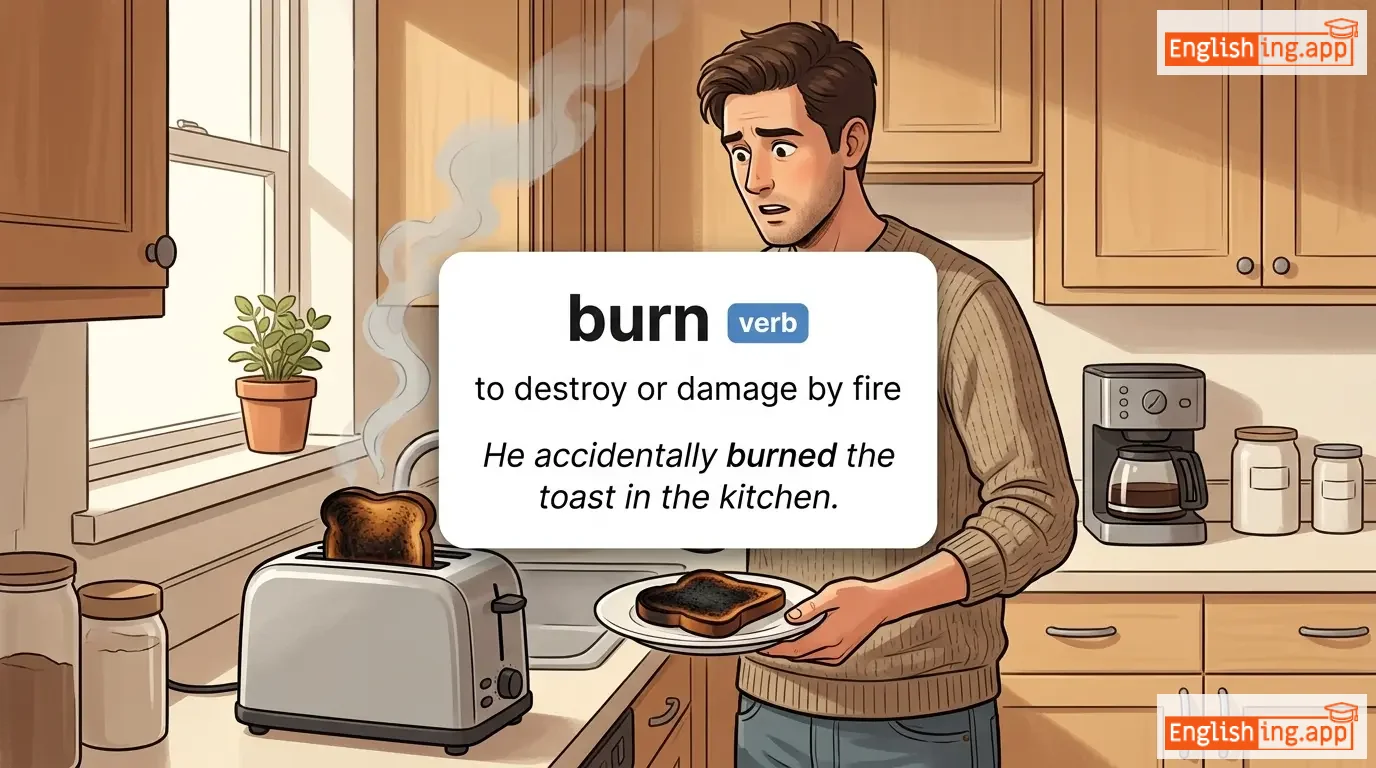
burn definition card — visual illustration of the meaning
verb
/bɜːrn/
燃やす (moyasu)

to destroy or damage by fire

"He accidentally burned the toast in the kitchen."

"彼はキッチンでトーストをうっかり焼きすぎました。" (Kare wa kicchin de tōsuto o ukkari yakisugimashita.)
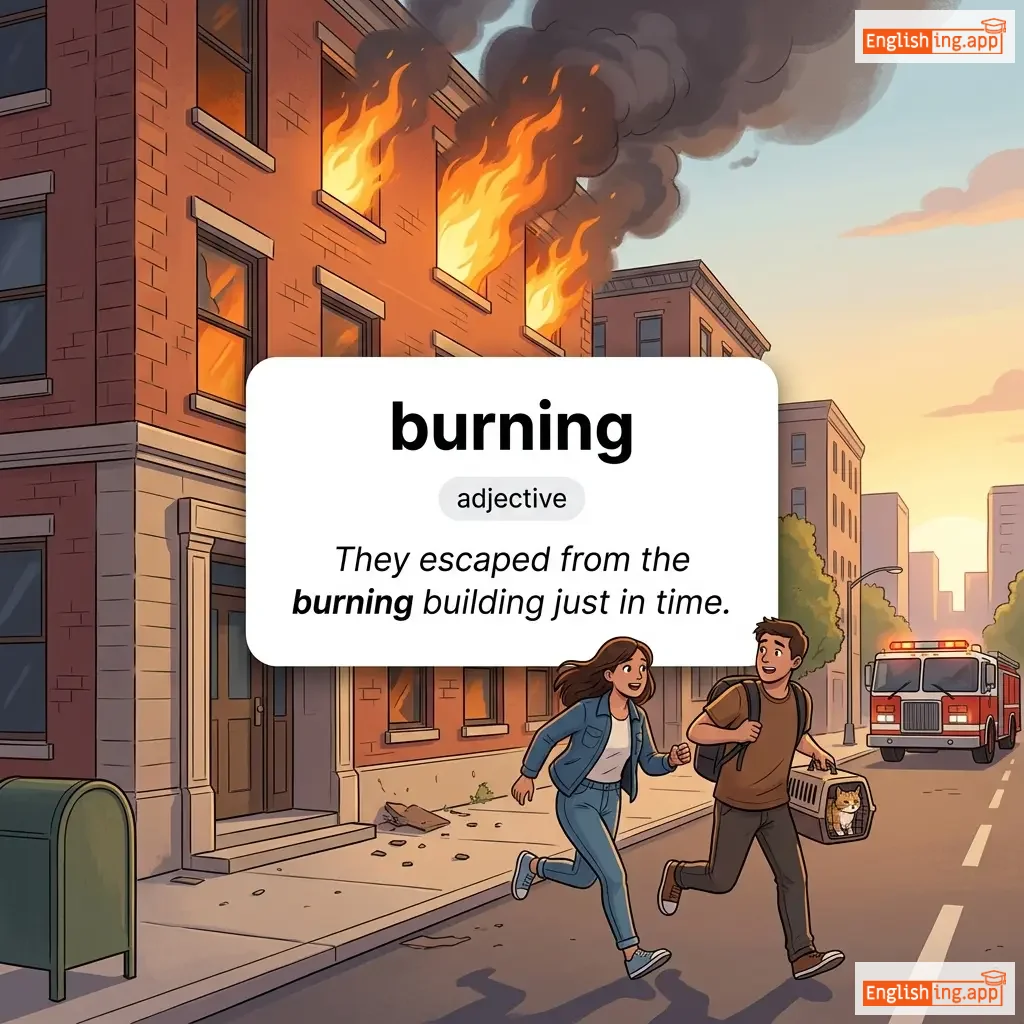
burning definition card — visual illustration of the meaning
adjective
/ˈbɜːnɪŋ/
燃えている (moeteiru)

producing flames or intense heat; also used metaphorically for intense emotions or urgency

"They escaped from the burning building just in time."

"彼らは燃えている建物から間に合って逃げました。" (Karera wa moeteiru tatemono kara maniatte nigemashita.)
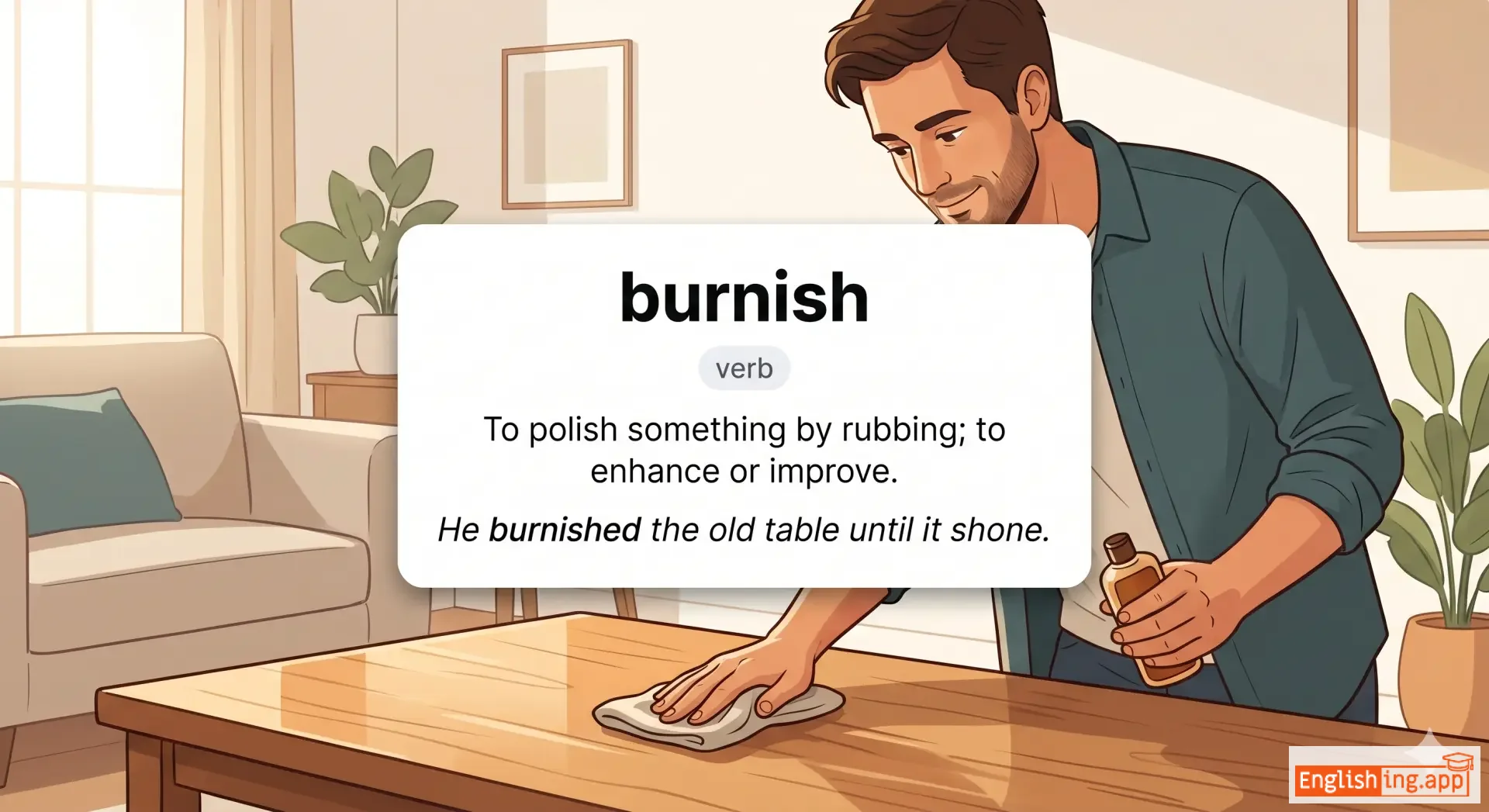
burnish definition card — visual illustration of the meaning
verb
/ˈbɜːrnɪʃ/

To polish something by rubbing; to enhance or improve.

"He burnished the old table until it shone."

noun
/ˈbɜːrsər/
会計係 (kaikeigakari)

An official in a school or college responsible for financial affairs.

"The bursar approved the budget for the new library."
"会計係は新しい図書館の予算を承認しました。" (Kaikeigakari wa atarashii toshokan no yosan wo shounin shimashita.)
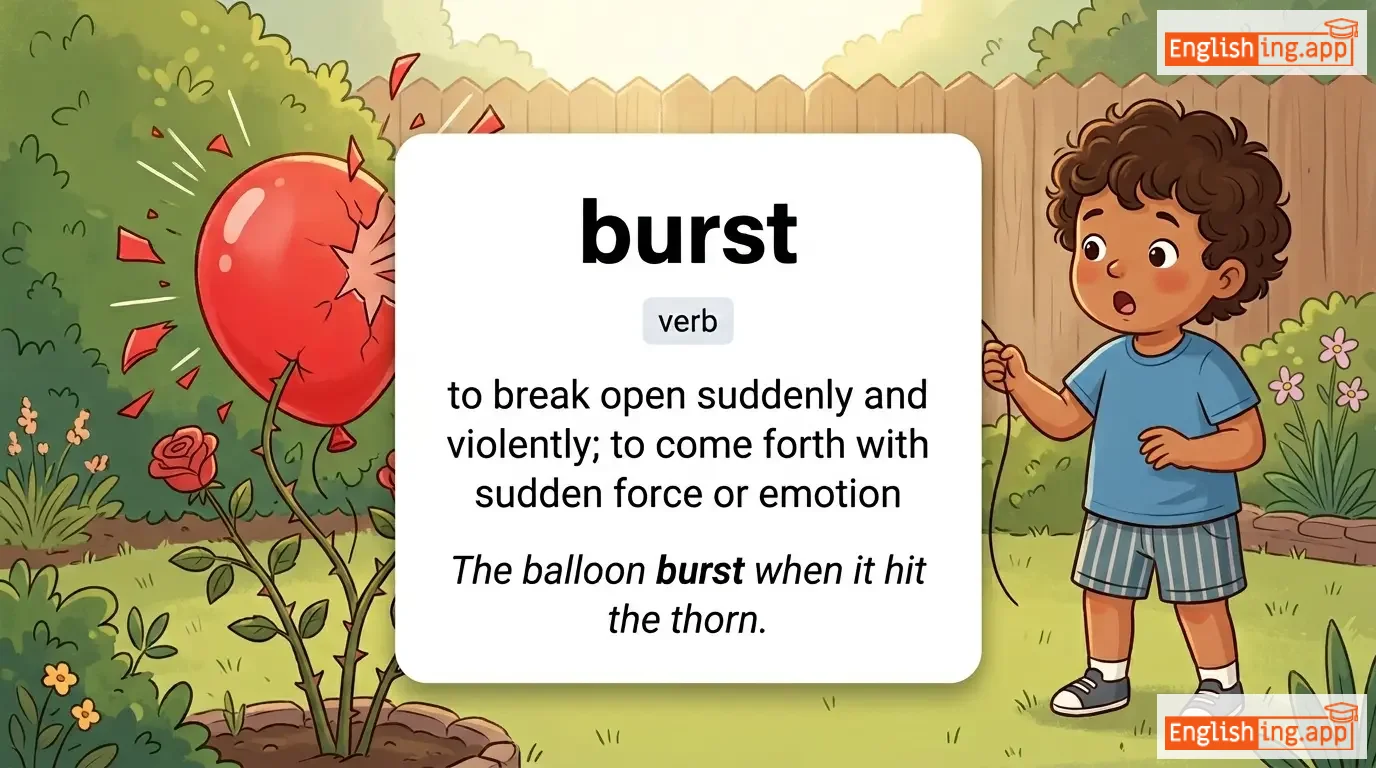
burst definition card — visual illustration of the meaning
verb
/bɜːst/
破裂する (haretsu suru)

to break open suddenly and violently; to come forth with sudden force or emotion

"The balloon burst when it hit the thorn."
"風船は棘に当たったときに破裂した。" (Fusen wa toge ni atatta toki ni haretsu shita.)
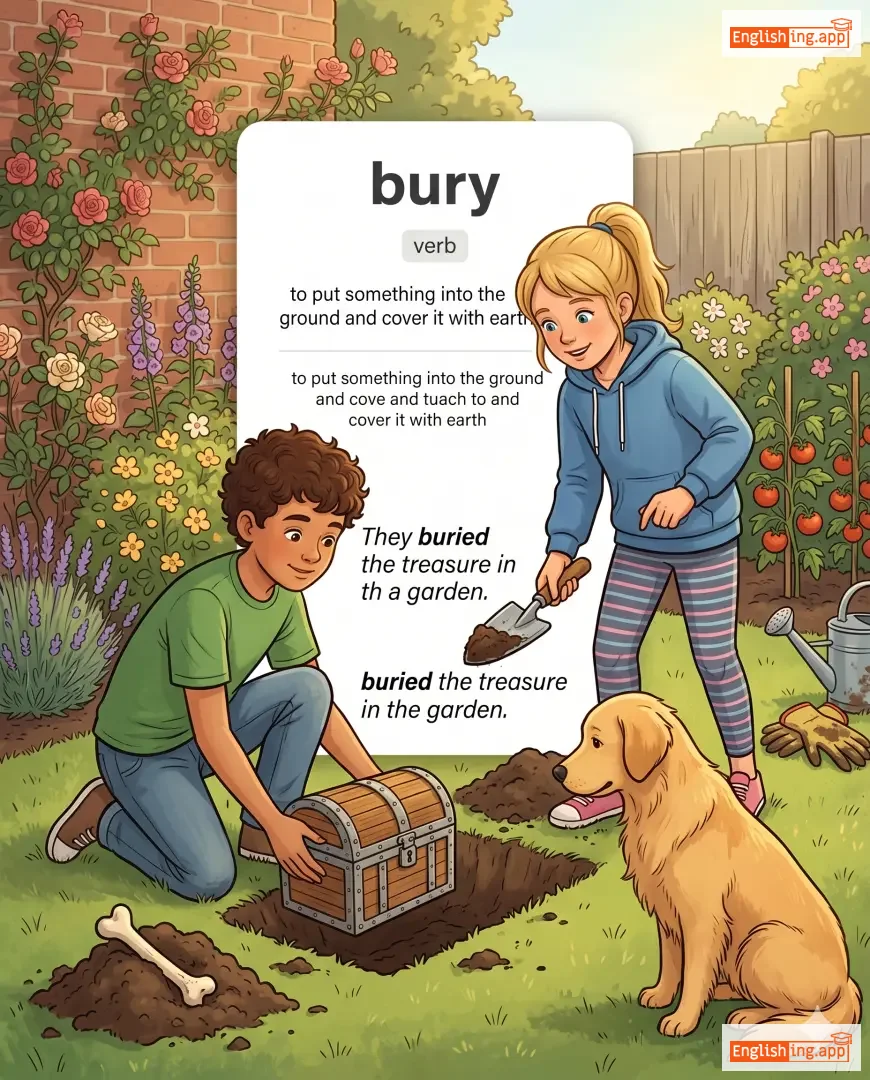
bury definition card — visual illustration of the meaning
verb
/ˈberi/
埋める (umeru)

to put something into the ground and cover it with earth

"They buried the treasure in the garden."

"彼らは庭に宝物を埋めました。" (Karera wa niwa ni takaramono o umemashita.)
noun
/bʌs/
バス (basu)

a large motor vehicle carrying passengers by road

"We waited for the bus at the station."

"私たちは駅でバスを待っていました。" (Watashitachi wa eki de basu o matteimashita.)
noun
/bʊʃ/
茂み (shigemi)

a plant with many small branches growing close to the ground; a shrub

"A rabbit was hiding under the bush."

"ウサギは茂みの下に隠れていました。" (Usagi wa shigemi no shita ni kakurete imashita.)
noun
/ˈbɪznəs/
ビジネス (bijinesu)

the practice of making money by producing or buying and selling goods or services

"She started her own business last year."

"彼女は昨年自分のビジネスを始めました。" (Kanojo wa sakunen jibun no bijinesu o hajimemashita.)
business finance definition card — visual illustration of the meaning
noun
ˈbɪz.nɪs ˈfaɪ.næns
ビジネスファイナンス (bijinesu fainansu)

The area of finance that deals with sources of funding and the capital structure of corporations.

"Effective business finance enhances profitability."

"効果的なビジネスファイナンスは利益性を高めます。" (Kōkateki na bijinesu fainansu wa rieki-sei o takamemasu.)
business success definition card — visual illustration of the meaning
noun
/bɪzˈnɛs sʌˈsɛs/
ビジネスの成功 (bijinesu no seikou)

The achievement of desired outcomes in business operations, typically measured by profitability, growth, and sustainability.

"Innovation drives business success."

"革新はビジネスの成功を促進します。" (Kakushin wa bijinesu no seikou wo sokushin shimasu.)
noun
/ˈbɪznəsmæn/
ビジネスマン (bijinesuman)

a person engaged in commercial or industrial business activities

"The businessman invested heavily in new technology."

"ビジネスマンは新しい技術に多額の投資をしました。" (Bijinesuman wa atarashī gijutsu ni tagaku no tōshi o shimashita.)
noun
/ˈbɪznəsˌwʊmən/
実業家の女性 (jitsugyoka no josei)

a woman who works in business, especially one who owns or manages a company

"The businesswoman expanded her company into international markets."

"その実業家の女性は会社を国際市場へ拡大した。" (sono jitsugyoka no josei wa kaisha o kokusai shijo e kakudai shita)