Словари

Словарь английского языка | Значения слов, определения и примеры
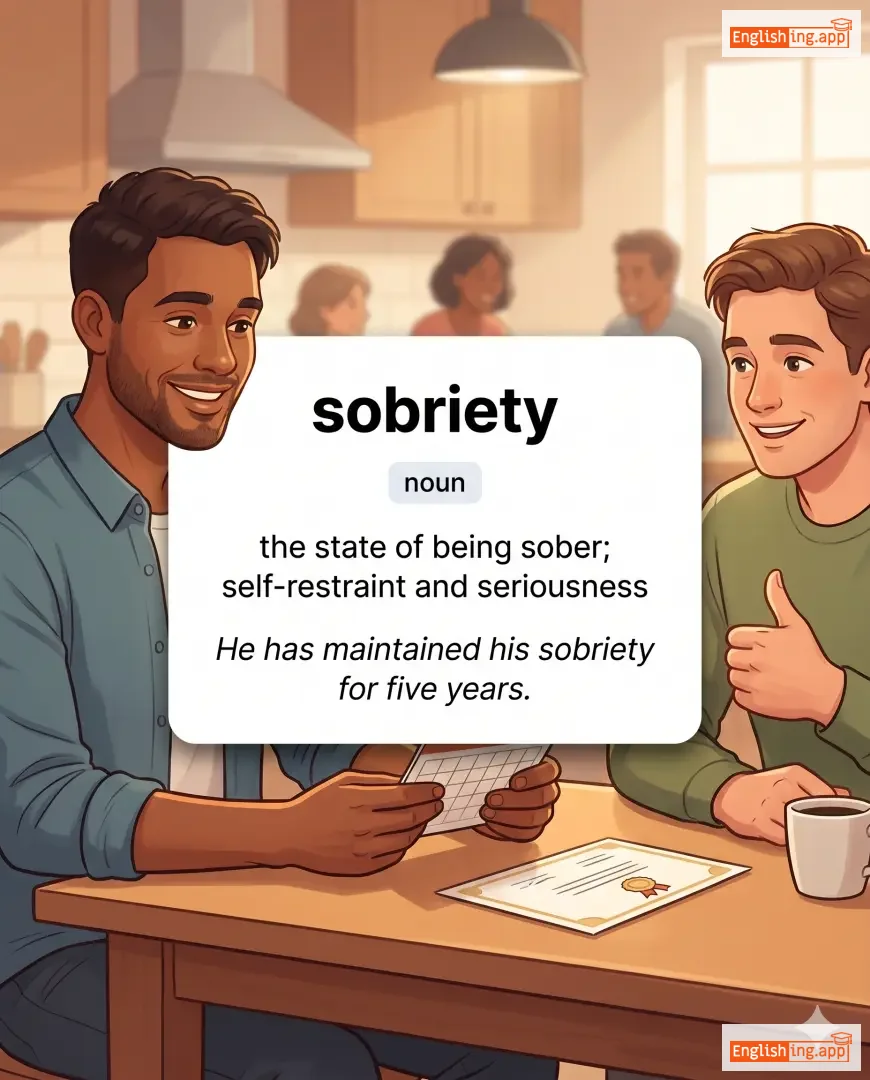
sobriety definition card — visual illustration of the meaning
noun
/səˈbraɪəti/
трезвость (trezvost)

the state of being sober; self-restraint and seriousness

"He has maintained his sobriety for five years."

"Он поддерживает свою трезвость уже пять лет." (On podderzhivayet svoyu trezvost uzhe pyat' let.)
verb, noun
/stæb/
порезать ножом (porezat' nozhom)

to pierce or wound with a pointed weapon or object

"He was stabbed in the back during the altercation."

"Его подкололи в спину во время ссоры." (Ego podkololi v spinu vo vremya ssory.)
verb
/smɪr/
мазать / клеветать (mazat / klevetat)

to spread or apply a substance messily; to damage someone's reputation with false or unfair words

"The child smeared paint across the wall."
"Ребенок размазал краску по стене." (Rebenok razmazal krasku po stene.)
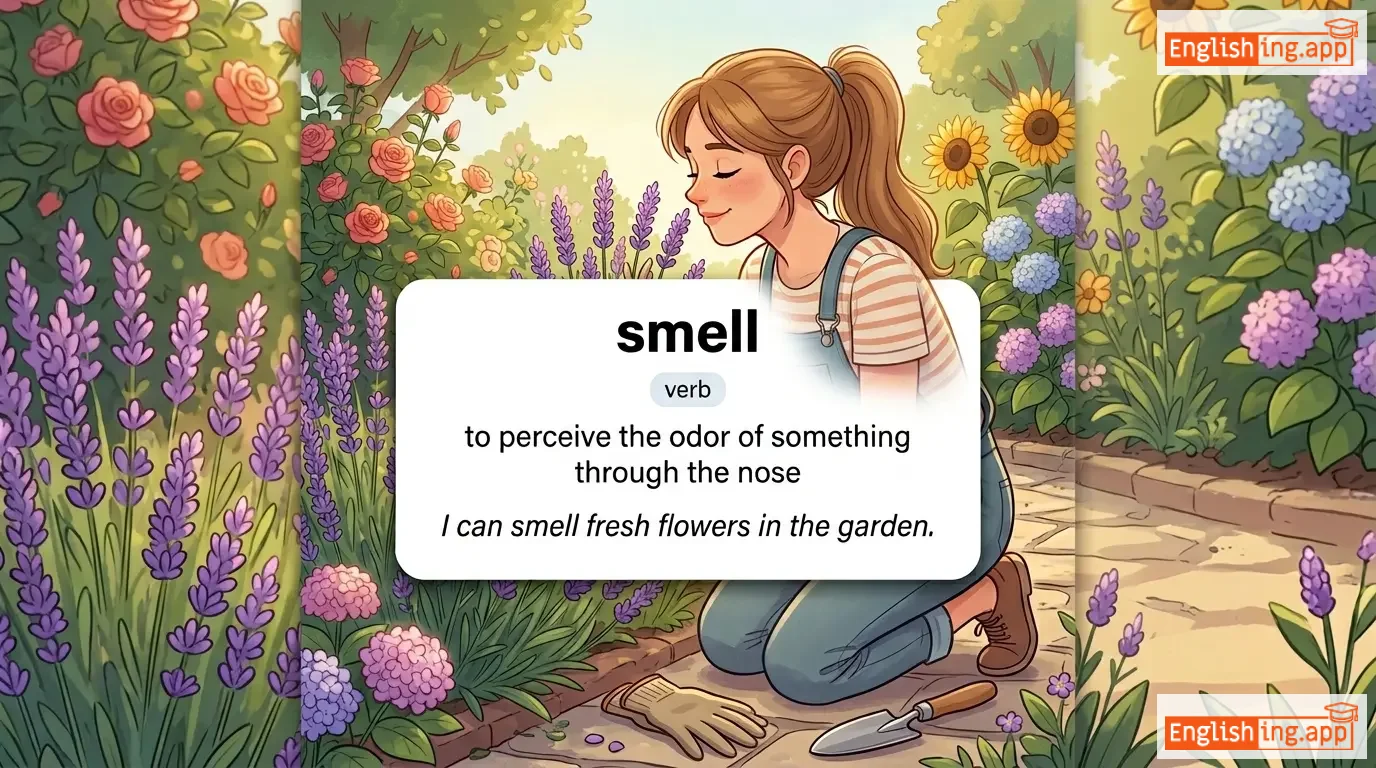
smell definition card — visual illustration of the meaning
verb
/smɛl/
нюхать (nyukhat)

to perceive the odor of something through the nose

"I can smell fresh flowers in the garden."

"Я могу почувствовать свежие цветы в саду." (Ya mogu pochuvstvovat' svezhie tsvety v sadu.)
verb
/smɛlt/
плавить (plavit)

to extract metal from its ore by heating and melting

"The workers smelt iron from its ore in the factory."
"Рабочие плавят железо из руды на заводе." (Rabochie plavyat zhelezo iz rudy na zavode.)
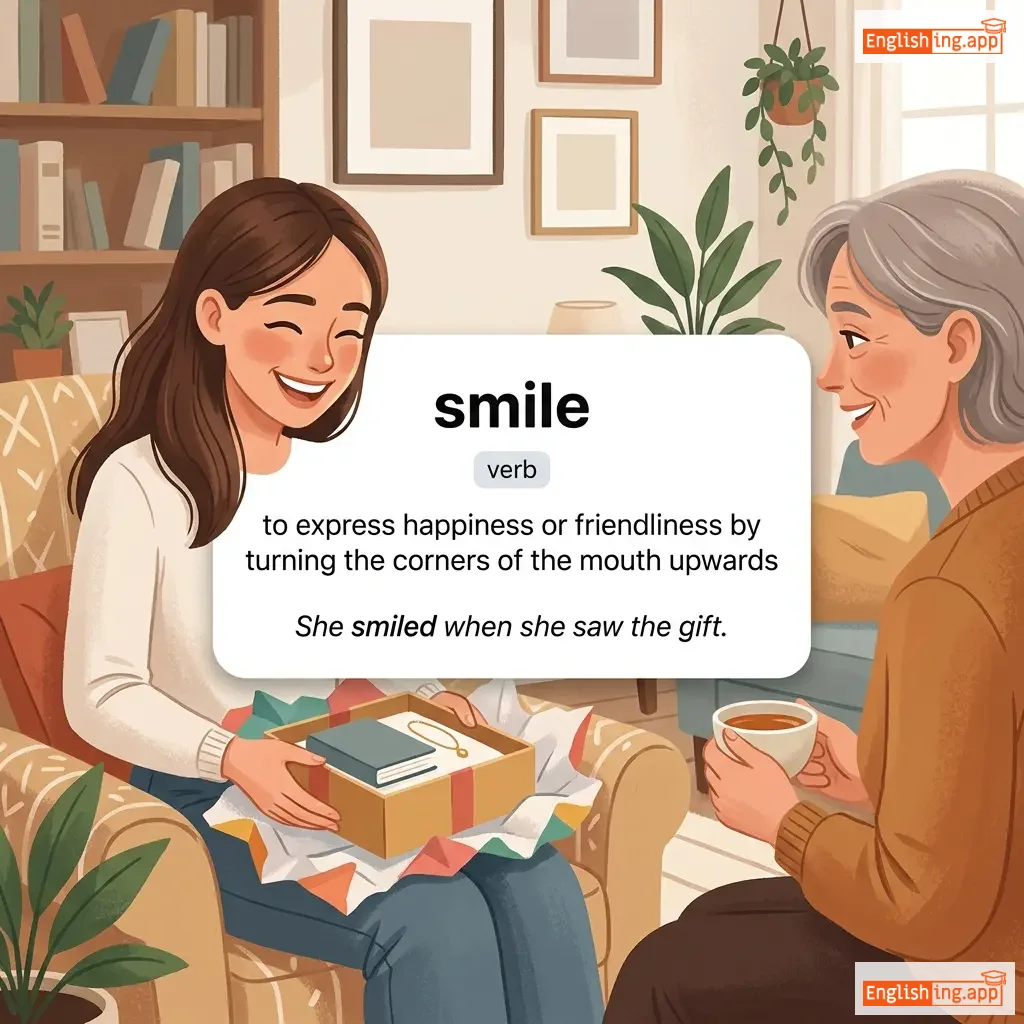
smile definition card — visual illustration of the meaning
verb
/smaɪl/
улыбка (ulybka)

to express happiness or friendliness by turning the corners of the mouth upwards

"She smiled when she saw the gift."

"Она улыбнулась, когда увидела подарок." (Ona ulybnulas', kogda uvidela podarok.)
verb
/smɜrk/
ухмылка самодовольства (ukhmylka samodovol'stva)

to smile in a self-satisfied, smug, or silly way

"He smirked when he won the argument."
"Он ухмыльнулся, когда выиграл спор." (On ukhmylnulsya, kogda viigral spor.)
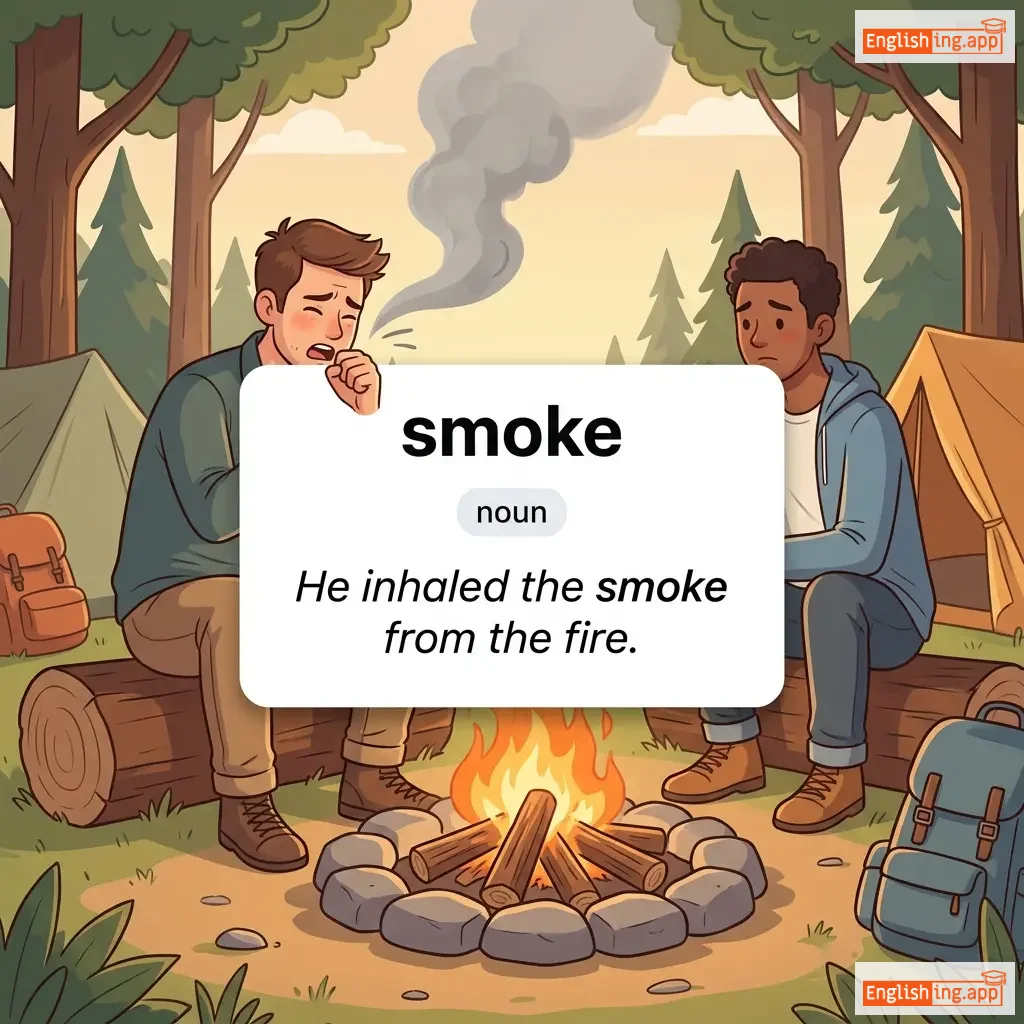
smoke definition card — visual illustration of the meaning
noun
/smoʊk/
дым (dym)

a visible suspension of fine particles of matter in the air, typically produced by combustion

"He inhaled the smoke from the fire."

"Он вдохнул дым от огня." (On vdokhnul dym ot ognya.)
noun
/ˈsmoʊkər/
курильщик (kurilshchik)

A person who smokes tobacco or other substances

"He is a heavy smoker and tries to quit every year."

"Он заядлый курильщик и пытается бросить каждый год." (On zayadlyi kurilshchik i pytayetsya brosit kazhdyi god.)
noun/adjective
/ˈsmoʊ.kɪŋ/
курение (kureniye)

The act of inhaling and exhaling the smoke of tobacco or other substances; wearing a tuxedo (adjective, formal context).

"Smoking is prohibited inside the building."

"Курение запрещено внутри здания." (Kurenie zapreshcheno vnutri zdaniya.)
verb
/ˈsmoʊldər/
тлеть (tlet')

to burn slowly with smoke but no flame; to show suppressed anger or emotion

"The fire smoldered for hours before it went out."
"Огонь тлел несколько часов, прежде чем погас." (Ogon' tlel neskol'ko chasov, prezhde chem pogas.)
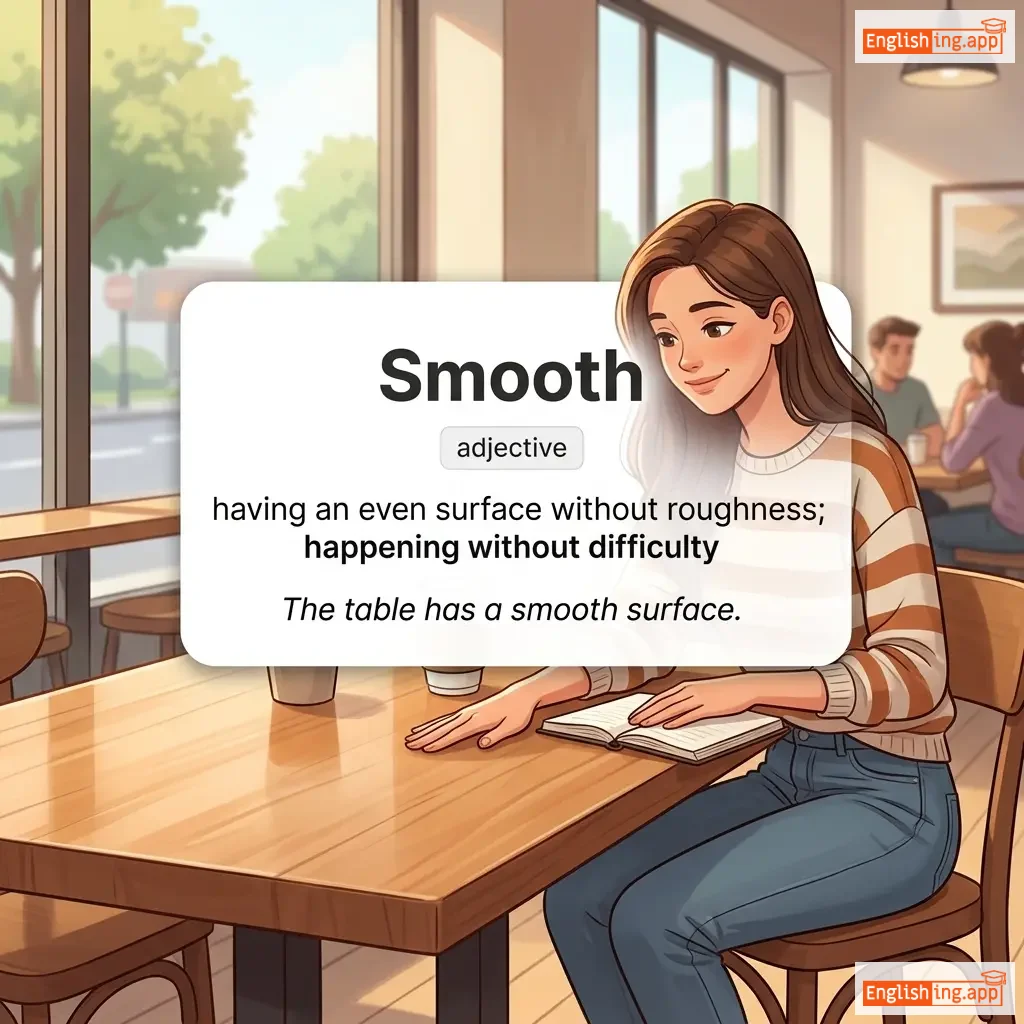
Smooth definition card — visual illustration of the meaning
adjective
/smuːð/
гладкий (gladkiy)

having an even surface without roughness; happening without difficulty

"The table has a smooth surface."

"У стола гладкая поверхность." (U stola gladkaya poverkhnost'.)
adverb
/ˈsmuːð.li/
гладко; без проблем (gladko; bez problem)

without problems or difficulties; in an even and regular way

"The car runs smoothly on the new highway."

"Машина едет гладко по новой трассе." (Mashina yedet gladko po novoy trasse.)
verb
/ˈsmʌðər/
задушить / удушить (zadushit' / udushit')

to kill someone by covering their nose and mouth to prevent breathing; to cover something completely; to overwhelm with excessive attention or affection

"She smothered the fire with a blanket."

"Она задушила огонь одеялом." (Ona zadushila ogon' odeyalom.)
noun/verb
/smʌdʒ/
пятно, грязное пятно (pyatno, gryaznoe pyatno)

a dirty mark or smear; to make something dirty or unclear by rubbing or touching

"She accidentally smudged her lipstick on the napkin."

"Она случайно размазала свою помаду по салфетке." (Ona sluchayno razmazala svoyu pomadu po salfetke.)
adjective
/smʌɡ/
самодовольный (samodovol'nyy)

having or showing an excessive pride in oneself or one's achievements

"He wore a smug smile after winning the debate."

"Он носил самодовольную улыбку после победы в дебатах." (On nosil samodovol'nuyu ulybku posle pobedy v debatakh.)
verb
/ˈsmʌɡəl/

to move goods illegally into or out of a country

"The gang tried to smuggle gold across the border."

noun
/sneɪl/
улитка (ulitka)

a small soft creature with a shell on its back that moves very slowly

"The snail left a shiny trail as it crawled across the leaf."

"Улитка оставила блестящий след, ползая по листу." (Ulitka ostavila blestyashchii sled, pol'zaya po listu)
noun
/sneɪk/
змея (zmeia)

a long, legless reptile that moves by slithering

"A snake slithered across the garden path."

"Змея ползала по садовой дорожке." (Zmey polzala po sadovoy dorozhke.)
noun
/sneɪk ɡɔːrd/
змеиный кабачок (zmeyinyy kabachok)

a long, curved vegetable that resembles a snake, commonly used in South Asian cuisine

"The snake gourd grows in a twisted, serpentine shape in the garden."
"Змеиный кабачок растет в изогнутой, змеиобразной форме в саду." (Zmeyinyy kabachok rastet v izognutoy, zmeeyobraznoy forme v sadu.)
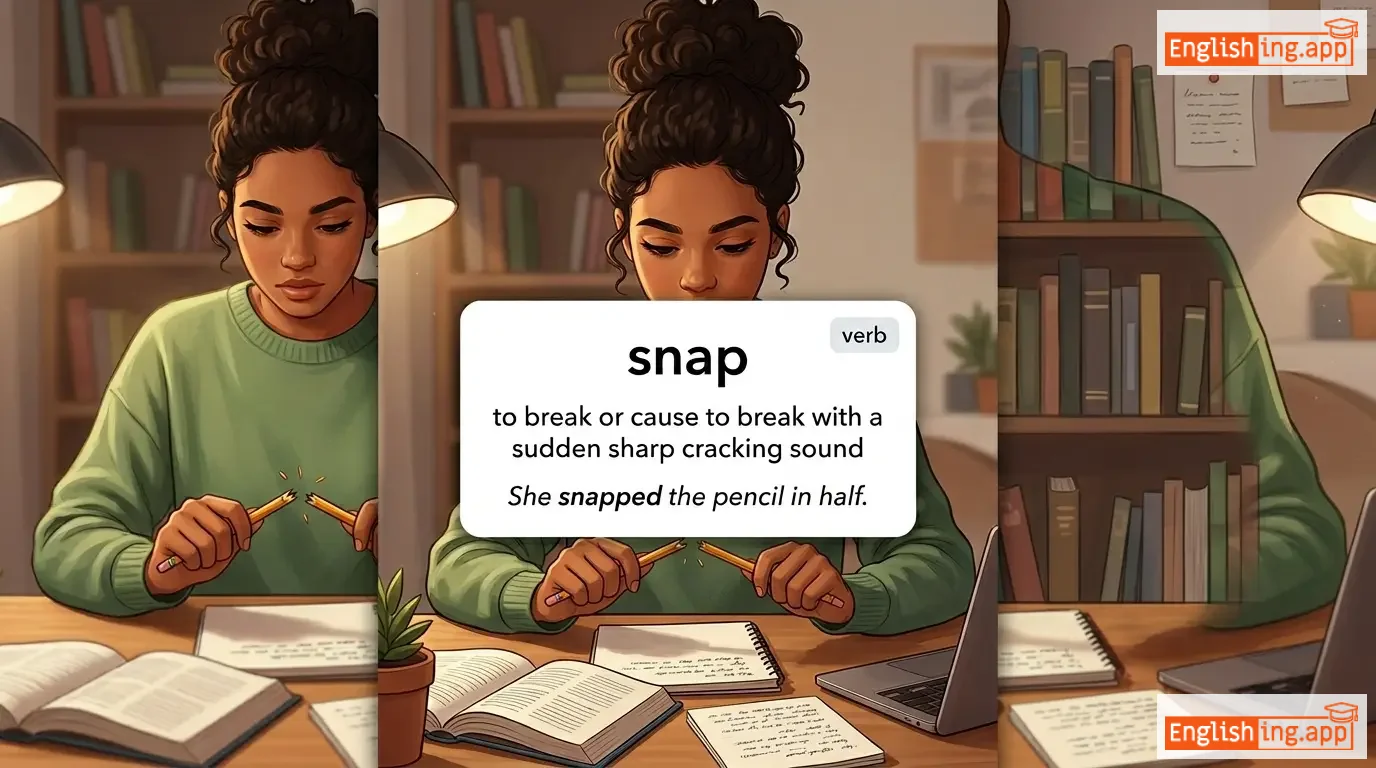
snap definition card — visual illustration of the meaning
verb
/snæp/
сломать (slomat')

to break or cause to break with a sudden sharp cracking sound

"She snapped the pencil in half."

"Она сломала карандаш пополам." (Ona slomala karandash popolam.)
noun/verb
/snɛər/
ловушка (lovushka)

a trap for catching animals; to catch or trap

"The hunter set a snare to catch rabbits."

"Охотник поставил ловушку для ловли кроликов." (Okhotnik postavil lovushku dlya lovli krolikov.)
verb/noun
/snɑːrl/
рычание, пробка (rychanie, probka)

to growl aggressively with bared teeth; a tangle or mess

"The dog snarled at the stranger near the gate."

"Собака зарычала на незнакомца возле ворот." (Sobaka zarychala na neznakomca vozle vorot.)
🥷

sneak

verb
/sniːk/

to move quietly and secretly to avoid being noticed

"He tried to sneak into the house without waking anyone."

verb
/snɪər/
усмехаться (usmekhatsya)

to smile or speak in a mocking or contemptuous way

"She sneered at his attempt to sing."

"Она насмехалась над его попыткой петь." (Ona nasmekhalas' nad yego popytkoy pet'.)
verb, noun
/sniːz/
чихать (chikhat)

to expel air involuntarily from the nose and mouth due to irritation; the act of sneezing

"I had to sneeze during the meeting."

"Мне пришлось чихнуть во время встречи." (Mne prishlos chikhnyut vo vremya vstrechi)
verb
/ˈsnɪkər/
смеяться тихо (smejat'sja tikho)

to laugh quietly in a disrespectful or mocking way

"The students snickered when the teacher made a mistake."

"Студенты смеялись, когда учитель ошибся." (Studenty smeyalis', kogda uchitel' oshibsya.)
adjective
/snaɪd/
язвительный (yazvitel'nyy)

mocking or insulting in an indirect way

"He couldn’t resist making a snide comment about her dress."

"Он не мог удержаться от язвительного комментария о ее платье." (On ne mog uderzhat'sya ot yazvitel'nogo kommentariya o yeye plate.)
verb
/snɪp/
резать (rezyat')

to cut something quickly with scissors or a sharp tool

"She snipped the loose thread from her dress."

"Она срезала свободную нить с платья." (Ona srezala svobodnuyu nity s plat'ya.)
verb
/ˈsnɪvəl/
плакать или жаловаться слабым или раздражающим способом (plakat' ili zhalovatsya slabym ili razdrazhayushchim sposobom)

to cry or complain in a weak or annoying way

"He began to snivel when he didn’t get his way."

"Он начал плакать, когда не получил, что хотел." (On nachal plakat', kogda ne poluchil, chto hotel.)
adjective
/ˈsnɒbɪʃ/
снобистский (snobistskiy)

having or showing the attitude of people who think they are better than others

"She seemed snobbish because she avoided talking to the waiters."

"Она казалась снобистской, потому что избегала разговаривать с официантами." (Ona kazalas' snobistskoy, potomu chto izbegala razgovarivat' s ofitsiantami.)
noun
/snoʊ/
снег (sneg)

frozen water vapor that falls from the sky as white flakes

"Children love to play in the snow."

"Дети любят играть в снегу." (Deti lyubyat igrat' v snegu.)
noun
/ˈsnoʊ.fɔːl/
снегопад (snegopad)

the process of snow falling from the sky; the amount of snow that falls

"The heavy snowfall blocked all the roads yesterday."

"Сильный снегопад заблокировал все дороги вчера." (Sil'nyy snegopad zablokiroval vse dorogi vchera.)
verb
/snʌb/
пренебрегать (prenebregat)

to insult or ignore someone by treating them rudely

"He felt hurt when his invitation was snubbed."

"Он почувствовал обиду, когда его приглашение было пренебрежено." (On pochuvstvoval obidu, kogda ego priglashenie bylo prenebregeno.)
verb
/ˈsnʌfəl/
шумно дышать носом (shumno dyshat' nosom)

to breathe noisily through the nose, often because of crying or a cold

"The child began to snuffle after crying for a long time."

"Ребёнок начал сопеть после того, как долго плакал." (Rebyonok nachal sopeť posle togo, kak dolgo plakal.)
adverb
/soʊ/
так (tak)

to such a degree or extent

"She was so happy with the gift."

"Она была так счастлива с подарком." (Ona byla tak schastliva s podarkom.)
adjective
/ˈsoʊ kɔːld/
так называемый (tak nazyvaemyi)

referred to as or known by a particular name or title, often misleadingly

"The so-called expert couldn't answer the question."

"Так называемый эксперт не смог ответить на вопрос." (Tak nazyvaemyi ekspert ne smog otvetit na vopros.)
verb
/soʊk/
погружать (pogruzhat)

to make something completely wet by immersing it in liquid

"She soaked the clothes in water before washing them."
"она погрузила одежду в воду перед тем, как ее постирать." (ona pogruzila odezhdu v vodu pered tem, kak ee postirat.)
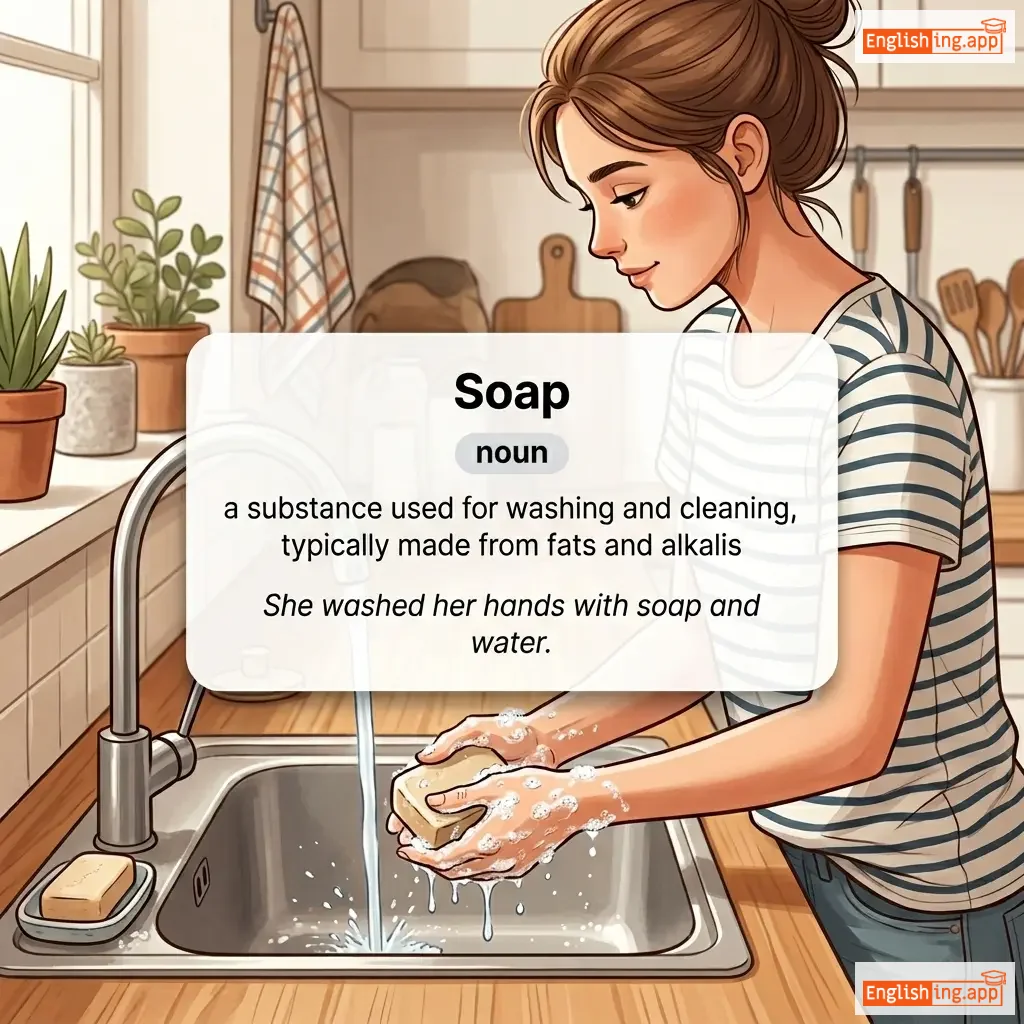
Soap definition card — visual illustration of the meaning
🧼

Soap

noun
/soʊp/

a substance used for washing and cleaning, typically made from fats and alkalis

"She washed her hands with soap and water."

noun
/soʊp keɪs/
коробка для мыла (korobka dlya myla)

a container used to store soap

"She bought a beautiful soap case for the bathroom."

"Она купила красивую коробку для мыла для ванной." (Ona kupila krasivuyu korobku dlya myla dlya vannoy.)
adjective
/ˈsoʊpi/
покрытый мылом; пенистый (pokrytyi mylom; penisty)

covered with soap; having the characteristics of soap; foamy

"The dishes were still soapy after washing."

"Тарелки всё ещё были мыльными после мытья." (Tarelki vsyo eshchyo byli mylnymi posle mytya.)
verb
/sɔːr/
взлетать / быстро увеличиваться (vzoletat / bystro uvelichivatsya)

to fly or rise high in the air; to increase rapidly or dramatically

"The eagle soared high above the mountains."

"Орел взлетел высоко над горами." (Orel vzletel vysoko nad gorami.)
verb
/sɑːb/
рыдать громко (rydat' gromko)

to cry noisily while taking short breaths

"She began to sob uncontrollably after hearing the news."

"Она начала всхлипывать, не в силах сдержать слезы, услышав новость." (Ona nachala vskhlipyvat', ne v silakh sderzhat' slezy, uslyshav novost'.)
adjective
/ˈsoʊbər/
трезвый / серьезный (trezvy / seryozny)

not affected by alcohol; serious, sensible, and solemn

"He gave a sober speech about the challenges ahead."

"Он произнес трезвую речь о предстоящих вызовах." (On proiznes trezvuyu rech o predstoyashchikh vyzovakh.)
noun/verb
/ˈsoʊdʒɜrn/
временное пребывание (vremennoe prebyvanie)

A temporary stay at a place; to stay temporarily

"She enjoyed a brief sojourn in Paris during the summer."
"Она наслаждалась коротким пребыванием в Париже летом." (Ona naslazhdalas' korotkim prebyvaniem v Parizhe letom.)
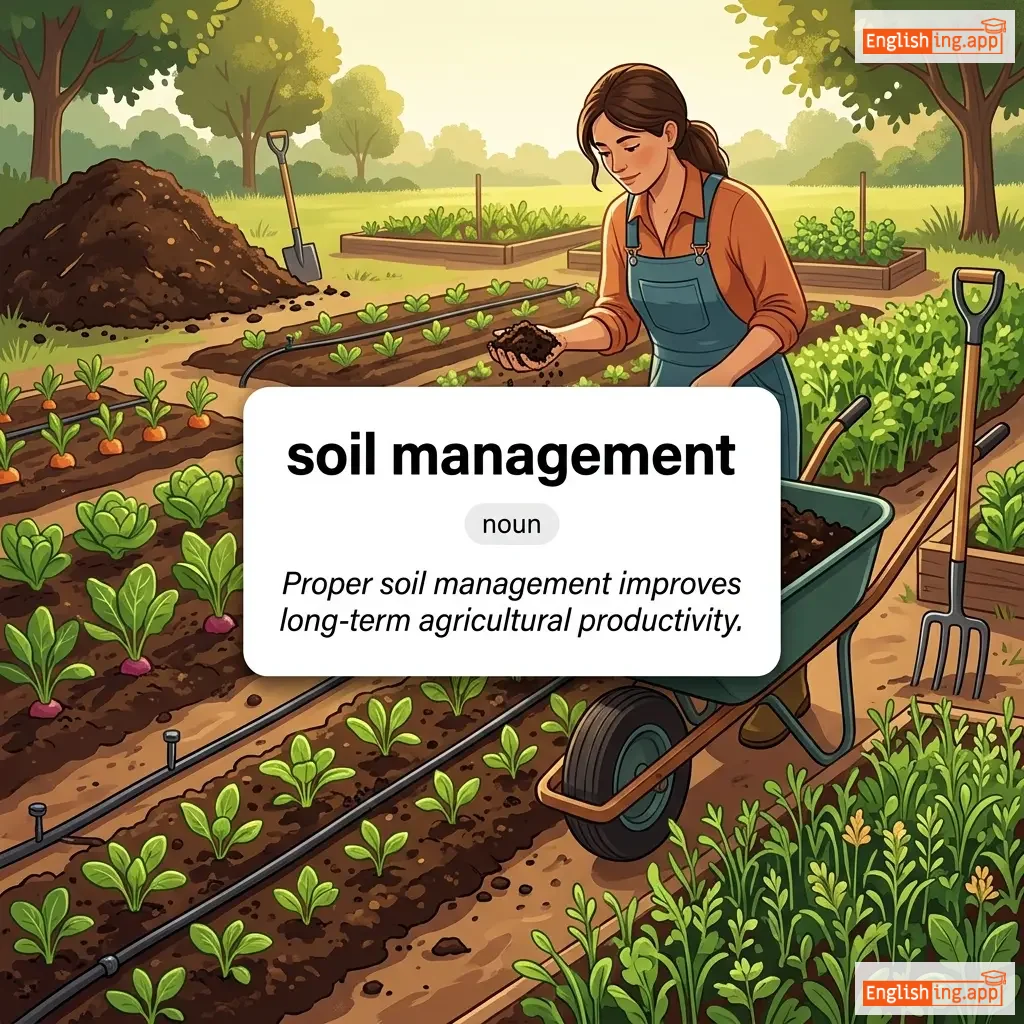
soil management definition card — visual illustration of the meaning
noun
/sɔɪl ˈmæn.ɪdʒ.mənt/
управление почвой (upravlenie pochvoy)

The application of operations, practices, and treatments to protect soil and enhance its performance.

"Proper soil management improves long-term agricultural productivity."

"Правильное управление почвой улучшает долгосрочную сельскохозяйственную продуктивность." (Pravil'noe upravlenie pochvoy uluchshaet dolgosrochnuyu selskokhozyaystvennuyu produktivnost'.)
adjective
/sɔɪld/
грязный (gryaznyy)

dirty or stained; not clean

"His clothes were soiled after playing in the mud."
"Его одежда была грязной после игры в грязи." (Ego odezhda byla gryaznoy posle igry v gryazi.)
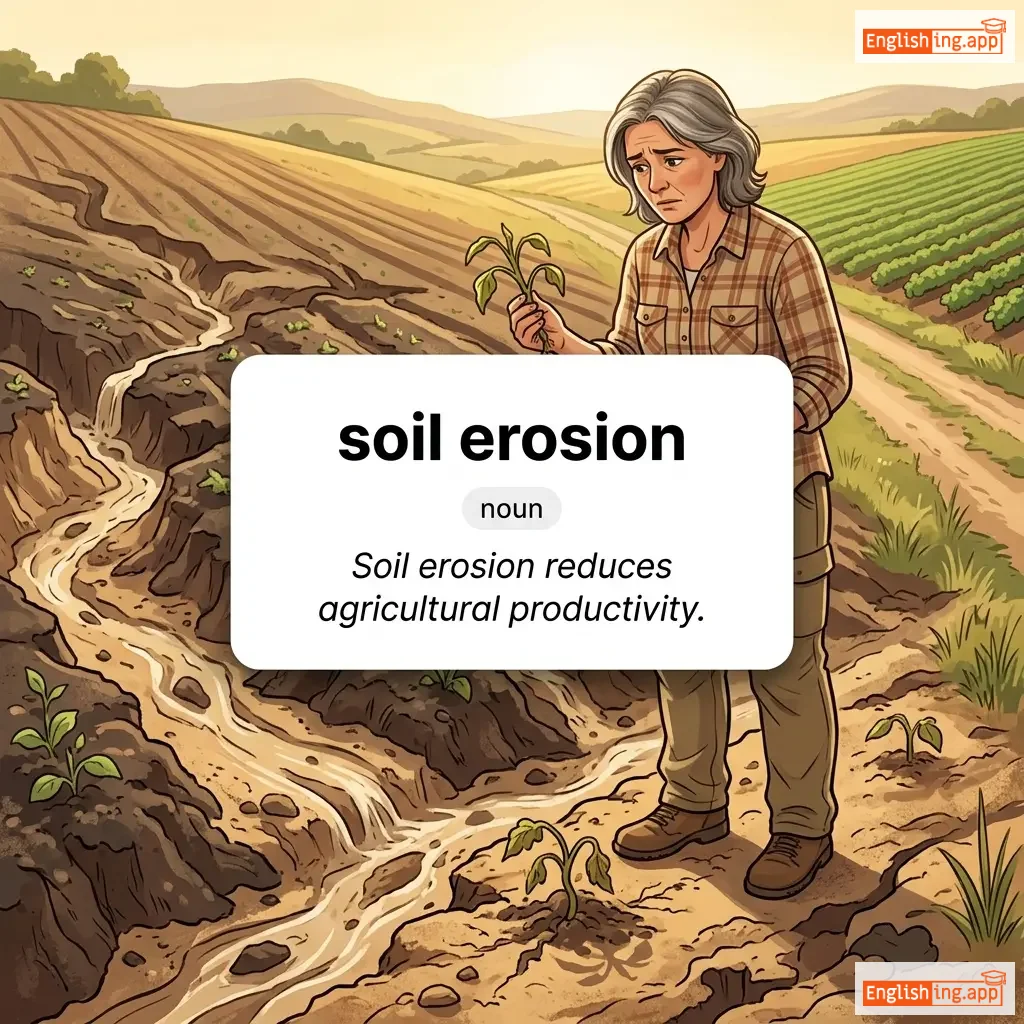
soil erosion definition card — visual illustration of the meaning
noun
sɔɪl ɪˈrəʊ.ʒən
счастье (schastye)

The removal of topsoil by wind, water, or other natural forces, reducing agricultural productivity.

"Soil erosion reduces agricultural productivity."

"Она не могла скрыть своё счастье, когда получила награду." (Ona ne mogla skryt' svoyo schast'ye, kogda poluchila nagradu.)
noun
/sɒl/
соль (пятая нота музыкальной шкалы) (sol' (pyataya nota muzykal'noy shkal'y))

The fifth note of the sol-fa musical scale (do, re, mi, fa, sol, la, ti); also the Latin word for sun

"The choir practiced singing the note sol during rehearsal."

"Хор репетировал пение ноты соль во время репетиции." (Khor repetiroval peniye noty sol' vo vremya repetitsii.)
noun/verb
/ˈsɒləs/
утешение (uteshenie)

Comfort or consolation in a time of distress or sadness

"She found solace in music after the loss of her father."

"Она нашла утешение в музыке после потери своего отца." (Ona nashla uteshenie v muzike posle poteri svoego otca.)