Словари

Словарь английского языка | Значения слов, определения и примеры

noun
/fəˈsɑːd/
фасад (fasad)

The front of a building; a false or superficial appearance

"The building's glass facade reflected the sunset."
"Стеклянный фасад здания отражал закат." (Steklyannyy fasad zdaniya otrazhal zakat.)
face definition card — visual illustration of the meaning
🙂

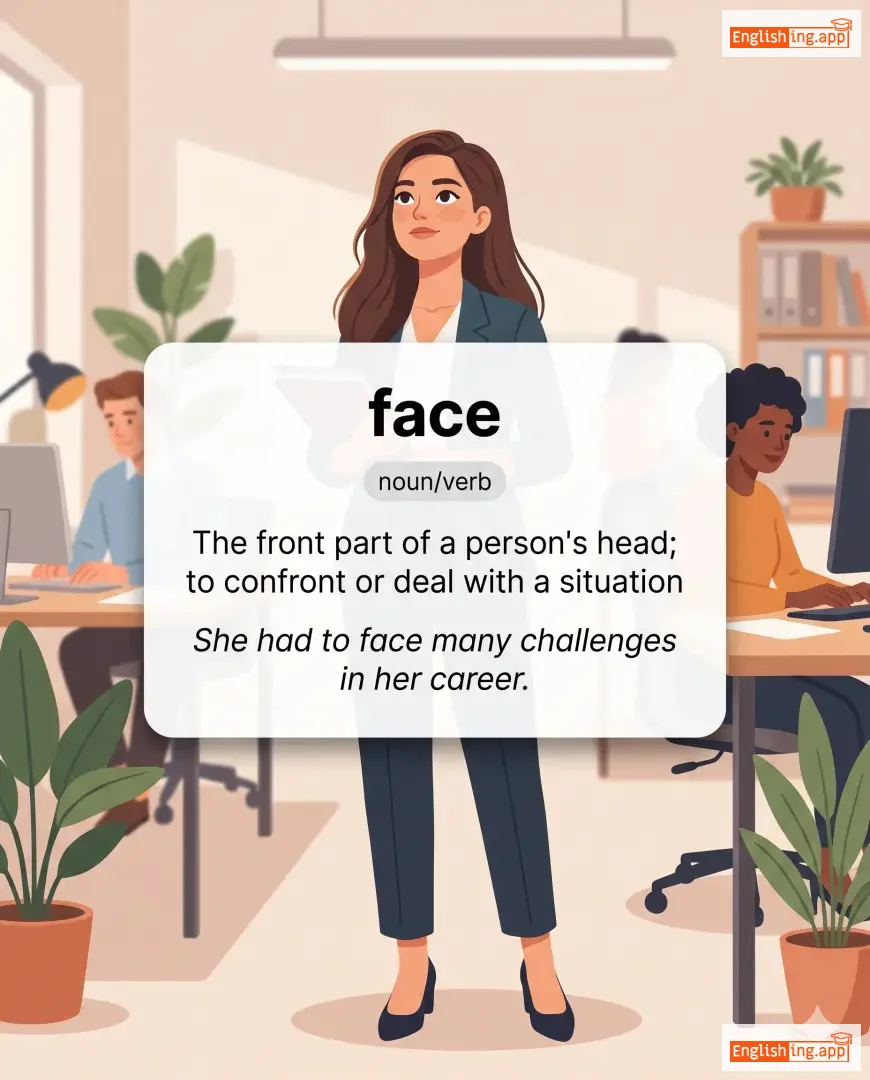
face

noun/verb
/feɪs/

The front part of a person's head; to confront or deal with a situation

"She had to face many challenges in her career."
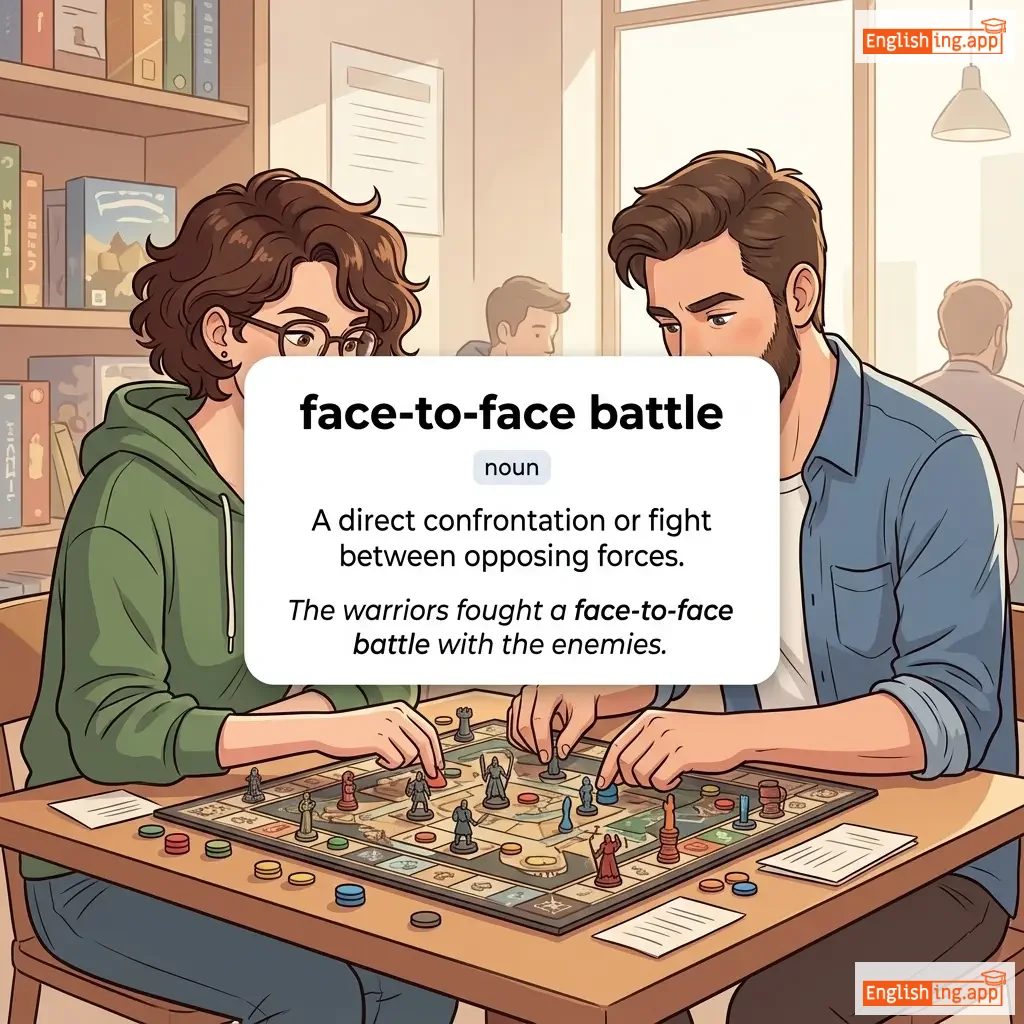
face-to-face battle definition card — visual illustration of the meaning
noun
ˈfeɪs tə ˈfeɪs ˈbætl
битва лицом к лицу (bitva litsom k litsu)

A direct confrontation or fight between opposing forces.

"The warriors fought a face-to-face battle with the enemies."

"Воители сражались в битве лицом к лицу с врагами." (Voitely srazhalis v bitve litsom k litsu s vragami.)
facet definition card — visual illustration of the meaning
noun
/ˈfæsɪt/
аспект (aspekt)

A particular aspect or feature of something

"Honesty is an important facet of his character."
"Честность — это важный аспект его характера." (Chestnost' — eto vazhnyy aspekt ego kharaktera.)
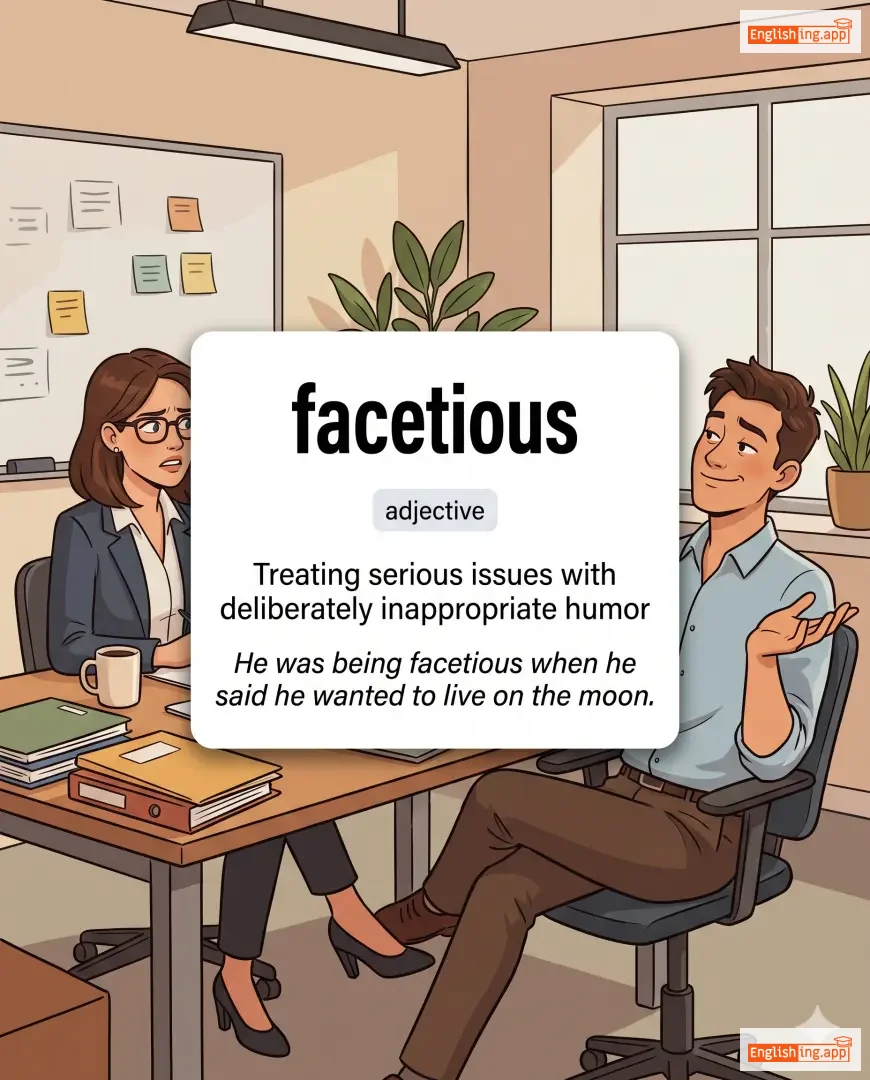
facetious definition card — visual illustration of the meaning
adjective
/fəˈsiːʃəs/
ироничный (ironicny)

Treating serious issues with deliberately inappropriate humor

"He was being facetious when he said he wanted to live on the moon."

"Он был ироничен, когда сказал, что хочет жить на Луне." (On byl ironichen, kogda skazal, chto khochet zhit' na Lune.)
💆‍♀️

facial (fey-shal)

adjective, noun
/ˈfeɪʃəl/
процедура по уходу за лицом (protsedura po ukhodu za litsom)

Relating to the face; a beauty treatment for the face

"She booked a facial at the spa."

"Она забронировала процедуру по уходу за лицом в спа." (Ona zabronirovala protseduru po ukhodu za litsom v spa.)
adjective
/ˈfæsɪl/
легкий, поверхностный, простой (legkiy, poverkhnostnyy, prostoy)

easily achieved or effortless; superficial or simplistic

"He gave a facile explanation that ignored the complexities of the problem."

"Он дал простое объяснение, игнорируя сложность проблемы." (On dal prostoye ob'yasneniye, ignoriruya slozhnost' problemy.)
facilitate definition card — visual illustration of the meaning
verb
/fəˈsɪlɪteɪt/
облегчать, упрощать (oblegchat, uproshchat)

to make an action or process easier or smoother

"The new software will facilitate communication between departments."

"Новое программное обеспечение облегчит общение между отделами." (Novoje programnoje obespechenie oblegchit obshchenie mezhdu otdelami.)
facilitation definition card — visual illustration of the meaning
noun
fəˌsɪl.ɪˈteɪ.ʃən
облегчение (oblegchenie)

Making any work or process easy and effective.

"Payment gateways ensure the facilitation of online transactions."
"Платежные шлюзы обеспечивают облегчение онлайн-транзакций." (Platezhnye shlyuzy obespechivayut oblegchenie onlayn-tranzaktsiy.)
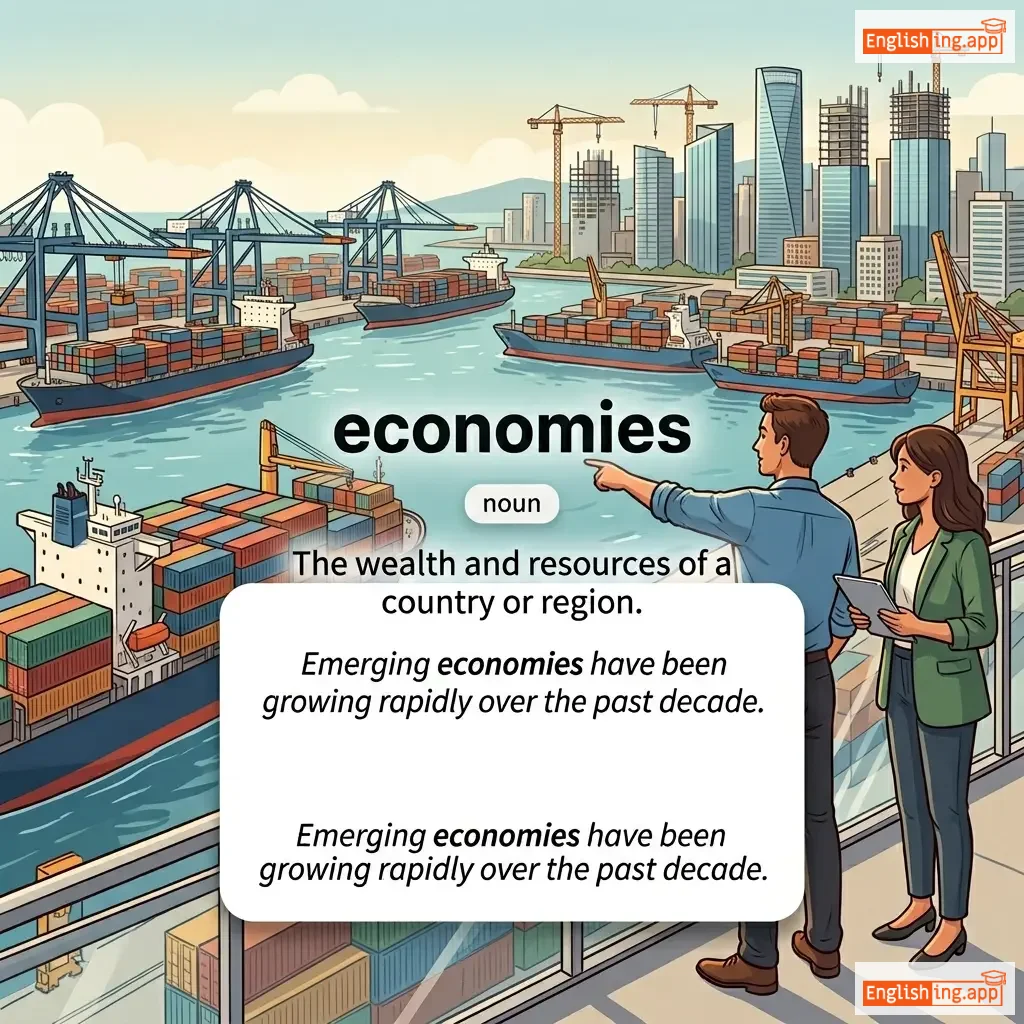
economies definition card — visual illustration of the meaning
noun
ɪˈkɒnəmiːz
экономики (economiki)

The wealth and resources of a country or region.

"Emerging economies have been growing rapidly over the past decade."

"Развивающиеся экономики быстро растут в последние десятилетия." (Razvivayushchiesya ekonomiki bystro rastut v poslednie desyatiletiya.)
noun
/ɪˈkɒnəmɪst/
экономист (ekonomist)

A person who studies or is an expert in economics.

"The economist predicted a rise in inflation."

"Экономист предсказал рост инфляции." (Ekonomist predskazal rost inflatsii.)
verb
/ɪˈkɒnəmaɪz/
экономить (ekonomit')

To reduce spending or use resources carefully.

"Families are trying to economize by cutting unnecessary expenses."

"Sem'i podyiskivayut ekonomit', sokrashchaya nezhelatel'nye raskhody." (Sem'i podyiskivayut ekonomit', sokrashchaya nezhelatel'nye raskhody.)
economy definition card — visual illustration of the meaning
noun
/ɪˈkɒnəmi/
экономика (ekonomika)

The system of production, distribution, and consumption of goods and services in a society.

"The global economy has been affected by rising inflation."
"Мировая экономика пострадала от растущей инфляции." (Mirovaya ekonomika postradala ot rastushchey inflatsii.)
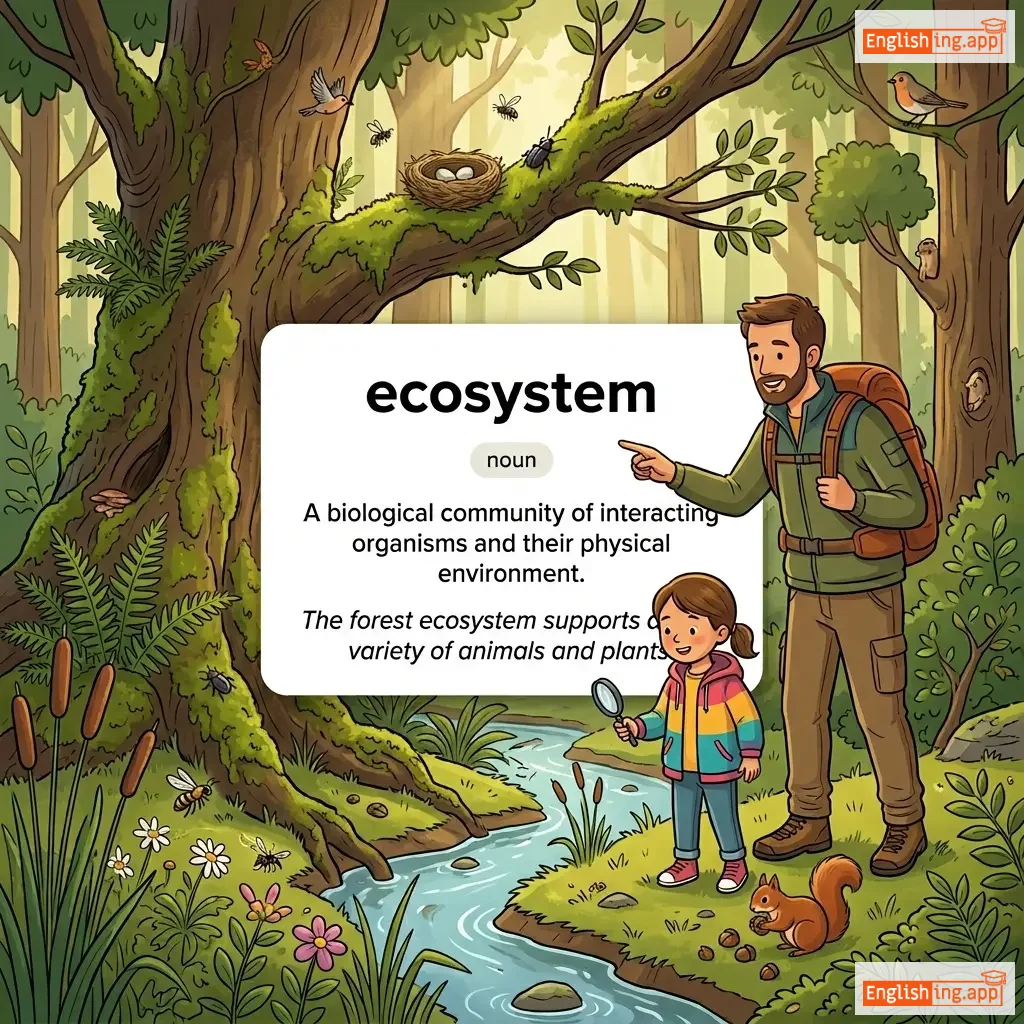
ecosystem definition card — visual illustration of the meaning
noun
/ˈiːkəʊˌsɪstəm/
счастье (schastye)

A biological community of interacting organisms and their physical environment.

"The forest ecosystem supports a wide variety of animals and plants."
"Она не могла скрыть своего счастья, когда получила награду." (Ona ne mogla skryt' svoego schast'ya, kogda poluchila nagradu.)
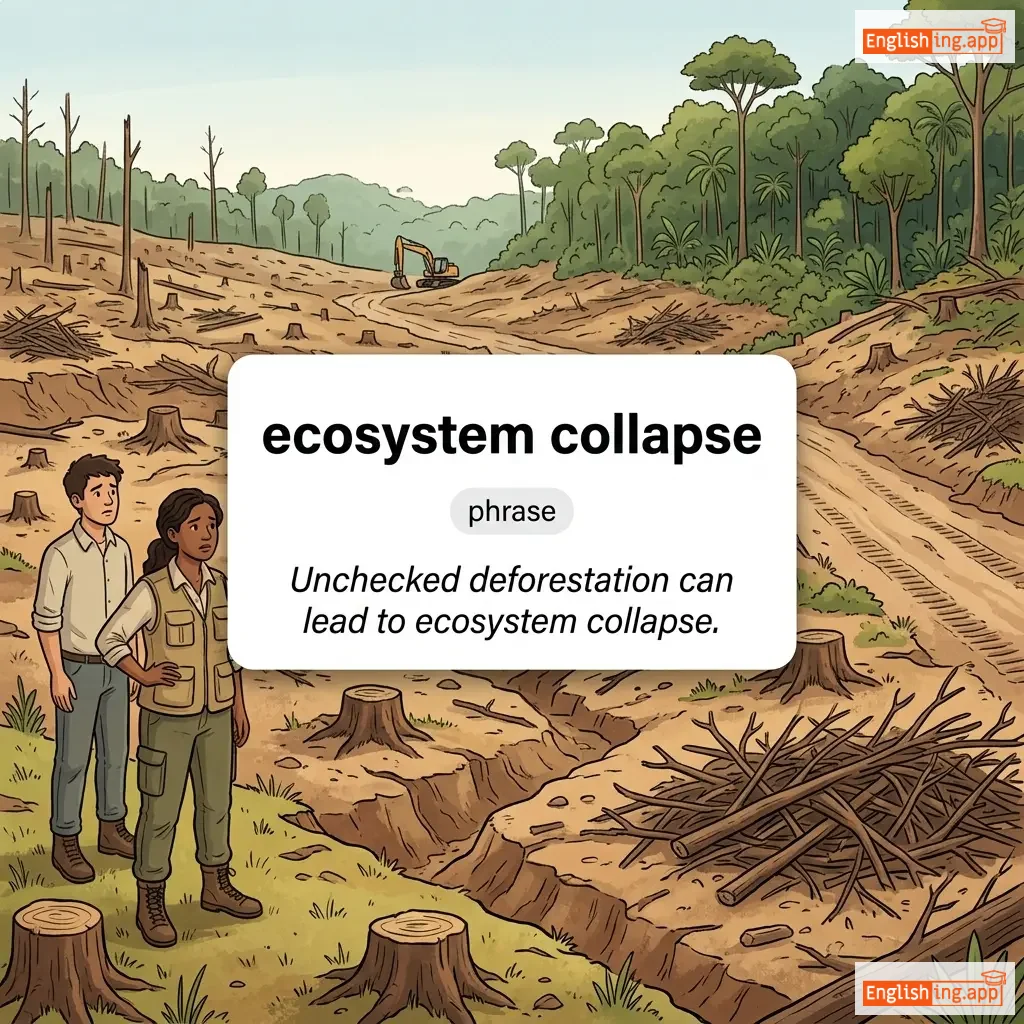
ecosystem collapse definition card — visual illustration of the meaning
phrase
ˈiː.kəʊˌsɪs.təm kəˈlæps
коллапс экосистемы (kollaps ekosistemy)

The complete breakdown of an ecological system, resulting in the inability to maintain its structure and function.

"Unchecked deforestation can lead to ecosystem collapse."
"Неконтролируемая вырубка лесов может привести к коллапсу экосистемы." (Nekontroliruemaya vyrubka lesov mozhet privesti k kollapsu ekosistemy.)
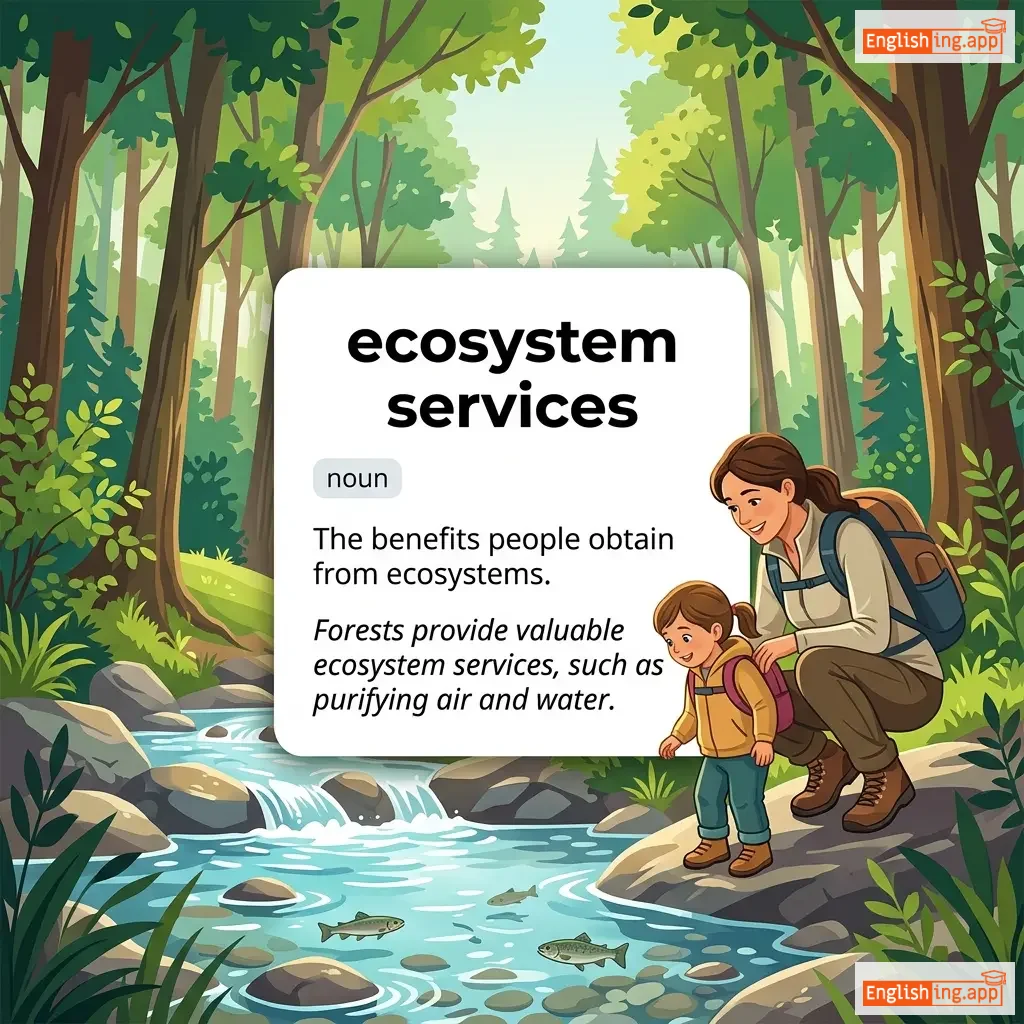
ecosystem services definition card — visual illustration of the meaning
noun
ˈiːkəʊˌsɪstəm ˈsɜːvɪsɪz
экосистемные услуги (ekosistemnye uslugi)

The benefits people obtain from ecosystems.

"Forests provide valuable ecosystem services, such as purifying air and water."
"Леса предоставляют ценные экосистемные услуги, такие как очистка воздуха и воды." (Lesa predostavlyayut tsennye ekosistemnye uslugi, takiye kak ochistka vozdukha i vody.)
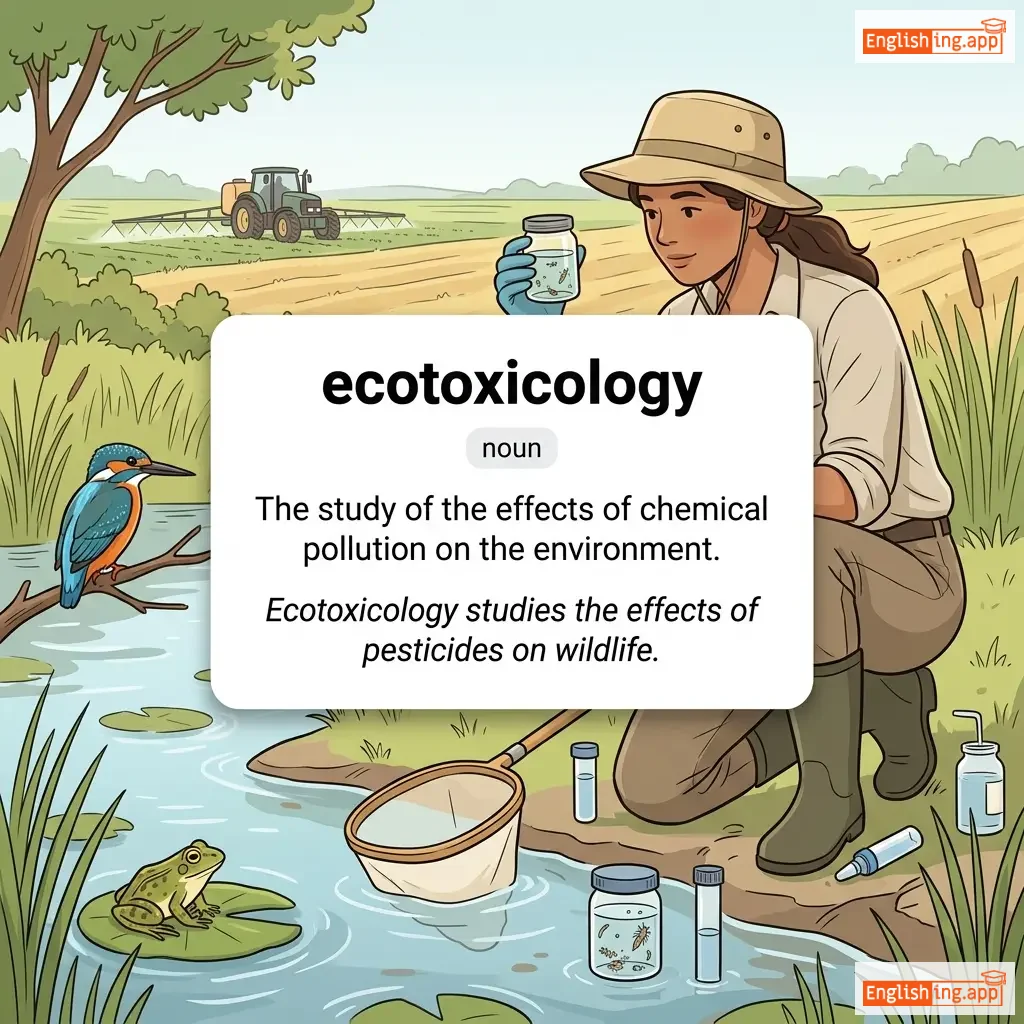
ecotoxicology definition card — visual illustration of the meaning
noun
/ˌiː.kəʊ.tɒkˈsɪ.kə.lə.dʒi/
экотоксикология (ekotoksikologiya)

The study of the effects of chemical pollution on the environment.

"Ecotoxicology studies the effects of pesticides on wildlife."

"Экотоксикология изучает воздействие пестицидов на дикую природу." (Ekotoksikologiya izuchayet vozdeystviye pestitsidov na dikuyu prirodu.)
noun
/ˈekstəsi/
экстаз (ekstaz)

An overwhelming feeling of great happiness or joyful excitement.

"She was in ecstasy when she won the prize."

"Она была в экстазе, когда выиграла приз." (Ona byla v ekstaze, kogda viigrala priz.)
adjective
/ɪkˈstætɪk/
экстатический (ekstaticheskiy)

Feeling or expressing overwhelming happiness or excitement.

"The fans were ecstatic after their team won the championship."

"Фанаты были в экстазе, когда их команда выиграла чемпионат." (Fanaty byli v ekstaze, kogda ikh komanda vyigrala chempionat.)
adjective
/ˌɛkjʊˈmɛnɪkəl/
экуменическое религиозное единство (ekumenicheskoe religioznoe yedinstvo)

Promoting unity among different Christian churches or religions.

"The leaders gathered for an ecumenical conference to encourage dialogue."

"Лидеры собрались на экуменическую конференцию, чтобы способствовать диалогу." (Lidery sobralis' na ekumenicheskuyu konferentsiyu, chtoby sposobstvovat' dialogu.)
noun
/ˈɛdi/
водоворот (vodovorot)

A circular movement of water, air, or smoke, counter to the main current, causing a small whirlpool or turbulence.

"The canoe was caught in an eddy near the rocks."

"Каноэ застряло в водовороте у камней." (Kanoe zastrialo v vodovorote u kamnei.)
noun
/ˈiː.dən/
Эдем (Eden)

a place or state of great happiness; paradise

"The garden was like Eden, filled with beautiful flowers and peaceful atmosphere."

"Сад был как Эдем, наполненный красивыми цветами и спокойной атмосферой." (Sad byl kak Eden, napolnennyy krasivymi tsvetami i spokoynoy atmosferoy.)
noun
/ɛdʒ/
край / лезвие (kraj / lezvie)

the border or outermost part of something; a sharp side of a blade or tool

"He stood on the edge of the cliff."

"Он стоял на краю утеса." (On stoyal na krayu utesa.)
adjective
/ˈɛdəbl/
съедобный (s'yedobnyy)

Fit or suitable to be eaten; safe to eat.

"The mushrooms in the basket are edible."

"Грибы в корзине съедобны." (Griby v korzine s'yedobny.)
noun
/ˈiːdɪkt/
ука́з (ukaz)

An official order, proclamation, or decree issued by an authority.

"The king issued an edict banning smoking in public places."

"Король издал указ, запрещающий курение в общественных местах." (Korol' izdal ukaz, zapreshchayushchiy kureniye v obshchestvennykh mestakh.)
noun
/ˈɛdɪfɪs/
здание (zdanie)

A large, impressive building or structure.

"The museum is an impressive edifice in the city center."

"Музей — это впечатляющее здание в центре города." (Muzey — eto vpechatlyayushcheye zdaniye v tsentre goroda.)
verb
/ˈɛdɪfaɪ/
просвещать (prosveshchat)

To instruct or improve someone morally or intellectually.

"Good books can both entertain and edify the reader."

"Хорошие книги могут развлекать и просвещать читателя." (Khoroshiye knigi mogut razvlekat' i prosveshchat' chitatelya.)
adjective
/ˈɛdɪfaɪɪŋ/
поучительный (pouchetitel'nyy)

Providing moral or intellectual instruction or enlightenment.

"The documentary was both entertaining and edifying."

"Документальный фильм был одновременно развлекательным и поучительным." (Dokumental'nyy film byl odnovremenno razvlekatel'nym i poucheshtel'nym.)
edit definition card — visual illustration of the meaning
verb
/ˈɛdɪt/
редактировать (redaktirovat')

to prepare written material by correcting, condensing, or modifying it.

"She edited the article before it was published."

"Она отредактировала статью перед тем, как она была опубликована." (Ona otredaktirovala stat'yu pered tem, kak ona byla opublikovana.)
noun
/ɪˈdɪʃən/
издание (izdanie)

a particular version or printing of a book, newspaper, or other publication

"The latest edition of the magazine sold out quickly."

"Последнее издание журнала быстро распродалось." (Poslednee izdanie zhurnala bystro rasprodalos'.)
noun
/ˈɛdɪtər/
редактор (redaktor)

a person responsible for the final content of a newspaper, magazine, or book

"The editor approved the article before publication."

"Редактор одобрил статью до публикации." (Redaktor odobril stat'yu do publikatsii.)
noun
/ˌɛdɪˈtɔːriəl/
редакционная статья (redaktsionnaya stat'ya)

A newspaper article expressing the opinion of the editor or publisher.

"The newspaper published an editorial criticizing government policy."

"Газета опубликовала редакционную статью, критикующую политику правительства." (Gazeta opublikovala redaktsionnuyu stat'yu, kritikuushchuyu politiku pravitel'stva.)
verb
/ˈɛdjʊˌkeɪt/
обучать (obuchat)

to give knowledge, skills, or training to someone; to teach

"Parents should educate their children about healthy habits."

"Родители должны обучать своих детей здоровым привычкам." (Roditeli dolzhny obuchat' svoikh detey zdorovym privychkam.)
adjective
/ˈɛd.jʊ.keɪ.tɪd/
образованный (obrazovannyy)

Having received a good level of formal schooling or training; knowledgeable

"She is an educated woman who values lifelong learning."

"Она образованная женщина, которая ценит обучение на протяжении всей жизни." (Ona obrazovannaya zhenshchina, kotoraya tsenit obuchenie na protyazhenii vsej zhizni.)
education definition card — visual illustration of the meaning
noun
/ˌɛdʒʊˈkeɪʃən/
образование (obrazovanie)

the process of receiving or giving systematic instruction, especially at a school or university

"Education is the key to success."
"Образование - это ключ к успеху." (Obrazovanie - eto klyuch k uspekhu.)
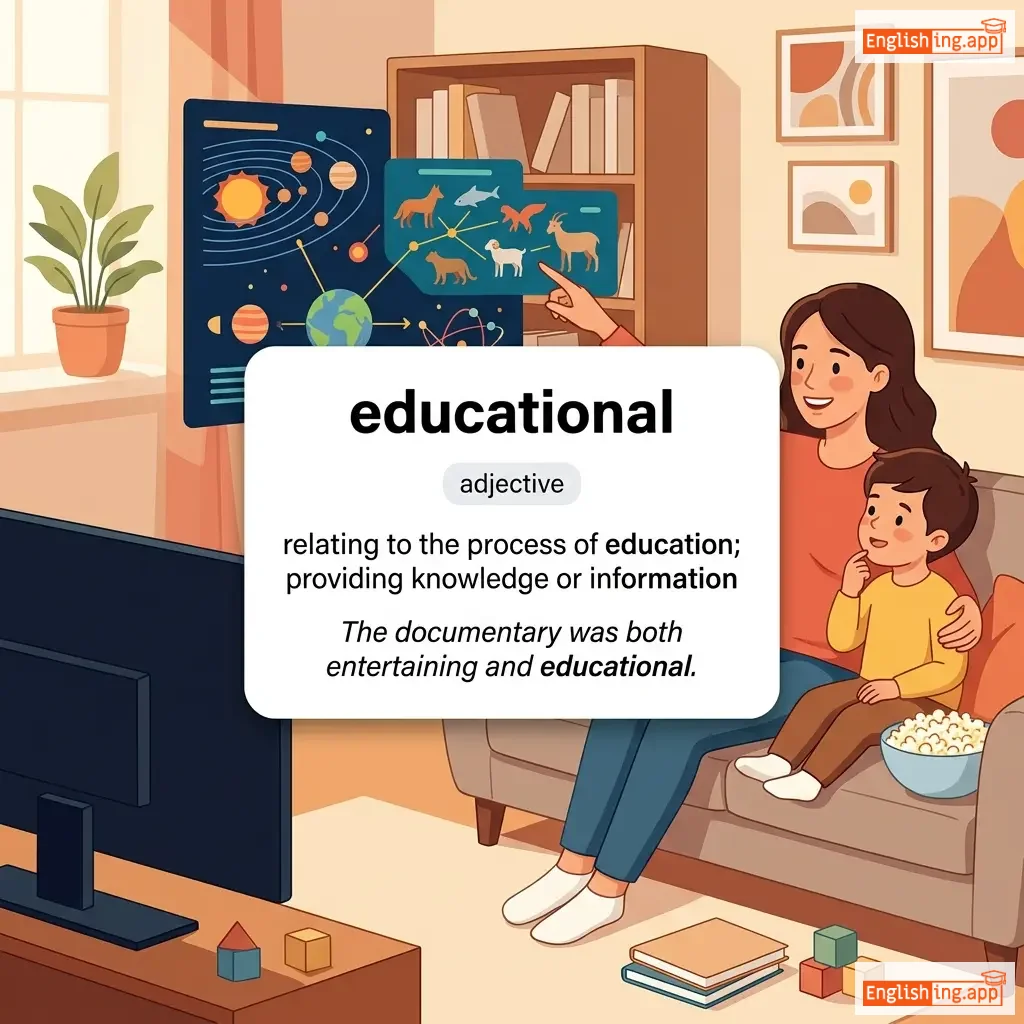
educational definition card — visual illustration of the meaning
adjective
/ˌɛdʒuˈkeɪʃənəl/
образовательный (obrazovatel'nyy)

relating to the process of education; providing knowledge or information

"The documentary was both entertaining and educational."

"Документальный фильм был как развлекательным, так и образовательным." (Dokumental'nyy film byl kak razvlekatel'nym, tak i obrazovatel'nym.)
adjective
/ˈed.jʊ.keɪ.tɪv/
образовательный; обучающий; информационный (obrazovatel'nyj; obuchayushchij; informatsionnyj)

providing education; instructive; informative

"The documentary was highly educative and informative."

"Документальный фильм был очень познавательным и информативным." (Dokumental'nyj film byl ochen' poznavatel'nym i informativnym.)
noun
/ˈɛdʒuˌkeɪtər/
педагог (pedagog)

a person who provides education; a teacher or instructor

"She is a dedicated educator who inspires her students every day."

"Она преданная педагог, которая вдохновляет своих учеников каждый день." (Ona predannaya pedagog, kotorya vdokhnovlyayet svoikh uchenikov kazhdyj den'.)
verb
/ɪˈdjuːs/
вытащить (vytashchit)

To draw out or bring forth something latent or hidden.

"The teacher tried to educe a response from the shy student."

"Учитель попытался извлечь ответ от стеснительного студента." (Uchitel' popytalsya izvlech' otvet ot stesnitel'nogo studenta.)
🐍🐟

Eel (ил)

noun
/iːl/
угорь (ugor)

a long, snake-like fish that lives in both fresh and salt water

"The electric eel can generate powerful electric shocks."

"Электрический угорь может создавать мощные электрические разряды." (elektricheskiy ugor mozhet sozdavat moshchnye elektricheskie razryady)
adjective
/ˈɪəri/
жуткий (zhutkiy)

Strange and frightening in a mysterious way.

"The abandoned house had an eerie silence."

"В заброшенном доме была жуткая тишина." (V zabroshennom dome byla zhutkaya tishina.)
verb
/ɪˈfeɪs/
стереть (styeret')

To erase or wipe out something; to make oneself inconspicuous.

"Time had effaced the letters on the old gravestone."

"Время стерло буквы на старом надгробье." (Vremya sterlo bukvy na starom nadgrobye.)
verb
/ɪˈfeɪsɪŋ/
стирать / сделать себя незаметным (stirat' / sdelat' sebya nezametnym)

erasing or making oneself inconspicuous; to remove or diminish in significance

"She kept effacing herself during the meeting so that others could shine."

"Она продолжала стирать себя во время встречи, чтобы другие могли сиять." (Ona prodolzhala stirat' sebya vo vremya vstrechi, chtoby drugie mogli siyat'.)
noun
/ɪˈfɛkt/
эффект (effekt)

a change that results from a particular action or cause

"The new law had a positive effect on public safety."

"Новый закон оказал положительный эффект на общественную безопасность." (Novyy zakon okazal polozhitel'nyy effekt na obshchestvennuyu bezopasnost'.)
effective definition card — visual illustration of the meaning
adjective
/ɪˈfɛktɪv/
эффективный (effektivnyy)

producing the intended or desired result

"This medicine is very effective against headaches."
"Это лекарство очень эффективно против головной боли." (Eto lekarstvo ochen' effektivno protiv golovnoj boli.)
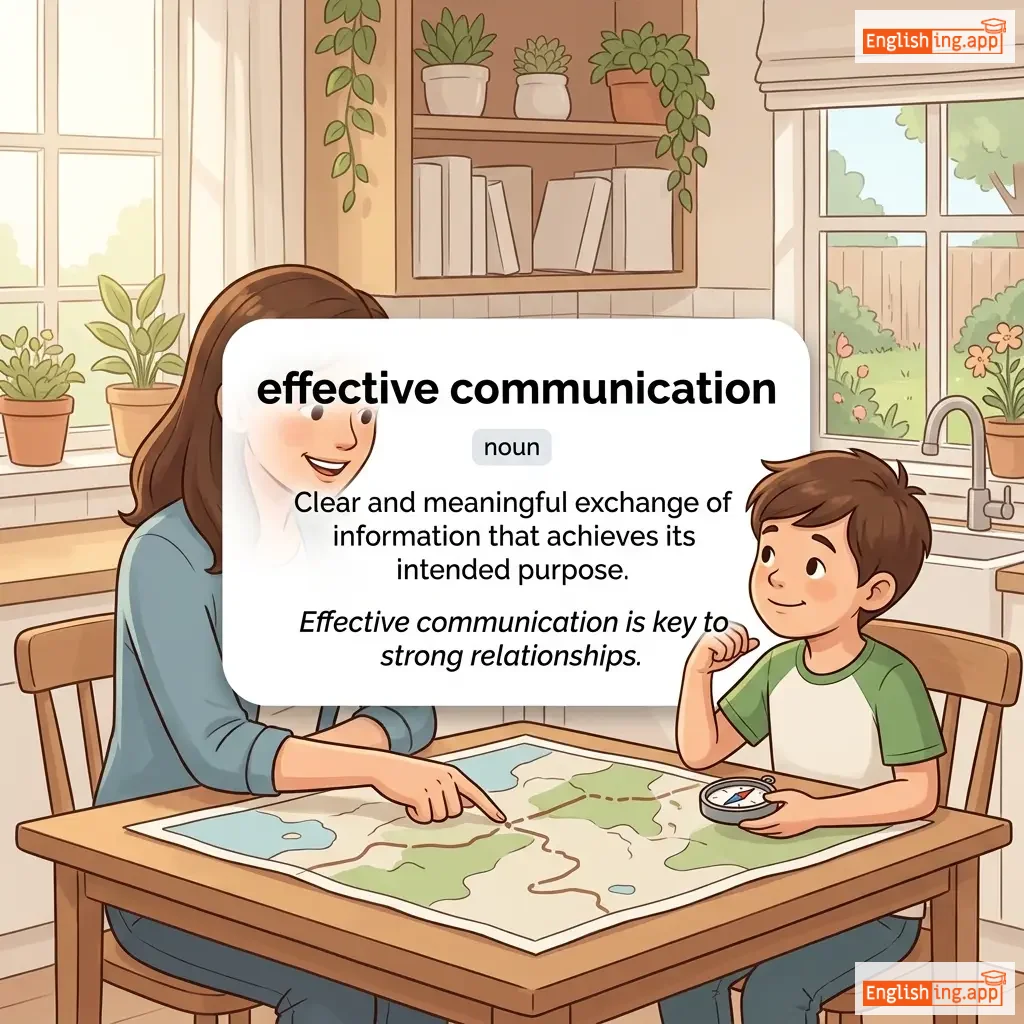
effective communication definition card — visual illustration of the meaning
noun
/ɪˈfɛk.tɪv kəˌmjuː.nɪˈkeɪ.ʃən/
эффективная коммуникация (effektivnaya kommunikatsiya)

Clear and meaningful exchange of information that achieves its intended purpose.

"Effective communication is key to strong relationships."

"Эффективная коммуникация - это ключ к крепким отношениям." (Effektivnaya kommunikatsiya - eto klyuch k krepkim otnosheniyam.)
adverb
/ɪˈfɛktɪvli/
эффективно (effektivno)

in a way that produces the desired result; efficiently and successfully

"The team worked together effectively to finish the project on time."

"Команда эффективно работала вместе, чтобы закончить проект вовремя." (Komanda effektivno rabotala vmeste, chtoby zakonchit proyekt vovremya.)
noun
/ɪˈfɛktɪvnəs/
эффективность (effektivnost)

the degree to which something is successful in producing a desired result.

"The effectiveness of the new policy is still being evaluated."

"Эффективность новой политики все еще оценивается." (Effektivnost' novoy politiki vse eshche otsenivaetsya.)
adjective
/ɪˈfɛktʃuəl/
эффективный (effektivnyy)

producing a desired or intended effect, often used in formal contexts

"Her effectual efforts brought peace to the community."

"Ее эффективные усилия принесли мир в сообщество." (Yeyo effektivnye usiliya prinesli mir v soobshchestvo.)
verb
/ɪˈfɛktʃueɪt/
осуществлять (osushchestvlyat')

to put into force or cause to happen; to bring about

"The manager effectuated the changes to improve efficiency."

"Менеджер осуществил изменения для повышения эффективности." (Menedzher osushchestvil izmeneniya dlya povysheniya effektiivnosti.)