語彙集

英単語辞書 | 単語の意味、定義、例文

adverb
/ˈtaɪtli/
しっかりと (shikkari to)

in a way that is firm and difficult to move or open

"She held the baby tightly in her arms."

"彼女は赤ちゃんをしっかりと腕に抱きしめた。" (Kanojo wa akachan o shikkari to ude ni dakishimeta.)
noun
/ˈtaɪtwɒd/
けちん坊 (kechinbō)

a person who is unwilling to spend money; a miser

"Everyone calls him a tightwad because he never buys gifts."

"誰もが彼をけちん坊と呼ぶ、彼は決してプレゼントを買わないから。" (Dare mo ga kare o kechinbō to yobu, kare wa kesshite purezento o kawanai kara.)
noun
/ˈtaɪ.ɡrəs/
メスのトラ (mesu no tora)

an adult female tiger

"The powerful tigress hunted silently through the jungle."

"強力なメスのトラがジャングルを静かに狩っていた。" (Kyōryoku na mesu no tora ga janguru o shizuka ni katte ita.)
noun
/tɪˈlɑpiə fɪʃ/
ティラピア (tirapia)

a freshwater fish native to Africa, widely farmed for food due to its mild taste and fast growth

"Tilapia fish is one of the most commonly farmed fish species worldwide."

"ティラピアは世界で最も一般的に養殖されている魚の一つです。" (tirapia wa sekai de mottomo ippanteki ni yoshoku sarete iru sakana no hitotsu desu)
noun
/taɪl/
タイル (tailu)

a flat piece of baked clay or other material used for covering roofs, floors, or walls

"The kitchen floor is covered with ceramic tiles."

"キッチンの床はセラミックタイルで覆われています。" (Kitchin no yuka wa seramikku tairu de ōwareteimasu.)
preposition
/tɪl/
まで (made)

up to the time of; until

"She waited till midnight for his call."
"彼女は彼の電話を夜中まで待ちました。" (Kanojo wa kare no denwa o yonaka made machimashita.)
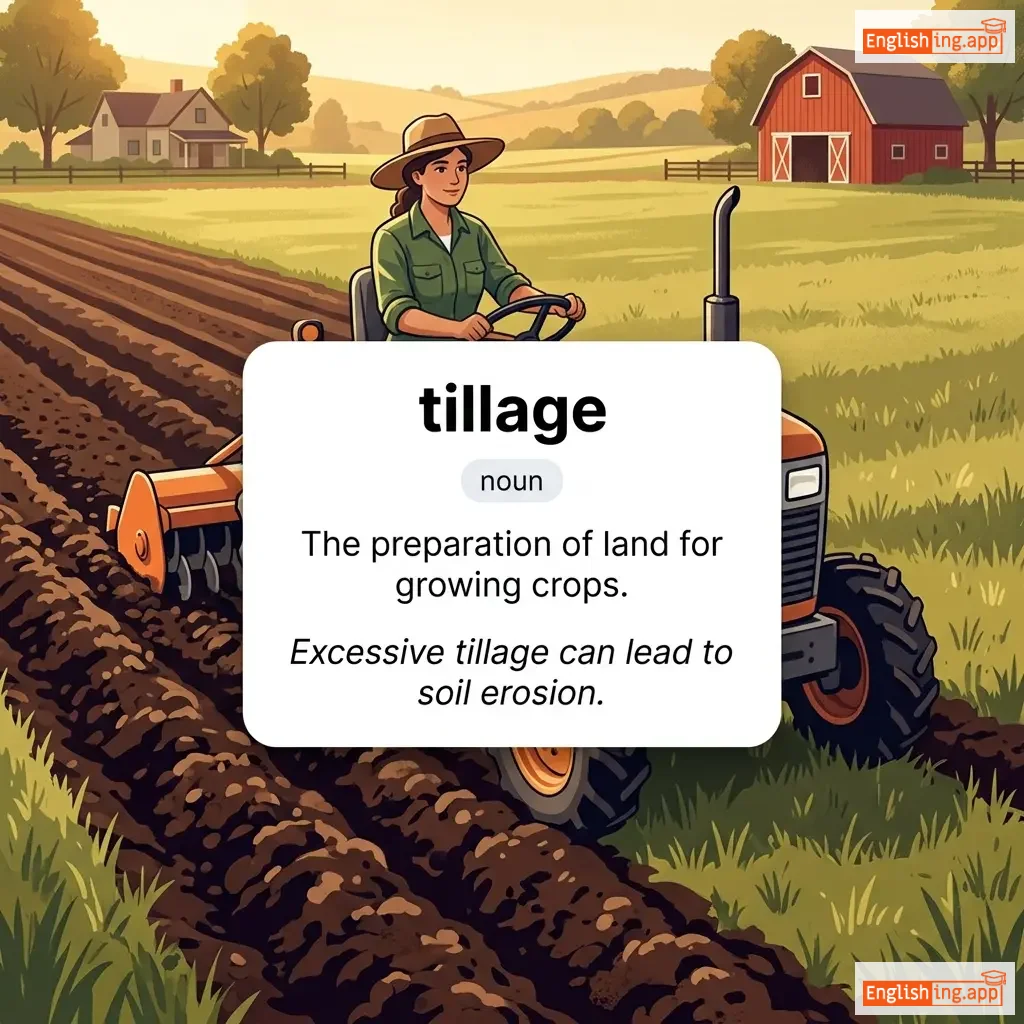
tillage definition card — visual illustration of the meaning
noun
ˈtɪl.ɪdʒ
耕作 (kousaku)

The preparation of land for growing crops.

"Excessive tillage can lead to soil erosion."

"過度の耕作は土壌侵食を引き起こす可能性があります。" (Kado no kousaku wa dojo shinshoku o hikiokosu kanousei ga arimasu.)
noun
/ˈtɪlər/
舵または土地を耕す人 (tada matawa tochi wo tagayasu hito)

A lever used to steer a boat or a person who tills the soil.

"The sailor gripped the tiller firmly to keep the boat on course."

"水夫はボートをコースに保つために舵をしっかり握った。" (Suifu wa bōto o kōsu ni tamotsu tame ni tada o shikkari nitta.)
noun
/tɪlθ/
土壌の状態(作物を植えるための適合性) (dojō no jōtai (sakumotsu o ueru tame no tekigōsei))

The physical condition of soil in relation to its suitability for planting crops.

"The farmer checked the soil's tilth before planting the seeds."

"農家は種を植える前に土壌のtilthを確認しました。" (Nōka wa tane o ueru mae ni dojō no tilth o kakunin shimashita.)
noun
/ˈtɪmbər/
木材 (mokuzai)

wood prepared for use in building and carpentry

"The house was built entirely from local timber."

"その家は完全に地元の木材で作られていました。" (Sono ie wa kanzen ni jimoto no mokuzai de tsukurarete imashita.)
noun
/ˈtæmbər/ or /ˈtɪmbər/
音色 (onsoku)

The character or quality of a musical sound or voice as distinct from its pitch and intensity.

"Her voice had a warm timbre that soothed the audience."

"彼女の声には温かみのある音色があり、聴衆を落ち着かせた。" (Kanojo no koe ni wa atatakai no aru onsoku ga ari, choushuu o ochitsukase ta.)
noun
/taɪm/
時間 (jikan)

a measured or measurable period during which an action, process, or condition exists or continues

"I don’t have enough time to finish the project."
"私はプロジェクトを終わらせるための十分な時間がありません。" (Watashi wa purojekuto o owaraseru tame no juubun na jikan ga arimasen.)
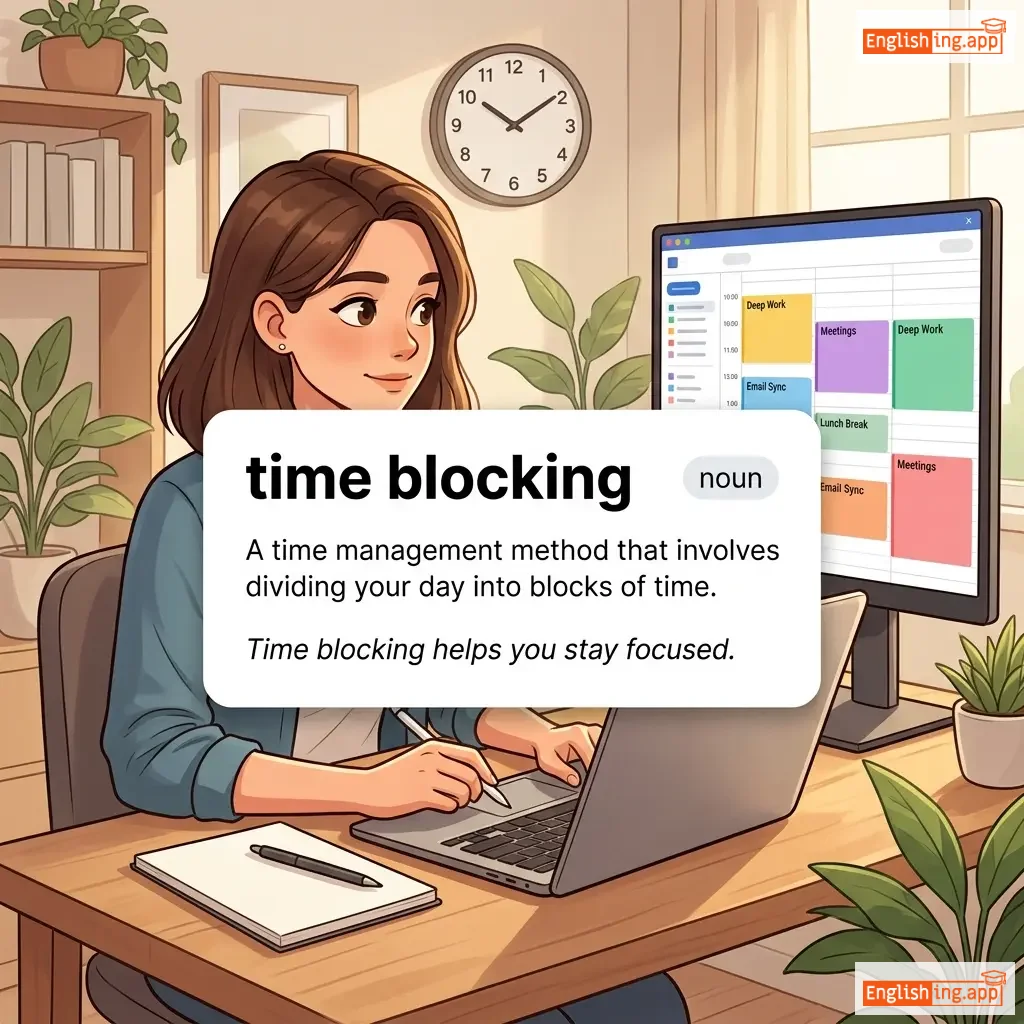
time blocking definition card — visual illustration of the meaning
noun
/taɪm ˈblɒk.ɪŋ/
タイムブロッキング (taimu burokingu)

A time management technique where specific time slots are allocated for specific tasks or activities.

"Time-blocking helps in managing tasks efficiently."
"タイムブロッキングはタスクを効率的に管理するのに役立ちます。" (Taimu burokingu wa tasuku wo kōritsuteki ni kanri suru no ni yakudachimasu.)
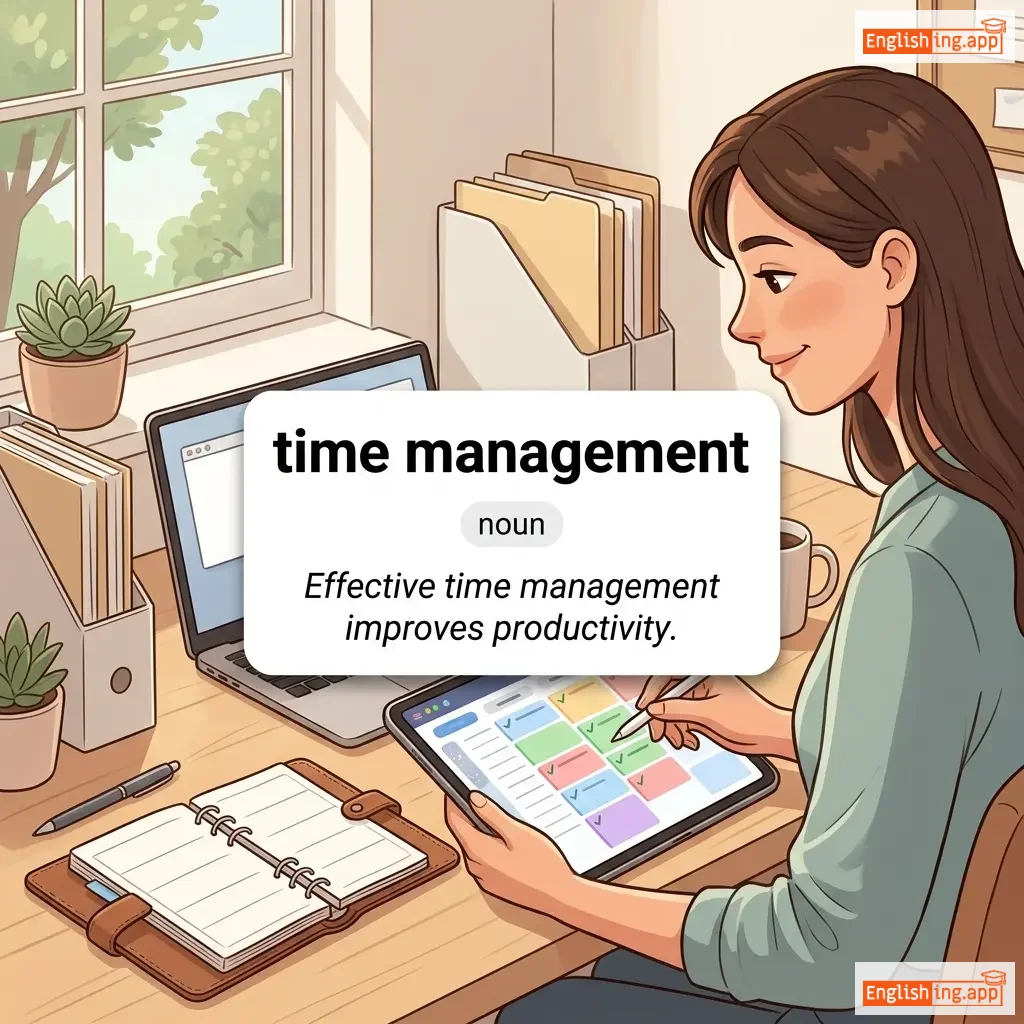
time management definition card — visual illustration of the meaning
noun
/taɪm ˈmæn.ɪdʒ.mənt/
時間管理 (jikan kanri)

The ability to plan and control time effectively to accomplish tasks efficiently.

"Effective time management improves productivity."

"効果的な時間管理は生産性を向上させます。" (Kōka-tekina jikan kanri wa seisan-sei o kōjō sasemasu.)
verb
/taɪmd/
タイムを測る (taimu o hakaru)

to measure or record the duration or speed of something

"He timed the race with a stopwatch."
"彼はストップウォッチでレースのタイムを計った。" (Kare wa sutoppuwotchi de rēsu no taimu o hakatta.)
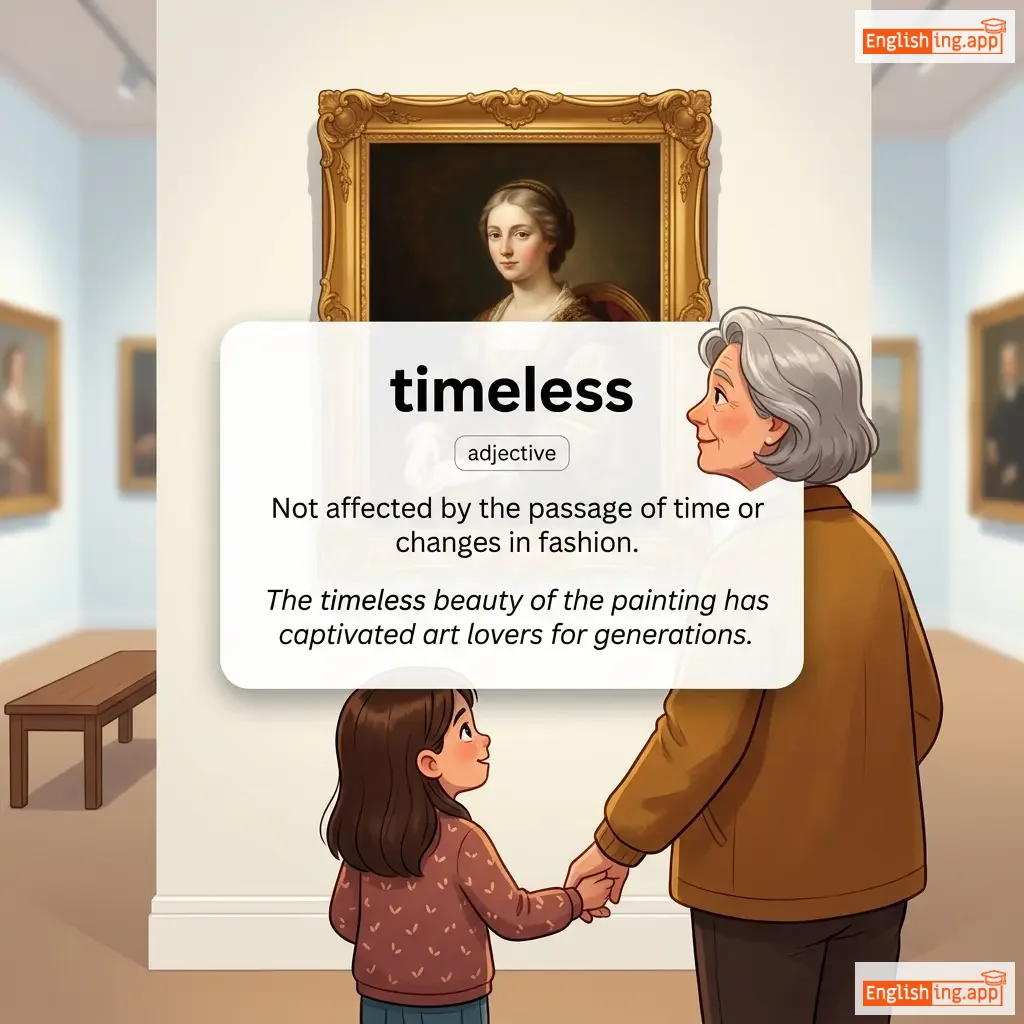
timeless definition card — visual illustration of the meaning
adjective
ˈtaɪmləs
時を超越した (ji o chōetsu shita)

Not affected by the passage of time or changes in fashion.

"The timeless beauty of the painting has captivated art lovers for generations."

"その絵画の時を超越した美しさは、世代を超えてアート愛好家を魅了しています。" (Sono kaiga no ji o chōetsu shita utsukushisa wa, sedai o koete āto aikōka o miryō shiteimasu.)
adjective
/ˈtaɪmli/
適時の (tekiji no)

Done or occurring at a favorable or useful time; opportune.

"Her timely advice helped me avoid a big mistake."
"彼女の適時の助言は、私が大きな間違いを避けるのに役立った。" (kanojo no tekiji no jogen wa watashi ga ookina machigai o sakeru no ni yakudatta.)
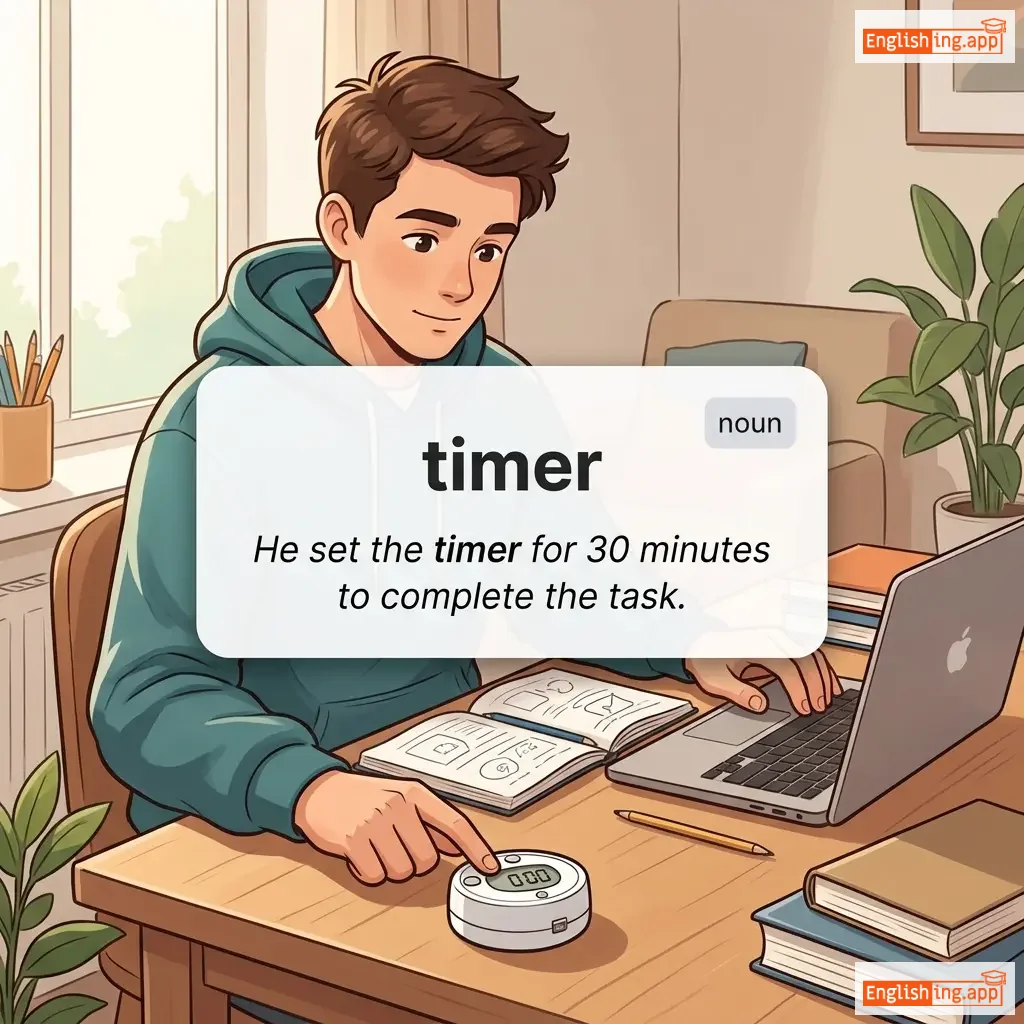
timer definition card — visual illustration of the meaning
noun
ˈtaɪmər
タイマー (taimaa)

An automatic mechanism for activating a device at a preset time; a device that measures time intervals.

"He set the timer for 30 minutes to complete the task."

"彼は作業を完了するために、30分のタイマーをセットした。" (Kare wa sagyou o kanryou suru tame ni, sanjuppun no taimaa o setto shita.)
noun
/ˈtaɪm.teɪ.bəl/
時刻表 (jikokuhyō)

a schedule showing planned activities or events at particular times

"Please check the train timetable for departure times."

"電車の時刻表で出発時刻を確認してください。" (Densha no jikokuhyō de shuppatsu jikoku o kakunin shite kudasai.)
adjective
/ˈtaɪmwɔːrn/
時間によって擦り切れた (jikan ni yotte surikireta)

Worn or impaired by age; old and used many times.

"The timeworn house carried a sense of history and nostalgia."

"時間によって擦り切れた家は、歴史と郷愁を感じさせた。" (Jikan ni yotte surikireta ie wa, rekishi to kyoushuu wo kanjiseta.)
adjective
/ˈtɪmɪd/
臆病 (yobyou)

lacking courage or confidence; easily frightened

"The timid child hid behind his mother when strangers approached."

"臆病な子供は見知らぬ人が近づくと、母親の後ろに隠れました。" (Yobyou na kodomo wa mishiranu hito ga chikaduku to, hahaoya no ushiro ni kakuremashita.)
noun
/tɪˈmɪdəti/
内気 (uchiki)

lack of courage or self-confidence

"His timidity kept him from speaking up during the meeting."

"彼の内気さは会議で話すことを妨げた。" (Kare no uchikisa wa kaigi de hanasu koto o samatage ta.)
noun
/ˈtaɪmɪŋ/
タイミング (taimingu)

the choice, judgment, or control of when something should be done

"Good timing is essential in business negotiations."

"ビジネス交渉では、良いタイミングが重要です。" (bijinesu kōshō dewa, yoi taimingu ga jūyō desu.)
adjective
/ˈtɪmərəs/
臆病な (okubyō na)

showing or suffering from nervousness, fear, or lack of confidence

"The timorous student hesitated to ask the teacher a question."

"その臆病な学生は、教師に質問するのをためらいました。" (Sono okubyō na gakusei wa, kyōshi ni shitsumon suru no o tamerarimashita.)
noun
/tɪn/
スズ (suzu)

a metal container; a chemical element (Sn)

"She bought a tin of biscuits from the store."

"彼女は店でビスケットの缶を買った。" (Kanojo wa mise de bisuketto no kan o katta.)
noun
/ˈtɪŋktʃər/
わずかな痕跡、薬をアルコールに溶かして作られた薬 (wazuka na konseki, kusuri o arukōru ni tokashite tsukurareta kusuri)

a slight trace of something; a medicine made by dissolving a drug in alcohol

"There was a tincture of sadness in her smile."

"彼女の笑顔にはわずかな悲しみの痕跡があった。" (kanojo no egao ni wa wazuka na kanashimi no konseki ga atta.)
noun, verb
/tɪndʒ/
色や味の軽い加え方 (iro ya aji no karui kuwaekata)

a slight added color, flavor, or feeling; to add a slight amount of color or quality

"Her voice was tinged with sadness."

"彼女の声は悲しみでティンジドだった。" (Kanojo no koe wa kanashimi de tinged datta.)
verb
/ˈtɪŋkər/
いじる (ijiru)

to make small adjustments or repairs to something, often experimentally or imperfectly

"He likes to tinker with old radios in his garage."

"彼はガレージで古いラジオをいじるのが好きです。" (Kare wa gareji de furui rajio o ijiru no ga suki desu.)
noun
/tɪnt/
色合い (iroai)

a slight shade or variation of a color

"The walls were painted white with a slight blue tint."

"壁は白で、少し青いティントで塗られていました。" (Kabe wa shiro de, sukoshi aoi tint de nurareteimashita.)
adjective
/ˈtaɪni/
とても小さい (totemo chiisai)

very small

"She held a tiny kitten in her hands."

"彼女はとても小さな子猫を手のひらに乗せていた。" (Kanojo wa totemo chiisana koneko o te no hira ni nosete ita.)
noun
/tɪp/
アドバイス (adobaisu)

a small but useful piece of advice

"I received a tip on how to improve my presentation."

"プレゼンテーションを改善する方法についてアドバイスをもらいました。" (Purezentēshon o kaizen suru hōhō ni tsuite adobaisu o moraimashita.)
verb
/ˈtɪpəl/
少し飲む (sukoshi nomu)

to drink alcohol, especially regularly or in small amounts

"He likes to tipple at the local pub after work."

"彼は仕事の後、地元のパブで少し飲むのが好きです。" (Kare wa shigoto no ato, jimoto no pabu de sukoshi nomu no ga suki desu.)
adjective
/ˈtɪpsi/
ほろ酔い (horoyoi)

slightly drunk

"She felt tipsy after just one glass of wine."

"ワインを一杯飲んだ後、彼女は少し酔った気がした。" (Wain o ippai nonda ato, kanojo wa sukoshi yotta ki ga shita.)
adjective
/ˈtɪp.tɒp/
最高の; 完璧な状態 (saikou no; kanpeki na joutai)

of the highest quality; excellent; in perfect condition

"The car is in tiptop condition."

"車は最高の状態です。" (Kuruma wa saikou no joutai desu)
noun
/taɪˈreɪd/
激しい非難 (hageshii hinan)

a long, angry, or critical speech

"The manager launched into a tirade about poor performance."

"マネージャーは低いパフォーマンスについて長い激しい演説を行った。" (Manējā wa hikui pafōmansu ni tsuite nagai hageshī enzetsu o okonatta.)
noun
/taɪər/
タイヤ (taiya)

a rubber covering around a wheel

"The car’s tire burst on the highway."

"車のタイヤが高速道路でパンクした。" (Kuruma no taiya ga kōsokudōro de panku shita.)
adjective
/ˈtaɪərd/
疲れた (kareta)

in need of rest or sleep

"I feel so tired after the long journey."

"長い旅の後、私はとても疲れを感じています。" (Nagai tabi no ato, watashi wa totemo kareta o kanjiteimasu.)
adjective
/ˈtaɪərləs/
疲れ知らず (tsukare shirazu)

Showing great effort or energy without becoming tired.

"She worked tirelessly to complete the project on time."

"彼女は時間通りにプロジェクトを完了させるために疲れ知らずで働きました。" (Kanojo wa jikan dōri ni purojekuto o kanryō saseru tame ni tsukare shirazu de hatarakimashita.)
adjective
/ˈtaɪərsəm/
退屈な (taikutsuna)

Causing one to feel bored, annoyed, or tired.

"The long meeting became very tiresome."

"長い会議はとても退屈になった。" (Nagai kaigi wa totemo taikutsu ni natta.)
adjective
/ˈtaɪərɪŋ/
疲れる (tsukareru)

causing someone to feel exhausted or in need of rest

"The long journey was extremely tiring."

"長い旅は非常に疲れるものだった。" (Nagai tabi wa hijou ni tsukareru mono datta)
noun
/ˈtɪʃ.uː/
ティッシュ (tisshu)

a piece of soft absorbent paper or fabric

"She used a tissue to wipe her nose."

"彼女はティッシュで鼻を拭きました。" (Kanojo wa tisshu de hana o fukimashita.)
adjective
/taɪˈtænɪk/
巨大な (kyodaina)

Of exceptional strength, size, or power.

"The company made titanic efforts to expand into new markets."

"その会社は新しい市場に進出するために巨大な努力をしました。" (Sono kaisha wa atarashī shijō ni shinshutsu suru tame ni kyodaina doryoku o shimashita.)
noun
/ˈtɪt.bɪt/
美味しい食べ物の小さな一切れ; 面白い情報の小さな部分 (titbit)

a small piece of tasty food; a small interesting piece of information

"She served delicious titbits at the party."

"彼女はパーティーで美味しいおつまみを出しました。" (kanojo wa paatii de oishii otsumami wo dashimashita)
noun
/taɪð/
十分の一 (juubun no ichi)

A tenth part of one’s income or produce, often given as a religious offering.

"He gave a tithe of his earnings to the church."

"彼は収入の十分の一を教会に寄付しました。" (Kare wa shuunyuu no juubun no ichi wo kyoukai ni kifu shimashita.)
verb
/ˈtɪtəleɪt/
興奮させる (koufun saseru)

To excite or amuse, especially in a slightly sexual or playful way.

"The comedian's jokes titillated the audience."

"コメディアンのジョークは観客を興奮させた。" (Komedian no jooku wa kankyaku o koufun saseta.)
noun
/ˈtaɪtəl/
タイトル (taitoru)

the name of a book, film, or piece of writing; also a formal designation or rank

"The book's title changed at the last minute."

"その本のタイトルは最後の瞬間に変更されました。" (Sono hon no taitoru wa saigo no shunkan ni henkou saremashita.)
verb
/ˈtɪtər/
小さく笑う (chiisaku warau)

to laugh in a quiet, nervous, or restrained way

"The students began to titter when the projector froze."

"プロジェクターがフリーズすると、学生たちは小さく笑い始めた。" (Purojekutā ga furīzu suruto, gakusei-tachi wa chiisaku warai hajimeta.)
adjective
/ˈtɪtjələr/
名義上の (meigi jō no)

holding a title or position in name only without real power; relating to the title of a work

"She is the titular head of the committee, but decisions are made by the coordinator."

"彼女は委員会の名義上の長であり、決定はコーディネーターによって行われます。" (Kanojo wa iinkai no meigi jō no chō de ari, kettei wa kōdinētā ni yotte okonawaremasu.)
preposition
/tuː/
(ni)

used for expressing motion or direction

"She is going to the market."

"彼女は市場に行く。" (Kanojo wa ichiba ni iku.)
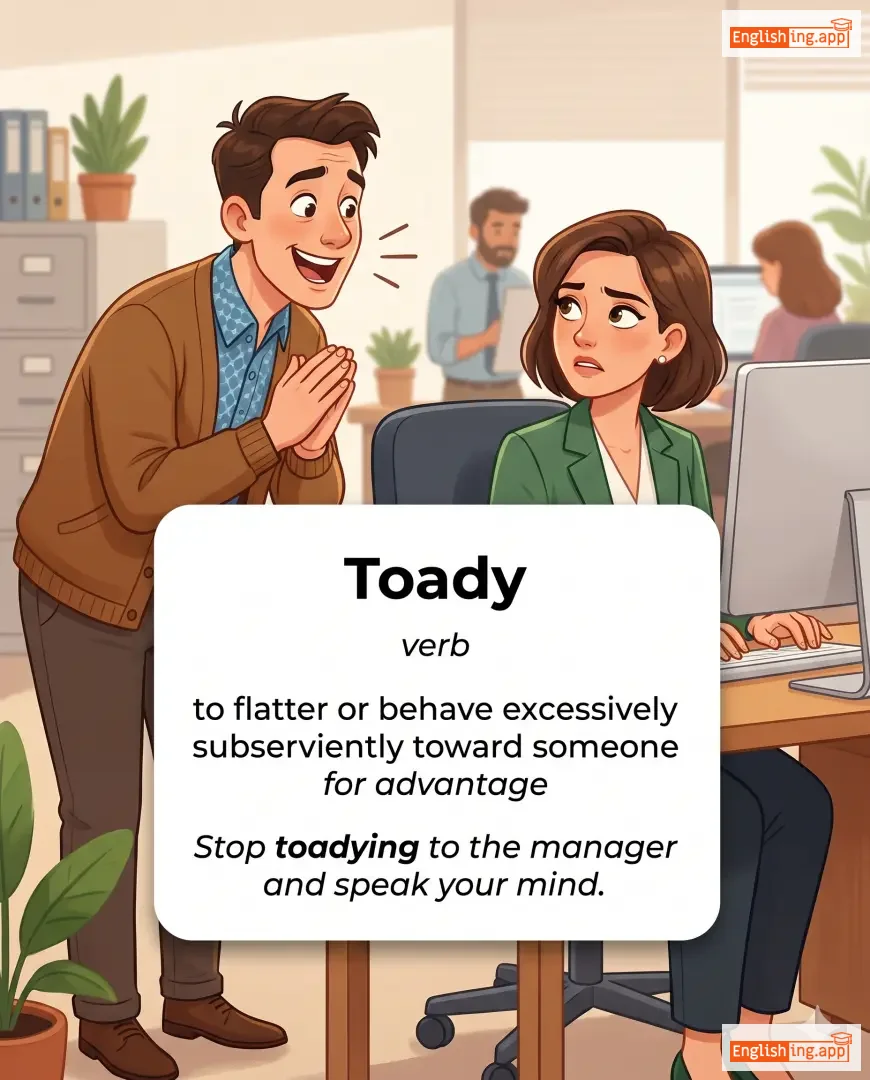
Toady definition card — visual illustration of the meaning
🙇‍♂️

Toady

verb
/ˈtoʊdi/

to flatter or behave excessively subserviently toward someone for advantage

"Stop toadying to the manager and speak your mind."