語彙集

英単語辞書 | 単語の意味、定義、例文

adjective
/ˈprɛvələnt/
広まっている (hiromatteiru)

widespread or commonly occurring

"Flu is prevalent during the winter season."
"インフルエンザは冬の季節に広く見られます。" (Infuruenza wa fuyu no kisetsu ni hiroku mirarimasu.)
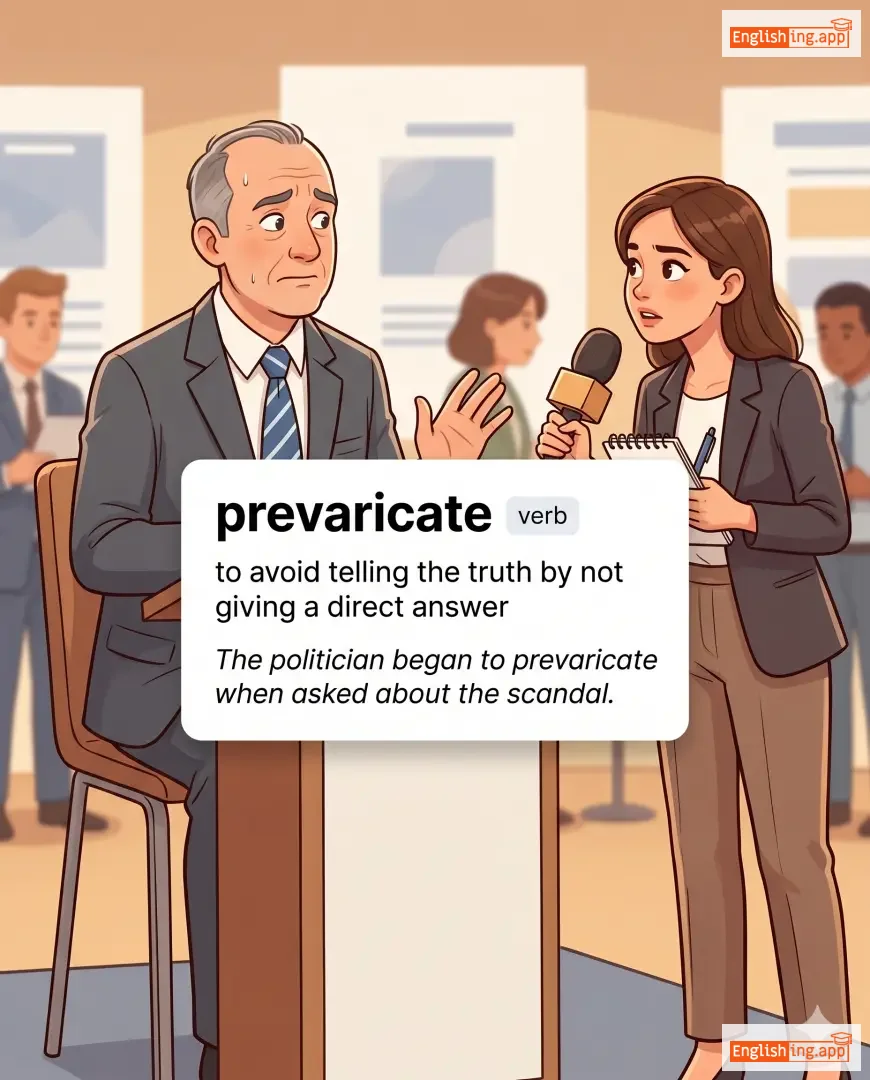
prevaricate definition card — visual illustration of the meaning
verb
/prɪˈværɪkeɪt/

to avoid telling the truth by not giving a direct answer

"The politician began to prevaricate when asked about the scandal."
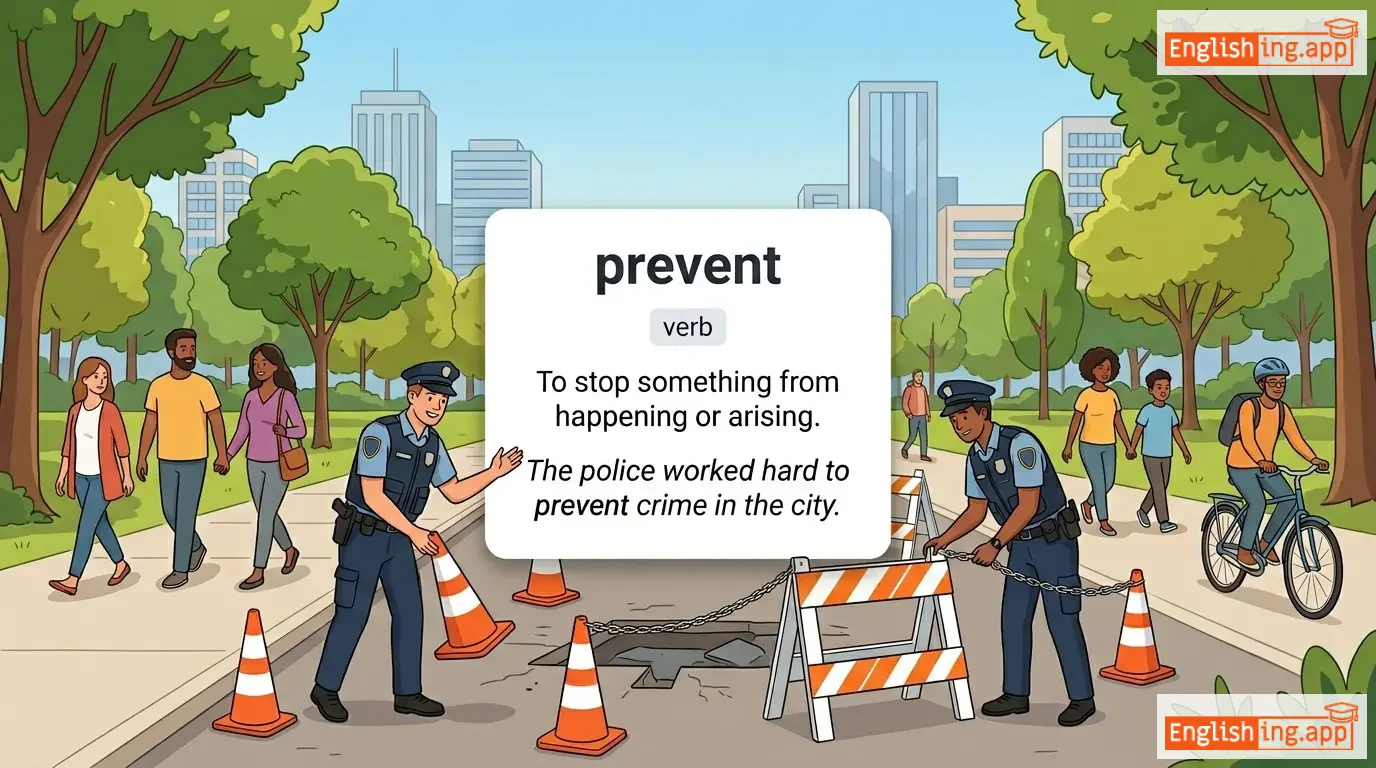
prevent definition card — visual illustration of the meaning
verb
/prɪˈvɛnt/
防ぐ (fusegu)

To stop something from happening or arising.

"The police worked hard to prevent crime in the city."
"警察は都市の犯罪を防ぐために一生懸命働きました。" (Keisatsu wa toshi no hanzai o fusegu tame ni isshōkenmei hatarakimashita.)
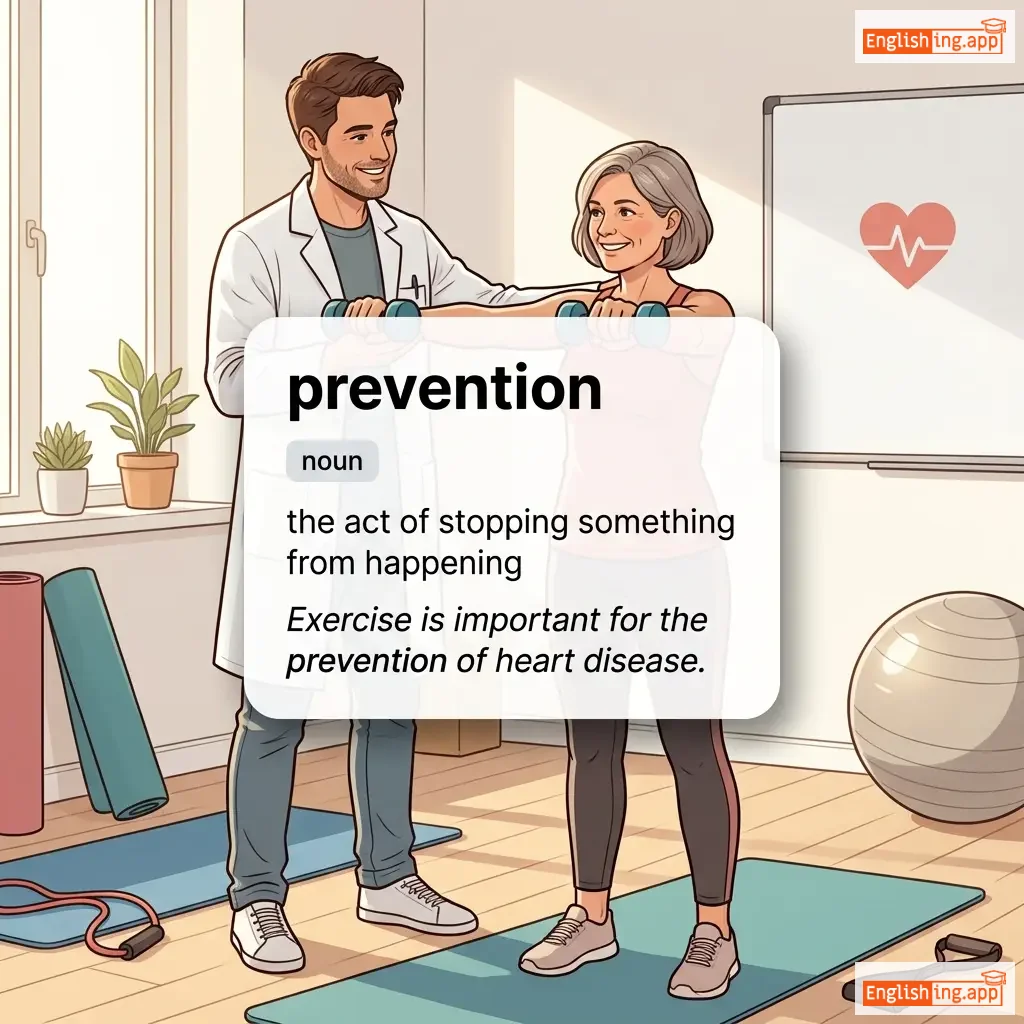
prevention definition card — visual illustration of the meaning
noun
/prɪˈvɛnʃən/
予防 (yobou)

the act of stopping something from happening

"Exercise is important for the prevention of heart disease."

"運動は心臓病の予防に重要です。" (Undou wa shinzoubyou no yobou ni juuyou desu.)
adjective
/prɪˈventɪv/
予防的; 何かが起こるのを防ぐために設計された (puribentibu)

designed to prevent something from happening; protective against disease

"Regular exercise is a preventive measure against heart disease."
"定期的な運動は心臓病予防の手段です。" (Teikiteki na undō wa shinzōbyō yobō no shudan desu.)
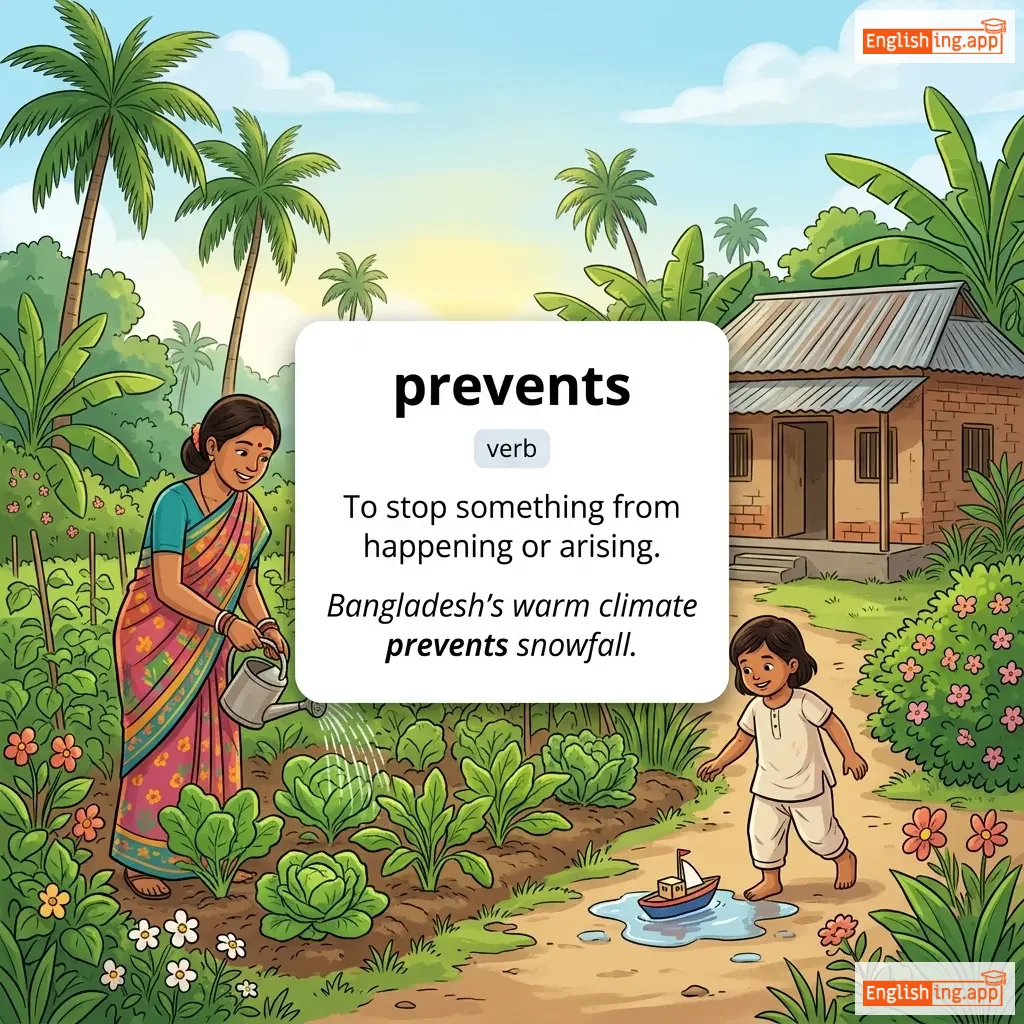
prevents definition card — visual illustration of the meaning
verb
প্রিভেন্টস
防ぐ (fusegu)

To stop something from happening or arising.

"Bangladesh's warm climate prevents snowfall."

"バングラデシュの温暖な気候は雪の降るのを防ぎます。" (Banguradeshu no ondanna kikō wa yuki no furu no o fusegimasu.)
adjective
/ˈpriːviəs/
前の (mae no)

Existing or happening before the present time.

"He referred to the previous meeting to explain his point."

"彼は自分の意見を説明するために前回の会議に言及しました。" (Kare wa jibun no iken wo setsumei suru tame ni zenkai no kaigi ni genkyū shimashita.)
adverb
/ˈpriːviəsli/
以前に (izen ni)

at an earlier time or before now

"She had previously worked at a bank before starting her own business."

"彼女は銀行で以前働いていたが、自分のビジネスを始める前だった。" (Kanojo wa ginkō de izen hataraite ita ga, jibun no bijinesu o hajimeru mae datta.)
🦁

prey

noun/verb
/preɪ/

an animal hunted by another for food; to hunt and feed on

"Lions prey on zebras in the wild."

noun
/praɪs/
価格 (kakaku)

the amount of money expected, required, or given for something

"The price of the car has increased recently."

"車の価格は最近上がりました。" (Kuruma no kakaku wa saikin agarimashita.)
adjective
/ˈpraɪs.ləs/
無価値な; 計り知れない価値がある (mukachina; hakarishirenai kachi ga aru)

extremely valuable; invaluable; beyond price

"Her grandmother's antique jewelry is absolutely priceless."
"彼女の祖母の古代の宝石は絶対に無価値だ。" (Kanojo no sobo no kodai no hōseki wa zettai ni mukachida.)
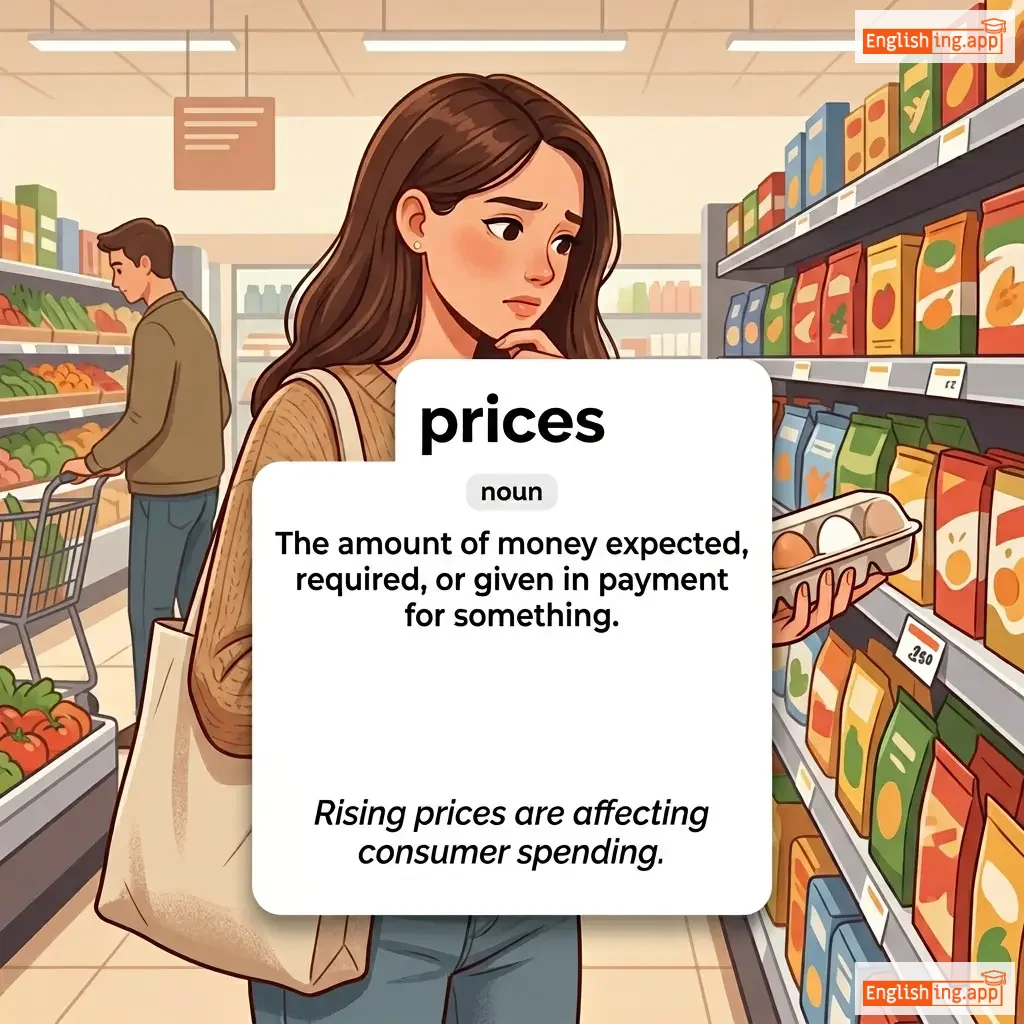
prices definition card — visual illustration of the meaning
noun
ˈpraɪsɪz
価格 (kakaku)

The amount of money expected, required, or given in payment for something.

"Rising prices are affecting consumer spending."

"上昇する価格は消費者支出に影響を与えています。" (Jōshō suru kakaku wa shōhisha shishutsu ni eikyō o ataeteimasu.)
verb
/ˈprɪkəl/

to cause a slight stinging or tingling sensation on the skin

"Her skin began to prickle in the cold wind."

pride definition card — visual illustration of the meaning
noun
/praɪd/
誇り (hokori)

a feeling of deep pleasure or satisfaction derived from one's own achievements

"He took pride in his work and always aimed for perfection."

"彼は自分の仕事に誇りを持っており、常に完璧を目指していました。" (Kare wa jibun no shigoto ni hokori o motte ori, tsuneni kanpeki o mezashite imashita.)
noun
/priːst/
神父 (shinpu)

a person who performs religious duties and ceremonies

"The priest blessed the congregation during the Sunday service."

"神父は日曜日の礼拝中に会衆に祝福を与えました。" (Shinpu wa nichiyōbi no reihai-chū ni kaishū ni shukufuku o ataemashita.)
adjective
/ˈprɪɡɪʃ/
道徳的で自己満足な (dōtoku-teki de jiko manzoku na)

self-righteously moralistic and superior

"He came across as priggish when correcting everyone's manners."

"彼は皆のマナーを直すとき、プリギッシュに見えた。" (Kare wa mina no manā o naosu toki, purigisshu ni mieta.)
adjective
/prɪm/
過度に正式または適切 (kadoni seishiki matawa tekisetsu)

stiffly formal and proper in appearance or behavior

"She looked prim in her neatly pressed dress."

"彼女はきちんとアイロンがかけられたドレスを着てプリムに見えた。" (Kanojo wa kichinto airon ga kakerareta doresu wo kite purimu ni mieta.)
adjective
/ˈpriːmə/
主要な, 優れた (shuyō na, sugureta)

first or most important; excellent

"She was treated as the prima ballerina of the troupe."

"彼女はグループのプリマバレリーナとして扱われました。" (Kanojo wa gurūpu no purima ballerina toshite atsukaware mashita.)
noun
/ˈpraɪməsi/
優先 (yūsen)

the state of being first in importance or authority

"The primacy of education cannot be denied."

"教育の優先性は否定できません。" (Kyōiku no yūsen-sei wa hitei dekimasen.)
adjective
/ˈpraɪ.məl/
原始的, 基本的 (genshiteki, kihonteki)

Relating to the earliest stage of development; essential or fundamental.

"Fear is one of the most primal emotions humans experience."

"恐怖は人間が経験する最も原始的な感情の一つです。" (Kyōfu wa ningen ga keiken suru mottomo genshiteki na kanjō no hitotsu desu.)
adverb
/praɪˈmɛrɪli/
主に (omoni)

for the most part; mainly

"She is primarily responsible for managing the finances."

"彼女は主に財務の管理を担当しています。" (Kanojo wa omoni zaimu no kanri o tantou shiteimasu.)
adjective
/ˈpraɪ.mɛr.i/
主要な, 初歩的な (shuyōna, shohoteki na)

Most important; main; happening first.

"Education is a primary factor in economic growth."
"教育は経済成長の主要な要素です。" (Kyōiku wa keizai seichō no shuyōna yōso desu.)
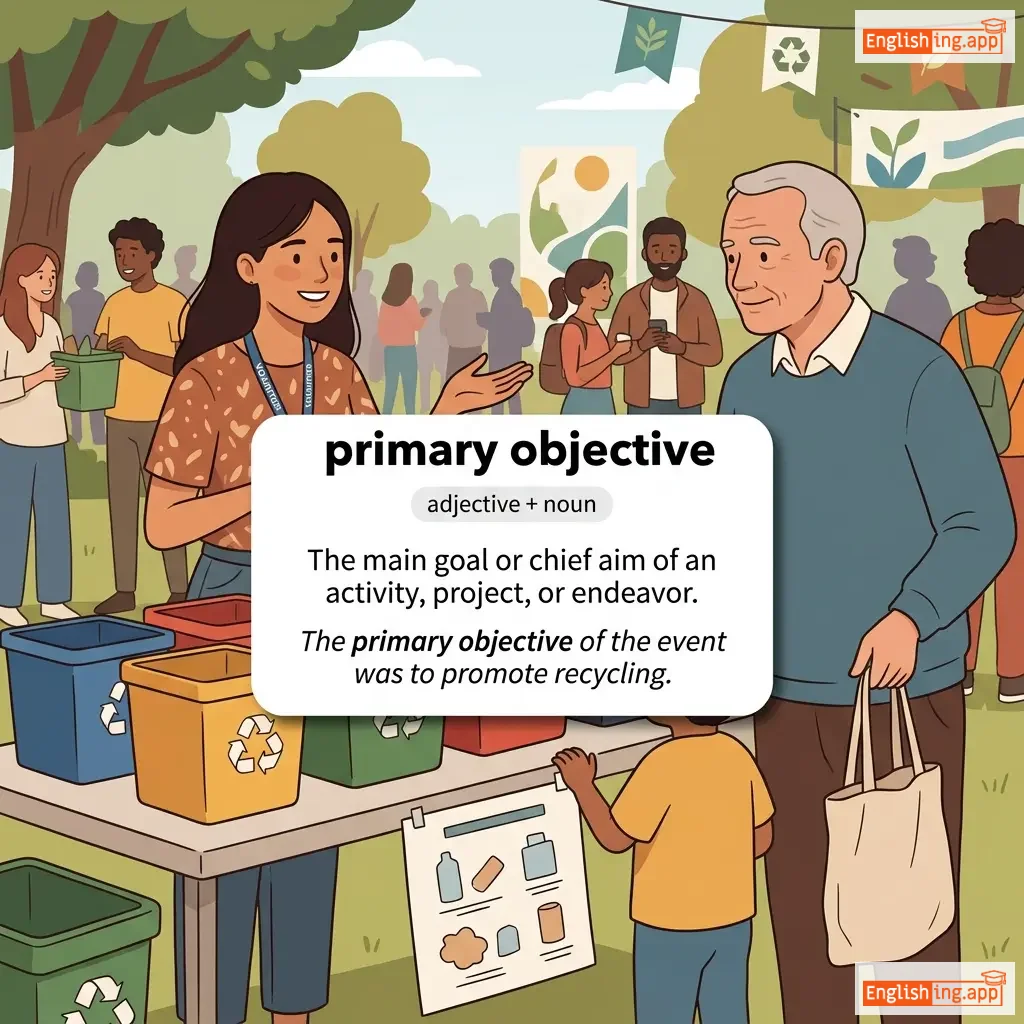
primary objective definition card — visual illustration of the meaning
adjective + noun
ˈpraɪməri əbˈdʒektɪv
主要な目標 (shuyōna mokuhyō)

The main goal or chief aim of an activity, project, or endeavor.

"The primary objective of the event was to promote recycling."

"イベントの主要な目標はリサイクルの推進でした。" (Ibento no shuyōna mokuhyō wa risākuru no suishin deshita.)
noun
/ˈpraɪ.meɪt/
霊長類, 類人猿 (reichōrui, ruijinen)

A member of the group of animals including humans, apes, and monkeys.

"Humans are classified as primates."

"人間は霊長類として分類されます。" (Ningen wa reichōrui toshite bunrui saremasu.)
adjective
/praɪm/
最優先, 重要な (saiyūsen, jūyōna)

Of the best quality; most important; peak condition.

"She is in the prime of her career."

"彼女はキャリアの最良の時期にいます。" (Kanojo wa kyaria no sairyō no jiki ni imasu.)
noun
/ˈpraɪ.mər/ (US), /ˈprɪm.ər/ (UK)
入門書, 下塗り (nyuumonsho, shitamuri)

A basic introductory book or a substance used to prepare a surface for painting.

"He read a primer on programming before starting his course."

"彼はコースを始める前にプログラミングの入門書を読みました。" (Kare wa ko-su wo hajimeru mae ni puroguramingu no nyuumonsho wo yomimashita.)
adjective
/praɪˈmiːvəl/
原始的 (genshiteki)

Relating to the earliest ages in history; ancient and primitive.

"The explorers ventured into the primeval forest untouched by humans."

"探検者たちは、人間によって手つかずの原始的な森に踏み込んだ。" (Tanken-sha-tachi wa, ningen ni yotte tetsukazu no genshiteki na mori ni fumikonda.)
adjective
/ˈprɪmətɪv/
原始的な (genshitakana)

Relating to an early stage of development; simple and basic.

"The tribe lived in primitive huts made of mud and straw."

"部族は泥と藁で作られた原始的な小屋に住んでいました。" (Buzoku wa doro to wara de tsukurareta genshitakana koya ni sunde imashita.)
noun
/ˌpraɪmoʊˈdʒɛnɪtʃər/
長子継承権 (choushi keishouken)

The right of the firstborn child to inherit the family estate or title.

"Under primogeniture, the eldest son inherited the entire estate."

"長子継承権の下、長男は家族全体の財産を相続しました。" (Choushi keishouken no moto, chounan wa kazoku zentai no zaisan o souzoku shimashita.)
adjective
/praɪˈmɔːrdiəl/
原始的な (genshiteki na)

Existing at or from the beginning of time; fundamental and original.

"Scientists study the primordial soup from which life emerged."

"科学者たちは生命が出現した原始的なスープを研究しています。" (Kagakusha-tachi wa seimei ga shutsugen shita genshiteki na suupu o kenkyū shiteimasu.)
verb
/prɪmp/
幸せ (shiawase)

To spend time making minor adjustments to one's appearance.

"She primped in front of the mirror before the party."

"彼女は賞を受け取ったとき、自分の幸せを隠すことができませんでした。" (Kanojo wa shō o uketotta toki, jibun no shiawase o kakusu koto ga dekimasen deshita.)
noun
/prɪns/
王子 (ouji)

a male member of a royal family, especially the son of a king or queen; a ruler of a principality

"The prince addressed the nation on his birthday."

"王子は誕生日に国民に演説しました。" (ouji wa tanjoubi ni kokumin ni enzetsu shimashita)
noun
/ˈprɪn.ses/
王女 (oujo)

a female royal family member, especially the daughter of a king or queen; a woman regarded as noble, cherished, or elegant

"The princess waved to the crowd from the palace balcony."

"王女は宮殿のバルコニーから群衆に手を振った。" (oujo wa kyuden no barukoni kara gunshu ni te o futta)
noun, adjective
/ˈprɪnsəpəl/
校長 (kouchou)

the person with the highest authority or most important position; main or most important

"The school principal addressed the students in the auditorium."

"学校の校長が講堂で生徒たちに挨拶しました。" (Gakkou no kouchou ga koudou de seitotachi ni aisatsu shimashita.)
noun
/ˌprɪnsɪˈpæləti/
公国 (koukoku)

a state ruled by a prince

"Monaco is a famous principality in Europe."

"モナコはヨーロッパで有名な公国です。" (Monako wa Yooroppa de yuumei na koukoku desu.)
principle definition card — visual illustration of the meaning
noun
/ˈprɪnsəpəl/
原則 (gensoku)

a fundamental truth, law, or rule that serves as the foundation for a system of belief or behavior

"She refused to lie because it was against her principles."

"彼女は嘘をつくことを拒否しました、それは彼女の原則に反していたからです。" (Kanojo wa uso o tsuku koto o kyohi shimashita, sore wa kanojo no gensoku ni hanshite ita kara desu.)
adjective
/ˈprɪnsəpəld/
原則を守る (gensoku wo mamoru)

acting in accordance with moral or ethical standards

"He is a principled leader who always puts honesty first."

"彼は原則を守るリーダーで、いつも正直を最優先にします。" (Kare wa gensoku wo mamoru rīdā de, itsumo shōjiki wo saiyūsen ni shimasu.)
verb
/prɪnt/
印刷する (insatsu suru)

to produce text or images on paper or other materials using a machine

"He will print the report tomorrow morning."

"彼は明日の朝レポートをプリントします。" (Kare wa ashita no asa repōto o purinto shimasu.)
noun
/ˈprɪn.tər/
プリンター (purintā)

a person whose job is printing books, newspapers, or other materials; a machine that prints documents

"The printer delivered the wedding invitations on time."

"プリンターは結婚式の招待状を時間通りに届けました。" (Purintā wa kekkonshiki no shōtaijō o jikan-dōri ni todokemashita.)
adjective
/ˈpraɪər/
前の (mae no)

existing or coming before something in time or order

"He had no prior knowledge of the event."
"彼はそのイベントについて前もって知識がなかった。" (Kare wa sono ibento ni tsuite mae motte chishiki ga nakatta.)
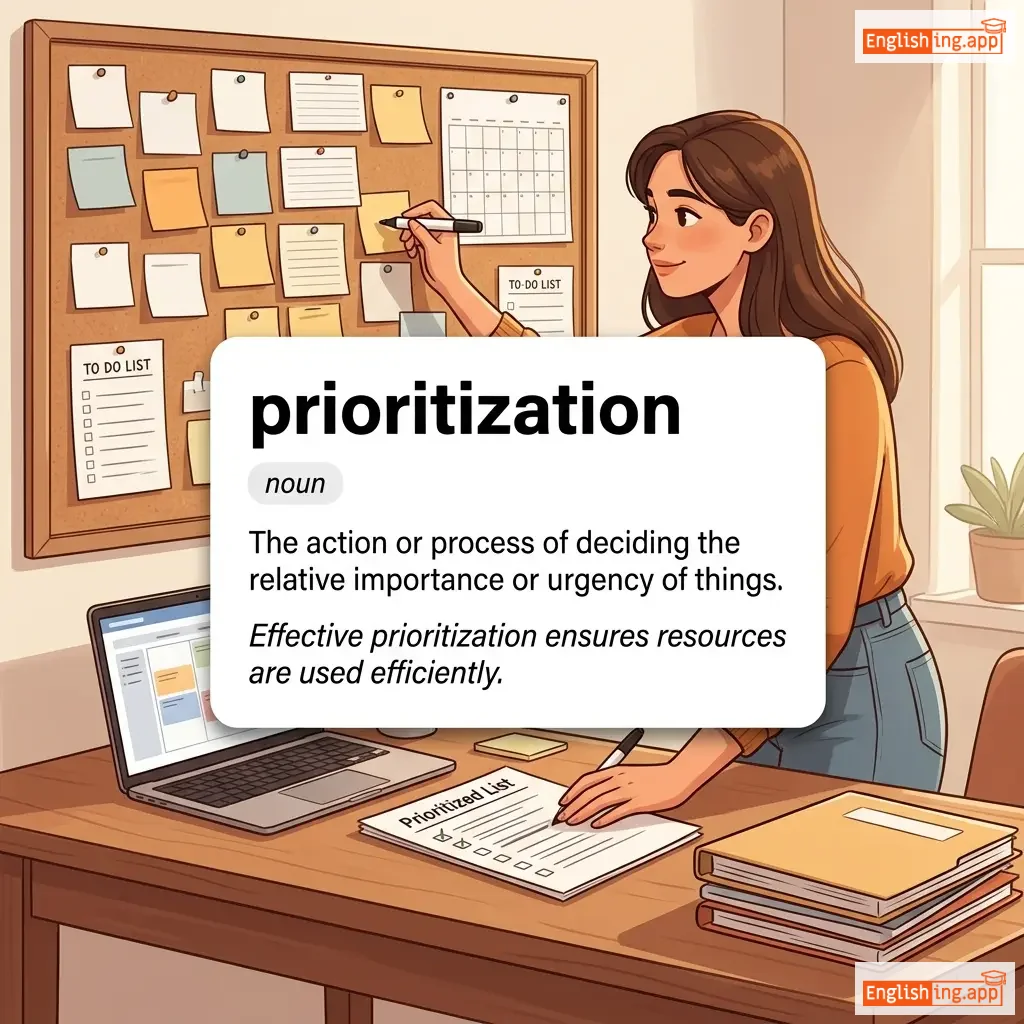
prioritization definition card — visual illustration of the meaning
noun
ˌpraɪɔːrɪtaɪˈzeɪʃən
優先順位付け (yūsen jun'i dzuke)

The action or process of deciding the relative importance or urgency of things.

"Effective prioritization ensures resources are used efficiently."
"効果的な優先順位付けは、リソースが効率的に使用されることを保証します。" (Kōkateki na yūsen jun'i dzuke wa, risōsu ga kōritsutekini shiyō sareru koto o hoshō shimasu.)
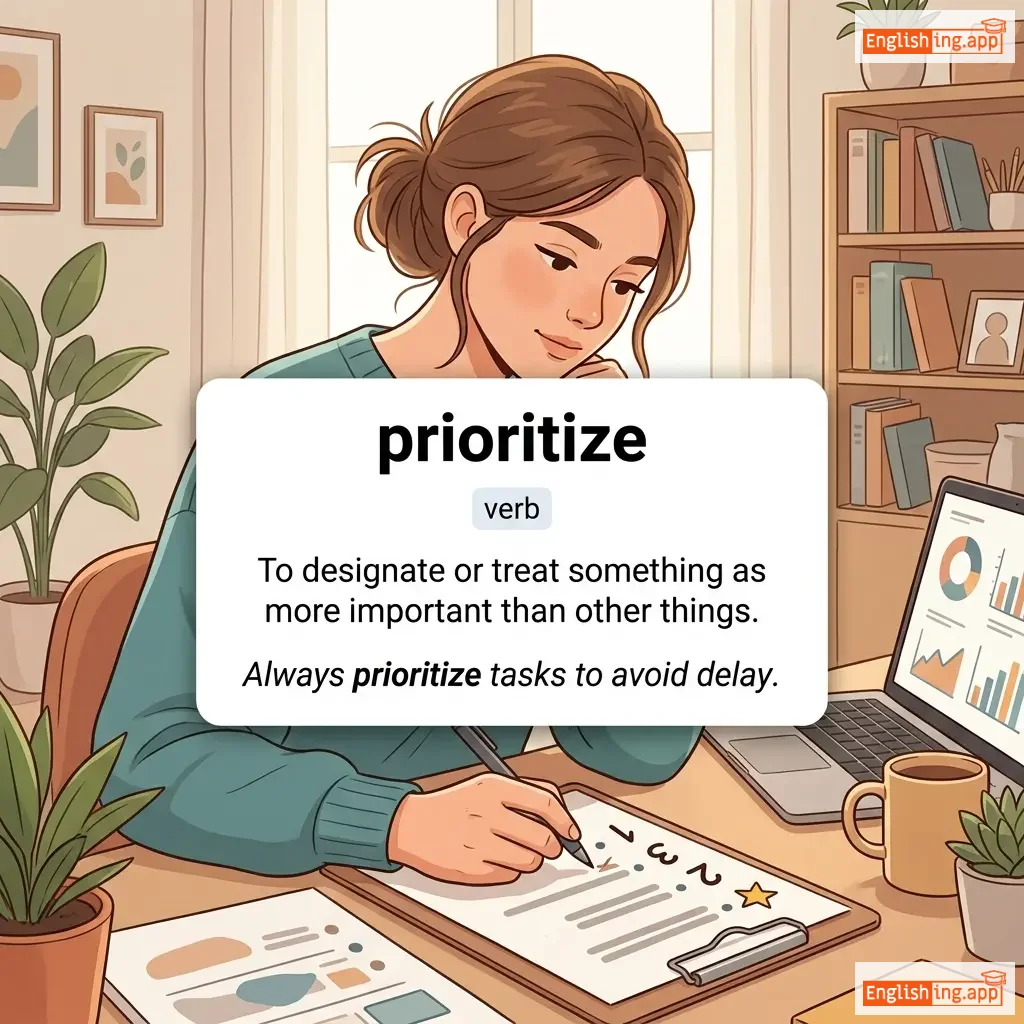
prioritize definition card — visual illustration of the meaning
verb
/praɪˈɔːrətaɪz/
優先する (yūsen suru)

To designate or treat something as more important than other things.

"Always prioritize tasks to avoid delay."

"遅延を避けるために、常にタスクを優先してください。" (Chien o sakeru tame ni, jōni tasuku o yūsen shite kudasai.)
noun
/praɪˈɒrɪti/
優先 (yūsen)

Something that is regarded as more important than other things.

"Safety is the top priority in this company."

"この会社では、安全が最も重要な優先事項です。" (Kono kaisha de wa, anzen ga mottomo jūyōna yūsen jikō desu.)
noun
/ˈpraɪəri/
修道院 (shūdōin)

a small monastery or convent governed by a prior or prioress

"The old priory was converted into a museum."

"古い修道院は博物館に改装されました。" (Furui shūdōin wa hakubutsukan ni kaisō saremashita.)
noun
/ˈprɪzən/
刑務所 (keimusho)

a building where people are kept as punishment for a crime or while waiting for trial

"He was sent to prison for his crimes."

"彼は犯罪のために刑務所に送られた。" (Kare wa hanzai no tame ni keimusho ni okurareta.)
noun
/ˈprɪzənər/
囚人 (shūjin)

a person who is in prison

"The prisoner was granted parole after serving 10 years."

"その囚人は10年の服役後、仮出所を許可されました。" (Sono shūjin wa 10-nen no fukueki go, kari shussho o kyoka saremashita.)
pristine definition card — visual illustration of the meaning
adjective
/ˈprɪstiːn/

In its original condition; unspoiled, clean, and fresh.

"The hikers were amazed by the pristine beauty of the untouched forest."

noun
/ˈpraɪvəsi/
プライバシー (puraibashī)

the state of being free from public attention or intrusion

"Everyone has the right to privacy in their own home."

"誰もが自分の家でプライバシーを守る権利を持っています。" (Dare mo ga jibun no ie de puraibashī o mamoru kenri o motteimasu.)
adjective
/ˈpraɪvət/
プライベート (puraibeto)

belonging to or for the use of one particular person or group

"She enjoys her private time away from work."

"彼女は仕事から離れて自分のプライベートな時間を楽しんでいます。" (Kanojo wa shigoto kara hanarete jibun no puraibeto na jikan o tanoshindeimasu.)
noun
/ˈpraɪ.vət ˈtuː.tər/
プライベートチューター (puraibēto chūtā)

a teacher who gives individual instruction to a student outside of regular school

"The private tutor helped the student improve his math skills."

"プライベートチューターは、学生が数学スキルを向上させるのを手伝いました。" (puraibēto chūtā wa, gakusei ga sūgaku sukiru o kōjō saseru no o tetsudaimashita)