

翻訳
過去
過去分詞
三人称単数
動名詞
意味
例文
例文の翻訳
同義語
対義語
コロケーション
ニーモニック
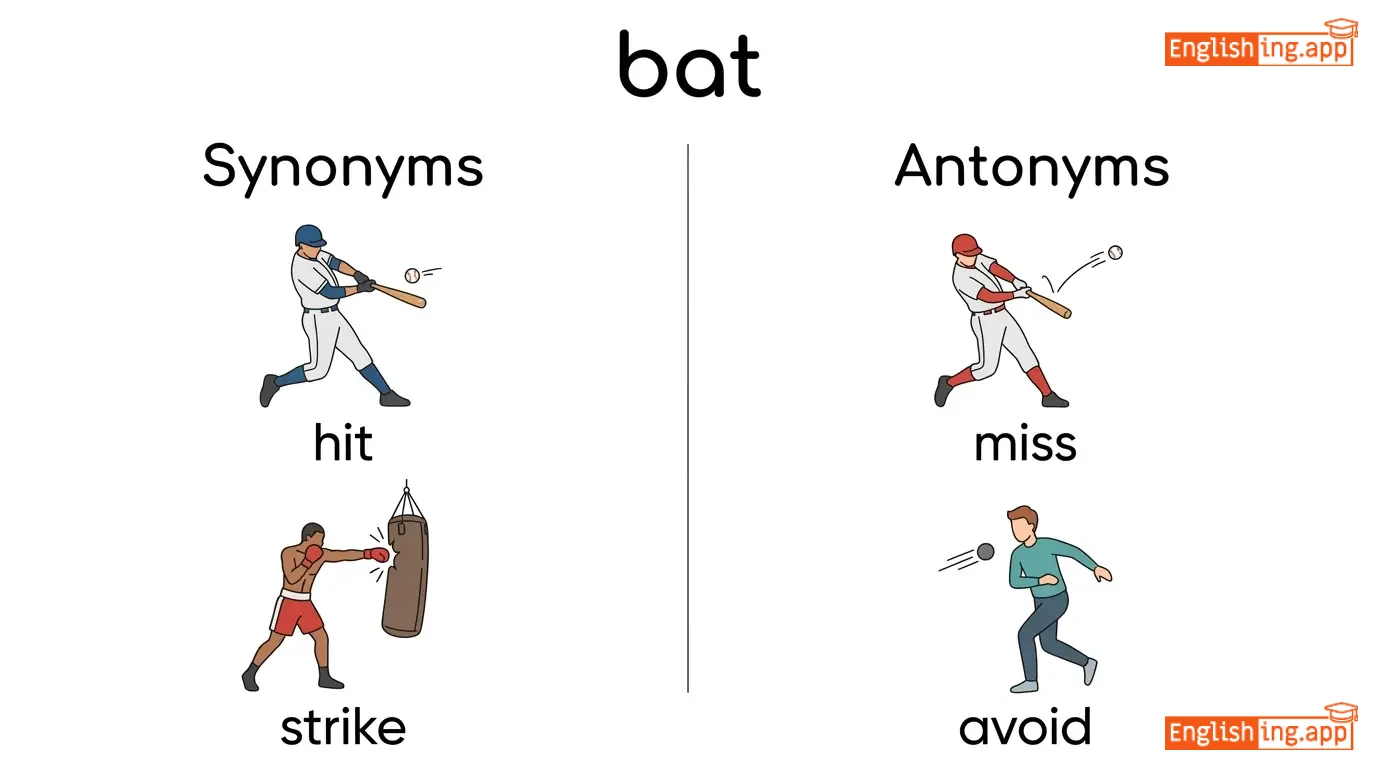
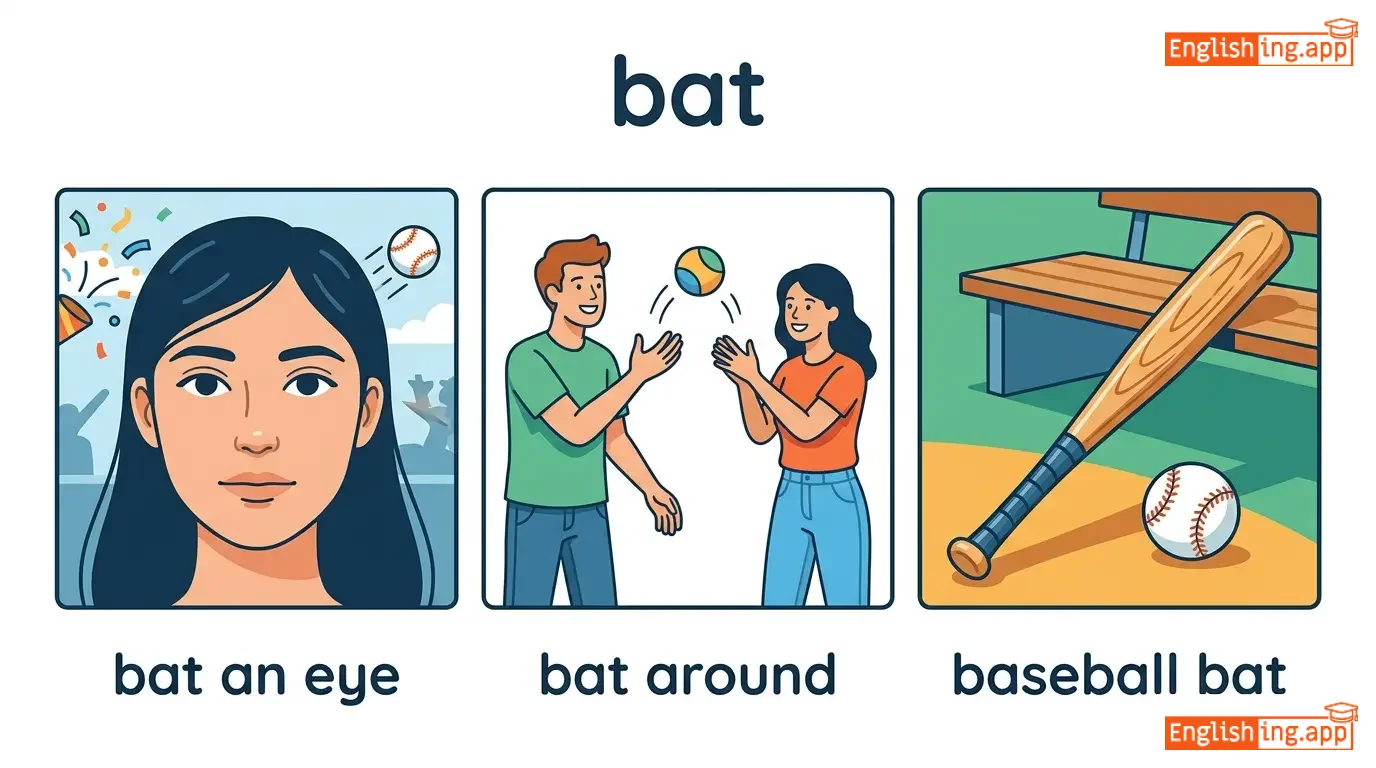

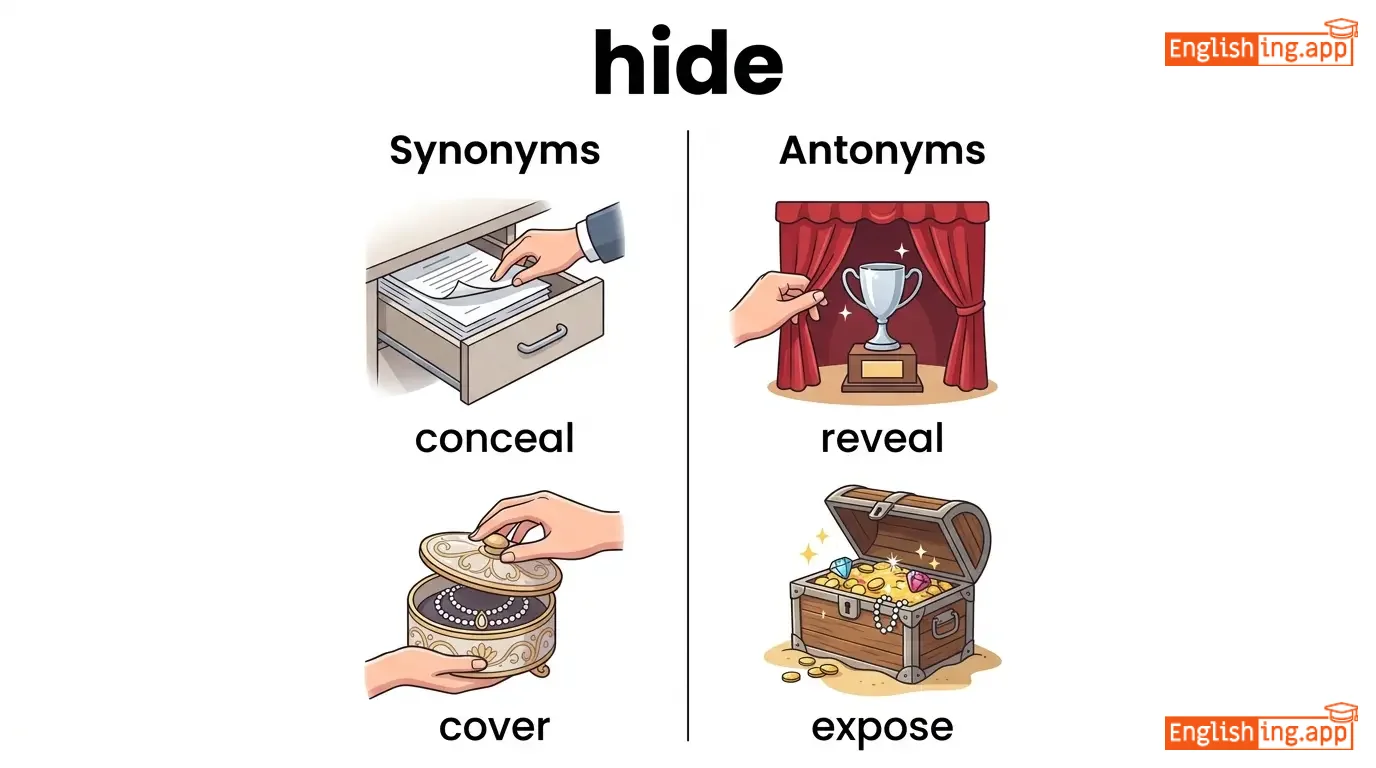
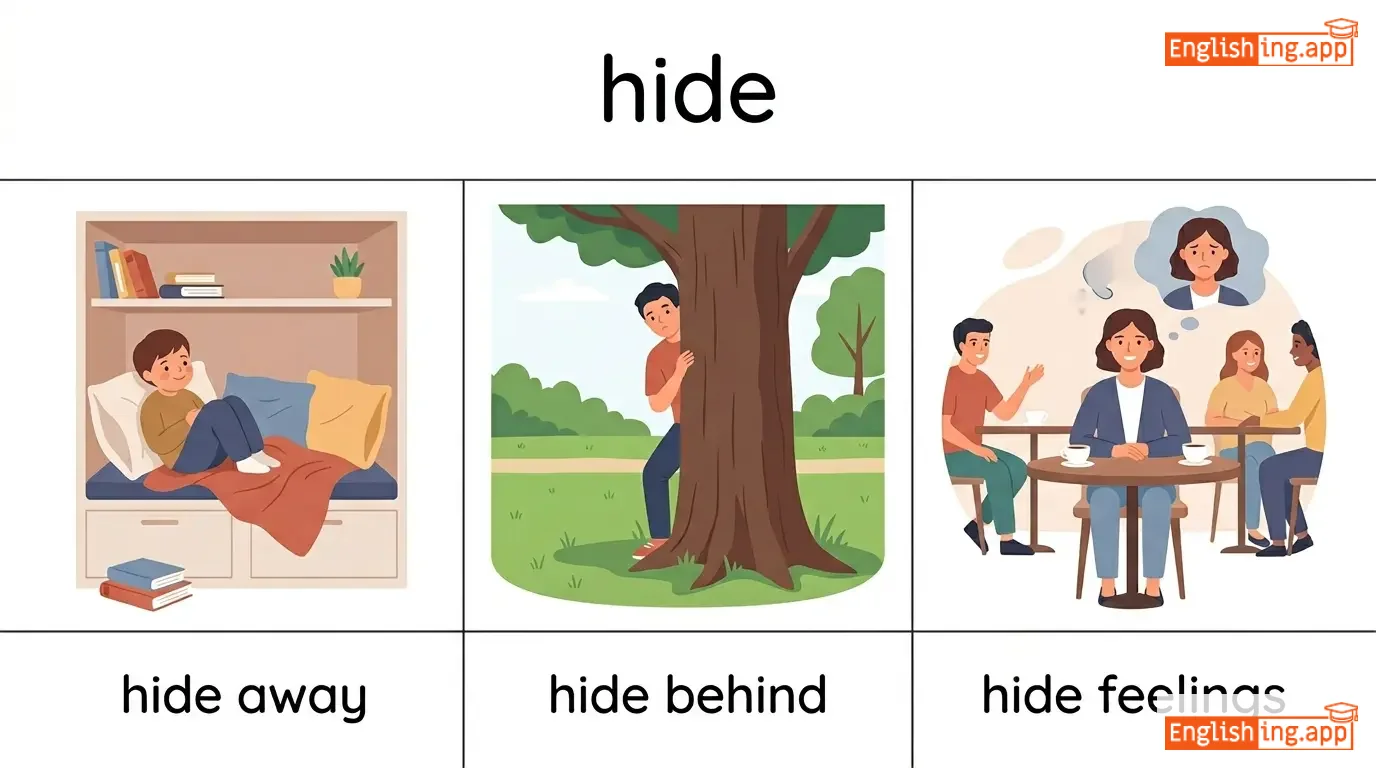
Swipe left or right, or use the buttons. Tap image to zoom.
例文の翻訳
単語
Lesson 1: Names of AnimalsLesson 1: Names of Animals - マスクトグル
|
絵文字
|
単語 | Images | 翻訳 | 意味 | 例文 | 例文の翻訳 | 同義語 | 対義語 | コロケーション | ニーモニック |
|---|---|---|---|---|---|---|---|---|---|---|
|
#1
🦊
|
/fɒks/
noun
(フォックス)
••••••
|
- •••••• |
キツネ
kitsune
••••••
|
a wild animal related to dogs, with a pointed face and thick fur
••••••
|
The red fox is known for its cunning nature.
赤いキツネはそのずる賢い性格で知られています。
••••••
|
赤いキツネはそのずる賢い性格で知られています。
Akai kitsune wa sono zuru kashikoi seikaku de shirareteimasu.
••••••
|
vixen
••••••
|
- •••••• |
red fox, arctic fox, fox hunt, cunning fox
••••••
|
キツネはとても賢くて、すべての困難を乗り越えます。
••••••
|
|
#2
🐒
|
/læŋ'ɡʊər/
noun
(ラングール)
••••••
|
- •••••• |
オナガザル
ranguru
••••••
|
a long-tailed monkey found in Asia, especially India and Southeast Asia
••••••
|
The langoor was sitting on the tree branch eating fruits.
ラングールは木の枝に座って果物を食べていた。
••••••
|
ラングールは木の枝に座って果物を食べていた。
ranguru wa ki no eda ni suwatte kudamono o tabeteita.
••••••
|
monkey, primate, ape
••••••
|
- •••••• |
gray langoor, leaf monkey, langoor troop
••••••
|
Ran goo ru, ラン (ran) + グー (goo) + ル (ru): imagine a fast monkey in Asia munching fruits on a tree
••••••
|
|
#3
🐆
|
/ˈlep.ərd/
noun
(レパード)
••••••
|
- •••••• |
ヒョウ
hyō
••••••
|
a large wild cat with yellow fur and black spots
••••••
|
The leopard climbed the tree to rest in the shade. |
ヒョウは木に登って、日陰で休んでいました。
Hyō wa ki ni nobotte, hikage de yasunde imashita.
••••••
|
panther, big cat
••••••
|
- •••••• |
snow leopard, leopard print, leopard spots
••••••
|
木の陰で休むヒョウを想像してください。
••••••
|
|
#4
🦔
|
/moʊl/
noun
(モール)
••••••
|
- •••••• |
モグラ
mogura
••••••
|
a small burrowing mammal with tiny eyes and soft fur
••••••
|
The mole dug tunnels under the garden. |
モグラは庭の下にトンネルを掘った。
Mogura wa niwa no shita ni tonneru o hotta.
••••••
|
shrew
••••••
|
- •••••• |
mole hill, garden mole, underground mole
••••••
|
Think of 'mogura' digging tunnels like a mole does in the ground.
••••••
|
|
#5
🦫
|
/ˈmɒŋ.ɡuːs/
noun
(モンゴース)
••••••
|
- •••••• |
マングース
Mangūsu
••••••
|
a small carnivorous mammal known for its ability to kill venomous snakes
••••••
|
The mongoose quickly attacked the cobra to protect its young. |
マングースは子供たちを守るためにコブラを素早く攻撃しました。
Mangūsu wa kodomotachi o mamoru tame ni kobura o subayaku kōgeki shimashita.
••••••
|
ichneumon
••••••
|
- •••••• |
mongoose family, mongoose attack, wild mongoose
••••••
|
Mangūsu: Imagine a mongoose munching a mango and defending its nest.
••••••
|
|
#6
🐴
|
/huːf/
noun
(フ)
••••••
|
- •••••• |
ひづめ
hizume
••••••
|
the hard part covering the foot of horses, cattle, sheep, and other animals
••••••
|
The horse's hoof was injured after stepping on a sharp rock. |
馬のひづめは鋭い岩に踏んだ後、けがをしました。
Uma no hizume wa surudoi iwa ni funda ato, kega o shimashita.
••••••
|
foot, ungula
••••••
|
paw, claw
••••••
|
horse hoof, cloven hoof, hoof print, hoof care
••••••
|
ひづめは馬の足を守る硬い部分です。
••••••
|
|
#7
🦌
|
/fɔːn/
noun
(フォーン)
••••••
|
- •••••• |
子鹿
koshika
••••••
|
a young deer; a light yellowish-brown color
••••••
|
The mother deer protects her fawn from predators. |
母鹿は捕食者から子鹿を守ります。
Haha shika wa hoshoku-sha kara koshika o mamorimasu.
••••••
|
young deer, baby deer
••••••
|
adult deer, stag, doe
••••••
|
newborn fawn, spotted fawn, fawn color
••••••
|
子鹿が森を走り回っているのを見て、かわいいと思う。
••••••
|
|
#8
🦦
|
/ˈɒt.ər/
noun
(オッター)
••••••
|
- •••••• |
カワウソ
kawaso
••••••
|
a mammal with webbed feet that lives near water and feeds on fish
••••••
|
The playful otter swam gracefully in the river.
遊び好きなオッターは川で優雅に泳いでいました。
••••••
|
遊び好きなカワウソは川で優雅に泳いでいました。
Asobi suki na kawaso wa kawa de yūga ni oyoide imashita.
••••••
|
sea otter, river otter
••••••
|
- •••••• |
sea otter, river otter, otter den, otter family
••••••
|
カワウソ: かわを泳ぐ、楽しむ
••••••
|
|
#9
🐷
|
/pɪɡ/
noun
(pig)
••••••
|
- •••••• |
豚
buta
••••••
|
a domestic farm animal with a short curly tail and a flat nose
••••••
|
The farmer fed the pig in the pen.
農場主は豚をペンで育てました。
••••••
|
農場主は豚をペンで育てました。
Nōjō-nushi wa buta o pen de sodatemashita.
••••••
|
swine, hog, boar
••••••
|
- •••••• |
pig farm, guinea pig, pig pen
••••••
|
Buta means pig, like the word ‘butter’ which reminds us of pigs in a field.
••••••
|
|
#10
🐂
|
/ˈbʊl.ək/
noun
(ブロック)
••••••
|
- •••••• |
牛
ushi
••••••
|
a young bull; a castrated bull used for farm work
••••••
|
The farmer used a bullock to plow the field.
農夫は田んぼを耕すためにブロックを使いました。
••••••
|
農夫は田んぼを耕すために牛を使いました。
Nōfu wa tanbo o tagayasu tame ni ushi o tsukaimashita.
••••••
|
ox, bull, steer
••••••
|
cow, heifer
••••••
|
bullock cart, bullock team, young bullock
••••••
|
牛 (bullock) は農場で働く重要な仲間です。
••••••
|
|
#11
🐃
|
/ˈbʌf.ə.loʊ/
noun
(バッファロー)
••••••
|
- •••••• |
バッファロー
baffarō
••••••
|
a large wild ox with heavy horns; American bison
••••••
|
The buffalo grazed peacefully in the meadow.
バッファローは草原で平和に草を食べていた。
••••••
|
バッファローは草原で平和に草を食べていた。
Baffarō wa sōgen de heiwa ni kusa o tabete ita.
••••••
|
bison, ox, wild ox
••••••
|
- •••••• |
water buffalo, buffalo herd, buffalo meat
••••••
|
バッファローが草を食べる、強くて平和な動物
••••••
|
|
#12
🐴
|
/ˈpoʊni/
noun
(ポニー)
••••••
|
- •••••• |
ポニー
ponī
••••••
|
a small horse, typically under 14.2 hands high
••••••
|
The children enjoyed riding the gentle pony at the farm. |
子供たちは農場で優しいポニーに乗ることを楽しみました。
Kodomotachi wa nōjō de yasashī ponī ni noru koto o tanoshimimashita.
••••••
|
small horse, colt, filly
••••••
|
stallion, mare
••••••
|
pony ride, Shetland pony, pony tail
••••••
|
ポニーは小さくて優しい馬
••••••
|
|
#13
🦁
|
/biːst/
noun
(ビースト)
••••••
|
- •••••• |
獣
kemono
••••••
|
a large or dangerous animal; a cruel or unpleasant person
••••••
|
The lion is a fierce beast of the jungle. |
ライオンはジャングルの猛獣です。
Raion wa janguru no mouju desu.
••••••
|
animal, creature, monster, brute
••••••
|
angel, saint, human
••••••
|
wild beast, savage beast, beast of burden
••••••
|
Beast = 獣 (kemono), ライオンは猛獣
••••••
|
|
#14
🐻
|
/beər/
noun
(ベア)
••••••
|
|
クマ
kuma
••••••
|
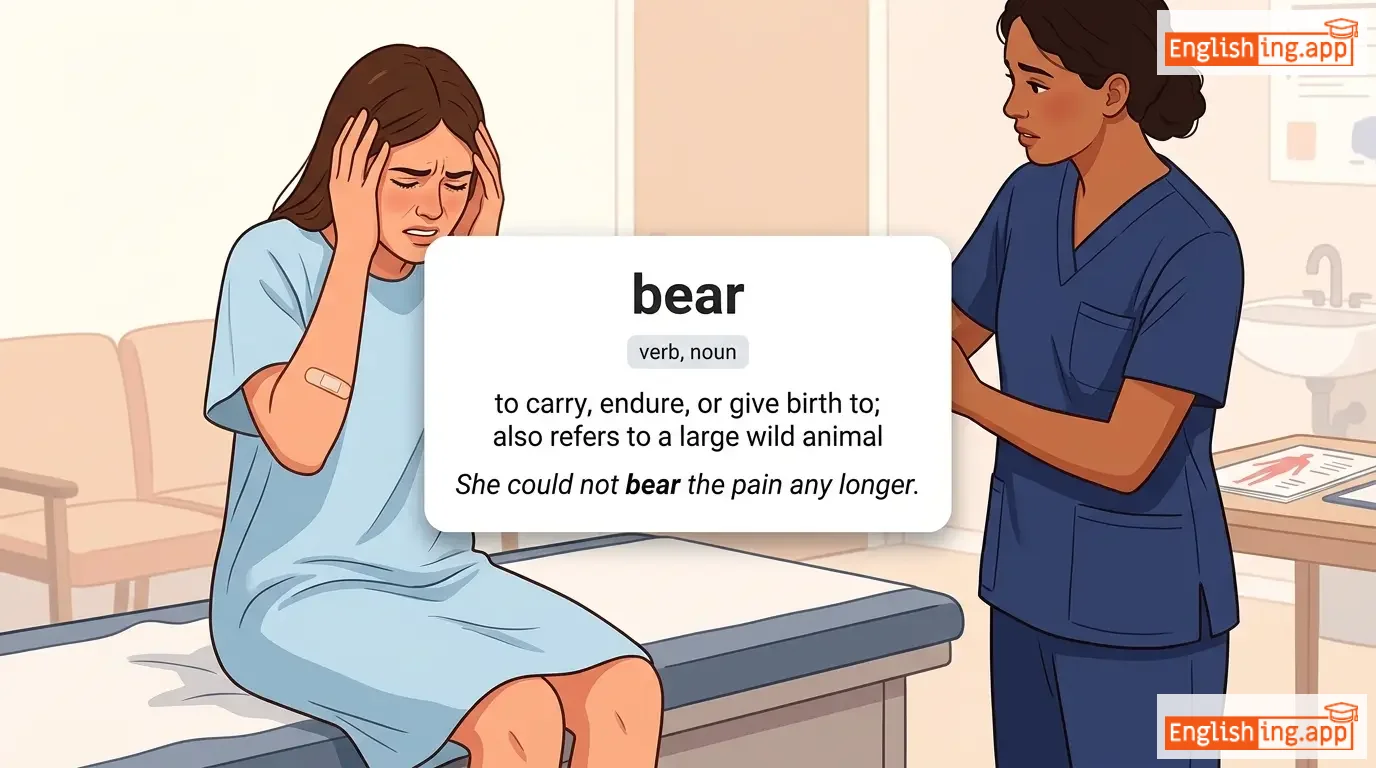
a large, heavy mammal with thick fur and a very short tail
••••••
|
The brown bear caught a fish from the river.
茶色のクマは川から魚を捕まえました。
••••••
|
茶色のクマは川から魚を捕まえました。
chairo no kuma wa kawa kara sakana o tsukamaemashita.
••••••
|
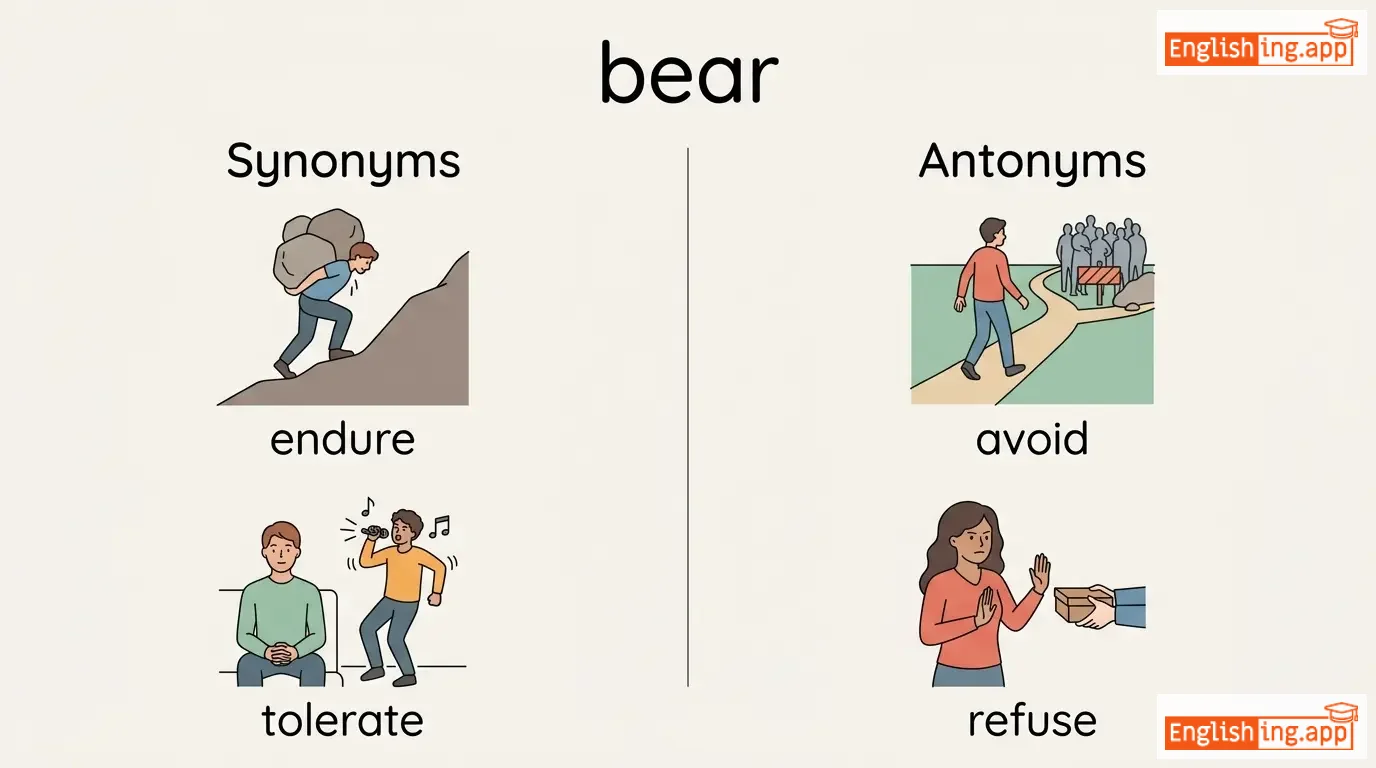
bruin, ursine
••••••
|
- •••••• |
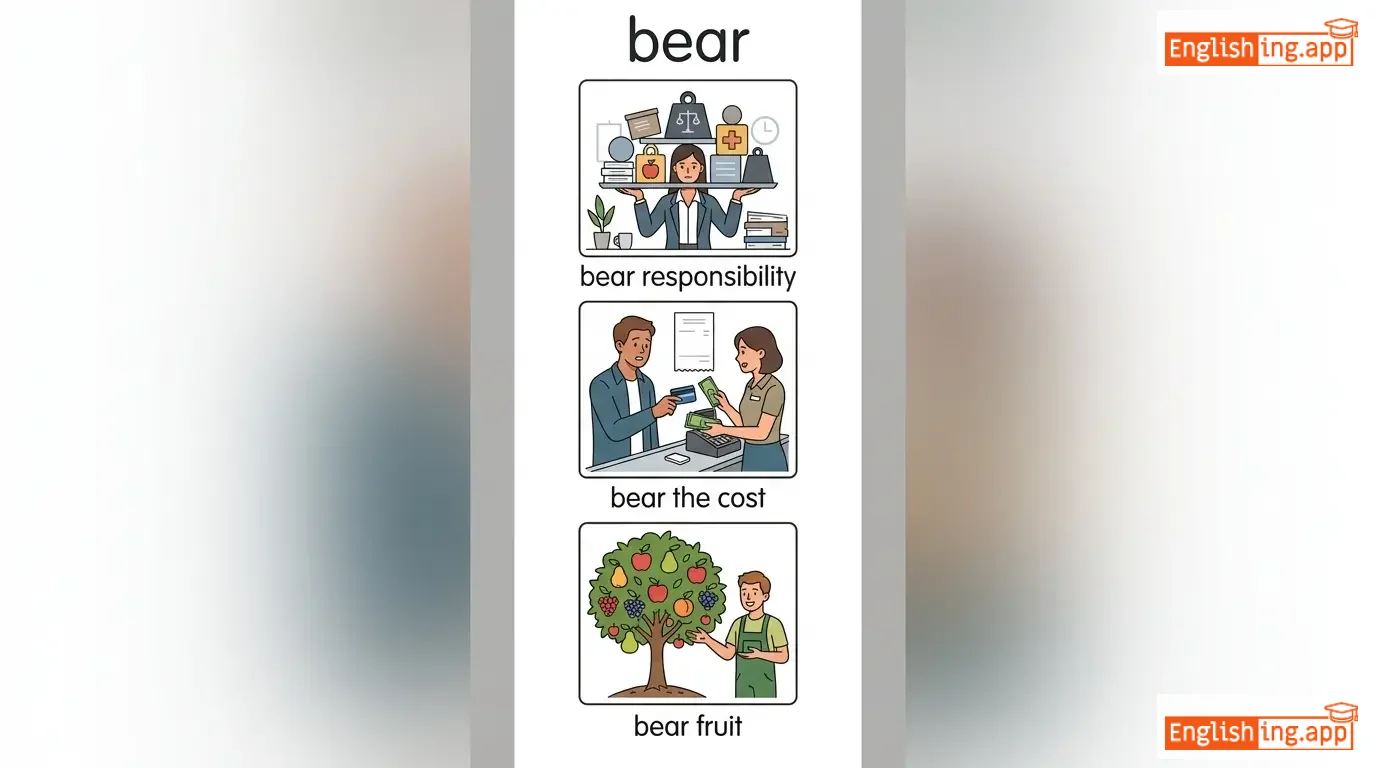
brown bear, polar bear, bear market, teddy bear
••••••
|
クマは川で魚を捕まえることが得意です。
••••••
|
|
#15
🦇
|
/bæt/
noun
(バット)
••••••
|
|
コウモリ
kōmori
••••••
|
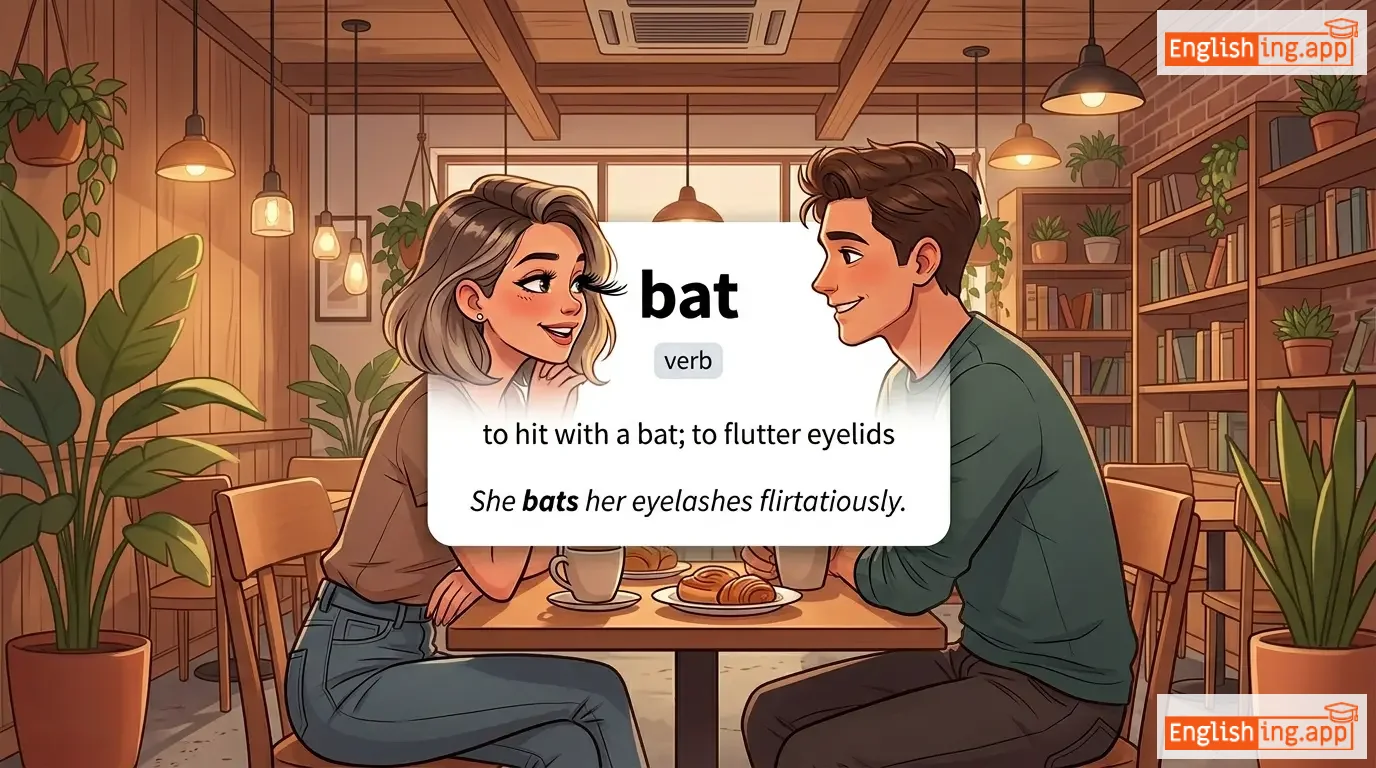
a flying mammal that is active at night; a wooden stick used in sports like baseball
••••••
|
The bat flew out of the cave at sunset.
コウモリは日没時に洞窟から飛び出しました。
••••••
|
コウモリは日没時に洞窟から飛び出しました。
Kōmori wa nichibotsu-ji ni dōkutsu kara tobidashimashita.
••••••
|
flying fox, club, stick
••••••
|
- •••••• |
baseball bat, cricket bat, bat cave, vampire bat
••••••
|
コウモリ(Bat)は、野球でも使われるバットの名前です。
••••••
|
|
#16
🐿️
|
/ˈskwɪr.əl/
noun
(スカイレル)
••••••
|
- •••••• |
リス
risu
••••••
|
a small agile tree-dwelling rodent with a long bushy tail
••••••
|
The squirrel gathered nuts for winter. |
リスは冬のために木の実を集めていました。
Risu wa fuyu no tame ni ki no mi o atsume te imashita.
••••••
|
rodent, tree rat
••••••
|
- •••••• |
red squirrel, grey squirrel, flying squirrel, tree squirrel
••••••
|
リスは'リ'と'す'に覚えやすく、木にいる小さな動物です。
••••••
|
|
#17
🦧
|
/ɔːˈræŋ.ʊˌtæŋ/
noun
(オランウータン)
••••••
|
- •••••• |
オランウータン
orangūtan
••••••
|
a large arboreal ape with long reddish hair, long arms, and hooked hands and feet, native to Borneo and Sumatra
••••••
|
The orangutan swings gracefully through the forest canopy.
オランウータンは森の樹冠を優雅に渡ります。
••••••
|
オランウータンは森の樹冠を優雅に渡ります。
Orangutan wa mori no jūkan o yūga ni watarimasu.
••••••
|
orangutan, great ape, primate
••••••
|
- •••••• |
Bornean orangutan, Sumatran orangutan, baby orangutan, wild orangutan
••••••
|
Imagine an orangutan floating like a leaf through the trees, graceful and smooth.
••••••
|
|
#19
🐺
|
/haɪˈiː.nə/
noun
(ハイエナ)
••••••
|
- •••••• |
ハイエナ
haiena
••••••
|
a wild animal of Africa and Asia that looks like a dog and makes a sound like laughter
••••••
|
The hyena laughed in the darkness of the night.
ハイエナは夜の闇の中で笑いました。
••••••
|
ハイエナは夜の闇の中で笑いました。
Haiena wa yoru no yami no naka de waraimashita.
••••••
|
- •••••• | - •••••• |
spotted hyena, hyena pack, hyena laugh
••••••
|
ハイエナ - 夜の暗闇で笑う動物。
••••••
|
|
#20
🐰
|
/heə(r)/
noun
(ヘア)
••••••
|
- •••••• |
野ウサギ
no usagi
••••••
|
a fast-running long-eared mammal that resembles a large rabbit
••••••
|
The hare quickly ran across the field.
その野ウサギはフィールドを素早く走りました。
••••••
|
その野ウサギはフィールドを素早く走りました。
Sono no usagi wa fīrudo o subayaku hashirimashita
••••••
|
rabbit, bunny
••••••
|
tortoise
••••••
|
wild hare, hare and hounds, march hare
••••••
|
Hare in English sounds like 'ヘア' in Japanese, and '野ウサギ' means wild hare
••••••
|
|
#21
🐱
|
/ˈkɪt.ən/
noun
(キトゥン)
••••••
|
- •••••• |
子猫
koneko
••••••
|
a young cat
••••••
|
The little kitten loves to play with yarn balls. |
小さな子猫は毛糸の玉で遊ぶのが大好きです。
Chiisana koneko wa keito no tama de asobu no ga daisuki desu.
••••••
|
young cat, baby cat, kitty
••••••
|
adult cat, old cat
••••••
|
playful kitten, newborn kitten, fluffy kitten
••••••
|
子猫はかわいくて遊び好きな猫の赤ちゃんです。
••••••
|
|
#22
🐴
|
/meər/
noun
(マレ)
••••••
|
- •••••• |
雌馬
meshima
••••••
|
an adult female horse
••••••
|
The beautiful mare galloped across the meadow.
美しいマレが草原を駆け抜けた。
••••••
|
美しい雌馬が草原を駆け抜けた。
Utsukushī meshima ga sōgen o kakenuketa.
••••••
|
female horse, filly
••••••
|
stallion, gelding
••••••
|
brood mare, racing mare, young mare, mare and foal
••••••
|
雌馬、草原を走る成体の馬
••••••
|
|
#23
🐵
|
/ˈmʌŋki/
noun
(モンキー)
••••••
|
- •••••• |
サル
saru
••••••
|
a primate mammal that typically has a long tail and lives in trees
••••••
|
The monkey swung from branch to branch in the jungle.
サルはジャングルで枝から枝へと飛び移った。
••••••
|
サルはジャングルで枝から枝へと飛び移った。
Saru wa janguru de eda kara eda e to tobiutta.
••••••
|
primate, ape, simian
••••••
|
- •••••• |
monkey business, spider monkey, howler monkey
••••••
|
Saru is the Japanese word for monkey, and it's easy to recall as monkeys are agile in trees.
••••••
|
|
#24
🐜
|
/ænt/
noun
(アント)
••••••
|
- •••••• |
アリ
ari
••••••
|
a small insect that lives in organized colonies and is known for hard work
••••••
|
The ant carried a crumb that was twice its size. |
アリは自分のサイズの2倍のパンくずを運びました。
Ari wa jibun no saizu no nibai no pankuzu wo hakobimashita
••••••
|
insect, worker ant
••••••
|
- •••••• |
ant colony, fire ant, worker ant, ant hill, busy as an ant
••••••
|
アリは常に一生懸命働いています。
••••••
|
|
#25
🐻❄️
|
/ˈpoʊ.lər beər/
noun
(ポーラー・ベア)
••••••
|
- •••••• |
ホッキョクグマ
hokkyokuguma
••••••
|
a large white bear that lives in the Arctic regions
••••••
|
The polar bear swims in the icy Arctic waters.
ポーラーベアは寒冷な北極の水域で泳いでいる。
••••••
|
ホッキョクグマは寒冷な北極の水域で泳いでいる。
Hokkyokuguma wa kanrei na hokkyoku no suii de oyoideiru.
••••••
|
white bear, Arctic bear
••••••
|
- •••••• |
polar bear habitat, polar bear cubs, polar bear population
••••••
|
ホッキョクグマは北極で生きており、氷水の中を泳ぐのが特徴です。
••••••
|
|
#26
🦔
|
/ˈpɔːr.kjə.paɪn/
noun
(ポーキューパイン)
••••••
|
- •••••• |
ヤマアラシ
yama arashi
••••••
|
a large rodent with defensive spines or quills on its body
••••••
|
The porcupine raised its quills when threatened.
ポーキューパインは脅威を感じると針を立てた。
••••••
|
ヤマアラシは脅威を感じると針を立てた。
Yama arashi wa kyōi o kanjiru to hari o tateta.
••••••
|
hedgehog, quill pig
••••••
|
- •••••• |
porcupine quills, North American porcupine, porcupine defense
••••••
|
ヤマアラシ: 防御, 針, 大きい.
••••••
|
|
#27
🐕
|
/teɪl/
noun
(teyl)
••••••
|
- •••••• |
尾
obi
••••••
|
the rear part of an animal that extends from the back or bottom
••••••
|
The dog wagged its tail happily when it saw its owner. |
犬は飼い主を見て嬉しそうに尾を振った。
Inu wa kainushi wo mite ureshisou ni obi wo futta.
••••••
|
rear, end, appendage
••••••
|
head, front
••••••
|
dog tail, long tail, wagging tail, tail feathers
••••••
|
Obi = tail in Japanese, and both wag with joy!
••••••
|
|
#28
🦌
|
/dɪər/
noun
(ディア)
••••••
|
- •••••• |
鹿
shika
••••••
|
a graceful wild animal with antlers, especially the male
••••••
|
We saw a beautiful deer grazing in the meadow. |
私たちは草原で美しい鹿が草を食べているのを見ました。
watashitachi wa sōgen de utsukushī shika ga kusa o tabete iru no o mimashita.
••••••
|
stag, doe, buck
••••••
|
- •••••• |
wild deer, deer hunting, deer park
••••••
|
鹿はdeerと同じように優雅な動物です
••••••
|
|
#29
🐄
|
/kæf/
noun
(カフ)
••••••
|
- •••••• |
子牛
kougyu
••••••
|
a young cow or bull; young of various large mammals
••••••
|
The calf stayed close to its mother. |
子牛は母親の近くにいました。
Kougyu wa hahaoya no chikaku ni imashita.
••••••
|
young cow, baby cow
••••••
|
bull, cow
••••••
|
newborn calf, calf muscle, golden calf
••••••
|
Imagine a calf (子牛) always staying near its mother.
••••••
|
|
#30
🐘
|
/ˈel.ɪ.fənt/
noun
(エレファント)
••••••
|
- •••••• |
象
zou
••••••
|
a very large gray mammal with long curved teeth and a long nose called a trunk
••••••
|
The elephant is the largest land animal in the world. |
象は世界で最も大きな陸生動物です。
Zou wa sekai de mottomo ōkina rikusei dōbutsu desu.
••••••
|
pachyderm, jumbo
••••••
|
mouse, ant
••••••
|
baby elephant, elephant trunk, elephant herd
••••••
|
Zou - In Japanese, '象' sounds like 'elephant' and means 'elephant'!
••••••
|
|
#31
🫏
|
/æs/
noun
(エス)
••••••
|
- •••••• |
ロバ
roba
••••••
|
a donkey; a small domesticated animal of the horse family
••••••
|
The farmer used an ass to carry heavy loads. |
農夫は重い荷物を運ぶためにロバを使いました。
nōfu wa omoi nimotsu o hakobu tame ni roba o tsukaimashita
••••••
|
donkey, mule
••••••
|
- •••••• |
wild ass, pack ass, stubborn as an ass
••••••
|
ロバ(roba)で重い荷物を運ぶ
••••••
|
|
#32
🐾
|
/'æn.ɪ.məl/
noun
(アニマル)
••••••
|
- •••••• |
動物
dōbutsu
••••••
|
a living creature that feeds on organic matter, typically having specialized sense organs and nervous system and able to respond rapidly to stimuli
••••••
|
The zoo has many different animals from around the world. |
動物園には世界中から来たさまざまな動物がいます。
dōbutsuen ni wa sekaijū kara kita samazama na dōbutsu ga imasu
••••••
|
creature, beast, organism, living being
••••••
|
plant, mineral, inanimate object
••••••
|
wild animal, domestic animal, animal kingdom, animal behavior
••••••
|
アニマルを思い出すとき、動物園のアニマルを想像してください。
••••••
|
|
#33
🐐
|
/ɡoʊt/
noun
(ヤギ)
••••••
|
- •••••• |
ヤギ
yagi
••••••
|
a farm animal with horns that gives milk and meat
••••••
|
The farmer keeps goats for their milk and cheese. |
農家は乳とチーズのためにヤギを飼っています。
Nōka wa nyū to chīzu no tame ni yagi o katteimasu.
••••••
|
kid, billy goat, nanny goat
••••••
|
sheep, cow
••••••
|
mountain goat, goat milk, goat cheese
••••••
|
ヤギは乳と肉を与えてくれる動物です。
••••••
|
|
#34
🦁
|
/ˈlaɪ.ən/
noun
(ライオン)
••••••
|
- •••••• |
ライオン
raion
••••••
|
a large tawny-colored cat that lives in prides, found in Africa and northwestern India
••••••
|
The lion roared loudly in the savanna. |
ライオンはサバンナで大きな声で吠えた。
Raion wa sabanna de ookina koe de hoeta
••••••
|
big cat, king of beasts, feline
••••••
|
- •••••• |
lion pride, male lion, female lion, lion cub, African lion
••••••
|
ライオン (Lion) - Picture a lion roaring loudly in the African savanna
••••••
|
|
#35
🦍
|
/bəˈbuːn/
noun
(バブーン)
••••••
|
- •••••• |
バブーン
baboon
••••••
|
a large African and Arabian primate with a dog-like snout and colorful buttocks
••••••
|
The baboon troop gathered around the watering hole in the savanna.
バブーンの群れはサバンナの水場の周りに集まりました。
••••••
|
バブーンの群れはサバンナの水場の周りに集まりました。
Baboon no mure wa sabanna no mizuba no mawari ni atsumarimashita.
••••••
|
primate, ape
••••••
|
- •••••• |
baboon troop, olive baboon, sacred baboon
••••••
|
バブーンのお尻はカラフルで目立つ!
••••••
|
|
#36
🐶
|
/ˈpʌp.i/
noun
(pappi)
••••••
|
- •••••• |
子犬
koinu
••••••
|
a young dog
••••••
|
The puppy wagged its tail when it saw its owner.
子犬は尾を振った、飼い主を見たとき。
••••••
|
子犬は尾を振った、飼い主を見たとき。
Koinu wa o o futta, kainushi o mita toki.
••••••
|
young dog, baby dog, pup
••••••
|
adult dog, old dog
••••••
|
cute puppy, small puppy, energetic puppy
••••••
|
子犬は小さくて元気な犬です。
••••••
|
|
#37
🐐
|
/kɪd/
noun
(キッド)
••••••
|
- •••••• |
子ヤギ
koyagi
••••••
|
a young goat; informal term for a child
••••••
|
The mother goat watched over her kid in the field. |
母ヤギは畑で子ヤギを見守っていました。
Haha yagi wa hatake de koyagi wo mimamotte imashita.
••••••
|
young goat, baby goat
••••••
|
adult goat, buck, doe
••••••
|
goat kid, baby kid, young kid
••••••
|
In Japan, a kid (子ヤギ) means a baby goat!
••••••
|
|
#38
🦘
|
/ˌkæŋ.ɡəˈruː/
noun
(カンガルー)
••••••
|
- •••••• |
カンガルー
kangaruu
••••••
|
a large marsupial from Australia that moves by hopping on its strong hind legs
••••••
|
The kangaroo jumped high with its joey in its pouch.
カンガルーは、袋の中に子供を入れて高く跳ねました。
••••••
|
カンガルーは、袋の中に子供を入れて高く跳ねました。
Kangaroo wa, fukuro no naka ni kodomo o irete takaku hanemashita
••••••
|
roo, marsupial
••••••
|
- •••••• |
red kangaroo, baby kangaroo, kangaroo pouch, kangaroo hop
••••••
|
カンガルーが子供と一緒に跳ねる姿を想像してみて!
••••••
|
|
#40
🦛
|
/ˌhɪp.əˈpɒt.ə.məs/
noun
(カバ)
••••••
|
- •••••• |
カバ
kaba
••••••
|
a large, mostly herbivorous mammal that lives in and around water in Africa
••••••
|
The hippopotamus spends most of its day in the water. |
カバは一日のほとんどを水の中で過ごします。
Kaba wa ichinichi no hotondo o mizu no naka de sugoshimasu
••••••
|
hippo, river horse
••••••
|
land animal, desert animal
••••••
|
hippo pool, baby hippo, wild hippopotamus
••••••
|
カバ (kaba) は水の中で生活している巨大な動物
••••••
|
|
#41
🦌♀️
|
/haɪnd/
noun
(haindo)
••••••
|
- •••••• |
雌鹿
meshi shika
••••••
|
a female deer, especially a red deer
••••••
|
The hind protected her fawn from predators. |
雌鹿は捕食者から子鹿を守りました。
Meshi shika wa hoshokusha kara kogitsune o mamorimashita.
••••••
|
doe, female deer
••••••
|
stag, buck
••••••
|
red hind, hind and calf, protective hind
••••••
|
雌鹿 (Meshi Shika) sounds like 'hind' and refers to a female deer.
••••••
|
|
#42
🦎
|
/haɪd/
noun
(ハイド)
••••••
|
|
動物の皮
dōbutsu no kawa
••••••
|
the skin of an animal; to conceal oneself or something from view
••••••
|
The leather jacket was made from cowhide. |
革のジャケットは牛の皮で作られていた。
kawa no jaketto wa ushi no kawa de tsukurarete ita.
••••••
|
skin, pelt, leather, fur
••••••
|
reveal, show, expose
••••••
|
animal hide, cowhide, hide and seek, tanned hide
••••••
|
動物の皮で隠れるように自分を隠す。
••••••
|
|
#43
🦔
|
/ˈhedʒhɒɡ/
noun
(ヘッジホッグ)
••••••
|
- •••••• |
ハリネズミ
harinezumi
••••••
|
a small mammal with a spiny coat that can roll into a ball for defense
••••••
|
The hedgehog rolled into a ball when it felt threatened.
ヘッジホッグは脅威を感じるとボールのように丸くなります。
••••••
|
ハリネズミは脅威を感じるとボールのように丸くなります。
Harinezumi wa kyōi o kanjiru to bōru no yō ni marukunarimasu.
••••••
|
porcupine
••••••
|
- •••••• |
garden hedgehog, baby hedgehog, hedgehog habitat
••••••
|
ハリネズミは針で防御し、丸くなります!
••••••
|
|
#44
🐗
|
/waɪld bɔːr/
noun
(ワイルドボア)
••••••
|
- •••••• |
野生のイノシシ
yasei no inosishi
••••••
|
a wild pig that lives in forests and has long curved teeth
••••••
|
The wild boar ran through the forest quickly.
ワイルドボアは森を速く駆け抜けた。
••••••
|
ワイルドボアは森を速く駆け抜けた。
wairudo boa wa mori wo hayaku kakenuketa
••••••
|
wild pig, forest hog
••••••
|
domestic pig
••••••
|
wild boar hunting, boar tusks, forest boar
••••••
|
Yasei no inosishi wa wild boar to onaji
••••••
|
|
#45
👩🦱
|
/heər/
noun
(heaa)
••••••
|
- •••••• |
髪
kami
••••••
|
fine strands growing from the skin of humans and animals
••••••
|
She brushed her long hair before going to bed.
彼女は寝る前に長い髪をブラシでとかしました。
••••••
|
彼女は寝る前に長い髪をブラシでとかしました。
Kanojo wa neru mae ni nagai kami wo burashi de tokashimashita.
••••••
|
locks, mane, tresses
••••••
|
baldness
••••••
|
long hair, curly hair, hair color, hair care
••••••
|
髪の手入れは大切です。
••••••
|
|
#46
🐕
|
/ˈɡreɪ.haʊnd/
noun
(グレイハウンド)
••••••
|
- •••••• |
グレイハウンド
gureihaundo
••••••
|
a tall, thin dog with long legs that can run very fast
••••••
|
The greyhound won the race at the dog track. |
グレイハウンドは犬の競技場でレースに勝ちました。
gureihaundo wa inu no kyōgijō de rēsu ni kachimashita
••••••
|
racing dog, sighthound
••••••
|
- •••••• |
greyhound racing, retired greyhound, greyhound bus
••••••
|
グレイハウンド = 速い犬
••••••
|
|
#47
🦒
|
/dʒɪˈræf/
noun
(ジラフ)
••••••
|
- •••••• |
キリン
kirin
••••••
|
a very tall African animal with a long neck and long legs
••••••
|
The giraffe stretched its neck to reach the leaves on the tall tree. |
キリンは高い木の葉に届くために首を伸ばしました。
Kirin wa takai ki no ha ni todoku tame ni kubi o nobashimashita.
••••••
|
camelopard
••••••
|
- •••••• |
tall giraffe, giraffe neck, baby giraffe
••••••
|
Picture a giraffe reaching the highest leaves on the tallest tree by stretching its long neck!
••••••
|
|
#48
🐅
|
/ˈtaɪ.ɡər/
noun
(タイガー)
••••••
|
- •••••• |
虎
tora
••••••
|
a very large solitary cat with a yellow-brown coat striped with black, native to the forests of Asia
••••••
|
The tiger hunted silently through the jungle. |
虎はジャングルを静かに歩いて狩りをしていた。
Tora wa jungu o shizuka ni aruite kari o shite ita.
••••••
|
big cat, striped cat, feline
••••••
|
- •••••• |
Bengal tiger, Siberian tiger, white tiger, tiger stripes, tiger cub
••••••
|
タイガーはジャングルの中で静かに歩き、力強さを感じさせる。
••••••
|
|
#49
🦏
|
/raɪˈnɒs.ər.əs/
noun
(サイ)
••••••
|
- •••••• |
サイ
sai
••••••
|
a large, heavy animal with thick skin and one or two horns on its nose
••••••
|
The rhinoceros charged through the grassland.
サイは草原を突進した。
••••••
|
サイは草原を突進した。
Sai wa sōgen o tosshin shita.
••••••
|
rhino
••••••
|
- •••••• |
black rhinoceros, white rhinoceros, rhinoceros horn
••••••
|
サイ: 重い体と角を持つ動物
••••••
|
|
#50
🦌
|
/ˈreɪn.dɪər/
noun
(レインディア)
••••••
|
- •••••• |
トナカイ
tonakai
••••••
|
a large deer with branched horns that lives in cold northern areas
••••••
|
Santa's reindeer pulled his sleigh across the sky. |
サンタのトナカイは空を越えてソリを引きました。
Santa no tonakai wa sora o koete sori o hikimashita
••••••
|
caribou
••••••
|
- •••••• |
reindeer herder, flying reindeer, reindeer antlers
••••••
|
トナカイ = 北の空を駆ける鹿
••••••
|
|
#51
🐀
|
/ræt/
noun
(ラット)
••••••
|
- •••••• |
ネズミ
nezumi
••••••
|
a large long-tailed rodent that is typically considered a pest
••••••
|
The rat scurried across the kitchen floor. |
ネズミは台所の床を走り抜けました。
Nezumi wa daidokoro no yuka o hashiri nukemashita.
••••••
|
rodent, vermin
••••••
|
cat, predator
••••••
|
sewer rat, lab rat, rat poison, rat trap
••••••
|
ネズミ (nezumi) は食べ物を探して暗いところに住んでいます。
••••••
|
|
#52
🦓
|
/ˈzi.brə/
noun
(ゼブラ)
••••••
|
- •••••• |
ゼブラ
zebura
••••••
|
an African animal like a horse with black and white stripes
••••••
|
The zebra ran across the African savanna with its herd.
ゼブラはアフリカのサバンナを群れと一緒に走っていた。
••••••
|
ゼブラはアフリカのサバンナを群れと一緒に走っていた。
Zebura wa Afurika no sabanna o mure to issho ni hashitte ita.
••••••
|
striped horse
••••••
|
- •••••• |
zebra crossing, zebra stripes, zebra herd
••••••
|
ゼブラは黒と白の縞模様を持つアフリカの動物で、馬のようです。
••••••
|
|
#53
🐱
|
/kæt/
noun
(キャット)
••••••
|
- •••••• |
猫
neko
••••••
|
a small domesticated carnivorous mammal with soft fur, a short snout, and retractile claws
••••••
|
The cat sat on the windowsill watching birds. |
猫は窓辺に座って鳥を見ていました。
Neko wa madobe ni suwatte tori o mite imashita
••••••
|
feline, kitten, kitty
••••••
|
dog, canine
••••••
|
house cat, stray cat, cat food
••••••
|
Neko is Japanese for cat, watching birds just like your cat
••••••
|
|
#54
🐴
|
/mjuːl/
noun
(ミュール)
••••••
|
- •••••• |
ラバ
raba
••••••
|
the offspring of a donkey and a horse, used as a working animal
••••••
|
The farmer used a mule to carry heavy loads. |
農夫は重い荷物を運ぶためにラバを使いました。
Nōfu wa omoi nimotsu o hakobu tame ni raba o tsukaimashita.
••••••
|
hybrid, crossbreed
••••••
|
purebred
••••••
|
pack mule, stubborn mule, working mule
••••••
|
ラバはロバと馬の子供で、農作業を助けます。
••••••
|
|
#55
🦍
|
/ɡəˈrɪl.ə/
noun
(ゴリラ)
••••••
|
- •••••• |
ゴリラ
gorira
••••••
|
a large powerful ape found in the forests of central Africa
••••••
|
The gorilla beat its chest to show dominance.
ゴリラは胸を叩いて支配を示しました。
••••••
|
ゴリラは胸を叩いて支配を示しました。
Gorira wa mune o tataite shihai o shimeshimashita.
••••••
|
ape, primate
••••••
|
- •••••• |
mountain gorilla, silverback gorilla, gorilla habitat
••••••
|
ゴリラの力強さはジャングルの王のようだ
••••••
|
|
#56
🐄
|
/kaʊ/
noun
(カウ)
••••••
|
- •••••• |
牛
ushi
••••••
|
a large farm animal kept for milk or meat
••••••
|
The cow produces fresh milk every morning.
カウは毎朝新鮮なミルクを生産します。
••••••
|
牛は毎朝新鮮なミルクを生産します。
Ushi wa maiasa shinsen na miruku o seisanshimasu.
••••••
|
cattle, bovine, bull
••••••
|
goat, sheep
••••••
|
dairy cow, milk cow, cow pasture
••••••
|
牛 (ushi) は 'Cow' の日本語の発音に対応し、覚えやすい
••••••
|
|
#57
🐻
|
/kʌb/
noun
(カブ)
••••••
|
- •••••• |
子グマ
koyuma
••••••
|
a young bear, lion, tiger, or other large carnivorous mammal
••••••
|
The bear cub stayed close to its mother for protection. |
子グマは保護のために母親の近くにいました。
Koyuma wa hogo no tame ni hahaoya no chikaku ni imashita.
••••••
|
young bear, baby bear, whelp
••••••
|
adult bear, mature bear
••••••
|
bear cub, lion cub, tiger cub
••••••
|
子グマ = 小さなグマ、赤ちゃんのような
••••••
|
|
#58
🐻
|
/fɜːr/
noun
(ファー)
••••••
|
- •••••• |
毛皮
kegawa
••••••
|
thick hair covering the body of animals
••••••
|
The cat's fur was soft and warm to touch.
猫の毛は触ると柔らかく温かかった。
••••••
|
猫の毛は触ると柔らかく温かかった。
Neko no ke wa sawaru to yawarakaku atatakakatta.
••••••
|
coat, pelt, fleece
••••••
|
skin, hide
••••••
|
soft fur, animal fur, fur coat, thick fur
••••••
|
毛皮は動物の体を温かく包みます。
••••••
|
|
#59
🦁
|
/ˈlaɪ.ə.nəs/
noun
(ライオネス)
••••••
|
- •••••• |
雌ライオン
mesu raion
••••••
|
an adult female lion
••••••
|
The fierce lioness protected her cubs from danger. |
その猛獣の雌ライオンは子ライオンたちを危険から守った。
Sono mōjū no mesu raion wa koshirion-tachi o kiken kara mamotta.
••••••
|
female lion
••••••
|
lion, male lion
••••••
|
lioness pride, hunting lioness, mother lioness, fierce lioness
••••••
|
No •••••• |
|
#60
🏠
|
/den/
noun
(デン)
••••••
|
- •••••• |
巣穴、穴
suana, ana
••••••
|
a wild animal's lair or home; a small room used for relaxation
••••••
|
The bear returned to its den for winter hibernation.
クマは冬眠のために自分の巣穴に戻った。
••••••
|
クマは冬眠のために自分の巣穴に戻った。
Kuma wa toumin no tame ni jibun no suana ni modotta.
••••••
|
lair, burrow, cave, hideout
••••••
|
open space, clearing
••••••
|
bear den, wolf den, den of thieves, family den
••••••
|
冬眠しているクマが自分の巣穴に戻る場面を思い描いてください。
••••••
|
|
#61
🐕
|
/dɔːɡ/
noun
(ドッグ)
••••••
|
- •••••• |
犬
inu
••••••
|
a domesticated carnivorous mammal that is typically kept as a pet or for work
••••••
|
The loyal dog waited patiently for its owner to return home.
ザ ロイヤル ドッグ ウェイテッド ペイシャントリー フォー イッツ オウナー トゥ リターン ホーム。
••••••
|
忠実な犬は、主人が家に帰るのを辛抱強く待っていました。
Chuujitsu na inu wa, shujin ga ie ni kaeru no wo shinbouzuyoku matte imashita.
••••••
|
canine, hound, mutt, pooch
••••••
|
cat
••••••
|
pet dog, guard dog, hunting dog, stray dog
••••••
|
犬 (inu) は忠実な友達です。
••••••
|
|
#62
🐑
|
/juː/
noun
(ユー)
••••••
|
- •••••• |
雌羊
mesu hitsuji
••••••
|
a female sheep
••••••
|
The ewe gave birth to twin lambs.
雌羊は双子の子羊を産みました。
••••••
|
雌羊は双子の子羊を産みました。
Mesu hitsuji wa futago no kohitsuji o umimashita.
••••••
|
female sheep
••••••
|
ram
••••••
|
pregnant ewe, mother ewe, ewe lamb
••••••
|
Ewe in Japanese is '雌羊', referring to a female sheep.
••••••
|
|
#63
🐑
|
/læm/
noun
(ラム)
••••••
|
- •••••• |
子羊
kohitsuji
••••••
|
a young sheep; meat from a young sheep
••••••
|
The little lamb followed its mother everywhere.
その小さな子羊は母親の後をどこでも追いかけた。
••••••
|
その小さな子羊は母親の後をどこでも追いかけた。
Sono chiisana kohitsuji wa hahaoya no ato o doko demo oikaketa.
••••••
|
young sheep, baby sheep
••••••
|
ewe, ram
••••••
|
spring lamb, lamb chop, innocent lamb
••••••
|
子羊が母親をどこでも追いかける
••••••
|
|
#64
🐺
|
/wʊlf/
noun
(ウルフ)
••••••
|
- •••••• |
オオカミ
ookami
••••••
|
a wild carnivorous mammal which is the largest member of the dog family
••••••
|
The wolf howled at the full moon.
ウルフは満月に向かって遠吠えした。
••••••
|
オオカミは満月に向かって遠吠えした。
Ookami wa mangetsu ni mukatte tōboe shita.
••••••
|
grey wolf, timber wolf, canine
••••••
|
sheep, prey animal, domestic dog
••••••
|
wolf pack, lone wolf, wild wolf
••••••
|
オオカミ = オー!という音を出すことを思い出す。
••••••
|
|
#65
🐅
|
/ˈtaɪ.ɡrəs/
noun
(タイグレス)
••••••
|
- •••••• |
メスのトラ
mesu no tora
••••••
|
an adult female tiger
••••••
|
The powerful tigress hunted silently through the jungle.
強力なタイグレスがジャングルを静かに狩っていた。
••••••
|
強力なメスのトラがジャングルを静かに狩っていた。
Kyōryoku na mesu no tora ga janguru o shizuka ni katte ita.
••••••
|
female tiger
••••••
|
tiger, male tiger
••••••
|
hunting tigress, mother tigress, Bengal tigress, Siberian tigress
••••••
|
メスのトラはジャングルで最も恐ろしい存在!
••••••
|
|
#66
🐸
|
/frɒɡ/
noun
(フロッグ)
••••••
|
- •••••• |
カエル
kaeru
••••••
|
a small amphibian animal that lives both in water and on land
••••••
|
The frog jumped from the lily pad into the pond.
カエルは睡蓮の葉から池に飛び込んだ。
••••••
|
カエルは睡蓮の葉から池に飛び込んだ。
Kaeru wa suiren no ha kara ike ni tobikonda.
••••••
|
amphibian, toad
••••••
|
- •••••• |
tree frog, pond frog, frog legs
••••••
|
カエルは睡蓮の葉から池に飛び込む。
••••••
|
|
#67
🦏
|
/hɔrn/
noun
(ホーン)
••••••
|
- •••••• |
角
kaku
••••••
|
a hard pointed projection on the head of certain animals; a musical instrument
••••••
|
The rhinoceros used its horn to defend itself.
サイは自分を守るために角を使った。
••••••
|
サイは自分を守るために角を使った。
Sai wa jibun o mamoru tame ni kaku o tsukatta.
••••••
|
antler, tusk, trumpet
••••••
|
- •••••• |
rhino horn, bull horn, car horn, horn section
••••••
|
In Japanese, '角' (kaku) means horn, just like the rhino's horn!
••••••
|
|
#68
🐴
|
/hɔːrs/
noun
(ホース)
••••••
|
- •••••• |
馬
uma
••••••
|
a large domesticated mammal used for riding and pulling loads
••••••
|
The horse galloped across the field with great speed. |
馬は大きな速さで野原を駆け抜けました。
Uma wa ōkina hayasa de nohara o kakenukemashita.
••••••
|
steed, mare, stallion
••••••
|
- •••••• |
wild horse, race horse, horse riding
••••••
|
馬は速い、まるでレースで走るように。
••••••
|
|
#69
🐴
|
/ˈsiː.hɔːrs/
noun
(shi-ho-su)
••••••
|
- •••••• |
タツノオトシゴ
tatsuno otoshigo
••••••
|
a small marine fish with segmented bony armor, an upright posture, and a curled prehensile tail
••••••
|
The seahorse gracefully floated among the coral reefs. |
タツノオトシゴはサンゴ礁の中を優雅に浮かんでいました。
Tatsuno otoshigo wa sangoryo no naka wo yuga ni ukandeimashita.
••••••
|
hippocampus, marine fish
••••••
|
- •••••• |
baby seahorse, pregnant seahorse, seahorse habitat, seahorse species
••••••
|
タツノオトシゴは海の中を泳ぐ小さな騎士です
••••••
|
|
#70
🐕🦺
|
/haʊnd/
noun
(ハウンド)
••••••
|
- •••••• |
猟犬
ryouken
••••••
|
a dog bred for hunting, typically having a keen sense of smell
••••••
|
The bloodhound tracked the scent through the dense forest.
ブルッドハウンドは密な森の中で匂いを追跡しました。
••••••
|
ブルッドハウンドは密な森の中で匂いを追跡しました。
buruddohaundo wa mitsuna mori no naka de nioi o tsuiseki shimashita.
••••••
|
hunting dog, tracker, bloodhound
••••••
|
- •••••• |
fox hound, blood hound, scent hound
••••••
|
猟犬は鋭い嗅覚を持って、獲物を追うのが得意です。
••••••
|
|
#71
🫏
|
/ˈdɒŋ.ki/
noun
(ドンキー)
••••••
|
- •••••• |
ロバ
roba
••••••
|
a domesticated animal related to the horse, with long ears and a braying call
••••••
|
The donkey carried heavy bags up the mountain.
そのドンキーは重い袋を山へ運びました。
••••••
|
そのロバは重い袋を山へ運びました。
Sono roba wa omoi fukuro o yama e hakobimashita.
••••••
|
ass, mule
••••••
|
- •••••• |
donkey cart, stubborn donkey, pack donkey
••••••
|
ロバ - 長い耳を持ち、荷物を運ぶ動物。
••••••
|
|
#72
🐴
|
/koʊlt/
noun
(コルト)
••••••
|
- •••••• |
子馬
koba
••••••
|
a young male horse, especially one under four years old
••••••
|
The farmer trained the young colt to accept a saddle.
農夫は若いコルトを鞍を受け入れるように訓練しました。
••••••
|
農夫は若いコルトを鞍を受け入れるように訓練しました。
Nōfu wa wakai koruto o kura o ukeireru yō ni kunren shimashita.
••••••
|
young horse, foal, stallion
••••••
|
mare, adult horse, old horse
••••••
|
young colt, wild colt, spirited colt
••••••
|
子馬 - 若い雄馬が鞍を受け入れる訓練をしている
••••••
|
|
#73
🐕
|
/bɪtʃ/
noun
(ビッチ)
••••••
|
- •••••• |
メス犬
mesu inu
••••••
|
a female dog
••••••
|
The bitch gave birth to five puppies. |
メス犬は五匹の子犬を生んだ。
Mesu inu wa gohiki no koinu o unda.
••••••
|
female dog
••••••
|
dog, male dog
••••••
|
breeding bitch, mother bitch
••••••
|
メス犬は女の犬、ビッチと同じです。
••••••
|
|
#74
🐪
|
/ˈkæm.əl/
noun
(キャメル)
••••••
|
- •••••• |
ラクダ
rakuda
••••••
|
a large animal with one or two humps on its back that lives in hot dry places
••••••
|
The camel walked slowly across the desert sand.
キャメルは砂漠の砂をゆっくり歩きました。
••••••
|
ラクダは砂漠の砂をゆっくり歩きました。
Rakuda wa sabaku no suna o yukkuri arukimashita.
••••••
|
dromedary
••••••
|
- •••••• |
camel caravan, desert camel, camel hump
••••••
|
ラクダは砂漠を歩きながら、2つのこぶを持っています。
••••••
|
|
#75
🐂
|
/ɑːks/
noun
(オックス)
••••••
|
- •••••• |
雄牛
osuushi
••••••
|
a large strong animal used for pulling heavy loads or plowing fields
••••••
|
The farmer used an ox to plow the field. |
農夫は畑を耕すために雄牛を使いました。
Noufu wa hatake wo tagasu tame ni osuushi wo tsukaimashita.
••••••
|
bull, steer, bullock
••••••
|
calf, heifer
••••••
|
plow ox, strong ox, ox cart
••••••
|
雄牛が畑を耕すのを手伝う。
••••••
|
|
#76
🐾
|
/klɔː/
noun
(クロー)
••••••
|
- •••••• |
爪
tsume
••••••
|
sharp curved nail on the foot of an animal or bird
••••••
|
The cat extended its sharp claws to climb the tree. |
猫は木に登るために鋭い爪を伸ばした。
Neko wa ki ni noboru tame ni surudoi tsume o nobashita.
••••••
|
talon, nail, unguis
••••••
|
hoof
••••••
|
sharp claw, cat claw, bird claw, claw marks
••••••
|
猫のように爪を伸ばす
••••••
|
|
#77
🐭
|
/maʊs/
noun
(マウス)
••••••
|
- •••••• |
ネズミ
nezumi
••••••
|
a small rodent with a long tail and typically gray or brown fur
••••••
|
The little mouse hid behind the cabinet. |
小さなネズミはキャビネットの後ろに隠れました。
Chīsana nezumi wa kyabinetto no ushiro ni kakuremashita
••••••
|
rodent, field mouse
••••••
|
cat, predator
••••••
|
computer mouse, house mouse, field mouse, mouse trap
••••••
|
ネズミは小さくて、家の周りにいることが多いです。
••••••
|
Vocabulary Quiz
Test your vocabulary by matching words with their translations or meanings.
Login to take the quiz
Comments (0)
Share your thoughts and join the discussion.
Join the discussion by logging in
Login to CommentNo comments yet
Be the first to share your thoughts!