

翻訳
過去
過去分詞
三人称単数
動名詞
意味
例文
例文の翻訳
同義語
対義語
コロケーション
ニーモニック
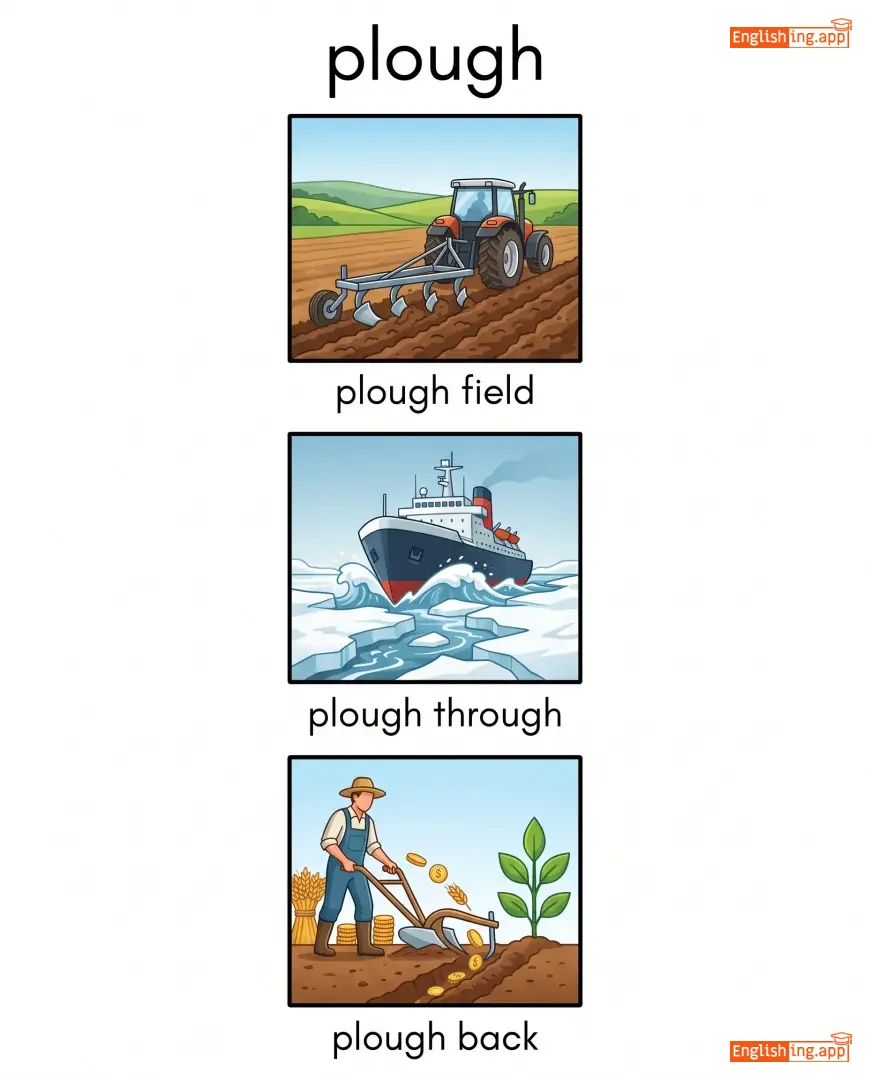
Swipe left or right, or use the buttons. Tap image to zoom.
例文の翻訳
単語
Lesson 16: Names of ToolsLesson 16: Names of Tools - マスクトグル
|
絵文字
|
単語 | Images | 翻訳 | 意味 | 例文 | 例文の翻訳 | 同義語 | 対義語 | コロケーション | ニーモニック |
|---|---|---|---|---|---|---|---|---|---|---|
|
#724
🔪
|
/bleɪd/
noun
(bleid)
••••••
|
- •••••• |
刃
ha
••••••
|
a sharp flat cutting edge of a knife, sword, or tool
••••••
|
The blade of the knife needs to be sharpened.
ナイフの刃は研がなければならない。
••••••
|
ナイフの刃は研がなければならない。
Naifu no ha wa toganakereba naranai.
••••••
|
edge, cutting edge, razor
••••••
|
blunt edge, dull edge
••••••
|
sharp blade, knife blade, razor blade, blade sharpening
••••••
|
刃 = 鋭い刃
••••••
|
|
#725
♠️
|
/speɪd/
noun
(supeido)
••••••
|
- •••••• |
シャベル
shaberu
••••••
|
a tool with a flat blade for digging; a playing card suit
••••••
|
The gardener used a spade to dig holes for planting flowers. |
庭師は花を植えるために穴を掘るためにシャベルを使いました。
Niwa-shi wa hana o ueru tame ni ana o horu tame ni shaberu o tsukaimashita.
••••••
|
shovel, digging tool, spud
••••••
|
- •••••• |
dig with a spade, garden spade, call a spade a spade
••••••
|
シャベルは平らな刃を持っていて、土を掘るために使う
••••••
|
|
#726
🥖
|
/hoʊ/
noun
(ホー)
••••••
|
- •••••• |
クワ
kuwa
••••••
|
a gardening tool with a thin metal blade used for breaking up soil and removing weeds
••••••
|
The farmer used a hoe to remove weeds from his vegetable garden. |
農夫は野菜畑から雑草を取り除くためにクワを使いました。
Noufu wa yasai hatake kara zassou o torinozoku tame ni kuwa o tsukaimashita.
••••••
|
cultivator, tiller, weeder
••••••
|
- •••••• |
garden hoe, hoe the ground, hoe weeds
••••••
|
Visualize using a ‘クワ’ to cut through the soil and remove weeds from your garden.
••••••
|
|
#727
🪚
|
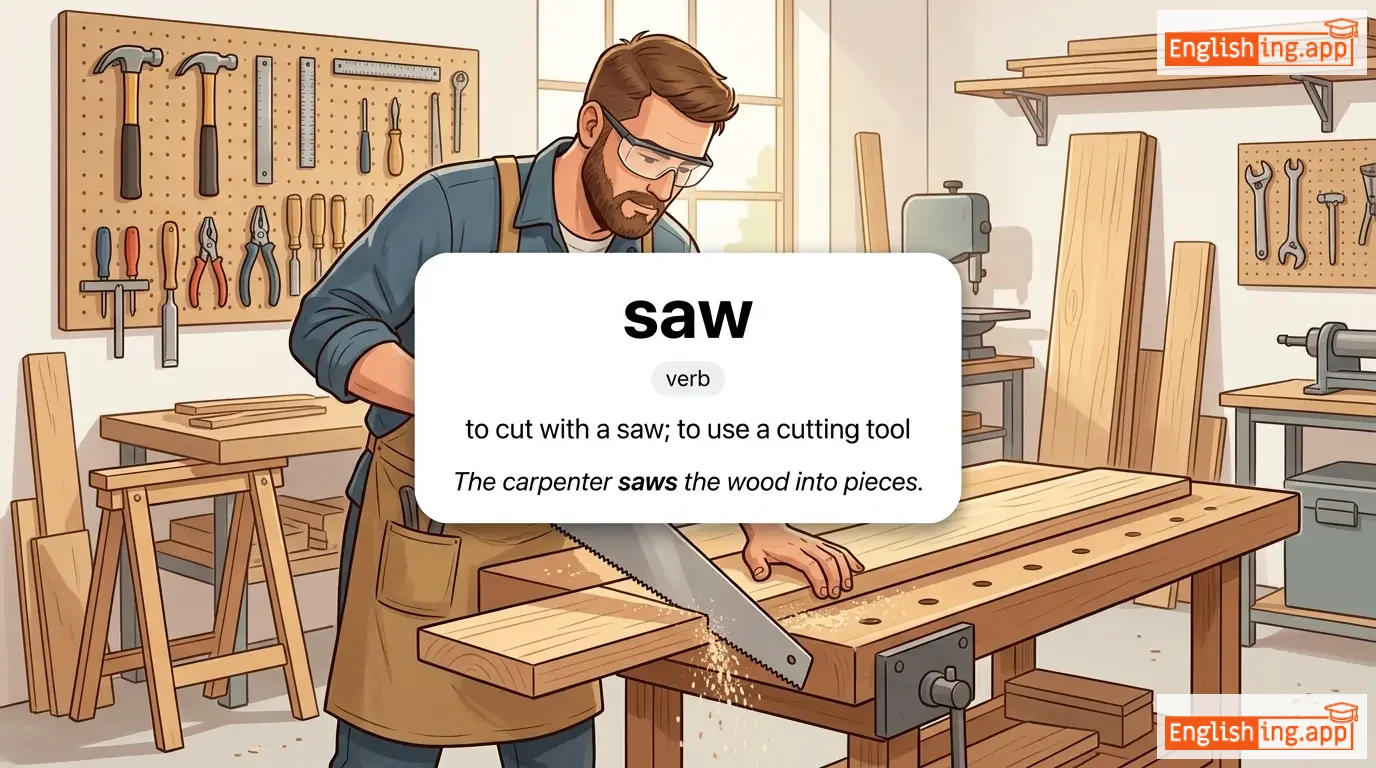
/sɔː/
noun
(ソー)
••••••
|
|
のこぎり
nokogiri
••••••
|
a tool with a sharp blade used for cutting wood or other materials
••••••
|
He used a saw to cut the wooden plank. |
彼は木の板を切るためにのこぎりを使いました。
Kare wa ki no ita o kiru tame ni nokogiri o tsukaimashita.
••••••
|
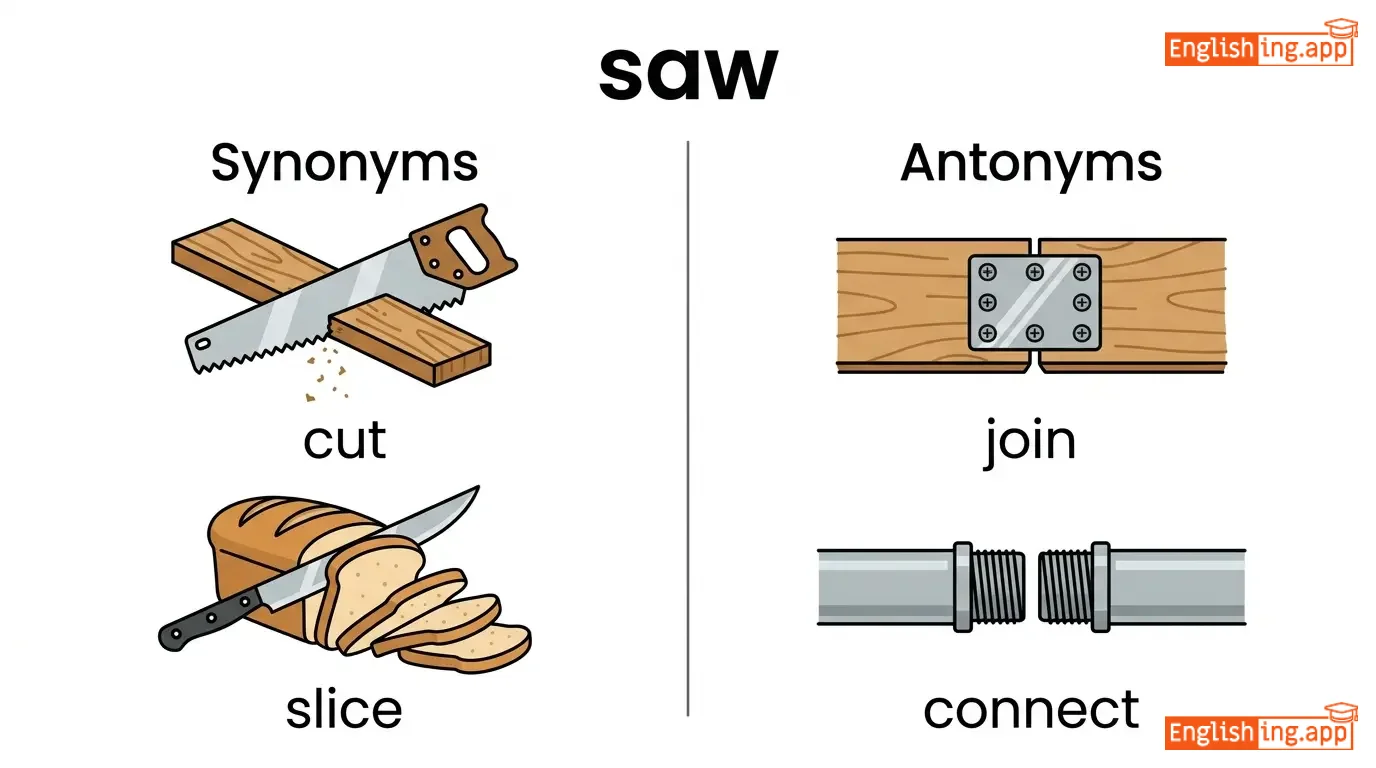
cutting tool, blade
••••••
|
glue, adhesive
••••••
|
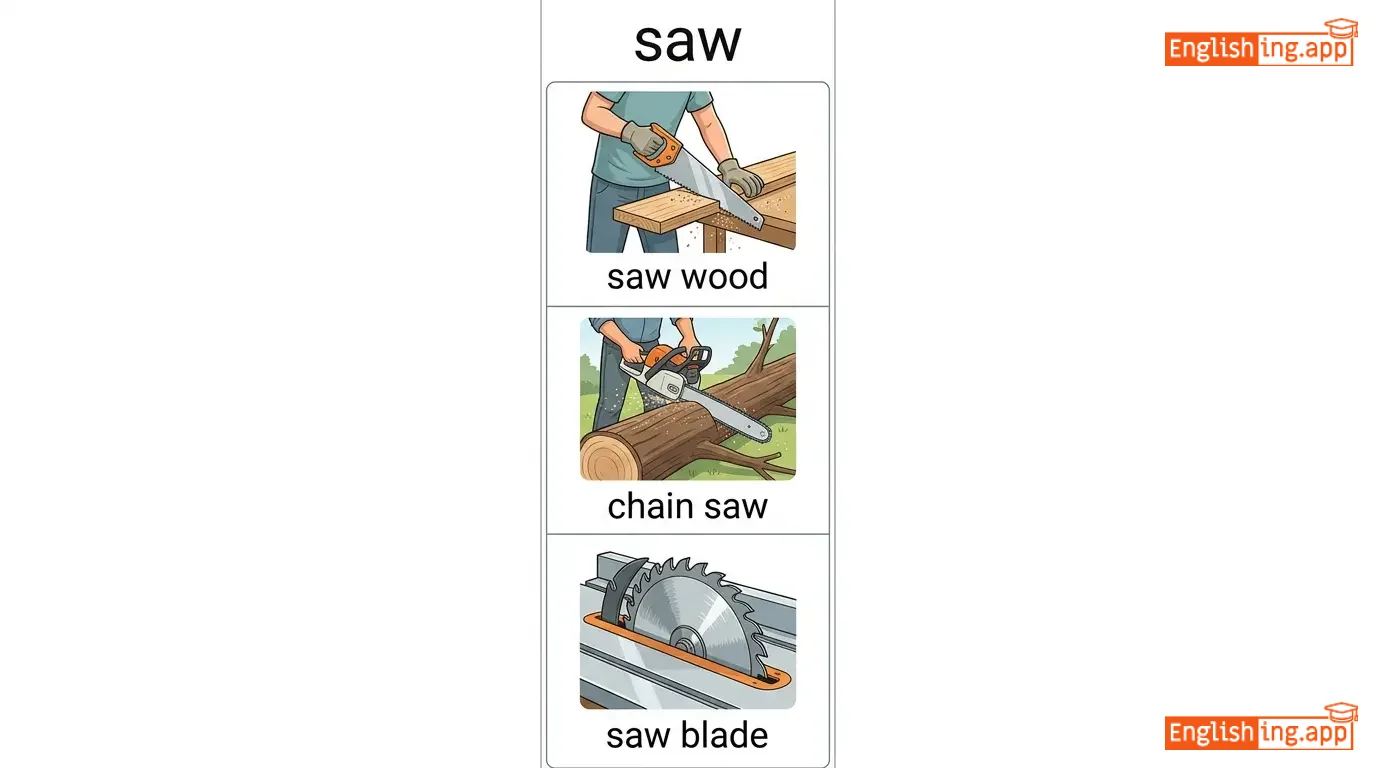
hand saw, power saw, saw blade, saw dust
••••••
|
のこぎりで木を切るのは簡単です
••••••
|
|
#728
🔪
|
/naɪf/
noun
(naifu)
••••••
|
- •••••• |
ナイフ
naifu
••••••
|
a cutting tool with a sharp blade
••••••
|
She used a sharp knife to cut the vegetables. |
彼女は野菜を切るために鋭いナイフを使いました。
Kanojo wa yasai o kiru tame ni surudoi naifu o tsukaimashita.
••••••
|
blade, cutter, dagger
••••••
|
spoon, fork
••••••
|
sharp knife, kitchen knife, butter knife, carving knife
••••••
|
ナイフで切る、鋭いナイフ
••••••
|
|
#729
🔨
|
/ˈtʃɪz.əl/
noun
(チゼル)
••••••
|
- •••••• |
彫刻刀
choukoku tou
••••••
|
a tool with a sharp flat edge used for cutting or shaping wood, stone, or metal
••••••
|
The carpenter used a chisel to carve the wood. |
大工は木を彫るために彫刻刀を使いました。
Daiku wa ki o horu tame ni choukoku tou o tsukaimashita.
••••••
|
carving tool, cutting tool, engraving tool
••••••
|
- •••••• |
wood chisel, stone chisel, chisel and hammer, sharp chisel
••••••
|
彫刻刀 (choukoku tou) は木彫りを行うための大工の道具
••••••
|
|
#730
🪓
|
/ˈtʃɒp.ər/
noun
(チョッパー)
••••••
|
- •••••• |
斧
ono
••••••
|
a tool with a heavy blade for chopping wood; a helicopter
••••••
|
The lumberjack swung the chopper to cut down the tree.
伐採者は木を切るためにチョッパーを振った。
••••••
|
伐採者は木を切るために斧を振った。
Batsusai-sha wa ki o kiru tame ni ono o futta.
••••••
|
axe, hatchet, cleaver
••••••
|
- •••••• |
wood chopper, meat chopper, helicopter chopper
••••••
|
斧で木を切るときのように、チョッパーが空を切る。
••••••
|
|
#731
🗡️
|
/ˈdæɡ.ər/
noun
(デイガー)
••••••
|
- •••••• |
短剣
tanken
••••••
|
a short knife with a pointed blade used as a weapon
••••••
|
The ancient warrior carried a silver dagger. |
古代の戦士は銀の短剣を携えていた。
Kodai no senshi wa gin no tanken wo tazusaete ita.
••••••
|
knife, blade, stiletto
••••••
|
- •••••• |
sharp dagger, silver dagger, ornate dagger, ceremonial dagger
••••••
|
短剣 - '短' と '剣' のように、短い剣を連想させる
••••••
|
|
#732
📏
|
/ɡeɪdʒ/
noun
(ゲージ)
••••••
|
- •••••• |
測定器
sokuteiki
••••••
|
an instrument for measuring the magnitude, amount, or contents of something
••••••
|
The pressure gauge showed the tank was full. |
圧力計はタンクが満杯であることを示しました。
atsuryokukei wa tanku ga manpai de aru koto o shimeshimashita.
••••••
|
meter, indicator, measure
••••••
|
estimate, guess
••••••
|
pressure gauge, fuel gauge, thickness gauge, wire gauge
••••••
|
測定器でタンクの圧力を測っている場面を想像してください。
••••••
|
|
#733
✂️
|
/ˈsɪz.ərz/
noun
(シザーズ)
••••••
|
- •••••• |
ハサミ
hasami
••••••
|
a cutting instrument with two sharp blades that are joined and work against each other
••••••
|
She used scissors to cut the paper into small pieces.
彼女は紙を小さな切れ端に切るためにハサミを使いました。
••••••
|
彼女は紙を小さな切れ端に切るためにハサミを使いました。
Kanojo wa kami o chiisana kirehashi ni kiru tame ni hasami o tsukaimashita.
••••••
|
shears, clippers, snips
••••••
|
- •••••• |
cut with scissors, paper scissors, safety scissors
••••••
|
ハサミ - 'Hasami' sounds like 'Hasty scissors'!
••••••
|
|
#734
⛏️
|
/ˈpɪk.æks/
noun
(ピックアックス)
••••••
|
- •••••• |
ツルハシ
tsuruhashi
••••••
|
a tool with a heavy metal head and long handle used for breaking up hard ground or rock
••••••
|
The miner used a pick-axe to break through the rocky surface. |
鉱夫は岩の表面を壊すためにツルハシを使用しました。
Koufu wa iwa no hyoumen o kowasu tame ni tsuruhashi o shiyou shimashita.
••••••
|
pickaxe, mattock, mining pick
••••••
|
feather, soft tool
••••••
|
mining pick-axe, heavy pick-axe, swing pick-axe
••••••
|
ツルハシで岩を砕く、まるで鉱夫のように。
••••••
|
|
#735
🐂
|
/jəʊk/
noun
(ヨーク)
••••••
|
- •••••• |
くびき
kubiki
••••••
|
a wooden crosspiece for joining two animals to pull a cart or plow; burden or oppression
••••••
|
The farmer placed the yoke on the oxen to plow the field.
農夫は牛にヨークを取り付けて畑を耕しました。
••••••
|
農夫は牛にヨークを取り付けて畑を耕しました。
Nōfu wa ushi ni yōku o toritsukete hatake o tagayashimashita.
••••••
|
harness, collar, burden
••••••
|
freedom, liberation
••••••
|
ox yoke, under the yoke, throw off the yoke
••••••
|
日本語の「くびき」は英語の「yoke」と似ており、動物を結びつける道具を意味します。
••••••
|
|
#736
🪓
|
/æks/
noun
(アックス)
••••••
|
- •••••• |
斧
ono
••••••
|
a tool with a heavy blade for cutting wood
••••••
|
The lumberjack swung his axe to chop the tree. |
木こりは木を切るために斧を振った。
Kikori wa ki wo kiru tame ni ono wo futta.
••••••
|
hatchet, chopper
••••••
|
protector, preserver
••••••
|
fire axe, battle axe, axe handle, sharp axe
••••••
|
Axe - 斧, 木を切るための必需品!
••••••
|
|
#737
⚒️
|
/ˈsɪk.əl/
noun
(sikkuru)
••••••
|
- •••••• |
鎌
kama
••••••
|
a tool with a curved metal blade and short handle used for cutting grain crops
••••••
|
The farmer harvested wheat using a traditional sickle.
農夫は伝統的な鎌を使って小麦を収穫しました。
••••••
|
農夫は伝統的な鎌を使って小麦を収穫しました。
Nōfu wa dentō-teki na kama o tsukatte komugi o shūkaku shimashita.
••••••
|
scythe, reaping hook, cutting blade
••••••
|
- •••••• |
harvest with sickle, sharp sickle, traditional sickle
••••••
|
鎌 (kama) は小麦を刈るための道具
••••••
|
|
#738
🏗️
|
/ˈʃʌv.əl/
noun
(ショベル)
••••••
|
- •••••• |
シャベル
shaberu
••••••
|
a tool with a broad flat blade and long handle used for digging and moving earth, snow, or other materials
••••••
|
He grabbed a shovel to clear the snow from the driveway. |
彼は車道から雪を取り除くためにシャベルを取った。
Kare wa shadō kara yuki o tori nozoku tame ni shaberu o totta.
••••••
|
spade, scoop, digger
••••••
|
rake, broom
••••••
|
snow shovel, garden shovel, dig with shovel
••••••
|
シャベルは雪や土を取り除くために使う、雪を取り除くための道具です。
••••••
|
|
#739
🪒
|
/ˈreɪ.zər/
noun
(レイザー)
••••••
|
- •••••• |
かみそり
kamisori
••••••
|
a sharp-edged instrument used for shaving hair from the skin
••••••
|
He shaved his beard with a sharp razor. |
彼は鋭いかみそりでひげを剃った。
kare wa surudoi kamisori de hige o totta.
••••••
|
blade, shaver
••••••
|
- •••••• |
sharp razor, electric razor, safety razor, razor blade
••••••
|
かみそり - ヒゲをきれいに剃るための必需品
••••••
|
|
#740
⚒️
|
/ˈkroʊ.bɑːr/
noun
(クローバー)
••••••
|
- •••••• |
バール
bāru
••••••
|
a heavy iron bar with a curved end used as a lever for prying things apart
••••••
|
He used a crowbar to remove the old nails.
彼は古い釘を取り除くためにクローバーを使いました。
••••••
|
彼は古い釘を取り除くためにクローバーを使いました。
Kare wa furui kugi o torinozoku tame ni kurōbā o tsukaimashita.
••••••
|
pry bar, lever bar, jimmy bar
••••••
|
- •••••• |
heavy crowbar, steel crowbar, crowbar leverage, prying crowbar
••••••
|
‘バール’を考えてみて、物を引き離すために使う道具です。
••••••
|
|
#741
🔩
|
/neɪl/
noun
(ネイル)
••••••
|
- •••••• |
釘
kugi
••••••
|
a small metal spike with a broadened flat head; part of finger or toe
••••••
|
He hammered the nail into the wooden board. |
彼は木の板に釘を打ち込んだ。
Kare wa ki no ita ni kugi o uchikonda.
••••••
|
spike, tack, pin
••••••
|
- •••••• |
hammer nail, iron nail, nail down
••••••
|
釘 - Nail, 釘を打つことで物を固定する。
••••••
|
|
#742
🔨
|
/ˈmæl.ɪt/
noun
(マレット)
••••••
|
- •••••• |
ゴム槌
gomu tsuchi
••••••
|
a hammer with a large head, typically made of wood
••••••
|
The carpenter used a rubber mallet to avoid damaging the wood. |
大工は木材を傷つけないようゴム槌を使った。
Daiku wa mokuzai o kizutsukenai yō gomu tsuchi o tsukatta.
••••••
|
hammer, gavel, maul
••••••
|
- •••••• |
rubber mallet, wooden mallet, mallet and chisel
••••••
|
ゴム + 槌 = ゴム槌
••••••
|
|
#743
🪝
|
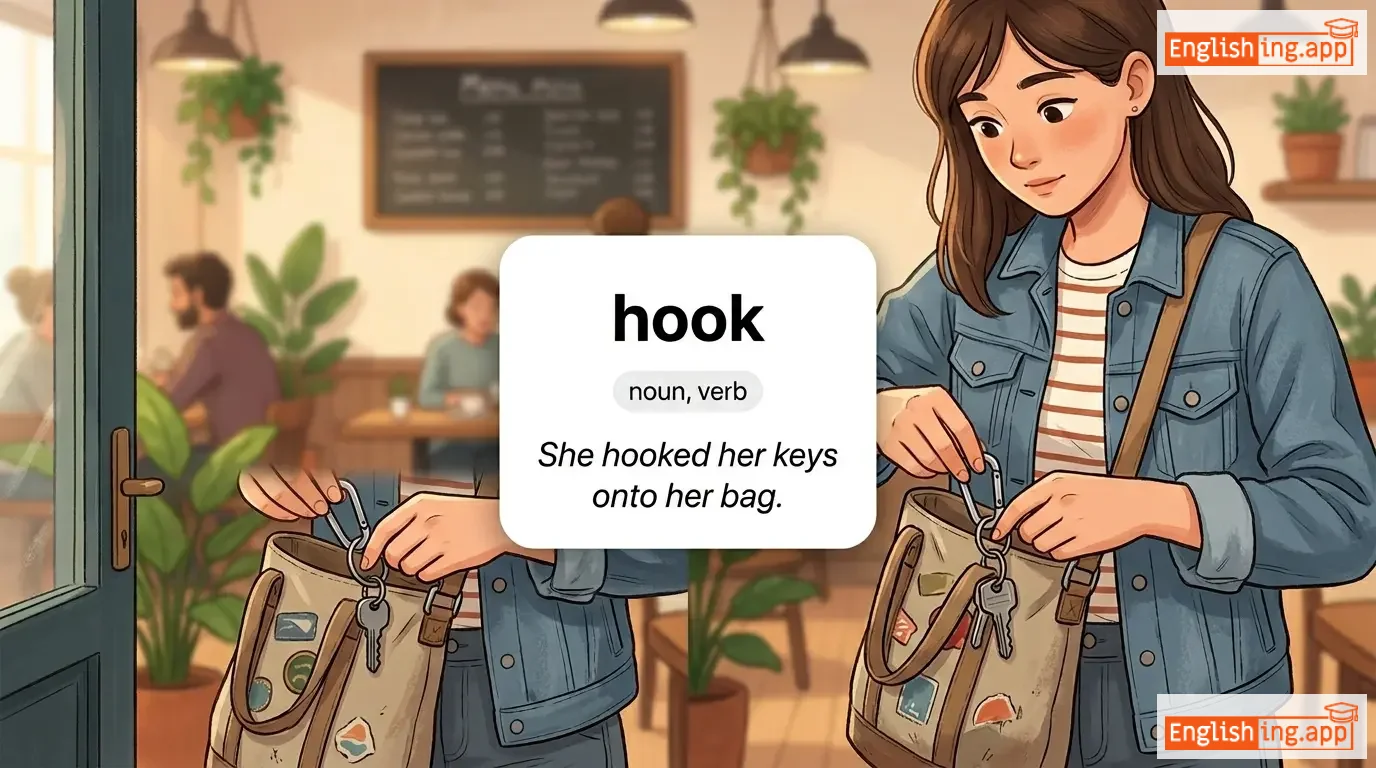
/hʊk/
noun
(フック)
••••••
|
|
フック
fukku
••••••
|
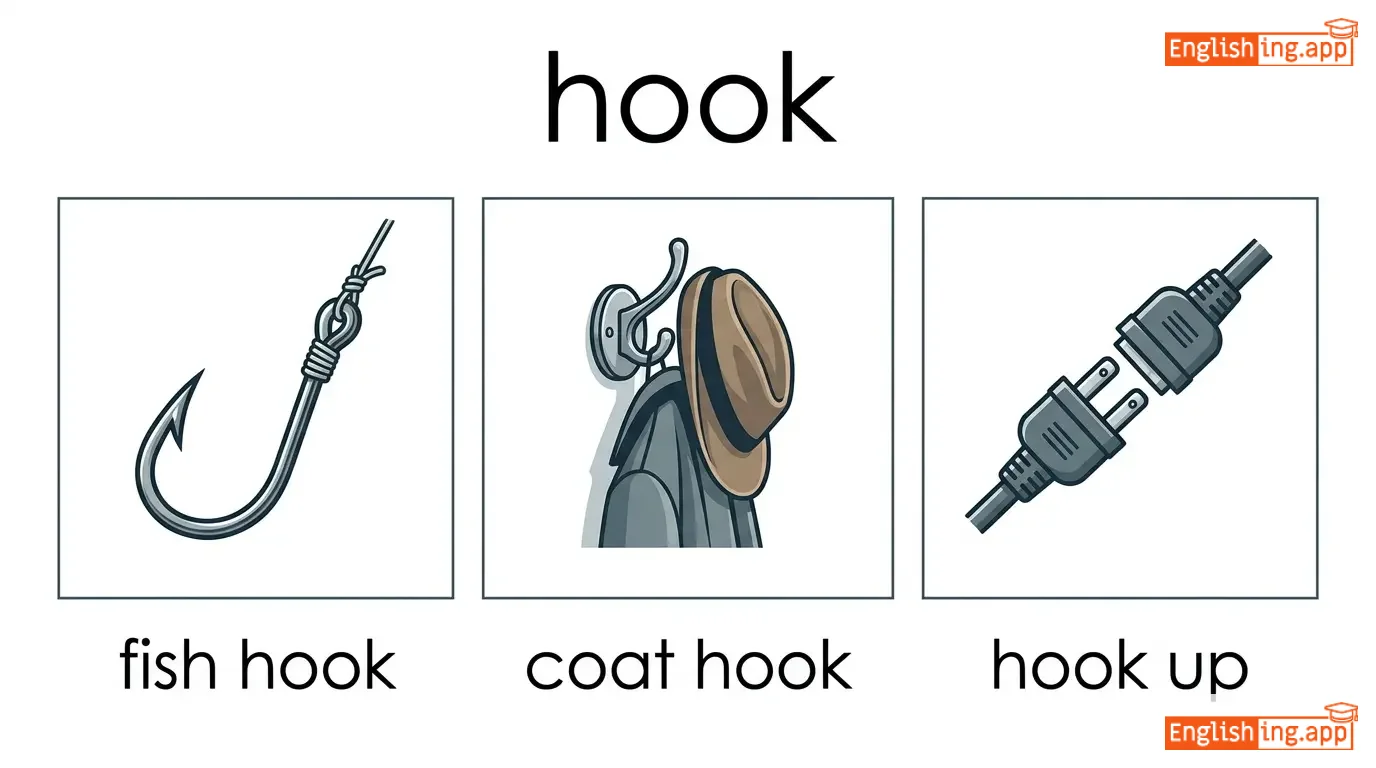
a curved or bent device for catching, holding, or fastening something
••••••
|
Hang your coat on the hook by the door.
ドアの横にあるフックにコートを掛けてください。
••••••
|
ドアの横にあるフックにコートを掛けてください。
Doa no yoko ni aru fukku ni kōto o kakete kudasai.
••••••
|
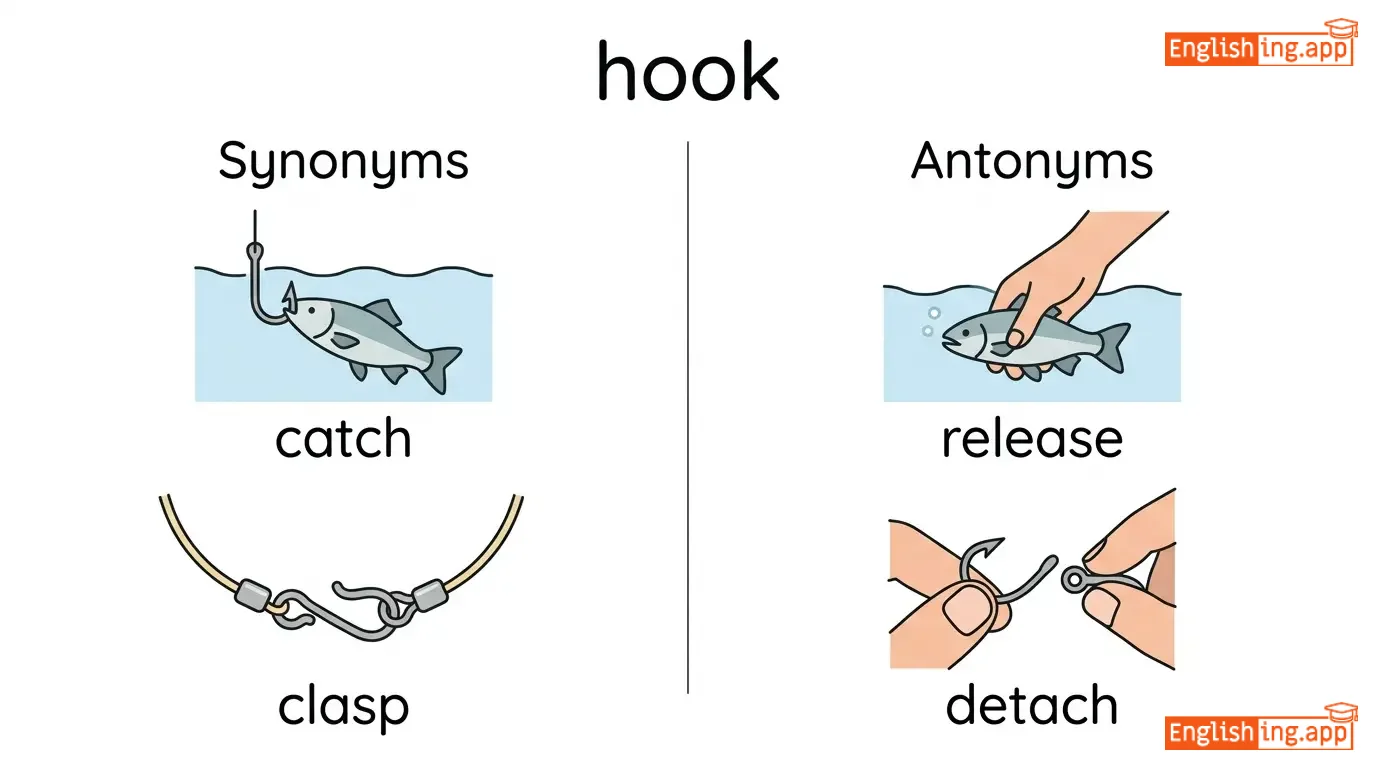
clasp, fastener, catch
••••••
|
- •••••• |
coat hook, fishing hook, sharp hook, metal hook
••••••
|
ドアの横にあるフックにコートを掛けることを想像してください。
••••••
|
|
#744
🔨
|
/ˈhæm.ər/
noun
(ハマー)
••••••
|
- •••••• |
ハンマー
hanmā
••••••
|
a tool with a heavy metal head for hitting nails or breaking things
••••••
|
She used a hammer to nail the picture frame to the wall. |
彼女は絵のフレームを壁に打ち付けるためにハンマーを使いました。
Kanojo wa e no furēmu o kabe ni uchitsukeru tame ni hanmā o tsukaimashita.
••••••
|
mallet, sledgehammer
••••••
|
cushion, softener
••••••
|
claw hammer, sledge hammer, hammer blow, hammer head
••••••
|
ハンマー = ハンマーで打つ、壁に釘を打つ様子を思い描いてください!
••••••
|
|
#745
🔪
|
/ˈkliː.vər/
noun
(クレーバー)
••••••
|
- •••••• |
大きな包丁
ookina hōchō
••••••
|
a heavy knife with a broad blade used for chopping meat or vegetables
••••••
|
The chef used a cleaver to chop the chicken bones.
シェフはチキンの骨を切るためにクレーバーを使いました。
••••••
|
シェフはチキンの骨を切るために大きな包丁を使いました。
Shefu wa chikin no hone o kiru tame ni ōkina hōchō o tsukaimashita.
••••••
|
chopper, butcher knife, meat axe
••••••
|
- •••••• |
meat cleaver, kitchen cleaver, heavy cleaver, sharp cleaver
••••••
|
Cleaver sounds like '大きな包丁', a large knife for chopping.
••••••
|
|
#746
🚜
|
/plaʊ/
noun
(purao)
••••••
|
|
鋤
suki
••••••
|
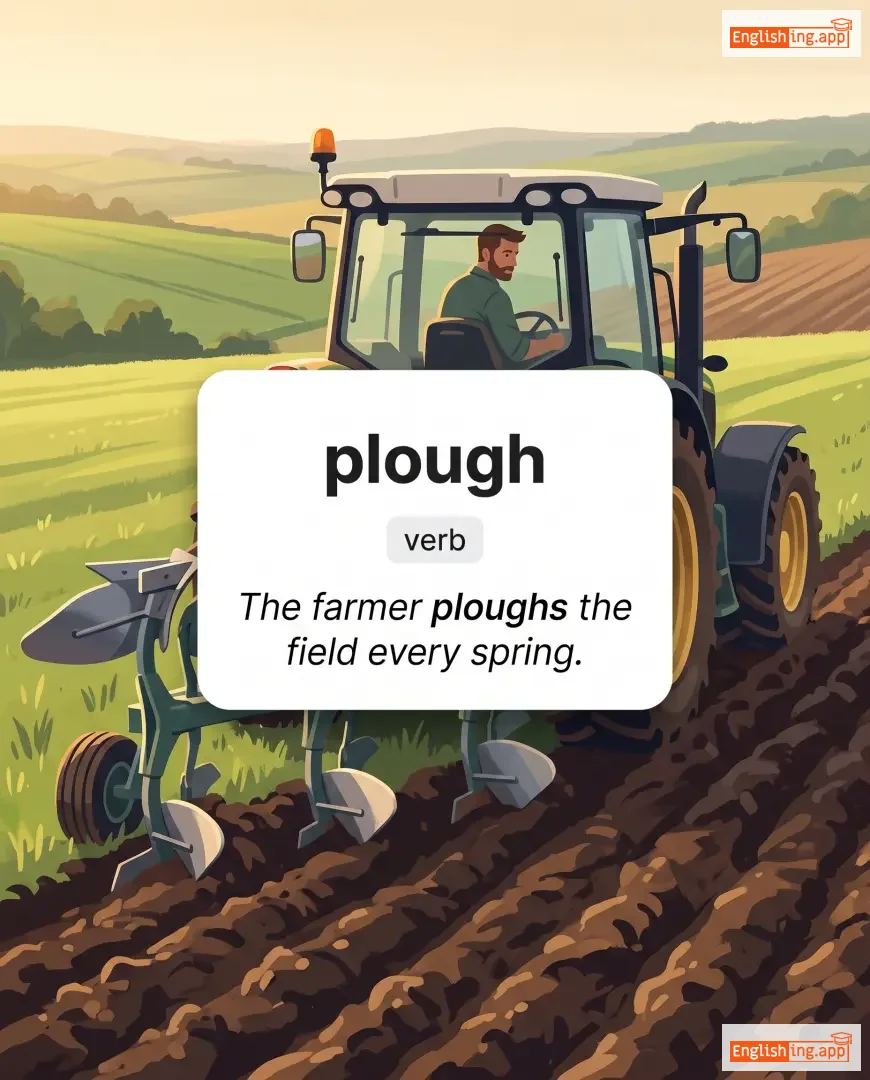
a large farming tool used to break up and turn over soil before planting crops
••••••
|
The oxen pulled the heavy plough across the field. |
牛は重い鋤を引いて畑を横切った。
Ushi wa omoi suki o hiite hatake o yokogitta.
••••••
|
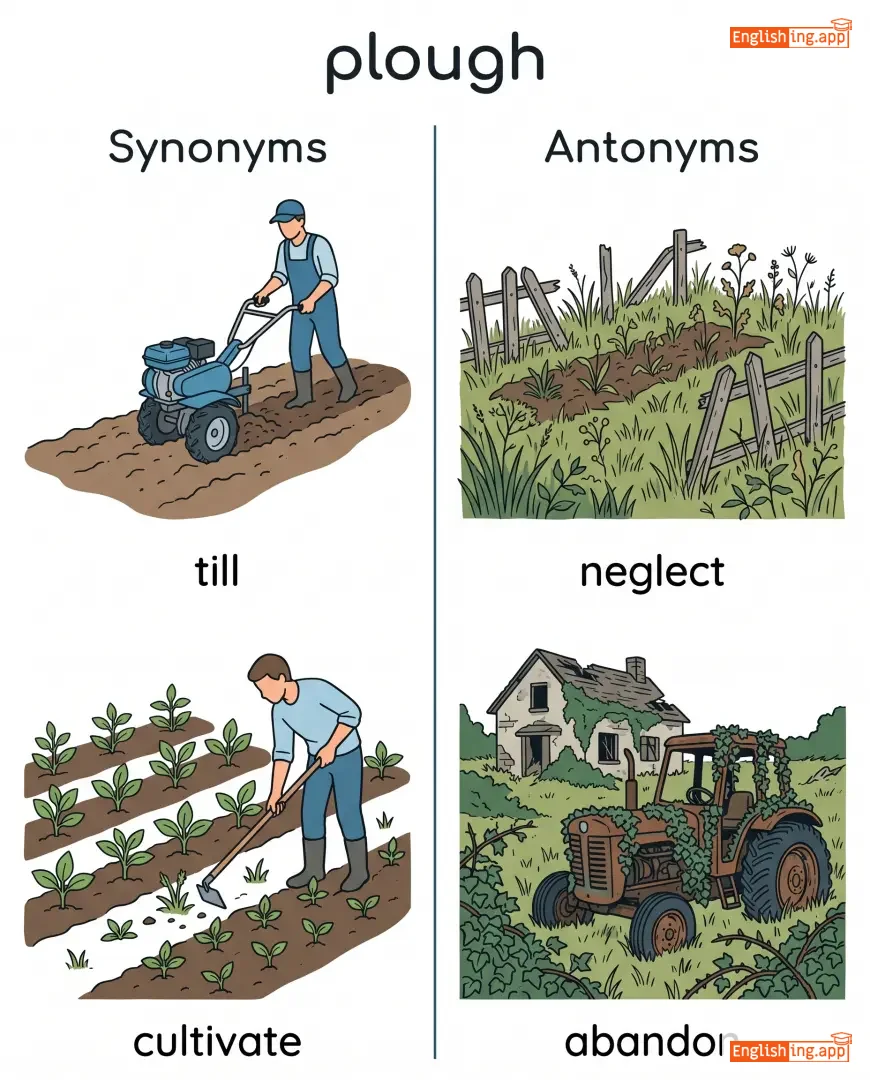
plow, tiller, cultivator
••••••
|
- •••••• |
plough field, ox plough, heavy plough
••••••
|
農民は鋤を使って畑を耕す
••••••
|
|
#747
🔨
|
/pʌntʃ/
noun
(パンチ)
••••••
|
- •••••• |
パンチ
panchi
••••••
|
a tool used for making holes or indentations in materials
••••••
|
The carpenter used a punch to make holes in the leather. |
大工は革に穴を開けるためにパンチを使用しました。
daiku wa kawa ni ana o akeru tame ni panchi o shiyō shimashita.
••••••
|
awl, piercer, hole maker
••••••
|
- •••••• |
leather punch, hole punch, center punch, paper punch
••••••
|
パンチ (Punch) – パンチは物に穴を開ける道具です。
••••••
|
|
#748
🧵
|
/luːm/
noun
(ルーム)
••••••
|
- •••••• |
織機
oriki
••••••
|
a machine for weaving cloth; to appear threatening or menacing
••••••
|
The weaver worked at the loom to create beautiful fabrics.
織工は美しい布地を作るために機織り機で働いていました。
••••••
|
織工は美しい布地を作るために機織り機で働いていました。
Shikkō wa utsukushī nunoji o tsukuru tame ni kiori-ki de hataraite imashita.
••••••
|
weaving machine, textile machine
••••••
|
- •••••• |
hand loom, power loom, weaving loom
••••••
|
織機 = loom (織機で布地を作る)
••••••
|
|
#749
🗃️
|
/faɪl/
noun
(ファイル)
••••••
|
- •••••• |
やすり
yasuri
••••••
|
a tool with a rough surface for smoothing or shaping hard materials; a collection of papers or data
••••••
|
He used a metal file to smooth the rough edges.
彼は金属製のヤスリを使って荒い端を滑らかにしました。
••••••
|
彼は金属製のヤスリを使って荒い端を滑らかにしました。
Kare wa kinzoku-sei no yasuri o tsukatte arai hashi o nameraka ni shimashita.
••••••
|
rasp, sandpaper, document
••••••
|
roughen, coarsen
••••••
|
nail file, metal file, file cabinet, computer file
••••••
|
ヤスリで金属を削るように、ファイルは情報を整理する道具です。
••••••
|
|
#750
🧭
|
/ˈkʌm.pəs/
noun
(コンパス)
••••••
|
- •••••• |
コンパス
konpasu
••••••
|
an instrument for finding direction with a magnetic needle pointing to magnetic north
••••••
|
The hiker used a compass to find the right direction. |
ハイカーは正しい方向を見つけるためにコンパスを使った。
haikā wa tadashī hōkō o mitsukeru tame ni konpasu o tsukatta
••••••
|
navigation tool, direction finder, magnetic compass
••••••
|
- •••••• |
magnetic compass, compass needle, compass direction, navigation compass
••••••
|
コンパスで正しい道を指し示す
••••••
|
|
#751
🔧
|
/rentʃ/
noun
(レンチ)
••••••
|
- •••••• |
レンチ
renchi
••••••
|
a tool used for gripping and turning nuts, bolts, or pipes
••••••
|
He used a wrench to tighten the bolt. |
彼はボルトを締めるためにレンチを使った。
Kare wa boruto o shimeru tame ni renchi o tsukatta.
••••••
|
spanner, tool, adjustable wrench
••••••
|
- •••••• |
pipe wrench, adjustable wrench, monkey wrench
••••••
|
レンチはボルトを締めるために使います。
••••••
|
Vocabulary Quiz
Test your vocabulary by matching words with their translations or meanings.
Login to take the quiz
Comments (0)
Share your thoughts and join the discussion.
Join the discussion by logging in
Login to CommentNo comments yet
Be the first to share your thoughts!