

翻訳
過去
過去分詞
三人称単数
動名詞
意味
例文
例文の翻訳
同義語
対義語
コロケーション
ニーモニック
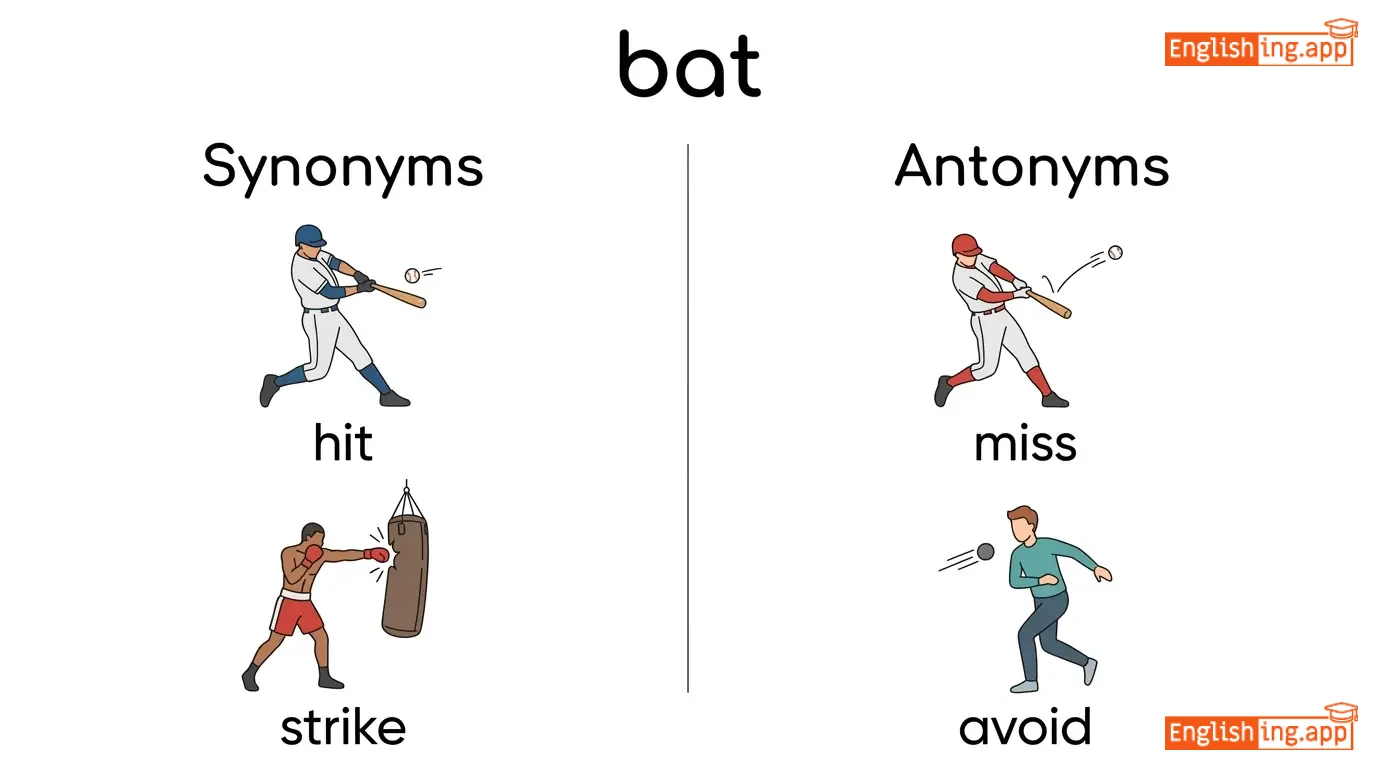
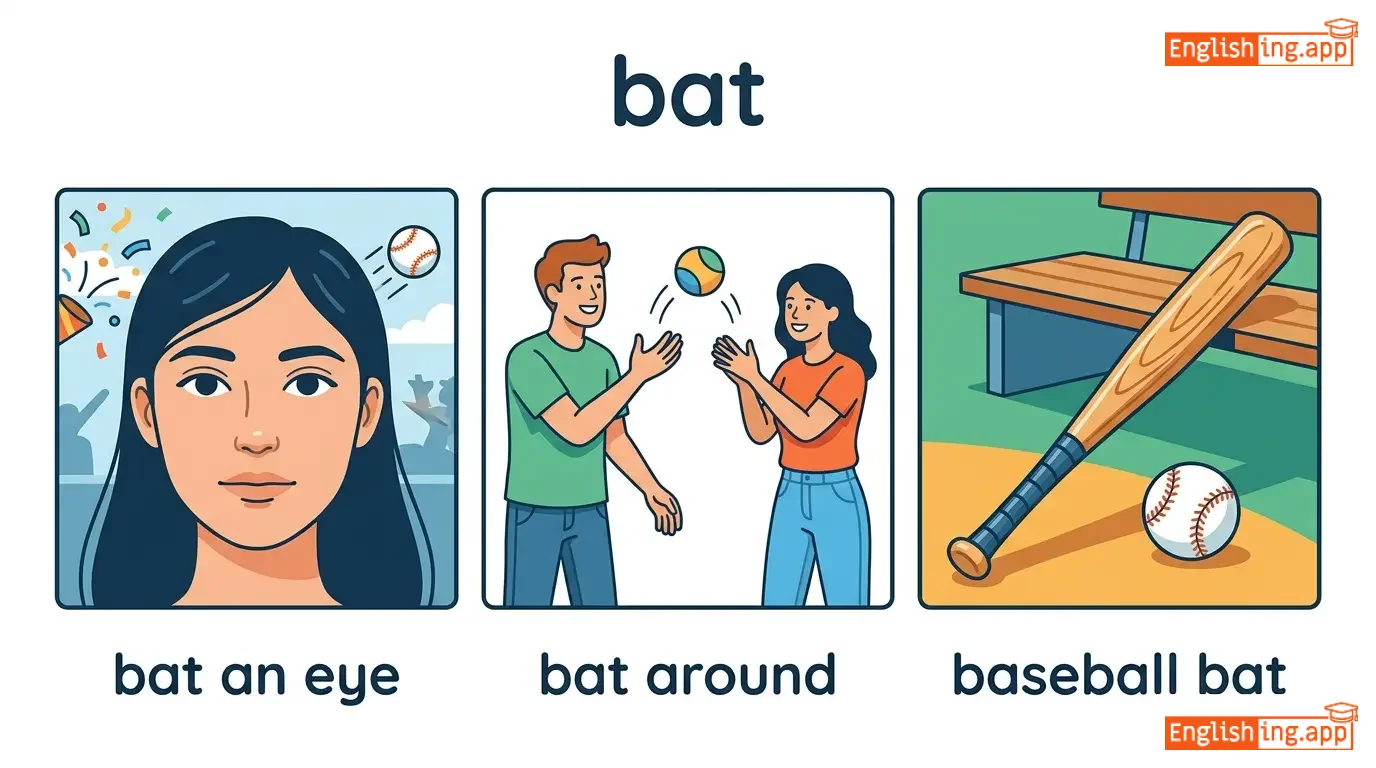
Swipe left or right, or use the buttons. Tap image to zoom.
例文の翻訳
単語
Lesson 3: Names of BirdsLesson 3: Names of Birds - マスクトグル
|
絵文字
|
単語 | Images | 翻訳 | 意味 | 例文 | 例文の翻訳 | 同義語 | 対義語 | コロケーション | ニーモニック |
|---|---|---|---|---|---|---|---|---|---|---|
|
#130
🕊️
|
/dʌv/
noun
(ダヴ)
••••••
|
- •••••• |
鳩
hato
••••••
|
a small, gentle bird with soft cooing sounds, often white and symbolizing peace
••••••
|
The white dove flew peacefully across the blue sky. |
白い鳩は青い空を平和に飛んでいた。
shiroi hato wa aoi sora wo heiwa ni tonde ita
••••••
|
pigeon, bird of peace
••••••
|
hawk, predator bird
••••••
|
white dove, peace dove, dove of peace, mourning dove
••••••
|
鳩の羽音は平和の象徴、優しく空を舞う
••••••
|
|
#131
🐦
|
/ˈkɪŋ.fɪʃ.ər/
noun
(キングフィッシャー)
••••••
|
- •••••• |
カワセミ
kawasemi
••••••
|
a small bird with bright blue and orange feathers that catches fish by diving into water
••••••
|
The colorful kingfisher dove into the pond to catch a fish.
色とりどりのカワセミが池に飛び込んで魚を捕まえました。
••••••
|
色とりどりのカワセミが池に飛び込んで魚を捕まえました。
Iro toridori no kawasemi ga ike ni tobikonde sakana o tsukamaemashita.
••••••
|
river bird, fishing bird
••••••
|
- •••••• |
kingfisher bird, colorful kingfisher, diving kingfisher
••••••
|
カワセミ (カワ - 川、セミ - 鳥、飛び込んで魚を捕まえる)
••••••
|
|
#132
🐦
|
/ˈmaɪ.nə/
noun
(マイナ)
••••••
|
- •••••• |
マイナ
maina
••••••
|
a tropical bird with dark feathers that can mimic human speech
••••••
|
The mynah bird repeated every word I said. |
マイナの鳥は私が言ったすべての言葉を繰り返しました。
Maina no tori wa watashi ga itta subete no kotoba o kurikaeshimashita.
••••••
|
starling, mimicking bird
••••••
|
- •••••• |
mynah bird, talking mynah, pet mynah
••••••
|
マイナは人間の言葉を模倣する鳥です。
••••••
|
|
#133
🪺
|
/nest/
noun
(ネスト)
••••••
|
- •••••• |
巣
su
••••••
|
a structure built by birds to lay eggs and shelter their young
••••••
|
The bird built a nest in the tree.
ザ・バード・ビルト・ア・ネスト・イン・ザ・ツリー。
••••••
|
鳥は木に巣を作った。
Tori wa ki ni su o tsukutta.
••••••
|
roost, den, home
••••••
|
- •••••• |
bird's nest, nest egg, empty nest
••••••
|
鳥は木に巣を作る。
••••••
|
|
#134
🪶
|
/ˈɒs.trɪtʃ/
noun
(オーストリッチ)
••••••
|
- •••••• |
ダチョウ
dachou
••••••
|
a large flightless bird native to Africa with long legs and neck
••••••
|
The ostrich is the world's largest bird. |
ダチョウは世界最大の鳥です。
dachou wa sekai saidai no tori desu
••••••
|
flightless bird
••••••
|
flying bird
••••••
|
ostrich egg, ostrich feather, ostrich farm
••••••
|
Picture a 'dachou' running across Africa with its long legs.
••••••
|
|
#135
🪿
|
/ˈɡændər/
noun
(ガンダー)
••••••
|
- •••••• |
オスガン
osu gan
••••••
|
male goose
••••••
|
The gander protected his family from the approaching dog. |
そのオスガンは、近づいてくる犬から家族を守りました。
Sono osu gan wa, chikadzuite kuru inu kara kazoku wo mamorimashita.
••••••
|
male goose
••••••
|
goose
••••••
|
wild gander, gander and goose, aggressive gander
••••••
|
オスガン - 鳥の中で一番強い守護者!
••••••
|
|
#136
🦉
|
/aʊl/
noun
(アウル)
••••••
|
- •••••• |
フクロウ
fukurou
••••••
|
a nocturnal bird of prey with large eyes and a hooked beak
••••••
|
The owl hooted softly in the darkness of the forest.
フクロウは森の暗闇で静かに鳴いた。
••••••
|
フクロウは森の暗闇で静かに鳴いた。
Fukurou wa mori no kurayami de shizuka ni naita.
••••••
|
night bird, raptor
••••••
|
- •••••• |
wise owl, barn owl, hoot like an owl, owl eyes
••••••
|
Imagine an owl with a hoot that echoes in the dark forest.
••••••
|
|
#137
🦜
|
/ˈpær.ət/
noun
(パロット)
••••••
|
- •••••• |
オウム
oumu
••••••
|
a tropical bird with a curved beak and often brightly colored feathers that can be taught to speak
••••••
|
The colorful parrot repeated everything the children said. |
色とりどりのオウムが子供たちが言ったことを繰り返しました。
Irotoridori no oumu ga kodomotachi ga itta koto o kurikaeshimashita.
••••••
|
parakeet, cockatoo, macaw
••••••
|
- •••••• |
colorful parrot, talking parrot, pet parrot, parrot cage
••••••
|
オウム - 言葉を繰り返す鳥
••••••
|
|
#138
🦚
|
/ˈpiː.hən/
noun
(ピーヘン)
••••••
|
- •••••• |
メスのクジャク
mesu no kujaku
••••••
|
female peacock
••••••
|
The peahen is less colorful than the male peacock.
メスのクジャクはオスよりも色が少ない。
••••••
|
メスのクジャクはオスよりも色が少ない。
Mesu no kujaku wa osu yori mo iro ga sukunai.
••••••
|
female peacock
••••••
|
peacock
••••••
|
peahen and peacock, female peahen
••••••
|
メスのクジャクはオスよりも色が少ない。
••••••
|
|
#139
🐔
|
/ˈtʃɪk.ən/
noun
(チキン)
••••••
|
- •••••• |
鶏
niwatori
••••••
|
a domestic fowl kept for its eggs or meat; the meat of this bird used as food
••••••
|
The chicken laid fresh eggs every morning. |
その鶏は毎朝新鮮な卵を産みました。
Sono niwatori wa mai asa shin sen na tamago o umimashita.
••••••
|
fowl, hen, rooster, poultry
••••••
|
- •••••• |
fried chicken, chicken breast, chicken coop, free-range chicken
••••••
|
鶏は日本語でチキンと同じ意味です。
••••••
|
|
#140
🐦⬛
|
/kroʊ/
noun
(クロ)
••••••
|
- •••••• |
カラス
karasu
••••••
|
a large black bird known for its intelligence and harsh call
••••••
|
The crow cawed loudly from the tree branch.
カラスは木の枝から大きな声で鳴きました。
••••••
|
カラスは木の枝から大きな声で鳴きました。
Karasu wa ki no eda kara ōkina koe de nakimashita.
••••••
|
raven, blackbird, corvid
••••••
|
- •••••• |
crow's nest, murder of crows, crow call, black crow
••••••
|
カラス (karasu) sounds like 'crow' in Japanese, both birds make loud calls.
••••••
|
|
#141
🐦
|
/ˈkʊk.uː/
noun
(ククー)
••••••
|
- •••••• |
カッコウ
kakkou
••••••
|
a bird known for its distinctive call and for laying eggs in other birds' nests
••••••
|
We heard the cuckoo calling from the forest early in the morning.
朝早く、森の中でカッコウの声を聞きました。
••••••
|
朝早く、森の中でカッコウの声を聞きました。
Asa hayaku, mori no naka de kakkou no koe o kikimashita.
••••••
|
cuckoo bird
••••••
|
- •••••• |
cuckoo call, cuckoo clock, cuckoo bird, cuckoo sound
••••••
|
カッコウ (kakkou) の声は明るい朝に響きます。
••••••
|
|
#142
🐦⬛
|
/ˈreɪ.vən/
noun
(レイヴン)
••••••
|
- •••••• |
ワタリガラス
watarigarasu
••••••
|
a large, black bird with a thick bill and harsh croaking voice
••••••
|
The raven perched on the old oak tree and cawed loudly.
ザ レイヴン パーチド オン ジ オールド オーク ツリー アンド コード ラウドリー。
••••••
|
ワタリガラスが古いオークの木に止まり、大きな声で鳴いた。
watarigarasu ga furui o-ku no ki ni tomari ookina koe de naita
••••••
|
crow, blackbird
••••••
|
dove, canary
••••••
|
raven black, raven hair, common raven, raven call
••••••
|
Raven = ワタリガラス (watarigarasu) — imagine it flying across Japan’s forests.
••••••
|
|
#143
🦅
|
/ˈvʌl.tʃər/
noun
(ヴァルチャー)
••••••
|
- •••••• |
ハゲワシ
hagewashi
••••••
|
a large bird of prey that feeds mainly on carrion
••••••
|
The vulture circled overhead, waiting for its prey.
ハゲワシは空を旋回しながら、その獲物を待っていました。
••••••
|
ハゲワシは空を旋回しながら、その獲物を待っていました。
Hagewashi wa sora o senkai shinagara, sono emono o matte imashita.
••••••
|
scavenger bird, carrion bird
••••••
|
- •••••• |
turkey vulture, vulture culture, circle like a vulture
••••••
|
ハゲワシはいつも待っています。獲物が死ぬのを待っている。
••••••
|
|
#144
🐦⬛
|
/ˈwɔː.tər hen/
noun
(ウォーター ヘン)
••••••
|
- •••••• |
水鳥
mizudori
••••••
|
a waterbird with dark plumage that lives near ponds and wetlands
••••••
|
The water hen swam gracefully across the pond.
ウォーター ヘンは池を優雅に泳ぎました。
••••••
|
水鳥は池を優雅に泳ぎました。
Mizudori wa ike o yūga ni oyogimashita.
••••••
|
moorhen, common gallinule, marsh hen
••••••
|
- •••••• |
water hen nest, aquatic water hen, pond water hen
••••••
|
水鳥は水面を滑らかに泳ぐように、優雅に動きます。
••••••
|
|
#145
🪿
|
/ɡuːs/
noun
(gu:s)
••••••
|
- •••••• |
ガン
gan
••••••
|
large waterbird with a long neck and webbed feet
••••••
|
The goose swam gracefully across the pond. |
そのガンは池を優雅に泳いでいた。
Sono gan wa ike o yūga ni oyoideita.
••••••
|
waterfowl, bird
••••••
|
gander
••••••
|
wild goose, Canada goose, goose feathers, goose down
••••••
|
ガンは水鳥の一種で、'Goose' に似ています。
••••••
|
|
#146
🐦
|
/ˈwiː.vər bɜːd/
noun
(ウィーバー バード)
••••••
|
- •••••• |
織り鳥
oritori
••••••
|
a small bird that builds elaborate woven nests from grass and twigs
••••••
|
The weaver bird skillfully constructs its intricate nest. |
織り鳥は巧みに複雑な巣を作る
oritori wa takumi ni fukuzatsu na su wo tsukuru
••••••
|
weaver finch, social weaver
••••••
|
- •••••• |
weaver bird nest, weaver bird colony, weaver bird species
••••••
|
織り鳥が巣を作る
••••••
|
|
#147
🐦
|
/ˈnaɪ.tɪŋ.ɡeɪl/
noun
(ナイティンゲール)
••••••
|
- •••••• |
ナイチンゲール
naichingeeru
••••••
|
small songbird known for its beautiful singing, especially at night
••••••
|
The nightingale sang sweetly in the moonlight. |
ナイチンゲールは月明かりの中で甘美に歌った。
naichingeeru wa tsukiakari no naka de kanbi ni utatta
••••••
|
songbird
••••••
|
- •••••• |
nightingale song, singing nightingale
••••••
|
ナイチンゲールは夜に歌う、美しい夜の歌を思い出させる名前です。
••••••
|
|
#148
🦆
|
/biːk/
noun
(ビーク)
••••••
|
- •••••• |
くちばし
kuchibashi
••••••
|
the hard pointed part of a bird's mouth
••••••
|
The eagle has a sharp beak for tearing meat. |
ワシは肉を引き裂くために鋭いくちばしを持っています。
Washi wa niku o hikisaku tame ni surudoi kuchibashi o motteimasu.
••••••
|
bill, neb
••••••
|
- •••••• |
sharp beak, hooked beak, beak and claws
••••••
|
ワシの鋭いくちばしを思い浮かべてください
••••••
|
|
#149
🦆
|
/ˈædʒ.ə.tənt/
noun
(アジュタント)
••••••
|
- •••••• |
アジュタントコウ
Ajutanto kou
••••••
|
a large water bird with long legs and neck, also known as adjutant stork
••••••
|
The adjutant stork stood motionless in the shallow water.
アジュタントは浅い水の中でじっと立っていました。
••••••
|
アジュタントコウは浅い水の中でじっと立っていました。
Ajutanto kō wa asai mizu no naka de jitto tatte imashita.
••••••
|
stork, wading bird
••••••
|
- •••••• |
adjutant stork, large adjutant, water adjutant
••••••
|
Ajutanto kou = 長い足を持つ静止している大きな鳥
••••••
|
|
#150
🦢
|
/stɔːrk/
noun
(ストーク)
••••••
|
- •••••• |
コウノトリ
kounotori
••••••
|
large wading bird with long legs and a long neck
••••••
|
The stork built its nest on top of the tall chimney.
そのコウノトリは高い煙突の上に巣を作った。
••••••
|
そのコウノトリは高い煙突の上に巣を作った。
Sono kounotori wa takai entotsu no ue ni su o tsukutta.
••••••
|
wading bird, crane
••••••
|
- •••••• |
white stork, stork nest, migrating stork
••••••
|
コウノトリは赤ちゃんを運ぶ鳥です。
••••••
|
|
#151
🐦⬛
|
/ˈwʊd.pek.ər/
noun
(wudpeker)
••••••
|
- •••••• |
キツツキ
kitsutuki
••••••
|
a bird that pecks at tree bark to find insects and create nesting holes
••••••
|
The woodpecker hammered against the oak tree.
キツツキはオークの木を叩いた。
••••••
|
キツツキはオークの木を叩いた。
Kitsutuki wa ooku no ki o tataita
••••••
|
pecker bird
••••••
|
- •••••• |
woodpecker sound, woodpecker hole, woodpecker species
••••••
|
Japanese 'キツツキ' (kitsutuki) refers directly to the pecking bird known for tapping trees.
••••••
|
|
#152
🐦
|
/ˈswɒl.oʊ/
noun
(スワロウ)
••••••
|
- •••••• |
ツバメ
tsubame
••••••
|
a small migratory bird with long wings and a forked tail
••••••
|
The swallow built its nest under the roof. |
ツバメは屋根の下に巣を作りました。
tsubame wa yane no shita ni su o tsukurimashita
••••••
|
martin, swift
••••••
|
- •••••• |
barn swallow, swallow nest, migrating swallow
••••••
|
ツバメ (tsubame)は空を飛ぶように、思い出しやすい名前
••••••
|
|
#153
🪶
|
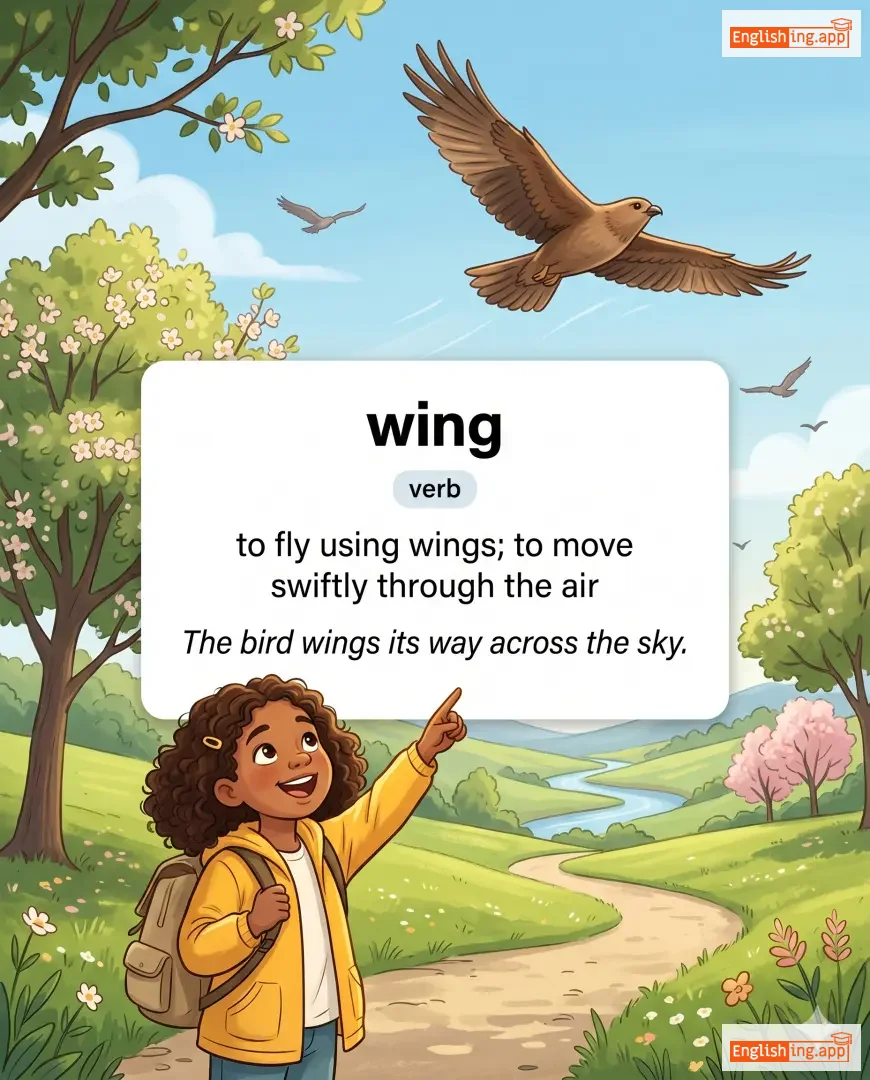
/wɪŋ/
noun
(ウィング)
••••••
|
|
鳥の翼
tori no tsubasa
••••••
|
one of the two parts of a bird's body that it uses for flying
••••••
|
The bird spread its wings and flew away. |
鳥は翼を広げて飛び立った。
tori wa tsubasa o hirogete tobitatta
••••••
|
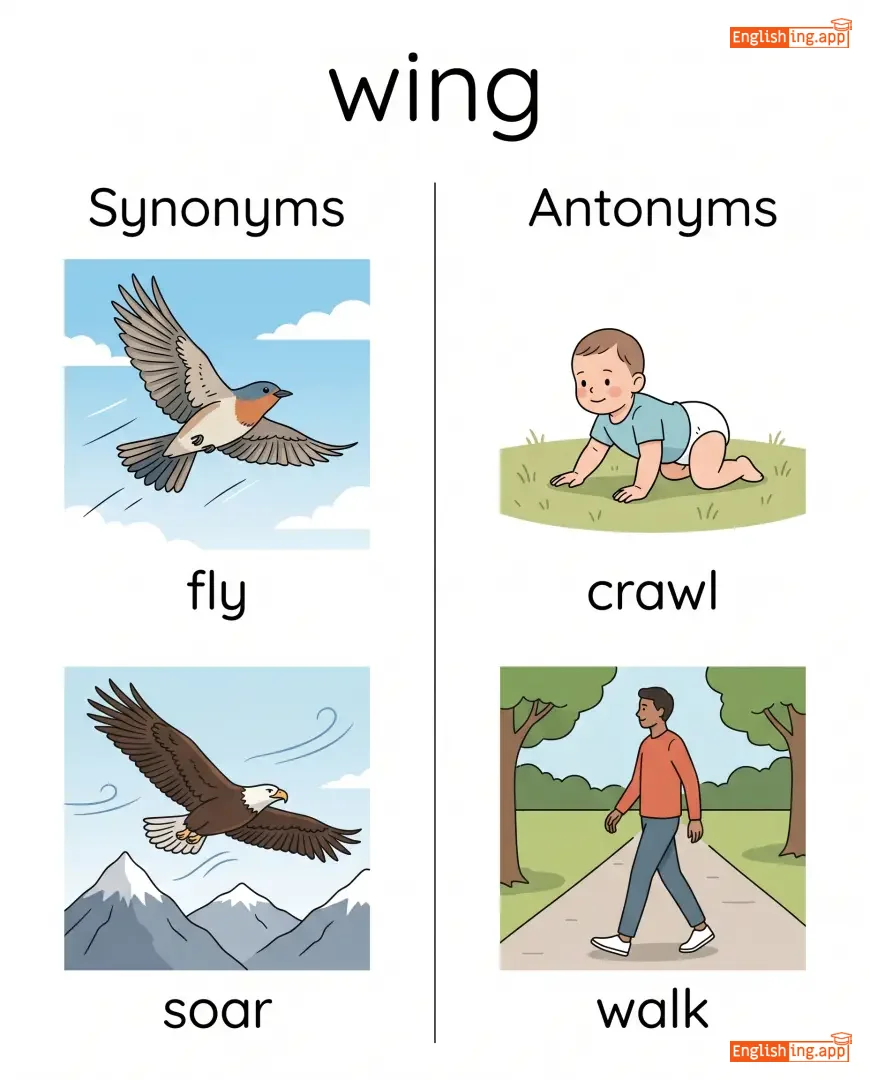
pinion, flight feather
••••••
|
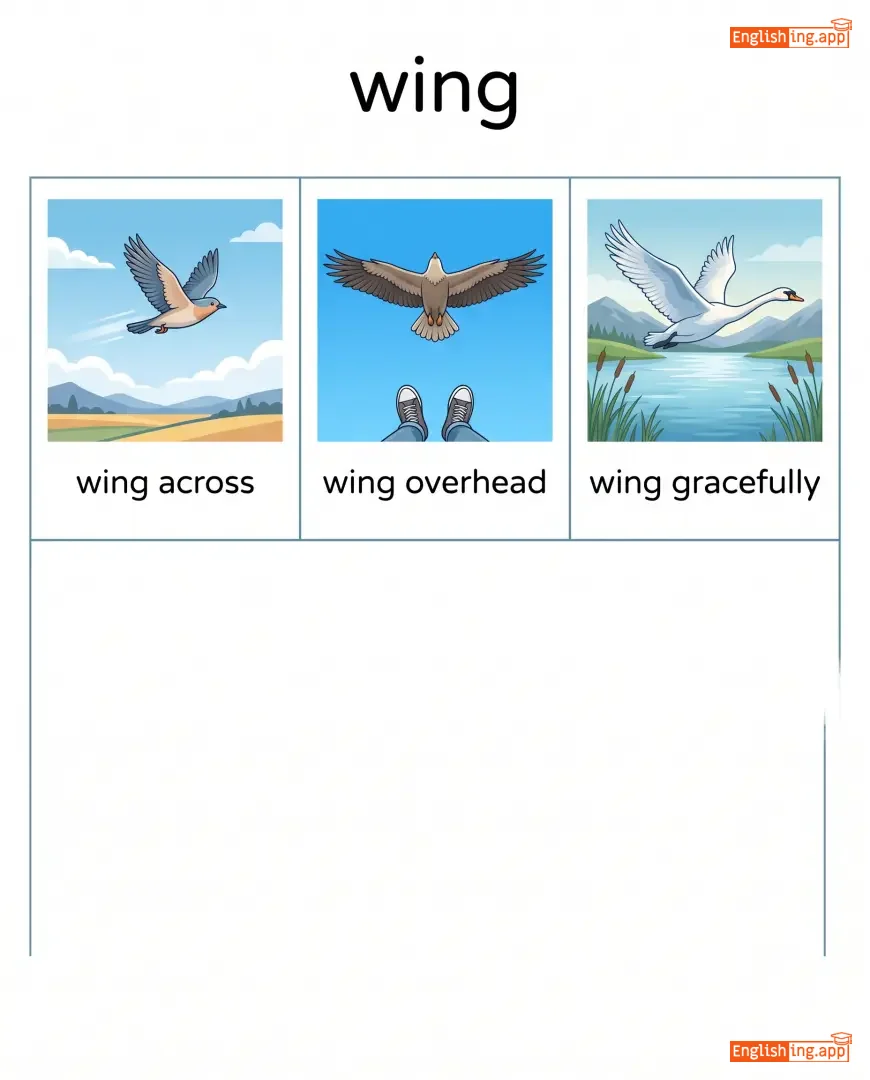
- •••••• |
spread wings, wing span, under wing
••••••
|
WING = 鳥の翼
••••••
|
|
#154
🪁
|
/kaɪt/
noun
(カイト)
••••••
|
- •••••• |
ハゲタカ
hagetaka
••••••
|
a bird of prey with long wings and a forked tail; also a toy flown in the air
••••••
|
The kite soared high above the fields looking for prey. |
凧は田んぼの上で獲物を探しながら高く飛んでいた。
Kite wa tanbo no ue de emono o sagashinagara takaku tonde ita.
••••••
|
hawk, bird of prey, raptor
••••••
|
- •••••• |
flying kite, red kite, kite bird
••••••
|
空を飛ぶカイト、まるでハゲタカのように獲物を探している。
••••••
|
|
#155
🐦
|
/ˈdʒæk.dɔː/
noun
(ジャックドー)
••••••
|
- •••••• |
小さなカラス
chiisana karasu
••••••
|
a small gray and black bird of the crow family, known for its intelligence
••••••
|
The jackdaw collected shiny objects for its nest.
ジャックドーはその巣のために輝く物を集めました。
••••••
|
ジャックドーはその巣のために輝く物を集めました。
Jack-dou wa sono su no tame ni kagayaku mono wo atsumemashita.
••••••
|
crow, corvid
••••••
|
songbird, finch
••••••
|
jackdaw nest, jackdaw call, western jackdaw
••••••
|
ジャックドーは賢さを象徴する小さなカラスです。
••••••
|
|
#156
🦆
|
/bɪl/
noun
(ビル)
••••••
|
- •••••• |
くちばし
kuchibashi
••••••
|
the beak of a bird, especially when it is broad and flat
••••••
|
The duck used its bill to filter food from the water. |
そのカモは水から食べ物をろ過するためにくちばしを使いました。
Sono kamo wa mizu kara tabemono o roka suru tame ni kuchibashi o tsukaimashita.
••••••
|
beak, neb, rostrum
••••••
|
- •••••• |
duck bill, bird's bill, long bill, flat bill
••••••
|
カモがくちばしを使って水から食べ物を取るのを想像してください。
••••••
|
|
#157
🐔
|
/hɛn/
noun
(ヘン)
••••••
|
- •••••• |
雌鶏
mesu niwatori
••••••
|
female chicken
••••••
|
The hen laid fresh eggs in the nest. |
雌鶏は巣に新鮮な卵を産んだ。
Mesu niwatori wa su ni shinsen na tamago o unda.
••••••
|
female chicken
••••••
|
rooster, cock
••••••
|
hen house, laying hen, mother hen
••••••
|
Mesu niwatori sounds like 'messy' - imagine a messy hen!
••••••
|
|
#158
🏗️
|
/kreɪn/
noun
(クレーン)
••••••
|
- •••••• |
クレーン
kuren
••••••
|
a large tall bird with long legs and neck; a machine for lifting heavy objects
••••••
|
The graceful crane stood motionless by the water's edge.
優雅なクレーンは水辺に静止して立っていた。
••••••
|
優雅なクレーンは水辺に静止して立っていた。
Yūga na kurēn wa mizube ni seishi shite tatte ita.
••••••
|
heron, stork
••••••
|
- •••••• |
white crane, crane migration, crane dance, construction crane
••••••
|
クレーンは鳥のように優雅で強い機械のように動く。
••••••
|
|
#159
🦆
|
/dreɪk/
noun
(ドレイク)
••••••
|
- •••••• |
雄鴨
otoko kamo
••••••
|
a male duck; a type of waterfowl
••••••
|
The drake led his family of ducks across the pond.
そのドレイクは、家族のカモたちを池の向こうに連れて行きました。
••••••
|
そのドレイクは、家族のカモたちを池の向こうに連れて行きました。
sono doreiku wa, kazoku no kamo-tachi o ike no mukou ni tsurete ikimashita.
••••••
|
male duck, waterfowl
••••••
|
hen duck, female duck
••••••
|
mallard drake, drake and hen, drake feathers
••••••
|
ドレイクは雄鴨。カモの王者、常に池で先導している。
••••••
|
|
#160
🦜
|
/ˈhɔːrn.bɪl/
noun
(ホーンビル)
••••••
|
- •••••• |
ホーンビル鳥
hōn biru tori
••••••
|
a large tropical bird with a large curved beak and often a horn-like projection
••••••
|
The colorful hornbill perched on the highest branch.
色とりどりのホーンビルが最も高い枝に止まった。
••••••
|
色とりどりのホーンビルが最も高い枝に止まった。
Irotoridori no hōn biru ga mottomo takai eda ni tomatta.
••••••
|
toucan, tropical bird
••••••
|
- •••••• |
great hornbill, hornbill beak, rhinoceros hornbill
••••••
|
色鮮やかなホーンビルが高い枝に止まる
••••••
|
|
#161
🪶
|
/keɪdʒ/
noun
(ケイジ)
••••••
|
- •••••• |
ケージ
keiji
••••••
|
a structure with bars or wire for keeping birds or animals
••••••
|
The parrot lives in a large cage.
オウムは大きなケージに住んでいます。
••••••
|
オウムは大きなケージに住んでいます。
Ōmu wa ōkina kēji ni sundeimasu.
••••••
|
enclosure, pen, coop
••••••
|
freedom, wild
••••••
|
bird cage, cage door, golden cage
••••••
|
ケージ - 鳥や動物を入れるための囲い
••••••
|
|
#162
🐓
|
/kɒk/
noun
(koku)
••••••
|
- •••••• |
雄鶏
ondori
••••••
|
an adult male chicken
••••••
|
The cock crowed loudly at dawn to wake everyone up.
コックは夜明けに大声で鳴き、皆を起こしました。
••••••
|
雄鶏は夜明けに大声で鳴き、皆を起こしました。
Ondori wa yoake ni oogoe de naki, mina o okoshimashita.
••••••
|
rooster, cockerel
••••••
|
hen
••••••
|
cock crow, fighting cock, cock of the walk
••••••
|
雄鶏は朝に大声で鳴き、自然の目覚まし時計のようです。
••••••
|
|
#163
🦜
|
/ˌkɒk.əˈtuː/
noun
(コカトゥ)
••••••
|
- •••••• |
コカトゥ
kokato
••••••
|
a large parrot with a prominent crest that can be raised or lowered
••••••
|
The white cockatoo raised its beautiful crest. |
白いコカトゥは美しい冠羽を上げました。
Shiroi kokato wa utsukushī kanpu o agemashita.
••••••
|
crested parrot
••••••
|
- •••••• |
cockatoo crest, cockatoo species, pet cockatoo
••••••
|
コカトゥの冠羽は他のオウムより目立つ!
••••••
|
|
#164
🦆
|
/ˈdaɪ.vər/
noun
(ダイバー)
••••••
|
- •••••• |
ダイバー
daibā
••••••
|
a type of water bird that dives underwater to catch fish
••••••
|
The diver disappeared beneath the surface to catch a fish. |
ダイバーは魚を捕まえるために水面下に消えました。
Daibā wa sakana o tsukamaeru tame ni suimen ka ni kiemashita.
••••••
|
loon, grebe, diving duck
••••••
|
- •••••• |
great northern diver, red-throated diver, diving bird, water diver
••••••
|
ダイバー (daibā) は水中で魚を捕まえます。
••••••
|
|
#165
🐦
|
/ˈskaɪ.lɑːrk/
noun
(スカイラーク)
••••••
|
- •••••• |
ヒバリ
hibari
••••••
|
a small brown bird known for singing while flying high in the sky
••••••
|
The skylark sang beautifully as it soared above the meadow. |
ヒバリは草地の上を飛びながら美しく歌った。
Hibari wa kusachi no ue wo tobinagara utsukushiku utatta
••••••
|
lark, songbird
••••••
|
owl, vulture
••••••
|
skylark song, skylark flight, meadow skylark
••••••
|
ヒバリが空を舞い、歌う
••••••
|
|
#166
🦆
|
/dʌk/
noun
(ダック)
••••••
|
- •••••• |
アヒル
ahiru
••••••
|
a waterbird with webbed feet and a broad flat bill
••••••
|
The duck swam gracefully across the lake.
そのカモは湖を優雅に泳いでいました。
••••••
|
そのカモは湖を優雅に泳いでいました。
Sono kamo wa mizūmi o yūga ni oyoide imashita.
••••••
|
waterfowl, waterbird
••••••
|
- •••••• |
rubber duck, sitting duck, duck pond, wild duck
••••••
|
アヒルは優雅に泳いでいる姿が印象的
••••••
|
|
#167
🦅
|
/ˈiː.ɡəl/
noun
(イーグル)
••••••
|
- •••••• |
ワシ
washi
••••••
|
large bird of prey with powerful wings and sharp talons
••••••
|
The eagle soared high above the mountains. |
ワシは山々の上を高く飛んだ。
washi wa yamayama no ue o takaku tonda
••••••
|
bird of prey, raptor
••••••
|
- •••••• |
bald eagle, golden eagle, eagle eye
••••••
|
Visualize a 'ワシ' soaring high, embodying power and majesty.
••••••
|
|
#168
🕊️
|
/ɡʌl/
noun
(ガル)
••••••
|
- •••••• |
カモメ
kamome
••••••
|
a seabird with webbed feet, long wings, and usually white and gray feathers
••••••
|
The gull swooped down to grab the fish from the water.
デ ガル スウプト ダウン トゥ グラブ ザ フィッシュ フロム ザ ウォーター。
••••••
|
カモメは水から魚をつかむために急降下した。
Kamome wa mizu kara sakana o tsukamu tame ni kyū kōka shita.
••••••
|
seagull, sea bird
••••••
|
- •••••• |
seagull, white gull, flying gull
••••••
|
The Kamome (gull) swoops for fish in the water.
••••••
|
|
#169
🦩
|
/ˈherən/
noun
(ヘロン)
••••••
|
- •••••• |
サギ
sagi
••••••
|
large wading bird with long legs and neck that feeds on fish
••••••
|
The heron stood motionless by the water's edge, waiting for fish. |
サギは水辺でじっとして、魚を待っていました。
Sagi wa mizube de jitto shite, sakana o matteimashita.
••••••
|
wading bird, crane
••••••
|
- •••••• |
great heron, blue heron, heron fishing
••••••
|
The Sagi (heron) waits motionless by the water's edge, ready to strike at the fish.
••••••
|
|
#170
🦚
|
/ˈpiː.kɒk/
noun
(ピーコック)
••••••
|
- •••••• |
クジャク
kujaku
••••••
|
a large bird with beautiful colorful tail feathers that can spread out like a fan
••••••
|
The magnificent peacock displayed its colorful feathers to attract attention. |
その素晴らしいクジャクは、注目を集めるために色鮮やかな羽を広げました。
sono subarashī kujaku wa, chūmoku o atsumeru tame ni iro azayakana hane o hirogemashita.
••••••
|
peafowl
••••••
|
- •••••• |
peacock feathers, peacock display, proud as a peacock, peacock dance
••••••
|
No •••••• |
|
#171
🕊️
|
/ˈpɪdʒ.ən/
noun
(pijon)
••••••
|
- •••••• |
鳩
hato
••••••
|
a grey and white bird with a fat body that is common in cities
••••••
|
The pigeon pecked at breadcrumbs on the sidewalk. |
鳩は歩道でパンのクズをついばんでいた。
Hato wa hodou de pan no kuzu o tsuiban deita.
••••••
|
dove, rock dove, columba
••••••
|
- •••••• |
carrier pigeon, homing pigeon, pigeon hole, clay pigeon
••••••
|
日本でもよく見る『鳩』は都市でよく見かけます。
••••••
|
|
#172
🦜
|
/ˈpær.ə.kiːt/
noun
(パラキート)
••••••
|
- •••••• |
インコ
inko
••••••
|
a small colorful parrot with a long tail, often kept as a pet
••••••
|
The green parakeet learned to say hello. |
緑色のインコはこんにちはを言うことを学びました。
Midori-iro no inko wa konnichiwa wo iu koto wo manabimashita.
••••••
|
budgie, small parrot, budgerigar
••••••
|
- •••••• |
pet parakeet, green parakeet, talking parakeet
••••••
|
インコは色とりどりの羽を持つペットで、元気に'こんにちは'と言う!
••••••
|
|
#173
🐦
|
/ˈspæroʊ/
noun
(スパロウ)
••••••
|
- •••••• |
スズメ
suzume
••••••
|
small brown and grey bird commonly found in cities and towns
••••••
|
The sparrow chirped cheerfully from the tree branch. |
スズメは木の枝から楽しそうにさえずっていました。
Suzume wa ki no eda kara tanoshisou ni saezuttemashita.
••••••
|
small bird, finch
••••••
|
- •••••• |
house sparrow, sparrow nest, sparrow flock
••••••
|
スズメはいつも飛び跳ねている姿が元気なイメージです。
••••••
|
|
#174
🪶
|
/ˈfeð.ər/
noun
(fēdā)
••••••
|
- •••••• |
鳥の羽
tori no hane
••••••
|
one of the light structures that cover a bird's body
••••••
|
The peacock has beautiful colorful feathers.
孔雀は美しい色とりどりの羽を持っています。
••••••
|
孔雀は美しい色とりどりの羽を持っています。
Kokyaku wa utsukushī iro toridori no hane o motteimasu.
••••••
|
plume, quill
••••••
|
- •••••• |
bird feather, feather pillow, light as a feather
••••••
|
想像してみて、あなたは色鮮やかな羽を持つ孔雀です。
••••••
|
|
#175
🦢
|
/swɒn/
noun
(スワン)
••••••
|
- •••••• |
白鳥
hakuchou
••••••
|
a large waterbird with a long curved neck and usually white plumage
••••••
|
The elegant swan glided silently across the water.
ディ エレガント スワン グライデッド サイレントリー アクロス ディ ウォーター。
••••••
|
優雅な白鳥が水面を静かに滑っていきました。
Yūga na hakuchou ga suimen o shizuka ni subette ikimashita.
••••••
|
waterbird, waterfowl
••••••
|
- •••••• |
swan song, swan dive, black swan, mute swan
••••••
|
白鳥 (hakuchou) は優雅に水の上を滑る。
••••••
|
|
#176
🦅
|
/hɔːk/
noun
(ホーク)
••••••
|
- •••••• |
鷹
taka
••••••
|
a bird of prey with broad wings and strong talons used for hunting
••••••
|
The hawk soared high above the field hunting for prey. |
鷹は獲物を探して畑の上を高く飛んだ。
Taka wa emono o sagashite hatake no ue o takaku tonda
••••••
|
raptor, bird of prey
••••••
|
prey bird
••••••
|
hawk eye, hawk hunting, hawk species
••••••
|
鷹は空を飛びながら狩りをする賢い獣。
••••••
|
|
#177
🐣
|
/ˈnes.lɪŋ/
noun
(ネストリング)
••••••
|
- •••••• |
ヒナ
hina
••••••
|
a young bird that has not yet left its nest
••••••
|
The mother bird fed the hungry nestling with worms.
母鳥は空腹のヒナに虫を与えました。
••••••
|
母鳥は空腹のヒナに虫を与えました。
Haha tori wa kuufuku no hina ni mushi o ataemashita.
••••••
|
chick, baby bird, fledgling
••••••
|
adult bird, mature bird
••••••
|
hungry nestling, baby nestling, nestling care, nestling feeding
••••••
|
ヒナは巣にいる小さな鳥、名前の音も小さな音で可愛いです。
••••••
|
|
#178
🐦
|
/ˈmɑːr.tɪn/
noun
(マーティン)
••••••
|
- •••••• |
ツバメ
tsubame
••••••
|
small swift-flying bird that catches insects on the wing
••••••
|
The martin built its nest under the bridge. |
ツバメは橋の下に巣を作りました。
Tsubame wa hashi no shita ni su o tsukurimashita.
••••••
|
swallow
••••••
|
- •••••• |
purple martin, house martin, martin colony
••••••
|
ツバメのように早く飛んでいるマーティンを想像してみてください。
••••••
|
|
#179
🦇
|
/bæt/
noun
(バット)
••••••
|
|
コウモリ
koumori
••••••
|
a flying mammal that is active at night and uses echolocation to navigate
••••••
|
The bat flew out of the cave at sunset.
そのコウモリは日没時に洞窟から飛び出しました。
••••••
|
そのコウモリは日没時に洞窟から飛び出しました。
Sono koumori wa nichibotsu-ji ni doukutsu kara tobidashimashita.
••••••
|
flying mammal, chiropteran
••••••
|
- •••••• |
flying bat, night bat, cave bat
••••••
|
コウモリは夜間飛行する動物で、エコーロケーションを使ってナビゲートします。
••••••
|
Vocabulary Quiz
Test your vocabulary by matching words with their translations or meanings.
Login to take the quiz
Comments (0)
Share your thoughts and join the discussion.
Join the discussion by logging in
Login to CommentNo comments yet
Be the first to share your thoughts!