


Swipe left or right, or use the buttons. Tap image to zoom.
例句翻译
单词
Lesson 1: Names of AnimalsLesson 1: Names of Animals - 遮罩切换
|
表情符号
|
单词 | Images | 翻译 | 含义 | 例句 | 例句翻译 | 同义词 | 反义词 | 搭配词 | 助记符 |
|---|---|---|---|---|---|---|---|---|---|---|
|
#1
🦊
|
/fɒks/
noun
(fóks)
••••••
|
- •••••• |
狐狸
huli
••••••
|
a wild animal related to dogs, with a pointed face and thick fur
••••••
|
The red fox is known for its cunning nature.
红狐以其狡猾的天性而闻名。
••••••
|
红狐以其狡猾的天性而闻名。
Hóng hú yǐ qí jiǎohuá de tiānxìng ér wénmíng.
••••••
|
vixen
••••••
|
- •••••• |
red fox, arctic fox, fox hunt, cunning fox
••••••
|
狐狸是狡猾的动物,总是找到出路。
••••••
|
|
#2
🐒
|
/læŋ'ɡʊər/
noun
(朗古尔)
••••••
|
- •••••• |
长尾猴
chang wei hou
••••••
|
a long-tailed monkey found in Asia, especially India and Southeast Asia
••••••
|
The langoor was sitting on the tree branch eating fruits.
那只长尾猴正坐在树枝上吃水果。
••••••
|
那只长尾猴正坐在树枝上吃水果。
na zhi chang wei hou zheng zuo zai shu zhi shang chi shui guo
••••••
|
monkey, primate, ape
••••••
|
- •••••• |
gray langoor, leaf monkey, langoor troop
••••••
|
Langoor = 长尾猴; 想象 a long tail hanging on a branch, 记住它的 Chinese name: chang wei hou
••••••
|
|
#3
🐆
|
/ˈlep.ərd/
noun
(豹)
••••••
|
- •••••• |
美洲豹
měizhōu bào
••••••
|
a large wild cat with yellow fur and black spots
••••••
|
The leopard climbed the tree to rest in the shade. |
美洲豹爬上了树,在阴凉处休息。
Měizhōu bào pá shàngle shù, zài yīnliáng chù xiūxī.
••••••
|
panther, big cat
••••••
|
- •••••• |
snow leopard, leopard print, leopard spots
••••••
|
想象一只美洲豹在树荫下休息。
••••••
|
|
#4
🦔
|
/moʊl/
noun
(mó)
••••••
|
- •••••• |
鼹鼠
yanshu
••••••
|
a small burrowing mammal with tiny eyes and soft fur
••••••
|
The mole dug tunnels under the garden. |
鼹鼠在花园下挖了隧道。
Yǎn shǔ zài huāyuán xià wāle suìdào.
••••••
|
shrew
••••••
|
- •••••• |
mole hill, garden mole, underground mole
••••••
|
Remember '鼹鼠' (yanshu) for a burrowing animal under the soil!
••••••
|
|
#5
🦫
|
/ˈmɒŋ.ɡuːs/
noun
(芒果斯)
••••••
|
- •••••• |
獴
méng
••••••
|
a small carnivorous mammal known for its ability to kill venomous snakes
••••••
|
The mongoose quickly attacked the cobra to protect its young. |
獴迅速攻击了眼镜蛇,以保护它的幼崽。
Méng xùnsù gōngjīle yǎnjìngshé, yǐ bǎohù tā de yòuzǎi.
••••••
|
ichneumon
••••••
|
- •••••• |
mongoose family, mongoose attack, wild mongoose
••••••
|
Méng: Imagine a mongoose eating mangoes and protecting its young from a cobra.
••••••
|
|
#6
🐴
|
/huːf/
noun
(hūf)
••••••
|
- •••••• |
蹄
ti
••••••
|
the hard part covering the foot of horses, cattle, sheep, and other animals
••••••
|
The horse's hoof was injured after stepping on a sharp rock. |
马的蹄子在踩到一块锋利的石头后受伤了。
Mǎ de tízi zài cǎi dào yī kuài fēnglì de shítou hòu shòushāng le.
••••••
|
foot, ungula
••••••
|
paw, claw
••••••
|
horse hoof, cloven hoof, hoof print, hoof care
••••••
|
马的蹄子像钢铁一样坚硬,保护它的脚。
••••••
|
|
#7
🦌
|
/fɔːn/
noun
(fawn)
••••••
|
- •••••• |
小鹿
xiao lu
••••••
|
a young deer; a light yellowish-brown color
••••••
|
The mother deer protects her fawn from predators. |
母鹿保护她的小鹿免受掠食者的伤害。
Mu lu baohu ta de xiao lu mian shou lüeshi zhe de shanghai.
••••••
|
young deer, baby deer
••••••
|
adult deer, stag, doe
••••••
|
newborn fawn, spotted fawn, fawn color
••••••
|
小鹿跟着妈妈在森林里玩耍。
••••••
|
|
#8
🦦
|
/ˈɒt.ər/
noun
(水獺)
••••••
|
- •••••• |
水獺
shuǐlà
••••••
|
a mammal with webbed feet that lives near water and feeds on fish
••••••
|
The playful otter swam gracefully in the river.
顽皮的水獺优雅地在河里游泳。
••••••
|
顽皮的水獺优雅地在河里游泳。
Wánpí de shuǐlà yōuyǎ de zài hé lǐ yóuyǒng.
••••••
|
sea otter, river otter
••••••
|
- •••••• |
sea otter, river otter, otter den, otter family
••••••
|
水獺:水中流动灵动的生命
••••••
|
|
#9
🐷
|
/pɪɡ/
noun
(pig)
••••••
|
- •••••• |
猪
zhu
••••••
|
a domestic farm animal with a short curly tail and a flat nose
••••••
|
The farmer fed the pig in the pen.
农民在圈子里喂猪。
••••••
|
农民在圈子里喂猪。
Nongmin zai quanzili wei zhu.
••••••
|
swine, hog, boar
••••••
|
- •••••• |
pig farm, guinea pig, pig pen
••••••
|
Zhu sounds like the word ‘zoo’ where pigs are often found.
••••••
|
|
#10
🐂
|
/ˈbʊl.ək/
noun
(布洛克)
••••••
|
- •••••• |
牛犊
niúdú
••••••
|
a young bull; a castrated bull used for farm work
••••••
|
The farmer used a bullock to plow the field.
农民用布洛克来耕地。
••••••
|
农民用牛犊来耕地。
Nóngmín yòng niúdú lái gēngdì.
••••••
|
ox, bull, steer
••••••
|
cow, heifer
••••••
|
bullock cart, bullock team, young bullock
••••••
|
牛犊 (bullock) 是农民使用的勤劳助手,帮助耕地。
••••••
|
|
#11
🐃
|
/ˈbʌf.ə.loʊ/
noun
(bù fā luò)
••••••
|
- •••••• |
水牛
shuǐ niú
••••••
|
a large wild ox with heavy horns; American bison
••••••
|
The buffalo grazed peacefully in the meadow.
水牛在草地上安静地吃草。
••••••
|
水牛在草地上安静地吃草。
Shuǐ niú zài cǎo dì shàng ān jìng de chī cǎo.
••••••
|
bison, ox, wild ox
••••••
|
- •••••• |
water buffalo, buffalo herd, buffalo meat
••••••
|
水牛在草地上安静地吃草
••••••
|
|
#12
🐴
|
/ˈpoʊni/
noun
(波尼)
••••••
|
- •••••• |
小马
xiao ma
••••••
|
a small horse, typically under 14.2 hands high
••••••
|
The children enjoyed riding the gentle pony at the farm. |
孩子们在农场上享受骑着温顺的小马。
háizimen zài nóngchǎng shàng xiǎngshòu qí zhe wēnshùn de xiǎo mǎ.
••••••
|
small horse, colt, filly
••••••
|
stallion, mare
••••••
|
pony ride, Shetland pony, pony tail
••••••
|
波尼和小马是一样的小而温顺
••••••
|
|
#13
🦁
|
/biːst/
noun
(bī sī tè)
••••••
|
- •••••• |
野兽
yeshou
••••••
|
a large or dangerous animal; a cruel or unpleasant person
••••••
|
The lion is a fierce beast of the jungle. |
狮子是丛林中凶猛的野兽。
Shizi shi conglin zhong xiong meng de yeshou.
••••••
|
animal, creature, monster, brute
••••••
|
angel, saint, human
••••••
|
wild beast, savage beast, beast of burden
••••••
|
Beast = 野兽 (yeshou), 狮子像野兽
••••••
|
|
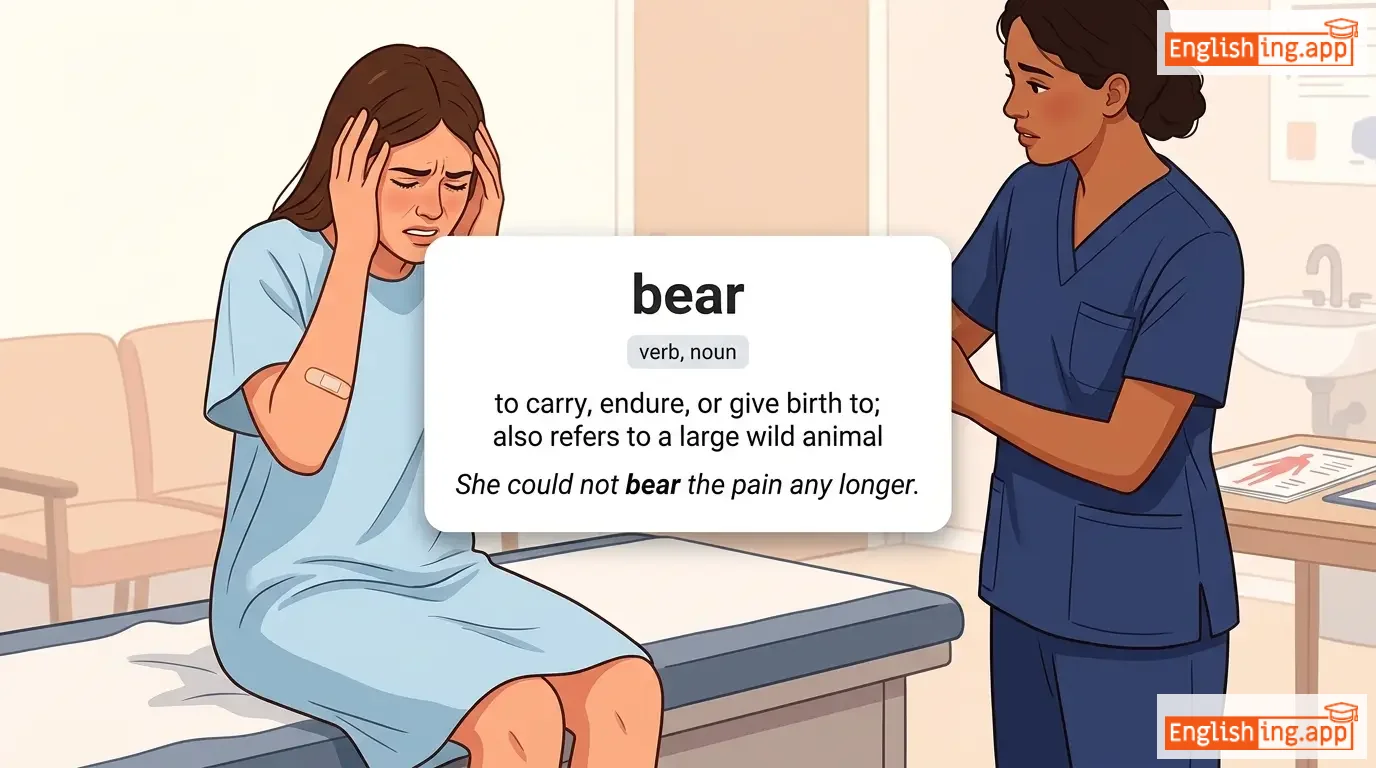
#14
🐻
|
/beər/
noun
(熊)
••••••
|
|
熊
xiong
••••••
|
a large, heavy mammal with thick fur and a very short tail
••••••
|
The brown bear caught a fish from the river.
棕色的熊从河里抓到了一条鱼。
••••••
|
棕色的熊从河里抓到了一条鱼。
zōngsè de xióng cóng hé lǐ zhuā dào le yī tiáo yú.
••••••
|
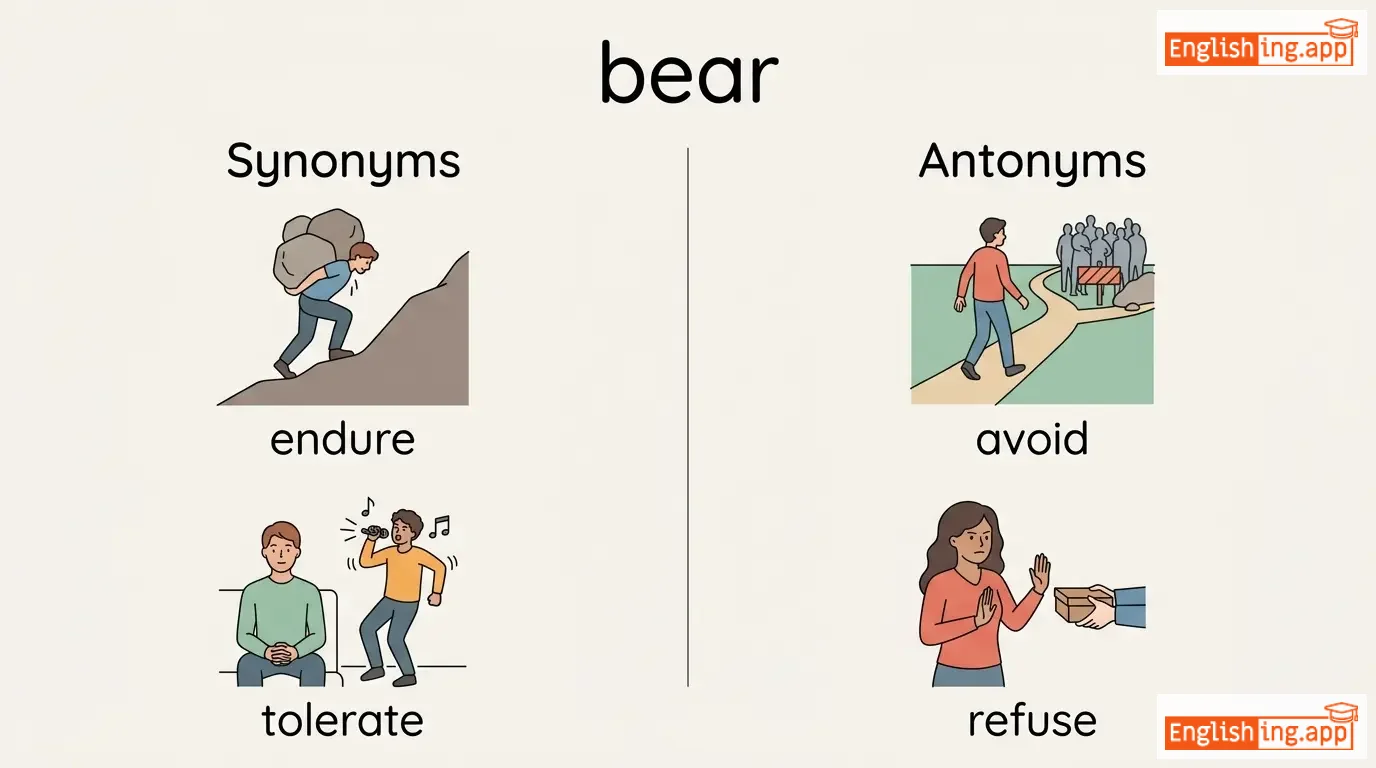
bruin, ursine
••••••
|
- •••••• |
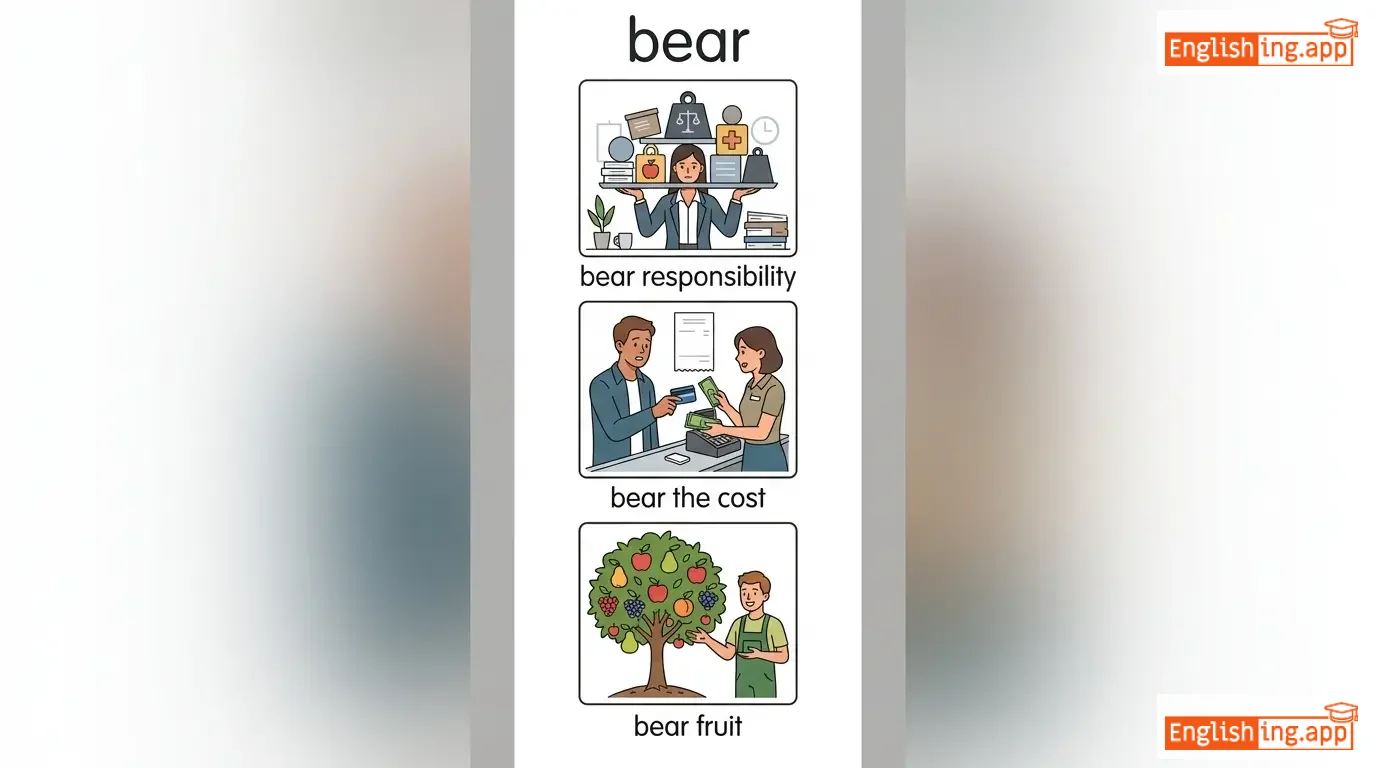
brown bear, polar bear, bear market, teddy bear
••••••
|
熊很强大,经常在水边寻找食物。
••••••
|
|
#15
🦇
|
/bæt/
noun
(bæt)
••••••
|
|
蝙蝠
bianfu
••••••
|
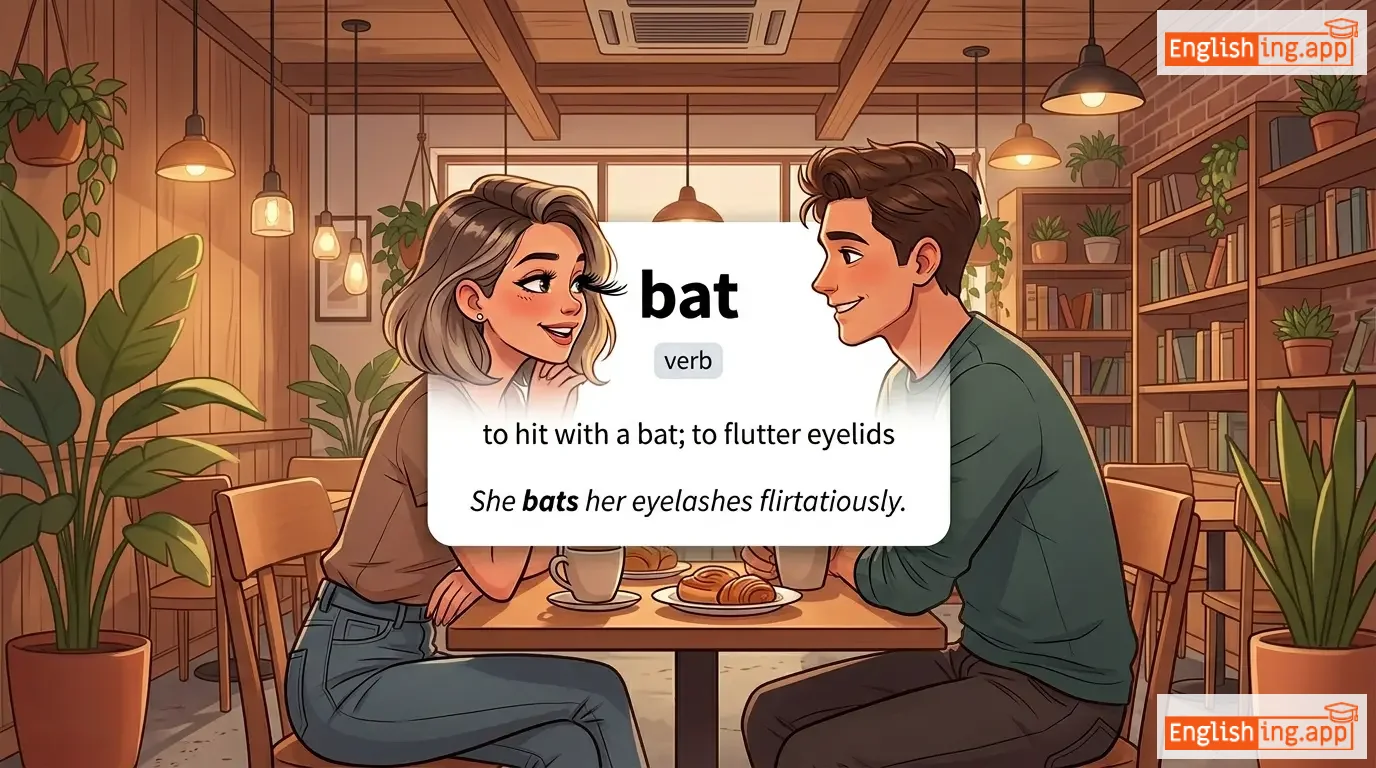
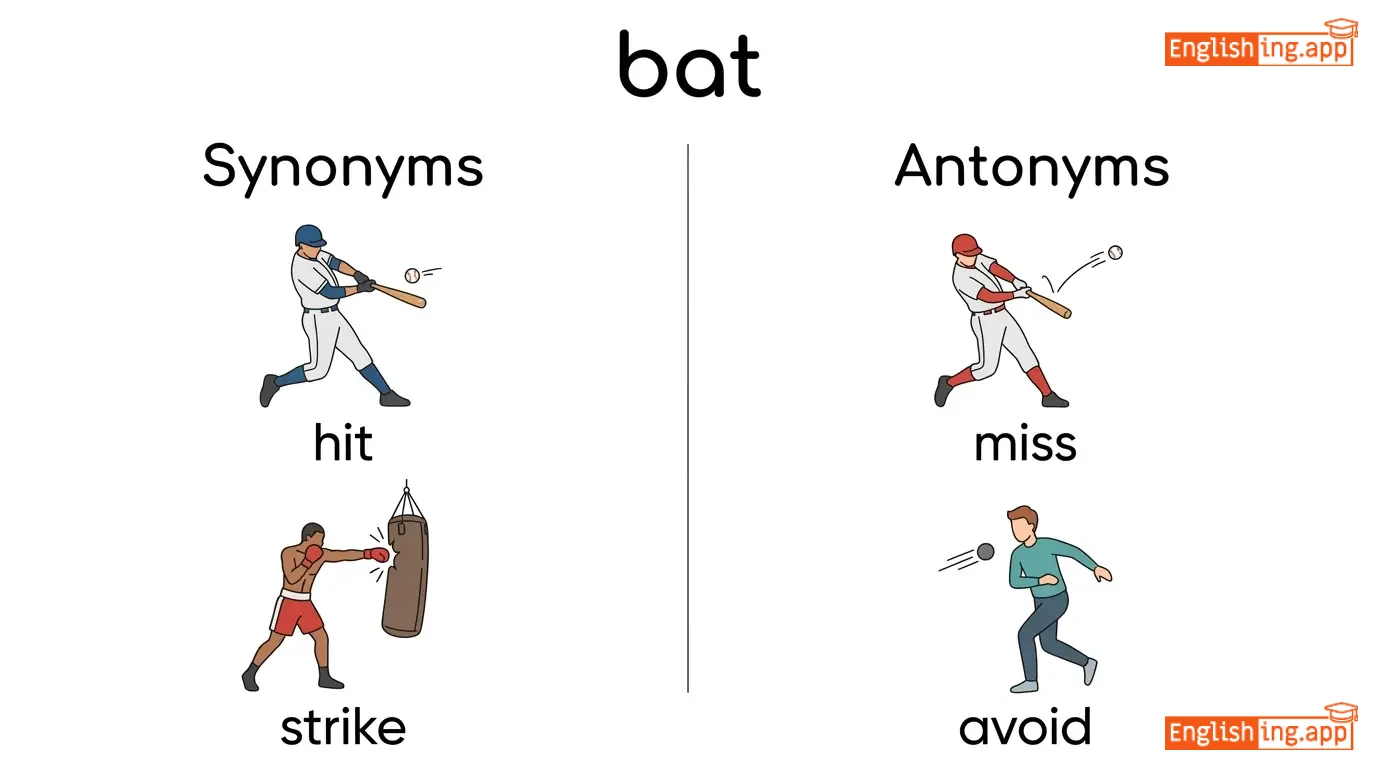
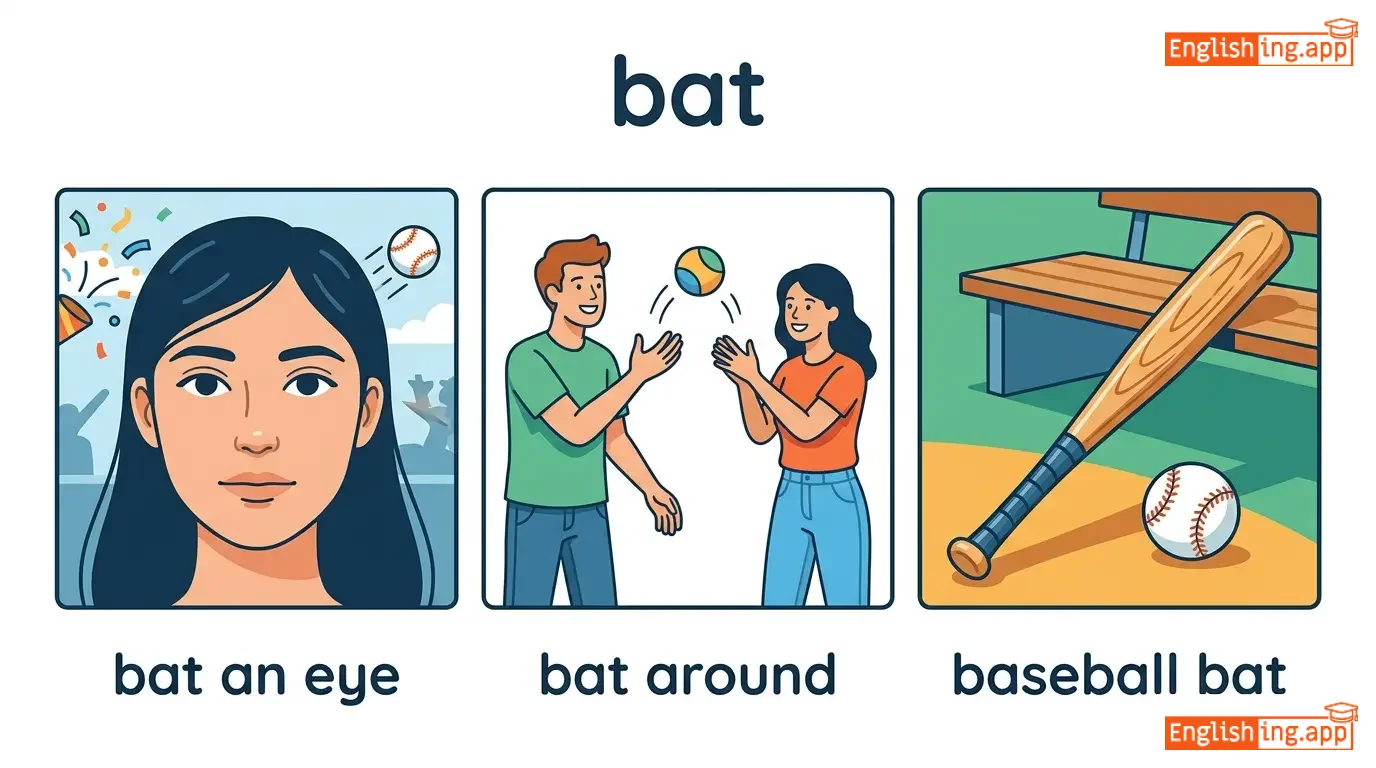
a flying mammal that is active at night; a wooden stick used in sports like baseball
••••••
|
The bat flew out of the cave at sunset.
蝙蝠在日落时从洞中飞出。
••••••
|
蝙蝠在日落时从洞中飞出。
Bianfu zai riluò shí cóng dòng zhōng fēichū.
••••••
|
flying fox, club, stick
••••••
|
- •••••• |
baseball bat, cricket bat, bat cave, vampire bat
••••••
|
蝙蝠和棒球中的“bat”用的是同一个词。
••••••
|
|
#16
🐿️
|
/ˈskwɪr.əl/
noun
(squee-rel)
••••••
|
- •••••• |
松鼠
songshu
••••••
|
a small agile tree-dwelling rodent with a long bushy tail
••••••
|
The squirrel gathered nuts for winter. |
松鼠为冬天收集坚果。
Songshu wei dongtian shouji jianguo.
••••••
|
rodent, tree rat
••••••
|
- •••••• |
red squirrel, grey squirrel, flying squirrel, tree squirrel
••••••
|
松鼠的名字就像是松树一样,住在树上,非常灵活。
••••••
|
|
#17
🦧
|
/ɔːˈræŋ.ʊˌtæŋ/
noun
(猩猩)
••••••
|
- •••••• |
猩猩
xīngxing
••••••
|
a large arboreal ape with long reddish hair, long arms, and hooked hands and feet, native to Borneo and Sumatra
••••••
|
The orangutan swings gracefully through the forest canopy.
猩猩优雅地穿越森林的树冠。
••••••
|
猩猩优雅地穿越森林的树冠。
Xīngxing yōuyǎ de chuānyuè sēnlín de shùguān.
••••••
|
orangutan, great ape, primate
••••••
|
- •••••• |
Bornean orangutan, Sumatran orangutan, baby orangutan, wild orangutan
••••••
|
Imagine an orangutan gliding smoothly through the jungle like a dancer.
••••••
|
|
#19
🐺
|
/haɪˈiː.nə/
noun
(鬣狗)
••••••
|
- •••••• |
鬣狗
liègǒu
••••••
|
a wild animal of Africa and Asia that looks like a dog and makes a sound like laughter
••••••
|
The hyena laughed in the darkness of the night.
猎狗在黑暗的夜晚笑了。
••••••
|
猎狗在黑暗的夜晚笑了。
Liègǒu zài hēi'àn de yèwǎn xiàole.
••••••
|
- •••••• | - •••••• |
spotted hyena, hyena pack, hyena laugh
••••••
|
鬣狗 - 一个在黑暗中笑的动物。
••••••
|
|
#20
🐰
|
/heə(r)/
noun
(hāi ěr)
••••••
|
- •••••• |
野兔
yětù
••••••
|
a fast-running long-eared mammal that resembles a large rabbit
••••••
|
The hare quickly ran across the field.
这只野兔快速地跑过田野。
••••••
|
这只野兔快速地跑过田野。
Zhè zhī yětù kuàisù de pǎo guò tiányě
••••••
|
rabbit, bunny
••••••
|
tortoise
••••••
|
wild hare, hare and hounds, march hare
••••••
|
Hare in English sounds like 'hāi ěr', and in Chinese, '野兔' means wild hare
••••••
|
|
#21
🐱
|
/ˈkɪt.ən/
noun
(kìtēn)
••••••
|
- •••••• |
小猫
xiǎo māo
••••••
|
a young cat
••••••
|
The little kitten loves to play with yarn balls. |
小猫喜欢玩线球。
xiǎo māo xǐhuān wán xiàn qiú.
••••••
|
young cat, baby cat, kitty
••••••
|
adult cat, old cat
••••••
|
playful kitten, newborn kitten, fluffy kitten
••••••
|
小猫是年轻的猫,喜欢玩耍,像小孩子一样活泼。
••••••
|
|
#22
🐴
|
/meər/
noun
(mǎlì)
••••••
|
- •••••• |
母马
mǔmǎ
••••••
|
an adult female horse
••••••
|
The beautiful mare galloped across the meadow.
美丽的马丽在草地上飞奔。
••••••
|
美丽的母马在草地上飞奔。
Měilì de mǔmǎ zài cǎodì shàng fēibēn.
••••••
|
female horse, filly
••••••
|
stallion, gelding
••••••
|
brood mare, racing mare, young mare, mare and foal
••••••
|
母马,在草地上飞奔的成年马。
••••••
|
|
#23
🐵
|
/ˈmʌŋki/
noun
(猴子)
••••••
|
- •••••• |
猴子
houzi
••••••
|
a primate mammal that typically has a long tail and lives in trees
••••••
|
The monkey swung from branch to branch in the jungle.
猴子在丛林里从一根树枝荡到另一根。
••••••
|
猴子在丛林里从一根树枝荡到另一根。
Houzi zai conglin li cong yigen shuzhi dang dao ling yigen.
••••••
|
primate, ape, simian
••••••
|
- •••••• |
monkey business, spider monkey, howler monkey
••••••
|
Houzi is the Chinese word for monkey, and it can be remembered with their acrobatic nature in trees.
••••••
|
|
#24
🐜
|
/ænt/
noun
(蚂蚁)
••••••
|
- •••••• |
蚂蚁
ma yi
••••••
|
a small insect that lives in organized colonies and is known for hard work
••••••
|
The ant carried a crumb that was twice its size. |
这只蚂蚁搬动了一块比它大两倍的面包屑。
zhe zhi ma yi bandong le yi kuai bi ta da liang bei de mianbao xie
••••••
|
insect, worker ant
••••••
|
- •••••• |
ant colony, fire ant, worker ant, ant hill, busy as an ant
••••••
|
蚂蚁总是非常努力工作。
••••••
|
|
#25
🐻❄️
|
/ˈpoʊ.lər beər/
noun
(pō lā bēi ěr)
••••••
|
- •••••• |
北极熊
běi jí xióng
••••••
|
a large white bear that lives in the Arctic regions
••••••
|
The polar bear swims in the icy Arctic waters.
北极熊在寒冷的北极水域游泳。
••••••
|
北极熊在寒冷的北极水域游泳。
Běi jí xióng zài hán lěng de běi jí shuǐ yù yóu yǒng.
••••••
|
white bear, Arctic bear
••••••
|
- •••••• |
polar bear habitat, polar bear cubs, polar bear population
••••••
|
北极熊生活在寒冷的北极,就像在冰冷的水里游泳。
••••••
|
|
#26
🦔
|
/ˈpɔːr.kjə.paɪn/
noun
(porkyupain)
••••••
|
- •••••• |
豪猪
háo zhū
••••••
|
a large rodent with defensive spines or quills on its body
••••••
|
The porcupine raised its quills when threatened.
豪猪在受到威胁时竖起了它的刺。
••••••
|
豪猪在受到威胁时竖起了它的刺。
Háo zhū zài shòu dào wēixié shí shù qǐle tā de cì.
••••••
|
hedgehog, quill pig
••••••
|
- •••••• |
porcupine quills, North American porcupine, porcupine defense
••••••
|
豪猪: 保护, 刺, 大型.
••••••
|
|
#27
🐕
|
/teɪl/
noun
(teyl)
••••••
|
- •••••• |
尾巴
weiba
••••••
|
the rear part of an animal that extends from the back or bottom
••••••
|
The dog wagged its tail happily when it saw its owner. |
狗看到主人时高兴地摇了摇尾巴。
Gou kan dao zhuren shi gaoxing de yao le yao weiba.
••••••
|
rear, end, appendage
••••••
|
head, front
••••••
|
dog tail, long tail, wagging tail, tail feathers
••••••
|
Weiba = tail in Chinese, and both wag in happiness!
••••••
|
|
#28
🦌
|
/dɪər/
noun
(迪尔)
••••••
|
- •••••• |
鹿
lu
••••••
|
a graceful wild animal with antlers, especially the male
••••••
|
We saw a beautiful deer grazing in the meadow. |
我们在草地上看到一只美丽的鹿正在吃草。
wǒmen zài cǎodì shàng kàn dào yī zhī měilì de lù zhèngzài chī cǎo.
••••••
|
stag, doe, buck
••••••
|
- •••••• |
wild deer, deer hunting, deer park
••••••
|
鹿在森林中像deer一样优雅
••••••
|
|
#29
🐄
|
/kæf/
noun
(kæf)
••••••
|
- •••••• |
小牛
xiao niu
••••••
|
a young cow or bull; young of various large mammals
••••••
|
The calf stayed close to its mother. |
小牛靠近它的母亲。
xiao niu kaojin ta de muci
••••••
|
young cow, baby cow
••••••
|
bull, cow
••••••
|
newborn calf, calf muscle, golden calf
••••••
|
Picture a calf (小牛) sticking close to its mother in the field.
••••••
|
|
#30
🐘
|
/ˈel.ɪ.fənt/
noun
(大象)
••••••
|
- •••••• |
大象
dà xiàng
••••••
|
a very large gray mammal with long curved teeth and a long nose called a trunk
••••••
|
The elephant is the largest land animal in the world. |
大象是世界上最大的陆地动物。
Dà xiàng shì shìjiè shàng zuìdà de lùdì dòngwù.
••••••
|
pachyderm, jumbo
••••••
|
mouse, ant
••••••
|
baby elephant, elephant trunk, elephant herd
••••••
|
Dà xiàng - The Chinese word '大象' is 'big elephant'!
••••••
|
|
#31
🫏
|
/æs/
noun
(æsi)
••••••
|
- •••••• |
驴
lü
••••••
|
a donkey; a small domesticated animal of the horse family
••••••
|
The farmer used an ass to carry heavy loads. |
农夫用驴子搬运沉重的货物。
nóngfū yòng lǘzi bānyùn chénzhòng de huòwù
••••••
|
donkey, mule
••••••
|
- •••••• |
wild ass, pack ass, stubborn as an ass
••••••
|
驴子(lü) 是马科动物
••••••
|
|
#32
🐾
|
/'æn.ɪ.məl/
noun
(动物)
••••••
|
- •••••• |
动物
dongwu
••••••
|
a living creature that feeds on organic matter, typically having specialized sense organs and nervous system and able to respond rapidly to stimuli
••••••
|
The zoo has many different animals from around the world. |
动物园里有来自世界各地的许多不同动物。
dongwuyuan li you laizi shijie gedi de xu duo butong dongwu.
••••••
|
creature, beast, organism, living being
••••••
|
plant, mineral, inanimate object
••••••
|
wild animal, domestic animal, animal kingdom, animal behavior
••••••
|
记住动物就像动物园里所有的动物。
••••••
|
|
#33
🐐
|
/ɡoʊt/
noun
(山羊)
••••••
|
- •••••• |
山羊
shānyáng
••••••
|
a farm animal with horns that gives milk and meat
••••••
|
The farmer keeps goats for their milk and cheese. |
农民养山羊为了它们的奶和奶酪。
Nóngmín yǎng shānyáng wèile tāmen de nǎi hé nǎilào.
••••••
|
kid, billy goat, nanny goat
••••••
|
sheep, cow
••••••
|
mountain goat, goat milk, goat cheese
••••••
|
山羊可以给你奶和肉,山羊也是农场的朋友。
••••••
|
|
#34
🦁
|
/ˈlaɪ.ən/
noun
(莱昂)
••••••
|
- •••••• |
狮子
shizi
••••••
|
a large tawny-colored cat that lives in prides, found in Africa and northwestern India
••••••
|
The lion roared loudly in the savanna. |
狮子在大草原上大声咆哮。
Shizi zai dà cǎoyuán shàng dàshēng páo xiào
••••••
|
big cat, king of beasts, feline
••••••
|
- •••••• |
lion pride, male lion, female lion, lion cub, African lion
••••••
|
狮子 (Lion) - Imagine the king of the jungle roaring in the vast African savanna
••••••
|
|
#35
🦍
|
/bəˈbuːn/
noun
(狒狒)
••••••
|
- •••••• |
狒狒
feifei
••••••
|
a large African and Arabian primate with a dog-like snout and colorful buttocks
••••••
|
The baboon troop gathered around the watering hole in the savanna.
狒狒群聚集在大草原的水坑旁。
••••••
|
狒狒群聚集在大草原的水坑旁。
Feifei qun jujizai da caoyuan de shuikeng pang.
••••••
|
primate, ape
••••••
|
- •••••• |
baboon troop, olive baboon, sacred baboon
••••••
|
狒狒大尾巴,五彩缤纷,狗鼻子相伴。
••••••
|
|
#36
🐶
|
/ˈpʌp.i/
noun
(papi)
••••••
|
- •••••• |
小狗
xiǎo gǒu
••••••
|
a young dog
••••••
|
The puppy wagged its tail when it saw its owner.
小狗摇着尾巴,当它看到主人时。
••••••
|
小狗摇着尾巴,当它看到主人时。
Xiǎo gǒu yáo zhe wěiba, dāng tā kàn dào zhǔrén shí.
••••••
|
young dog, baby dog, pup
••••••
|
adult dog, old dog
••••••
|
cute puppy, small puppy, energetic puppy
••••••
|
小狗就是年轻的小狗,带着喜悦的能量。
••••••
|
|
#37
🐐
|
/kɪd/
noun
(kid)
••••••
|
- •••••• |
小山羊
xiao shanyang
••••••
|
a young goat; informal term for a child
••••••
|
The mother goat watched over her kid in the field. |
母山羊在田里照看着她的小山羊。
Mu shanyang zai tian li zhao kan zhe ta de xiao shanyang.
••••••
|
young goat, baby goat
••••••
|
adult goat, buck, doe
••••••
|
goat kid, baby kid, young kid
••••••
|
In China, a kid (小山羊) is a young goat!
••••••
|
|
#38
🦘
|
/ˌkæŋ.ɡəˈruː/
noun
(袋鼠)
••••••
|
- •••••• |
袋鼠
daishu
••••••
|
a large marsupial from Australia that moves by hopping on its strong hind legs
••••••
|
The kangaroo jumped high with its joey in its pouch.
袋鼠跳得很高,带着它的小袋鼠。
••••••
|
袋鼠跳得很高,带着它的小袋鼠。
Daishu tiao de hen gao, daizhe ta de xiao daishu
••••••
|
roo, marsupial
••••••
|
- •••••• |
red kangaroo, baby kangaroo, kangaroo pouch, kangaroo hop
••••••
|
想象袋鼠带着小袋鼠跳得很高!
••••••
|
|
#40
🦛
|
/ˌhɪp.əˈpɒt.ə.məs/
noun
(河马)
••••••
|
- •••••• |
河马
hema
••••••
|
a large, mostly herbivorous mammal that lives in and around water in Africa
••••••
|
The hippopotamus spends most of its day in the water. |
河马将大部分时间都花在水中。
hema jiāng dà bùfèn shíjiān dōu huā zài shuǐ zhōng
••••••
|
hippo, river horse
••••••
|
land animal, desert animal
••••••
|
hippo pool, baby hippo, wild hippopotamus
••••••
|
河马 (hema) 喜欢待在水里,就像大象喜欢水一样
••••••
|
|
#41
🦌♀️
|
/haɪnd/
noun
(haind)
••••••
|
- •••••• |
母鹿
mu lu
••••••
|
a female deer, especially a red deer
••••••
|
The hind protected her fawn from predators. |
母鹿保护了她的小鹿免受捕食者的伤害。
Mu lu baohu le ta de xiao lu mian shou bushizhe de shanghai.
••••••
|
doe, female deer
••••••
|
stag, buck
••••••
|
red hind, hind and calf, protective hind
••••••
|
母鹿 (Mu Lu) sounds like 'hind' and is a female deer in Chinese.
••••••
|
|
#42
🦎
|
/haɪd/
noun
(海德)
••••••
|
|
动物皮肤
dòngwù pífū
••••••
|
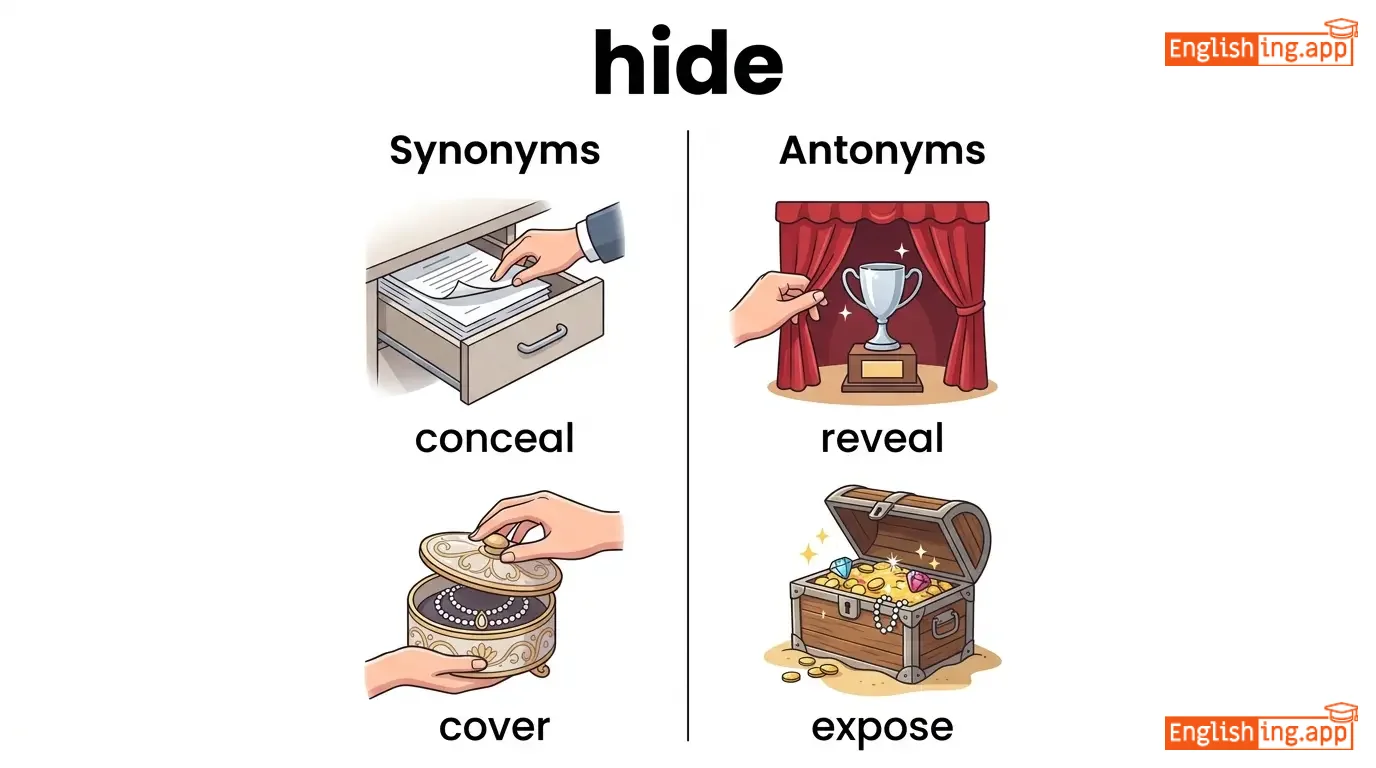
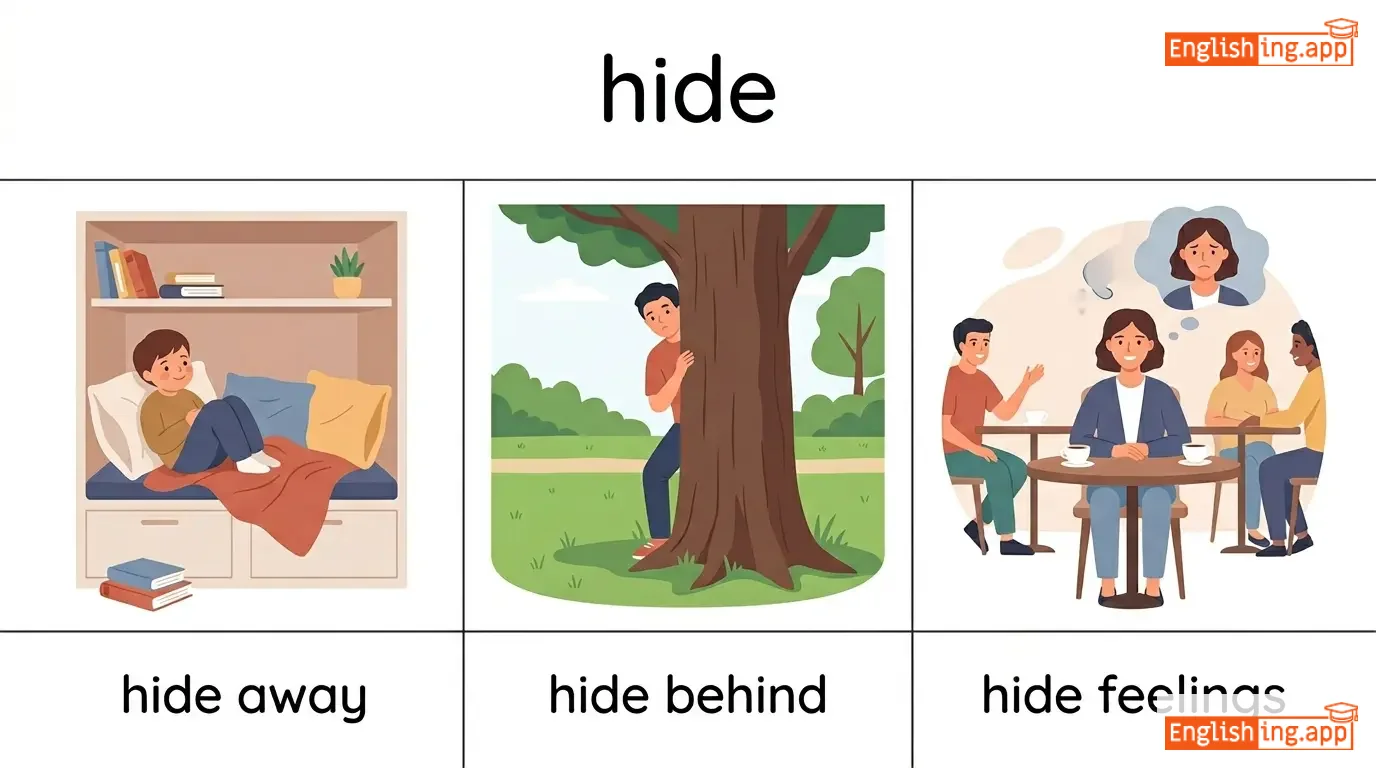
the skin of an animal; to conceal oneself or something from view
••••••
|
The leather jacket was made from cowhide. |
这件皮夹克是用牛皮做的。
zhè jiàn pí jiákè shì yòng niú pí zuò de.
••••••
|
skin, pelt, leather, fur
••••••
|
reveal, show, expose
••••••
|
animal hide, cowhide, hide and seek, tanned hide
••••••
|
像动物皮肤一样隐藏自己,避免暴露。
••••••
|
|
#43
🦔
|
/ˈhedʒhɒɡ/
noun
(刺猬)
••••••
|
- •••••• |
刺猬
ciwei
••••••
|
a small mammal with a spiny coat that can roll into a ball for defense
••••••
|
The hedgehog rolled into a ball when it felt threatened.
当刺猬感到威胁时,它滚成一团。
••••••
|
当刺猬感到威胁时,它滚成一团。
Dang ciwei gandao weixie shi, ta gun cheng yituan.
••••••
|
porcupine
••••••
|
- •••••• |
garden hedgehog, baby hedgehog, hedgehog habitat
••••••
|
刺猬像一个小球一样卷起来以防御!
••••••
|
|
#44
🐗
|
/waɪld bɔːr/
noun
(waɪld bɔːr)
••••••
|
- •••••• |
野猪
ye zhu
••••••
|
a wild pig that lives in forests and has long curved teeth
••••••
|
The wild boar ran through the forest quickly.
野猪快速地穿过森林。
••••••
|
野猪快速地穿过森林。
ye zhu kuaisu de chuan guo senlin
••••••
|
wild pig, forest hog
••••••
|
domestic pig
••••••
|
wild boar hunting, boar tusks, forest boar
••••••
|
Ye zhu shi wild boar
••••••
|
|
#45
👩🦱
|
/heər/
noun
(hai er)
••••••
|
- •••••• |
头发
toufa
••••••
|
fine strands growing from the skin of humans and animals
••••••
|
She brushed her long hair before going to bed.
她在睡觉前梳理了她的长发。
••••••
|
她在睡觉前梳理了她的长发。
Ta zai shuijiao qian shulile ta de changfa.
••••••
|
locks, mane, tresses
••••••
|
baldness
••••••
|
long hair, curly hair, hair color, hair care
••••••
|
头发是我们身体的装饰品。
••••••
|
|
#46
🐕
|
/ˈɡreɪ.haʊnd/
noun
(ɡreɪˌhaʊnd)
••••••
|
- •••••• |
灵缇犬
língtì quǎn
••••••
|
a tall, thin dog with long legs that can run very fast
••••••
|
The greyhound won the race at the dog track. |
灵缇犬在狗赛道上赢得了比赛。
língtì quǎn zài gǒu sàidào shàng yíngdéle bǐsài
••••••
|
racing dog, sighthound
••••••
|
- •••••• |
greyhound racing, retired greyhound, greyhound bus
••••••
|
灵缇犬 = 灵敏的奔跑
••••••
|
|
#47
🦒
|
/dʒɪˈræf/
noun
(长颈鹿)
••••••
|
- •••••• |
长颈鹿
chang jing lu
••••••
|
a very tall African animal with a long neck and long legs
••••••
|
The giraffe stretched its neck to reach the leaves on the tall tree. |
长颈鹿伸长脖子去够那棵高树上的叶子。
Chang jing lu shen chang bo zi qu gou na ke gao shu shang de ye zi.
••••••
|
camelopard
••••••
|
- •••••• |
tall giraffe, giraffe neck, baby giraffe
••••••
|
Imagine a giraffe stretching its long neck to reach the highest leaves in the tree!
••••••
|
|
#48
🐅
|
/ˈtaɪ.ɡər/
noun
(tāiɡē)
••••••
|
- •••••• |
老虎
lǎohǔ
••••••
|
a very large solitary cat with a yellow-brown coat striped with black, native to the forests of Asia
••••••
|
The tiger hunted silently through the jungle. |
老虎悄无声息地穿过丛林。
Lǎohǔ qiāo wú shēngxī de chuānguò cónglín.
••••••
|
big cat, striped cat, feline
••••••
|
- •••••• |
Bengal tiger, Siberian tiger, white tiger, tiger stripes, tiger cub
••••••
|
老虎在森林中悄悄行走,像影子一样无声。
••••••
|
|
#49
🦏
|
/raɪˈnɒs.ər.əs/
noun
(犀牛)
••••••
|
- •••••• |
犀牛
xiniu
••••••
|
a large, heavy animal with thick skin and one or two horns on its nose
••••••
|
The rhinoceros charged through the grassland.
犀牛冲过草原。
••••••
|
犀牛冲过草原。
Xiniu chōngguò cǎoyuán.
••••••
|
rhino
••••••
|
- •••••• |
black rhinoceros, white rhinoceros, rhinoceros horn
••••••
|
犀牛: 强壮的角
••••••
|
|
#50
🦌
|
/ˈreɪn.dɪər/
noun
(rèndí'ěr)
••••••
|
- •••••• |
驯鹿
xùn lù
••••••
|
a large deer with branched horns that lives in cold northern areas
••••••
|
Santa's reindeer pulled his sleigh across the sky. |
圣诞老人的驯鹿拉着他的雪橇穿越天空。
Shèngdàn lǎorén de xùn lù lāzhe tā de xuěqiāo chuānyuè tiānkōng
••••••
|
caribou
••••••
|
- •••••• |
reindeer herder, flying reindeer, reindeer antlers
••••••
|
驯鹿 = 拉雪橇的北方鹿
••••••
|
|
#51
🐀
|
/ræt/
noun
(rè)
••••••
|
- •••••• |
老鼠
laoshu
••••••
|
a large long-tailed rodent that is typically considered a pest
••••••
|
The rat scurried across the kitchen floor. |
老鼠在厨房的地板上快速跑过。
Lǎoshǔ zài chúfáng de dìbǎn shàng kuàisù pǎoguò.
••••••
|
rodent, vermin
••••••
|
cat, predator
••••••
|
sewer rat, lab rat, rat poison, rat trap
••••••
|
老鼠 (laoshu) 喜欢在黑暗中找到食物。
••••••
|
|
#52
🦓
|
/ˈzi.brə/
noun
(斑马)
••••••
|
- •••••• |
斑马
banma
••••••
|
an African animal like a horse with black and white stripes
••••••
|
The zebra ran across the African savanna with its herd.
斑马和它的群体在非洲草原上奔跑。
••••••
|
斑马和它的群体在非洲草原上奔跑。
Banma he ta de qunti zai feizhou caoyuan shang benpao.
••••••
|
striped horse
••••••
|
- •••••• |
zebra crossing, zebra stripes, zebra herd
••••••
|
斑马是像马一样的非洲动物,拥有黑白条纹。
••••••
|
|
#53
🐱
|
/kæt/
noun
(kæt)
••••••
|
- •••••• |
猫
māo
••••••
|
a small domesticated carnivorous mammal with soft fur, a short snout, and retractile claws
••••••
|
The cat sat on the windowsill watching birds. |
猫坐在窗台上看着鸟儿。
Māo zuò zài chuāng tái shàng kàn zhe niǎo er
••••••
|
feline, kitten, kitty
••••••
|
dog, canine
••••••
|
house cat, stray cat, cat food
••••••
|
Māo means cat in Chinese, just like how your cat watches birds
••••••
|
|
#54
🐴
|
/mjuːl/
noun
(miúěr)
••••••
|
- •••••• |
骡子
luózi
••••••
|
the offspring of a donkey and a horse, used as a working animal
••••••
|
The farmer used a mule to carry heavy loads. |
农民用骡子搬运重物。
Nóngmín yòng luózi bānyùn zhòngwù.
••••••
|
hybrid, crossbreed
••••••
|
purebred
••••••
|
pack mule, stubborn mule, working mule
••••••
|
骡子是驴和马的结合,帮助人们搬运重物。
••••••
|
|
#55
🦍
|
/ɡəˈrɪl.ə/
noun
(大猩猩)
••••••
|
- •••••• |
大猩猩
dà xīng xing
••••••
|
a large powerful ape found in the forests of central Africa
••••••
|
The gorilla beat its chest to show dominance.
大猩猩用力拍打胸脯以展示统治力。
••••••
|
大猩猩用力拍打胸脯以展示统治力。
Dà xīng xing yòng lì pāi dǎ xiōngpú yǐ zhǎnshì tǒngzhì lì.
••••••
|
ape, primate
••••••
|
- •••••• |
mountain gorilla, silverback gorilla, gorilla habitat
••••••
|
大猩猩在丛林中展现霸气,强壮又有力。
••••••
|
|
#56
🐄
|
/kaʊ/
noun
(奶牛)
••••••
|
- •••••• |
奶牛
nǎi niú
••••••
|
a large farm animal kept for milk or meat
••••••
|
The cow produces fresh milk every morning.
奶牛每天早上产鲜牛奶。
••••••
|
奶牛每天早上产鲜牛奶。
Nǎi niú měitiān zǎoshang chǎn xiān niúnǎi.
••••••
|
cattle, bovine, bull
••••••
|
goat, sheep
••••••
|
dairy cow, milk cow, cow pasture
••••••
|
奶牛 (nǎi niú) 对应 'Cow' 在英语中,奶牛和牛奶的声音相似
••••••
|
|
#57
🐻
|
/kʌb/
noun
(kab)
••••••
|
- •••••• |
幼熊
you xiong
••••••
|
a young bear, lion, tiger, or other large carnivorous mammal
••••••
|
The bear cub stayed close to its mother for protection. |
小熊为保护自己一直待在母亲身边。
Xiao xiong wei baohu ziji yizhi daizai muqin shenbian.
••••••
|
young bear, baby bear, whelp
••••••
|
adult bear, mature bear
••••••
|
bear cub, lion cub, tiger cub
••••••
|
You xiong = young bear
••••••
|
|
#58
🐻
|
/fɜːr/
noun
(fɜːr)
••••••
|
- •••••• |
毛发
máofà
••••••
|
thick hair covering the body of animals
••••••
|
The cat's fur was soft and warm to touch.
猫的毛发触感柔软而温暖。
••••••
|
猫的毛发触感柔软而温暖。
Māo de máofà chùgǎn róuruǎn ér wēnnuǎn.
••••••
|
coat, pelt, fleece
••••••
|
skin, hide
••••••
|
soft fur, animal fur, fur coat, thick fur
••••••
|
毛发温暖如毛毯一样覆盖动物的身体。
••••••
|
|
#59
🦁
|
/ˈlaɪ.ə.nəs/
noun
(lǎi'ěnèsī)
••••••
|
- •••••• |
母狮
mǔ shī
••••••
|
an adult female lion
••••••
|
The fierce lioness protected her cubs from danger. |
那只凶猛的母狮保护着她的小狮子免受危险。
Nà zhī xiōngměng de mǔ shī bǎohùzhe tā de xiǎo shīzi miǎn shòu wēixiǎn.
••••••
|
female lion
••••••
|
lion, male lion
••••••
|
lioness pride, hunting lioness, mother lioness, fierce lioness
••••••
|
No •••••• |
|
#60
🏠
|
/den/
noun
(den)
••••••
|
- •••••• |
洞穴,巢穴
dongxue, chaoxue
••••••
|
a wild animal's lair or home; a small room used for relaxation
••••••
|
The bear returned to its den for winter hibernation.
那只熊回到它的洞穴,准备过冬眠。
••••••
|
那只熊回到它的洞穴,准备过冬眠。
Na zhi xiong huidao ta de dongxue, zhunbei guo dongmian.
••••••
|
lair, burrow, cave, hideout
••••••
|
open space, clearing
••••••
|
bear den, wolf den, den of thieves, family den
••••••
|
想象一只熊在它的洞穴里过冬眠。
••••••
|
|
#61
🐕
|
/dɔːɡ/
noun
(dɔɡ)
••••••
|
- •••••• |
狗
gǒu
••••••
|
a domesticated carnivorous mammal that is typically kept as a pet or for work
••••••
|
The loyal dog waited patiently for its owner to return home.
ðə lɔɪəl dɔɡ weɪtəd peɪʃəntli fɔr ɪts oʊnər tu rɪˈtɜrn hoʊm.
••••••
|
忠诚的狗耐心等待它的主人回家。
Zhōng chéng de gǒu nài xīn děng dài tā de zhǔ rén huí jiā.
••••••
|
canine, hound, mutt, pooch
••••••
|
cat
••••••
|
pet dog, guard dog, hunting dog, stray dog
••••••
|
狗 (gǒu) 是忠实的朋友。
••••••
|
|
#62
🐑
|
/juː/
noun
(yú)
••••••
|
- •••••• |
母羊
mǔ yáng
••••••
|
a female sheep
••••••
|
The ewe gave birth to twin lambs.
母羊生下了双胞胎羔羊。
••••••
|
母羊生下了双胞胎羔羊。
Mǔ yáng shēng xià le shuāng bāo tāi gāo yáng.
••••••
|
female sheep
••••••
|
ram
••••••
|
pregnant ewe, mother ewe, ewe lamb
••••••
|
Ewe in Chinese is '母羊', which refers to a female sheep.
••••••
|
|
#63
🐑
|
/læm/
noun
(lamb)
••••••
|
- •••••• |
小羊
xiǎo yáng
••••••
|
a young sheep; meat from a young sheep
••••••
|
The little lamb followed its mother everywhere.
小羊到处跟着它的母亲。
••••••
|
小羊到处跟着它的母亲。
Xiǎo yáng dàochù gēnzhe tā de mǔqīn.
••••••
|
young sheep, baby sheep
••••••
|
ewe, ram
••••••
|
spring lamb, lamb chop, innocent lamb
••••••
|
小羊总是跟着它的母亲
••••••
|
|
#64
🐺
|
/wʊlf/
noun
(wūfū)
••••••
|
- •••••• |
狼
lang
••••••
|
a wild carnivorous mammal which is the largest member of the dog family
••••••
|
The wolf howled at the full moon.
狼对着满月嚎叫。
••••••
|
狼对着满月嚎叫。
Lang dui zhe manyue hao jiao.
••••••
|
grey wolf, timber wolf, canine
••••••
|
sheep, prey animal, domestic dog
••••••
|
wolf pack, lone wolf, wild wolf
••••••
|
狼在夜晚嚎叫, 用“狼”来记住这个声音。
••••••
|
|
#65
🐅
|
/ˈtaɪ.ɡrəs/
noun
(ˈtaɪɡrɛs)
••••••
|
- •••••• |
母老虎
mǔ lǎohǔ
••••••
|
an adult female tiger
••••••
|
The powerful tigress hunted silently through the jungle.
强大的母老虎悄悄地穿越丛林。
••••••
|
强大的母老虎悄悄地穿越丛林。
Qiángdà de mǔ lǎohǔ qiāoqiāo de chuānyuè cónglín.
••••••
|
female tiger
••••••
|
tiger, male tiger
••••••
|
hunting tigress, mother tigress, Bengal tigress, Siberian tigress
••••••
|
母老虎是丛林中的霸主!
••••••
|
|
#66
🐸
|
/frɒɡ/
noun
(弗罗格)
••••••
|
- •••••• |
青蛙
qīngwā
••••••
|
a small amphibian animal that lives both in water and on land
••••••
|
The frog jumped from the lily pad into the pond.
青蛙从睡莲叶上跳进池塘。
••••••
|
青蛙从睡莲叶上跳进池塘。
qīngwā cóng shuìlián yè shàng tiàojìn chítáng.
••••••
|
amphibian, toad
••••••
|
- •••••• |
tree frog, pond frog, frog legs
••••••
|
青蛙从睡莲叶跳进池塘。
••••••
|
|
#67
🦏
|
/hɔrn/
noun
(horn)
••••••
|
- •••••• |
角
jiǎo
••••••
|
a hard pointed projection on the head of certain animals; a musical instrument
••••••
|
The rhinoceros used its horn to defend itself.
犀牛用角来保护自己。
••••••
|
犀牛用角来保护自己。
xīniú yòng jiǎo lái bǎohù zìjǐ.
••••••
|
antler, tusk, trumpet
••••••
|
- •••••• |
rhino horn, bull horn, car horn, horn section
••••••
|
The Chinese '角' sounds like a sharp horn!
••••••
|
|
#68
🐴
|
/hɔːrs/
noun
(hɔrs)
••••••
|
- •••••• |
马
ma
••••••
|
a large domesticated mammal used for riding and pulling loads
••••••
|
The horse galloped across the field with great speed. |
马在田野里快速奔跑。
mǎ zài tiányě lǐ kuàisù bēnpǎo.
••••••
|
steed, mare, stallion
••••••
|
- •••••• |
wild horse, race horse, horse riding
••••••
|
马奔跑得像马一样快。
••••••
|
|
#69
🐴
|
/ˈsiː.hɔːrs/
noun
(xi-huo-si)
••••••
|
- •••••• |
海马
hai ma
••••••
|
a small marine fish with segmented bony armor, an upright posture, and a curled prehensile tail
••••••
|
The seahorse gracefully floated among the coral reefs. |
海马在珊瑚礁间优雅地漂浮。
Hai ma zai shan hu jiao jian you ya di piao fu.
••••••
|
hippocampus, marine fish
••••••
|
- •••••• |
baby seahorse, pregnant seahorse, seahorse habitat, seahorse species
••••••
|
海马像海中的小骑兵一样游动
••••••
|
|
#70
🐕🦺
|
/haʊnd/
noun
(hǎo'ēn de)
••••••
|
- •••••• |
猎犬
liequan
••••••
|
a dog bred for hunting, typically having a keen sense of smell
••••••
|
The bloodhound tracked the scent through the dense forest.
血猎犬穿过茂密的森林追踪气味。
••••••
|
血猎犬穿过茂密的森林追踪气味。
xue liequan chuan guo maomi de senlin zhuizong qiwei.
••••••
|
hunting dog, tracker, bloodhound
••••••
|
- •••••• |
fox hound, blood hound, scent hound
••••••
|
猎犬嗅出狩猎的线索,像侦探一样聪明。
••••••
|
|
#71
🫏
|
/ˈdɒŋ.ki/
noun
(dǒngkī)
••••••
|
- •••••• |
驴子
lǘzi
••••••
|
a domesticated animal related to the horse, with long ears and a braying call
••••••
|
The donkey carried heavy bags up the mountain.
驴子把重袋子背到山上。
••••••
|
驴子把重袋子背到山上。
Lǘzi bǎ zhòng dàizi bēi dào shān shàng.
••••••
|
ass, mule
••••••
|
- •••••• |
donkey cart, stubborn donkey, pack donkey
••••••
|
驴子 - 体力劳动者,背负重物,生活在农场。
••••••
|
|
#72
🐴
|
/koʊlt/
noun
(kè ěr tè)
••••••
|
- •••••• |
小马驹
xiǎo mǎ jū
••••••
|
a young male horse, especially one under four years old
••••••
|
The farmer trained the young colt to accept a saddle.
农民训练年轻的小马驹来接受马鞍。
••••••
|
农民训练年轻的小马驹来接受马鞍。
Nóngmín xùnliàn niánqīng de xiǎo mǎ jū lái jiēshòu mǎ'ān.
••••••
|
young horse, foal, stallion
••••••
|
mare, adult horse, old horse
••••••
|
young colt, wild colt, spirited colt
••••••
|
小马驹 - 就像年轻的马,正在学习接受马鞍。
••••••
|
|
#73
🐕
|
/bɪtʃ/
noun
(bìch)
••••••
|
- •••••• |
母狗
mǔ gǒu
••••••
|
a female dog
••••••
|
The bitch gave birth to five puppies. |
母狗生下了五只小狗。
Mǔ gǒu shēng xiàle wǔ zhī xiǎo gǒu.
••••••
|
female dog
••••••
|
dog, male dog
••••••
|
breeding bitch, mother bitch
••••••
|
母狗是雌性狗,像 'bit' 一样。
••••••
|
|
#74
🐪
|
/ˈkæm.əl/
noun
(骆驼)
••••••
|
- •••••• |
骆驼
luòtuó
••••••
|
a large animal with one or two humps on its back that lives in hot dry places
••••••
|
The camel walked slowly across the desert sand.
骆驼慢慢地走过沙漠的沙子。
••••••
|
骆驼慢慢地走过沙漠的沙子。
Luòtuó màn man de zǒuguò shāmò de shāzi.
••••••
|
dromedary
••••••
|
- •••••• |
camel caravan, desert camel, camel hump
••••••
|
骆驼在沙漠中缓慢前进,背着两个驼峰。
••••••
|
|
#75
🐂
|
/ɑːks/
noun
(牛)
••••••
|
- •••••• |
牛
niu
••••••
|
a large strong animal used for pulling heavy loads or plowing fields
••••••
|
The farmer used an ox to plow the field. |
农民用牛耕地。
Nóngmín yòng niú gēngdì.
••••••
|
bull, steer, bullock
••••••
|
calf, heifer
••••••
|
plow ox, strong ox, ox cart
••••••
|
牛帮农民耕田,强壮又有力。
••••••
|
|
#76
🐾
|
/klɔː/
noun
(klɔ)
••••••
|
- •••••• |
爪子
zhǎo zi
••••••
|
sharp curved nail on the foot of an animal or bird
••••••
|
The cat extended its sharp claws to climb the tree. |
猫伸出锋利的爪子爬上了树。
Māo shēn chū fēng lì de zhǎo zi pá shàng le shù.
••••••
|
talon, nail, unguis
••••••
|
hoof
••••••
|
sharp claw, cat claw, bird claw, claw marks
••••••
|
像猫一样伸爪
••••••
|
|
#77
🐭
|
/maʊs/
noun
(老鼠)
••••••
|
- •••••• |
老鼠
laoshu
••••••
|
a small rodent with a long tail and typically gray or brown fur
••••••
|
The little mouse hid behind the cabinet. |
小老鼠躲在柜子后面。
xiǎo lǎoshǔ duǒ zài guìzi hòumiàn
••••••
|
rodent, field mouse
••••••
|
cat, predator
••••••
|
computer mouse, house mouse, field mouse, mouse trap
••••••
|
老鼠是小型的啮齿动物,常见于家庭中。
••••••
|
Vocabulary Quiz
Test your vocabulary by matching words with their translations or meanings.
Login to take the quiz
Comments (0)
Share your thoughts and join the discussion.
Join the discussion by logging in
Login to CommentNo comments yet
Be the first to share your thoughts!