


Swipe left or right, or use the buttons. Tap image to zoom.
例句翻译
单词
Lesson 19: Names of VehiclesLesson 19: Names of Vehicles - 遮罩切换
|
表情符号
|
单词 | Images | 翻译 | 含义 | 例句 | 例句翻译 | 同义词 | 反义词 | 搭配词 | 助记符 |
|---|---|---|---|---|---|---|---|---|---|---|
|
#909
🚗
|
/ˈviː.ɪ.kəlz/
noun
(wī kè ěr zī)
••••••
|
- •••••• |
交通工具
jiaotong gongju
••••••
|
machines used for transporting people or goods from one place to another
••••••
|
There are many different types of vehicles on the road today. |
今天路上有许多不同类型的交通工具。
Jintian lù shàng yǒu xǔduō bùtóng lèixíng de jiāotōng gōngjù
••••••
|
transport, conveyance, automobile, machine
••••••
|
- •••••• |
motor vehicles, public vehicles, emergency vehicles, commercial vehicles
••••••
|
交通工具帮助我们去别的地方
••••••
|
|
#910
🚌
|
/bʌs/
noun
(巴士)
••••••
|
- •••••• |
公共汽车
gonggong qiche
••••••
|
a large motor vehicle carrying passengers by road
••••••
|
I take the bus to work every morning.
我每天早上乘公共汽车上班。
••••••
|
我每天早上乘公共汽车上班。
Wǒ měitiān zǎoshàng chéng gōnggòng qìchē shàngbān.
••••••
|
coach, omnibus, motorbus
••••••
|
- •••••• |
bus stop, bus route, school bus, city bus
••••••
|
公共汽车是一个方便的交通工具
••••••
|
|
#911
🚗
|
/kɑːr/
noun
(kā)
••••••
|
- •••••• |
汽车
qìchē
••••••
|
a four-wheeled motor vehicle used for transportation
••••••
|
I drive my car to work every day. |
我每天开车去工作。
Wǒ měitiān kāichē qù gōngzuò.
••••••
|
automobile, vehicle, motor vehicle
••••••
|
bicycle, motorcycle
••••••
|
car door, car engine, sports car, family car
••••••
|
汽车带你到你想去的地方,四轮驱动让你飞快
••••••
|
|
#912
⚓
|
/ˈsiː.mən/
noun
(海员)
••••••
|
- •••••• |
海员
hǎi yuán
••••••
|
a person who works on a ship; sailor
••••••
|
The experienced seaman navigated the ship through the storm. |
经验丰富的海员在风暴中导航。
jīngyàn fēngfù de hǎiyuán zài fēngbào zhōng dǎoháng.
••••••
|
sailor, mariner, seafarer, nautical worker
••••••
|
landlubber, passenger
••••••
|
experienced seaman, skilled seaman, merchant seaman, ordinary seaman
••••••
|
海员 = 海 (hǎi) + 员 (yuán) - 海员在海上工作
••••••
|
|
#913
🛒
|
/kɑːrt/
noun
(卡特)
••••••
|
- •••••• |
手推车
shǒu tuī chē
••••••
|
a wheeled vehicle for carrying goods; a shopping cart
••••••
|
The farmer loaded hay onto his cart. |
农民把干草装上了他的手推车。
nóngmín bǎ gāncǎo zhuāng shàng le tā de shǒu tuī chē
••••••
|
wagon, trolley, carriage
••••••
|
- •••••• |
shopping cart, horse cart, cart wheel
••••••
|
A '手推车' in Chinese and 'Cart' in English both are used for carrying items.
••••••
|
|
#914
🚌
|
/koʊtʃ/
noun
(kèchē)
••••••
|
|
旅游巴士
lǚyóu bāshì
••••••
|
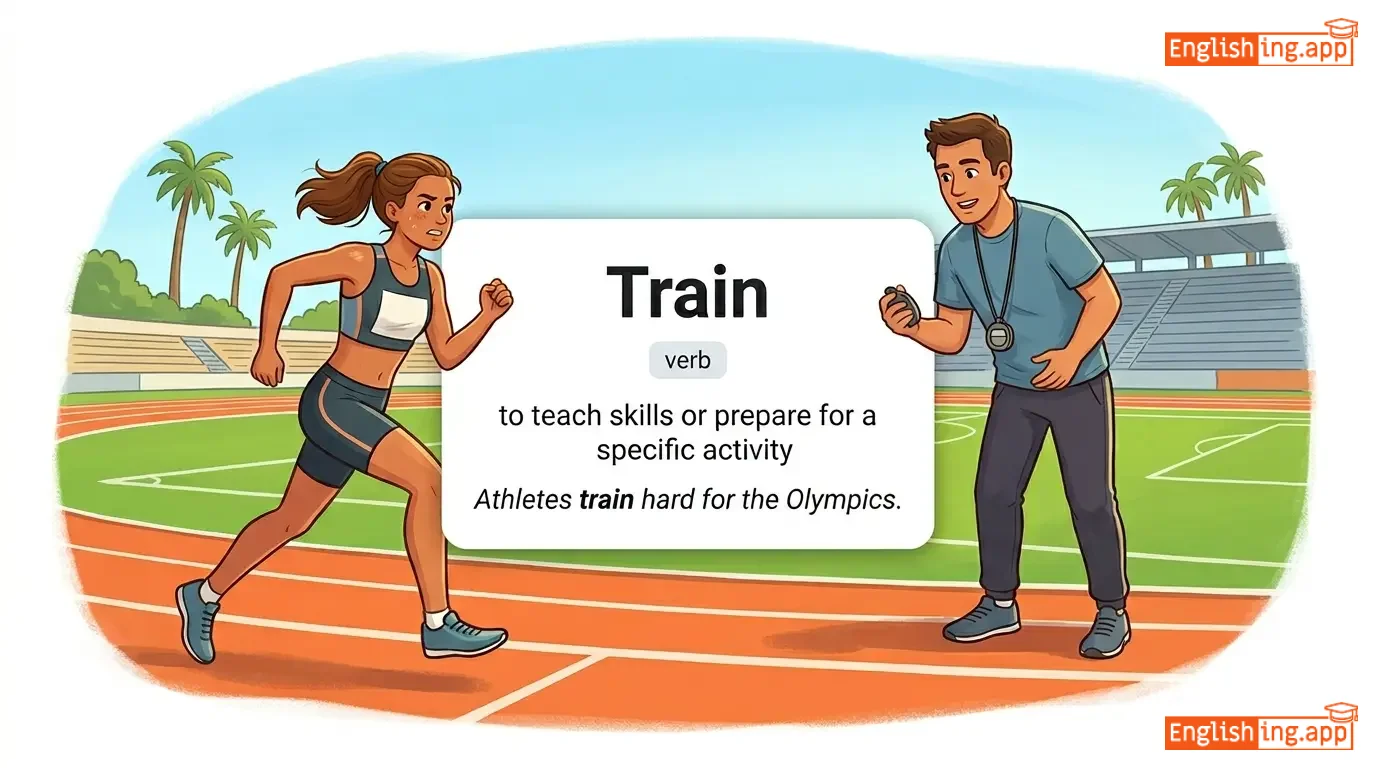
a large motor vehicle carrying passengers by road; a railway carriage; a person who trains athletes or teaches skills
••••••
|
The tour coach arrived at the hotel in the evening.
旅游巴士傍晚到达酒店。
••••••
|
旅游巴士傍晚到达酒店。
Lǚyóu bāshì bàngwǎn dàodá jiǔdiàn.
••••••
|
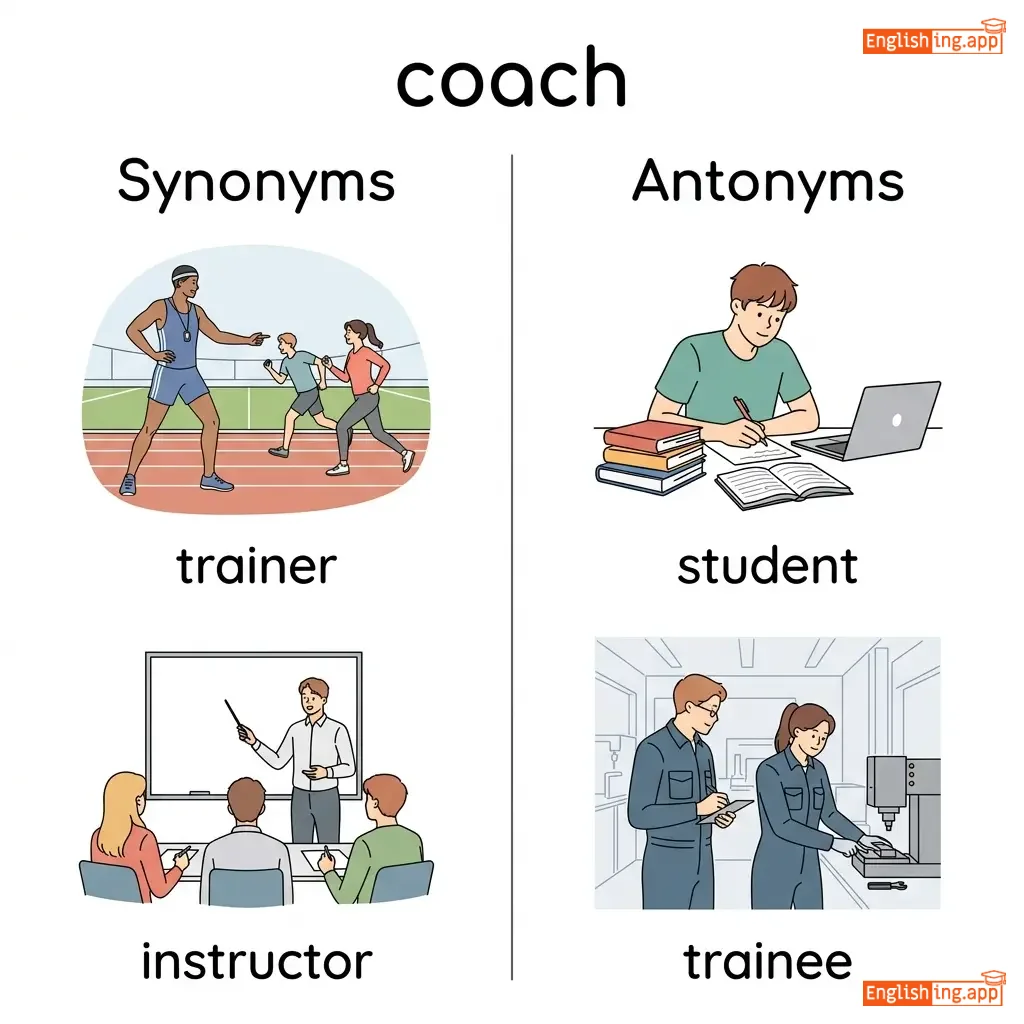
bus, instructor, trainer
••••••
|
student, trainee
••••••
|
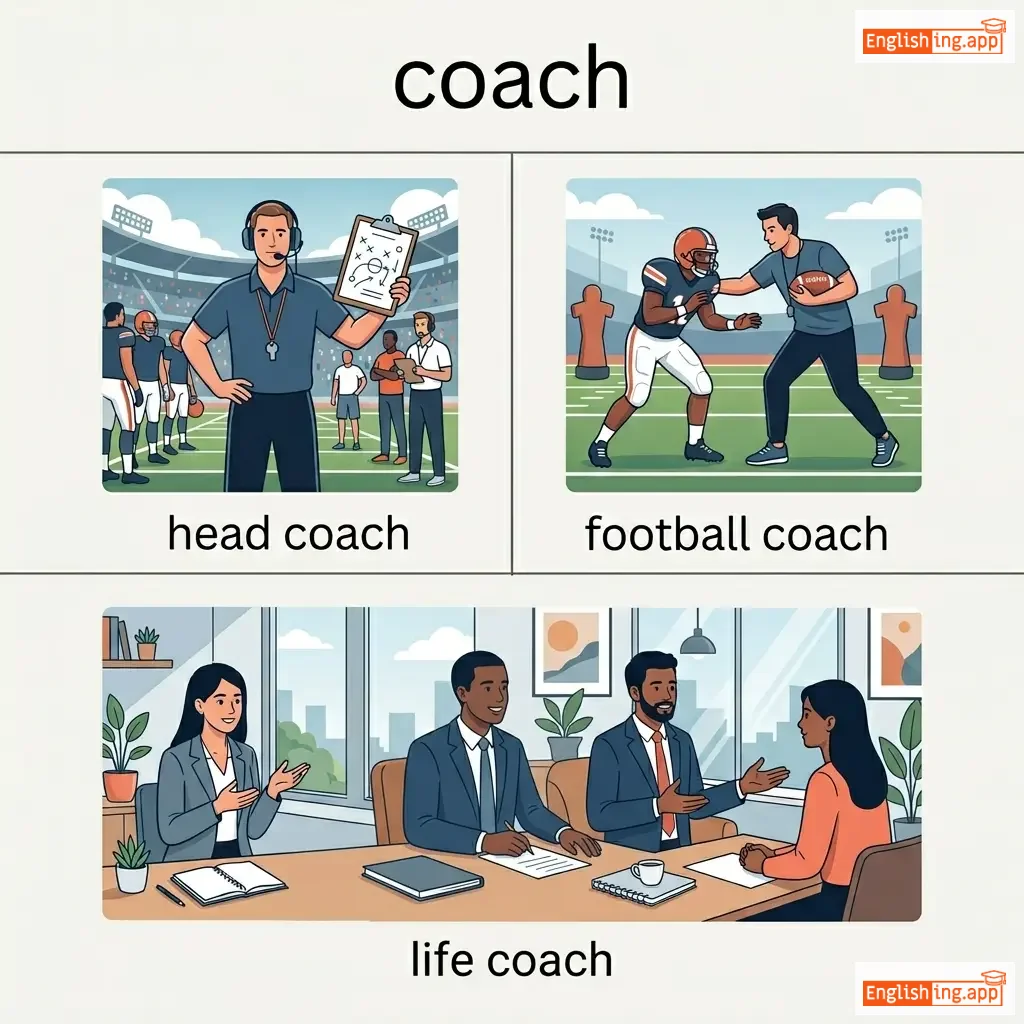
tour coach, coach driver, team coach, life coach
••••••
|
旅游巴士 ('lǚyóu bāshì') 就像 'Coach' 是旅行用的大巴。
••••••
|
|
#915
🚗👨💼
|
/ˈkoʊtʃ.mən/
noun
(kòuchmán)
••••••
|
- •••••• |
马车夫
mǎchēfū
••••••
|
a person who drives a horse-drawn carriage or coach
••••••
|
The coachman skillfully guided the horses through the busy streets. |
马车夫熟练地引导着马匹穿过繁忙的街道。
mǎchēfū shúliàn de yǐndǎo zhe mǎpǐ chuānguò fánmáng de jiēdào.
••••••
|
driver, charioteer, carriage driver
••••••
|
passenger, rider
••••••
|
skilled coachman, royal coachman, horse-drawn carriage
••••••
|
马车夫,驾驭马车
••••••
|
|
#916
🚇
|
/ˈmet.roʊ reɪl/
noun
(地铁)
••••••
|
- •••••• |
地铁
ditie
••••••
|
an underground urban railway system; subway system
••••••
|
The metro rail connects all major areas of the city efficiently.
地铁有效地连接了城市的所有主要区域。
••••••
|
地铁有效地连接了城市的所有主要区域。
Dìtiě yǒuxiào dì liánjiēle chéngshì de suǒyǒu zhǔyào qūyù.
••••••
|
subway, underground railway, tube
••••••
|
surface transport, overground train
••••••
|
metro rail system, metro rail station, metro rail network
••••••
|
地铁快速连接城市的各个部分!
••••••
|
|
#917
🚕
|
/ˈhæk.ni ˈkær.ɪdʒ/
noun
(ˈhæk.ni ˈkær.ɪdʒ)
••••••
|
- •••••• |
出租车
chūzūchē
••••••
|
A taxi; a car licensed to carry passengers for hire
••••••
|
I called a hackney carriage to get to the airport. |
我叫了一辆出租车去机场。
Wǒ jiào le yī liàng chūzūchē qù jīchǎng.
••••••
|
taxi, cab, taxicab
••••••
|
- •••••• |
licensed hackney carriage, hackney carriage driver, call a hackney carriage
••••••
|
出租车 - 出租就是租车,出租车是租来的车
••••••
|
|
#918
🚲
|
/ˈbaɪ.sɪ.kəl/
noun
(bài sīkè ěr)
••••••
|
- •••••• |
自行车
zìxíngchē
••••••
|
A vehicle with two wheels that you pedal to make it move
••••••
|
She rides her bicycle to work every day. |
她每天骑自行车去上班。
Tā měitiān qí zìxíngchē qù shàngbān.
••••••
|
bike, cycle, two-wheeler
••••••
|
- •••••• |
ride a bicycle, bicycle lane, bicycle helmet, mountain bicycle
••••••
|
自行车有两个轮子,通过脚踏板前进。
••••••
|
|
#919
🚲
|
/ˈtraɪ.sɪ.kəl/
noun
(三轮车)
••••••
|
- •••••• |
三轮车
sanlunche
••••••
|
a three-wheeled vehicle, especially one for children
••••••
|
The child rode his tricycle in the park.
孩子在公园骑着三轮车。
••••••
|
孩子在公园骑着三轮车。
Haizi zai gongyuan qizhe sanlunche.
••••••
|
three-wheeler, trike
••••••
|
bicycle, unicycle
••••••
|
ride a tricycle, tricycle pedals, adult tricycle
••••••
|
三轮车 (孩子用三轮车骑行)
••••••
|
|
#920
🚂
|
/treɪn/
noun
(列车)
••••••
|
|
火车
huǒchē
••••••
|
a connected series of railway carriages or wagons moved by a locomotive
••••••
|
The train arrived at the station on time.
火车准时到达车站。
••••••
|
火车准时到达车站。
Huǒchē zhǔnshí dàodá chēzhàn.
••••••
|
locomotive, railway, railroad
••••••
|
car, bus, airplane
••••••
|
train station, express train, passenger train, freight train
••••••
|
中文中'火车'代表了'train',如同在英语中的意思。
••••••
|
|
#921
⛵
|
/ˈseɪ.lər/
noun
(sailor)
••••••
|
- •••••• |
水手
shuǐ shǒu
••••••
|
a person who works on a ship or boat; a member of a navy
••••••
|
The experienced sailor navigated the ship through the storm.
经验丰富的水手驾船穿越风暴。
••••••
|
经验丰富的水手驾船穿越风暴。
jīng yàn fēng fù de shuǐ shǒu jià chuán chuān yuè fēng bào.
••••••
|
seaman, mariner, seafarer
••••••
|
landlubber, passenger
••••••
|
experienced sailor, navy sailor, merchant sailor
••••••
|
Sailor – 'Shuǐ shǒu' is the Chinese word for sailor, think of a sailor navigating through a storm!
••••••
|
|
#922
🚛
|
/ˈmoʊ.tər ˈlɔː.ri/
noun
(摩托卡车)
••••••
|
- •••••• |
摩托卡车
mótuō kǎchē
••••••
|
a large motor vehicle used for transporting goods; truck
••••••
|
The motor lorry delivered fresh vegetables to the market.
这辆摩托卡车将新鲜蔬菜送到市场。
••••••
|
这辆摩托卡车将新鲜蔬菜送到市场。
Zhè liàng mótuō kǎchē jiāng xīnxiān shūcài sòng dào shìchǎng.
••••••
|
truck, lorry, freight vehicle
••••••
|
passenger car, motorcycle, bicycle
••••••
|
motor lorry driver, heavy motor lorry, motor lorry transport
••••••
|
摩托卡车是一个大车辆,运输着货物。
••••••
|
|
#923
🚂📮
|
/meɪl treɪn/
noun
(梅尔 火车)
••••••
|
- •••••• |
邮政列车
yóuzhèng lièchē
••••••
|
a train that carries mail and postal packages
••••••
|
The mail train departs every evening to deliver letters across the country.
邮件列车每天晚上发车,跨越全国递送信件。
••••••
|
邮件列车每天晚上发车,跨越全国递送信件。
Yóujiàn lièchē měitiān wǎnshàng fāchē, kuàyuè quánguó dìsòng xìnjiàn.
••••••
|
postal train, mail service train
••••••
|
passenger train, freight train
••••••
|
daily mail train, overnight mail train, express mail train
••••••
|
邮政列车像邮递员一样把邮件送到每一个地方。
••••••
|
|
#924
⚓
|
/helm/
noun
(海尔姆)
••••••
|
- •••••• |
舵
duo
••••••
|
the steering wheel or tiller of a ship or boat
••••••
|
The captain took the helm during the storm. |
船长在风暴中掌舵。
Chuánzhǎng zài fēngbào zhōng zhǎng duò.
••••••
|
wheel, tiller, rudder, steering wheel
••••••
|
anchor, mast
••••••
|
take the helm, at the helm, ship's helm
••••••
|
掌舵控制船的航向
••••••
|
|
#925
✈️
|
/ˈeə.rə.pleɪn/
noun
(飞机)
••••••
|
- •••••• |
飞机
feiji
••••••
|
a powered flying vehicle with fixed wings and a weight greater than that of the air it displaces
••••••
|
The aeroplane took off smoothly from the airport runway. |
飞机从机场跑道平稳起飞。
Feiji cong jichang paodao pingwen qifei
••••••
|
airplane, aircraft, plane, jet
••••••
|
- •••••• |
passenger aeroplane, cargo aeroplane, military aeroplane, commercial aeroplane
••••••
|
飞机飞翔在天际,带着梦想。
••••••
|
|
#926
🚍
|
/ˈdʌbəl ˈdekər/
noun
(dà bǎo dē kè)
••••••
|
- •••••• |
双层巴士
shuang ceng ba shi
••••••
|
a bus with two levels or floors for passengers
••••••
|
The red double decker bus is a famous symbol of London.
红色的双层巴士是伦敦的一个著名象征。
••••••
|
红色的双层巴士是伦敦的一个著名象征。
Hóngsè de shuāng céng bā shì shì lún dūn de yīgè zhùmíng xiàngzhēng.
••••••
|
two-storey bus, double-deck bus
••••••
|
single decker
••••••
|
London double decker, red double decker, tourist double decker
••••••
|
想象一辆红色的双层巴士在伦敦街头行驶,作为这座城市的标志。
••••••
|
|
#927
🏠⛵
|
/ˈhaʊs boʊt/
noun
(豪斯船)
••••••
|
- •••••• |
房船
fang chuan
••••••
|
a boat that has been designed or modified to be used primarily as a home
••••••
|
They spent their vacation on a beautiful house boat in the lake. |
他们在湖上的美丽房船上度过了假期。
tamen zai hu shang de meili fang chuan shang duoguo le jiaqi
••••••
|
floating home, barge home, water residence
••••••
|
land house, apartment, mobile home
••••••
|
house boat rental, luxury house boat, house boat living
••••••
|
房船: 在水上漂浮的家
••••••
|
|
#928
🚋
|
/ˈtrɒli/
noun
(特罗利)
••••••
|
- •••••• |
电车
dianche
••••••
|
an electric vehicle that runs on rails or tracks in the street
••••••
|
The trolley runs through the city center every fifteen minutes.
电车每十五分钟通过市中心。
••••••
|
电车每十五分钟通过市中心。
Dianche mei shiwu fenzhong tongguo shizhongxin.
••••••
|
tram, streetcar, trolleycar
••••••
|
- •••••• |
trolley line, electric trolley, city trolley
••••••
|
电车是通过电力推动的交通工具,像是街道上的小型轨道车。
••••••
|
|
#929
🚐
|
/ˈlʌɡ.ɪdʒ væn/
noun
(lùgè wān)
••••••
|
- •••••• |
行李车
xingli che
••••••
|
a vehicle designed for carrying luggage and cargo
••••••
|
The luggage van carried all the passengers' suitcases. |
行李车载着所有乘客的行李箱。
Xingli che zaizhe suoyou chengke de xinglixiang
••••••
|
cargo van, freight van
••••••
|
passenger car
••••••
|
load luggage van, luggage van service
••••••
|
Chinese speakers recall '行李车' for luggage van
••••••
|
|
#930
⛵
|
/boʊt/
noun
(bó)
••••••
|
- •••••• |
小船
xiao chuan
••••••
|
a small vessel for traveling over water
••••••
|
We took a small boat to cross the river. |
我们乘坐小船渡过了河流。
wo men cheng zuo xiao chuan du guo le he liu
••••••
|
vessel, craft, dinghy
••••••
|
land vehicle, car
••••••
|
fishing boat, motor boat, row boat, sail boat
••••••
|
小船, 小船来帮忙,水上旅行的朋友
••••••
|
|
#931
🚂
|
/ˈreɪl.weɪ/
noun
(瑞尔威)
••••••
|
- •••••• |
铁路
tielu
••••••
|
a track made of steel rails along which trains run; a system of tracks with trains, stations, and other facilities
••••••
|
The railway connects major cities across the country.
德 瑞尔威 康内克特斯 美杰尔 西提斯 阿克罗斯 德 康特里
••••••
|
铁路连接全国主要城市。
tielu lianjie quanguo zhuyao chengshi
••••••
|
railroad, train line, rail network, rail system
••••••
|
- •••••• |
railway station, railway track, railway line, railway network
••••••
|
Tie (iron) + lu (road) = iron road → railway
••••••
|
|
#932
🚃
|
/kəmˈpɑːrt.mənt/
noun
(kəmˈpɑːrtmənt)
••••••
|
- •••••• |
车厢
chēxiāng
••••••
|
a separate section or division of a larger space, especially in a train
••••••
|
We found seats in the first-class compartment.
我们在头等舱车厢找到了座位。
••••••
|
我们在头等舱车厢找到了座位。
Wǒmen zài tóuděngcāng chēxiāng zhǎodào le zuòwèi.
••••••
|
section, division, cabin, car
••••••
|
whole, entirety
••••••
|
train compartment, first-class compartment, sleeping compartment
••••••
|
车厢是火车中的小房间。
••••••
|
|
#933
🚣
|
/ɔːr/
noun
(欧阿尔)
••••••
|
- •••••• |
桨
jiang
••••••
|
a long pole with a flat blade used to row a boat
••••••
|
He dipped the oar into the water and pulled the boat forward. |
他将桨浸入水中并拉动船向前。
Tā jiāng jiǎng jìn rù shuǐ zhōng bìng lādòng chuán xiàng qián.
••••••
|
paddle, blade, rowing blade
••••••
|
motor, engine
••••••
|
rowing oar, wooden oar, pull the oar
••••••
|
划船时用桨向前推船。
••••••
|
|
#934
🚛🚂
|
/ɡʊdz treɪn/
noun
(ɡʊdz treɪn)
••••••
|
- •••••• |
货运列车
huòyùn lièchē
••••••
|
a train designed to transport cargo and freight rather than passengers
••••••
|
The long goods train carried containers from the port to the inland depot.
Di lóng ɡʊdz treɪn kærid kənˈteɪnərz frəm ðə pɔrt tu ðə ɪnˈlænd dɛpo.
••••••
|
长货运列车从港口到内陆仓库运输集装箱。
cháng huòyùn lièchē cóng gǎngkǒu dào nèilù cāngkù yùnshū jízhuāngxiāng.
••••••
|
freight train, cargo train, merchandise train
••••••
|
passenger train, mail train
••••••
|
heavy goods train, long goods train, loaded goods train
••••••
|
货物专用列车,跑得更远更快!
••••••
|
|
#935
🧳
|
/ˈpæs.ən.dʒər/
noun
(pǎ-sèng-zhè)
••••••
|
- •••••• |
乘客
chéngkè
••••••
|
A person who travels in a vehicle but is not driving it
••••••
|
The bus can carry thirty passengers.
公交车可以载三十名乘客。
••••••
|
公交车可以载三十名乘客。
Gōngjiāo chē kěyǐ zài sānshí míng chéngkè.
••••••
|
traveler, rider, commuter
••••••
|
driver, pilot, operator
••••••
|
passenger seat, airline passenger, passenger train, passenger car
••••••
|
乘客是在车上旅行的人。
••••••
|
|
#936
🚢
|
/ˈkɑr.ɡoʊ ʃɪp/
noun
(卡戈船)
••••••
|
- •••••• |
货船
huò chuán
••••••
|
a ship or vessel that carries goods and materials from one port to another
••••••
|
The cargo ship transported containers filled with electronics across the ocean. |
货船将满载电子产品的集装箱穿越海洋。
huò chuán jiāng mǎn zài diànzǐ chǎnpǐn de jí zhuāng xiāng chuānyuè hǎiyáng
••••••
|
freight ship, merchant vessel, container ship
••••••
|
passenger ship, cruise ship, yacht
••••••
|
cargo ship loading, international cargo ship, cargo ship route
••••••
|
货船运输货物,跨越海洋到达目的地
••••••
|
|
#937
👨✈️
|
/ˈpaɪ.lət/
noun
(飞行员)
••••••
|
- •••••• |
飞行员
fēixíngyuán
••••••
|
a person who operates the flying controls of an aircraft
••••••
|
The pilot announced that we would be landing in ten minutes. |
飞行员宣布我们将在十分钟内着陆。
Fēixíngyuán xuānbù wǒmen jiāng zài shí fēnzhōng nèi zhuólù.
••••••
|
aviator, airman, flyer, captain
••••••
|
passenger
••••••
|
airline pilot, military pilot, test pilot, pilot training
••••••
|
飞行员是飞向天空的引路人!
••••••
|
|
#938
🚢
|
/ʃɪp/
noun
(ʃɪp)
••••••
|
- •••••• |
船
chuan
••••••
|
a large watercraft that travels the world's oceans and seas
••••••
|
The cargo ship departed from the port at dawn.
货船黎明时离开了港口。
••••••
|
货船在黎明时分离开了港口。
huòchuán zài límíng shífēn líkāi le gǎngkǒu
••••••
|
vessel, liner, steamer
••••••
|
boat, canoe
••••••
|
cargo ship, cruise ship, navy ship, container ship
••••••
|
船,航行的船,像是浮动的大岛屿,跨越了海洋的无尽旅程。
••••••
|
|
#939
🚢
|
/ˈstiː.mər/
noun
(ˈstiː.mɛr)
••••••
|
- •••••• |
蒸汽船
zhēngqì chuán
••••••
|
a ship or boat powered by steam engines
••••••
|
The old steamer crossed the river slowly.
老蒸汽船慢慢地渡过了河。
••••••
|
老蒸汽船慢慢地渡过了河。
Lǎo zhēngqì chuán mànmàn de dùguò le hé.
••••••
|
steamship, steamboat, vessel
••••••
|
sailboat, motorboat
••••••
|
steam engine, river steamer, paddle steamer
••••••
|
记得蒸汽从老蒸汽船的烟囱中冒出来。
••••••
|
|
#940
🚲👥
|
/ˈtæn.dəm/
noun
(坦德姆)
••••••
|
- •••••• |
双人自行车
shuangren zixingche
••••••
|
a bicycle built for two riders, one behind the other
••••••
|
The couple enjoyed riding their tandem bicycle through the park. |
这对情侣在公园骑着他们的双人自行车享受着骑行。
Zhe dui qinglv zai gongyuan qizhe tamen de shuangren zixingche xiangshouzhe qixing.
••••••
|
double bike, twin bicycle, bicycle built for two
••••••
|
single bike, solo bicycle
••••••
|
tandem bicycle, ride in tandem, tandem bike
••••••
|
双人并排骑,二人一车
••••••
|
|
#941
🚖
|
/ˈtæk.si kæb/
noun
(taksi kab)
••••••
|
- •••••• |
出租车
chūzūchē
••••••
|
A car that carries passengers for a fare, usually in cities
••••••
|
We took a taxi cab to the restaurant.
我们乘坐出租车去餐厅。
••••••
|
我们乘坐出租车去餐厅。
wǒmen chéngzuò chūzūchē qù cāntīng.
••••••
|
taxi, cab, taxicab
••••••
|
- •••••• |
hail a taxi cab, taxi cab driver, yellow taxi cab, taxi cab fare
••••••
|
出租车-快捷和方便的交通工具!
••••••
|
|
#942
🚢
|
/mæn əv wɔːr/
noun
(màn óv wór)
••••••
|
- •••••• |
战舰
zhànjiàn
••••••
|
a warship; a naval vessel equipped with weapons for warfare
••••••
|
The man of war sailed across the ocean to defend the coast. |
战舰横渡大洋,保护海岸。
Zhànjiàn héngdù dà yáng, bǎohù hǎi'àn.
••••••
|
warship, battleship, naval vessel
••••••
|
merchant ship, civilian vessel
••••••
|
naval man of war, Portuguese man of war, ancient man of war
••••••
|
想象这艘战舰,像'战舰'一样在海洋中航行!
••••••
|
|
#943
🚄
|
/ɪkˈspres treɪn/
noun
(экспресс трейн)
••••••
|
- •••••• |
快车
kuaiche
••••••
|
a fast train that travels between major stations with few or no intermediate stops
••••••
|
The express train reached the destination in half the usual time.
快车以半小时到达目的地。
••••••
|
快车以半小时到达目的地。
Kuàichē yǐ bàn xiǎoshí dàodá mùdì dì.
••••••
|
fast train, rapid train, high-speed train
••••••
|
local train, slow train, stopping train
••••••
|
morning express train, overnight express train, intercity express train
••••••
|
快速的车,像快马一样跑的车。
••••••
|
|
#944
⛴️
|
/ˈfer.i boʊt/
noun
(渡船)
••••••
|
- •••••• |
渡船
dùchuán
••••••
|
a boat that carries passengers and vehicles across water
••••••
|
We took the ferry-boat to cross the river.
我们坐渡船过河。
••••••
|
我们坐渡船过河。
wǒmen zuò dùchuán guò hé.
••••••
|
ferry, water taxi
••••••
|
bridge
••••••
|
ferry-boat service, board the ferry-boat, ferry-boat schedule
••••••
|
渡船就是把人和车带过河的船
••••••
|
|
#945
🛺
|
/ˈrɪk.ʃɔː/
noun
(力车)
••••••
|
- •••••• |
人力车
ren li che
••••••
|
a light two-wheeled passenger vehicle drawn by one or more people
••••••
|
We took a rickshaw to reach the busy marketplace. |
我们乘坐人力车前往繁忙的市场。
Wo men chengzuo ren li che qianwang fanmang de shichang.
••••••
|
cycle rickshaw, pedicab, trishaw, auto-rickshaw
••••••
|
- •••••• |
cycle rickshaw, auto rickshaw, rickshaw puller, rickshaw ride
••••••
|
力车,像‘rickshaw’一样,用力拉着走。
••••••
|
|
#946
🏛️
|
/ˈtʃæriət/
noun
(战车)
••••••
|
- •••••• |
战车
zhanche
••••••
|
an ancient horse-drawn vehicle used in warfare and racing
••••••
|
The warrior rode his chariot into battle with great courage. |
战士带着他的战车勇敢地冲向了战斗。
Zhànshì dàizhe tā de zhànchē yǒnggǎn de chōng xiàngle zhàndòu
••••••
|
cart, carriage, wagon
••••••
|
- •••••• |
war chariot, racing chariot, horse-drawn chariot, royal chariot
••••••
|
The word '战车' (zhanche) means 'battle chariot,' helping recall the purpose of the vehicle.
••••••
|
|
#947
🚂🆘
|
/rɪˈliːf treɪn/
noun
(rílìf chuán)
••••••
|
- •••••• |
救援列车
jiùyuán lièchē
••••••
|
a train that carries emergency supplies and aid to disaster-affected areas
••••••
|
The relief train arrived with food and medical supplies for the flood victims.
救援列车带着食物和医疗物资抵达洪水灾区。
••••••
|
救援列车带着食物和医疗物资抵达洪水灾区。
jiùyuán lièchē dàizhe shíwù hé yīliáo wùzī dǐdá hóngshuǐ zāiqū
••••••
|
emergency train, rescue train, aid train
••••••
|
regular train, scheduled train
••••••
|
emergency relief train, disaster relief train, humanitarian relief train
••••••
|
救援列车,结合“救援”和“列车”
••••••
|
|
#948
👶🚗
|
/pəˈræm.bjə.leɪ.tər/
noun
(佩兰布雷托)
••••••
|
- •••••• |
婴儿车
perambulator
••••••
|
a four-wheeled carriage for a baby; baby stroller or pram
••••••
|
She pushed the perambulator through the park while the baby slept peacefully.
她推着婴儿车穿过公园,而婴儿安静地睡着。
••••••
|
她推着婴儿车穿过公园,而婴儿安静地睡着。
Tā tuī zhe yīng ér chē chuān guò gōng yuán, ér yīng ér ān jìng de shuì zhe.
••••••
|
baby stroller, pram, pushchair, buggy
••••••
|
adult wheelchair, shopping cart, luggage cart
••••••
|
baby perambulator, vintage perambulator, perambulator wheels
••••••
|
Perambulator 是四轮婴儿车,帮助宝宝出行。
••••••
|
|
#949
🛏️👑
|
/ˌpæl.ənˈkiːn/
noun
(pā lán kīn)
••••••
|
- •••••• |
花轿
huā jiào
••••••
|
a covered chair or bed carried on poles by bearers
••••••
|
The bride was carried to the wedding ceremony in an ornate palanquin.
新娘在装饰华丽的轿子中被抬到婚礼现场。
••••••
|
新娘在装饰华丽的轿子中被抬到婚礼现场。
Xīnniáng zài zhuāngshì huálì de jiàozǐ zhōng bèi tái dào hūnlǐ xiànchǎng.
••••••
|
litter, sedan chair, carrying chair
••••••
|
automobile, cart
••••••
|
ornate palanquin, royal palanquin, bridal palanquin
••••••
|
Huā jiào in Chinese evokes the image of a decorated palanquin used in traditional weddings.
••••••
|
|
#950
🏍️
|
/ˈmoʊ.tər ˌsaɪ.kəl/
noun
(摩托车)
••••••
|
- •••••• |
摩托车
mótuōchē
••••••
|
a two-wheeled vehicle powered by an engine
••••••
|
He rides his motorcycle to work every day. |
他每天骑摩托车上班。
Tā měitiān qí mótuōchē shàngbān.
••••••
|
bike, motorbike, cycle
••••••
|
car, bicycle
••••••
|
ride motorcycle, motorcycle helmet, motorcycle license
••••••
|
Mótuōchē – Think of the 'motor' and 'wheel' in Chinese!
••••••
|
|
#951
🛶
|
/kəˈnuː/
noun
(划艇)
••••••
|
- •••••• |
独木舟
dumuzhou
••••••
|
a narrow boat pointed at both ends and moved with a paddle
••••••
|
They paddled their canoe down the peaceful stream. |
他们在平静的小溪中划着独木舟。
Tāmen zài píngjìng de xiǎo xī zhōng huá zhe dú mù zhōu
••••••
|
kayak, boat
••••••
|
ship, yacht
••••••
|
paddle a canoe, canoe trip, wooden canoe
••••••
|
划艇与独木舟在中文里常常通用,但独木舟强调单一划桨行进
••••••
|
|
#952
🚋
|
/træm kɑːr/
noun
(tram kar)
••••••
|
- •••••• |
有轨电车
you gui dian che
••••••
|
An electric vehicle that runs on rails along the street
••••••
|
The tram car stopped at every station in the city center. |
有轨电车在市中心的每个车站停靠。
You gui dian che zai shi zhongxin de mei ge chezhan tingkao.
••••••
|
streetcar, trolley, tram
••••••
|
- •••••• |
tram car line, electric tram car, tram car stop, vintage tram car
••••••
|
有轨电车像电动的火车一样,沿着轨道跑。
••••••
|
|
#953
⛵
|
/lɔːntʃ/
noun
(lɔːntʃ)
••••••
|
- •••••• |
快艇
kuàitǐng
••••••
|
a large motorboat or a boat used to transport people and goods
••••••
|
We took a launch to cross the river. |
我们乘坐快艇穿越了河流。
Wǒmen chéngzuò kuàitǐng chuānyuèle héliú.
••••••
|
boat, motorboat, vessel
••••••
|
car, train, airplane
••••••
|
passenger launch, river launch, motor launch
••••••
|
想象乘坐快艇过河的感觉!
••••••
|
Vocabulary Quiz
Test your vocabulary by matching words with their translations or meanings.
Login to take the quiz
Comments (0)
Share your thoughts and join the discussion.
Join the discussion by logging in
Login to CommentNo comments yet
Be the first to share your thoughts!