

Обновитесь для доступа ко всему словарю
Получите неограниченный доступ ко всем словам с подпиской Pro
Обновить до ProПеревод
Прошедшее
Причастие прошедшего времени
Третье лицо единственного числа
Герундий
Значение
Пример предложения
Перевод примера предложения
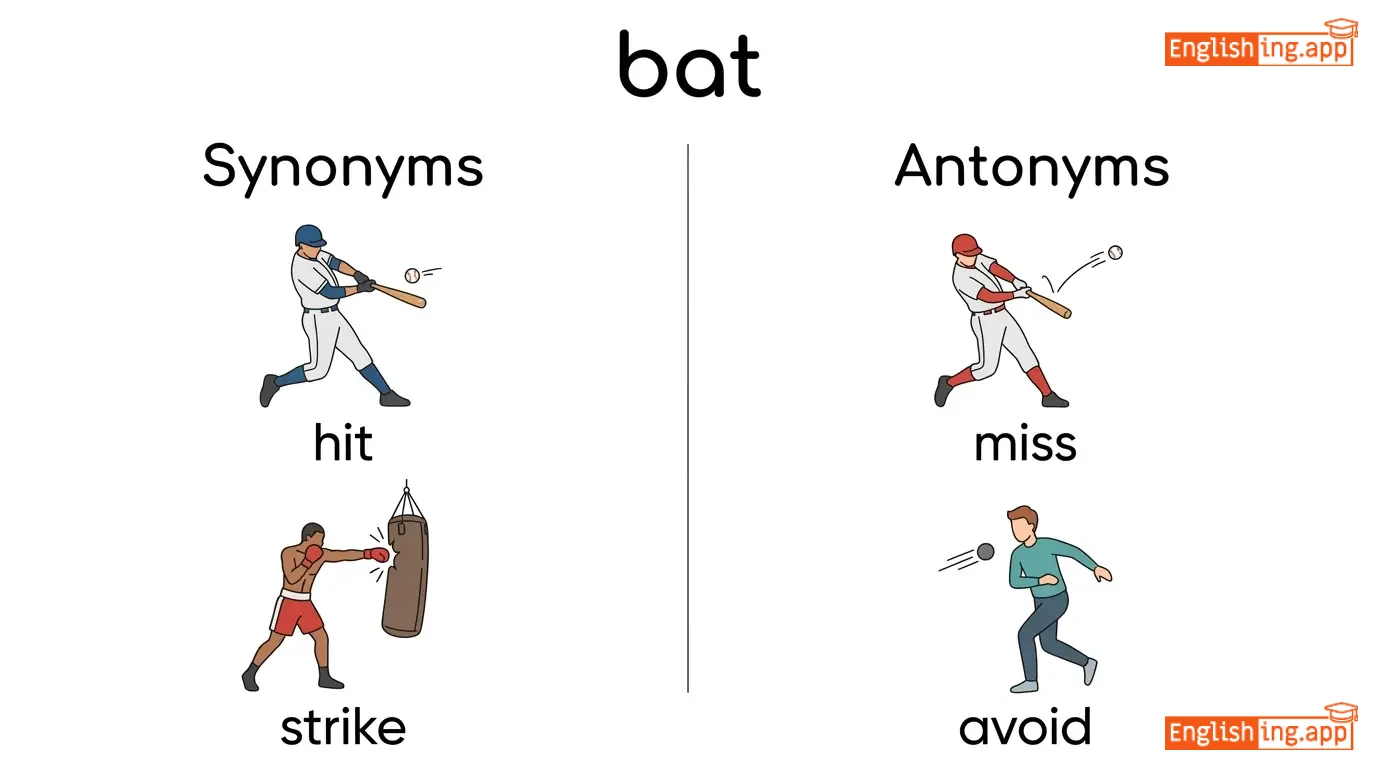
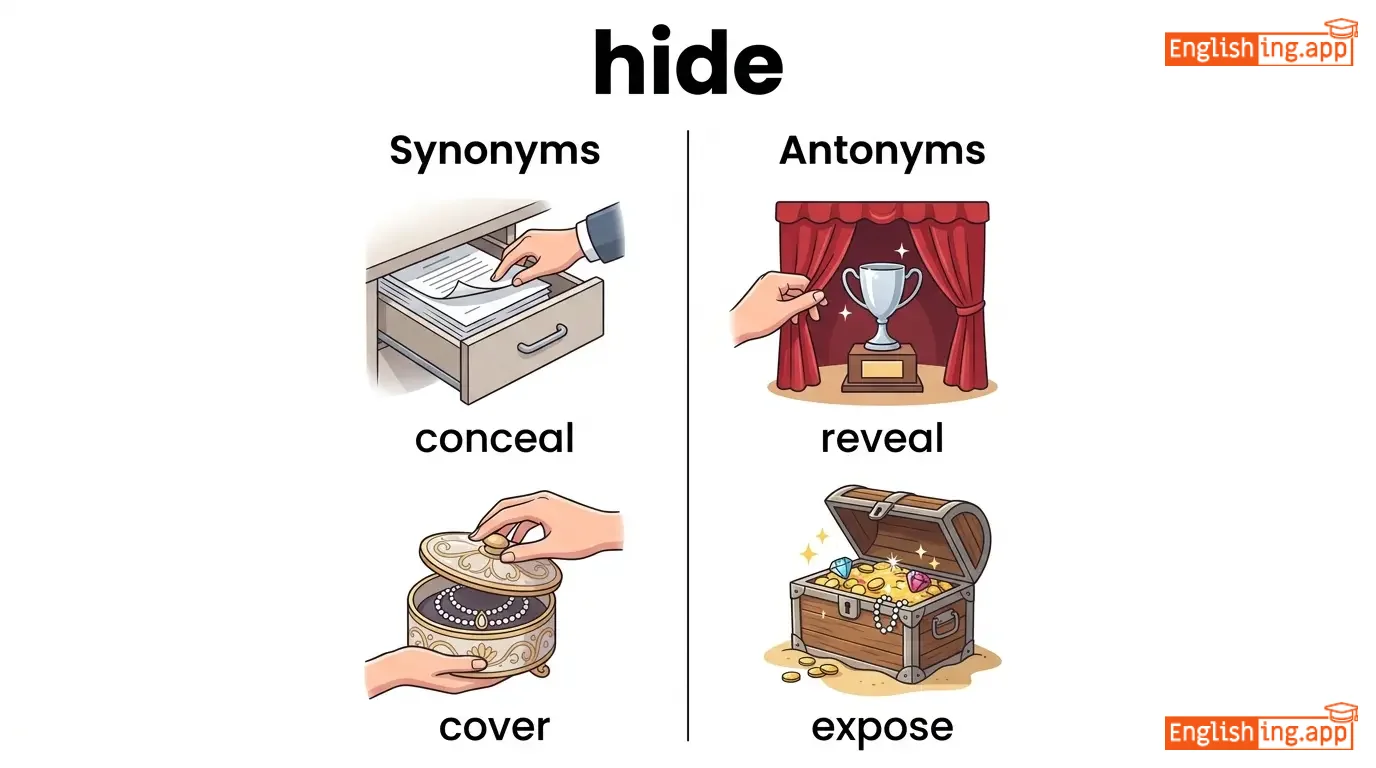
Синонимы
Антонимы
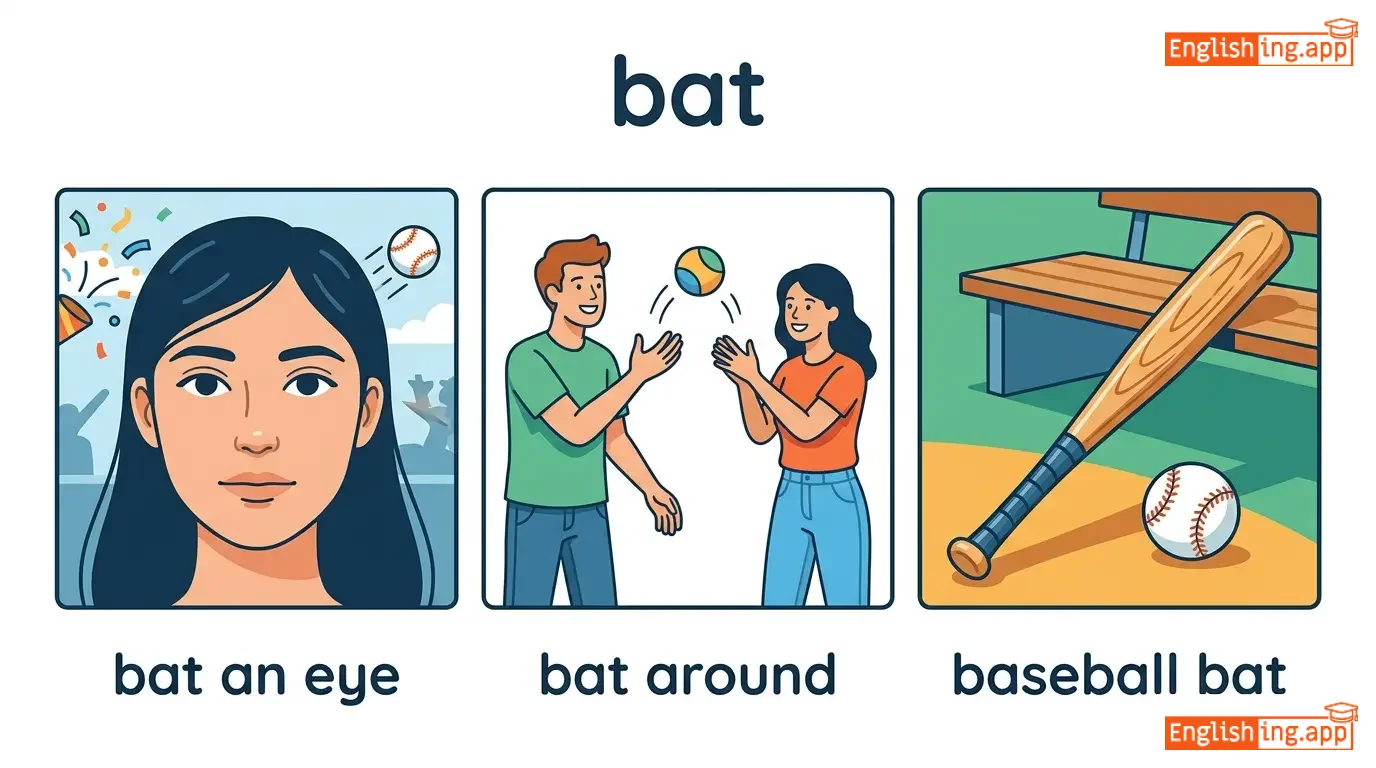
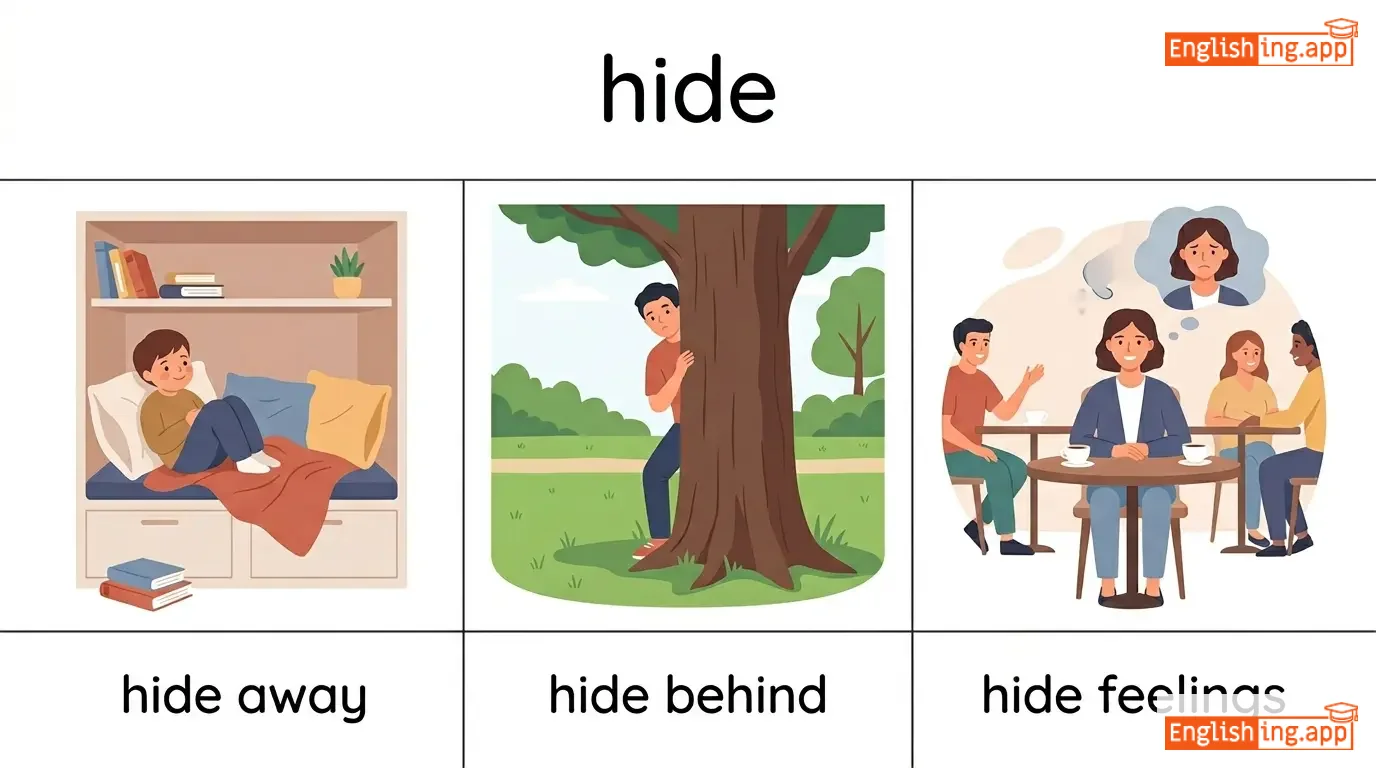
Коллокации
Мнемоника

Swipe left or right, or use the buttons. Tap image to zoom.
Обновитесь для доступа ко всем предложениям
Получите неограниченный доступ ко всем предложениям с подпиской Pro
Обновить до ProПеревод примера предложения
Слово
Lesson 1: Names of AnimalsLesson 1: Names of Animals - Переключатель маски
|
Эмодзи
|
Слово | Images | Перевод | Значение | Пример предложения | Перевод примера предложения | Синонимы | Антонимы | Коллокации | Мнемоника |
|---|---|---|---|---|---|---|---|---|---|---|
|
#1
🦊
|
/fɒks/
noun
(foks)
••••••
|
- •••••• |
лиса
lisa
••••••
|
a wild animal related to dogs, with a pointed face and thick fur
••••••
|
The red fox is known for its cunning nature.
Красная лиса известна своей хитрой природой.
••••••
|
Красная лиса известна своей хитрой природой.
Krasnaya lisa izvestna svoey khitroy prirodoy.
••••••
|
vixen
••••••
|
- •••••• |
red fox, arctic fox, fox hunt, cunning fox
••••••
|
Лиса всегда хитра и ловка, она знает, как добиться своего.
••••••
|
|
#2
🐒
|
/læŋ'ɡʊər/
noun
(лангур)
••••••
|
- •••••• |
лангур
langur
••••••
|
a long-tailed monkey found in Asia, especially India and Southeast Asia
••••••
|
The langoor was sitting on the tree branch eating fruits.
Лангур сидел на ветке дерева, поедая фрукты.
••••••
|
Лангур сидел на ветке дерева, поедая фрукты.
Langur siddel na vetke dereva, poyedaya frukty.
••••••
|
monkey, primate, ape
••••••
|
- •••••• |
gray langoor, leaf monkey, langoor troop
••••••
|
Langur sounds like 'long' and 'gore' – this long-tailed monkey is the 'gore' of forests.
••••••
|
|
#3
🐆
|
/ˈlep.ərd/
noun
(леопард)
••••••
|
- •••••• |
леопард
leopard
••••••
|
a large wild cat with yellow fur and black spots
••••••
|
The leopard climbed the tree to rest in the shade. |
Леопард забрался на дерево, чтобы отдохнуть в тени.
Leopard zabral'sya na derevo, chtoby otdokhnut' v teni.
••••••
|
panther, big cat
••••••
|
- •••••• |
snow leopard, leopard print, leopard spots
••••••
|
Представьте леопарда, отдыхающего в тени дерева.
••••••
|
|
#4
🦔
|
/moʊl/
noun
(мол)
••••••
|
- •••••• |
крот
krot
••••••
|
a small burrowing mammal with tiny eyes and soft fur
••••••
|
The mole dug tunnels under the garden. |
Крот вырыл туннели под садом.
Krot vyryl tunneli pod sadom.
••••••
|
shrew
••••••
|
- •••••• |
mole hill, garden mole, underground mole
••••••
|
Think of the 'krot' digging tunnels under the garden like a mole!
••••••
|
|
#5
🦫
|
/ˈmɒŋ.ɡuːs/
noun
(монгуc)
••••••
|
- •••••• |
мангуст
mangust
••••••
|
a small carnivorous mammal known for its ability to kill venomous snakes
••••••
|
The mongoose quickly attacked the cobra to protect its young. |
Мангуста быстро напала на кобру, чтобы защитить своих детёнышей.
Mangusta bystro napala na kobru, chtoby zashchitit' svoikh detyonyshey.
••••••
|
ichneumon
••••••
|
- •••••• |
mongoose family, mongoose attack, wild mongoose
••••••
|
Mangust: Imagine a mongoose eating mangos and defending its young from a cobra.
••••••
|
|
#6
🐴
|
/huːf/
noun
(хув)
••••••
|
- •••••• |
копыто
kopyto
••••••
|
the hard part covering the foot of horses, cattle, sheep, and other animals
••••••
|
The horse's hoof was injured after stepping on a sharp rock. |
Копыто лошади было повреждено после того, как оно наступило на острый камень.
Kopyto loshadi bylo povrezhdeno posle togo, kak ono nastupilo na ostryy kamen'.
••••••
|
foot, ungula
••••••
|
paw, claw
••••••
|
horse hoof, cloven hoof, hoof print, hoof care
••••••
|
Копыто защищает стопу лошади, как броня.
••••••
|
|
#7
🦌
|
/fɔːn/
noun
(фоун)
••••••
|
- •••••• |
олененок
olenyonok
••••••
|
a young deer; a light yellowish-brown color
••••••
|
The mother deer protects her fawn from predators. |
Мать-олень защищает своего олененка от хищников.
Mat'-olen' zashchishchayet svoego olenenka ot khishchnikov.
••••••
|
young deer, baby deer
••••••
|
adult deer, stag, doe
••••••
|
newborn fawn, spotted fawn, fawn color
••••••
|
Олененок скачет рядом с мамой в лесу.
••••••
|
|
#8
🦦
|
/ˈɒt.ər/
noun
(оттер)
••••••
|
- •••••• |
выдра
vyra
••••••
|
a mammal with webbed feet that lives near water and feeds on fish
••••••
|
The playful otter swam gracefully in the river.
Игривая выдра плавала грациозно в реке.
••••••
|
Игривая выдра плавала грациозно в реке.
Igrivaya vydra plavala gratsiozno v reke.
••••••
|
sea otter, river otter
••••••
|
- •••••• |
sea otter, river otter, otter den, otter family
••••••
|
Выдра: Водный Яхтсмен Дружелюбно Растворяет Атмосферу
••••••
|
|
#9
🐷
|
/pɪɡ/
noun
(pig)
••••••
|
- •••••• |
свинья
svinya
••••••
|
a domestic farm animal with a short curly tail and a flat nose
••••••
|
The farmer fed the pig in the pen.
Фермер кормил свинью в загоне.
••••••
|
Фермер кормил свинью в загоне.
Fermer kormil svinyu v zagone.
••••••
|
swine, hog, boar
••••••
|
- •••••• |
pig farm, guinea pig, pig pen
••••••
|
Svinya means pig, which is like ‘sin’, referring to its dirty nature.
••••••
|
|
#10
🐂
|
/ˈbʊl.ək/
noun
(буллок)
••••••
|
- •••••• |
бык
byk
••••••
|
a young bull; a castrated bull used for farm work
••••••
|
The farmer used a bullock to plow the field.
Фермер использовал бычка для вспашки поля.
••••••
|
Фермер использовал быка для вспашки поля.
Fermyer ispol'zoval byka dlya vspashki polya.
••••••
|
ox, bull, steer
••••••
|
cow, heifer
••••••
|
bullock cart, bullock team, young bullock
••••••
|
Бык (bullock) помогает фермеру в работе на поле.
••••••
|
|
#11
🐃
|
/ˈbʌf.ə.loʊ/
noun
(buffalo)
••••••
|
- •••••• |
бизон
bizon
••••••
|
a large wild ox with heavy horns; American bison
••••••
|
The buffalo grazed peacefully in the meadow.
Буйвол пасся мирно на лугу.
••••••
|
Буйвол пасся мирно на лугу.
Builvol pasya mirno na lugu.
••••••
|
bison, ox, wild ox
••••••
|
- •••••• |
water buffalo, buffalo herd, buffalo meat
••••••
|
Буйвол с рогами, пасущийся на поле
••••••
|
|
#12
🐴
|
/ˈpoʊni/
noun
(пони)
••••••
|
- •••••• |
пони
poni
••••••
|
a small horse, typically under 14.2 hands high
••••••
|
The children enjoyed riding the gentle pony at the farm. |
Дети наслаждались ездой на мягком пони на ферме.
Deti naslazhdalis' yezdoy na myagkom poni na ferme.
••••••
|
small horse, colt, filly
••••••
|
stallion, mare
••••••
|
pony ride, Shetland pony, pony tail
••••••
|
Пони – это маленькая лошадка, которая мягкая
••••••
|
|
#13
🦁
|
/biːst/
noun
(бист)
••••••
|
- •••••• |
зверь
zver
••••••
|
a large or dangerous animal; a cruel or unpleasant person
••••••
|
The lion is a fierce beast of the jungle. |
Лев — это свирепый зверь джунглей.
Lev — eto svirepyj zver dzhunglej.
••••••
|
animal, creature, monster, brute
••••••
|
angel, saint, human
••••••
|
wild beast, savage beast, beast of burden
••••••
|
Beast = зверь, как лев в джунглях
••••••
|
|
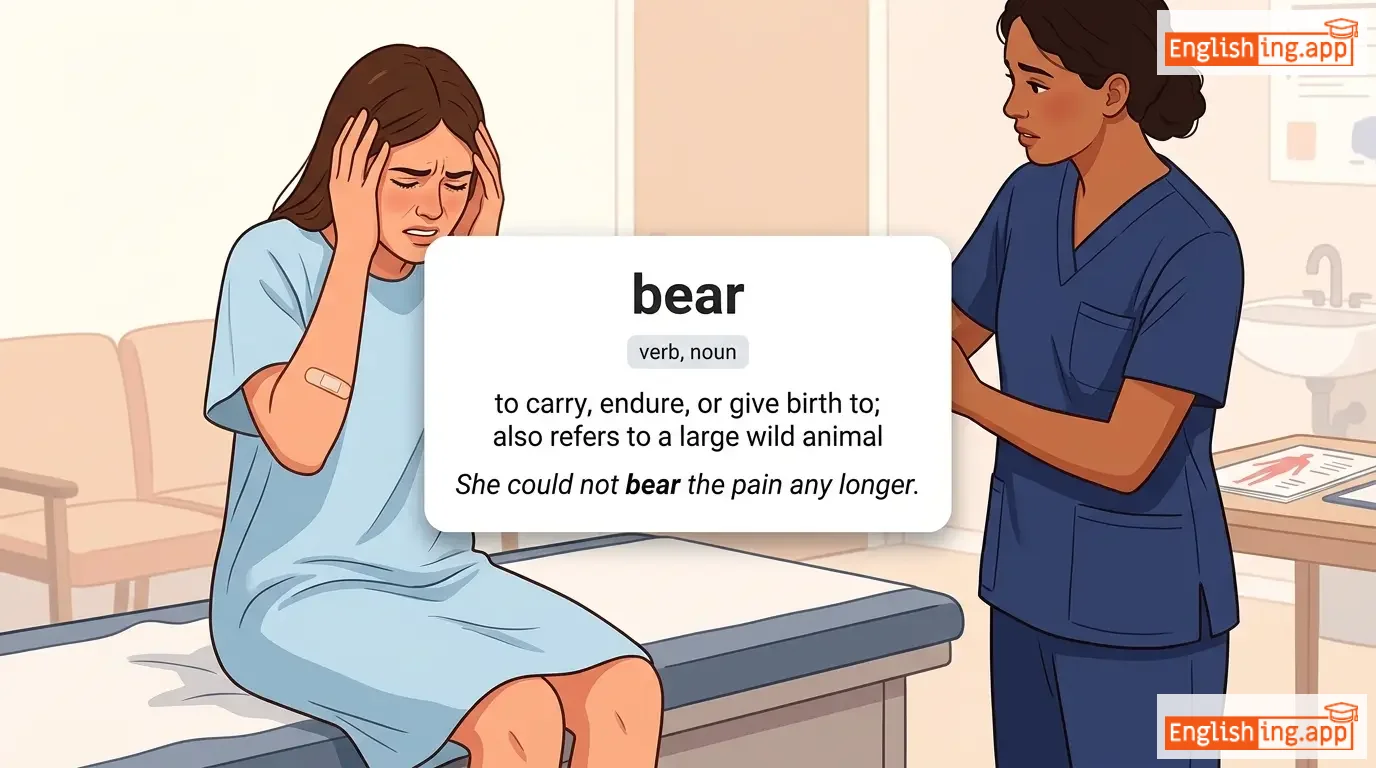
#14
🐻
|
/beər/
noun
(медведь)
••••••
|
|
медведь
medved
••••••
|
a large, heavy mammal with thick fur and a very short tail
••••••
|
The brown bear caught a fish from the river.
коричневый медведь поймал рыбу в реке.
••••••
|
коричневый медведь поймал рыбу в реке.
korichnevyy medved' poymal rybu v reke.
••••••
|
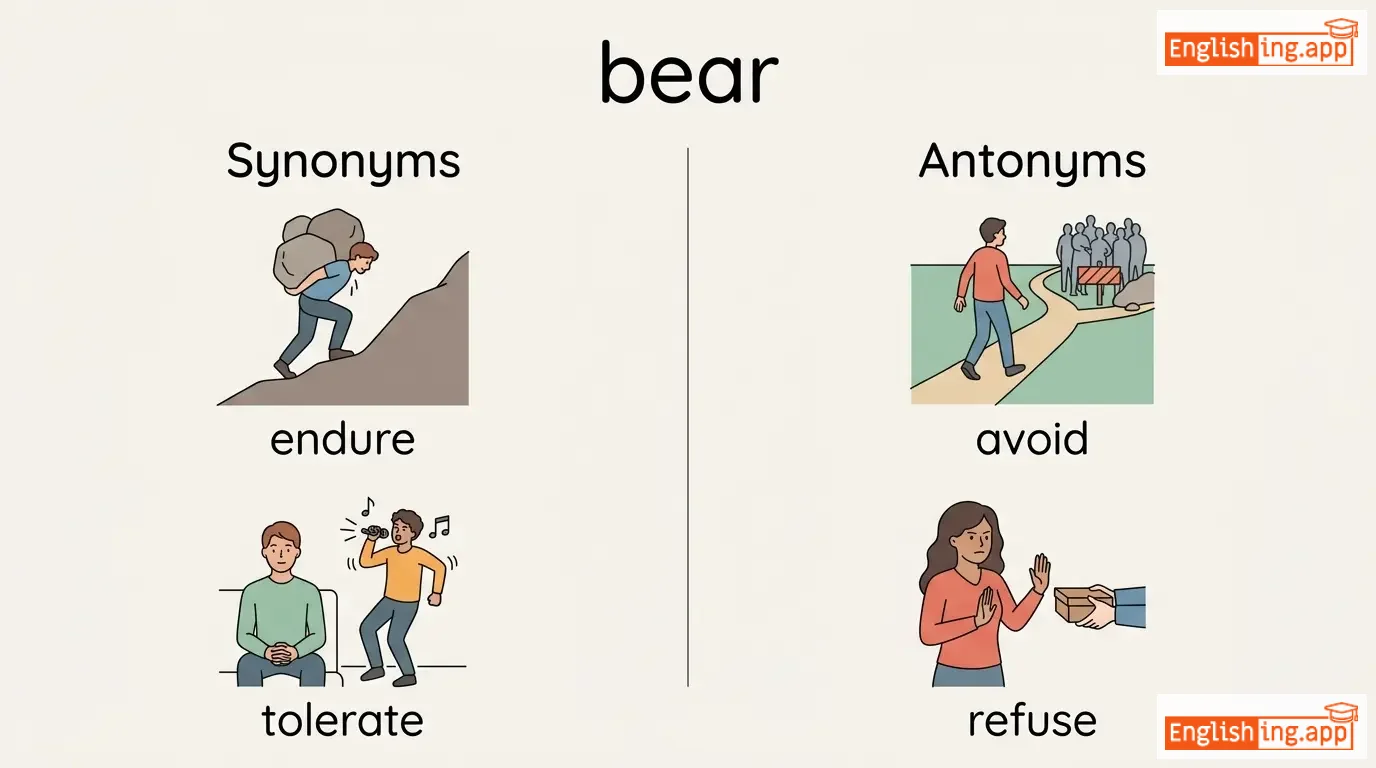
bruin, ursine
••••••
|
- •••••• |
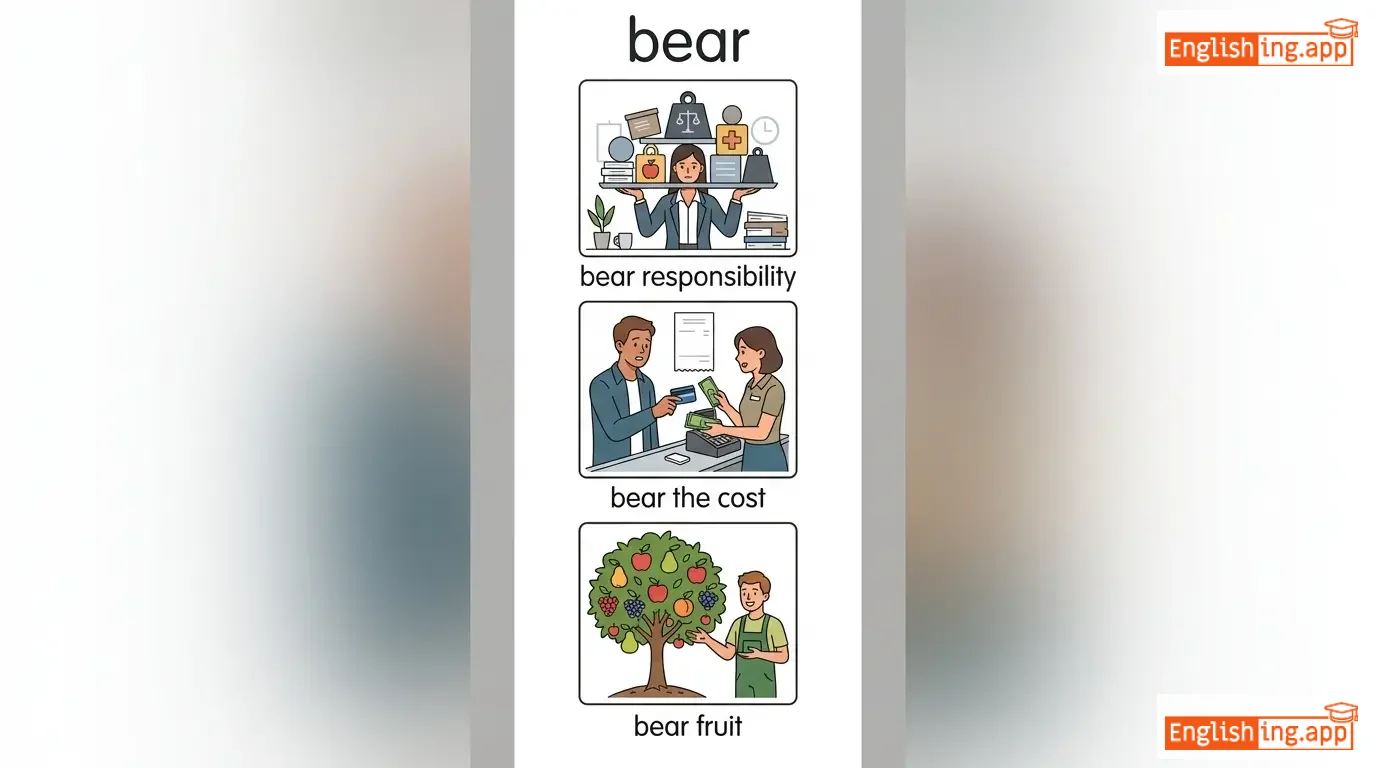
brown bear, polar bear, bear market, teddy bear
••••••
|
Медведь любит ловить рыбу в реках и озерах.
••••••
|
|
#15
🦇
|
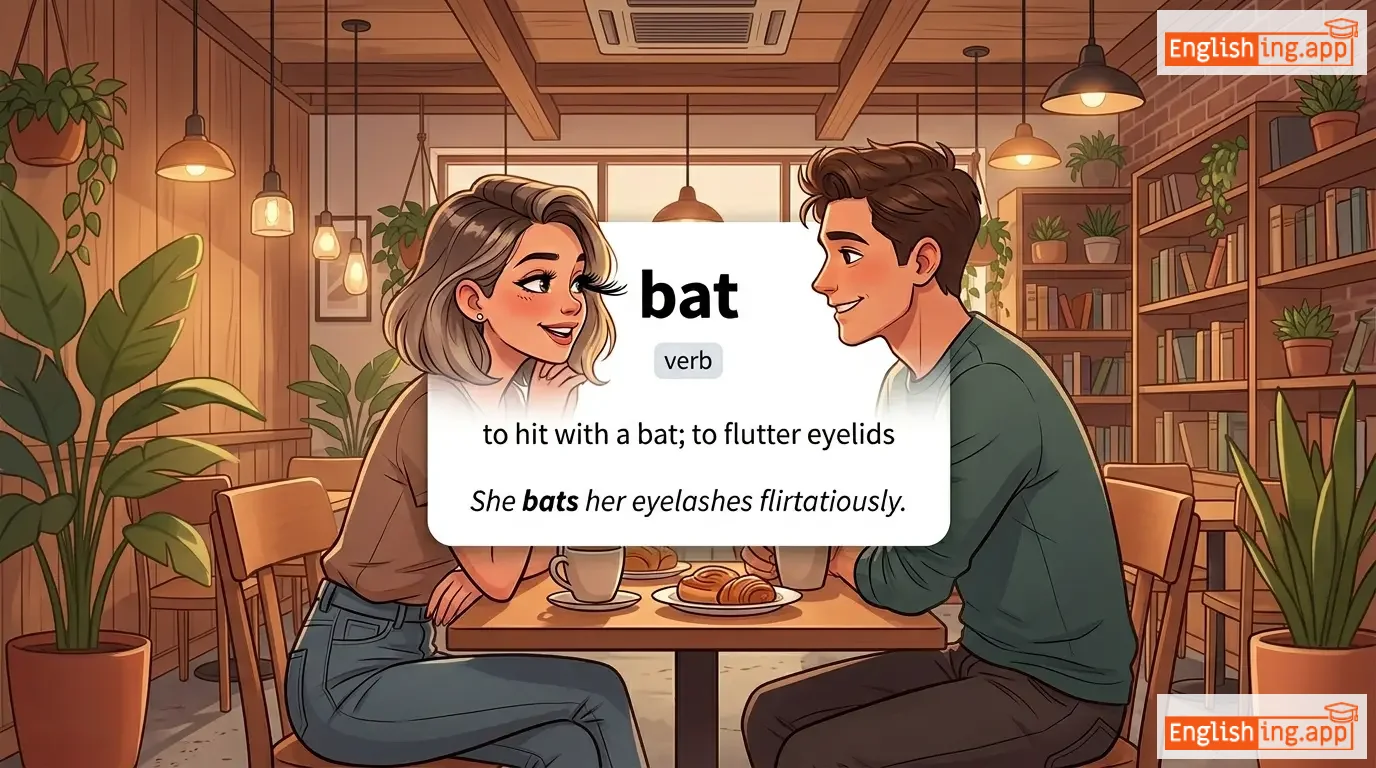
/bæt/
noun
(бэт)
••••••
|
|
летучая мышь
letuchaya mysh
••••••
|
a flying mammal that is active at night; a wooden stick used in sports like baseball
••••••
|
The bat flew out of the cave at sunset.
Летучая мышь вылетела из пещеры на закате.
••••••
|
Летучая мышь вылетела из пещеры на закате.
Letuchaya mysh vyletela iz peshchery na zakate.
••••••
|
flying fox, club, stick
••••••
|
- •••••• |
baseball bat, cricket bat, bat cave, vampire bat
••••••
|
Летучая мышь на английском называется Bat, и то же слово используется для биты в бейсболе.
••••••
|
|
#16
🐿️
|
/ˈskwɪr.əl/
noun
(skvir-el)
••••••
|
- •••••• |
белка
belka
••••••
|
a small agile tree-dwelling rodent with a long bushy tail
••••••
|
The squirrel gathered nuts for winter. |
Белка собирала орехи для зимы.
Belka sobirala orekhi dlya zimy.
••••••
|
rodent, tree rat
••••••
|
- •••••• |
red squirrel, grey squirrel, flying squirrel, tree squirrel
••••••
|
Белка легко вспоминается как 'белый' и 'ка', как белые хвосты, которые она носит.
••••••
|
|
#17
🦧
|
/ɔːˈræŋ.ʊˌtæŋ/
noun
(орангутан)
••••••
|
- •••••• |
орангутан
orangutan
••••••
|
a large arboreal ape with long reddish hair, long arms, and hooked hands and feet, native to Borneo and Sumatra
••••••
|
The orangutan swings gracefully through the forest canopy.
Орангутан изящно качается через верхушки деревьев.
••••••
|
Орангутан изящно качается через верхушки деревьев.
Orangutan izyashchno kachayetsya cherez verkhushki derev'yev.
••••••
|
orangutan, great ape, primate
••••••
|
- •••••• |
Bornean orangutan, Sumatran orangutan, baby orangutan, wild orangutan
••••••
|
Think of an orangutan swinging smoothly between trees like a gymnast.
••••••
|
|
#19
🐺
|
/haɪˈiː.nə/
noun
(хие́на)
••••••
|
- •••••• |
гиена
giena
••••••
|
a wild animal of Africa and Asia that looks like a dog and makes a sound like laughter
••••••
|
The hyena laughed in the darkness of the night.
Гиена смеялась в темноте ночи.
••••••
|
Гиена смеялась в темноте ночи.
Giena smejalas' v temnote nochi.
••••••
|
- •••••• | - •••••• |
spotted hyena, hyena pack, hyena laugh
••••••
|
Гиена - дикий смех в темноте ночи.
••••••
|
|
#20
🐰
|
/heə(r)/
noun
(khyer)
••••••
|
- •••••• |
заяц
zayats
••••••
|
a fast-running long-eared mammal that resembles a large rabbit
••••••
|
The hare quickly ran across the field.
Заяц быстро пробежал через поле.
••••••
|
Заяц быстро пробежал через поле.
Zayats bystro probezhal cherez pole
••••••
|
rabbit, bunny
••••••
|
tortoise
••••••
|
wild hare, hare and hounds, march hare
••••••
|
Hare in English sounds like 'khyer', and in Russian, 'заяц' means hare
••••••
|
|
#21
🐱
|
/ˈkɪt.ən/
noun
(киттен)
••••••
|
- •••••• |
котёнок
kotyonok
••••••
|
a young cat
••••••
|
The little kitten loves to play with yarn balls. |
Маленький котёнок любит играть с клубками пряжи.
Malen'kiy kotyonok lyubit igrat' s klubkami priazhi.
••••••
|
young cat, baby cat, kitty
••••••
|
adult cat, old cat
••••••
|
playful kitten, newborn kitten, fluffy kitten
••••••
|
Котёнок — это маленький кот, который играет с нитками и радуется.
••••••
|
|
#22
🐴
|
/meər/
noun
(маре)
••••••
|
- •••••• |
кобыла
kobyla
••••••
|
an adult female horse
••••••
|
The beautiful mare galloped across the meadow.
красивая маре галопировала по лугу.
••••••
|
Красивая кобыла галопировала по лугу.
Krasivaya kobyla galopirovala po lugu.
••••••
|
female horse, filly
••••••
|
stallion, gelding
••••••
|
brood mare, racing mare, young mare, mare and foal
••••••
|
Кобыла — взрослая лошадь, бегущая по лугу.
••••••
|
|
#23
🐵
|
/ˈmʌŋki/
noun
(монаки)
••••••
|
- •••••• |
обезьяна
obez'yana
••••••
|
a primate mammal that typically has a long tail and lives in trees
••••••
|
The monkey swung from branch to branch in the jungle.
Обезьяна прыгала с ветки на ветку в джунглях.
••••••
|
Обезьяна прыгала с ветки на ветку в джунглях.
Obez'yana prygala s vetki na vetku v dzhunglyakh.
••••••
|
primate, ape, simian
••••••
|
- •••••• |
monkey business, spider monkey, howler monkey
••••••
|
Obez'yana is Russian for monkey and can be remembered for its playful, swinging nature.
••••••
|
|
#24
🐜
|
/ænt/
noun
(энт)
••••••
|
- •••••• |
муравей
muravey
••••••
|
a small insect that lives in organized colonies and is known for hard work
••••••
|
The ant carried a crumb that was twice its size. |
Муравей пронес крошку, которая была в два раза больше его размера.
Muravey prones kroshku, kotoraya byla v dva raza bol'she yevo razmera
••••••
|
insect, worker ant
••••••
|
- •••••• |
ant colony, fire ant, worker ant, ant hill, busy as an ant
••••••
|
Муравьи - отличные трудяги.
••••••
|
|
#25
🐻❄️
|
/ˈpoʊ.lər beər/
noun
(pó-lər bɛər)
••••••
|
- •••••• |
белый медведь
bely medved
••••••
|
a large white bear that lives in the Arctic regions
••••••
|
The polar bear swims in the icy Arctic waters.
Белый медведь плавает в ледяных водах Арктики.
••••••
|
Белый медведь плавает в ледяных водах Арктики.
Belyy medved' plavayet v lyedyanykh vodakh Arktiki.
••••••
|
white bear, Arctic bear
••••••
|
- •••••• |
polar bear habitat, polar bear cubs, polar bear population
••••••
|
Белый медведь живет в холодной Арктике, как ледяные воды, в которых он плавает.
••••••
|
|
#26
🦔
|
/ˈpɔːr.kjə.paɪn/
noun
(porkyupain)
••••••
|
- •••••• |
Ежовик
Yezhovik
••••••
|
a large rodent with defensive spines or quills on its body
••••••
|
The porcupine raised its quills when threatened.
Дикобраз поднял свои иглы, когда почувствовал угрозу.
••••••
|
Ежовик поднял свои иглы, когда почувствовал угрозу.
Yezhovik podnyal svoi igly, kogda pochuvstvoval ugrozu.
••••••
|
hedgehog, quill pig
••••••
|
- •••••• |
porcupine quills, North American porcupine, porcupine defense
••••••
|
Ежовик: Ёжик, защитный, иглы.
••••••
|
|
#27
🐕
|
/teɪl/
noun
(teyl)
••••••
|
- •••••• |
хвост
khvost
••••••
|
the rear part of an animal that extends from the back or bottom
••••••
|
The dog wagged its tail happily when it saw its owner. |
Собака радостно махала хвостом, когда увидела своего хозяина.
Sobaka radostno makhala khvostom, kogda uvidela svoego khozyaina.
••••••
|
rear, end, appendage
••••••
|
head, front
••••••
|
dog tail, long tail, wagging tail, tail feathers
••••••
|
Khvost = tail in Russian, and both wag happily!
••••••
|
|
#28
🦌
|
/dɪər/
noun
(диэр)
••••••
|
- •••••• |
олень
olen'
••••••
|
a graceful wild animal with antlers, especially the male
••••••
|
We saw a beautiful deer grazing in the meadow. |
Мы видели красивого оленя, пасущегося на лугу.
My videli krasivogo olenya, pasushchegosya na lugu.
••••••
|
stag, doe, buck
••••••
|
- •••••• |
wild deer, deer hunting, deer park
••••••
|
Олень - как и deer, с красивыми рогами
••••••
|
|
#29
🐄
|
/kæf/
noun
(кæф)
••••••
|
- •••••• |
теленок
telenok
••••••
|
a young cow or bull; young of various large mammals
••••••
|
The calf stayed close to its mother. |
Теленок остался рядом с матерью.
Telenok ostalsya ryadom s mater'yu.
••••••
|
young cow, baby cow
••••••
|
bull, cow
••••••
|
newborn calf, calf muscle, golden calf
••••••
|
A calf (теленок) always stays close to its mother in the field.
••••••
|
|
#30
🐘
|
/ˈel.ɪ.fənt/
noun
(элефант)
••••••
|
- •••••• |
слон
slon
••••••
|
a very large gray mammal with long curved teeth and a long nose called a trunk
••••••
|
The elephant is the largest land animal in the world. |
Слон - самое большое наземное животное на Земле.
Slon - samoye bol'shoye nazyemnoe zhivotnoye na Zemle.
••••••
|
pachyderm, jumbo
••••••
|
mouse, ant
••••••
|
baby elephant, elephant trunk, elephant herd
••••••
|
Slon - The Russian word 'slon' sounds like 'elephant'!
••••••
|
|
#31
🫏
|
/æs/
noun
(хэс)
••••••
|
- •••••• |
осел
osel
••••••
|
a donkey; a small domesticated animal of the horse family
••••••
|
The farmer used an ass to carry heavy loads. |
Фермер использовал осла для перевозки тяжелых грузов.
Fermyer ispol'zoval osla dlya perevozki tyazhelykh gruzov
••••••
|
donkey, mule
••••••
|
- •••••• |
wild ass, pack ass, stubborn as an ass
••••••
|
осел напоминает 'osel', простое и понятное животное
••••••
|
|
#32
🐾
|
/'æn.ɪ.məl/
noun
(энимал)
••••••
|
- •••••• |
животное
zhivotnoe
••••••
|
a living creature that feeds on organic matter, typically having specialized sense organs and nervous system and able to respond rapidly to stimuli
••••••
|
The zoo has many different animals from around the world. |
В зоопарке много разных животных со всего мира.
V zooparke mnogo raznykh zhivotnykh so vsego mira.
••••••
|
creature, beast, organism, living being
••••••
|
plant, mineral, inanimate object
••••••
|
wild animal, domestic animal, animal kingdom, animal behavior
••••••
|
Животное на русском как живот, вспомните зоопарк и его жителей.
••••••
|
|
#33
🐐
|
/ɡoʊt/
noun
(коза)
••••••
|
- •••••• |
коза
koza
••••••
|
a farm animal with horns that gives milk and meat
••••••
|
The farmer keeps goats for their milk and cheese. |
Фермер держит коз для молока и сыра.
Fermer derzhit koz dlya moloka i syra.
••••••
|
kid, billy goat, nanny goat
••••••
|
sheep, cow
••••••
|
mountain goat, goat milk, goat cheese
••••••
|
Коза – рогатое животное, которое даёт молоко и мясо.
••••••
|
|
#34
🦁
|
/ˈlaɪ.ən/
noun
(лайон)
••••••
|
- •••••• |
лев
lev
••••••
|
a large tawny-colored cat that lives in prides, found in Africa and northwestern India
••••••
|
The lion roared loudly in the savanna. |
Лев громко рычал в саванне.
Lev gromko rychal v savanne
••••••
|
big cat, king of beasts, feline
••••••
|
- •••••• |
lion pride, male lion, female lion, lion cub, African lion
••••••
|
Lev (Lion) - Picture a lion roaring loudly in the African savanna
••••••
|
|
#35
🦍
|
/bəˈbuːn/
noun
(бабуин)
••••••
|
- •••••• |
бабуин
babuin
••••••
|
a large African and Arabian primate with a dog-like snout and colorful buttocks
••••••
|
The baboon troop gathered around the watering hole in the savanna.
Группа бабуинов собралась вокруг водяной ямы в саванне.
••••••
|
Группа бабуинов собралась вокруг водяной ямы в саванне.
Gruppa babuinov sobralas' vokrug vodyanoi iamy v savanne.
••••••
|
primate, ape
••••••
|
- •••••• |
baboon troop, olive baboon, sacred baboon
••••••
|
Как папа с мордой собаки, так и бабуин с ярким задом!
••••••
|
|
#36
🐶
|
/ˈpʌp.i/
noun
(pappi)
••••••
|
- •••••• |
щенок
shchenok
••••••
|
a young dog
••••••
|
The puppy wagged its tail when it saw its owner.
Щенок махал хвостом, когда увидел своего владельца.
••••••
|
Щенок махал хвостом, когда увидел своего владельца.
Shchenok makhal khvostom, kogda uvidel svoego vladeletsa.
••••••
|
young dog, baby dog, pup
••••••
|
adult dog, old dog
••••••
|
cute puppy, small puppy, energetic puppy
••••••
|
Щенок - это маленькая собака, которая всегда веселая и активная.
••••••
|
|
#37
🐐
|
/kɪd/
noun
(кид)
••••••
|
- •••••• |
козлёнок
kozlyonok
••••••
|
a young goat; informal term for a child
••••••
|
The mother goat watched over her kid in the field. |
Мать-коза присматривала за своим козлёнком в поле.
Mat'-koza prismatrivala za svoim kozlyonkom v pole.
••••••
|
young goat, baby goat
••••••
|
adult goat, buck, doe
••••••
|
goat kid, baby kid, young kid
••••••
|
In Russia, a kid (козлёнок) is a baby goat!
••••••
|
|
#38
🦘
|
/ˌkæŋ.ɡəˈruː/
noun
(кенгуру)
••••••
|
- •••••• |
кенгуру
kenguru
••••••
|
a large marsupial from Australia that moves by hopping on its strong hind legs
••••••
|
The kangaroo jumped high with its joey in its pouch.
Кенгуру прыгнуло высоко с детёнышем в сумке.
••••••
|
Кенгуру прыгнуло высоко с детёнышем в сумке.
Kenguru prygnyulo vysoko s detyonyshem v sumke
••••••
|
roo, marsupial
••••••
|
- •••••• |
red kangaroo, baby kangaroo, kangaroo pouch, kangaroo hop
••••••
|
Представь кенгуру, которое прыгает с детёнышем в сумке.
••••••
|
|
#40
🦛
|
/ˌhɪp.əˈpɒt.ə.məs/
noun
(гиппопотам)
••••••
|
- •••••• |
гиппопотам
gippopotam
••••••
|
a large, mostly herbivorous mammal that lives in and around water in Africa
••••••
|
The hippopotamus spends most of its day in the water. |
Гиппопотам проводит большую часть дня в воде.
Gippopotam proyodit bol'shuyu chast' dnya v vode
••••••
|
hippo, river horse
••••••
|
land animal, desert animal
••••••
|
hippo pool, baby hippo, wild hippopotamus
••••••
|
Гиппопотам (gippopotam) любит воду, он большую часть времени проводит в воде.
••••••
|
|
#41
🦌♀️
|
/haɪnd/
noun
(haind)
••••••
|
- •••••• |
оленица
olenitsa
••••••
|
a female deer, especially a red deer
••••••
|
The hind protected her fawn from predators. |
Оленица защитила своего олененка от хищников.
Olenitsa zashchitila svoego olenenka ot khishchnikov.
••••••
|
doe, female deer
••••••
|
stag, buck
••••••
|
red hind, hind and calf, protective hind
••••••
|
Оленица (Olenitsa) sounds like 'hind' and is a female deer.
••••••
|
|
#42
🦎
|
/haɪd/
noun
(хайд)
••••••
|
|
кожа животного
kozha zhivotnogo
••••••
|
the skin of an animal; to conceal oneself or something from view
••••••
|
The leather jacket was made from cowhide. |
Кожаная куртка была сделана из коровьей кожи.
Kozhanaya kurtka byla sdelana iz korov'yej kozhi.
••••••
|
skin, pelt, leather, fur
••••••
|
reveal, show, expose
••••••
|
animal hide, cowhide, hide and seek, tanned hide
••••••
|
Прячься под кожей животного, чтобы скрыться от глаз.
••••••
|
|
#43
🦔
|
/ˈhedʒhɒɡ/
noun
(хеджхог)
••••••
|
- •••••• |
ёж
yozh
••••••
|
a small mammal with a spiny coat that can roll into a ball for defense
••••••
|
The hedgehog rolled into a ball when it felt threatened.
Ёж скатился в клубок, когда почувствовал угрозу.
••••••
|
Ёж скатился в клубок, когда почувствовал угрозу.
Yozh skatilsya v klubok, kogda pochuvstvoval ugrozu.
••••••
|
porcupine
••••••
|
- •••••• |
garden hedgehog, baby hedgehog, hedgehog habitat
••••••
|
Ёж свернется в клубок, когда его угрожает опасность.
••••••
|
|
#44
🐗
|
/waɪld bɔːr/
noun
(waɪld bɔːr)
••••••
|
- •••••• |
дикая свинья
dikaya svin'ya
••••••
|
a wild pig that lives in forests and has long curved teeth
••••••
|
The wild boar ran through the forest quickly.
Дикая свинья быстро побежала через лес.
••••••
|
Дикая свинья быстро побежала через лес.
dikaya svin'ya bystro pobezhal cherez les
••••••
|
wild pig, forest hog
••••••
|
domestic pig
••••••
|
wild boar hunting, boar tusks, forest boar
••••••
|
Dikaya svin'ya kak wild boar
••••••
|
|
#45
👩🦱
|
/heər/
noun
(heir)
••••••
|
- •••••• |
волосы
volosy
••••••
|
fine strands growing from the skin of humans and animals
••••••
|
She brushed her long hair before going to bed.
Она причесала свои длинные волосы перед тем, как лечь спать.
••••••
|
Она причесала свои длинные волосы перед тем, как лечь спать.
Ona prichesala svoi dlinniye volosy pered tem, kak lech spat'.
••••••
|
locks, mane, tresses
••••••
|
baldness
••••••
|
long hair, curly hair, hair color, hair care
••••••
|
Волосы требуют внимания и ухода.
••••••
|
|
#46
🐕
|
/ˈɡreɪ.haʊnd/
noun
(ɡreɪhaʊnd)
••••••
|
- •••••• |
грейхаунд
grejkhaund
••••••
|
a tall, thin dog with long legs that can run very fast
••••••
|
The greyhound won the race at the dog track. |
Грейхаунд выиграл гонку на собачьей дорожке.
Grejkhaund vyigral gonku na sobach'yej dorozhke.
••••••
|
racing dog, sighthound
••••••
|
- •••••• |
greyhound racing, retired greyhound, greyhound bus
••••••
|
Грейхаунд - высокий и быстрый
••••••
|
|
#47
🦒
|
/dʒɪˈræf/
noun
(жираф)
••••••
|
- •••••• |
жираф
zhiraf
••••••
|
a very tall African animal with a long neck and long legs
••••••
|
The giraffe stretched its neck to reach the leaves on the tall tree. |
Жираф потянул свою шею, чтобы достать листья с высокого дерева.
Zhiraf potyanul svoyu sheyu, chtoby dostat' list'ya s vysokogo dereva.
••••••
|
camelopard
••••••
|
- •••••• |
tall giraffe, giraffe neck, baby giraffe
••••••
|
Think of a giraffe stretching its long neck to grab leaves from the tallest tree.
••••••
|
|
#48
🐅
|
/ˈtaɪ.ɡər/
noun
(тайгер)
••••••
|
- •••••• |
тигр
tigr
••••••
|
a very large solitary cat with a yellow-brown coat striped with black, native to the forests of Asia
••••••
|
The tiger hunted silently through the jungle. |
Тигр бесшумно охотился через джунгли.
Tigr beshumnо okhotilsya cherez dzhungli.
••••••
|
big cat, striped cat, feline
••••••
|
- •••••• |
Bengal tiger, Siberian tiger, white tiger, tiger stripes, tiger cub
••••••
|
Тигр — сила и молчание в лесах Азии.
••••••
|
|
#49
🦏
|
/raɪˈnɒs.ər.əs/
noun
(риноцерос)
••••••
|
- •••••• |
носорог
nosorog
••••••
|
a large, heavy animal with thick skin and one or two horns on its nose
••••••
|
The rhinoceros charged through the grassland.
Носорог мчался через степь.
••••••
|
Носорог мчался через степь.
Nosorog mchyalsya cherez stepy.
••••••
|
rhino
••••••
|
- •••••• |
black rhinoceros, white rhinoceros, rhinoceros horn
••••••
|
Носорог: большое животное с рогом
••••••
|
|
#50
🦌
|
/ˈreɪn.dɪər/
noun
(рэндиэр)
••••••
|
- •••••• |
северный олень
severnyy olen'
••••••
|
a large deer with branched horns that lives in cold northern areas
••••••
|
Santa's reindeer pulled his sleigh across the sky. |
Рождественский олень Санты вез его сани по небу.
Rozhdestvenskiy olen' Santi vez ego sani po nebu
••••••
|
caribou
••••••
|
- •••••• |
reindeer herder, flying reindeer, reindeer antlers
••••••
|
Олень с северными рогами
••••••
|
|
#51
🐀
|
/ræt/
noun
(рэт)
••••••
|
- •••••• |
крыса
krysa
••••••
|
a large long-tailed rodent that is typically considered a pest
••••••
|
The rat scurried across the kitchen floor. |
Крыса пробежала по кухонному полу.
Krysa probezhala po kukhonnomu polu.
••••••
|
rodent, vermin
••••••
|
cat, predator
••••••
|
sewer rat, lab rat, rat poison, rat trap
••••••
|
Крыса (krysa) всегда находит еду в темных уголках.
••••••
|
|
#52
🦓
|
/ˈzi.brə/
noun
(зебра)
••••••
|
- •••••• |
зебра
zebra
••••••
|
an African animal like a horse with black and white stripes
••••••
|
The zebra ran across the African savanna with its herd.
Зебра бегала по африканской саванне с своим стадом.
••••••
|
Зебра бегала по африканской саванне с своим стадом.
Zebra begala po afrikanskoy savanne s svoim stadom.
••••••
|
striped horse
••••••
|
- •••••• |
zebra crossing, zebra stripes, zebra herd
••••••
|
Зебра - это лошадь с черными и белыми полосами, похожая на африканское животное.
••••••
|
|
#53
🐱
|
/kæt/
noun
(кэт)
••••••
|
- •••••• |
кошка
koshka
••••••
|
a small domesticated carnivorous mammal with soft fur, a short snout, and retractile claws
••••••
|
The cat sat on the windowsill watching birds. |
Кошка сидела на подоконнике и наблюдала за птицами.
Koshka sidel na podokonnikye i nablyudala za ptitsami
••••••
|
feline, kitten, kitty
••••••
|
dog, canine
••••••
|
house cat, stray cat, cat food
••••••
|
Koshka means cat, watch it like a cat watching birds
••••••
|
|
#54
🐴
|
/mjuːl/
noun
(мьюл)
••••••
|
- •••••• |
мул
mul
••••••
|
the offspring of a donkey and a horse, used as a working animal
••••••
|
The farmer used a mule to carry heavy loads. |
Фермер использовал мула для транспортировки тяжелых грузов.
Fermyer ispol'zoval mula dlya transportirovki tyazhelykh gruzov.
••••••
|
hybrid, crossbreed
••••••
|
purebred
••••••
|
pack mule, stubborn mule, working mule
••••••
|
Мул — это осел и лошадь, которые работают вместе, чтобы помочь фермеру.
••••••
|
|
#55
🦍
|
/ɡəˈrɪl.ə/
noun
(горилла)
••••••
|
- •••••• |
горилла
gorilla
••••••
|
a large powerful ape found in the forests of central Africa
••••••
|
The gorilla beat its chest to show dominance.
Горилла ударила себя в грудь, чтобы продемонстрировать доминирование.
••••••
|
Горилла ударила себя в грудь, чтобы продемонстрировать доминирование.
Gorilla udarila sebya v grud', chtoby prodemonstrirovat' dominatsiyu.
••••••
|
ape, primate
••••••
|
- •••••• |
mountain gorilla, silverback gorilla, gorilla habitat
••••••
|
Горилла мощная и в лесу, как властелин.
••••••
|
|
#56
🐄
|
/kaʊ/
noun
(корова)
••••••
|
- •••••• |
корова
korova
••••••
|
a large farm animal kept for milk or meat
••••••
|
The cow produces fresh milk every morning.
Корова дает свежее молоко каждое утро.
••••••
|
Корова дает свежее молоко каждое утро.
Korova daet svejee moloko kazhdoe utro.
••••••
|
cattle, bovine, bull
••••••
|
goat, sheep
••••••
|
dairy cow, milk cow, cow pasture
••••••
|
Корова (корова) напоминает слово 'Cow' на английском языке, представьте себе как она блеет
••••••
|
|
#57
🐻
|
/kʌb/
noun
(каб)
••••••
|
- •••••• |
медвежонок
medvezhonok
••••••
|
a young bear, lion, tiger, or other large carnivorous mammal
••••••
|
The bear cub stayed close to its mother for protection. |
Медвежонок оставался рядом с матерью для защиты.
Medvezhonok ostavalsya ryadom s mater'yu dlya zashchity.
••••••
|
young bear, baby bear, whelp
••••••
|
adult bear, mature bear
••••••
|
bear cub, lion cub, tiger cub
••••••
|
Медвежонок = маленький медведь
••••••
|
|
#58
🐻
|
/fɜːr/
noun
(фэр)
••••••
|
- •••••• |
шерсть
sherst'
••••••
|
thick hair covering the body of animals
••••••
|
The cat's fur was soft and warm to touch.
Шерсть кошки была мягкой и теплой на ощупь.
••••••
|
Шерсть кошки была мягкой и теплой на ощупь.
Shersť koški byla myagkoy i teploy na oščup'.
••••••
|
coat, pelt, fleece
••••••
|
skin, hide
••••••
|
soft fur, animal fur, fur coat, thick fur
••••••
|
Шерсть - это мягкая, теплая защита для животных.
••••••
|
|
#59
🦁
|
/ˈlaɪ.ə.nəs/
noun
(ла́йəнəs)
••••••
|
- •••••• |
львица
l'vitsa
••••••
|
an adult female lion
••••••
|
The fierce lioness protected her cubs from danger. |
Яростная львица защитила своих детенышей от опасности.
Yarostnaya l'vitsa zashchitila svoikh detenyshikh ot opasnosti.
••••••
|
female lion
••••••
|
lion, male lion
••••••
|
lioness pride, hunting lioness, mother lioness, fierce lioness
••••••
|
No •••••• |
|
#60
🏠
|
/den/
noun
(ден)
••••••
|
- •••••• |
берлога, логово
berloga, logovo
••••••
|
a wild animal's lair or home; a small room used for relaxation
••••••
|
The bear returned to its den for winter hibernation.
Медведь вернулся в свою берлогу для зимней спячки.
••••••
|
Медведь вернулся в свою берлогу для зимней спячки.
Medved' vernulsya v svoyu berlogu dlya zimney spyachki.
••••••
|
lair, burrow, cave, hideout
••••••
|
open space, clearing
••••••
|
bear den, wolf den, den of thieves, family den
••••••
|
Представьте медведя в своей берлоге, отдыхая зимой.
••••••
|
|
#61
🐕
|
/dɔːɡ/
noun
(дɔɡ)
••••••
|
- •••••• |
собака
sobaka
••••••
|
a domesticated carnivorous mammal that is typically kept as a pet or for work
••••••
|
The loyal dog waited patiently for its owner to return home.
ðə лɔɪəl дɔɡ wейтэд пэйшентли фор ɪтс оʊнэр ту рɪтɜрн хоʊм.
••••••
|
Верная собака терпеливо ждала, когда её хозяин вернется домой.
Vernaya sobaka terpelivo zhdala, kogda yeyo khozyain vernetsya domoy.
••••••
|
canine, hound, mutt, pooch
••••••
|
cat
••••••
|
pet dog, guard dog, hunting dog, stray dog
••••••
|
Собака (dog) — верный друг человека.
••••••
|
|
#62
🐑
|
/juː/
noun
(yu)
••••••
|
- •••••• |
овца
ovtsa
••••••
|
a female sheep
••••••
|
The ewe gave birth to twin lambs.
Овца родила близнецов ягнят.
••••••
|
Овца родила близнецов ягнят.
Ovtsa rodila bliznetsov yagnjat.
••••••
|
female sheep
••••••
|
ram
••••••
|
pregnant ewe, mother ewe, ewe lamb
••••••
|
Ewe in Russian is 'овца', which refers to a female sheep.
••••••
|
|
#63
🐑
|
/læm/
noun
(лэм)
••••••
|
- •••••• |
ягненок
yagnenok
••••••
|
a young sheep; meat from a young sheep
••••••
|
The little lamb followed its mother everywhere.
Маленький ягненок следовал за своей матерью повсюду.
••••••
|
Маленький ягненок следовал за своей матерью повсюду.
Malen'kiy yagnenok sledoval za svoey mat'yu povsyudu.
••••••
|
young sheep, baby sheep
••••••
|
ewe, ram
••••••
|
spring lamb, lamb chop, innocent lamb
••••••
|
Ягненок, следящий за своей матерью.
••••••
|
|
#64
🐺
|
/wʊlf/
noun
(vulf)
••••••
|
- •••••• |
волк
volk
••••••
|
a wild carnivorous mammal which is the largest member of the dog family
••••••
|
The wolf howled at the full moon.
волк выл на полную луну.
••••••
|
Волк выл на полную луну.
Volk vyil na polnuyu lunu.
••••••
|
grey wolf, timber wolf, canine
••••••
|
sheep, prey animal, domestic dog
••••••
|
wolf pack, lone wolf, wild wolf
••••••
|
Волк = Volodja, как тот волк, что воет на луну.
••••••
|
|
#65
🐅
|
/ˈtaɪ.ɡrəs/
noun
(ˈtaɪɡrɛs)
••••••
|
- •••••• |
тигрица
tigritsa
••••••
|
an adult female tiger
••••••
|
The powerful tigress hunted silently through the jungle.
могущественная тигрица охотилась тихо через джунгли.
••••••
|
Могущественная тигрица охотилась тихо через джунгли.
Mogushchestvennaya tigritsa okhotilas' tikho cherez dzhungli.
••••••
|
female tiger
••••••
|
tiger, male tiger
••••••
|
hunting tigress, mother tigress, Bengal tigress, Siberian tigress
••••••
|
Тигрица - королева джунглей!
••••••
|
|
#66
🐸
|
/frɒɡ/
noun
(фрог)
••••••
|
- •••••• |
лягушка
lyagushka
••••••
|
a small amphibian animal that lives both in water and on land
••••••
|
The frog jumped from the lily pad into the pond.
Лягушка прыгнула с лилии в пруд.
••••••
|
Лягушка прыгнула с лилии в пруд.
Lyagushka prygnula s lilii v prud.
••••••
|
amphibian, toad
••••••
|
- •••••• |
tree frog, pond frog, frog legs
••••••
|
Лягушка прыгает с лилии в пруд.
••••••
|
|
#67
🦏
|
/hɔrn/
noun
(хорн)
••••••
|
- •••••• |
рог
rog
••••••
|
a hard pointed projection on the head of certain animals; a musical instrument
••••••
|
The rhinoceros used its horn to defend itself.
Носорог использовал свой рог, чтобы защититься.
••••••
|
Носорог использовал свой рог, чтобы защититься.
Nosorog ispol'zoval svoi rog, chtoby zashchitit'sya.
••••••
|
antler, tusk, trumpet
••••••
|
- •••••• |
rhino horn, bull horn, car horn, horn section
••••••
|
The Russian word 'рог' sounds like a rhino's horn!
••••••
|
|
#68
🐴
|
/hɔːrs/
noun
(хорс)
••••••
|
- •••••• |
лошадь
loshad
••••••
|
a large domesticated mammal used for riding and pulling loads
••••••
|
The horse galloped across the field with great speed. |
Лошадь галопом промчалась по полю с большой скоростью.
Loshad' galopom promchalas' po polyu s bol'shoy skorost'yu.
••••••
|
steed, mare, stallion
••••••
|
- •••••• |
wild horse, race horse, horse riding
••••••
|
Лошадь скачет, как лошадь на скачках.
••••••
|
|
#69
🐴
|
/ˈsiː.hɔːrs/
noun
(si-hors)
••••••
|
- •••••• |
морской конёк
morskoy konyok
••••••
|
a small marine fish with segmented bony armor, an upright posture, and a curled prehensile tail
••••••
|
The seahorse gracefully floated among the coral reefs. |
Морской конёк грациозно плавал среди коралловых рифов.
Morskoy konyok gratsiozno plaval sredi korallovykh rifov.
••••••
|
hippocampus, marine fish
••••••
|
- •••••• |
baby seahorse, pregnant seahorse, seahorse habitat, seahorse species
••••••
|
Морской конёк напоминает маленького рыцаря моря.
••••••
|
|
#70
🐕🦺
|
/haʊnd/
noun
(хаунд)
••••••
|
- •••••• |
пес для охоты
pes dlya okhoty
••••••
|
a dog bred for hunting, typically having a keen sense of smell
••••••
|
The bloodhound tracked the scent through the dense forest.
Бладхаунд проследил след через густой лес.
••••••
|
Бладхаунд проследил след через густой лес.
Bladhaund prosledil sled cherez gustoy les.
••••••
|
hunting dog, tracker, bloodhound
••••••
|
- •••••• |
fox hound, blood hound, scent hound
••••••
|
Охотничья собака, как храбрый спутник в лесу.
••••••
|
|
#71
🫏
|
/ˈdɒŋ.ki/
noun
(donki)
••••••
|
- •••••• |
осел
osel
••••••
|
a domesticated animal related to the horse, with long ears and a braying call
••••••
|
The donkey carried heavy bags up the mountain.
Осел понес тяжелые сумки на гору.
••••••
|
Осел понес тяжелые сумки на гору.
Osel pones tyazhelye sumki na goru.
••••••
|
ass, mule
••••••
|
- •••••• |
donkey cart, stubborn donkey, pack donkey
••••••
|
Осел - Животное, которое часто трудится, несет тяжести.
••••••
|
|
#72
🐴
|
/koʊlt/
noun
(kolt)
••••••
|
- •••••• |
жеребенок
zherebyonok
••••••
|
a young male horse, especially one under four years old
••••••
|
The farmer trained the young colt to accept a saddle.
Фермер обучал молодого жеребенка принимать седло.
••••••
|
Фермер обучал молодого жеребенка принимать седло.
Fermyer obuchal molodogo zherebyonka prinimat' sedlo.
••••••
|
young horse, foal, stallion
••••••
|
mare, adult horse, old horse
••••••
|
young colt, wild colt, spirited colt
••••••
|
Жеребенок - молодой конь, обучающийся использовать седло.
••••••
|
|
#73
🐕
|
/bɪtʃ/
noun
(битч)
••••••
|
- •••••• |
сука
suka
••••••
|
a female dog
••••••
|
The bitch gave birth to five puppies. |
Сука родила пятерых щенков.
Suka rodila pyaterikh shchenkov.
••••••
|
female dog
••••••
|
dog, male dog
••••••
|
breeding bitch, mother bitch
••••••
|
Сука — это женщина-собака, как и 'битч'.
••••••
|
|
#74
🐪
|
/ˈkæm.əl/
noun
(кэмэл)
••••••
|
- •••••• |
верблюд
verblyud
••••••
|
a large animal with one or two humps on its back that lives in hot dry places
••••••
|
The camel walked slowly across the desert sand.
Верблюд медленно шел по песку пустыни.
••••••
|
Верблюд медленно шел по песку пустыни.
Verblyud medlenno shel po pesku pustyni.
••••••
|
dromedary
••••••
|
- •••••• |
camel caravan, desert camel, camel hump
••••••
|
Верблюд в пустыне медленно идет, неся два горба.
••••••
|
|
#75
🐂
|
/ɑːks/
noun
(окс)
••••••
|
- •••••• |
бык
byk
••••••
|
a large strong animal used for pulling heavy loads or plowing fields
••••••
|
The farmer used an ox to plow the field. |
Фермер использовал быка для того, чтобы вспахать поле.
Fermyer ispol'zoval byka dlya togo, chtoby vspakhat' pole.
••••••
|
bull, steer, bullock
••••••
|
calf, heifer
••••••
|
plow ox, strong ox, ox cart
••••••
|
Бык помогает фермеру пахать поле.
••••••
|
|
#76
🐾
|
/klɔː/
noun
(klɔ)
••••••
|
- •••••• |
коготь
kogot
••••••
|
sharp curved nail on the foot of an animal or bird
••••••
|
The cat extended its sharp claws to climb the tree. |
Кошка вытянула свои острые когти, чтобы взобраться на дерево.
Koshka vityanula svoi ostryye kogti, chtoby vzobrat'sya na derevo.
••••••
|
talon, nail, unguis
••••••
|
hoof
••••••
|
sharp claw, cat claw, bird claw, claw marks
••••••
|
коготь кошки на дереве
••••••
|
|
#77
🐭
|
/maʊs/
noun
(маус)
••••••
|
- •••••• |
мышь
mysh
••••••
|
a small rodent with a long tail and typically gray or brown fur
••••••
|
The little mouse hid behind the cabinet. |
Маленькая мышь спряталась за шкафом.
Malen'kaya mysh' spryatalas' za shkafom
••••••
|
rodent, field mouse
••••••
|
cat, predator
••••••
|
computer mouse, house mouse, field mouse, mouse trap
••••••
|
Мышь похожа на маленькое животное, которое часто можно встретить в домах.
••••••
|
Vocabulary Quiz
Test your vocabulary by matching words with their translations or meanings.
Login to take the quiz
Comments (0)
Share your thoughts and join the discussion.
Join the discussion by logging in
Login to CommentNo comments yet
Be the first to share your thoughts!