

Обновитесь для доступа ко всему словарю
Получите неограниченный доступ ко всем словам с подпиской Pro
Обновить до ProПеревод
Прошедшее
Причастие прошедшего времени
Третье лицо единственного числа
Герундий
Значение
Пример предложения
Перевод примера предложения
Синонимы
Антонимы
Коллокации
Мнемоника
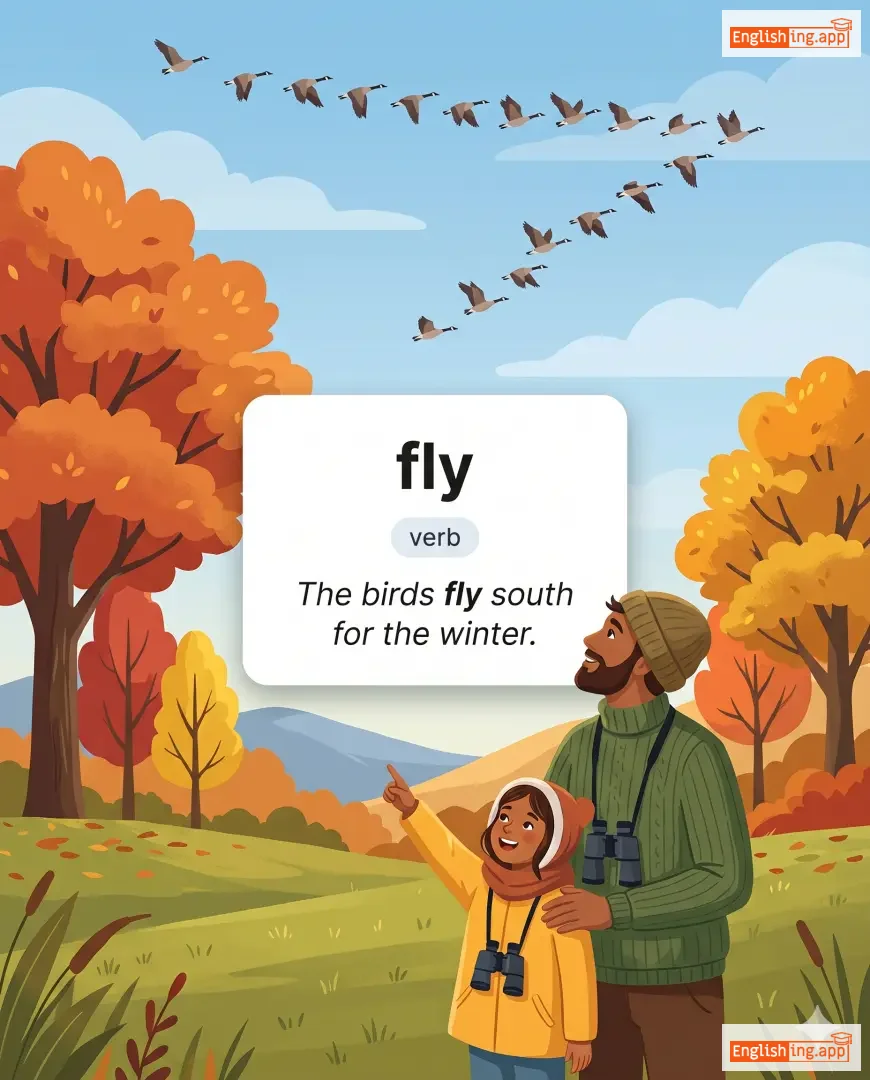
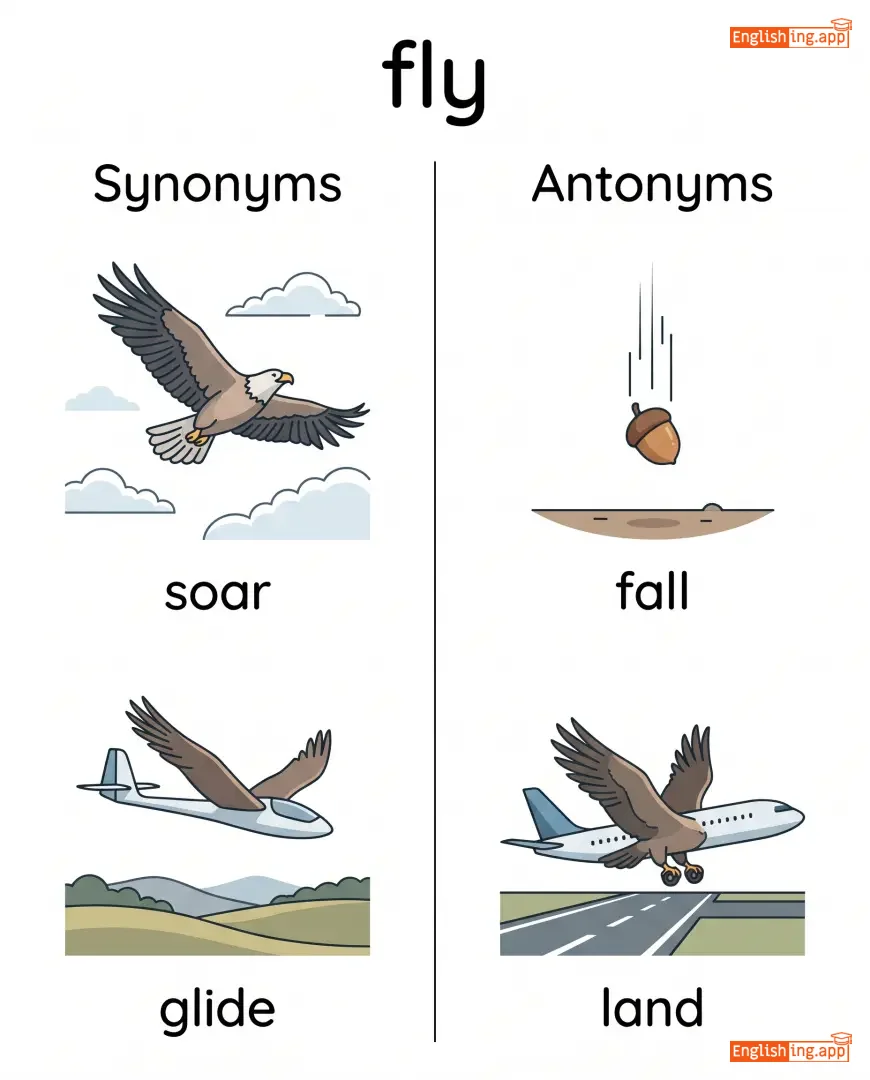
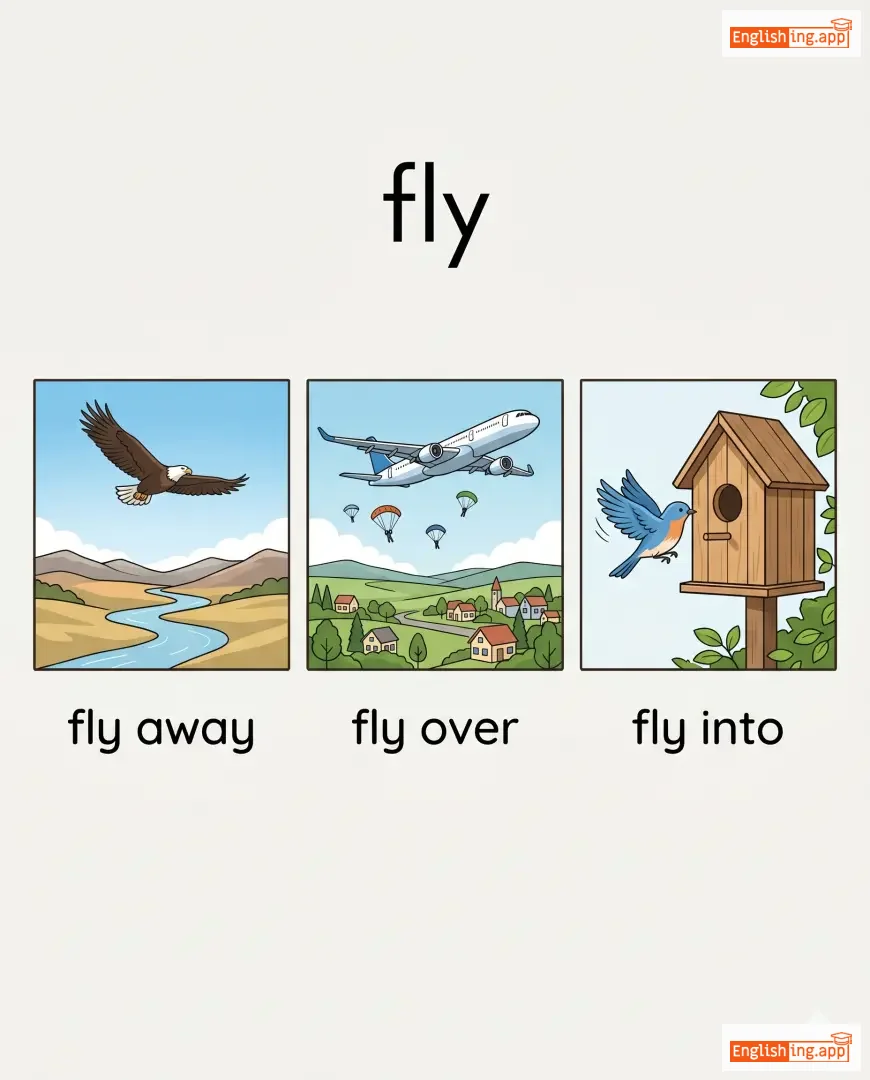
Swipe left or right, or use the buttons. Tap image to zoom.
Обновитесь для доступа ко всем предложениям
Получите неограниченный доступ ко всем предложениям с подпиской Pro
Обновить до ProПеревод примера предложения
Слово
Lesson 21: Names of Worms & InsectsLesson 21: Names of Worms & Insects - Переключатель маски
|
Эмодзи
|
Слово | Images | Перевод | Значение | Пример предложения | Перевод примера предложения | Синонимы | Антонимы | Коллокации | Мнемоника |
|---|---|---|---|---|---|---|---|---|---|---|
|
#998
🦟
|
/næt/
noun
(гнет)
••••••
|
- •••••• |
мошка
moshka
••••••
|
a small flying insect that bites people and animals
••••••
|
The gnat buzzed around my head while I was reading. |
Мошка жужжала вокруг моей головы, пока я читал.
Moshka zhuzhzhalo vokrug moyey golovy, poka ya chital.
••••••
|
midge, fly, mosquito
••••••
|
- •••••• |
gnat bite, swarm of gnats, annoying gnat
••••••
|
gnat = мошка, она жужжит рядом с головой
••••••
|
|
#999
🪱
|
/wɜːrm/
noun
(вёрм)
••••••
|
- •••••• |
червь
cherv
••••••
|
a long, soft-bodied invertebrate animal that lives in soil
••••••
|
The bird caught a worm from the garden soil.
Птица поймала червя из садовой почвы.
••••••
|
Птица поймала червя из садовой почвы.
Ptitsa poymala chervya iz sadovoy pochvy.
••••••
|
earthworm, larva, grub
••••••
|
- •••••• |
earth worm, book worm, silk worm
••••••
|
Червь, как вёрм, живёт в земле.
••••••
|
|
#1000
🐝
|
/wɒsp/
noun
(васп)
••••••
|
- •••••• |
оса
osa
••••••
|
a flying insect with a yellow and black striped body and a painful sting
••••••
|
The wasp stung me when I disturbed its nest. |
Оса ужалила меня, когда я потревожил её гнездо.
Osa uzhavila menya, kogda ya potrevozhil yeyo gnezdo.
••••••
|
hornet, yellow jacket
••••••
|
- •••••• |
wasp nest, wasp sting, paper wasp
••••••
|
Как оса может вас ужалить, так и плохие воспоминания могут укусить.
••••••
|
|
#1001
🦂
|
/ˈskɔːr.pi.ən/
noun
(скорпион)
••••••
|
- •••••• |
скорпион
skorpion
••••••
|
a small creature with eight legs, two claws, and a curved tail with a poisonous sting
••••••
|
The scorpion hid under the rock during the day. |
Скорпион спрятался под камнем в течение дня.
Skorpion spryatal'sya pod kamnyem v techeniye dnya.
••••••
|
arachnid
••••••
|
- •••••• |
scorpion sting, desert scorpion, scorpion tail
••••••
|
Think of a 'skorpion' (скорпион in Russian) hiding under rocks and ready to sting.
••••••
|
|
#1002
🦟
|
/laʊs/
noun
(лаус)
••••••
|
- •••••• |
Вошь
vosh
••••••
|
a small insect that lives on the hair or skin of people or animals
••••••
|
The child had a louse in his hair. |
У ребенка была вошь в волосах.
U rebenka byla vosh' v volosakh
••••••
|
parasite, bug
••••••
|
- •••••• |
head louse, body louse, louse egg
••••••
|
Вошь - маленькая тварица, похожая на волос
••••••
|
|
#1003
🐛
|
/ˈɪn.sekt/
noun
(инсект)
••••••
|
- •••••• |
насекомое
nasekomoye
••••••
|
a small invertebrate animal with six legs and usually one or two pairs of wings
••••••
|
The butterfly is a beautiful insect that flies from flower to flower. |
Бабочка — это красивое насекомое, которое летает от цветка к цветку.
Babochka — eto krasivoye nasekomoye, kotoroye letayet ot tsvetka k tsvetku.
••••••
|
bug, arthropod, creepy-crawly
••••••
|
mammal, bird, fish
••••••
|
insect bite, insect repellent, flying insect, crawling insect
••••••
|
Насекомое с крыльями летит как бабочка
••••••
|
|
#1004
🦗
|
/ˈloʊ.kəst/
noun
(lokust)
••••••
|
- •••••• |
саранча
sarancha
••••••
|
a large insect that flies in groups and eats crops
••••••
|
The locusts destroyed the entire wheat field.
Локусты уничтожили все поле пшеницы.
••••••
|
Саранча уничтожила все поле пшеницы.
Sarancha unichtozhila vse pole pshzenitsy.
••••••
|
grasshopper, cricket
••••••
|
- •••••• |
locust swarm, locust plague, desert locust
••••••
|
Саранча поглощает все урожаи на своем пути.
••••••
|
|
#1005
🦗
|
/ˈkrɪk.ɪt/
noun
(kriket)
••••••
|
- •••••• |
сверчок
sverchok
••••••
|
a jumping insect that makes a chirping sound by rubbing its wings together
••••••
|
We could hear crickets chirping in the evening.
Мы слышали, как кузнечики стрекочут вечером.
••••••
|
Мы слышали, как кузнечики стрекочут вечером.
my slyshali, kak kuznechiki strekochut vecherom.
••••••
|
grasshopper, insect
••••••
|
- •••••• |
cricket sound, field cricket, house cricket
••••••
|
Сверчок прыгает и стрекочет, как музыкант на сцене.
••••••
|
|
#1006
🪱
|
/liːt͡ʃ/
noun
(лич)
••••••
|
- •••••• |
пиявка
piyavka
••••••
|
a blood-sucking worm that lives in water or moist ground
••••••
|
The doctor used a medical leech to reduce swelling after surgery. |
Врач использовал медицинскую пиявку, чтобы уменьшить отек после операции.
Vrach ispol'zoval meditsinskuyu piyavku, chtoby umenshit' otek posle operatsii
••••••
|
bloodsucker, parasite, worm
••••••
|
host, beneficial organism
••••••
|
medical leech, leech therapy, blood leech, pond leech
••••••
|
No •••••• |
|
#1007
🐝
|
/droʊn/
noun
(дрон)
••••••
|
- •••••• |
самец пчелы
samec pchely
••••••
|
a male bee that does not work and whose only function is to mate with the queen
••••••
|
The drone bees do not collect honey like worker bees.
дроновые пчелы не собирают мед, как рабочие пчелы.
••••••
|
Дроновые пчелы не собирают мед, как рабочие пчелы.
Dronovye pchely ne sobirajut myod, kak rabochie pchely.
••••••
|
male bee
••••••
|
worker bee, queen bee
••••••
|
drone bee, drone cell, drone congregation
••••••
|
Дрон - пчела, которая не собирает мед, а только спаривается.
••••••
|
|
#1008
🐛
|
/bʌɡ/
noun
(баг)
••••••
|
- •••••• |
жук
zhuk
••••••
|
a small insect; a defect in a computer program
••••••
|
I found a bug crawling on my bed sheets. |
Я нашел жука, ползающего по моим простыням.
Ya nashol zhuka, polzayushchego po moim prostinyam
••••••
|
insect, beetle, defect
••••••
|
- •••••• |
bed bug, software bug, bug spray
••••••
|
No •••••• |
|
#1009
🐛
|
/ˈsɪlk.wɜːrm/
noun
(сильк-ворм)
••••••
|
- •••••• |
шелкопряд
shelkopryad
••••••
|
the caterpillar of a moth that produces silk fibers used to make silk fabric
••••••
|
Silkworms feed on mulberry leaves to produce silk.
Шелкопряды питаются листьями тутового дерева, чтобы производить шелк.
••••••
|
Шелкопряды питаются листьями тутового дерева, чтобы производить шелк.
Shelkopryady pitayutsya list'yami tutovogo dereva, chtoby proizvodit shelk.
••••••
|
silk caterpillar, bombyx mori
••••••
|
- •••••• |
silkworm cocoon, silkworm farming, silkworm pupae
••••••
|
Шелкопряд создает шелк
••••••
|
|
#1010
🦋
|
/ˈbʌt.ər.flaɪ/
noun
(batter-flai)
••••••
|
- •••••• |
бабочка
babochka
••••••
|
a flying insect with large colorful wings
••••••
|
The beautiful butterfly landed on the flower. |
Прекрасная бабочка села на цветок.
Prekrasnaya babochka sela na tsvetok.
••••••
|
moth, lepidopteran
••••••
|
- •••••• |
butterfly wings, butterfly garden, monarch butterfly
••••••
|
Бабочка - насекомое с цветными крыльями, которое летает
••••••
|
|
#1011
🦟
|
/məˈskiː.toʊ/
noun
(moskito)
••••••
|
- •••••• |
комар
komar
••••••
|
a small flying insect that bites people and animals to feed on their blood
••••••
|
The mosquito bit me on the arm last night. |
Комар укусил меня на руке прошлой ночью.
Komar ukusil menya na ruke proshloy noch'yu.
••••••
|
gnat, skeeter
••••••
|
- •••••• |
mosquito bite, mosquito net, mosquito repellent
••••••
|
Комары – маленькие вредители, чьи укусы ночные!
••••••
|
|
#1012
🪱
|
/ˈhɔːrs.liːt͡ʃ/
noun
(хорс-лич)
••••••
|
- •••••• |
лошадинный пиявка
loshadinny pilyavka
••••••
|
a large species of leech that was traditionally used in veterinary medicine
••••••
|
The veterinarian explained that horse-leach was once commonly used to treat horses.
Ветеринар объяснил, что когда-то использовались лошадинные пиявки для лечения лошадей.
••••••
|
Ветеринар объяснил, что лошадинные пиявки когда-то широко использовались для лечения лошадей.
Veterinar ob'yasnil, chto loshadinnyye pilyavki kogda-to shiroko ispol'zovalis' dlya lecheniya loshadey.
••••••
|
large leech, veterinary leech, medicinal leech
••••••
|
small leech, modern medicine
••••••
|
horse-leach therapy, large horse-leach, traditional horse-leach
••••••
|
Лошадинные пиявки использовались для лечения лошадей
••••••
|
|
#1013
🦗
|
/ˈɡræs.hɒp.ər/
noun
(græs-hɒpər)
••••••
|
- •••••• |
кукушка
kukushka
••••••
|
a jumping insect with long hind legs that feeds on grass and plants
••••••
|
The grasshopper jumped from one leaf to another. |
Кузнечик прыгнул с одного листа на другой.
Kuznechik prygnul s odnogo lista na drugoy.
••••••
|
cricket, locust, katydid
••••••
|
- •••••• |
green grasshopper, jumping grasshopper, large grasshopper
••••••
|
Kukushka sounds like 'jumping' in Russian.
••••••
|
|
#1014
🐝
|
/biː/
noun
(би)
••••••
|
- •••••• |
пчела
pchela
••••••
|
a flying insect that produces honey and can sting
••••••
|
The bee collected nectar from the flower. |
Пчела собрала нектар с цветка.
Pchela sobrala nektar s tsvetka.
••••••
|
honeybee, bumblebee
••••••
|
- •••••• |
bee hive, bee sting, busy bee, queen bee
••••••
|
Пчела и мед - естественная связь
••••••
|
|
#1015
🜀
|
/ˈdræɡ.ən.flaɪ/
noun
(драго́н-флай)
••••••
|
- •••••• |
стрекоза
strekoza
••••••
|
a large insect with four transparent wings that lives near water
••••••
|
The dragonfly hovered over the pond. |
Стрекоза парила над прудом.
Strekоza parila nad prudom
••••••
|
damselfly
••••••
|
- •••••• |
dragonfly nymph, dragonfly wings, dragonfly larvae
••••••
|
Стрекоза – Стремительный полет, как у дракона.
••••••
|
|
#1016
🕷️
|
/ˈspaɪ.dər/
noun
(spajder)
••••••
|
- •••••• |
паук
pauk
••••••
|
a small creature with eight legs that makes webs to catch insects
••••••
|
The spider caught a fly in its web.
Паук поймал муху в своей паутине.
••••••
|
Паук поймал муху в своей паутине.
Pauk poymal mukhu v svoey pautine.
••••••
|
arachnid
••••••
|
- •••••• |
spider web, spider bite, house spider
••••••
|
Паук плетет сети, чтобы поймать насекомых.
••••••
|
|
#1017
🐝
|
/blæk biː/
noun
(блэк би)
••••••
|
- •••••• |
чёрная пчела
chyornaya pchela
••••••
|
a large dark-colored bee that makes a loud buzzing sound
••••••
|
The black-bee was buzzing around the flowers in the garden. |
Чёрная пчела жужжала вокруг цветов в саду.
Chyornaya pchela zhuzhzhalo vokrug tsvetov v sadu.
••••••
|
bumblebee, carpenter bee
••••••
|
- •••••• |
black-bee buzzing, black-bee nest, black-bee sting
••••••
|
Black-bee = чёрная пчела, как пчела, которая жужжит
••••••
|
|
#1018
🐜
|
/waɪt ænt/
noun
(vayt änt)
••••••
|
- •••••• |
белая муравей
belaya muravey
••••••
|
a small social insect that lives in colonies and feeds on wood and plant matter
••••••
|
White ants damaged the wooden furniture in our house.
Белые муравьи повредили деревянную мебель в нашем доме.
••••••
|
Белые муравьи повредили деревянную мебель в нашем доме.
Belyye muravi povredili derevyannuyu mebel' v nashem dome.
••••••
|
termite, wood ant
••••••
|
- •••••• |
white ant colony, white ant damage, flying white ant
••••••
|
White-Ant: Imagine white ants attacking your wooden furniture!
••••••
|
|
#1019
🪲
|
/ˈsen.tɪ.piːd/
noun
(сентипед)
••••••
|
- •••••• |
многоножка
mnogonozhka
••••••
|
a long thin creature with many legs that lives in dark places
••••••
|
I found a centipede crawling under the rock. |
Я нашел многоножку, ползающую под камнем.
Ya nashel mnogonozhku, polzayushchuyu pod kamnem.
••••••
|
hundred-legger, myriapod
••••••
|
- •••••• |
house centipede, giant centipede, centipede bite
••••••
|
No •••••• |
|
#1020
🪲
|
/ˈbiː.təl/
noun
(битл)
••••••
|
- •••••• |
жук
zhuk
••••••
|
a hard-bodied insect with wing covers
••••••
|
The black beetle scurried across the garden path. |
Черный жук скакал по садовой дорожке.
Chernyy zhuk skakal po sadovoy dorozhke.
••••••
|
bug, scarab, weevil
••••••
|
- •••••• |
dung beetle, ground beetle, beetle larvae
••••••
|
Жук может быстро ползать и летать, как маленький супергерой в саду.
••••••
|
|
#1021
🪱
|
/ˈɜːθ.wɜːm/
noun
(эːрθ-вёːрм)
••••••
|
- •••••• |
червяк
chervyak
••••••
|
a segmented worm that lives in soil and helps decompose organic matter
••••••
|
The gardener was happy to find many earthworms in the soil. |
Садовник был счастлив найти много червей в почве.
Sadovnik byl schastliv nayti mnogo chervyey v pochve.
••••••
|
worm, night crawler, angleworm
••••••
|
pest, harmful insect
••••••
|
earthworm casting, soil earthworm, garden earthworm, composting earthworm
••••••
|
Червяк помогает поддерживать плодородие почвы.
••••••
|
|
#1022
🐛
|
/ˈkæt.ər.pɪl.ər/
noun
(кэтэрпиллар)
••••••
|
- •••••• |
гусеница
gusyenitsa
••••••
|
the larva of a butterfly or moth that feeds on plants
••••••
|
The caterpillar ate all the leaves on the plant.
Гусеница съела все листья растения.
••••••
|
Гусеница съела все листья растения.
Gusenitsa s'yela vse list'ya rasteniya.
••••••
|
larva, grub, worm
••••••
|
- •••••• |
woolly caterpillar, caterpillar stage, tent caterpillar
••••••
|
Гусеница (Caterpillar) – слово напоминает, как гусеница ползет по растениям.
••••••
|
|
#1023
🐝
|
/ˈhɔːr.nət/
noun
(хорнет)
••••••
|
- •••••• |
шершень
sheršen'
••••••
|
a large wasp that can sting and is often aggressive
••••••
|
The hornet built its nest under the roof.
Шершень построил свое гнездо под крышей.
••••••
|
Шершень построил свое гнездо под крышей.
Sheršen' postroil svoe gnezdo pod kryshey.
••••••
|
wasp, yellowjacket
••••••
|
- •••••• |
hornet nest, hornet sting, giant hornet
••••••
|
The word ‘hornet’ sounds like ‘шершень’ (sheršen'). Imagine a hornet buzzing and attacking in a Russian forest.
••••••
|
|
#1024
🦅
|
/ˈflaɪ.ɪŋ ˈkriː.tʃər/
noun
(летающее существо)
••••••
|
- •••••• |
летающее существо
letayushchee sushchestvo
••••••
|
any animal that has the ability to fly through the air
••••••
|
Birds, bats, and insects are all examples of flying creatures. |
Птицы, летучие мыши и насекомые — это примеры летающих существ.
Ptitsy, letuchie myshi i nasekomye — eto primery letayushchikh sushchestv.
••••••
|
winged animal, aerial creature, airborne animal
••••••
|
ground creature, flightless animal, terrestrial animal
••••••
|
flying creature habitat, nocturnal flying creature, small flying creature, wild flying creature
••••••
|
Летающие существа имеют крылья, как птицы и летучие мыши.
••••••
|
|
#1025
🪰
|
/flaɪ/
noun
(flai)
••••••
|
|
муха
mukha
••••••
|
a small flying insect with two wings
••••••
|
The fly buzzed around the kitchen. |
Муха жужжала вокруг кухни.
Mukha zhuzhzhalo vokrug kukhni.
••••••
|
housefly, insect
••••••
|
- •••••• |
fruit fly, house fly, fly swatter
••••••
|
Муха (mukha) и Fly (flai) — летающие насекомые.
••••••
|
|
#1027
🪳
|
/ˈkɒk.roʊtʃ/
noun
(кокроач)
••••••
|
- •••••• |
таракан
tarakan
••••••
|
a flat brown insect that is commonly found in kitchens and other warm places
••••••
|
A cockroach ran across the kitchen floor quickly. |
Таракан быстро побежал по кухонному полу.
Tarakan bystro pobezhal po kukhonnomu polu.
••••••
|
roach, bug
••••••
|
- •••••• |
kitchen cockroach, large cockroach, flying cockroach
••••••
|
Таракан, обычно находящийся в кухне и других тёплых местах.
••••••
|
Vocabulary Quiz
Test your vocabulary by matching words with their translations or meanings.
Login to take the quiz
Comments (0)
Share your thoughts and join the discussion.
Join the discussion by logging in
Login to CommentNo comments yet
Be the first to share your thoughts!