

अनुवाद
भूतकाल
भूत कृदंत
तृतीय पुरुष एकवचन
जेरंड
मीनिंग
उदाहरण वाक्य
उदाहरण वाक्य अनुवाद
सिनोनिम्स
एंटोनिम्स
कॉलोकेशन्स
निमोनिक
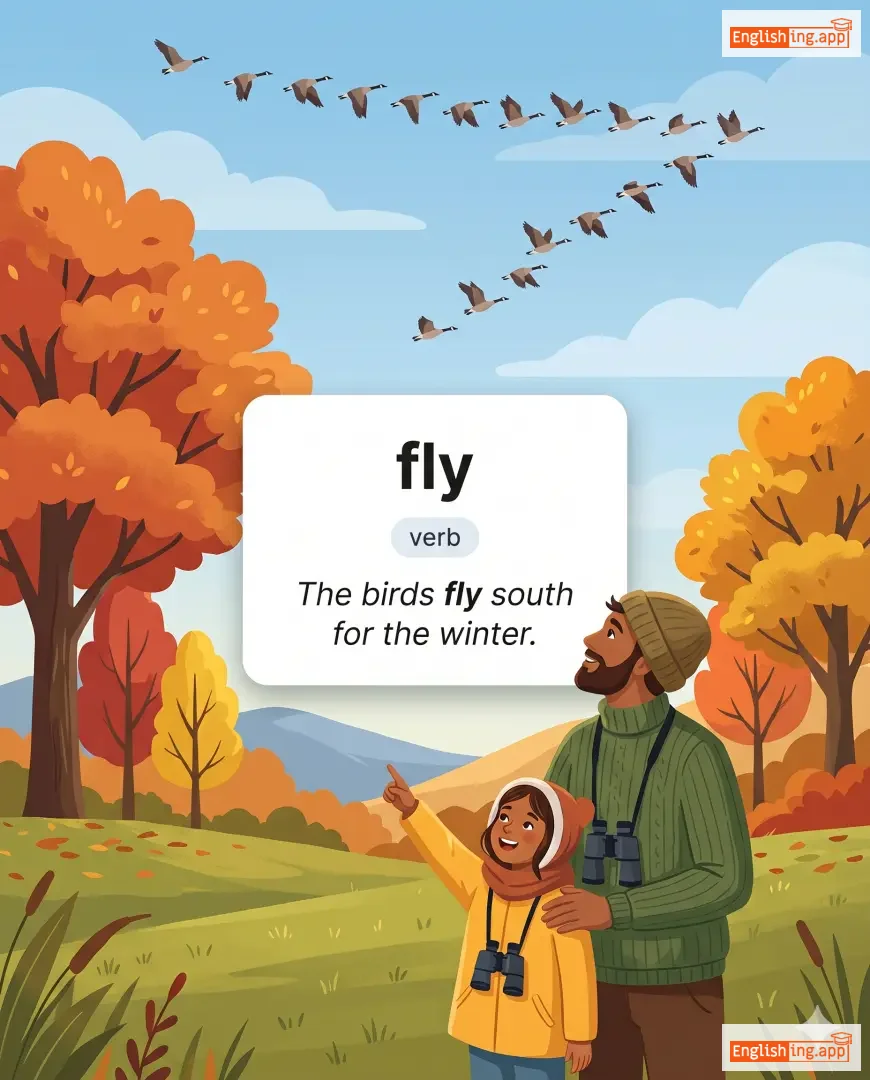
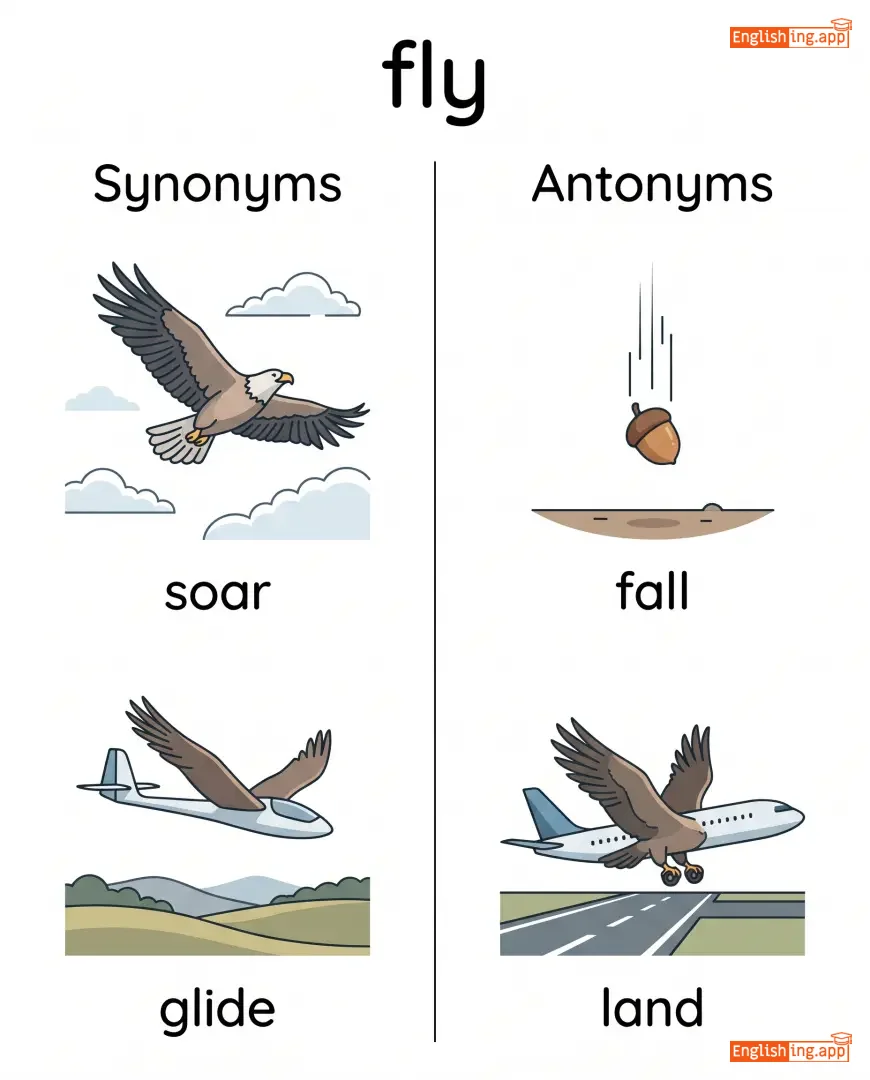
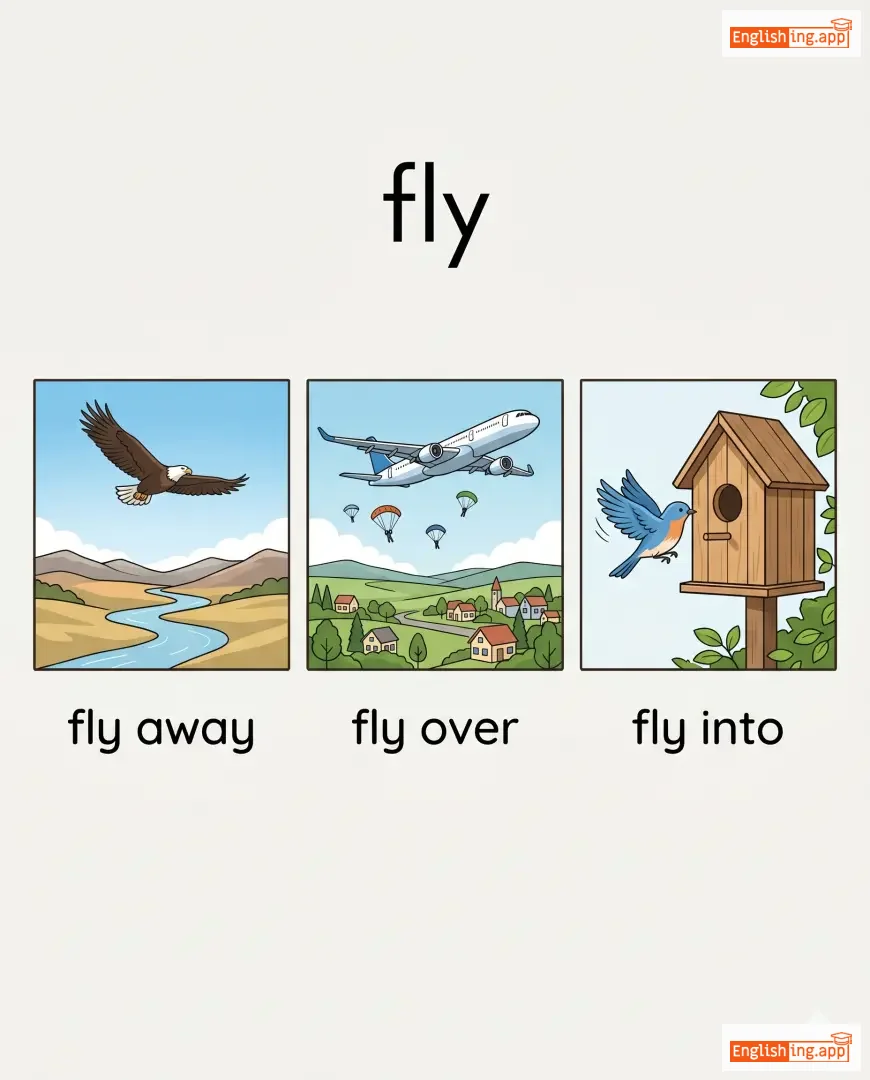
Swipe left or right, or use the buttons. Tap image to zoom.
उदाहरण वाक्य अनुवाद
शब्द
Lesson 21: Names of Worms & InsectsLesson 21: Names of Worms & Insects - मास्क टॉगल
|
इमोजी
|
शब्द | Images | अनुवाद | मीनिंग | उदाहरण वाक्य | उदाहरण वाक्य अनुवाद | सिनोनिम्स | एंटोनिम्स | कॉलोकेशन्स | निमोनिक |
|---|---|---|---|---|---|---|---|---|---|---|
|
#998
🦟
|
/næt/
noun
(गनेट)
••••••
|
- •••••• |
मच्छर
machhar
••••••
|
a small flying insect that bites people and animals
••••••
|
The gnat buzzed around my head while I was reading. |
गनेट मेरे सिर के आसपास buzzing कर रहा था जब मैं पढ़ रहा था।
gnat mere sir ke aaspaas buzzing kar raha tha jab main padh raha tha.
••••••
|
midge, fly, mosquito
••••••
|
- •••••• |
gnat bite, swarm of gnats, annoying gnat
••••••
|
गनेट = गाने की आवाज़ (buzzing sound), मच्छर के साथ
••••••
|
|
#999
🪱
|
/wɜːrm/
noun
(वर्म)
••••••
|
- •••••• |
कृमि
krimi
••••••
|
a long, soft-bodied invertebrate animal that lives in soil
••••••
|
The bird caught a worm from the garden soil.
द बर्ड कॉट अ वर्म फ्रॉम द गार्डन सॉइल।
••••••
|
पक्षी ने बगीचे की मिट्टी से एक कृमि पकड़ा।
Pakshi ne bagiche ki mitti se ek krimi pakda.
••••••
|
earthworm, larva, grub
••••••
|
- •••••• |
earth worm, book worm, silk worm
••••••
|
वर्म का मतलब कृमि, जो धरती में रहता है।
••••••
|
|
#1000
🐝
|
/wɒsp/
noun
(वास्प)
••••••
|
- •••••• |
तितली
titli
••••••
|
a flying insect with a yellow and black striped body and a painful sting
••••••
|
The wasp stung me when I disturbed its nest. |
वह मुझे डंक मारने के बाद उड़ गया जब मैंने उसका घोंसला disturbed किया।
Woh mujhe dank maarne ke baad ud gaya jab maine uska ghosla disturbed kiya.
••••••
|
hornet, yellow jacket
••••••
|
- •••••• |
wasp nest, wasp sting, paper wasp
••••••
|
जैसे तितली हमेशा उड़ती है, वैसे ही वास्प भी उड़ते हुए खतरनाक हो सकते हैं।
••••••
|
|
#1001
🦂
|
/ˈskɔːr.pi.ən/
noun
(विषाणु)
••••••
|
- •••••• |
बिच्छू
bichchhoo
••••••
|
a small creature with eight legs, two claws, and a curved tail with a poisonous sting
••••••
|
The scorpion hid under the rock during the day. |
बिच्छू दिन के दौरान चट्टान के नीचे छिपा था।
bichchhoo din ke dauran chattan ke neeche chhupa tha.
••••••
|
arachnid
••••••
|
- •••••• |
scorpion sting, desert scorpion, scorpion tail
••••••
|
Think of a 'scorpion' that hides under rocks in the heat of the day - just like a 'bichchhoo' in Hindi.
••••••
|
|
#1002
🦟
|
/laʊs/
noun
(लाउज़)
••••••
|
- •••••• |
Pediculus
pedikulas
••••••
|
a small insect that lives on the hair or skin of people or animals
••••••
|
The child had a louse in his hair. |
बच्चे के बालों में एक पेडिकुलस था।
bachche ke baalon mein ek pedikulas tha
••••••
|
parasite, bug
••••••
|
- •••••• |
head louse, body louse, louse egg
••••••
|
Louse kaise pedikulas bana, jaise pedikulas ko bilkul similar banana
••••••
|
|
#1003
🐛
|
/ˈɪn.sekt/
noun
(इन्सेक्ट)
••••••
|
- •••••• |
कीट
keet
••••••
|
a small invertebrate animal with six legs and usually one or two pairs of wings
••••••
|
The butterfly is a beautiful insect that flies from flower to flower. |
तितली एक सुंदर कीट है जो फूल से फूल तक उड़ता है।
titli ek sundar keet hai jo phool se phool tak udta hai
••••••
|
bug, arthropod, creepy-crawly
••••••
|
mammal, bird, fish
••••••
|
insect bite, insect repellent, flying insect, crawling insect
••••••
|
कीट का मतलब 'की' वाला 'ट' यानी छोटी सी जिंदगी
••••••
|
|
#1004
🦗
|
/ˈloʊ.kəst/
noun
(लोकेस्ट)
••••••
|
- •••••• |
टिड्डी
tiddi
••••••
|
a large insect that flies in groups and eats crops
••••••
|
The locusts destroyed the entire wheat field.
द लॉकेस्ट्स डेस्ट्रॉयड द एंटायर व्हीट फील्ड।
••••••
|
टिड्डियों ने पूरे गेहूं के खेत को नष्ट कर दिया।
tiddiyon ne pure gehun ke khet ko nasht kar diya
••••••
|
grasshopper, cricket
••••••
|
- •••••• |
locust swarm, locust plague, desert locust
••••••
|
टिड्डी को टिड्डी के रूप में याद करें, जो खेतों को नष्ट कर देती है
••••••
|
|
#1005
🦗
|
/ˈkrɪk.ɪt/
noun
(क्रिकेट)
••••••
|
- •••••• |
झींझी
jhinjhi
••••••
|
a jumping insect that makes a chirping sound by rubbing its wings together
••••••
|
We could hear crickets chirping in the evening.
हम शाम को क्रिकेट की आवाज़ सुन सकते थे।
••••••
|
हम शाम को क्रिकेट की आवाज़ सुन सकते थे।
ham shaam ko cricket ki awaaz sun sakte the.
••••••
|
grasshopper, insect
••••••
|
- •••••• |
cricket sound, field cricket, house cricket
••••••
|
जिन्ही के पंखों की आवाज़ क्रिकेट जैसी होती है
••••••
|
|
#1006
🪱
|
/liːt͡ʃ/
noun
(लीच)
••••••
|
- •••••• |
लीच
leech
••••••
|
a blood-sucking worm that lives in water or moist ground
••••••
|
The doctor used a medical leech to reduce swelling after surgery. |
चिकित्सक ने सर्जरी के बाद सूजन कम करने के लिए एक चिकित्सा लीच का उपयोग किया।
chikitsak ne s surgery ke baad soojan kam karne ke liye ek chikitsa leech ka upyog kiya
••••••
|
bloodsucker, parasite, worm
••••••
|
host, beneficial organism
••••••
|
medical leech, leech therapy, blood leech, pond leech
••••••
|
No •••••• |
|
#1007
🐝
|
/droʊn/
noun
(ड्रोन)
••••••
|
- •••••• |
मादा जो मादा के साथ मिलाने के अलावा कुछ नहीं करती
maada jo maada ke saath milaane ke alawa kuch nahi karti
••••••
|
a male bee that does not work and whose only function is to mate with the queen
••••••
|
The drone bees do not collect honey like worker bees.
द ड्रोन बीज़ डू नॉट कलेक्ट हनी लाइक वर्कर बीज़।
••••••
|
ड्रोन मधुमक्खियाँ कामकाजी मधुमक्खियों की तरह शहद नहीं इकट्ठा करतीं।
Dron madhumakkhiyaan kaamkaji madhumakkhiyon ki tarah shahad nahi ikattha karti.
••••••
|
male bee
••••••
|
worker bee, queen bee
••••••
|
drone bee, drone cell, drone congregation
••••••
|
ड्रोन्स में काम करने की कोई इच्छा नहीं होती, वे बस मिलने जाते हैं।
••••••
|
|
#1008
🐛
|
/bʌɡ/
noun
(बग)
••••••
|
- •••••• |
कीट
keet
••••••
|
a small insect; a defect in a computer program
••••••
|
I found a bug crawling on my bed sheets. |
मैंने अपने बिस्तर की चादर पर एक बग crawling करते हुए पाया।
maine apne bistar ki chadar par ek bag crawling karte hue paya.
••••••
|
insect, beetle, defect
••••••
|
- •••••• |
bed bug, software bug, bug spray
••••••
|
No •••••• |
|
#1009
🐛
|
/ˈsɪlk.wɜːrm/
noun
(सिल्क-वर्म)
••••••
|
- •••••• |
रेशम कीट
resham keet
••••••
|
the caterpillar of a moth that produces silk fibers used to make silk fabric
••••••
|
Silkworms feed on mulberry leaves to produce silk.
सिल्कवर्म्स मुलबेरी पत्तों पर खिलाते हैं और रेशम उत्पन्न करते हैं।
••••••
|
रेशम कीट तूत के पत्तों पर खिलाते हैं और रेशम उत्पन्न करते हैं।
resham keet toot ke patton par khilate hain aur resham utpann karte hain
••••••
|
silk caterpillar, bombyx mori
••••••
|
- •••••• |
silkworm cocoon, silkworm farming, silkworm pupae
••••••
|
Resham keet, resham banata hai
••••••
|
|
#1010
🦋
|
/ˈbʌt.ər.flaɪ/
noun
(बटर-फ्लाई)
••••••
|
- •••••• |
तितली
titli
••••••
|
a flying insect with large colorful wings
••••••
|
The beautiful butterfly landed on the flower. |
सुंदर तितली फूल पर बैठी।
sundar titli phool par baithi.
••••••
|
moth, lepidopteran
••••••
|
- •••••• |
butterfly wings, butterfly garden, monarch butterfly
••••••
|
तितली - बड़ी रंगीन पंख वाली उड़ने वाली कीट
••••••
|
|
#1011
🦟
|
/məˈskiː.toʊ/
noun
(मास्कीटो)
••••••
|
- •••••• |
मच्छर
machhar
••••••
|
a small flying insect that bites people and animals to feed on their blood
••••••
|
The mosquito bit me on the arm last night. |
मच्छर ने मुझे कल रात हाथ पर काटा था।
machhar ne mujhe kal raat haath par kaata tha.
••••••
|
gnat, skeeter
••••••
|
- •••••• |
mosquito bite, mosquito net, mosquito repellent
••••••
|
मच्छर के पंजे से खून चूसते हैं, याद रखो 'मच्छर' से खून चूसने वाला 'मास्कीटो'!
••••••
|
|
#1012
🪱
|
/ˈhɔːrs.liːt͡ʃ/
noun
(हॉर्स-लीच)
••••••
|
- •••••• |
घोड़े का कीड़ा
ghode ka keeda
••••••
|
a large species of leech that was traditionally used in veterinary medicine
••••••
|
The veterinarian explained that horse-leach was once commonly used to treat horses.
द वैटेरिनेरियन एक्सप्लेंड दैट हॉर्स-लीच वाज़ वंस कॉमणली यूज़ड टू ट्रीट हॉर्सेज।
••••••
|
पशु चिकित्सक ने समझाया कि घोड़े का कीड़ा एक समय में घोड़ों का इलाज करने के लिए सामान्य रूप से इस्तेमाल होता था।
pashu chikitsak ne samjhaya ki ghode ka keeda ek samay mein ghodon ka ilaaj karne ke liye samanya roop se istemal hota tha
••••••
|
large leech, veterinary leech, medicinal leech
••••••
|
small leech, modern medicine
••••••
|
horse-leach therapy, large horse-leach, traditional horse-leach
••••••
|
हॉर्स-लीच की तरह कीड़ा घोड़े के इलाज में सहायक होता था
••••••
|
|
#1013
🦗
|
/ˈɡræs.hɒp.ər/
noun
(ग्रास-हॉपर)
••••••
|
- •••••• |
टिड्डा
tiddā
••••••
|
a jumping insect with long hind legs that feeds on grass and plants
••••••
|
The grasshopper jumped from one leaf to another. |
टिड्डा एक पत्ते से दूसरे पत्ते पर कूद गया।
Tiddā ek patte se doosre patte par kood gayā.
••••••
|
cricket, locust, katydid
••••••
|
- •••••• |
green grasshopper, jumping grasshopper, large grasshopper
••••••
|
Hindi 'tiddā' sounds like 'grasshopper' and both are insects.
••••••
|
|
#1014
🐝
|
/biː/
noun
(बी)
••••••
|
- •••••• |
मधुमक्खी
madhumakkhi
••••••
|
a flying insect that produces honey and can sting
••••••
|
The bee collected nectar from the flower. |
मधुमक्खी ने फूल से अमृत इकट्ठा किया।
Madhumakkhi ne phool se amrit ikattha kiya.
••••••
|
honeybee, bumblebee
••••••
|
- •••••• |
bee hive, bee sting, busy bee, queen bee
••••••
|
मधु (शहद) और मक्खी, शहद बनाने वाली मक्खी
••••••
|
|
#1015
🜀
|
/ˈdræɡ.ən.flaɪ/
noun
(ड्रैगन-फ्लाई)
••••••
|
- •••••• |
ड्रैगनफ्लाई
dragonfly
••••••
|
a large insect with four transparent wings that lives near water
••••••
|
The dragonfly hovered over the pond. |
ड्रैगनफ्लाई तालाब के ऊपर मंडरा रही थी।
dragonfly taalab ke upar mandra rahi thi
••••••
|
damselfly
••••••
|
- •••••• |
dragonfly nymph, dragonfly wings, dragonfly larvae
••••••
|
ड्रैगनफ्लाई की तरह उड़ने वाली कोई बड़ी चीज़
••••••
|
|
#1016
🕷️
|
/ˈspaɪ.dər/
noun
(स्पाइडर)
••••••
|
- •••••• |
मकड़ी
makdi
••••••
|
a small creature with eight legs that makes webs to catch insects
••••••
|
The spider caught a fly in its web.
द स्पाइडर कॉक्ट ए फ्लाई इन इट्स वेब।
••••••
|
मकड़ी ने अपने जाले में एक मच्छर पकड़ा।
makdi ne apne jaale mein ek machchar pakda
••••••
|
arachnid
••••••
|
- •••••• |
spider web, spider bite, house spider
••••••
|
मकड़ी की जाल में फंसे कीड़े का नाम सोचकर 'मकड़ी' याद रखो।
••••••
|
|
#1017
🐝
|
/blæk biː/
noun
(ब्लैक-बी)
••••••
|
- •••••• |
काले-मक्खी
kaale-makkhi
••••••
|
a large dark-colored bee that makes a loud buzzing sound
••••••
|
The black-bee was buzzing around the flowers in the garden. |
काले-मक्खी बगिया में फूलों के चारों ओर गूंज रही थी।
kaale-makkhi bagiyaa mein phoolon ke chaaron or gunj rahi thi.
••••••
|
bumblebee, carpenter bee
••••••
|
- •••••• |
black-bee buzzing, black-bee nest, black-bee sting
••••••
|
Black-bee = काले-मक्खी, जैसे कालापन और गूंजने वाली आवाज़
••••••
|
|
#1018
🐜
|
/waɪt ænt/
noun
(व्हाइट-एंट)
••••••
|
- •••••• |
सफेद चींटी
safed chinti
••••••
|
a small social insect that lives in colonies and feeds on wood and plant matter
••••••
|
White ants damaged the wooden furniture in our house.
व्हाइट एंट्स ने हमारे घर के लकड़ी के फर्नीचर को नुकसान पहुँचाया।
••••••
|
सफेद चींटियों ने हमारे घर के लकड़ी के फर्नीचर को नुकसान पहुँचाया।
safed chintiyon ne hamare ghar ke lakdi ke furniture ko nuksan pahuchaya.
••••••
|
termite, wood ant
••••••
|
- •••••• |
white ant colony, white ant damage, flying white ant
••••••
|
White-Ant, white like snow and ants, eating the wood!
••••••
|
|
#1019
🪲
|
/ˈsen.tɪ.piːd/
noun
(सेंटिपीड)
••••••
|
- •••••• |
केंचुआ
kenchua
••••••
|
a long thin creature with many legs that lives in dark places
••••••
|
I found a centipede crawling under the rock. |
मैंने एक सेंटीपीडे को चट्टान के नीचे रेंगते हुए पाया।
Maine ek centipede ko chattan ke neeche rengte hue paya.
••••••
|
hundred-legger, myriapod
••••••
|
- •••••• |
house centipede, giant centipede, centipede bite
••••••
|
No •••••• |
|
#1020
🪲
|
/ˈbiː.təl/
noun
(बीटल)
••••••
|
- •••••• |
भृंग
bhring
••••••
|
a hard-bodied insect with wing covers
••••••
|
The black beetle scurried across the garden path. |
काले भृंग ने बग़ीचे के रास्ते पर दौड़ते हुए गति पकड़ी।
kaale bhring ne bageeche ke raaste par daudte hue gati pakdi.
••••••
|
bug, scarab, weevil
••••••
|
- •••••• |
dung beetle, ground beetle, beetle larvae
••••••
|
भृंग का नाम सुनते ही हमें याद आता है कि यह एक उड़ने वाला कीट है।
••••••
|
|
#1021
🪱
|
/ˈɜːθ.wɜːm/
noun
(अर्थ-वर्म)
••••••
|
- •••••• |
केंचुआ
kenchua
••••••
|
a segmented worm that lives in soil and helps decompose organic matter
••••••
|
The gardener was happy to find many earthworms in the soil. |
माली को मिट्टी में कई केंचुए देखकर खुशी हुई।
maali ko mitti mein kai kenchue dekhkar khushi hui
••••••
|
worm, night crawler, angleworm
••••••
|
pest, harmful insect
••••••
|
earthworm casting, soil earthworm, garden earthworm, composting earthworm
••••••
|
Kenchua मिट्टी में रहता है, जिससे खेतों की मिट्टी उपजाऊ बनती है
••••••
|
|
#1022
🐛
|
/ˈkæt.ər.pɪl.ər/
noun
(कैटरपिलर)
••••••
|
- •••••• |
कटेरीला
katerila
••••••
|
the larva of a butterfly or moth that feeds on plants
••••••
|
The caterpillar ate all the leaves on the plant.
द कैटरपिलर ने पौधे के सारे पत्ते खा लिए।
••••••
|
कैटरपिलर ने पौधे के सारे पत्ते खा लिए।
katerila ne podhe ke saare patte khaa liye.
••••••
|
larva, grub, worm
••••••
|
- •••••• |
woolly caterpillar, caterpillar stage, tent caterpillar
••••••
|
काटेरिल (Caterpillar) का नाम याद रखने के लिए 'कैट' और 'पिल्लर' को जोड़ें।
••••••
|
|
#1023
🐝
|
/ˈhɔːr.nət/
noun
(हॉर्नेट)
••••••
|
- •••••• |
मधुमक्खी
madhumakkhi
••••••
|
a large wasp that can sting and is often aggressive
••••••
|
The hornet built its nest under the roof.
द हौर्नेट बिल्ट इट्स नेस्ट अंडर द रूफ।
••••••
|
मधुमक्खी ने छत के नीचे अपना घोसला बनाया।
madhumakkhi ne chhat ke neeche apna ghosla banaya.
••••••
|
wasp, yellowjacket
••••••
|
- •••••• |
hornet nest, hornet sting, giant hornet
••••••
|
Hornet sounds like ‘हॉर्नेट’ (Hornet) and ‘मधुमक्खी’ (Madhumakkhi). Imagine a hornet buzzing around a honeycomb.
••••••
|
|
#1024
🦅
|
/ˈflaɪ.ɪŋ ˈkriː.tʃər/
noun
(उड़ने वाला प्राणी)
••••••
|
- •••••• |
उड़ने वाला प्राणी
udne wala prani
••••••
|
any animal that has the ability to fly through the air
••••••
|
Birds, bats, and insects are all examples of flying creatures. |
पक्षी, चमगादड़, और कीट सभी उड़ने वाले प्राणियों के उदाहरण हैं।
pakshi, chamgadad, aur keet sabhi udne wale praniyon ke udaharan hain
••••••
|
winged animal, aerial creature, airborne animal
••••••
|
ground creature, flightless animal, terrestrial animal
••••••
|
flying creature habitat, nocturnal flying creature, small flying creature, wild flying creature
••••••
|
उड़ने वाले प्राणी पंखों वाले होते हैं, जैसे पक्षी और बैट।
••••••
|
|
#1025
🪰
|
/flaɪ/
noun
(फ्लाय)
••••••
|
|
मच्छर
machchar
••••••
|
a small flying insect with two wings
••••••
|
The fly buzzed around the kitchen. |
मच्छर रसोईघर के चारों ओर buzz कर रहा था।
Machchar rasoighar ke charon or buzz kar raha tha.
••••••
|
housefly, insect
••••••
|
- •••••• |
fruit fly, house fly, fly swatter
••••••
|
Machchar (मच्छर) और fly (फ्लाय) दोनों उड़ने वाले होते हैं।
••••••
|
|
#1027
🪳
|
/ˈkɒk.roʊtʃ/
noun
(कॉकरोच)
••••••
|
- •••••• |
तिलचट्टा
tilchatta
••••••
|
a flat brown insect that is commonly found in kitchens and other warm places
••••••
|
A cockroach ran across the kitchen floor quickly. |
एक तिलचट्टा जल्दी से रसोईघर के फर्श पर दौड़ा।
ek tilchatta jaldi se rasoighar ke farsh par dauda.
••••••
|
roach, bug
••••••
|
- •••••• |
kitchen cockroach, large cockroach, flying cockroach
••••••
|
तिलचट्टा यानी 'til' से याद रखो जो अक्सर रसोईघर में पाया जाता है।
••••••
|
Vocabulary Quiz
Test your vocabulary by matching words with their translations or meanings.
Login to take the quiz
Comments (0)
Share your thoughts and join the discussion.
Join the discussion by logging in
Login to CommentNo comments yet
Be the first to share your thoughts!