词汇表

英语词汇词典 | 单词含义、定义和示例

noun
/ˈlɪstɪŋ/
列表 (liebie)

a series of items or names written or printed in a specific order

"The listing of available jobs was updated daily."

"可用职位的列表每天都会更新。" (Keyong zhiwei de liebie mei tian dou hui gengxin.)
adjective
/ˈlɪstləs/
无精打采 (wú jīng dǎ cǎi)

lacking energy, enthusiasm, or interest

"She felt listless after working long hours without rest."

"她在没有休息的长时间工作后感到无精打采。" (Tā zài méiyǒu xiūxí de cháng shíjiān gōngzuò hòu gǎndào wú jīng dǎ cǎi.)
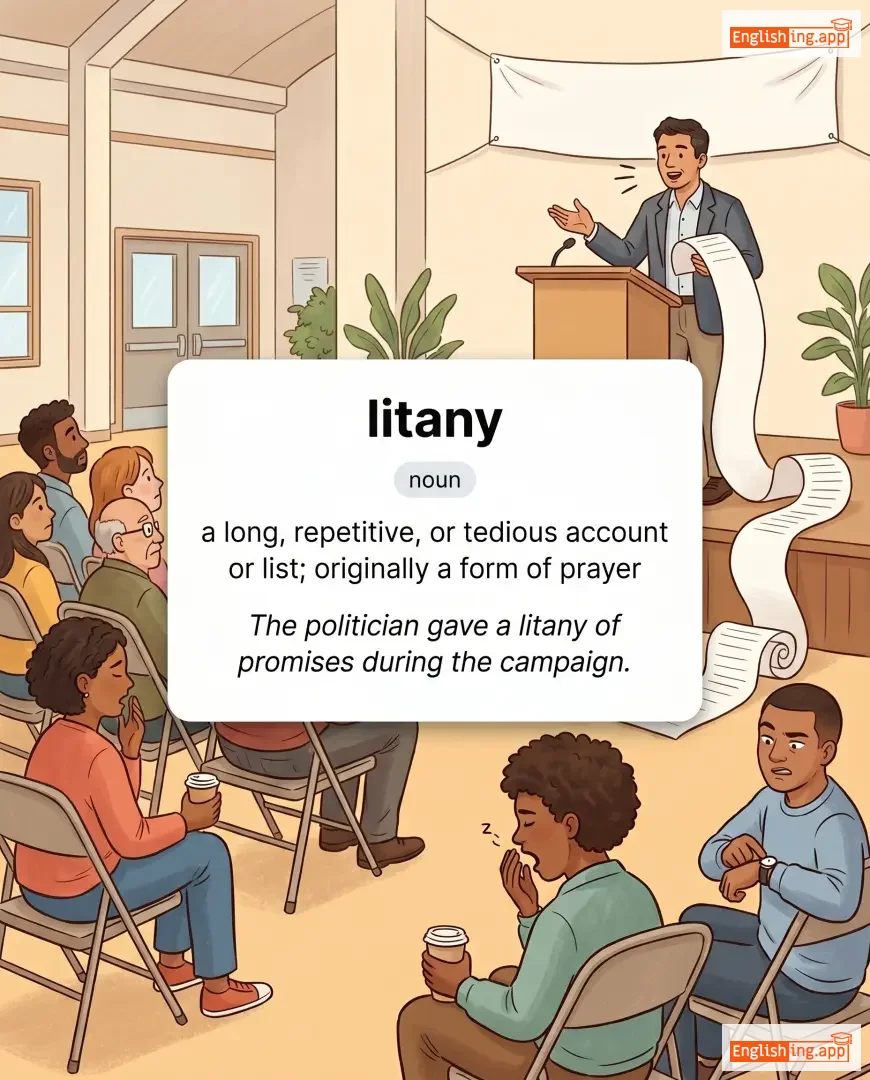
litany definition card — visual illustration of the meaning
noun
/ˈlɪtəni/

a long, repetitive, or tedious account or list; originally a form of prayer

"The politician gave a litany of promises during the campaign."

noun
/ˈlaɪtʃi/
荔枝 (lì zhī)

a small oval pink-red tropical fruit with white translucent flesh and sweet taste

"The litchi has a rough pink shell that you peel to eat the sweet white fruit inside."

"荔枝有一层粗糙的粉红色外皮,你剥开它就可以吃到里面甜美的白色果实。" (Lì zhī yǒu yī céng cū cāo de fěn hóng sè wài pí, nǐ bāo kāi tā jiù kě yǐ chī dào lǐ miàn tián měi de bái sè guǒ shí.)
💧

liter

noun
/ˈlɪtə(r)/

a metric unit of volume equal to one cubic decimeter

"The recipe calls for two liters of water."

noun
/ˈlɪtərəsi/
识字率 (shízì lǜ)

the ability to read and write

"Literacy programs help reduce poverty in rural areas."
"识字率项目帮助减少农村地区的贫困。" (Shízì lǜ xiàngmù bāngzhù jiǎnshǎo nóngcūn dìqū de pínkùn.)
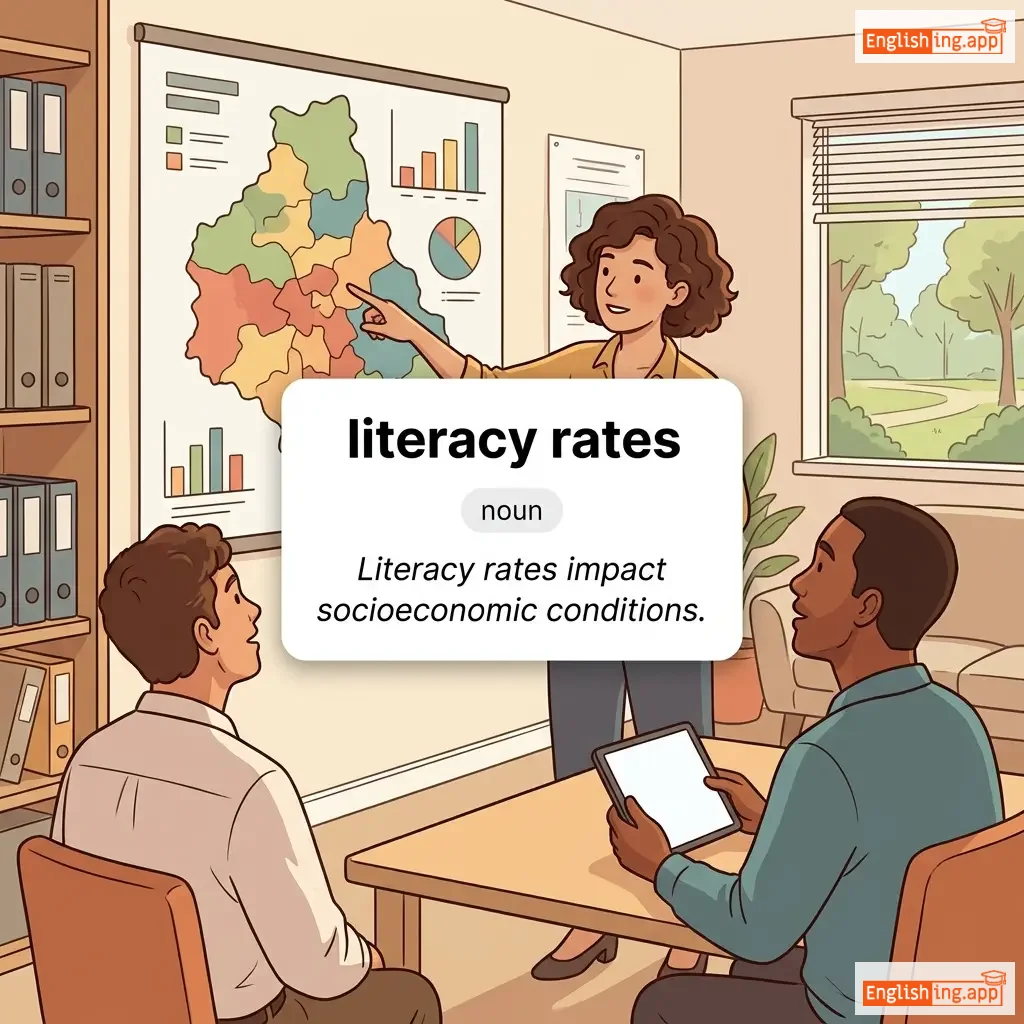
literacy rates definition card — visual illustration of the meaning
noun
ˈlɪt.ər.ə.si ˌreɪts
识字率 (shí zì lǜ)

The percentage of people in a population who can read and write; measures of educational levels in a population.

"Literacy rates impact socioeconomic conditions."

"识字率影响着社会经济状况。" (Shí zì lǜ yǐngxiǎng zhe shèhuì jīngjì zhuàngkuàng.)
adjective
/ˈlɪtərəl/
字面 (zimiàn)

taking words in their usual or most basic sense without metaphor or exaggeration

"His comment was meant as a joke, not to be taken in a literal sense."

"他的评论是开玩笑的,不应当按字面意思理解。" (Tā de pínglùn shì kāi wánxiào de, bù yīngdāng àn zìmiàn yìsi lǐjiě.)
adverb
/ˈlɪtərəli/
字面上 (zimian shang)

in a literal manner or sense; exactly

"He was literally running for three hours without stopping."

"他字面上跑了三个小时没有停下来。" (Ta zimian shang pao le san ge xiaoshi mei you ting xiala lai.)
adjective
/ˈlɪtərɛri/
文学的 (wenxuede)

concerning the writing, study, or content of literature

"She is a well-known figure in the literary world."

"她是文学界的知名人物。" (Tā shì wénxué jiè de zhīmíng rénwù.)
adjective
/ˈlɪt.ər.ət/
文盲; 有教育的; 受过良好教育的 (literet)

able to read and write; educated; well-educated

"She is a very literate person who reads extensively."
"她是一个非常有文化的人,广泛阅读。" (tā shì yīgè fēicháng yǒu wénhuà de rén, guǎngfàn yuèdú.)
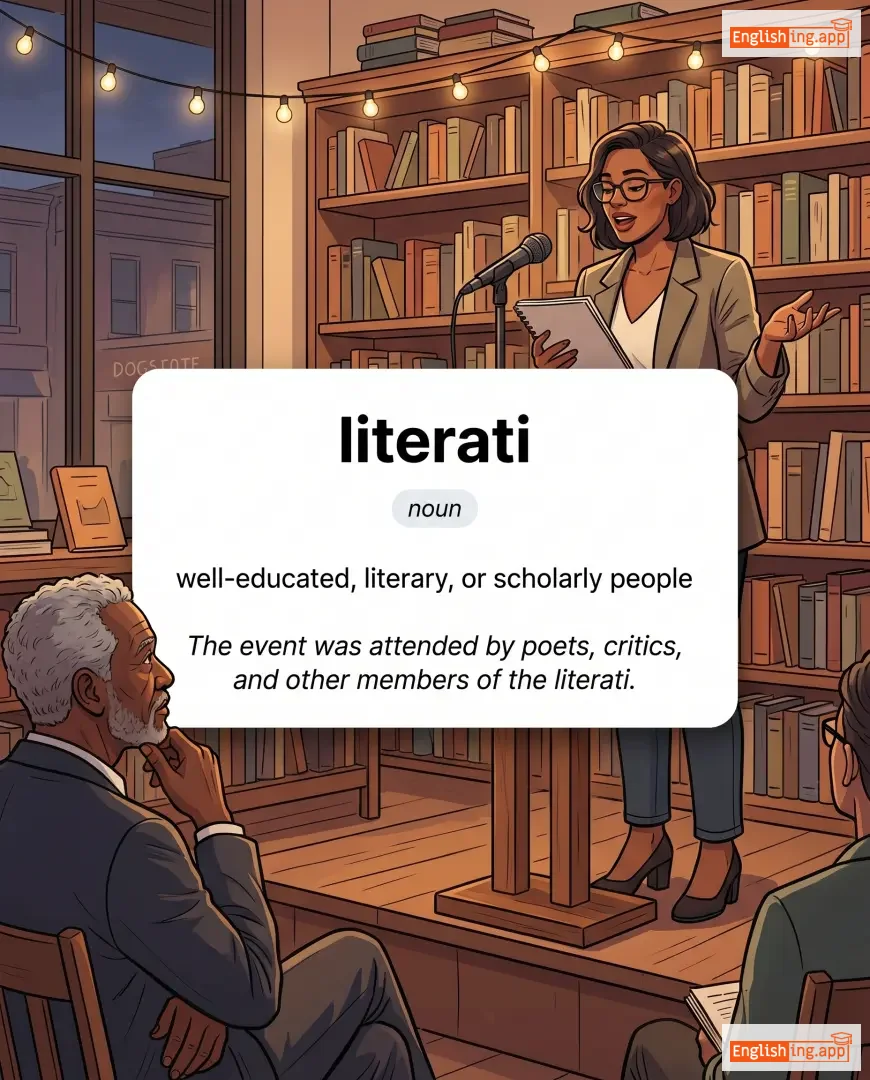
literati definition card — visual illustration of the meaning
noun
/ˌlɪt.əˈrɑː.ti/
文学家 (wenxuejia)

well-educated, literary, or scholarly people

"The event was attended by poets, critics, and other members of the literati."

"该活动由诗人、评论家和其他文学家参加。" (Gai huodong you shiren, pinglunjia he qita wenxuejia canjia.)
noun
/ˈlɪtərətʃər/
文学 (wenxue)

written works, especially those considered of superior or lasting artistic merit

"He studied English literature at university."

"他在大学学习了英语文学。" (Tā zài dàxué xuéxí le yīngyǔ wénxué.)
/laɪð/
灵活且优雅 (linghuo qie youya)

thin, supple, and graceful in movement

"The lithe dancer captivated the audience with her graceful spins."

"灵活的舞者用她优雅的旋转迷住了观众。" (Linghuo de wuzhe yong ta youya de xunzhuan mizhule guanzhong.)
adjective
/ˈlaɪðsəm/
柔韧且优雅 (róurèn qiě yōuyǎ)

gracefully flexible and supple

"Her lithesome figure allowed her to move like a ballerina."

"她的柔韧身姿使她能像芭蕾舞者一样舞动。" (Tā de róurèn shēnzī shǐ tā néng xiàng bālěiwǔ zhě yīyàng wǔdòng.)
noun
/ˈlɪθəˌɡræf/
石版画 (石头印刷) (shí bǎn huà (shí tóu yìn shuā))

a print made by lithography, often artistic

"The museum displayed a rare lithograph from the 19th century."

"博物馆展示了一幅19世纪的稀有石版画。" (Bówùguǎn zhǎnshìle yī fú 19 shìjì de xīyǒu shíbǎnhuà.)
noun
/ˈlɪθəˌtaɪp/
石印类型 (印刷表面) (shí yìn lèixíng (yìnshuā biǎomiàn))

a printing surface or type made for lithography

"The printer used a lithotype to produce multiple copies of the design."

"打印机使用石印类型来制作设计的多个副本。" (Dǎyìnjī shǐyòng shí yìn lèixíng lái zhìzuò shèjì de duōgè fùběn.)
noun
/ˈlɪtɪɡənt/
诉讼人 (sùsòng rén)

a person involved in a lawsuit

"The court summoned both litigants for the hearing."

"法院召集了两名诉讼人参加听证会。" (fǎyuàn zhàojíle liǎng míng sùsòng rén cānjiā tīngzhèng huì.)
verb
/ˈlɪtɪˌɡeɪt/
诉讼 (sùsòng)

to engage in legal proceedings or take a dispute to court

"The company decided to litigate the contract dispute."

"公司决定就合同争议提起诉讼。" (Gōngsī juédìng jiù hétóng zhēngyì tíqǐ sùsòng.)
litigation definition card — visual illustration of the meaning
noun
/ˌlɪtɪˈɡeɪʃən/
诉讼 (sùsòng)

the process of taking legal action or resolving disputes in court

"The litigation lasted for over three years."

"诉讼持续了超过三年。" (Sùsòng chíxùle chāoguò sān nián.)
adjective
/lɪˈtɪdʒəs/
好诉讼的 (hǎo sùsòng de)

prone to engage in lawsuits or overly inclined to argue legally

"He is known as a litigious neighbor who often sues people."

"他被认为是一个爱打官司的邻居,经常起诉别人。" (Tā bèi rènwéi shì yīgè ài dǎ guānsī de línjū, jīngcháng qǐsù biérén.)
noun
/ˈlaɪtoʊtiːz/
委婉语 (wěi wǎn yǔ)

a figure of speech in which an affirmative is expressed by the negative of its contrary

"Saying 'not bad' as a compliment is an example of litotes."

"说‘不坏’作为赞美是委婉语的一个例子。" (shuō 'bù huài' zuòwéi zànměi shì wěi wǎn yǔ de yīgè lìzi.)
noun
/ˈliːtər/
(sheng)

a metric unit of volume equal to 1,000 cubic centimeters; commonly used to measure liquids

"She bought a litre of milk from the shop."

"她从商店买了一升牛奶。" (ta cong shangdian mai le yi sheng niunai)
noun/verb
/ˈlɪtər/
垃圾 (laji)

rubbish or waste left lying in a public place; to make a place untidy by leaving rubbish

"The park was full of litter after the festival."

"节日过后,公园里满是垃圾。" (Jieri guo hou, gongyuan li man shi laji.)
adjective
/ˈlɪtl/
小的 (xiao de)

Small in size, amount, or degree.

"He drank a little water before going to bed."

"他在上床前喝了一点水。" (Tā zài shàng chuáng qián hē le yī diǎn shuǐ.)
adjective
/ˈlɪtərəl/
沿海的 (yánhǎi de)

Related to or situated on the shore of the sea or a lake.

"The littoral zone is home to many unique marine species."

"沿海地区是许多独特海洋物种的栖息地。" (Yánhǎi dìqū shì xǔduō dútè hǎiyáng wùzhǒng de qīxī dì.)
noun
/ˈlɪtərdʒi/
礼仪 (lǐyí)

A form or formulary according to which public religious worship is conducted.

"The priest followed the liturgy during the Sunday mass."
"牧师在周日弥撒中遵循了礼仪。" (Mùshī zài zhōurì mísa zhōng zūn xúnle lǐyí.)
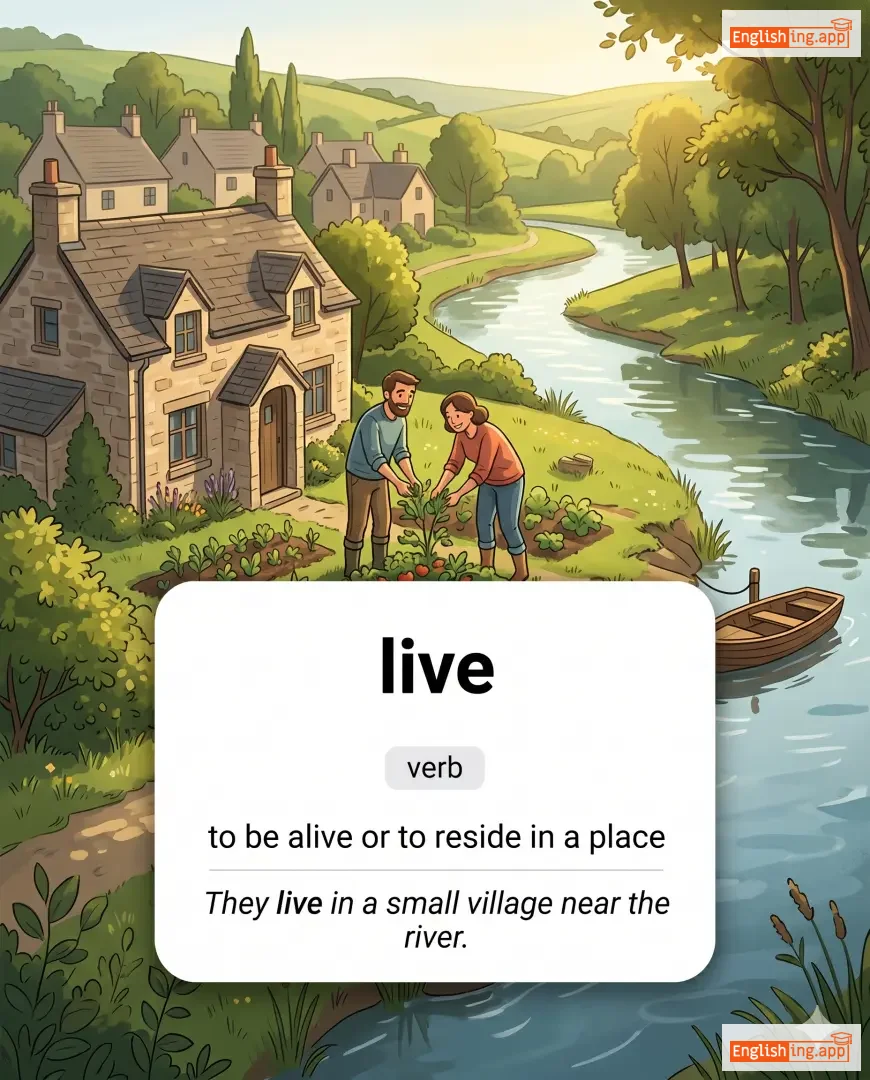
live definition card — visual illustration of the meaning
verb
/lɪv/
生活 (shenghuo)

to be alive or to reside in a place

"They live in a small village near the river."
"他们住在河边的一个小村庄里。" (Tāmen zhù zài hé biān de yī gè xiǎo cūnzhuāng lǐ.)
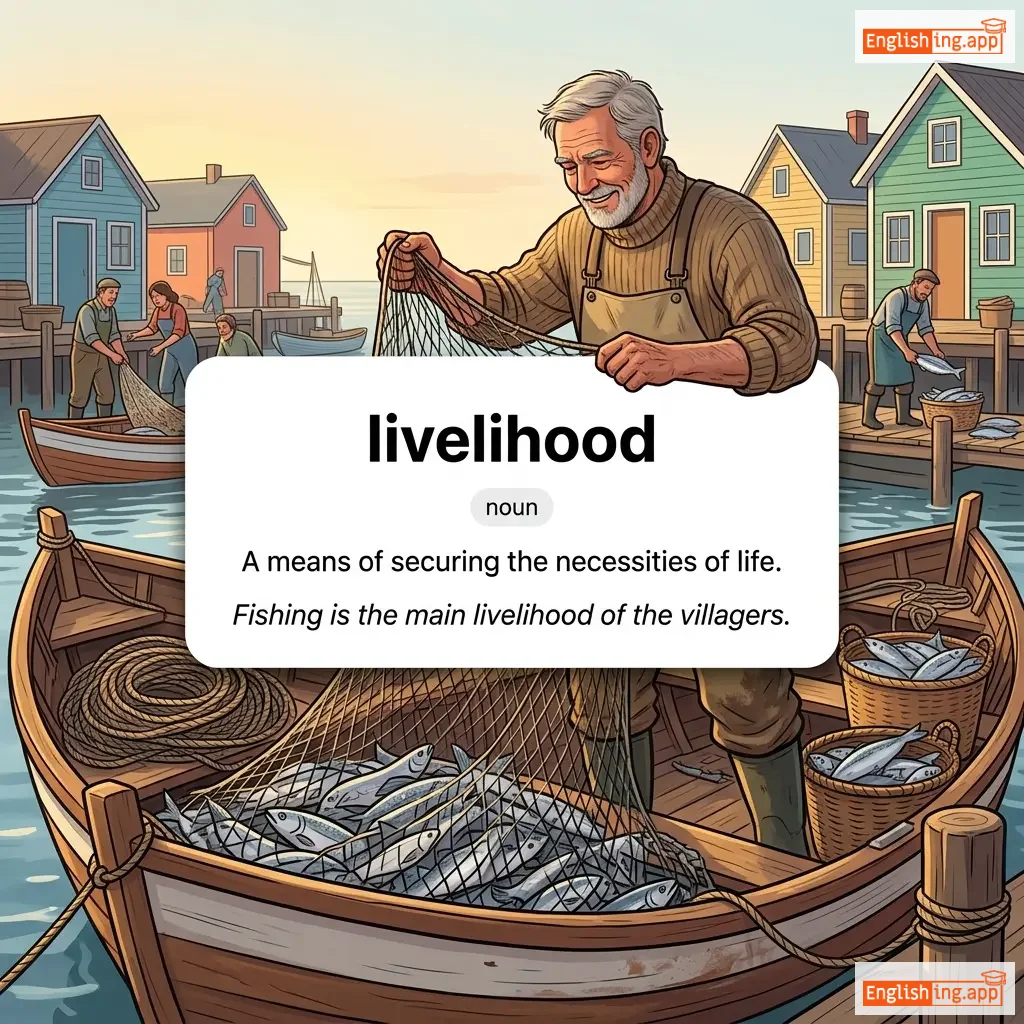
livelihood definition card — visual illustration of the meaning
noun
/ˈlaɪvlihʊd/
生计 (shengji)

A means of securing the necessities of life.

"Fishing is the main livelihood of the villagers."

"捕鱼是村民们的主要生计。" (Buyu shi cunminmen de zhuyao shengji.)
adjective
/ˈlaɪv.li/
充满活力的; 活泼的; 快乐的 (laivli)

full of life and energy; animated; cheerful

"The children had a lively discussion about their favorite books."

"孩子们就他们最喜欢的书进行了充满活力的讨论。" (Haizimen jiu tamen zui xihuan de shu jinxing le chongman huoli de taolun.)
noun
/ˈlɪvər/
肝脏 (ganzang)

a large organ in the body that cleans the blood and produces bile to help digest food.

"The liver plays a vital role in removing toxins from the body."

"肝脏在清除体内毒素中起着至关重要的作用。" (ganzang zai qingchu tinei dushu zhong qizhe zhiguanzhongyao de zuoyong.)
noun
/ˈlaɪv.stɒk/
家畜 (jiāchù)

farm animals such as cattle, sheep, and pigs that are kept for use or profit

"The farmer raised livestock to supply meat and milk for the market."
"农民饲养家畜,以供应市场的肉类和牛奶。" (nóngmín sìyǎng jiāchù, yǐ gōngyìng shìchǎng de ròulèi hé niúnǎi.)
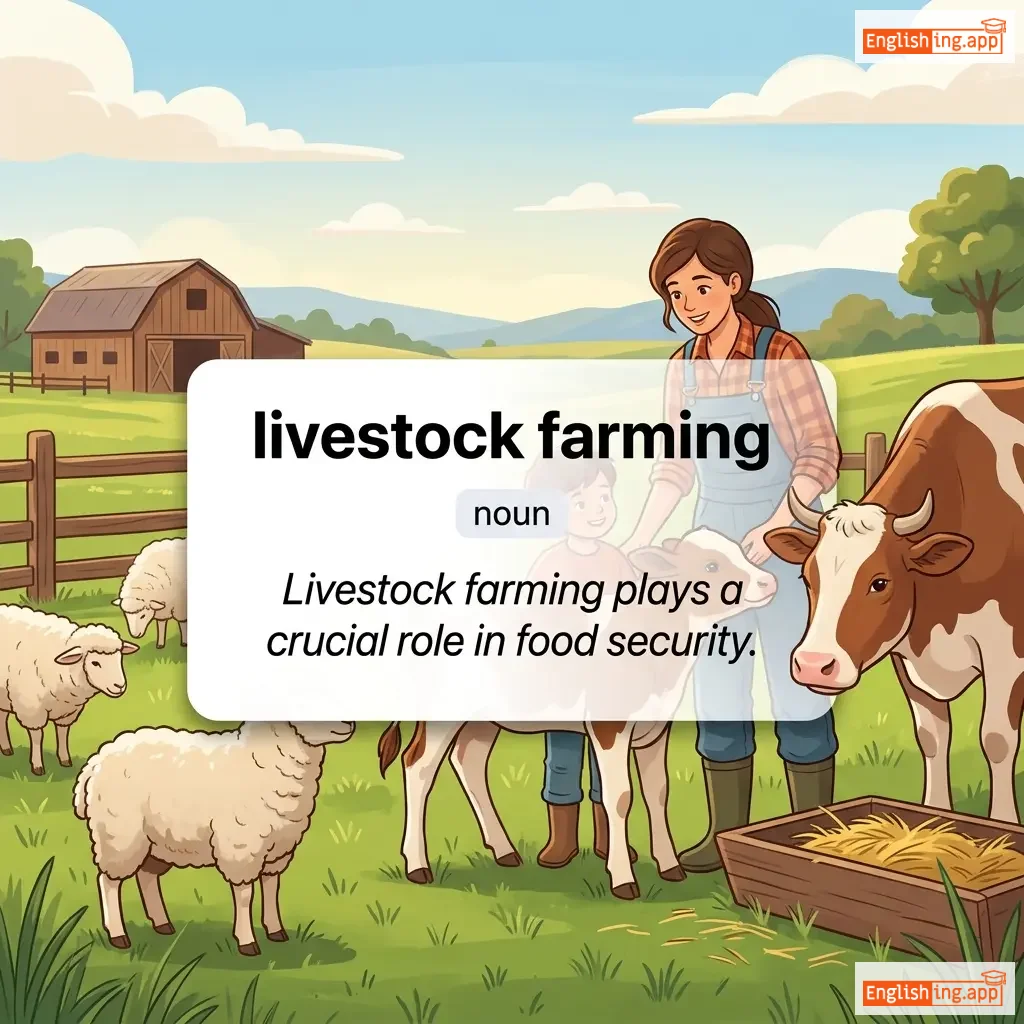
livestock farming definition card — visual illustration of the meaning
noun
ˈlaɪv.stɒk ˈfɑː.mɪŋ
畜牧业 (xumuyye)

The breeding, raising, and care of farm animals such as cattle, horses, sheep, and pigs for food, fiber, and other products.

"Livestock farming plays a crucial role in food security."

"畜牧业在食品安全中发挥着至关重要的作用。" (Xumuyye zai shipin anquan zhong fahui zhe zhiguan zhongyao de zuoyong.)
adjective
/ˈlɪvɪd/
愤怒的 (fèn nù de)

Extremely angry; furious.

"She was livid when she found out about the betrayal."

"当她发现背叛时,她愤怒不已。" (Dāng tā fāxiàn bèipàn shí, tā fèn nù bù yǐ.)
noun/adjective
/ˈlɪvɪŋ/
生活 / 生计 (shenghuo / shengji)

the state of being alive; or a way of earning money

"He makes his living as a teacher."
"他以教师的身份谋生。" (Ta yi jiaoshi de shenfen mingsheng.)
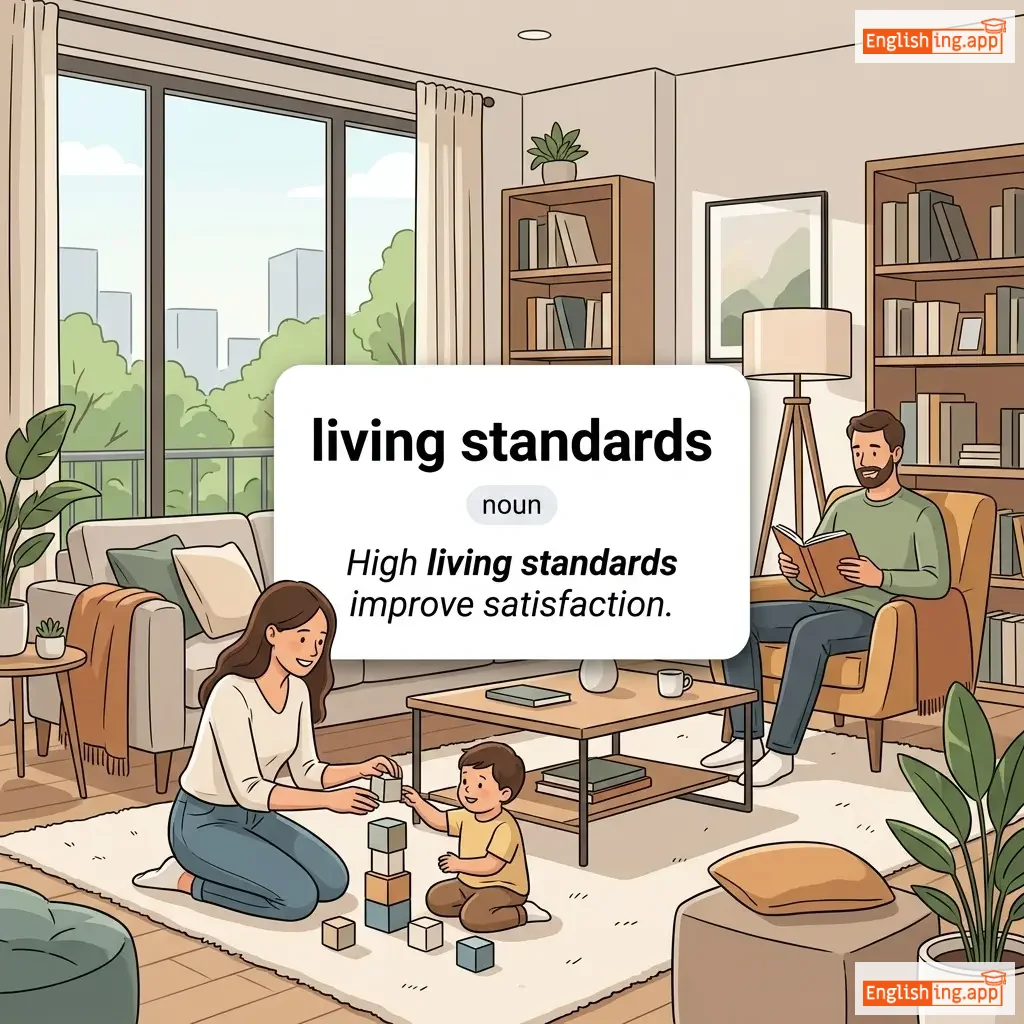
living standards definition card — visual illustration of the meaning
noun
ˈlɪv.ɪŋ ˈstæn.dədz
生活水平 (shenghuo shuiping)

The degree of wealth and material comfort available to a person or community; quality of life.

"High living standards improve satisfaction."

"高生活水平提高了满意度。" (Gāo shēnghuó shuǐpíng tígāo le mǎnyì dù.)
noun
/ˈlɪzərd/
壁虎 (bìhǔ)

A small reptile with a long body, four legs, and a tail, often found on walls or in gardens.

"A lizard crawled across the wall."
"一只壁虎沿着墙爬行。" (Yī zhī bìhǔ yánzhe qiáng páxíng.)
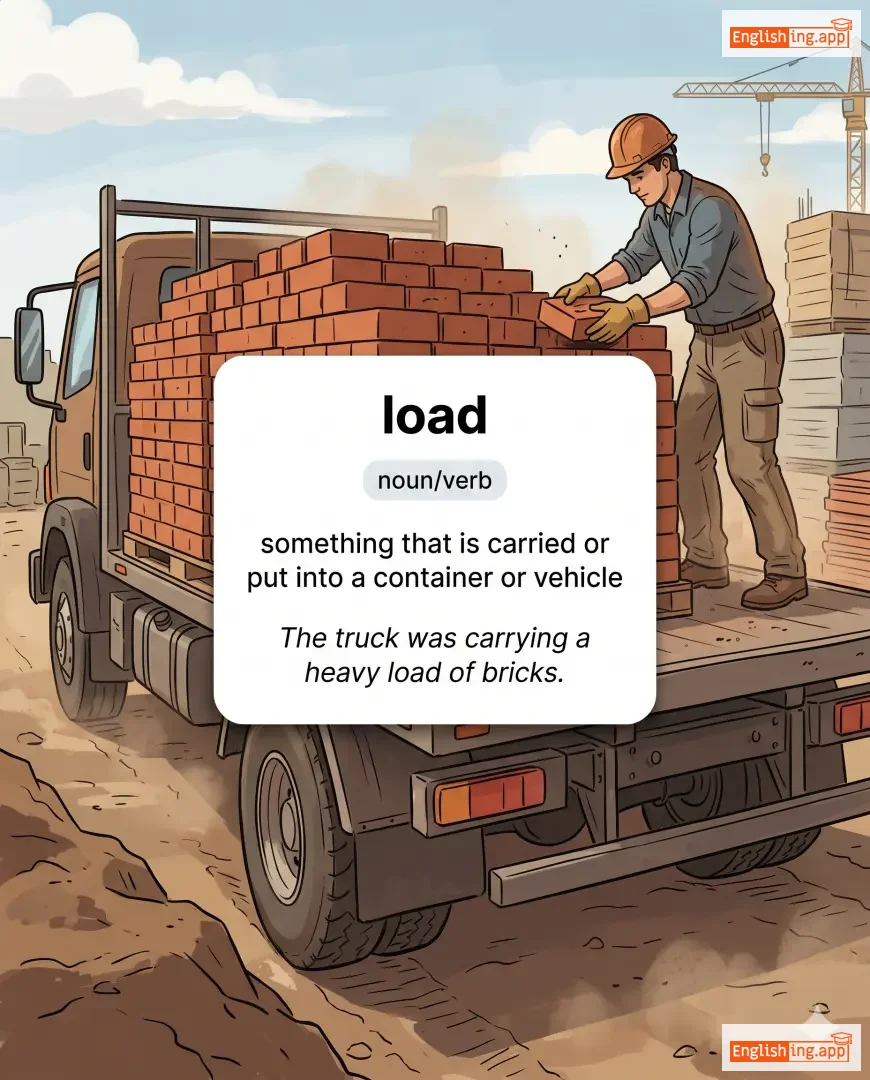
load definition card — visual illustration of the meaning
noun/verb
/loʊd/
载重 (zàizhòng)

something that is carried or put into a container or vehicle

"The truck was carrying a heavy load of bricks."

"卡车正在运输一载重的砖块。" (kǎchē zhèngzài yùnshū yī zàizhòng de zhuānkuài.)
noun
/loʊf/
面包 (miànbāo)

a shaped mass of bread baked as a unit

"She bought a fresh loaf of bread from the bakery."

"她从面包店买了一个新鲜的面包。" (Tā cóng miàobāo diàn mǎi le yīgè xīnxiān de miànbāo.)
noun
/ˈloʊfər/
懒汉 (lǎn hàn)

A person who is lazy and avoids work; also a type of slip-on shoe.

"He was called a loafer because he never did his job properly."

"他被称为懒汉,因为他从未认真做过工作。" (Tā bèi chēng wèi lǎn hàn, yīnwèi tā cóng wèi rènzhēn zuòguò gōngzuò.)
noun
/loʊm/
肥沃的土壤 (feiwo de turang)

A fertile soil of clay and sand containing humus.

"The farmer used loam to improve the fertility of the field."

"农民用肥沃的土壤来提高田地的肥力。" (Nongmin yong feiwo de turang lai tigao tian di de feili.)
noun
/loʊn/
贷款 (daikuan)

money that is borrowed and expected to be paid back with interest

"She took a loan from the bank to buy a house."

"她从银行借了贷款买房。" (ta cong yinhang jie le daikuan mai fang.)
adjective
/loʊθ/
不情愿 (bu qingyuan)

reluctant or unwilling to do something

"She was loath to admit her mistake in front of everyone."

"她不愿意在大家面前承认她的错误。" (Ta bu yuanyi zai dada mianqian chengren ta de cuowu.)
verb
/loʊð/
厌恶 (yànwù)

to feel intense dislike or disgust for

"He absolutely loathes being late to meetings."

"他完全讨厌迟到会议。" (Tā wánquán tǎoyàn chídào huìyì.)
adjective
/ˈloʊð.səm/
令人厌恶的 (loathsome)

causing hatred or disgust; repulsive

"The loathsome smell from the garbage made everyone leave the room."

"垃圾散发出的令人厌恶的气味让每个人离开了房间。" (lajisanfachudelingrenyanwudeqiweirangmeigerenlikailefangjian)
noun
/ˈlɒbi/
大堂 (datang)

a large open area near the entrance of a building; also a group trying to influence decisions.

"We met the manager in the hotel lobby before the meeting."

"我们在会议前在酒店的大堂见到了经理。" (women zai huiyi qian zai jiudian de datang jiandao le jingli.)
noun
/ˈlɒbstər/
龙虾 (long xia)

a large marine crustacean with claws and a hard shell

"The lobster was served with melted butter and lemon."

"龙虾配上融化的黄油和柠檬一起上桌。" (long xia pei shang rong hua de huang you he ning meng yi qi shang zhuo.)
adjective/noun
/ˈloʊkəl/
本地 (bendi)

relating to a particular area or neighborhood

"We prefer buying fruits from the local market."

"我们更喜欢从本地市场购买水果。" (Wǒmen gèng xǐhuān cóng běndì shìchǎng gòumǎi shuǐguǒ.)
verb
/loʊˈkeɪt/
定位 (duiwei)

to find the exact position or place of something

"They managed to locate the missing keys under the couch."

"他们成功地在沙发下找到丢失的钥匙。" (Tāmen chénggōng de zài shāfā xià zhǎodào diūshī de yàoshi.)
noun
/loʊˈkeɪʃən/
位置 (weizhi)

a particular place or position

"This cafe is in a beautiful location near the lake."

"这个咖啡馆位于湖边的一个美丽的位置。" (Zhège kāfēi guǎn wèiyú hú biān de yīgè měilì de wèizhì.)