語彙集

英単語辞書 | 単語の意味、定義、例文

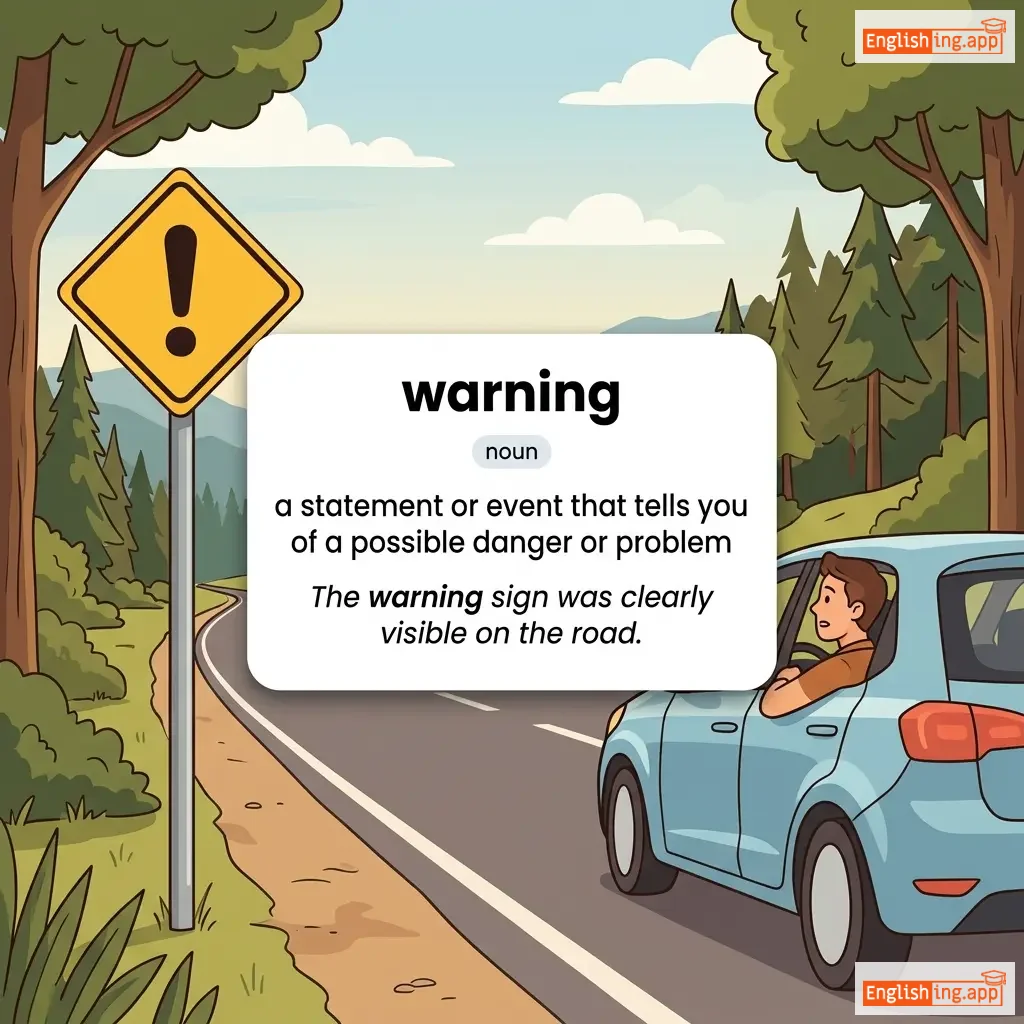
warning definition card — visual illustration of the meaning
noun
/ˈwɔːrnɪŋ/
警告 (keikoku)

a statement or event that tells you of a possible danger or problem

"The warning sign was clearly visible on the road."

"道路上の警告サインははっきりと見えました。" (Dourojou no keikoku sain wa hakkiri to miemashita.)
🌀

warp

verb
/wɔːrp/

To twist or bend out of shape, often due to heat or moisture.

"The wooden door warped in the summer heat."

noun/verb
/ˈwɒrənt/
令状 (reijō)

As a noun: An official authorization or order. As a verb: To justify or make something necessary.

"The judge issued a warrant for his arrest."
"裁判官は彼の逮捕状を発行しました。" (Saibankan wa kare no taihojō o hakkō shimashita.)
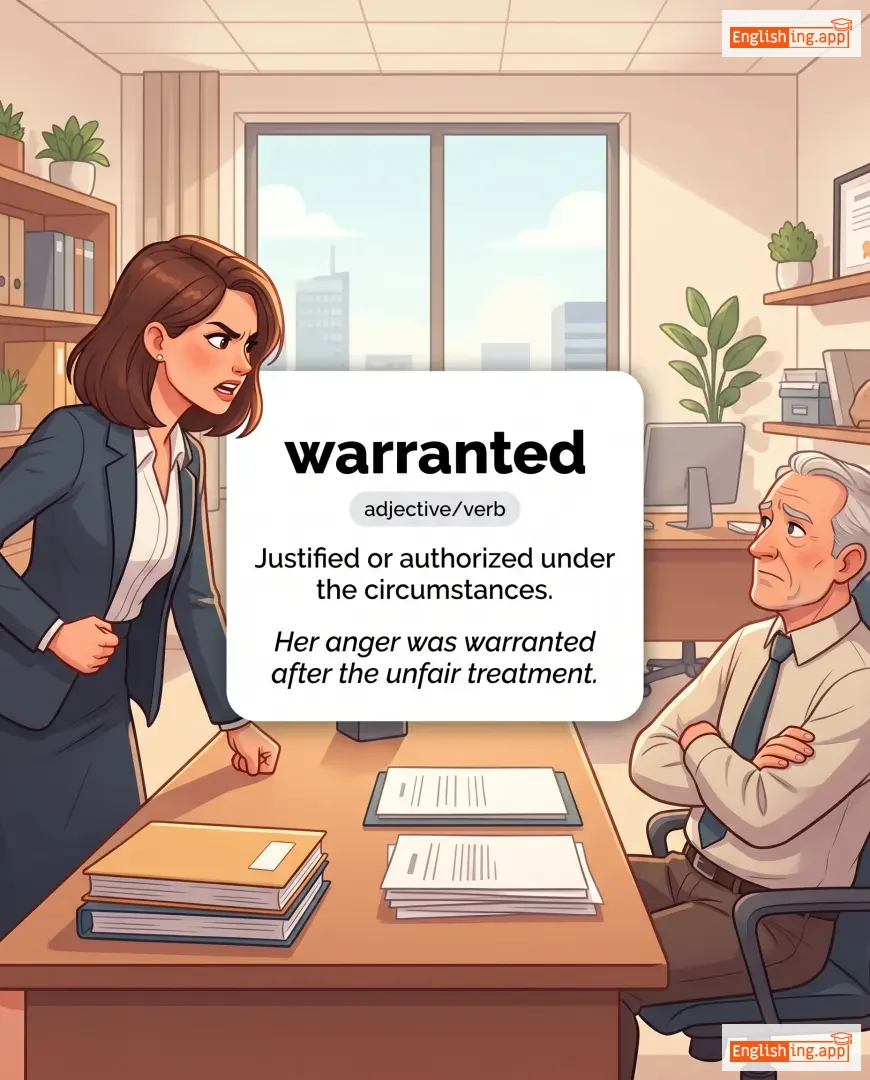
warranted definition card — visual illustration of the meaning
adjective/verb
/ˈwɒrəntɪd/
正当化された (seitouka sareta)

Justified or authorized under the circumstances.

"Her anger was warranted after the unfair treatment."

"不公平な扱いの後、彼女の怒りは正当化されていました。" (Fukouhei na atsukai no ato, kanojo no ikari wa seitouka sarete imashita.)
noun
/ˈwɒrənti/
保証 (hoshō)

A written guarantee given by a manufacturer or seller promising to repair or replace a product if necessary within a specified period.

"The laptop comes with a two-year warranty."

"そのノートパソコンには2年間の保証が付いています。" (Sono nōto pasokon ni wa 2-nenkan no hoshō ga tsuiteimasu.)
noun
/ˈwɒrən/
ウサギの巣穴のネットワーク (warren)

A network of interconnected rabbit burrows; also used metaphorically for a densely populated building or district.

"The old part of the city is a warren of narrow streets."

"街の古い部分は、狭い通りが入り組んだ迷路のようです。" (Machi no furui bubun wa, semai tōri ga hairikonda meiro no yō desu.)
noun
/ˈwɒriər/
戦士 (senshi)

a person engaged or experienced in warfare; a brave or experienced fighter

"The ancient warrior fought fearlessly to protect his land."
"古代の戦士は自分の土地を守るために恐れずに戦った。" (Kodai no senshi wa jibun no tochi o mamoru tame ni osorezu ni tatakatta.)
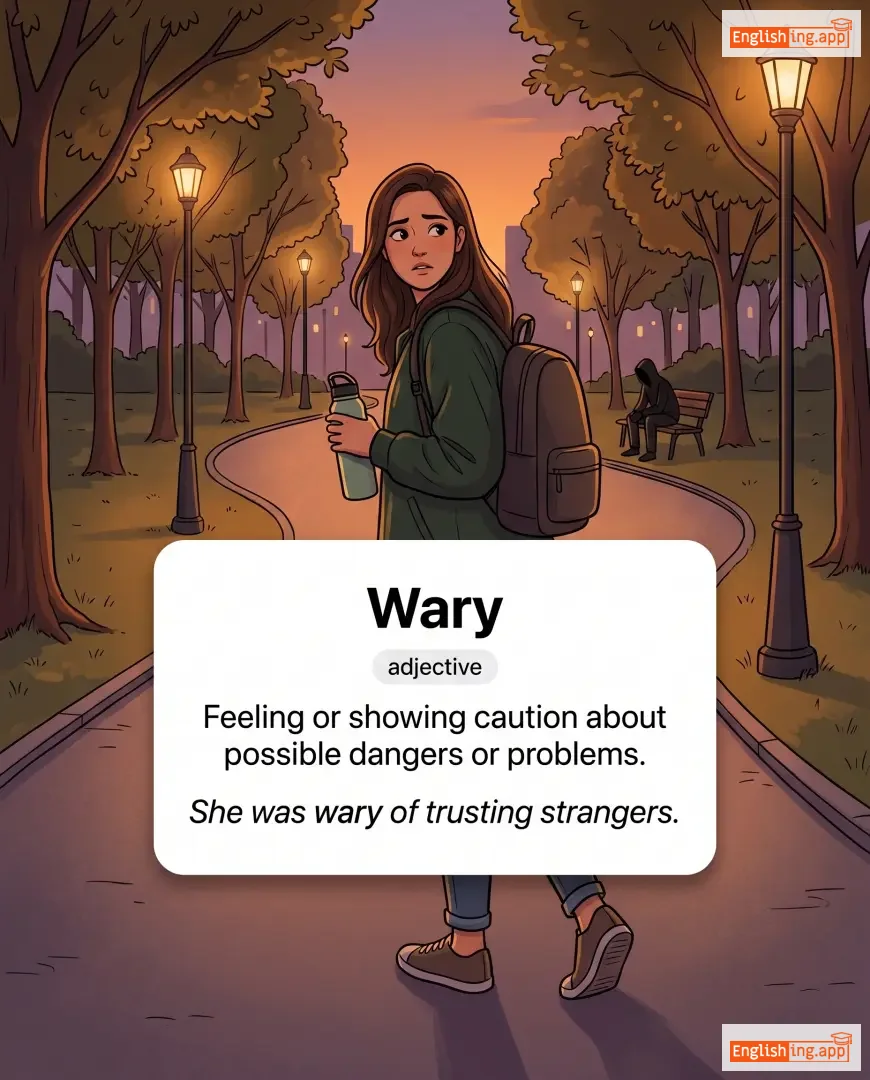
Wary definition card — visual illustration of the meaning
adjective
/ˈweəri/
用心深い (wary)

Feeling or showing caution about possible dangers or problems.

"She was wary of trusting strangers."
"彼女は見知らぬ人を信じることに用心深かった。" (Kanojo wa mishiranu hito o shinjiru koto ni yōjinbukatta.)
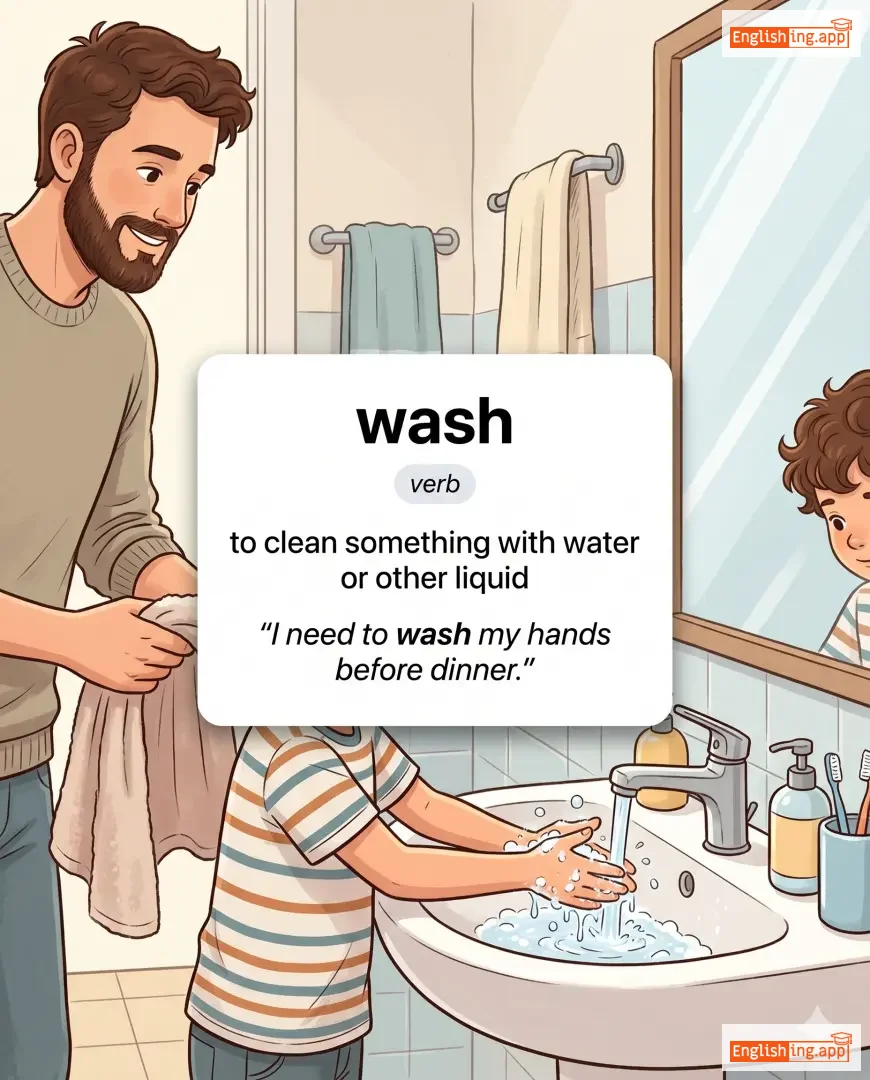
wash definition card — visual illustration of the meaning
verb
/wɒʃ/
洗う (arau)

to clean something with water or other liquid

"I need to wash my hands before dinner."

"夕食前に手を洗う必要があります。" (Yuushoku mae ni te o arau hitsuyou ga arimasu.)
noun
/ˈwɑː.ʃər mæn/
洗濯屋 (sentakuya)

a person whose job is to wash clothes and linens for others

"The washer man collected dirty clothes from every household in the village."

"洗濯屋は村のすべての家から汚れた服を集めました。" (Sentakuya wa mura no subete no ie kara yogoreta fuku o atsumemashita)
noun; gerund
/ˈwɒʃɪŋ/
洗浄 (senjo)

the act of cleaning with water or other liquid; clothes or items that are being washed

"Washing clothes regularly helps maintain hygiene."

"定期的な洗濯は衛生を保つのに役立ちます。" (teikiteki na sentaku wa eisei o tamotsu no ni yakudachimasu)
noun
/ˈwɒʃ.ɪŋ məˌʃiːn/

a machine for washing clothes and other textiles

"The washing machine broke down and needs repair."

noun
/wɒsp/
スズメバチ (suzumebachi)

a flying insect with a yellow and black striped body and a painful sting

"The wasp stung me when I disturbed its nest."

"私は巣を邪魔したとき、スズメバチに刺されました。" (Watashi wa su o jama shita toki, suzumebachi ni sasarimashita.)
noun
/ˈweɪ.stɪdʒ/
無駄遣い (mudazukai)

the action of using or expending something carelessly or without purpose

"The company reduced food wastage by implementing better inventory management."
"会社はより良い在庫管理を導入することにより、食料の無駄遣いを減らしました。" (Kaisha wa yori yoi zaiko kanri o dōnyū suru koto ni yori, shokuryō no mudazukai o herashimashita.)
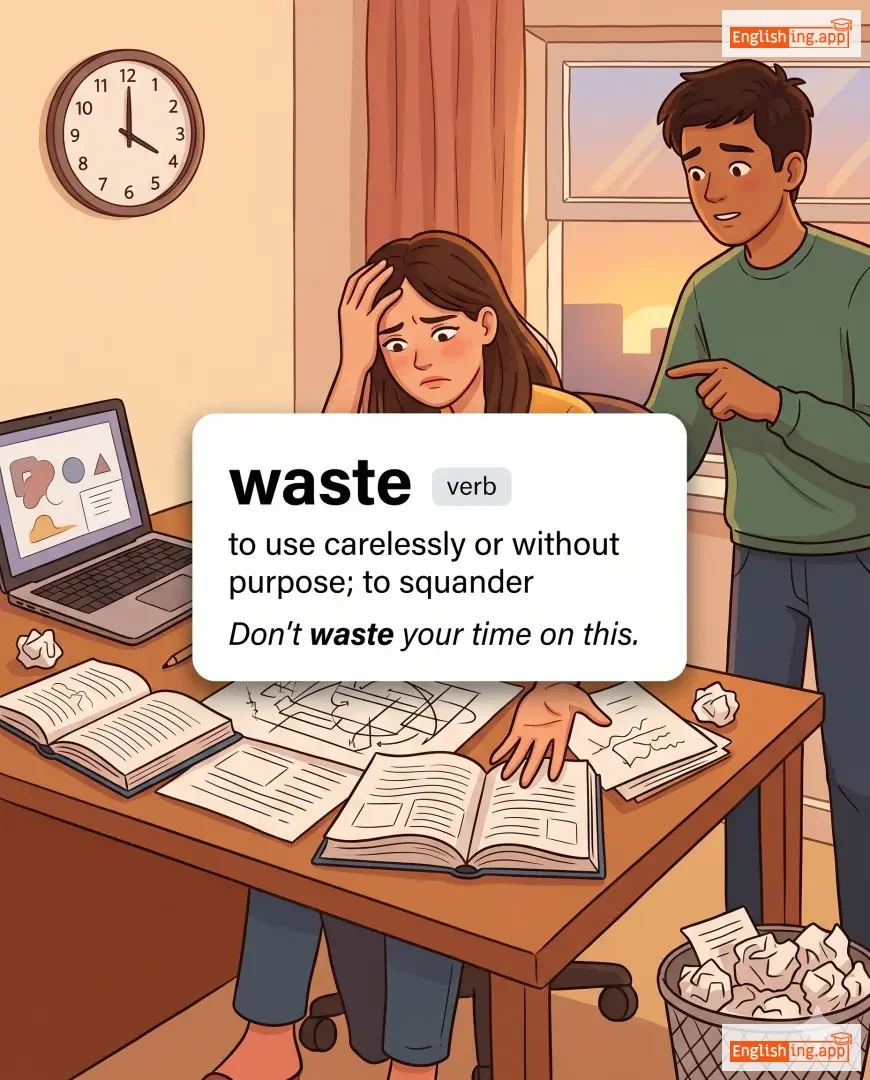
waste definition card — visual illustration of the meaning
noun
/weɪst/
無駄 (muda)

something that is not useful and is thrown away

"Don't waste your time on unnecessary tasks."

"無駄な作業に時間を浪費しないでください。" (Muda na sagyō ni jikan o rōhi shinai de kudasai.)
noun
/ˈweɪstrəl/
浪費者, 怠け者 (wastrel)

A person who wastes time, money, or resources; an idler or spendthrift.

"The young man was dismissed as a wastrel by his family."
"その若者は家族から浪費者として追放されました。" (Sono wakamono wa kazoku kara rūhi-sha to shite tsuihō saremashita.)
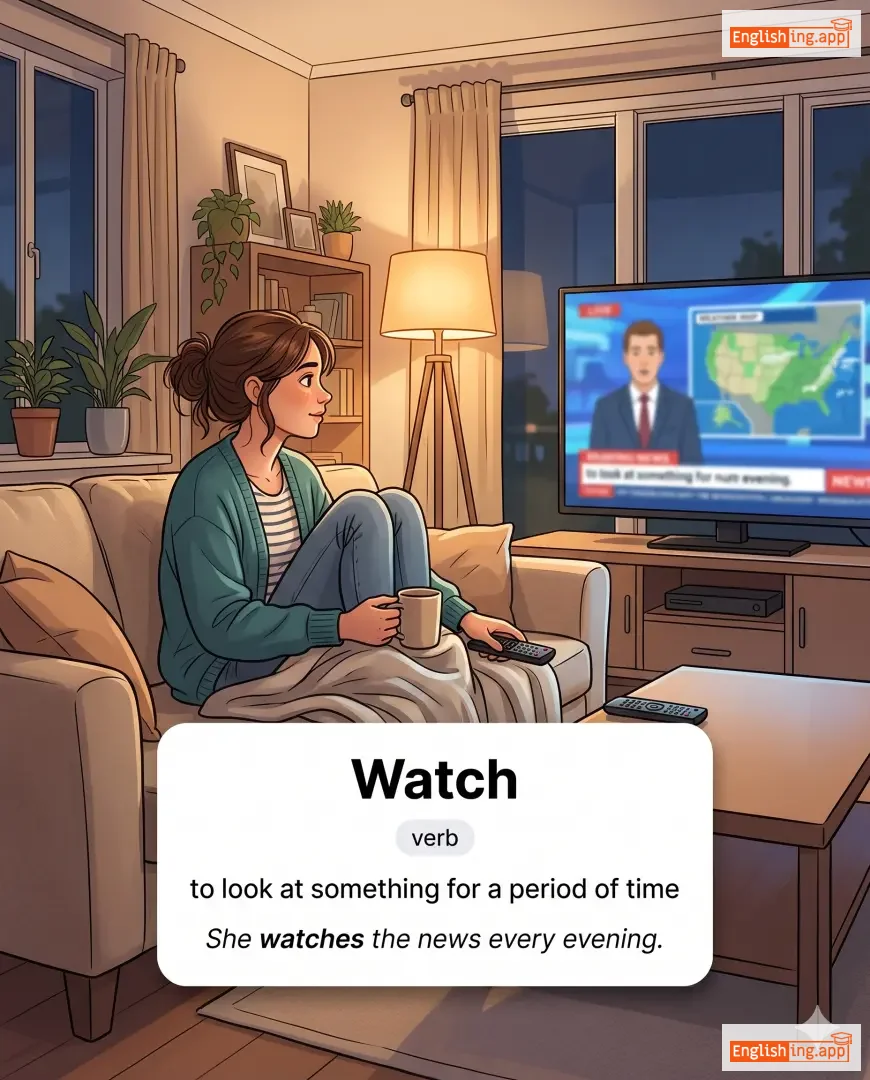
Watch definition card — visual illustration of the meaning
verb
/wɒtʃ/
見る (miru)

to look at something for a period of time

"She watches the news every evening."

"彼女は毎晩ニュースを見ます。" (Kanojo wa mainichi ban nyūsu o mimasu.)
noun
/ˈwɒtʃ.mən/
守衛 (shuei)

a person employed to guard or watch over a building or area, especially at night

"The watchman patrols the factory every hour to ensure security."
"守衛は毎時間工場を巡回して、セキュリティを確保します。" (Shuei wa maijikan kōjō o junkai shite, sekyuriti o kakuho shimasu.)
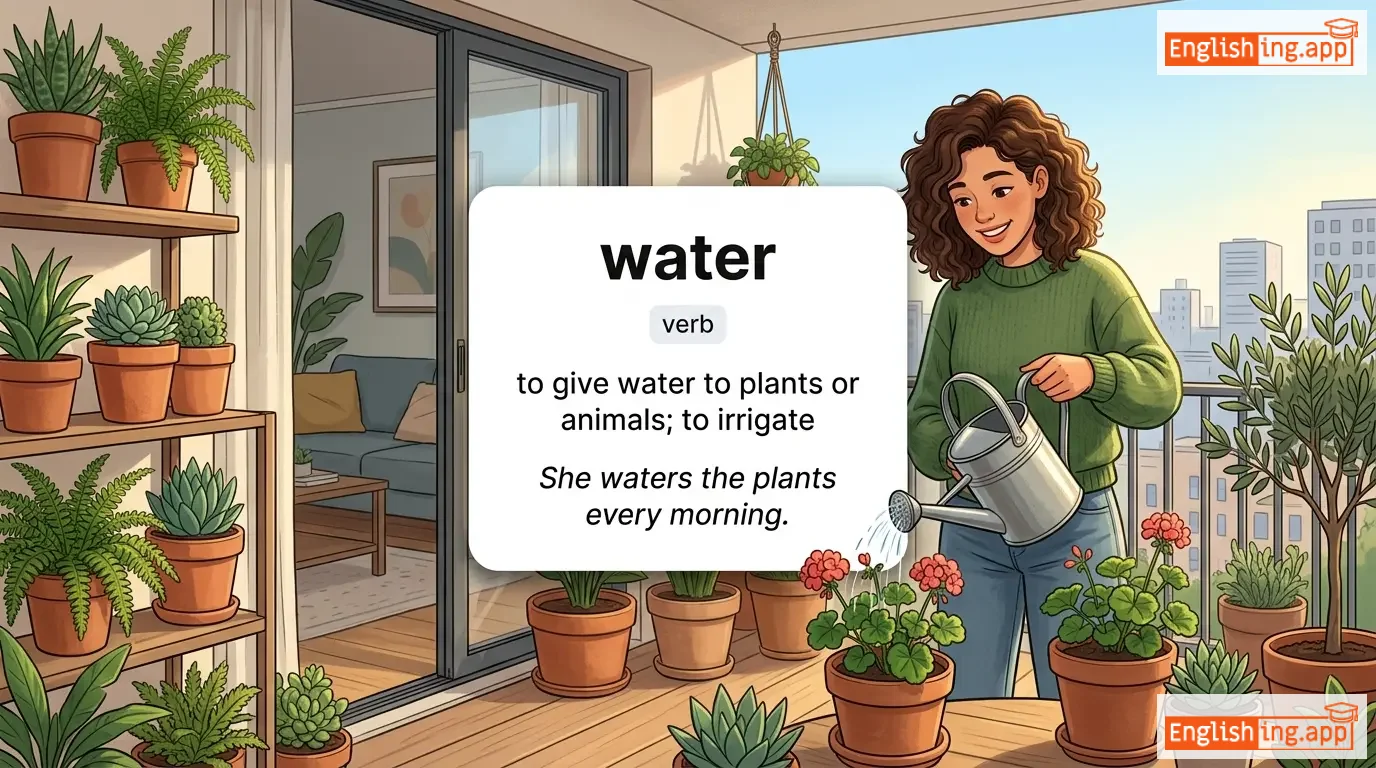
water definition card — visual illustration of the meaning
noun
/ˈwɔːtər/
(mizu)

a clear, colorless, odorless, and tasteless liquid that is essential for life

"We need to drink water to stay hydrated."

"私たちは水分補給のために水を飲む必要があります。" (Watashitachi wa suibun hokyū no tame ni mizu o nomu hitsuyō ga arimasu.)
noun
/ˈwɔː.tər ˈtʃes.nʌt/
水栗 (mizukuri)

aquatic plant with edible white crisp tubers

"Water chestnuts add a nice crunch to stir-fry dishes."

"水栗は炒め物に素晴らしいカリカリ感を加えます。" (Mizukuri wa itamemono ni subarashī karikarikan o kuwaemasu)
noun
/ˈwɔː.tər hen/
水鳥 (mizudori)

a waterbird with dark plumage that lives near ponds and wetlands

"The water hen swam gracefully across the pond."

"水鳥は池を優雅に泳ぎました。" (Mizudori wa ike o yūga ni oyogimashita.)
noun
/ˈwɔː.tər pɒt/
水差し (mizudashi)

a container used for storing or carrying water

"The water pot in the kitchen was filled with fresh drinking water."

"キッチンの水差しは新鮮な飲料水でいっぱいでした。" (kicchin no mizudashi wa shinsen na inryō mizu de ippai deshita.)
noun
/ˈwɔtər ˈpjʊrəˌfaɪər/
水の浄化装置 (mizu no jōka sōchi)

A device that removes contaminants and impurities from water to make it safe for drinking

"We installed a water purifier in our kitchen to ensure clean drinking water."

"私たちは清潔な飲料水を確保するために、キッチンに水の浄化装置を設置しました。" (Watashitachi wa seiketsu na inryō mizu o kakuho suru tame ni, kitchin ni mizu no jōka sōchi o setchi shimashita.)
noun
/ˈwɔː.tər ˈspɪn.ɪtʃ/
水菠菜 (mizu hosobana)

A semi-aquatic leafy vegetable with hollow stems, popular in Asian cuisine

"Water spinach grows well in wet soil."

"水菠菜は湿った土壌でよく育ちます。" (mizu hosobana wa shimetta dōjō de yoku sodachimasu)
noun
/ˈwɔː.tər ˌlɪl.i/
スイレン (suiren)

a floating flower that grows on the surface of ponds and lakes

"The white water-lily floated gracefully on the pond."

"白いスイレンが池に優雅に浮かんでいました。" (shiroi suiren ga ike ni yuuga ni ukande imashita)
noun
/ˈwɔːtərfɔːl/
(wootaafooru)

a cascade of water falling from a height, formed when a river or stream flows over a precipice or steep incline

"The magnificent waterfall attracts thousands of tourists every year."

"壮大な滝は毎年何千人もの観光客を引きつけます。" (soudaina taki wa mainen nanzen nin no mono kankoukyaku o hikitsukemasu.)
noun
/ˈwɔː.tər.mel.ən/
スイカ (suika)

a large round fruit with a hard green skin and sweet red flesh with black seeds

"I bought a fresh watermelon from the market for the summer picnic."

"私は夏のピクニックのために市場で新鮮なスイカを買いました。" (Watashi wa natsu no pikunikku no tame ni shijō de shinsen na suika o kaimashita.)
noun
/ˈwɔːtəʃɛd/
分水嶺, 重要な転換点 (watershed)

An event or period marking a turning point in a situation; also refers to a ridge dividing two drainage areas.

"The independence movement was a watershed in the nation's history."
"独立運動は国の歴史の中で分水嶺となった。" (Dokuritsu undō wa kuni no rekishi no naka de bun suiri e to natta.)
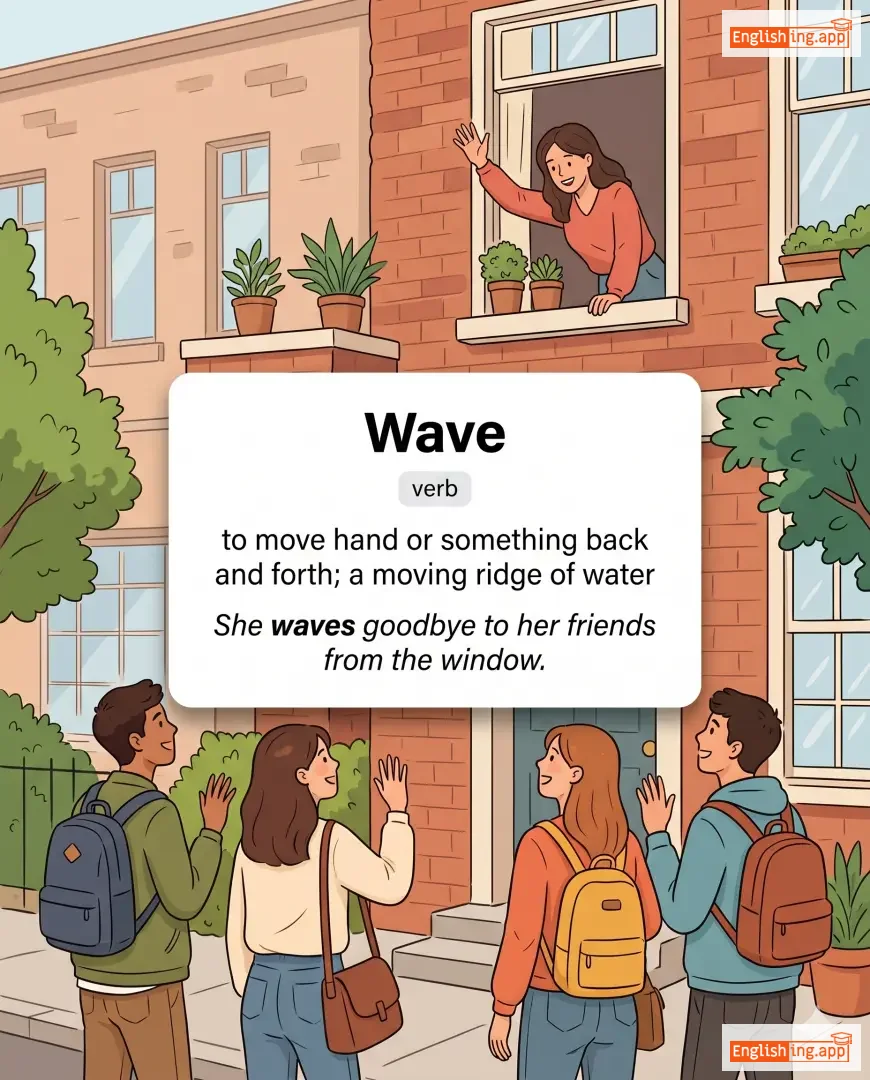
Wave definition card — visual illustration of the meaning
noun
/weɪv/
(nami)

a long body of water curling into an arched form and breaking on the shore

"The waves crashed against the rocks during the storm."

"嵐の間に波が岩にぶつかった。" (Arashi no aida ni nami ga iwa ni butsukatta.)
noun
/ˈweɪvlət/
小さな波 (chiisana nami)

a small wave or ripple on the surface of water or another medium

"The pond was disturbed only by the tiny wavelets caused by the breeze."

"池は風によって引き起こされた小さな波によってのみ乱されました。" (Ike wa kaze ni yotte hikiokosareta chiisana nami ni yotte nomi midasaremashita.)
verb
/ˈweɪvər/
揺れる (yureru)

to become unsteady or indecisive; to hesitate or shake

"She began to waver in her decision to move abroad."

"彼女は海外に引っ越す決断に揺れ始めた。" (Kanojo wa kaigai ni hikkosu ketsudan ni yurehajimeta.)
🌕

Wax

verb
/wæks/

to increase gradually in size, number, strength, or intensity

"The moon will wax until it becomes full."

noun
/wæks ɡɔːrd/
ワックスゴード (wakkusugōdo)

a large white or green gourd with waxy skin, commonly used in Asian cooking

"The wax gourd soup is very nutritious and helps with digestion."

"ワックスゴードのスープは非常に栄養があり、消化を助けます。" (wakkusugōdo no sūpu wa hijō ni eiyō ga ari, shōka o tasukemasu.)
noun
/wæks ˈkændəl/
ろうそく (rōsoku)

a cylinder of wax with a wick through it that burns to give light

"We lit a wax candle during the power outage."

"停電中にろうそくを灯しました" (teidenchū ni rōsoku o tomoshimashita)
noun
/weɪ/
道 / 方法 (michi / hōhō)

a path, direction, or method of doing something

"He found a new way to solve the problem."

"彼は問題を解決する新しい方法を見つけました。" (Kare wa mondai o kaiketsu suru atarashī hōhō o mitsukemashita.)
verb
/ˌweɪˈleɪ/
突然立ち止まる / 攻撃する (totsuzen tachidomaru / kougeki suru)

to stop or interrupt someone unexpectedly, often to attack or detain them

"He was waylaid by reporters as he left the courthouse."

"彼は裁判所を出るとき、記者に道を遮られた。" (Kare wa saiban-sho o deru toki, kisha ni michi o saegirareta.)
adjective
/ˈweɪwərd/
反抗的な (hankōteki na)

Difficult to control or predict because of unusual or perverse behavior.

"The teacher struggled to manage the wayward students."

"教師は反抗的な生徒を管理するのに苦労していた。" (Kyōshi wa hankōteki na seito o kanri suru no ni kurō shite ita.)
pronoun
/wi/
私たち (watashitachi)

used by a speaker to refer to himself or herself and one or more other people

"We are going to the park this afternoon."

"私たちは今日の午後公園に行きます。" (Watashitachi wa kyō no gogo kōen ni ikimasu.)
adjective
/wiːk/
弱い (yowai)

lacking physical strength or energy

"She felt weak after the long run."

"長いランニングの後、彼女は弱く感じた。" (Nagai ranningu no ato, kanojo wa yowaku kanjita.)
adjective
/ˈwiːk niːd/
臆病 (okubyo)

Lacking determination or courage; easily frightened or yielding.

"The leader was criticized for being weak-kneed in the face of opposition."
"リーダーは反対に直面したとき、臆病だと批判されました。" (Rīdā wa hantai ni chokumen shita toki, okubyo da to hihan saremashita.)
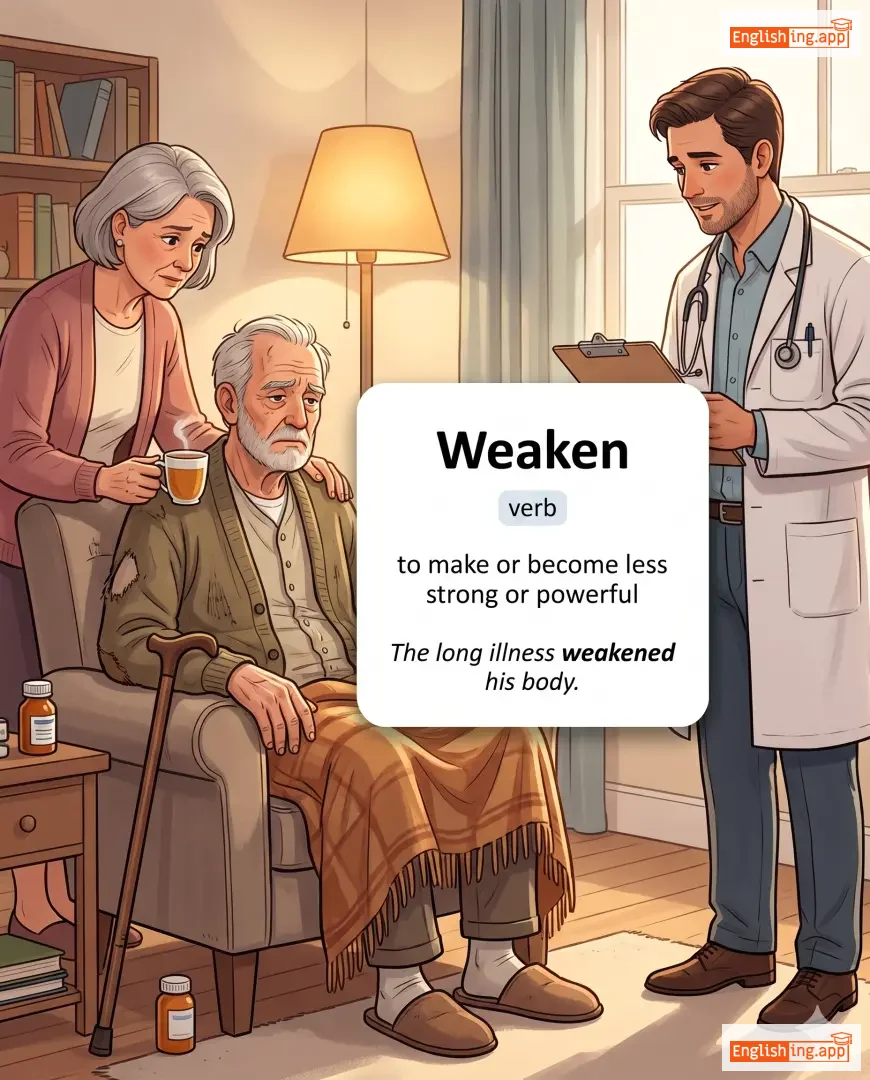
Weaken definition card — visual illustration of the meaning
verb
/ˈwiːkən/
弱める (yowameru)

to make or become less strong or powerful

"The long illness weakened his body."

"長い病気が彼の体を弱めた。" (Nagai byōki ga kare no karada o yowameta.)
noun
/ˈwiːknəs/
弱点 (jakuten)

a state of being weak; a flaw or shortcoming in character or structure

"His main weakness is his lack of patience."

"彼の最大の弱点は忍耐力の欠如です。" (Kare no saidai no jakuten wa nintairyoku no ketsujo desu.)
noun
/wiːl/
幸福 (kōfuku)

A raised mark on the skin left after a blow; or general well-being and prosperity.

"The charity worked for the common weal of the community."

"彼女は賞を受け取ったとき、喜びを隠すことができませんでした。" (Kanojo wa shō o uketotta toki, yorokobi o kakusu koto ga dekimasen deshita.)
wealth definition card — visual illustration of the meaning
noun
/wɛlθ/
(fu)

an abundance of valuable possessions or money; prosperity

"The businessman built his wealth through hard work and smart investments."

"その実業家は、努力と賢明な投資を通じて富を築きました。" (Sono jitsugyōka wa, doryoku to kenmei na tōshi o tōjite fu o kizukimashita.)
adjective
/ˈwɛlθi/
裕福 (yūfuku)

having a great deal of money, resources, or assets

"He became wealthy after investing in real estate."

"彼は不動産に投資した後、裕福になった。" (Kare wa fudōsan ni tōshi shita ato, yūfuku ni natta.)
👶

wean

verb
/wiːn/

To gradually stop a child or animal from breastfeeding; to detach from a habit.

"Parents often wean their babies around six months old."

noun
/ˈwɛpən/
武器 (buki)

a thing designed or used for inflicting harm or damage

"He carried a weapon for self-defense."
"彼は自己防衛のために武器を携帯していた。" (Kare wa jiko bōei no tame ni buki o keitai shite ita.)
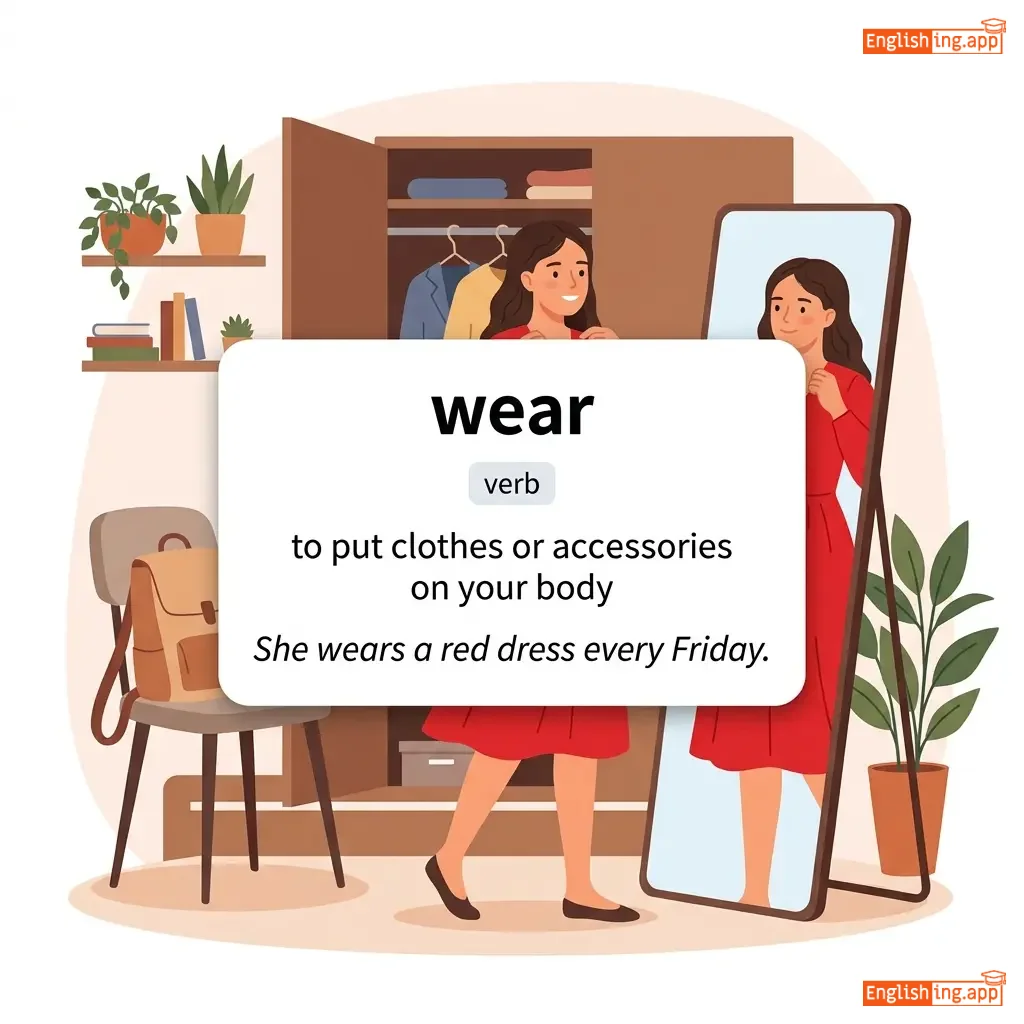
wear definition card — visual illustration of the meaning
verb
/wɛə(r)/
着る (kiru)

to put clothes or accessories on your body

"She wears a red dress every Friday."
"彼女は毎週金曜日に赤いドレスを着ます。" (Kanojo wa maishū kin'yōbi ni akai doresu o kimasu.)
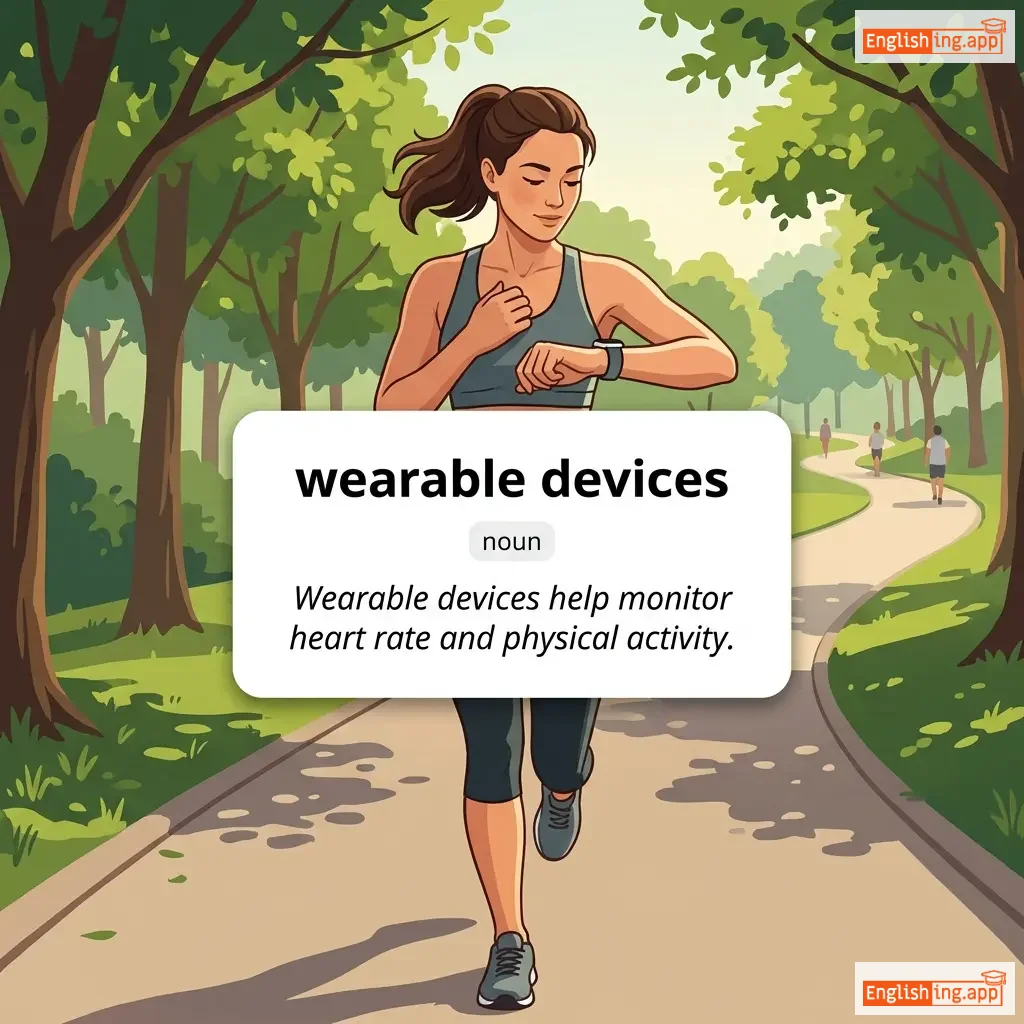
wearable devices definition card — visual illustration of the meaning
noun
ˈweə.rə.bəl dɪˈvaɪ.sɪz
ウェアラブルデバイス (weāraburu debaisu)

Electronic devices that can be worn on the body, typically incorporating smart technology for monitoring health or providing information.

"Wearable devices help monitor heart rate and physical activity."

"ウェアラブルデバイスは心拍数と身体活動をモニタリングするのに役立ちます。" (Weāraburu debaisu wa shinpakusū to shintai katsudō o monitaringu suru no ni yakudachimasu.)
adjective
/ˈwɪərɪsəm/
疲れる (tsukareru)

Causing one to feel tired or bored.

"The long and wearisome lecture put the students to sleep."

"長くて疲れる講義は学生たちを寝かせた。" (Nagakute tsukareru kōgi wa gakuseitachi o nekaseta.)