Vocabulaires

Découvrez, apprenez et maîtrisez le vocabulaire anglais

noun
/ˈlɛdʒɪsleɪtər/
législateur (legislateur)

a person who makes laws, especially a member of a legislative body

"The legislator introduced a bill to improve healthcare."

"Le législateur a introduit un projet de loi pour améliorer les soins de santé." (Le législateur a introduit un projet de loi pour améliorer les soins de santé.)
legislature definition card — visual illustration of the meaning
noun
/ˈlɛdʒɪsˌleɪtʃər/
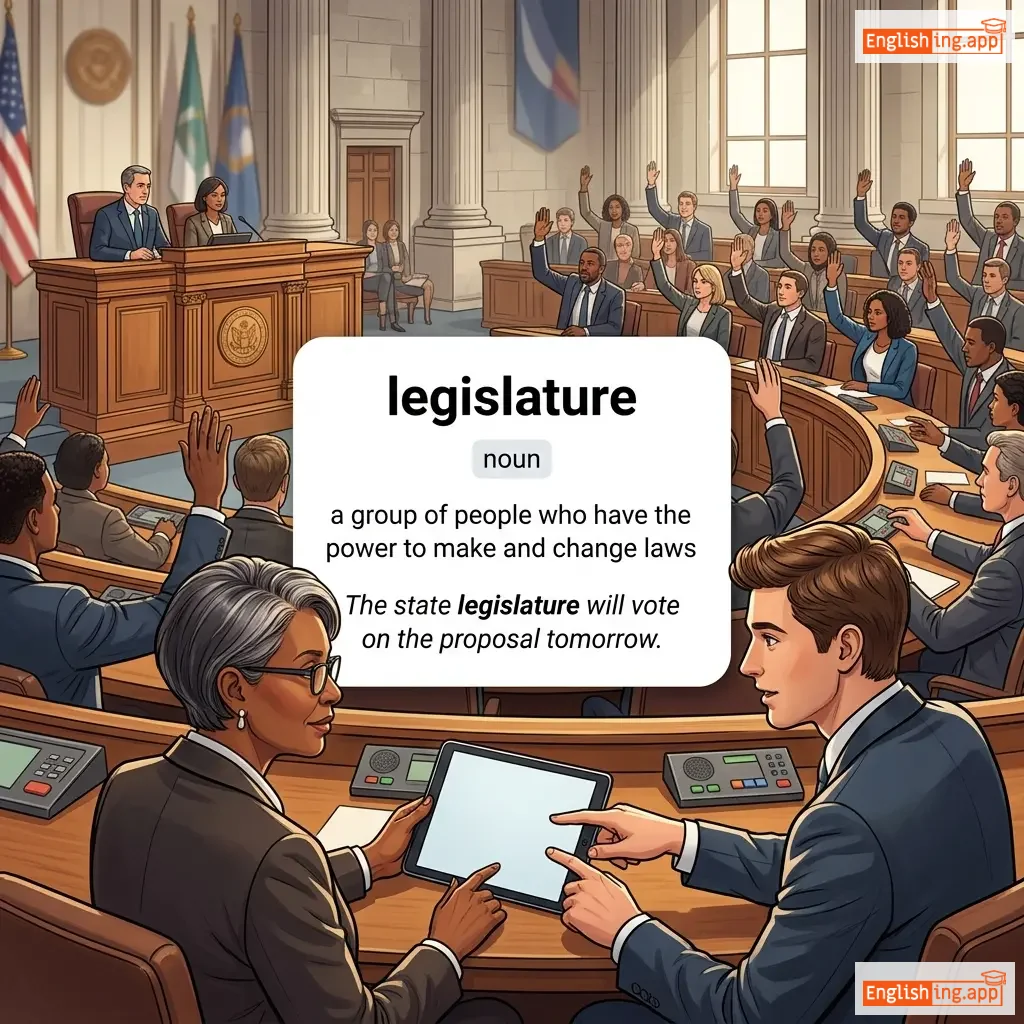
législature (legislature)

a group of people who have the power to make and change laws

"The state legislature will vote on the proposal tomorrow."

"La législature de l'État votera sur la proposition demain." (La législature de l'État votera sur la proposition demain.)
noun
/lɪˈdʒɪtɪməsi/
légitimité (legitimite)

the quality of being accepted as right, proper, or lawful

"The legitimacy of the election was questioned by observers."

"La légitimité de l'élection a été remise en question par les observateurs." (La legitimite de l'election a ete remise en question par les observateurs.)
adjective
/lɪˈdʒɪtɪmət/
légitime (legitime)

Conforming to the law or to rules; valid or acceptable.

"She presented a legitimate reason for her absence."

"Elle a présenté une raison légitime pour son absence." (Elle a presente une raison legitime pour son absence.)
legitimate self-defense definition card — visual illustration of the meaning
phrase
lɪˈdʒɪt.ɪ.mət sɛlf dɪˈfens
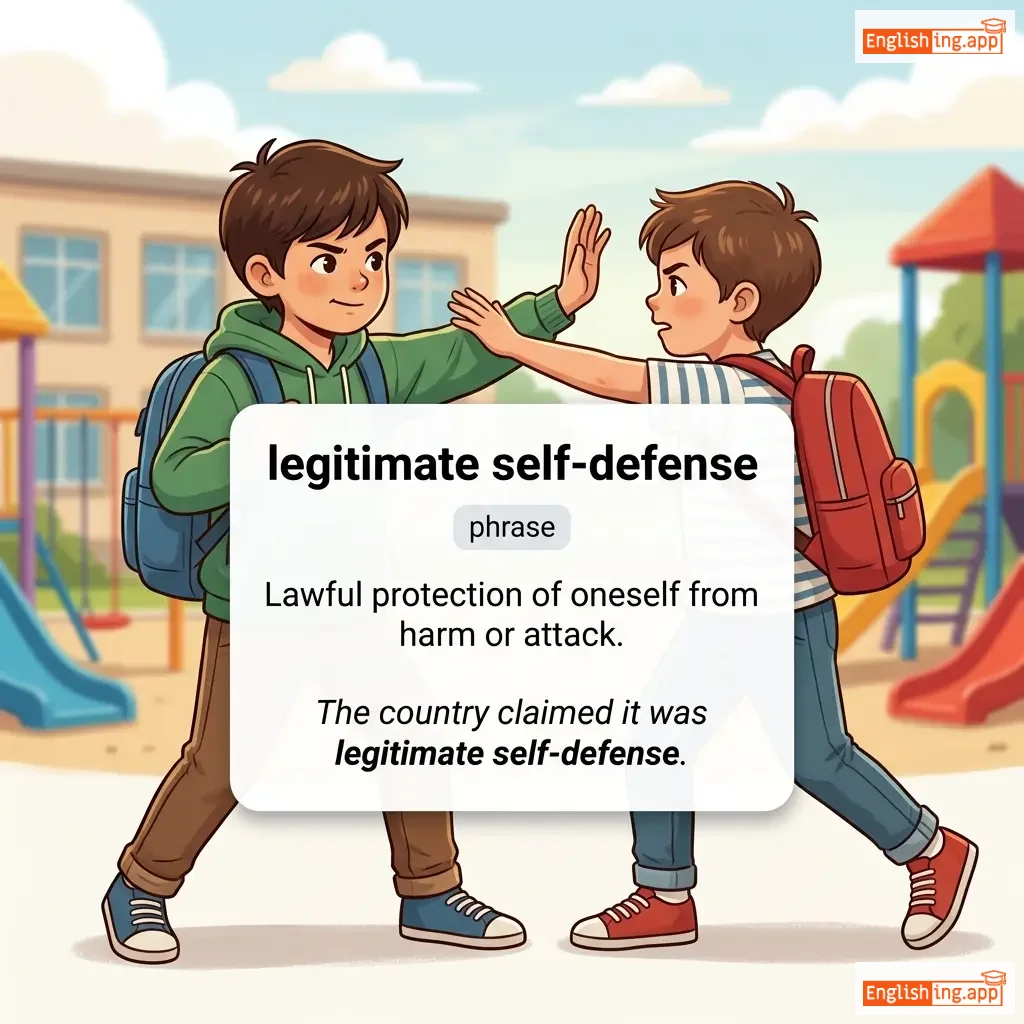
légitime défense (legitime defense)

Lawful protection of oneself from harm or attack.

"The country claimed it was legitimate self-defense."

"Le pays a affirmé qu'il s'agissait d'une légitime défense." (Le pays a affirme qu'il s'agissait d'une legitime defense.)
noun
/ˈliːʒər/ or /ˈlɛʒər/
loisir (loisir)

Free time when one is not working or occupied; time for relaxation.

"She spends her leisure reading novels."

"Elle passe son loisir à lire des romans." (Elle passe son loisir à lire des romans.)
Lemon definition card — visual illustration of the meaning
noun
/ˈlɛmən/
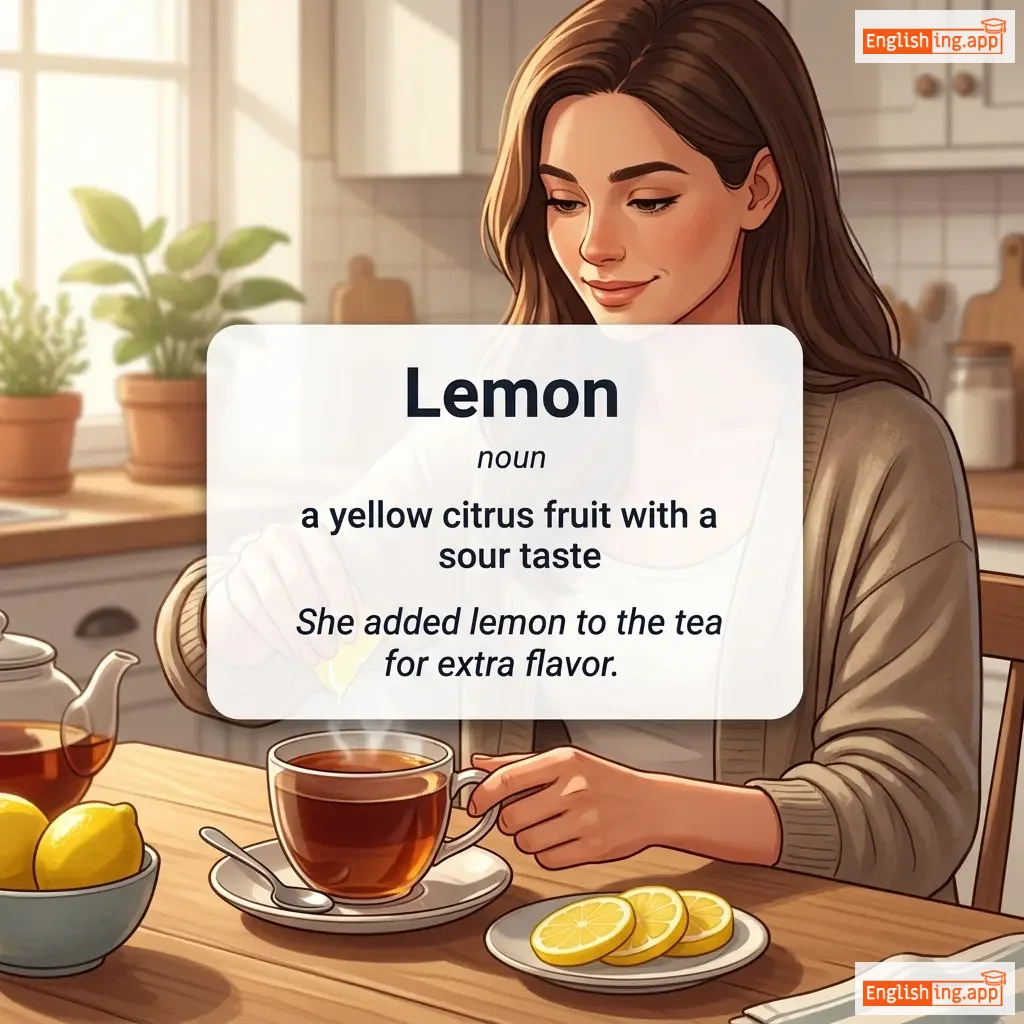
citron (citron)

a yellow citrus fruit with a sour taste

"She added lemon to the tea for extra flavor."

"Elle a ajouté du citron au thé pour plus de saveur." (Elle a ajoute du citron au the pour plus de saveur.)
lend definition card — visual illustration of the meaning
verb
/lend/
bonheur (bonheur)

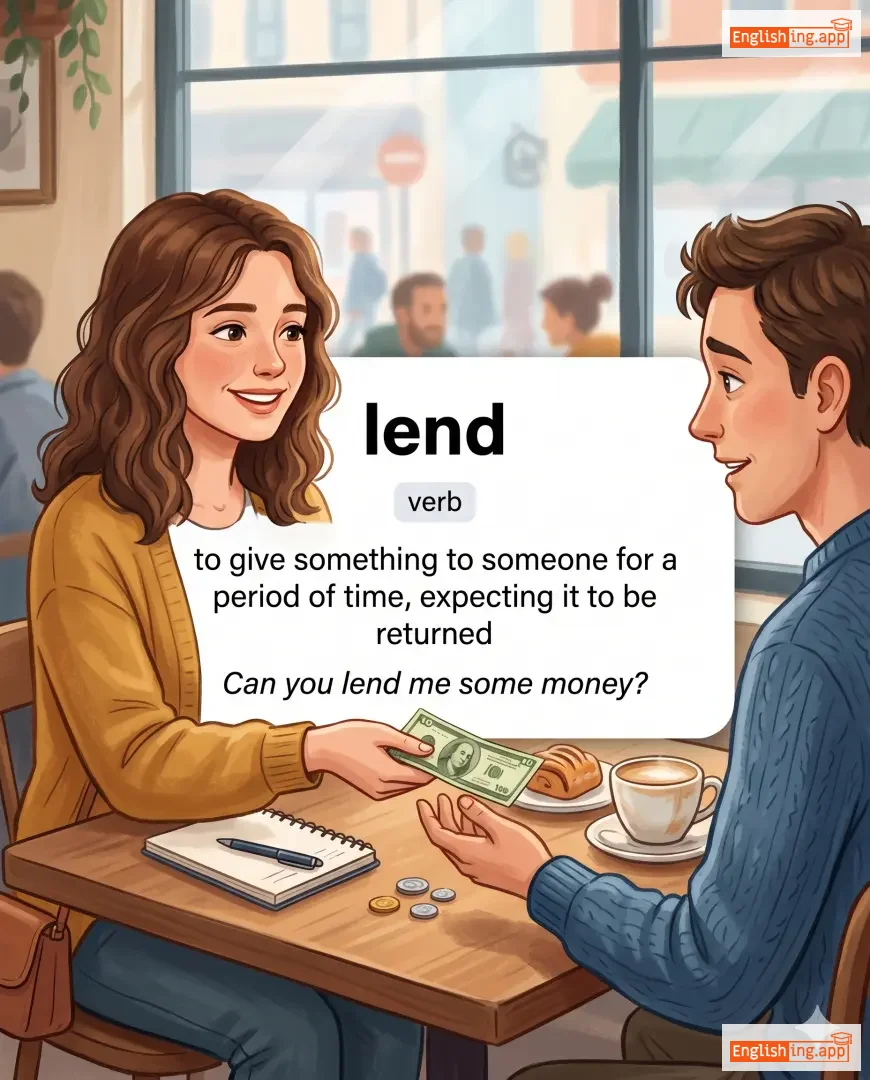
to give something to someone for a period of time, expecting it to be returned

"Can you lend me some money?"

"Peux-tu me prêter de l'argent?" (Peux-tu me prêter de l'argent?)
noun
/lɛŋkθ/
longueur (longueur)

The measurement or extent of something from end to end.

"The length of the bridge is two kilometers."

"La longueur du pont est de deux kilomètres." (La longueur du pont est de deux kilometres.)
adverb
/ˈleŋθ.waɪz/
dans le sens de la longueur; selon la direction la plus longue (dans le sens de la longueur; selon la direction la plus longue)

in the direction of the length; along the longest dimension

"Fold the paper lengthwise to make it easier to carry."

"Pliez le papier dans le sens de la longueur pour le rendre plus facile à transporter." (Pliez le papier dans le sens de la longueur pour le rendre plus facile a transporter.)
adjective
/ˈlɛŋθi/
long (long)

long in duration or extent

"The meeting was lengthy, lasting over three hours."

"La réunion a été longue, durant plus de trois heures." (La reunion a ete longue, durant plus de trois heures.)
noun
/ˈliːniənsi/
clémence (clemence)

The quality of being more merciful or tolerant than expected.

"The judge showed leniency in his ruling."

"Le juge a montré de la clémence dans son jugement." (Le juge a montre de la clemence dans son jugement.)
adjective
/ˈliːniənt/
indulgent (indulgent)

Permissive, merciful, or tolerant.

"Her parents are lenient with her curfew."

"Ses parents sont indulgents avec son heure de couvre-feu." (Ses parents sont indulgents avec son heure de couvre-feu.)
noun
/lenz/
lentille (lentille)

a curved piece of glass or plastic that makes things look clearer or larger when you look through it

"He cleaned the camera lens before taking the picture."

"Il a nettoyé l'objectif de la caméra avant de prendre la photo." (Il a nettoyé l'objectif de la caméra avant de prendre la photo.)
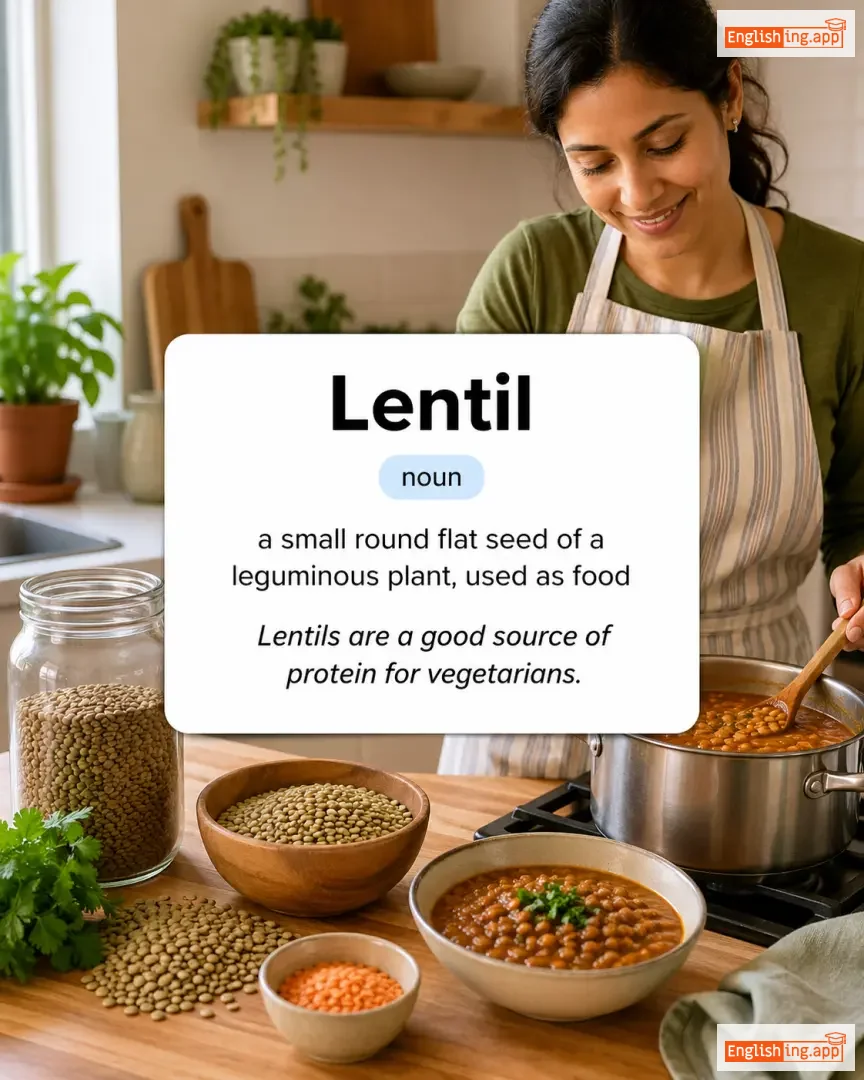
Lentil definition card — visual illustration of the meaning
noun
/ˈlen.tɪl/
lentille (lentille)

a small round flat seed of a leguminous plant, used as food

"Lentils are a good source of protein for vegetarians."

"Les lentilles sont une bonne source de protéines pour les végétariens." (Les lentilles sont une bonne source de proteines pour les vegetariens)
adjective
/ˈliːənaɪn/
léonin (leonin)

Of or resembling a lion.

"His leonine hair made him stand out in the crowd."

"Ses cheveux léonins le faisaient ressortir dans la foule." (Ses cheveux léonins le faisaient ressortir dans la foule.)
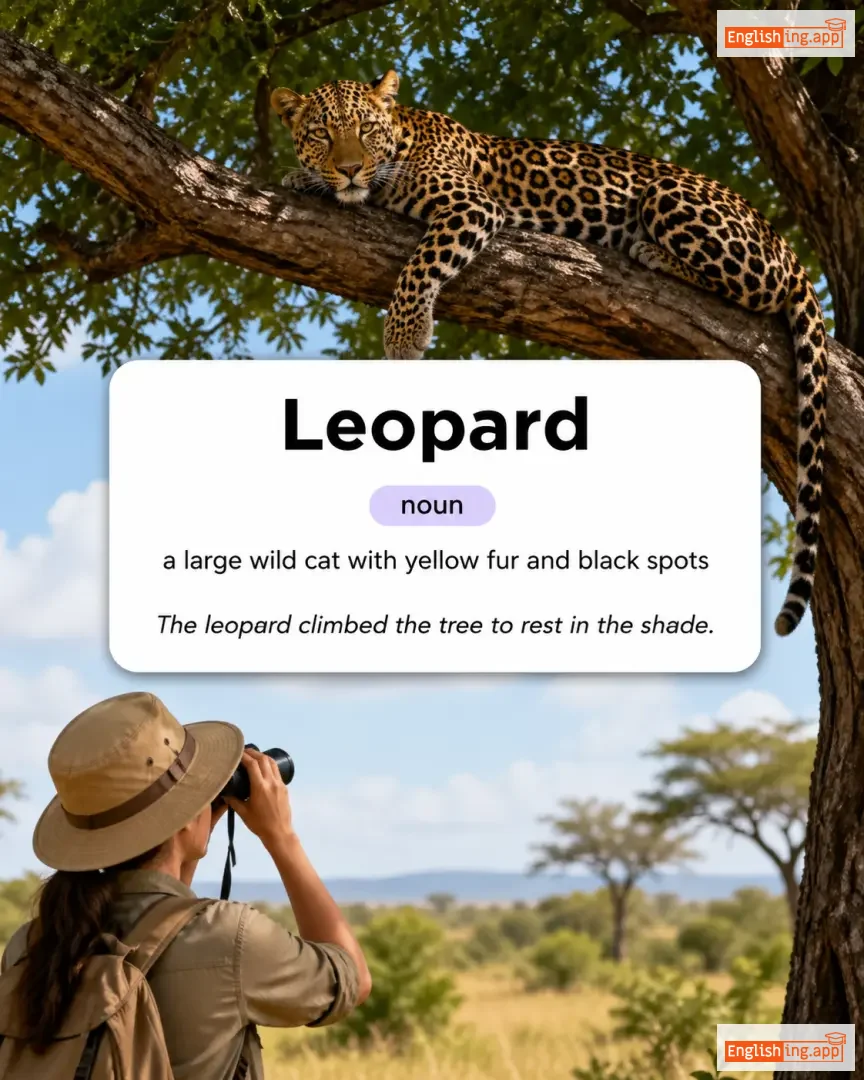
Leopard definition card — visual illustration of the meaning
noun
/ˈlep.ərd/
léopard (leopard)

a large wild cat with yellow fur and black spots

"The leopard climbed the tree to rest in the shade."

"Le léopard a grimpé à l'arbre pour se reposer à l'ombre." (Le léopard a grimpé à l'arbre pour se reposer à l'ombre.)
🏳️‍🌈

lesbian (lɛzbjɛn)

noun/adjective
/ˈlɛzbiən/
lesbienne (lesbienne)

a woman who is romantically or sexually attracted to other women

"She is a proud lesbian and advocates for equal rights."

"Elle est une lesbienne fière et milite pour les droits égaux." (Elle est une lesbienne fiere et milite pour les droits egaux.)
noun
/ˈliːʒən/
lésion (lesion)

An area of damage or abnormal change in the tissue of an organism, often caused by injury or disease.

"The doctor examined the skin lesion carefully."

"Le médecin a examiné attentivement la lésion de la peau." (Le medecin a examine attentivement la lesion de la peau.)
adjective/adverb
/lɛs/
moins (moins)

A smaller amount; not as much.

"She spends less money than her brother."

"Elle dépense moins d'argent que son frère." (Elle depense moins d'argent que son frere.)
adjective
/ˈlɛsər/
moins important (moins important)

of lower importance or smaller in degree or amount

"The lesser known facts about the topic were fascinating."

"Les faits moins connus sur le sujet étaient fascinants." (Les faits moins connus sur le sujet étaient fascinants.)
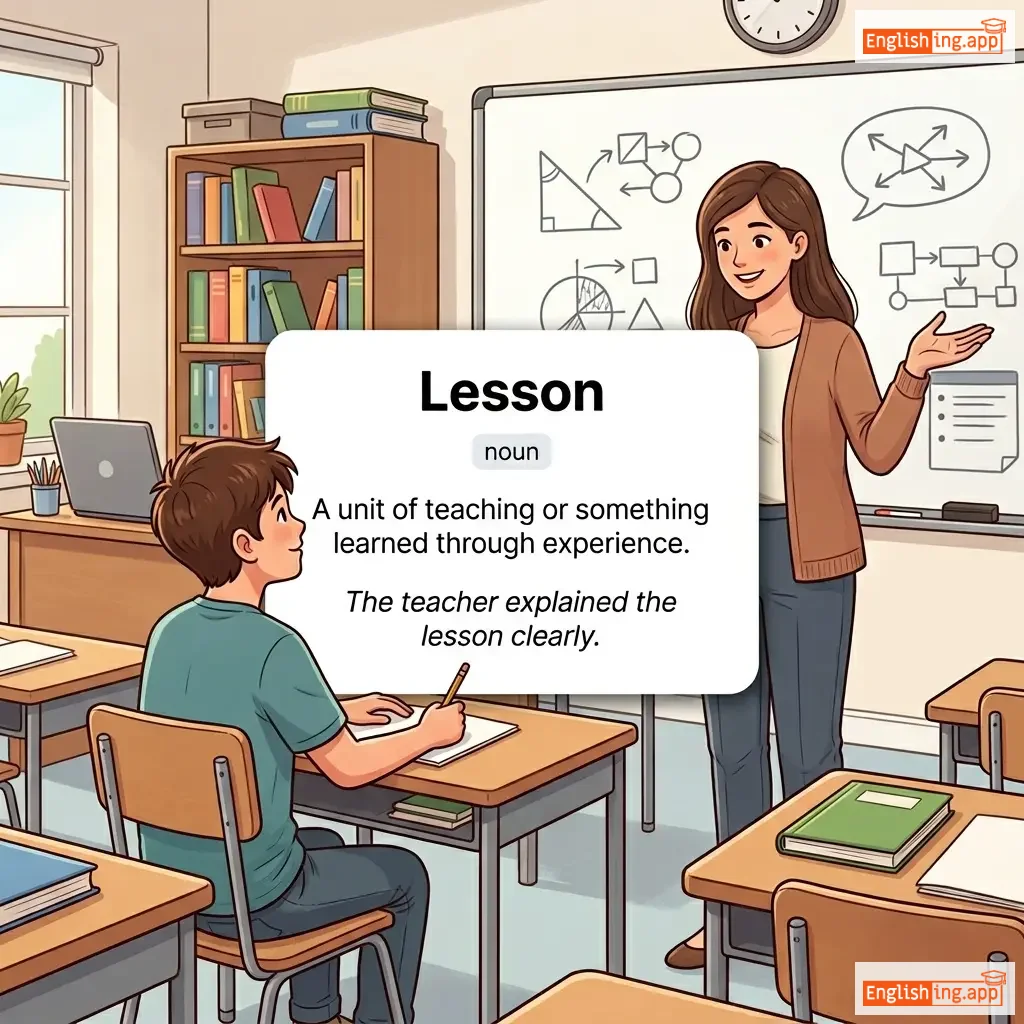
Lesson definition card — visual illustration of the meaning
noun
/ˈlɛsən/
leçon (lecon)

A unit of teaching or something learned through experience.

"The teacher explained the lesson clearly."

"L'enseignant a expliqué la leçon clairement." (L'enseignant a explique la lecon clairement.)
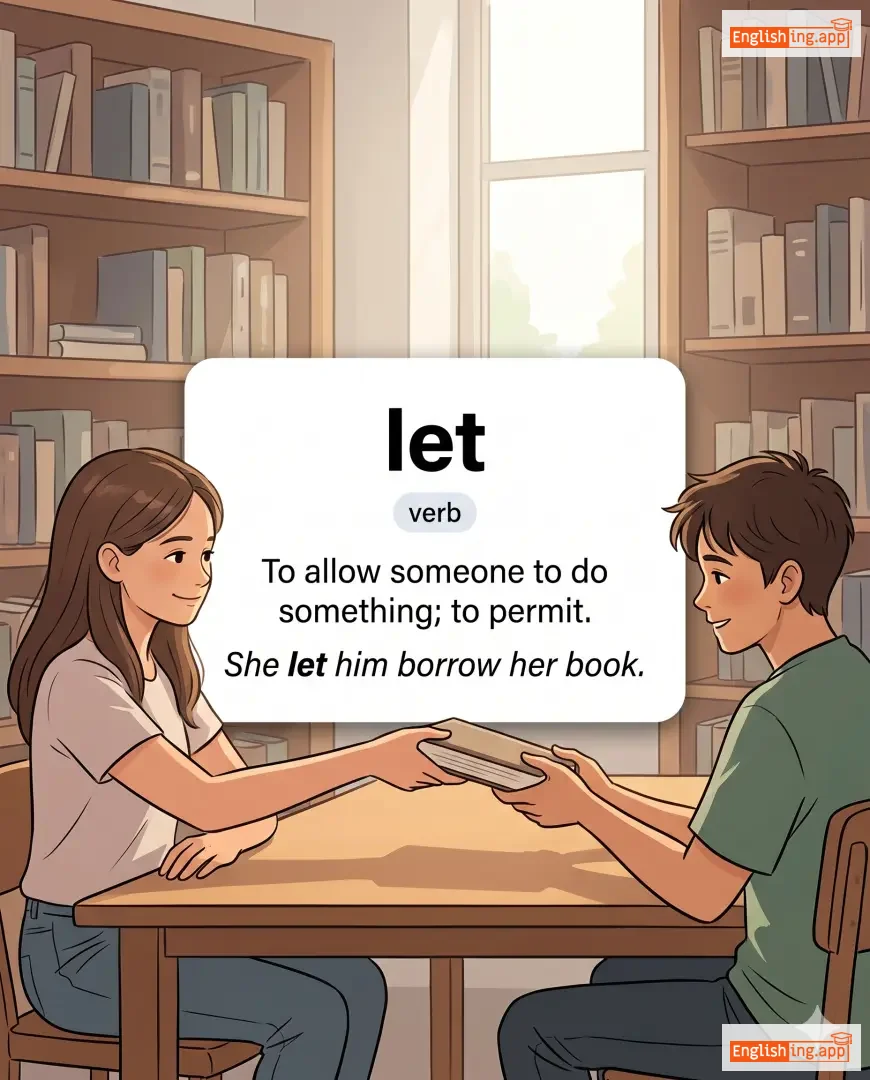
let definition card — visual illustration of the meaning
verb
/lɛt/
laisser (laisser)

To allow someone to do something; to permit.

"She let him borrow her book."

"Elle lui a permis d'emprunter son livre." (Elle lui a permis d'emprunter son livre.)
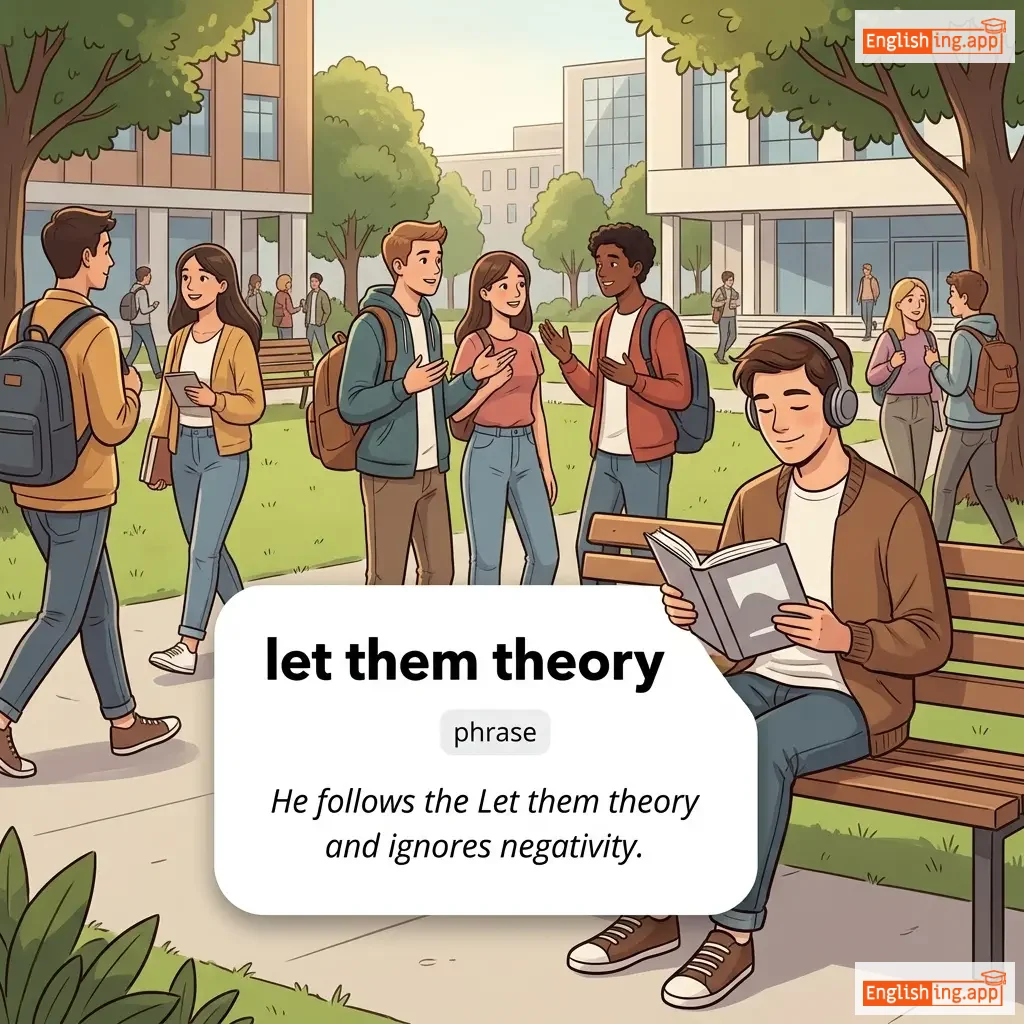
let them theory definition card — visual illustration of the meaning
phrase
/lɛt ðɛm ˈθɪə.ri/
théorie de laisser les autres penser ce qu'ils veulent (theorie de laisser les autres penser ce qu'ils veulent)

A philosophy of not trying to control others' actions or opinions and allowing them to be themselves.

"He follows the Let them theory and ignores negativity."

"Il suit la théorie de 'les laisser' et ignore la négativité." (Il suit la theorie de 'les laisser' et ignore la negativite.)
adjective
/ˈliːθəl/
fatal (fatal)

Able to cause death; deadly.

"The snake's venom is extremely lethal."

"Le venin du serpent est extrêmement fatal." (Le venin du serpent est extrêmement fatal.)
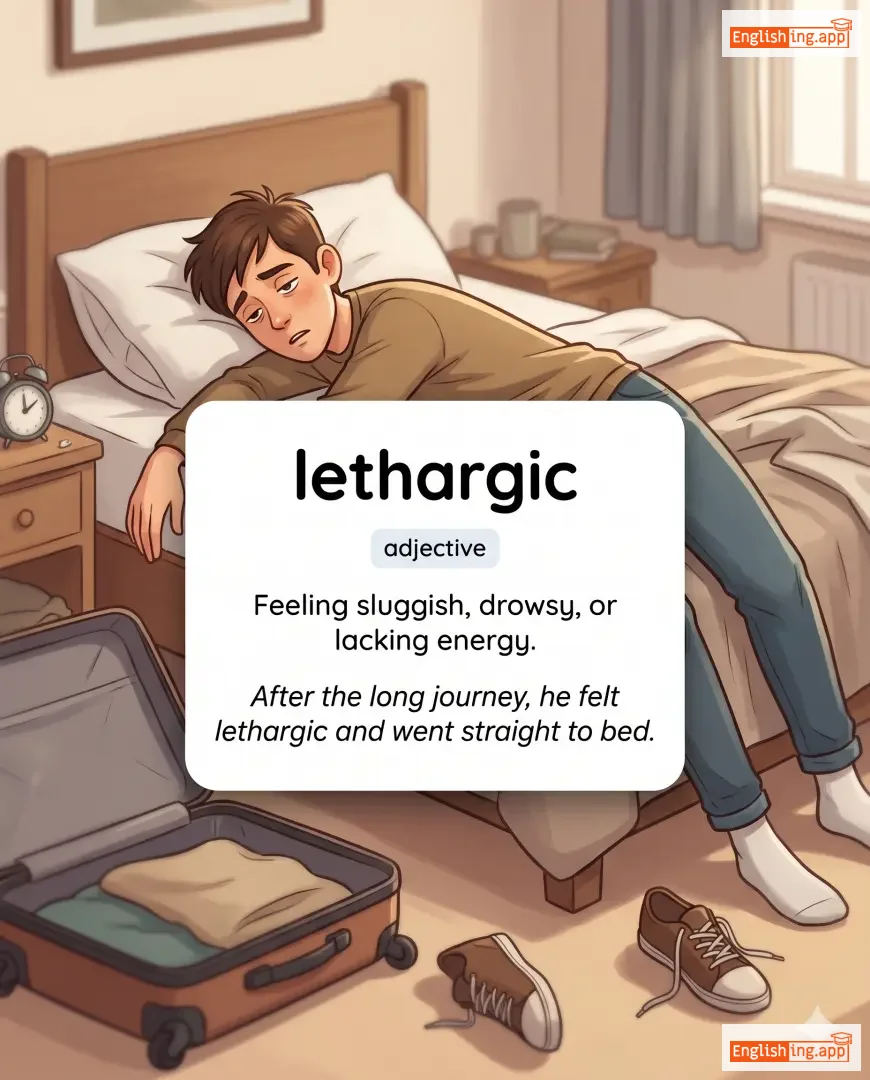
lethargic definition card — visual illustration of the meaning
adjective
/ləˈθɑːrdʒɪk/
léthargique (lethargique)

Feeling sluggish, drowsy, or lacking energy.

"After the long journey, he felt lethargic and went straight to bed."

"Après le long voyage, il se sentait léthargique et est allé directement au lit." (Apres le long voyage, il se sentait lethargique et est alle directement au lit.)
noun
/ˈleθərdʒi/
léthargie (léthargie)

A state of tiredness, lack of energy, or drowsiness.

"The hot weather caused a feeling of lethargy among the workers."

"La chaleur a provoqué un sentiment de léthargie parmi les travailleurs." (La chaleur a provoqué un sentiment de léthargie parmi les travailleurs.)
noun
/ˈlɛtər/
lettre (lettre)

A written or printed message sent to someone.

"He wrote a letter to his friend."

"Il a écrit une lettre à son ami." (Il a écrit une lettre à son ami.)
noun
/ˈlɛtɪs/
laitue (laitue)

a leafy green vegetable commonly used in salads and sandwiches

"She added fresh lettuce to the sandwich."

"Elle a ajouté de la laitue fraîche au sandwich." (elle a ajoute de la laitue fraiche au sandwich)
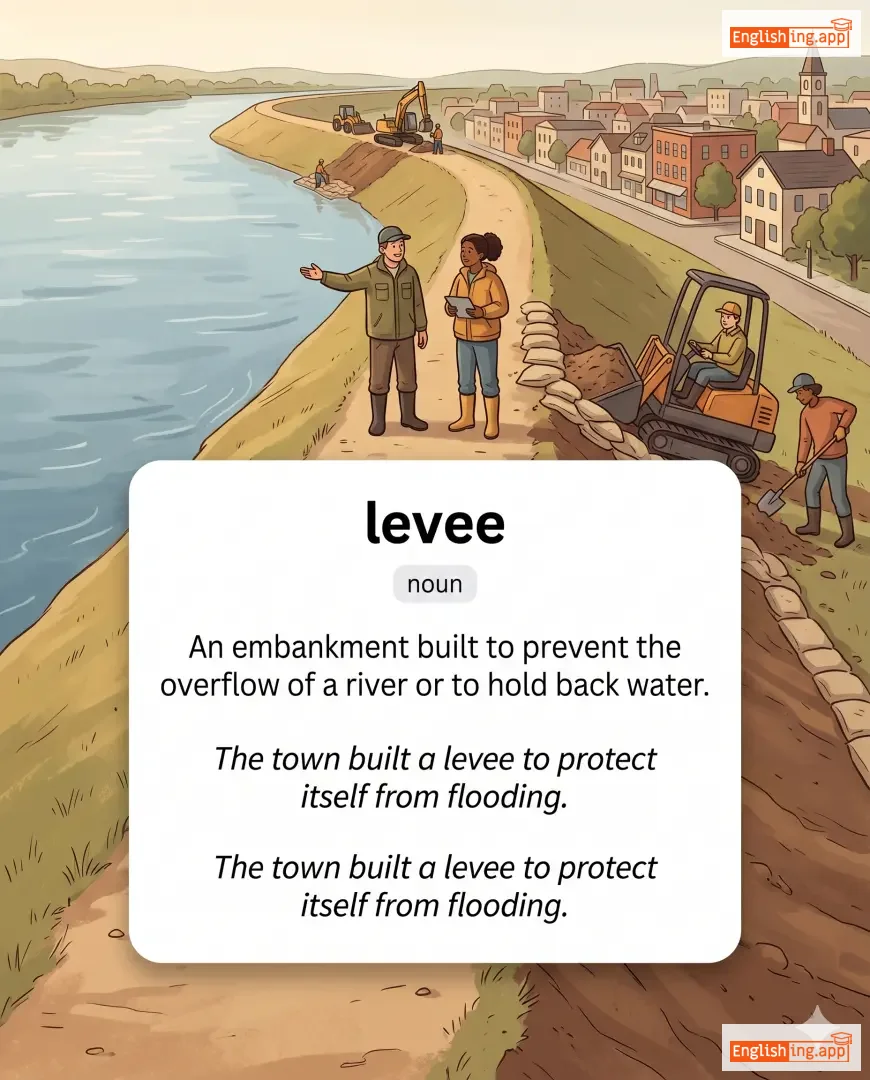
levee definition card — visual illustration of the meaning
noun
/ˈlɛvi/
levée (levee)

An embankment built to prevent the overflow of a river or to hold back water.

"The town built a levee to protect itself from flooding."

"La ville a construit une levée pour se protéger des inondations." (La ville a construit une levee pour se protéger des inondations.)
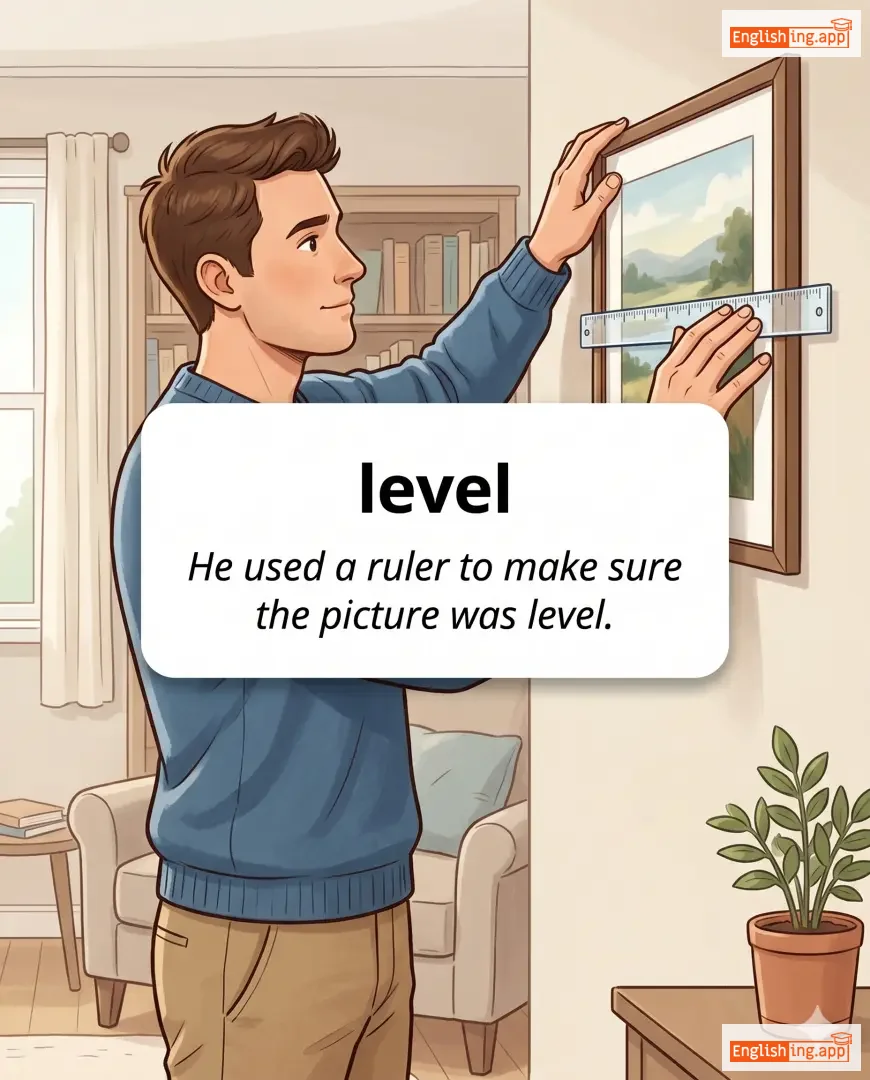
level definition card — visual illustration of the meaning
noun, verb, adjective
/ˈlɛvəl/
niveau, étape (niveau, etape)

a flat or even surface; a stage in scale or rank; to make something flat or equal.

"He used a ruler to make sure the picture was level."

"Il a utilisé une règle pour s'assurer que l'image était à niveau." (Il a utilisé une règle pour s'assurer que l'image était à niveau.)
adjective
/ˌlɛvəlˈhɛdɪd/
calme et sensé (calme et sense)

calm and sensible; showing good judgment.

"She remained levelheaded during the crisis."

"Elle est restée calme pendant la crise." (Elle est restée calme pendant la crise.)
noun, verb
/ˈliːvər/ or /ˈlɛvər/
levier, barre rigide (levier, barre rigide)

a rigid bar used to move or lift heavy objects; to move something using leverage.

"He used a lever to lift the heavy stone."

"Il a utilisé un levier pour soulever la pierre lourde." (Il a utilise un levier pour soulever la pierre lourde.)
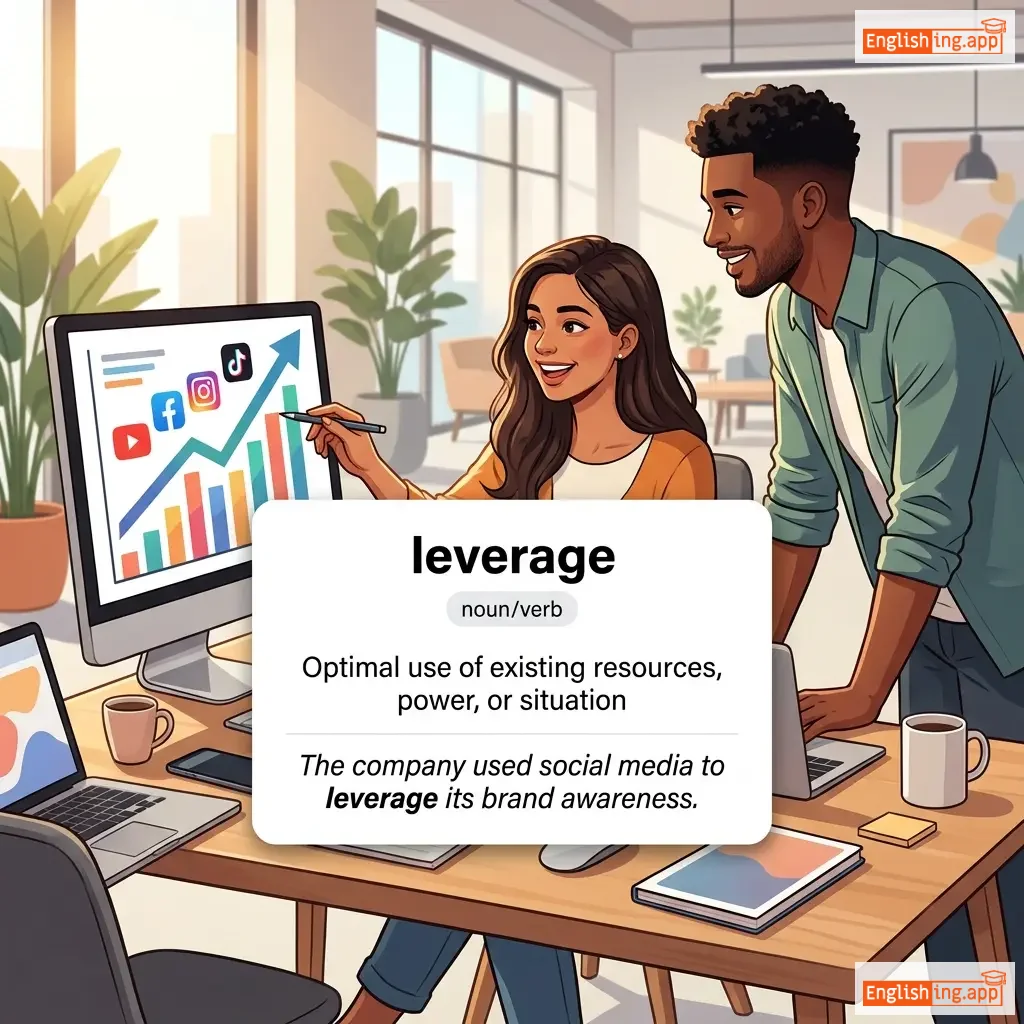
leverage definition card — visual illustration of the meaning
noun/verb
/ˈlɛv.ər.ɪdʒ/
exploiter (exploiter)

Optimal use of existing resources, power, or situation

"The company used social media to leverage its brand awareness."

"L'entreprise a utilisé les médias sociaux pour tirer parti de sa notoriété de marque." (L'entreprise a utilisé les médias sociaux pour tirer parti de sa notoriété de marque.)
noun
/ˈlaɪsəns/
licence (licence)

An official document giving permission to do, use, or own something.

"She applied for a driving licence last week."

"Elle a postulé pour une licence de conduite la semaine dernière." (Elle a postulé pour une licence de conduite la semaine dernière.)
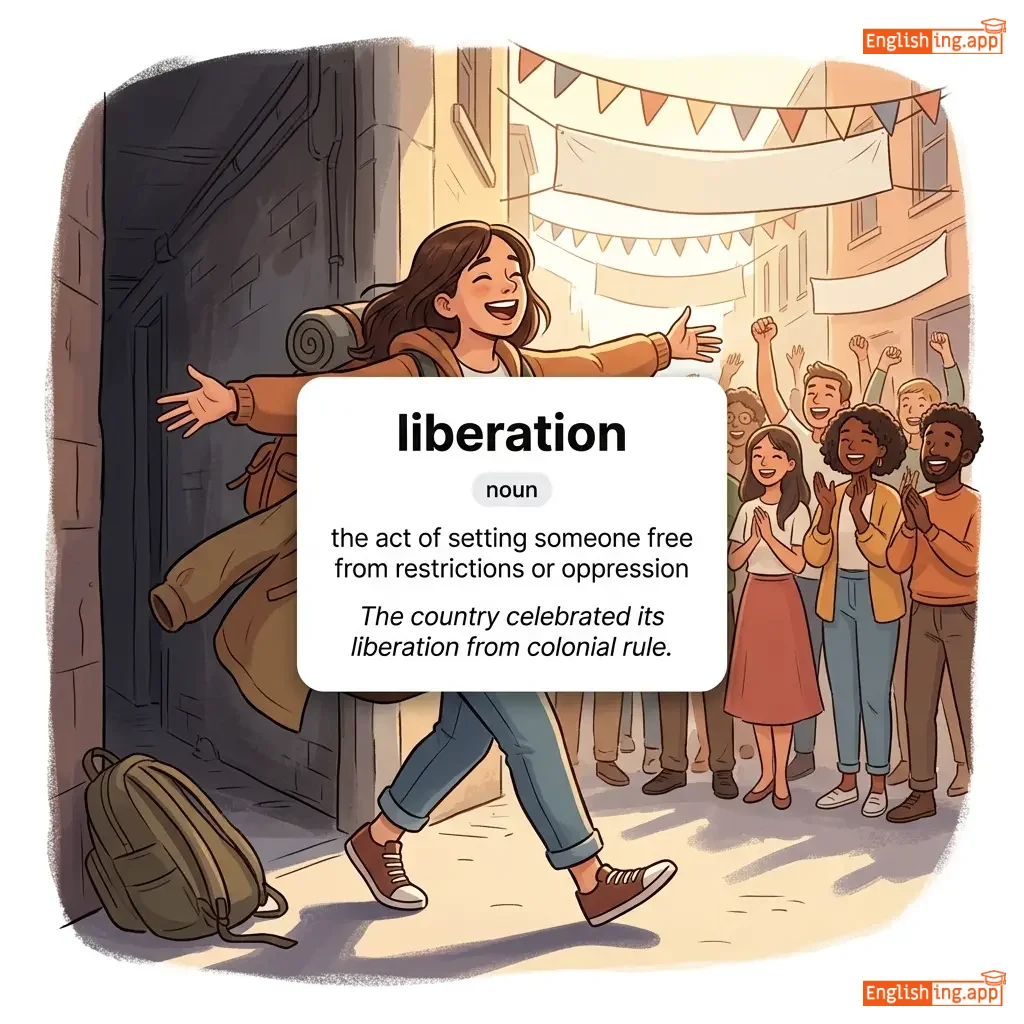
liberation definition card — visual illustration of the meaning
noun
/ˌlɪbəˈreɪʃən/
libération (liberation)

the act of setting someone free from restrictions or oppression

"The country celebrated its liberation from colonial rule."

"Le pays a célébré sa libération de la domination coloniale." (Le pays a celebre sa liberation de la domination coloniale.)
noun
/ˌlɪbəˈreɪʃən wɔːr/
guerre de libération (guerre de liberation)

a war fought to gain freedom from foreign rule, occupation, or oppression; an armed struggle for national independence

"The liberation war reshaped the nation’s history and identity."

"La guerre de libération a marqué l’histoire nationale." (La guerre de liberation a marque l histoire nationale)
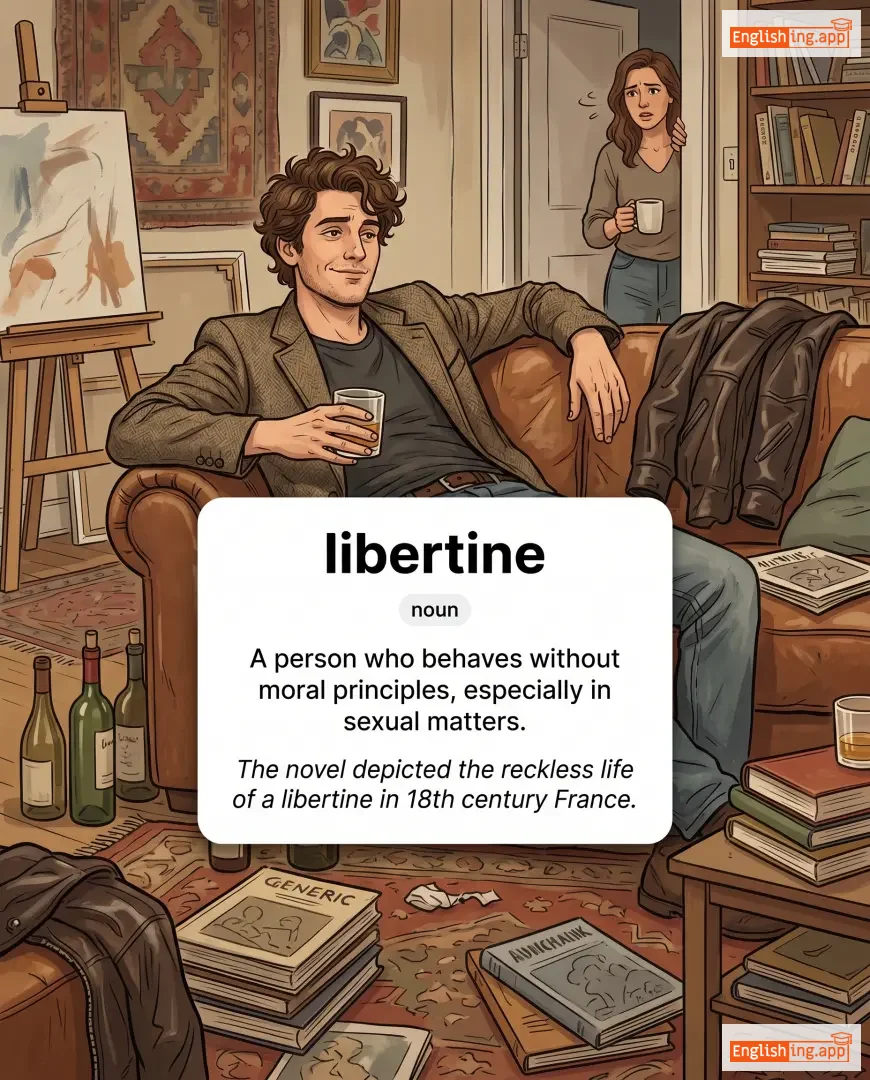
libertine definition card — visual illustration of the meaning
noun
/ˈlɪbərˌtiːn/
personne immorale (personne immorale)

A person who behaves without moral principles, especially in sexual matters.

"The novel depicted the reckless life of a libertine in 18th century France."

"Le roman décrivait la vie débridée d'un libertin dans la France du XVIIIe siècle." (Le roman décrivait la vie débridée d'un libertin dans la France du XVIIIe siècle.)
noun
/ˈlɪbərti/
liberté (liberte)

the state of being free within society from oppressive restrictions

"Freedom of speech is a basic liberty."

"La liberté d'expression est une liberté fondamentale." (La liberte d'expression est une liberte fondamentale.)
adjective
/lɪˈbɪdənəs/
lubrique (lubrique)

Showing excessive sexual drive; lustful.

"The play was criticized for its libidinous characters."

"La pièce a été critiquée pour ses personnages lubriques." (La pièce a été critiquée pour ses personnages lubriques.)
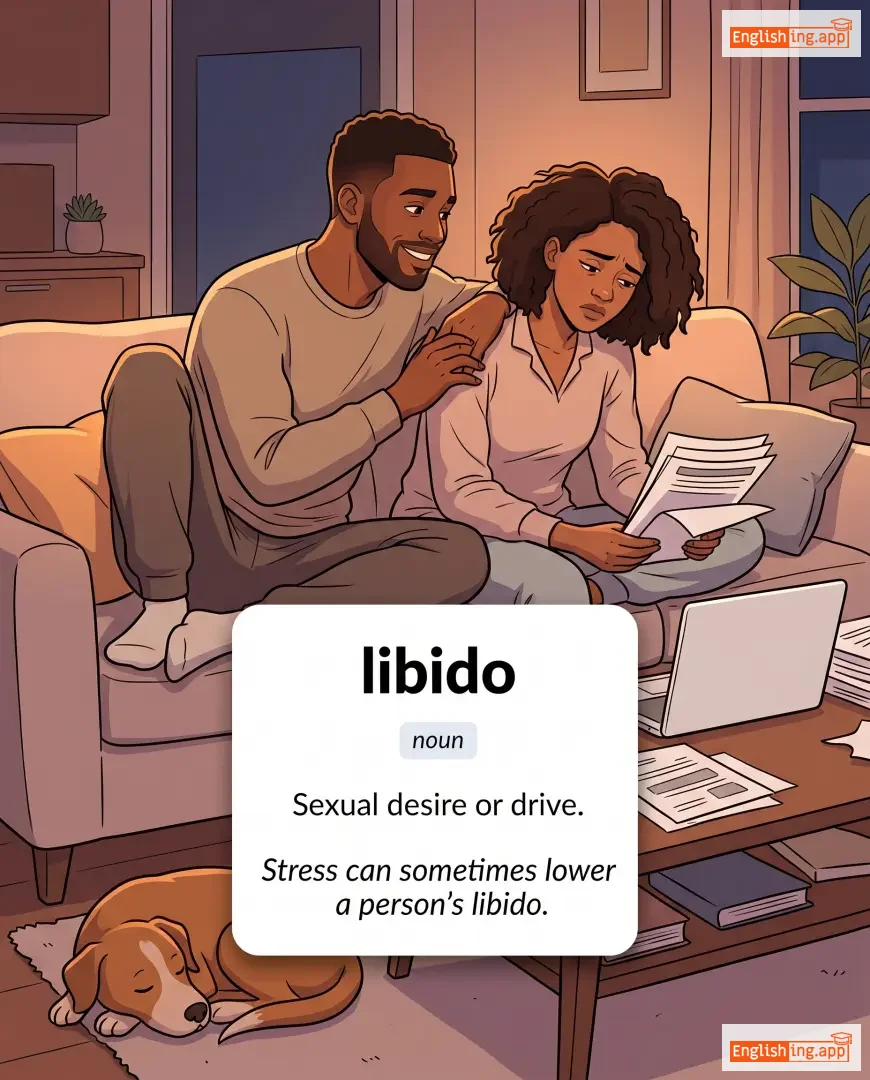
libido definition card — visual illustration of the meaning
noun
/lɪˈbiːdoʊ/
désir sexuel (desir sexuel)

Sexual desire or drive.

"Stress can sometimes lower a person's libido."

"Le stress peut parfois diminuer le désir sexuel d'une personne." (Le stress peut parfois diminuer le desir sexuel d'une personne.)
noun
/laɪˈbrɛəriən/
bibliothécaire (bibliothecaire)

a person who manages, organizes, and assists users in a library

"The librarian helped me find a rare history book."

"Le bibliothécaire m’a aidé à trouver un livre d’histoire rare." (Le bibliothecaire ma aide a trouver un livre dhistoire rare)
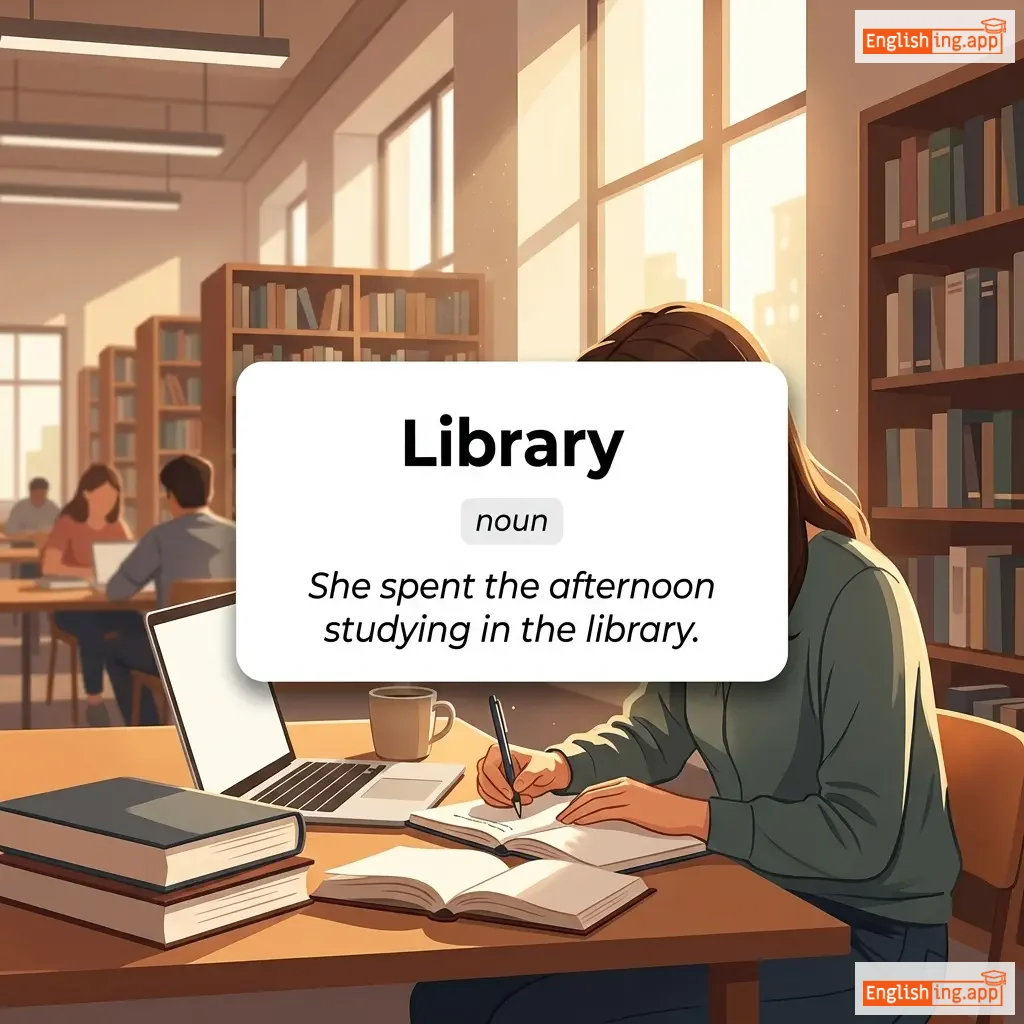
Library definition card — visual illustration of the meaning
noun
/ˈlaɪ.brɛr.i/
bibliothèque (bibliotheque)

A building or room containing collections of books, periodicals, and sometimes other materials for people to read or borrow.

"She spent the afternoon studying in the library."

"Elle a passé l'après-midi à étudier à la bibliothèque." (Elle a passé l'après-midi à étudier à la bibliothèque.)
noun
/lɪˈbrɛtoʊ/
livret d'opéra (livret d'opera)

The text of an opera or other long vocal work.

"She studied the libretto before attending the opera performance."

"Elle a étudié le livret avant d'assister à la performance de l'opéra." (Elle a etudie le livret avant d'assister a la performance de l'opera.)
adjective
/ˈlɪsɪt/
licite (licite)

Permitted by law or by rules; legal.

"The trade of certain goods is licit under international law."

"Le commerce de certains biens est licite selon le droit international." (Le commerce de certains biens est licite selon le droit international.)
noun
/liːdʒ/
seigneur féodal (seigneur feodal)

A feudal lord entitled to allegiance and service; a loyal subject.

"The knight pledged loyalty to his liege."

"Le chevalier prêta allégeance à son seigneur féodal." (Le chevalier pretta allegiance a son seigneur feodal.)
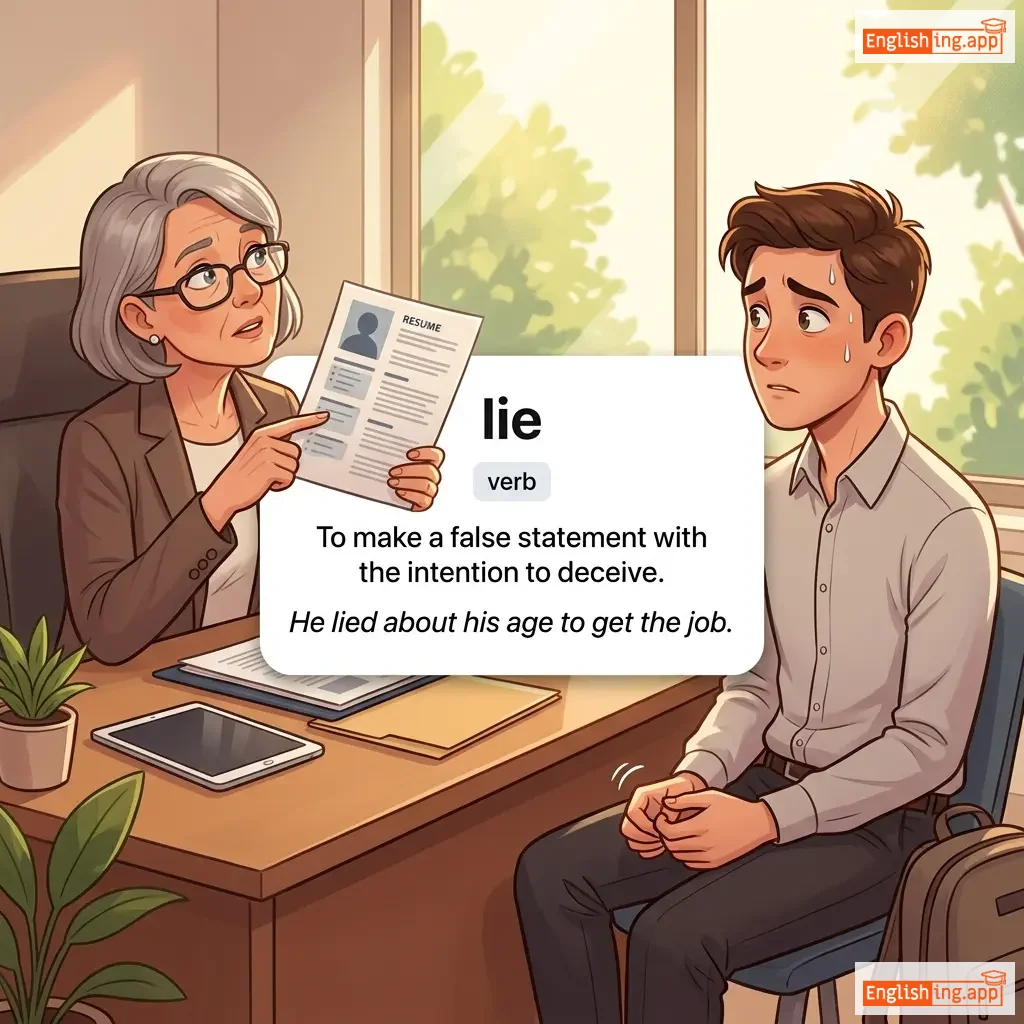
lie definition card — visual illustration of the meaning
verb
/laɪ/
mentir (mentir)

To make a false statement with the intention to deceive.

"He lied about his age to get the job."

"Il a menti sur son âge pour obtenir le travail." (Il a menti sur son age pour obtenir le travail.)
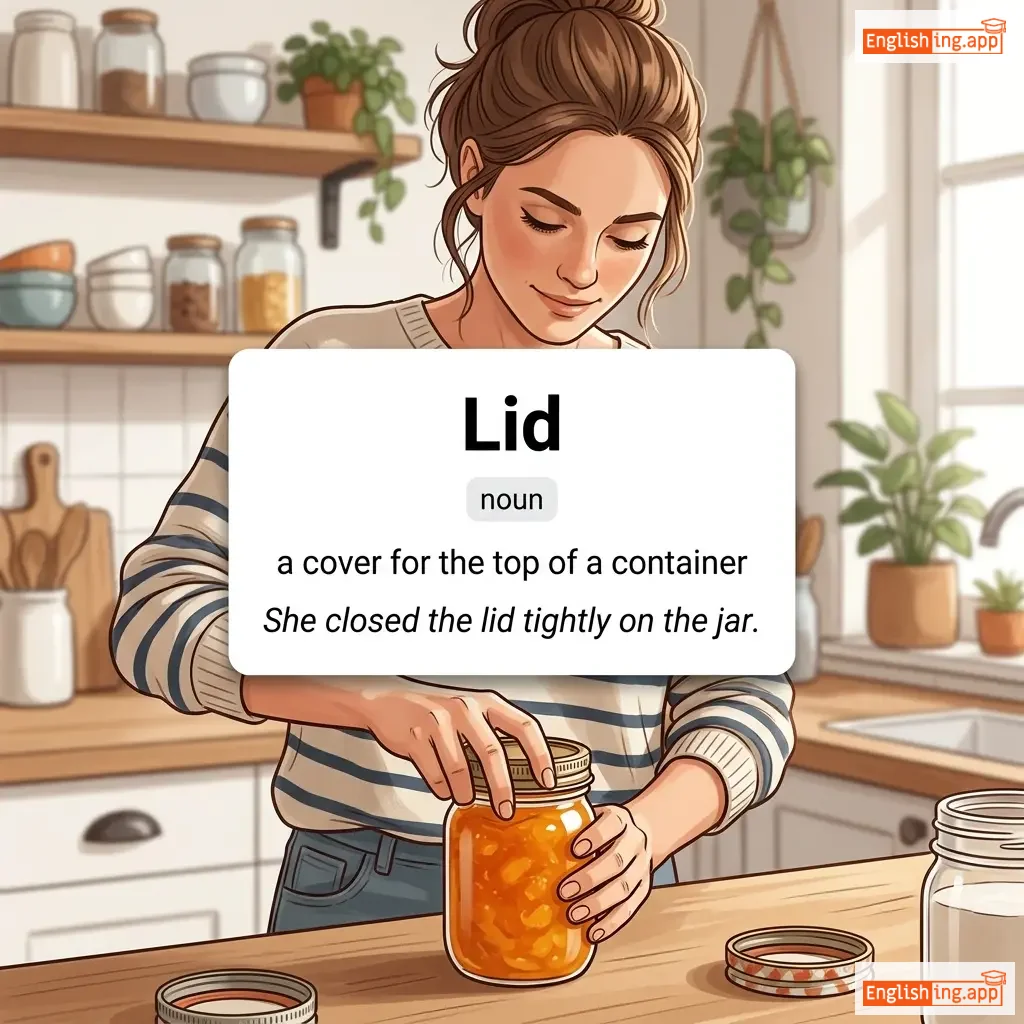
Lid definition card — visual illustration of the meaning
noun
/lɪd/
couvercle (couvercle)

a cover for the top of a container

"She closed the lid tightly on the jar."

"Elle a fermé le couvercle du pot fermement." (Elle a fermé le couvercle du pot fermement.)
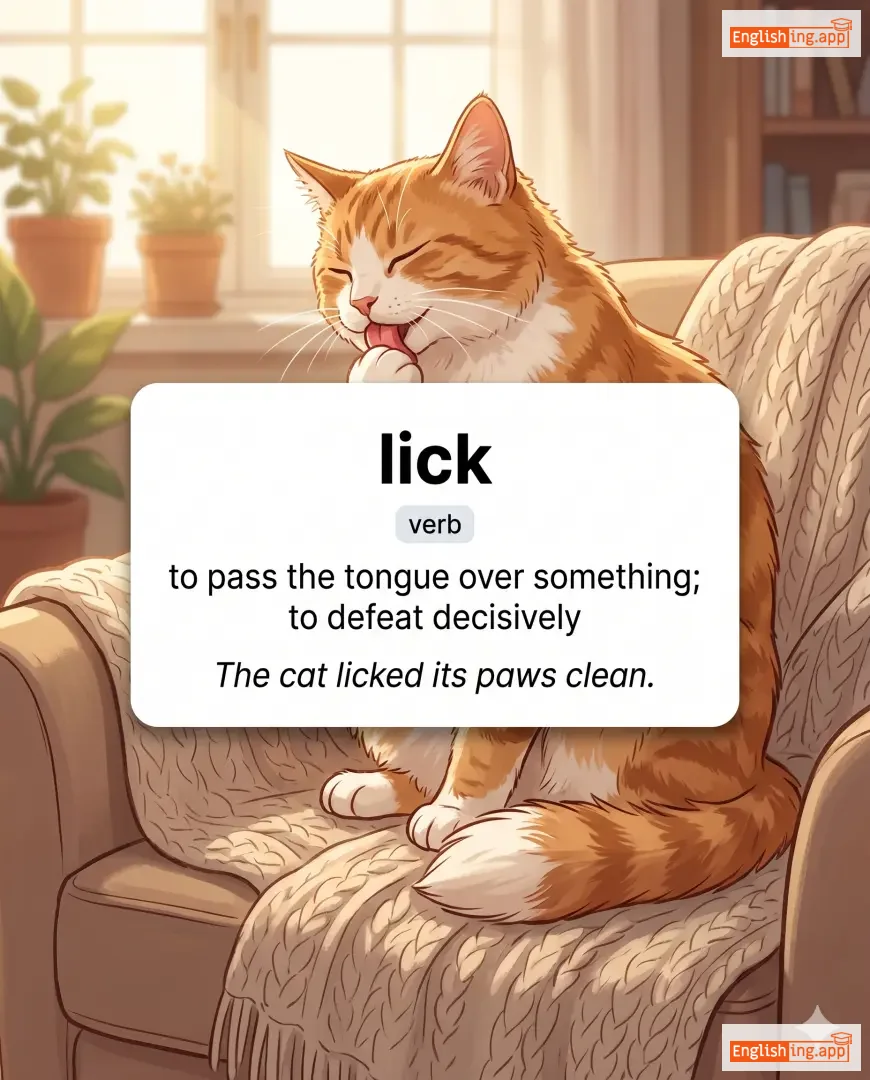
lick definition card — visual illustration of the meaning
verb
/lɪk/
lécher (lecher)

to pass the tongue over something; to defeat decisively

"The cat licked its paws clean."

"Le chat a léché ses pattes propres." (Le chat a léché ses pattes propres.)
noun
/ˌlaɪ.sənˈsiː/
titulaire de la licence (titulaire de la licence)

a person or organization that holds a license to do something

"The licensee is responsible for following all regulations."

"Le titulaire de la licence est responsable du respect de toutes les réglementations." (Le titulaire de la licence est responsable du respect de toutes les reglementations.)