Vocabularios

Descubra, aprenda y domine el vocabulario en inglés

noun
/ˈlɛdʒɪsleɪtər/
legislador (legislador)

a person who makes laws, especially a member of a legislative body

"The legislator introduced a bill to improve healthcare."

"El legislador introdujo un proyecto de ley para mejorar la atención médica." (El legislador introdujo un proyecto de ley para mejorar la atención médica.)
legislature definition card — visual illustration of the meaning
noun
/ˈlɛdʒɪsˌleɪtʃər/
legislatura (legislatura)

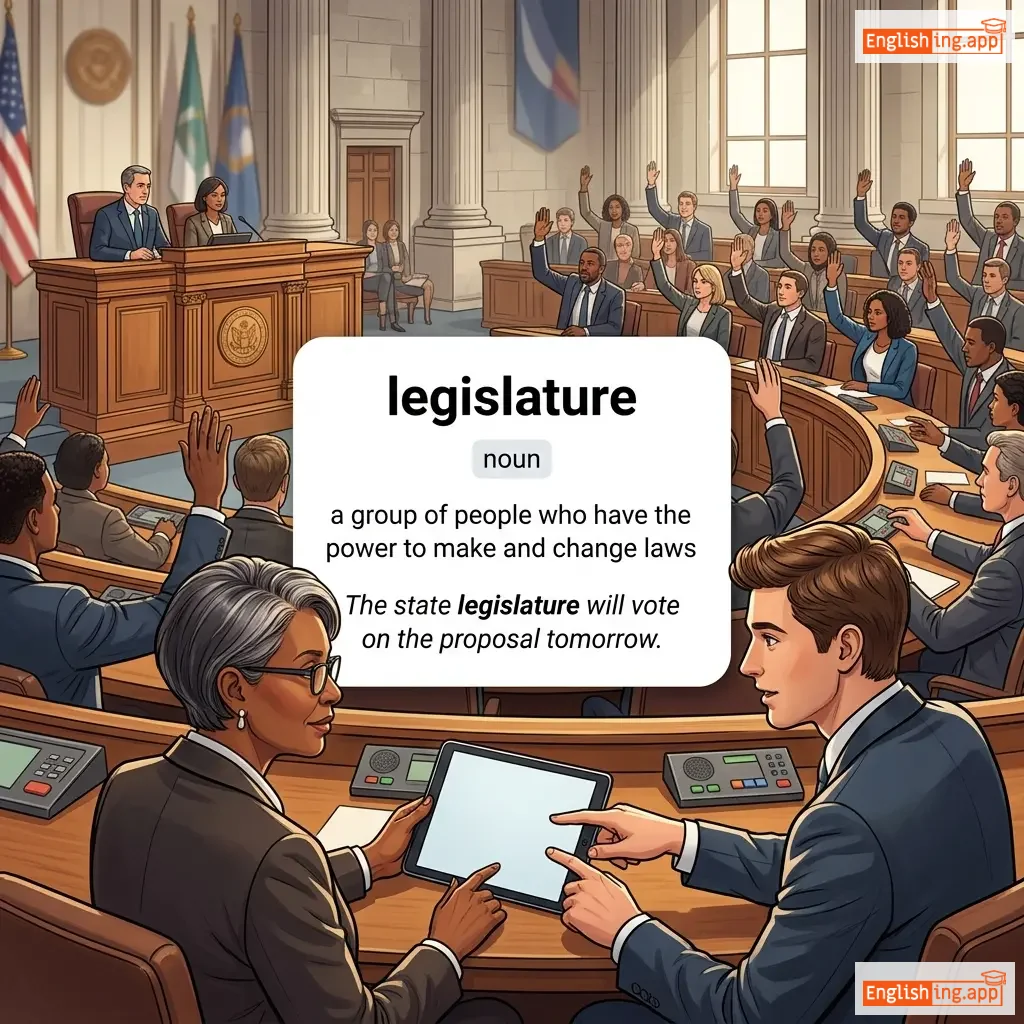
a group of people who have the power to make and change laws

"The state legislature will vote on the proposal tomorrow."

"La legislatura estatal votará sobre la propuesta mañana." (La legislatura estatal votará sobre la propuesta mañana.)
noun
/lɪˈdʒɪtɪməsi/
legitimidad (legitimidad)

the quality of being accepted as right, proper, or lawful

"The legitimacy of the election was questioned by observers."

"La legitimidad de la elección fue cuestionada por los observadores." (La legitimidad de la elección fue cuestionada por los observadores.)
adjective
/lɪˈdʒɪtɪmət/
legítimo (legitimo)

Conforming to the law or to rules; valid or acceptable.

"She presented a legitimate reason for her absence."

"Ella presentó una razón legítima para su ausencia." (Ella presento una razon legitima para su ausencia.)
legitimate self-defense definition card — visual illustration of the meaning
phrase
lɪˈdʒɪt.ɪ.mət sɛlf dɪˈfens
defensa legítima (defensa legitima)

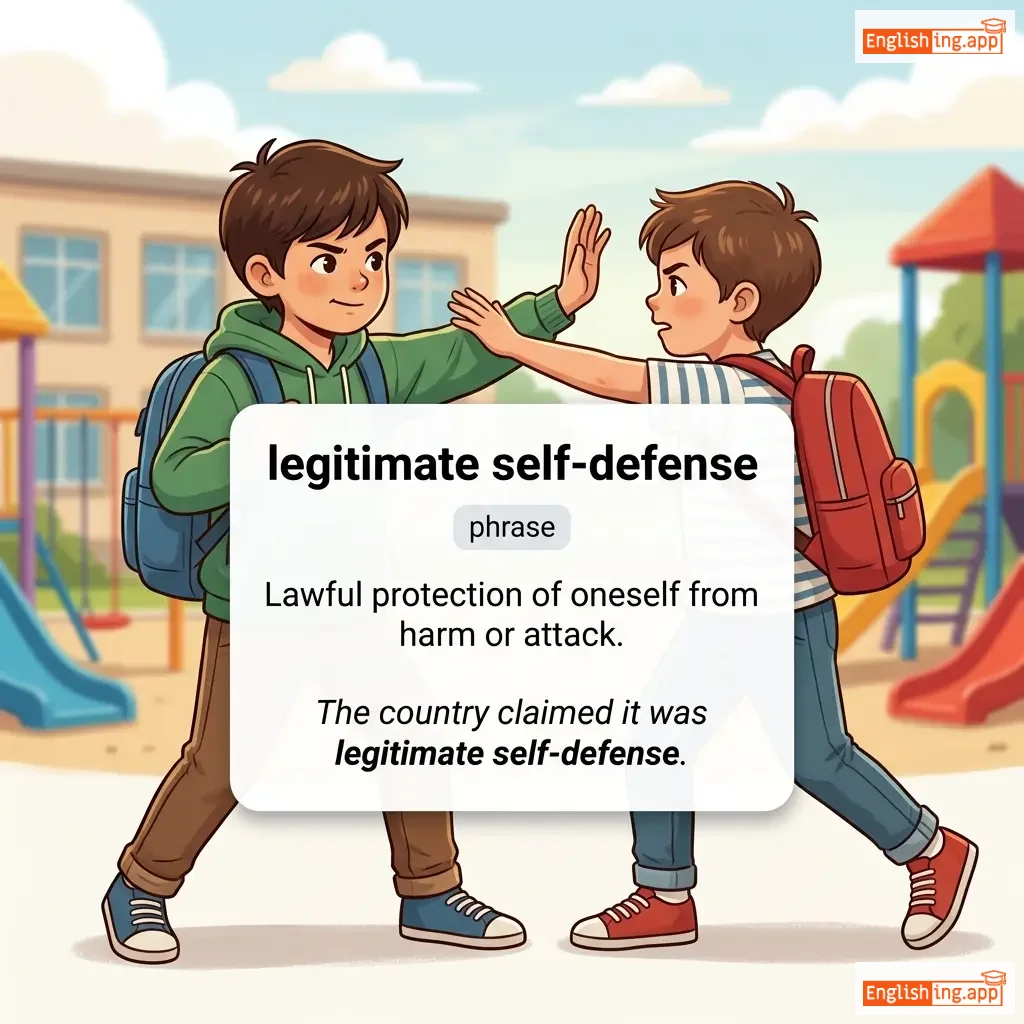
Lawful protection of oneself from harm or attack.

"The country claimed it was legitimate self-defense."

"El país afirmó que era defensa legítima." (El pais afirmo que era defensa legitima.)
noun
/ˈliːʒər/ or /ˈlɛʒər/
ocio (ocio)

Free time when one is not working or occupied; time for relaxation.

"She spends her leisure reading novels."

"Ella pasa su ocio leyendo novelas." (Ella pasa su ocio leyendo novelas.)
Lemon definition card — visual illustration of the meaning
noun
/ˈlɛmən/
limón (limon)

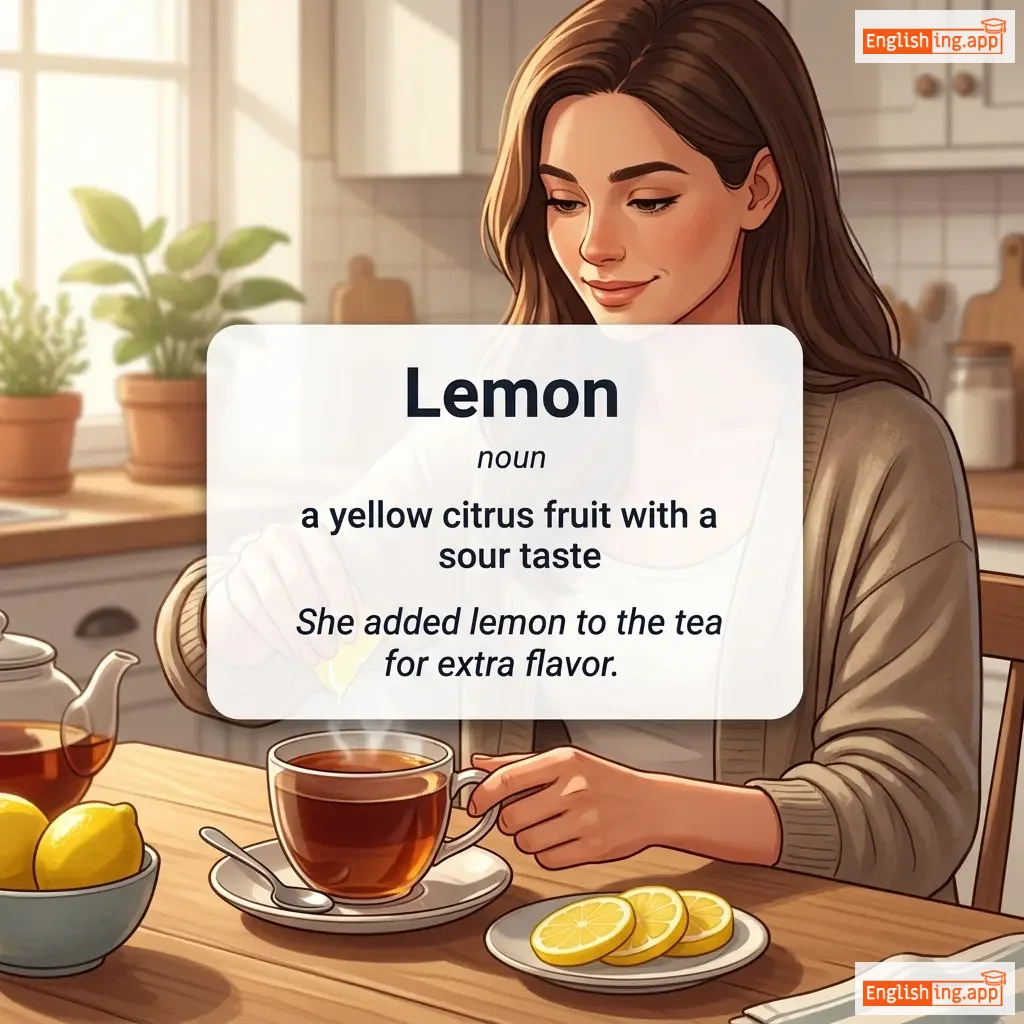
a yellow citrus fruit with a sour taste

"She added lemon to the tea for extra flavor."

"Ella añadió limón al té para darle más sabor." (Ella anadio limon al te para darle mas sabor.)
lend definition card — visual illustration of the meaning
verb
/lend/
felicidad (felicidad)

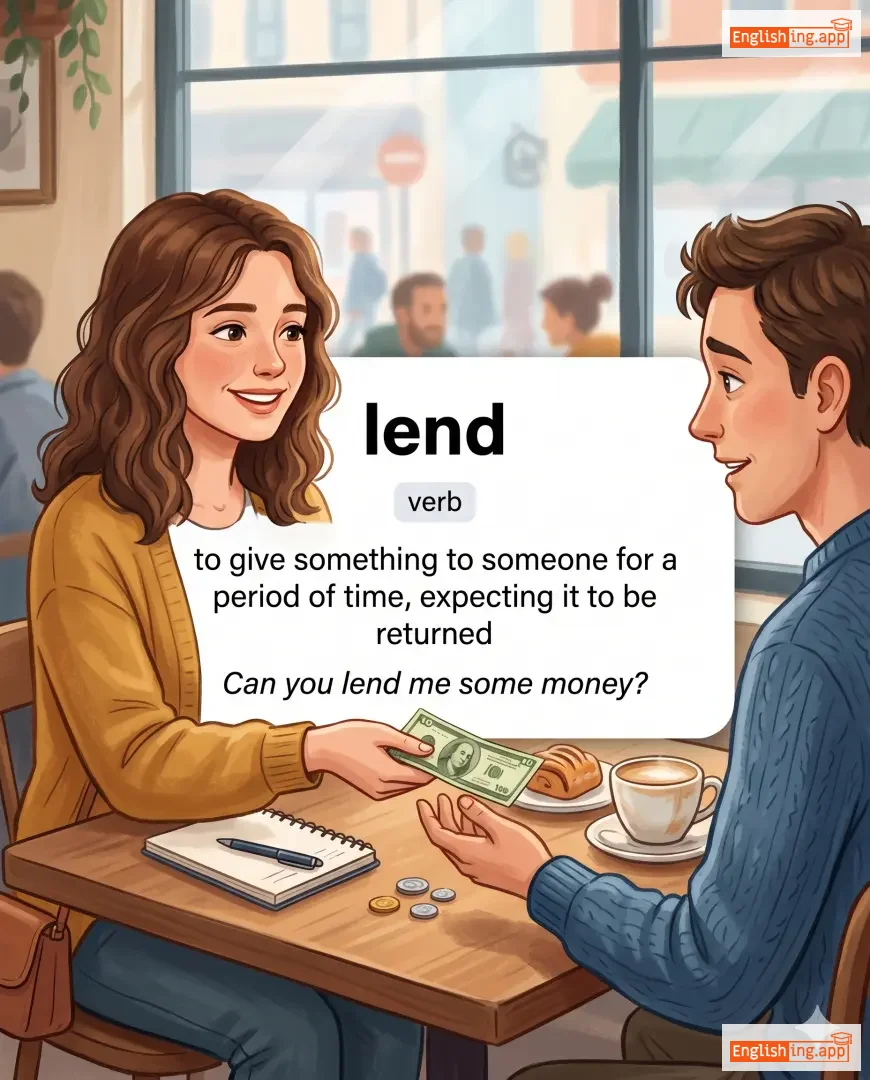
to give something to someone for a period of time, expecting it to be returned

"Can you lend me some money?"

"¿Puedes prestarme algo de dinero?" (¿Puedes prestarme algo de dinero?)
noun
/lɛŋkθ/
longitud (longitud)

The measurement or extent of something from end to end.

"The length of the bridge is two kilometers."

"La longitud del puente es de dos kilómetros." (La longitud del puente es de dos kilometros.)
adverb
/ˈleŋθ.waɪz/
a lo largo; en la dirección más larga (a lo largo; en la direccion mas larga)

in the direction of the length; along the longest dimension

"Fold the paper lengthwise to make it easier to carry."

"Dobla el papel a lo largo para que sea más fácil de llevar." (Dobla el papel a lo largo para que sea mas facil de llevar.)
adjective
/ˈlɛŋθi/
largo (largo)

long in duration or extent

"The meeting was lengthy, lasting over three hours."

"La reunión fue larga, duró más de tres horas." (La reunion fue larga, duro mas de tres horas.)
noun
/ˈliːniənsi/
lenidad (lenidad)

The quality of being more merciful or tolerant than expected.

"The judge showed leniency in his ruling."

"El juez mostró lenidad en su fallo." (El juez mostró lenidad en su fallo.)
adjective
/ˈliːniənt/
tolerante (tolerante)

Permissive, merciful, or tolerant.

"Her parents are lenient with her curfew."

"Sus padres son tolerantes con su hora de llegada." (Sus padres son tolerantes con su hora de llegada.)
noun
/lenz/
lente (lente)

a curved piece of glass or plastic that makes things look clearer or larger when you look through it

"He cleaned the camera lens before taking the picture."

"Él limpió la lente de la cámara antes de tomar la foto." (Él limpió la lente de la cámara antes de tomar la foto.)
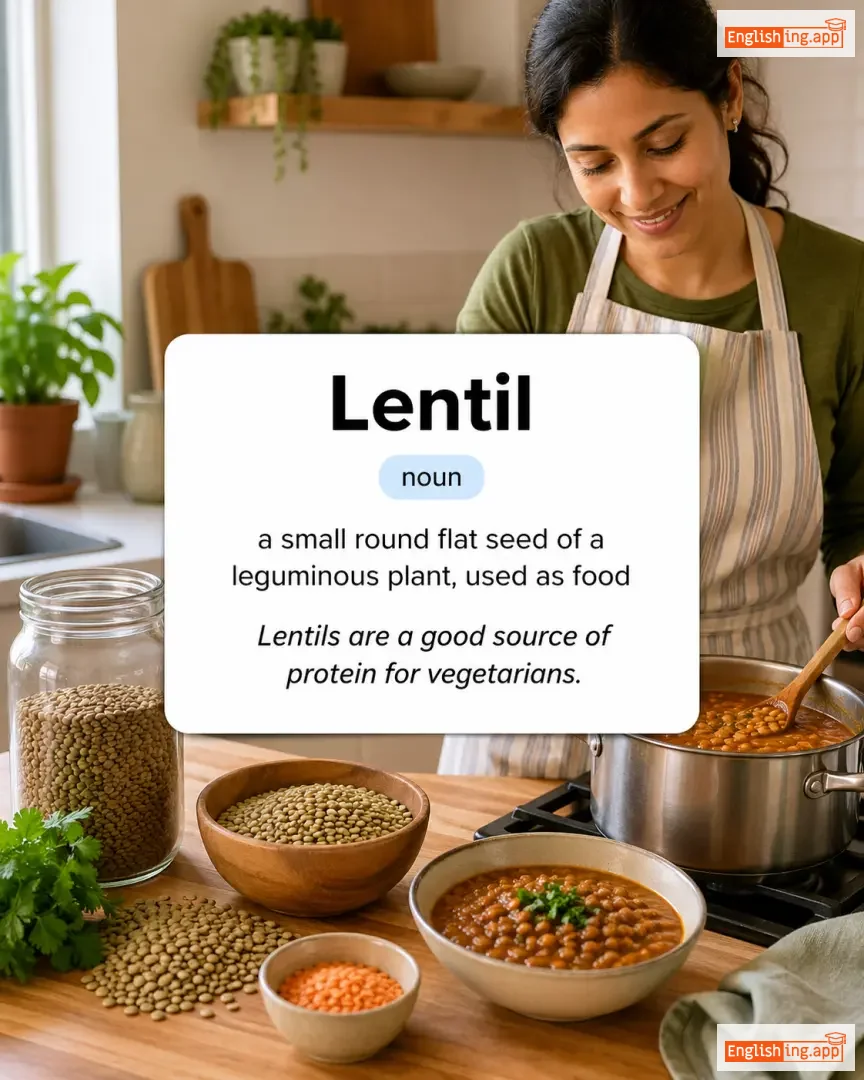
Lentil definition card — visual illustration of the meaning
noun
/ˈlen.tɪl/
lenteja (lenteja)

a small round flat seed of a leguminous plant, used as food

"Lentils are a good source of protein for vegetarians."

"Las lentejas son una buena fuente de proteína para los vegetarianos." (Las lentejas son una buena fuente de proteina para los vegetarianos)
adjective
/ˈliːənaɪn/
leonino (leonino)

Of or resembling a lion.

"His leonine hair made him stand out in the crowd."

"Su cabello leonino lo hacía destacar entre la multitud." (Su cabello leonino lo hacia destacar entre la multitud.)
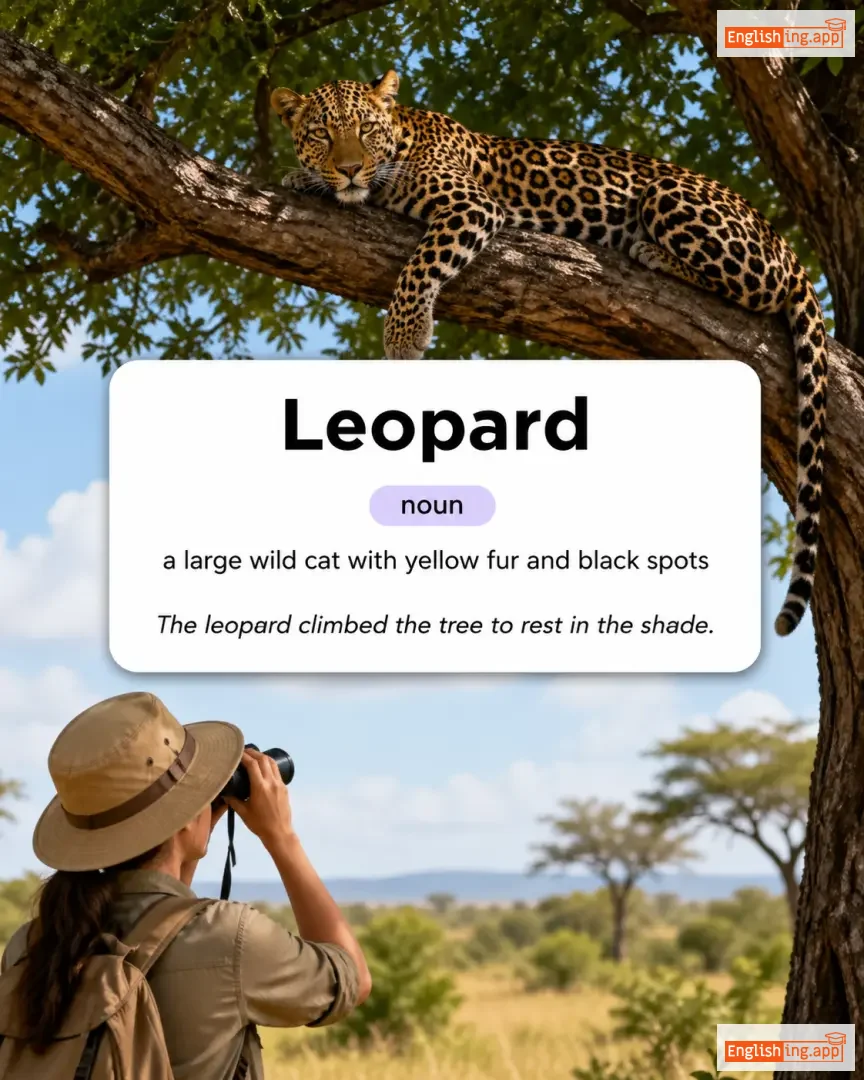
Leopard definition card — visual illustration of the meaning
noun
/ˈlep.ərd/
leopardo (leopardo)

a large wild cat with yellow fur and black spots

"The leopard climbed the tree to rest in the shade."

"El leopardo subió al árbol para descansar en la sombra." (El leopardo subió al árbol para descansar en la sombra.)
noun/adjective
/ˈlɛzbiən/
lesbiana (lesbiana)

a woman who is romantically or sexually attracted to other women

"She is a proud lesbian and advocates for equal rights."

"Ella es una lesbiana orgullosa y aboga por los derechos iguales." (Ella es una lesbiana orgullosa y aboga por los derechos iguales.)
noun
/ˈliːʒən/
lesión (lesion)

An area of damage or abnormal change in the tissue of an organism, often caused by injury or disease.

"The doctor examined the skin lesion carefully."

"El doctor examinó cuidadosamente la lesión en la piel." (El doctor examino cuidadosamente la lesion en la piel.)
adjective/adverb
/lɛs/
menos (menos)

A smaller amount; not as much.

"She spends less money than her brother."

"Ella gasta menos dinero que su hermano." (Ella gasta menos dinero que su hermano.)
adjective
/ˈlɛsər/
menos importante (menos importante)

of lower importance or smaller in degree or amount

"The lesser known facts about the topic were fascinating."

"Los hechos menos conocidos sobre el tema eran fascinantes." (Los hechos menos conocidos sobre el tema eran fascinantes.)
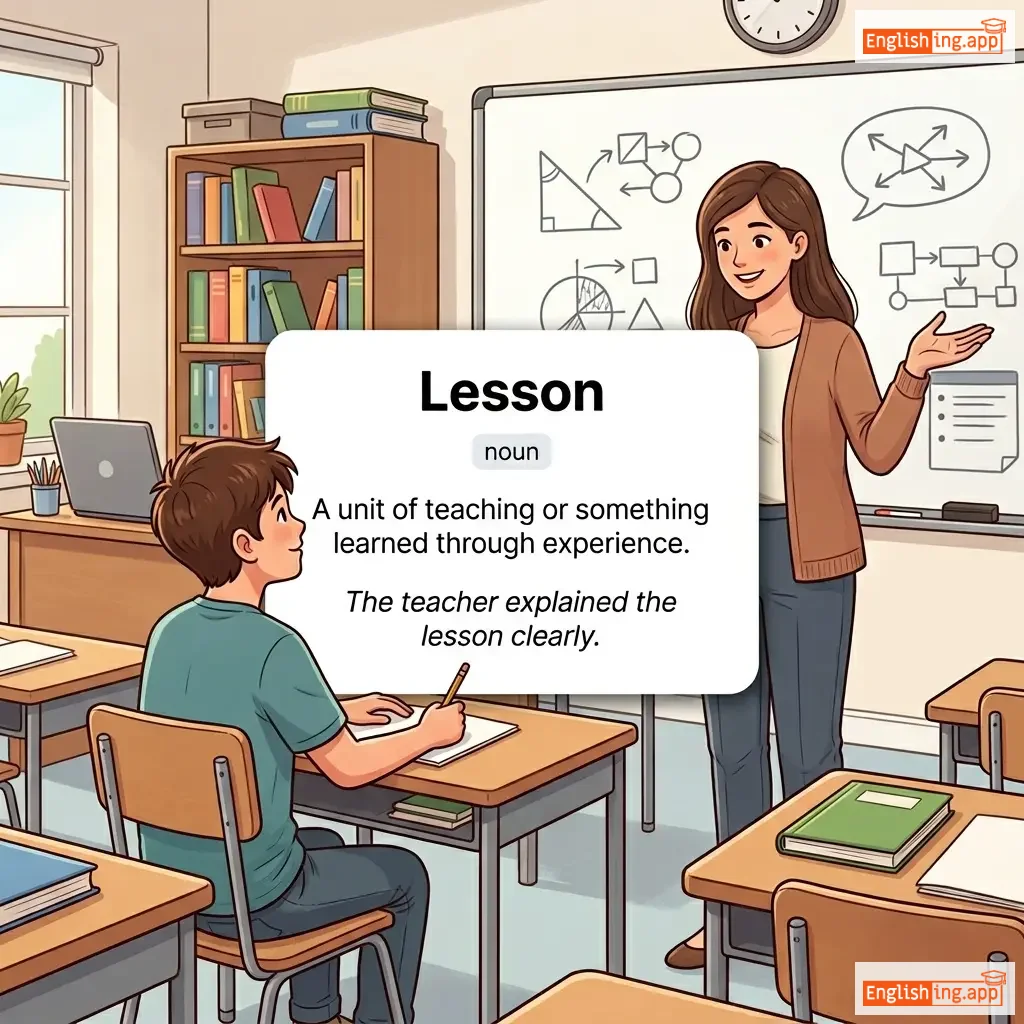
Lesson definition card — visual illustration of the meaning
noun
/ˈlɛsən/
lección (leccion)

A unit of teaching or something learned through experience.

"The teacher explained the lesson clearly."

"El maestro explicó la lección claramente." (El maestro explico la leccion claramente.)
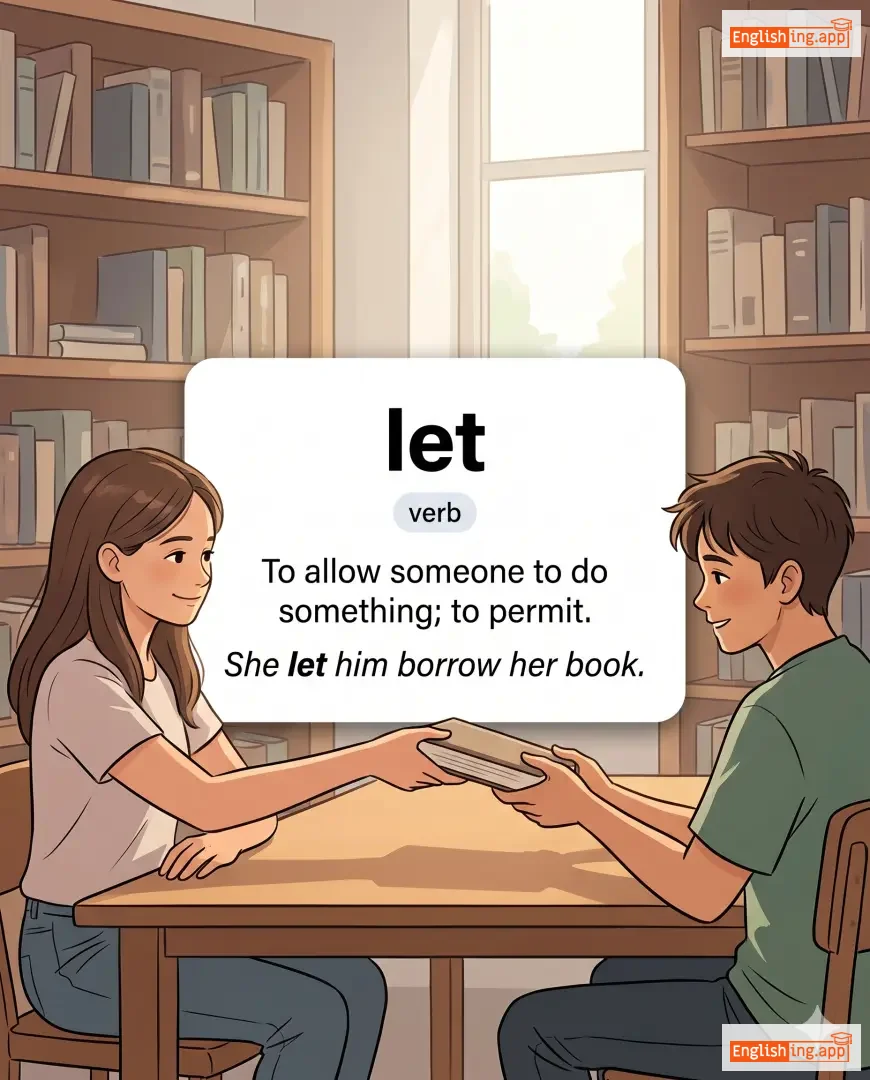
let definition card — visual illustration of the meaning
verb
/lɛt/
dejar (dejar)

To allow someone to do something; to permit.

"She let him borrow her book."

"Ella le dejó tomar prestado su libro." (Ella le dejo tomar prestado su libro.)
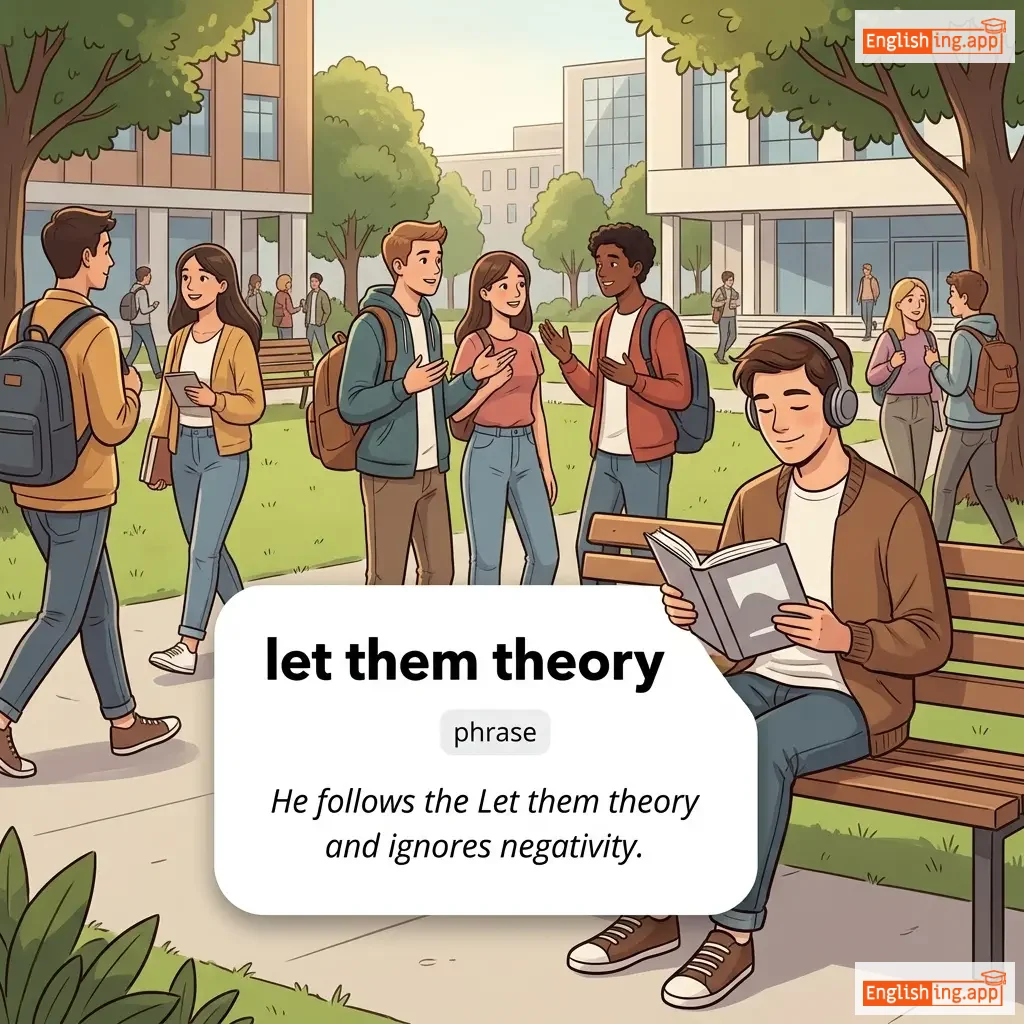
let them theory definition card — visual illustration of the meaning
phrase
/lɛt ðɛm ˈθɪə.ri/
teoría de dejar que otros piensen lo que quieran (teoria de dejar que otros piensen lo que quieran)

A philosophy of not trying to control others' actions or opinions and allowing them to be themselves.

"He follows the Let them theory and ignores negativity."

"Él sigue la teoría de 'dejar que ellos' y ignora la negatividad." (El sigue la teoria de 'dejar que ellos' y ignora la negatividad.)
adjective
/ˈliːθəl/
letal (letal)

Able to cause death; deadly.

"The snake's venom is extremely lethal."

"El veneno de la serpiente es extremadamente letal." (El veneno de la serpiente es extremadamente letal.)
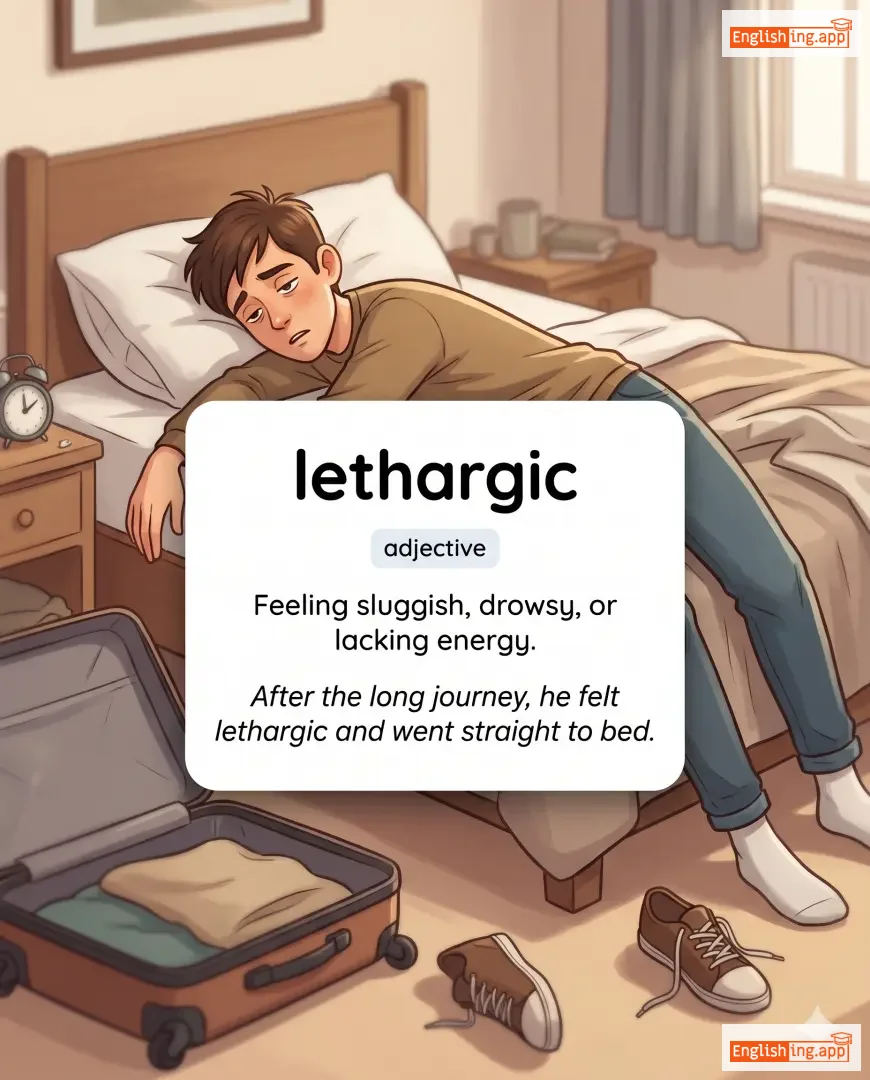
lethargic definition card — visual illustration of the meaning
adjective
/ləˈθɑːrdʒɪk/
letárgico (letargico)

Feeling sluggish, drowsy, or lacking energy.

"After the long journey, he felt lethargic and went straight to bed."

"Después del largo viaje, se sintió letárgico y se fue directo a la cama." (Despuès del largo viaje, se sintió letárgico y se fue directo a la cama.)
noun
/ˈleθərdʒi/
letargo (letargo)

A state of tiredness, lack of energy, or drowsiness.

"The hot weather caused a feeling of lethargy among the workers."

"El clima caluroso causó una sensación de letargo entre los trabajadores." (El clima caluroso causó una sensación de letargo entre los trabajadores.)
noun
/ˈlɛtər/
carta (carta)

A written or printed message sent to someone.

"He wrote a letter to his friend."

"Él escribió una carta a su amigo." (Él escribió una carta a su amigo.)
noun
/ˈlɛtɪs/
lechuga (lechuga)

a leafy green vegetable commonly used in salads and sandwiches

"She added fresh lettuce to the sandwich."

"Ella añadió lechuga fresca al sándwich." (ella anadio lechuga fresca al sandwich)
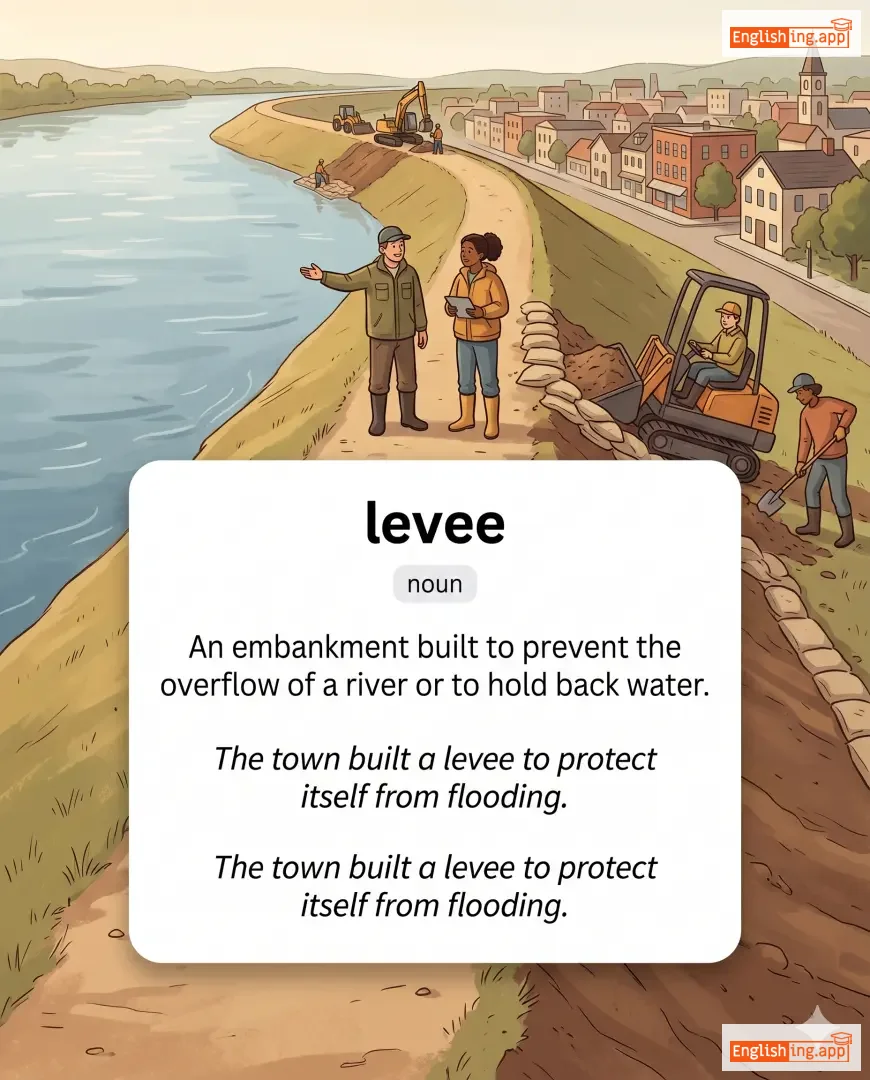
levee definition card — visual illustration of the meaning
noun
/ˈlɛvi/
dique (dike)

An embankment built to prevent the overflow of a river or to hold back water.

"The town built a levee to protect itself from flooding."

"La ciudad construyó un dique para protegerse de las inundaciones." (La ciudad construyó un dike para protegerse de las inundaciones.)
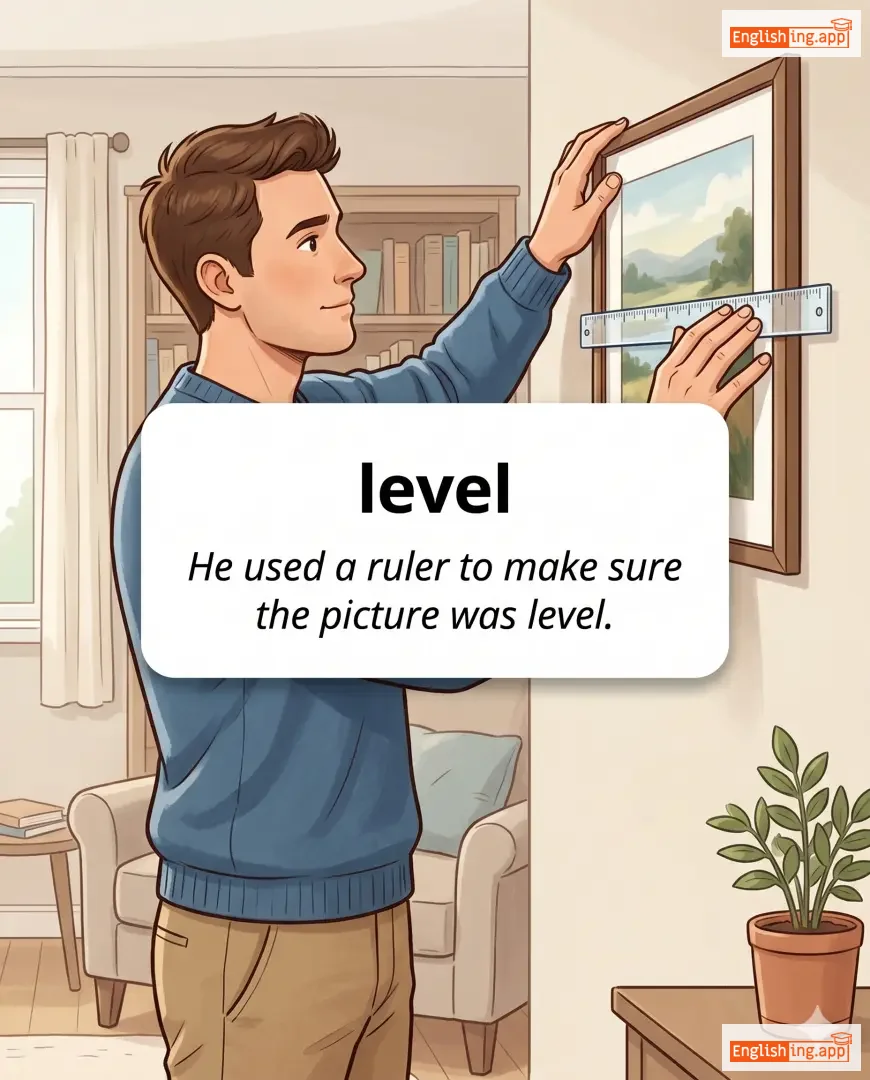
level definition card — visual illustration of the meaning
noun, verb, adjective
/ˈlɛvəl/
nivel, etapa (nivel, etapa)

a flat or even surface; a stage in scale or rank; to make something flat or equal.

"He used a ruler to make sure the picture was level."

"Él usó una regla para asegurarse de que la imagen estuviera nivelada." (El uso una regla para asegurarse de que la imagen estuviera nivelada.)
adjective
/ˌlɛvəlˈhɛdɪd/
calmado y sensato (calmado y sensato)

calm and sensible; showing good judgment.

"She remained levelheaded during the crisis."

"Ella permaneció calmada durante la crisis." (Ella permaneció calmada durante la crisis.)
noun, verb
/ˈliːvər/ or /ˈlɛvər/
palanca, barra rígida (palanca, barra rigida)

a rigid bar used to move or lift heavy objects; to move something using leverage.

"He used a lever to lift the heavy stone."

"Él usó una palanca para levantar la piedra pesada." (El uso una palanca para levantar la piedra pesada.)
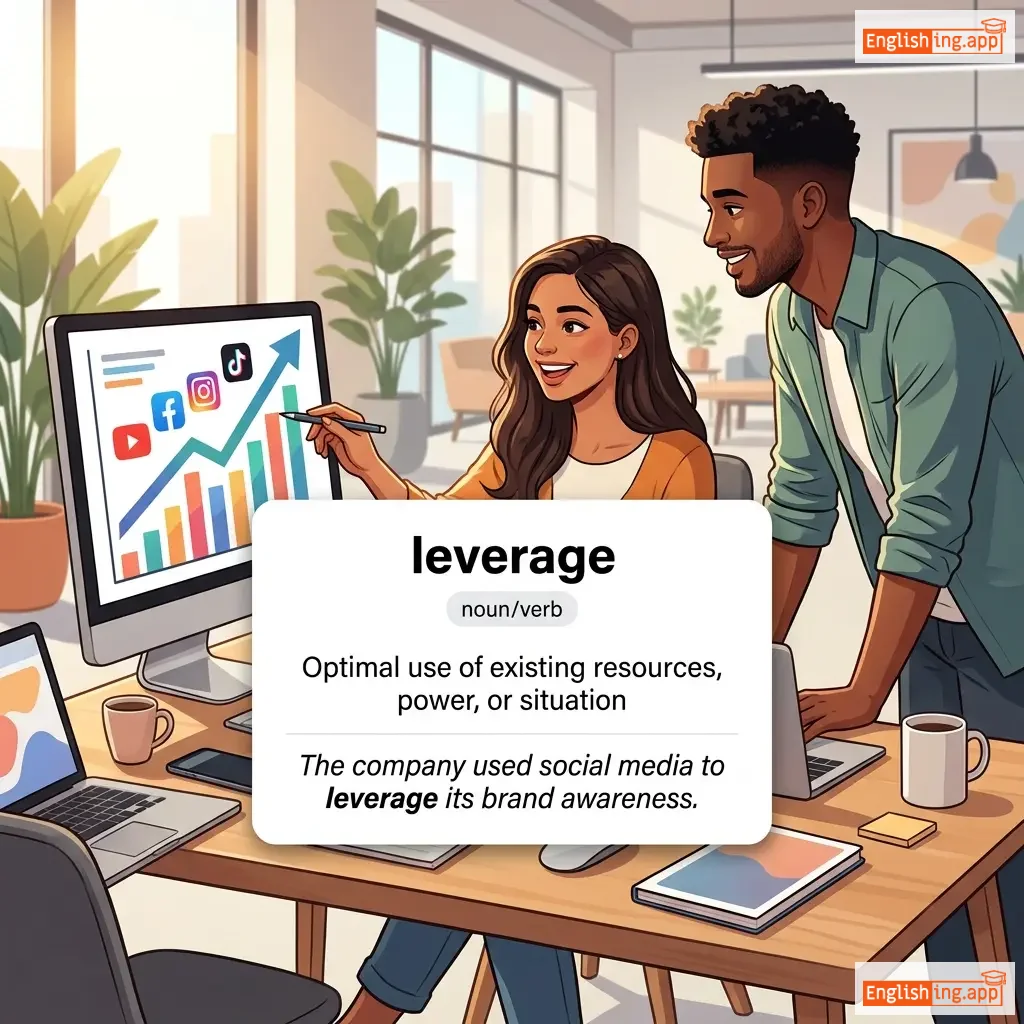
leverage definition card — visual illustration of the meaning
noun/verb
/ˈlɛv.ər.ɪdʒ/
aprovechar (aprovechar)

Optimal use of existing resources, power, or situation

"The company used social media to leverage its brand awareness."

"La empresa utilizó las redes sociales para aprovechar su conocimiento de marca." (La empresa utilizo las redes sociales para aprovechar su conocimiento de marca.)
noun
/ˈlaɪsəns/
licencia (licencia)

An official document giving permission to do, use, or own something.

"She applied for a driving licence last week."

"Ella solicitó una licencia de conducir la semana pasada." (Ella solicitó una licencia de conducir la semana pasada.)
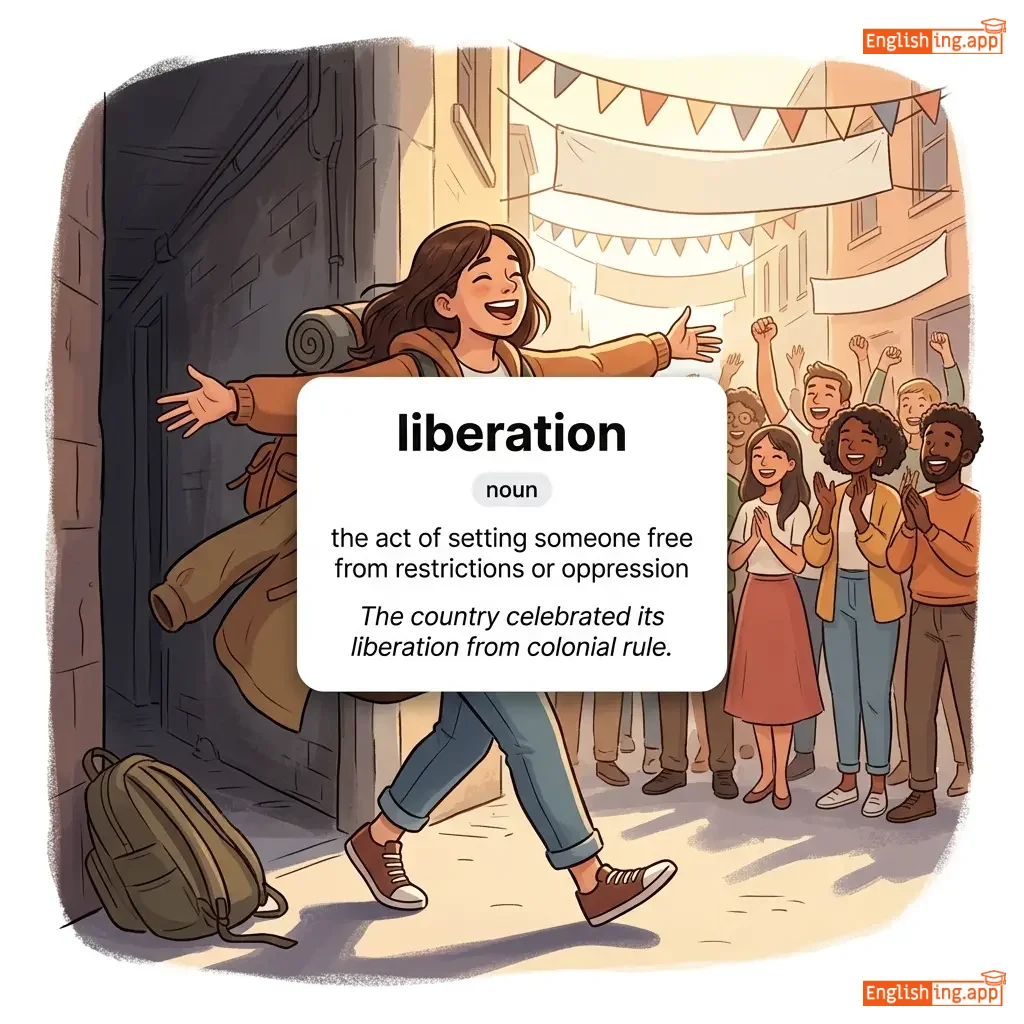
liberation definition card — visual illustration of the meaning
noun
/ˌlɪbəˈreɪʃən/
liberación (liberacion)

the act of setting someone free from restrictions or oppression

"The country celebrated its liberation from colonial rule."

"El país celebró su liberación del dominio colonial." (El pais celebro su liberacion del dominio colonial.)
noun
/ˌlɪbəˈreɪʃən wɔːr/
guerra de liberación (guerra de liberacion)

a war fought to gain freedom from foreign rule, occupation, or oppression; an armed struggle for national independence

"The liberation war reshaped the nation’s history and identity."

"La guerra de liberación transformó la historia del país." (La guerra de liberacion transformo la historia del pais)
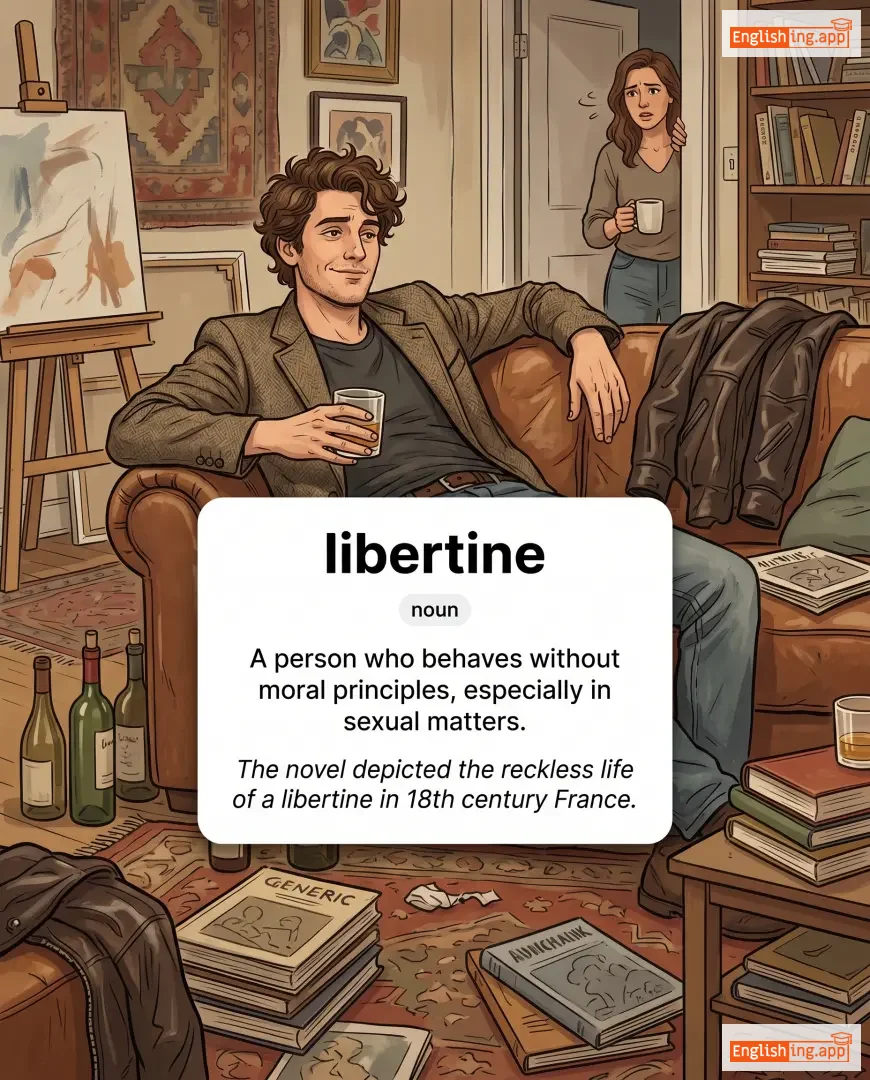
libertine definition card — visual illustration of the meaning
noun
/ˈlɪbərˌtiːn/
persona inmoral (persona inmoral)

A person who behaves without moral principles, especially in sexual matters.

"The novel depicted the reckless life of a libertine in 18th century France."

"La novela describía la vida desenfrenada de un libertino en el Francia del siglo XVIII." (La novela describía la vida desenfrenada de un libertino en el Francia del siglo XVIII.)
noun
/ˈlɪbərti/
libertad (libertad)

the state of being free within society from oppressive restrictions

"Freedom of speech is a basic liberty."

"La libertad de expresión es una libertad básica." (La libertad de expresión es una libertad básica.)
adjective
/lɪˈbɪdənəs/
lascivo (lascivo)

Showing excessive sexual drive; lustful.

"The play was criticized for its libidinous characters."

"La obra fue criticada por sus personajes lascivos." (La obra fue criticada por sus personajes lascivos.)
libido definition card — visual illustration of the meaning
noun
/lɪˈbiːdoʊ/
deseo sexual (deseo sexual)

Sexual desire or drive.

"Stress can sometimes lower a person's libido."

"El estrés a veces puede reducir el deseo sexual de una persona." (El estres a veces puede reducir el deseo sexual de una persona.)
noun
/laɪˈbrɛəriən/
bibliotecario (bibliotecario)

a person who manages, organizes, and assists users in a library

"The librarian helped me find a rare history book."

"El bibliotecario me ayudó a encontrar un libro de historia raro." (El bibliotecario me ayudo a encontrar un libro de historia raro)
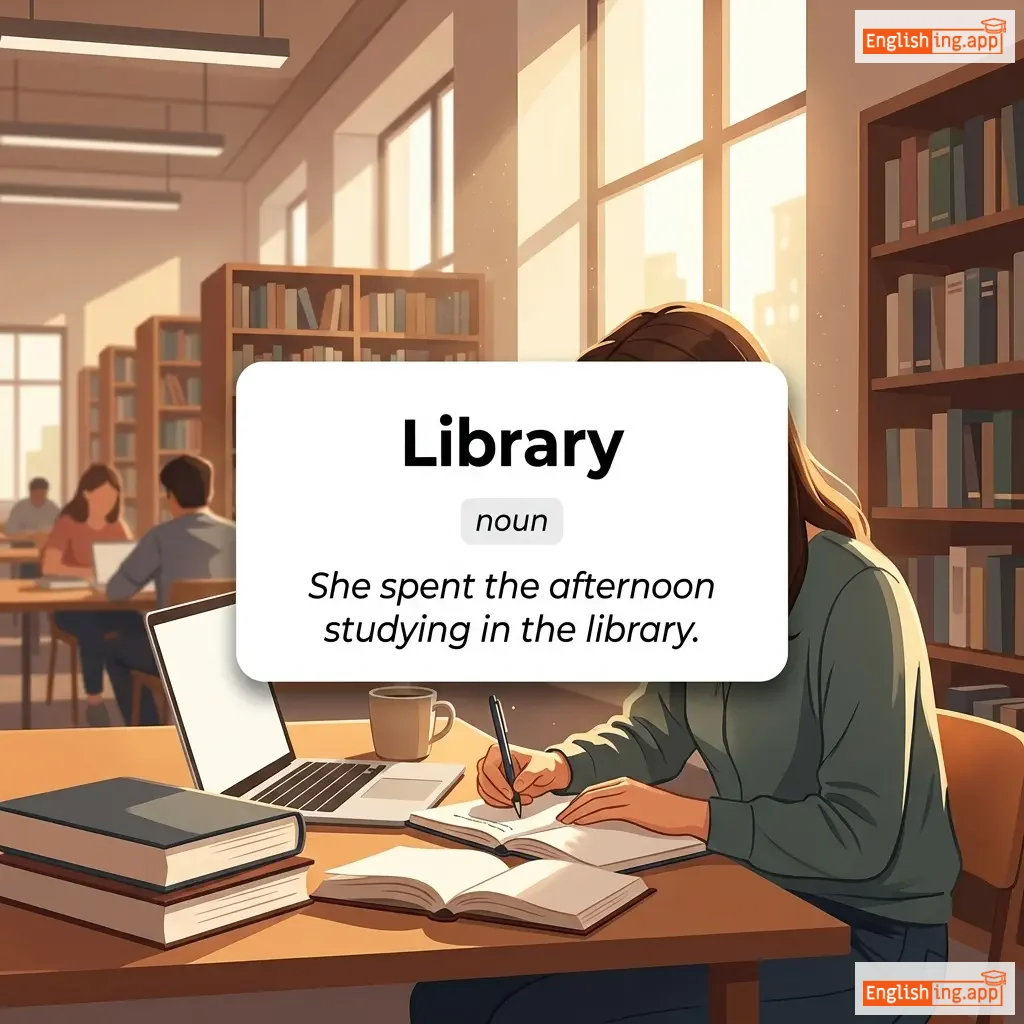
Library definition card — visual illustration of the meaning
noun
/ˈlaɪ.brɛr.i/
biblioteca (biblioteca)

A building or room containing collections of books, periodicals, and sometimes other materials for people to read or borrow.

"She spent the afternoon studying in the library."

"Ella pasó la tarde estudiando en la biblioteca." (Ella pasó la tarde estudiando en la biblioteca.)
noun
/lɪˈbrɛtoʊ/
libreto de ópera (libreto de opera)

The text of an opera or other long vocal work.

"She studied the libretto before attending the opera performance."

"Ella estudió el libreto antes de asistir a la función de la ópera." (Ella estudio el libreto antes de asistir a la funcion de la opera.)
adjective
/ˈlɪsɪt/
lícito (licito)

Permitted by law or by rules; legal.

"The trade of certain goods is licit under international law."

"El comercio de ciertos bienes es lícito bajo la ley internacional." (El comercio de ciertos bienes es lícito bajo la ley internacional.)
noun
/liːdʒ/
señor feudal (senor feudal)

A feudal lord entitled to allegiance and service; a loyal subject.

"The knight pledged loyalty to his liege."

"El caballero juró lealtad a su señor feudal." (El caballero juro lealtad a su senor feudal.)
lie definition card — visual illustration of the meaning
verb
/laɪ/
mentir (mentir)

To make a false statement with the intention to deceive.

"He lied about his age to get the job."

"Él mintió sobre su edad para conseguir el trabajo." (El mintio sobre su edad para conseguir el trabajo.)
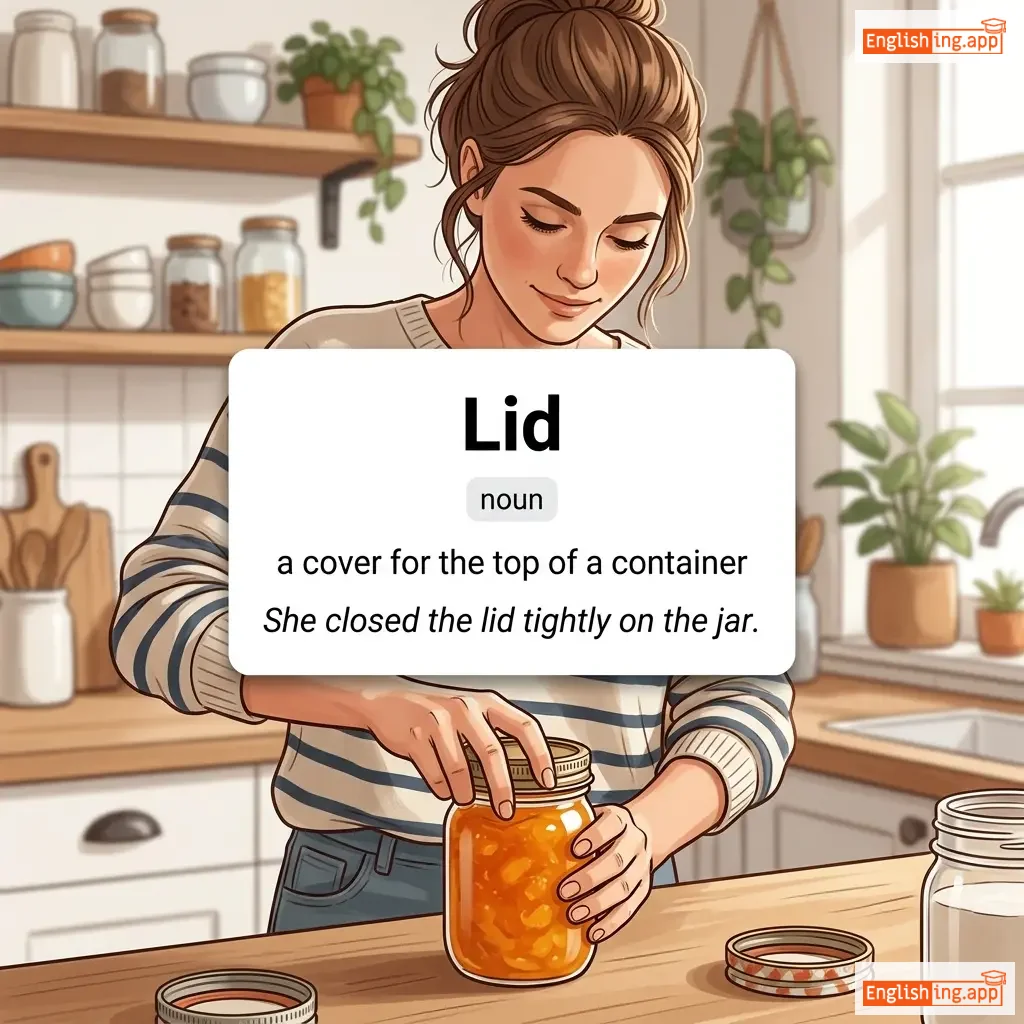
Lid definition card — visual illustration of the meaning
noun
/lɪd/
tapa (tapa)

a cover for the top of a container

"She closed the lid tightly on the jar."

"Ella cerró el tapa del tarro con fuerza." (Ella cerró el tapa del tarro con fuerza.)
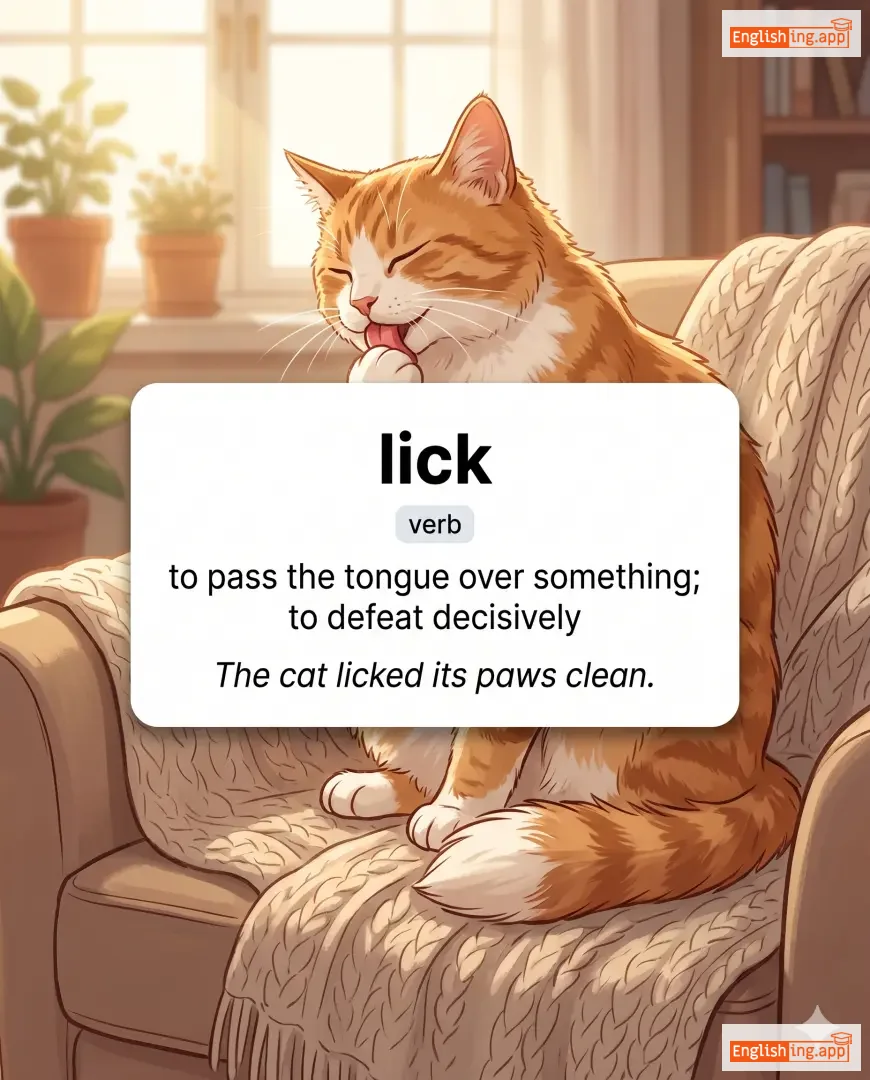
lick definition card — visual illustration of the meaning
verb
/lɪk/
lamer (lamer)

to pass the tongue over something; to defeat decisively

"The cat licked its paws clean."

"El gato lamió sus patas limpias." (El gato lamió sus patas limpias.)
noun
/ˌlaɪ.sənˈsiː/
licenciatario (licenciatorio)

a person or organization that holds a license to do something

"The licensee is responsible for following all regulations."

"El licenciatario es responsable de seguir todas las regulaciones." (El licenciario es responsable de seguir todas las regulaciones.)